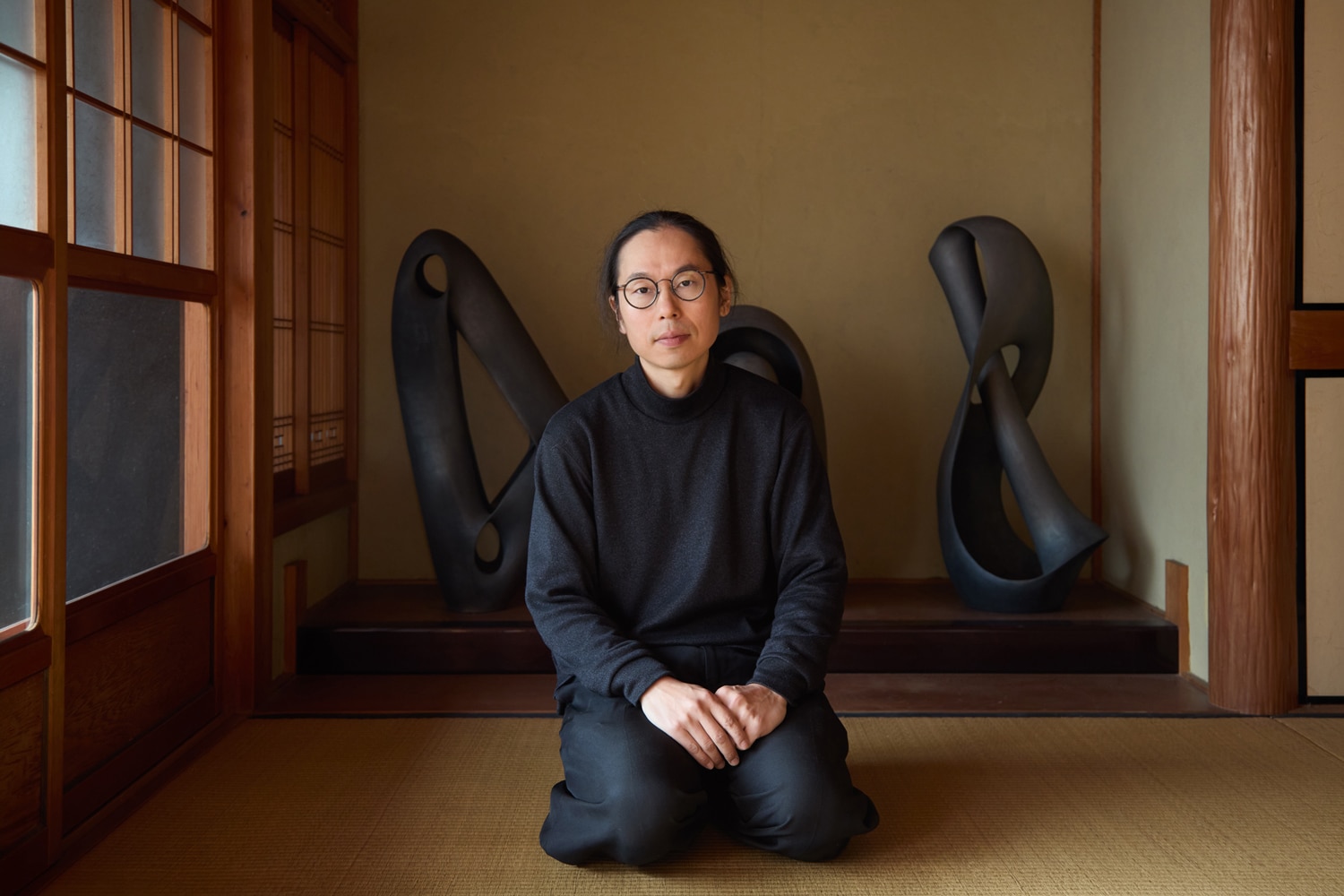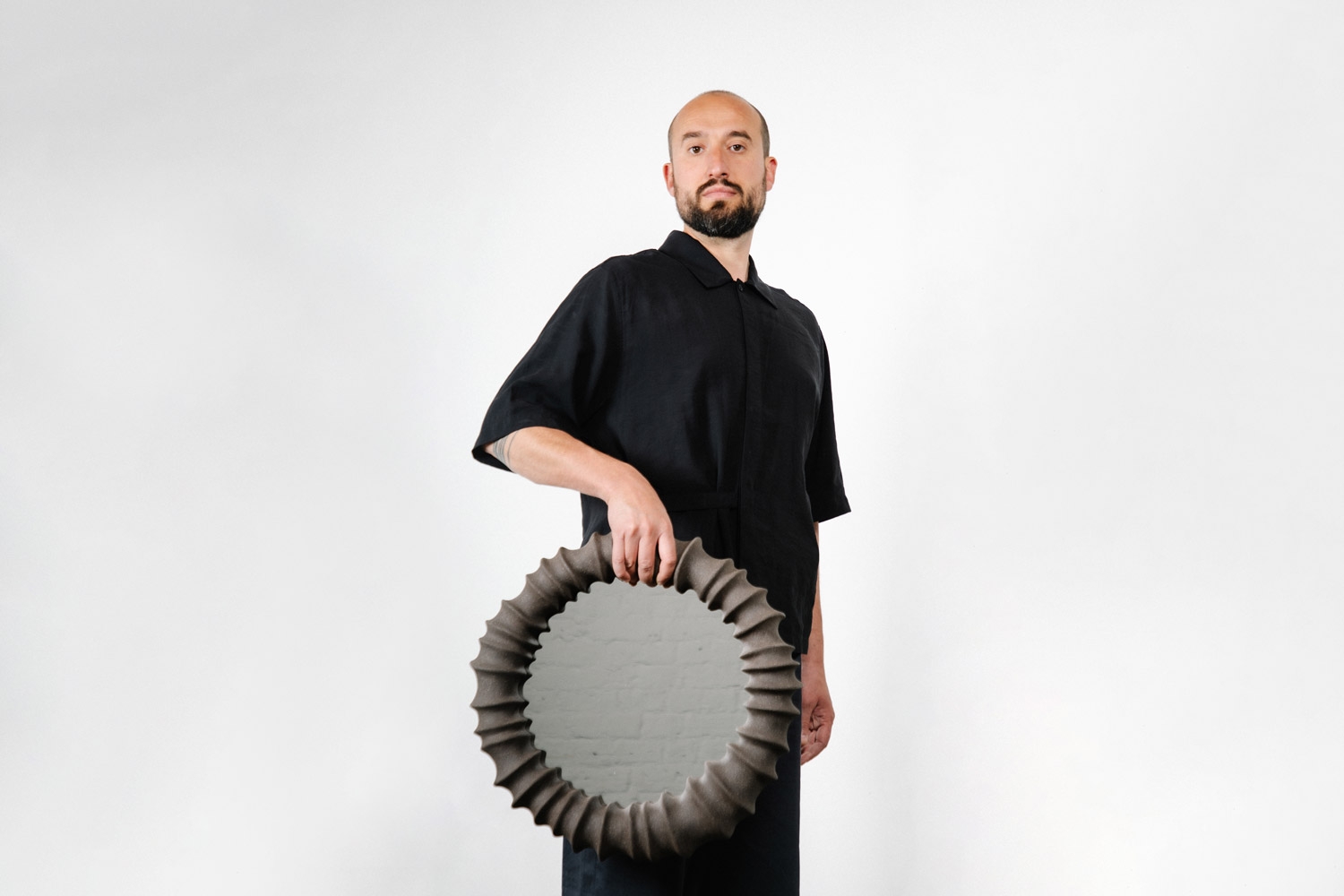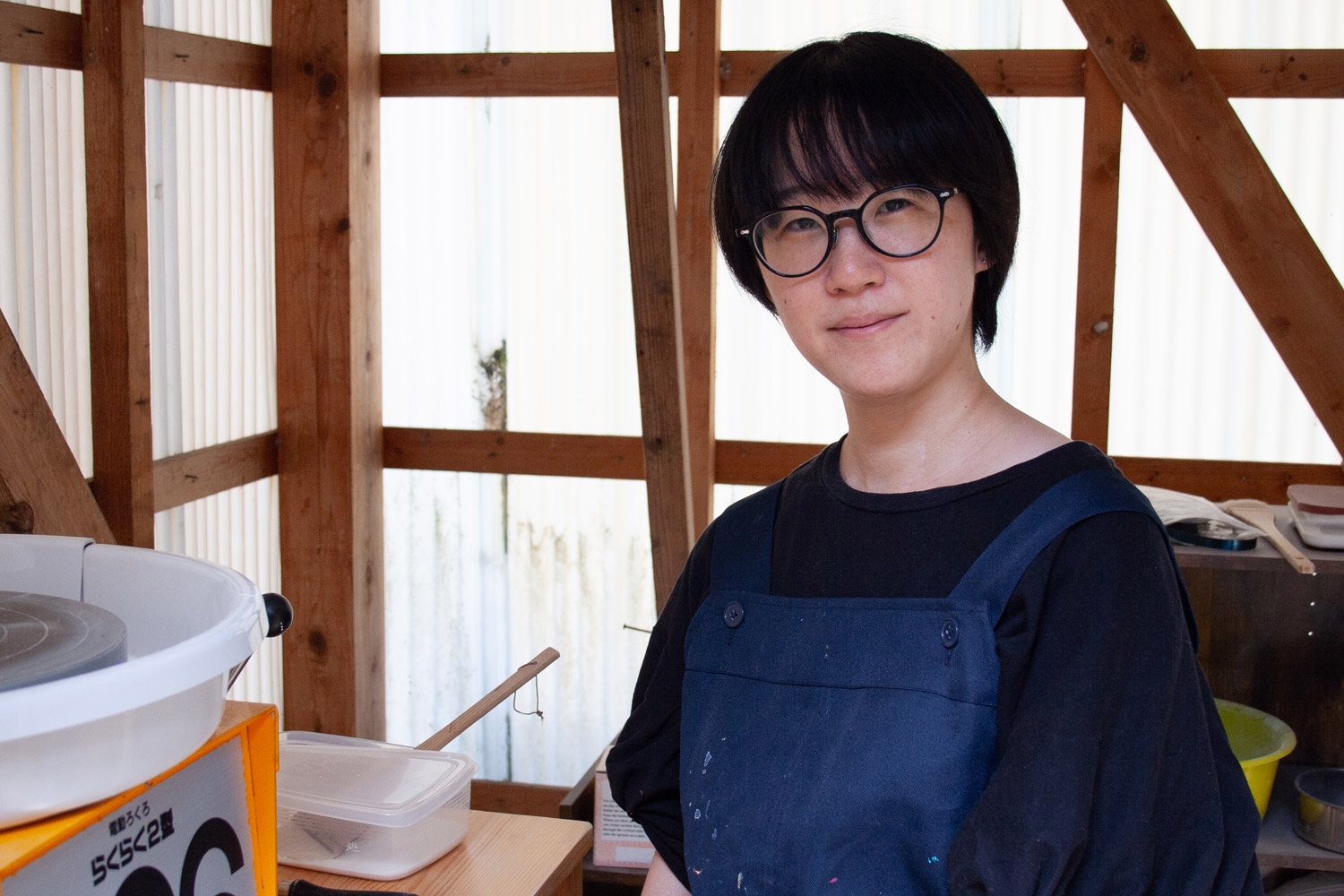
Maika Hirano
Ceramicist
Kanazawa, Japan
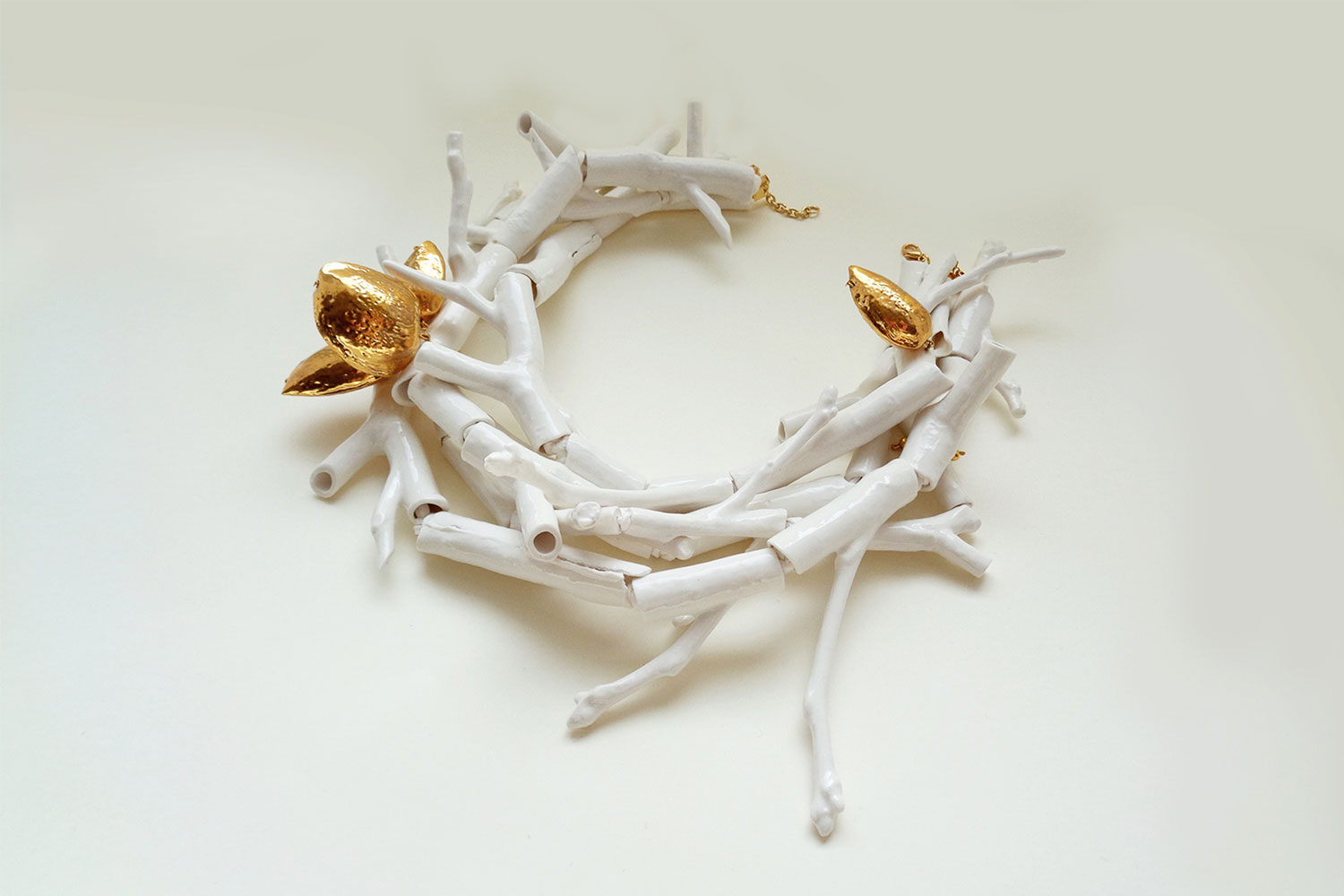
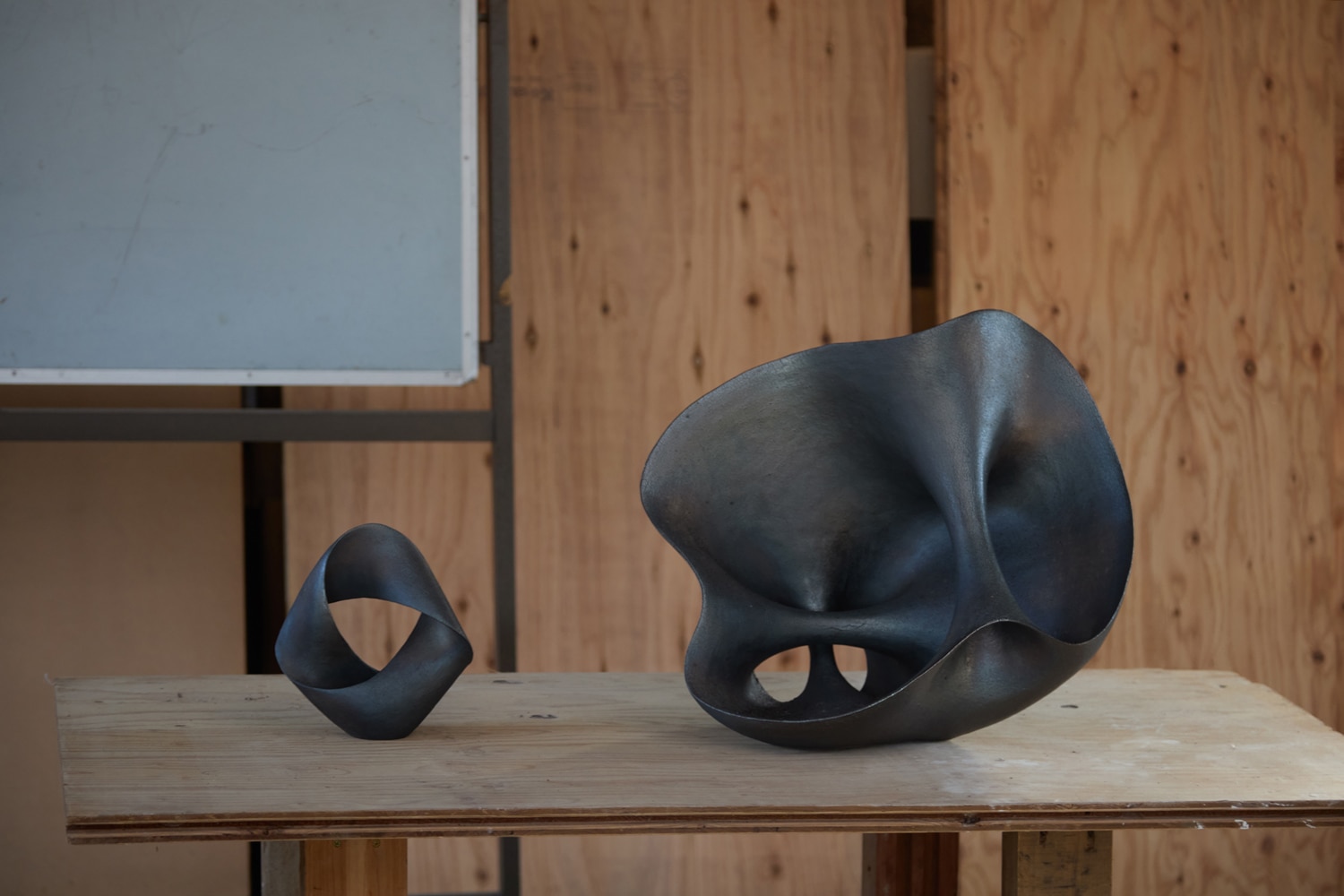
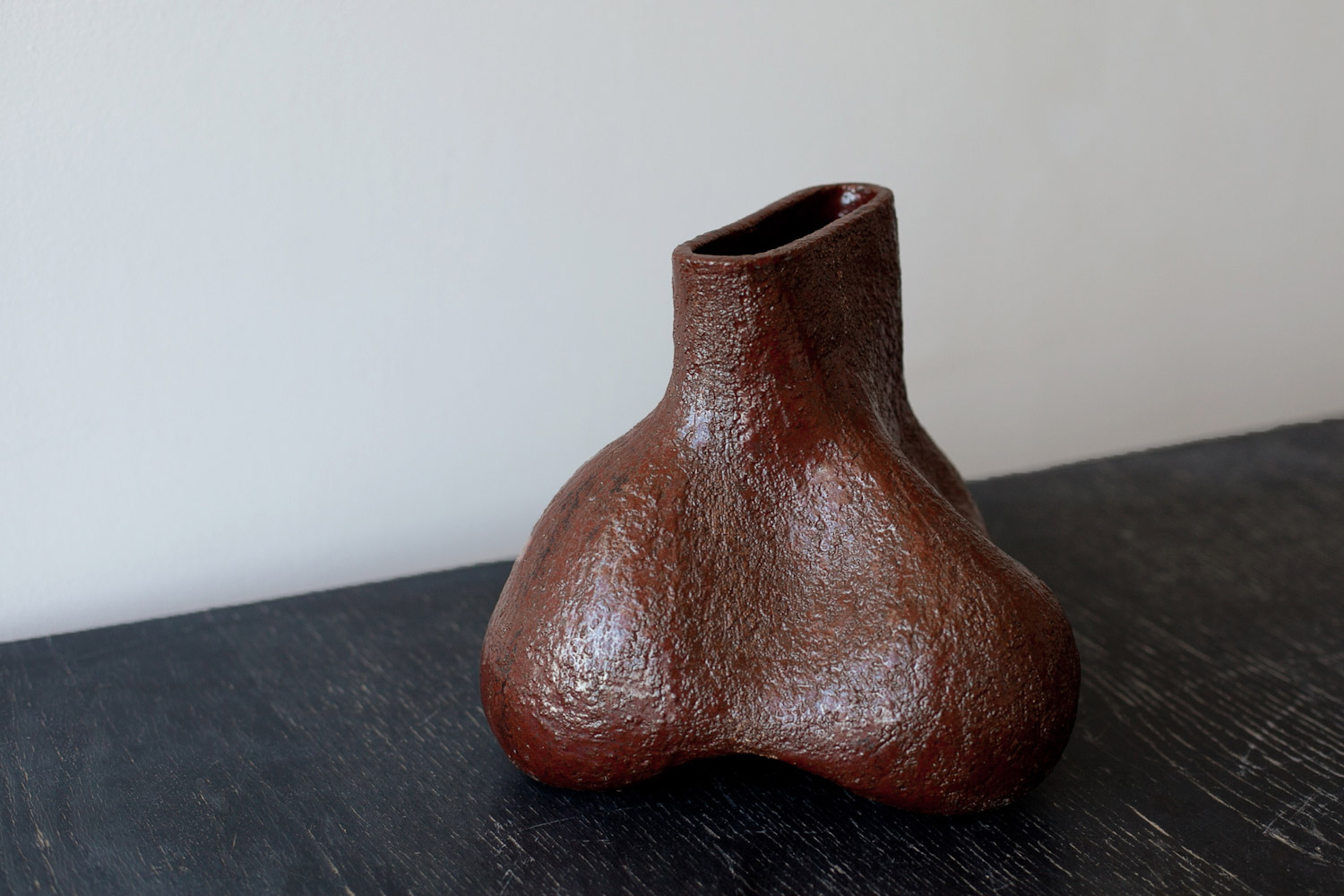
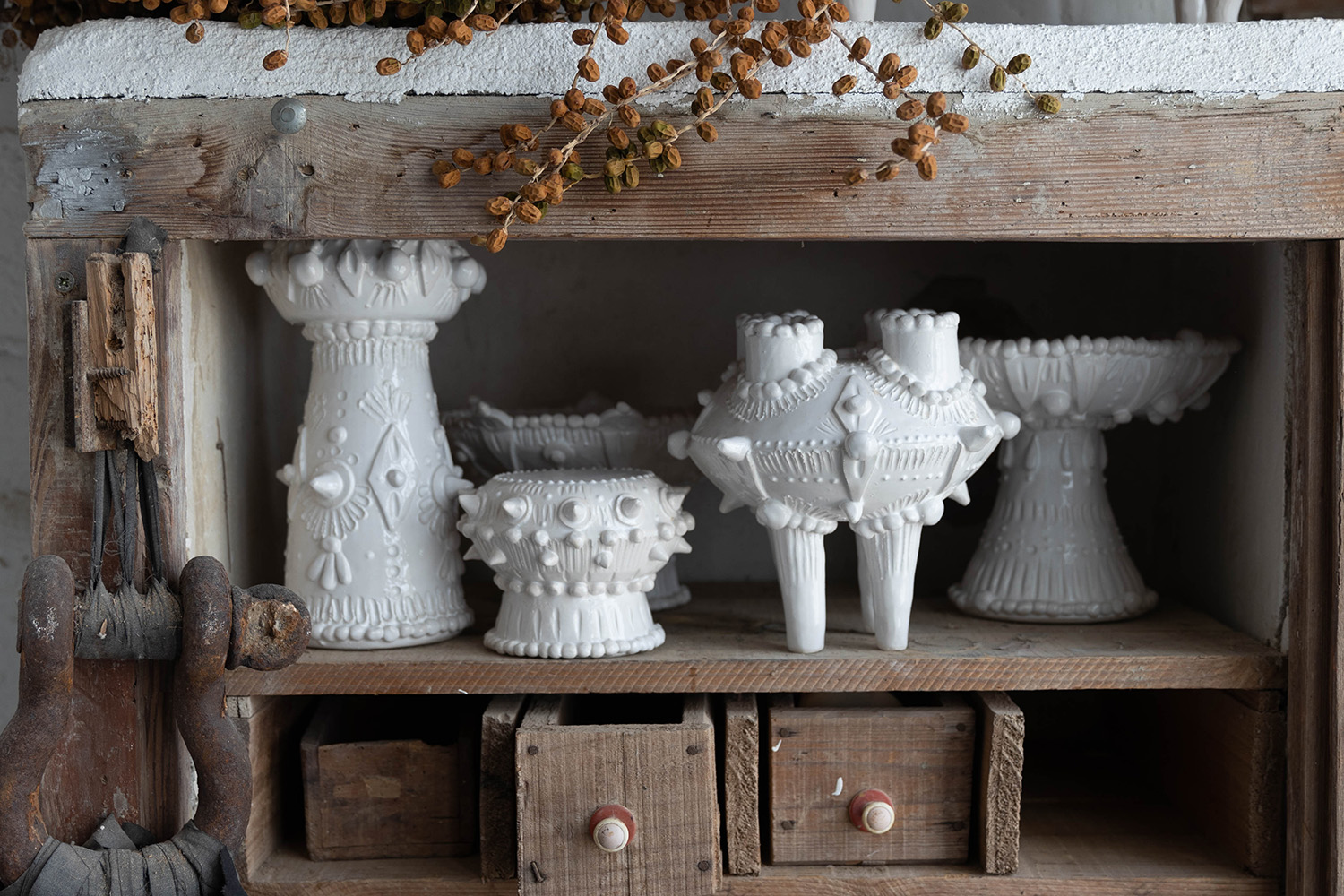
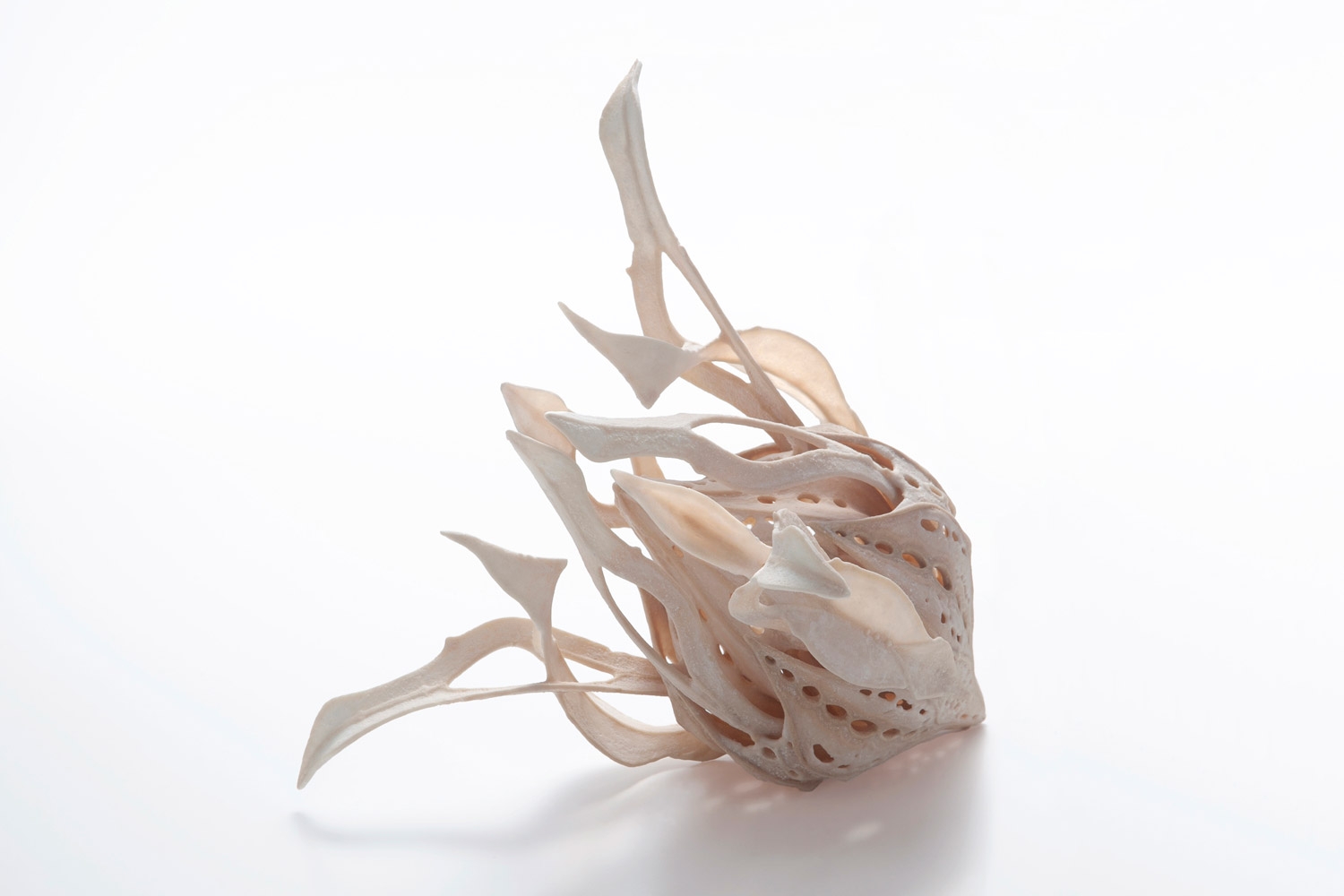
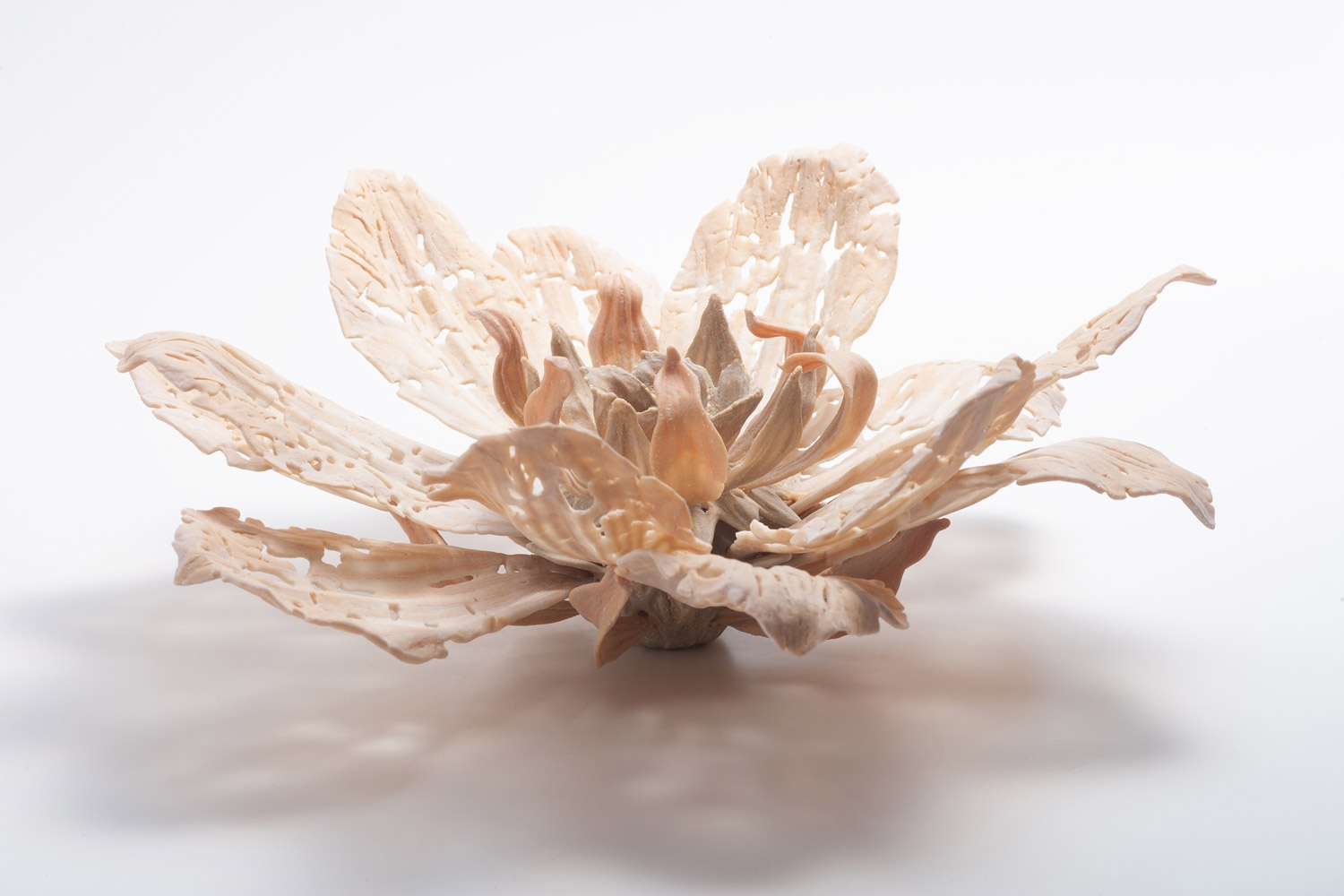
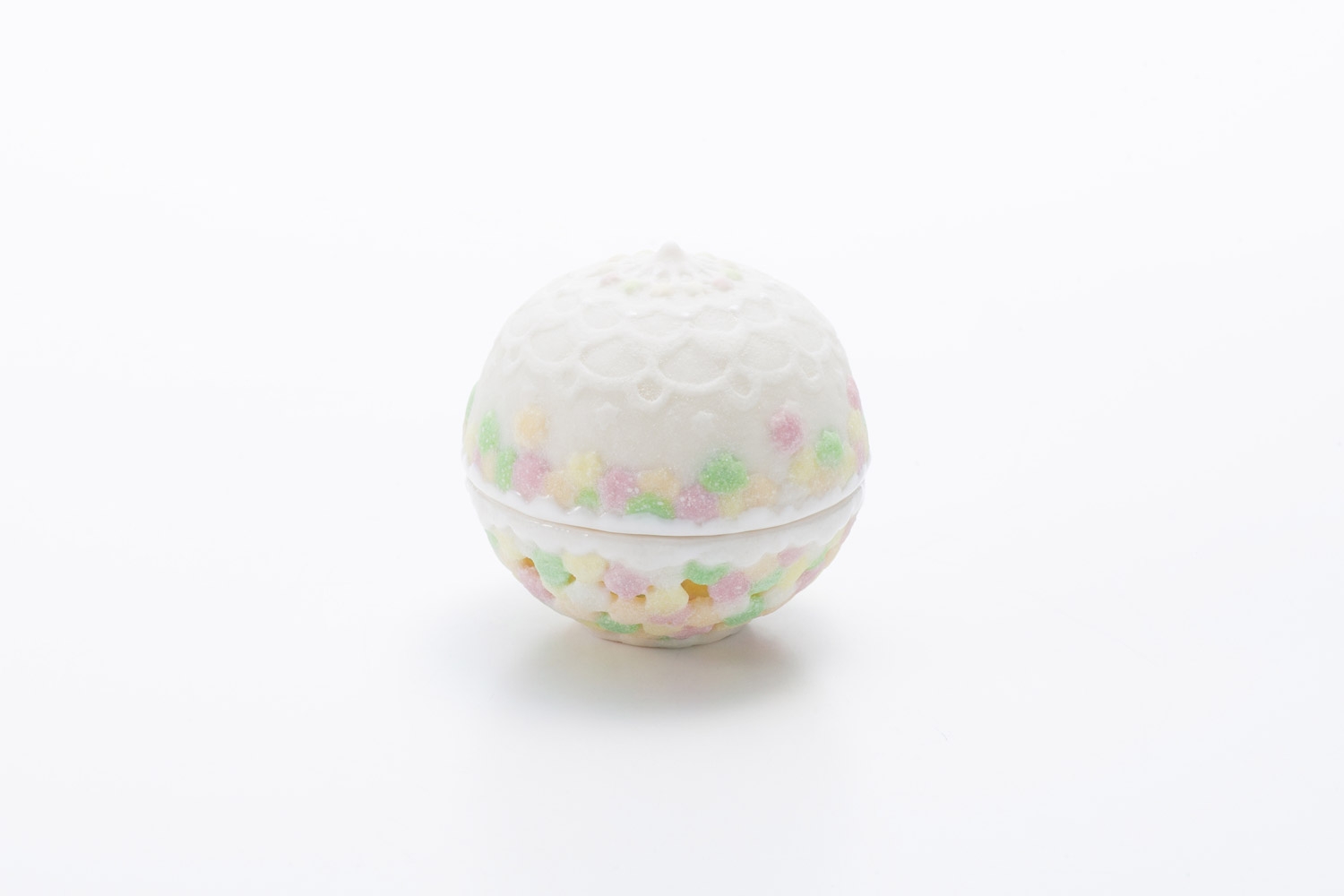
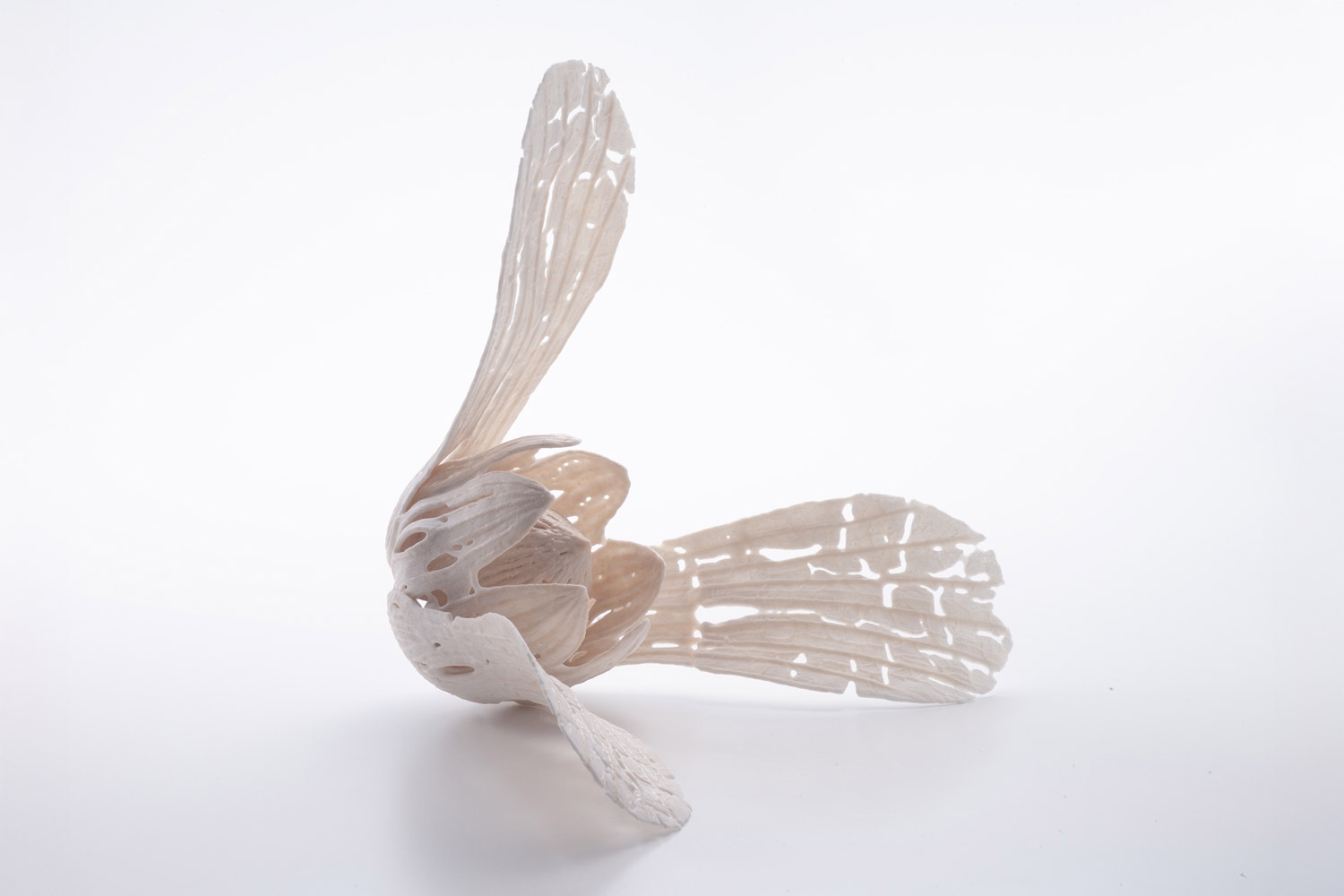
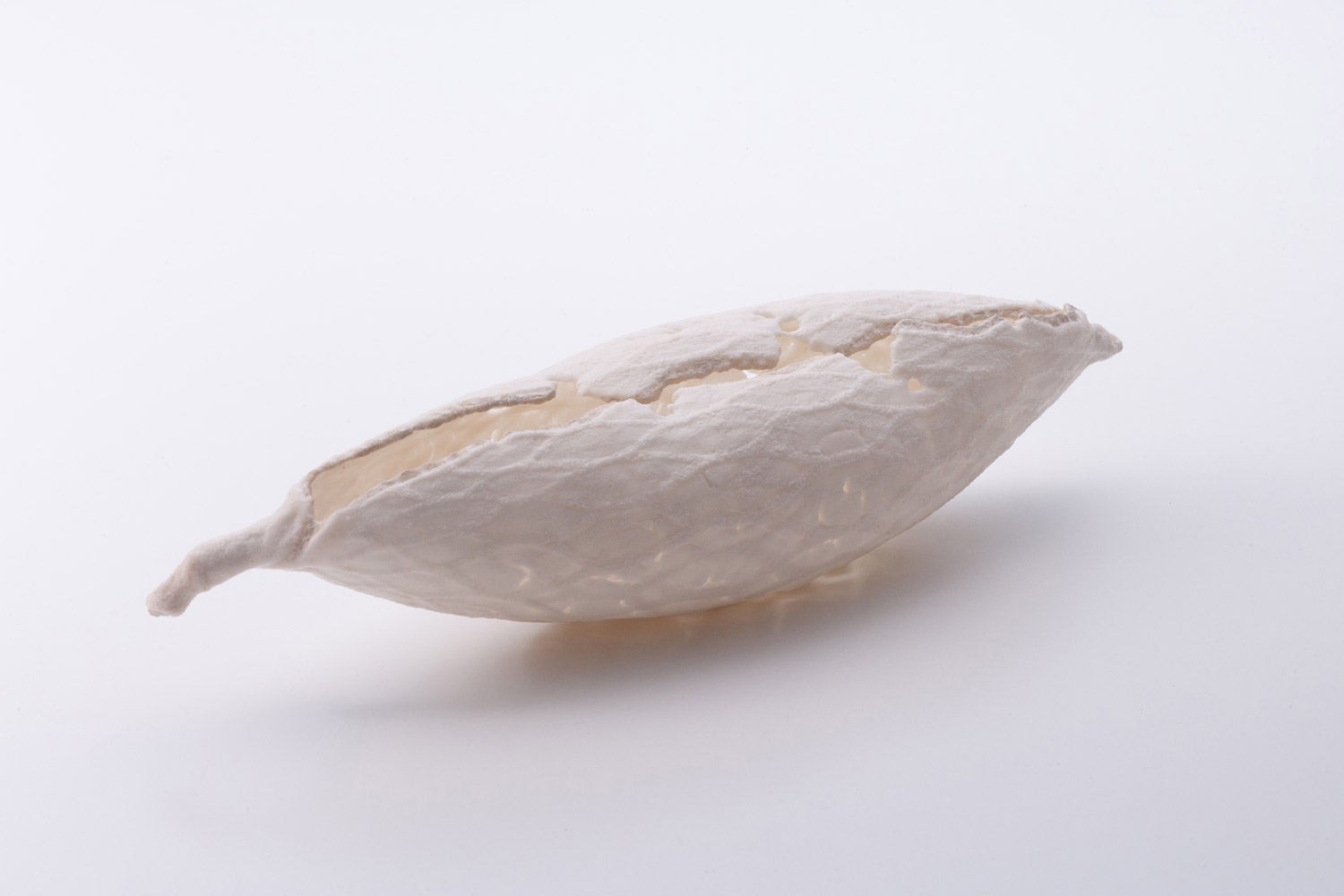
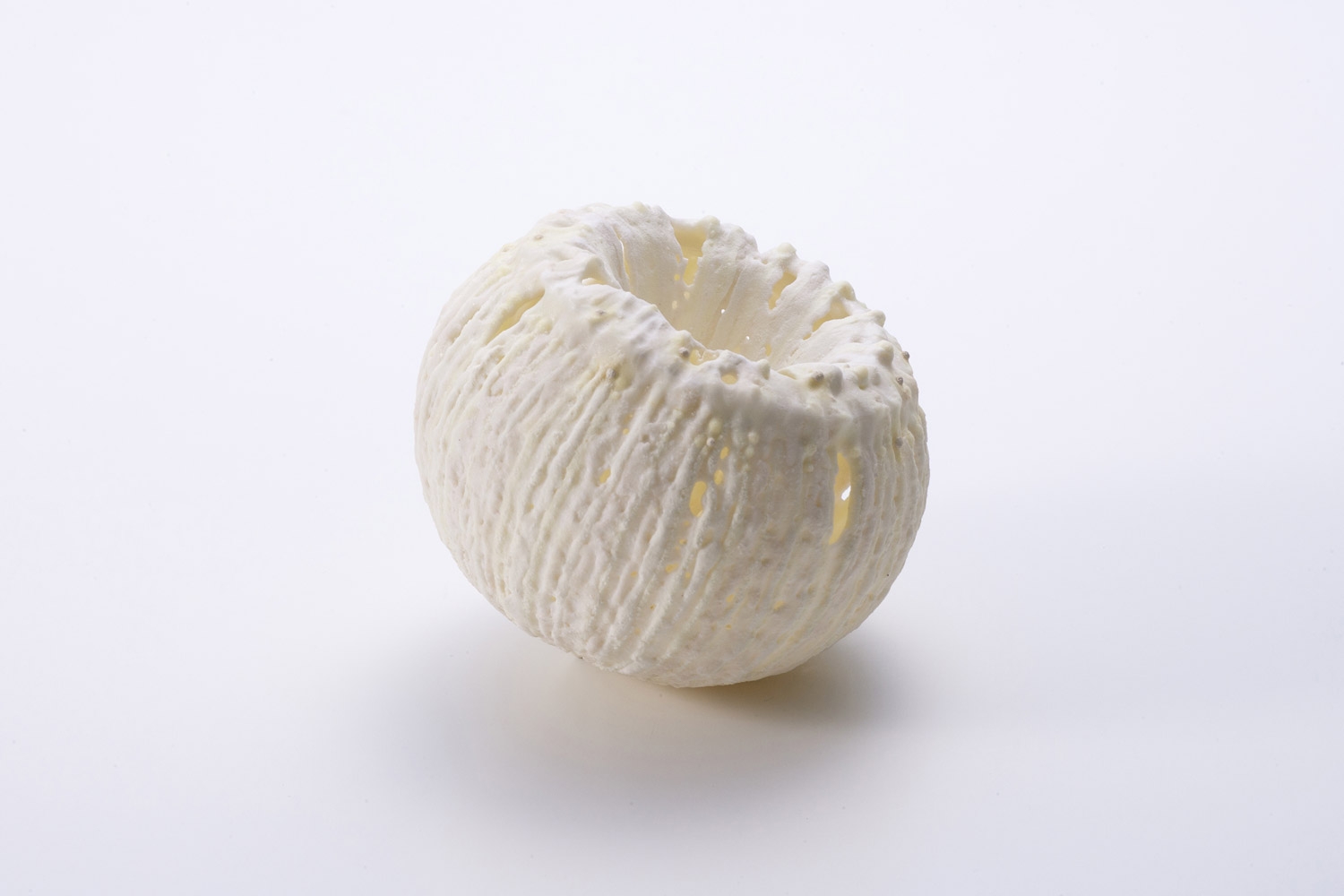
Plants and pods fashioned by glaze
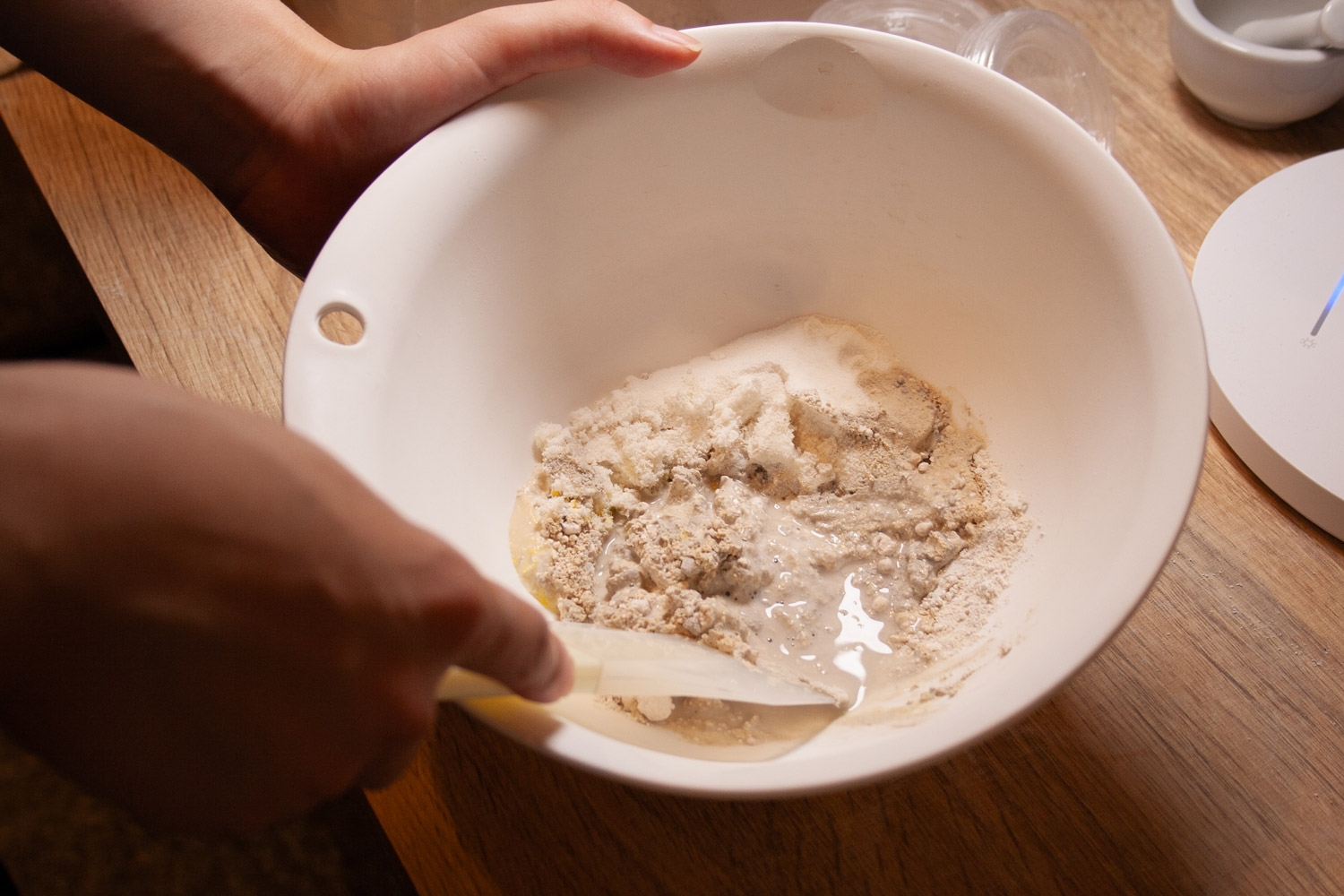
- Glaze is Maika's main material for experimentation
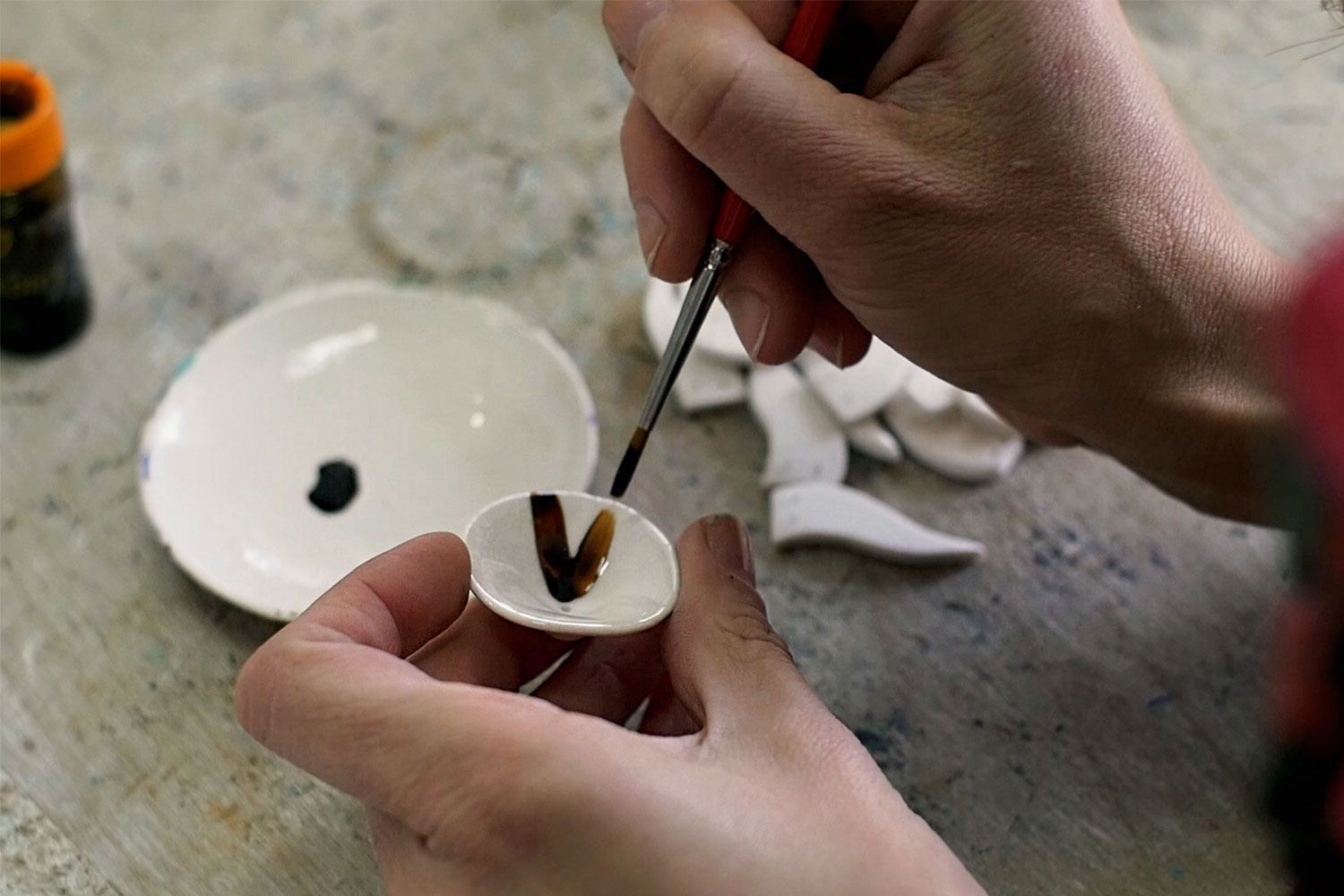
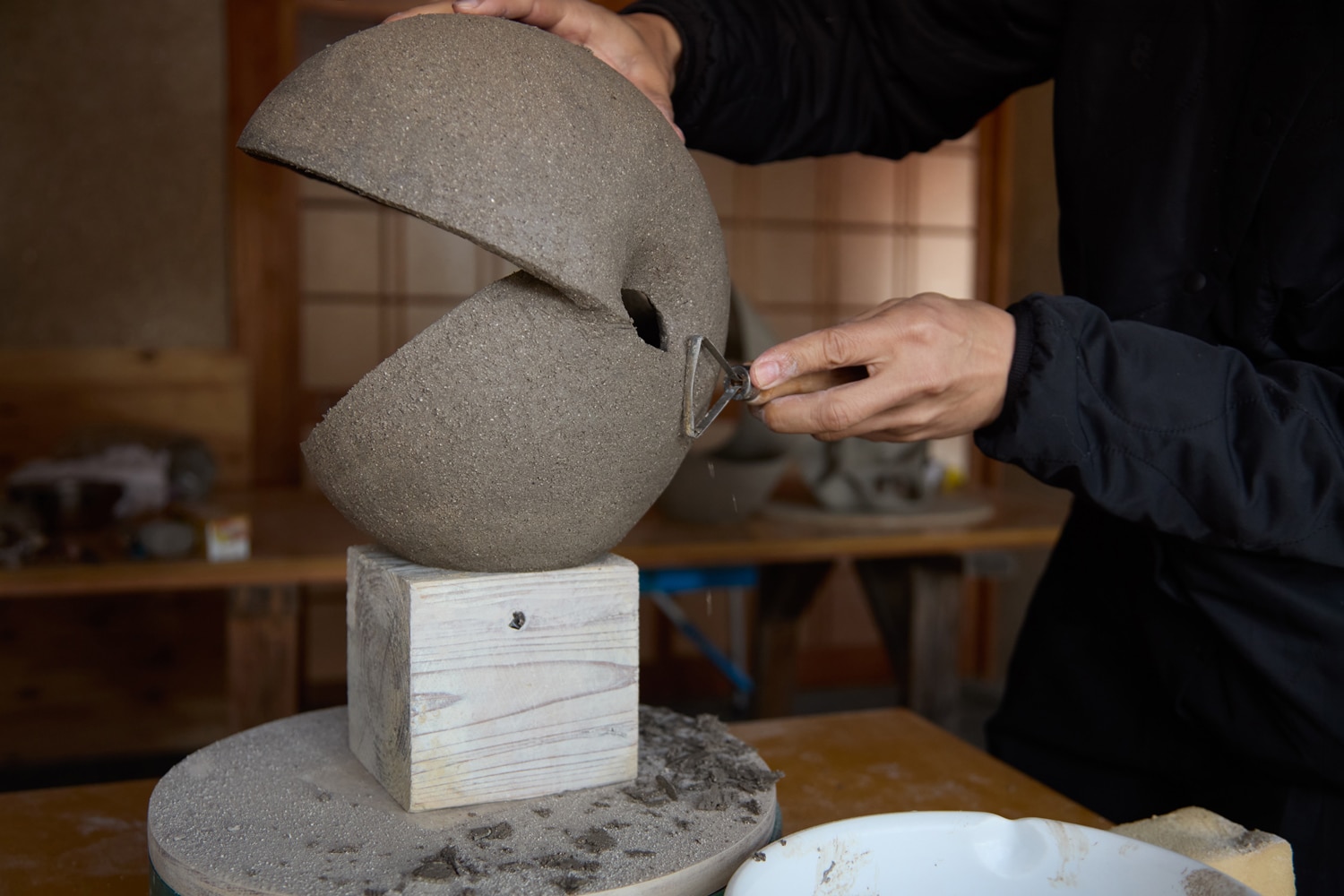
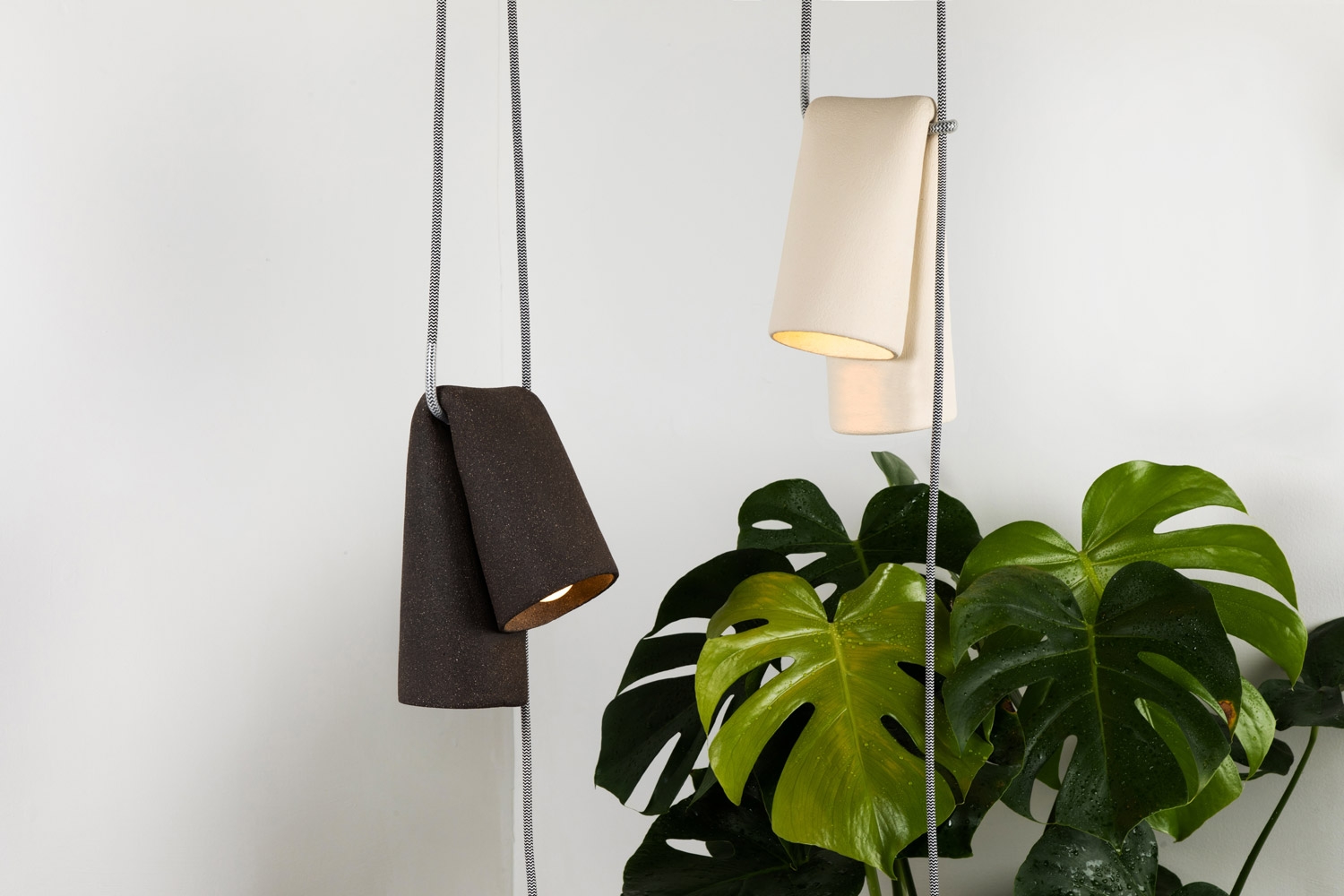
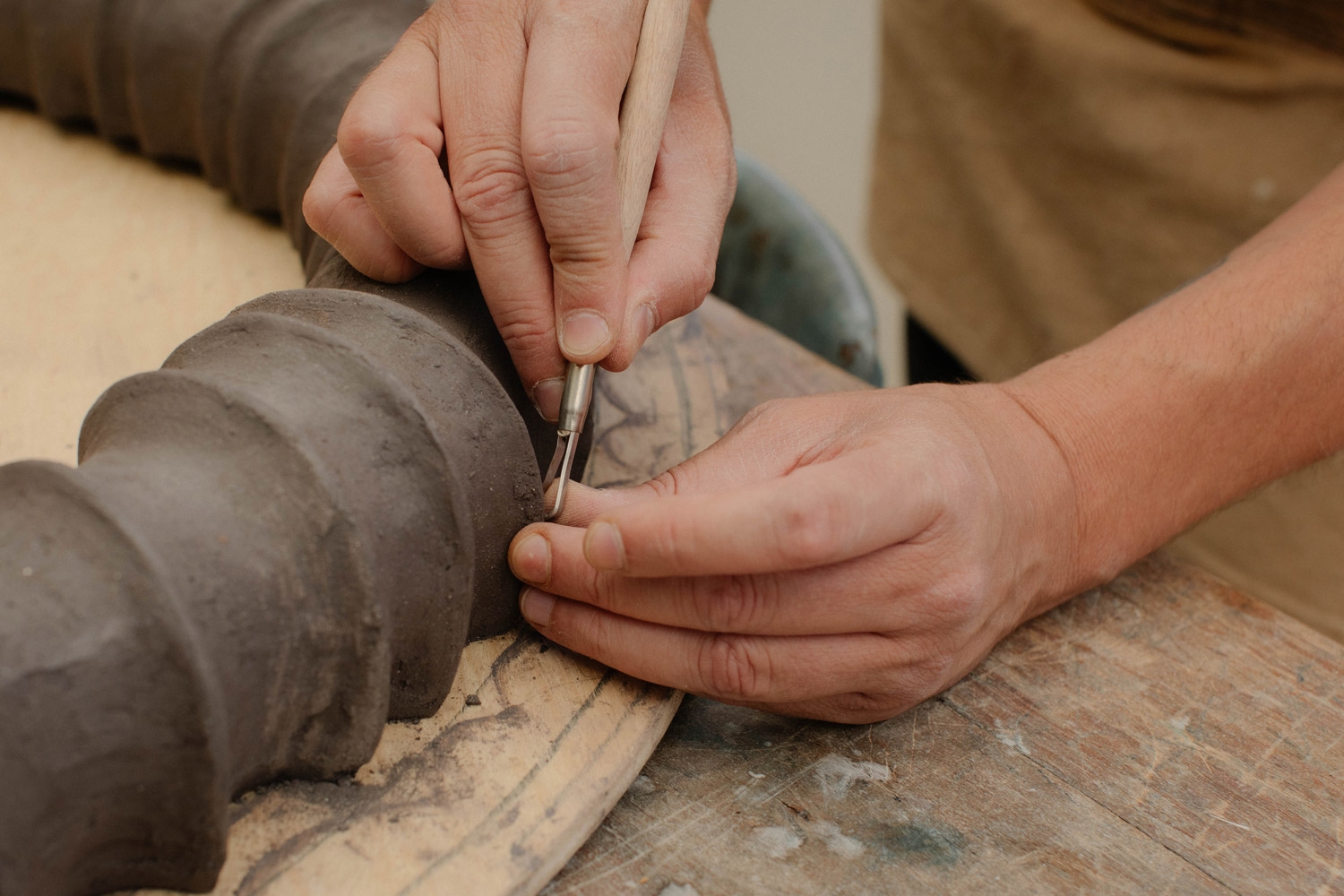
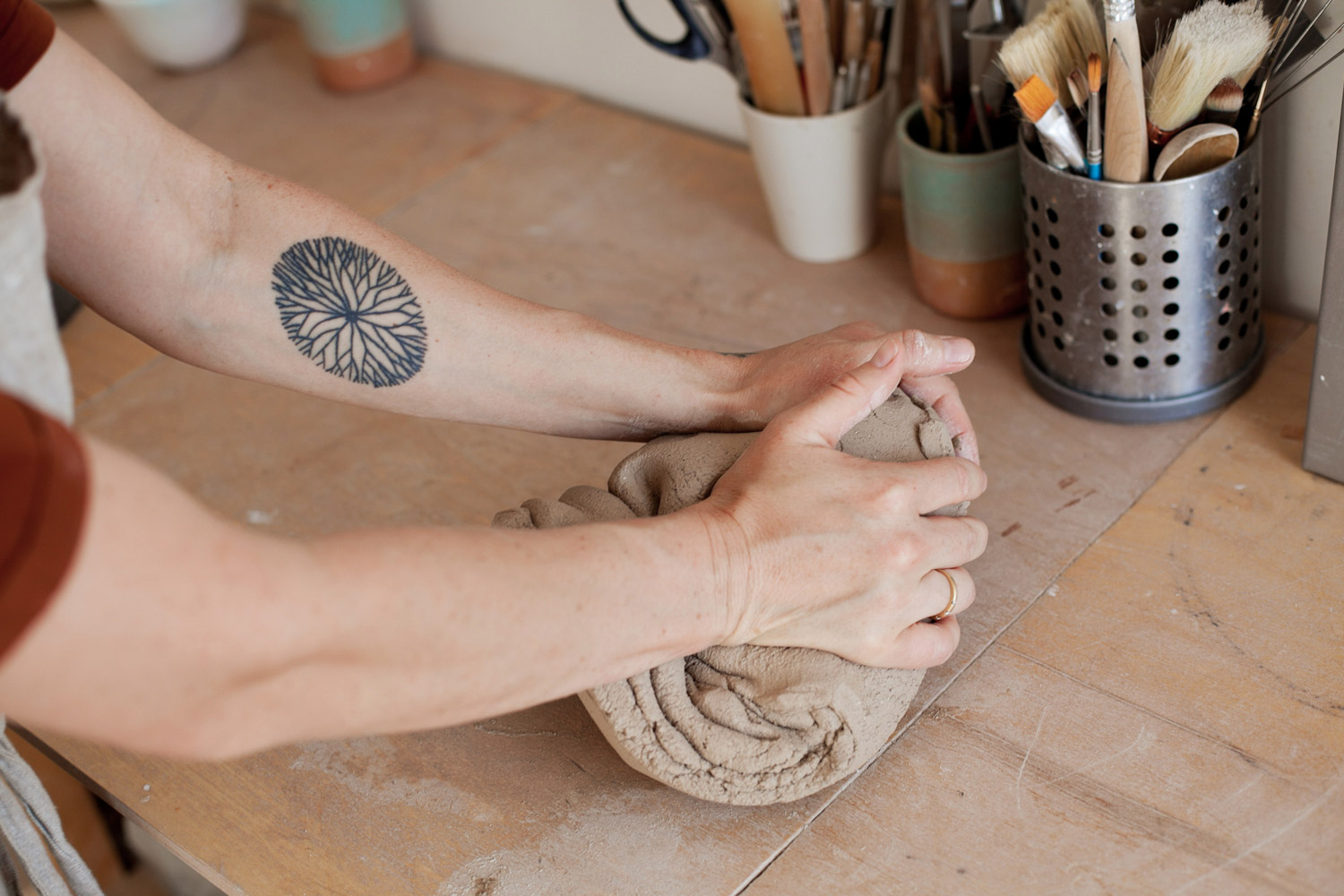
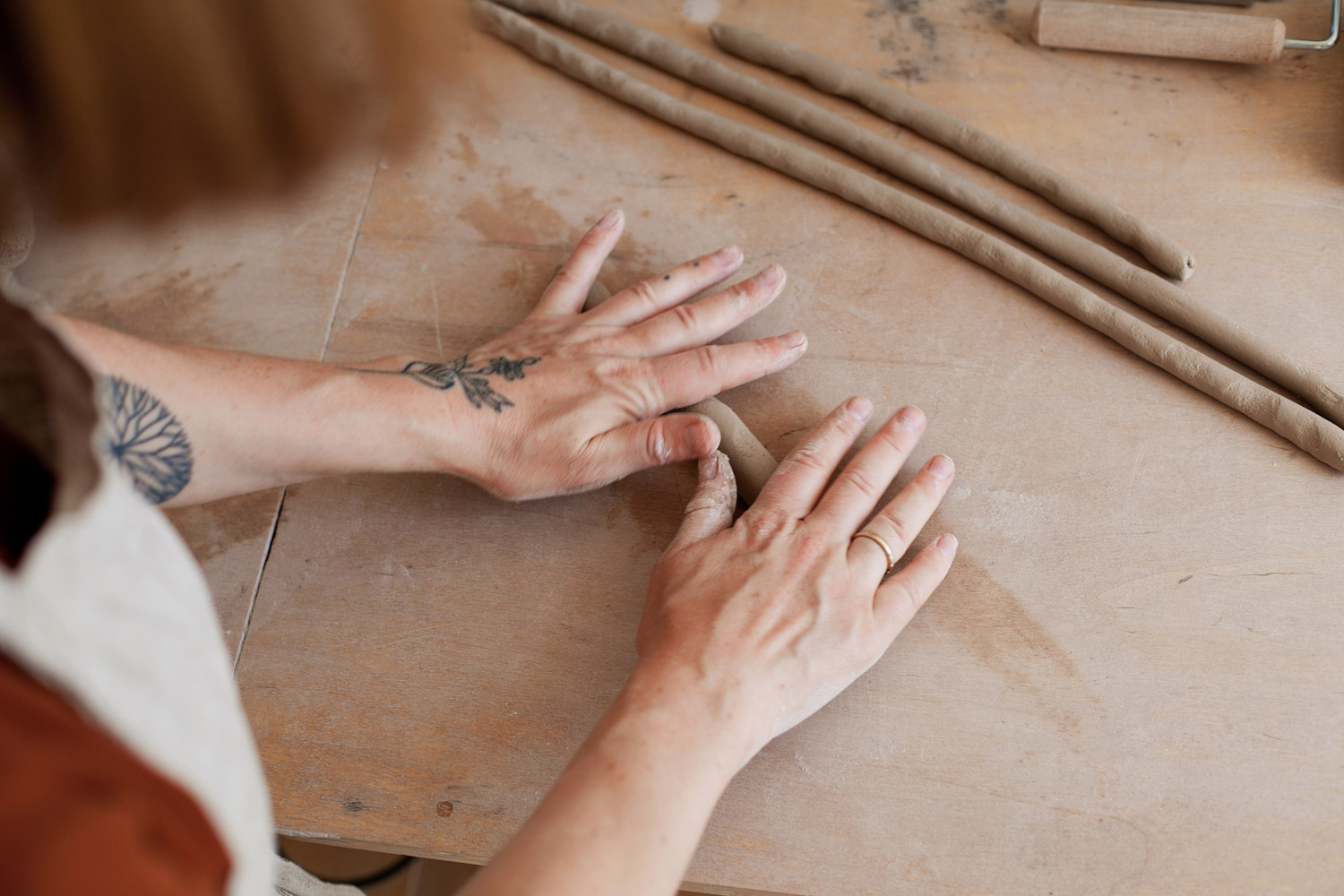
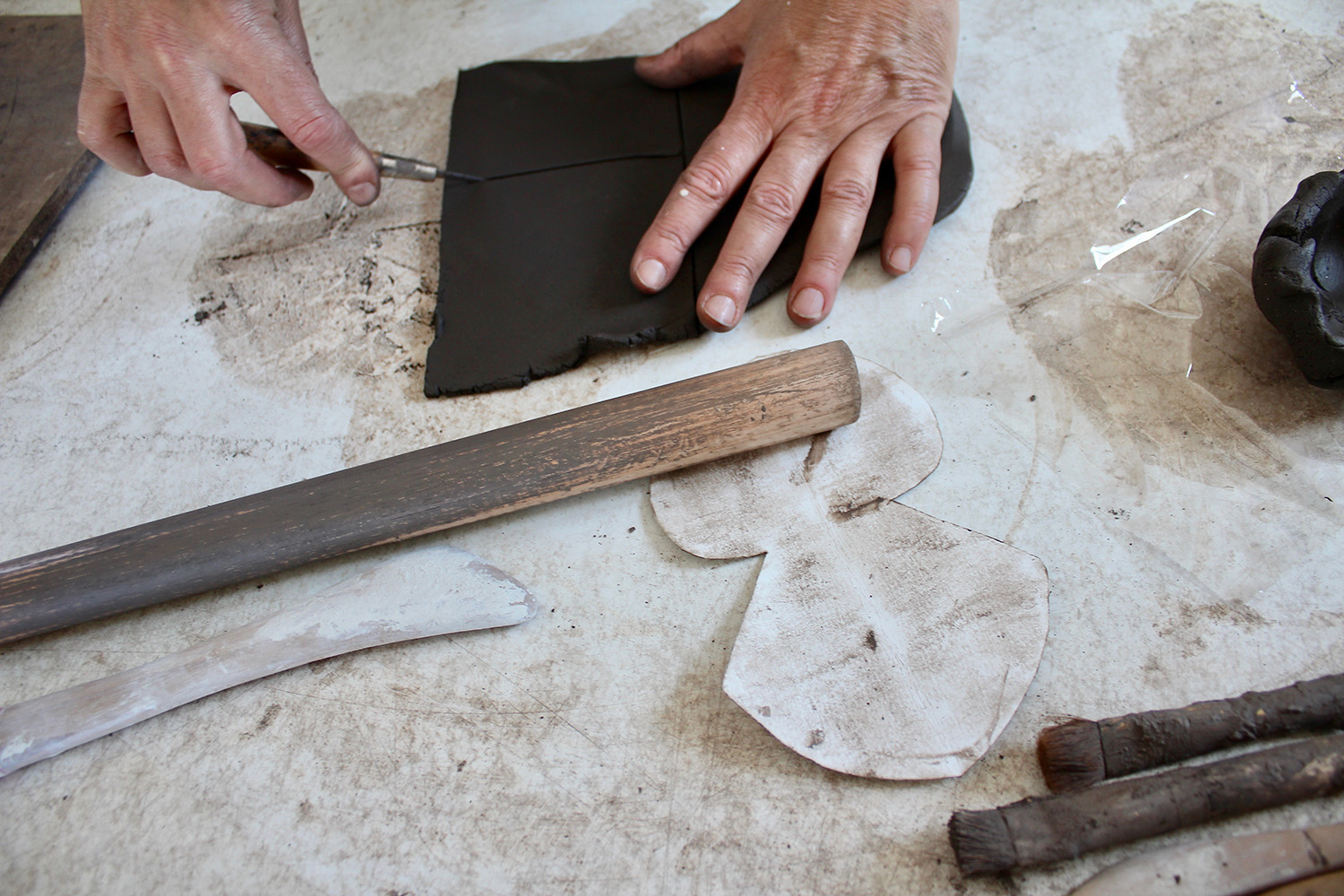
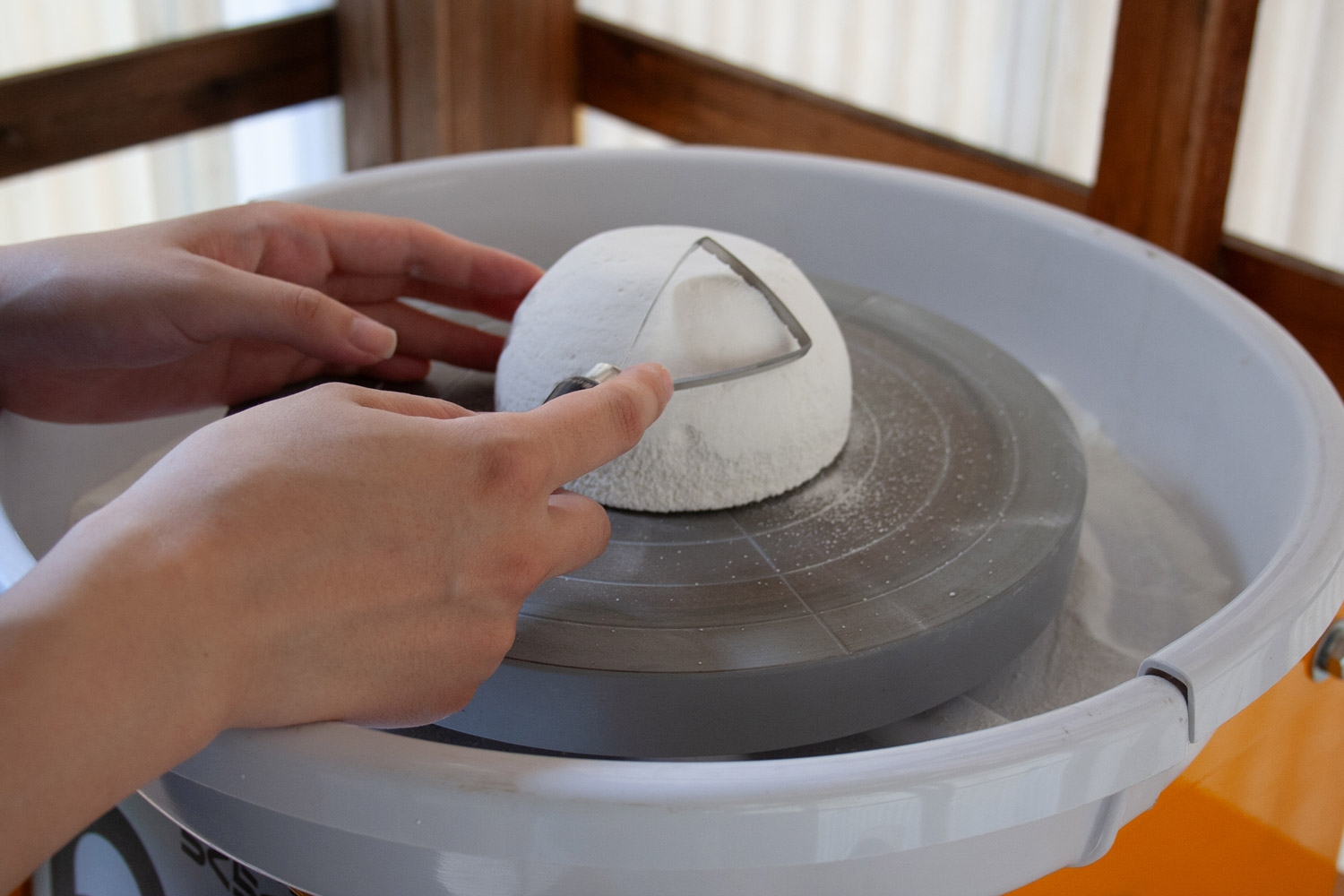
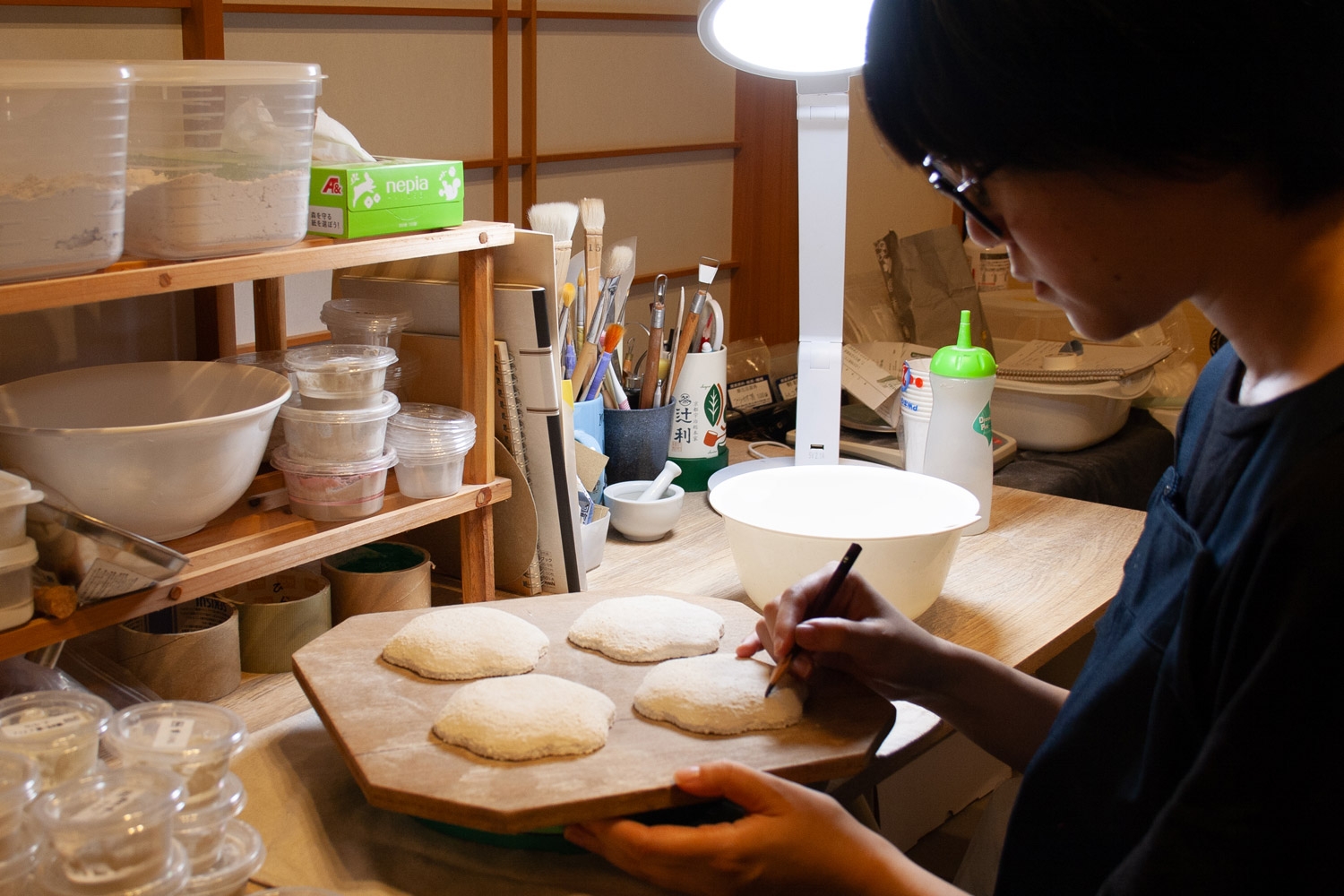
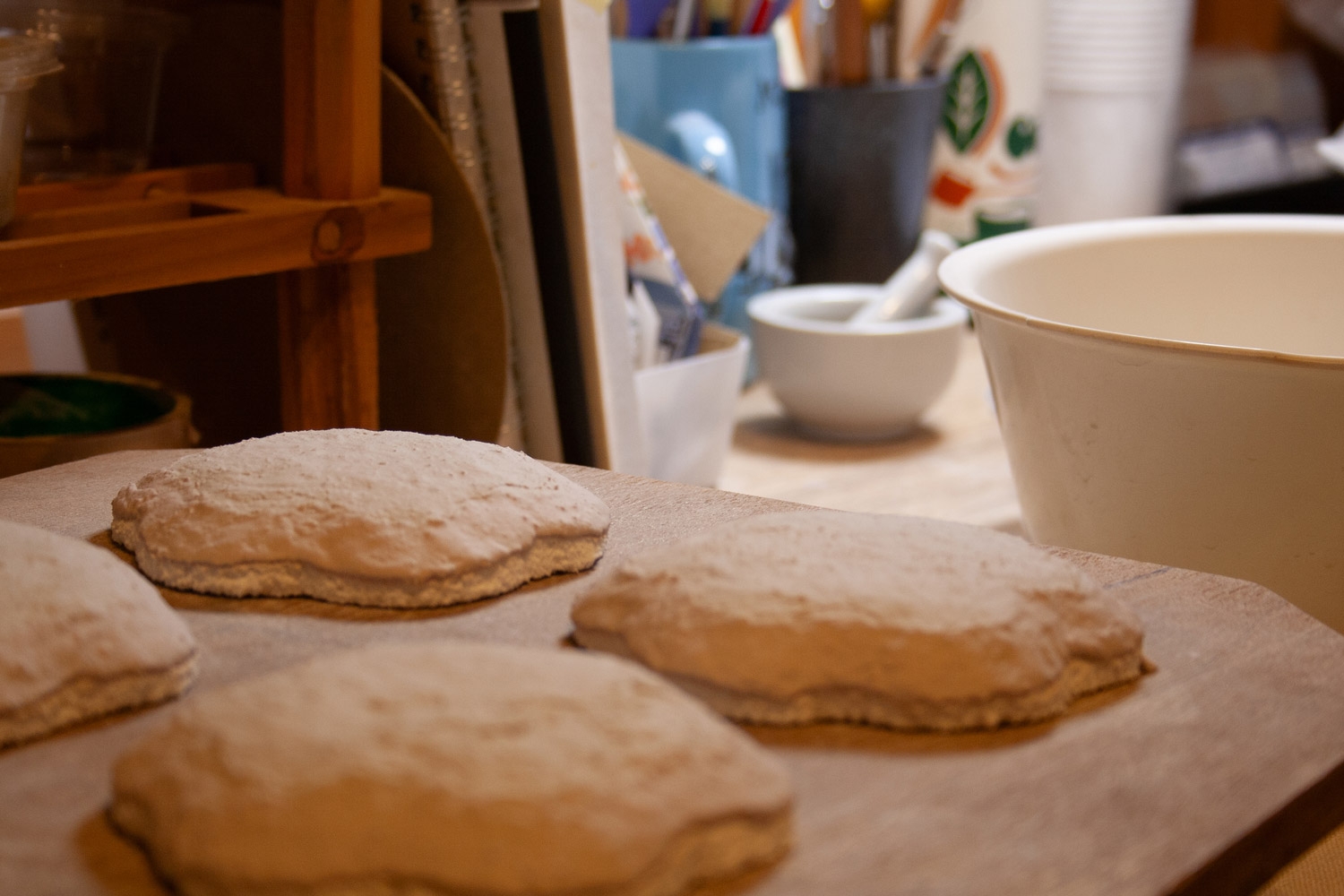
- She combines hand buidling with wheel throwing and glazes
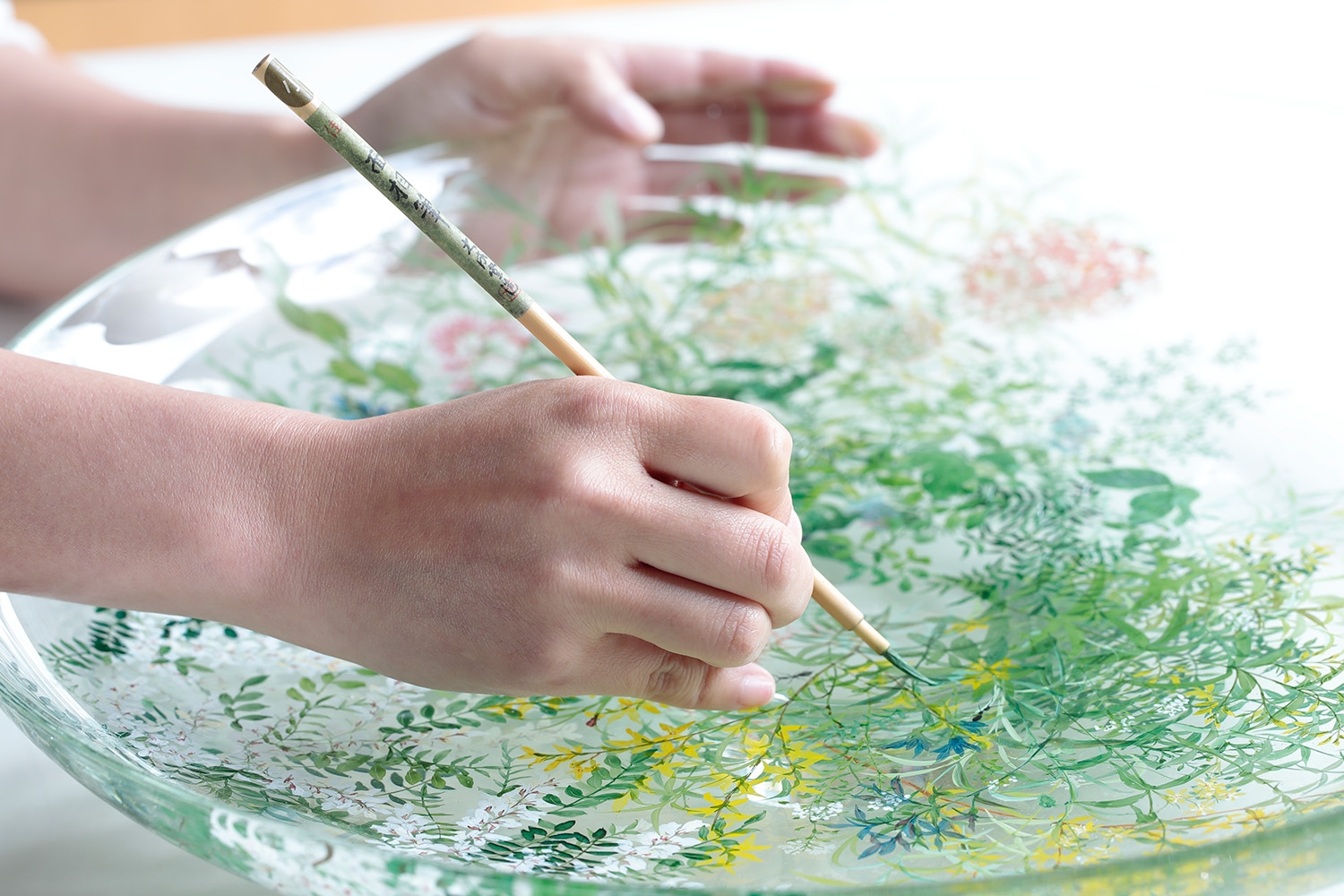
- She is inspired by the textures and structures of plants
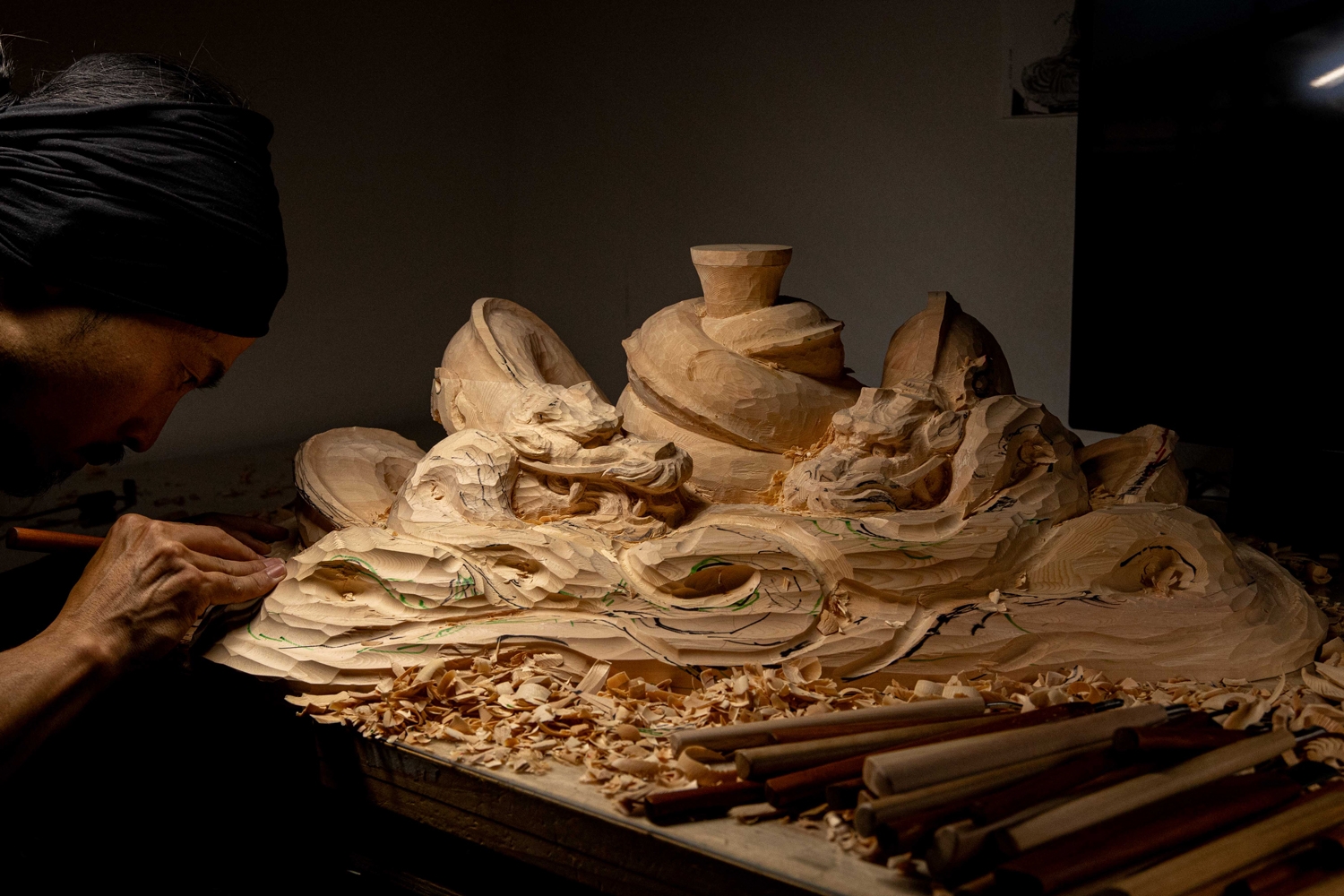
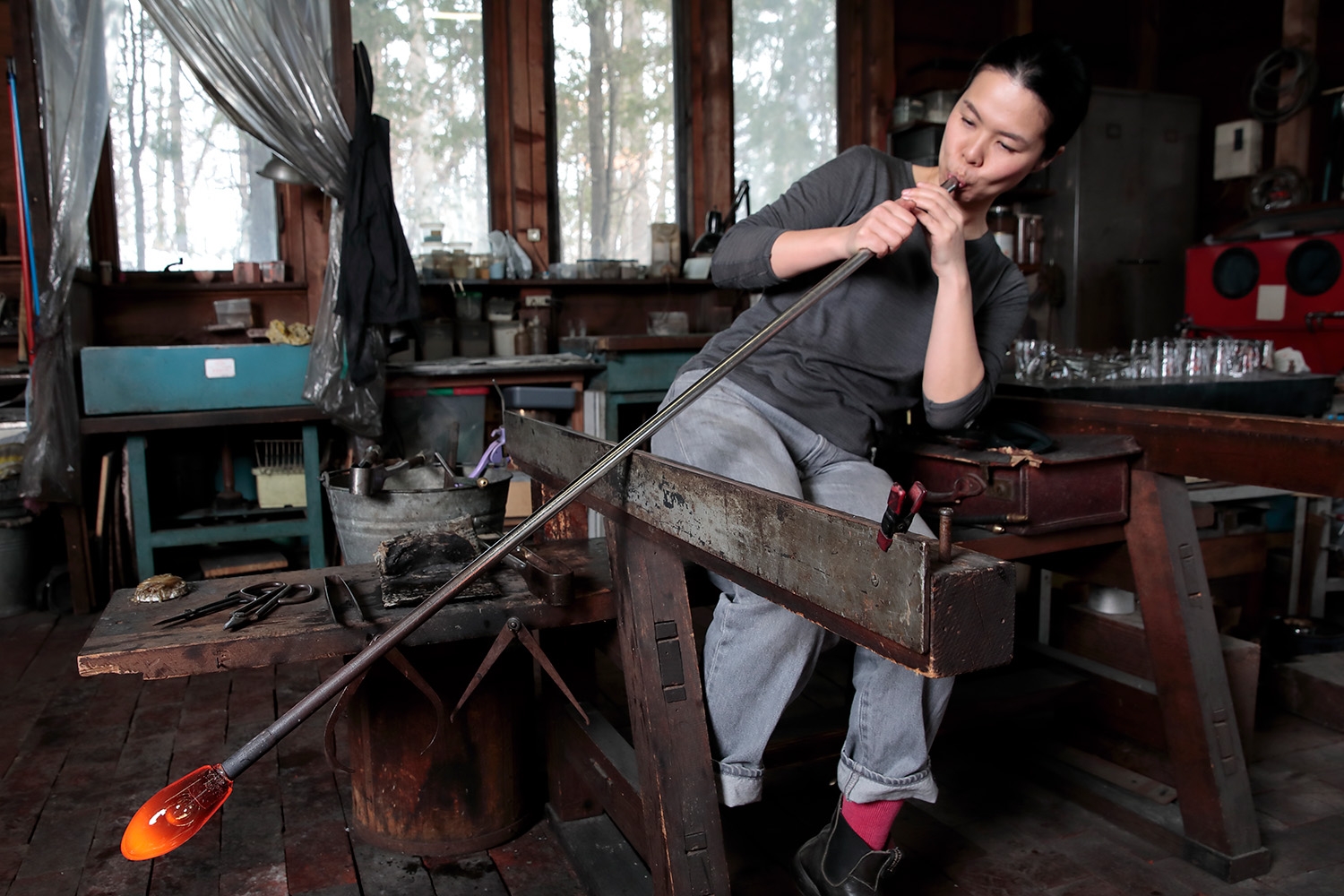
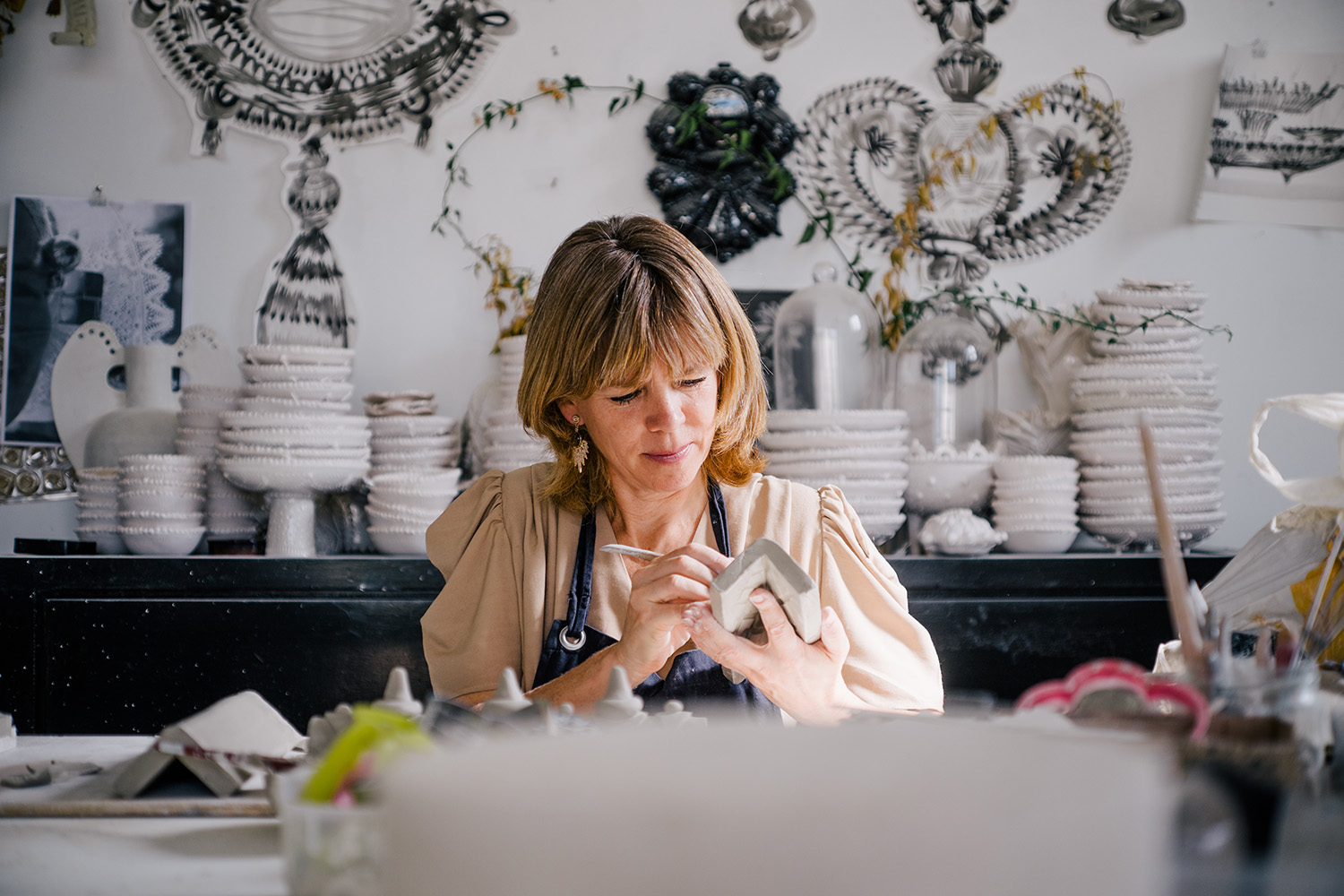
Maika Hirano began studying ceramics at Kyoto City University of Arts and later moved from traditional clay techniques to more experimental firing. This led her to develop a unique approach with glazes, rather than clay, as the main material for shaping her pieces. After completing graduate school, Maika trained at the Tajimi City Pottery Design and Technical Center and then at the Kanazawa Utatsuyama Craft Workshop, gaining practical experience in two of Japan’s major ceramics regions. At the core of her practice is a desire to explore the possibilities of glaze as a sculptural material. "Instead of starting with a fixed idea, I let technique and experimentation guide my creative work," she says. "I am always looking for new ways to develop my methods and expand the expressive potential of ceramics."
INTERVIEW
After seeing the wide range of ceramic work introduced by my university professors, the great potential of the medium resonated with me. Around the same time, there was an exhibition of Lucie Rie’s work at a museum near my house. Her pieces left a strong impression on me.
About six months after entering the graduate programme, I no longer knew what to make, and I completely stopped working. It felt as though I had lost my direction. Because I have always loved making things with my hands, this period was especially painful and confusing for me.
I realised I had been insisting on using hand building techniques without any real reason, simply because the professors and students around me worked that way. So I stopped worrying about the method and shifted towards a more experimental approach.
For me, the technique came first through experimentation, and my method developed as I explored how far I could take it. I leave room for surprises and enjoy the parts I cannot fully control. My inspiration often comes from the textures and structures of natural elements.
Maika Hirano
Ceramicist
Kanazawa, Japan
ADDRESS
Address upon request, Kanazawa, Japan
AVAILABILITY
By appointment only
LANGUAGES
Japanese
Homo Faber Finds is a new service aiming to inspire admirers of craft to connect and collaborate with exceptional artisans.
We invite you to submit an enquiry here.