©All rights reserved
©All rights reserved
©All rights reserved
©All rights reserved
©All rights reserved
©All rights reserved
Shogo Watari
Wood sculptor
Kyoto, Japan
©All rights reserved
©All rights reserved
©All rights reserved
©All rights reserved
©All rights reserved
©All rights reserved
©All rights reserved
©All rights reserved
©All rights reserved
©All rights reserved
©All rights reserved
©All rights reserved
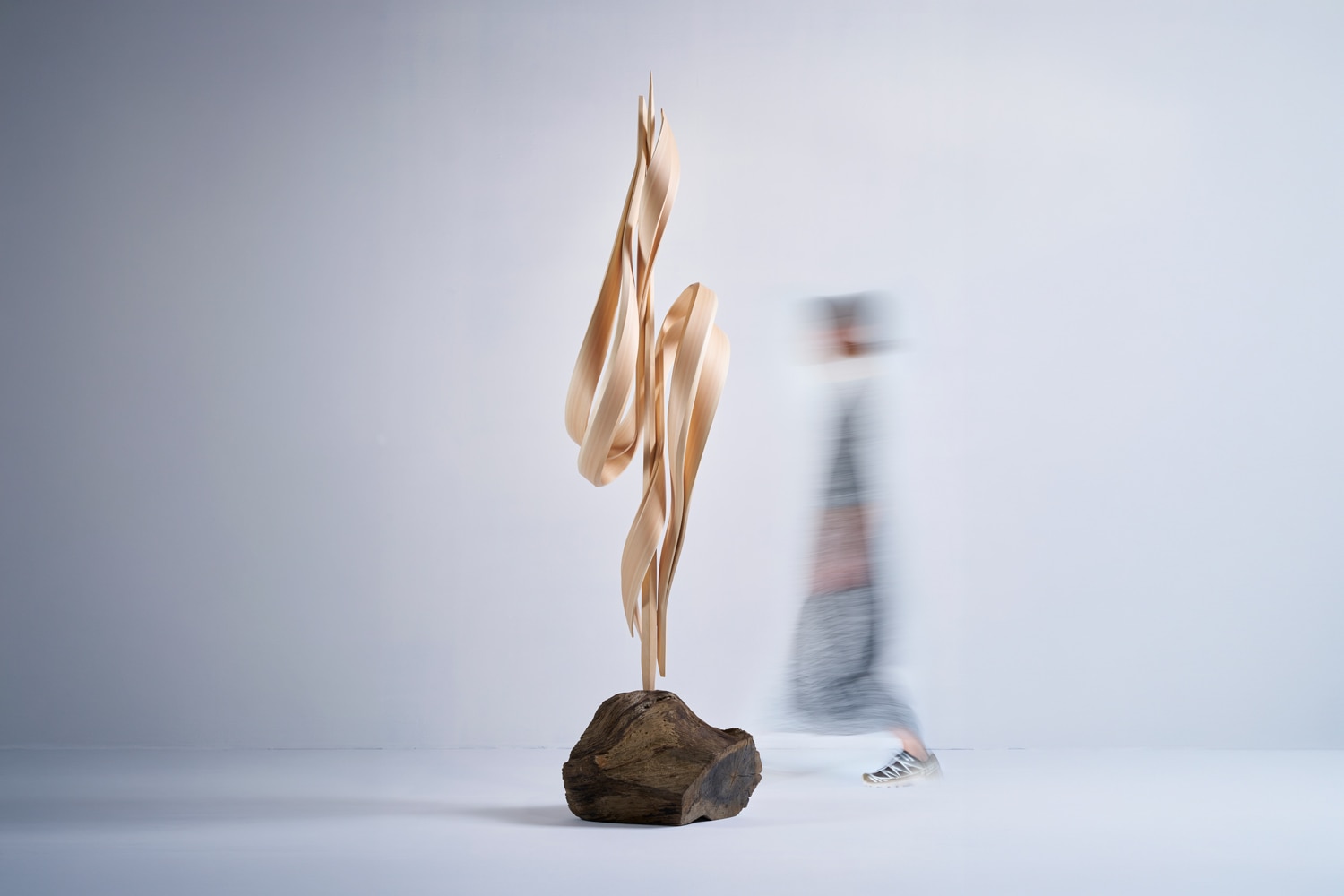
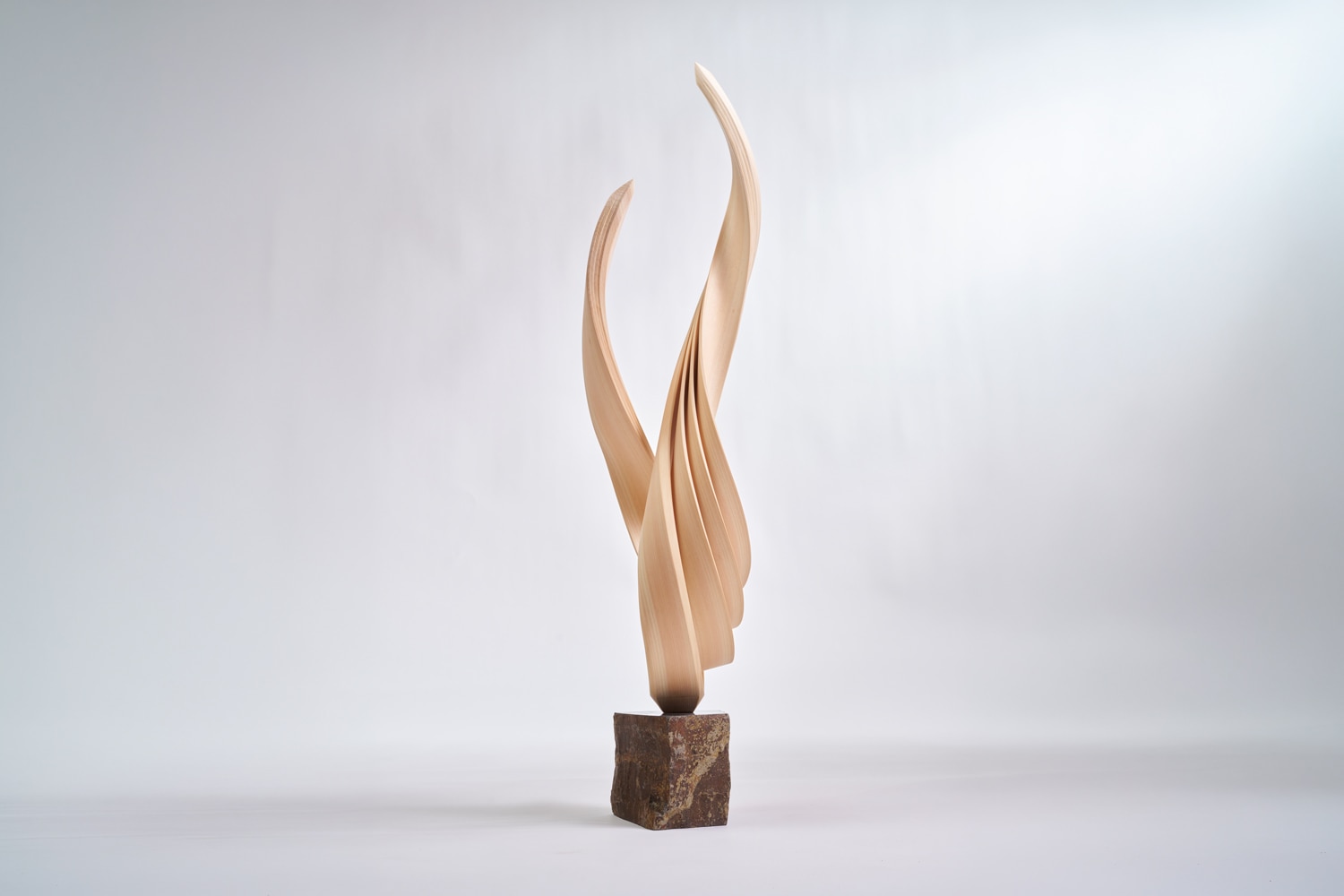
Expressions of wind and flow
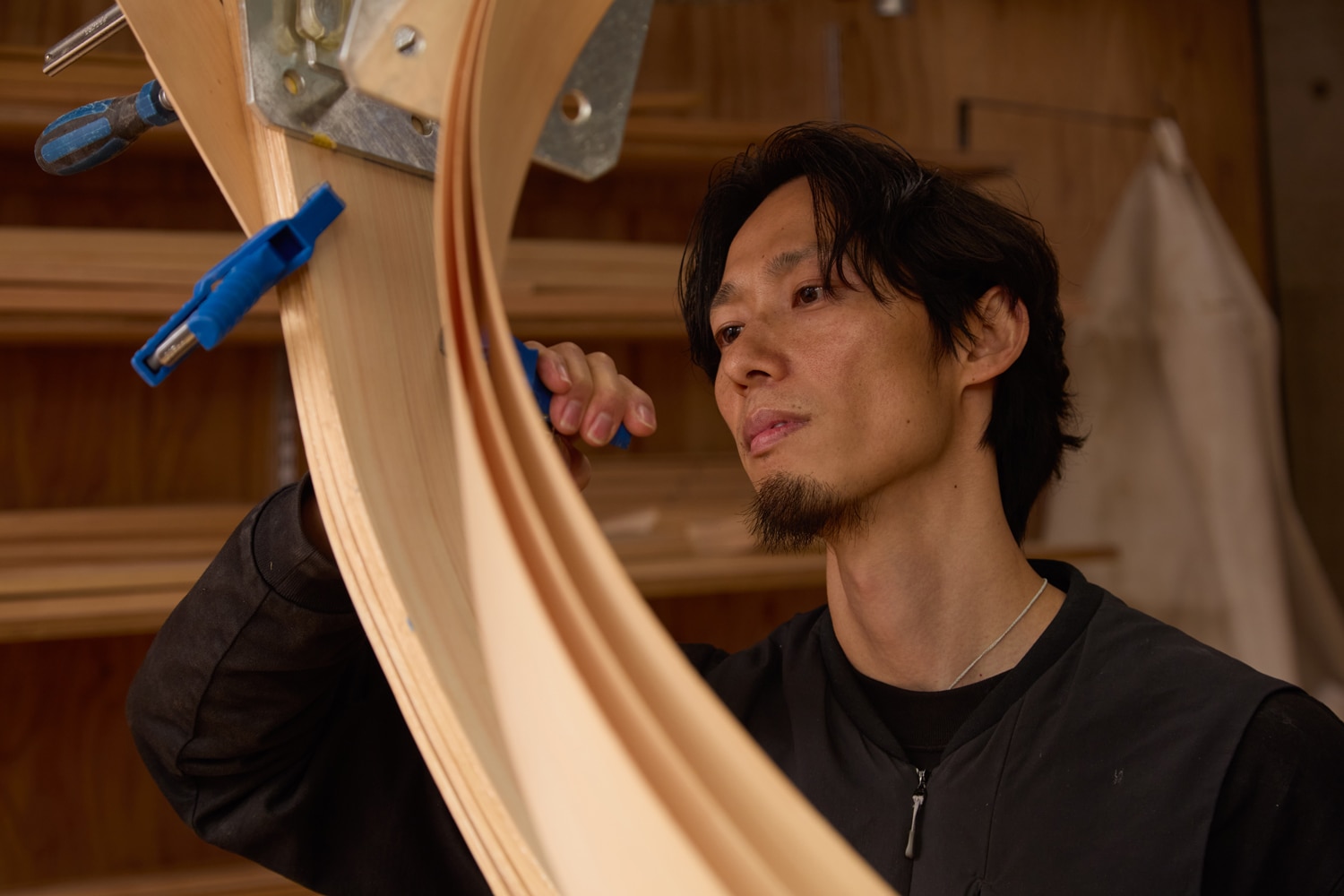
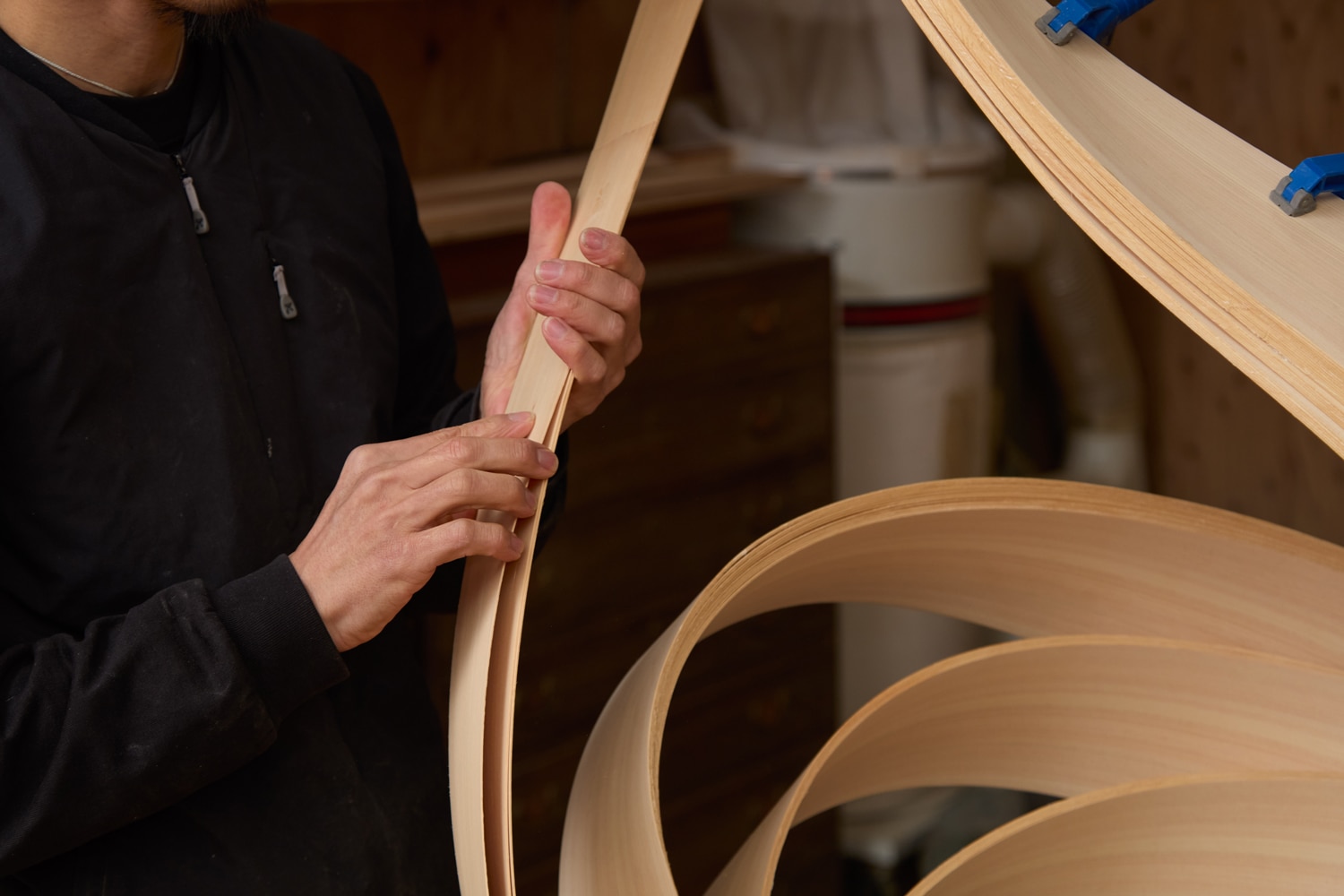
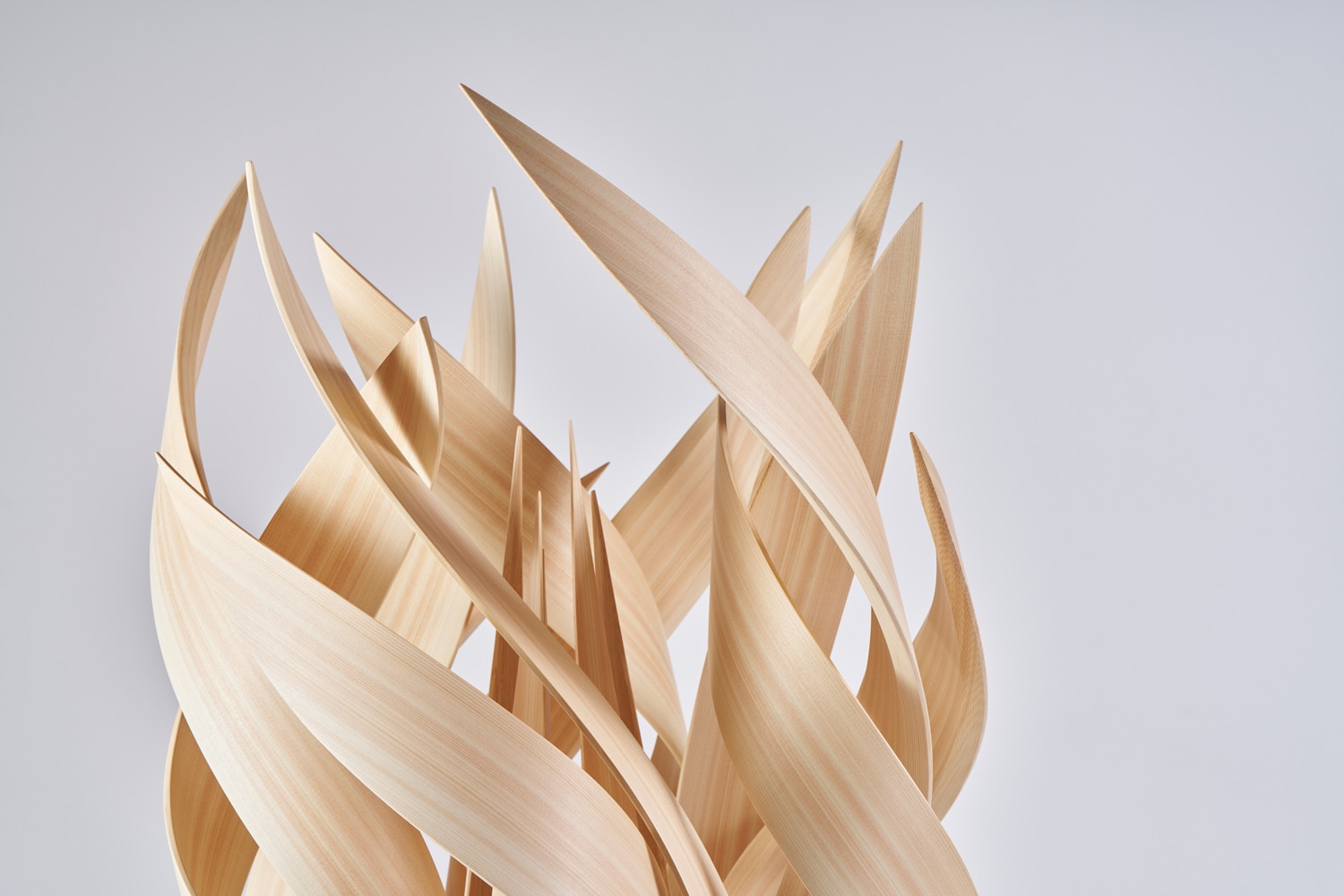
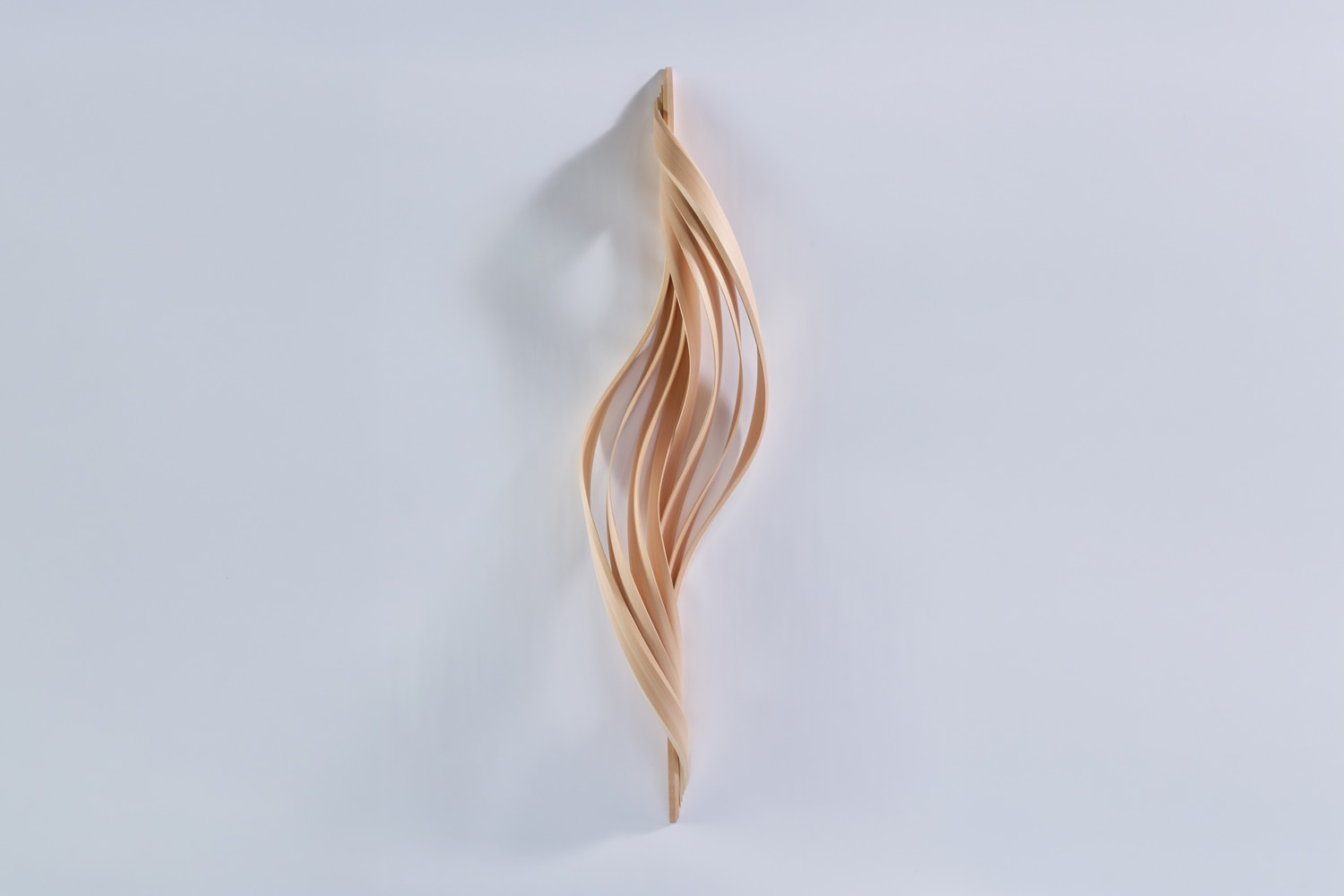
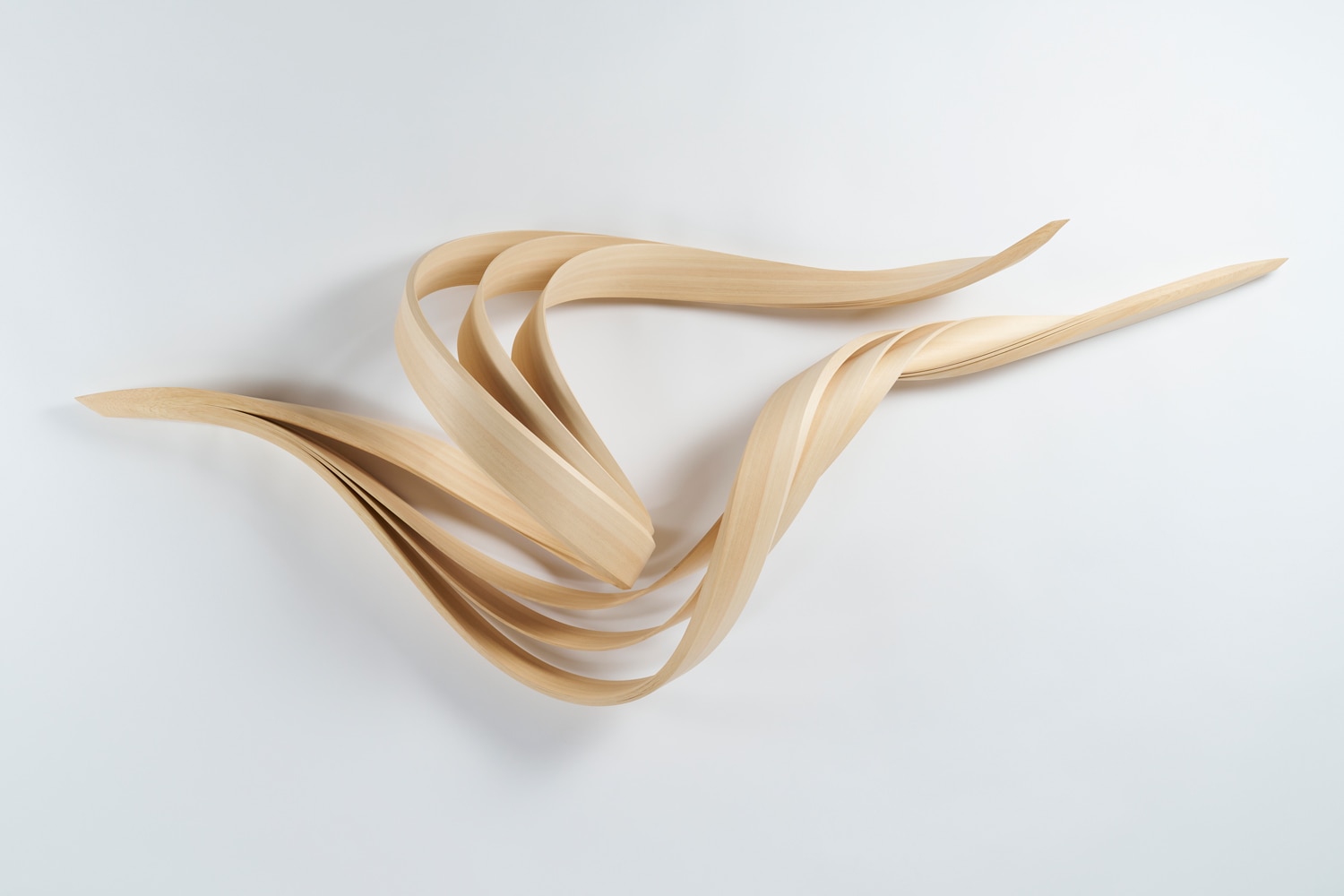
- Shogo works with yoshino hinoki wood, a prized Japanese cypress with fine grain
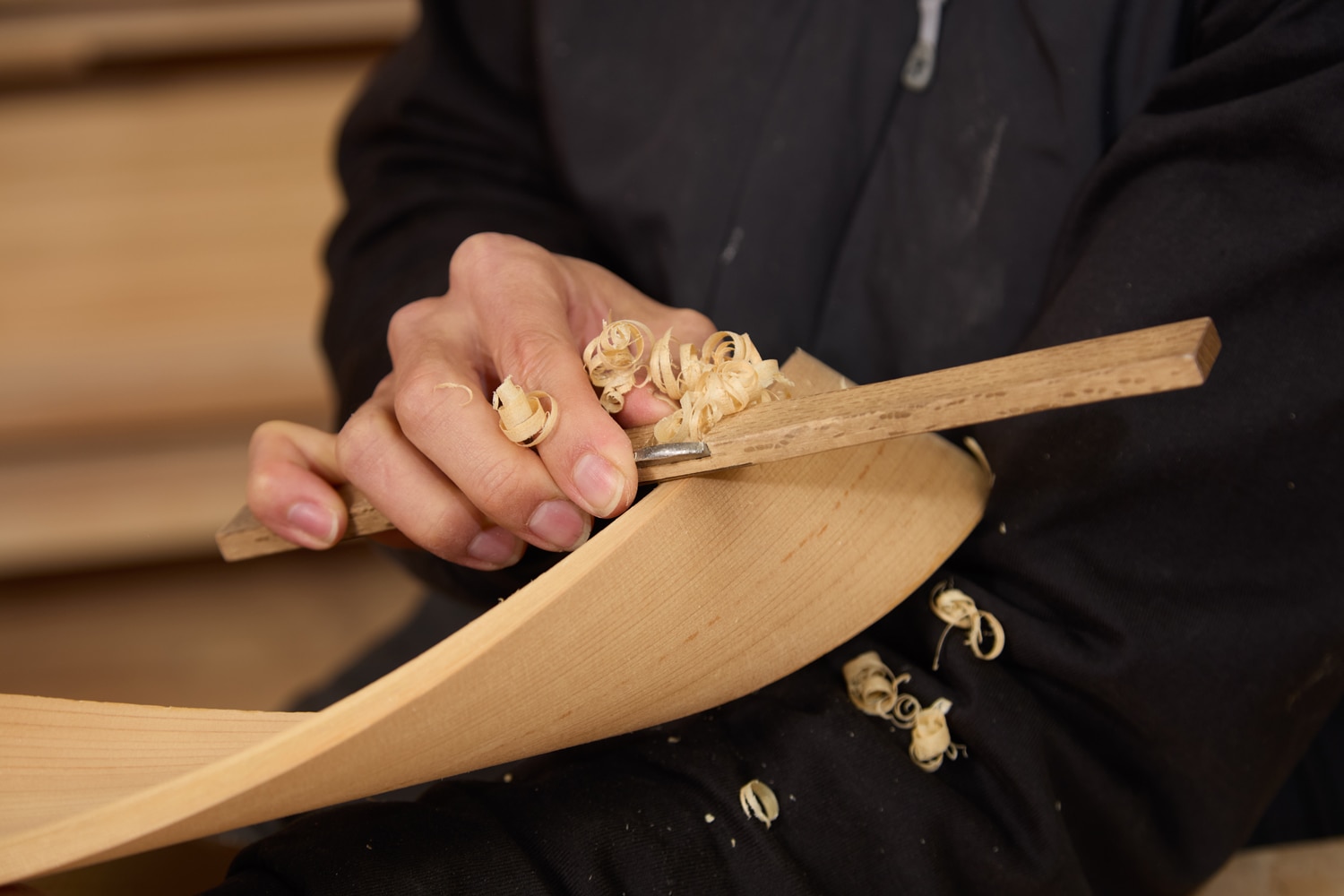
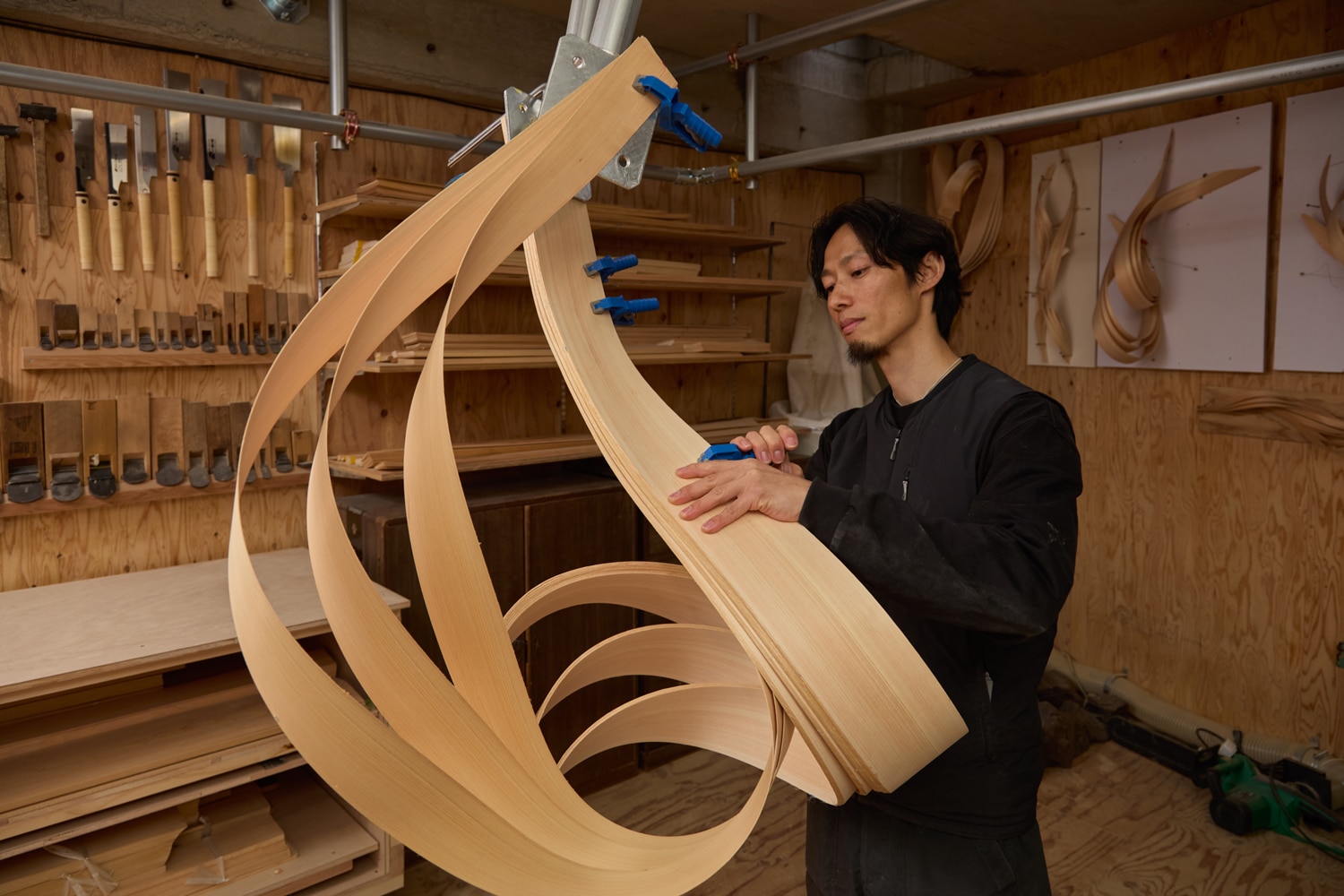
- He creates his sculptures through intuitive and fluid whole-body working techniques
- He trained in Gifu and Kyoto in Japan, as well as in Ireland
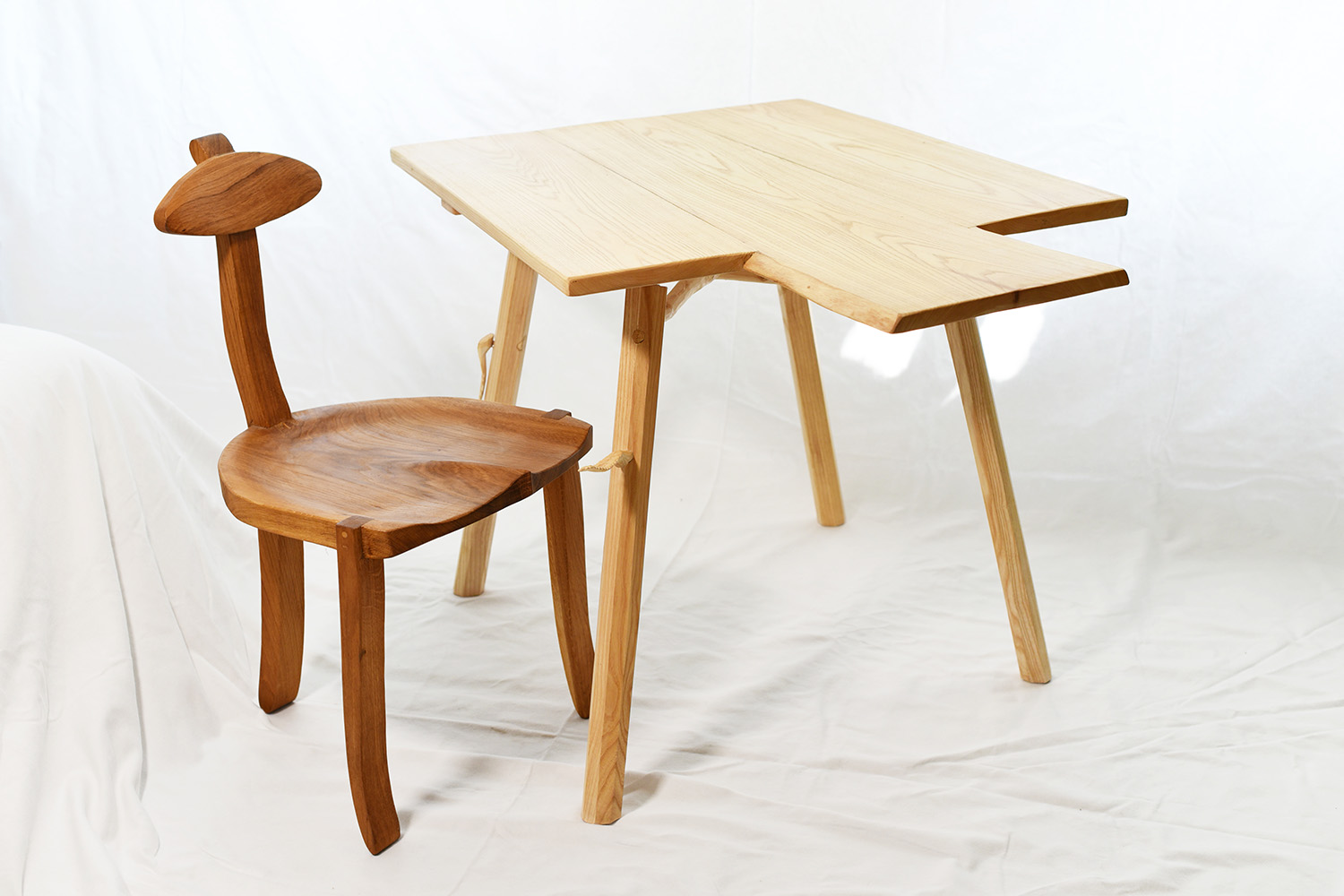
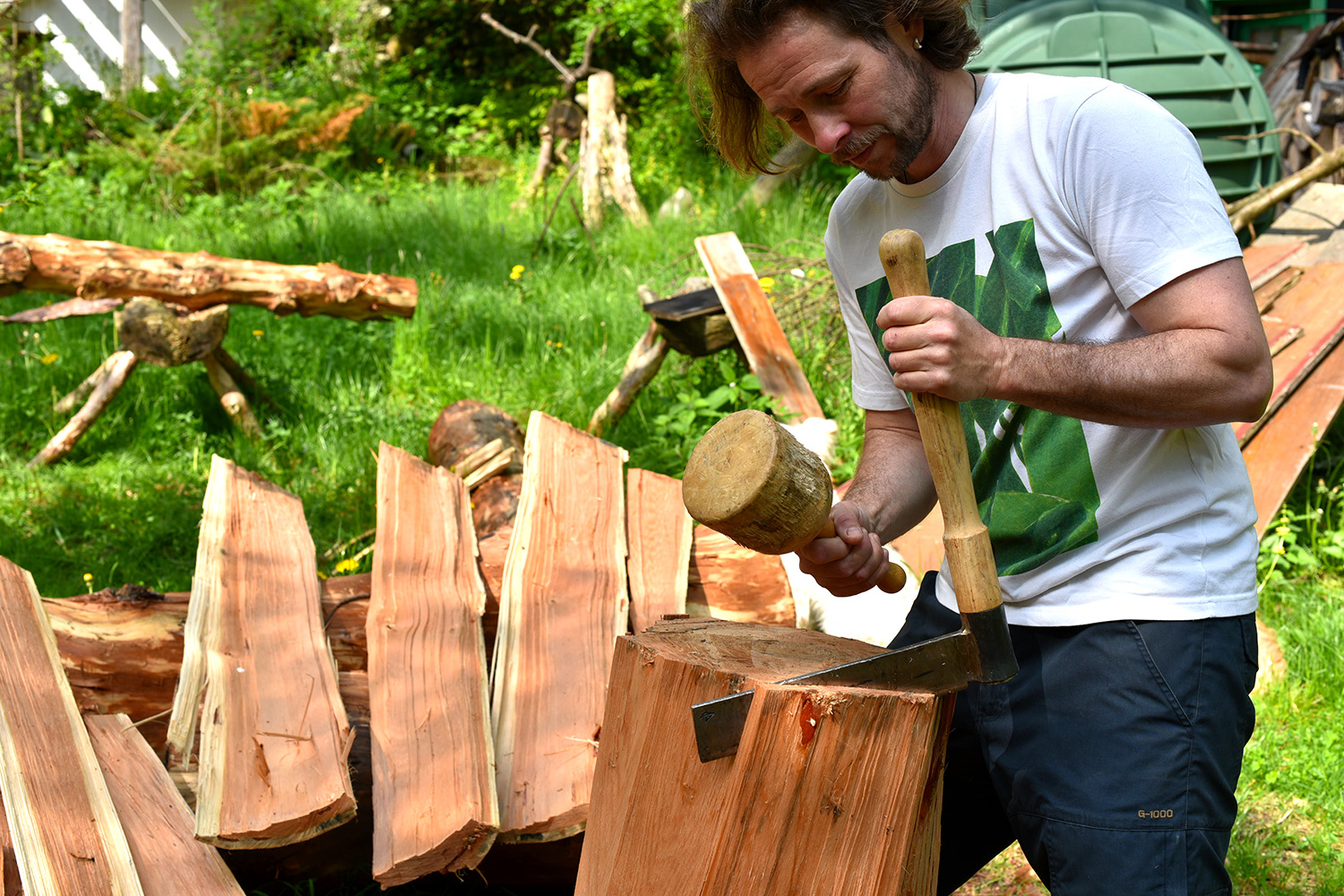
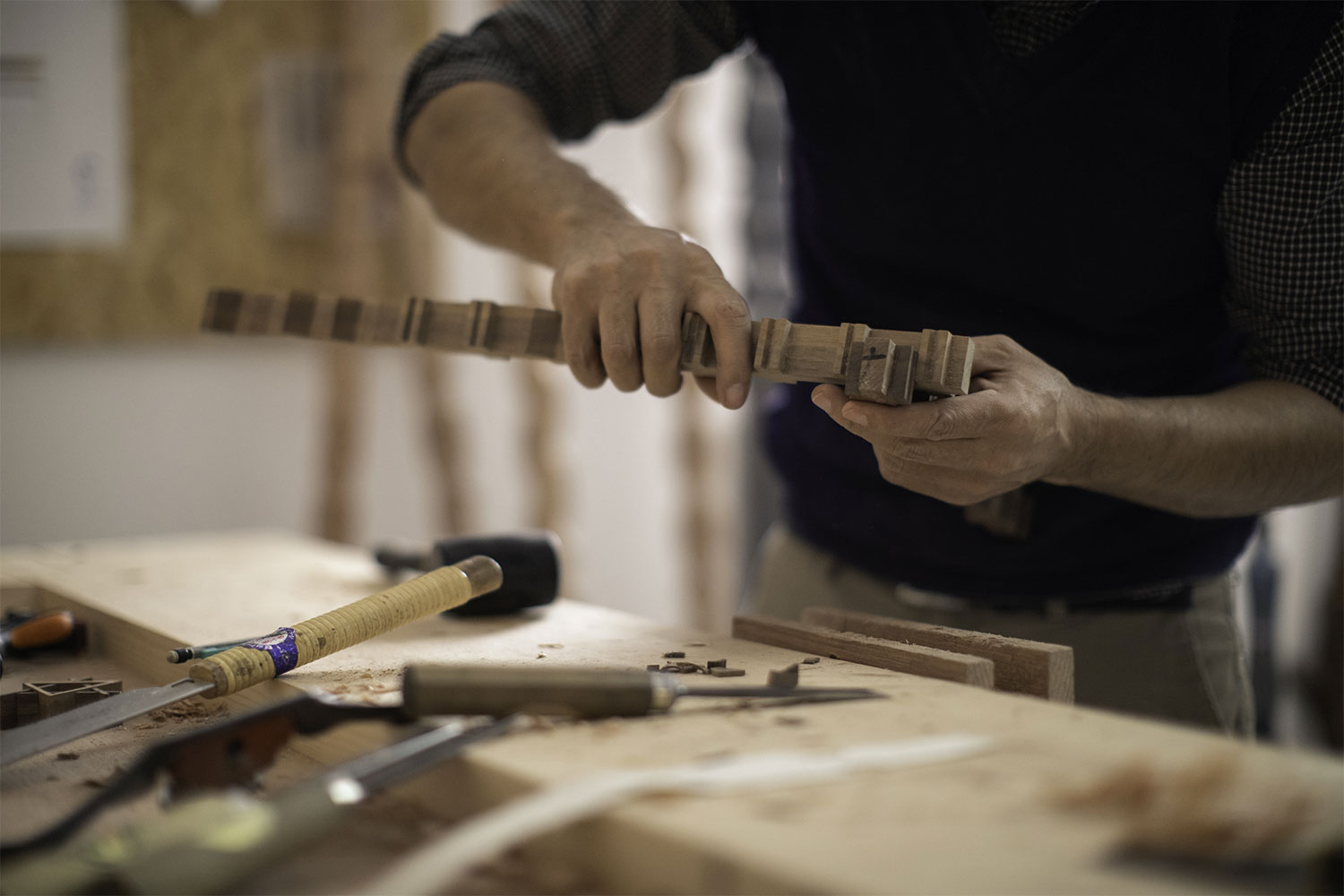
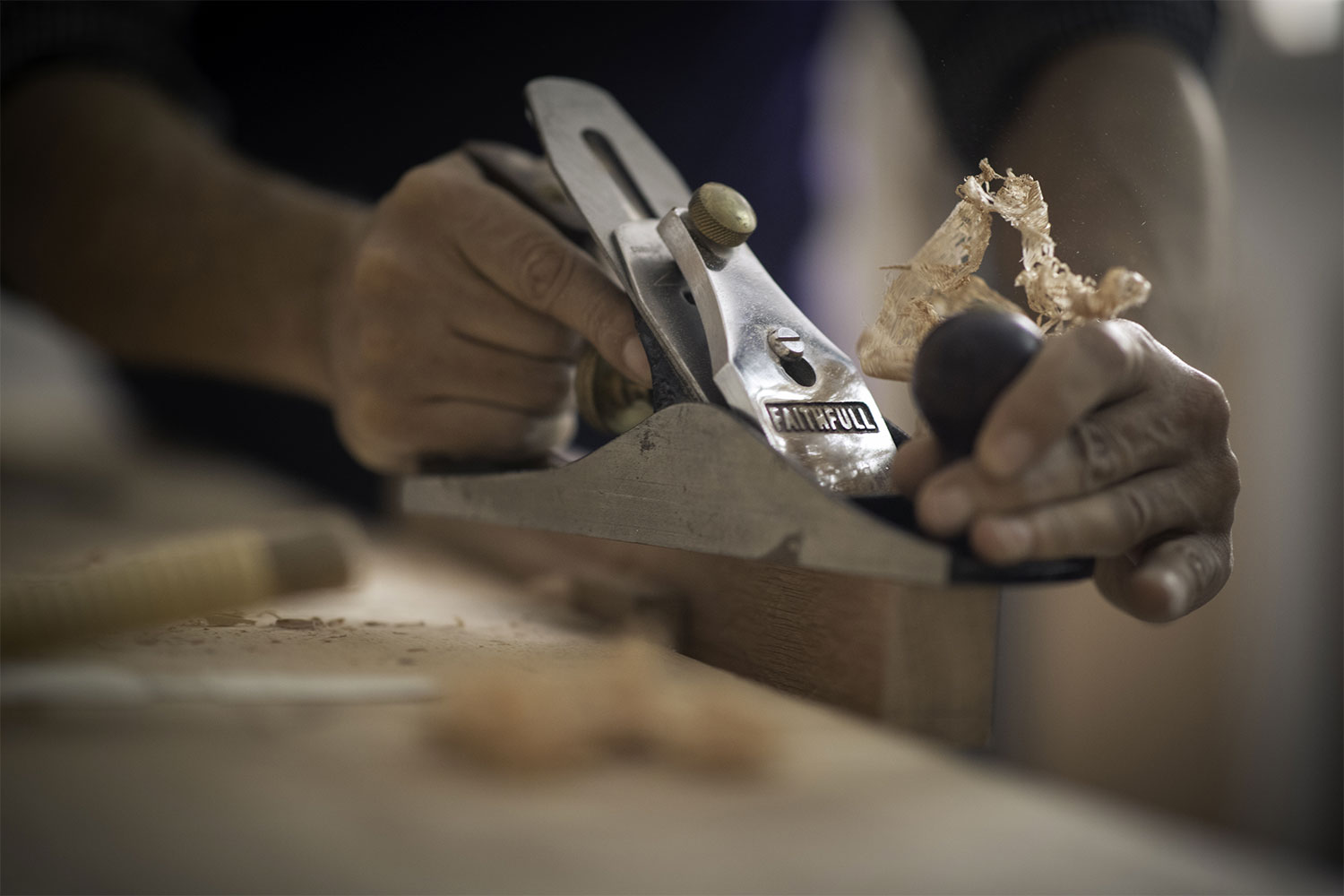
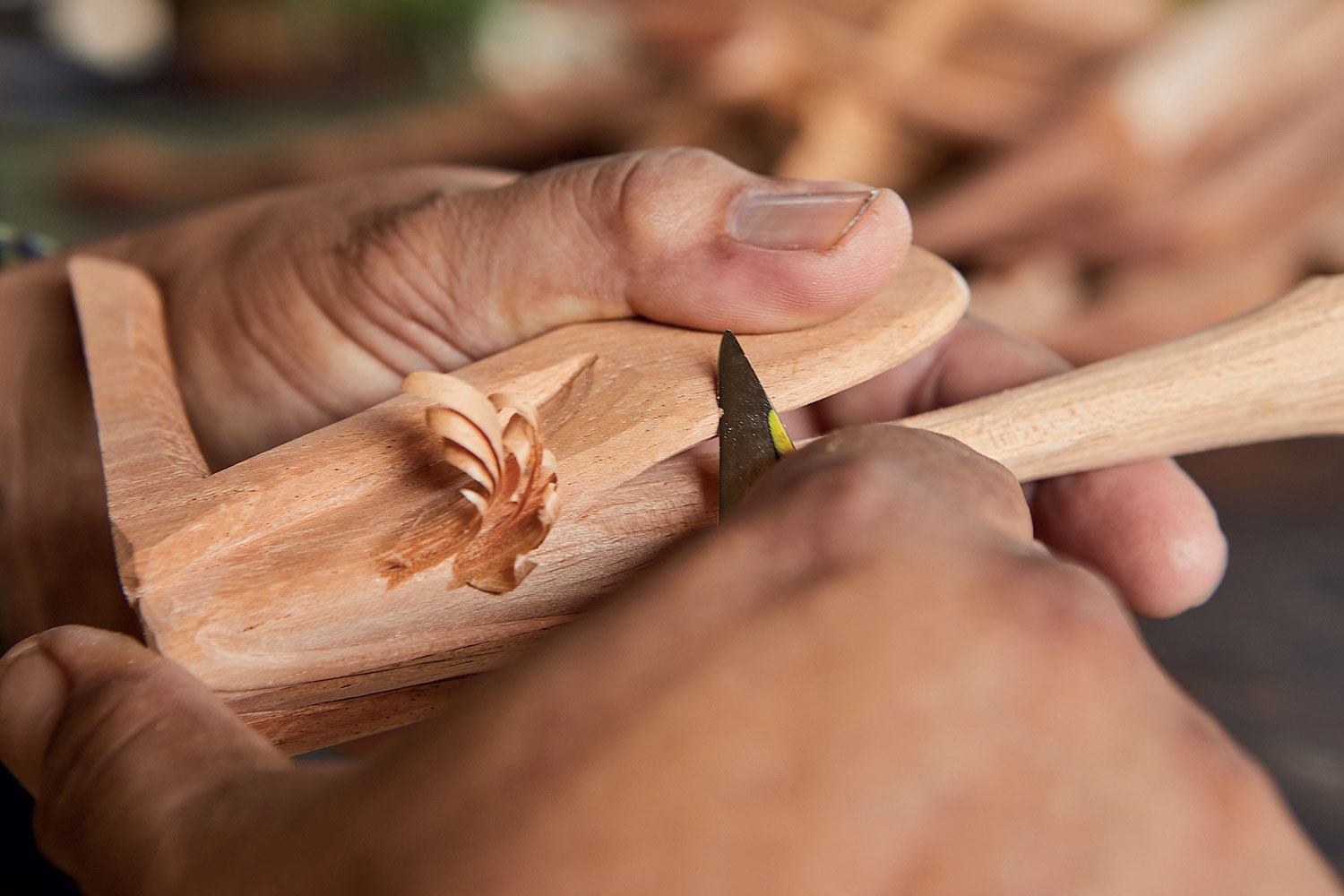
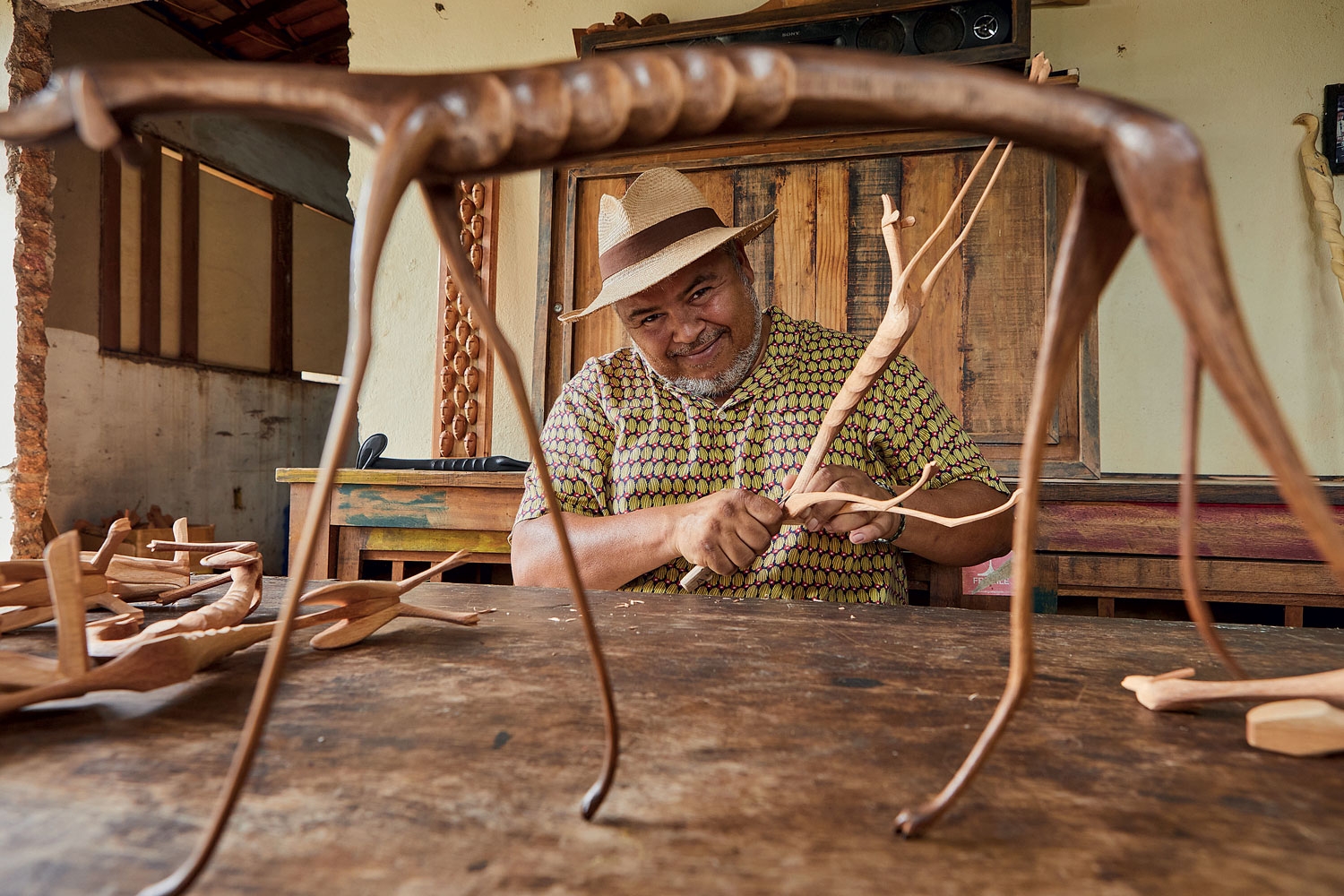
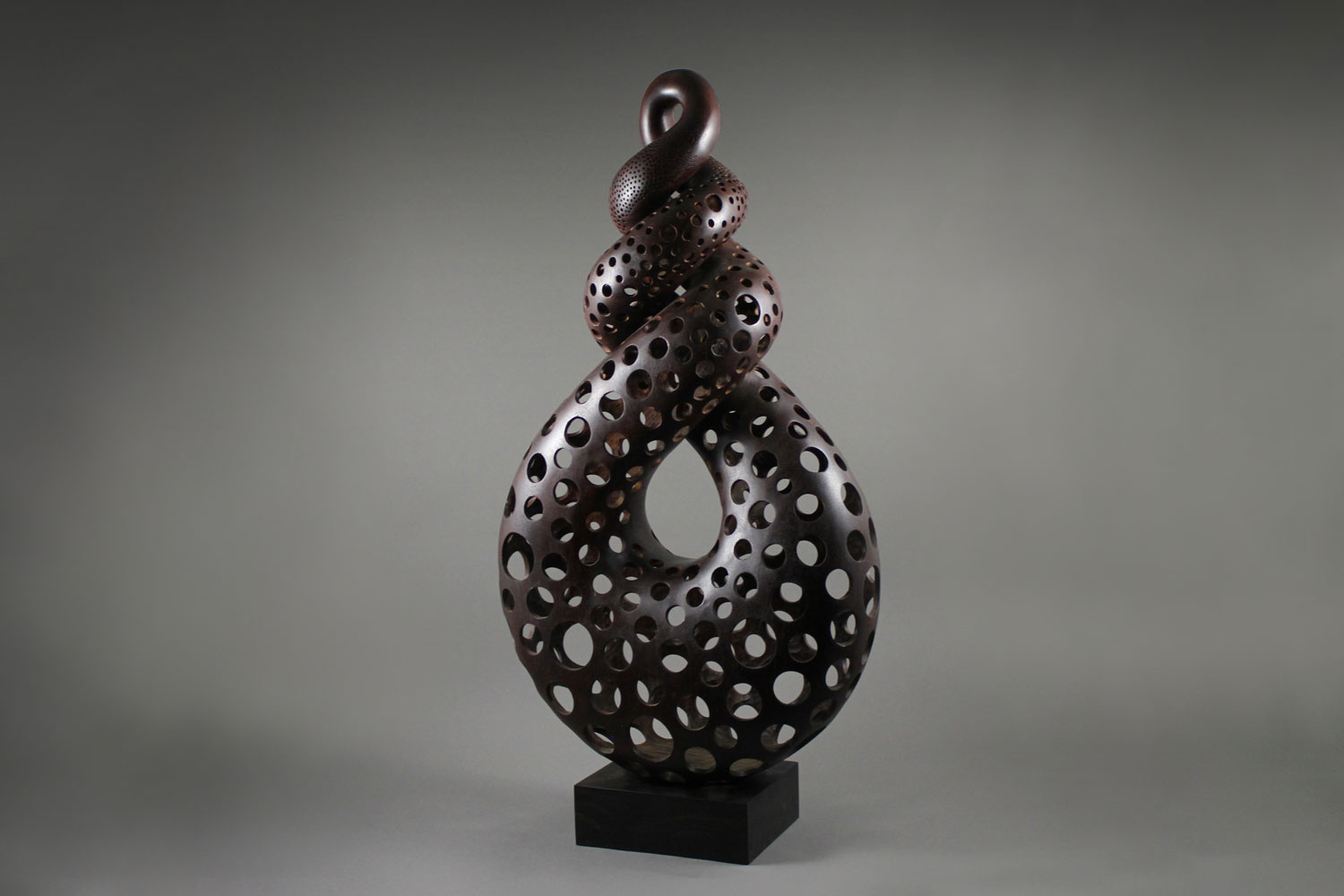
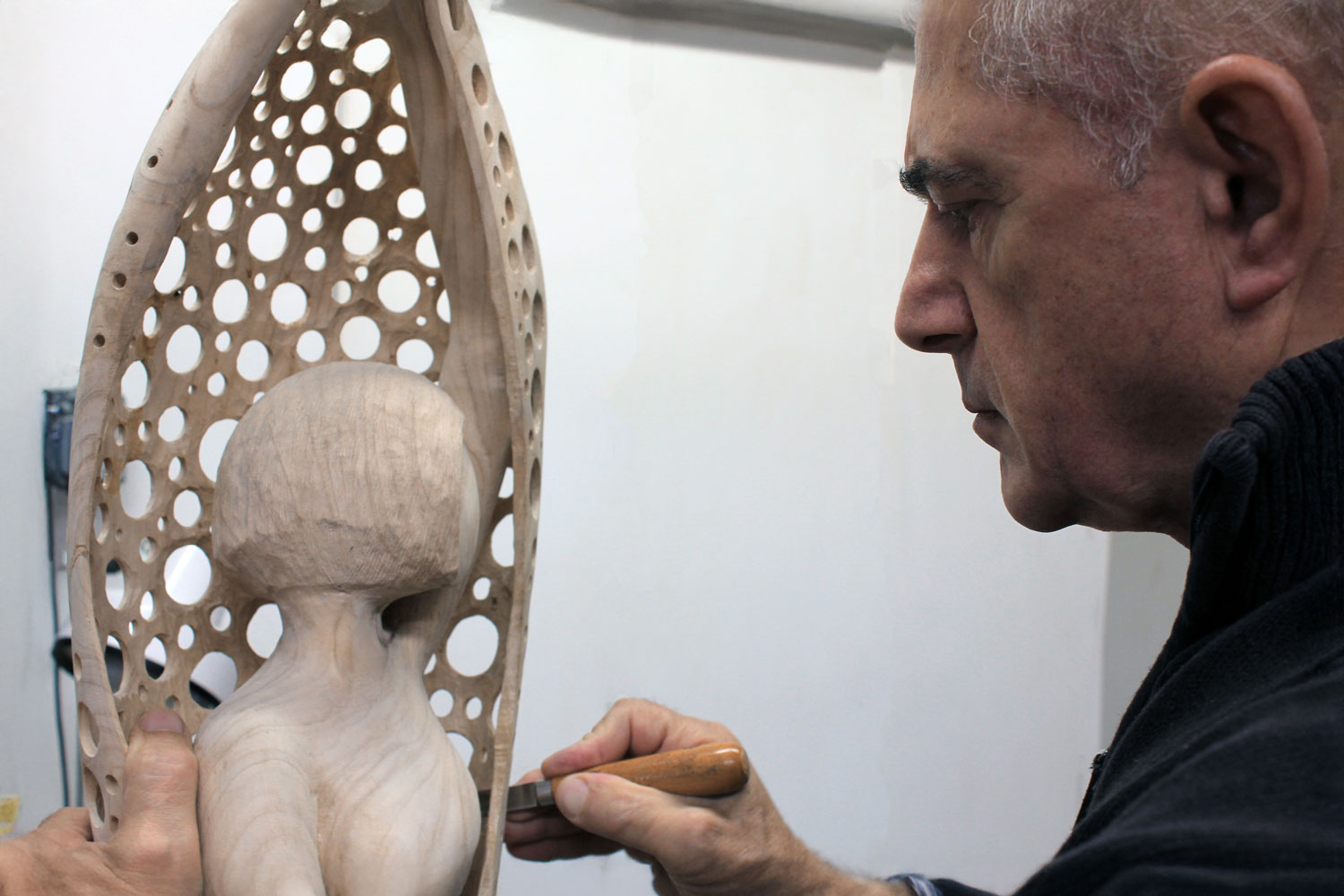
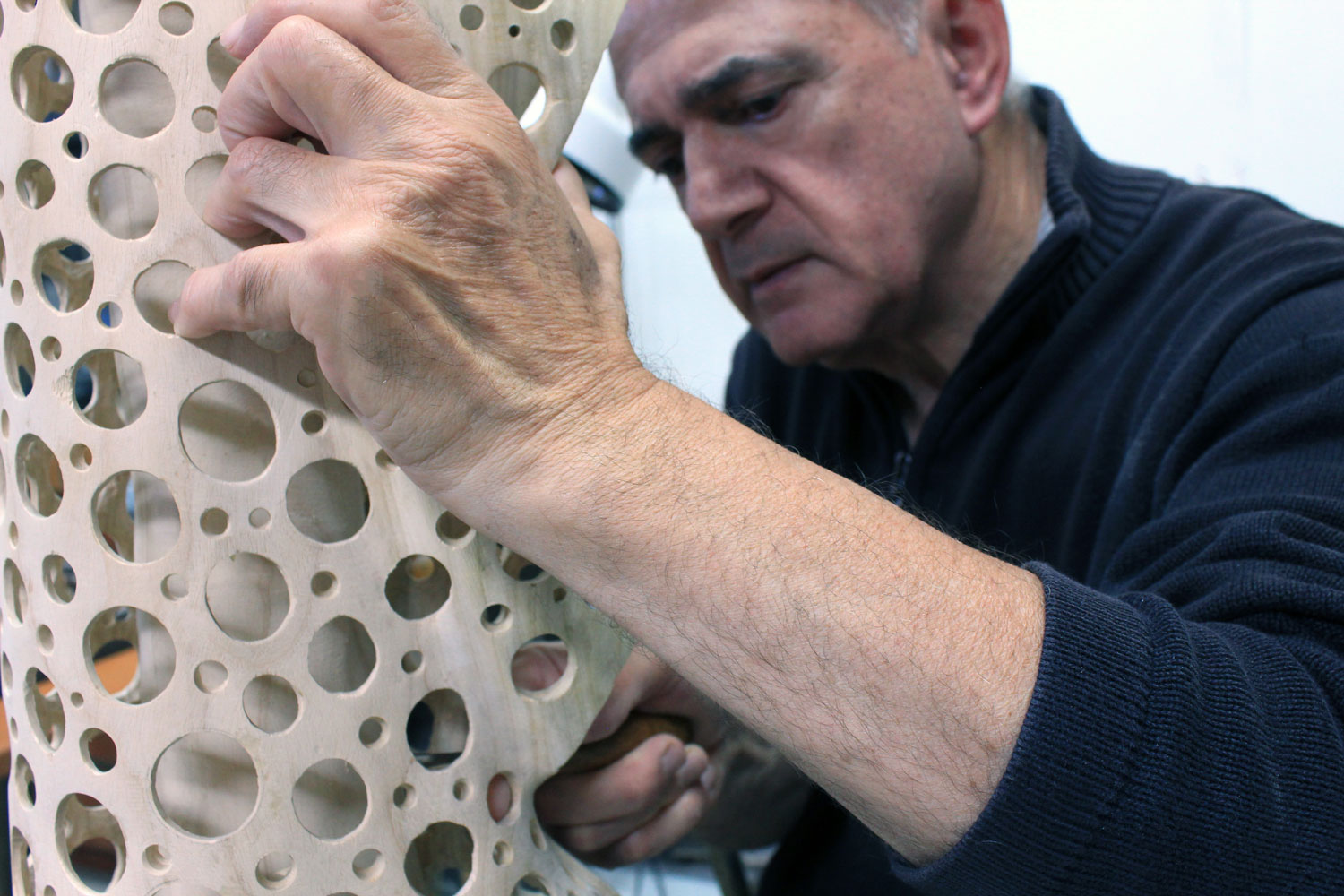
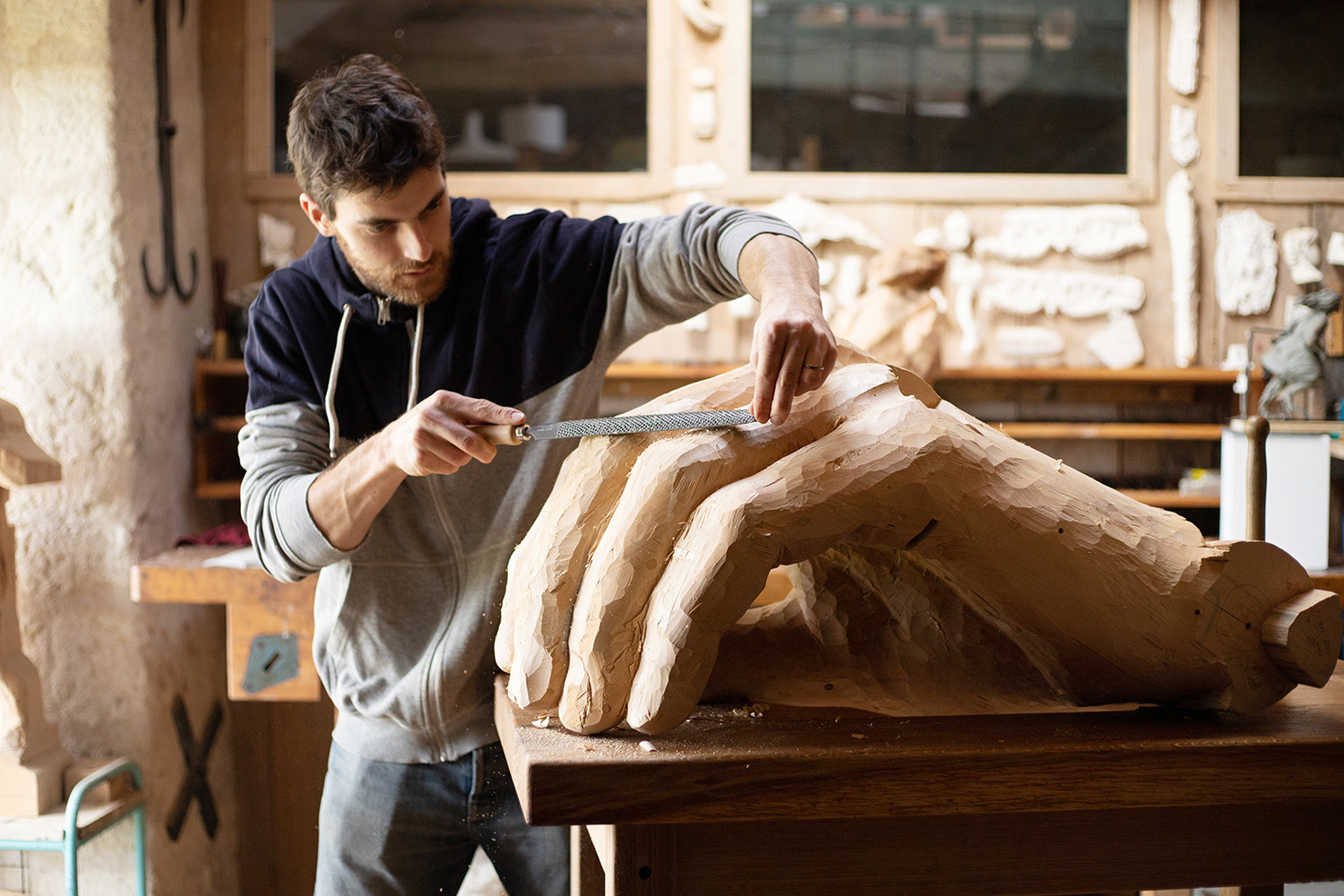
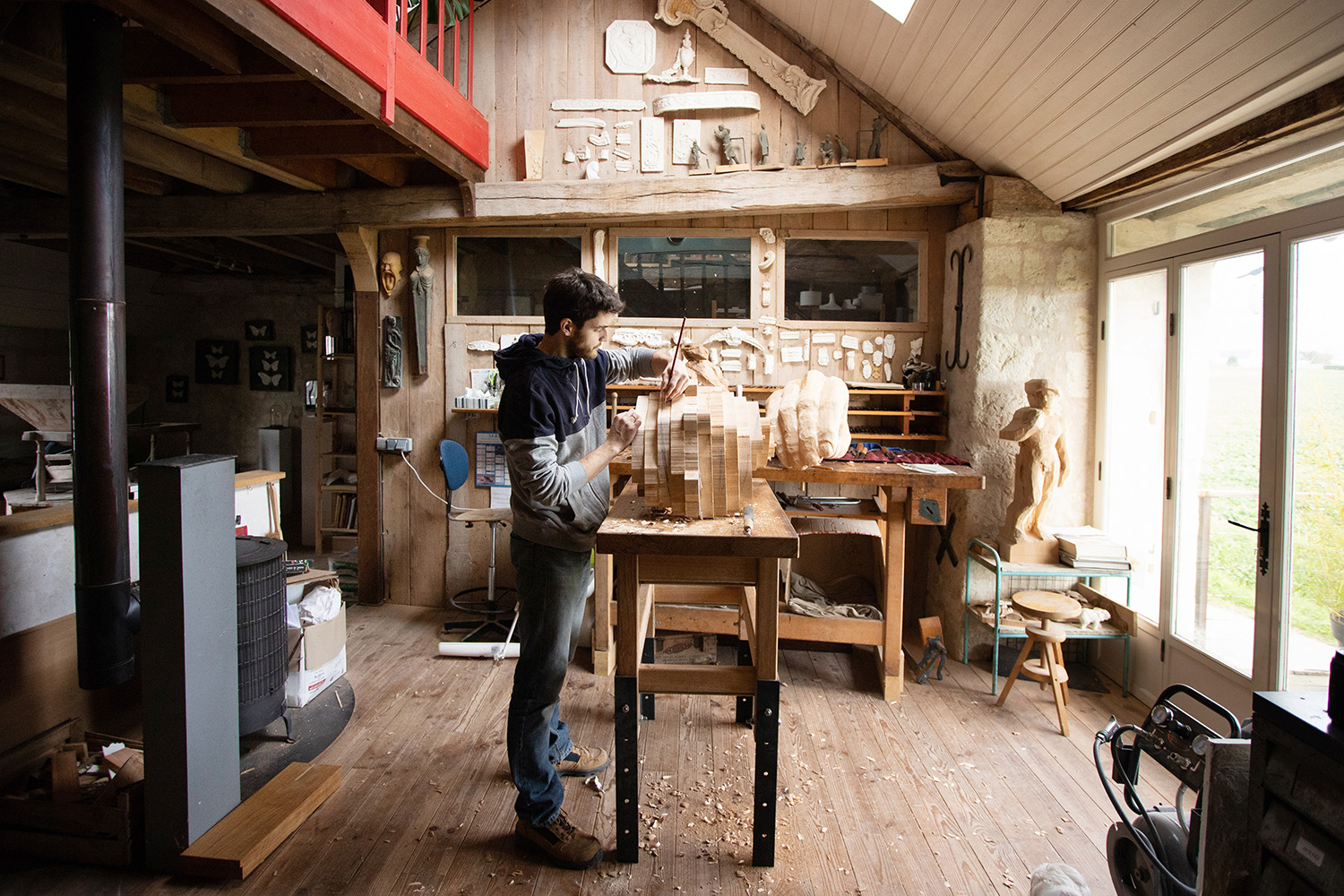
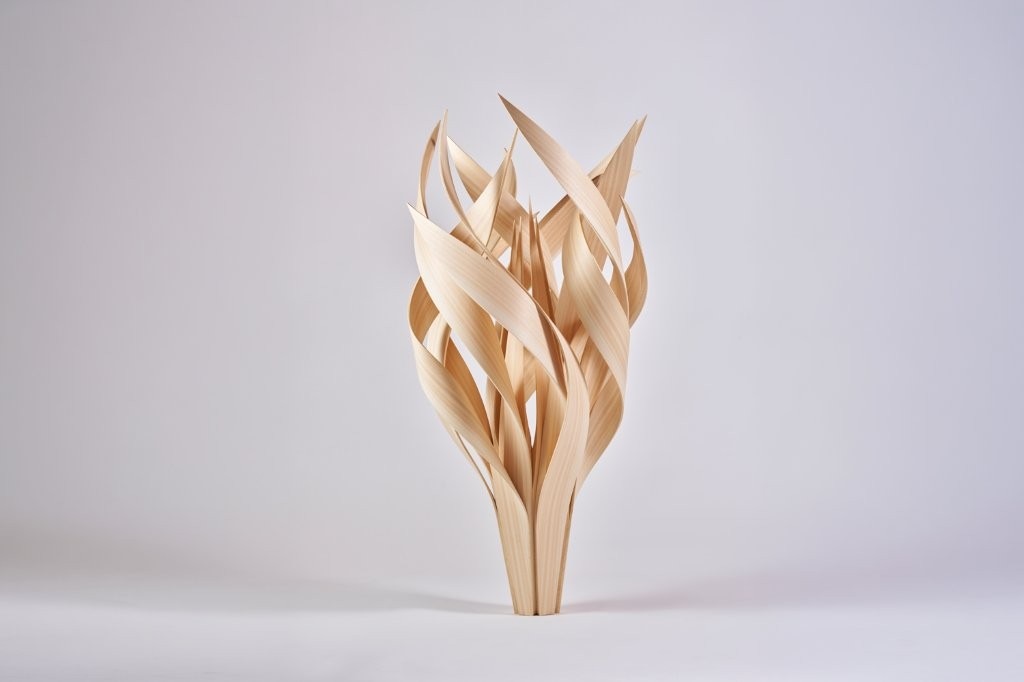
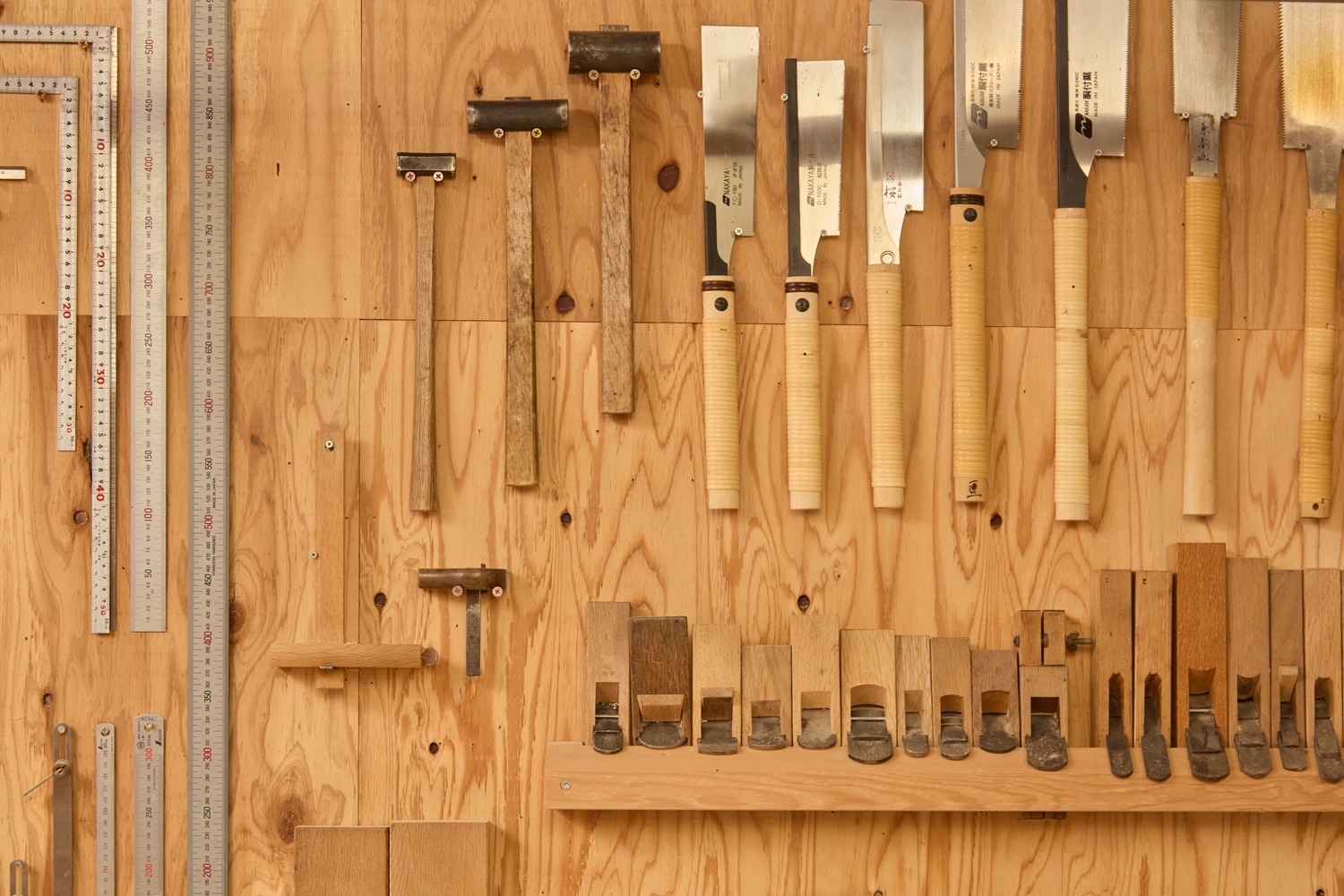
Shogo Watari comes from a family of generations in timber. His current workshop is his grandfather's renovated studio. Shogo grew up immersed in nature and developed a passion for making objects, from clothing to leather goods. He has trained extensively in woodwork, beginning at Shinrin Takumi Juku in Gifu Prefecture, followed by three years at Joseph Walsh Studio in Ireland, and concluding at the workshop of Shuji Nakagawa in Kyoto. Shogo's practice is characterised by the creation of wood sculptures with graceful curves using a bending technique that translates his bodily movements directly. "Unlike traditional bent wood that relies on moulds, this method allows me to create free, unrestricted curves," he explains. Making the most of yoshino hinoki cypress wood, he achieves complex and dynamic forms that define the singular beauty of his work.
Shogo Watari is an expert artisan: he began his career in 2014.
INTERVIEW
Grown in managed forests through dense planting, repeated thinning and continual pruning, the trees develop slowly under limited sunlight, yielding straight, fine-grained, knot-free wood. These qualities make yoshino hinoki ideal for my bentwood technique. It is a wood that has long been considered sacred in Japanese culture, its timber prized for temples and shrines.
It varies from piece to piece, and there is no fixed or explicit motif that determines my designs. Sometimes, forms emerge intuitively, shaped by the movement of my hands in a focused, meditative state. It is also not uncommon for a curve that appears spontaneously during the making process to inspire my next work.
The wood-bending techniques I acquired there continue to inform my practice. Indirectly, exposure to Joseph's aesthetic sensibility shifted my focus away from the technical 'how to make' and towards the creative 'what to make'. I began confronting my inner aesthetic, and recording the natural landscapes and forms that move me. Living in Ireland also deepened my awareness of Japanese culture, and a desire to create through a distinctly Japanese sensibility.
Through raising my child, I have come to rediscover the world from a child’s perspective and to cherish the pure, heartfelt reactions that arise when facing nature. Although my pieces are immediately recognisable as wood, they take on mysterious forms that do not exist in nature. I hope that through my work, viewers can awaken their own deep connection with wood and the natural world.
Shogo Watari
Wood sculptor
Kyoto, Japan
ADDRESS
Address upon request, Kyoto, Japan
AVAILABILITY
By appointment only
LANGUAGES
Japanese
HOMO FABER FINDS
Homo Faber Finds is a new service aiming to inspire admirers of craft to connect and collaborate with exceptional artisans.
We invite you to submit an enquiry here.