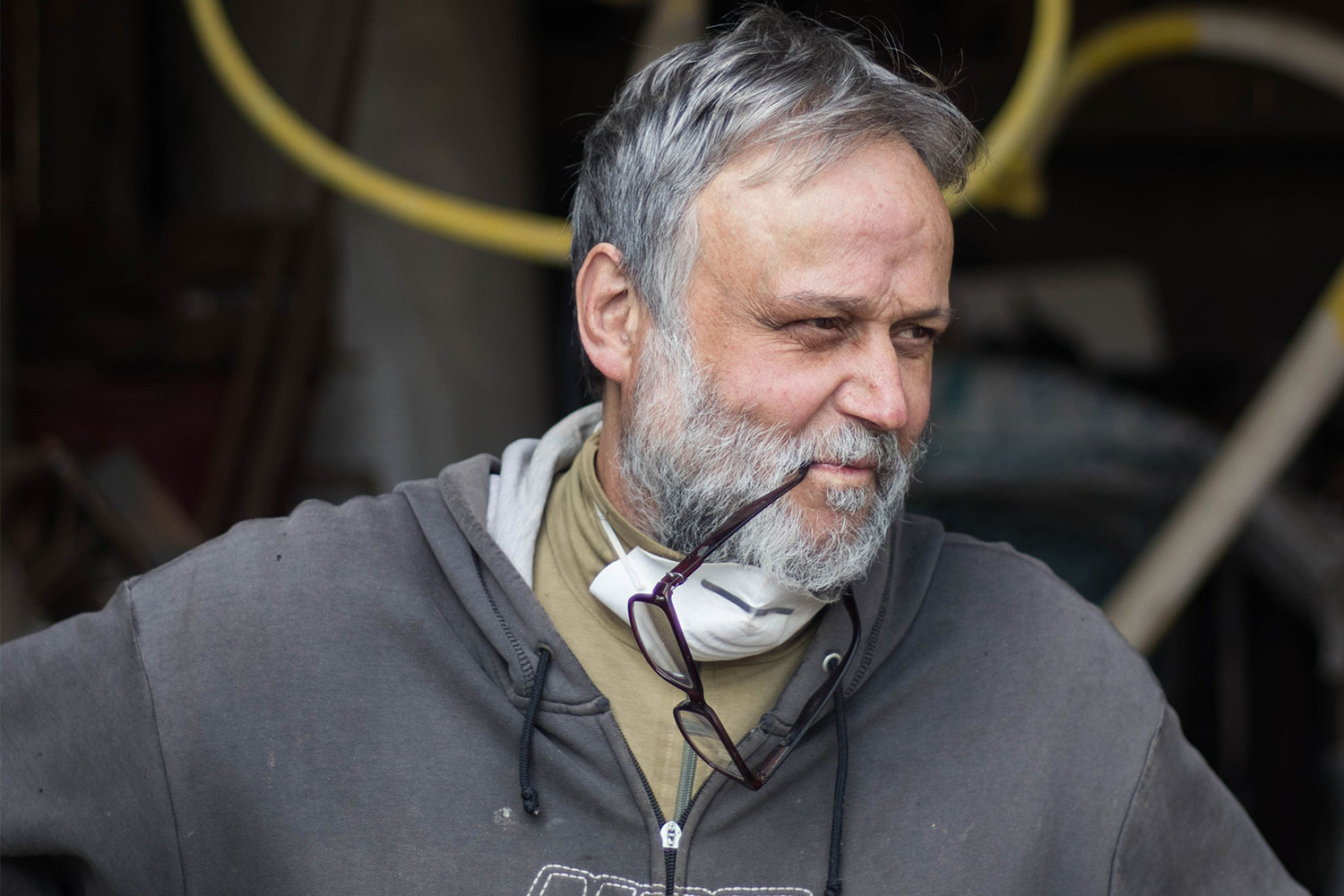
Shin-hyeok Ha
Ceramicist
Seoul, South Korea
The shape of time
- Shin-hyeok’s coiled ceramic vessels speak to natural rhythms
- His pieces take inspiration from the gentle landscapes of Gwangyang
- He treats the vessel form as a starting point for his objects
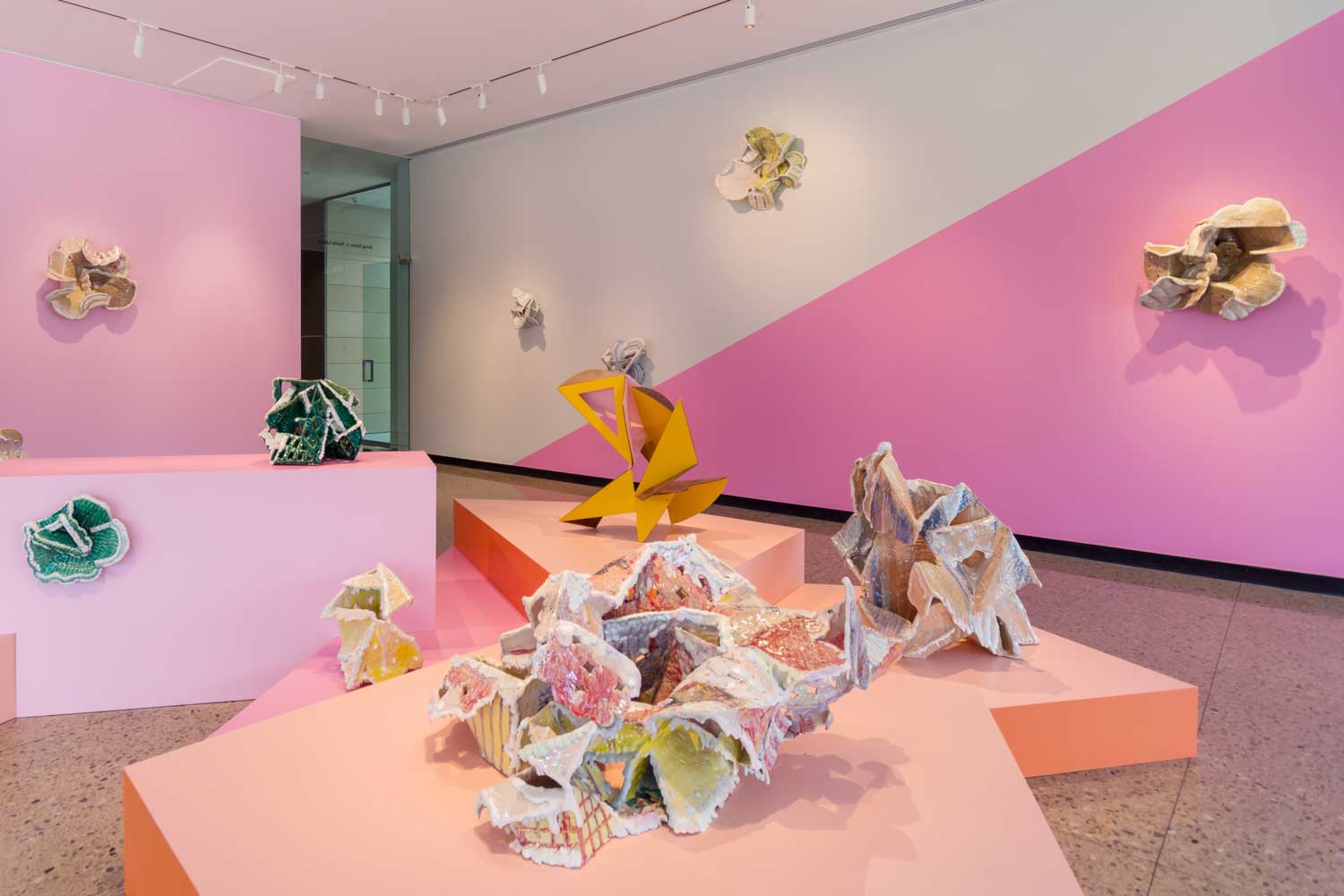
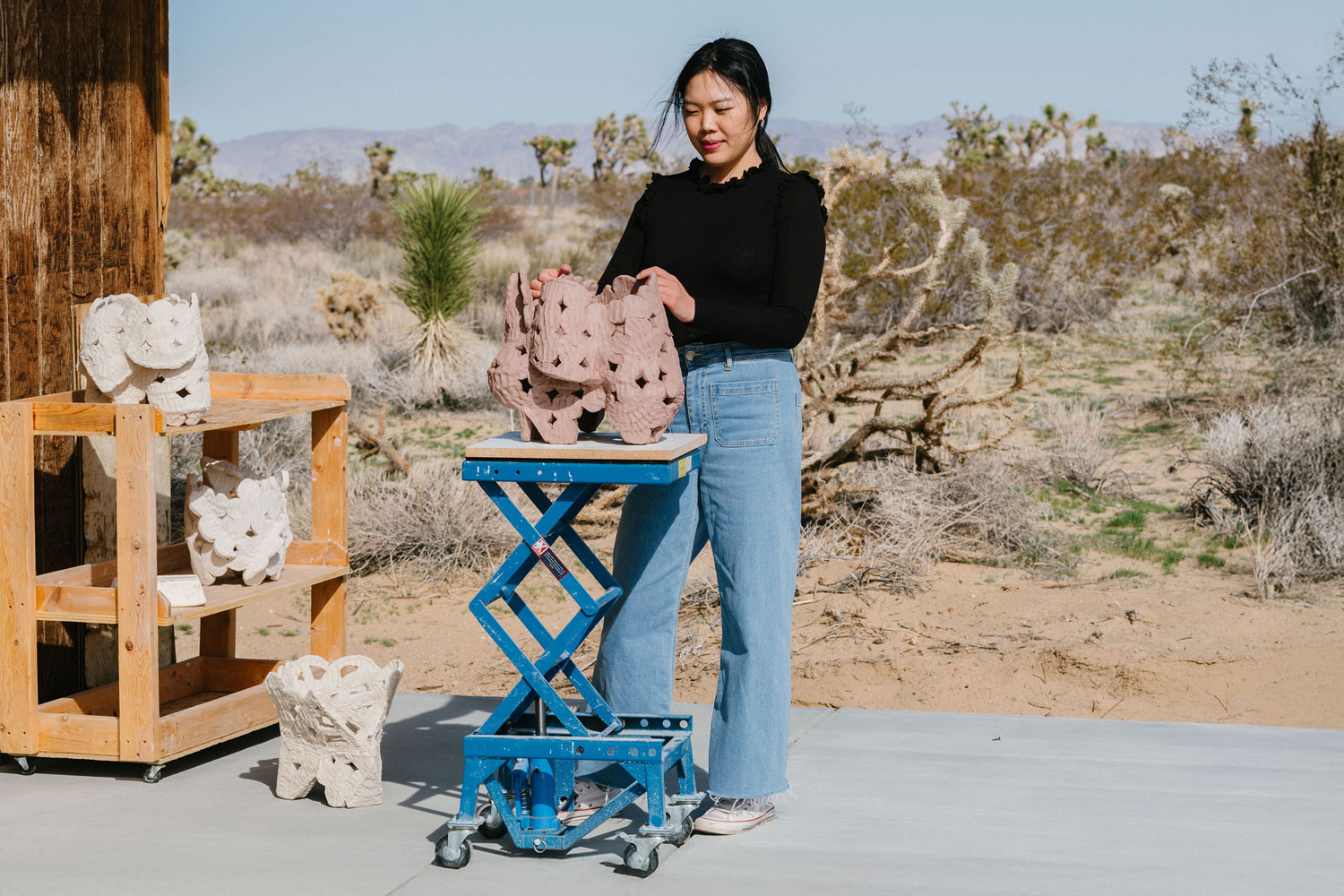
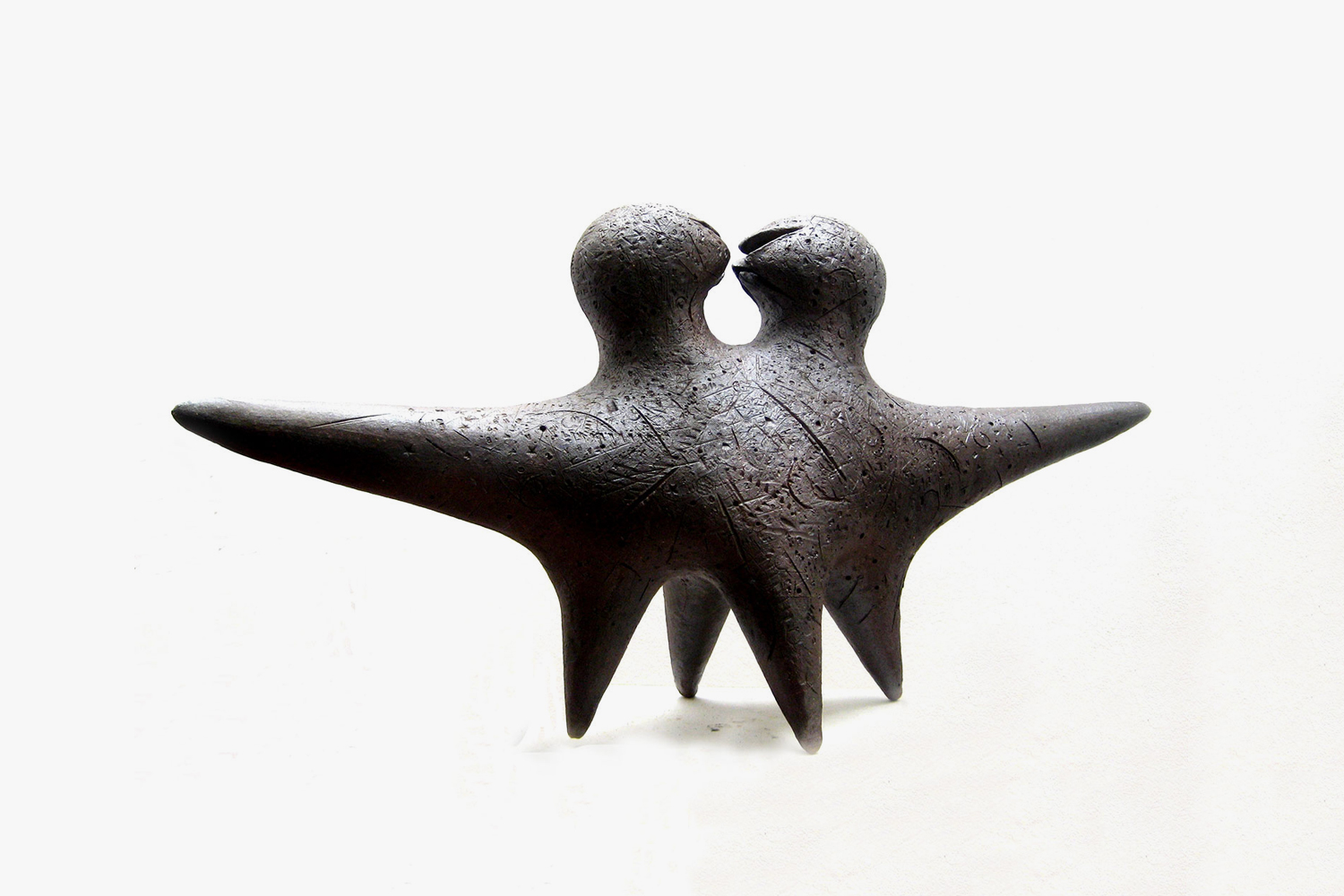
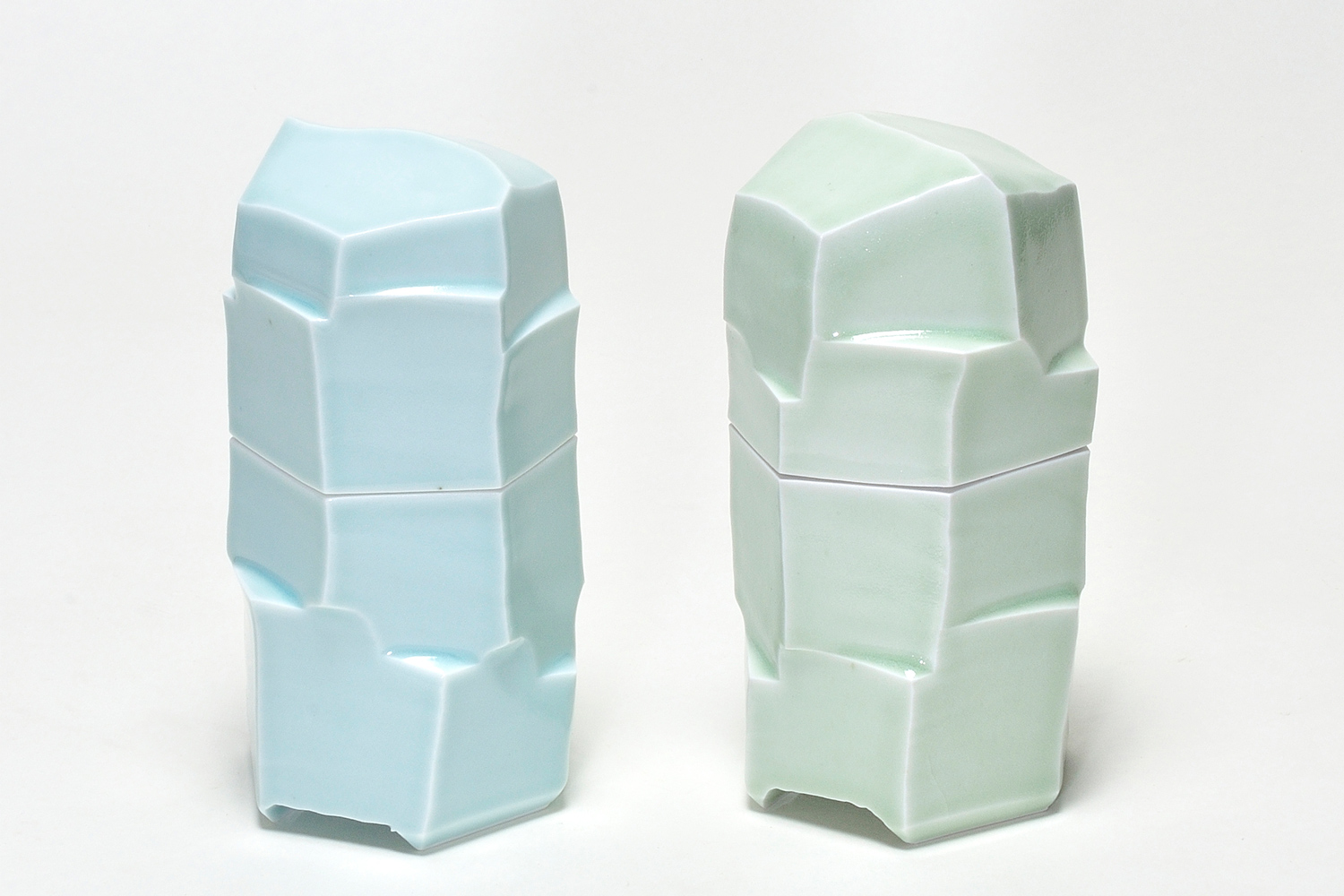
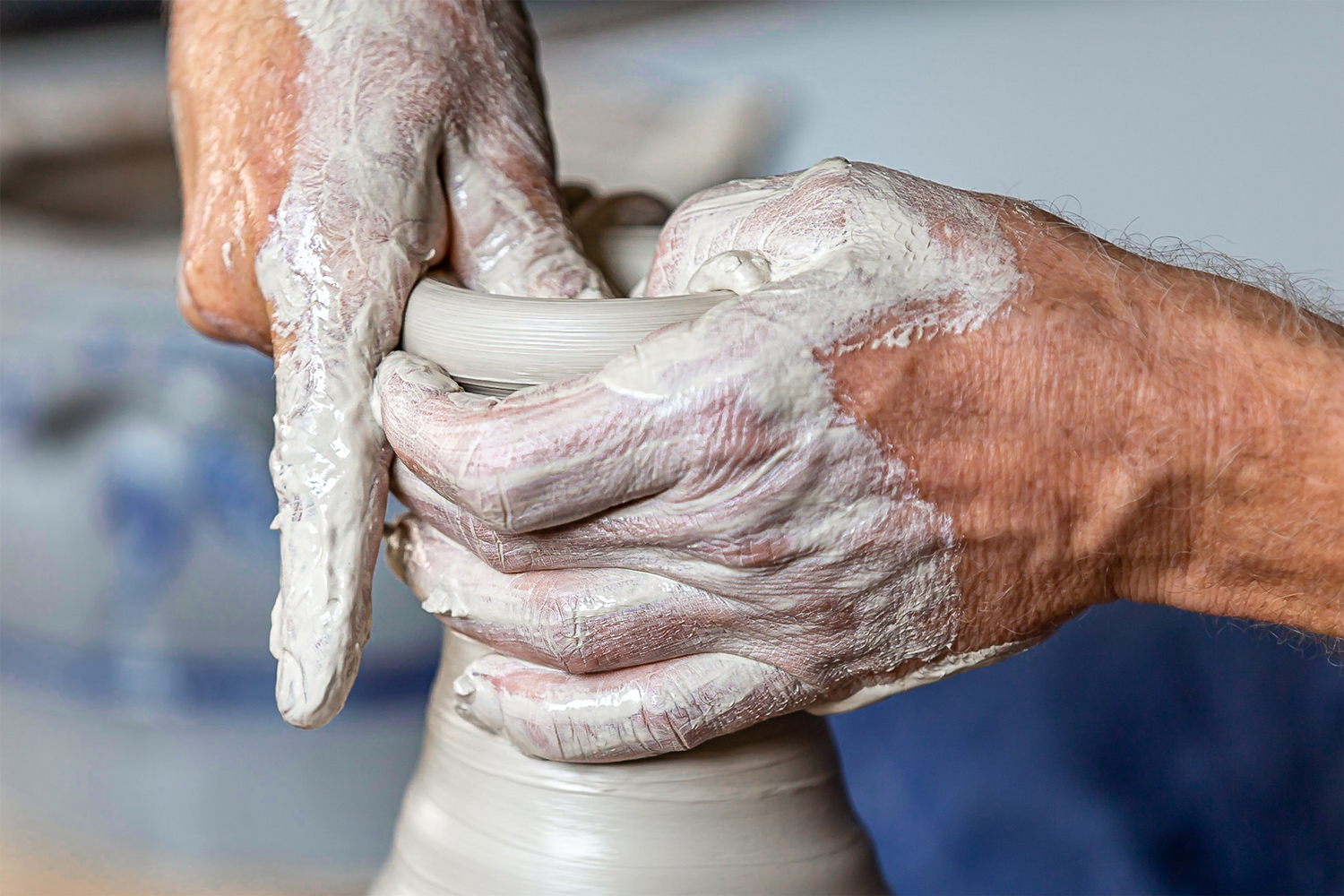
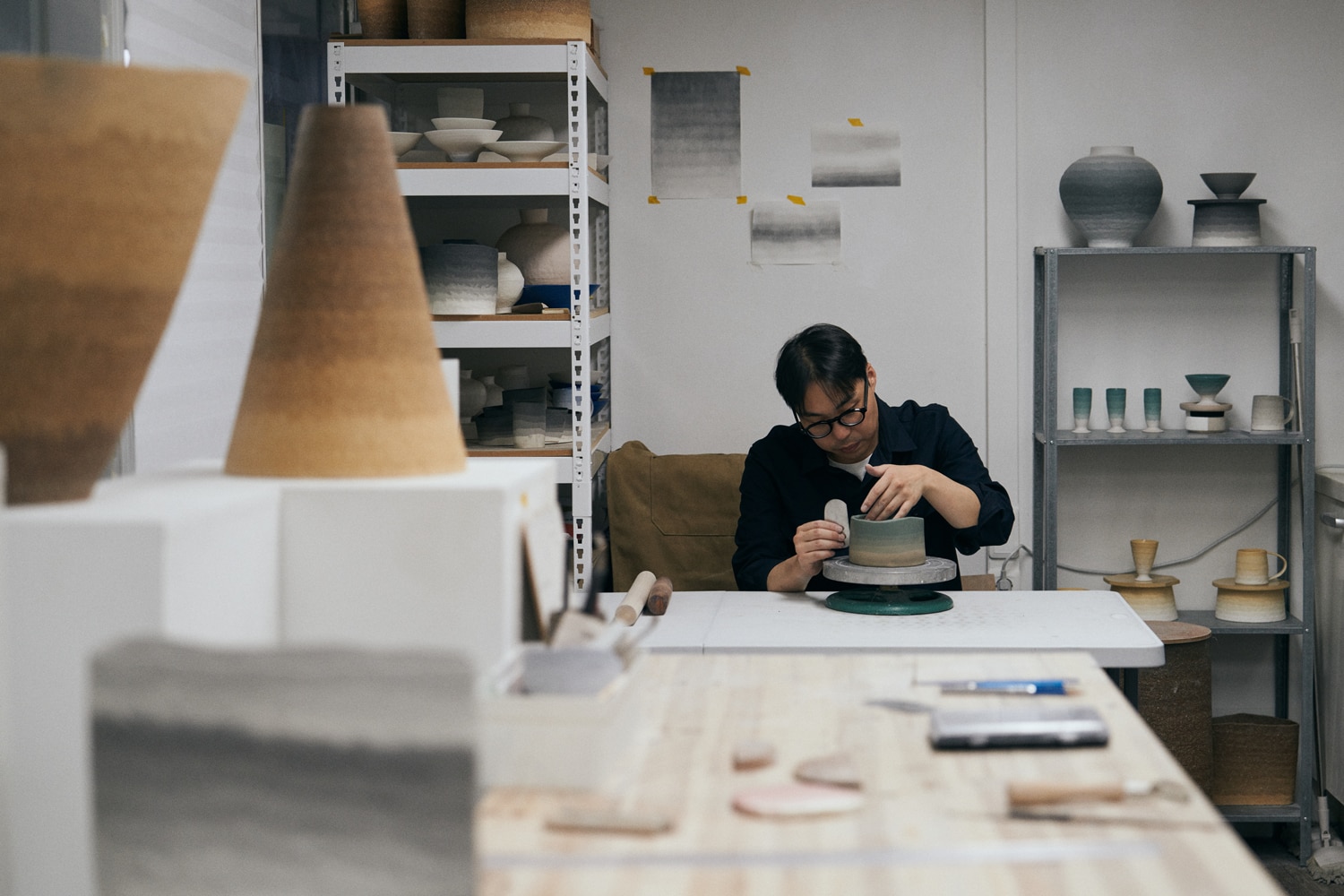
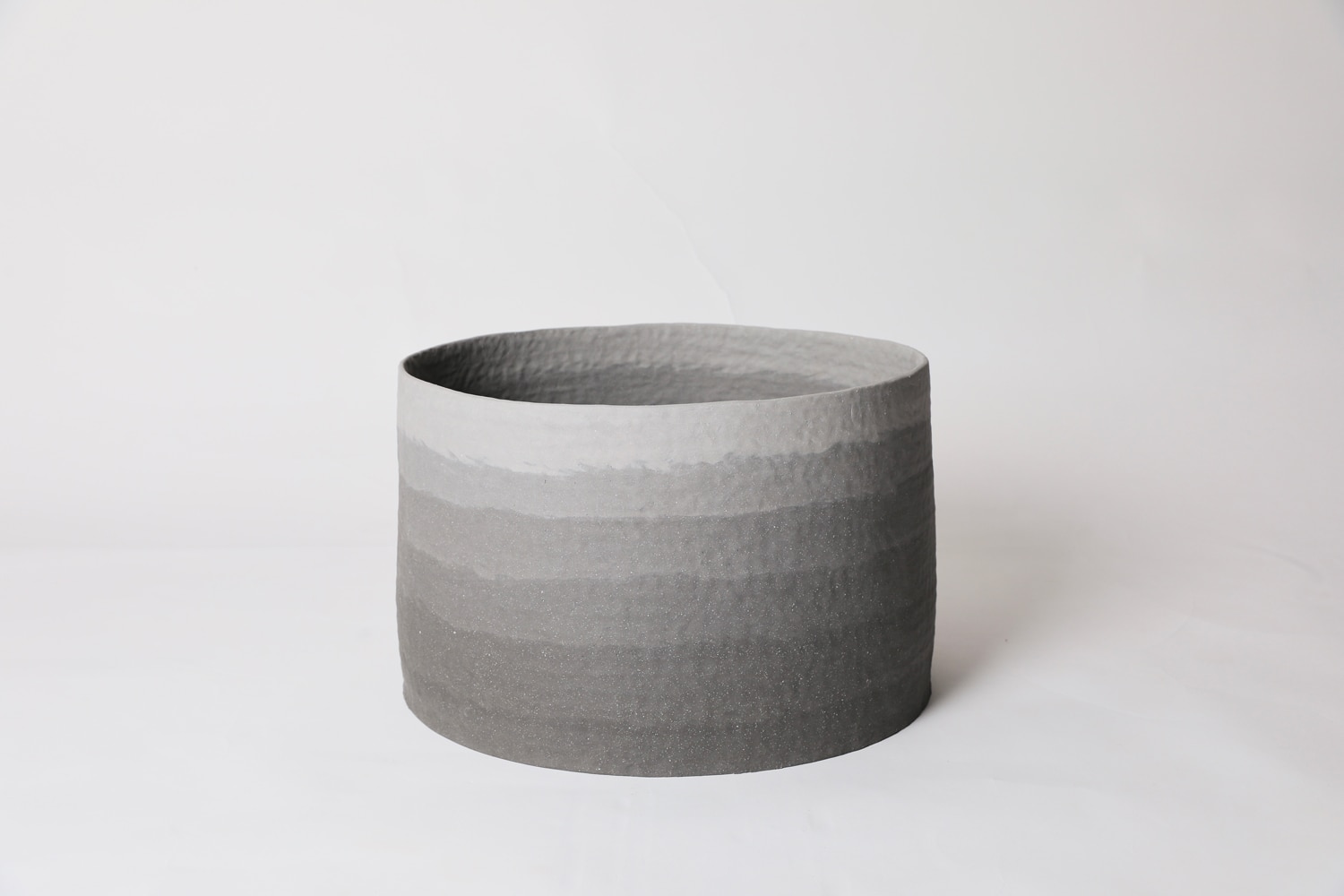
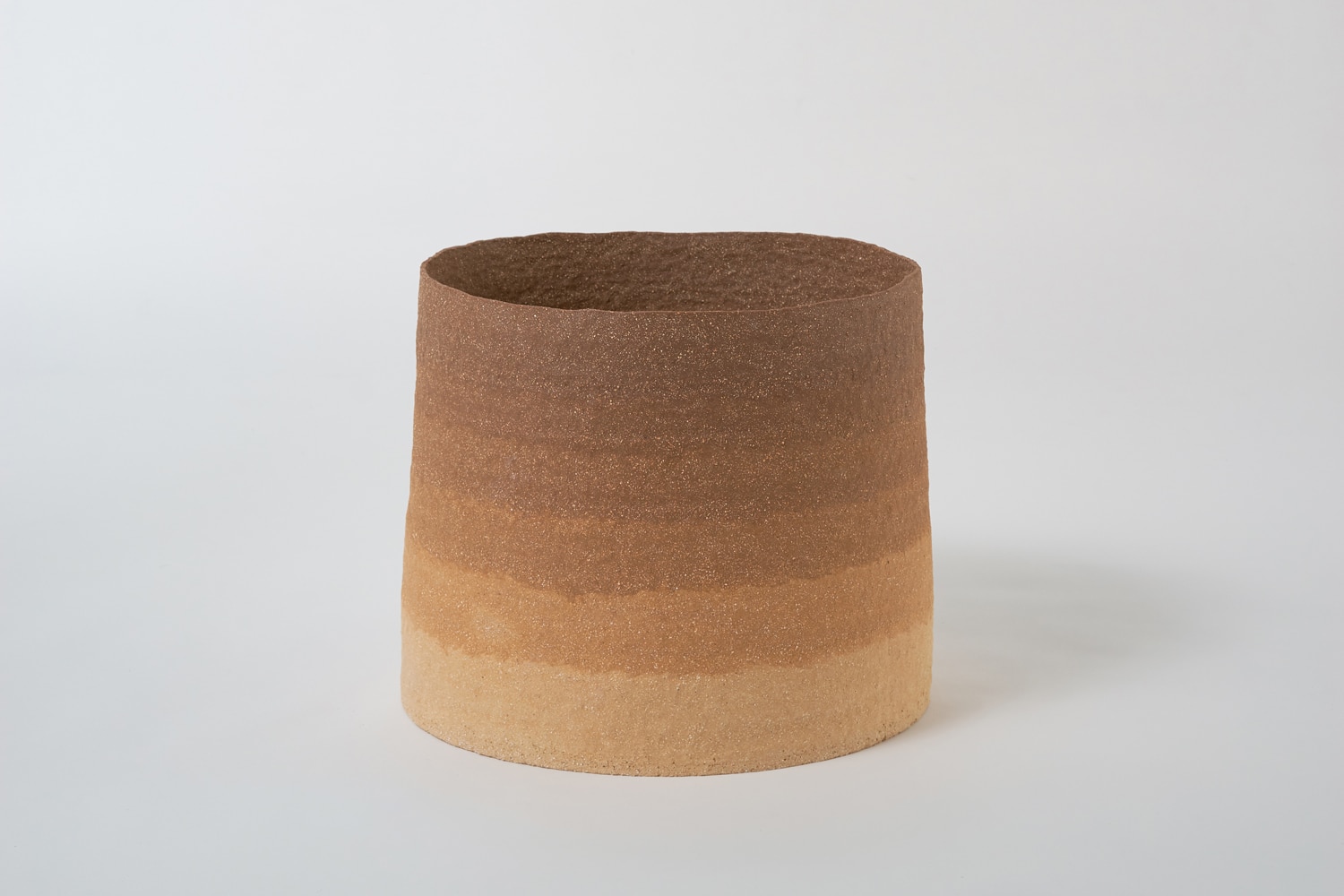
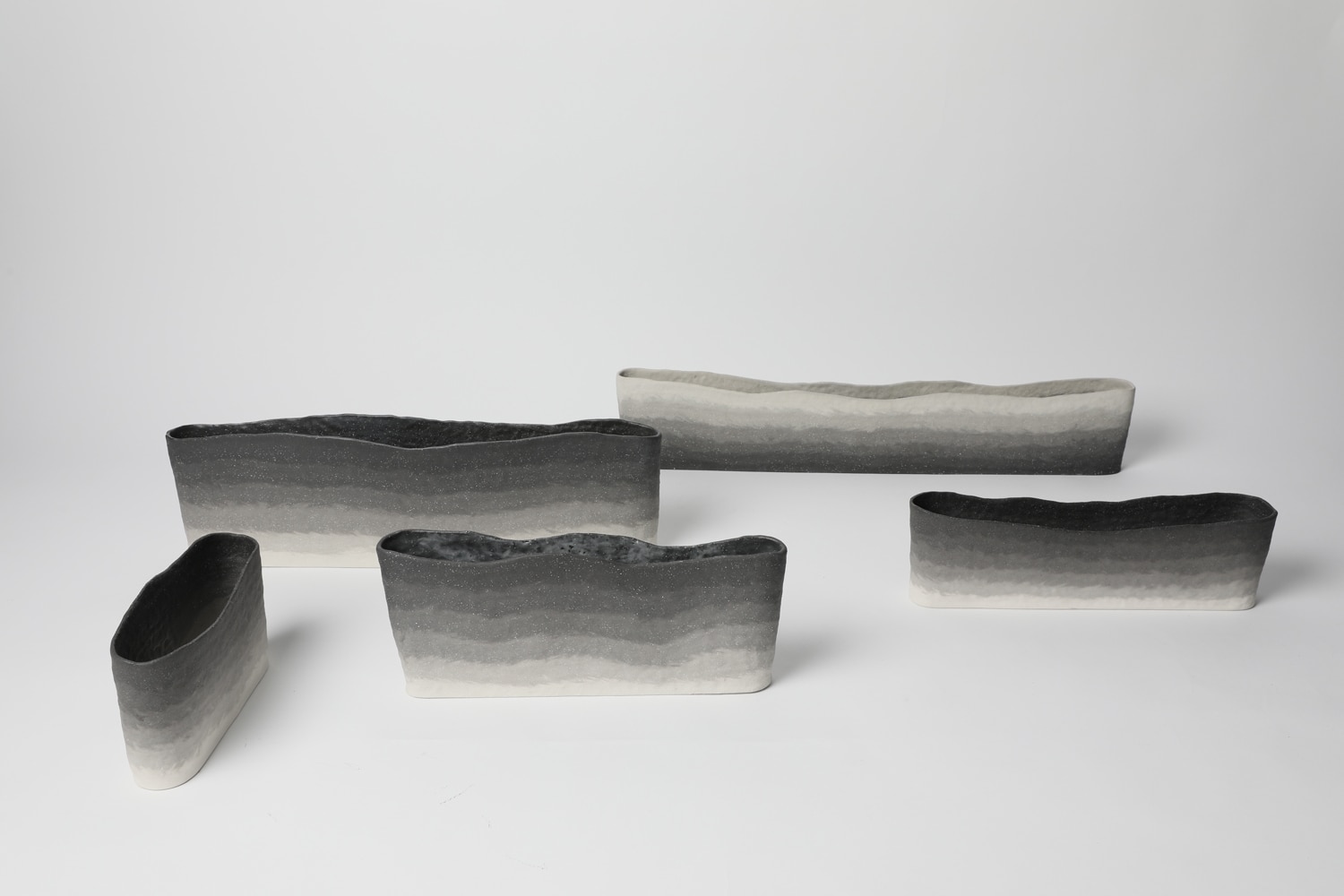
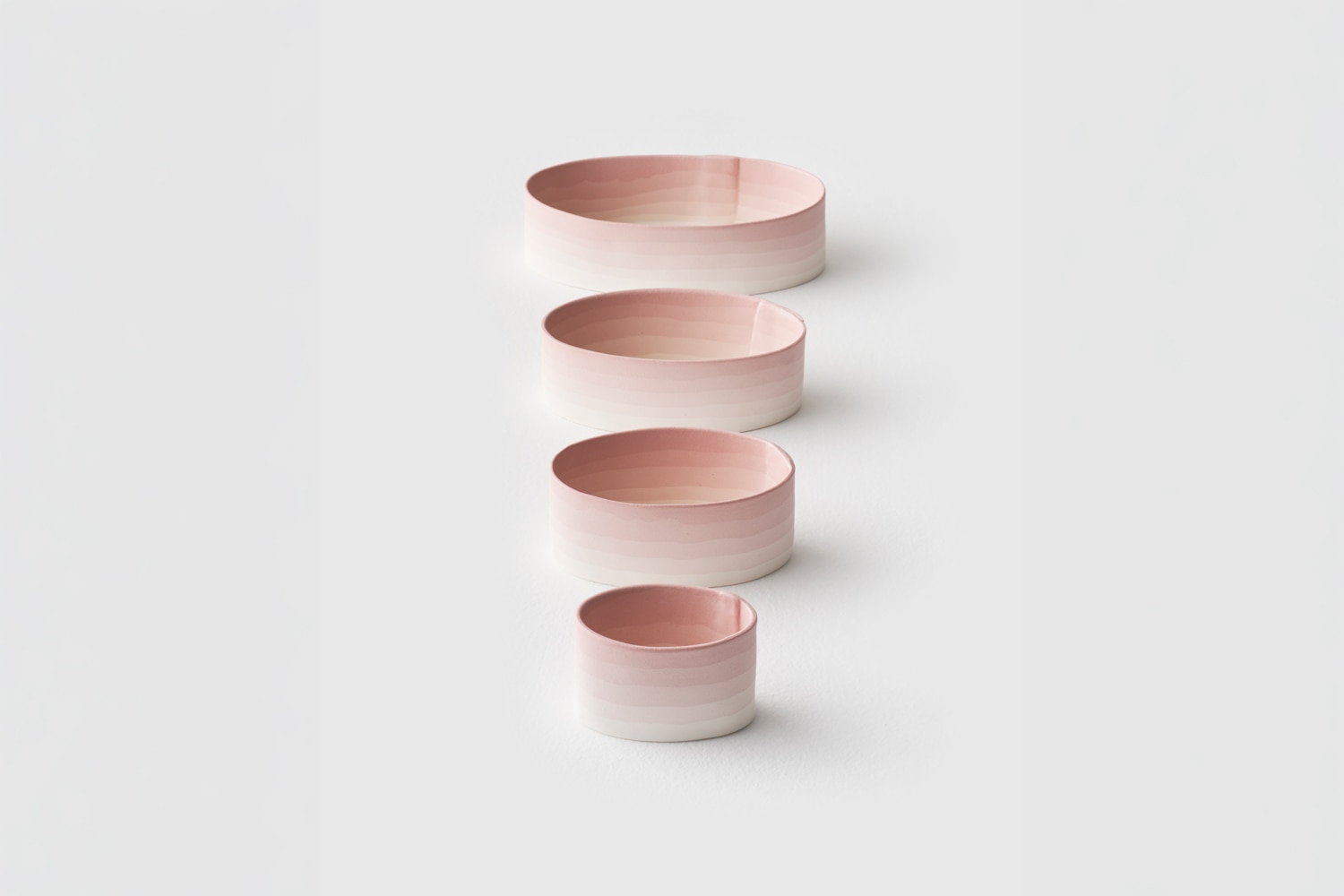
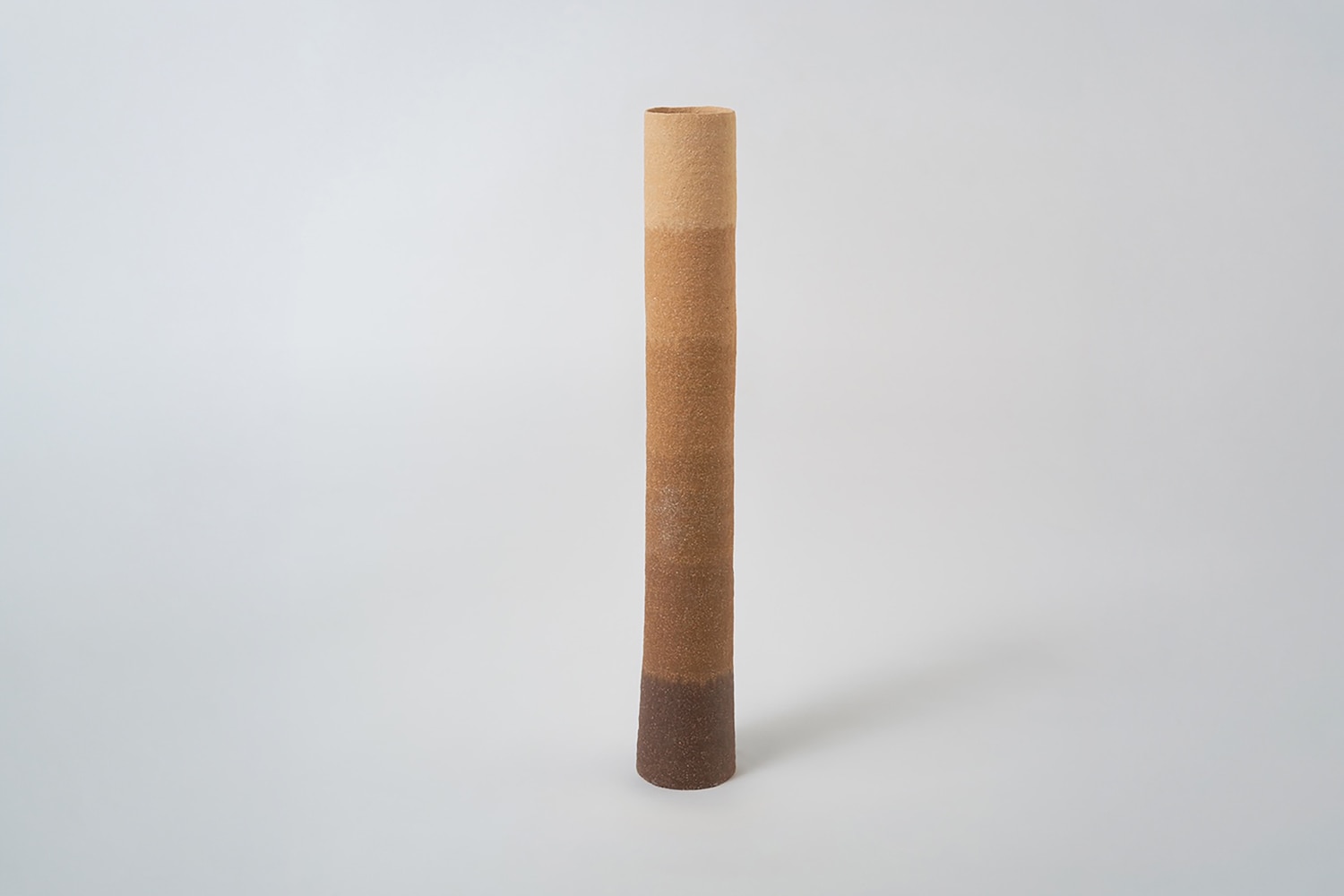
Shin-hyeok Ha is a Korean ceramicist whose practice sits at the boundary between vessel and object. His works are rooten in the traditional vessel form, as he strips away function to focus on what clay can hold, valuing time, sensation and the quiet rhythms of the natural world. In Shin-hyeok’s hands, ceramic vessels are emptied of their functions, becoming objects where the senses can rest. Each piece builds slowly, using coiling and minimal glazing. “As I came to feel that the process of making matters more than the finished form, coiling became the most inevitable choice for me,” he says. The landscapes of Gwangyang have shaped Shin-hyeok’s eye and practice, which seeks to reproduce an attitude towards its gentle nature rather than replicate it in clay form.
INTERVIEW
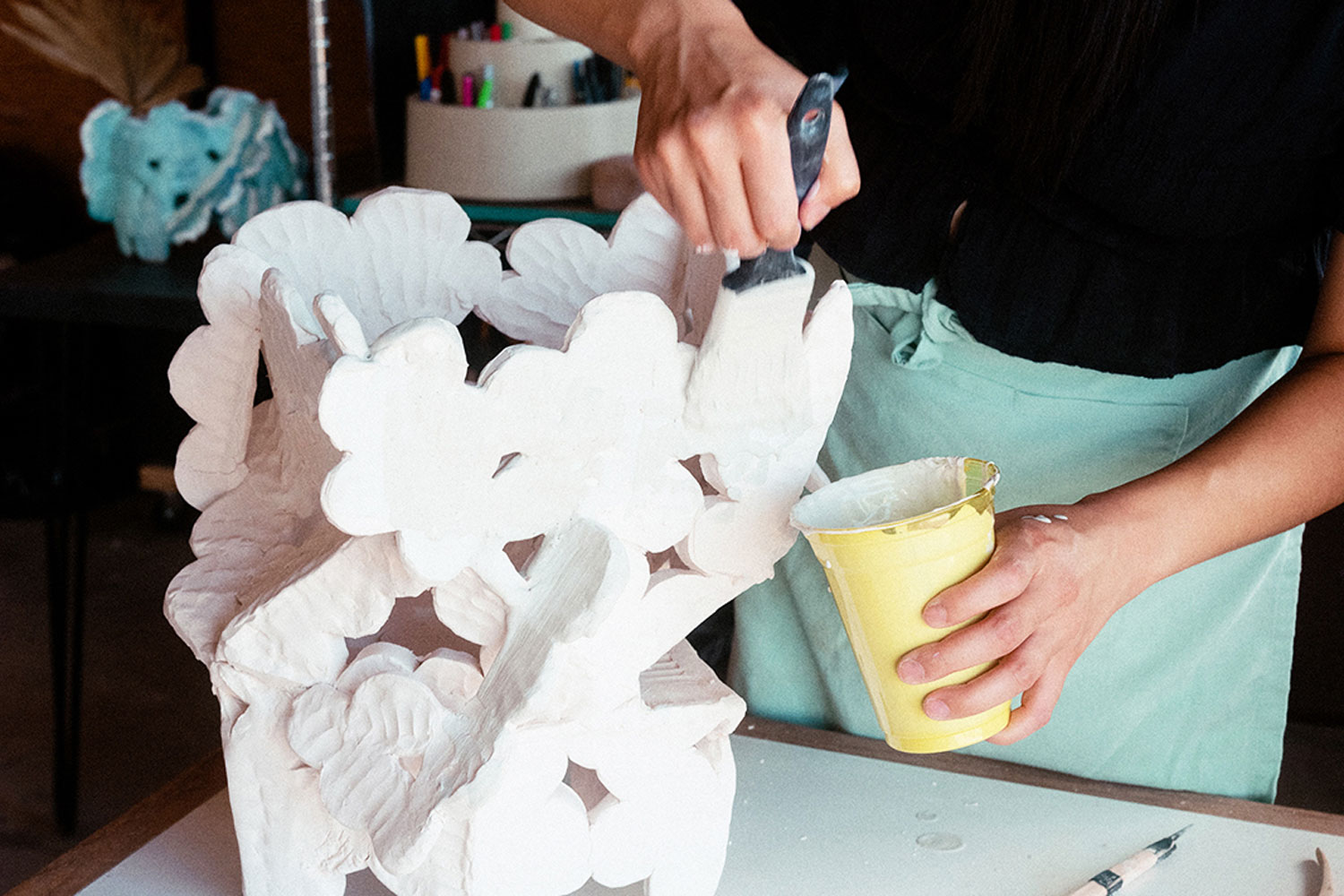
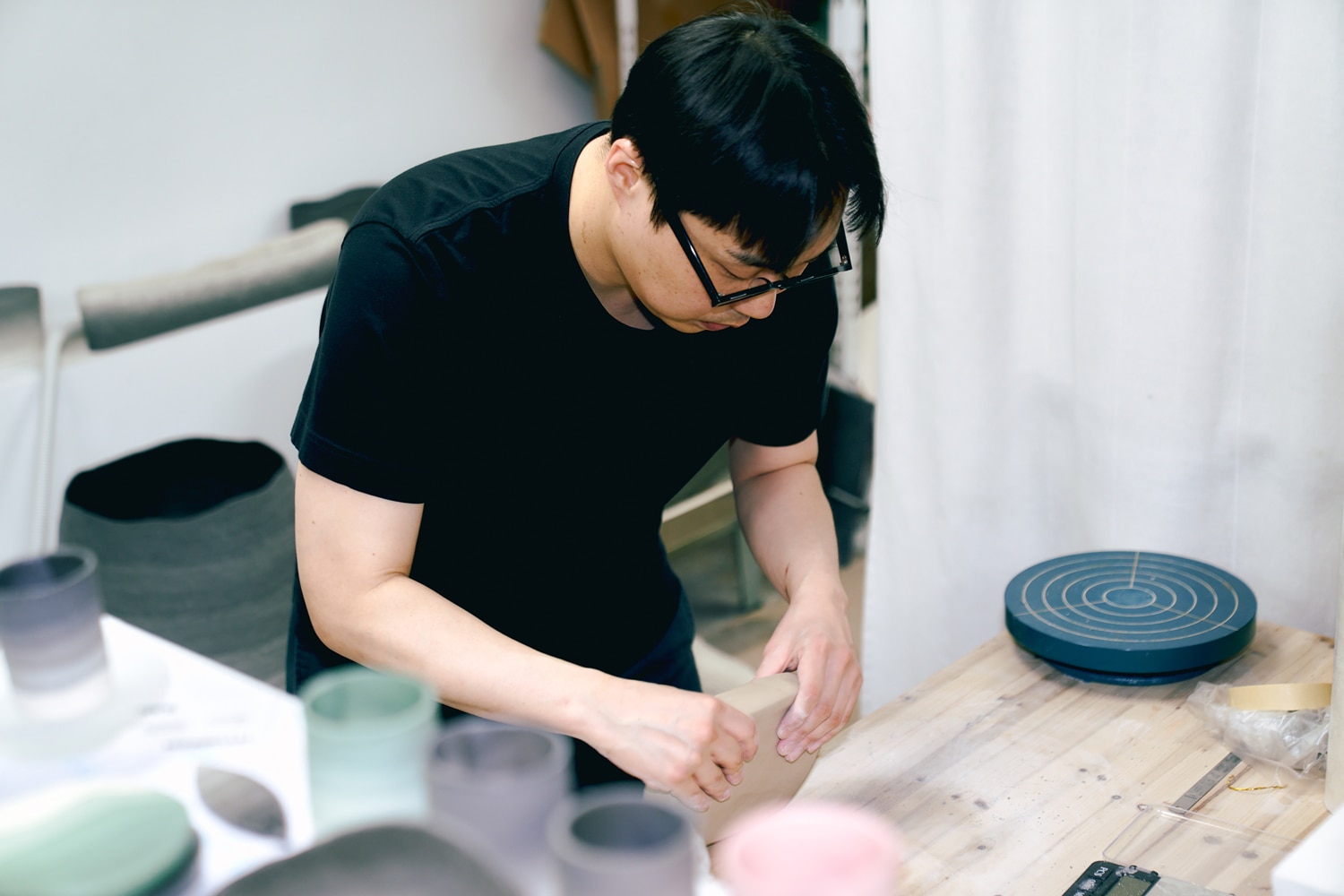
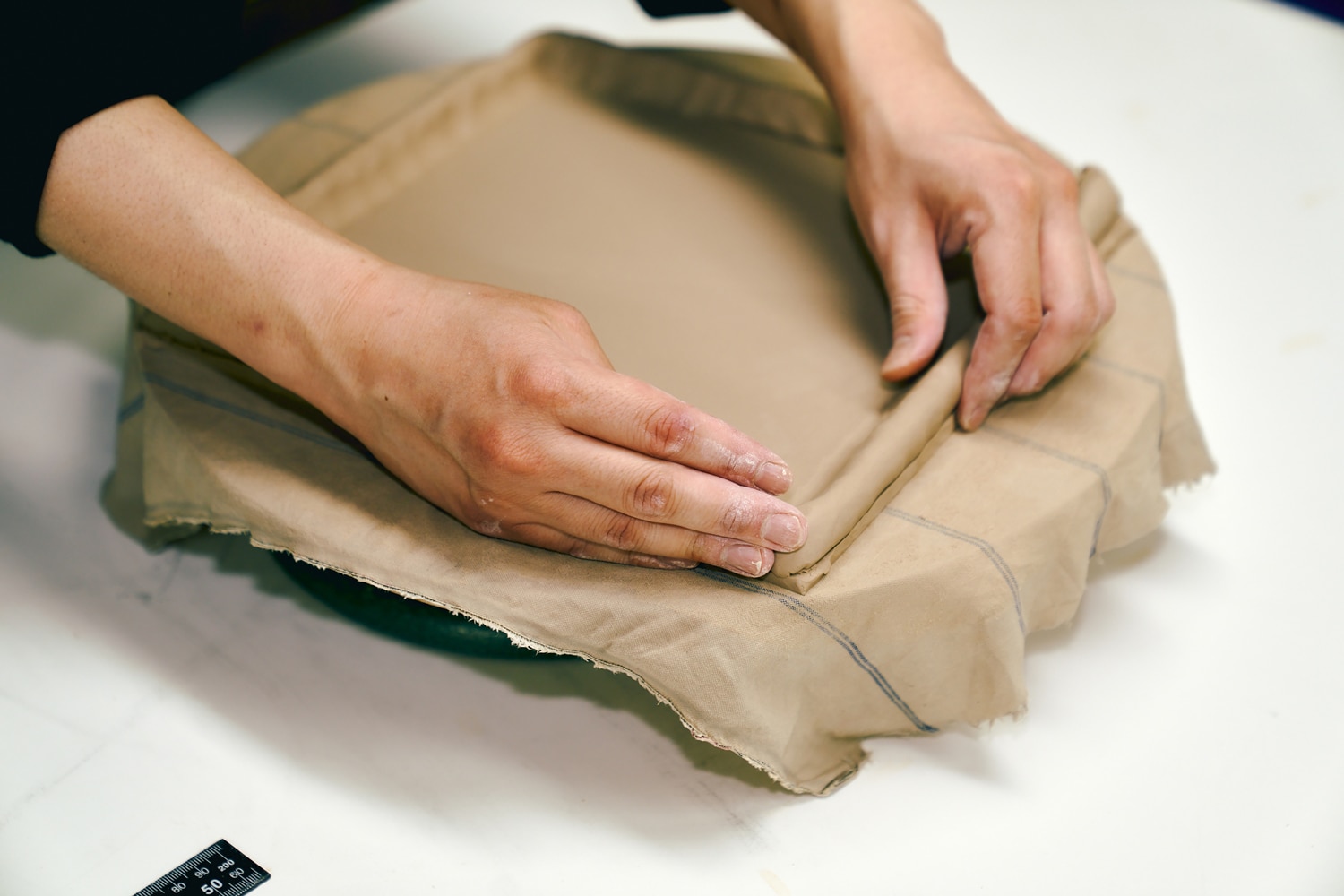
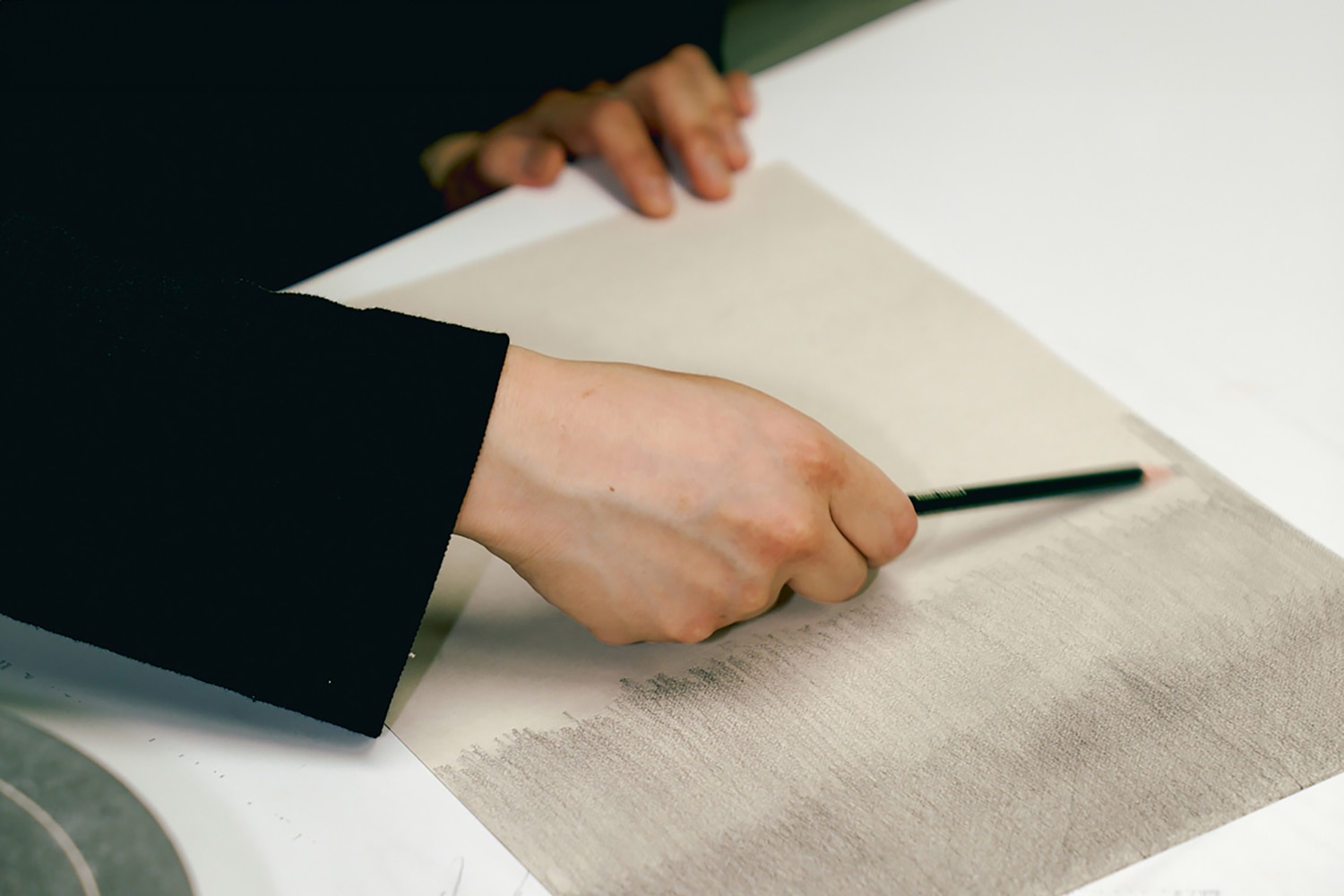
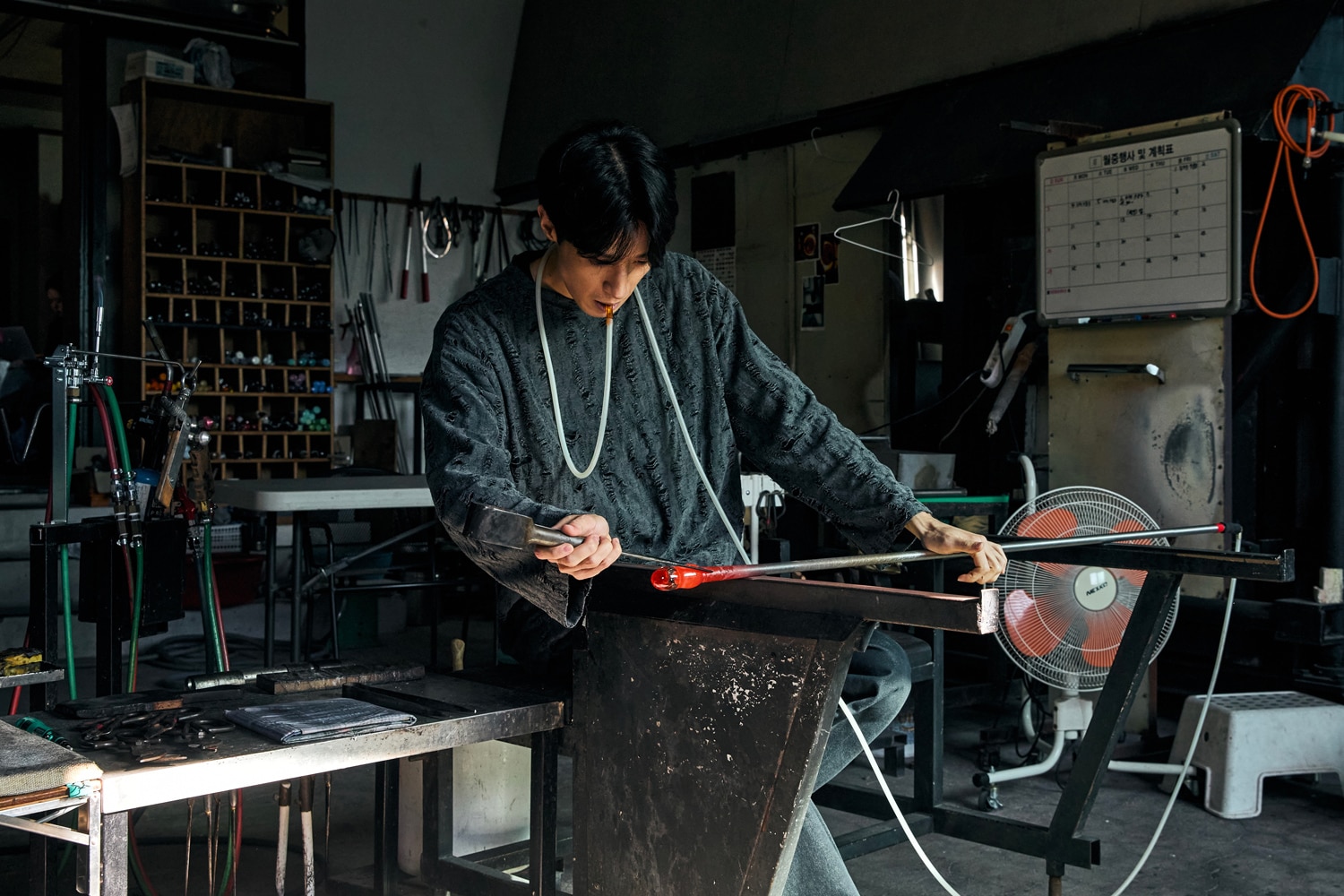
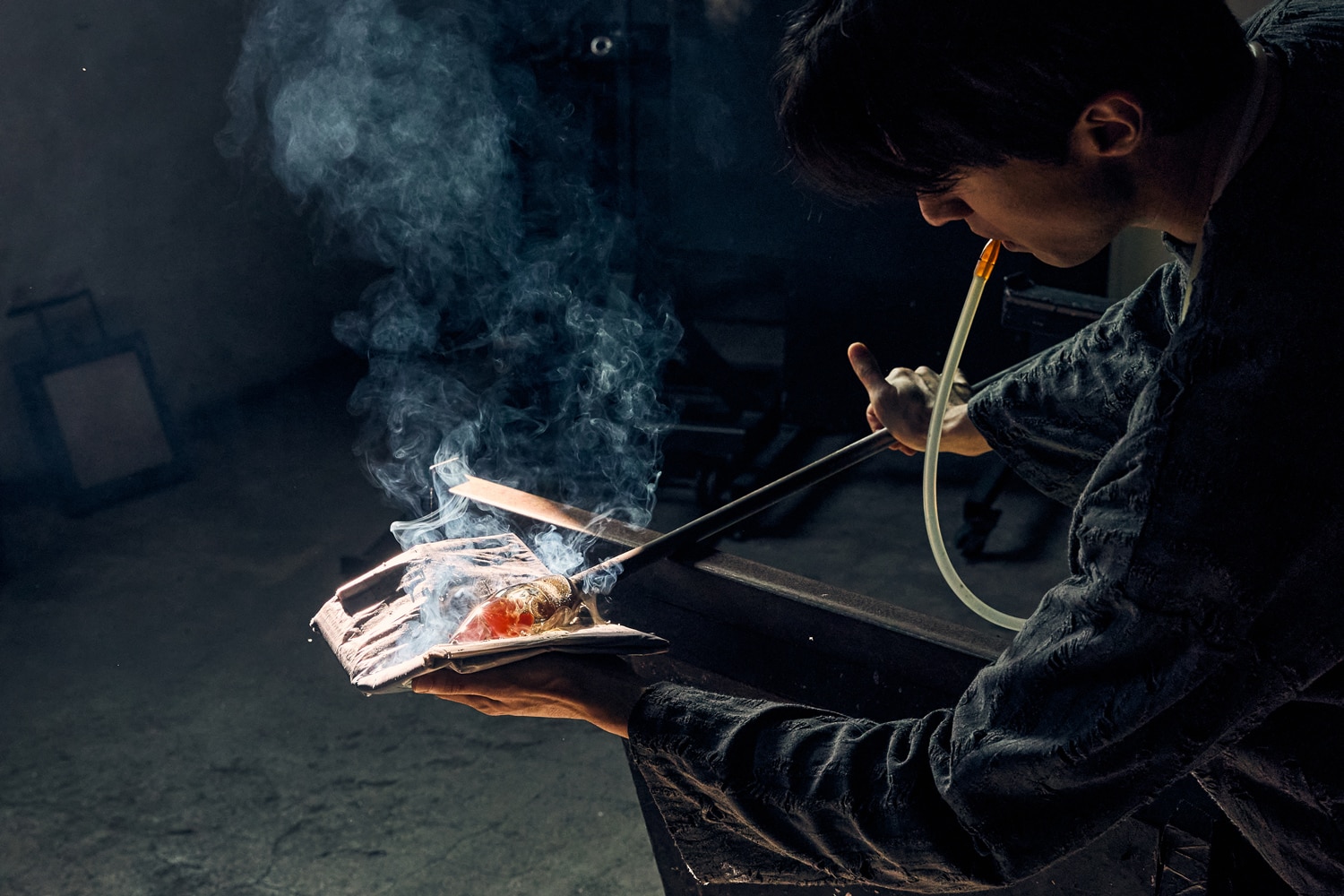
Coiling, building clay up layer by layer, is the most direct way to express what my practice is really about. It is all concerned with the accumulation of time. The repeated movement of my hands and the subtle traces left in each layer naturally record time and breath without me having to force it.
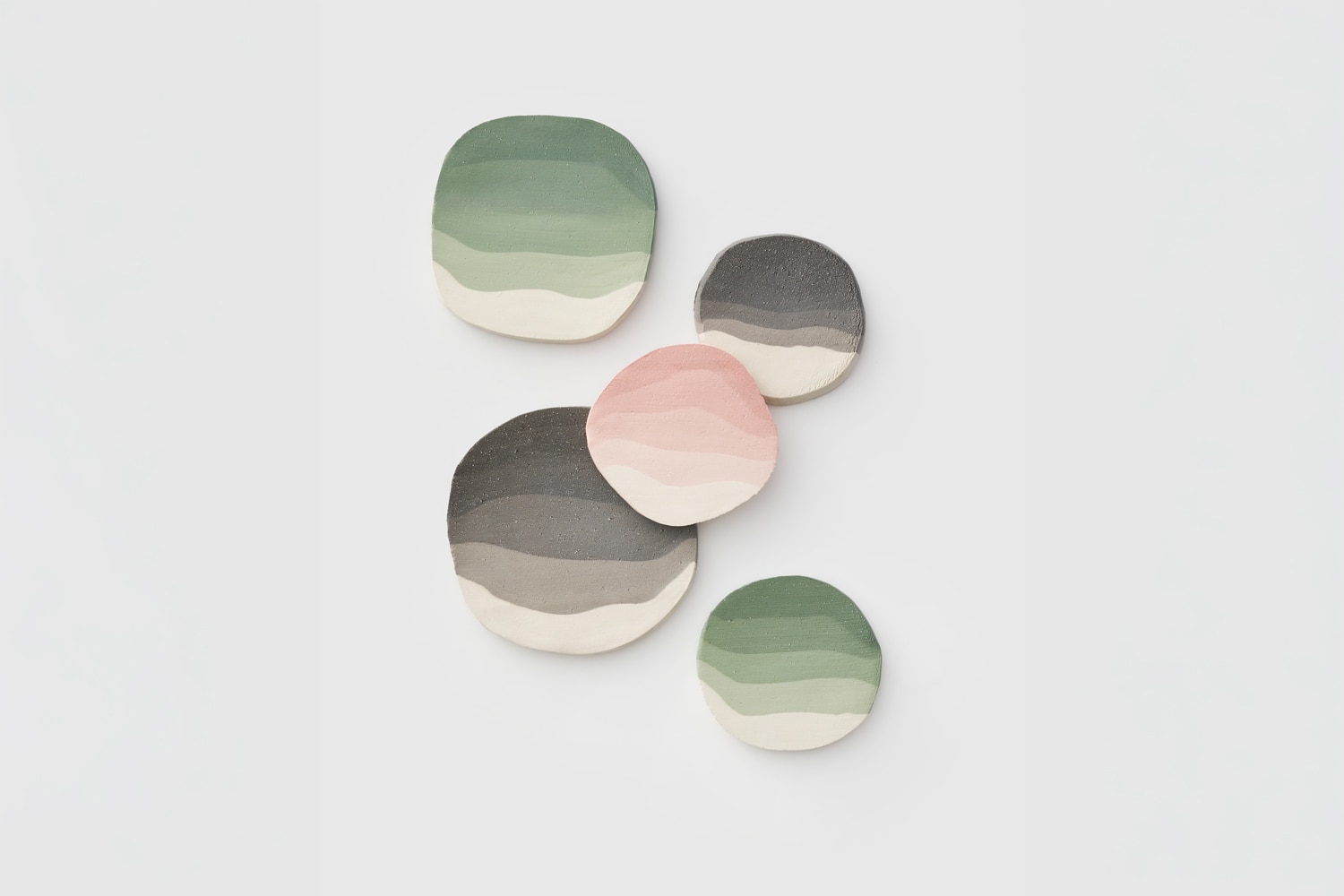
The time I spent in Gwangyang taught me to dwell within nature rather than observe it from the outside. This comes through in my practice as negative space, repetition and a gentle kind of flow. It is not an external view but an inner landscape built from accumulated sensation.
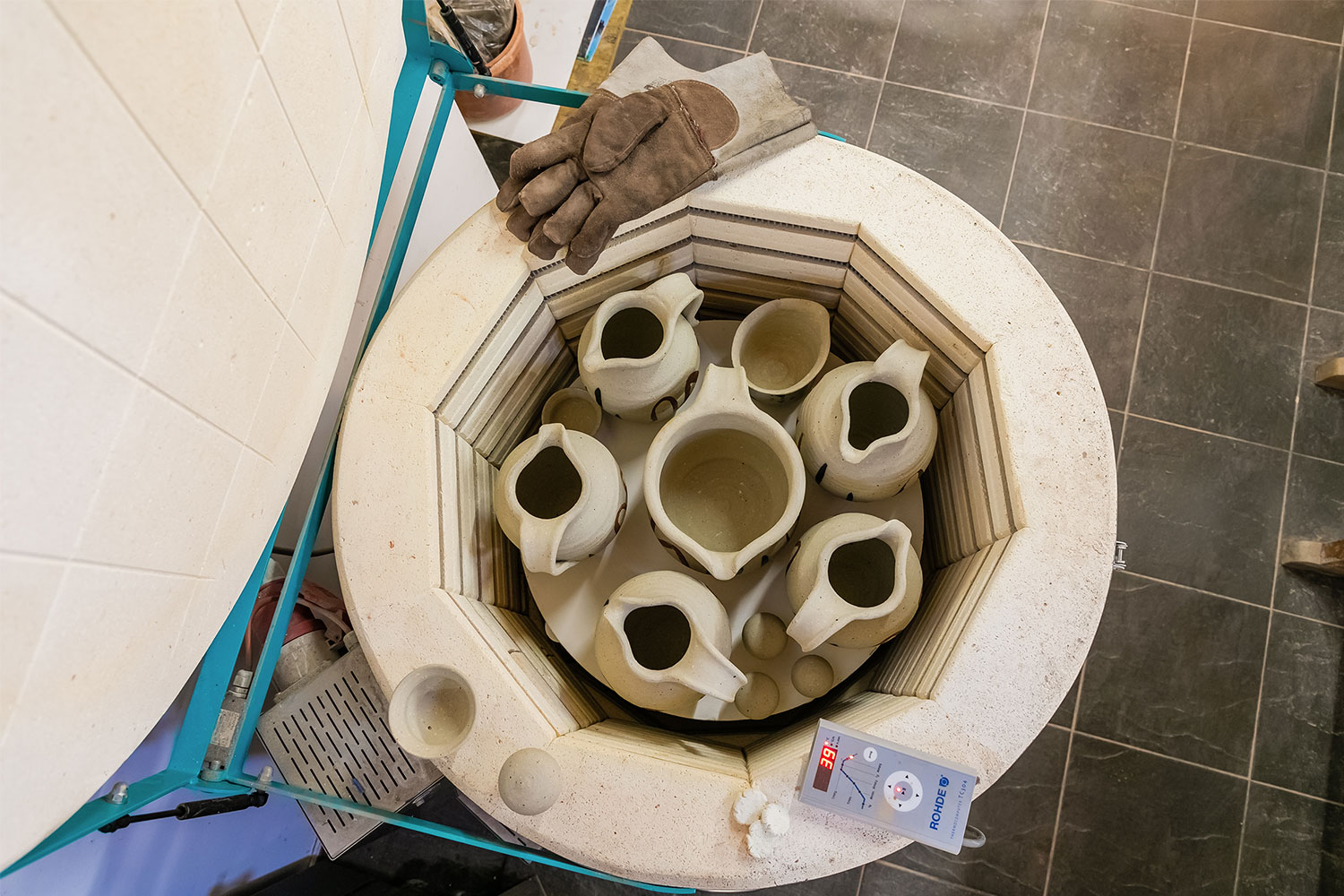
I feel that vessel forms, shaped by long use, already carry the rhythm of human hands and daily life. I am interested in borrowing those familiar forms, emptying out their function and expanding them into objects where the eye and the senses can rest.
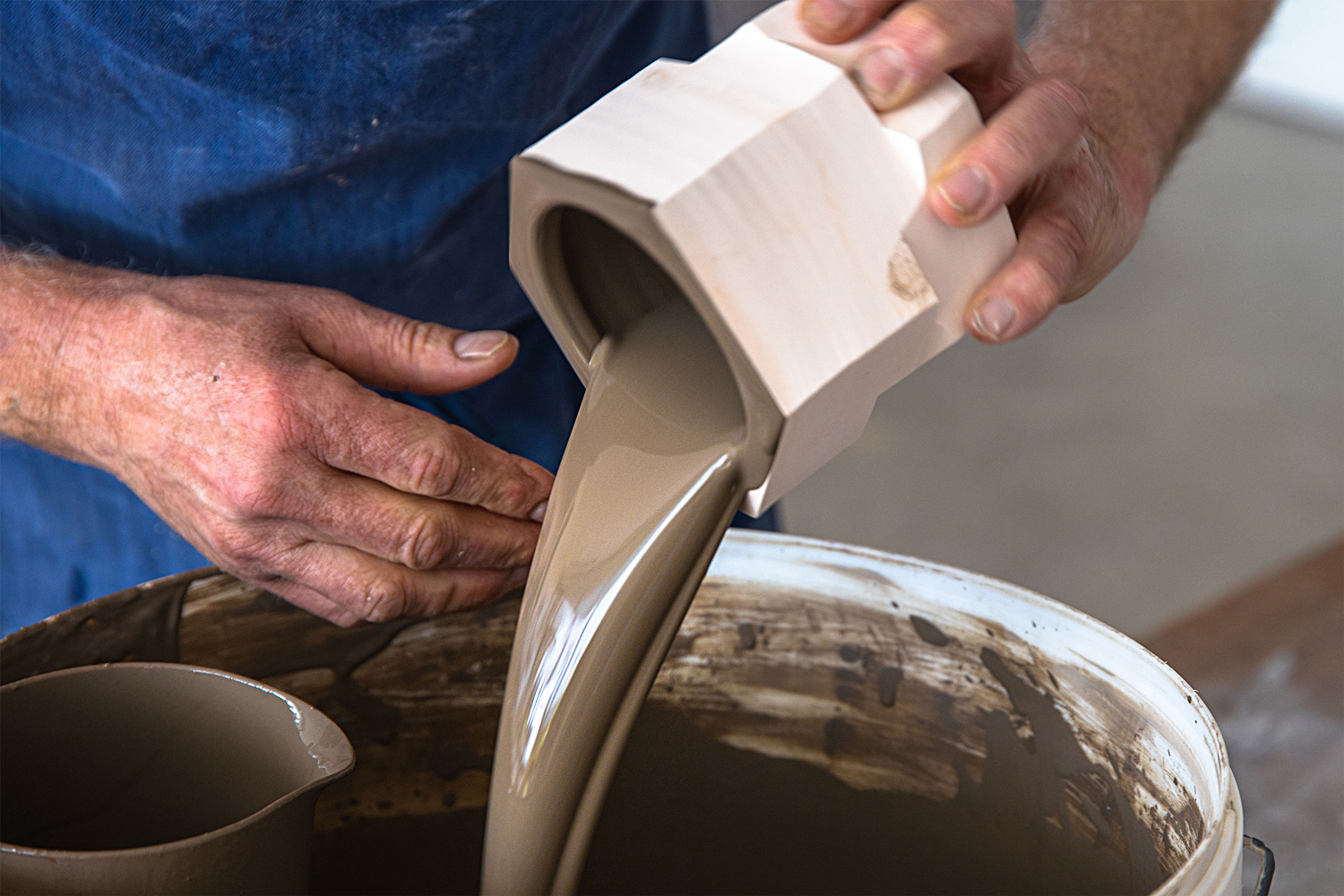
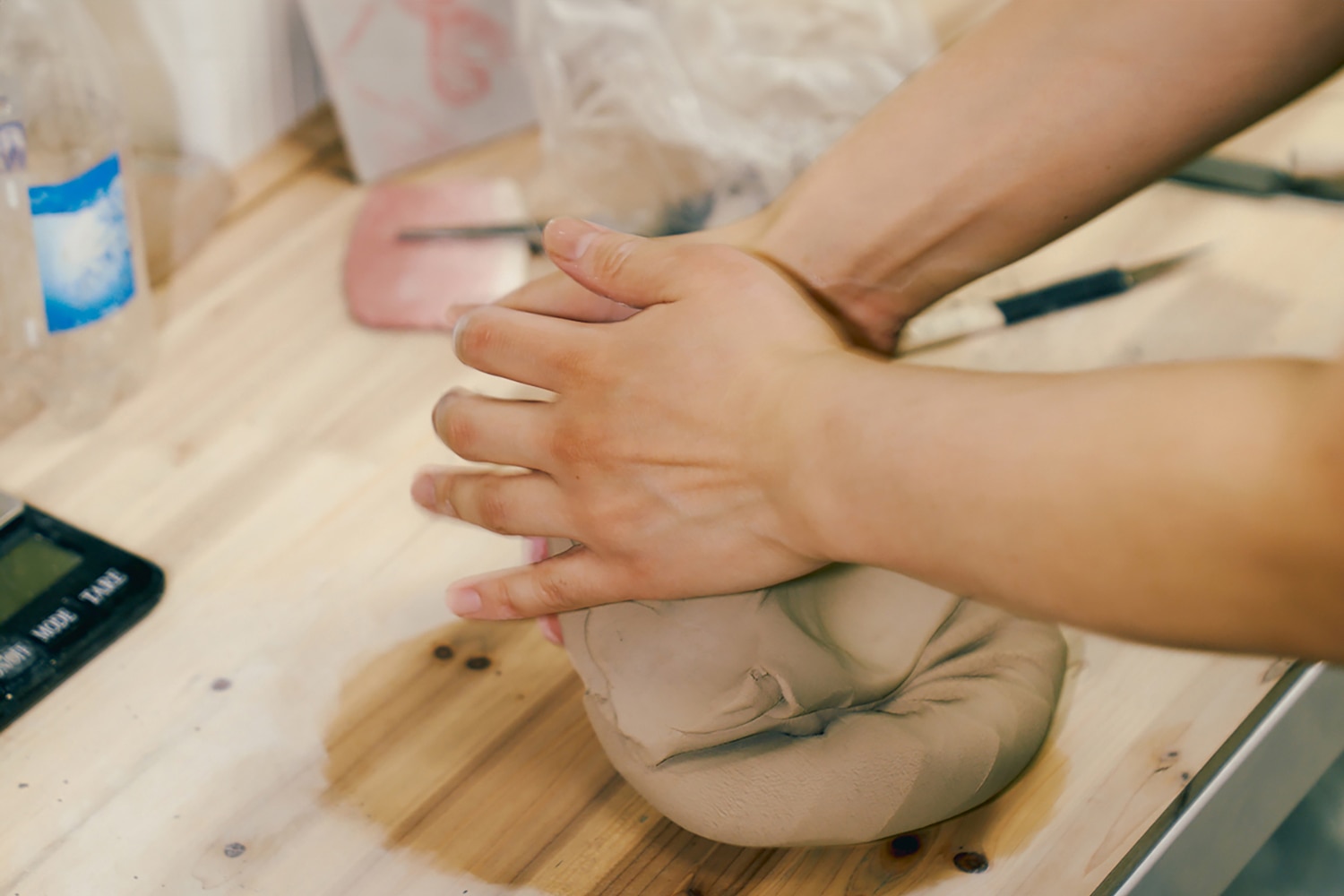
Through the whole process, the most important thing for me is to avoid over controlling. Rather than deciding the form in advance, I try to stay open to the small traces and shifts that happen as I build. I use glaze sparingly, adjusting colour and tone so that the layers of the surface come through naturally. In the end, the piece sits somewhere between control and chance.
Shin-hyeok Ha
Ceramicist
Seoul, South Korea
AVAILABILITY
By appointment only
PHONE
+82 1022773600
LANGUAGES
Korean
Homo Faber Finds is a new service aiming to inspire admirers of craft to connect and collaborate with exceptional artisans.
We invite you to submit an enquiry here.
(c)Ye Studio_9306.jpg)
making6(c)Hyunkyeong BAEK.jpg)
DSC_0104.jpg)