Image 1 of 2
Seokhyun Jang
Ceramicist
Gimpo-si, Gyeonggi-do, South Korea
Recommended by Jaeyoung Kang
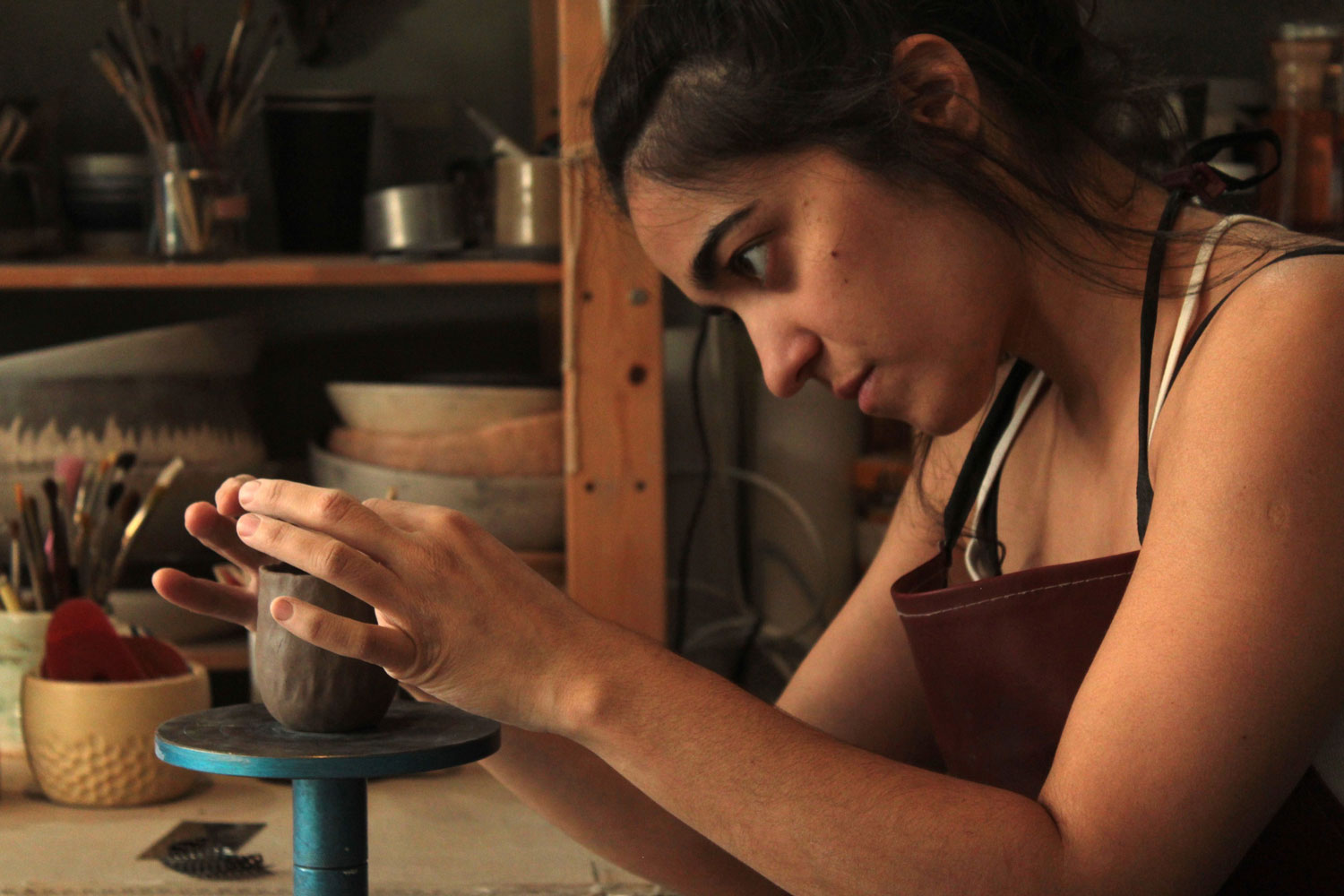
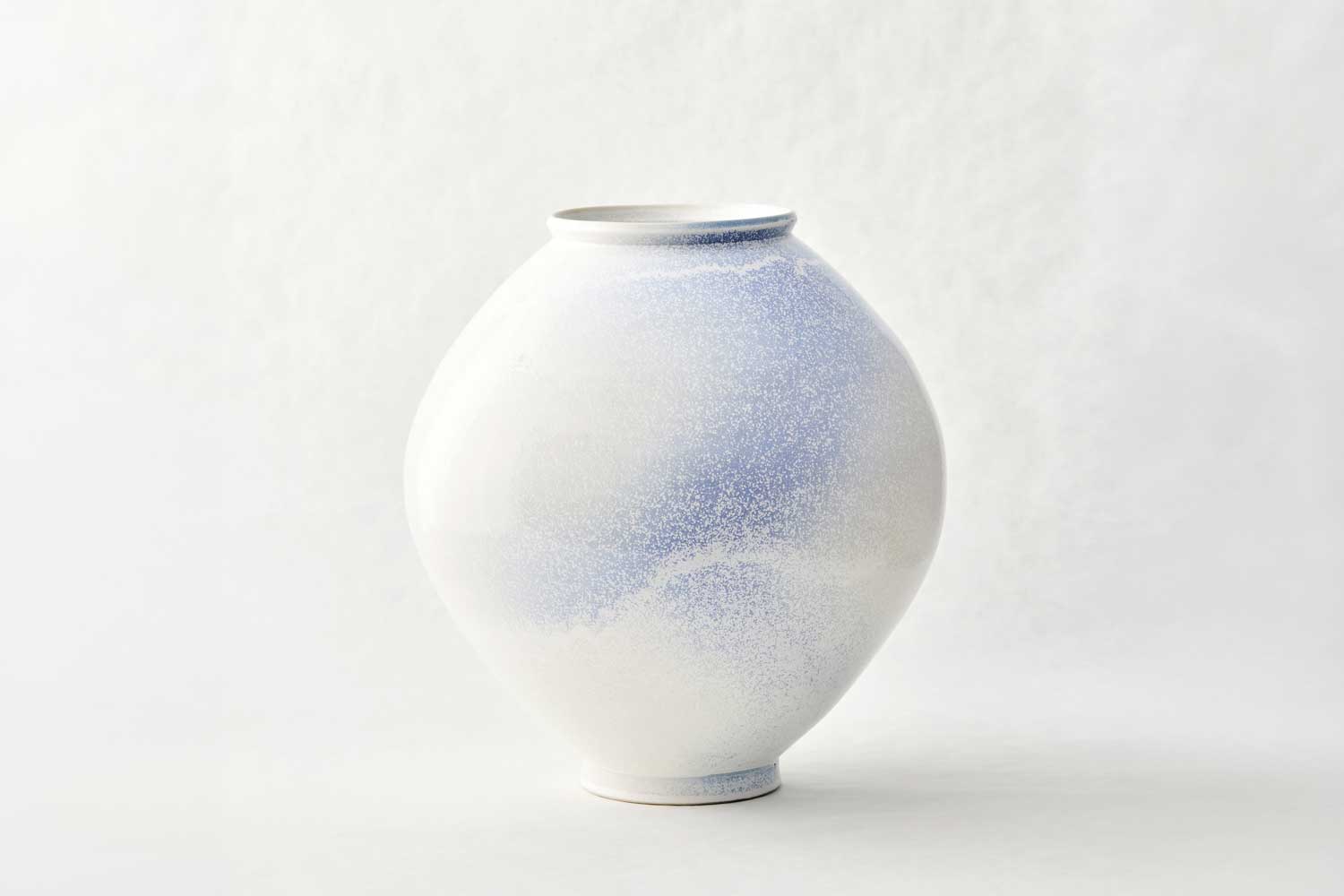
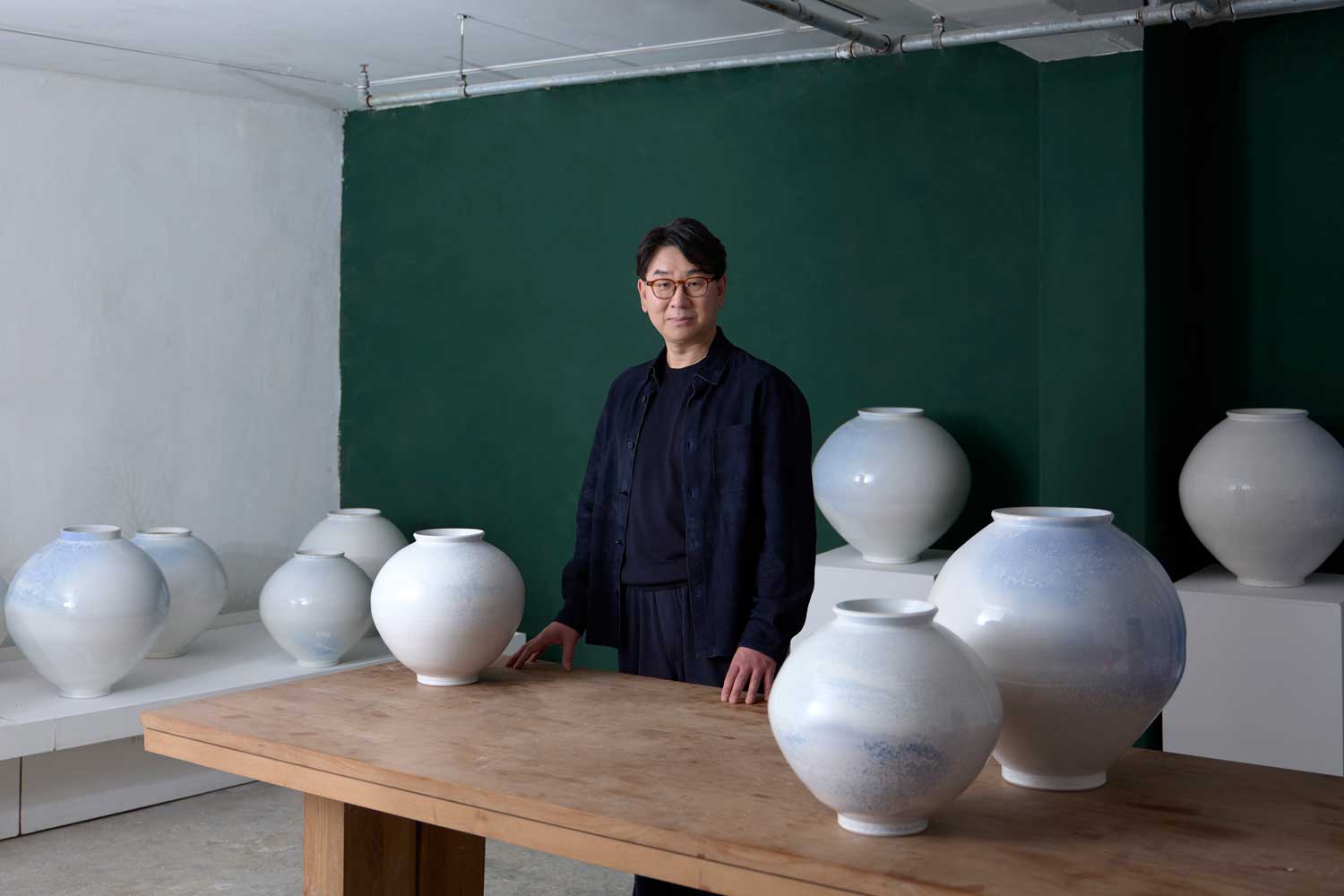
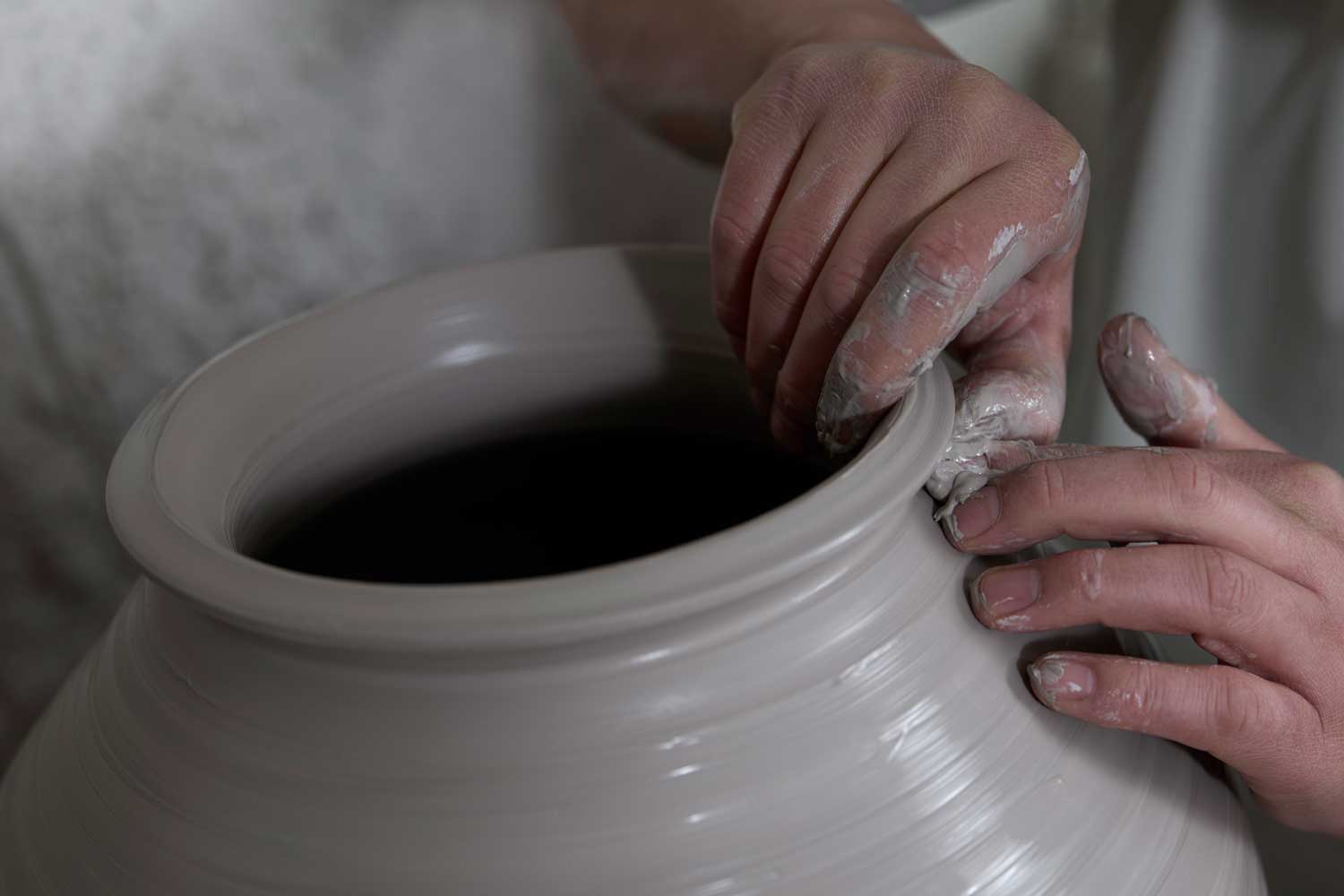
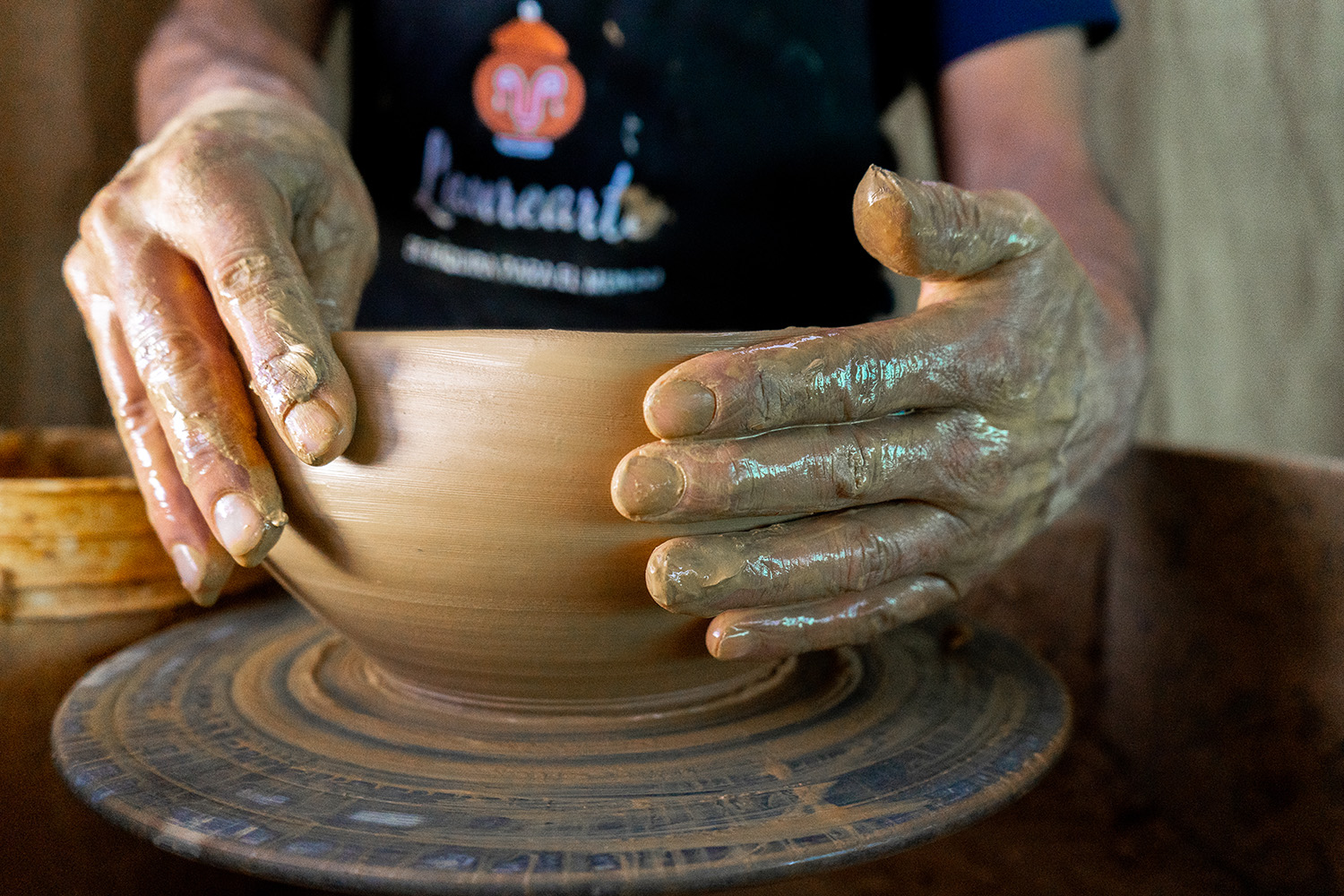
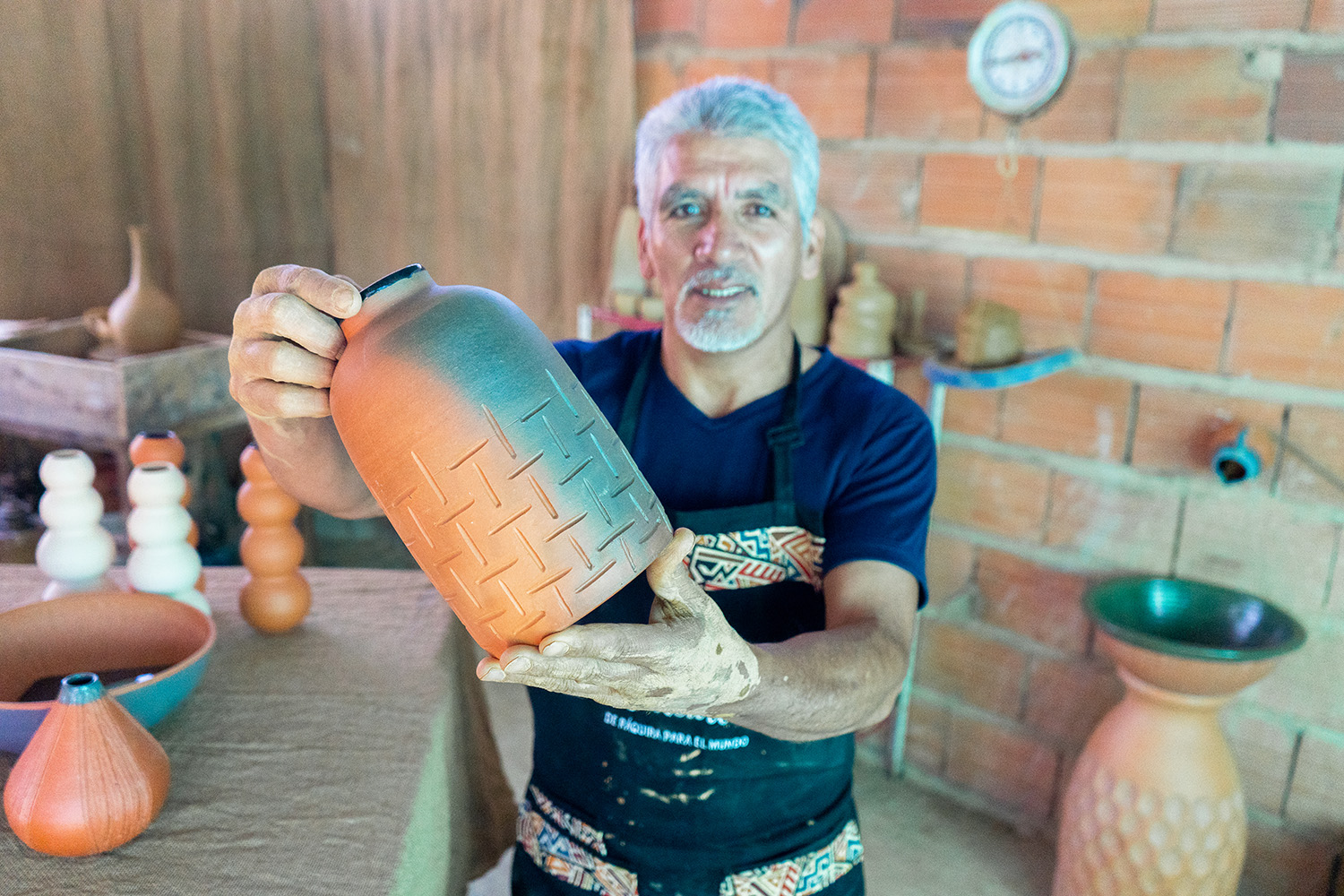
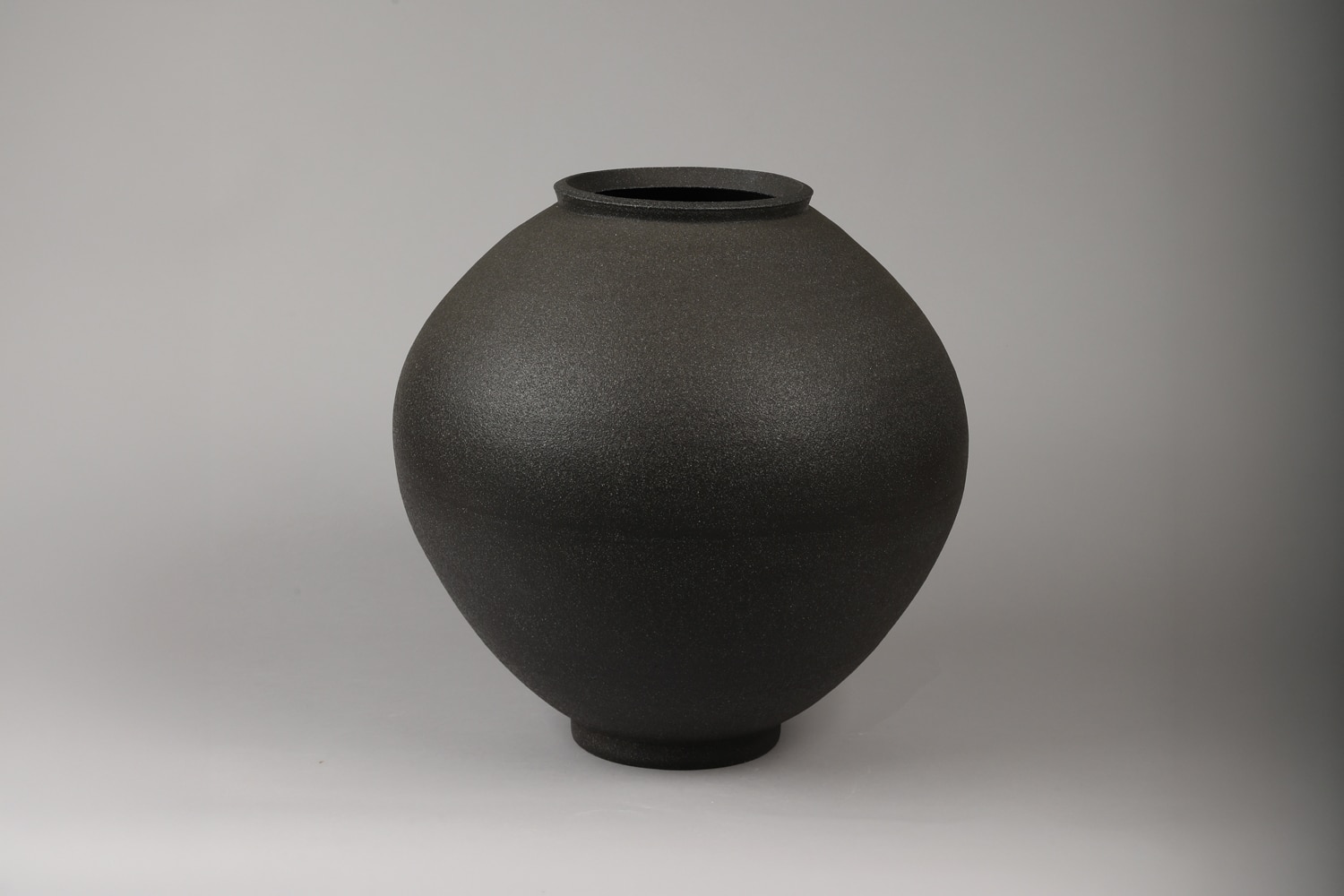
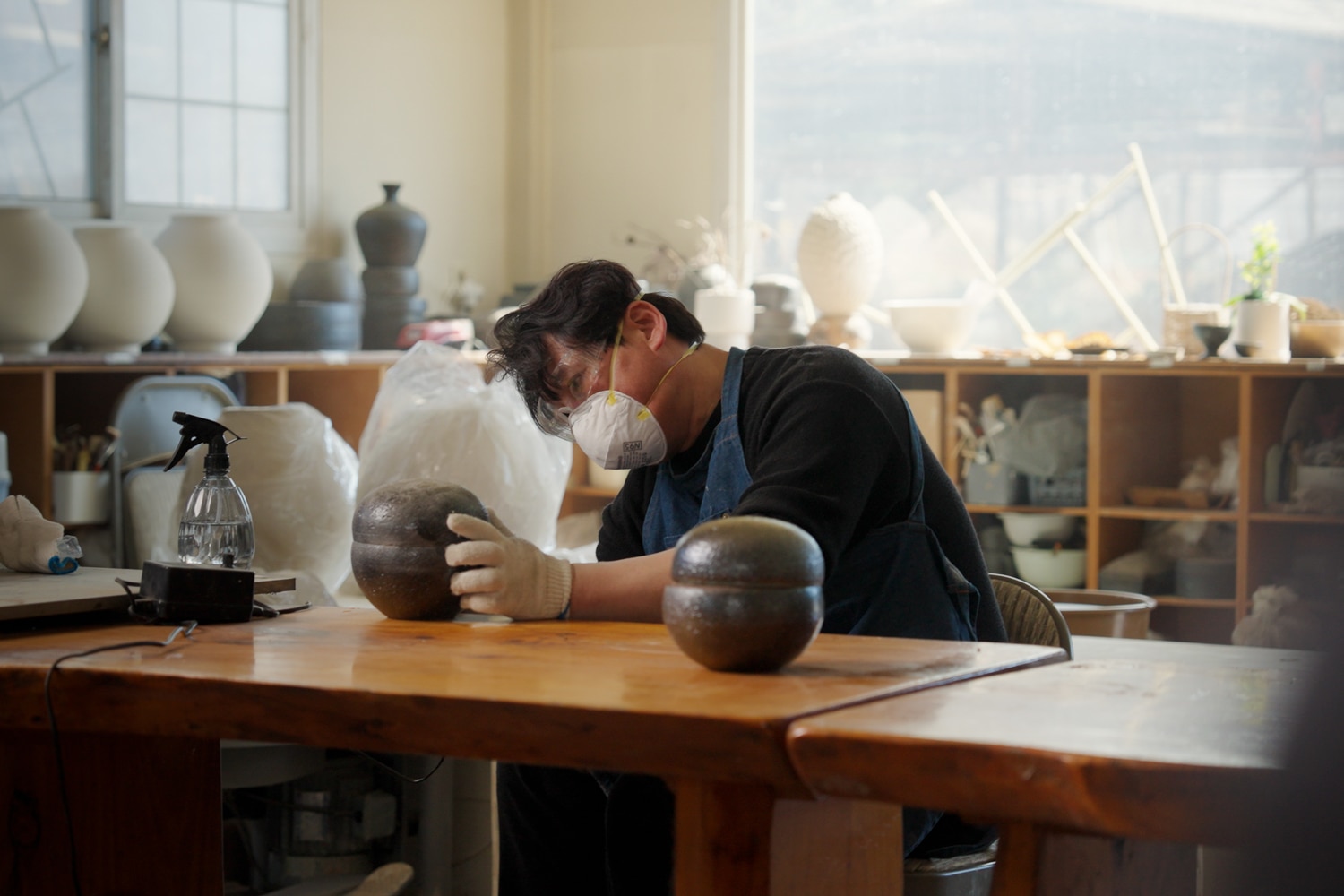
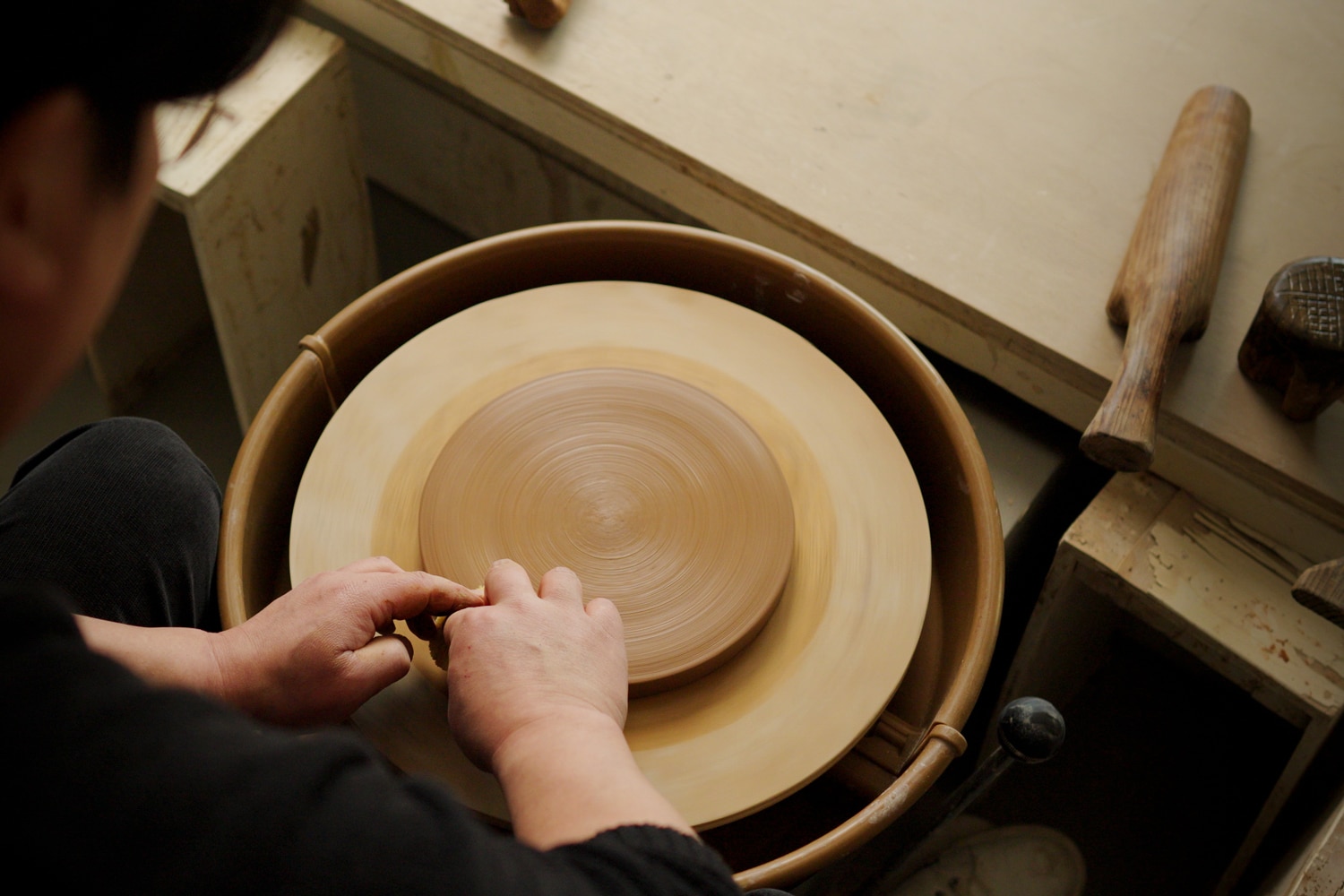
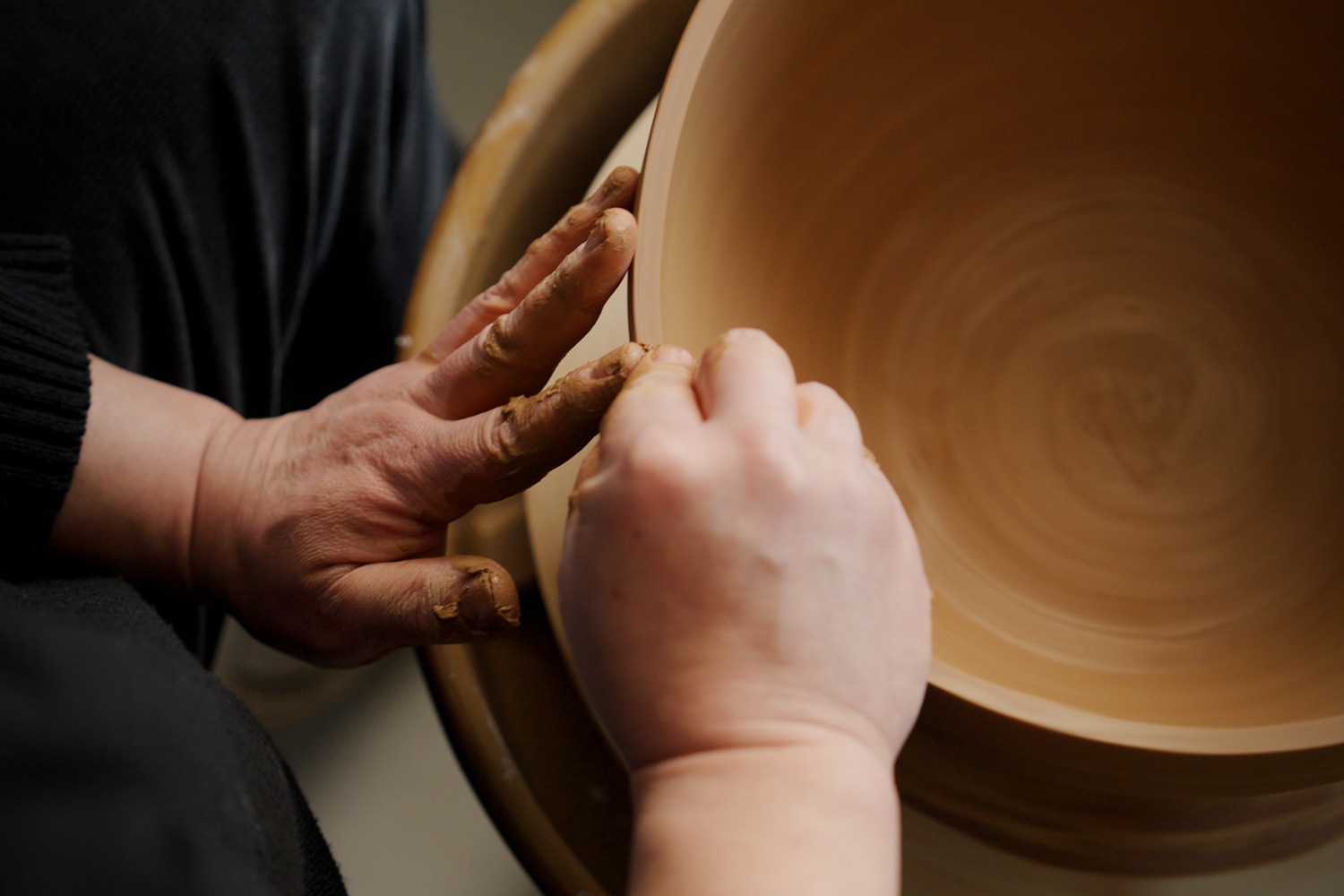
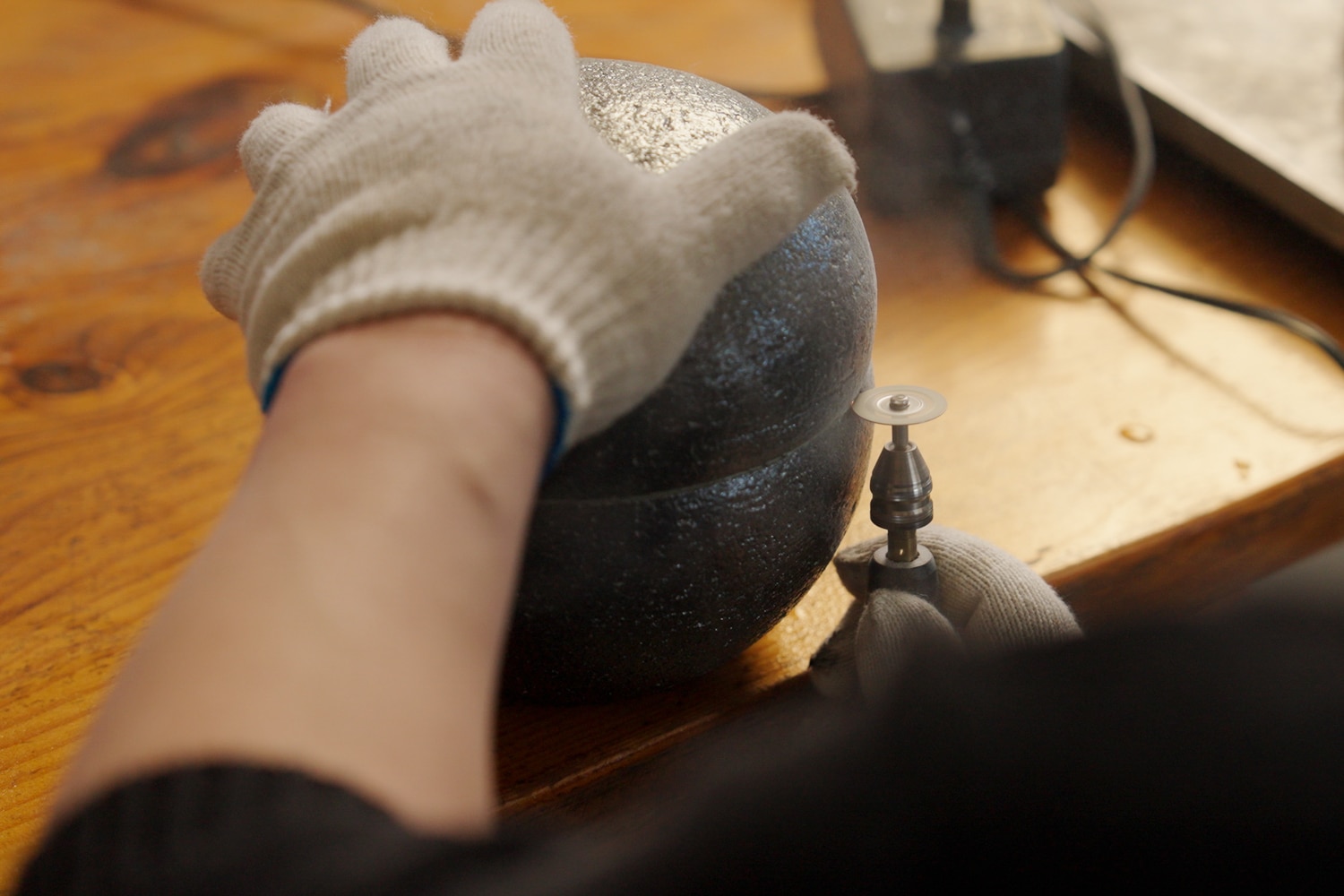
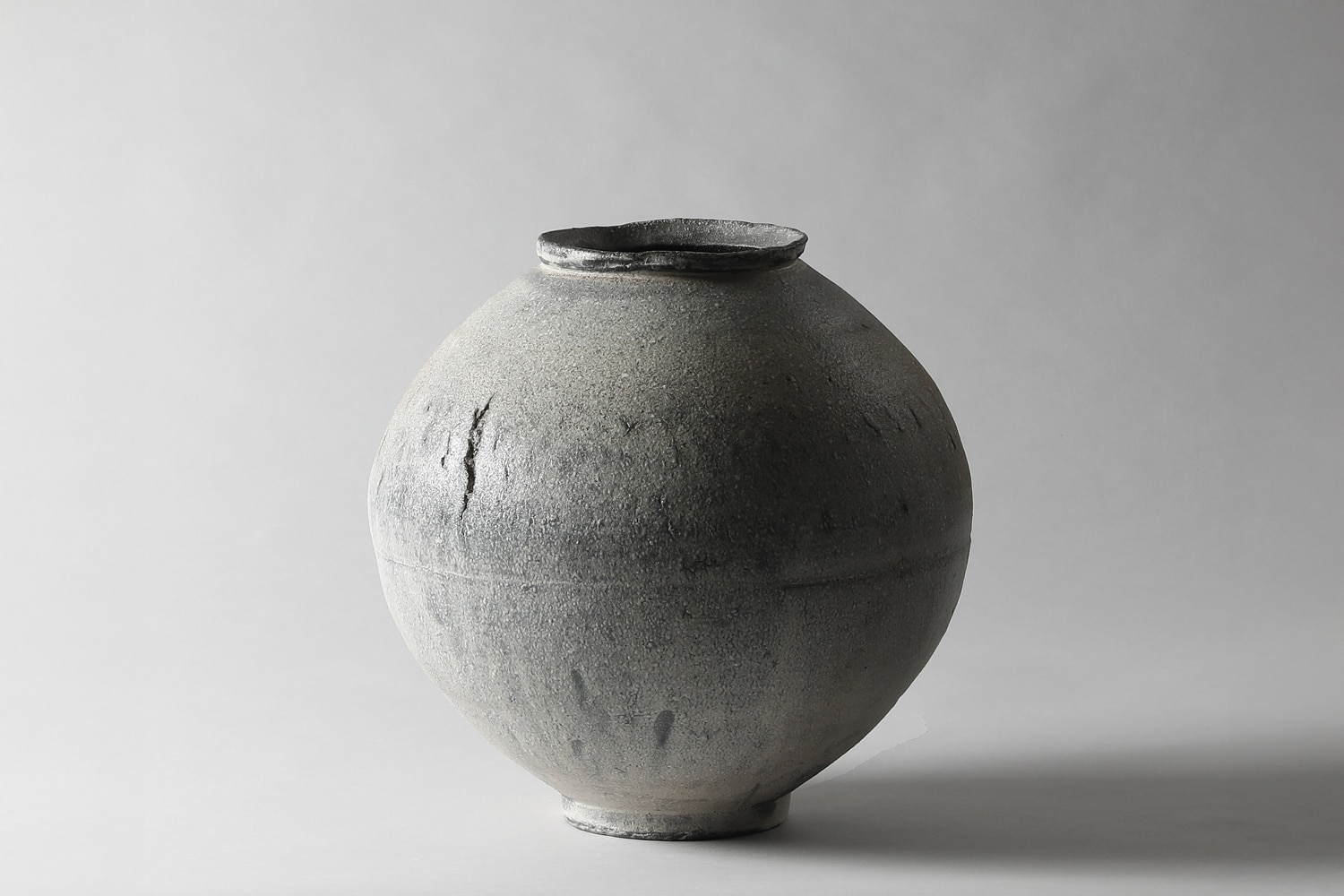
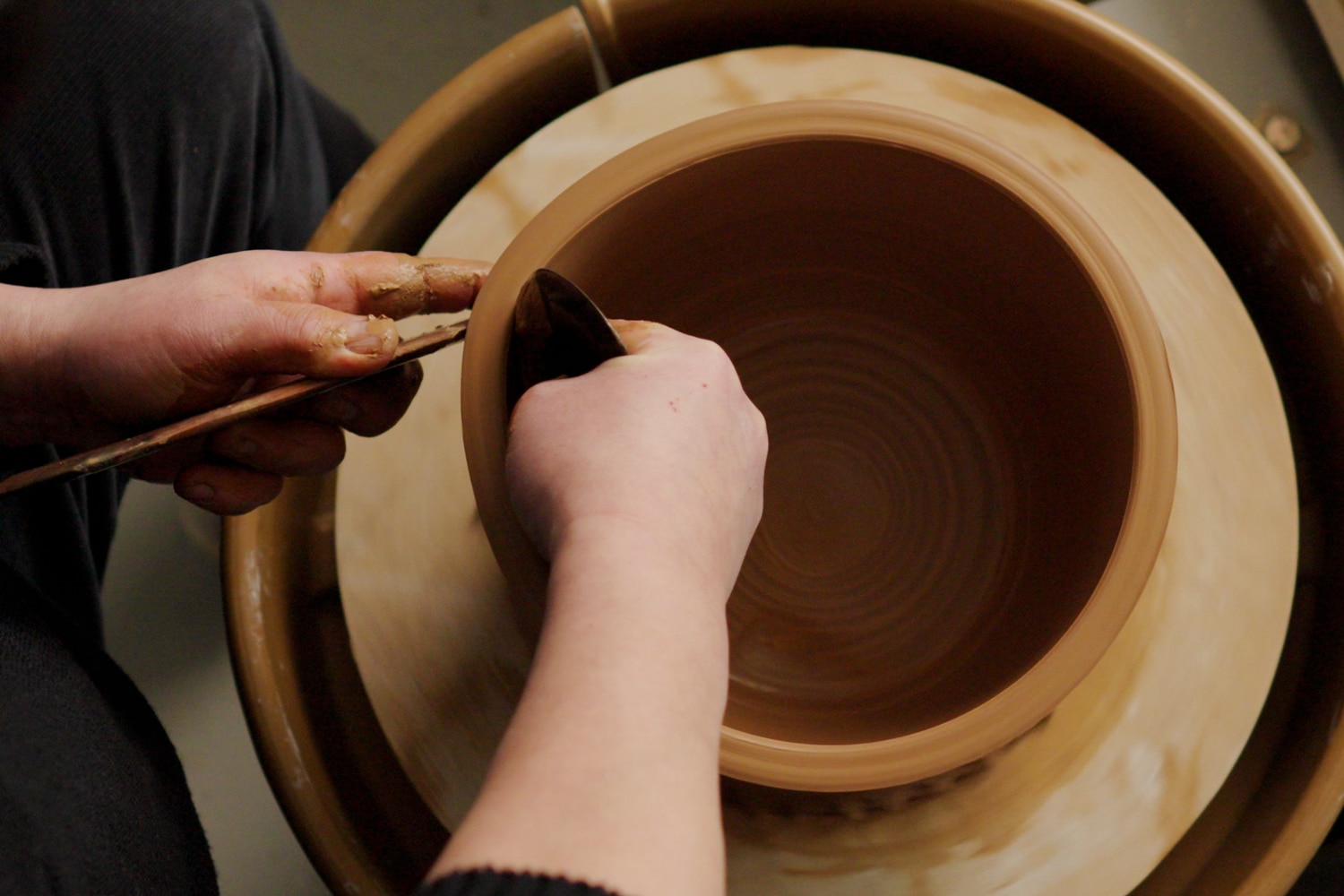
Seokhyun Jang reinterprets traditional Korean ceramics with the puredogi technique that fuses Eastern and Western making processes. Captivated by the dark, blue-tinged, high-fired and salt-glazed method, he celebrates the wider lineage of Onggi, Korea’s everyday earthenware culture, through his contemporary works. Seokhyun is established across two studios, and shifts between finely controlled wheel thrown pieces and large-scale Onggi-inspired forms. "I pursue a distinctly Korean ideal of natural, unforced completeness through the balance of clay and fire," he explains. With a research-led, scientific approach, he studies and teaches kiln processes, and in particular carbonisation firing which is central to puredogi. "Firing does not only achieve a surface finish but a material transformation of clay," he says.
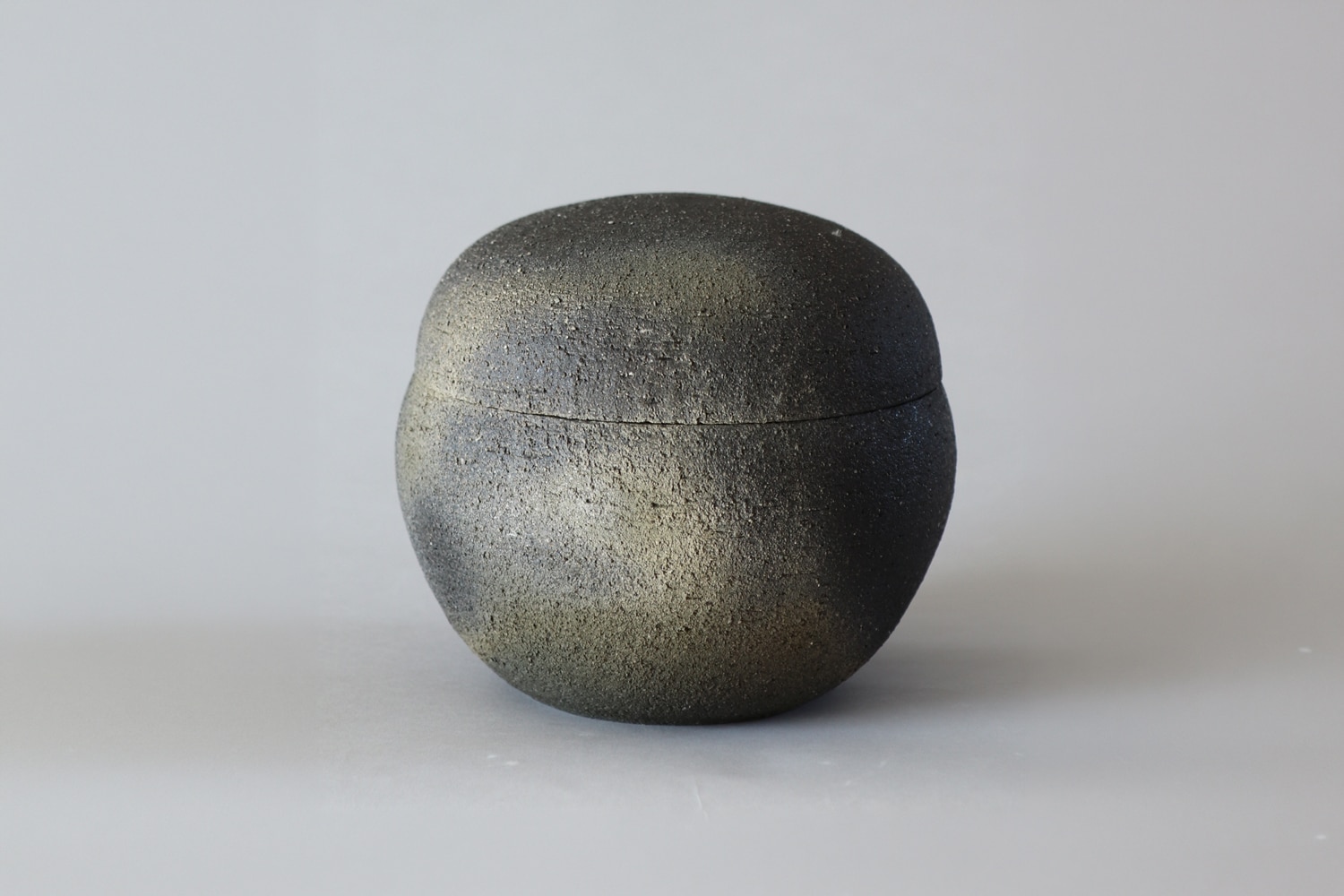
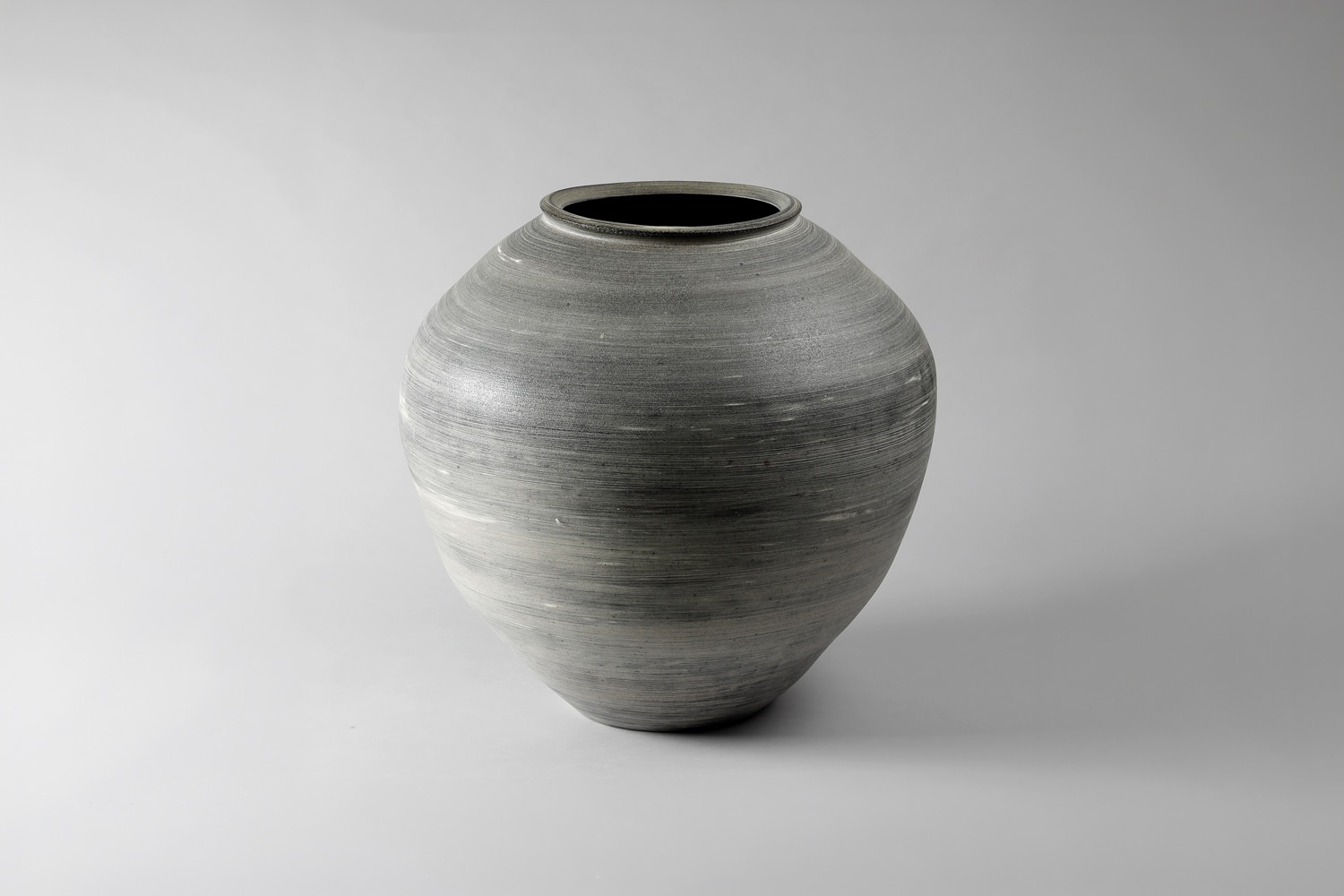
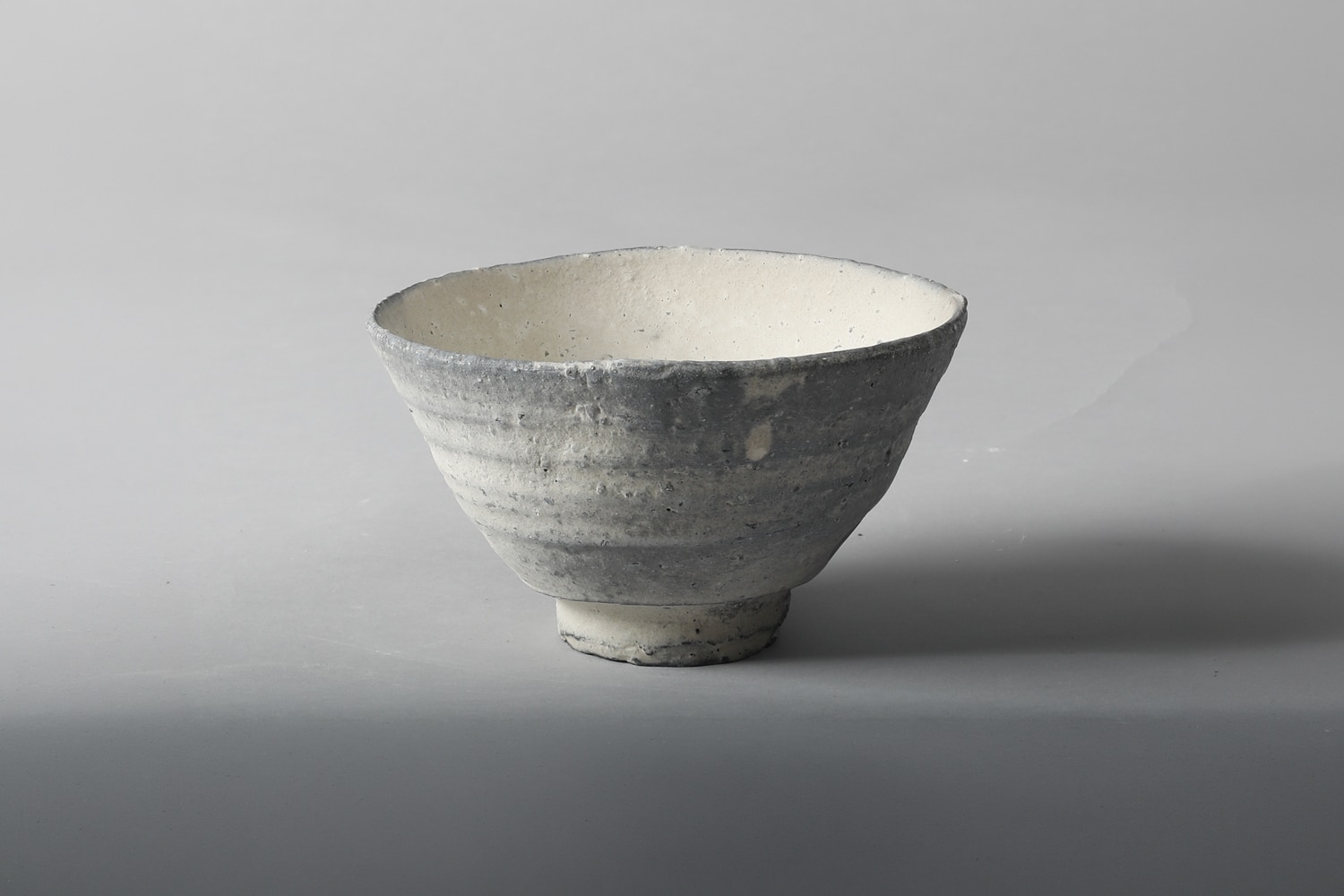
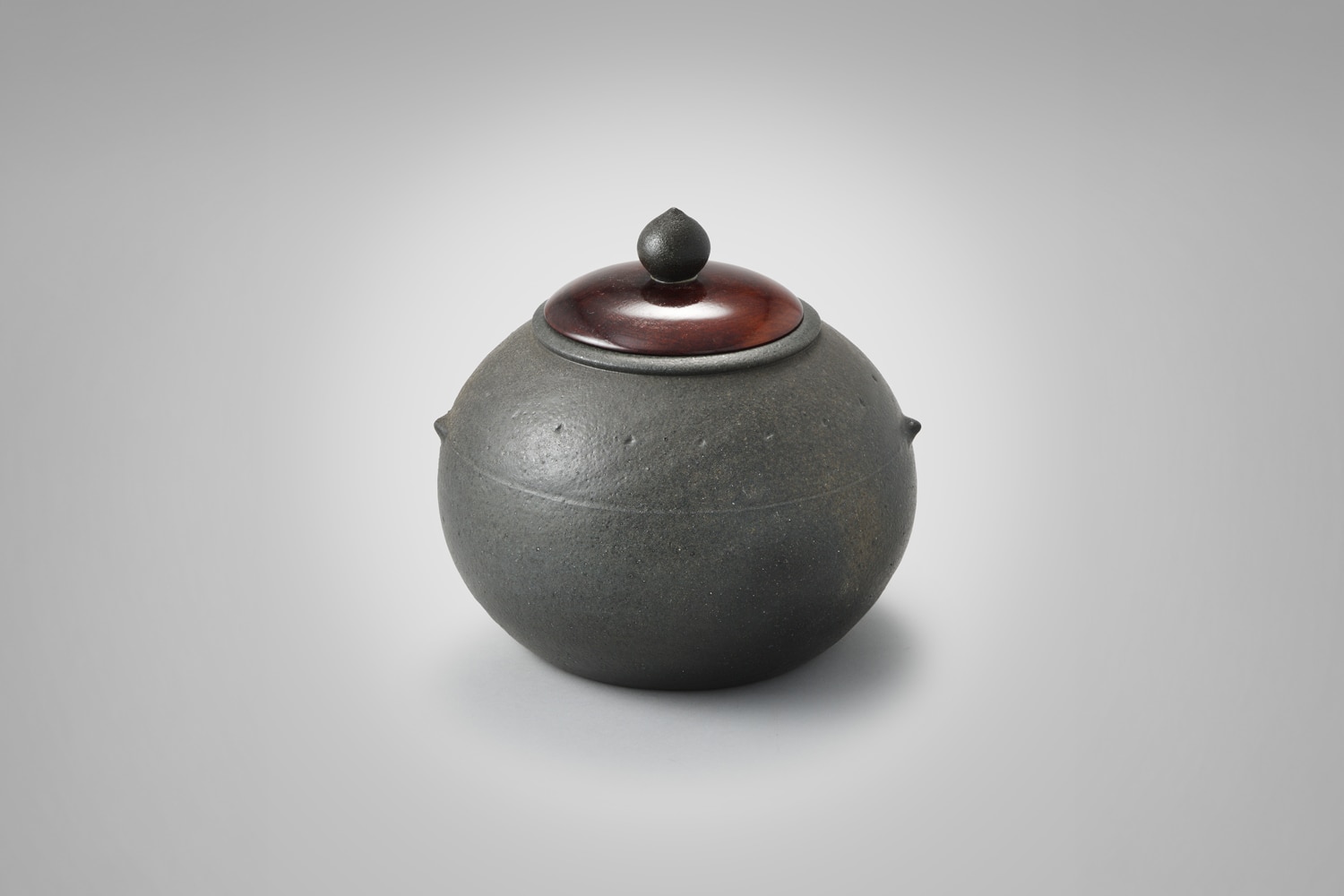
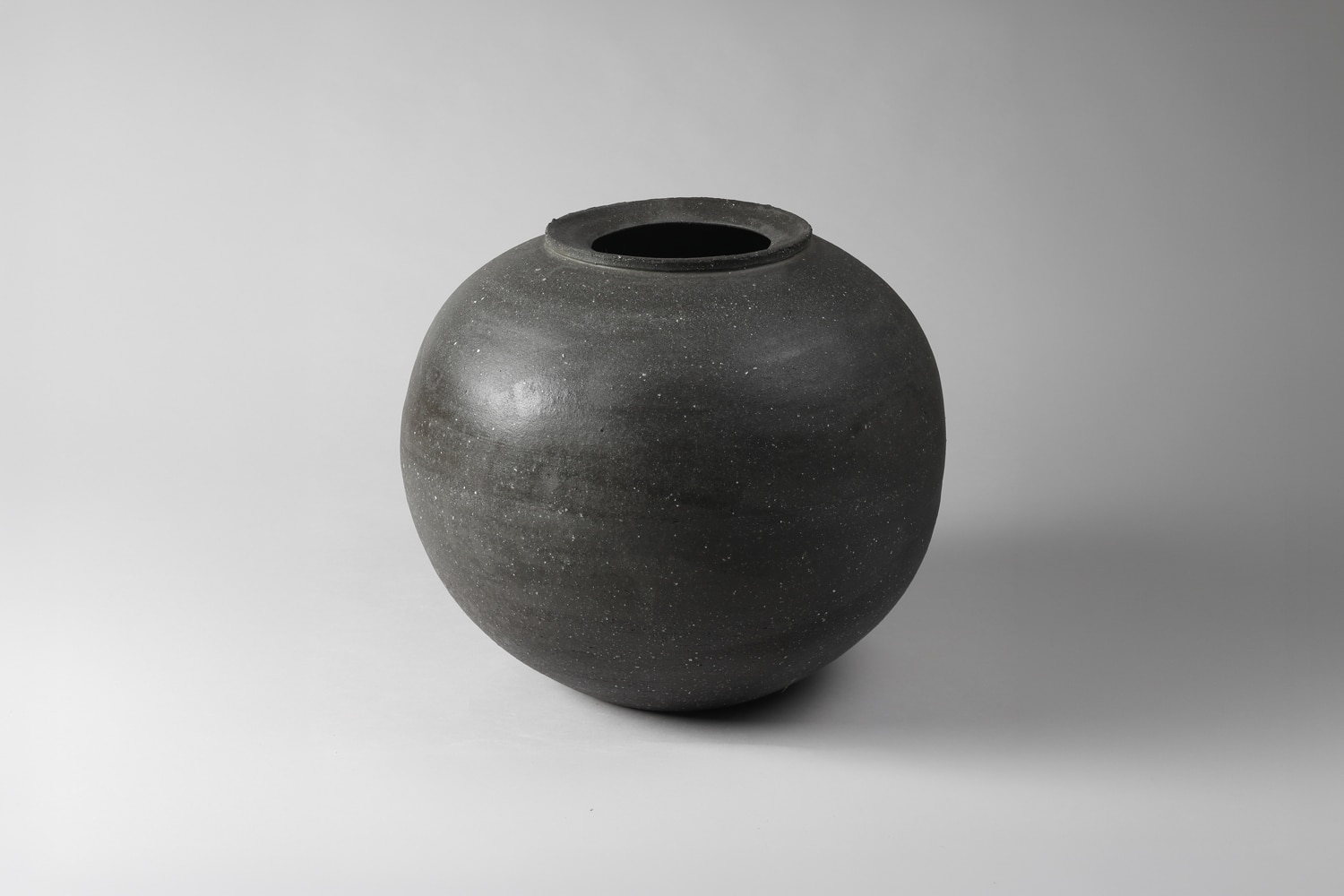
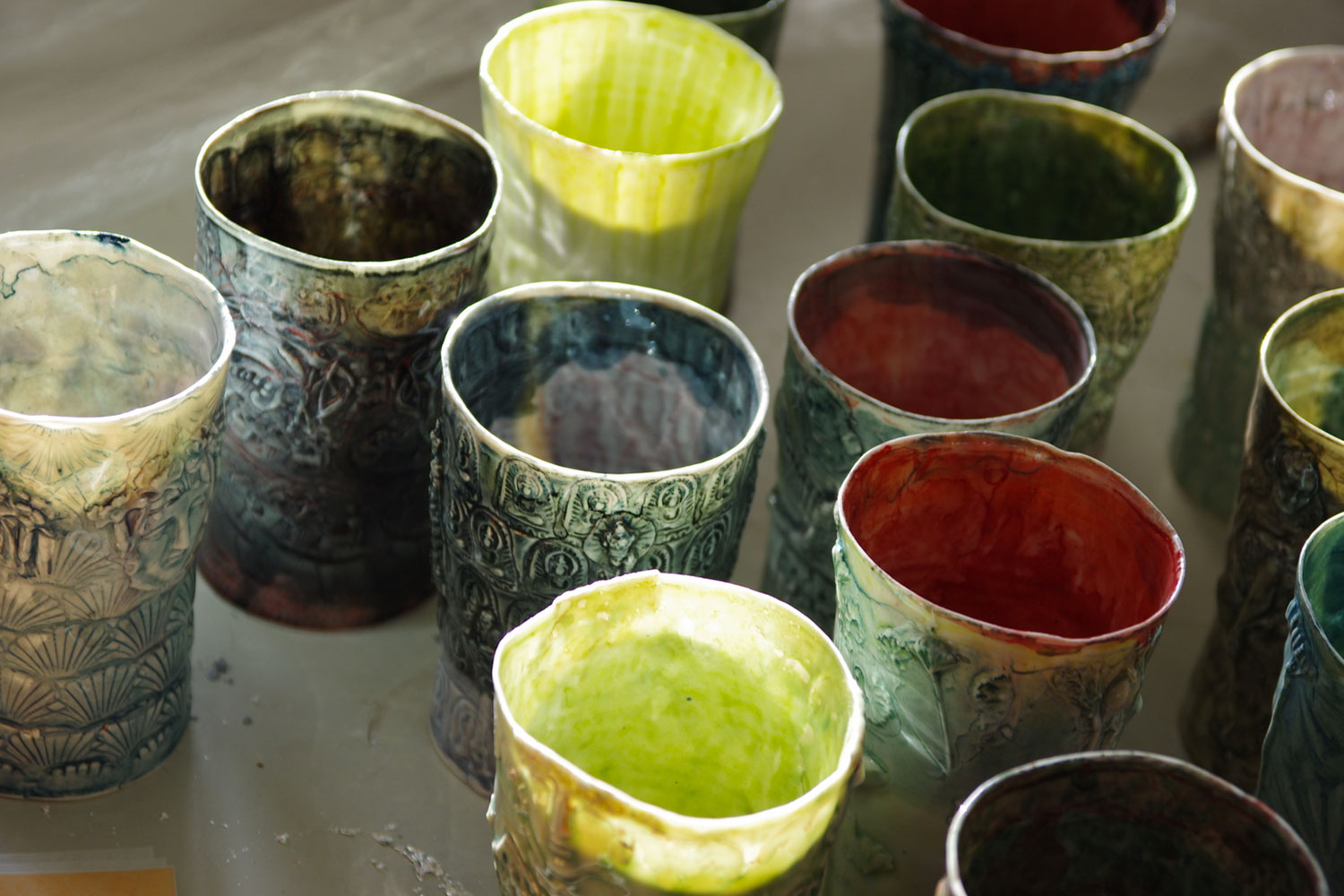
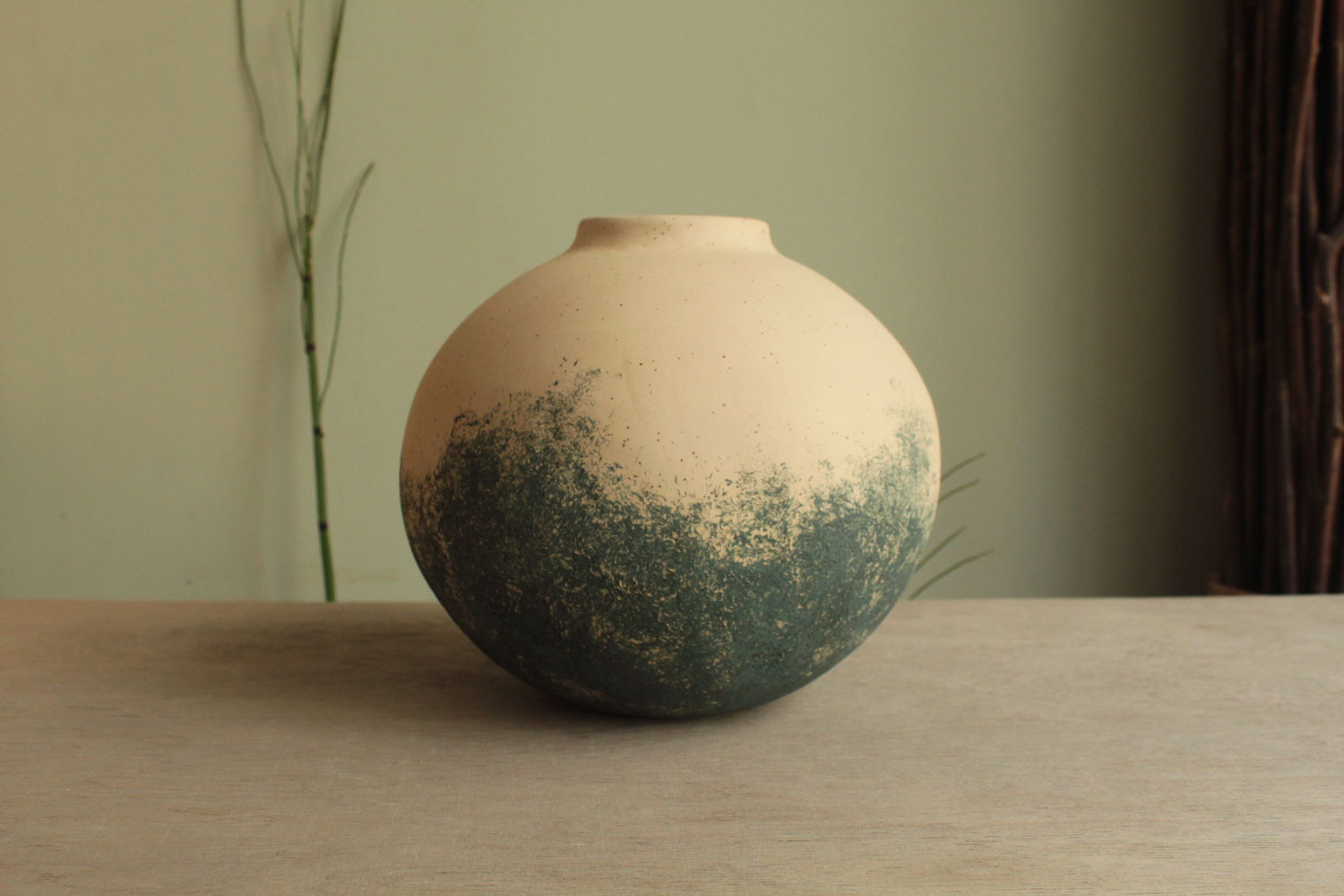
My ceramic practice began with being deeply moved by the colour and texture of puredogi. Puredogi refers to black or blue-tinged ware rooted in Korea’s high-fired stoneware tradition, later incorporating 17th-century European salt glazing in the late Joseon period. Its hue is black yet dawn-blue and its texture speaks of the mineral’s primal vitality and depth.
Carrying on tradition begins with a question: if Joseon ceramics had continued without colonial rule and the Korean War, what culture would exist today? My research involves collecting regional clays from across Korea and exploring ceramic works in the natural colour of clay, alongside diverse methods of carbonisation firing and their contemporary adaptation.
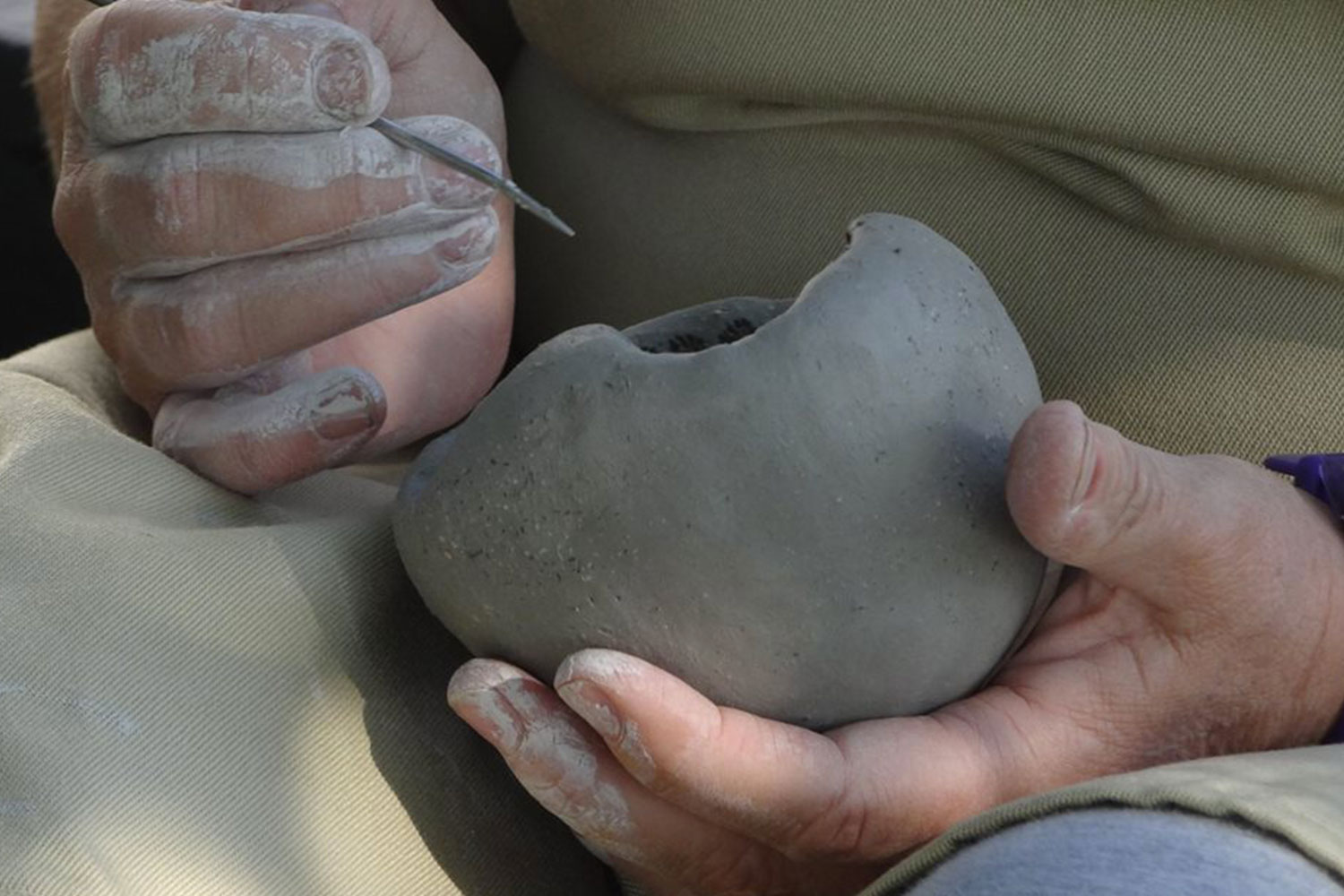
I use onggi clay that contains over 5% sand and iron. At temperatures above 1150°C, I add salt to form a salt glaze. In the final stage, I feed large amounts of pine twigs and firewood to create a strong reduction atmosphere and heavy soot. I then gradually seal the furnace and chimney so that iron and carbon dissolve into and stain the body. This produces not just a surface effect but a structural transformation: the clay’s material properties and chemical reactions converge.
My work draws on the inner logic of Korean ceramics, especially the proportion and rhythmic order in the lines of Joseon ceramics. I aim to pursue 'casual perfection': an unforced completeness, where form, line, proportion, and the clay’s material presence speak for themselves.
Ceramicist
Gimpo-si, Gyeonggi-do, South Korea
Recommended by Jaeyoung Kang
By appointment only
Korean, English
Homo Faber Finds is a new service aiming to inspire admirers of craft to connect and collaborate with exceptional artisans.
We invite you to submit an enquiry here.