making6(c)Hyunkyeong BAEK.jpg)
making15(c)Hyunkyeong BAEK.jpg)
making9(c)Hyunkyeong BAEK.jpg)
DSC_0104.jpg)
(c)Ye Studio_9306.jpg)
making4(c)Hyunkyeong BAEK.jpg)
Sangwook Huh
Ceramicist
Yangpyeong, South Korea
An alchemy of clay, water and fire
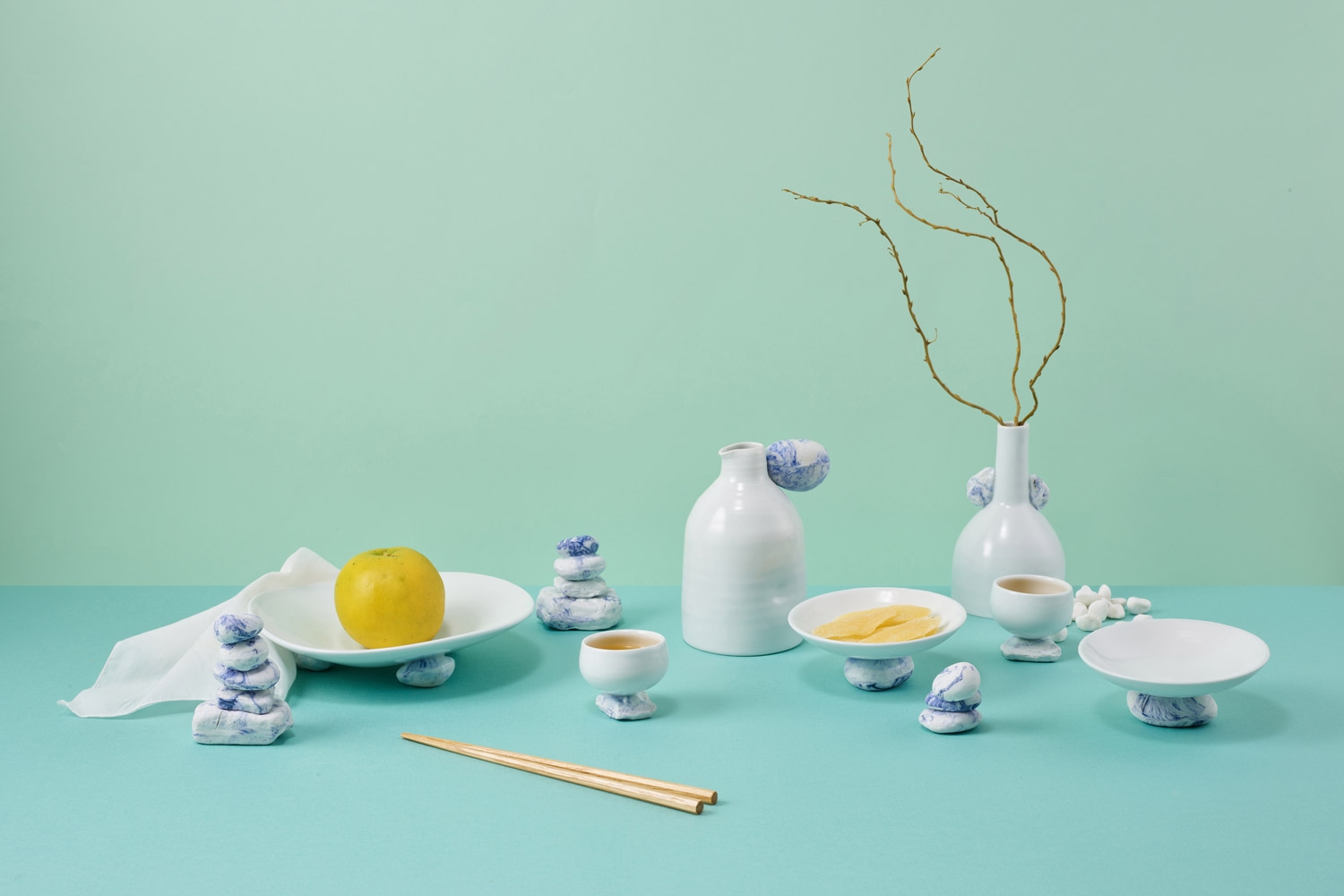
- Sangwook creates buncheong vessels, tableware and stools using etching
- He is fascinated by the natural, transformative quality of clay
- Through his works, he brings back the beauty of objects from the past into today's world
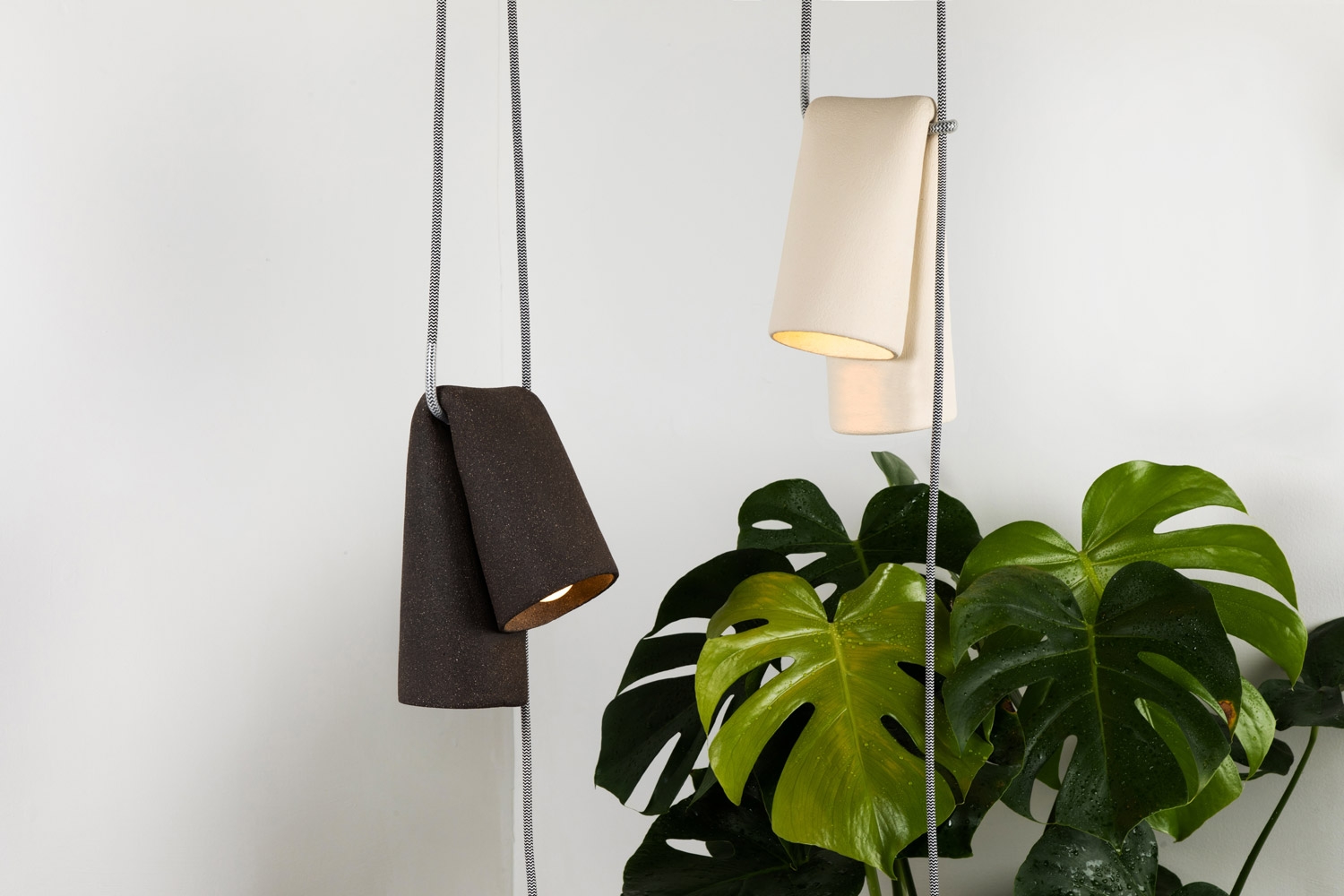
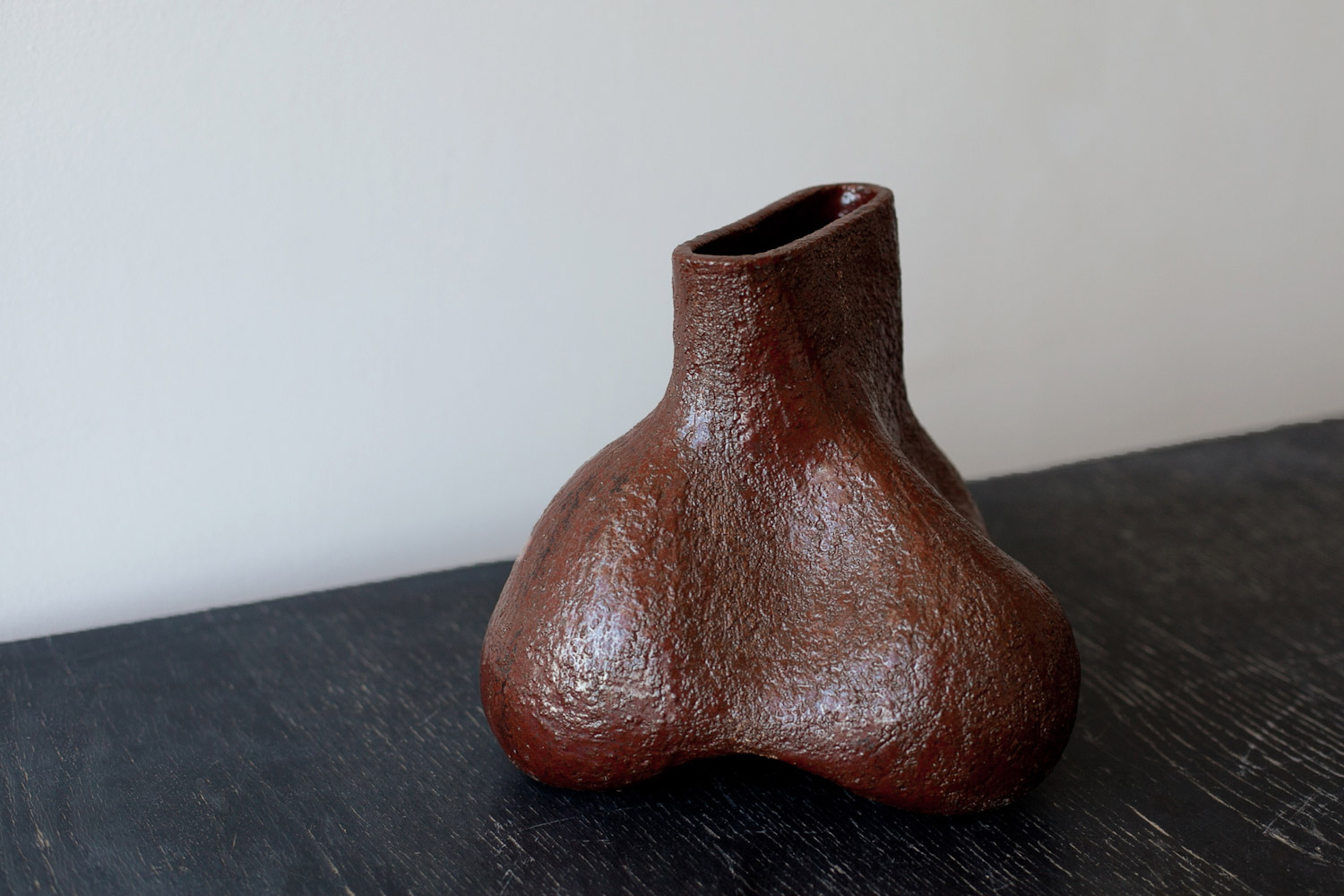
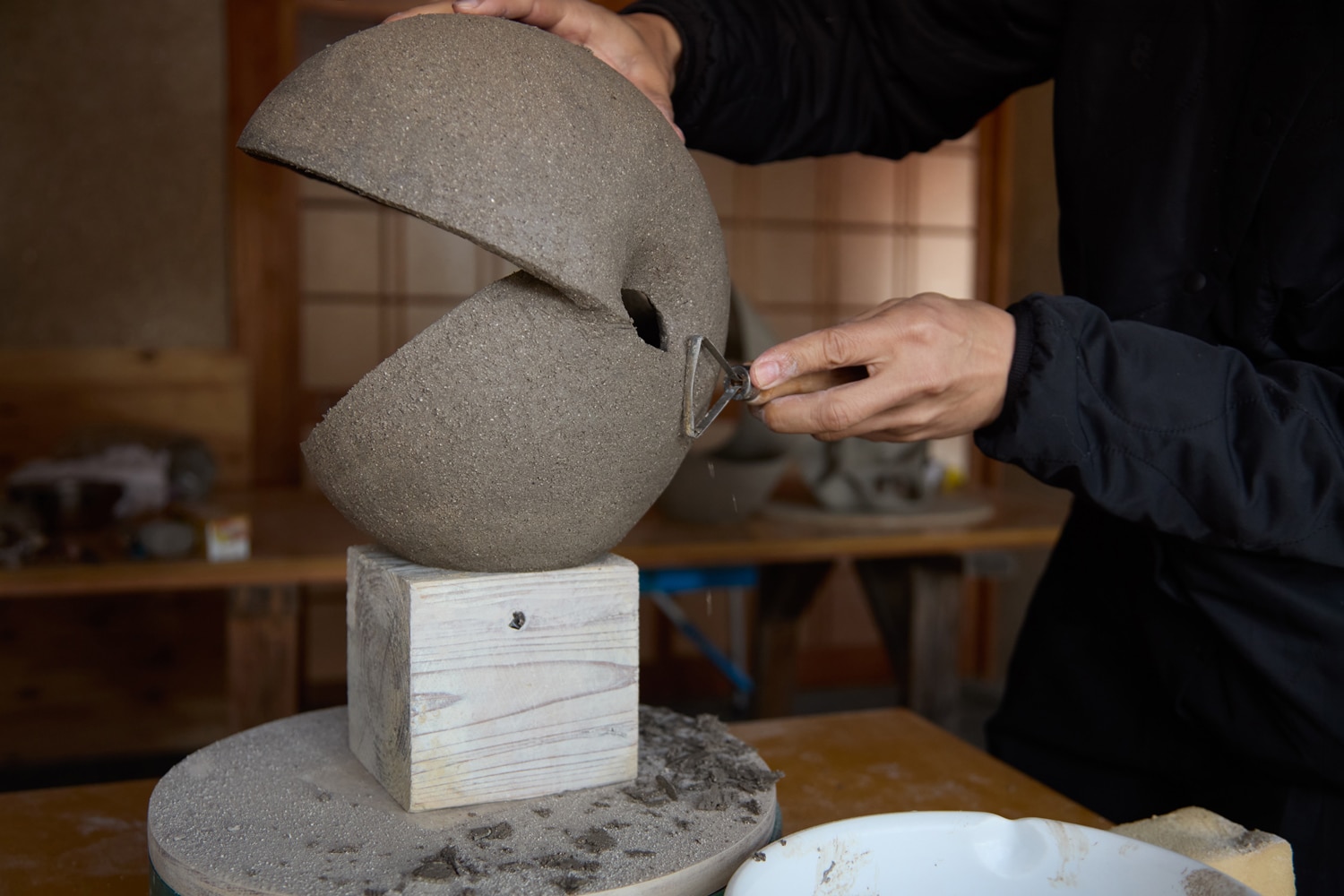
Sangwook Huh specialises in making ceramic objects using his own take on the traditional art of buncheong pottery. He first worked with clay in college in 1988. Deeply inspired by a buncheong celadon exhibition at the Hoam Art Musuem in 1993, Sangwook decided to carry this tradition into his future practice. Even though he learnt his craft's techniques and history at university, he credits his travelling to see traditional artifacts to have given him a deeper sense of aesthetics and his artistic flair. "I find it miraculous how clay, water and fire transform themselves into something entirely new," says Sangwook. In his first work on a traditional admiral Korean bottle, he altered its conventional form and gave it a new shape. Since then, he has focused on harmonising thick clay and white slip and balancing their contrasting properties in his work. "I get a sense of freedom while applying white slip, drawing leaf patterns and scratching the background," he explains.
Discover his work
(c)Ye Studio_6050.jpg)
(c)Ye Studio_9071.jpg)
(c)Ye Studio_7203.jpg)
(c)Ye Studio_6057.jpg)
(c)Ye Studio_9174.jpg)
INTERVIEW
Clay, no matter what form it takes, can always break down and return to nature. However, when I shape it, dry it and put it through high temperatures, it transforms and emerges as something precious. I see this process as true alchemy.
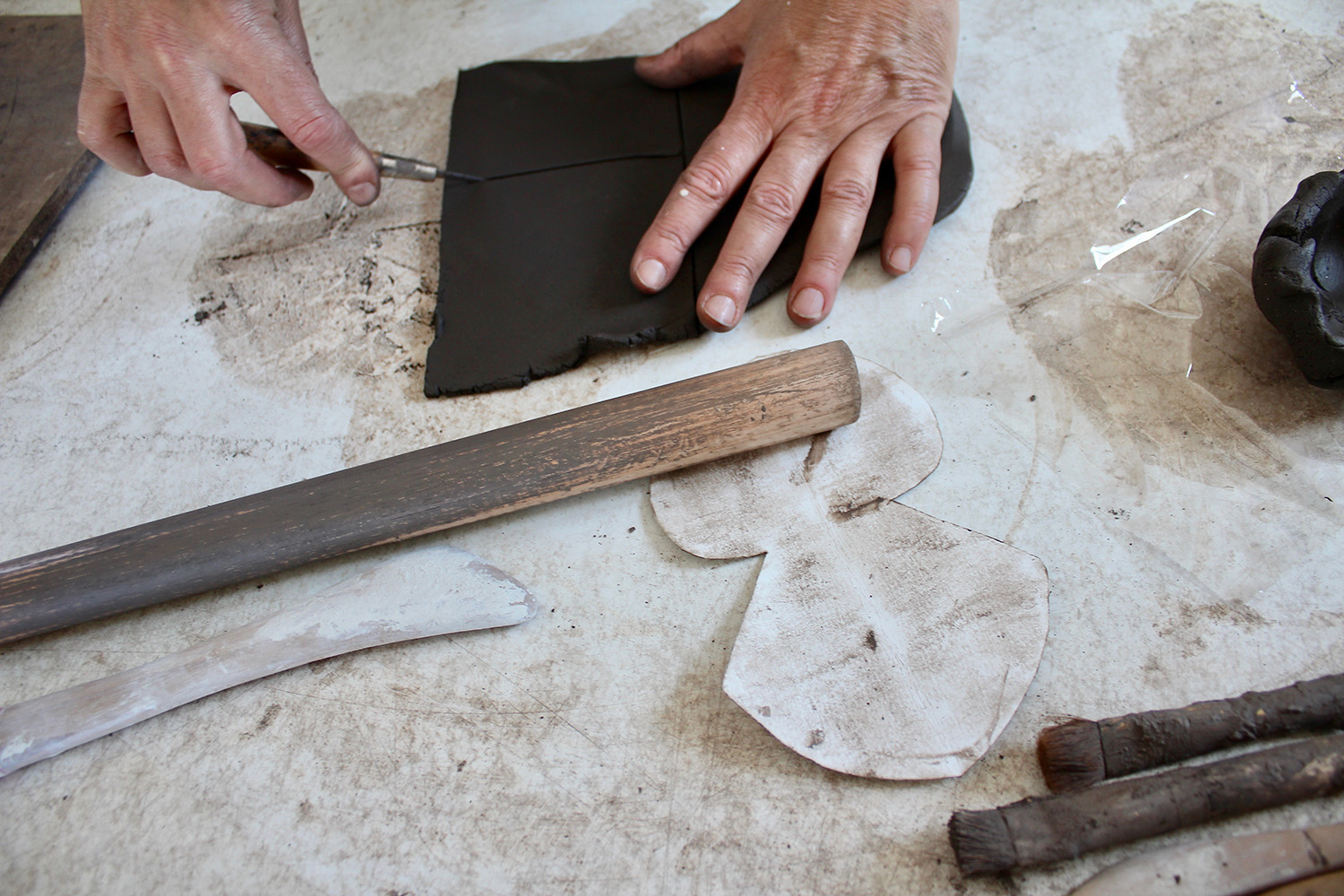
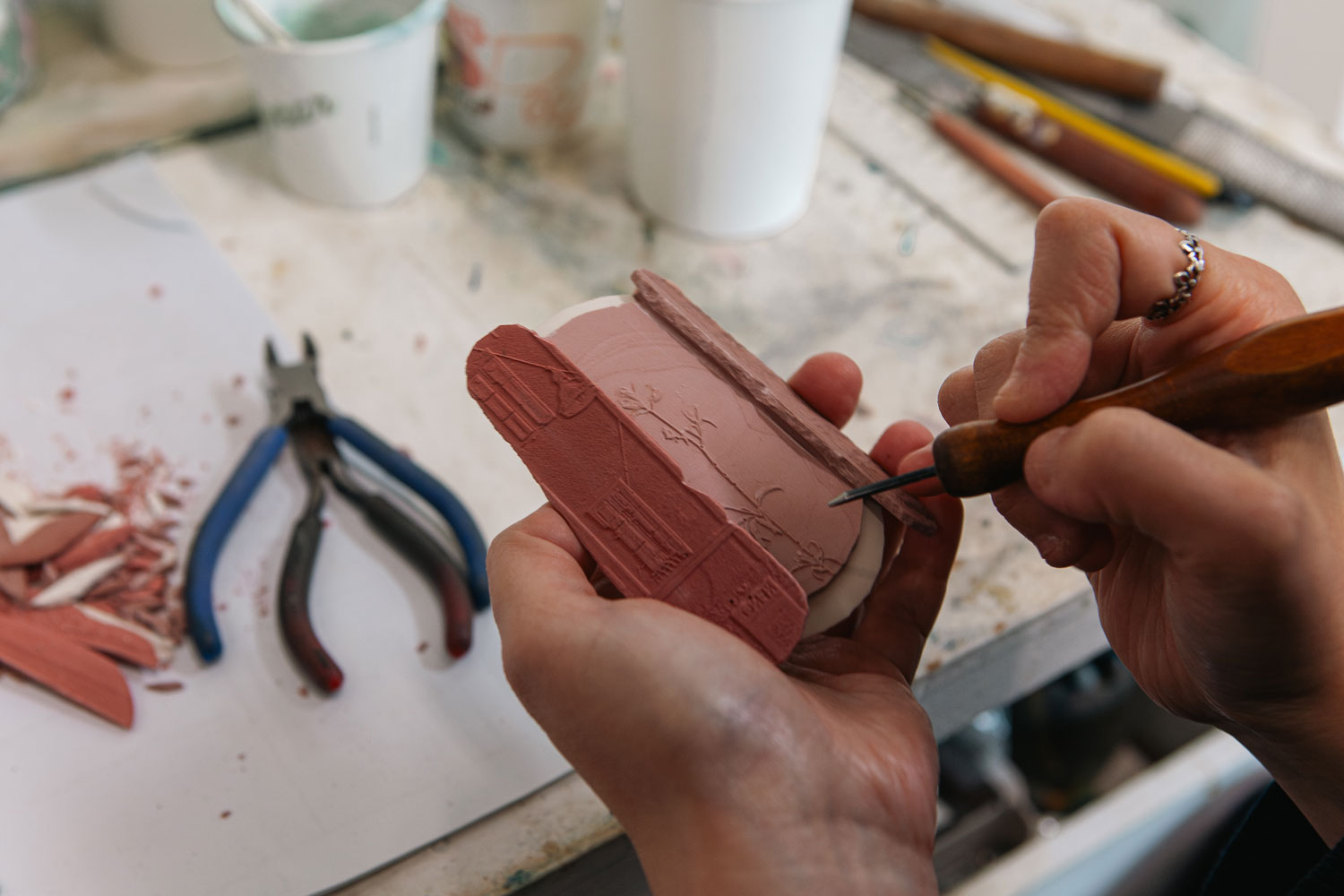
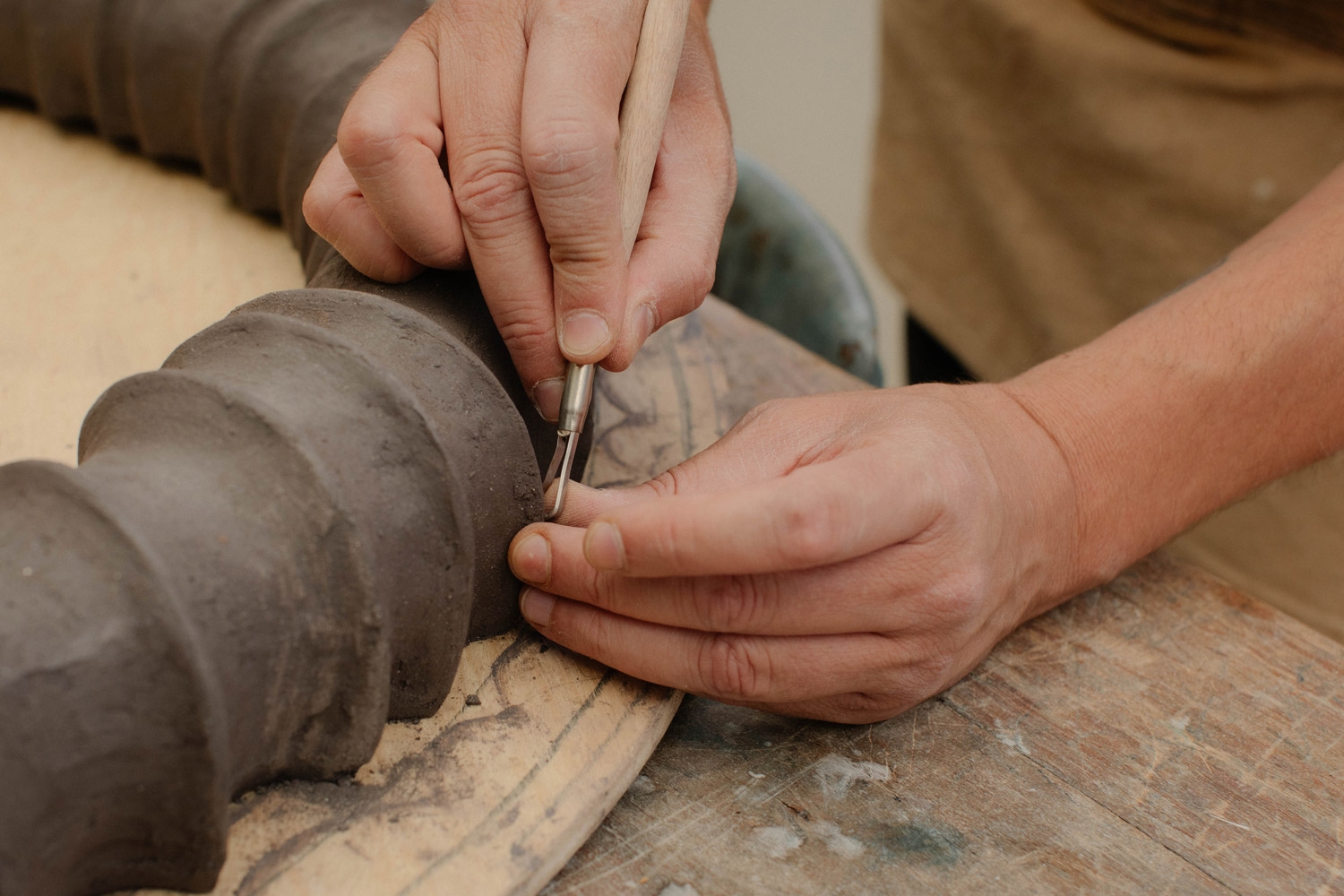
I use the pakji technique, similar to sgraffito, where I apply a white slip to dark clay, then carve my own designs. I love the contrasts, textures and sounds I experience while working with pakji. As I carve, I see scenes naturally emerge, such as blooming flowers, swimming fish or rustling leaves. This naturalness makes the process captivating.
Even though I use traditional buncheong techniques and materials, I add modern elements such as higher firing temperatures and a broader range of pigments. I also use low-melting materials such as silver, which complements the white slip and earthy tones of buncheong and allows for playful and expressive details.
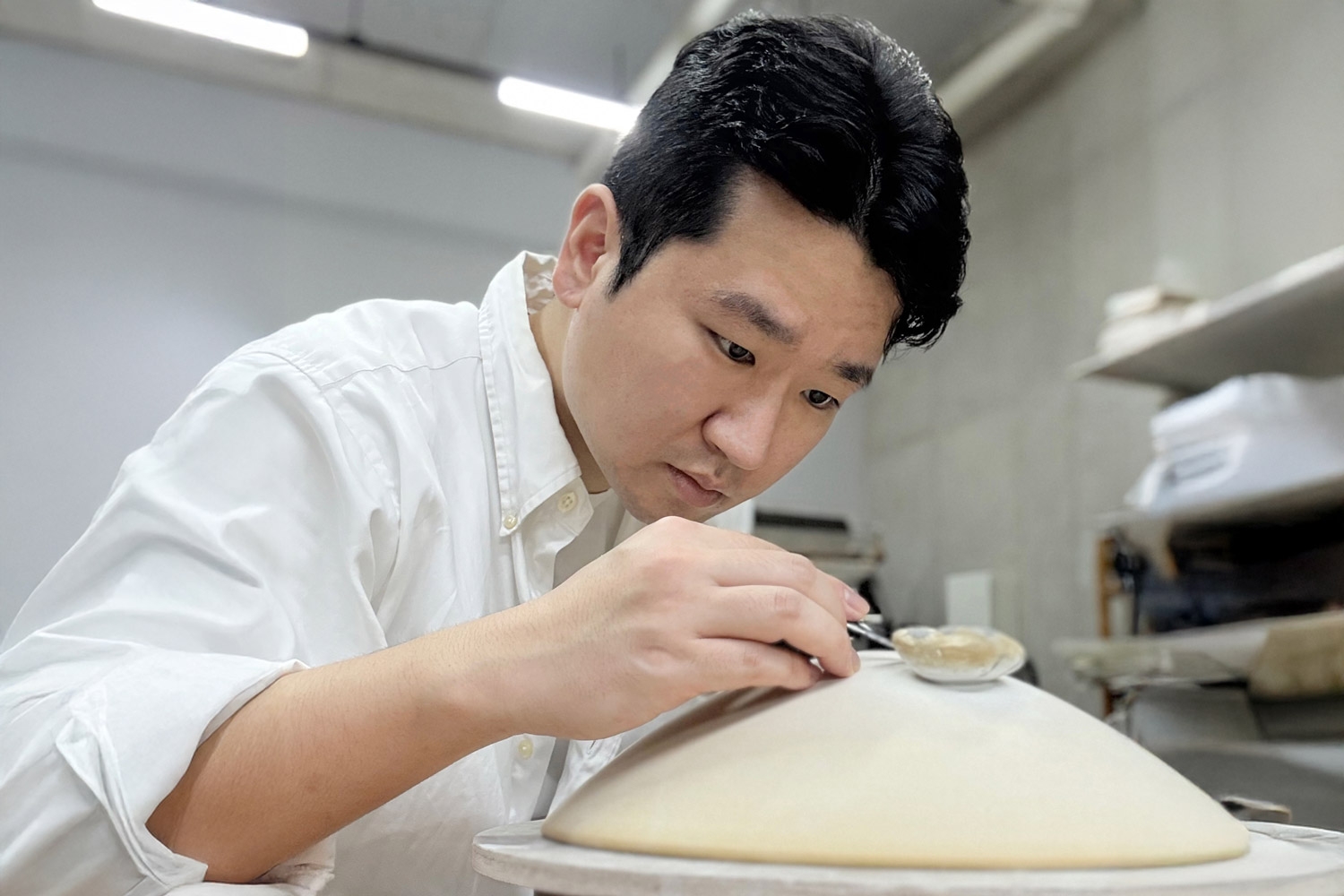
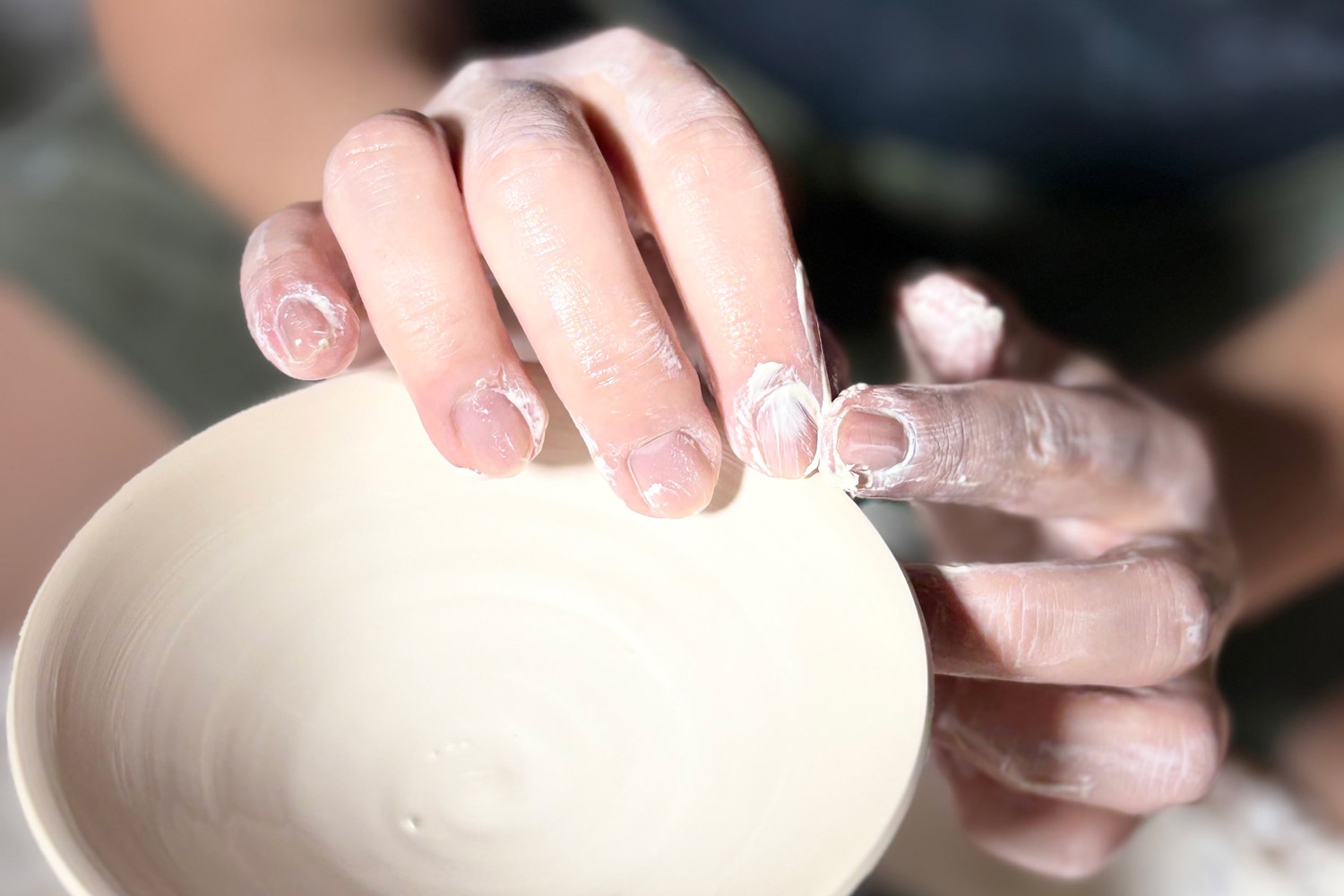
I aim for a balance that is rooted in tradition, so I use contrasting dark clay and white slip. I am awakened by this harmony and shaping process, and I feel a type of healing while applying the white slip. It is a quiet, comforting moment before starting the main work.
Sangwook Huh
Ceramicist
Yangpyeong, South Korea
ADDRESS
Address upon request, Yangpyeong, South Korea
AVAILABILITY
By appointment only
LANGUAGES
Korean
Homo Faber Finds is a new service aiming to inspire admirers of craft to connect and collaborate with exceptional artisans.
We invite you to submit an enquiry here.