Image 1 of 2
Ralph Simpson
Botanical sculptor
Fredericton, New Brunswick, Canada
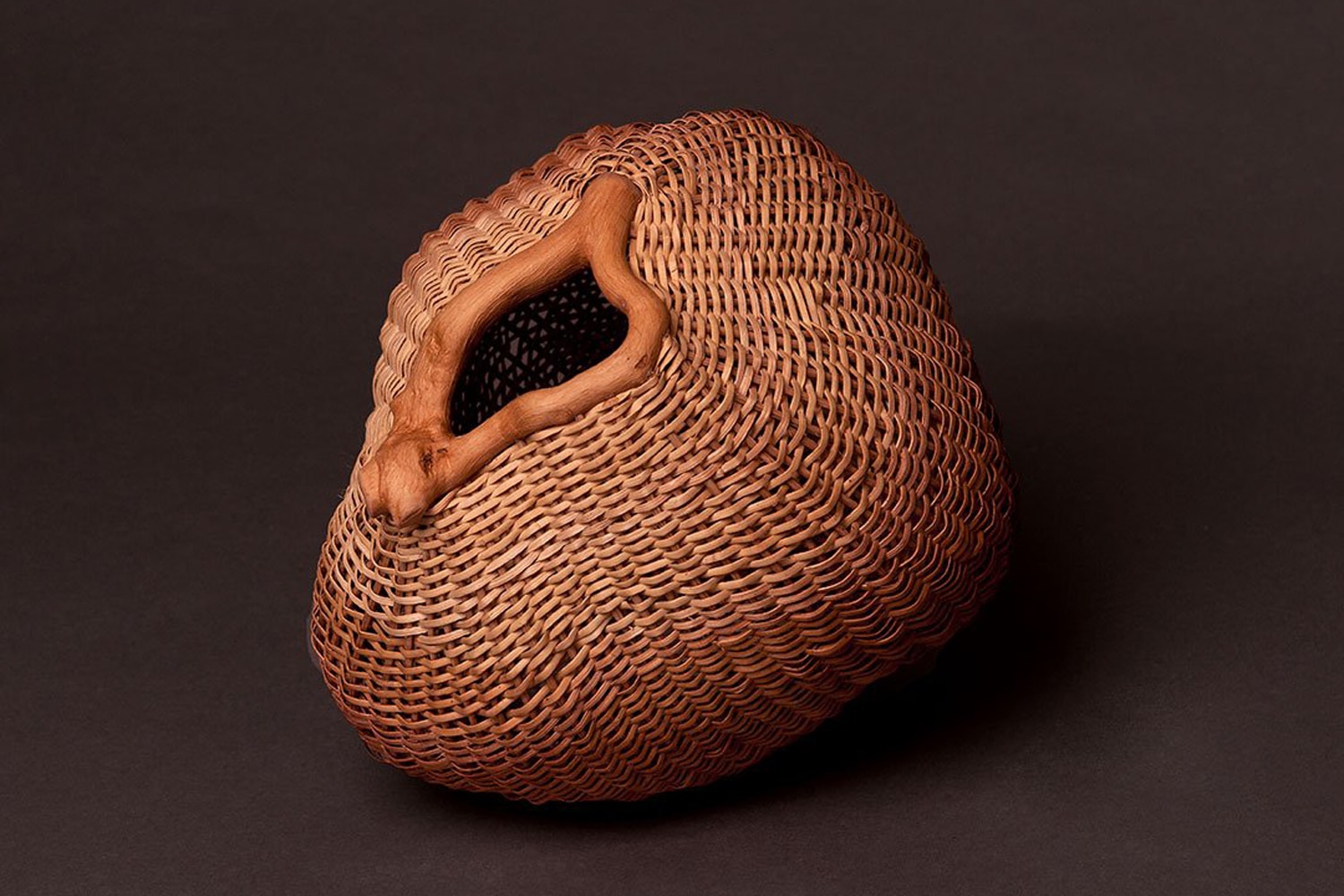
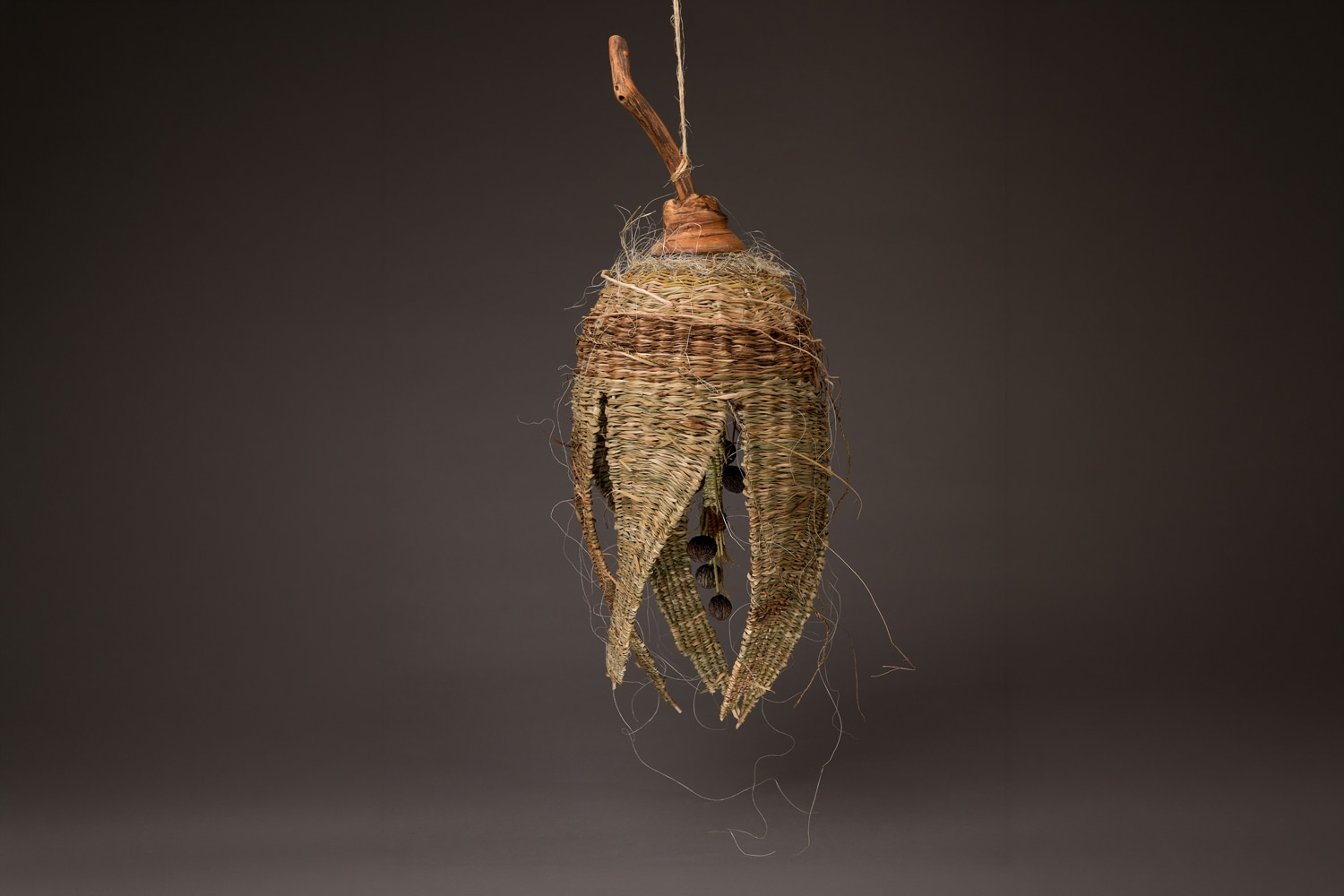
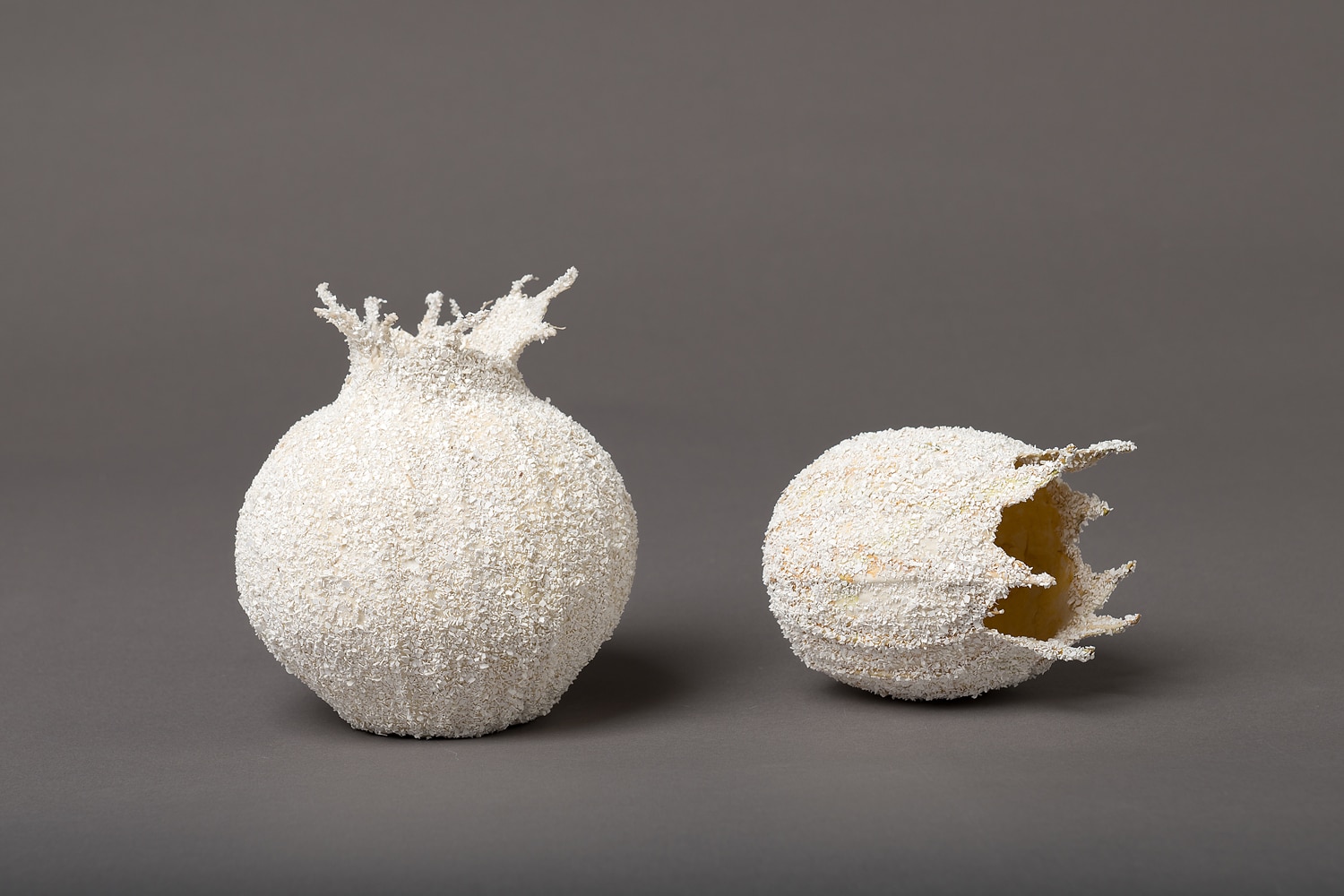
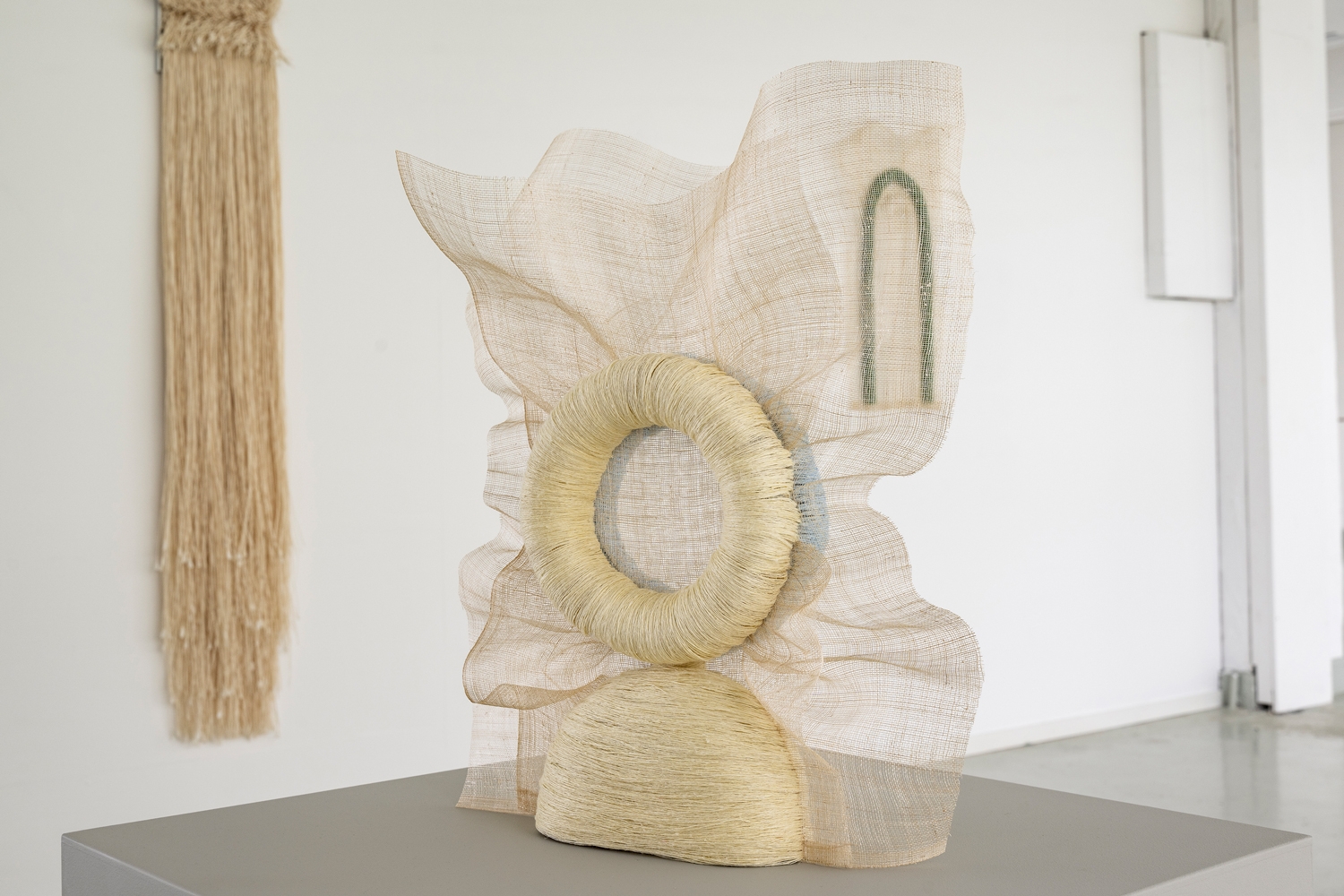
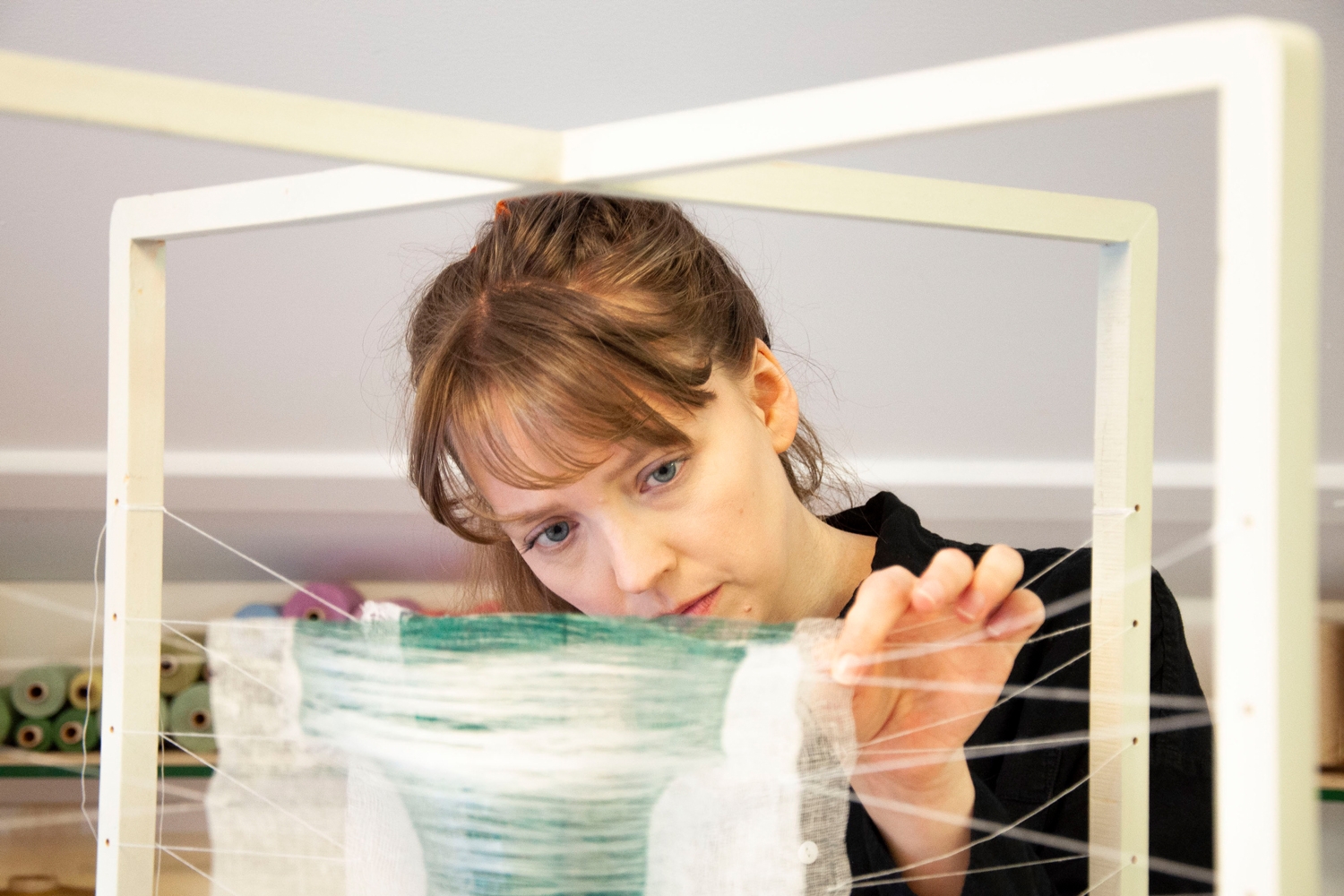
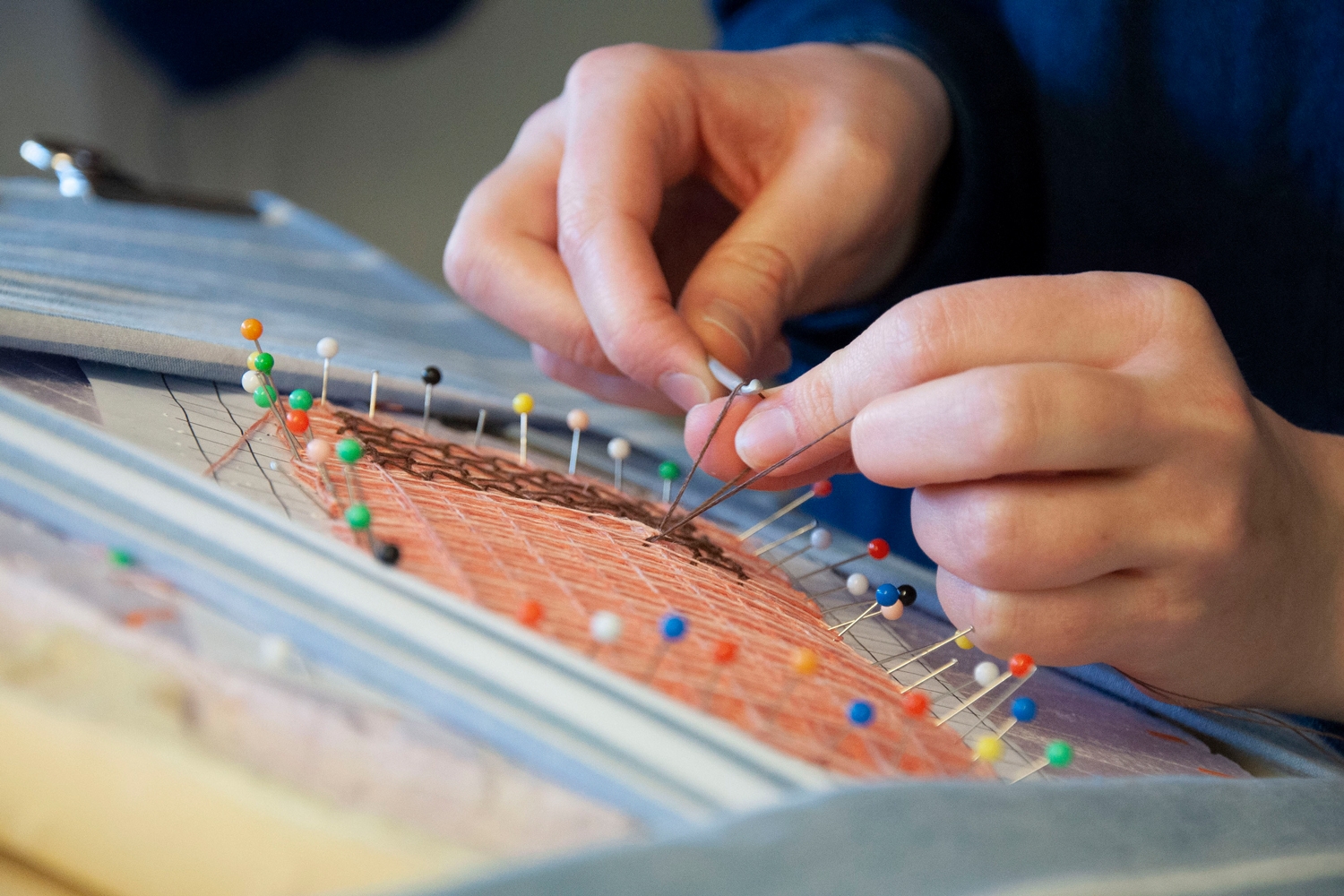
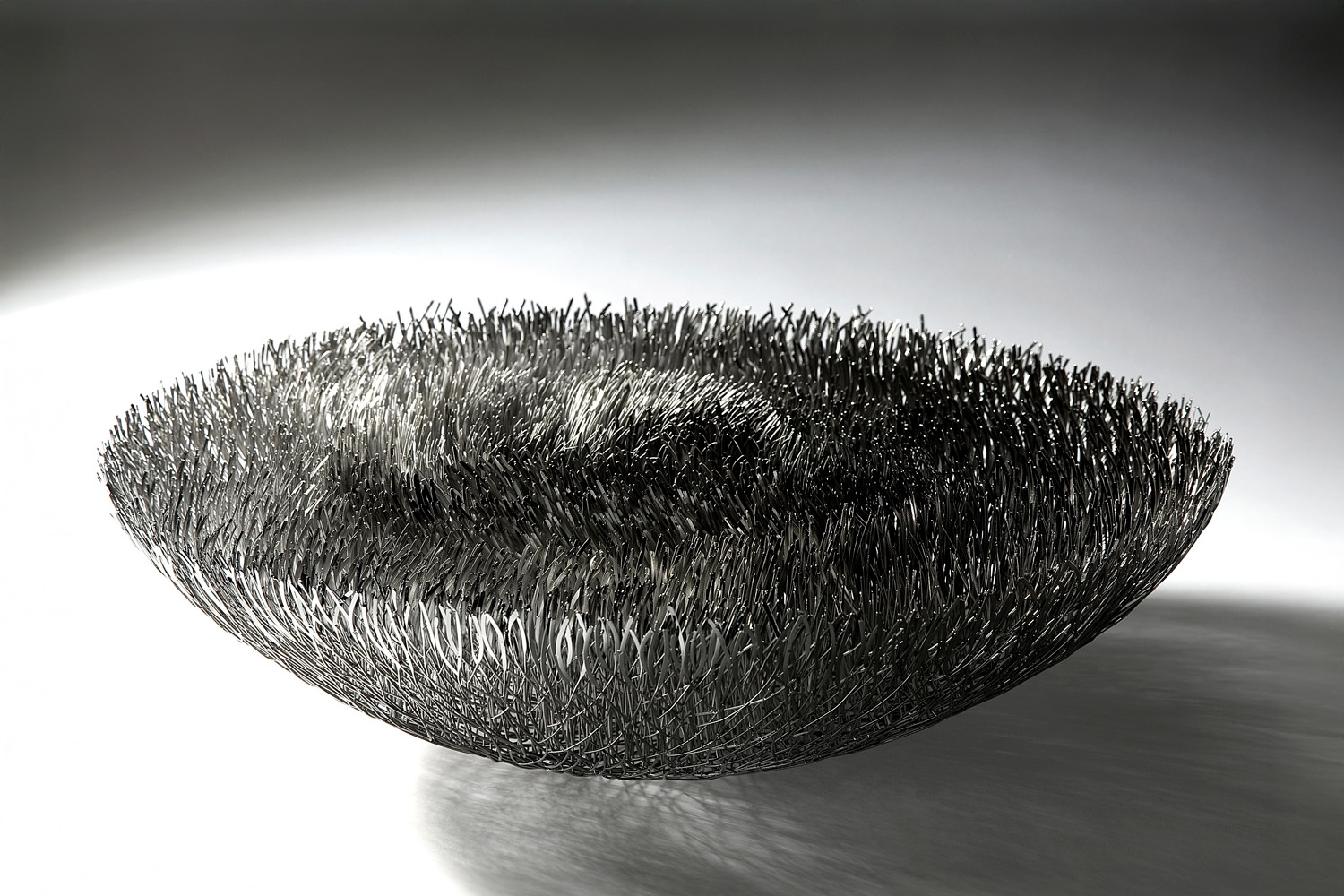
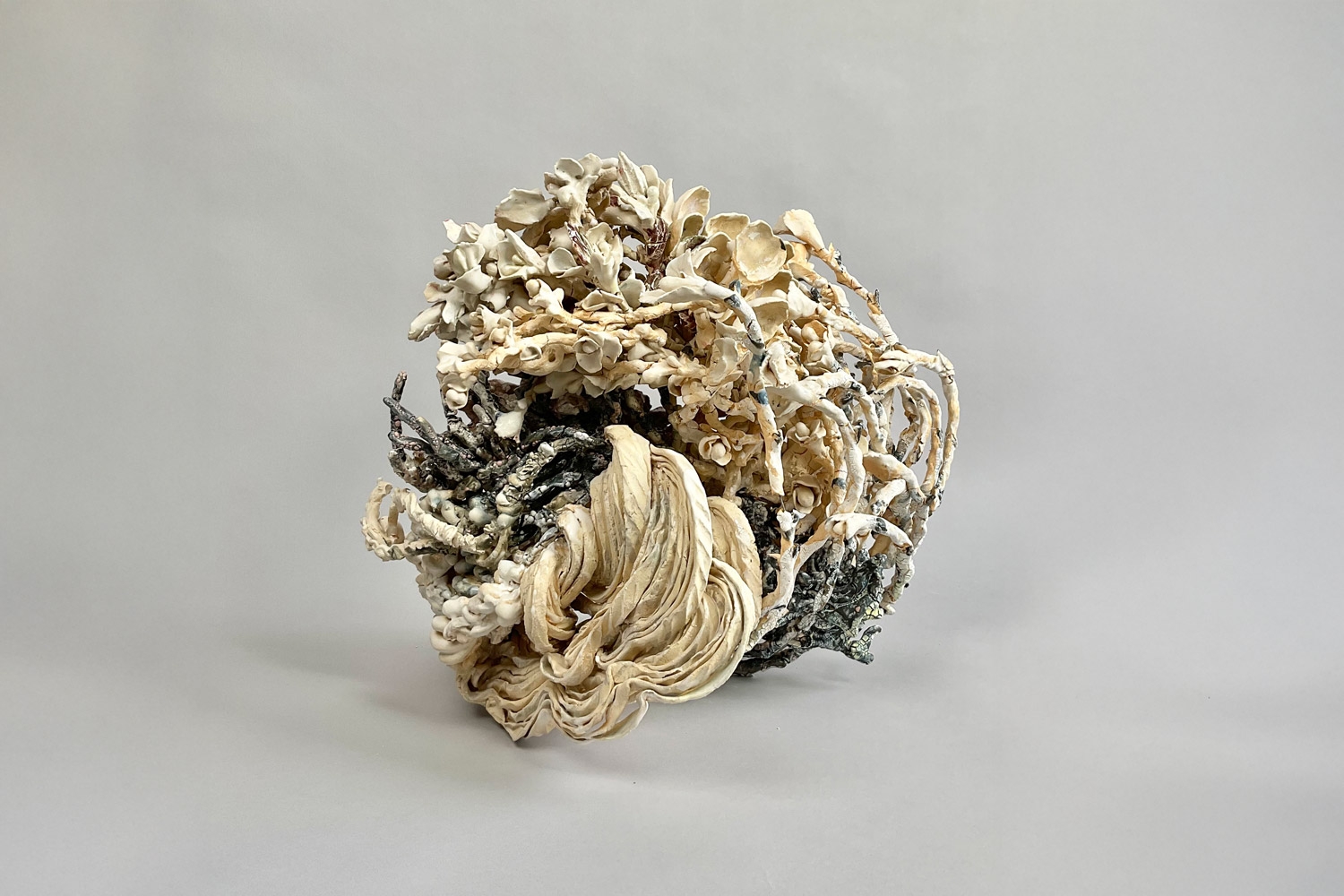
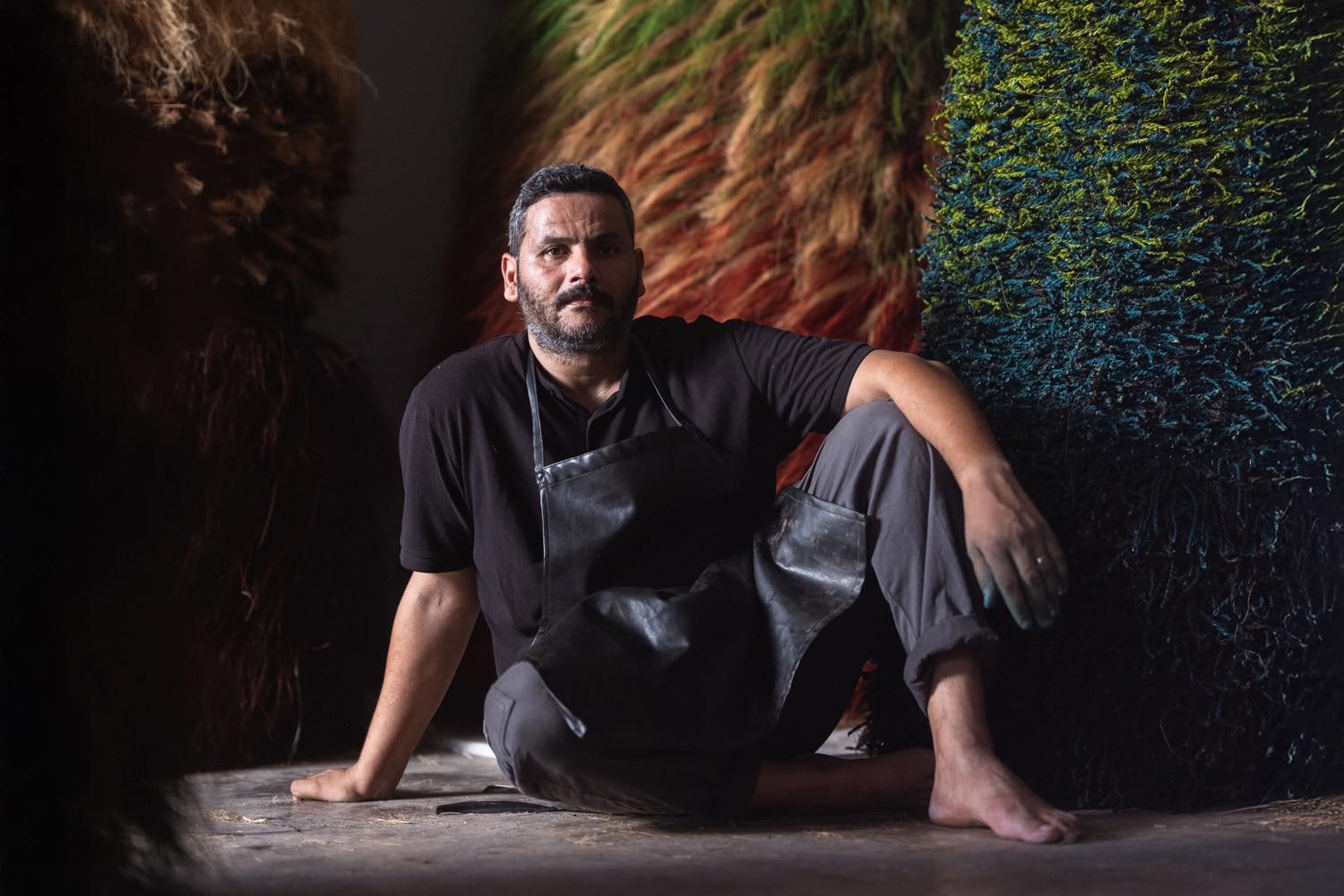
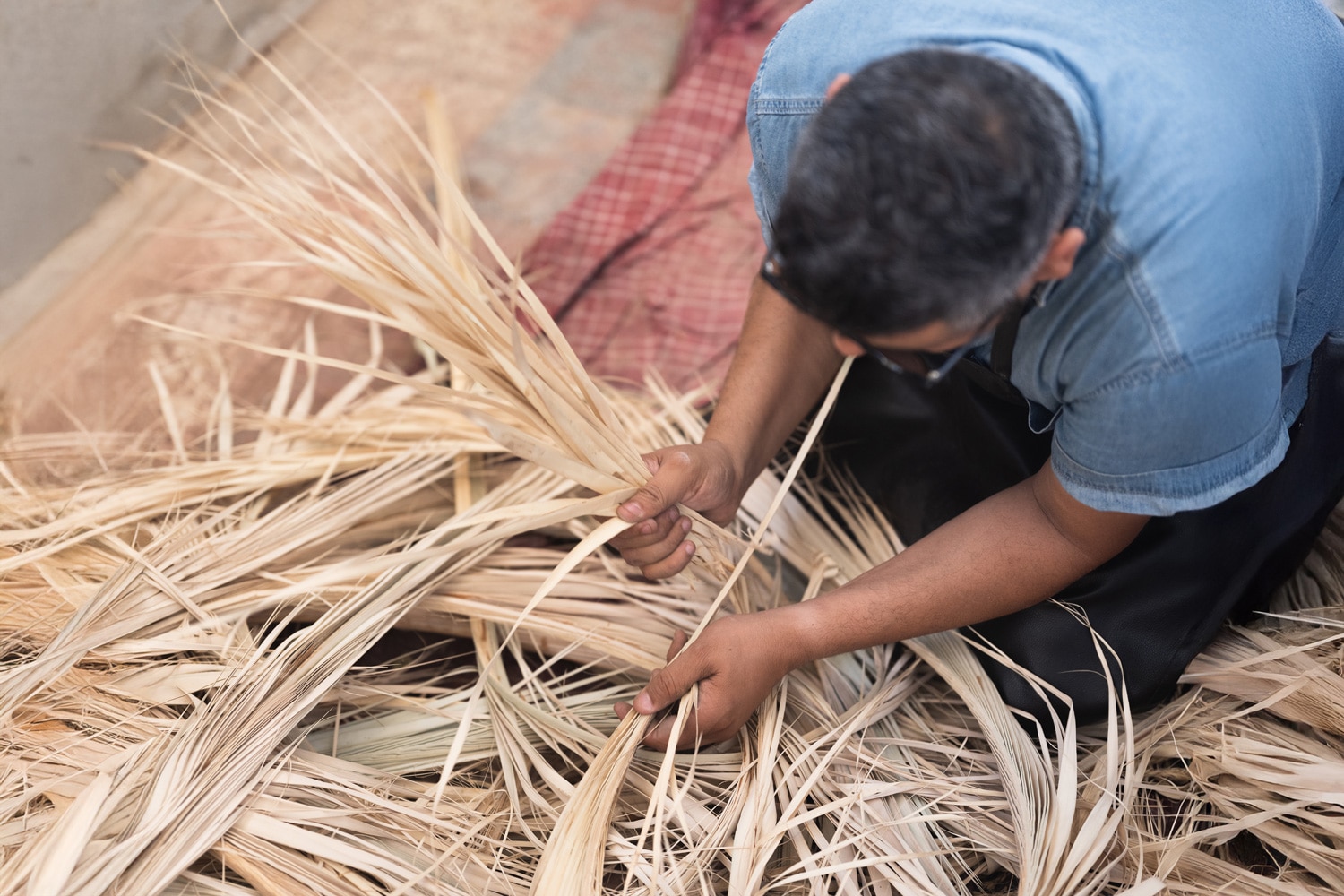
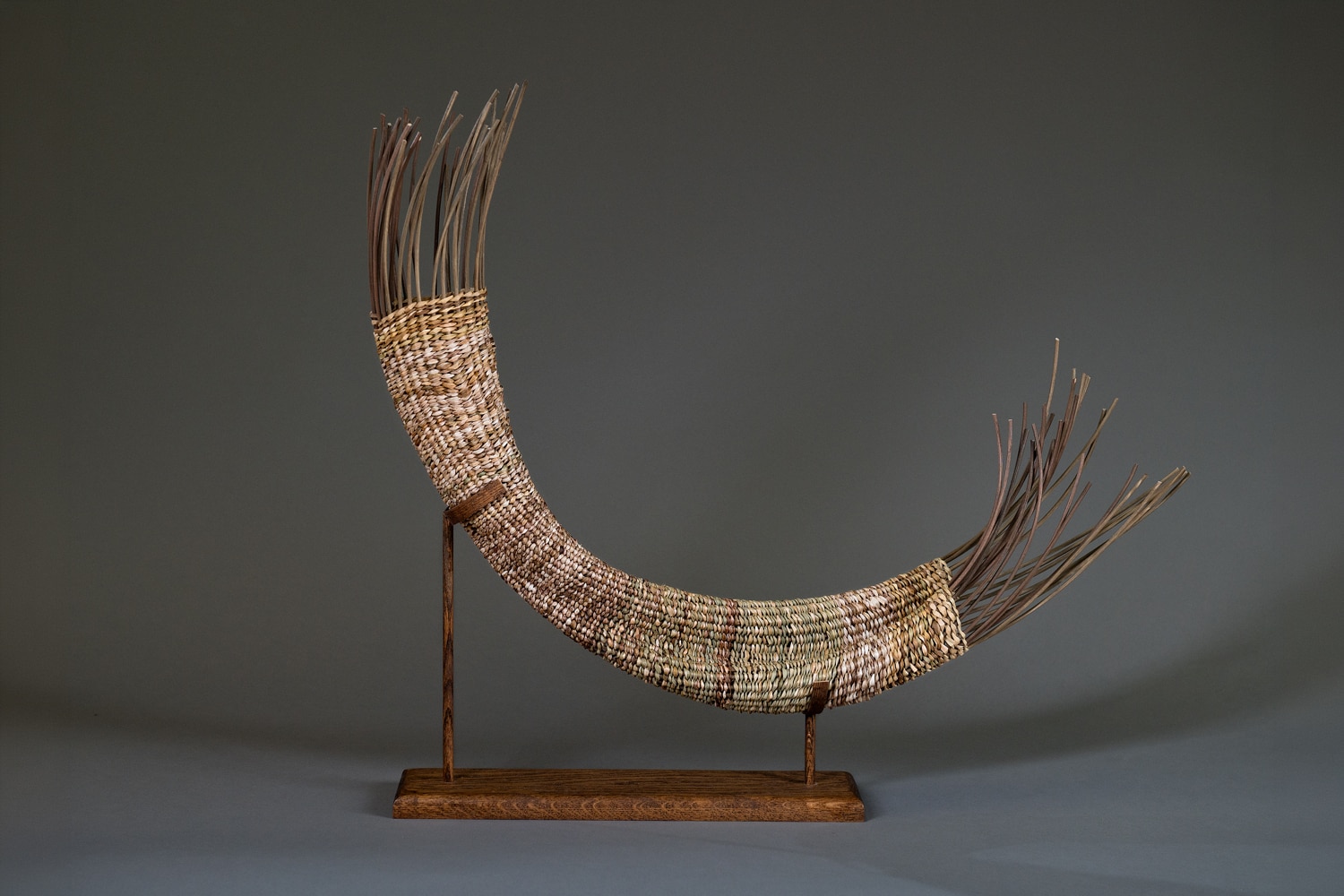
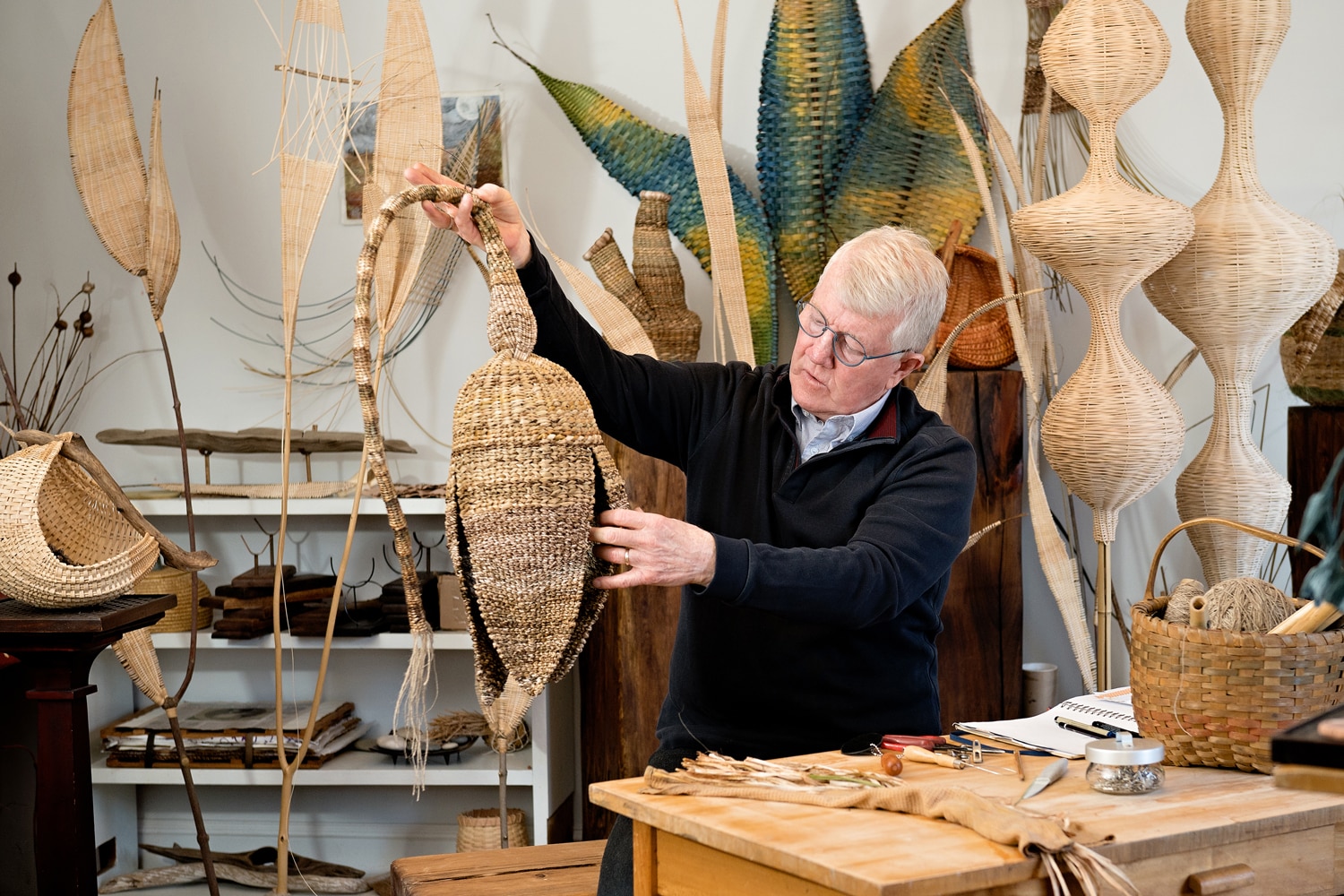
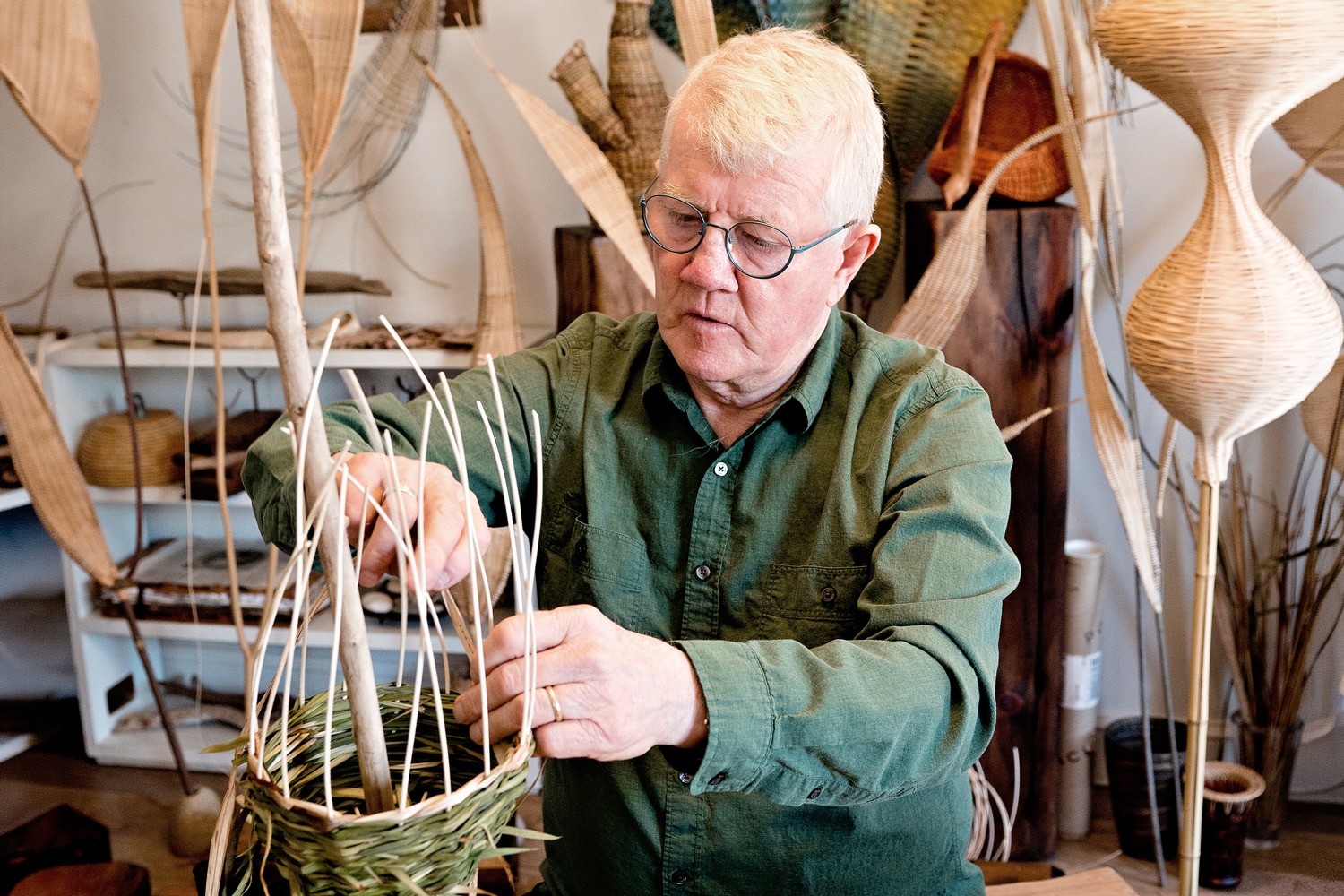
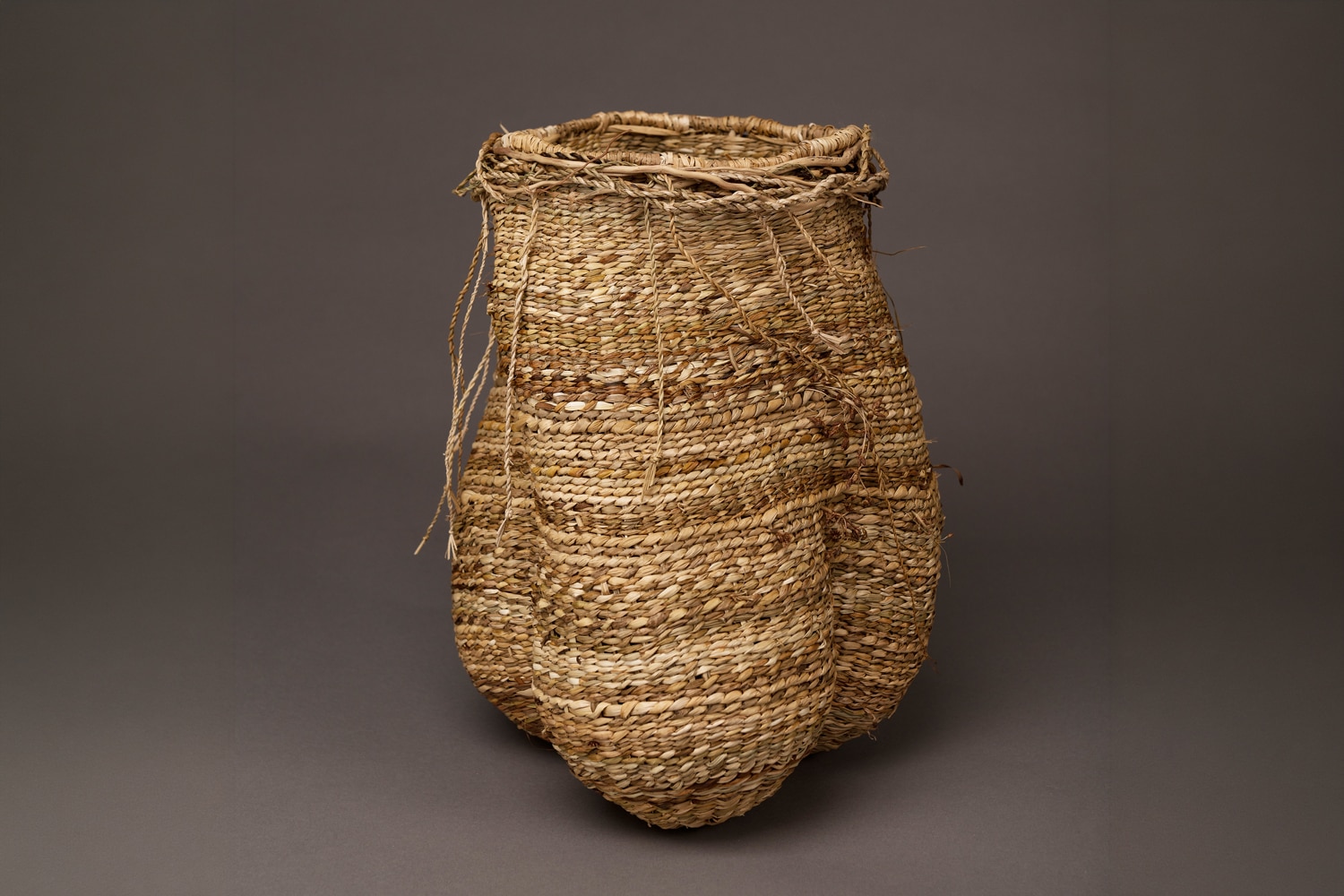
Ralph Simpson's plant-fibre practice draws on a lifelong engagement with botany and environmental science. His career as a forest research biologist with the Canadian Forestry Service gave him an intimate understanding of botanical materials. Today, Ralph's weaving ranges from traditional basketry to large-scale sculptural forms that reflect plant structures, habitats and seasonal cycles. He harvests, grows and researches plant fibres such as iris, day lily, bark and papyrus, treating each material as a carrier of place and knowledge. "I want the viewer to consider their relationship to the environment and be awed by the intelligence of ecosystems," says Ralph. His practice combines making and teaching across Canada and abroad.
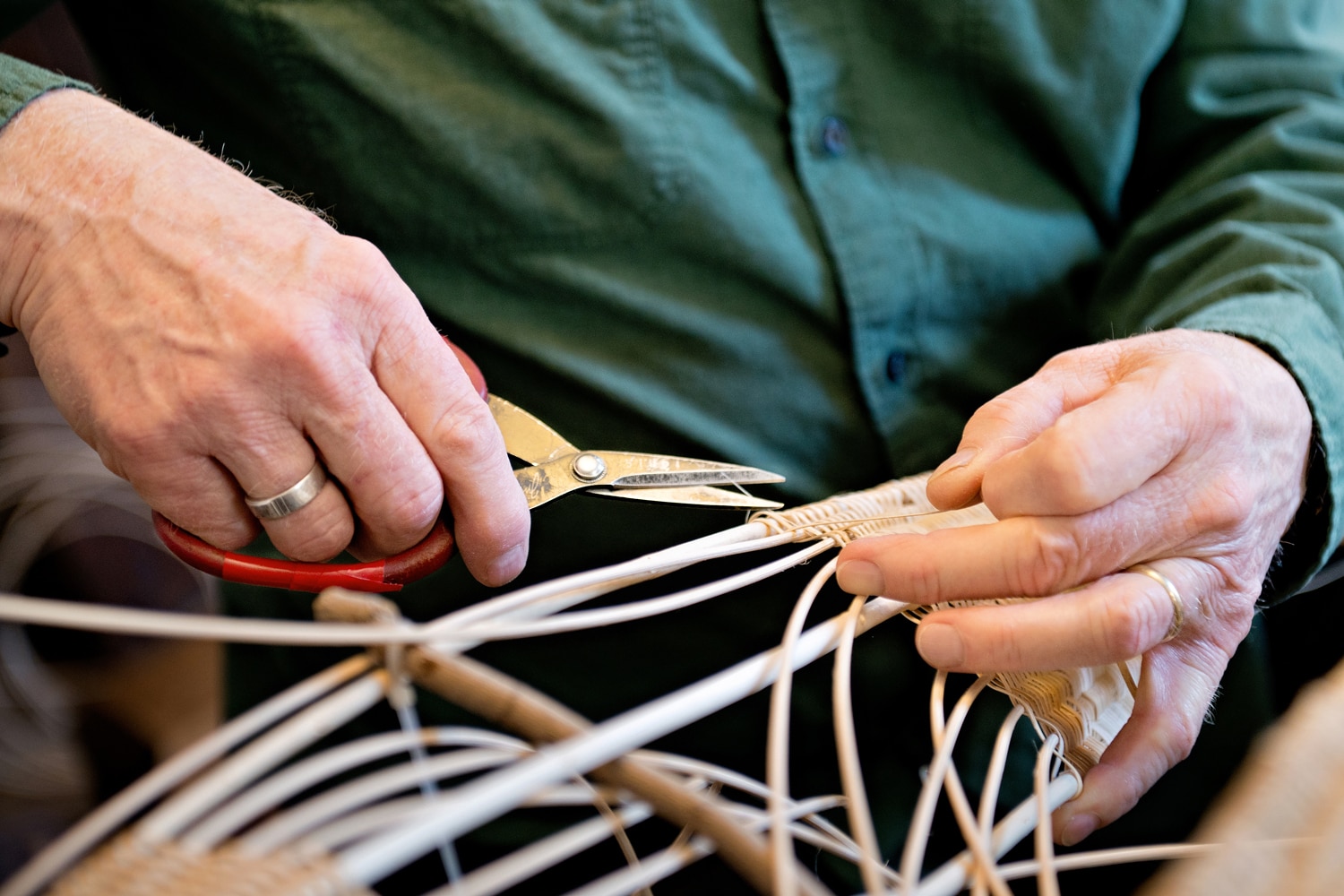
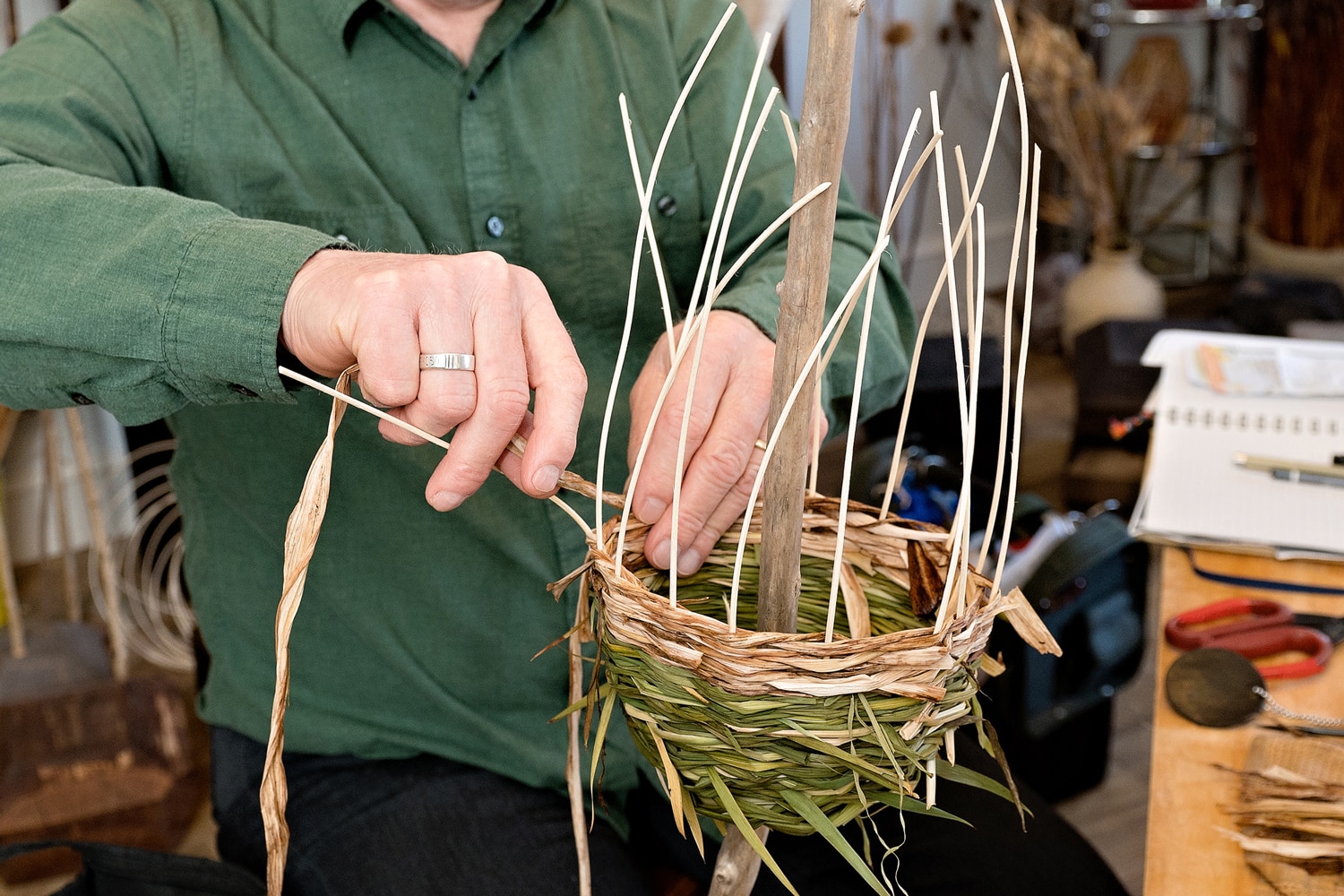
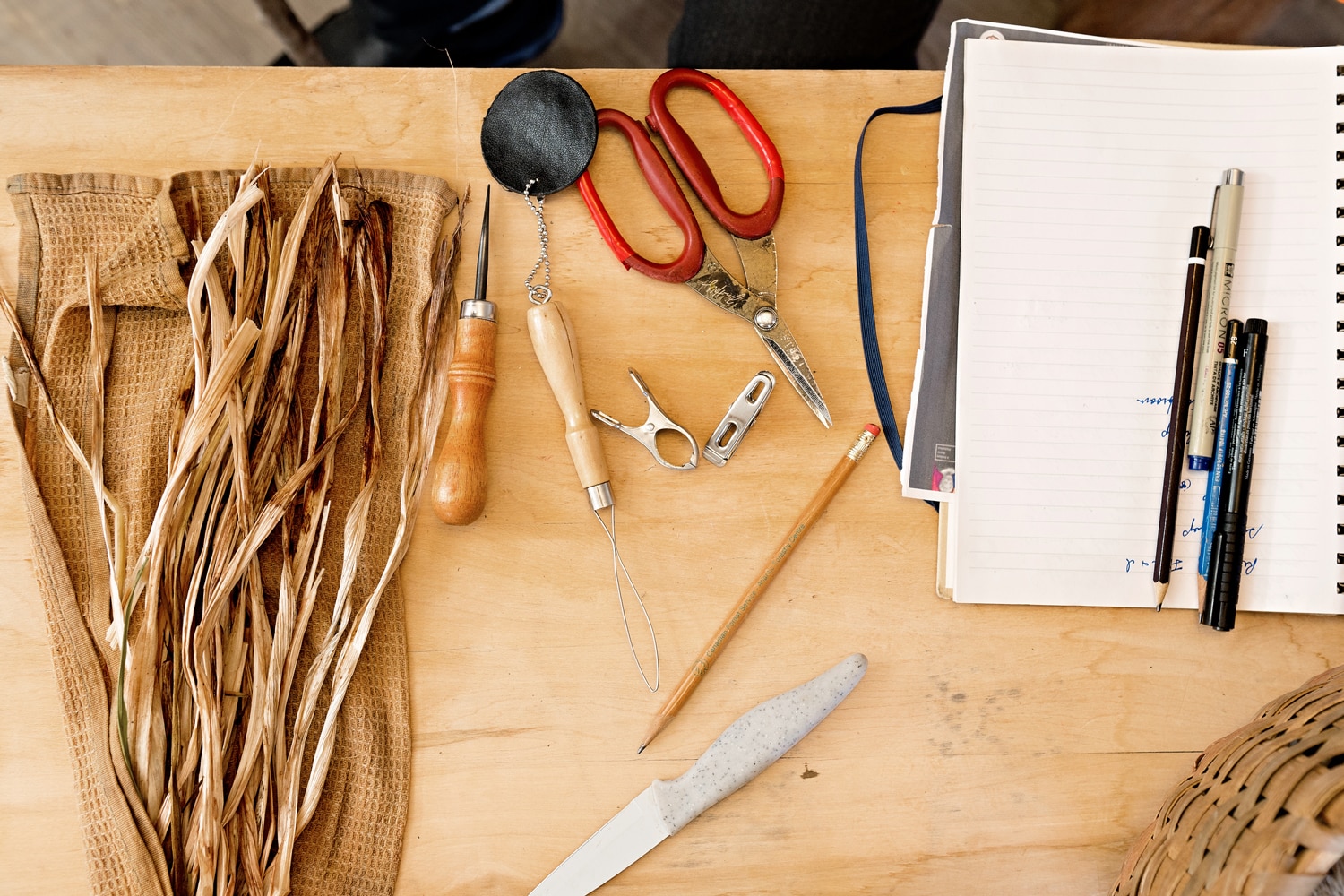
I describe myself as a plant fibre artist. Weaving is central, but I also build and sculpt. My practice is about working directly with plant material and understanding what it can do.
I worked for 35 years with plants as a forest research biologist. I developed a comprehensive understanding of plant structures, growth patterns and habitats, and that knowledge informs my selection and use of plant fibres in my craft.
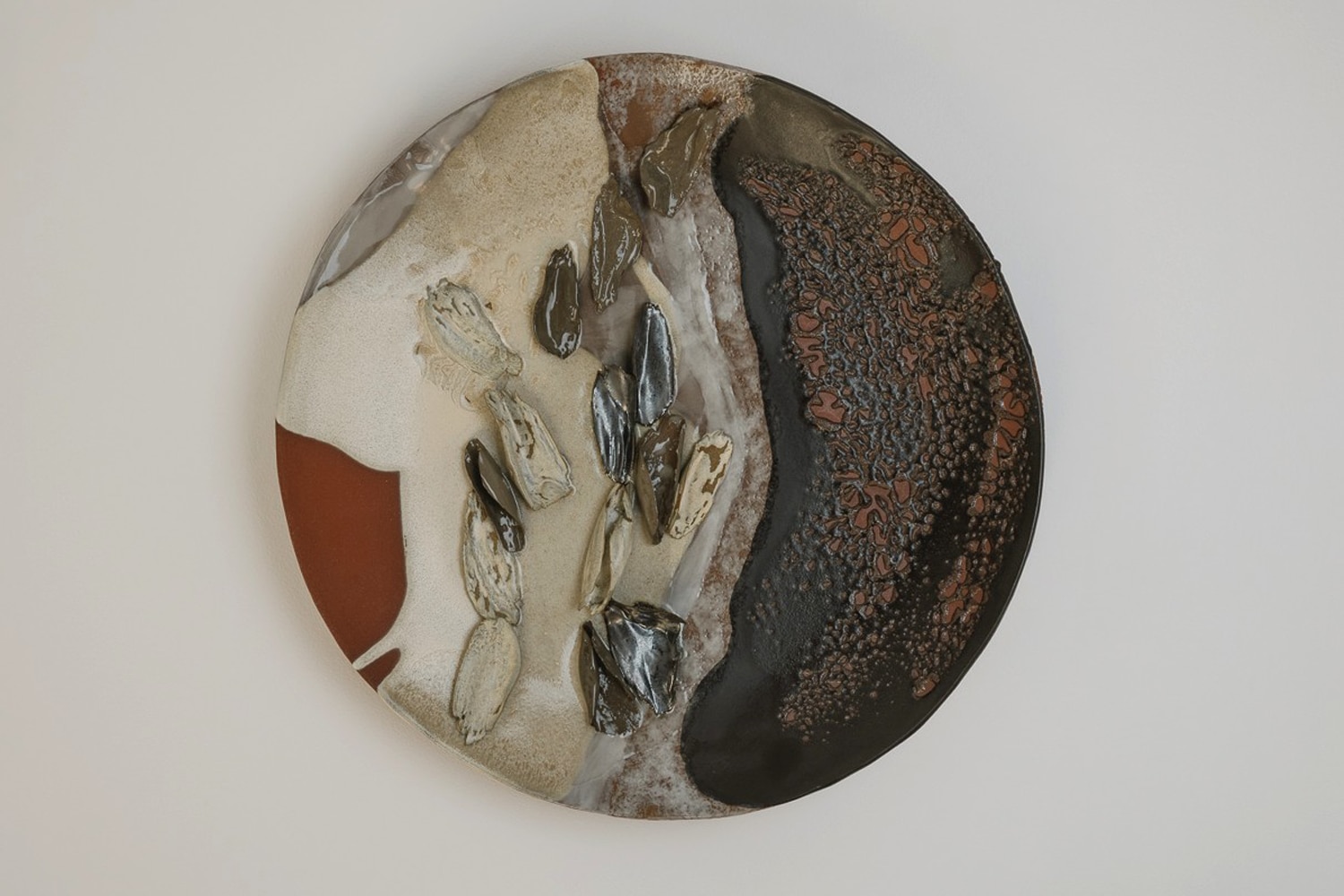
It all begins with a walk in nature and the materials that I discover. What I harvest, what is in season and whether it is ready for harvest will all guide the work. I often contemplate botanical forms such as pods, trees, seed structures and how I might interpret them.
Communication. With plants, with materials, and with people. Each plant comes from a place and carries that story. My role is to make that visible and to share knowledge about how these materials can be used.
Botanical sculptor
Fredericton, New Brunswick, Canada
By appointment only
English
Homo Faber Finds is a new service aiming to inspire admirers of craft to connect and collaborate with exceptional artisans.
We invite you to submit an enquiry here.