©All rights reserved
©All rights reserved
©All rights reserved
©All rights reserved
©All rights reserved
©All rights reserved
Jun Matsumura
Porcelain maker
Saitama, Japan
©All rights reserved
©All rights reserved
©All rights reserved
©All rights reserved
©All rights reserved
©All rights reserved
©All rights reserved
©All rights reserved
©All rights reserved
©All rights reserved
©All rights reserved
©All rights reserved
Finding rhythm in the shapes of the past
- Jun uses porcelain as a field for ongoing enquiry into form and direction
- Digital tools support his exploration of materials and expand his practice
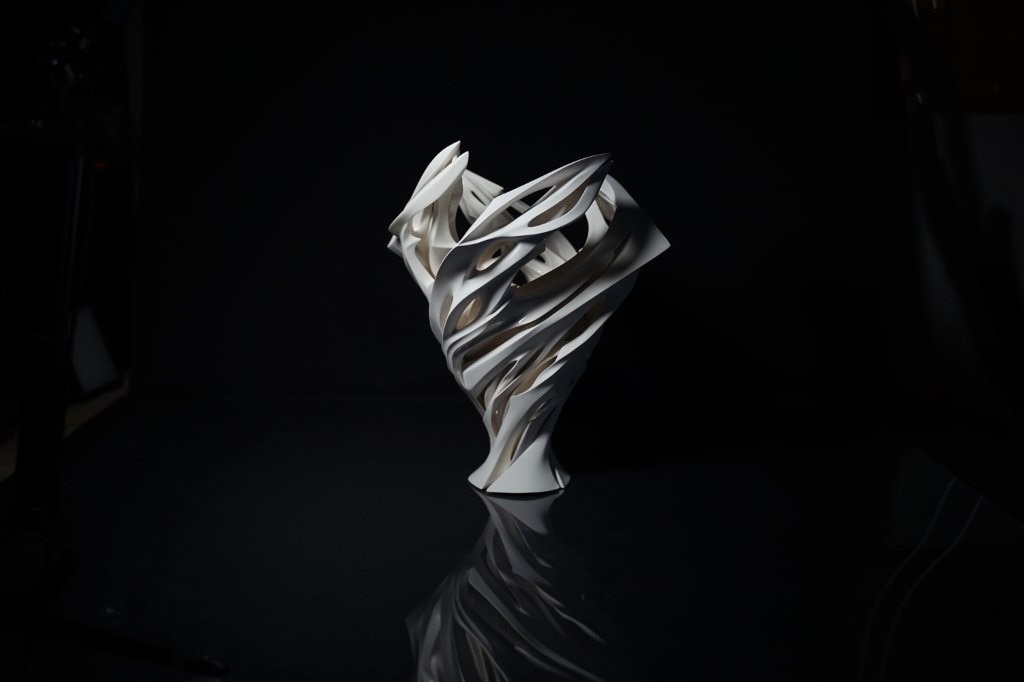
- His pieces combine ancient historical shapes and newfound modern applications
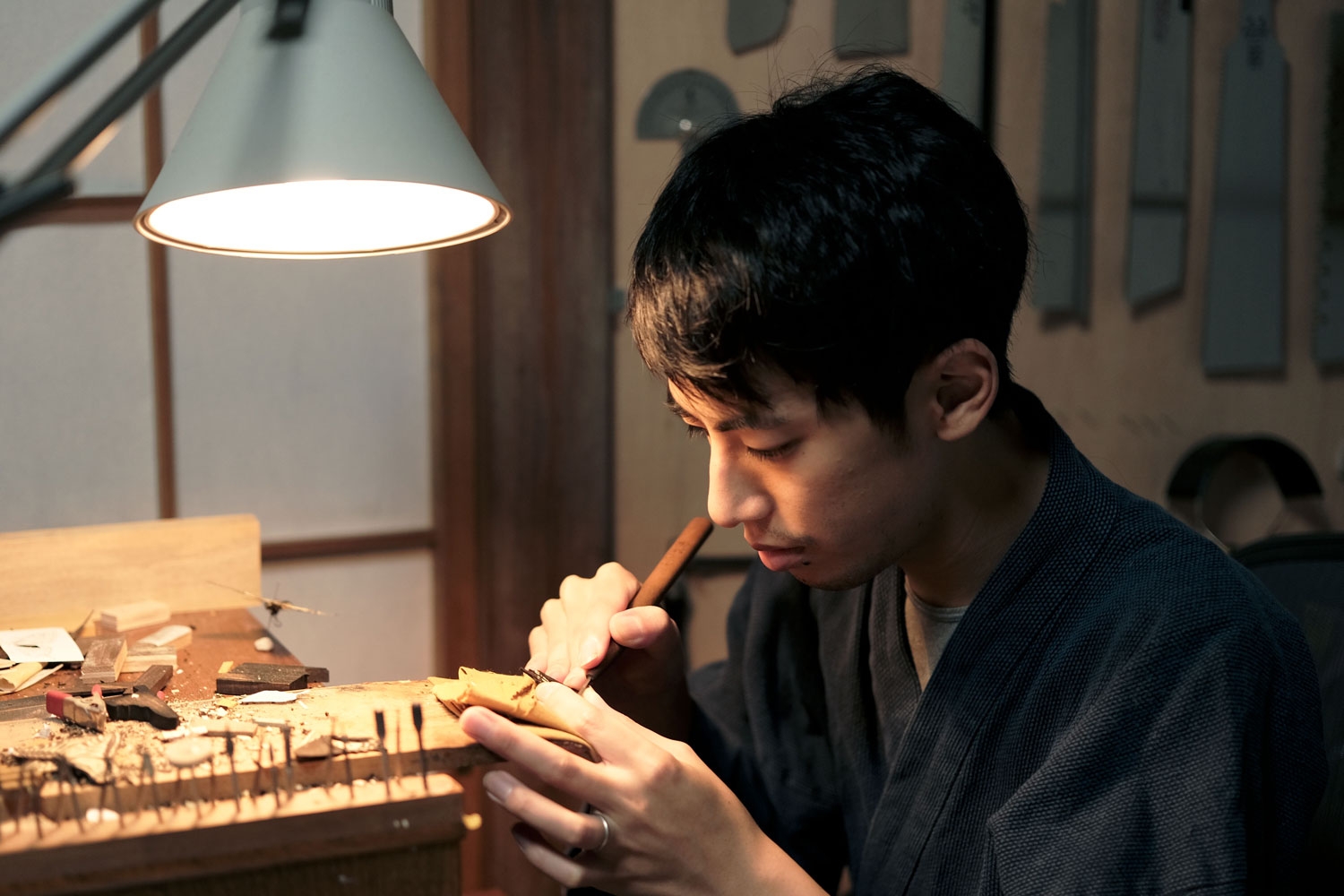
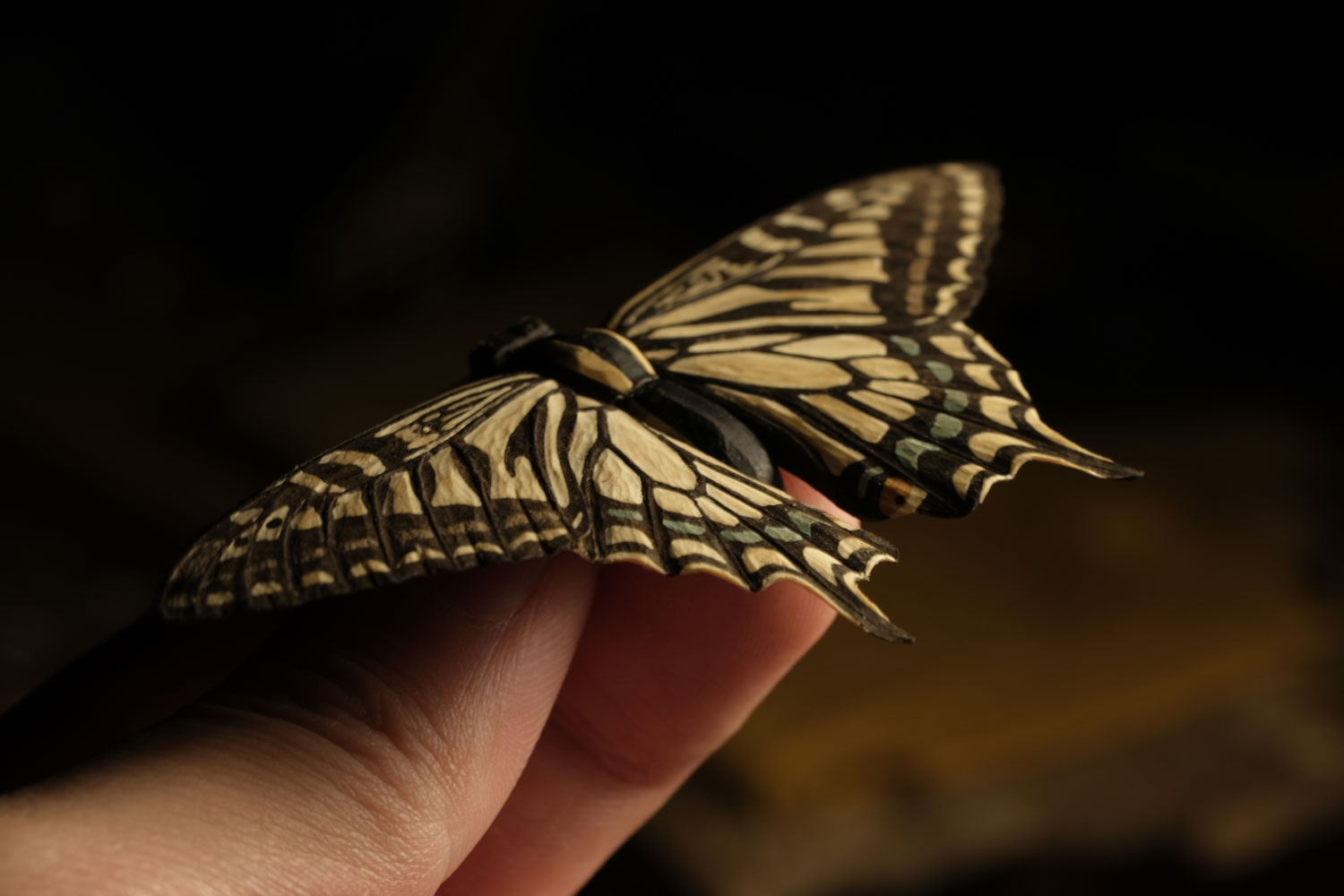
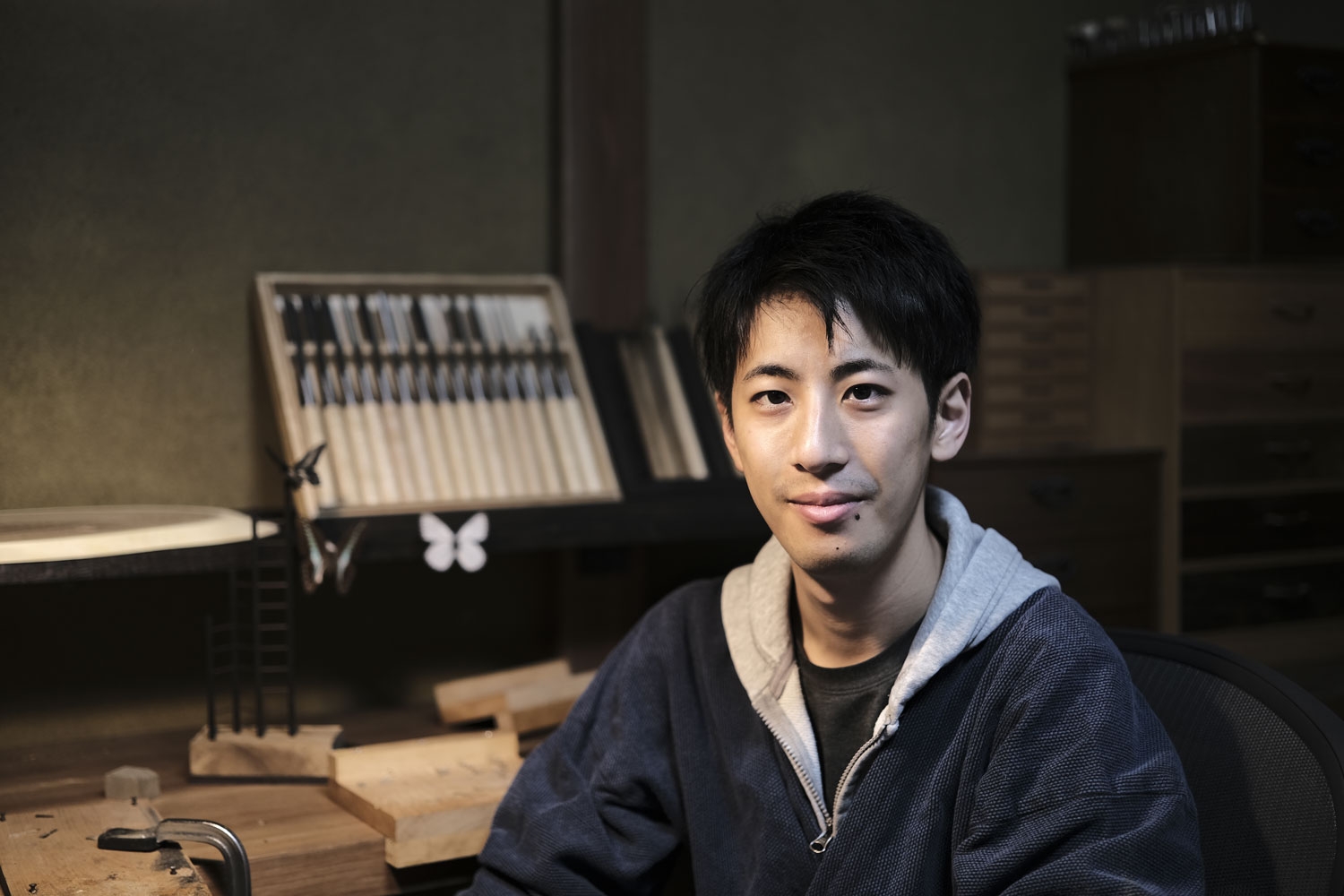
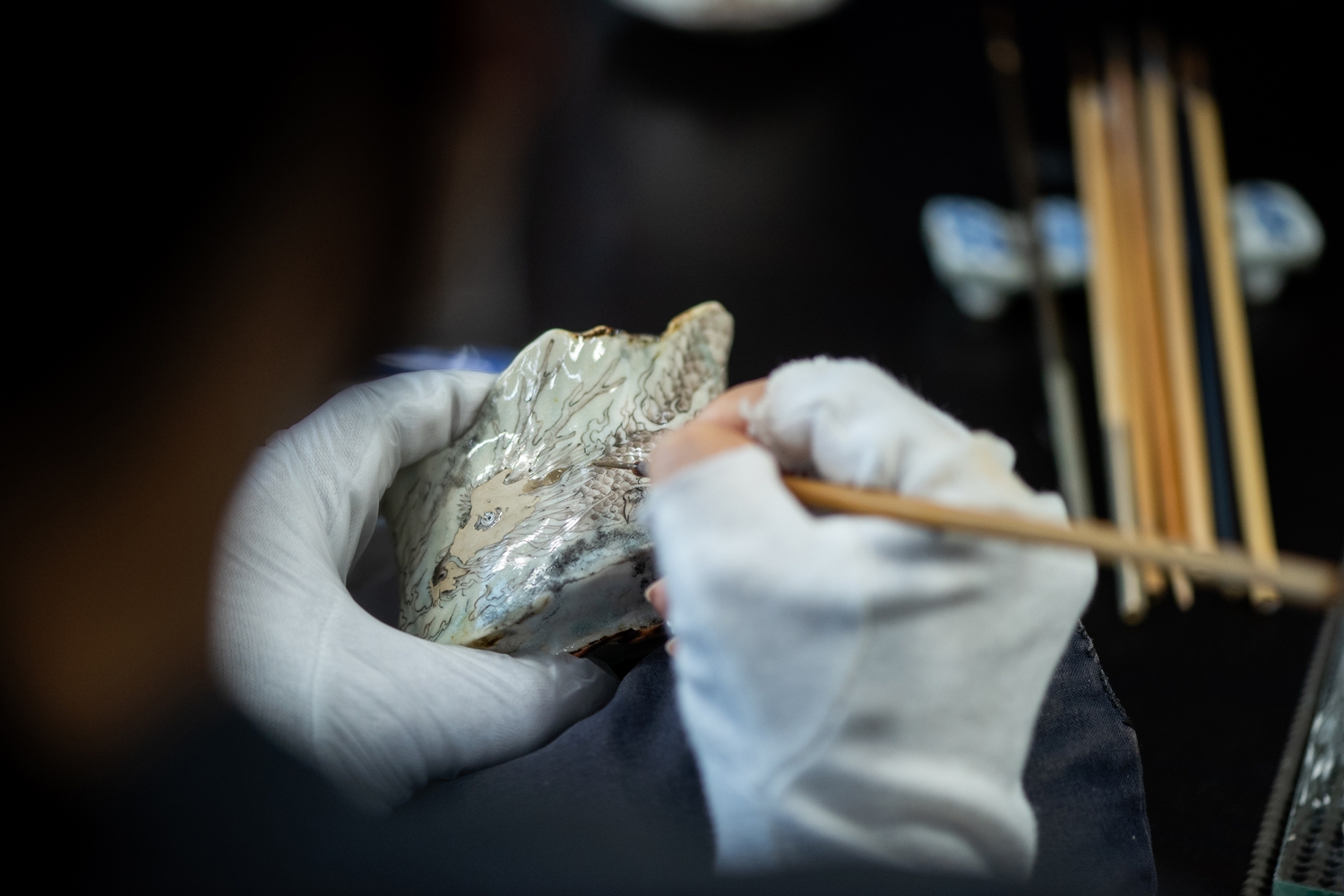
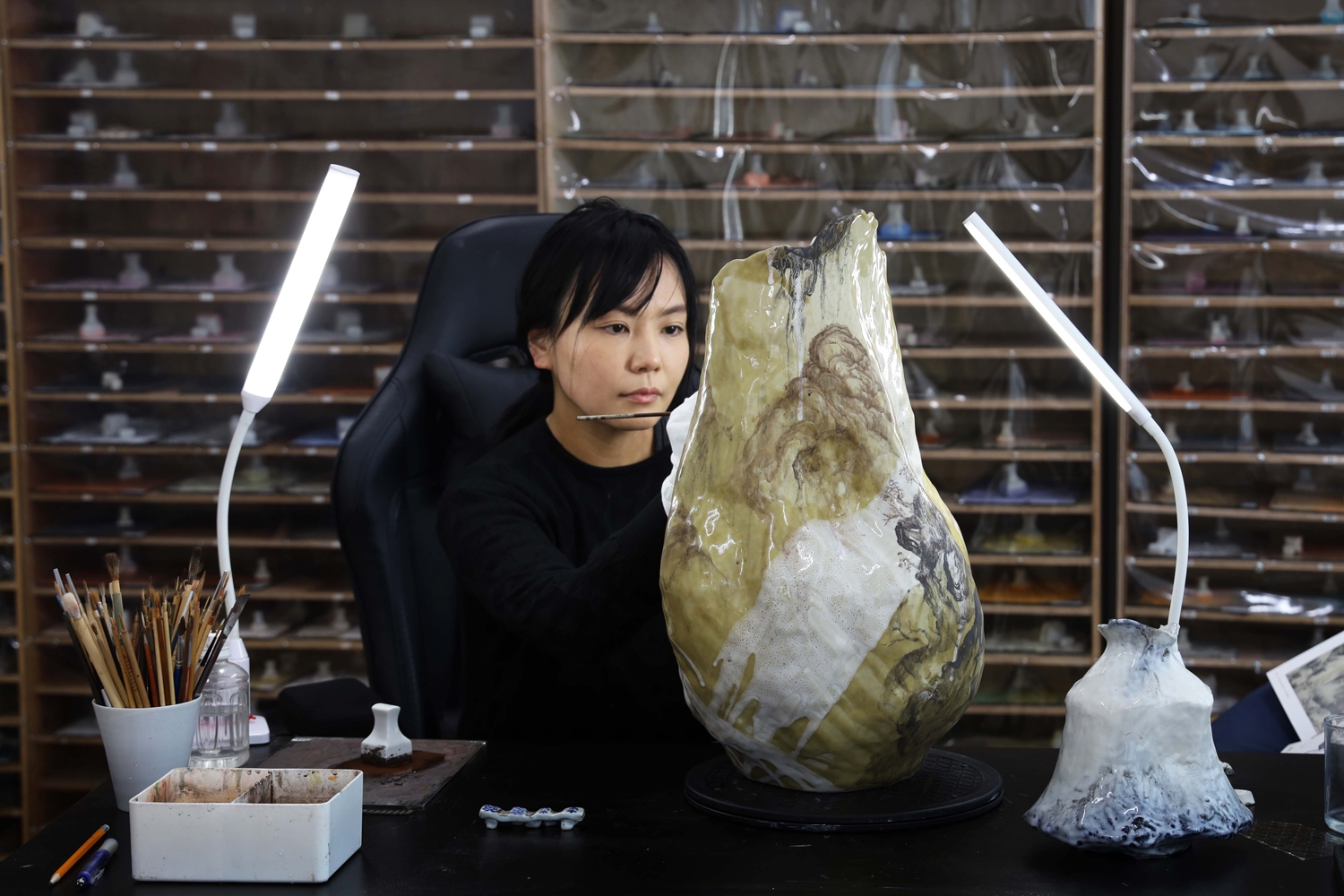
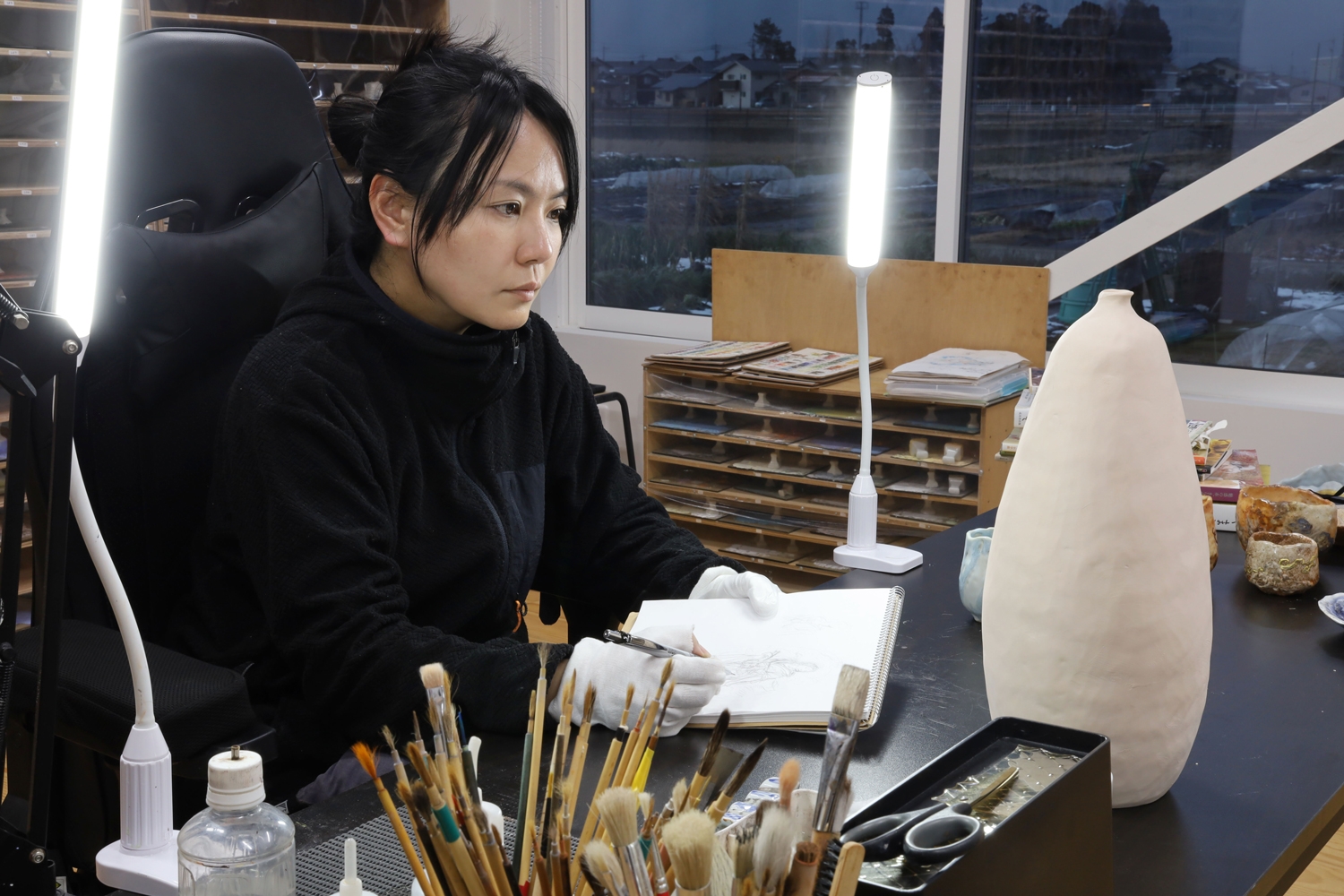
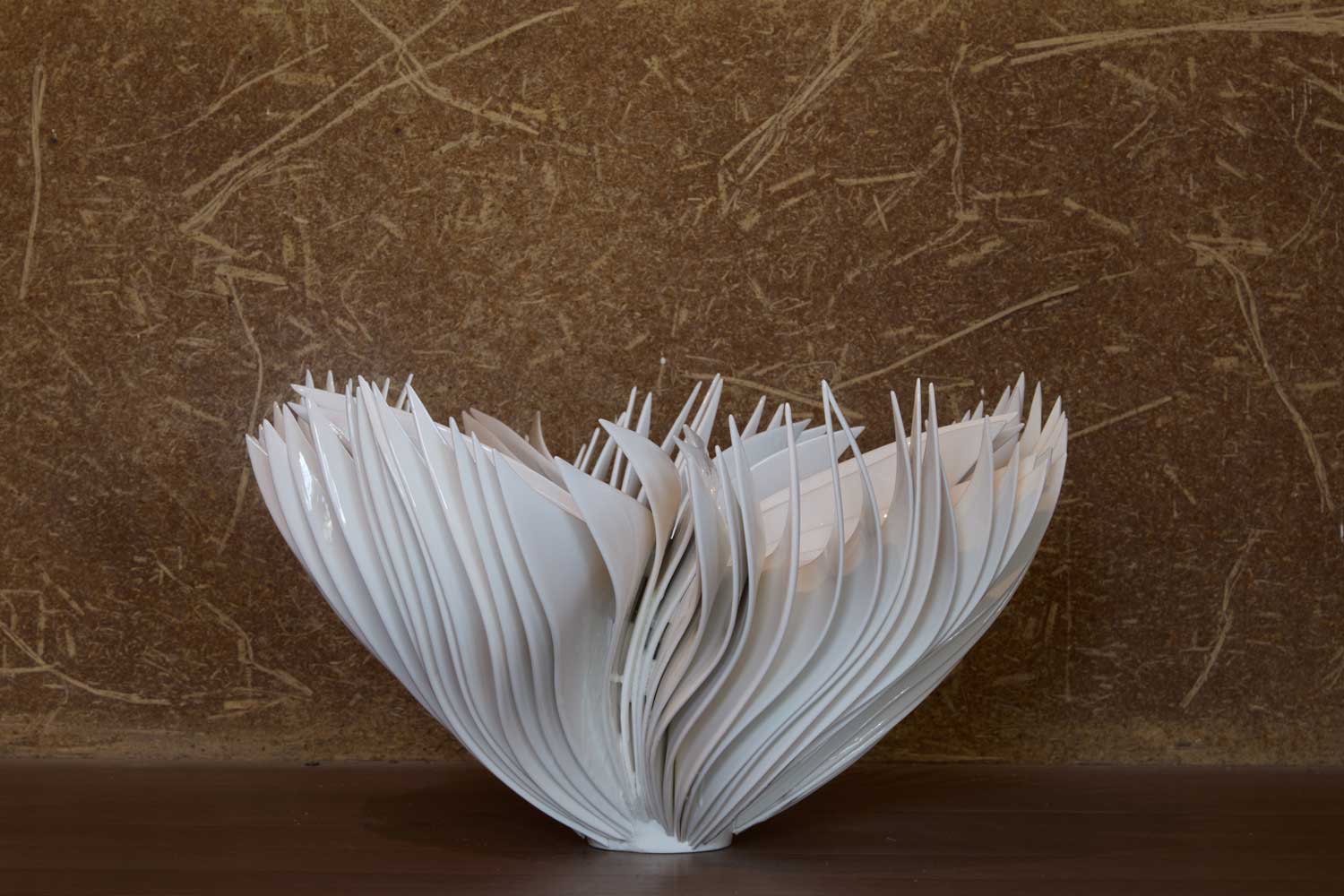
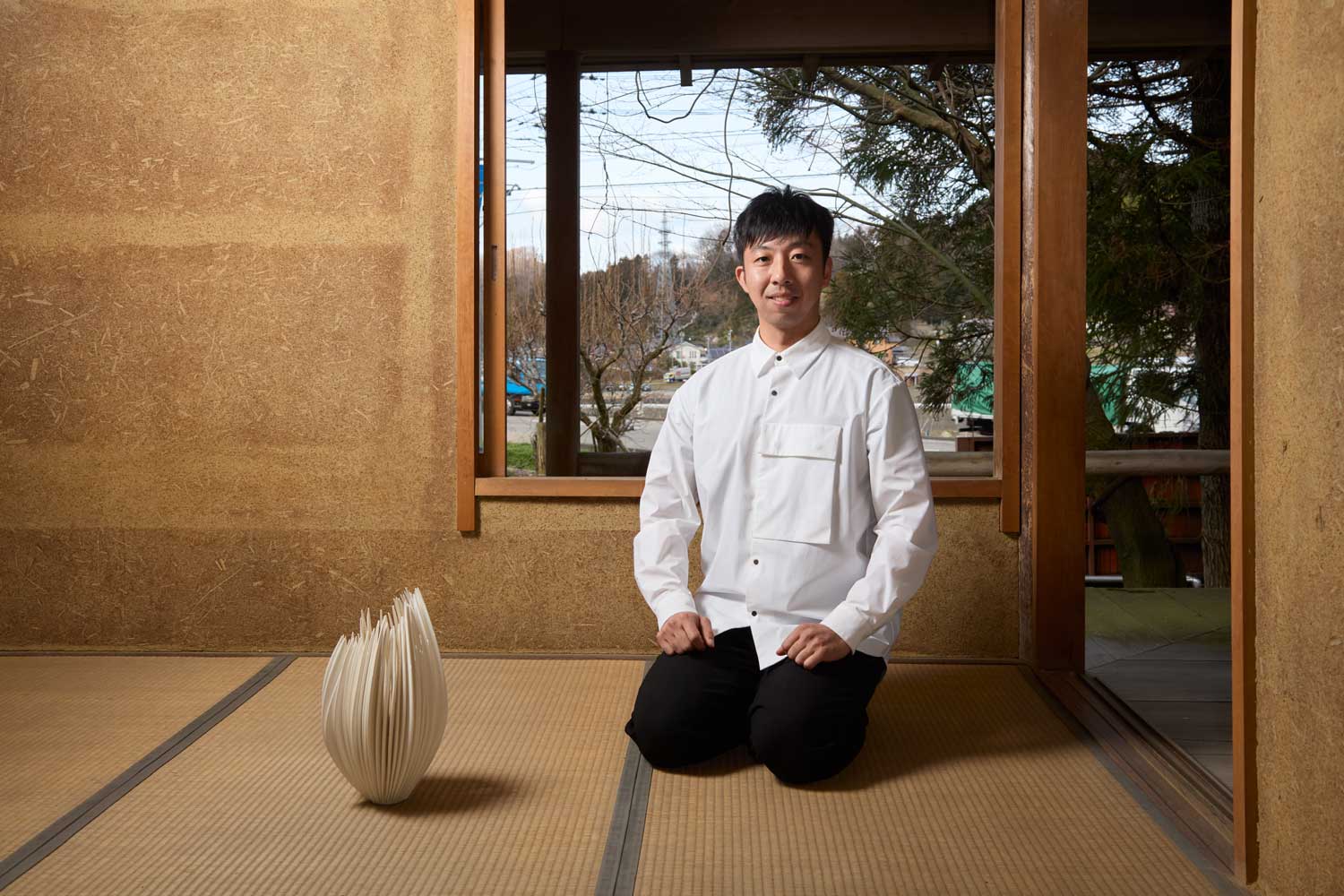
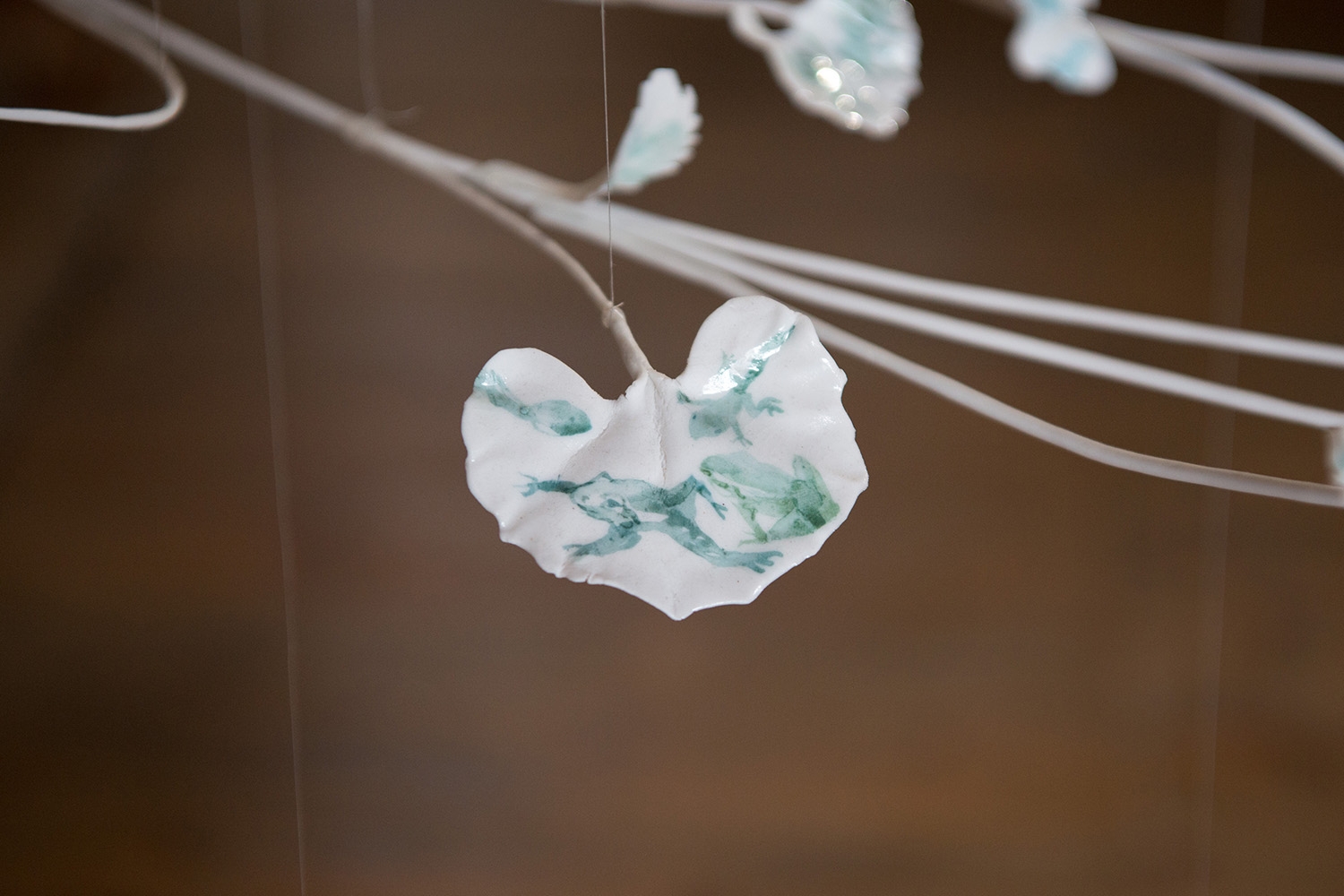
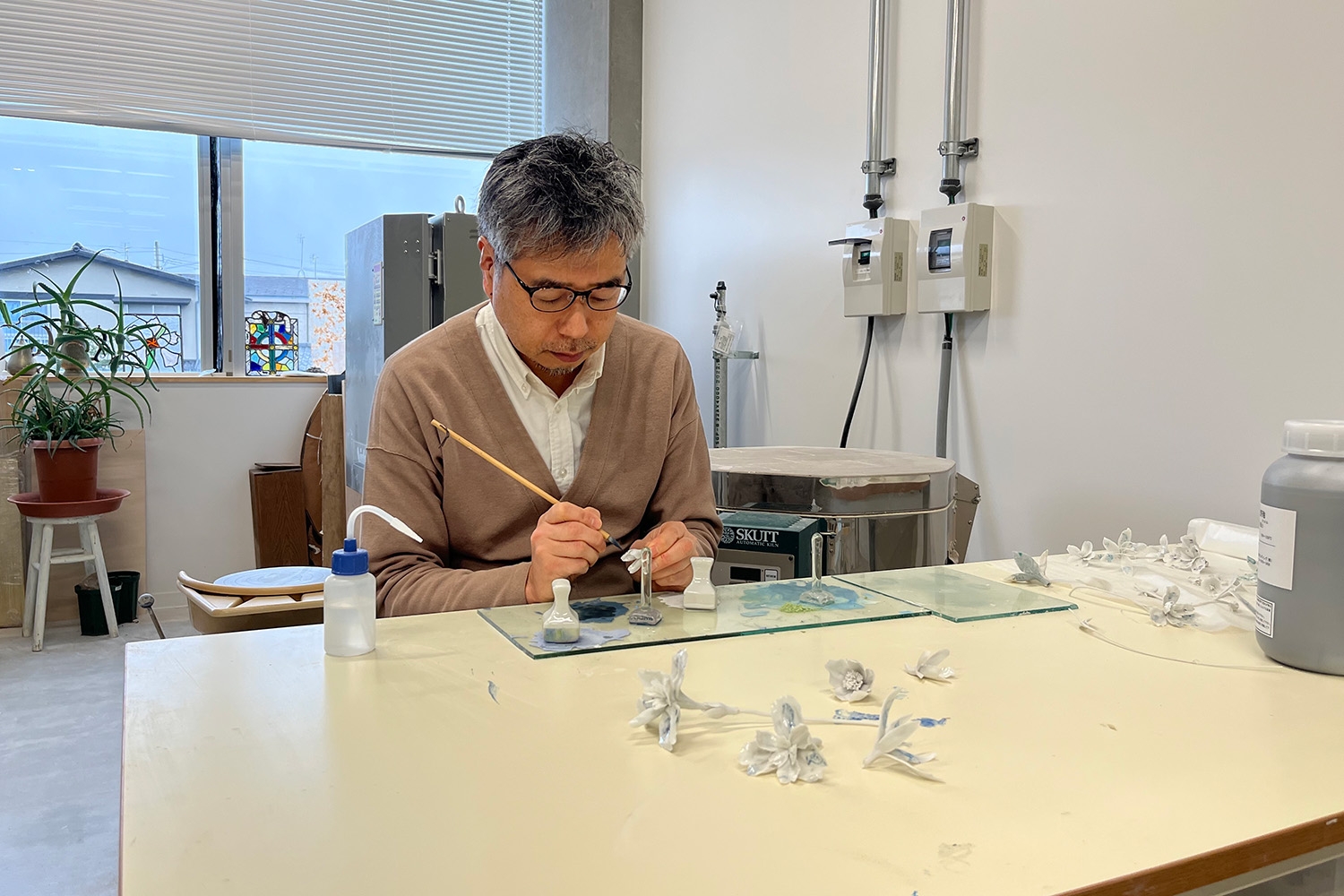
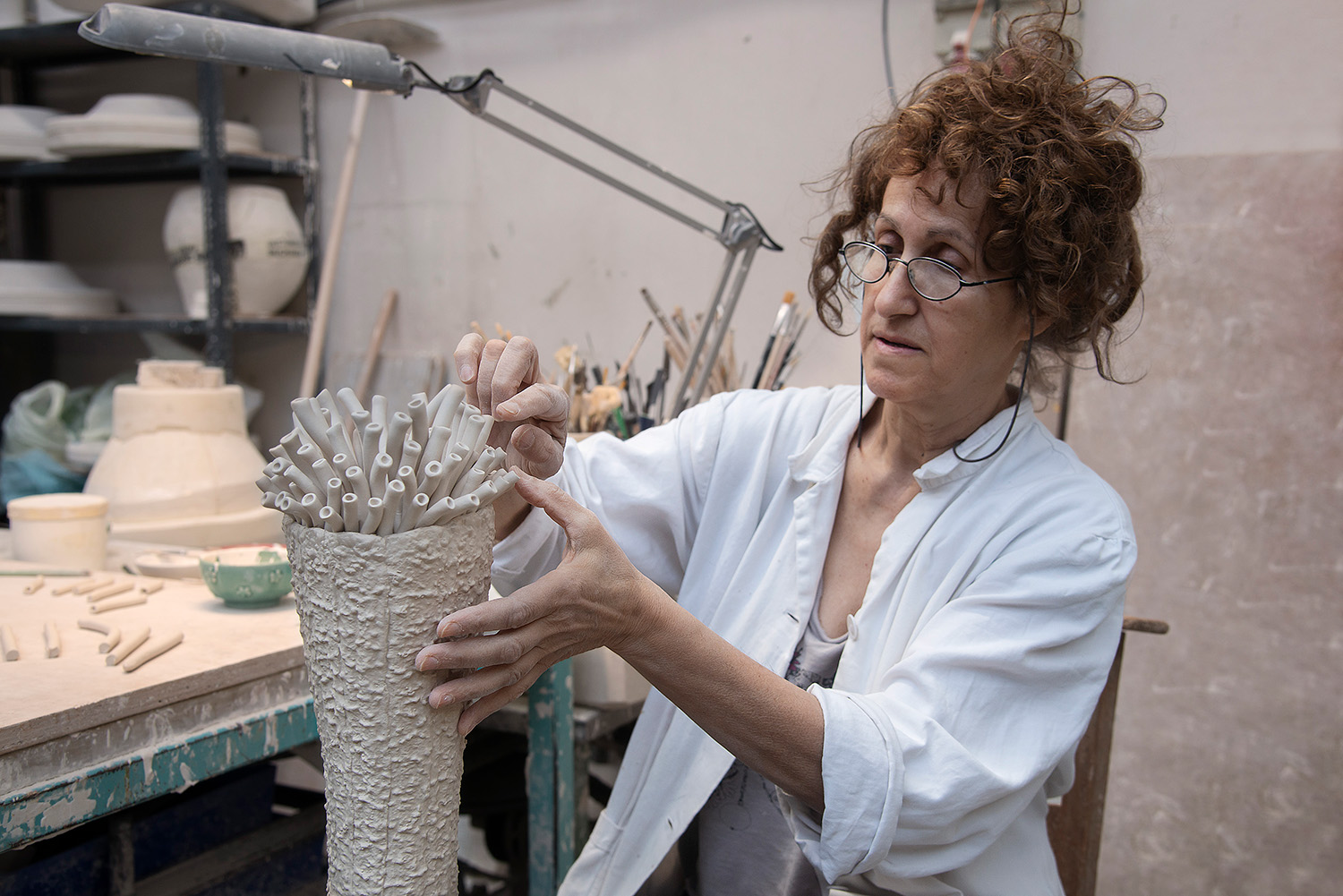
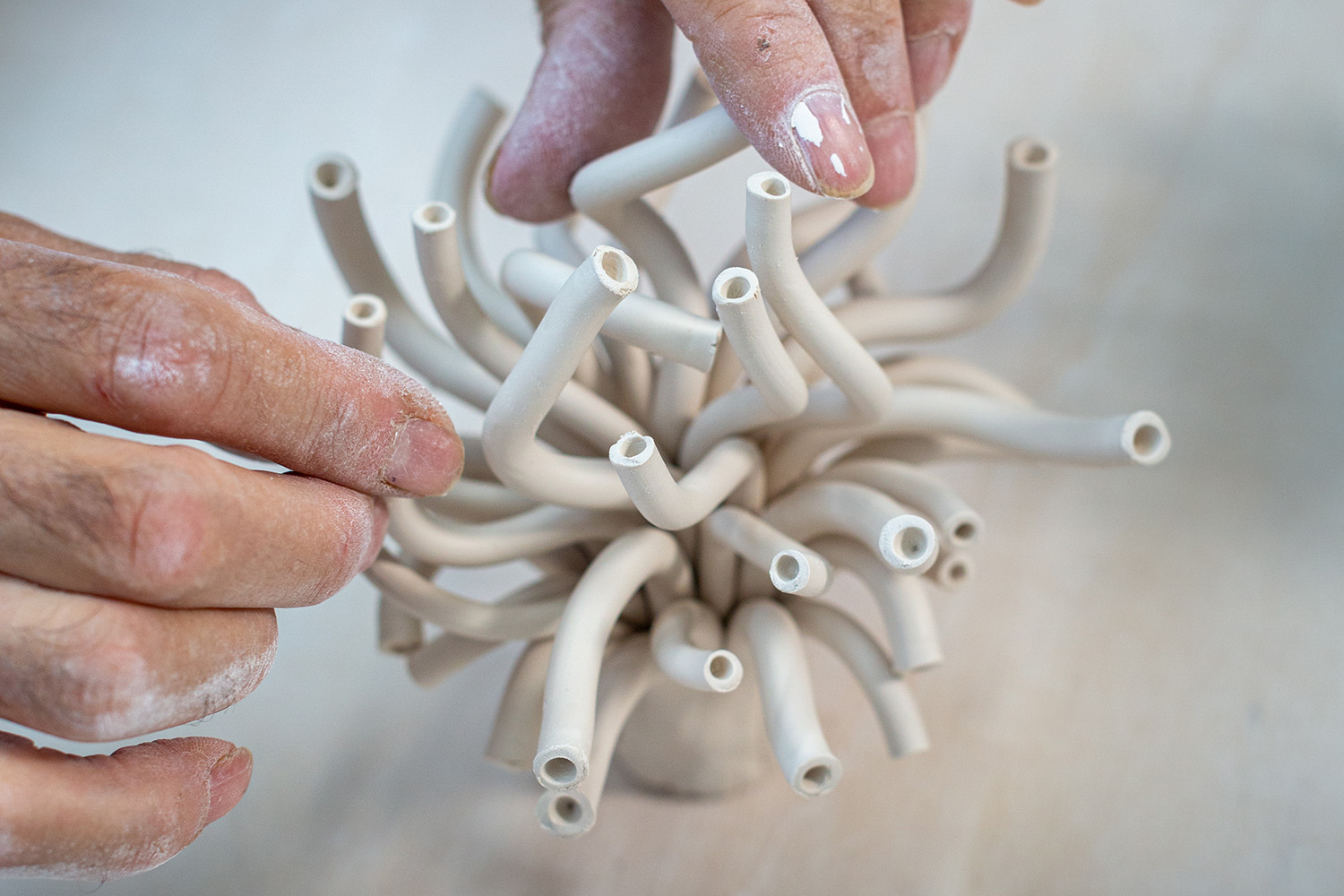
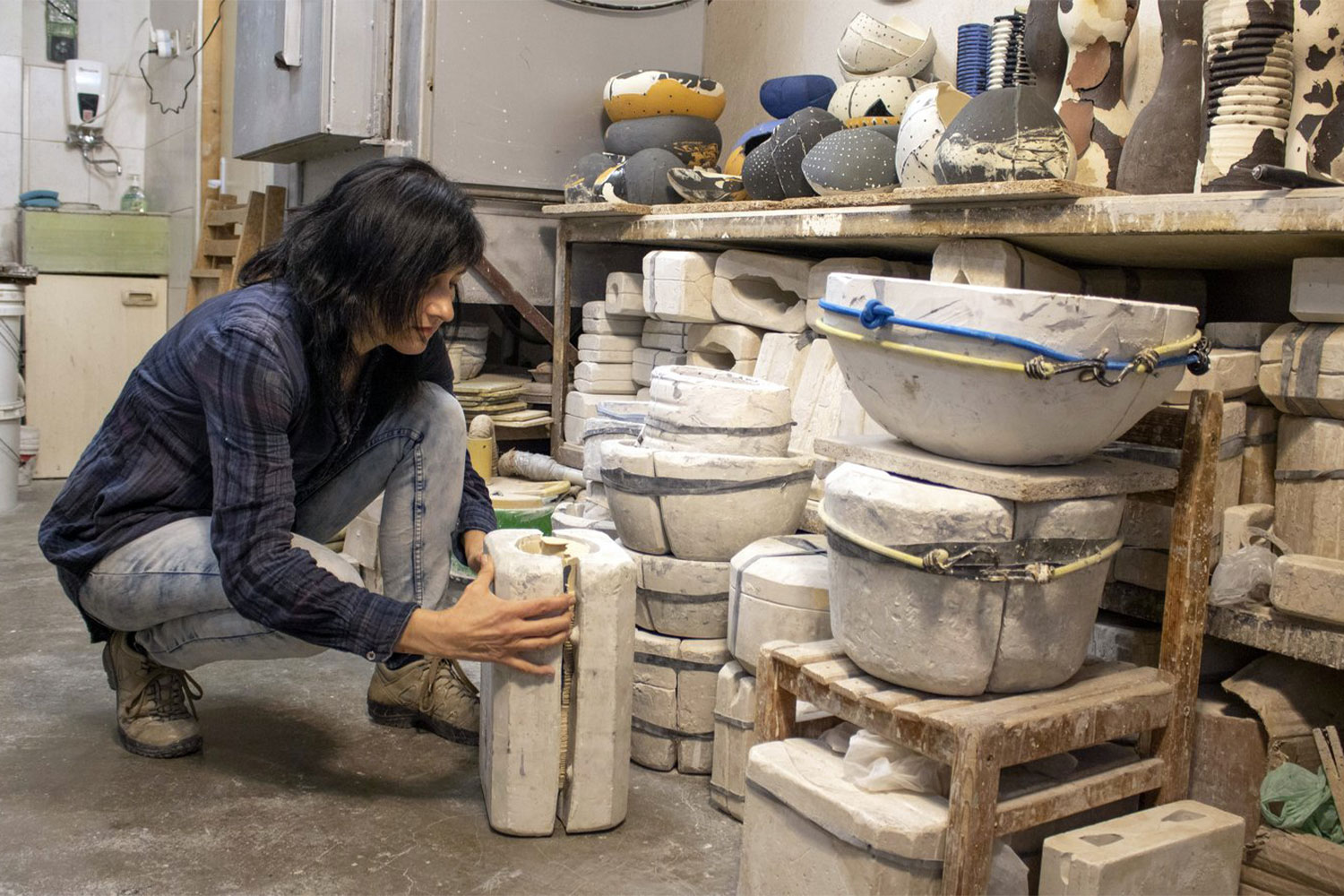
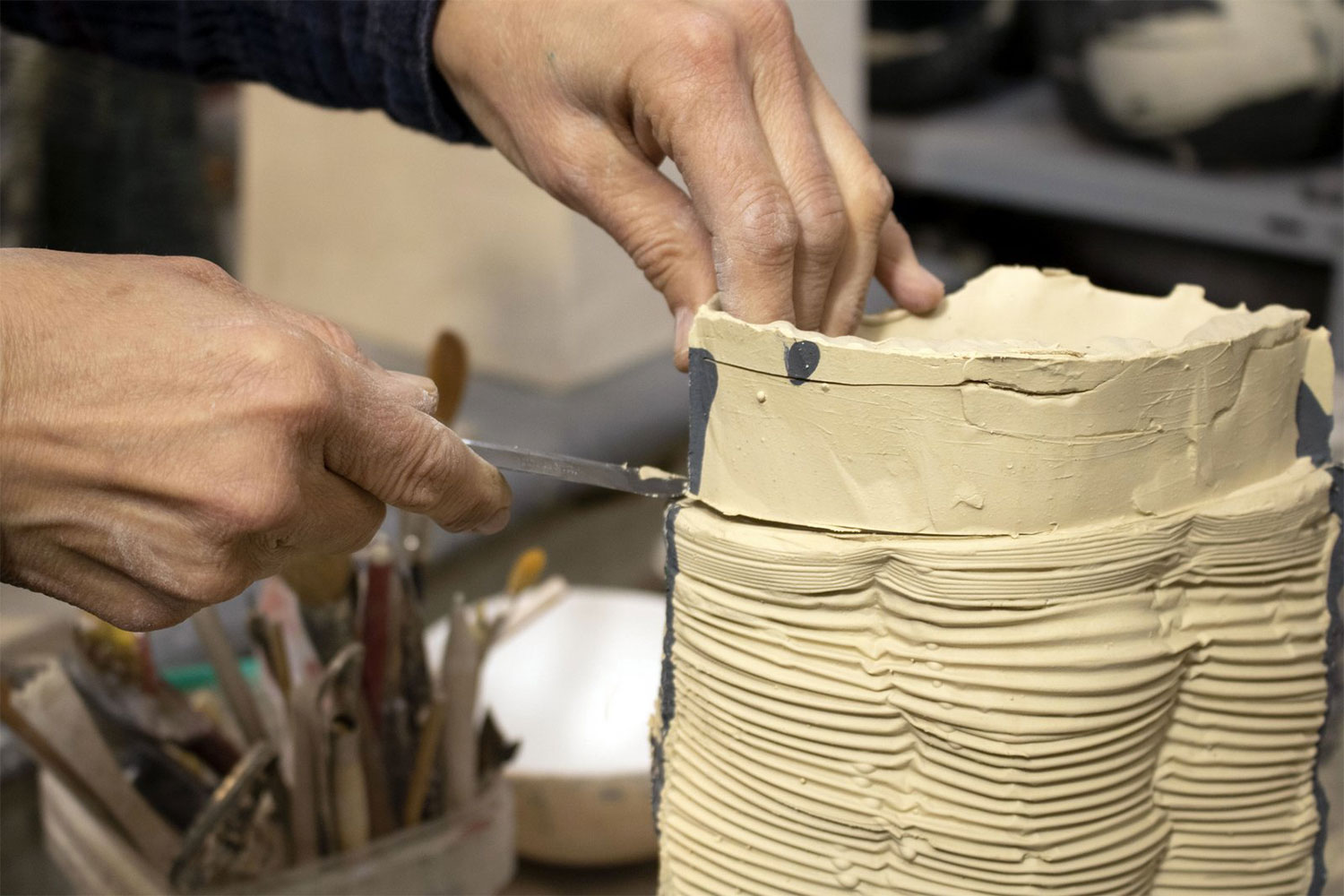
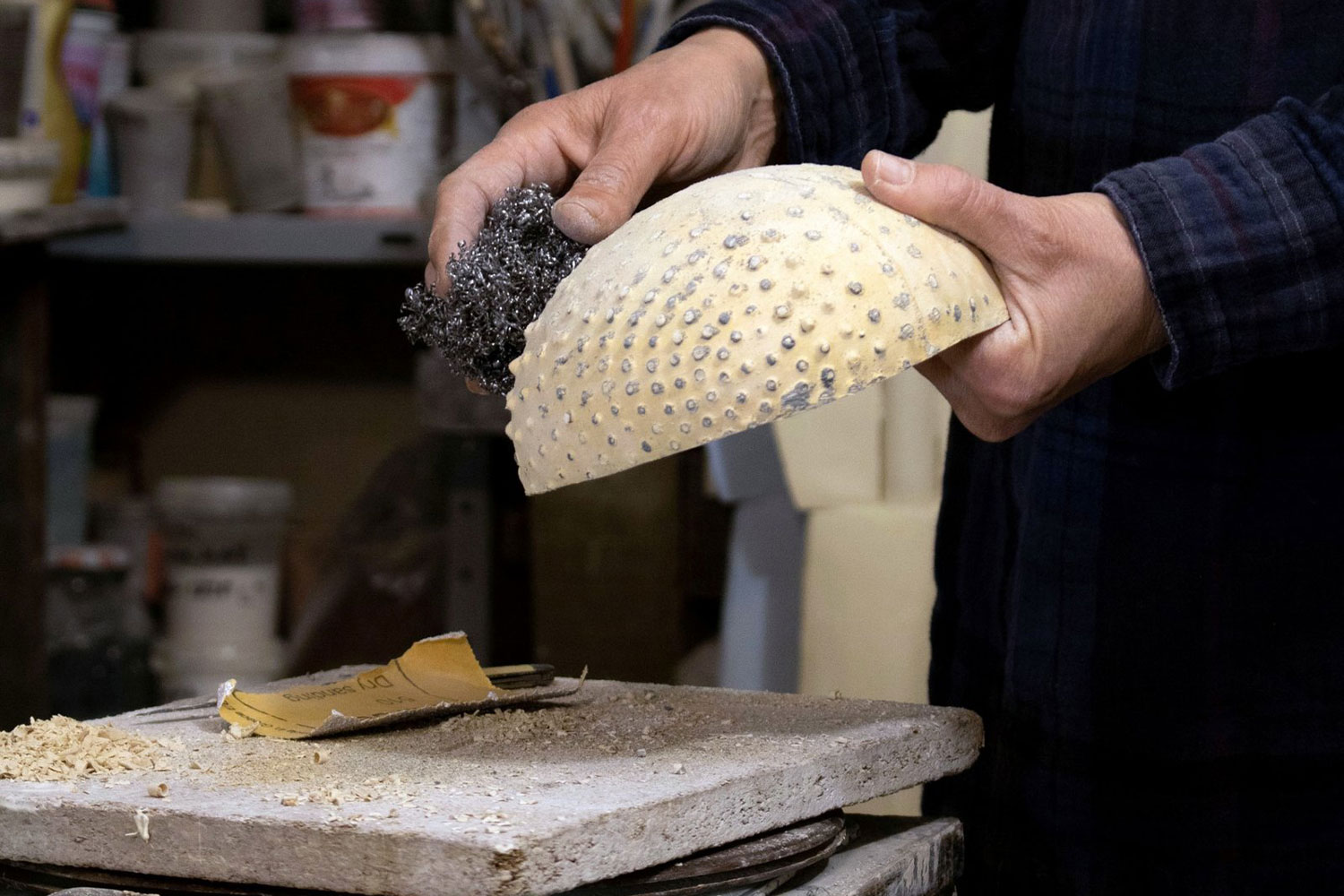
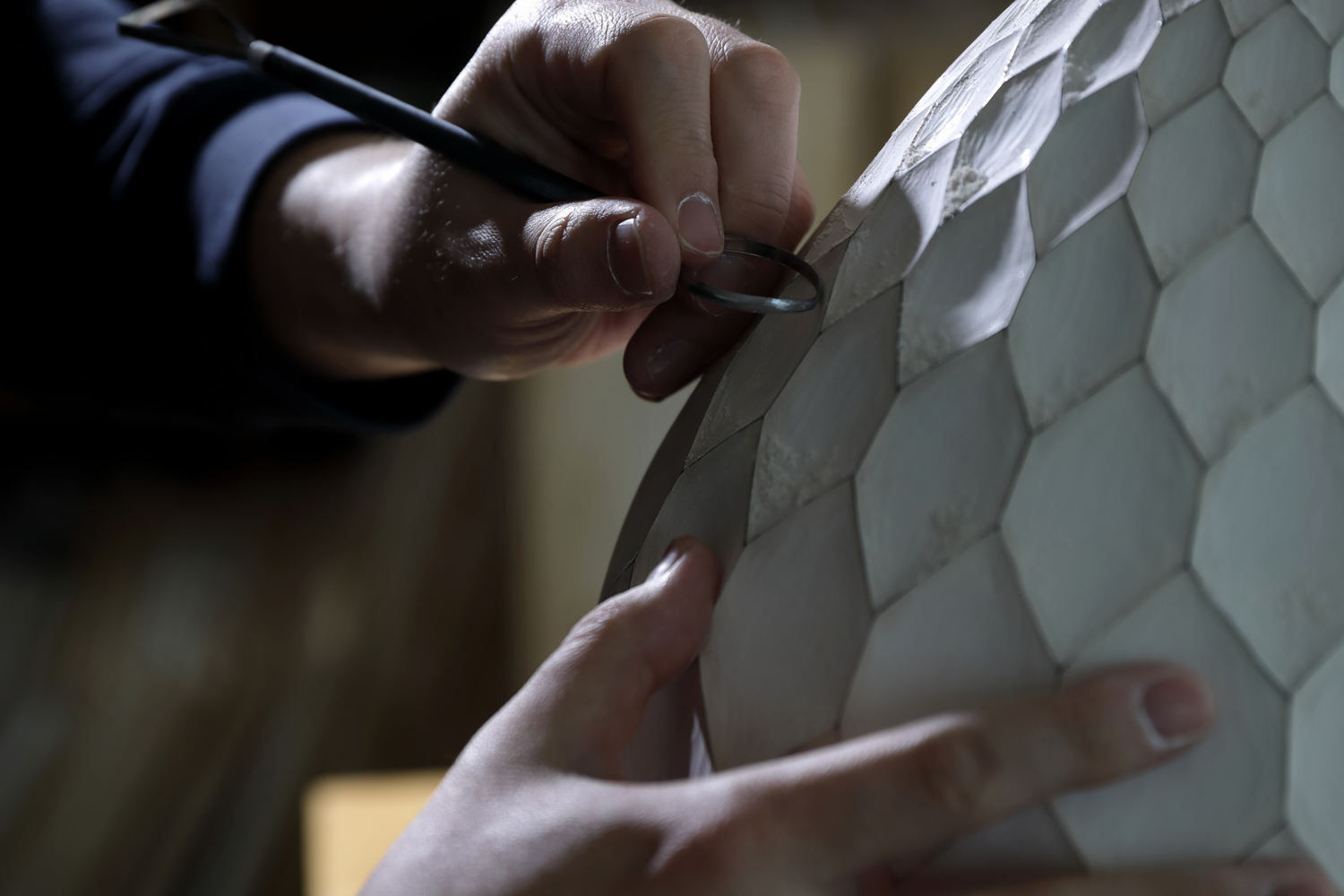
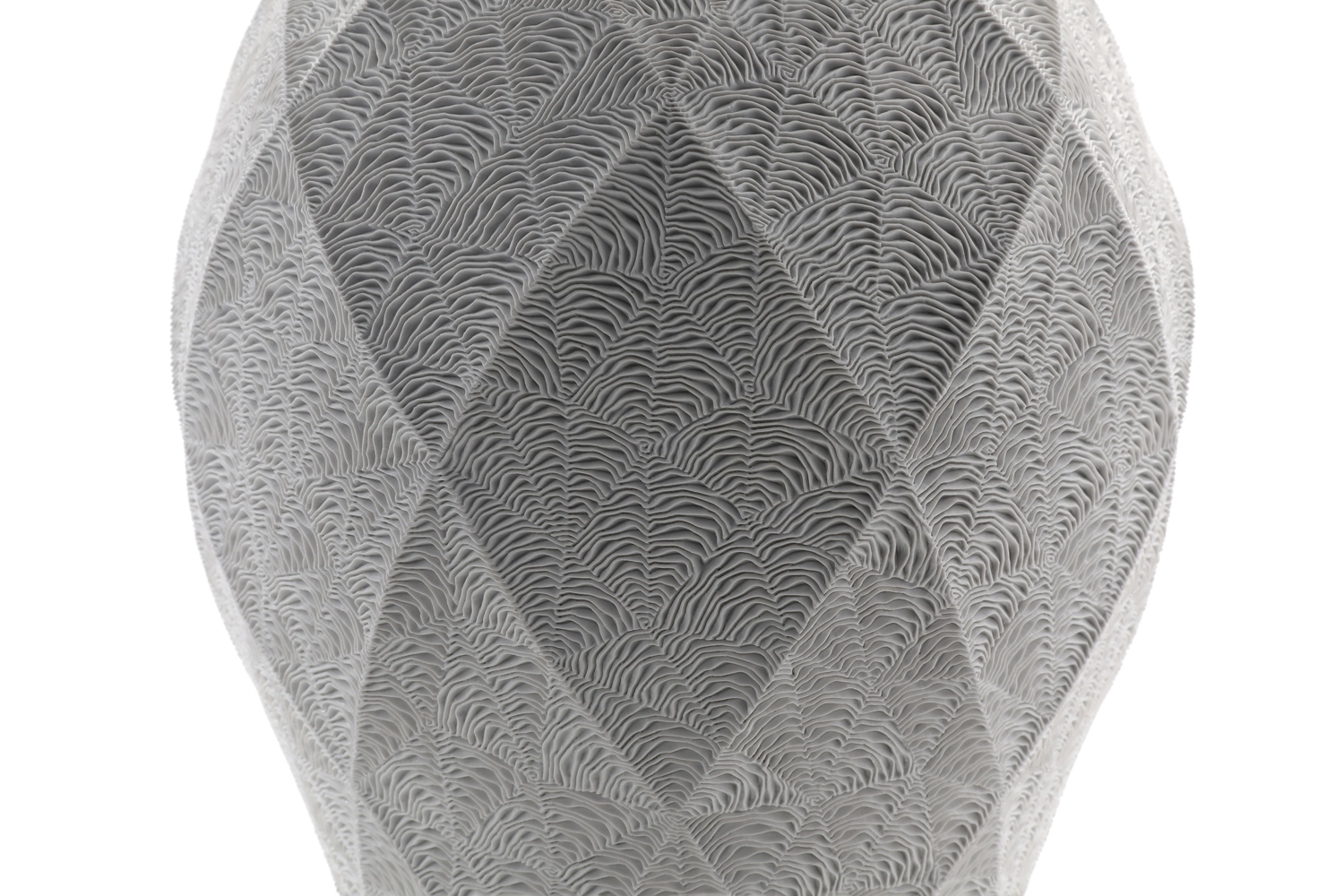
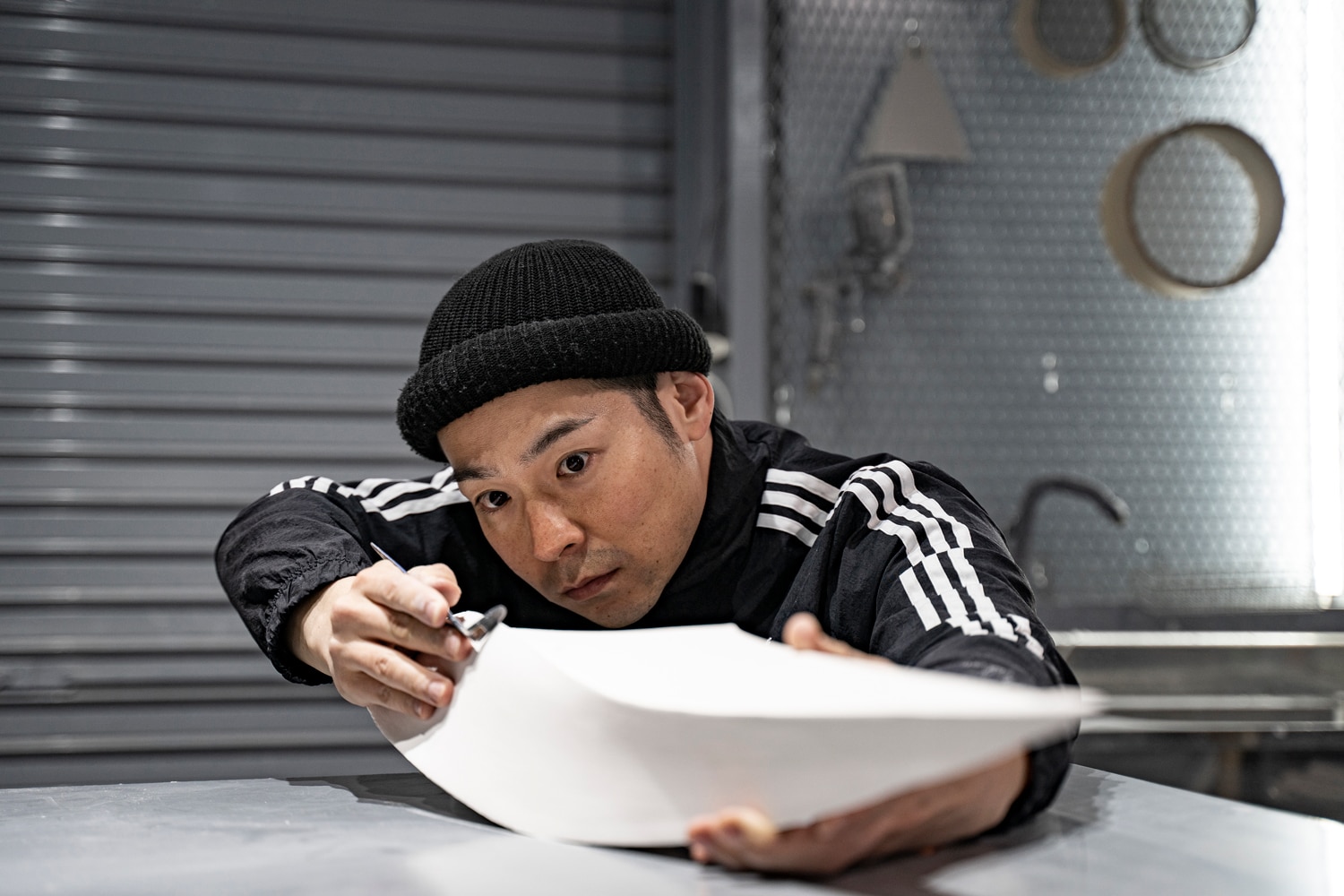
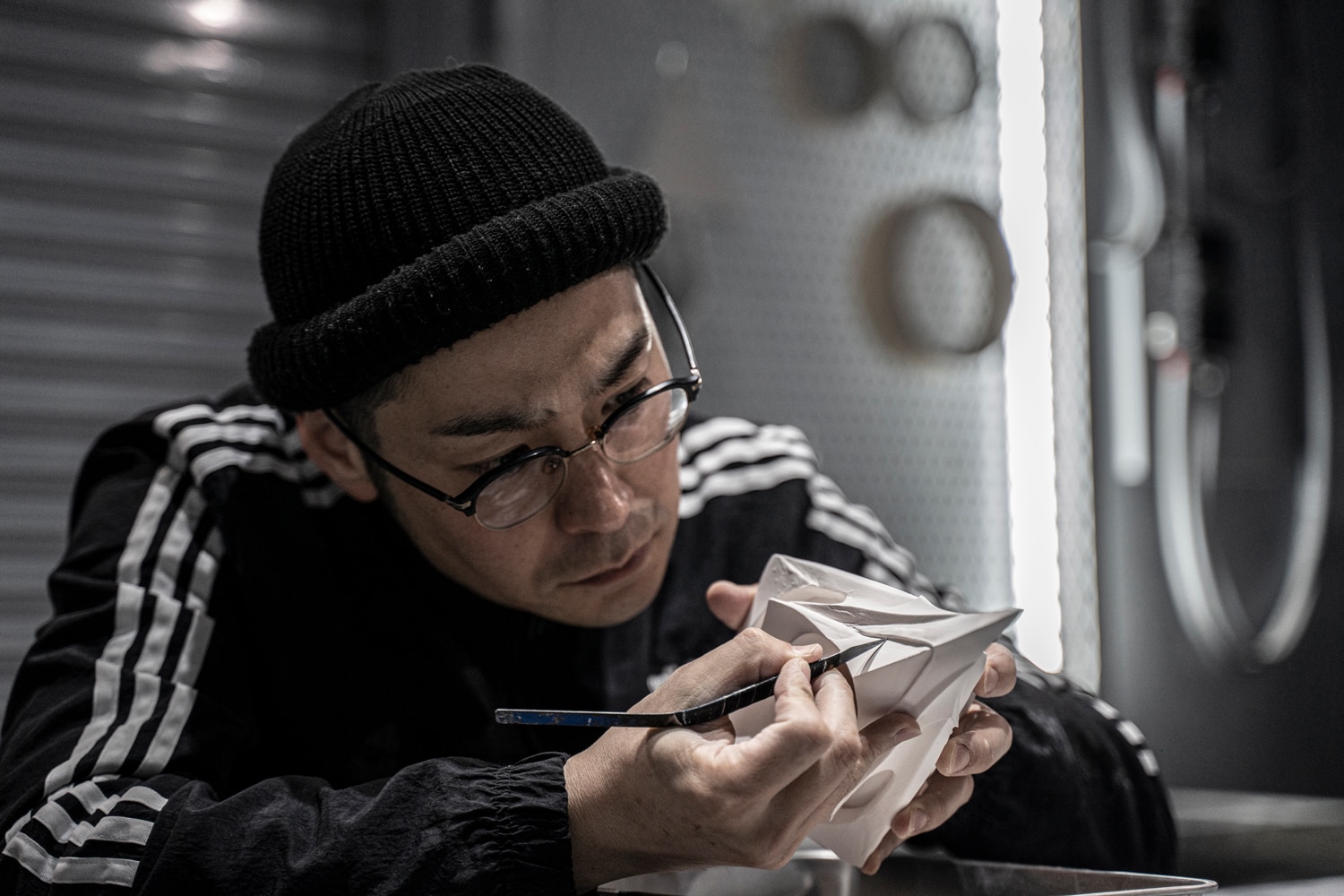
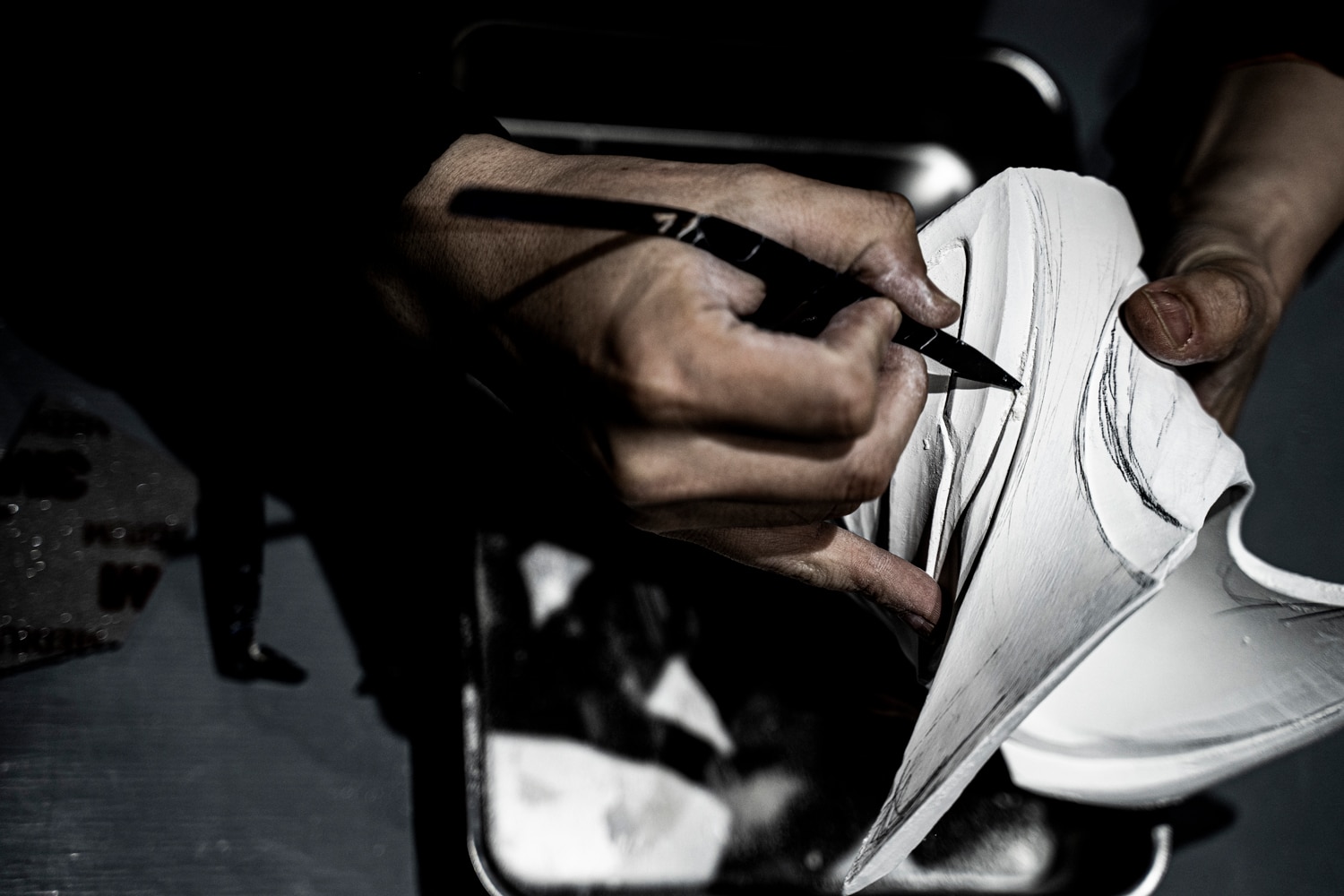
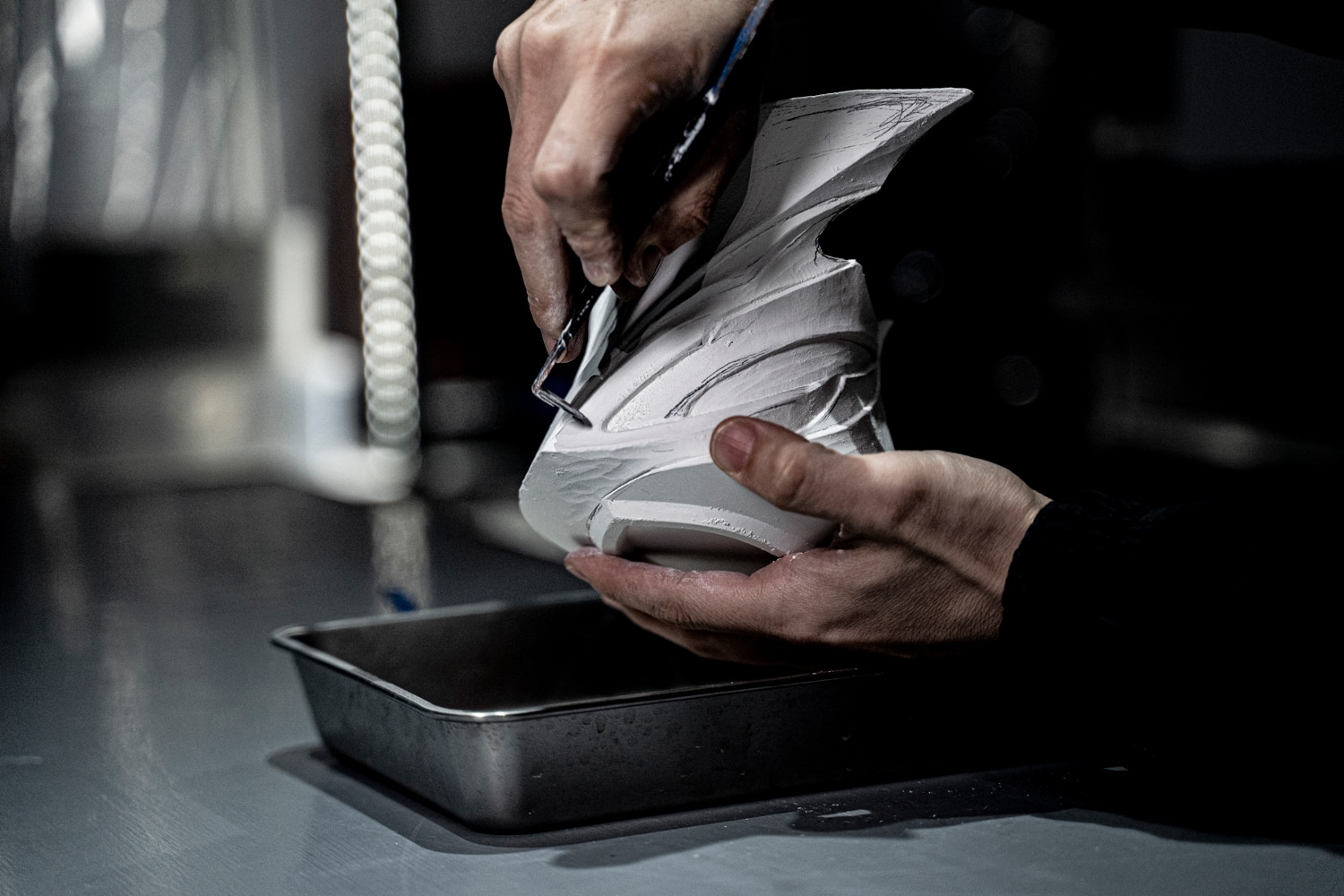
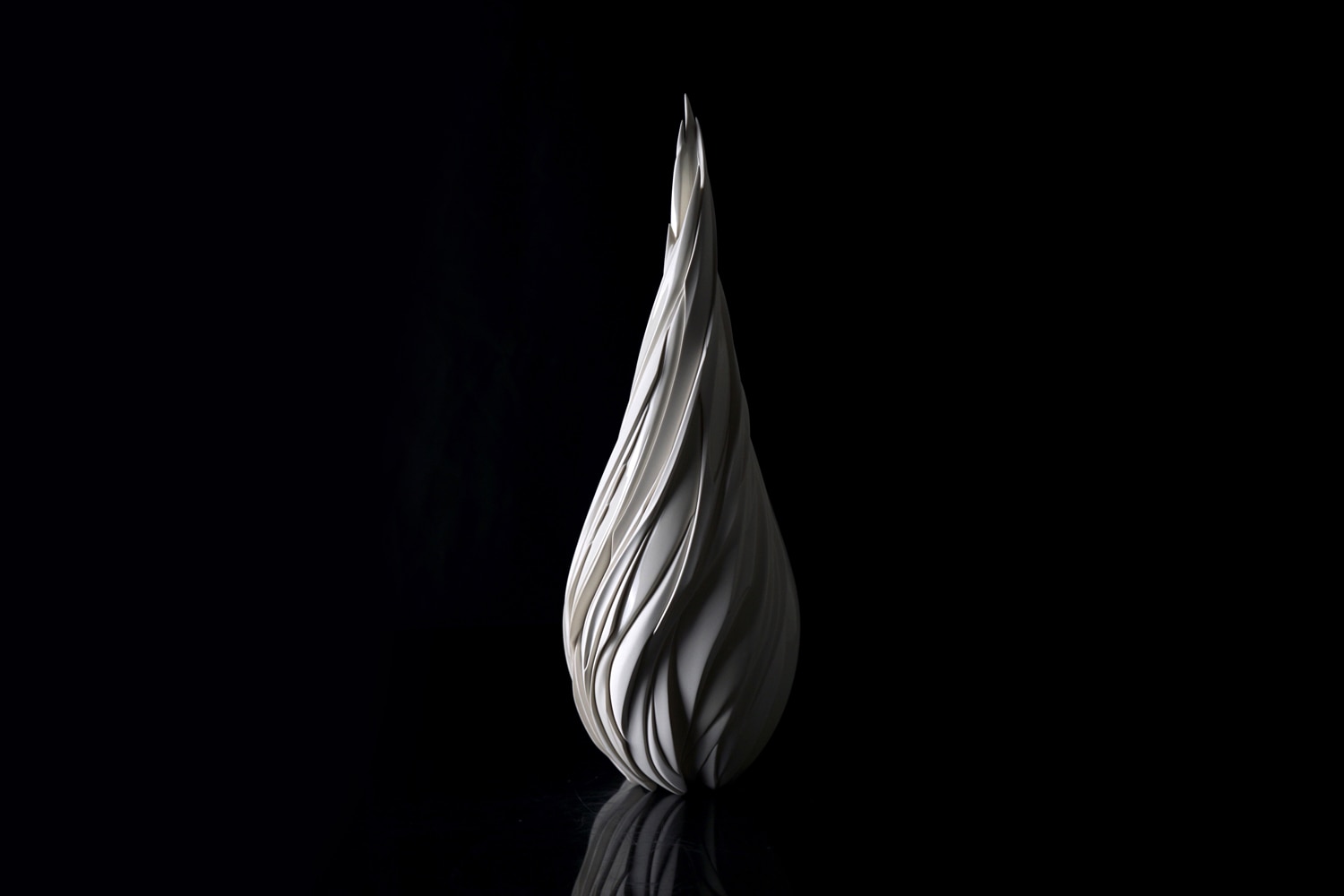
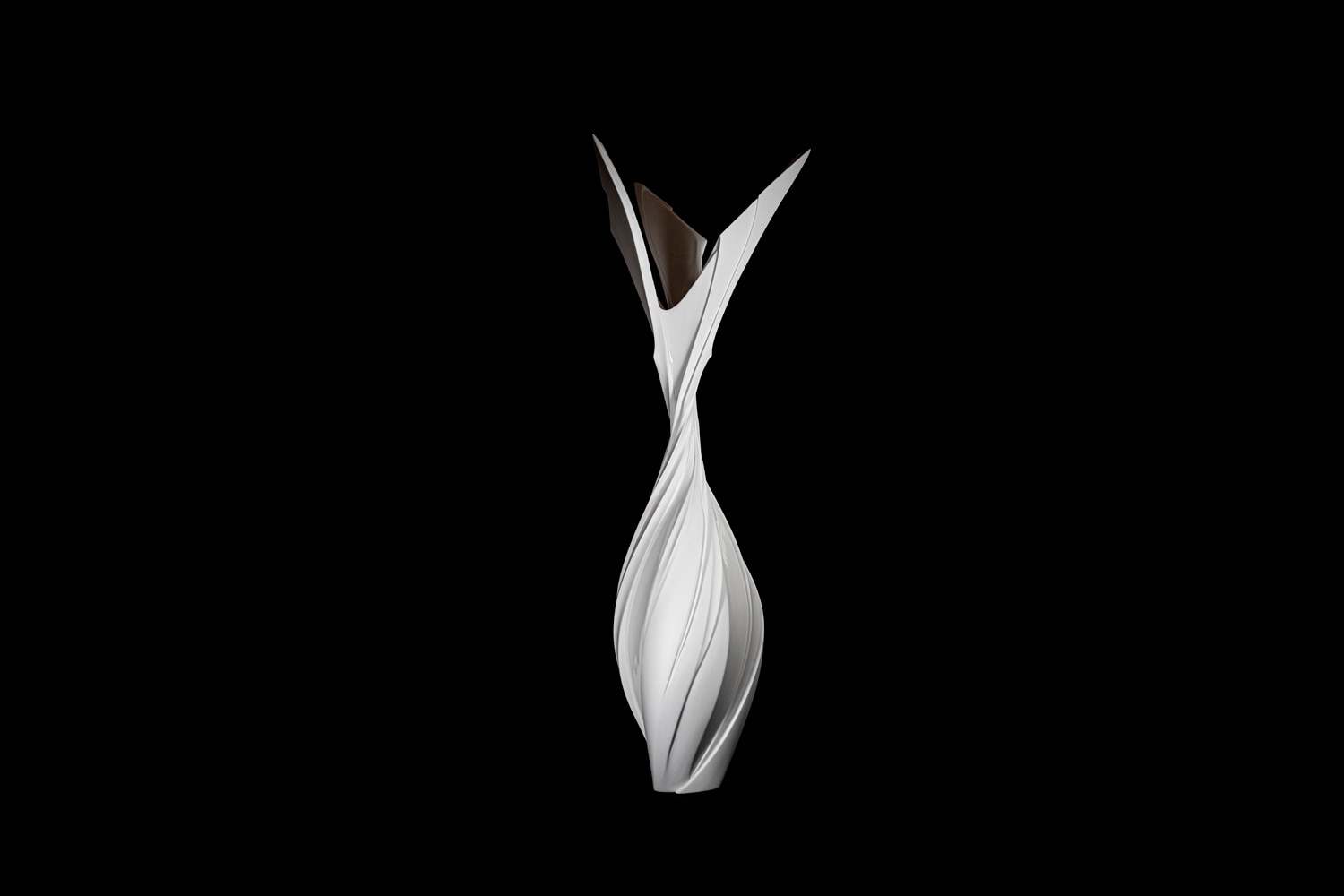
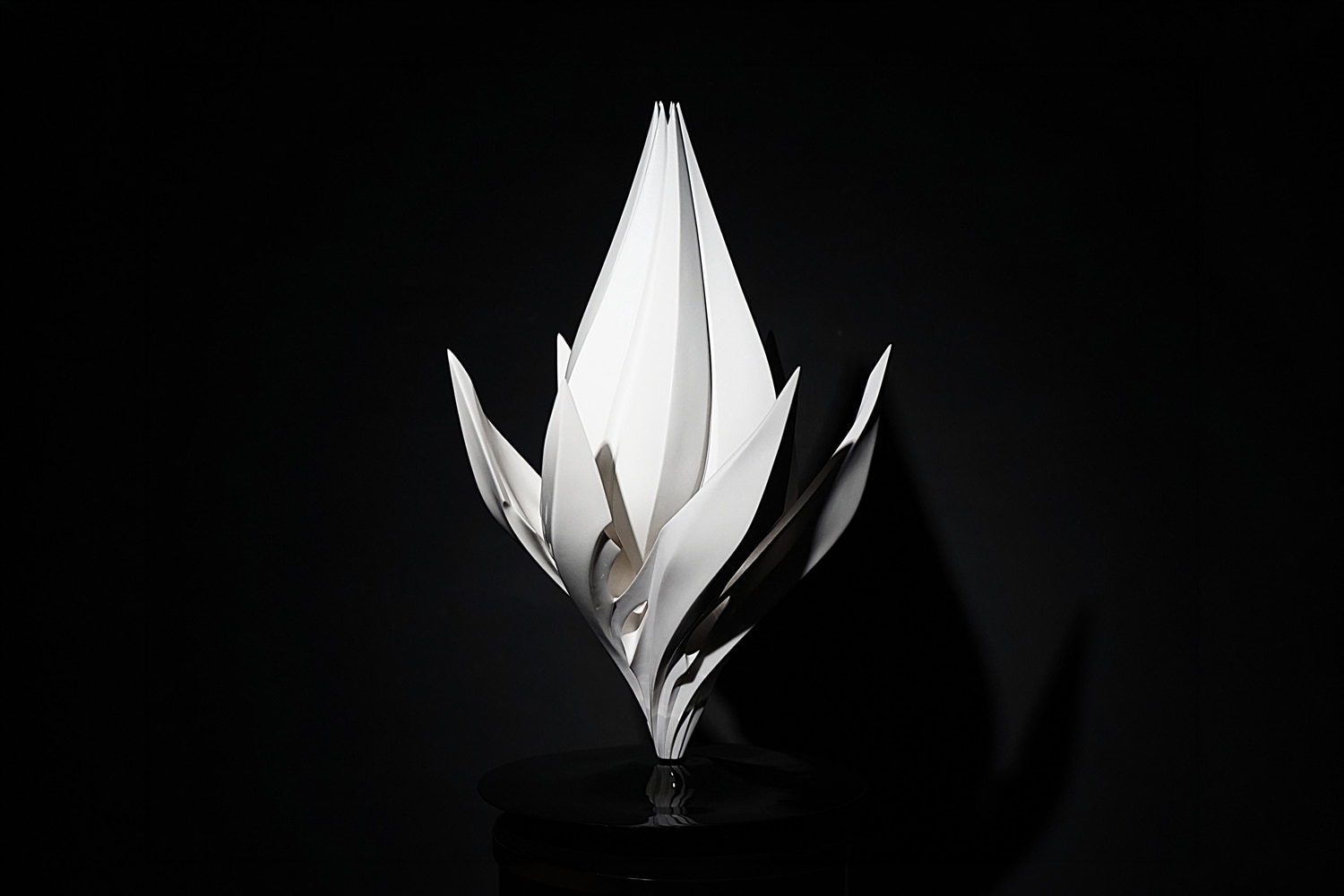
Jun Matsumura initially trained in marine biology in the USA before turning to ceramics in Japan at the age of 26. Now based in Saitama, at the time he enrolled at the Tajimi City Pottery Design and Technical Centre before continuing at the Utatsuyama Kogei Workshop in Kanazawa. "My delayed entry into the craft shaped my deliberate and accelerated approach to learning," he explains. This is what led him to choose porcelain for its technical demands. “My practice is grounded in process, beginning with sketches and digital modelling, and continuing through slip casting, carving and firing,” Jun says. Drawing from everyday visual culture, archaeology and ceramic tradition, Jun situates his practice within an ongoing reflection on how porcelain can evolve.
Jun Matsumura is a master artisan: he began his career in 2013 and he started teaching in 2017.
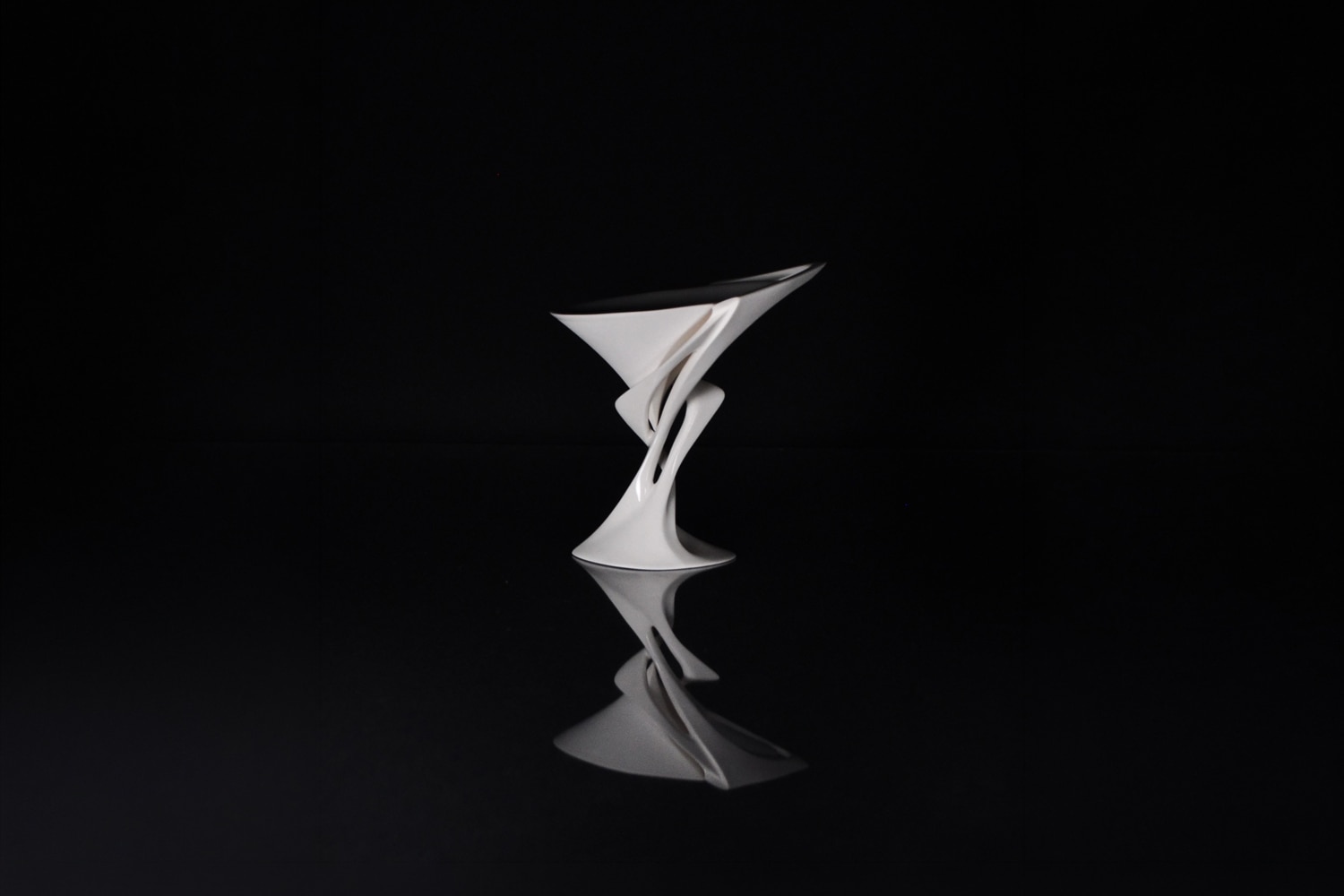
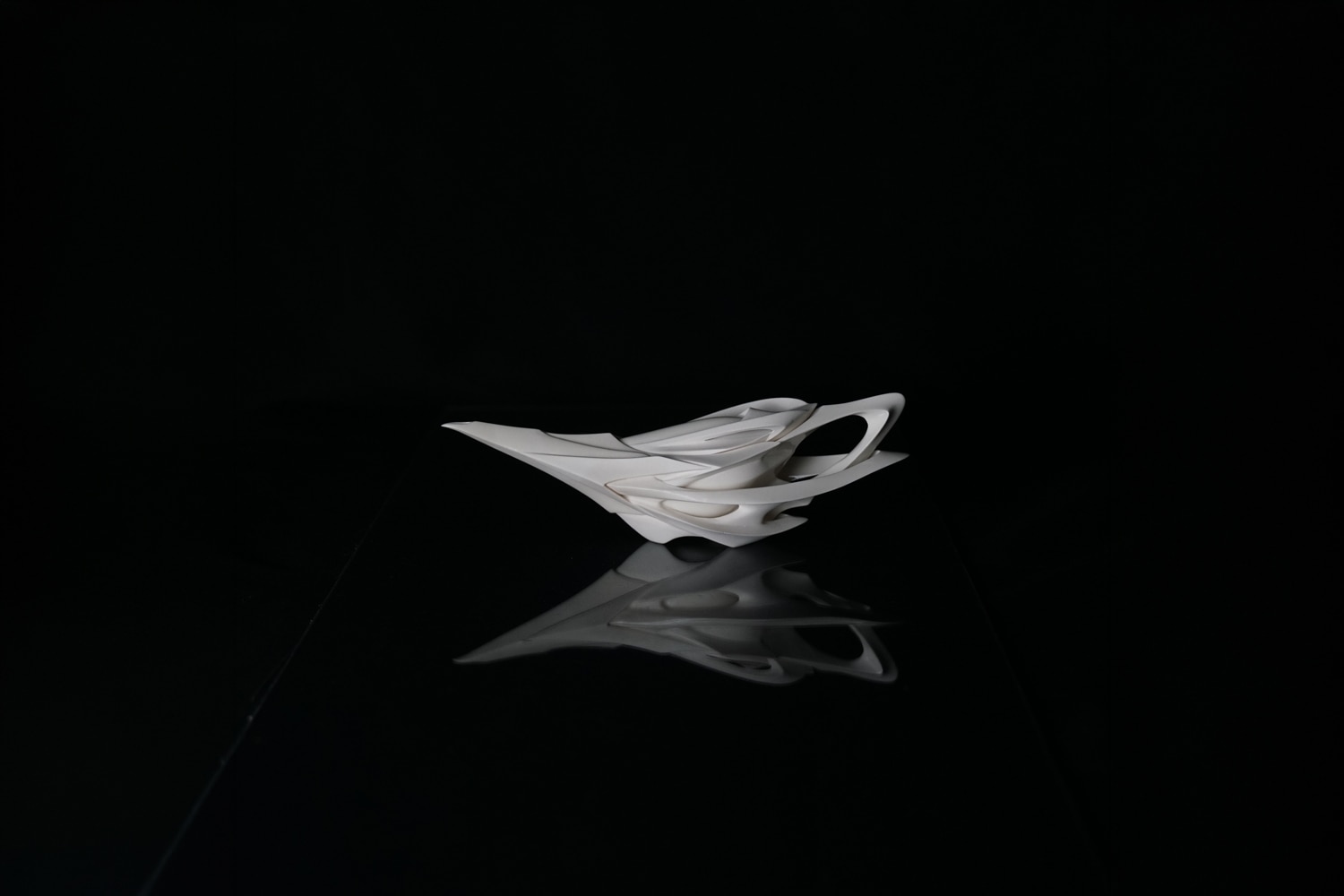
INTERVIEW
I began ceramics later than most and I wanted a material that would push me technically from the start. Porcelain is demanding but I found that difficulty helped me improve quickly. It was also part of the local environment in Tajimi, which reinforced my choice.
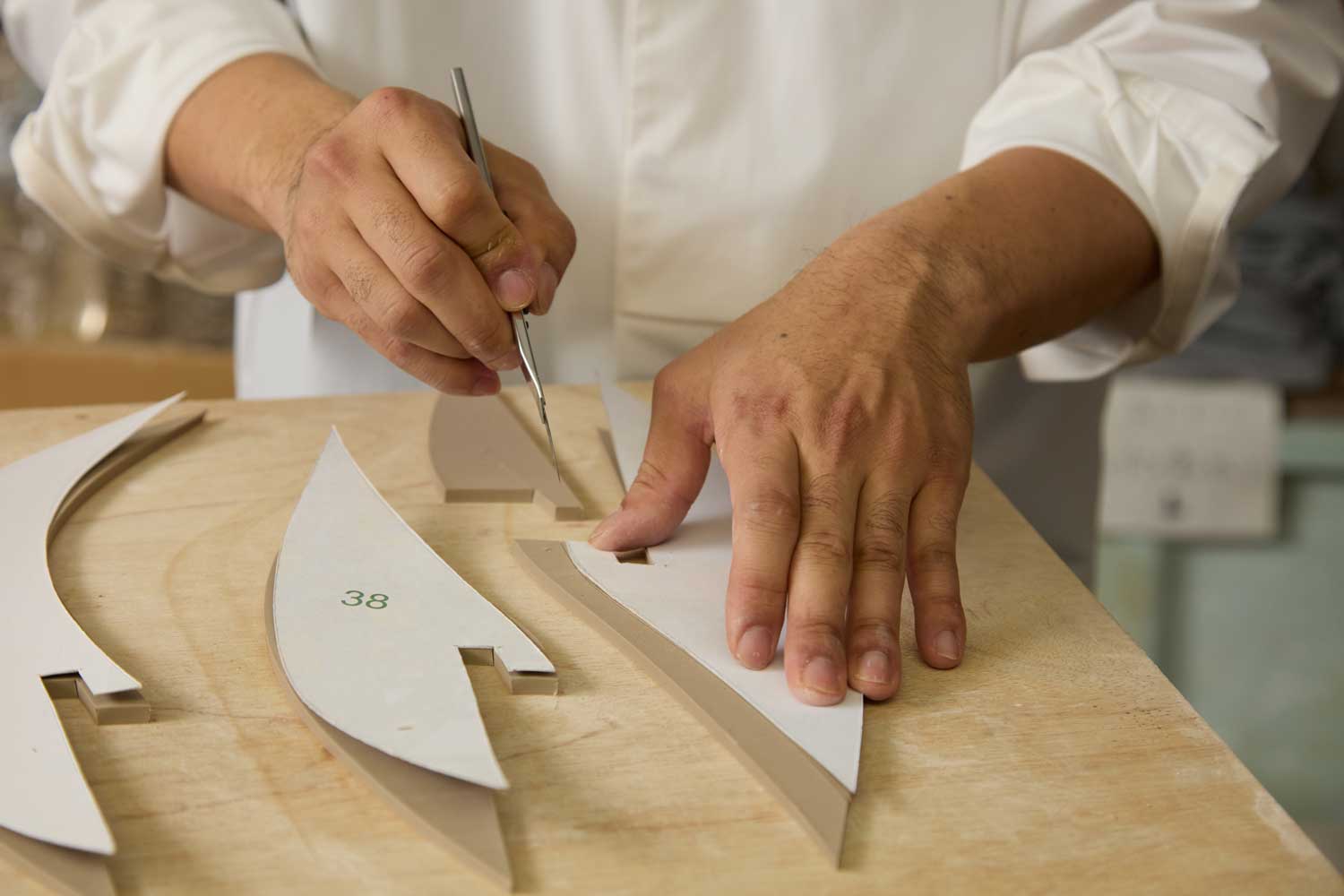
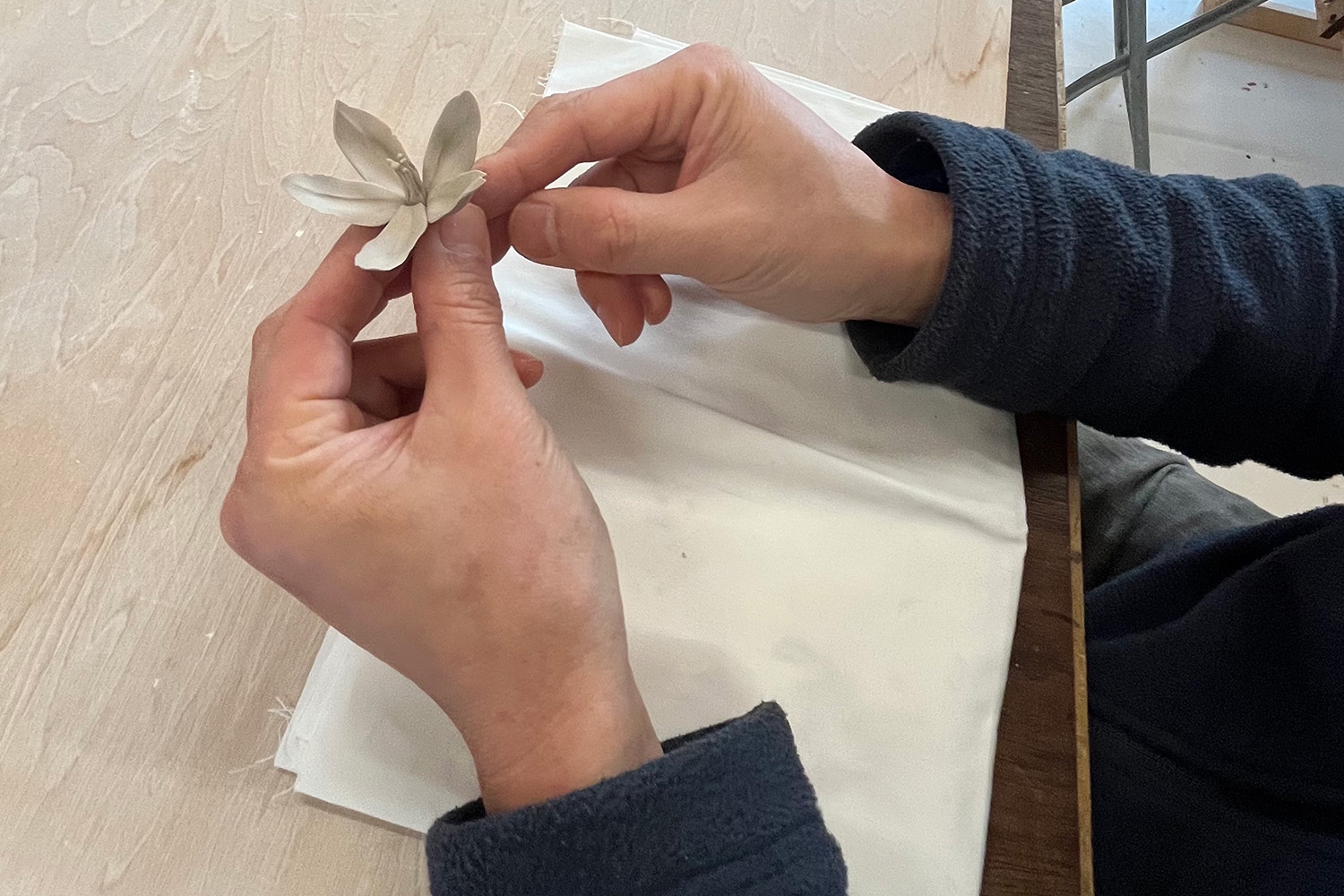
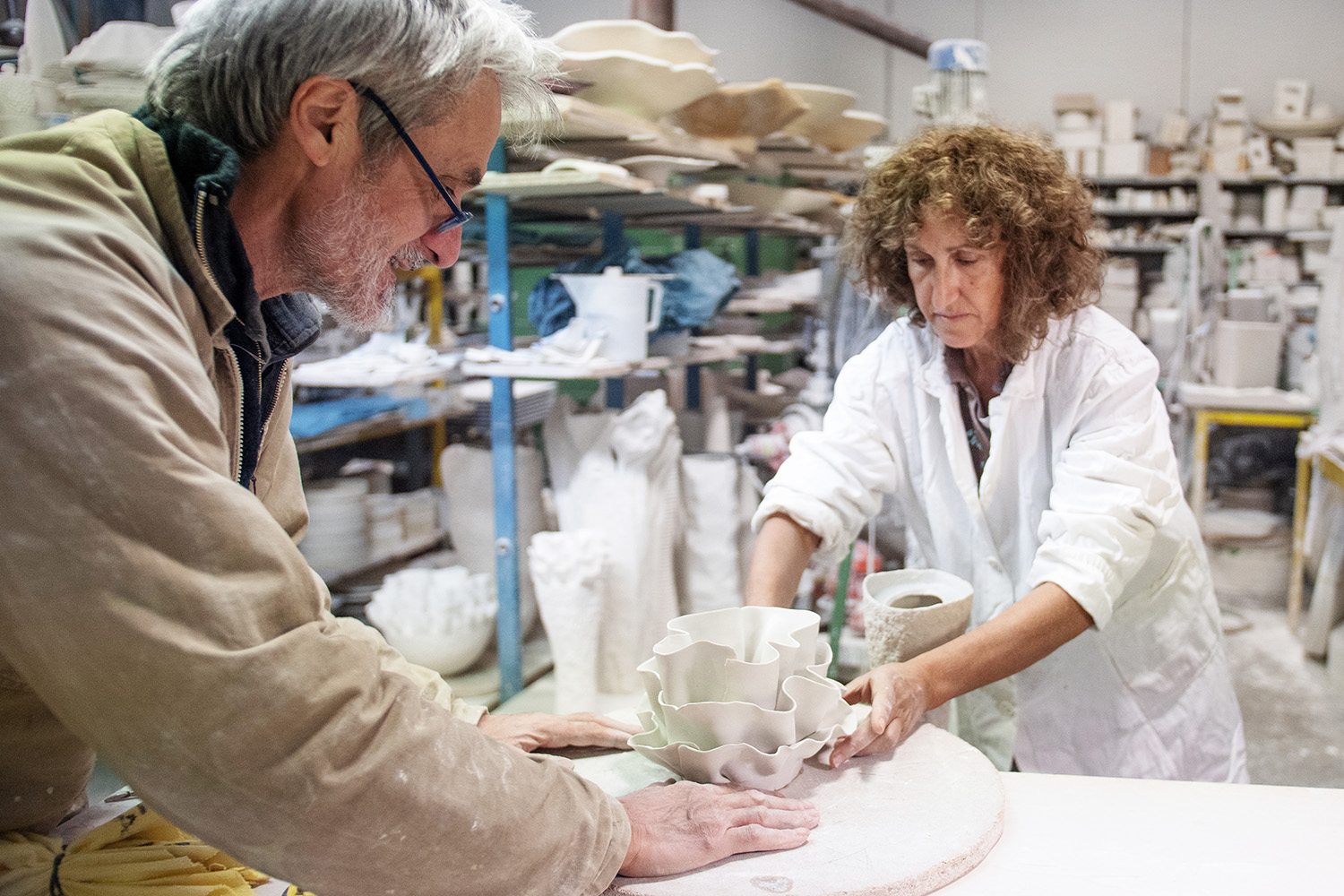
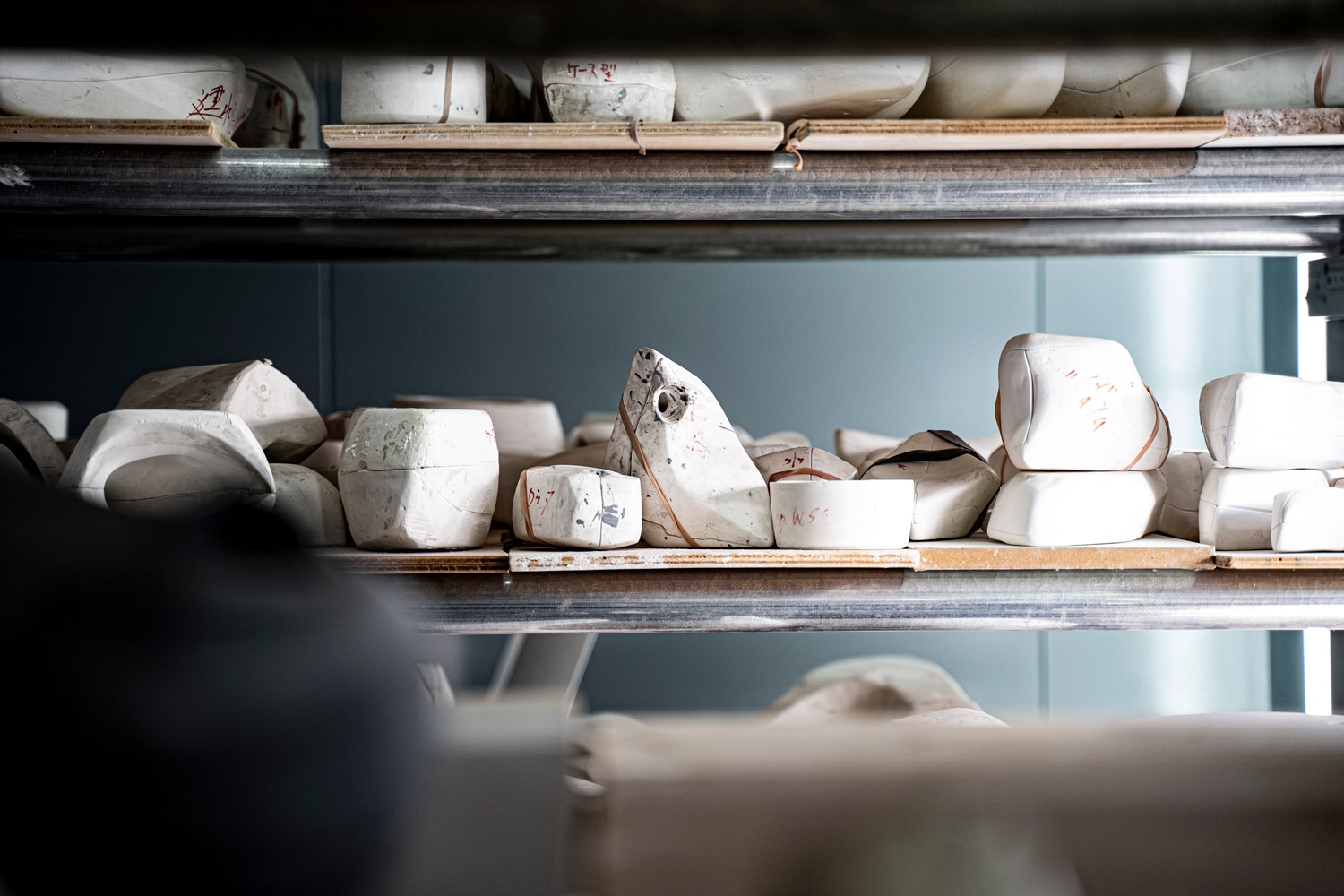
It starts from a vague direction rather than a fixed idea. I sketch then move to digital modelling and sometimes 3D printing to test form. After that, I create moulds for slip casting, followed by carving and firing. Each stage refines the initial intention.
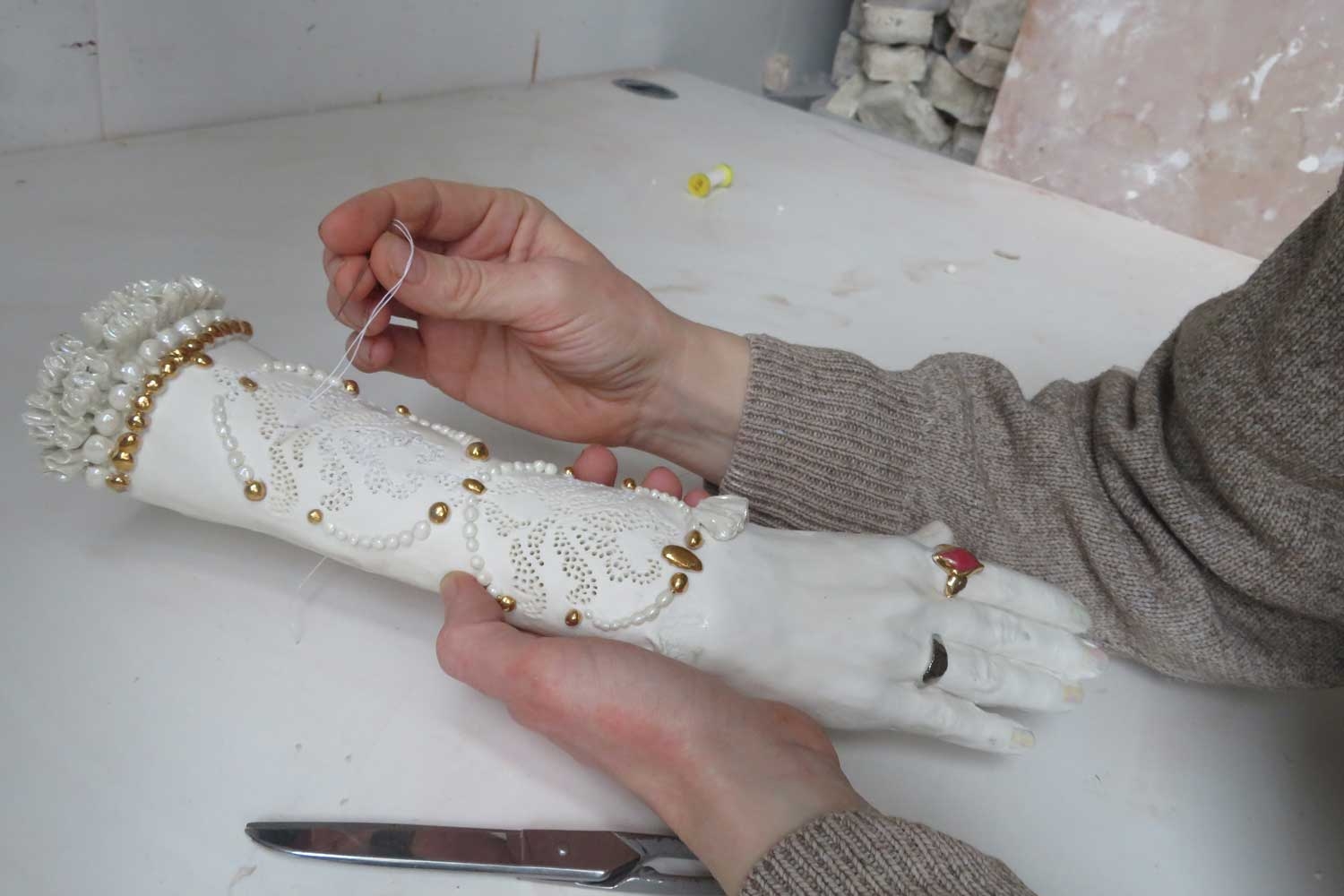
I see tradition as something structured but not fixed. It can become static if it is only preserved. My work tries to introduce small shifts in form, function or material use, creating possibilities for how porcelain might develop.
That solutions take time. Problems often appear after firing and they are not resolved immediately. With distance, new ideas emerge. This rhythm of difficulty, pause and breakthrough has shaped my practice and the way I think more broadly.
Jun Matsumura
Porcelain maker
Saitama, Japan
ADDRESS
Address upon request, Saitama, Japan
AVAILABILITY
By appointment only
LANGUAGES
Japanese, English
HOMO FABER FINDS
Homo Faber Finds is a new service aiming to inspire admirers of craft to connect and collaborate with exceptional artisans.
We invite you to submit an enquiry here.