Yoca Muta
Porcelain maker
Nomi, Japan
Capturing fictional nature in Japanese porcelain
- Yoca makes kutani-yaki vessels inspired by an imaginary natural world
- Drawing on the porcelain is inherent to the completion of her pieces
- She trained in the UK before returning to Japan to specialise in her craft
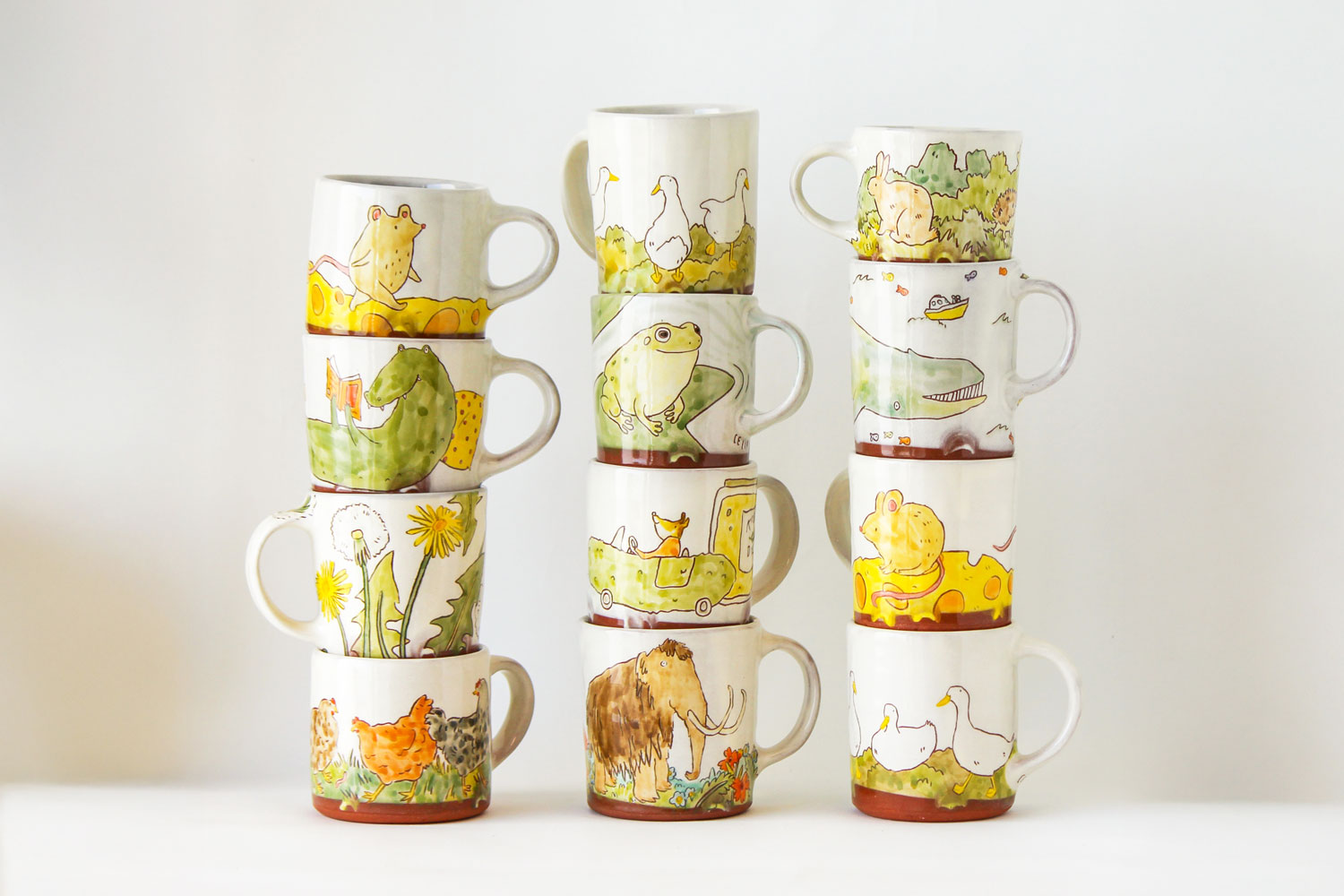
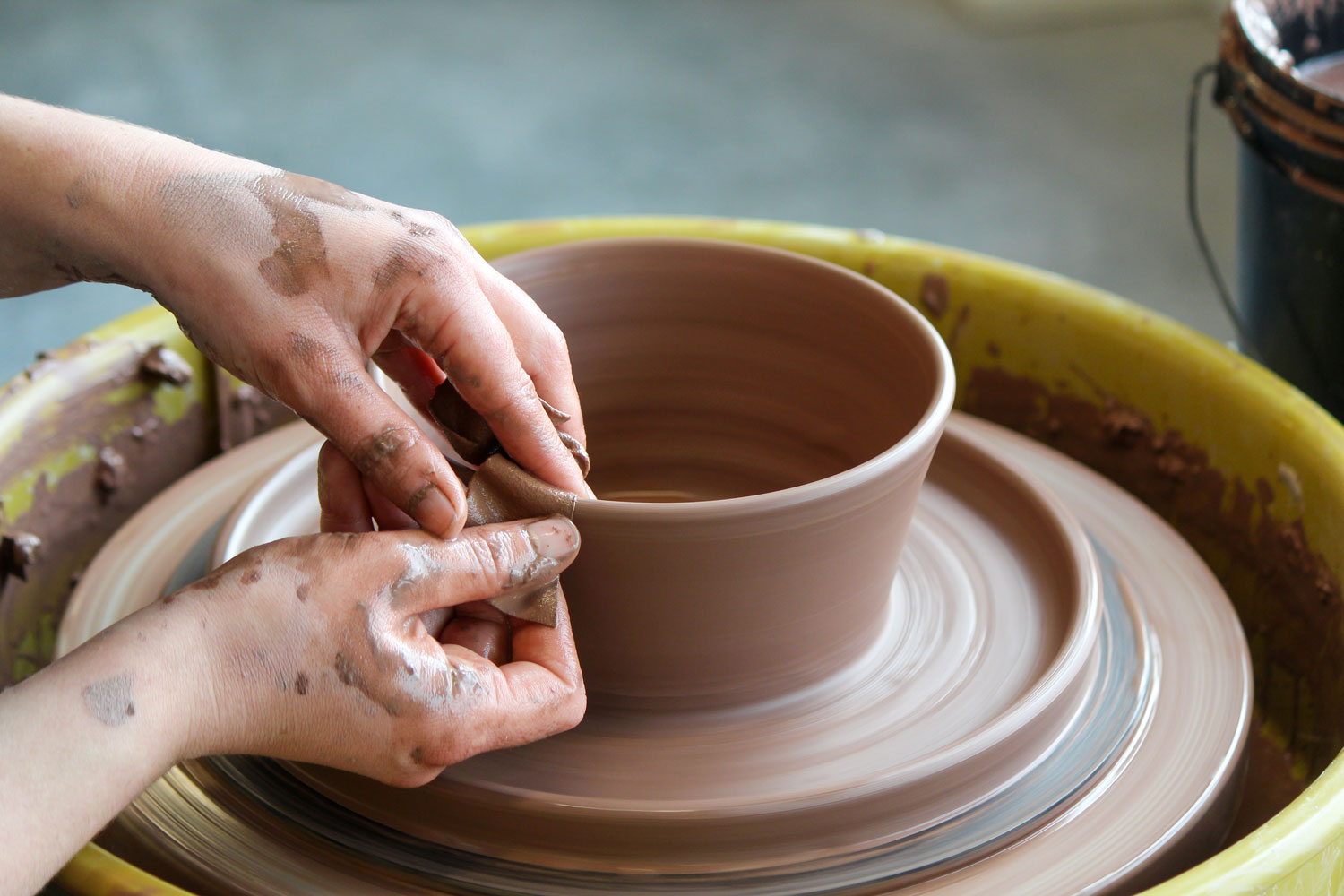
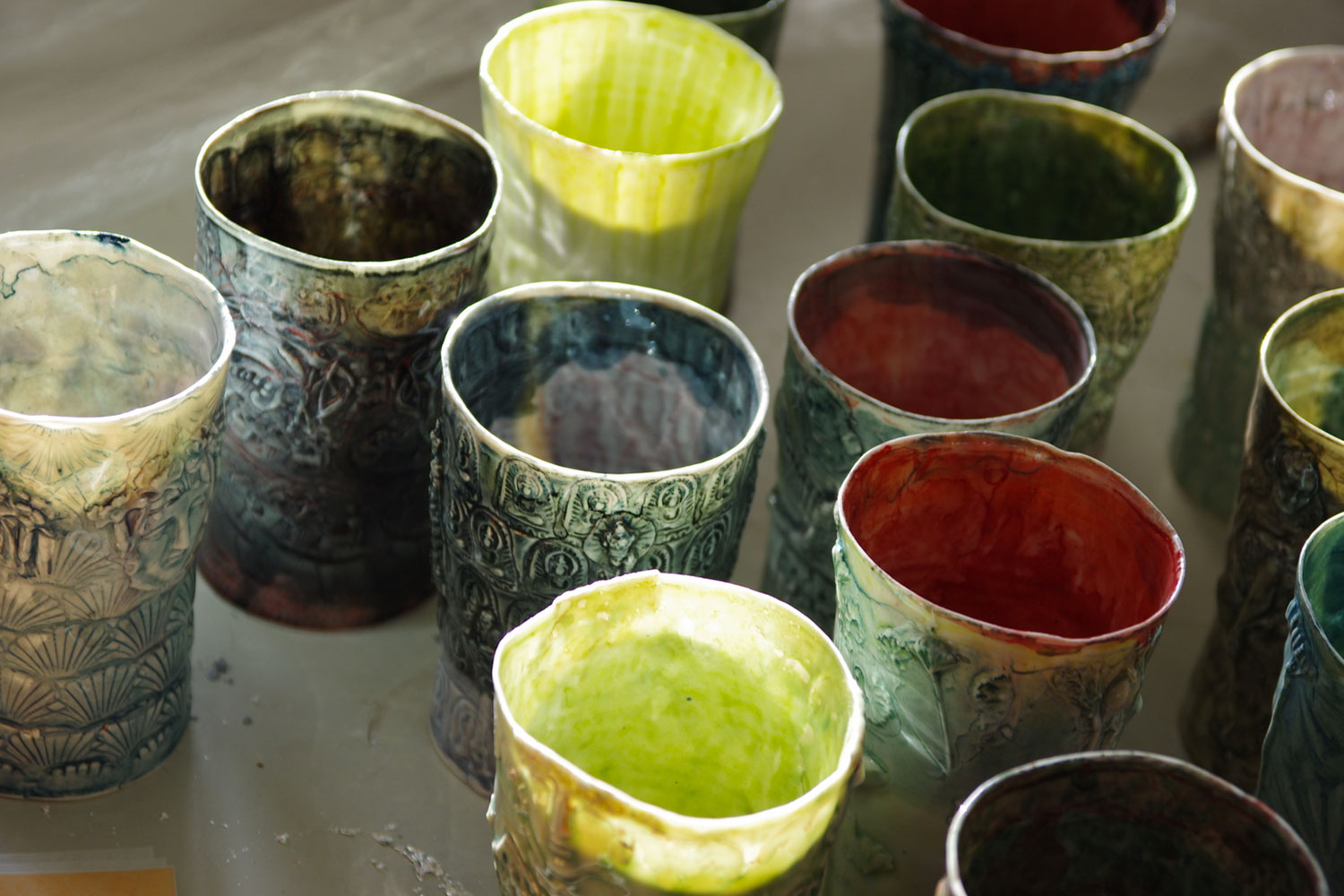
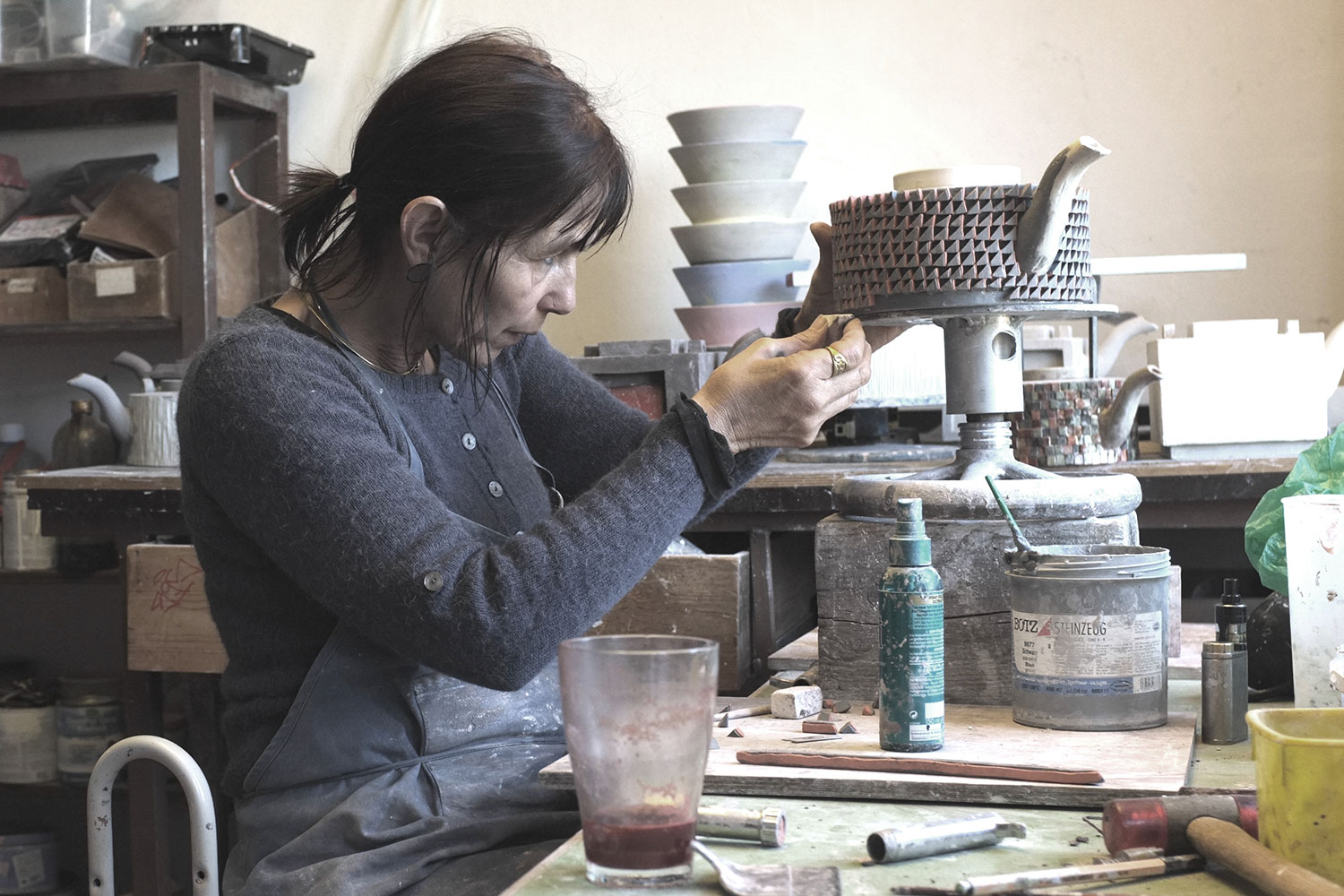
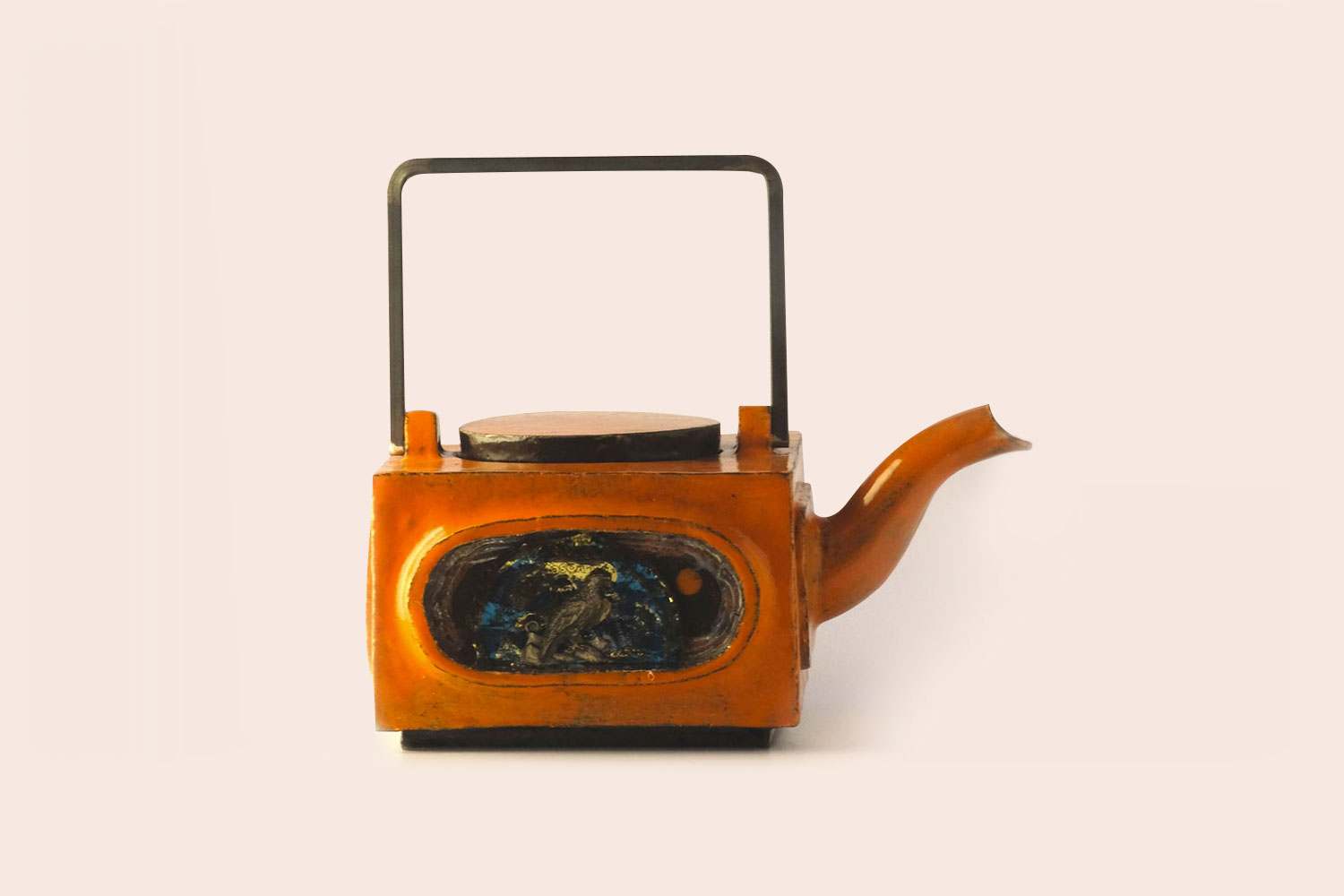
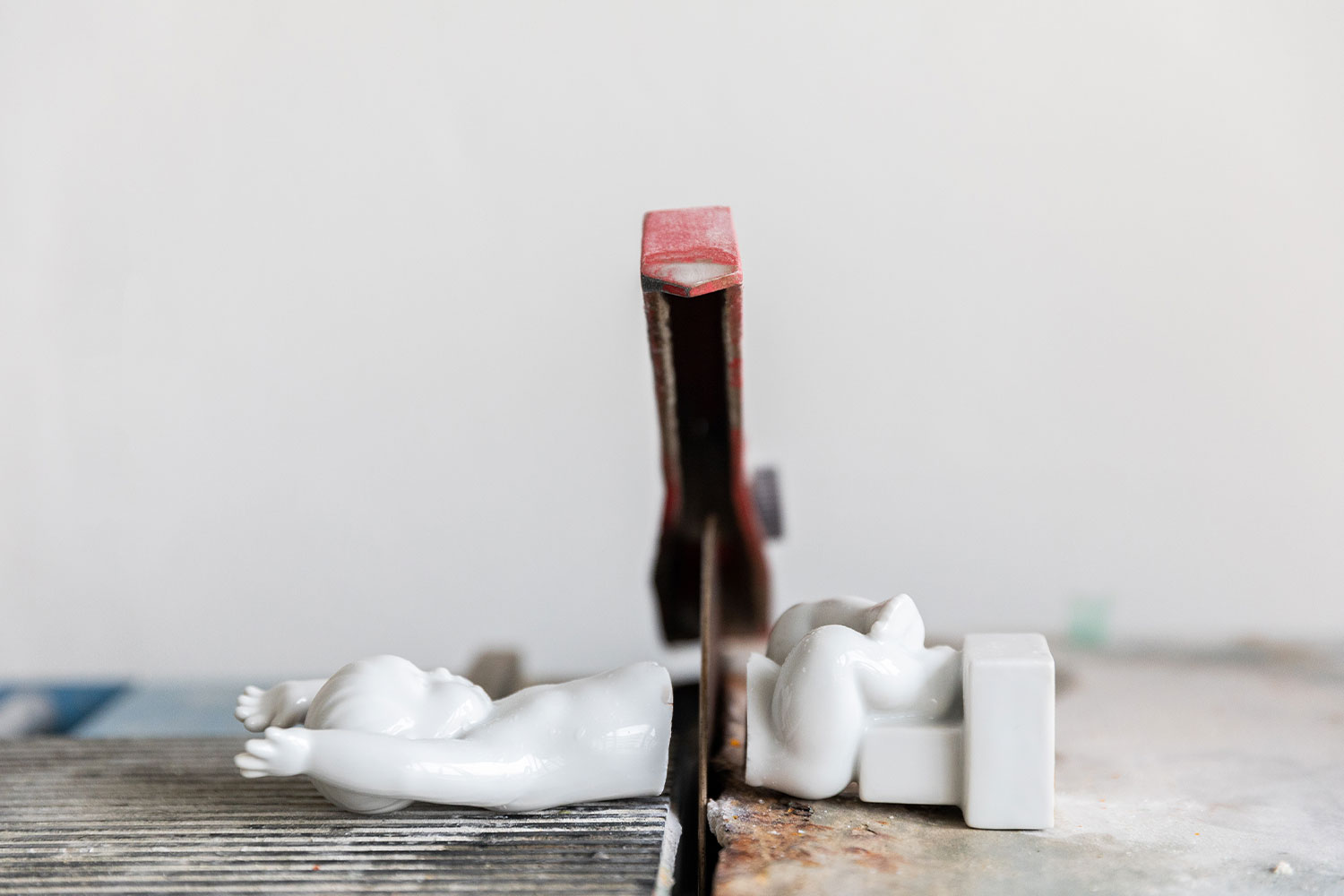
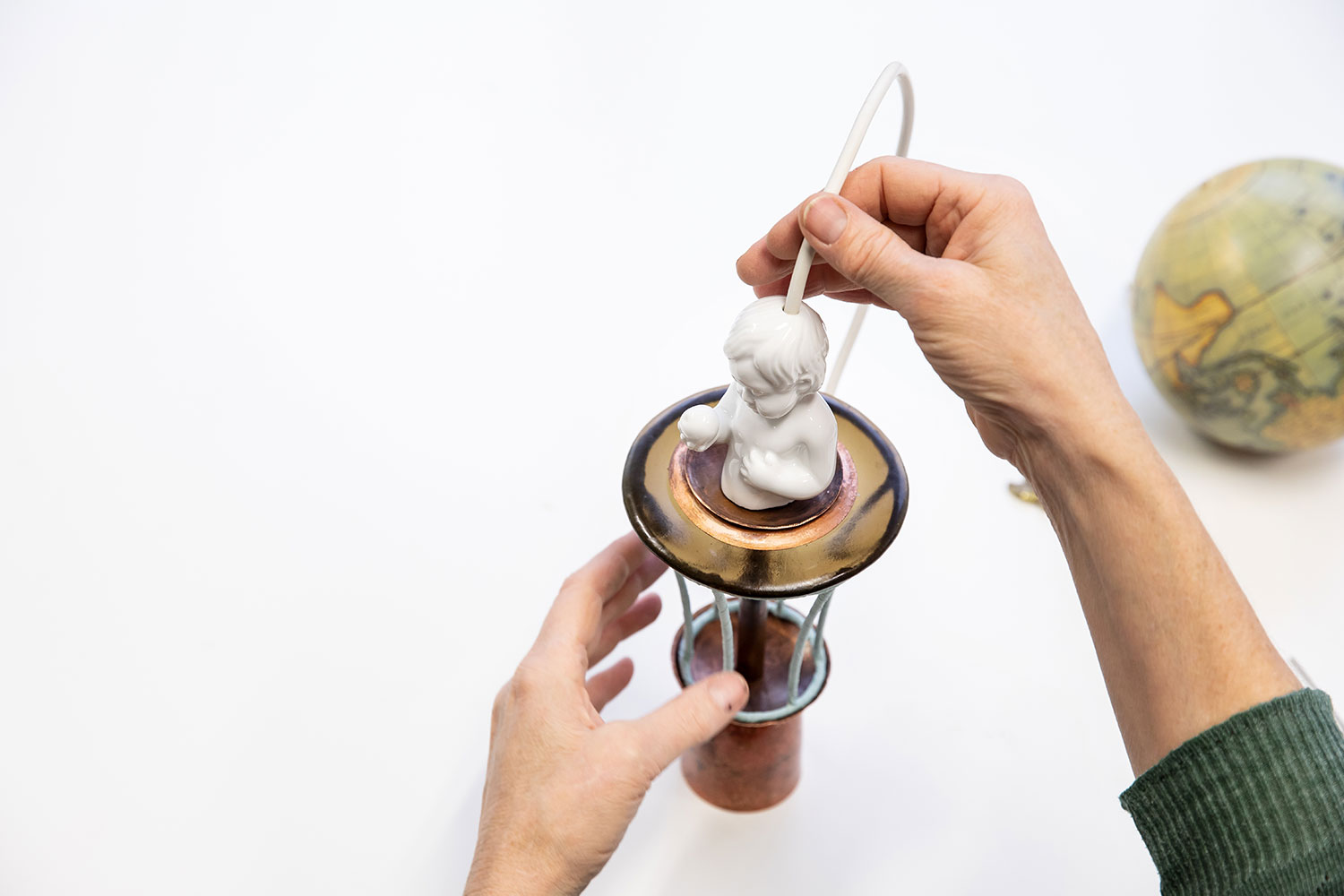
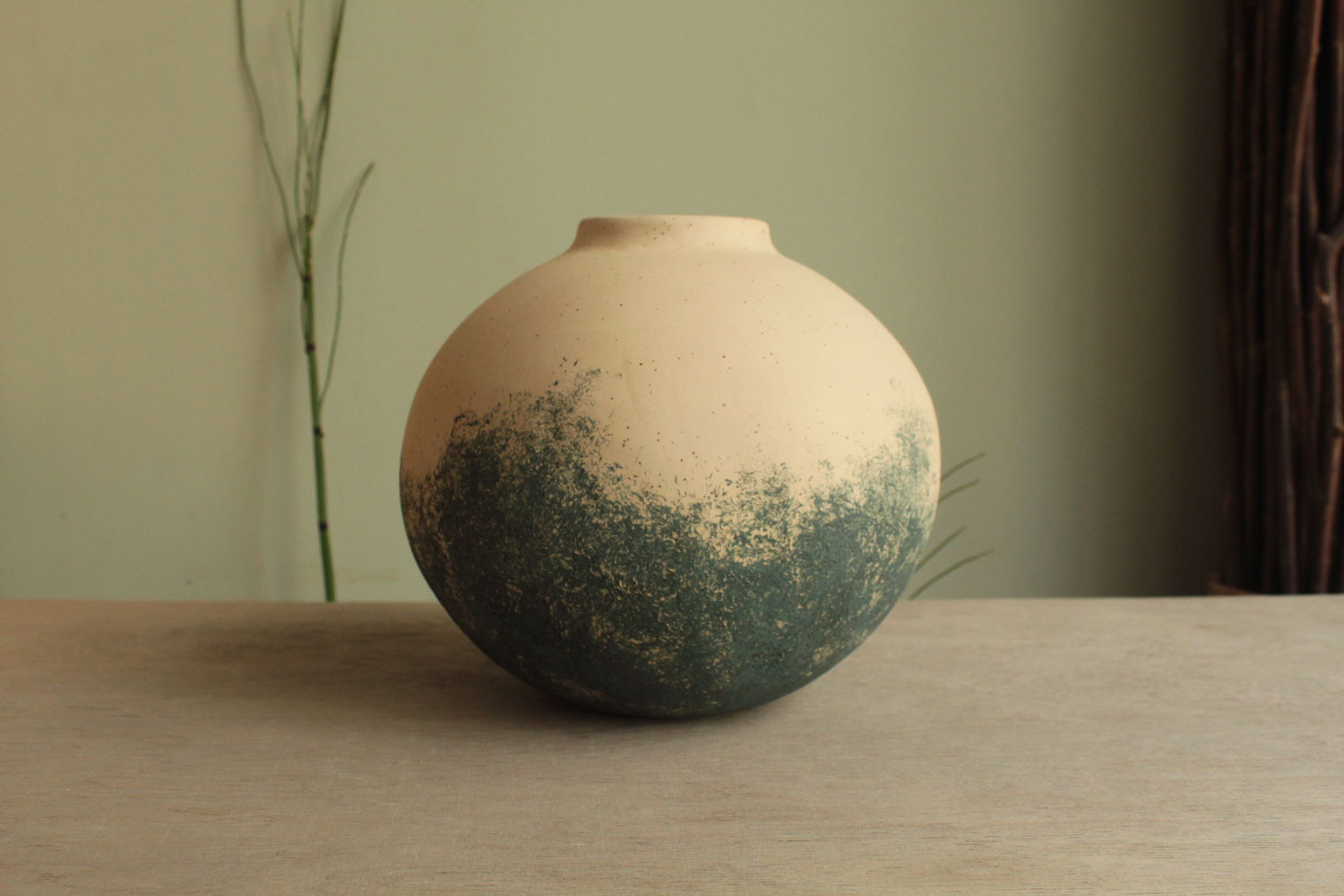
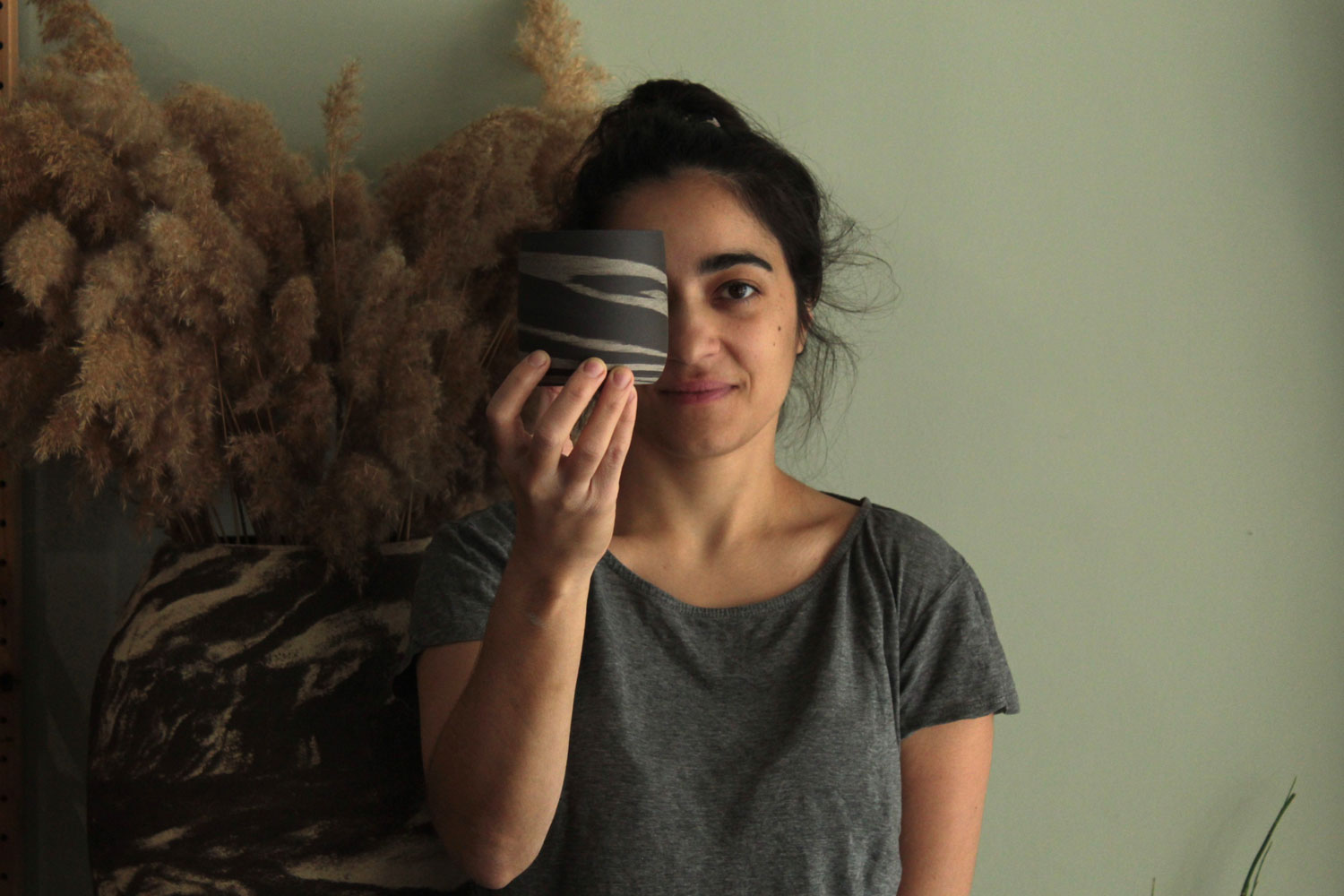
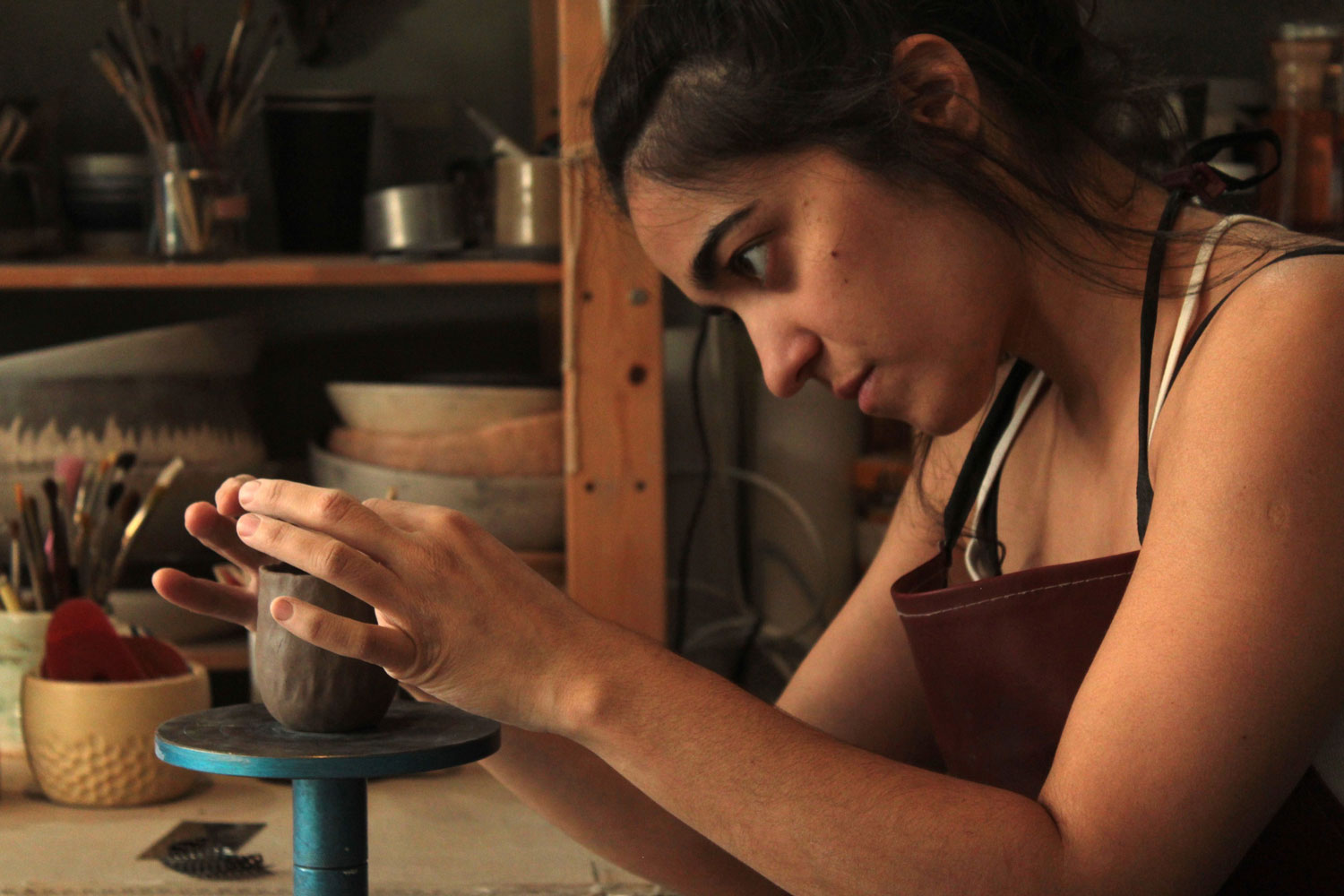
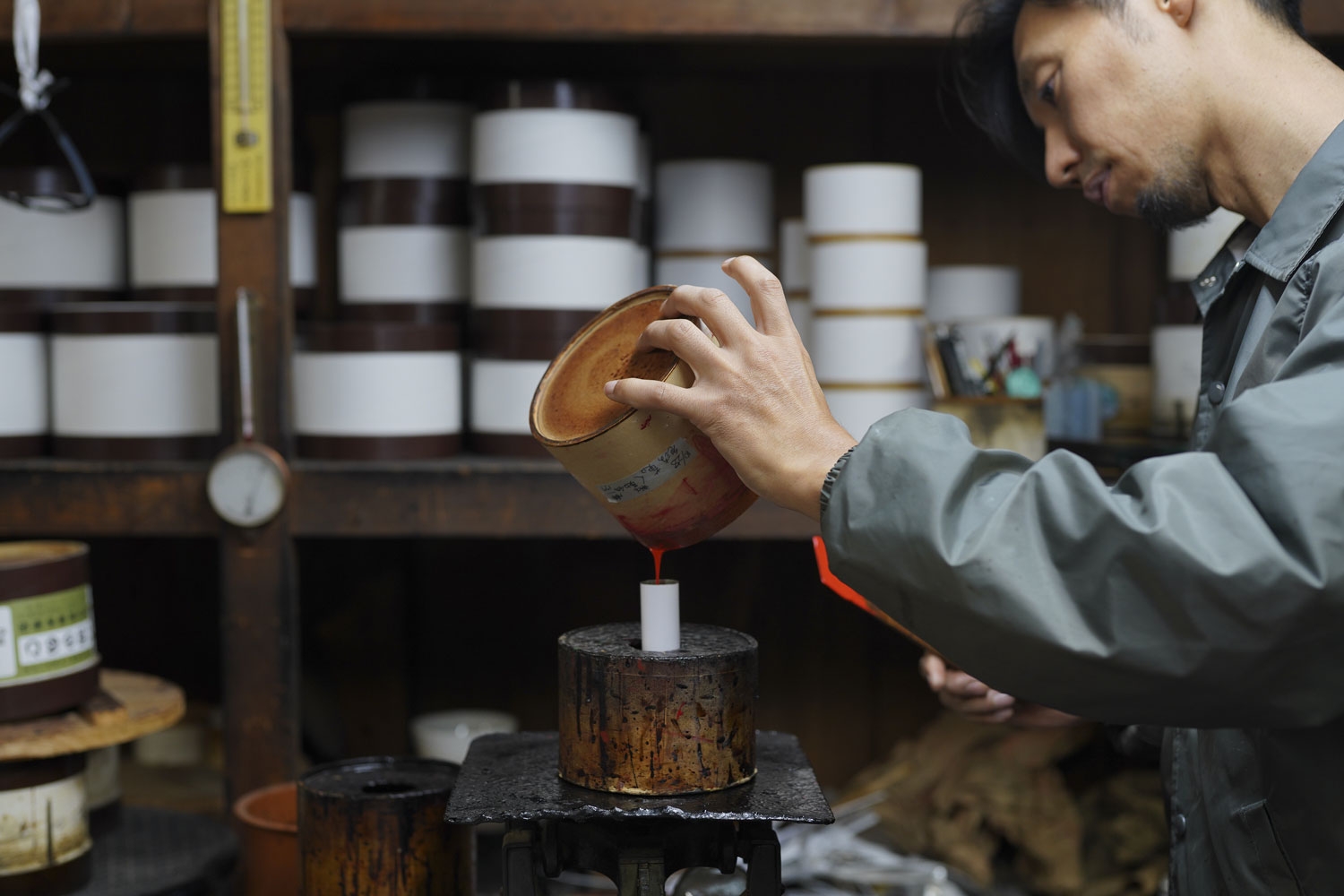
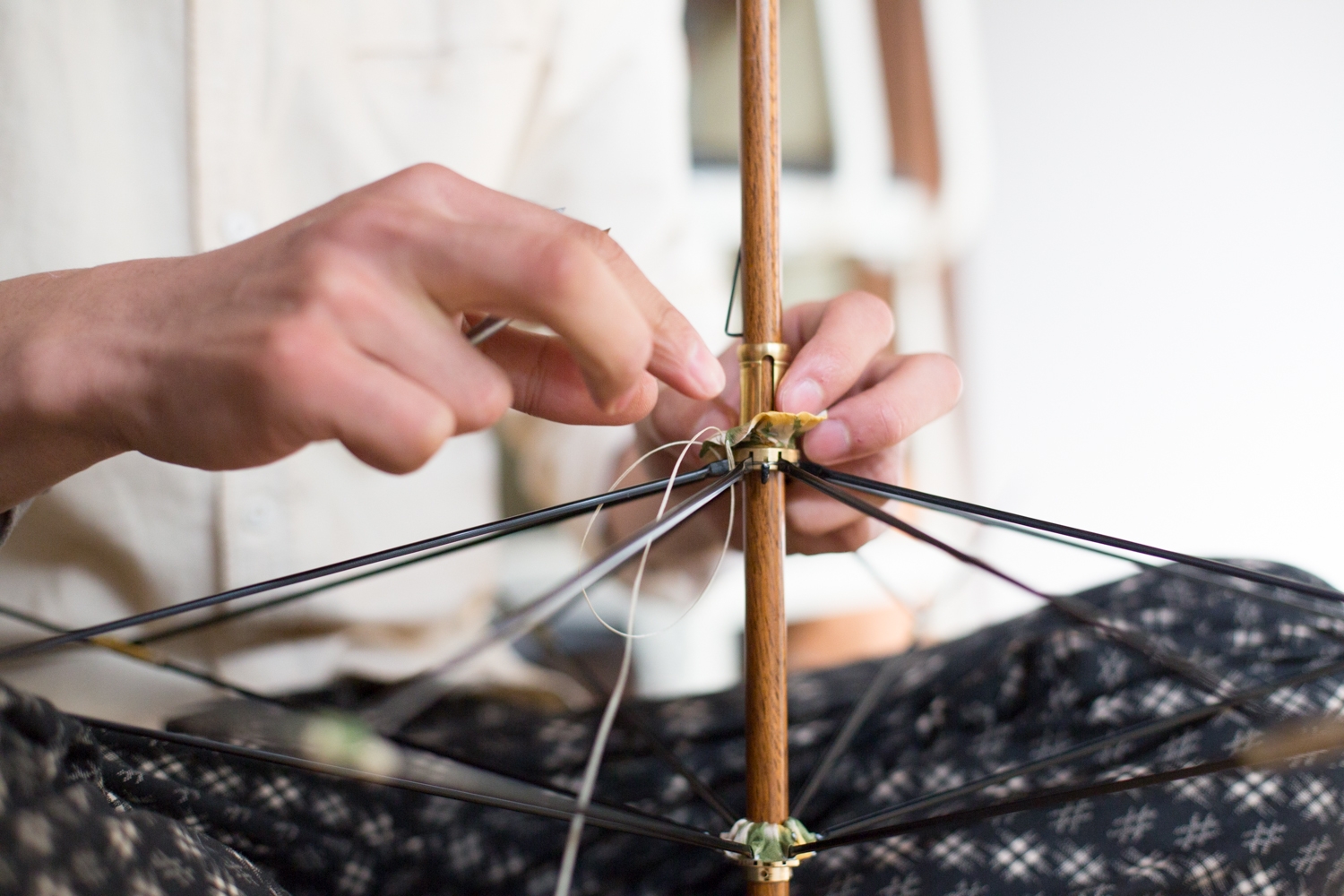
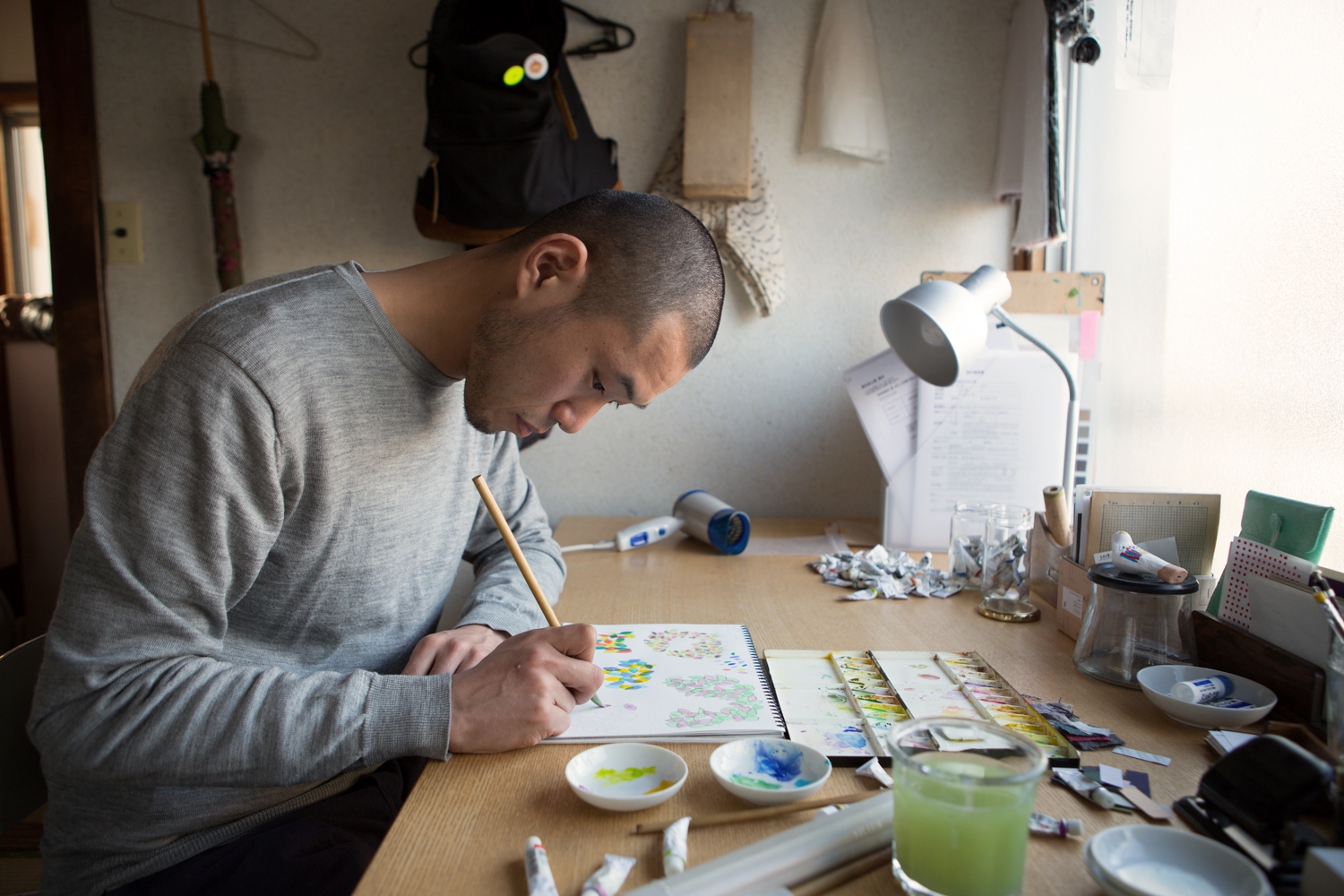
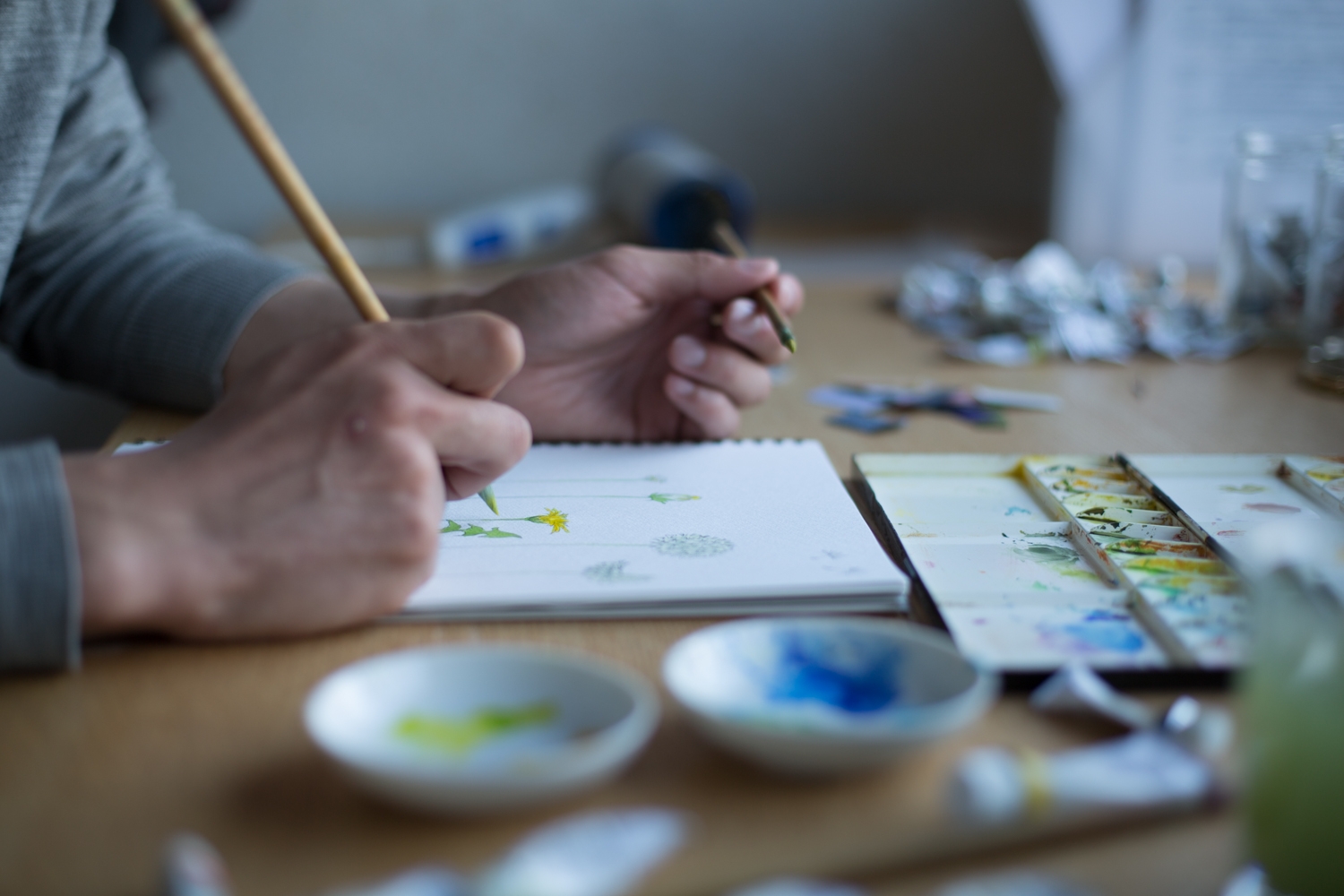
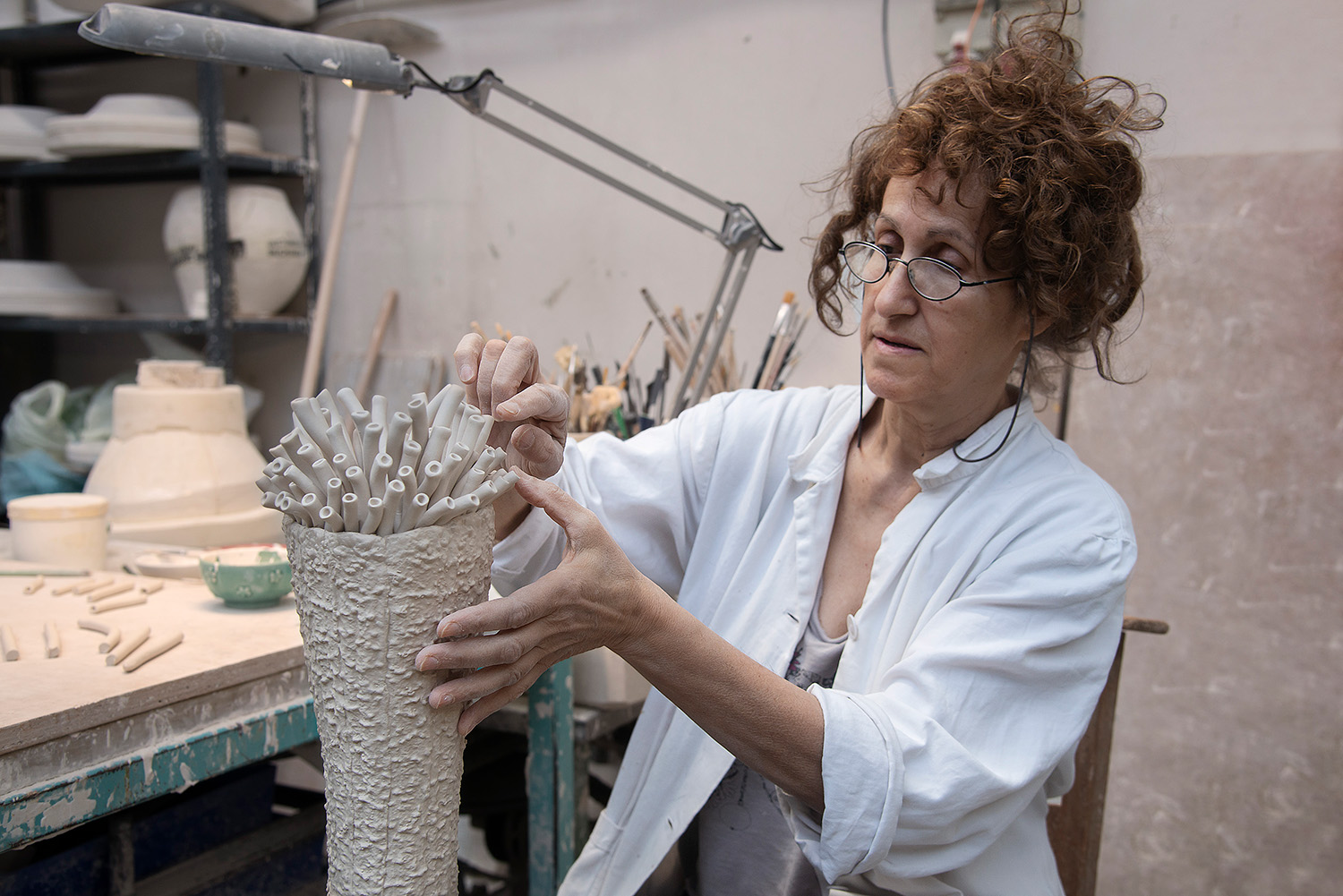
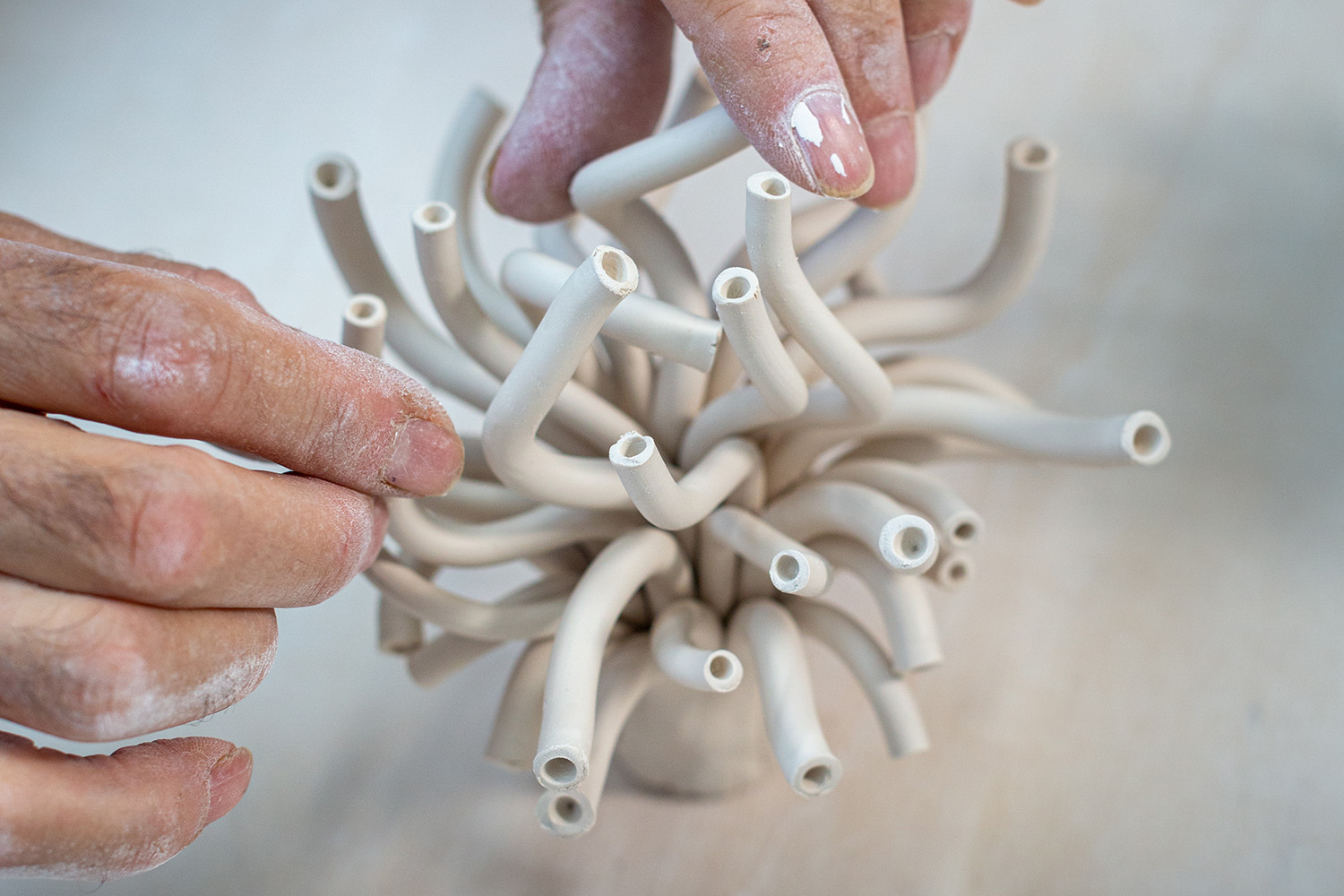
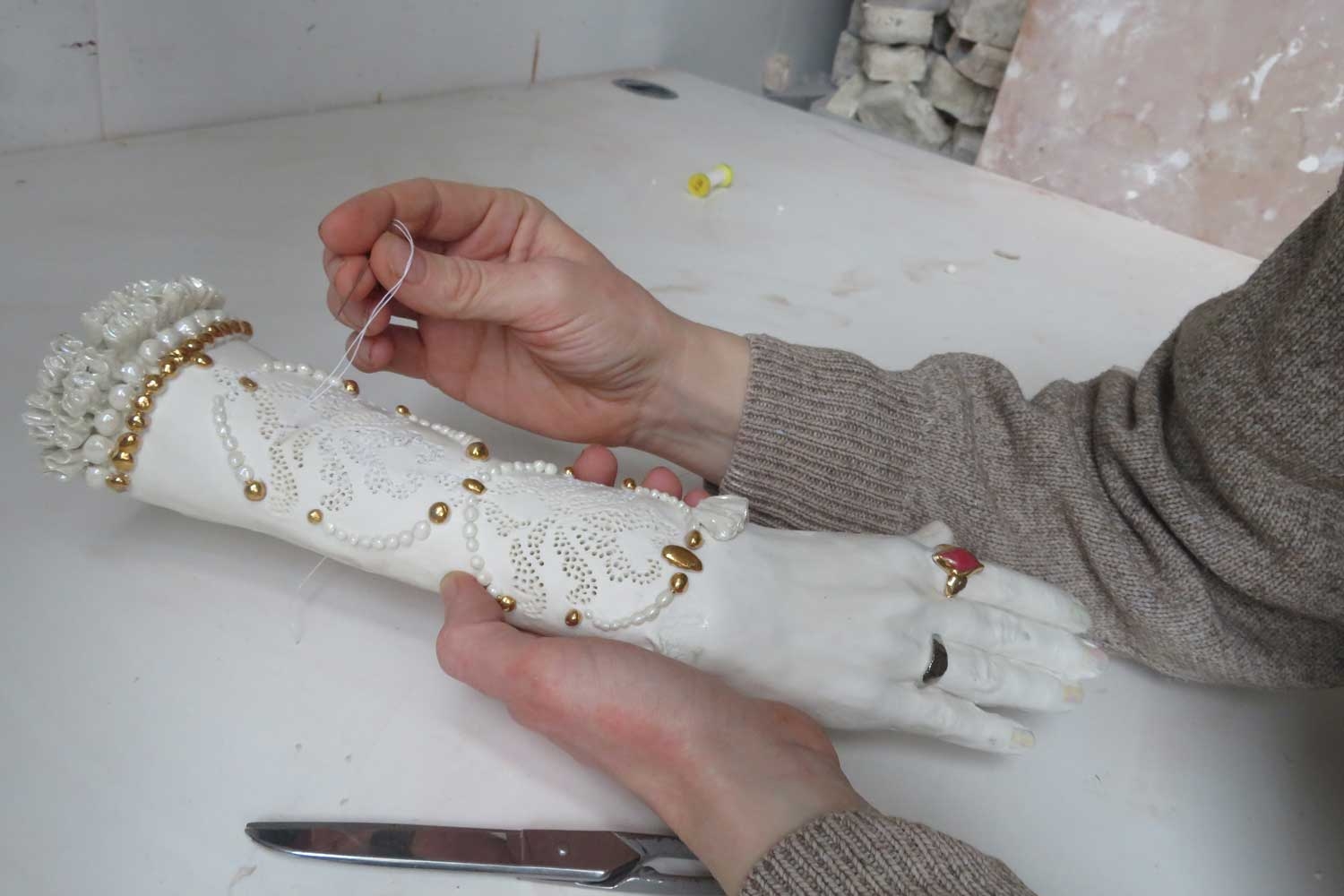
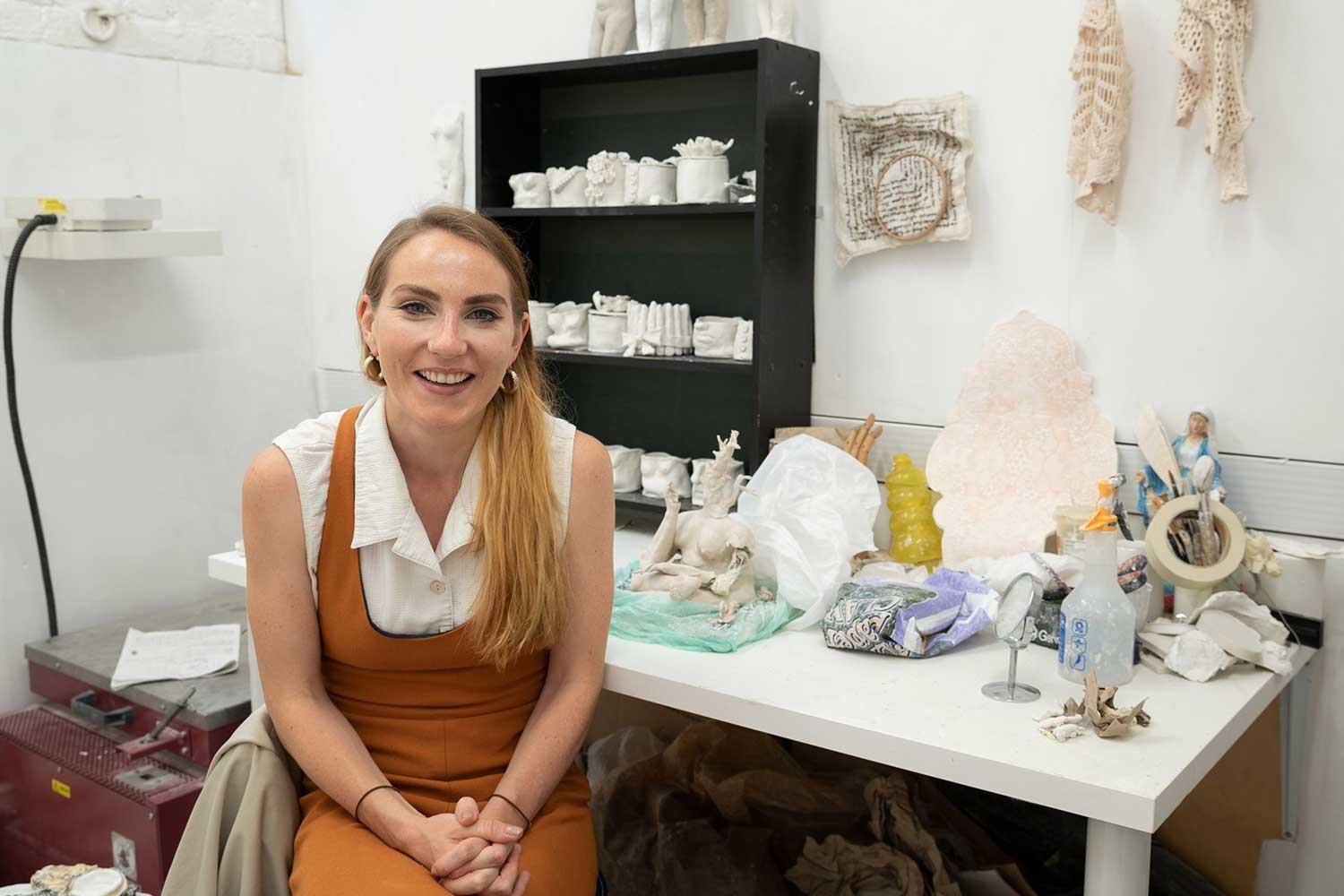
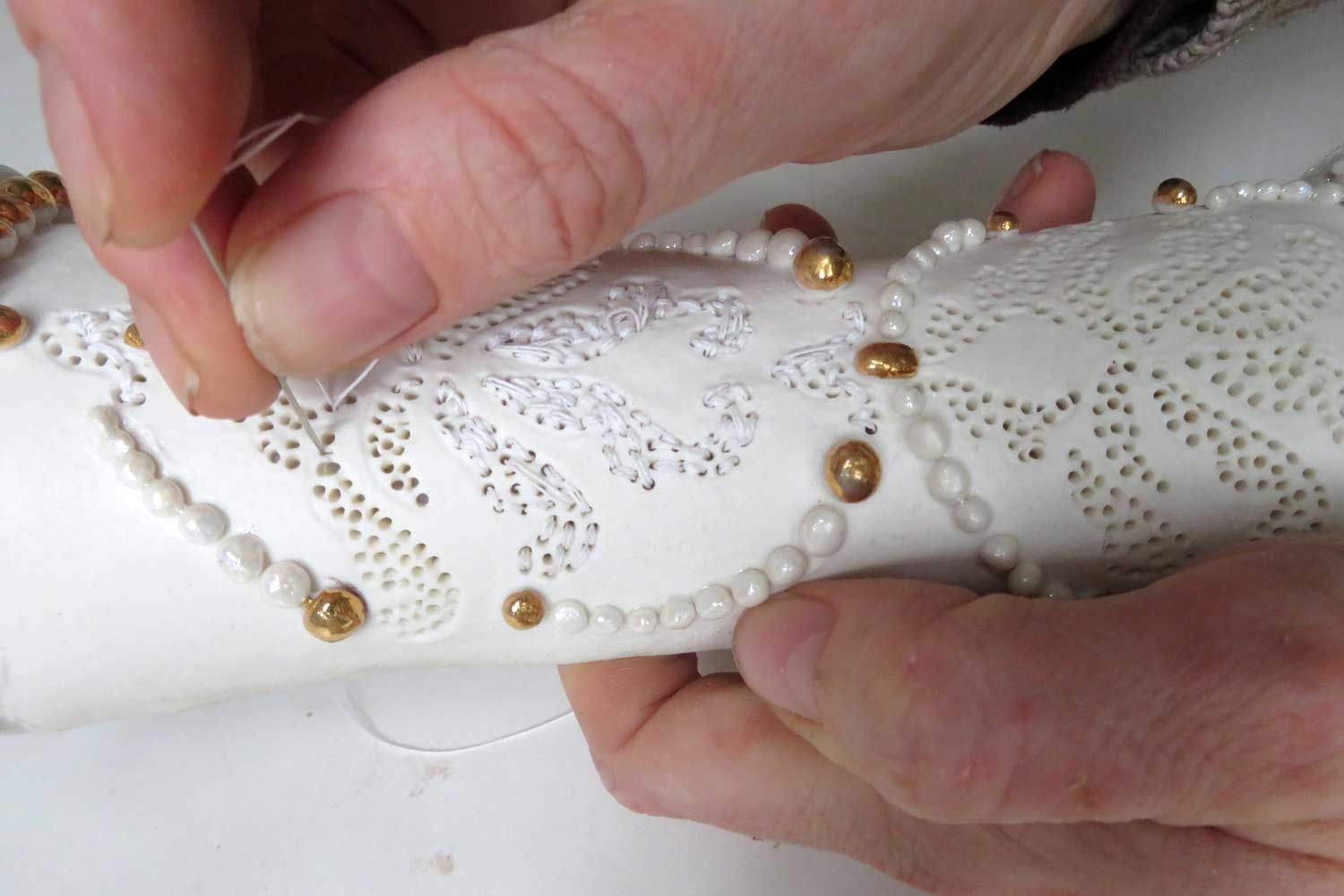
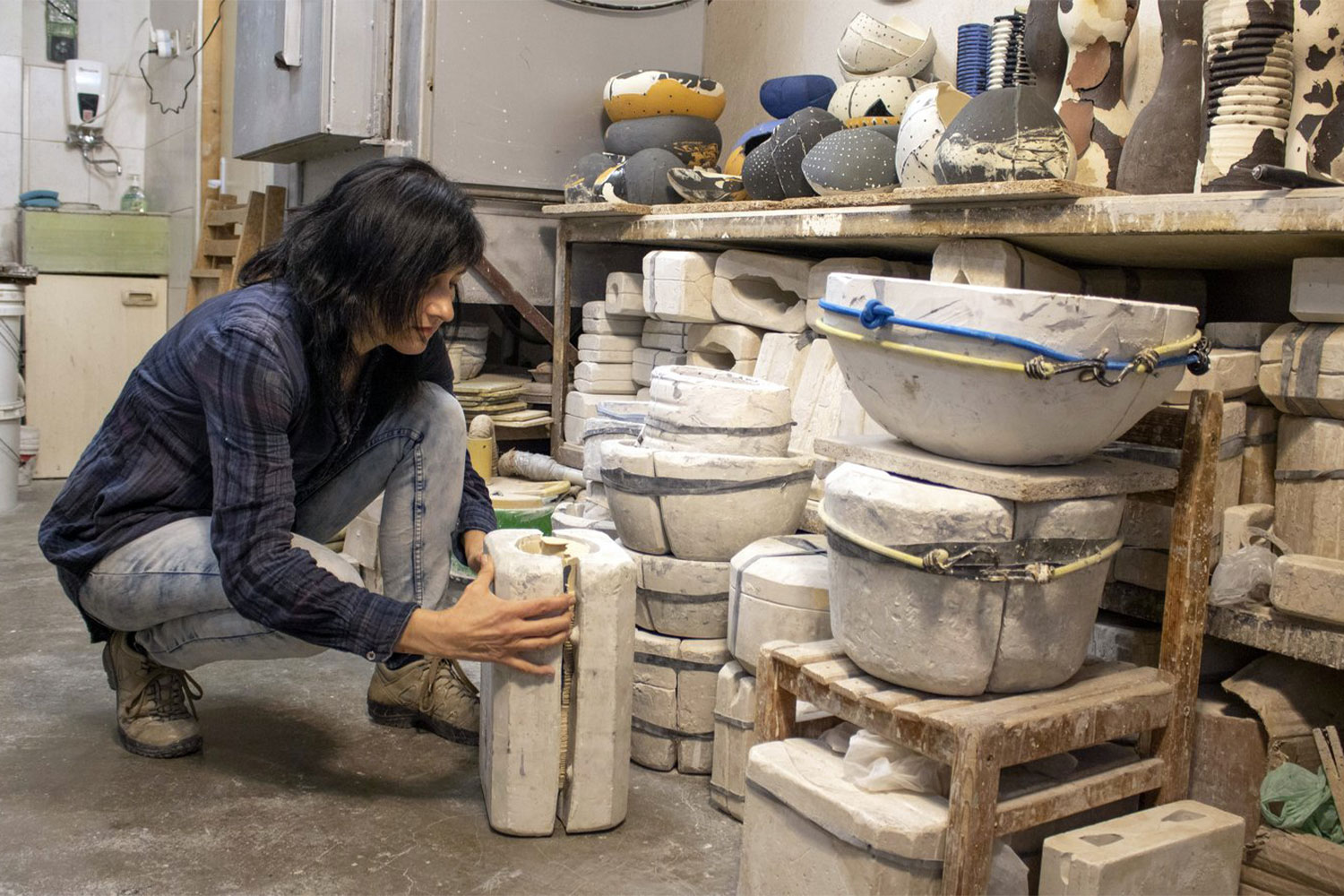
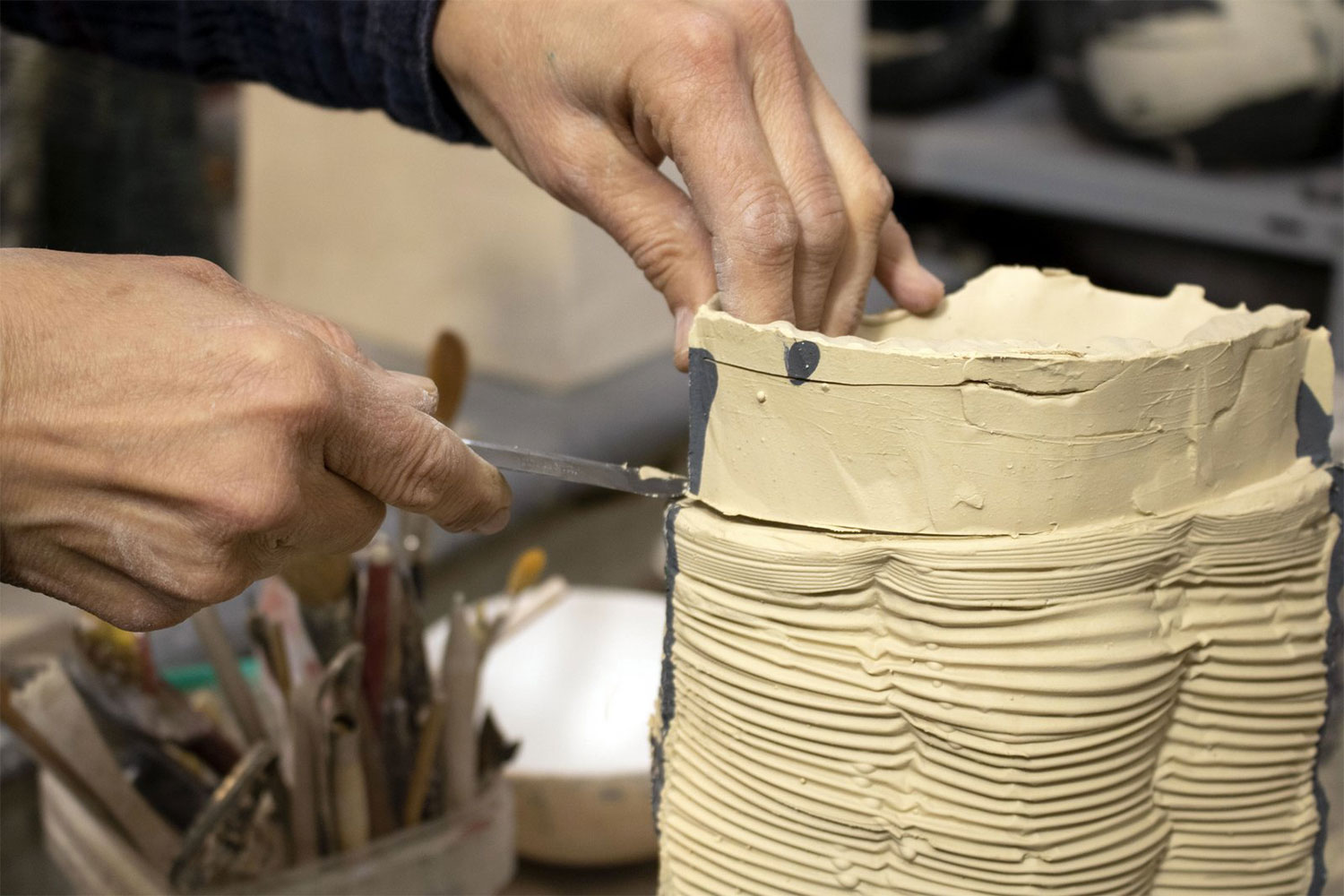
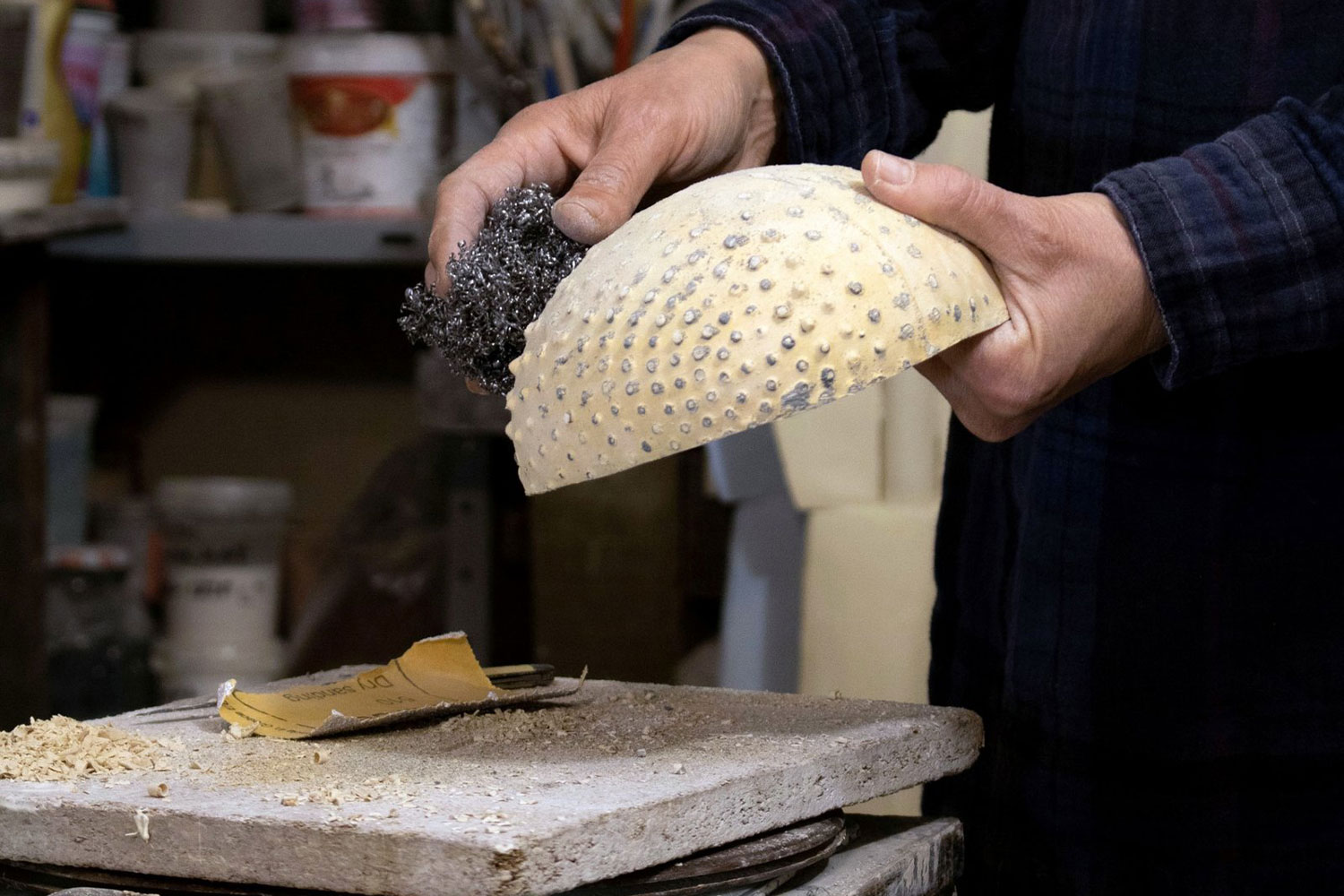
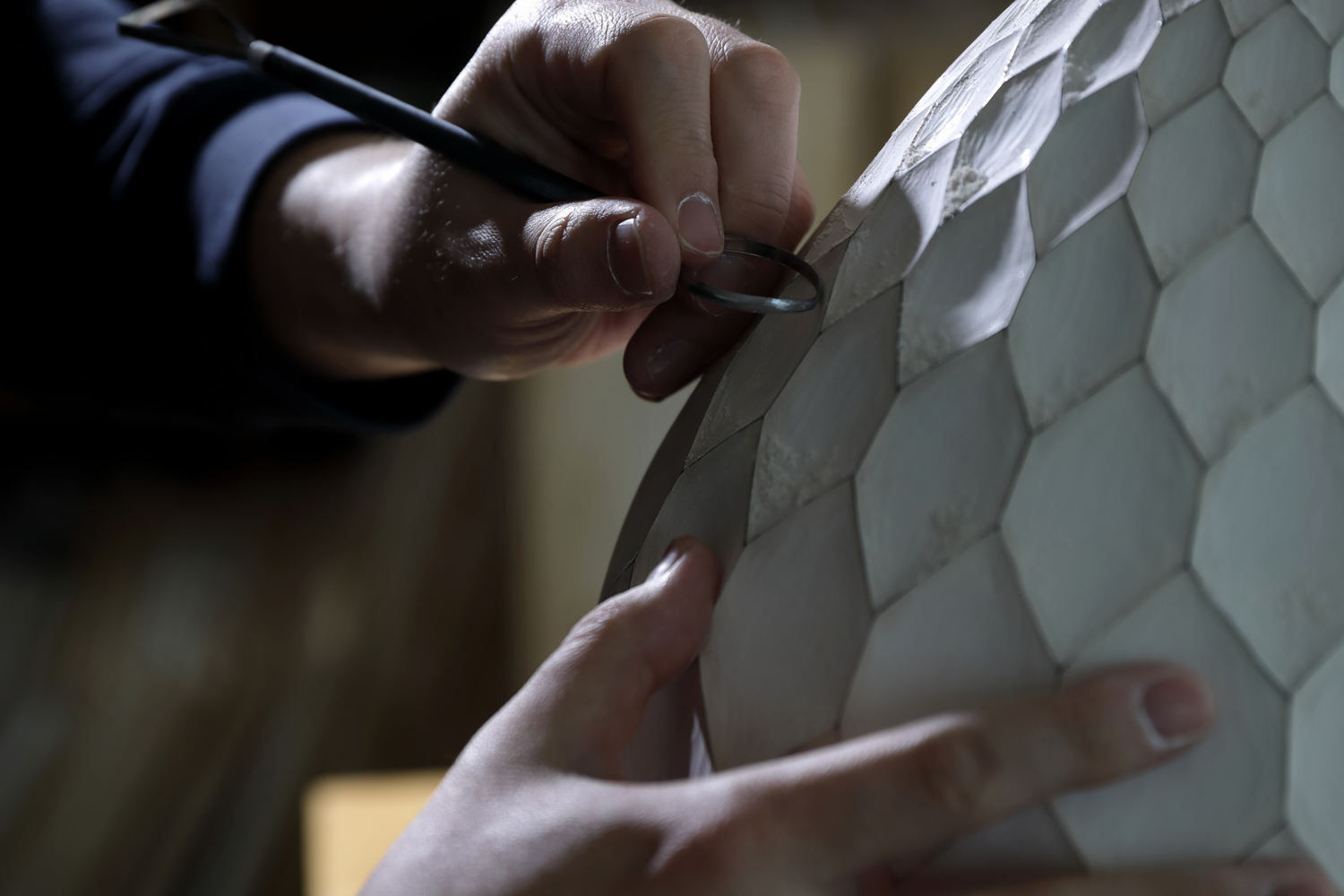
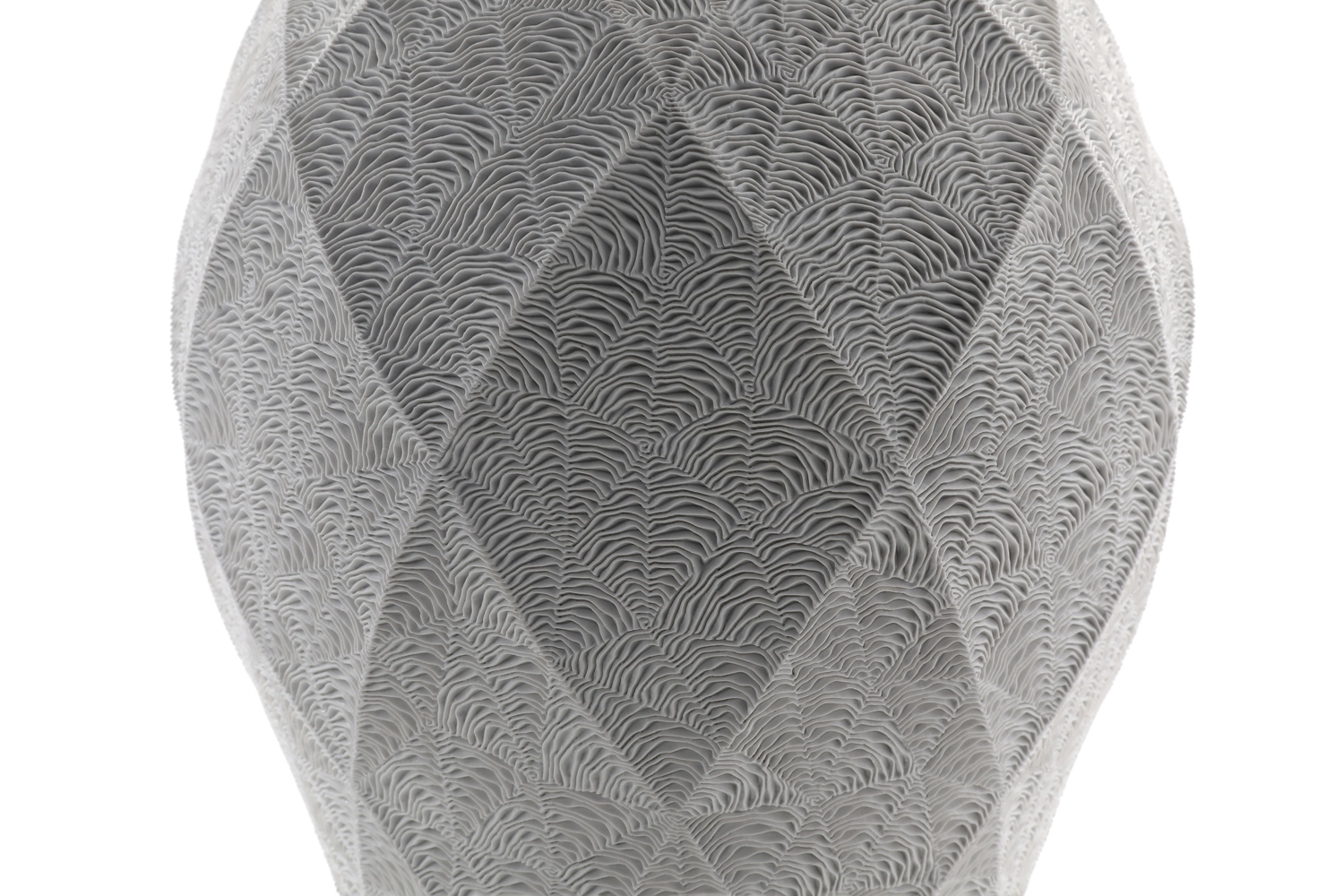
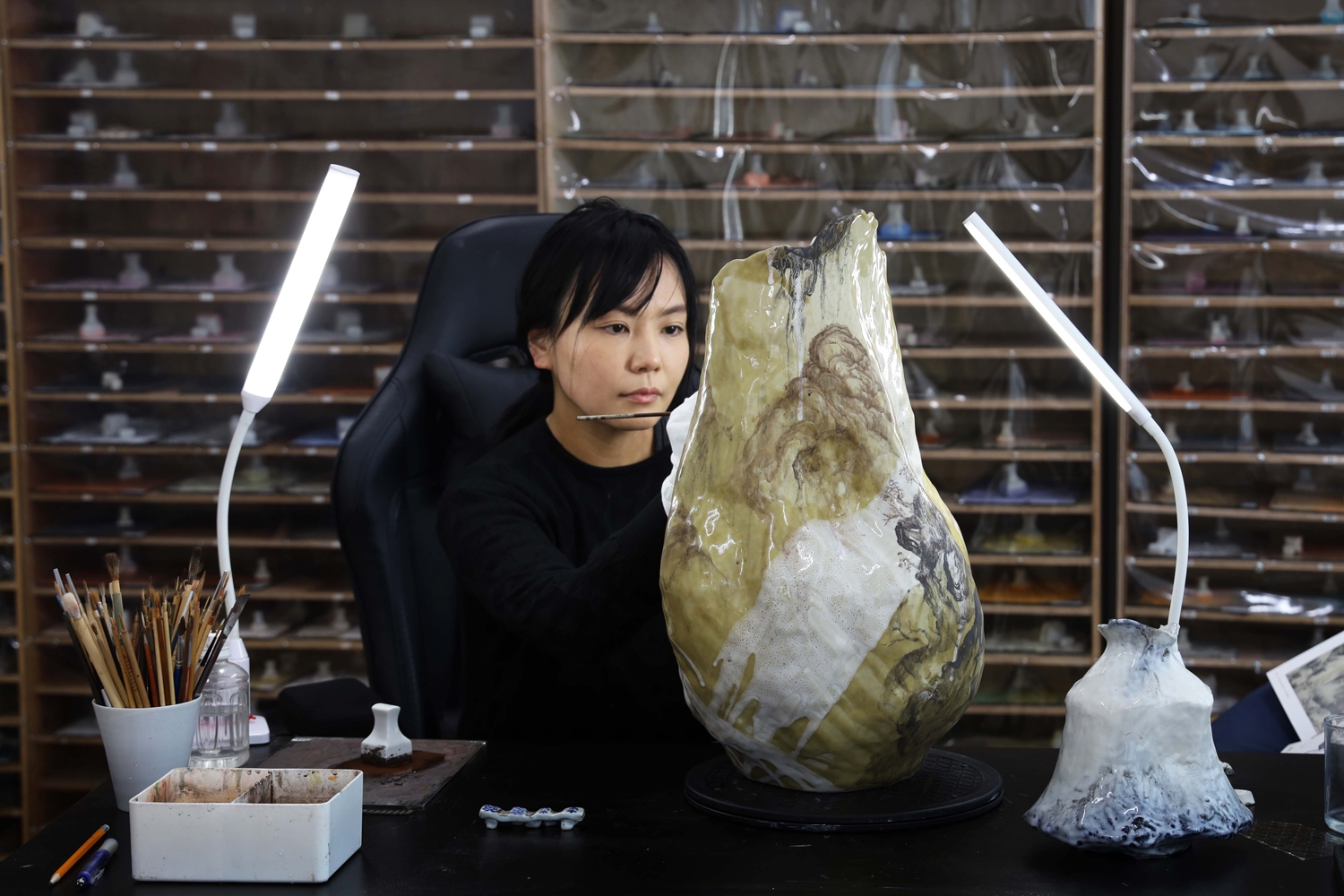
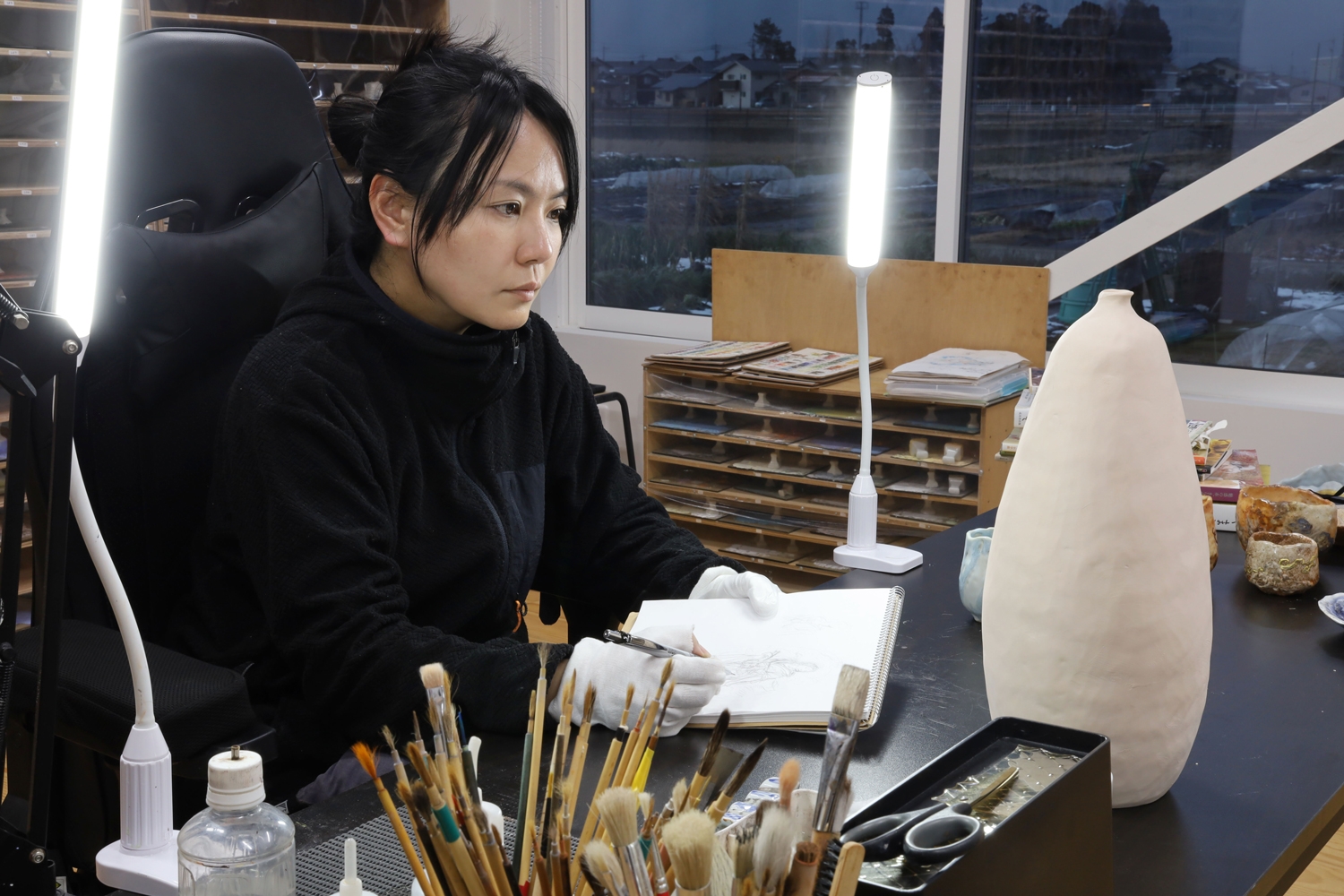
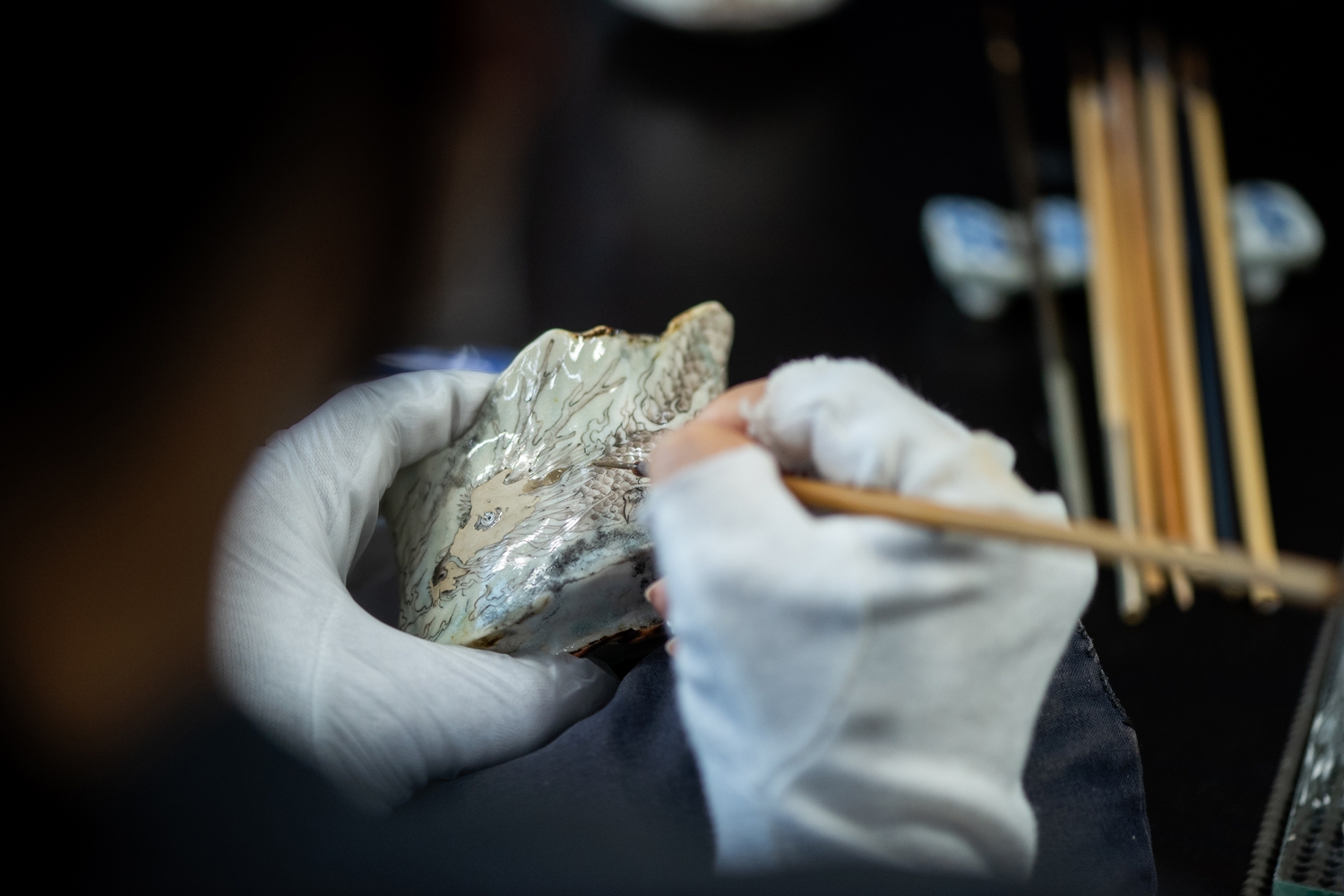
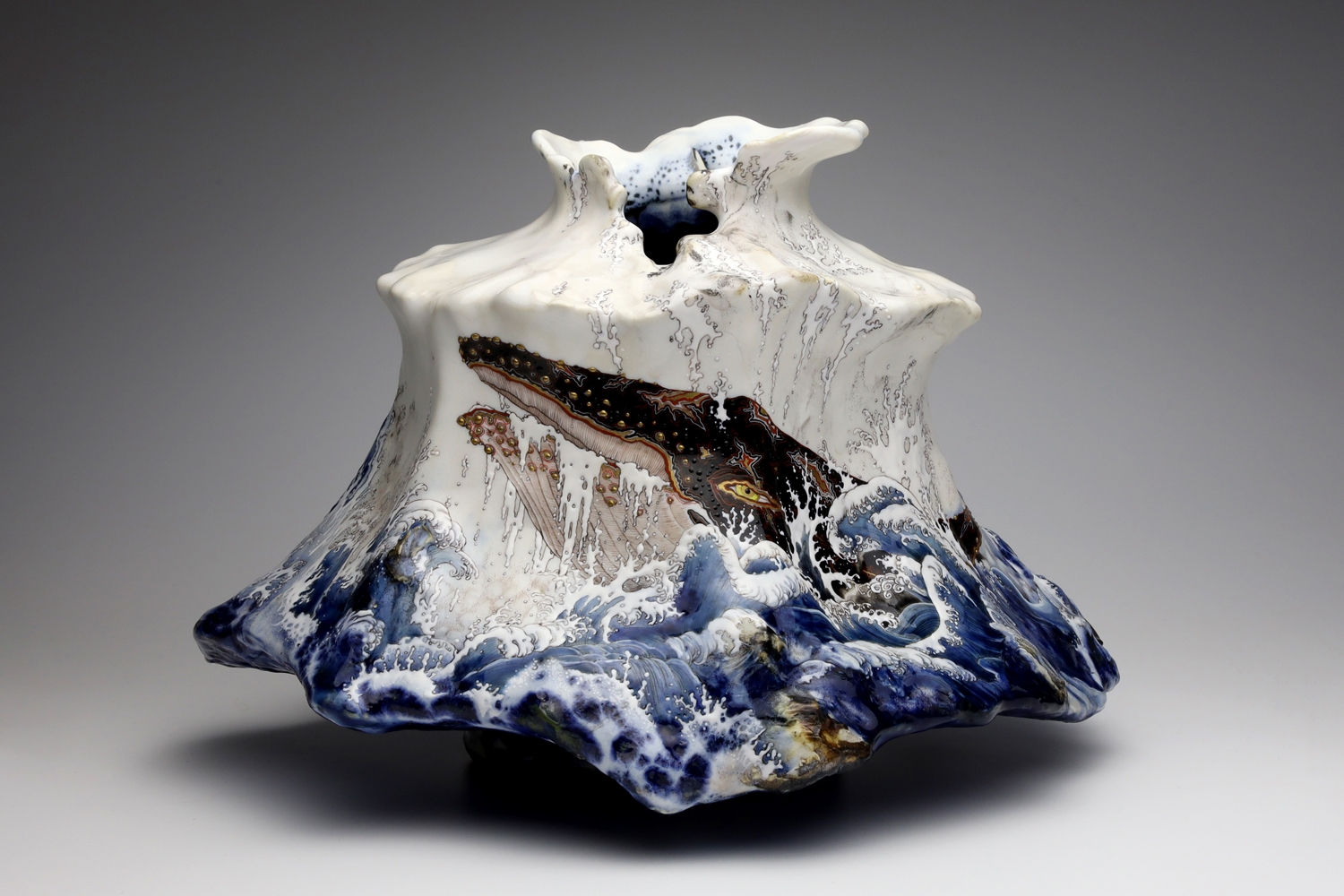
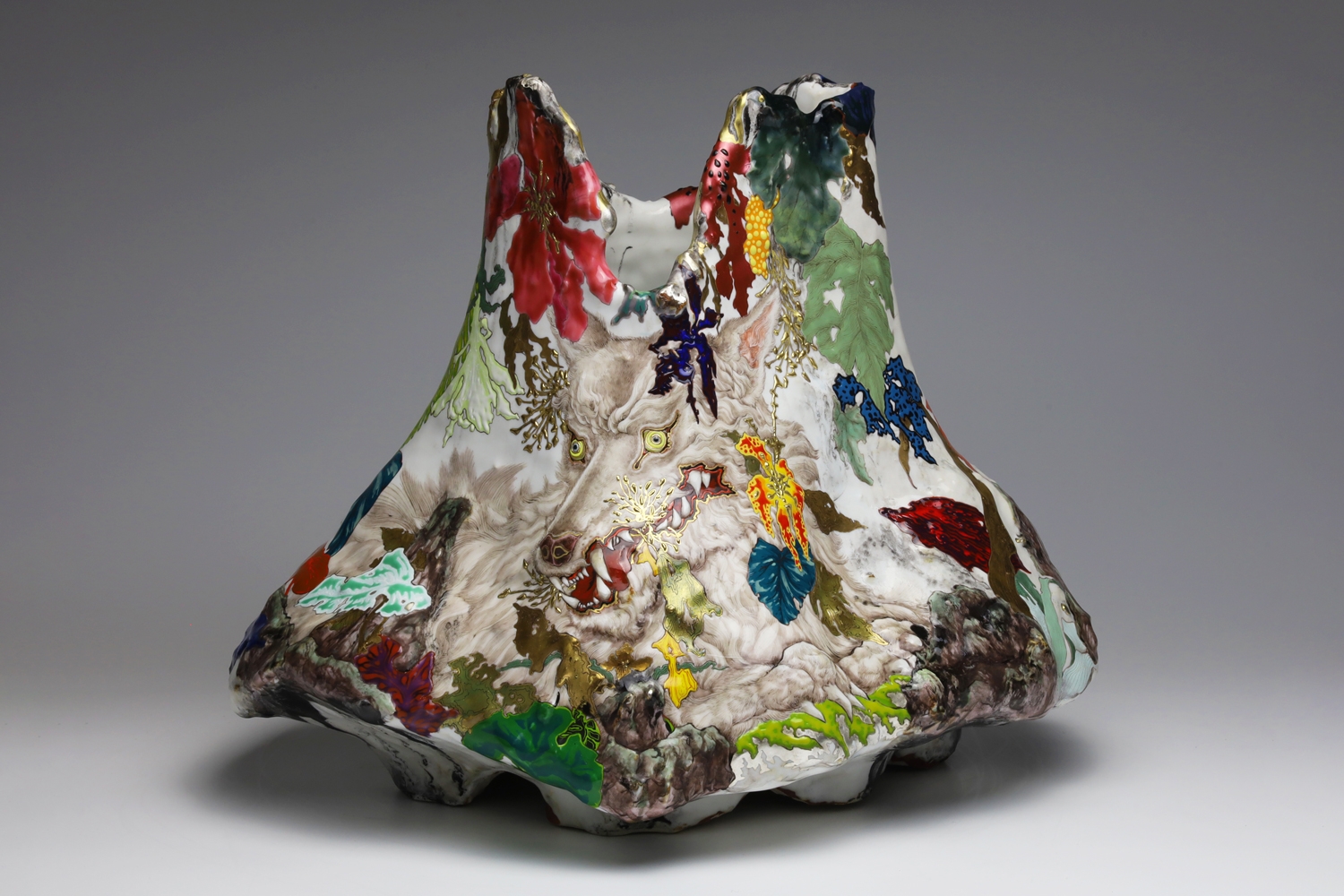
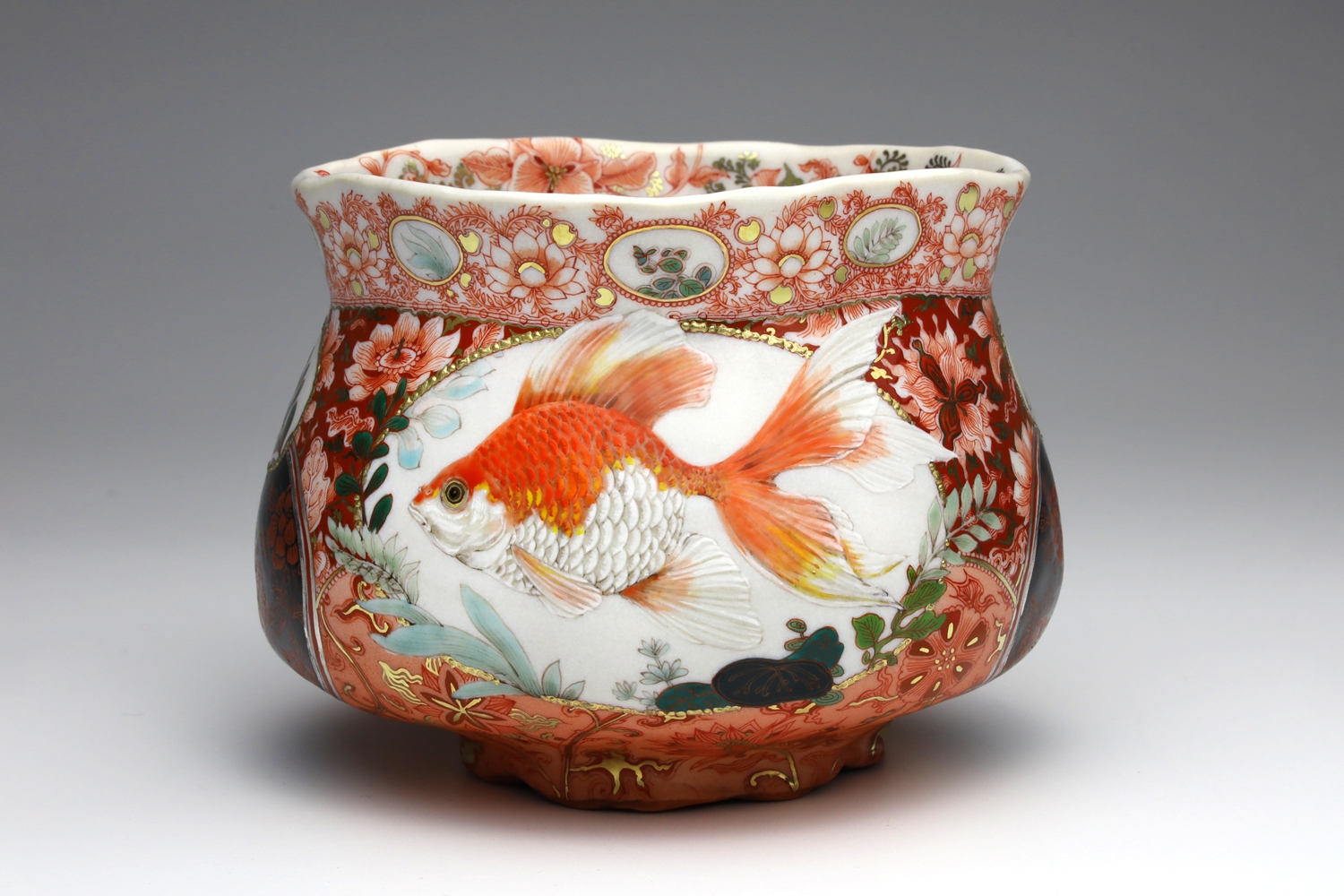
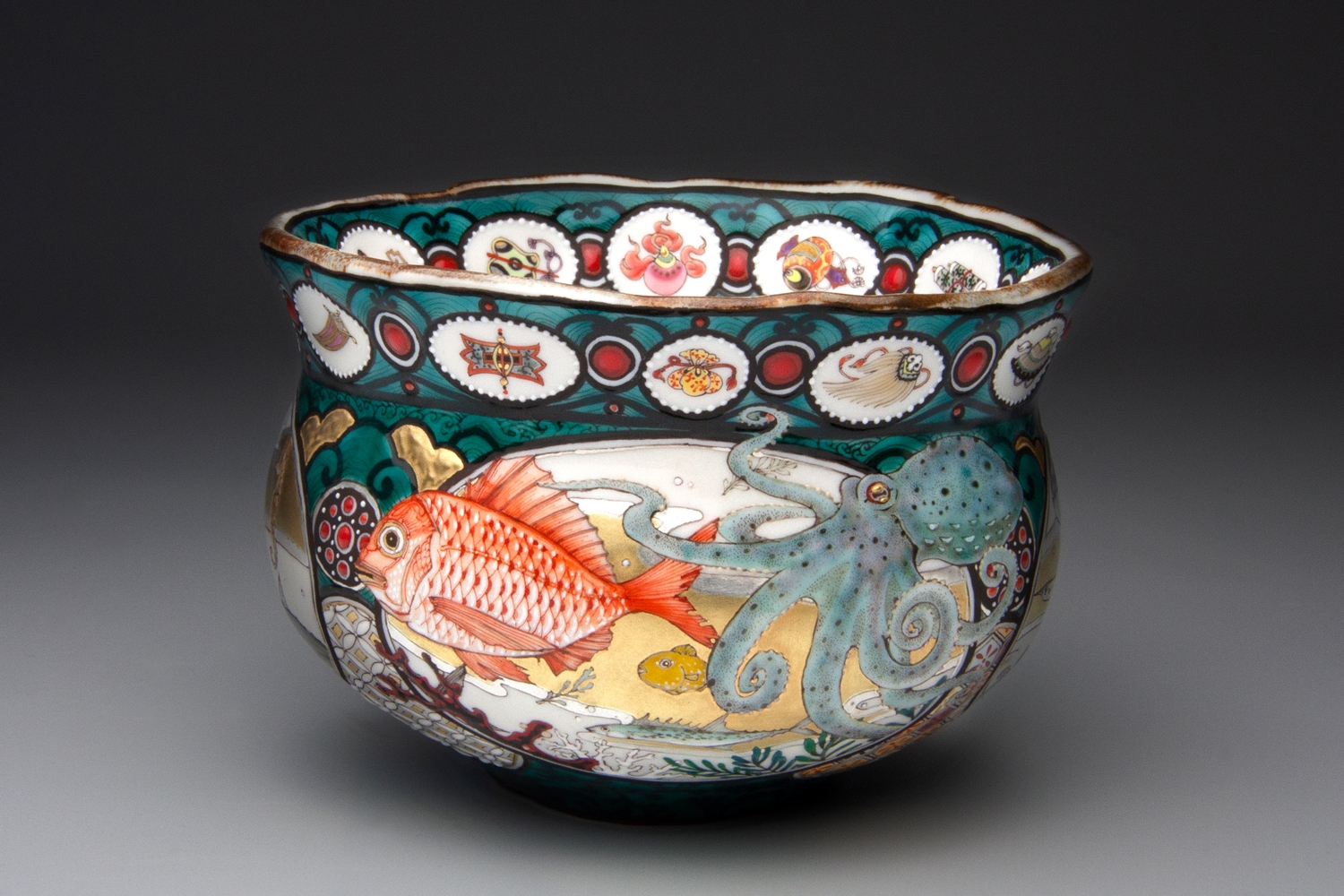
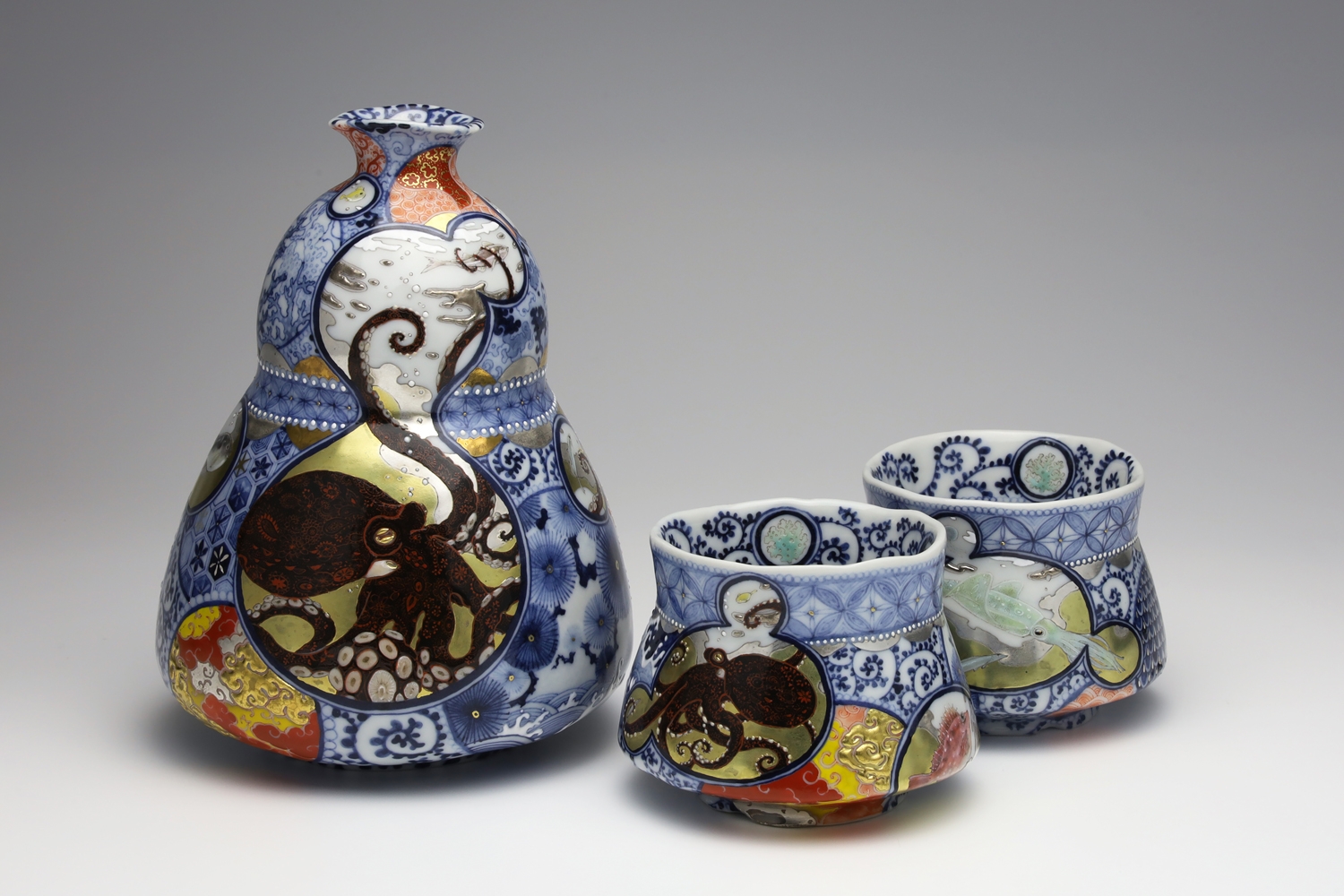
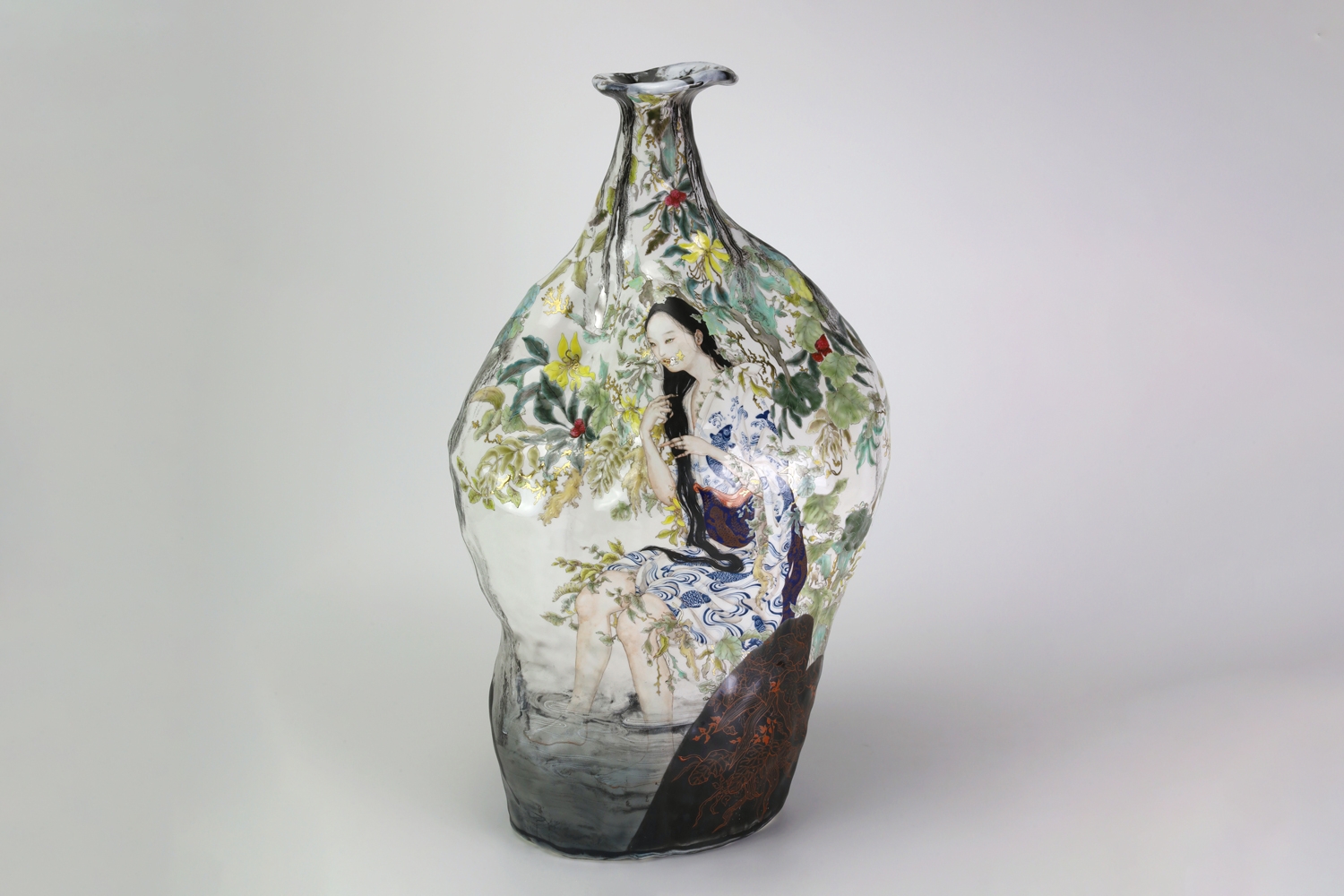
Yoca Muta specialises in kutani-yaki, a style of Japanese porcelain. "Each piece I make is more than just a vessel, it is a drawing, form and sculpture all at once, consolidated into a single piece of work," she says. Trained as a contemporary artist at Goldsmiths College in London, Yoca developed a strong interest in the relationship between humans, objects and space. This curiosity later led her to practice the traditional craft of kutani-yaki. Yoca shapes each form by hand, welcoming its organic curves and natural imperfections before adding her drawings to the surface. For her, the vessel has a skin – not simply a surface. "Drawing becomes part of its body," she says. "I am inspired by imaginary worlds that people create in response to nature, because they show how we shape entirely new dimensions of reality throughout history."
Discover her work
INTERVIEW
After visiting the Echigo-Tsumari Art Triennale, I was impressed with its immersive approach to contemporary art, I realised I wanted to study this field. I first enrolled in an art university in Tokyo, but later transferred to Goldsmiths College in London for a clearer focus.
When I was a student, I tried using different materials to create installations. Many of these pieces were ephemeral and mainly aimed to provide a sensory experience, which is why I started looking for a lasting physical form. This is what led me to kutani-yaki.
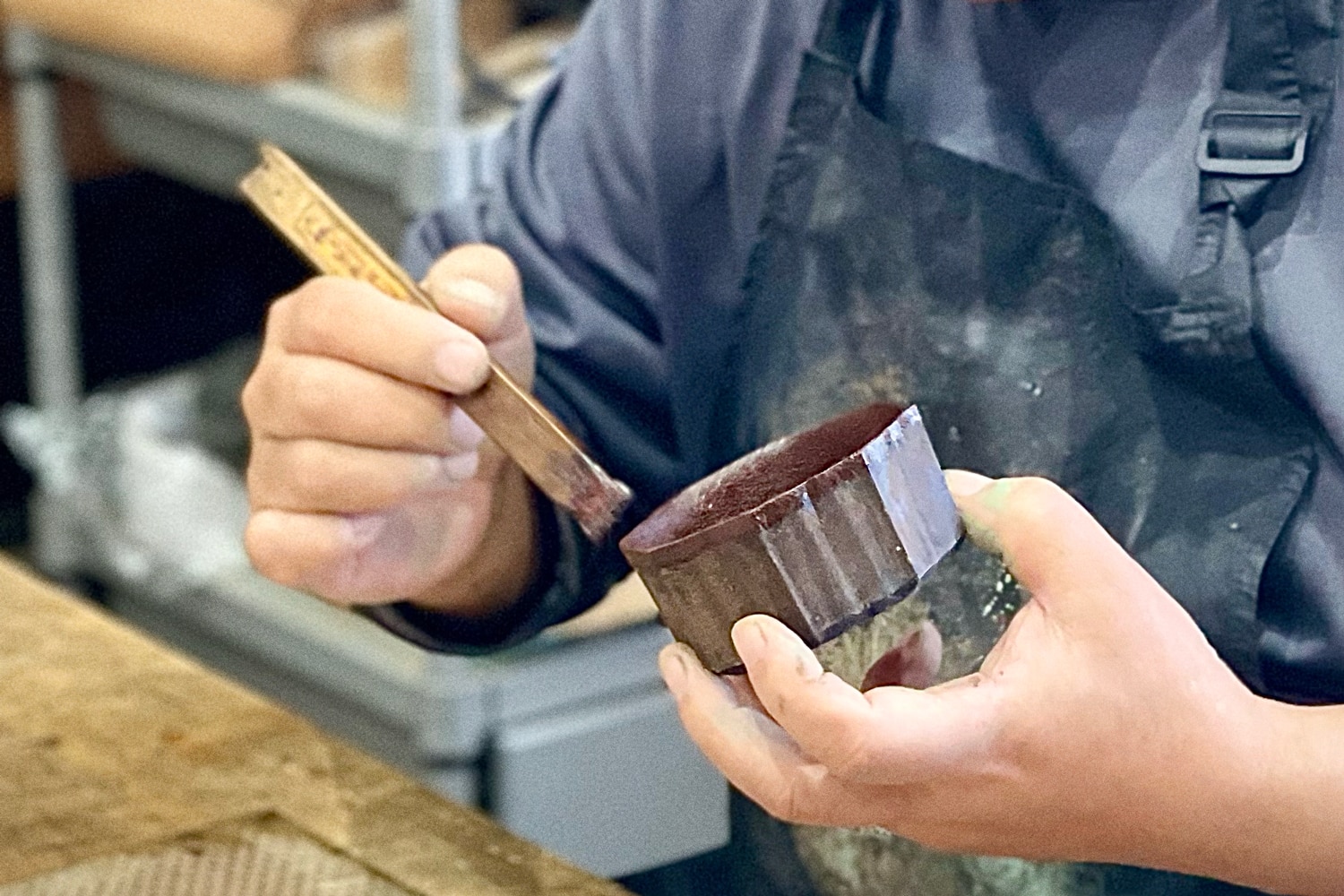
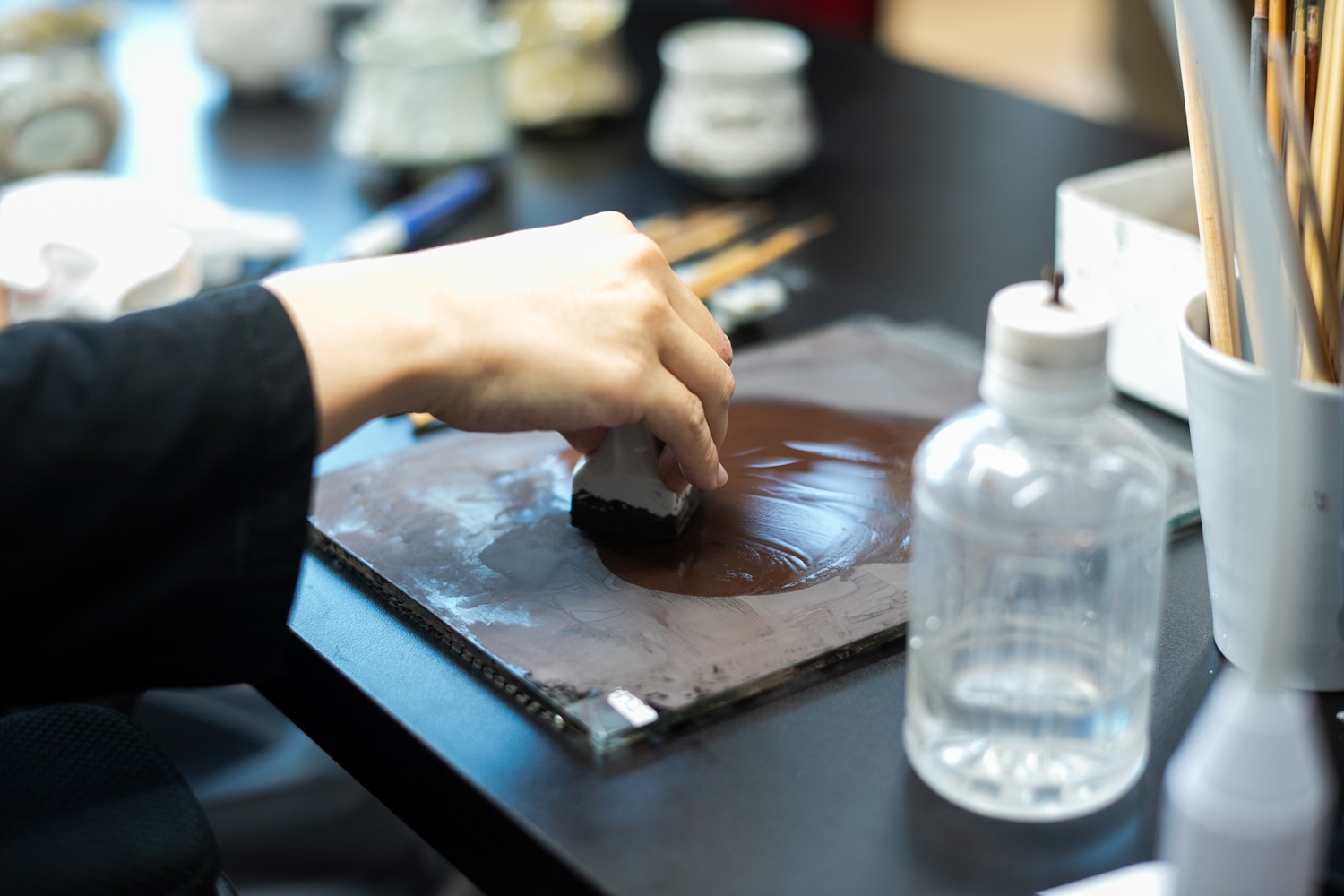
What initially caught my attention was that the kutani-yaki training centre allowed us to take charge of both the shaping and colouring processes, integrating multiple techniques. In Japan, these two stages are typically treated as separate specialties.
I am fascinated by how humans have connected with nature throughout history, not in a spiritual sense, but through observing the images shaped by our ability for imagination. My inspiration is to show nature as a created fantasy rather than a realistic representation.
Yoca Muta
Porcelain maker
Nomi, Japan
ADDRESS
Address upon request, Nomi, Japan
AVAILABILITY
By appointment only
LANGUAGES
Japanese, English
Homo Faber Finds is a new service aiming to inspire admirers of craft to connect and collaborate with exceptional artisans.
We invite you to submit an enquiry here.