©Joonyong Kim
©Joonyong Kim
©Joonyong Kim
©Joonyong Kim
©Joonyong Kim
Joon Yong Kim
Glassblower
Goyang-si, South Korea
©Joonyong Kim
©Joonyong Kim
©Joonyong Kim
©Joonyong Kim
©Joonyong Kim
©Joonyong Kim
©Joonyong Kim
©Joonyong Kim
©Joonyong Kim
©Joonyong Kim
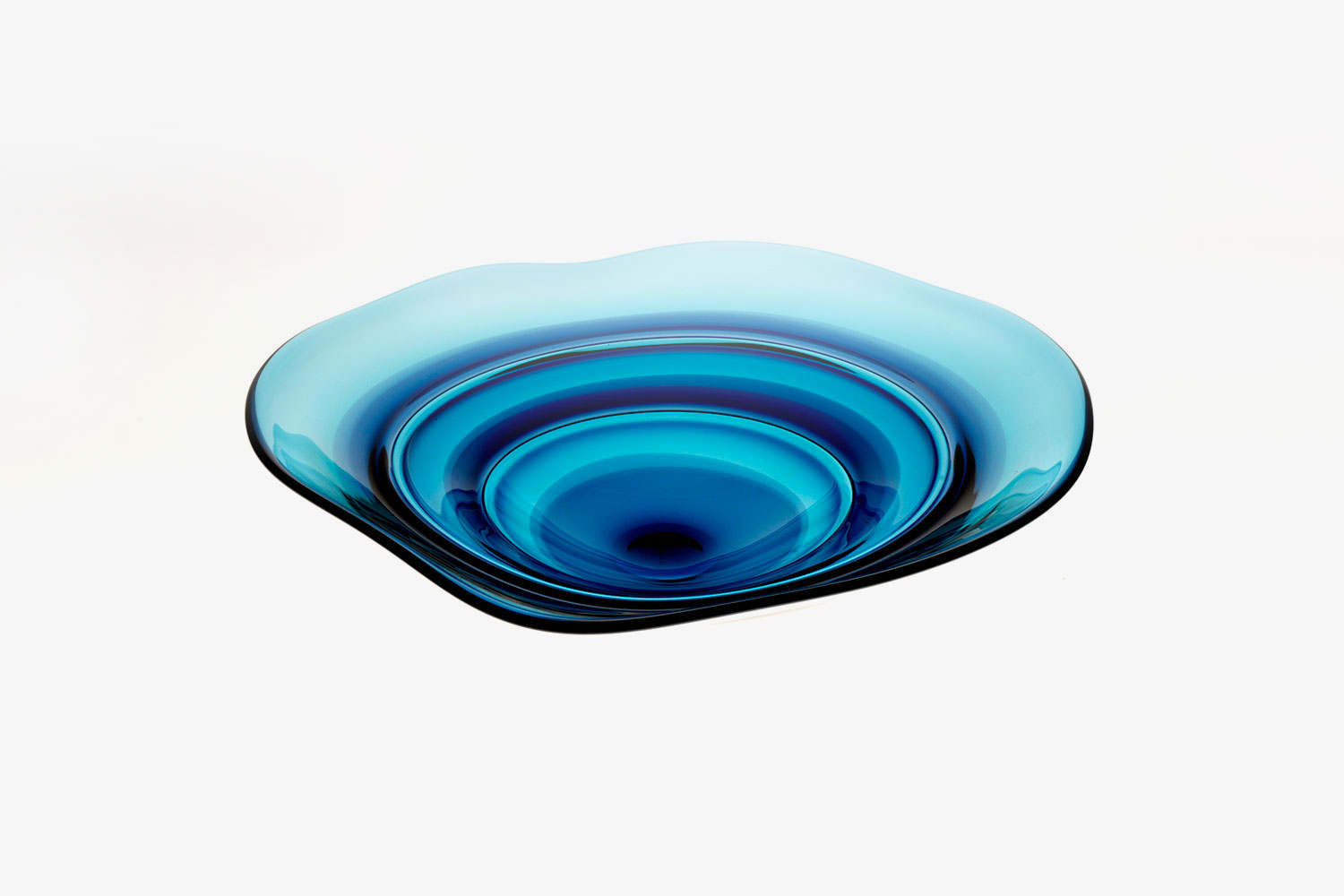
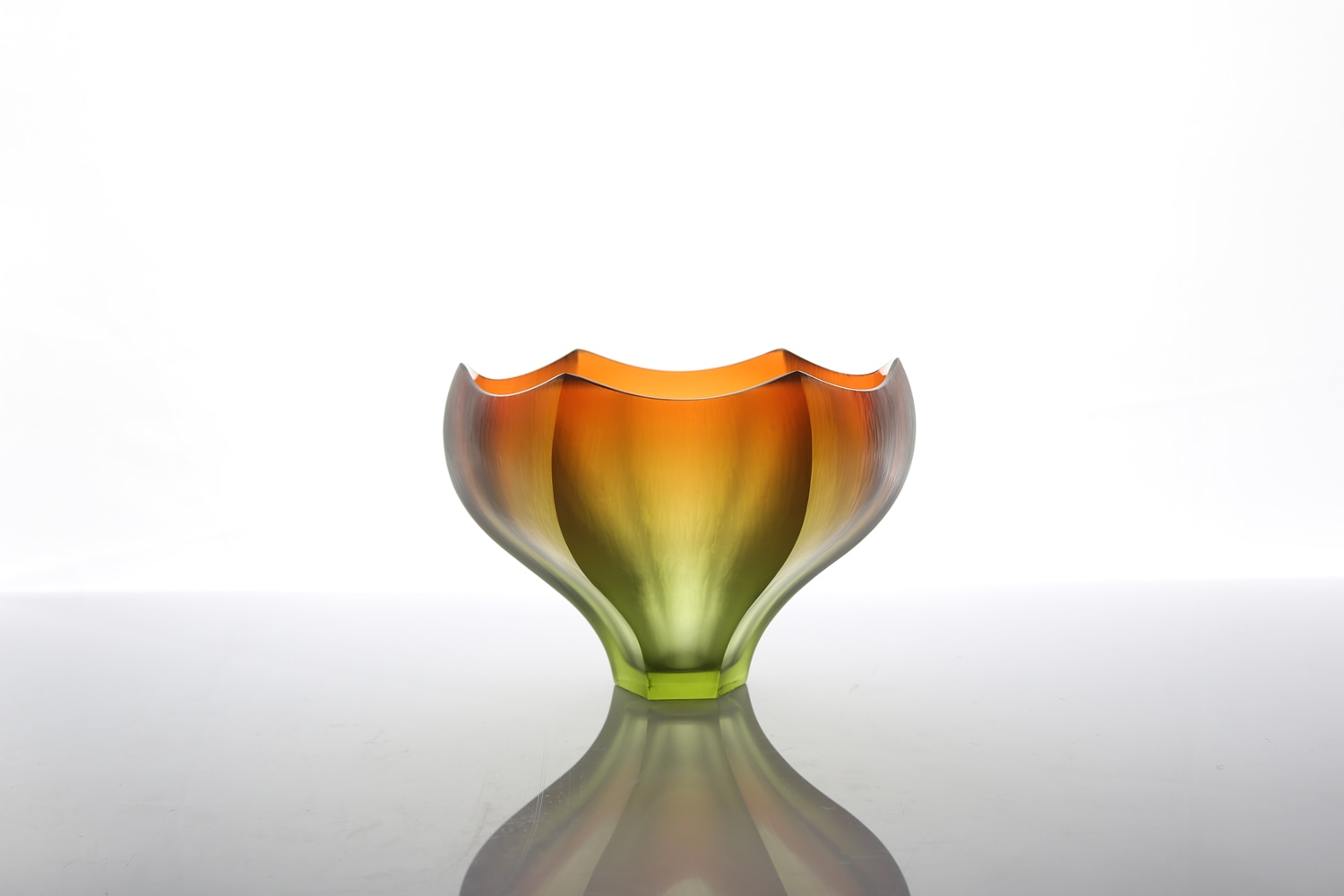
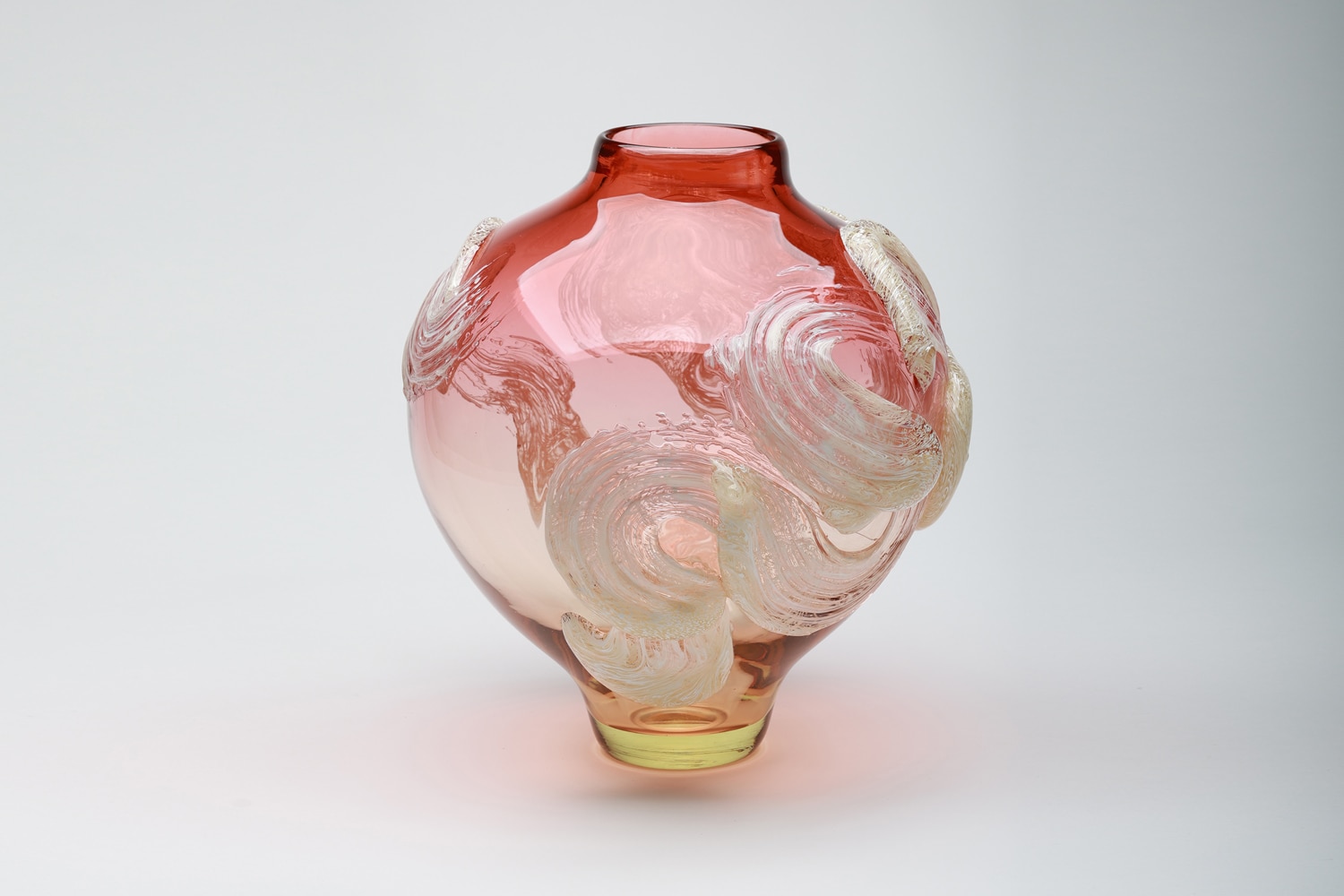
Gradients of dusk and dawn
- Joon Yong capture changes of light in glass
- His process involves planning and sketching to mitigate risks
- He was trained across the USA, South Korea and Sweden
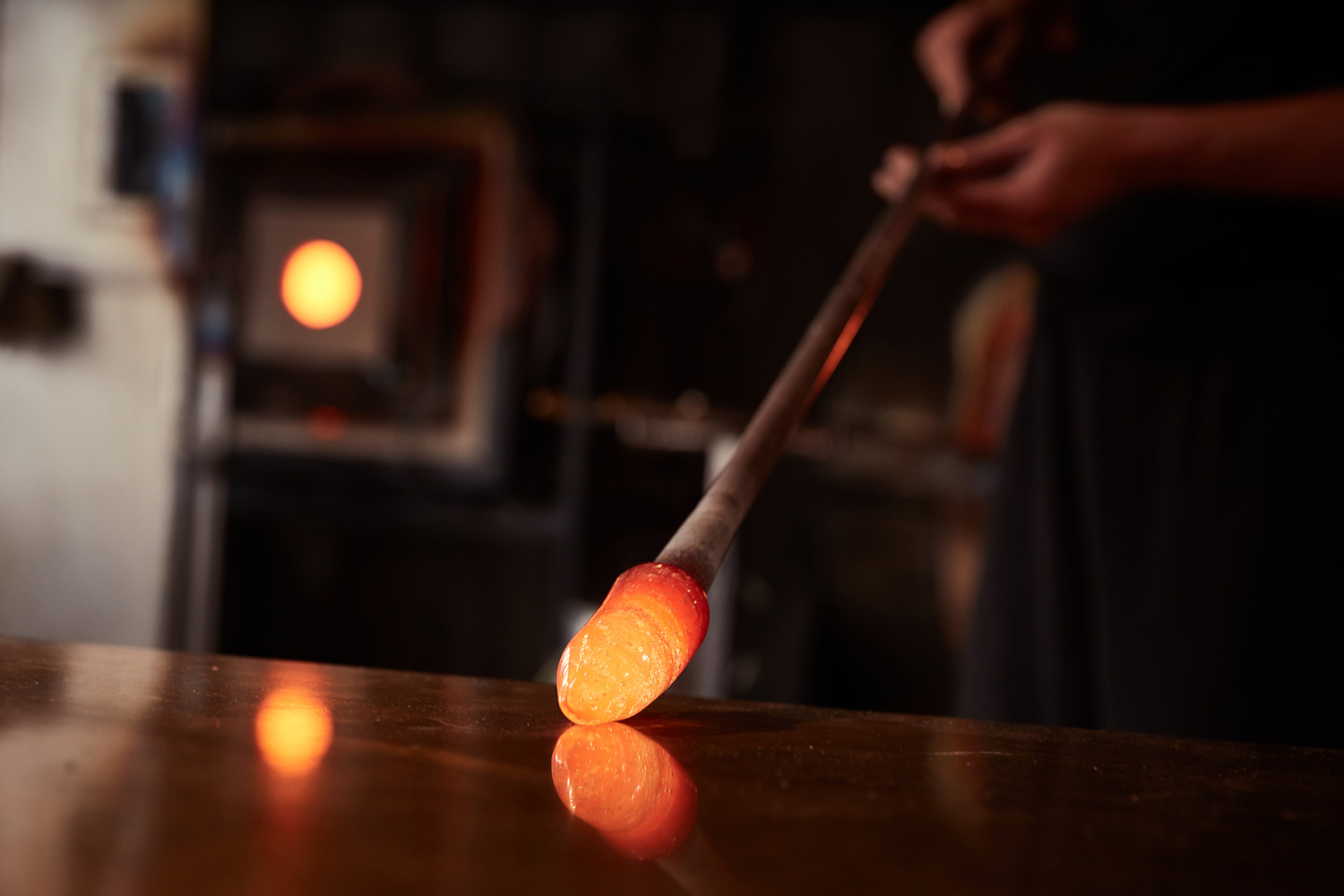
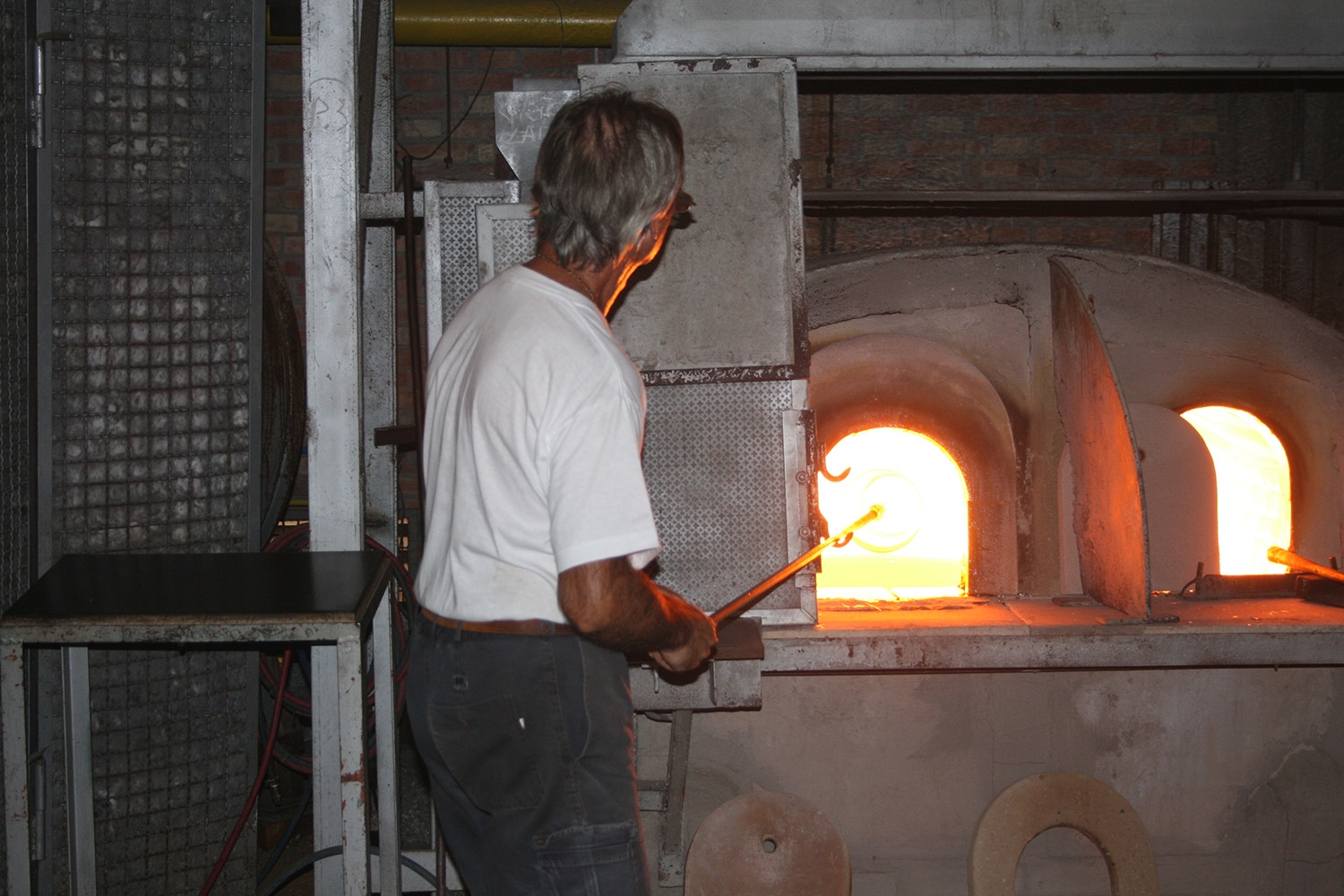
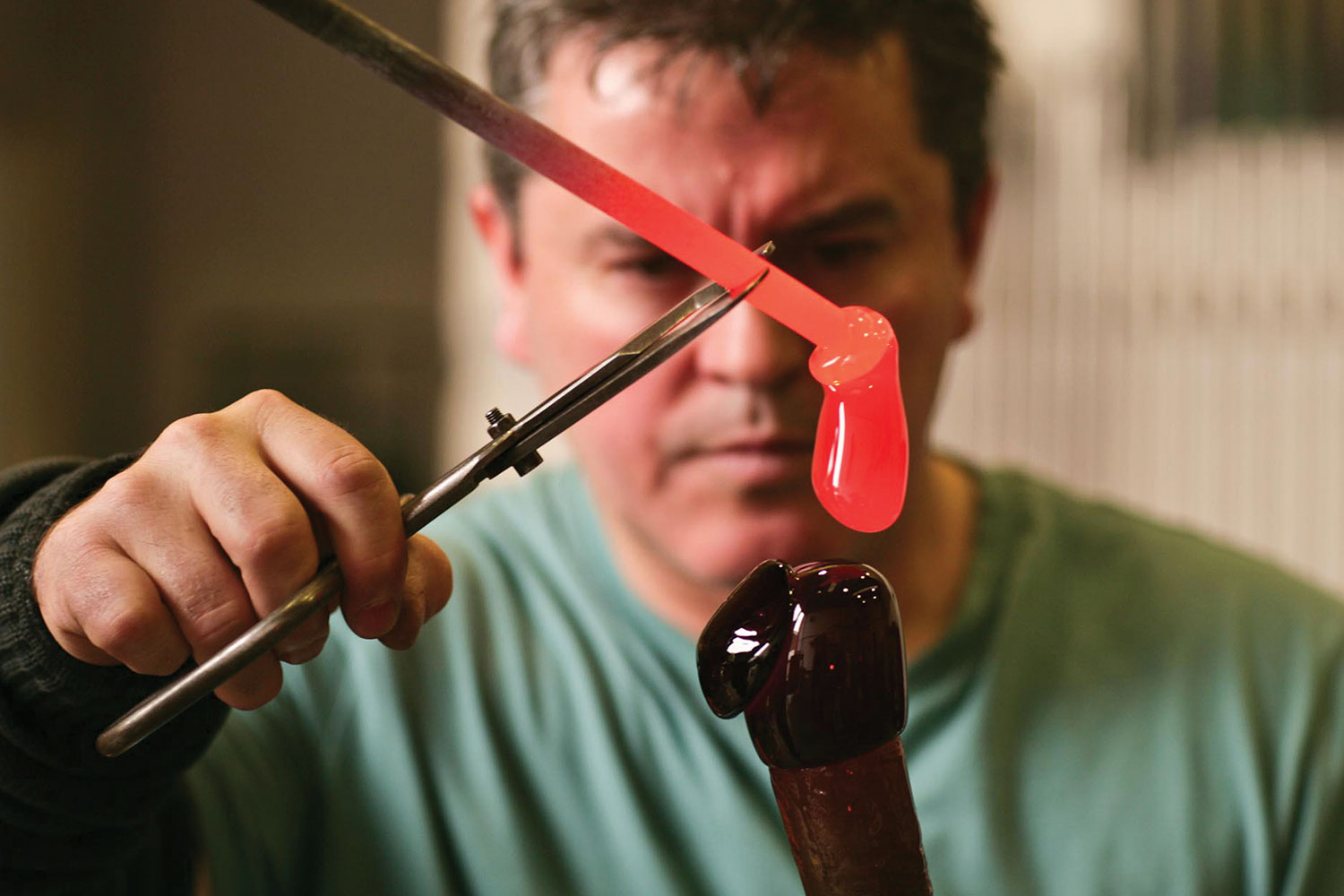
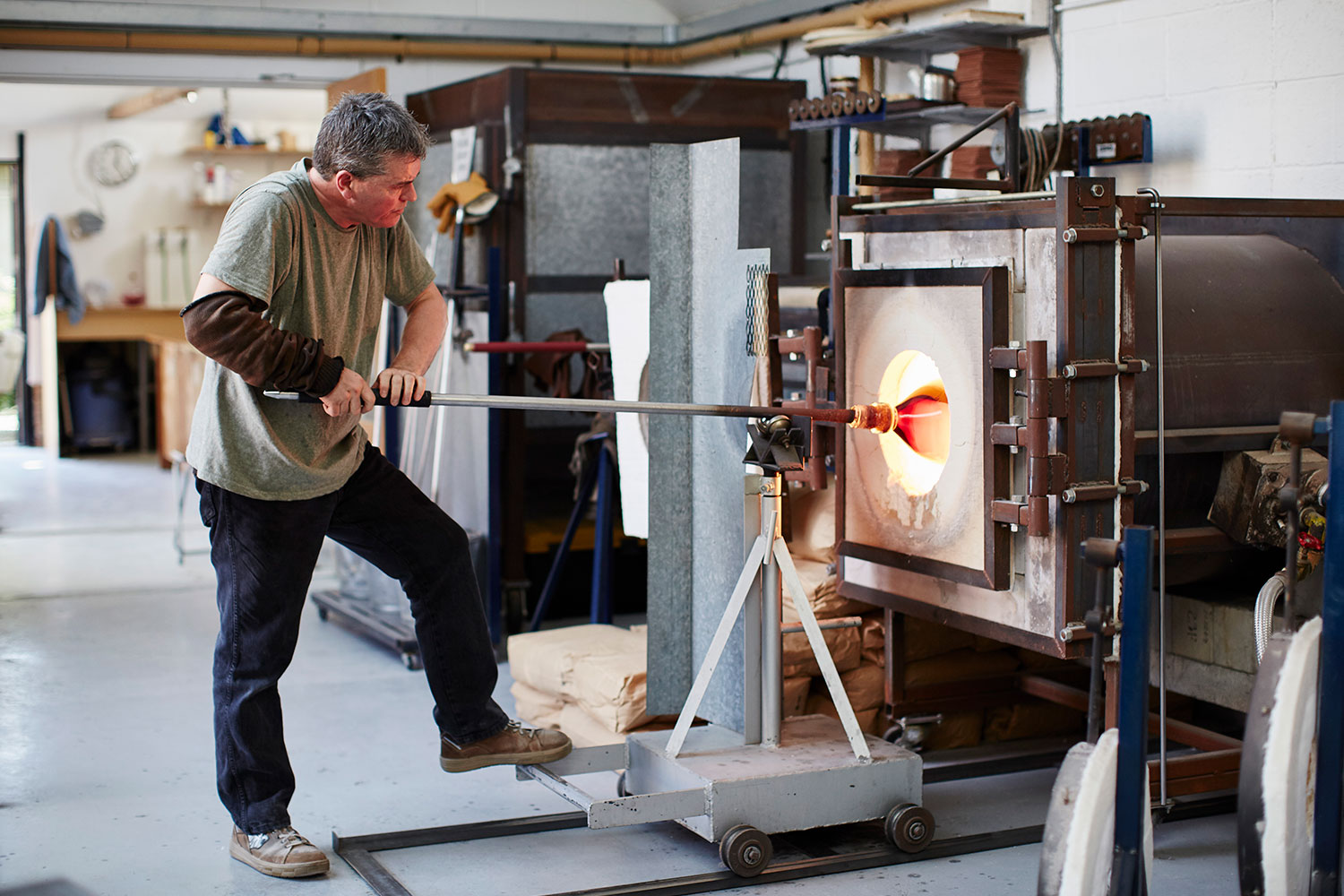
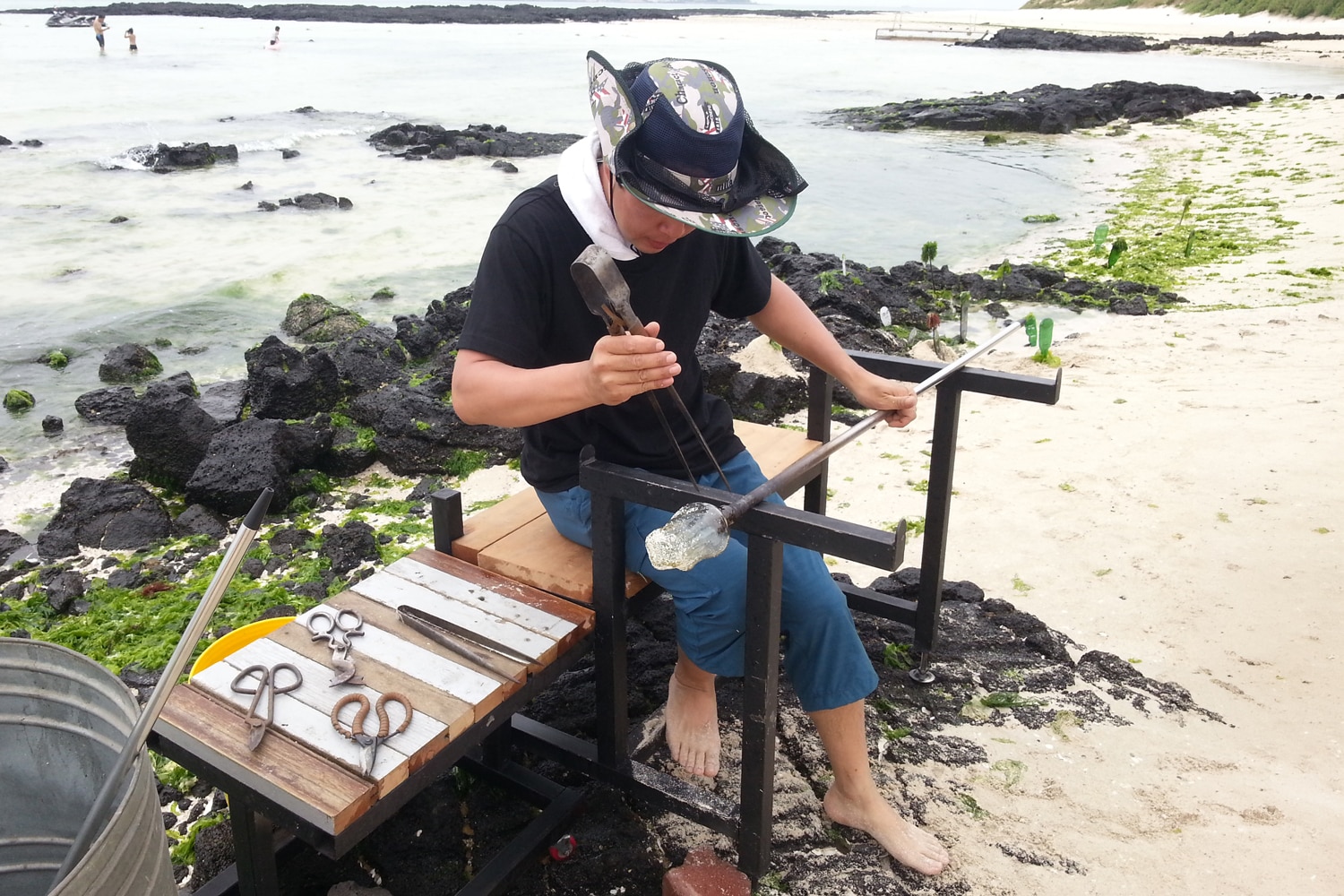
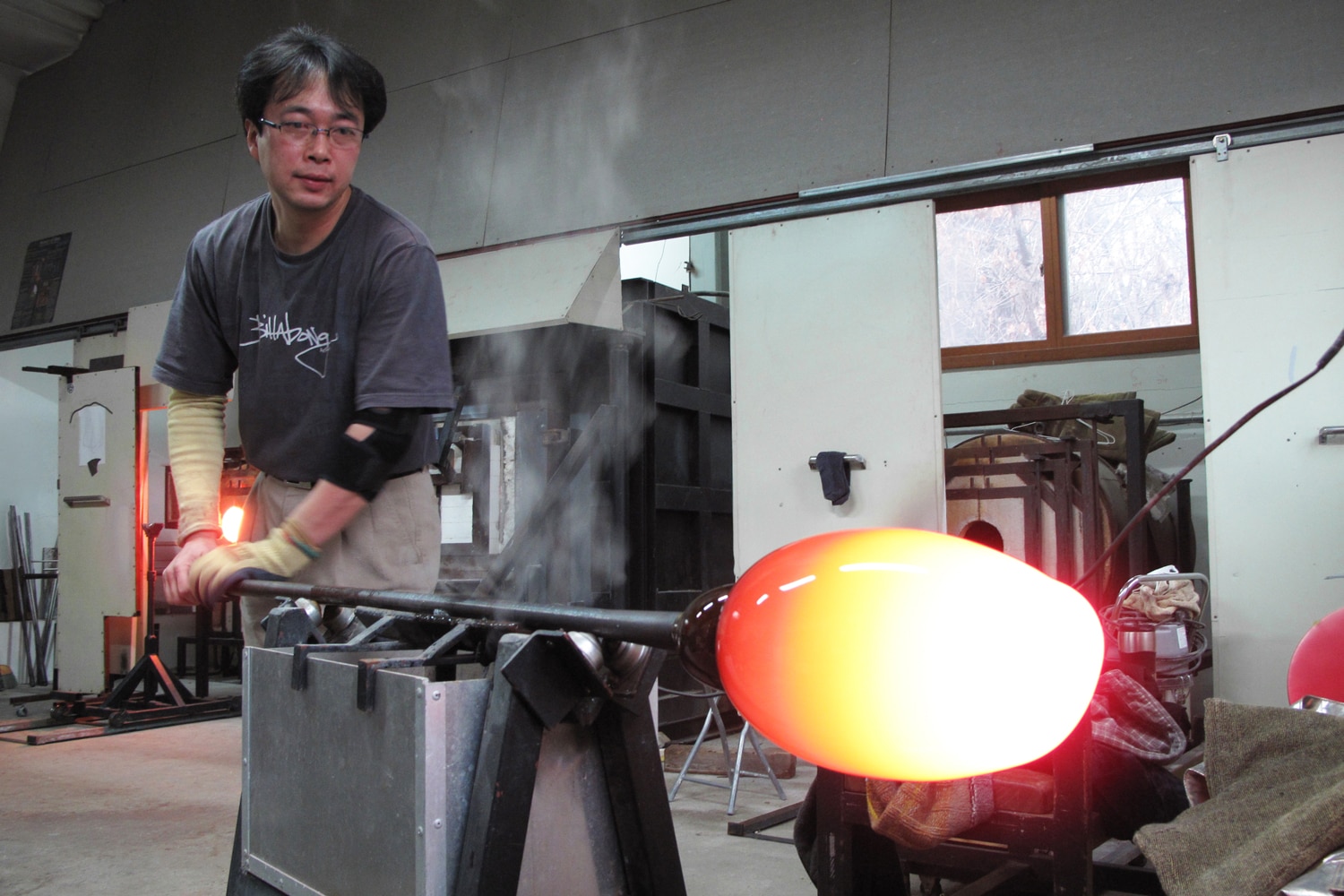
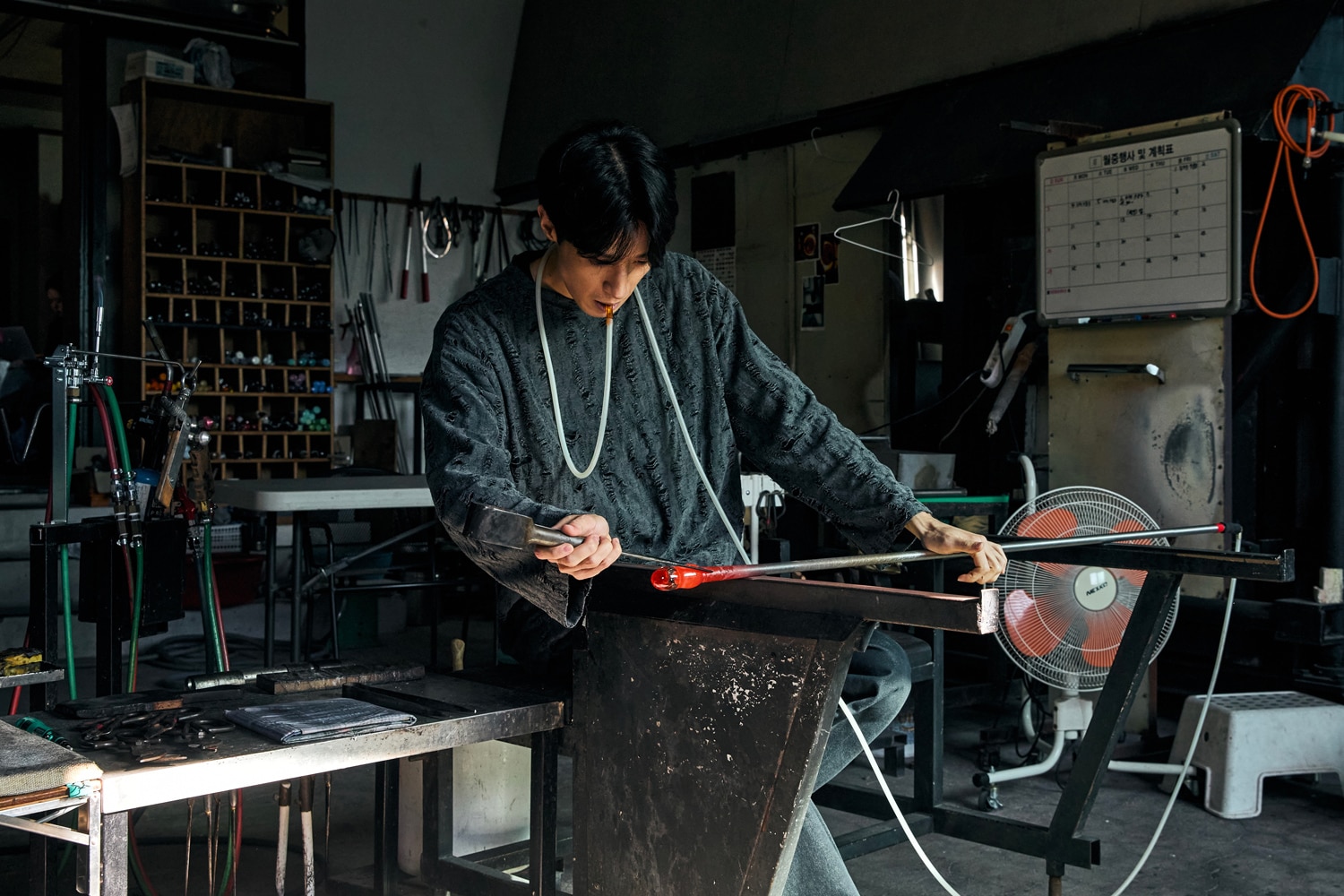
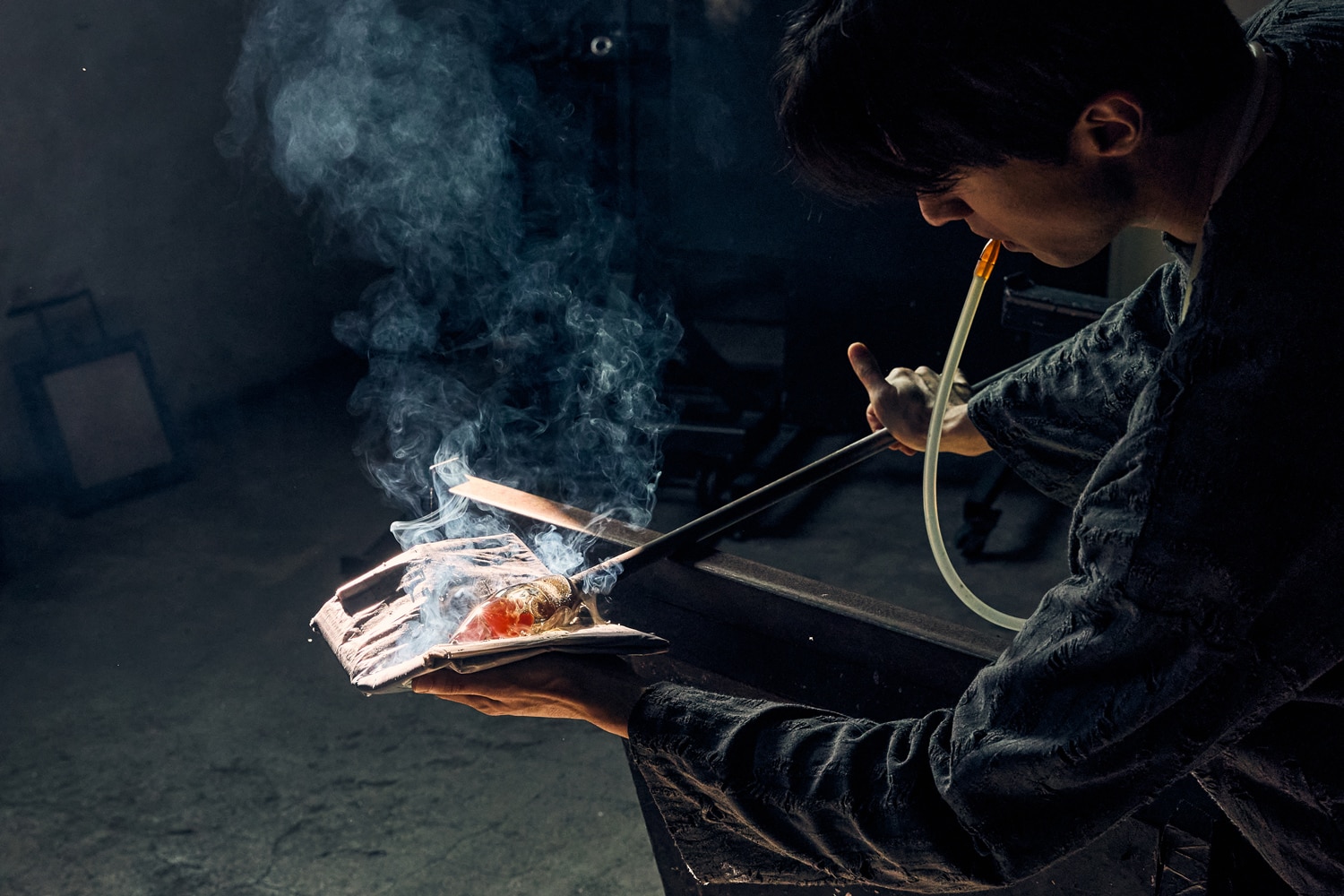
Rather than treating glass as a delicate material, Joon Yong Kim approaches it as a medium of energy, movement and immediacy. His path began in ceramics at Kookmin University, where his interest in glass first emerged despite the limited opportunities to study the discipline in South Korea at the time. A turning point came in 1995, during the Ausglass conference in Australia, when Joon Yong witnessed a live blowing demonstration by Nick Mount. "Watching vivid colours and intricate patterns take shape within hours revealed a new creative language," he says. "The craft contrasted sharply with the slower and less predictable process I had experienced in ceramics." Determined to pursue this direction, Joon Yong later continued his studies at Rochester Institute of Technology in the USA, and refined his technique through training in Swedish glassblowing, which remains central to his practice today.
Joon Yong Kim is a master artisan: he began his career in 1999 and he started teaching in 2000.
Discover his work
INTERVIEW
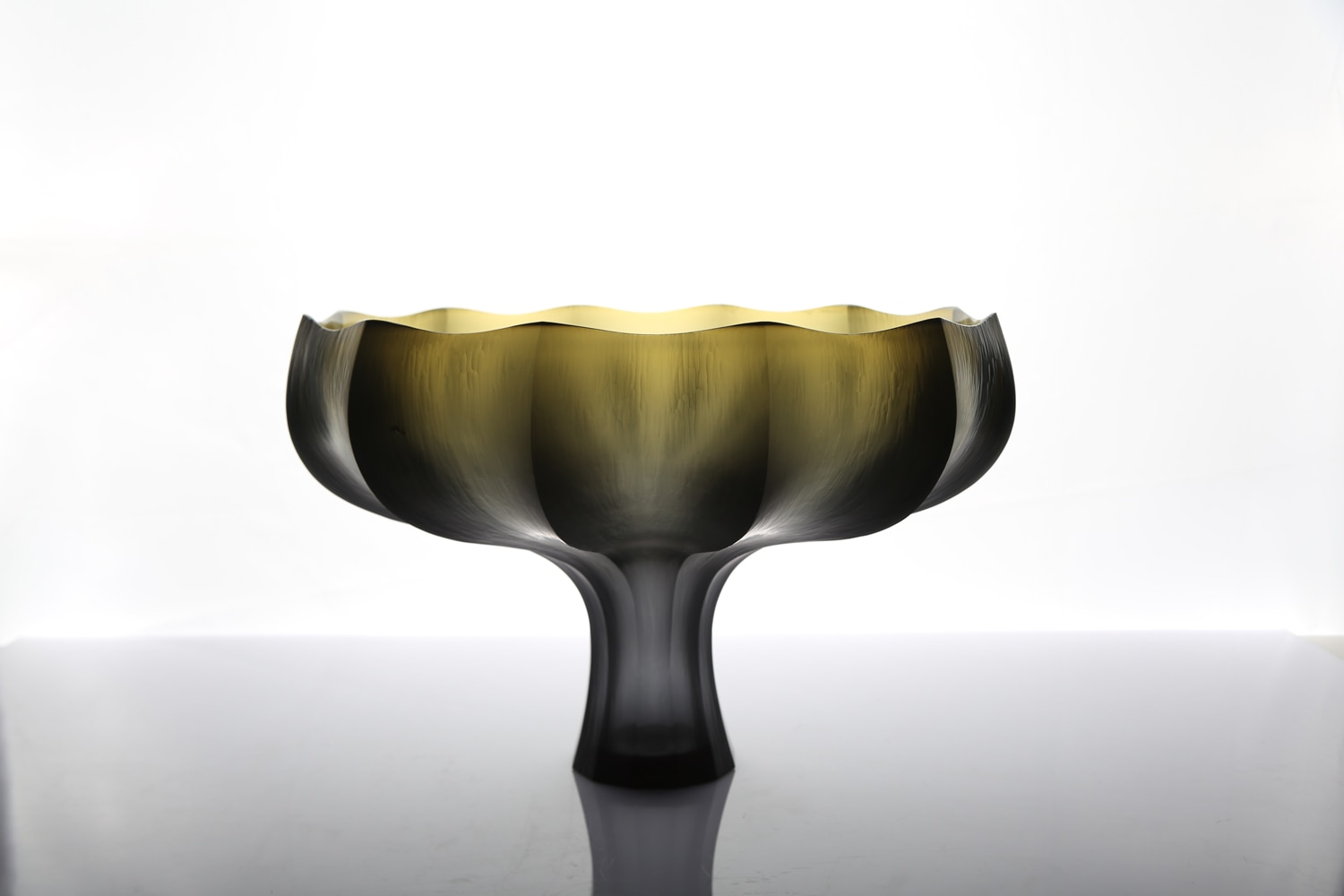
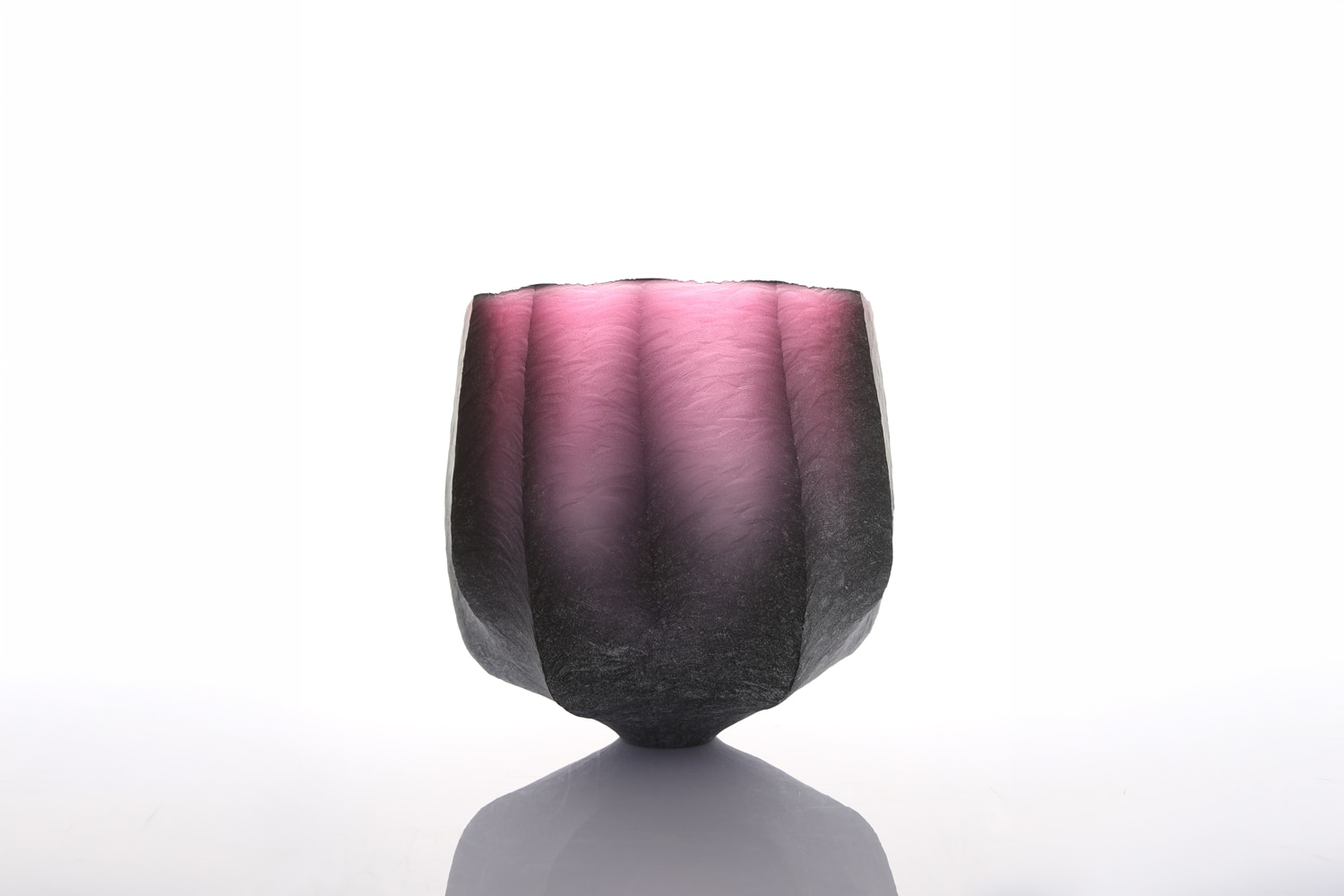
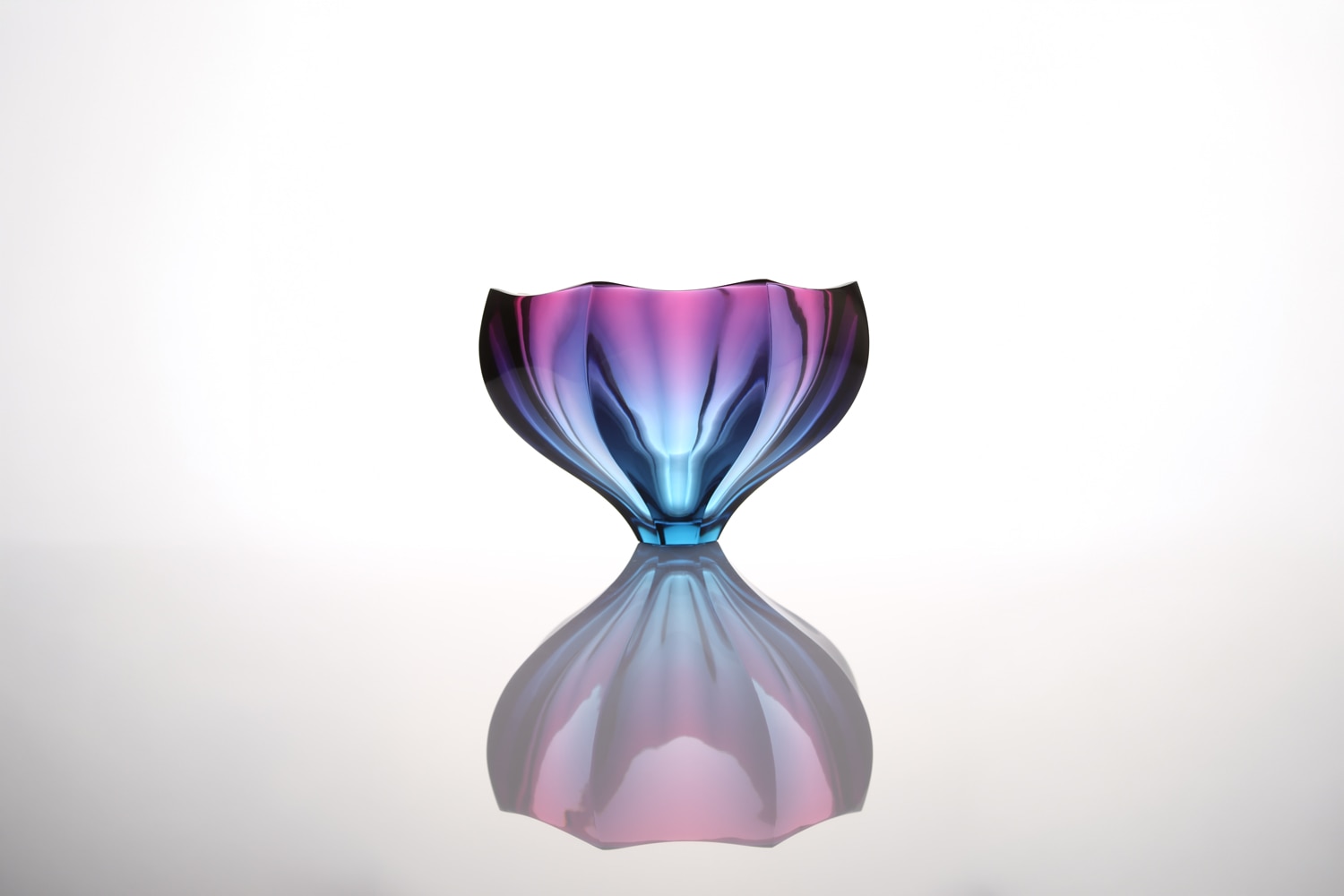
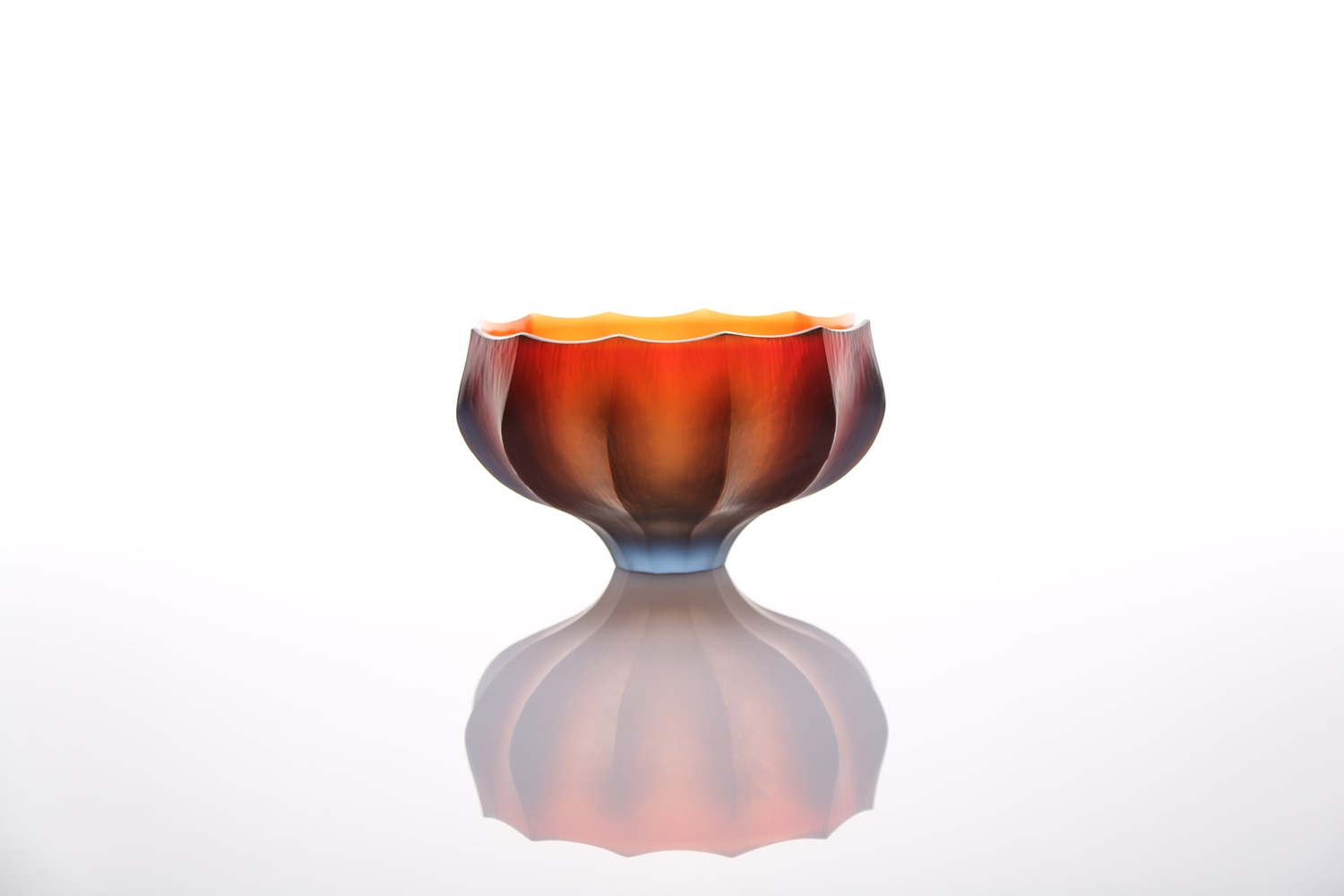
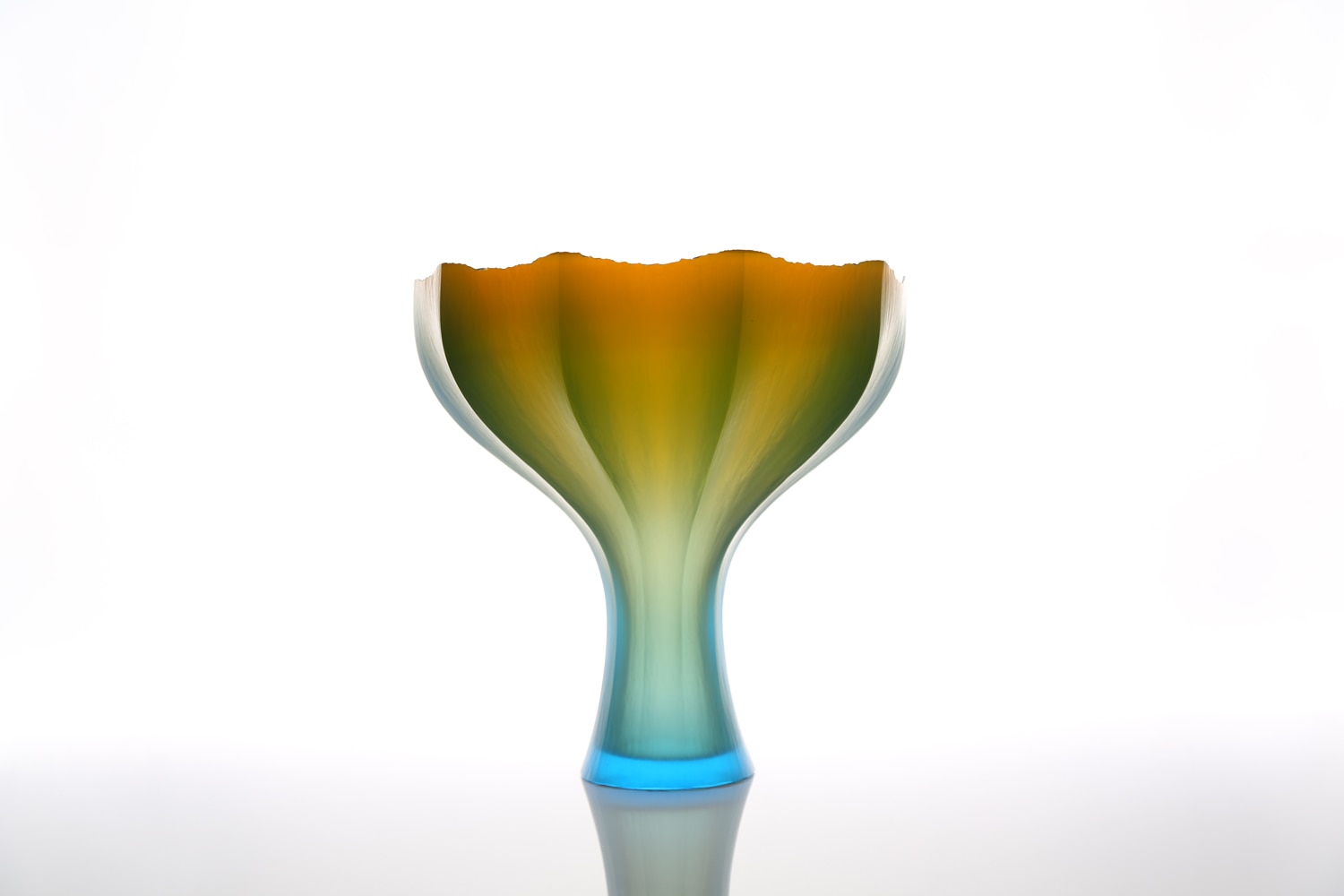
Like an impressionist capturing a fleeting moment, I try to preserve in glass the changing light at sunrise and sunset. During travels or in my studio, I observe moments created by the sun and translate those brief impressions into material form.
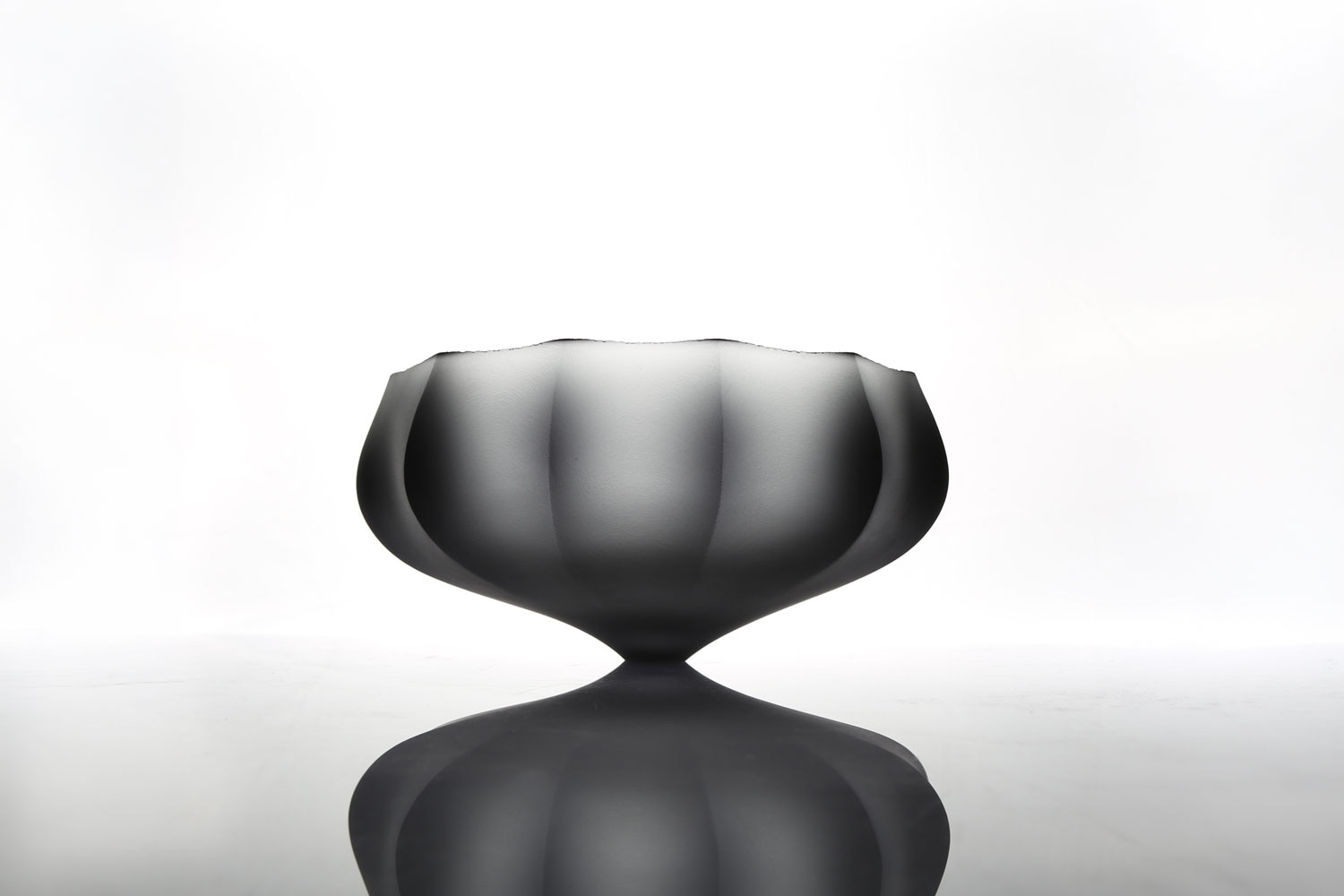
Colour was central in my early works. I believed subtle gradients could express light and space. Over time, I began making monochrome pieces, finding new interest in the balance created through form, texture and the depth of a single tone.
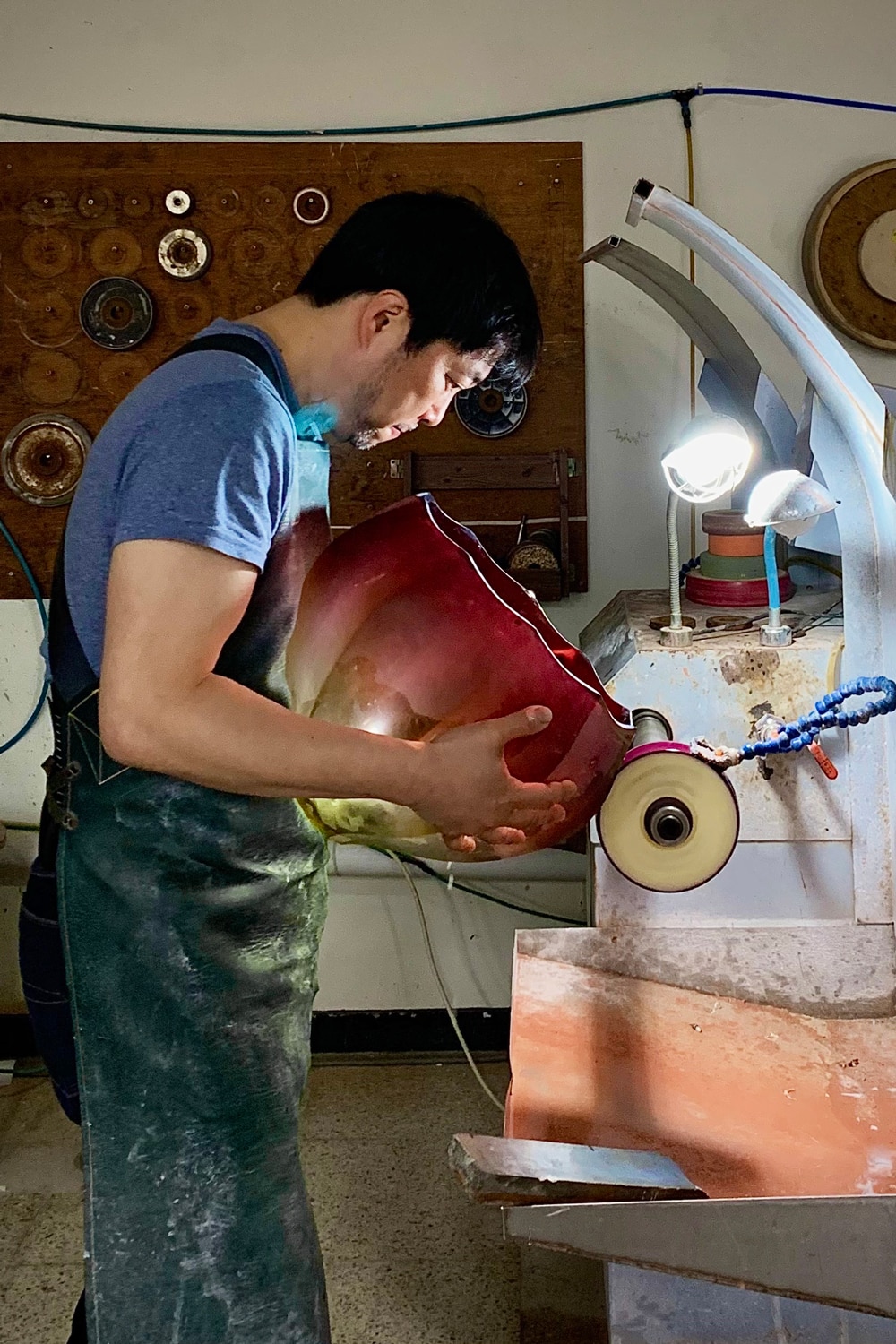
Glass demands time yet depends on moments. Imperfections such as bubbles or particles often appear only after cooling. Rather than forcing solutions, I restart my process. Managing blowing variables and risks during grinding remains the greatest challenge.
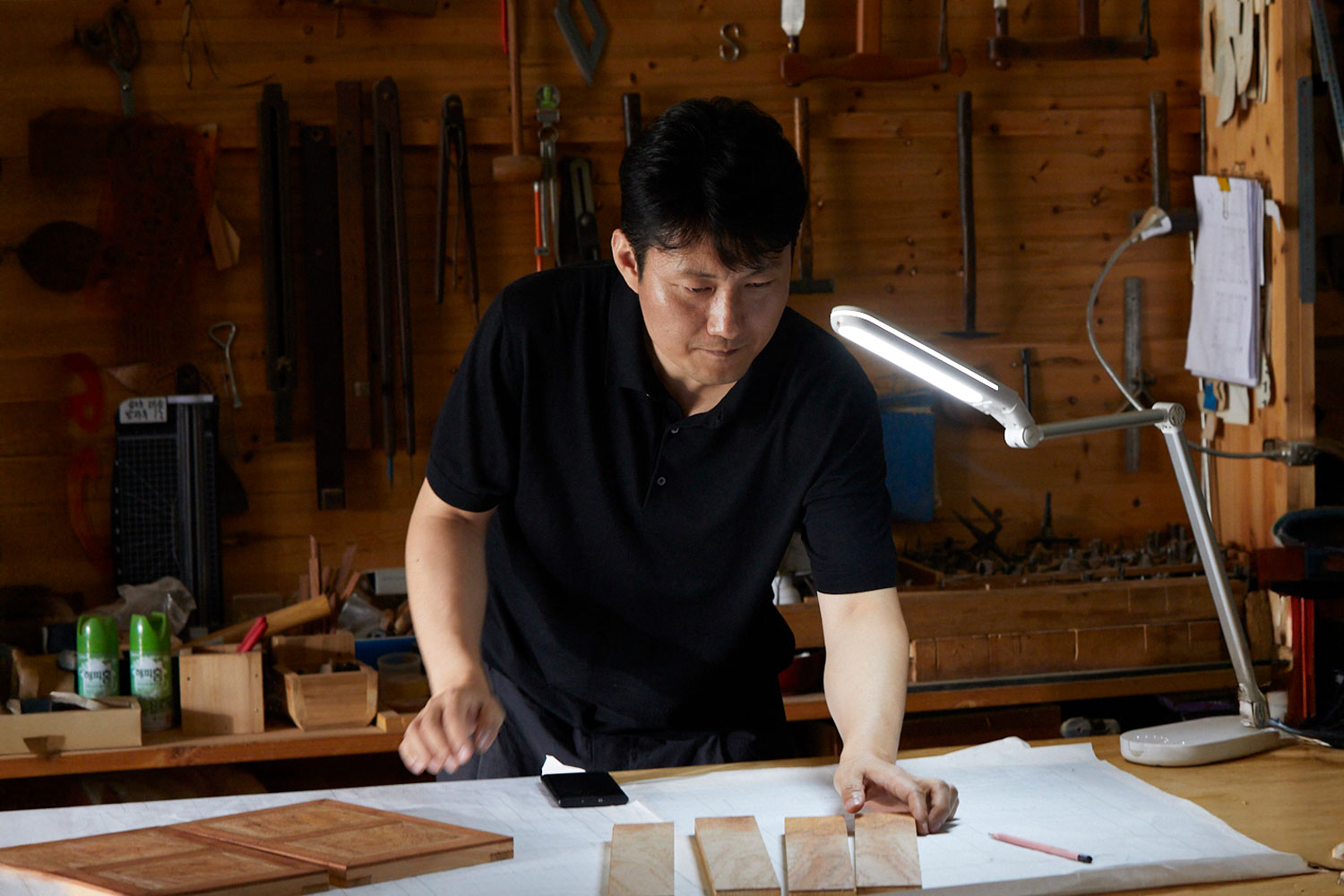
Because most problems occur during blowing, I prioritise preparation. After sketching, I meet with my assistants to define each role and movement. Careful planning reduces risks and allows the work to unfold with greater precision.
Joon Yong Kim
Glassblower
Goyang-si, South Korea
ADDRESS
Address upon request, Goyang-si, South Korea
AVAILABILITY
By appointment only
LANGUAGES
Korean, English
HOMO FABER FINDS
Homo Faber Finds is a new service aiming to inspire admirers of craft to connect and collaborate with exceptional artisans.
We invite you to submit an enquiry here.


(c)Ye Studio_9306.jpg)
making6(c)Hyunkyeong BAEK.jpg)
DSC_0104.jpg)