©Taehoon Lee
©Taehoon Lee
©Taehoon Lee
©Taehoon Lee
©Taehoon Lee
©Taehoon Lee
Taehoon Lee
Glassblower
Goyang-si, South Korea
Recommended by Jean Blanchaert & Irina Focsaneanu Eschenazi
©Taehoon Lee
©Taehoon Lee
©Taehoon Lee
©Taehoon Lee
©Taehoon Lee
©Taehoon Lee
©Taehoon Lee
©Taehoon Lee
©Taehoon Lee
©Taehoon Lee
©Taehoon Lee
©Taehoon Lee
Glass that captures movement and time
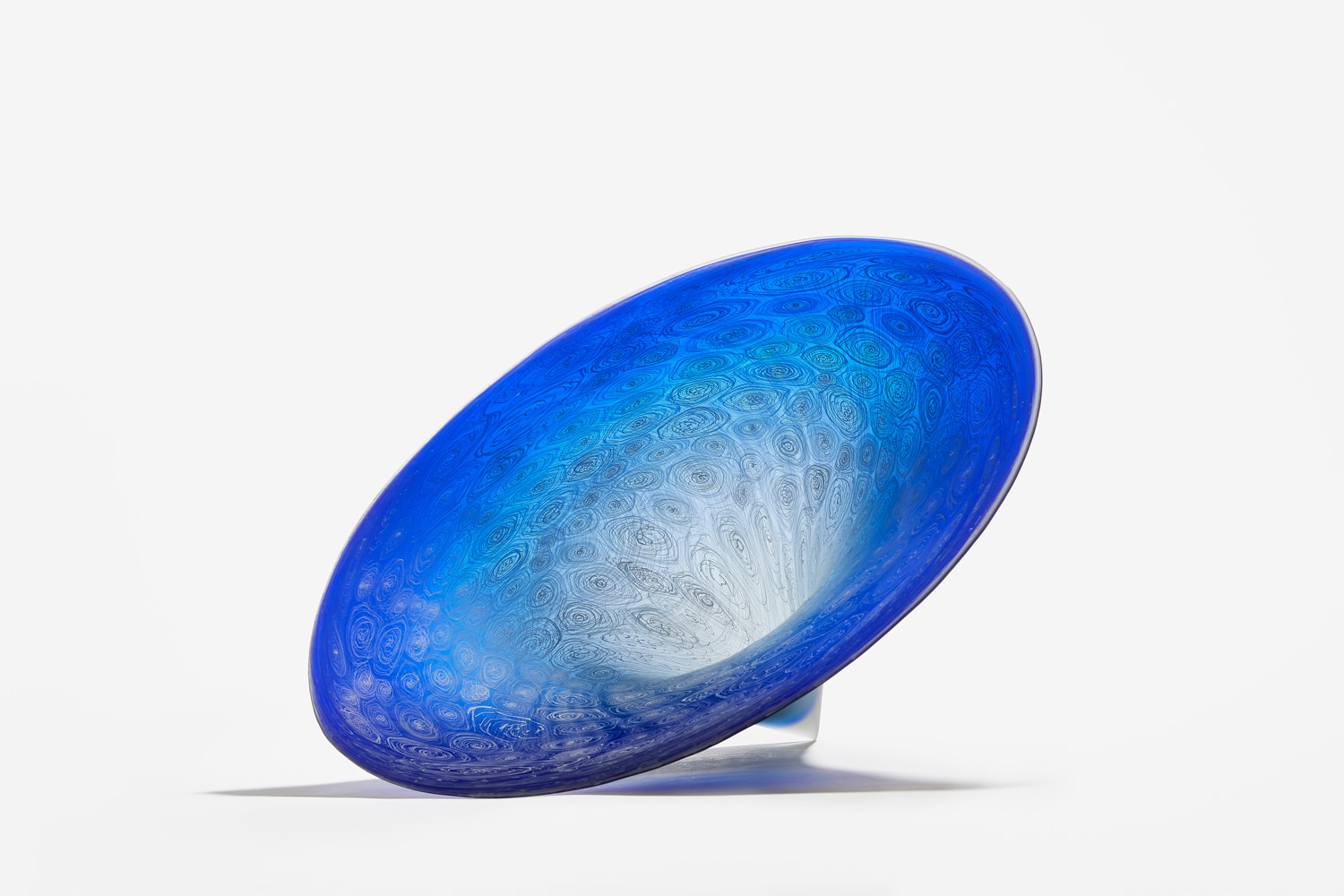
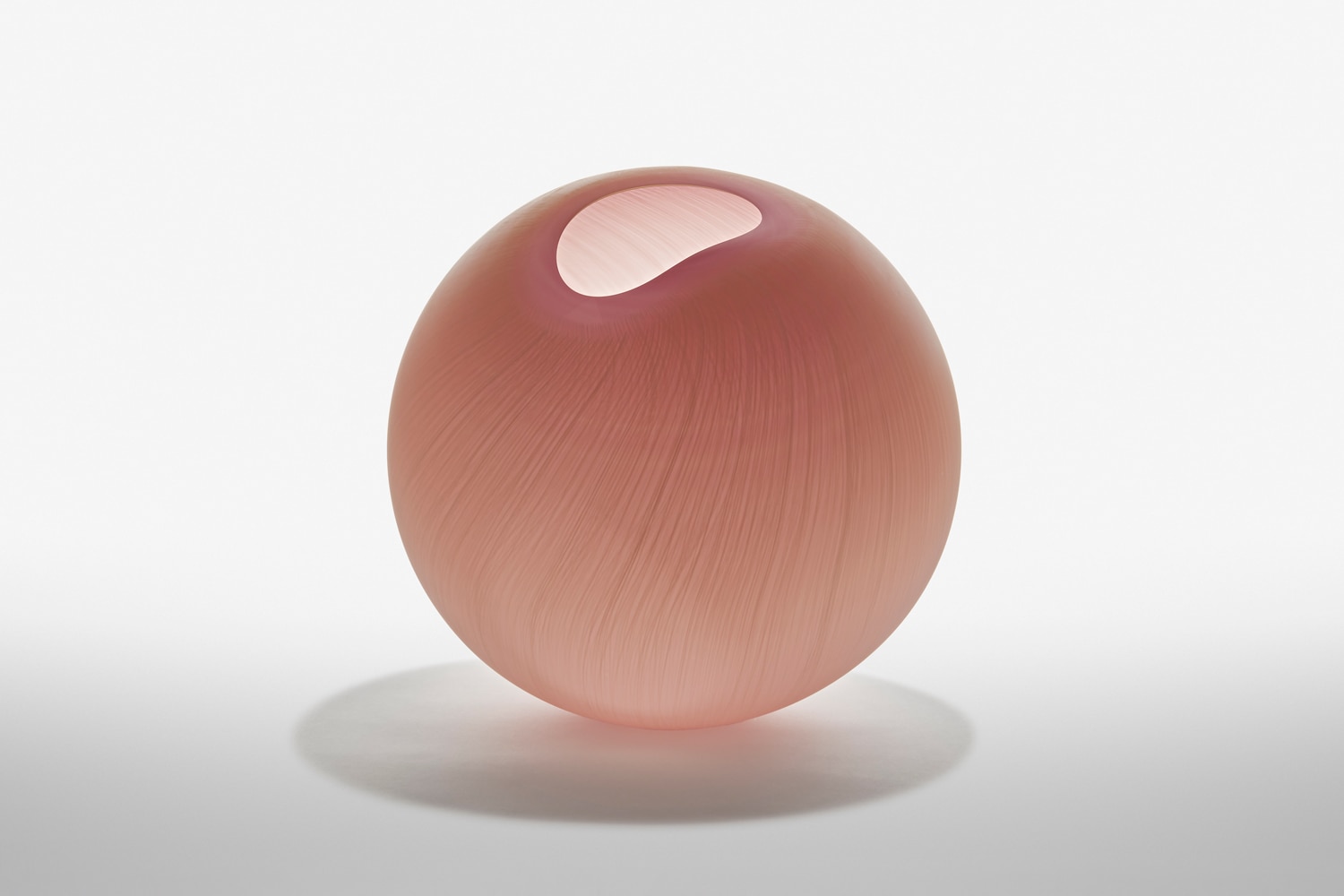
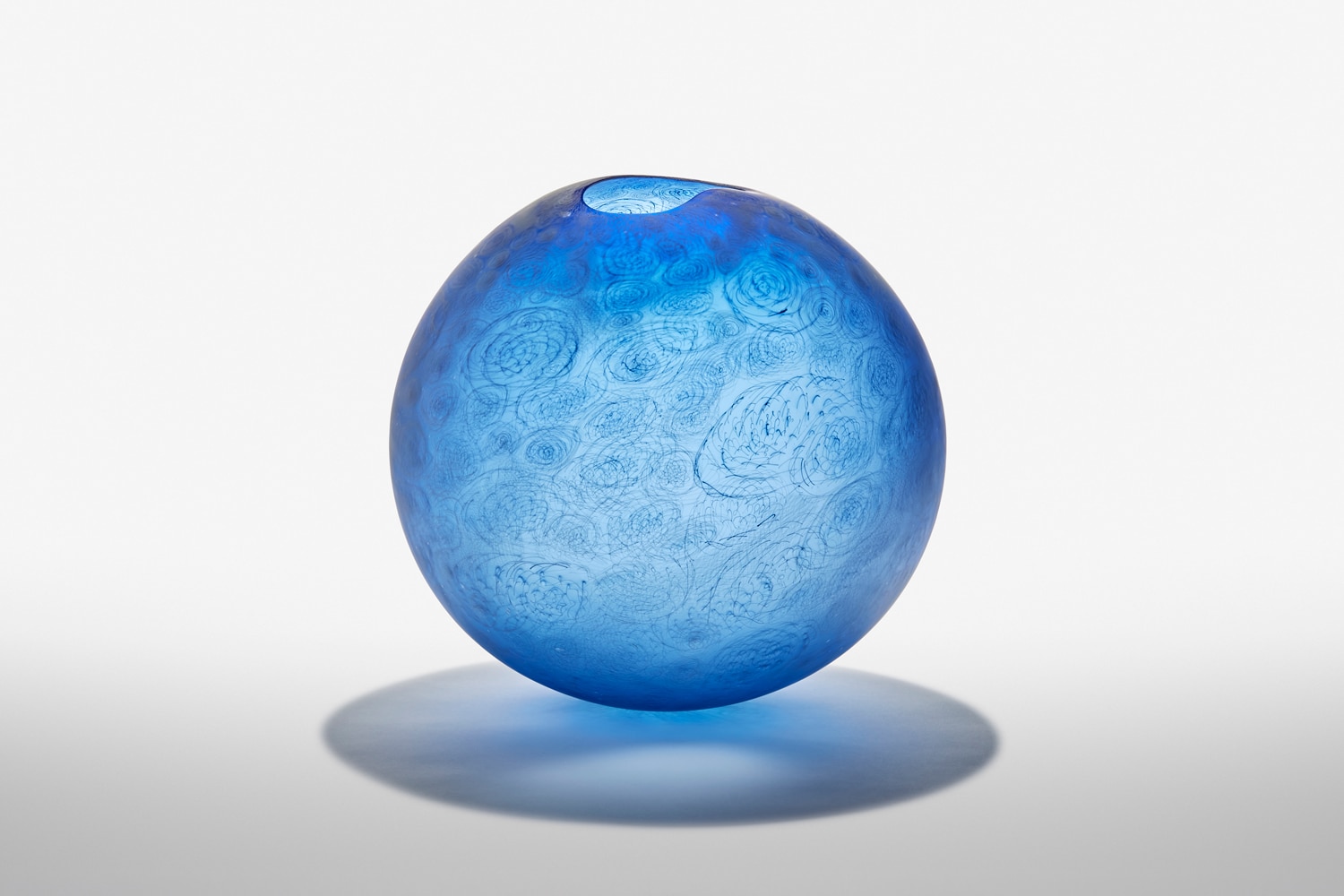
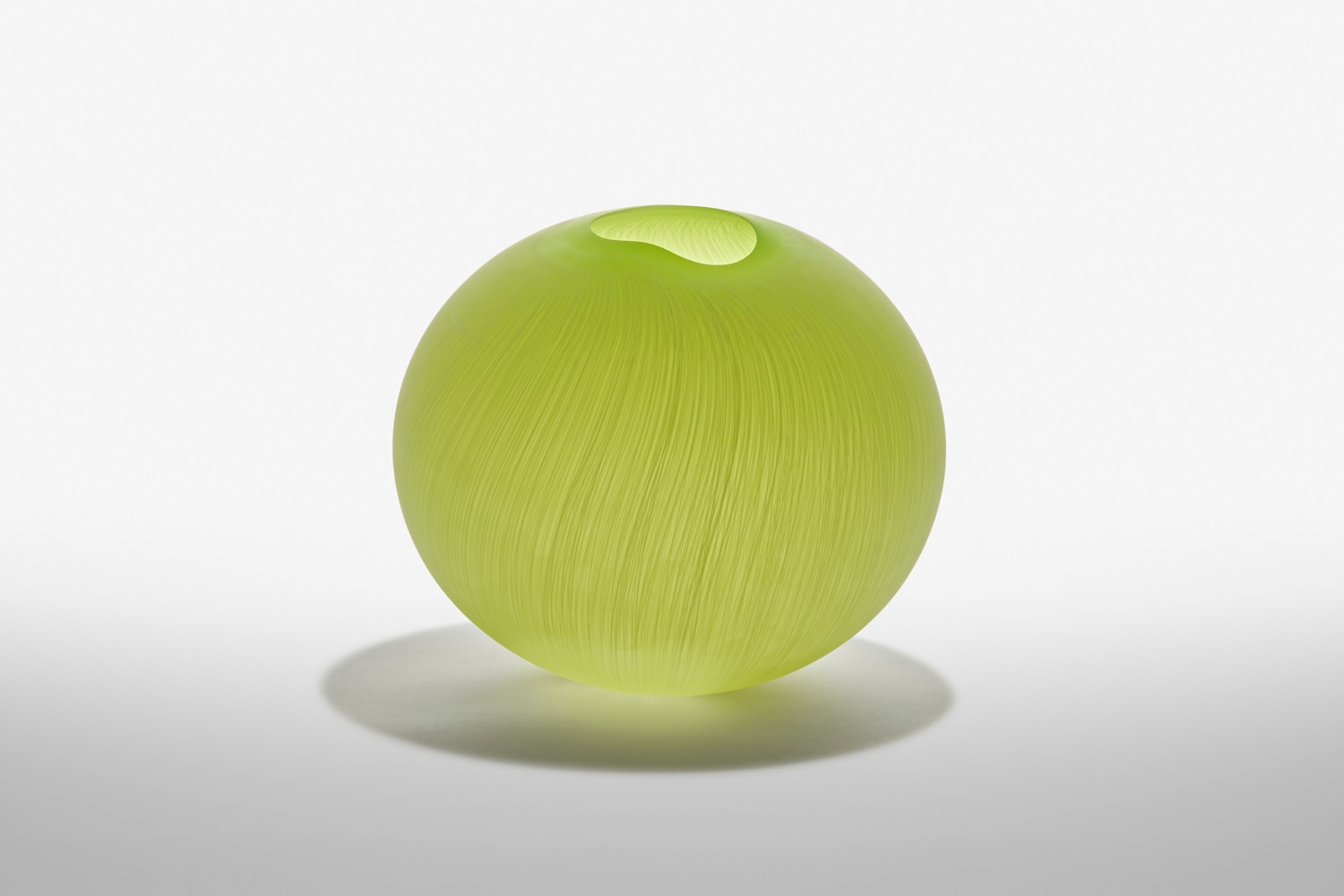
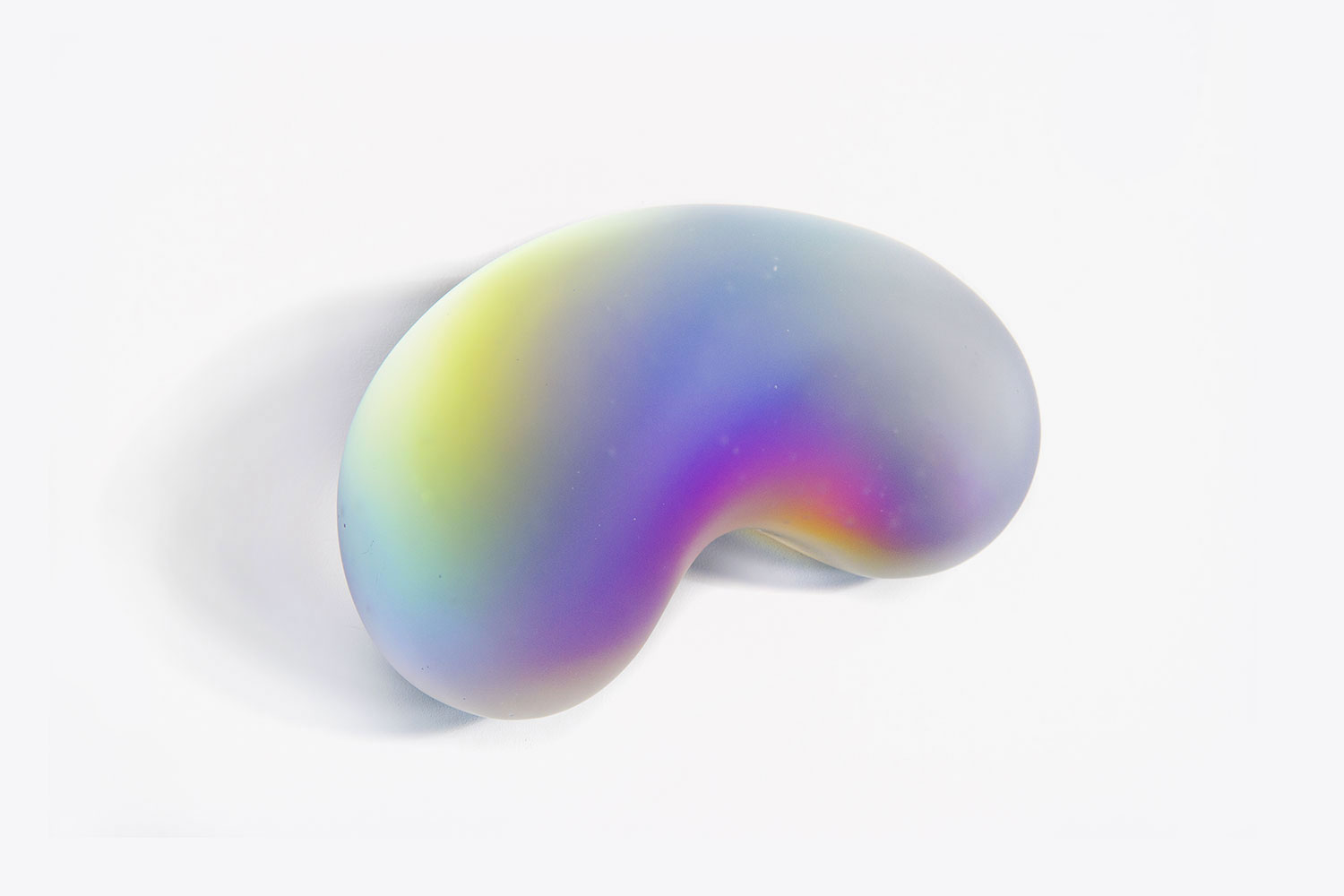
- Taehoon’s delicate pieces translate light and nature’s energy into glass
- He aims to capture the fluidity of glass and its many contradictions in his pieces
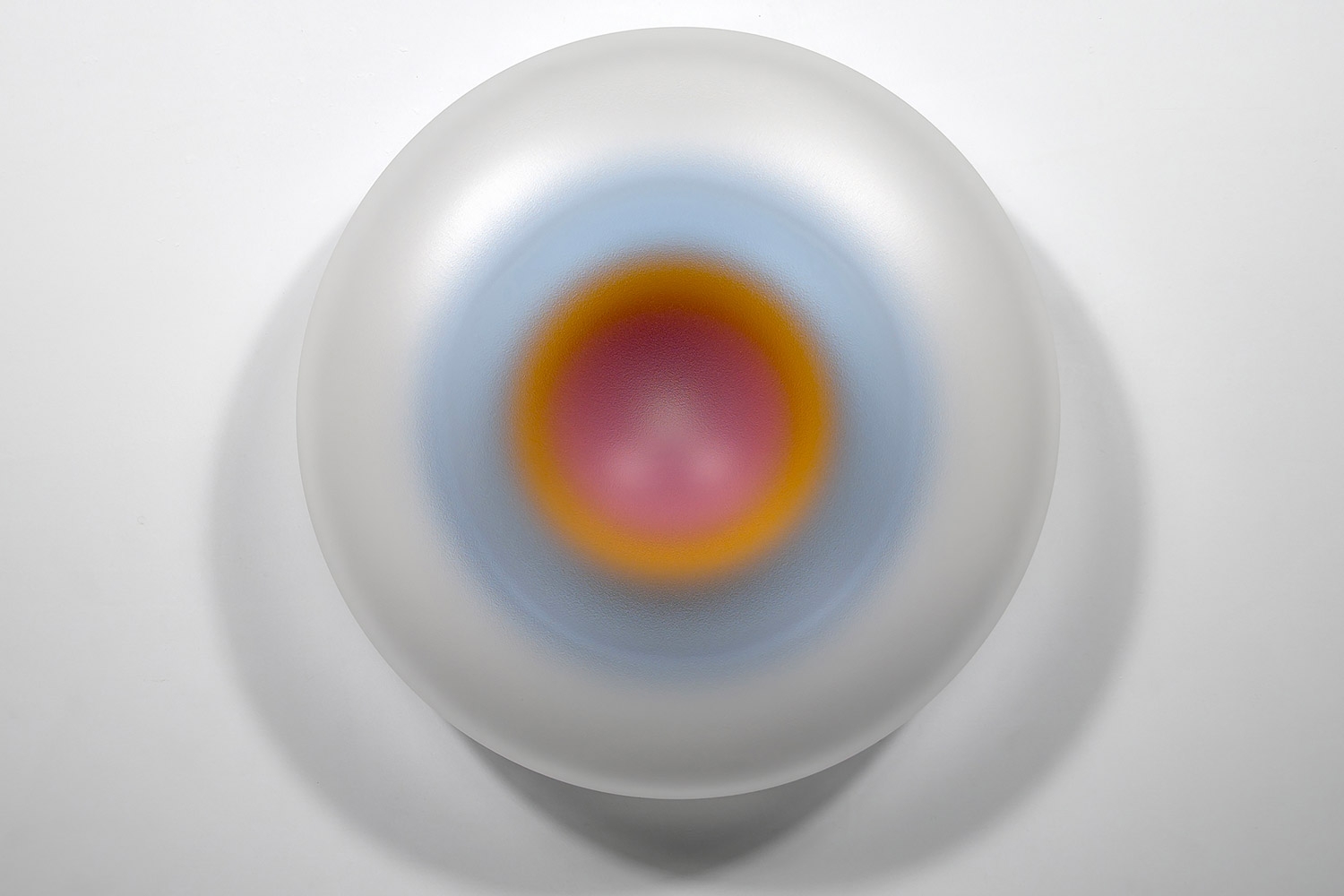
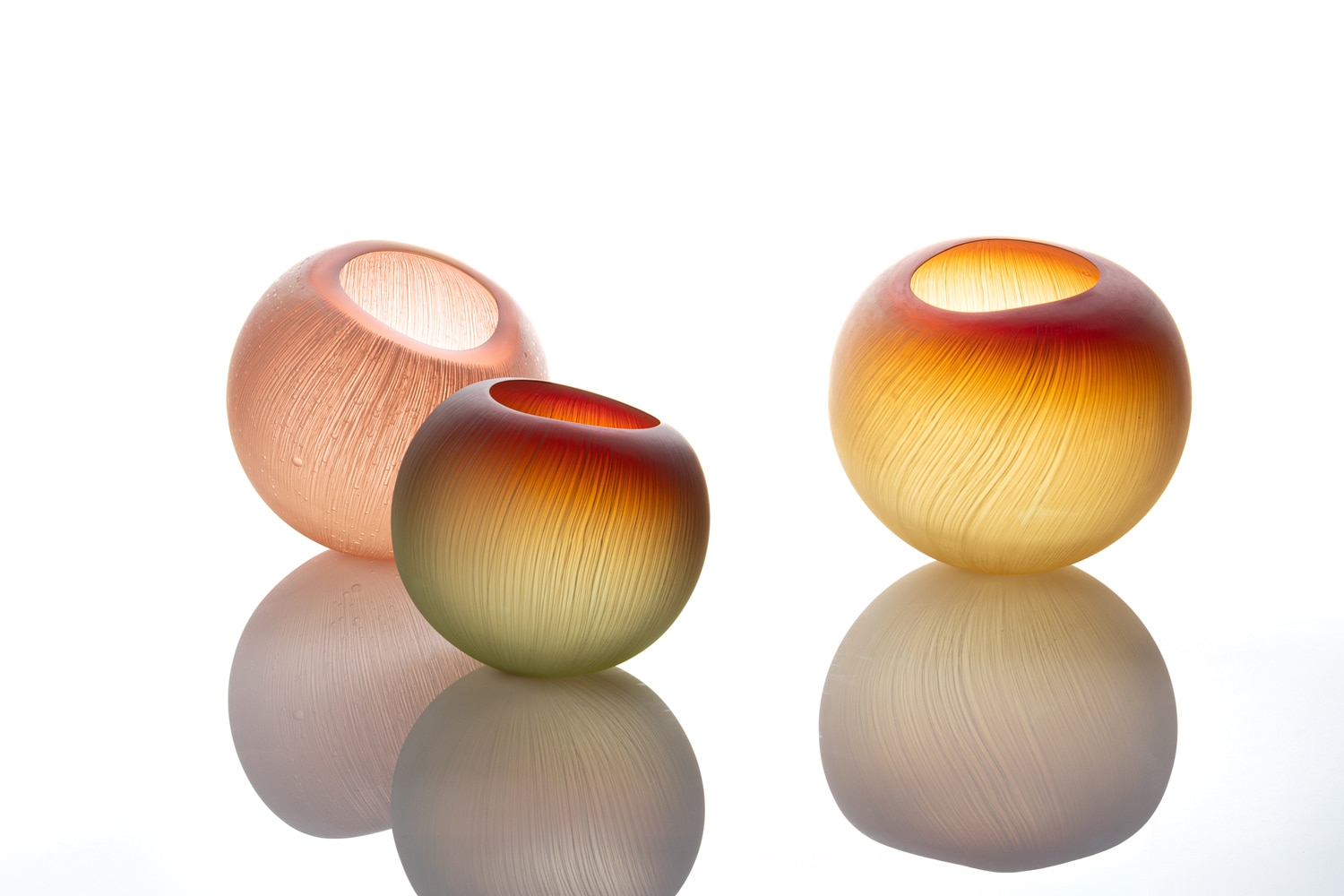
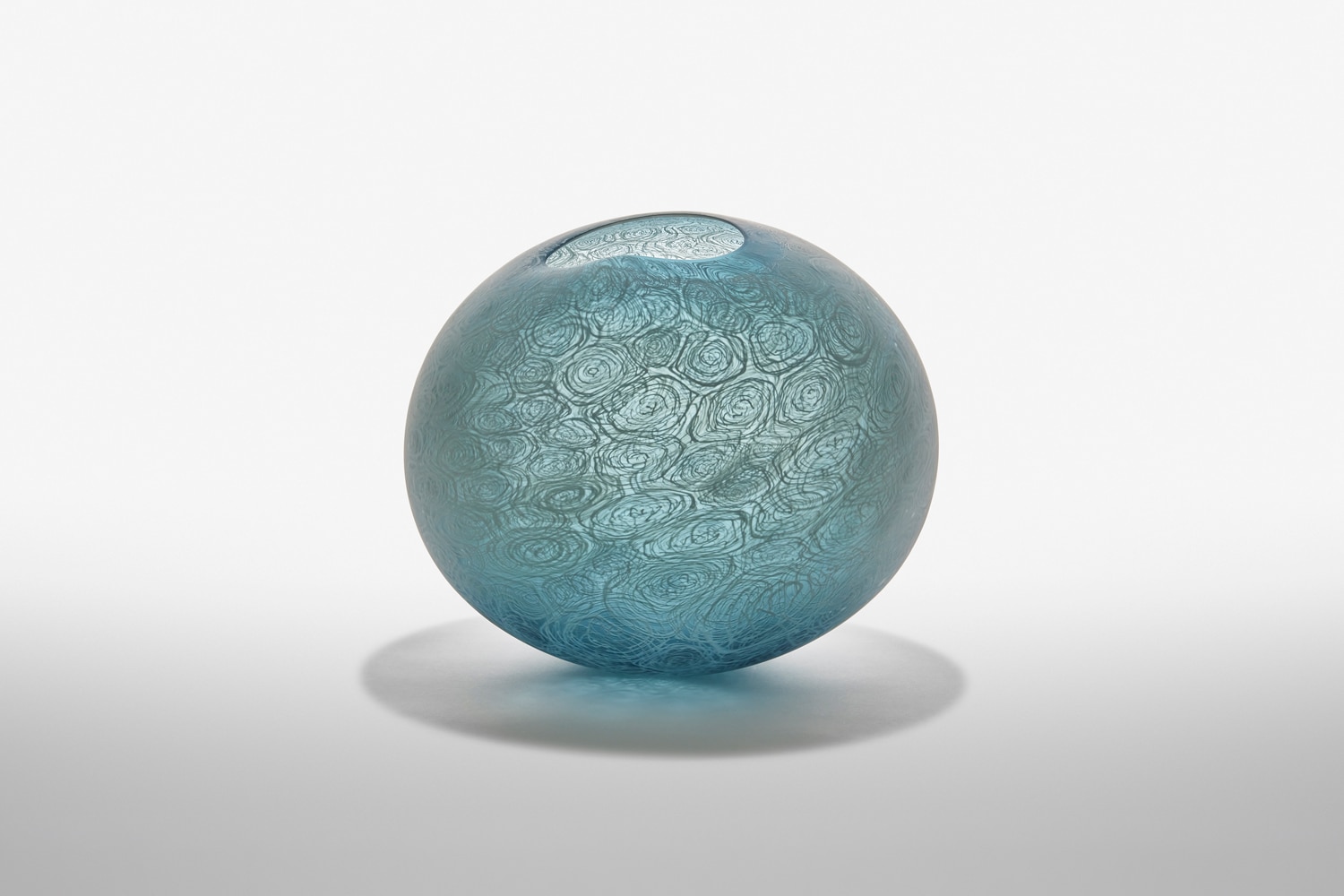
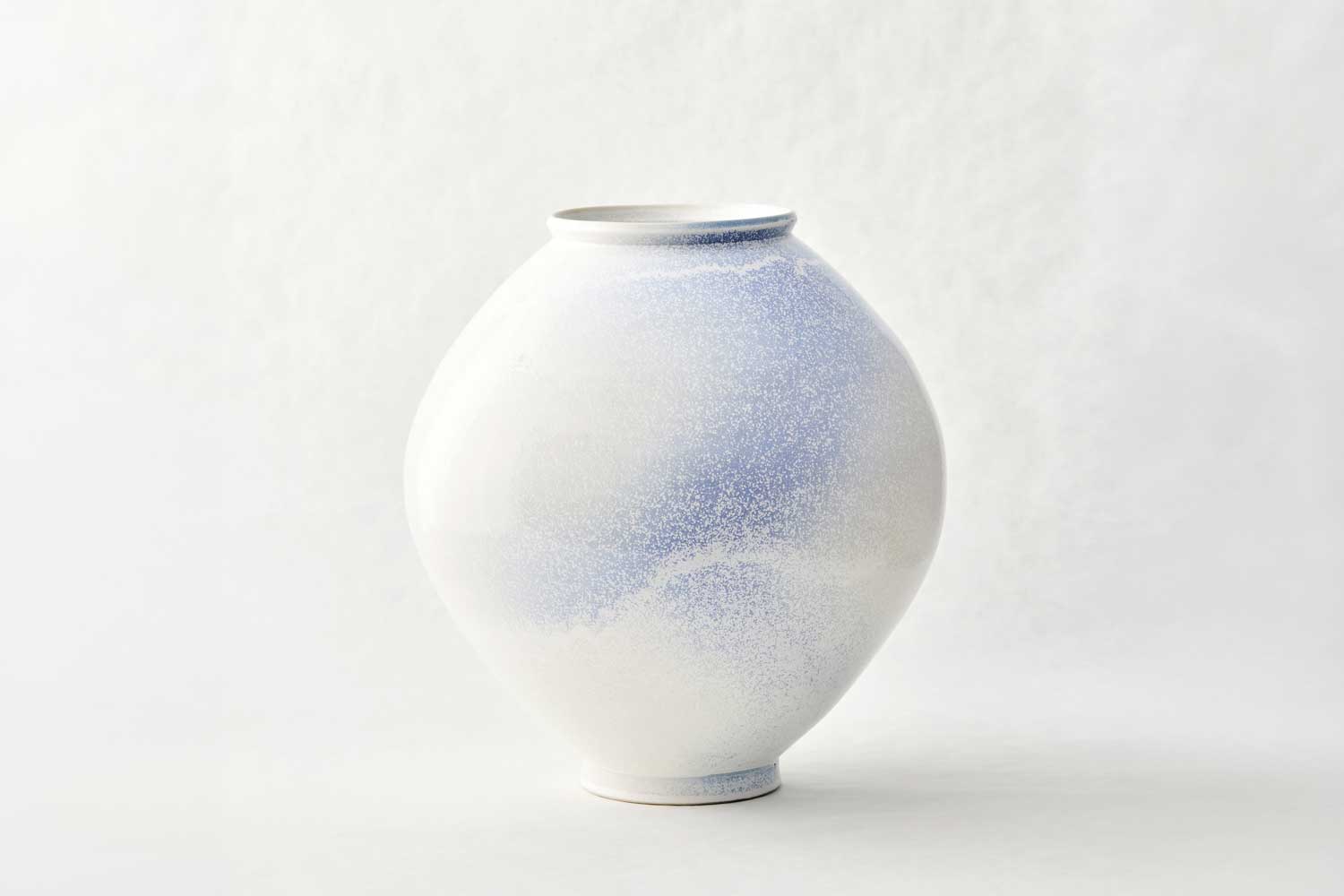
- His pieces feature layered colours and flowing forms
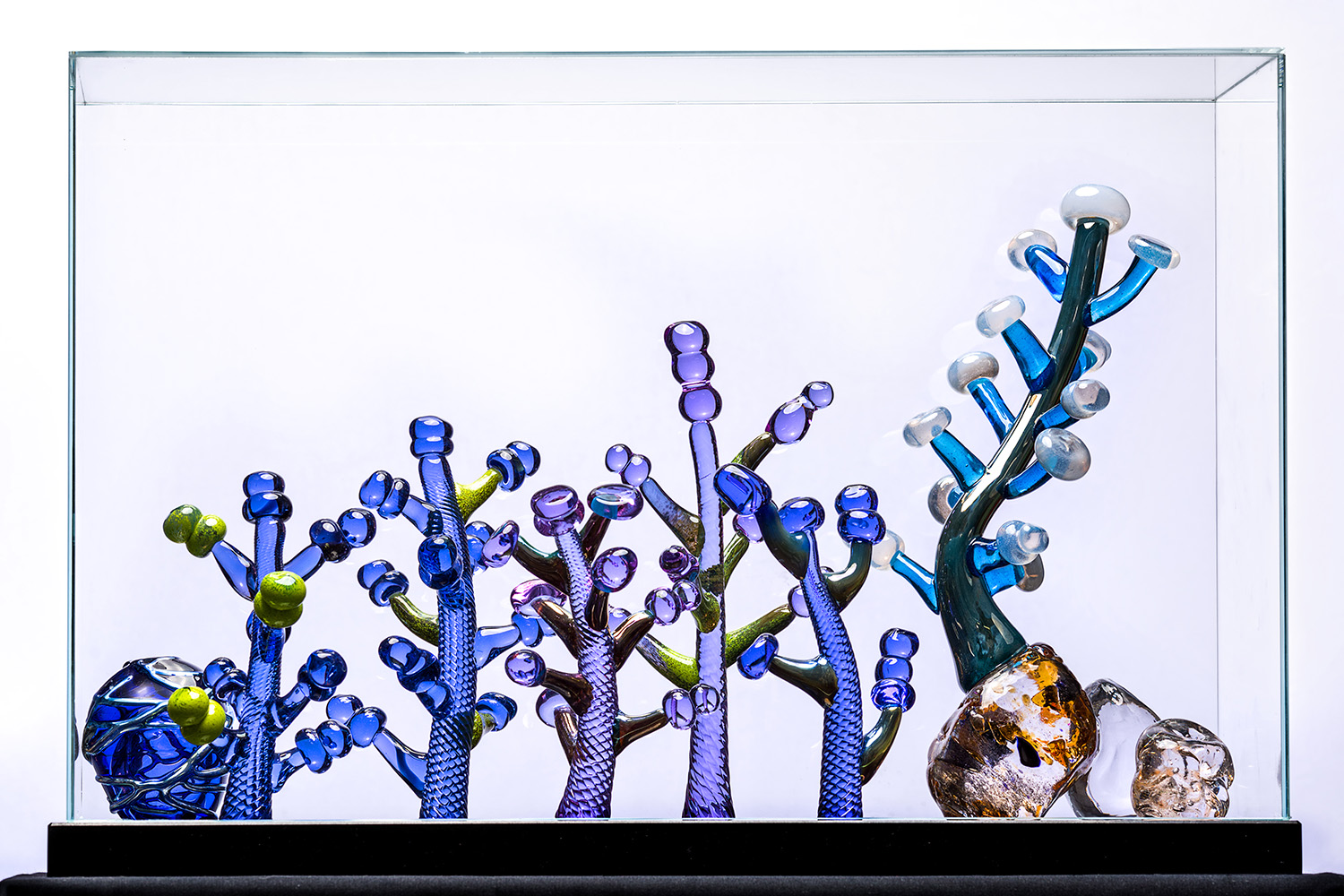
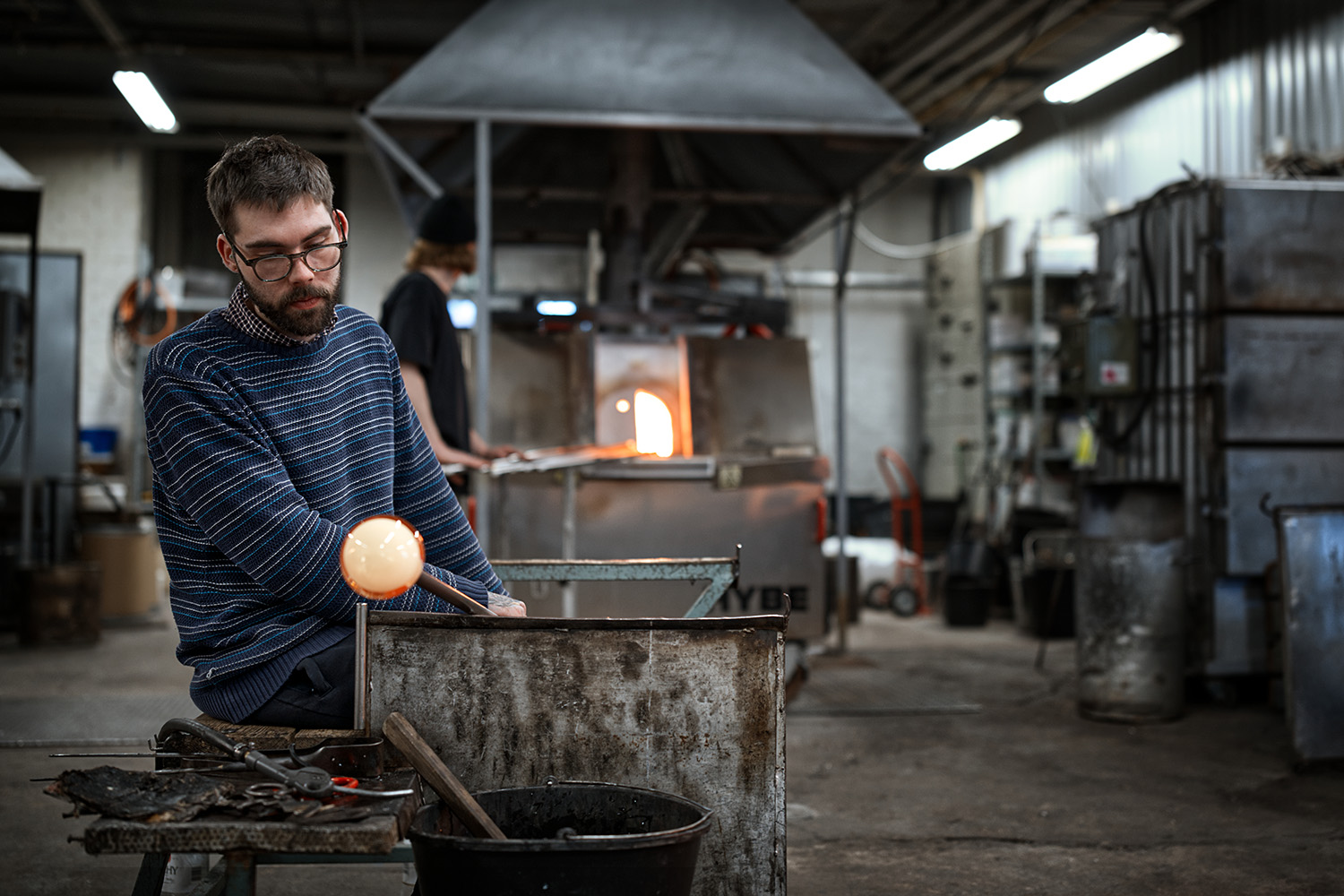
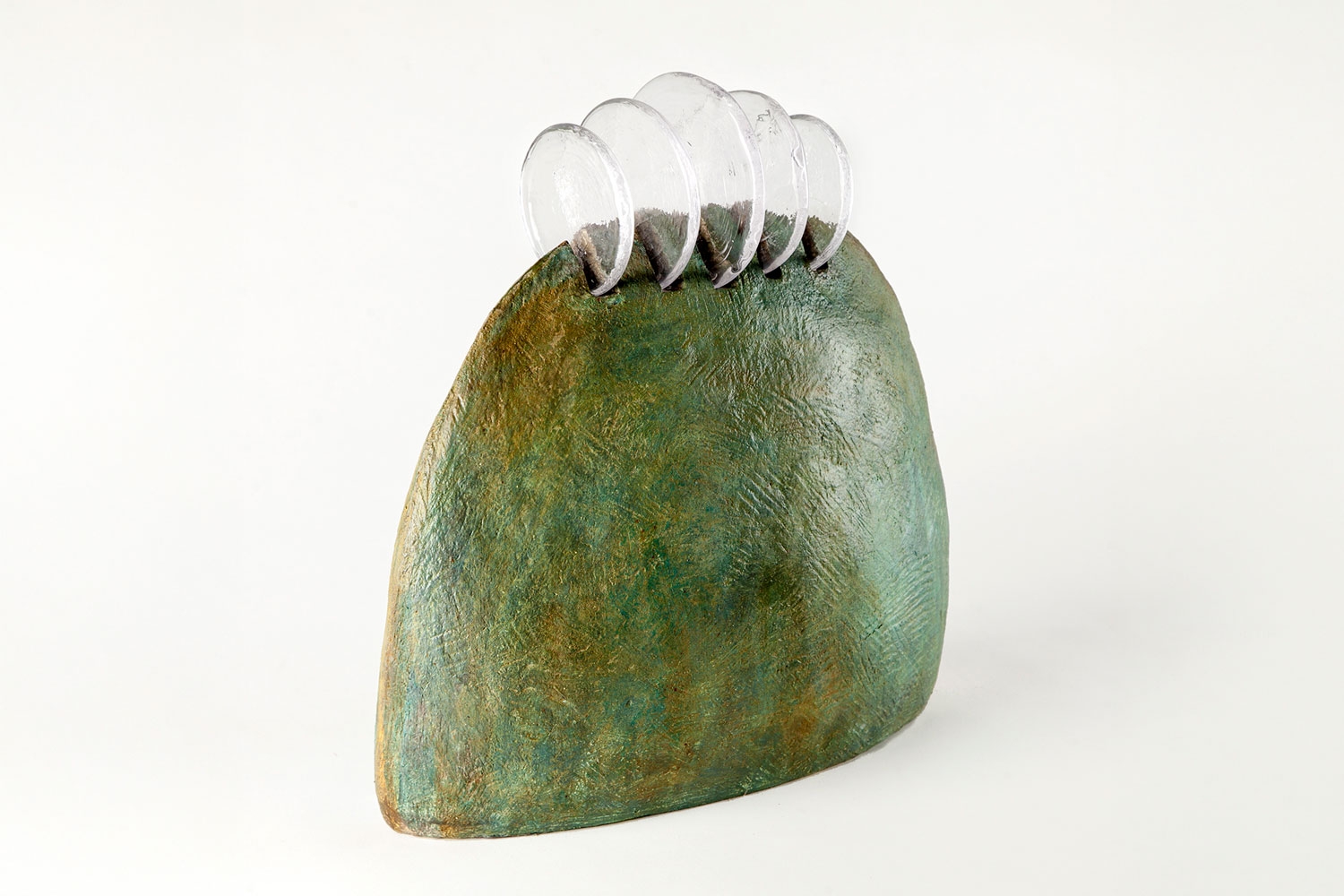
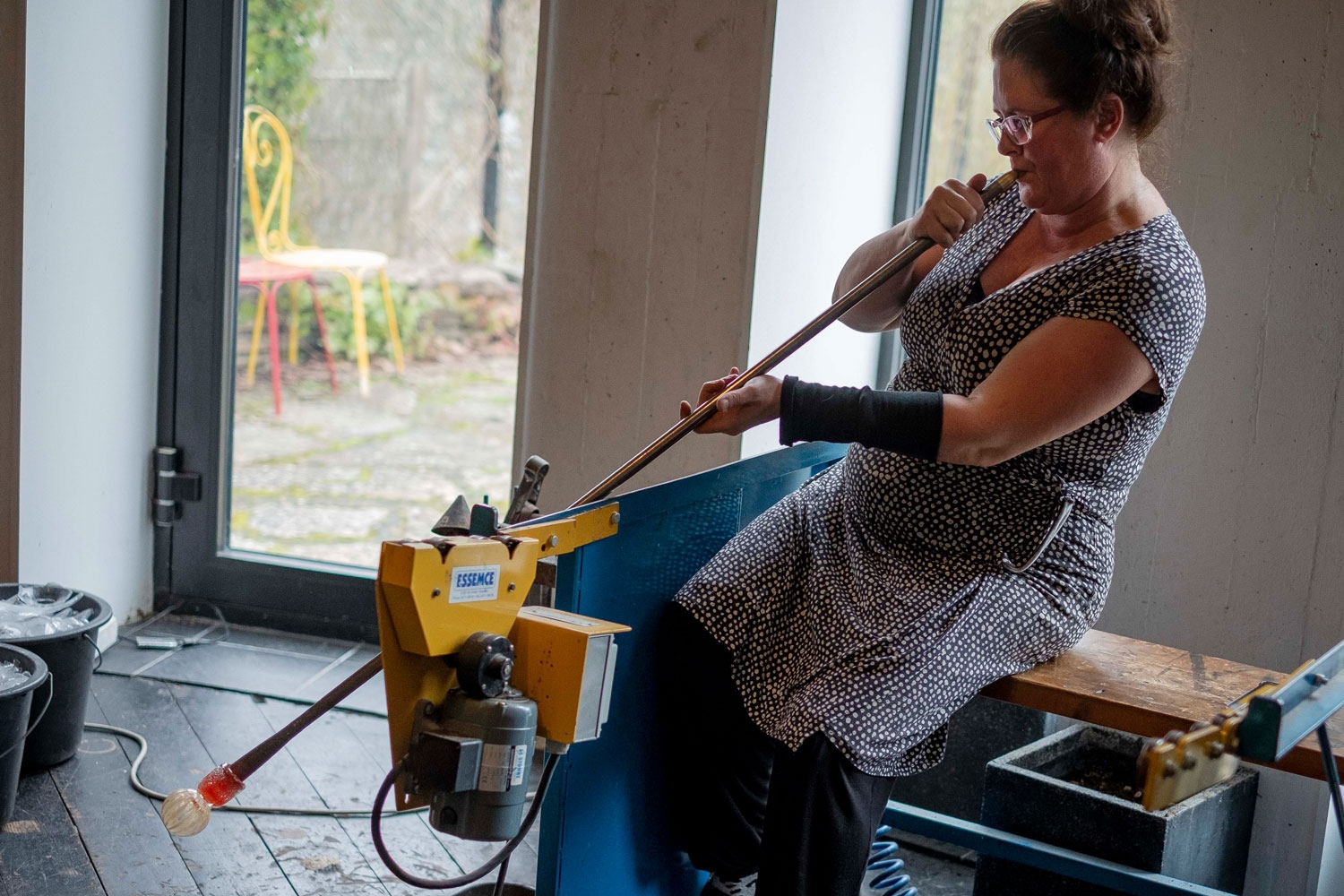
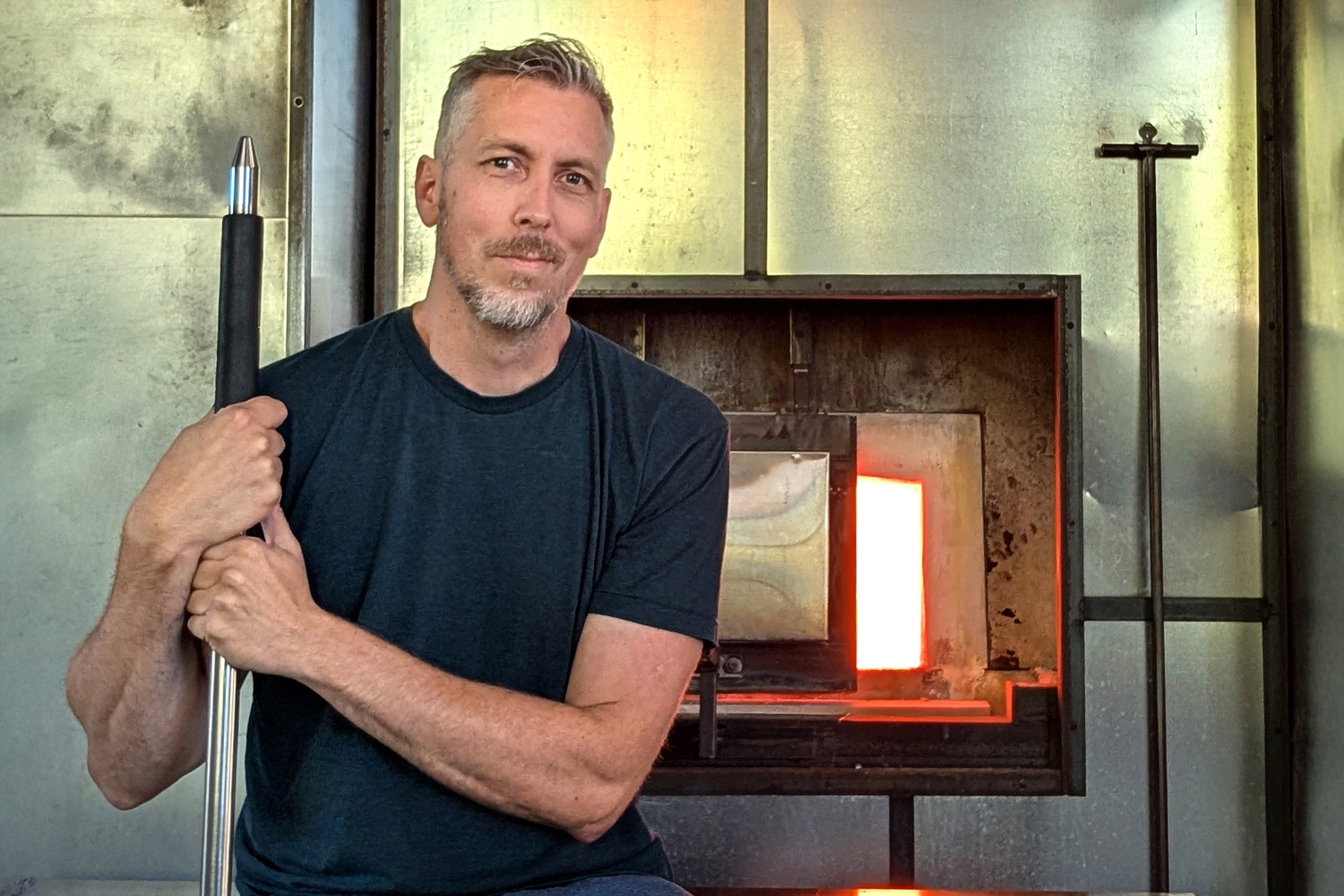
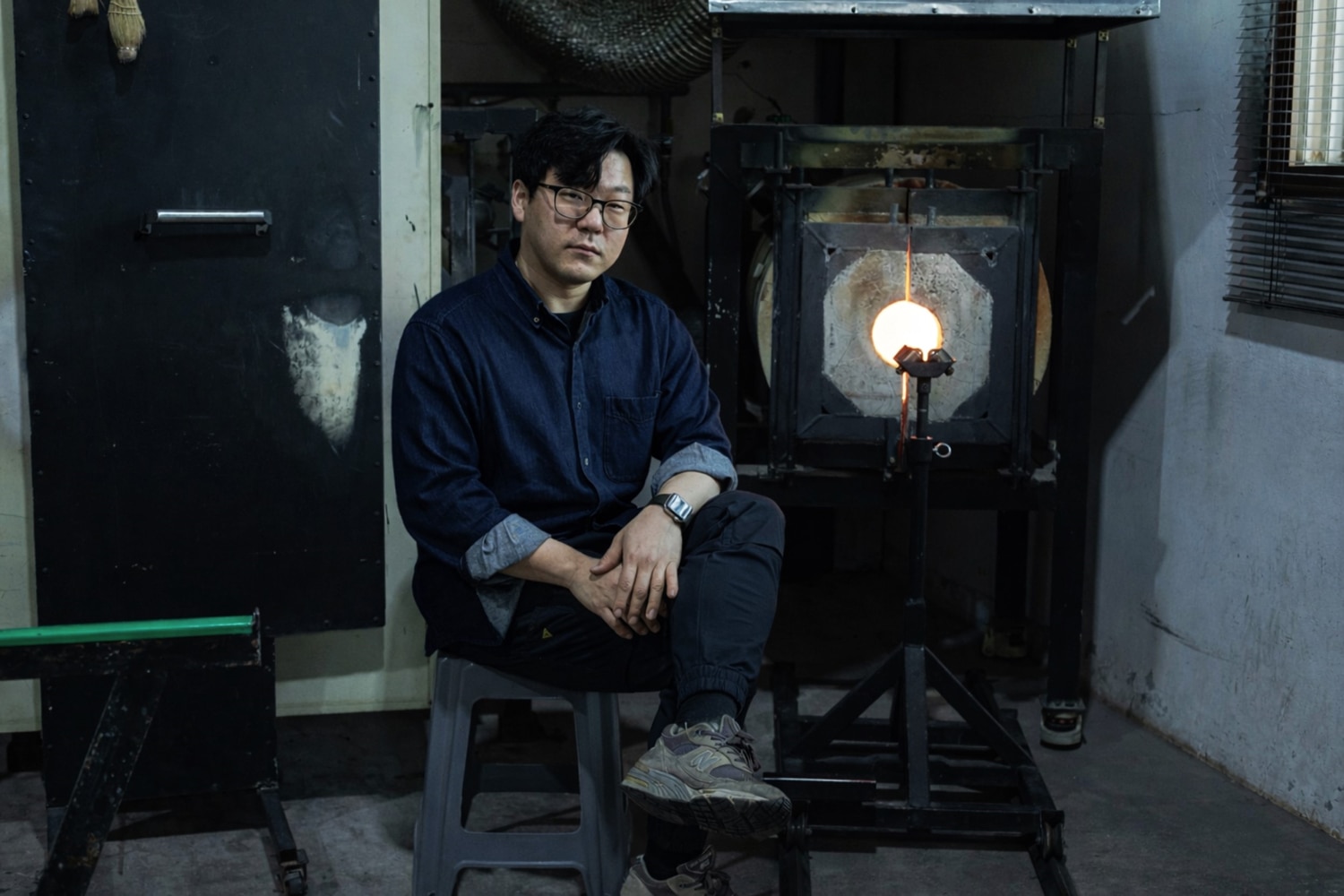
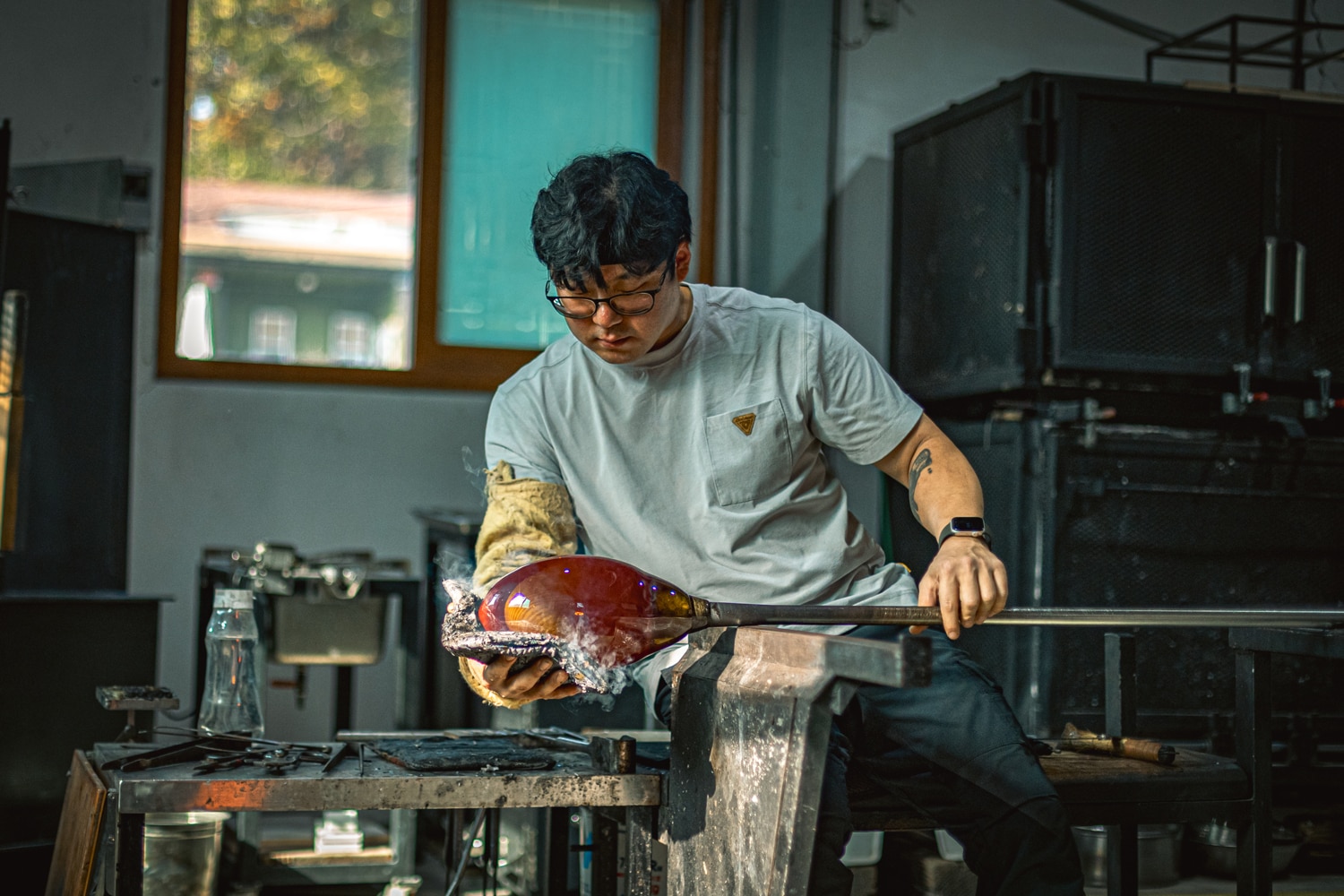
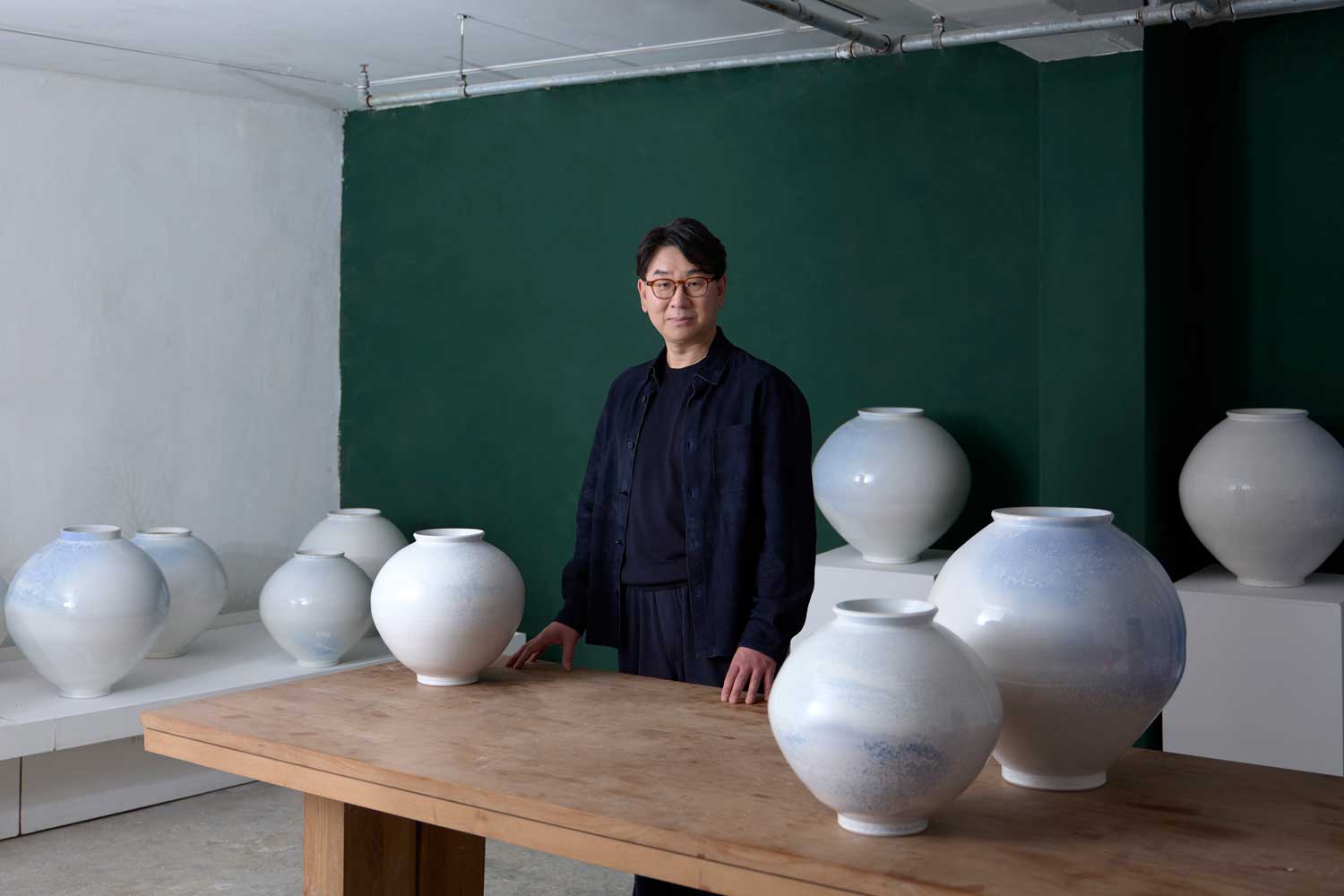
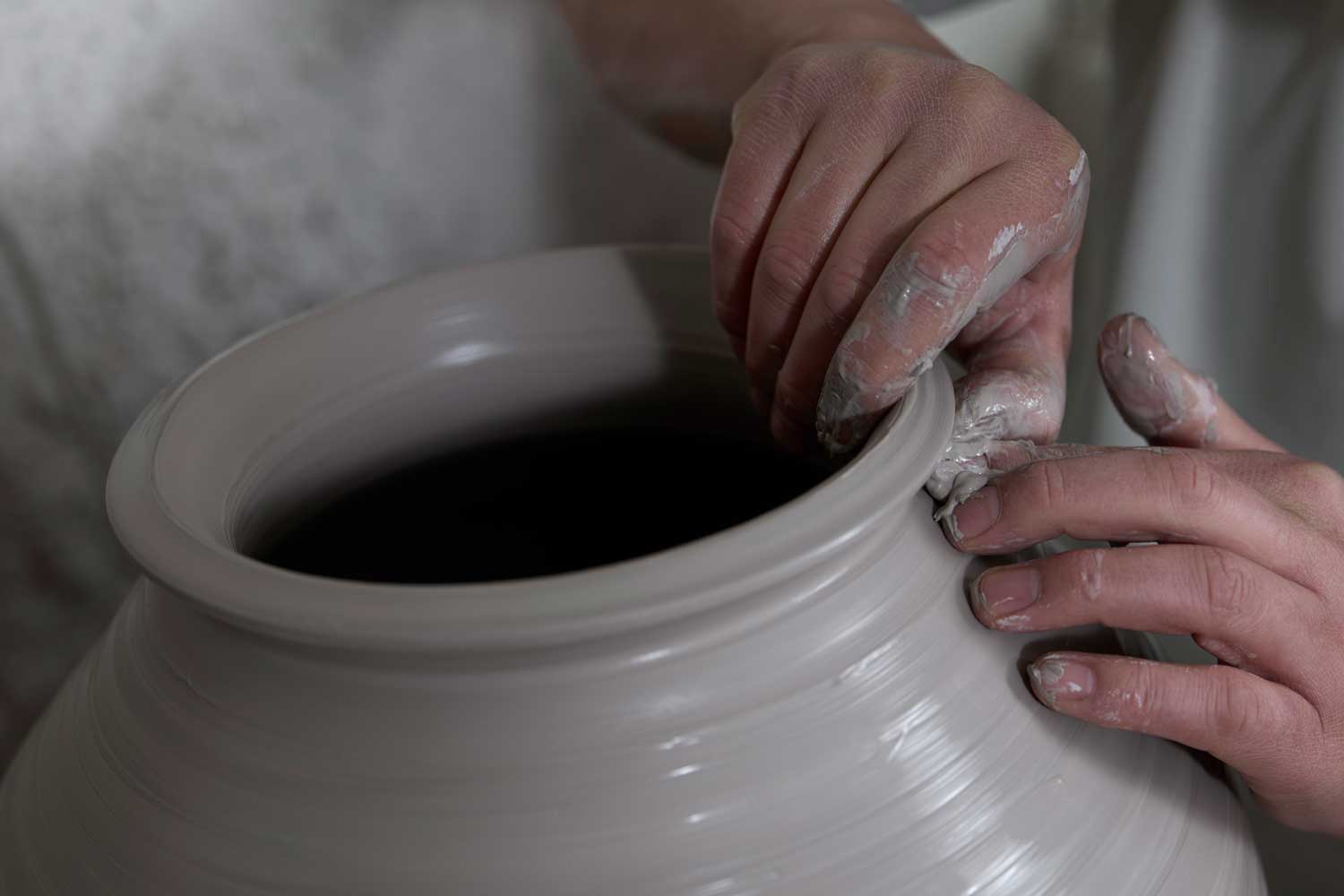
Taehoon Lee is a glass artist whose practice unfolds at the intersection of material, light and time. Trained in one of South Korea’s only university programmes dedicated to glass, he refined his skills through museum studios, independent workshops and formative mentorships that shaped both his technique and approach to studio practice. Taehoon’s practice centres on the dual nature of glass, at once solid and fluid, transparent and translucent, as he embraces the tension between control and unpredictability. Rather than depicting nature, he translates its rhythms into flowing linear forms, capturing traces of movement, memory and atmosphere. “My work invites viewers into a perceptual space where, through layered colour and diffused light, the visible and invisible quietly converge,” he says.
Taehoon Lee is a master artisan: he began his career in 2009 and he started teaching in 2011.
Discover his work
INTERVIEW
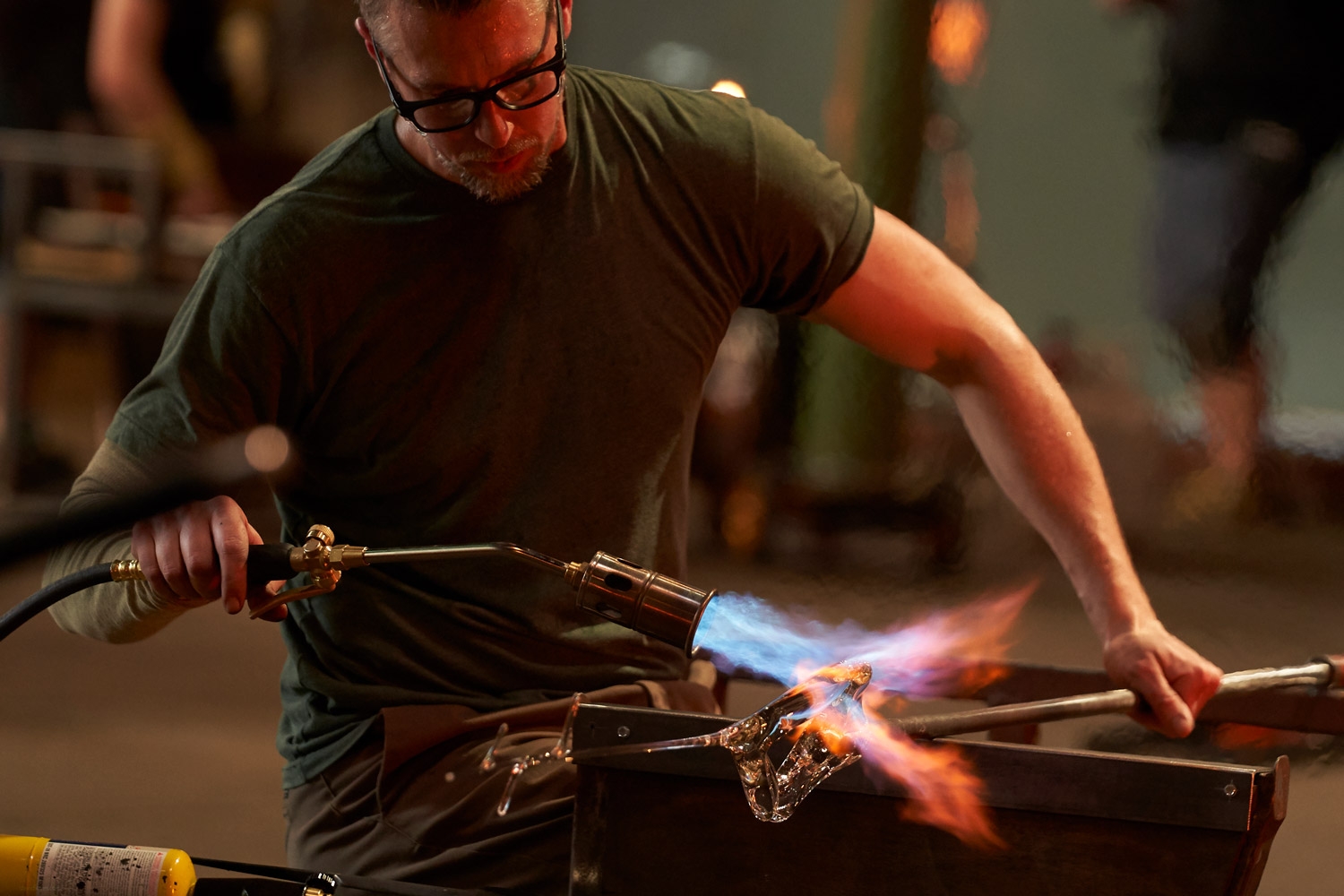
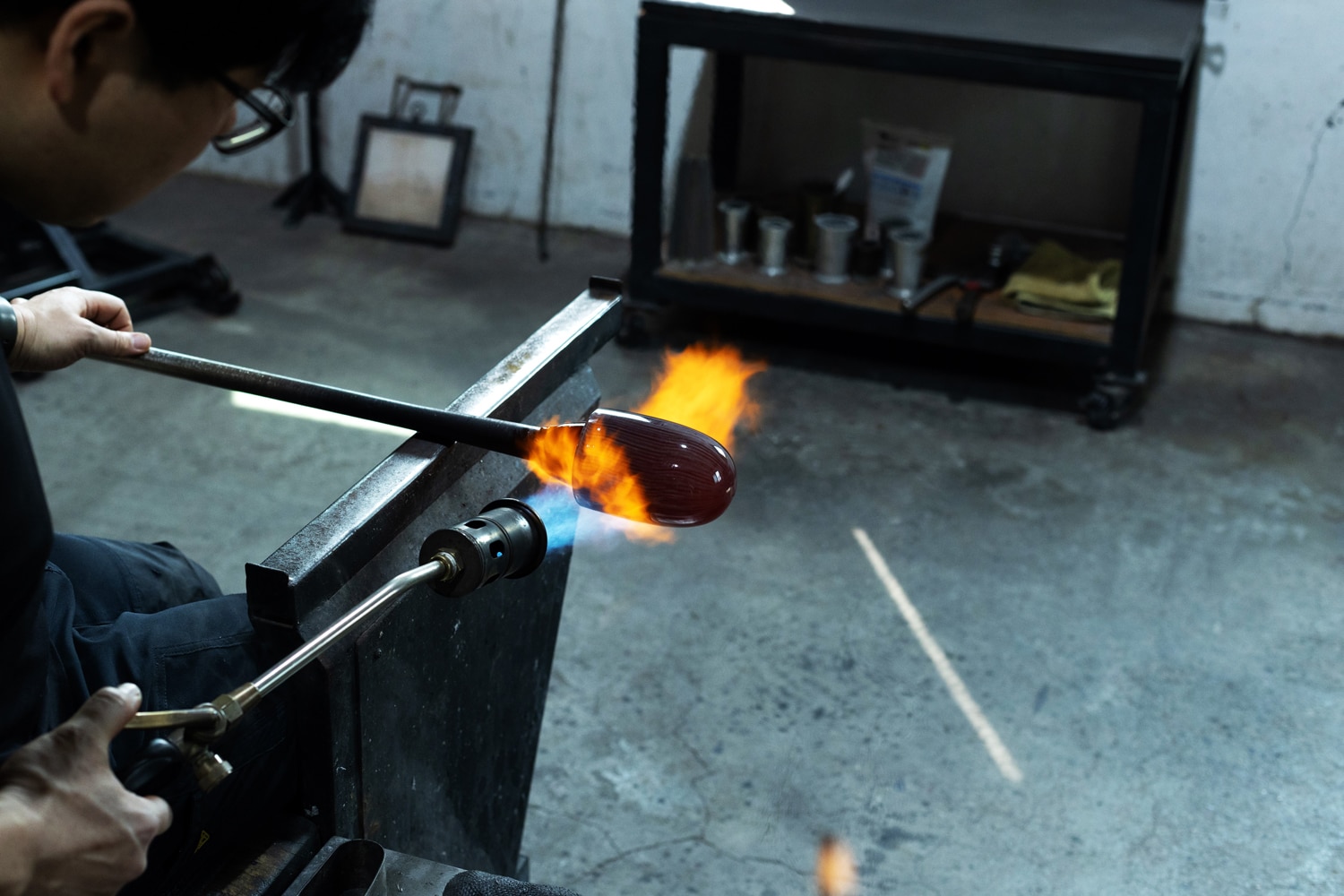
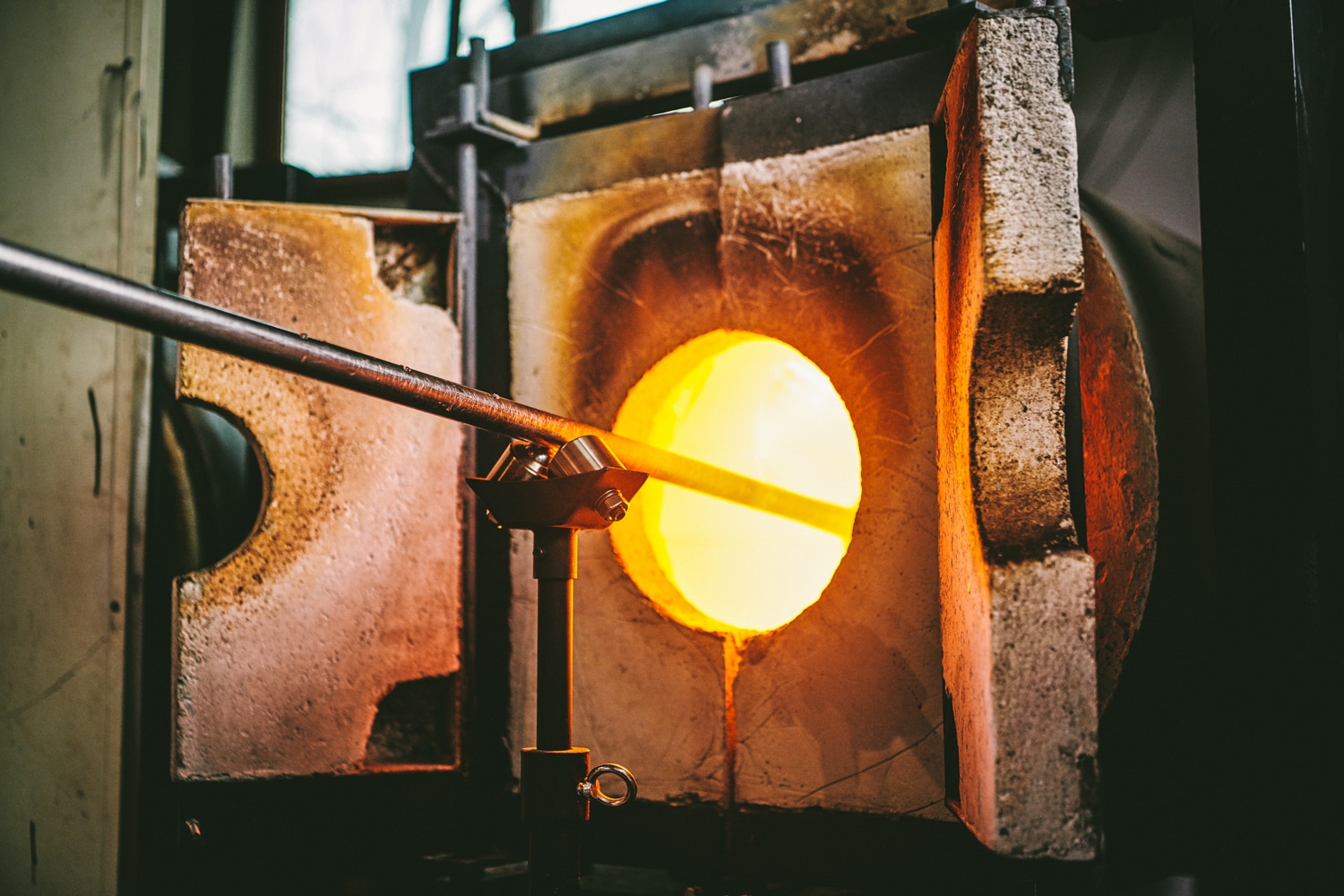
Glass is solid in its final state yet fluid in process. I focus on this duality, where heat allows it to stretch, twist and resist control. Within fixed forms, traces of movement remain, revealing time, tension and the coexistence of intention and chance.
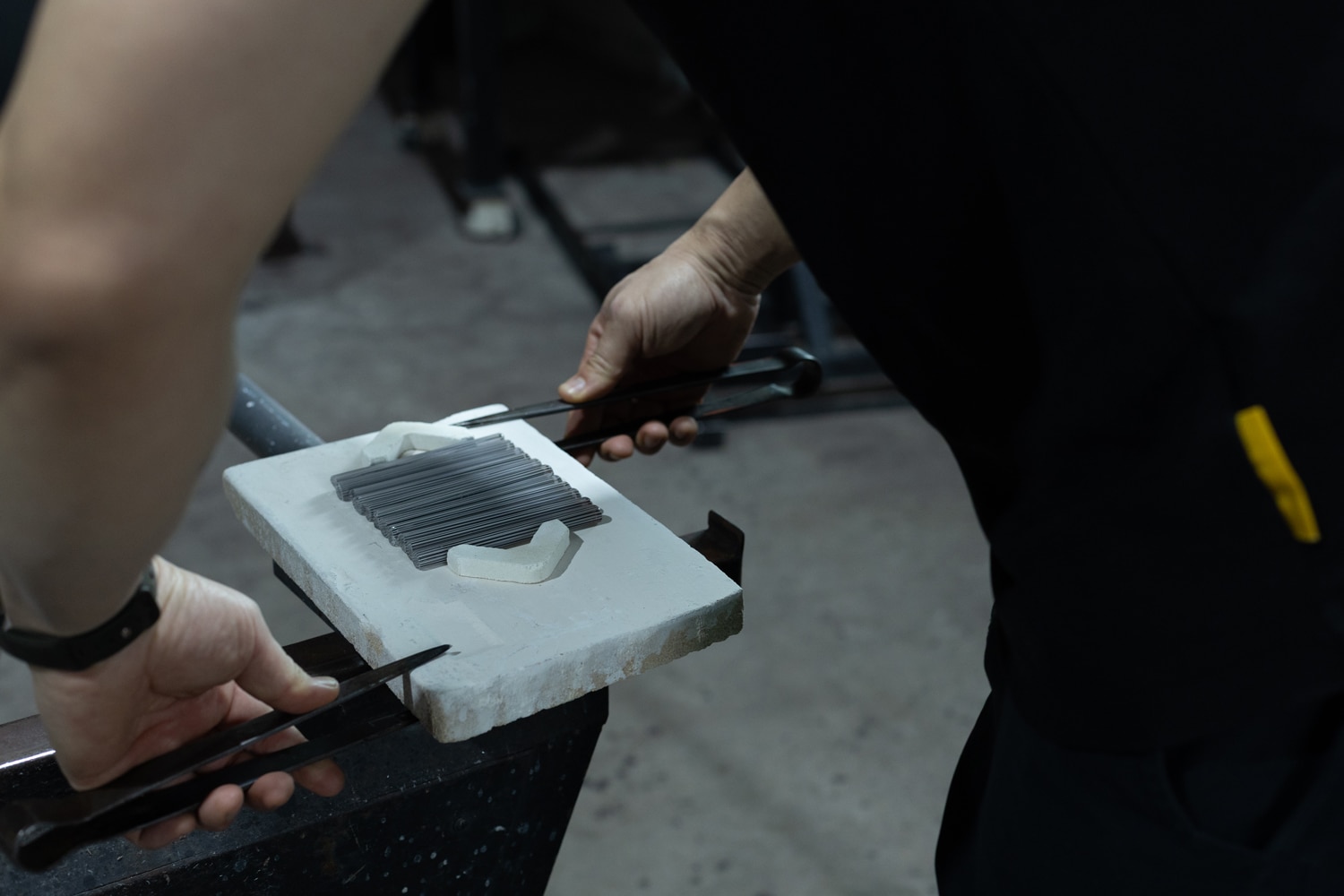
My practice begins with observing natural flows such as wind, clouds and star paths. These shifting elements form rhythms through repetition. I translate them into lines, using glass and light to evoke sensations rather than directly depict nature.
Glass allows colour to merge and deepen, capturing the atmosphere of time and the complexity of changing light. Colour comes from specific moments of light, night skies, moonlight and dusk. Rather than a single tone, I layer hues to reflect subtle shifts.
I do not aim to impose a single image or feeling. Instead, I leave space for interpretation. Lines may evoke clouds, wind or time. What matters is the sensation and memory they awaken, allowing viewers to pause and connect with their own experience.
Taehoon Lee
Glassblower
Goyang-si, South Korea
Recommended by Jean Blanchaert & Irina Focsaneanu Eschenazi
ADDRESS
Address upon request, Goyang-si, South Korea
AVAILABILITY
By appointment only
LANGUAGES
Korean, English
HOMO FABER FINDS
Homo Faber Finds is a new service aiming to inspire admirers of craft to connect and collaborate with exceptional artisans.
We invite you to submit an enquiry here.
Bottle Marsupial 2017 Tom Moore.jpg)
Studio Portrait Tom Moore.jpg)
Blowing Glass 4 Tom Moore.jpg)