Torsten Rötzsch
Studio.glas
Glassblower
Coswig, Germany
A boundless exploration of glass
- Torsten is a passionate glassmaker
- He is curious and loves challenges
- He regularly collaborates with other artists on their projects
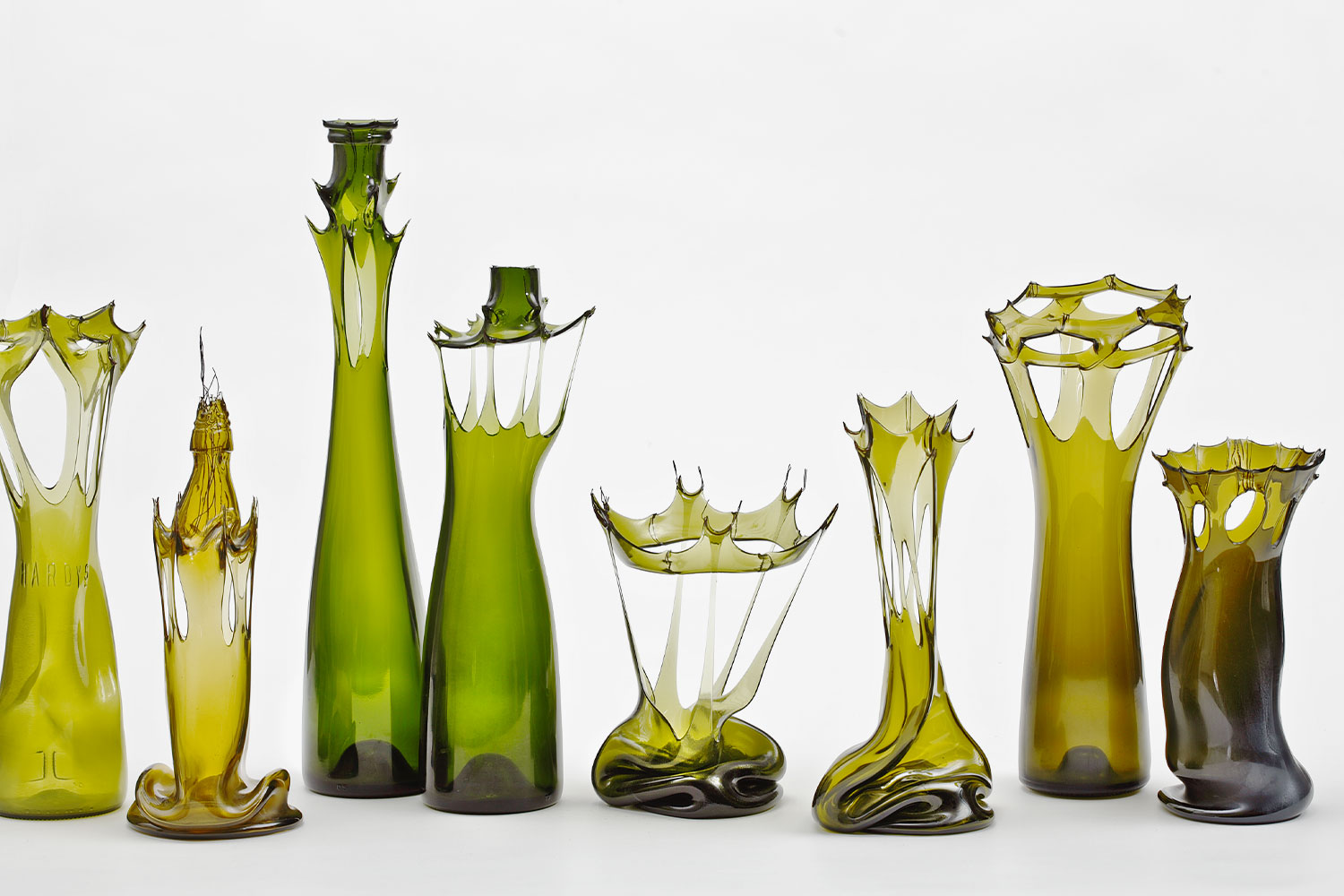
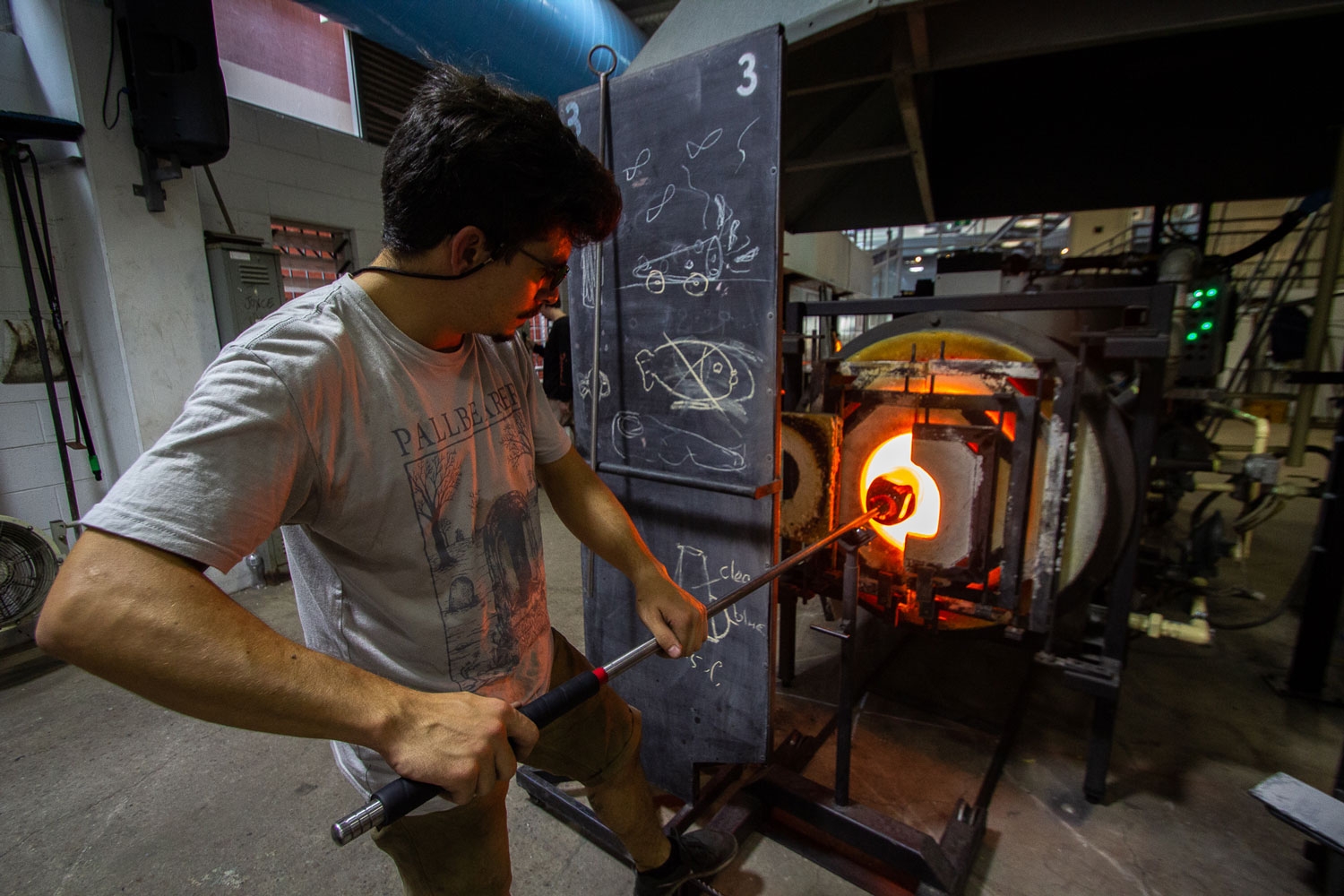
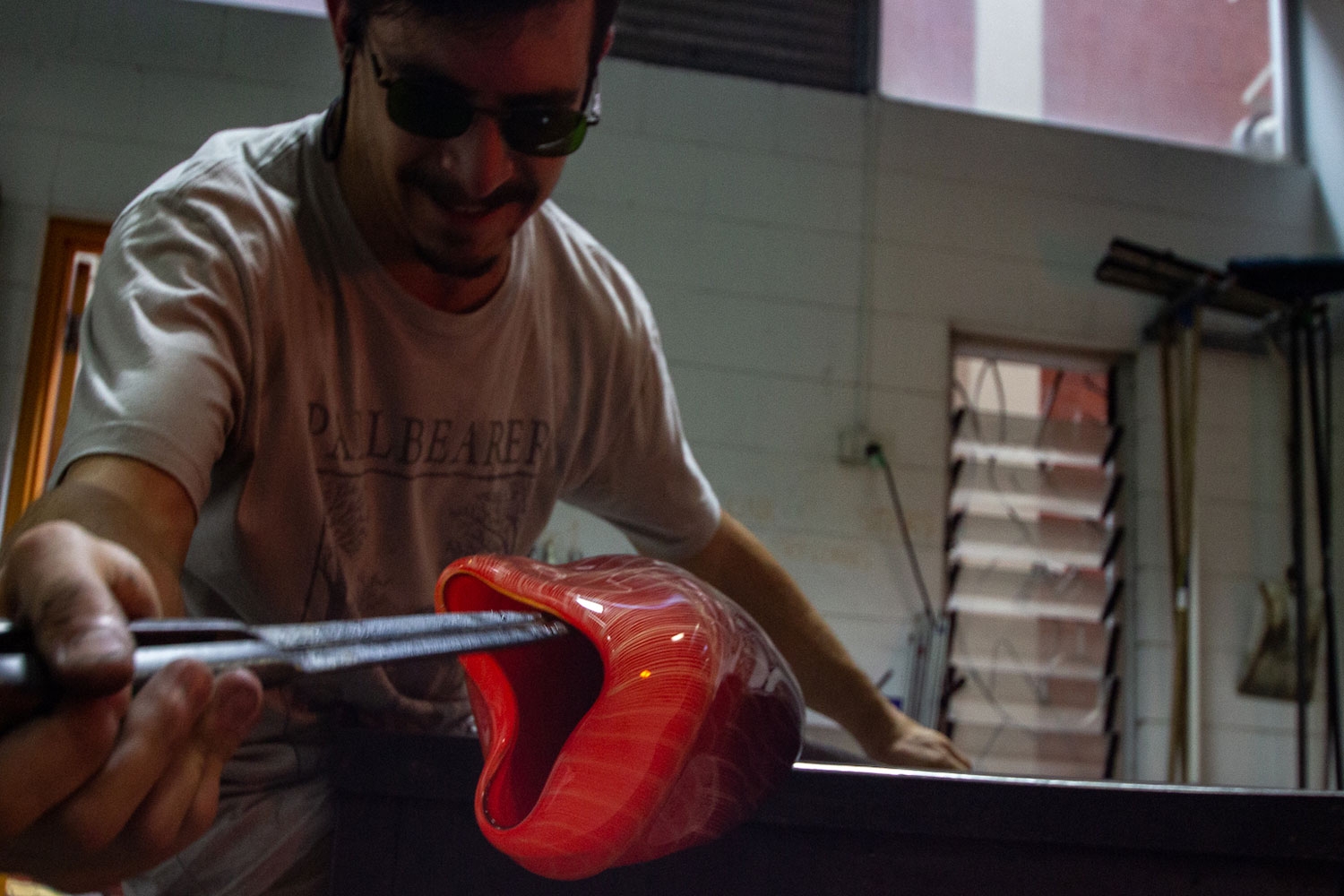
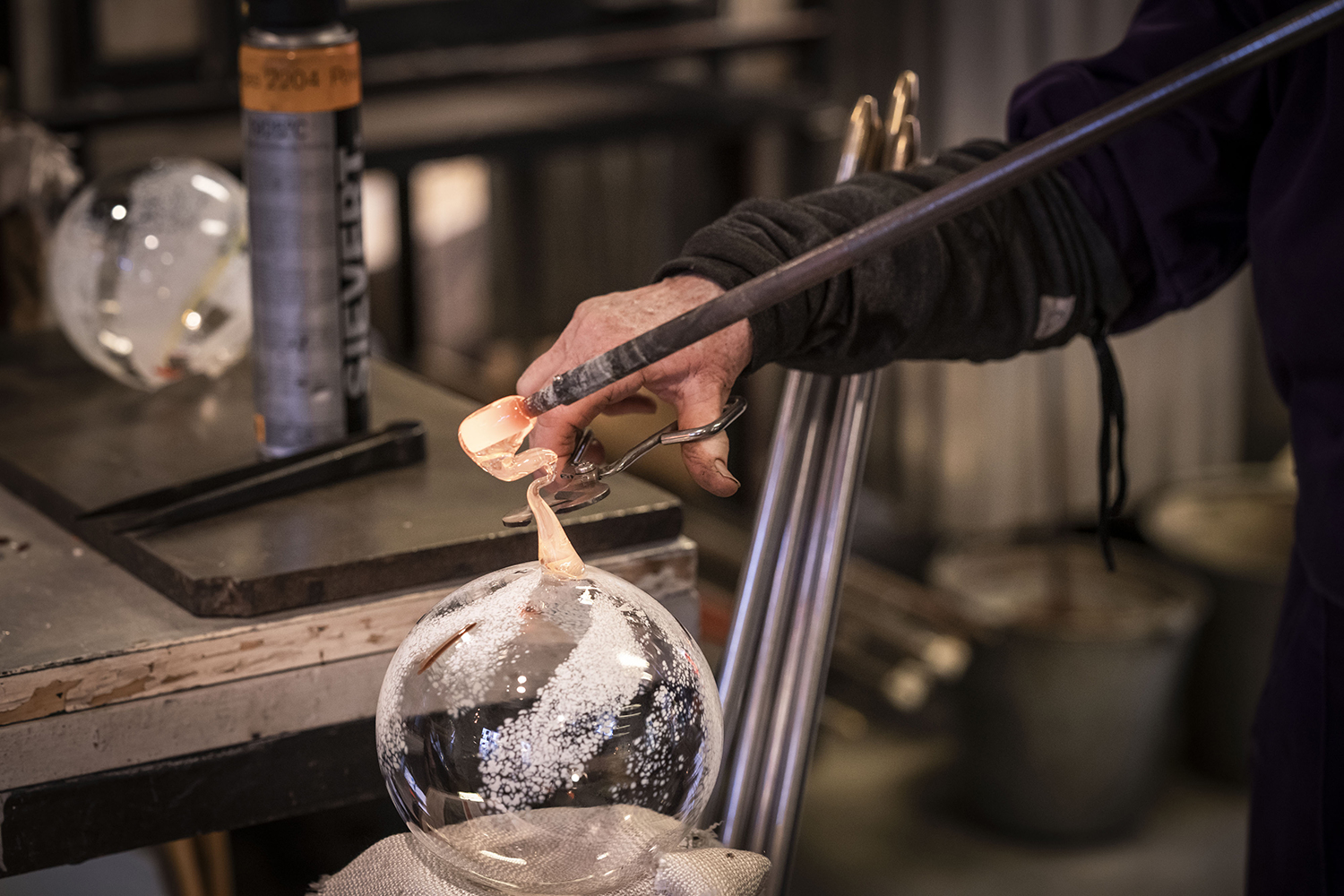
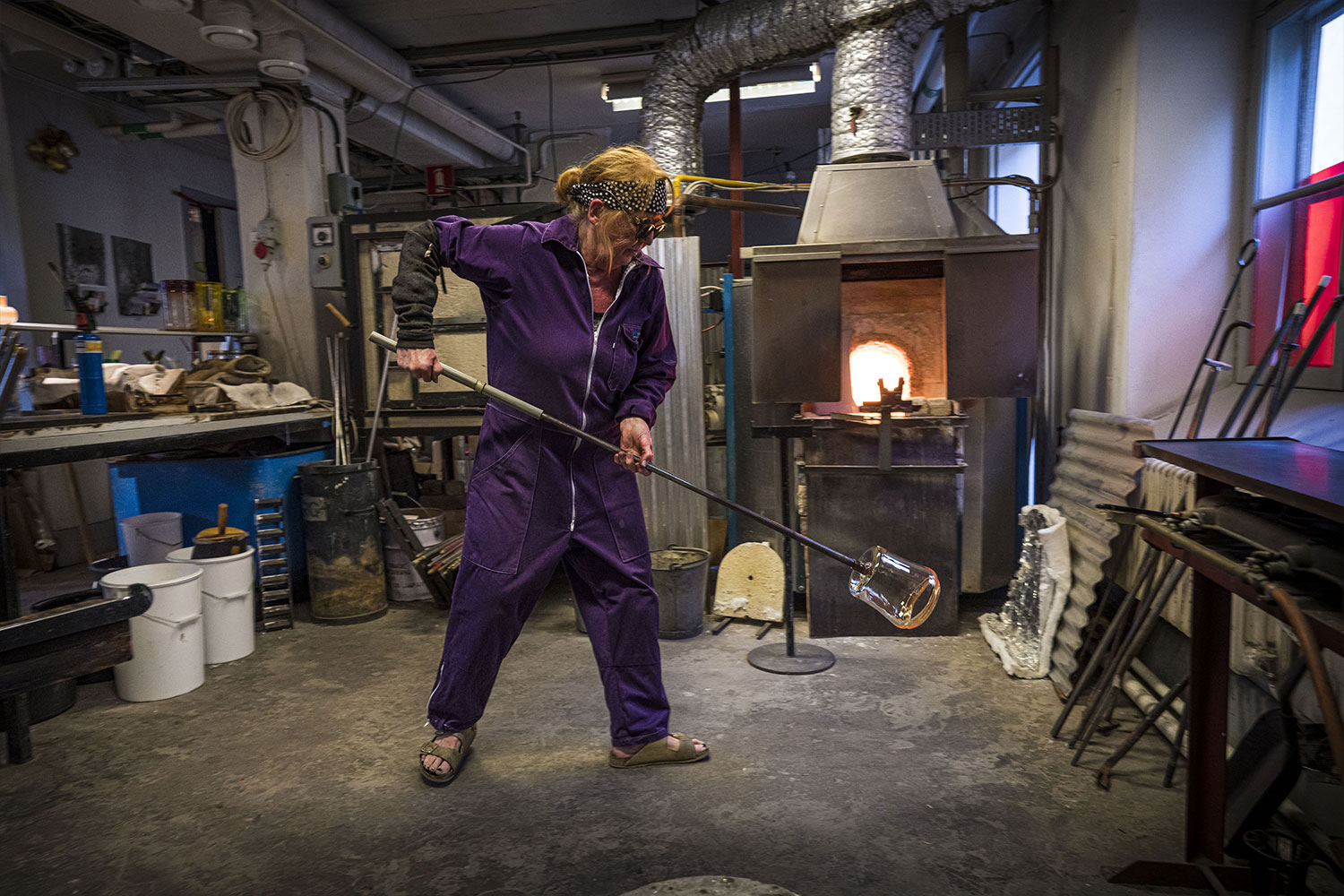
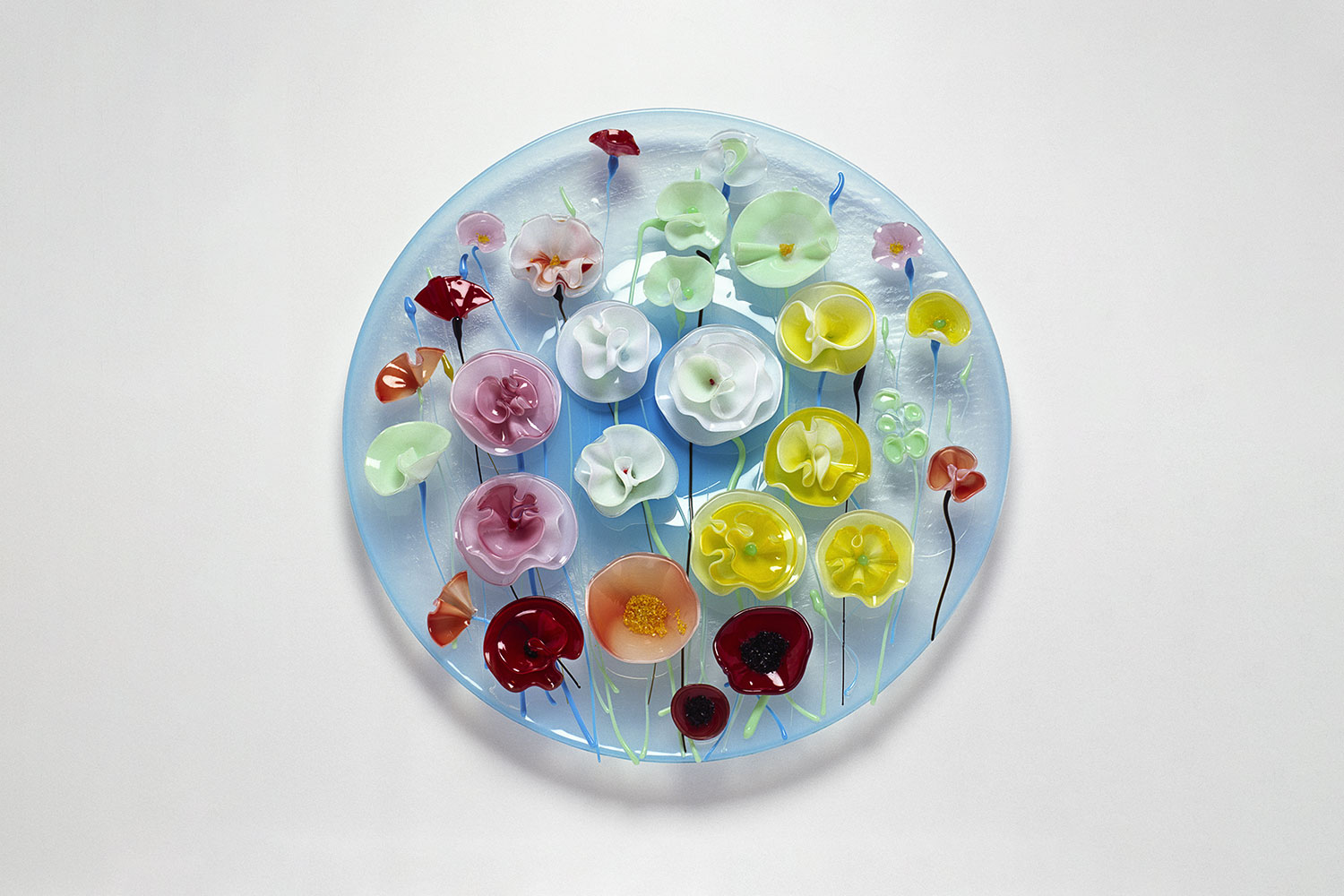
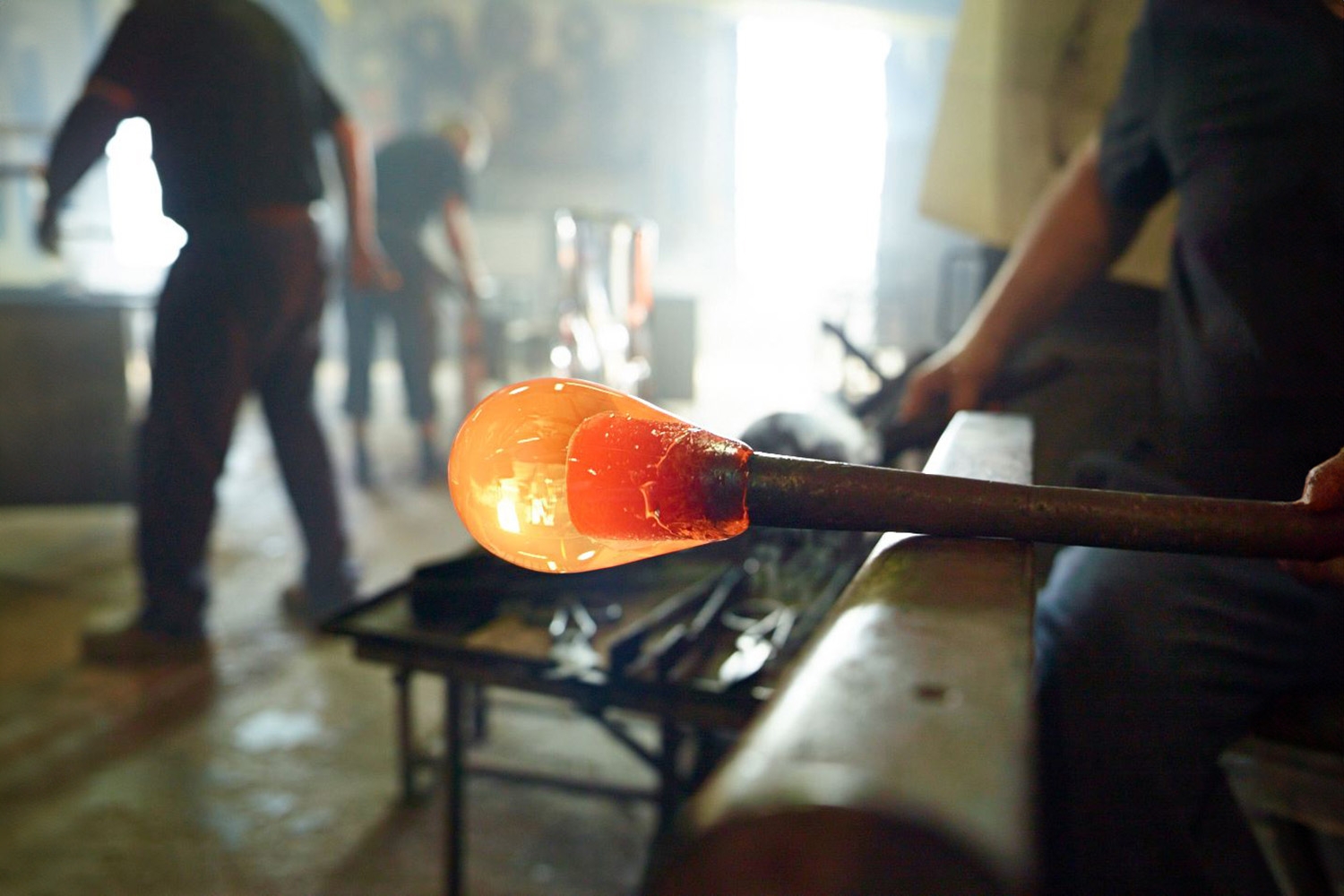
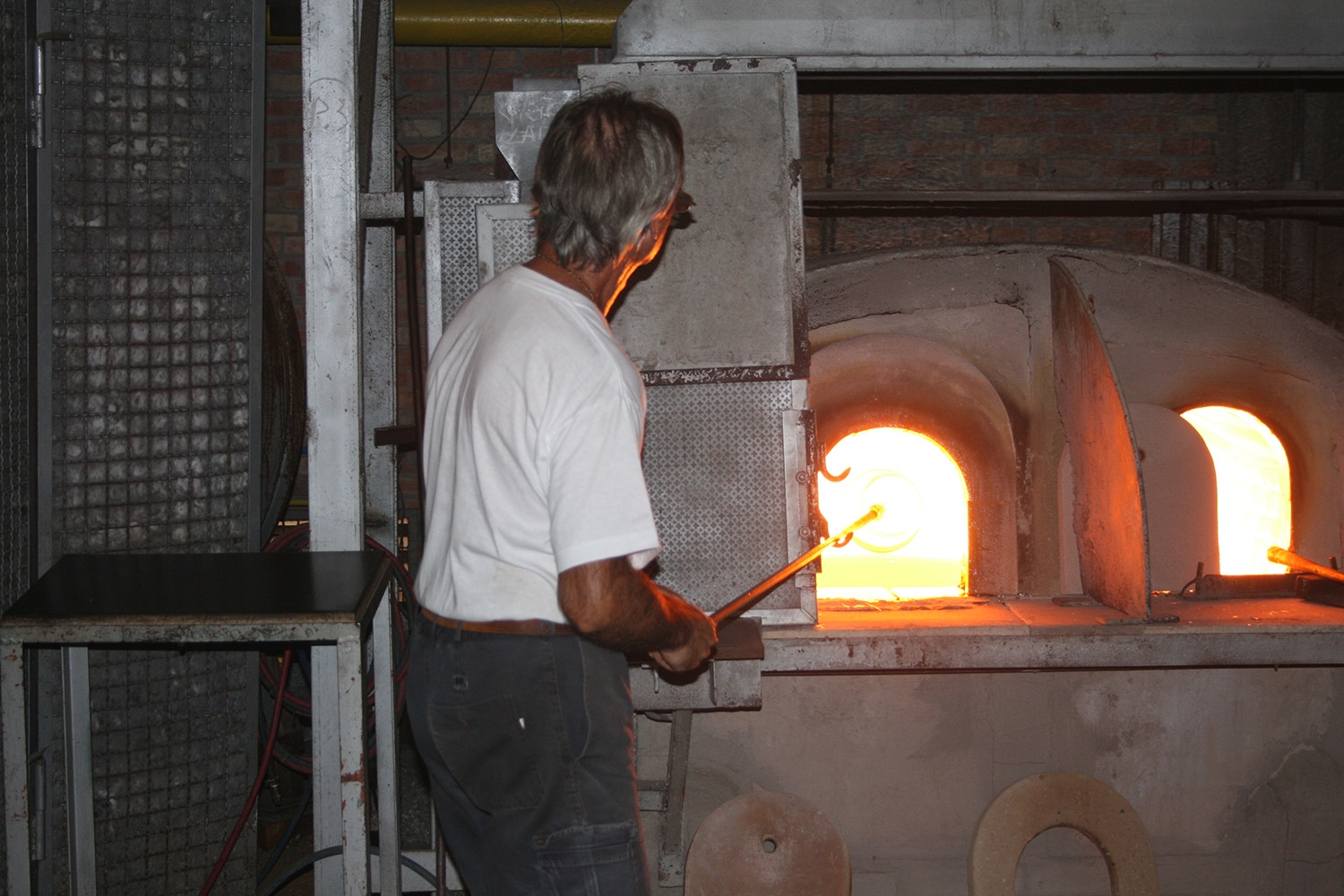
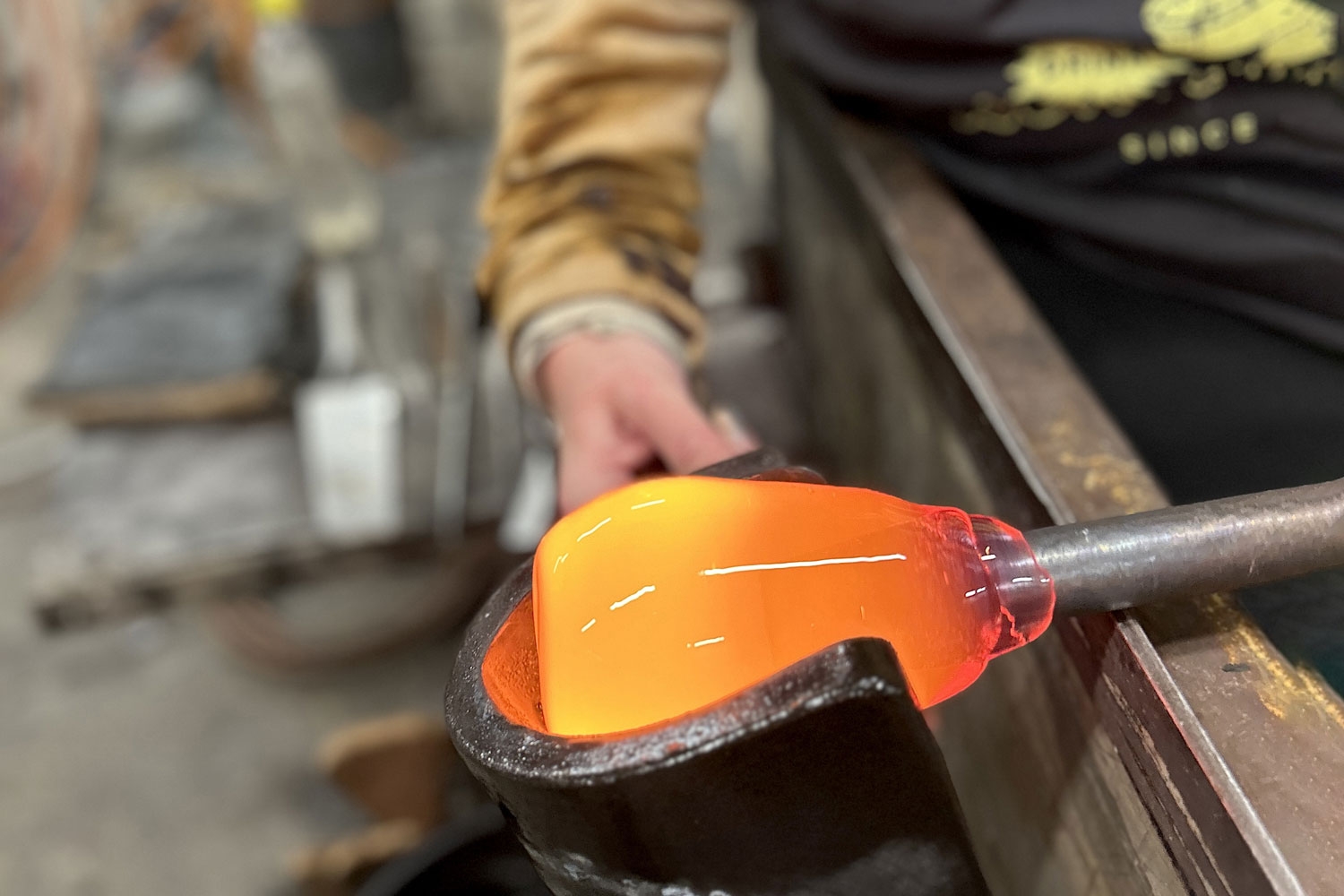
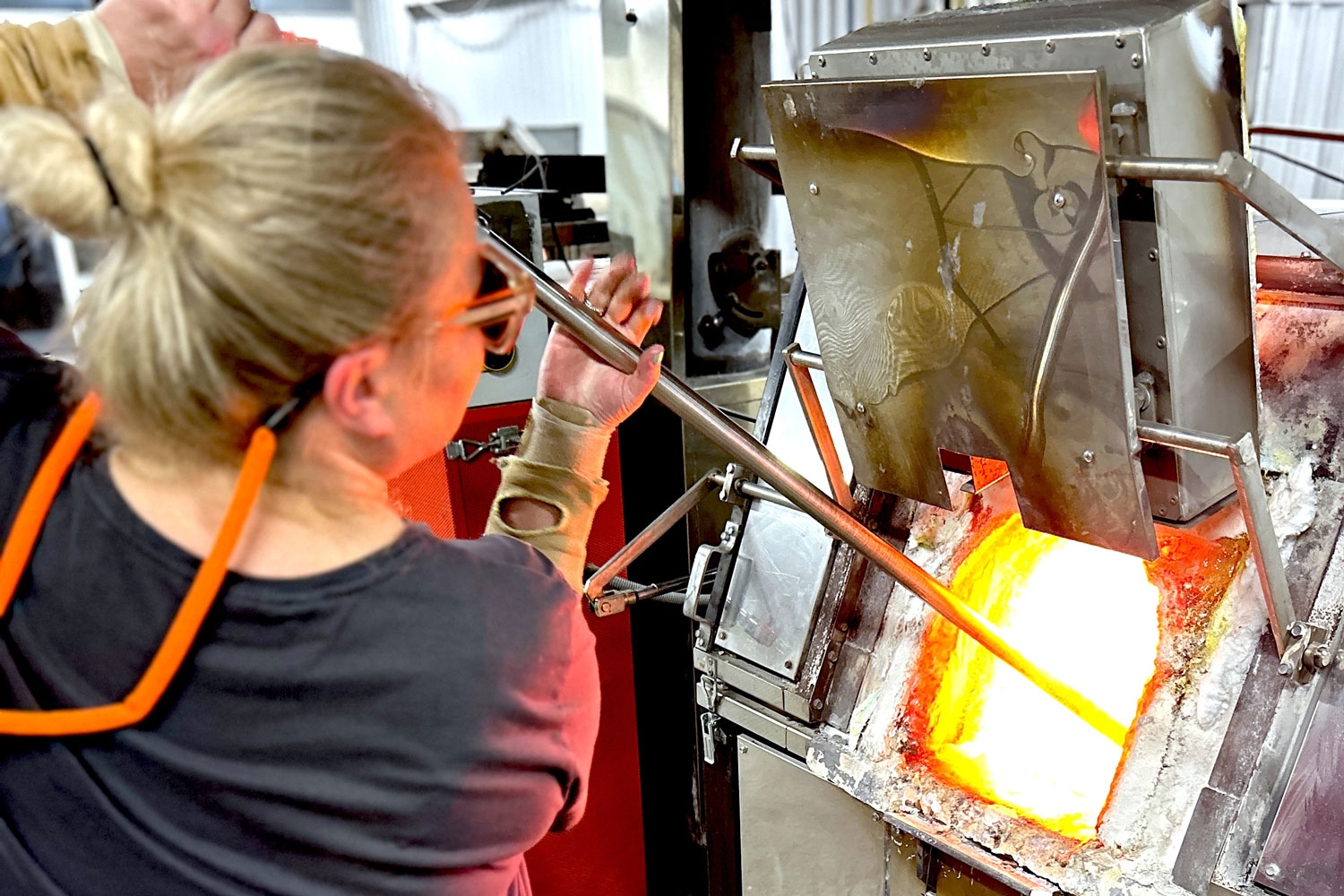
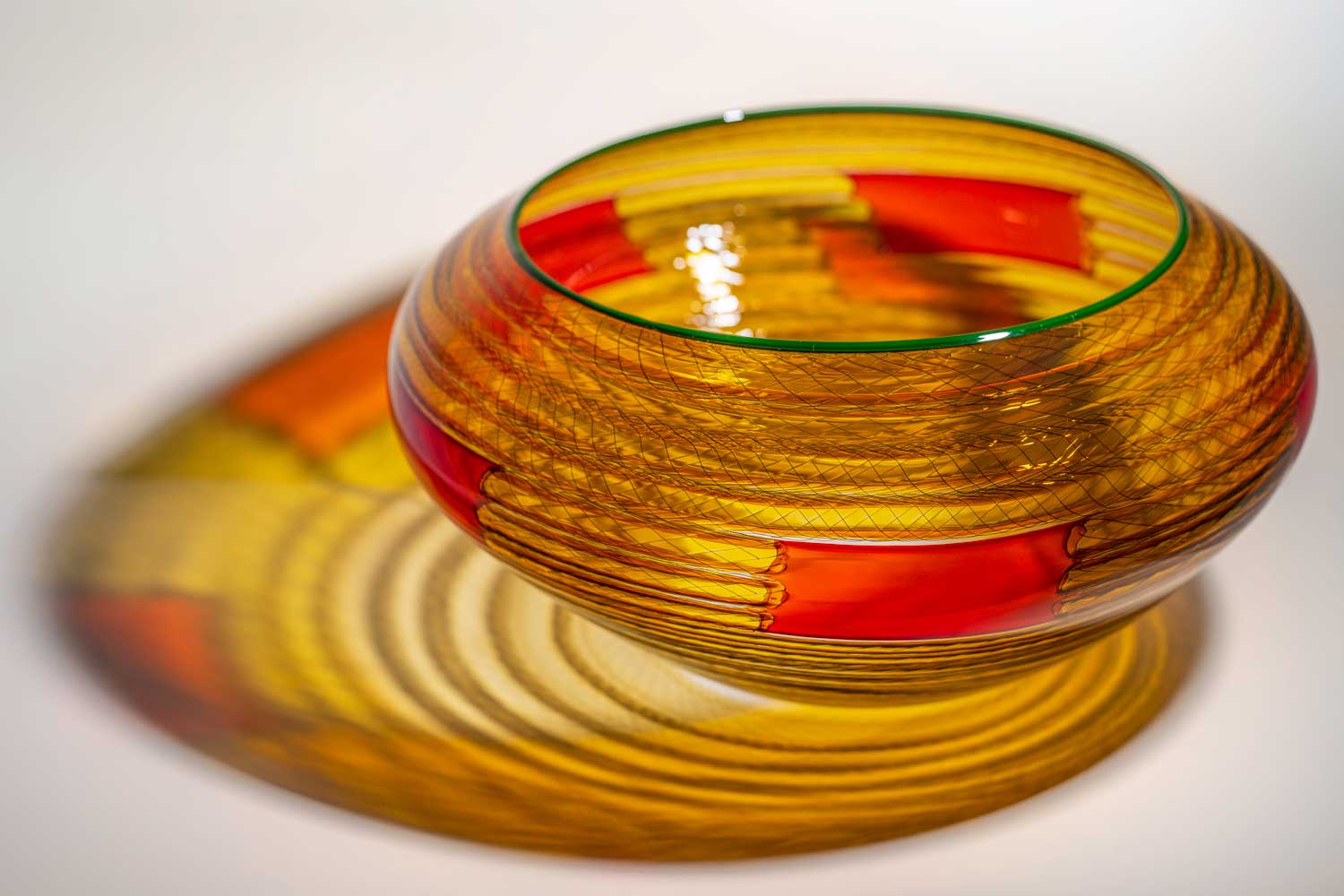
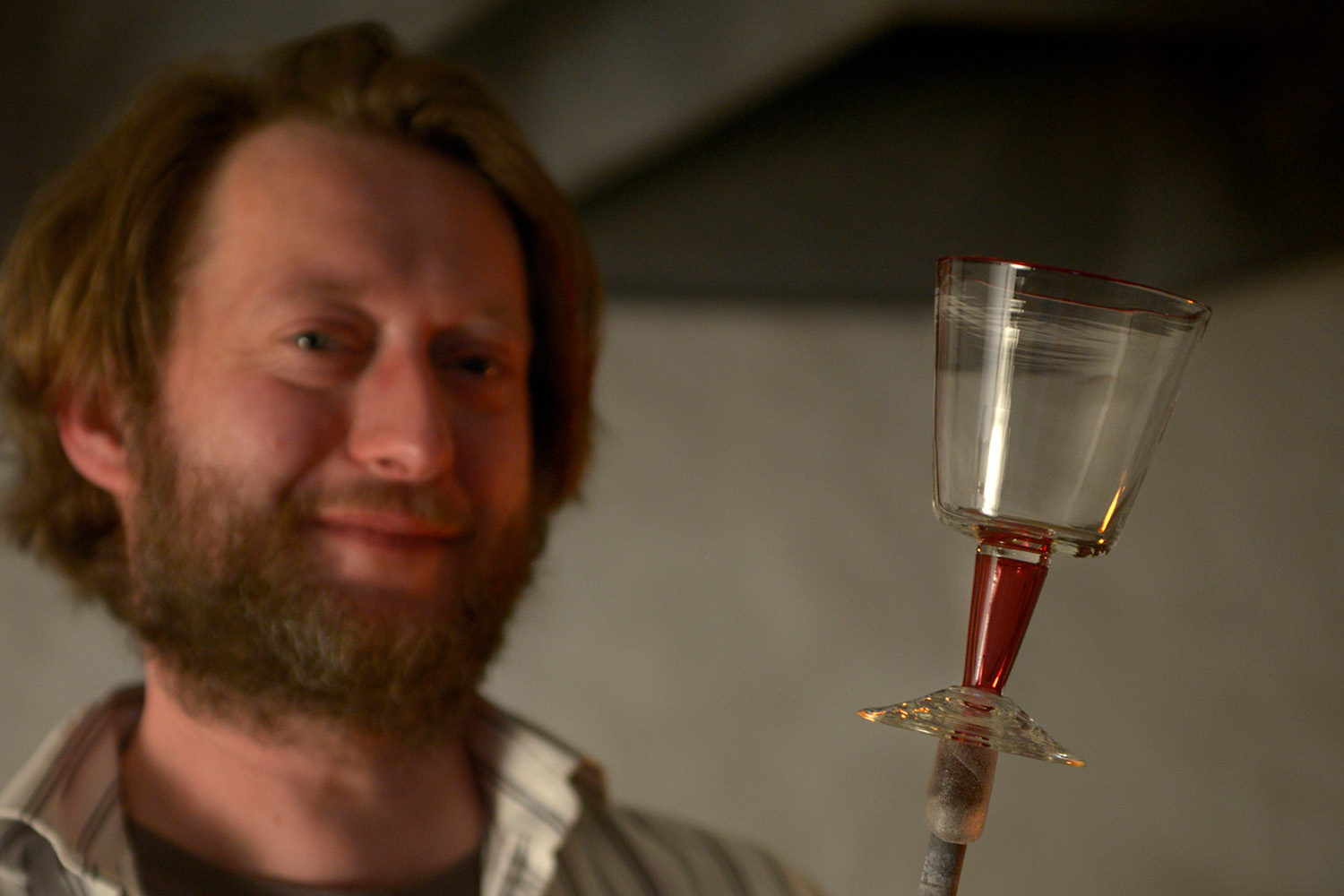
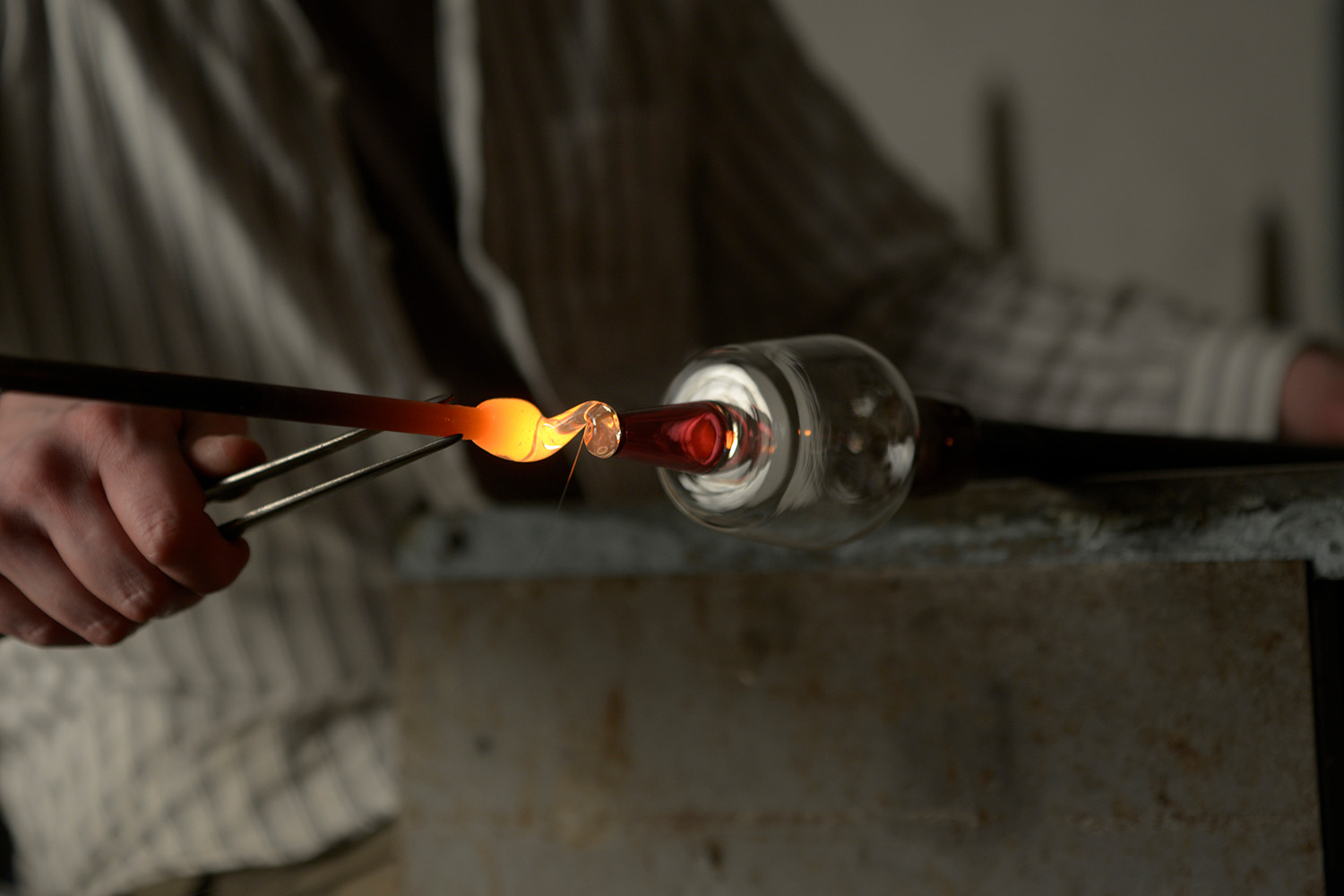
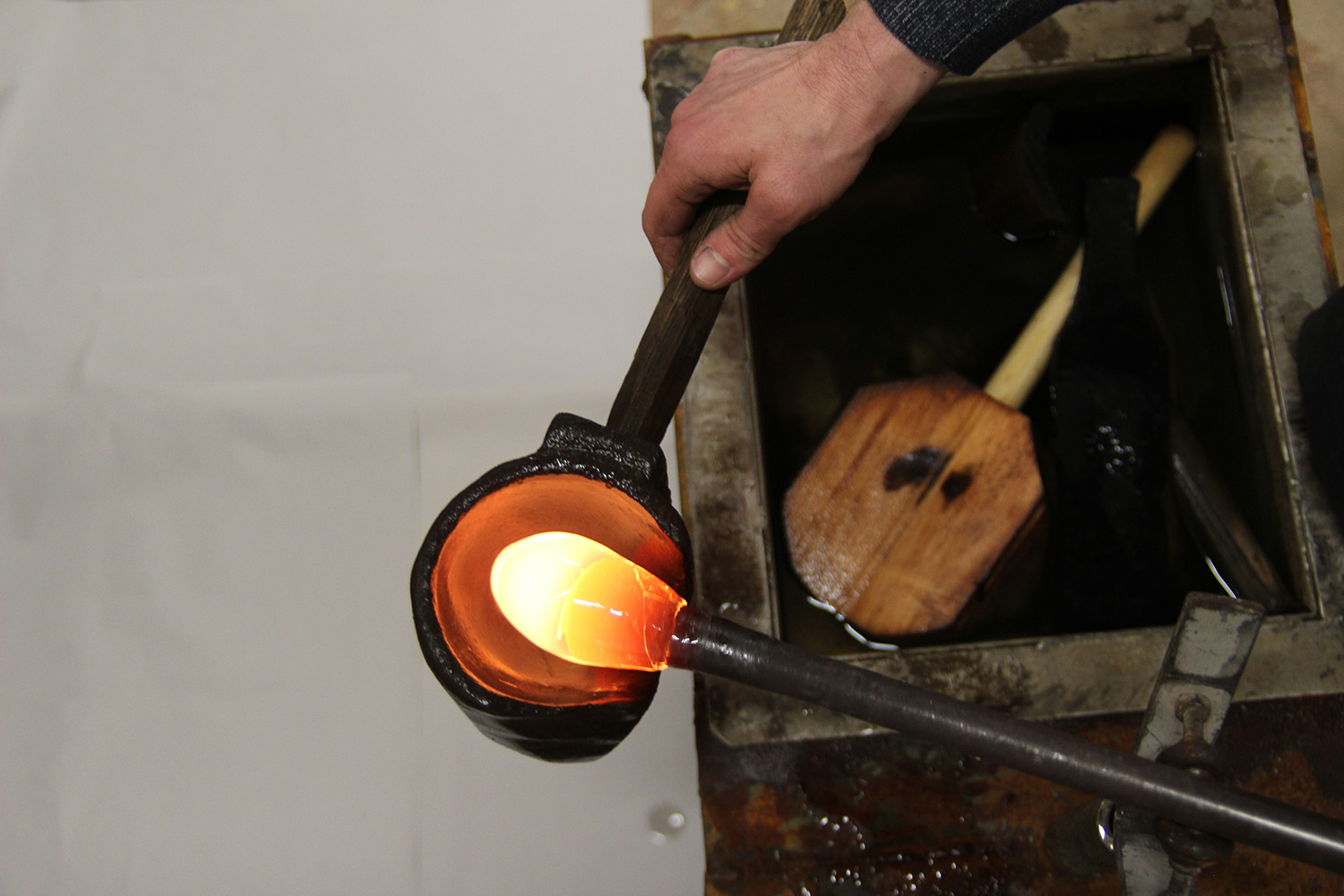
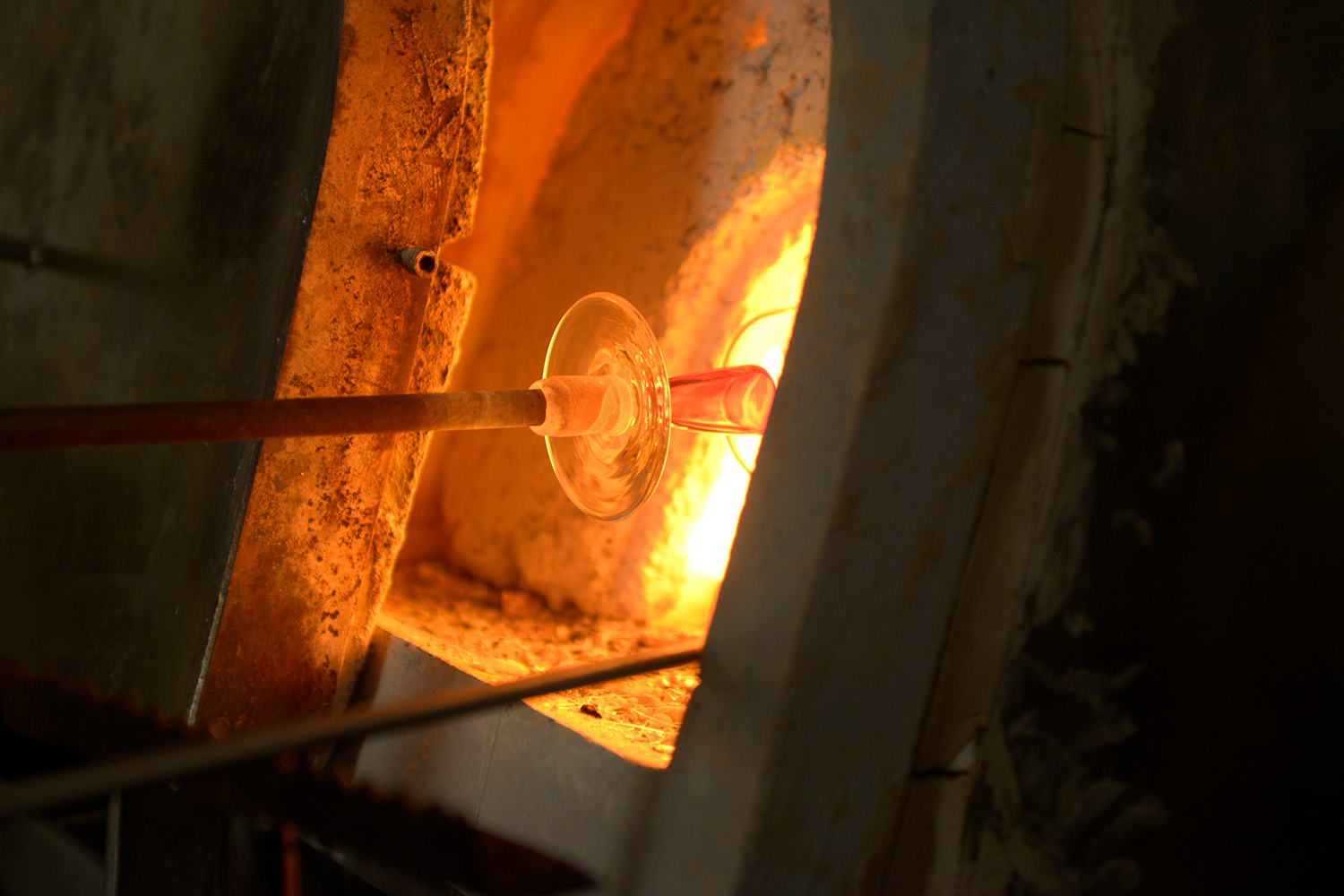
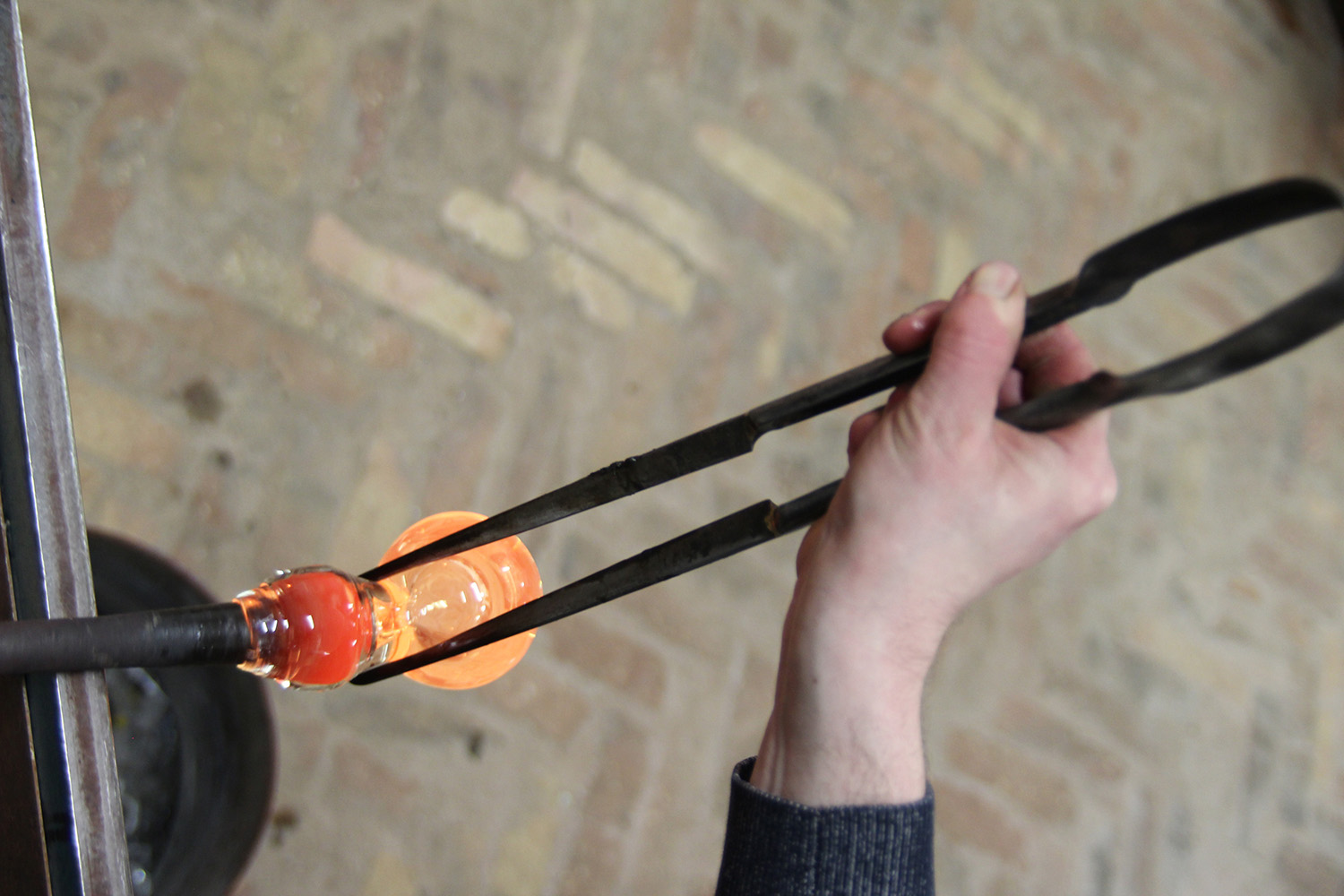
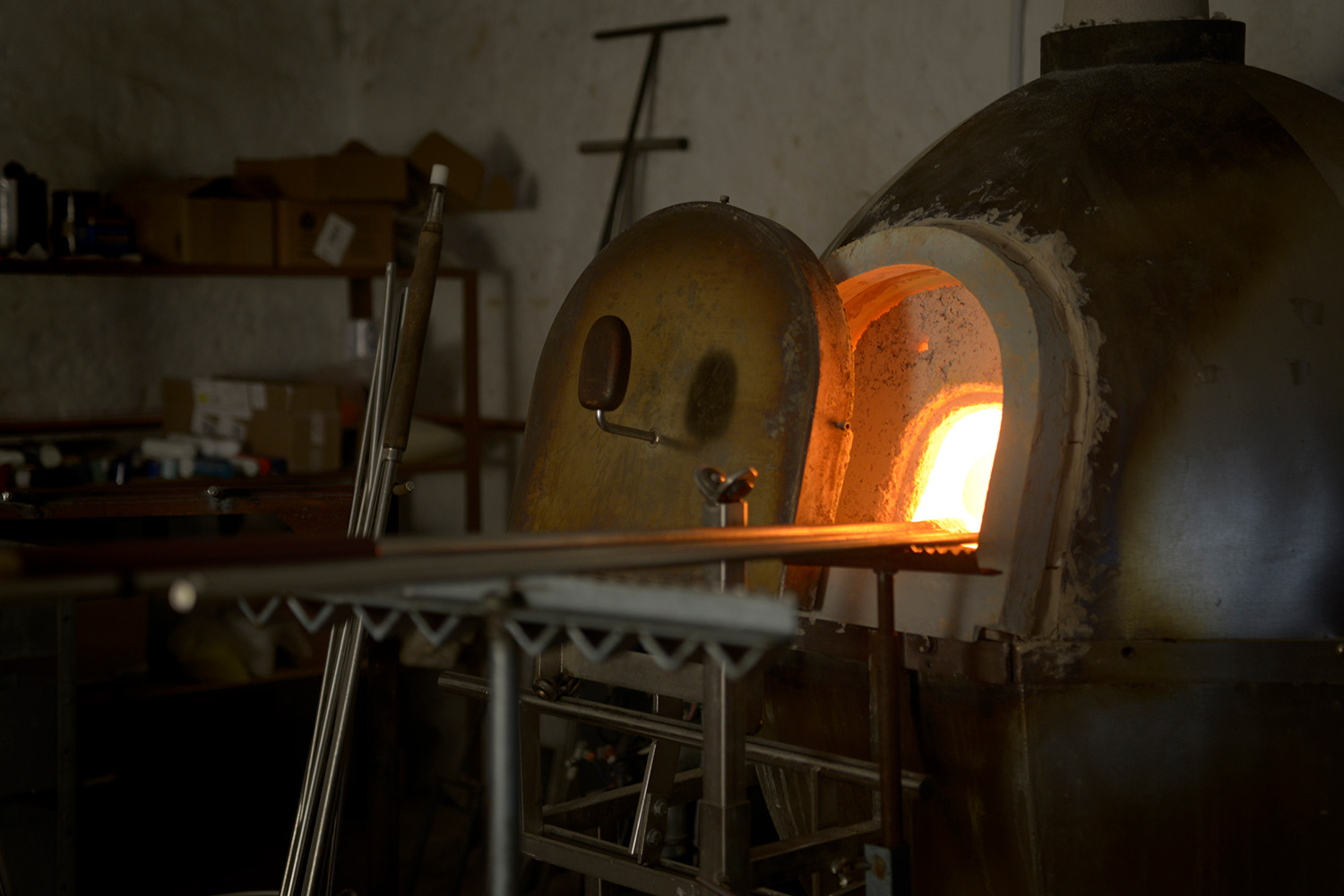
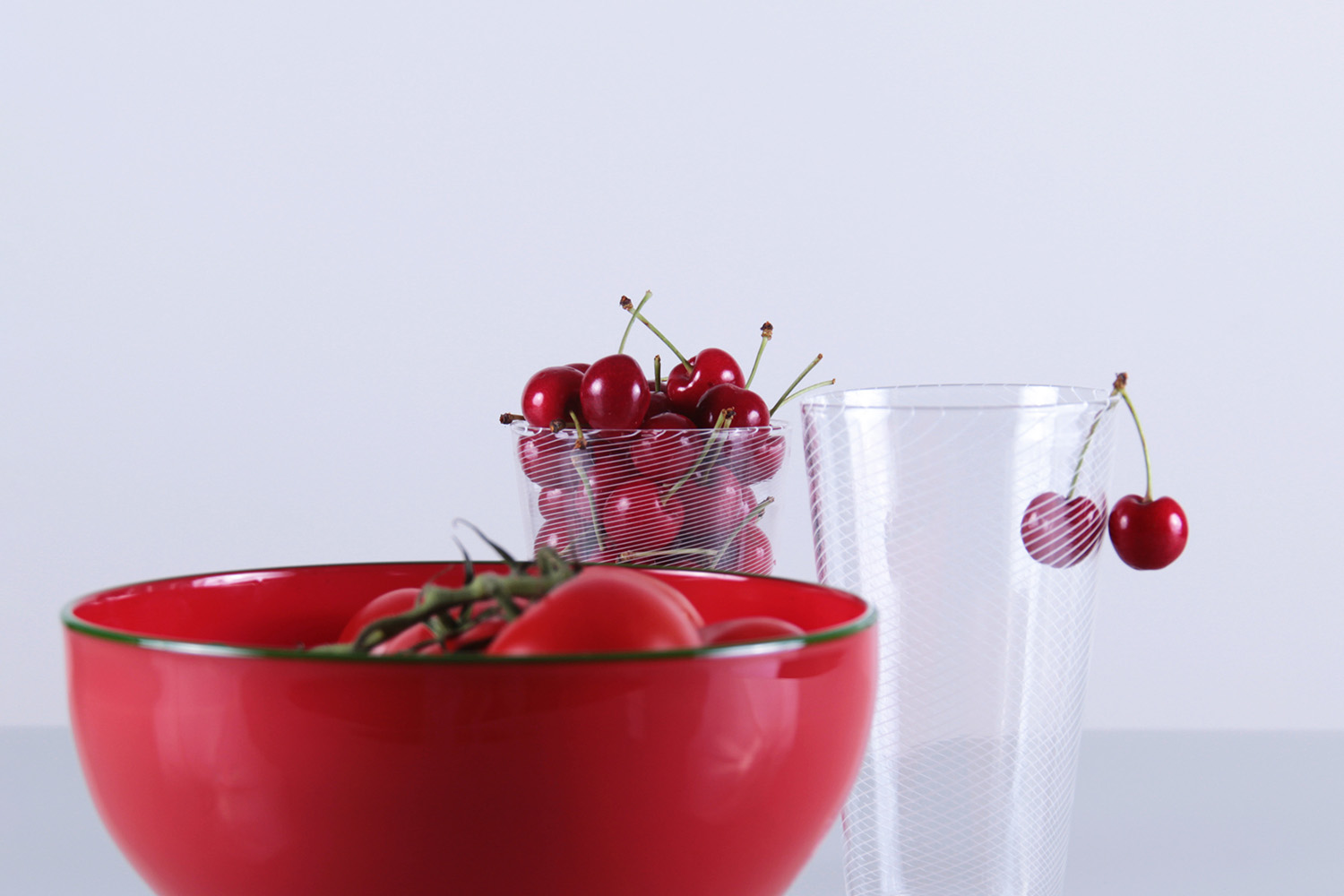
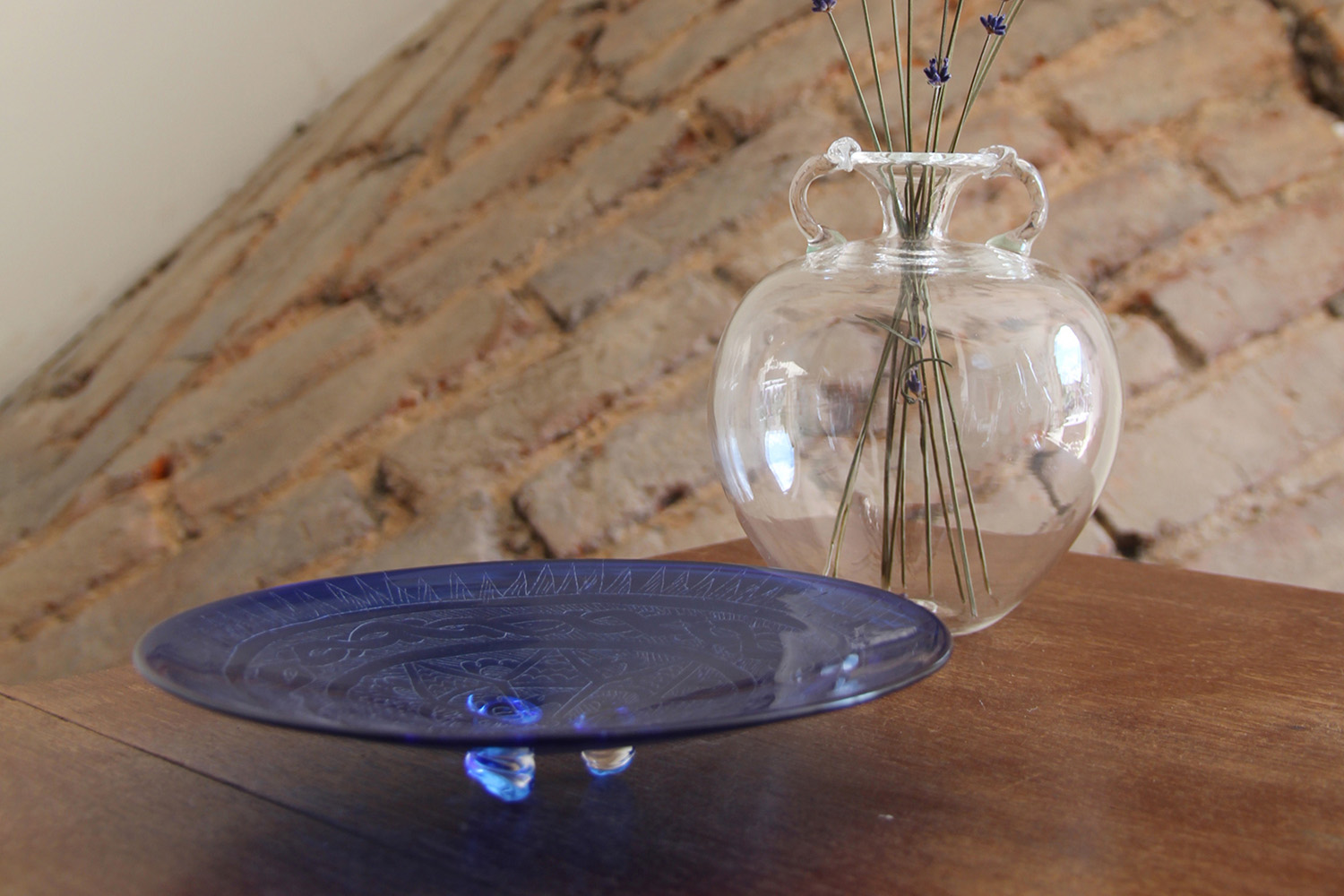
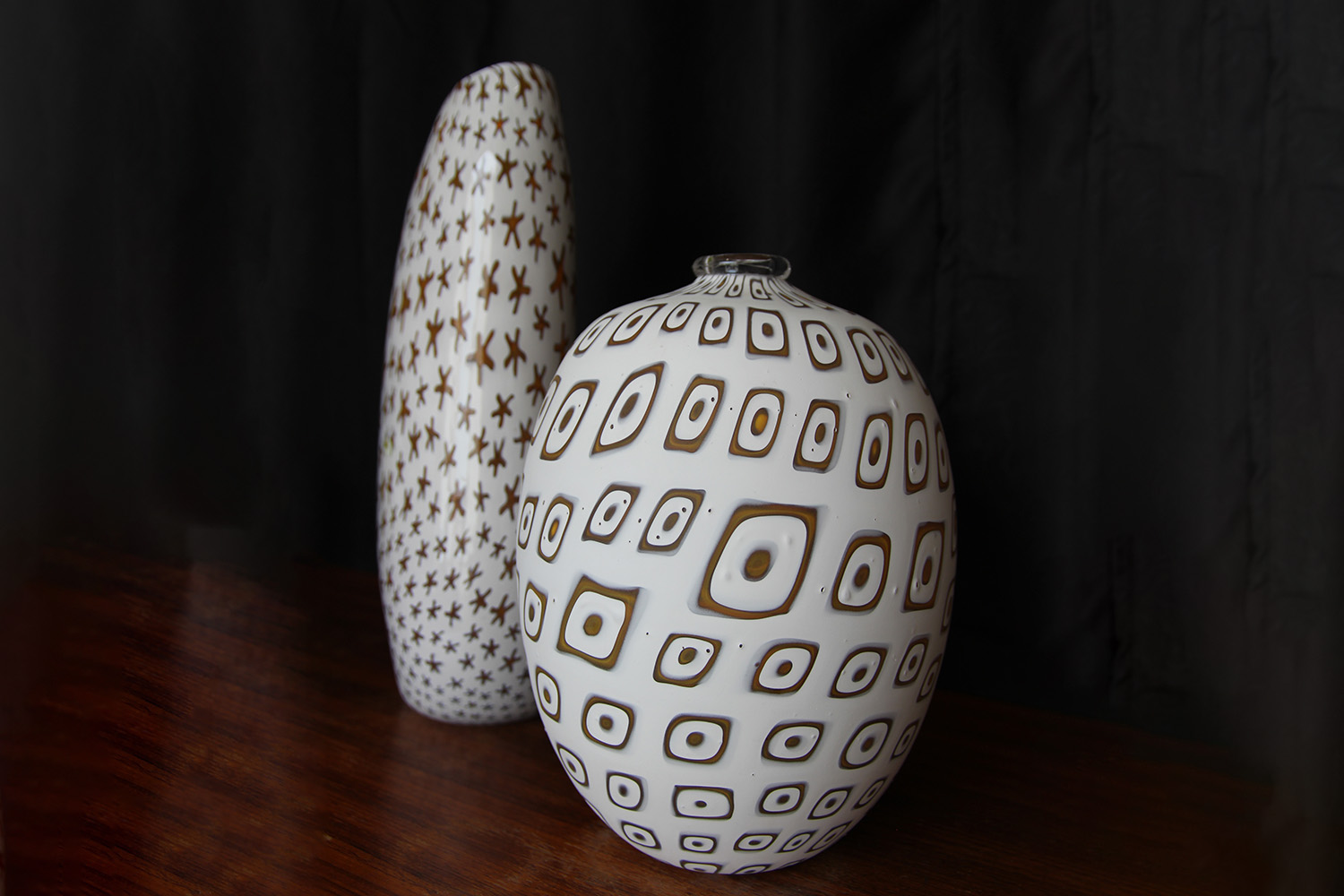
The first time Torsten Rötzsch had the chance to experiment with glass was at Zwiesel glass school where he spent two years learning glass design. The fact that he was able to execute all his ideas and define the size, shape and colour of objects motivated him to become the glassmaker he is today, happy to take on challenging projects. Free and mould blown glass, furnace work, kiln casting, glueing and coldworking for finishes are the techniques he uses most. “I gathered my knowledge from many different, mainly international masters or artists whose work I saw. Some I had the chance to meet and learn directly from. The whole network around the Bild-Werk Frauenau Summer Academy in the Bavarian Forest, which invites great artists every year to teach there, was and still is very influential to my work.”

INTERVIEW
For me, it is not extreme. The equipment and the rather high energy costs always make me feel honoured that I got the chance to learn and practise this craft. It can become extreme sometimes because of the tight timing that is dictated by the material.
I have the feeling that my greatest strength is that I do not specialise in any certain technique but use many different techniques. When it comes to hot glass, I can consider all possibilities which enables me to work with a big variety of artists.
There was a glass factory in the village until 1990 and for a while, it was well-known for its delicate pressed glassware. Nowadays, the signs are gone but there is a good network among all the craftspeople and artists who work in this area of Germany.
They should try to find the right people to learn from and with. That seems a very important point for me. And be prepared as there is no easy way to learn this craft – it takes a lot of practice.
Torsten Rötzsch
Studio.glas
Glassblower
Coswig, Germany
AVAILABILITY
Wednesday to Friday 10:00-18:00
PHONE
+49 15253070406
LANGUAGES
German, English, Estonian
Homo Faber Finds is a new service aiming to inspire admirers of craft to connect and collaborate with exceptional artisans.
We invite you to submit an enquiry here.