Rebecca Stevenson
Mixed media sculptor
London, United Kingdom
Where human history and flora collide
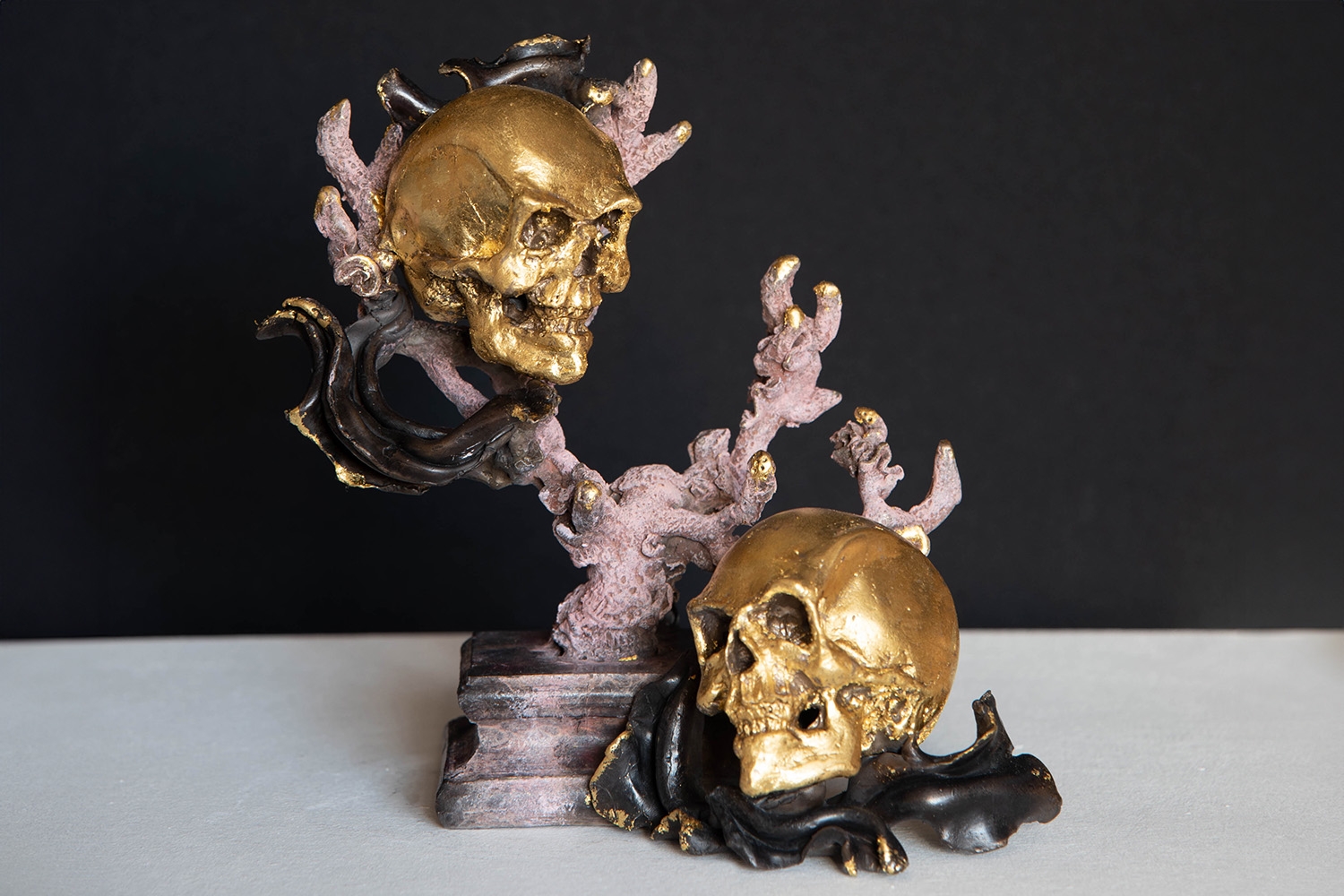
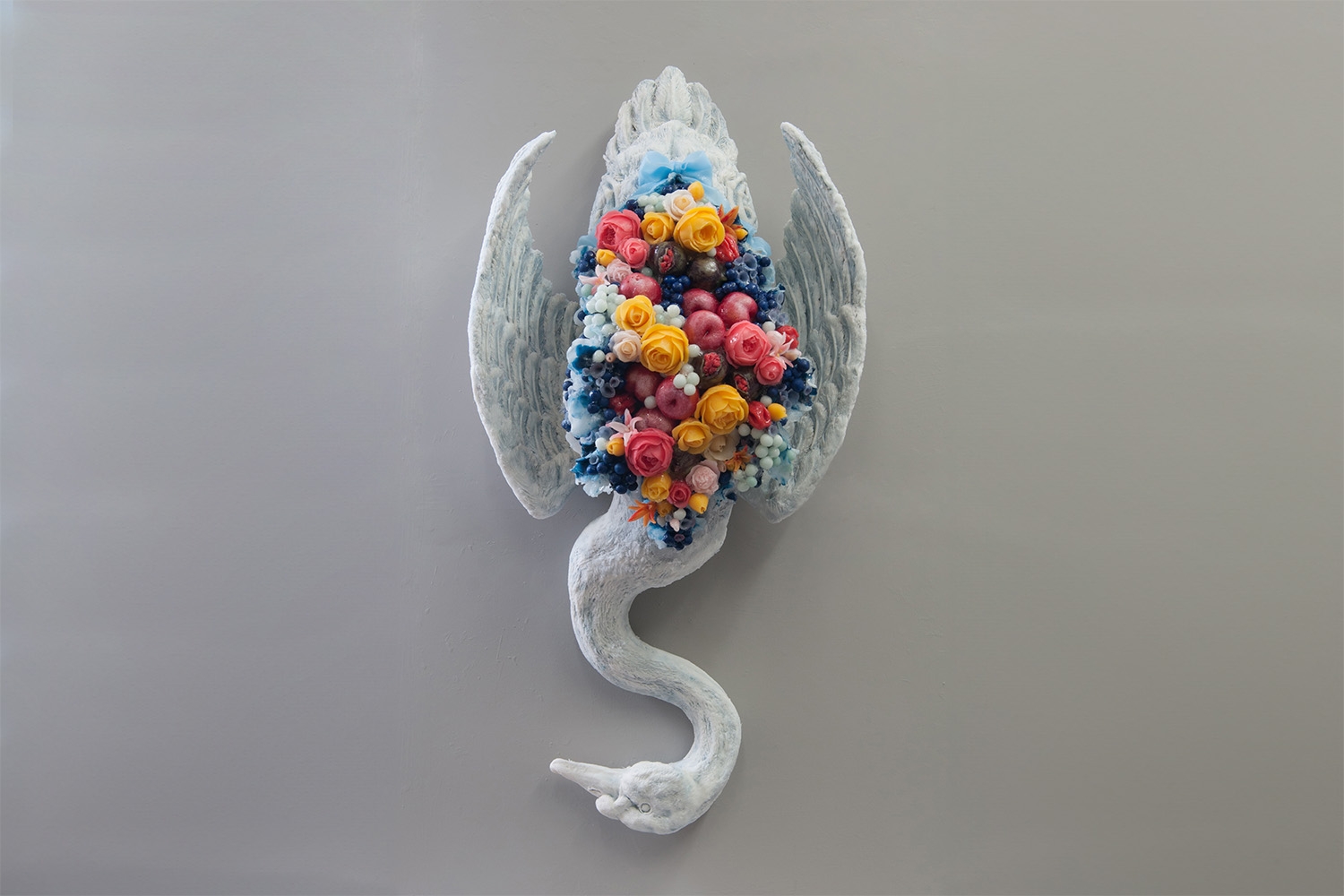
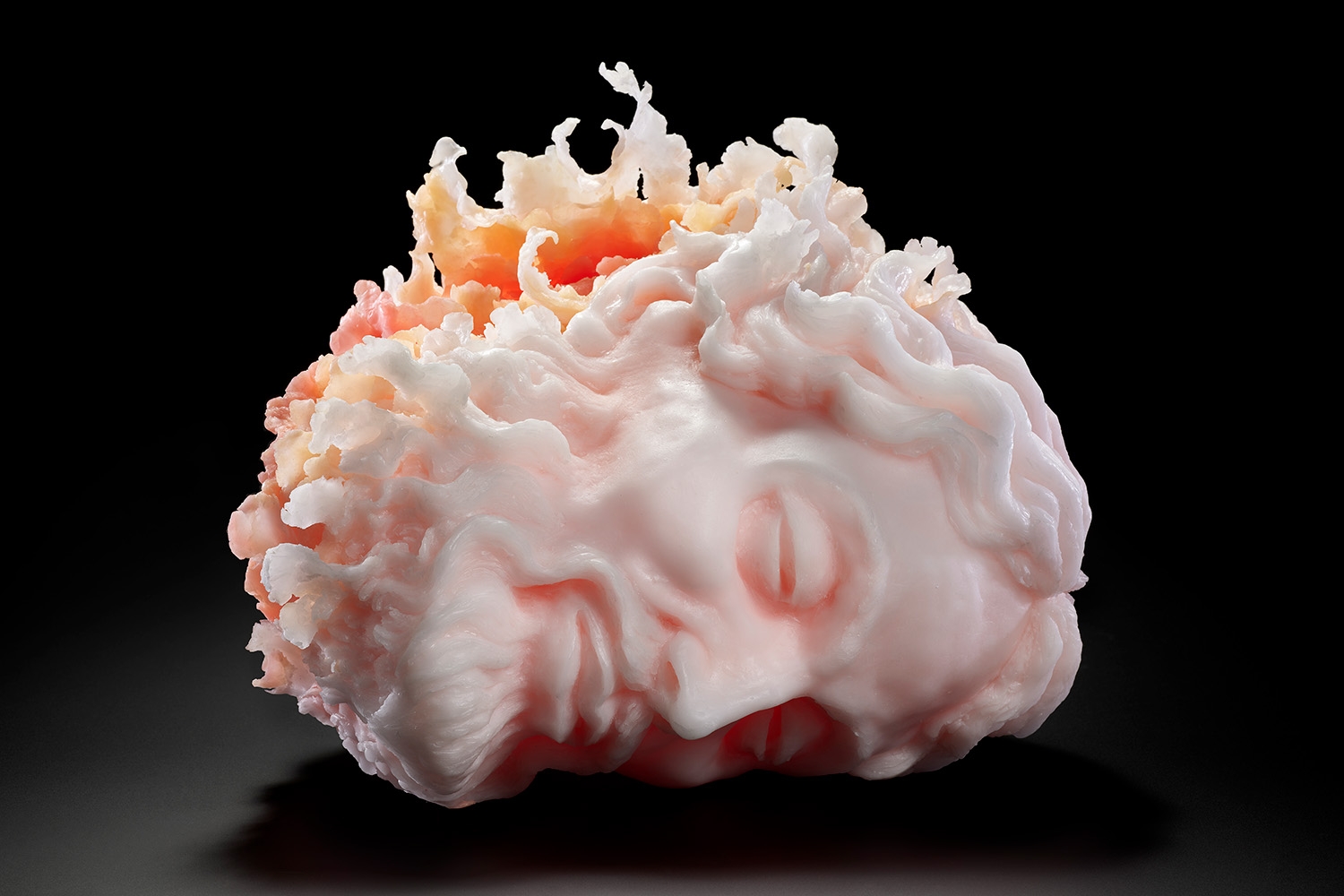
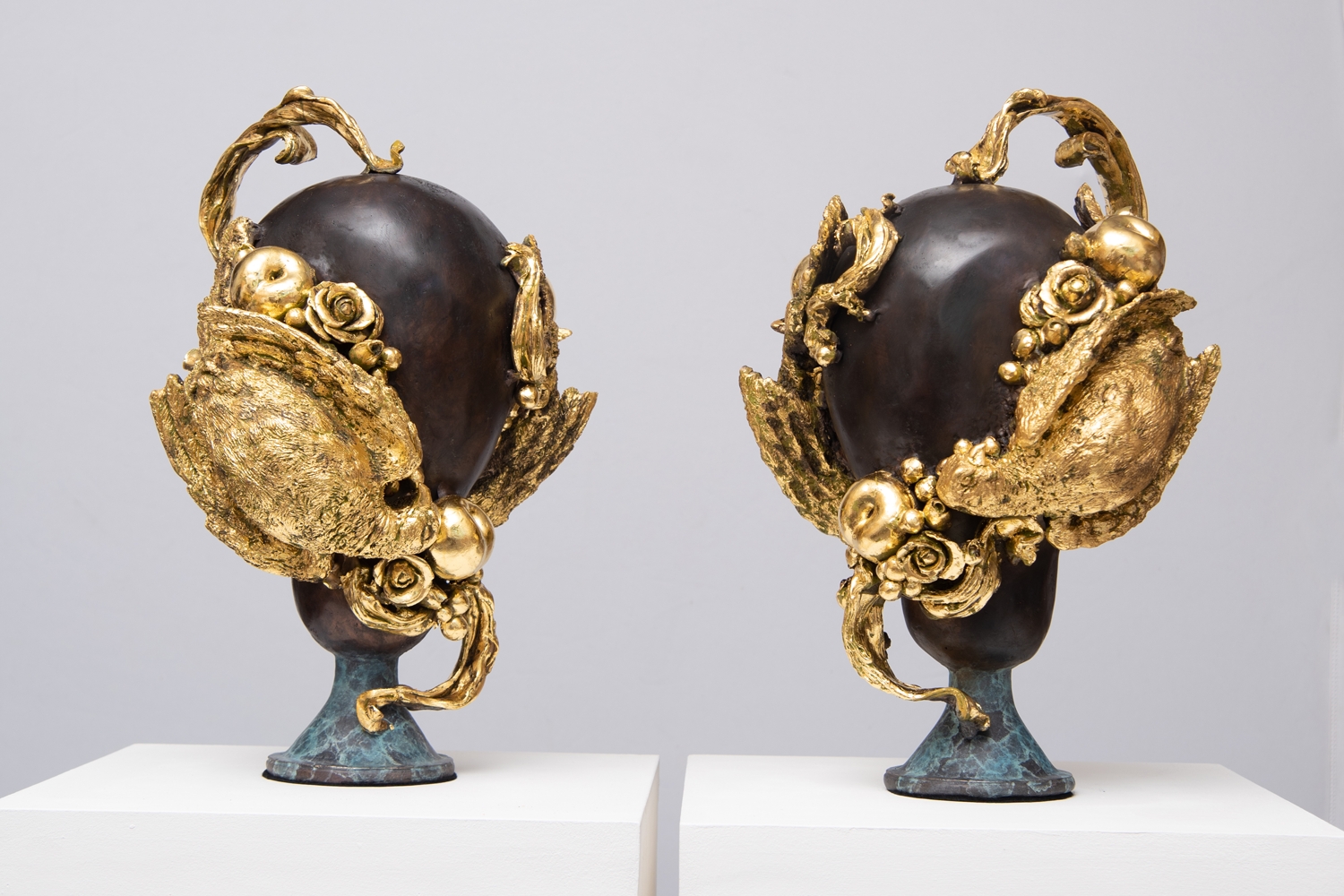
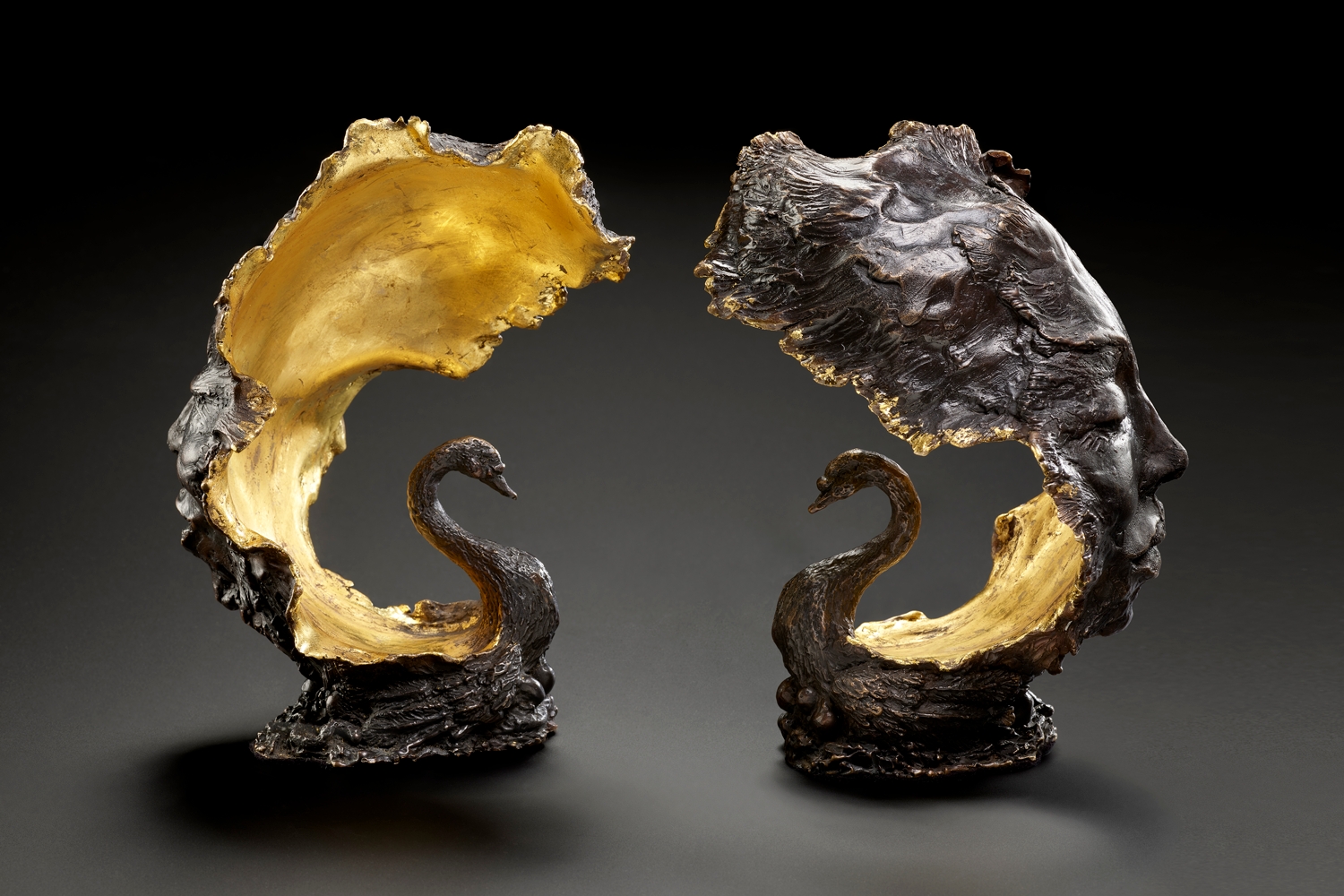
- Rebecca's sculptures are made of wax and other materials including resin and bronze
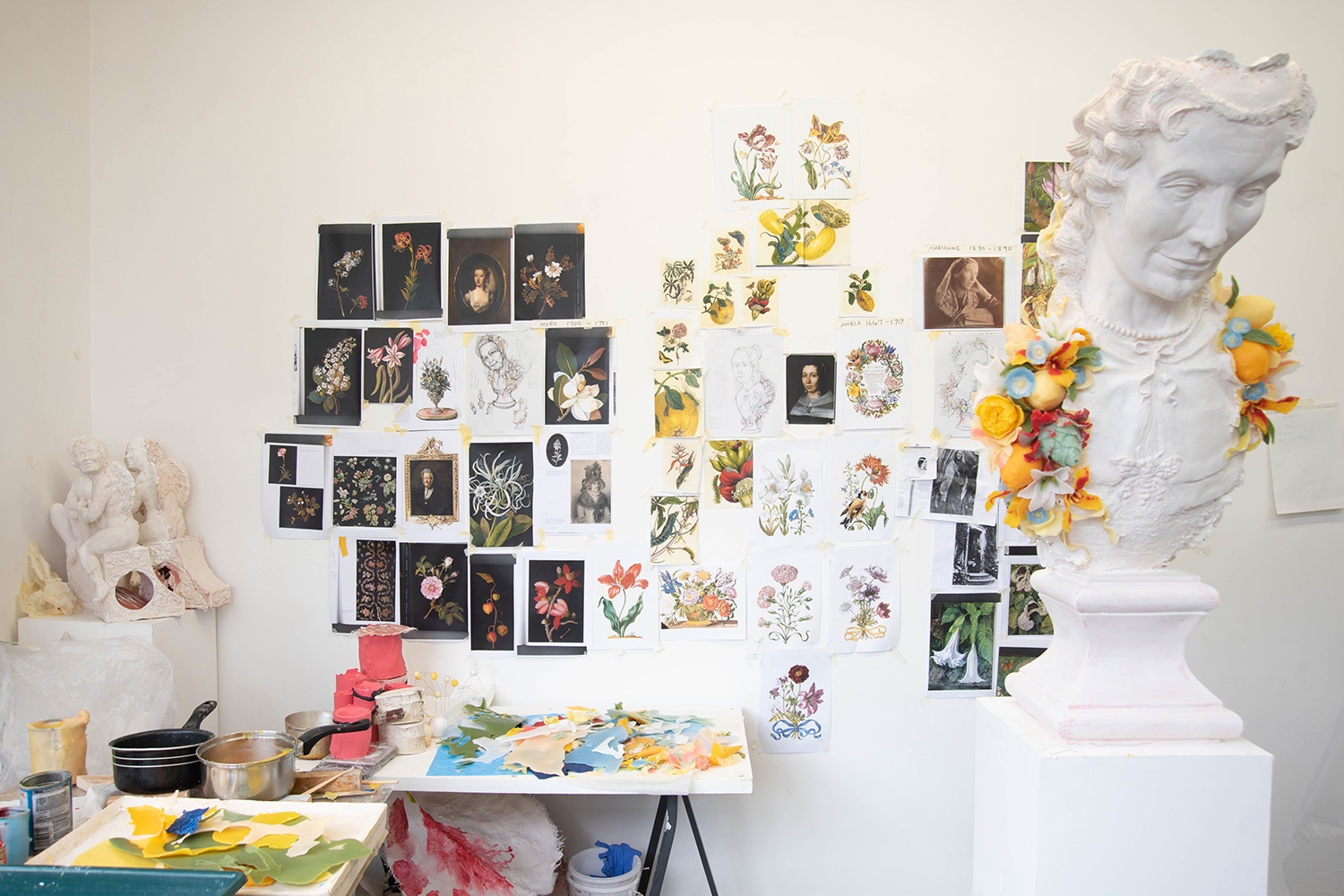
- Her inspiration often comes from anatomical drawings, baroque sculptures, or early modern wunderkammers
- Her works are exhibited in many galleries
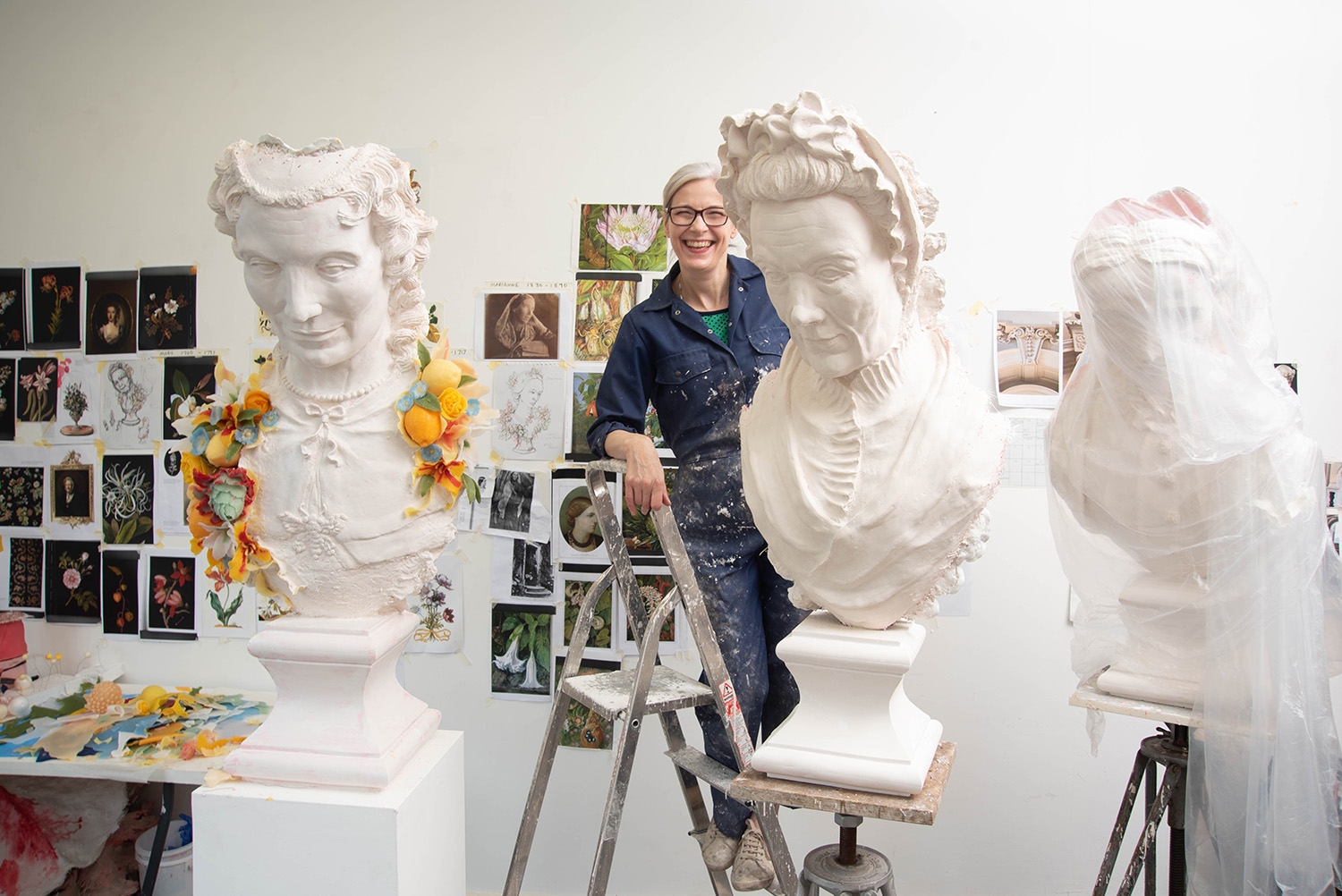
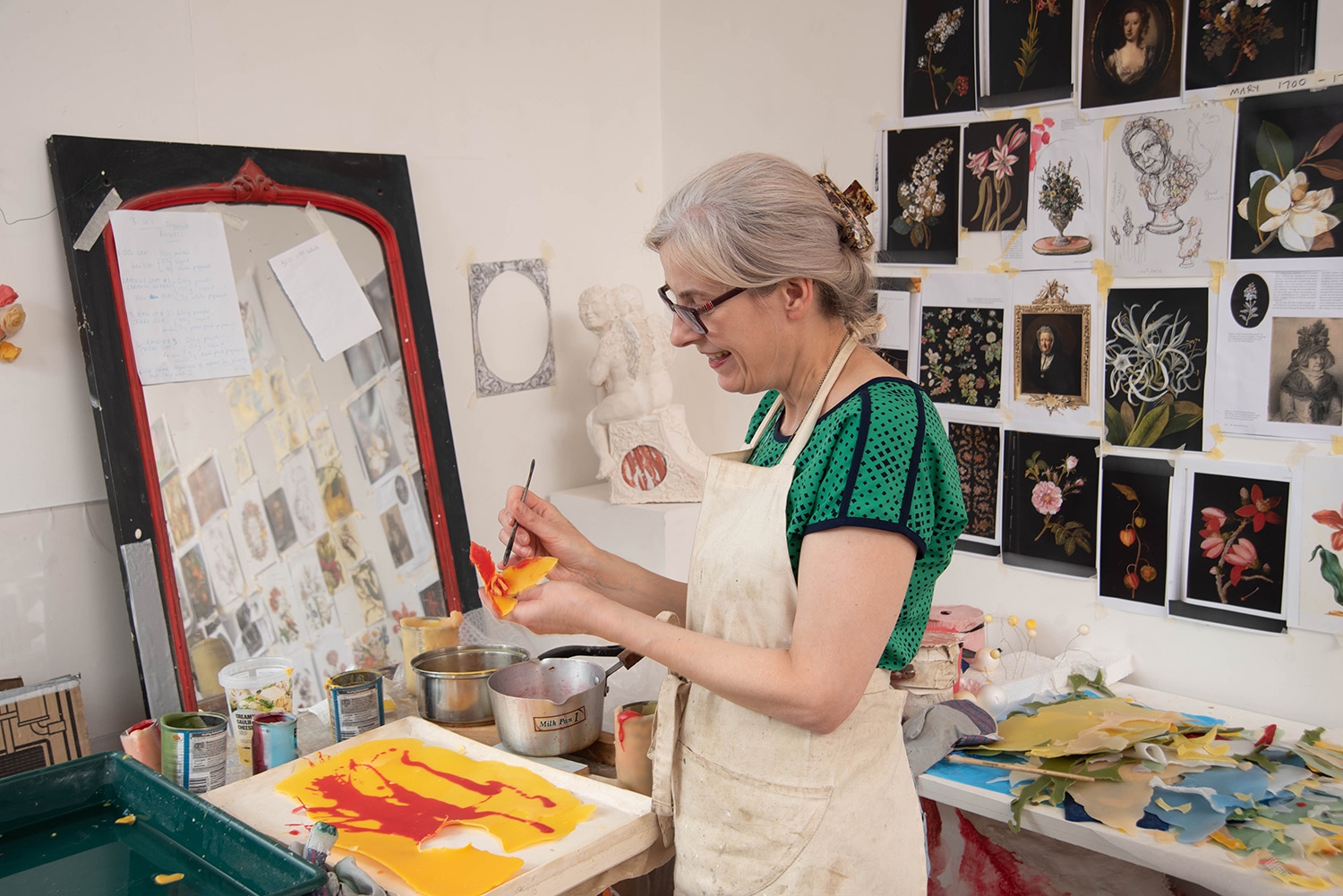
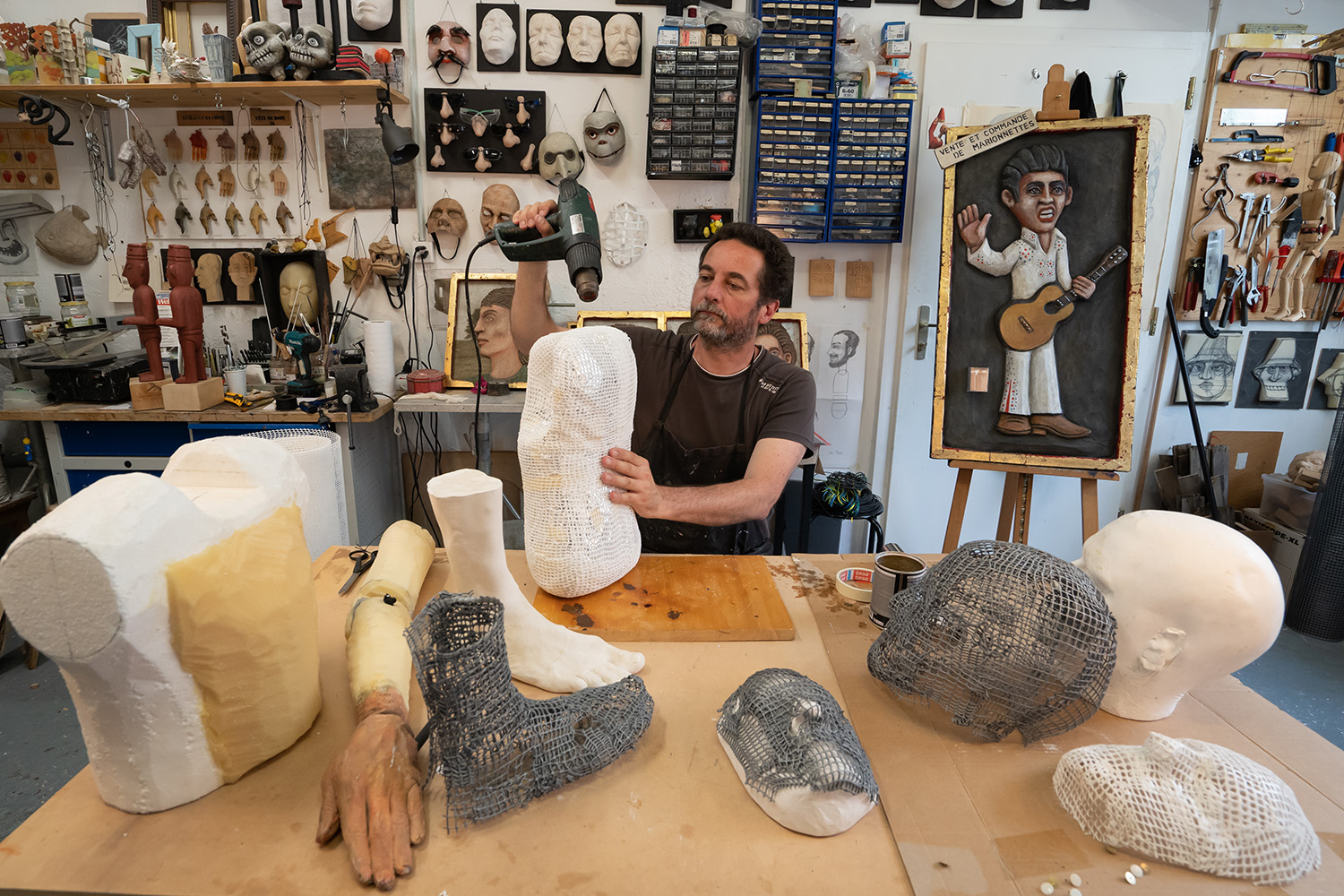
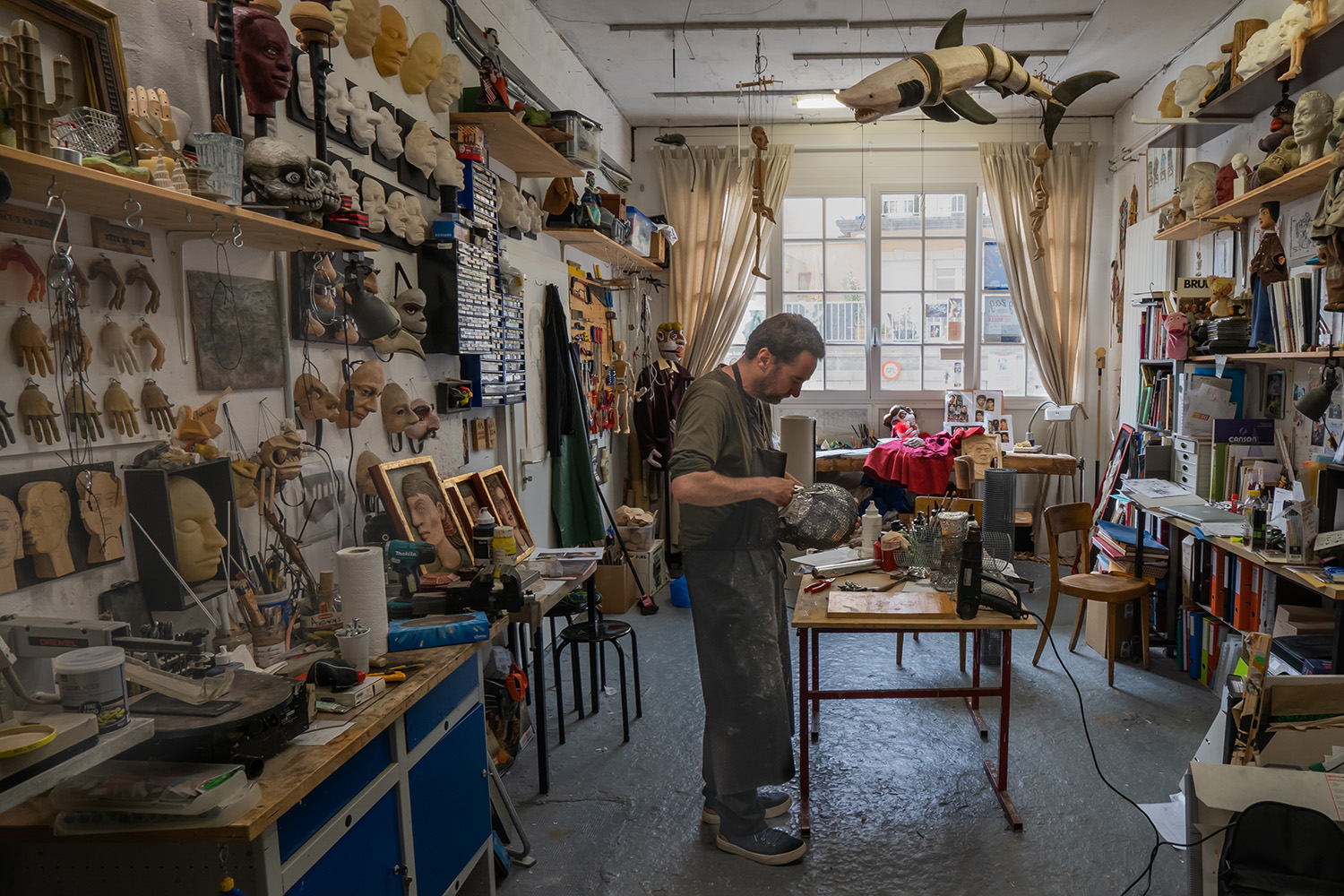
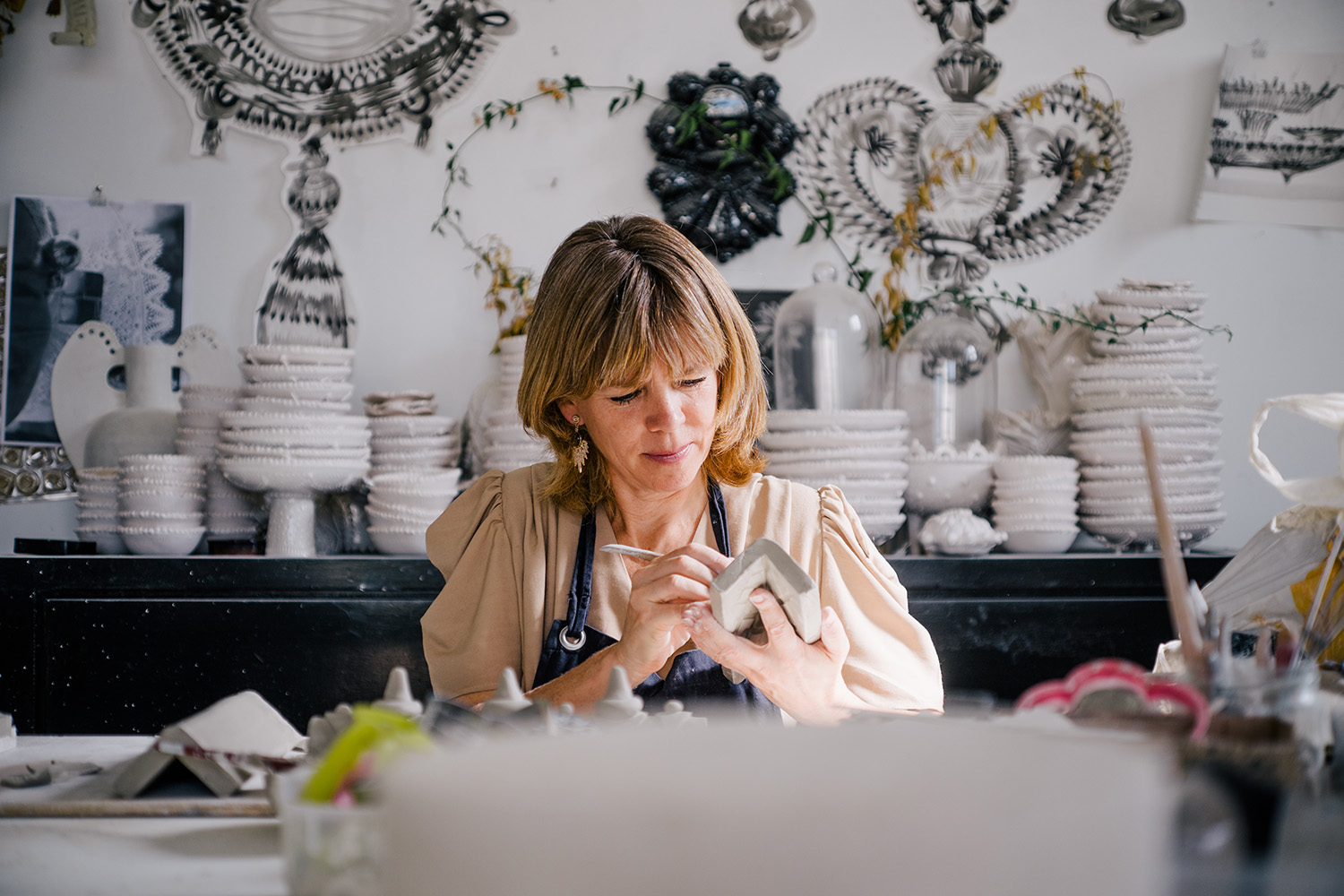
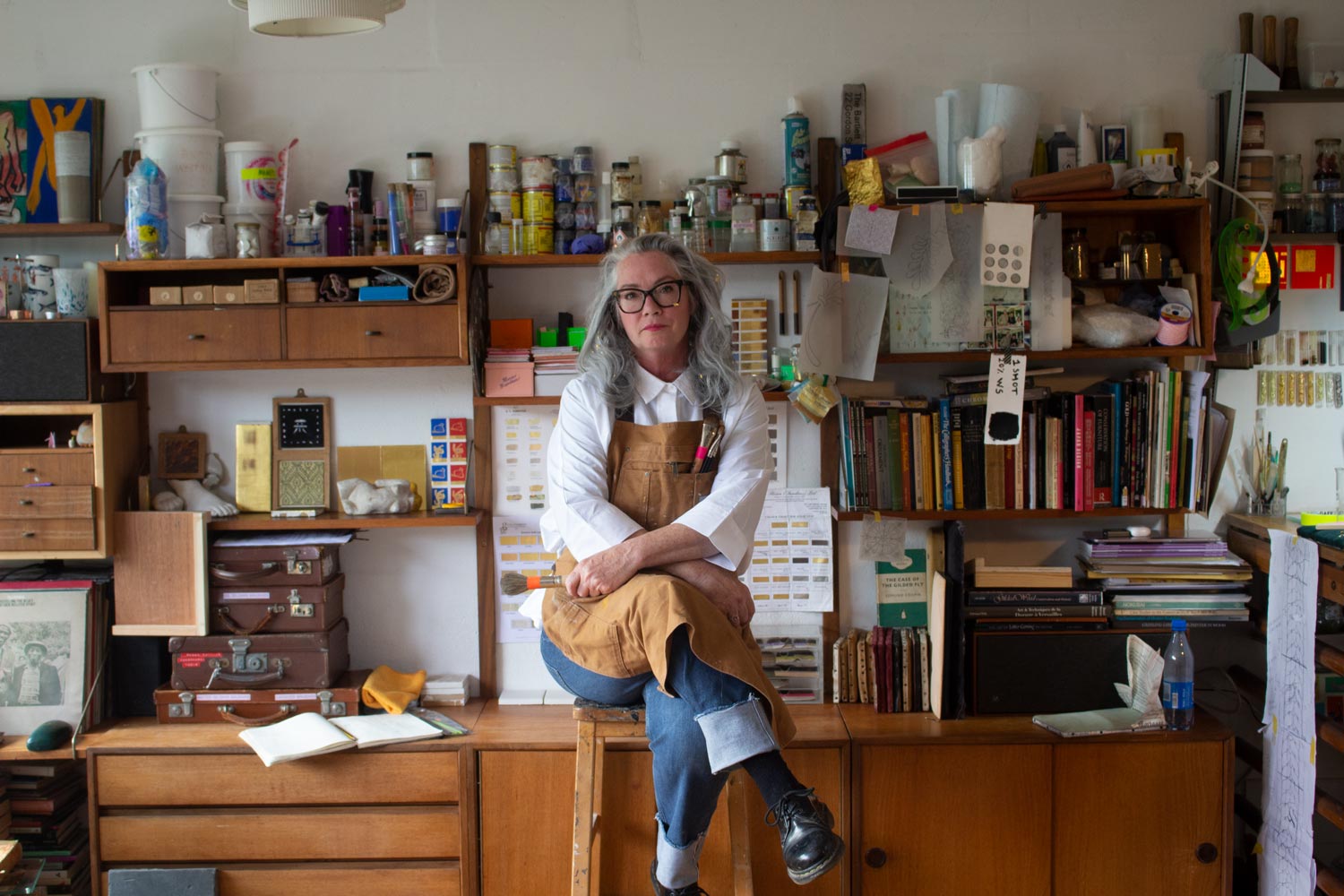
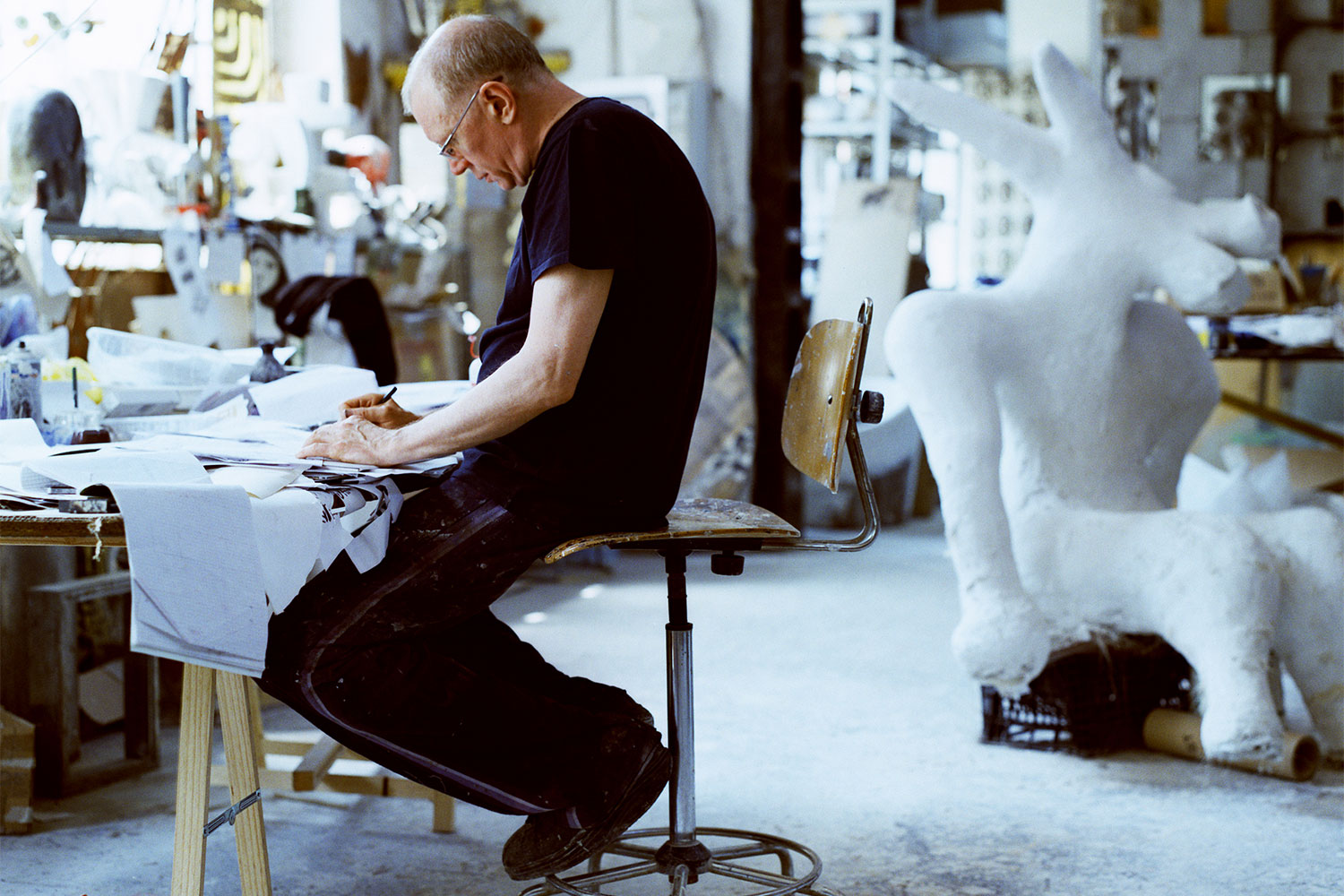
In her sculptural works, Rebecca Stevenson wishes to address themes and questions around human existence and embodiment. Her pieces are inspired by many historical periods. “As a child, I made things incessantly out of whatever I could find – cardboard, paper, fabric, yarn. I taught myself techniques from library books and would often lie awake at night planning my next project (I still do that!),” she shares. Her lifelong enchantment has led her to become the first sculptor to be an artist-in-residence at the V&A in London. Outside of such residencies, she works from her vibrant studio. "This is where I craft my 'wunderkammer', my life's work-in-progress,” explains Rebecca.
INTERVIEW
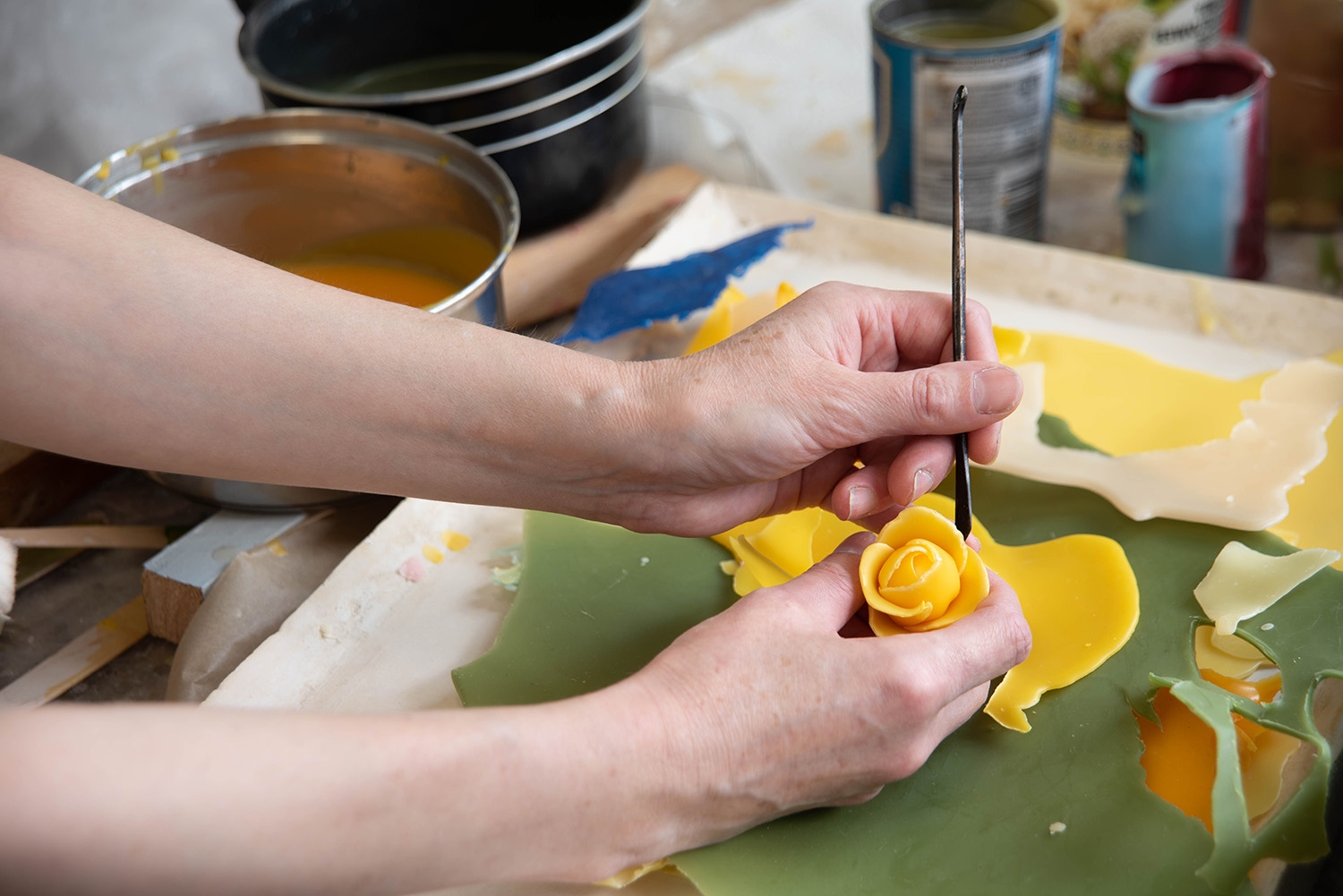
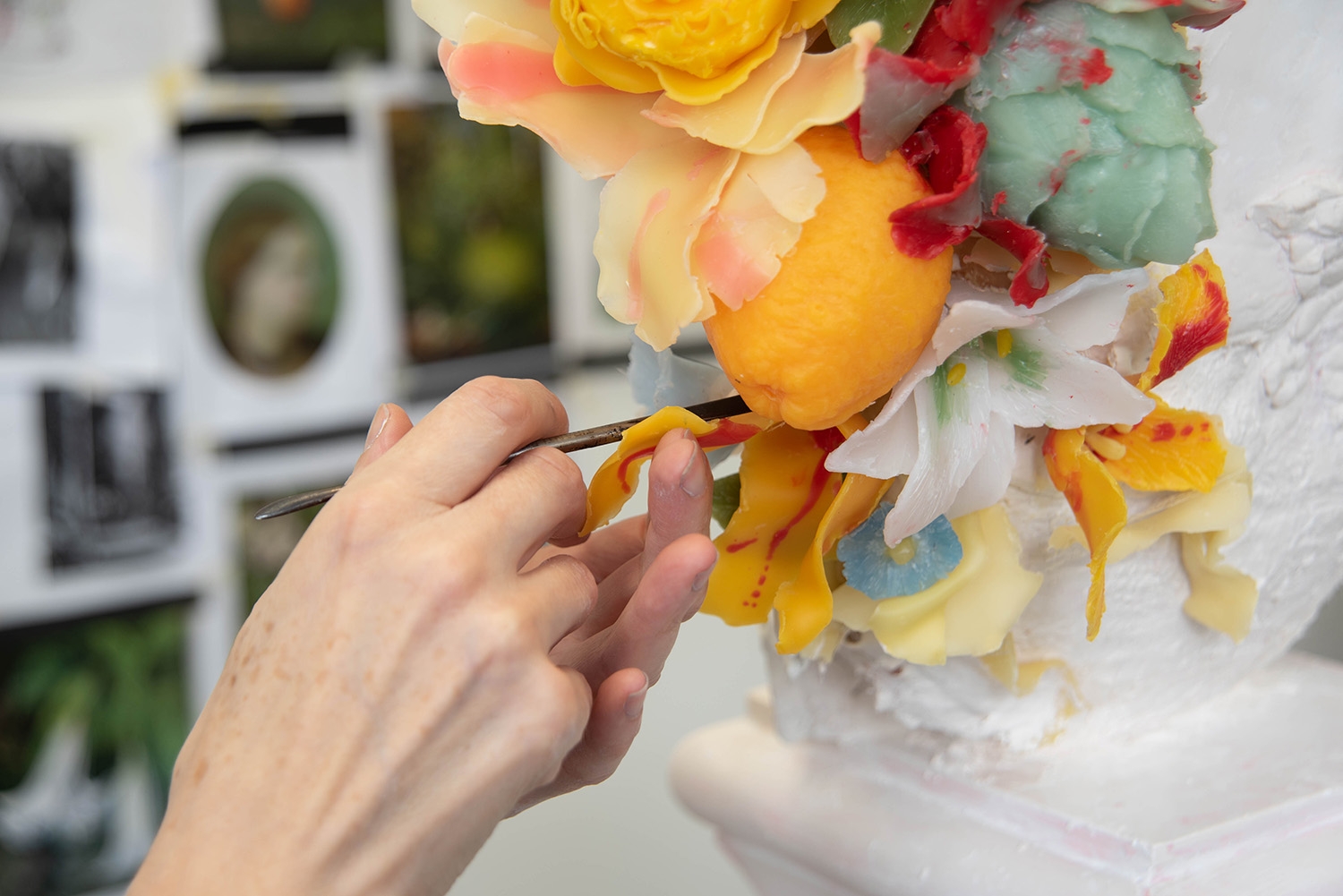
I am drawn to materials that have meaning within the history of sculpture, particularly bronze and wax. I love materials that have the ability to move from fluid to solid form, as well as take on translucency, colour and sheen.
An inspirational tutor introduced me to the work of women sculptors such as Louise Bourgeois and Eva Hesse in my foundation art course. I was excited by how their work combined the material, bodily and intellectual, and from that point there was no looking back!
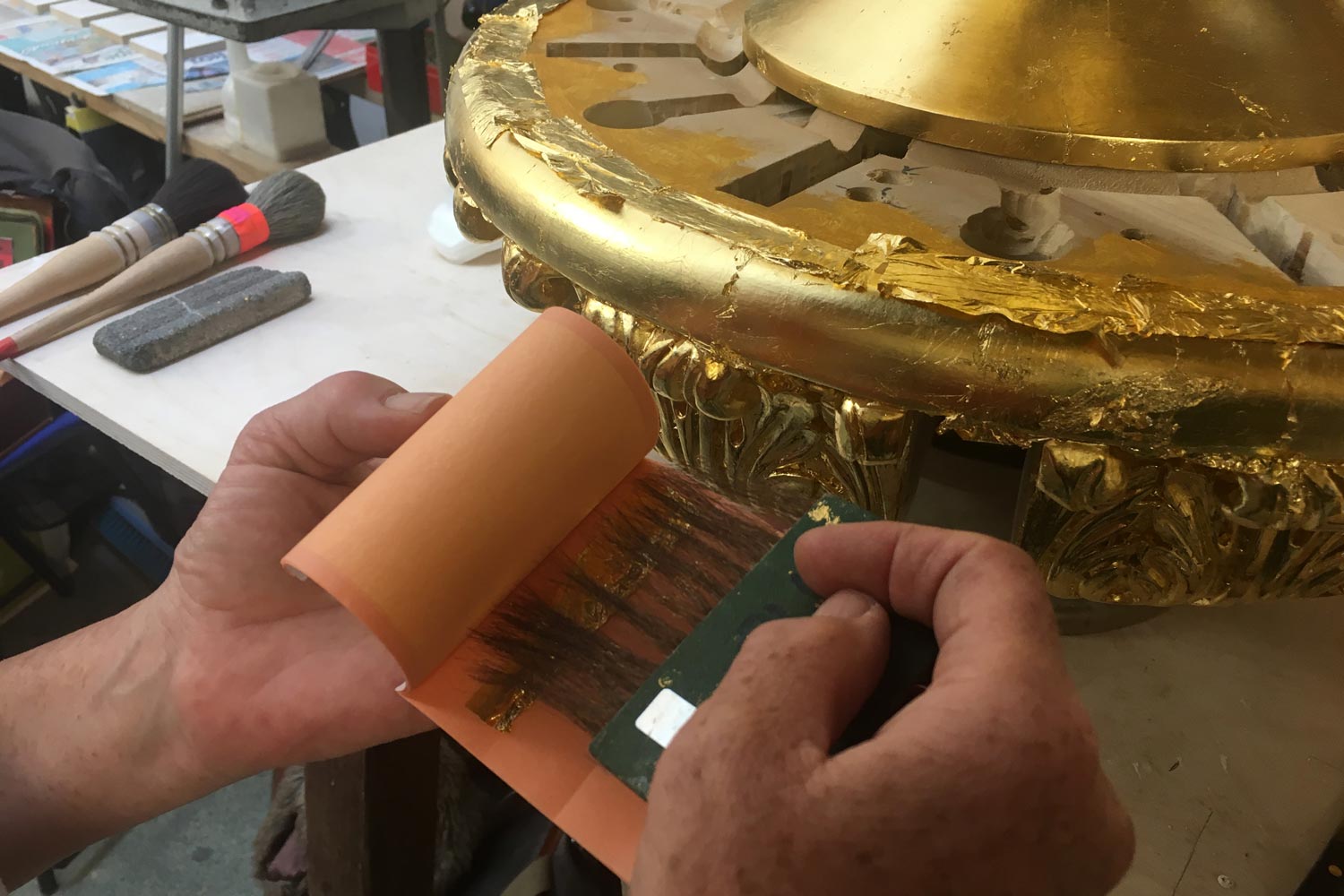
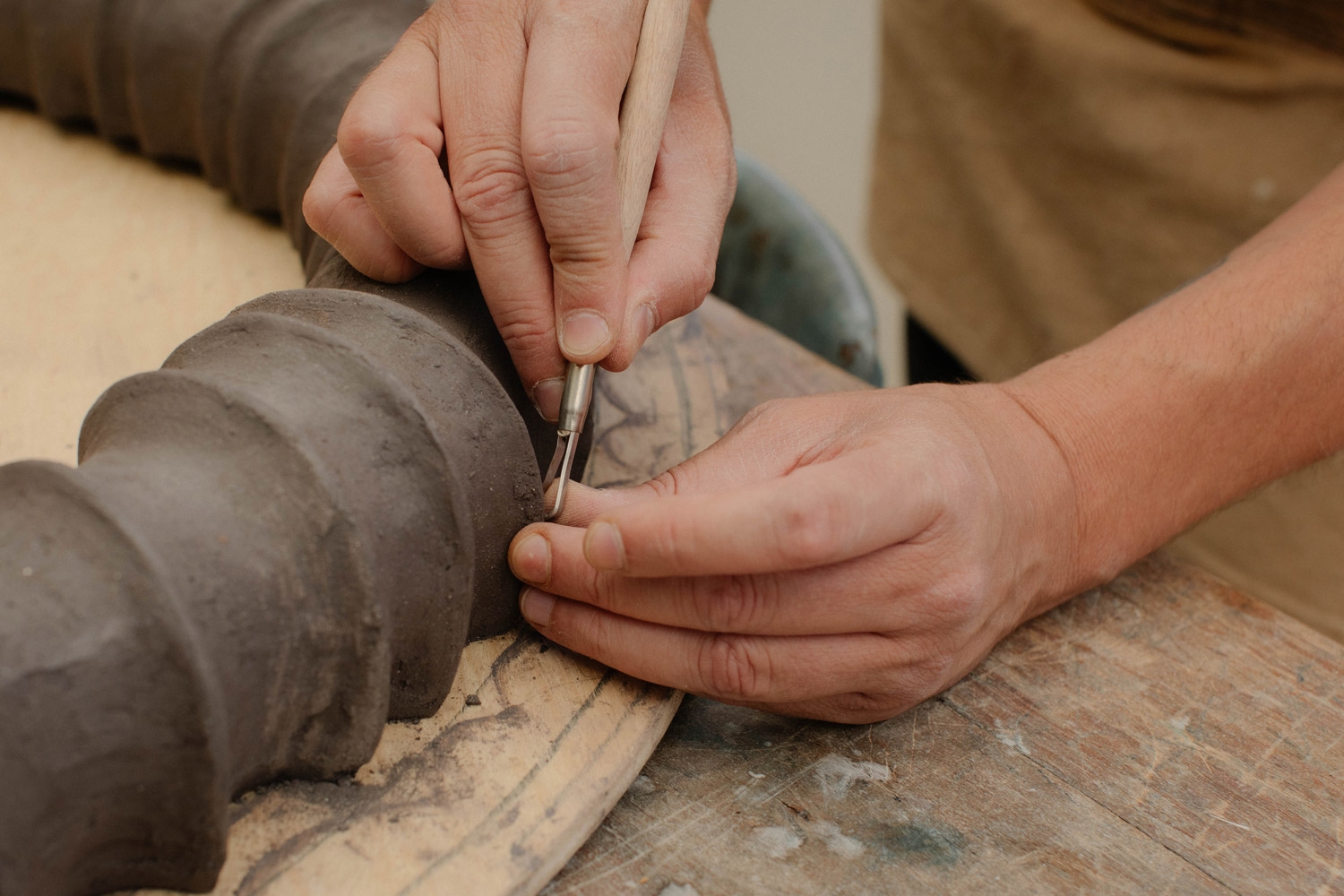
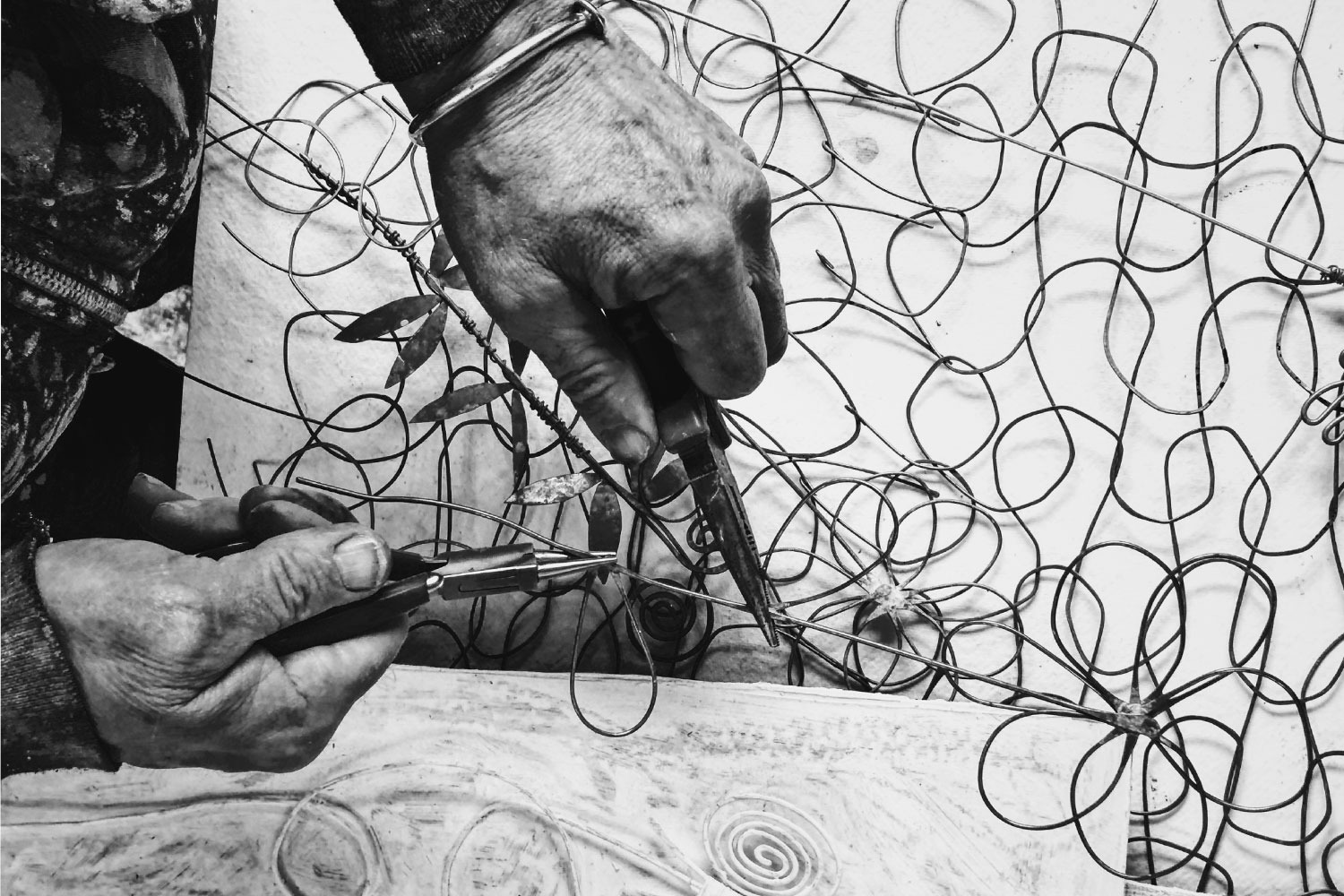
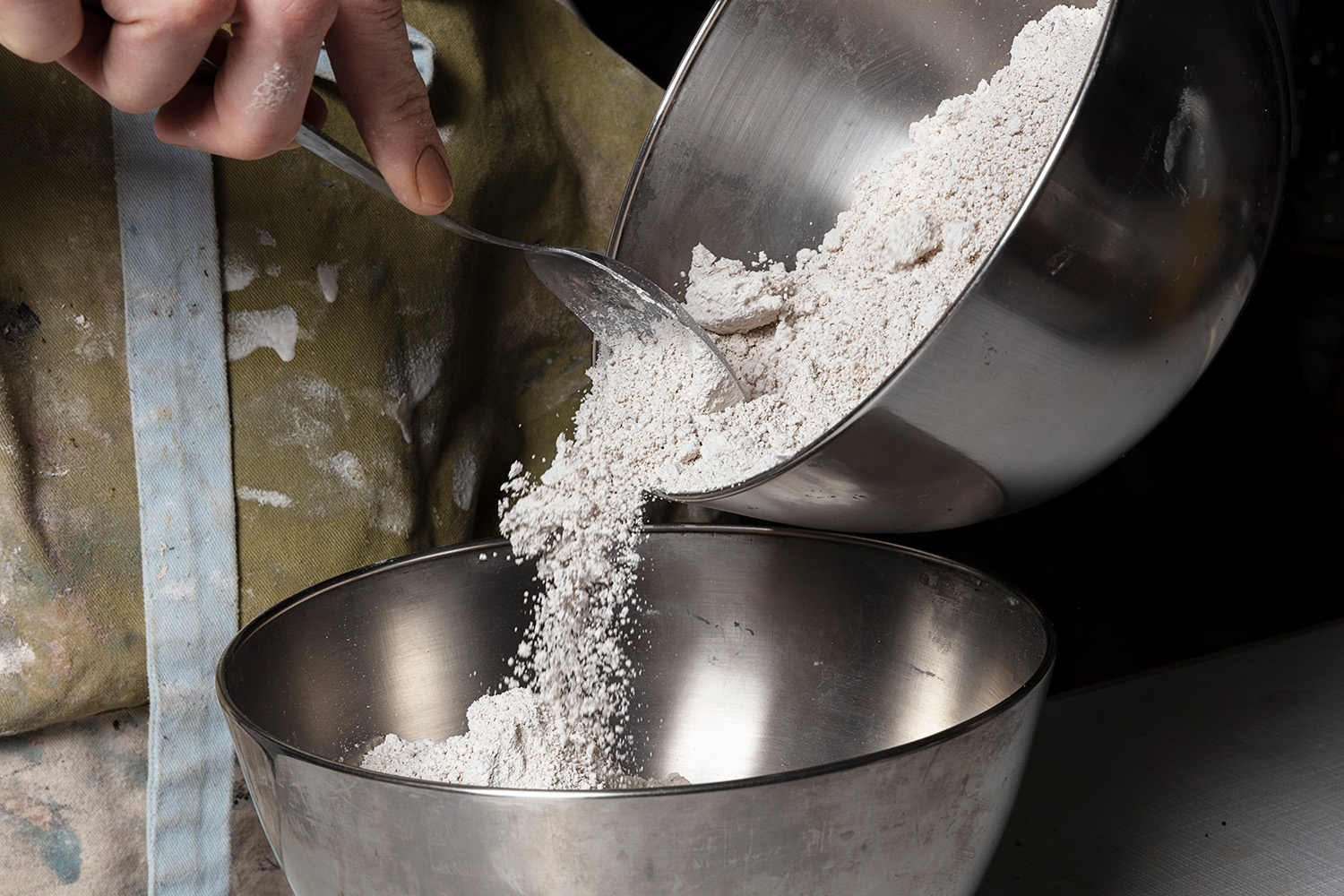
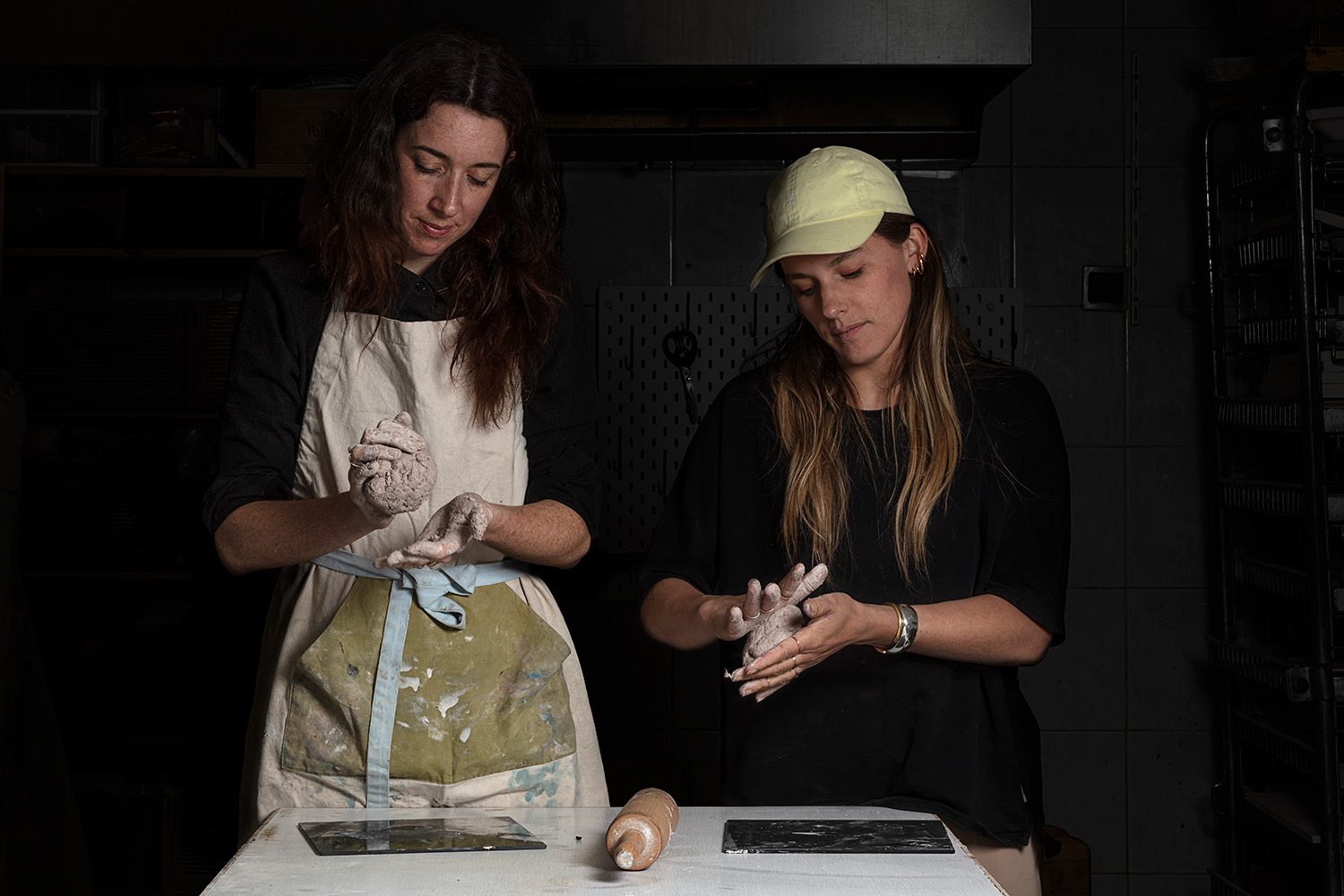
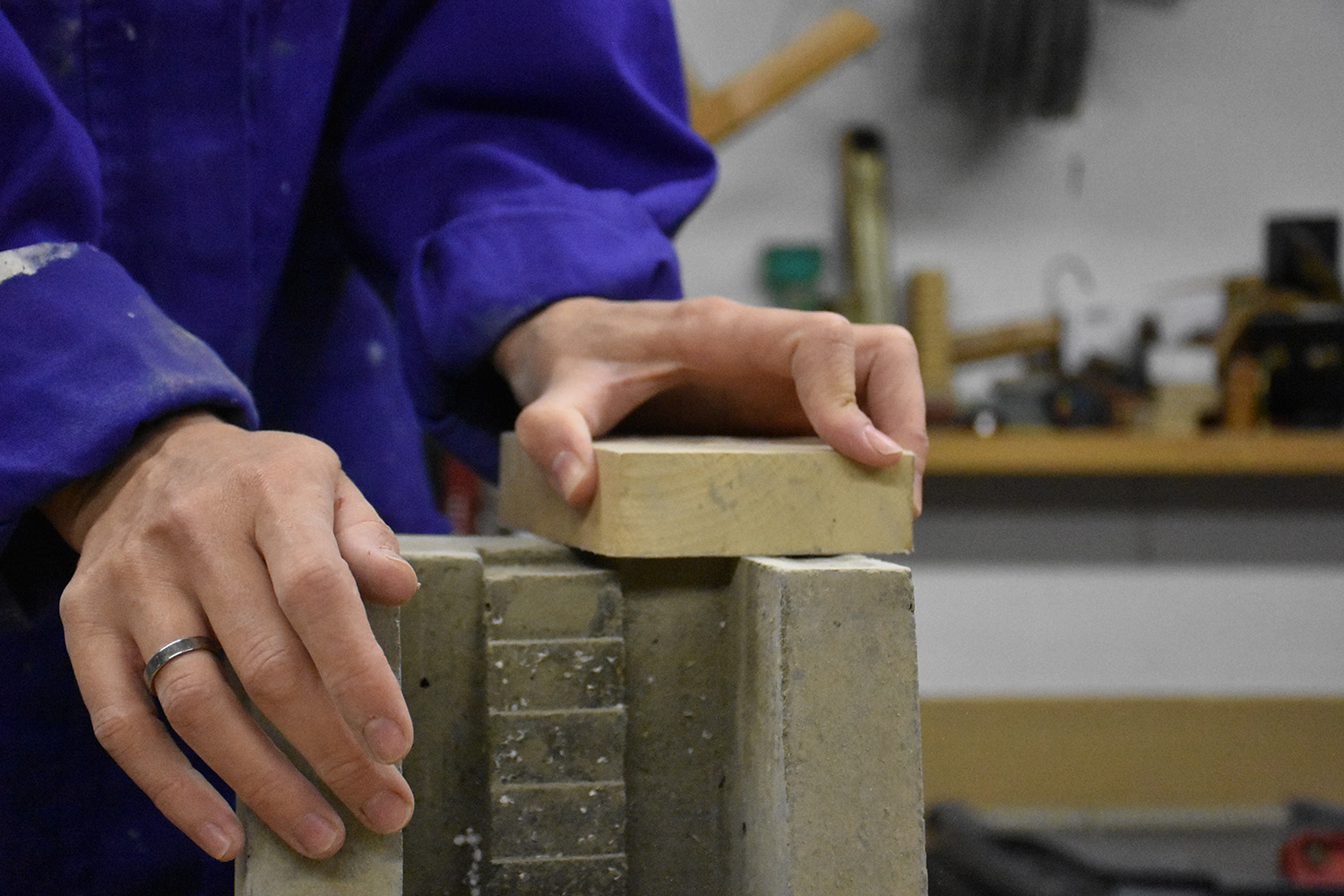
Working with materials is a constant dialogue. Sometimes I try to ‘master’ them, but sometimes the material itself is the master. I work with clay modelling, mould making, lost wax casting, patination and gilding, as well as unconventional, self-learned wax work techniques.
I usually start by modelling a human figure or animal form in clay. This stage of the process is quite rigorous and demanding. Later, after casting, a freer stage occurs when these forms are disrupted or ‘unmade’.
Rebecca Stevenson
Mixed media sculptor
London, United Kingdom
ADDRESS
Address upon request, London, United Kingdom
AVAILABILITY
By appointment only
LANGUAGES
English
Homo Faber Finds is a new service aiming to inspire admirers of craft to connect and collaborate with exceptional artisans.
We invite you to submit an enquiry here.
DSC02402_©Meg-Lovell.jpg)
DSC01379_©Meg-Lovell.jpg)
DSC01458_©Meg-Lovell.jpg)
Portrait1_©Maxime-Chanet.jpg)