
Michael Brennand-Wood
Mixed media sculptor
Prenton, United Kingdom
Probing textile sculptures
- Michael regards himself as an independent explorer of visual territories
- For him textiles are a wonderful medium to express the breadth of humanity
- What he loves most is his daily dialogue with creative energies
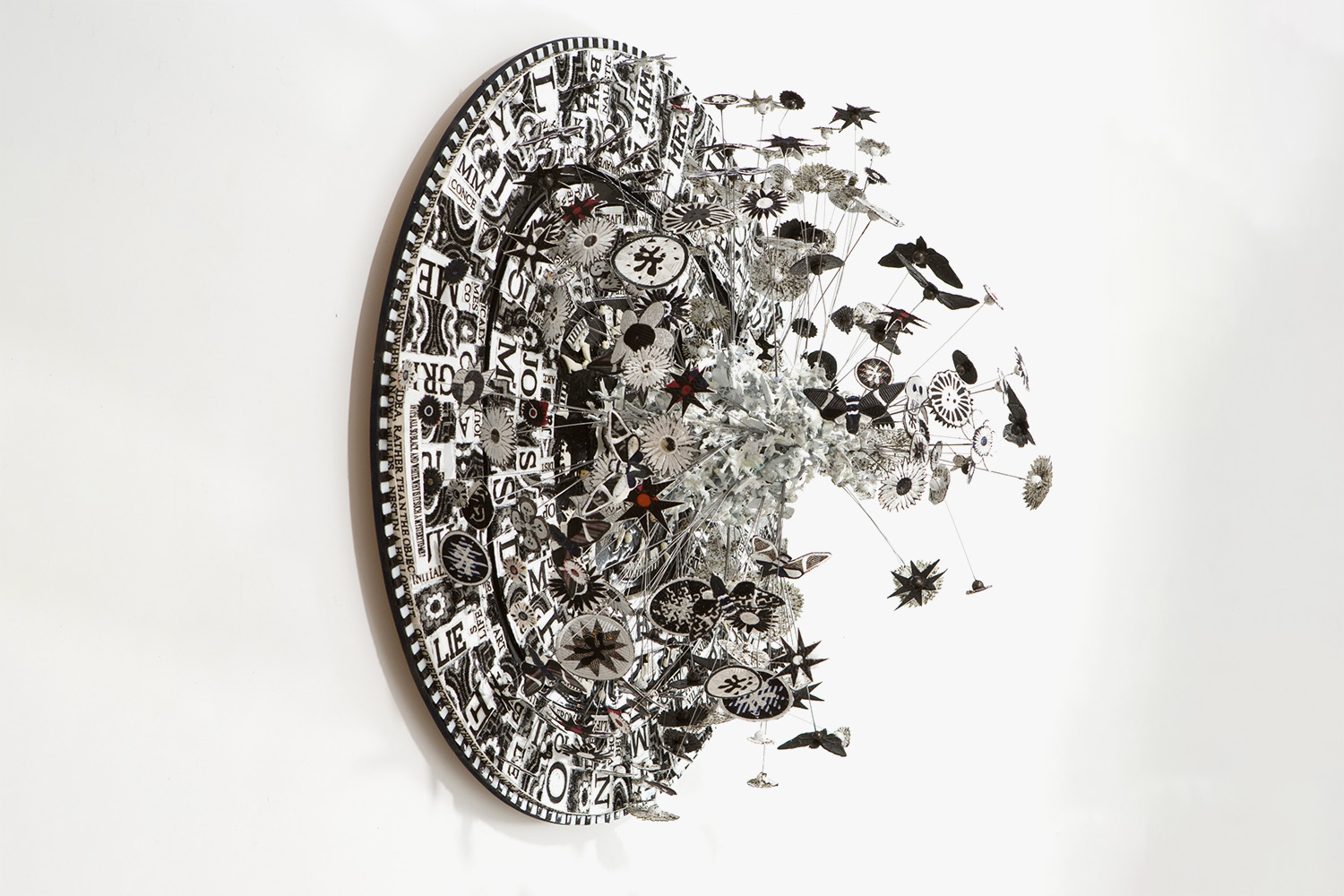
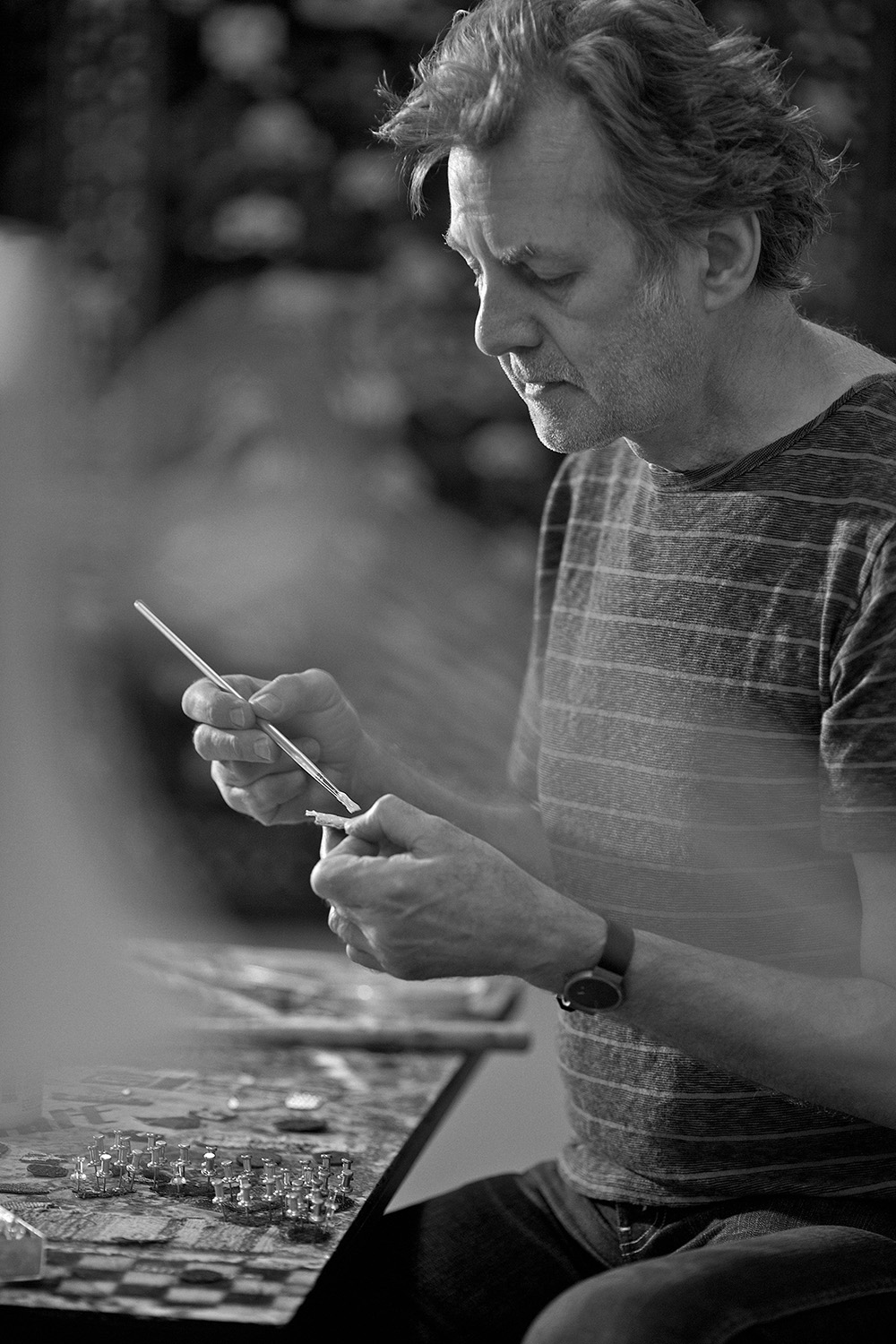
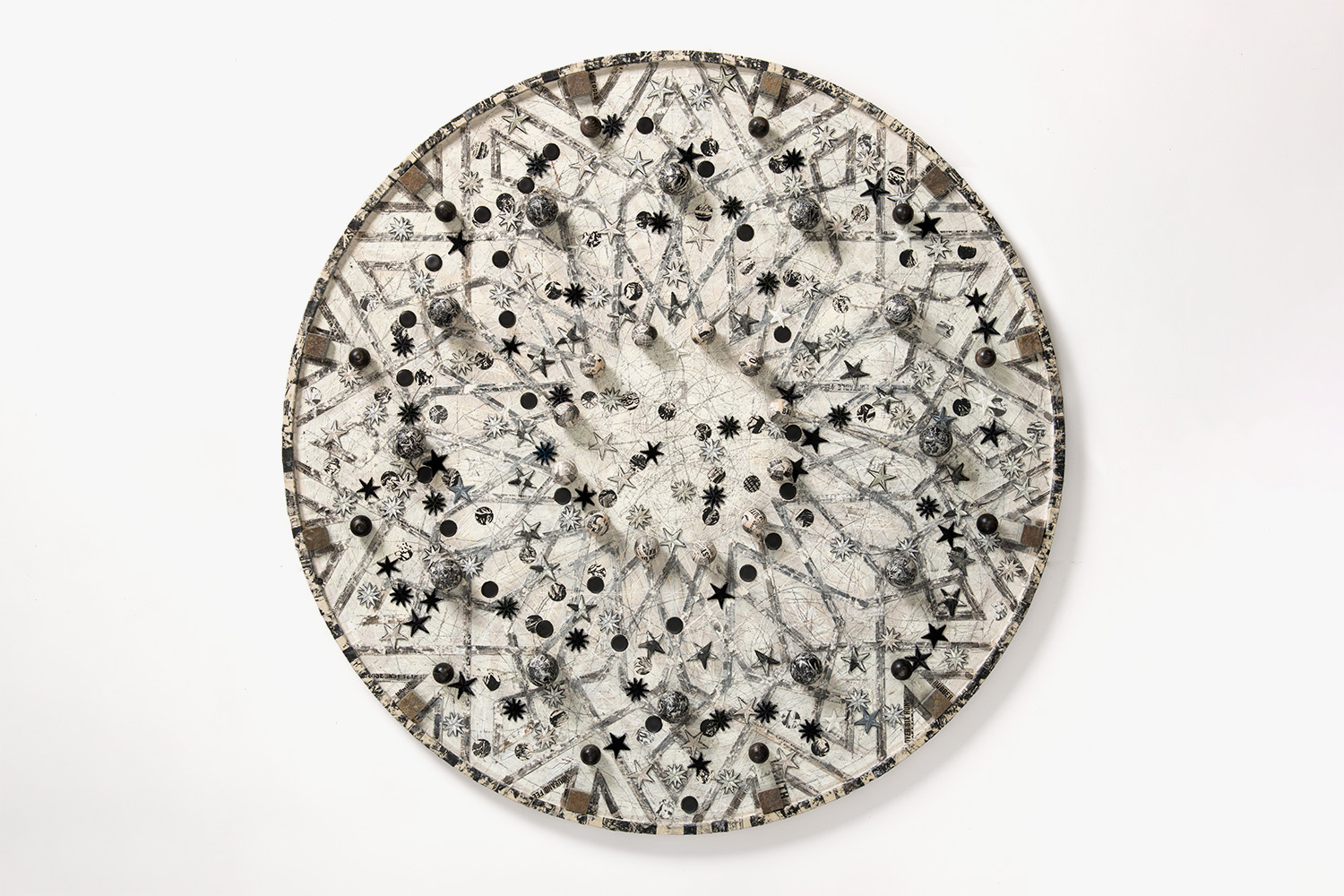
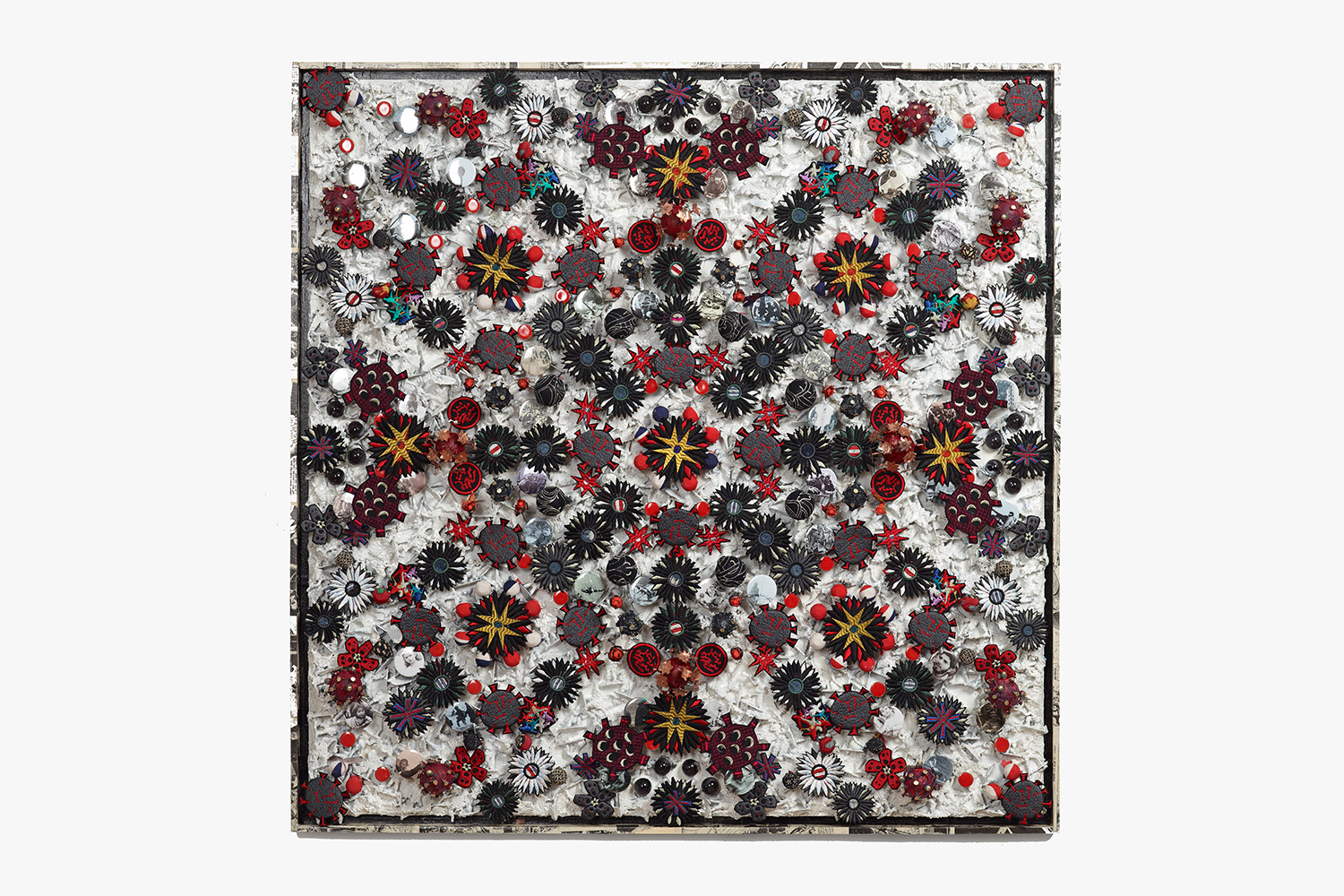
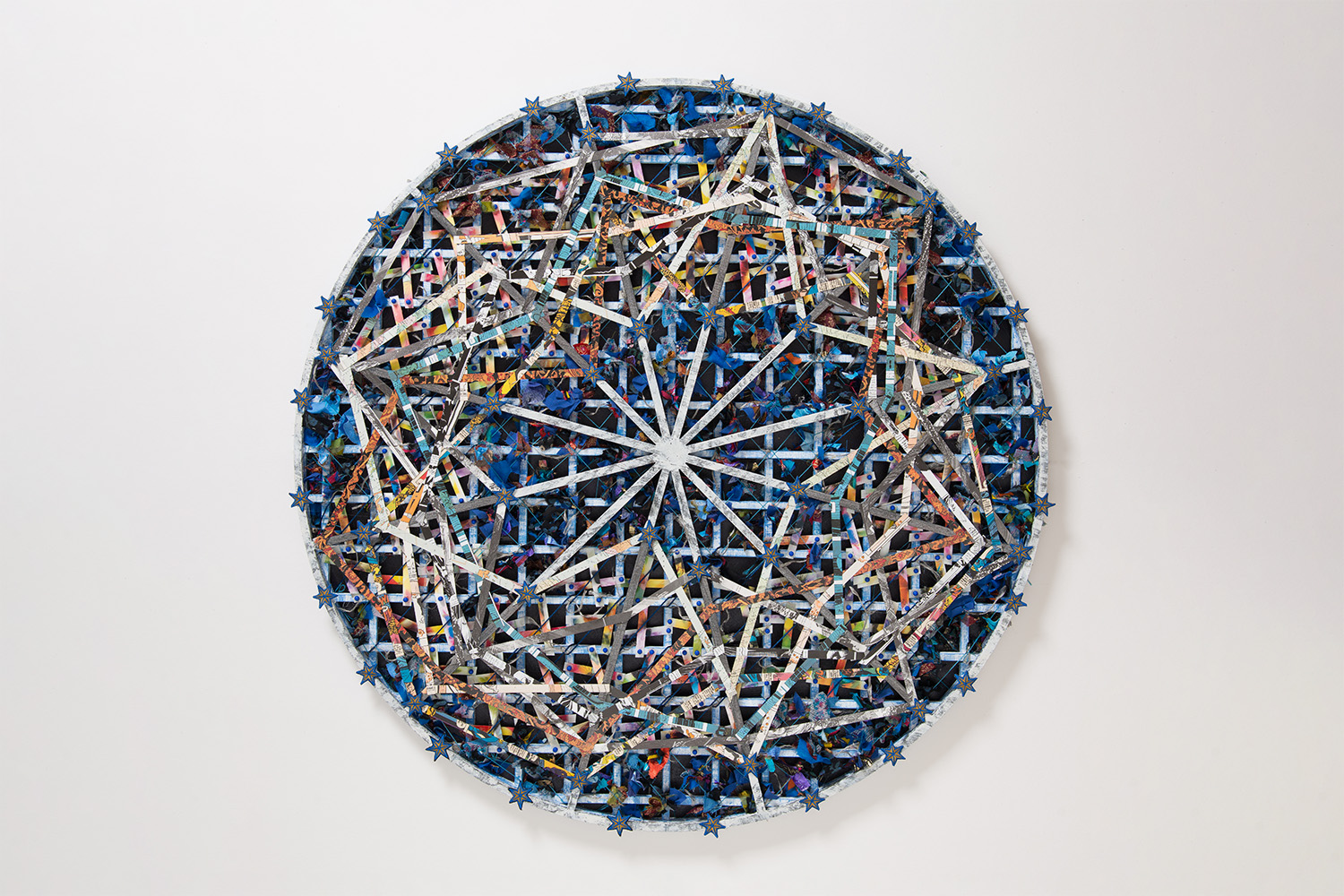
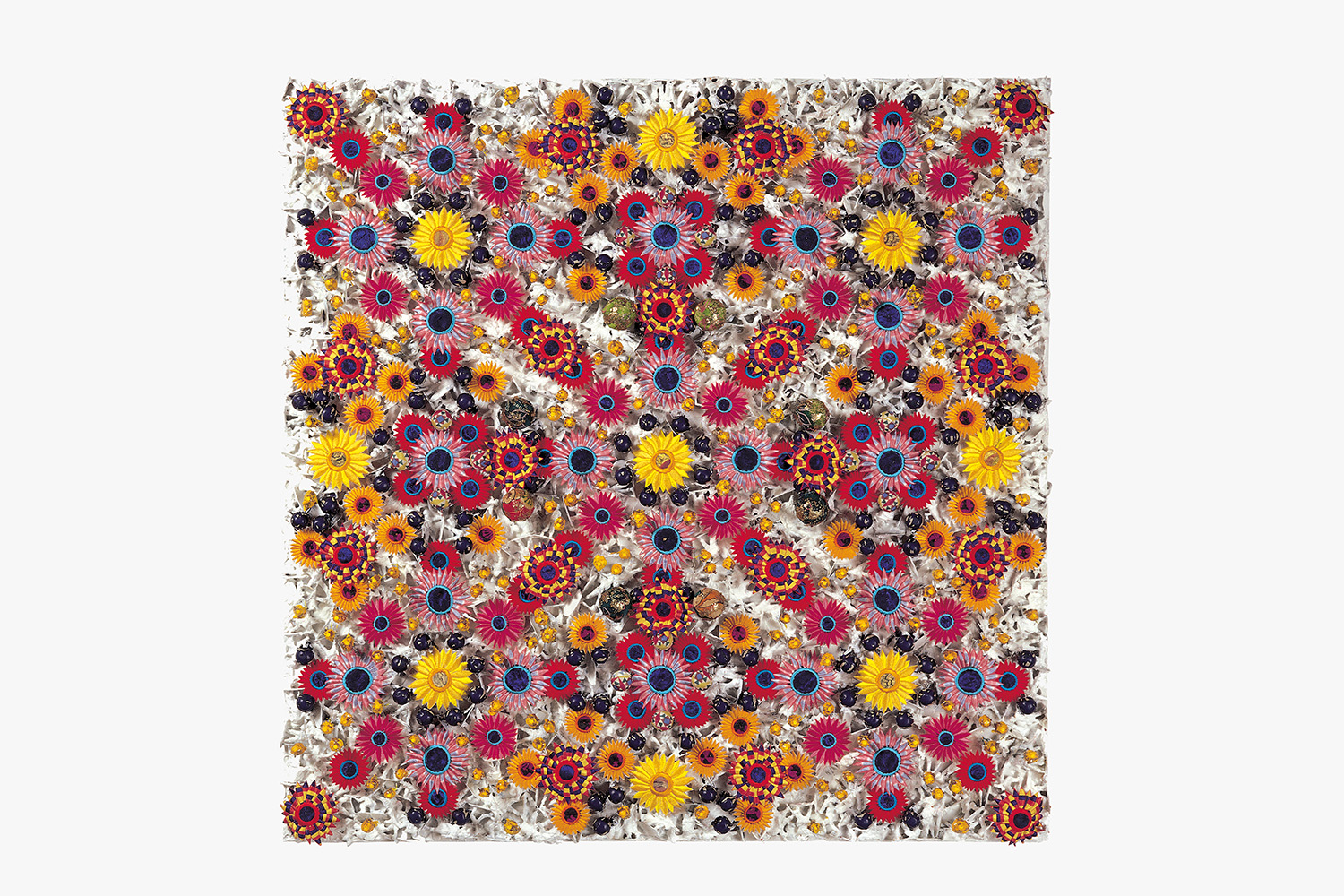
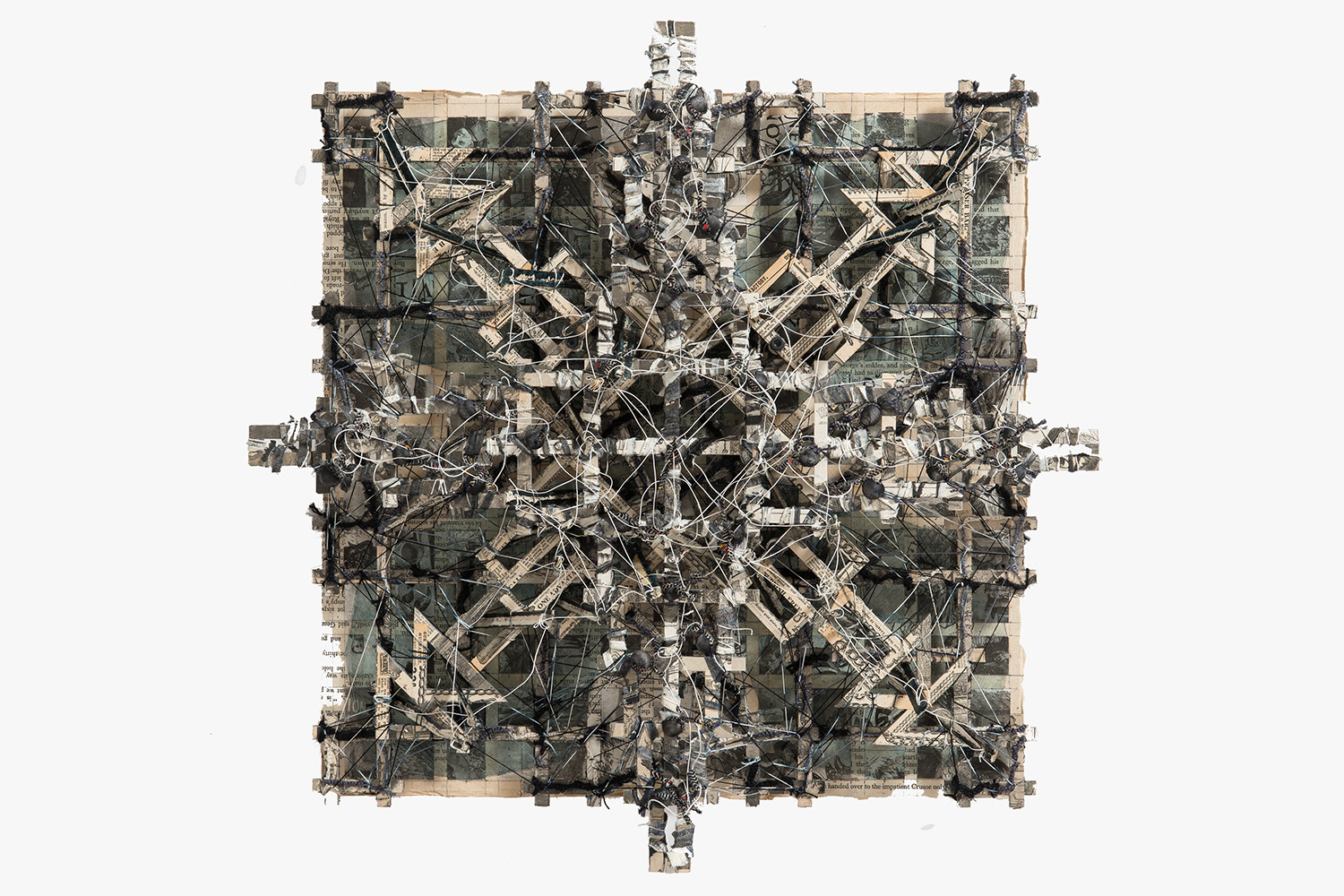
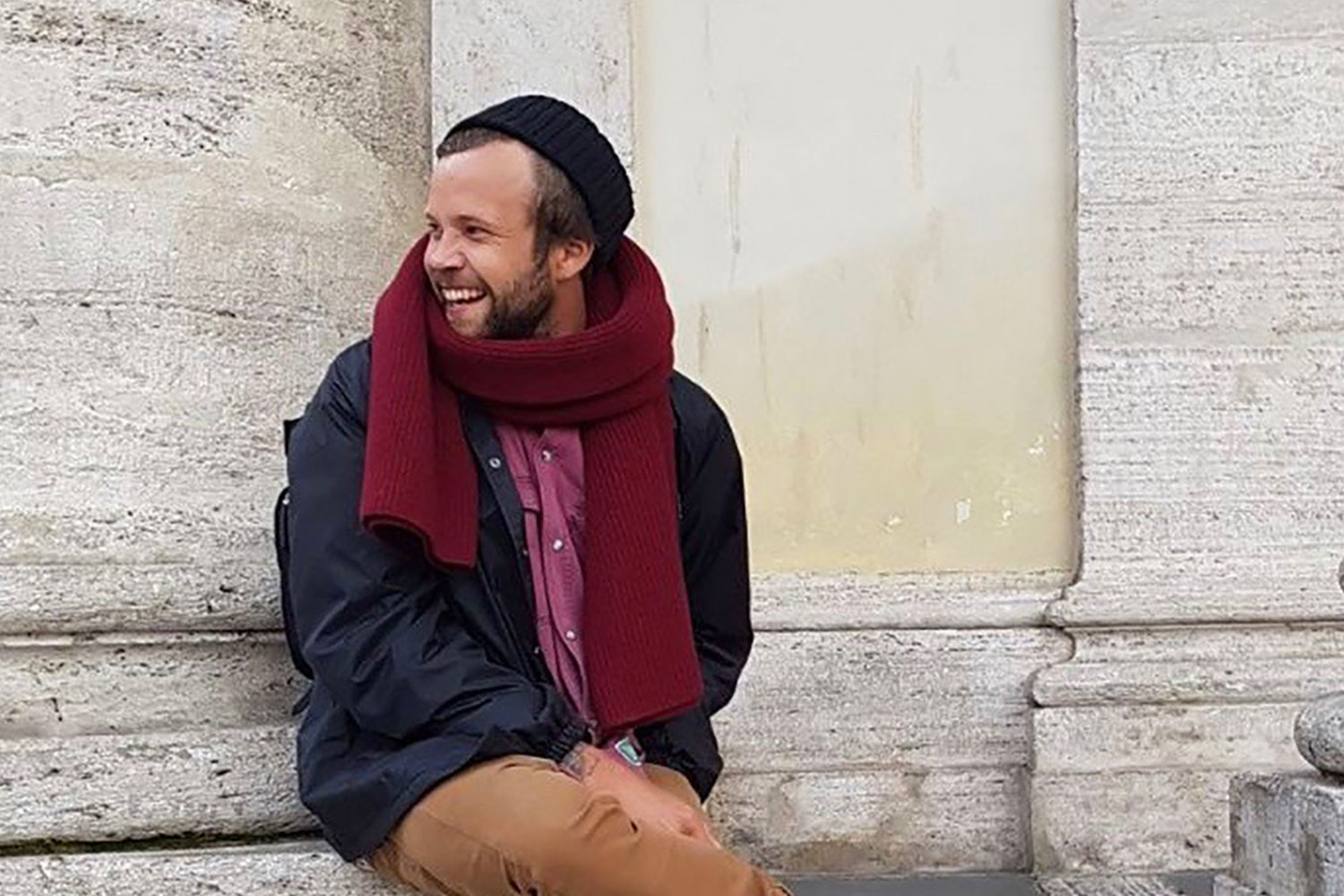
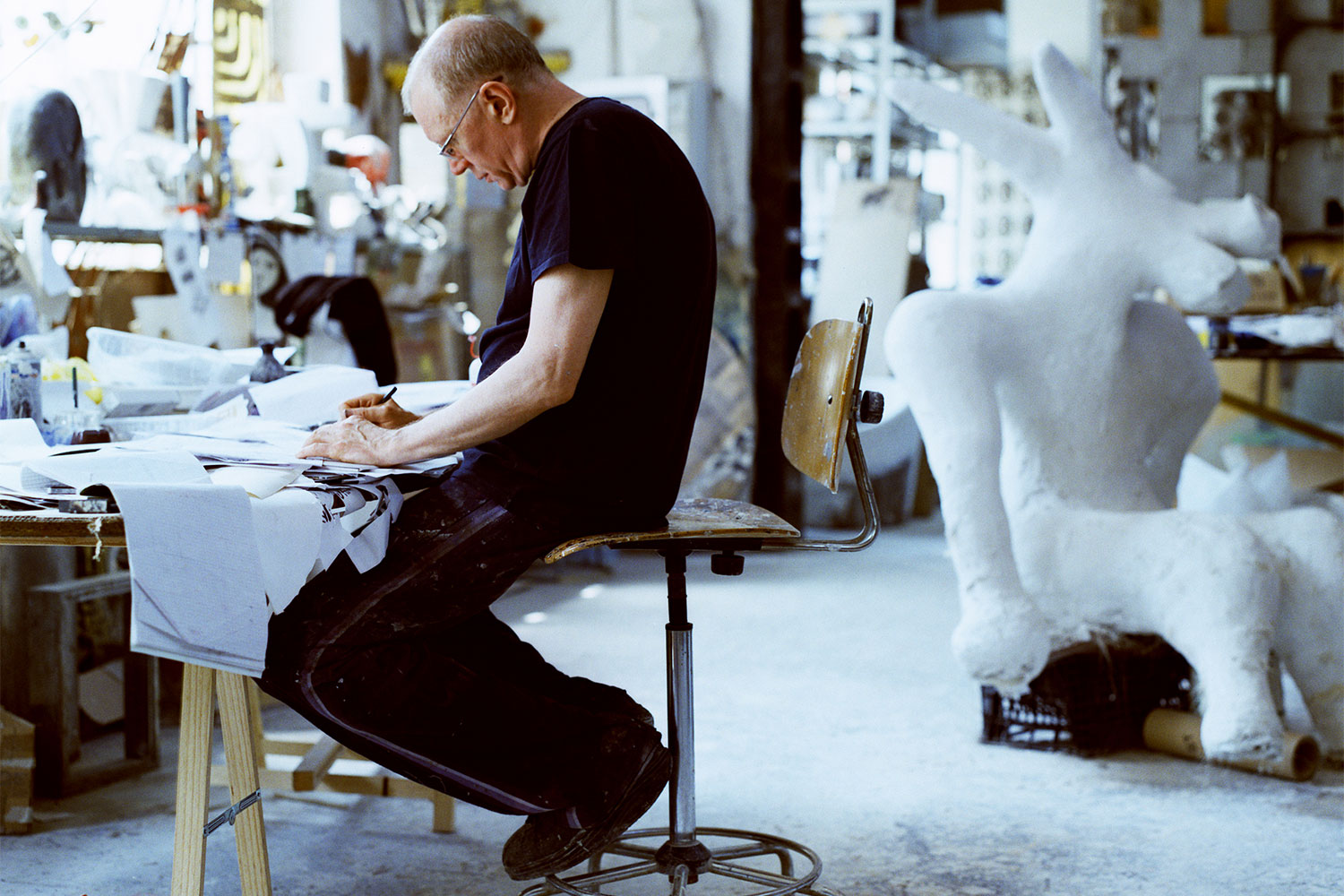
Michael Brennand-Wood’s work gravitates around textiles but embraces an eclectic range of media. For over 40 years, he has contributed significantly to contemporary international art textiles. The diversity of his contribution – through exhibitions, commissions, research, teaching, curating, advocacy, writing and architectural consultancy – illustrates the interdisciplinary nature of his practice. “I have always been drawn to the border areas, the margins between disciplines, the points at which ideas overlap. Blurring distinctions as to whether it is a textile or sculpture, an applied or fine art piece. Definitions of an area’s ideology are often a form of protectionism and control.” He has exhibited in major galleries and museums, including the Victoria and Albert Museum in London and the National Museum of Modern Art in Kyoto. His work is also in private, public and corporate collections worldwide.
Discover his work
INTERVIEW
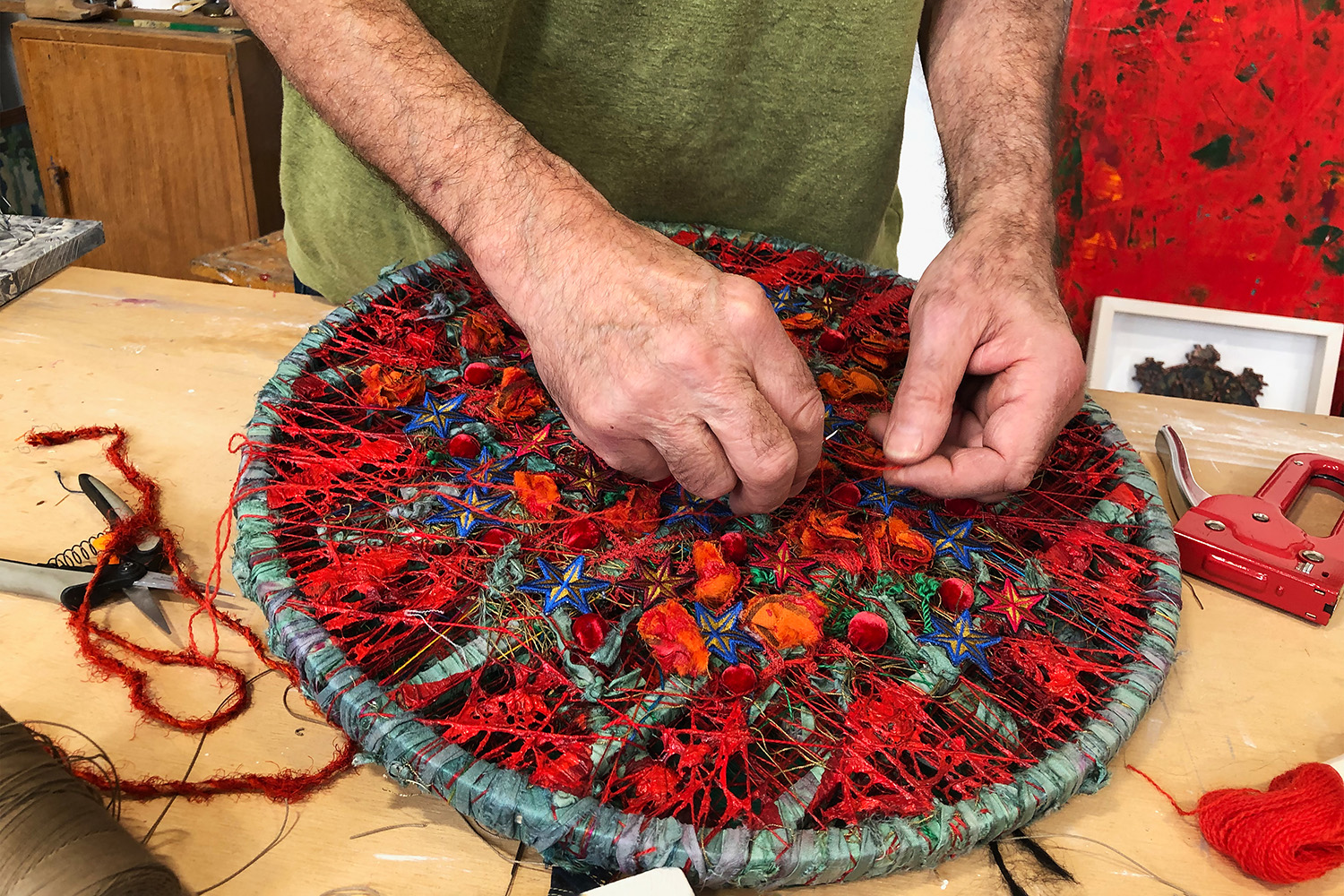
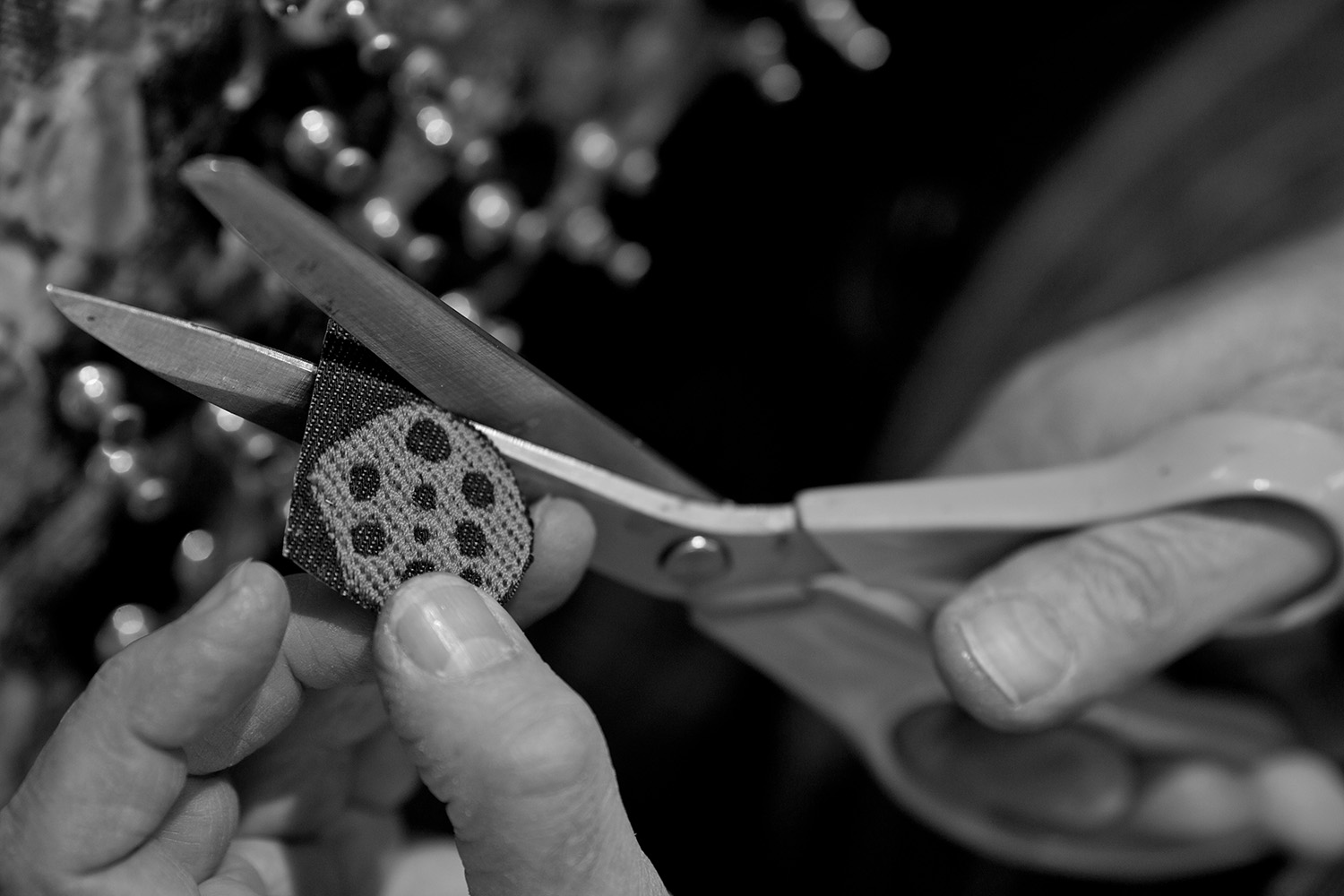
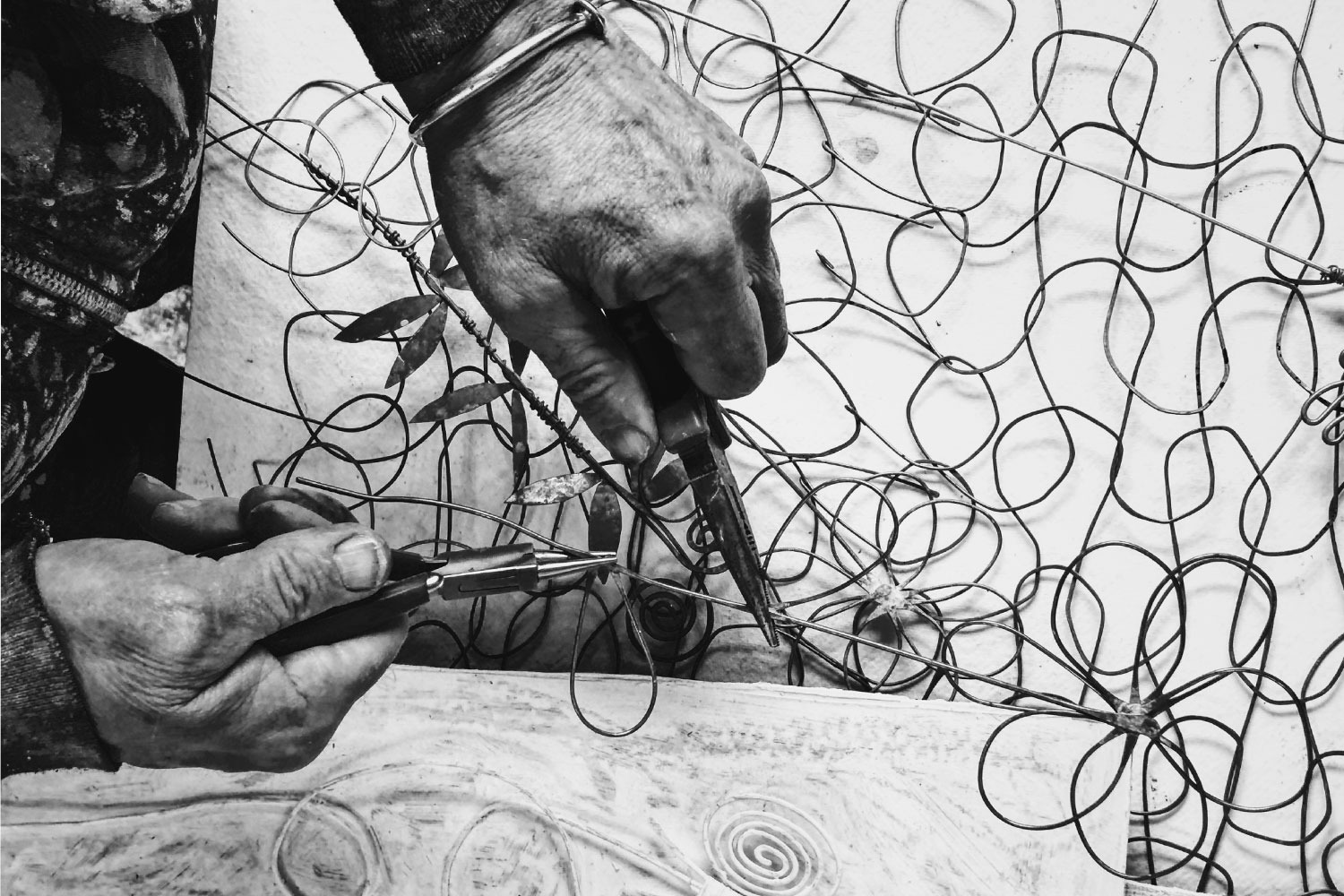
My maternal grandmother was an industrial weaver in the North-West of England, which has a strong textile heritage. My grandfather, instead, was an engineer, so as a boy I played with cloth, stitch and weaving, but also wood and metal. Later at art school it seemed perfectly normal to integrate a wide range of materials together.
My work is interdisciplinary in nature: it is not uncommon for a wide range of soft and hard materials to be combined together in the same work. I am also interested in the dialogue between analogue and digital processes.
Music, textiles, archaeology, travel, graphic notation, rhythm, calligraphy and the history of art. Order and chaos are two primal forces that I consistently work with. The writings of John Cage have exerted a long-standing influence on my interest in chance procedures to provoke new compositional possibilities.
I have persistently worked within contested areas of craft practice including pattern, embroidery, lace, floral and primal imagery. I am fascinated by sites that offer unbroken traditions, cross-cultural interventions and a freedom to work outside the mainstream.
Michael Brennand-Wood
Mixed media sculptor
Prenton, United Kingdom
AVAILABILITY
By appointment only
PHONE
+44 7887690642
LANGUAGES
English
Homo Faber Finds is a new service aiming to inspire admirers of craft to connect and collaborate with exceptional artisans.
We invite you to submit an enquiry here.
DSC02402_©Meg-Lovell.jpg)
DSC01379_©Meg-Lovell.jpg)
DSC01458_©Meg-Lovell.jpg)
Portrait1_©Maxime-Chanet.jpg)