Daniele Nencioni
Woodcarver
Florence, Italy
Recommended by Fondazione Cologni Dei Mestieri D'Arte
The wood master
- Daniele became an apprentice aged 14
- He restores and reproduces antique pieces
- He teaches wood carving to aspiring artisans
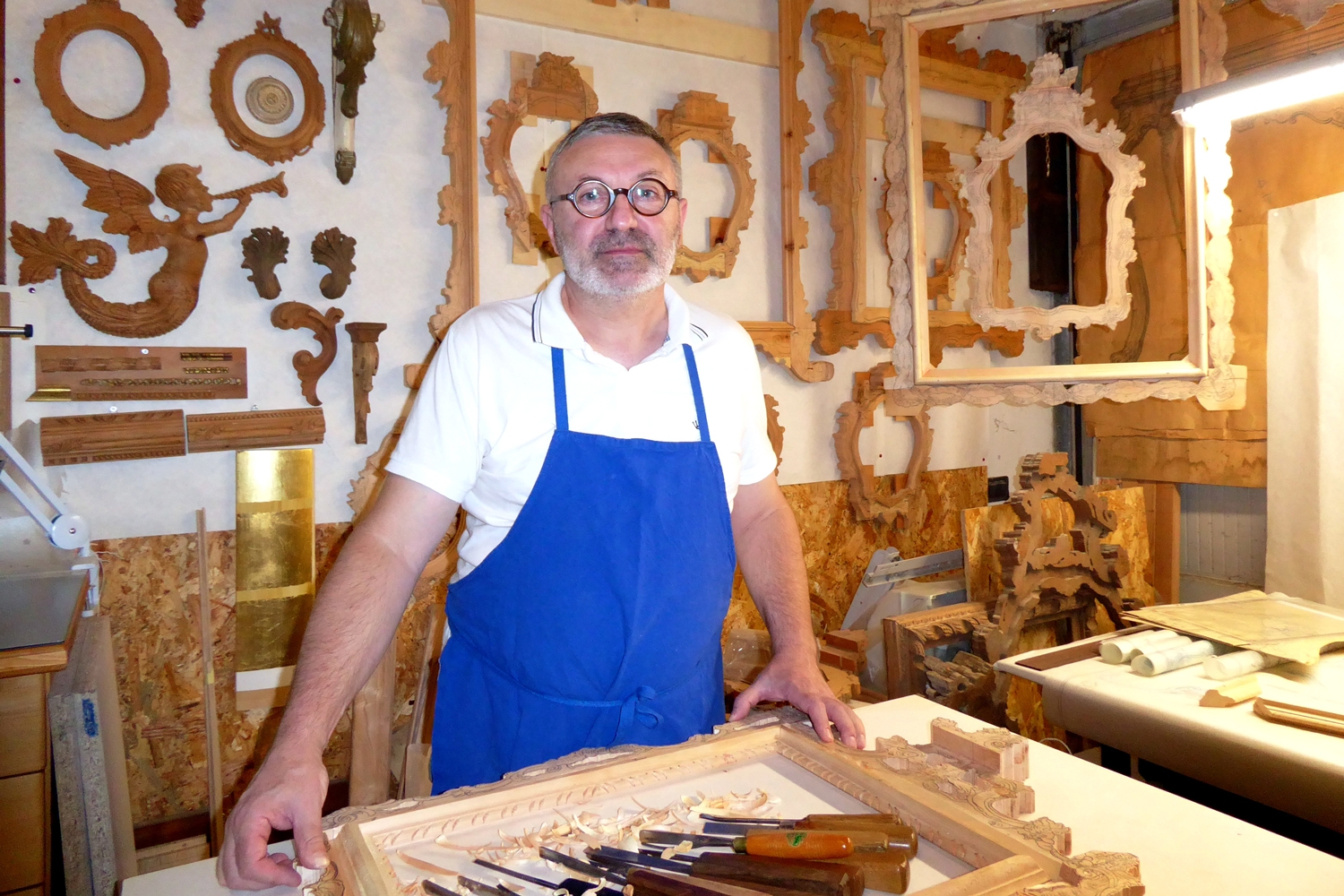
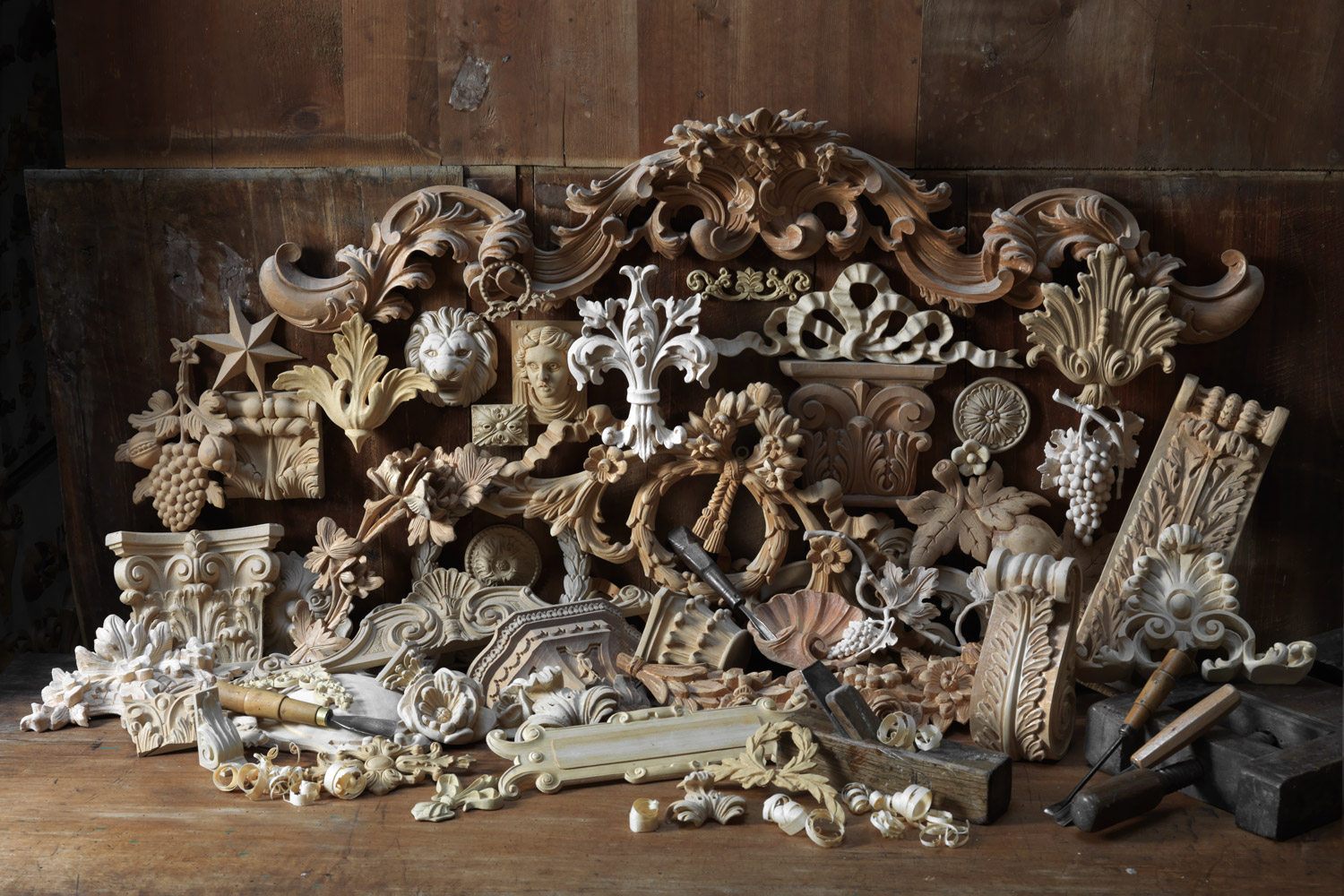
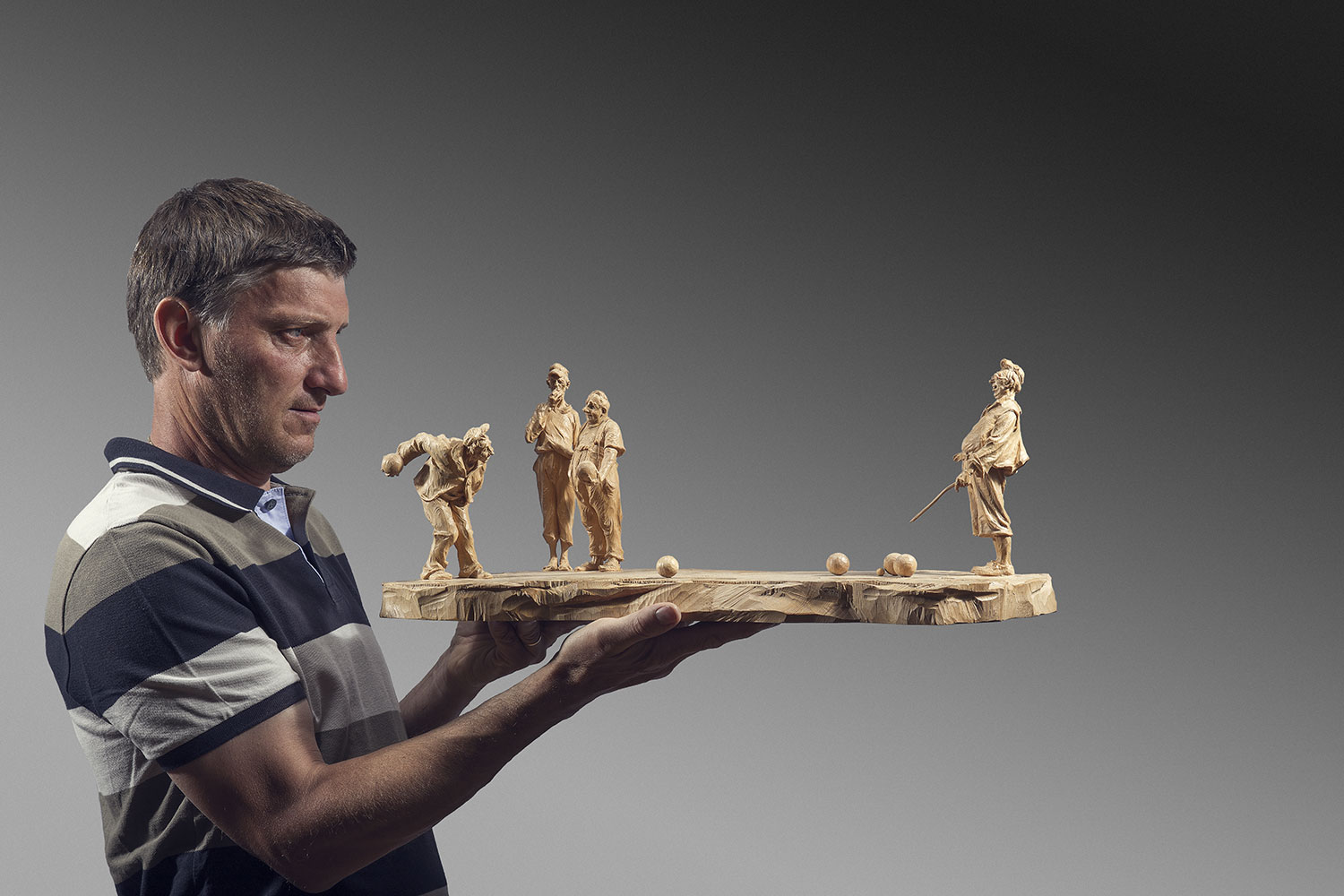
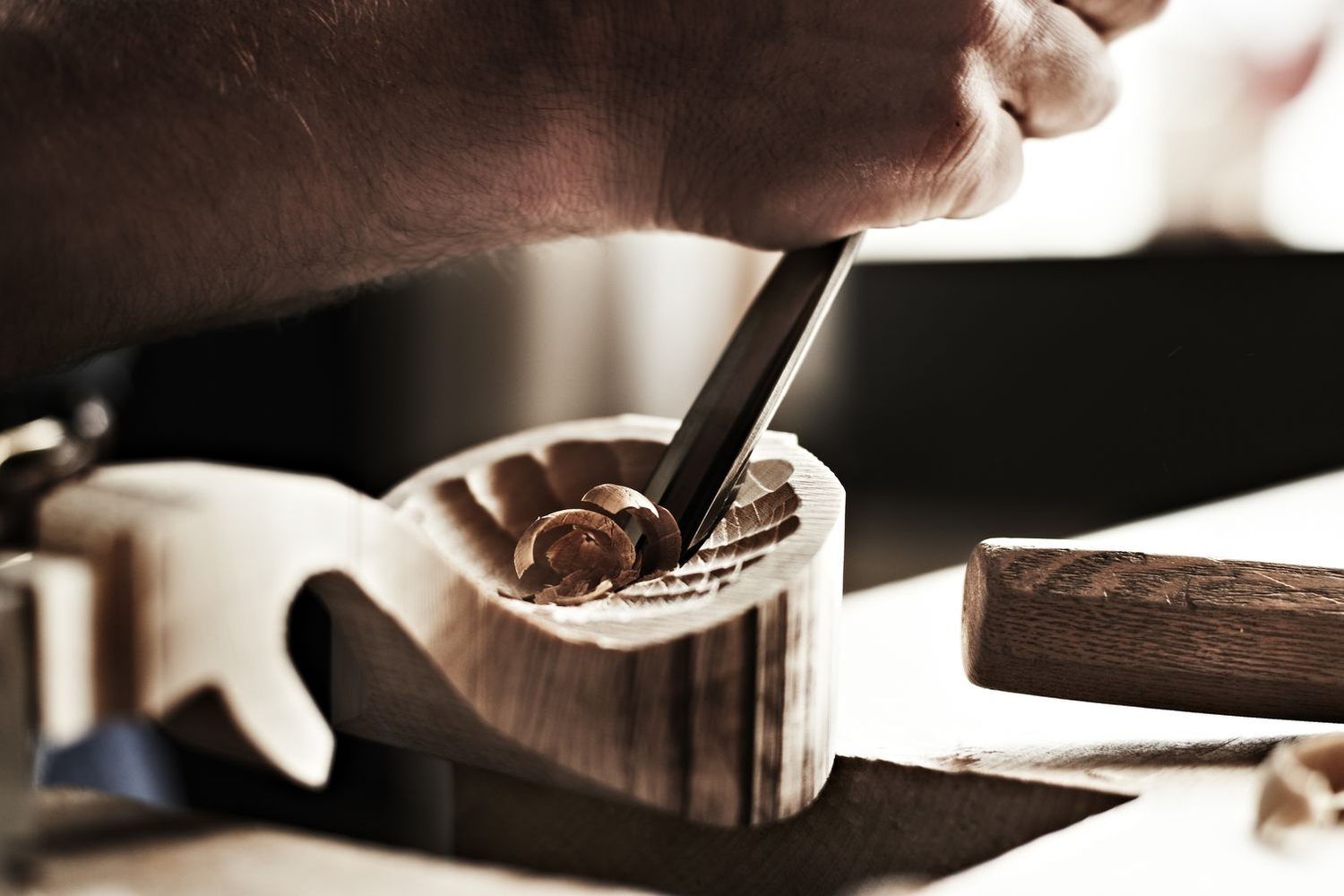
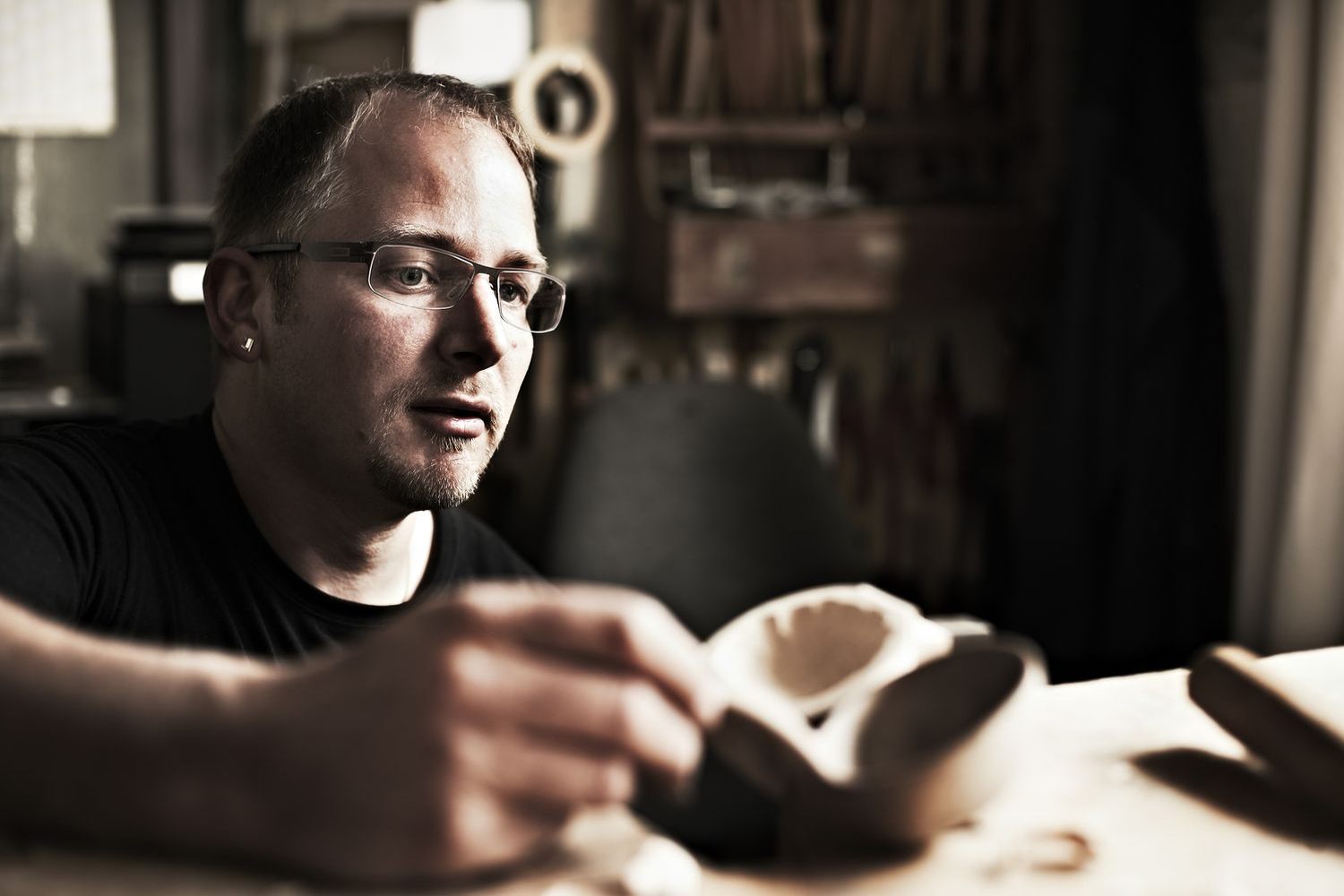
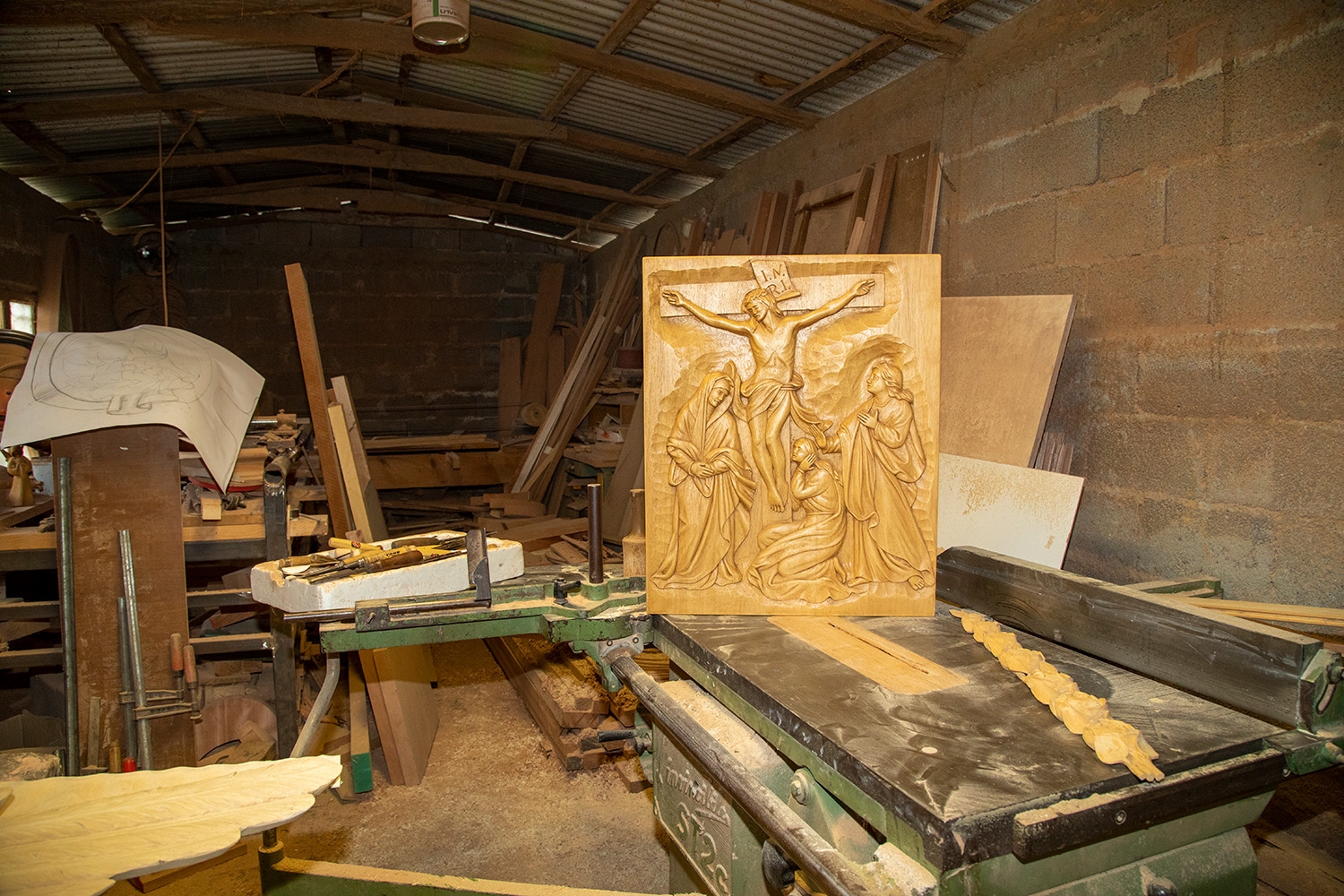
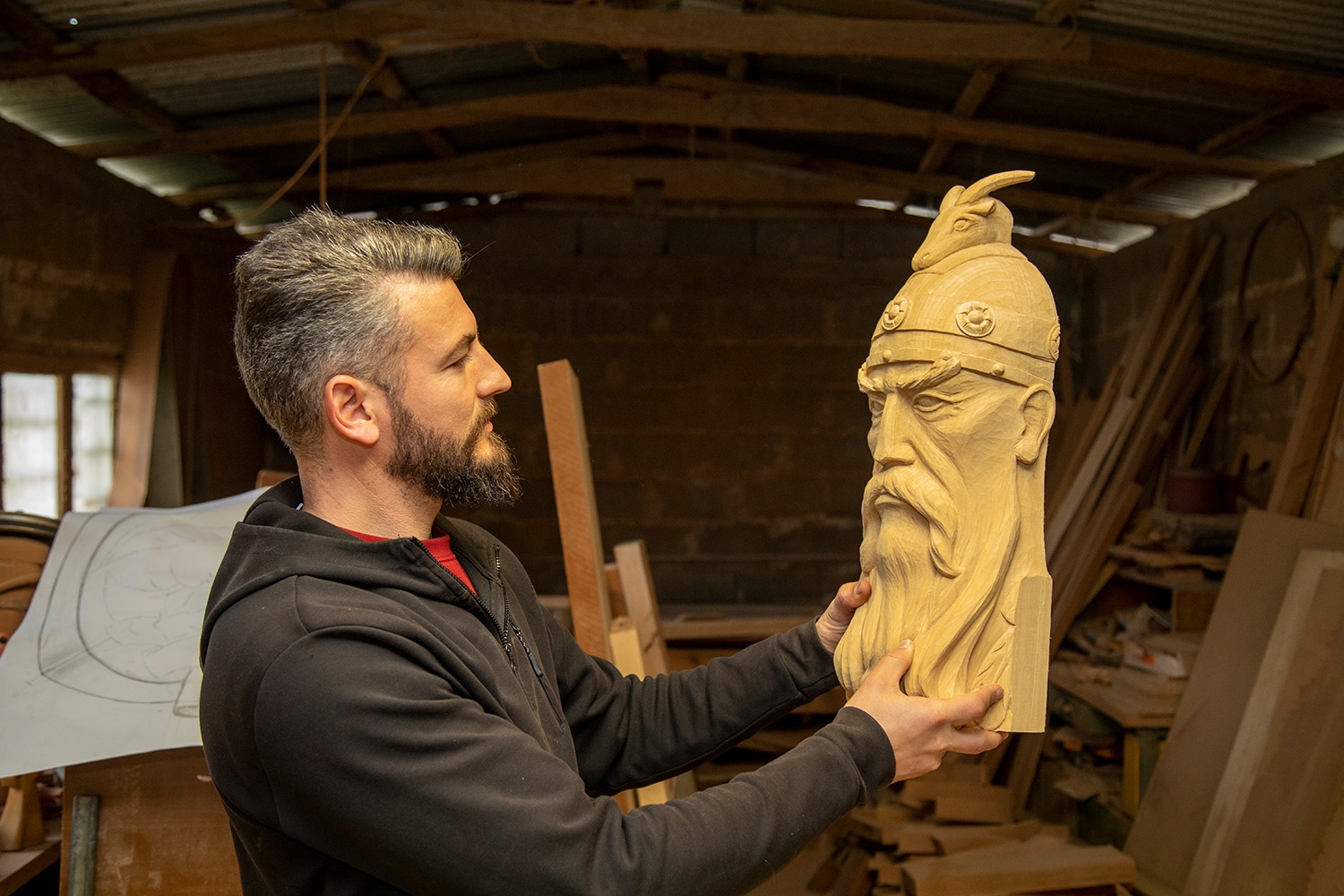
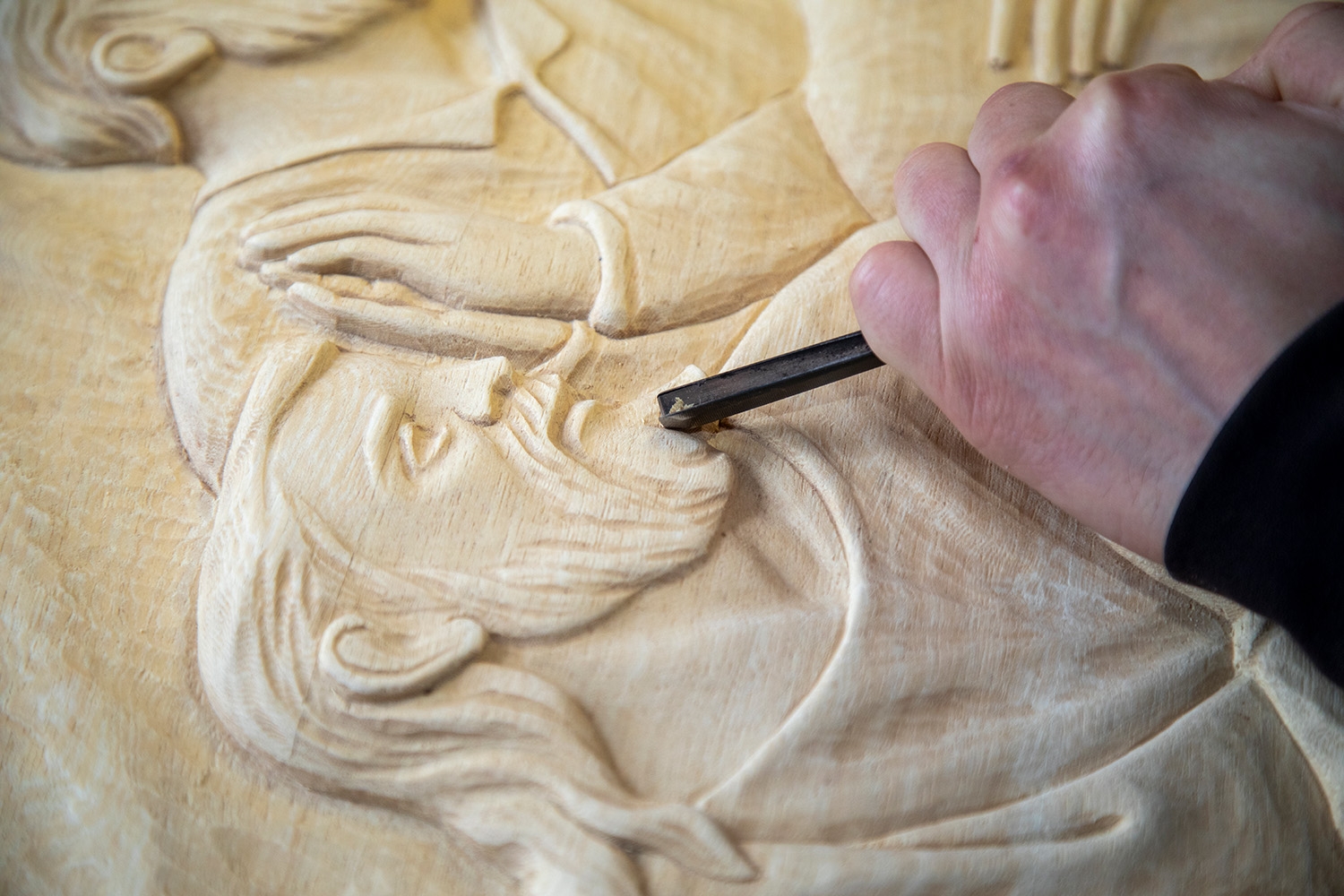
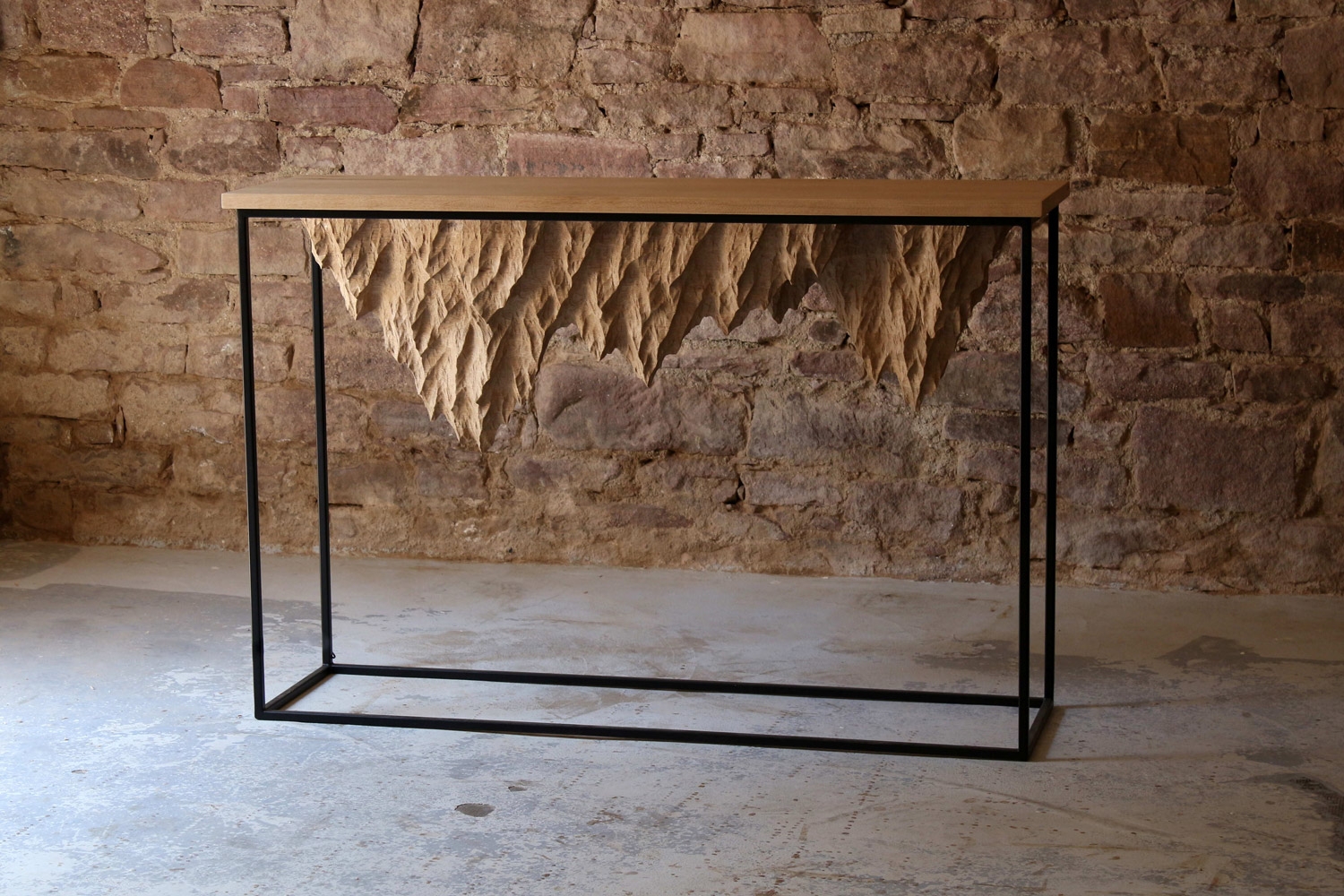
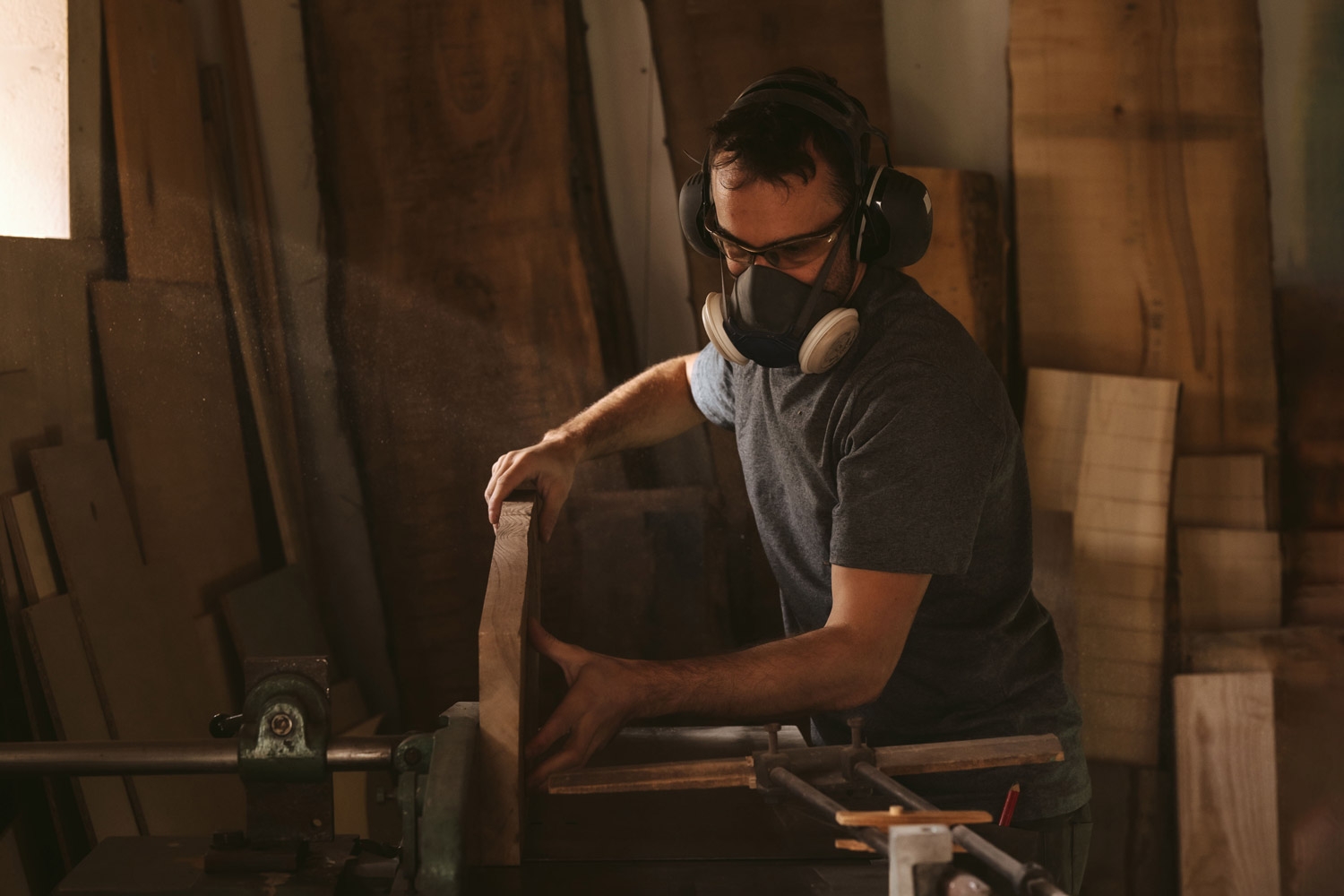
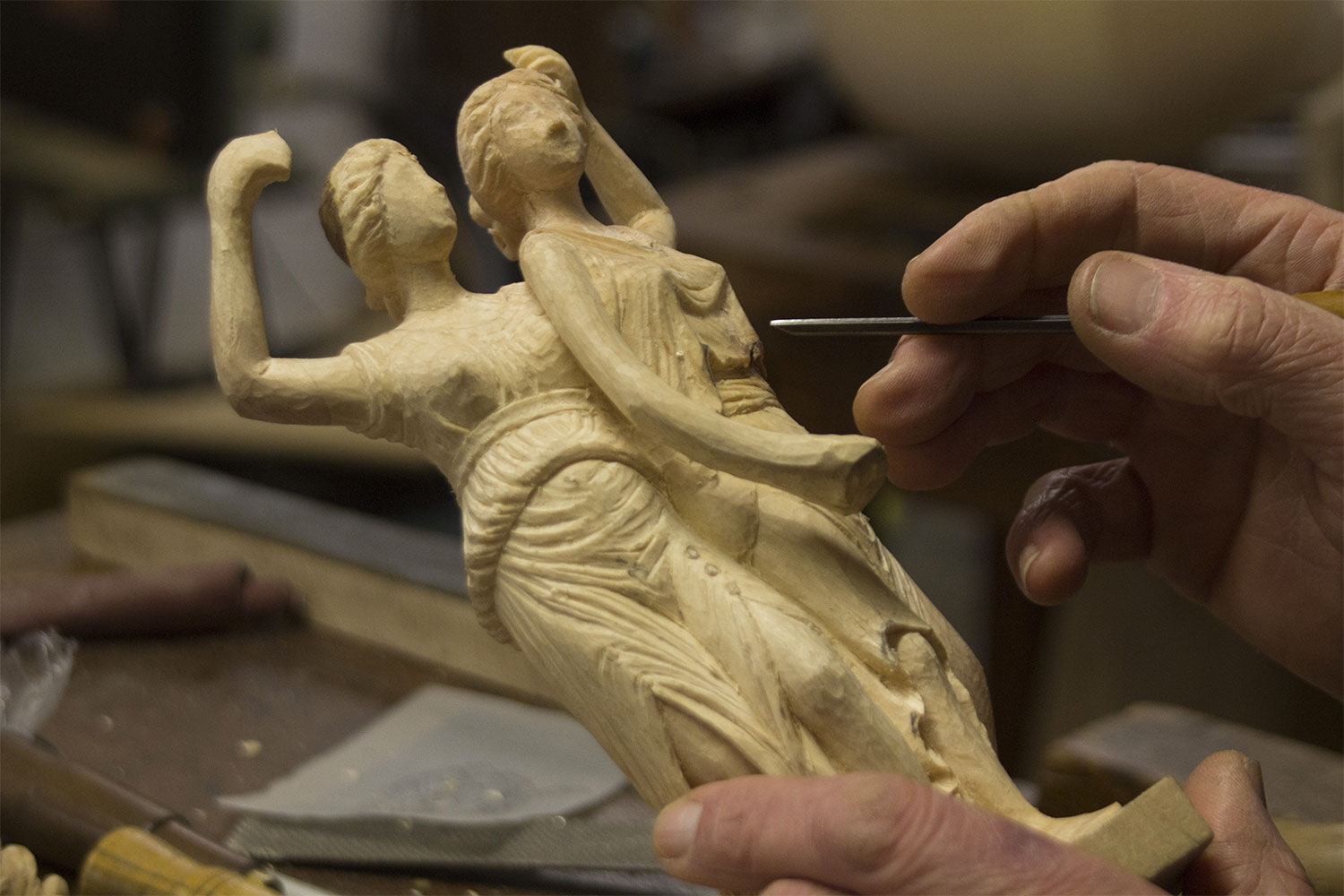
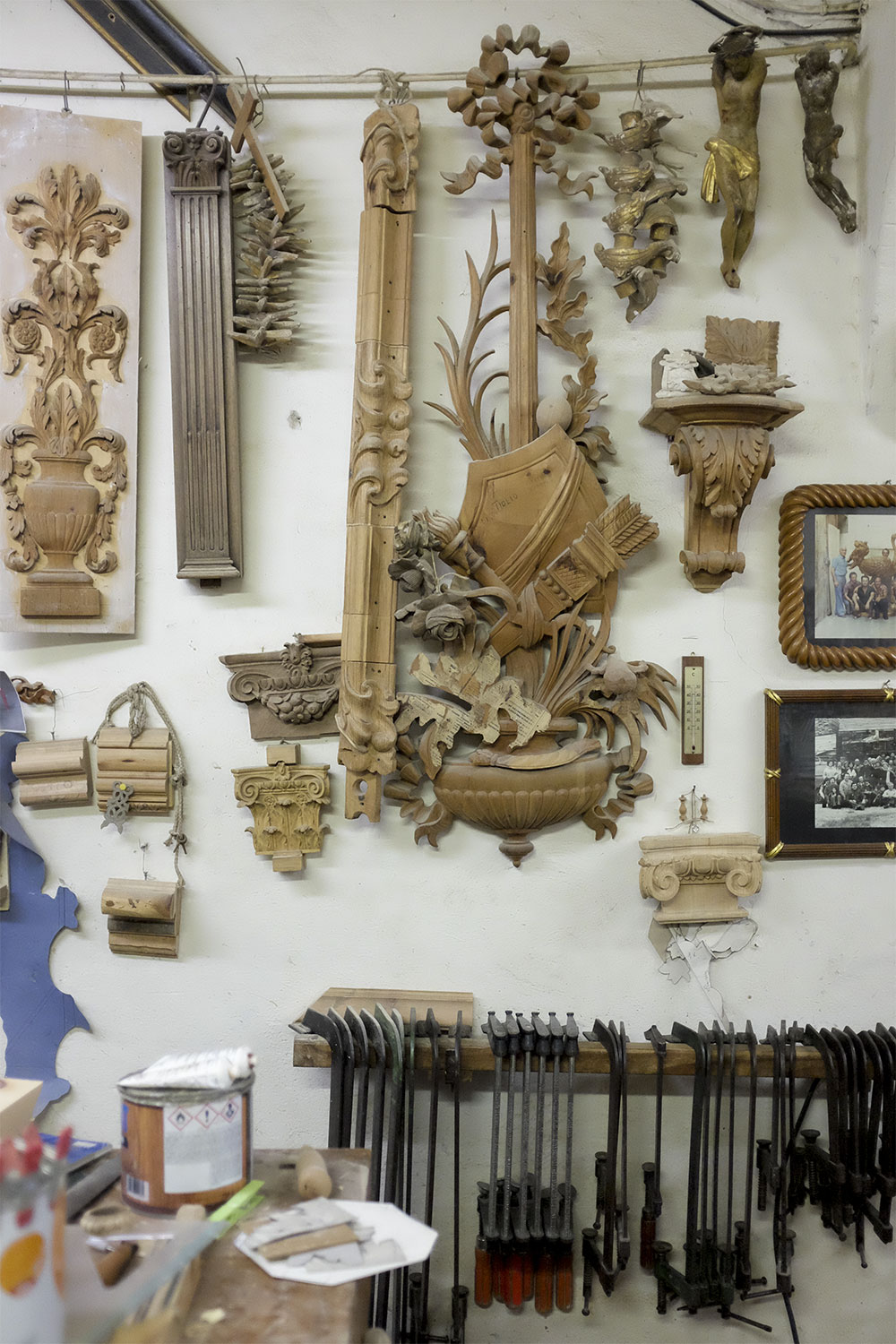
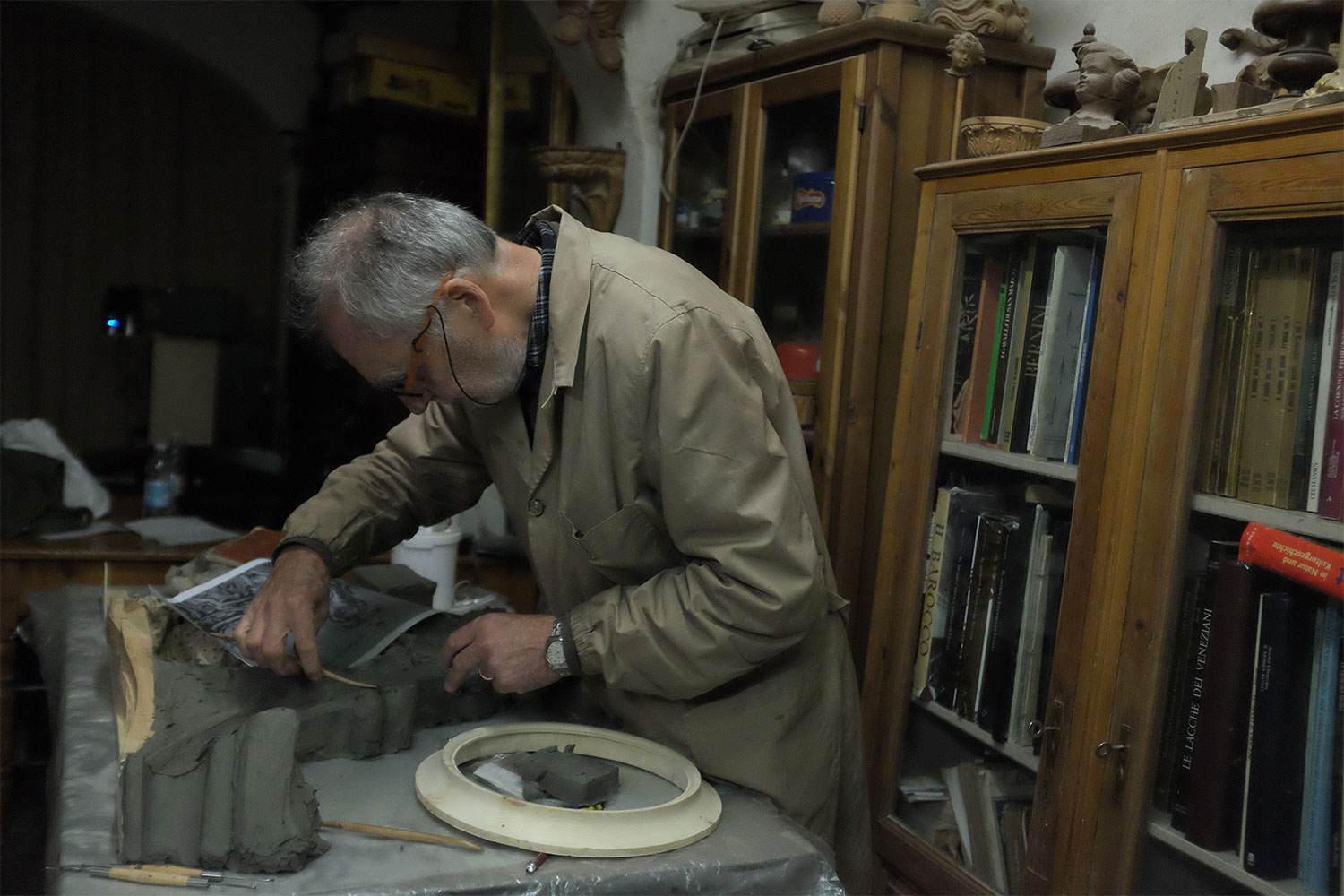
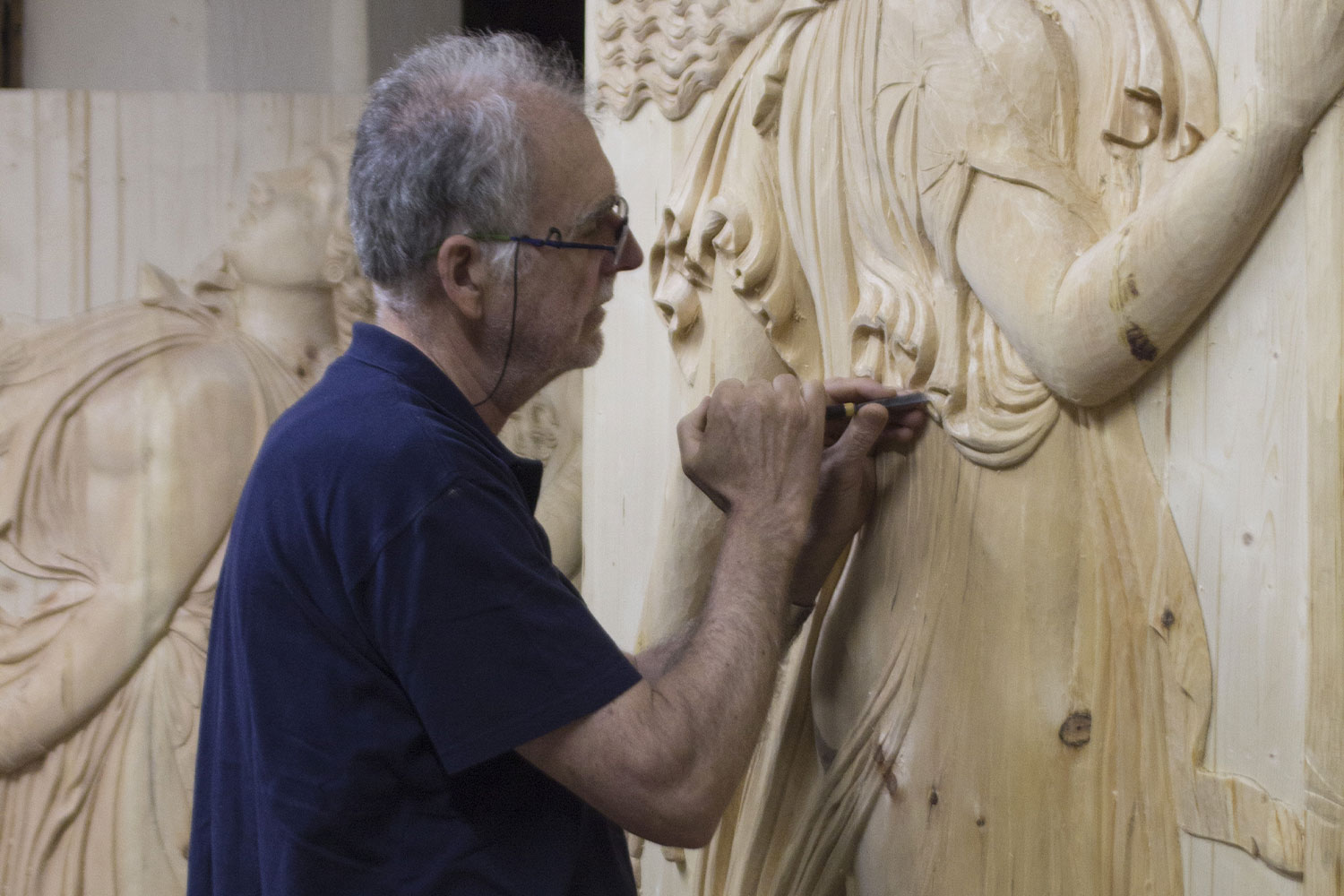
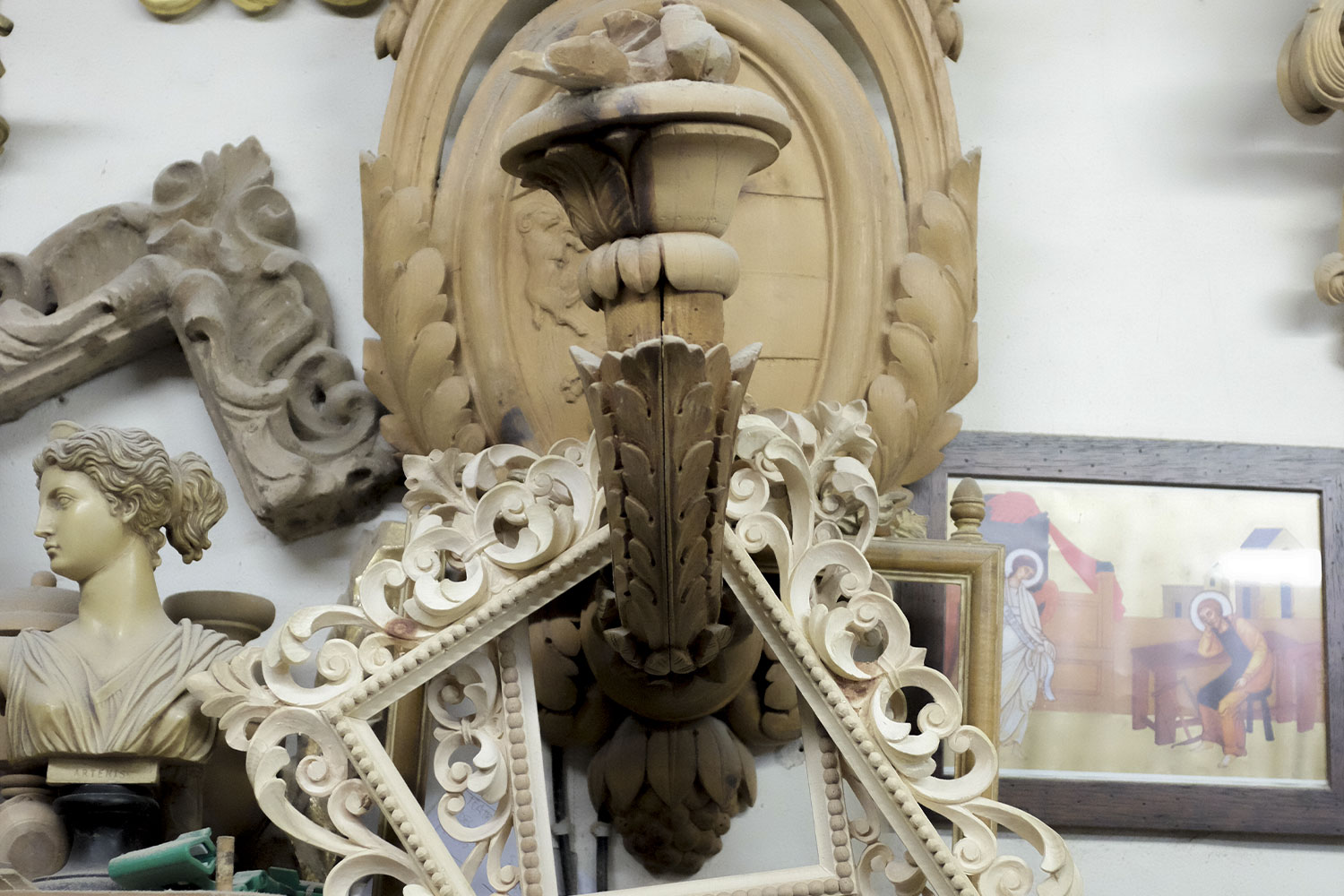
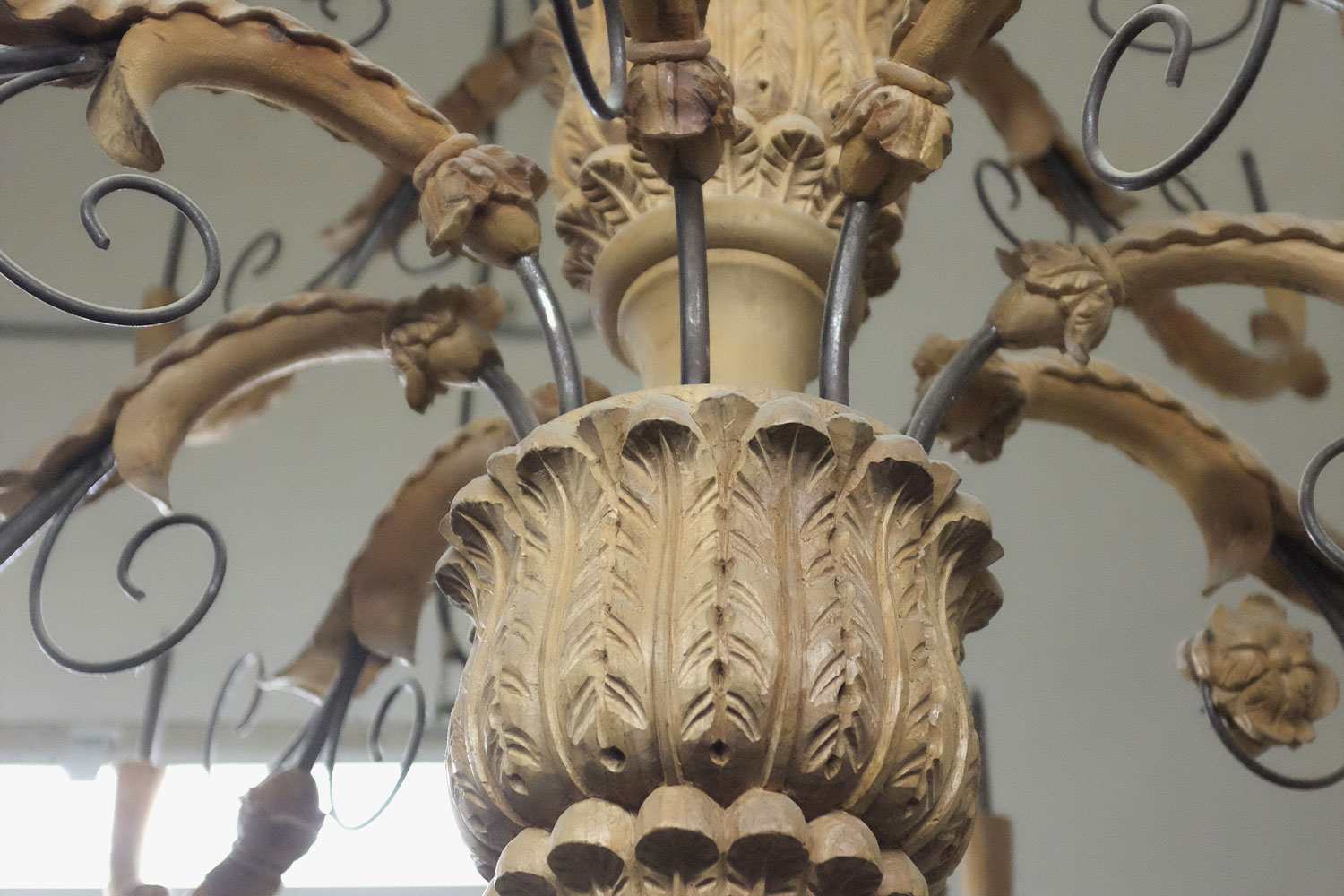
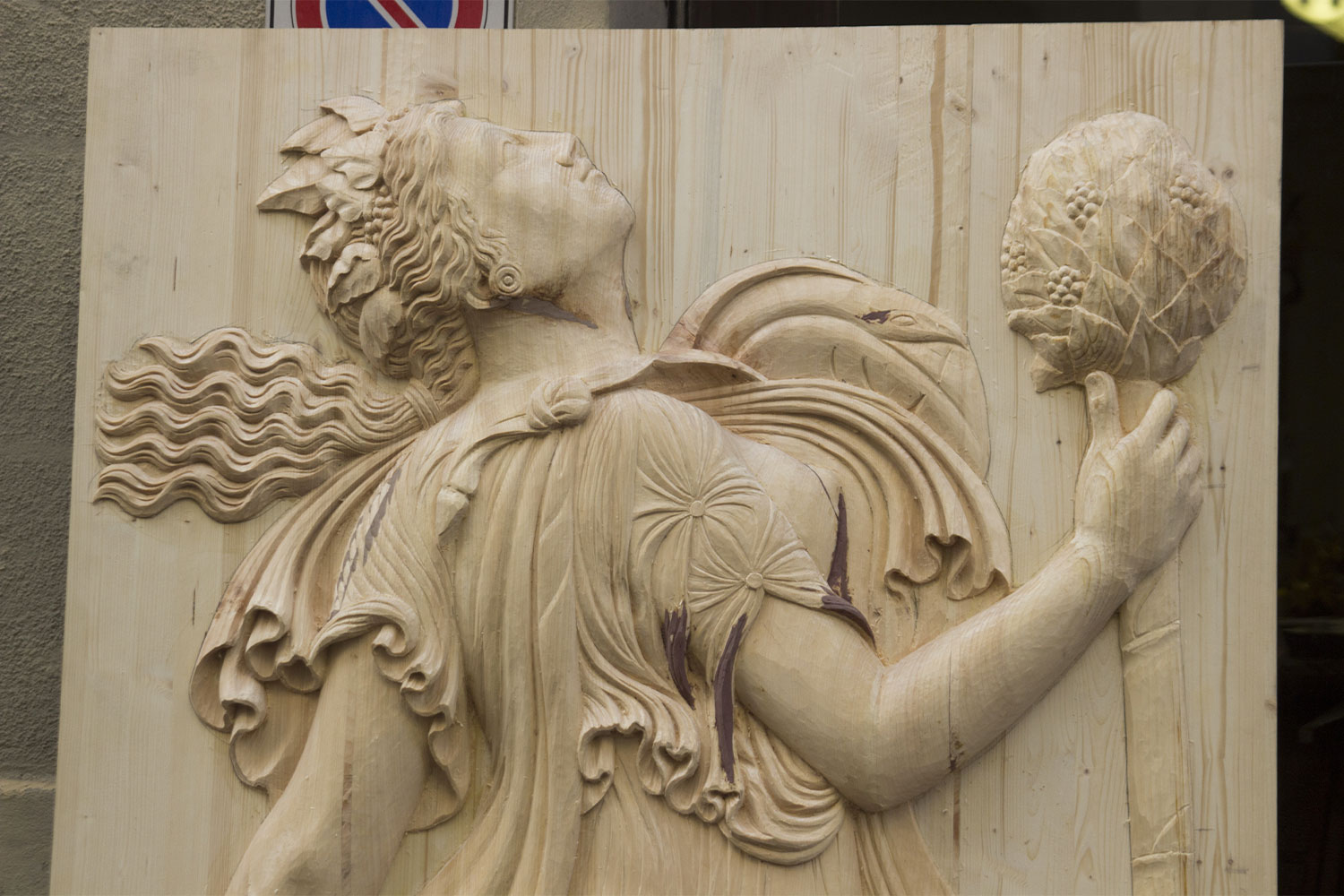
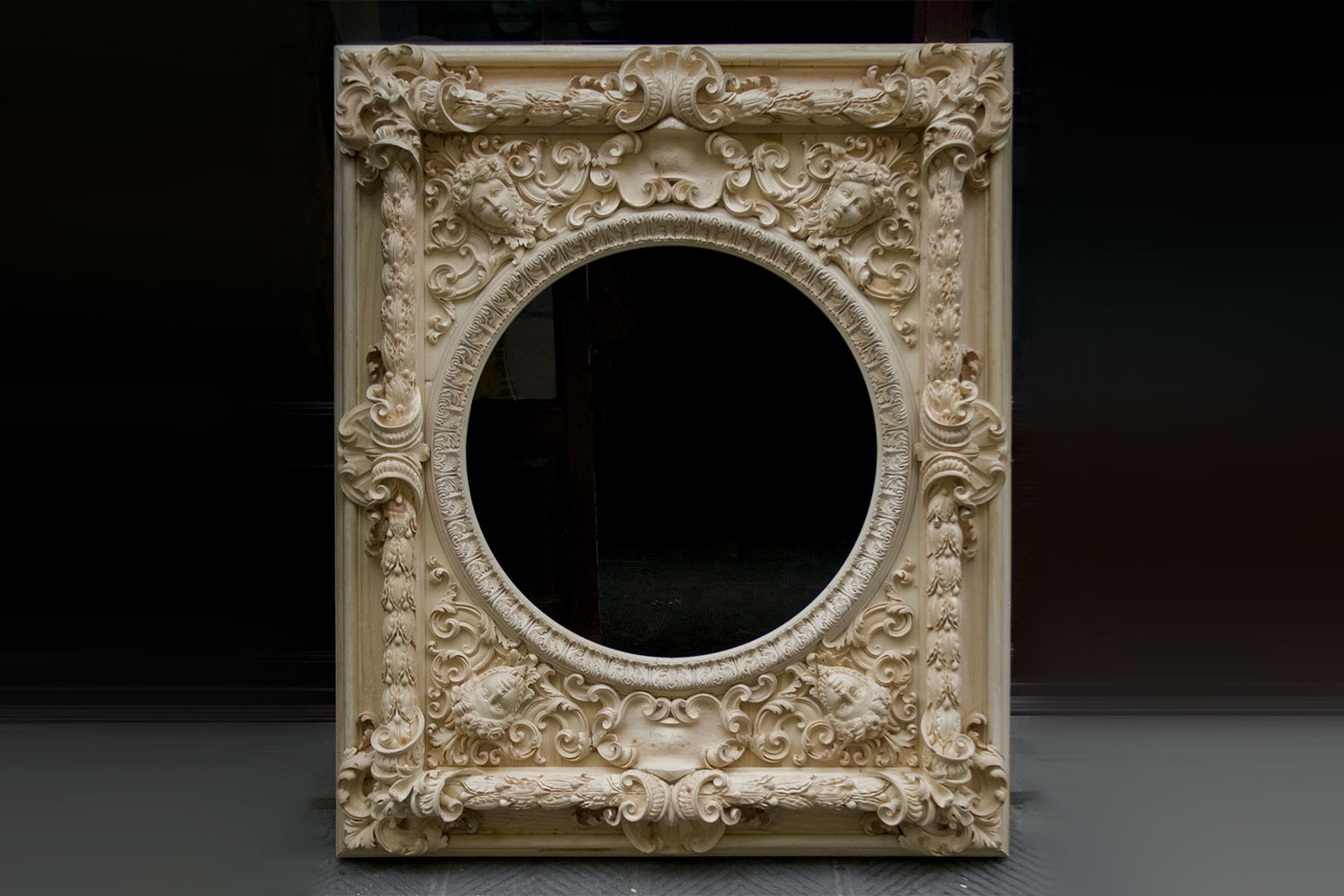
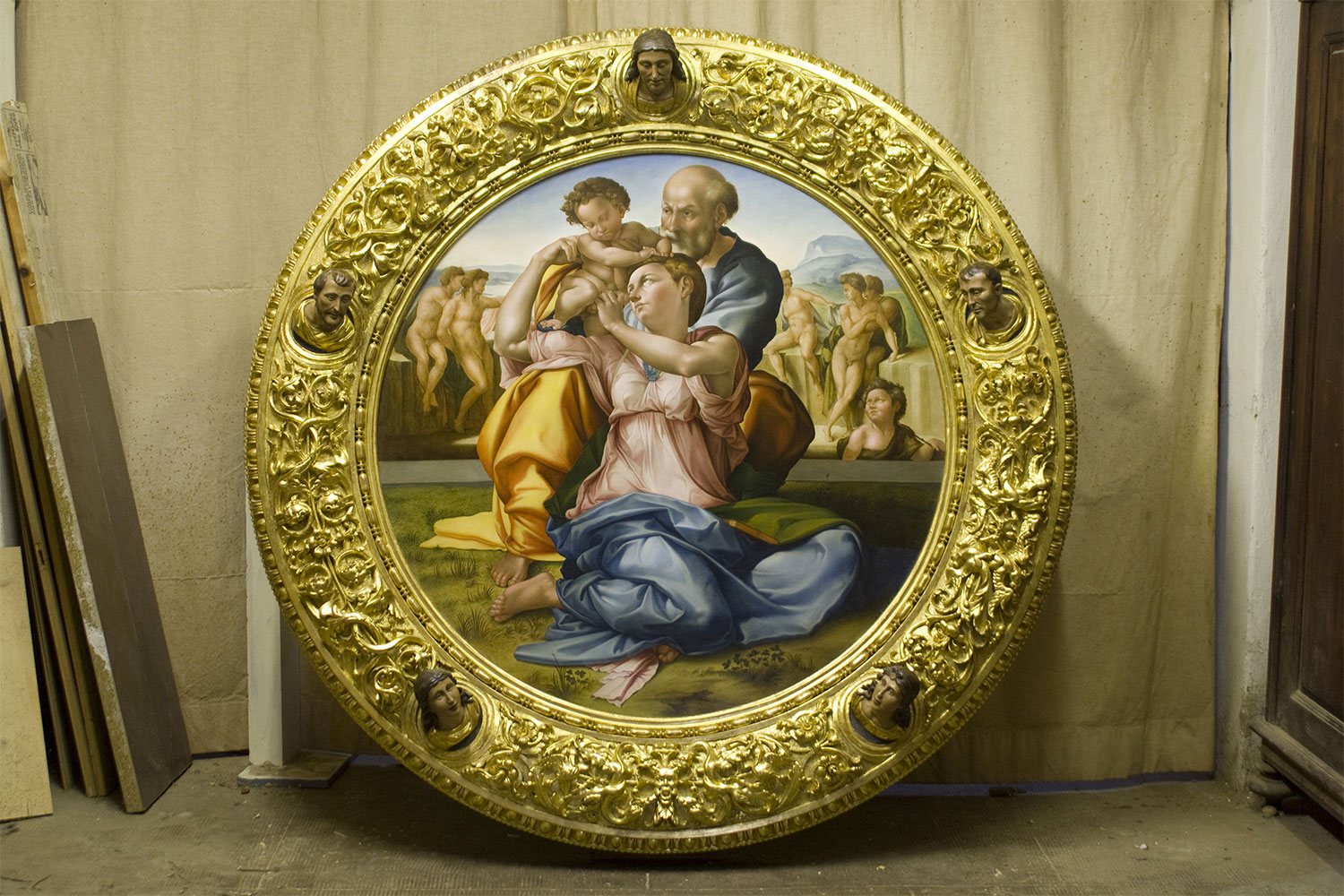
Daniele Nencioni has been a wood carver since he was 14 years old. He first learned as an apprentice in a workshop in Florence, where his father accompanied him, understanding that the young man was much more drawn to the manual world than to studying. Over the years, Nencioni has become a master of woodcarving, executing reproductions of furnishing accessories, models of bronzes, and restoration work for antiques. He collaborates with architectural firms, international interior designers and renowned museums. His work takes him from restoring parts of famous buildings to creating bespoke pieces of furniture. He believes that behind a piece there must be an artisan who makes it and not a machine. A concept which in the creation of wooden furniture has been lost due to the fashion and demand for mass produced pieces. He maintains that the touch of the human hand can never be truly rivalled.
INTERVIEW
My life and activity rotate around the love and knowledge of wood, a noble and living matter that offers many possibilities of processing it. I “met” wood when I was 14 and have never left it, striving to master and appreciate it through refined craftsmanship skills.
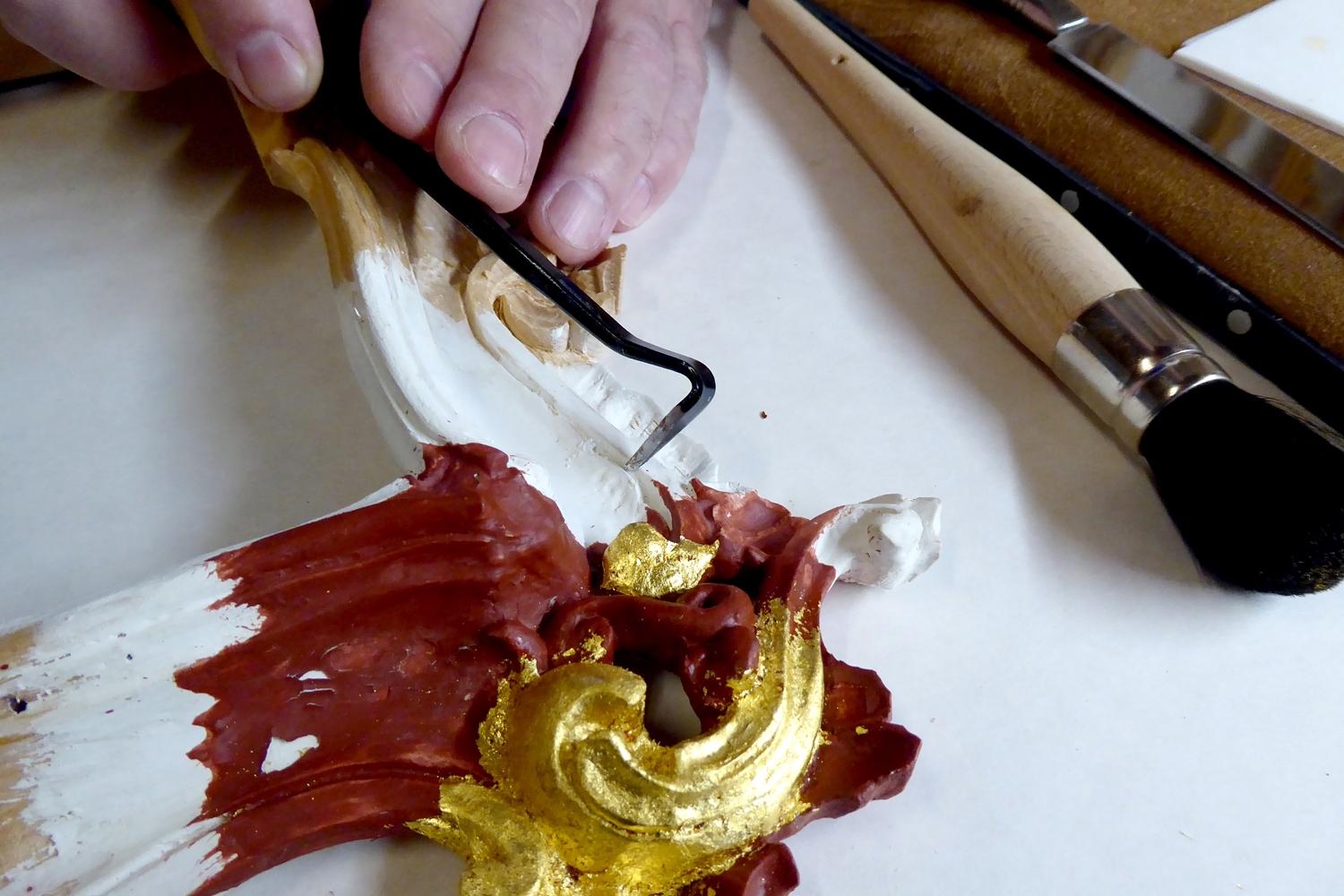
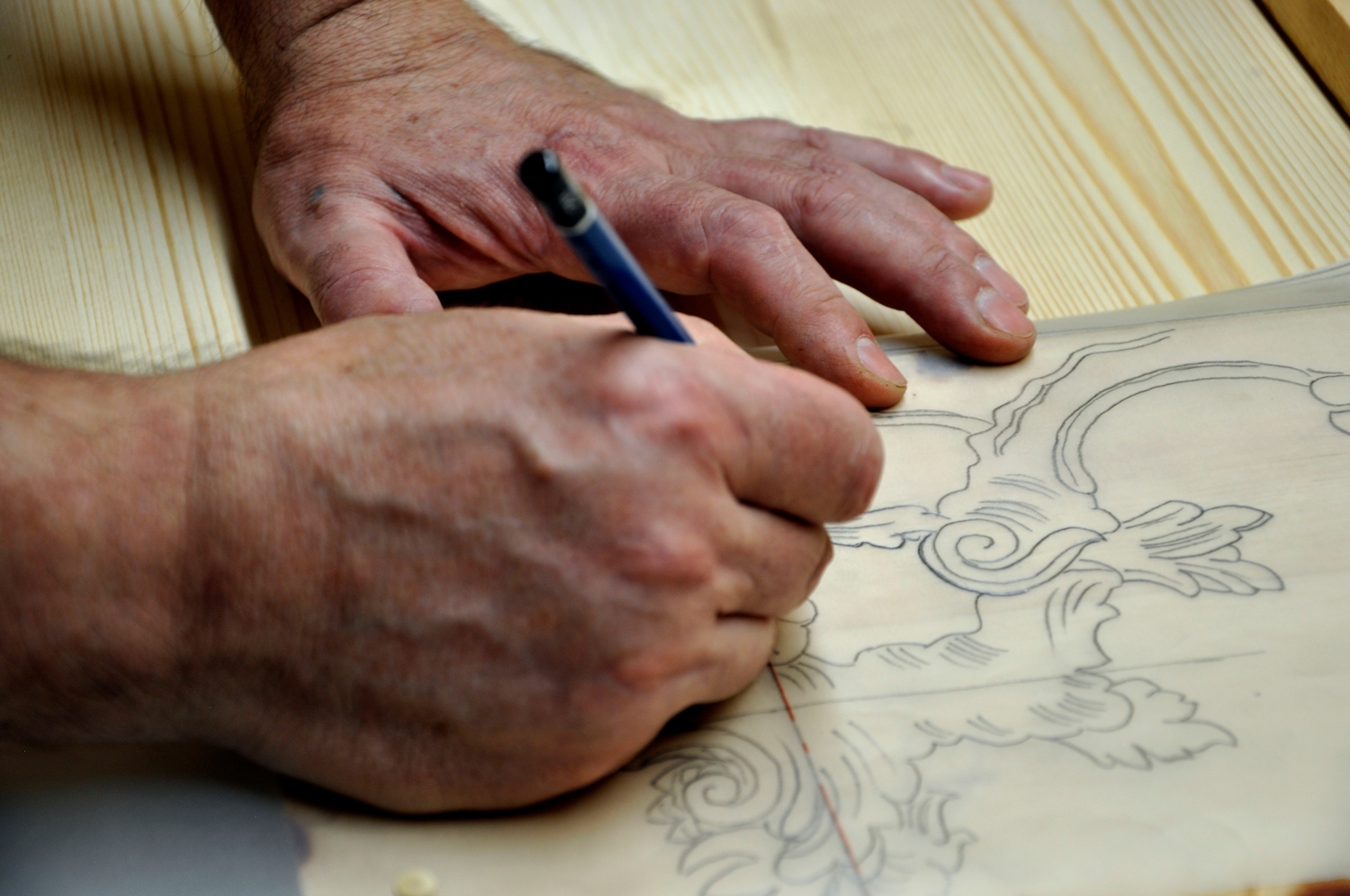
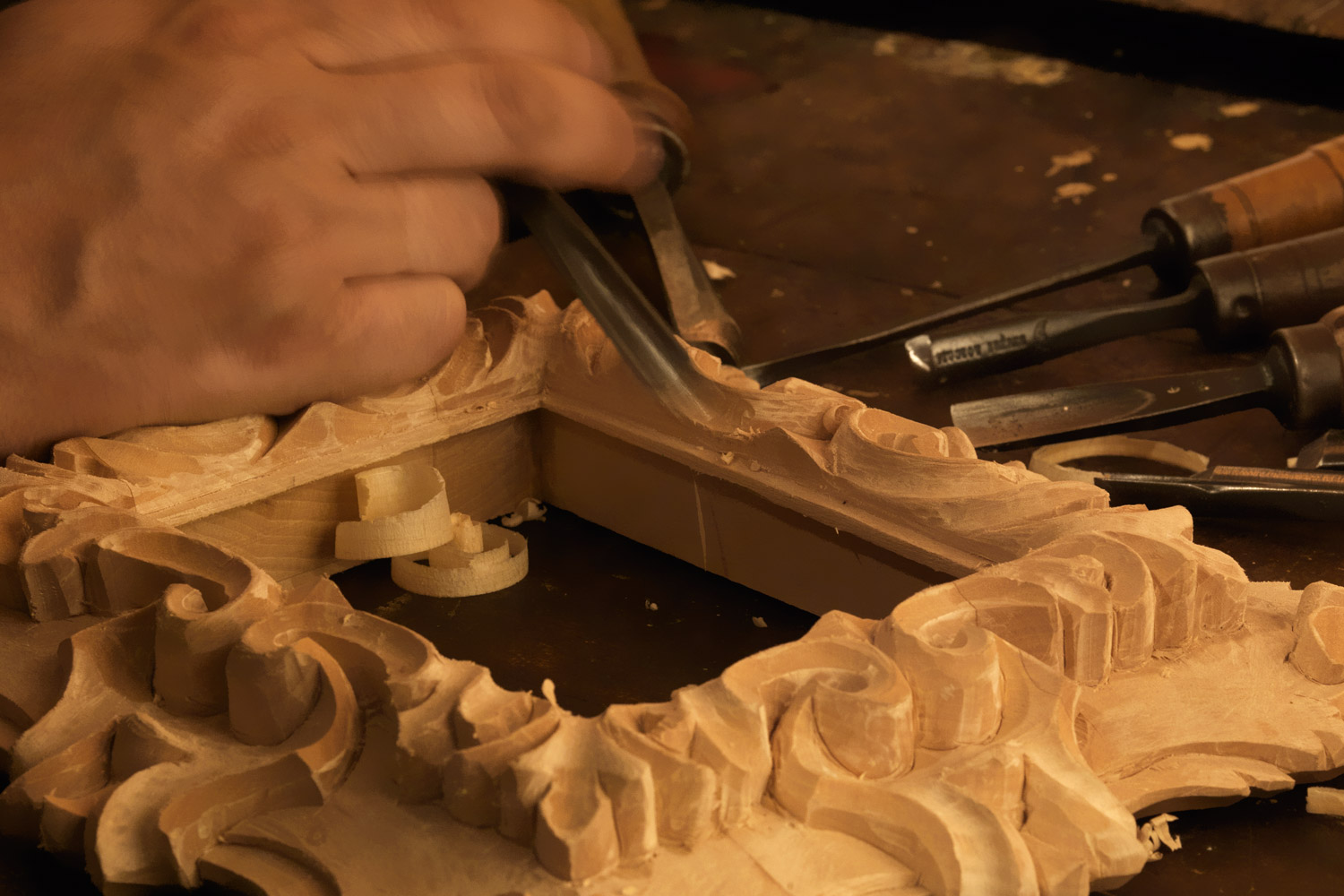
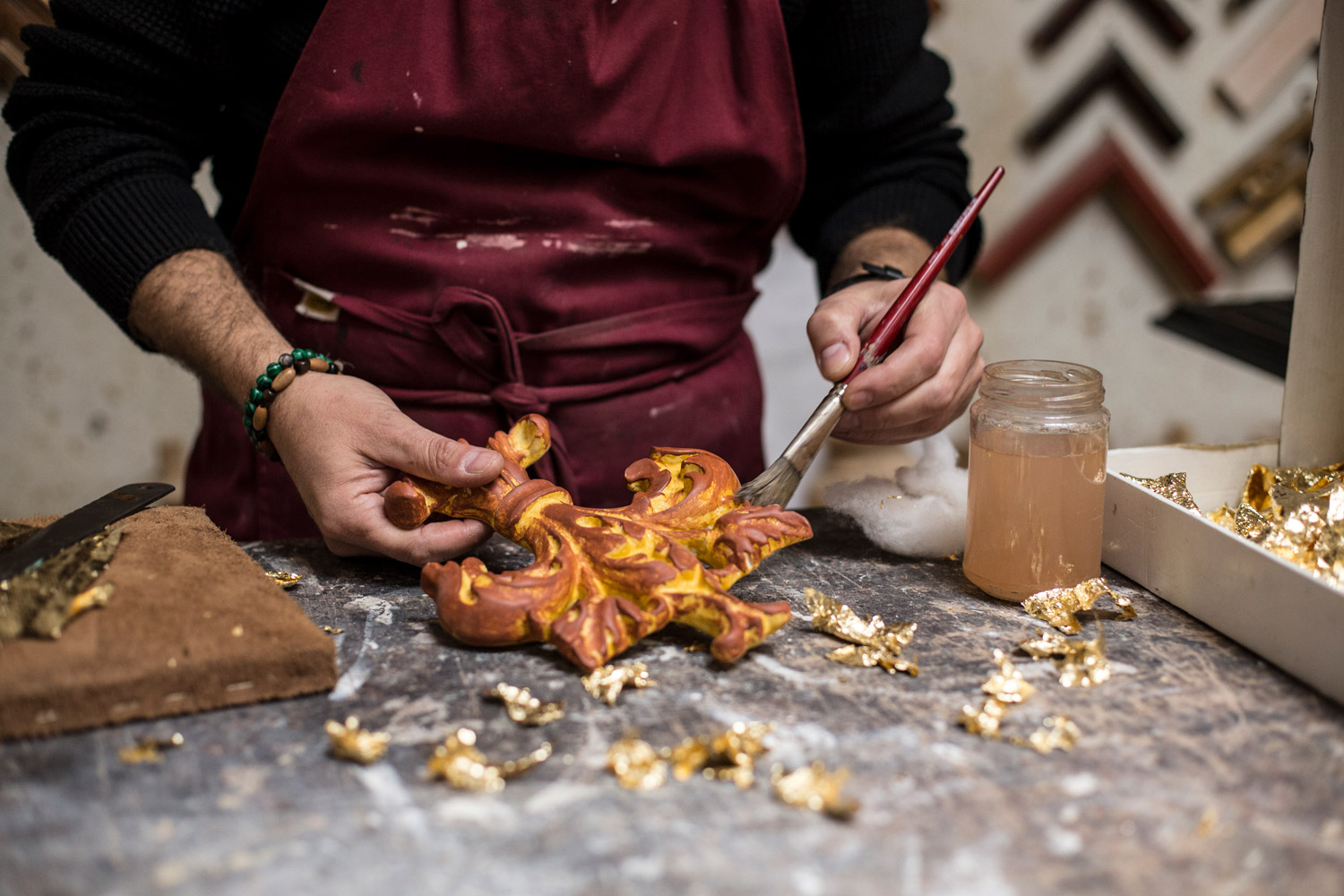
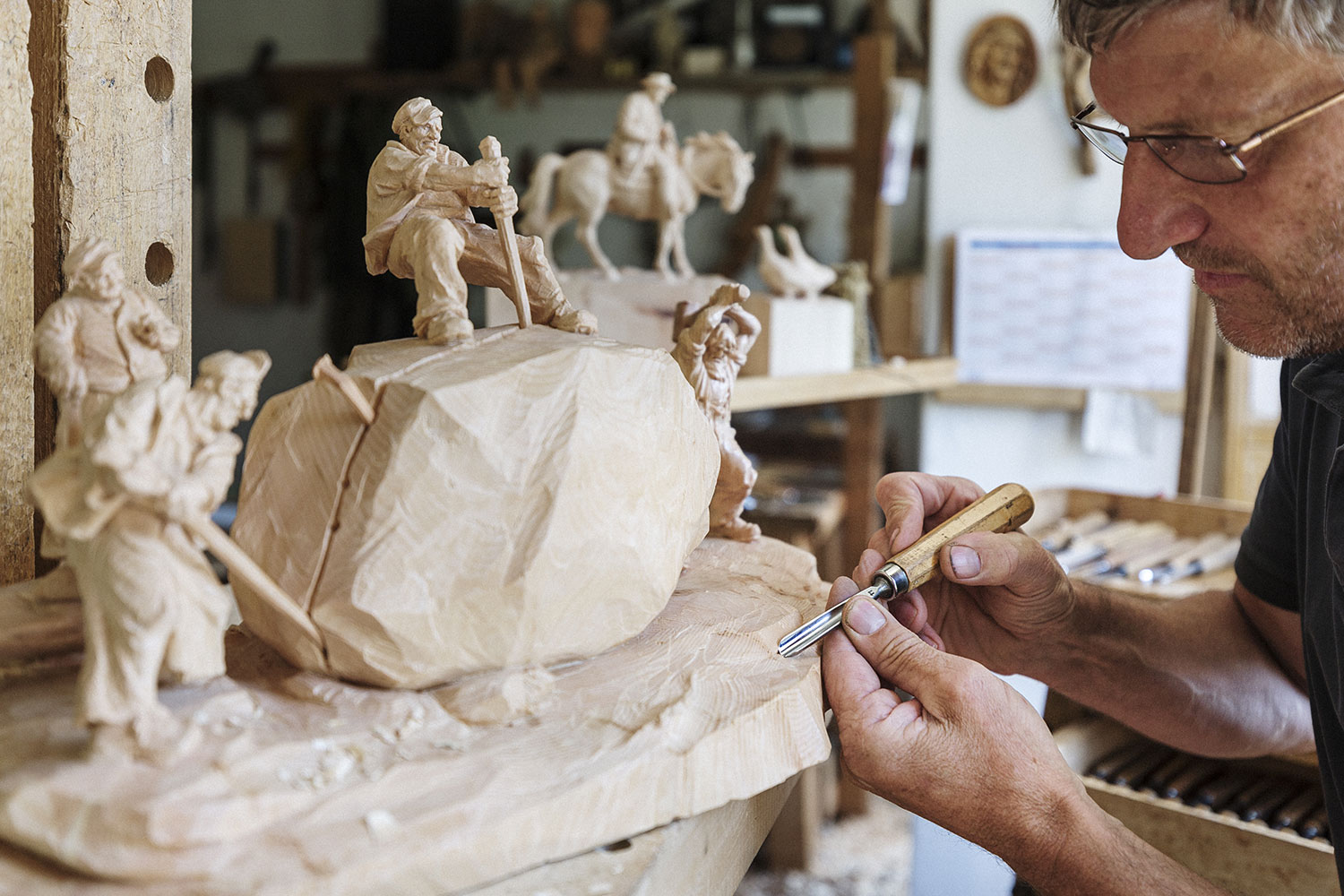
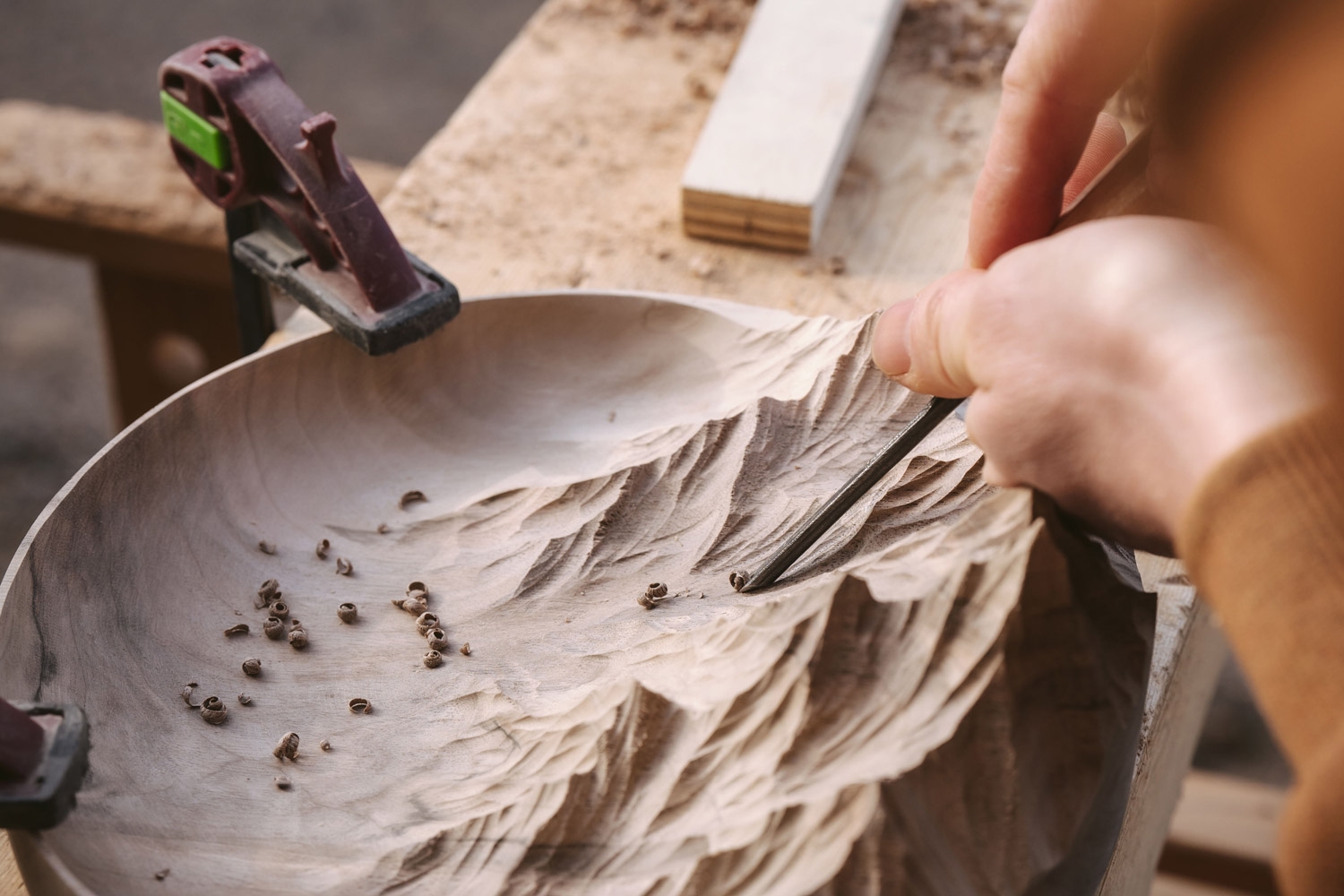
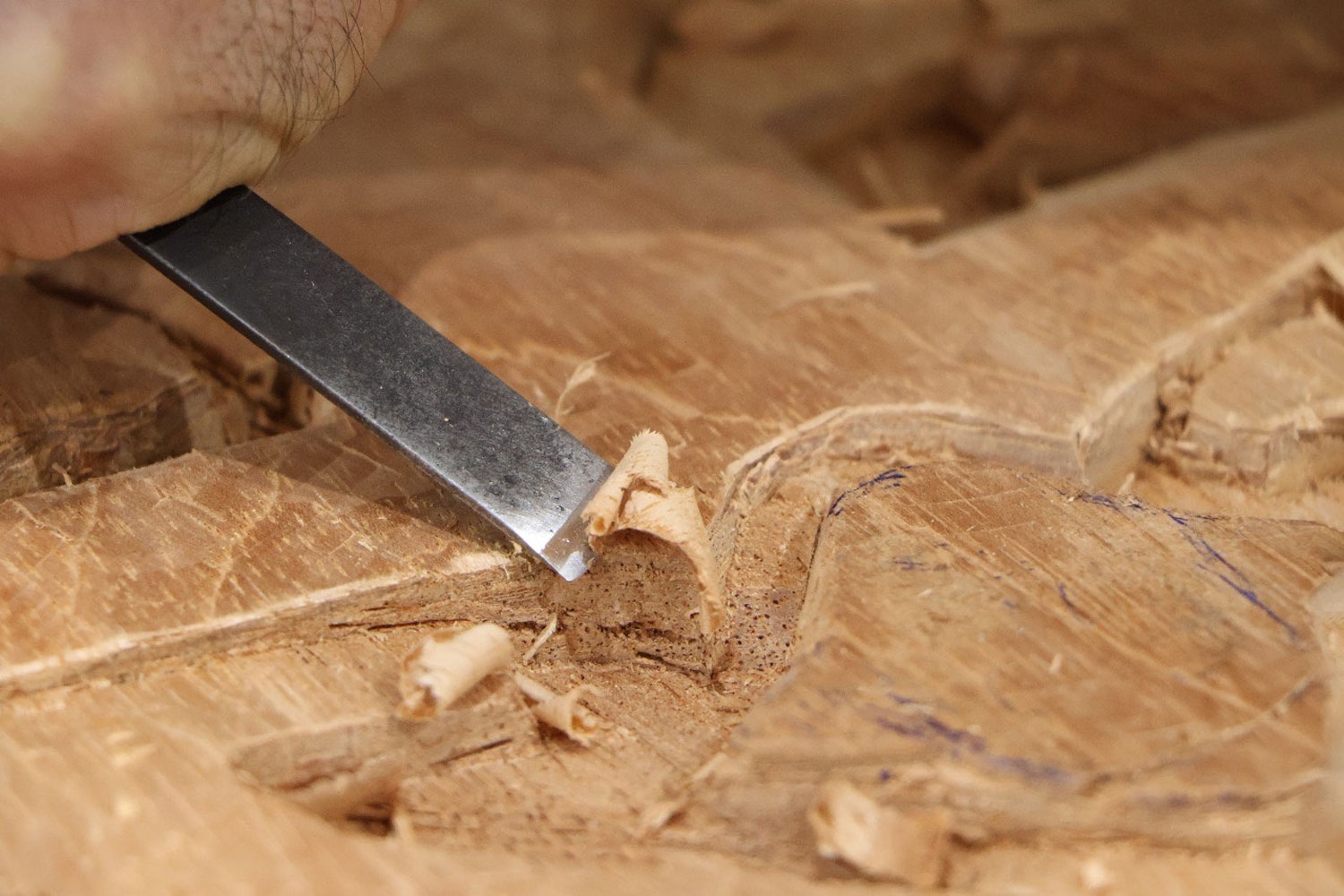
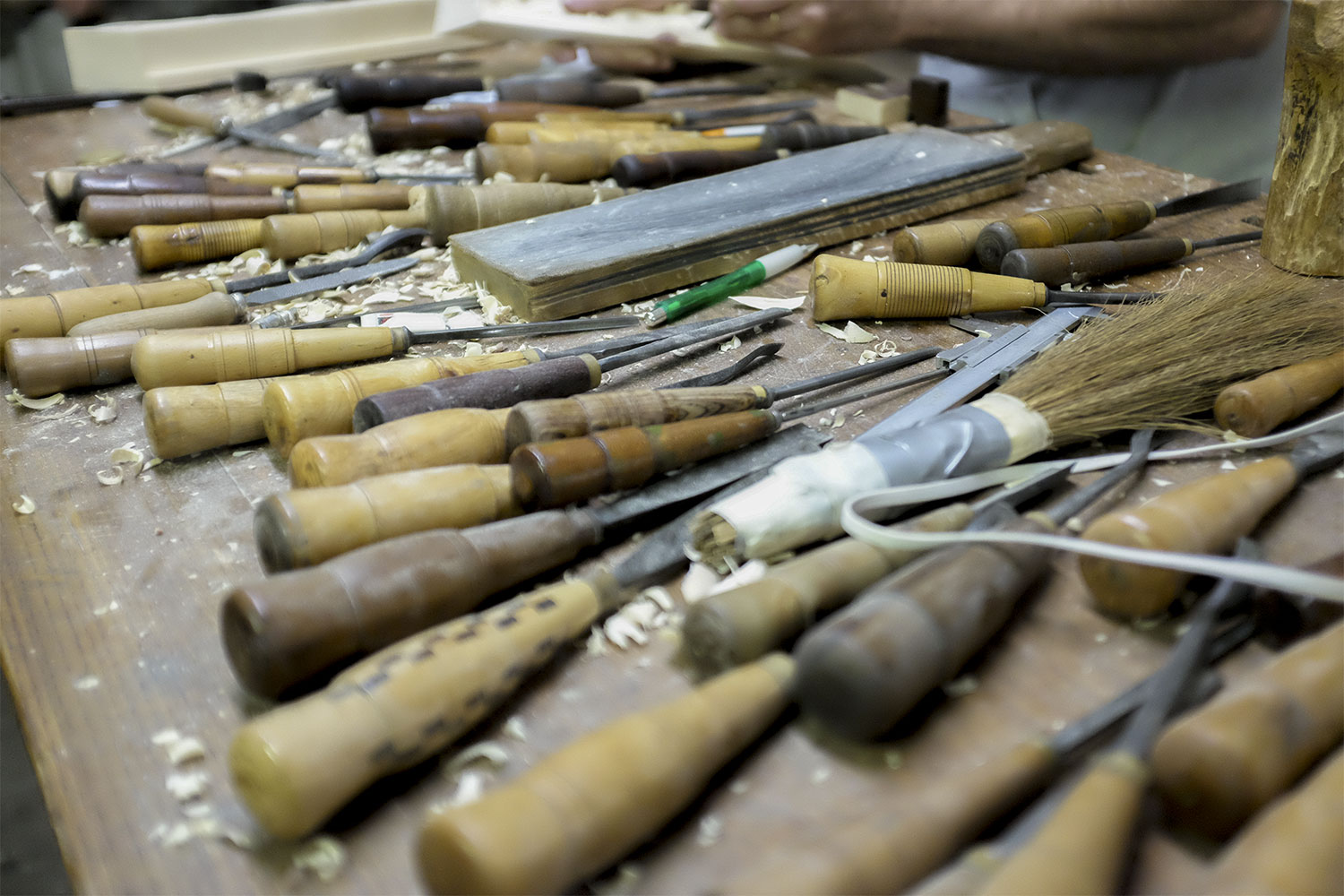
Woodcarving is used to make ornaments in recess or in relief on wooden surfaces. Tools are chisels, mallets, burins, gouges and scrapers, files and sandpaper for the finishing of figures and ornaments. Carvings can be decorated, painted or gilded, or simply polished, to emphasize the natural beauty of the wood.
I began this job when the memories of the war were still alive. At the time, there was a spontaneity, a will to act. Nowadays there is much less of this, it has been superseded by opportunism. I realize that young people are searching for something, but the context has to change.
People are more concerned by the cost than by the quality of an object. Few people trust, and the concept of "you don’t need it” wins most of the time. Instead beauty has a price; behind it there is a person's knowledge, his skill, his hand.


Daniele Nencioni
Woodcarver
Florence, Italy
Recommended by Fondazione Cologni Dei Mestieri D'Arte
AVAILABILITY
Monday to Friday 08:30-13:00 / 14:30-19:00
PHONE
+39 55212195
LANGUAGES
Italian, English
Homo Faber Finds is a new service aiming to inspire admirers of craft to connect and collaborate with exceptional artisans.
We invite you to submit an enquiry here.

Puzzuoli works 2 copy.jpg)
Puzzuoli portrait 1.jpg)
Puzzuoli eyes 2.jpg)