Image 1 of 3
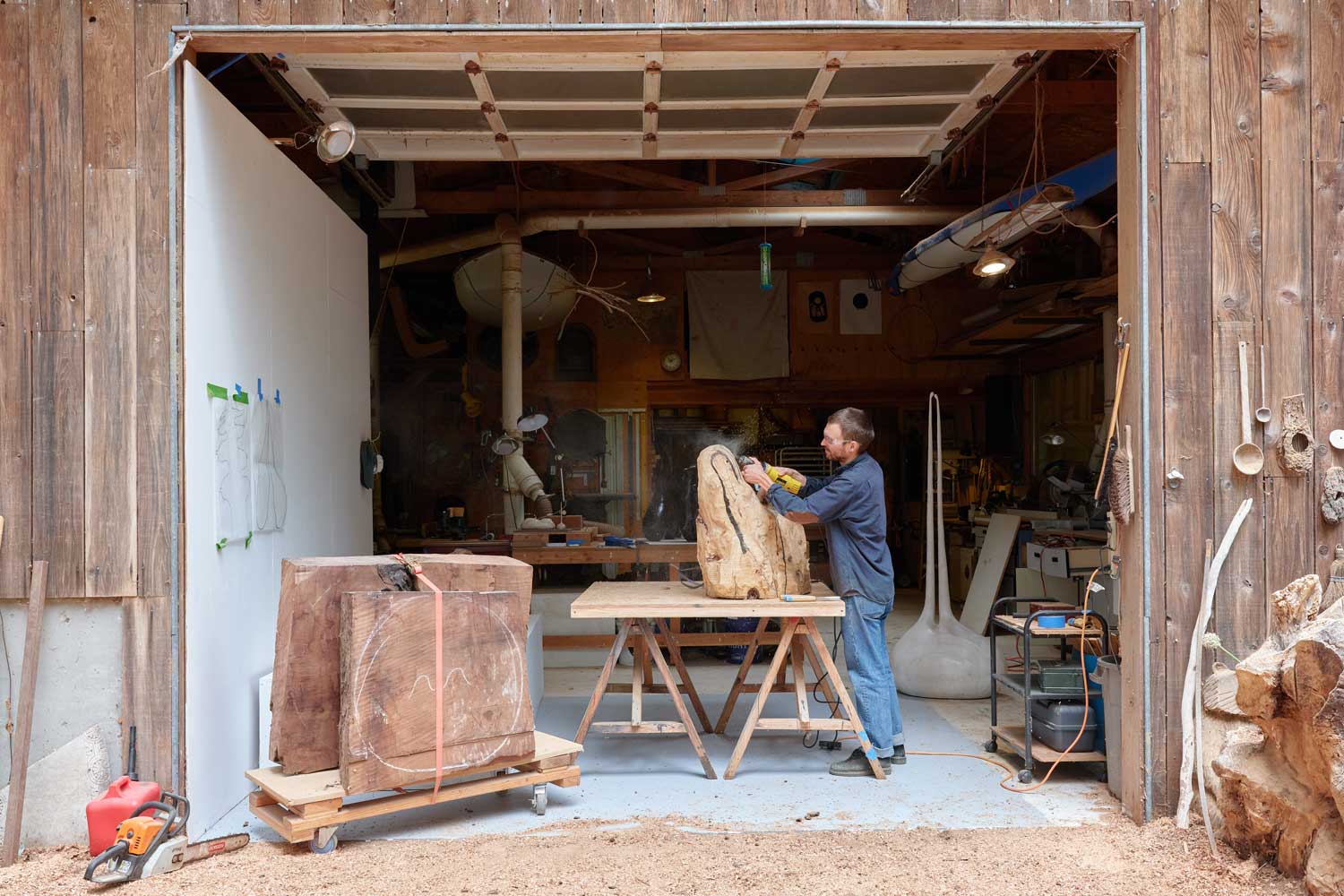
Julian Watts
Woodcarver
Monroe, OR, USA
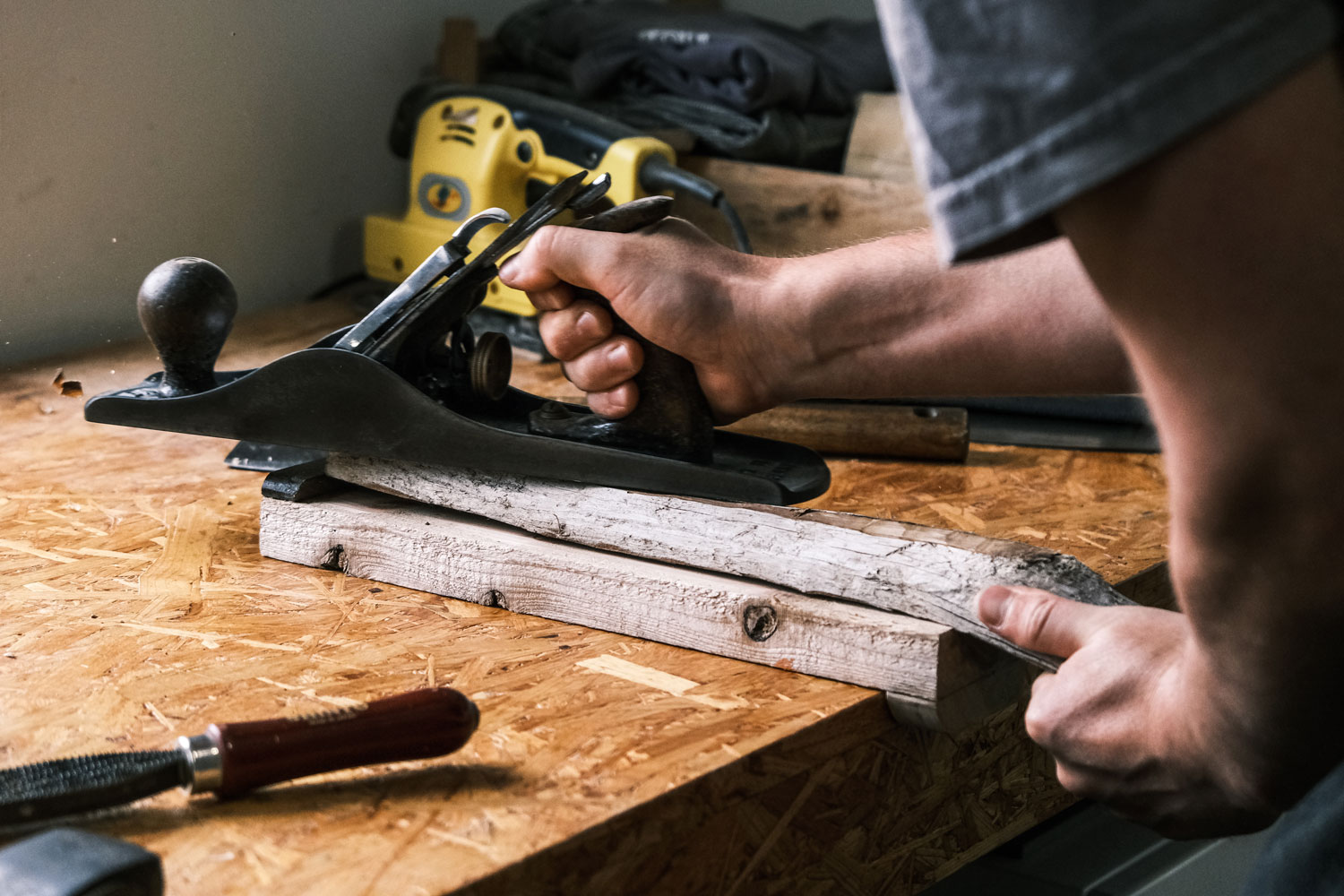
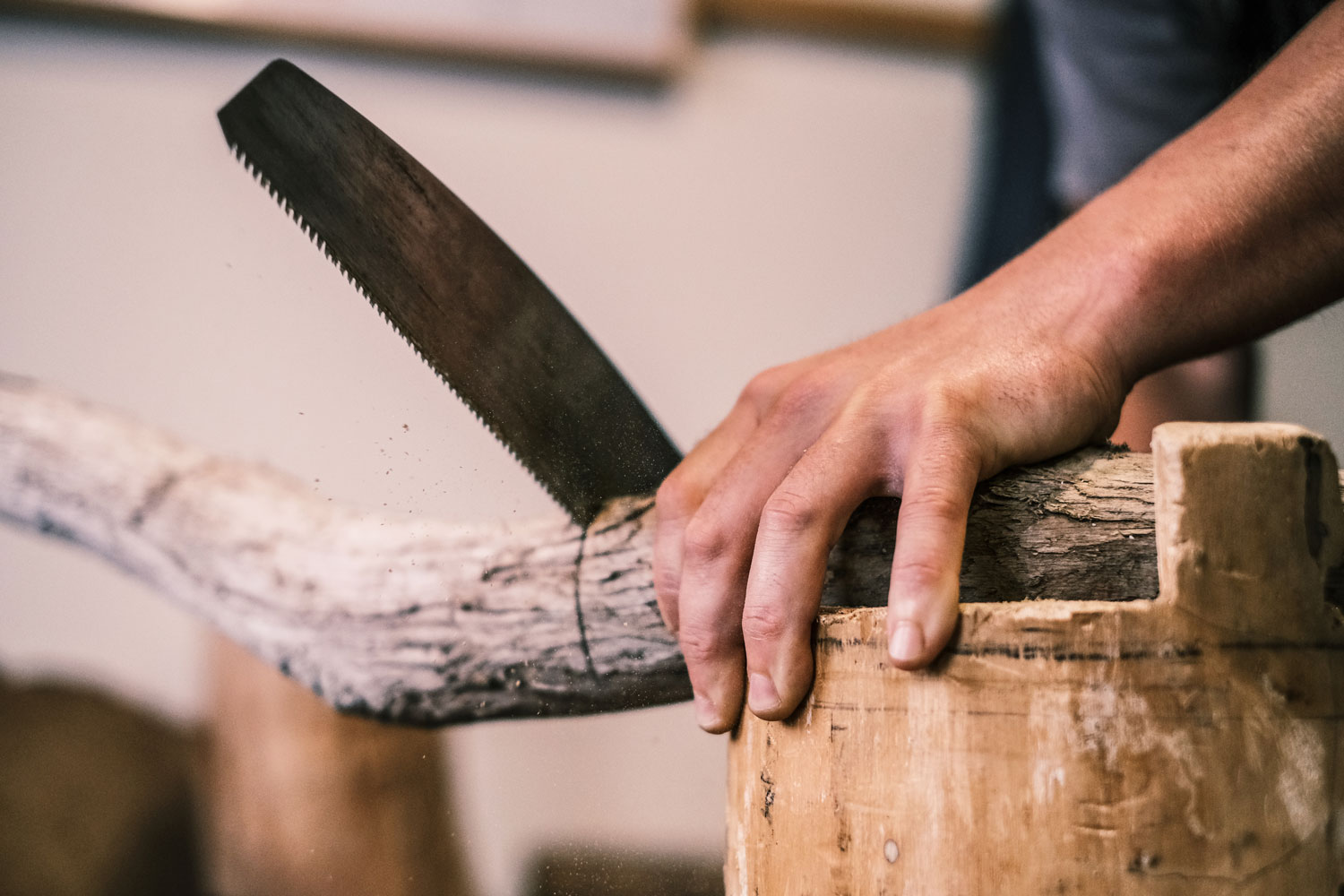
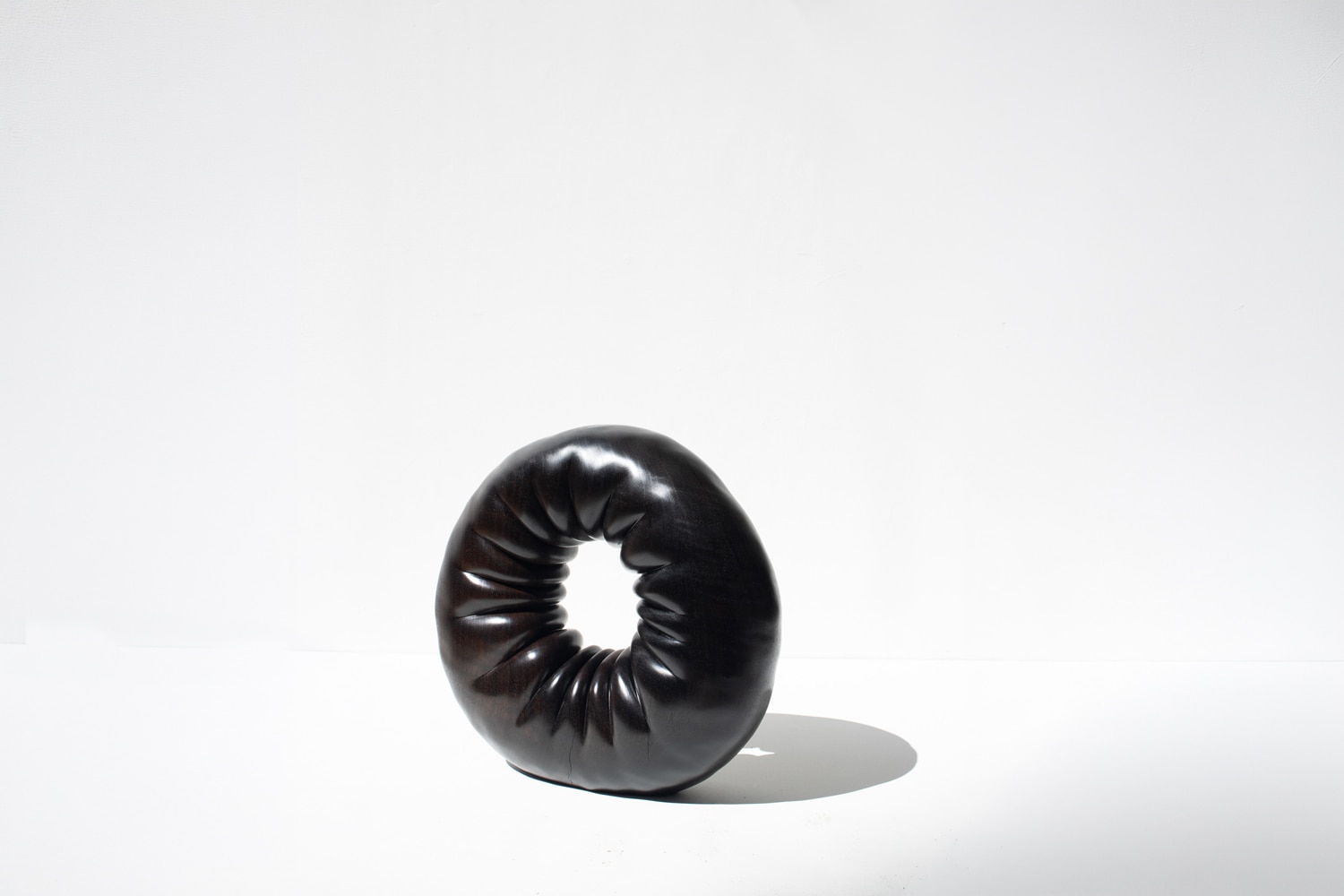
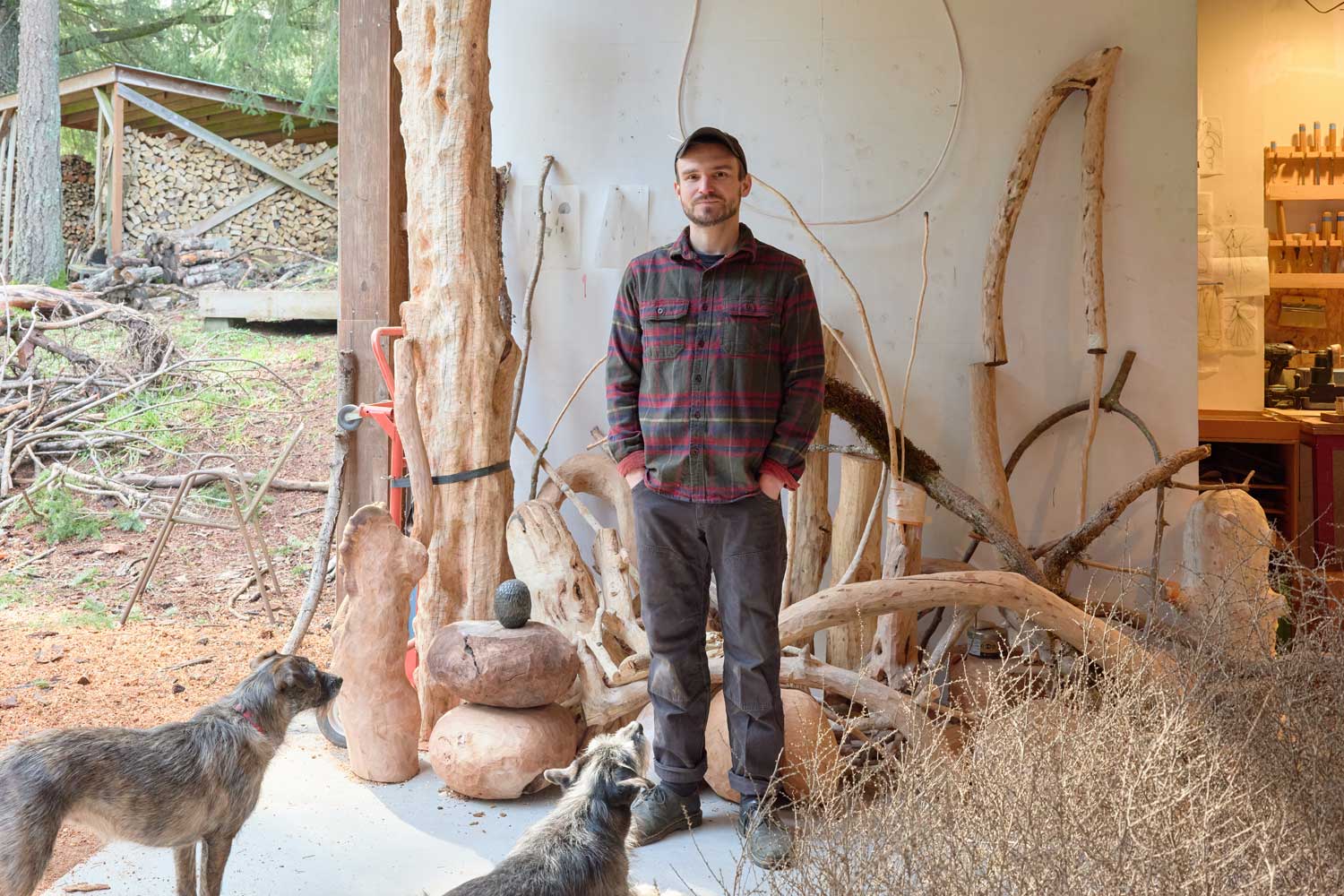
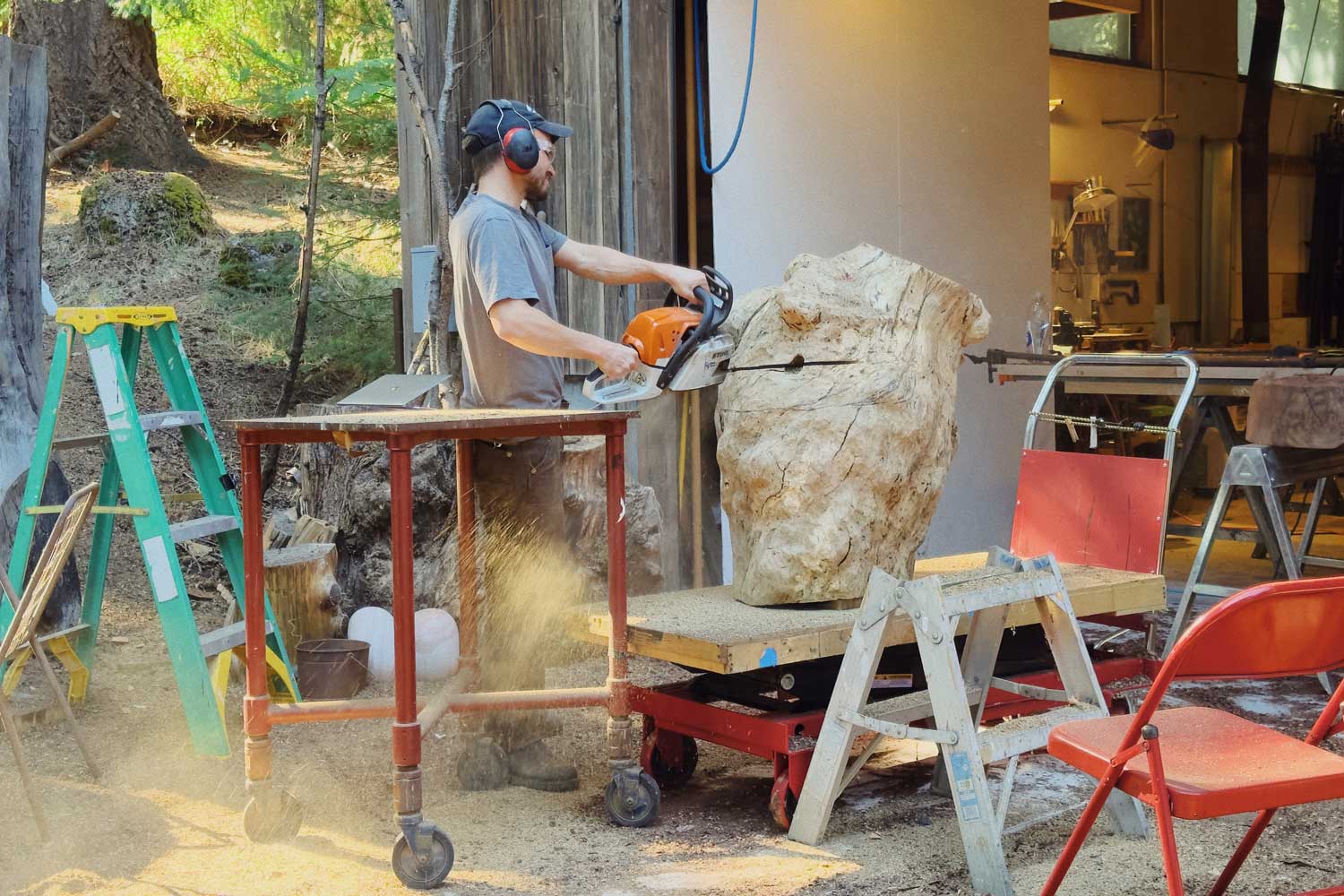
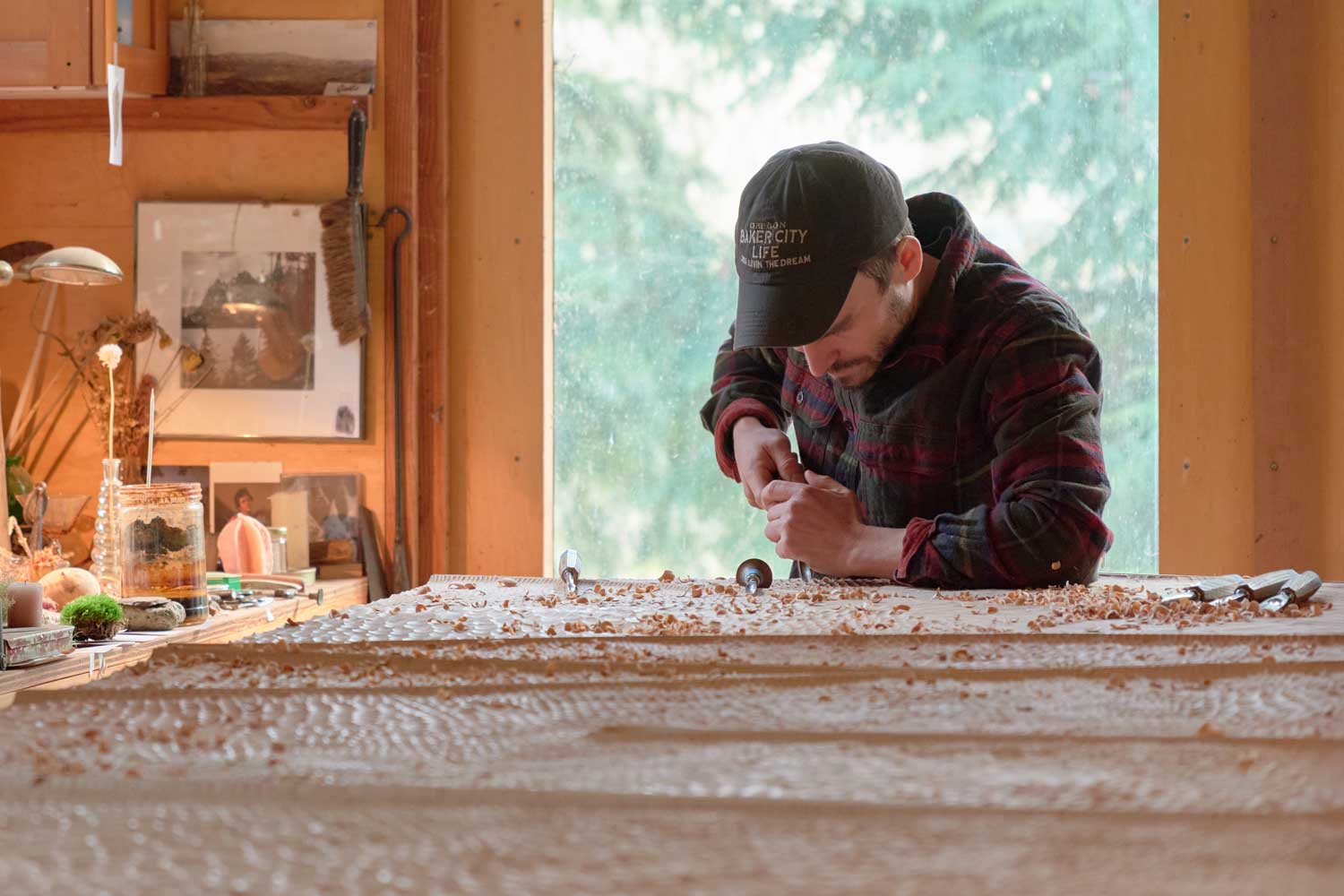
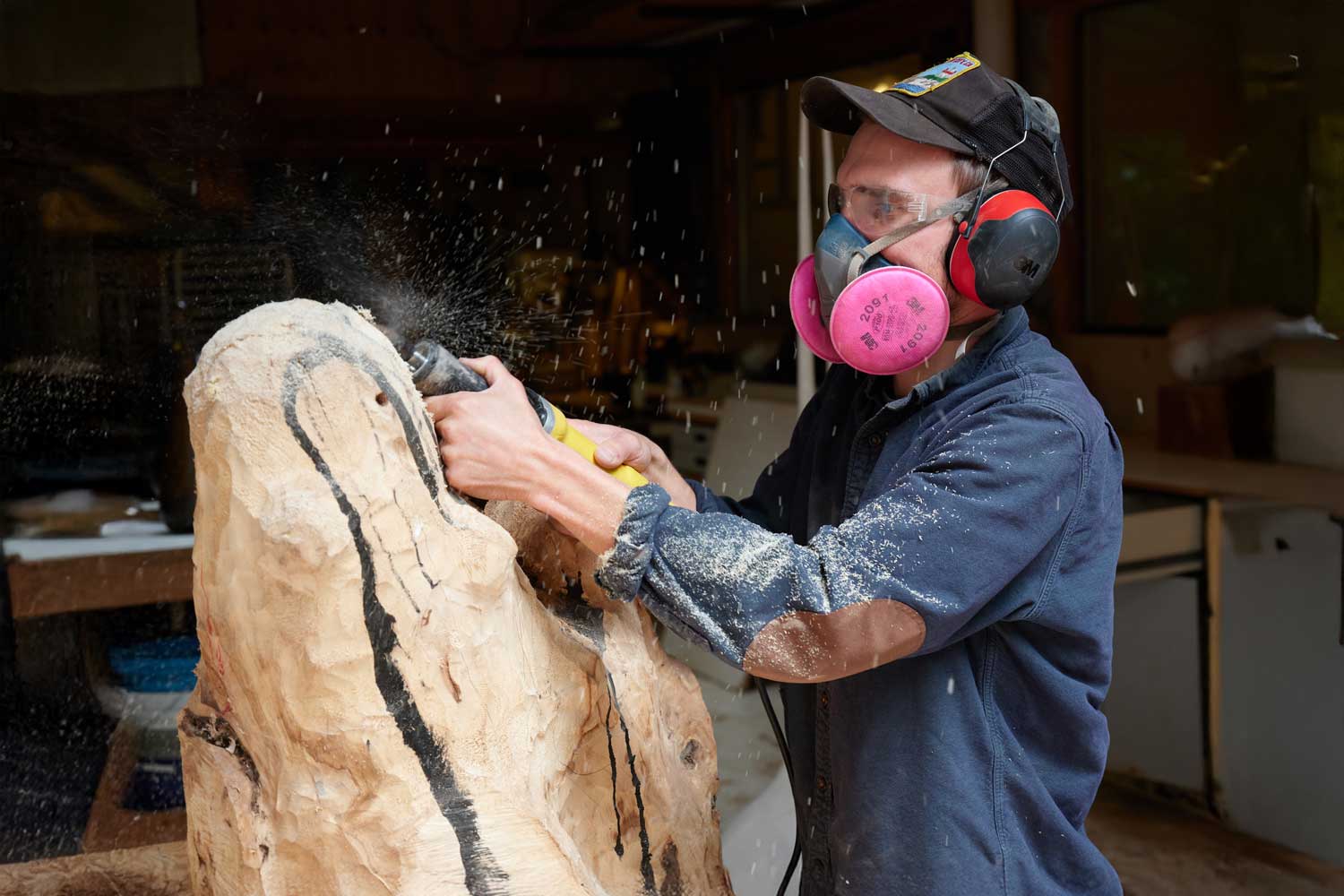
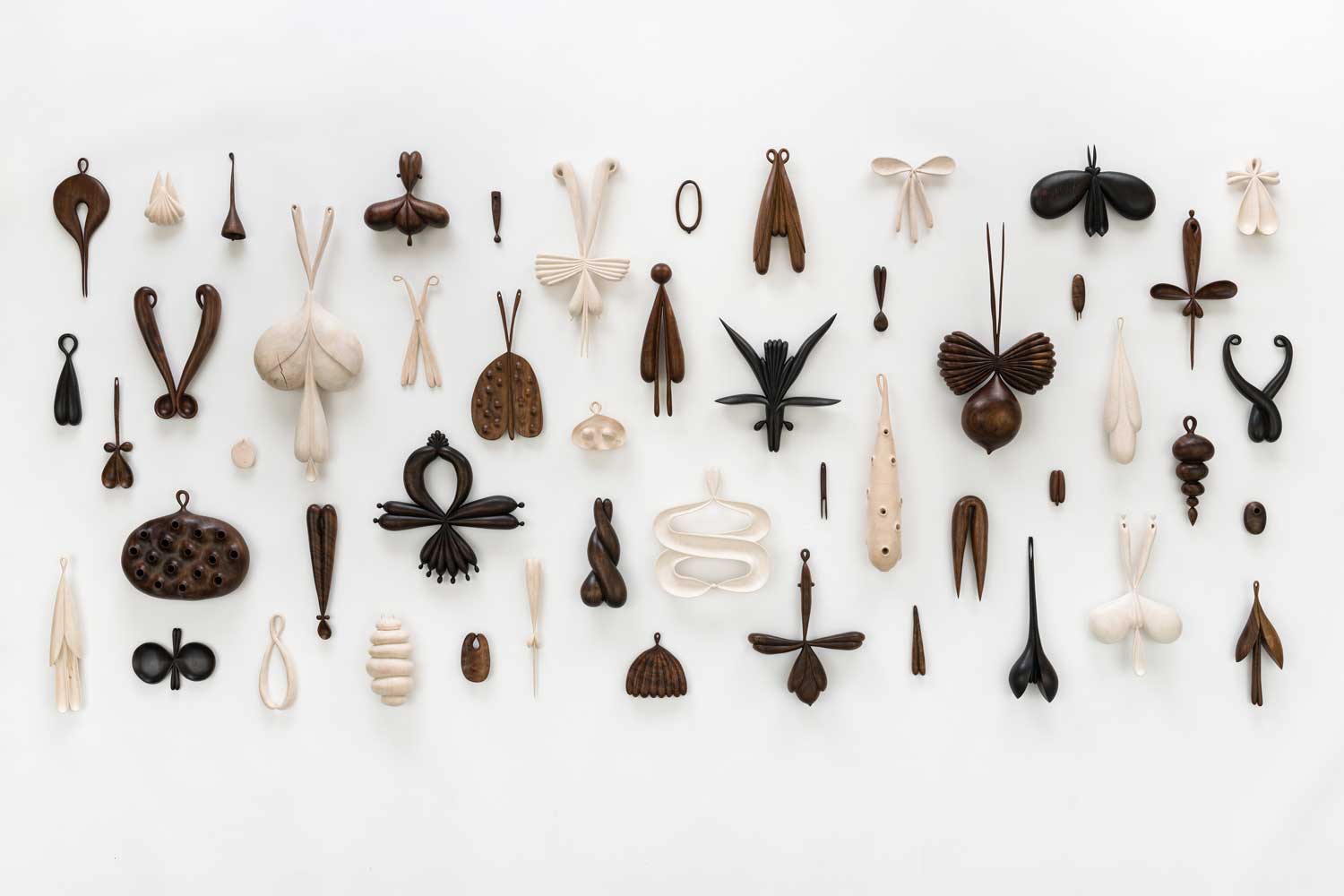
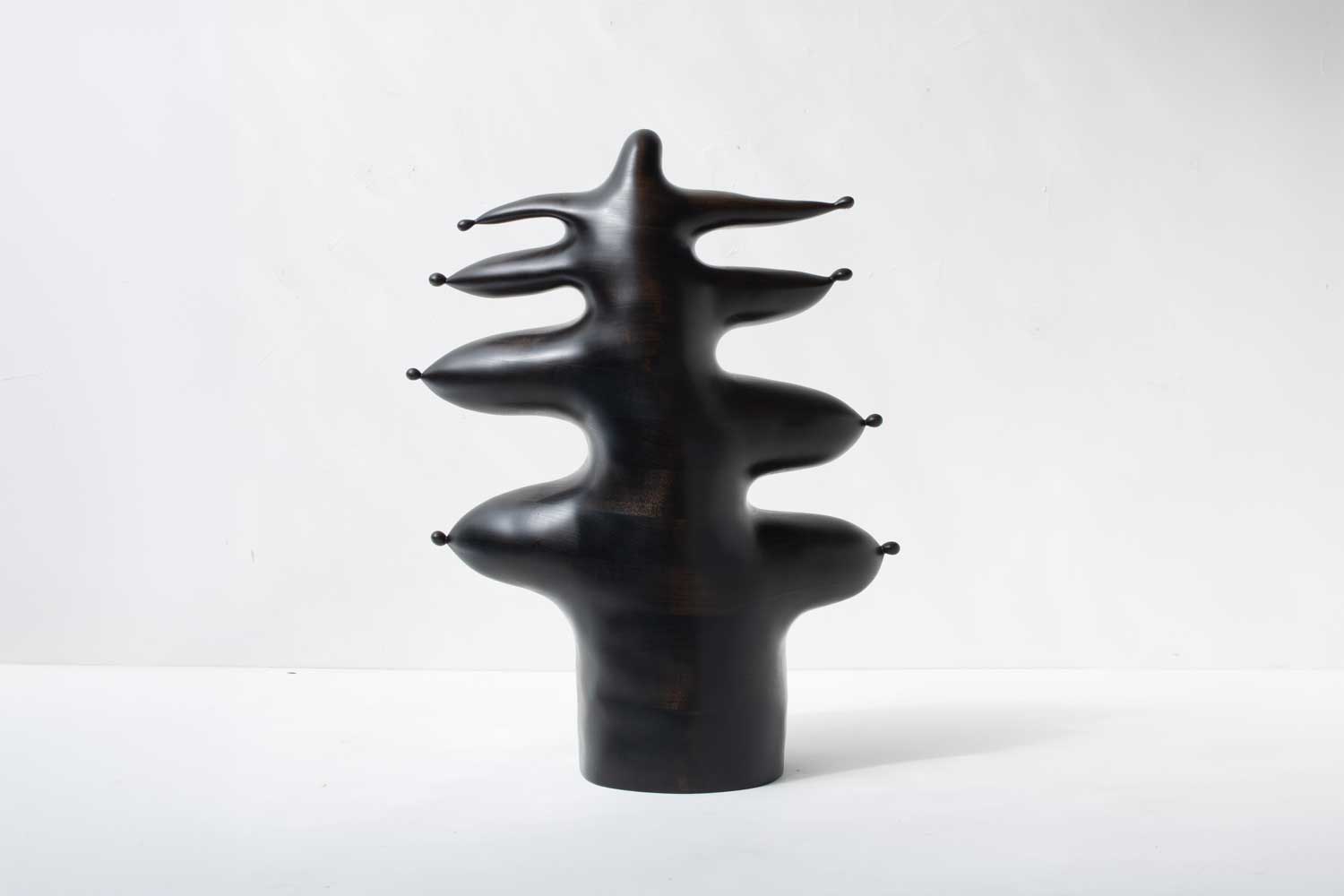
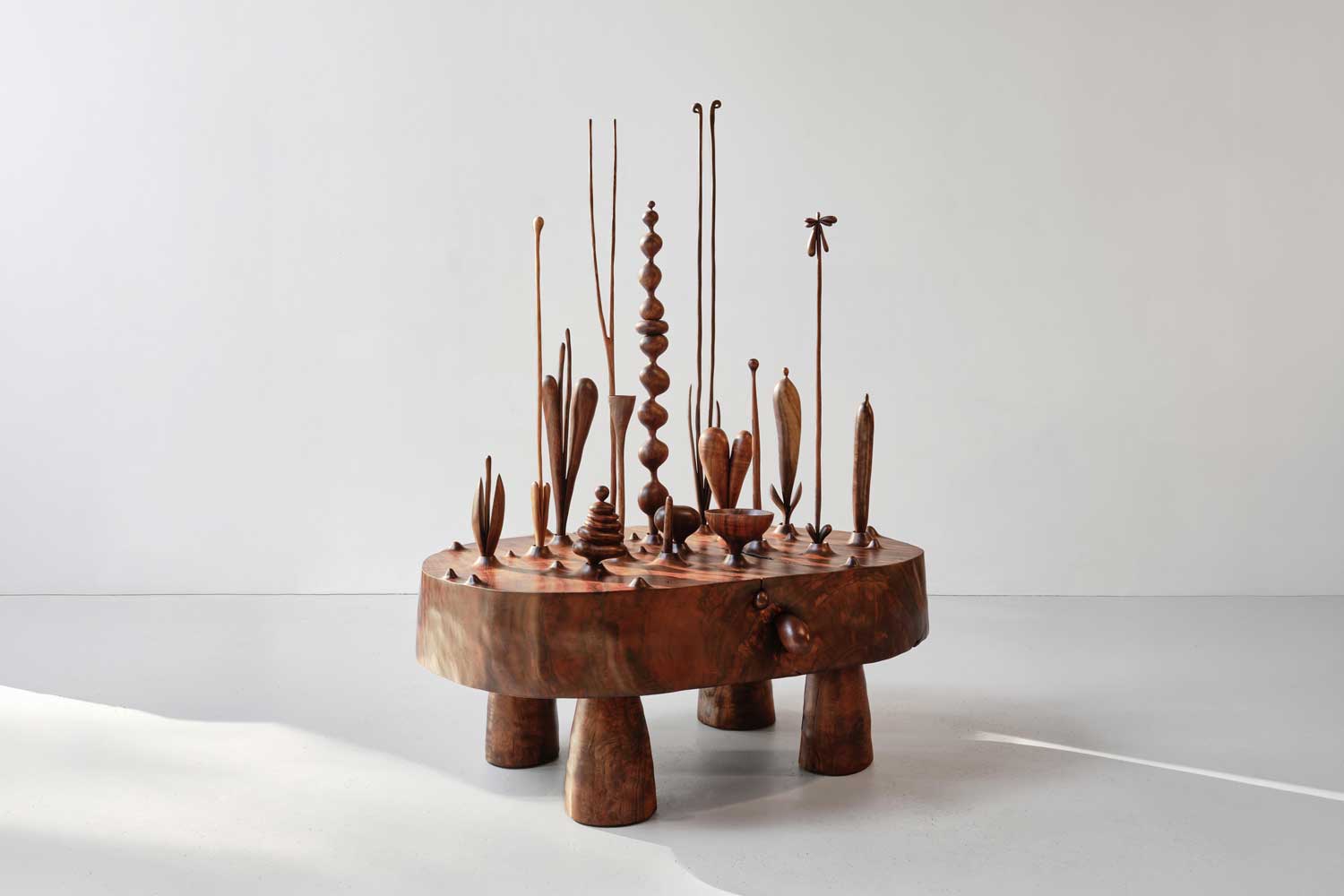
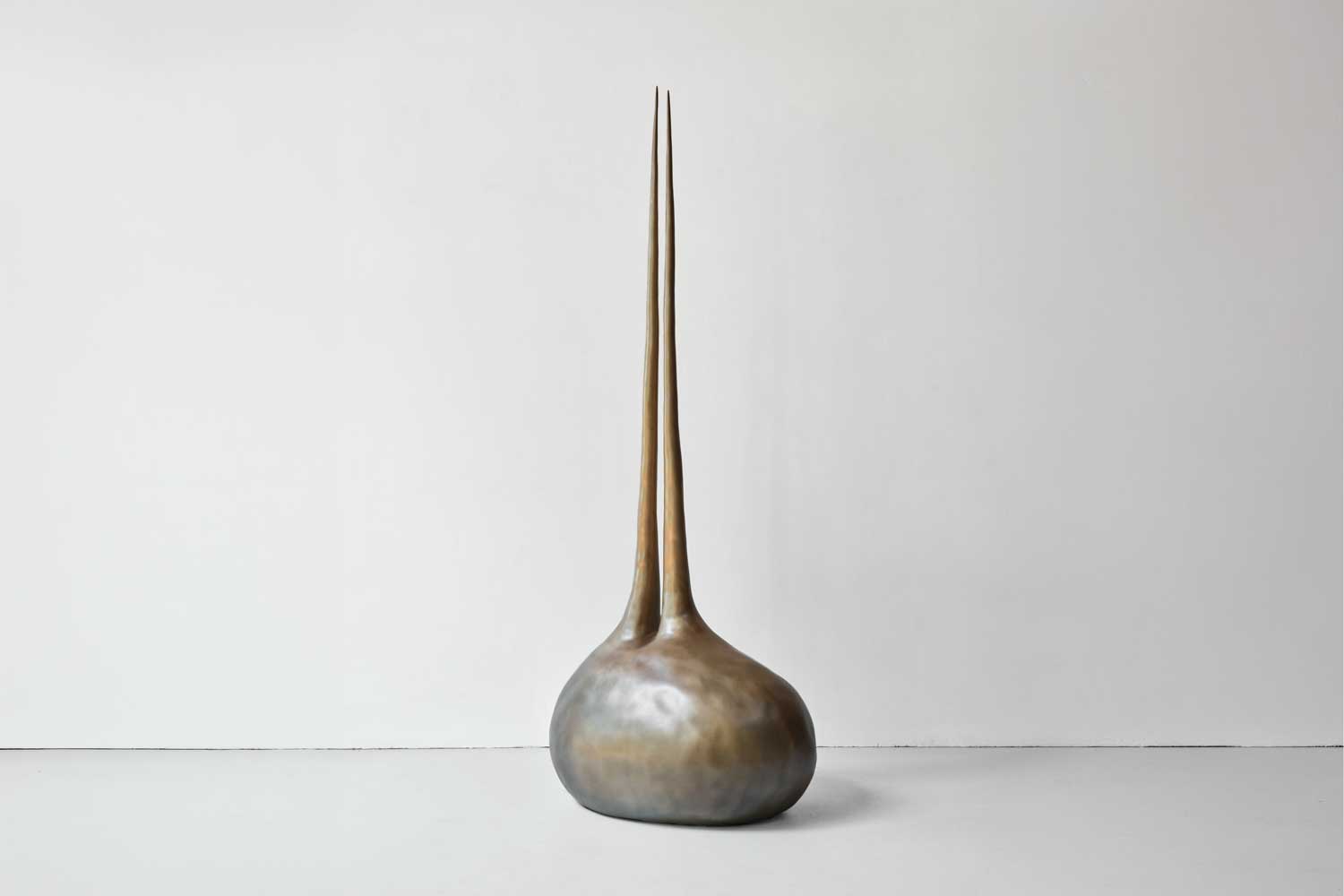
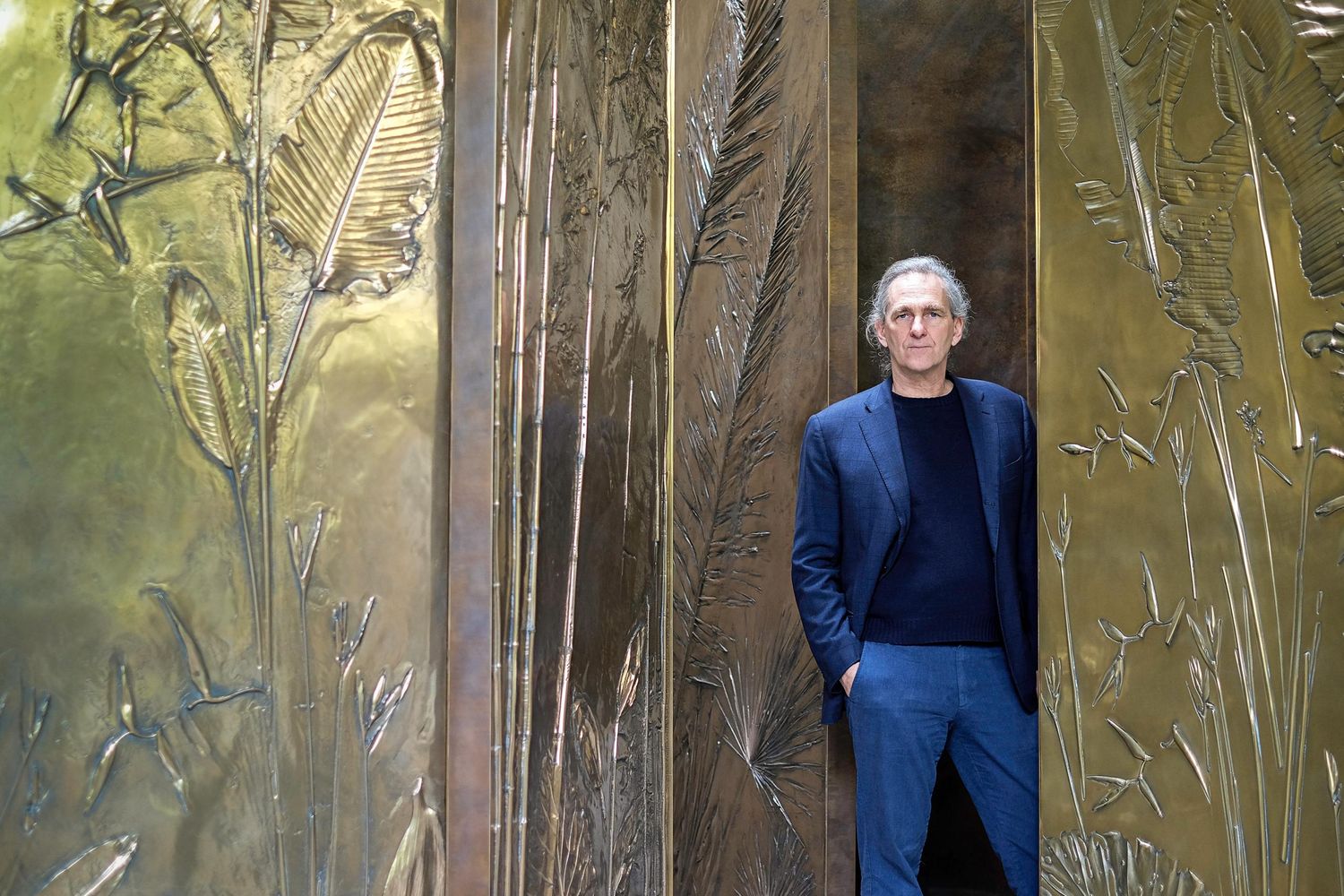
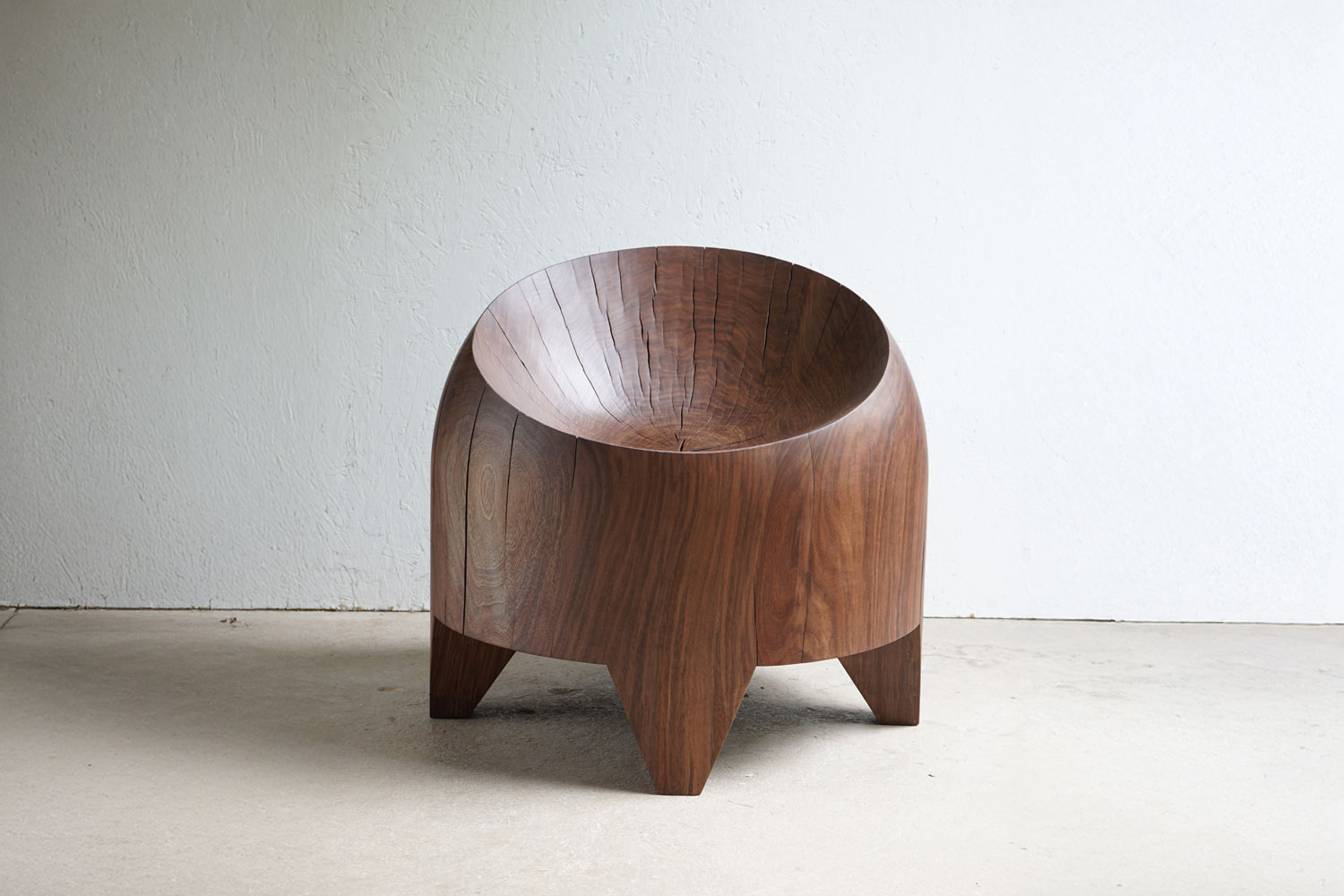
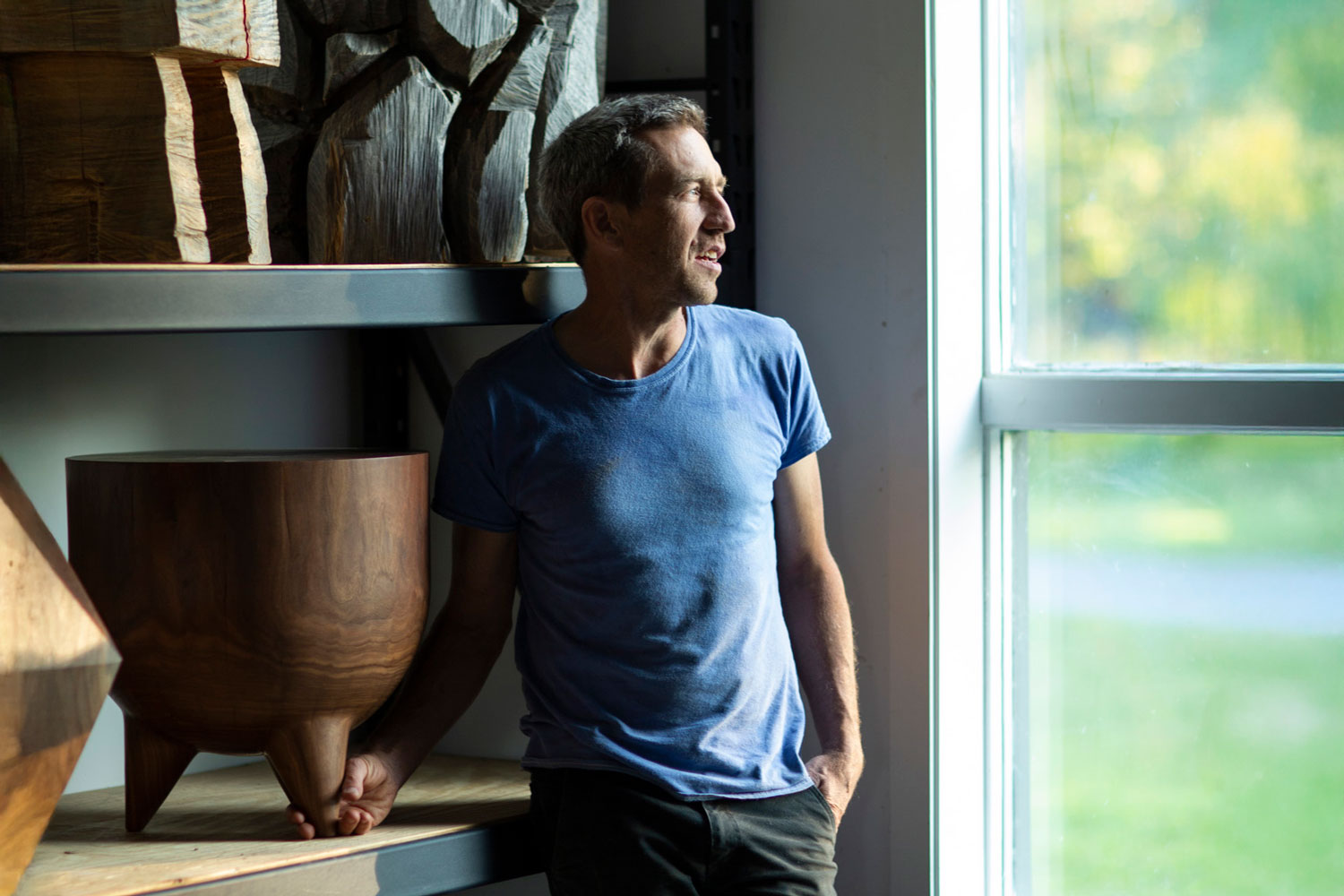
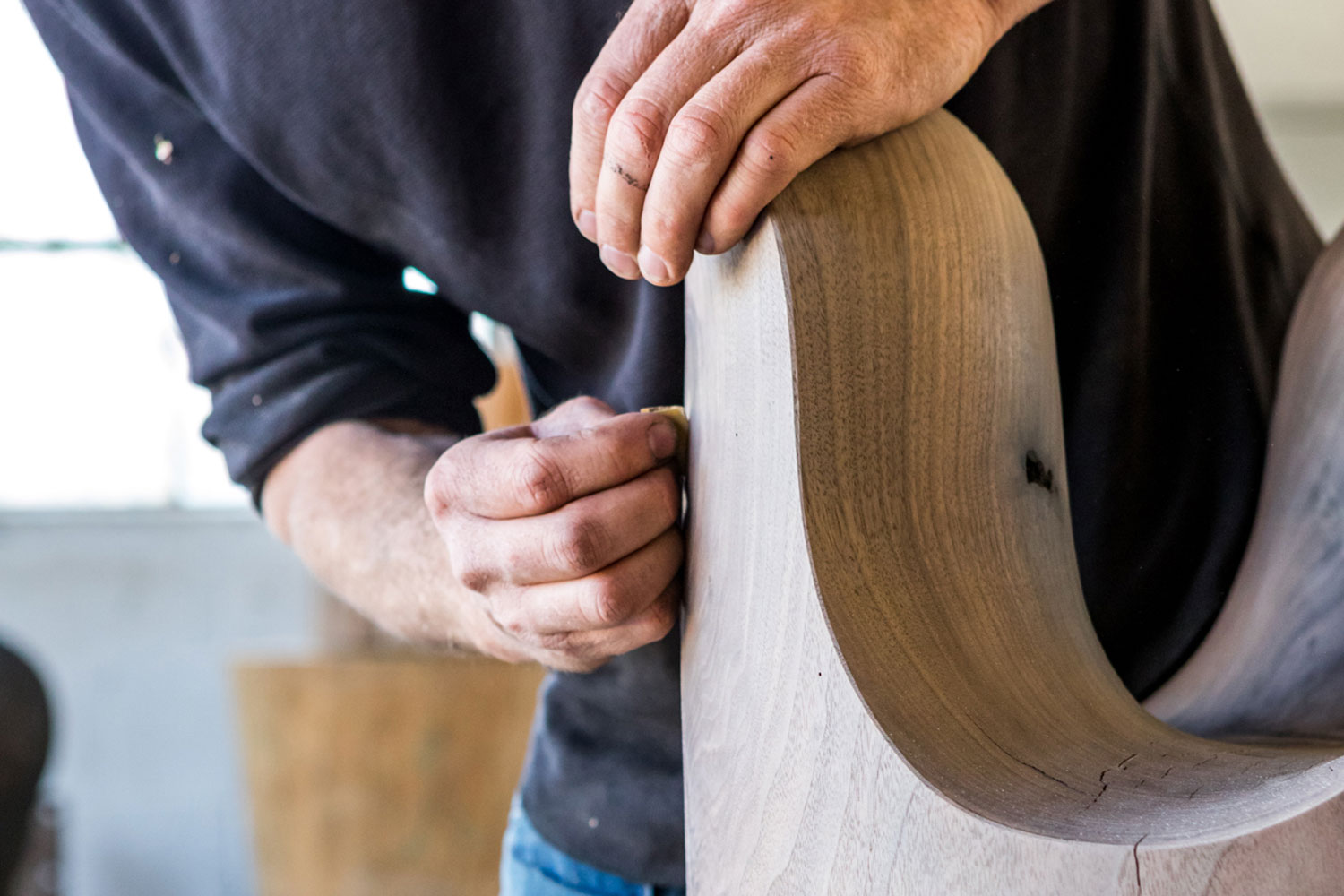
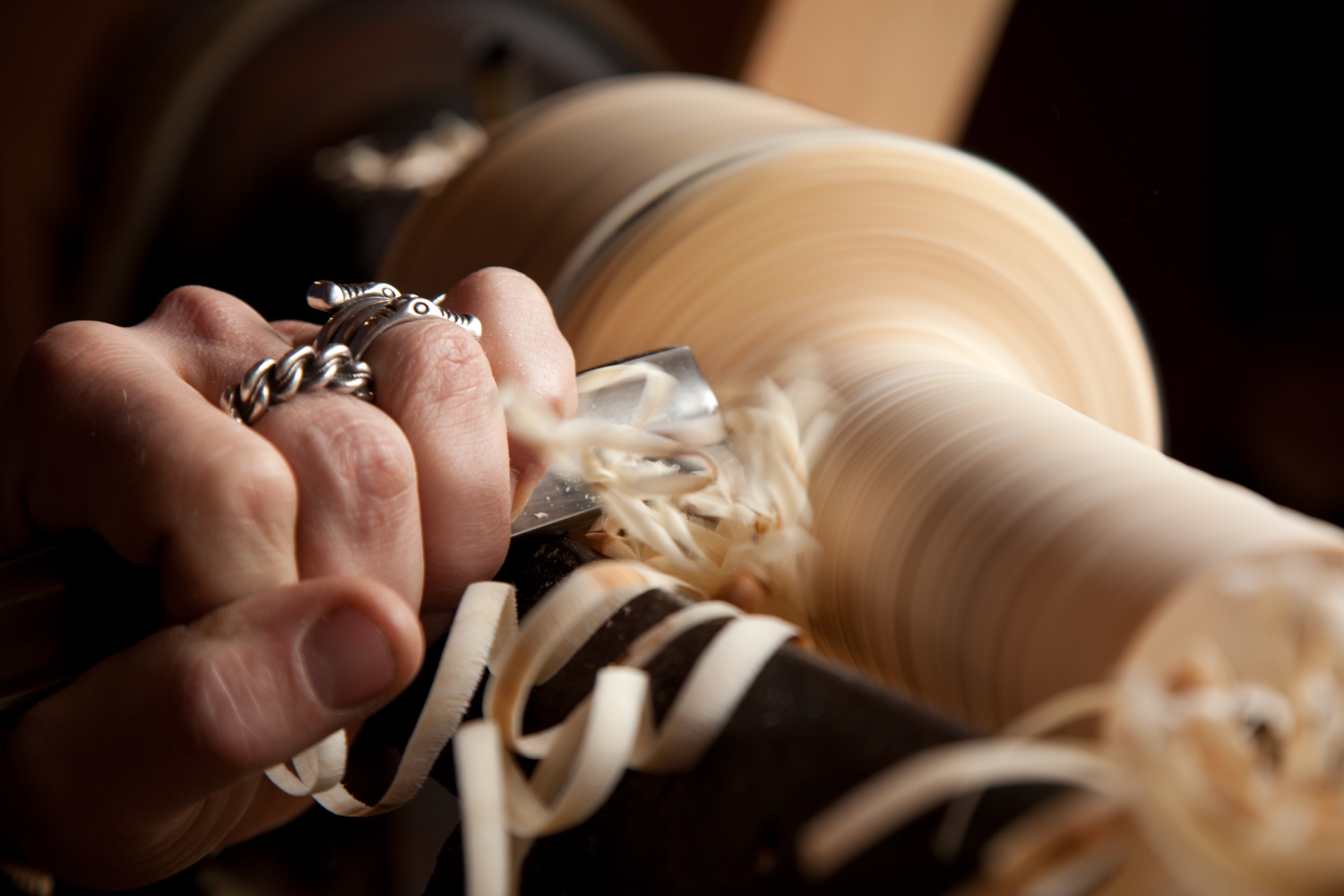
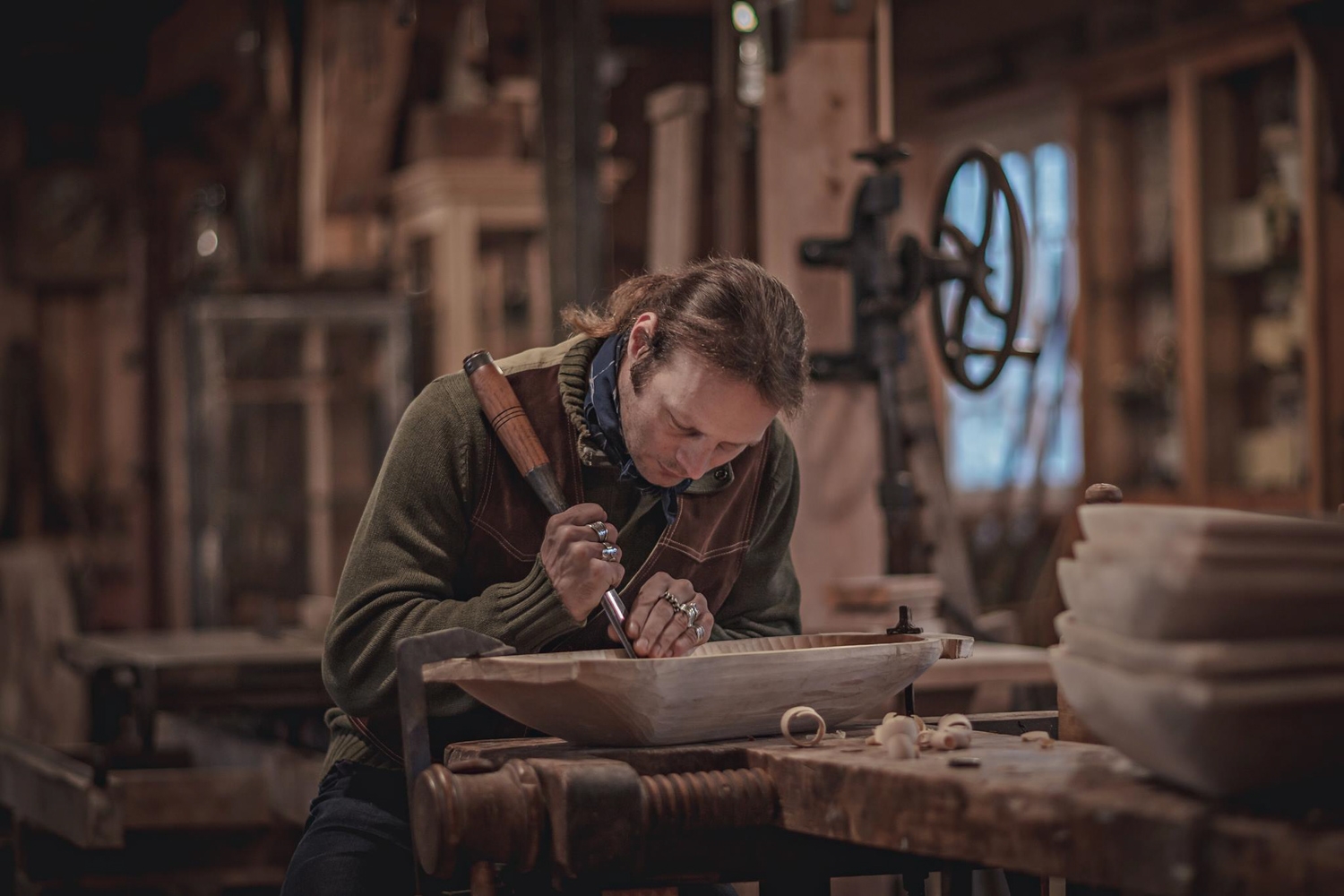
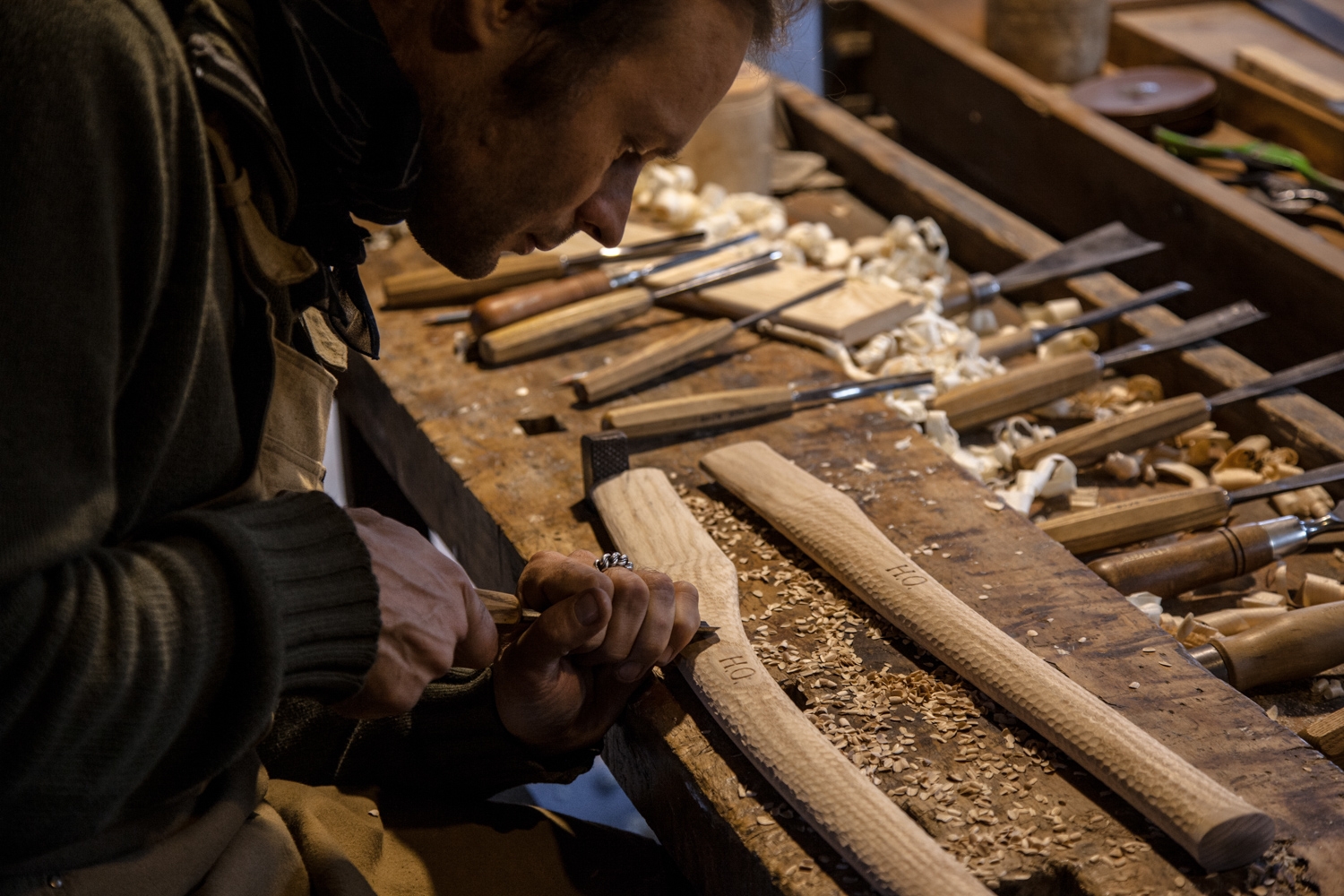
After graduating with a degree in sculpture and installation art, Julian Watts took an entry-level job sanding furniture, and was inspired by the limitations and surprising possibilities of wood's materiality. “I became determined to inject all of the odd and disjointed influences and interests from art school into simple carved objects,” Julian explains. His works have since evolved from small, crude carvings to larger forms and ecosystems. Today, they include a range of abstract, biomorphic wood pieces ranging from bowls and furniture to large, purely sculptural works. Julian has more recently been working in bronze for greater scalability and permanence. In 2018, he was shortlisted for the Loewe Craft prize.
My father was a sculptor and illustrator, and I grew up immersed in his creative practice. We spent a lot of time together in the woods, gathering interesting sticks and branches. This taught me to look at the world with a sense of wonder, curiosity and possibility.
I left city life to be closer to nature and work with more space. In Alpine, Oregon, I found five acres with a quirky house and a large wood shop. Spending time alone in the woods is essential for discovering new creative pathways, and I found the ideal place to do that.
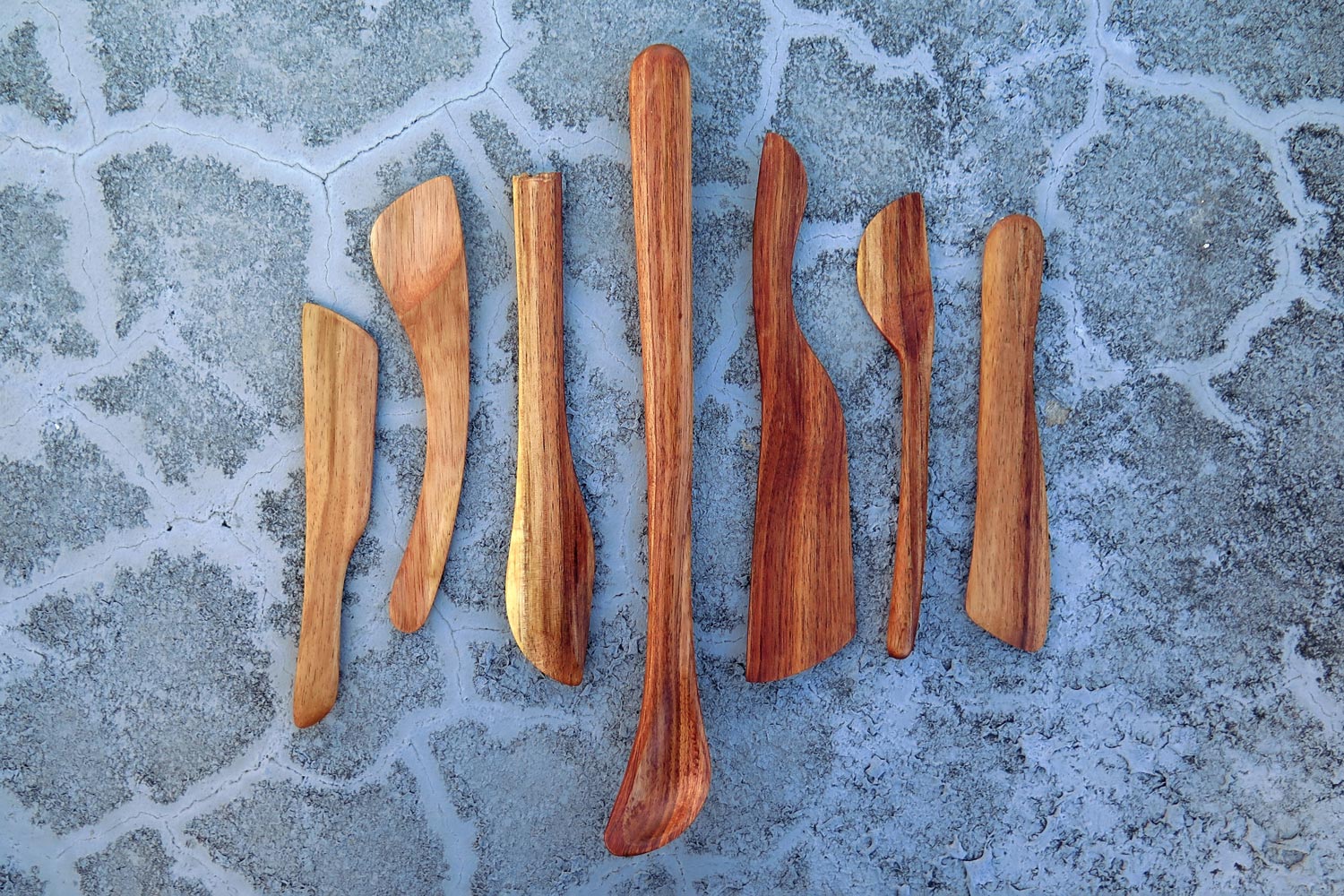
Beyond adding pink, I reveal natural wood tones through bleaching, oxidising, oiling and the use of India ink. These processes highlight the grain to create natural and unexpected results. Pink adds a playful sensitivity and intimacy, which I feel is crucial to the forms I pursue.
My work is built upon a loose, conceptual foundation of ideas around nature, the human body and our relationship to forms in the built environment. Rather than expressing a singular, concrete idea, I hope to evoke suggestions and unexpected associations for the viewer.
Woodcarver
Monroe, OR, USA
Address upon request, Monroe, OR, USA
By appointment only
English
Homo Faber Finds is a new service aiming to inspire admirers of craft to connect and collaborate with exceptional artisans.
We invite you to submit an enquiry here.
Puzzuoli works 2 copy.jpg)
Puzzuoli portrait 1.jpg)
Puzzuoli eyes 2.jpg)