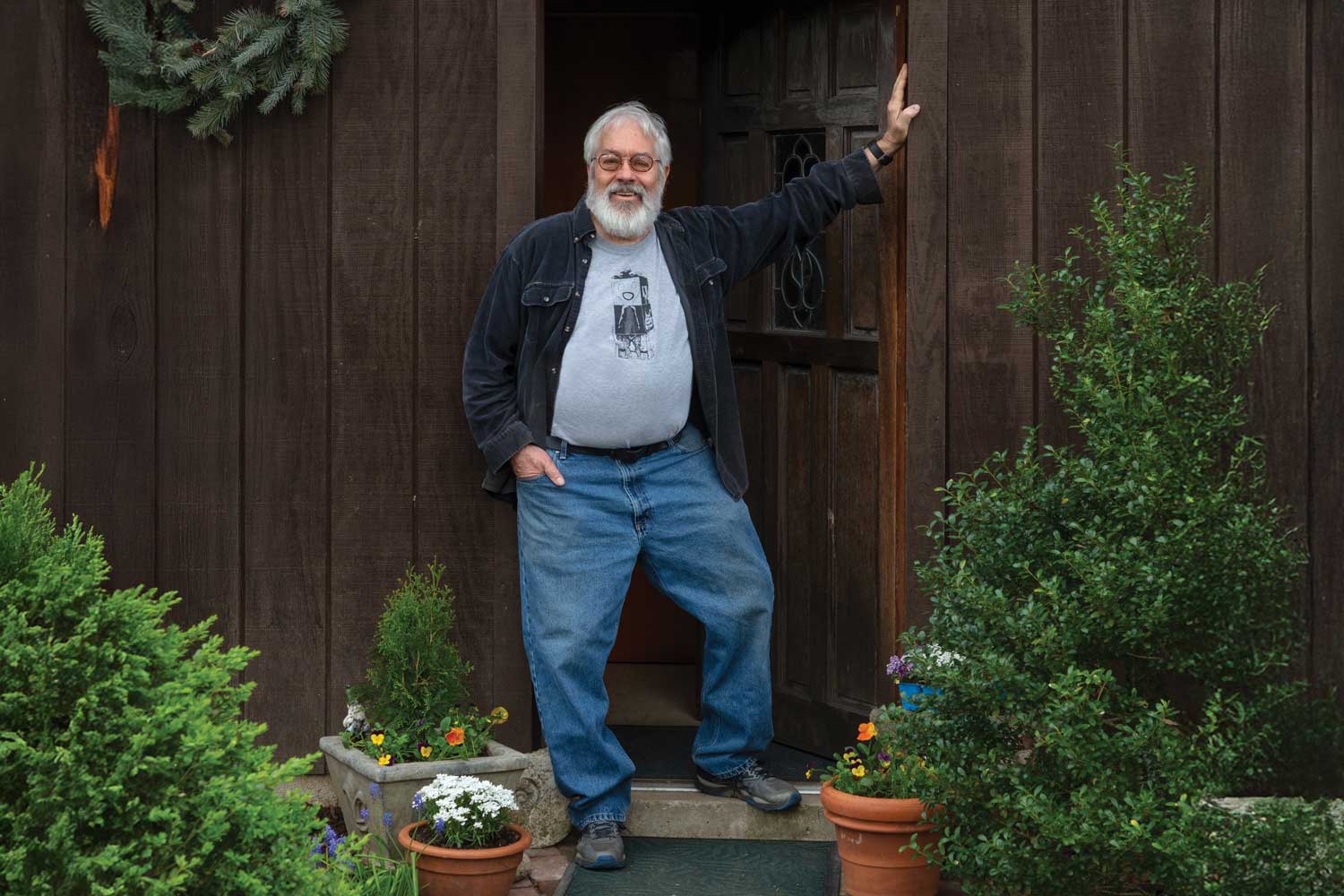
Norm Sartorius
Woodcarver
Parkersburg, WV, USA
Recommended by Craft in America
The reinvention of the spoon
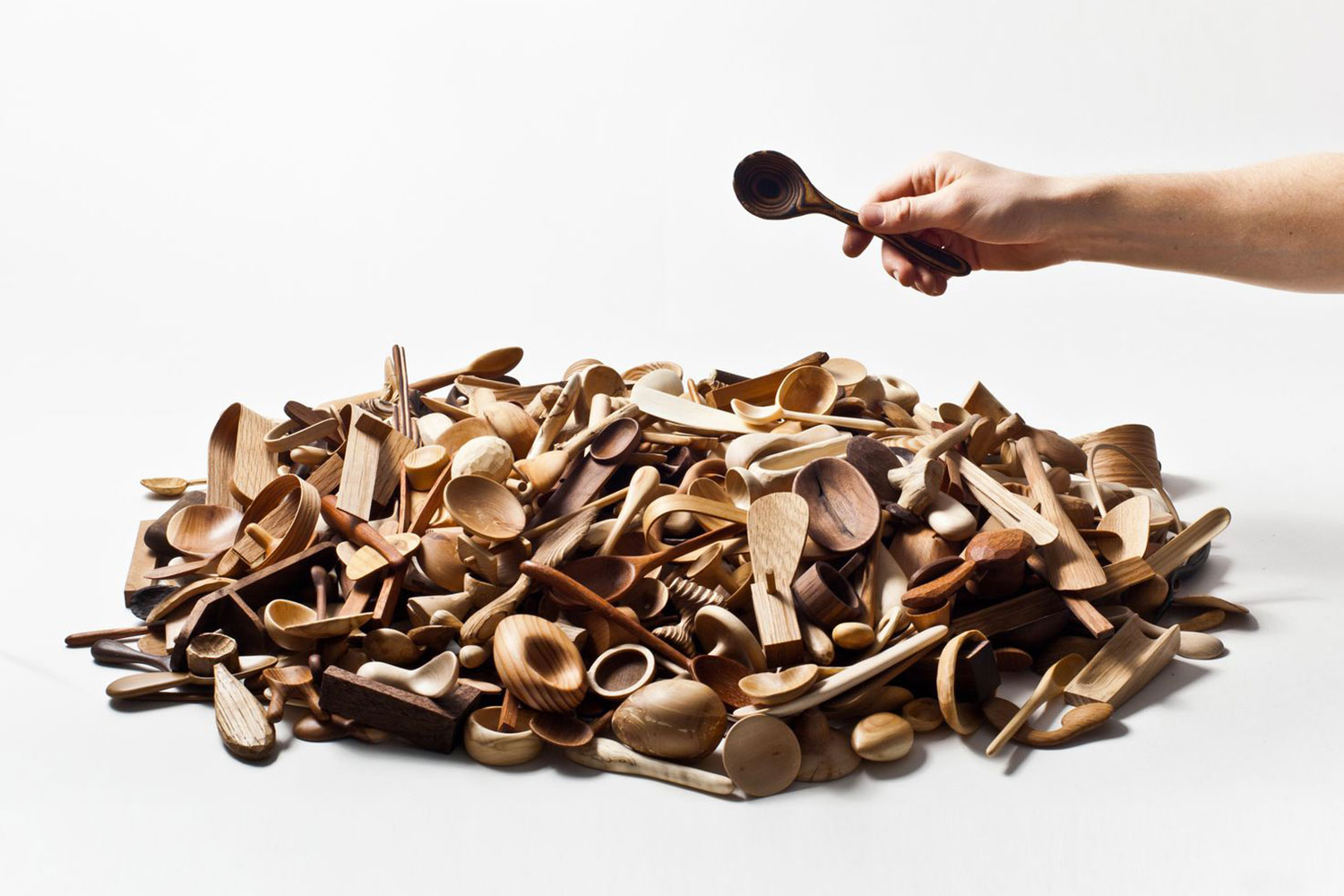
- Norm specialises in creating sculptural spoons
- His pieces feature in the Smithsonian American Art Museum and the Philadelphia Museum of Art
- He believes hand carved spoons can occupy an elevated artistic space
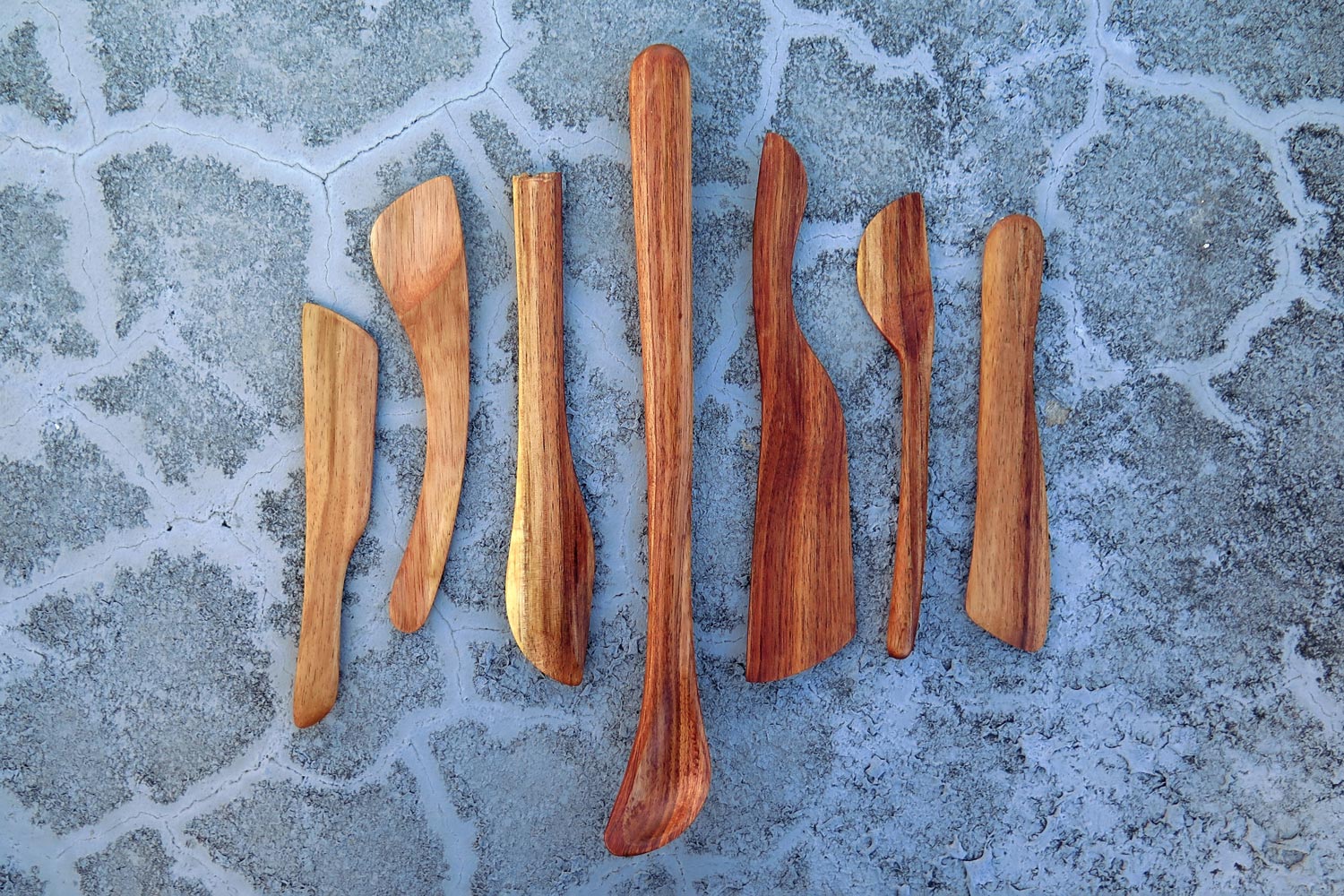
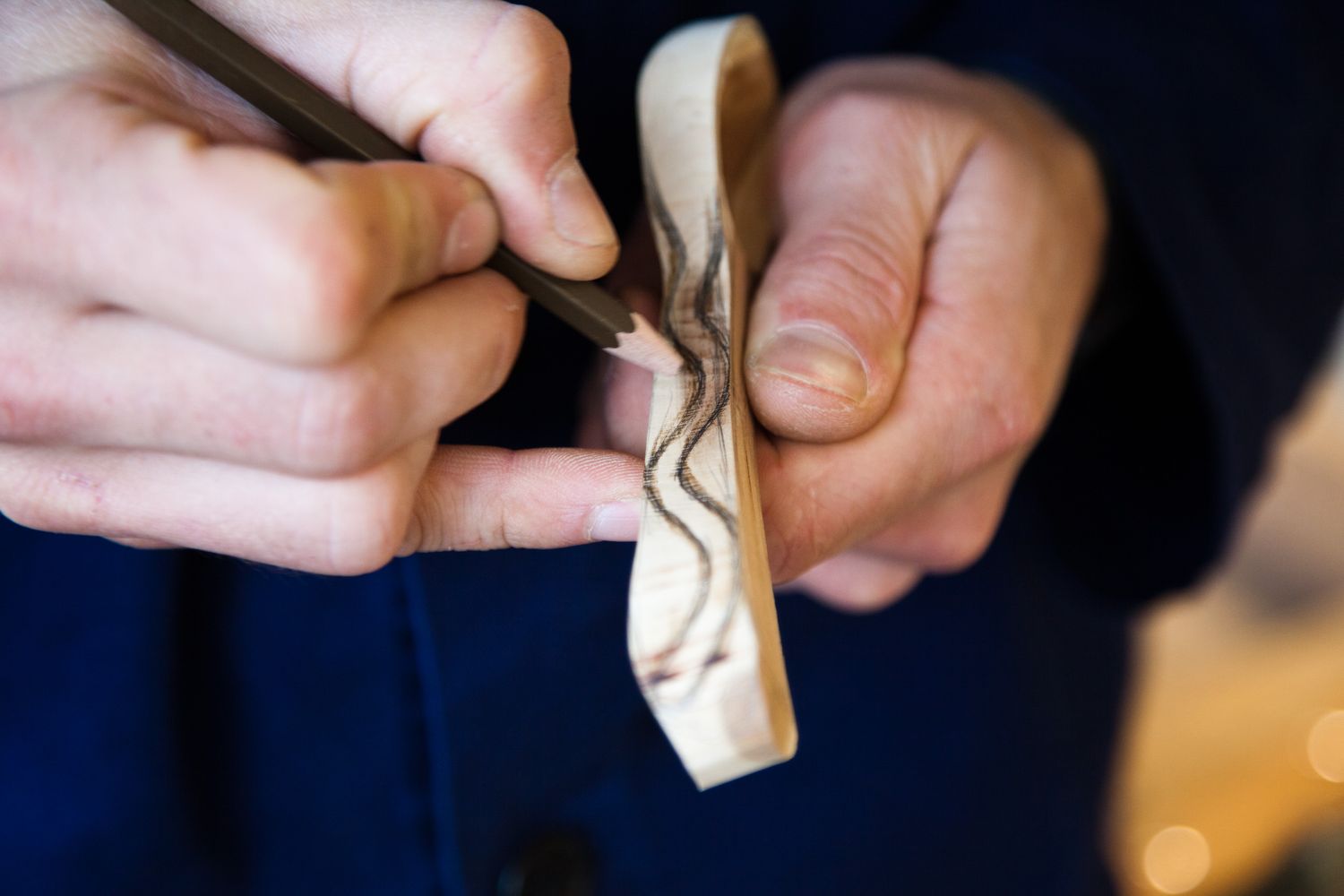
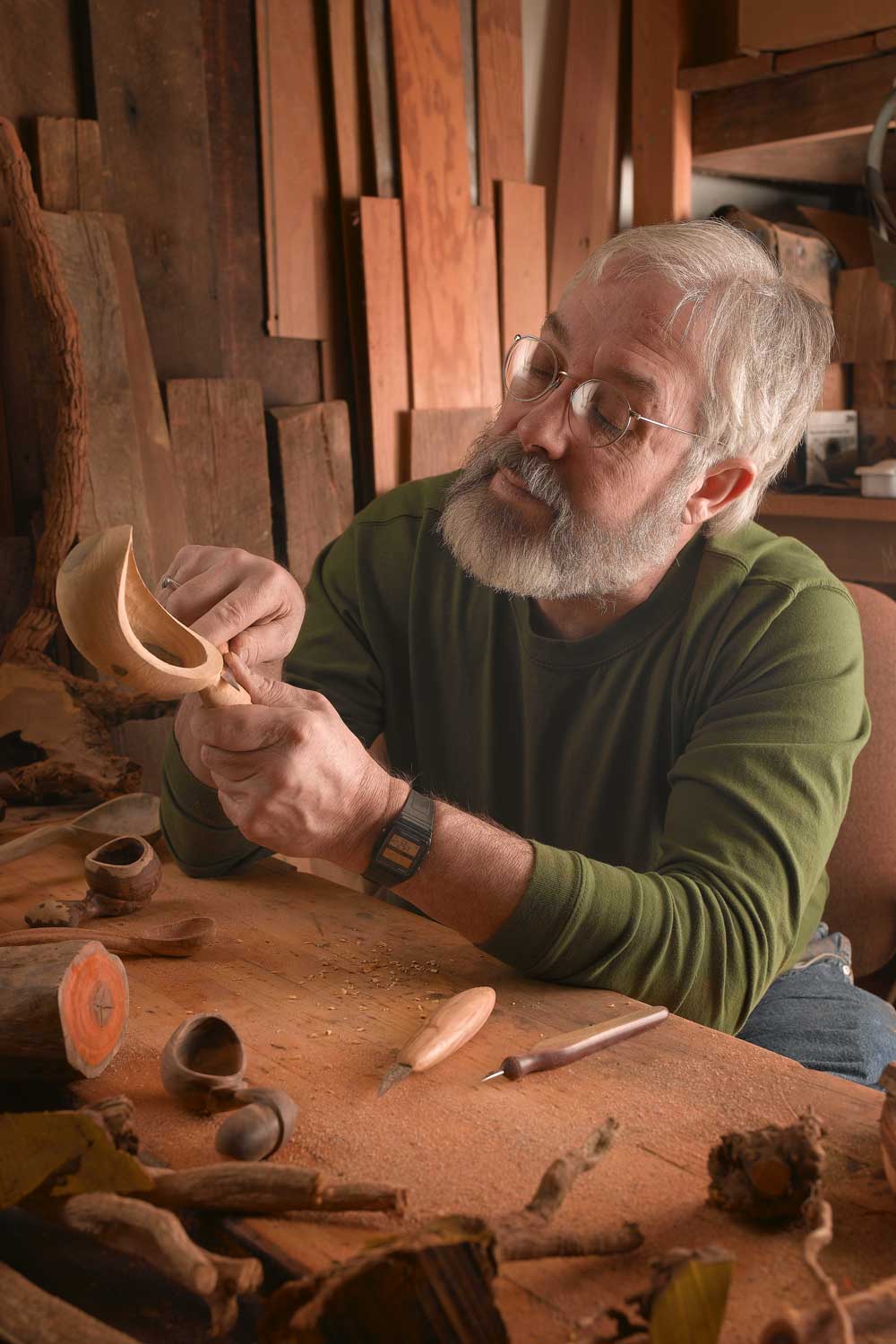
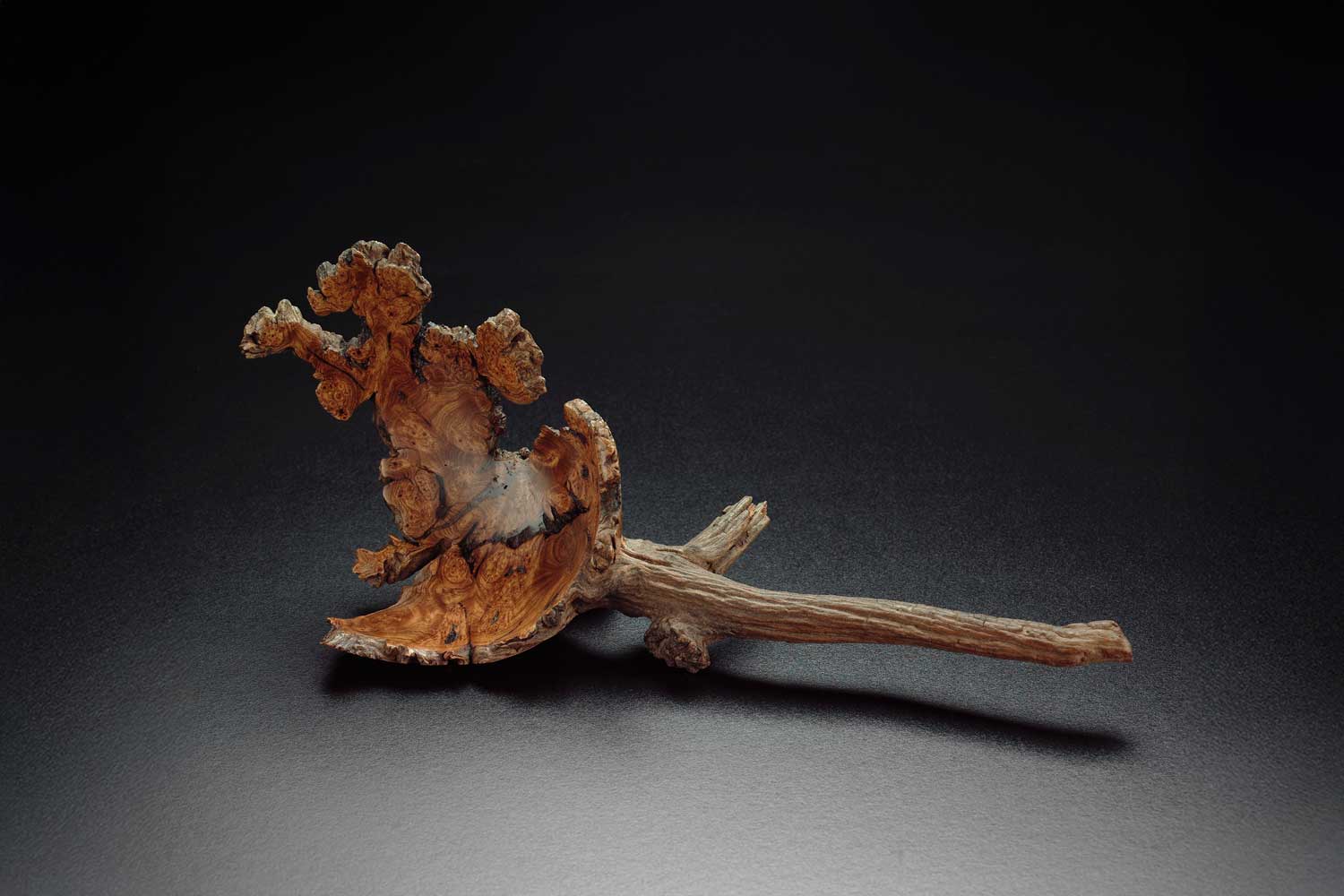
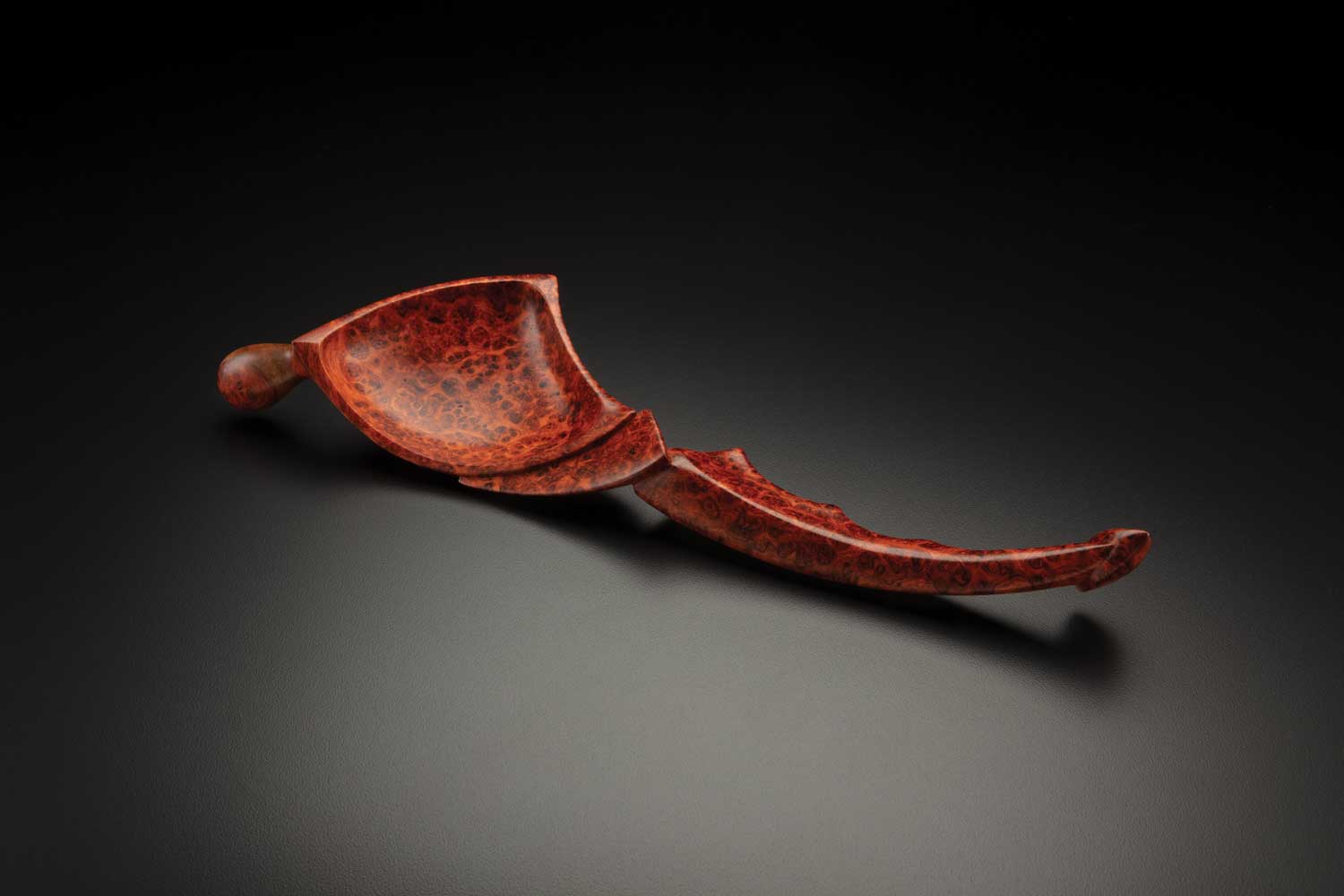
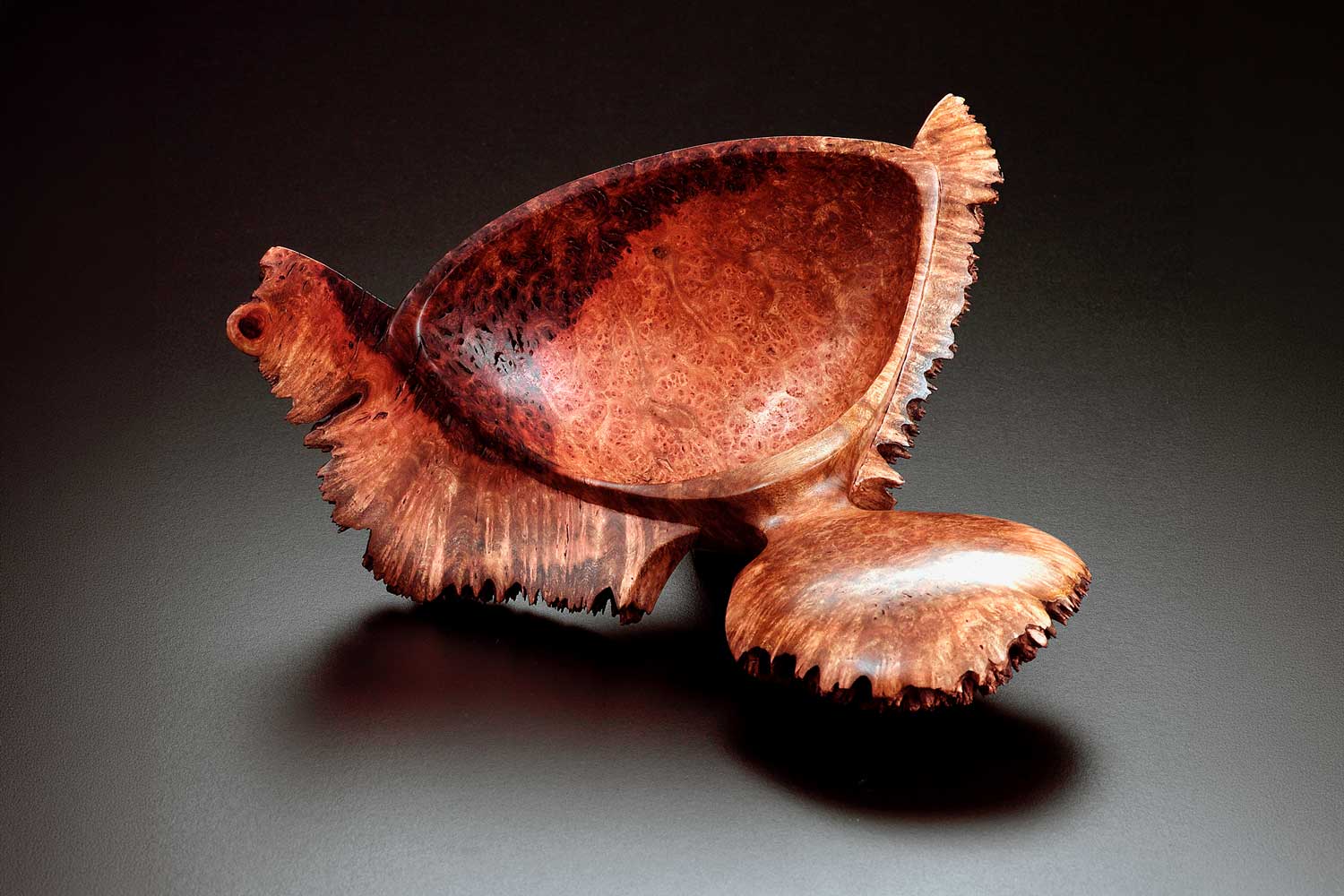
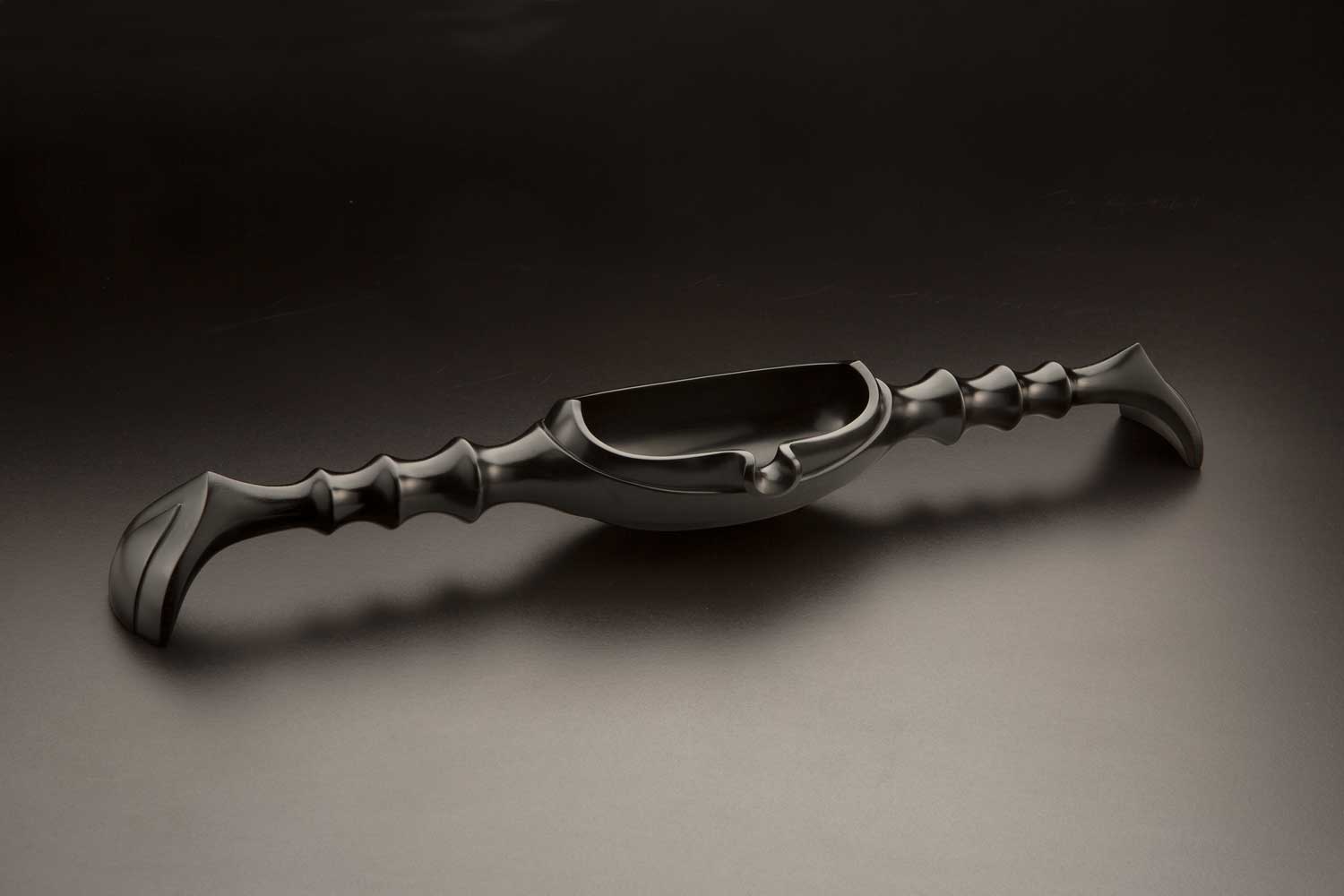
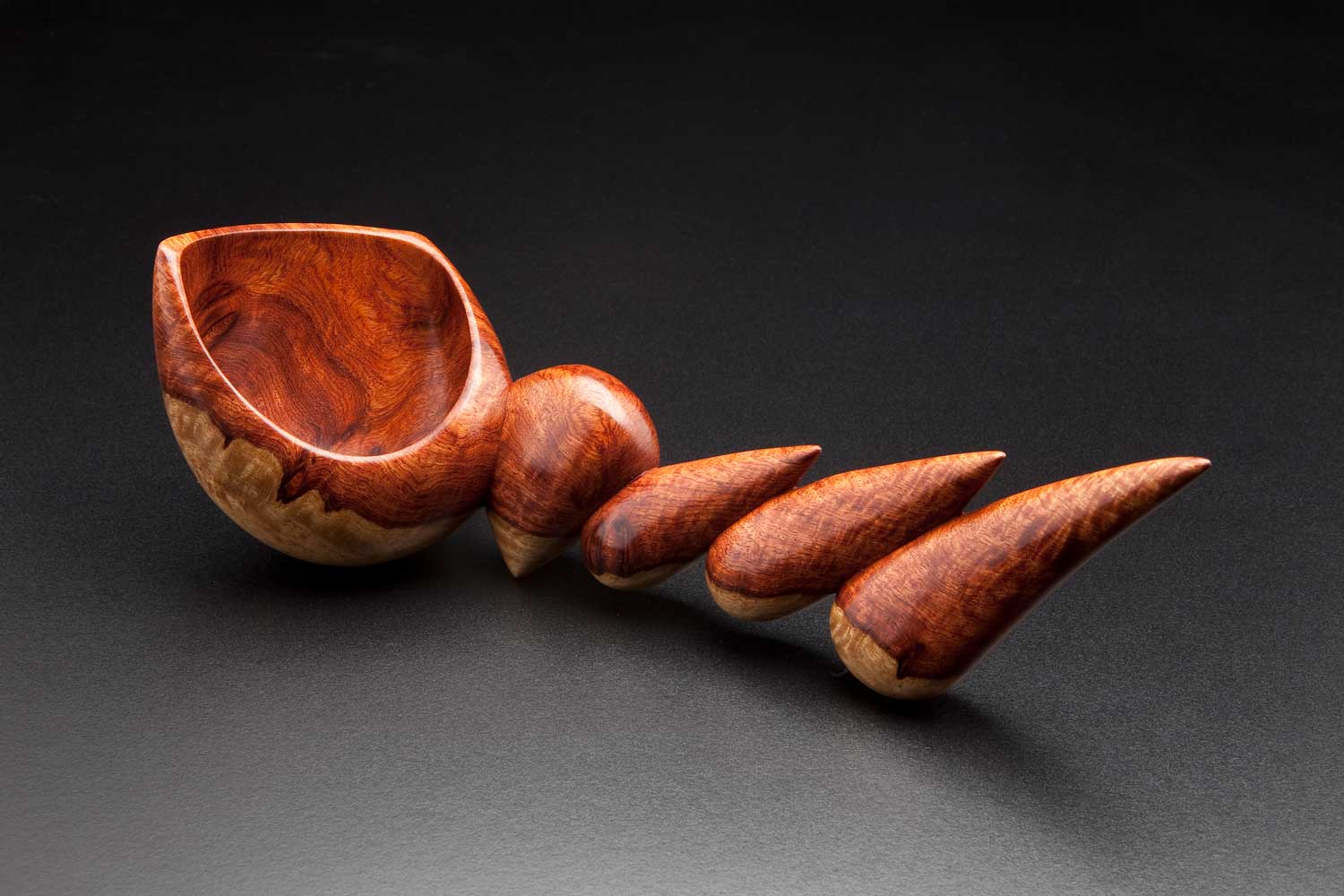
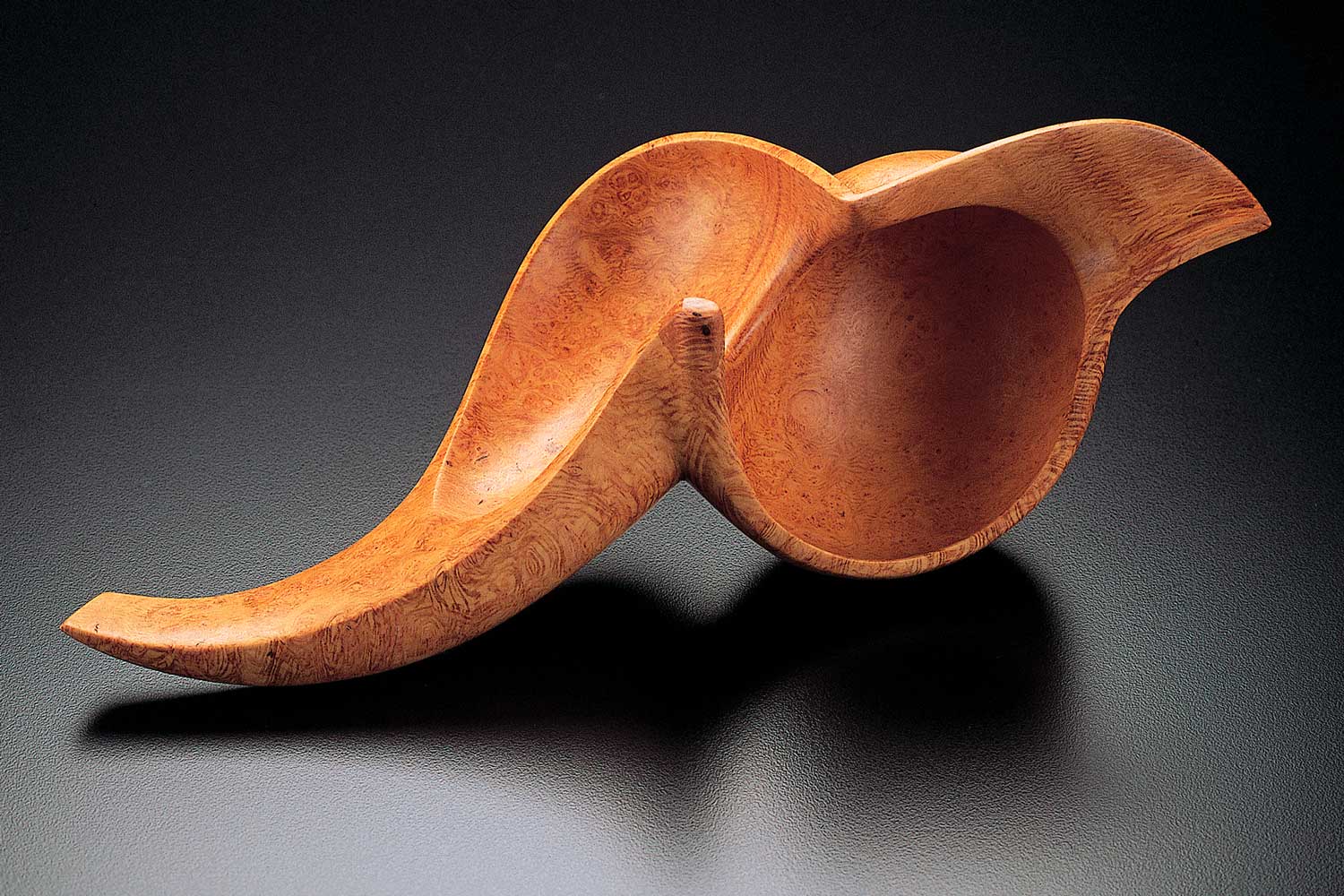
Norm Sartorius’ process begins with a drawing of pencil on wood. In his workshop in rural West Virginia, he chooses from over 100 types of wood before he begins the process of creating a sculptural spoon that is more at home in a museum than a kitchen. Norm’s drawings identify the shape of the piece, influenced by the natural grain and quality of the wood he has selected to carve. He then sets to work with a variety of power tools and hand tools to develop the final form of the object. Having practised his craft since the mid-1970s and now in his fifth decade of woodworking, he has not made a practically applicable spoon since 1990. “My spoons are sculptural display pieces that reveal the intricate designs of nature,” shares Norm.
INTERVIEW
I am a wooden spoon carver. I made functional spoons prior to about 1990, but then became interested in the concept of the wooden spoon as a sculptural object. I felt that if I devoted myself to the idea, I could start something that would change the craft.
Wood plays a very influential role in my pieces. I work with some of the most extraordinary, rare, beautiful and unusually grained woods. I have accumulated almost 100 types of woods in my shop over the years. From the colour and the grain to the texture from weathering outdoors, so many things can impact on the feel and appearance of the wood, making each so unique.
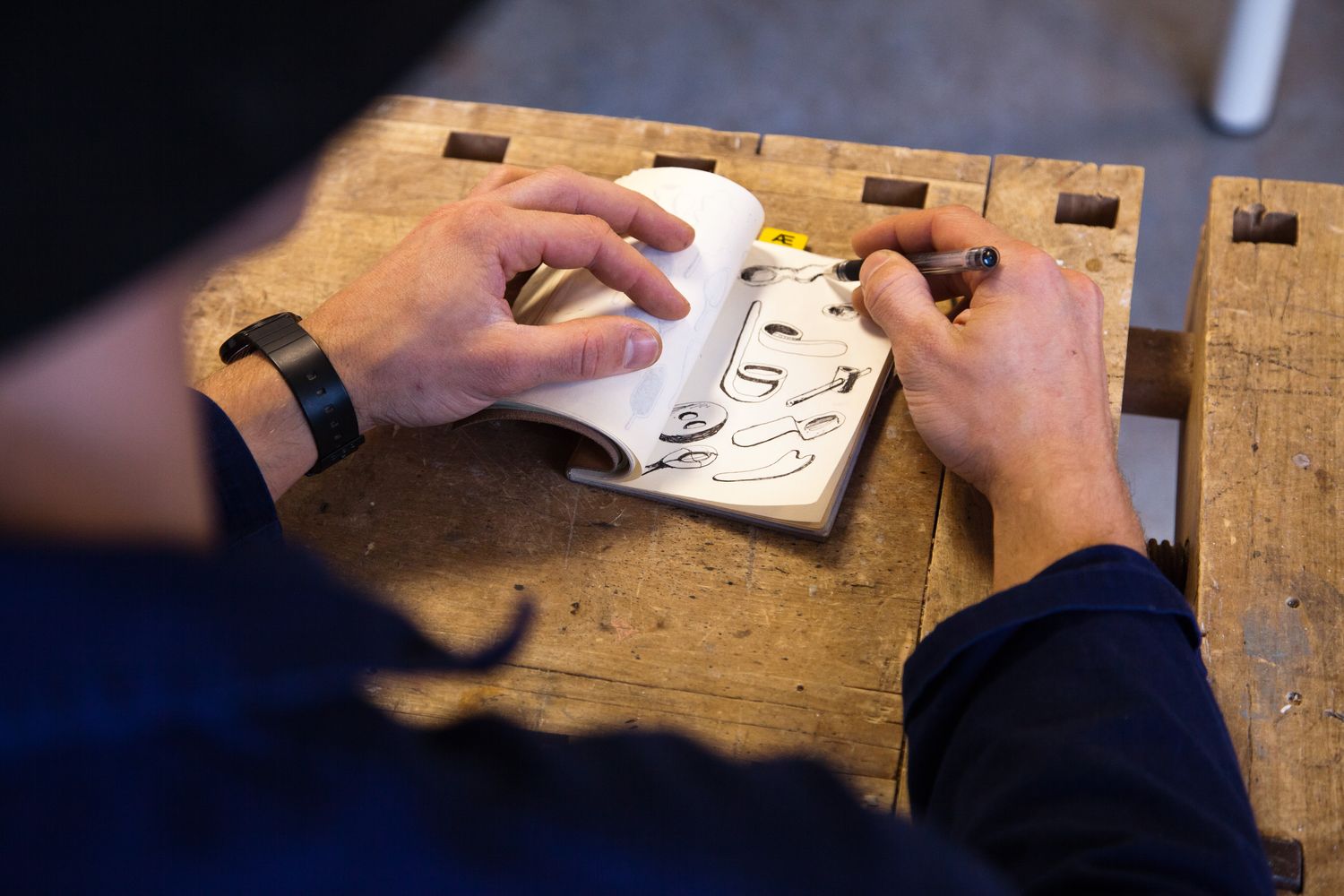
I occasionally sketch before I start working with wood, but most of the time I do not use a sketch pad. I draw on the wood and then either cut off or sand off those marks as I go. The drawings are lines and arcs, planes and intersections to remind myself of my plan. Ideas are fleeting, after all.
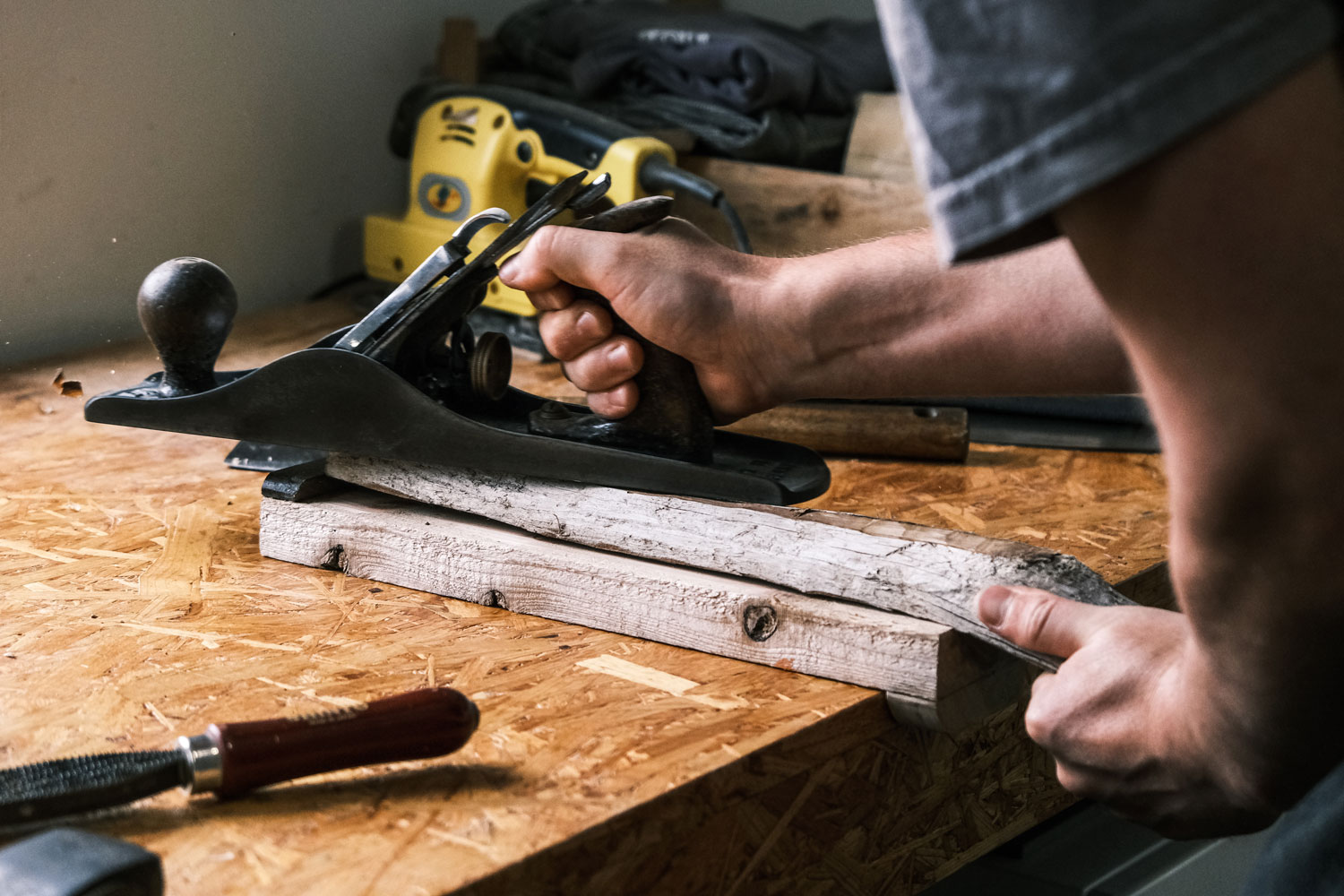
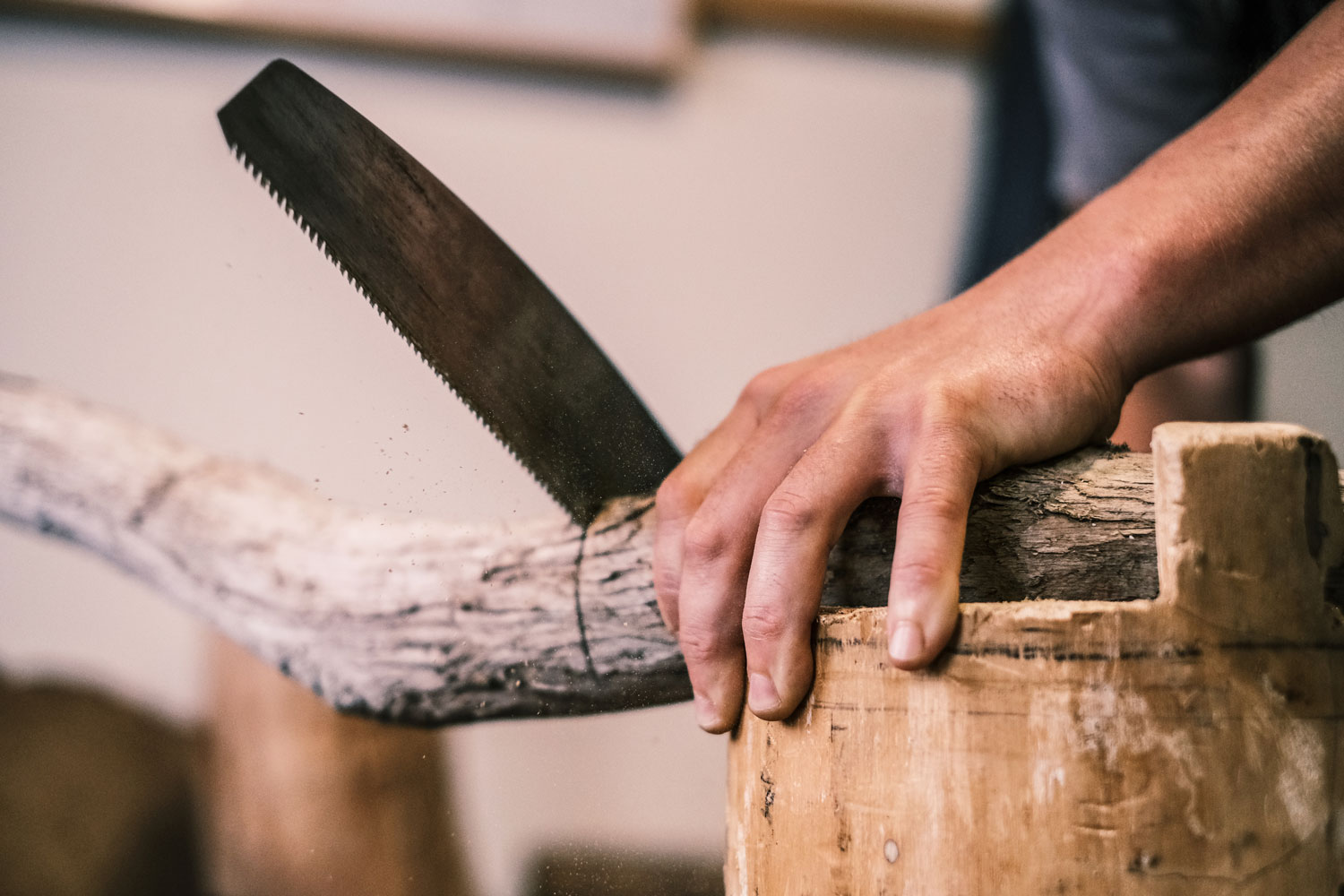
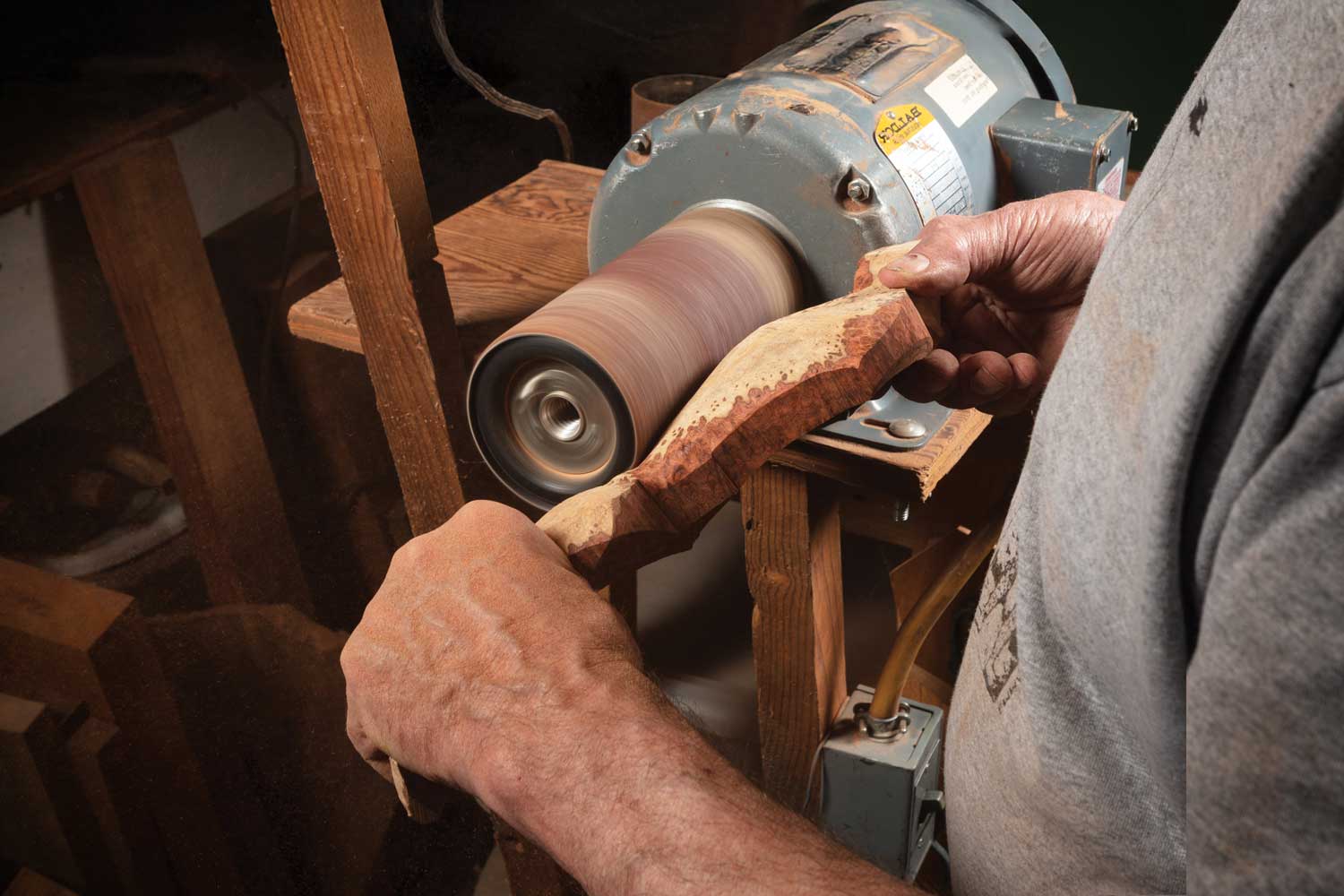
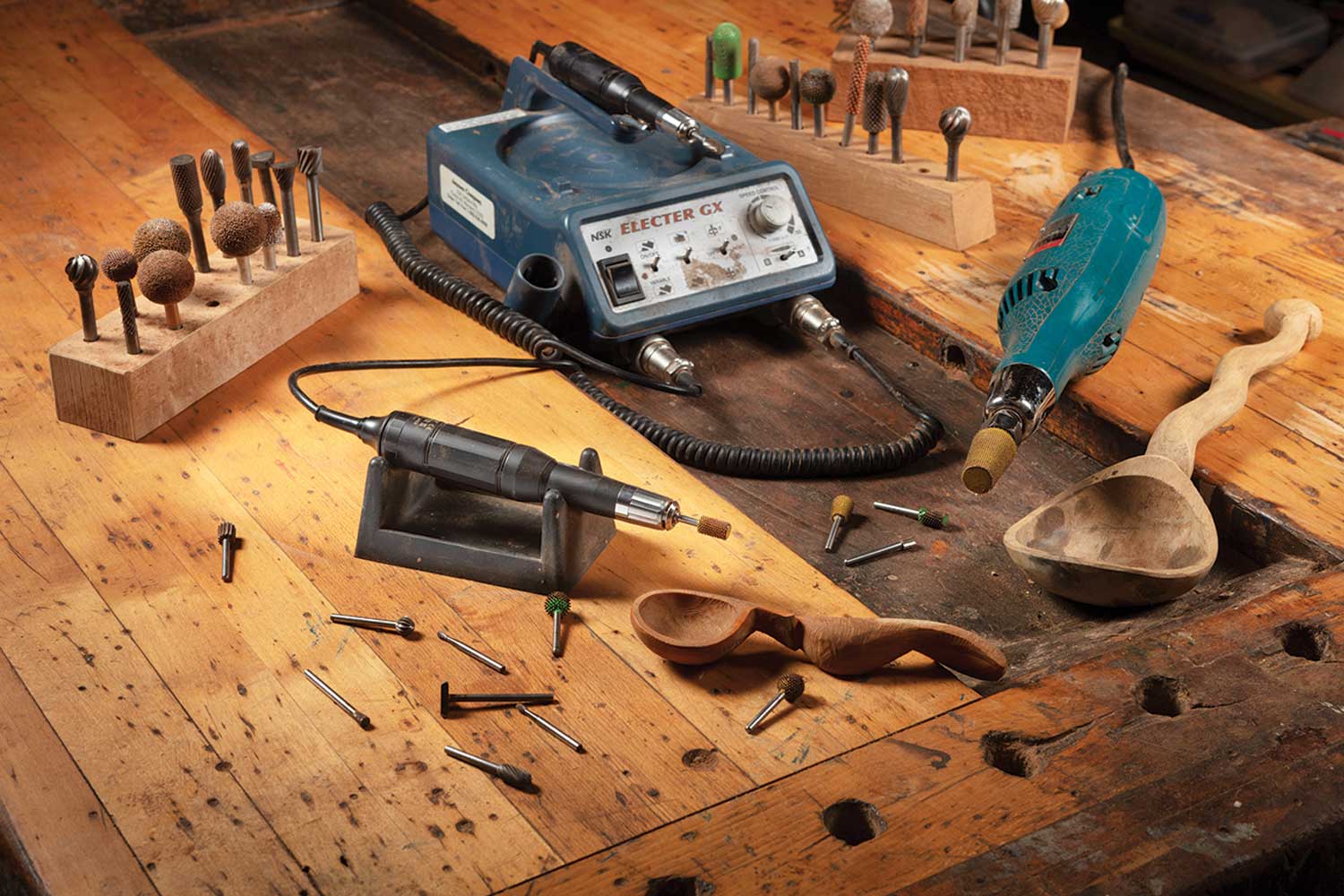
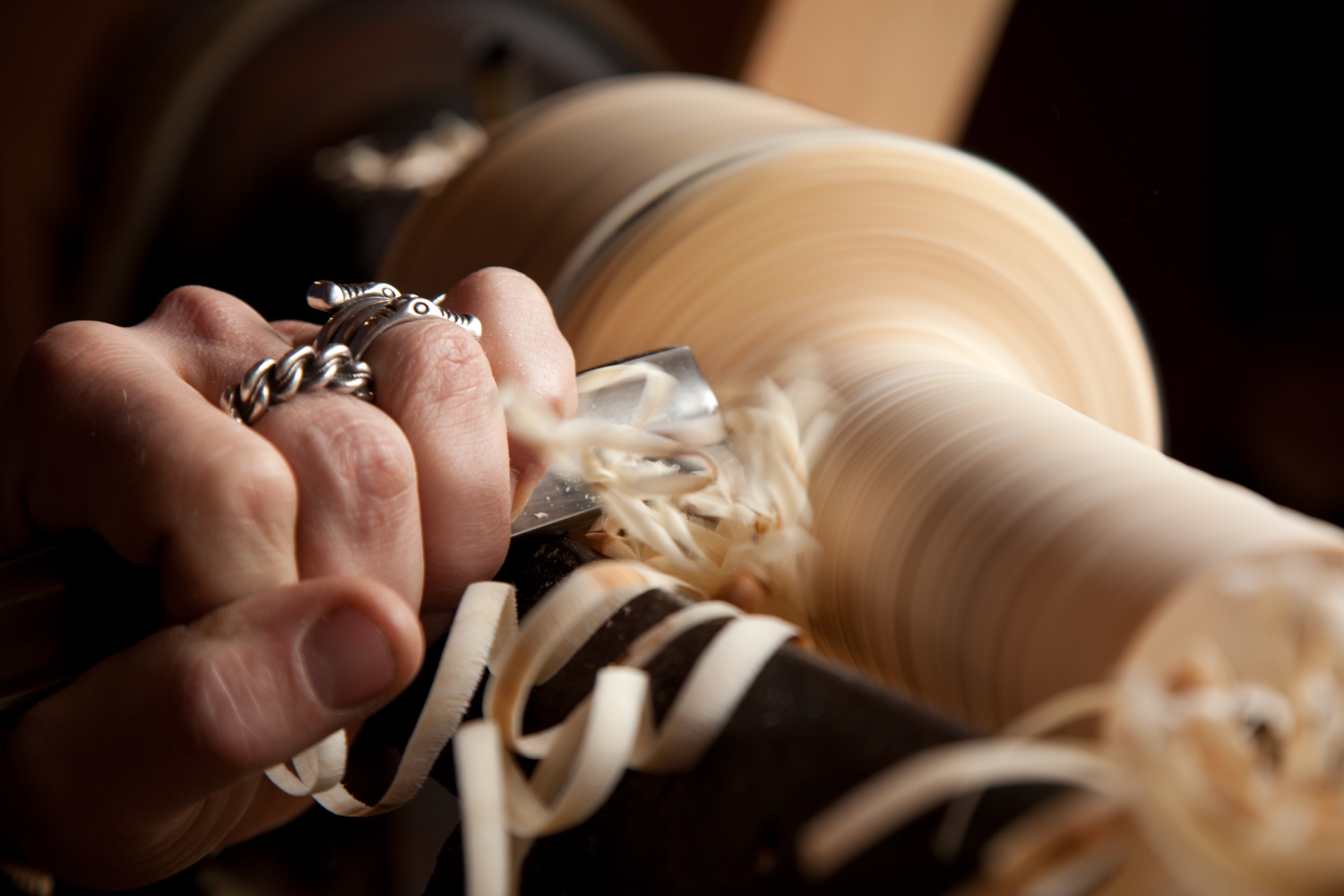
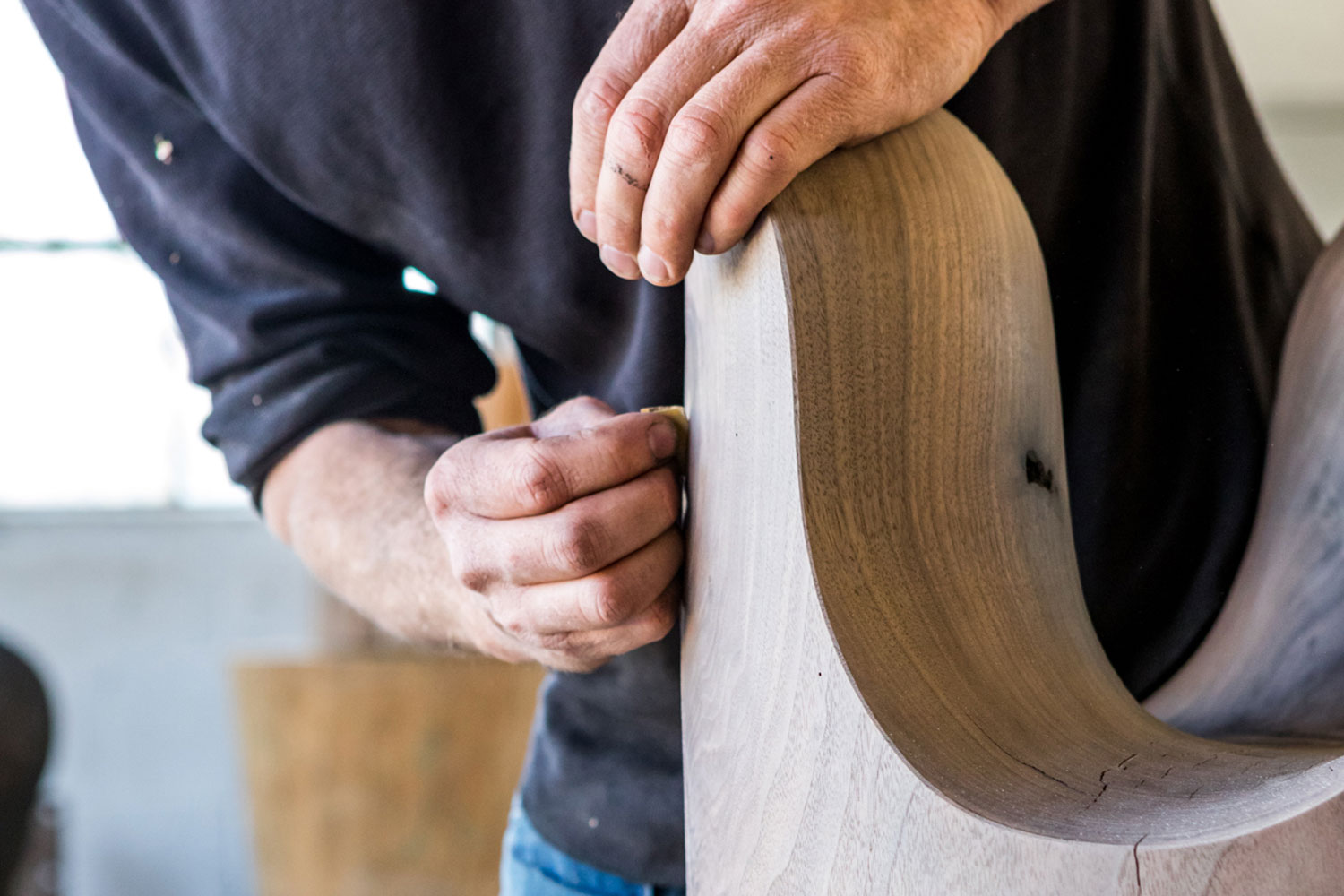
It is probably the power carver. I use power equipment first, and hand tools such as chisels, knives and files enter in the last third of the making of a piece. The one unusual tool I work with is a pneumatic sanding drum. It is a spinning rubber drum with a sleeve of sandpaper over it with an extremely coarse grip belt on it. The densest wood in the world yields to it. I use it to sculpt my hand held pieces.
Norm Sartorius
Woodcarver
Parkersburg, WV, USA
Recommended by Craft in America
ADDRESS
Address upon request, Parkersburg, WV, USA
AVAILABILITY
By appointment only
LANGUAGES
English
Homo Faber Finds is a new service aiming to inspire admirers of craft to connect and collaborate with exceptional artisans.
We invite you to submit an enquiry here.


Puzzuoli works 2 copy.jpg)
Puzzuoli portrait 1.jpg)
Puzzuoli eyes 2.jpg)