
Carlo Puccini
Woodcarver
Florence, Italy
Recommended by Fondazione Cologni Dei Mestieri D'Arte
A Florentine tradition
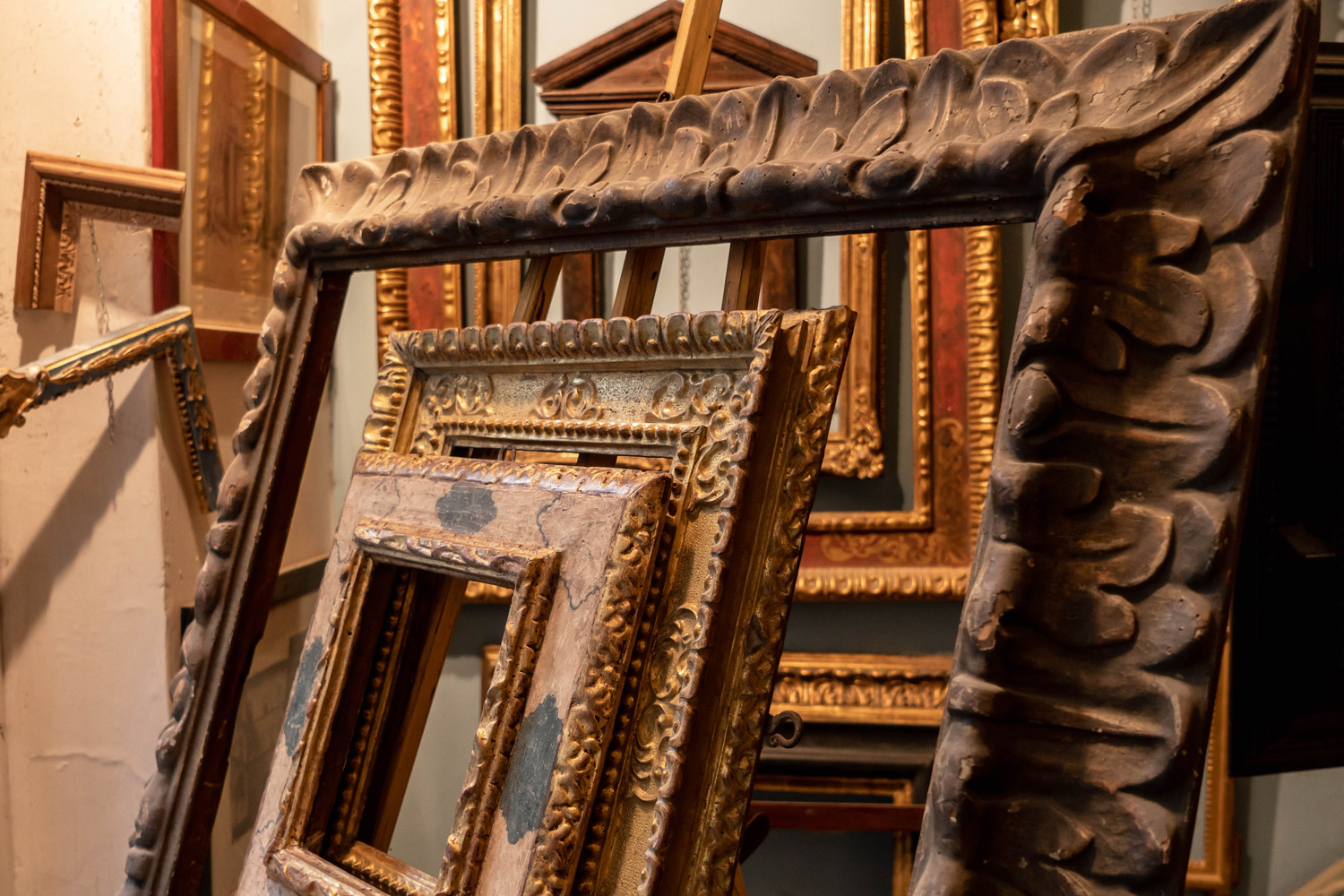
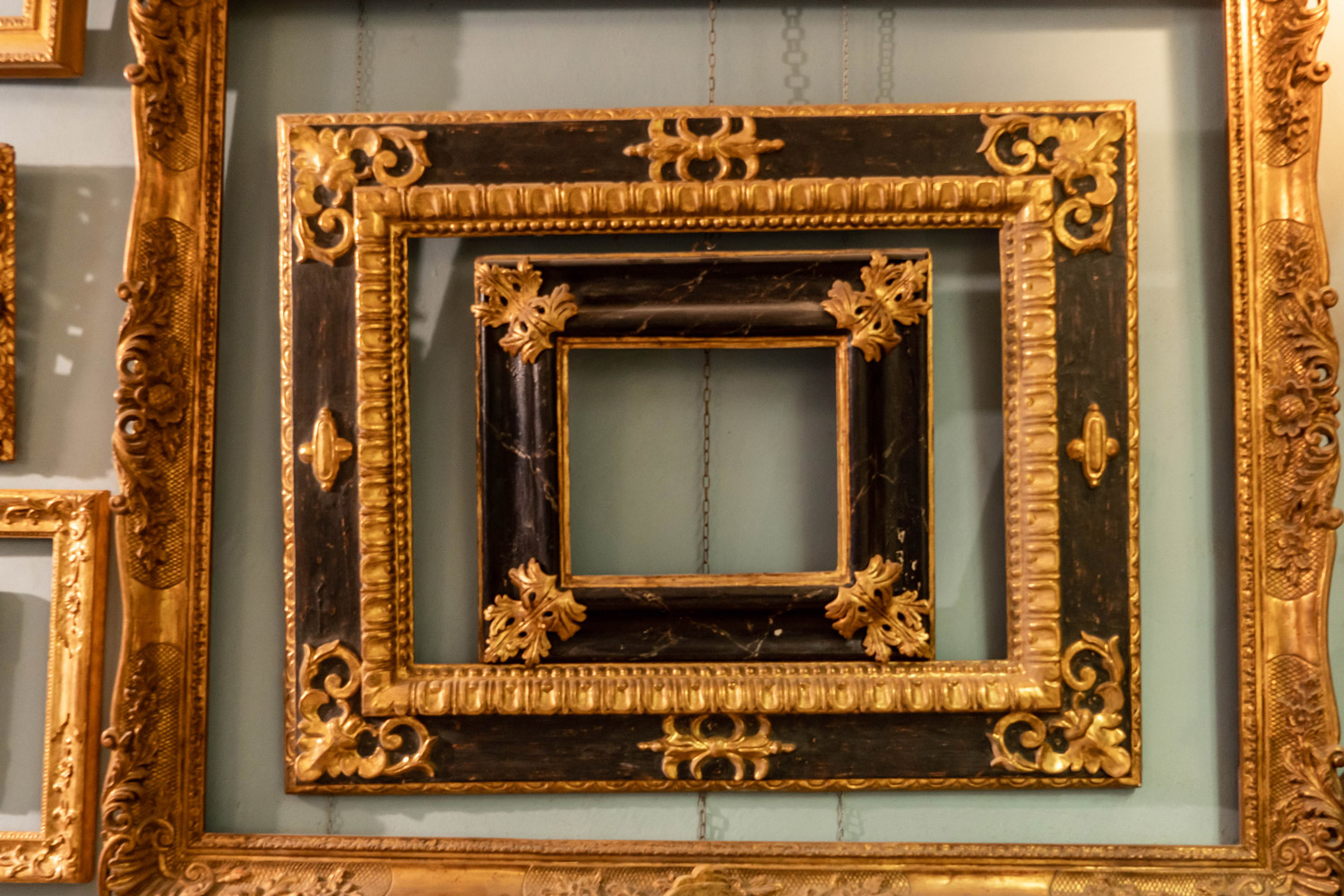
- Carlo specialises in antique frame making
- His craft responds to needs of the market
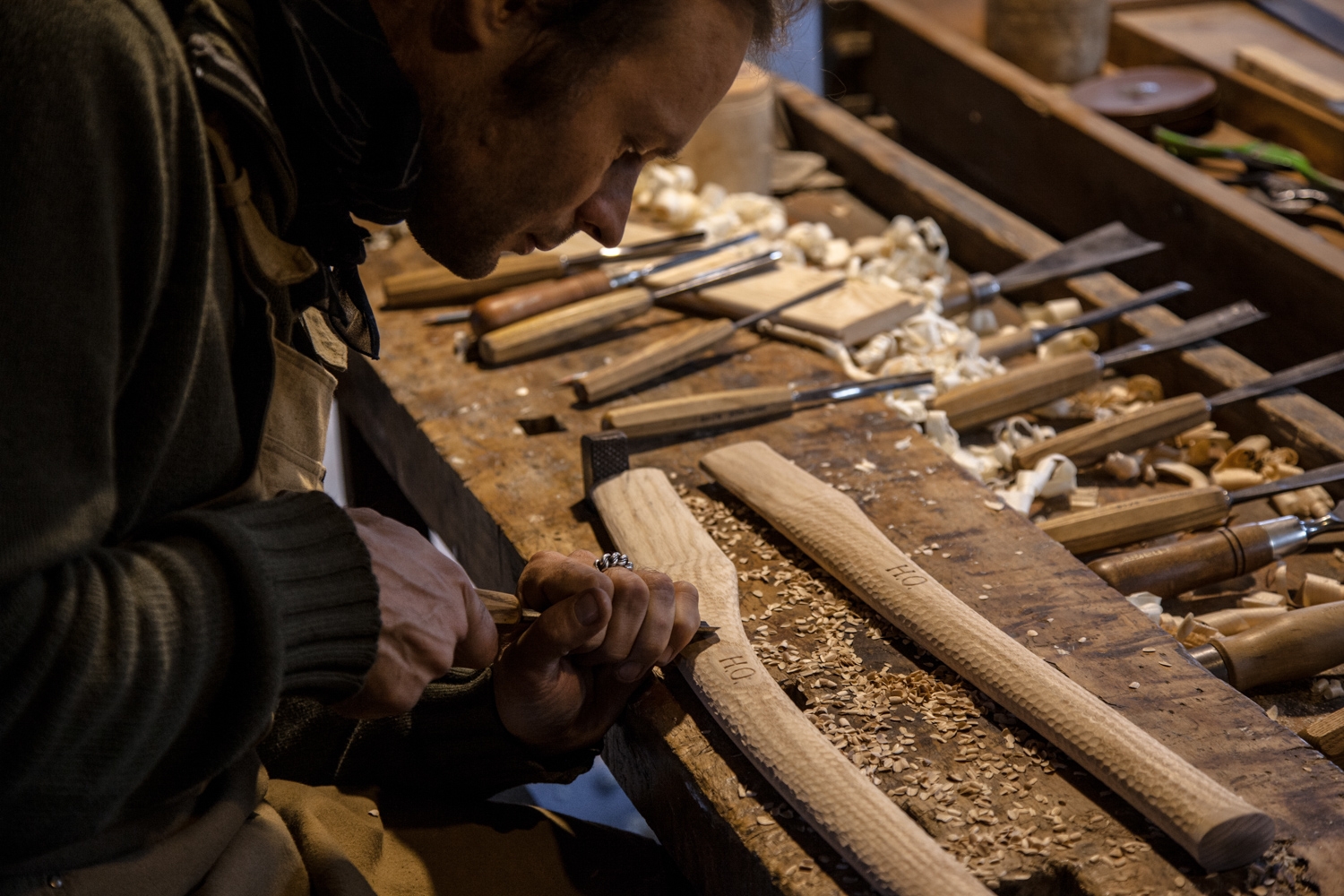
- He uses traditional techniques to create his pieces
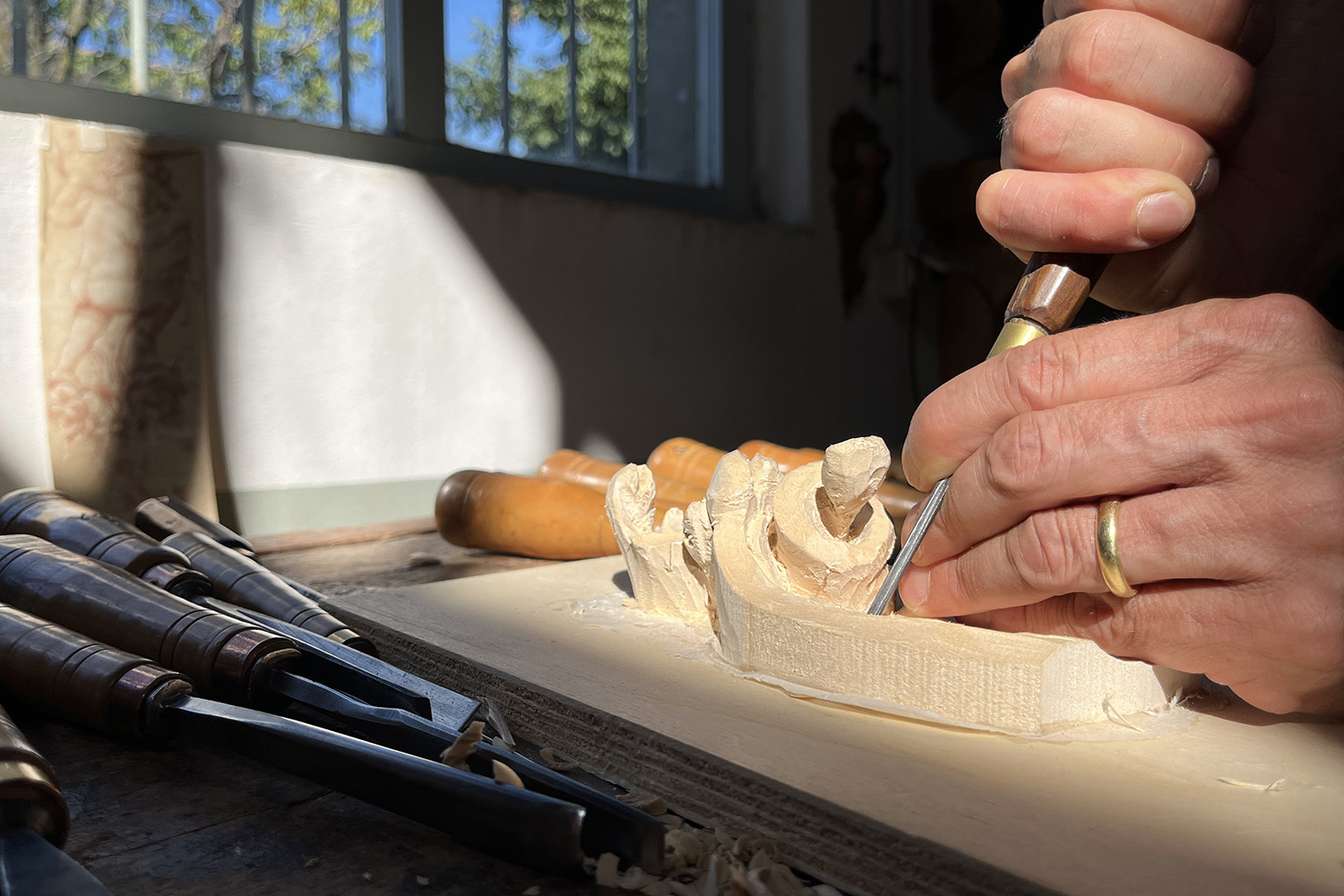
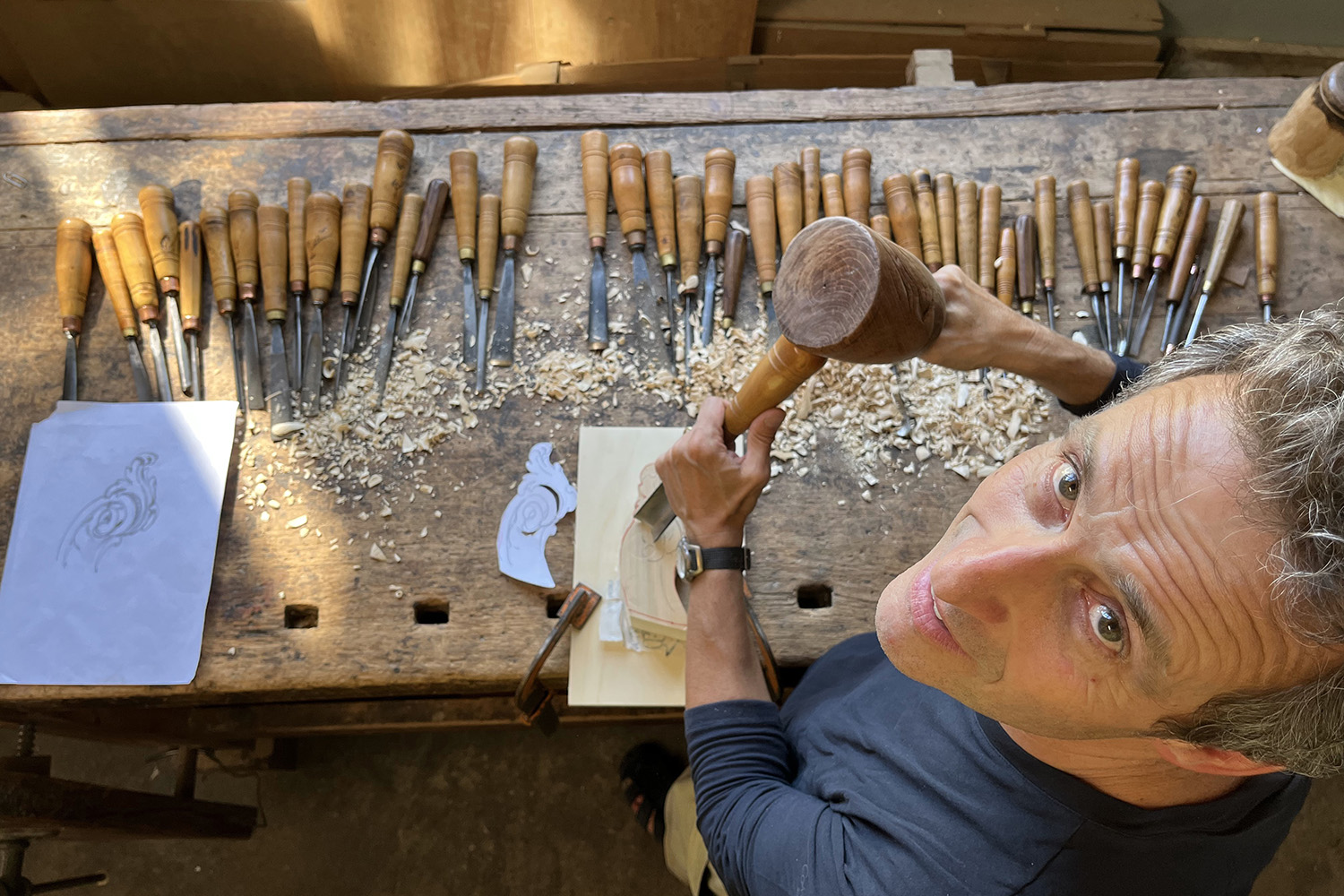
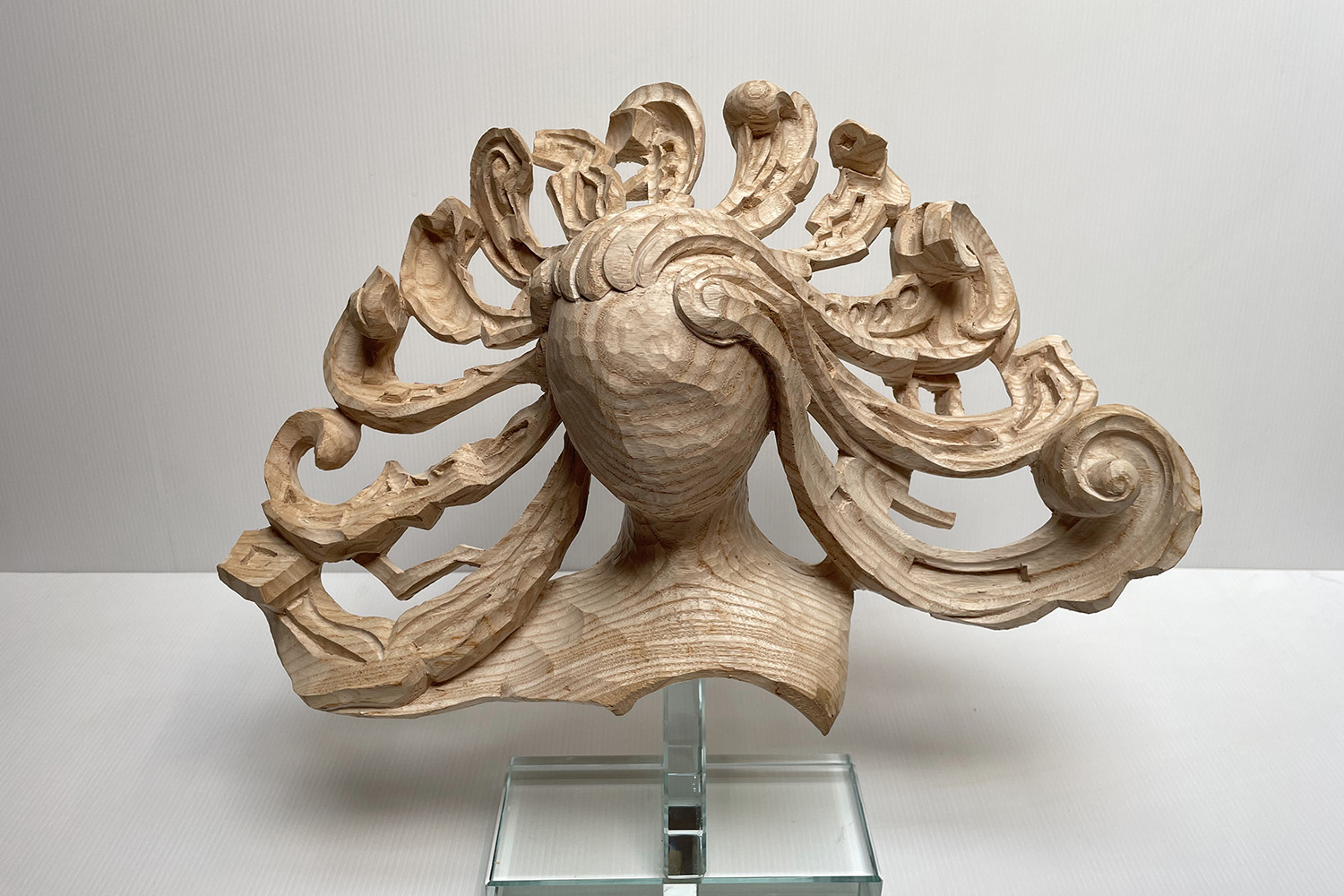
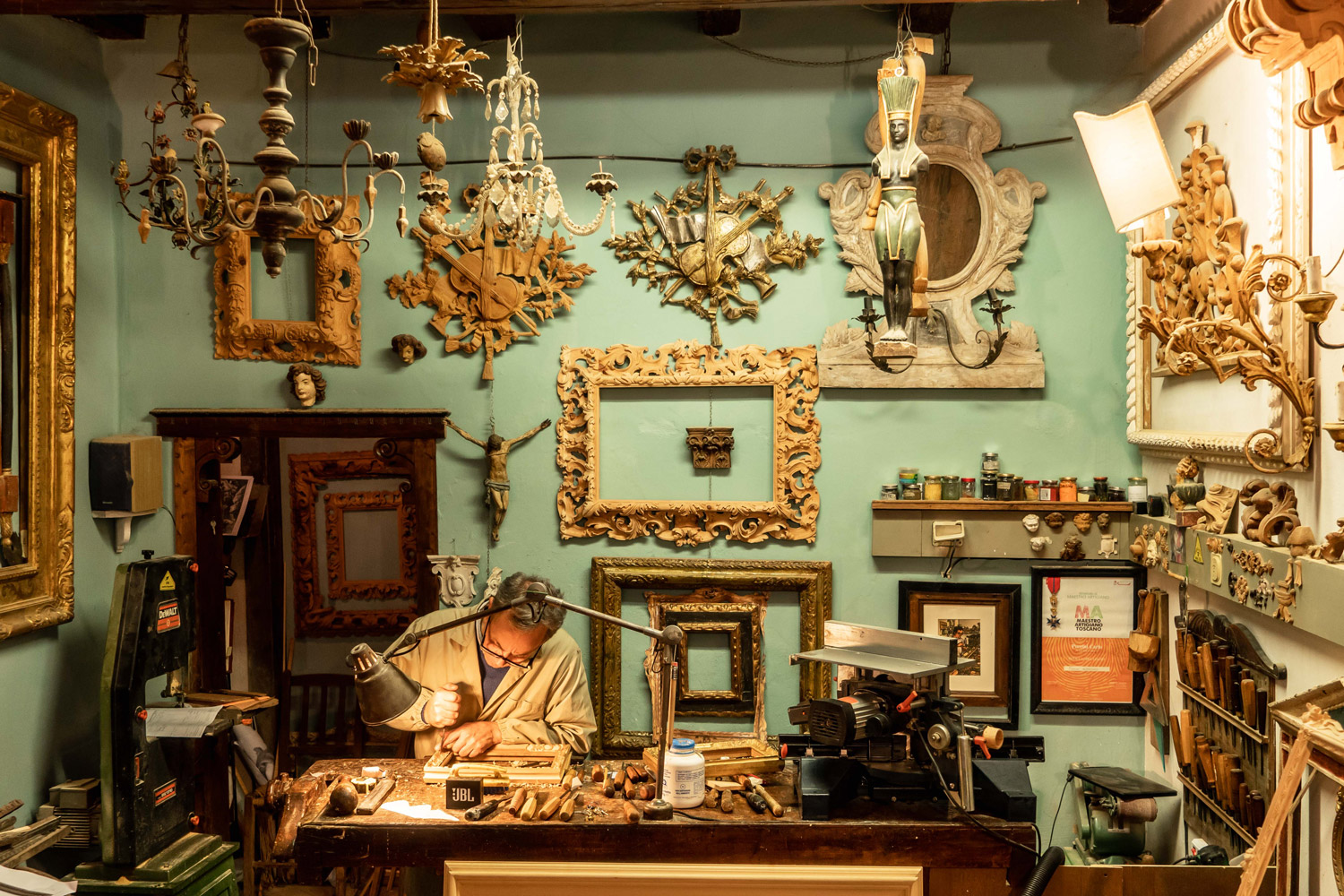
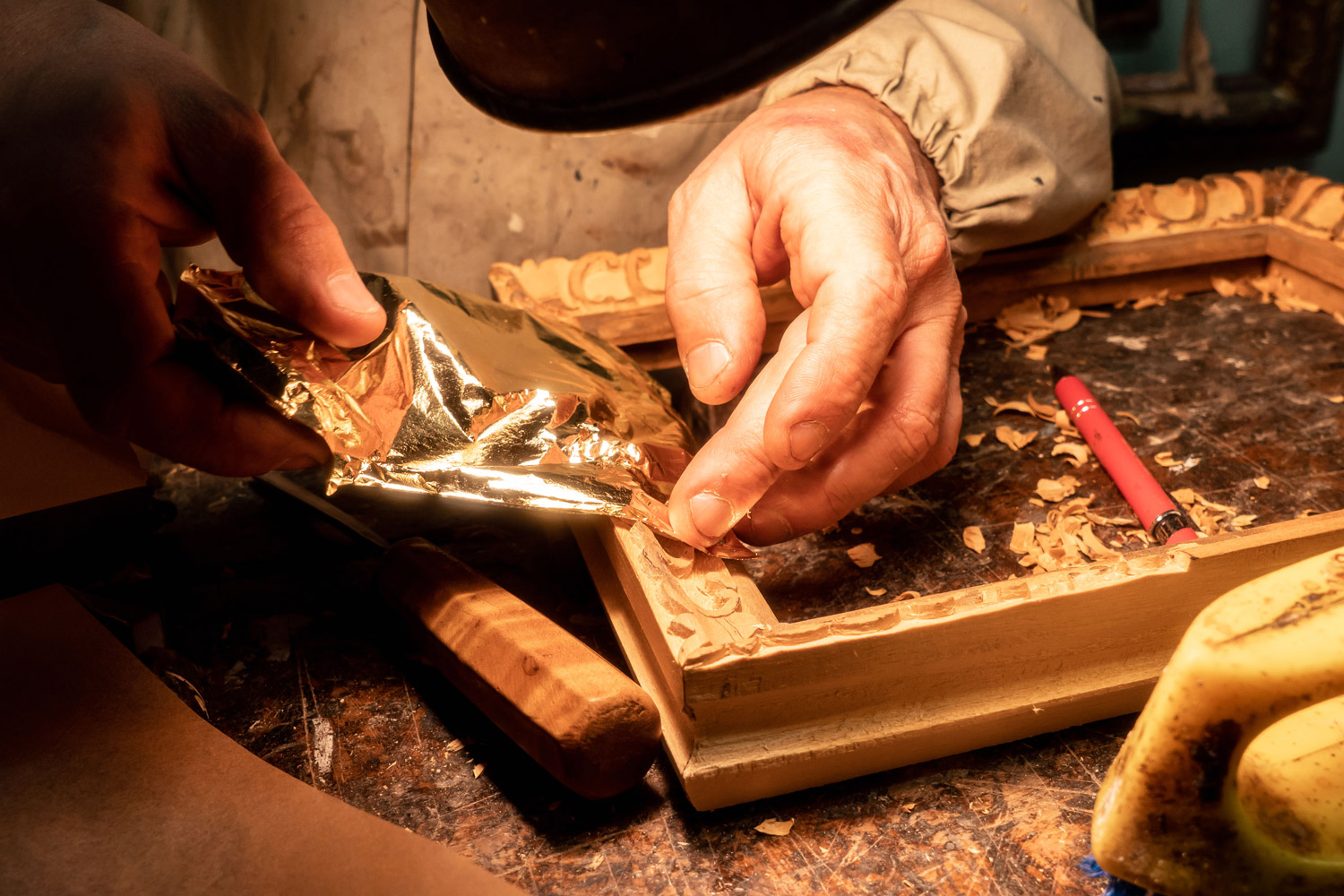
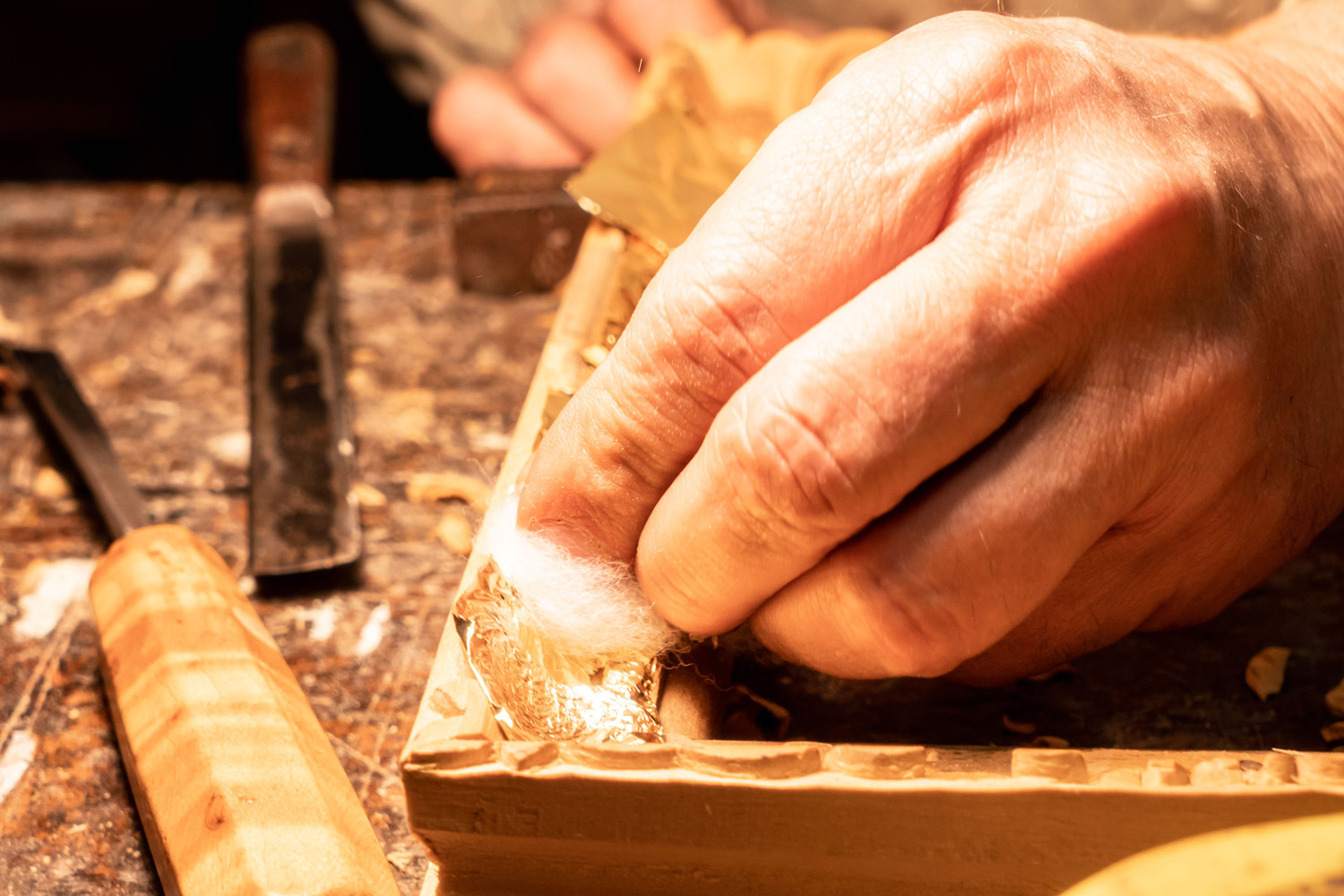
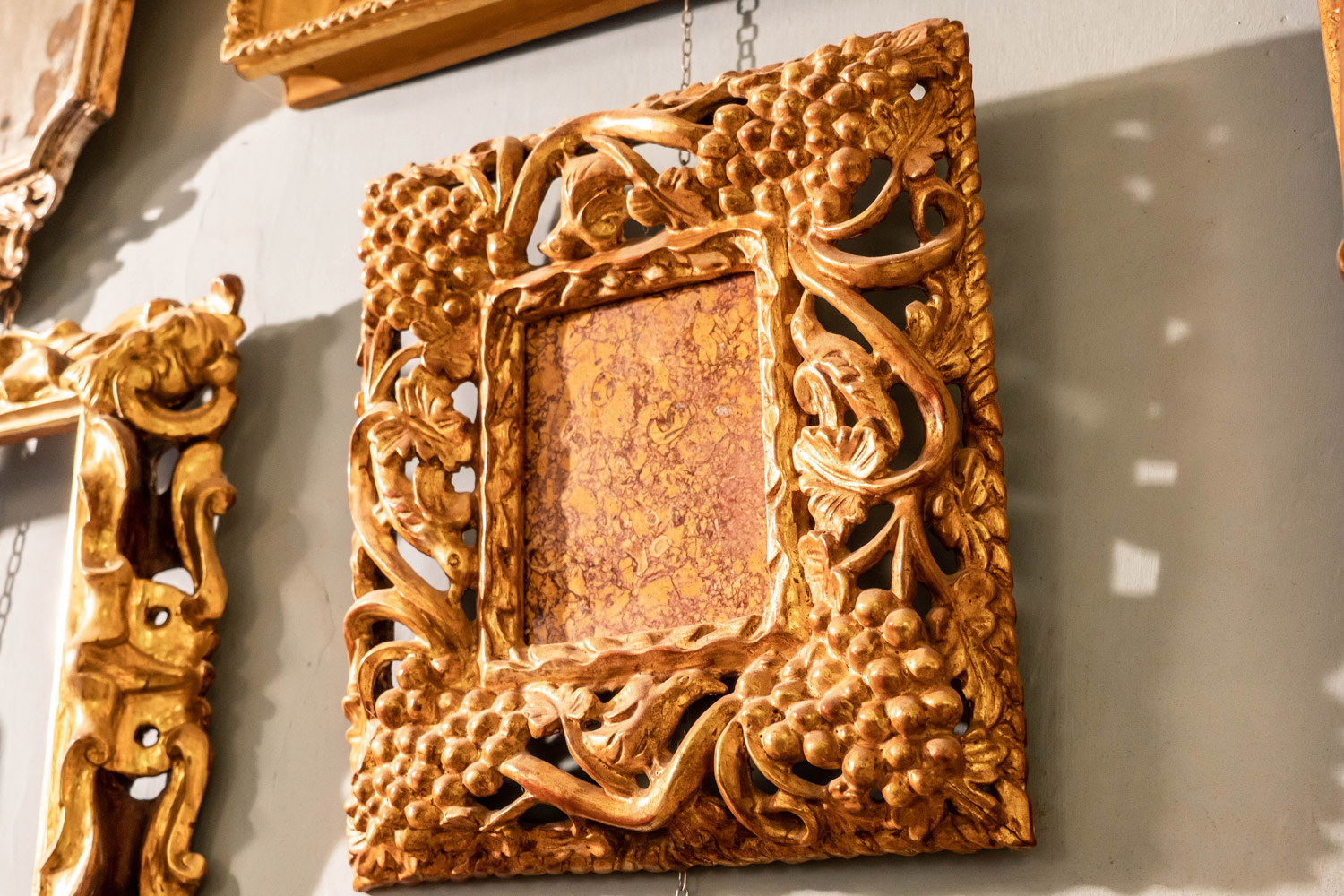
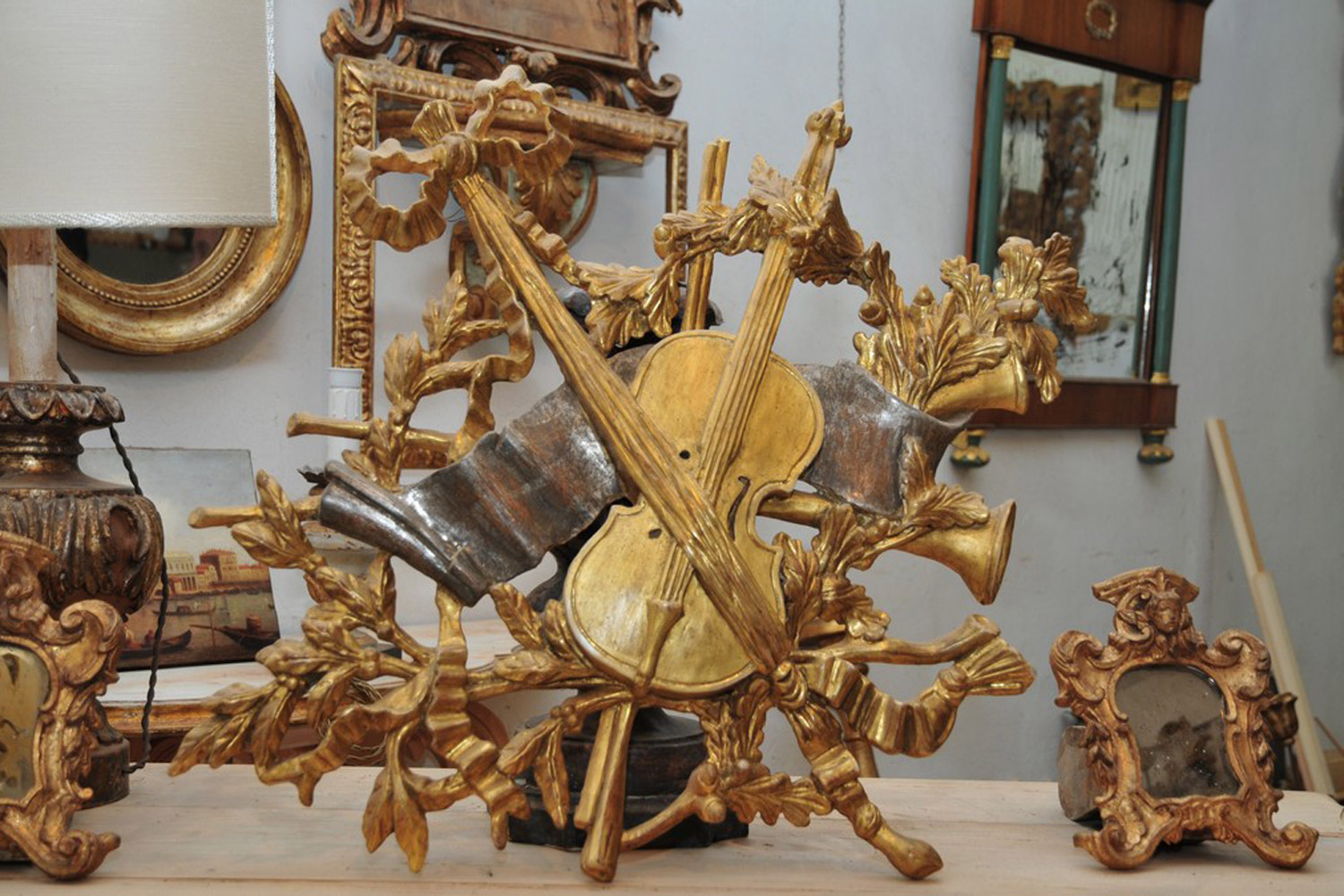
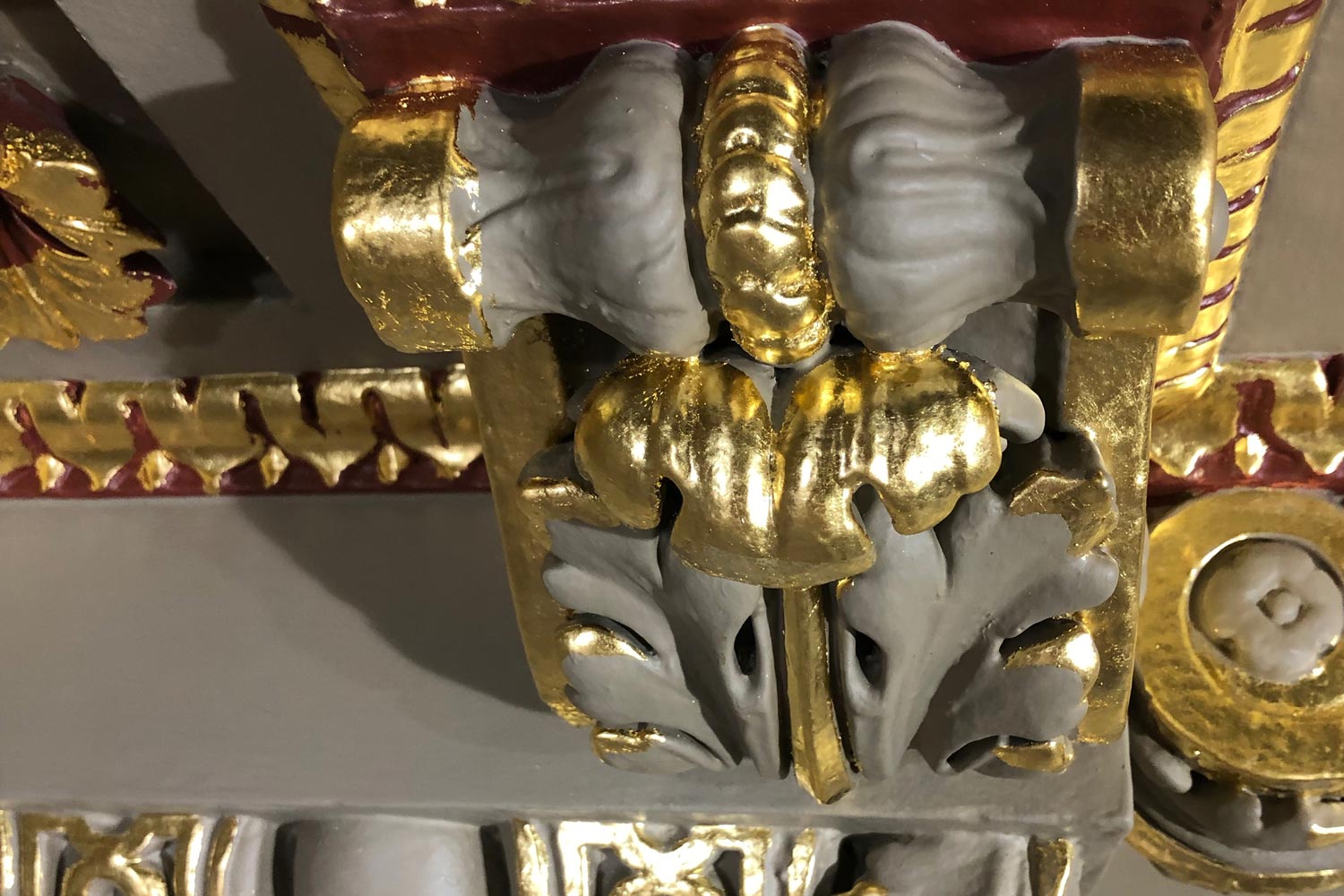
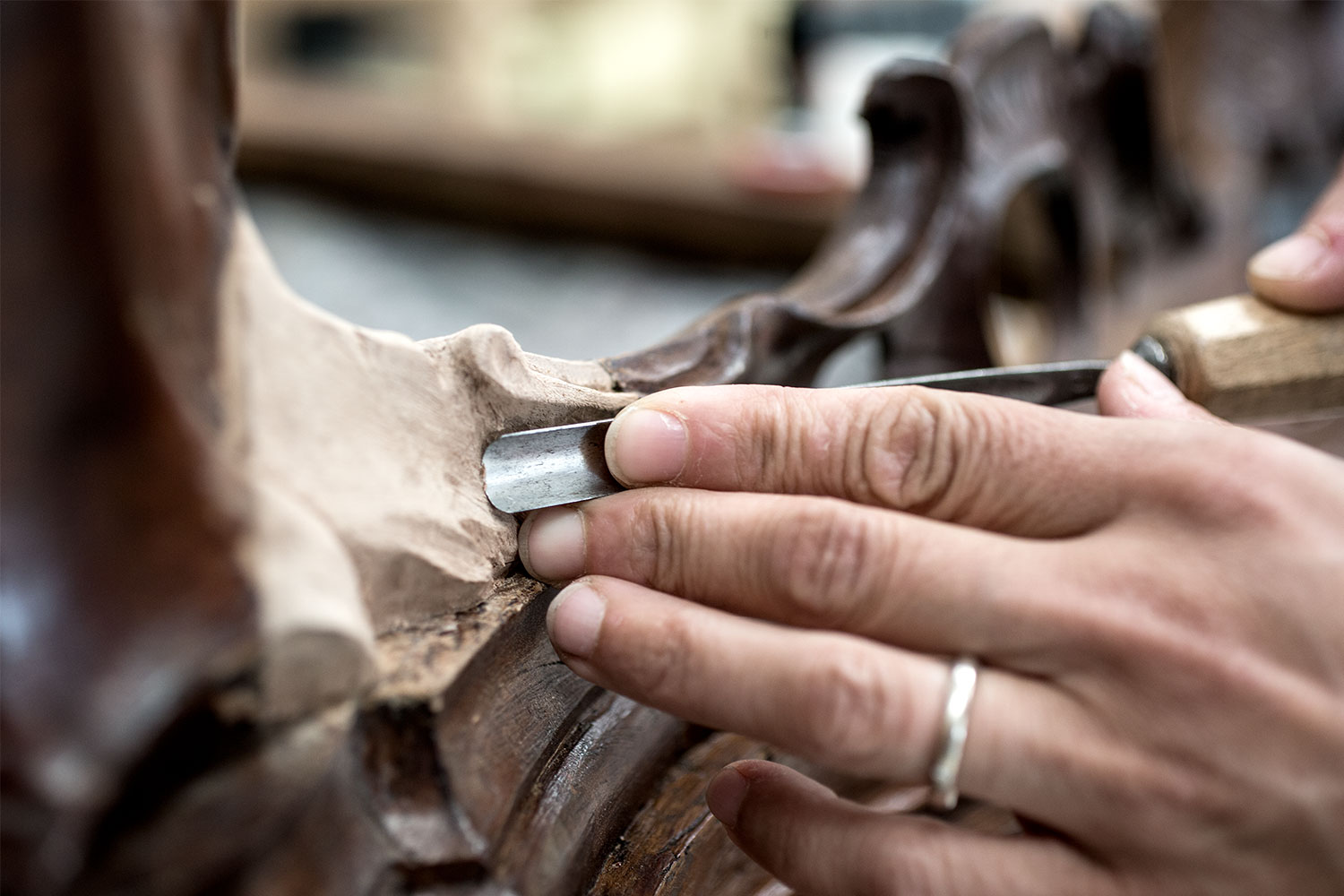
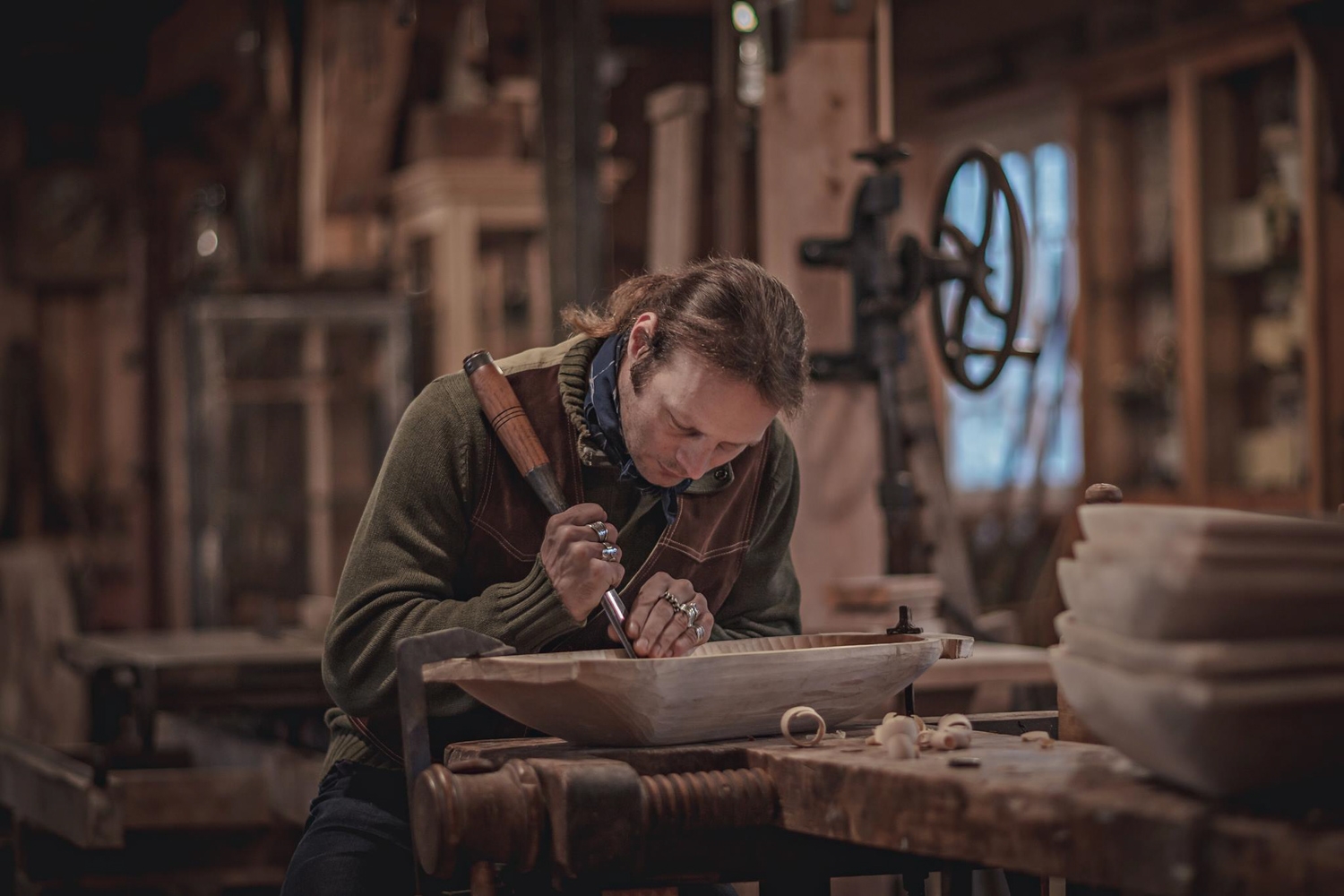
Carlo Puccini began by working in the historic Bartolozzi and Maioli workshop, one of Florence’s most prestigious antique ateliers. He took part in the important restoration of wooden works for the Abbey of Montecassino and the secular choirs. After mastering the art of making frames, in 1989 he opened his own workshop in Florence. The concept of carving is to create objects that, apart from being very beautiful, must have a practical purpose. This is why the workshops of Florence dedicate themselves to the production of furnishing accessories and frames. The workshop of Carlo also delivers works of cabinet making, carving and gilding, as well as special furnishings and ornamental objects. It excels in the creation of decorated and golden frames.
INTERVIEW
Being born in Florence is one of the luckiest things that can happen to a person that is passionate about fine arts. The artistic richness of the place where I was born and raised has an incredible impact on my work. I try to put this spirit into my creations.
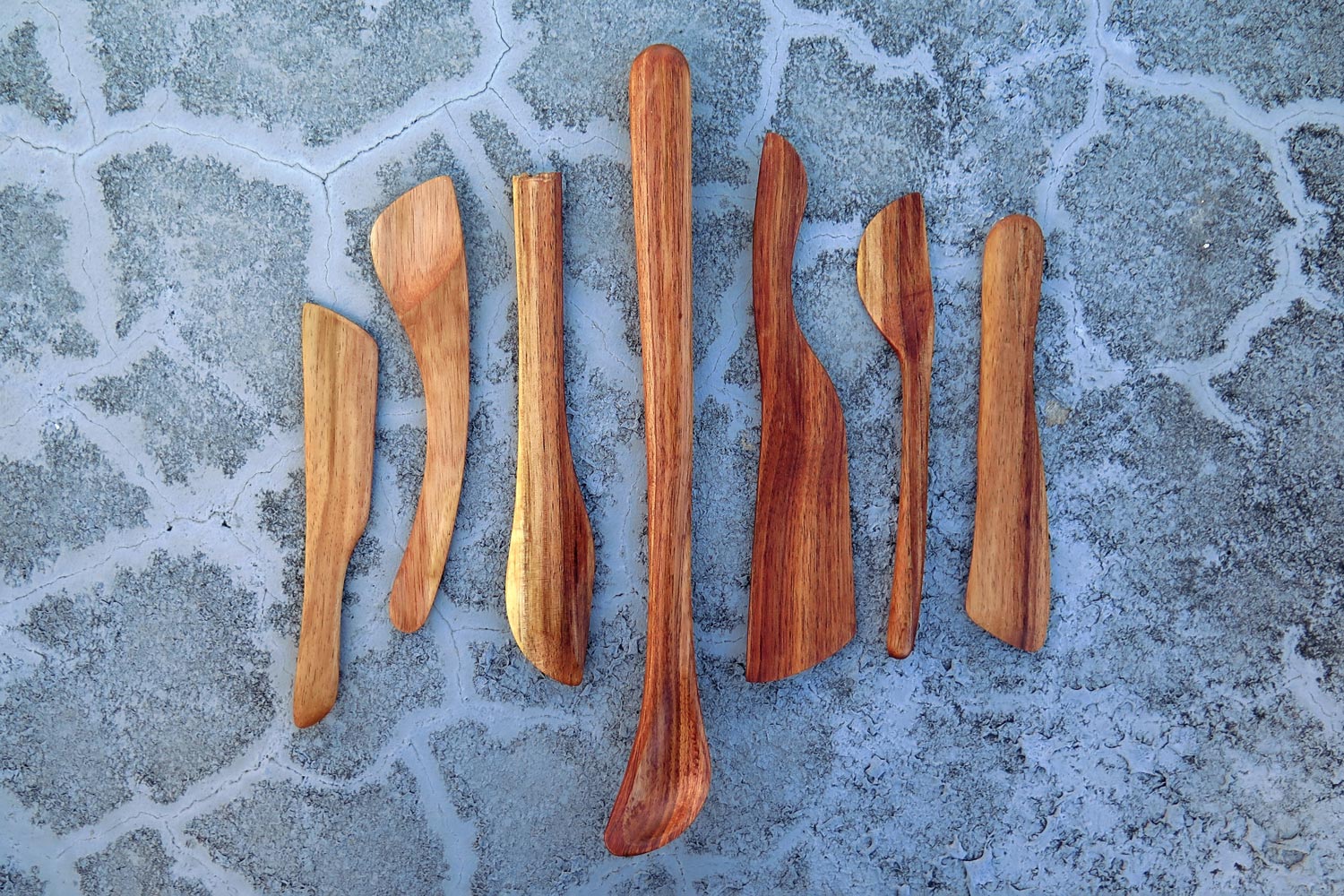
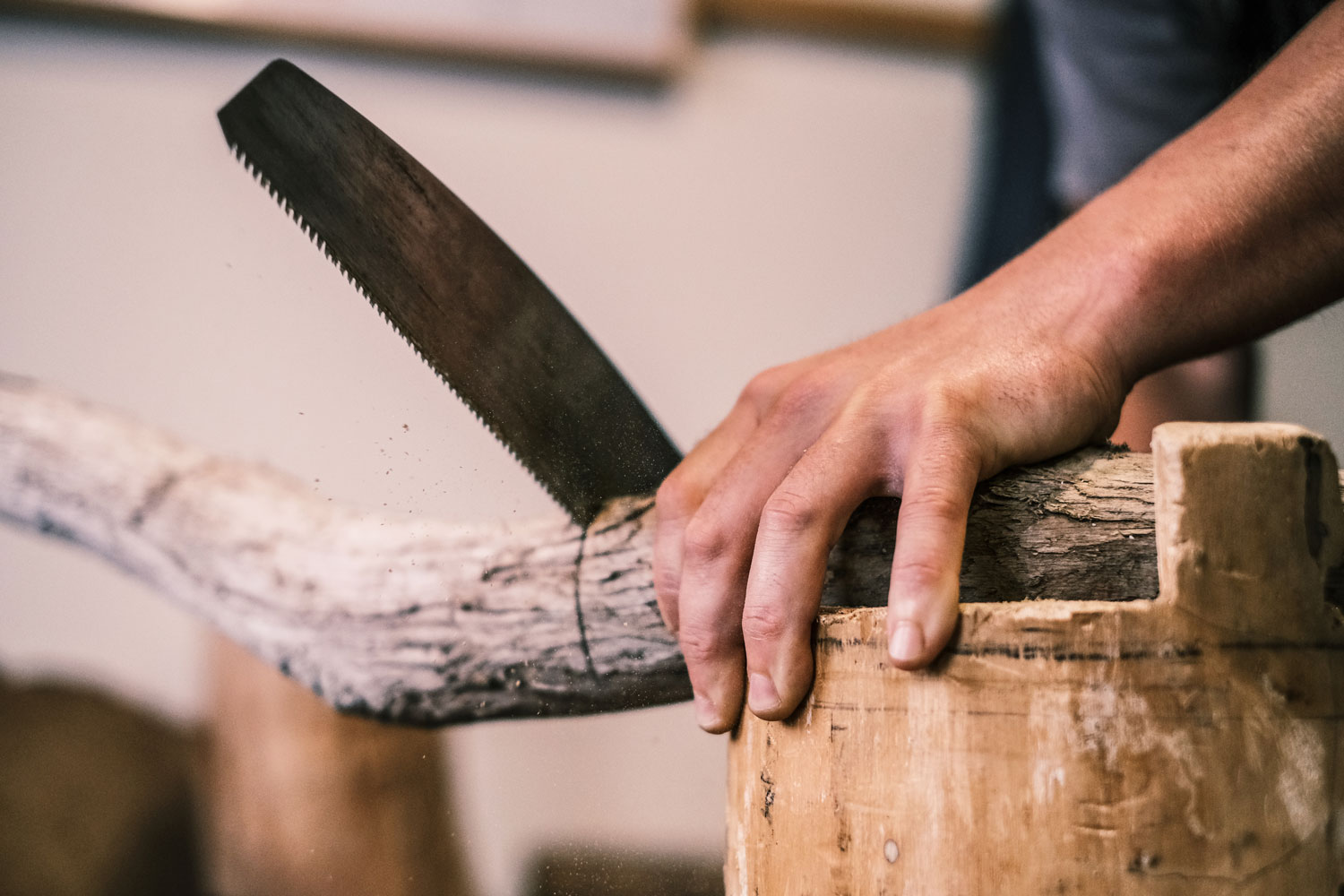
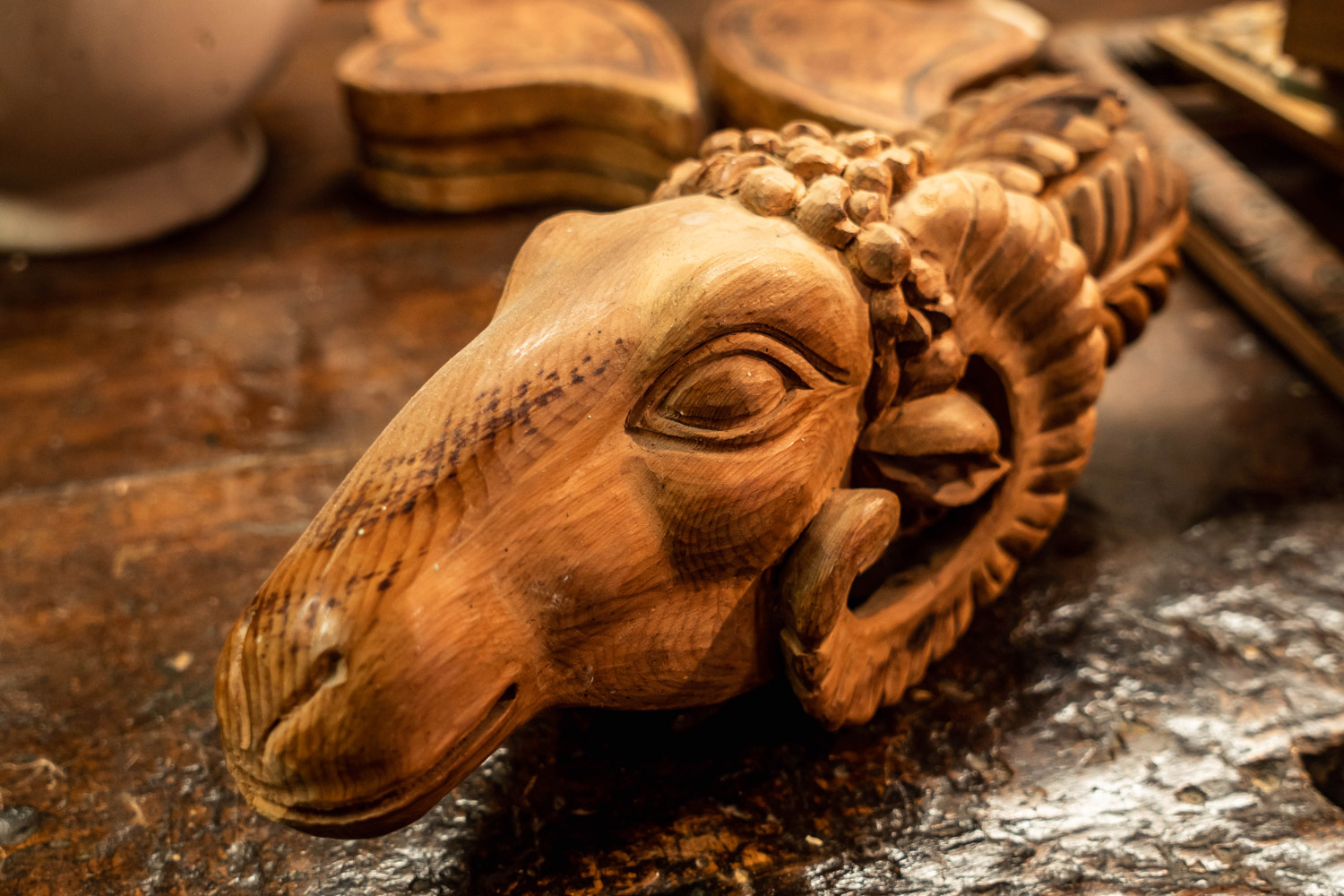
Today we talk a lot about sustainability, I believe that there is not a more sustainable and natural material than wood. Each type of wood has its specificity and its characteristics, each of which is more or less suited to the type of work performed.
The Classic, Medieval and Renaissance models that have built a concept of beauty, which has lasted to this day. The art of carving wood peaked in Florence during the Renaissance when local workshops would compete with each other to produce frames.
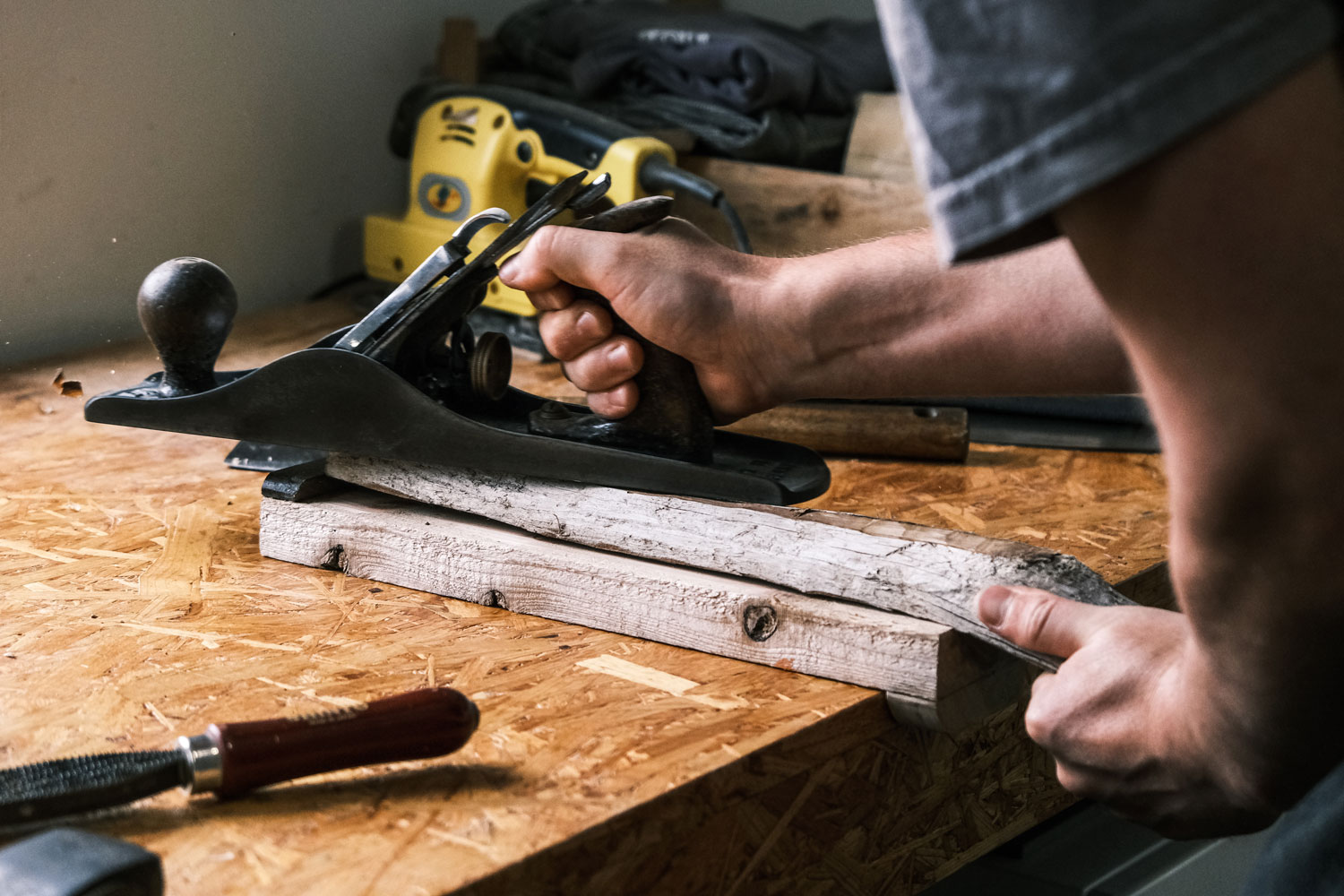
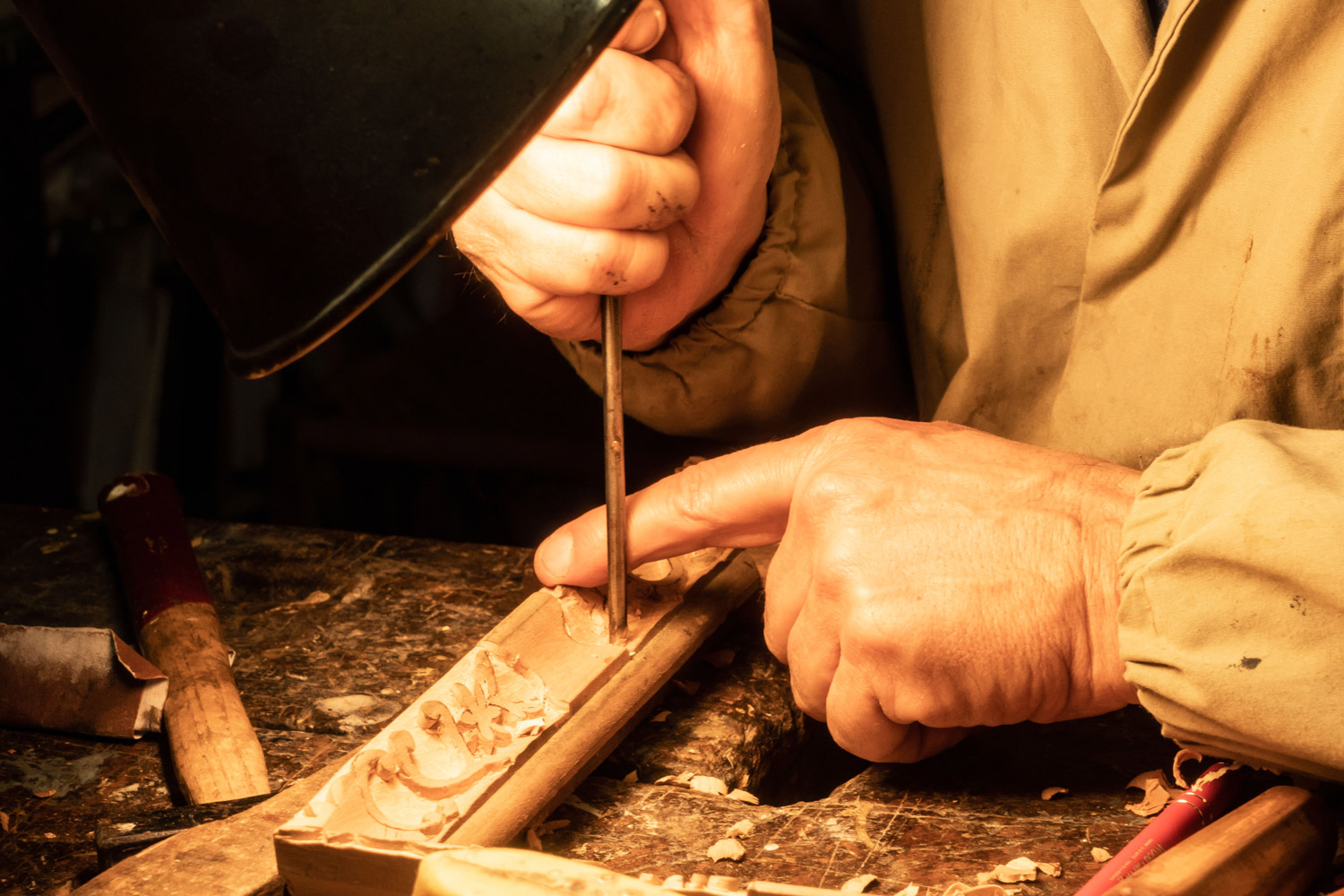
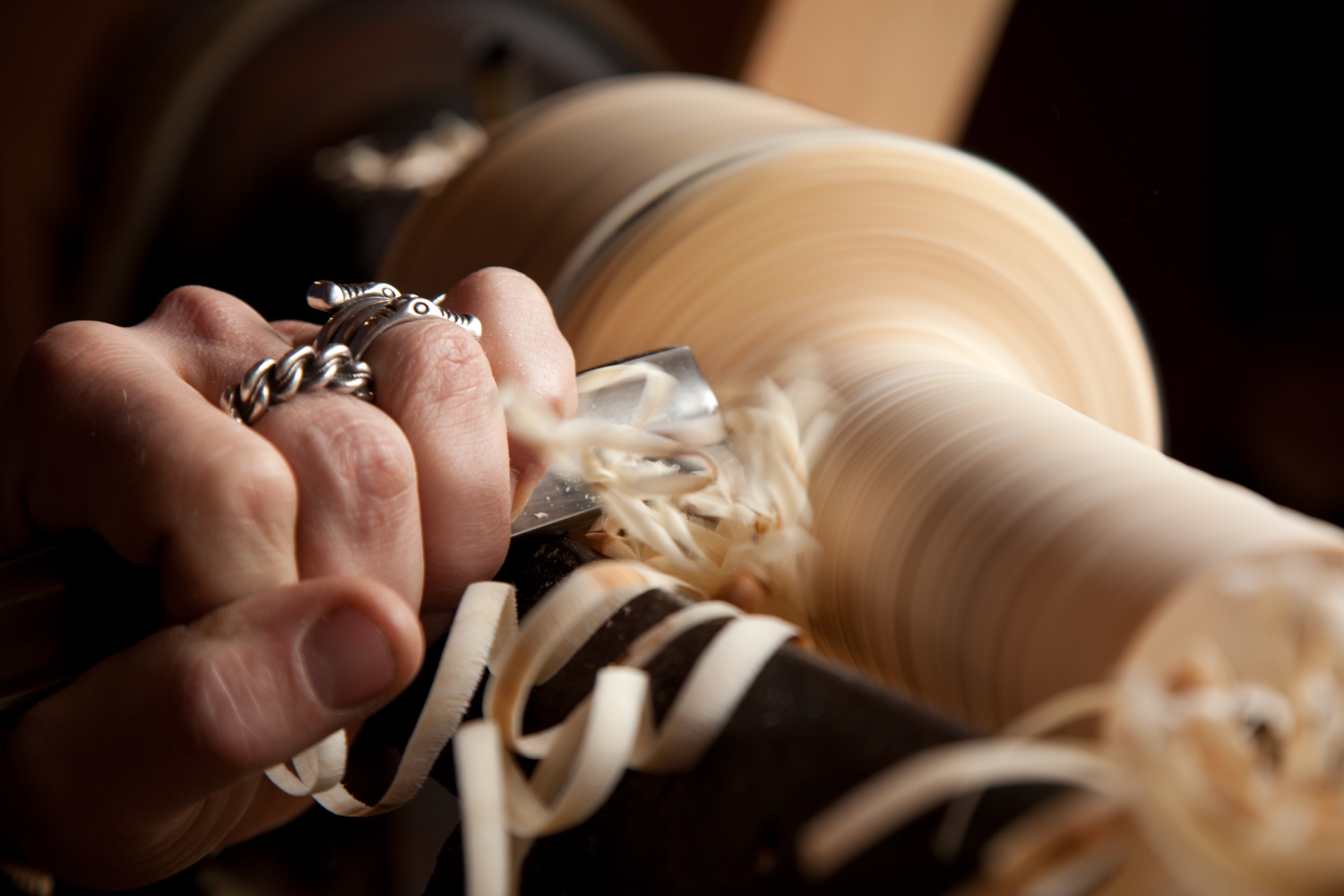
The traditional methods that I use depend on the object. If I have to make a piece ex novo, I start with a drawing and then I build it on clay to exactly determine its proportions. Only then I start carving the wood and ultimately finish it.
Carlo Puccini
Woodcarver
Florence, Italy
Recommended by Fondazione Cologni Dei Mestieri D'Arte
AVAILABILITY
By appointment only
PHONE
+39 3804741880
LANGUAGES
Italian, English
Homo Faber Finds is a new service aiming to inspire admirers of craft to connect and collaborate with exceptional artisans.
We invite you to submit an enquiry here.


DSC02402_©Meg-Lovell.jpg)
DSC01379_©Meg-Lovell.jpg)
DSC01458_©Meg-Lovell.jpg)



Puzzuoli works 2 copy.jpg)
Puzzuoli portrait 1.jpg)
Puzzuoli eyes 2.jpg)