The paradox of paper
- Mathilde was originally an expert in textile design
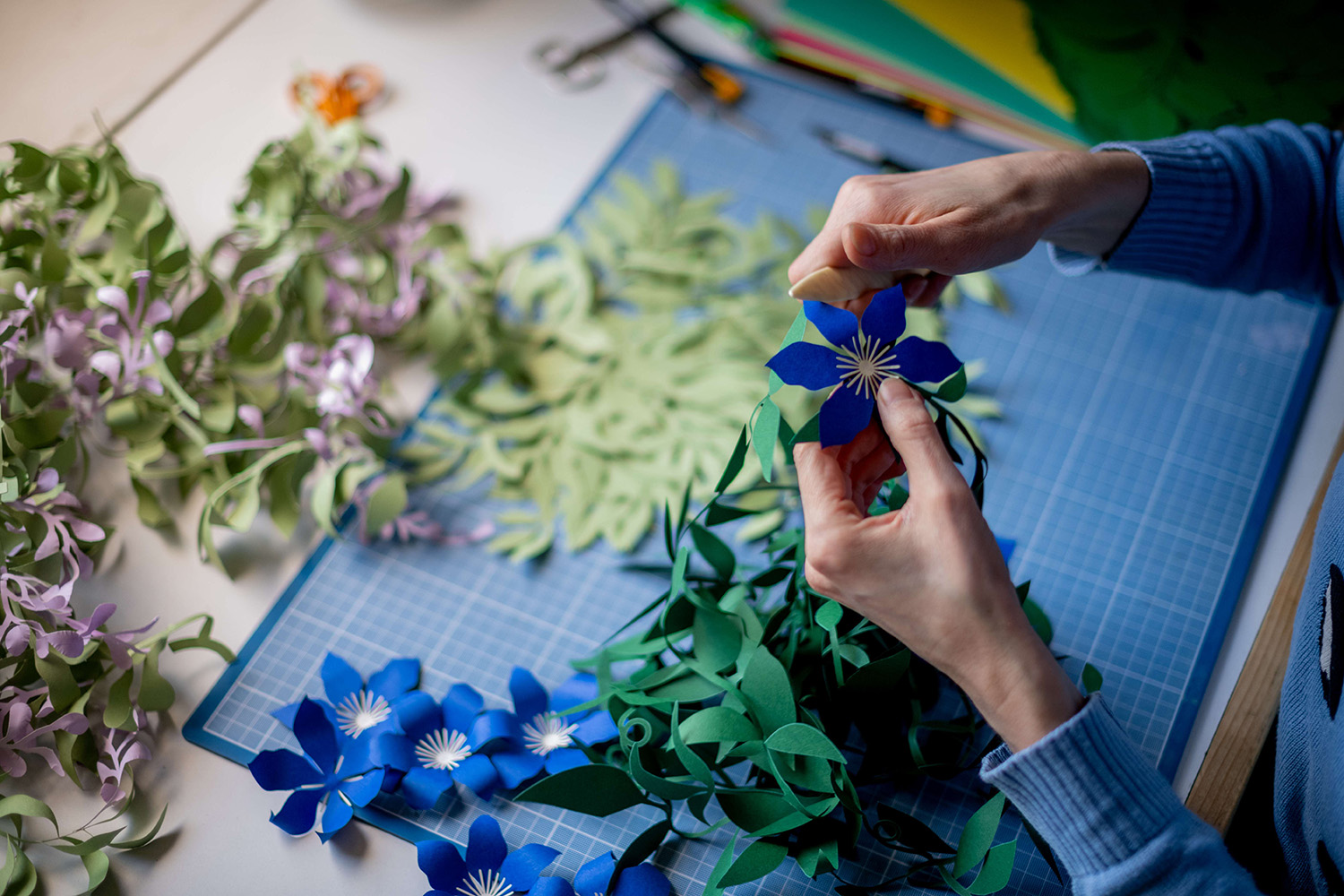
- She is greatly inspired by floral motifs
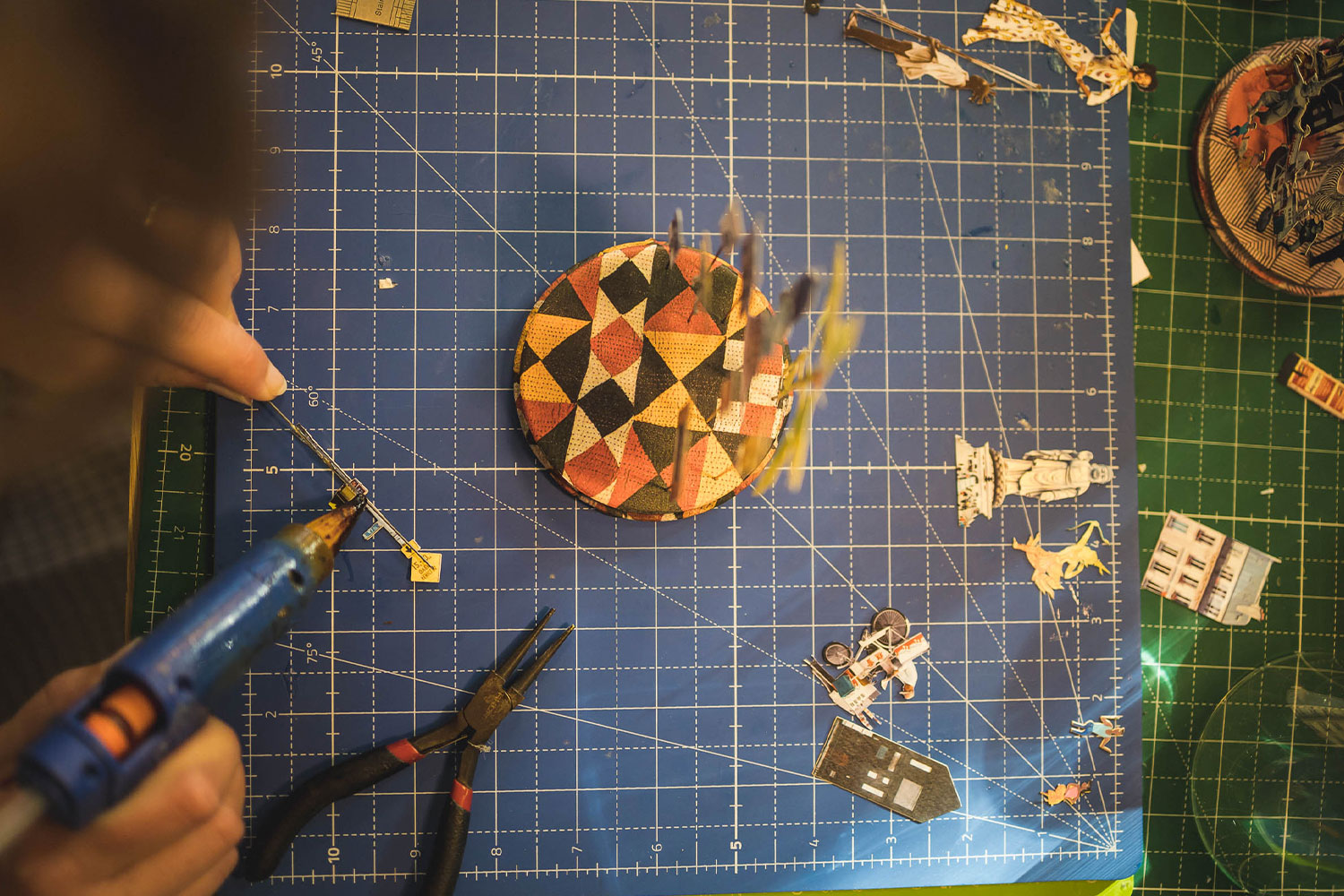
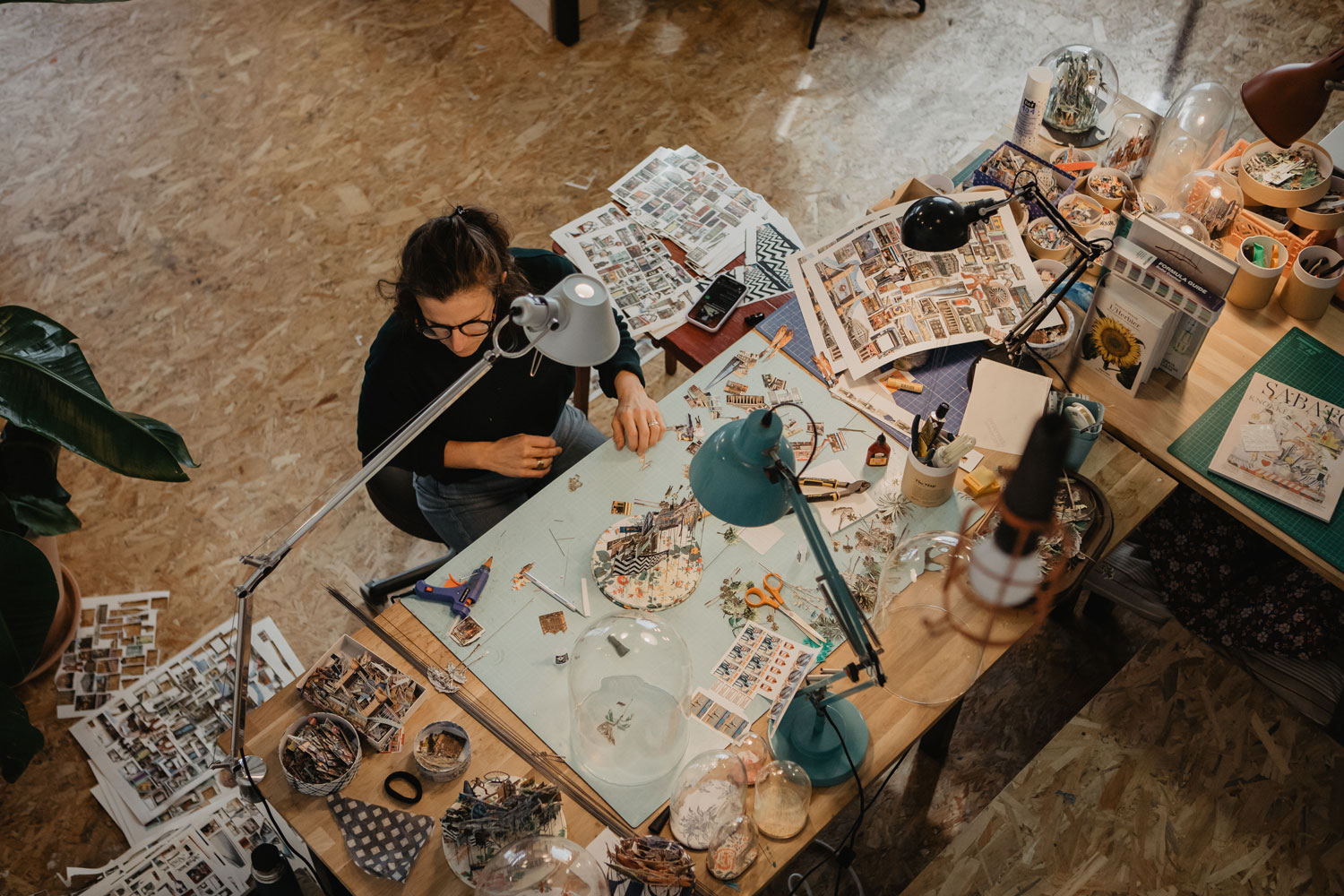
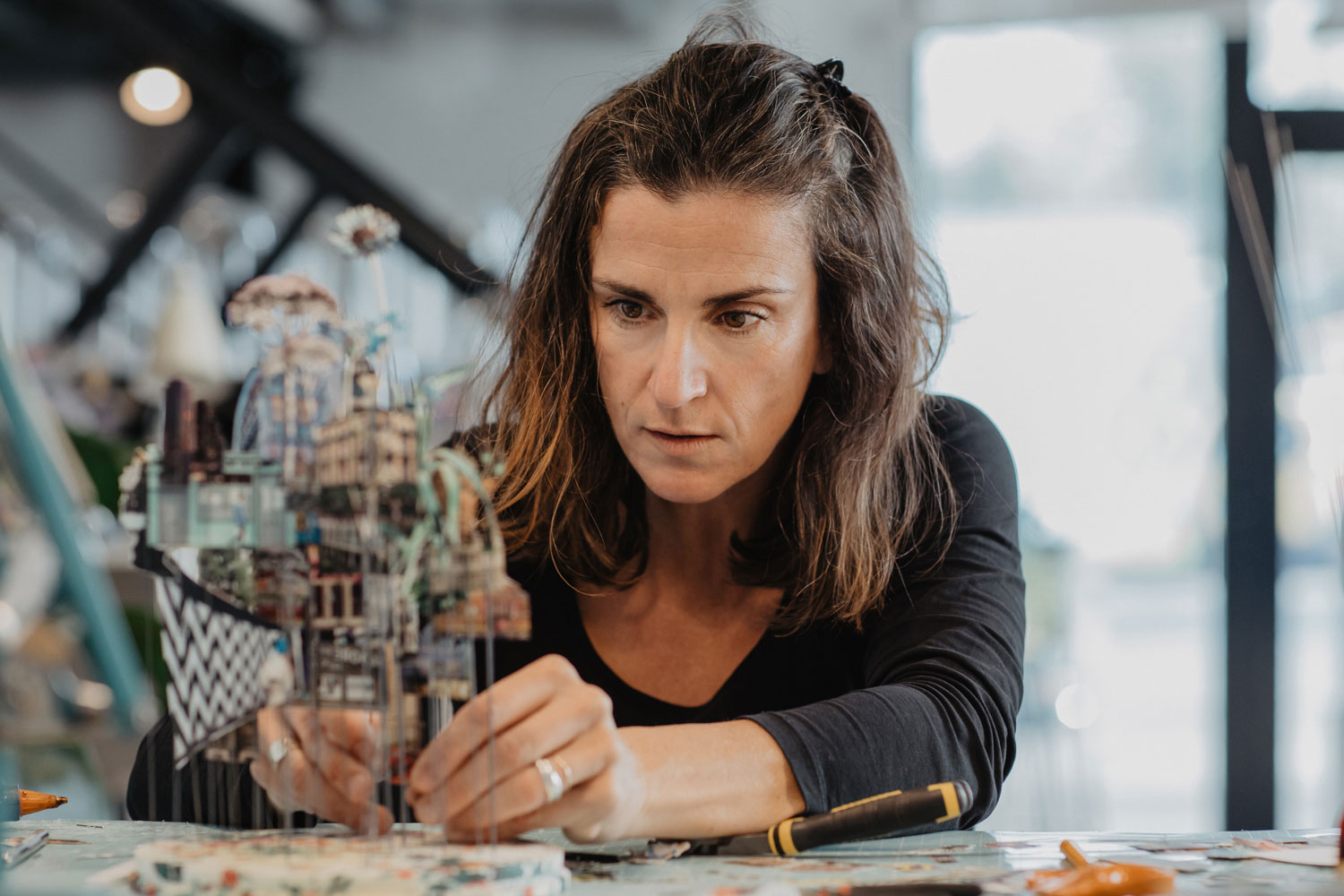
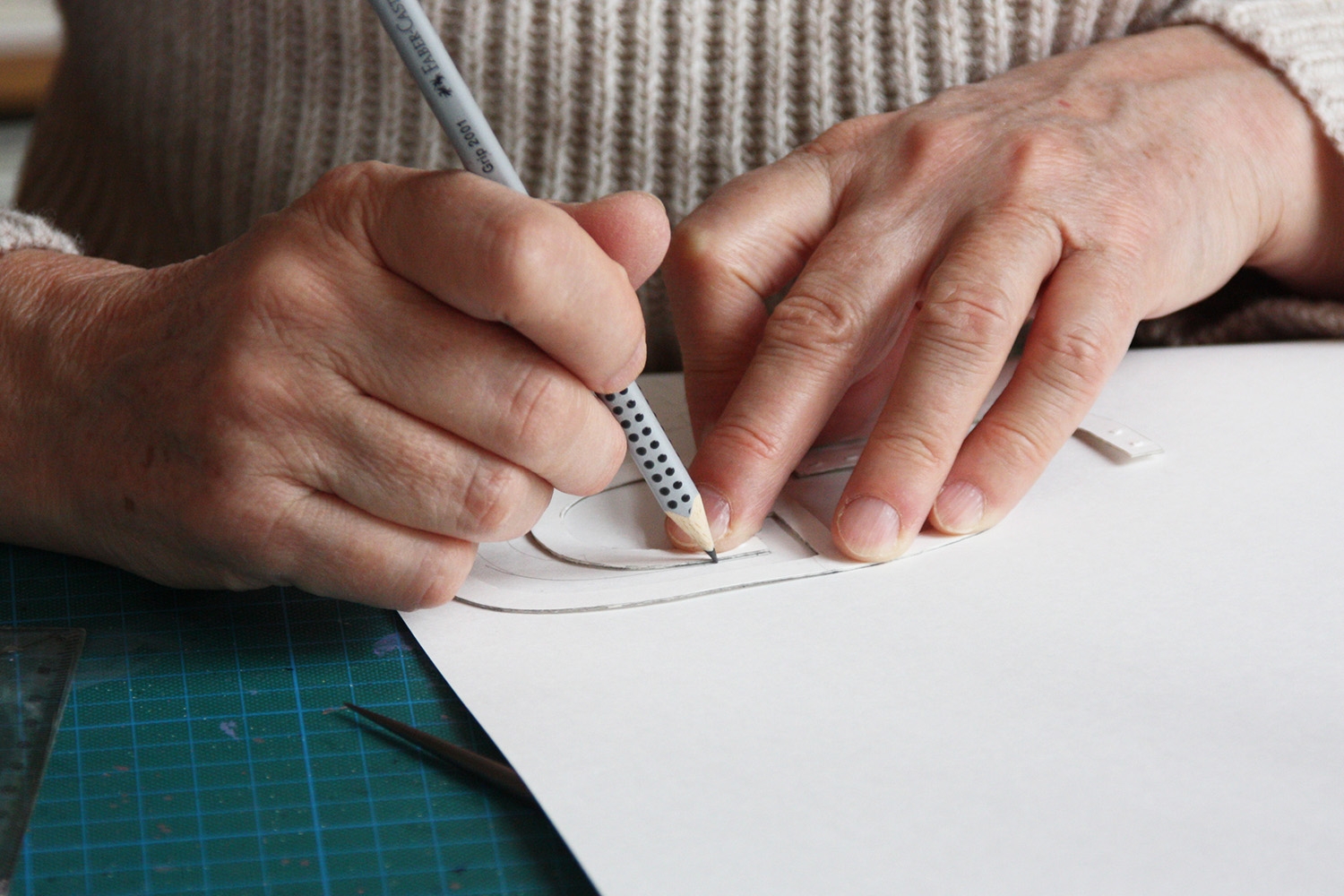
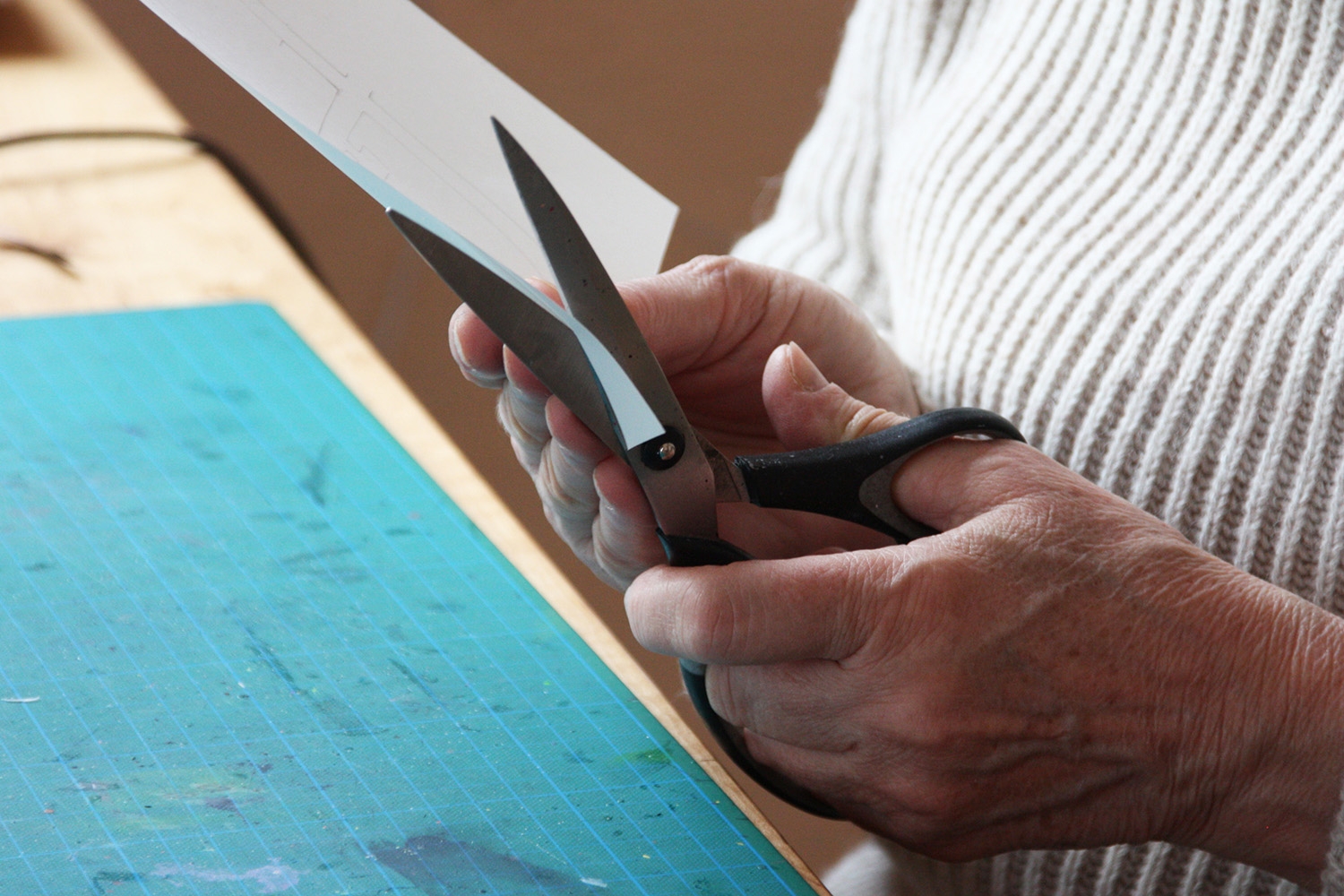
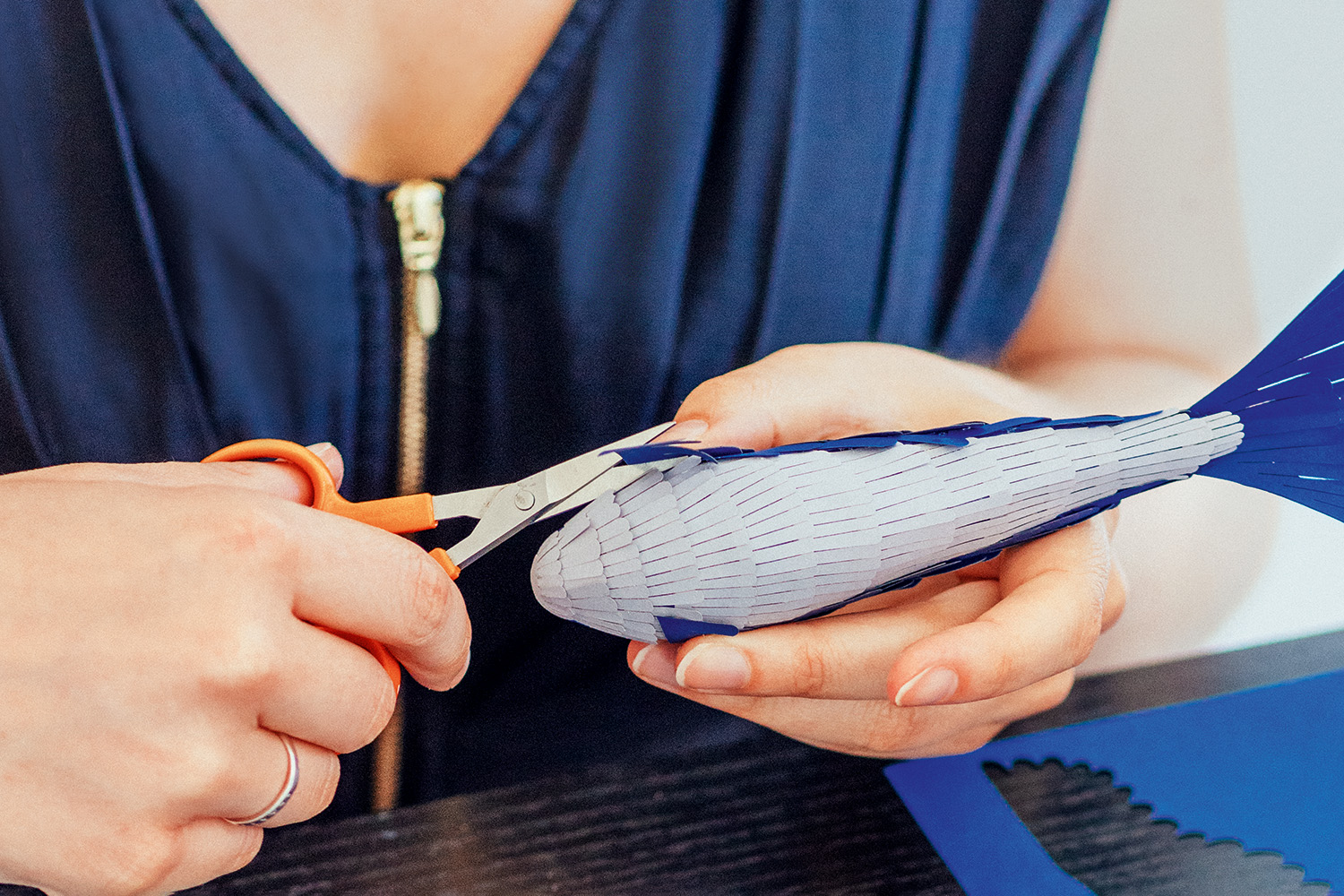
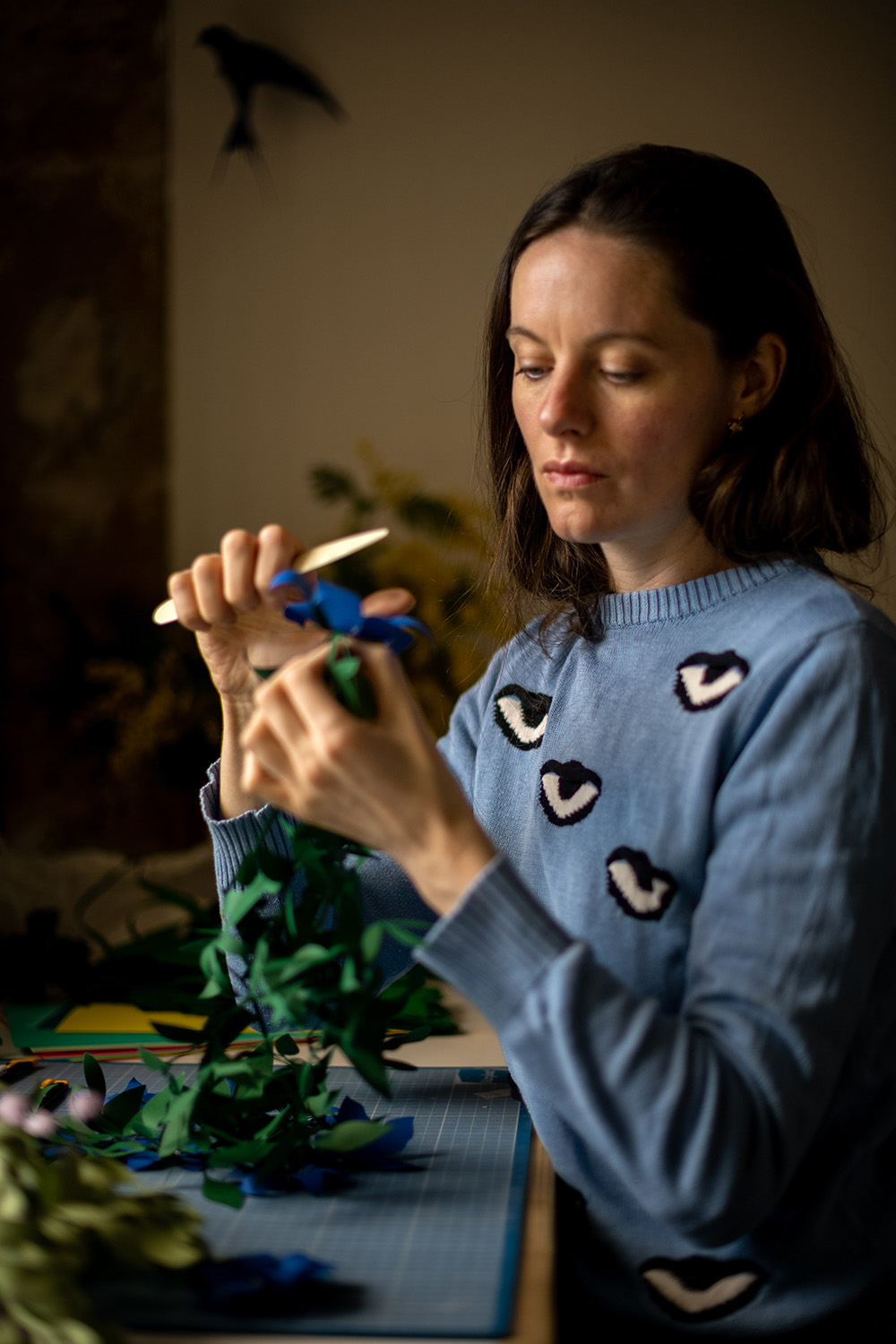
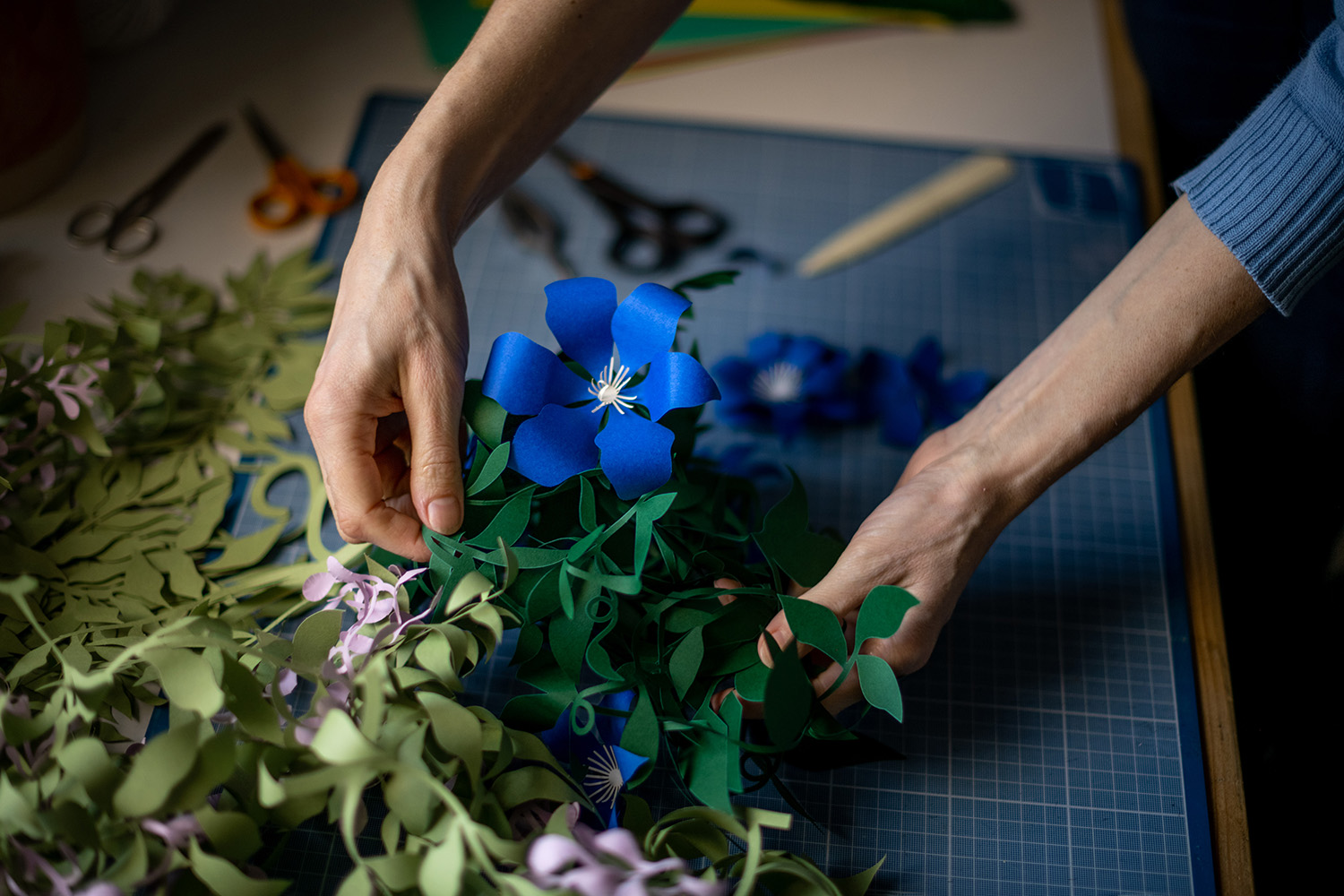
- Simple tools, extreme dexterity and lots of poetry go into her creations
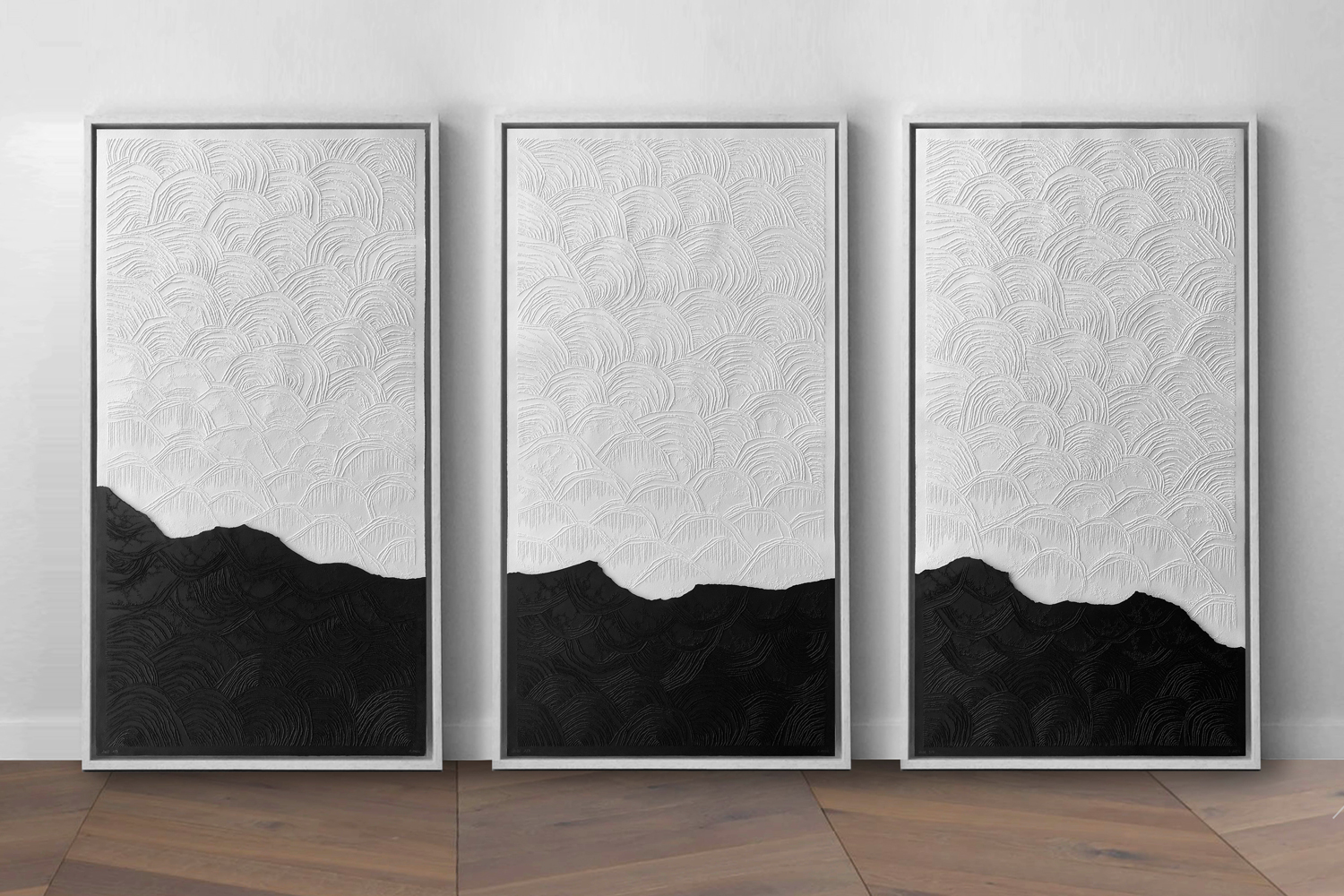
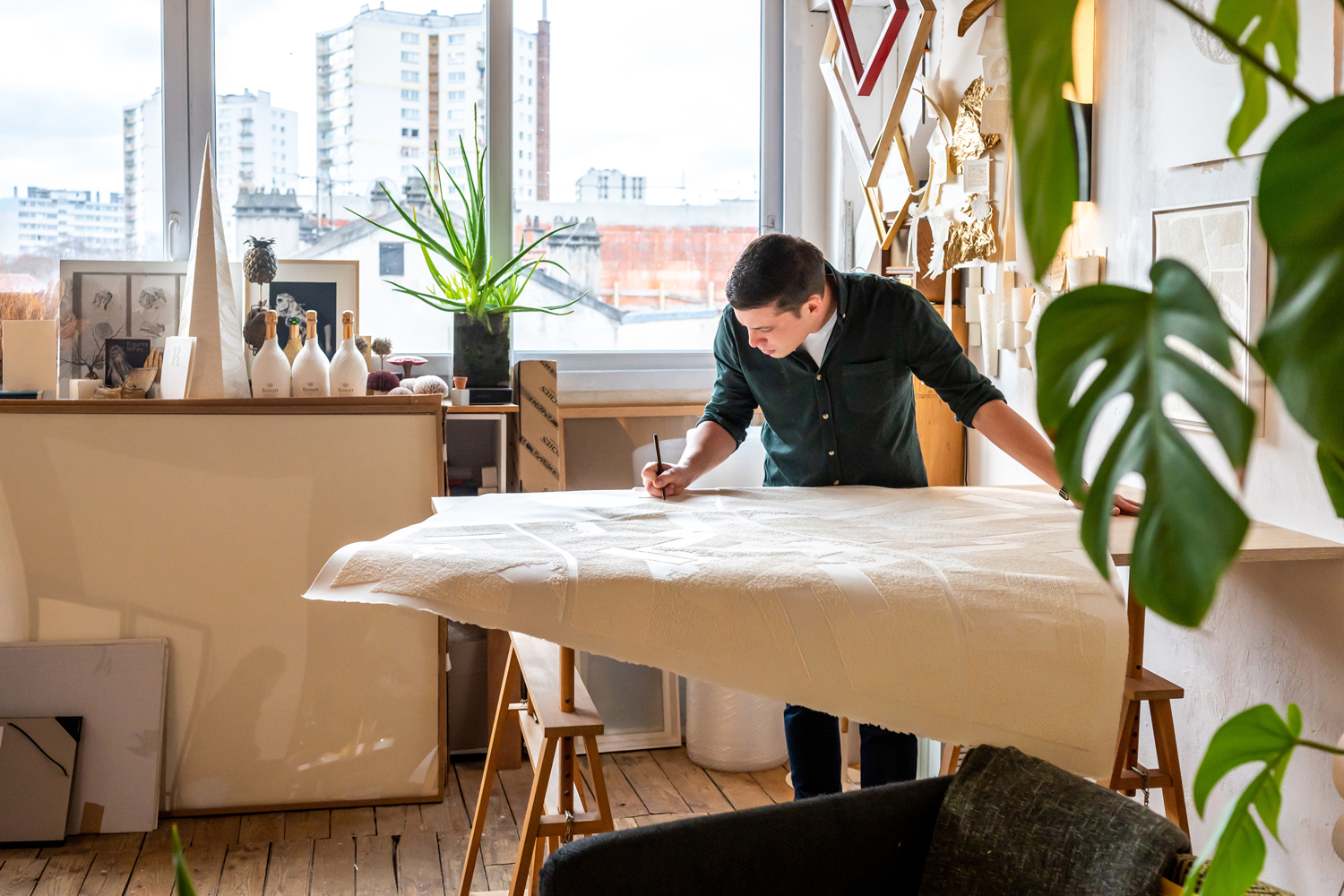
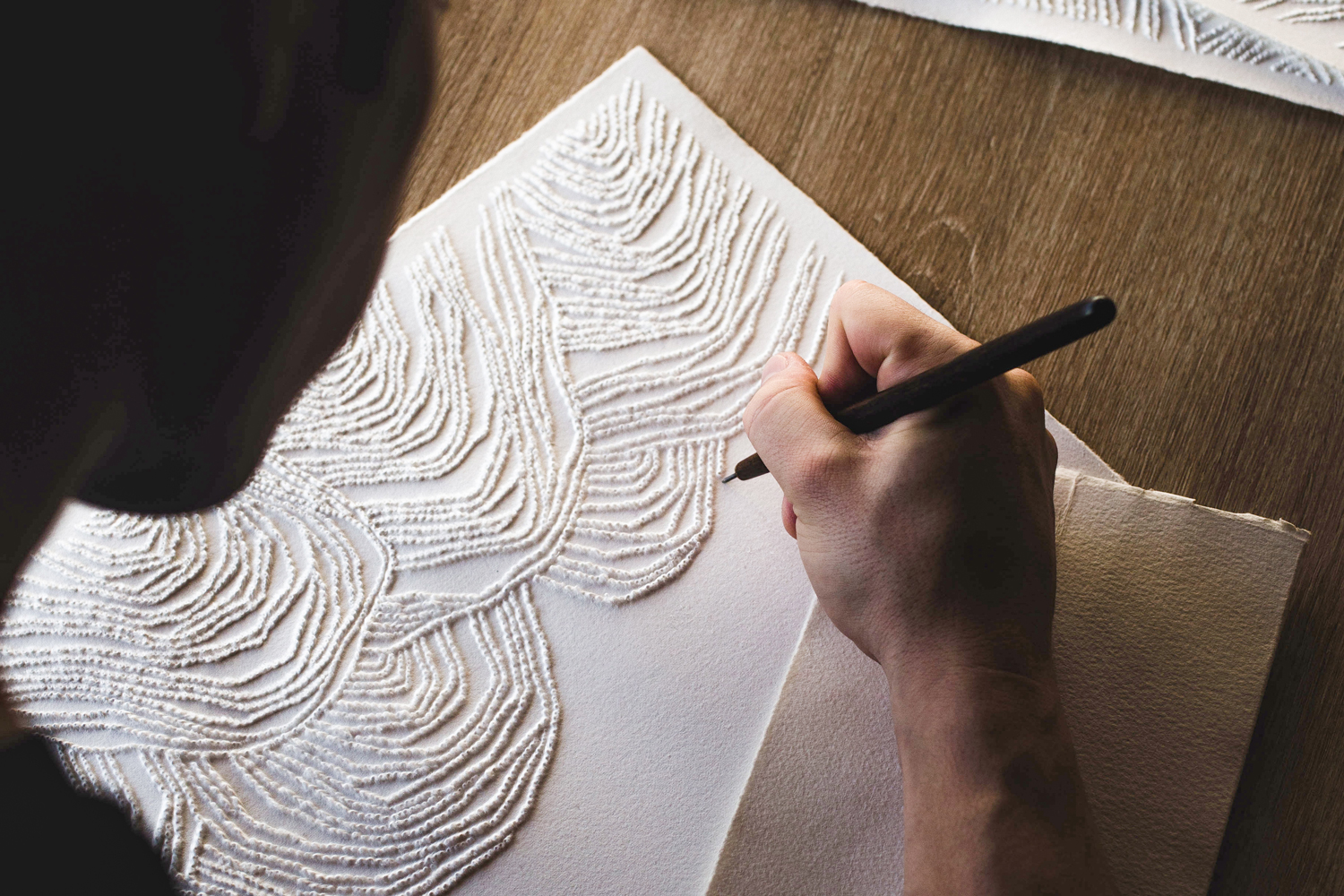
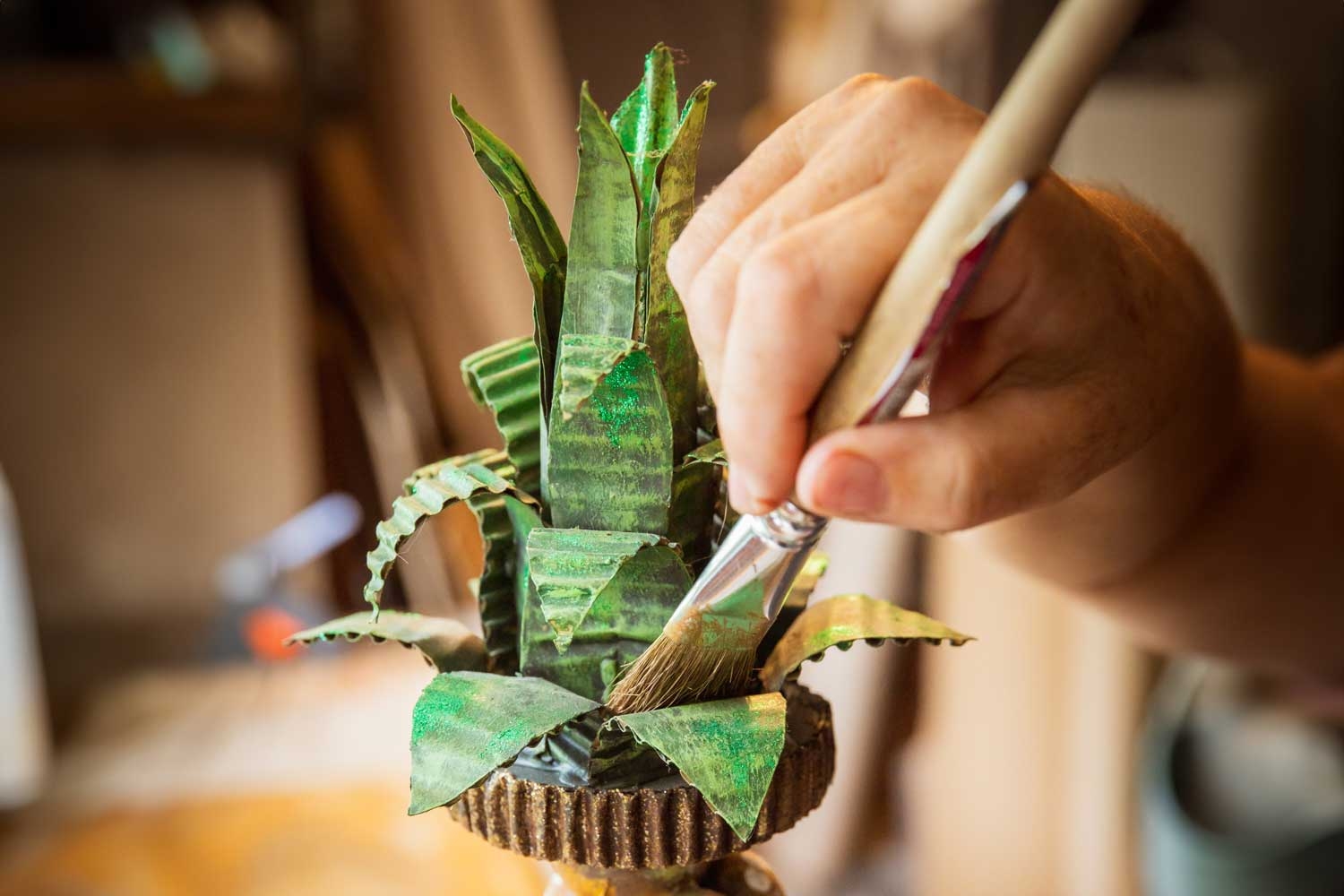
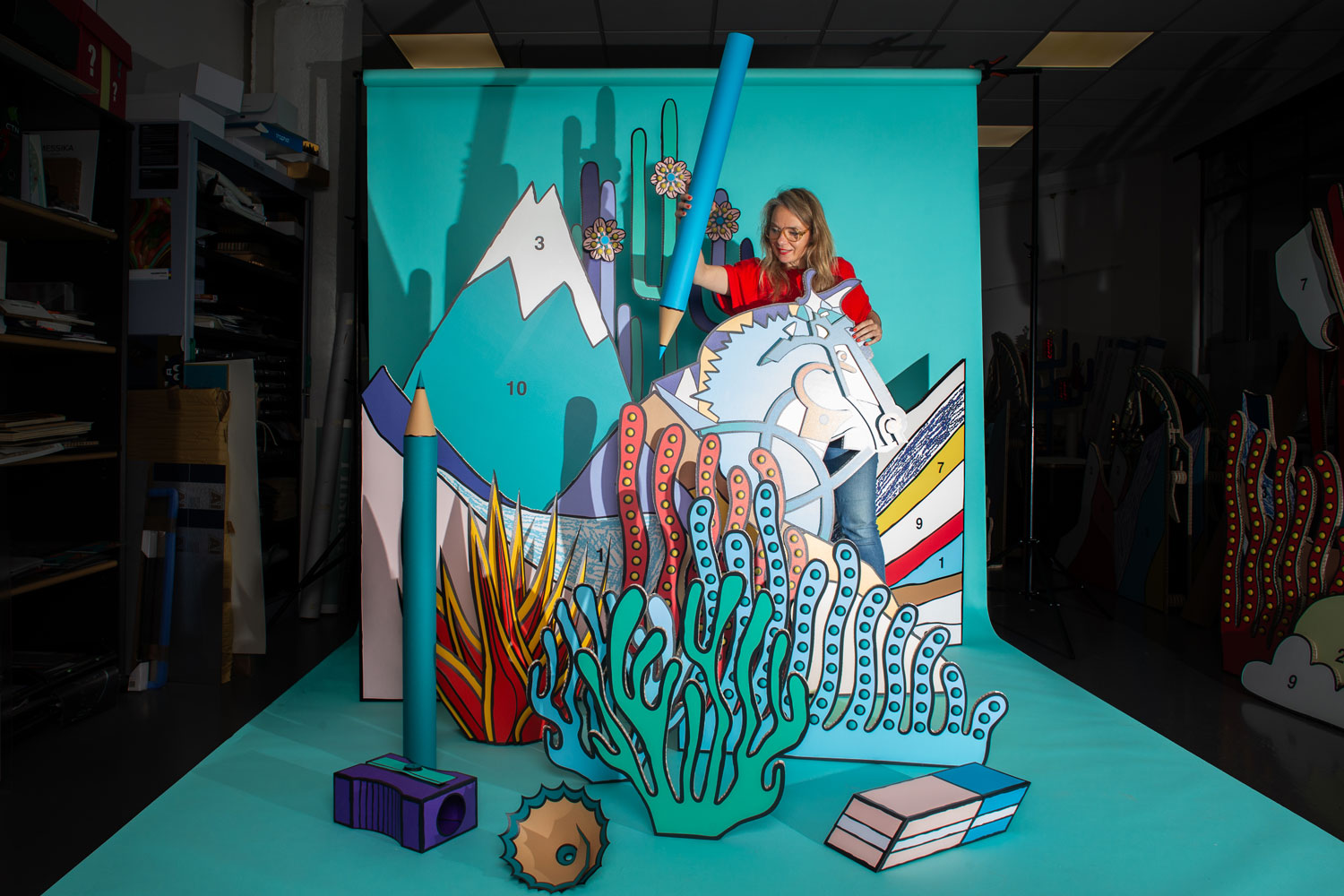
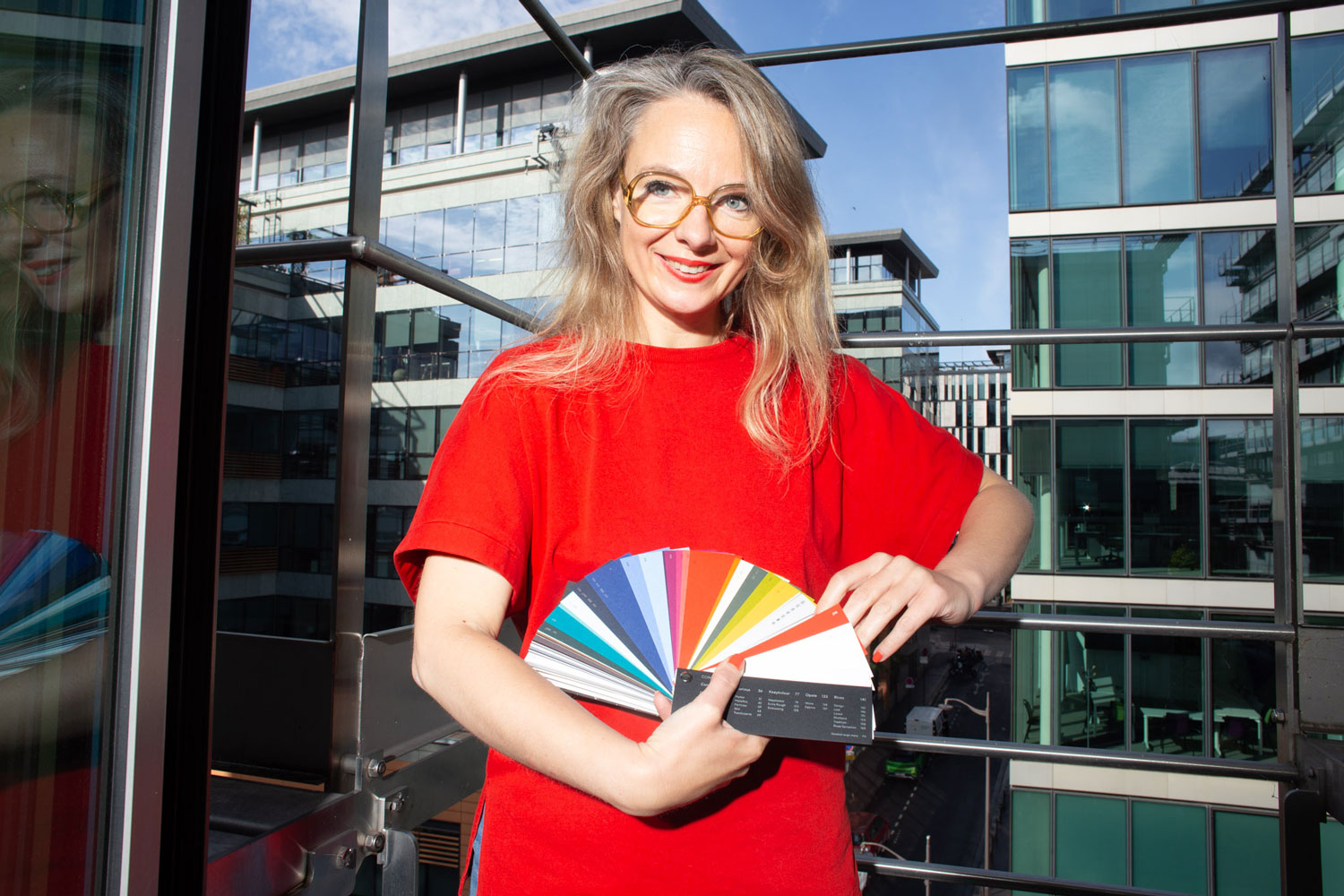
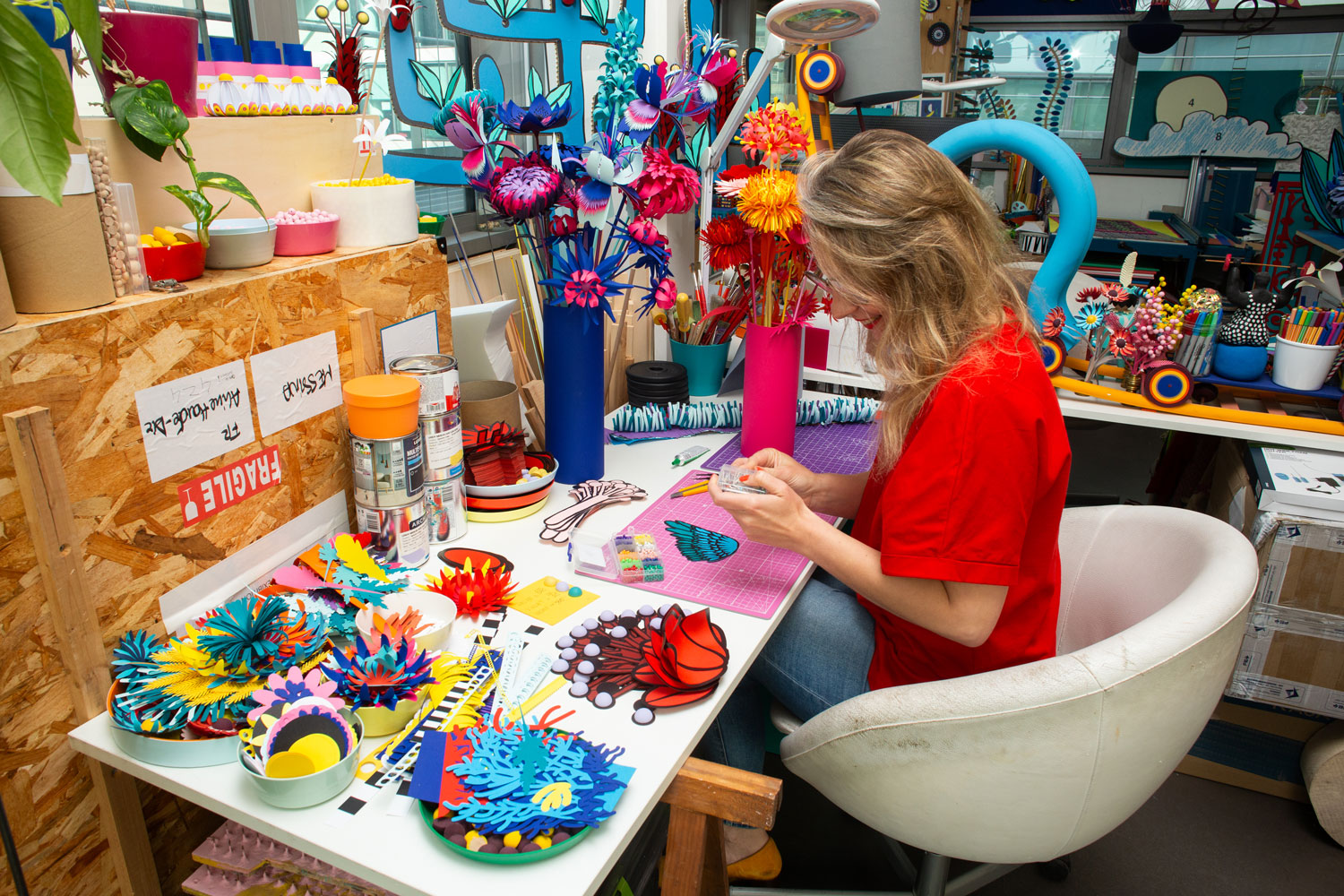
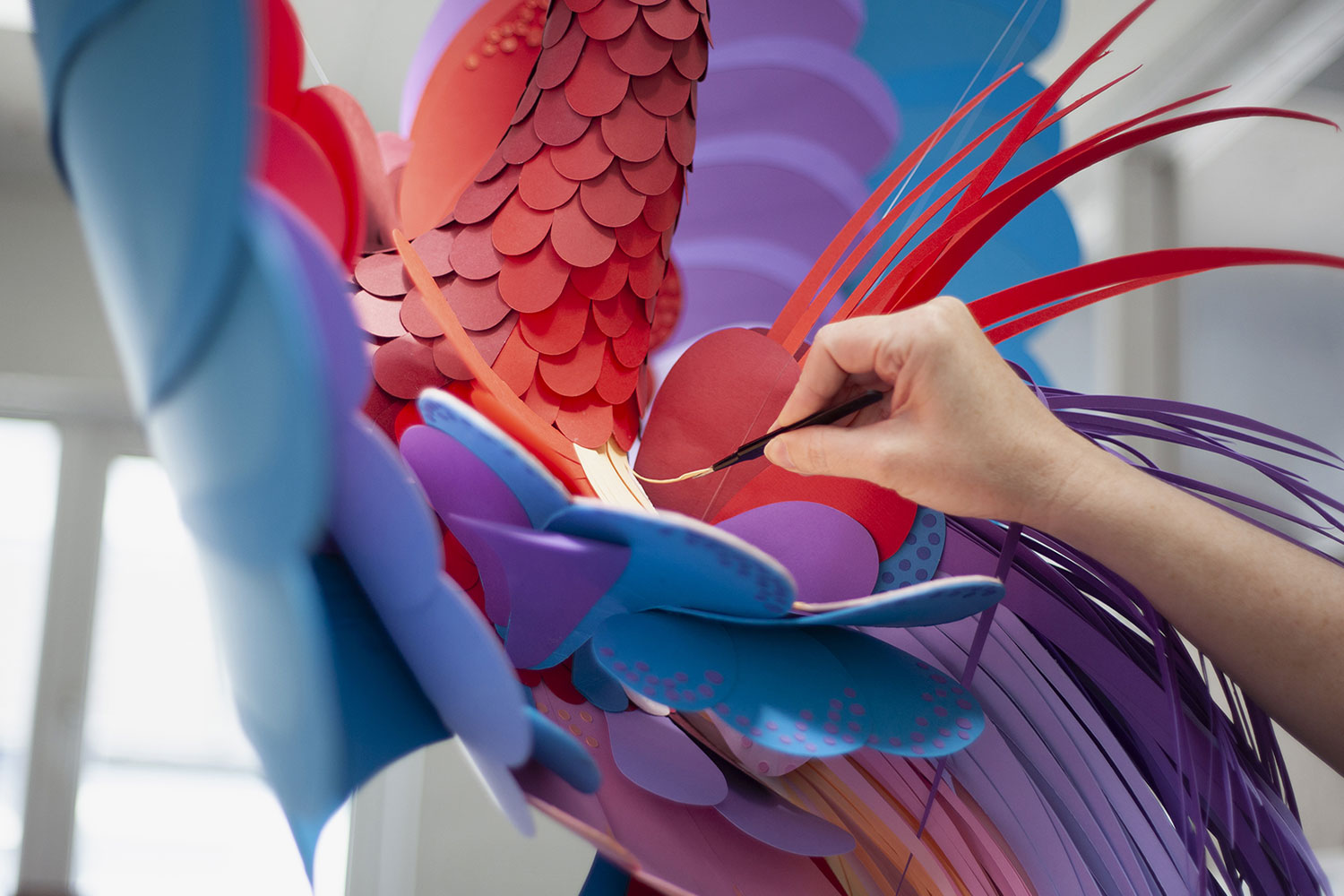
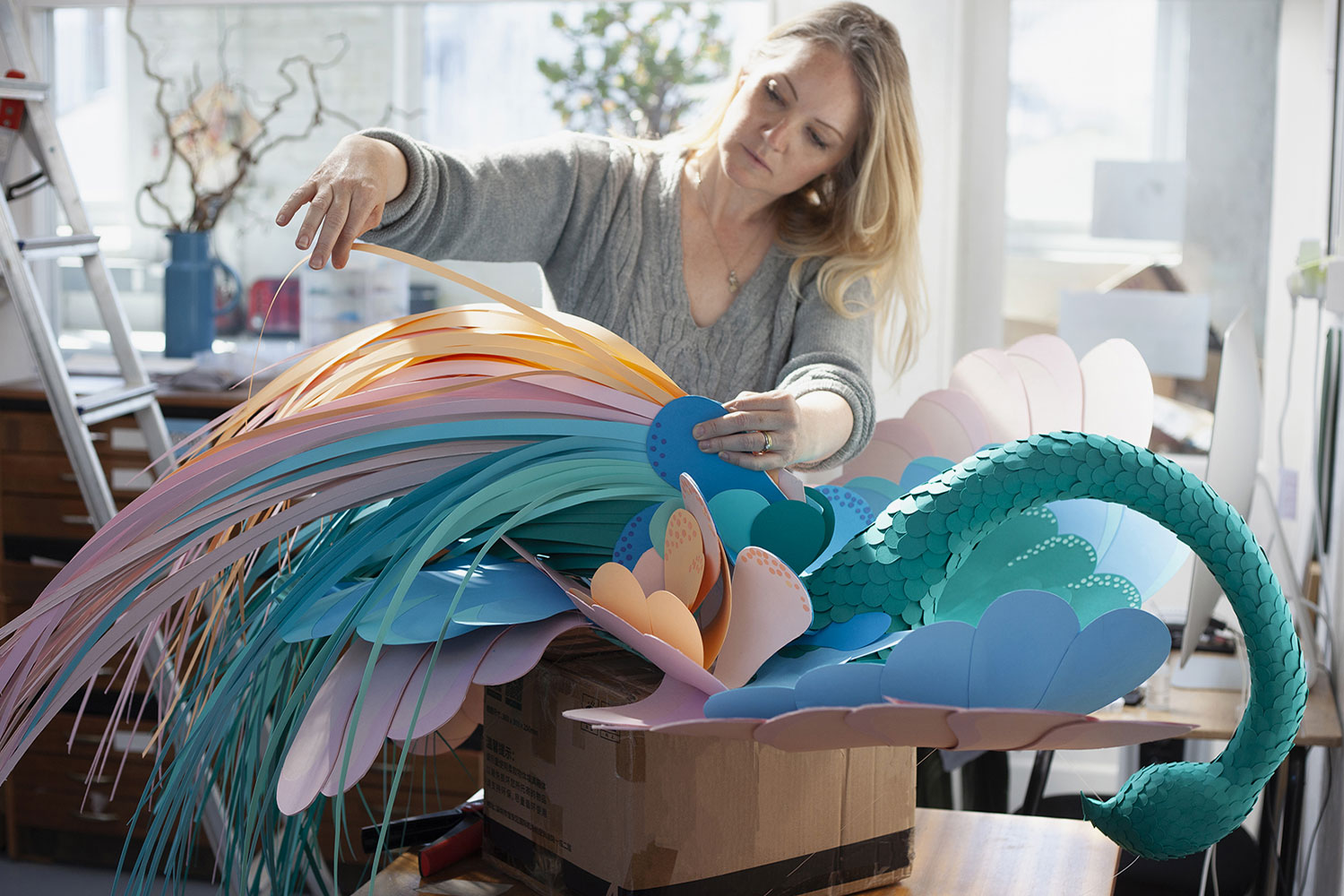
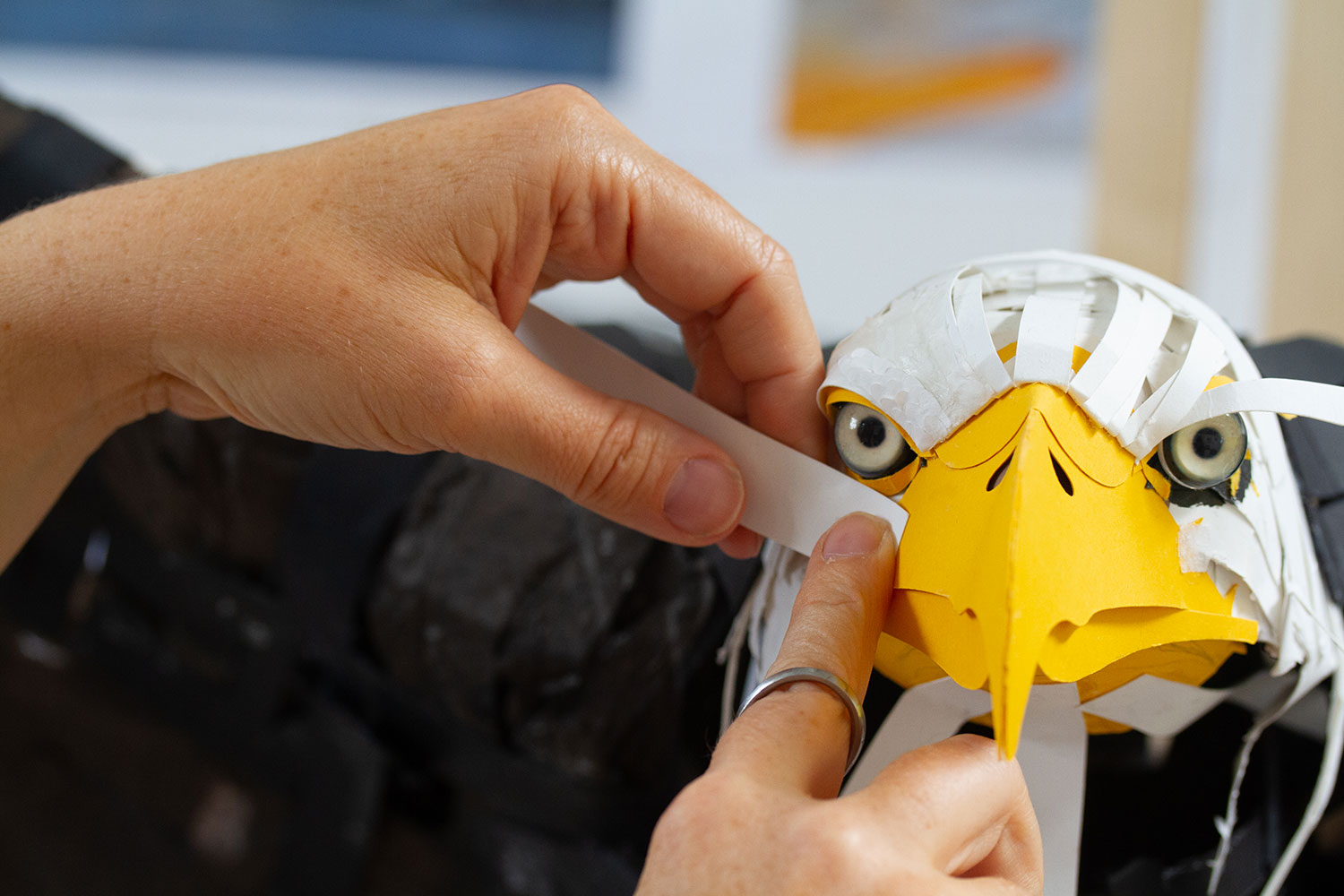
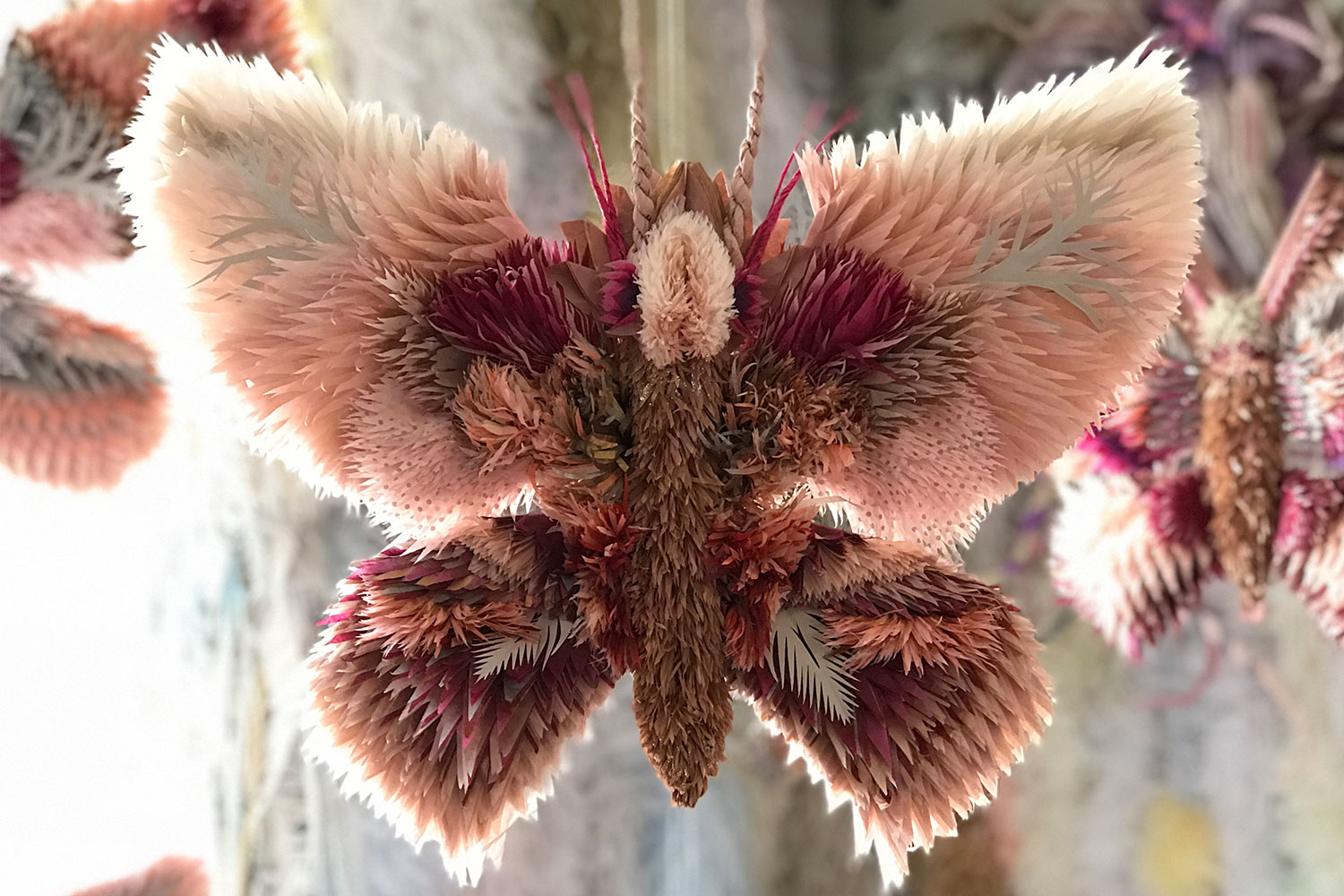
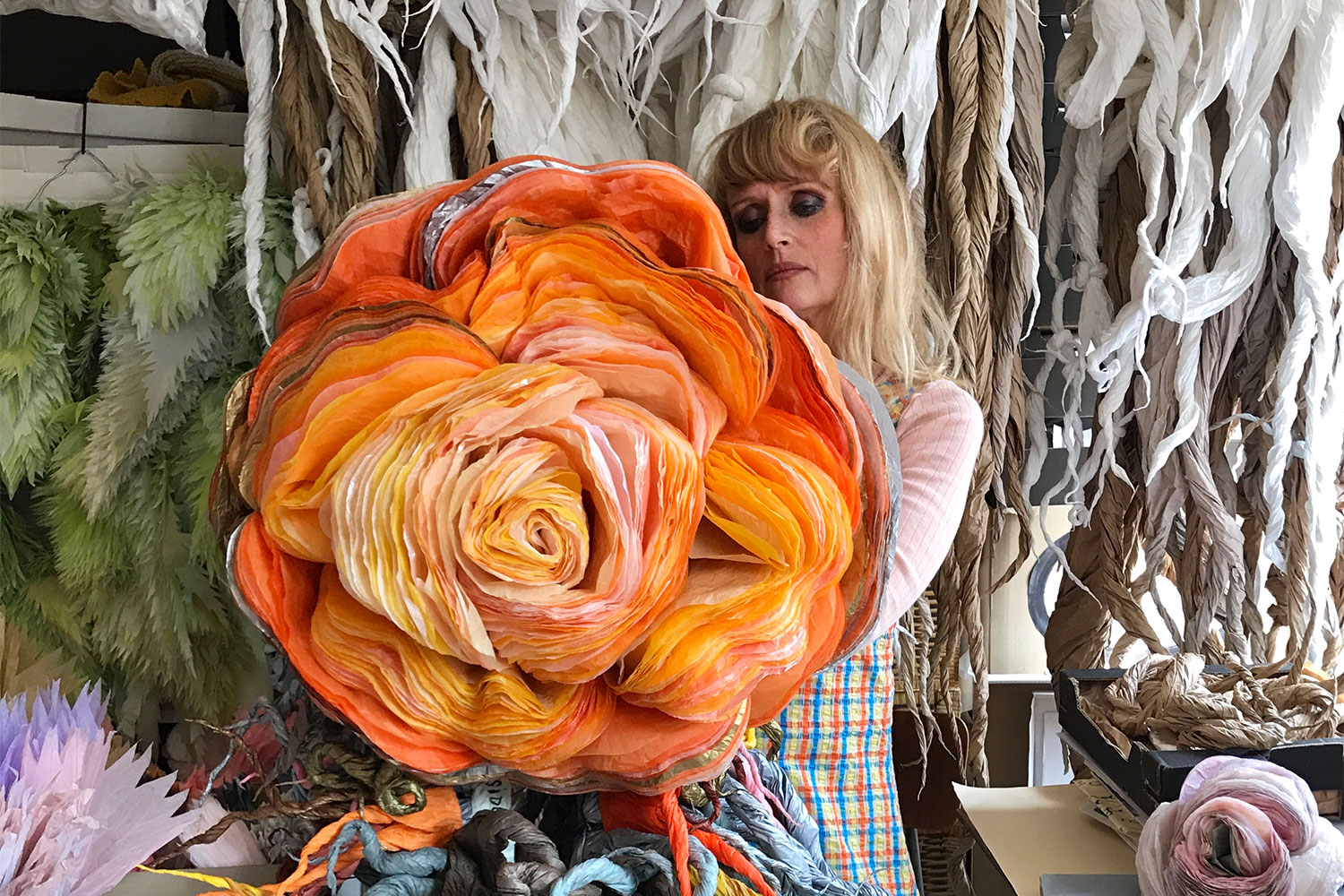
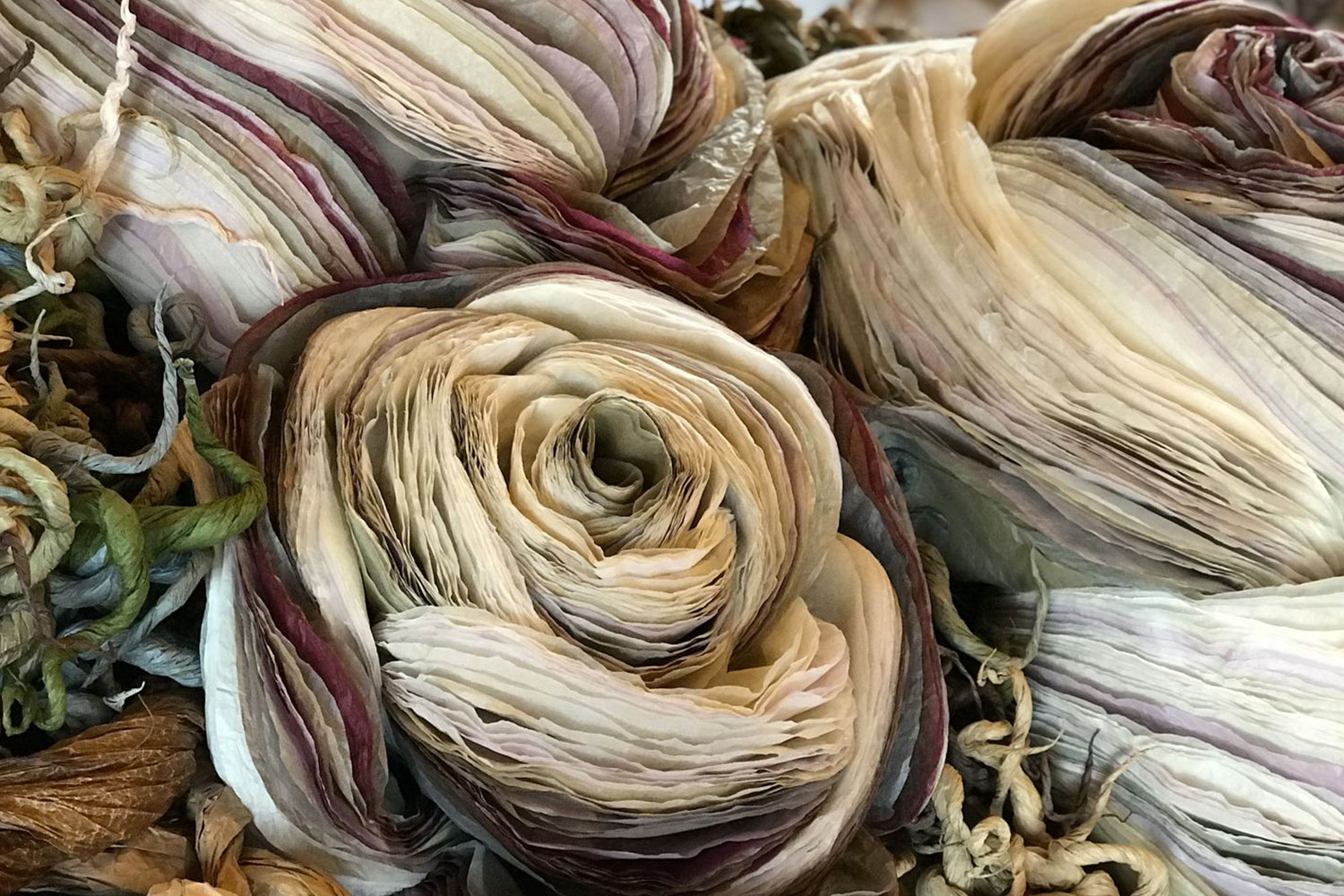
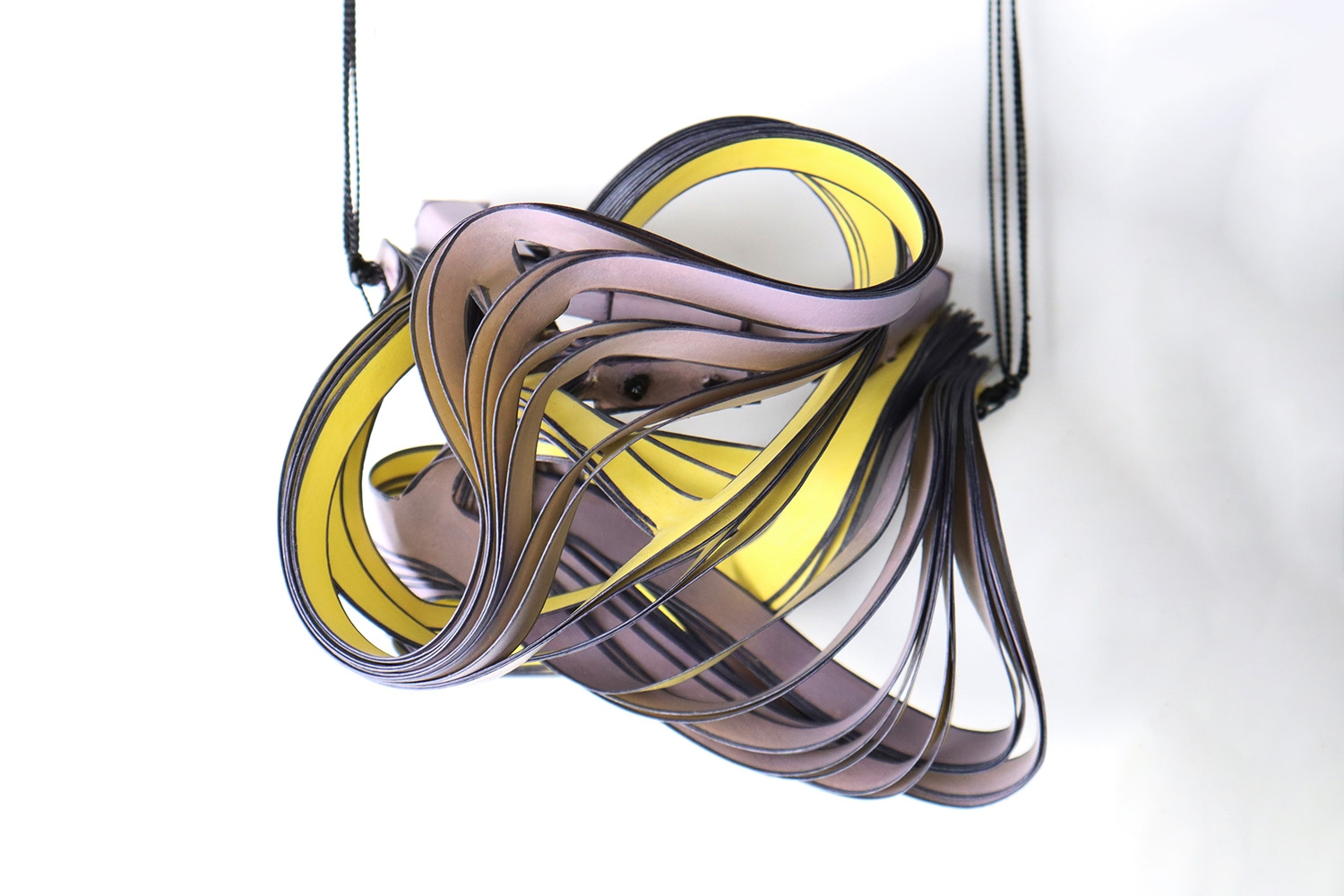
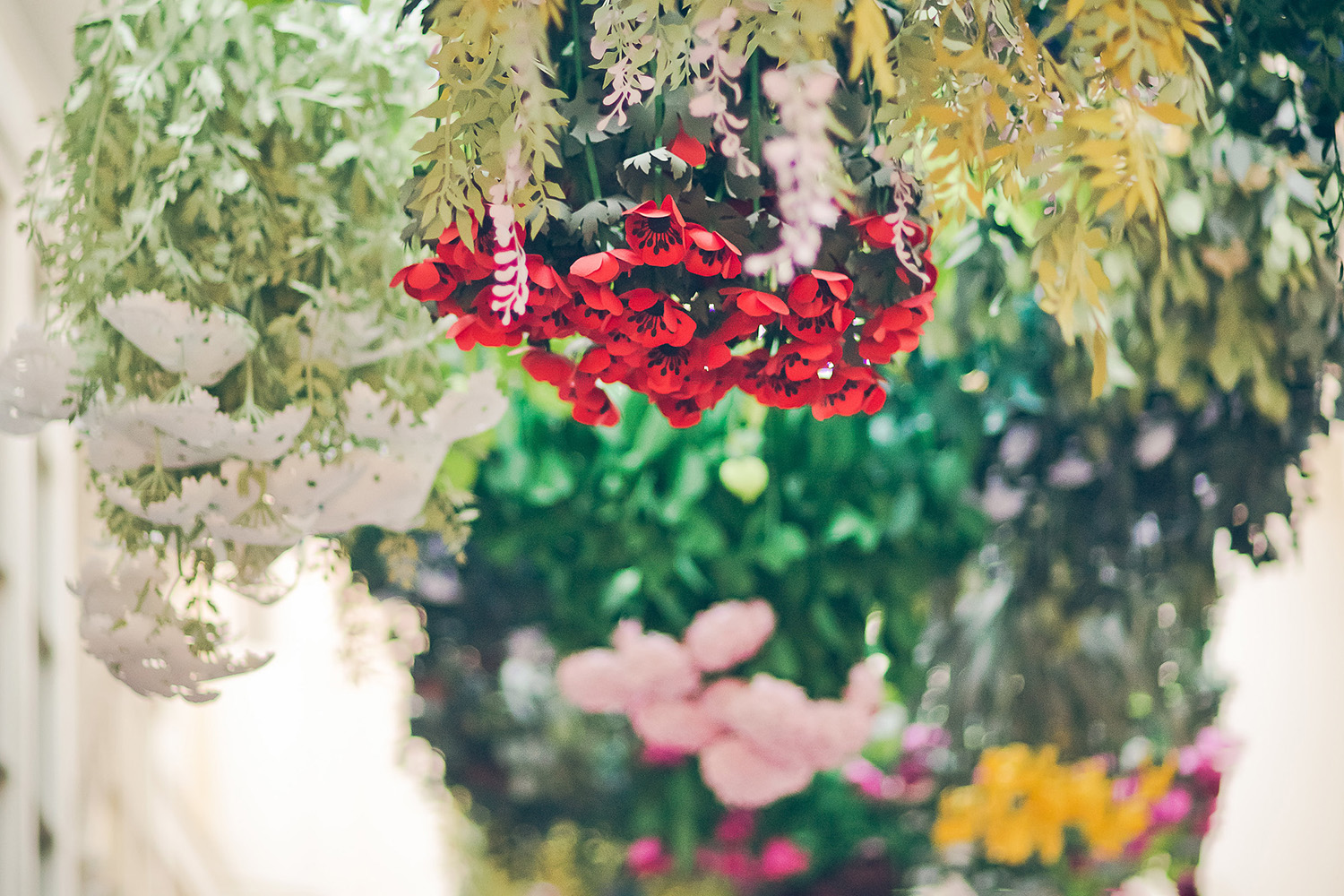
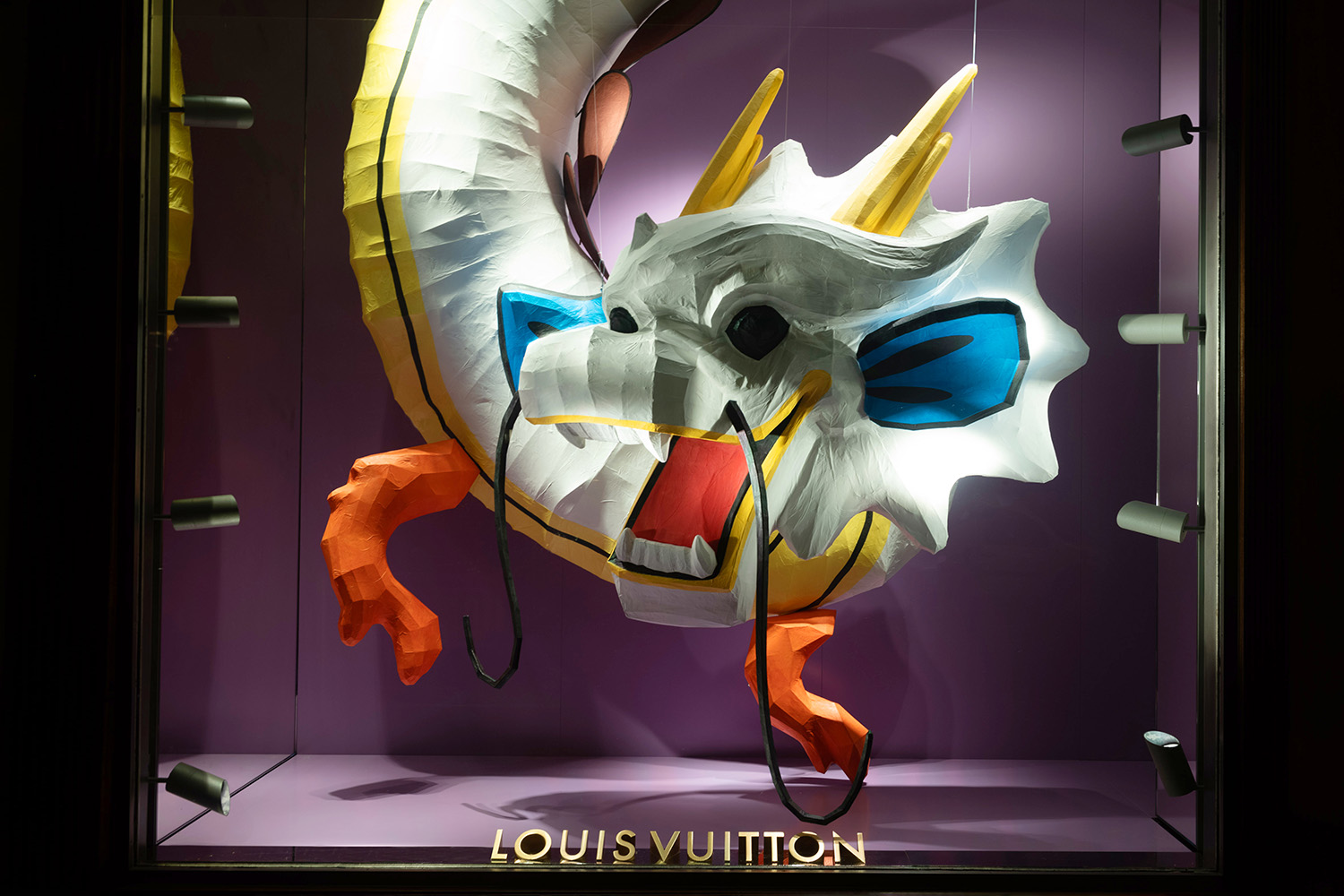
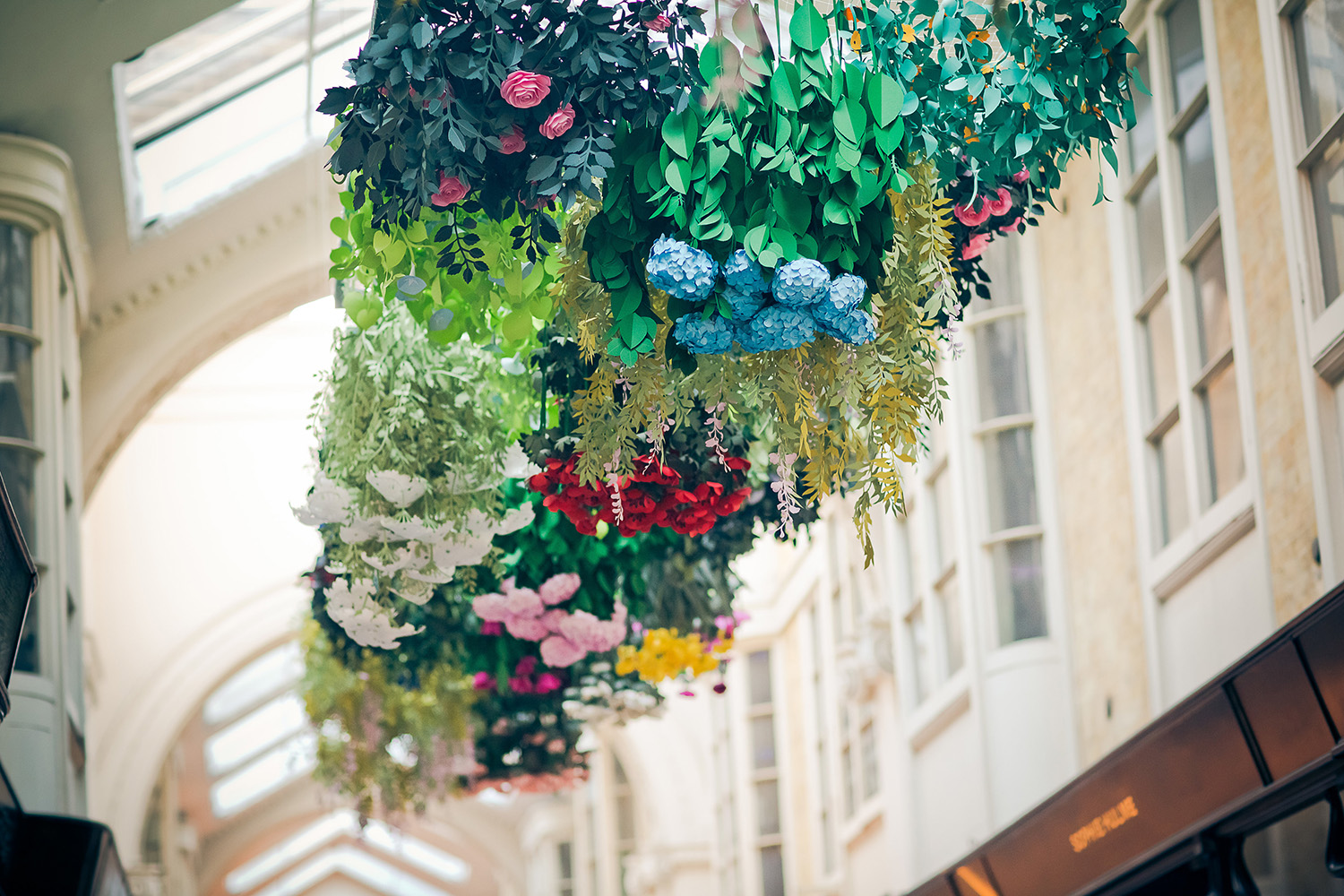
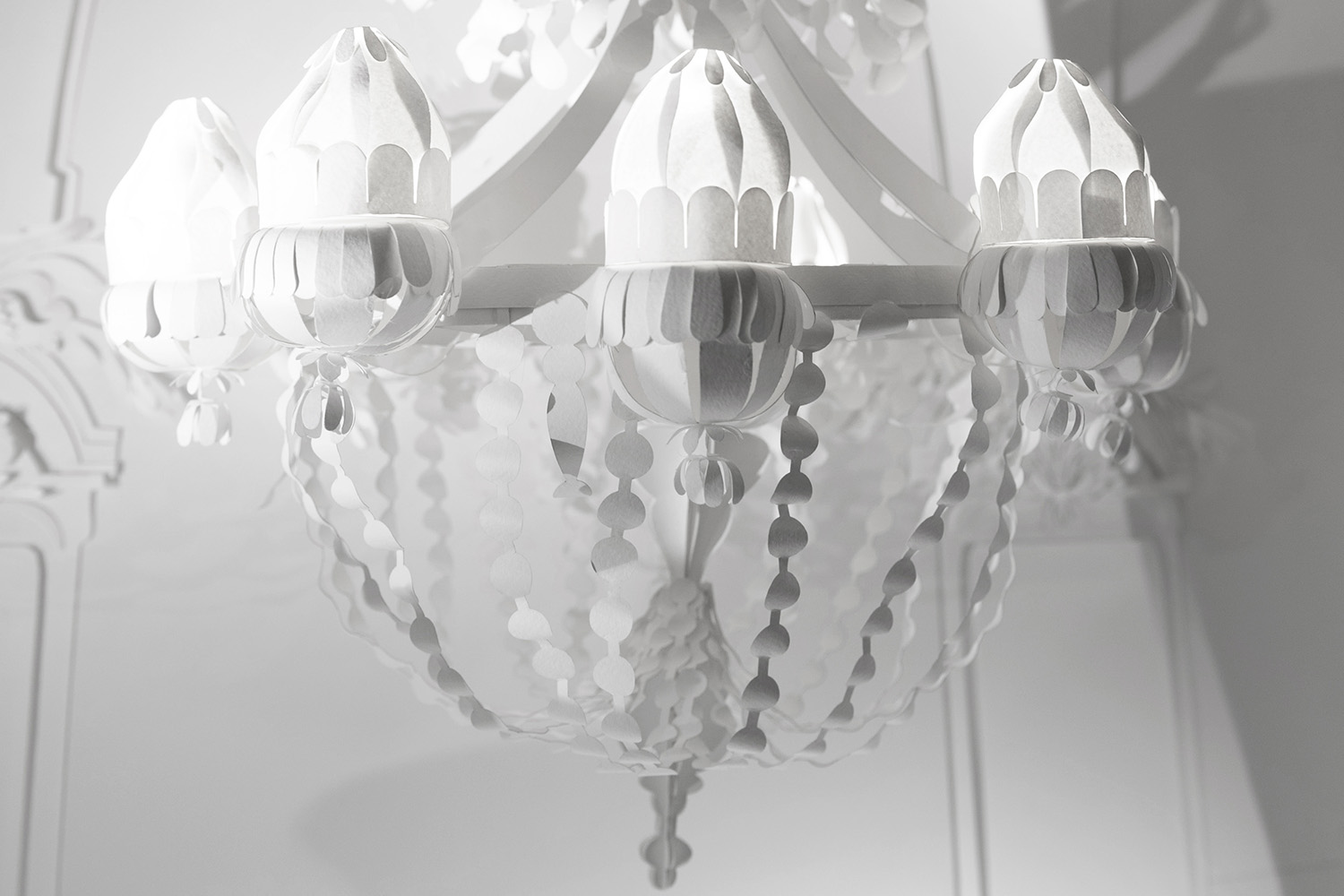
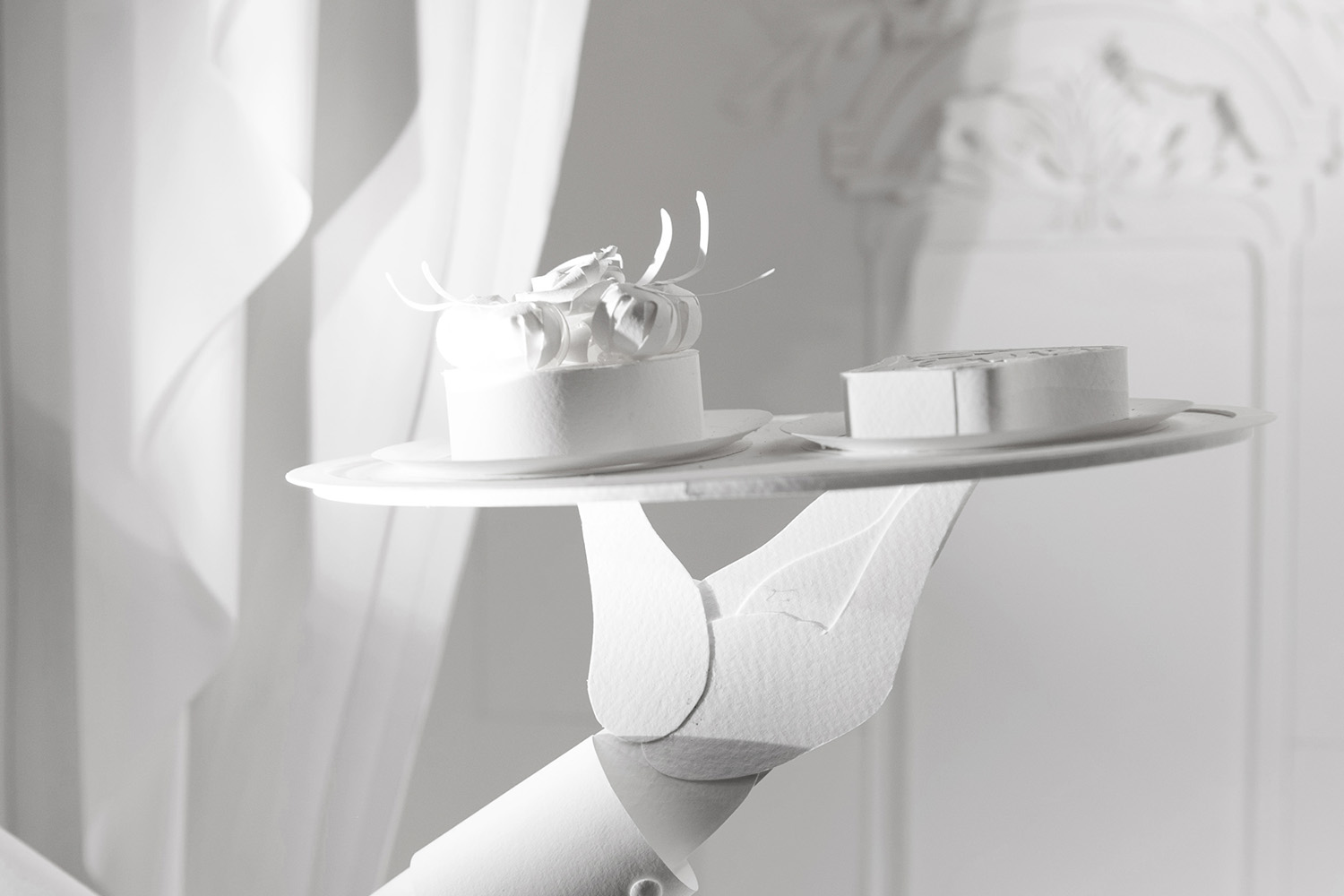
Both at school and at home, since she was a child, Mathilde Nivet enjoyed doing crafts. She made her own objects for the dolls she played with. When she grew up, she studied design for fabrics, but paper would be her true love. Inspired by Japanese and Asian aesthetics, tweaked to her personal taste, Mathilde creates flower gardens, sculptures of fantastic creatures, façades for palaces, flocks of birds out of paper. Paper being an unforgiving material, the slightest mistake might mean she has to start something all over again. Her paper work has led her into designing entire sets, which transport the viewer to a world of dreams: lightness and elegance are mixed in delicate shapes cut with scissors and other simple tools.
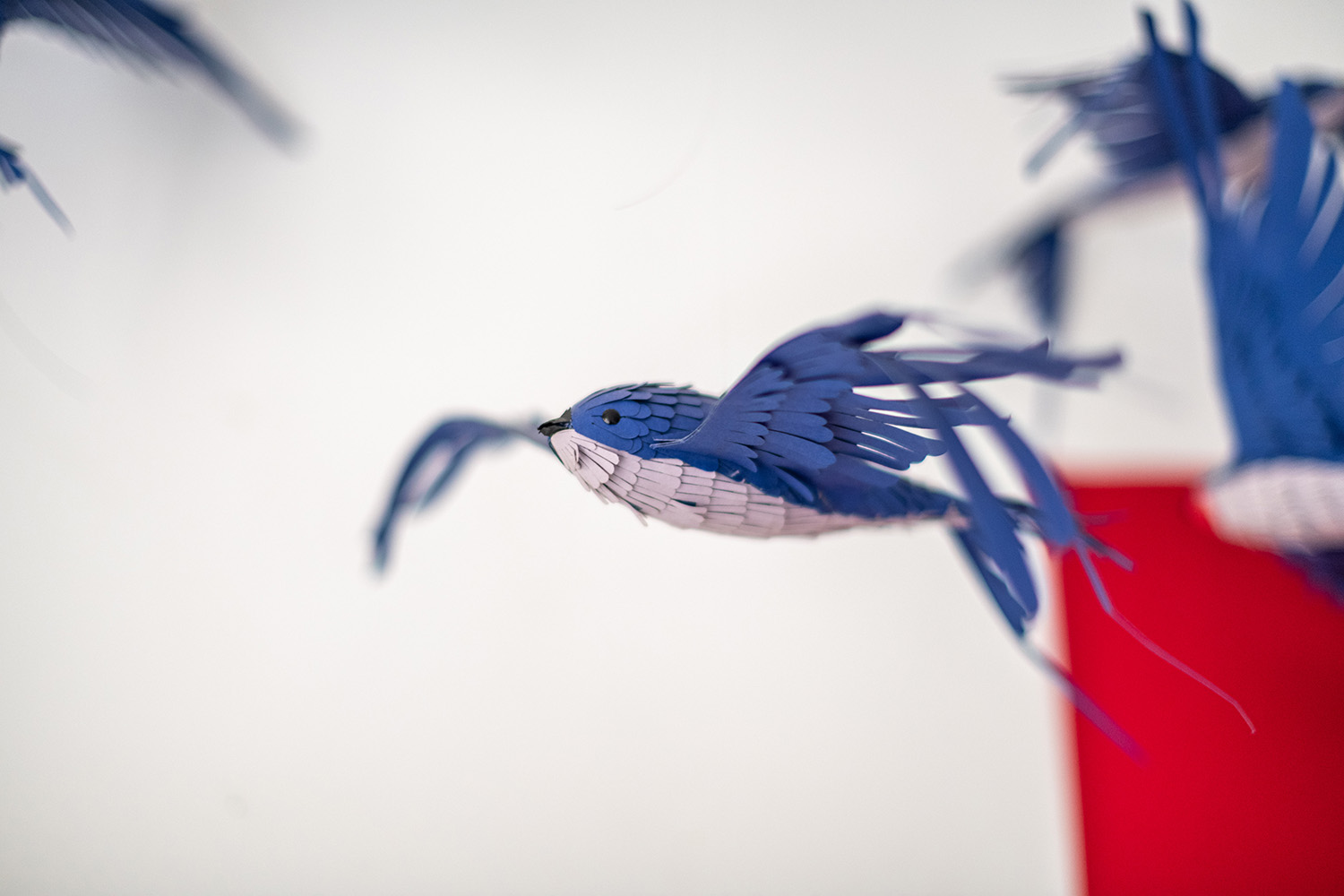
INTERVIEW
What I love most is the sense of ephemeral and fragility that it conveys. In part this is true, paper is delicate. In a few seconds, it cuts and crumples. But it is strong too. If well preserved and protected, it is preserved over time for several years.
Nature and all its forms attract me very much. I find them elegant, harmonious and full of charm. I live between Paris and the countryside, and I am inspired by what I see. I am also very affected by my studies on textiles and Japanese decorative arts.
Paper does not forgive, if I make a mistake I have to start again. But it can also depend on what I am doing: a defect in a slightly hidden part of a complex piece, I might be able to hide, then I try to do so; otherwise, I redo everything.
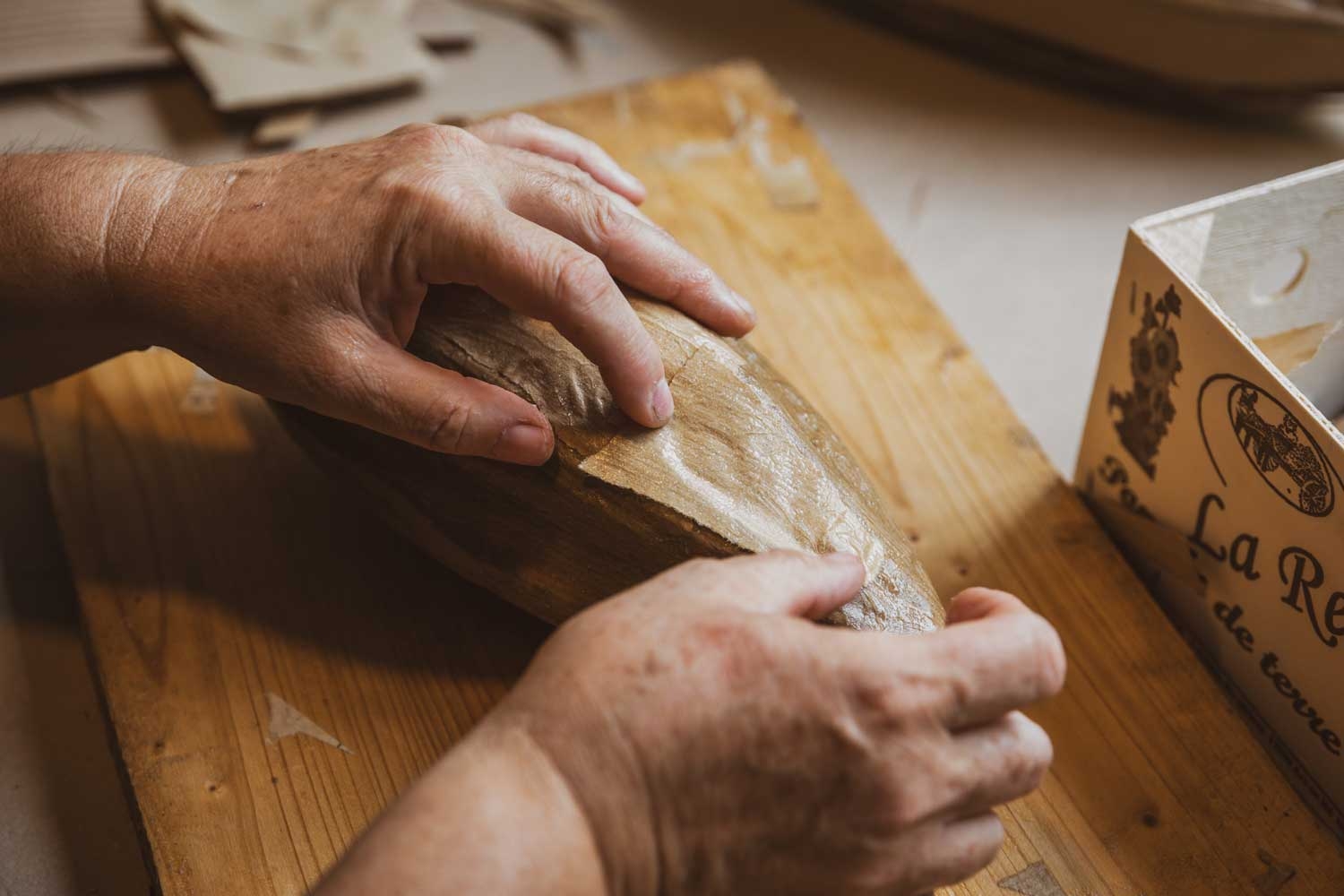
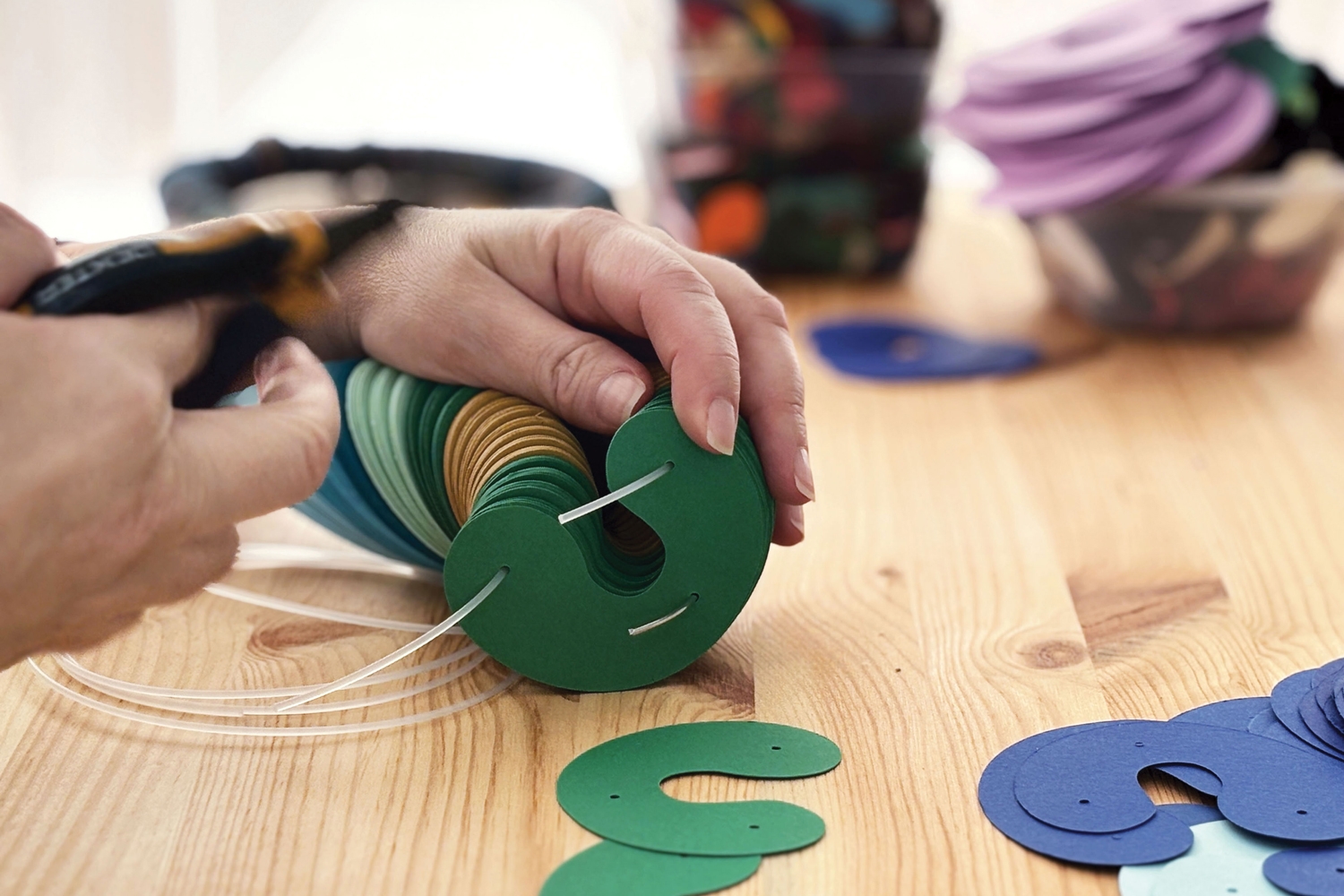
Tradition derives from the fact that manual work has been practised since ancient times and I certainly use traditional tools. In terms of innovation, I always learn something new.


VICTOR-CADENE_CADRES_OEUVRES_0012-copy.jpg)
2023-06-VictorCadene-Bourron-20-copy.jpg)
EDITED_VC-Interieur22-copy.jpg)