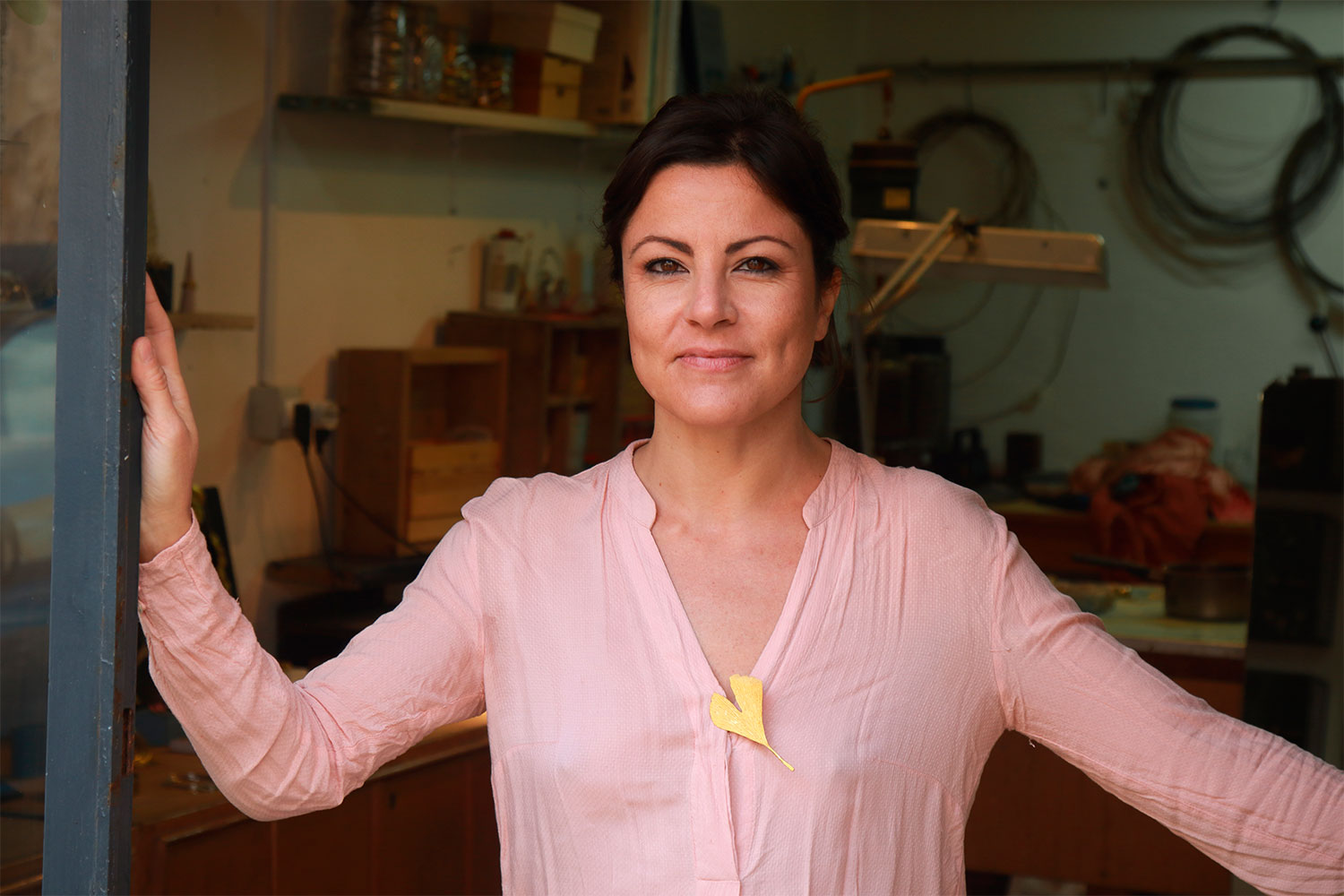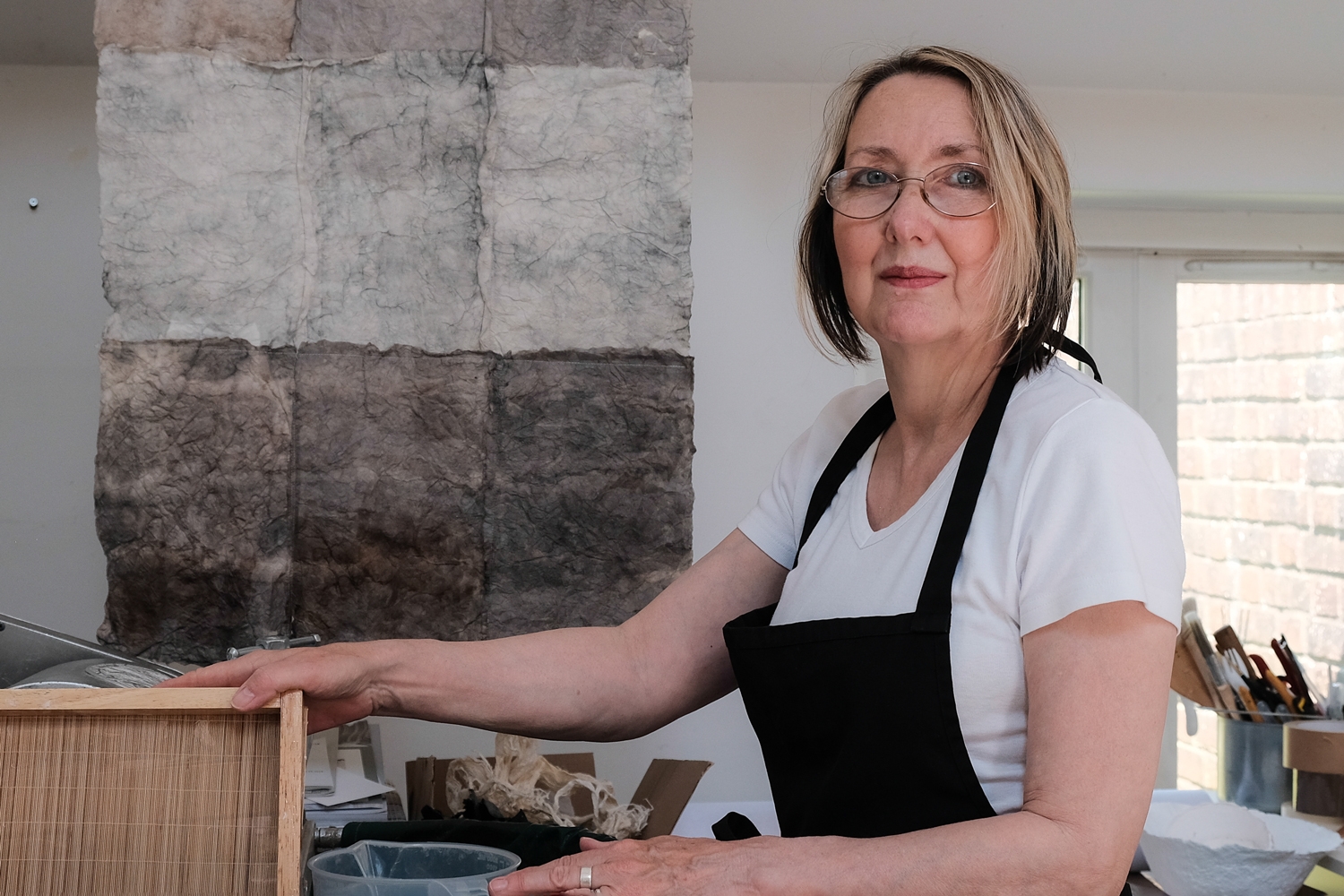
Lydia Hirte
Paper artist
Dresden, Germany
A paper twist for jewellery art
- Lydia developed her own method to create paper jewellery
- Forming her paper into stiff bundles requires intense concentration
- She experiments in a realm between paper art and jewellery design
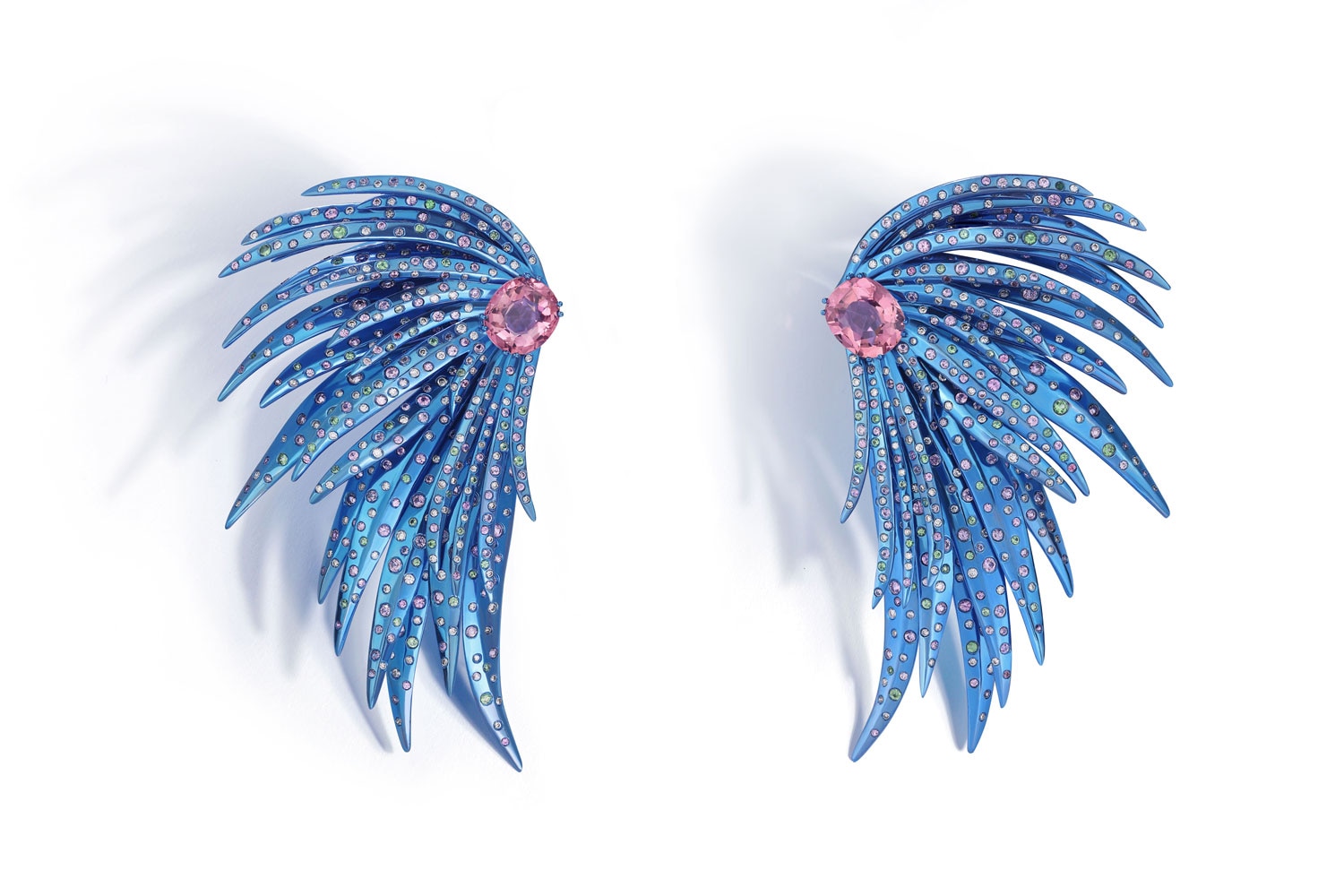
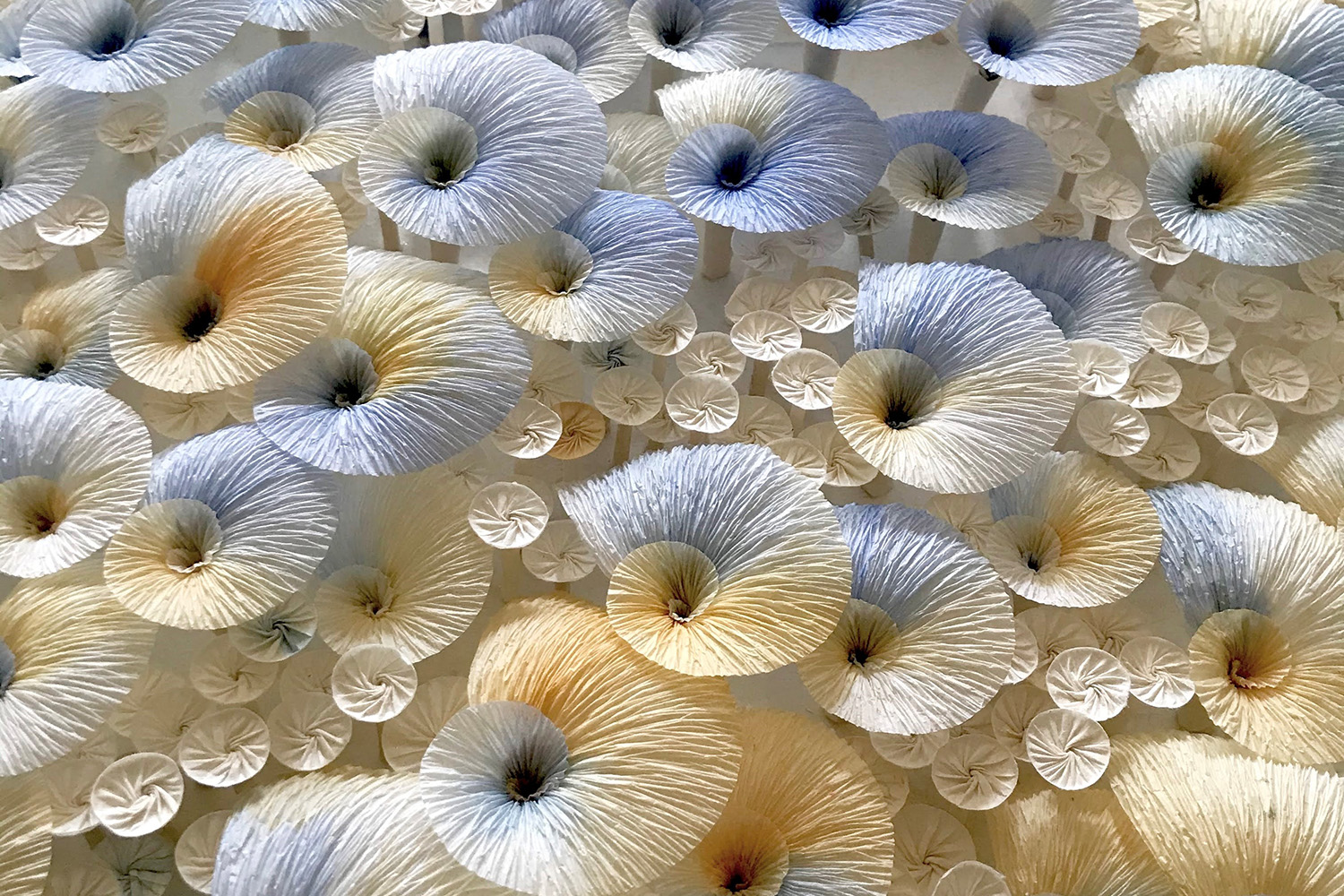
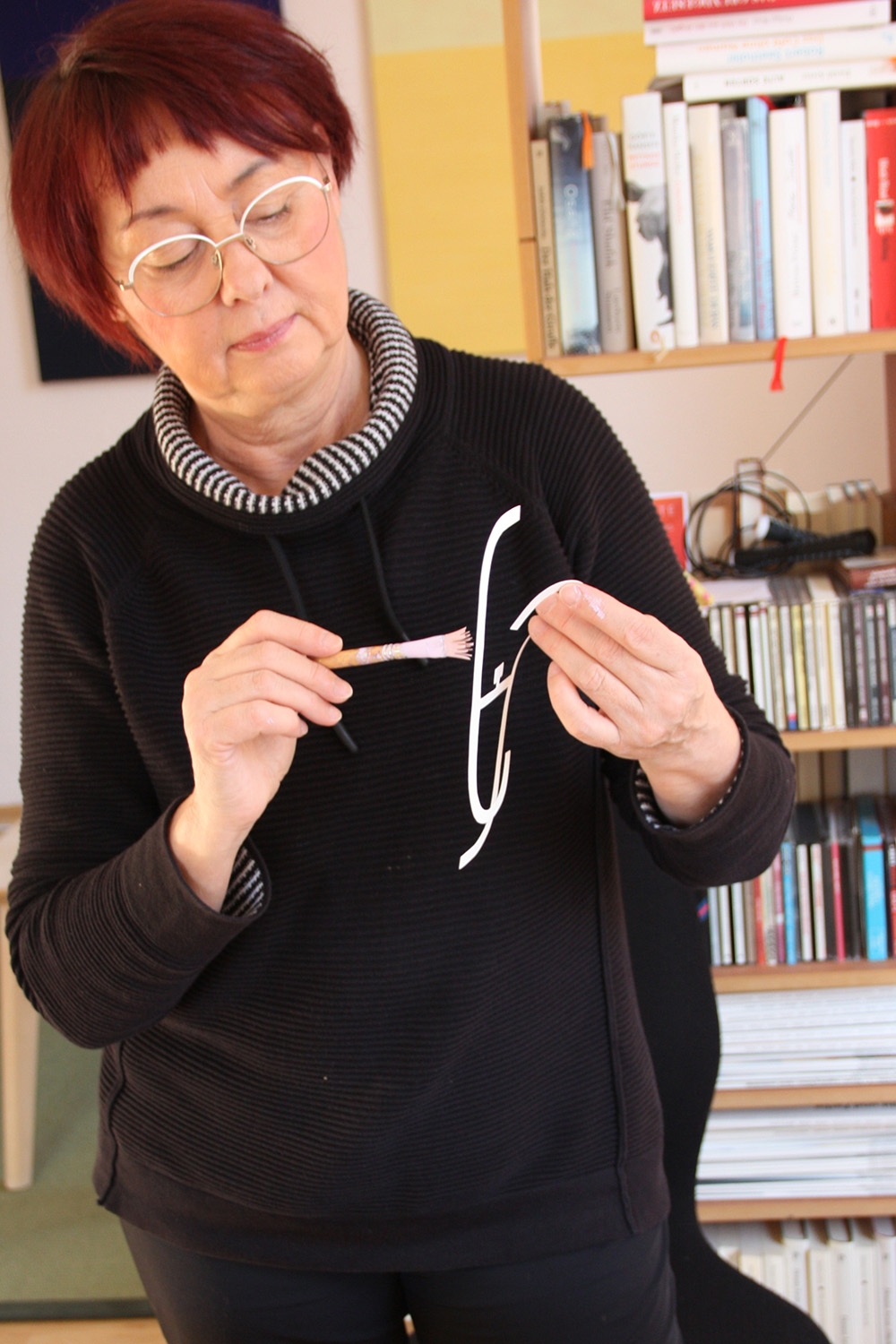
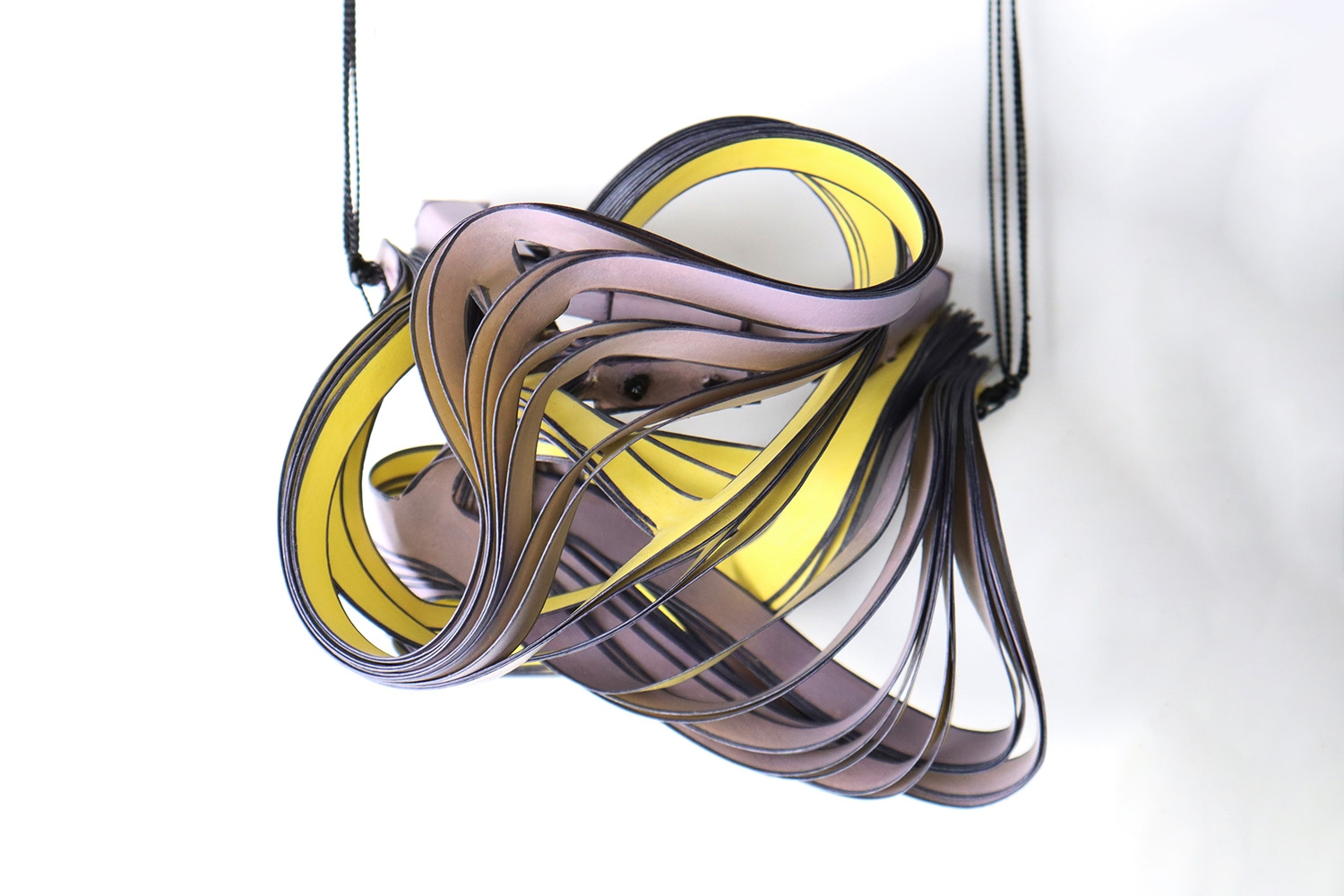
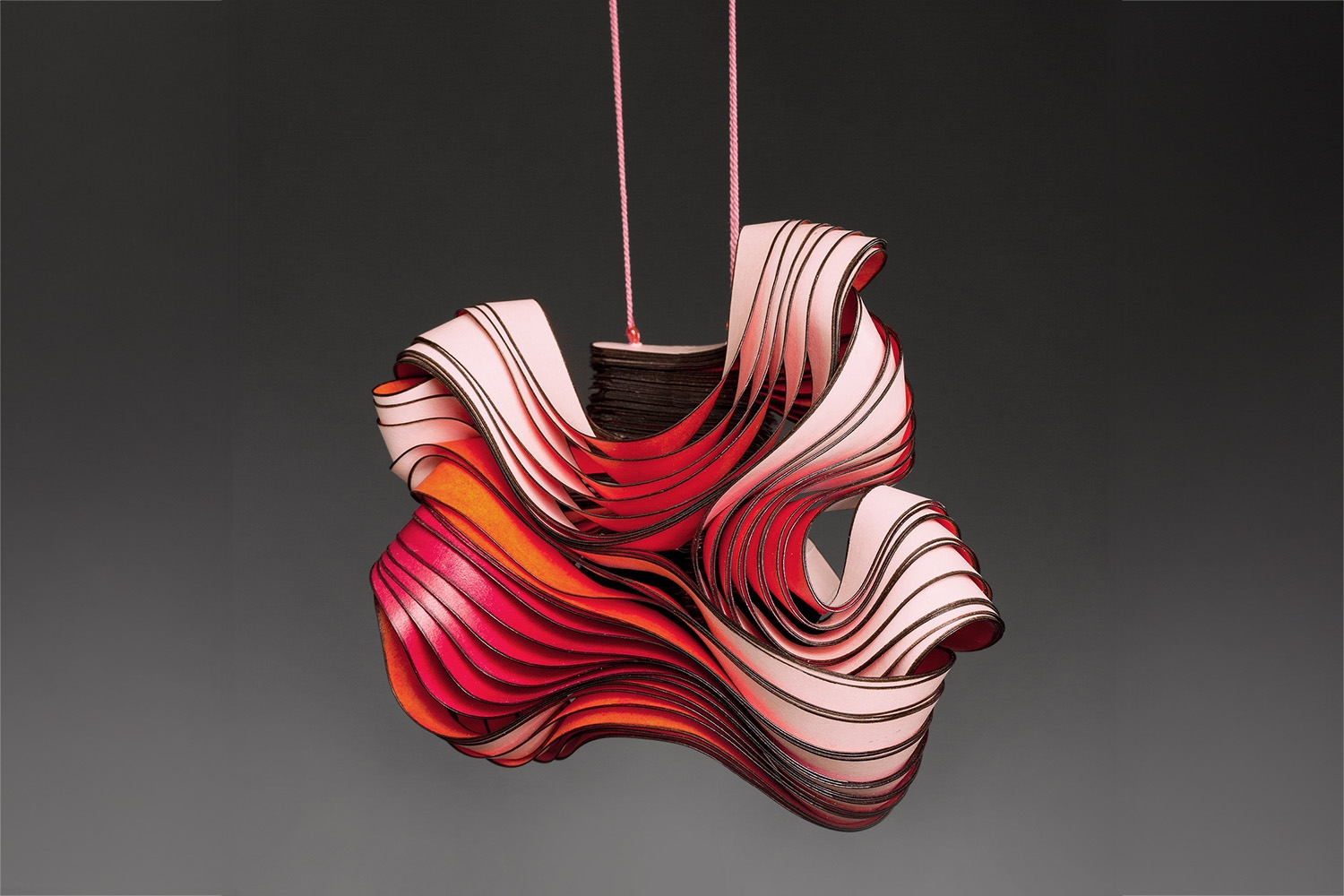
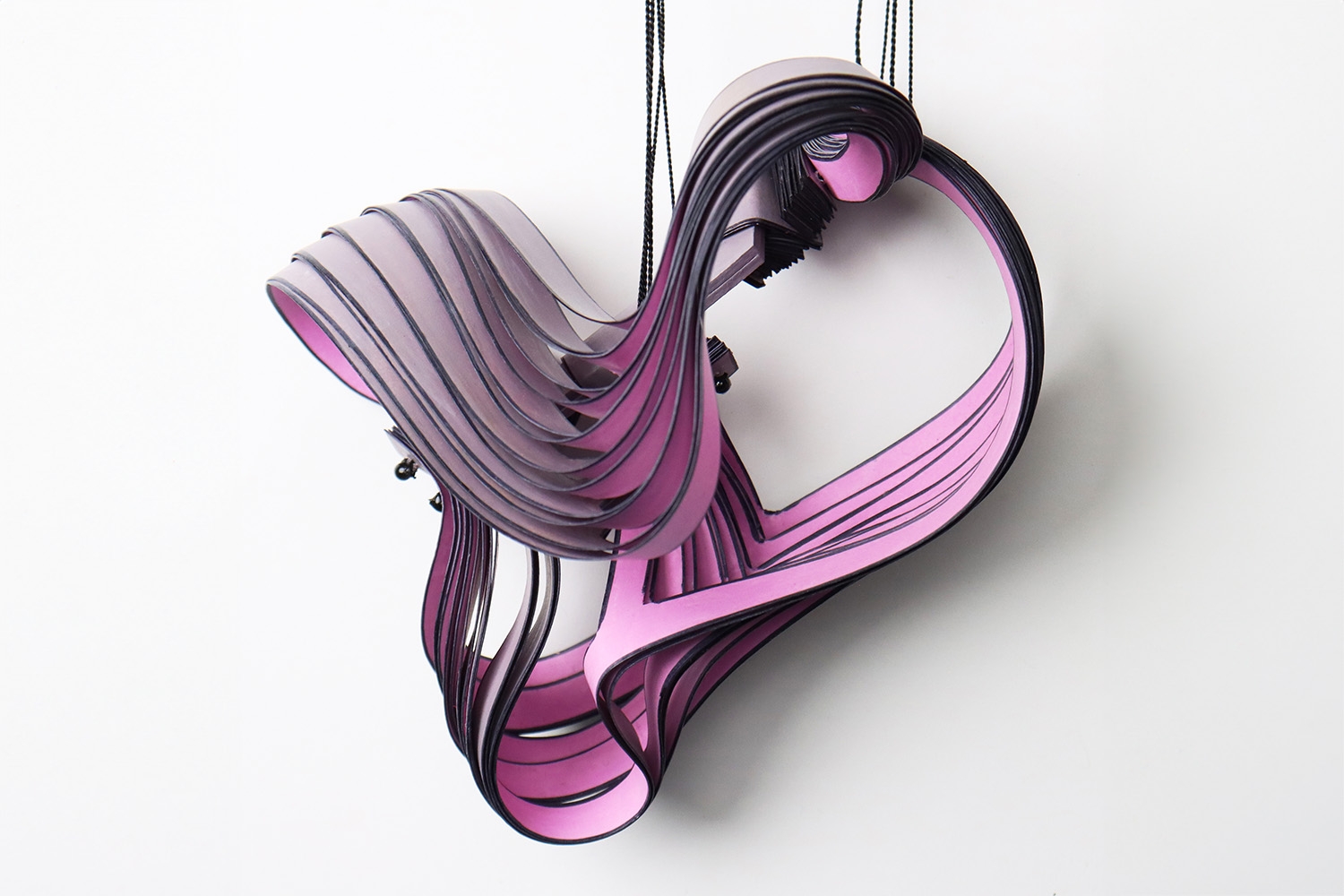
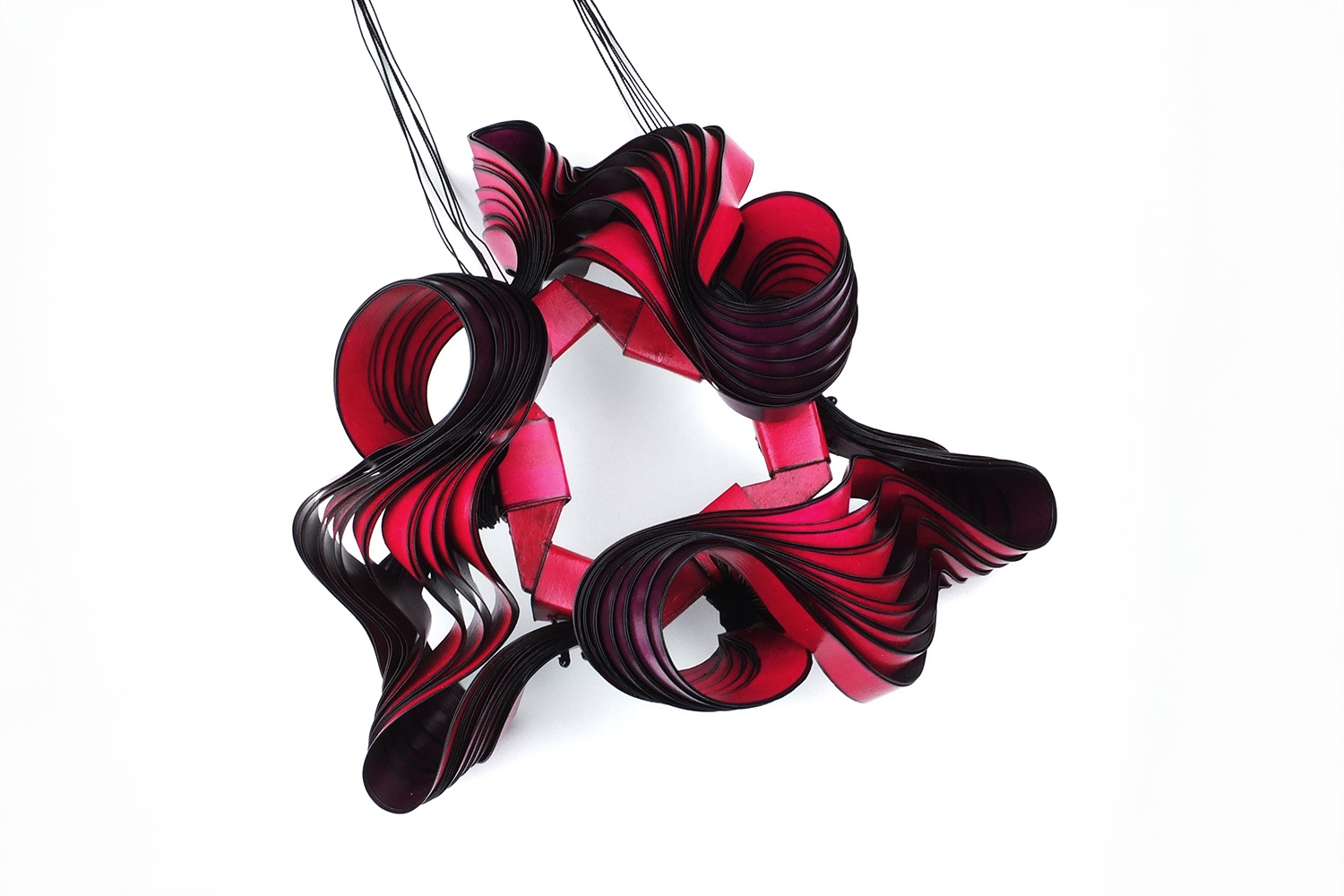
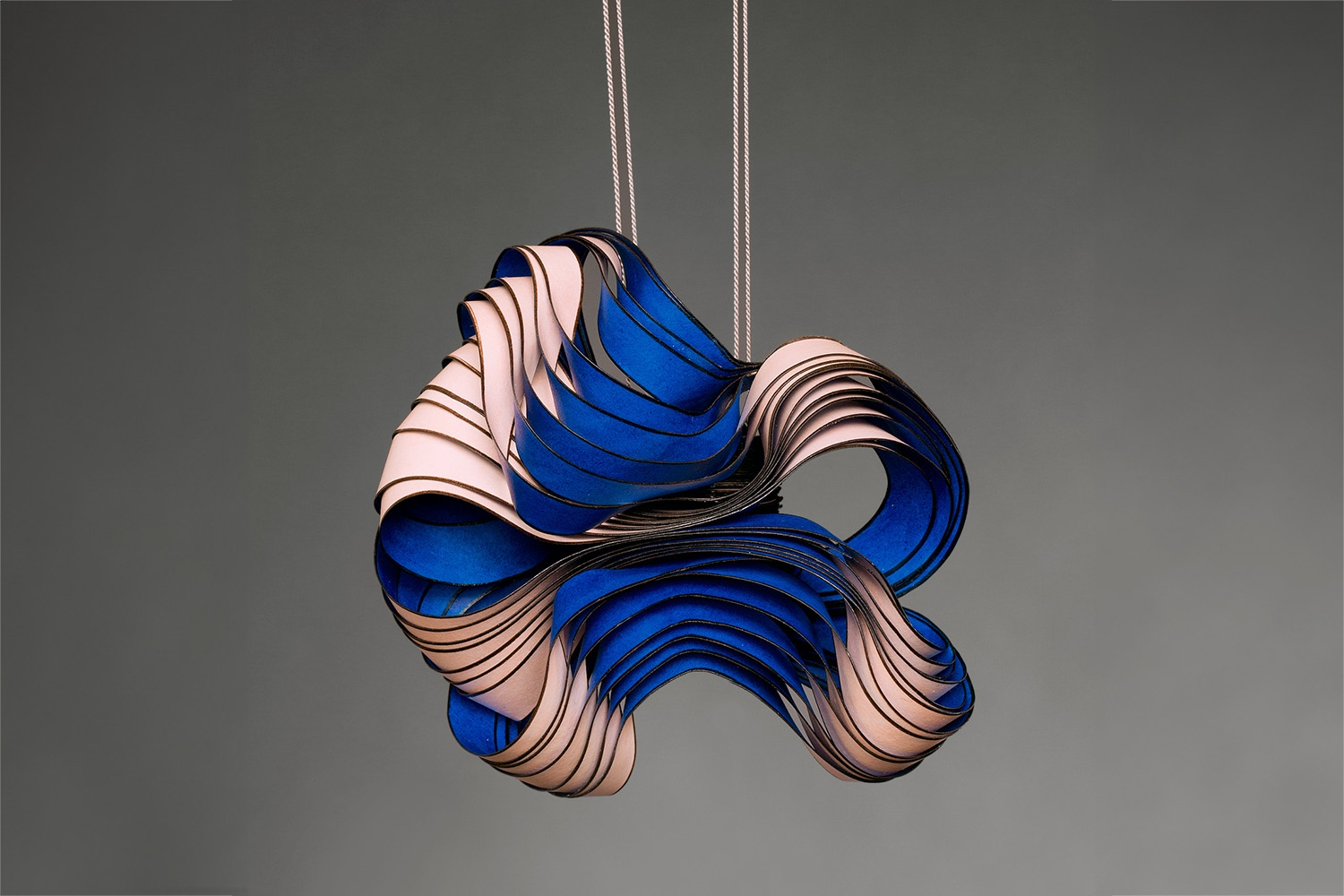
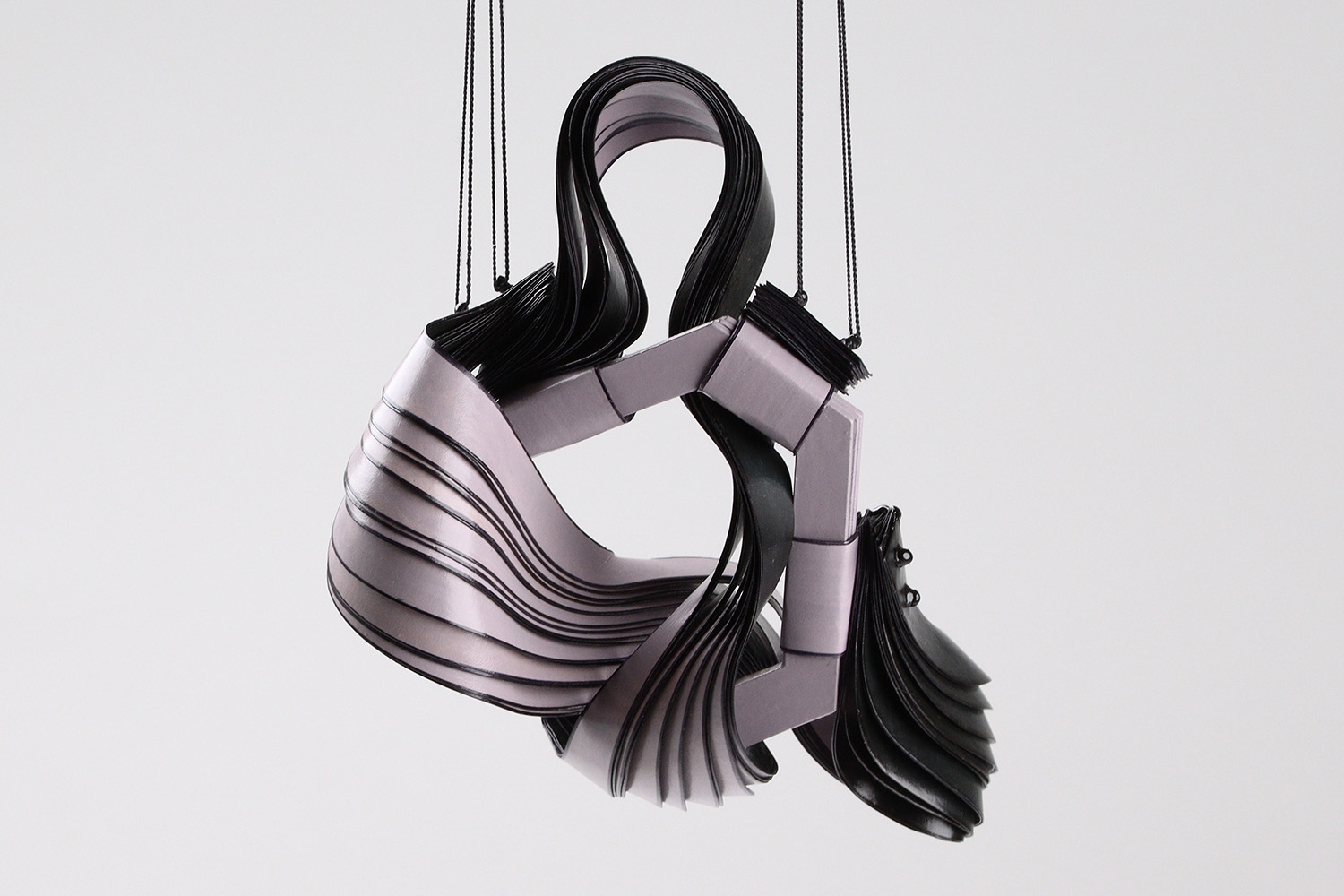
As a young woman, Lydia Hirte was exposed to author's jewellery during her internship with a master of silversmithing. Following the renowned jewellery design programme at Pforzheim University, she quickly realised that she preferred to explore materials that were not yet well-represented in jewellery, and move away from traditional approaches. During her studies, she worked with Japanese paper on wire and even sausage strings. Lydia then became a freelance jewellery designer. To be more efficient in her experimentation, she decided to work with cost-effective models made from bristol card. In a moment of play with a bundle of these forms, she accessed a new creative space in which paper showed a stunning amount of deformation when under tension. Lydia has been committed to this technique since 2007. "I do not imagine I will ever exploit its full potential," she states.
INTERVIEW
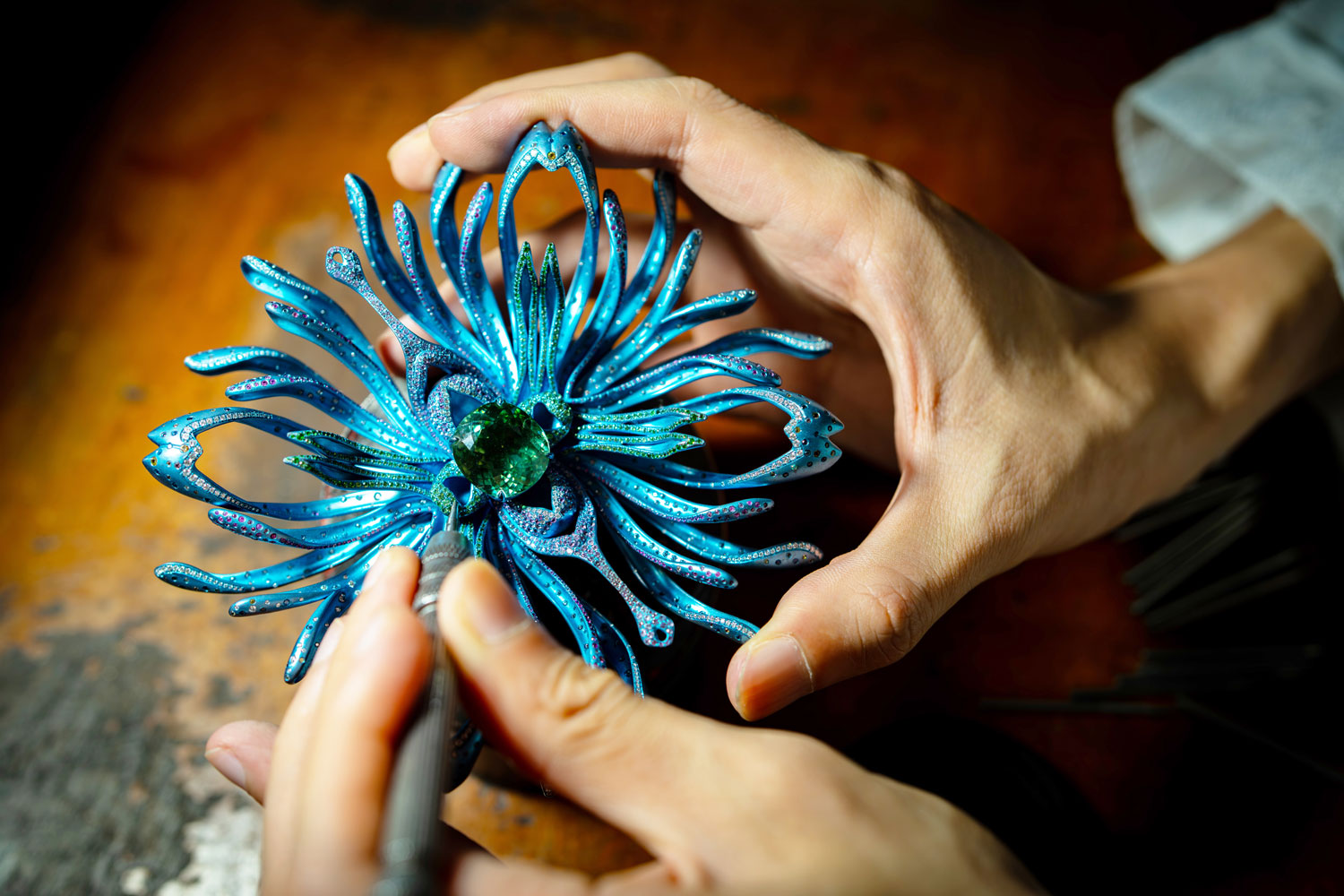
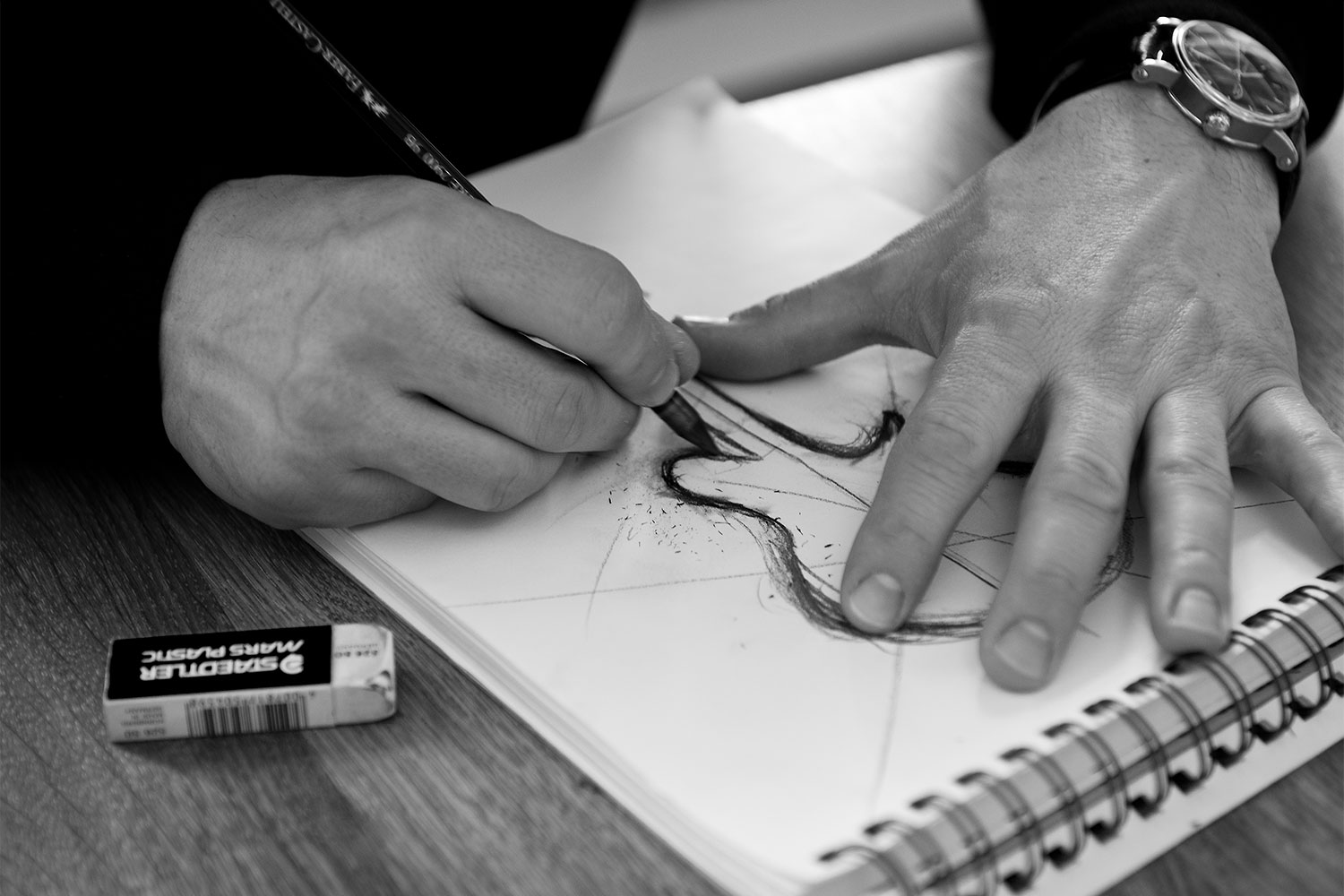
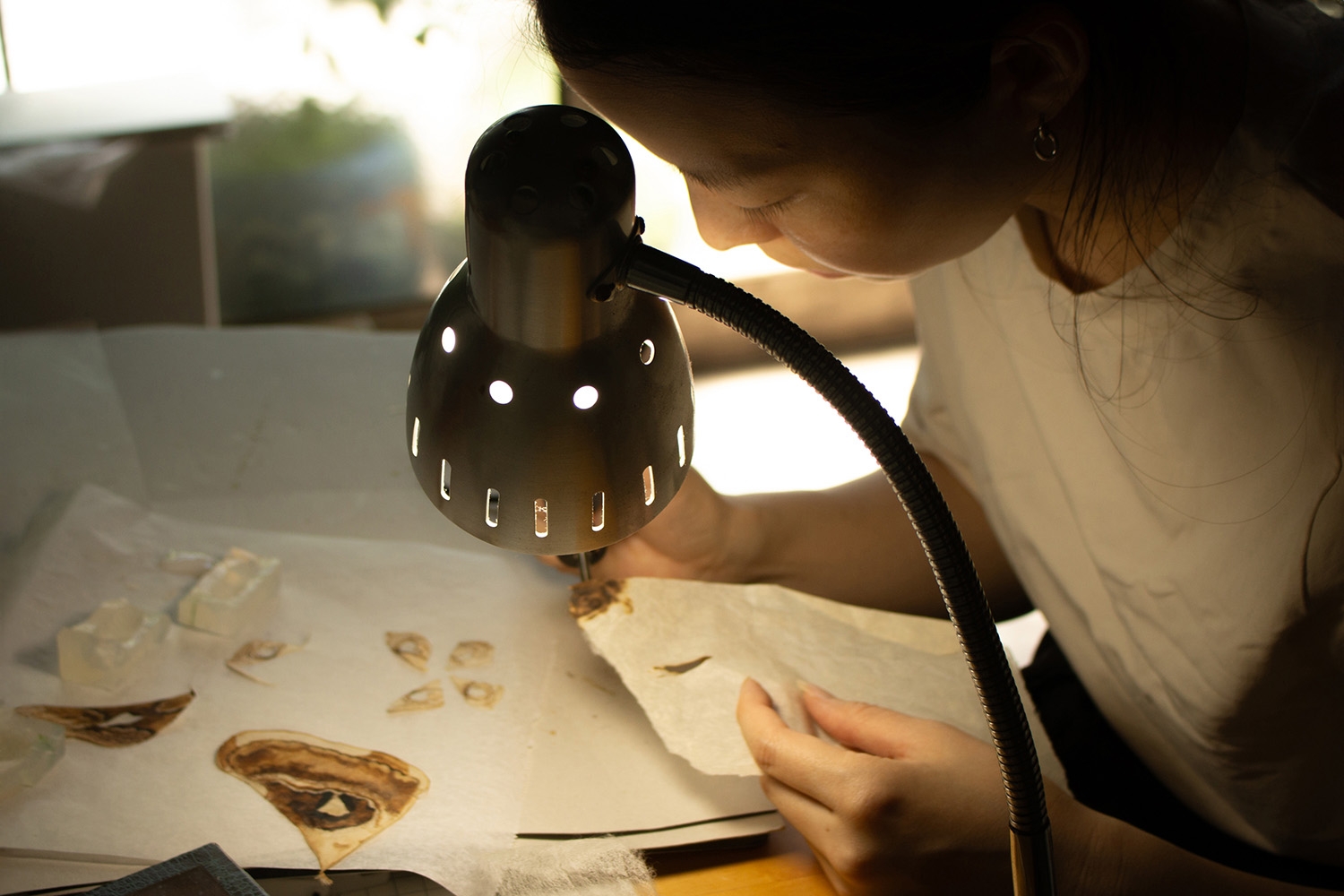
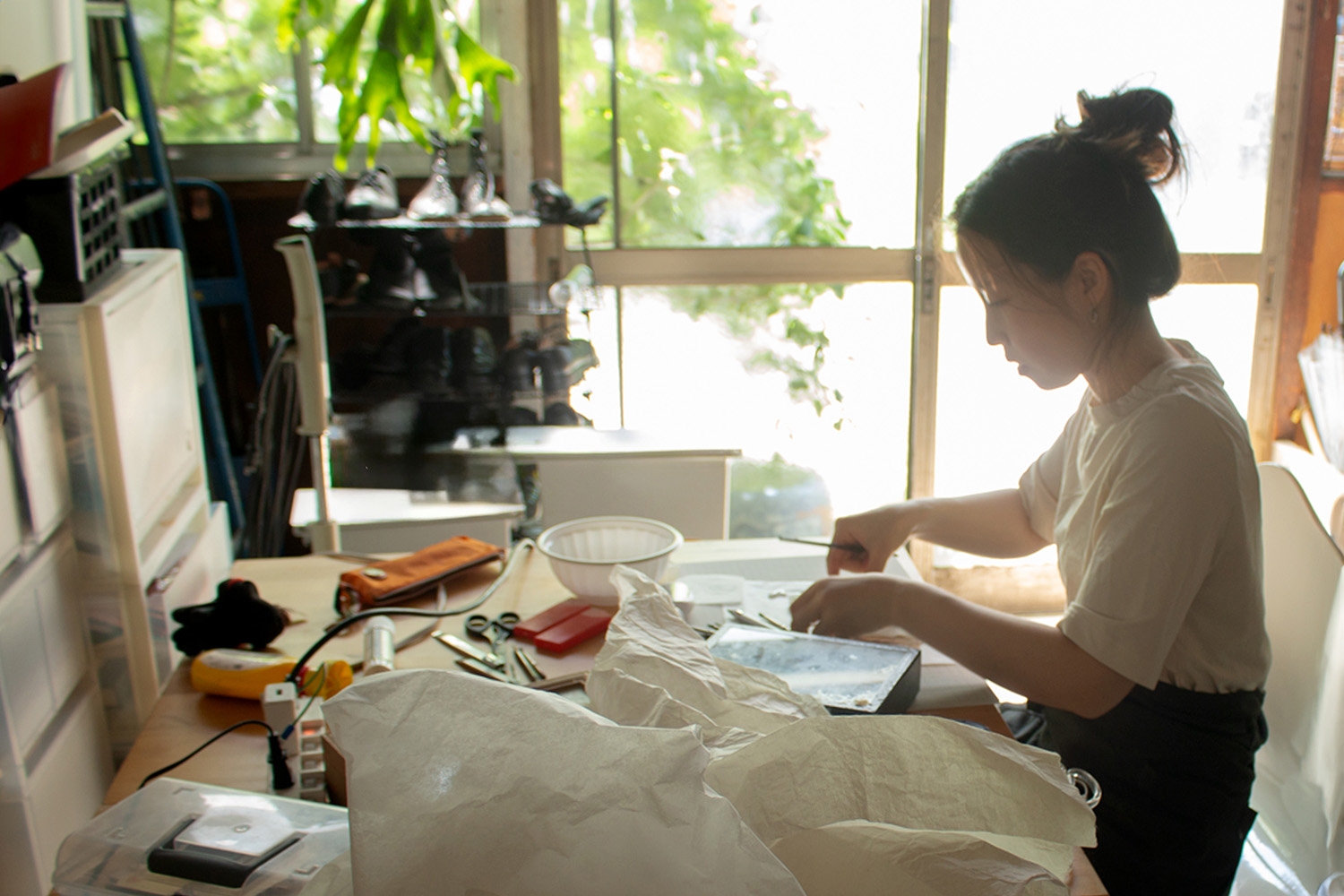
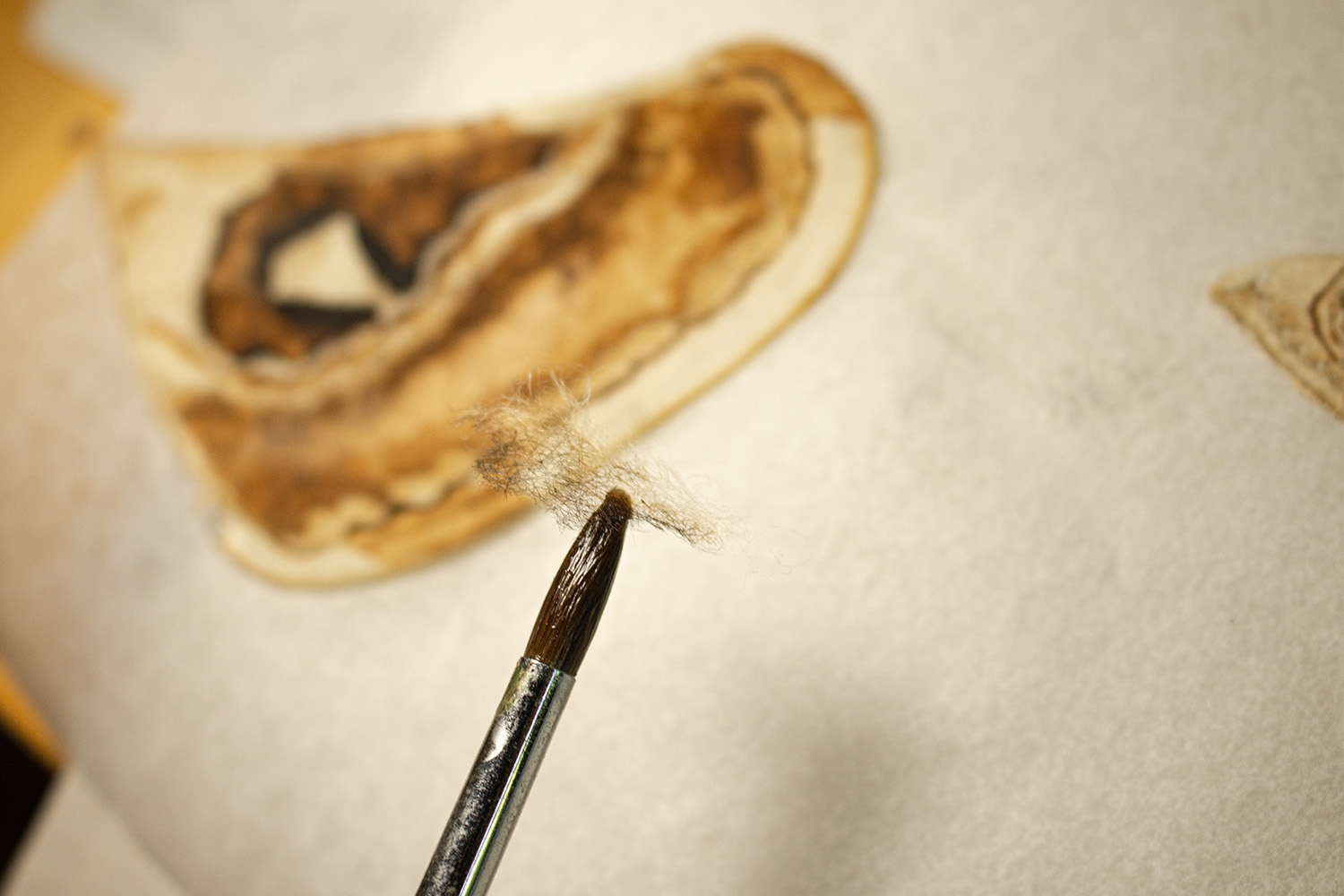
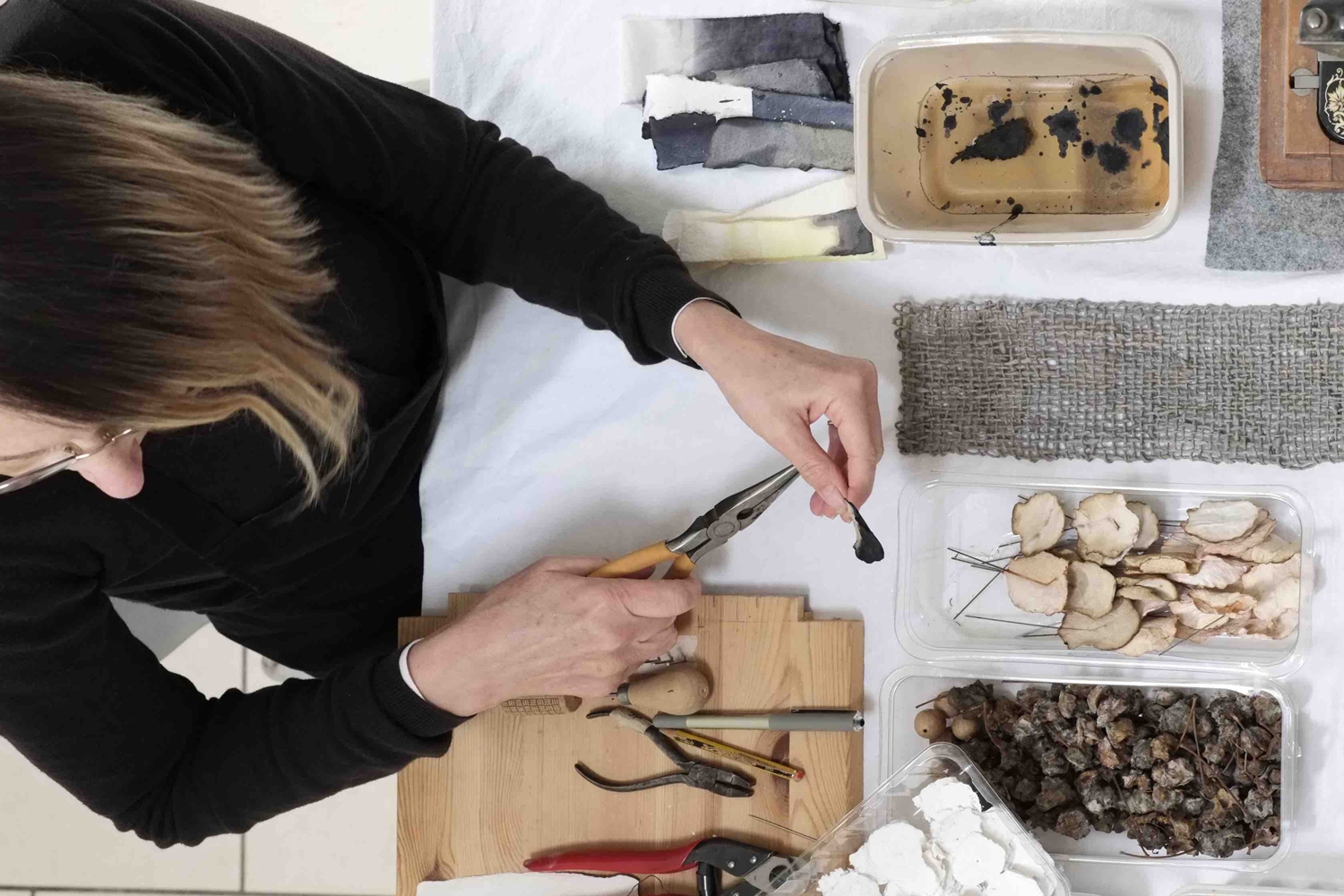
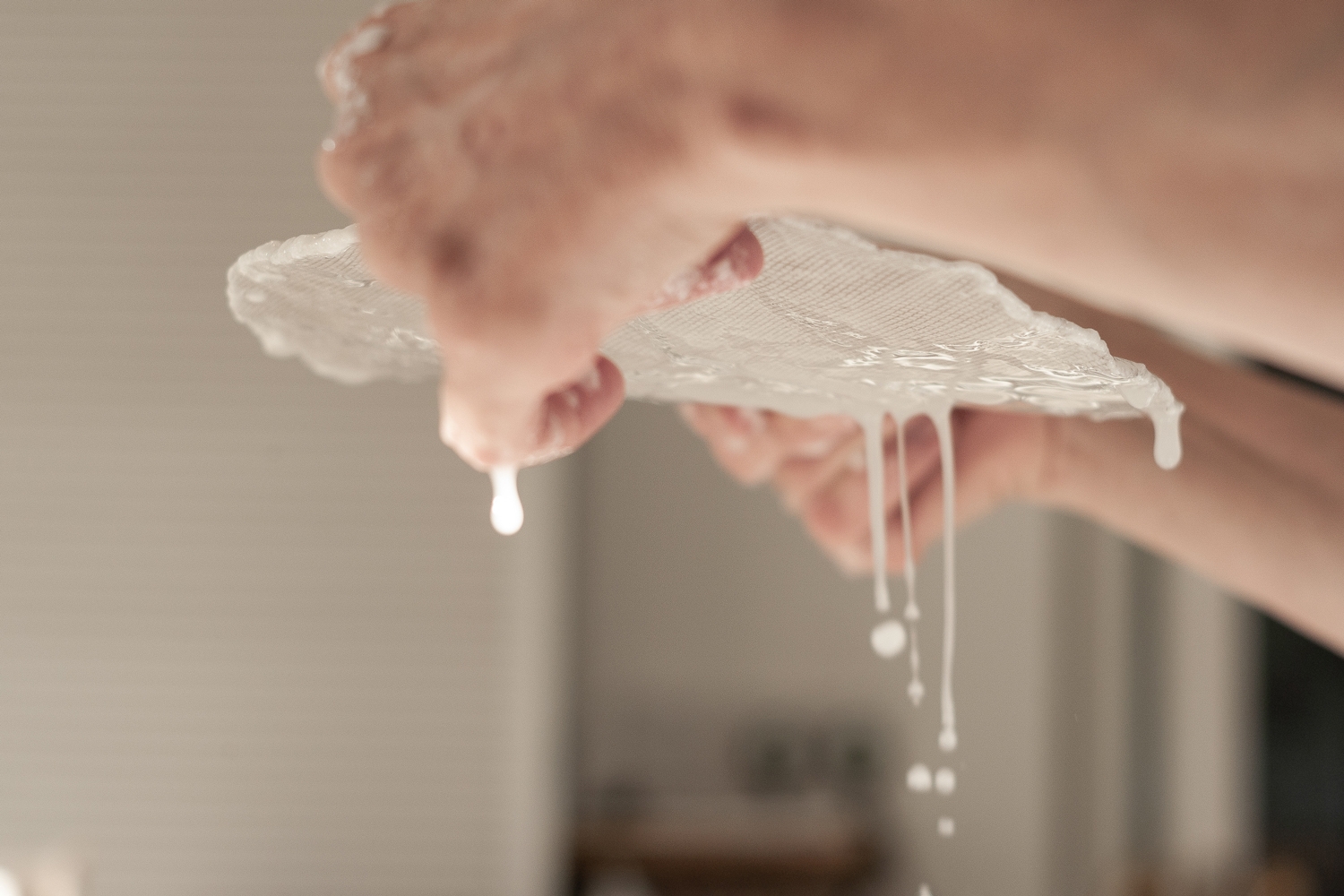
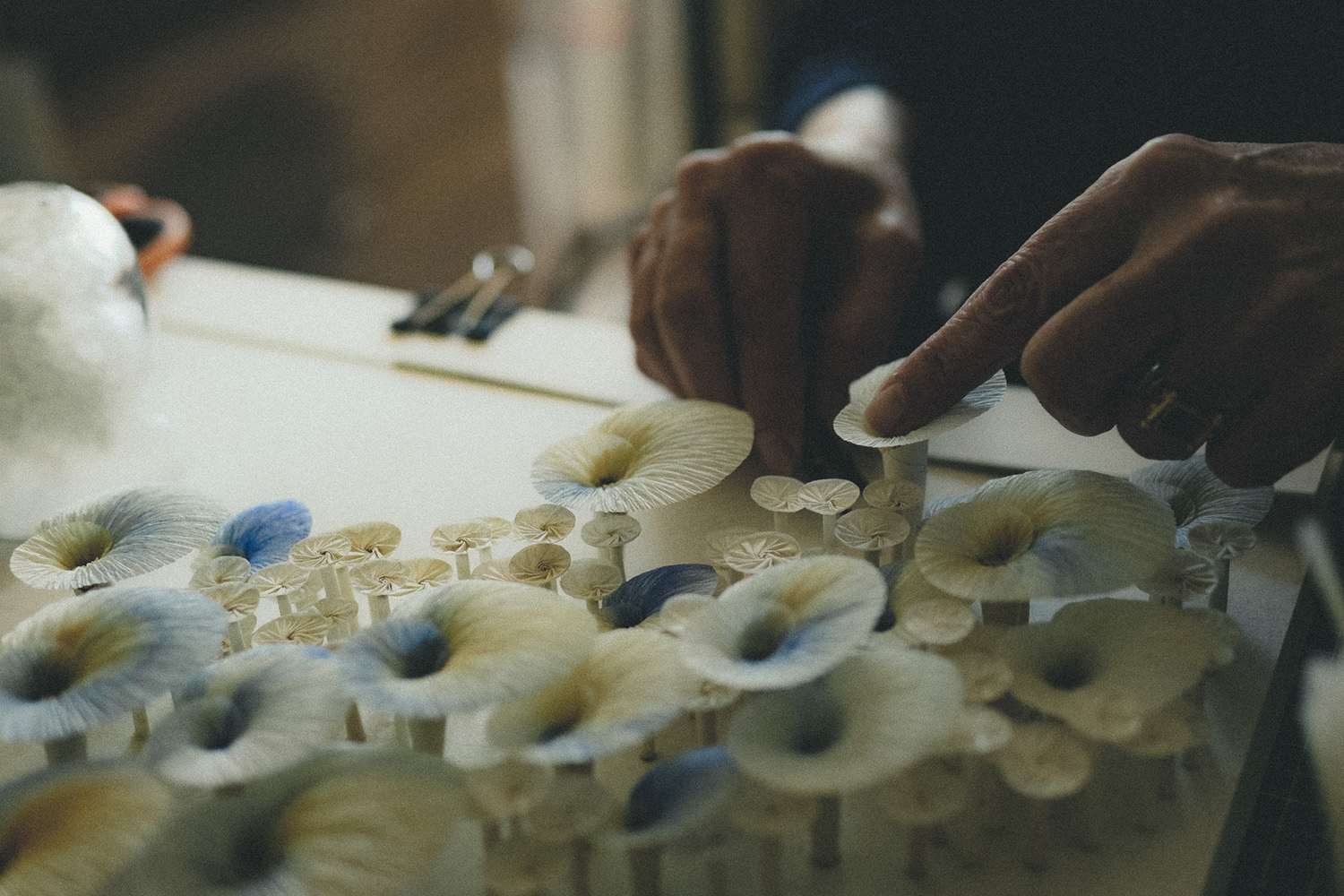
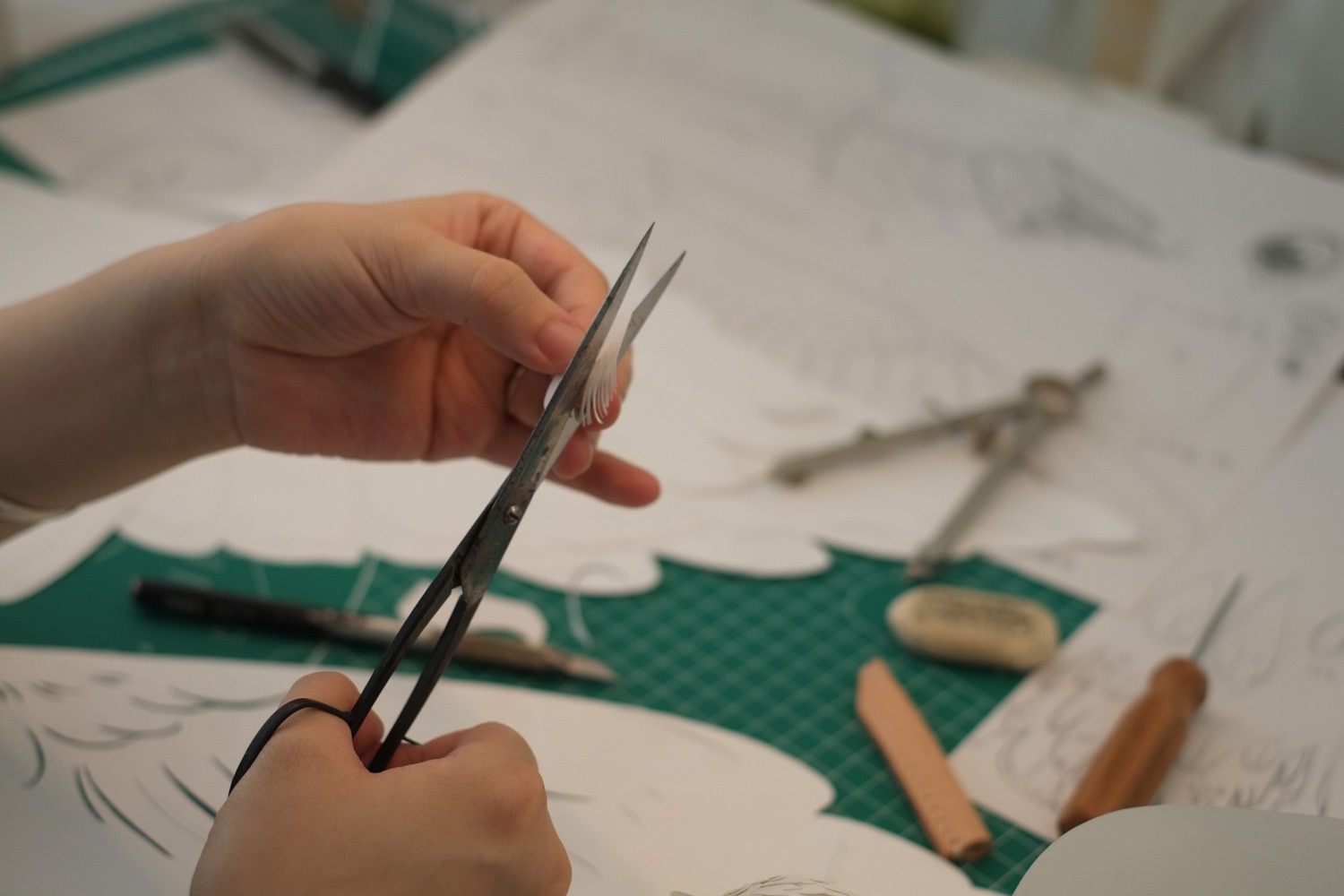
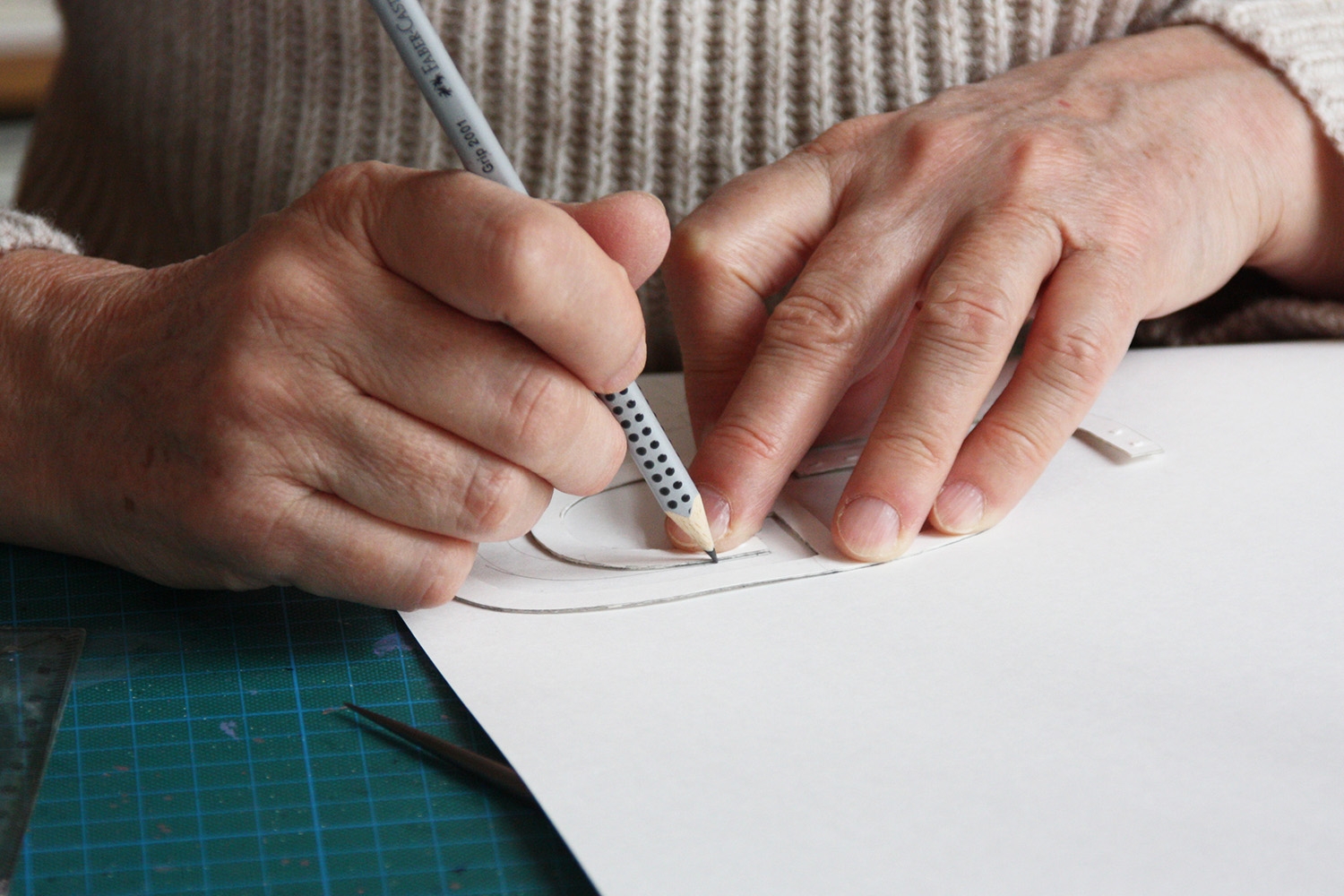
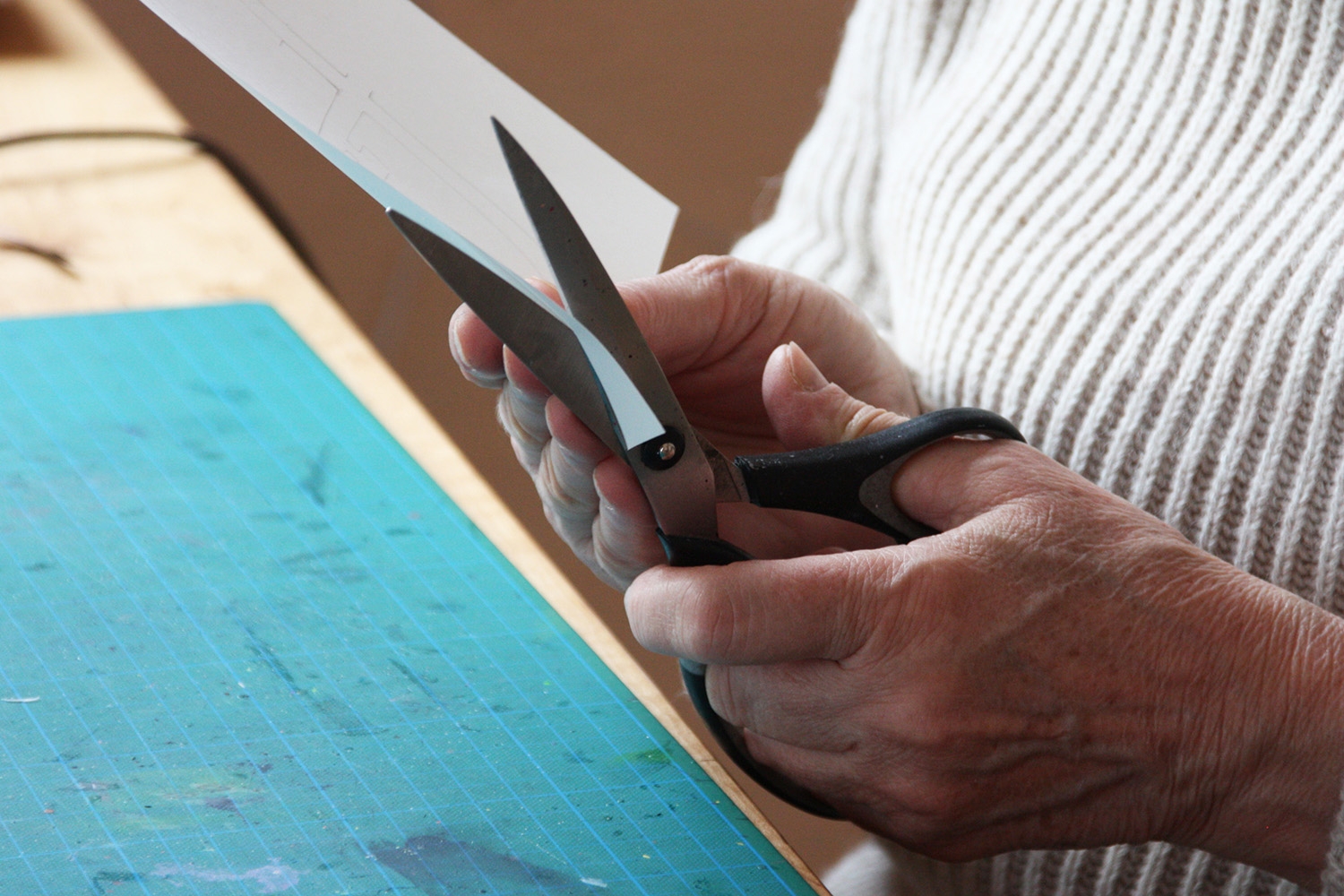
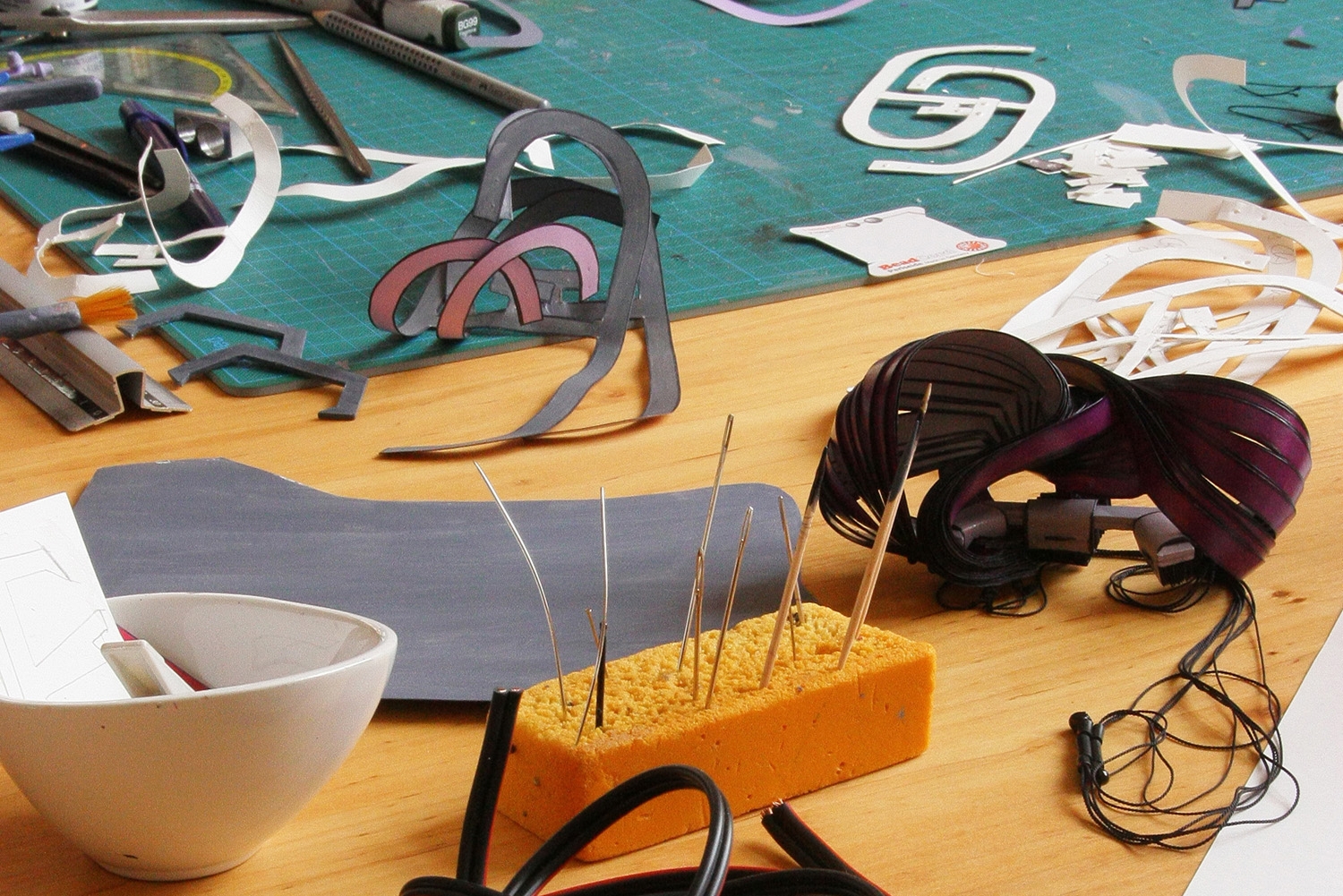
Using high-quality bristol card, I cut out a shape and paint it with calligraphy ink and special varnishes, then heat it to remove all moisture. I pile the shapes into bundles, deform these under great tension with my wrist and fix them with a silk thread. I then further process the resulting shape so that it can be worn as a necklace.
At Pforzheim University, my first object was a necklace made of bleached linen cords originally intended for tying sausages. Upon draping the cord, the knot ends and knots intertwined so beautifully that there was an unexpected amount of structural stability.
In itself, what I do is the most beautiful experience. It is a great privilege for me to be able to spend so much time working creatively. I have of course sometimes questioned whether what I do is meaningful. On the other hand, I cannot imagine a life that is devoid of creative experimentation and further development.
People who see my work have many questions about how it was created. Although I have never looked at a clock during the deforming phase, the process usually takes one to two hours. I have to be very focused. I cannot use the material as jewellery if the process fails.
Lydia Hirte
Paper artist
Dresden, Germany
ADDRESS
Address upon request, Dresden, Germany
AVAILABILITY
By appointment only
LANGUAGES
German, English
Homo Faber Finds is a new service aiming to inspire admirers of craft to connect and collaborate with exceptional artisans.
We invite you to submit an enquiry here.