The secrets of papermaking
- Ludwig opened his workshop in 2010
- He won the crafts award of Upper Austria in 2011
- His stationery is produced just like 200 years ago
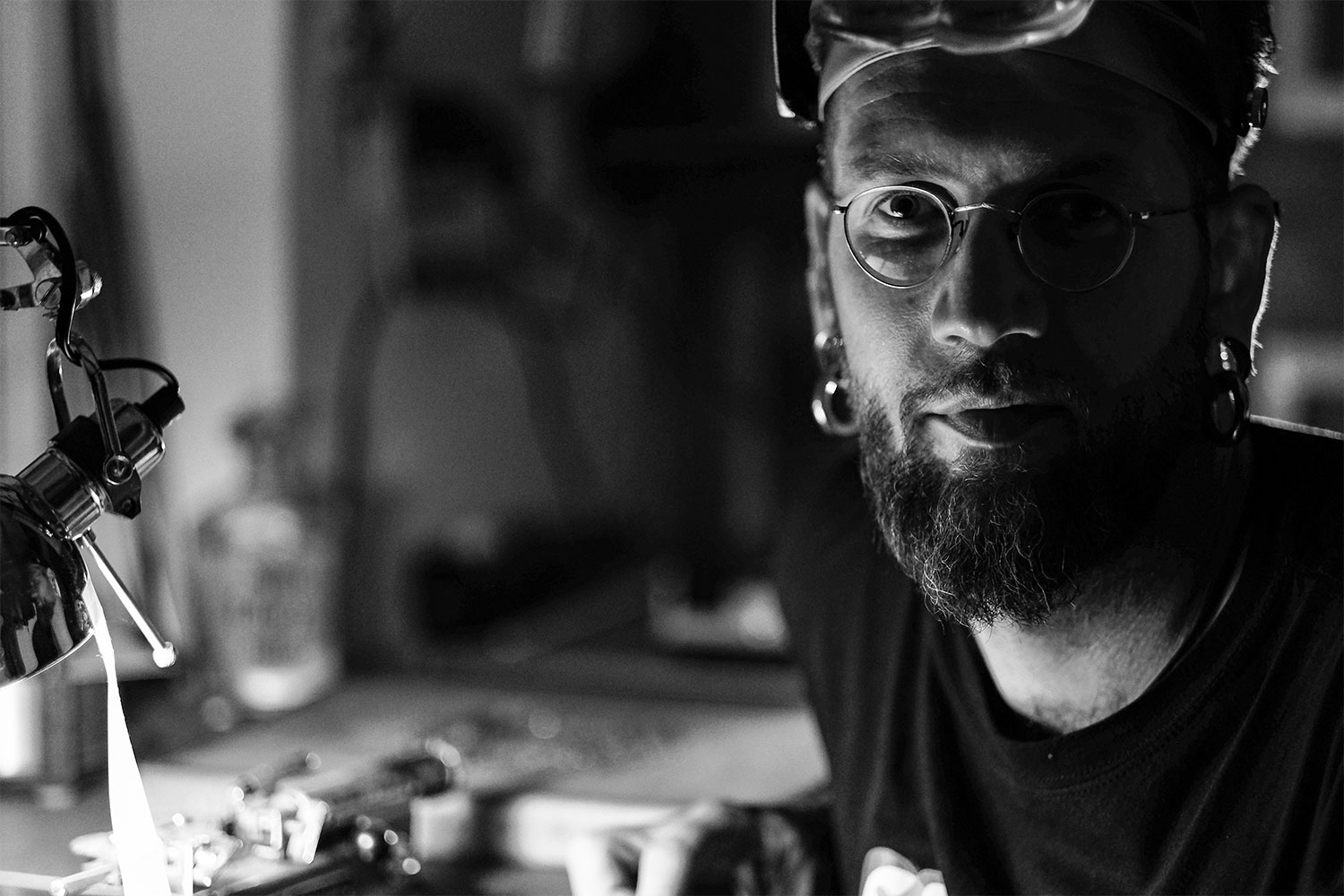
Ludwig Hobl and his family perpetuate the artistry of handmade paper using ancient manual methods that were rendered obsolete when the first papermaking machine was invented in 1798. With Ludwig as head of production, the Hobls do every step themselves: creating and building the mould for individual watermarks, an essential component of an holistic approach to papermaking, as well as developing new formulas for the paper pulp. Their handmade paper is usually made from cotton, is acid free and age resistant. Every single piece is unique, characterised by its deckle edge – which means an edge that is rough cut. The Hobls specialise in creating shadow watermarks, a demanding technique that is mastered by only very few European paper artisans.
INTERVIEW
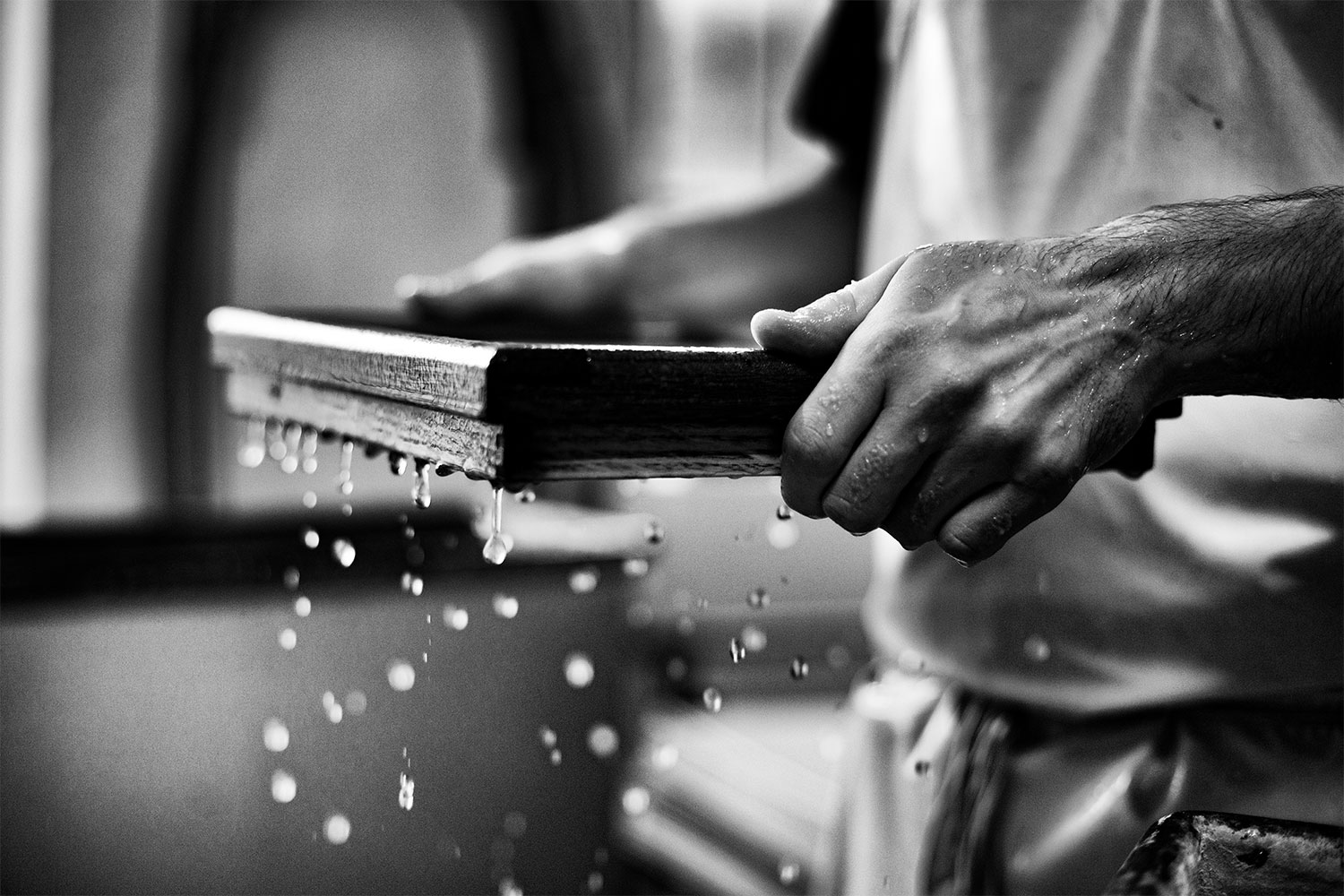
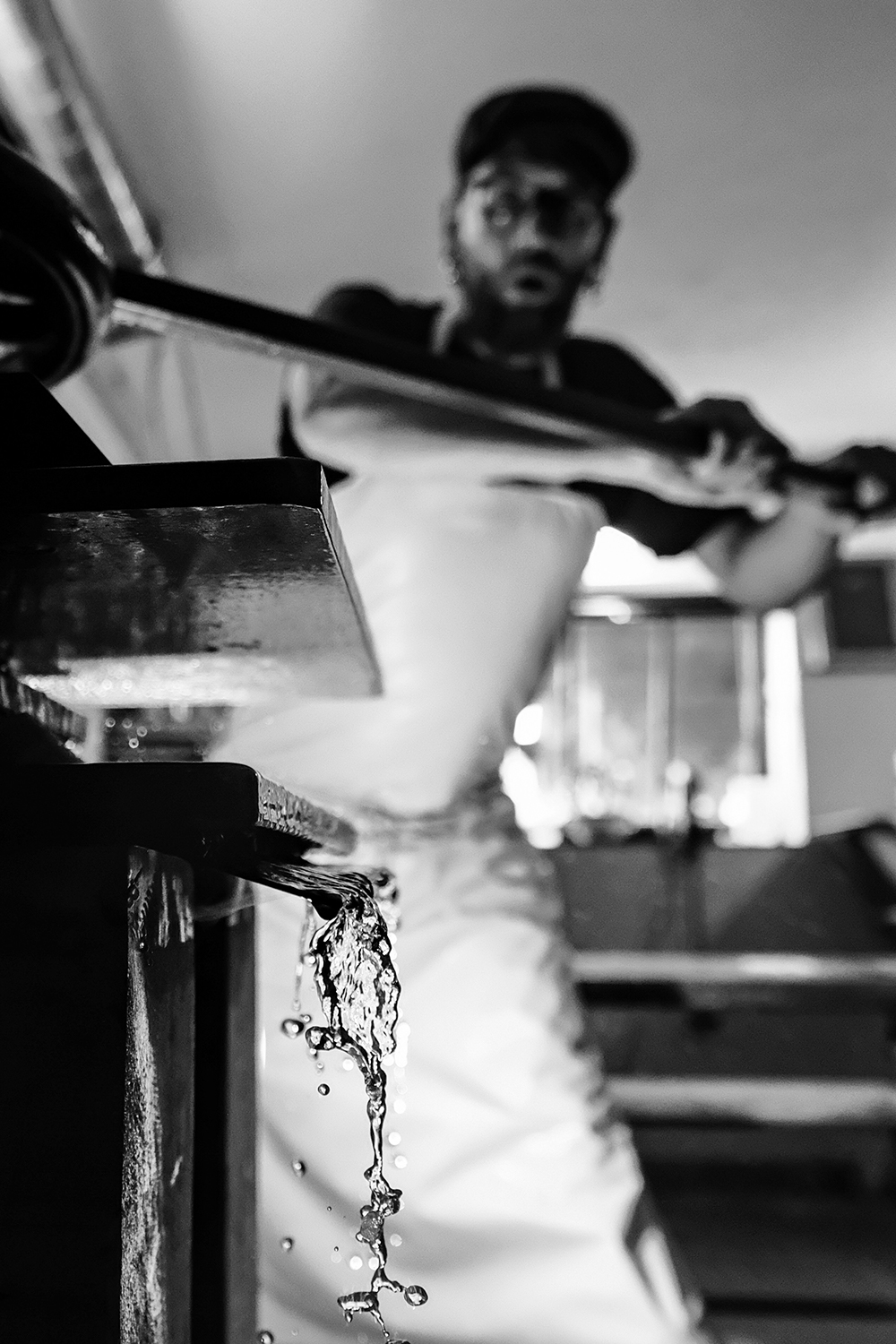
It's a flat sieve used to take the watered paper bulk out of a vessel. The cotton fibres are layered on the mesh to be drained. The water drips through the sieve and slowly the paper is ready to be pressed onto a felt. If you've incorporated a pattern into the mesh, you see this on the newly formed sheet of paper.
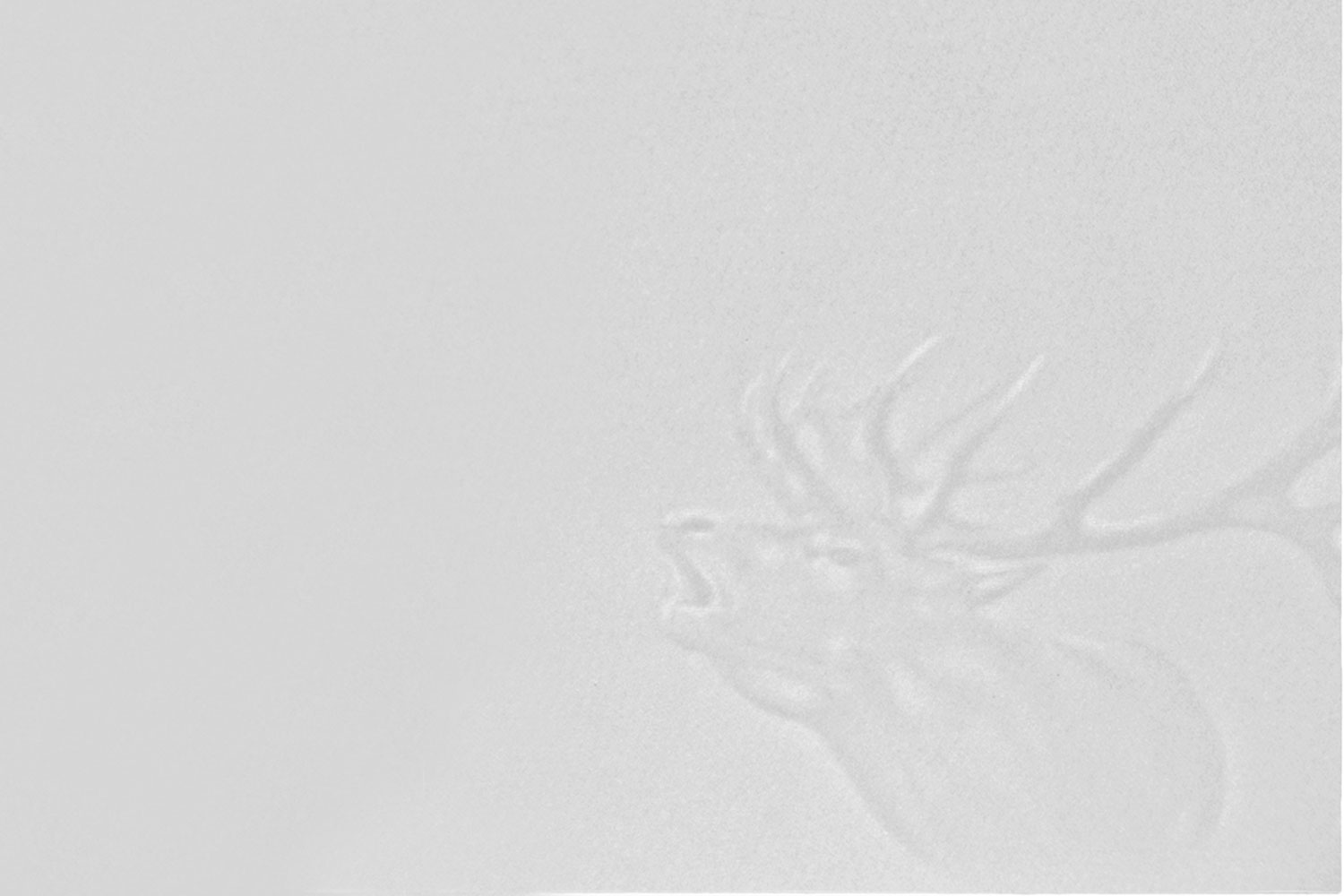
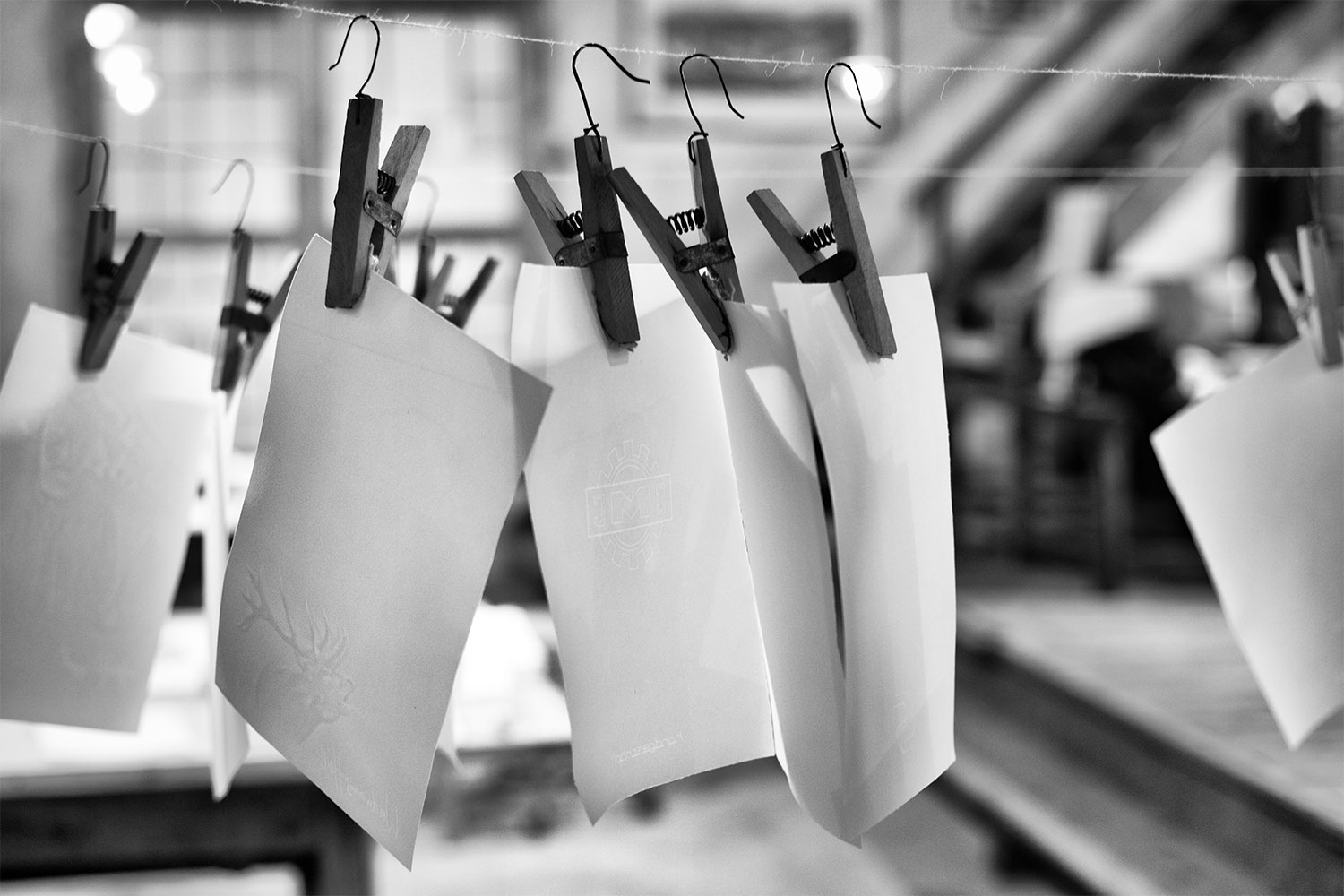
Four to five days for our speciality, the shadow watermark. Only when producing the first piece of paper will you see if your work during that time was successful. The method itself is a well kept secret, but in principle it involves incorporating the lines, surfaces, light and shadow of the motif into the mesh.
When the right height of the stack is achieved, the water will be drained in the screw press. The incorporated pattern in the mesh can then be seen as a watermark on the sheet of dried paper. The results surprise everyone, even paper experts. Other processes include letterpressing, printing, fineart printing and cyanotyping.
Most ideas initially find their way onto a piece of paper, so for me paper is an important source of creativity. Handwritten information can be read even in hundreds of years' time. Digital information vanishes unless it is constantly transformed into the latest format. Therefore, paper will always have a future.

VICTOR-CADENE_CADRES_OEUVRES_0012-copy.jpg)
2023-06-VictorCadene-Bourron-20-copy.jpg)
EDITED_VC-Interieur22-copy.jpg)