A contemporary vision of mosaic art
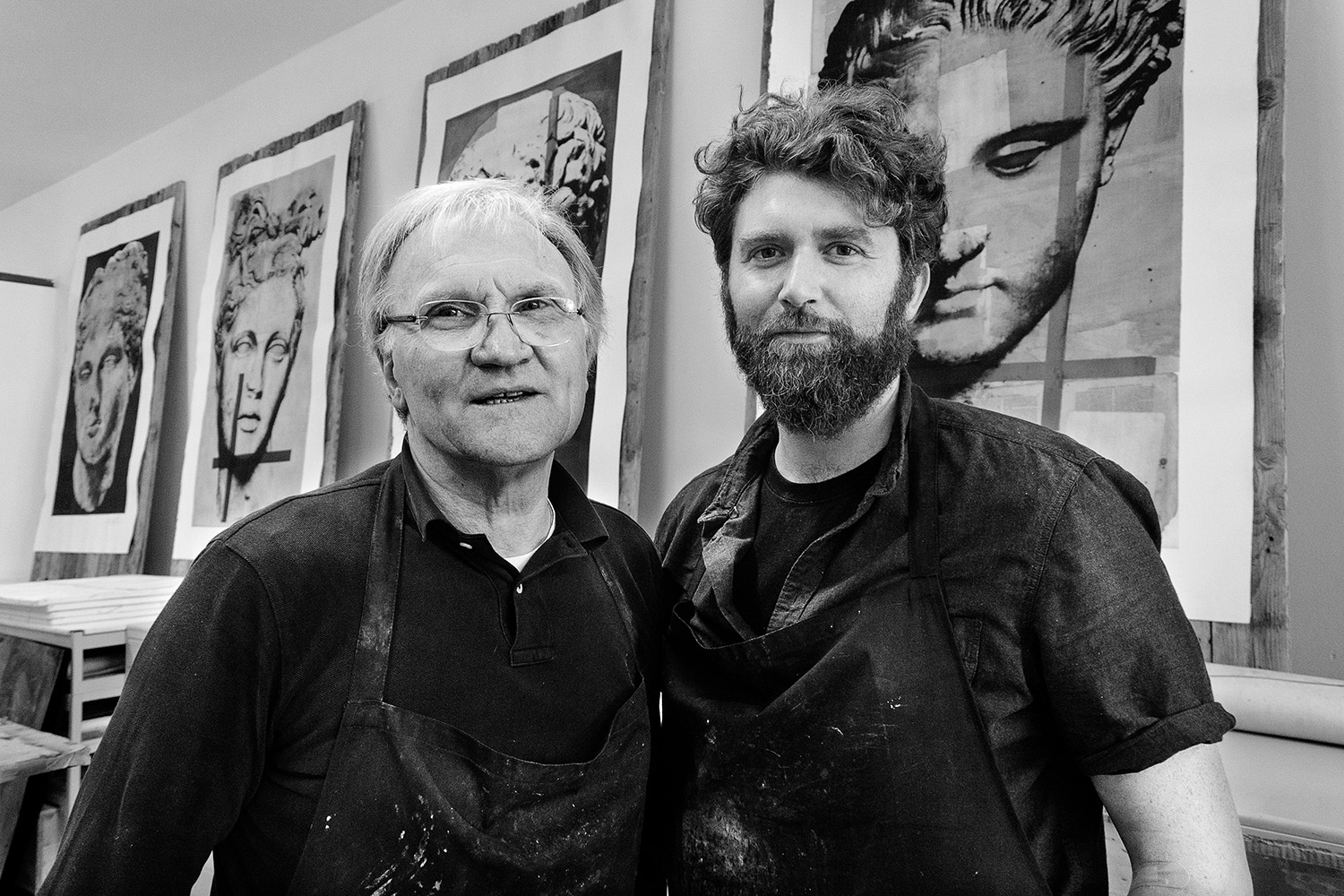
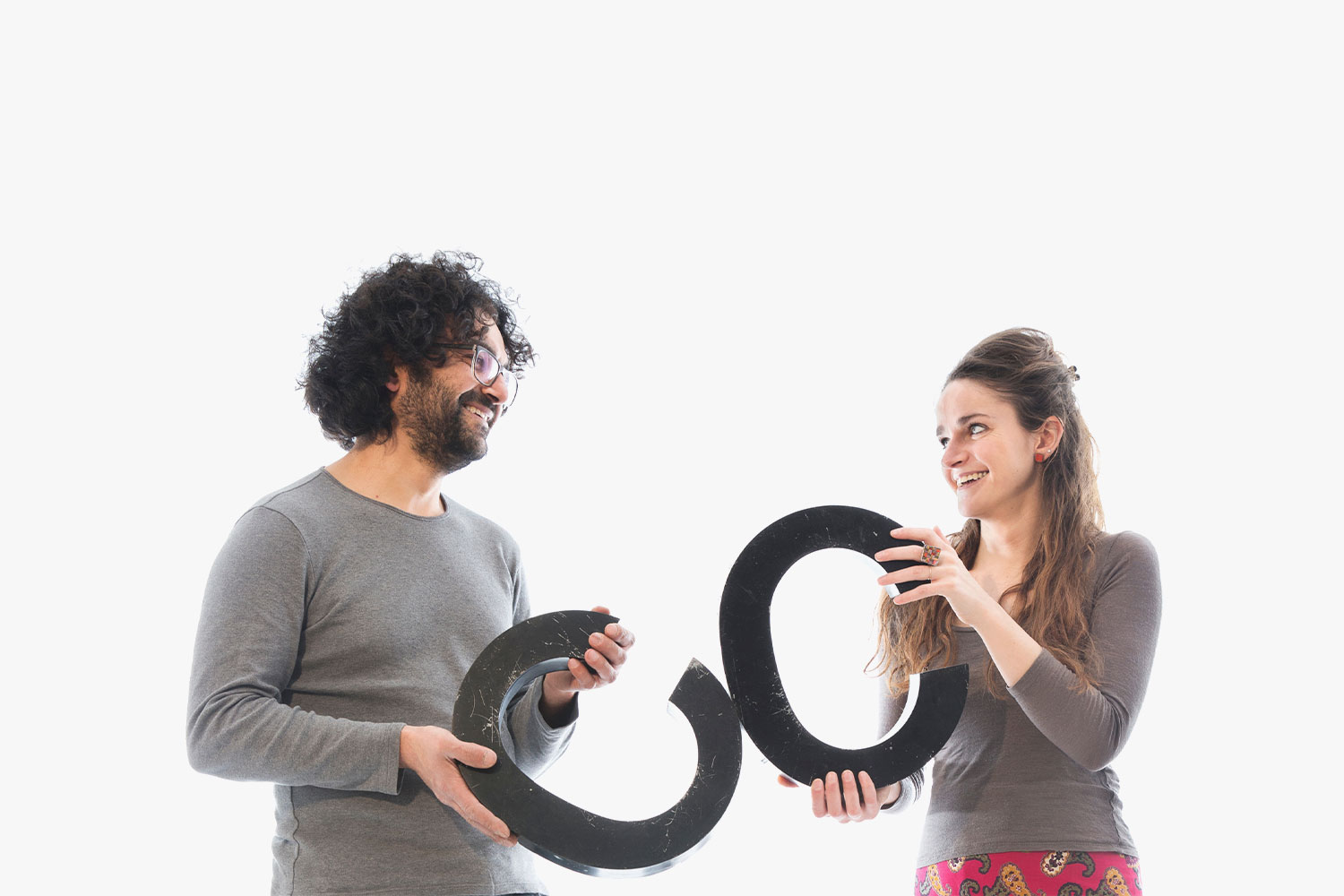
- Laura and Mohammed run the Carraro Chabarik workshop
- They master all traditional techniques with a contemporary style
- Their customers range from individuals to furniture brands
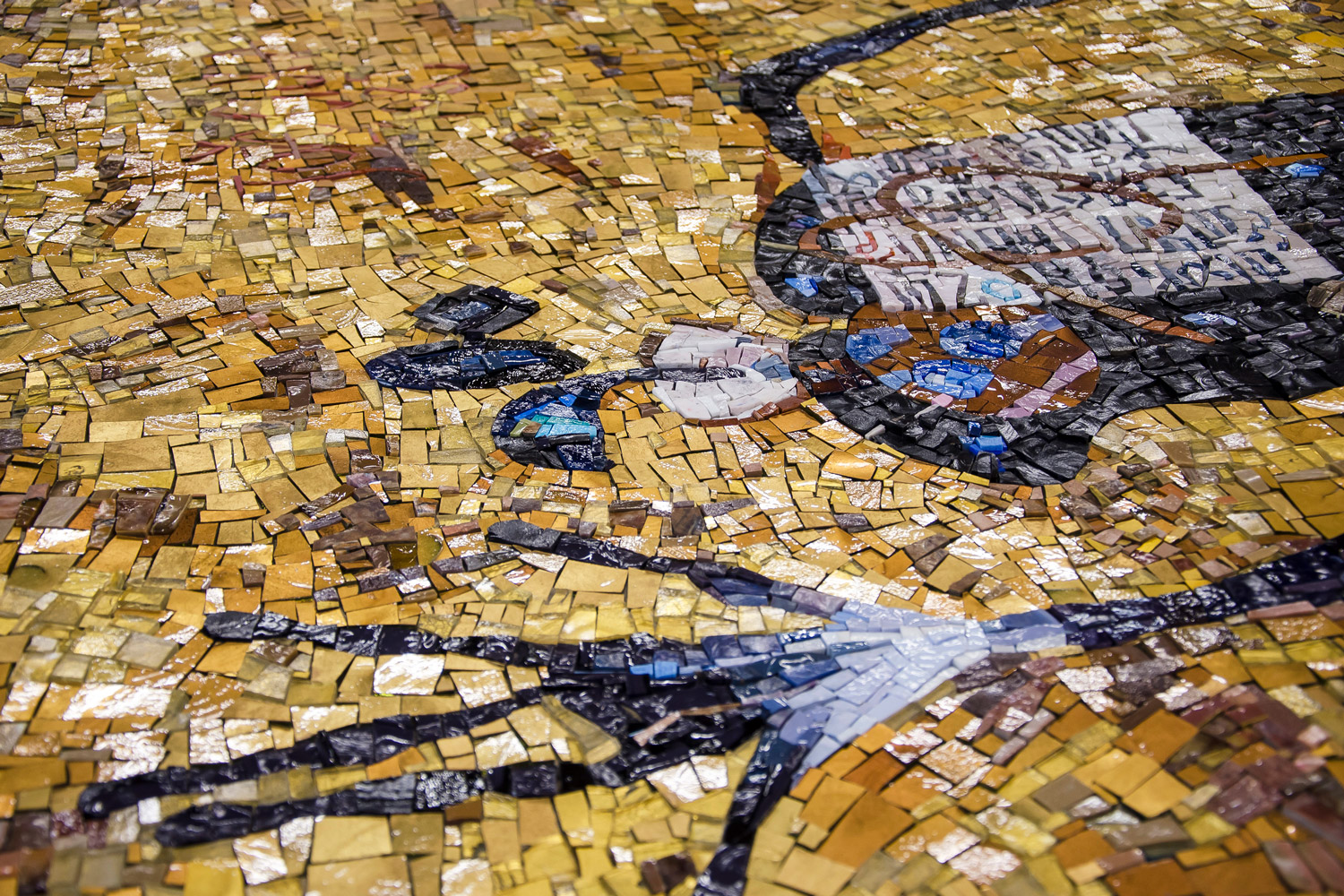
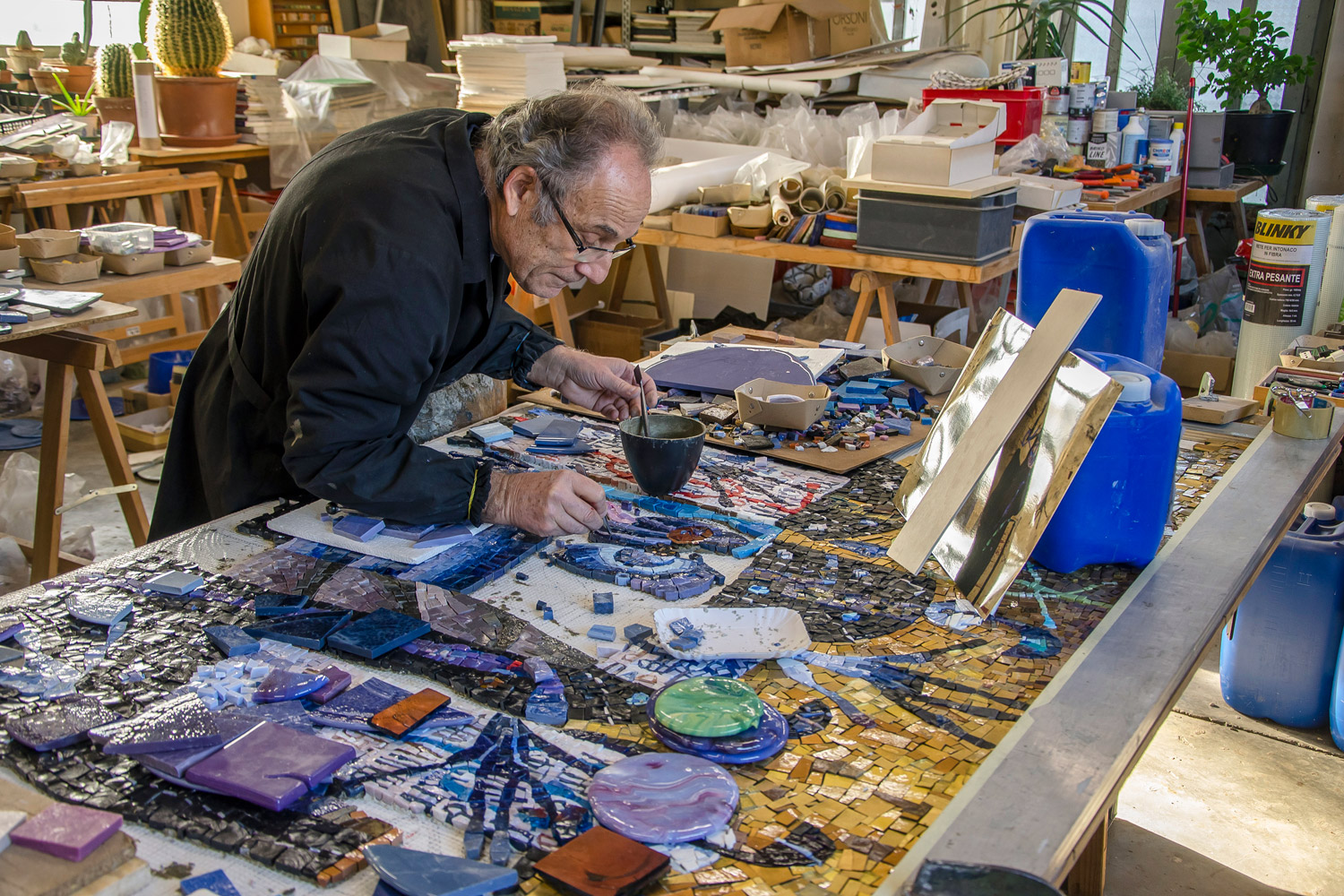
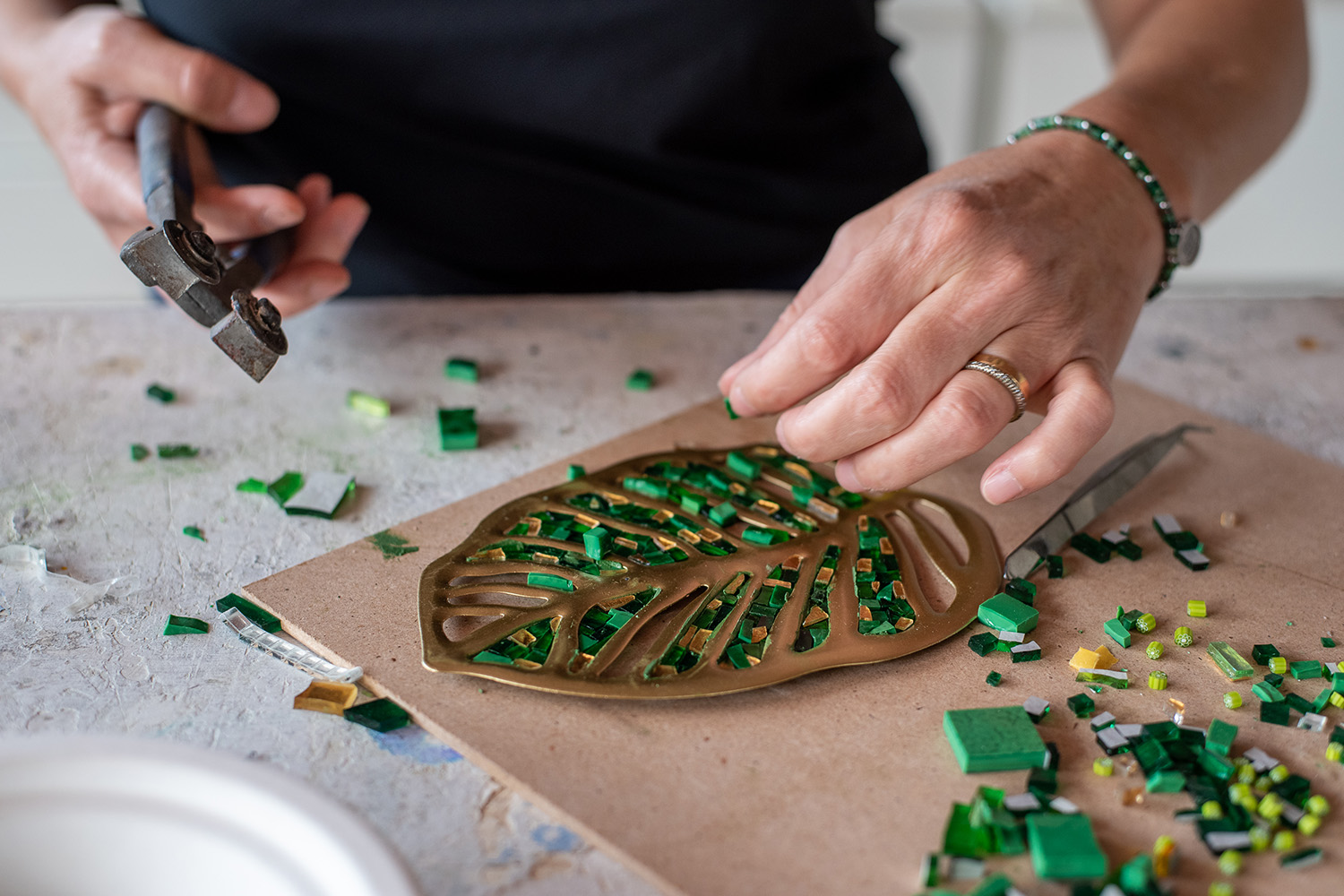
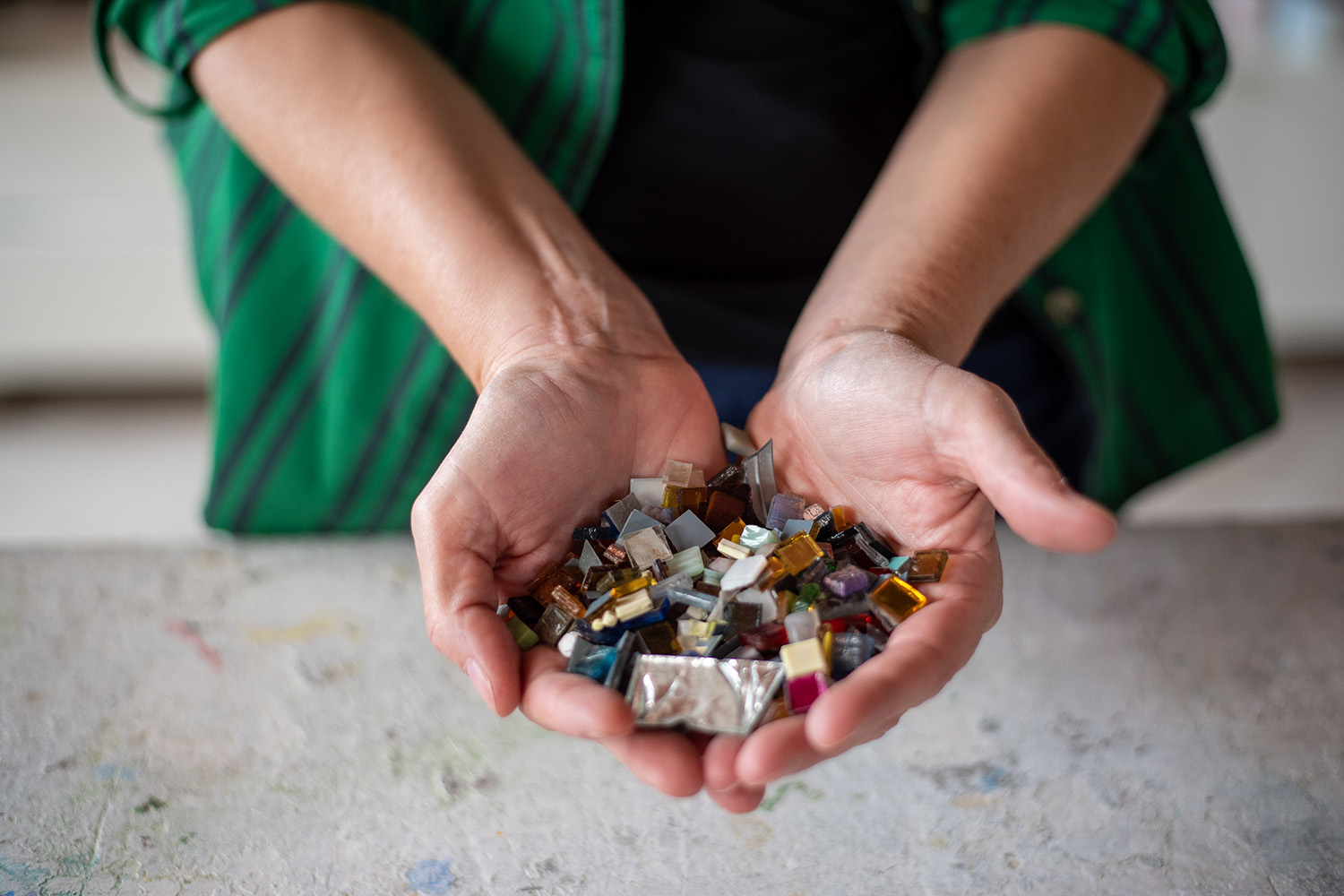
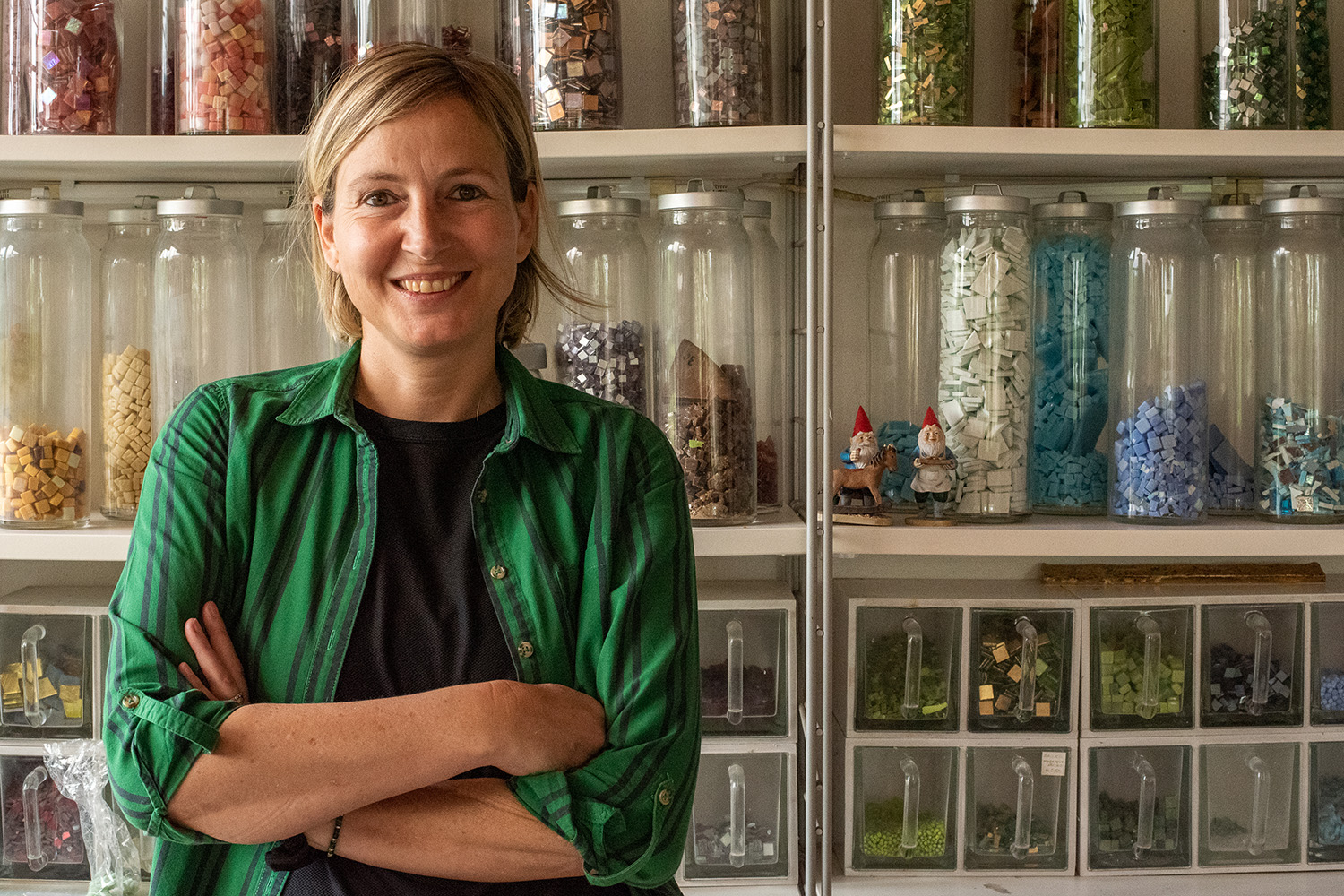
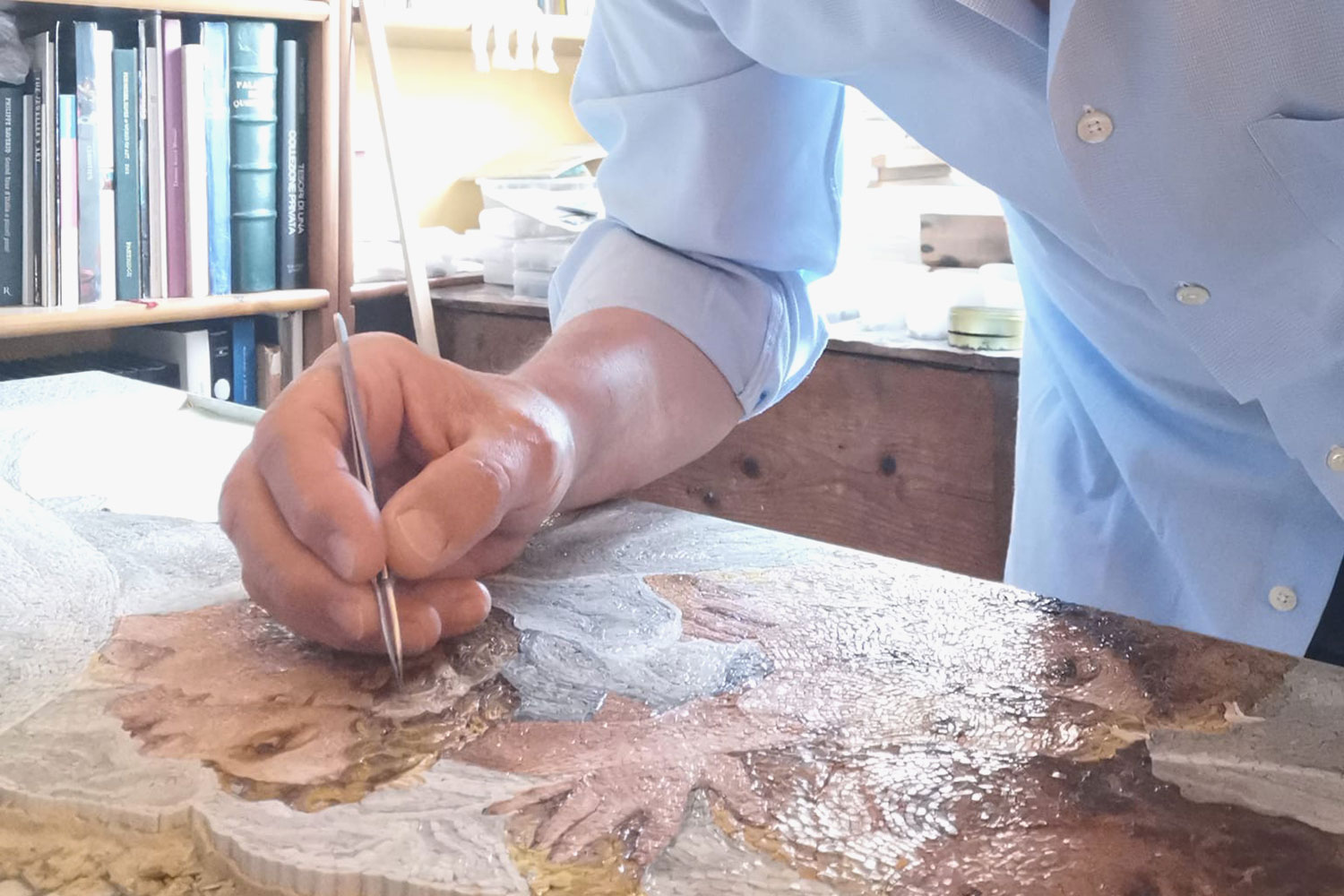
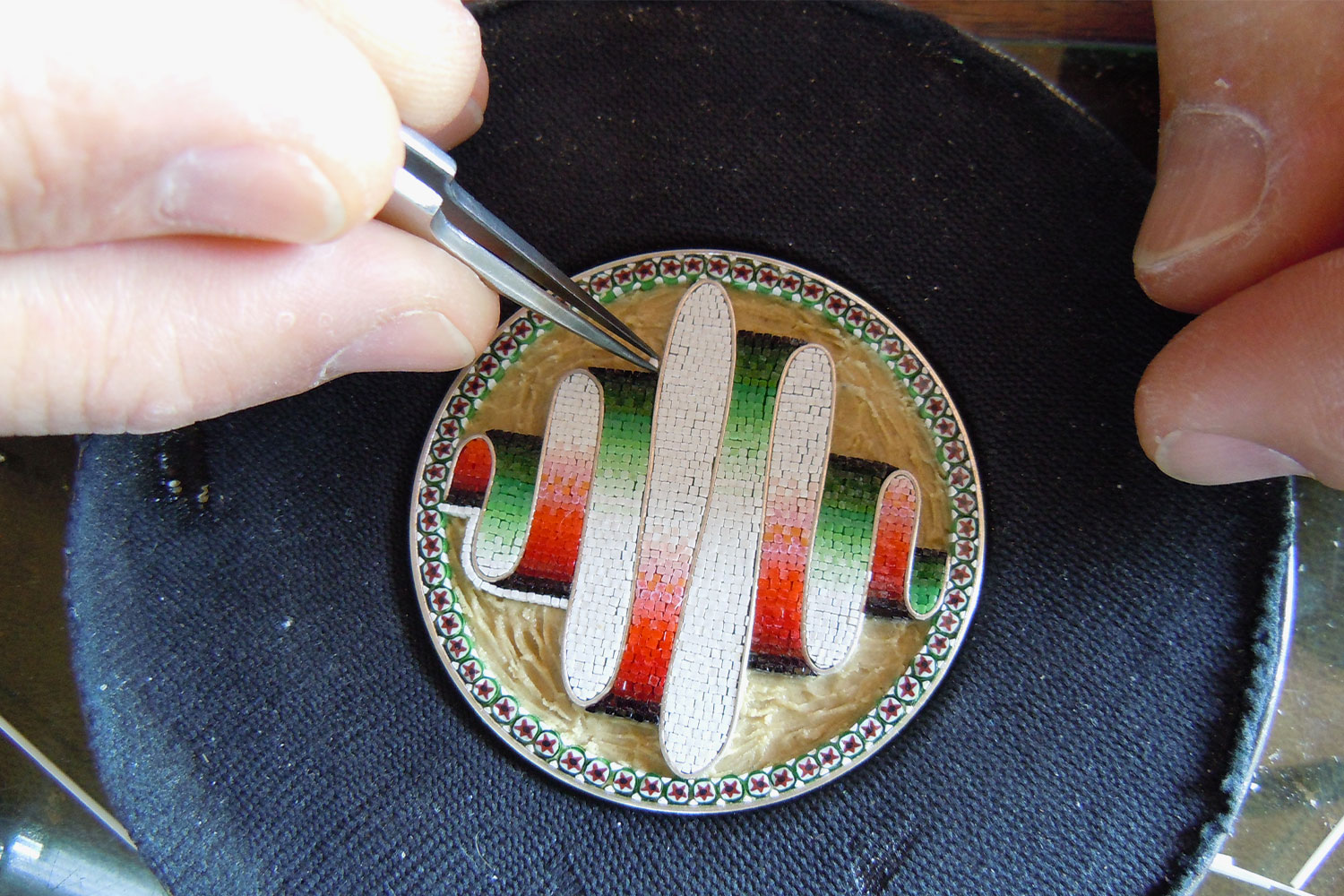
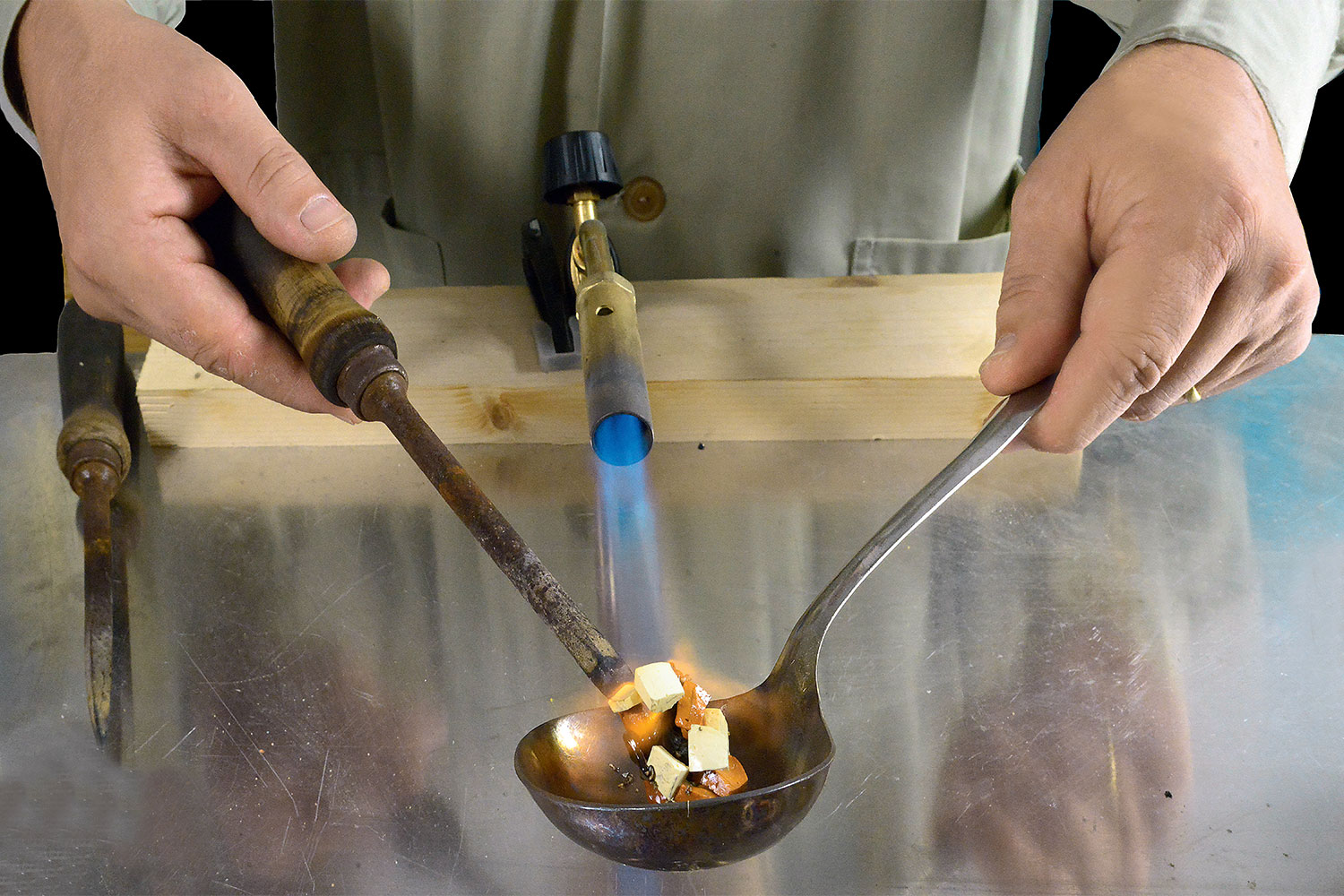
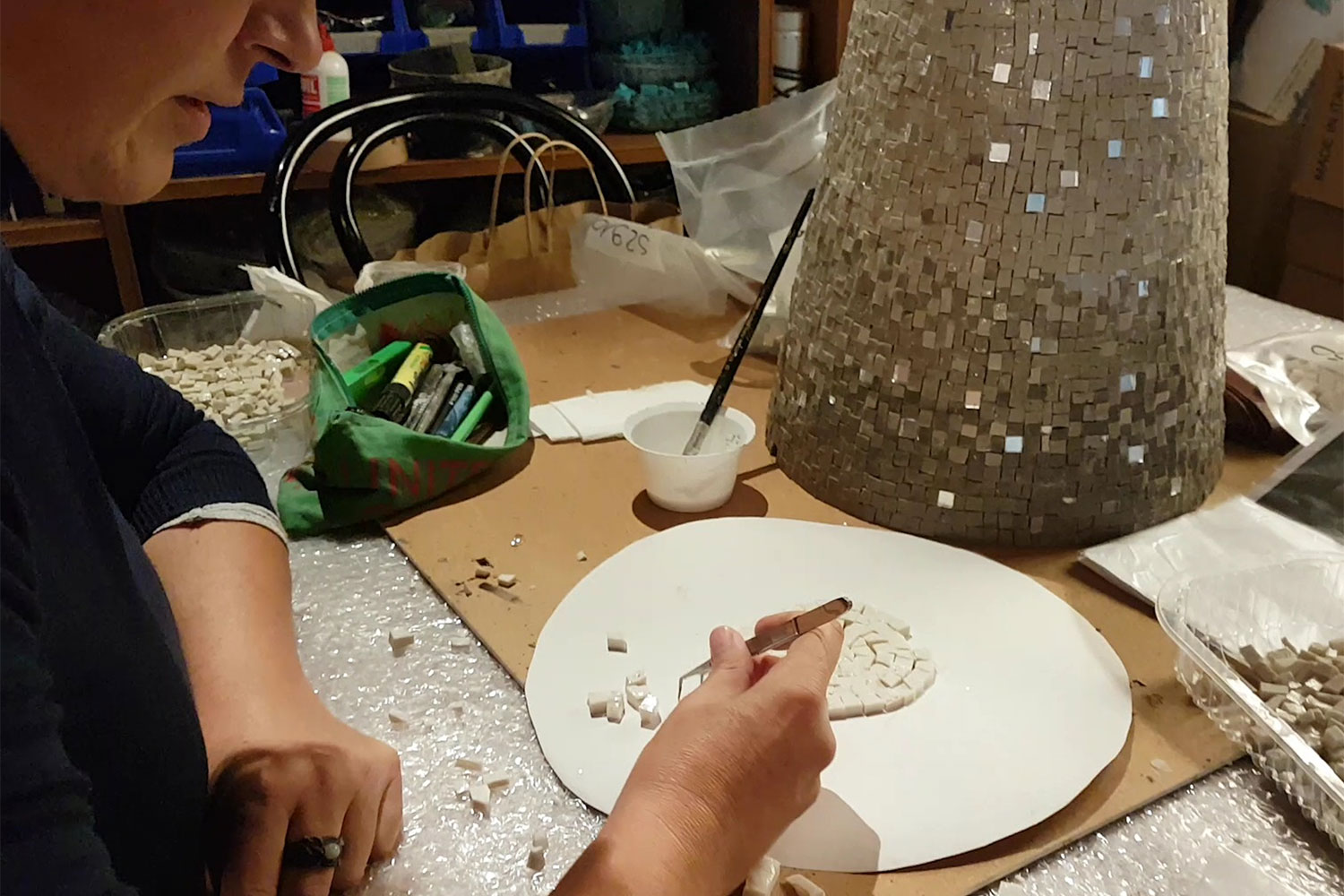
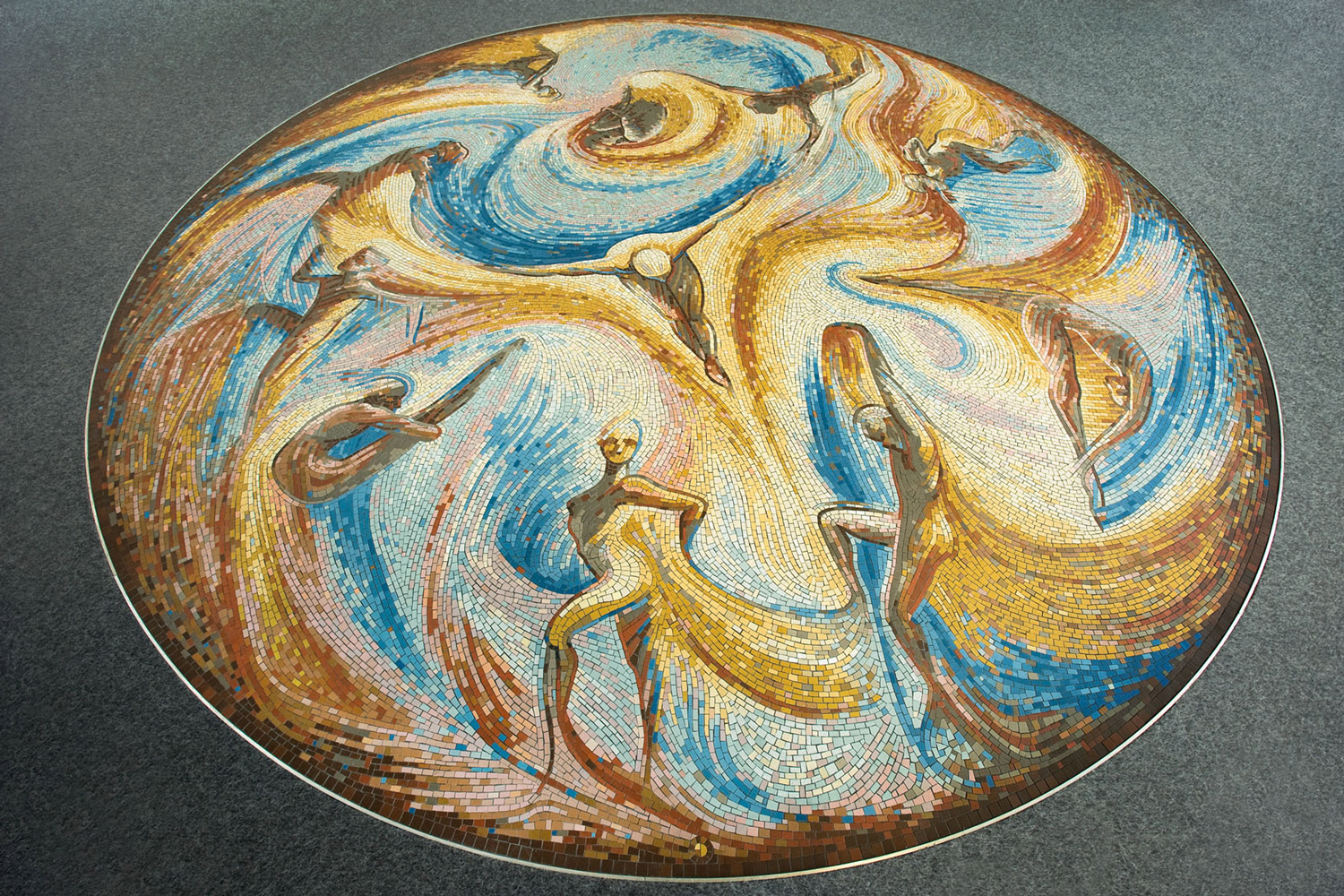
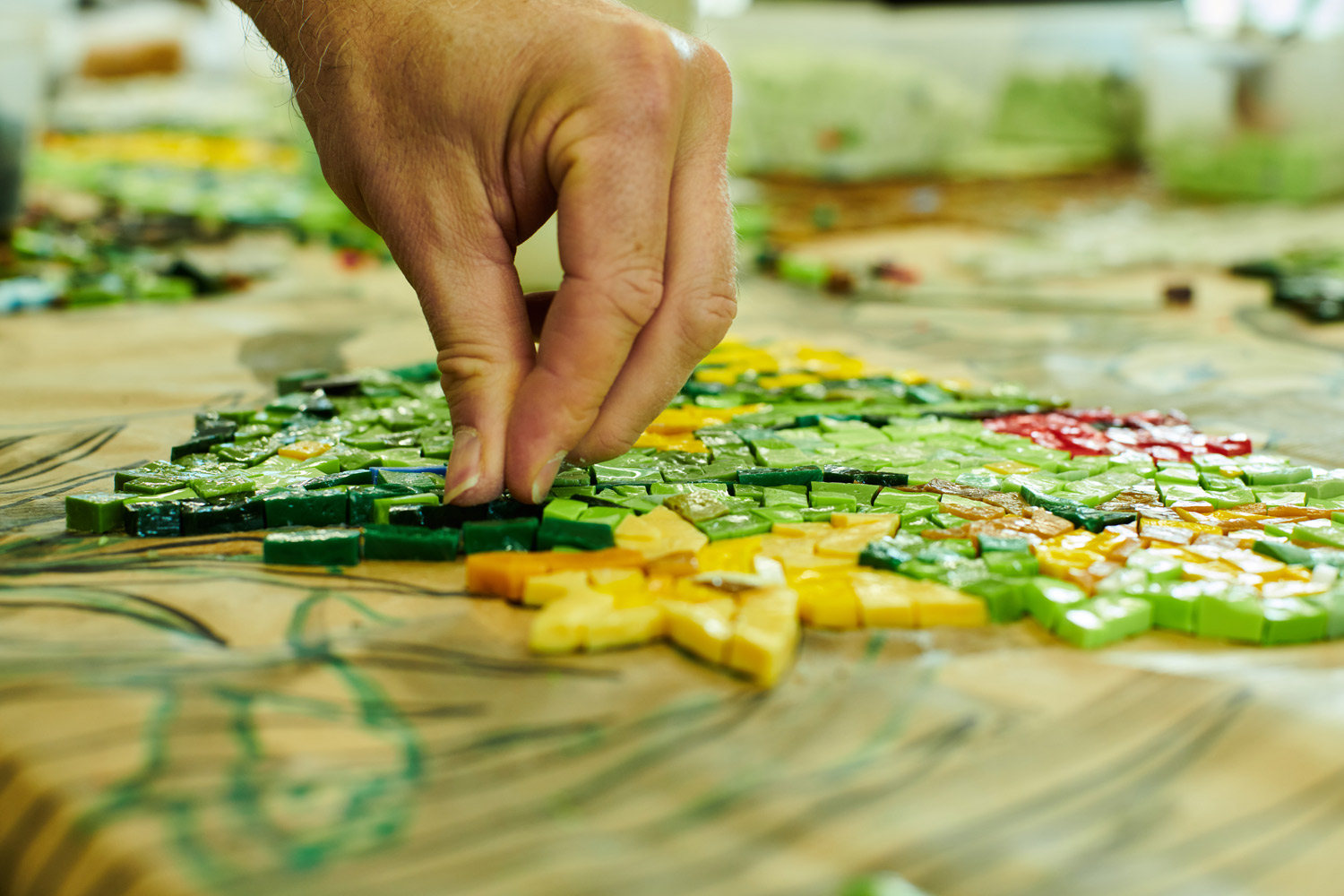
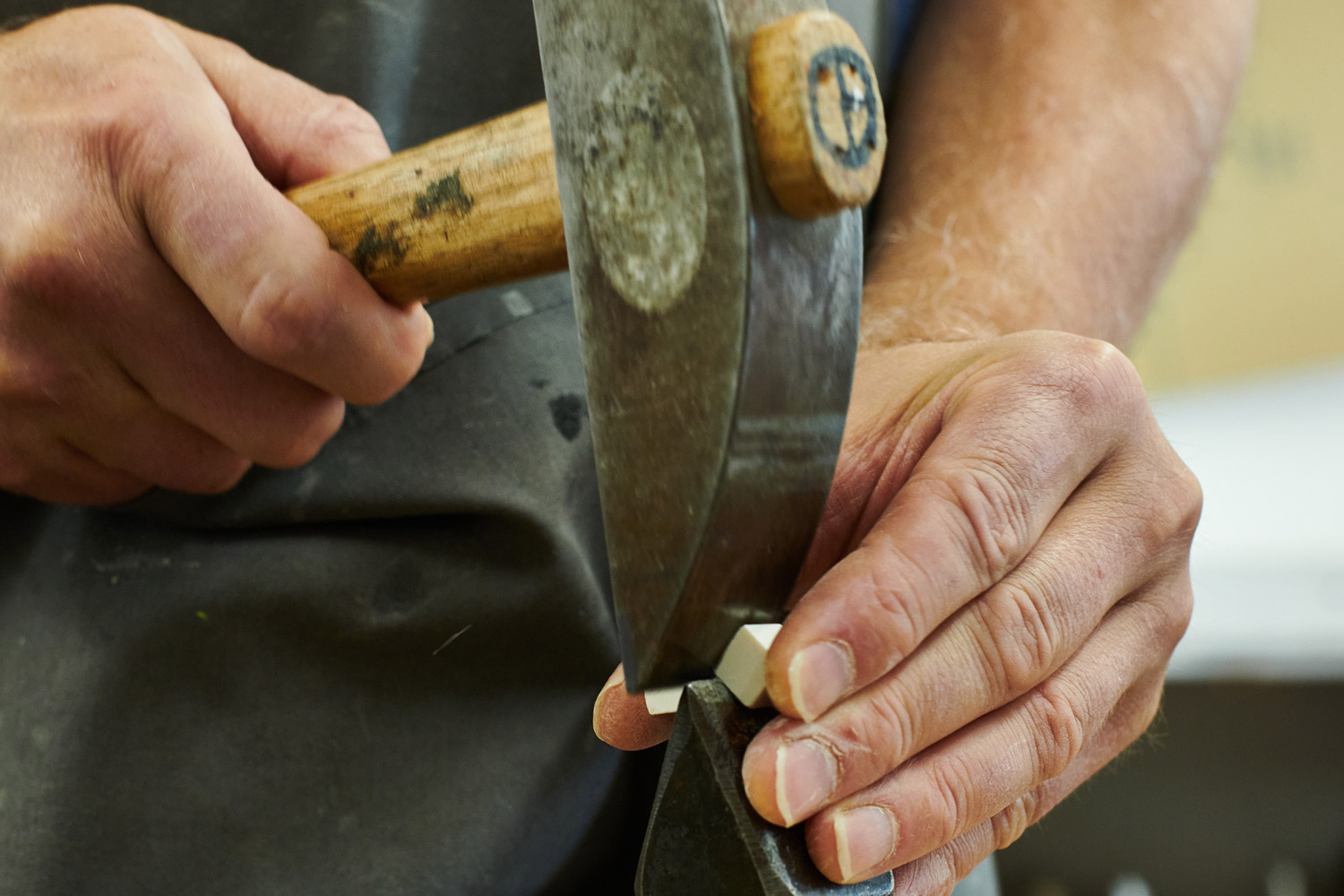
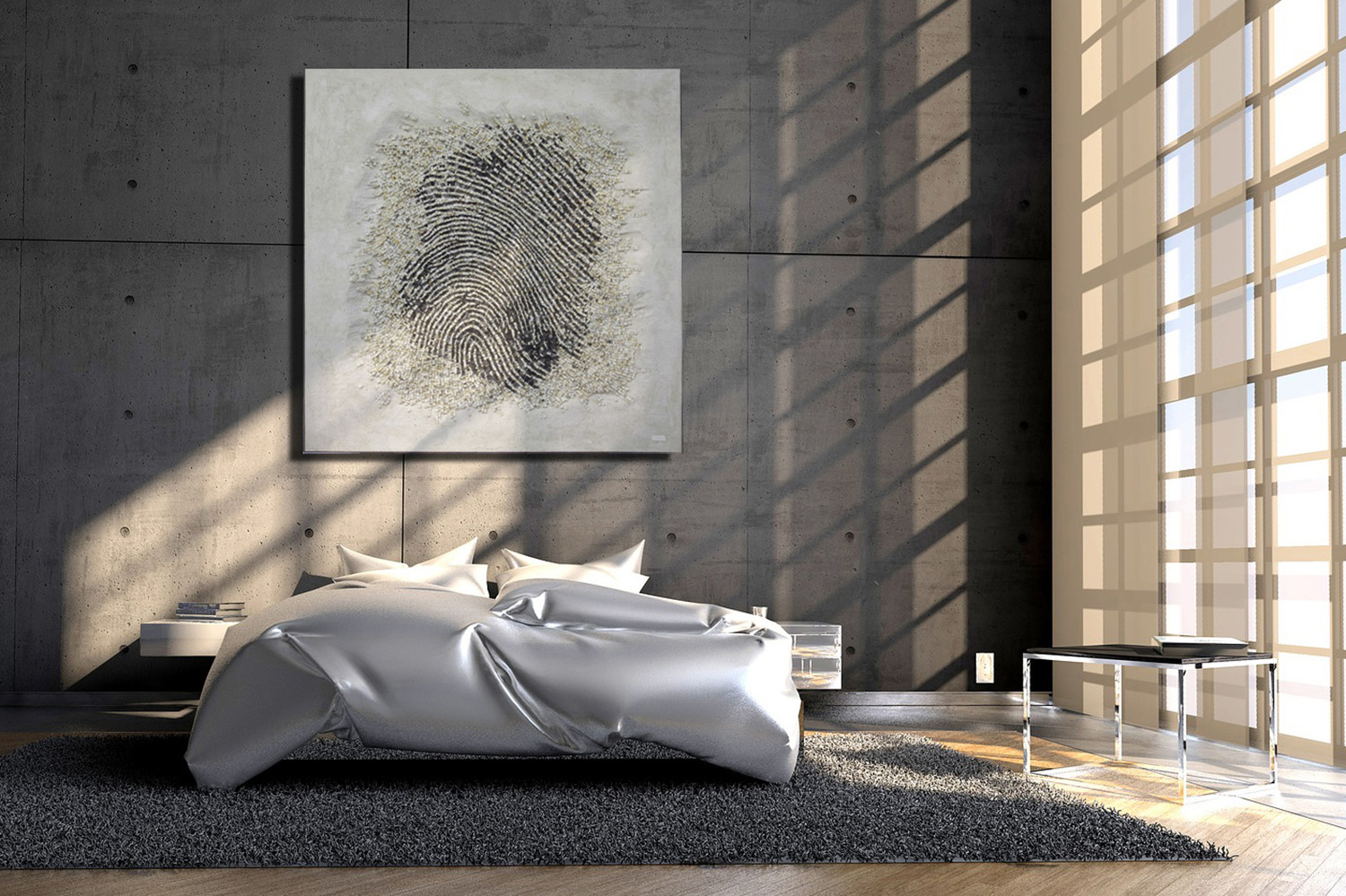
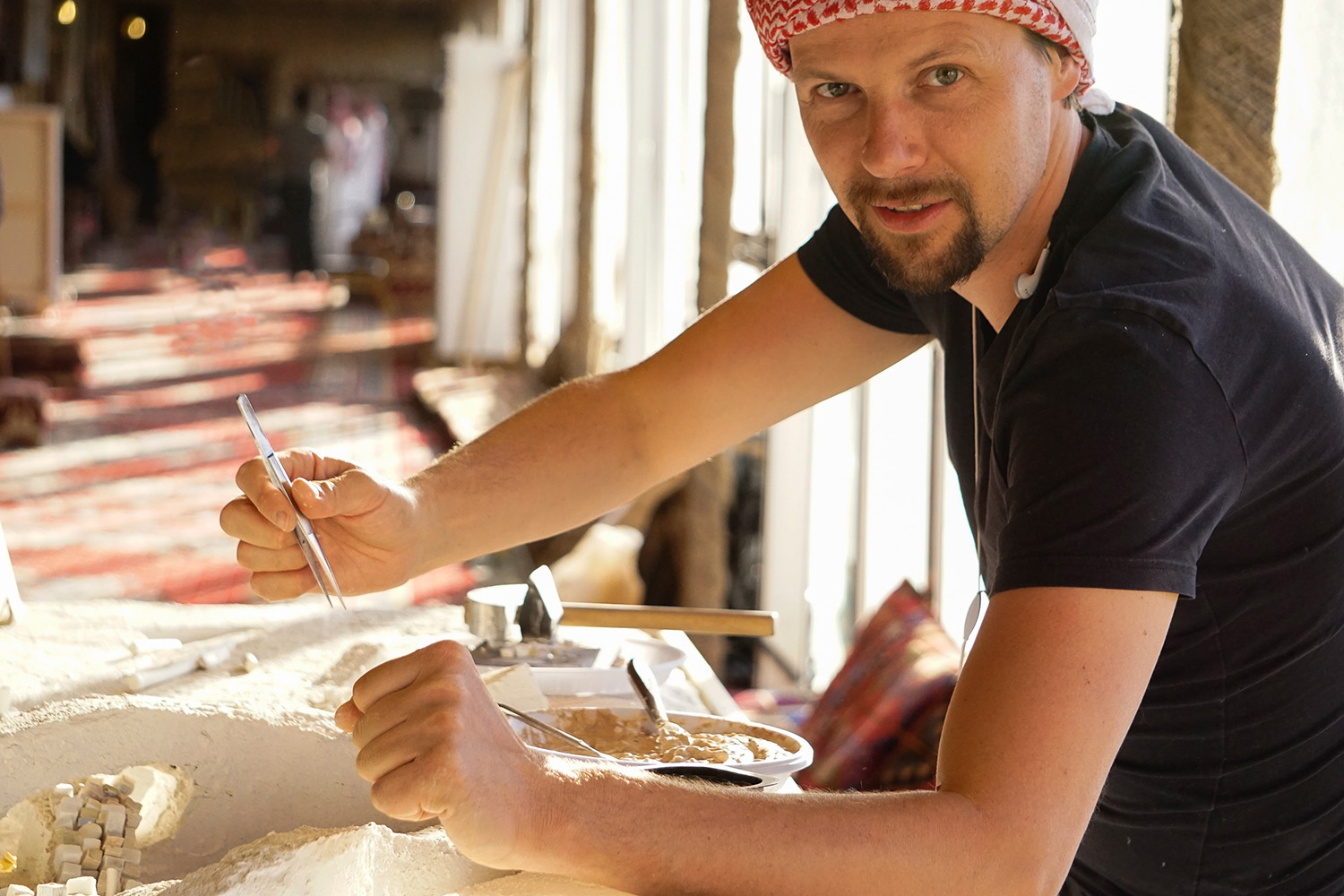
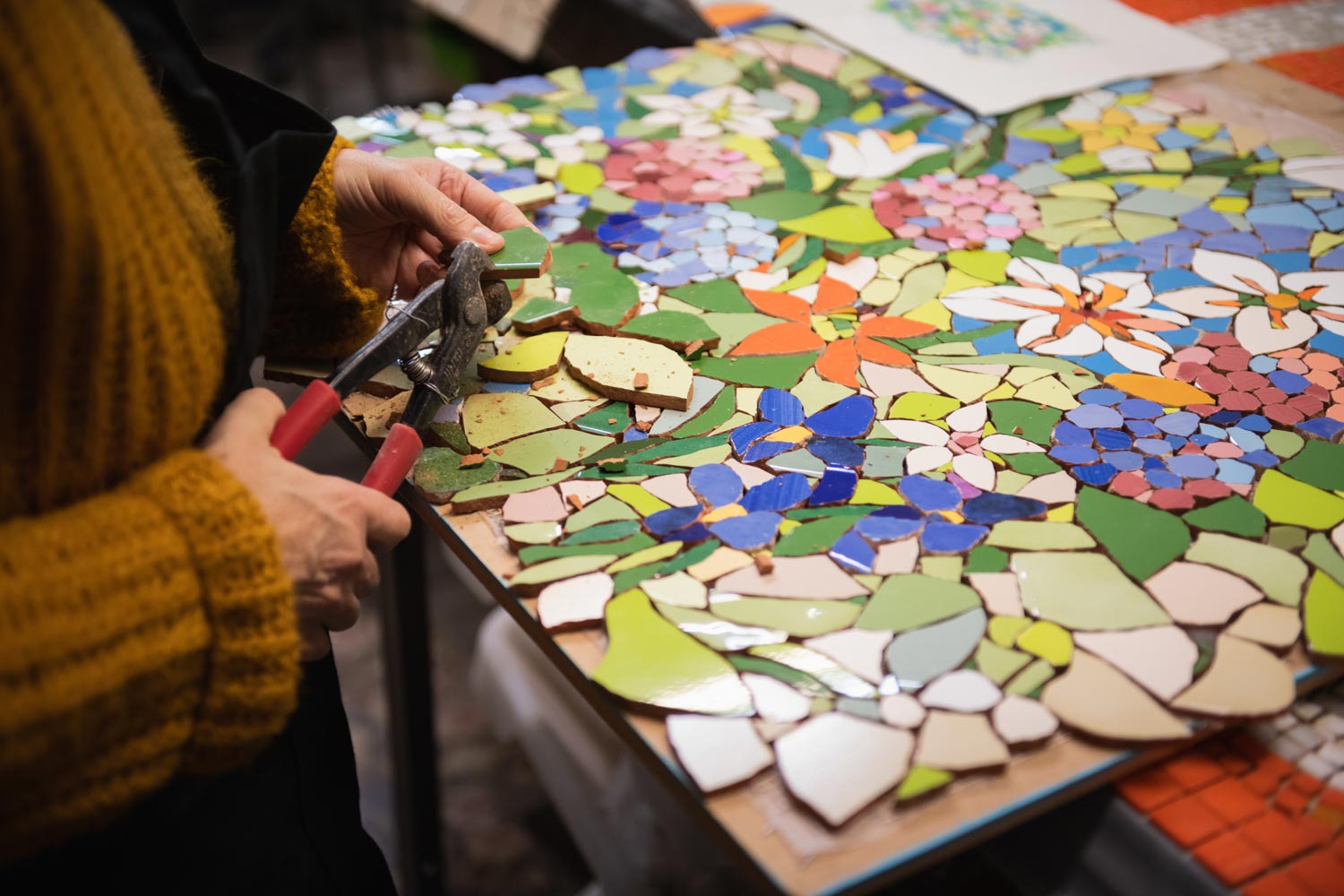
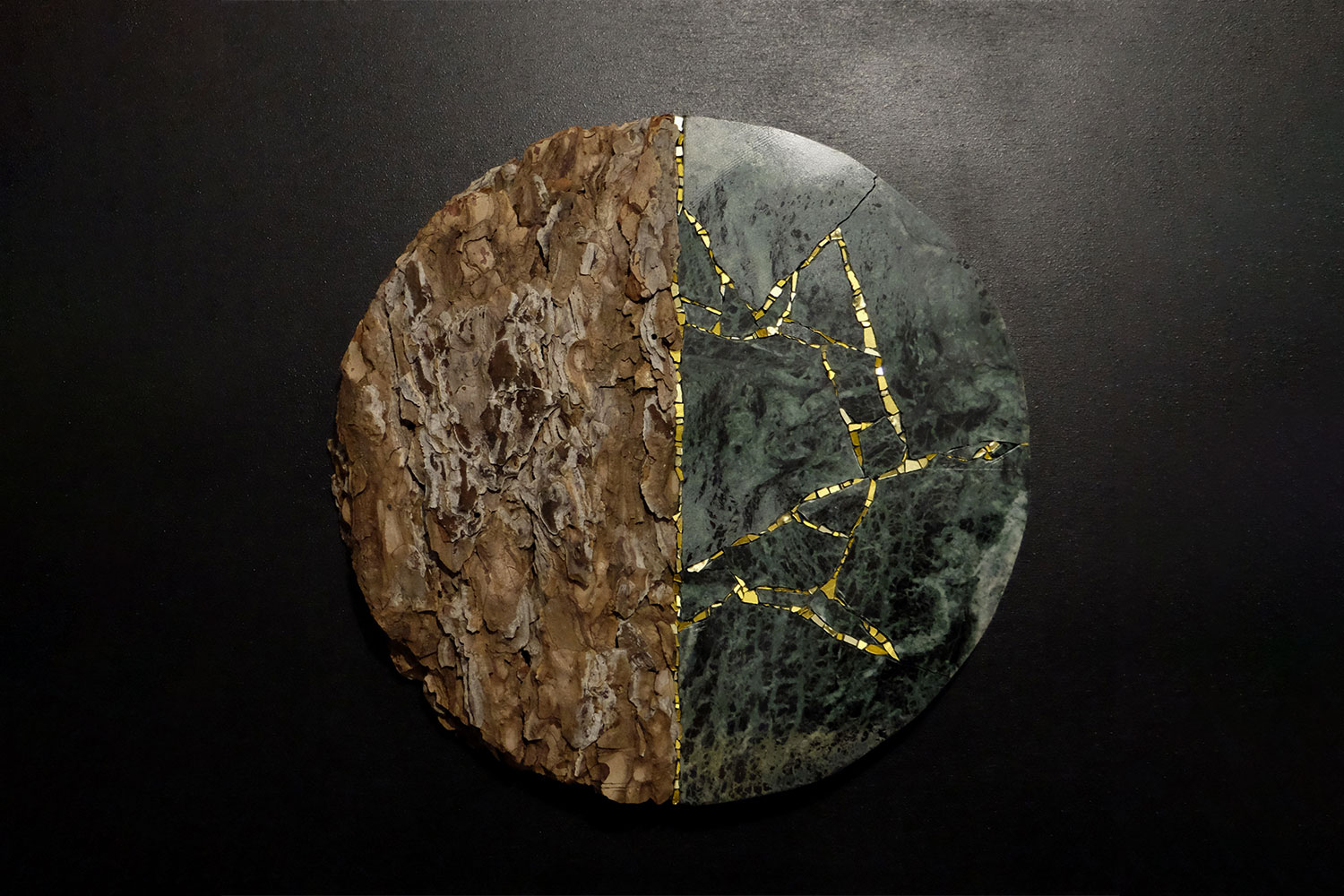
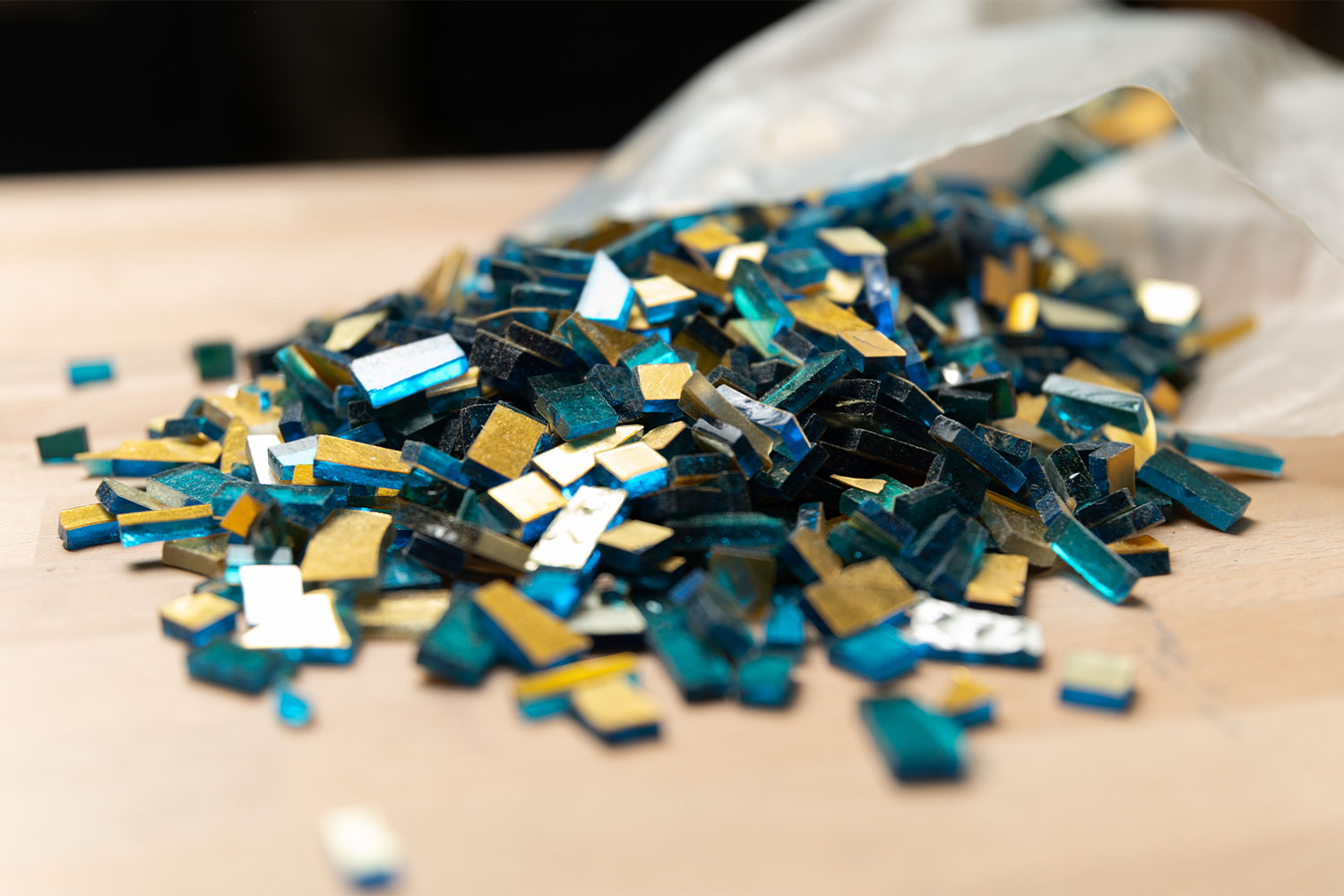
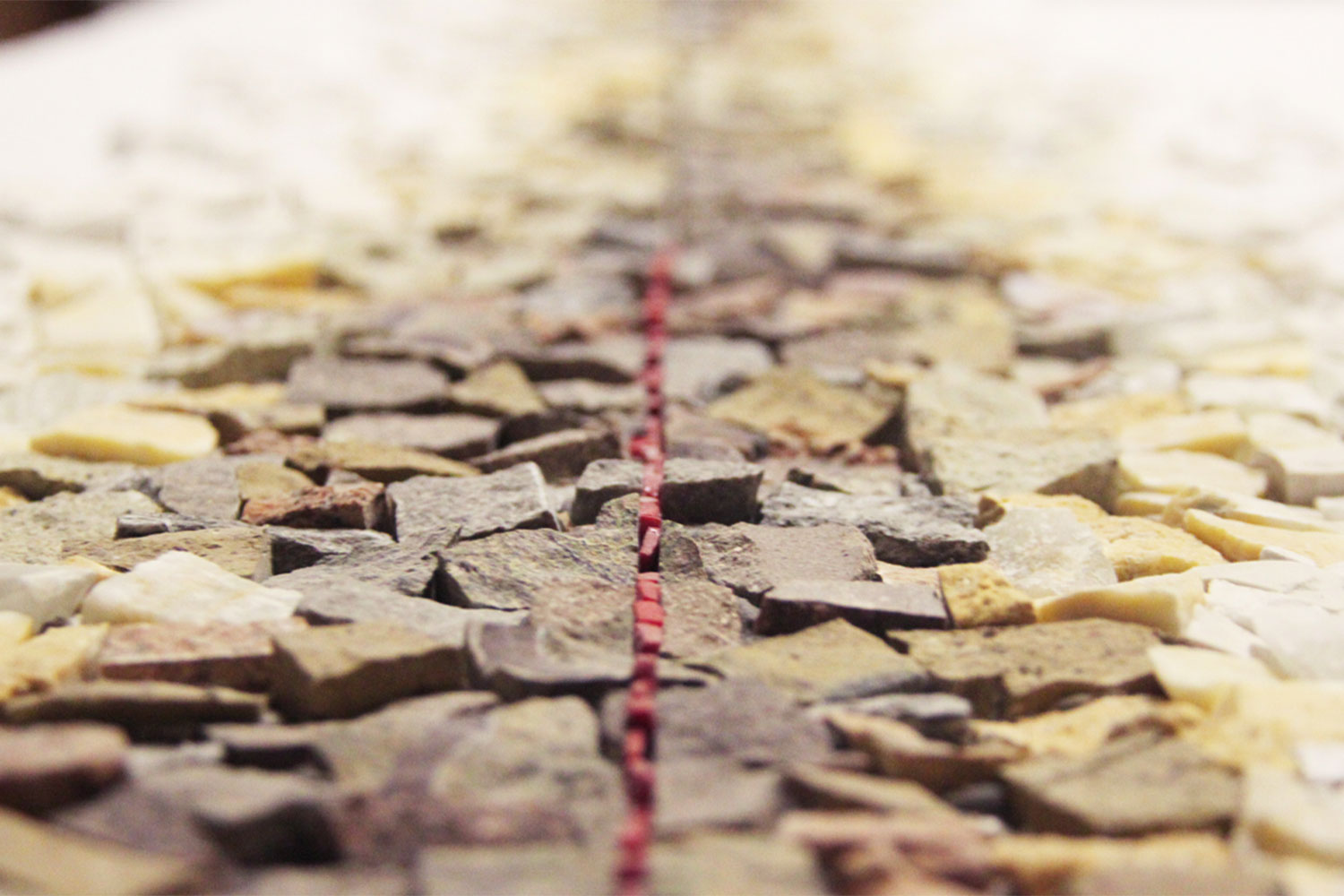
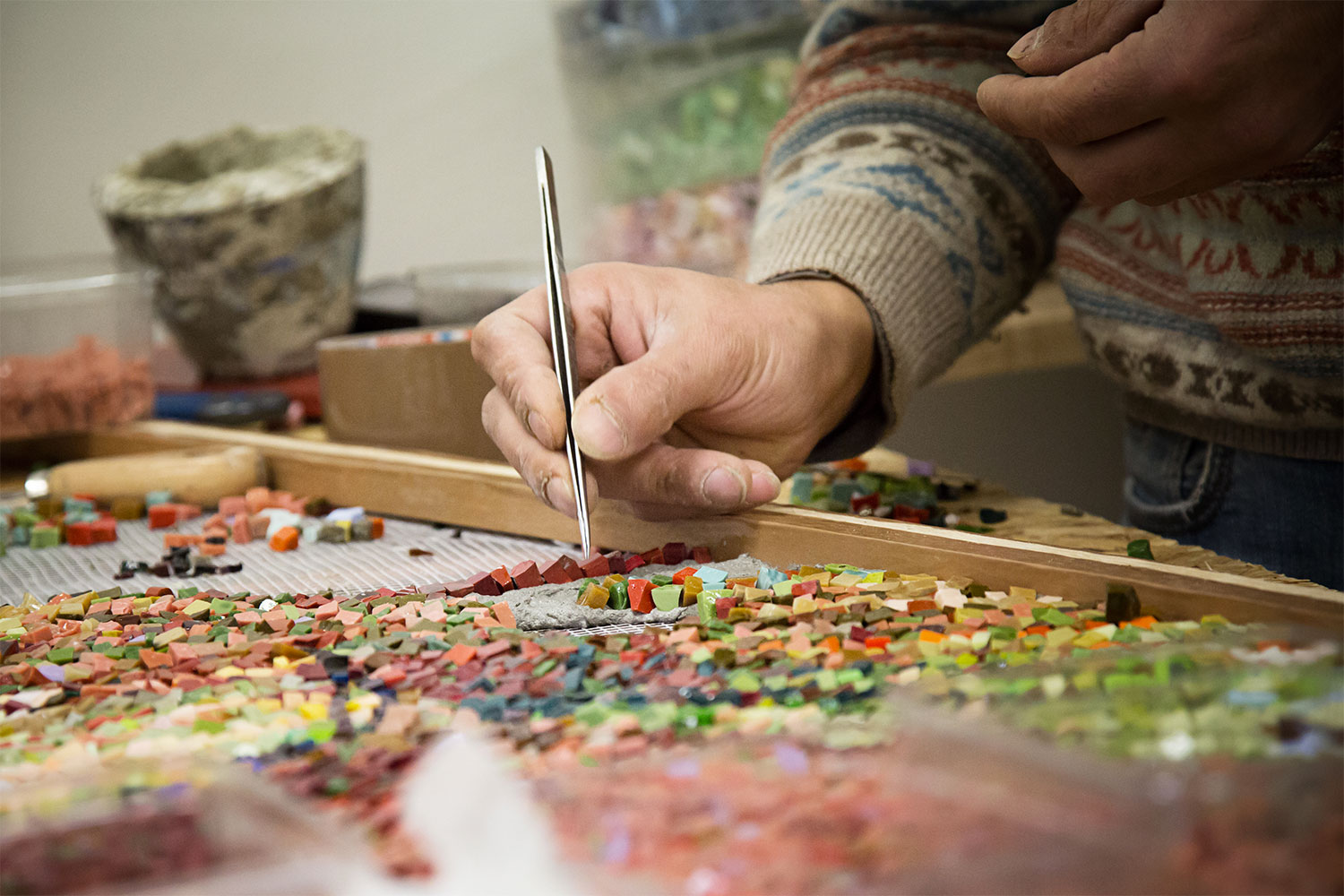
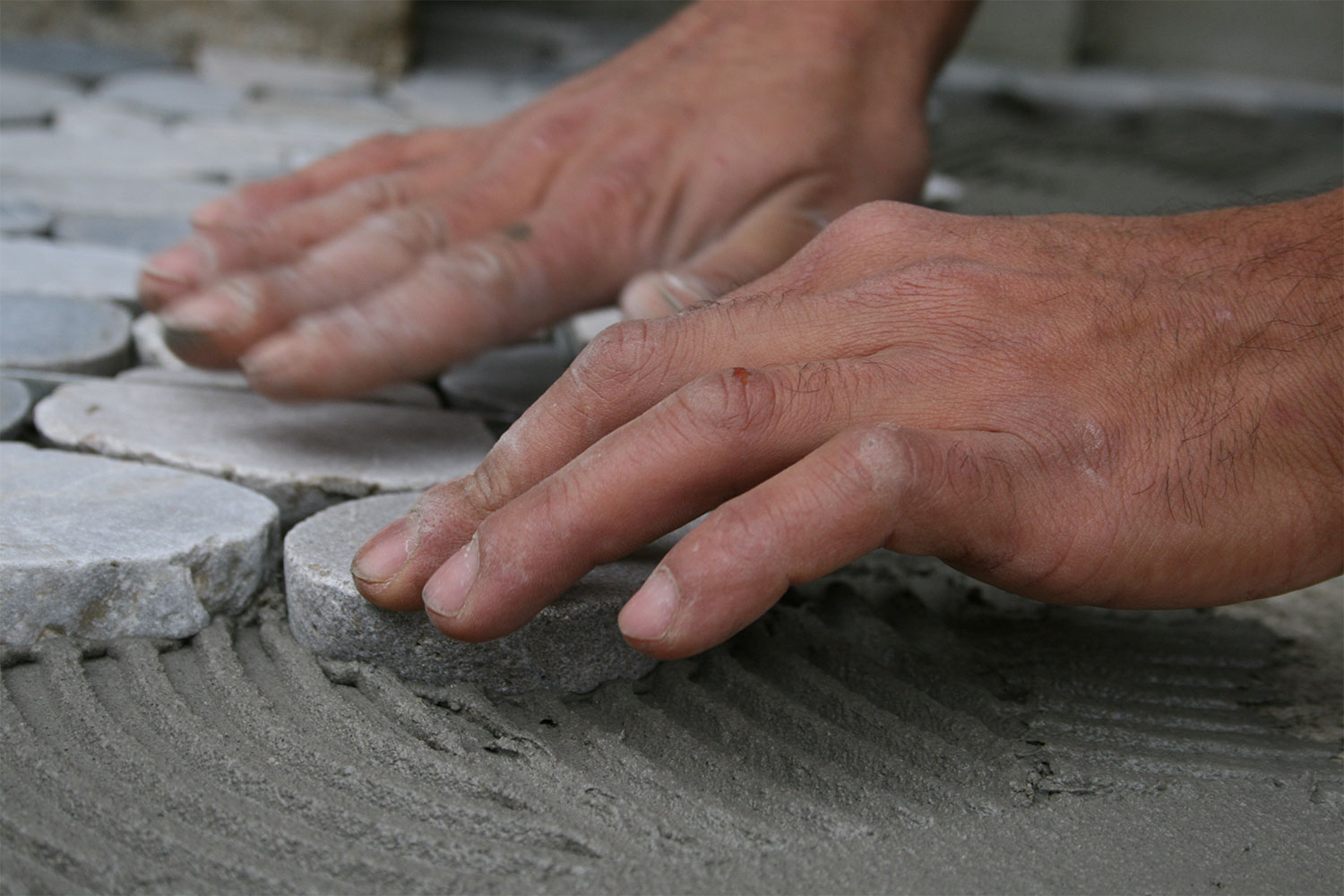
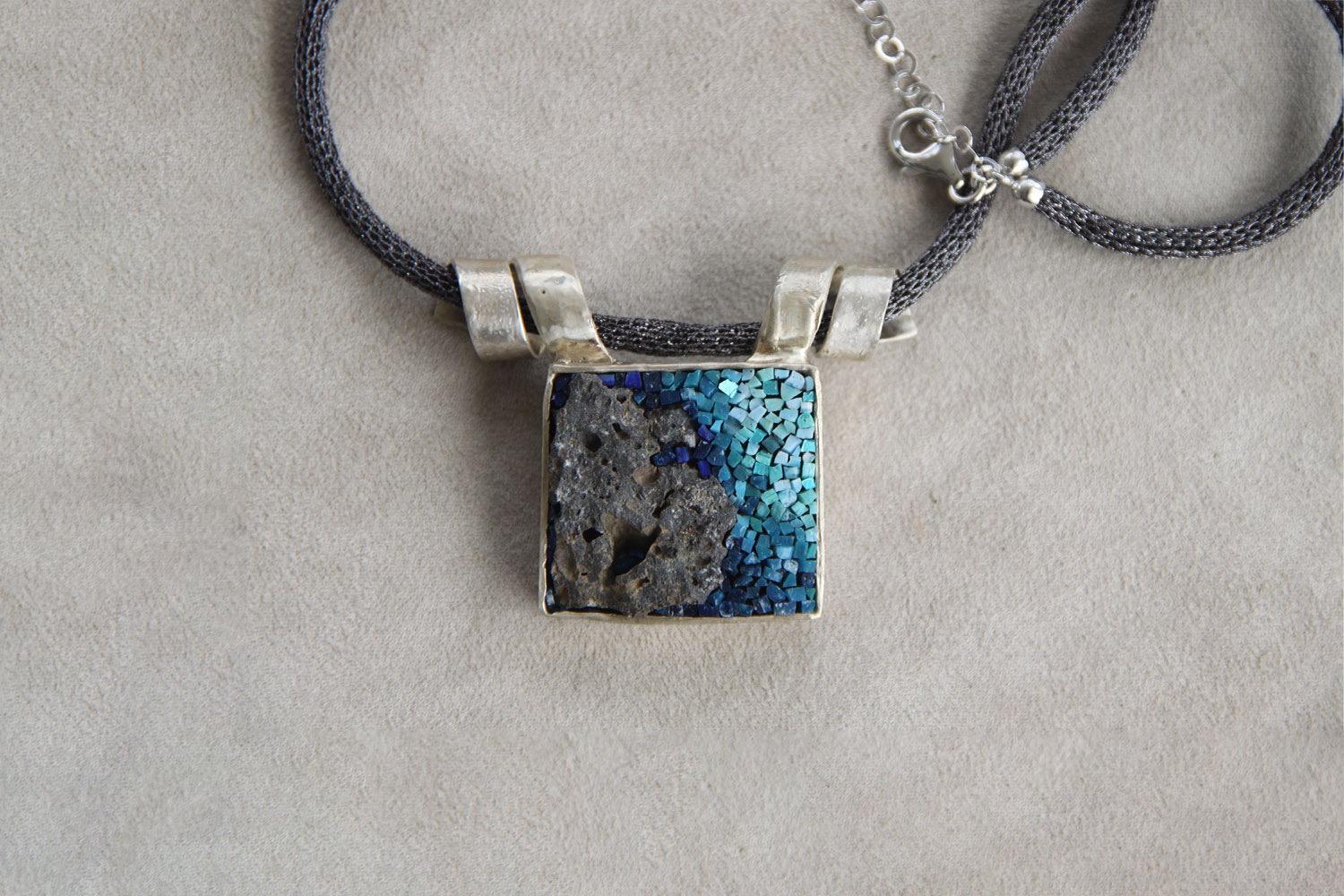
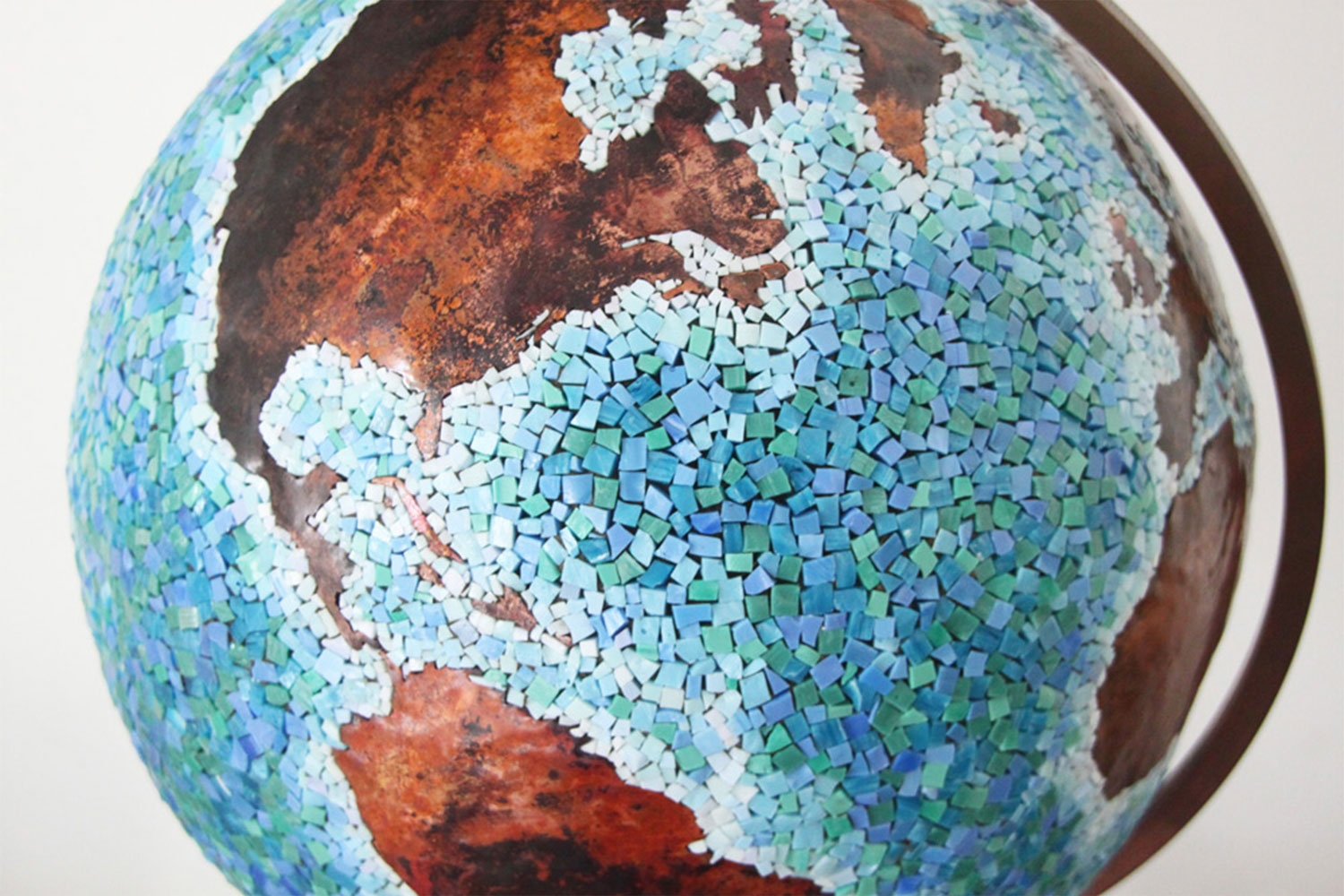
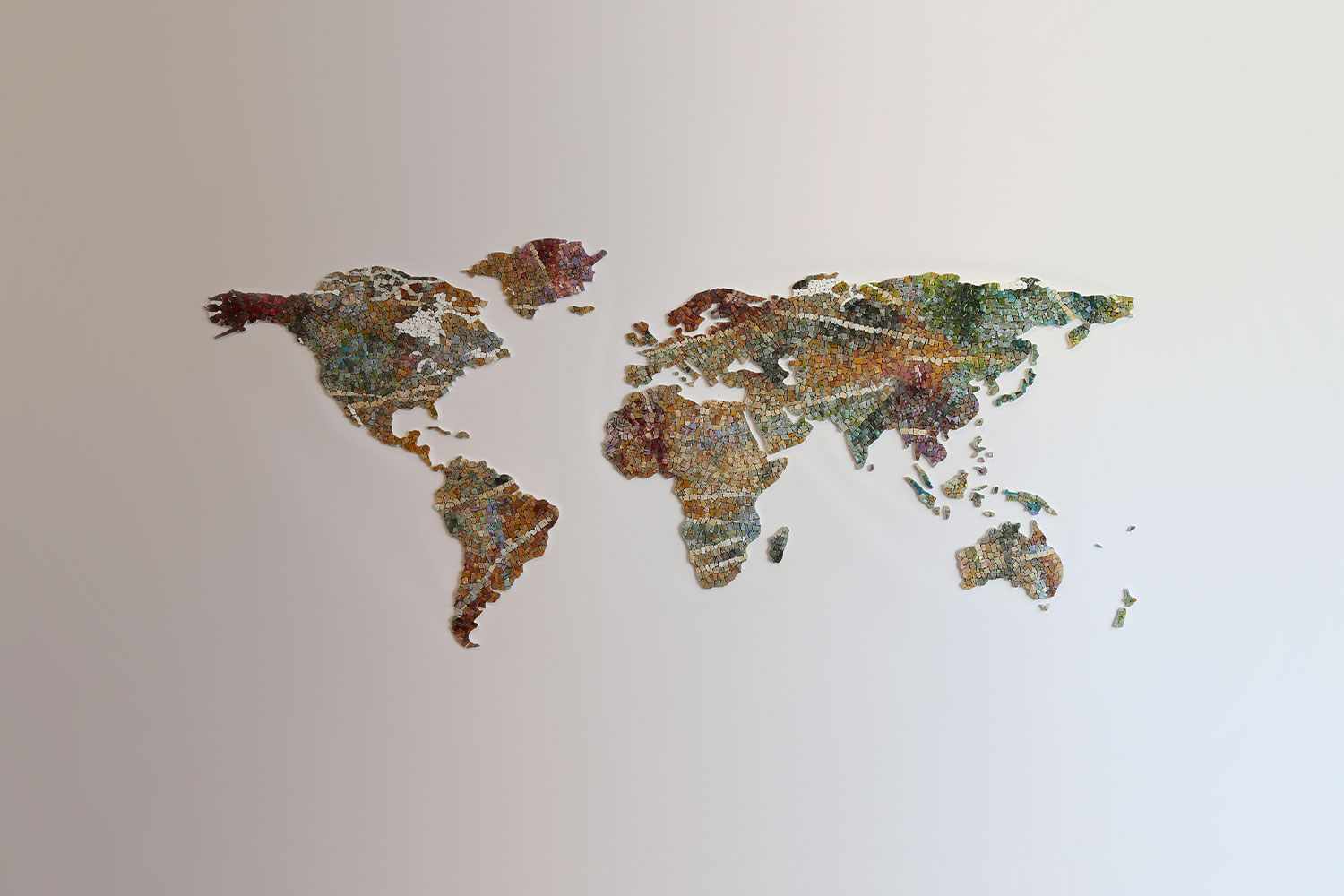
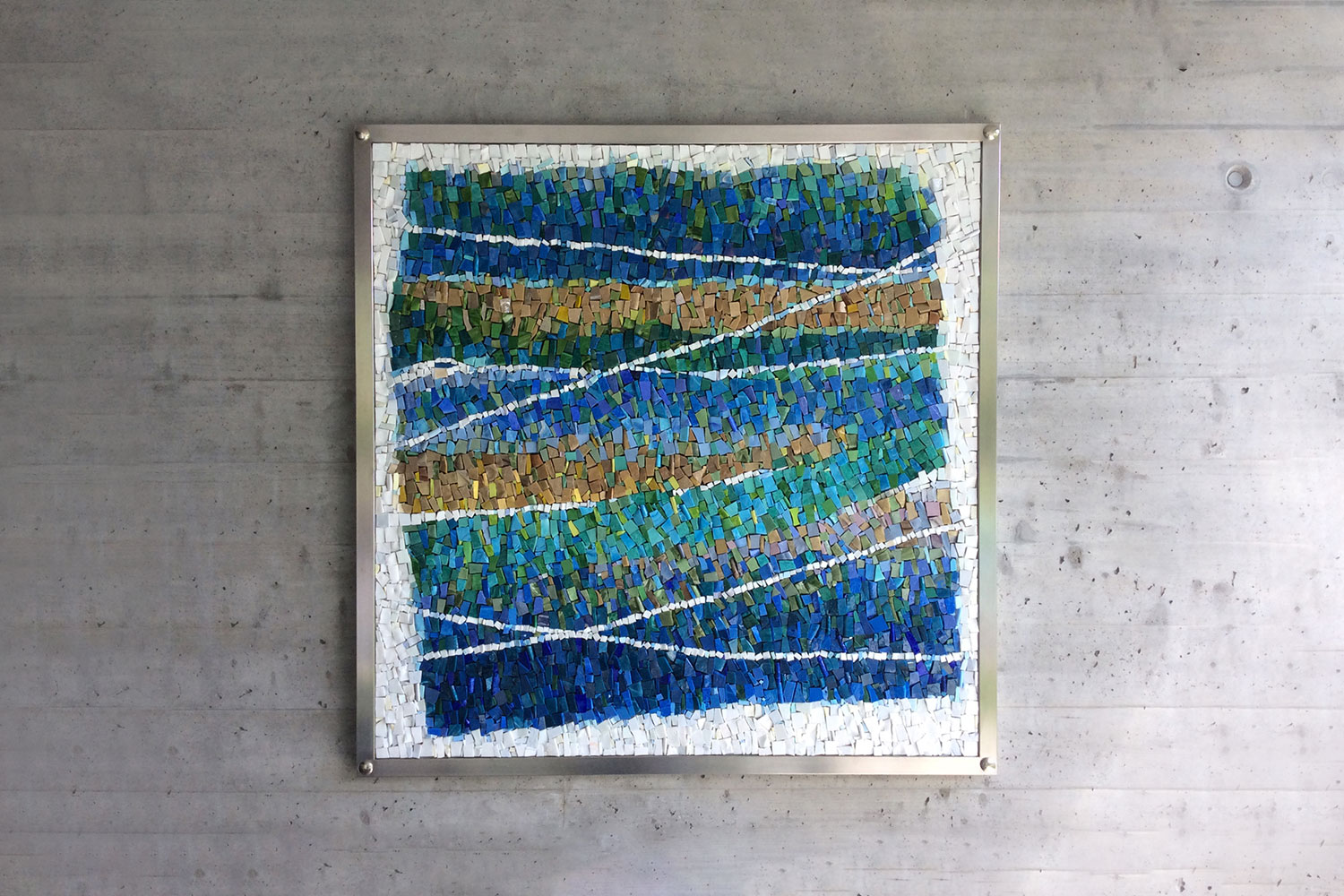
Mohamed Chabarik and Laura Carraro established their workshop in the medieval heart of Udine in 2006, after their training at the prestigious Scuola Mosaicisti del Friuli (Friuli’s Mosaic School), a reference point in the world for the dissemination of the art of mosaic making. The Carraro Chabarik workshop creates works of artistic research and commissions, including jewels, furnishing items and architectural projects. They skillfully handcraft every single piece that they create, using a unique combination of centuries-old techniques, traditional tools and materials such as: stones, marbles, smalto and gold leaves, and more contemporary, experimental elements.
INTERVIEW
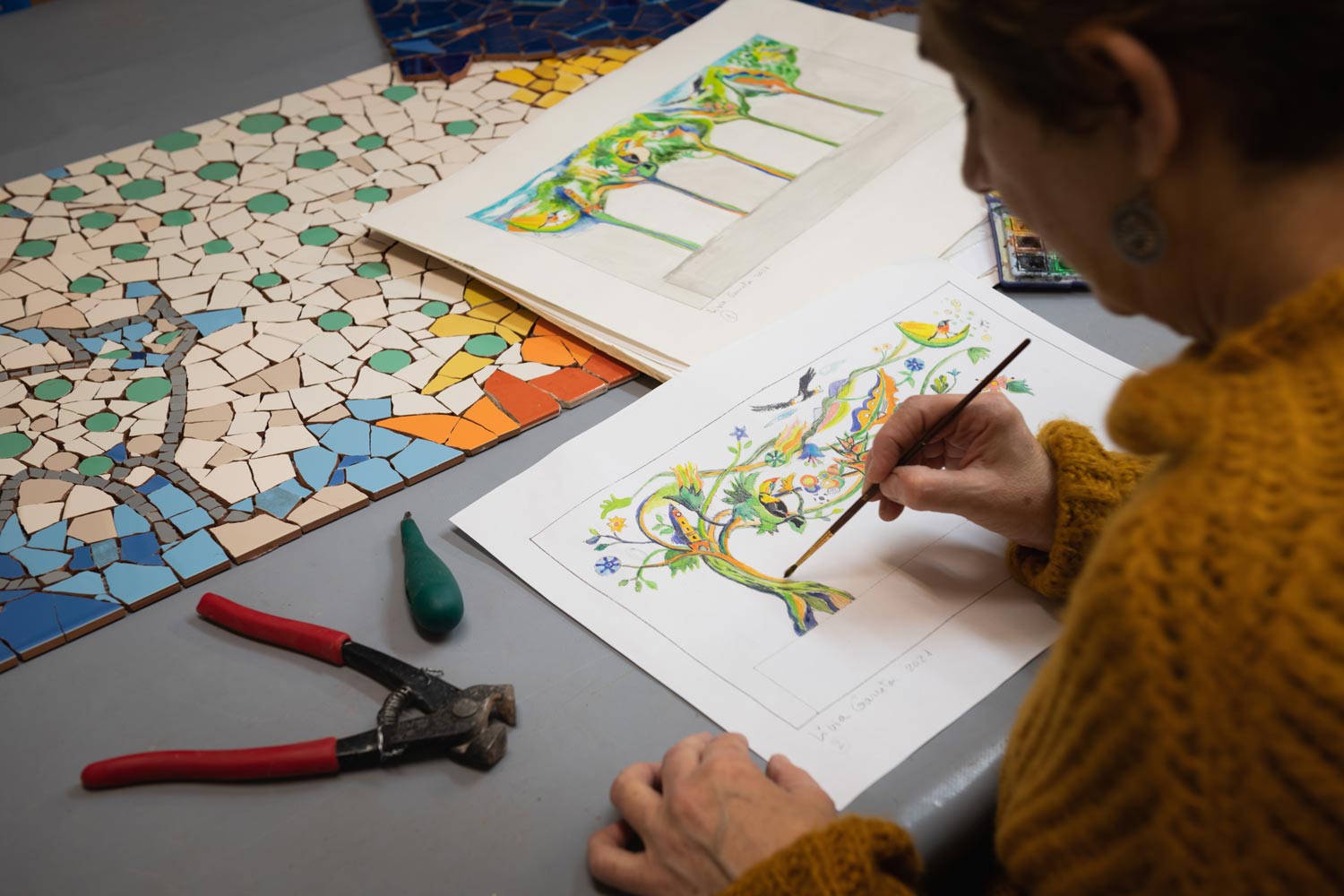
Nature has always been and still is the main source of inspiration in terms of shapes, materials and colours. Nevertheless, there is something deeper in us guiding our hands as we work: our lives, emotions and experiences are the sparkles that ignite our creativity.
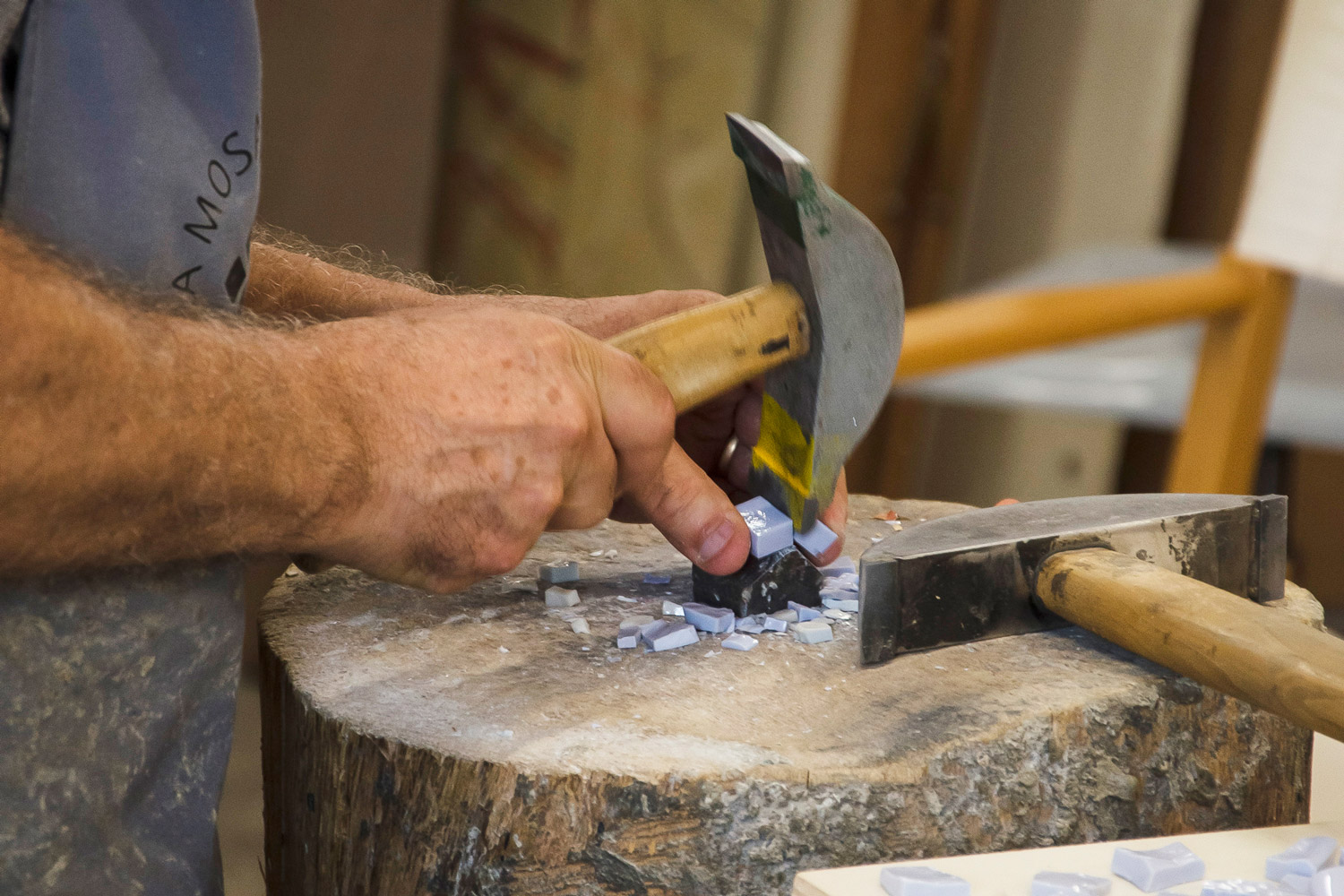
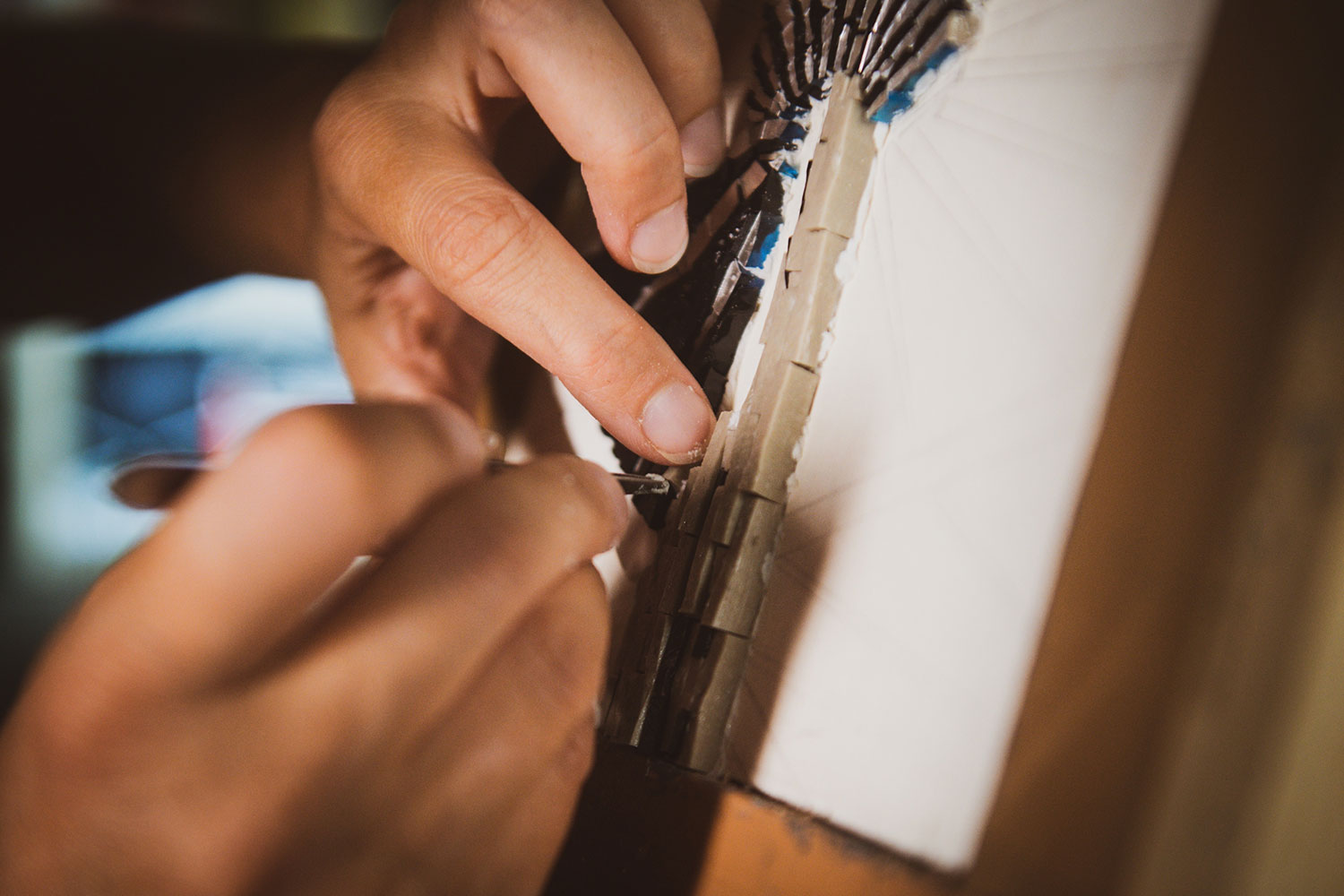
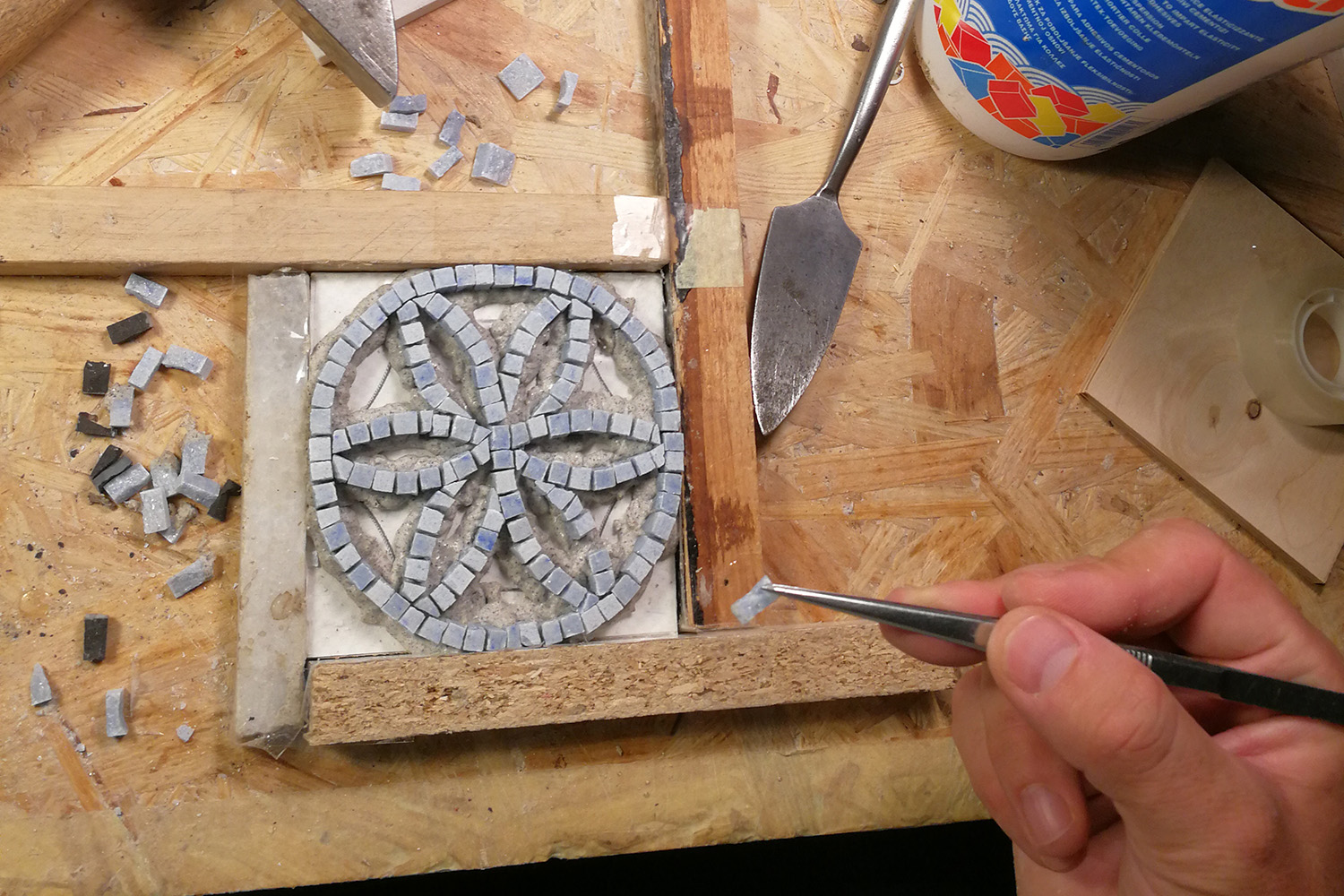
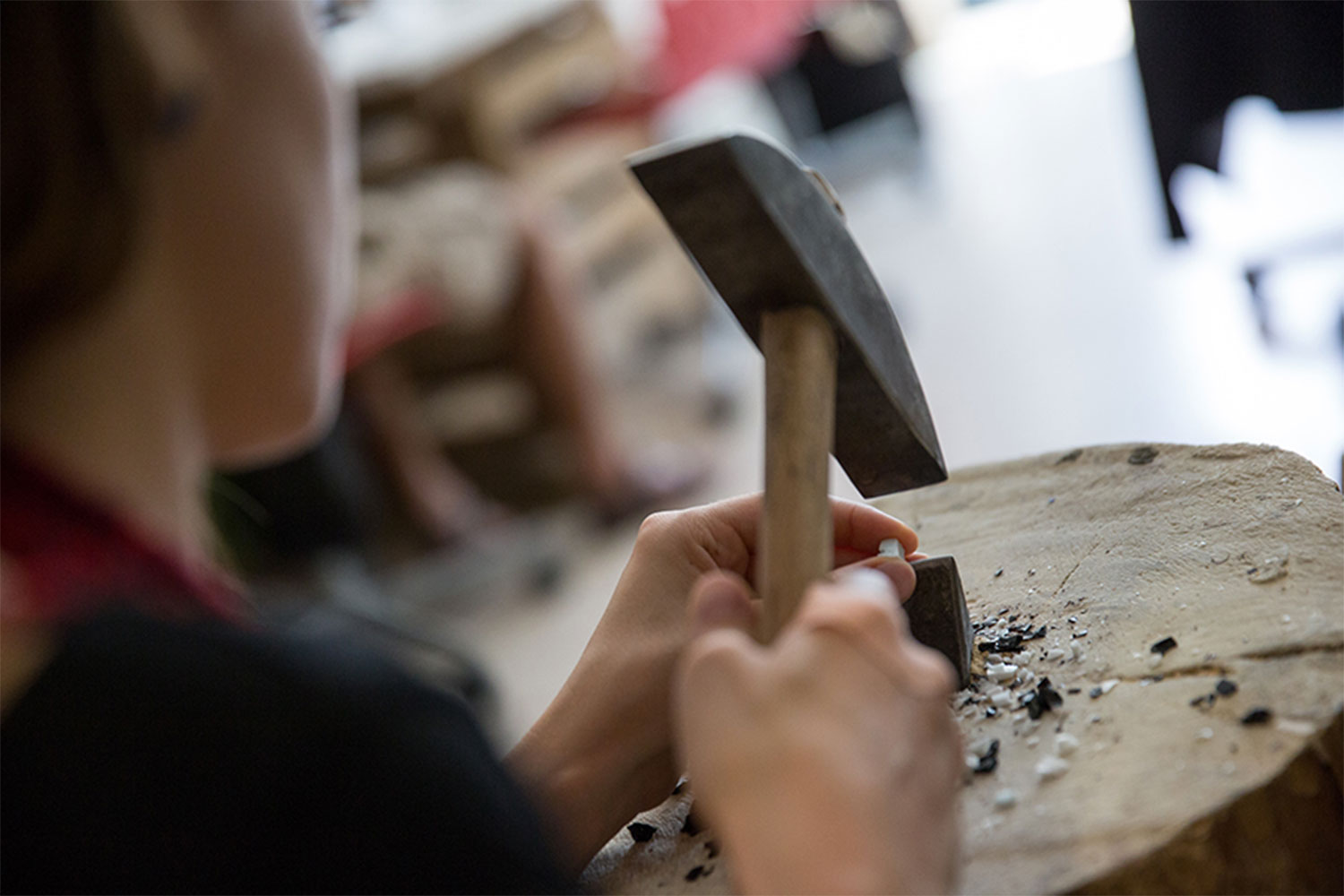
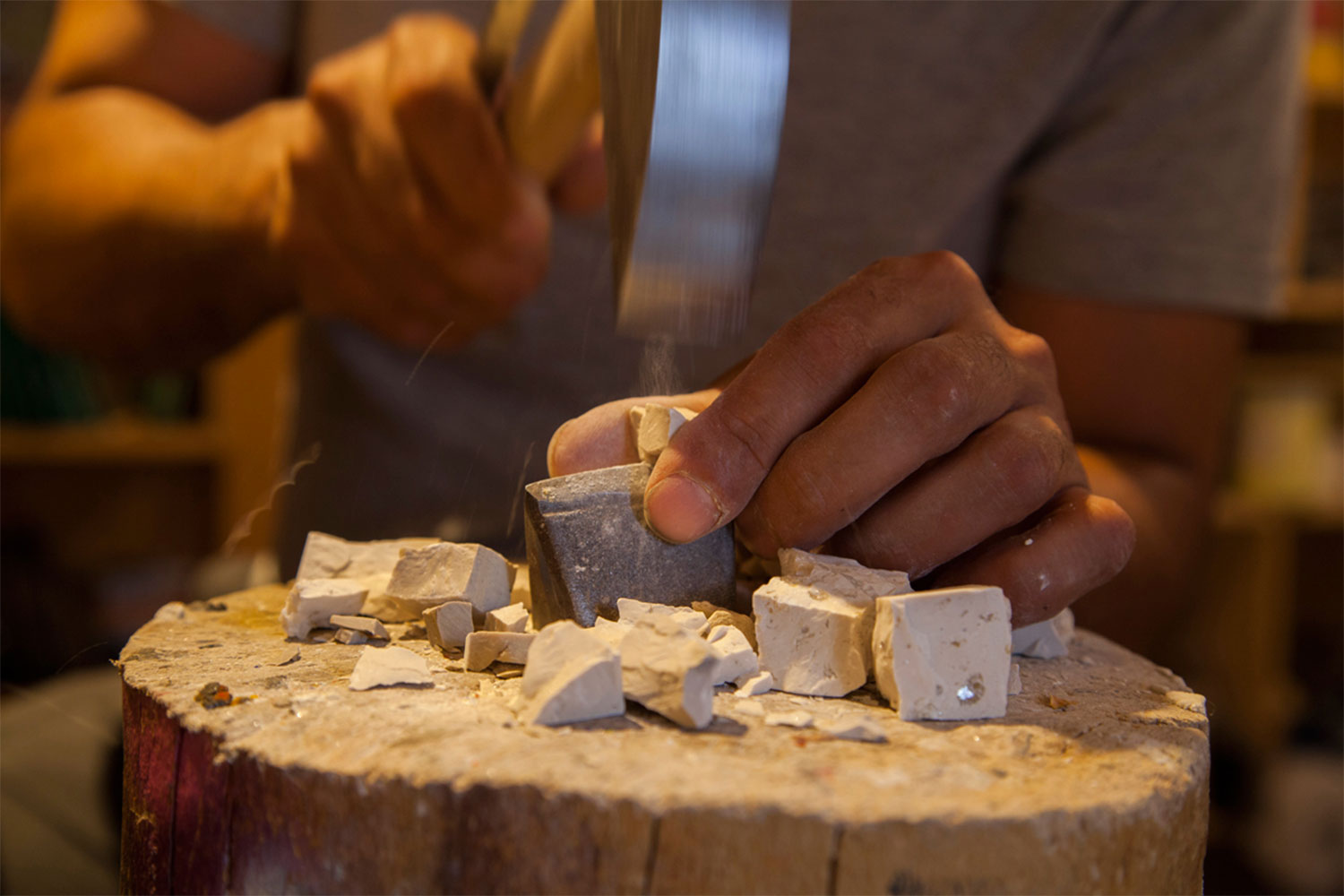
The essence of our activity is fully handmade in a traditional way but we can be very innovative in terms of content, language, designs, and materials. Techniques may help our work, I am thinking about the use of plotters and 3D printing for instance, but they just serve our quintessentially artisanal approach. The key tools of our job are still martelins and chisels at the end.
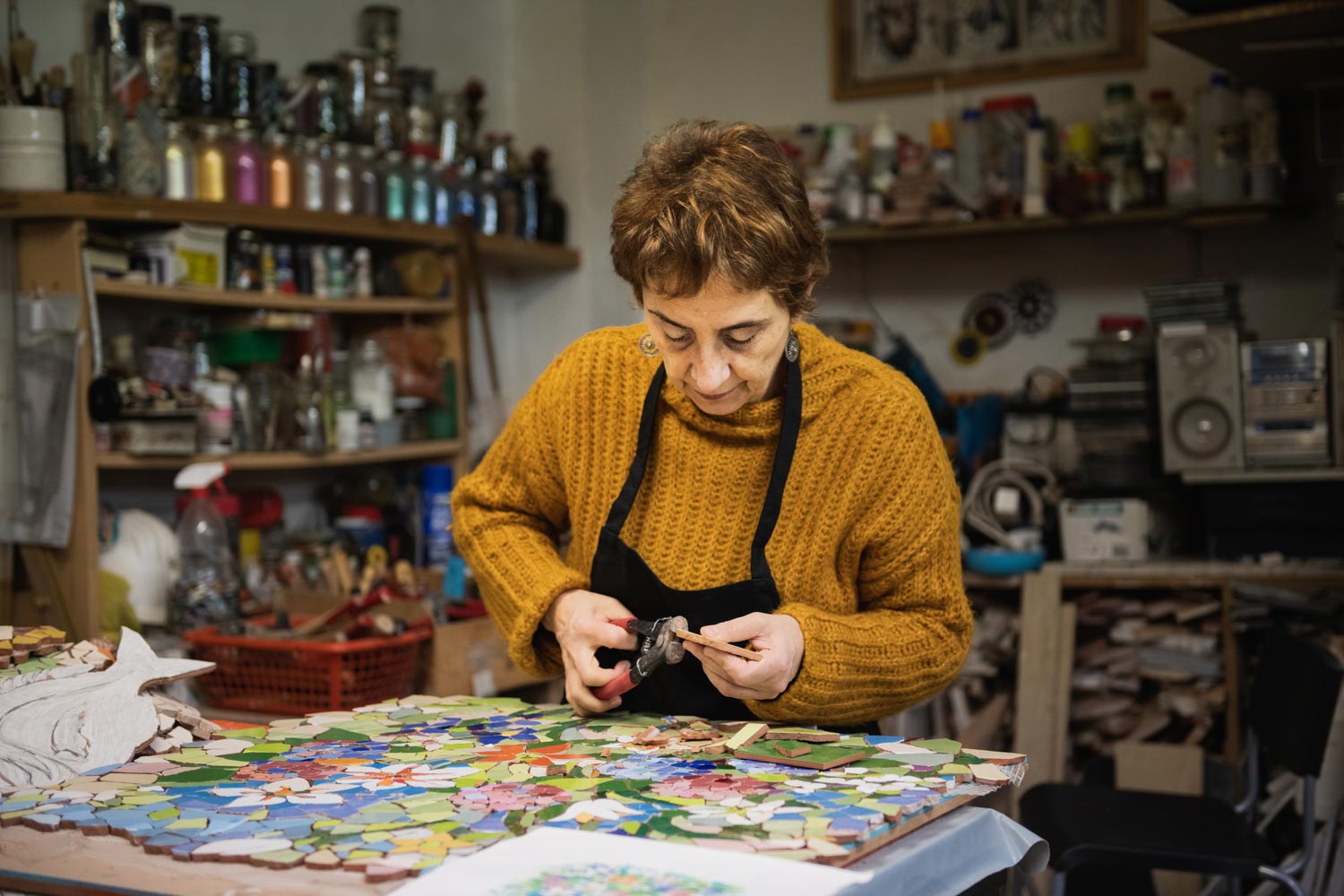
One might think that being a craftsperson means solitary work. On the contrary, our pieces are born out of a continuous and deep relationship with our customers, in order to understand their wishes and needs. Often, our customers become our friends.
Our art is very niche, but in great demand nowadays, on a worldwide level. My best suggestion to any young student is one I learned from the great Italian writer, Tiziano Terzani "find your space, design it and don’t be content with preset solutions".