A contemporary wood bender
- Jonas bends wood using an old technique
- Complexity lies behind his deceptively simple furniture
- He combines tradition and innovation to create contemporary pieces
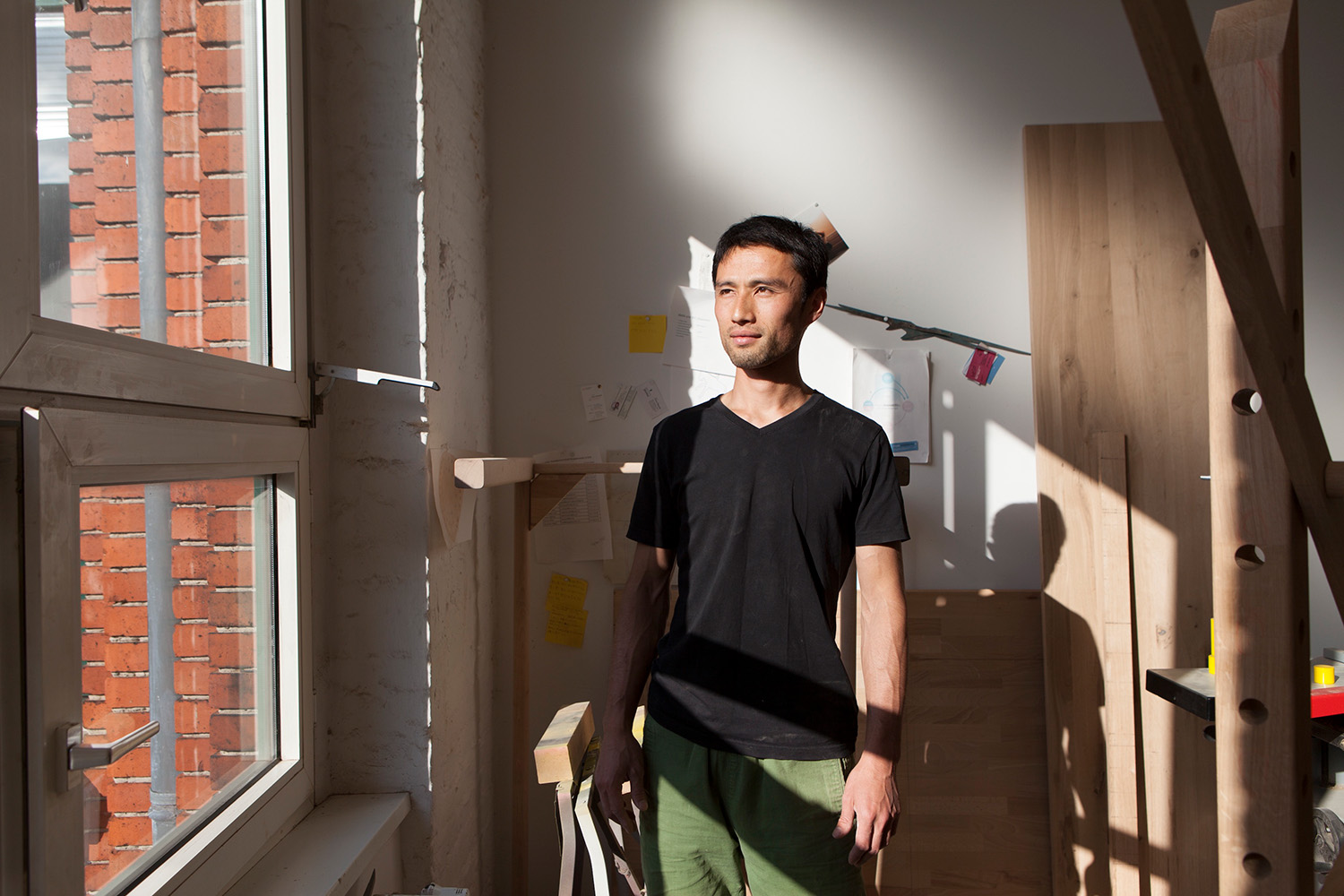
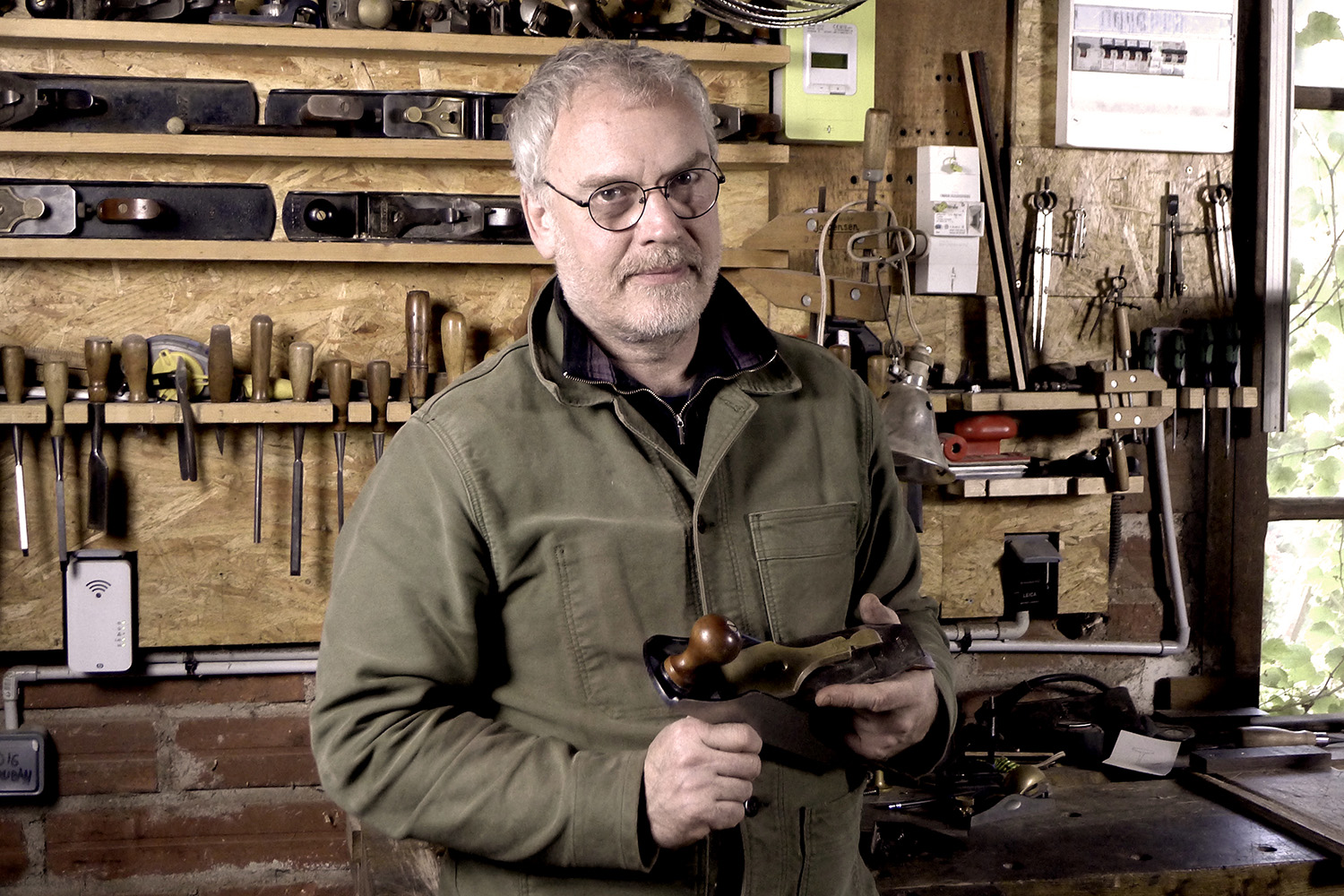
It is only due to the unfortunate circumstance that Jonas Nitsch didn’t find an apprenticeship as a guitar maker that he decided to become a carpenter instead. A very fortunate twist of fate, in retrospect. “I learned my craft in a very small company making high quality solid wood furniture under Daniel Solfrank and Christoph Zimbehl. They sparked an enthusiasm in me that motivated me to continue to learn.” Afterwards, Jonas continued his path in the workshops of the cabinetmakers Peter Hook in Weinheim and Charles Beresford in Wangen. “There I was able to deepen my knowledge and technical abilities,” he says. He also found the courage to believe in his own designs, which ever since have been recognised by numerous prizes. His pieces can also be found in the collection of the Museum Angewandte Kunst Frankfurt.
INTERVIEW
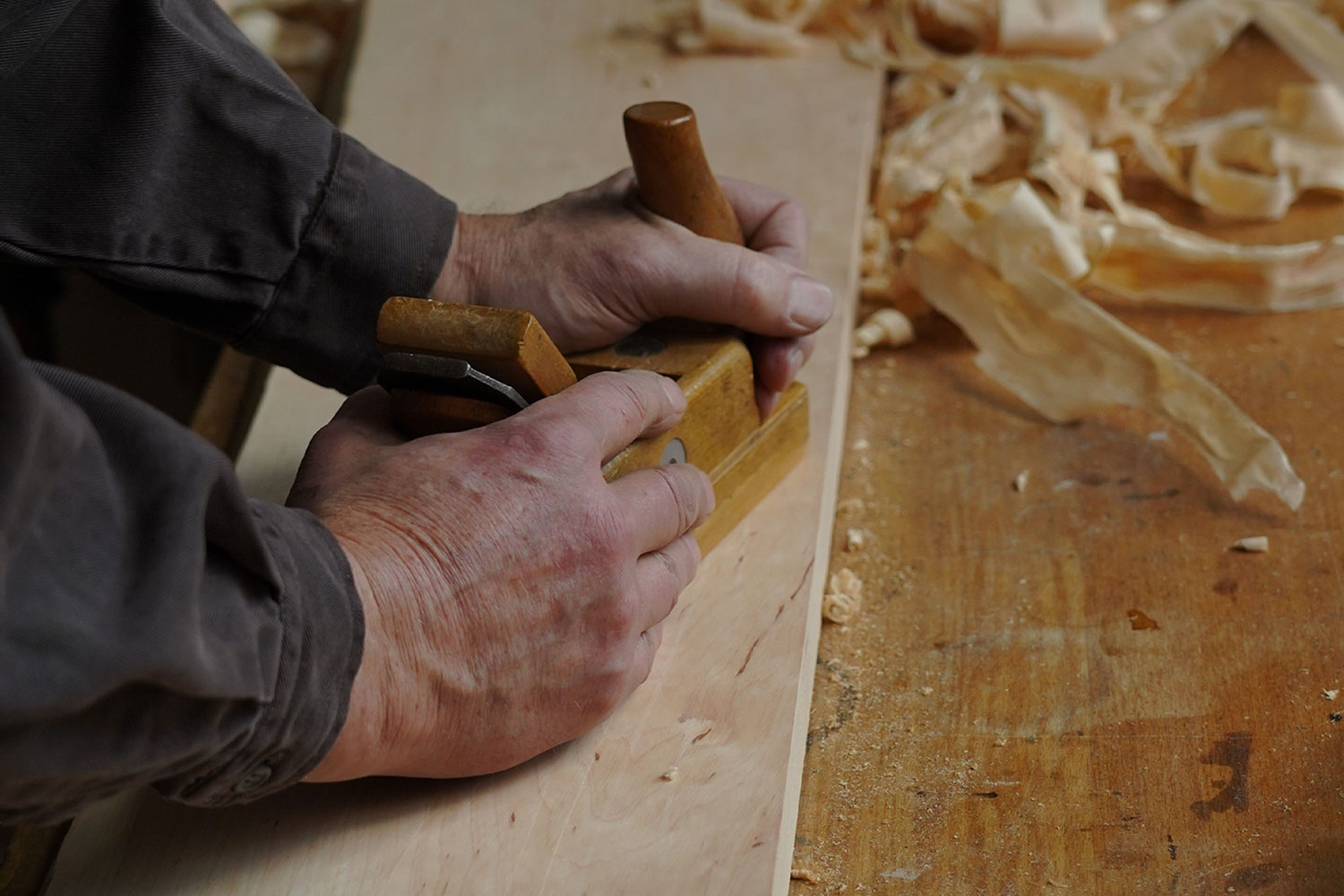
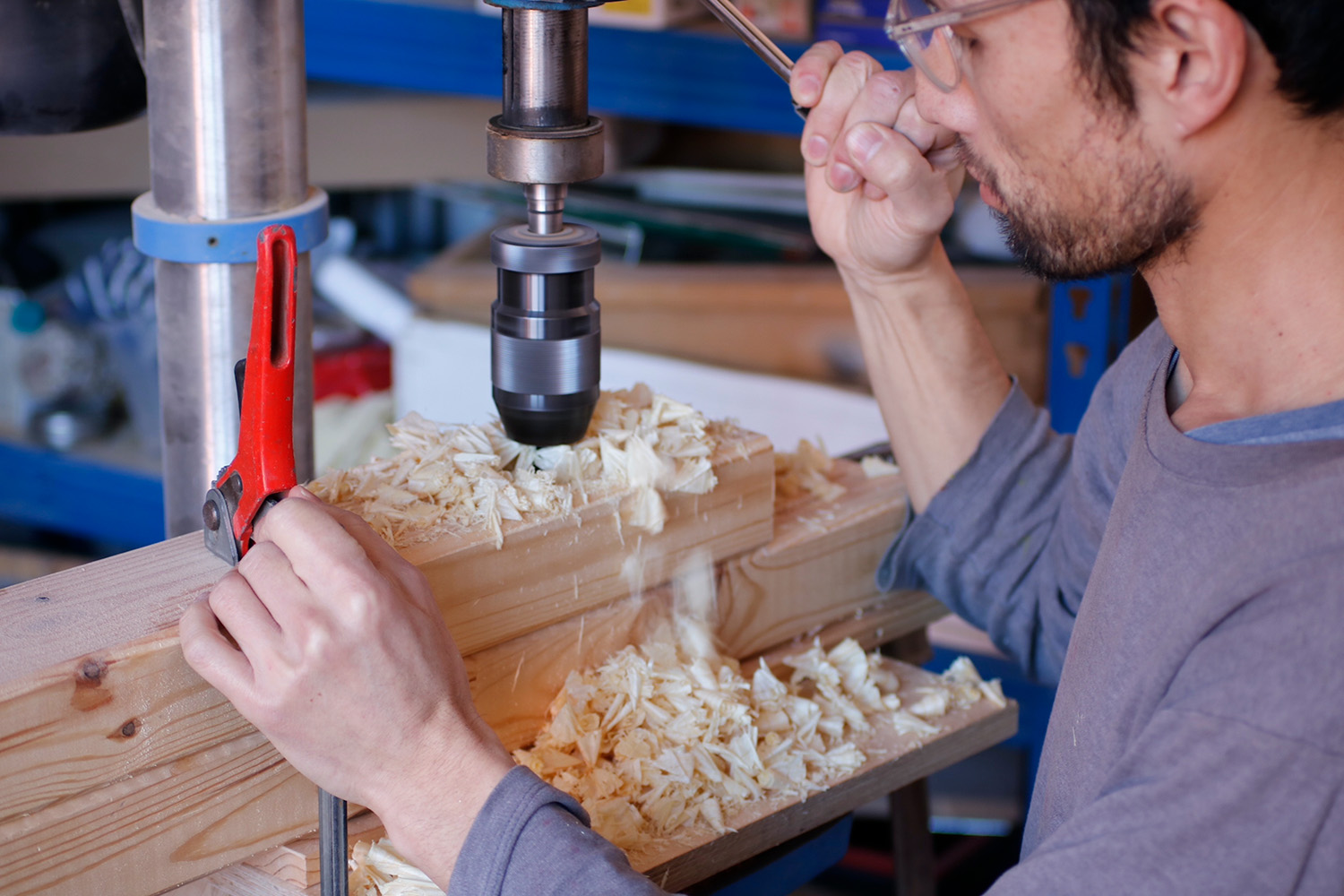
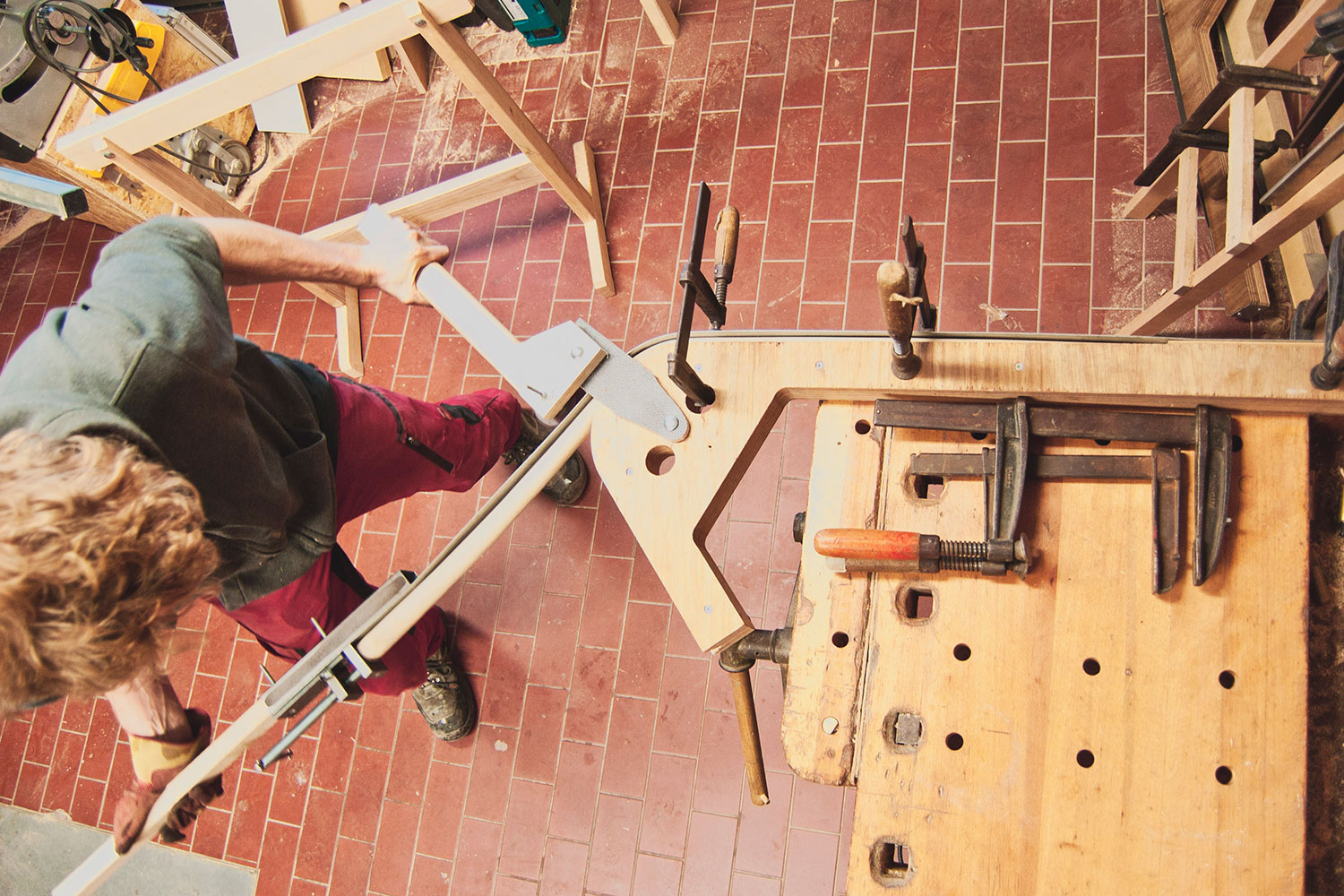
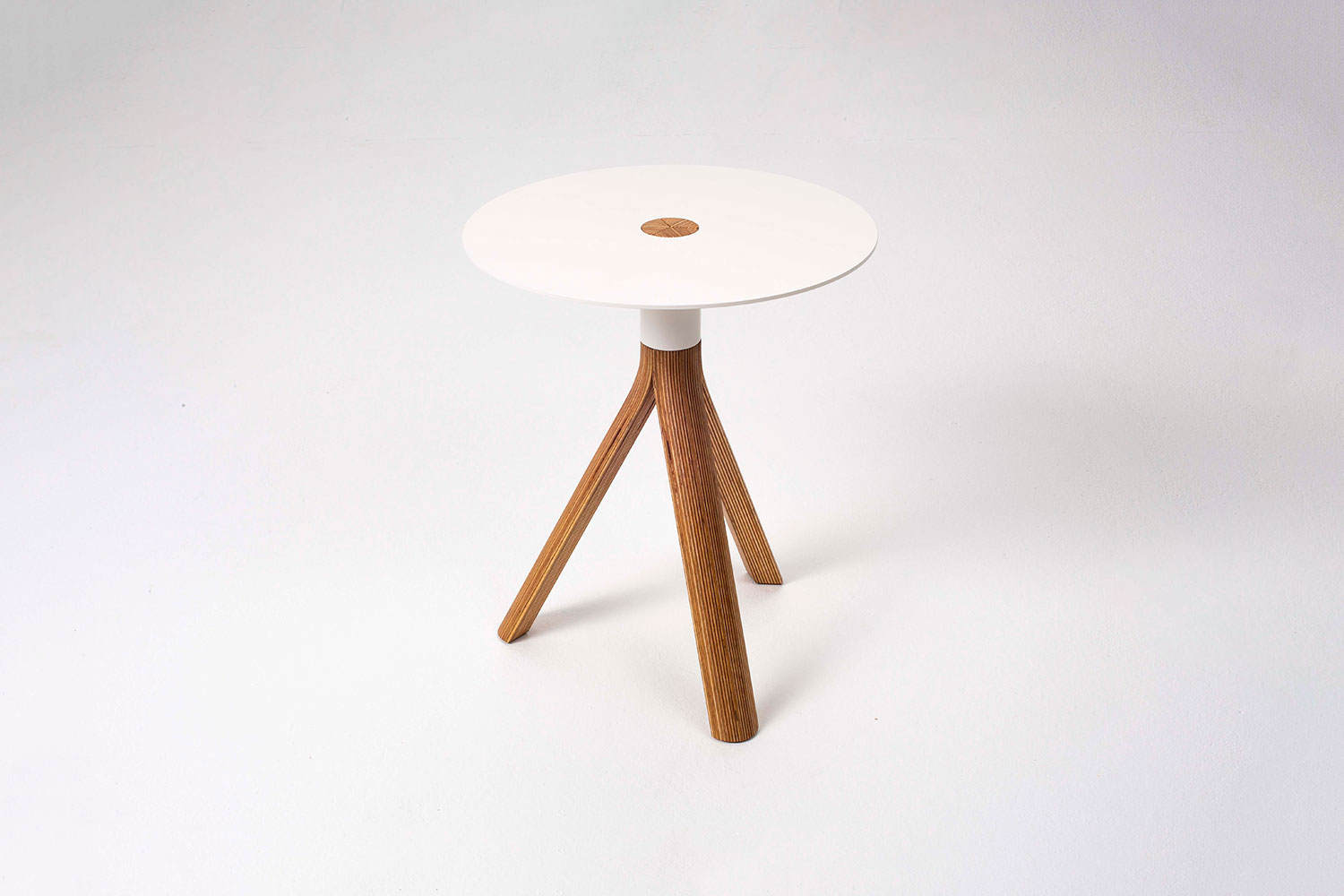
In addition to classical techniques of cabinetmaking and woodworking, I bend wood using a technique developed by Michael Thonet in the early 20th century for his legendary coffee house chair no. 214. The wood is made bendable by means of steam and shaped with special bending tools.
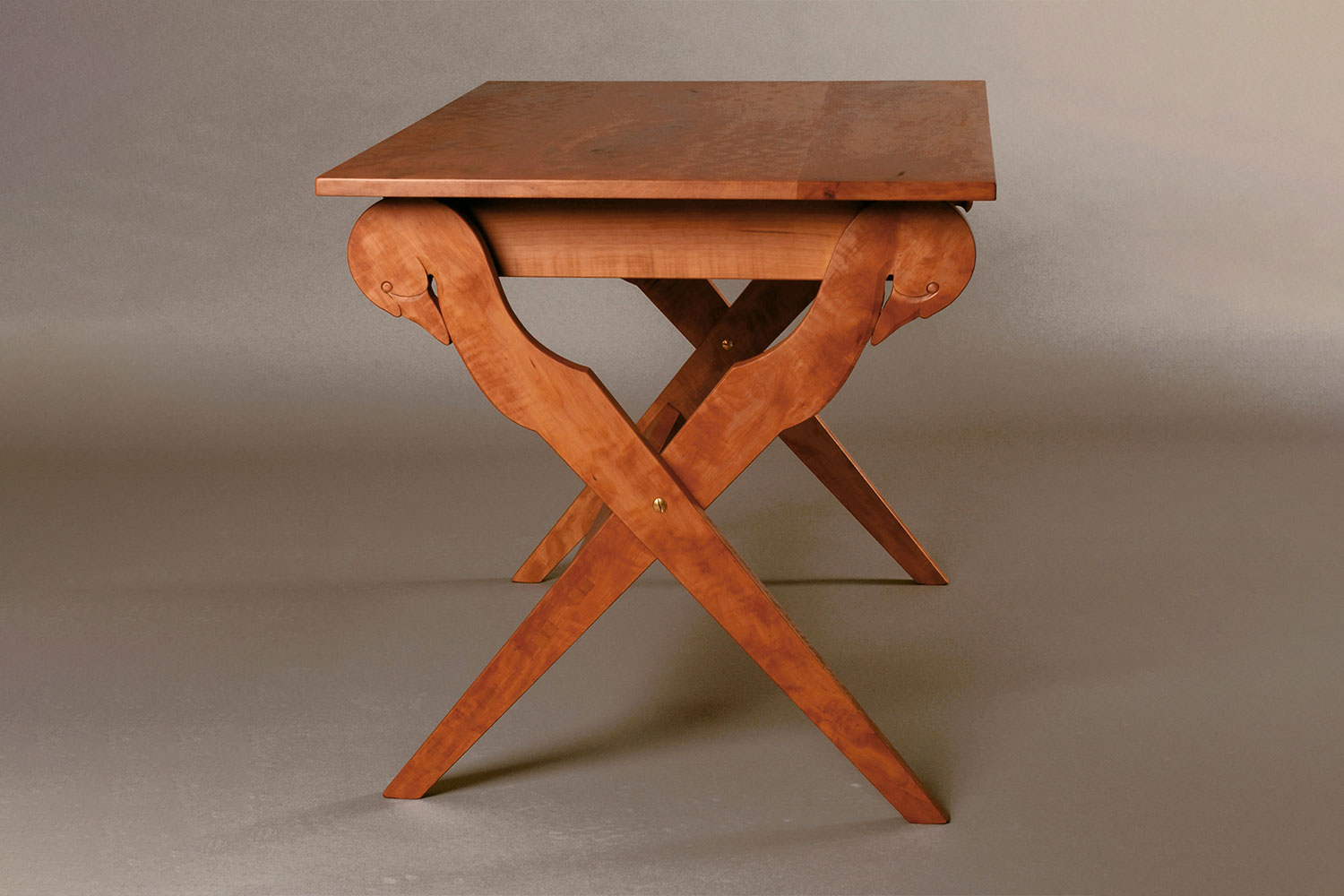
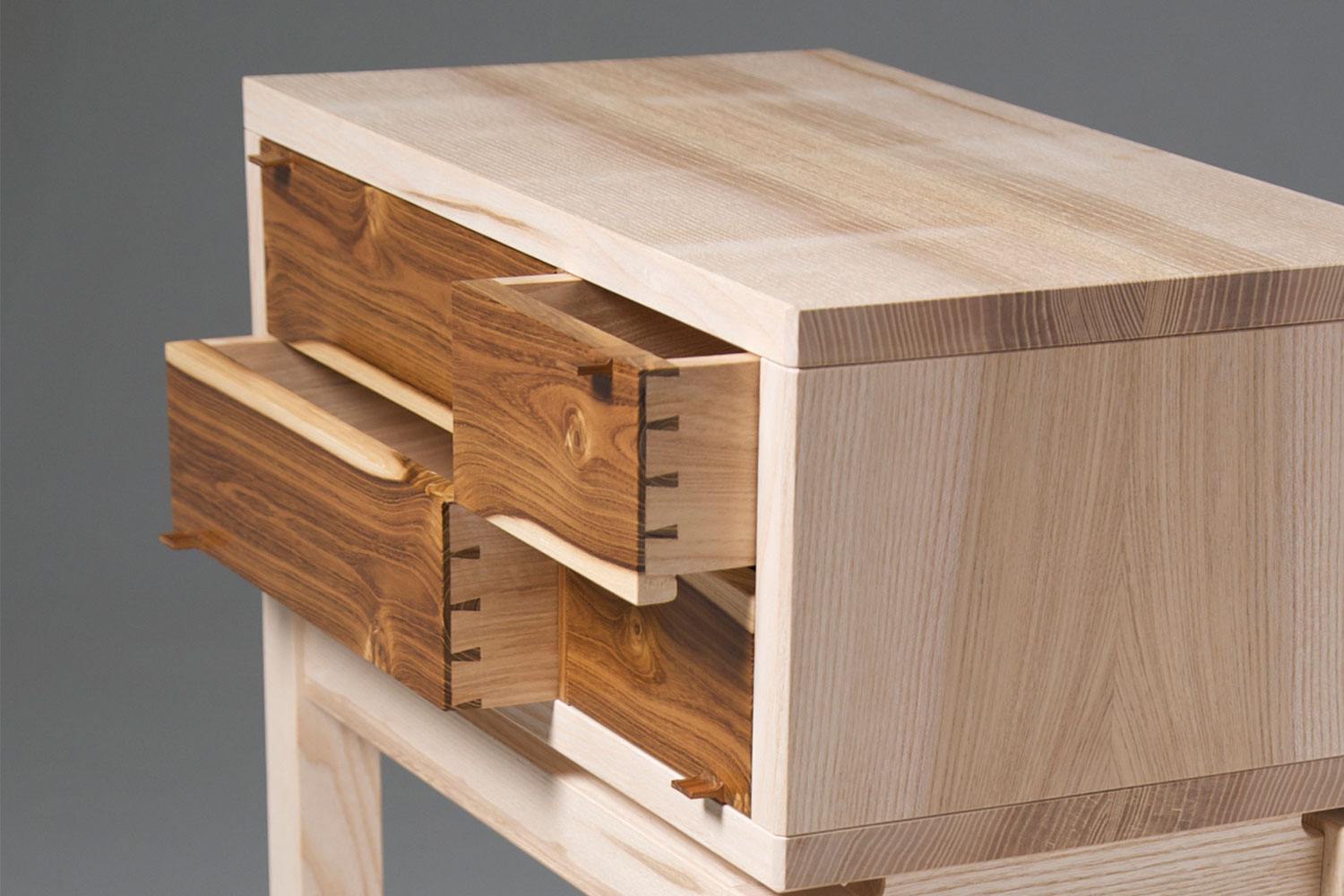
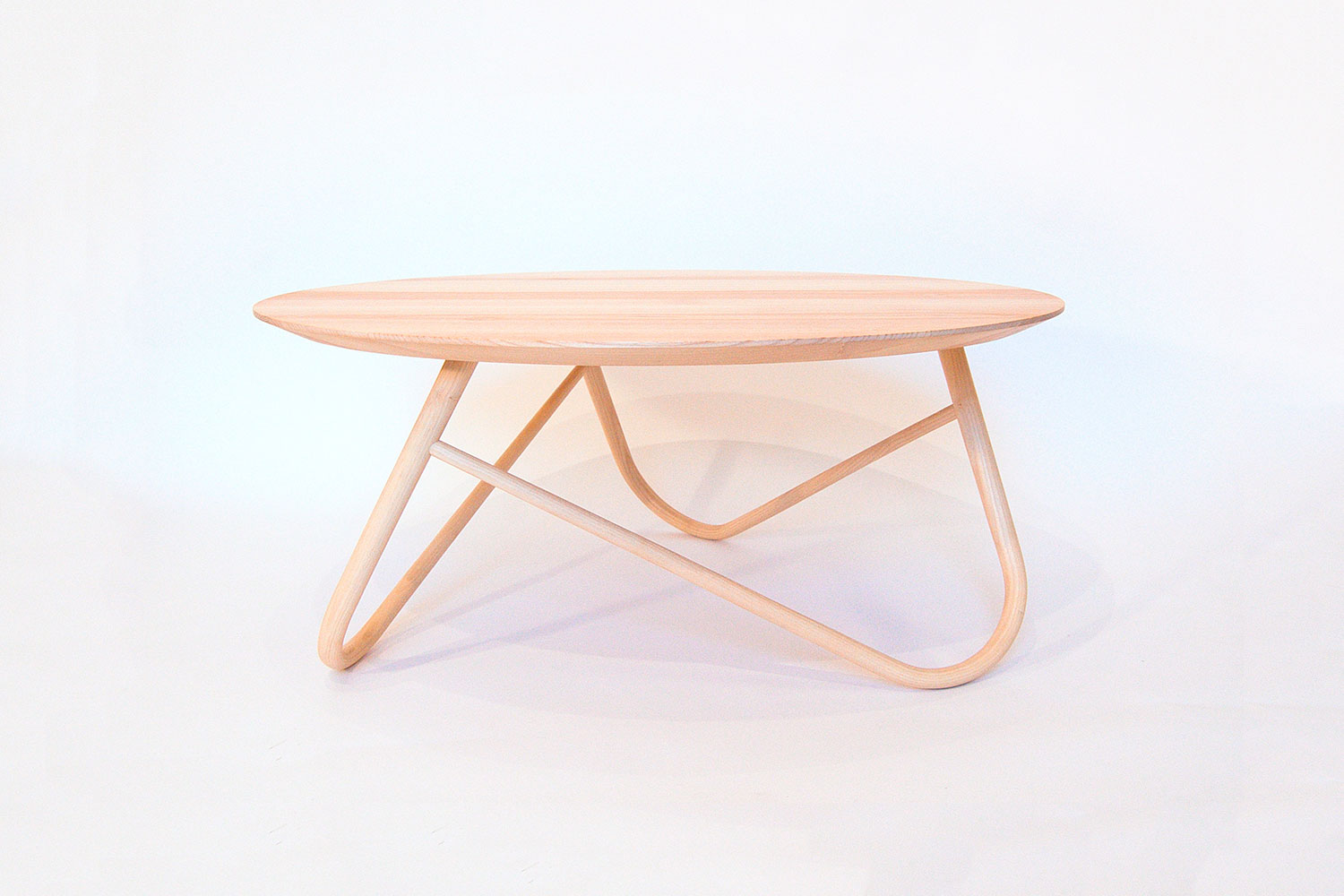
Tradition, especially in craft, is always a fertile ground from which to draw. However, you have to be able to break away from it to be innovative. My Ta-imo table combines these two aspects very clearly. The traditional bending technique is used here, as it was 200 years ago, to create contemporary furniture.
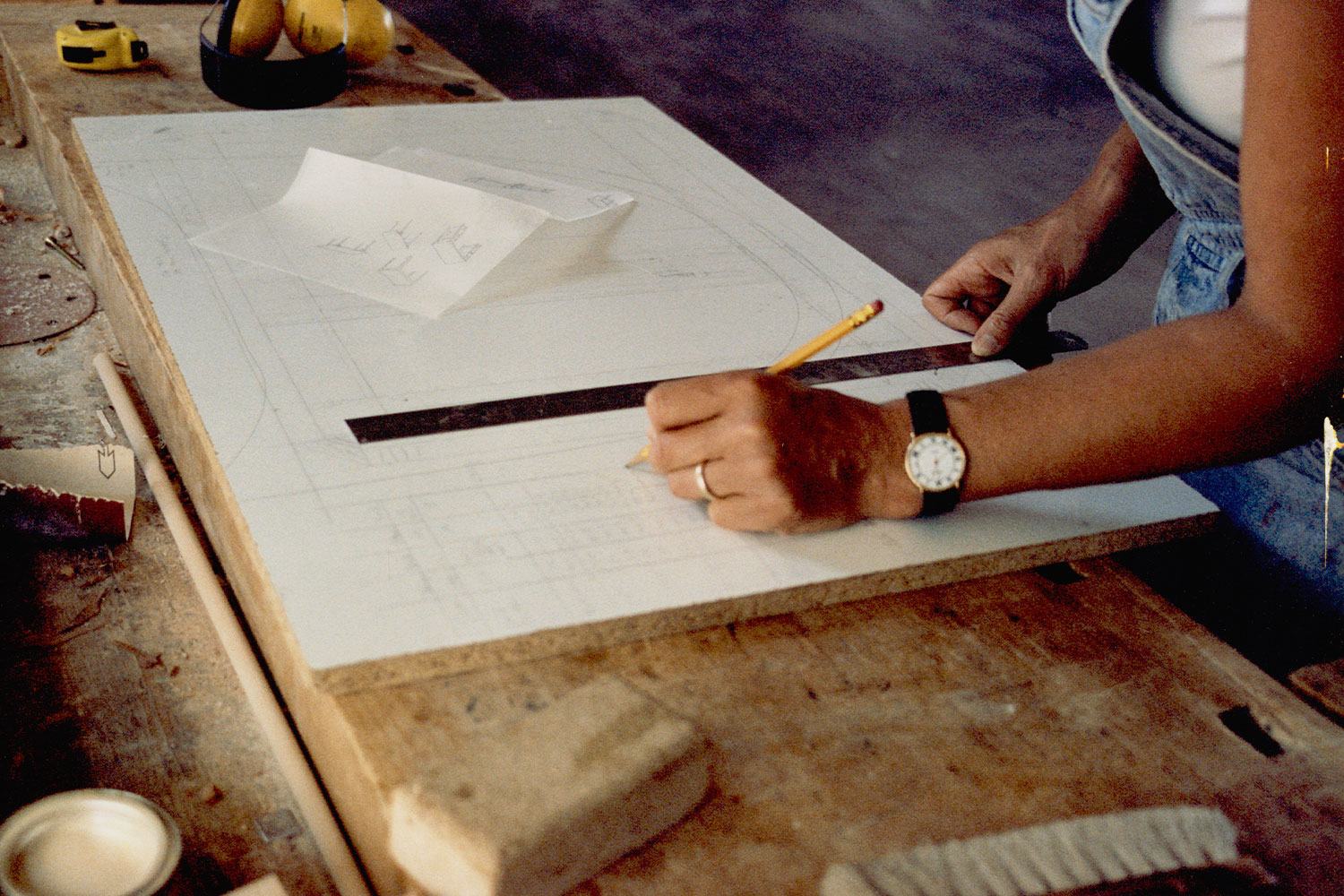
An idea does not usually come as a brainwave, but is the result of many attempts, mistakes and repetitions. It often requires an enormous tolerance for frustration and a very intensive design process in advance. Few people see this when they look at a finished work.
Carpentry in general, certainly yes. However, there are traditional techniques that are at risk of being forgotten. I see that there are far fewer small workshops in Germany that still make artistic and fine furniture. In comparison, there is a much larger scene in England or France, for example.