Bruno Barbon
Cabinetmaker
Venice, Italy
Recommended by Fondazione Cologni Dei Mestieri D'Arte
Venice's very own Geppetto
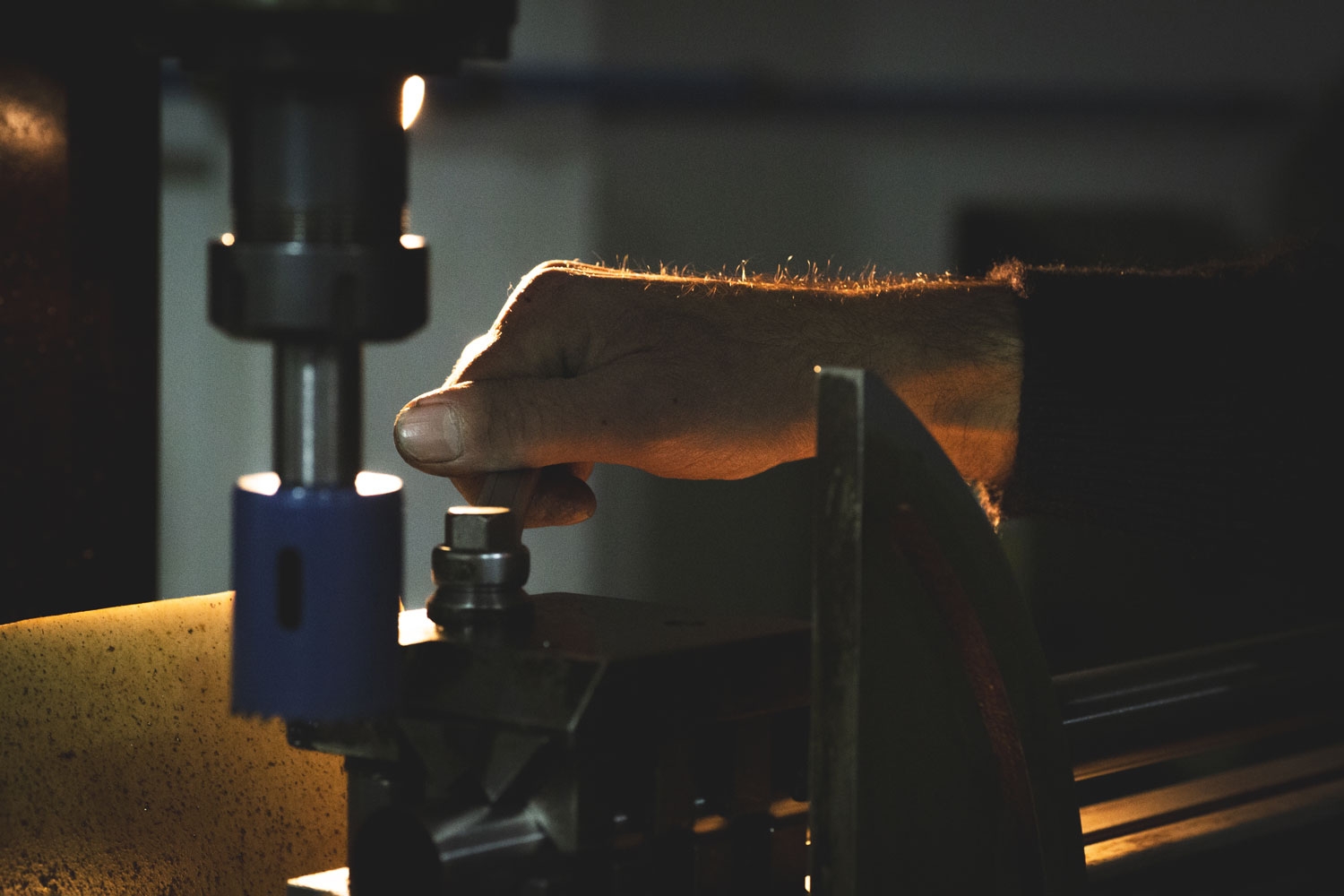
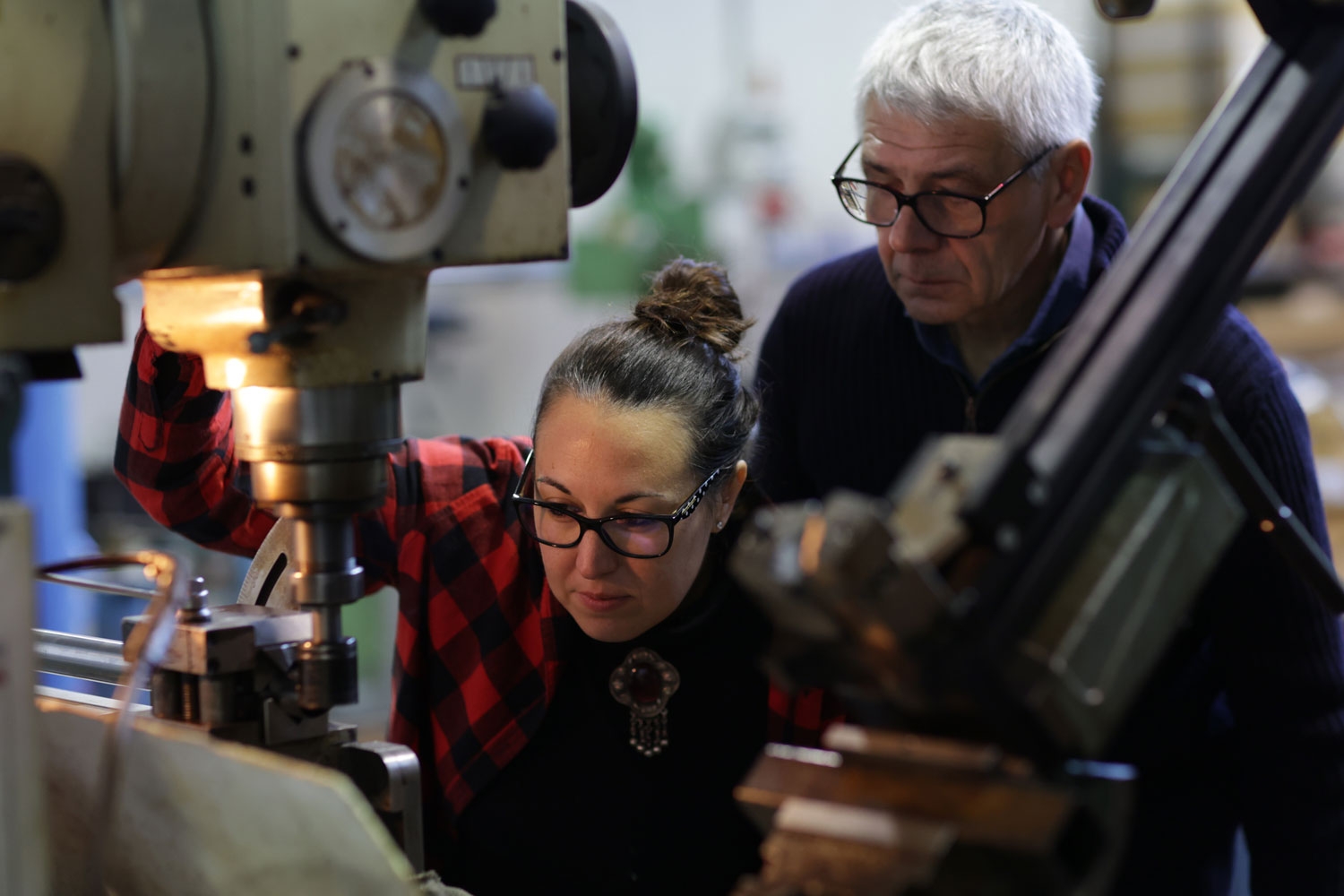
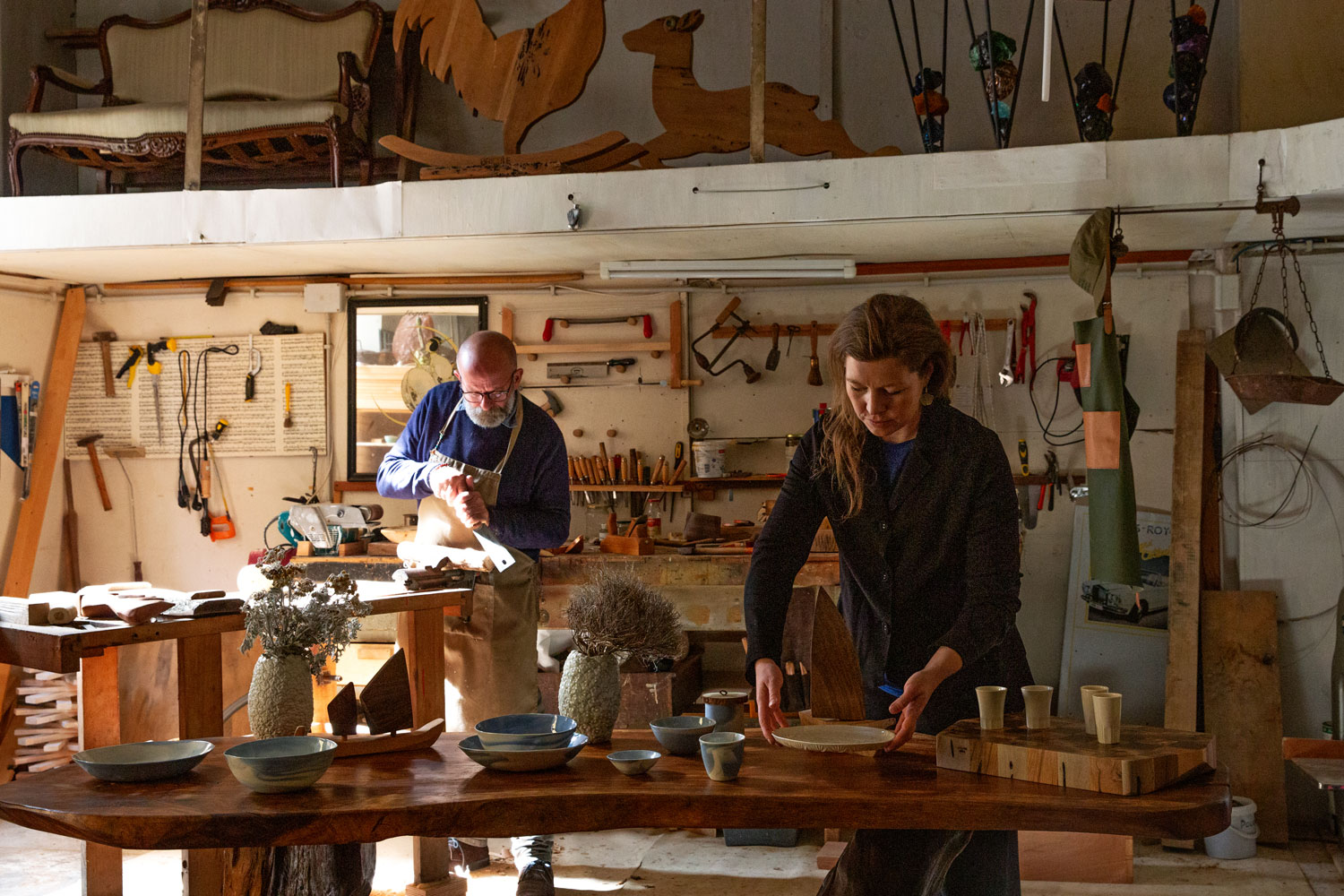
- Bruno's only remaining employee is a metalworker older than himself
- In 2018 he was awarded the Maestro d'Arte e Mestiere (MAM) prize
- He contributed to rebuilding the Fenice theatre after a fire destroyed it
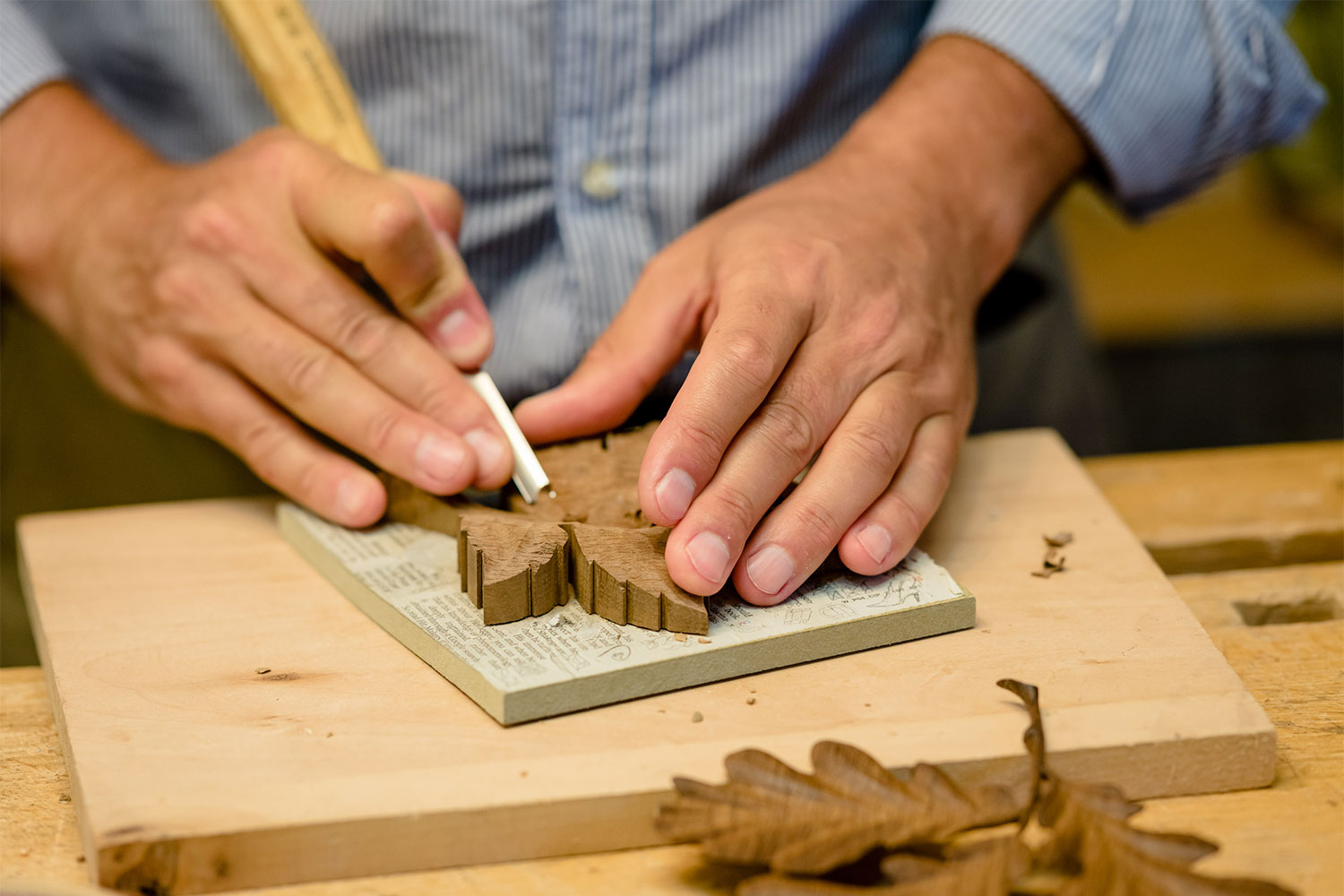
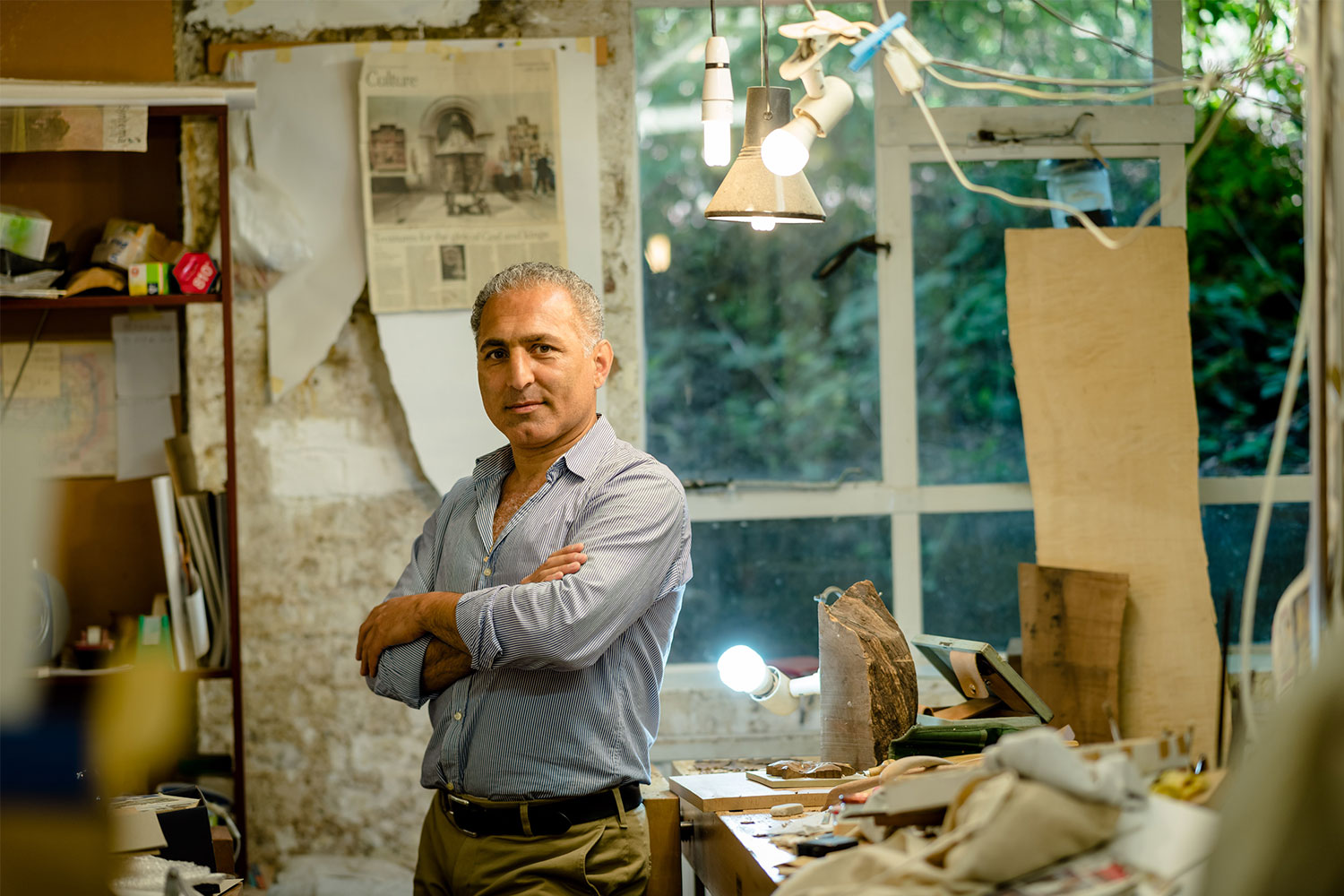
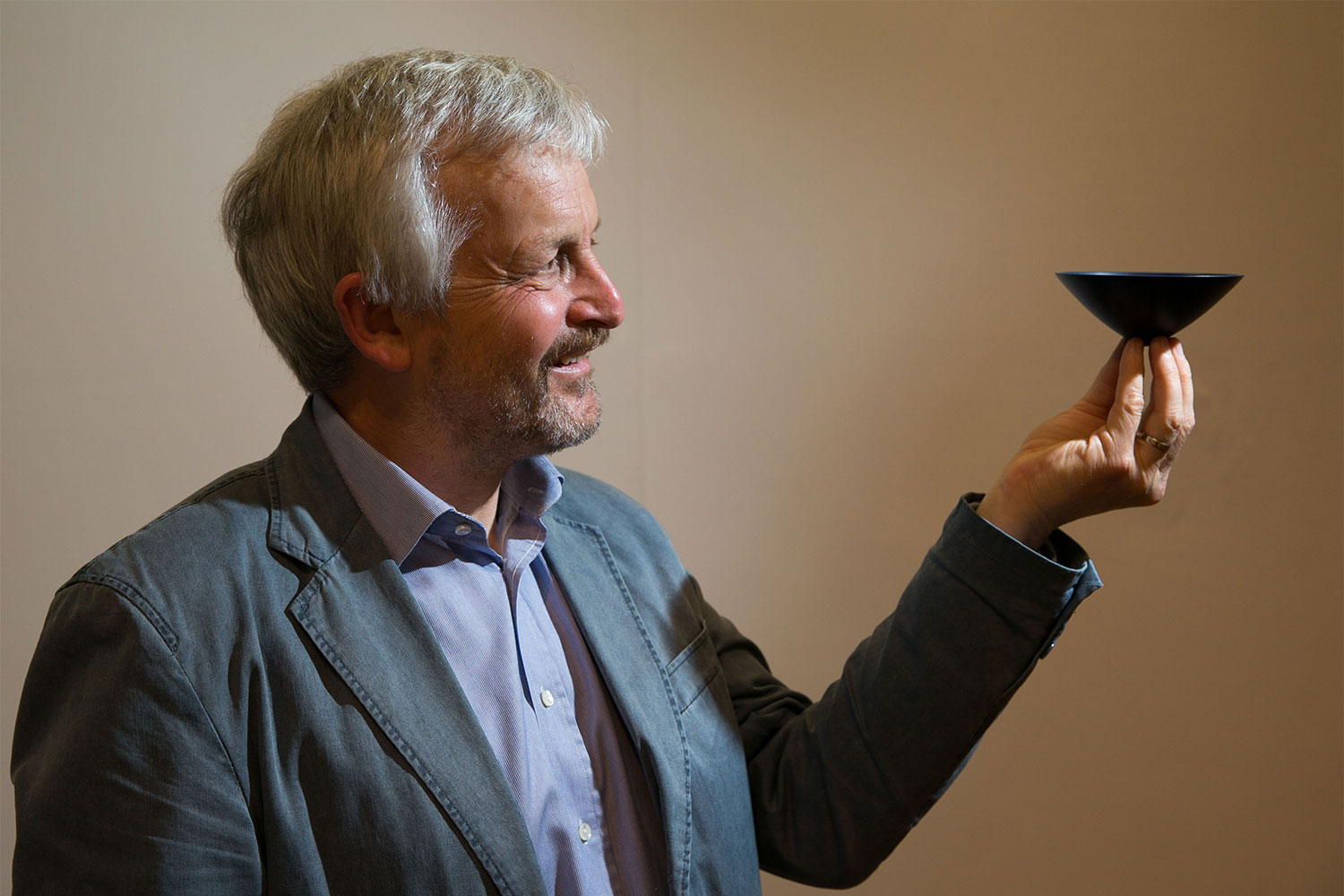
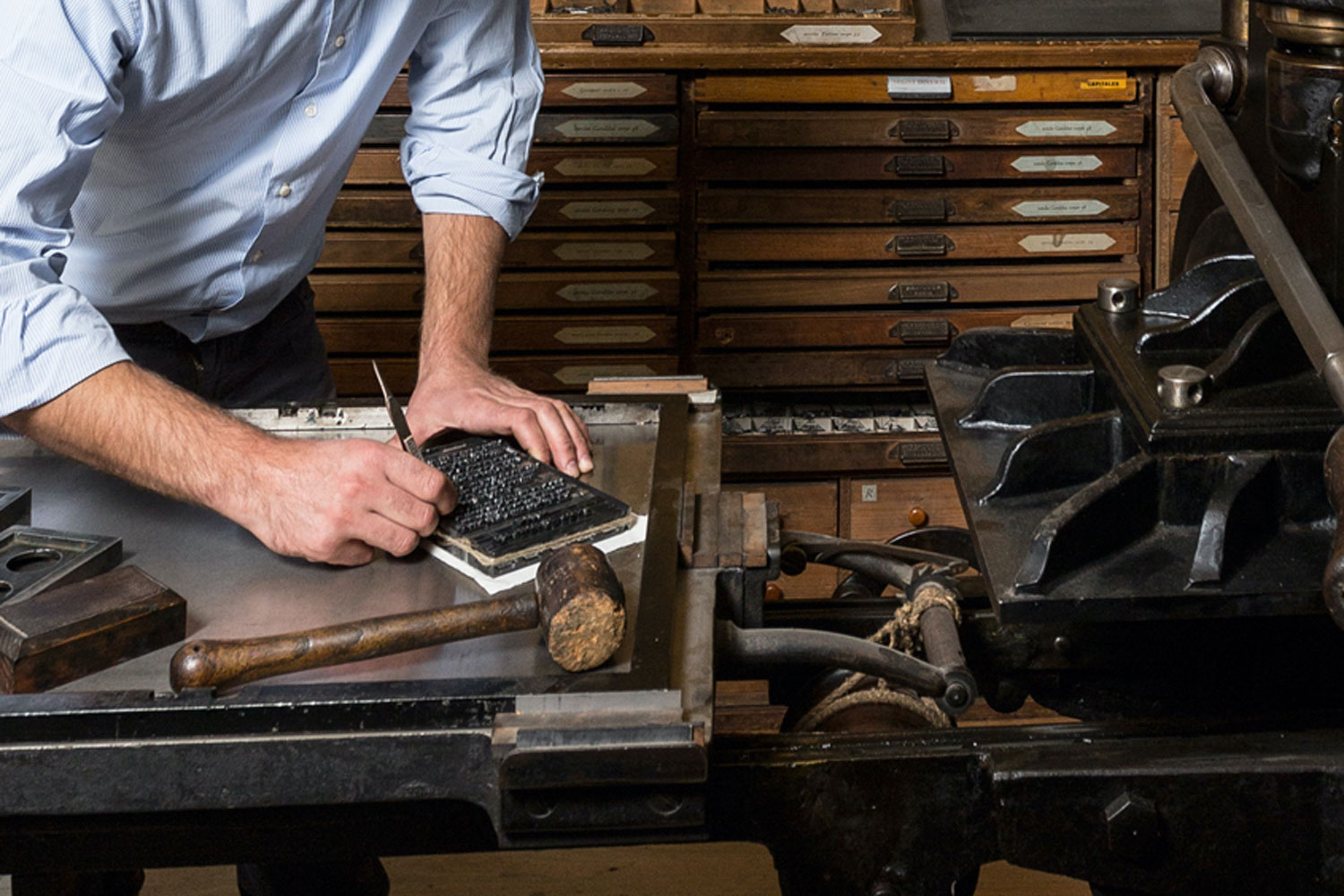
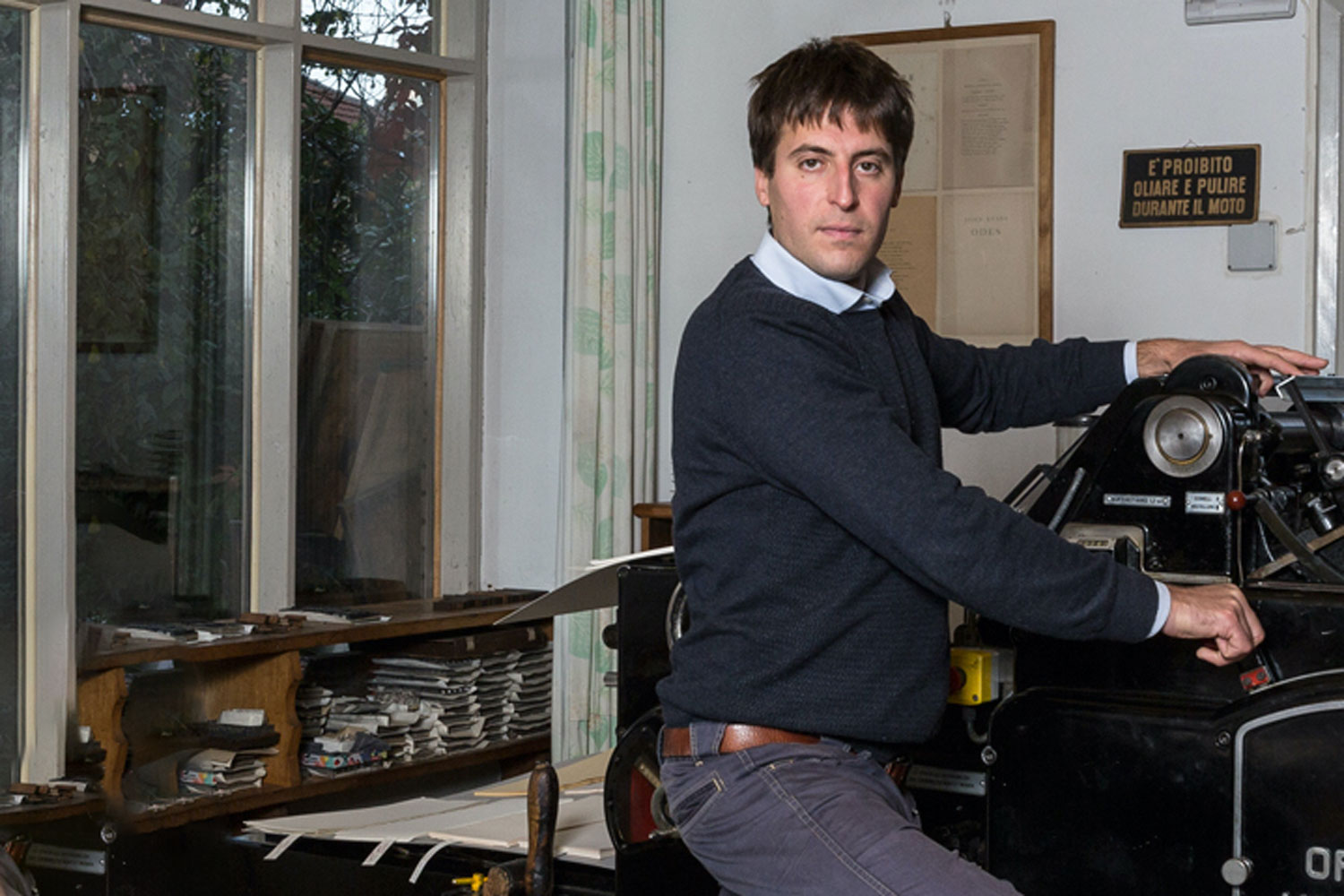
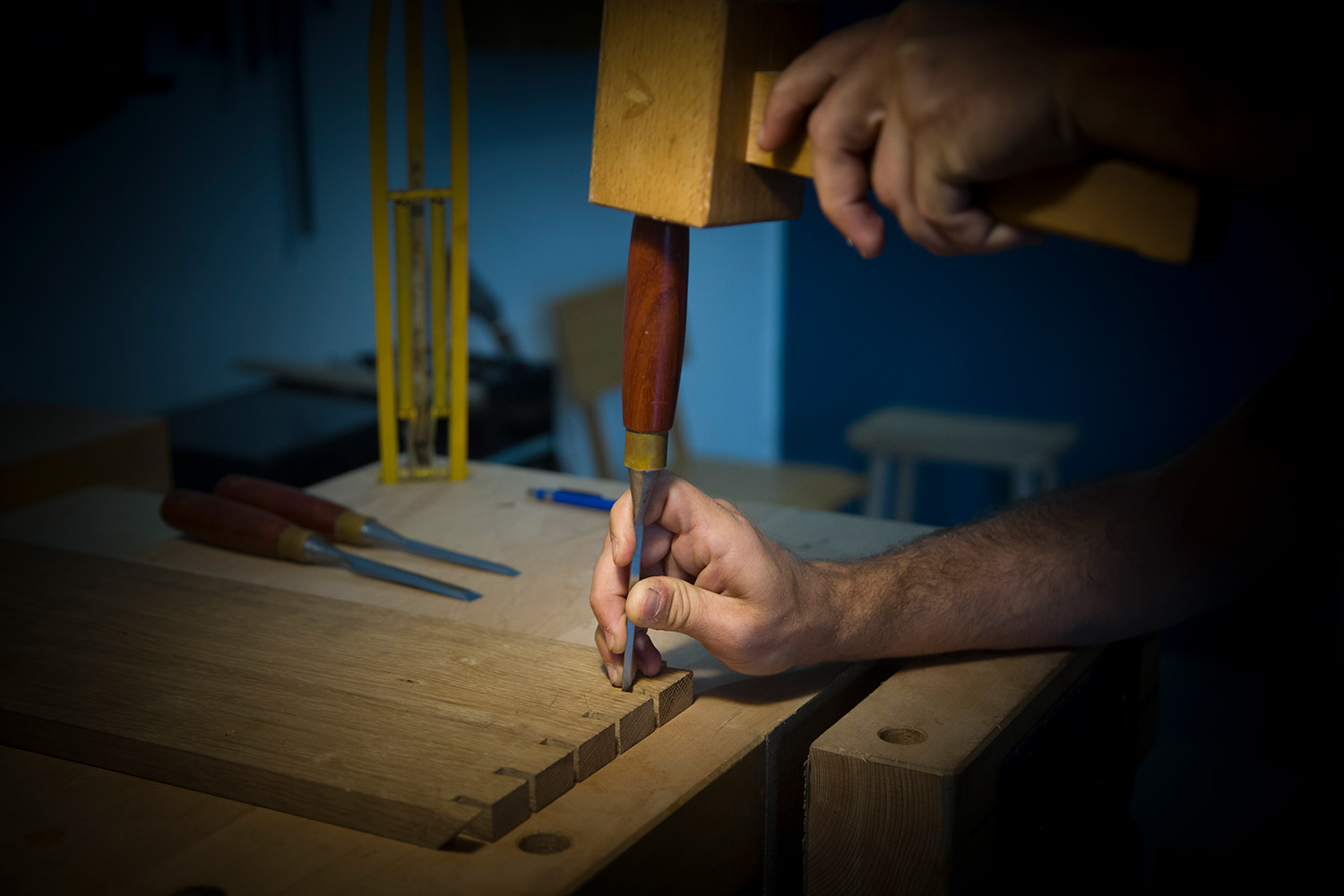
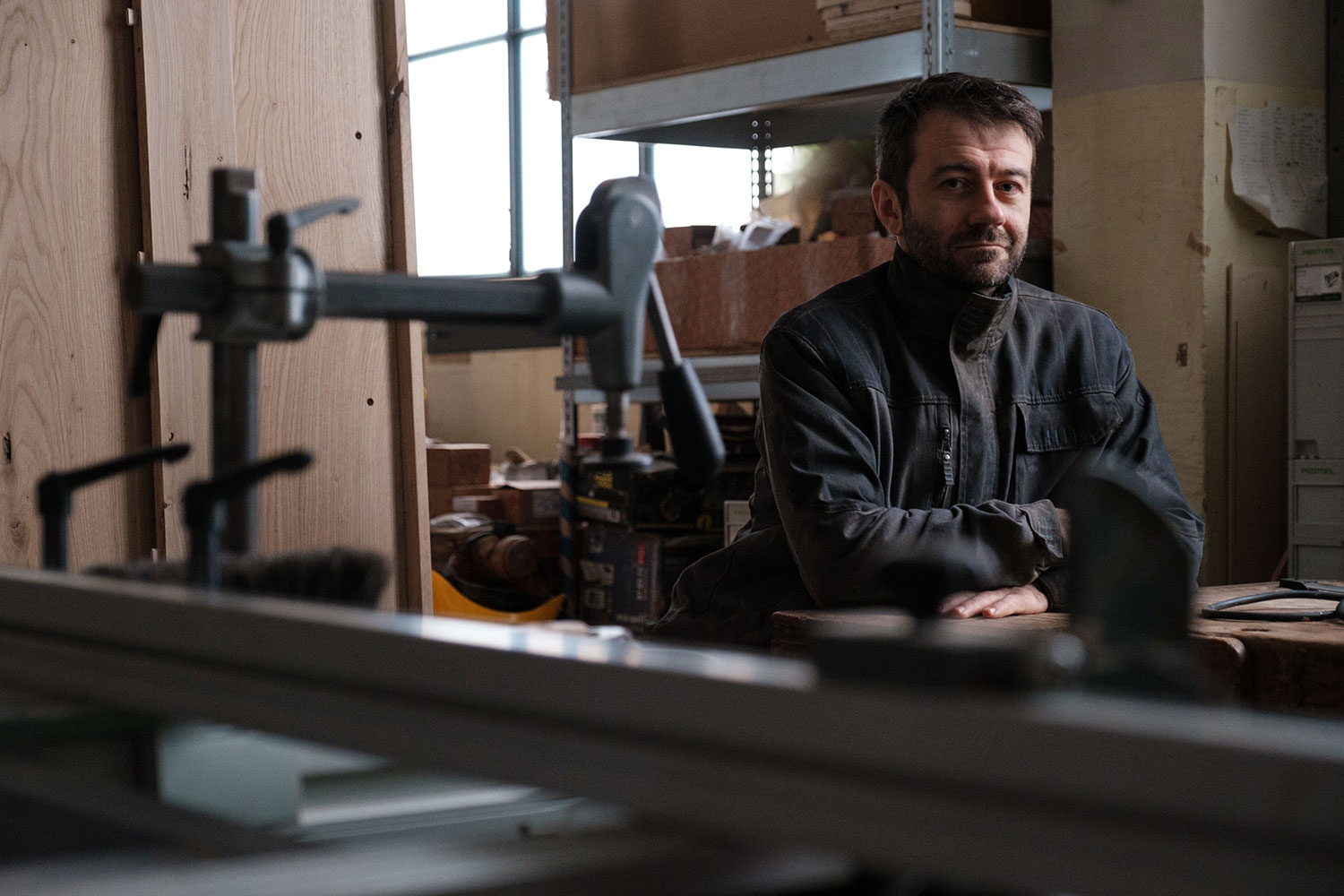
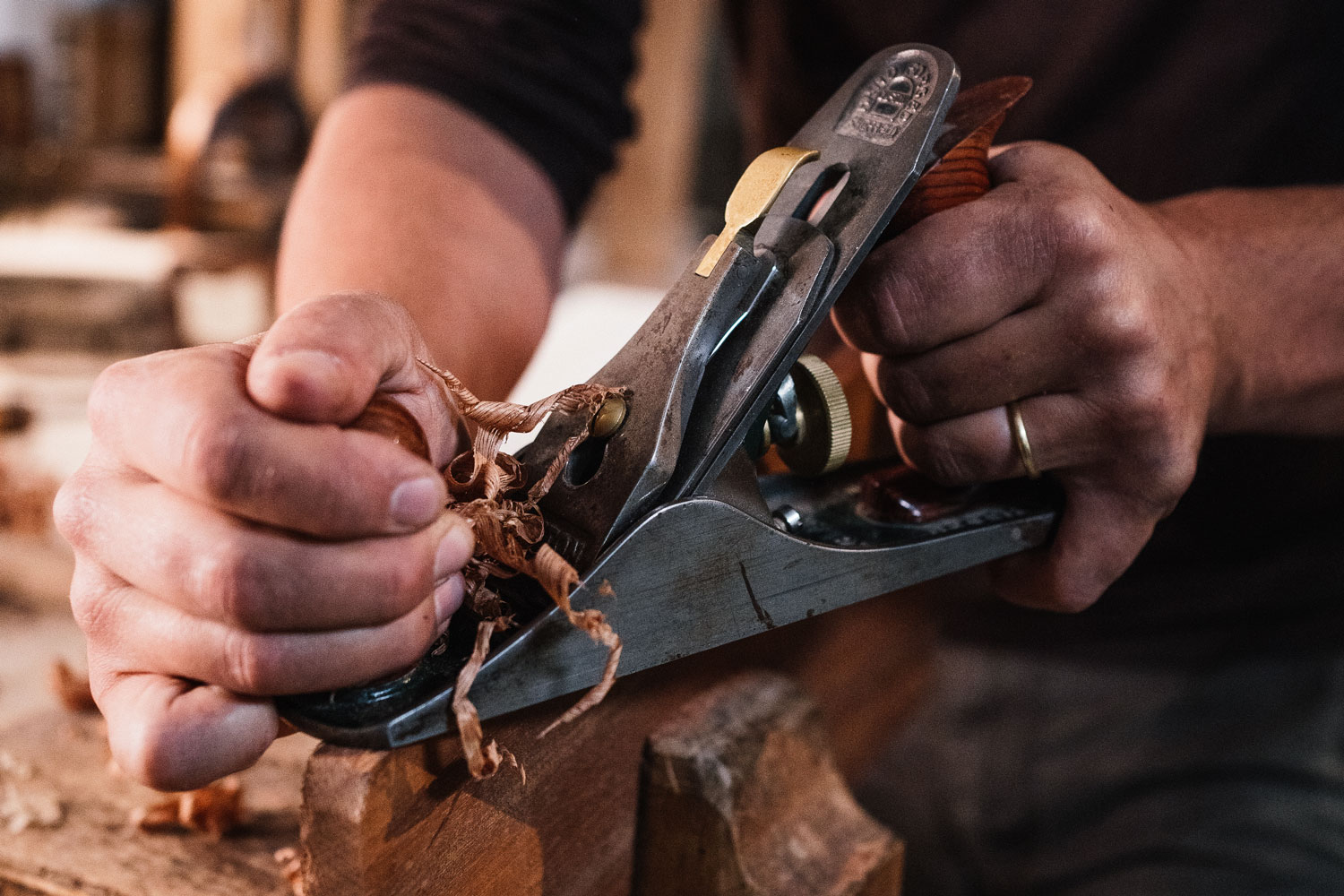
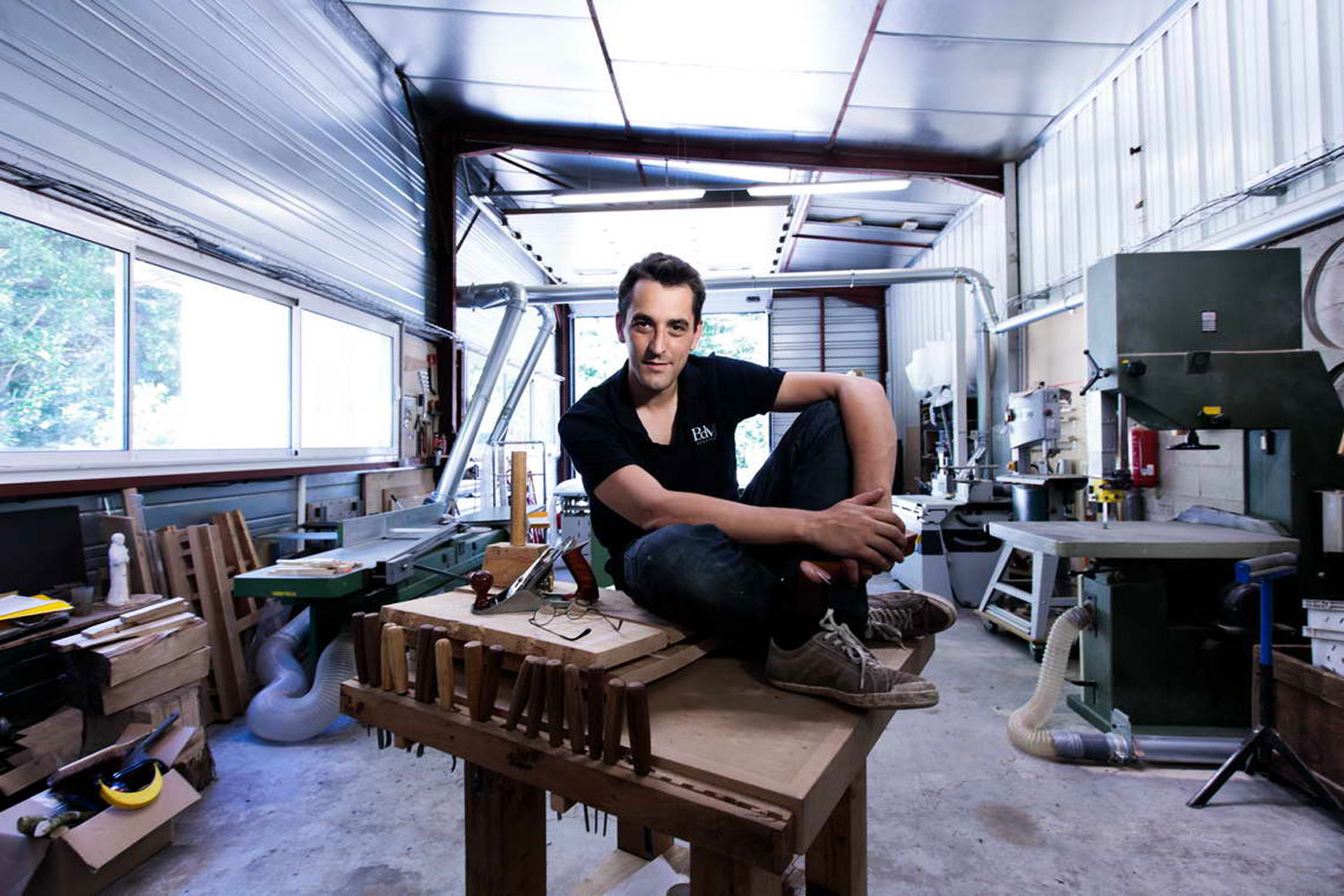
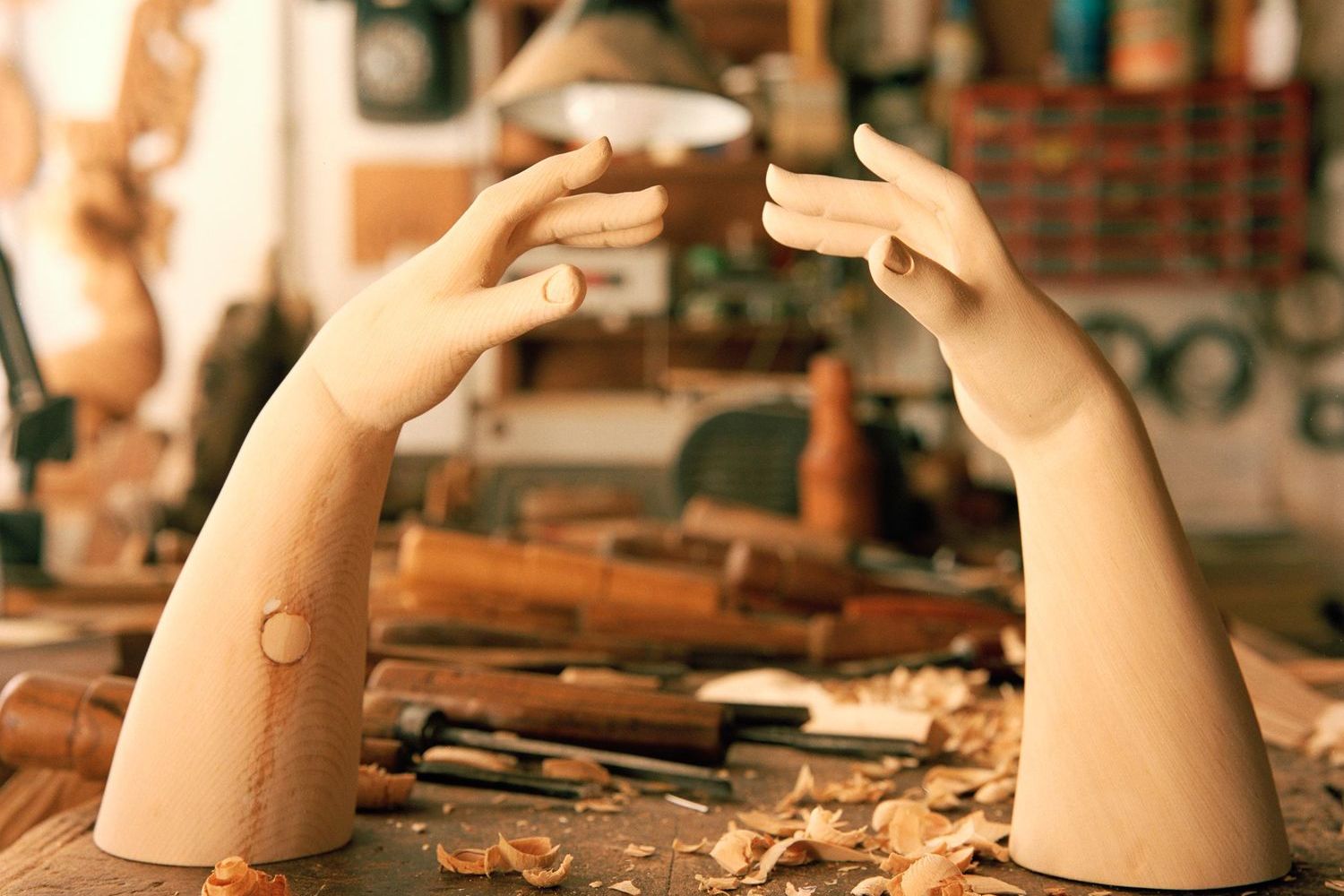
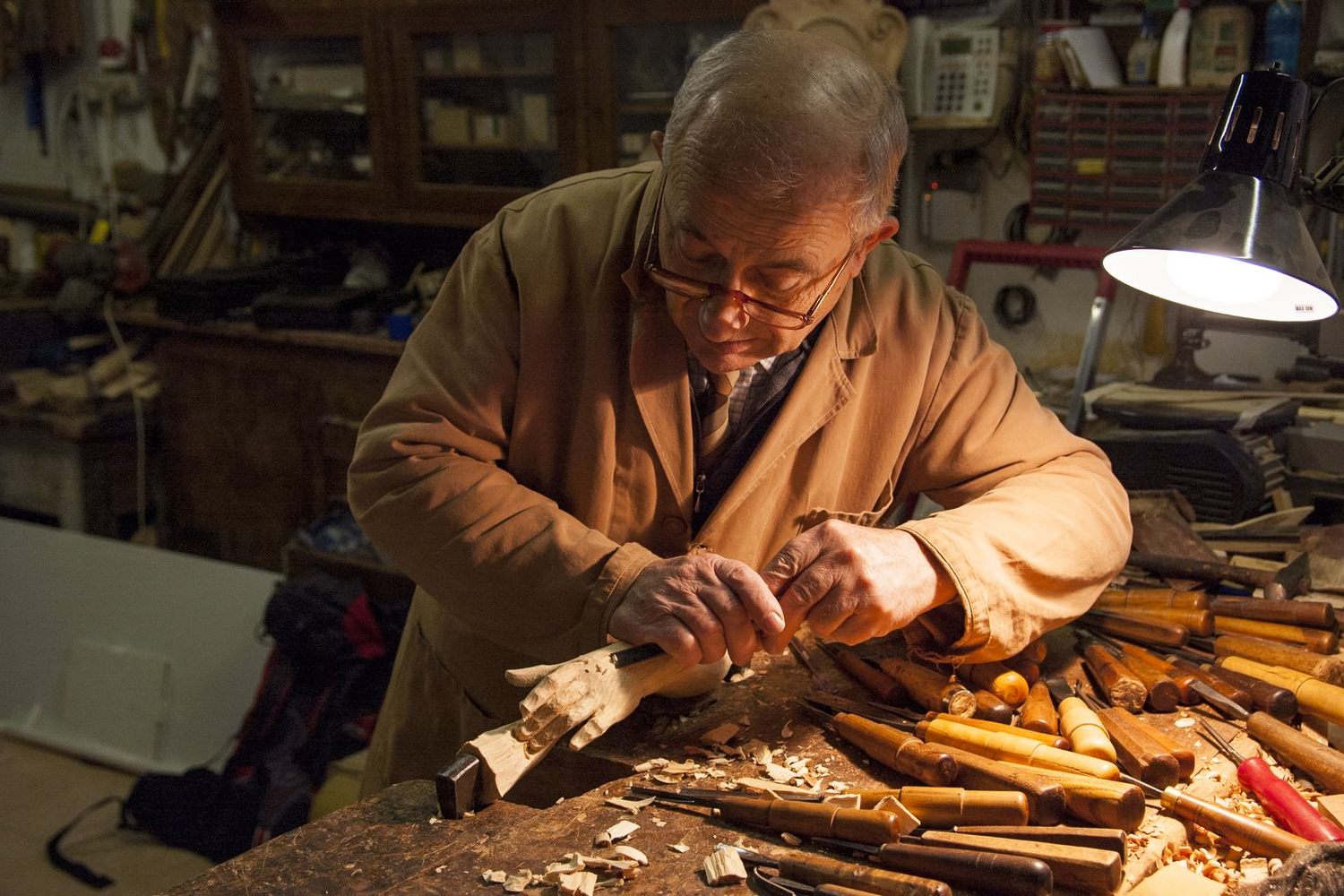
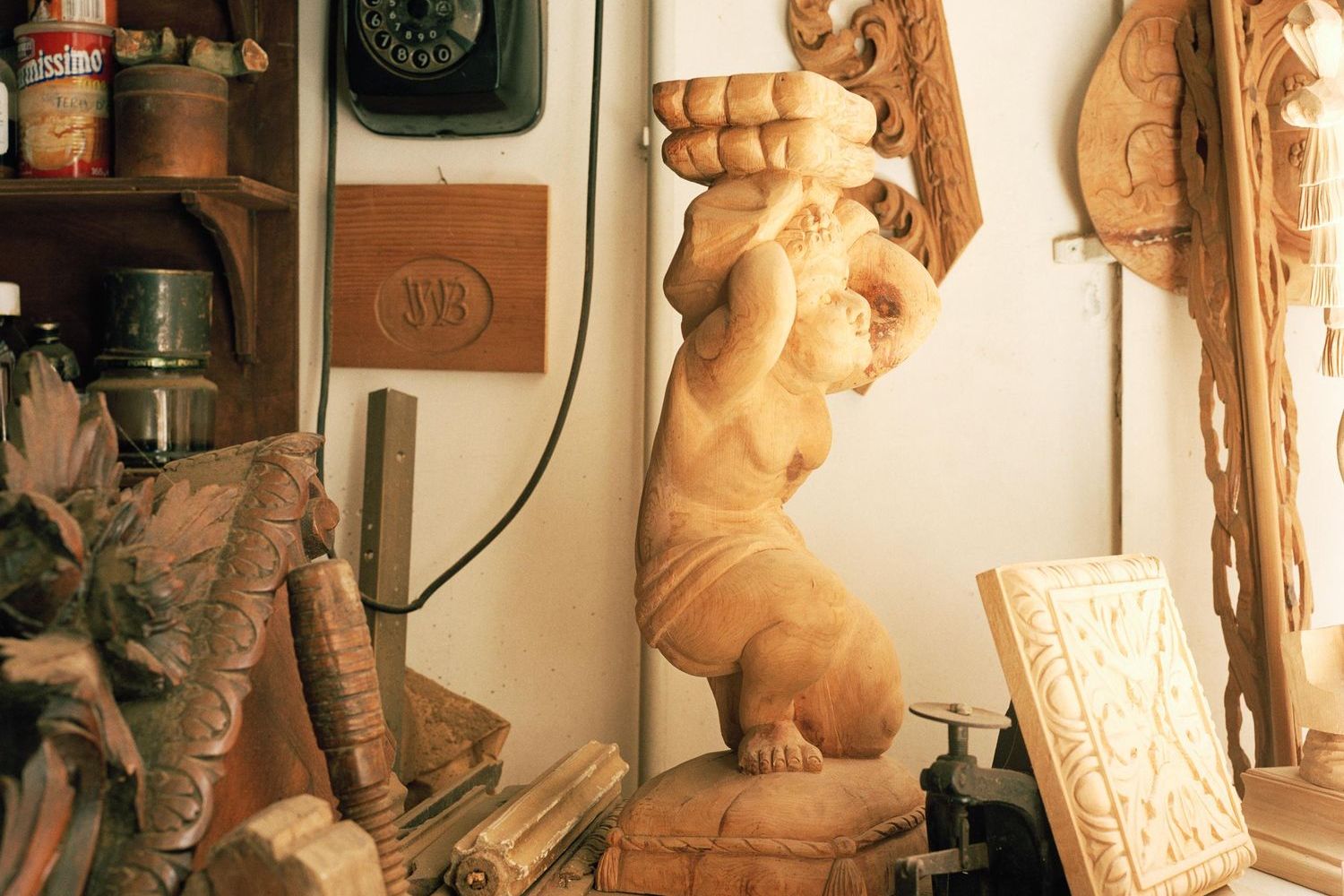
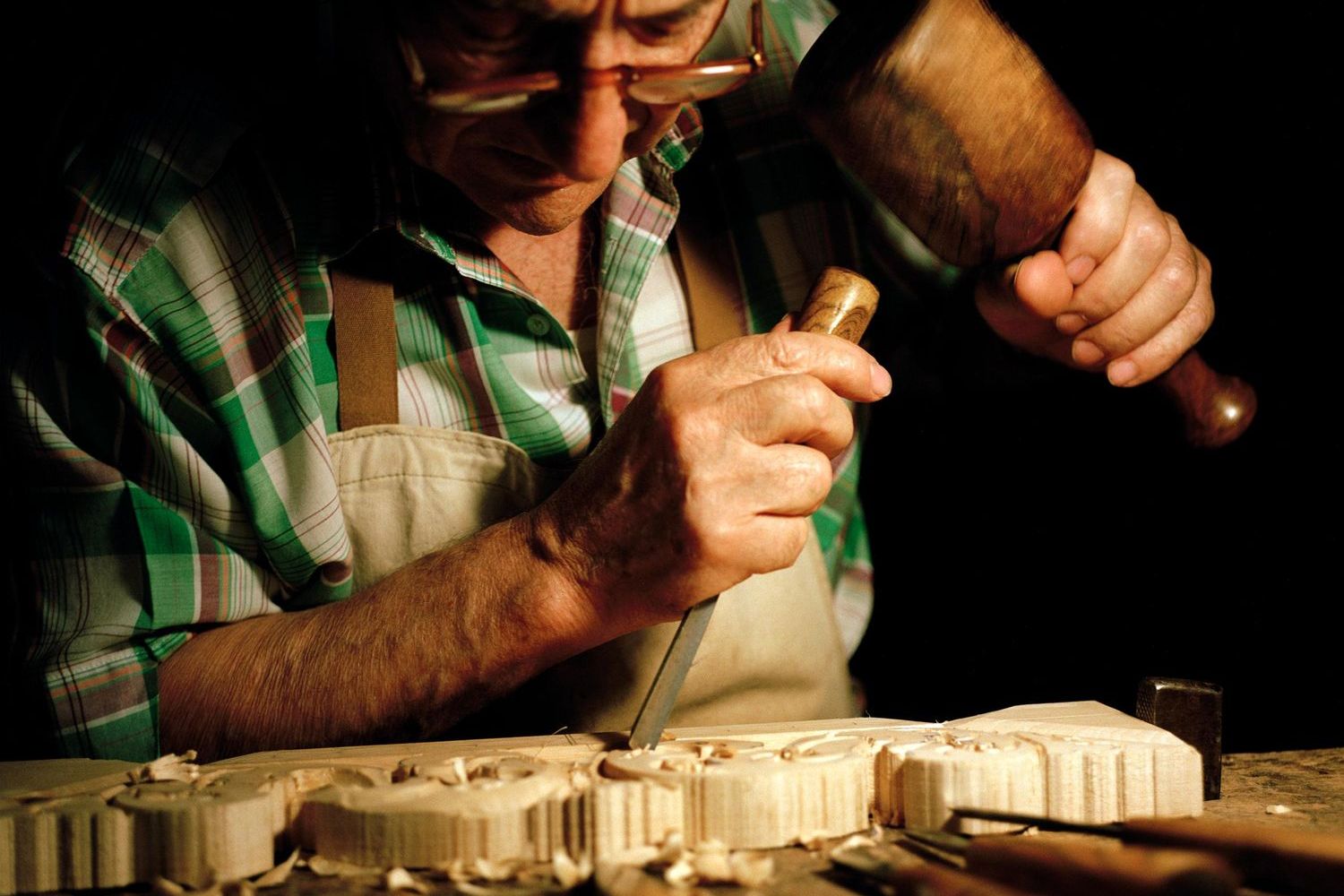
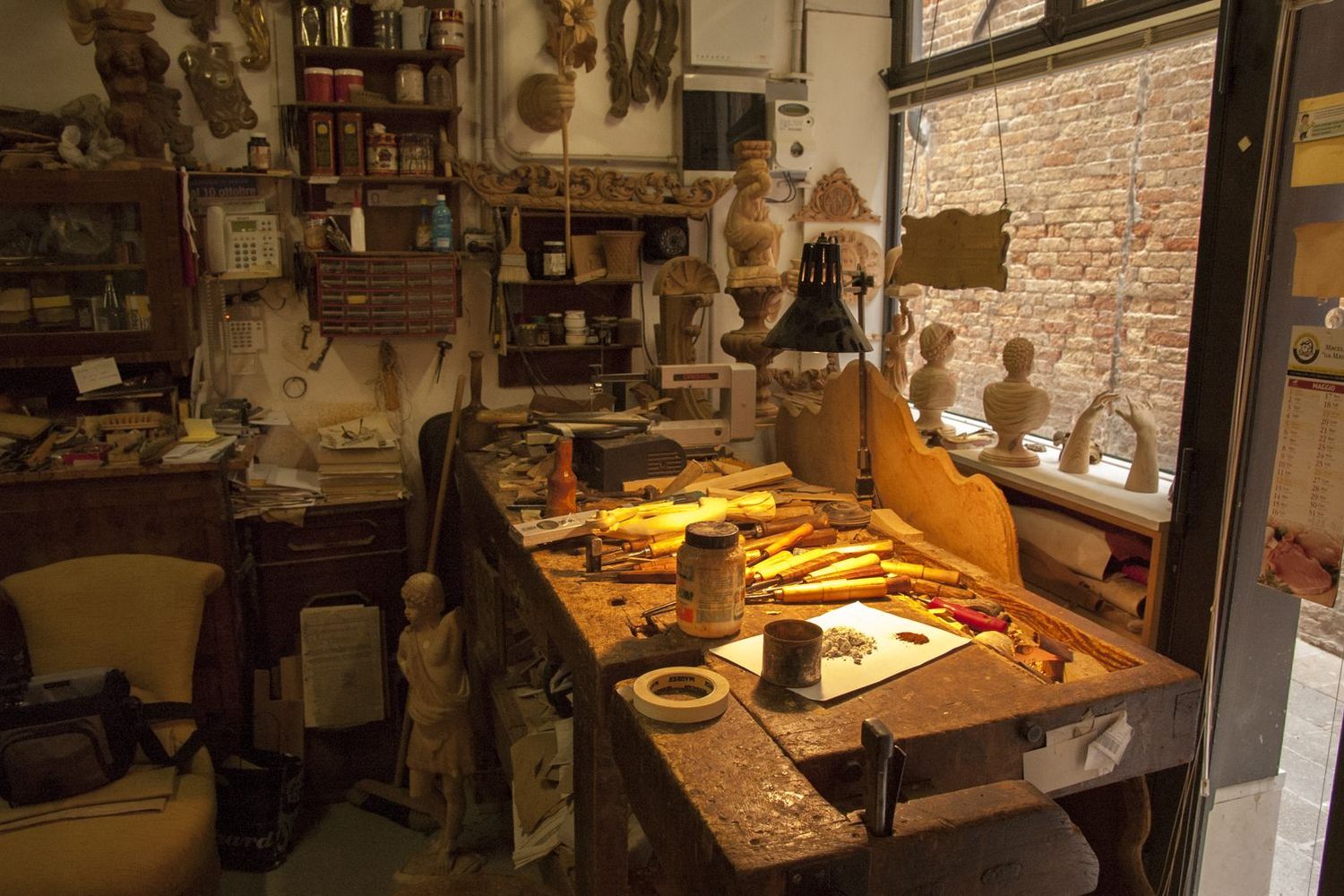
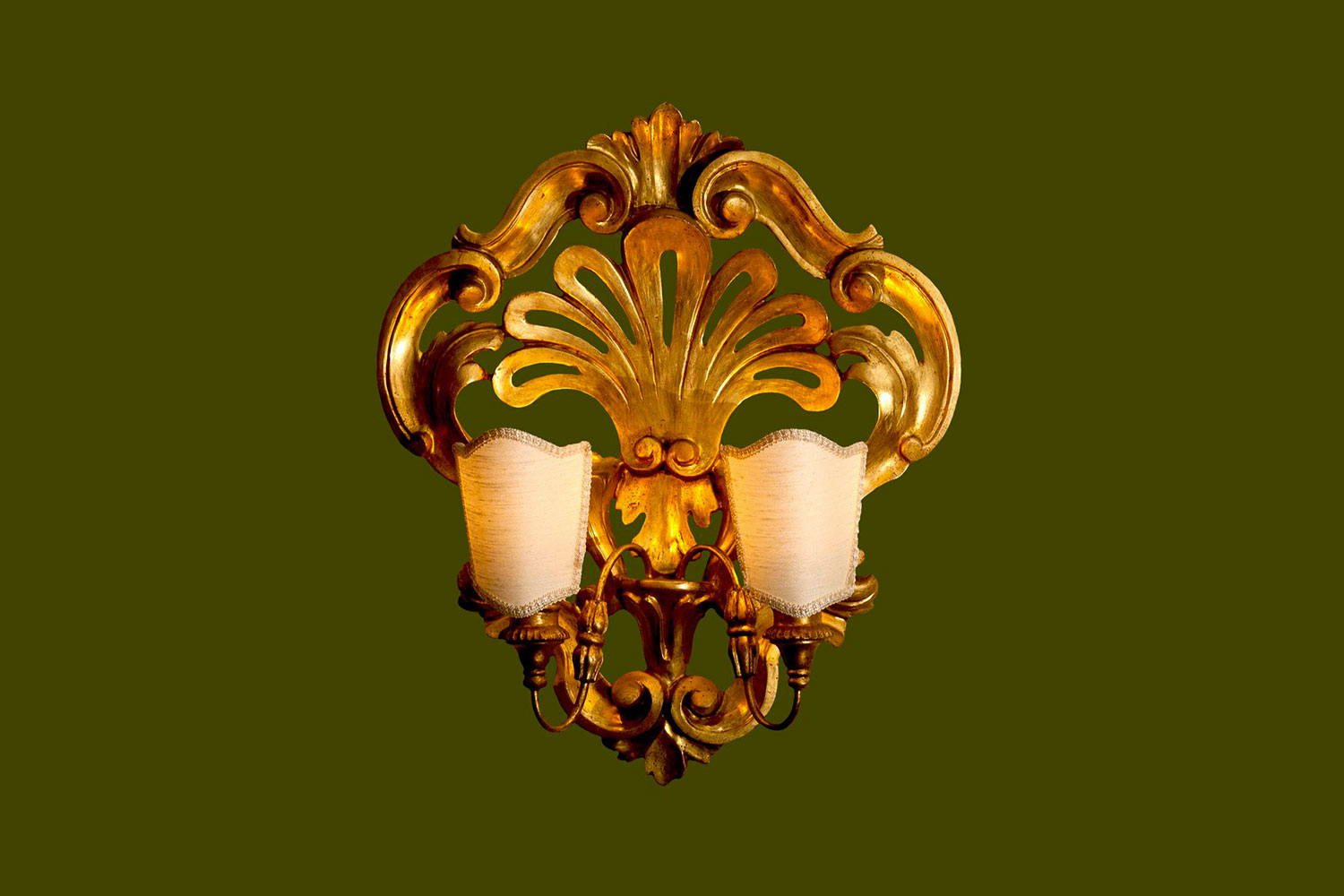
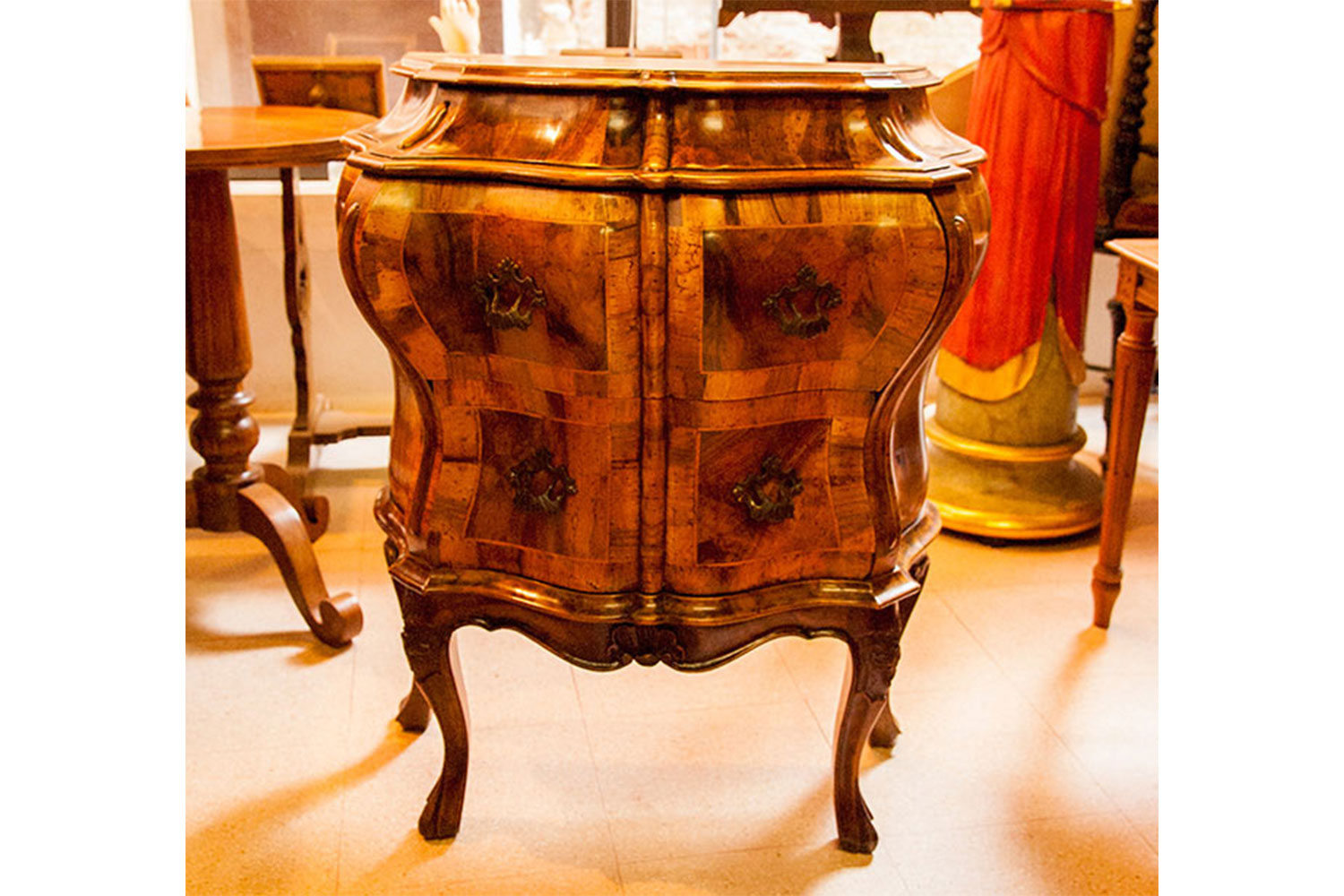
The small workshop among the calli (alleys) of Venice, right behind one of the unmissable masterpieces of the lagoon, the Scuola Grande di San Rocco, could well be the dwelling of Carlo Collodi’s woodcarver Geppetto, the creator of Pinocchio. Here, Bruno Barbon has laboured for 57 years, in rooms permeated with light and the scent of wood. His own Pinocchios are the countless 'moretti' (Venetian moors) he has crafted during his six-decade career: they are one of his many accomplishments, as is the restoration of innumerable pieces of Venetian furniture. “The other day, I was asked to restore some 18th-century armchairs,” says the maestro, who was born in 1939. He cannot even begin to imagine the day when he will start his well-deserved retirement.
INTERVIEW
Of course! I was 14, and I was immediately struck by the smell of stone pine wood, its grain and malleability. After I finished my compulsory education, my father sent me to work there. The owner of the workshop, however, soon realised that I was talented, so he made me take night classes in Art School.
A carved frame. I was 17, and I wouldn’t let anyone help me. I wanted to show the person who had become my mentor that I had learned what he had taught me. That frame was also a challenge I set for myself: if I hadn’t been able to accomplish it, I would have changed profession.
As a young man, in my eyes Venice represented history and art. When the time came to open my own workshop, it felt natural for me to move here. And the joy of being here continues to this day: if I find myself at a dead-end, I just go out for a stroll. After looking around, I get back to my workshop more inspired than before.
To persevere: in this craft you have to work a lot to earn very little. But if one has passion, if one manages to do what one loves, who cares about the money!

Bruno Barbon
Cabinetmaker
Venice, Italy
Recommended by Fondazione Cologni Dei Mestieri D'Arte
AVAILABILITY
Tuesday to Saturday 09:00-12:00
PHONE
+39 3400665322
LANGUAGES
Italian, English
Homo Faber Finds is a new service aiming to inspire admirers of craft to connect and collaborate with exceptional artisans.
We invite you to submit an enquiry here.