Working to a natural rhythm
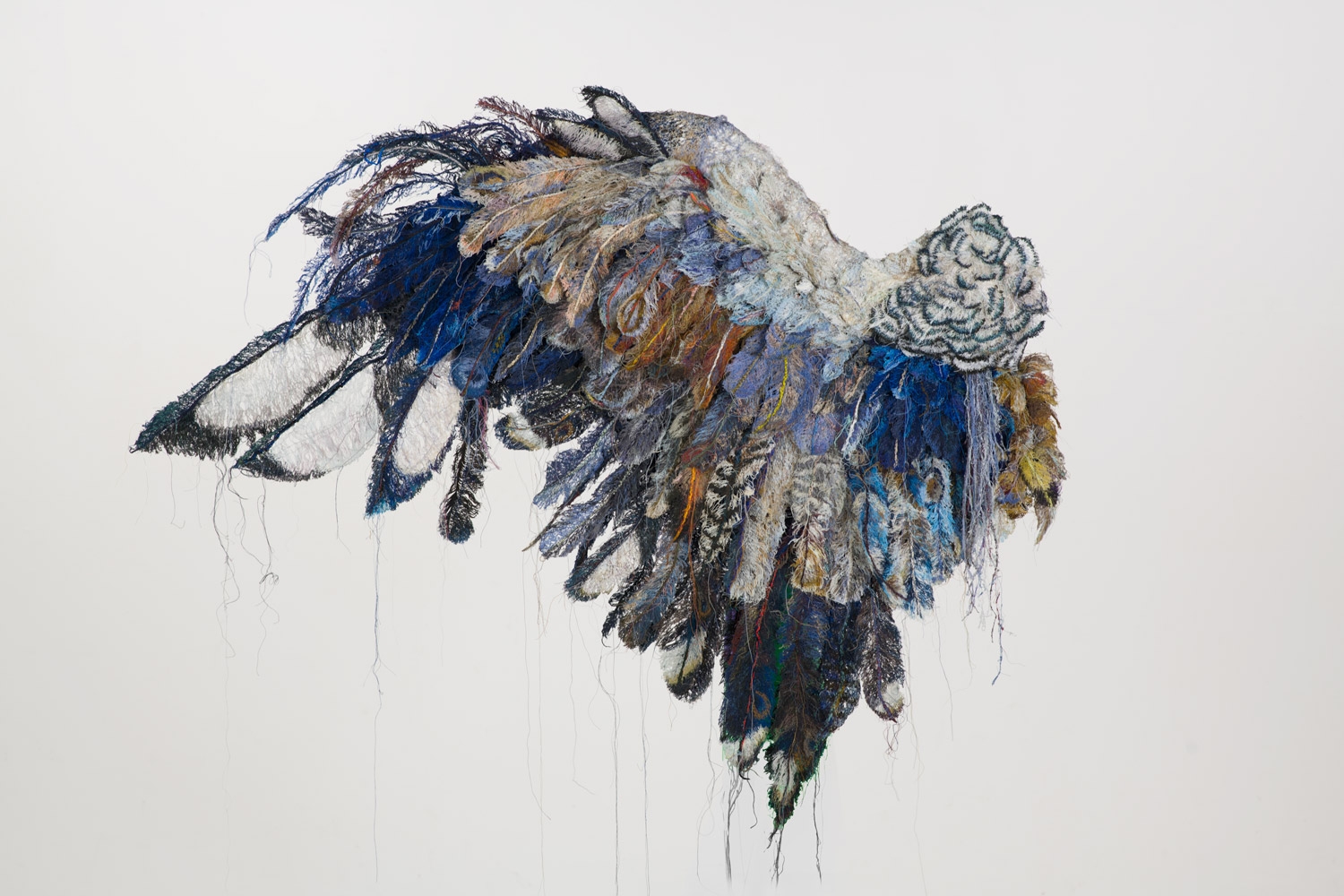
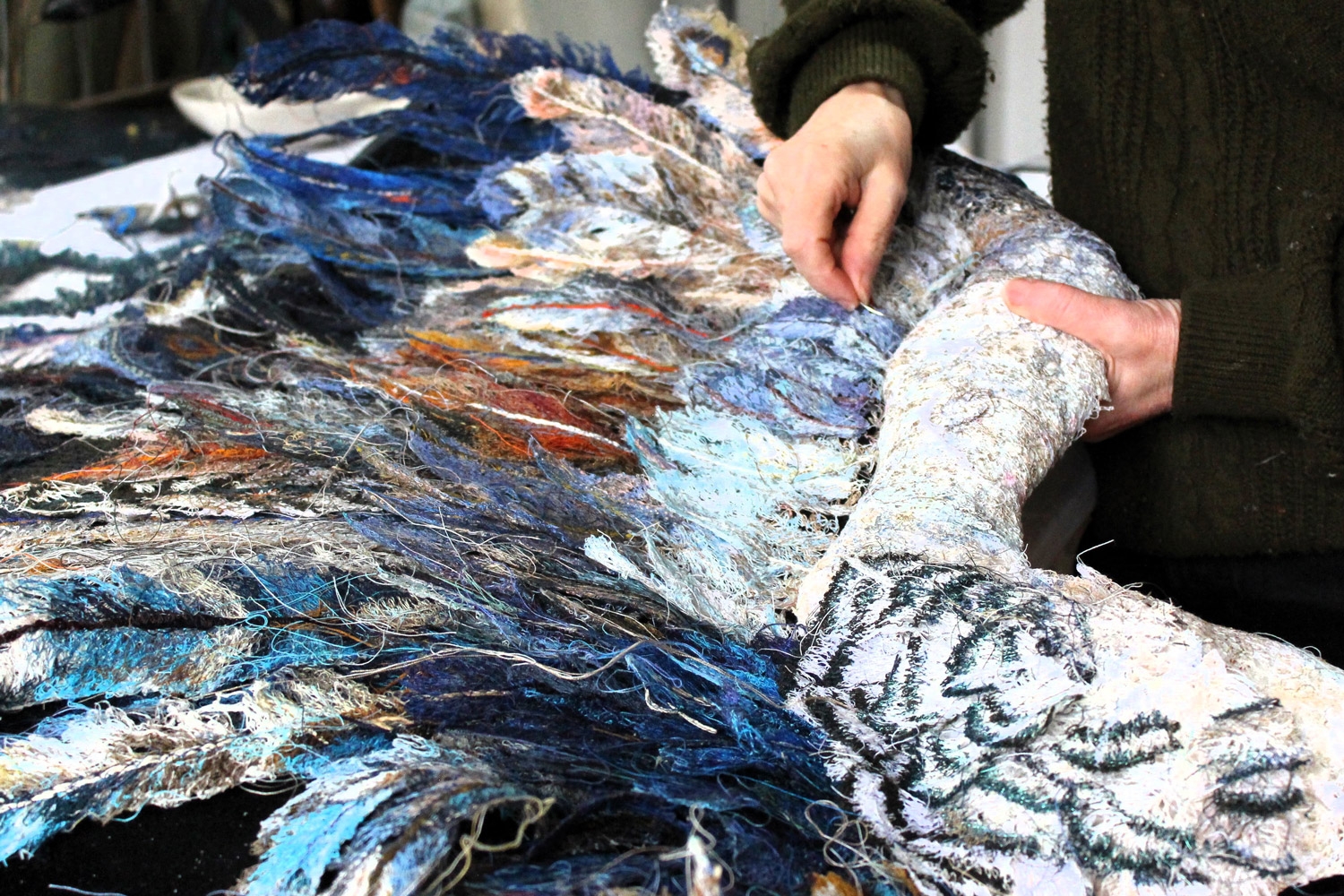
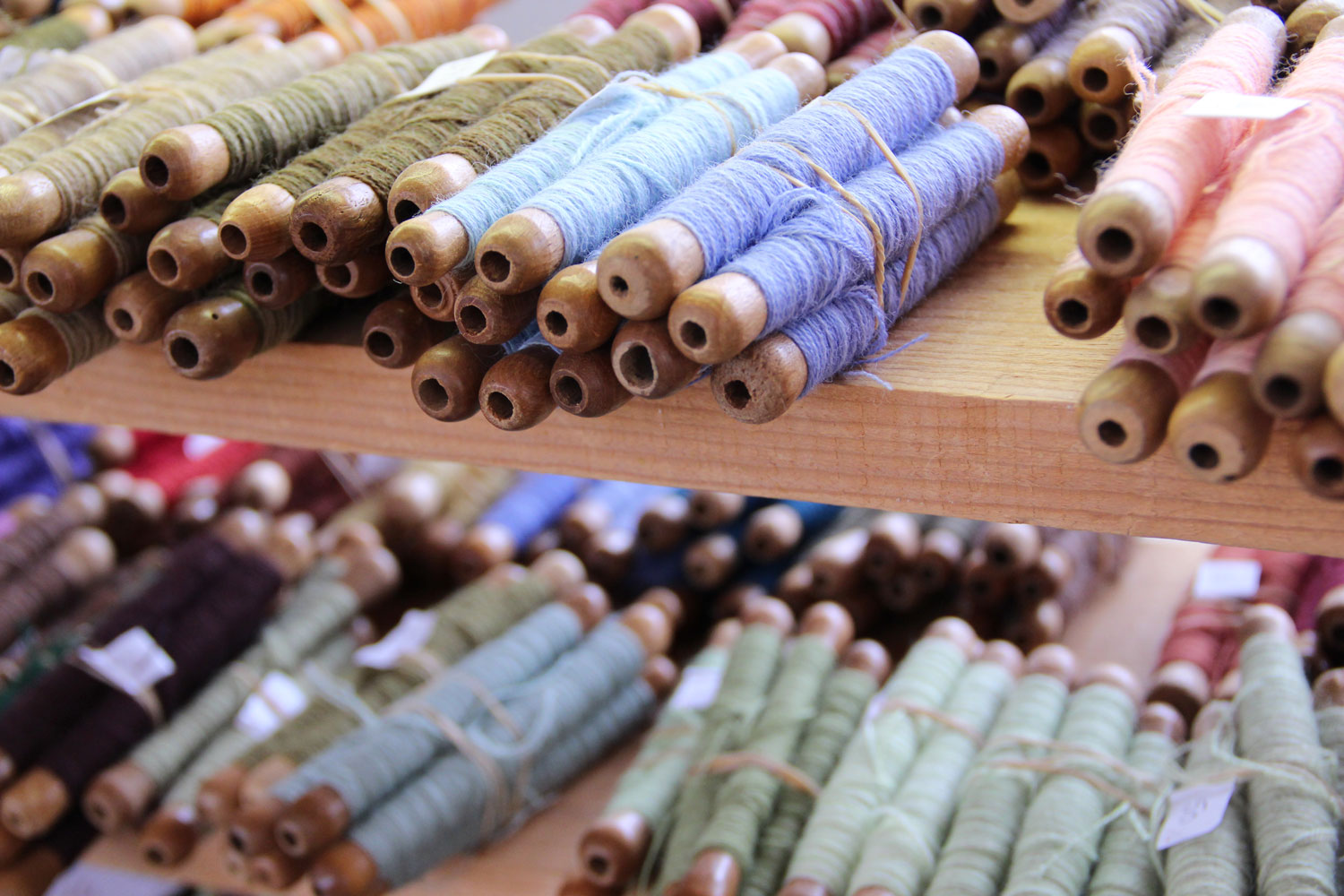
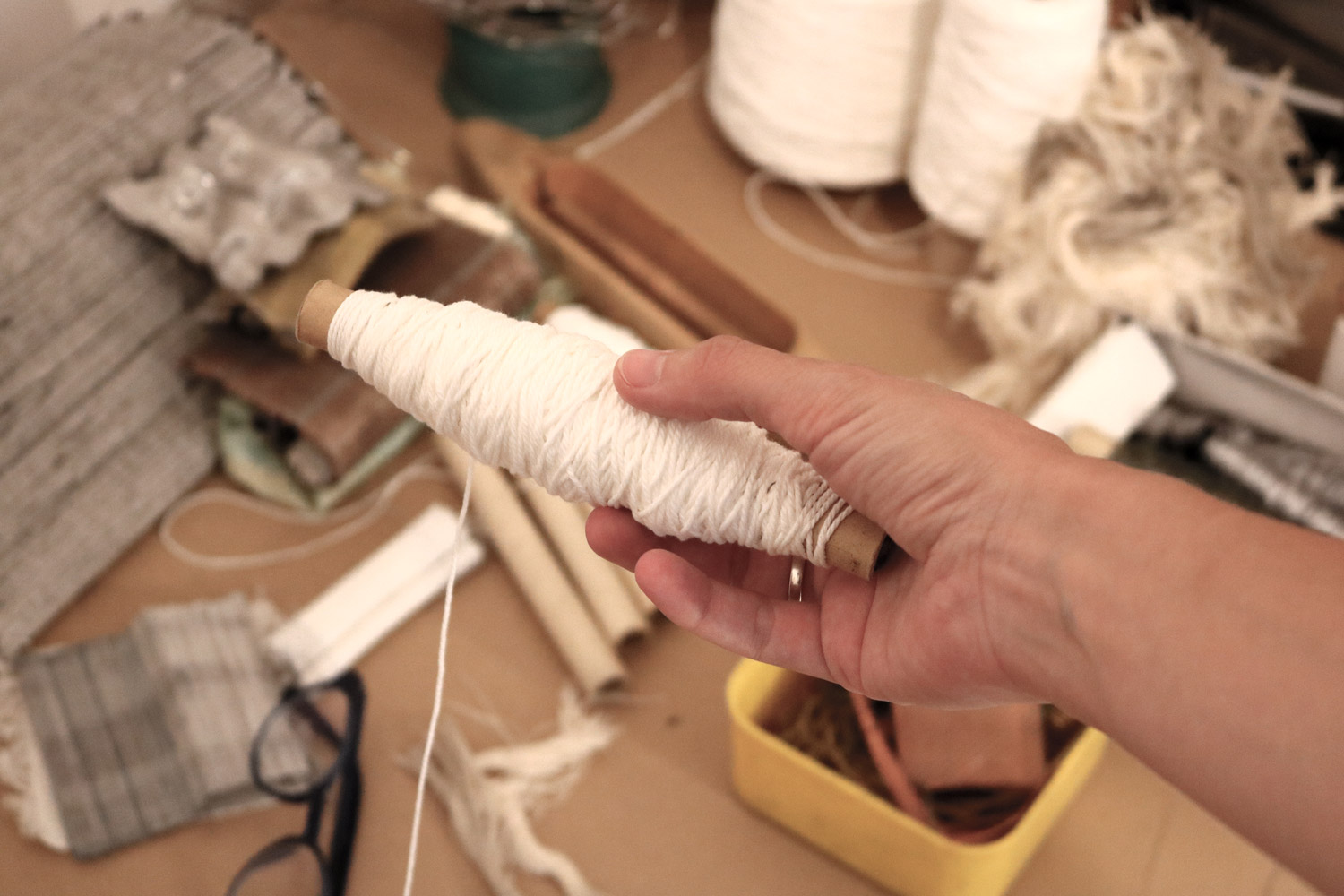
- Emily uses a variety of fibres
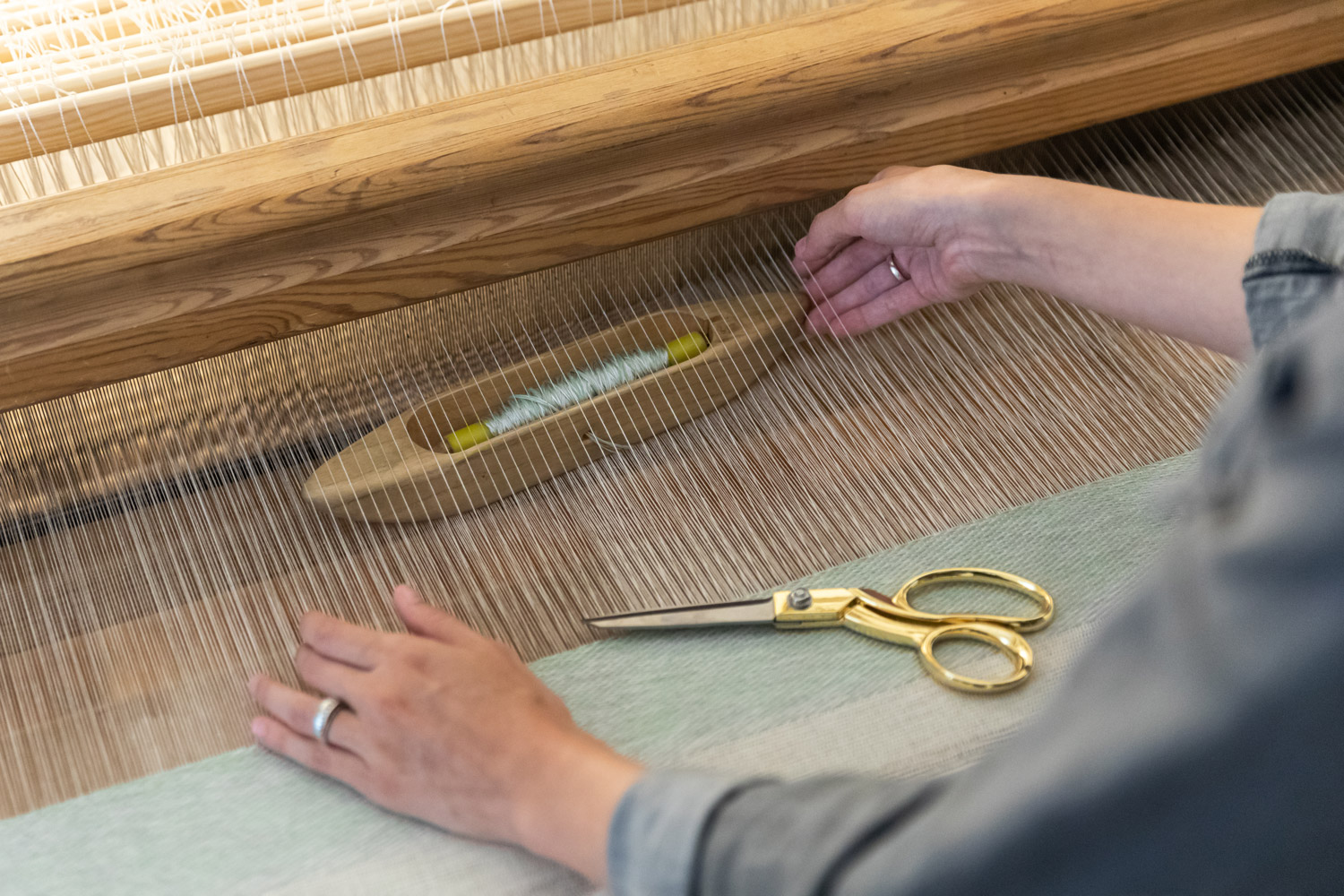
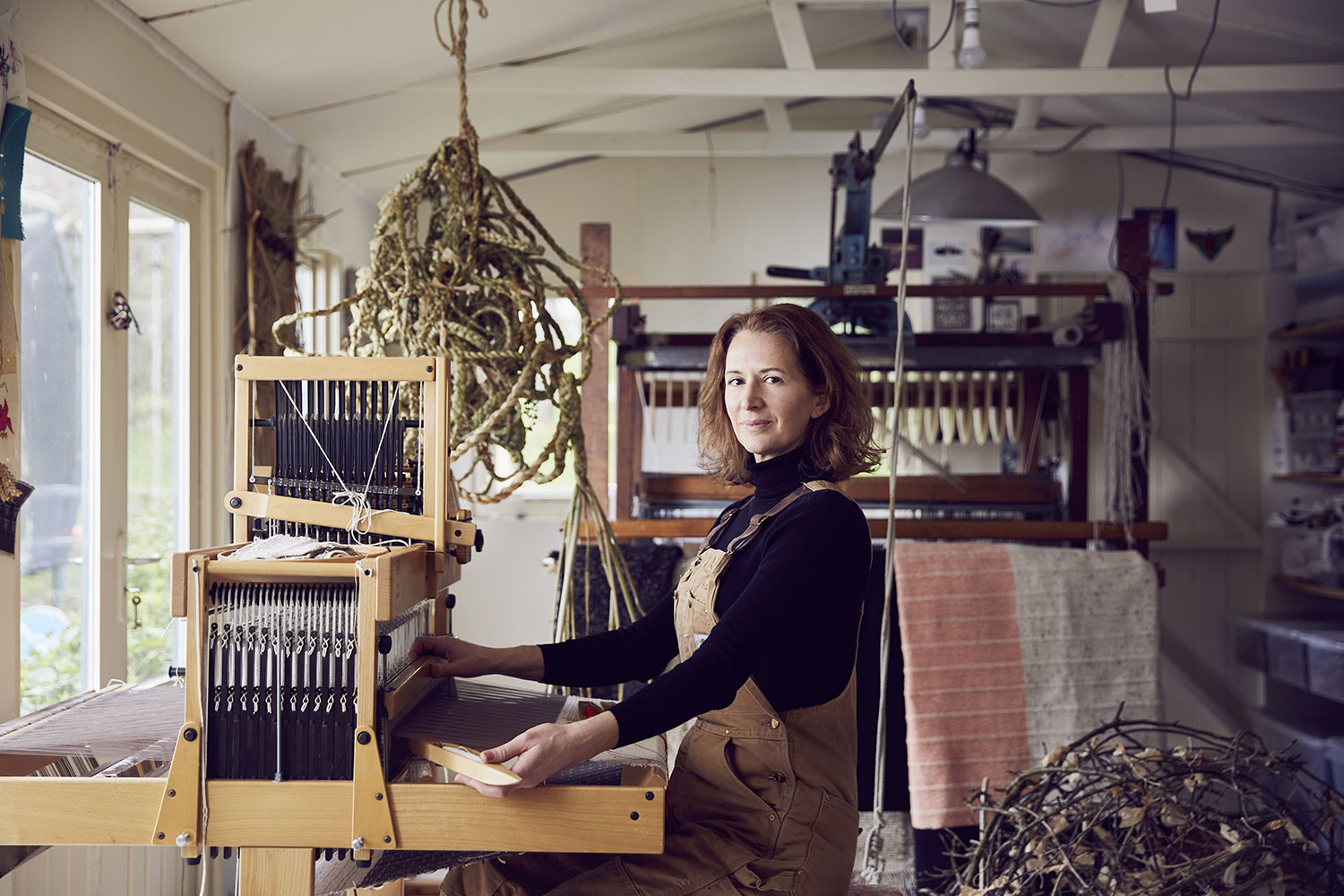
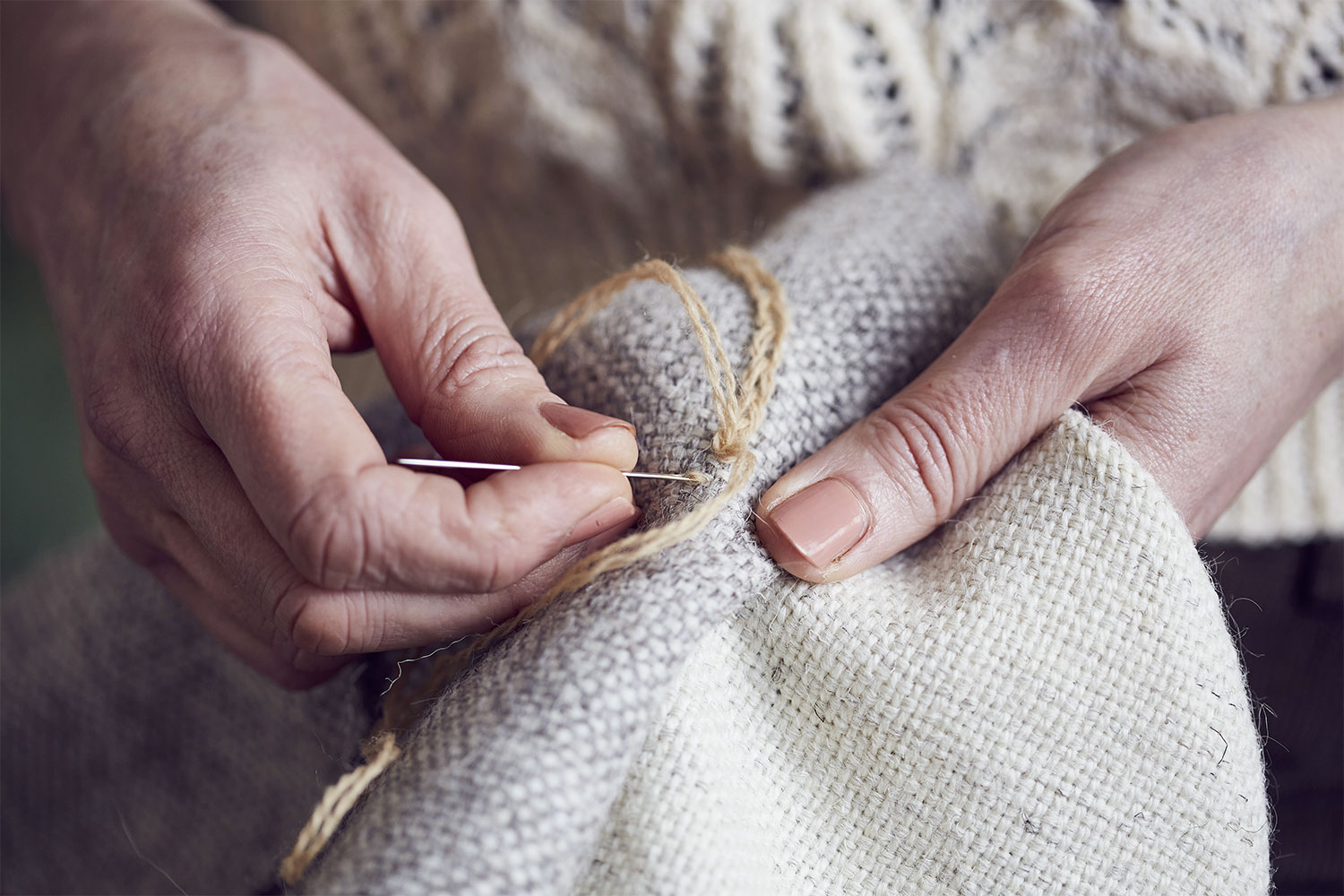
- Each piece is carefully considered
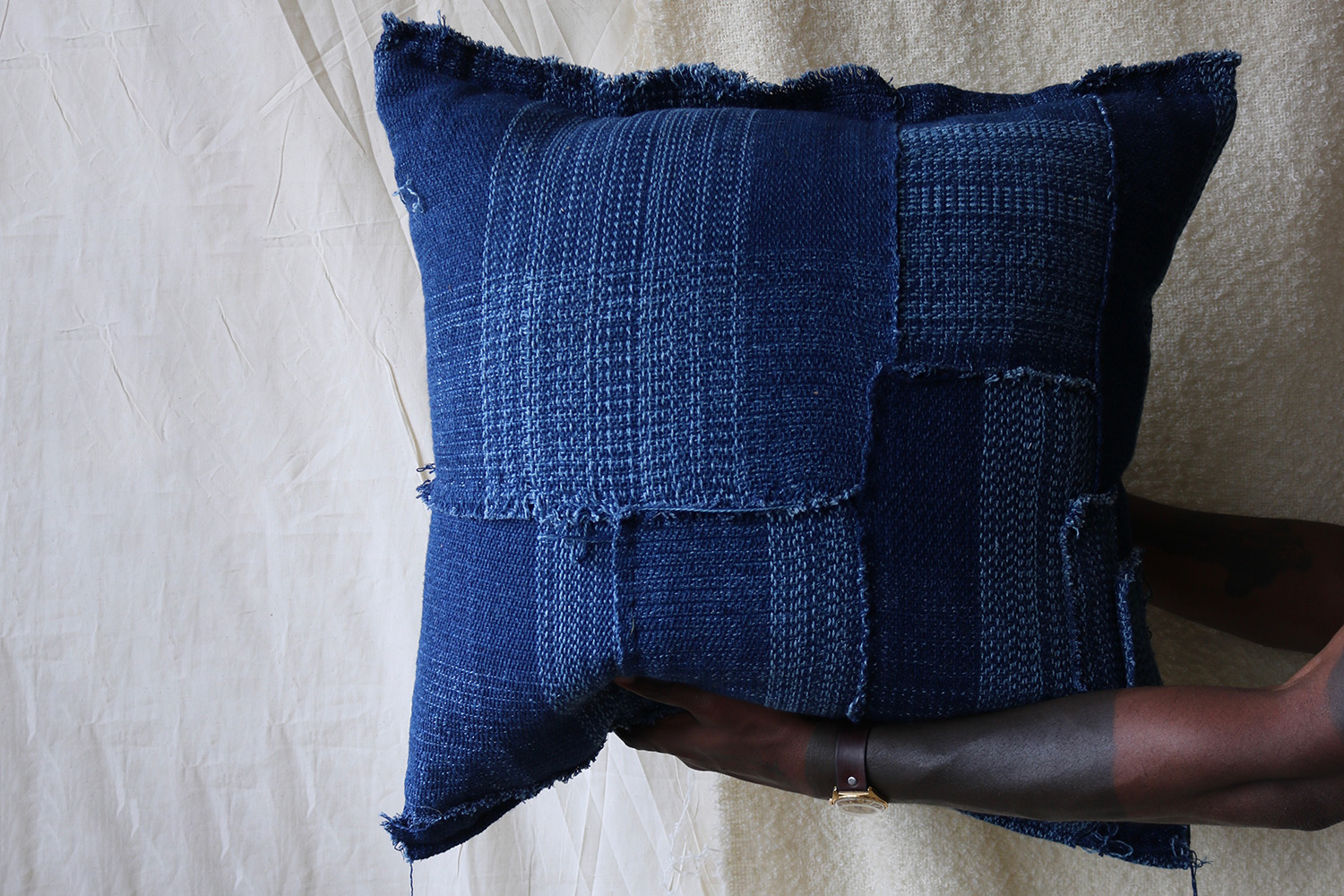
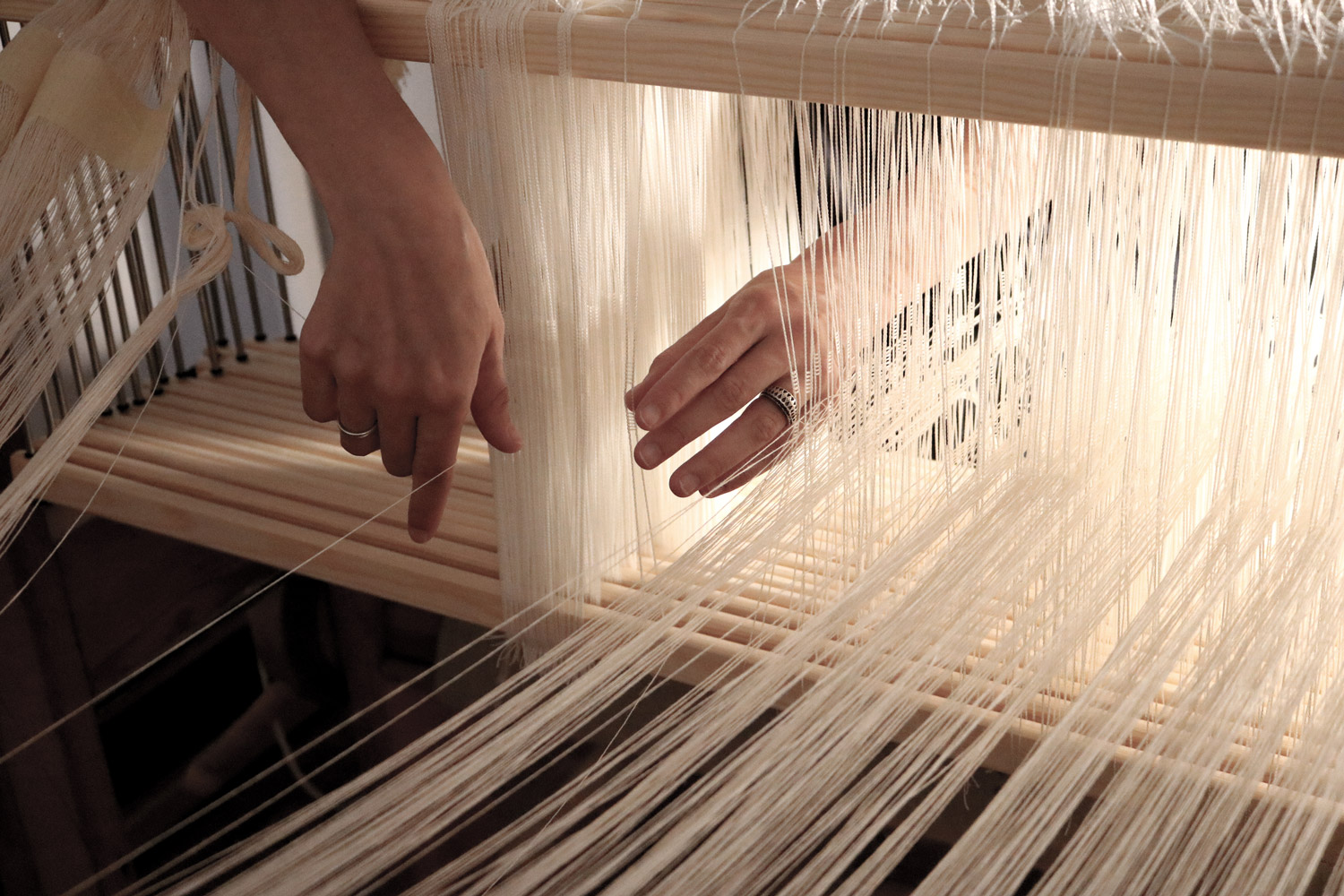
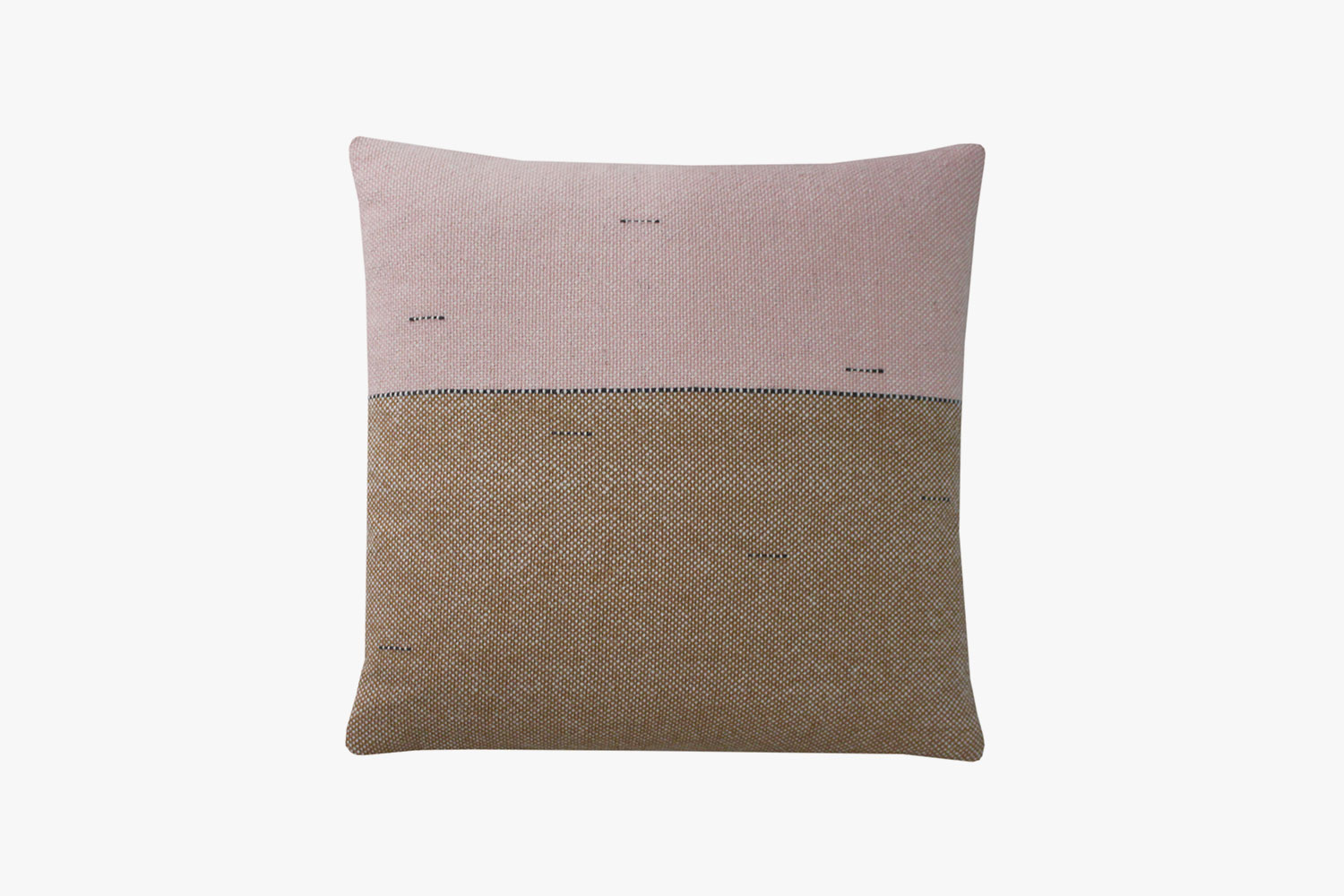
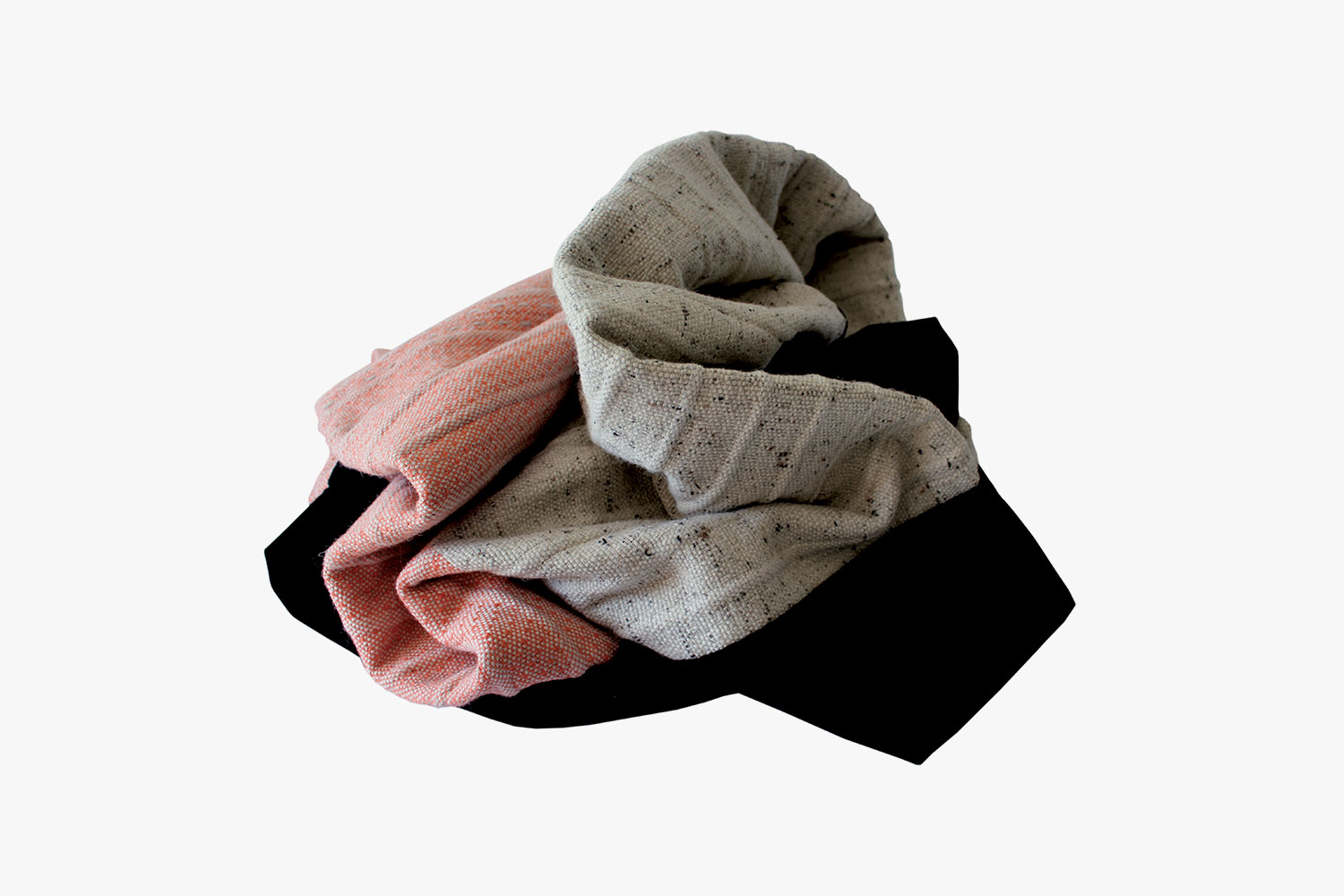
- Her work is beautifully subtle
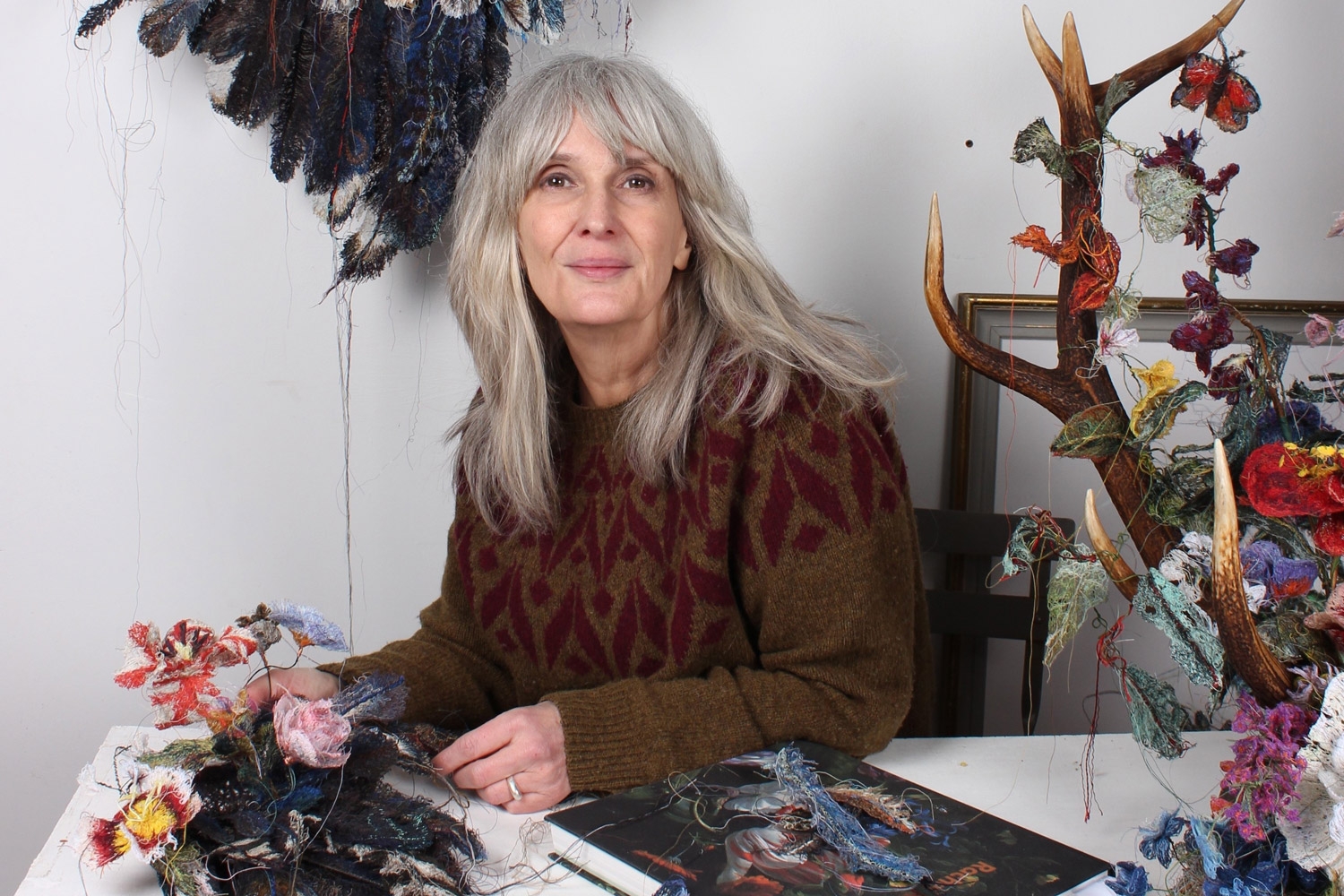
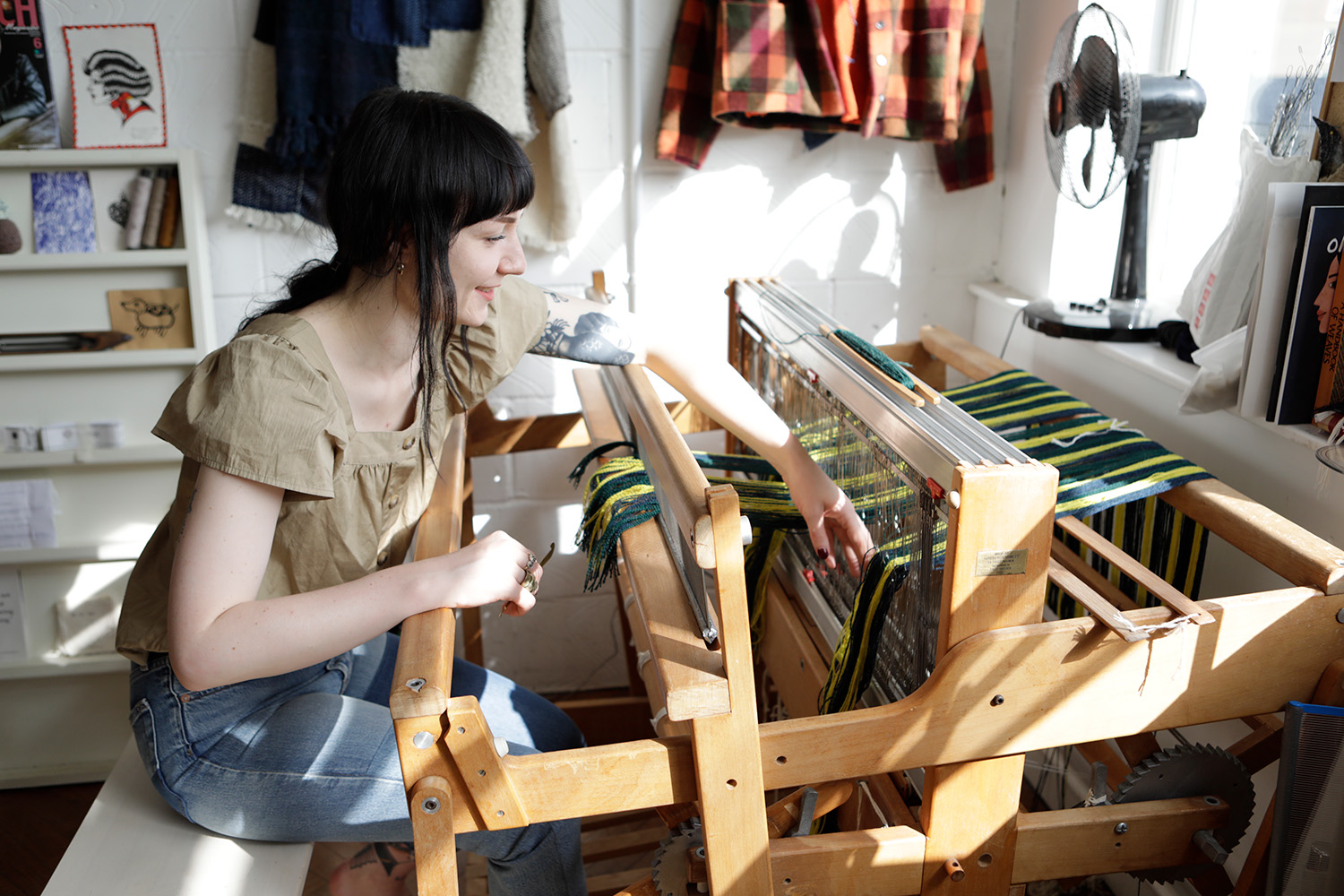
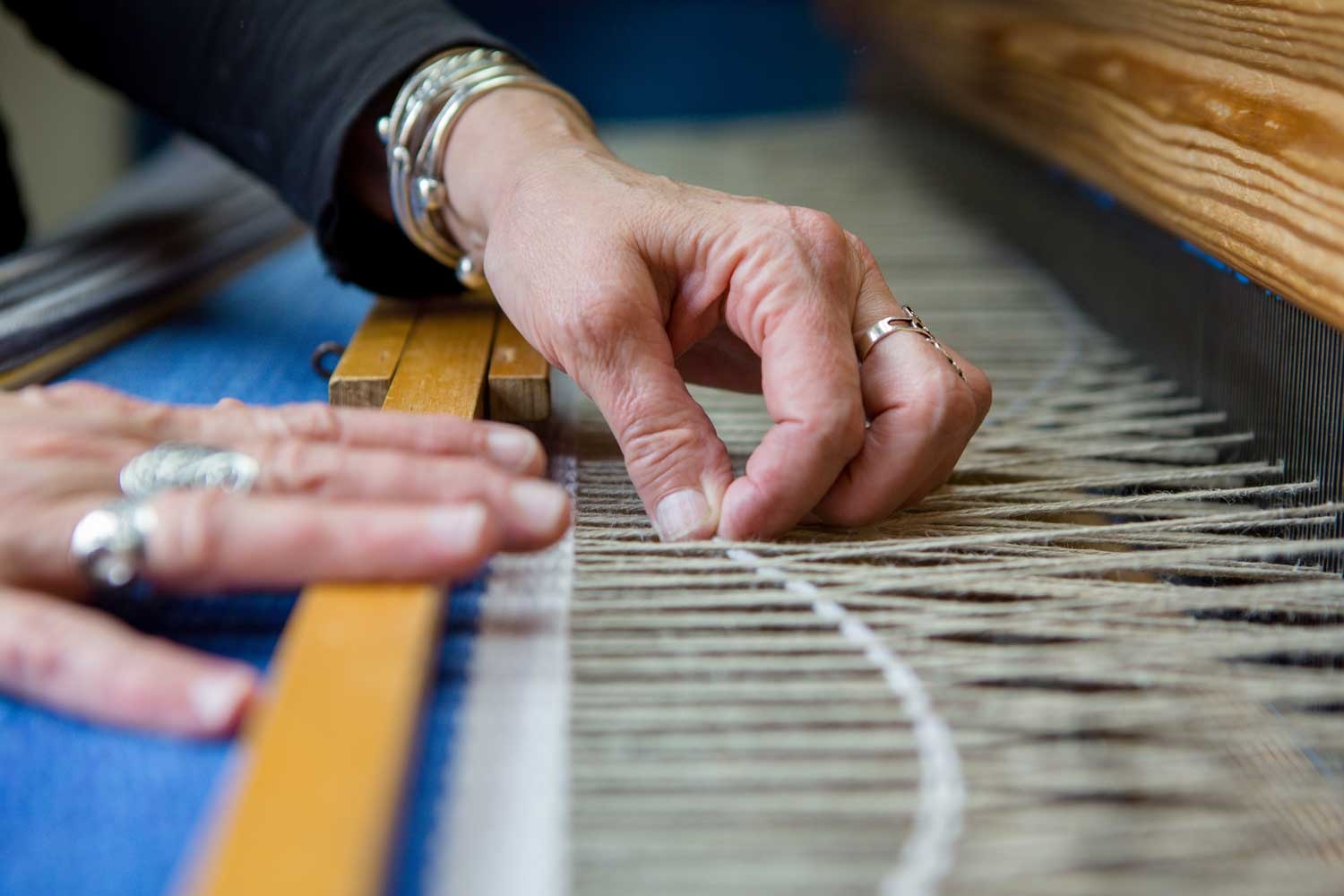
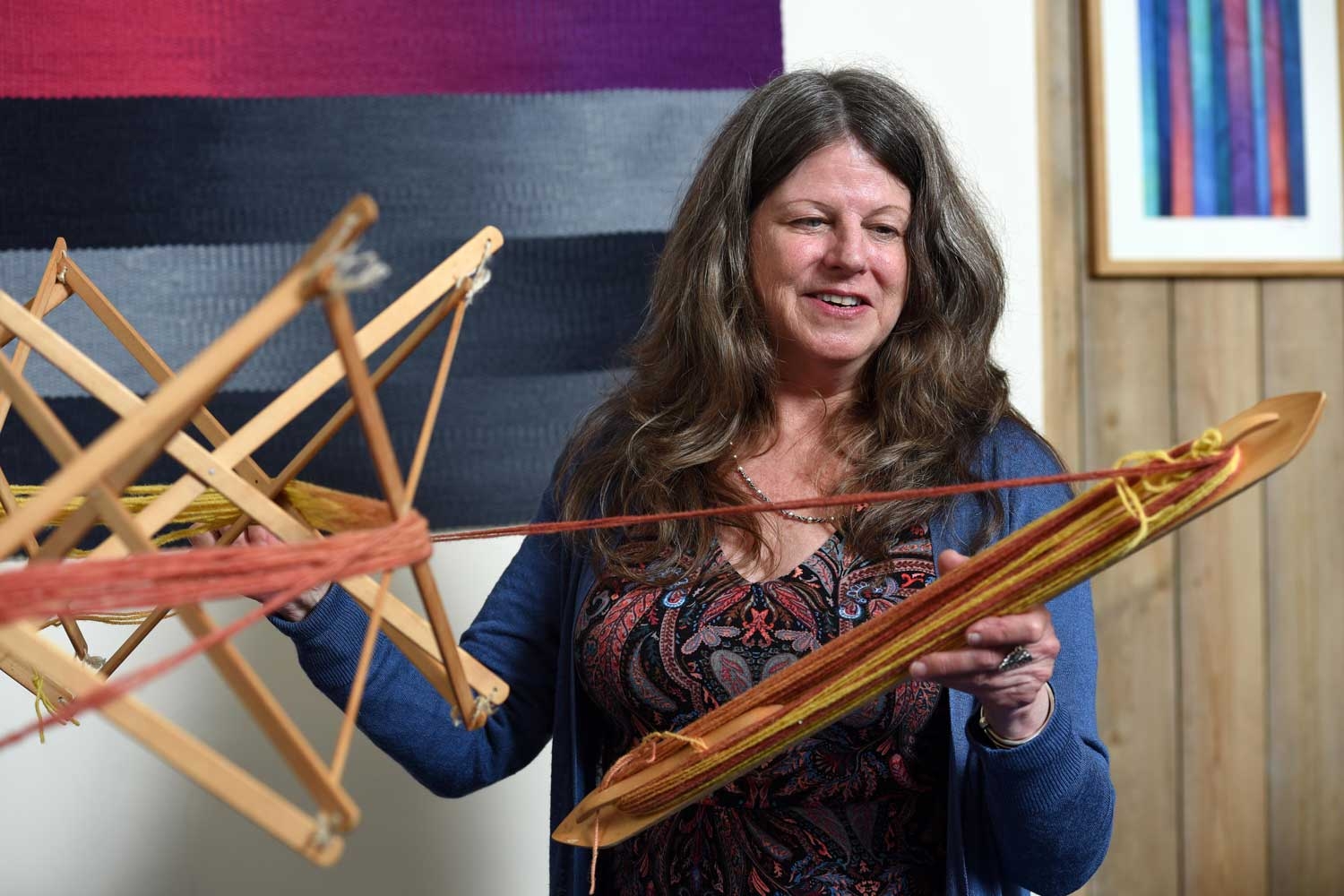
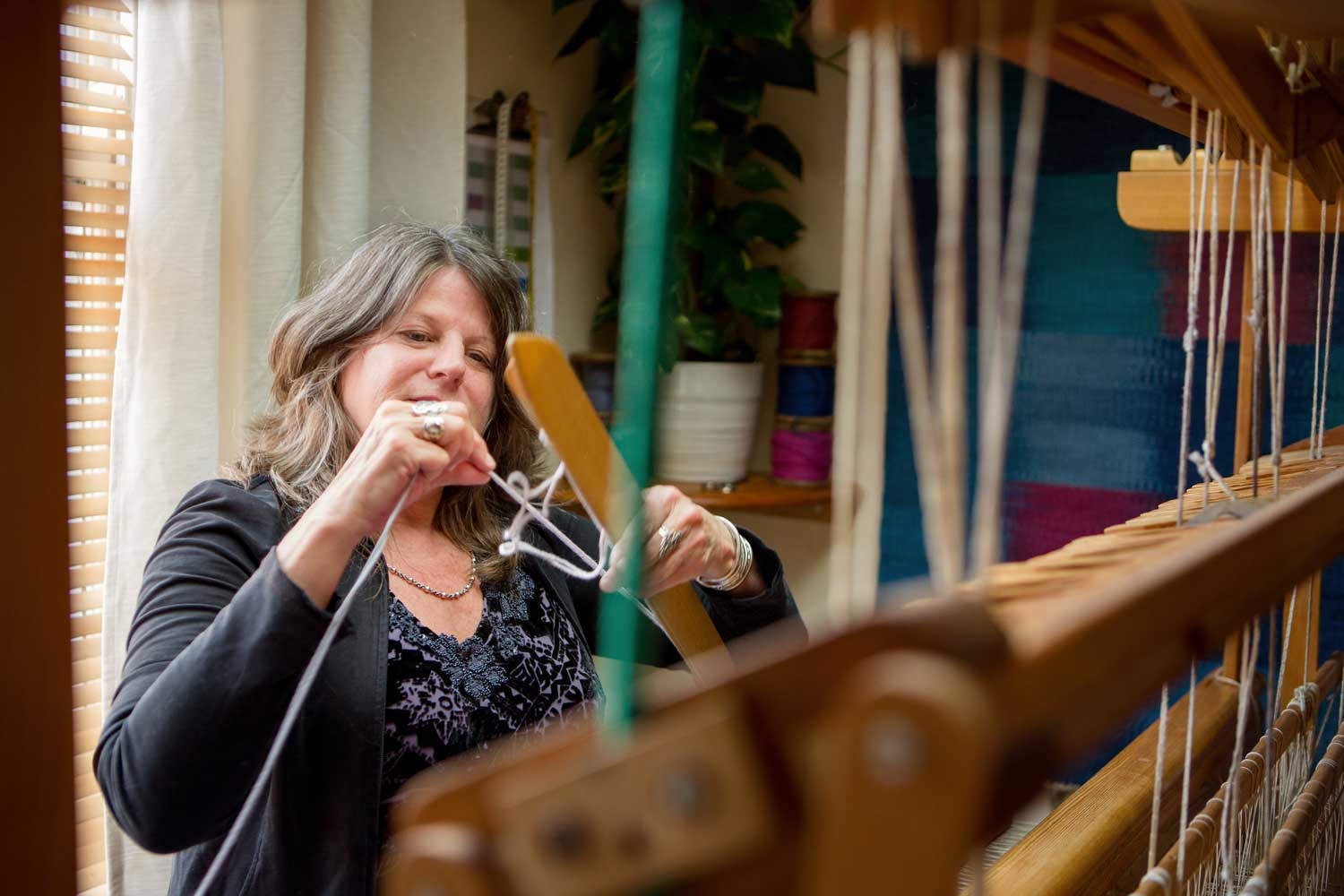
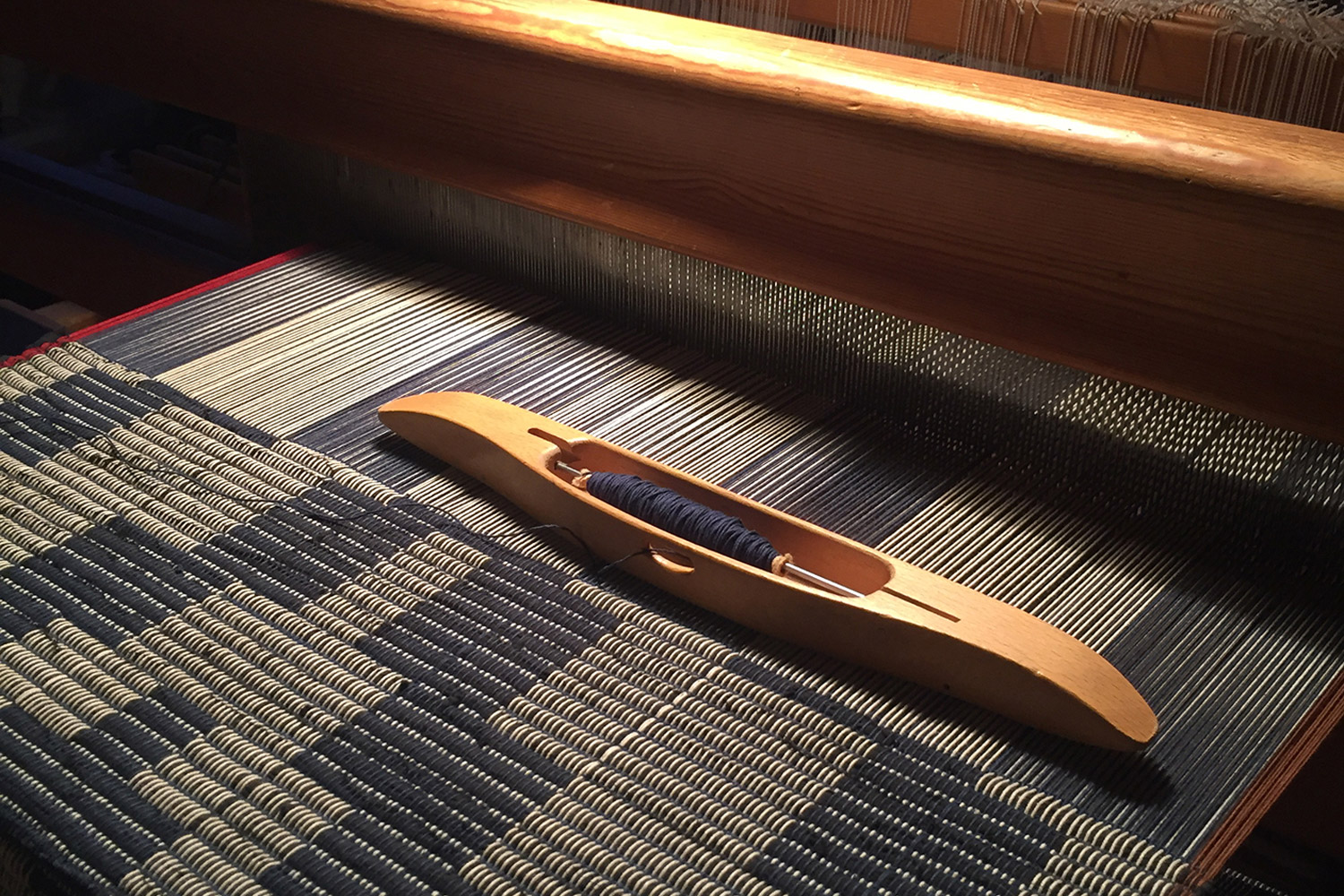
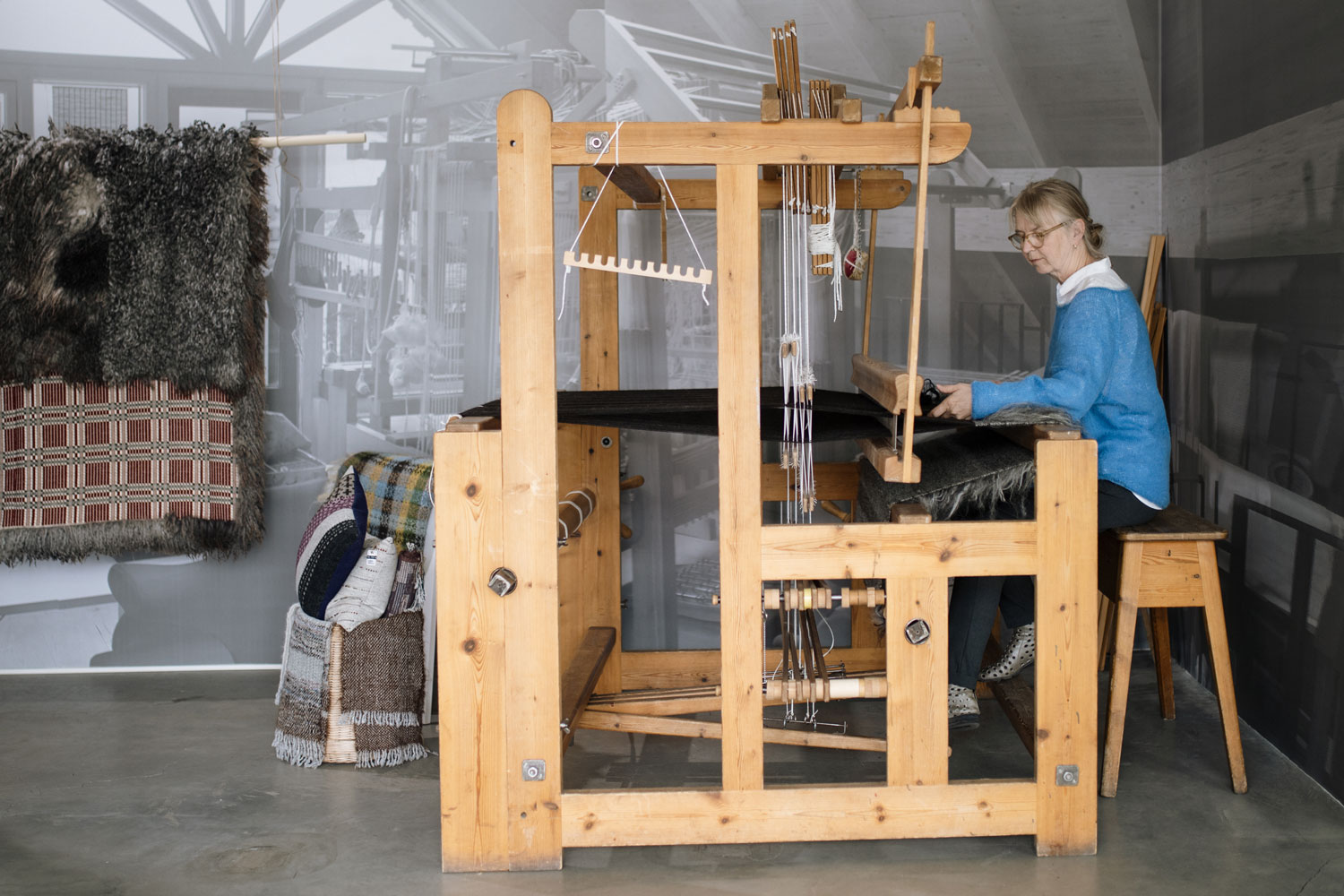
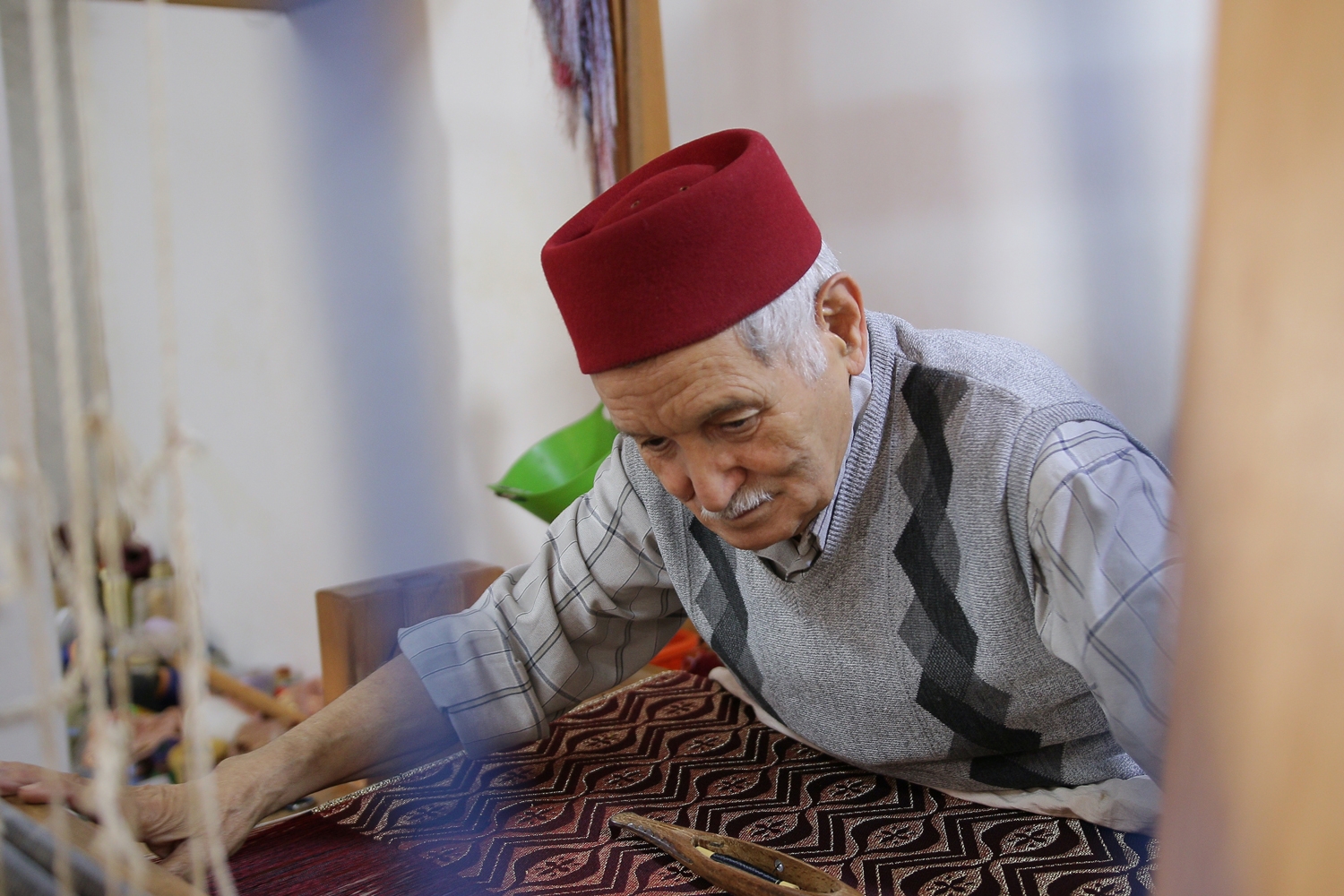
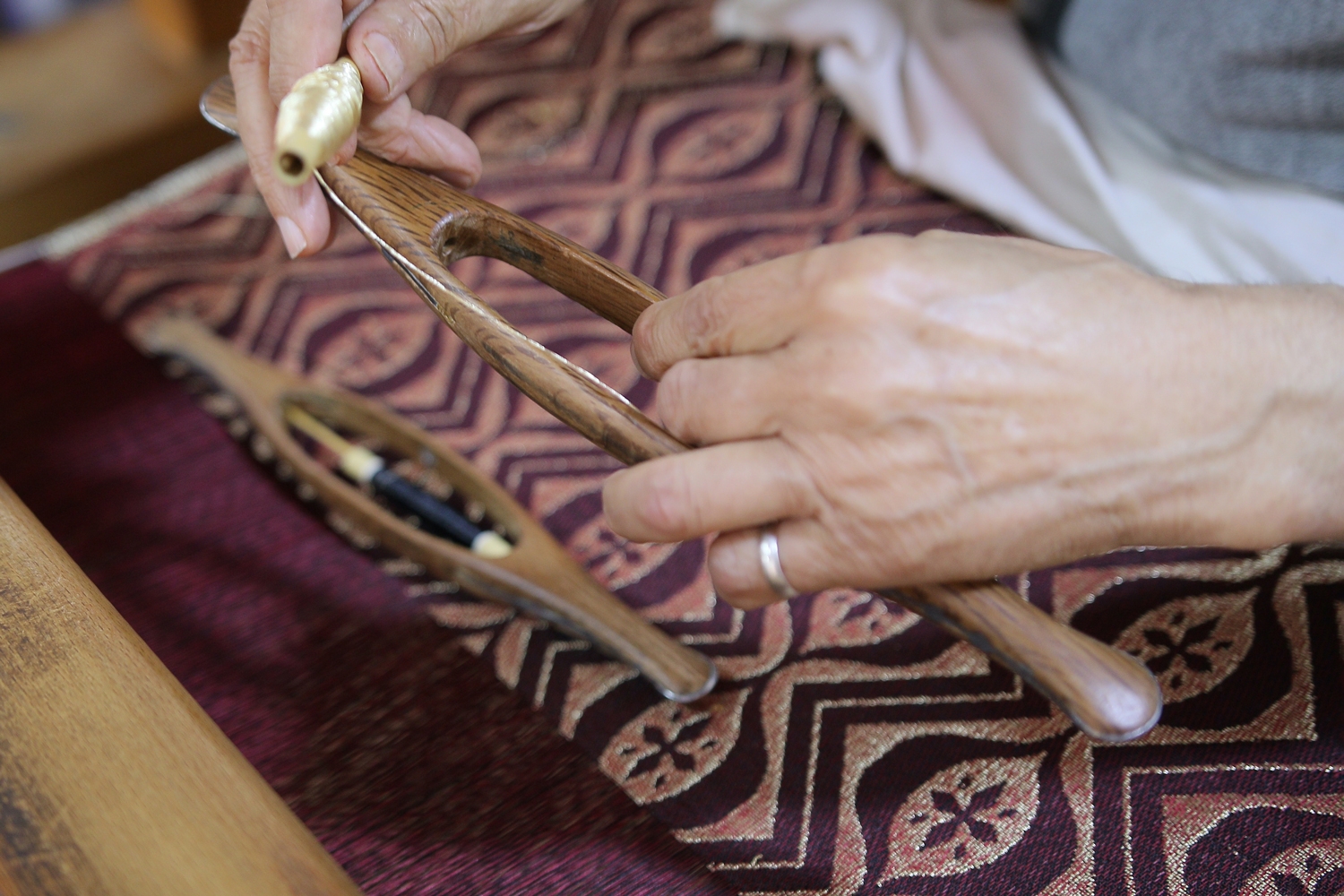
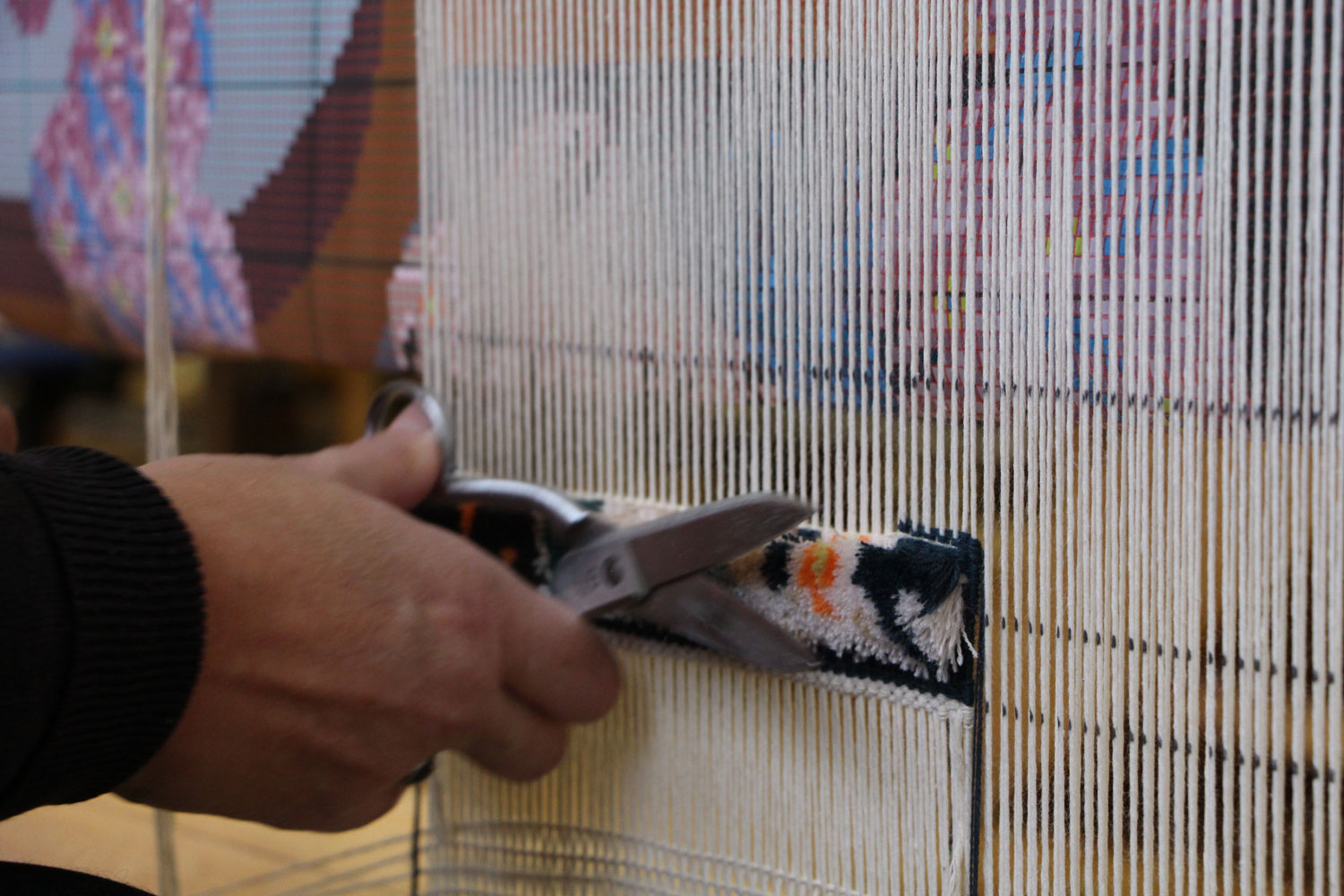
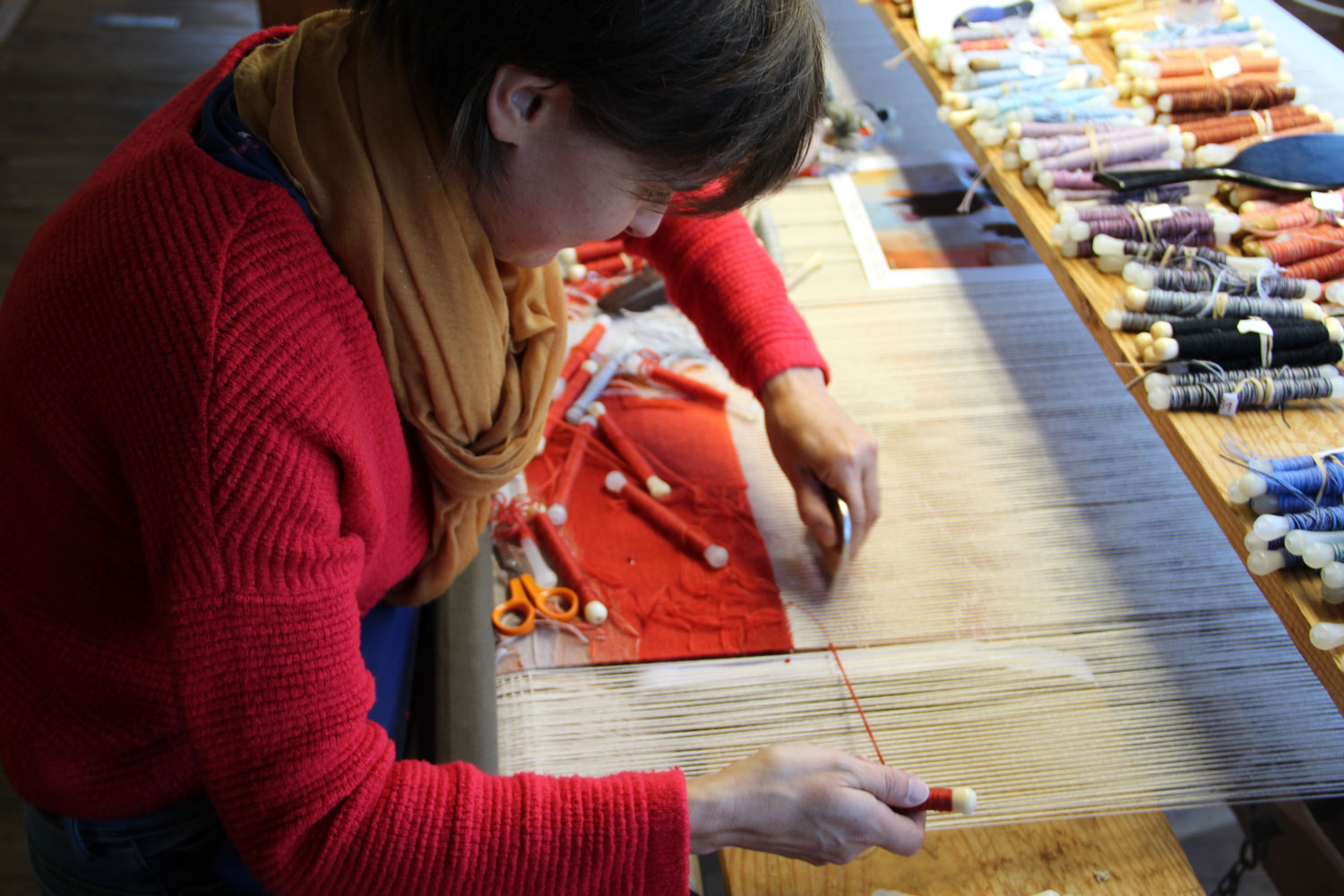
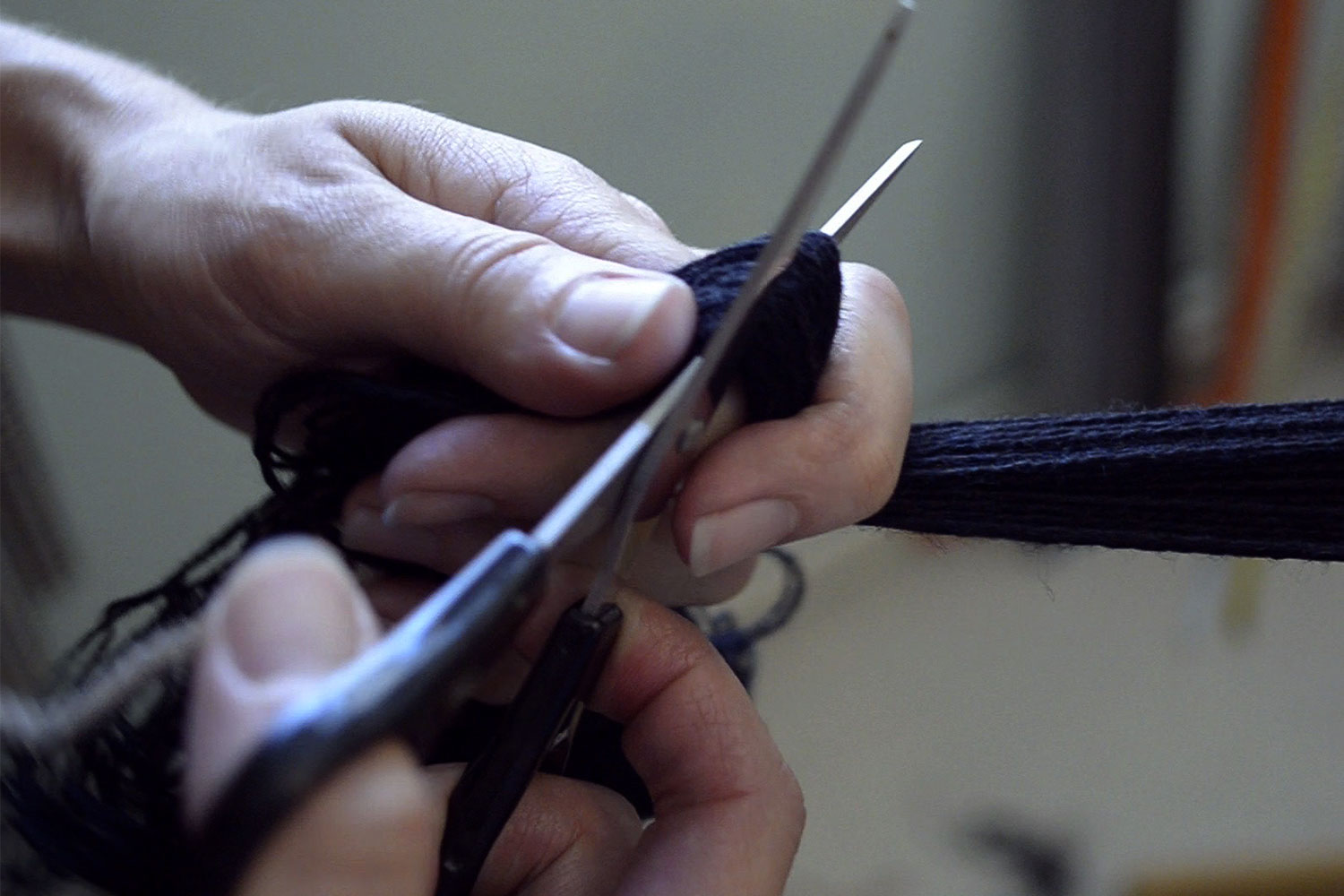
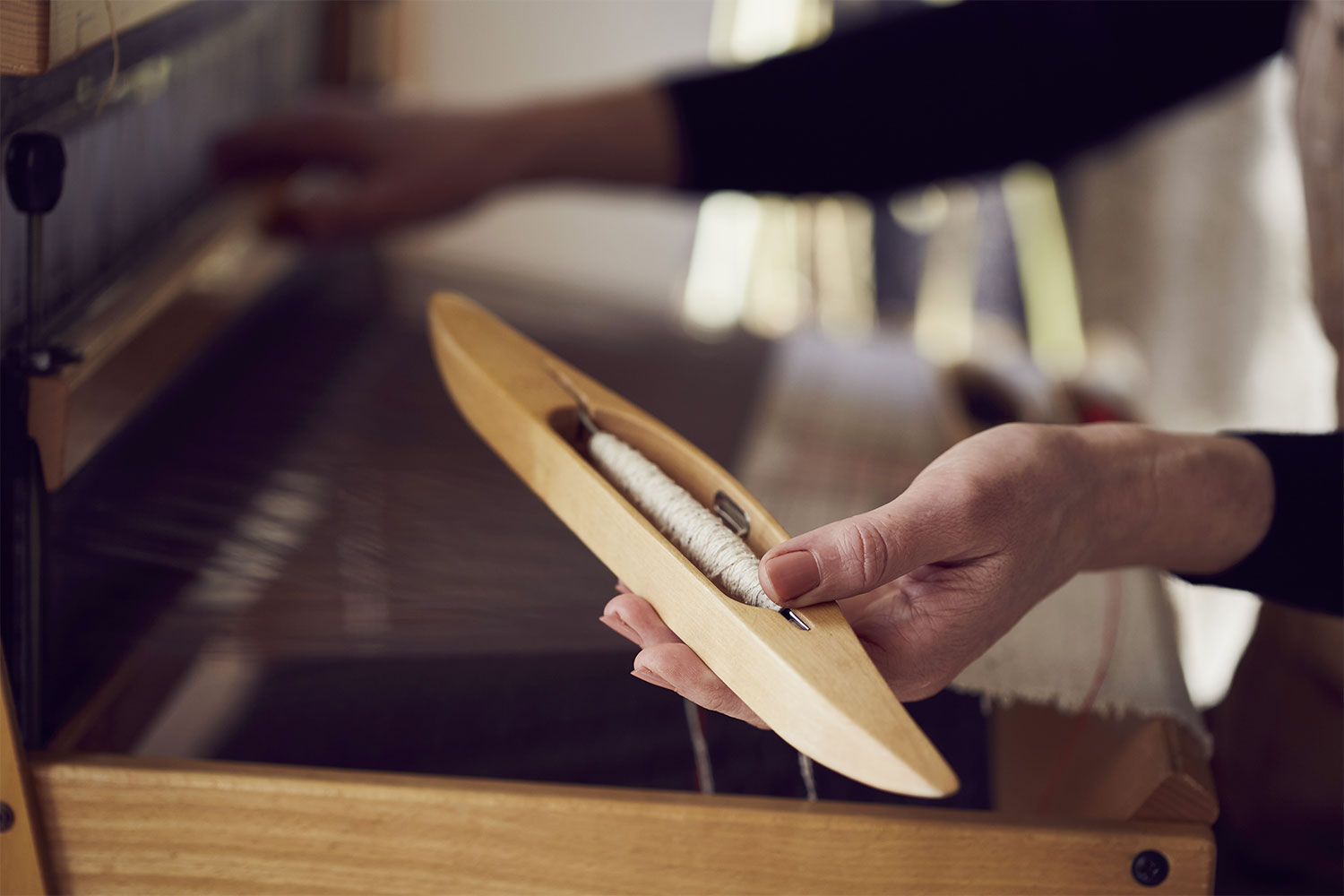
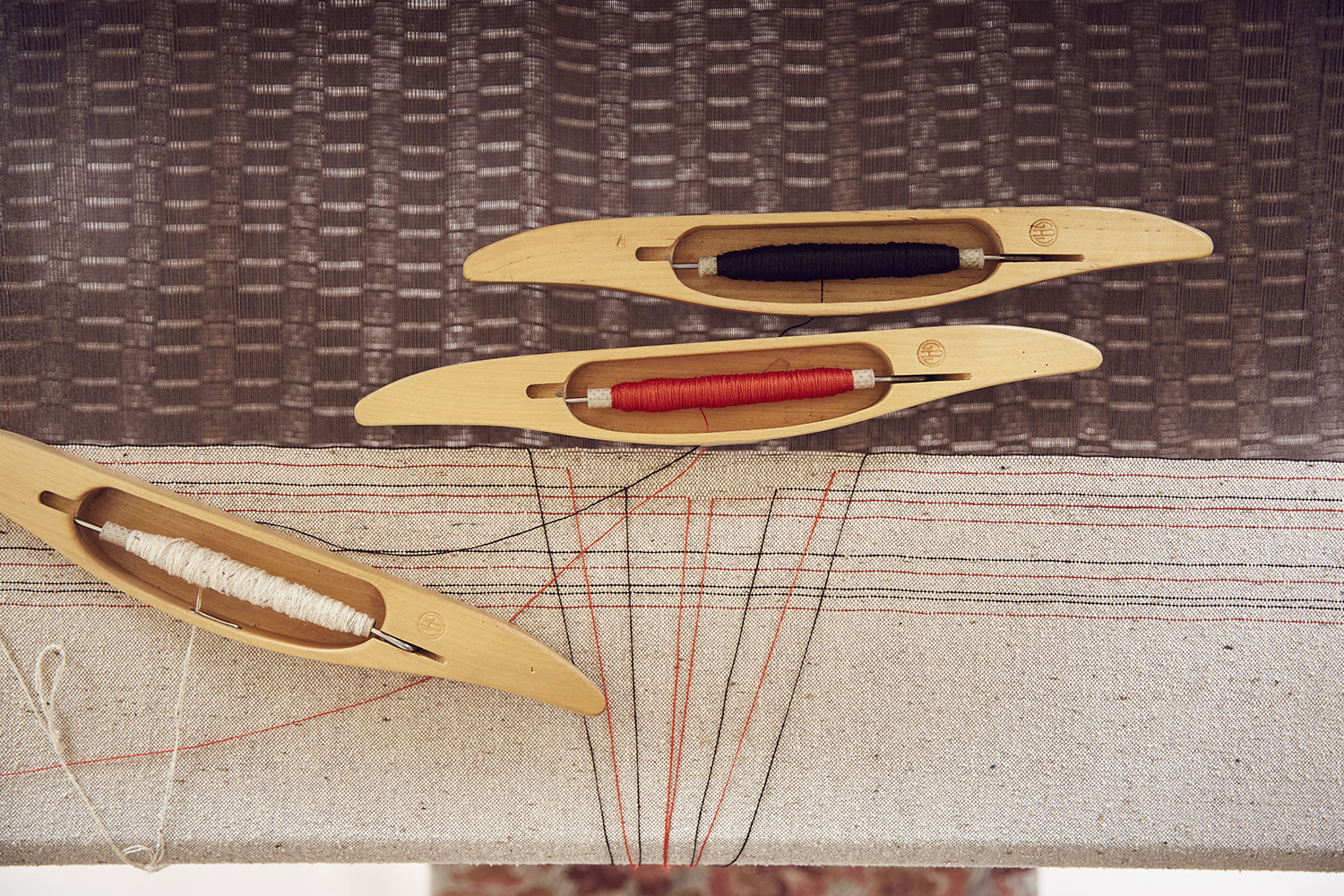
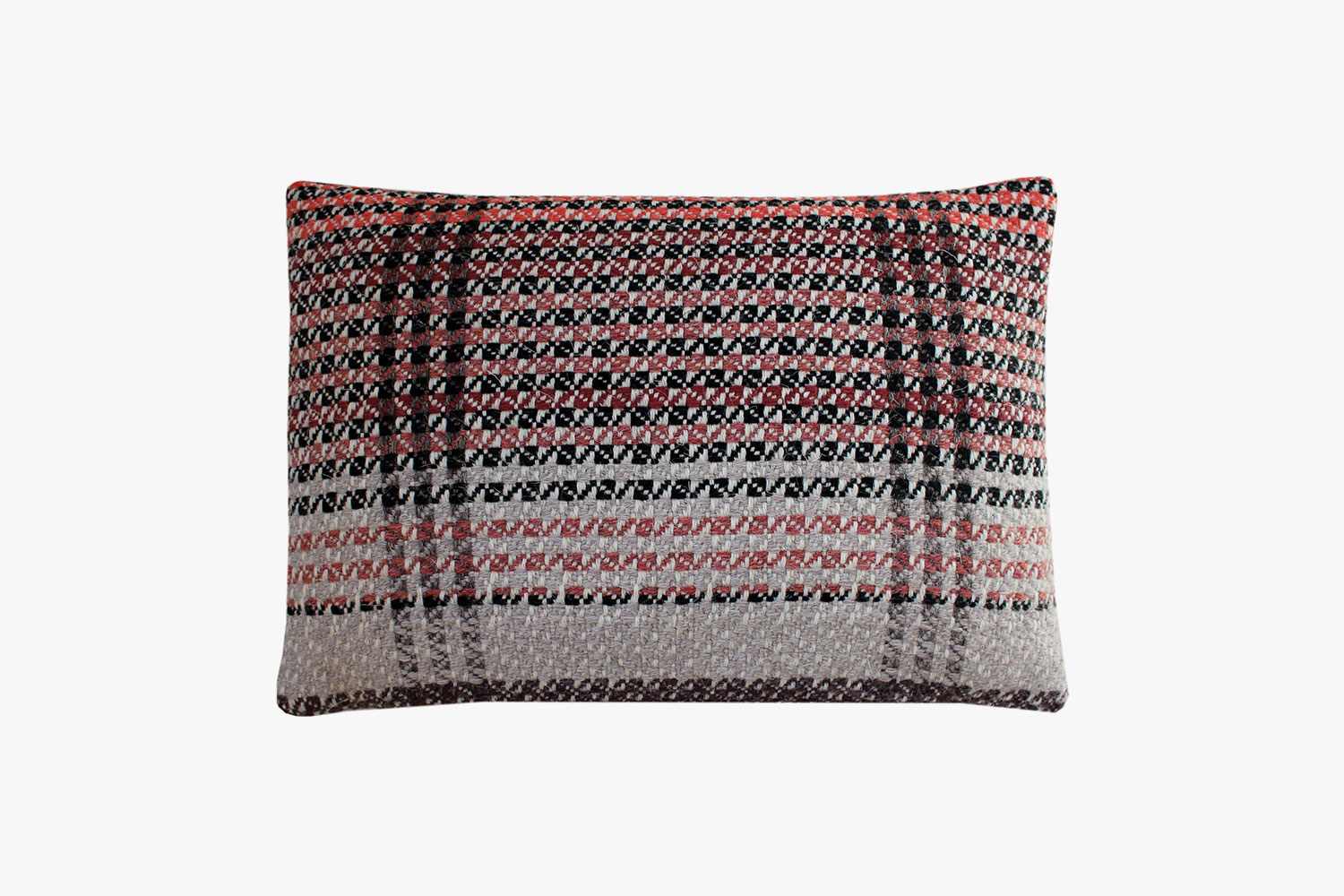
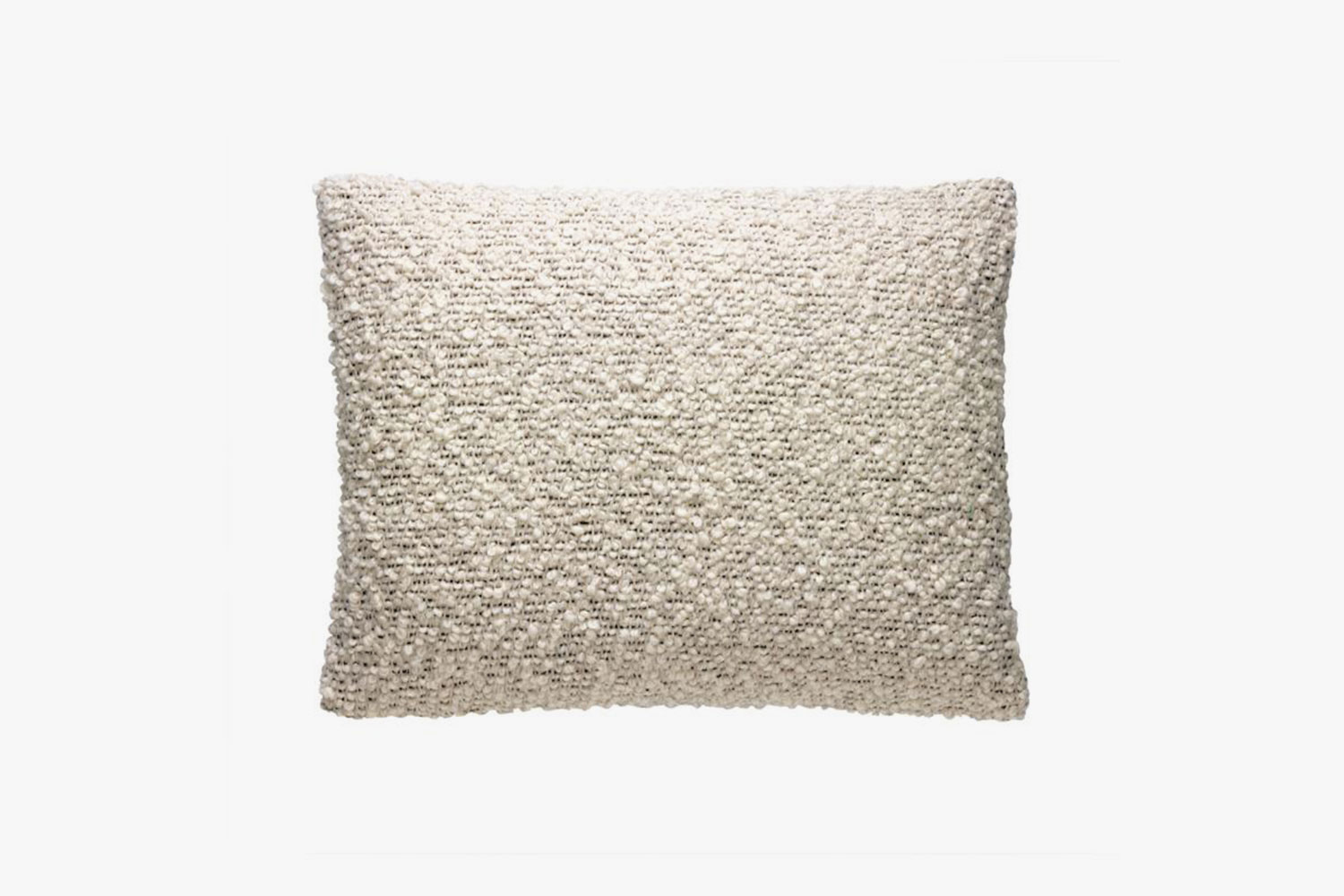
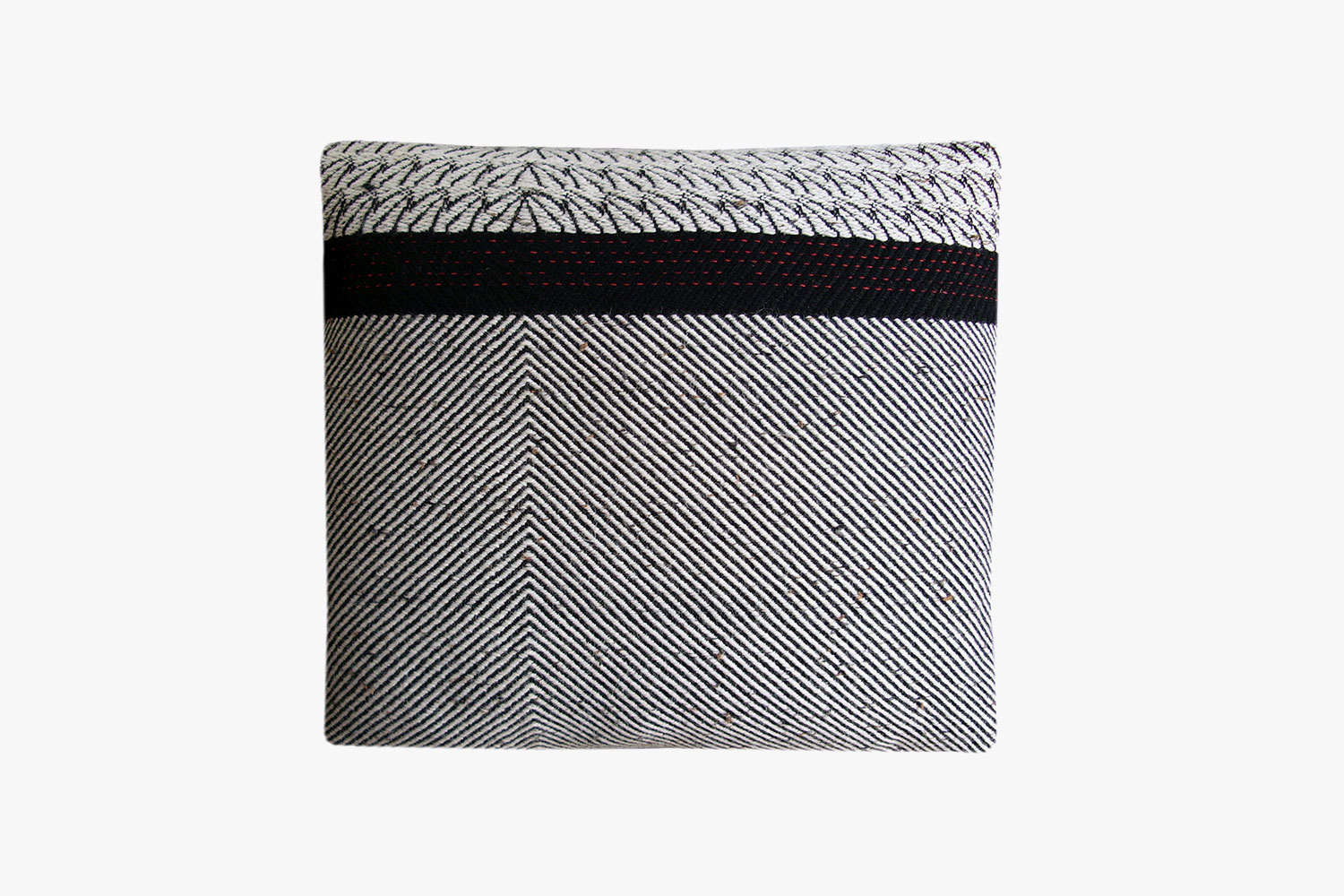
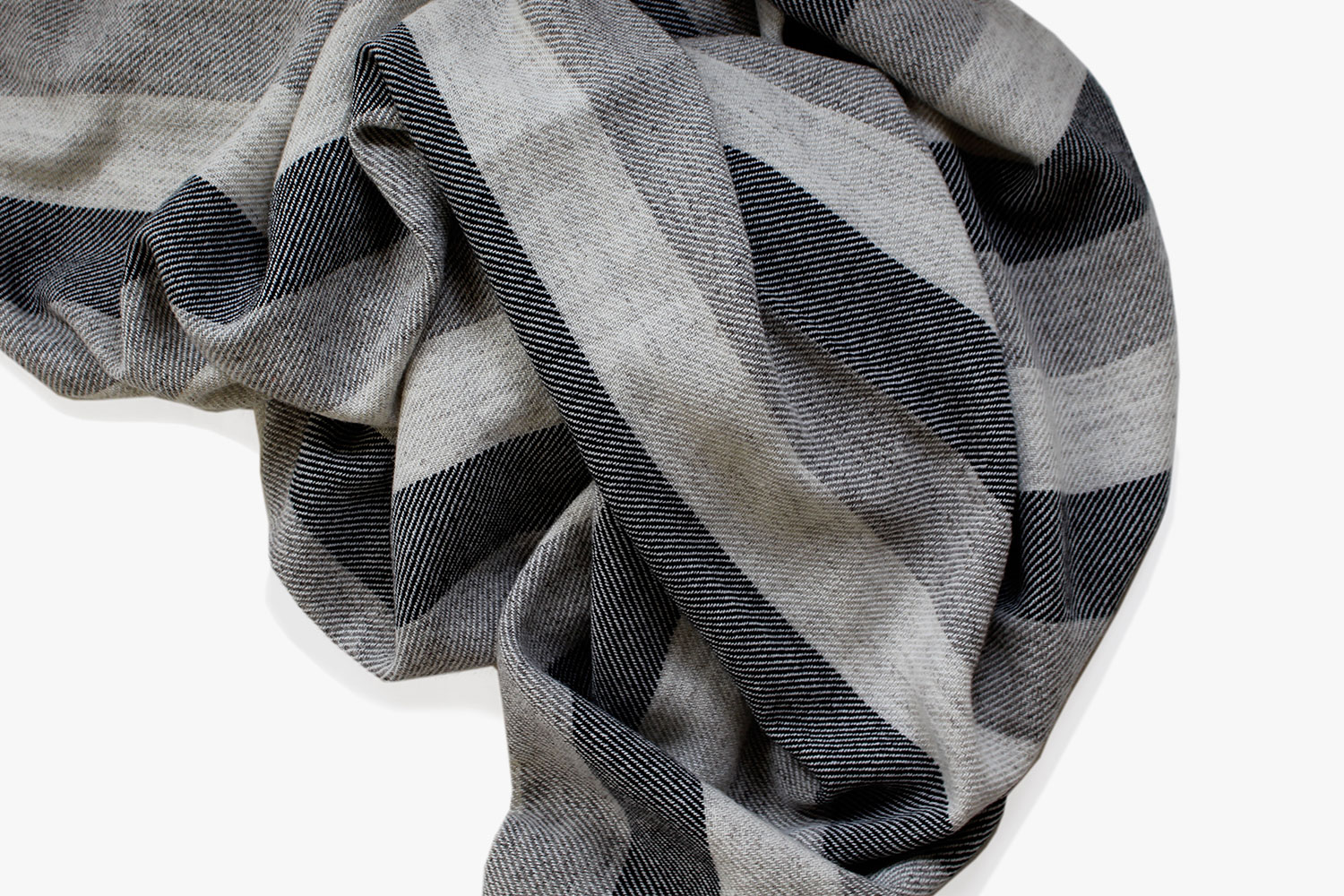
Emily Mackey remembers the moment she first stepped into a weaving workshop, the sights, the smells, the sounds. She felt at home immediately, and once she began weaving, she never looked back. She describes weaving as “intrinsic to who I am; it’s like breathing”. Watching Emily working on the loom, it certainly does appear to be an extension of her being. The rhythm and flow of the threads, as though naturally working themselves into intricate patterns, appears effortless. She also incorporates other techniques such as embroidery and straw plaiting, and works across a variety of fibres, reflecting the needs of each piece she creates. Her sensitivity to the material is a hallmark of the work she produces.
Discover her work
INTERVIEW
I studied weaving and constructed textiles at Middlesex University under a wonderful master weaver called Steve Attwood-Wright. The principles of embroidery, painting and creativity I picked up from a young age from my grandparents and other family members.
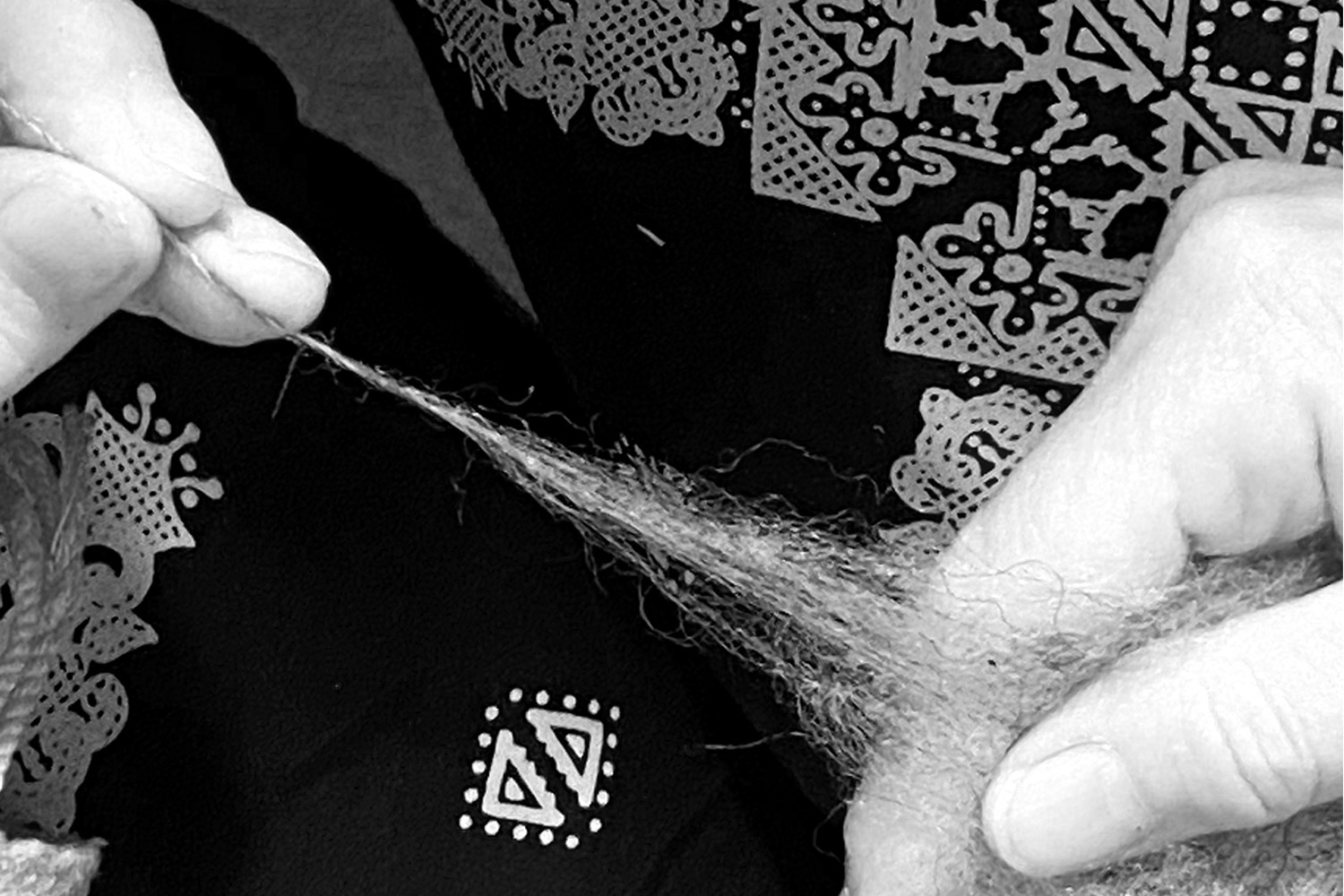
It is a wide assortment, including custom dyed British wools, Swedish linen, vintage cotton yarns, straw from Wiltshire, rush from the Cambridgeshire Fens, natural undyed British sheep breed wools, and parts of plants that I grow myself in my own garden.
Materials I find and see in the natural world; colours, patterns, proportions, movement. They filter through my mind. Often my most productive thought processes happen while I’m making other work. The act of making things with my hands frees up my mind.
Hand weaving is fresh off the endangered crafts list due to its rising popularity. Currently I am learning straw plaiting and straw work, both endangered crafts, from Veronica Main MBE. I’m developing skills in this area that crossover with my weaving.