Queen of enamel
- For Marytė, enamel is a source of endless possibilities
- She constantly searches for something new in her jewellery
- Creativity is her way to express and share emotions
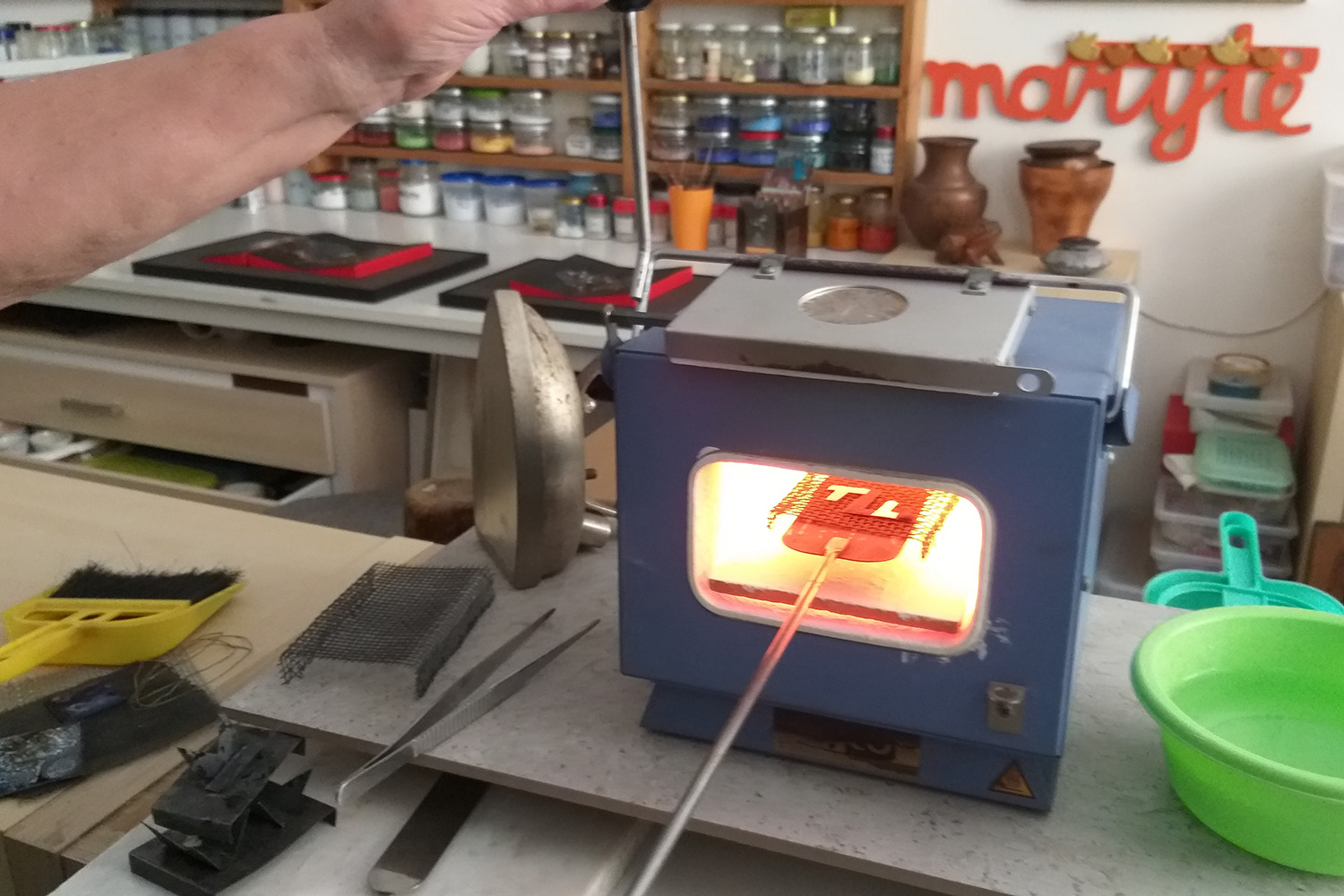
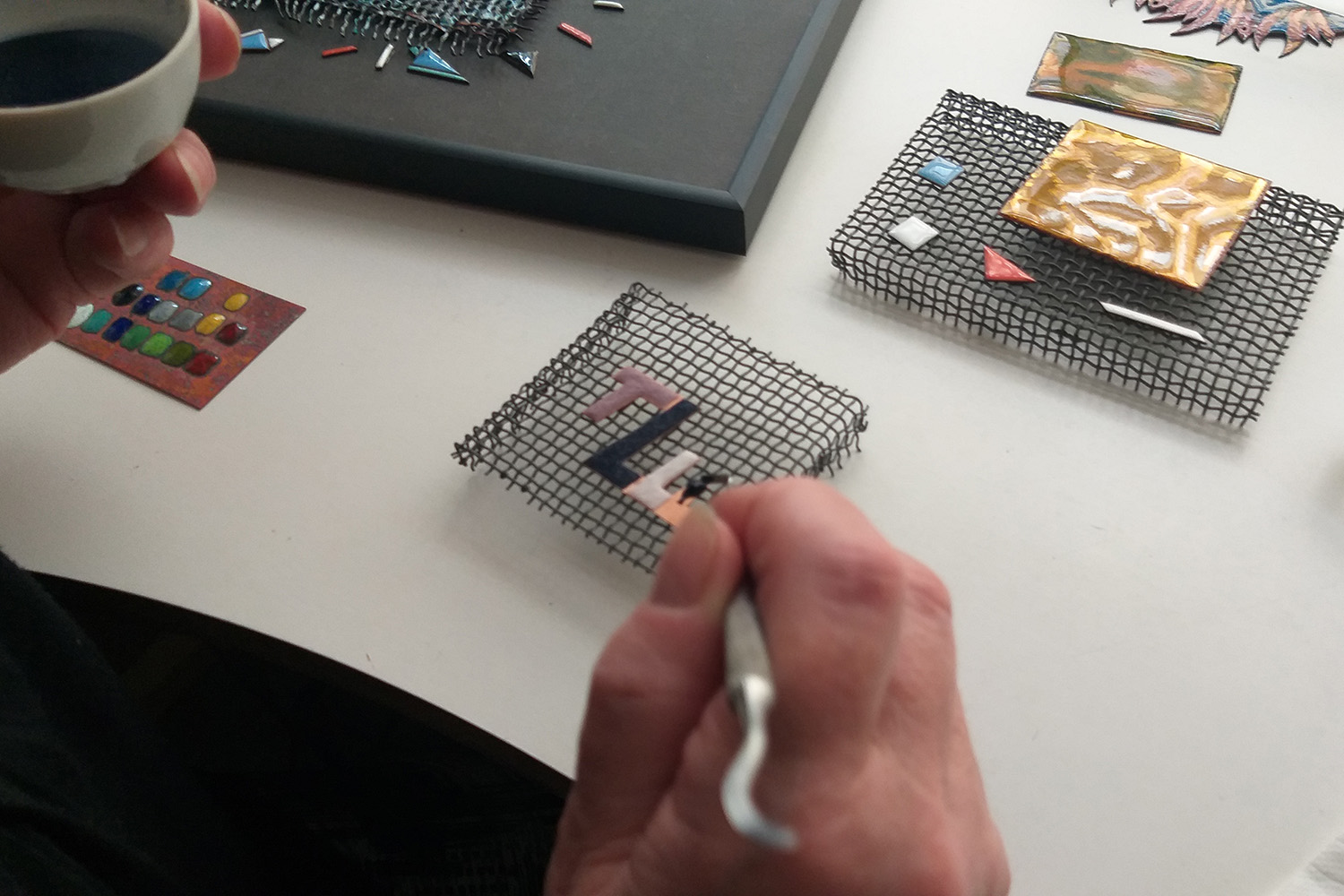
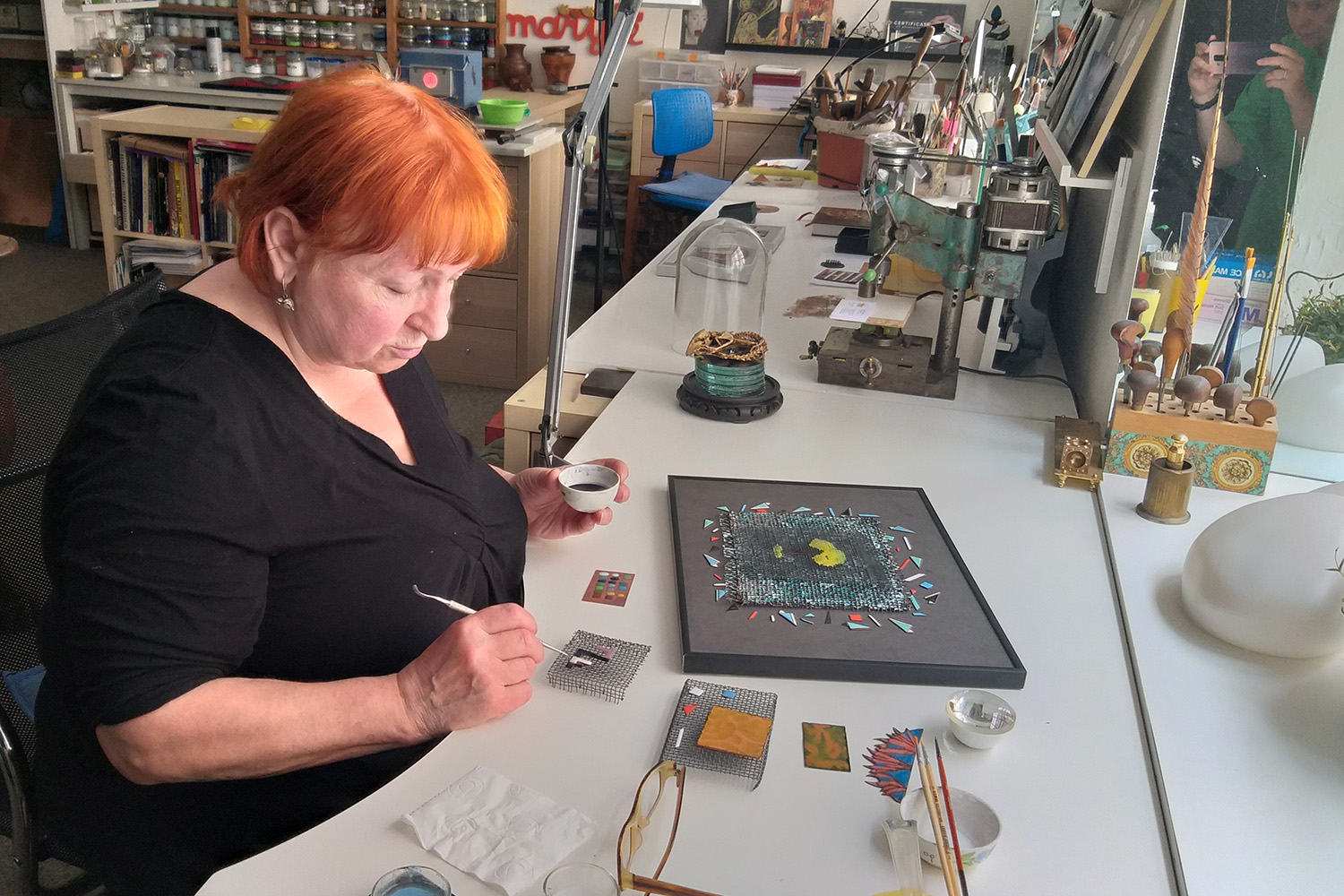
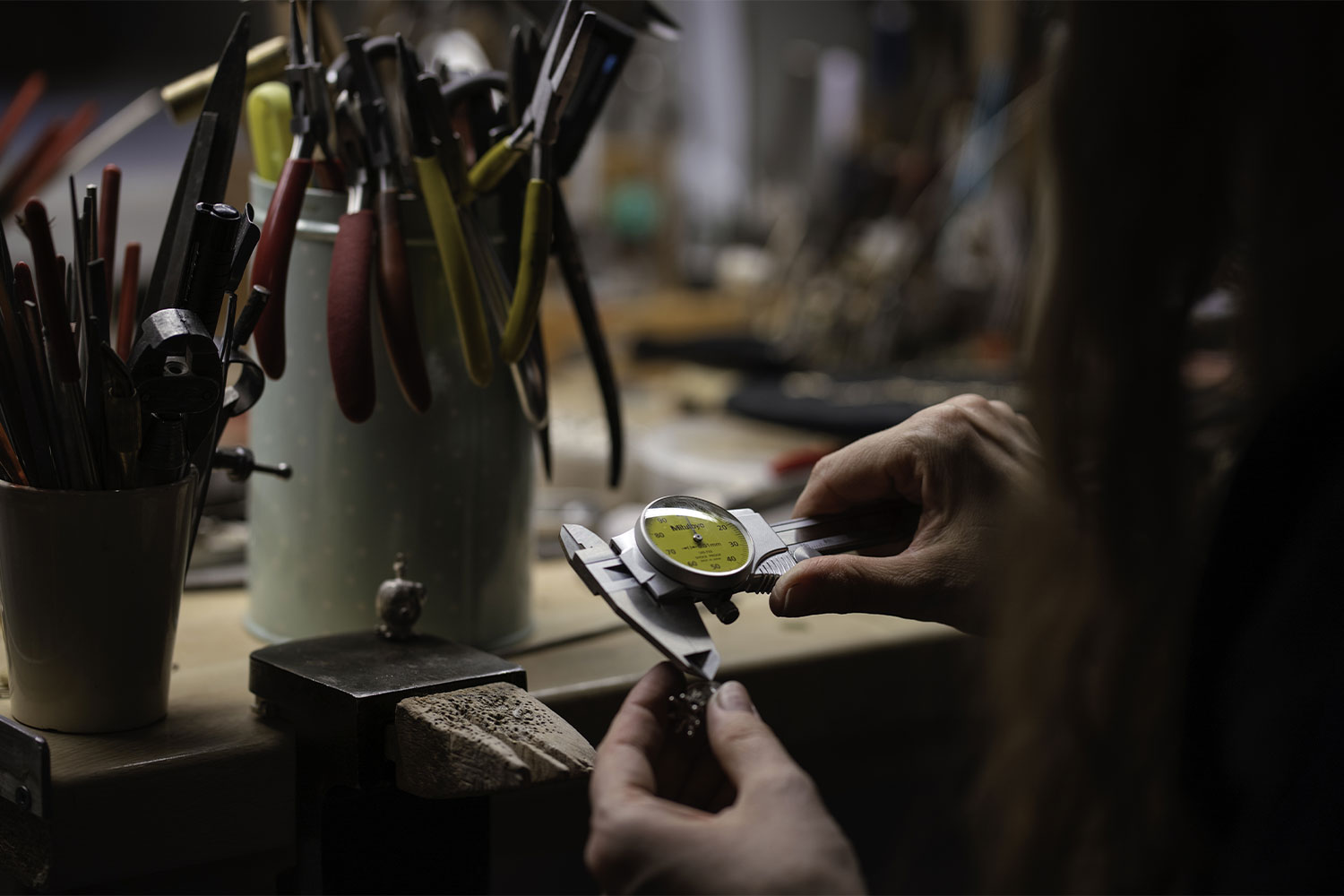
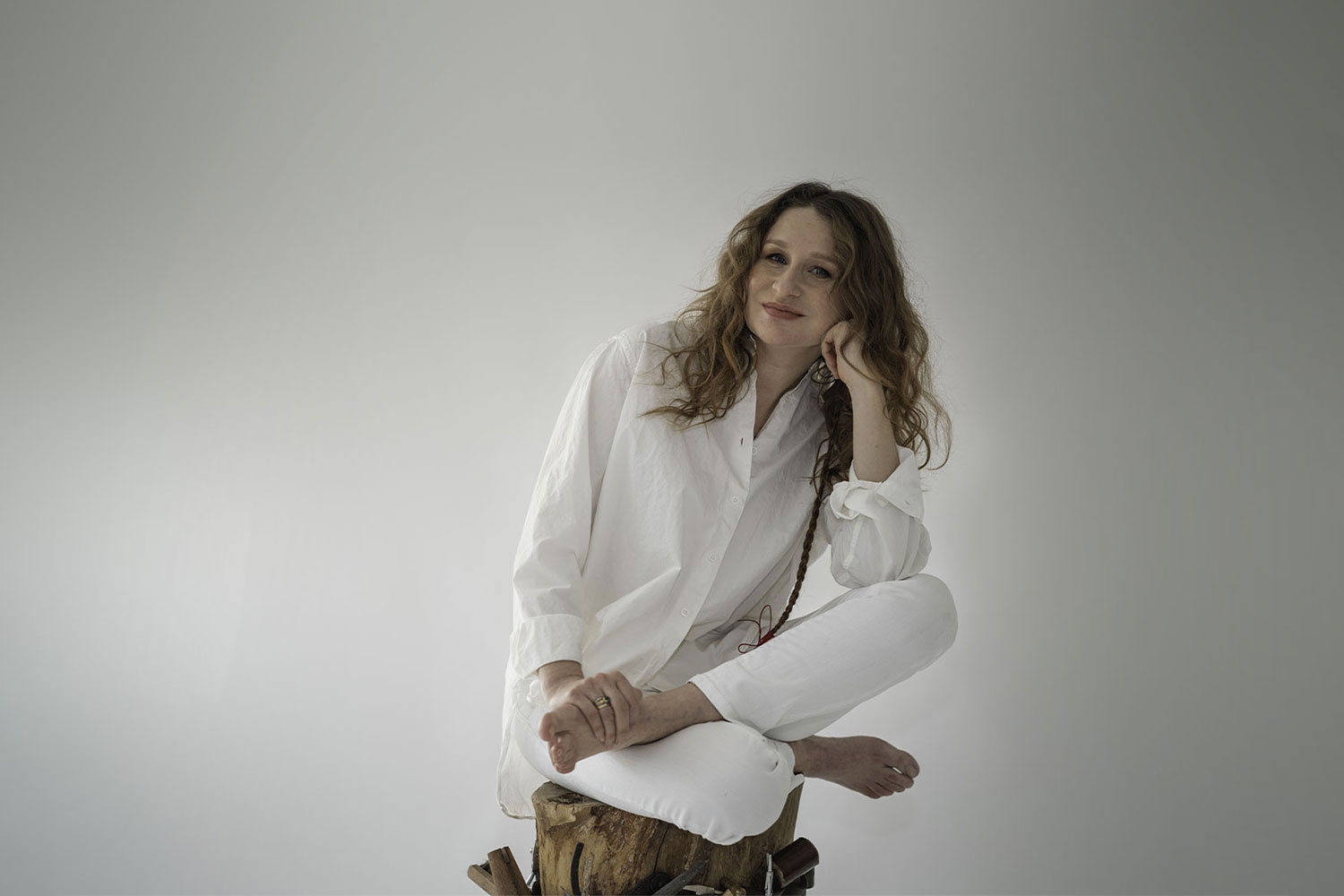
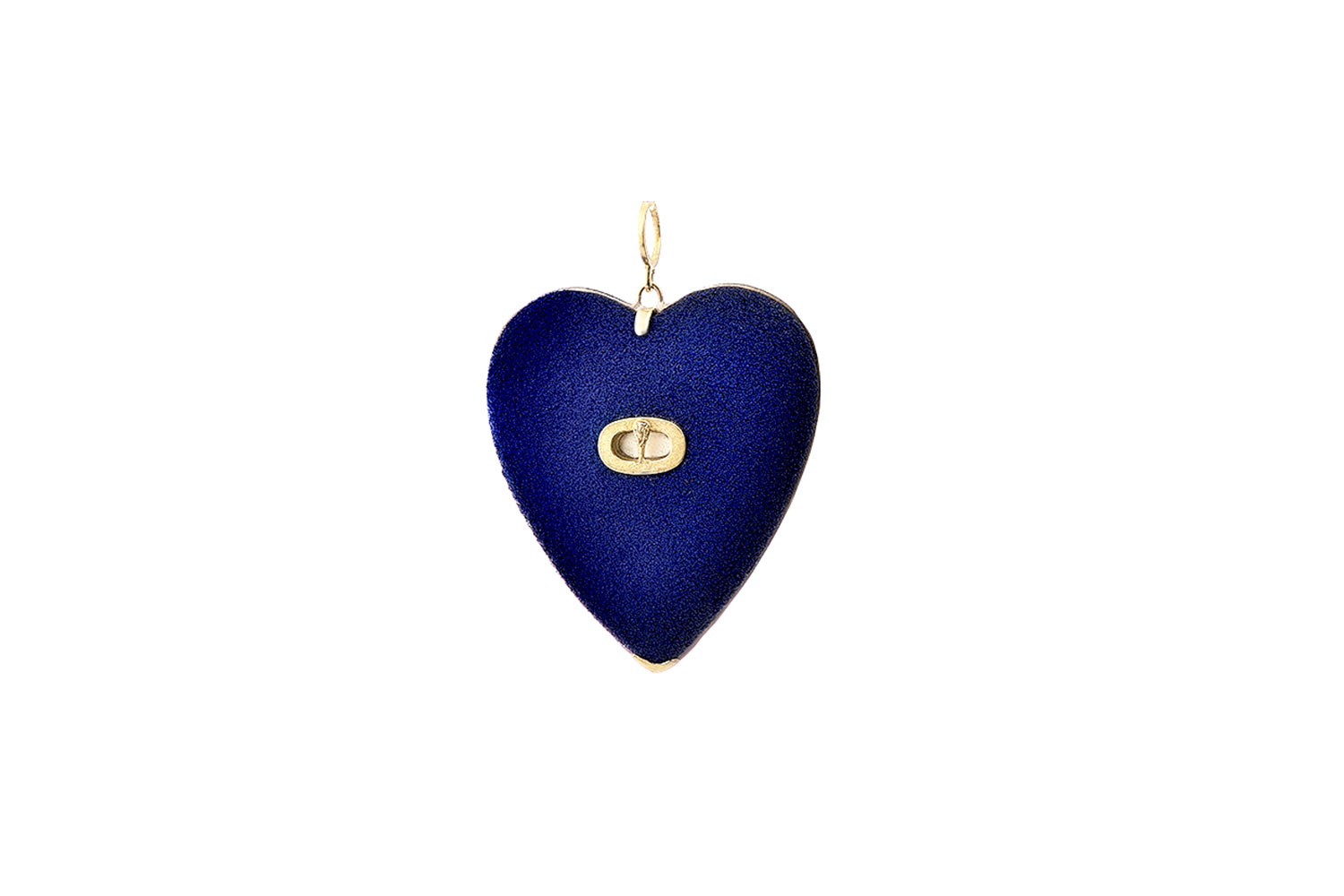
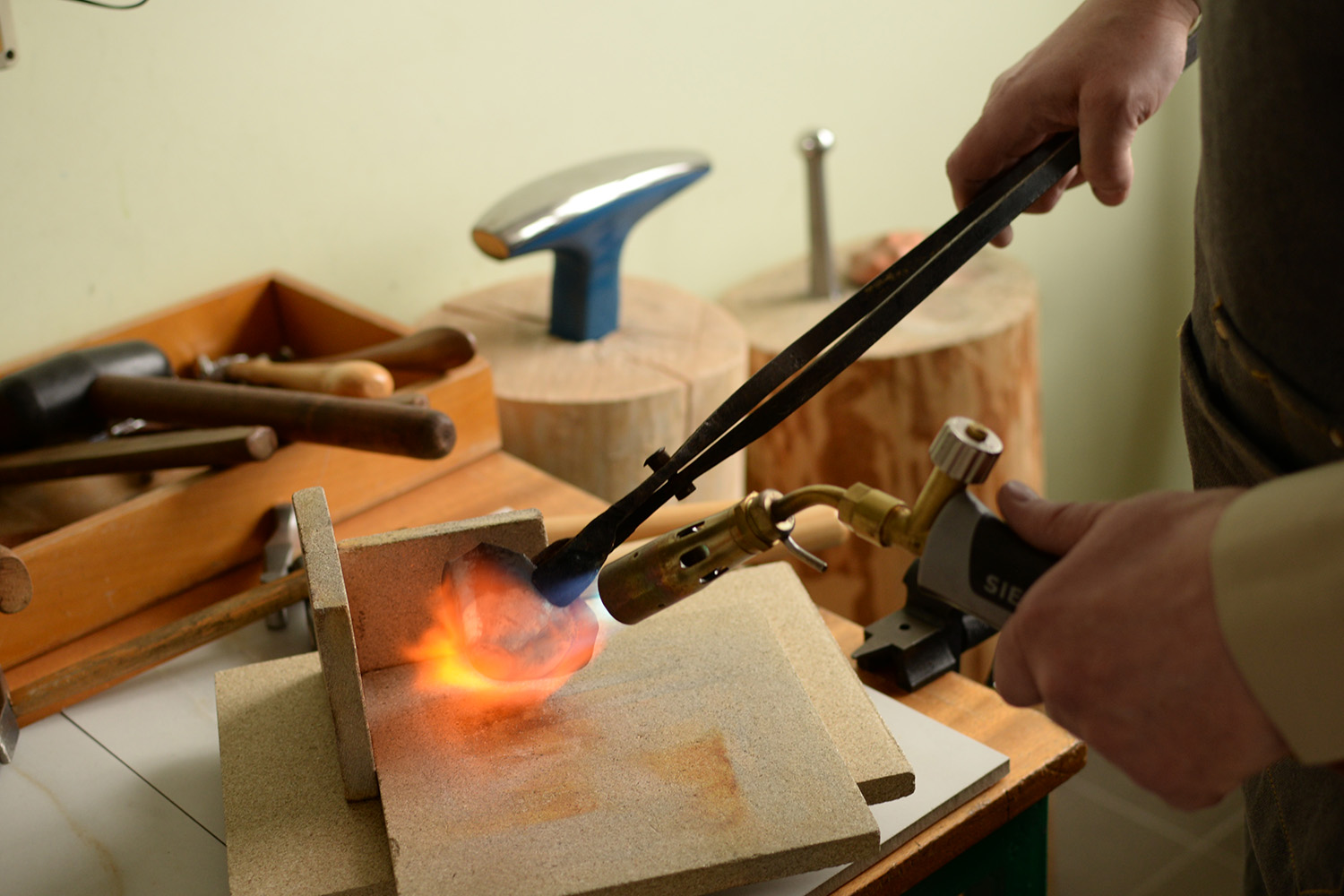
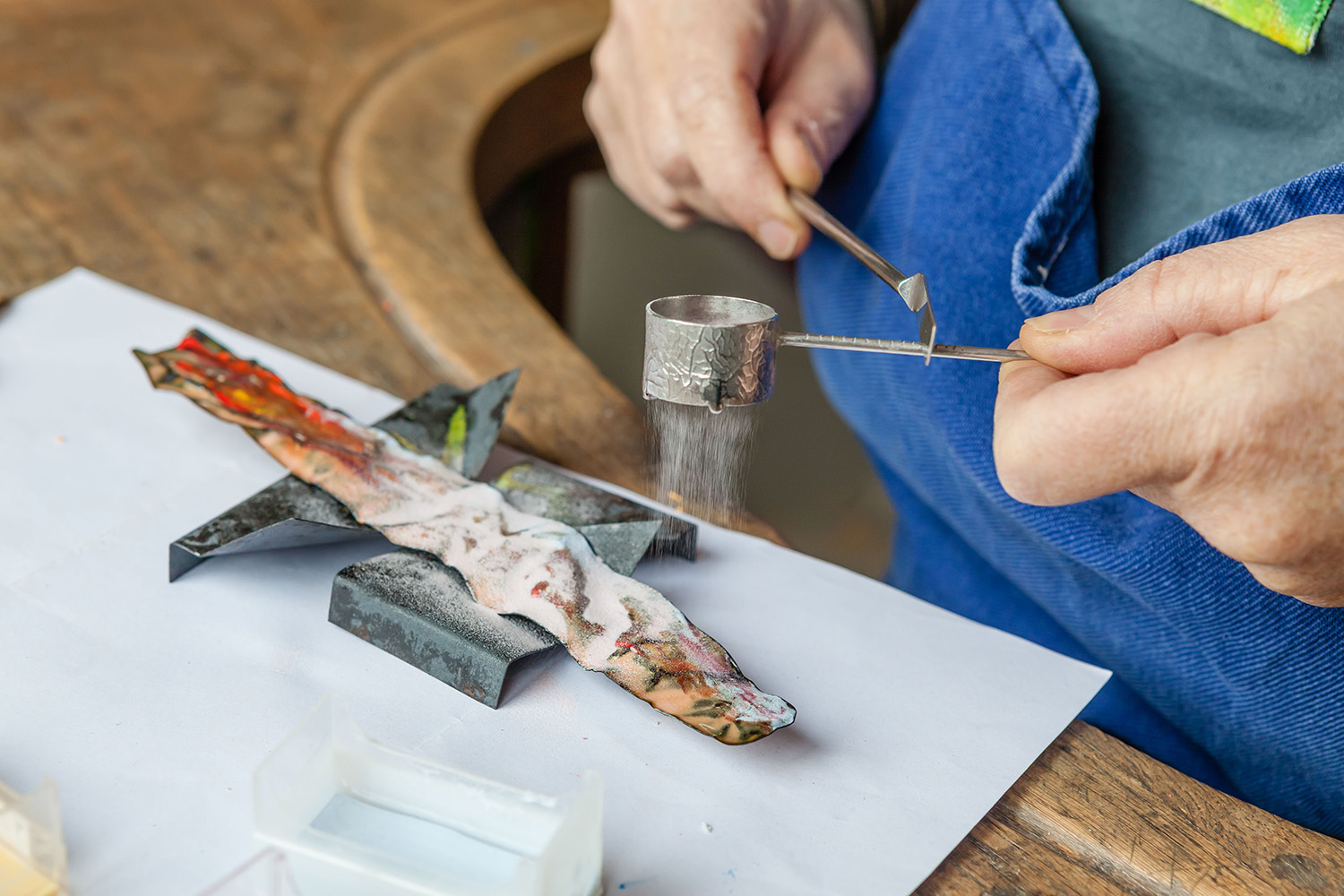
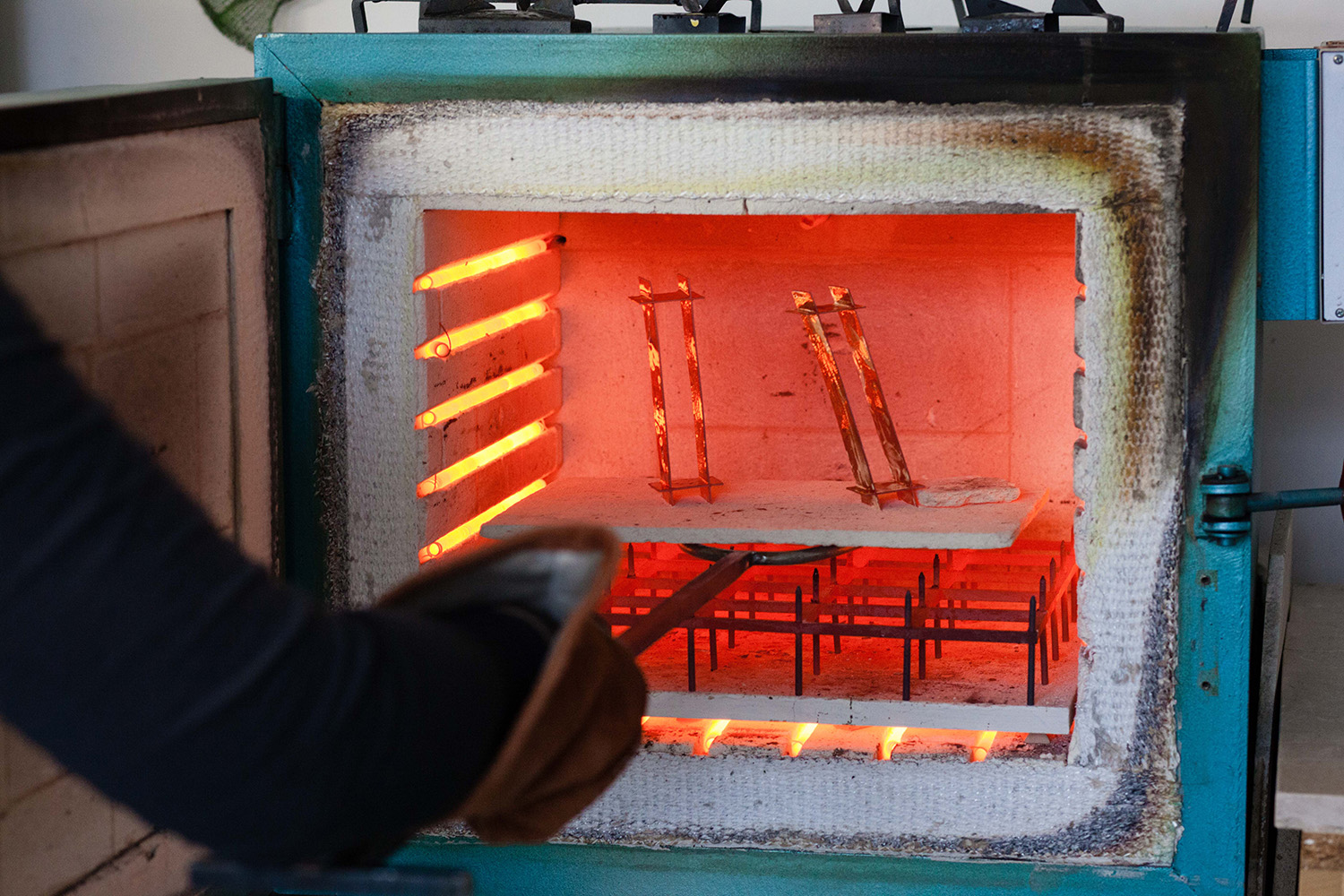
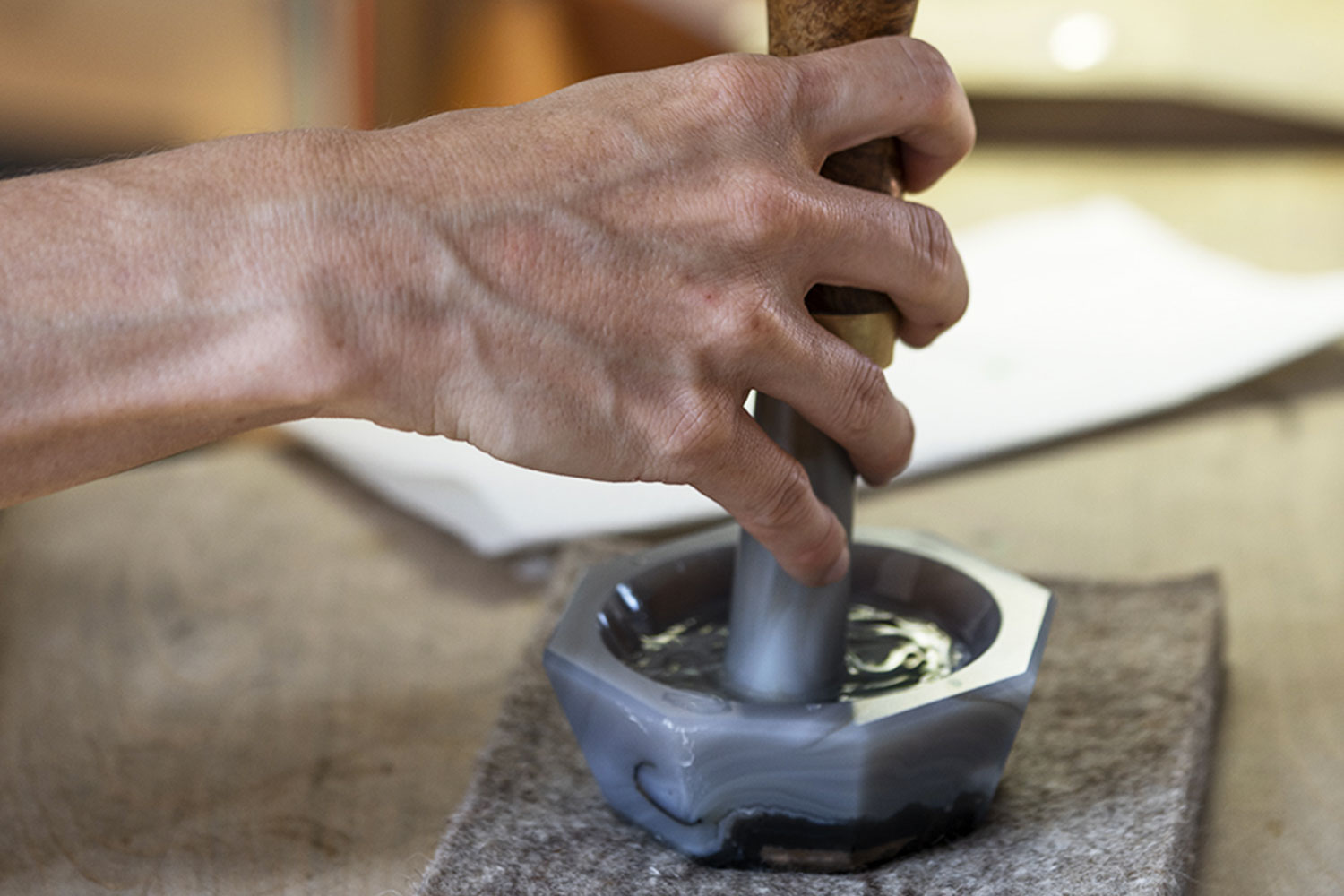
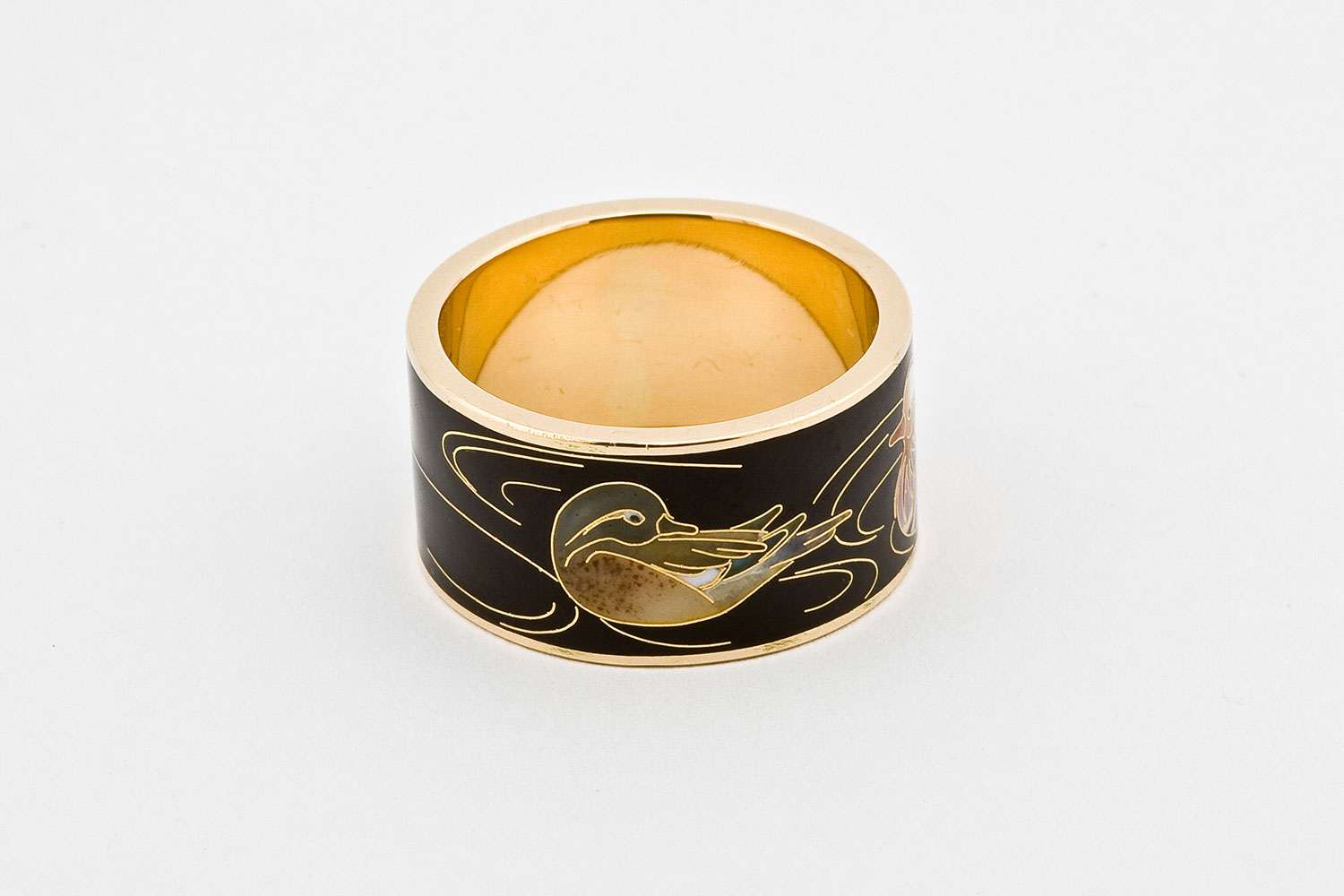
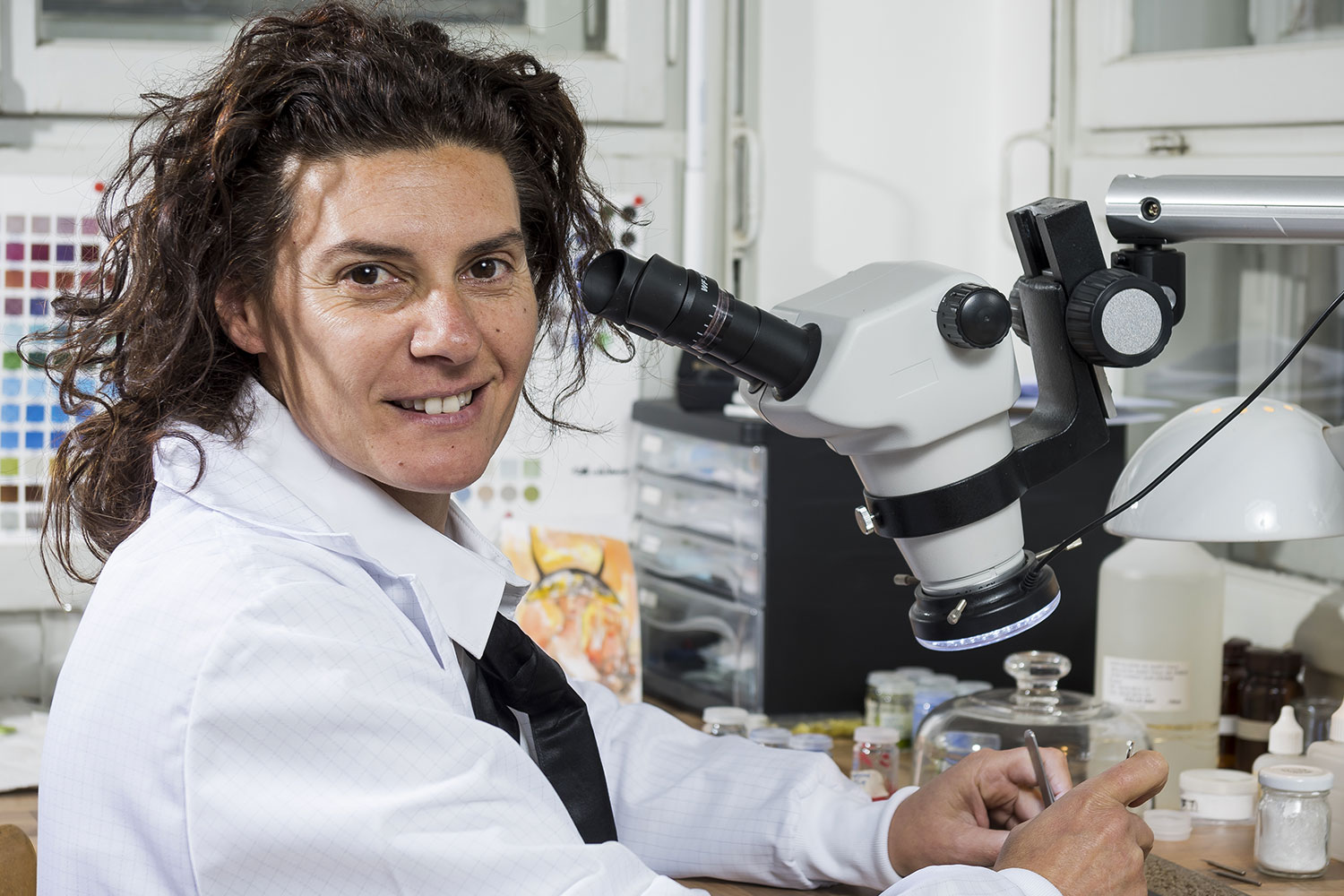
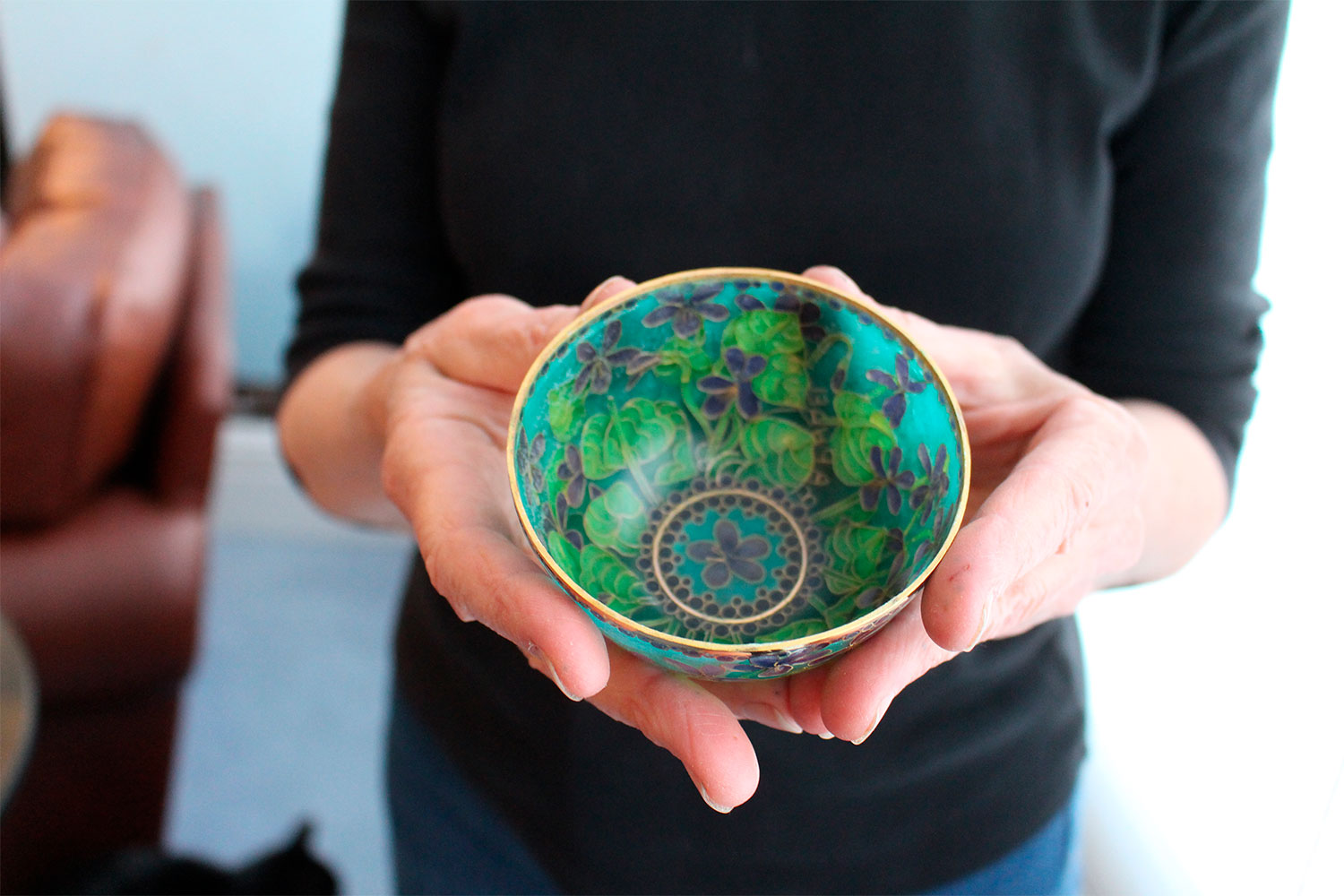
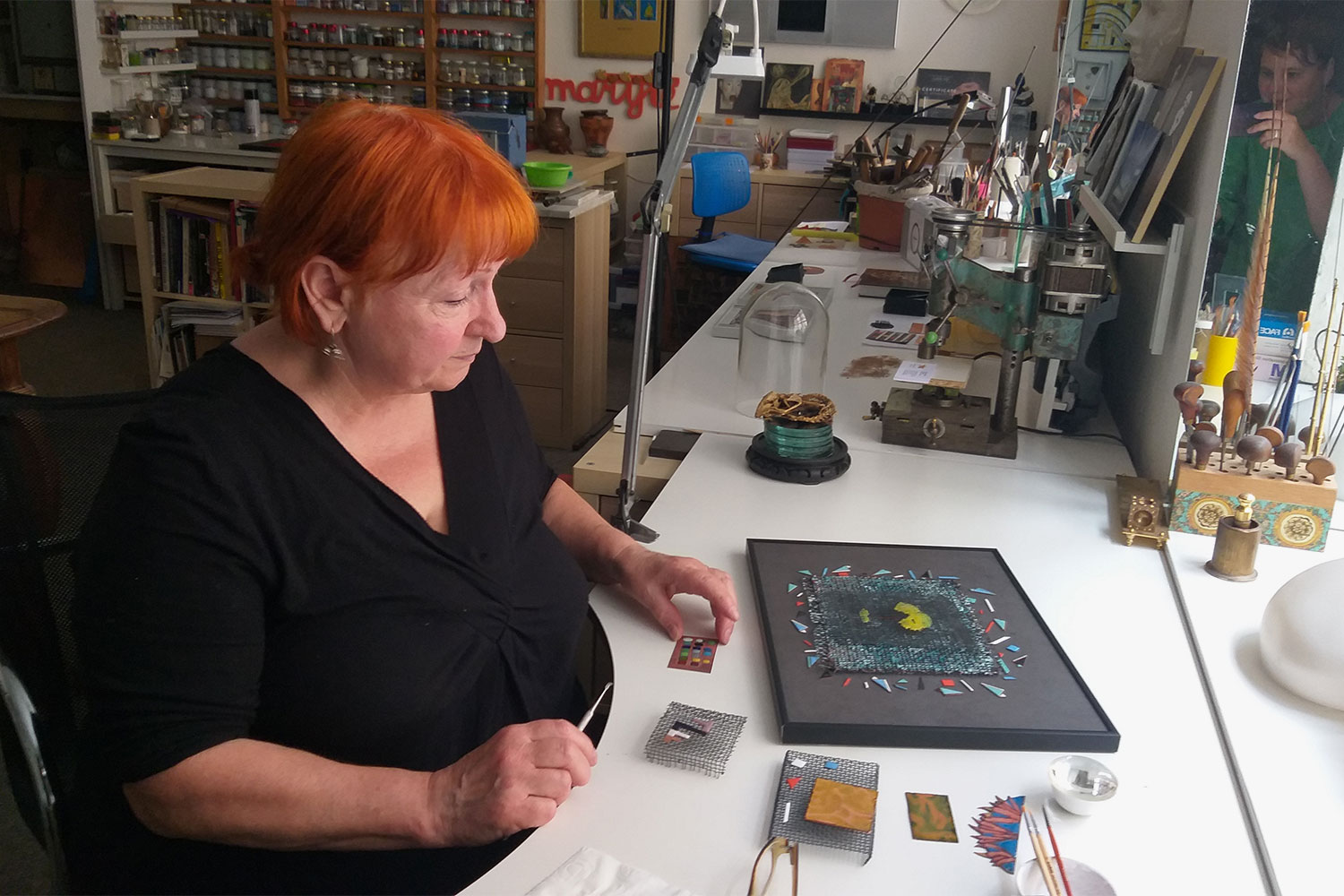
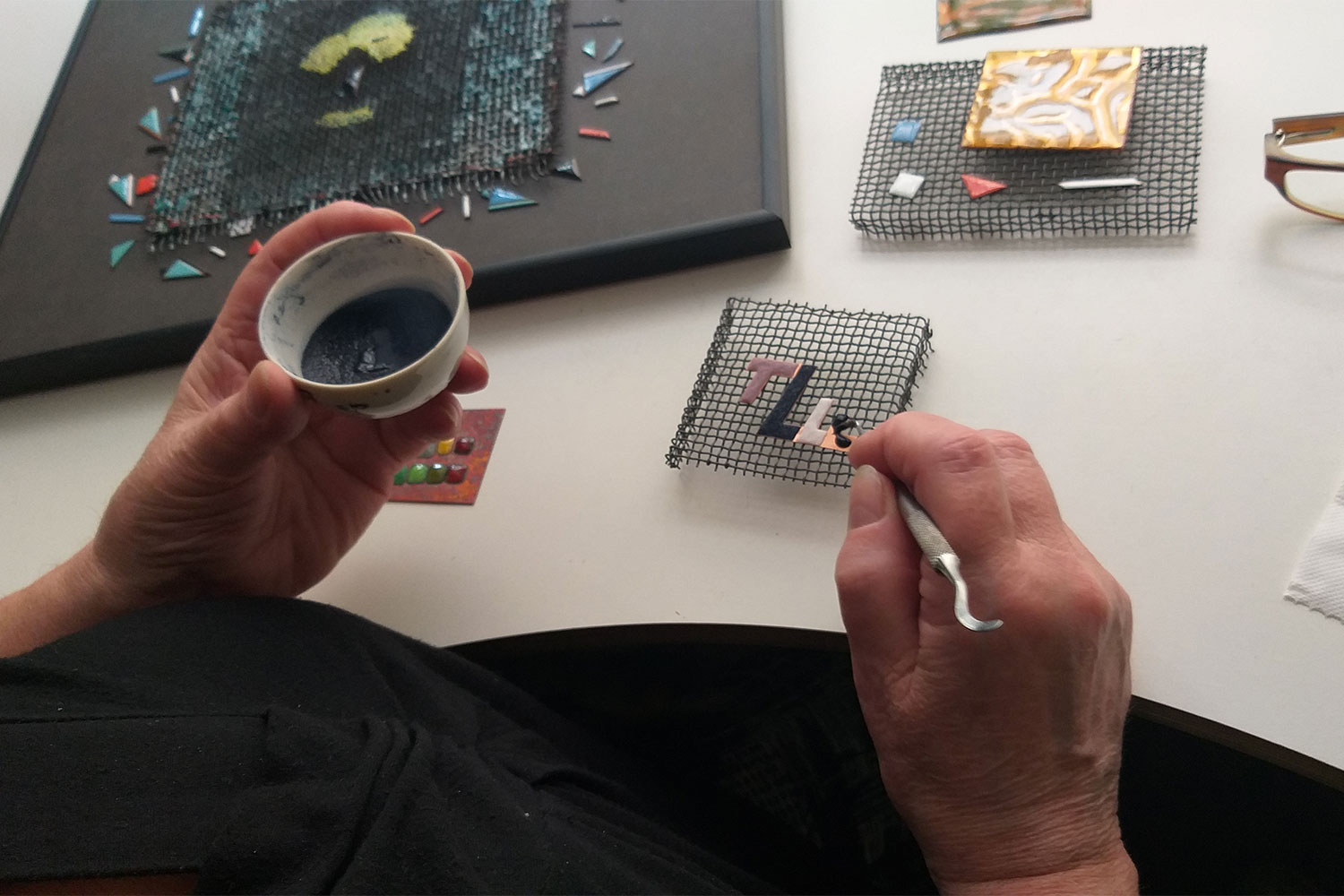
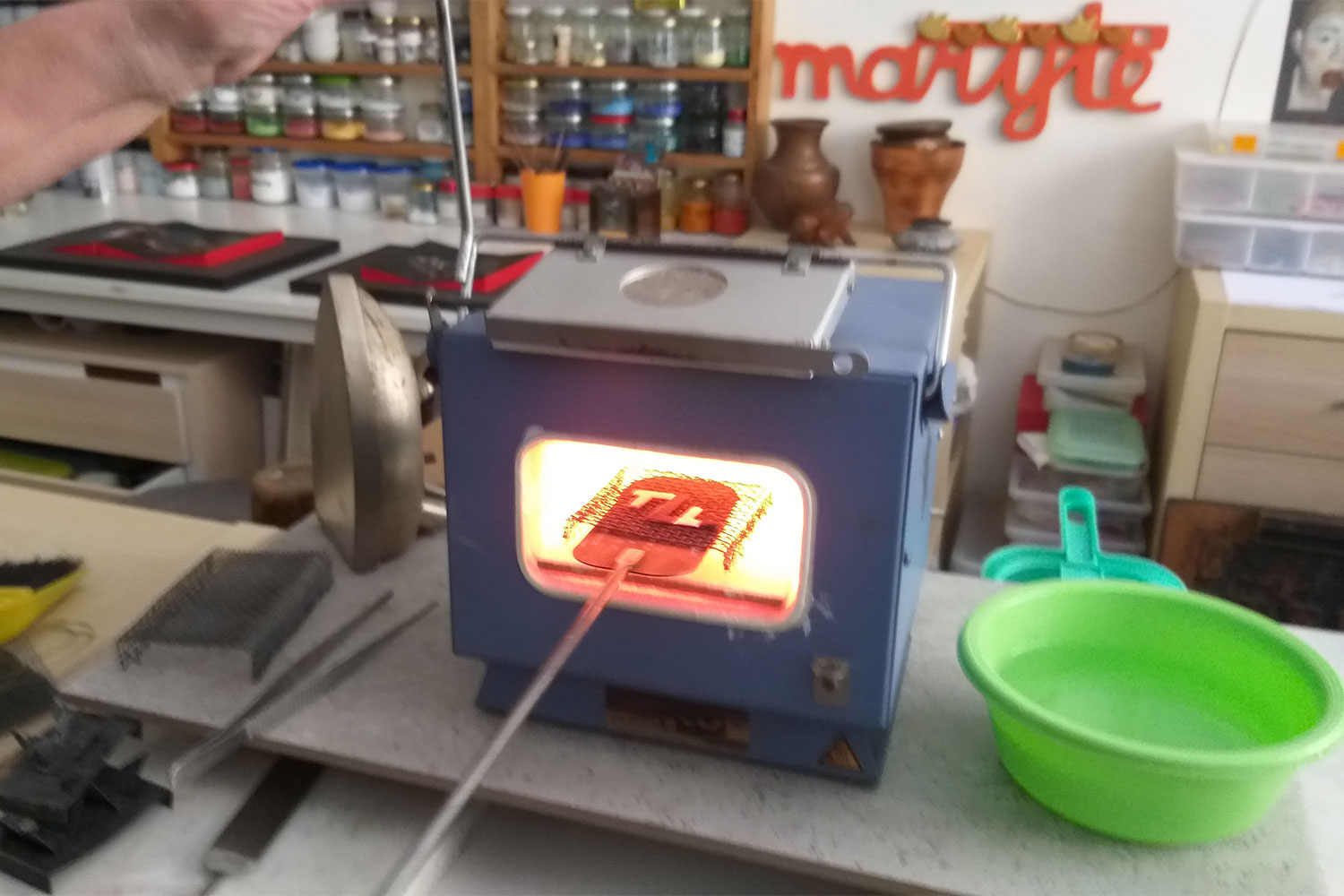
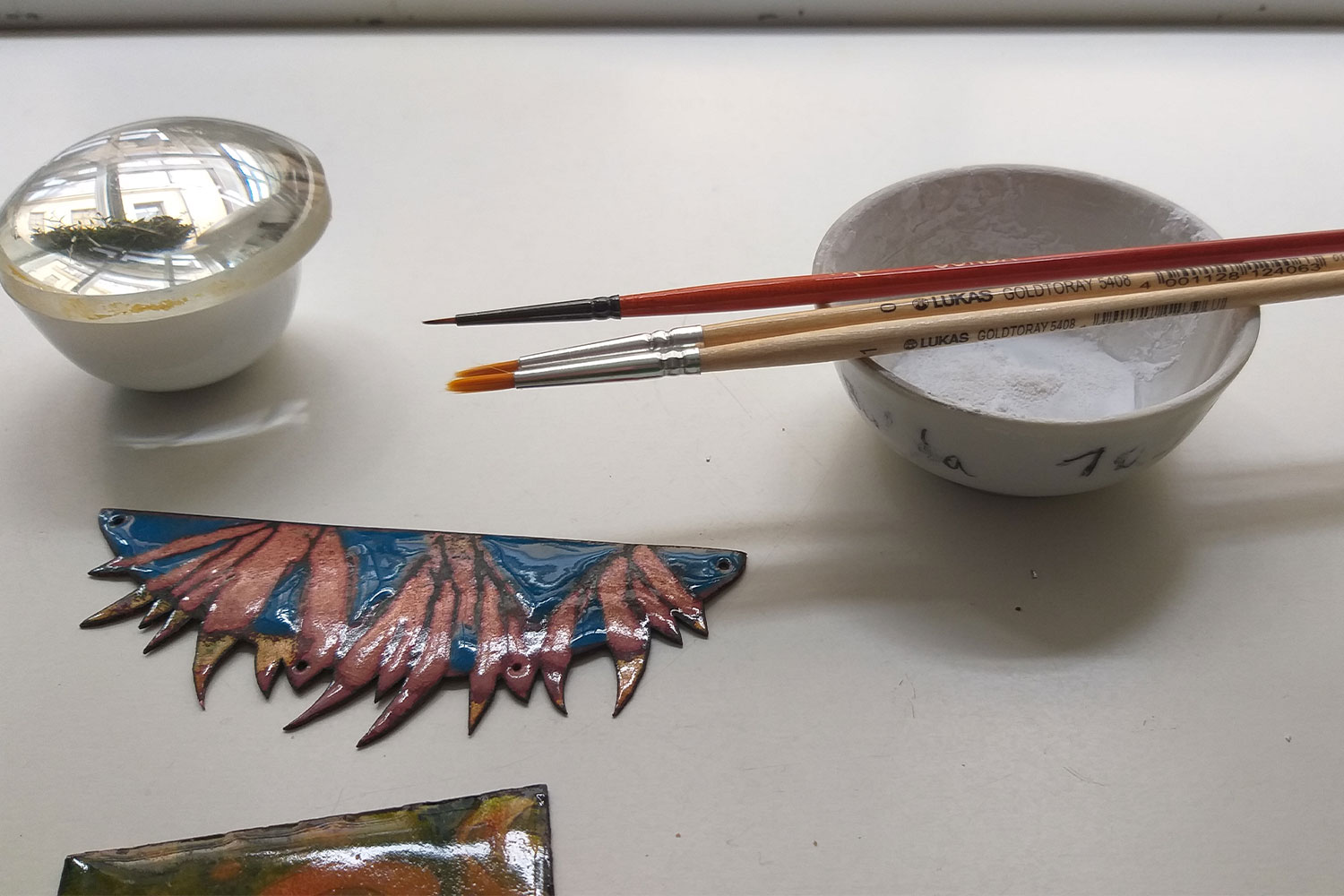
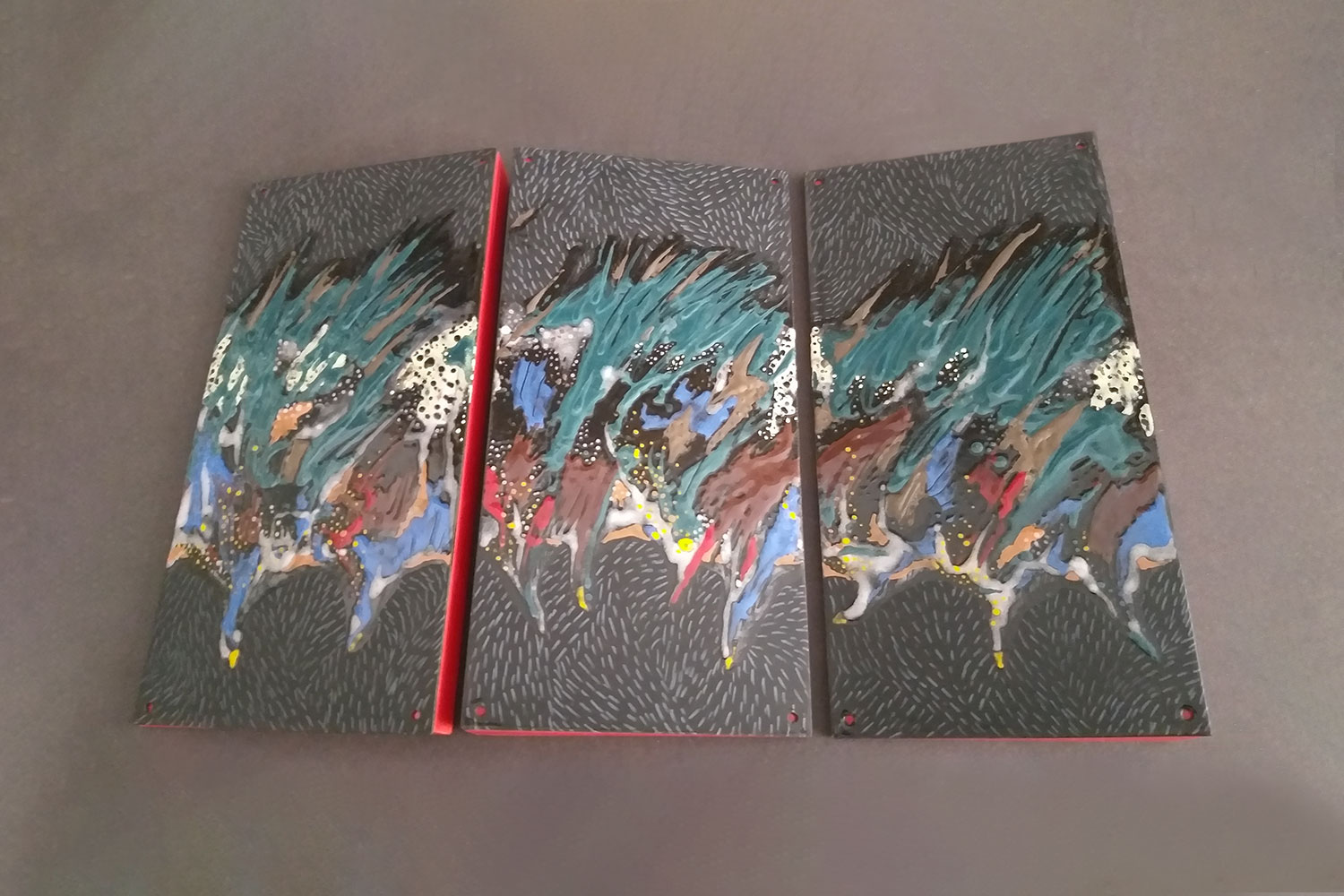
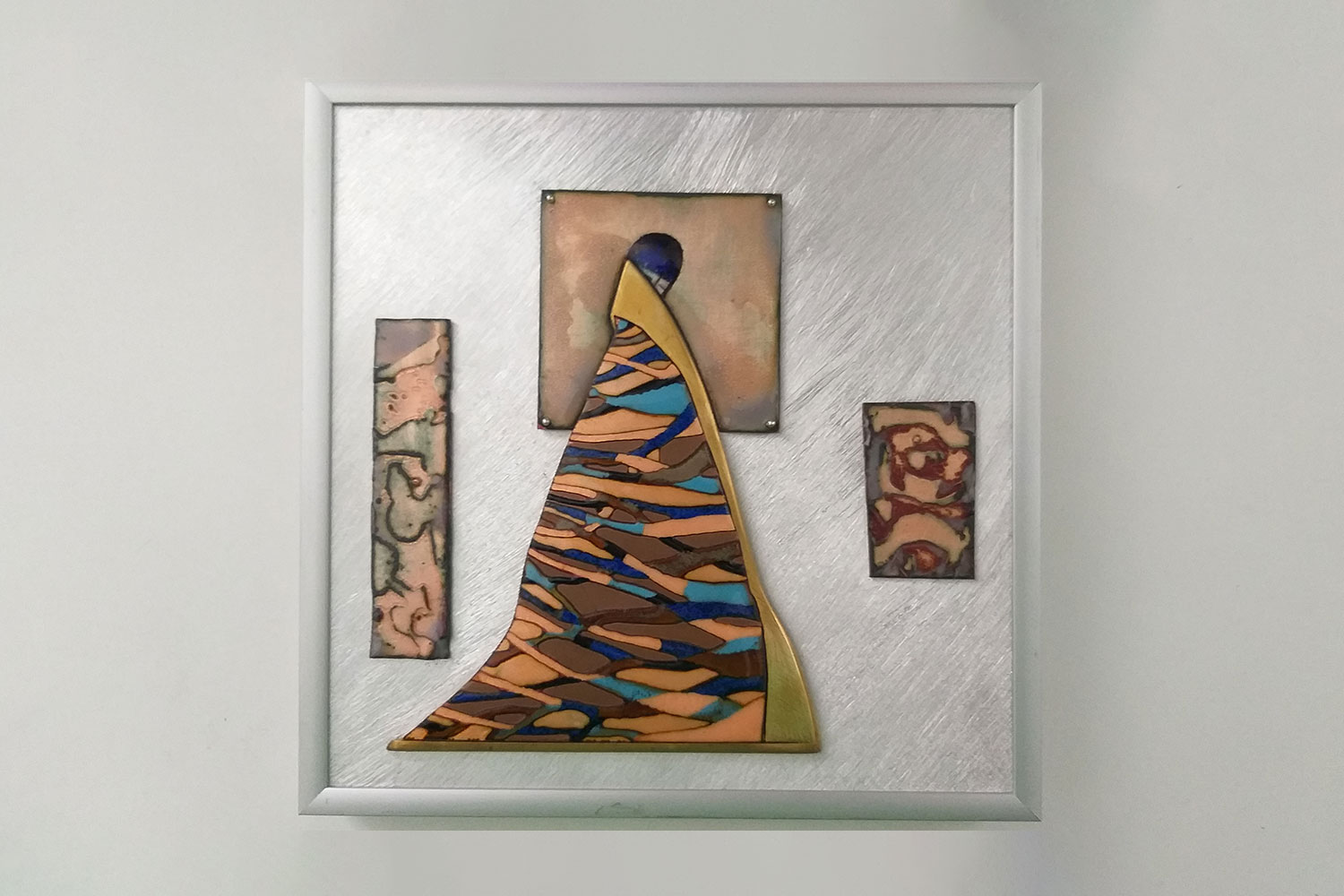
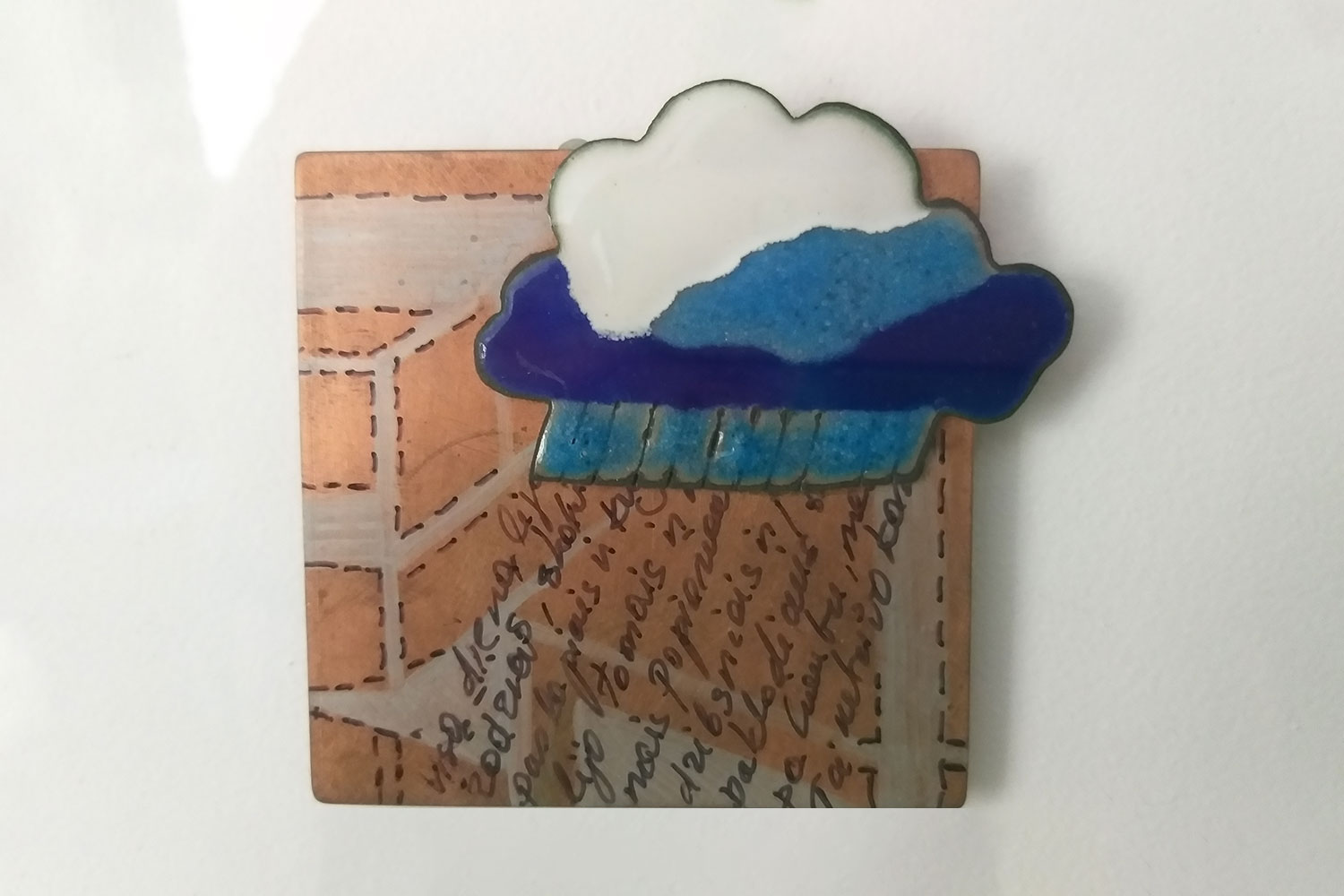
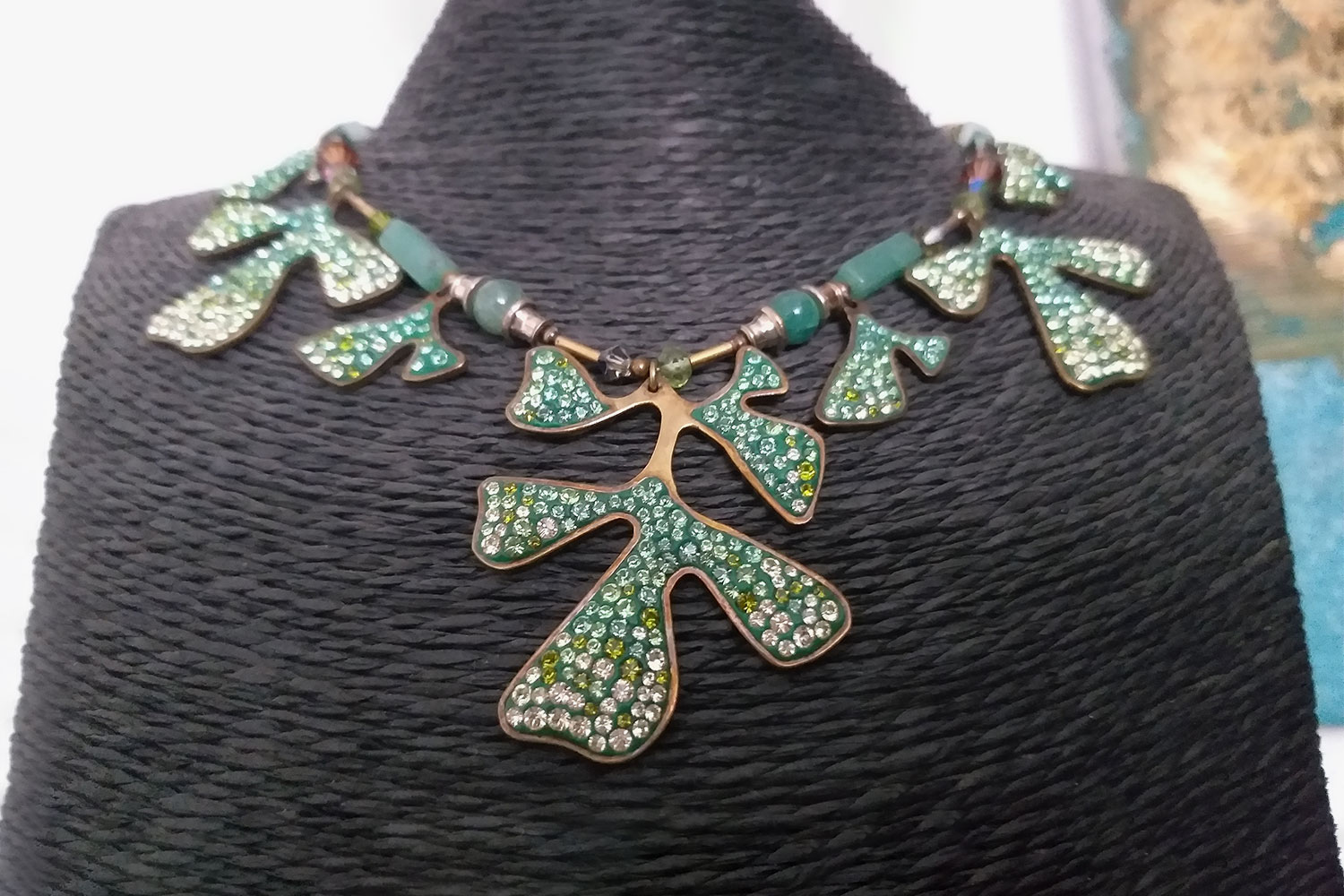
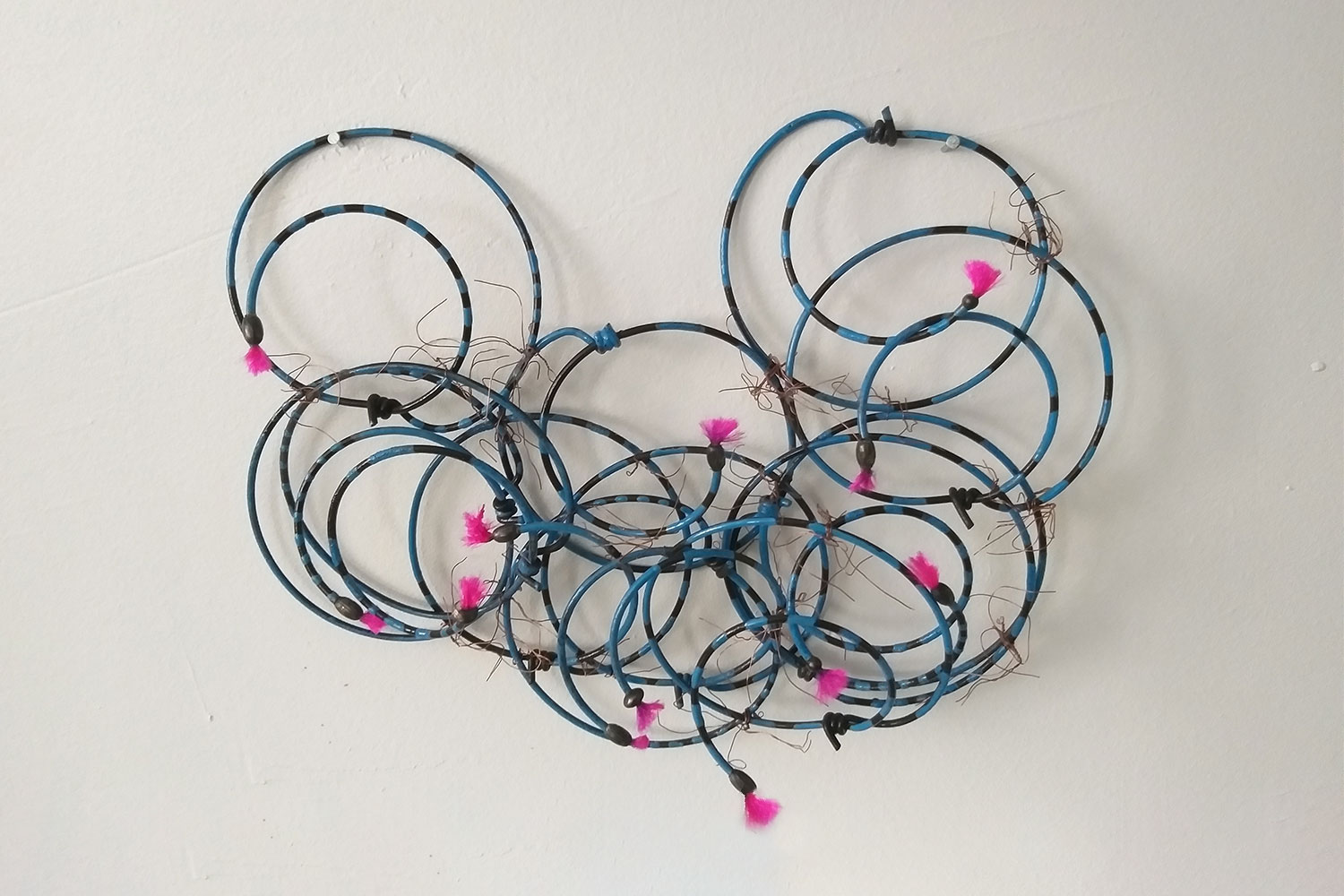
Marytė Dominaitė-Gurevičienė has been creating jewellery for more than four decades. After studying metal art and jewellery at Tallinn University of Art in Estonia, she returned to Lithuania and started making jewellery from gold, silver, amber and precious stones. She participated in and curated many exhibitions in Lithuania and abroad, but her greatest love is enamel. The enamel technique allowed the artist’s effervescing temperament to fully express herself and satisfy her desire for colour. One of the most sophisticated and oldest jewellery-making techniques, enamel work requires a lot of technical knowledge – and creative spontaneity – which the artist obeys unconditionally. She regularly participates in enamel art biennials, organises art symposiums, sits on the jury at international jewellery contests, as well as leads educational workshops on enamel art. She also participates in fashion shows and has created jewellery pieces for many celebrities.
Discover her work
INTERVIEW
At the dawn of Lithuania’s Independence, members of the Seimas wanted to order badges in the shape of the Lithuanian tricolour flag, and I was the only artist who had the necessary colours and experience in working with enamel, so that honourable task was entrusted to me.
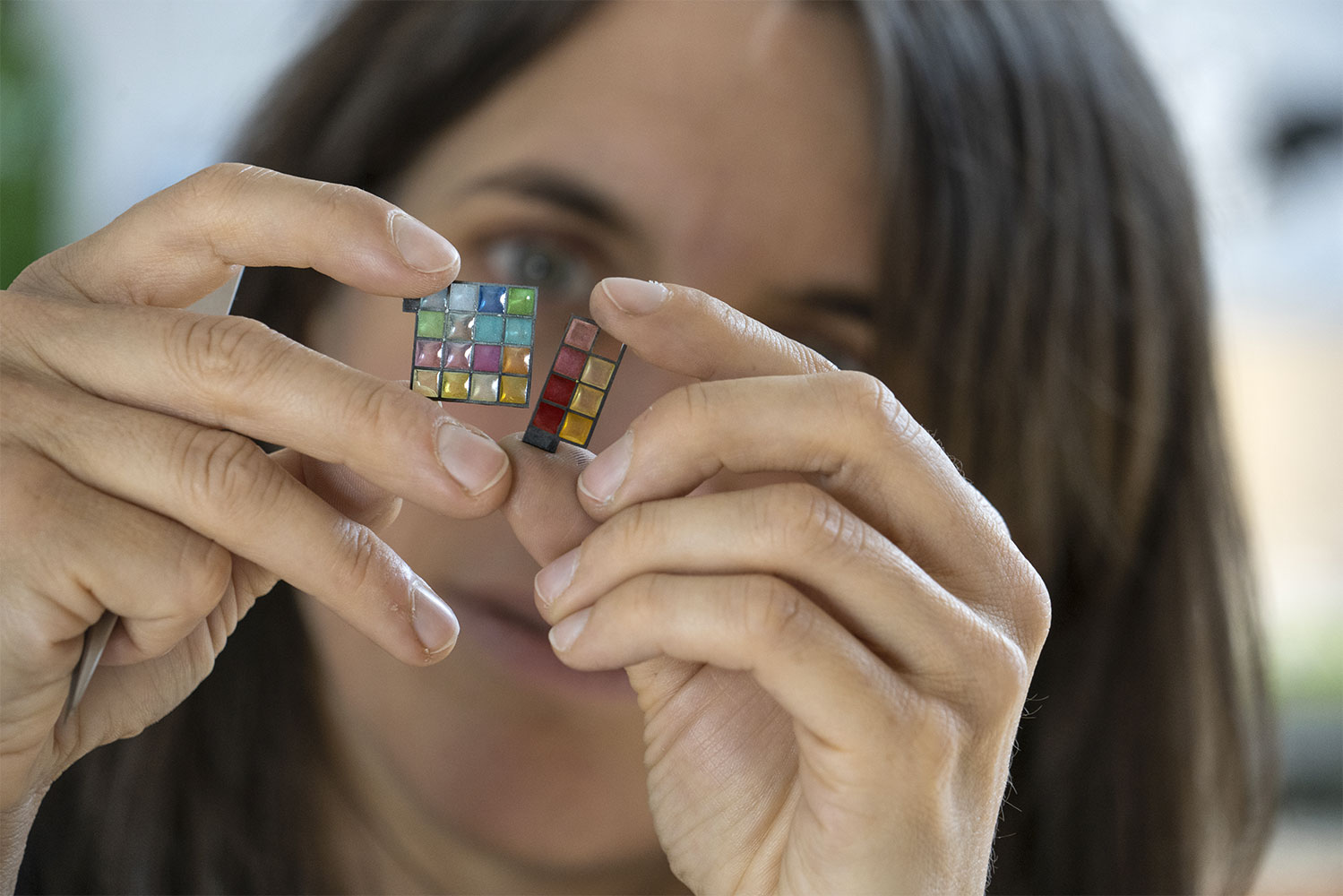
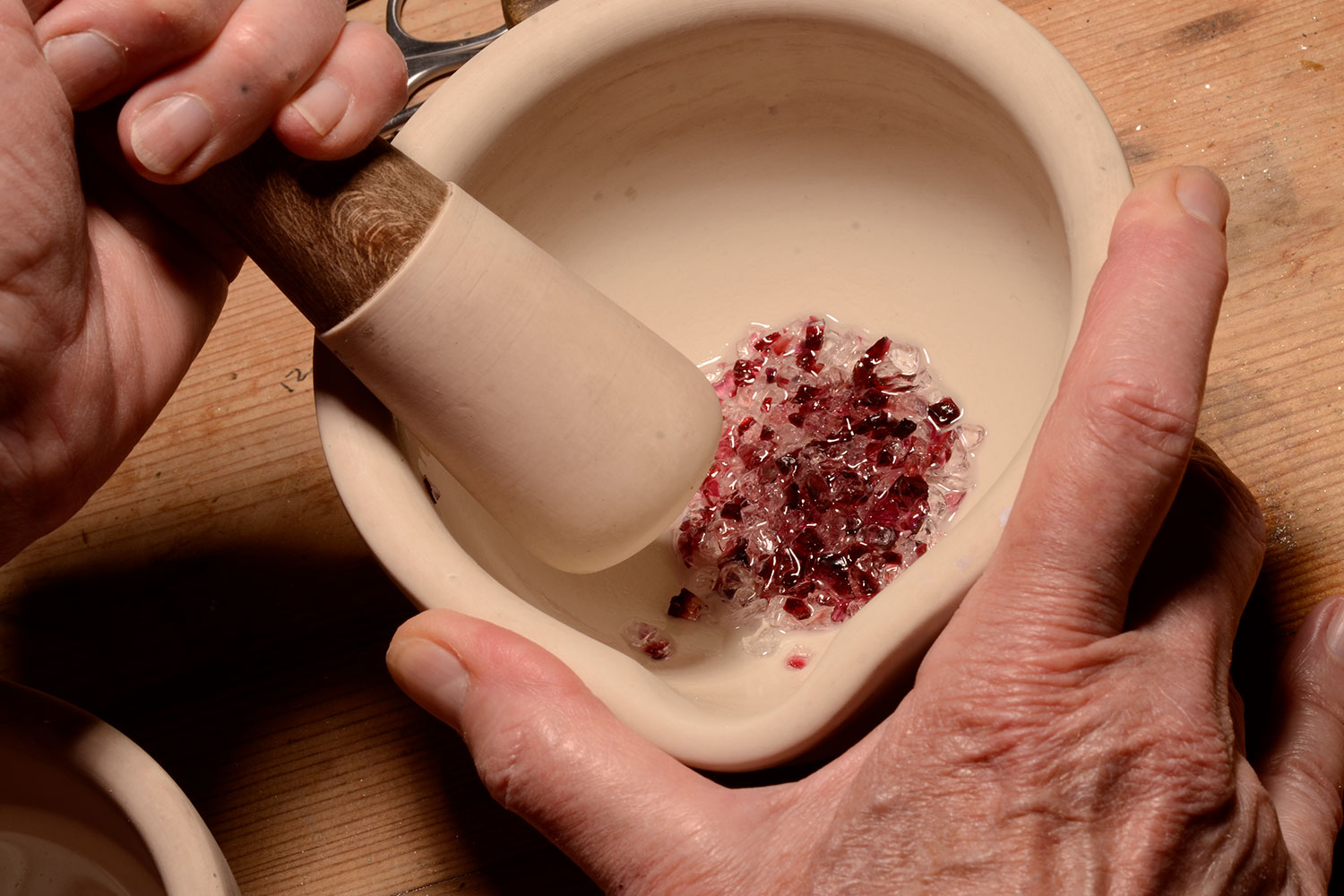
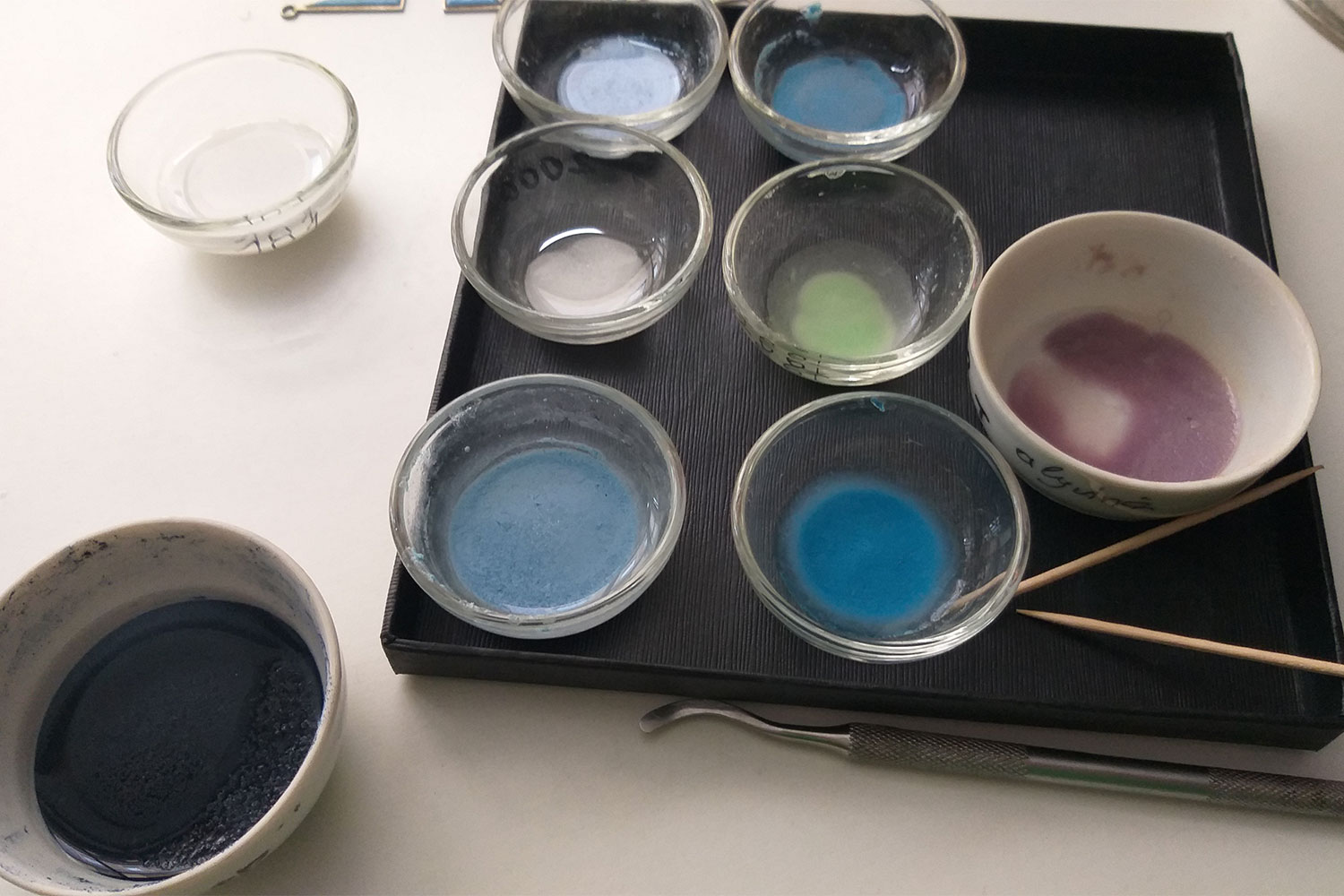
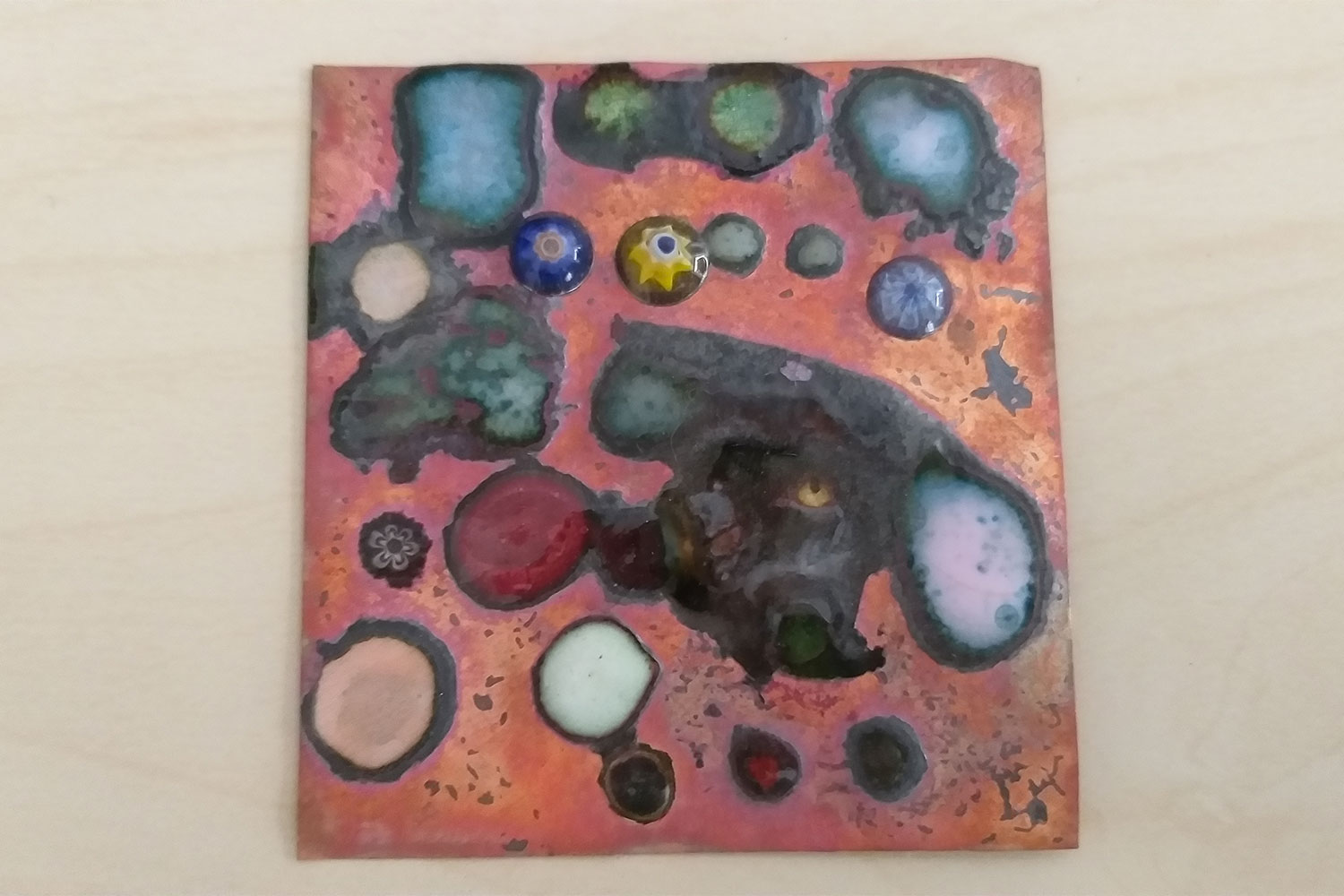
Its colours. I find colour necessary in my work and in my life. Metal is pretty monochrome, first I tried using gemstones, but I soon replaced them with enamel and the unlimited colour possibilities it provided. I regularly participate in the Limoges International Biennial of Enamel where I discovered the unlimited possibilities of enamel.
No matter what you create, there needs to be that little fire burning inside you that never goes out. You always need to surprise yourself in what you make, and even better is to surprise others.
In my work, only the execution is traditional, everything else is innovation. It is very important to have a foundation in traditional making techniques, as without it no improvisation is possible. But with that foundation, you can create something new and unexpected, keeping it within the enamel genre.