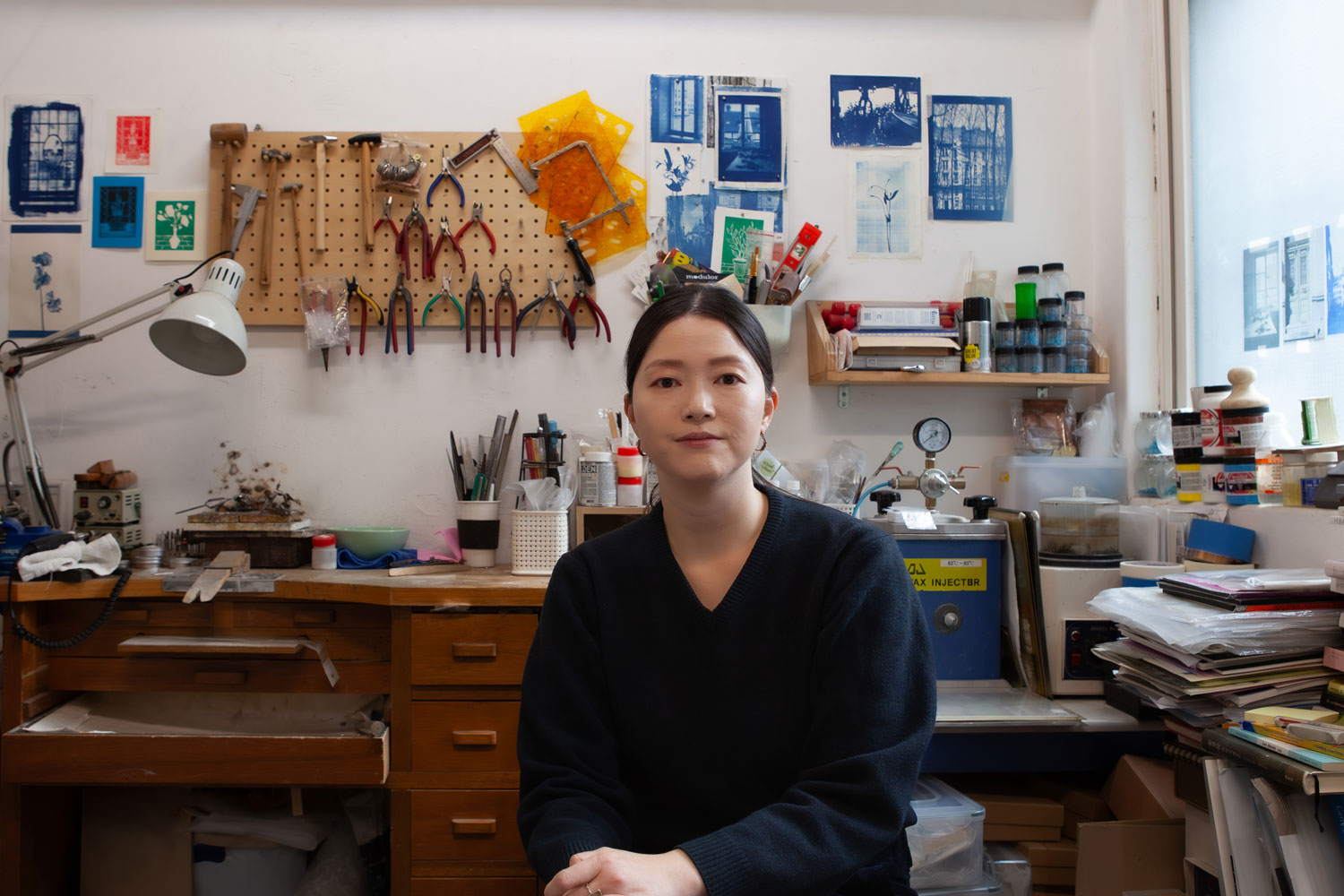
Zwetelina Alexieva
Jewellery maker
Sofia, Bulgaria
Recommended by L’ÉCOLE, School of Jewelry Arts
Let the others shine
- Zwetelina enjoys making jewellery more than wearing it
- Her aesthetics and attitudes towards her craft come from China and Japan
- She likes change and diversity, which is why she switches between occupations and activities
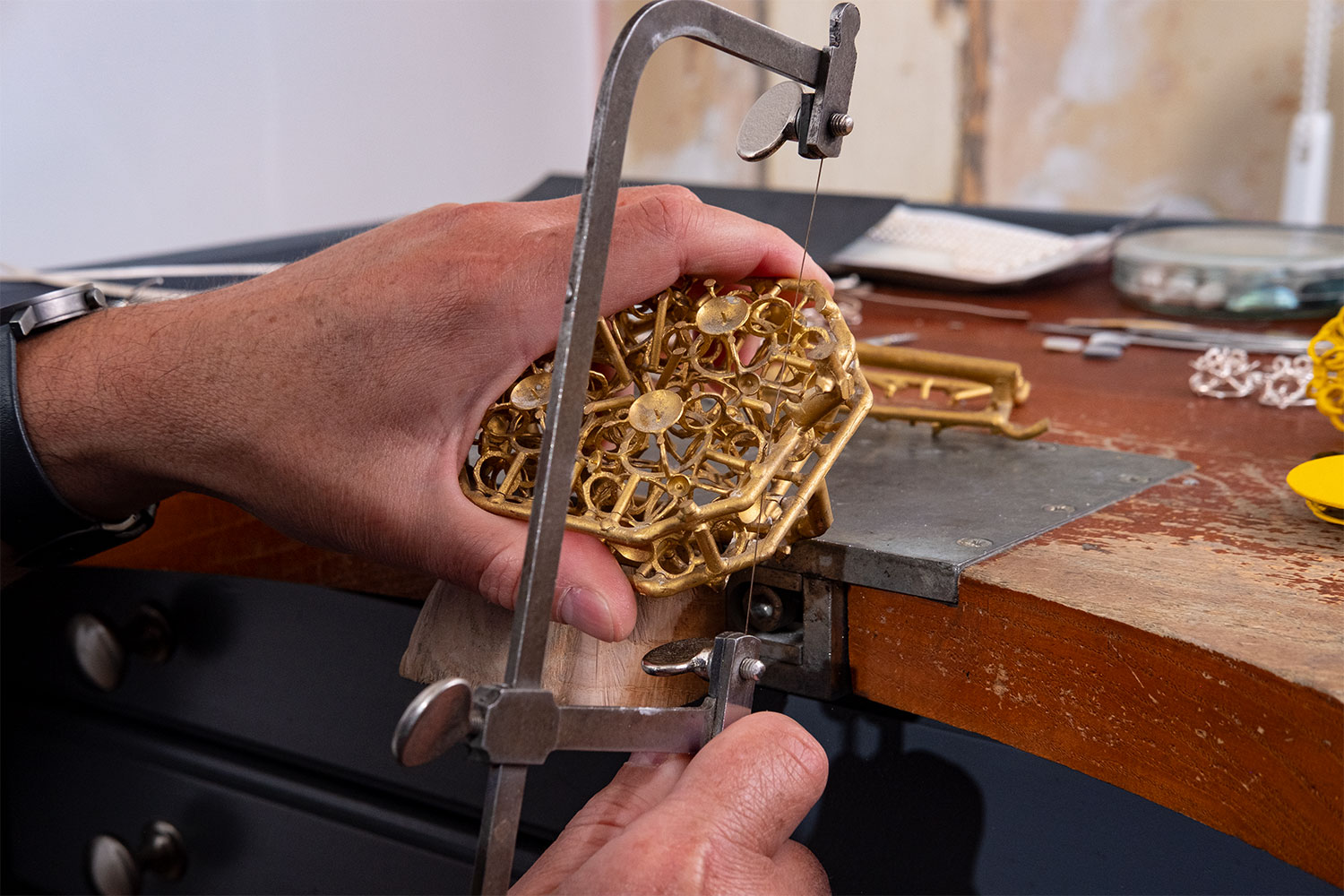
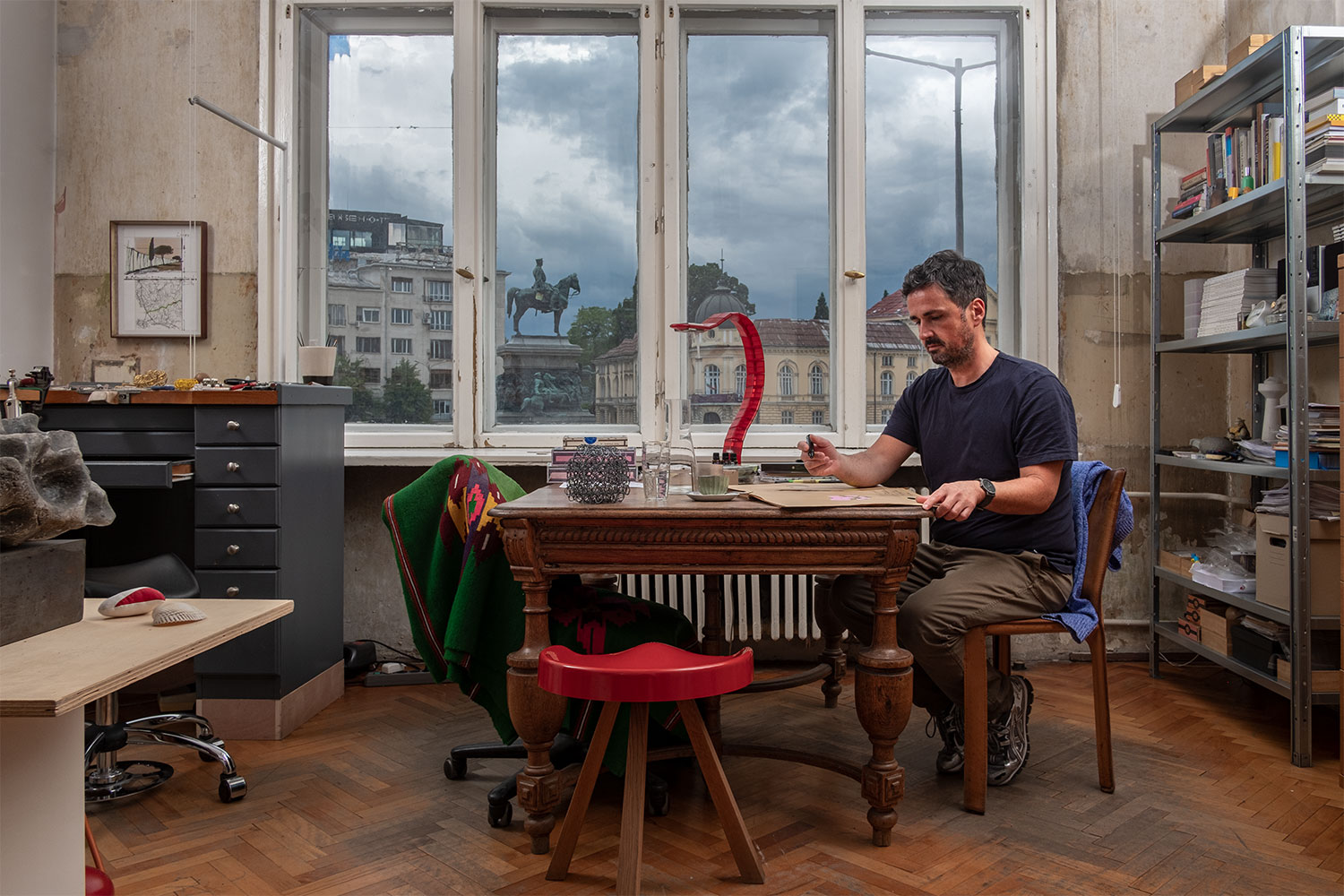
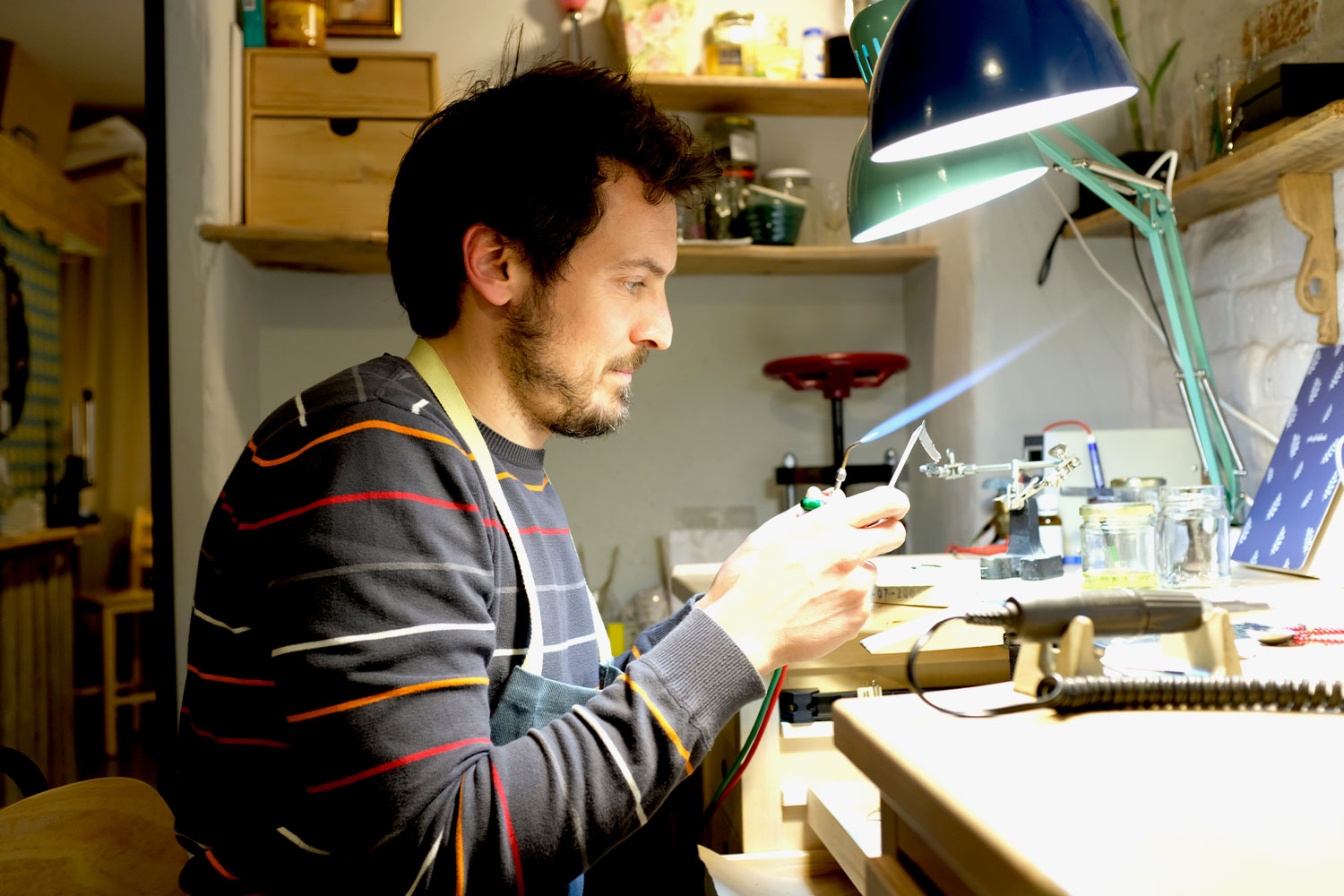
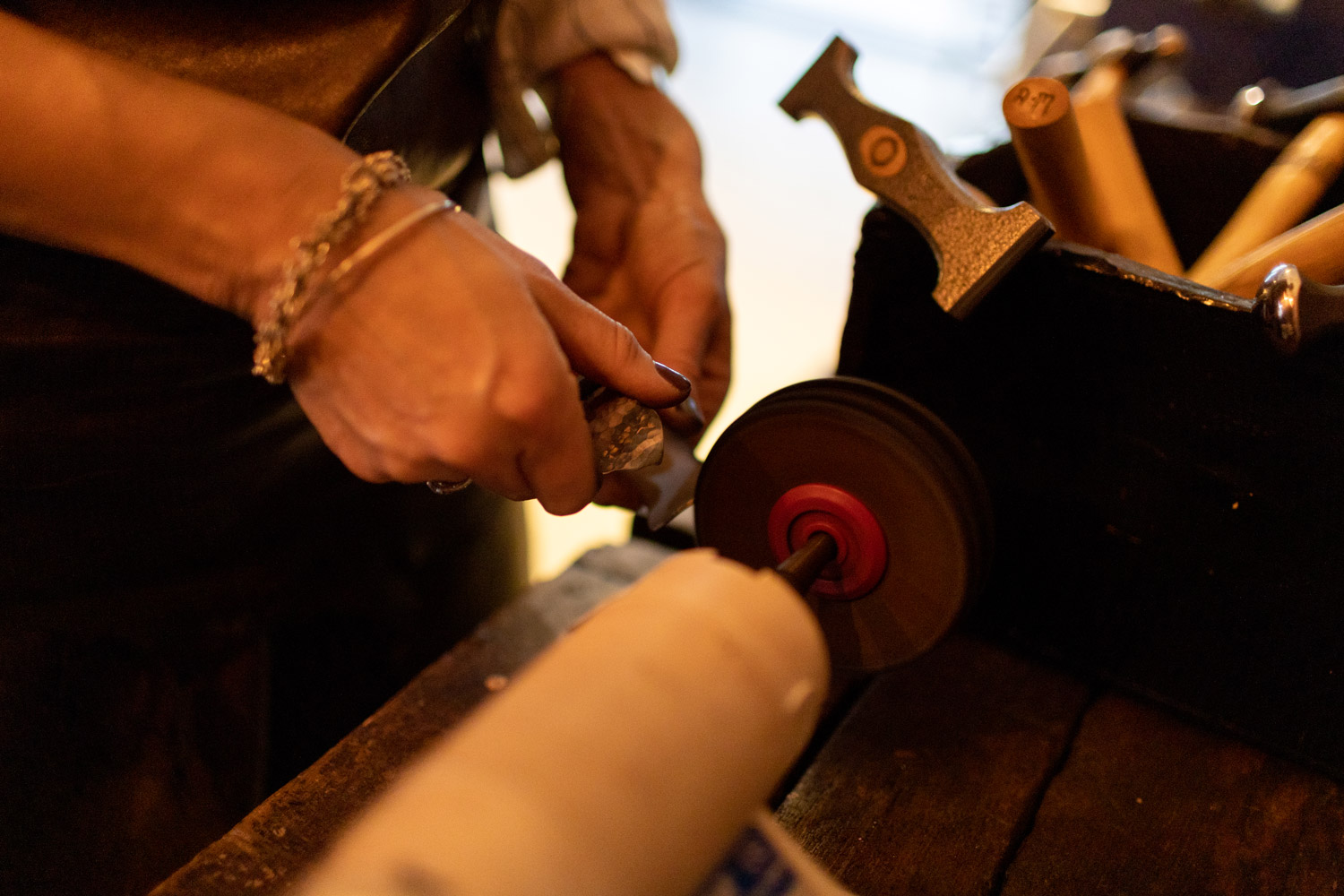
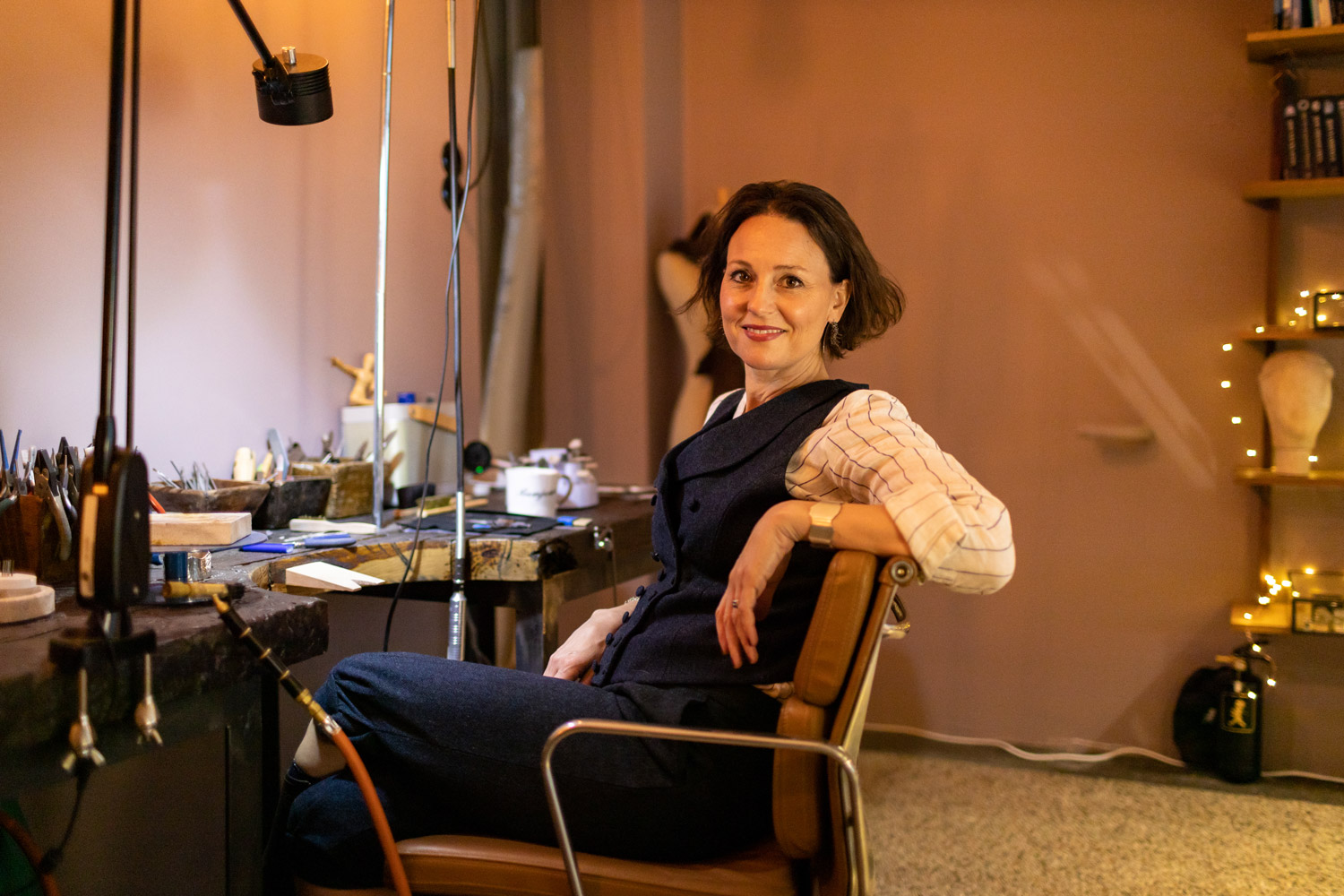
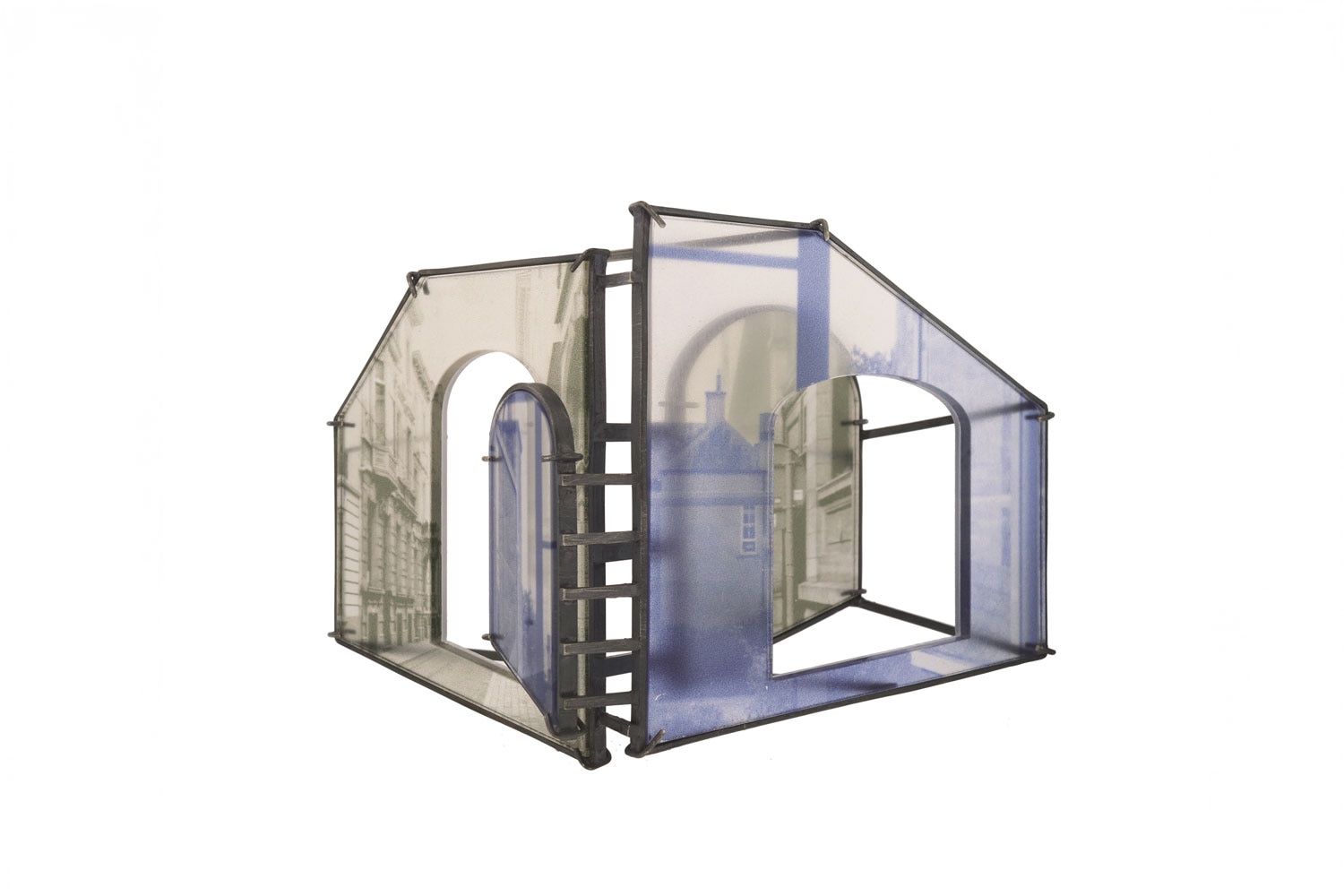
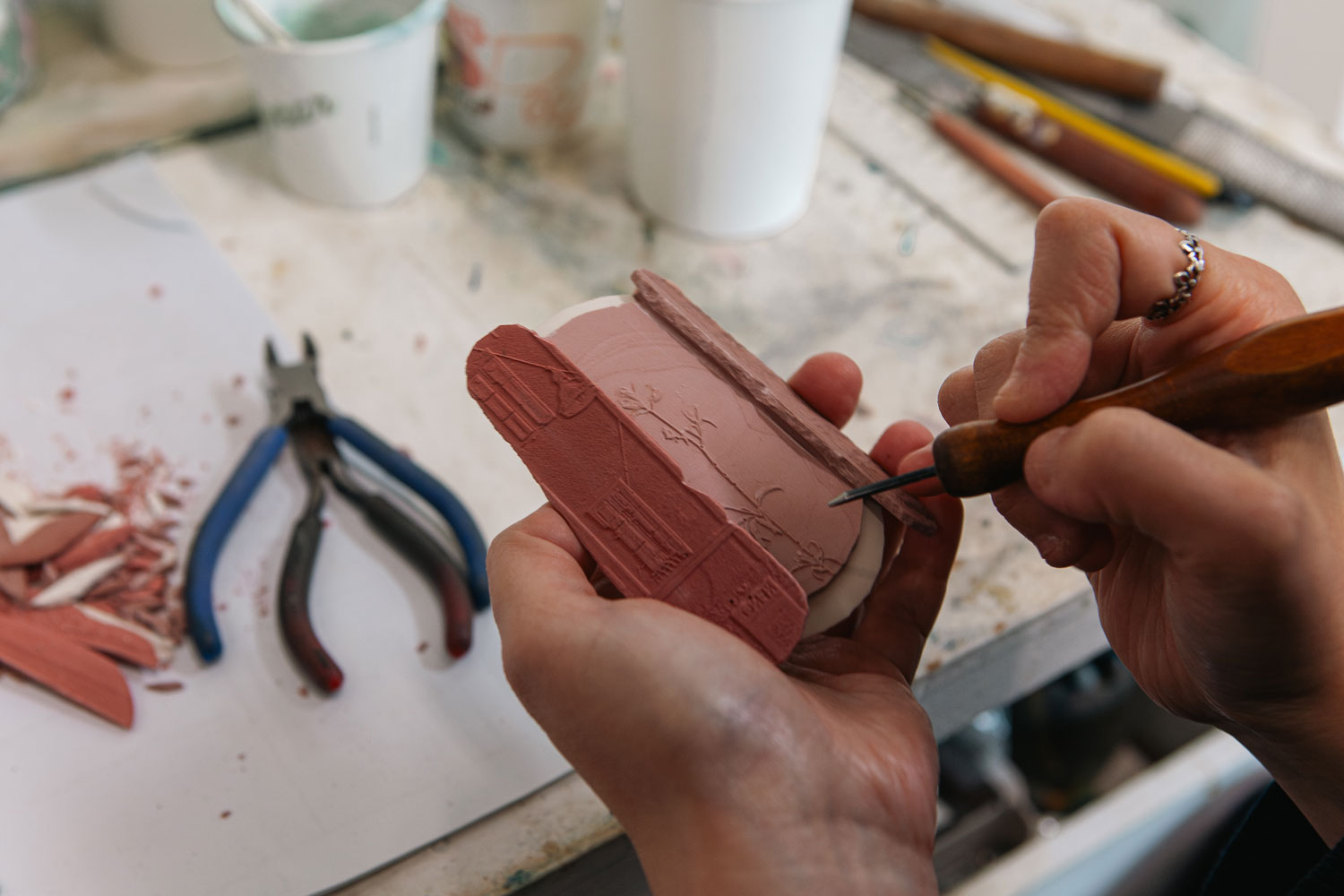
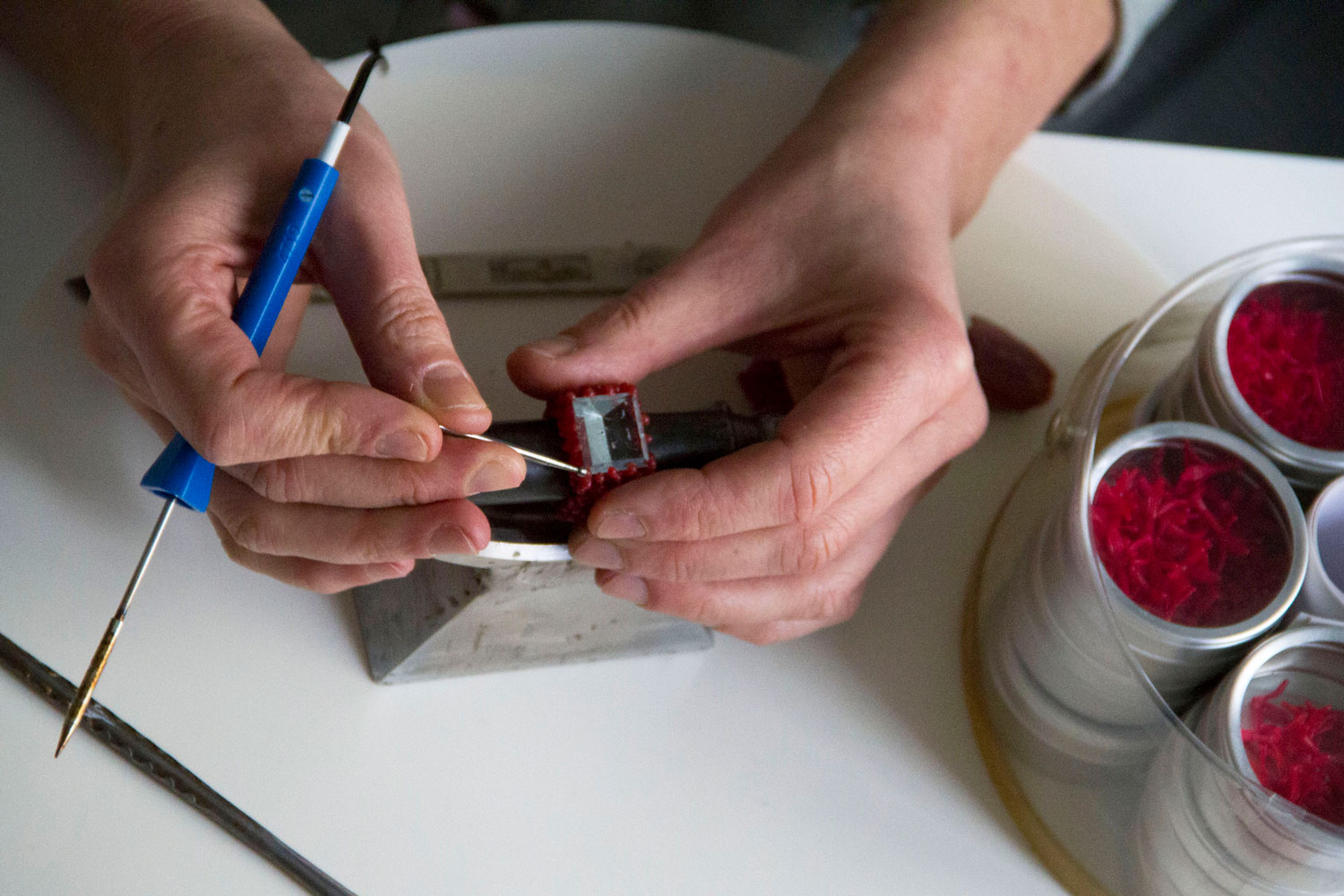
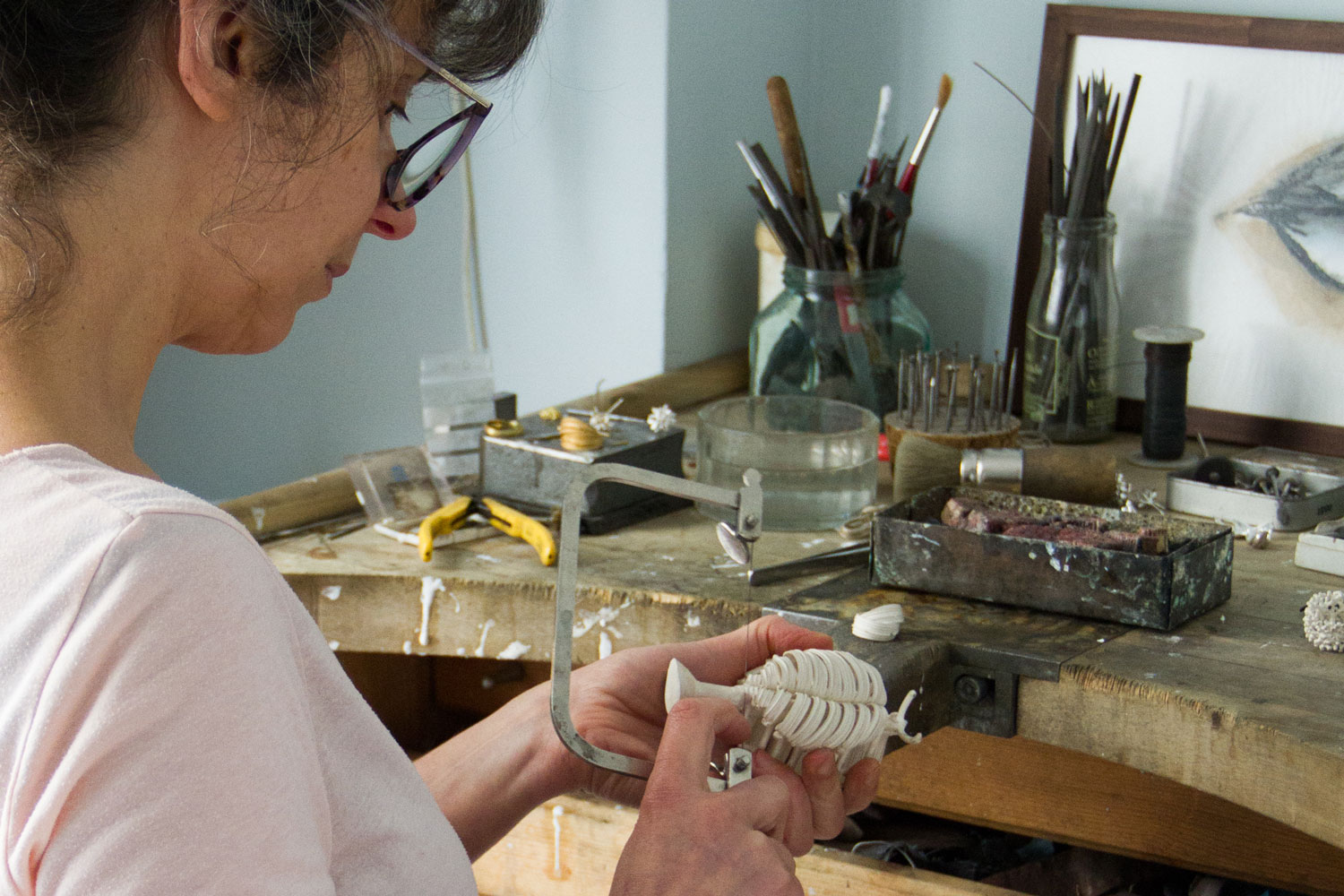
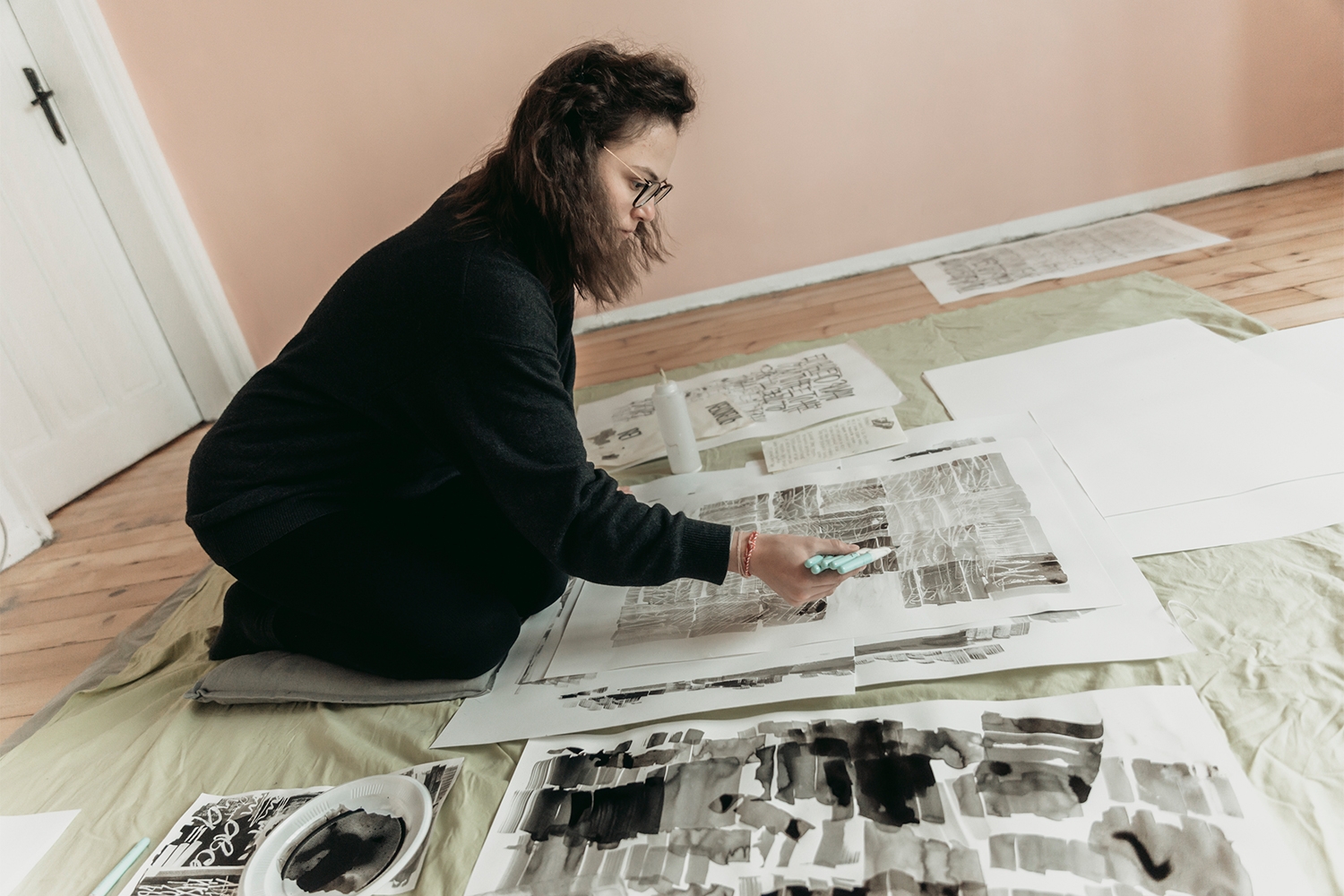
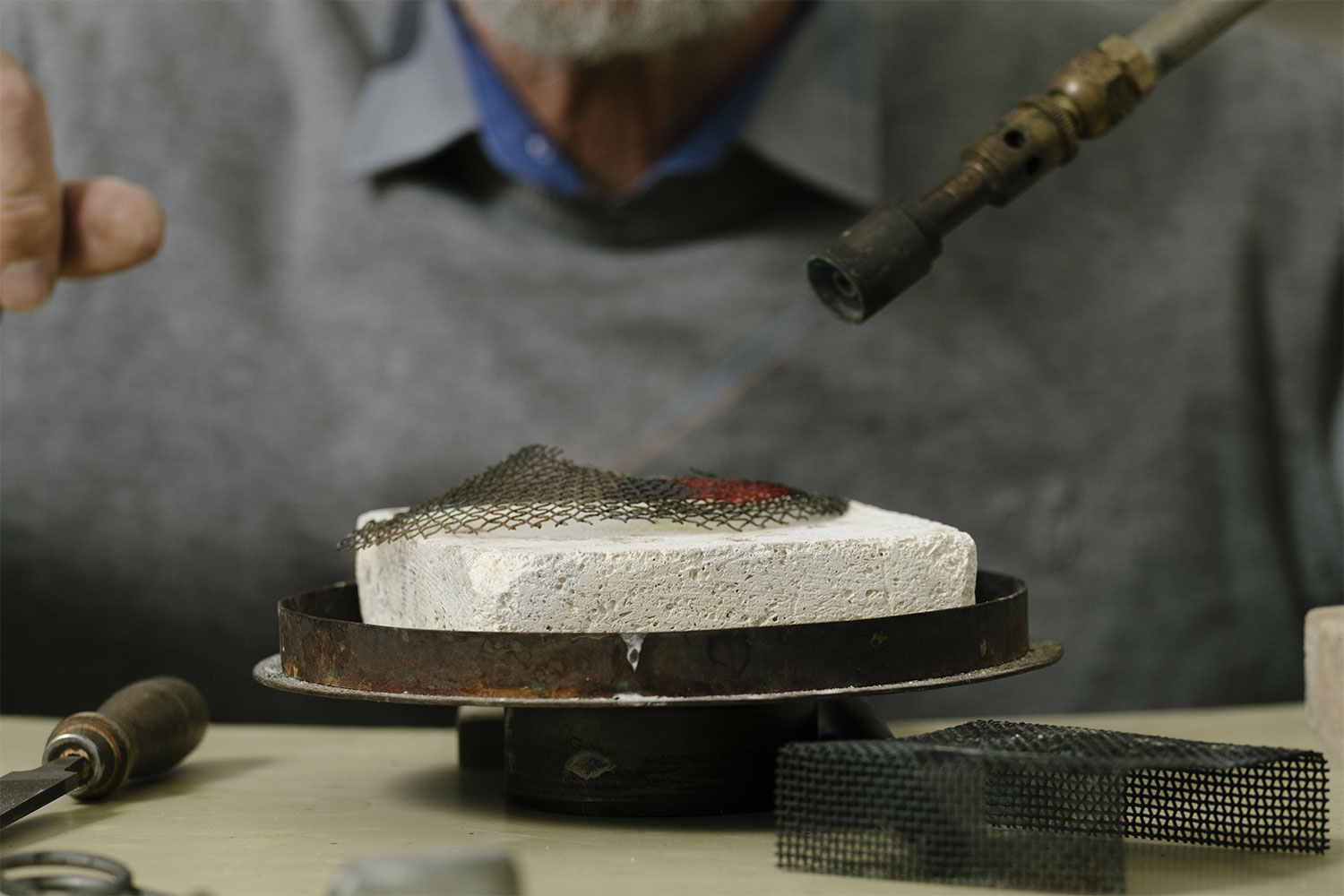
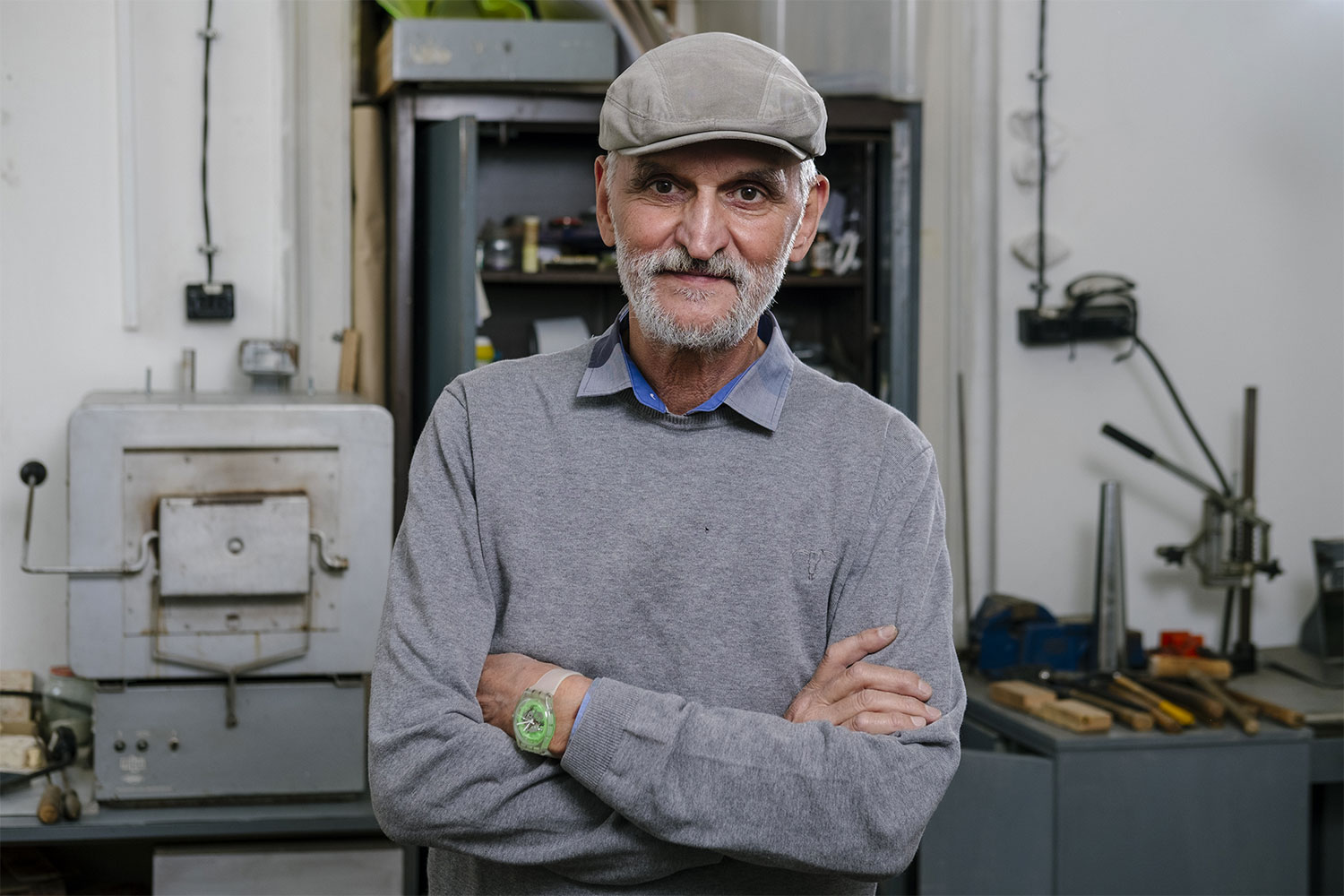
The affinity for handcraft runs in Zwetelina Alexieva’s family, and although there was no tradition of professional artisans, she used to draw, sculpt and do handicraft work from an early age. “I dreamt of studying art, but I lacked the complete freedom and the self-consciousness an artist needs,” she says. Besides, she explains that she wanted the objects she creates to have a purpose. In her opinion the applied arts had the right combination of beauty and usefulness, and jewellery in particular combined the three-dimensional work on an object with a delicate size and durable material. Jewellery is her first love, but she has always had a parallel occupation. Her current one, which she also loves, is her work as a conference interpreter.
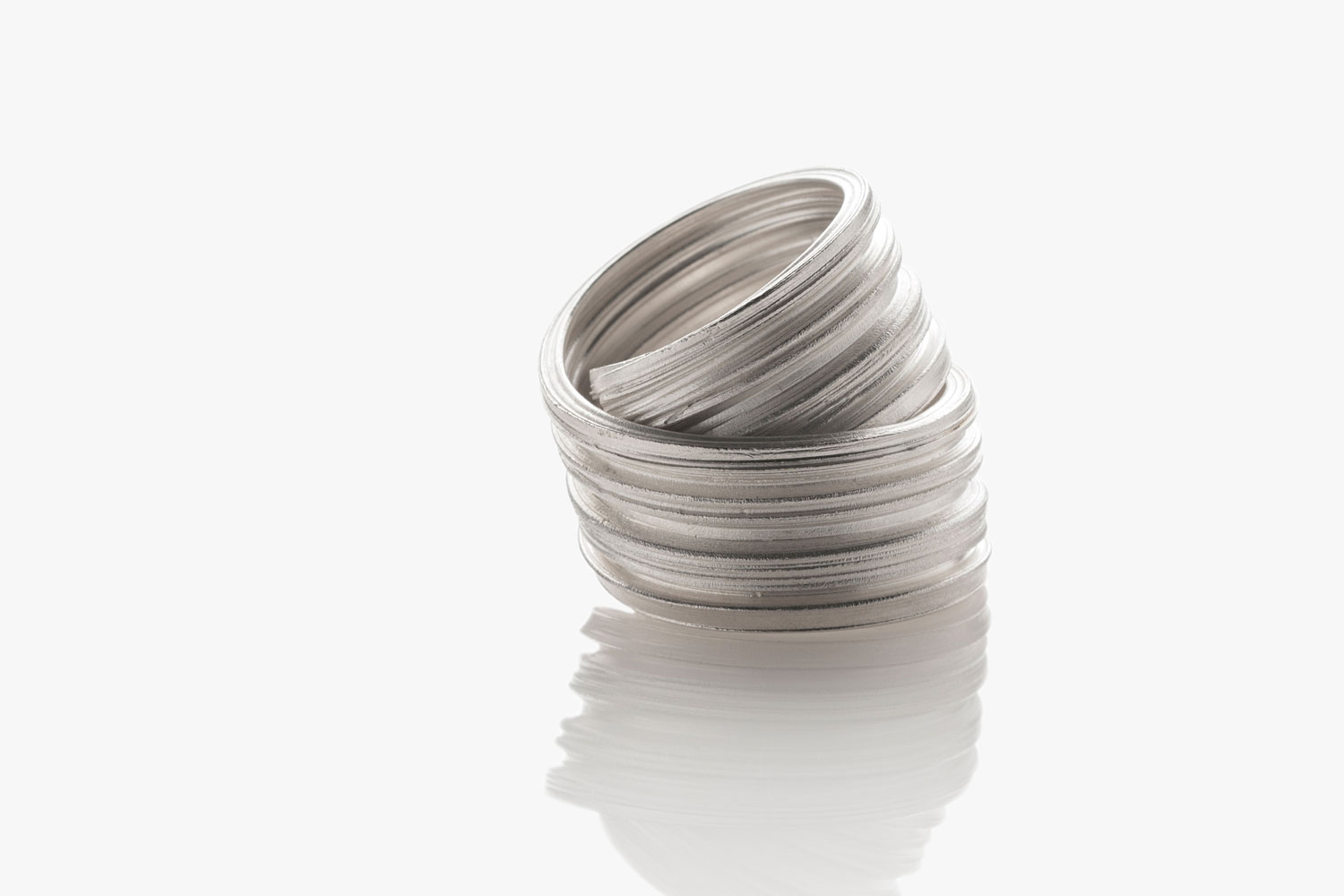
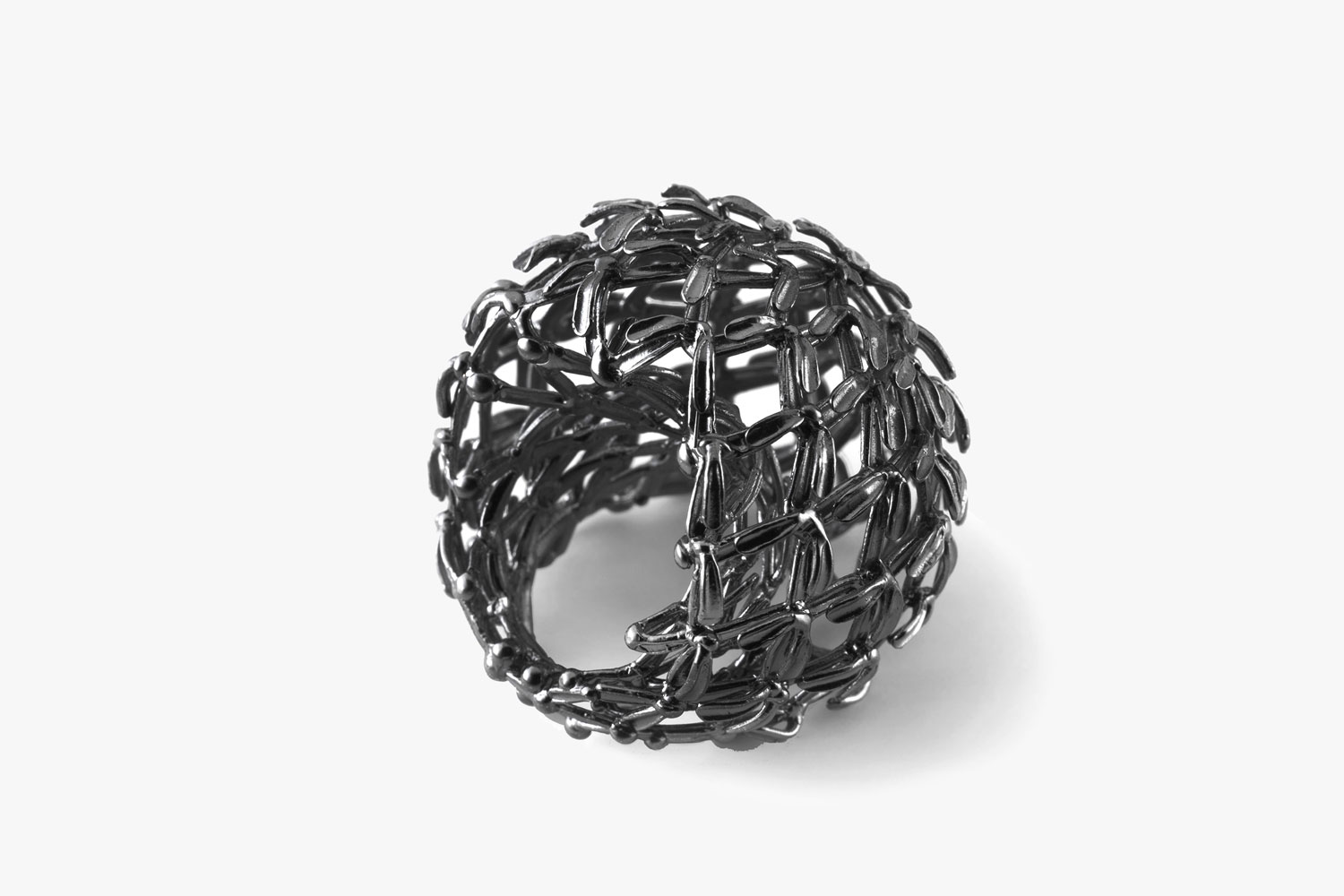
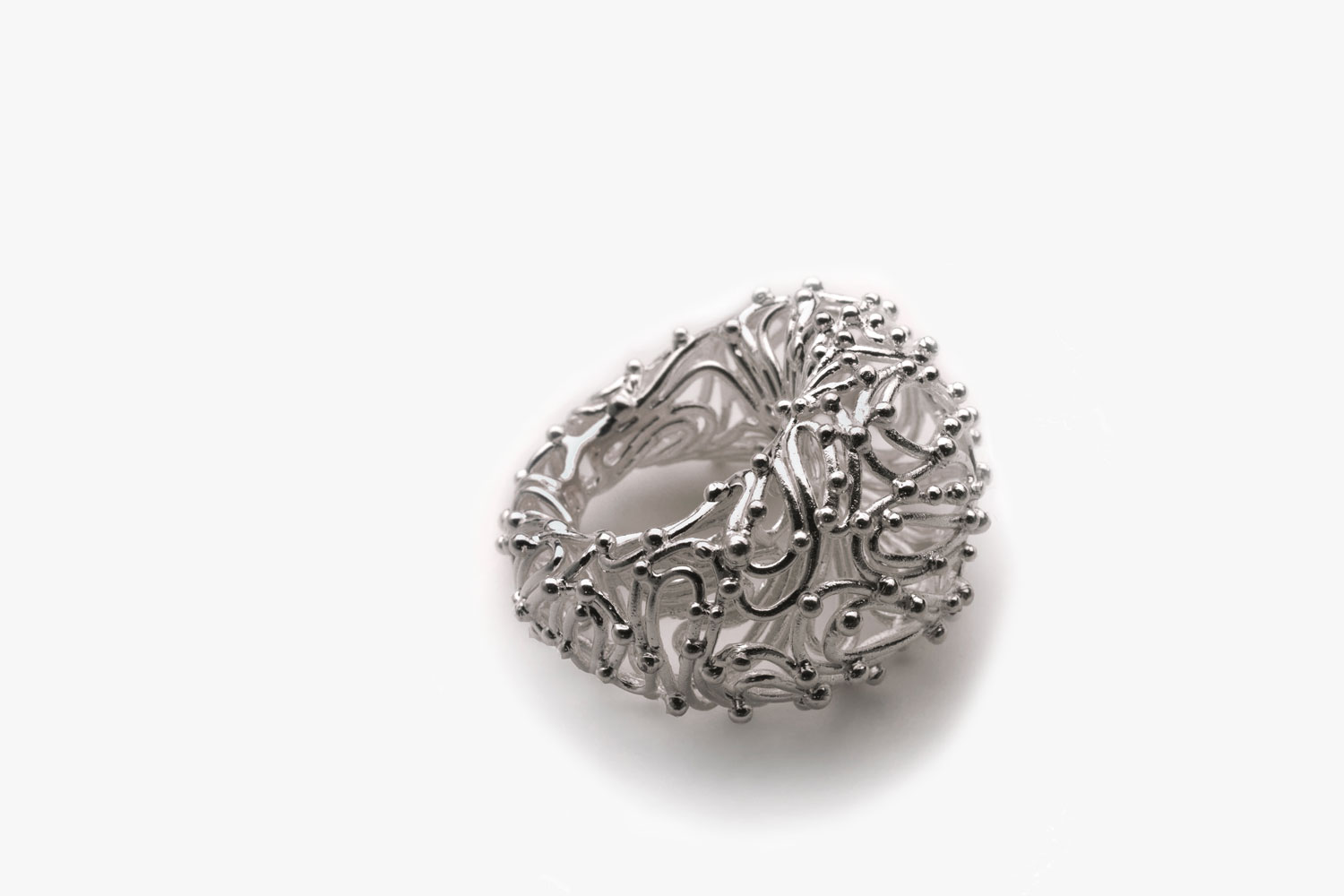
INTERVIEW
I have always thought they perfectly complement one another. Making jewellery works best in solitude. Interpreting means interacting with other people and often involves a bit of performance. Both require full concentration and dedication. Both are a craft: practice makes perfect. An interpreter meets lots of special people one would never meet if doing an “ordinary” job, I draw a lot of inspiration from these encounters.
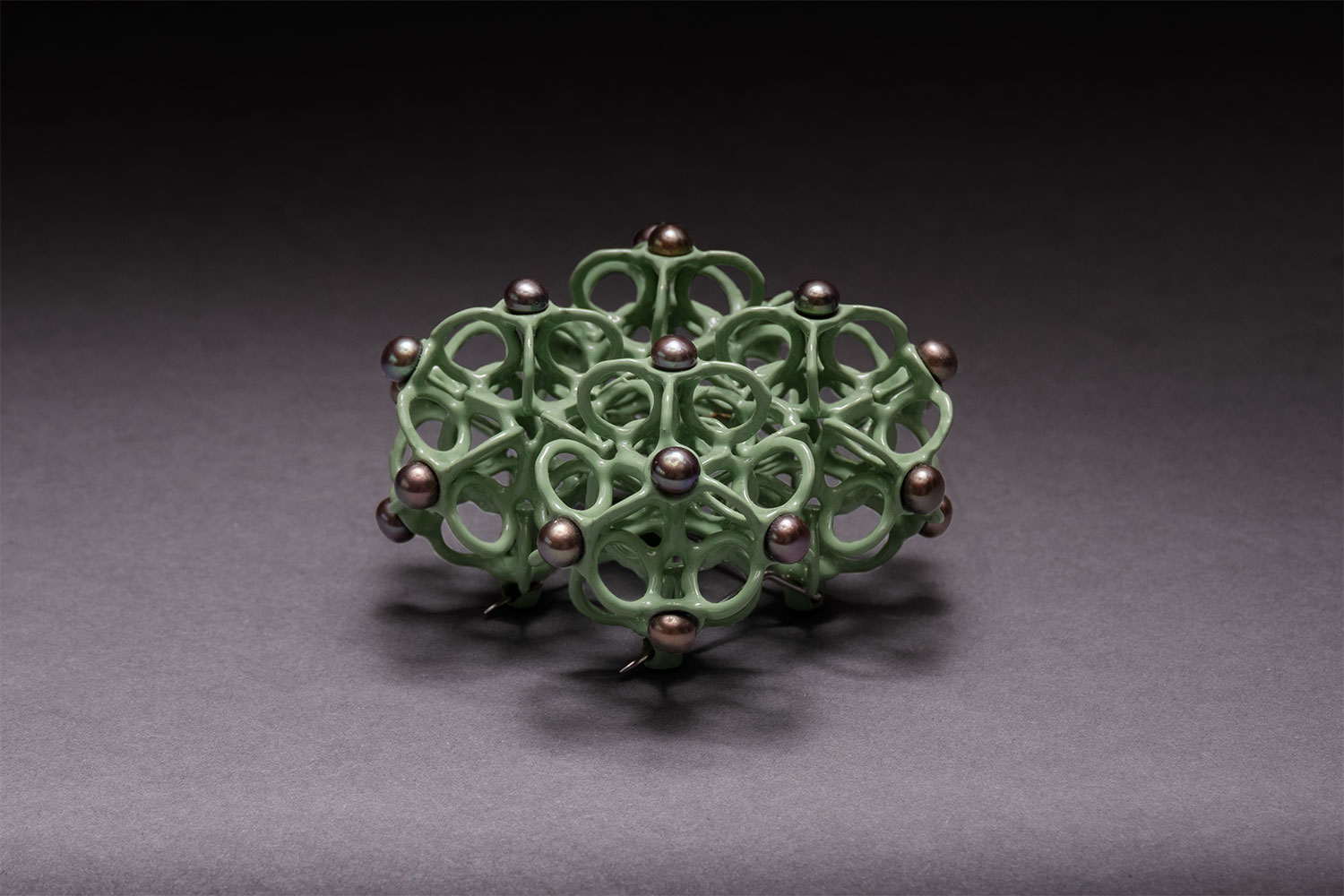
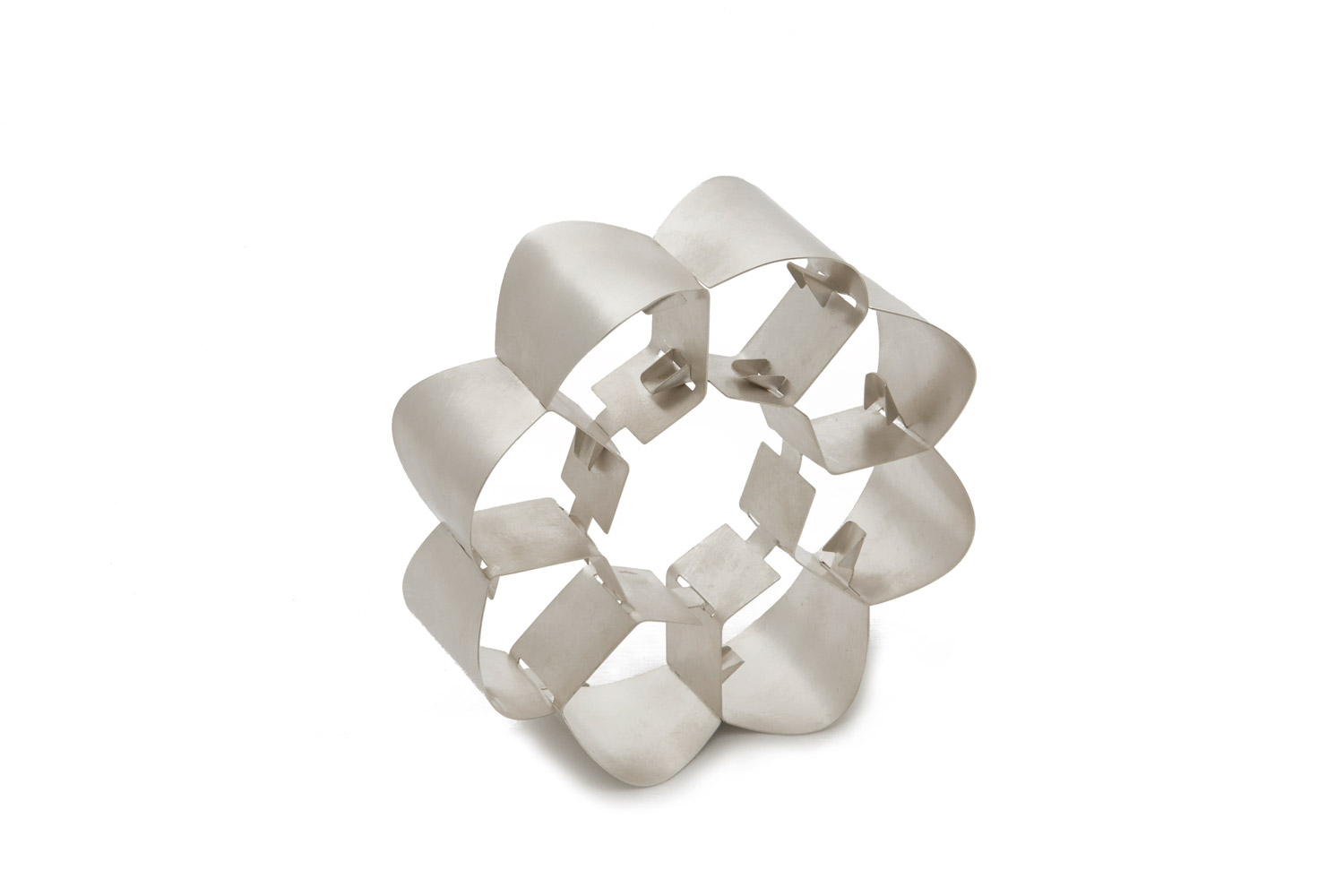
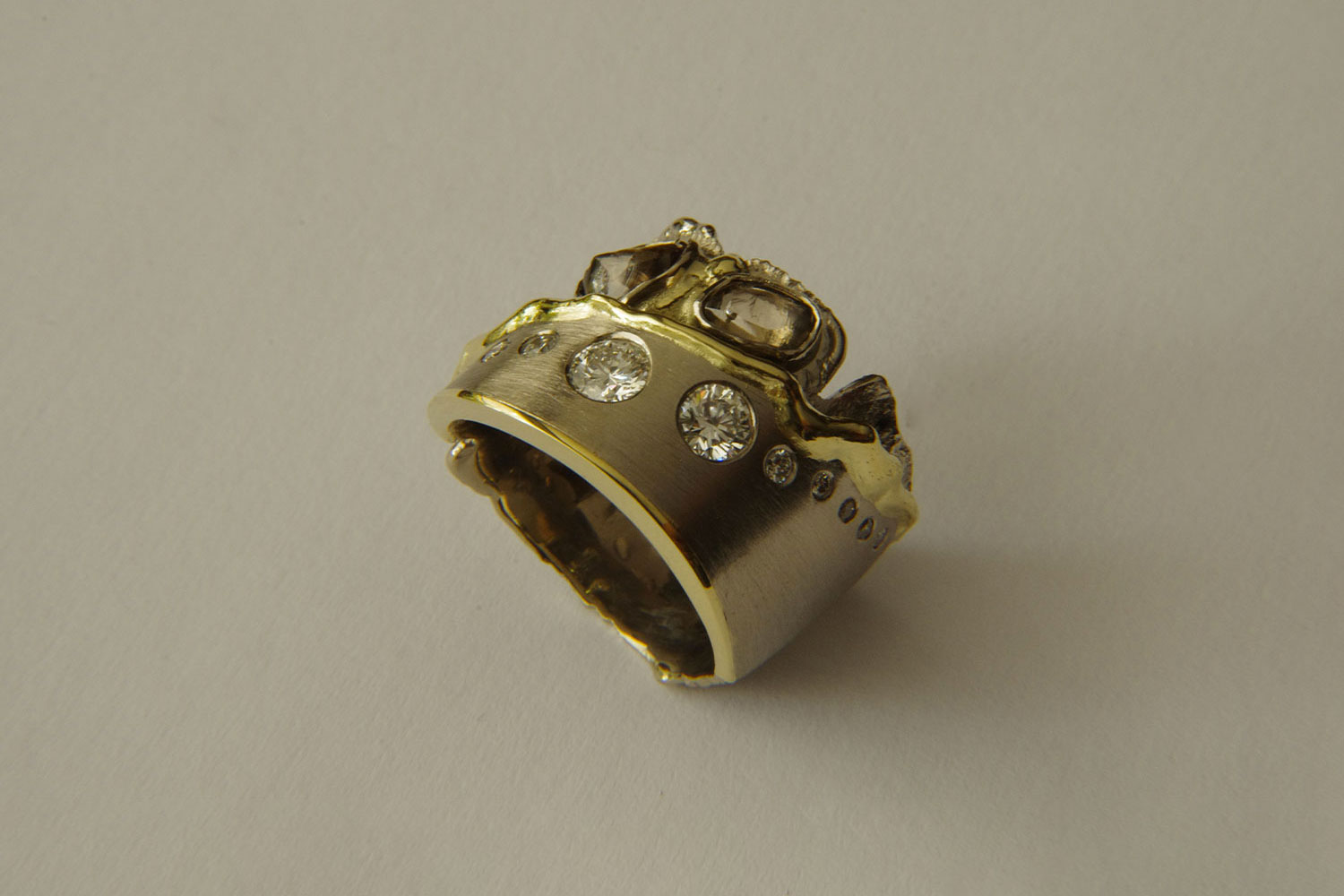
Good craftsmanship is essential as a foundation, but what you put on top of it is what defines you as an artist. It can be a personal interpretation of tradition, a technique of your own or an unusual material you choose. At the same time, despite the artistic freedom, a piece of jewellery has a function. That’s why I want my pieces to be not only intriguing, unique or uncommon, but also wearable and robust.
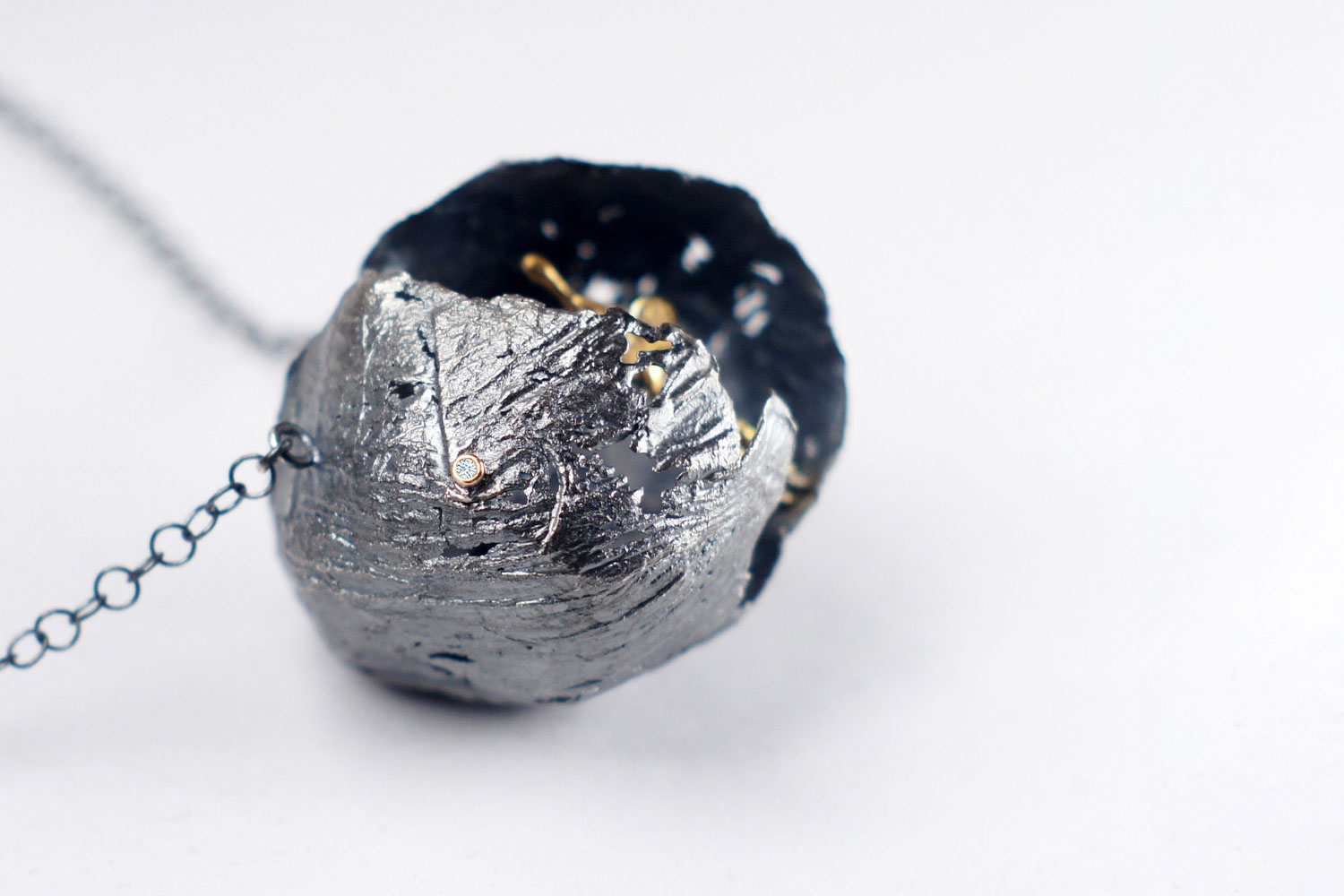
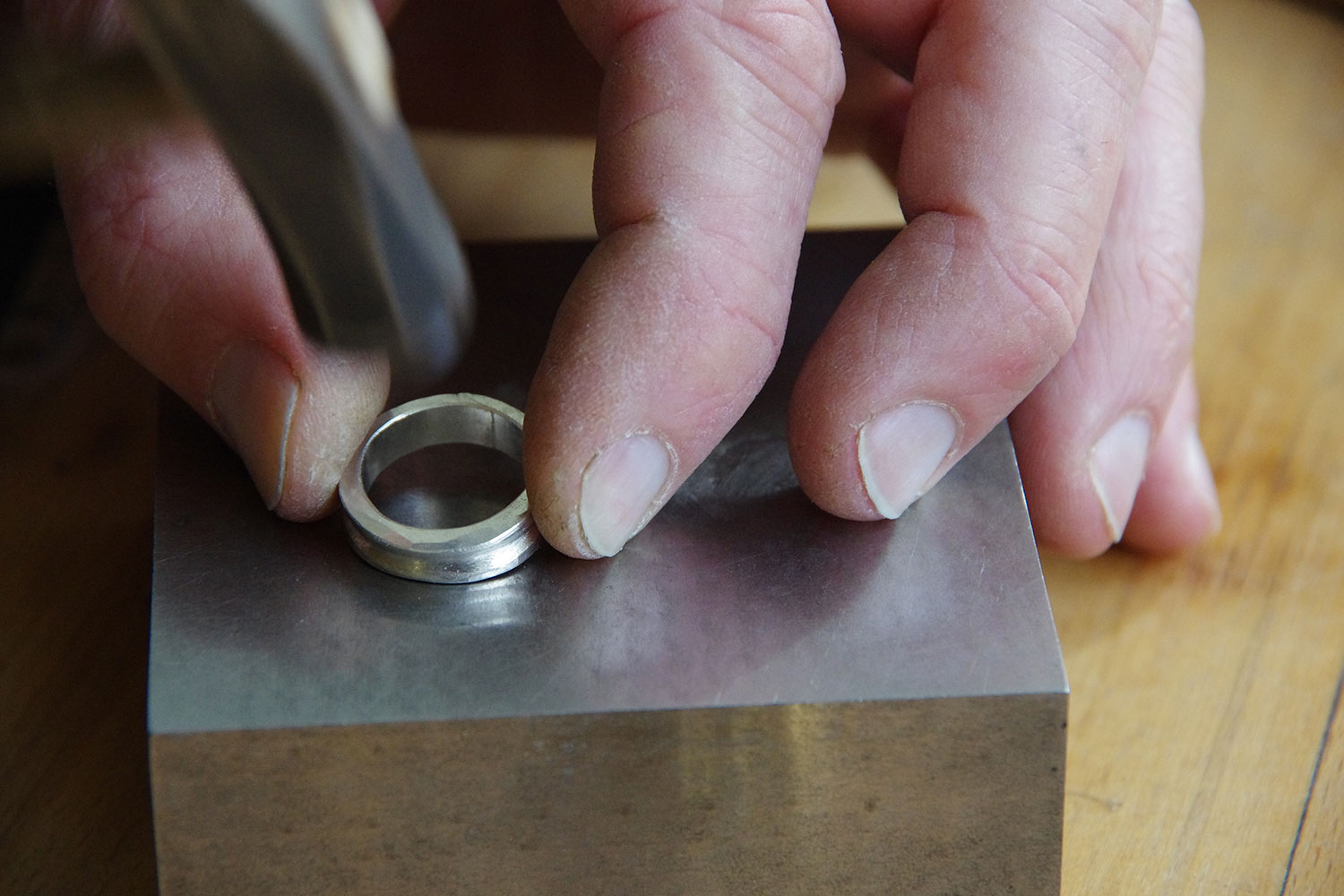
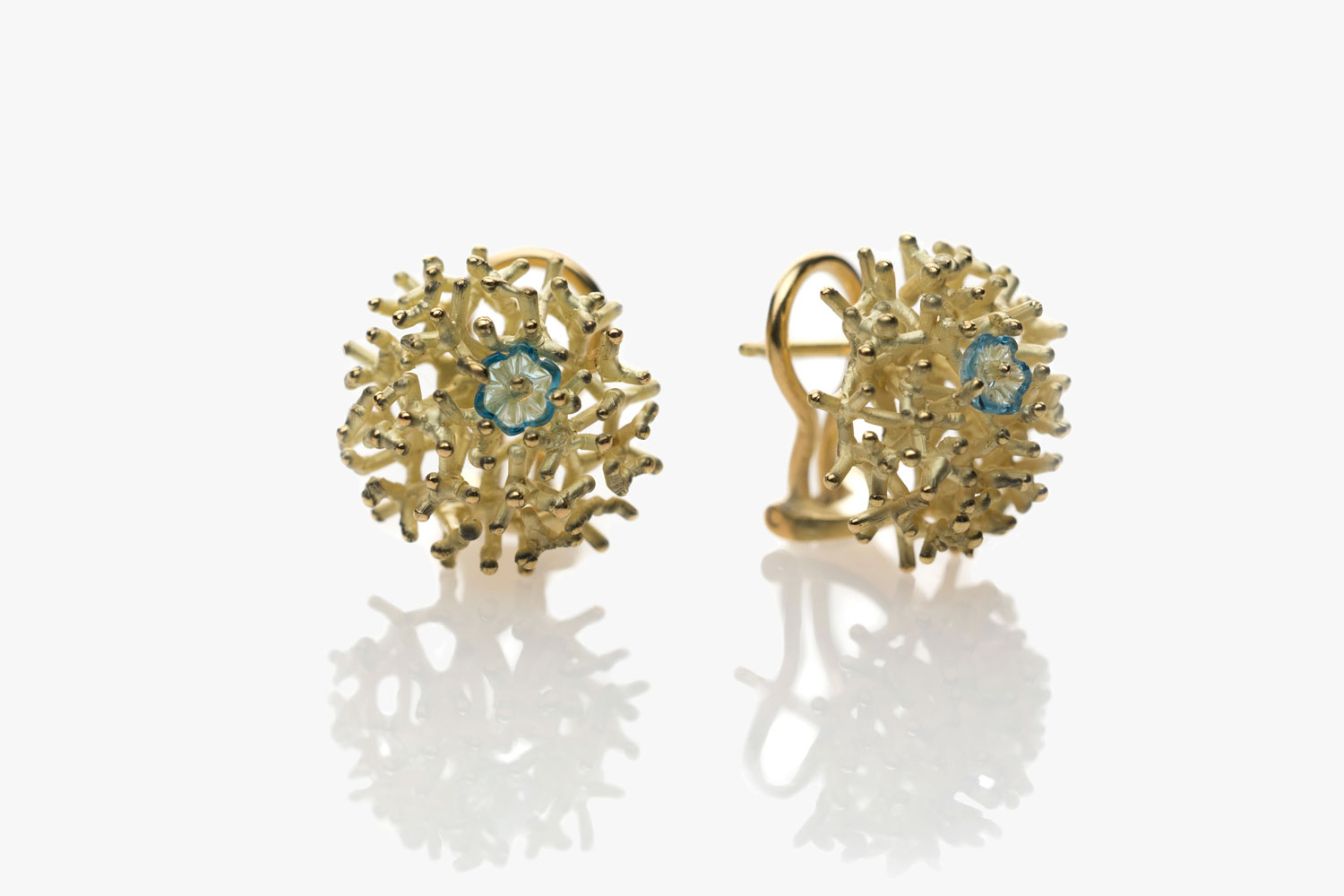
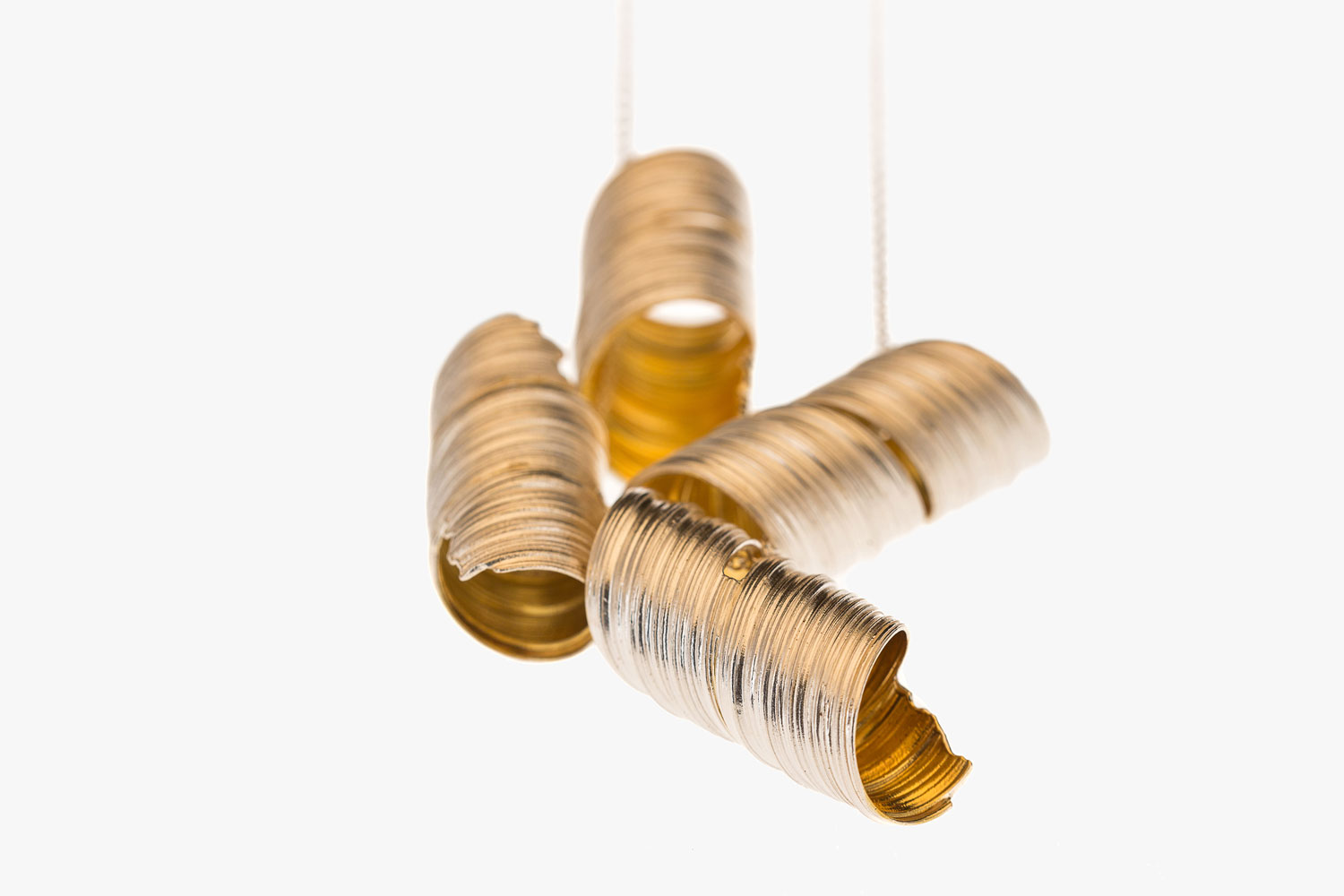
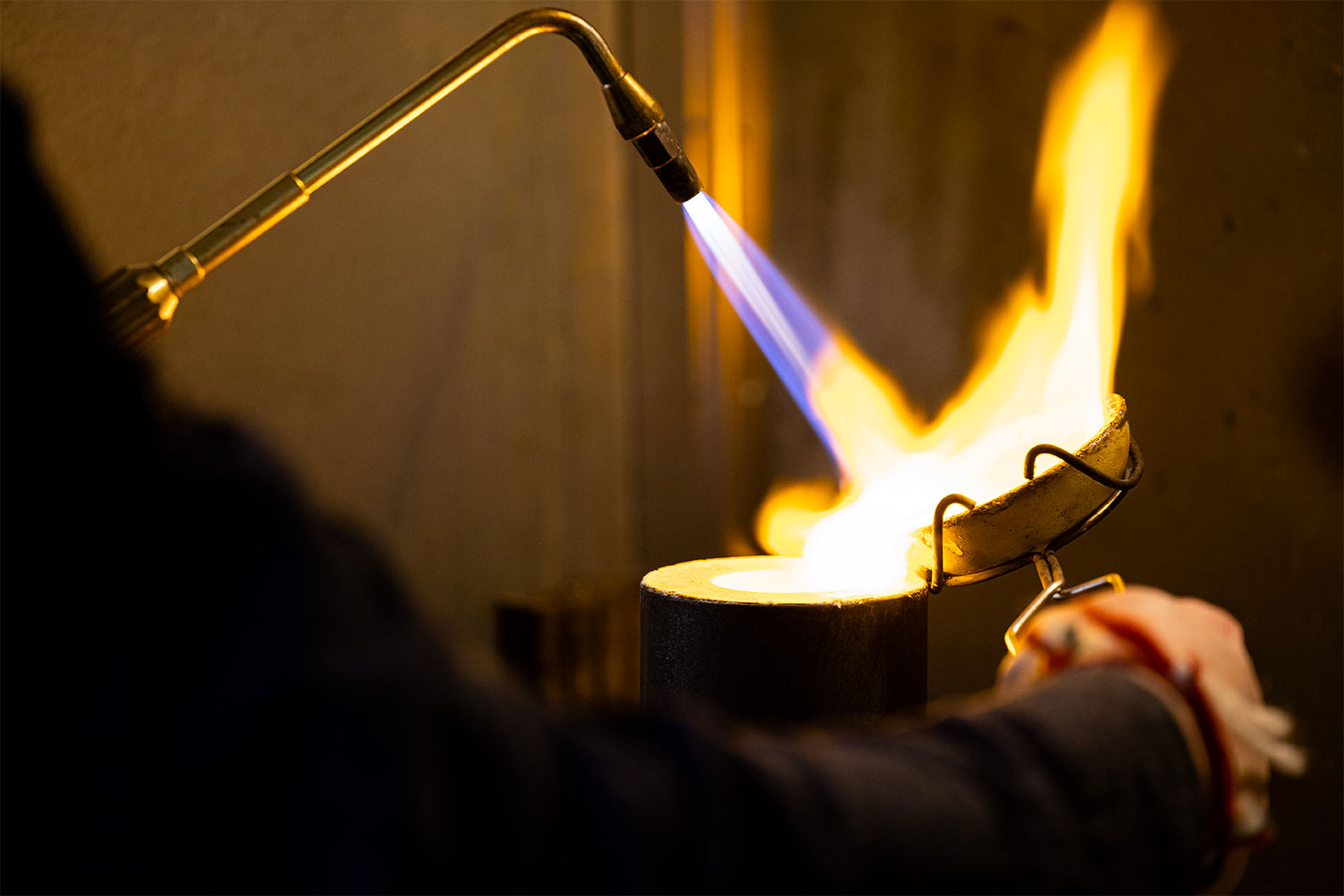
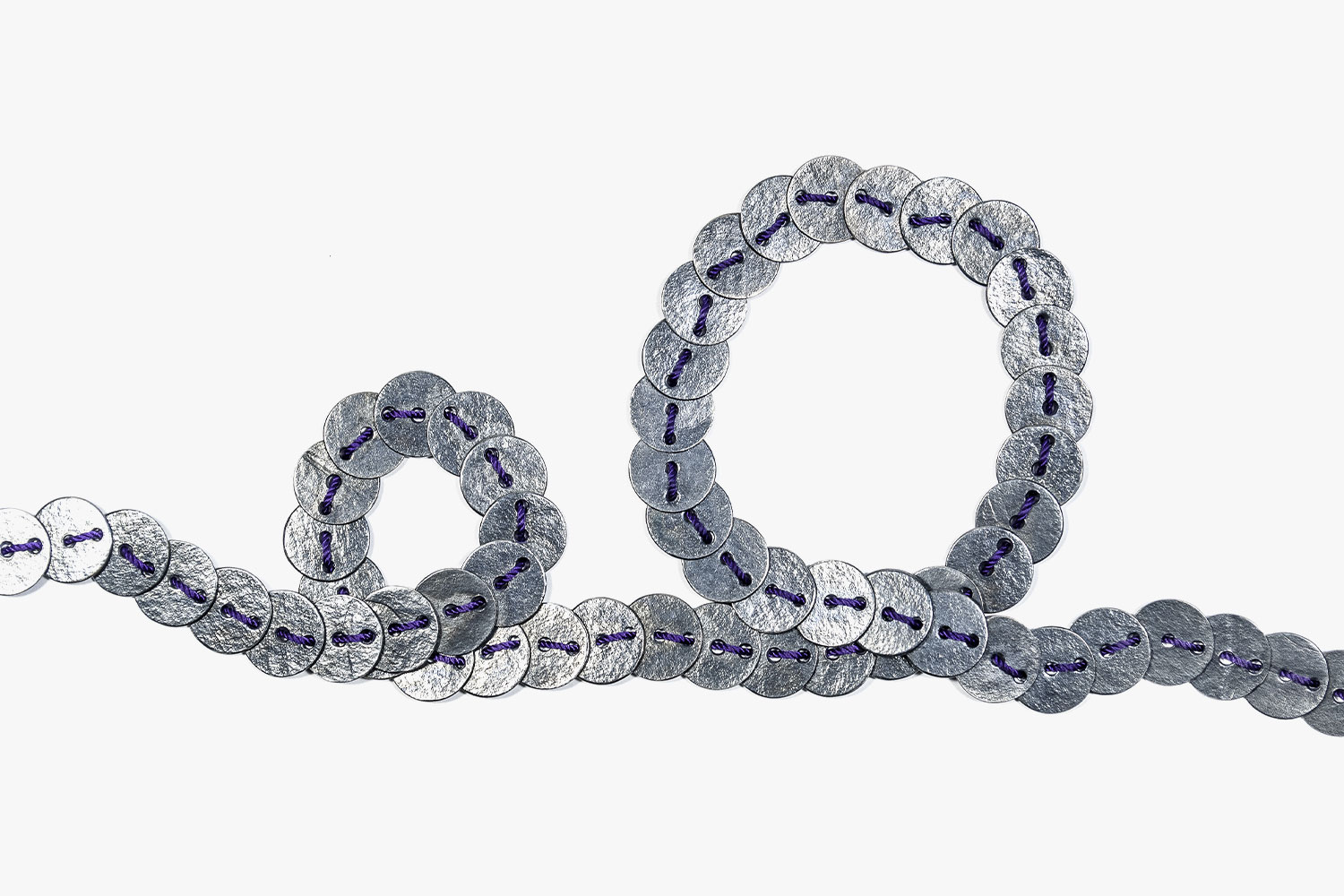
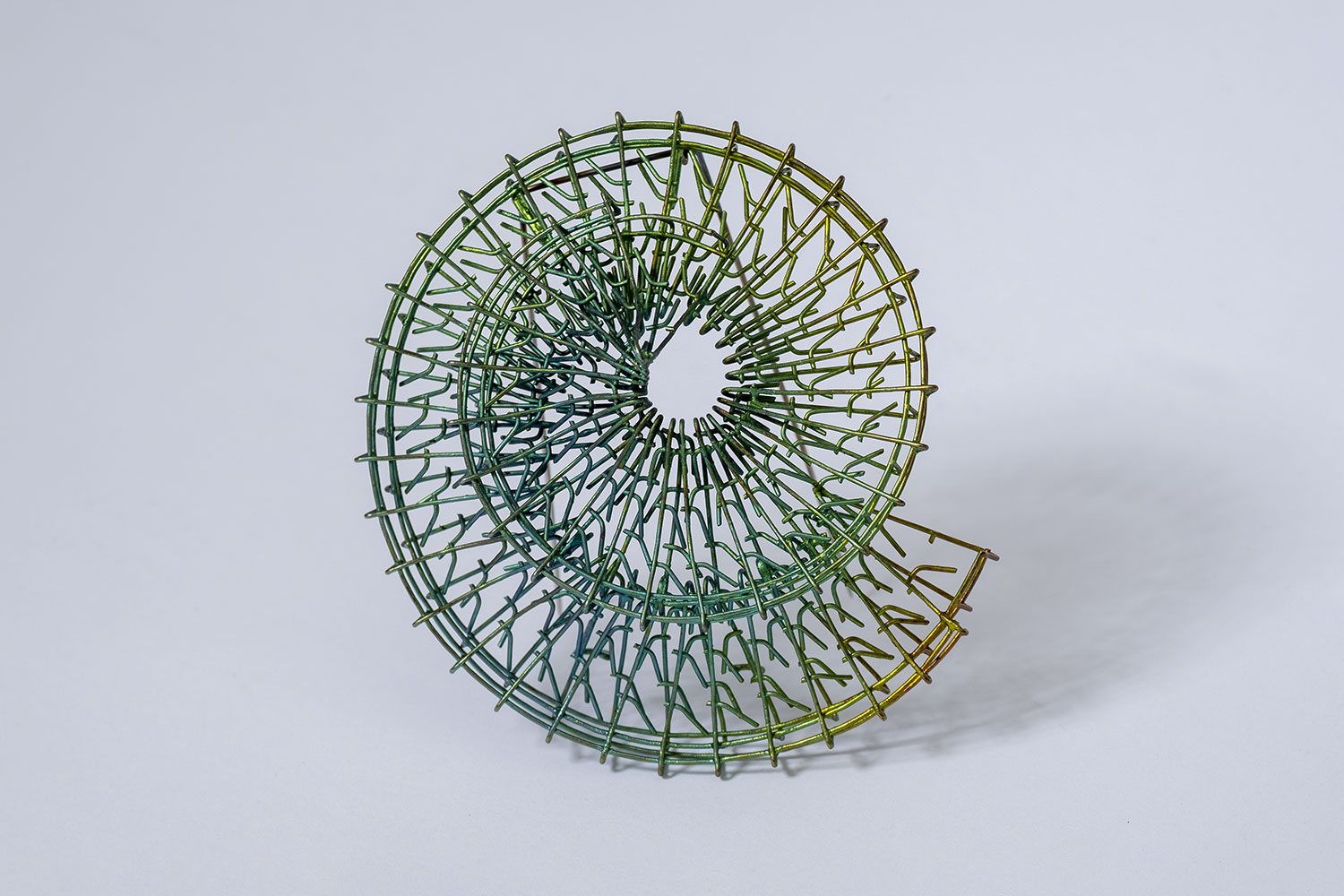
I like materials that last. The idea of a piece being dug up by an archaeologist in the future is both amusing and flattering. Besides, precious metals are very rewarding to work with. You can shape them in a multitude of traditional and unorthodox ways and they keep looking good. Usually. Often I start with an idea, but then the material takes over and new ideas and forms emerge in the process, out of what you can do with the material.
Nature is an abundant source of inspiration. Plants and flowers, corals and algae, grass and rocks are constantly present in my work. I am curious about life and the Earth in general. The experience and achievements of others are important. Knowledge about history, especially art history, helps me put my work in a broader context. This is healthy for the ego.
Zwetelina Alexieva
Jewellery maker
Sofia, Bulgaria
Recommended by L’ÉCOLE, School of Jewelry Arts
AVAILABILITY
By appointment only
PHONE
+359 888809240
LANGUAGES
Bulgarian, German, English
Homo Faber Finds is a new service aiming to inspire admirers of craft to connect and collaborate with exceptional artisans.
We invite you to submit an enquiry here.
Neva-BalnikovaIMG_20200524_152113_381.jpg)
Neva-BalnikovaDSCF9011.jpg)
Neva-BalnikovaDSCF8608.jpg)