Zovag Kantarjian
Embroiderer
Yerevan, Armenia
A vocation to keep Armenian embroidery alive
- Zovag completed her first embroidery artwork at age 12
- She teaches and has shared her skills with over 350 students
- Her works have been given as diplomatic gifts and are preserved in museum collections
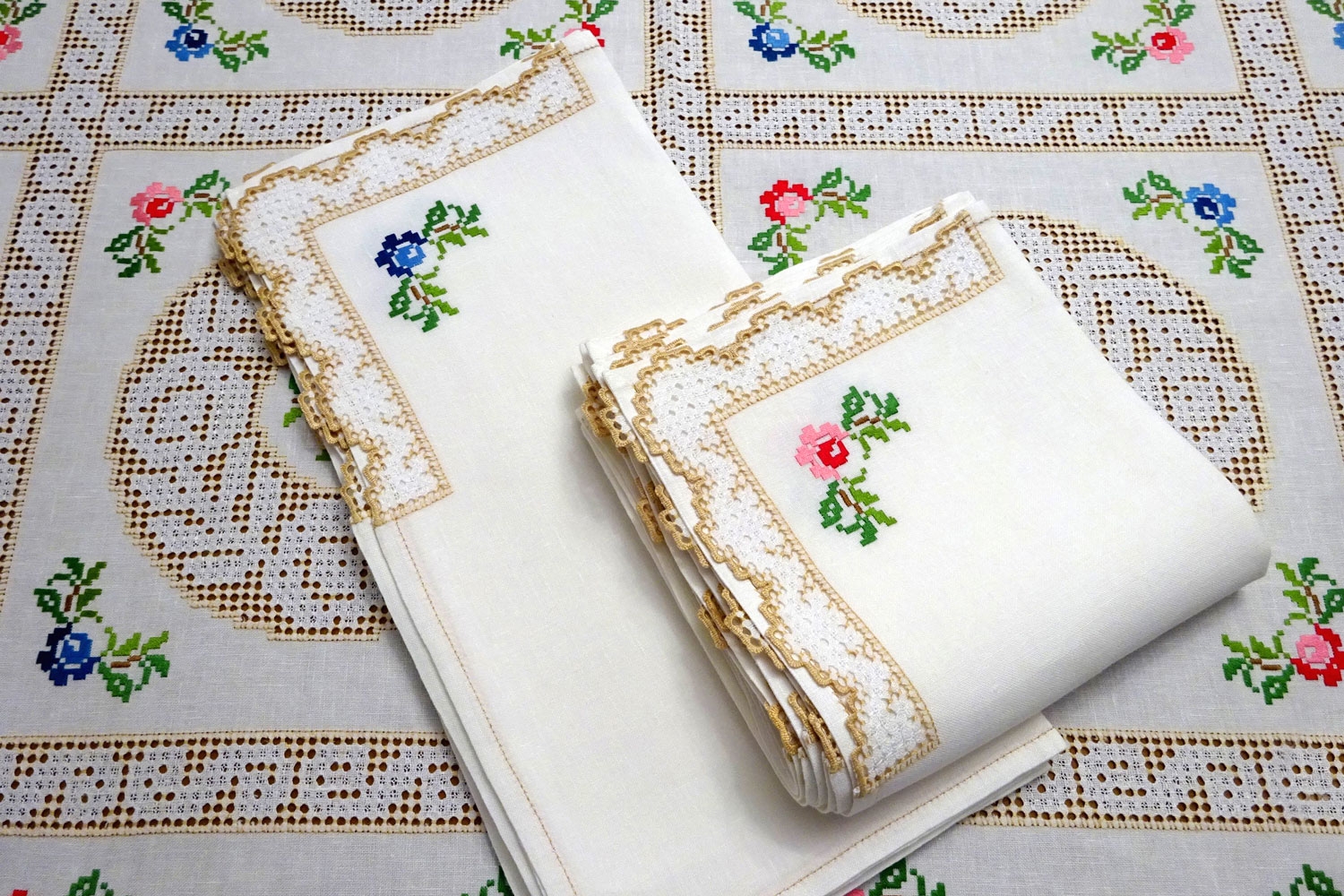
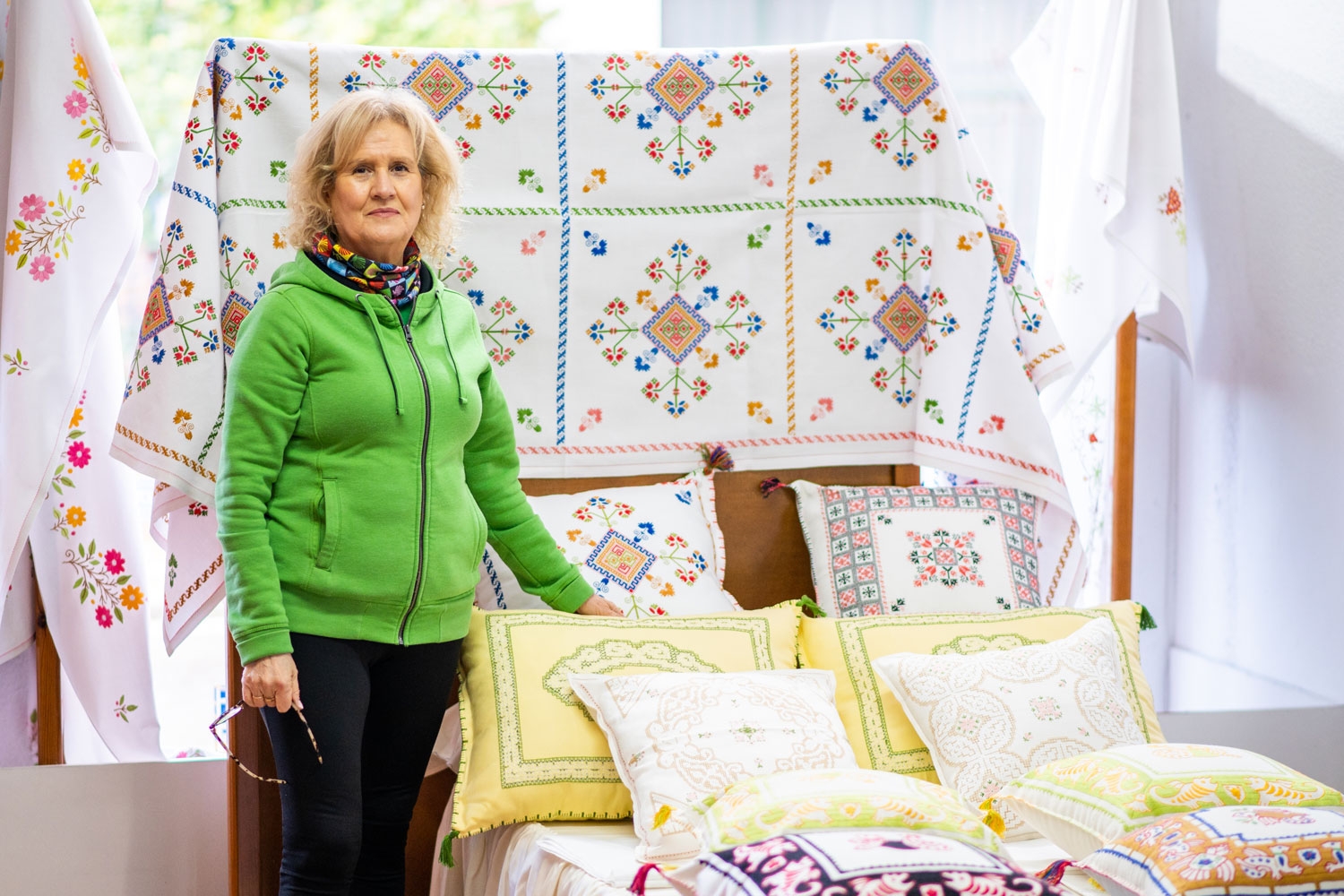
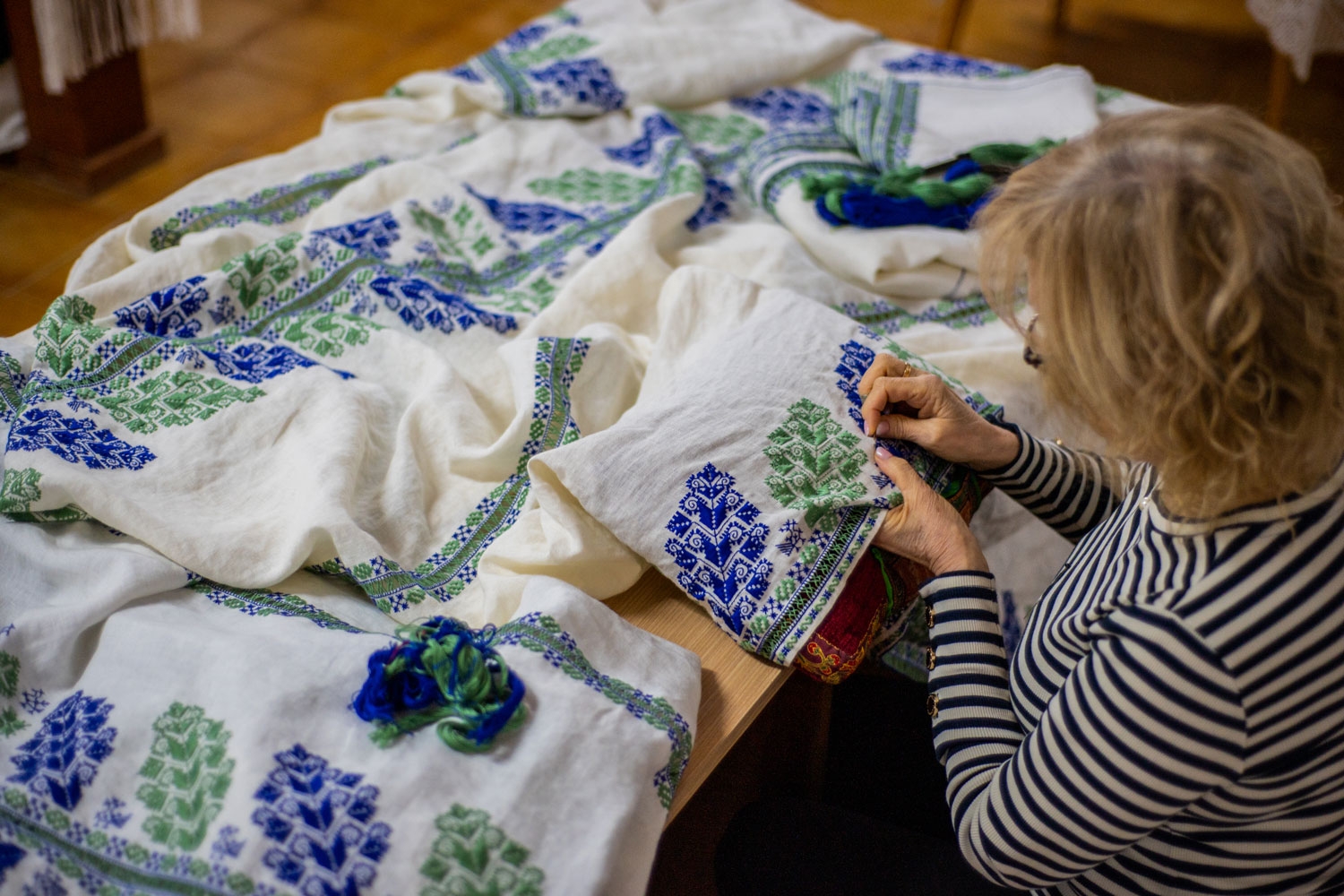
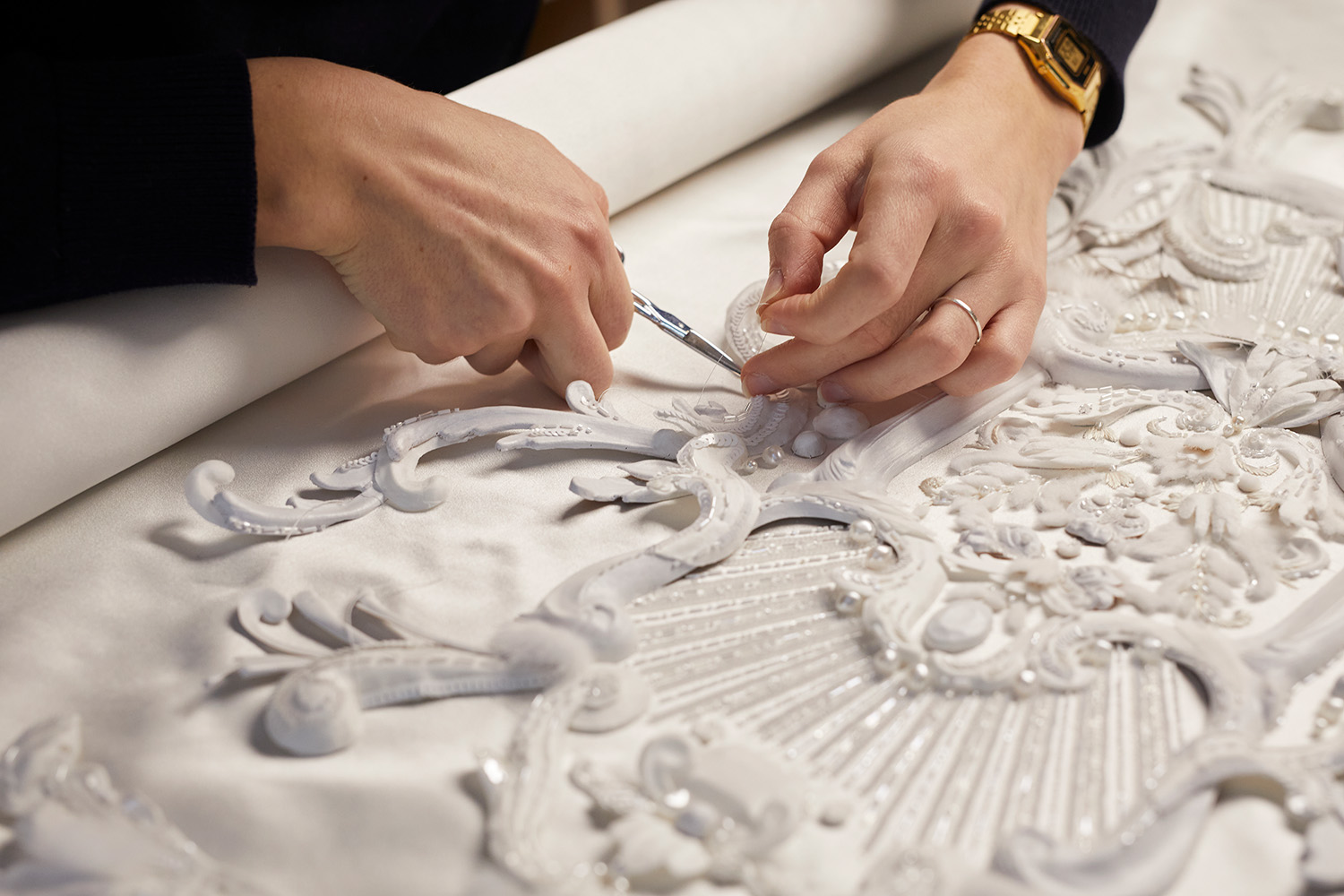
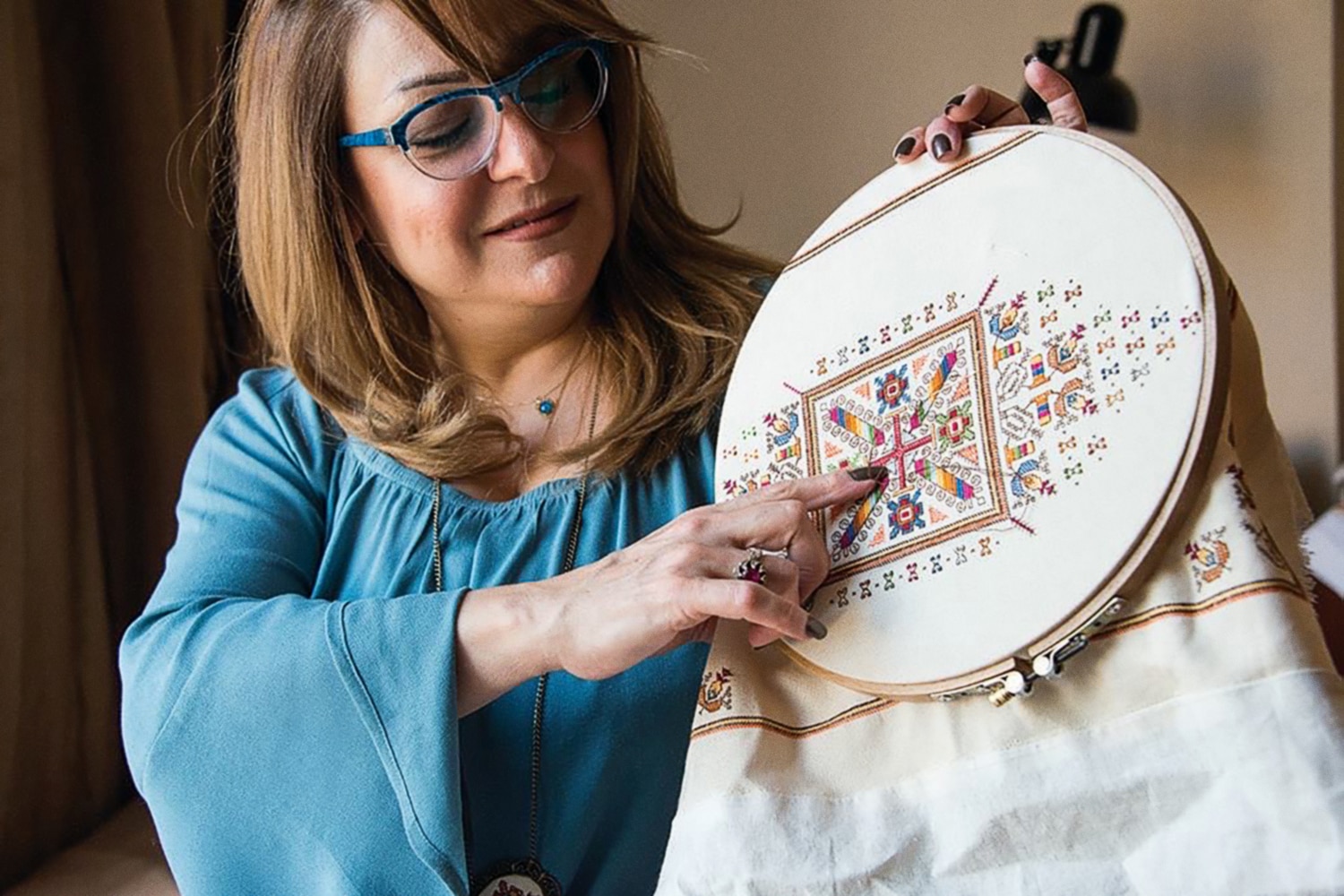
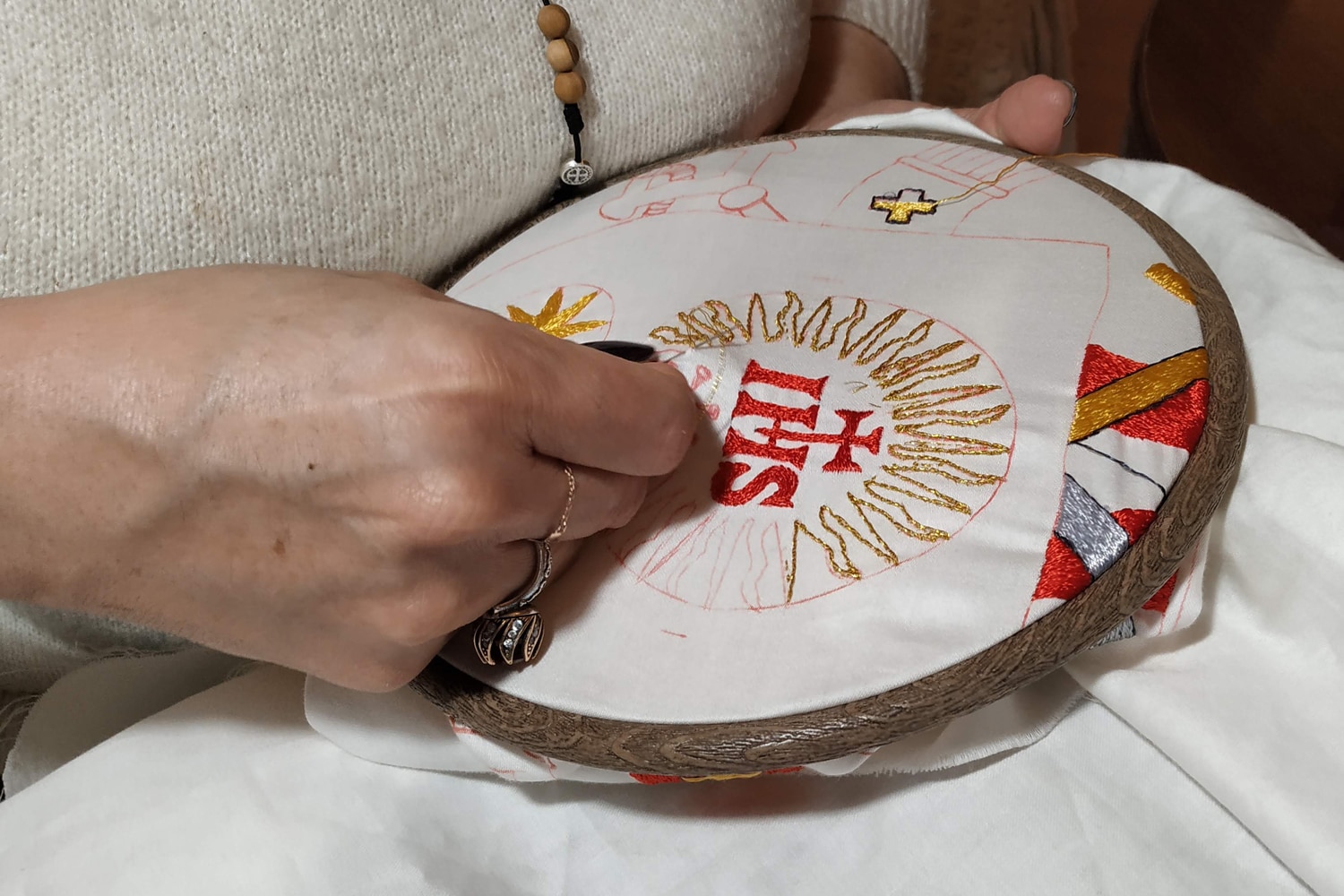
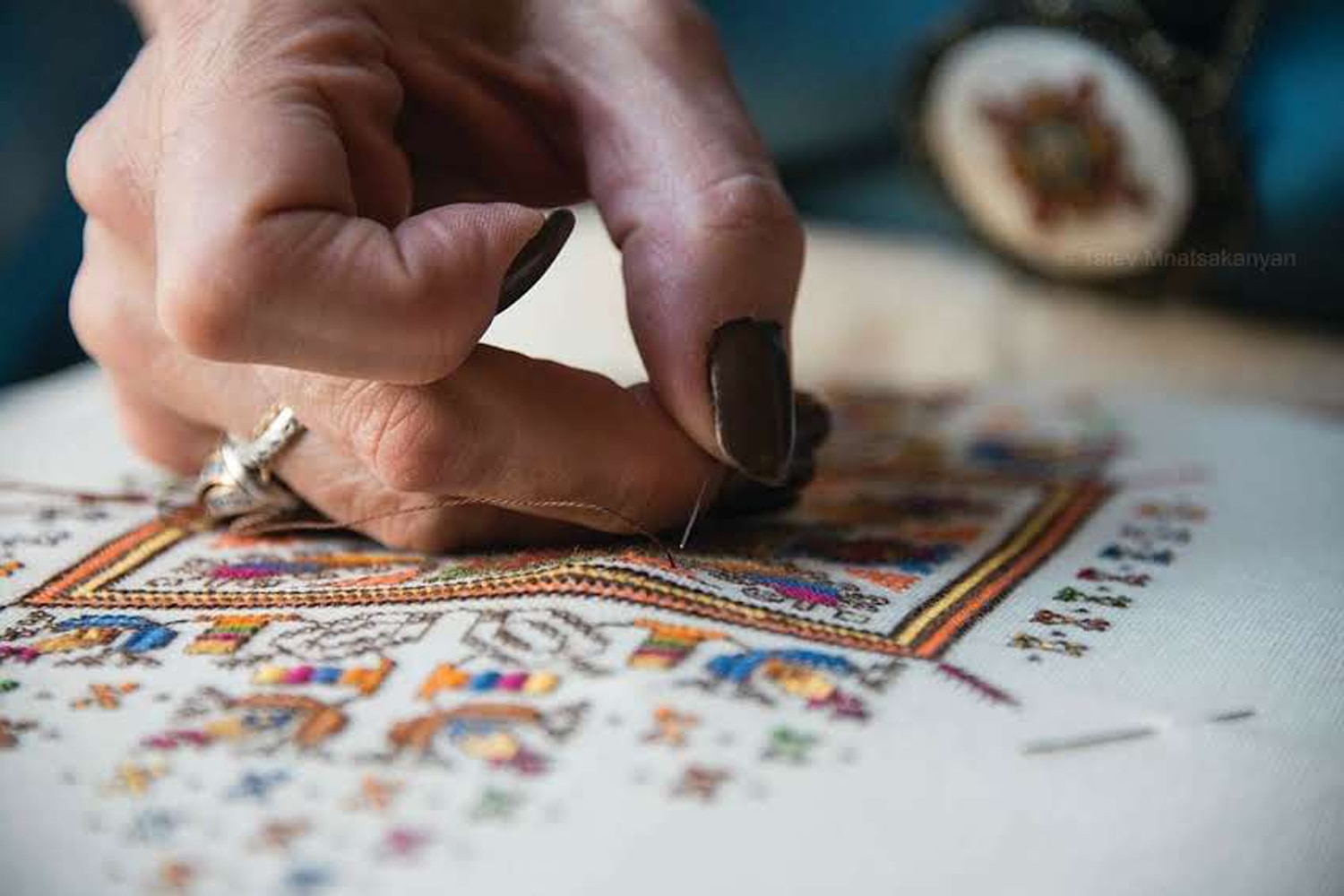
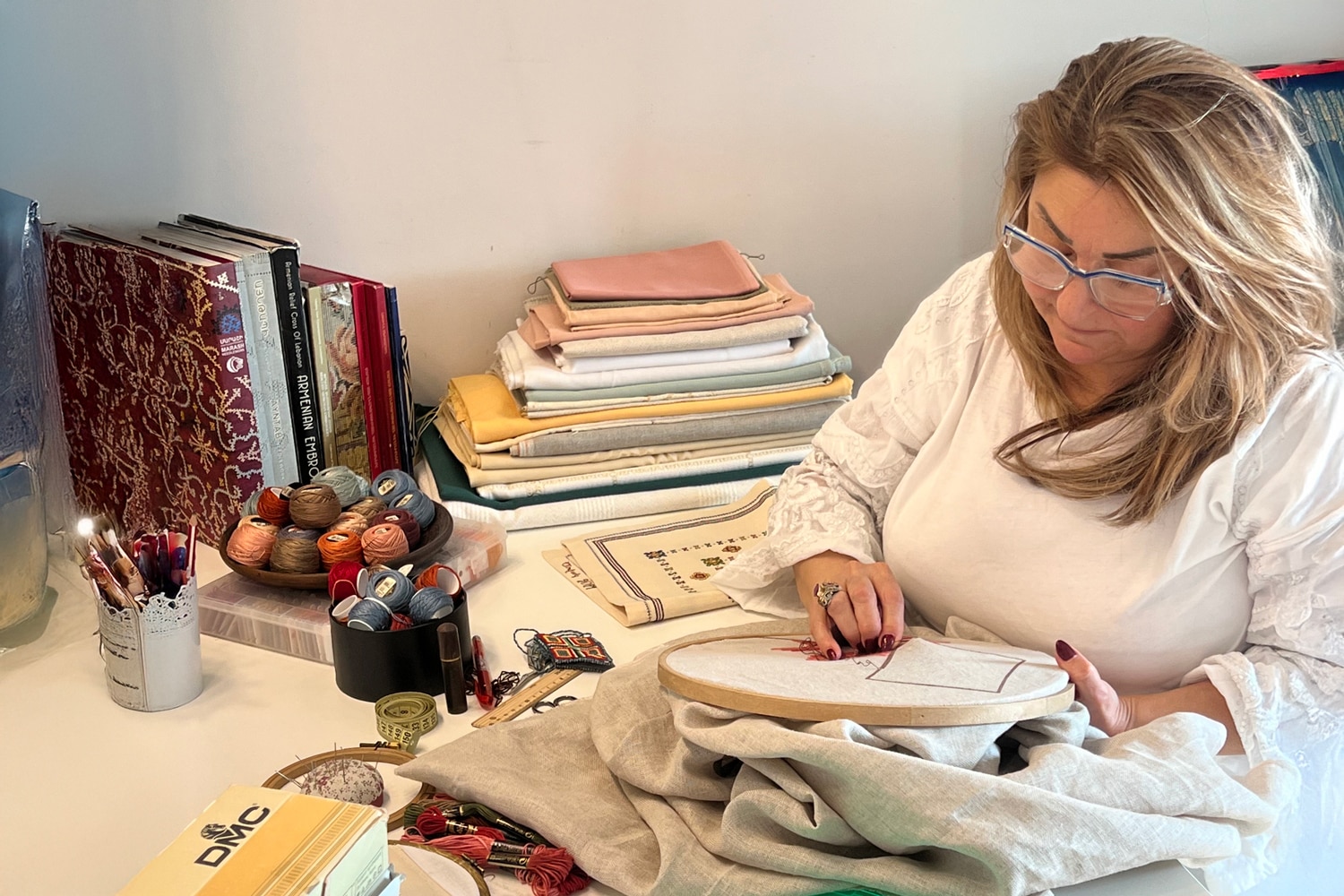
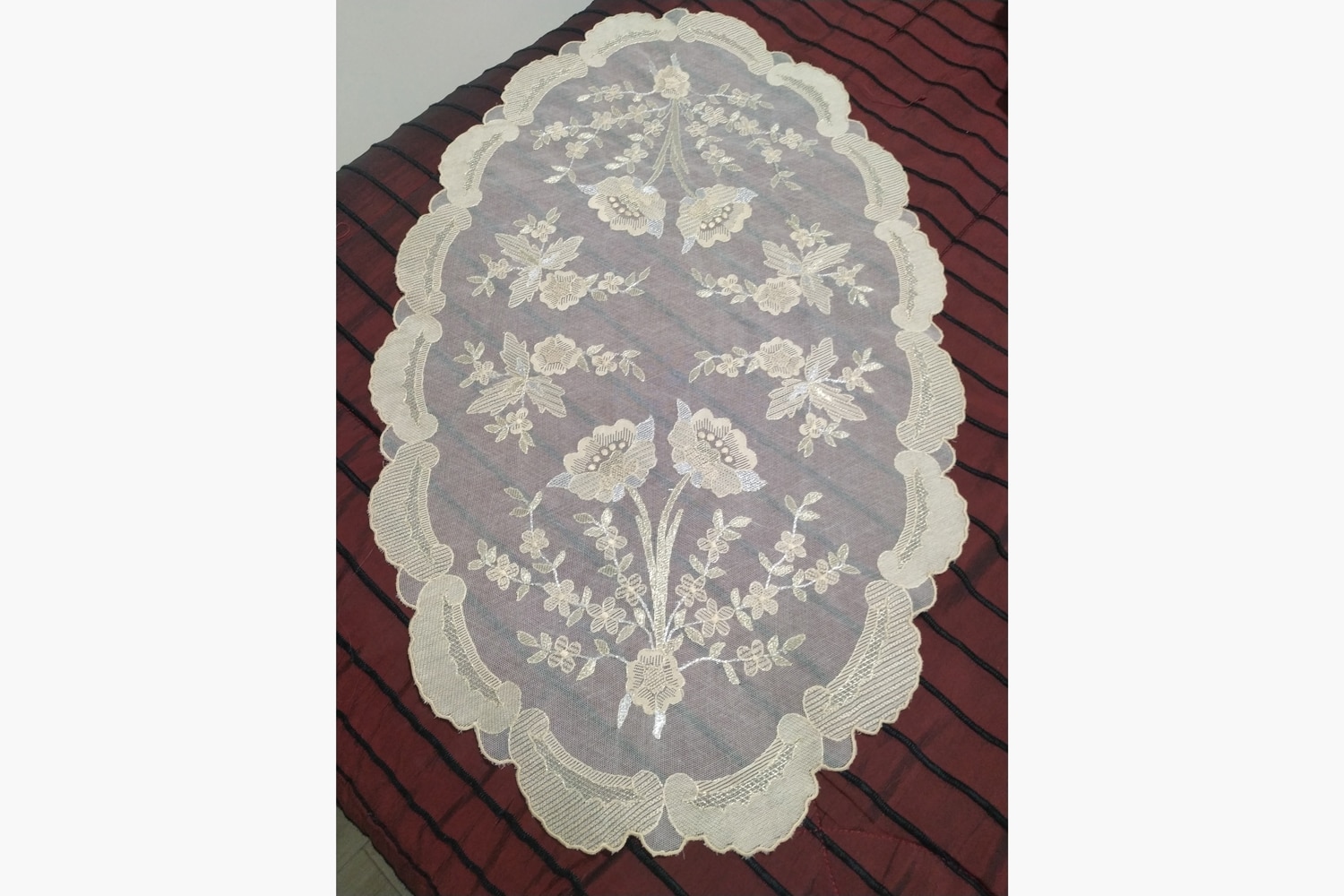
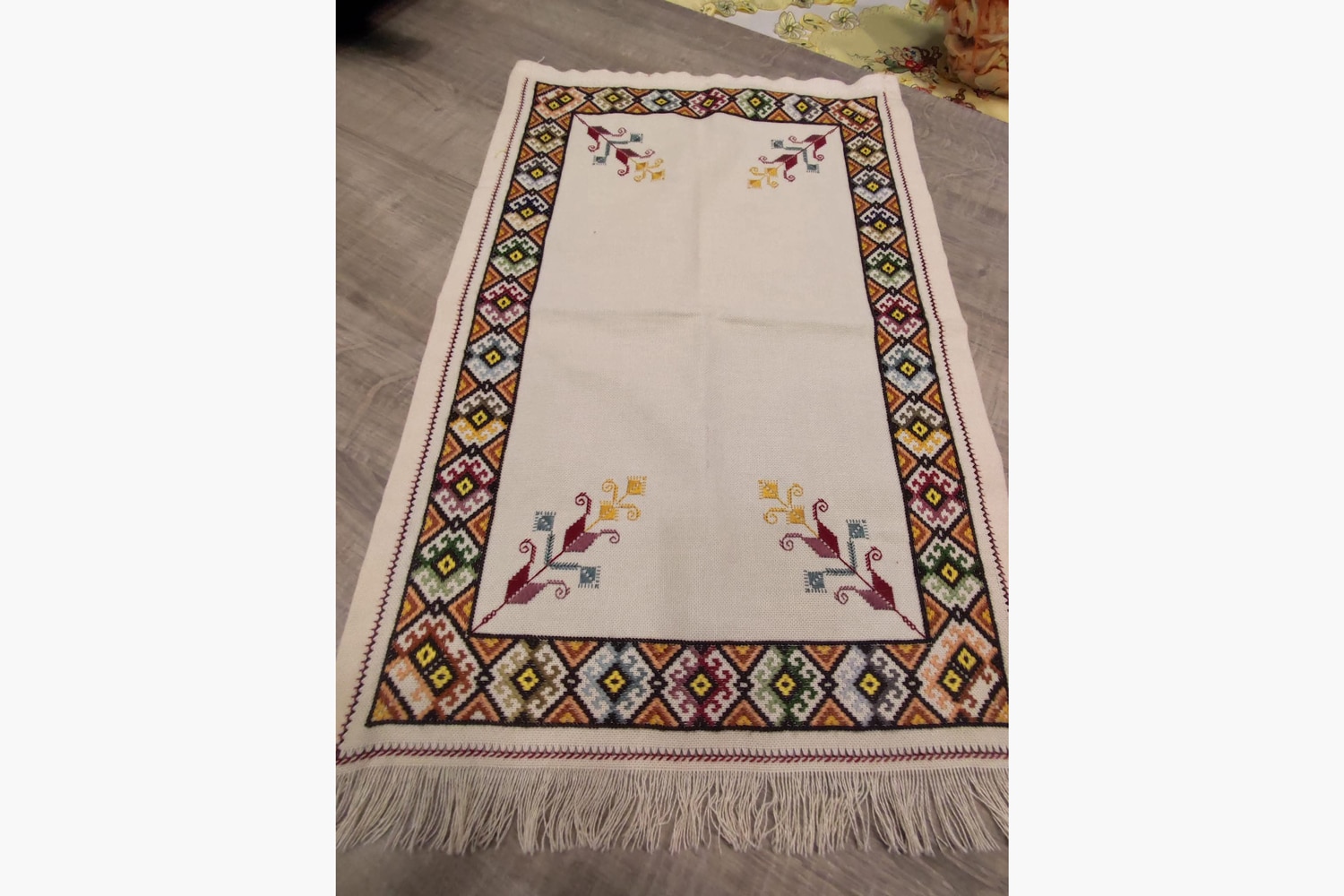
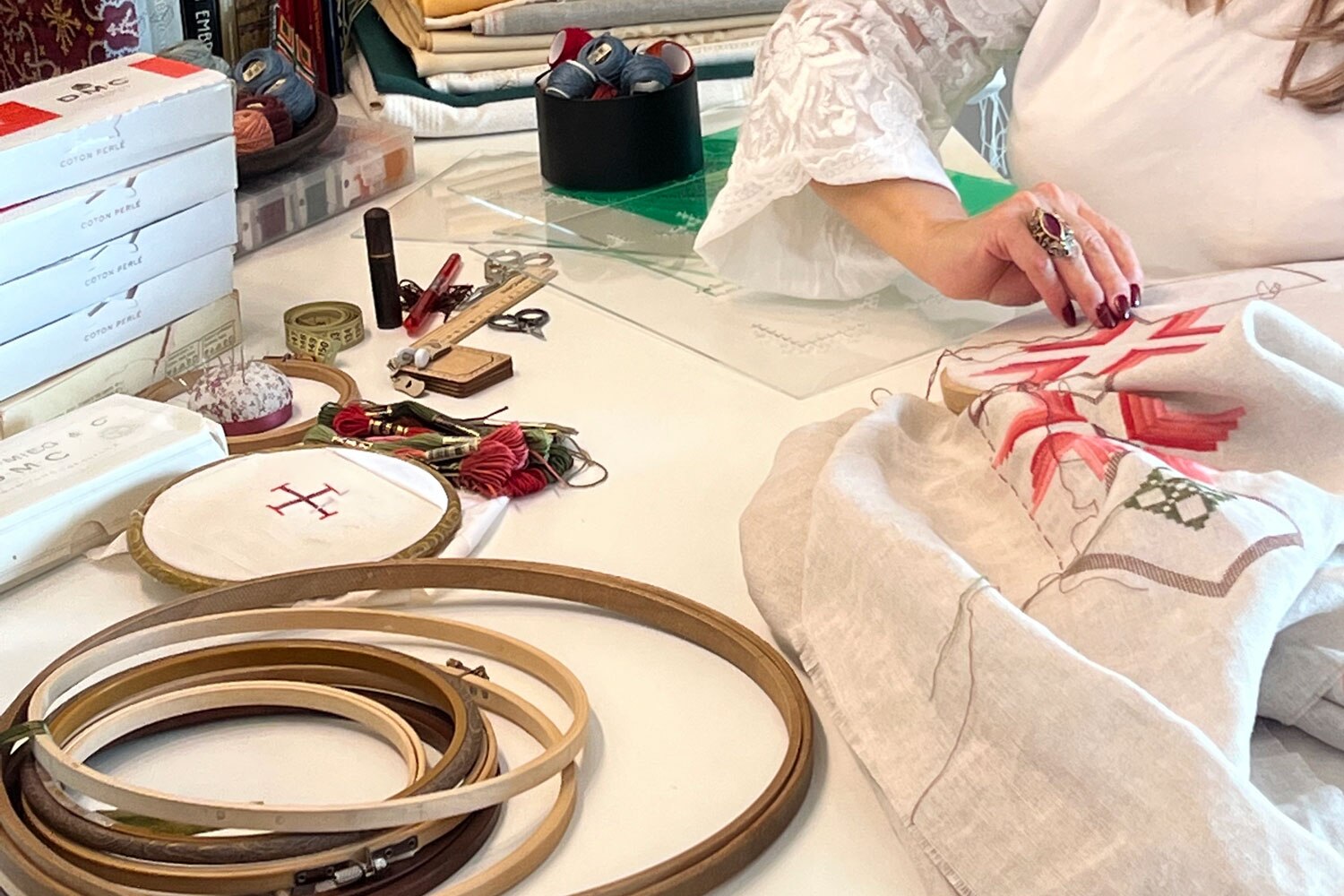
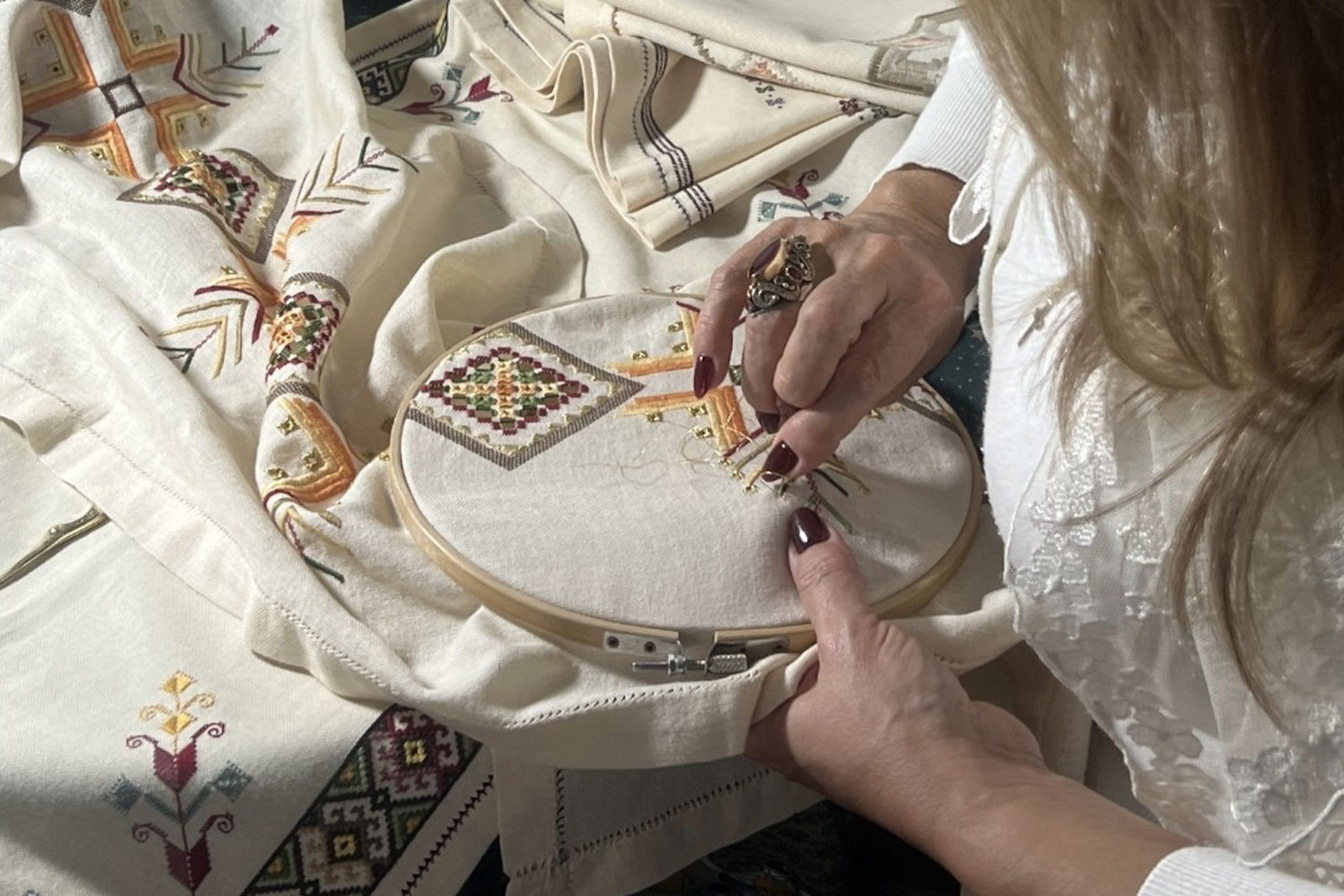
"Embroidery was given to me as a divine gift,” says Zovag Kantarjian. Born in Aleppo, a city renowned for its Armenian diaspora, she grew up in a culture where young girls learned needlework from their grandmothers and neighbours. Zovag created her first piece at the age of 12 while helping her sister complete a trousseau. "This was the beginning of a lifelong devotion to embroidery," Zovag explains. By 27, she had completed a three metre-long embroidered tablecloth – a milestone that established the craft as her life’s work. In 2012, during the war in Syria, Zovag settled in Yerevan, where embroidery once again became both livelihood and anchor. Today, she blends diverse techniques and colours to create her own signature world of embroidery.
INTERVIEW
I believe embroidery was a divine gift, something that both I and others noticed within me. Once I recognised it, I felt a responsibility to develop it. The greatest motivation comes from sharing my craft with others, and every time I teach students or create for a client, I feel inspired to preserve and grow this art.
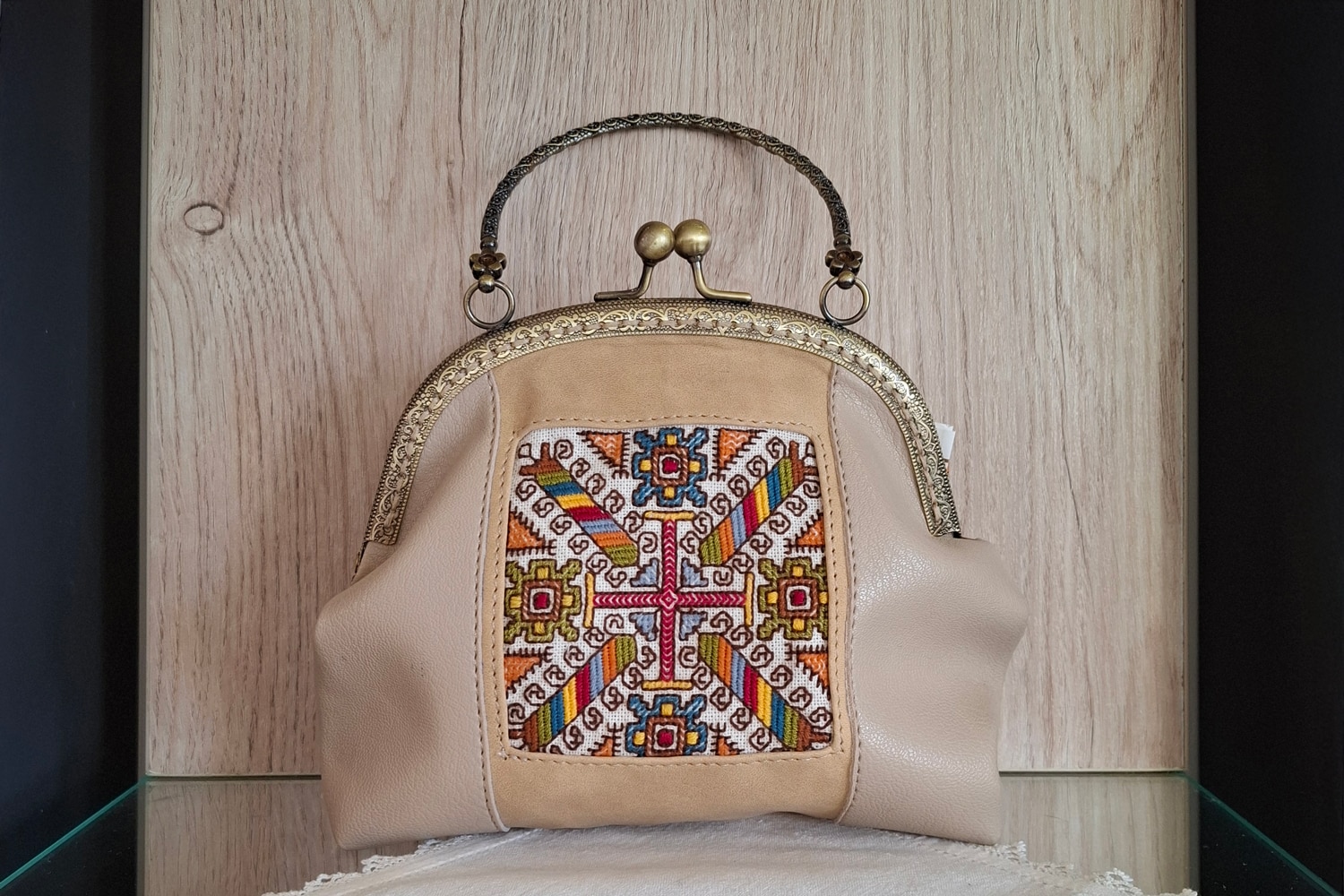
As a child, I was inspired by anything unique I saw and tried to replicate it. Today, my main inspiration comes from my clients, who challenge me to create something using my colours and materials. I favour soft tones and love working with silk, often combining it with traditional Armenian embroidery to create something truly personal and distinctive.
In Aleppo, where I grew up, it was a way for our diaspora to earn a living. Today, in Yerevan, I train many apprentices, many of whom have opened their own schools. I am happy because this ensures the preservation of a unique cultural heritage.
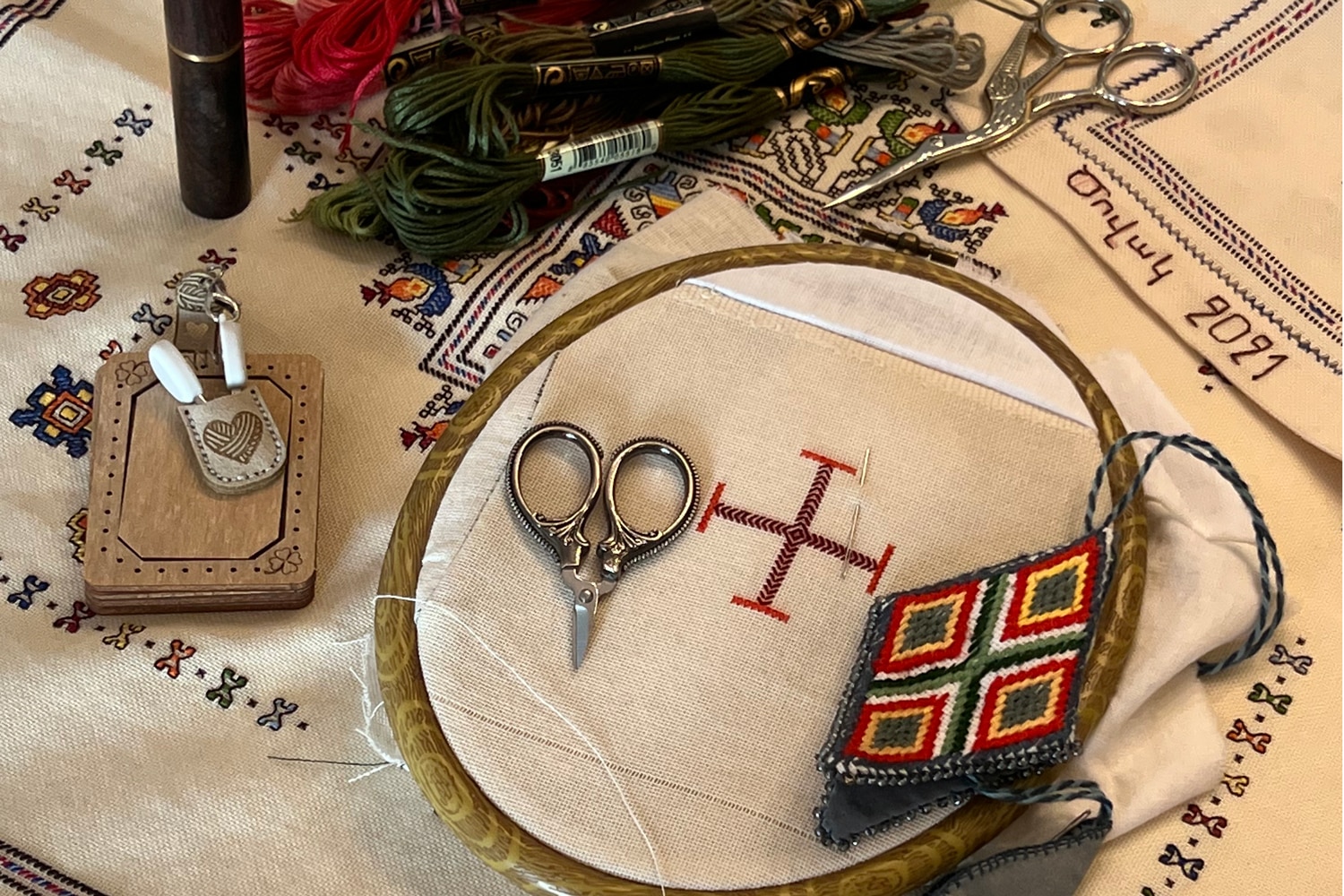
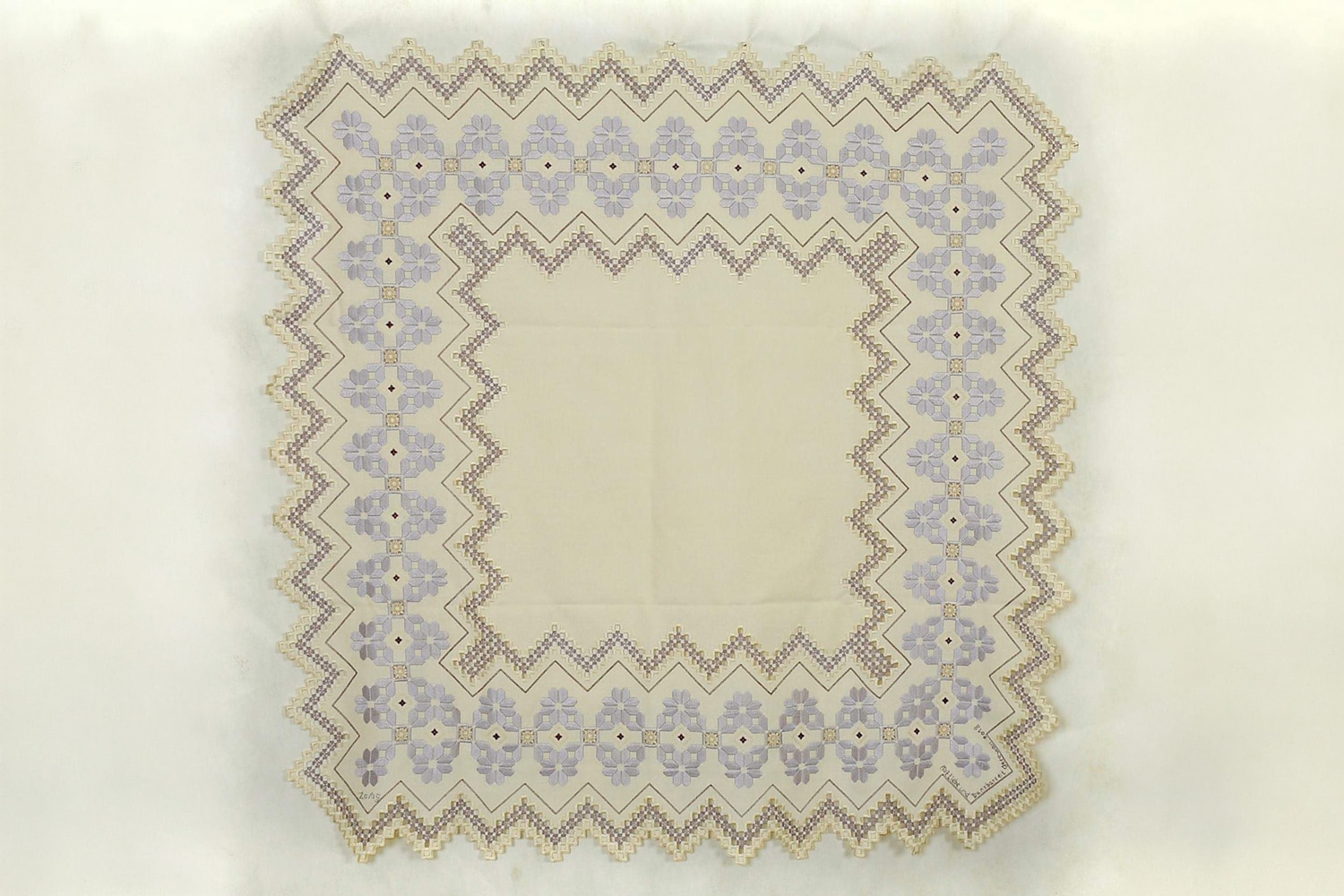
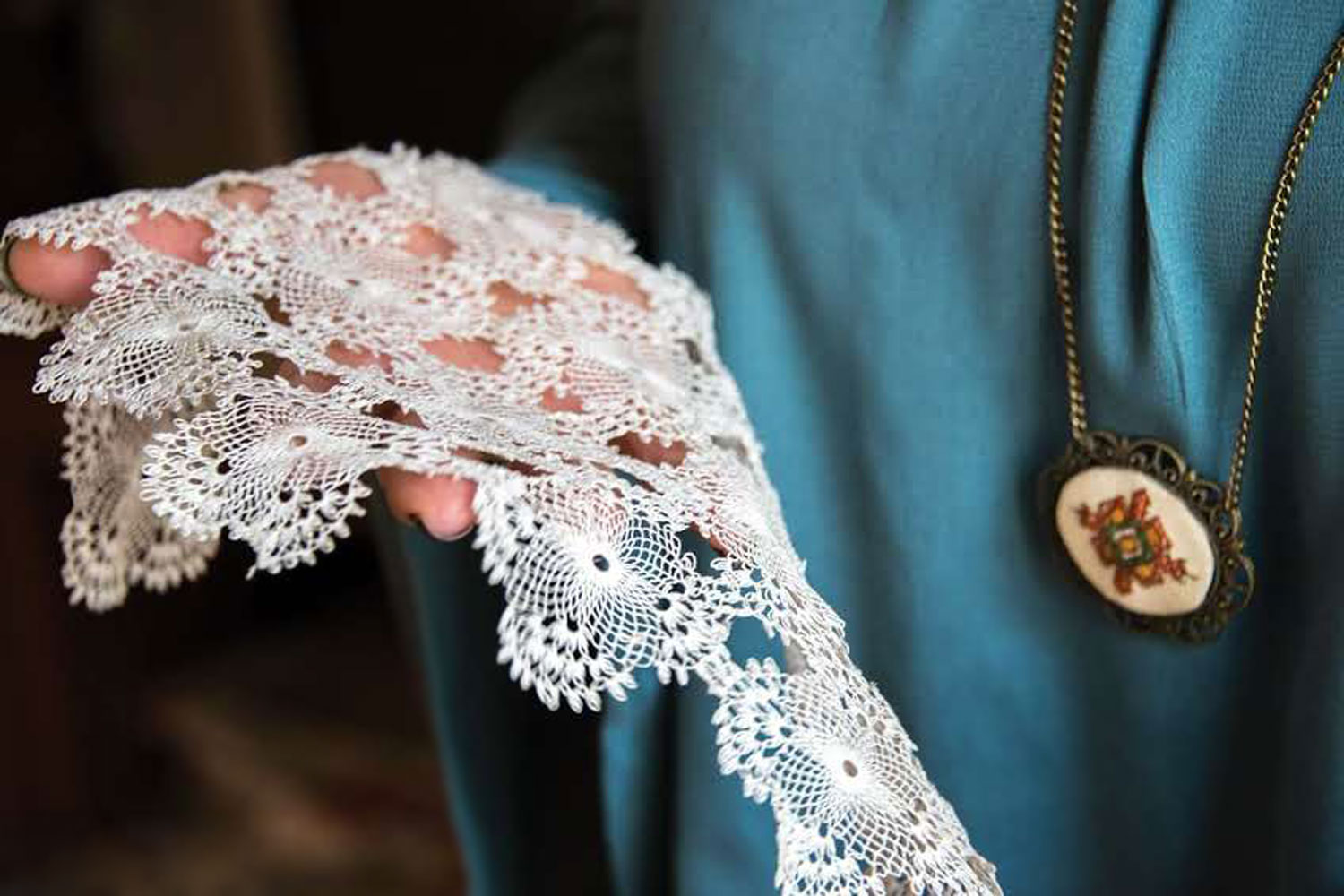
I practice a wide range of Armenian techniques, including Ayntab, Marash, Svaz van, Svaz vishap, Van, Tigranakert, Urfa, and Kilis embroidery. Alongside these, I work with European techniques such as Hardanger, Dentelle Bretonne, Shadow and Rococo embroidery. I also practise lace-making and felting.
Zovag Kantarjian
Embroiderer
Yerevan, Armenia
AVAILABILITY
By appointment only
PHONE
+374 95903097
LANGUAGES
Armenian, English, Spanish, Arabic
Homo Faber Finds is a new service aiming to inspire admirers of craft to connect and collaborate with exceptional artisans.
We invite you to submit an enquiry here.