Vivian Beer
Furniture maker
Pembroke, NH, USA
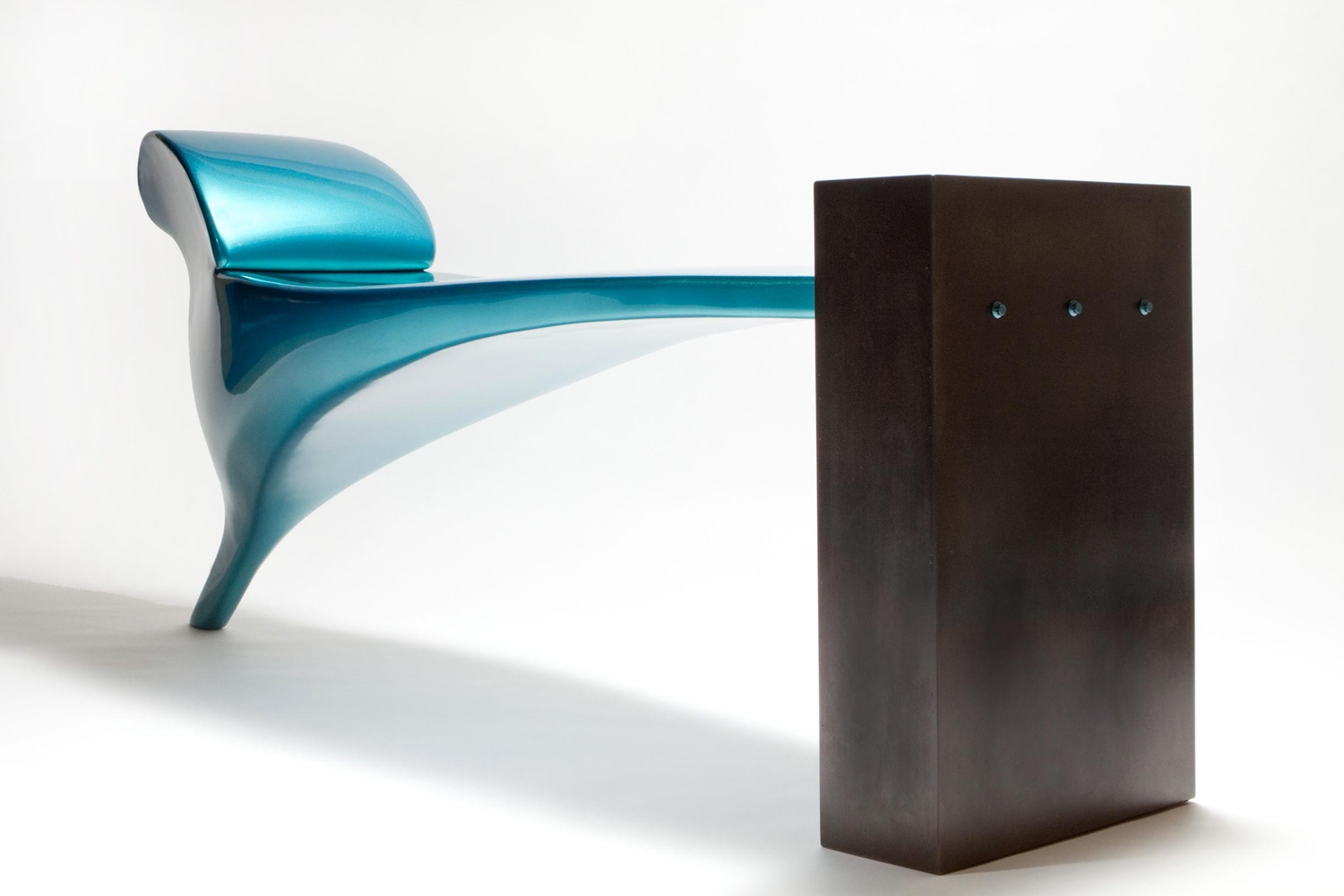
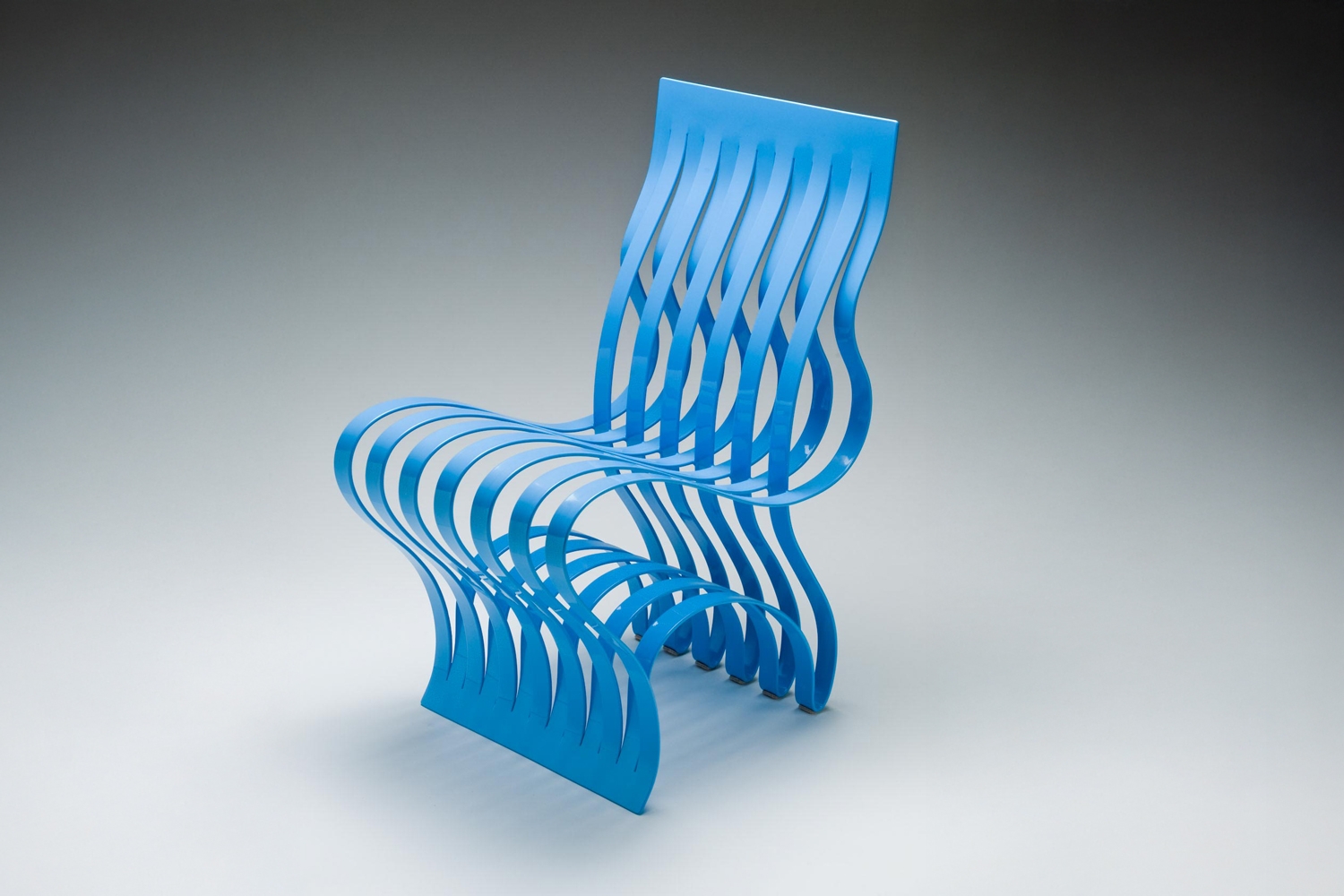
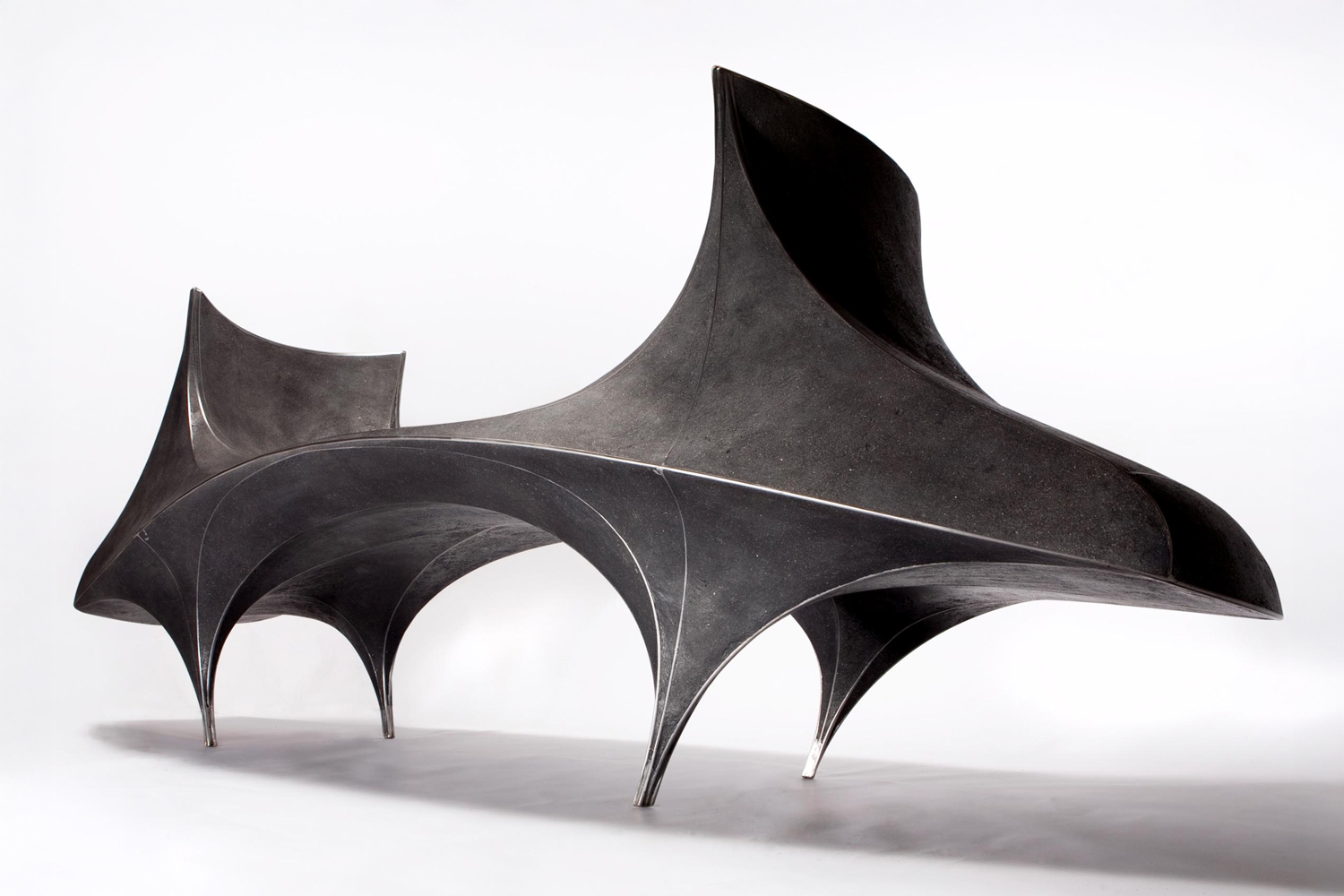
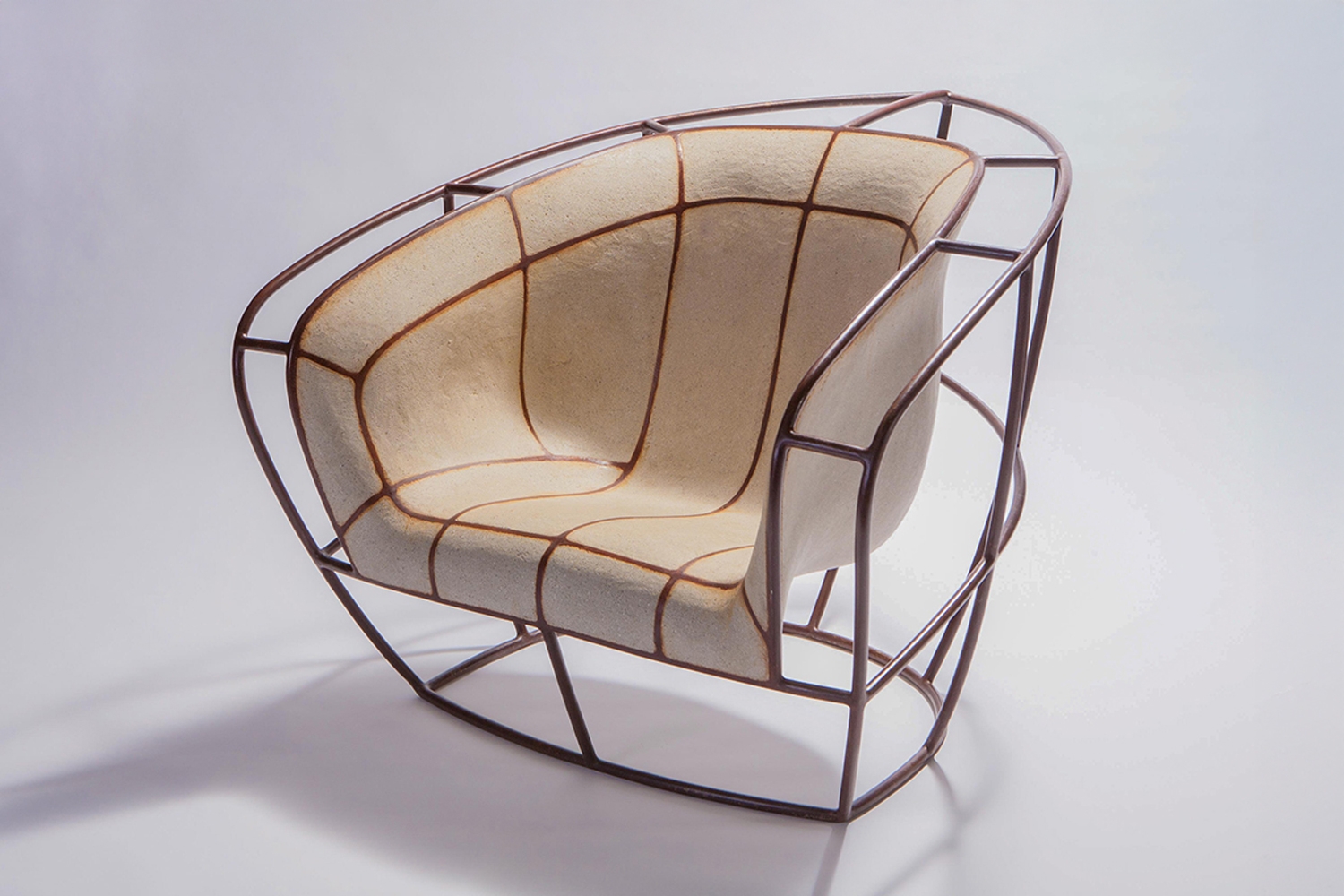
Sculpting metal into provocative forms
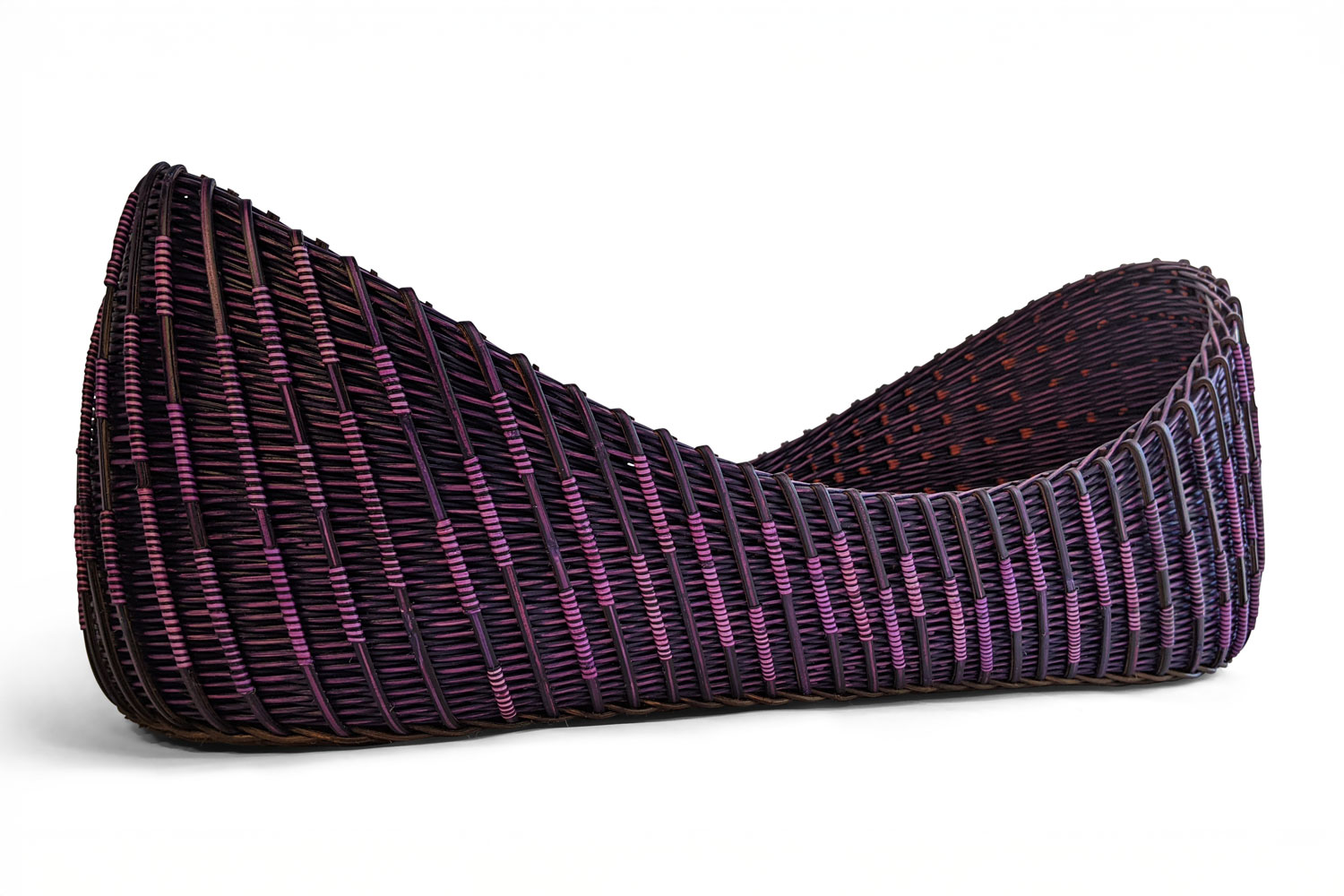
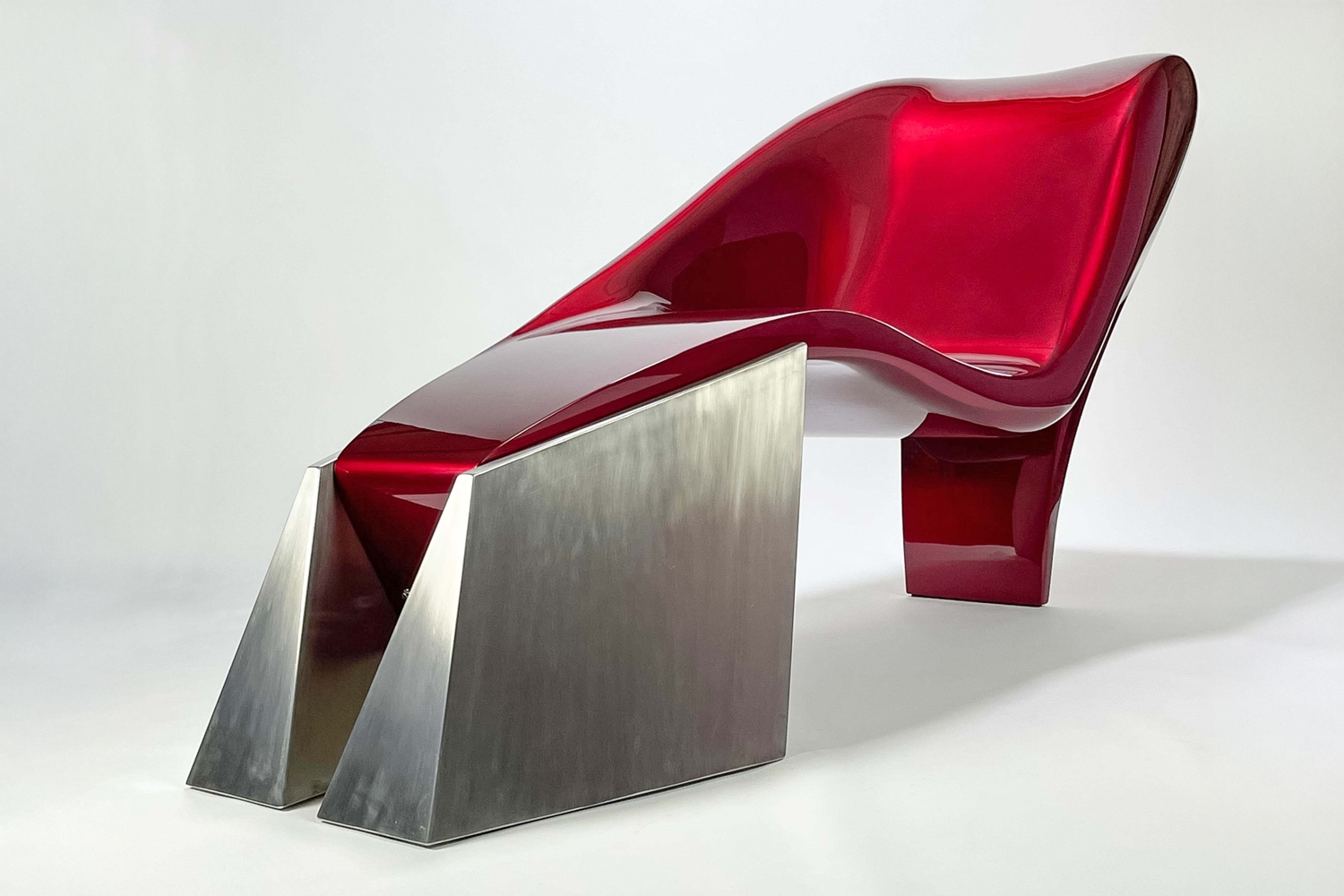
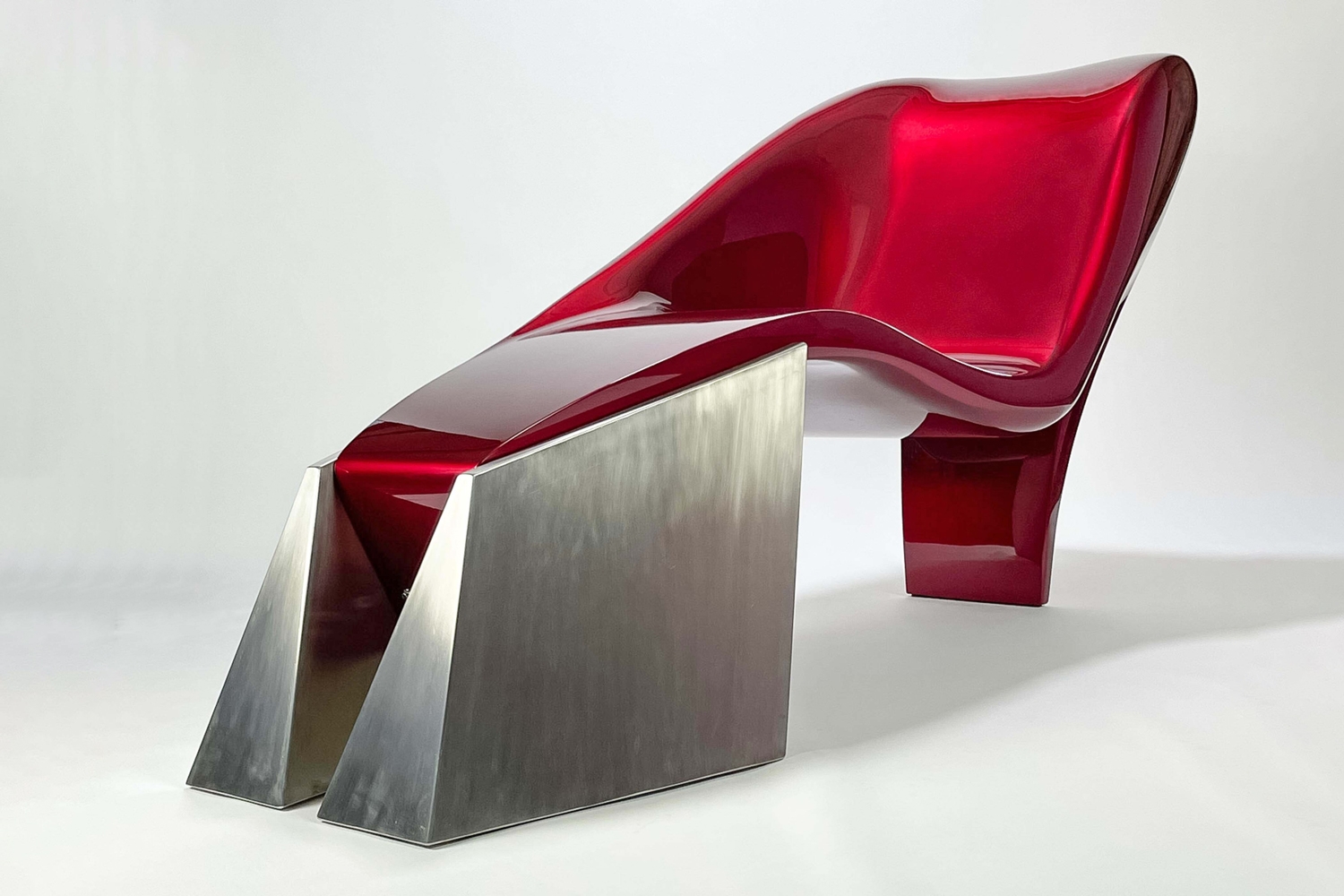
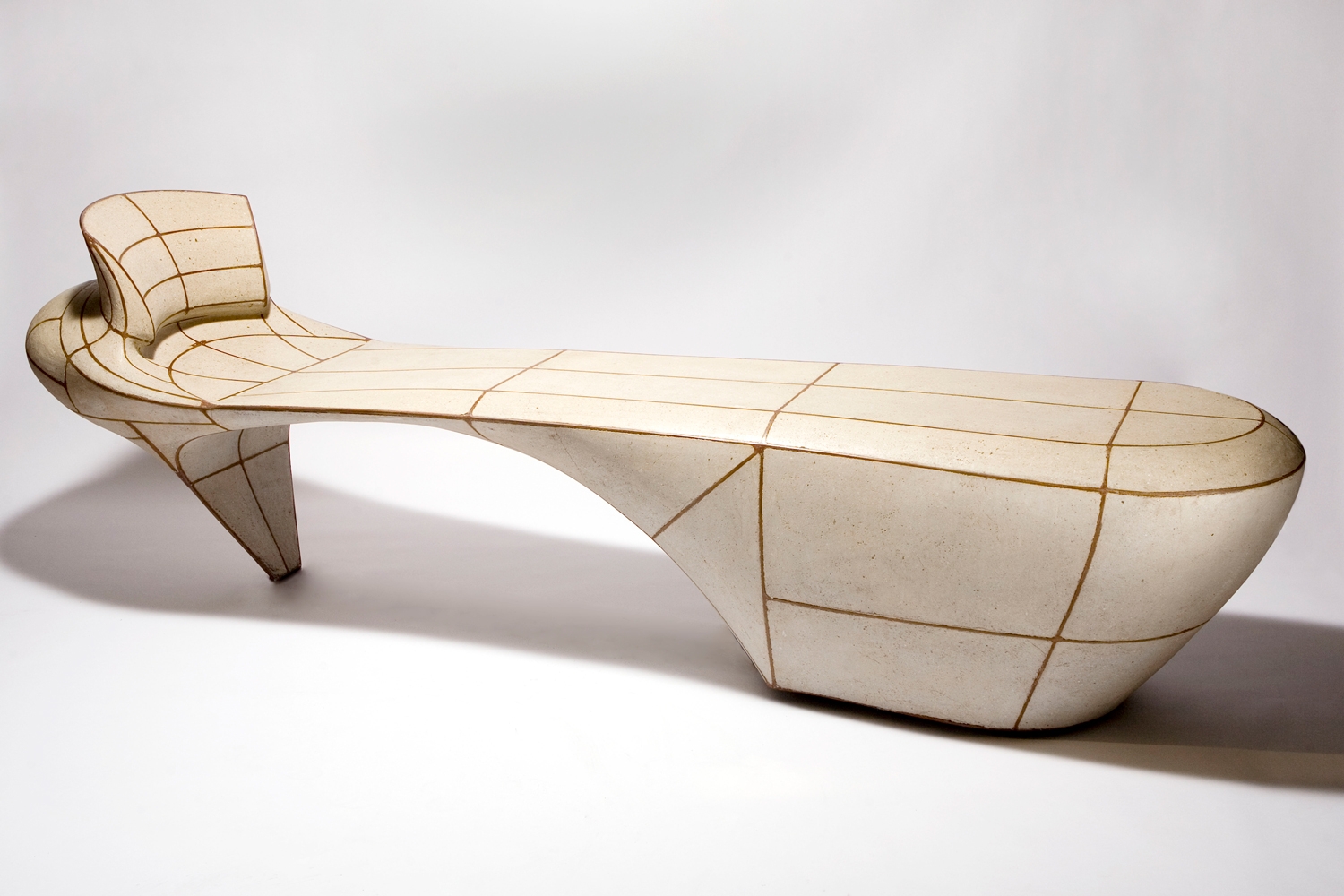
- Vivian creates fluid-looking pieces of abstract furniture from concrete and metal
- She seeks strong emotional and psychological responses through her designs
- Her works are in the Smithsonian American Art Museum and Brooklyn Museum of Art
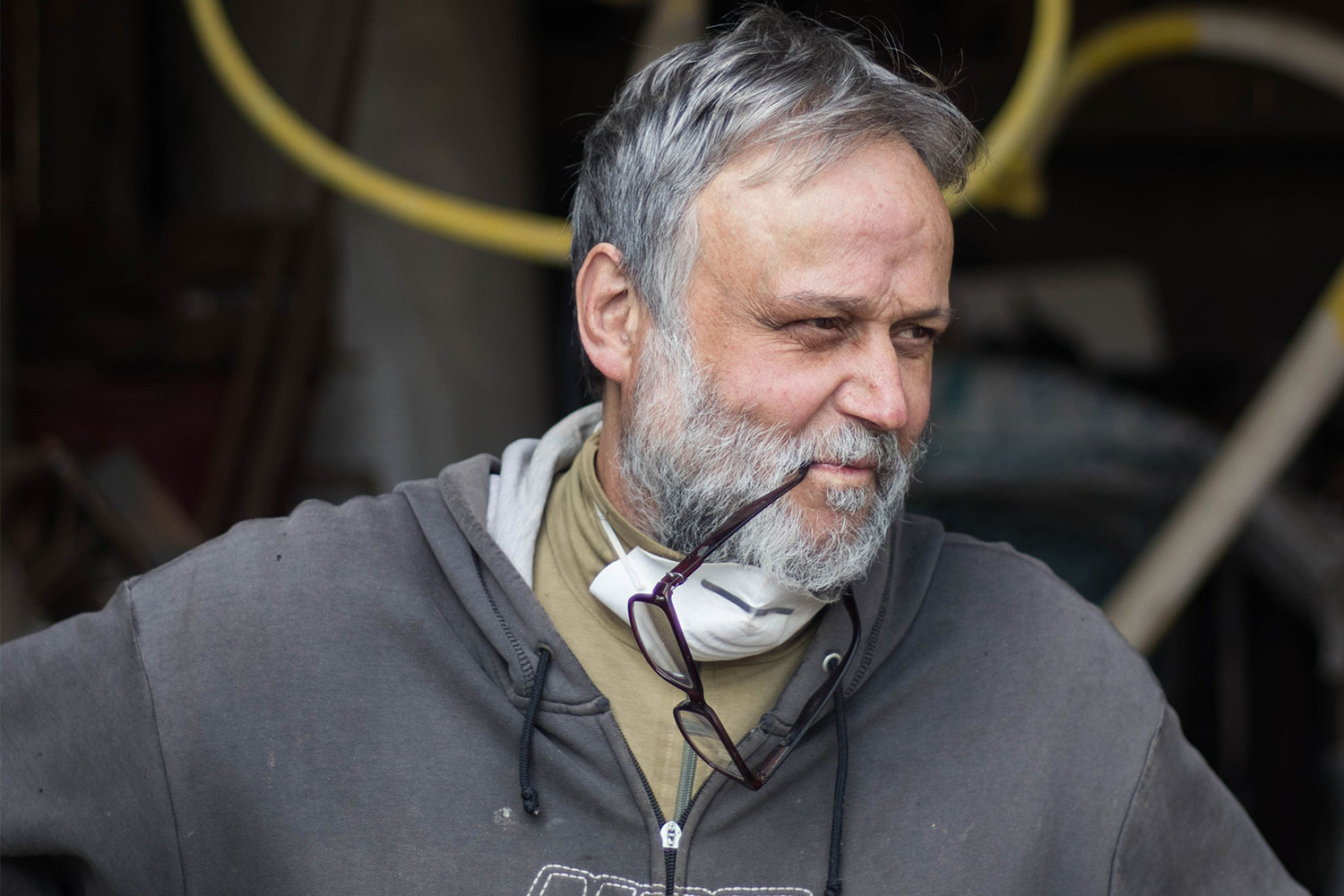
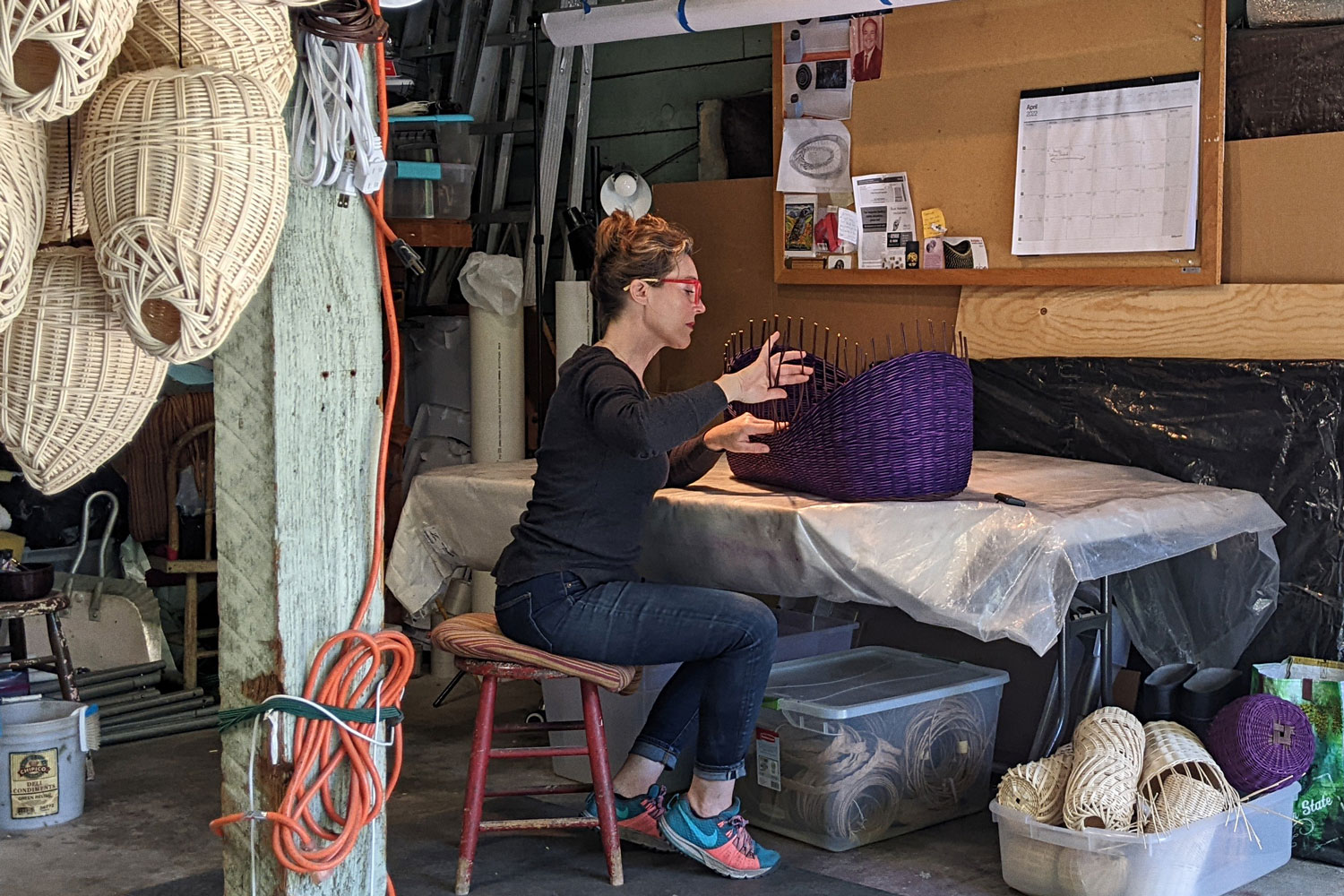
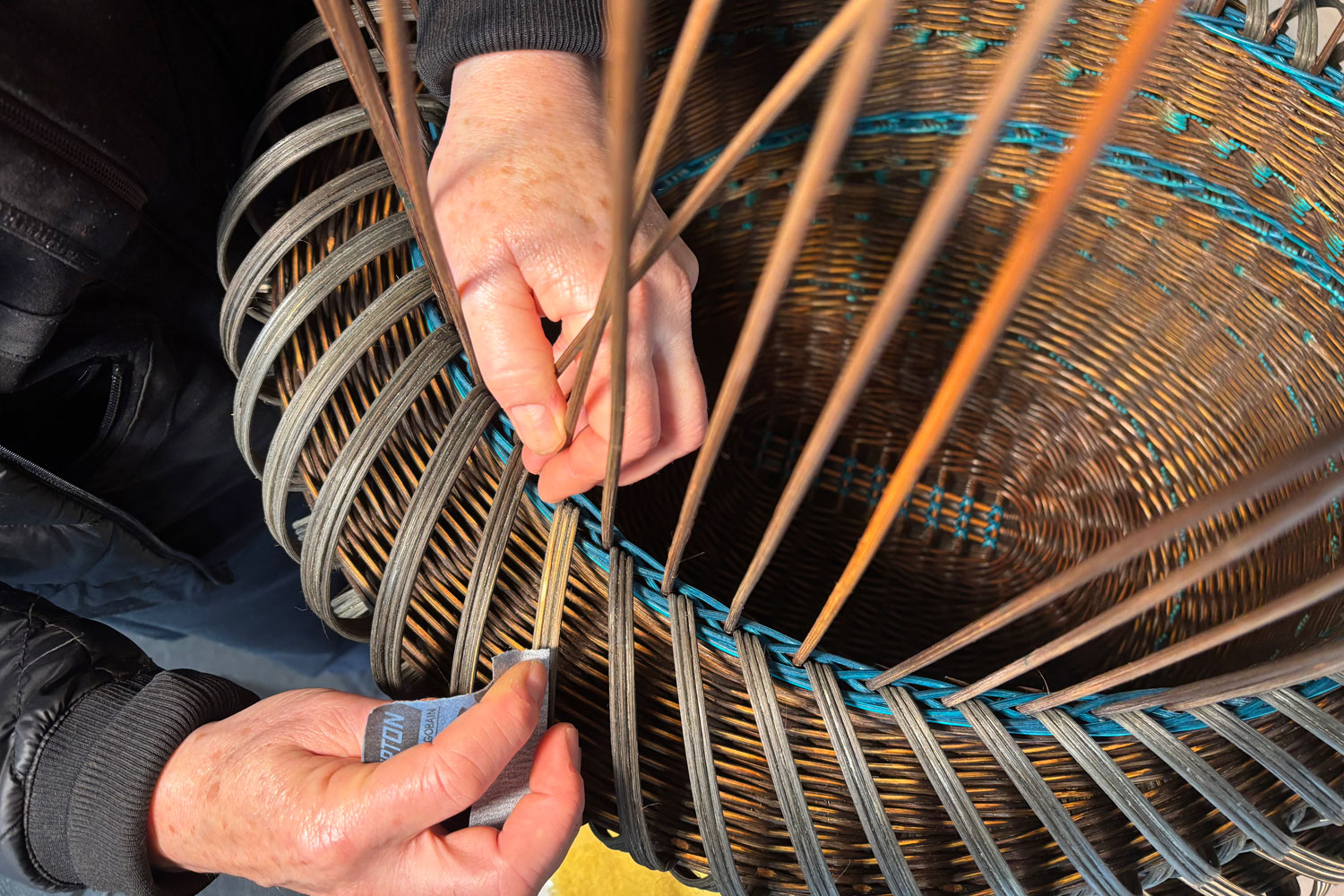
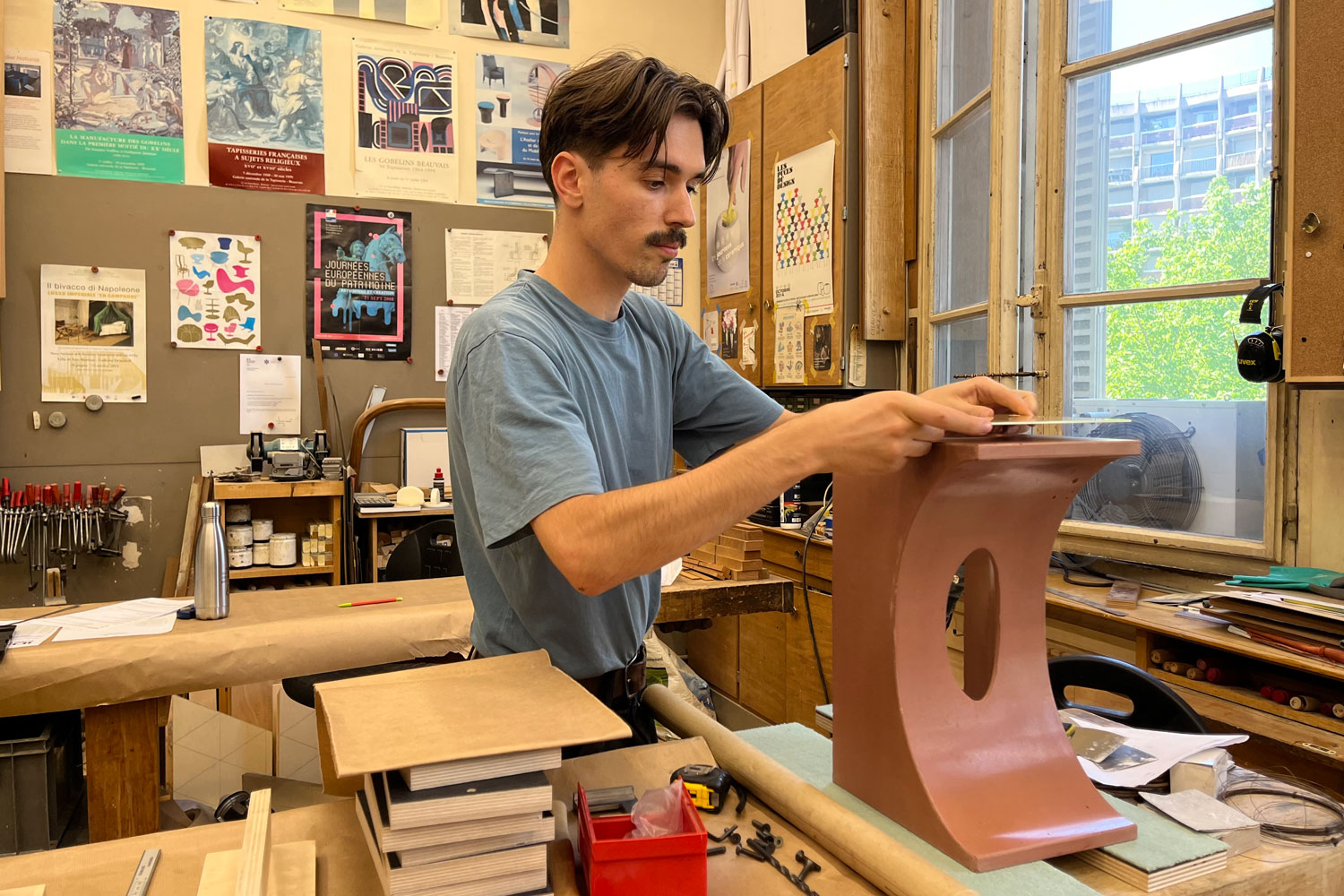
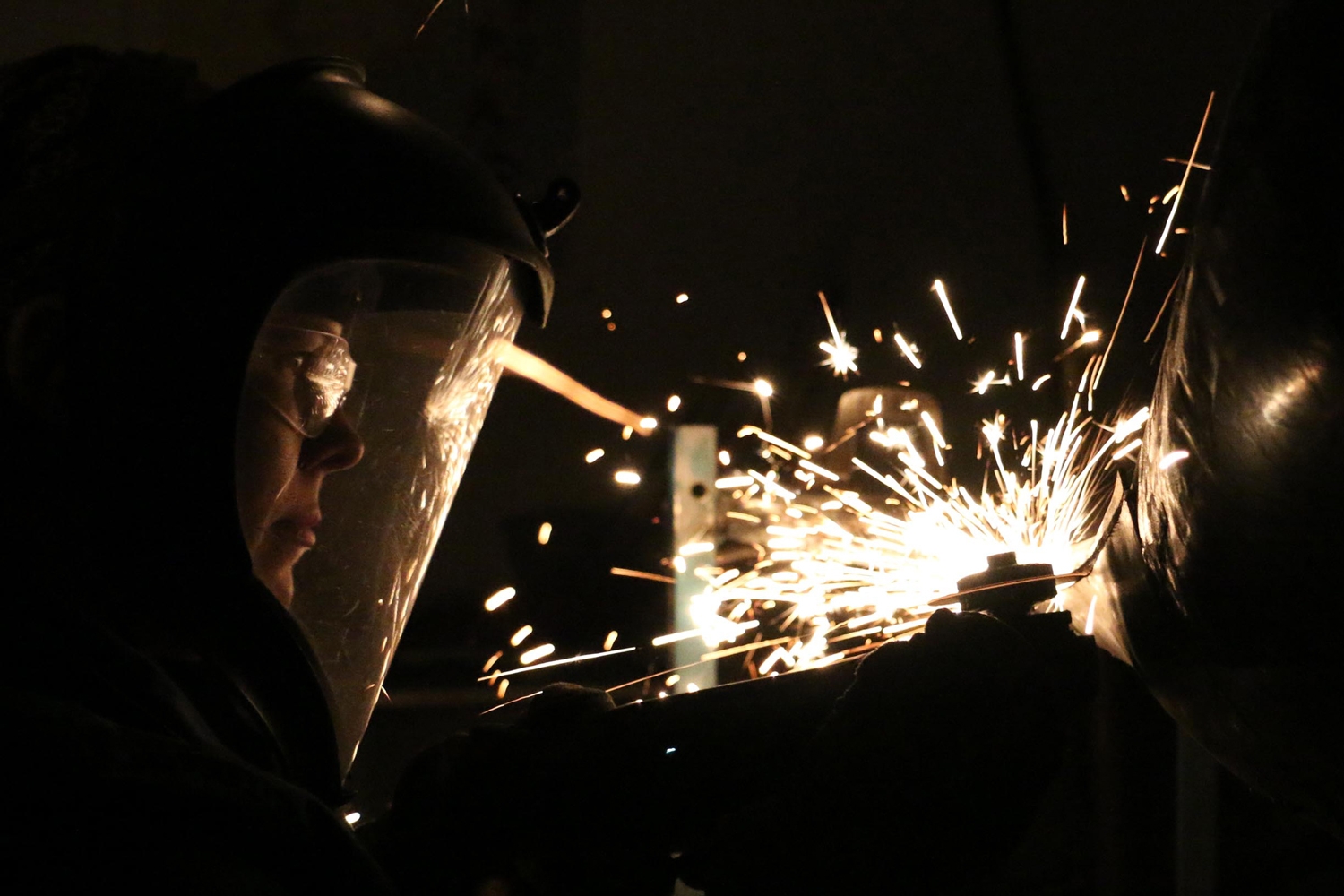
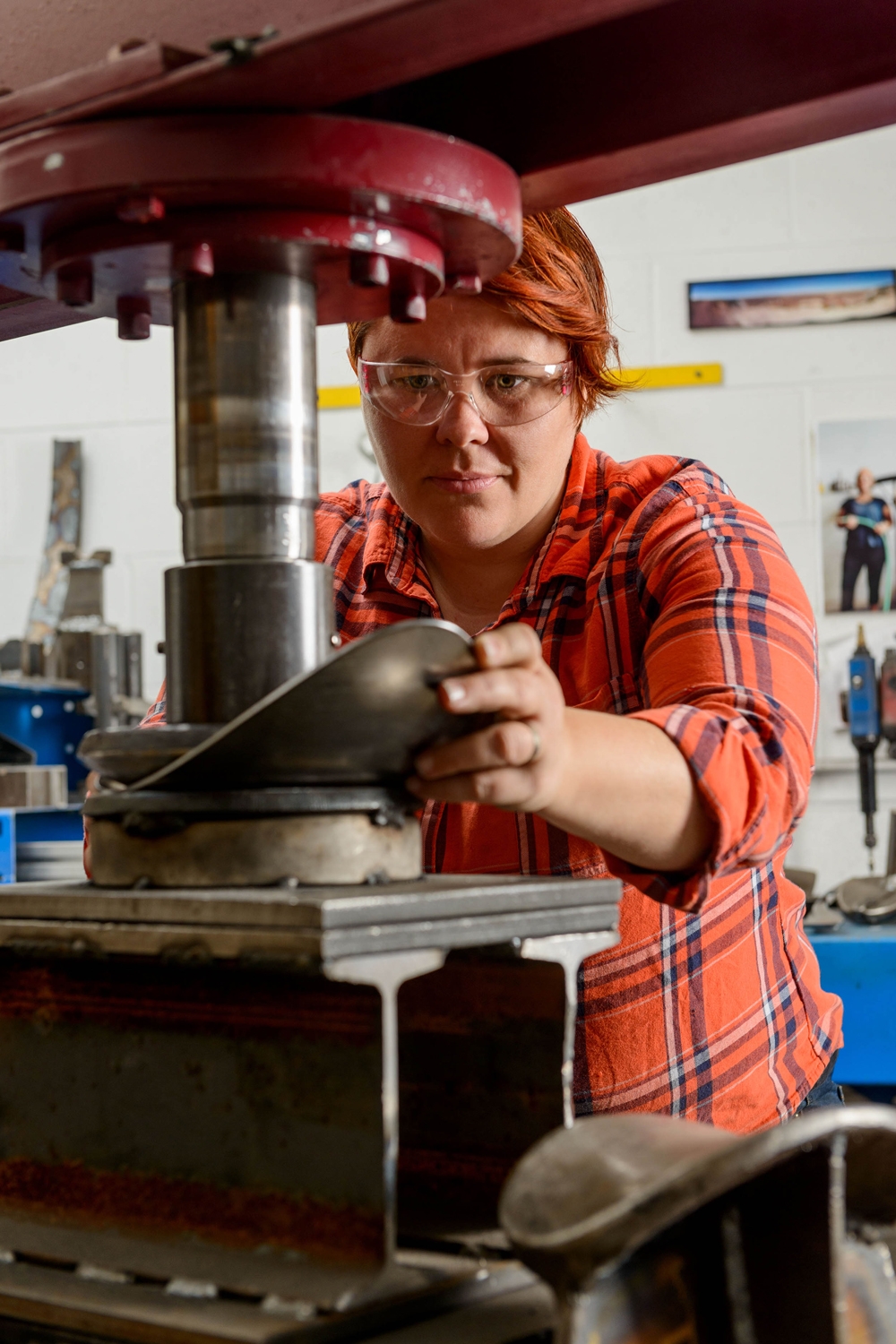
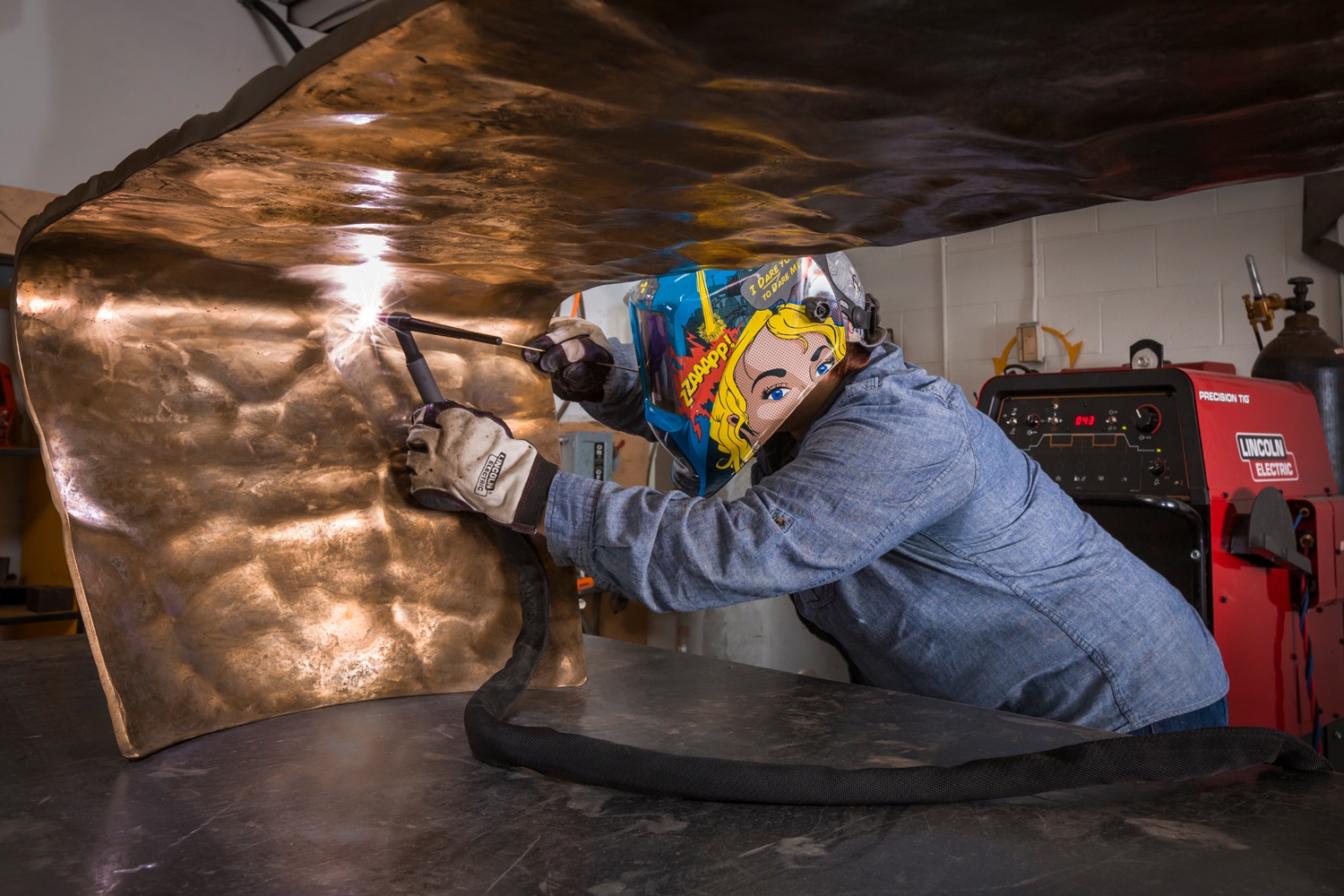
From the age of five, Vivian Beer was helping to restore boats and build furniture around the house, thanks to her father, an expert boat builder. “Growing up in the woods of Maine, you did not hire somebody to fix something, you fixed it yourself,” she says. Vivian later enrolled at the Maine College of Art to study sculpture. The material she always had the most immediate, intimate connection with was metal. “I loved that it had more pushback, more defiance. The struggle of trying to manipulate it really appealed to me,” she says. During her masters in metalsmithing at Michigan’s Cranbrook Academy of Art, Vivian fell in love with contemporary design and started developing her signature style. Her sleek, abstracted metal and concrete furniture reflects her sculptural background and expert command over the material.
INTERVIEW
I keep a notebook whenever I travel. I am always taking notes about things I react to on the road, whether it is an interesting limestone deposit in the Anza-Borrego Desert State Park or a Martha Graham performance. When I set out to design something, I start with a silhouette and then I try to abstract some of the reference points from my notes.
I think of furniture making as creating emotional, psychological spaces. People talk a lot about ergonomics, but the chair that fits me is going to be very different from the one that fits you. Comfort is personal. What interests me more is how furniture can shift the emotional tone of a room or moment.
I am interested in the idea of force, whether that is forces of nature, forces of time or the forces of ideology. I think it is evident when you work with metal as the marks of the force are often visible. There is something about bending and breaking metal that feels inherently defiant, particularly as a female maker.
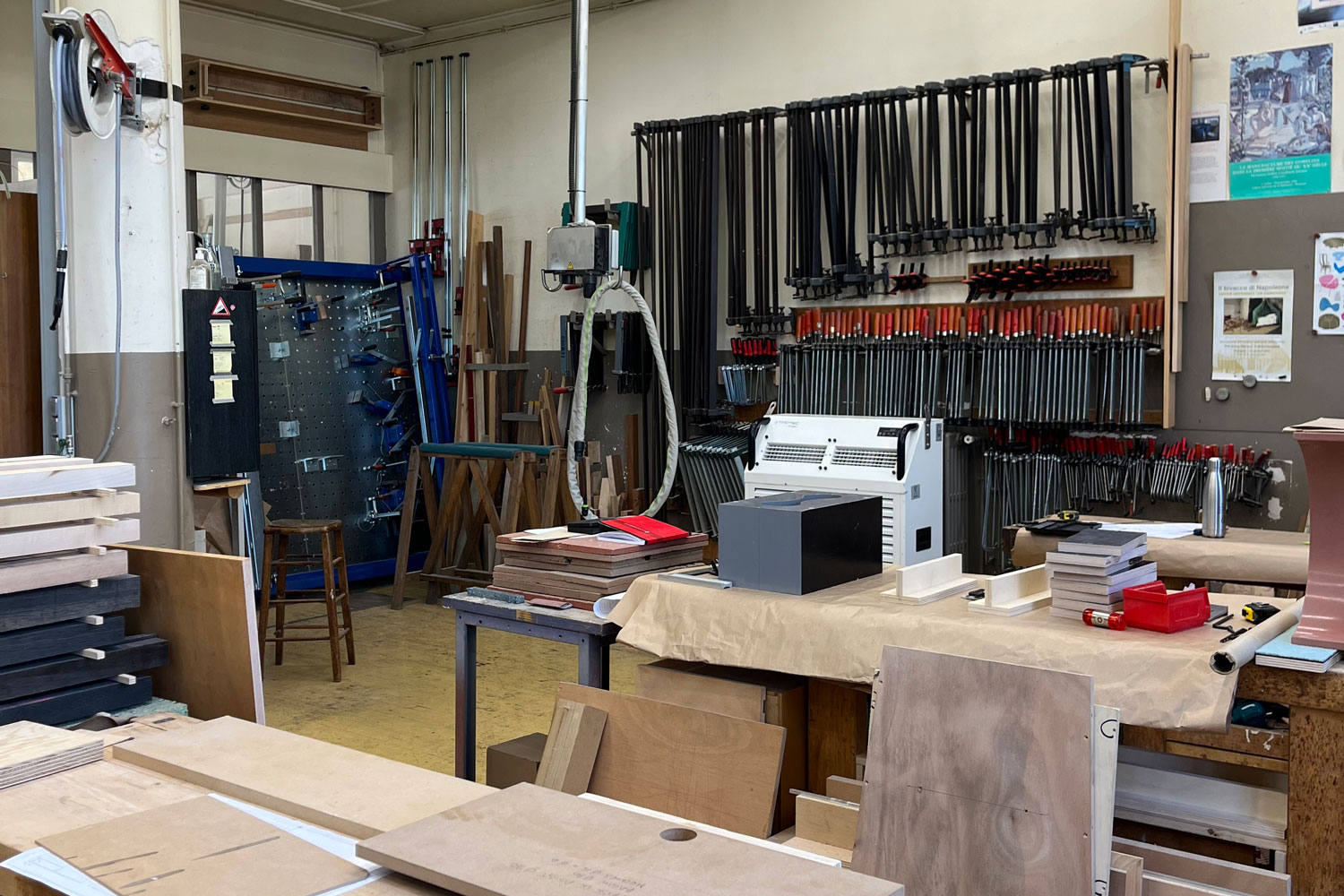
I will pass on the advice my undergraduate professor Tracey Cockrell from the Maine College of Art gave when I graduated. Always have a studio. When you do, your life naturally organises itself around sustaining that space. If you do not have one, you are already signalling that making is not a priority.
Vivian Beer
Furniture maker
Pembroke, NH, USA
ADDRESS
Address upon request, Pembroke, NH, USA
AVAILABILITY
By appointment only
PHONE
+1 8452392729
LANGUAGES
English
Homo Faber Finds is a new service aiming to inspire admirers of craft to connect and collaborate with exceptional artisans.
We invite you to submit an enquiry here.