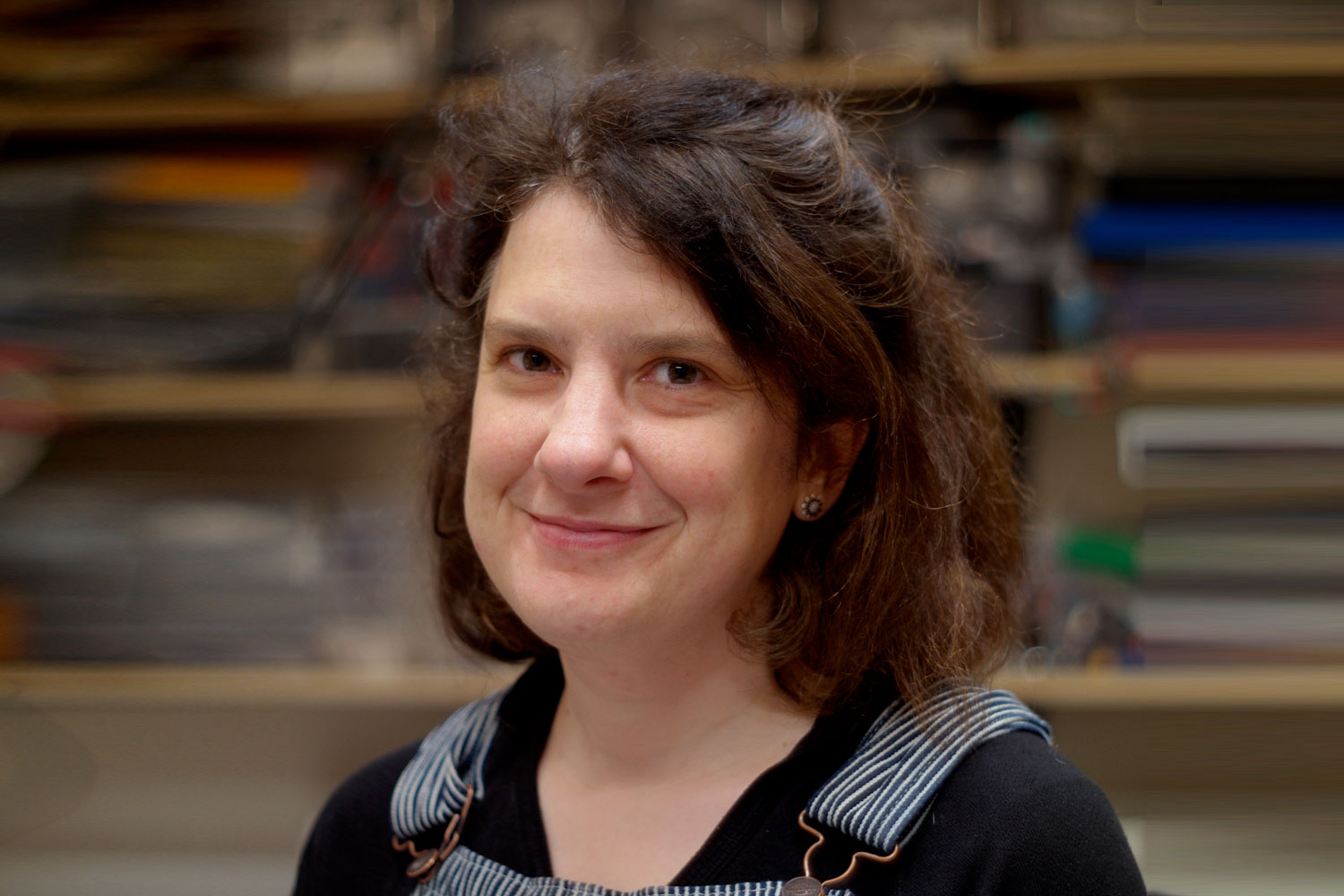
Susan O'Byrne
Ceramicist
Glasgow, United Kingdom
Recommended by Crafts Council UK
Animal magic
- Susan first studied tapestry before switching to ceramics
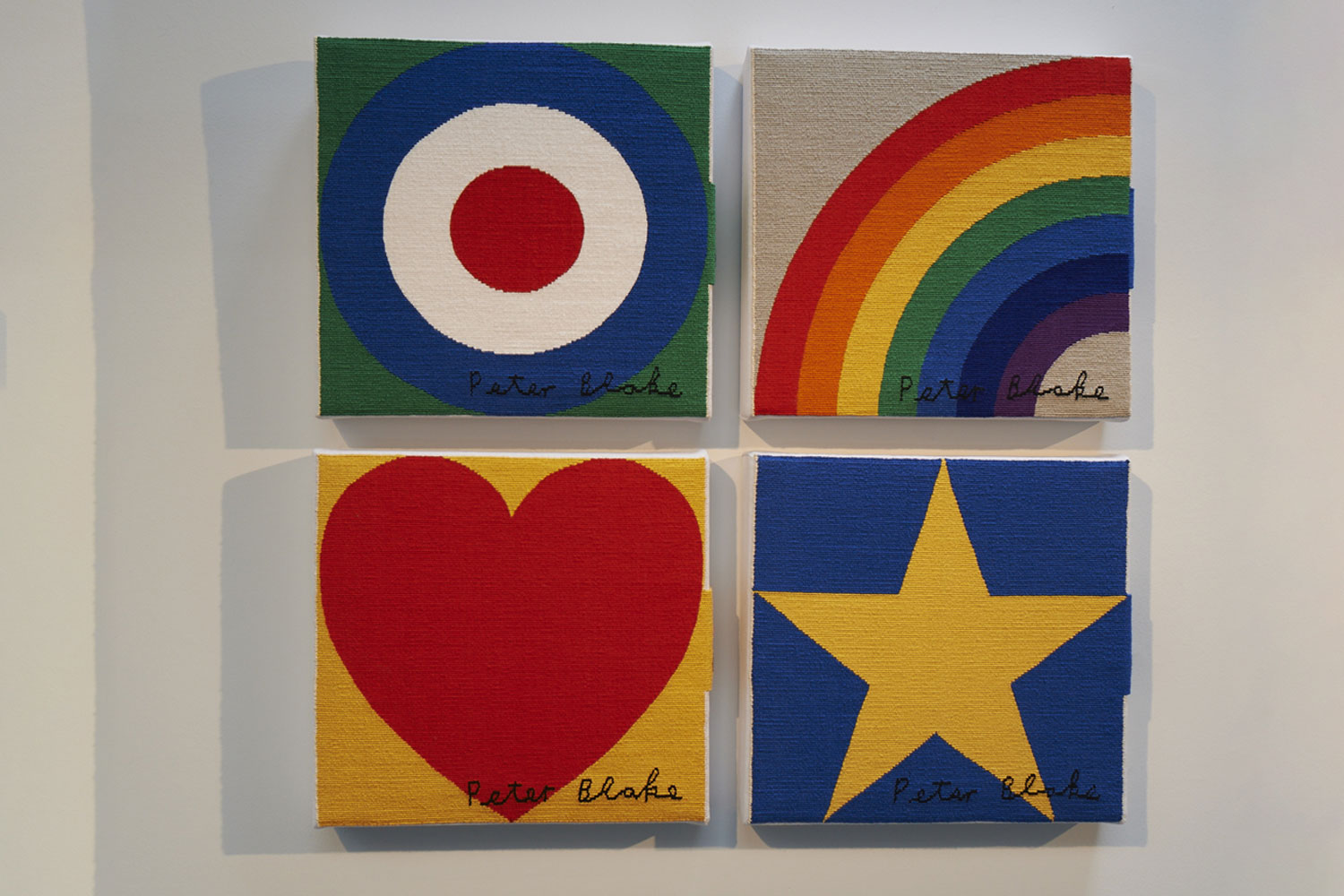
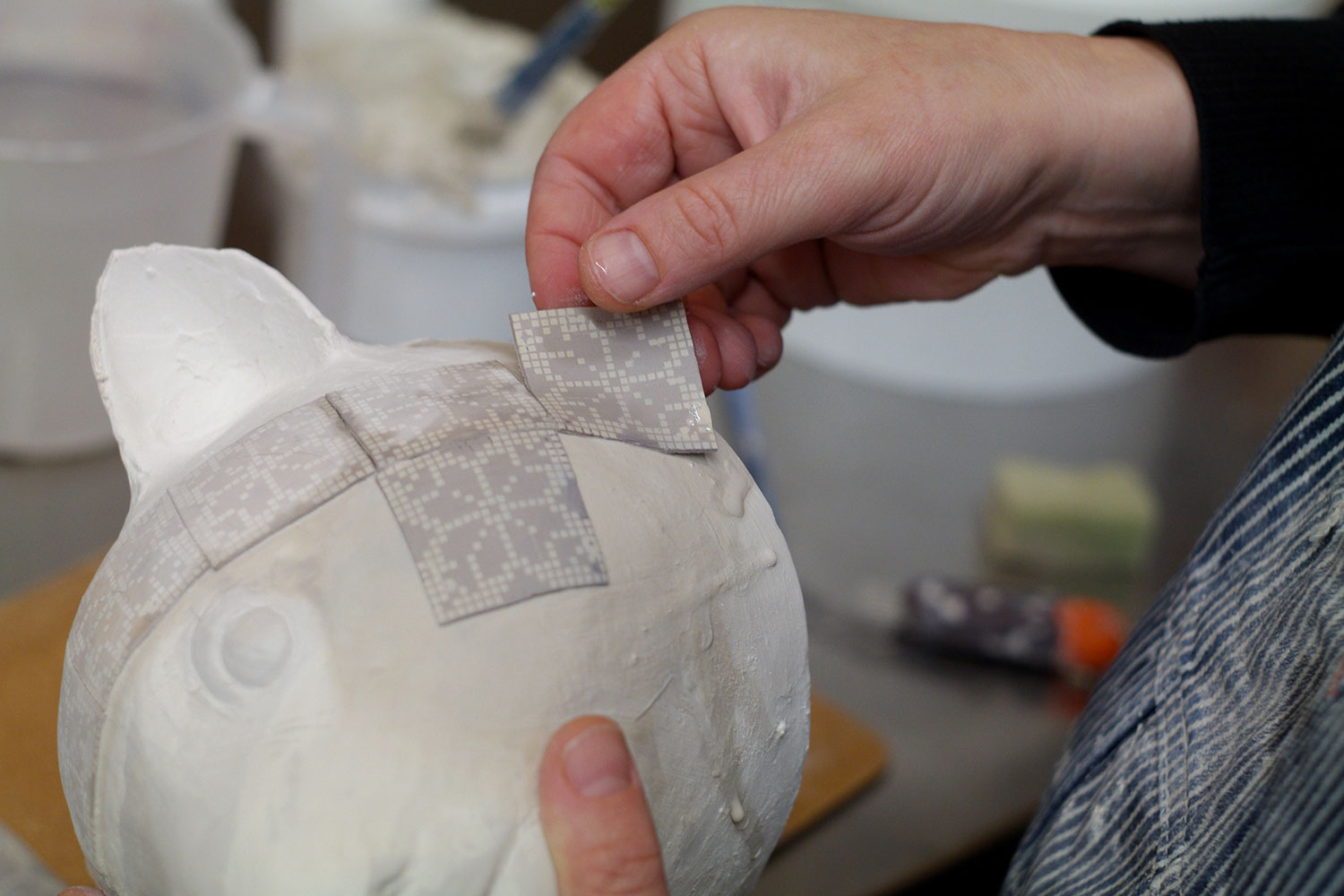
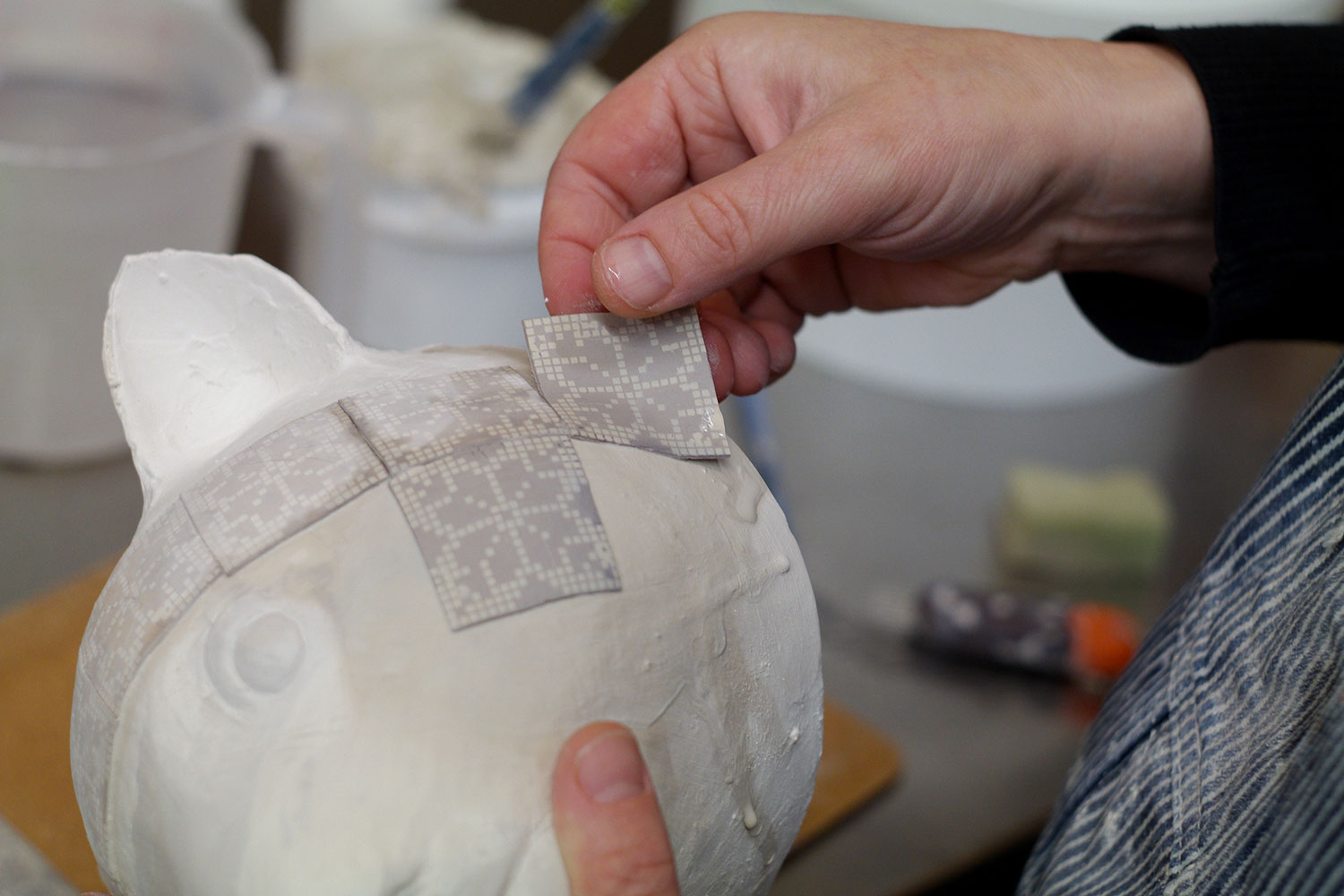
- She has developed surface patterns to reference needlepoint
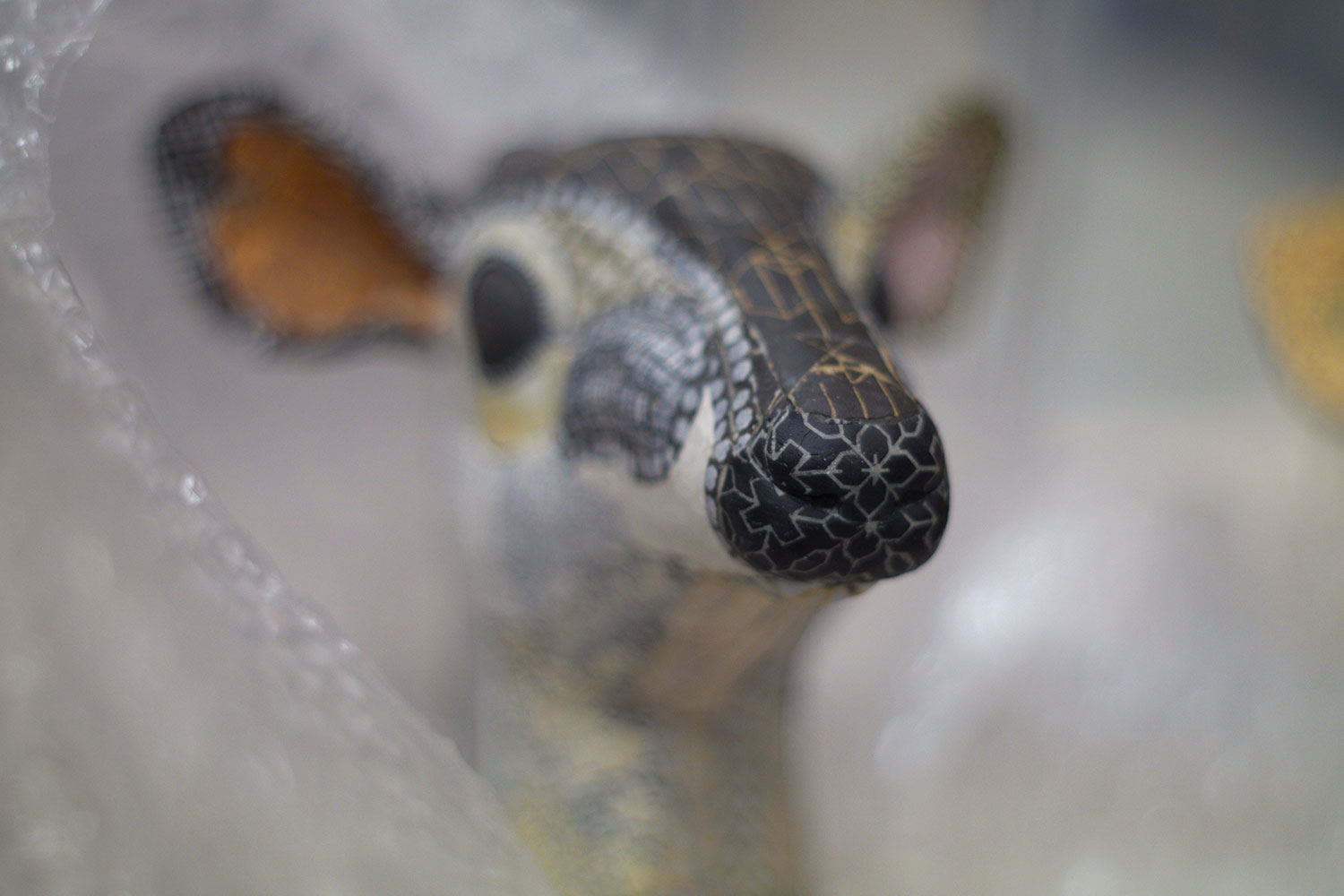
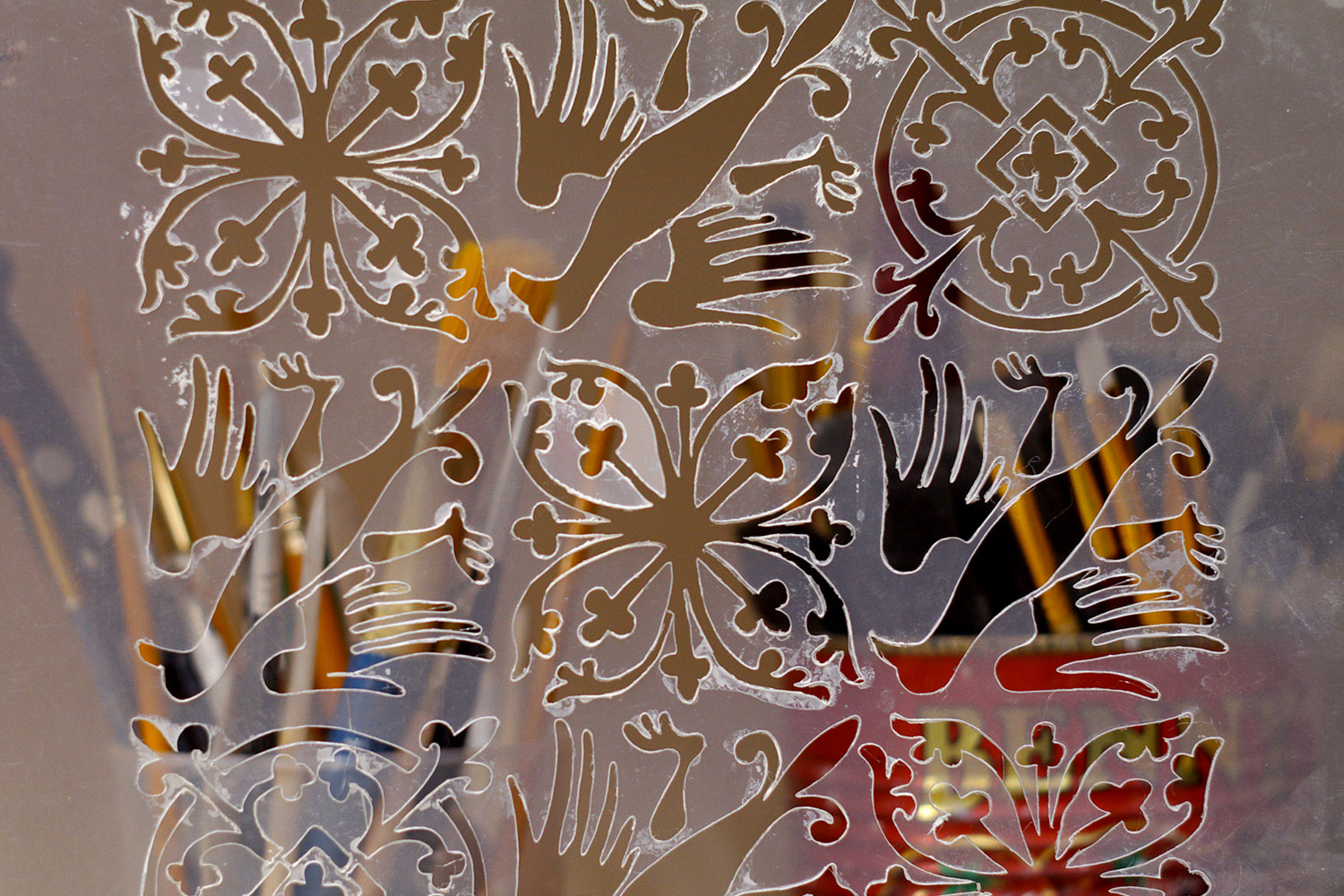
- She experiments with laser-cut stencils to create lace-like patterns
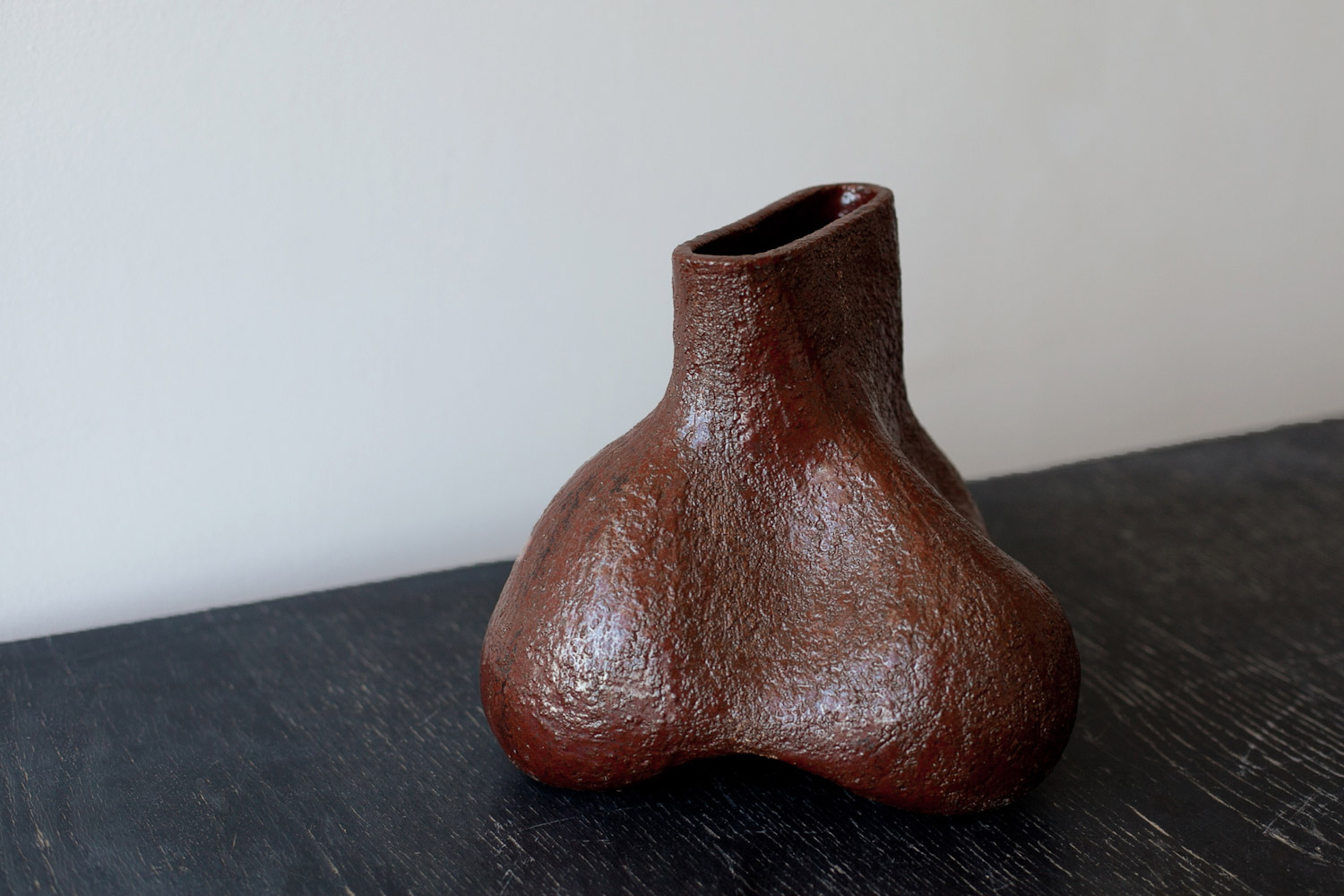
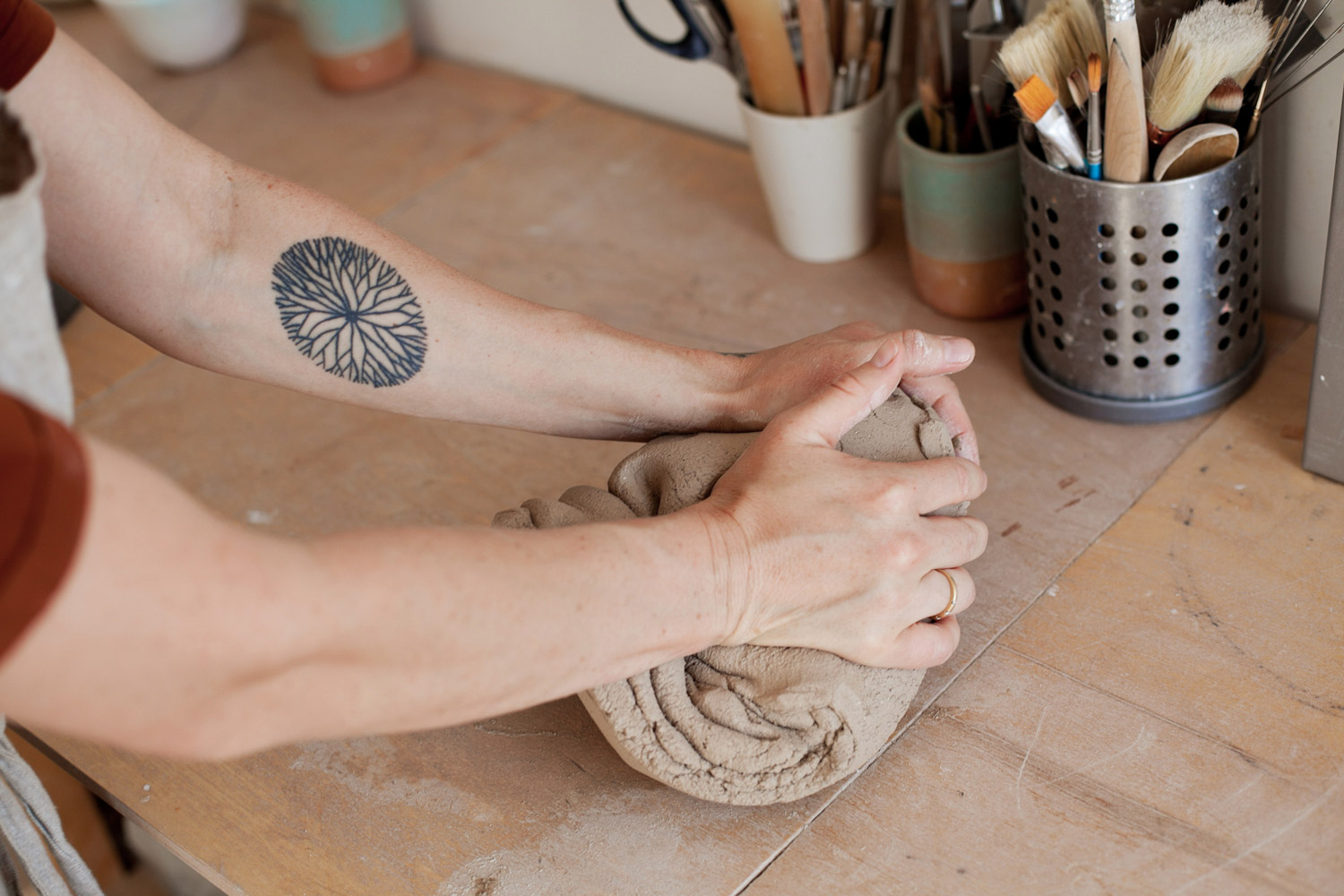
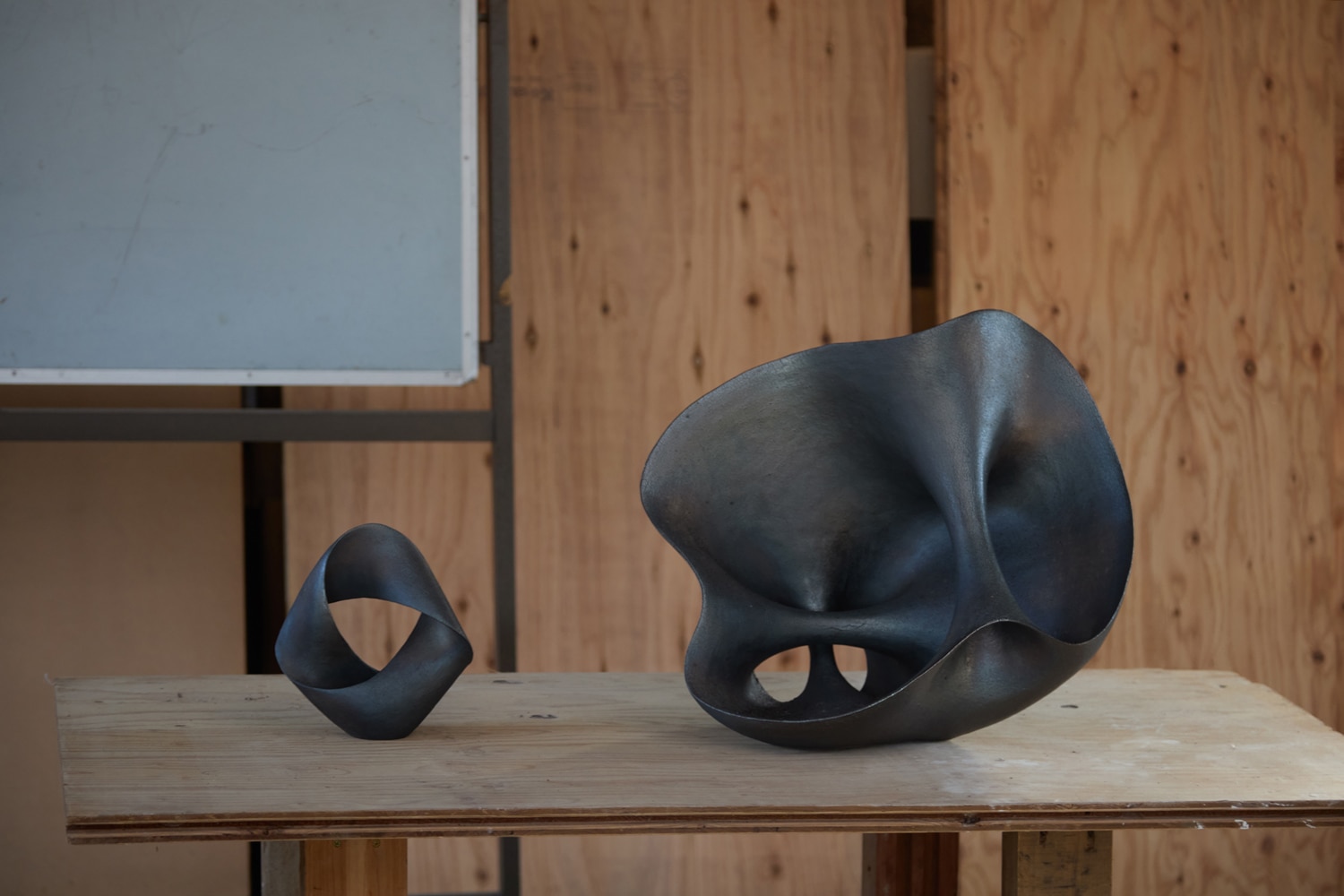
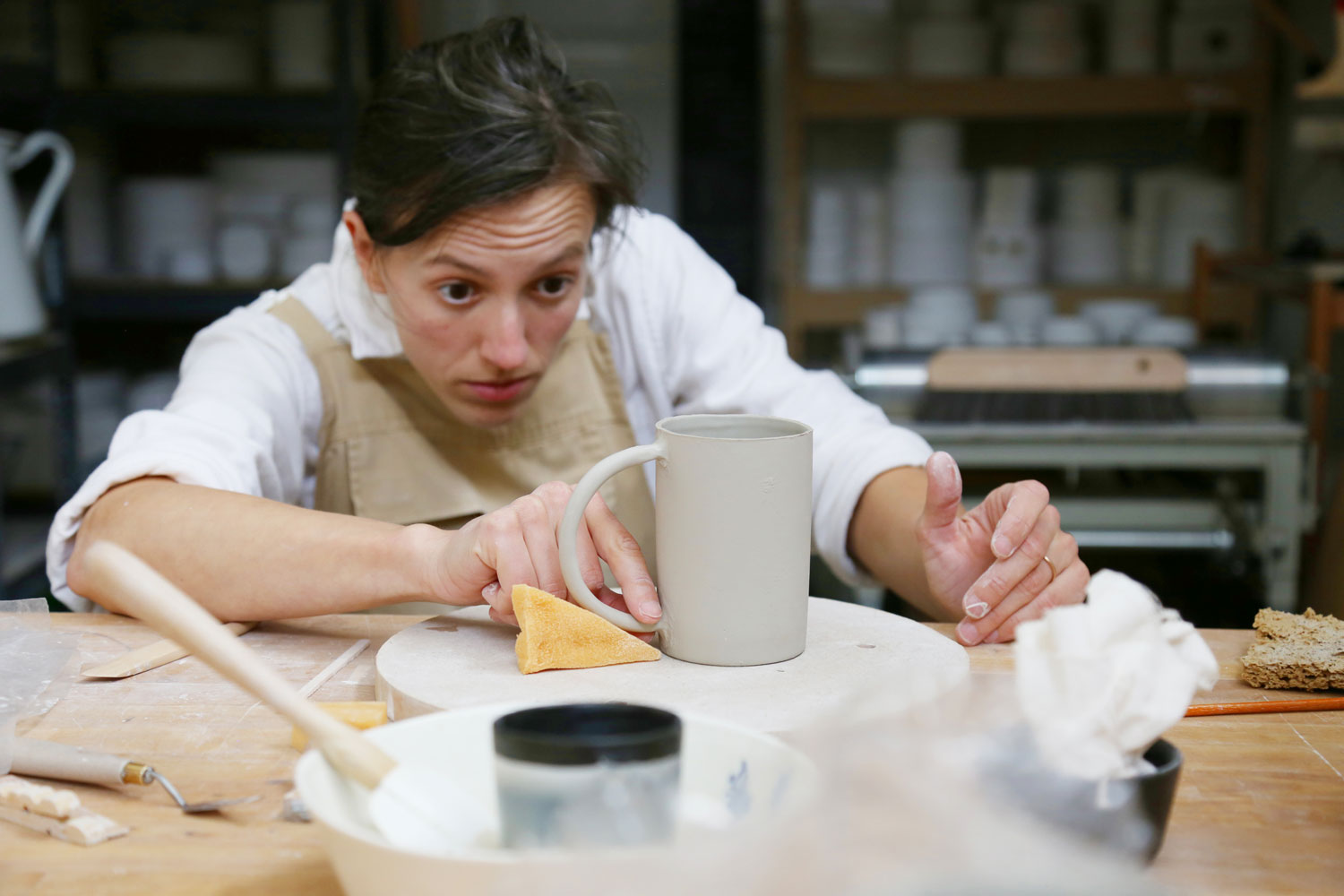
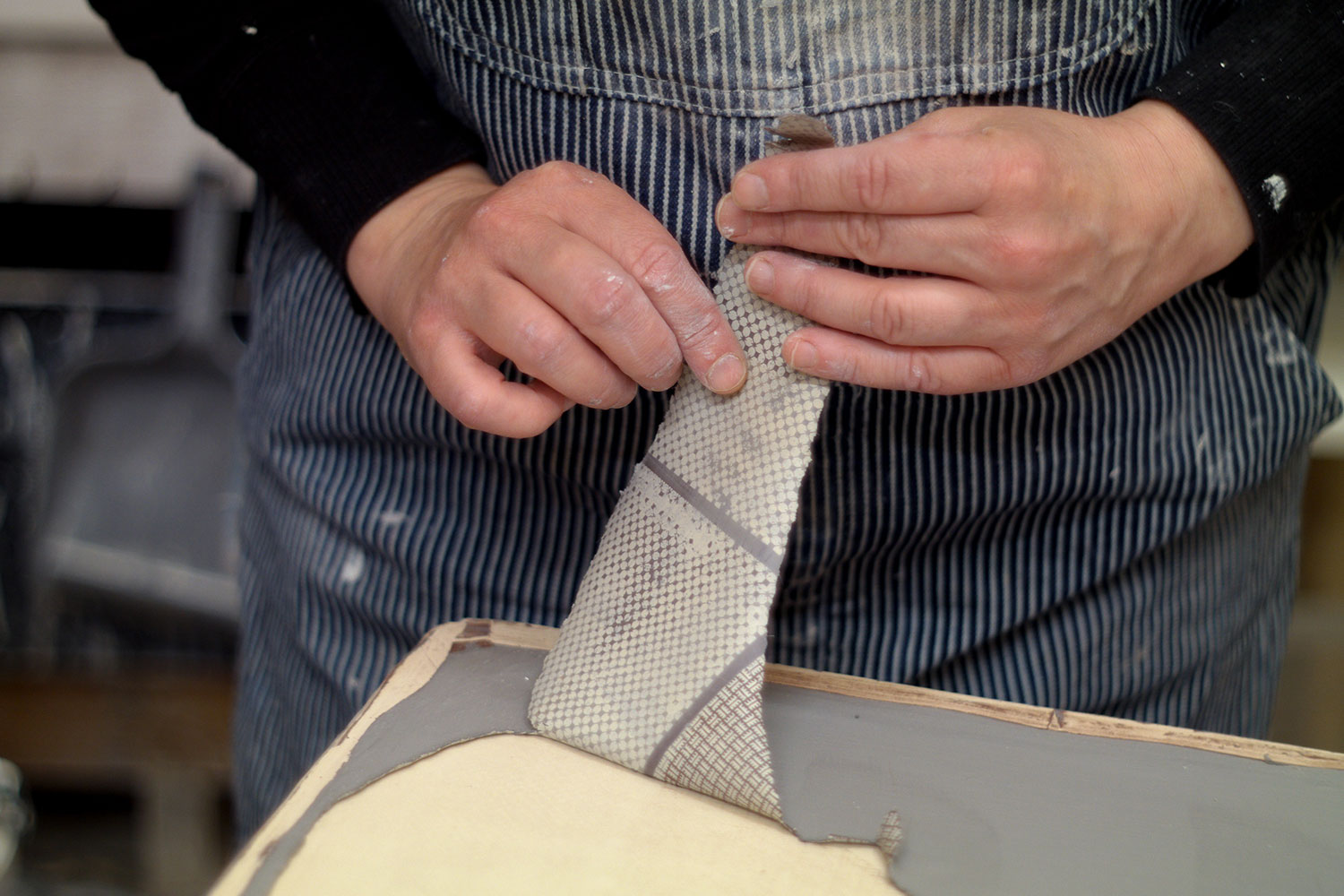
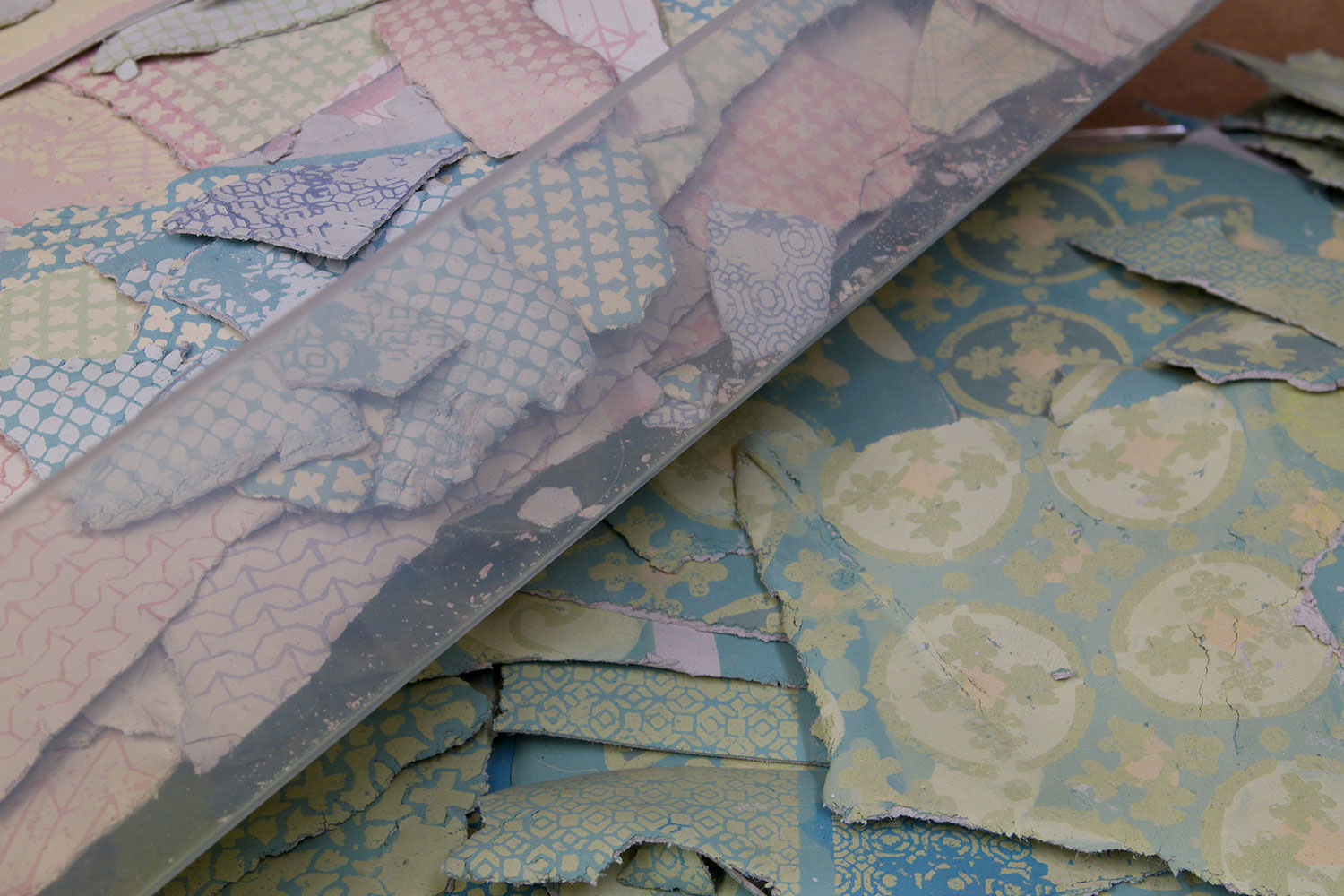
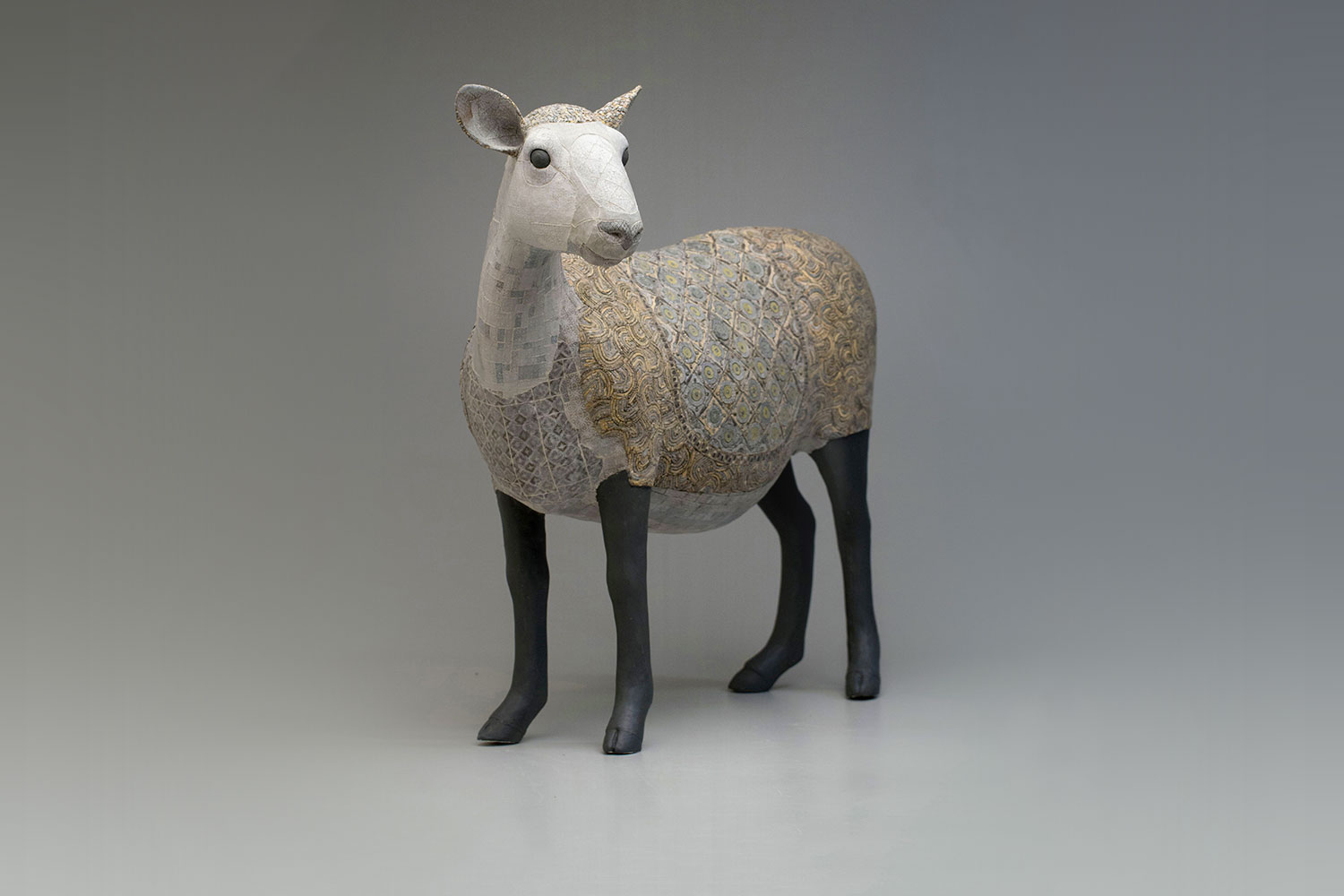
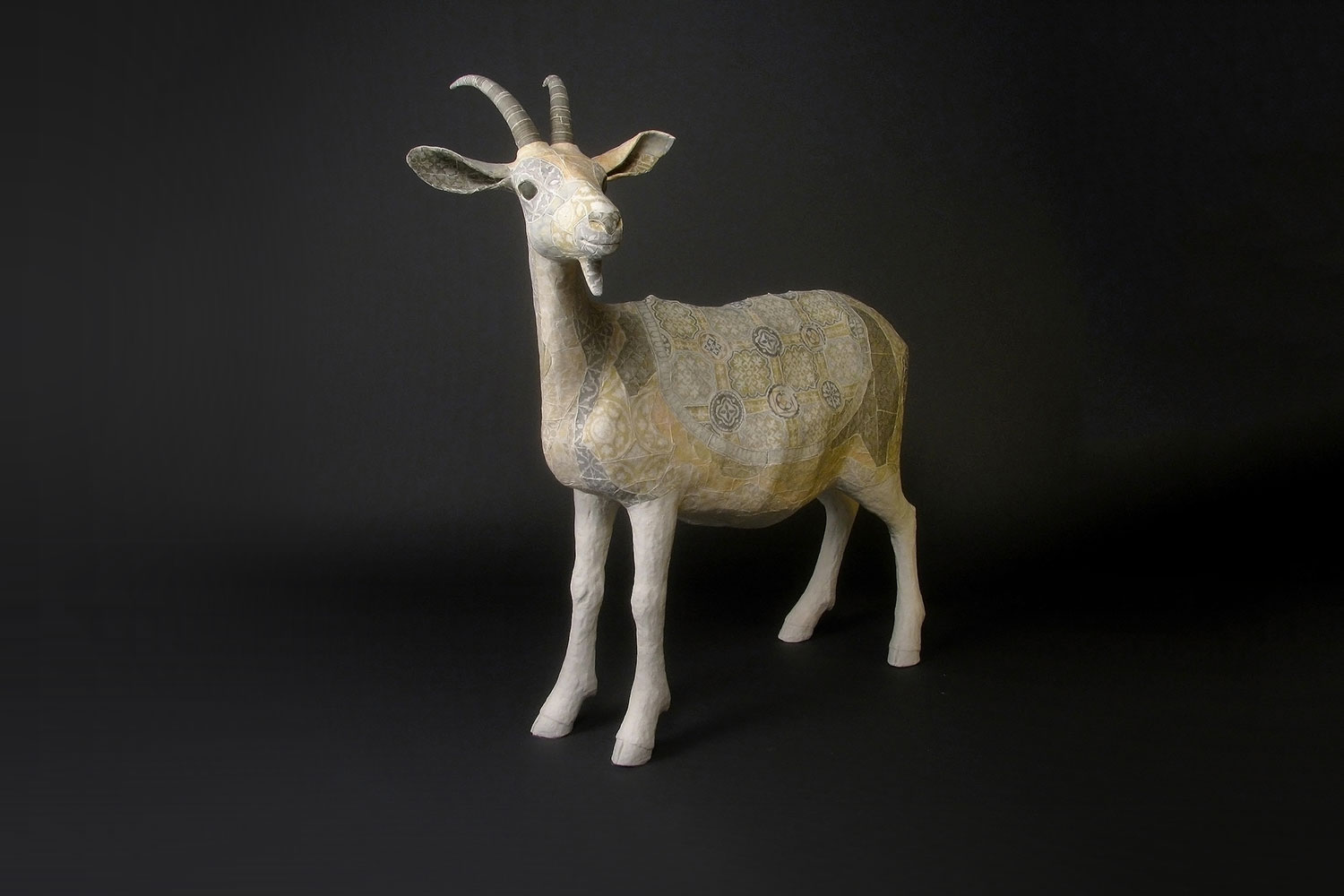
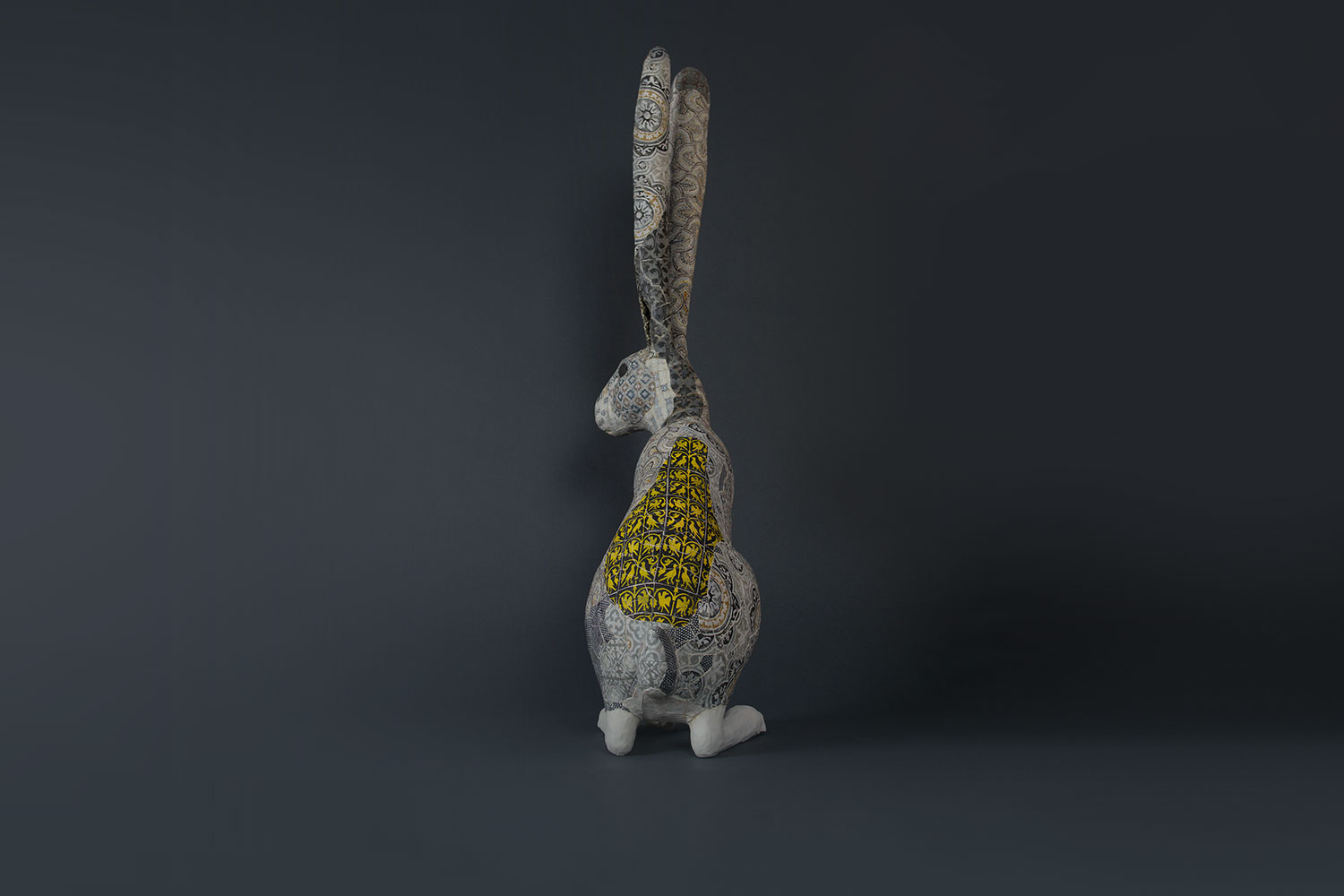
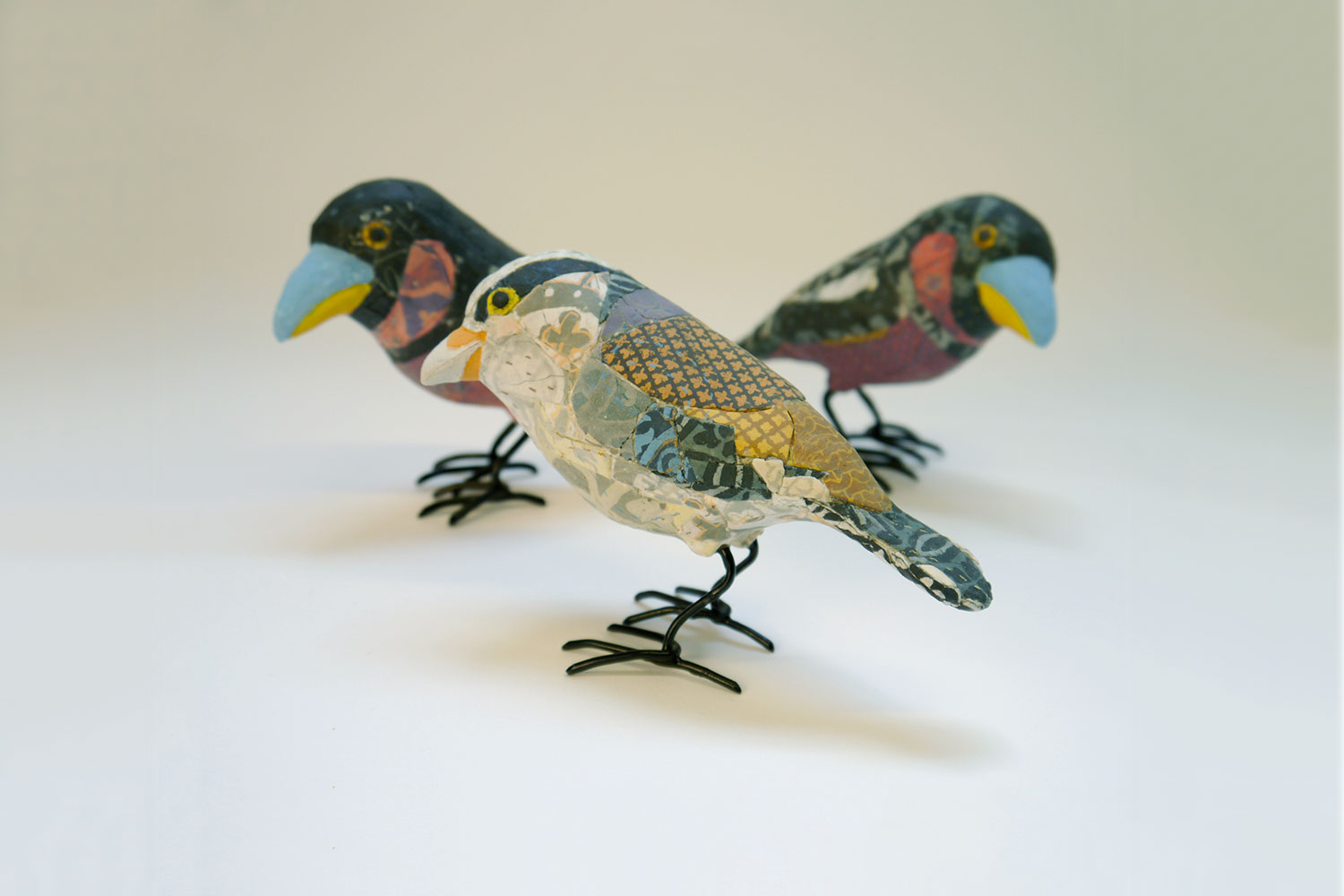
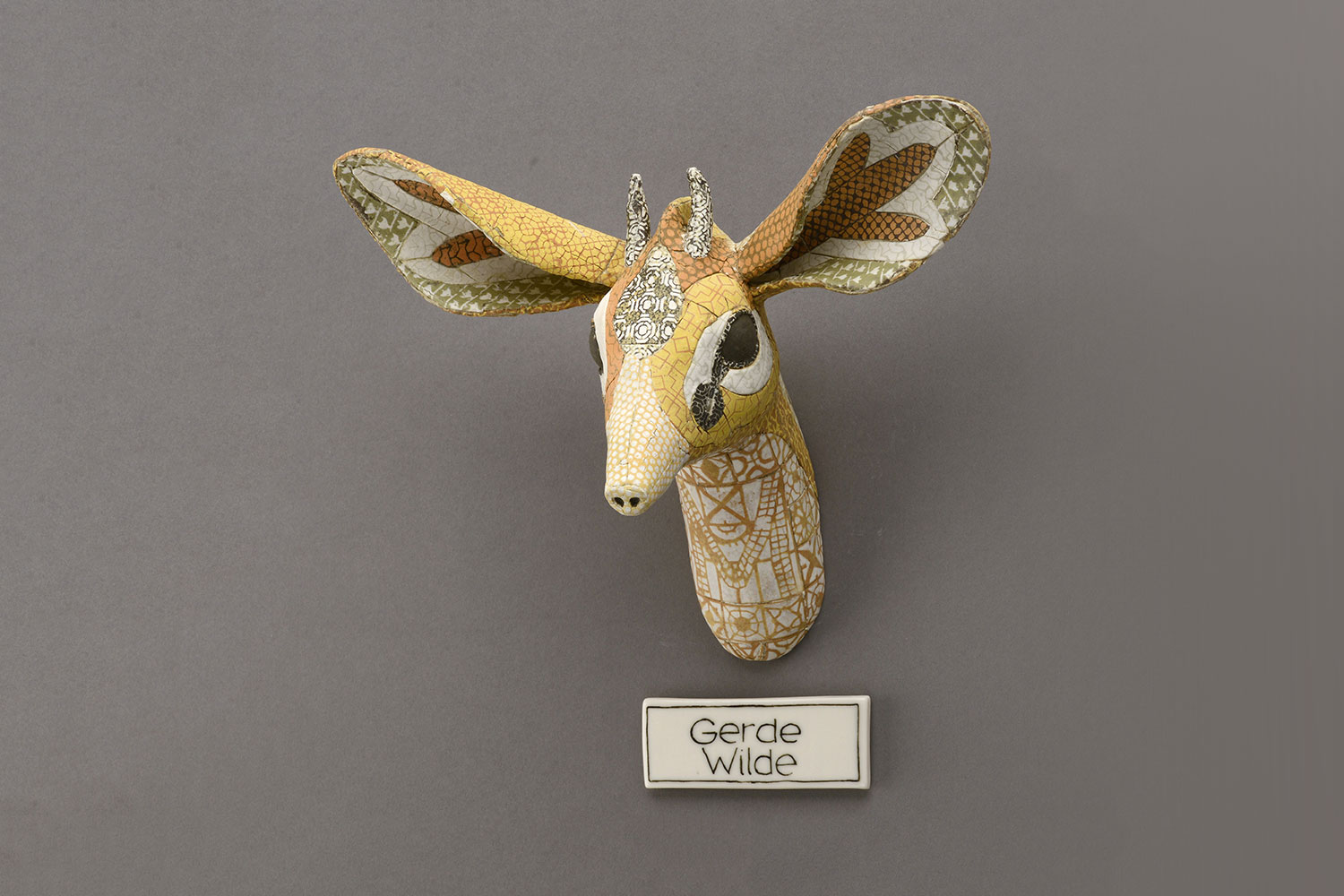
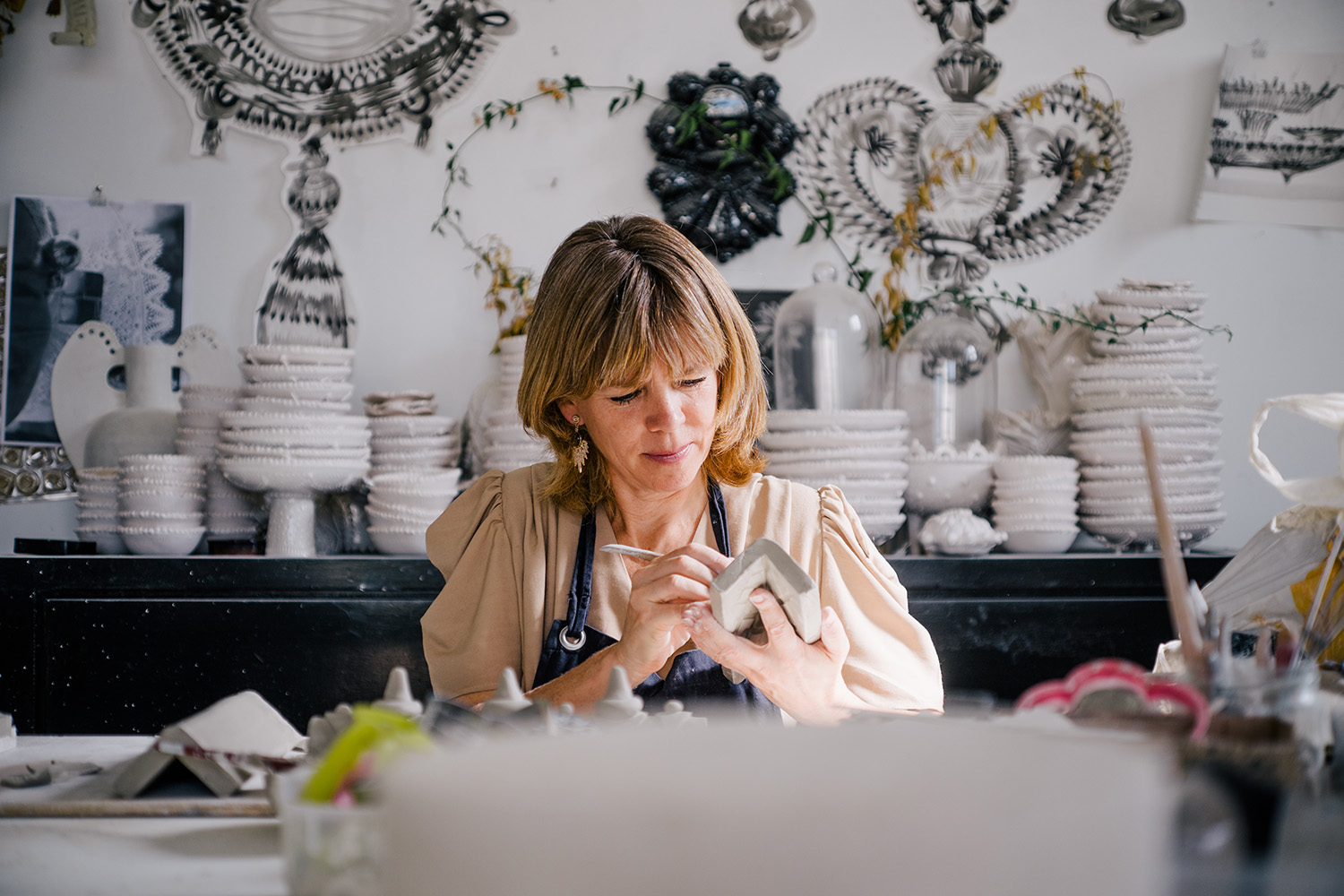
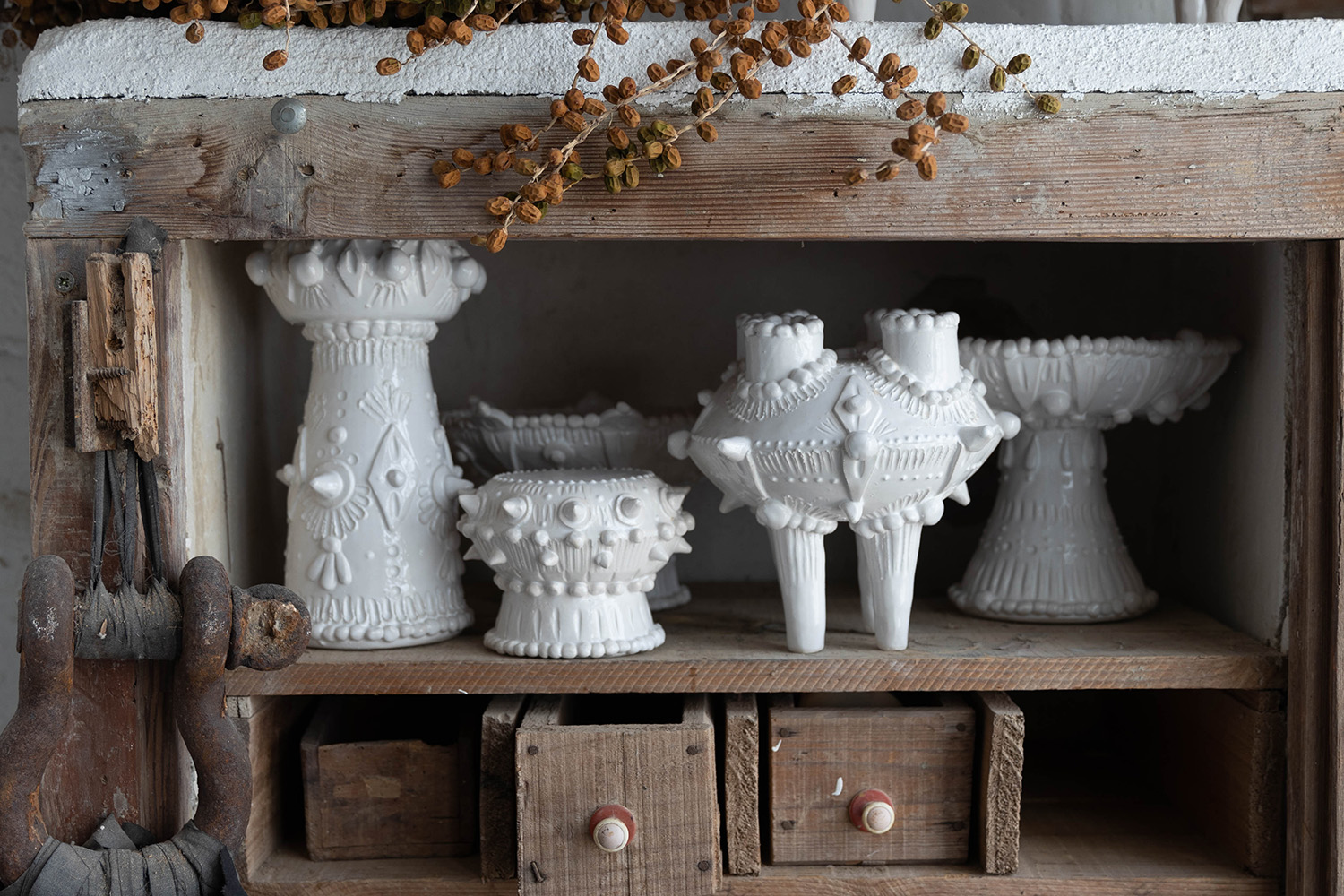
Animals are key to Susan O’Byrne’s work, vehicles with which to distil, reflect and embody aspects of humanity. In her autobiographical work Five Sisters and a Family Tree, for example, she used five roe deer to represent the sisters. “Animals have populated myths, children’s stories and cultural traditions throughout history. They occupy an extraordinary role within our imagination,” she says. Susan discovered ceramics as a student at Edinburgh College of Art. “It offered a very defined set of parameters but provided an infinite potential of practical skills to be mastered.” Always experimental and curious, her work continues to evolve. Current research includes the addition of pre-fired, coloured and milled porcelain.
INTERVIEW
A knitted bear when I was about five years old. I also made toys from polymer clay, papier-mâché and textiles. These practices still influence my aesthetics and techniques today.
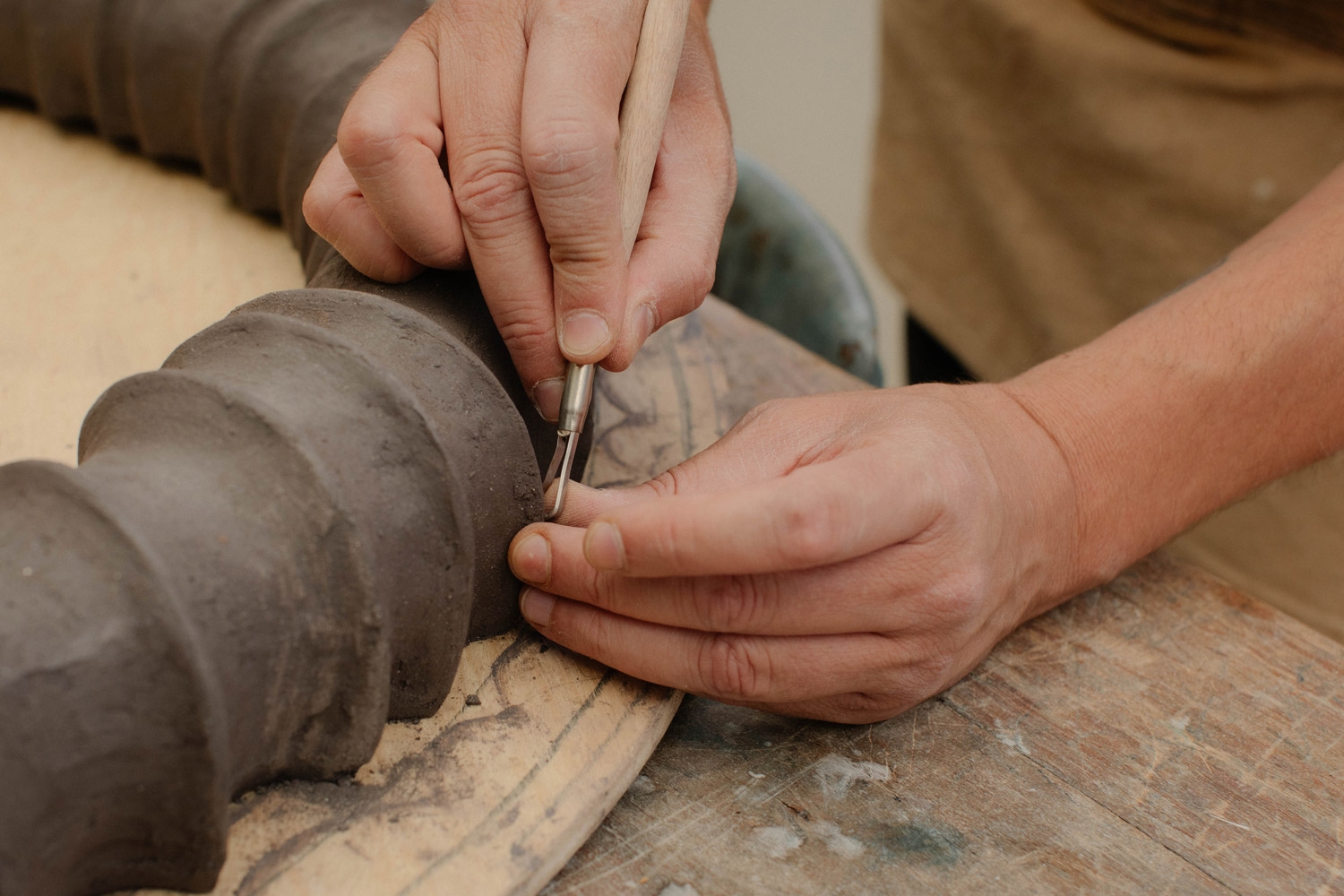
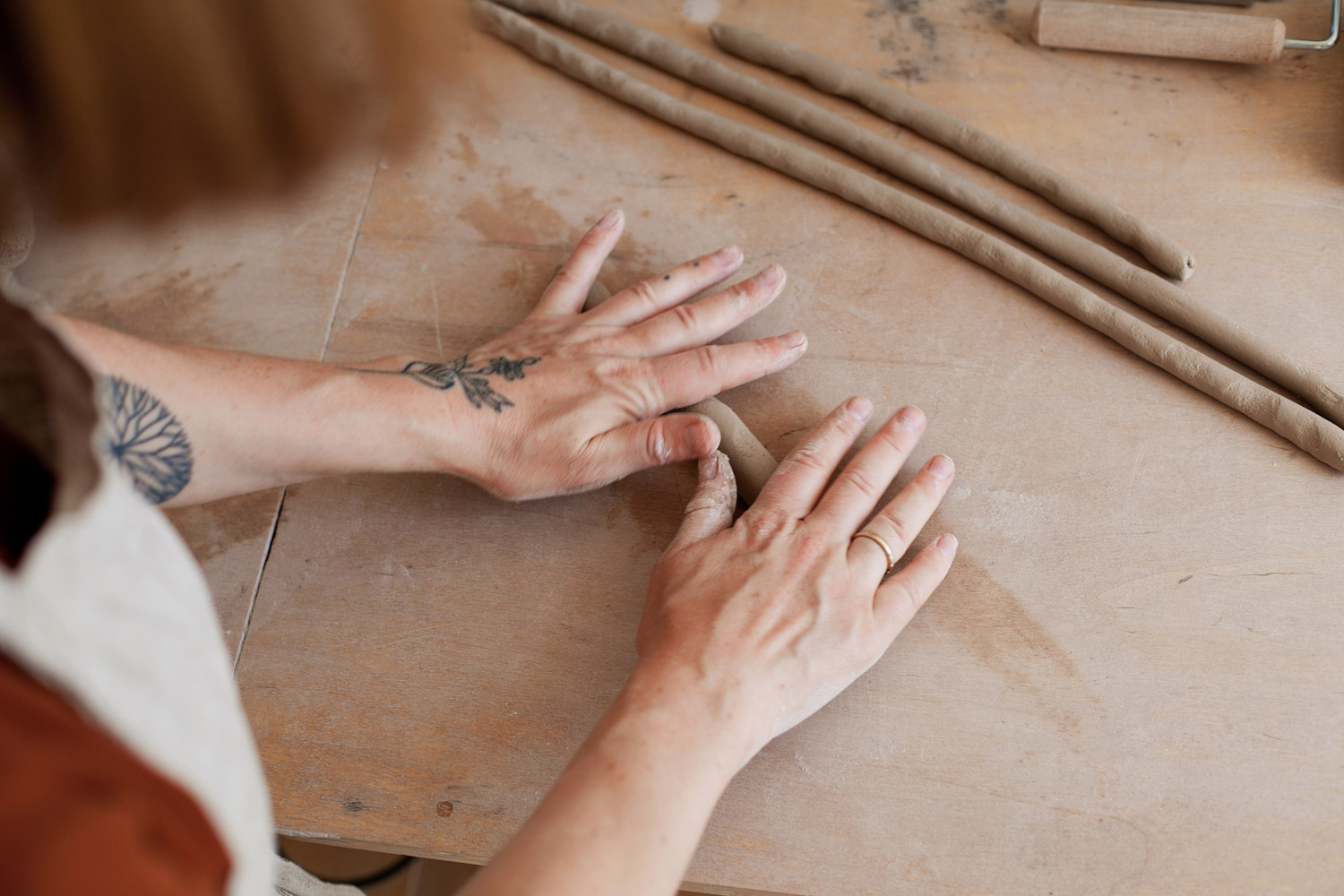
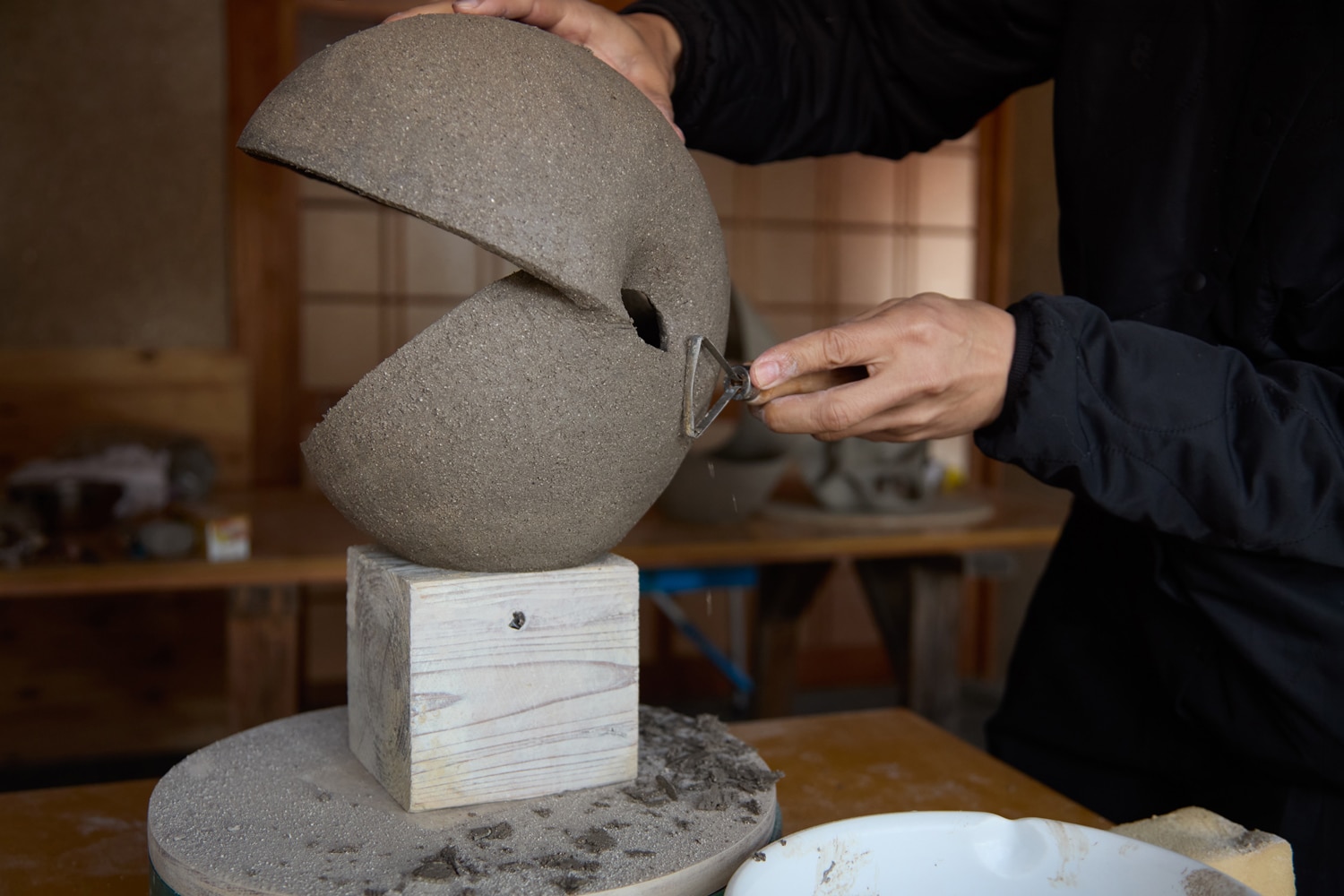
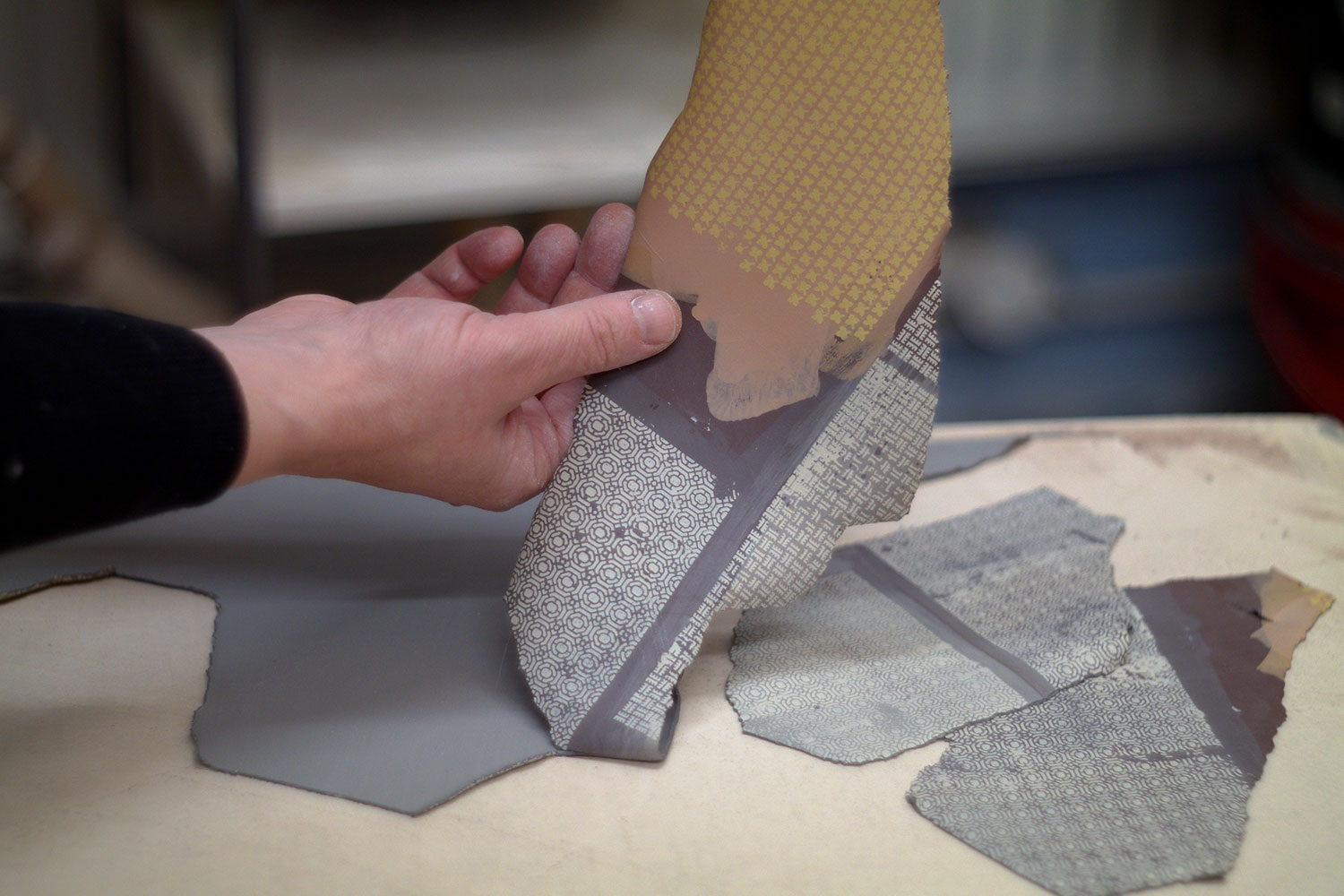
The making of narrative animal forms, which aim to articulate human sensitivity. My techniques have evolved from historic domestic craft, folk art, collage and the tradition of bricolage. My larger works begin with a nichrome wire armature on which I layer sheets of finely cast porcelain.
My own memories, museum collections, the natural world, historical patterns, making traditions and processes. My work has also referenced the historic tradition of 'collecting' animals, such as medieval illustrated bestiaries and Victorian menageries.
I am based in Scotland where all specific degree courses in ceramics have now been closed. Despite this, there is an influx of young makers moving into ceramics – perhaps as a reaction to the digital-based world. For this reason, I remain hopeful.
1 EXPERIENCE
Susan O'Byrne
Ceramicist
Glasgow, United Kingdom
Recommended by Crafts Council UK
AVAILABILITY
By appointment only
PHONE
+44 7752104623
LANGUAGES
English
Homo Faber Finds is a new service aiming to inspire admirers of craft to connect and collaborate with exceptional artisans.
We invite you to submit an enquiry here.

DSC02402_©Meg-Lovell.jpg)
DSC01379_©Meg-Lovell.jpg)
DSC01458_©Meg-Lovell.jpg)