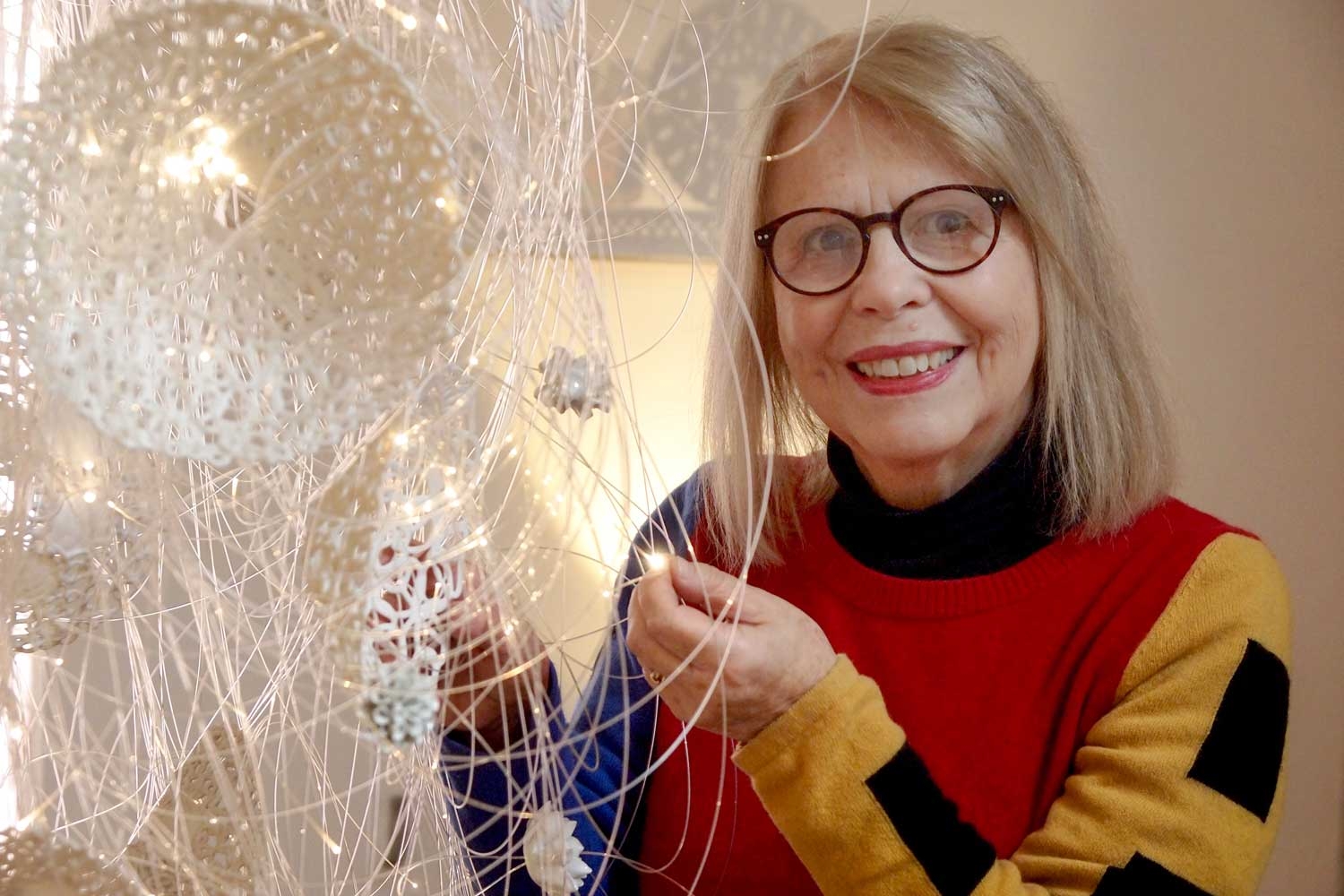

Simona Iacovazzi
Perlamadre Design
Jewellery maker
Venice, Italy
Recommended by Laura Scarpa & Lorenzo Cinotti
Reviving the alchemy of glass jewellery
- Simona creates colourful glass jewels
- She hadn’t planned to become a perlera
- Venice, sealife and glass inspire her
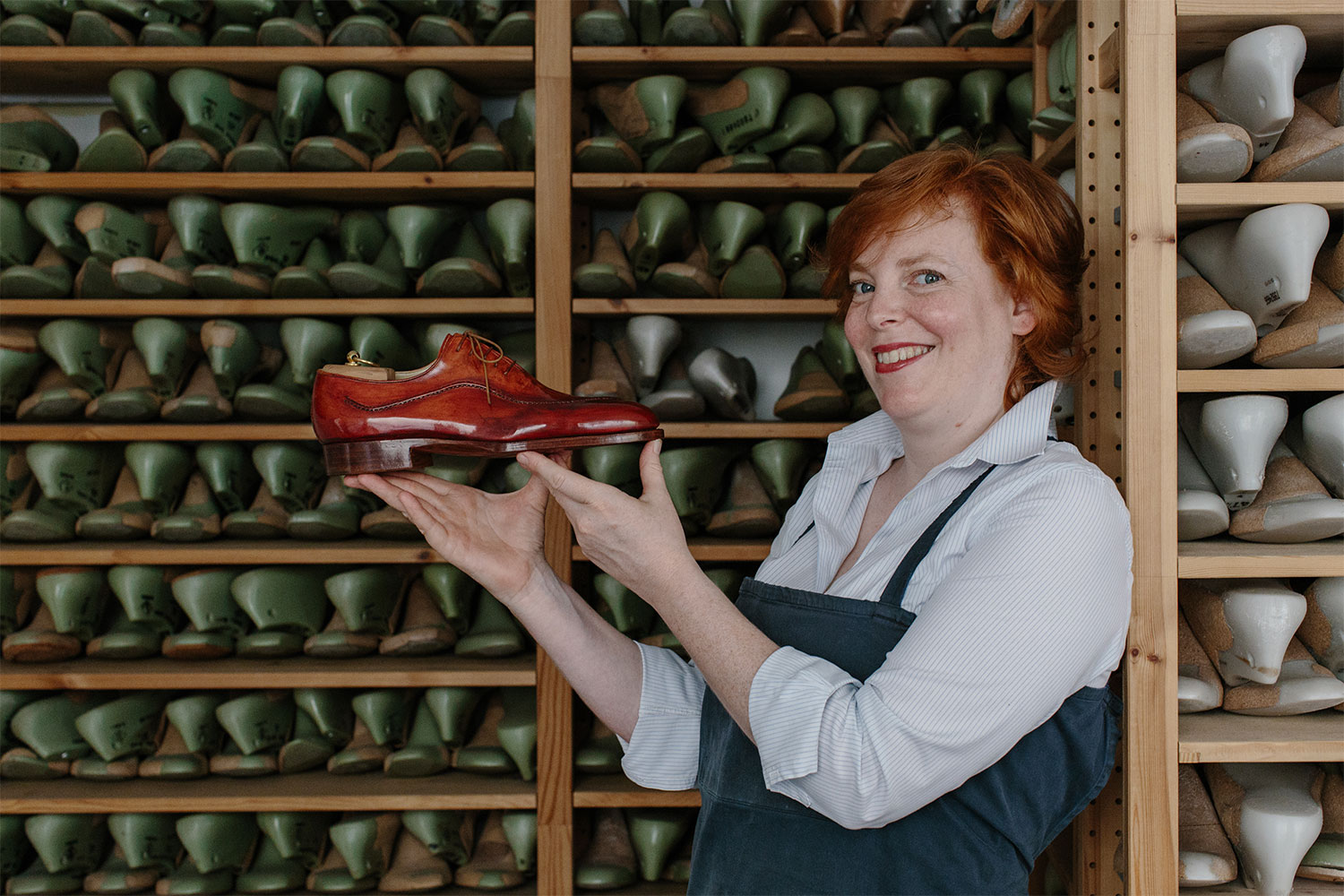
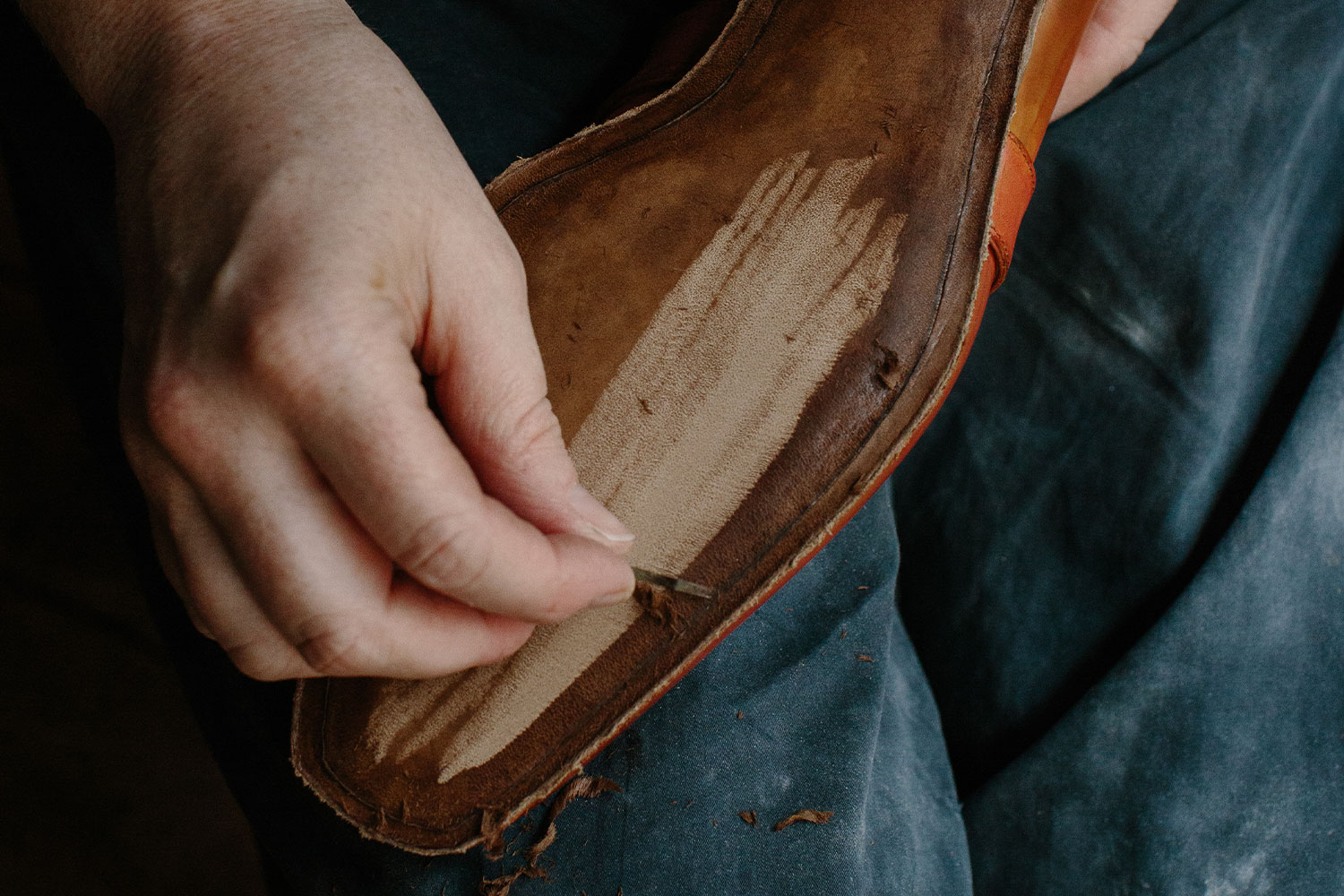
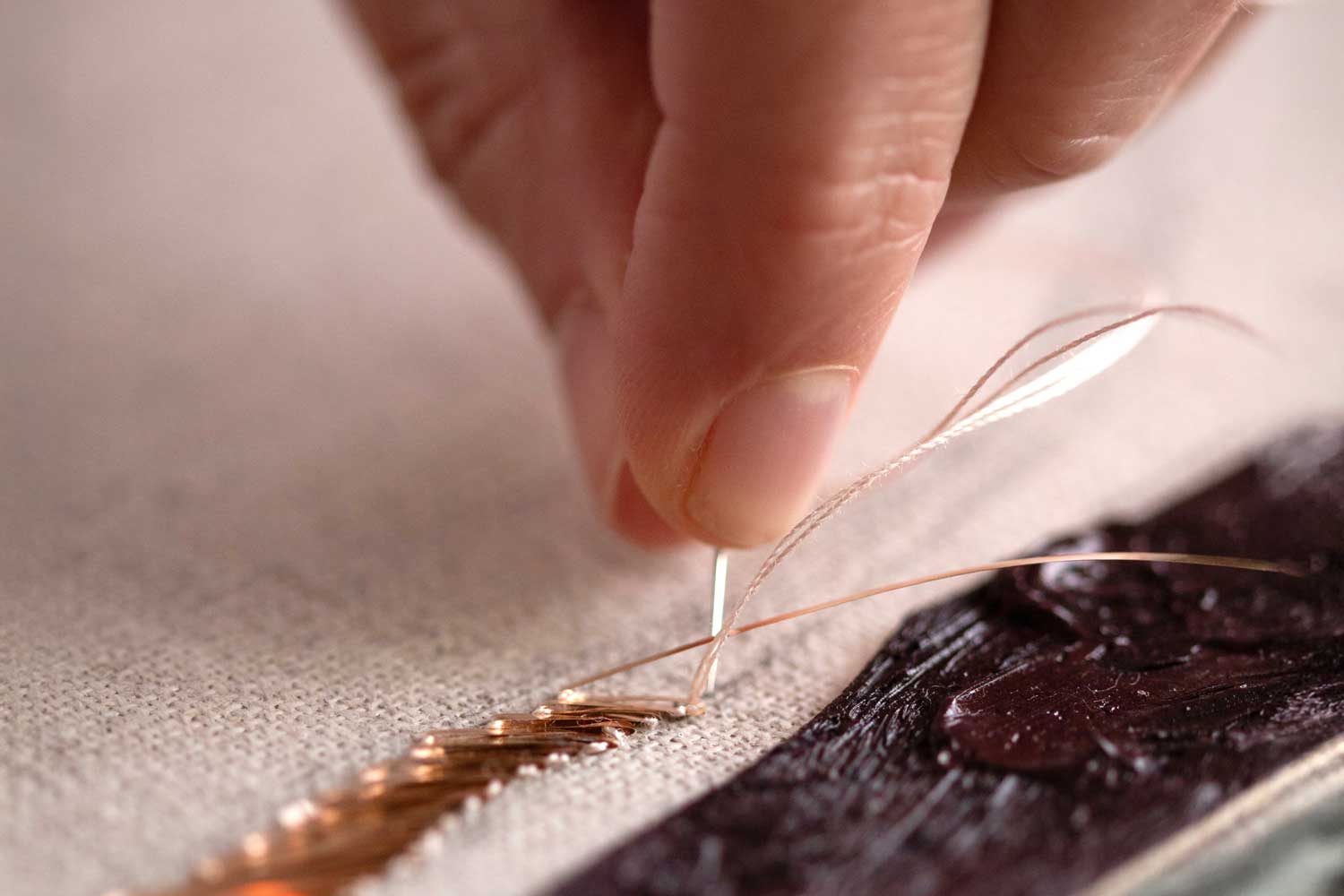
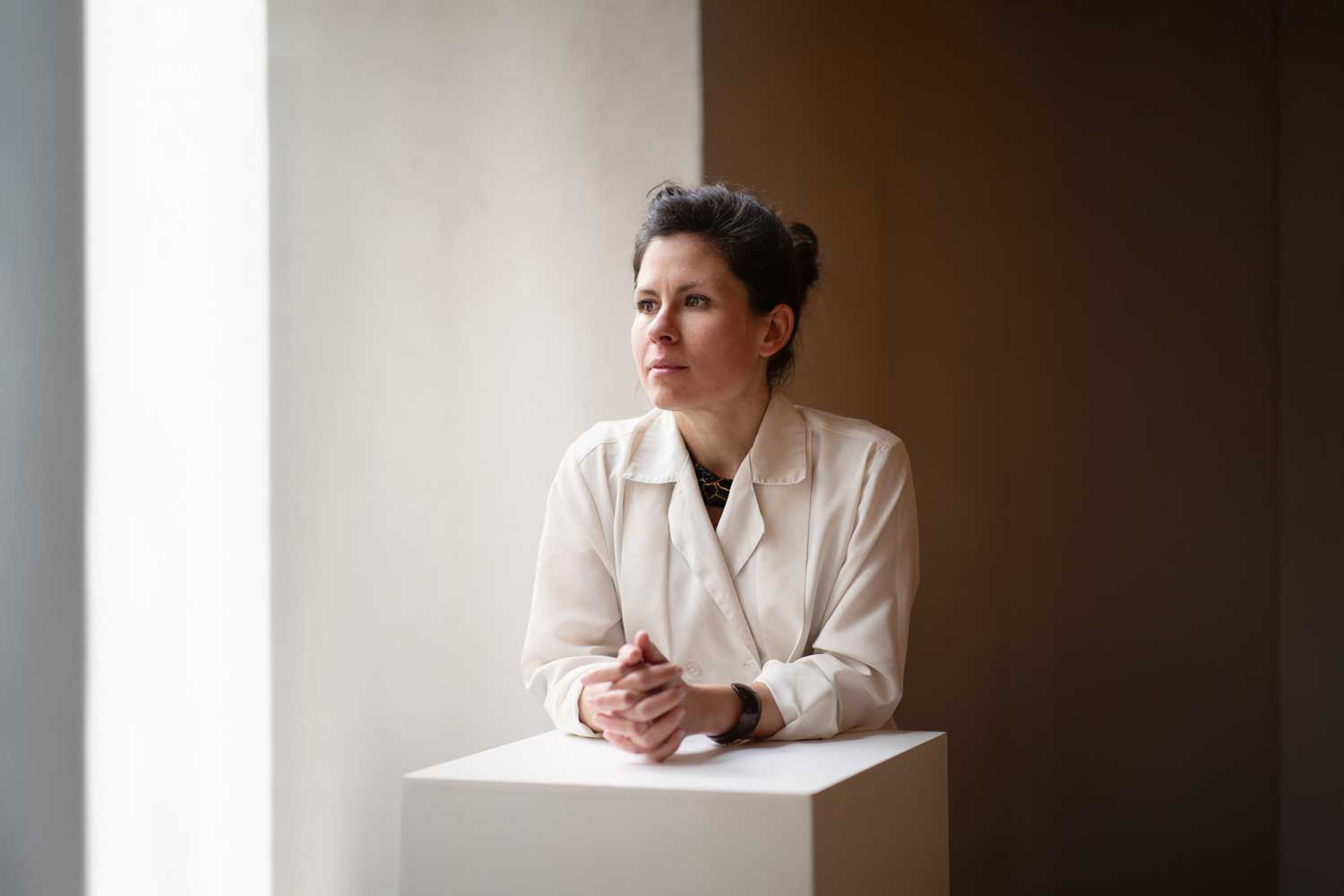
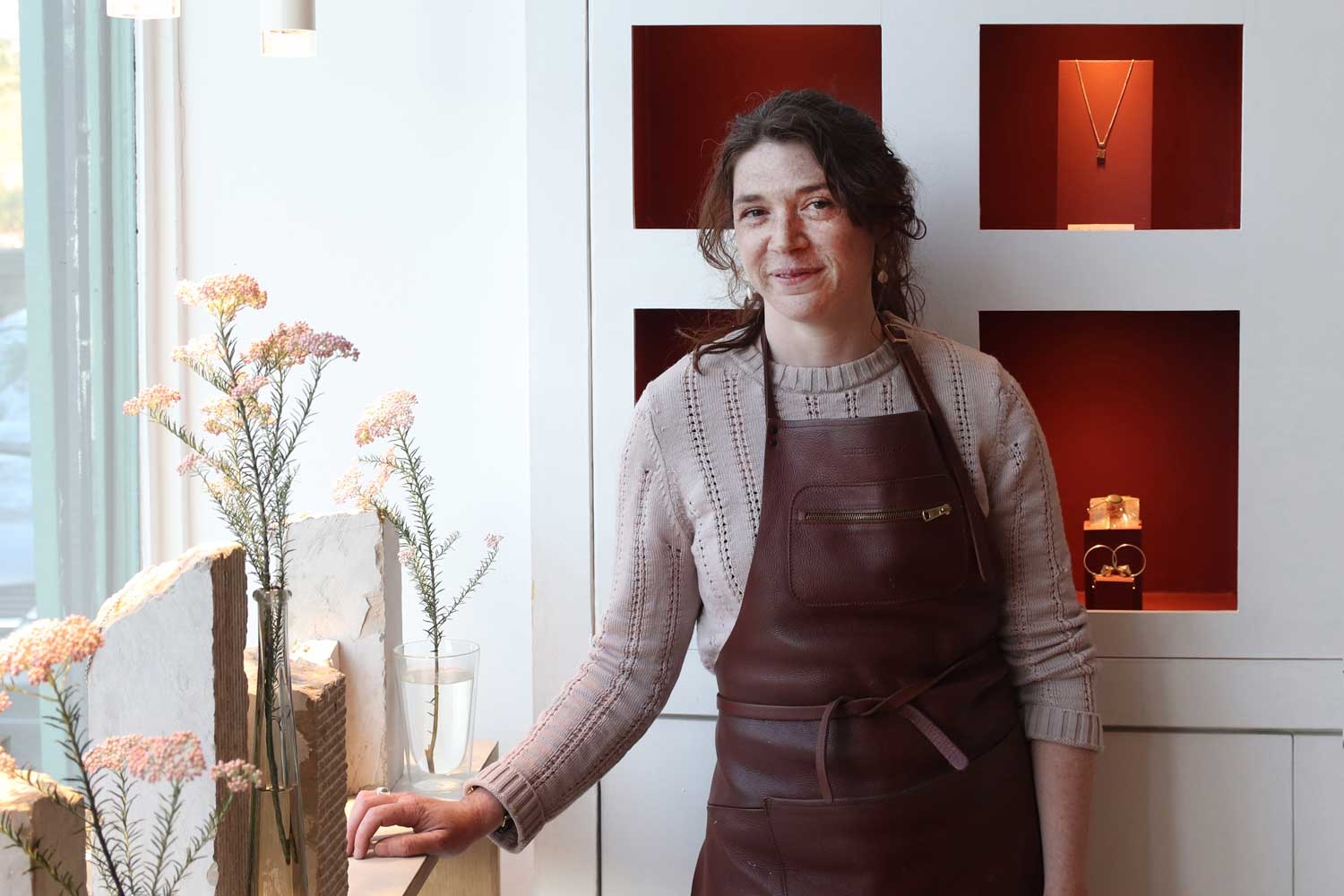
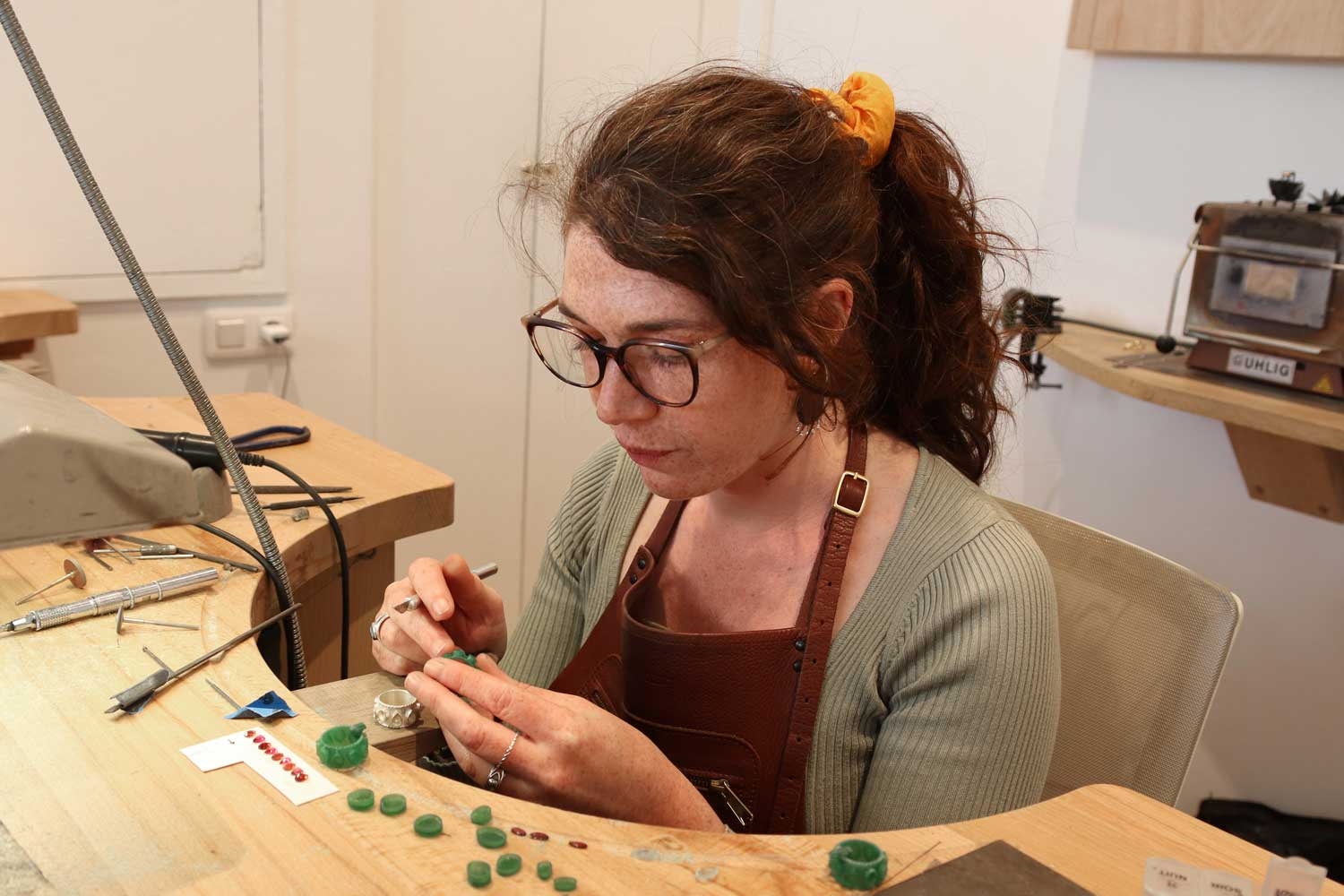
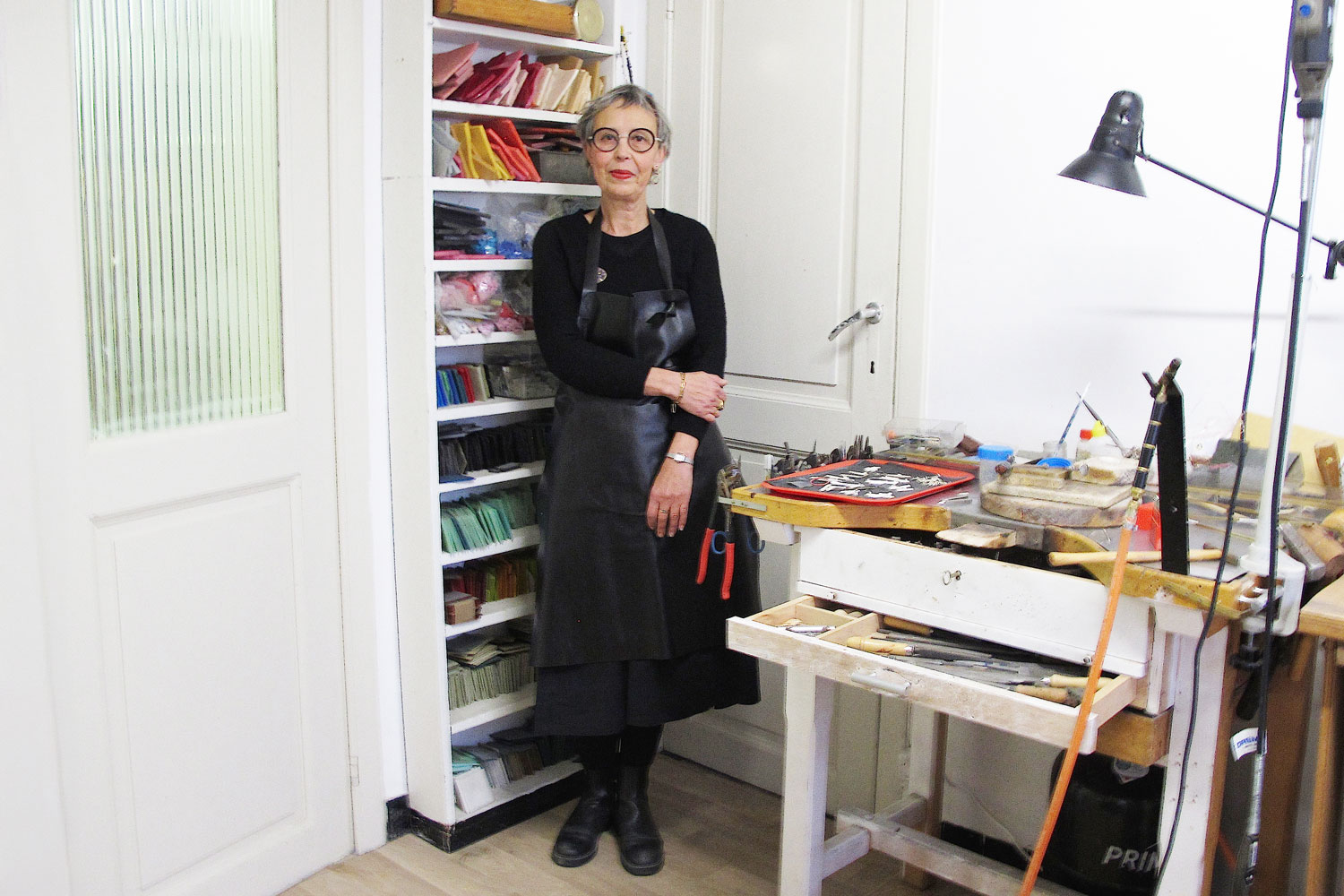
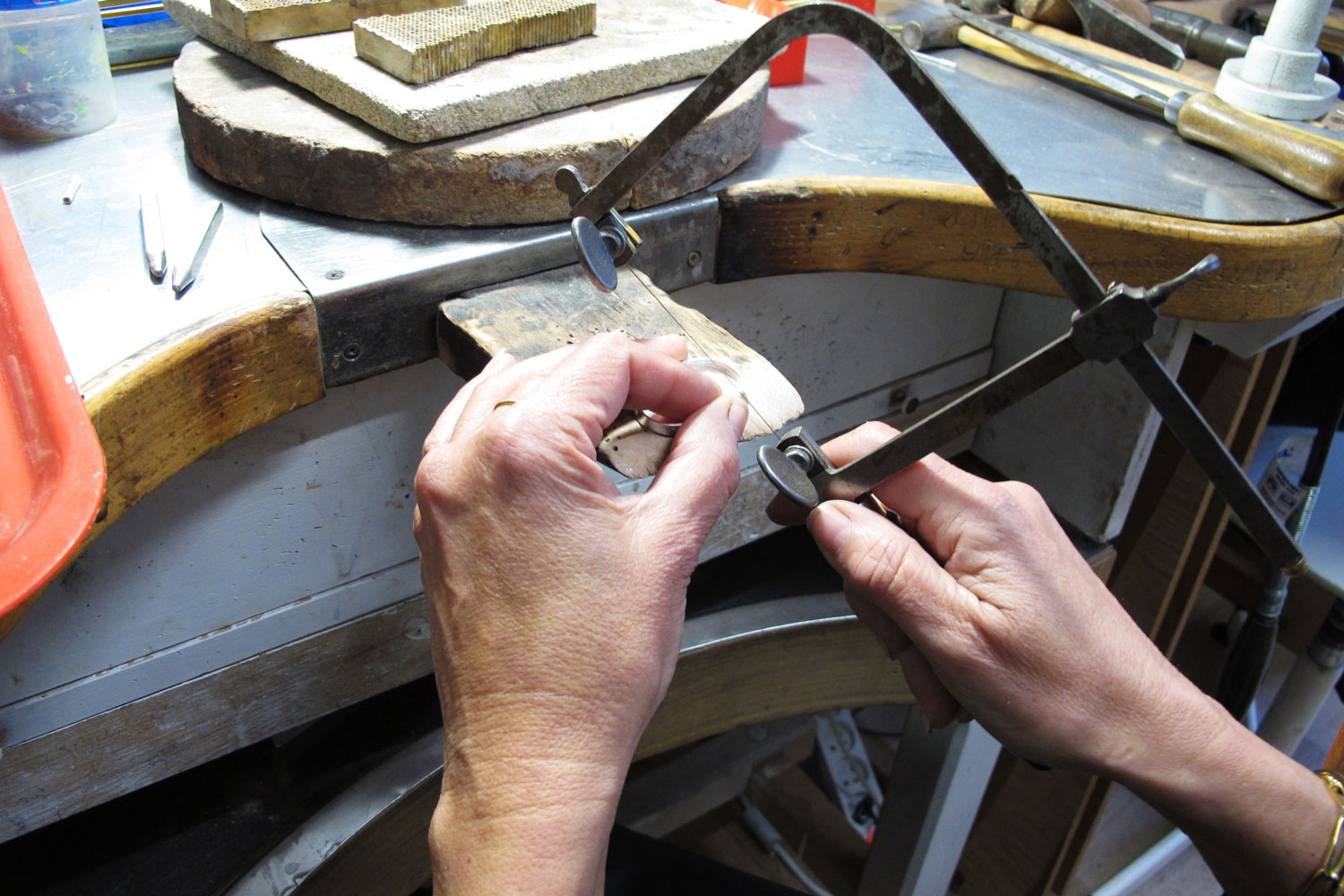
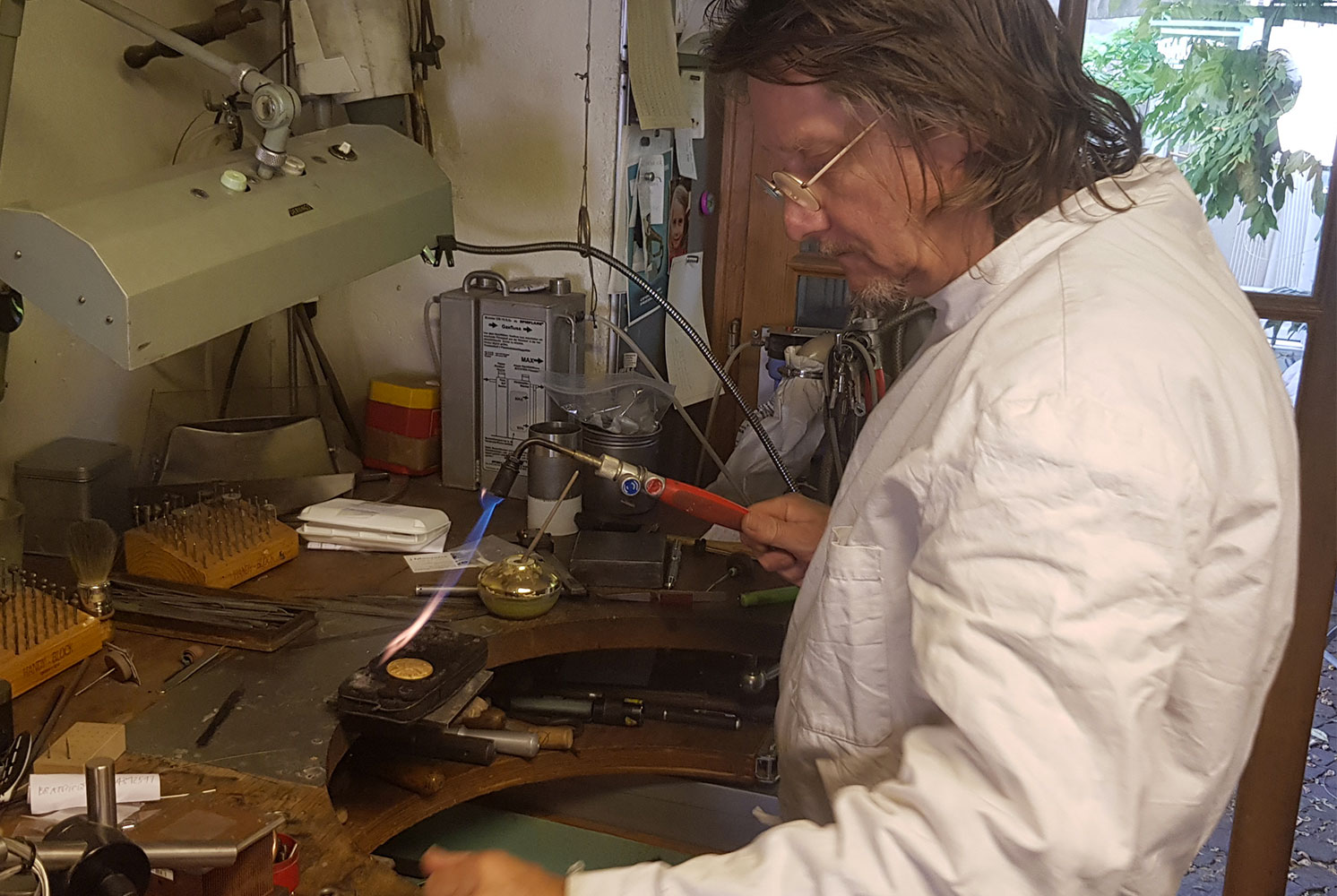
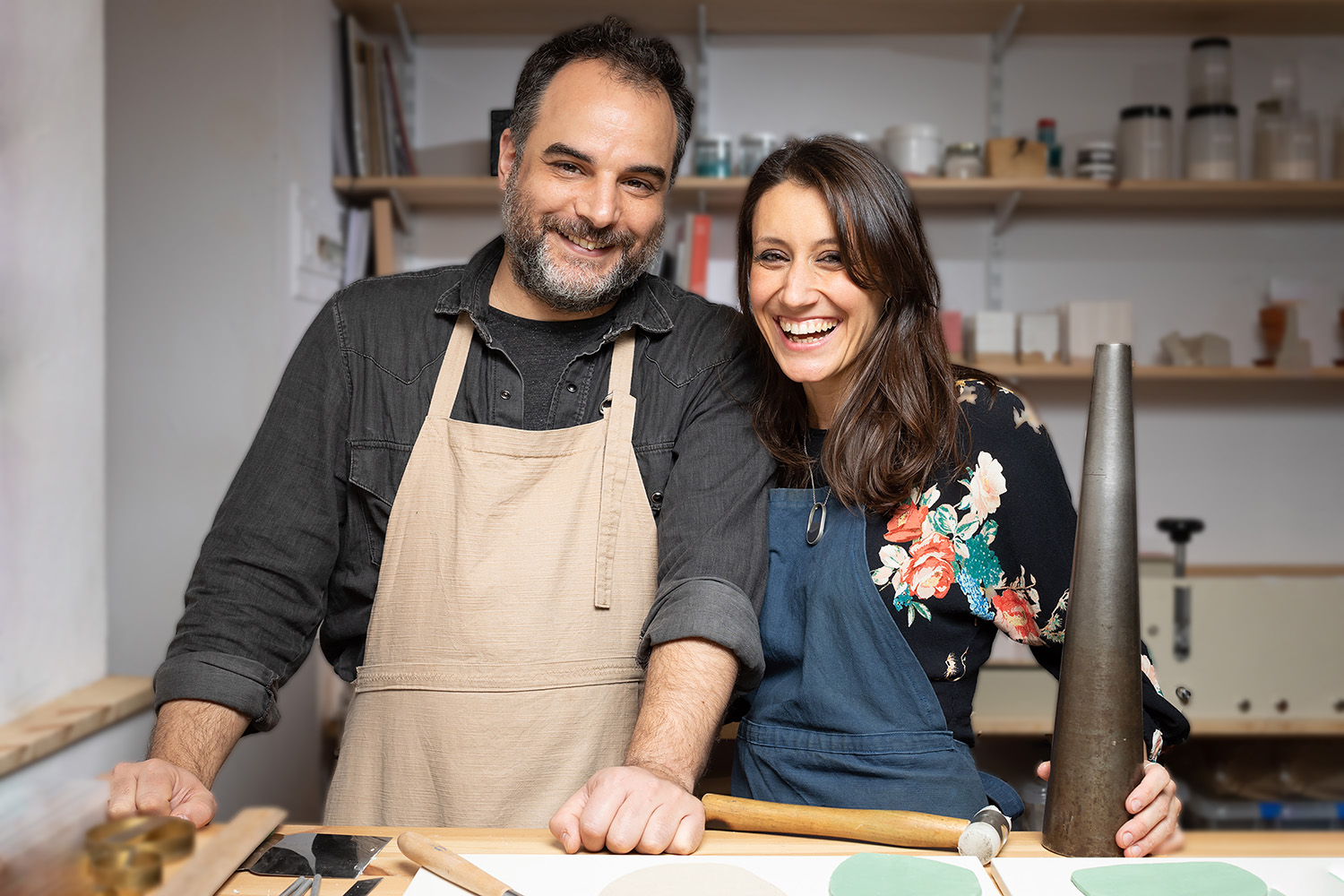
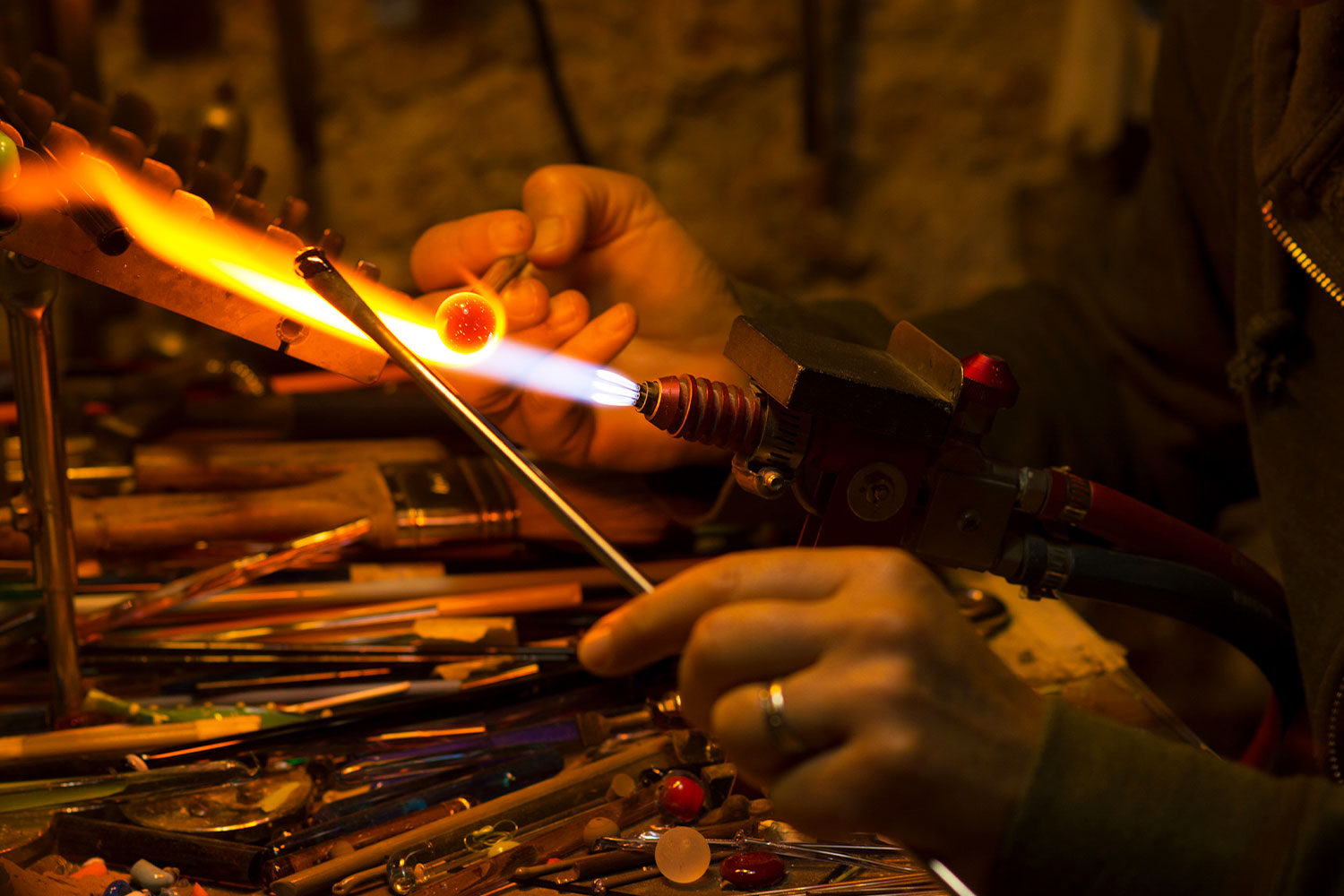
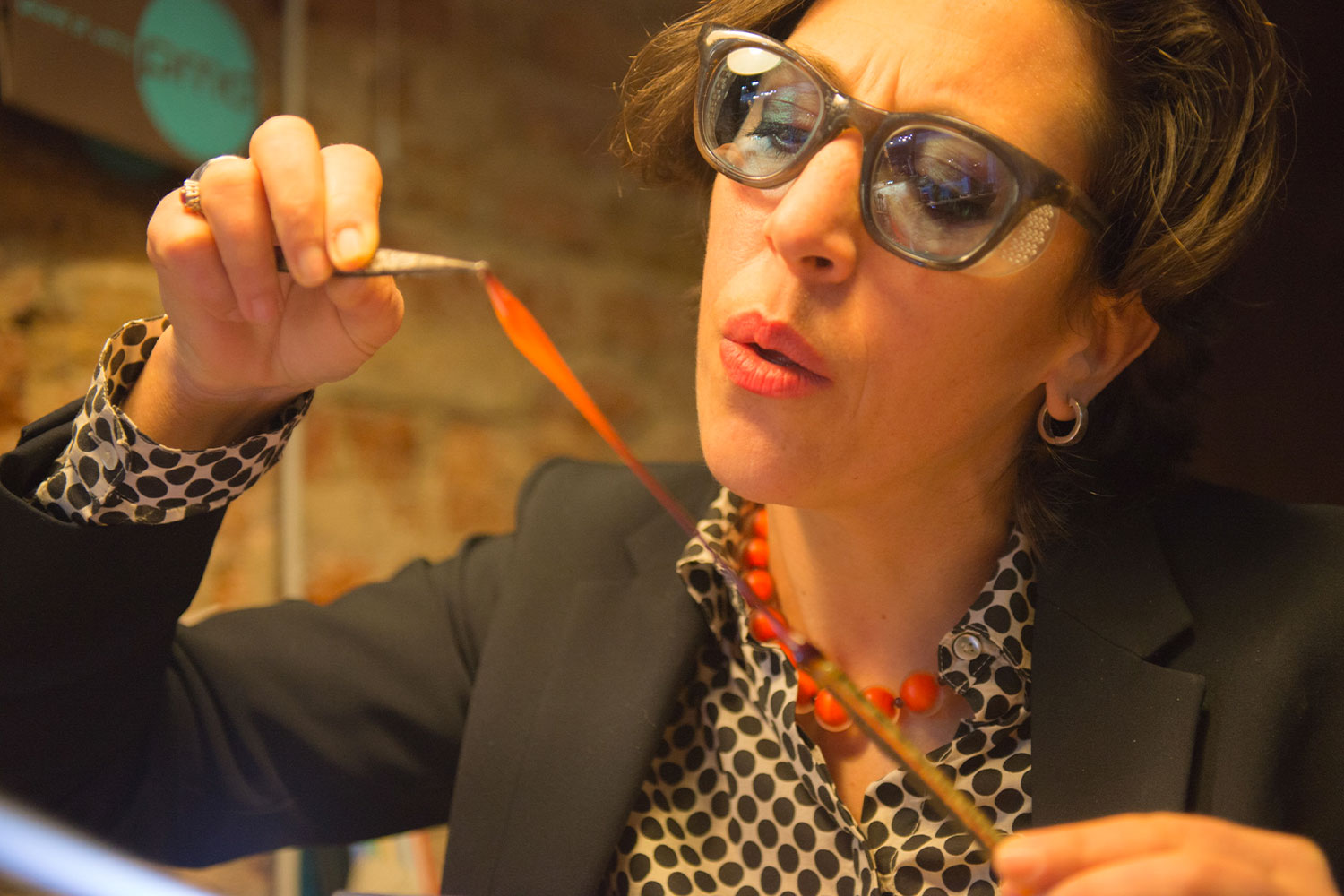
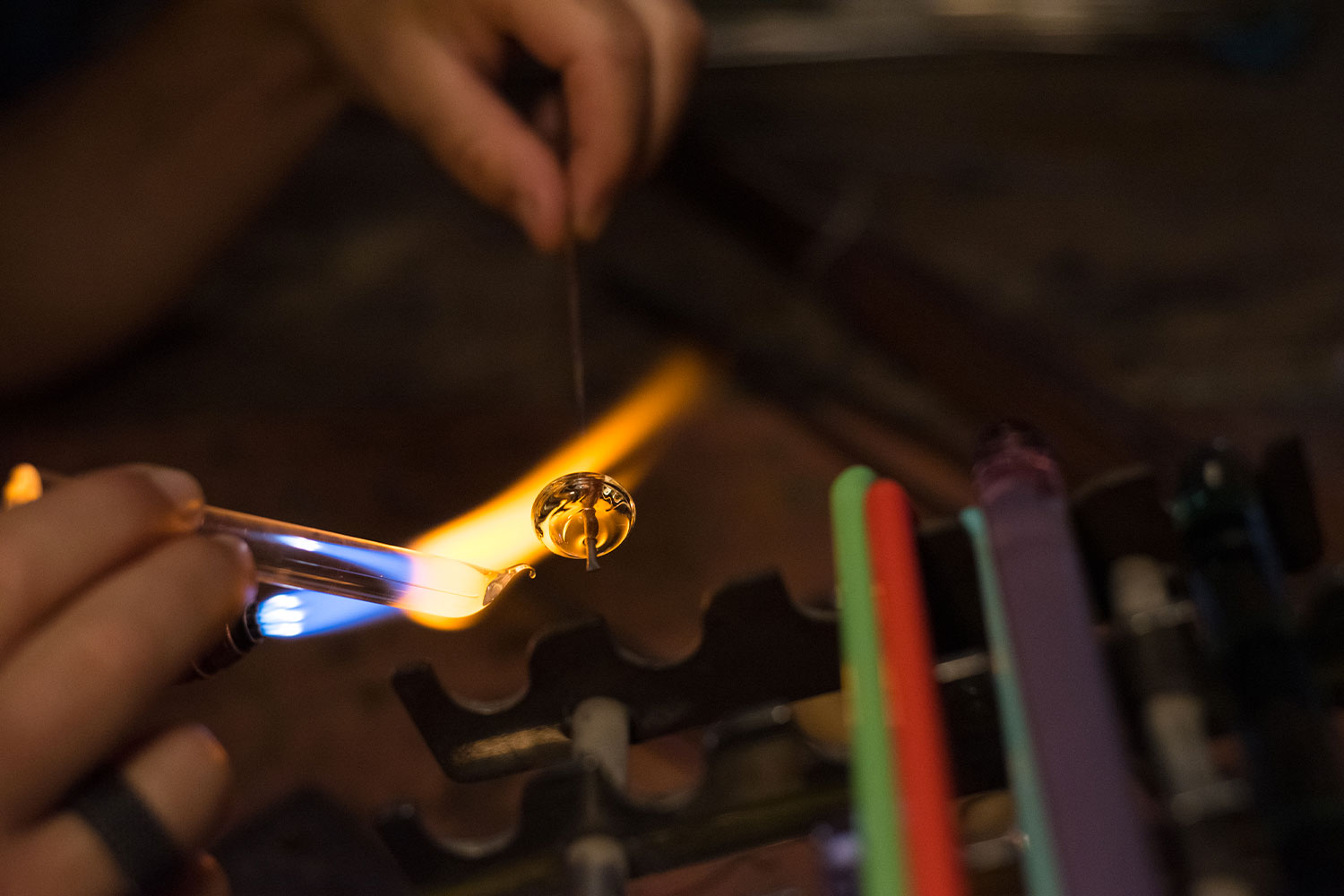
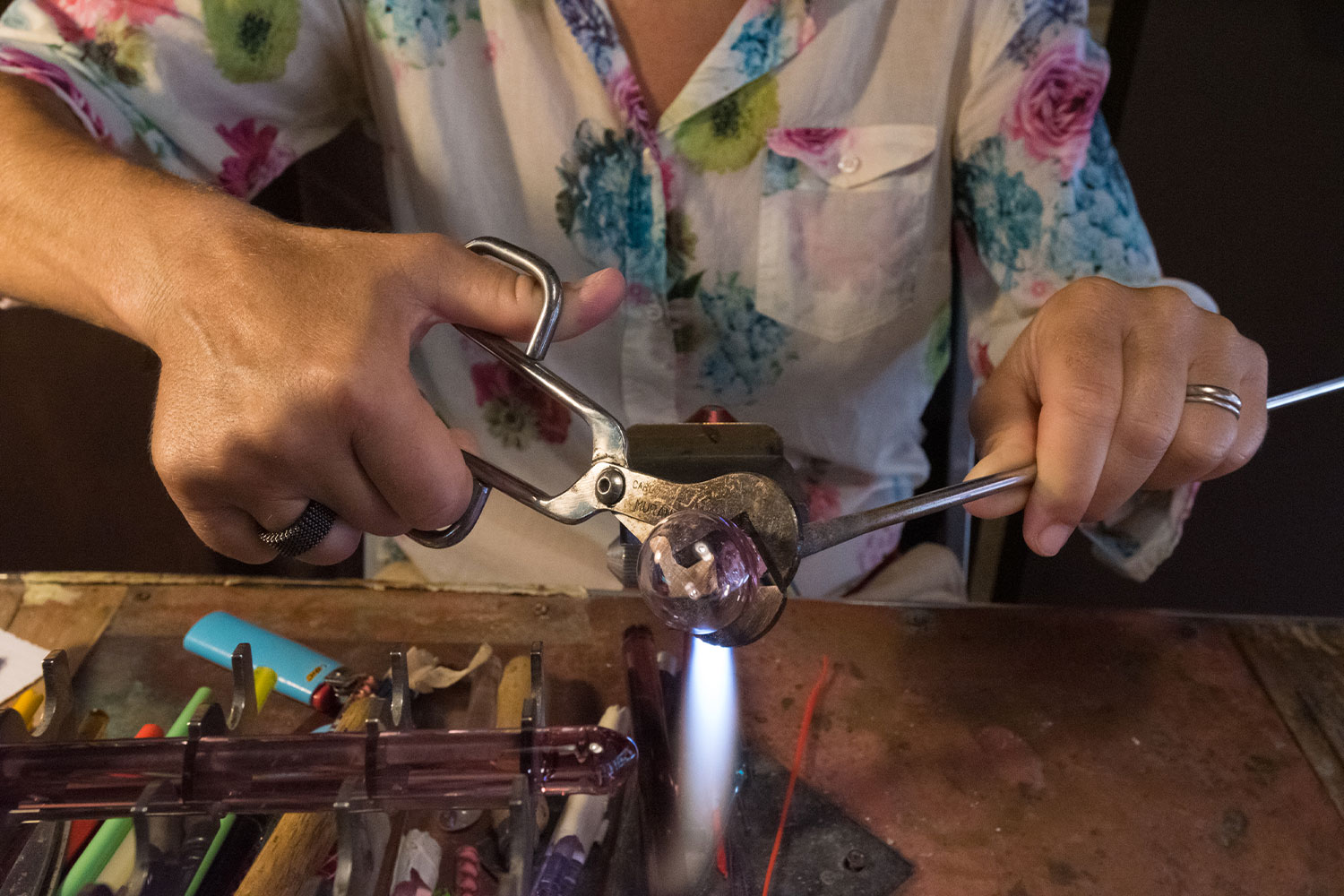
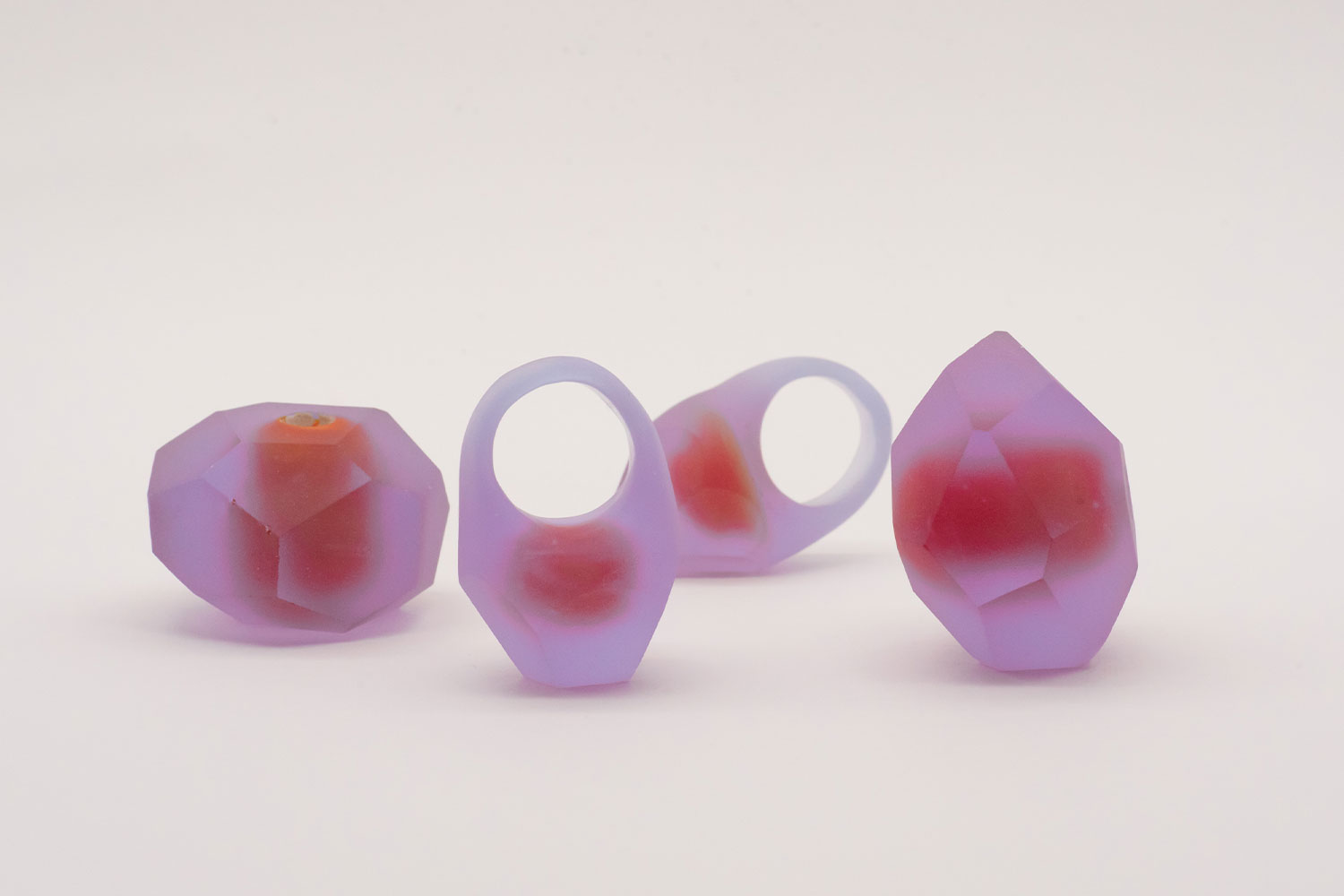
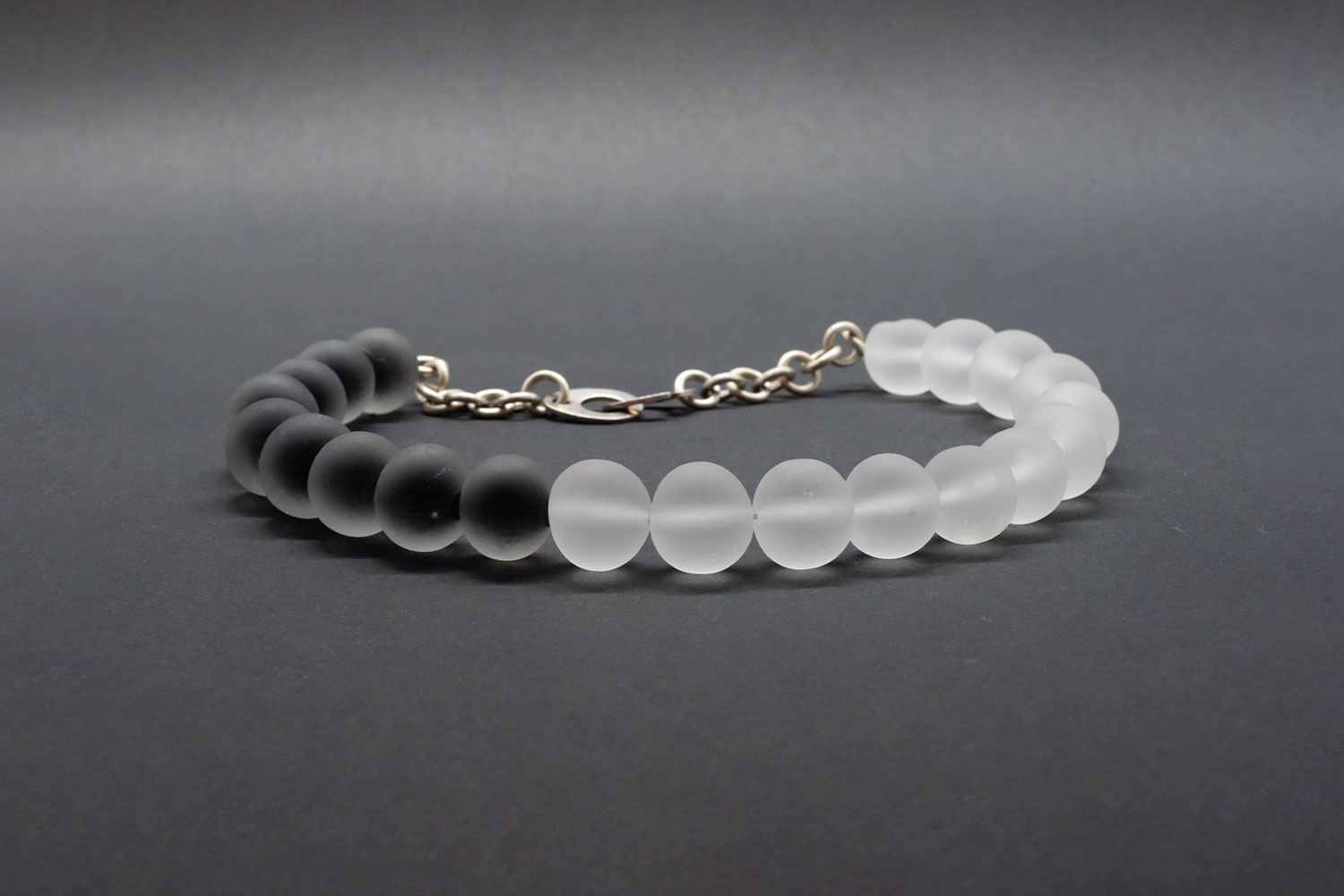
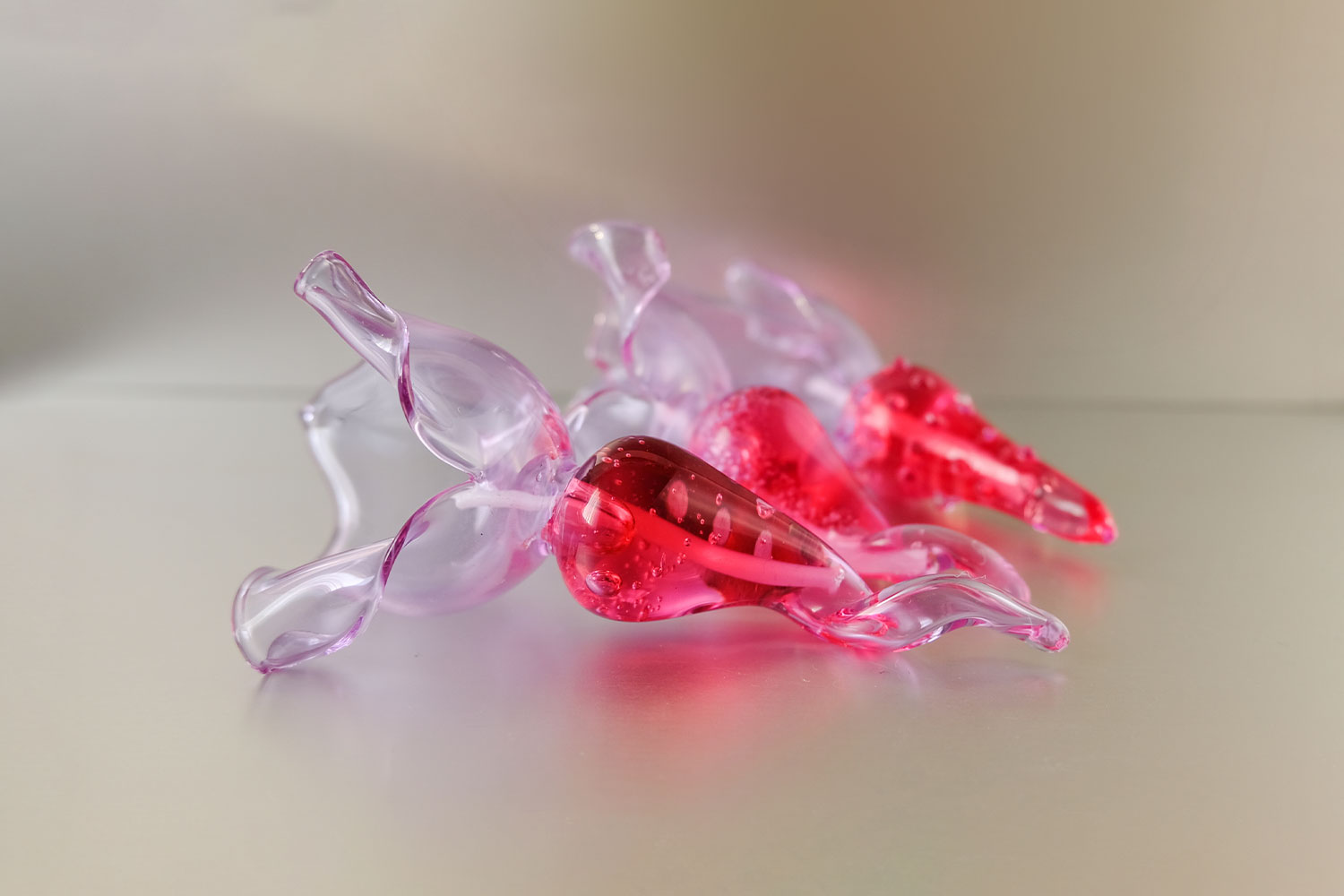
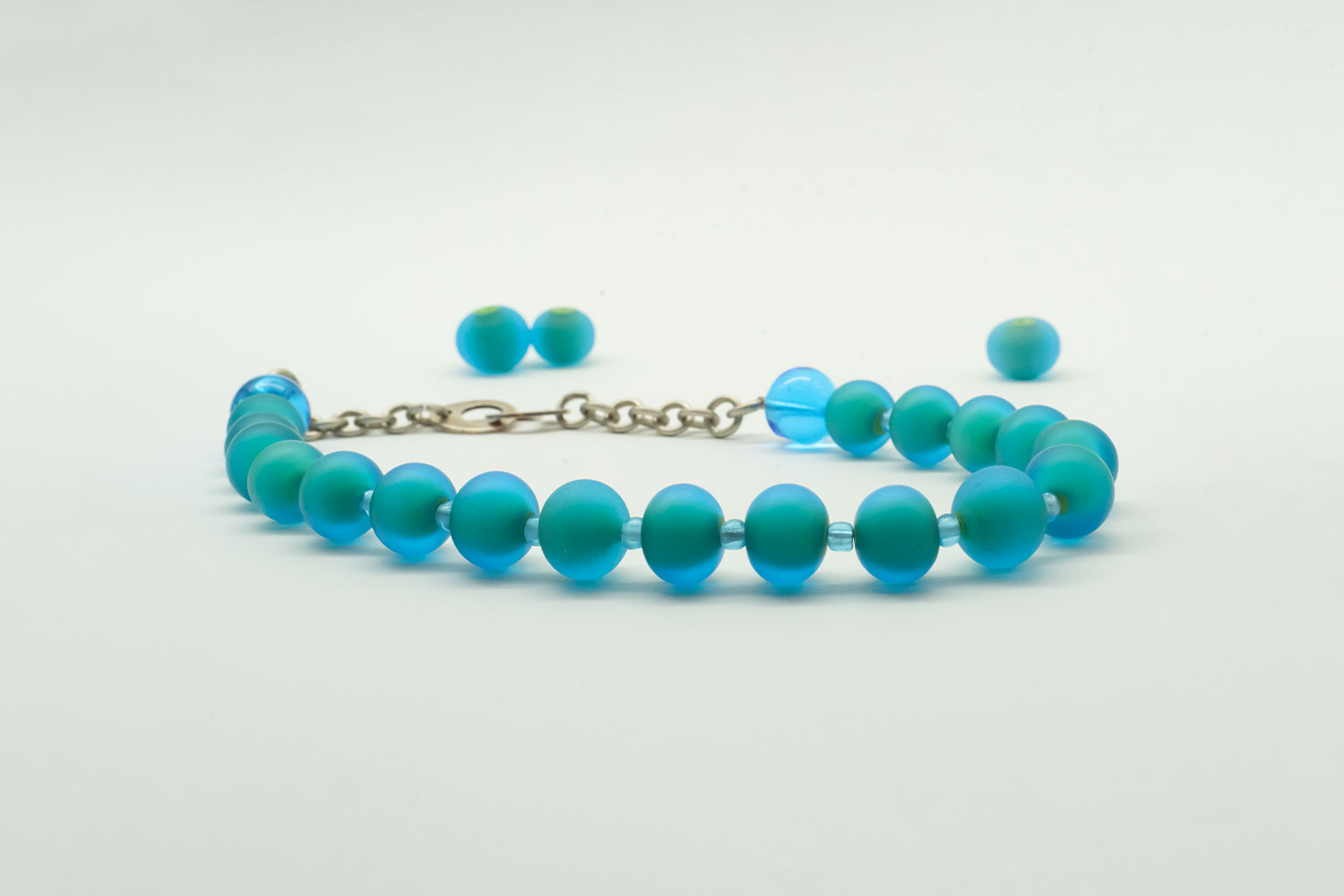
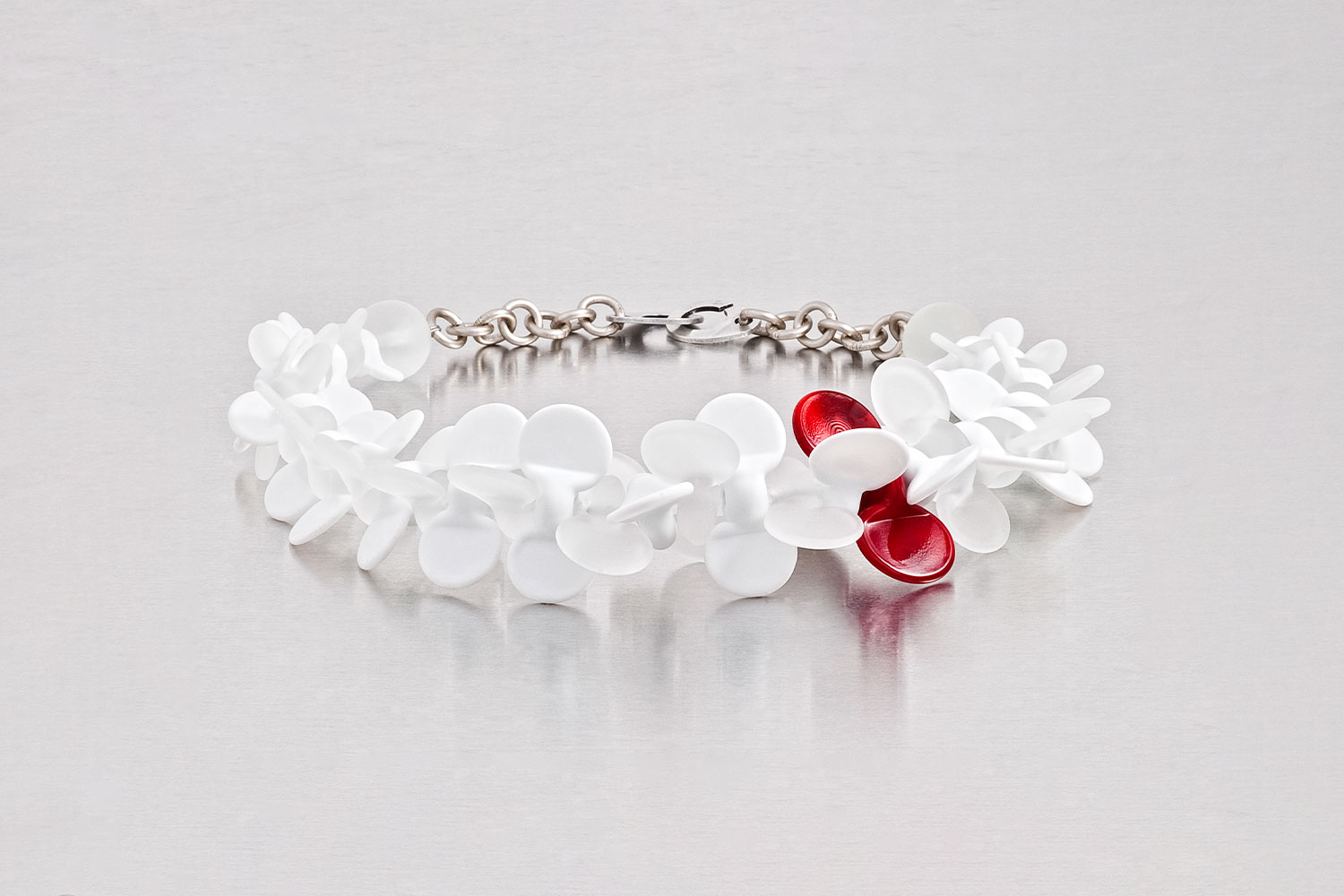
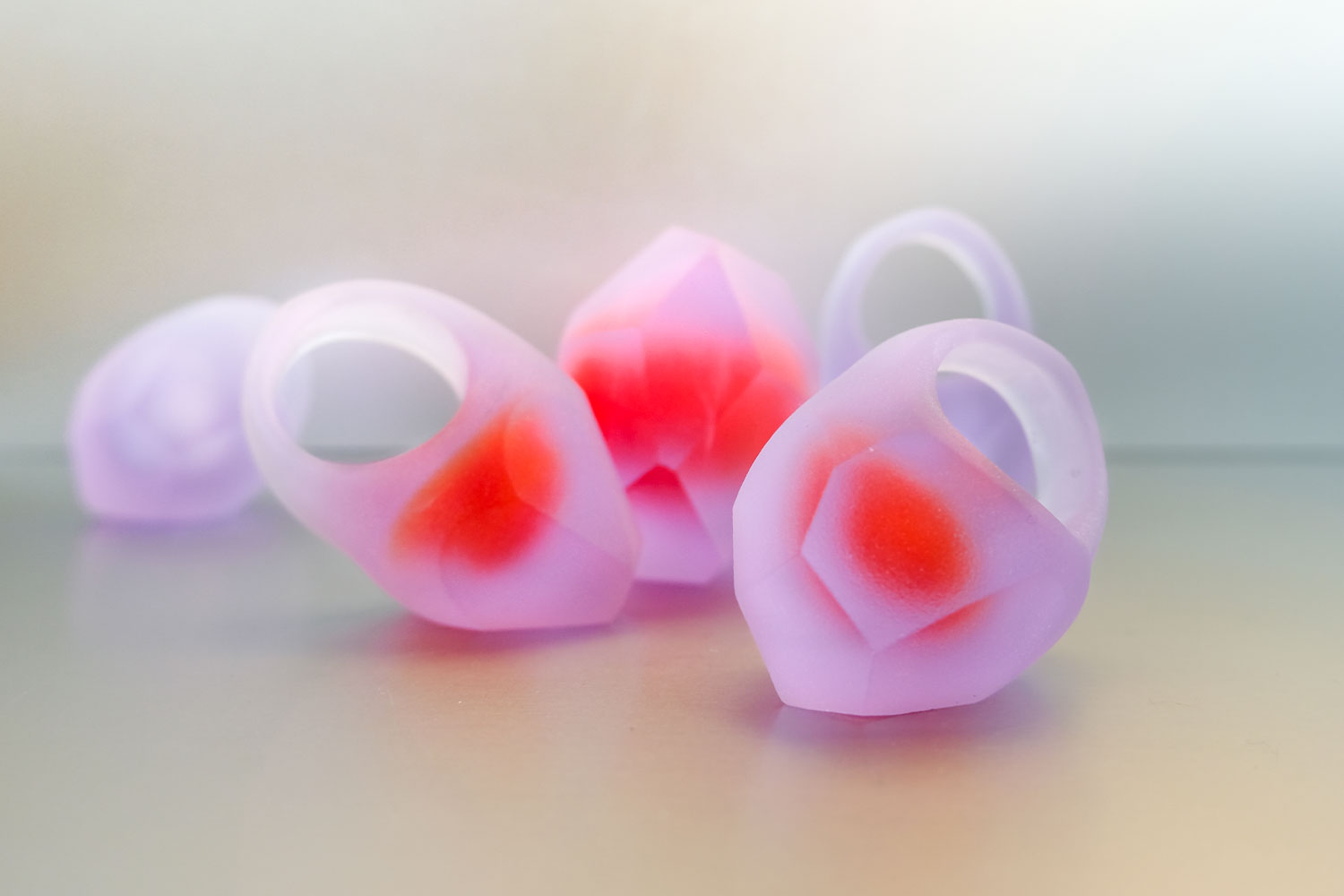
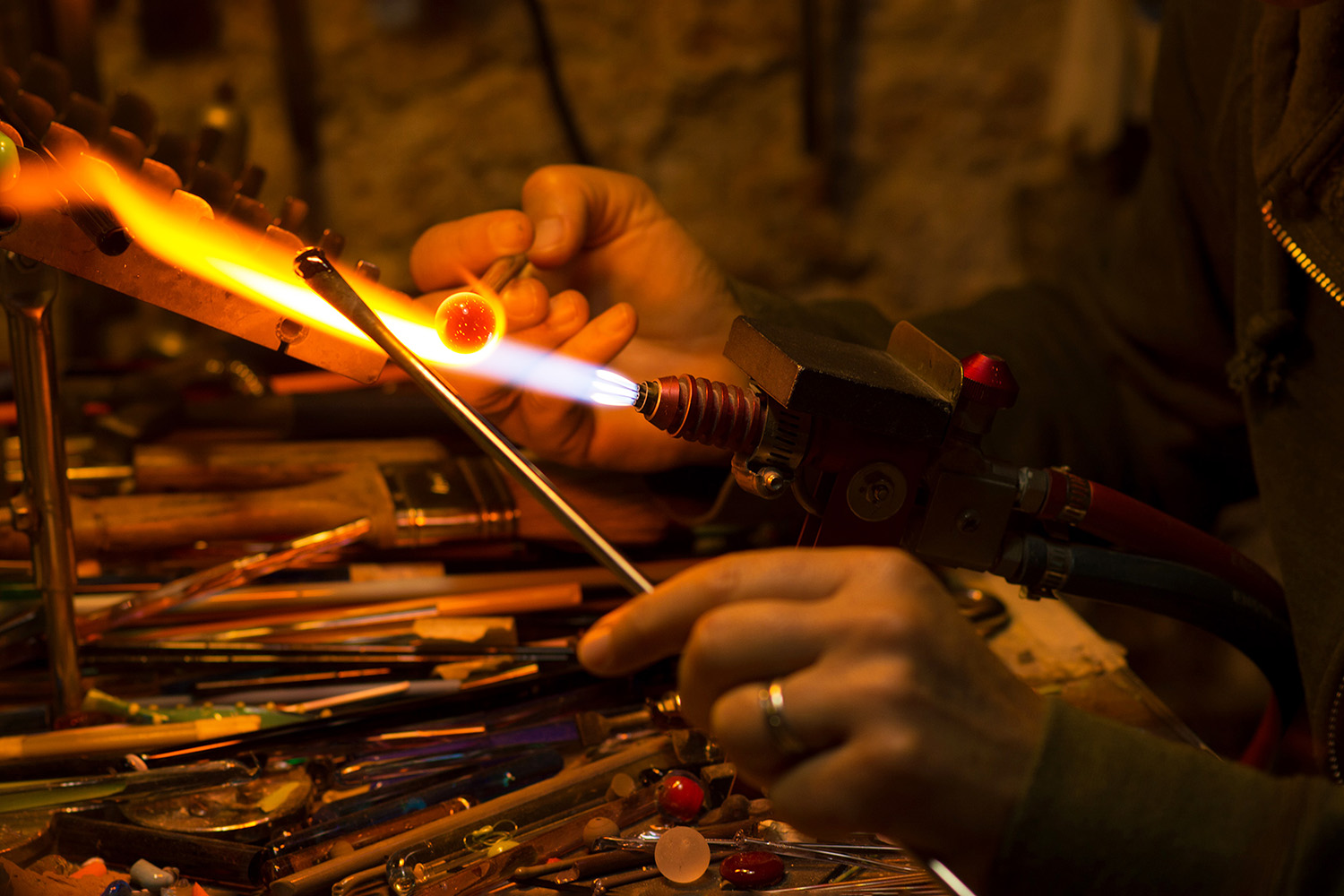
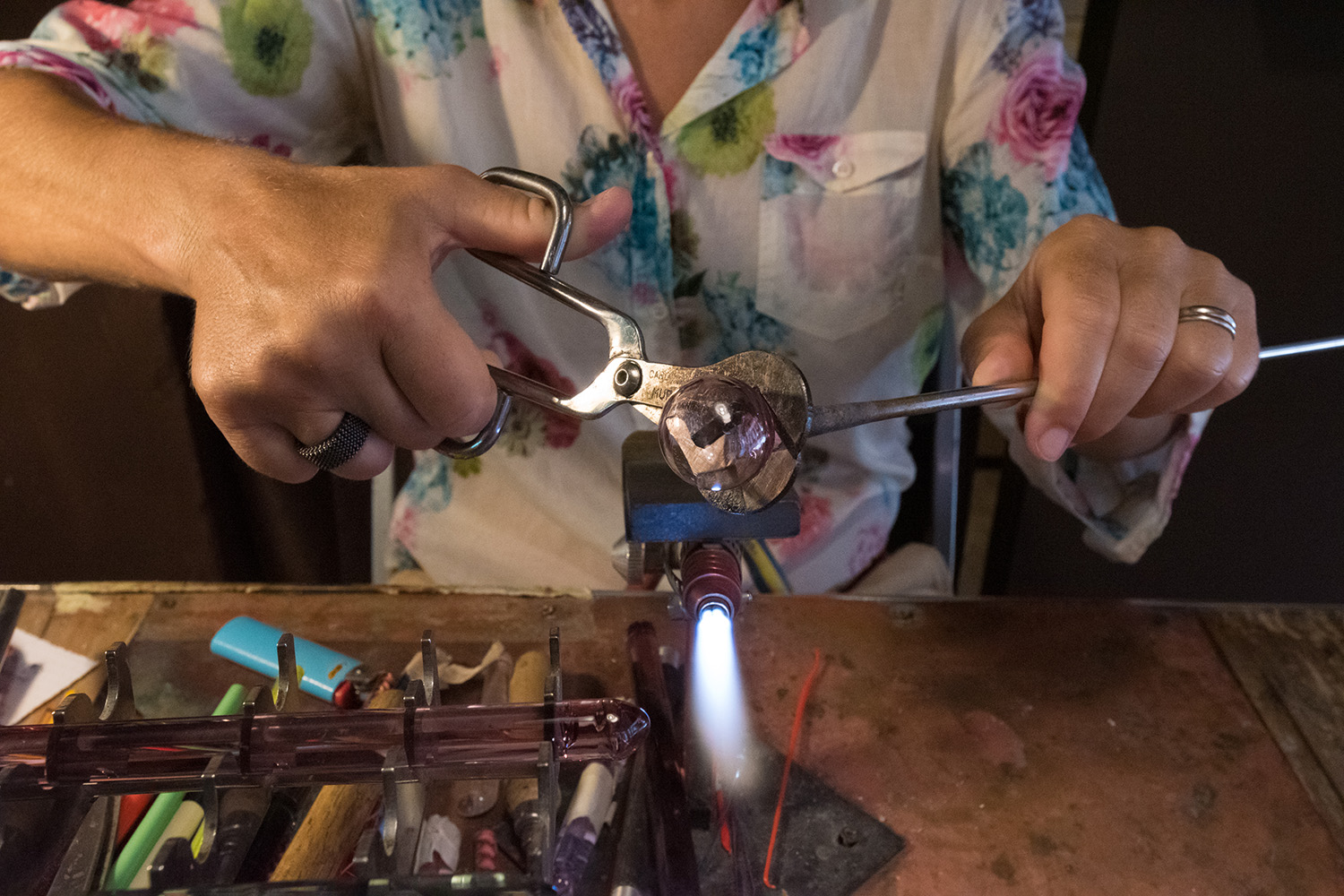
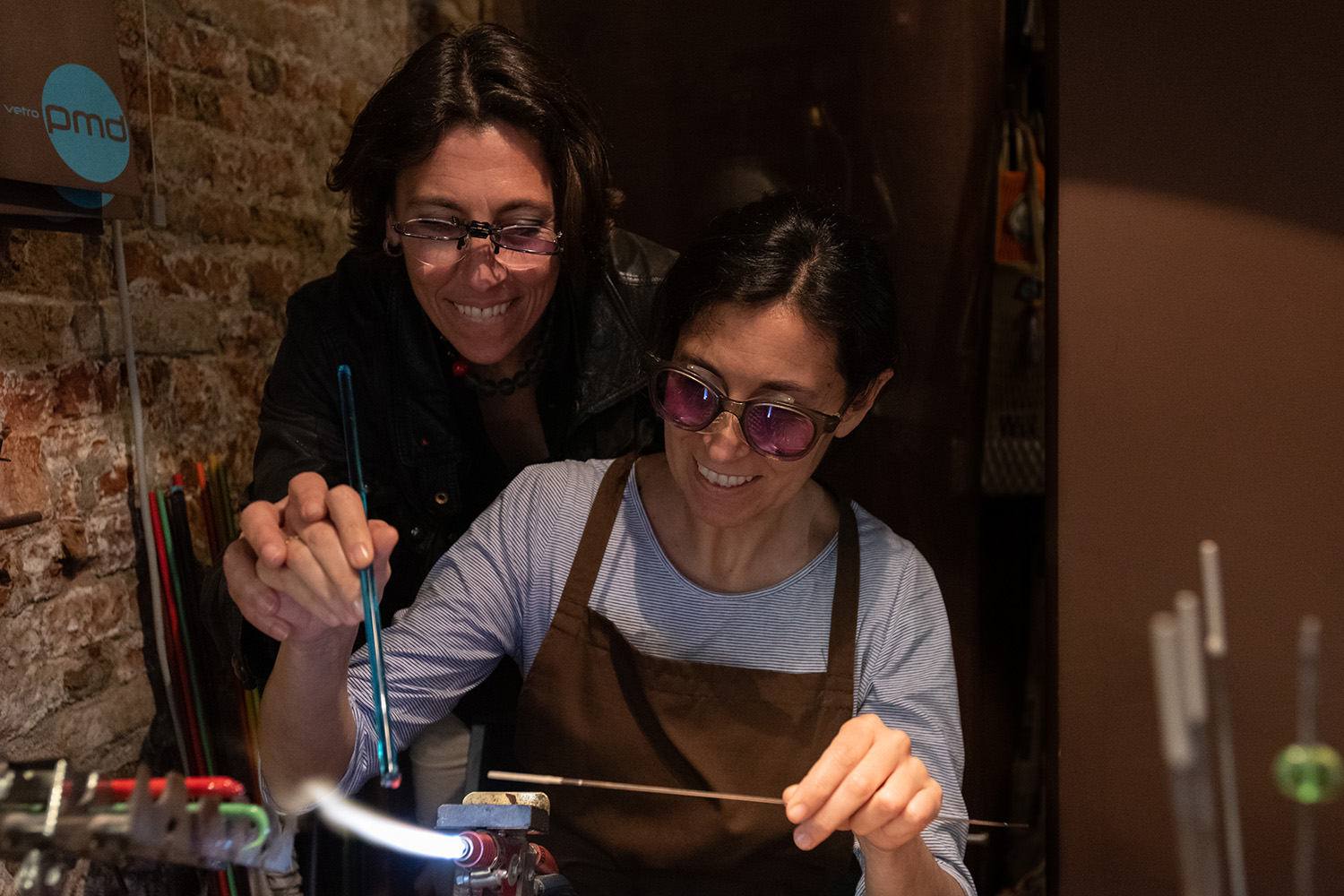
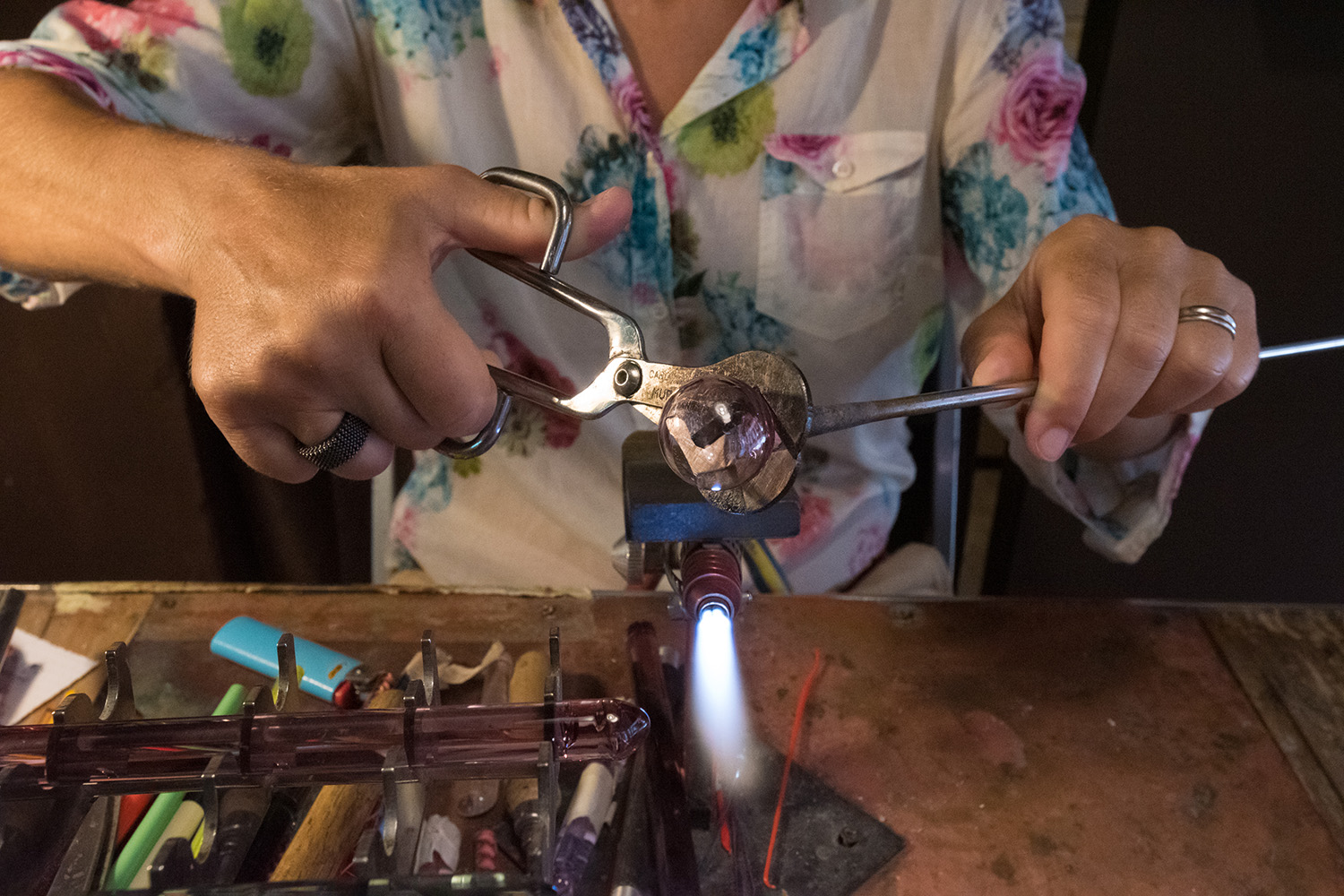
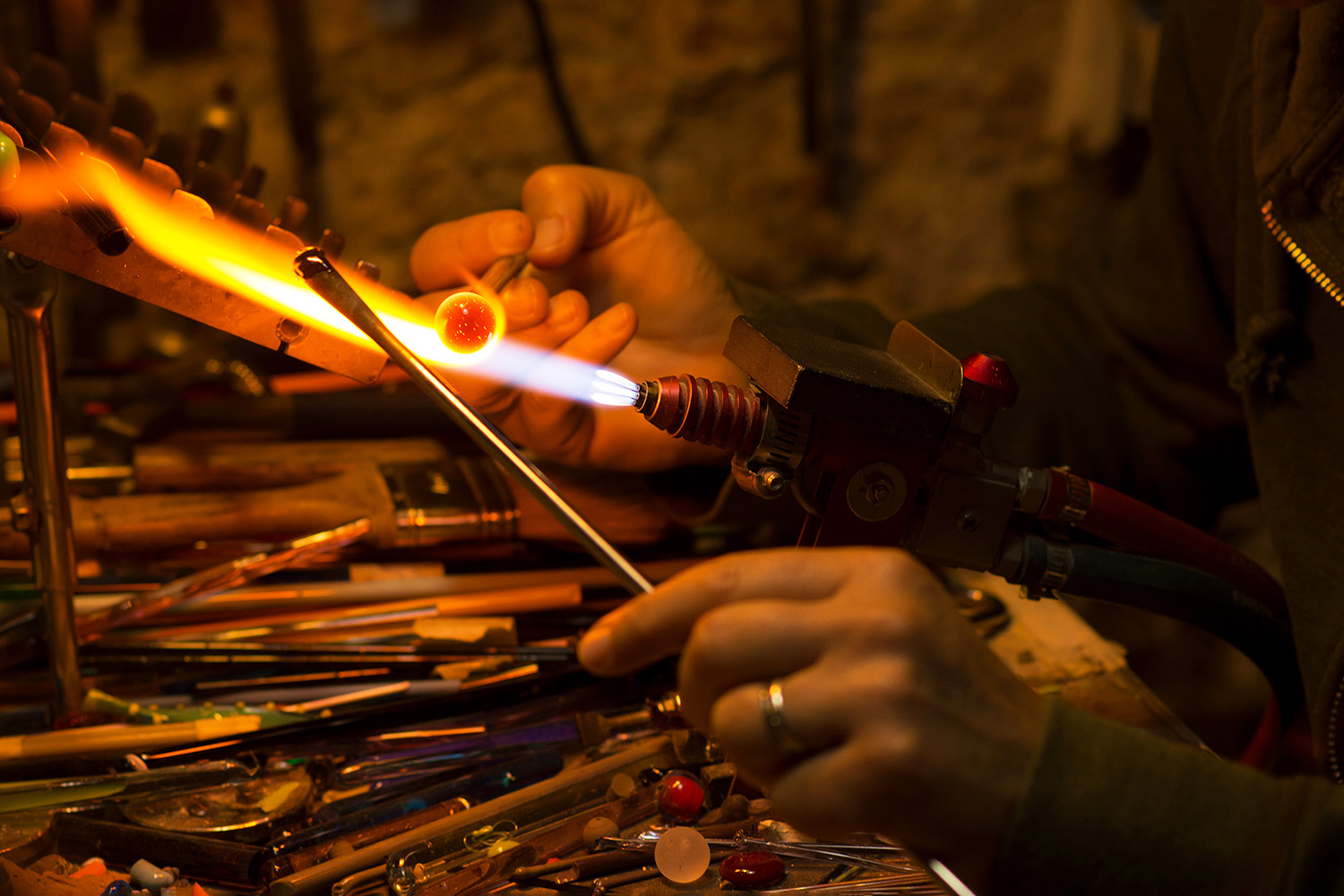
Being a Venetian "perlera" means working with fire (a torch or lamp, not a furnace) to make colourful glass beads and create precious jewels, and Simona Iacovazzi does just that. She arrived in Venice from southern Italy (her beloved Salento) as a young restorer, and she specialised in stone and papier-mâché, but soon after taking part in a lampwork course, she fell in love with this ancient craft. Simona then spent a couple of years in a Murano furnace, where she was educated in every glass technique. In 2012 she decided to open her own business, Perlamadre, with her Venetian partner Evelina Pescarolo. Here Simona carries out every phase of the creative process – from the original design of the jewels to putting together the secret wisdom of the Venetian tradition with her contemporary taste.
Discover her work
INTERVIEW
It’s so stimulating, it has both huge potential and strong limits. It’s unstable: its value is in its fragility. It gives you a great creative freedom, yet it shows you the way. You have to watch it and listen to its sounds without preconceptions – in a dialogue.
Working with fire is primordial: it hypnotises you. This technique is somehow therapeutic and relaxing. Also, fire can be dangerous and it’s a hard job, which demands complete attention, but it is also a very sophisticated craft, technically speaking. And it’s alchemic, as well.
First of all, Venice and its relationship with water: the lagoon, rowing, the colours of sealife. Also, deep-sea fishing in southern Italy, where I was born. Japanese culture is endlessly fascinating. And glass itself: for example, I experiment with some old kind of glass abandoned in furnaces.
We face many problems. It is a niche that is threatened by the so-called overtourism: tourists have to be educated. And traditionally this was a men’s world, but today women have a creative revitalising influence. There’s space for different kinds of knowledge.
2 EXPERIENCES
2 EXPERIENCES
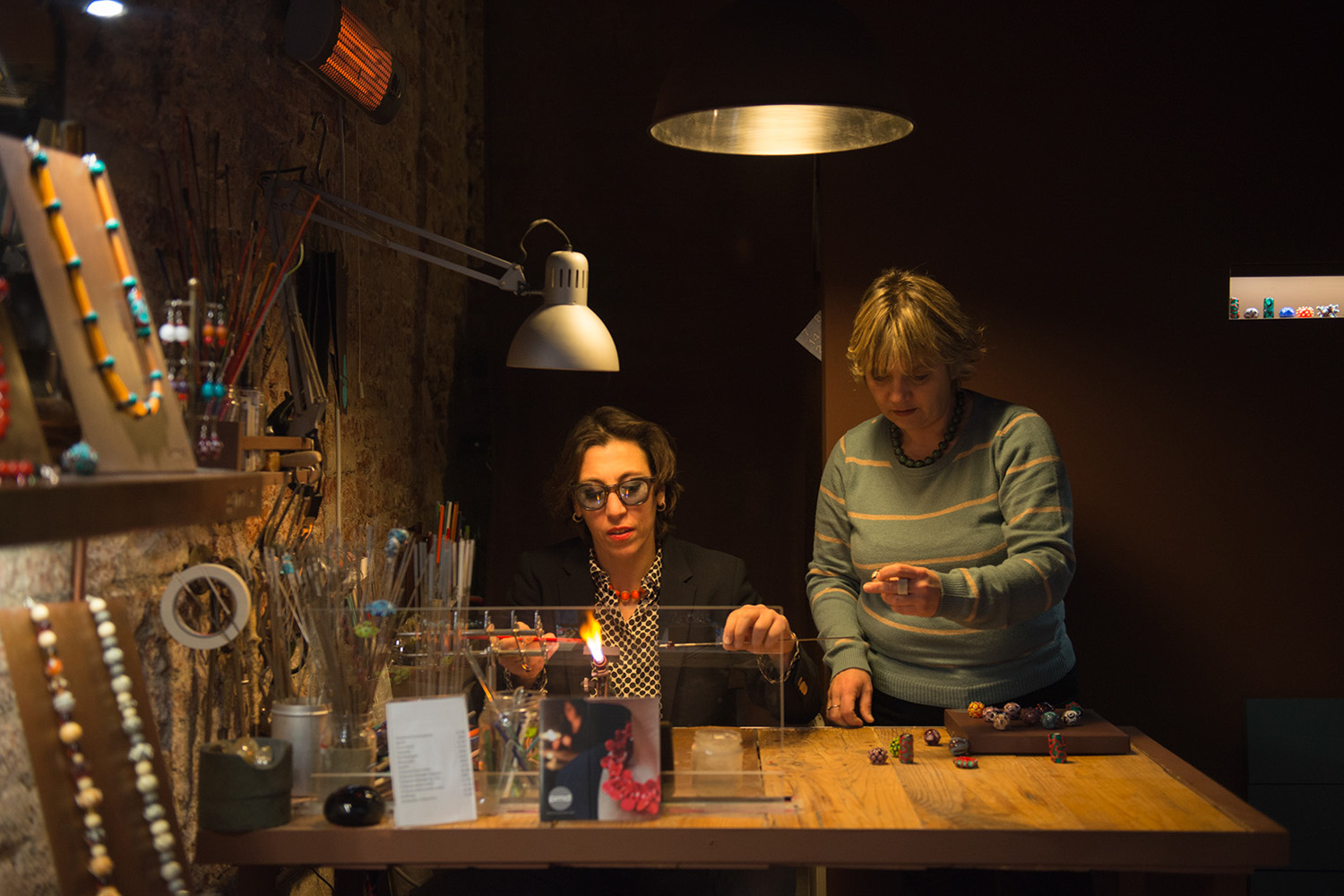
Simona Iacovazzi
Perlamadre Design
Jewellery maker
Venice, Italy
Recommended by Laura Scarpa & Lorenzo Cinotti
AVAILABILITY
Monday to Saturday 10:30-13:00 / 15:30-18:30
PHONE
+39 3408449112
LANGUAGES
Italian, English
Homo Faber Finds is a new service aiming to inspire admirers of craft to connect and collaborate with exceptional artisans.
We invite you to submit an enquiry here.