
Shahe Harutyunian
Brutshen Ceramic Art
Ceramicist
Yerevan, Armenia
A canvas for Armenian culture
- Shahe trained as a fine artist in Armenia for 10 years
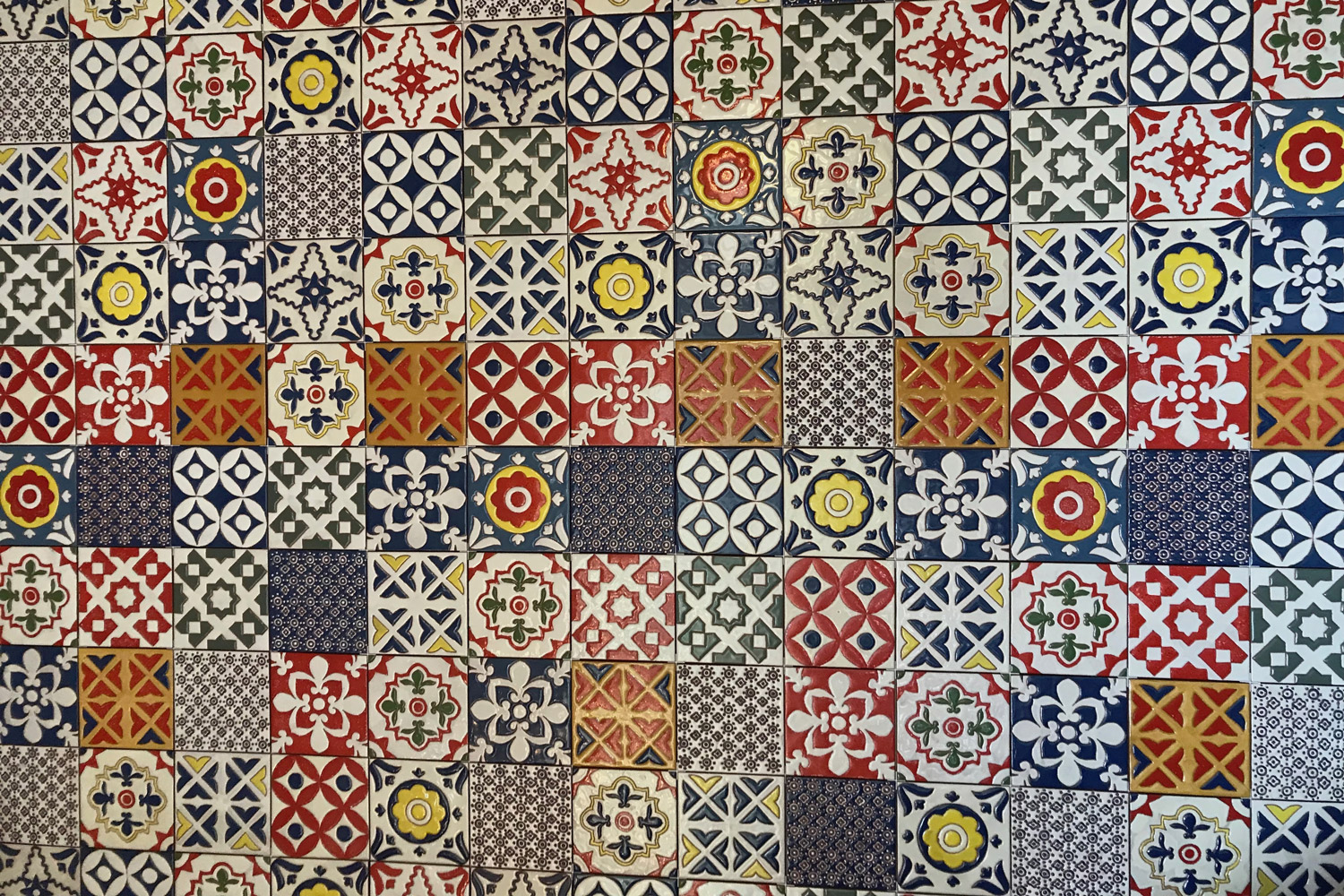
- His ceramic works allow him to celebrate Armenian culture in painted scenes
- Opening the kiln after firing is his favourite moment of the making process
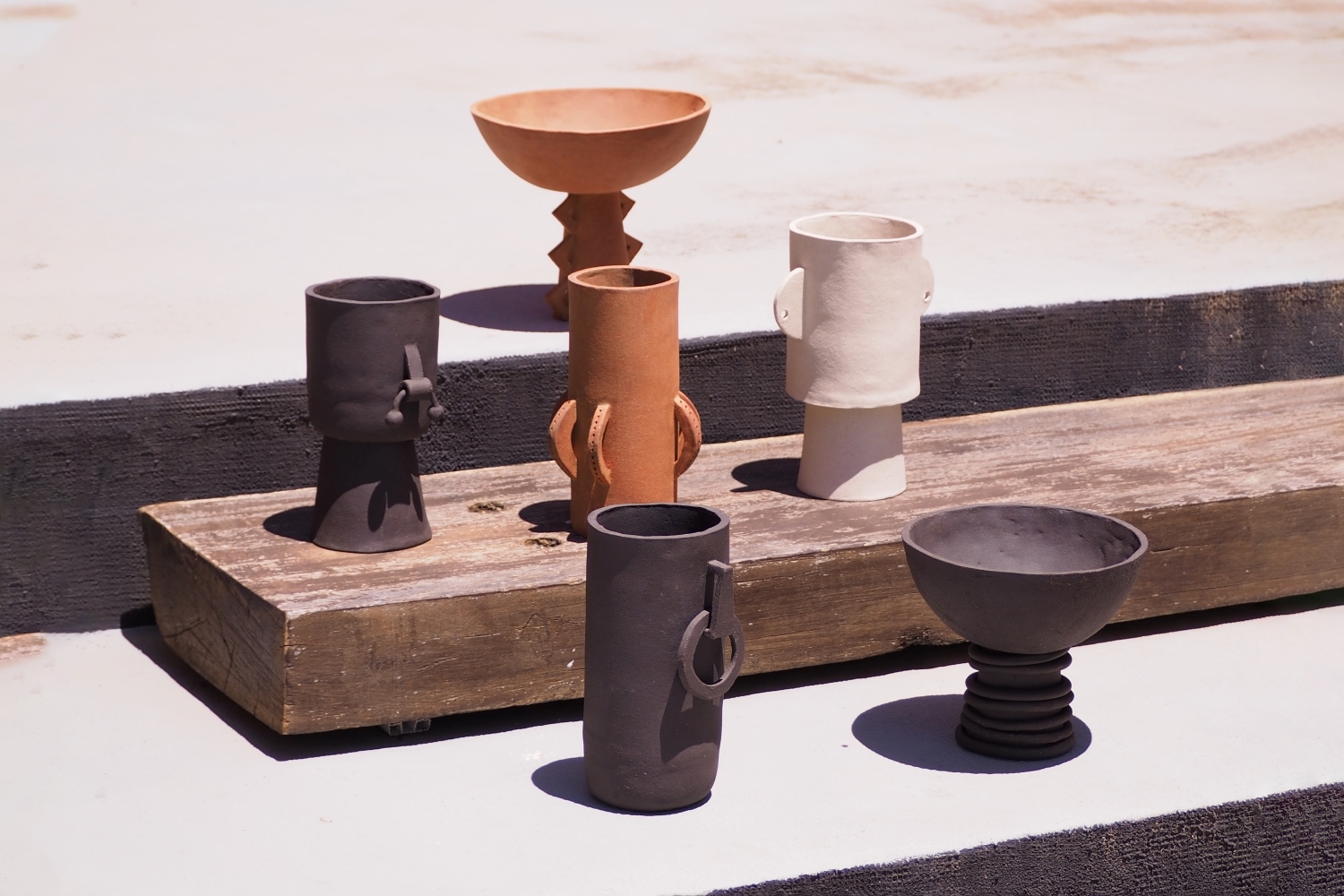
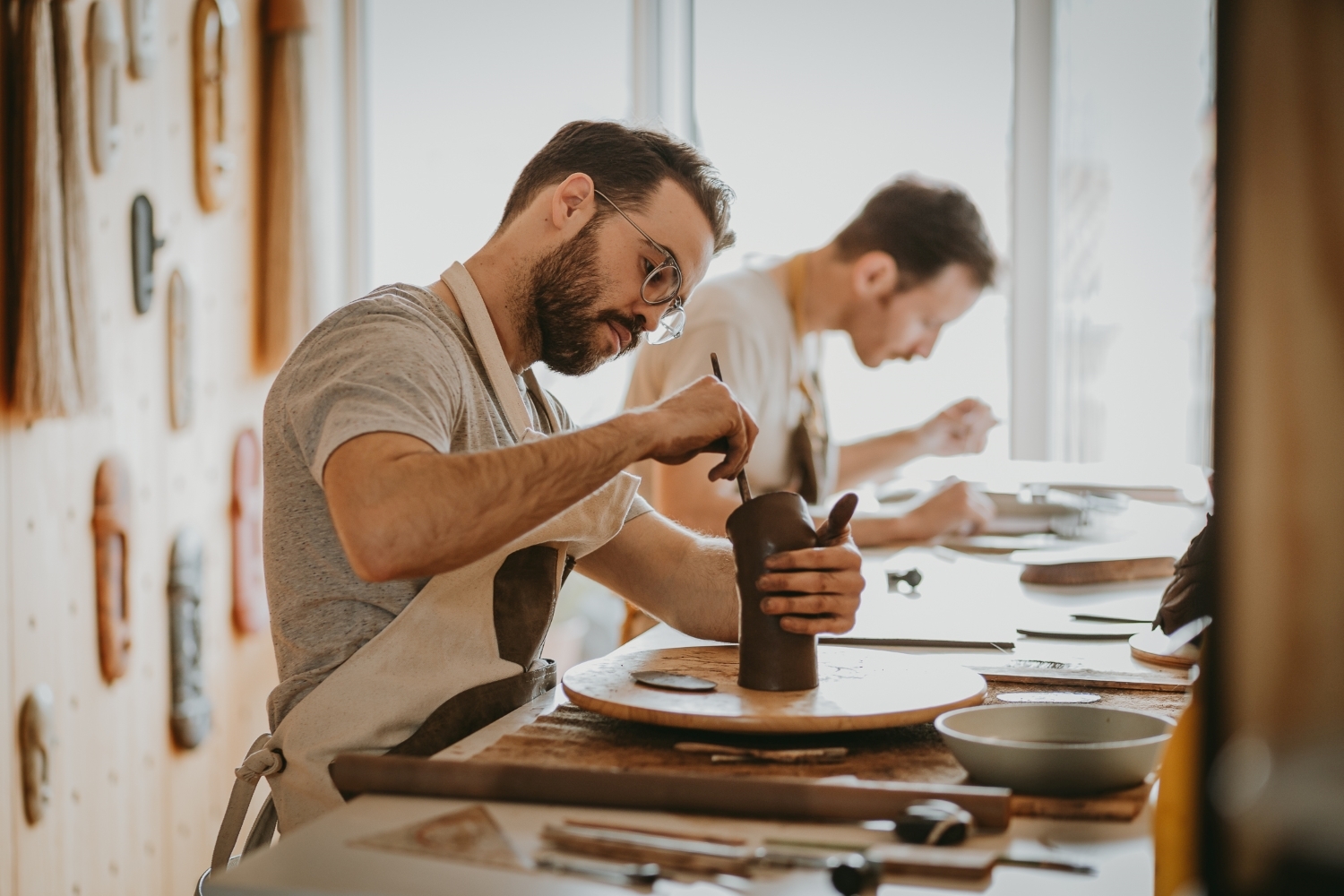
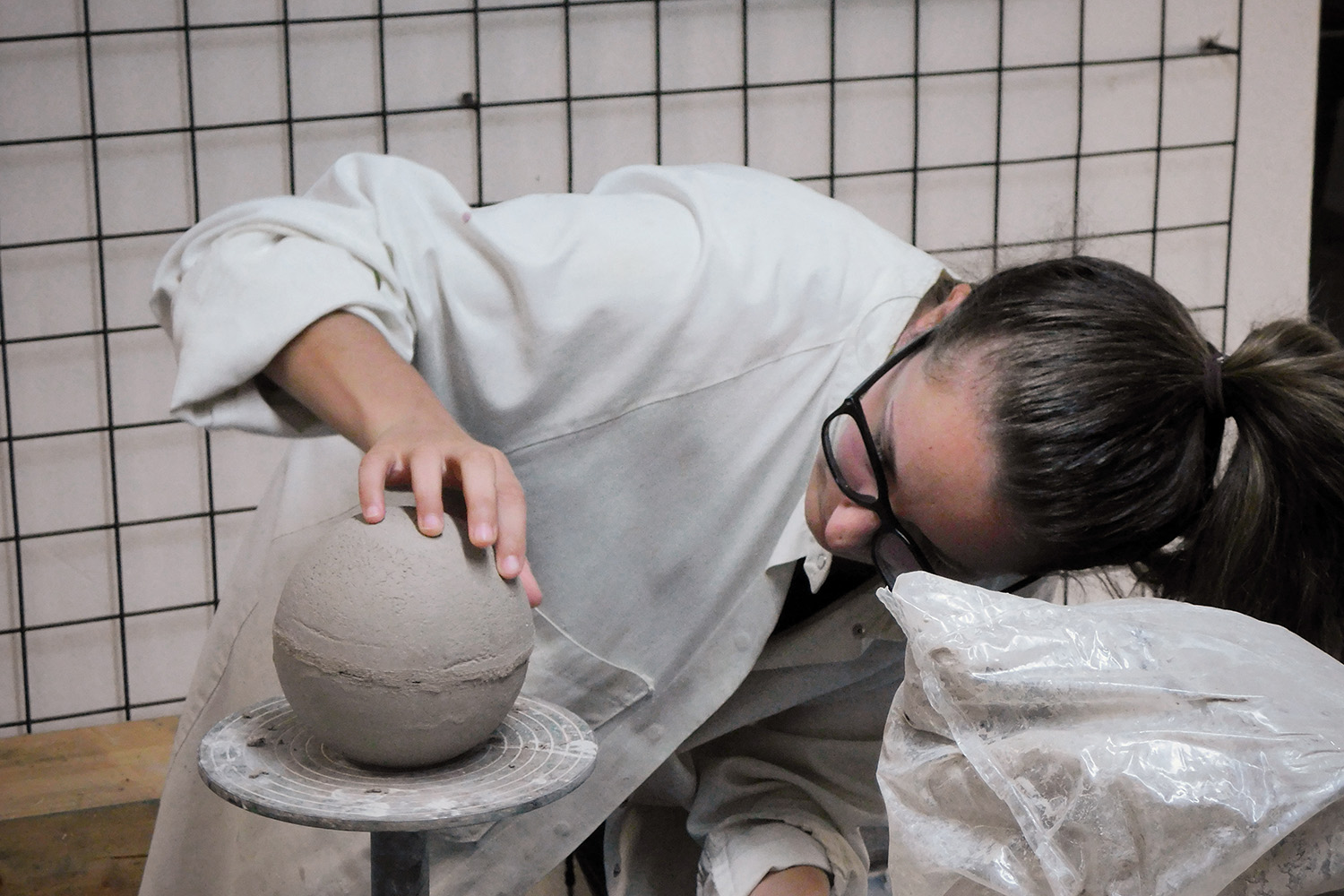
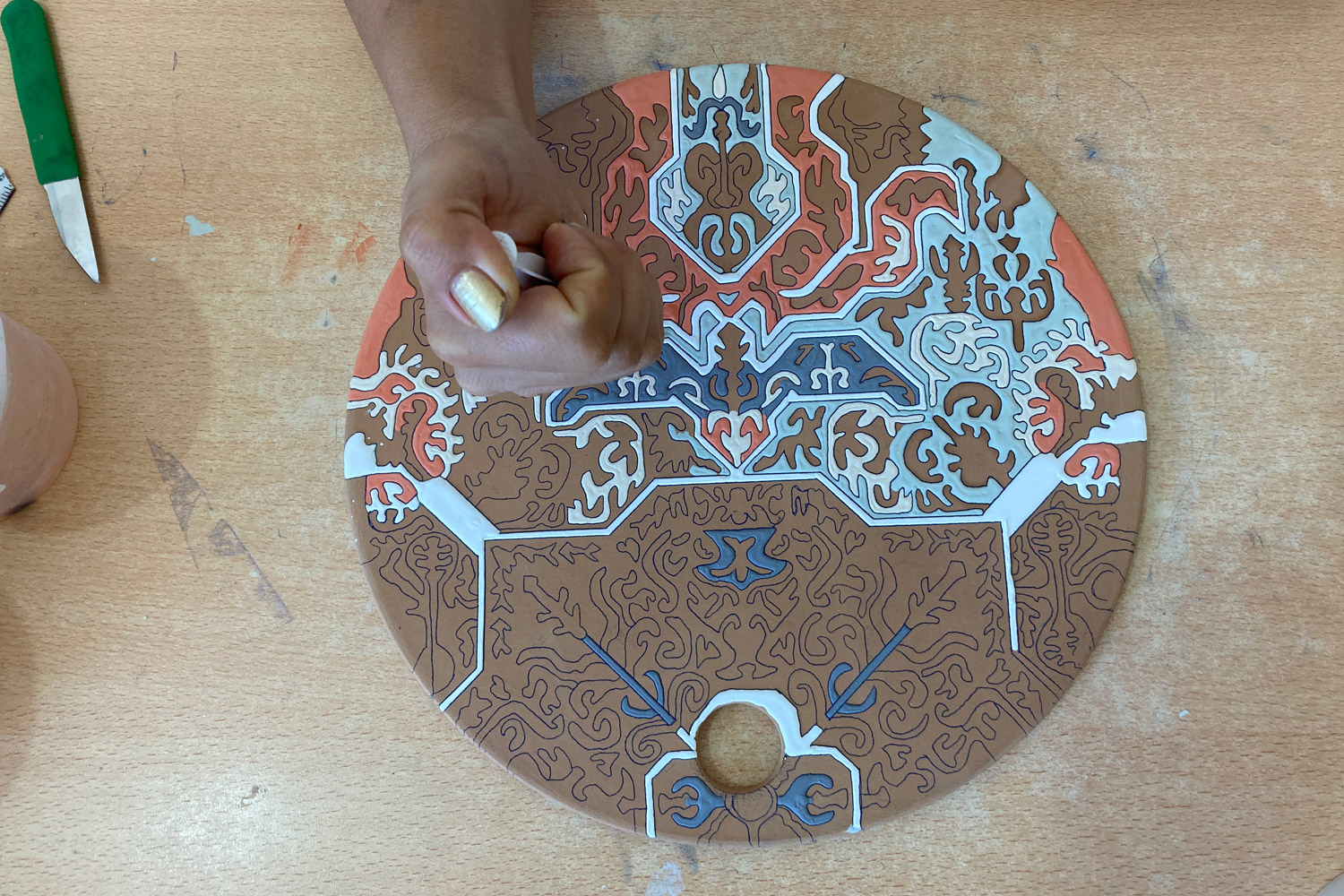
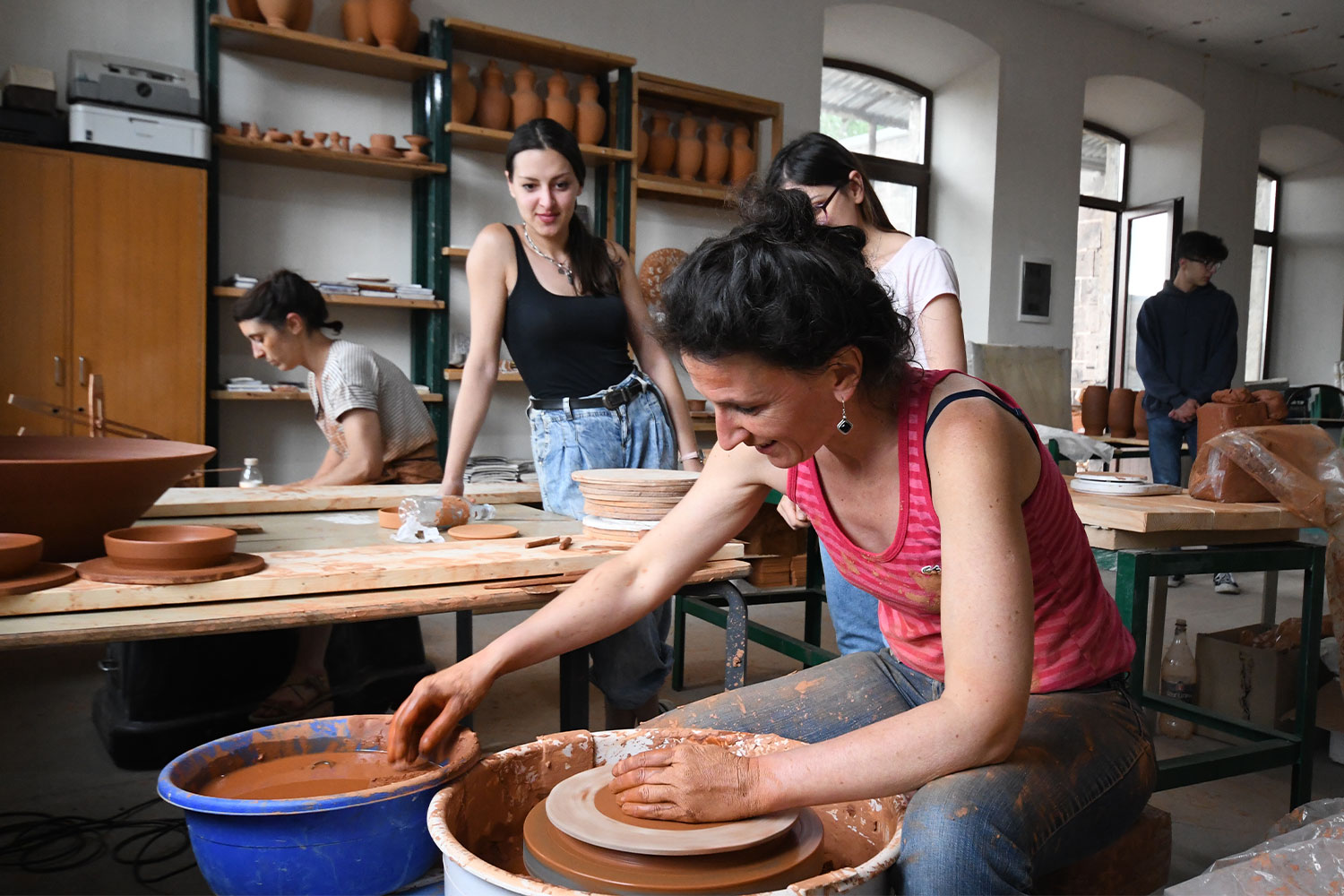
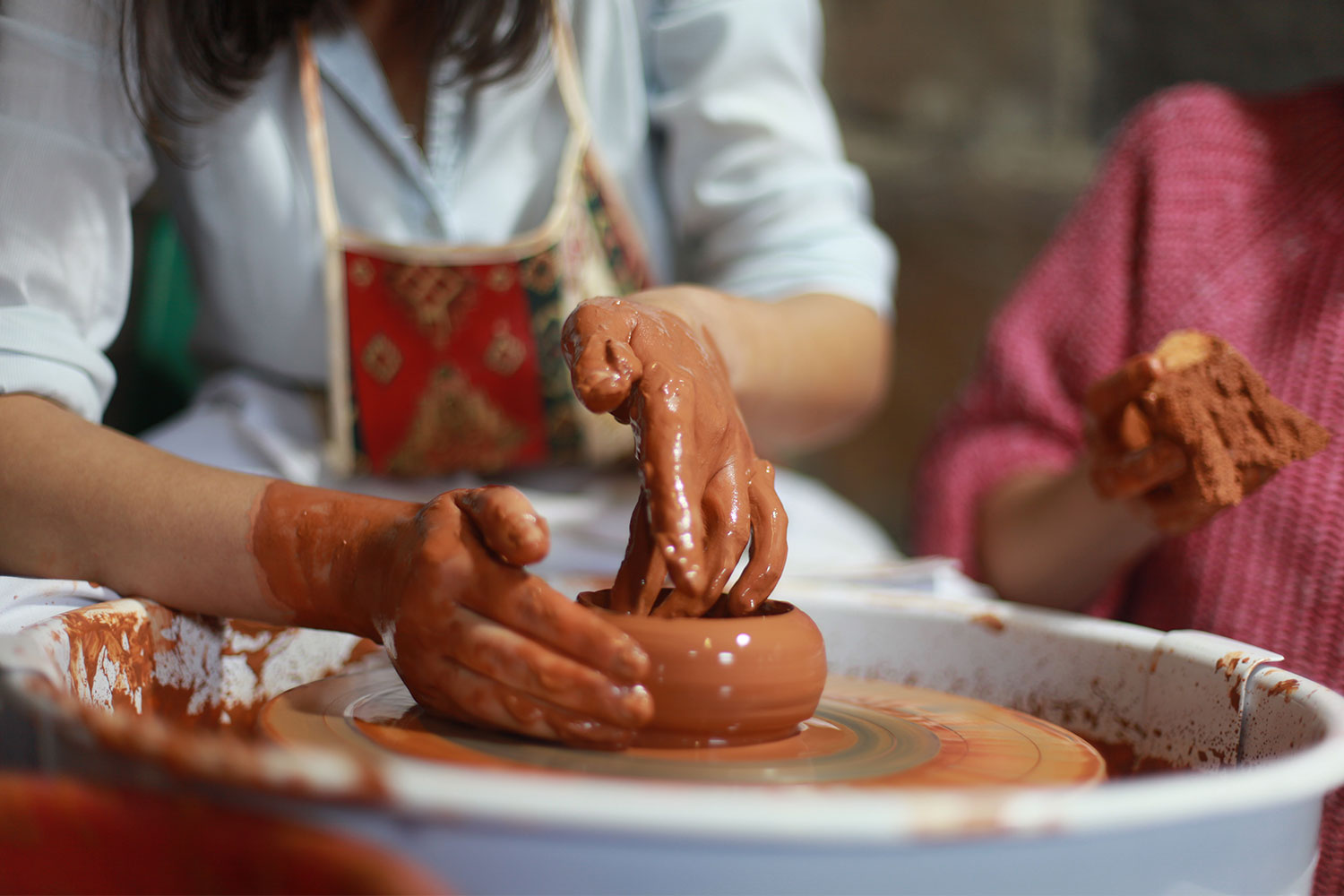
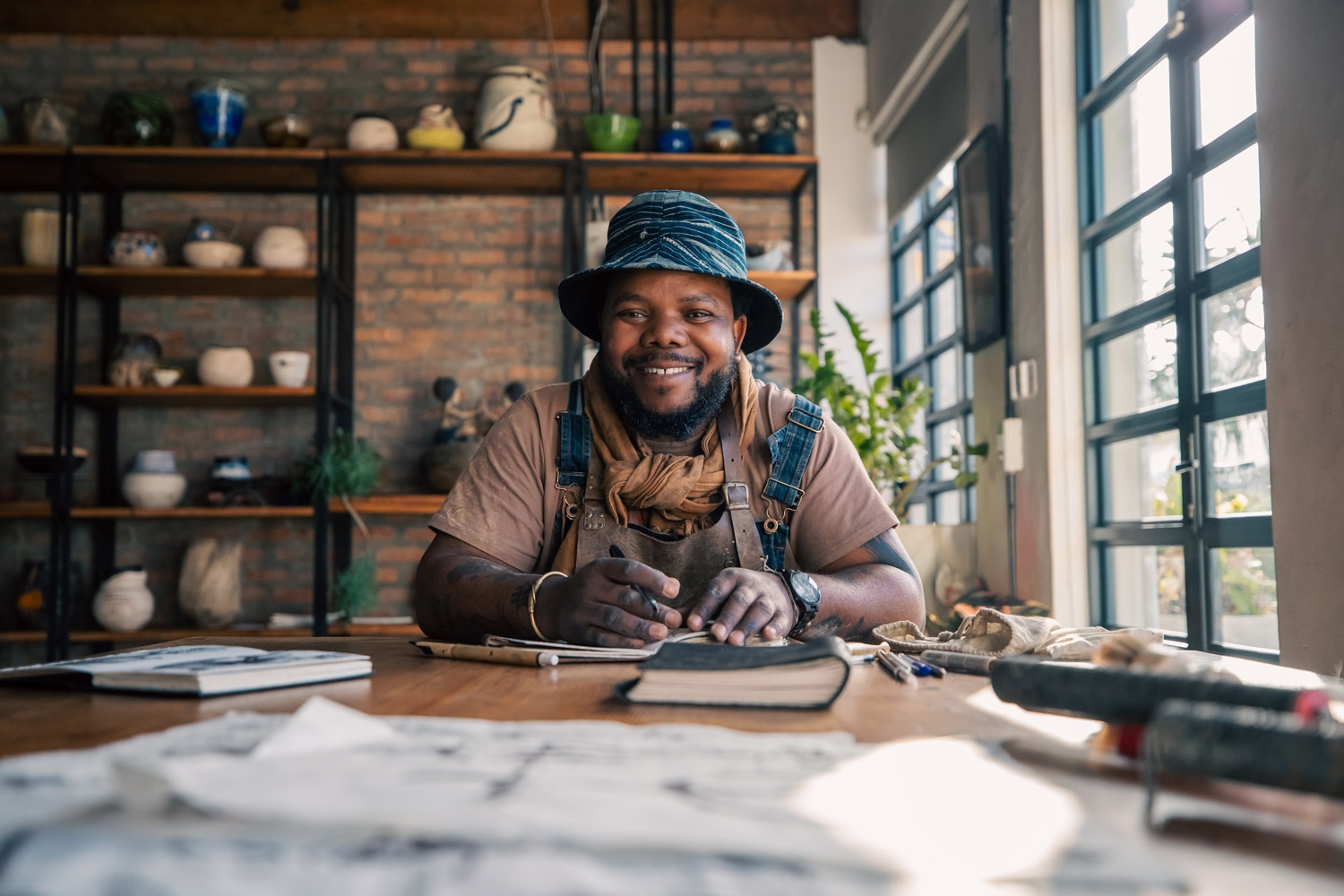
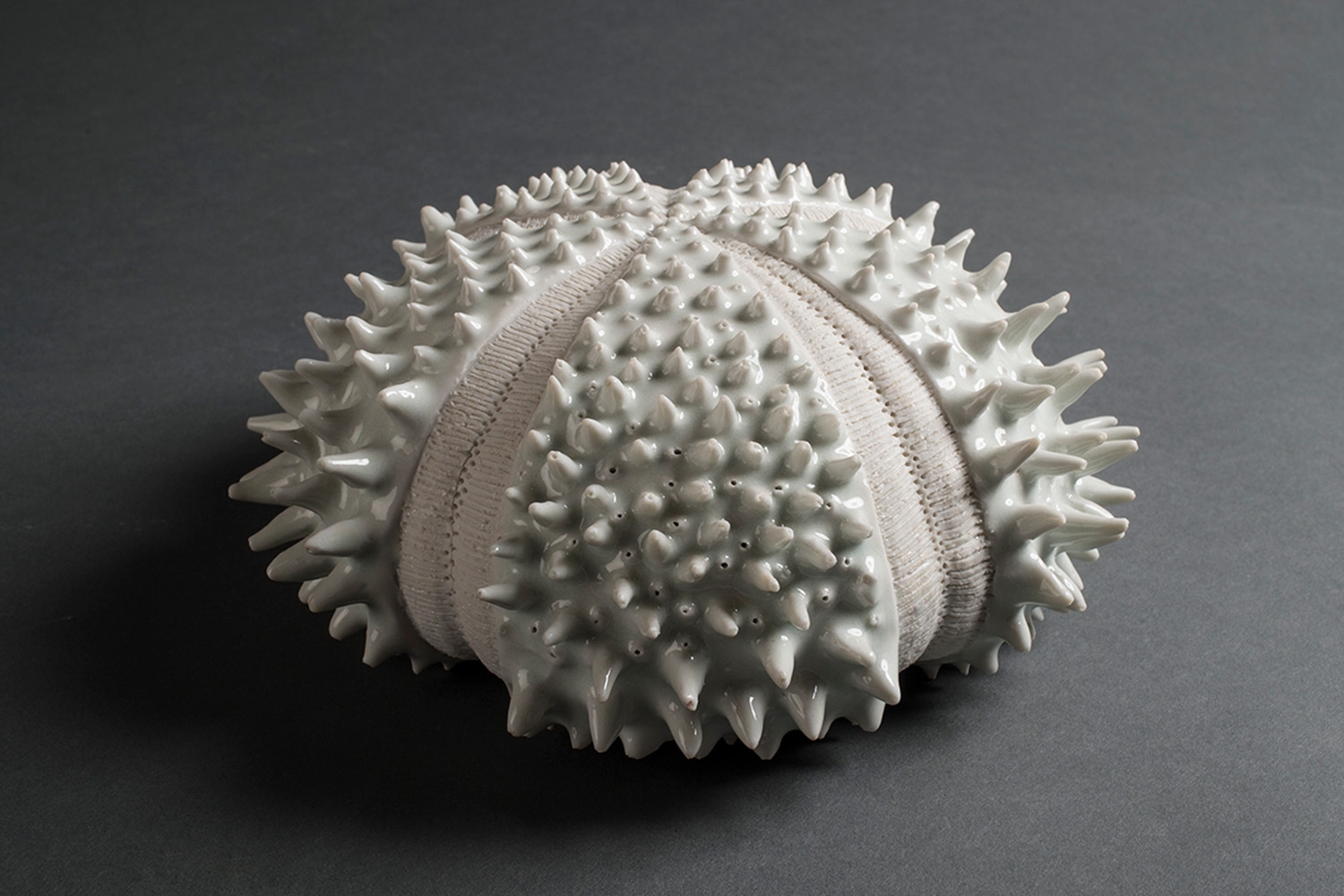
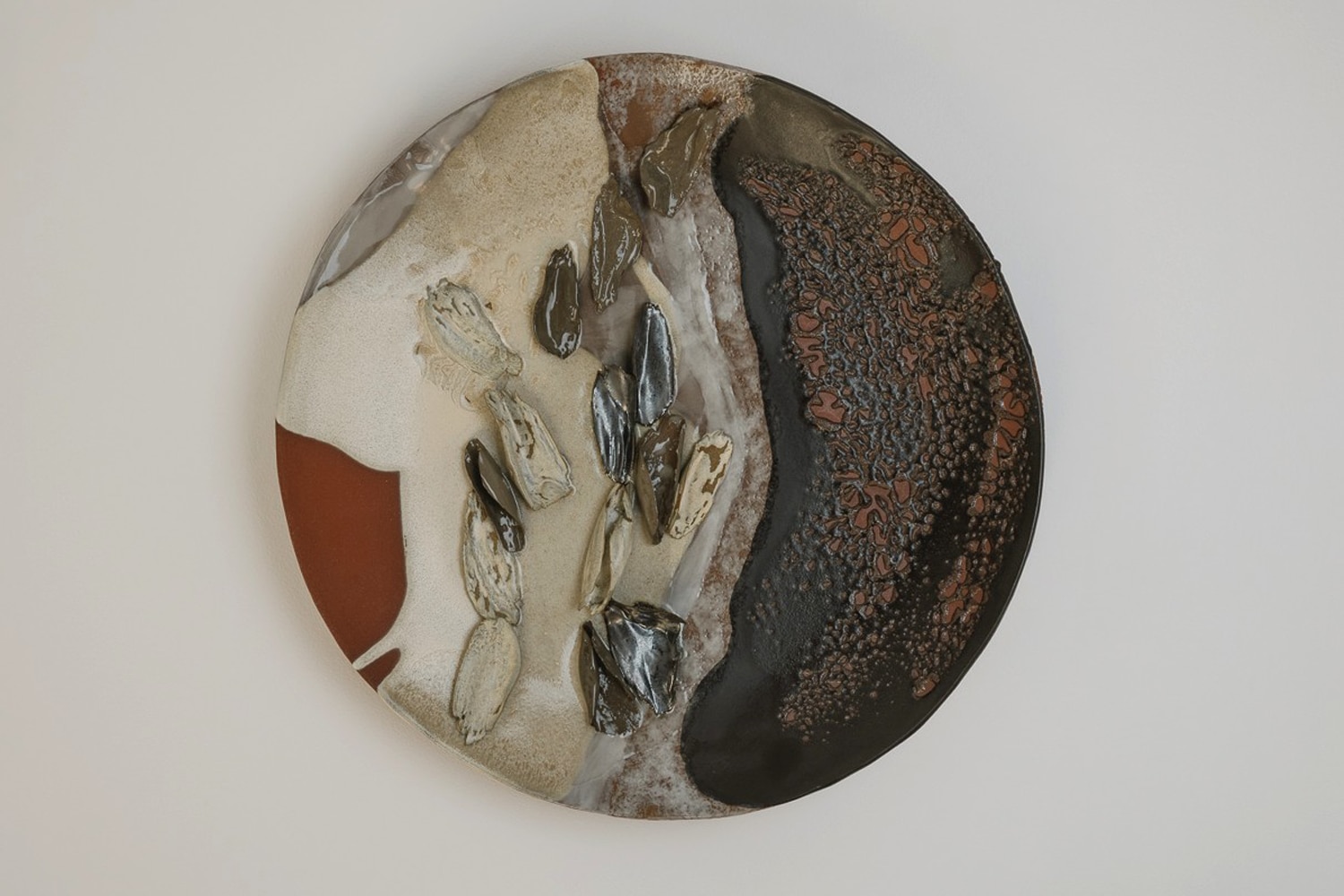
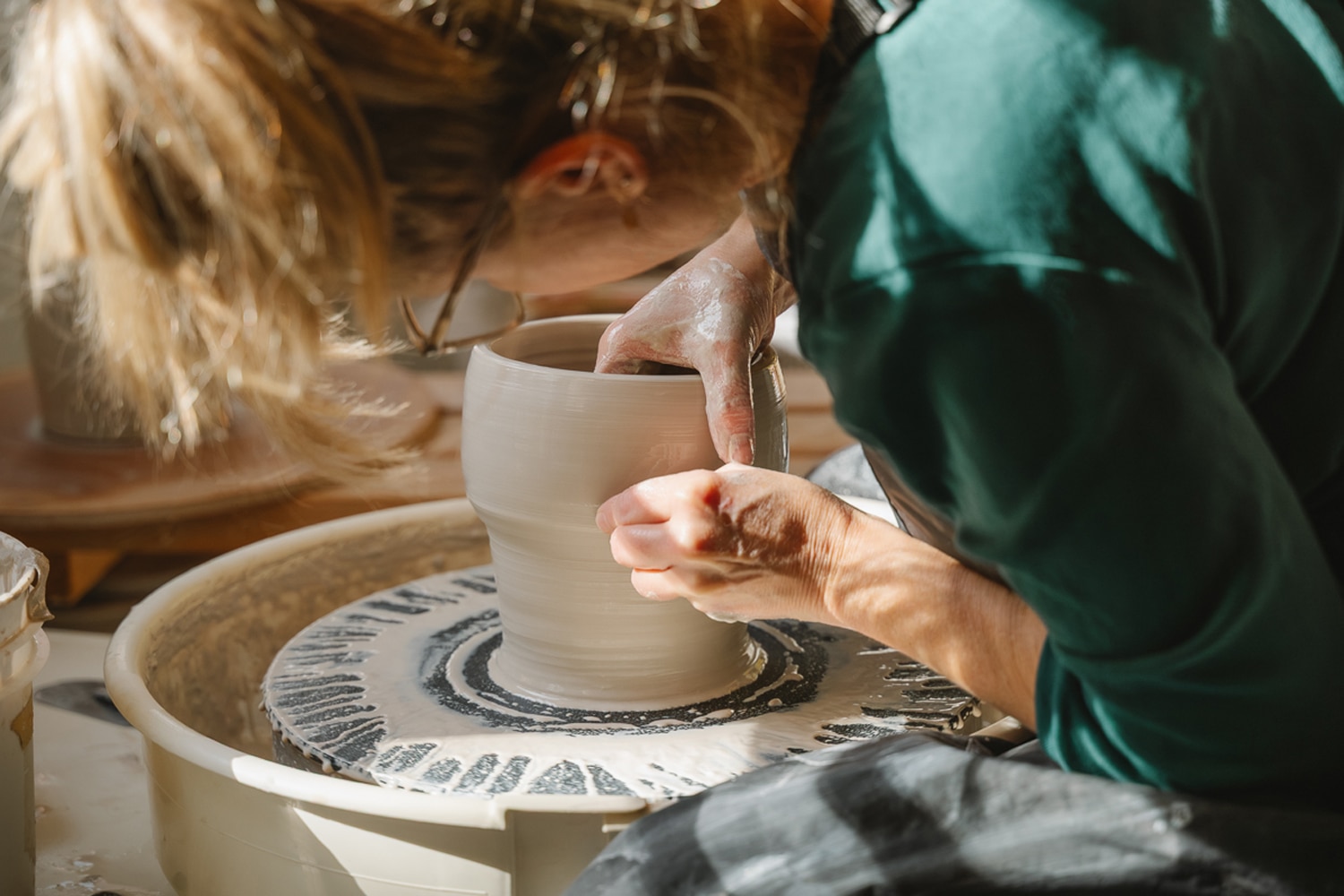
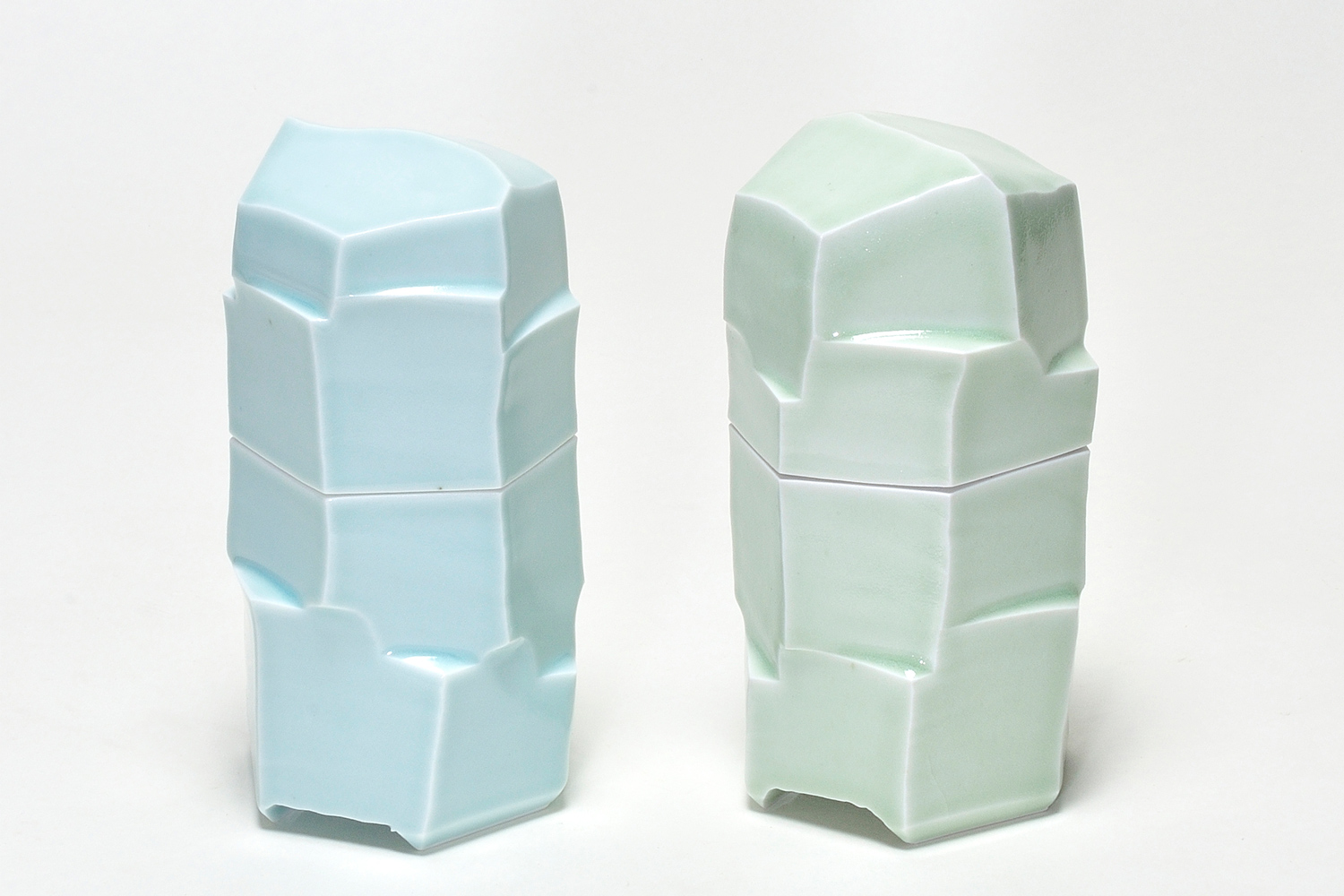
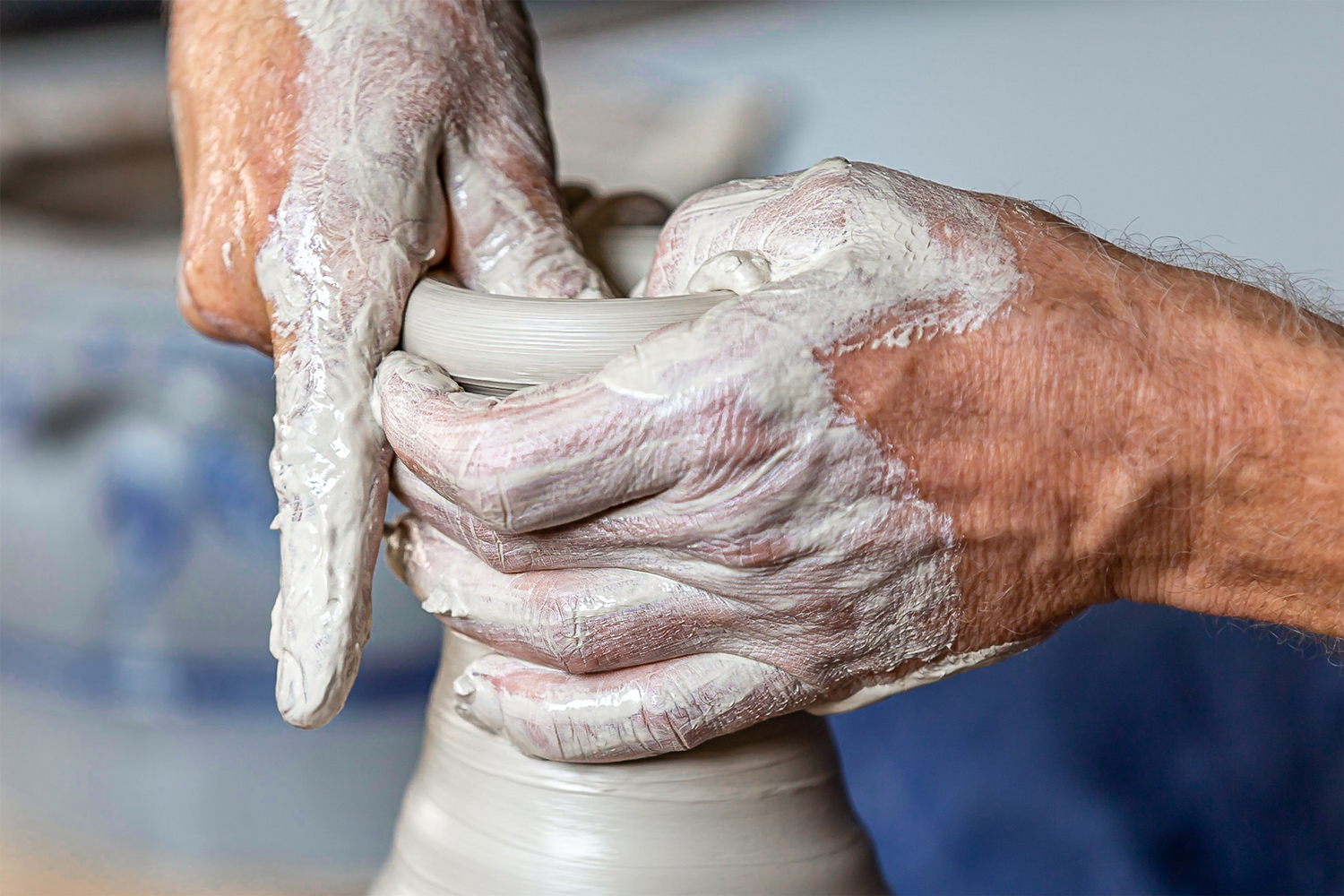
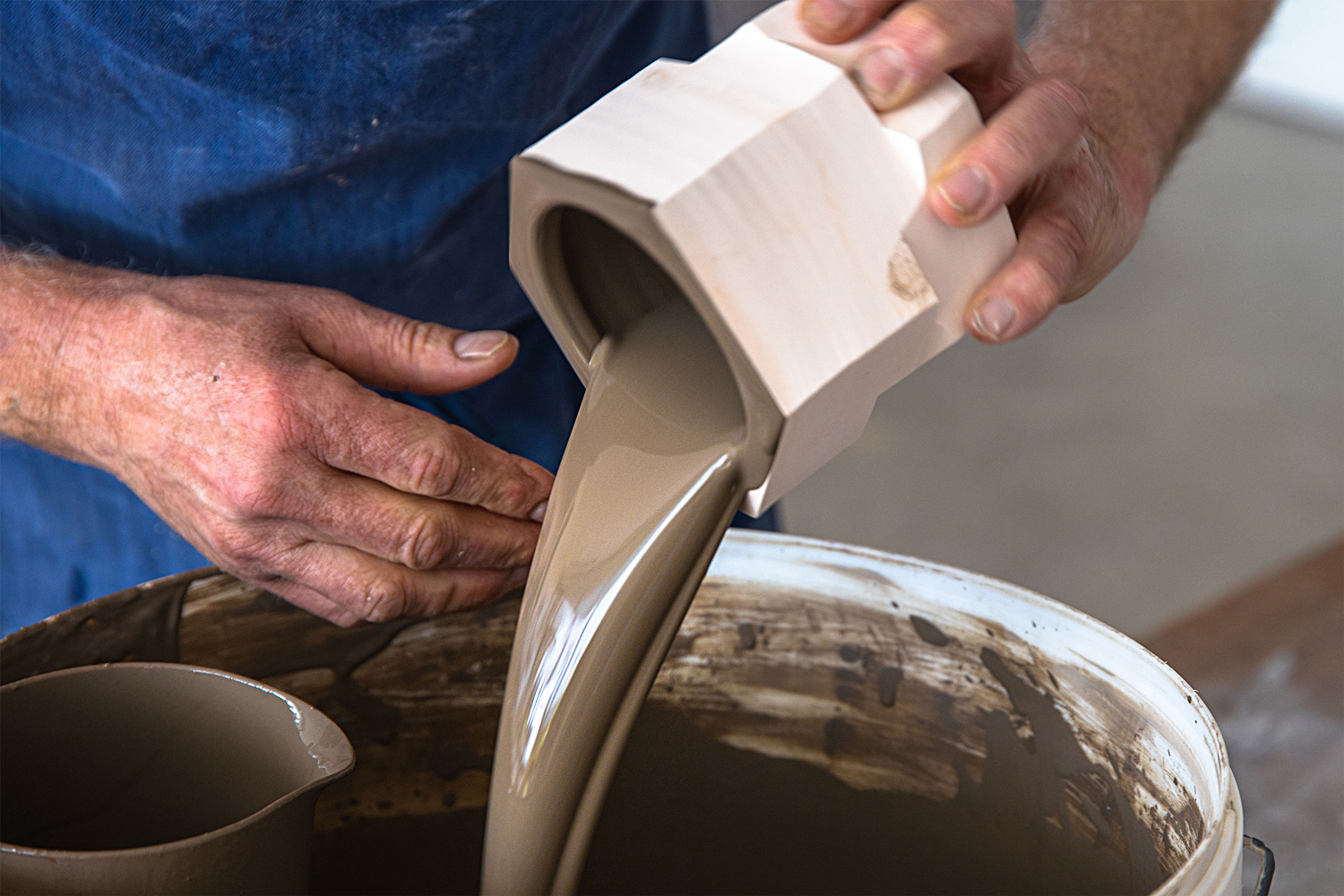
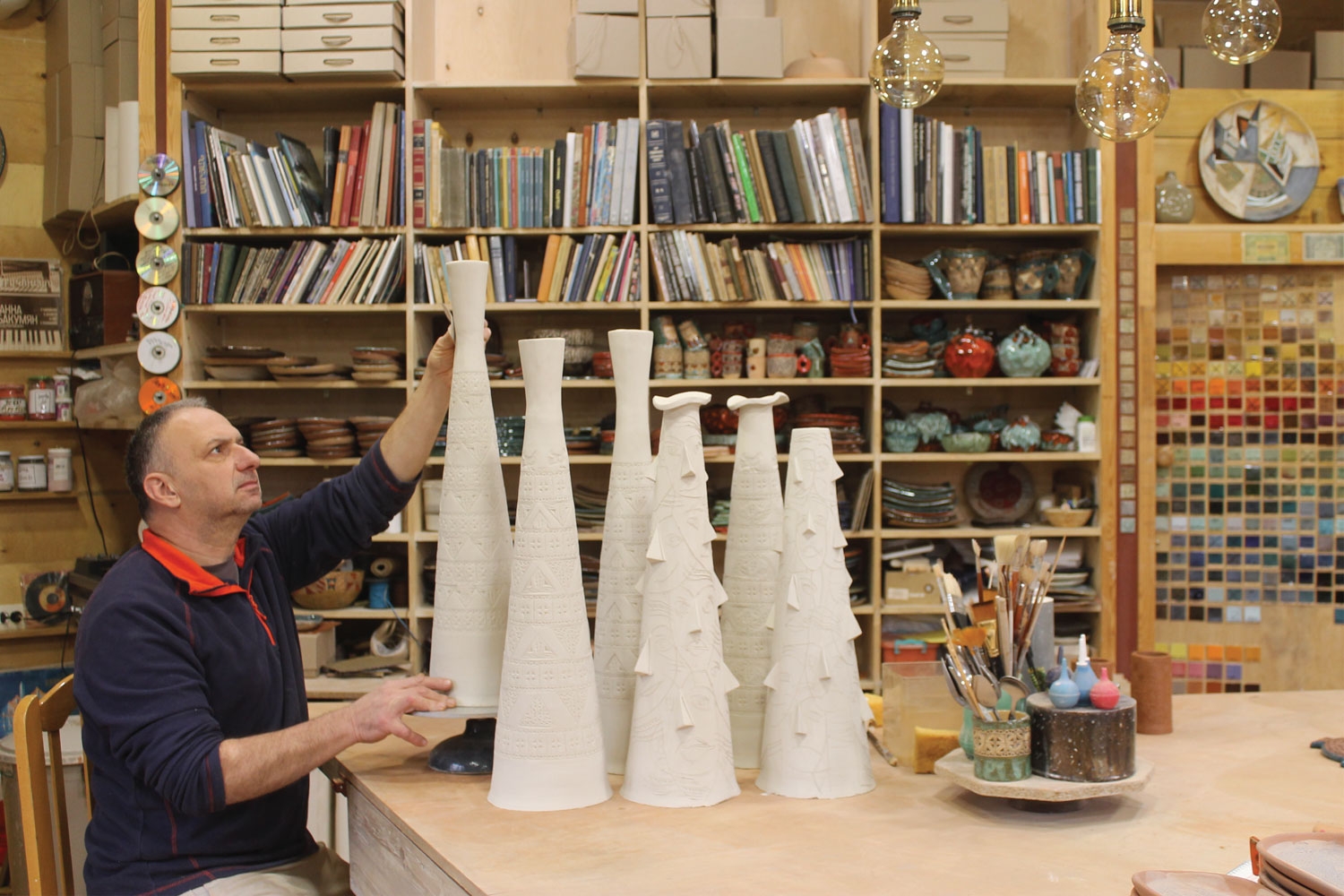
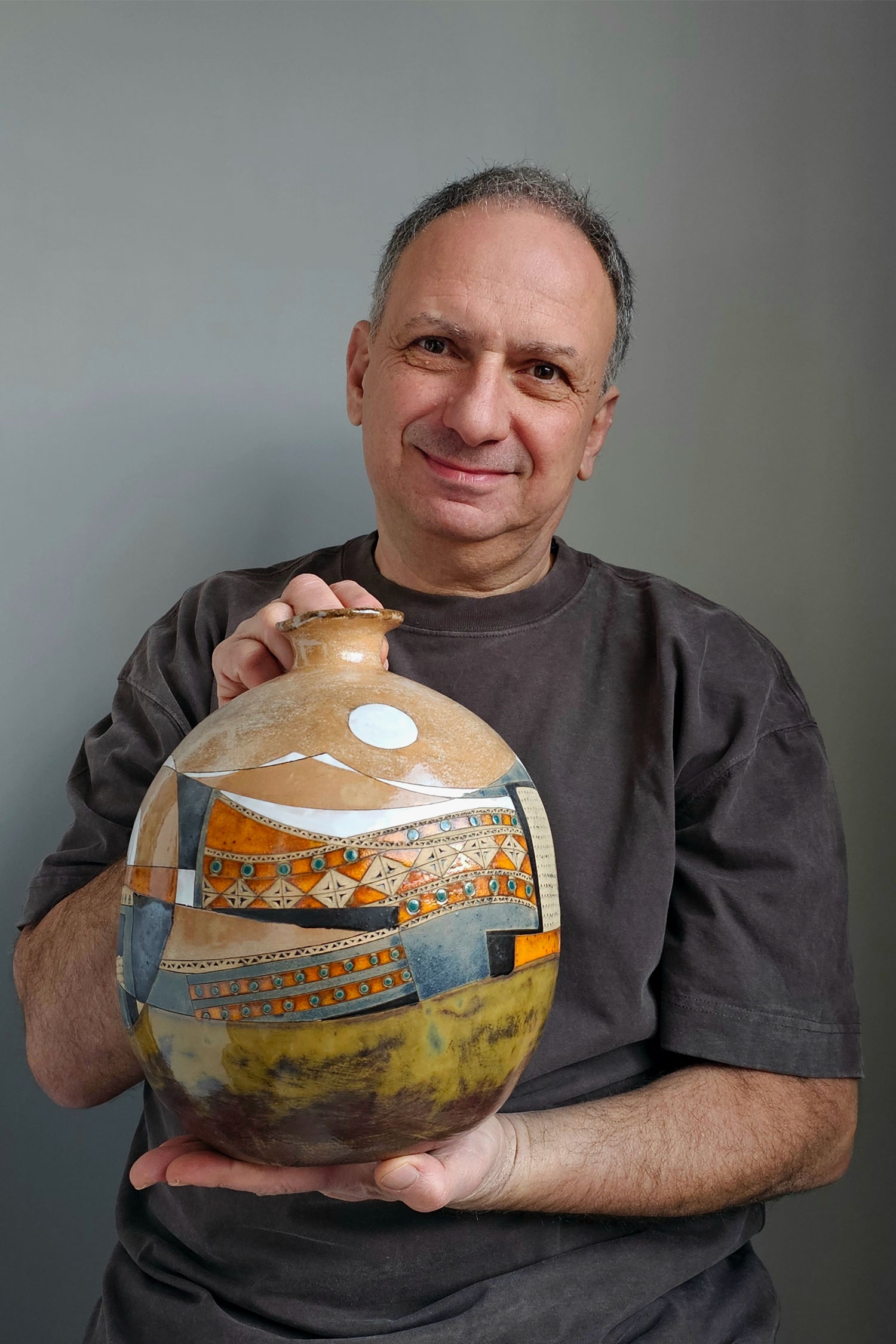
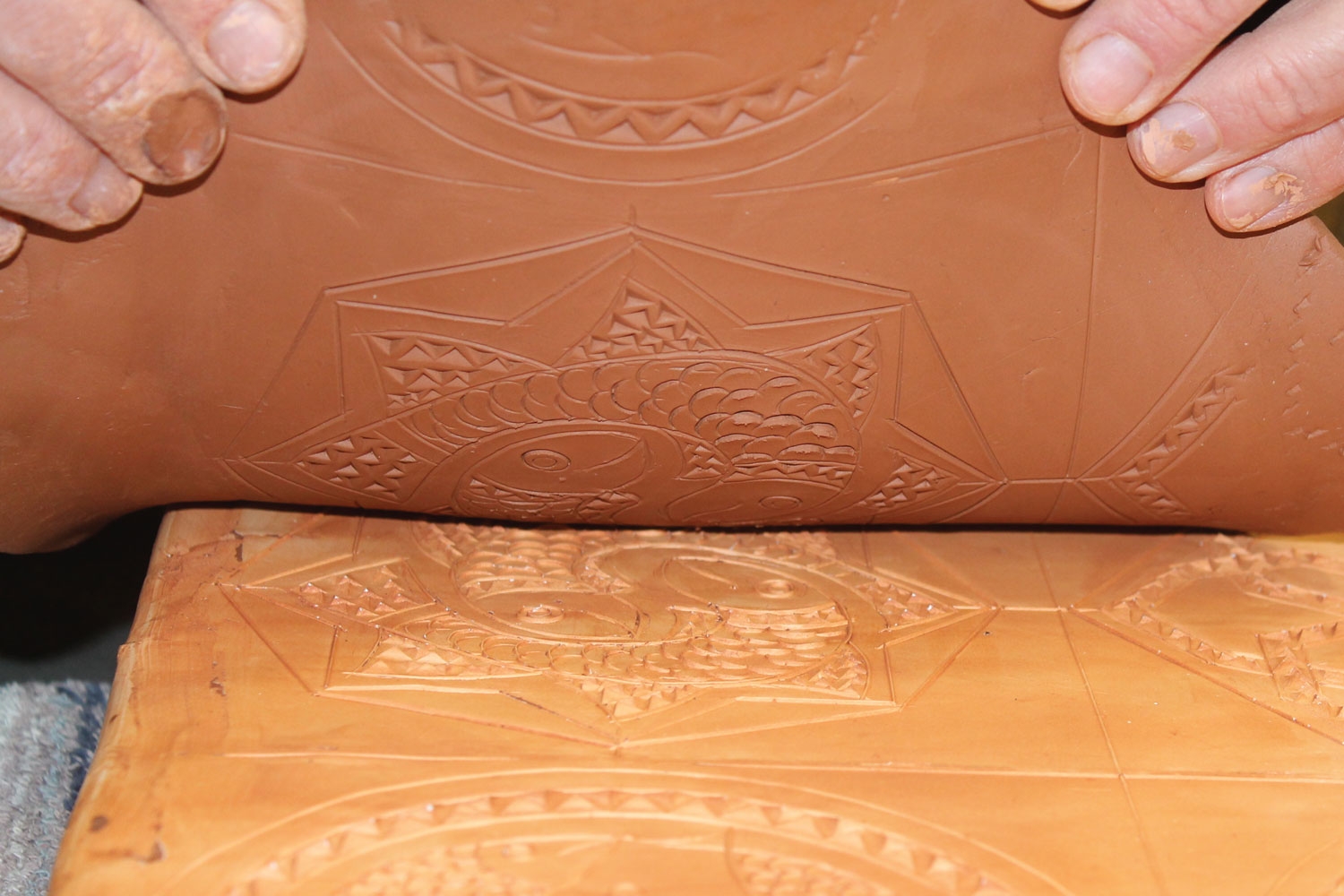
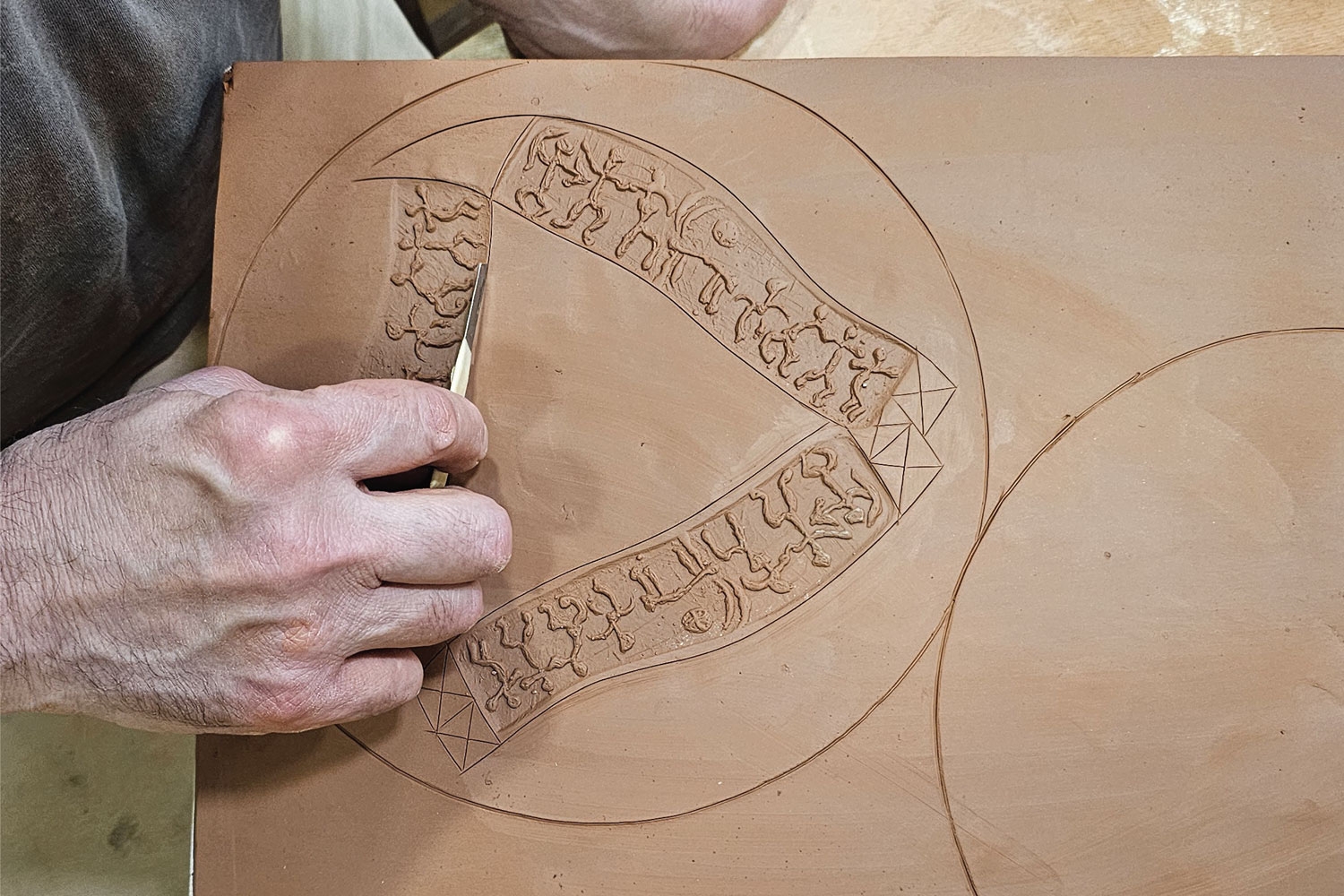
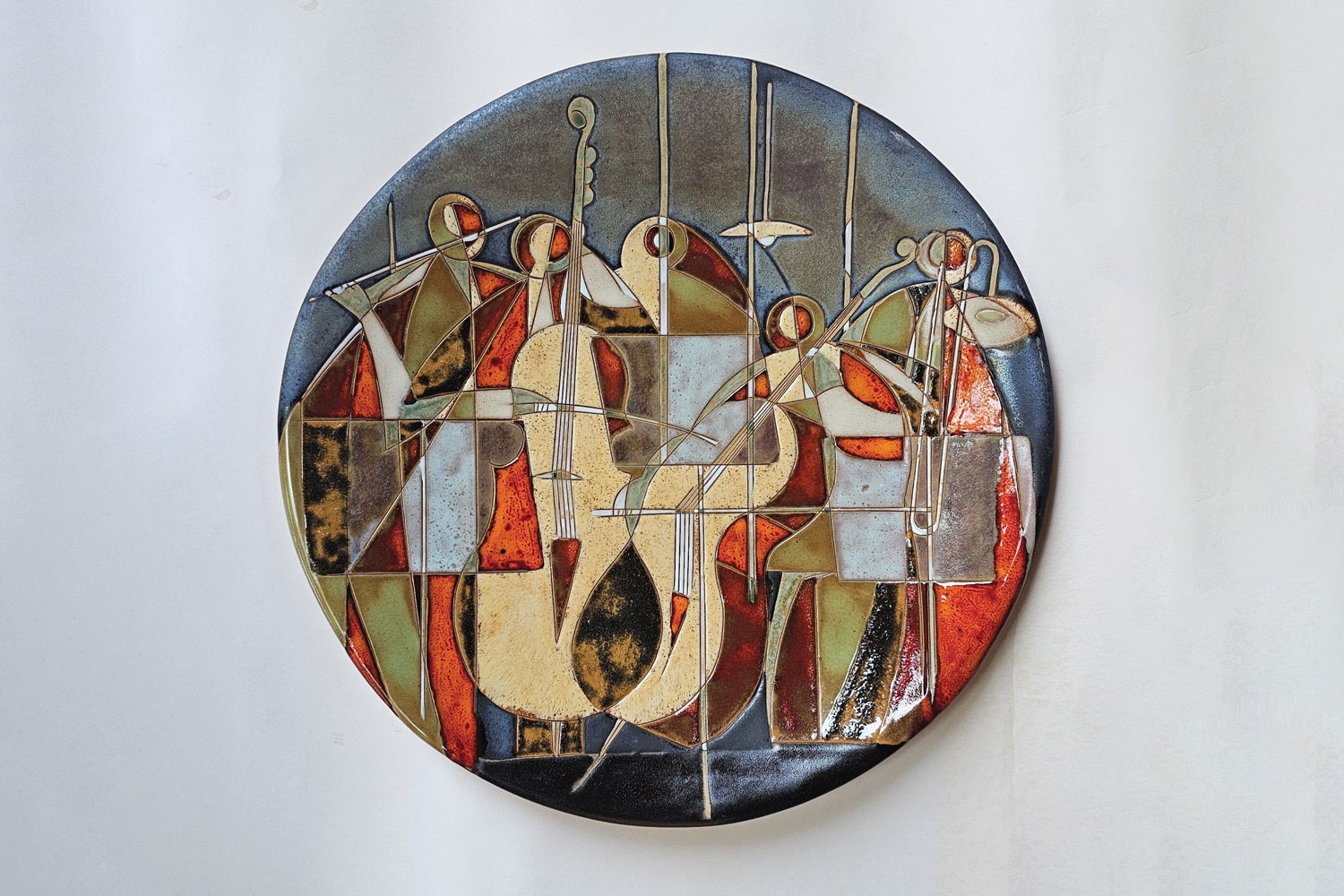
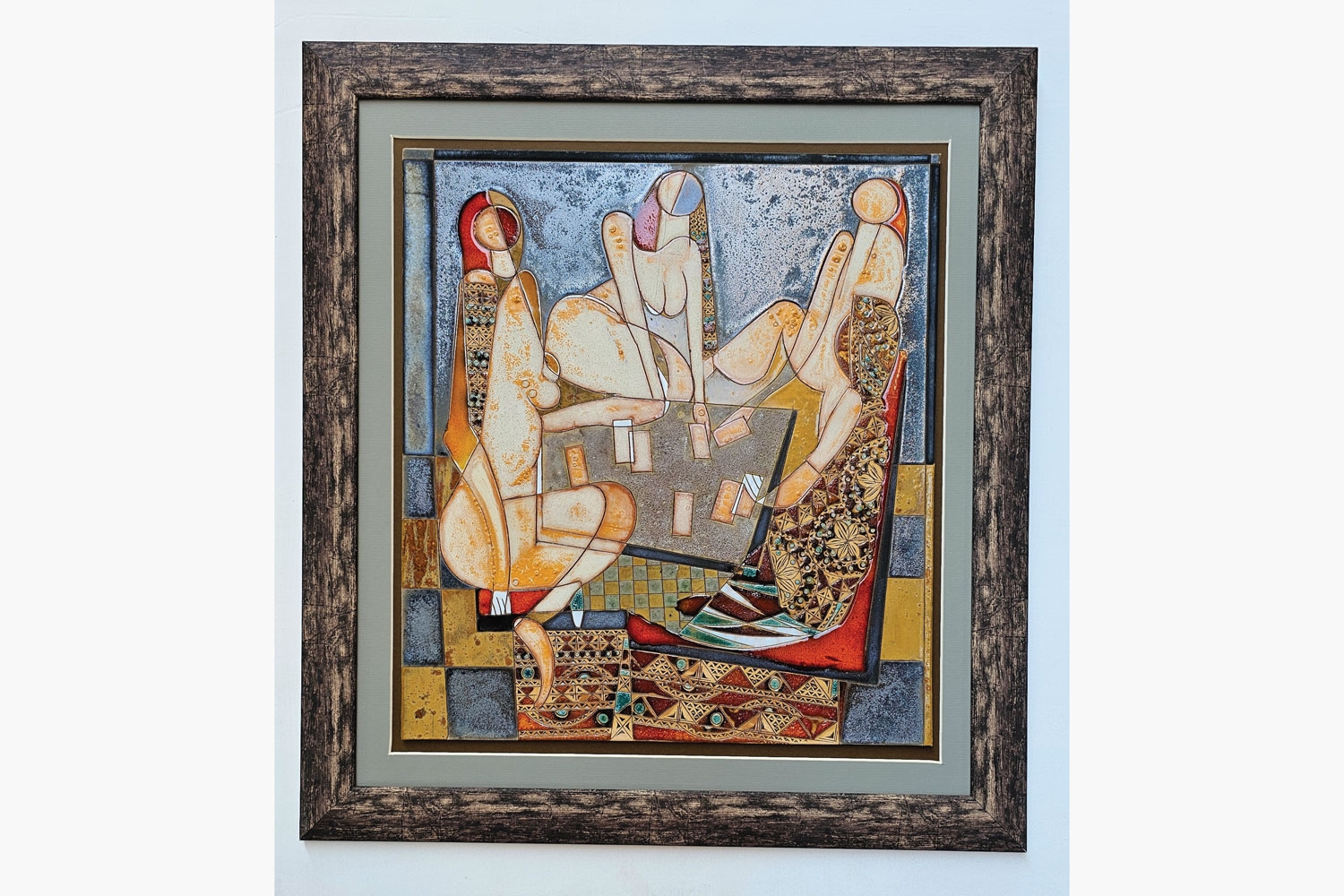
Shahe Harutyunian was born in Aleppo in 1965 into an artistic family, and claims he inherited his father's painting skills. Deeply inspired by Armenian culture, he moved to Armenia in 1983 and studied decorative and applied arts at the Panos Terlemezyan State College of Fine Arts, specialising in decorative arts for a further 10 years at the State Academy of Fine Arts. During his studies, Shahe discovered his passion for ceramics. "It is a medium that allows me to merge my love for painting with forms and textures," he explains. He shapes his pieces on the wheel or builds them through moulding, before fine carving and etching in raw clay, and finally painting and glazing, to produce works that are vivid in colour and rich in visual expression. Shahe makes objects ranging from framed ceramic paintings to vessels and sculptural pieces.
Discover his work
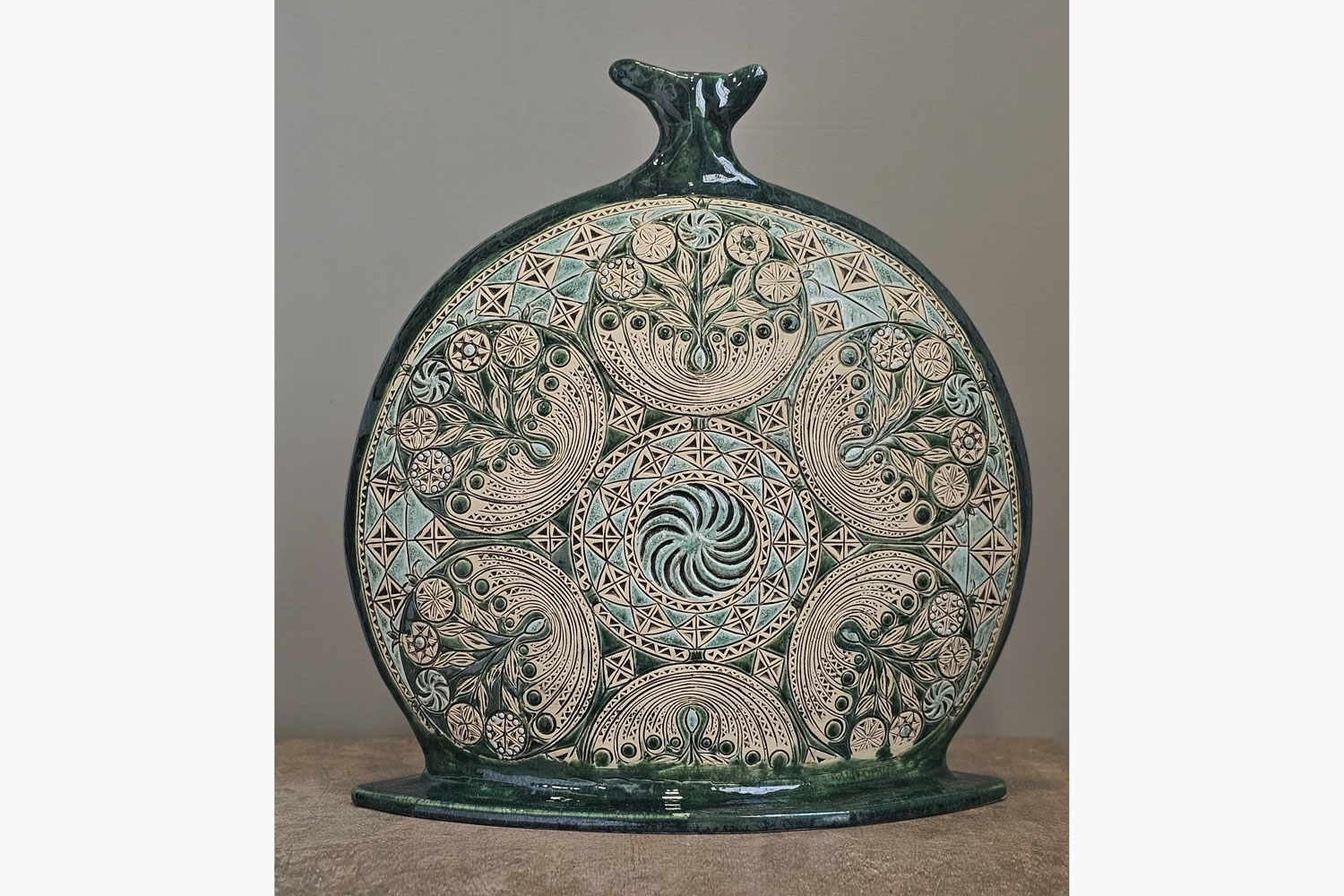
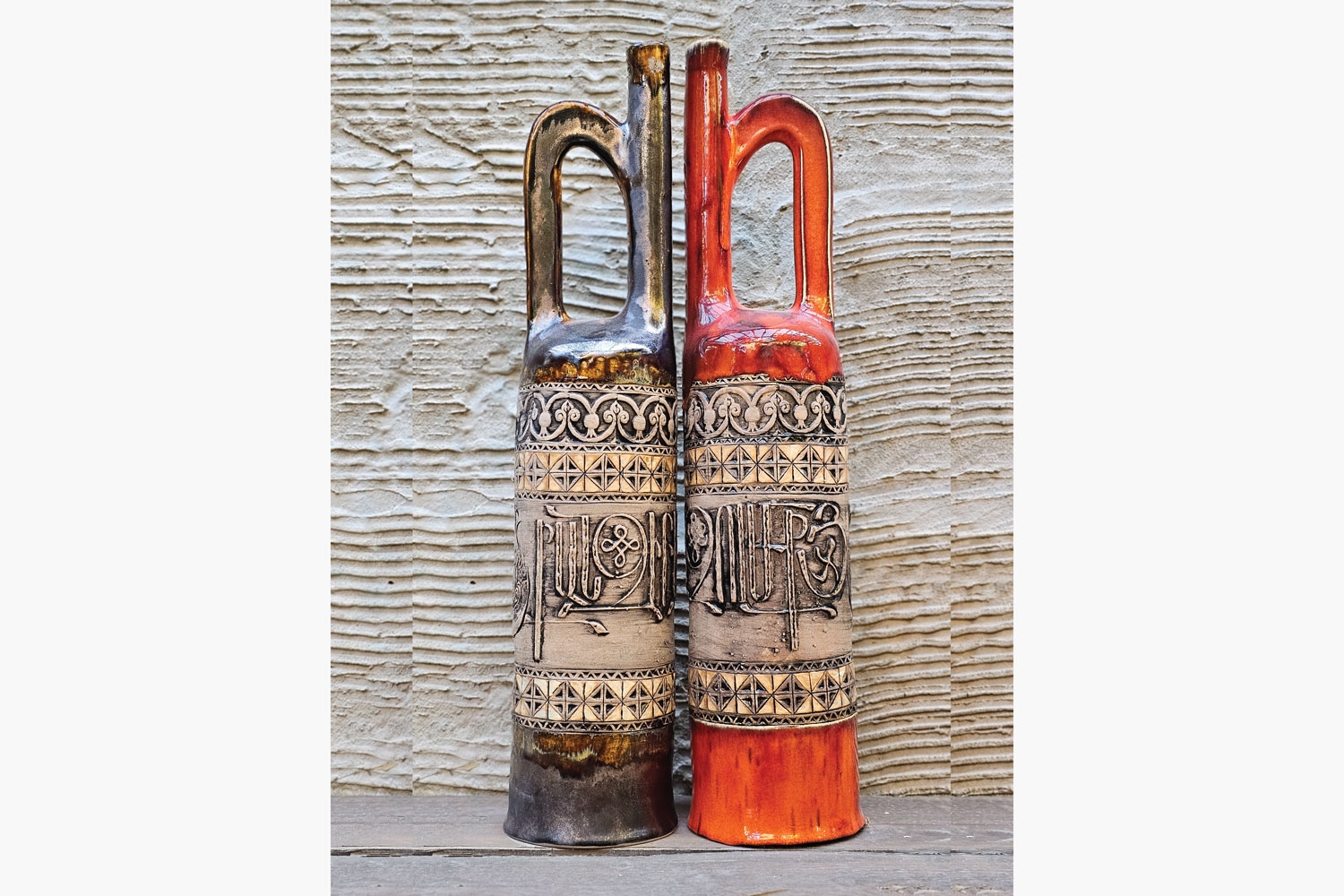
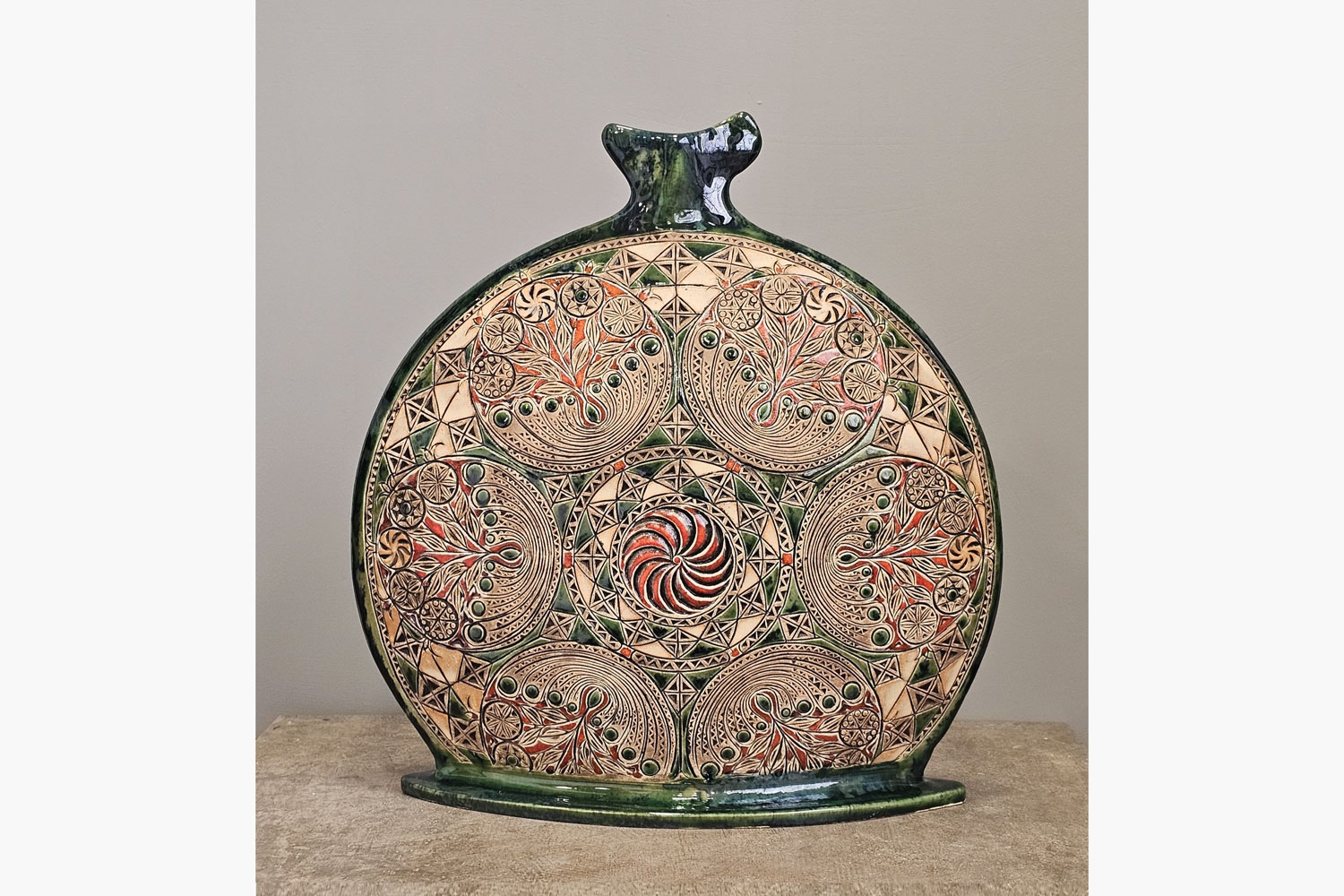
INTERVIEW
When I was studying at the State Academy of Fine Arts, I initially wanted to become a painter or sculptor. However, I soon realised that ceramics uniquely combine both painting and sculptural elements. Through ceramics, I merge my passion for painting and sculpture into one art form.
Growing up in Aleppo, I was fascinated by Armenian architecture and miniature art. When I later moved to Armenia, I continued to explore churches, museums and ornaments, immersing myself in the culture. This rich artistic heritage became a profound source of inspiration for my work.
I prefer soft, calm colours to create harmony. Before starting my work, I consider colour combinations, rhythm, and the play of light and shadow. While I do plan a colour scheme, the kiln and firing process ultimately influence the final result.
I enjoy the final stage. Despite careful planning and sketching, the kiln is unpredictable and can create something unexpected. When I see the final piece, I always admire how it turns out – sometimes in ways I could not have imagined.
Shahe Harutyunian
Brutshen Ceramic Art
Ceramicist
Yerevan, Armenia
AVAILABILITY
By appointment only
PHONE
+374 94246344
LANGUAGES
Armenian, English
Homo Faber Finds is a new service aiming to inspire admirers of craft to connect and collaborate with exceptional artisans.
We invite you to submit an enquiry here.