
Carlo Semenzato
Fonderia Artistica Valese
Metalsmith
Venice, Italy
Recommended by Fondazione Cologni Dei Mestieri D'Arte
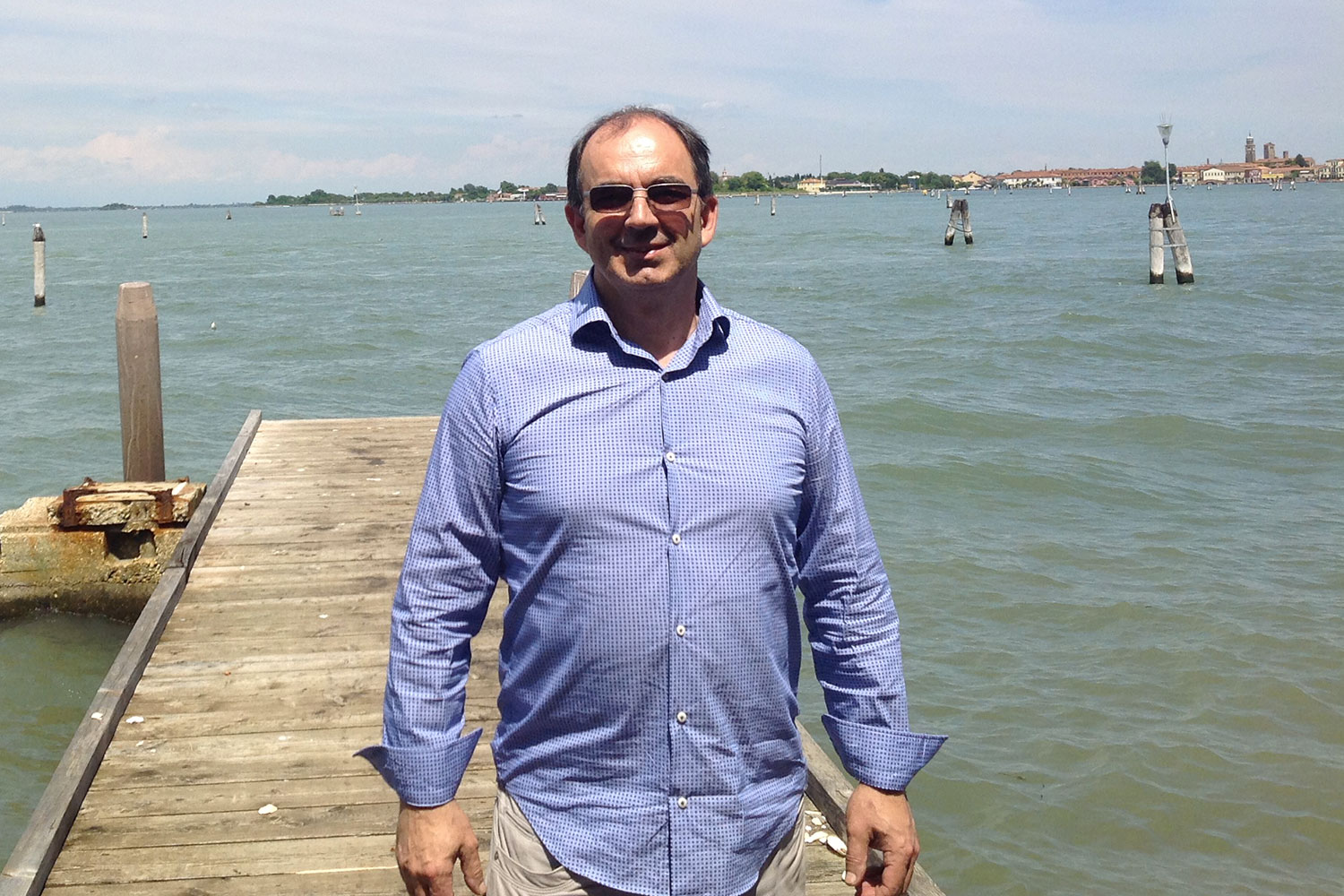
The last foundry owner in Venice
- Carlo upholds Venetian culture and decorative history
- He began with no artistic training
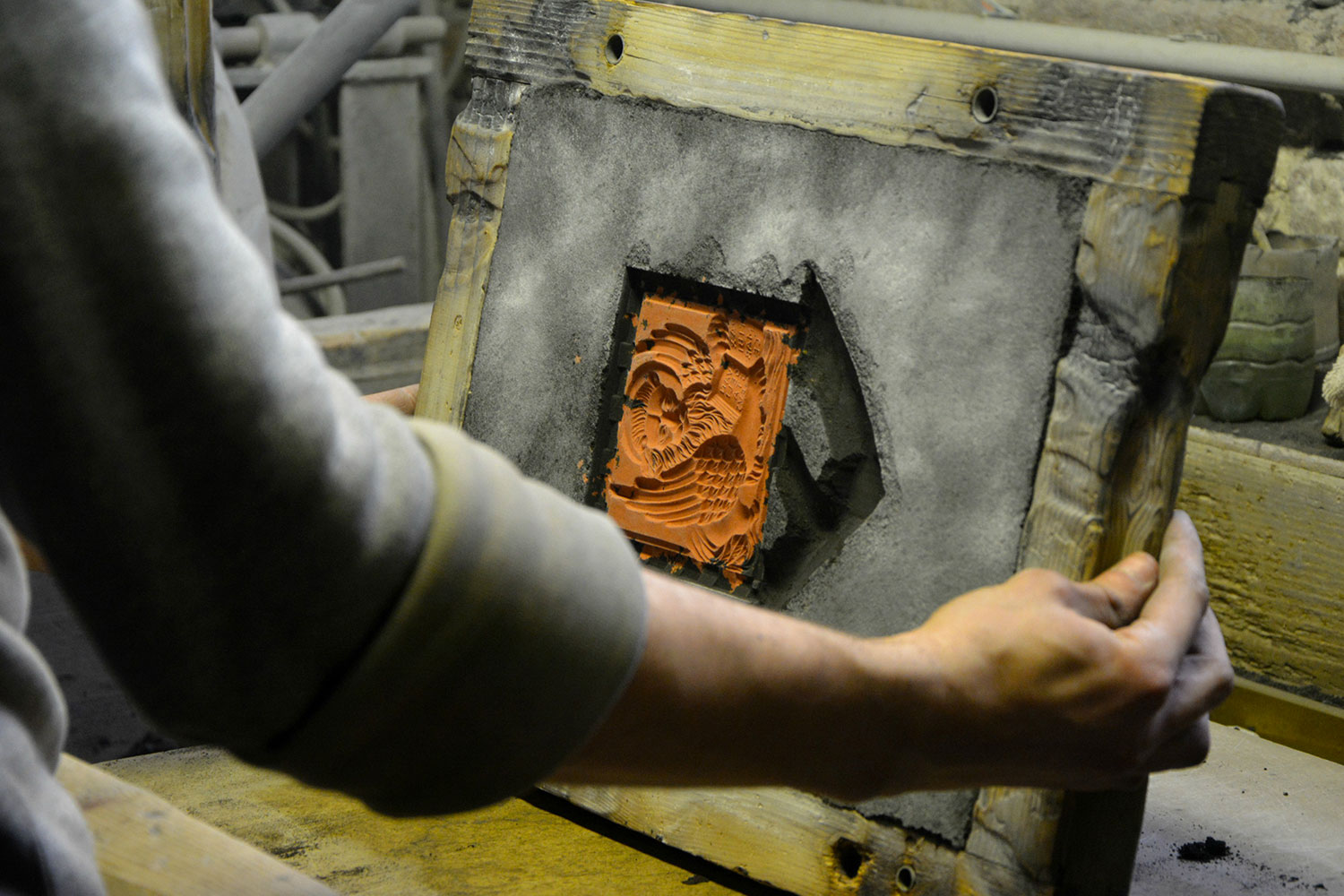
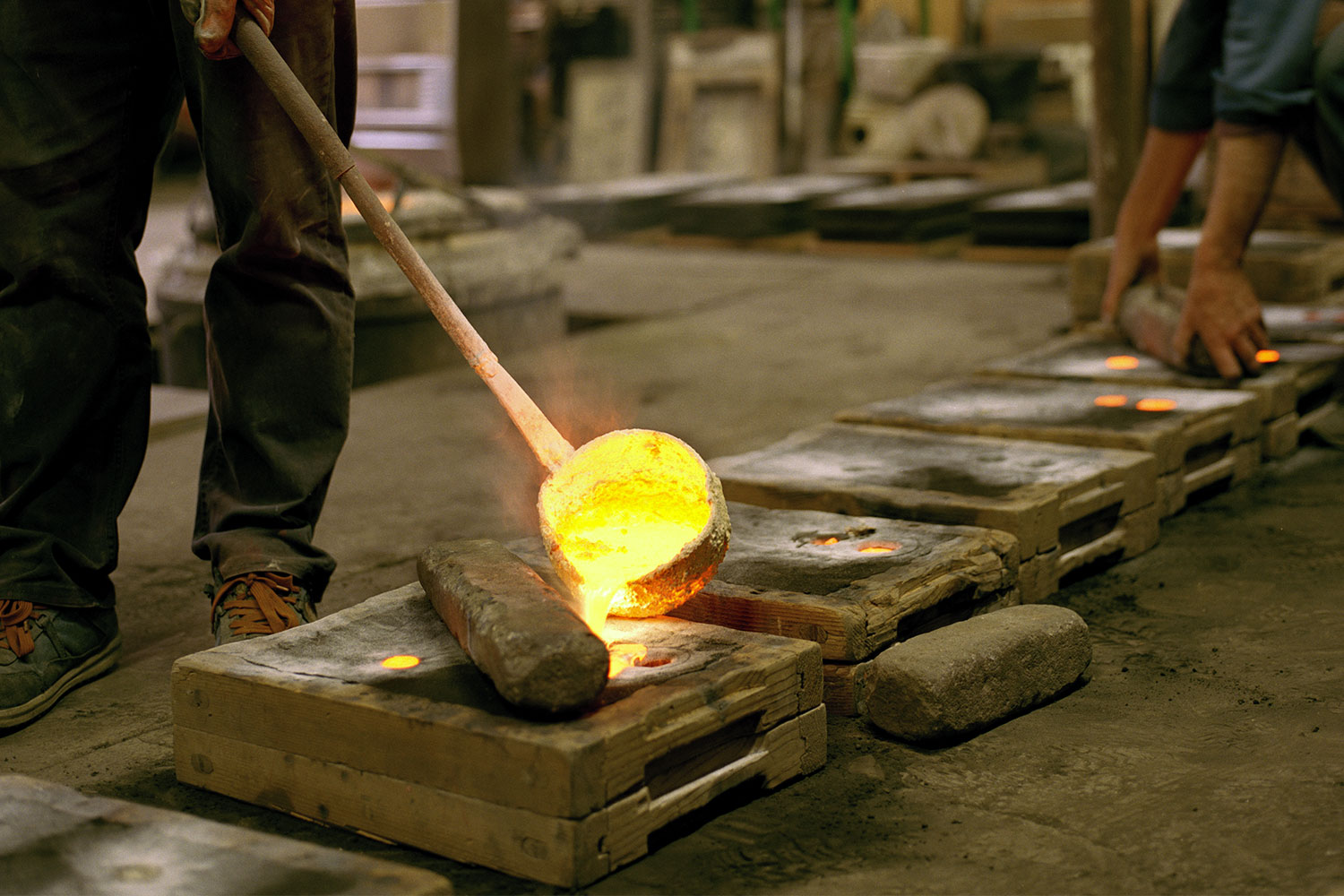
- He uses traditional sand casting techniques
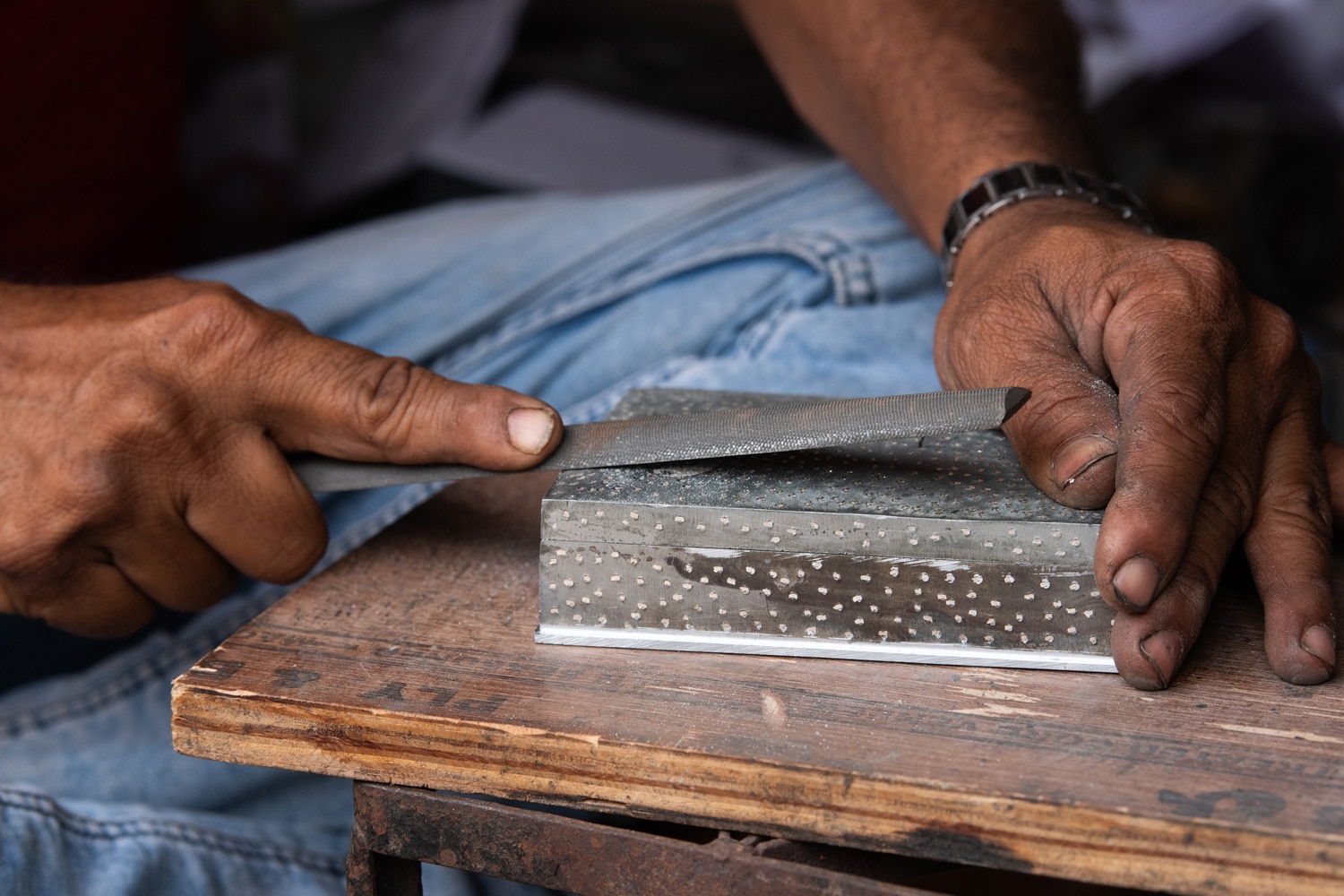
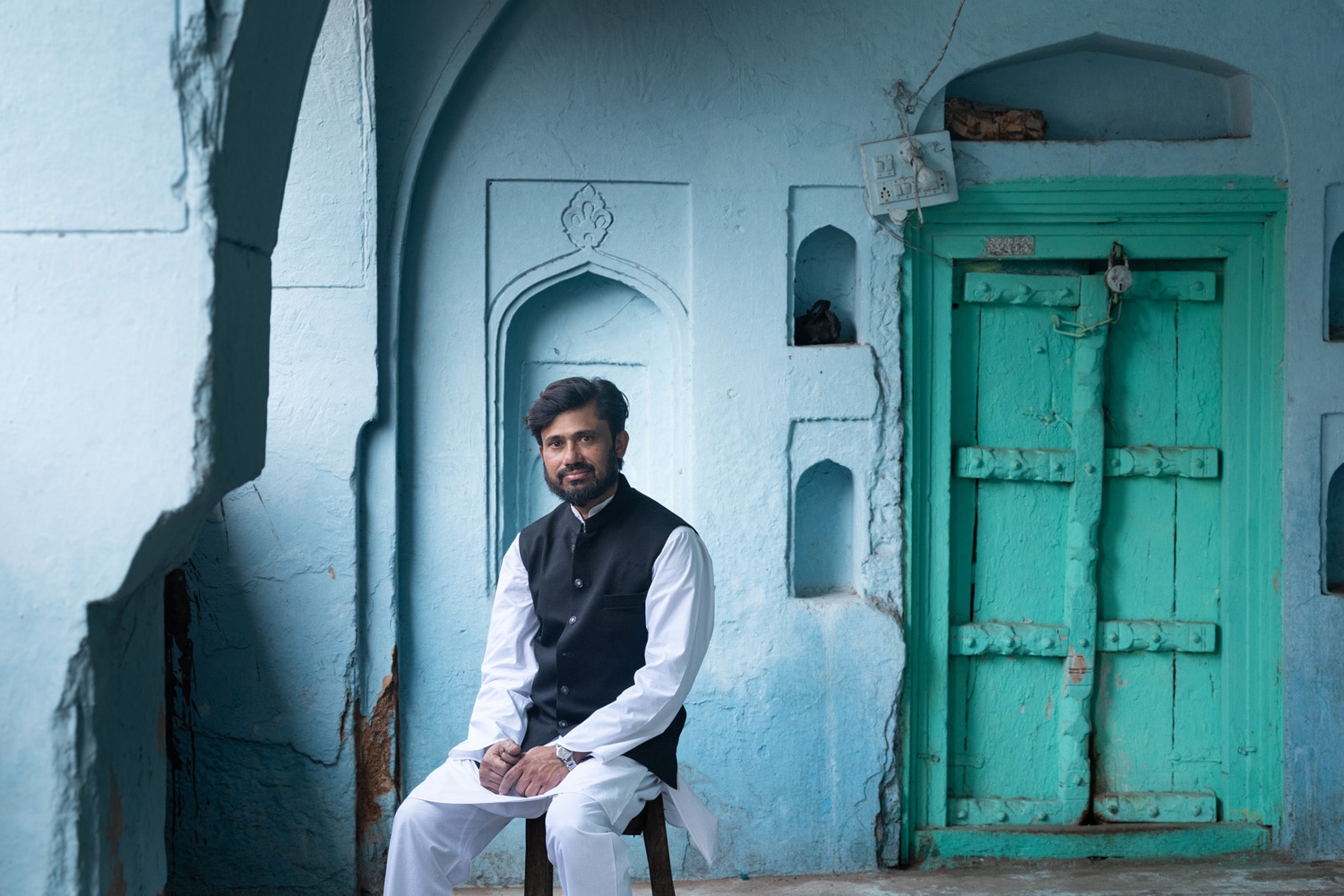
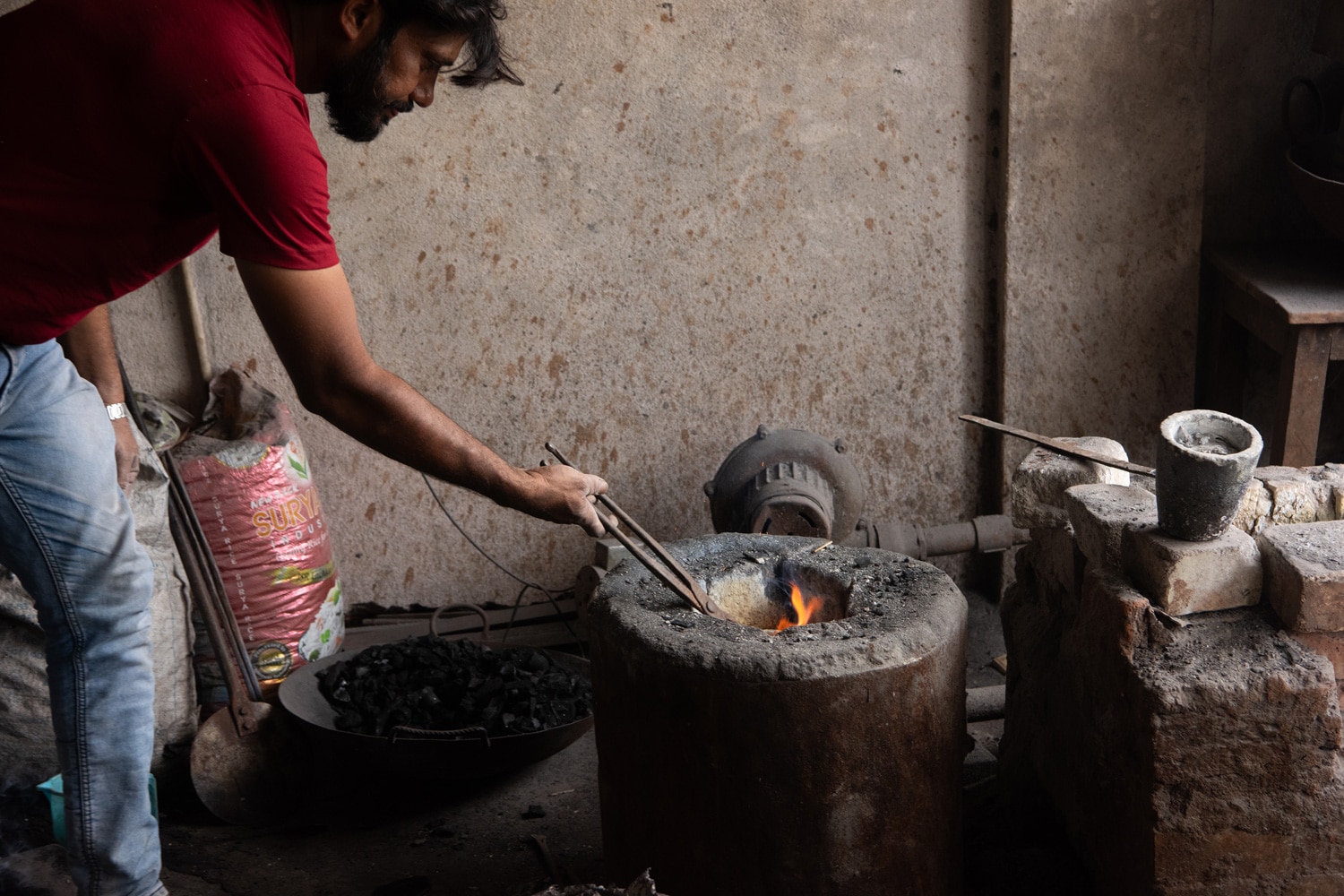
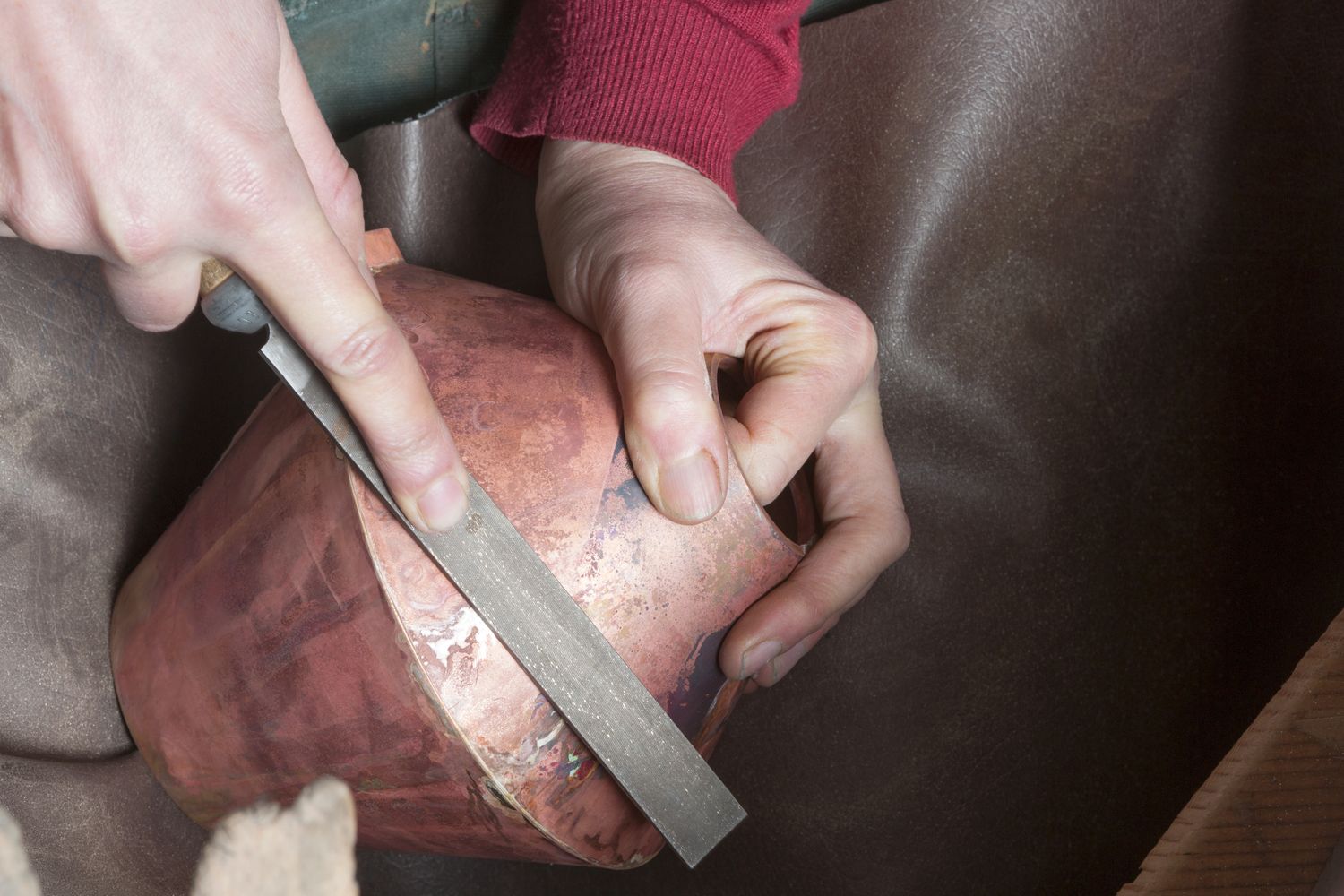
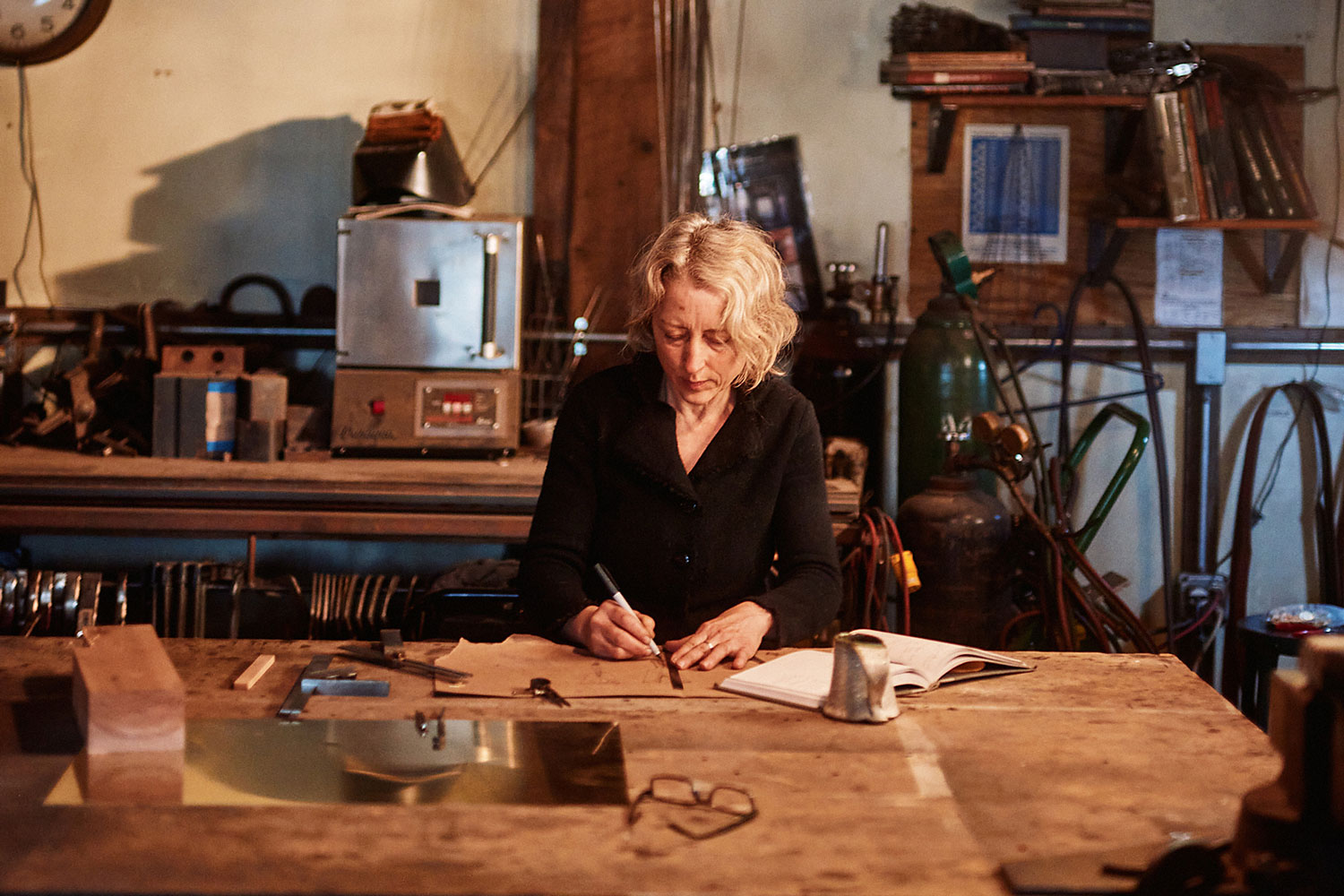
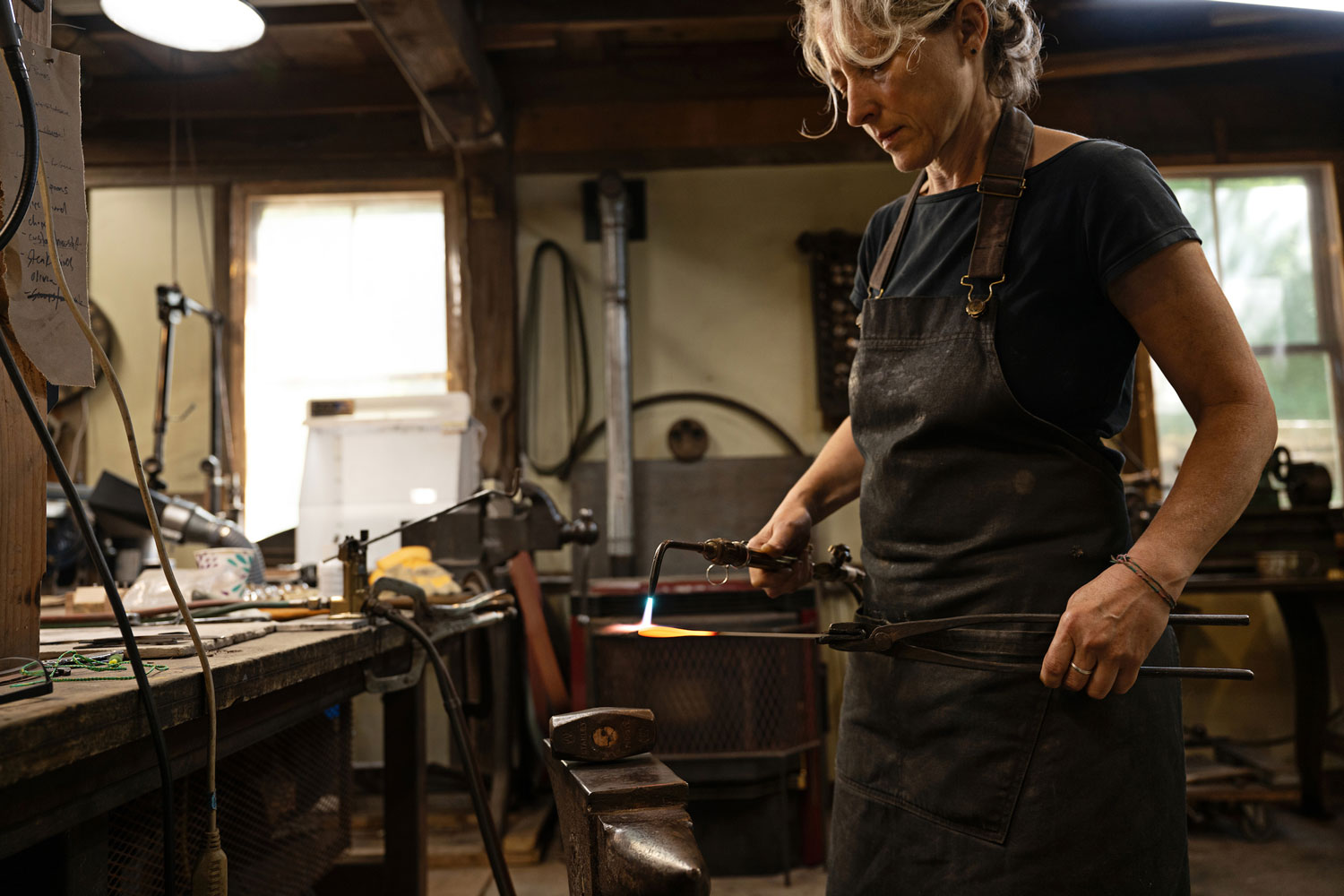
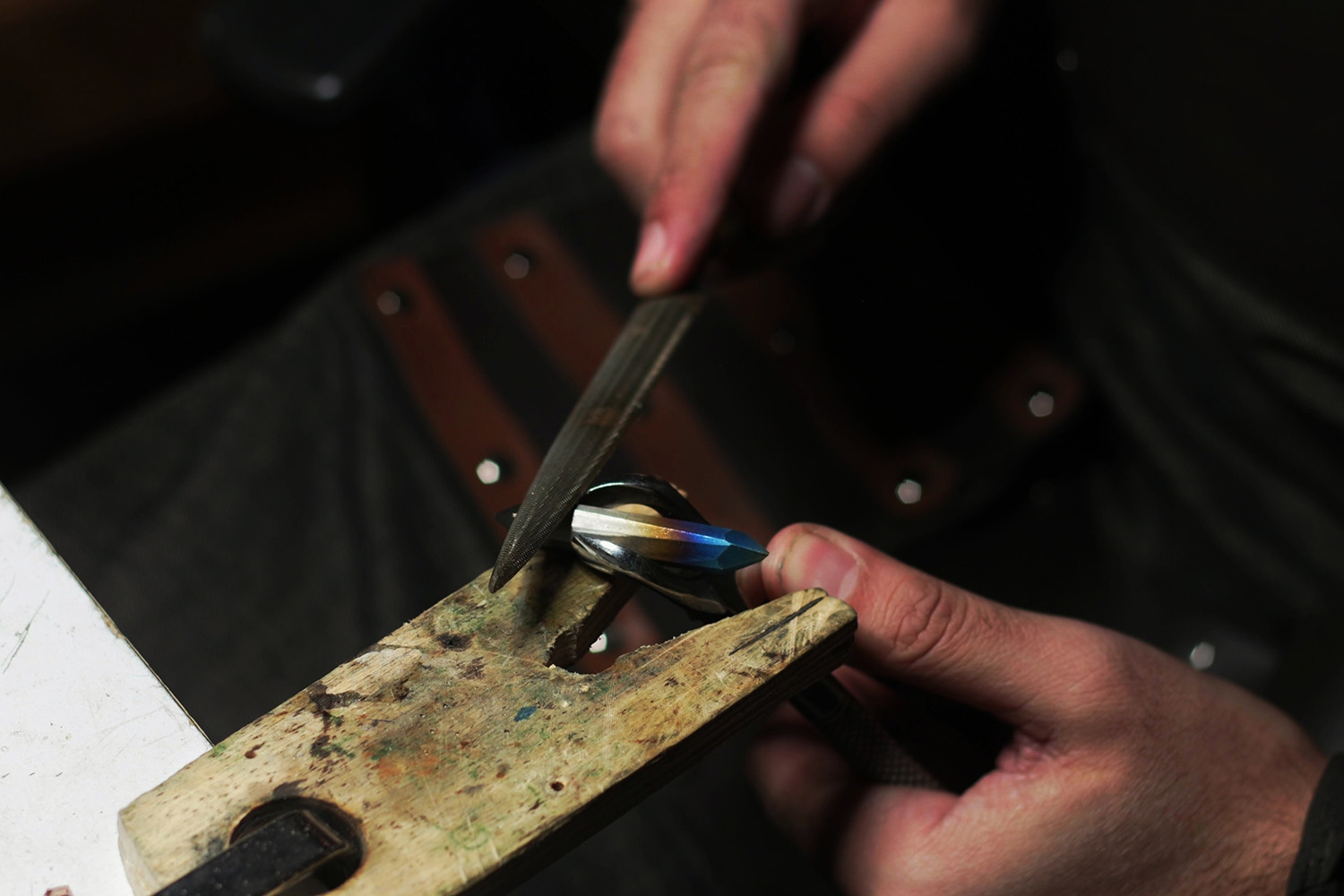
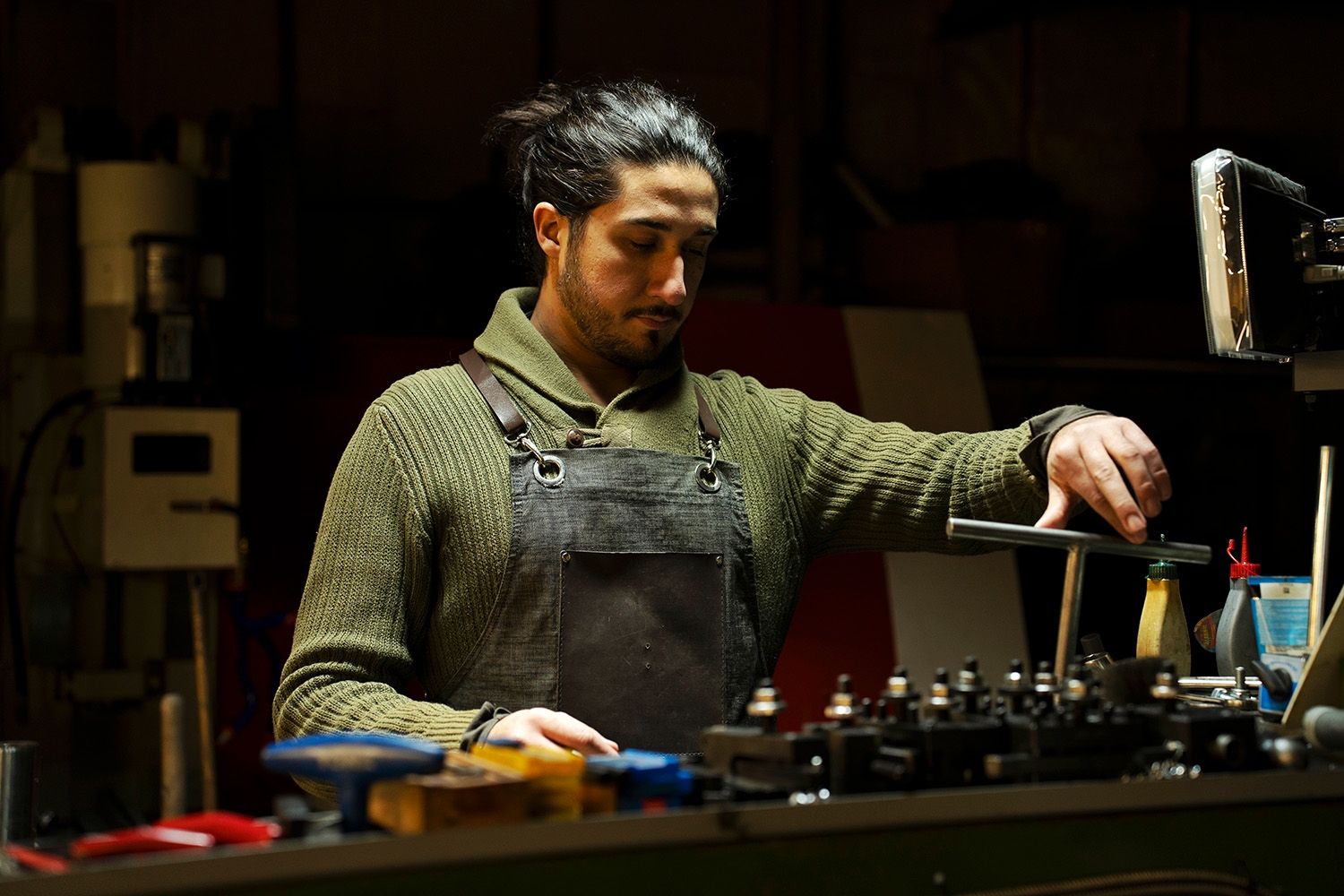
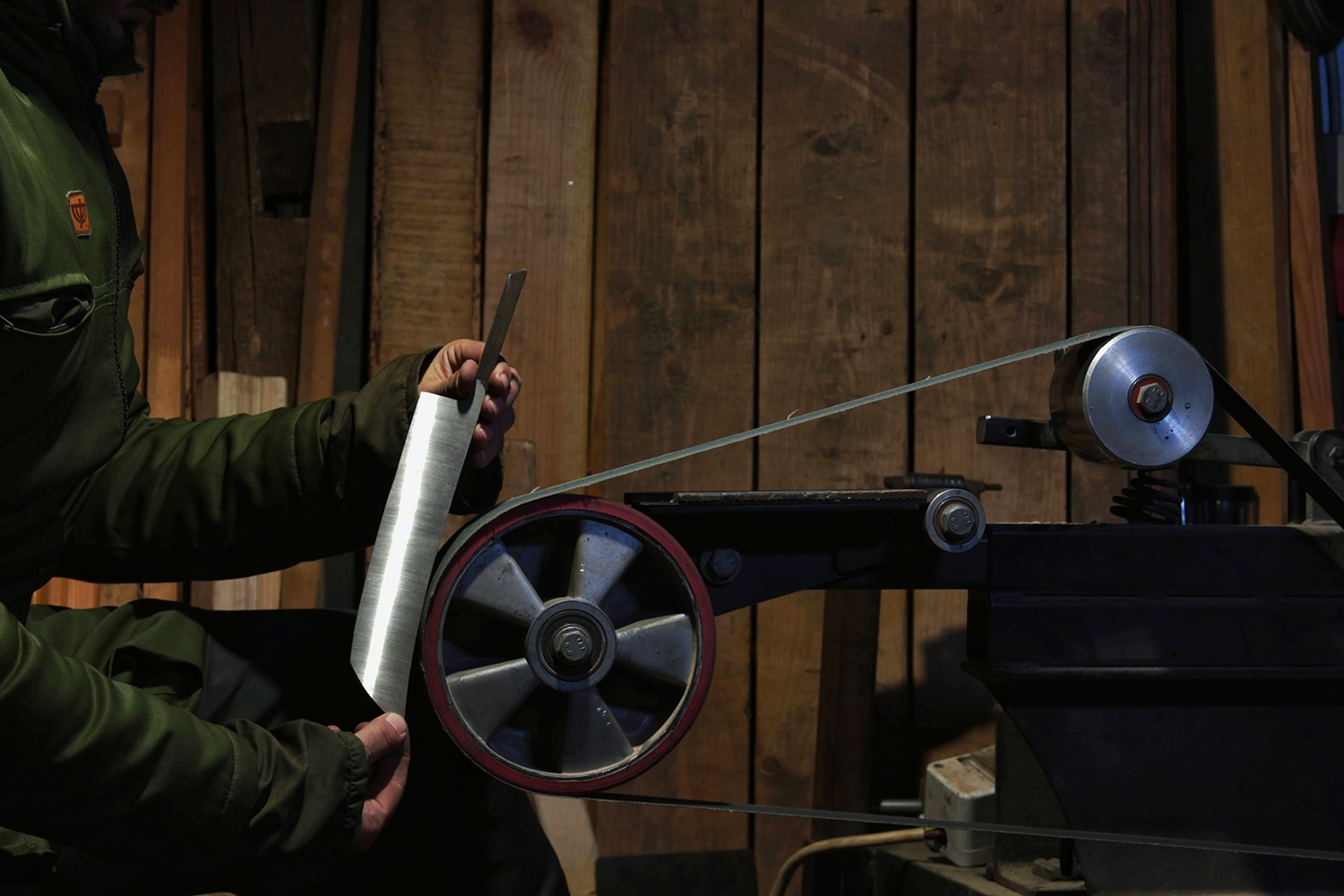
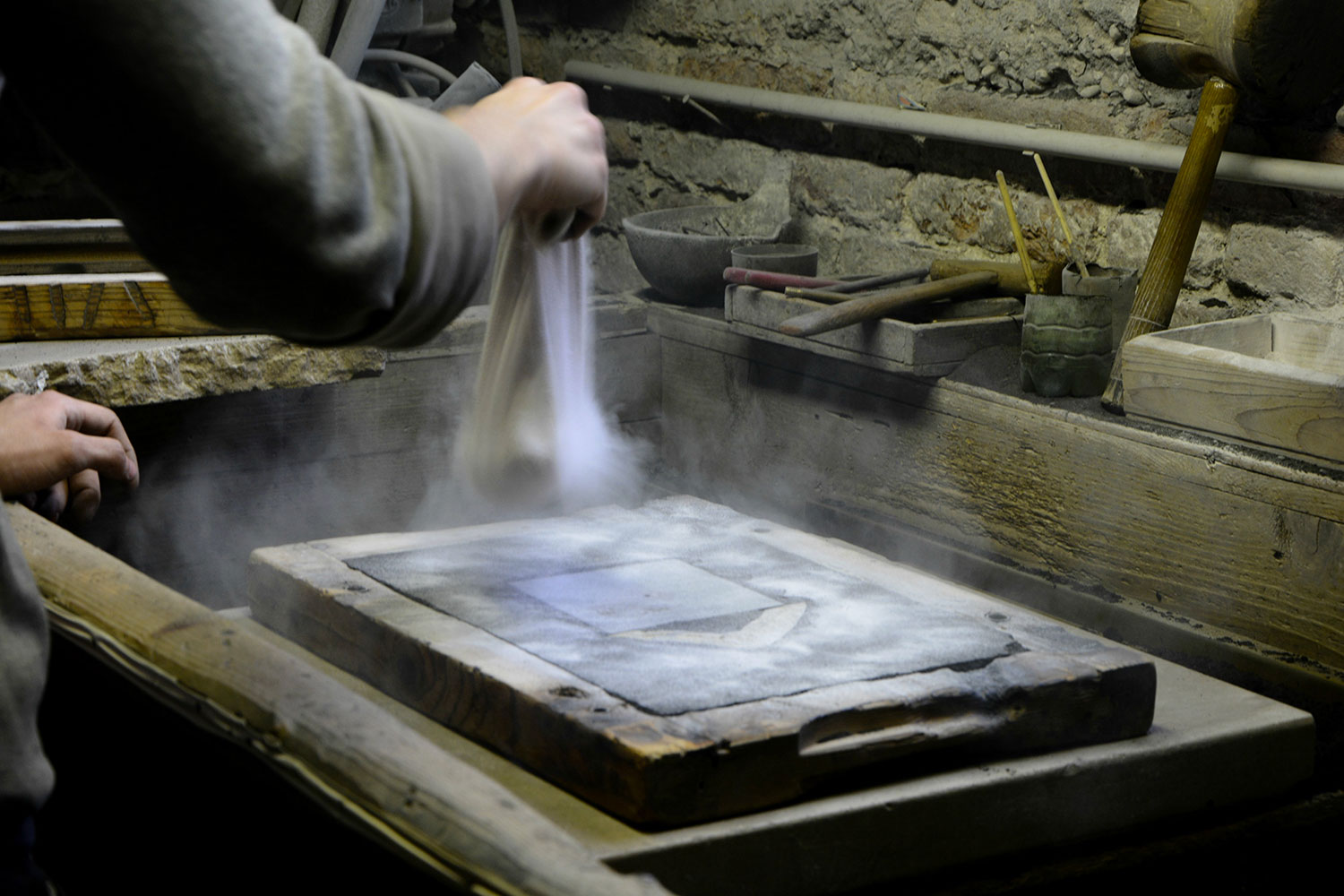
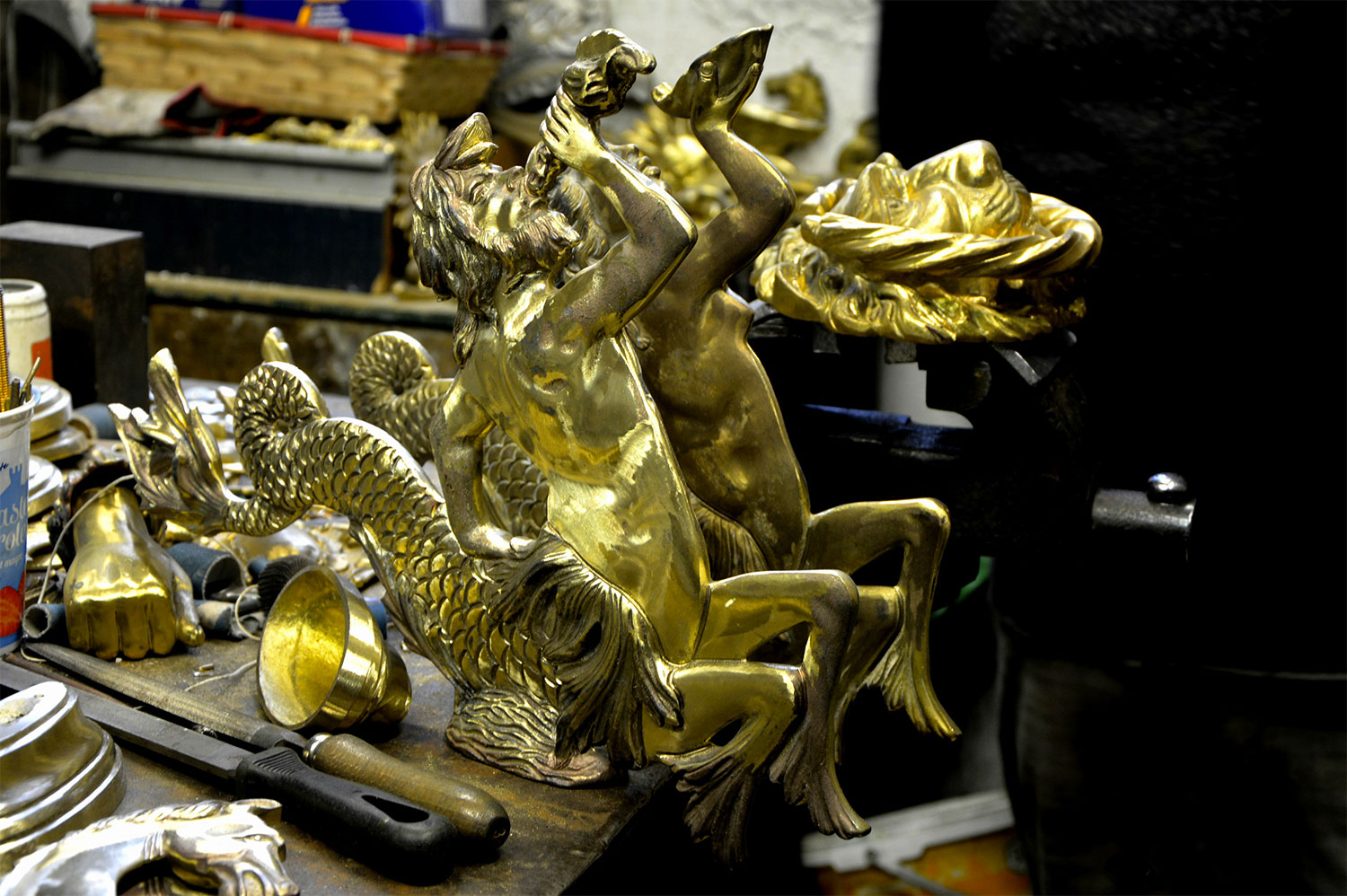
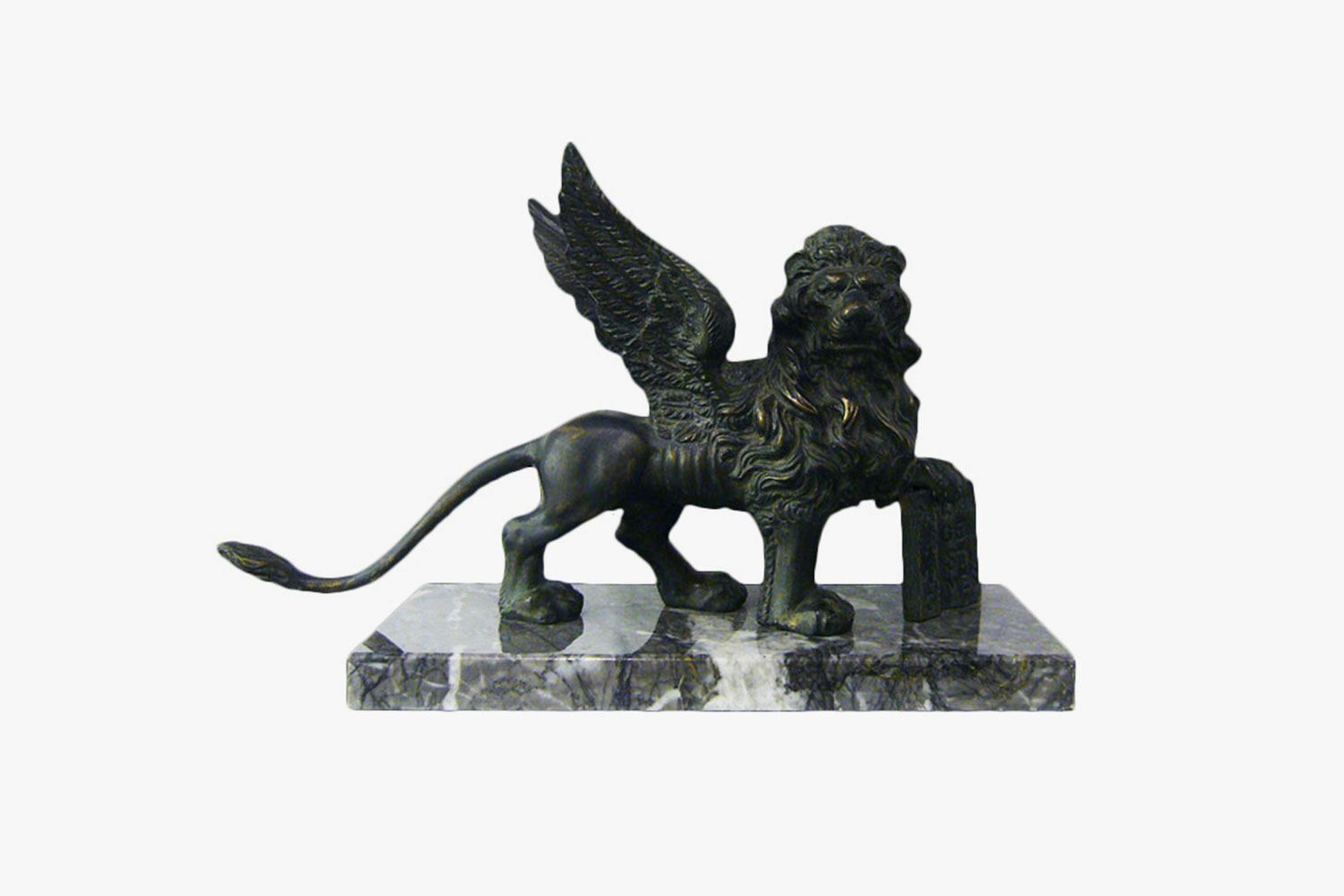
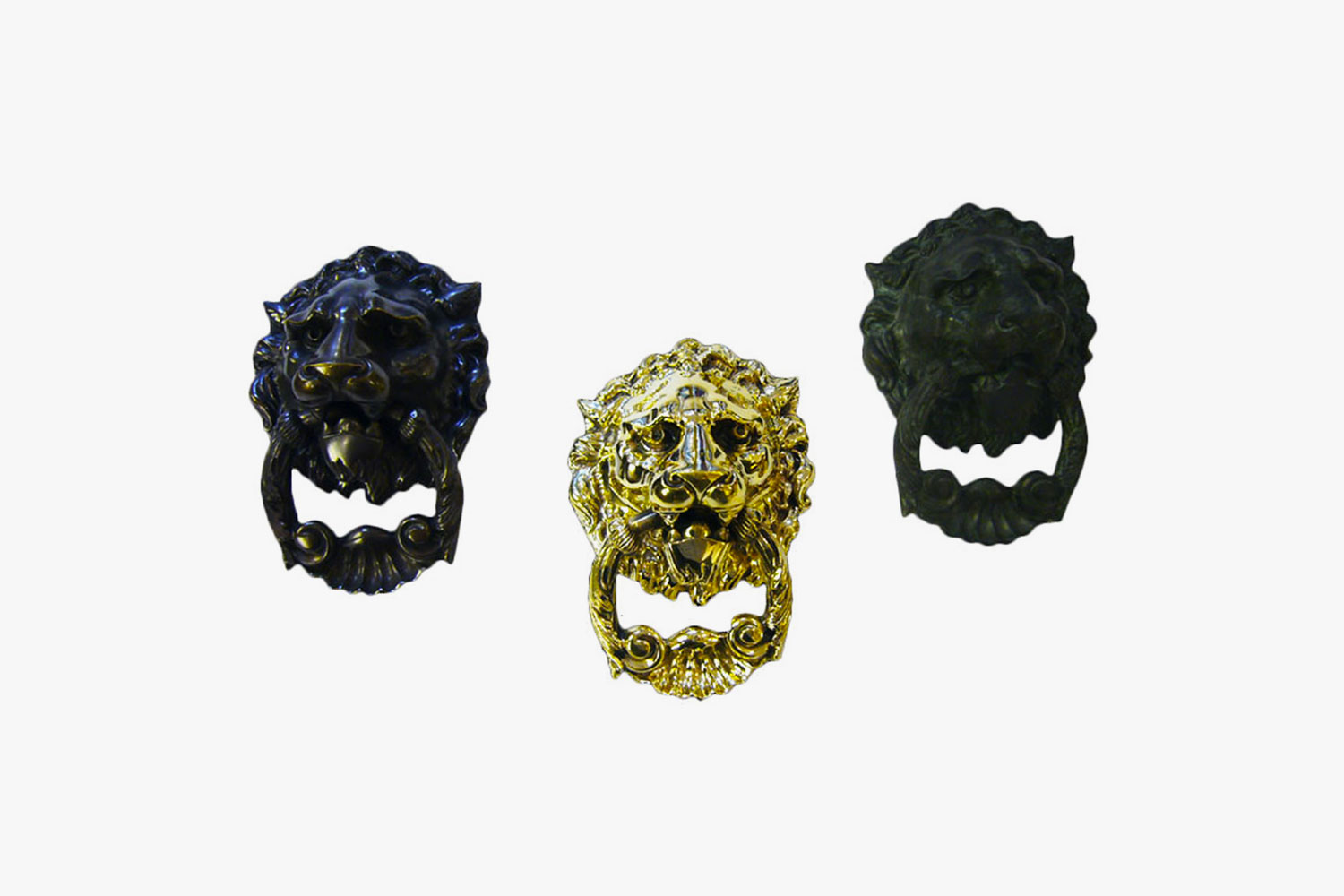
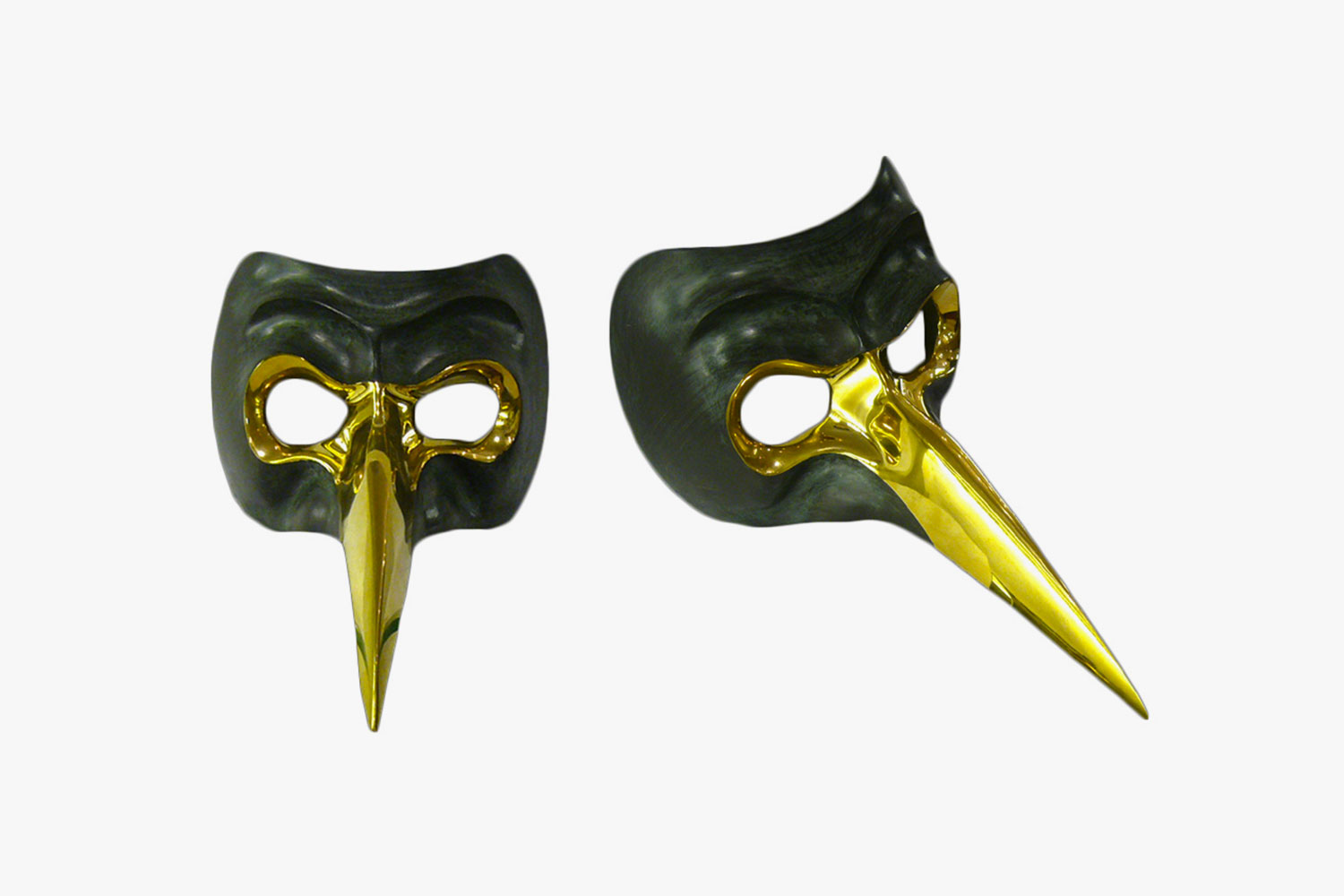
When he began working at the Valese foundry, Carlo Semenzato wasn’t yet 18 years old. He had a technician background and no idea of what artistic craft was. Over the years, he learnt what shaping bronze and brass meant, and eventually took over the foundry, the very last one in Venice. "Saving it meant saving a Venetian peculiarity," he says. Founded in 1913 by the Valese family, the foundry shapes complex objects such ornaments for gondolas, chandeliers, door knockers, handles and statues, using the sand casting method. "When the object is removed from the mould, it has to be finished and polished by hand," he says. "I love that part. It takes a long time, but seeing it emerge from my hands is so exciting."


INTERVIEW
Definitely. We have models dating back to the 15th century. Some of them belonged to 18th century noble Venetian families who had their own gondola which had to be decorated with the family’s crest.
Molten metal is poured into a mould using the sand method. The mould is then closed like a book and put in the furnace at 1,300˚C. Afterwards, the piece must be chiseled and polished. Bronze and brass are processed in the same way, but bronze is for ornaments, brass for functional objects.
How long the process is. When chiselling the face of a statue, the two eyes have to be very well done otherwise the expression changes. This requires experience and a lot of time. That’s the longest and hardest part.
When I have the finished object in my hands and I feel I've done good work. Sometimes I think that my craft is in danger, as few people are interested in doing it; it requires too much time and you get very dirty. But my objects are very necessary.
Carlo Semenzato
Fonderia Artistica Valese
Metalsmith
Venice, Italy
Recommended by Fondazione Cologni Dei Mestieri D'Arte
AVAILABILITY
By appointment only
PHONE
+39 41720234
LANGUAGES
Italian, French, English
Homo Faber Finds is a new service aiming to inspire admirers of craft to connect and collaborate with exceptional artisans.
We invite you to submit an enquiry here.
DSC02402_©Meg-Lovell.jpg)
DSC01379_©Meg-Lovell.jpg)
DSC01458_©Meg-Lovell.jpg)