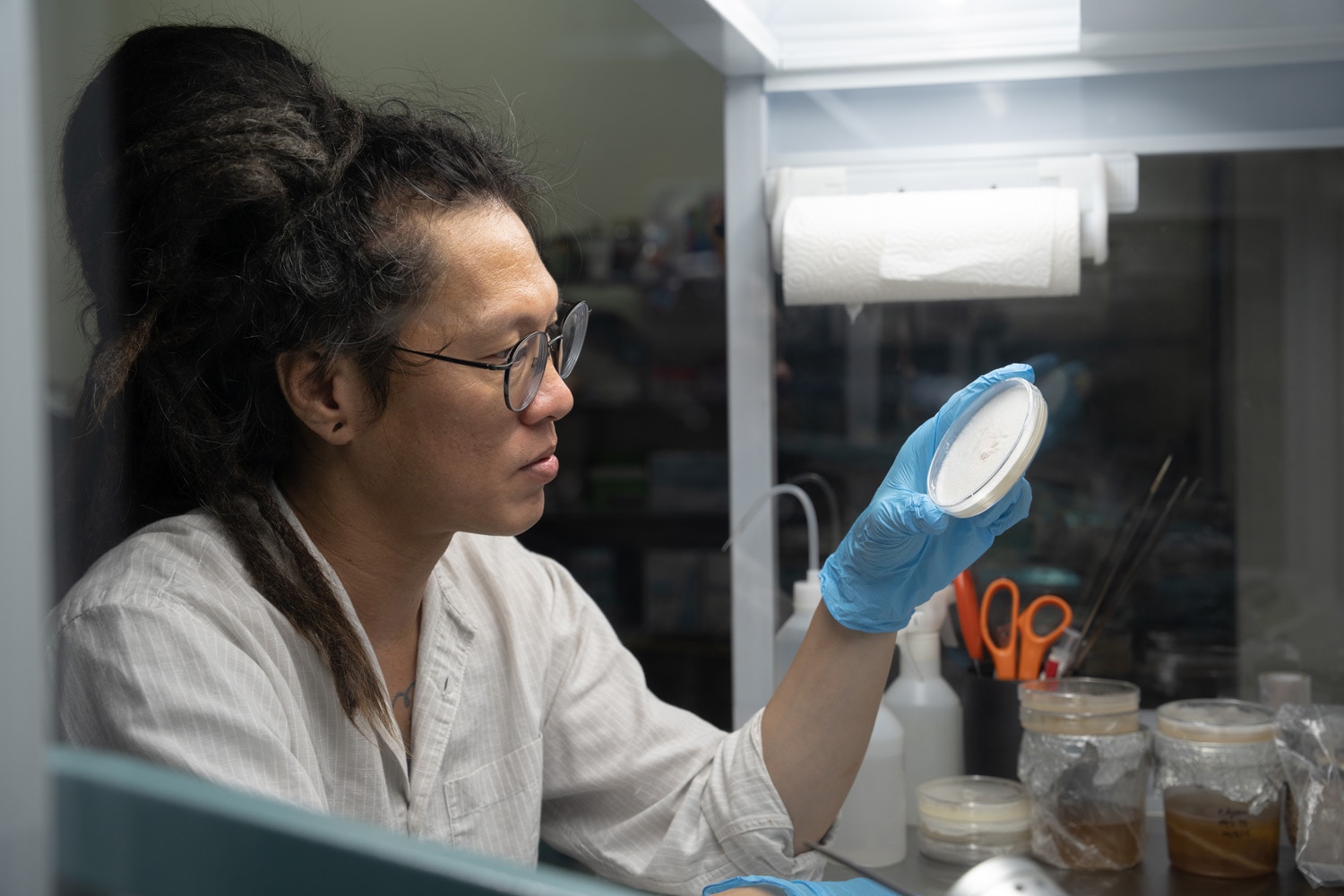
Raymond Wong
Rumah Kim Choo
Bead artist
Singapore, Singapore
Traditional Pernakan beadworks
- Raymond is an embroiderer, a fashion designer and a teacher
- He is preserving a unique Nanyang heritage
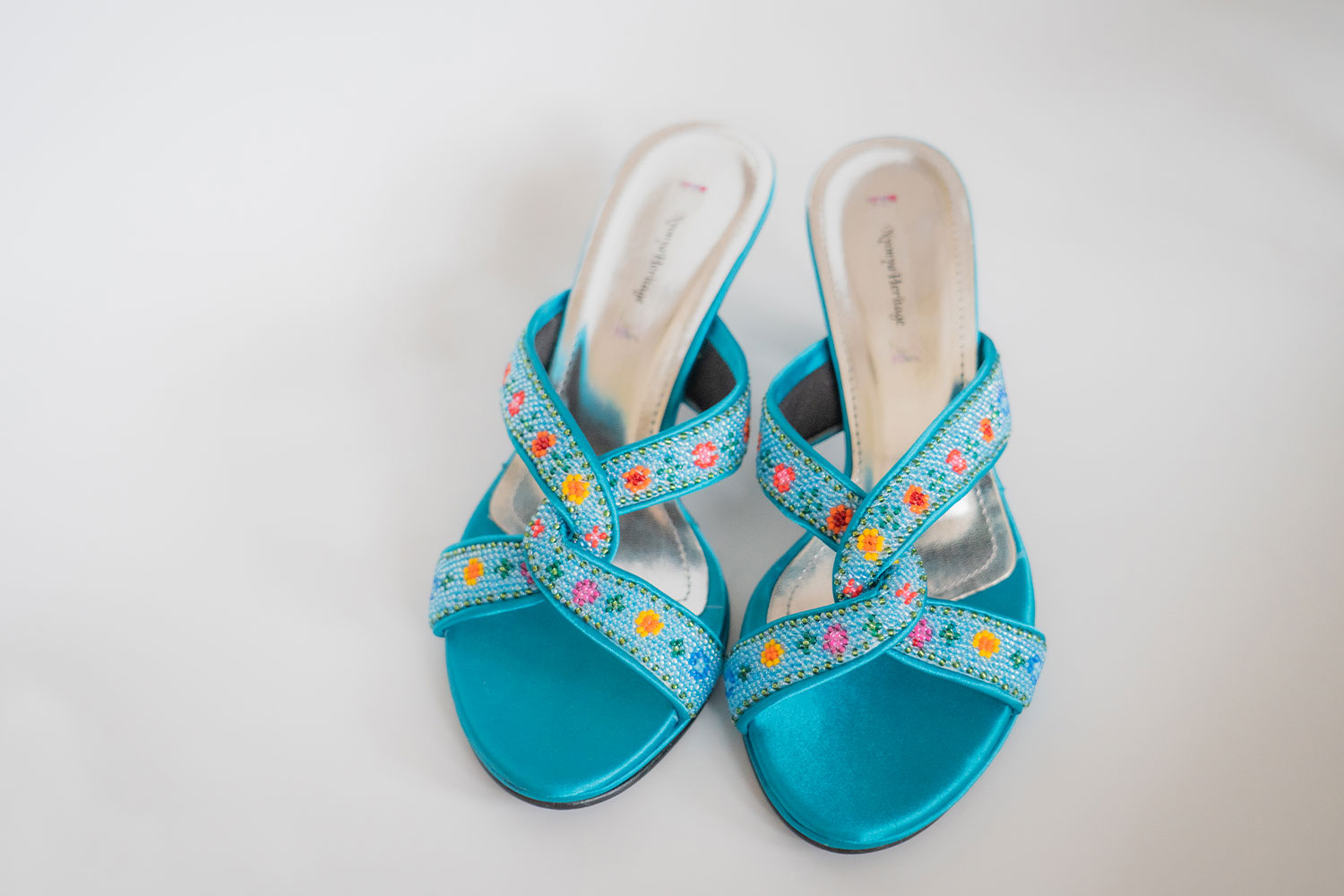
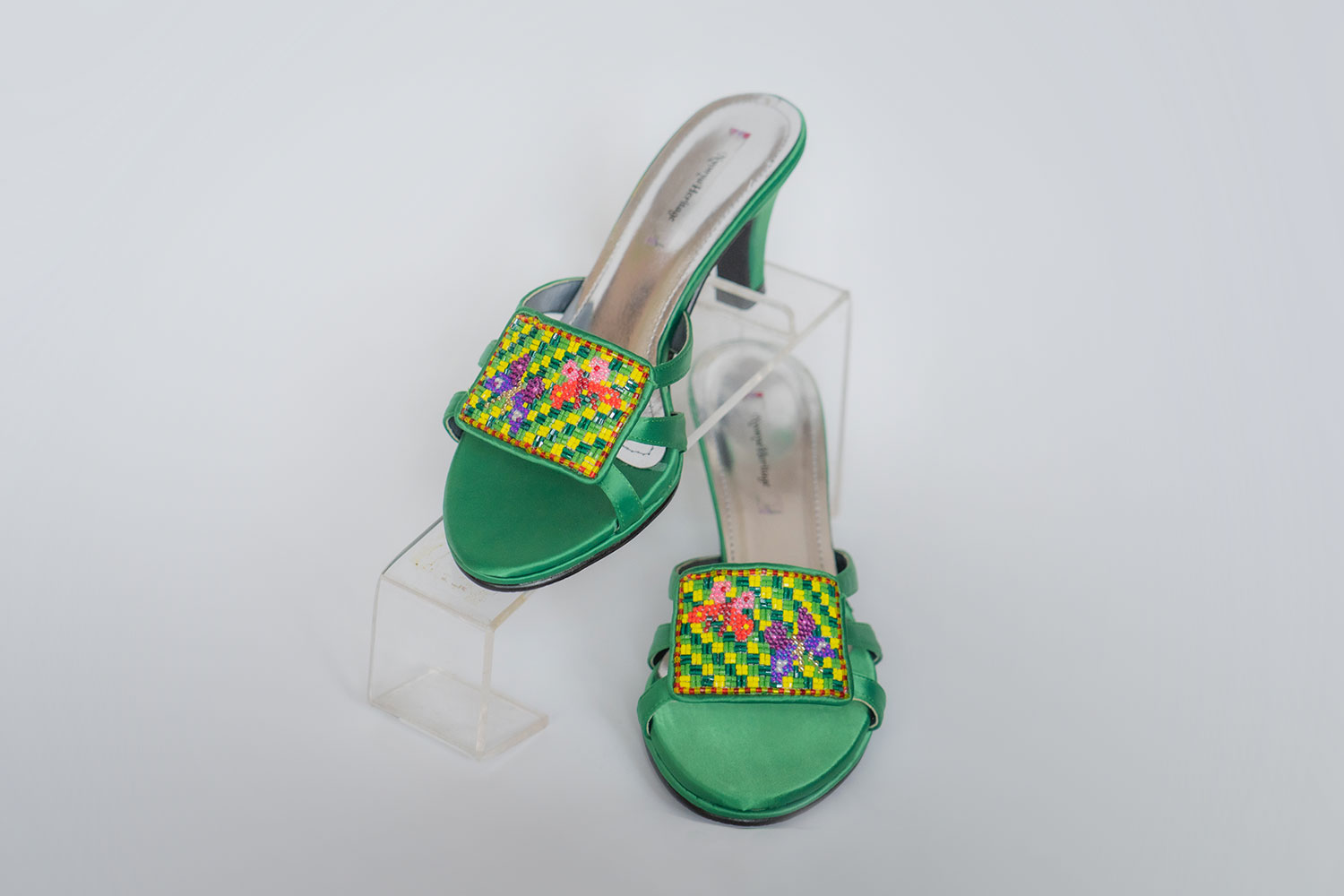
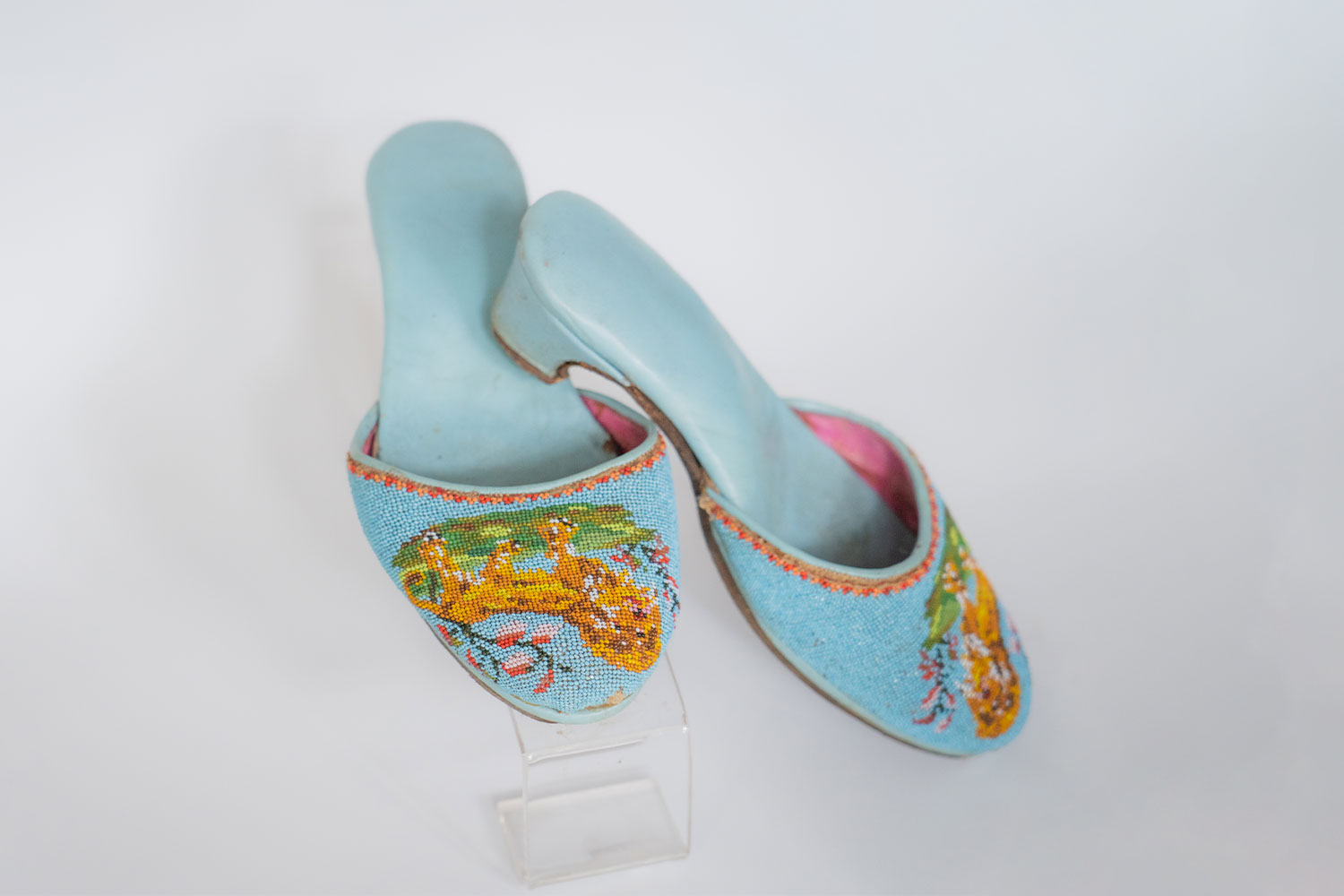
- His first pair of beaded shoes took 18 months and more than 54,000 beads to complete
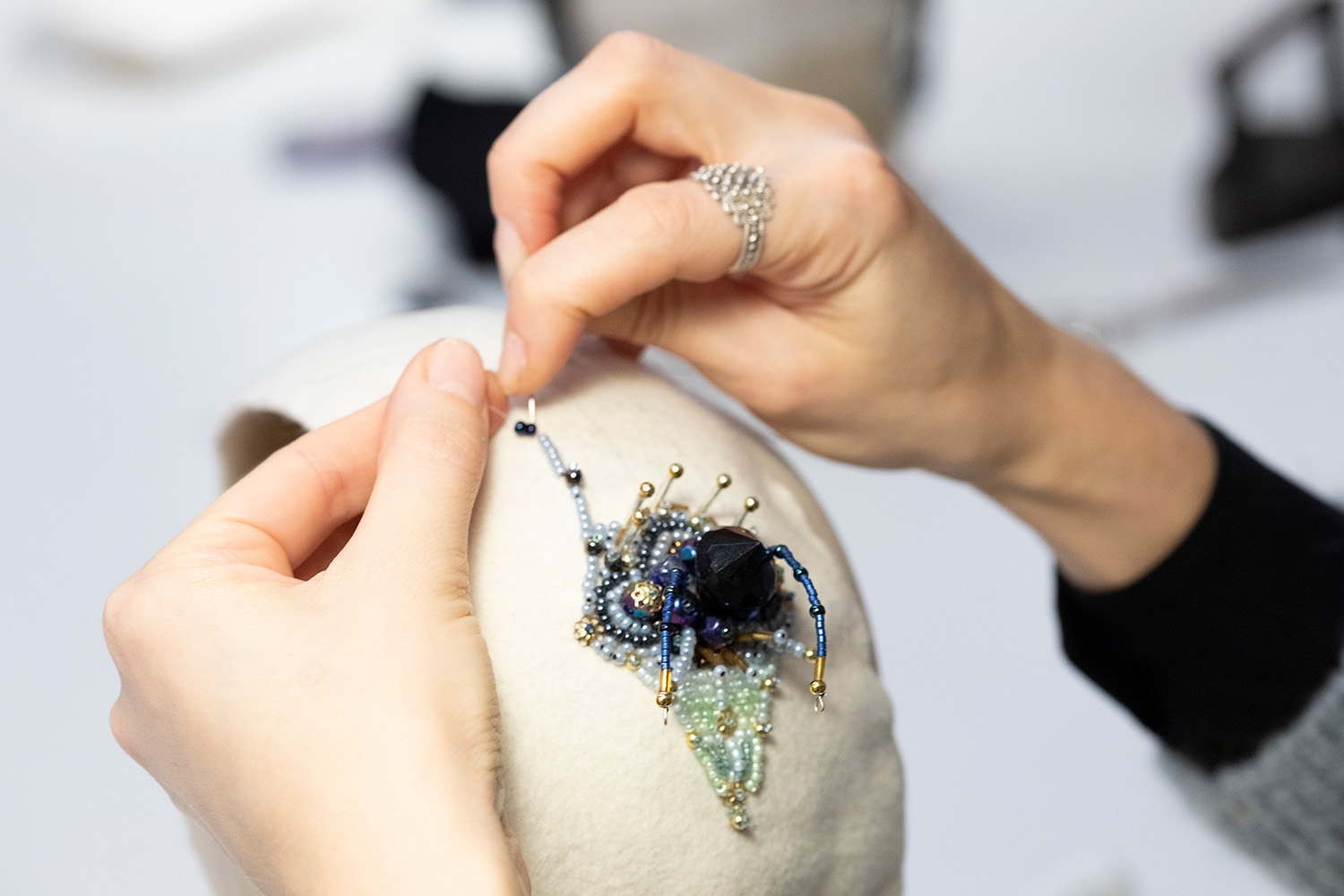
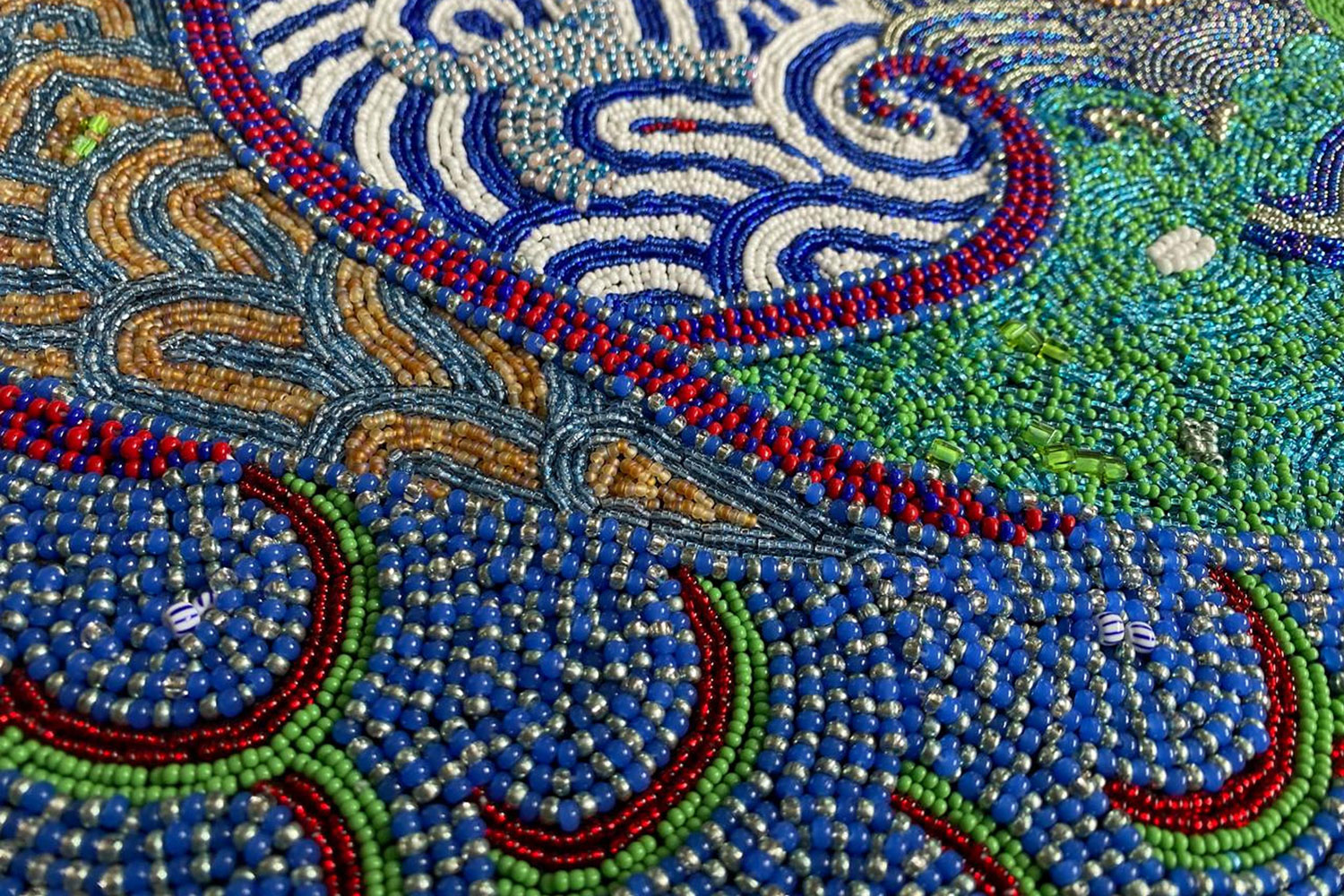
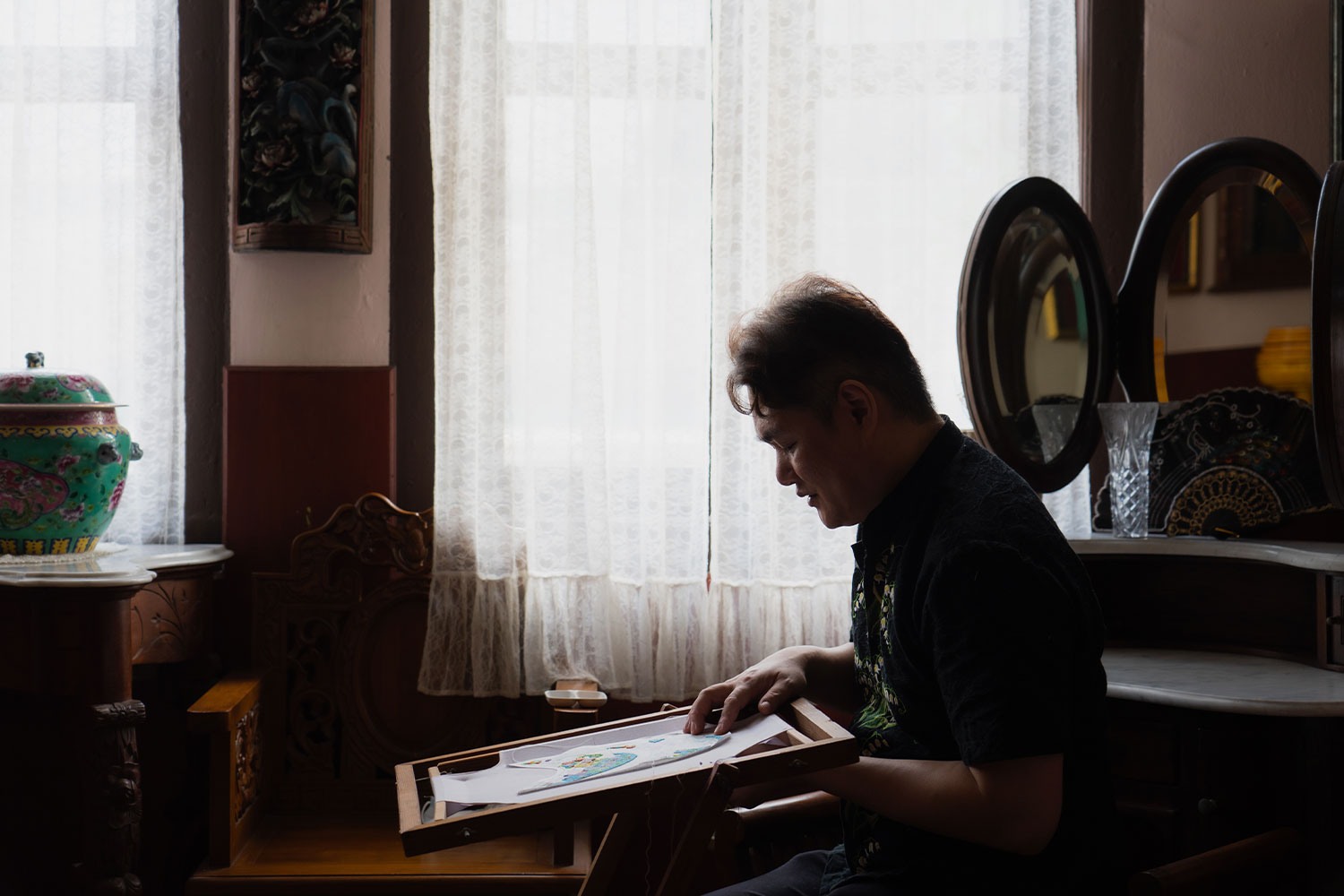
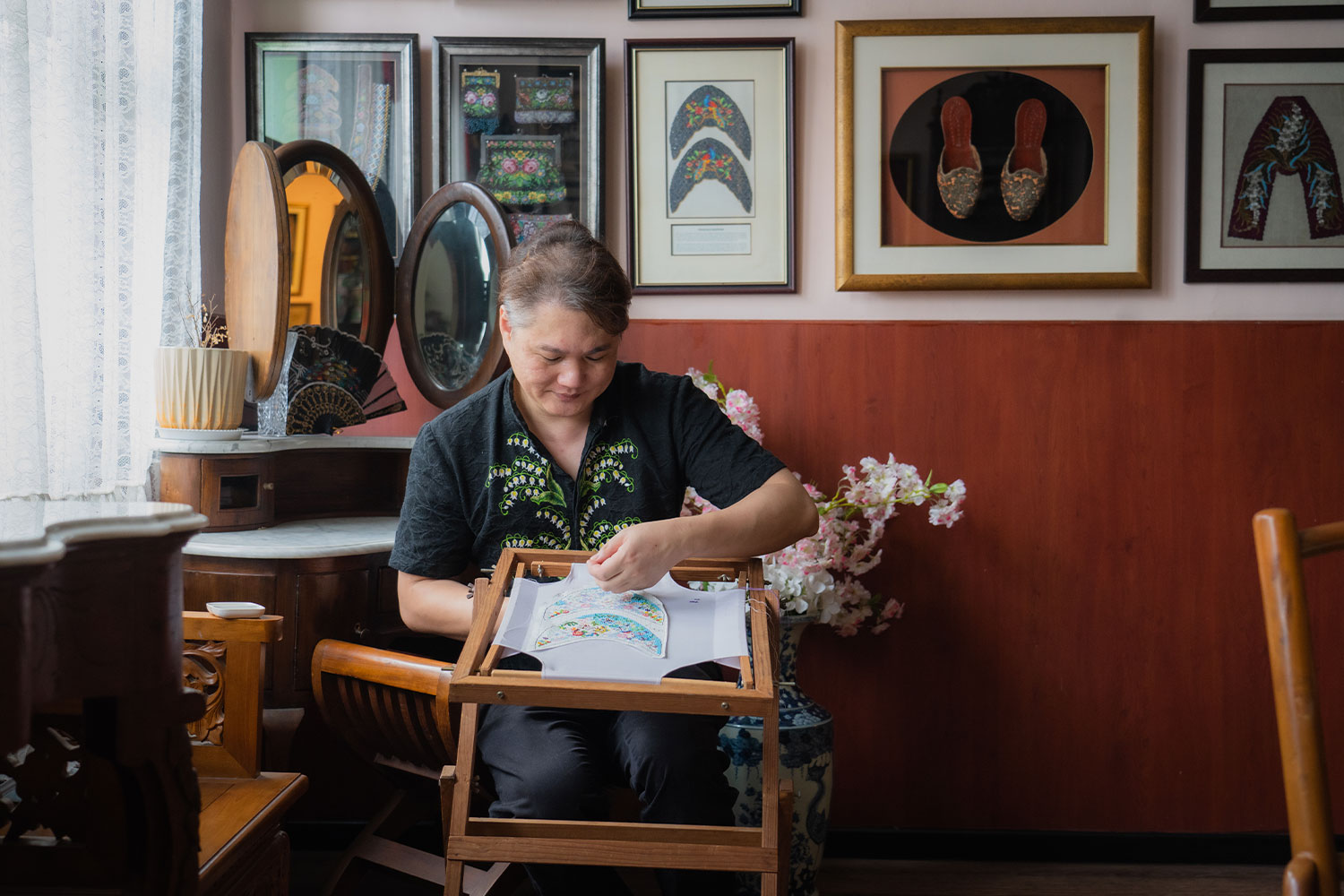
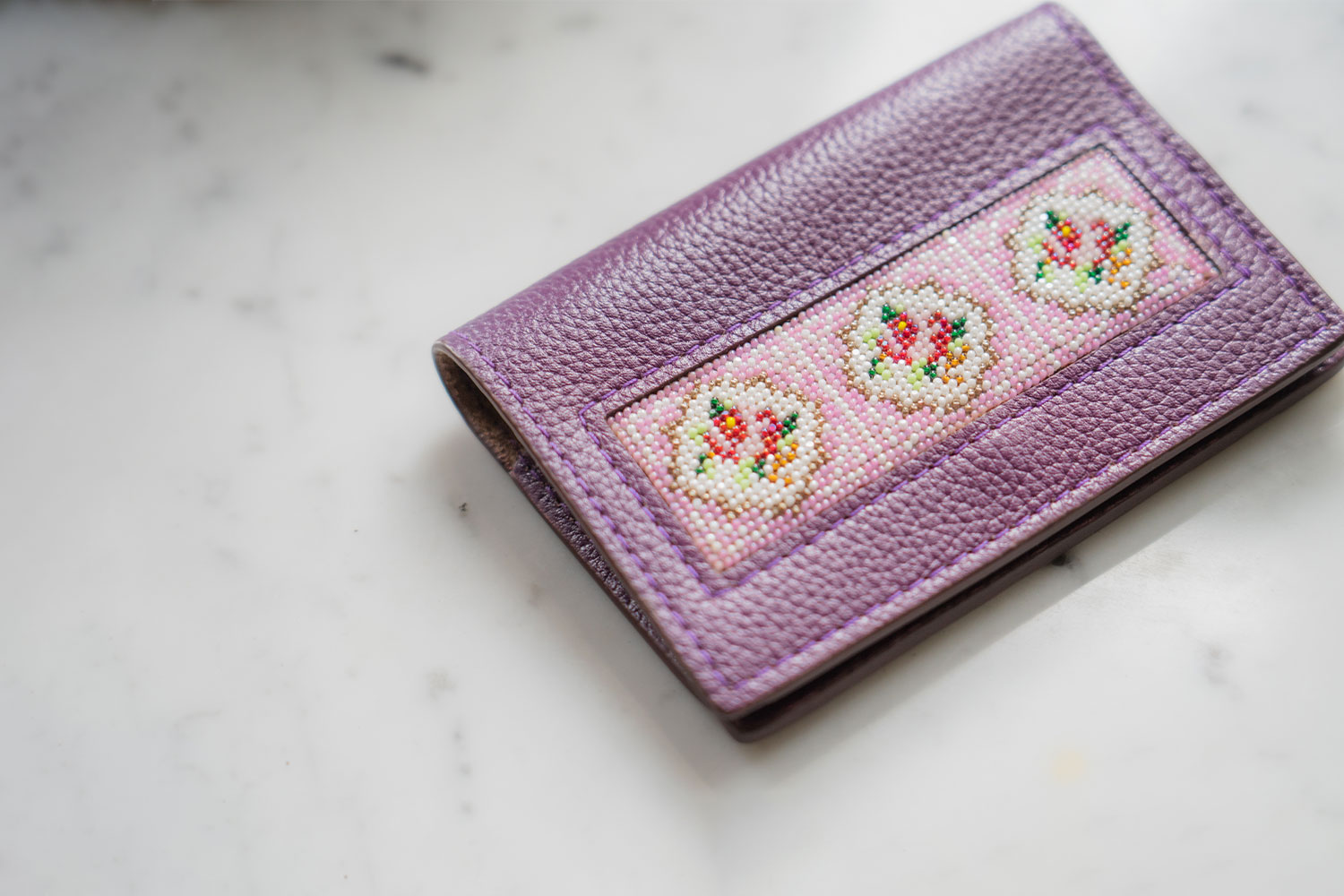
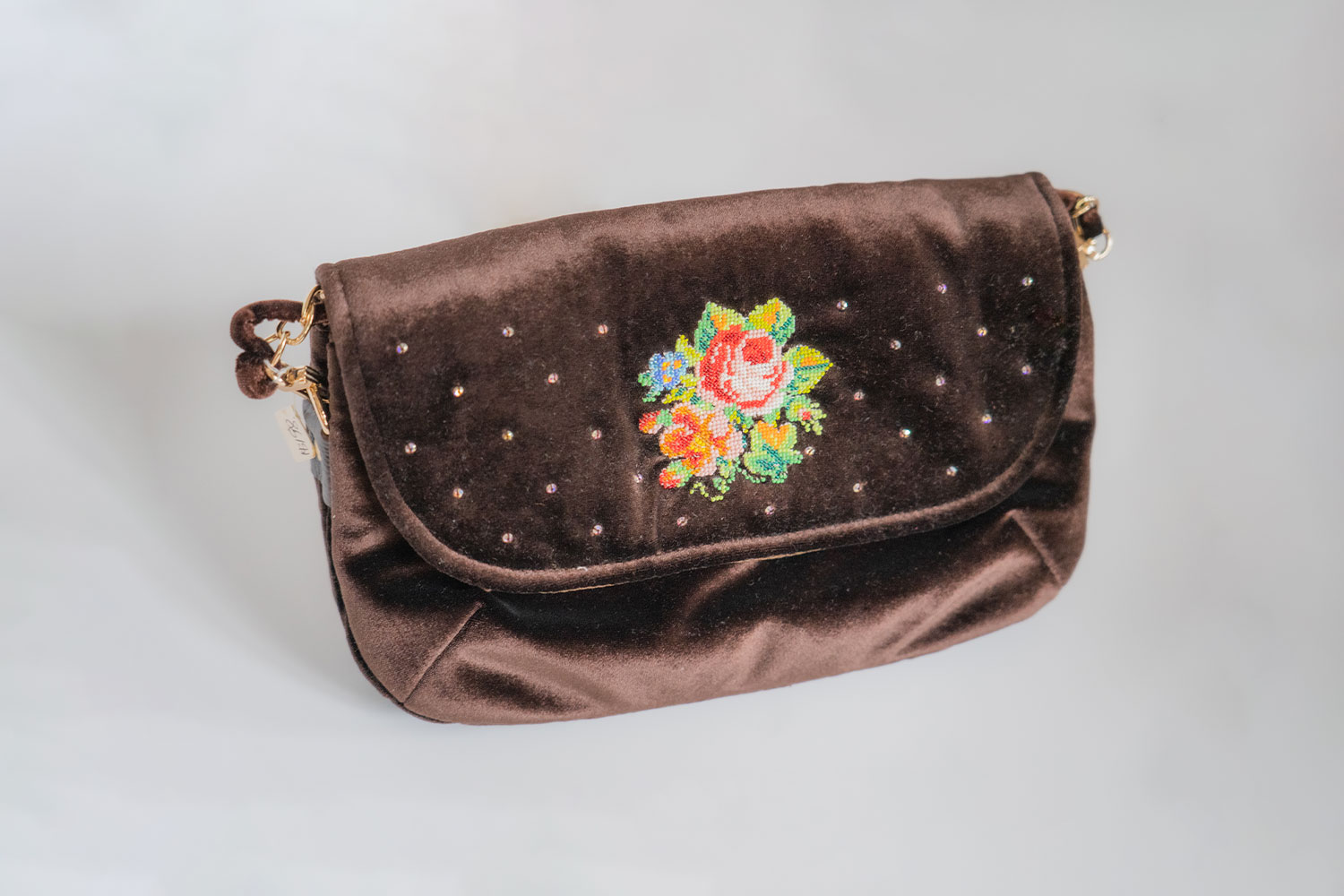
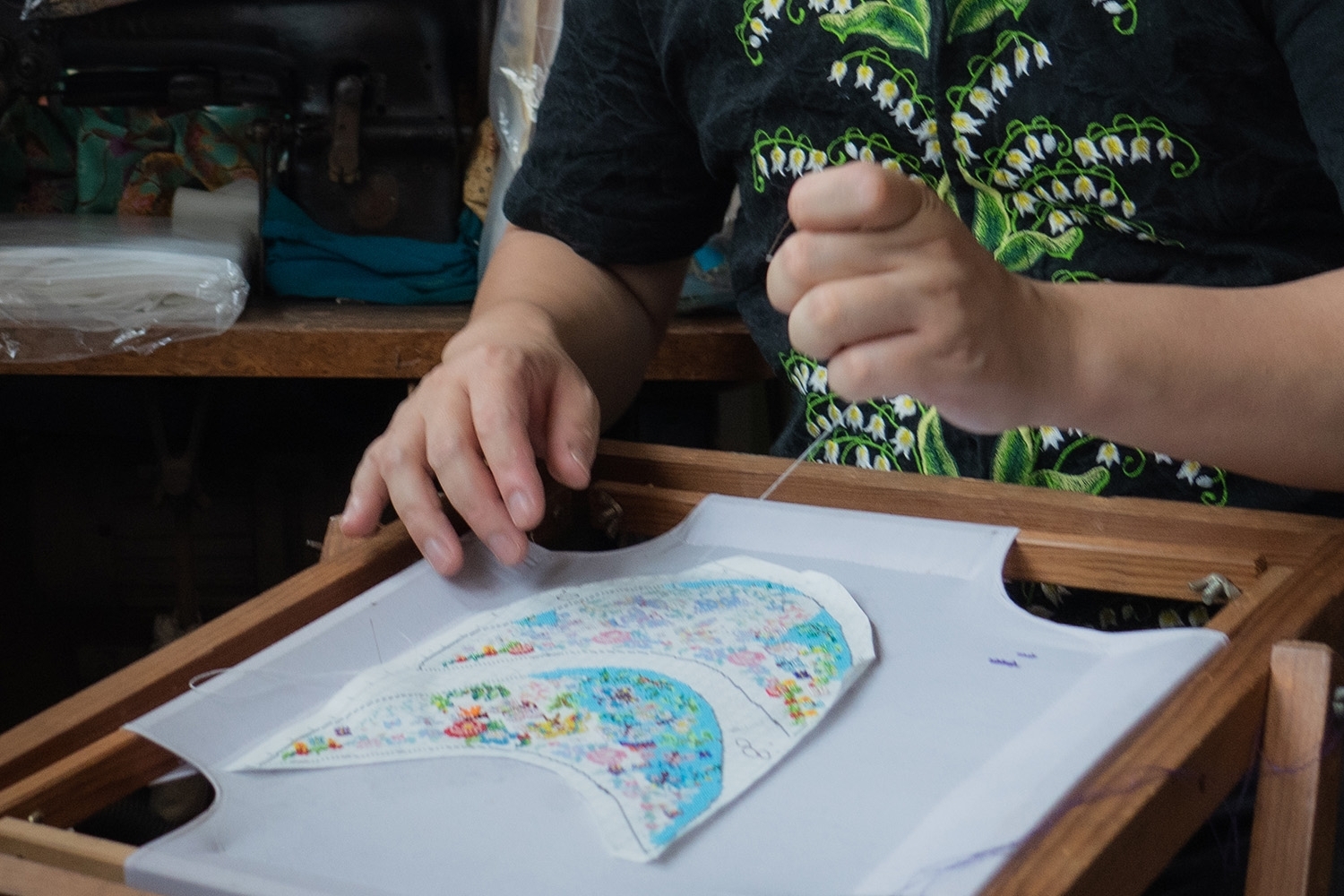
Raymond Wong is a practitioner of beadwork and embroidery in Singapore. He is also a fashion designer at Rumah Kim Choo, which was founded by his paternal Peranakan grandmother, Nyonya Lee Kim Choo. He grew interested in beadwork and embroidery in 2005 while being surrounded with his family’s culture in the family-run business. He also used to collect antique beadwork from all around the world to understand the different techniques and improve his. Today, such is the Raymond's passion for Peranakan beadwork he has built a strong reputation for his craftmanship – enough to be commissioned by the Singapore government to create a Peranakan shawl which was given to Michelle Obama on her visit as First Lady.
Discover his work
INTERVIEW
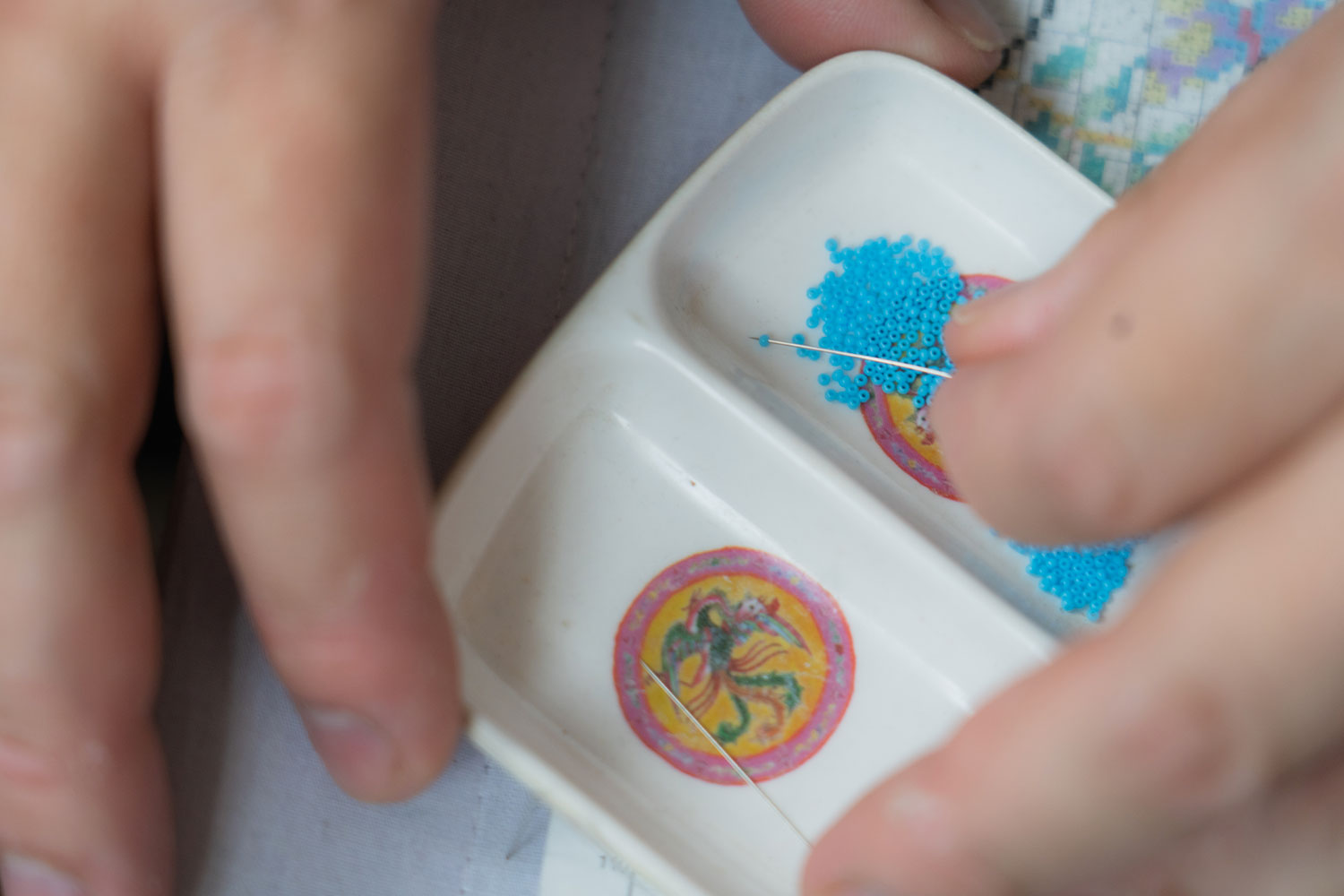
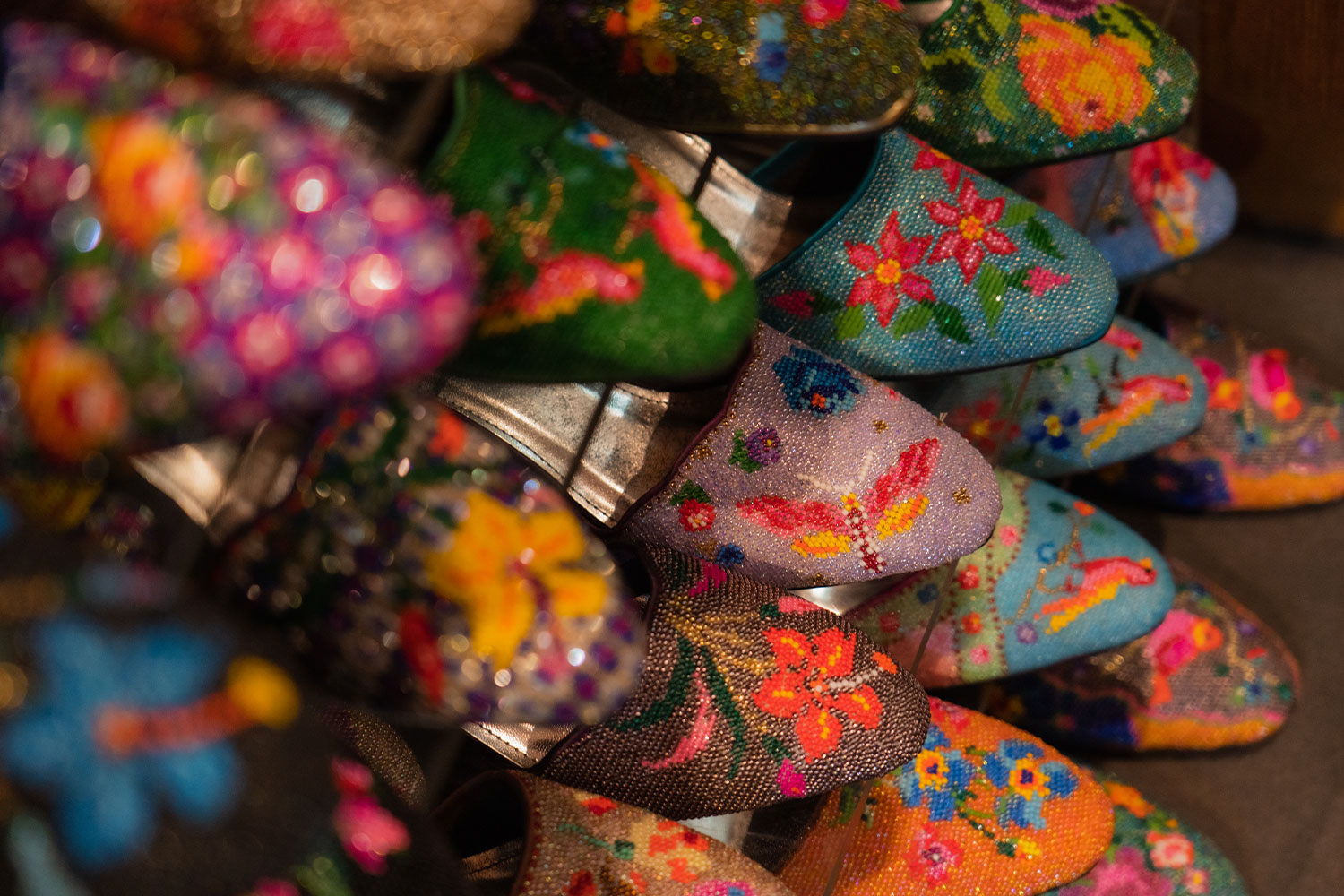
After I graduated from university, I started collecting vintage Nyonya slippers. My craft started as a hobby out of this interest. I always wondered why the beaded shoes were so expensive, that was until I tried to make the shoes myself! I didn’t realise the use of fine seed beads of Peranakan embroidery would take so long to complete a pair of shoes.
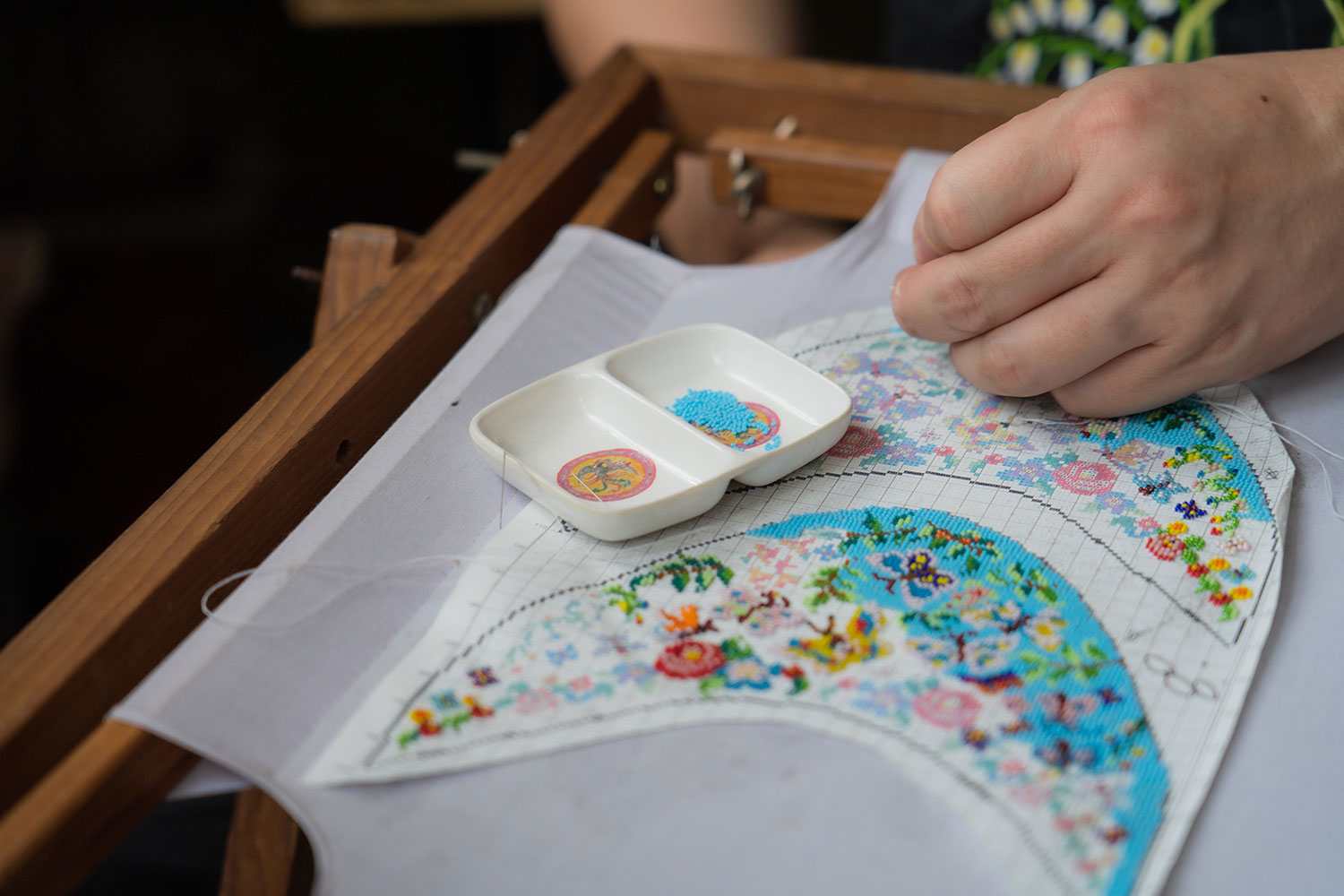
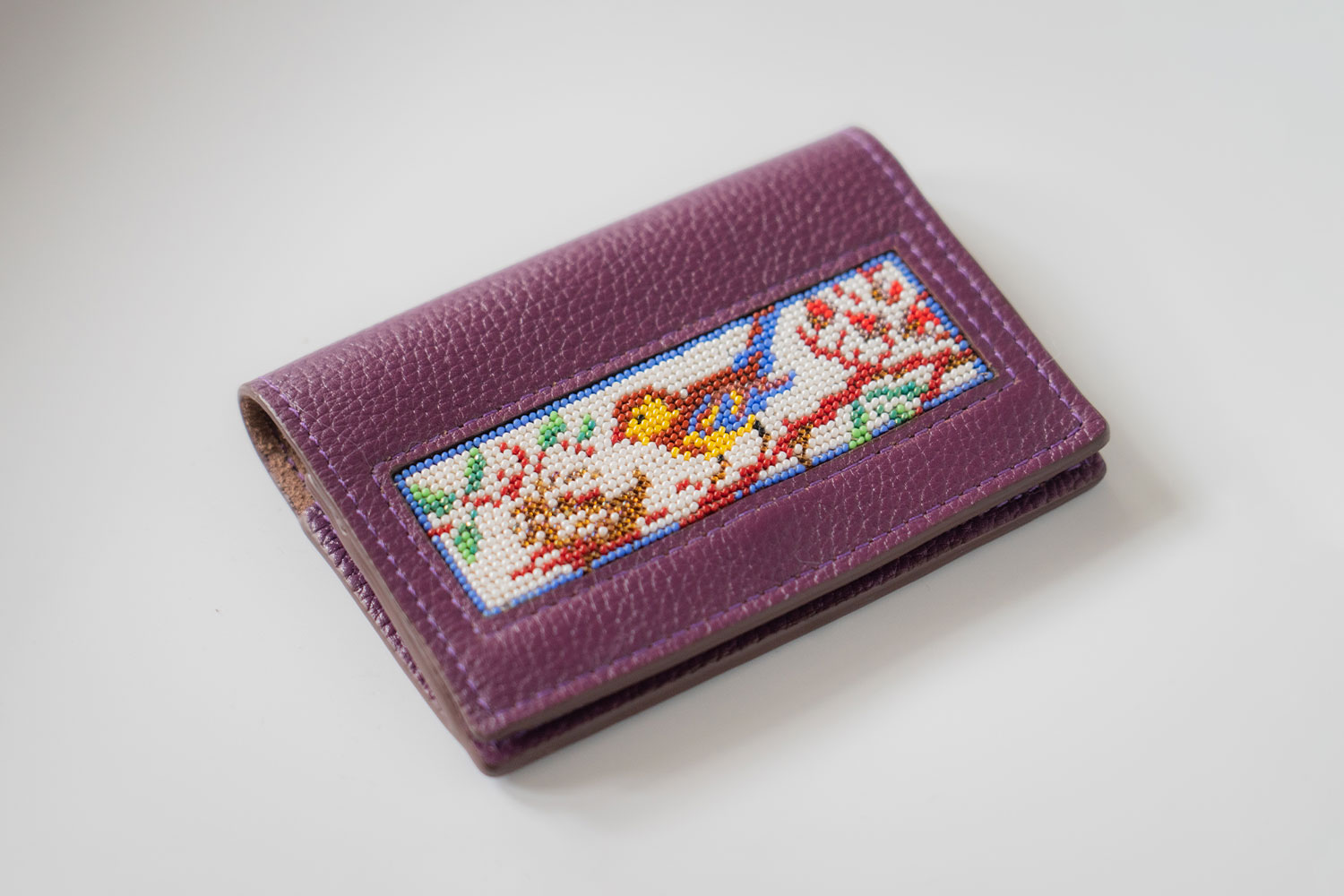
Peranakan culture is a lifestyle culture born from acculturation within the major trading port cities of Southeast Asia. “Peranakan” literally means “locally born foreigners”. Being part of a colony, Peranakan beadwork is adapted from Victorian cross-stitch designs with Chinese motifs.
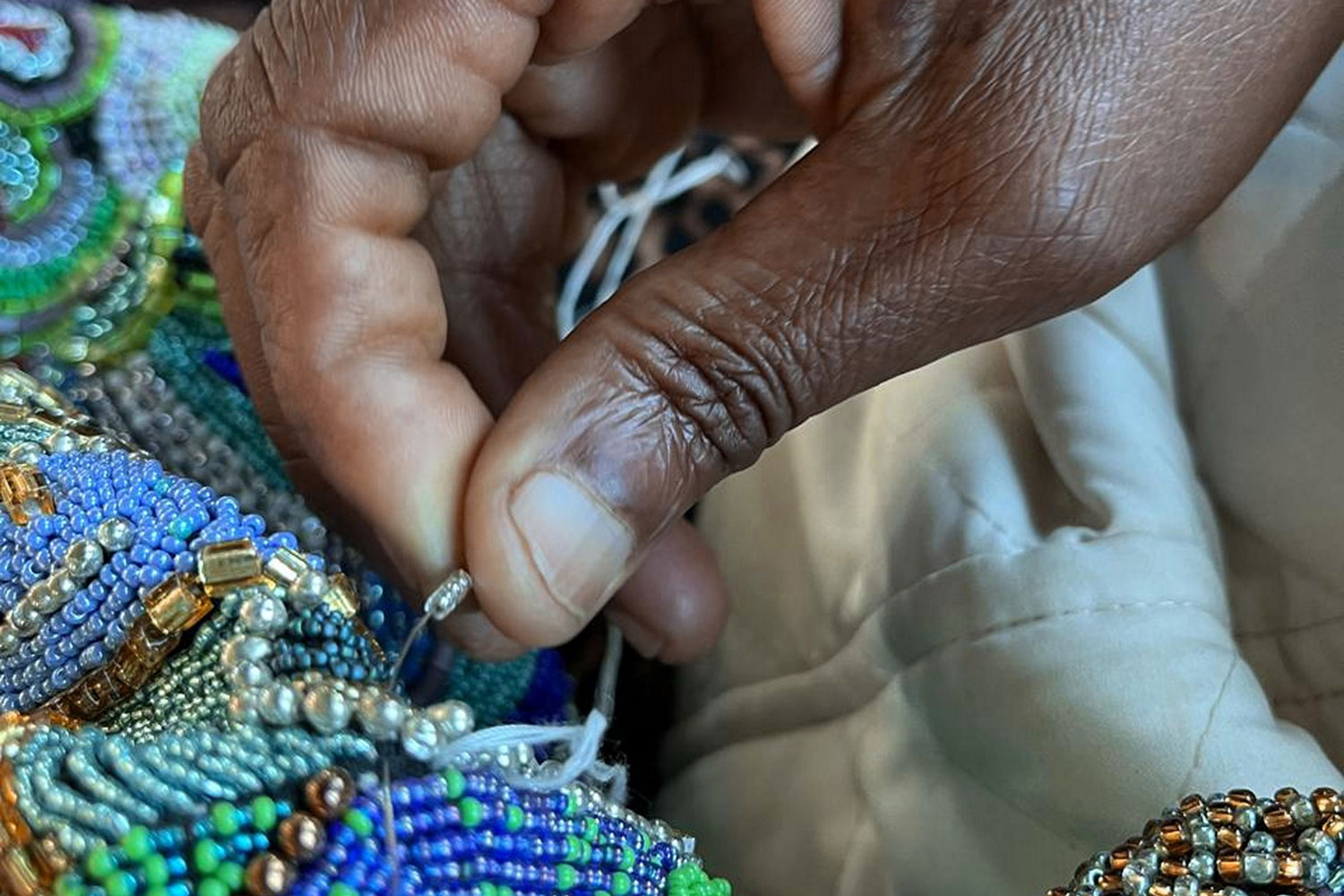
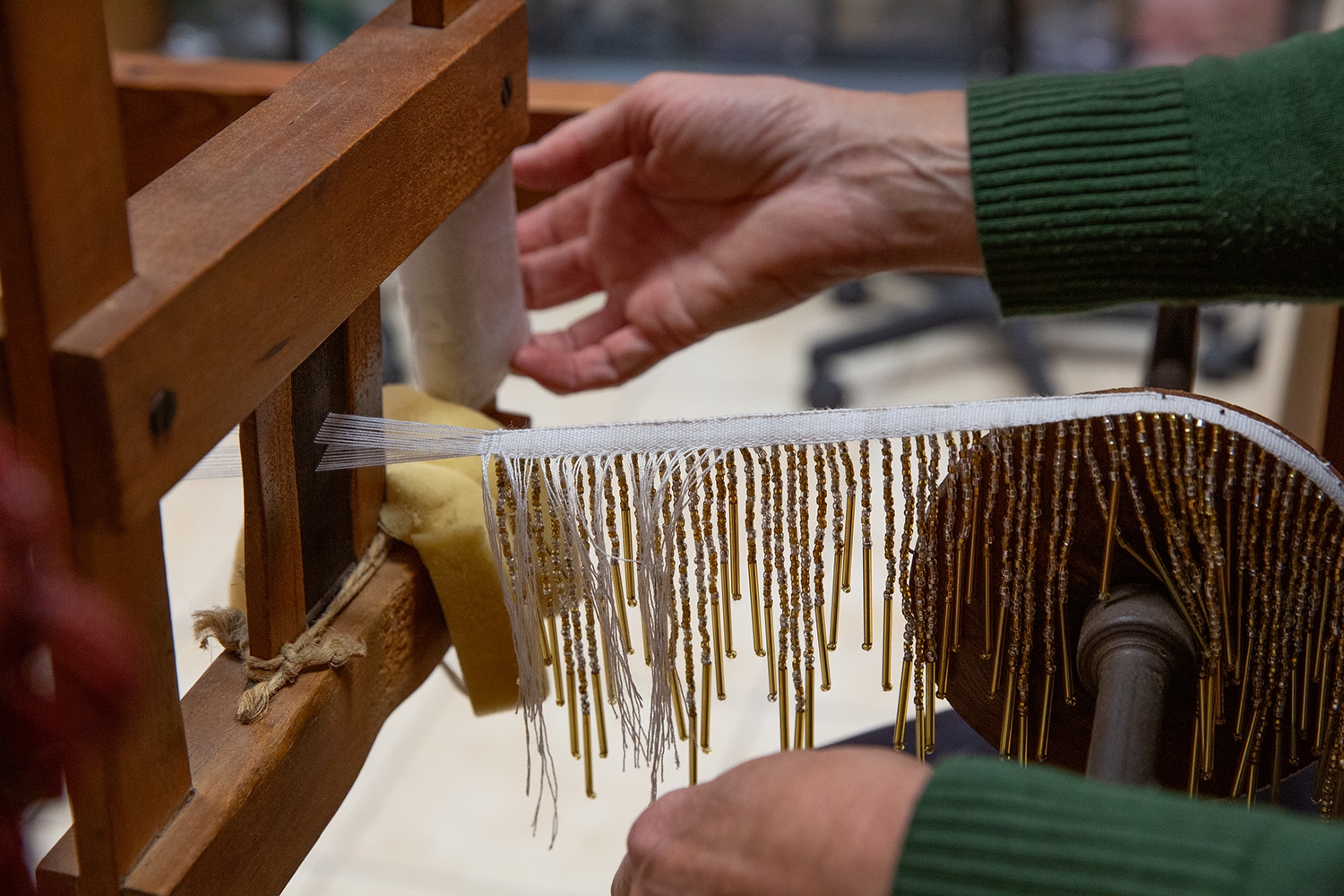
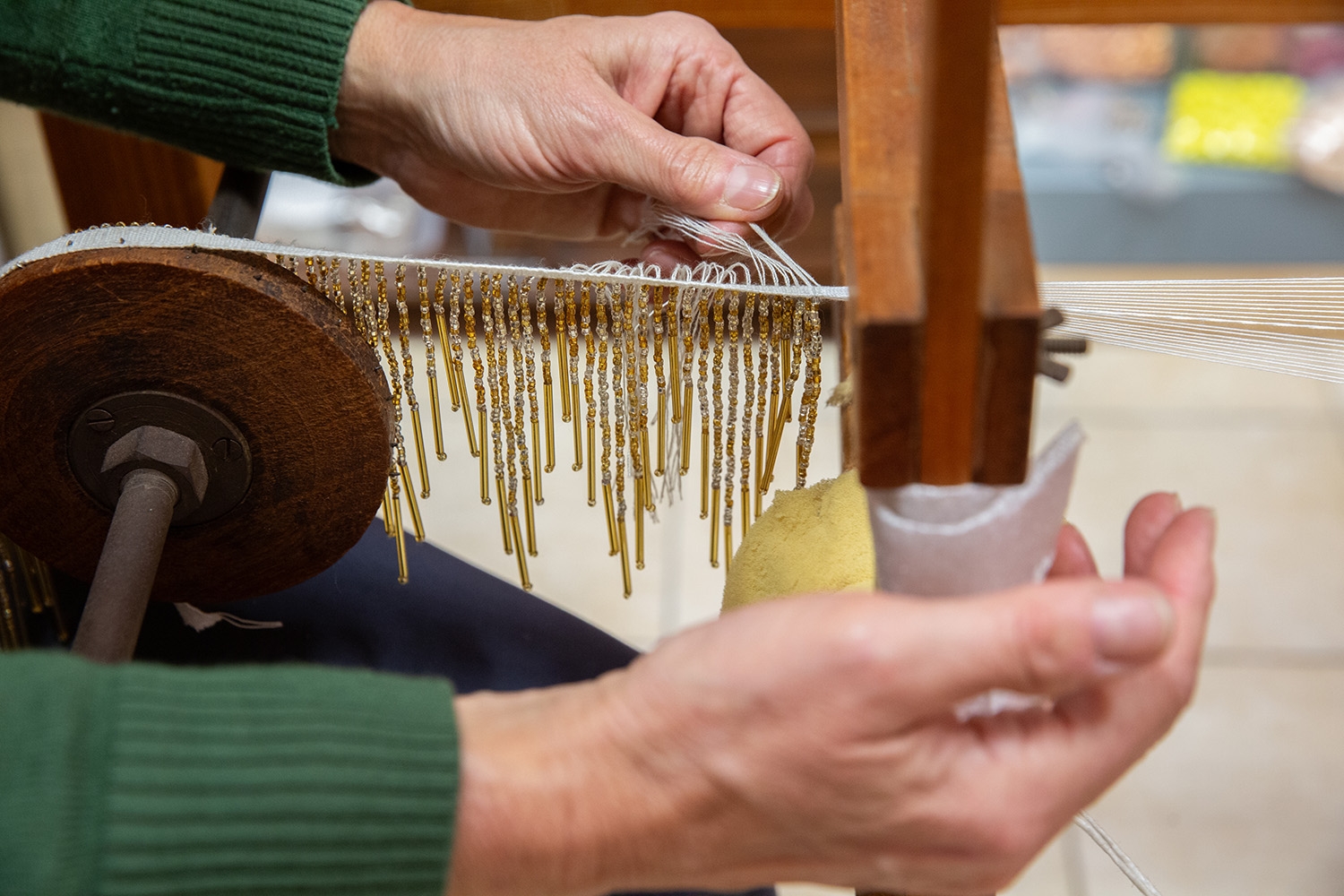
As a collector, I came across two main styles of beadwork: with embroidery loom and without. Even within these types, there is tent stitch style or free style, or the “Macramé” bead-weaving method (which means using multiple threads) and single thread “three-bead weaving”.
There is a great need to continue educate the younger generation the beauty of their traditional costumes, its historical and cultural values. For a culture to move onwards, cultural arts and crafts have to evolve and be relevant to the current generation. Therefore, when traditions are too rigid, there is a risk that it will become extraneous to the lifestyle of the younger generation.

Raymond Wong
Rumah Kim Choo
Bead artist
Singapore, Singapore
AVAILABILITY
Daily 09:30-20:30
PHONE
+65 98550024
LANGUAGES
Mandarin, English
Homo Faber Finds is a new service aiming to inspire admirers of craft to connect and collaborate with exceptional artisans.
We invite you to submit an enquiry here.