©ALGRANTILAB
©ALGRANTILAB
©ALGRANTILAB
©Zep Studio
©All rights reserved
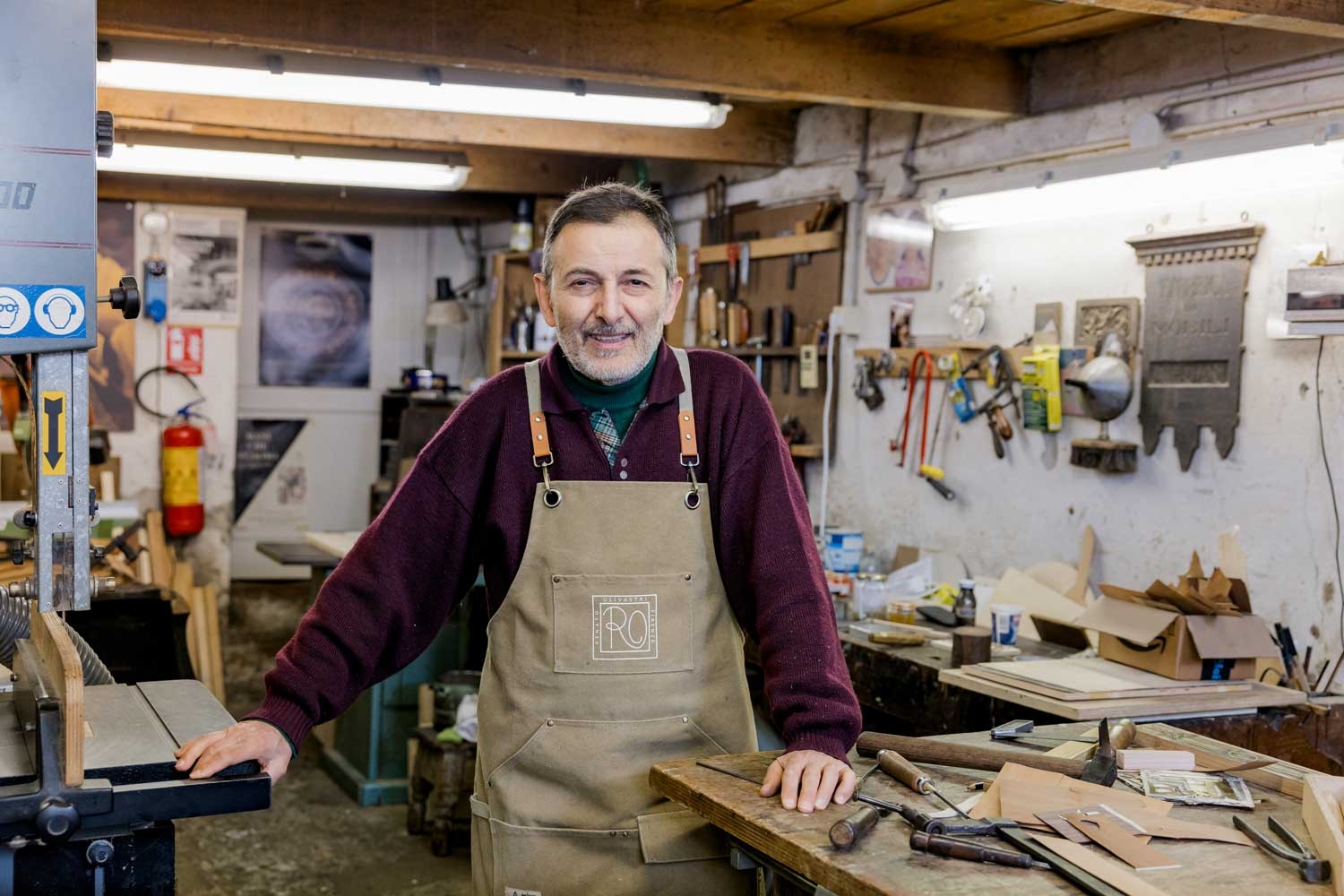
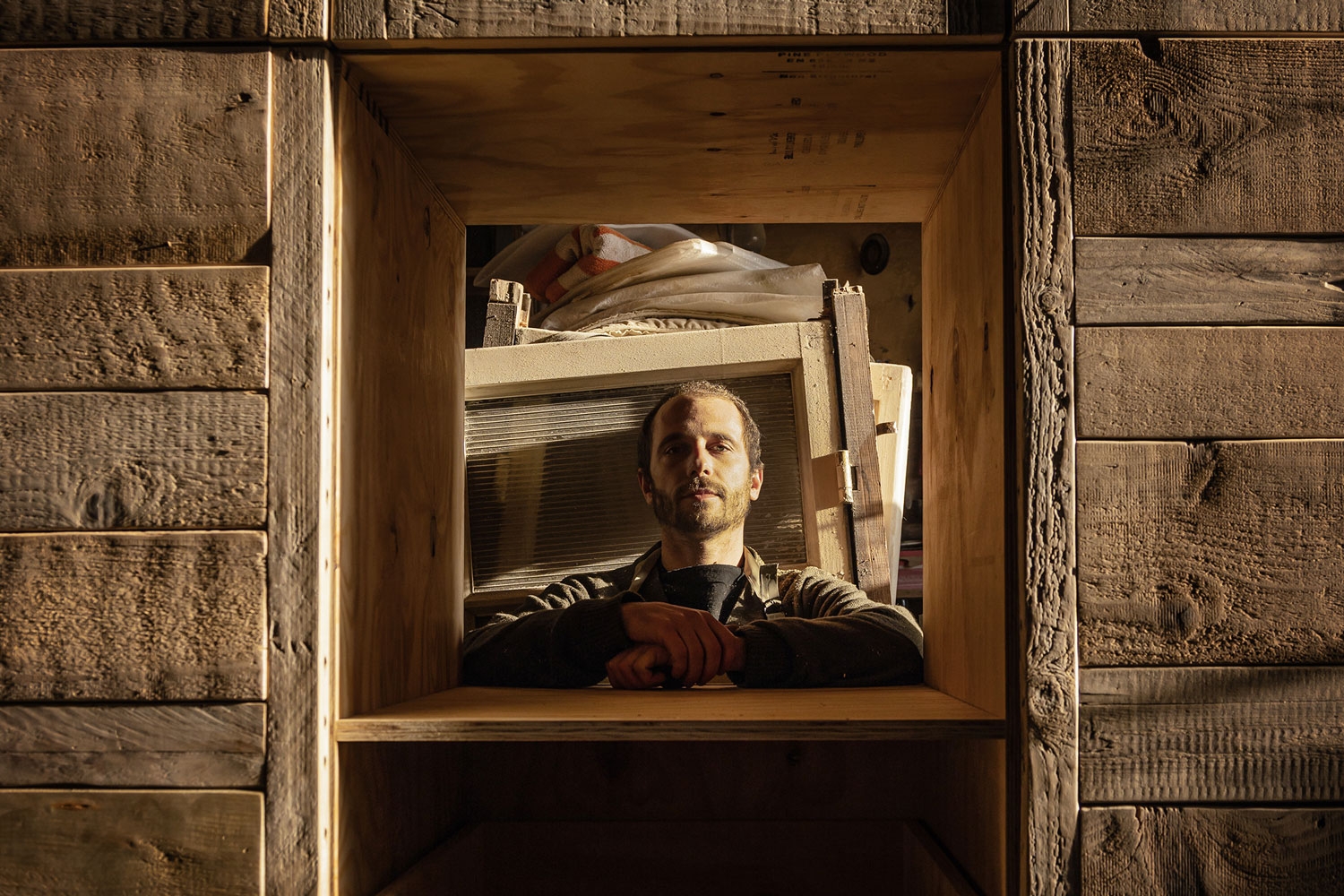
Pietro Algranti
Furniture maker
Milan, Italy
©ALGRANTILAB
©ALGRANTILAB
©ALGRANTILAB
©ALGRANTILAB
©ALGRANTILAB
©ALGRANTILAB
©Zep Studio
©Zep Studio
©All rights reserved
©All rights reserved
Beauty in the reclaimed
- Pietro designs and makes furniture and furnishing accessories using reclaimed materials
- He considers his craft as allowing a form of rebirth
- Copper is his favourite material to work with
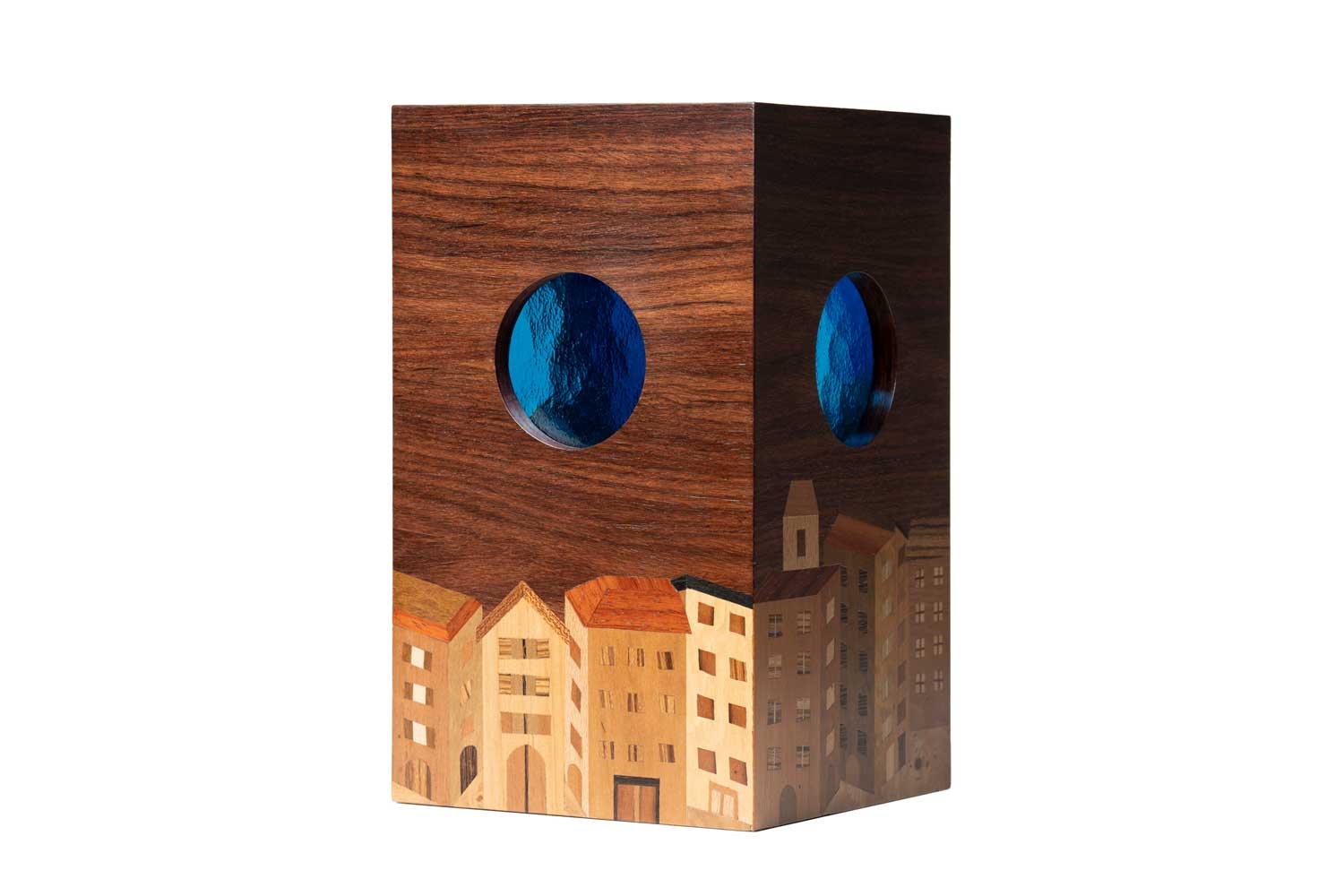
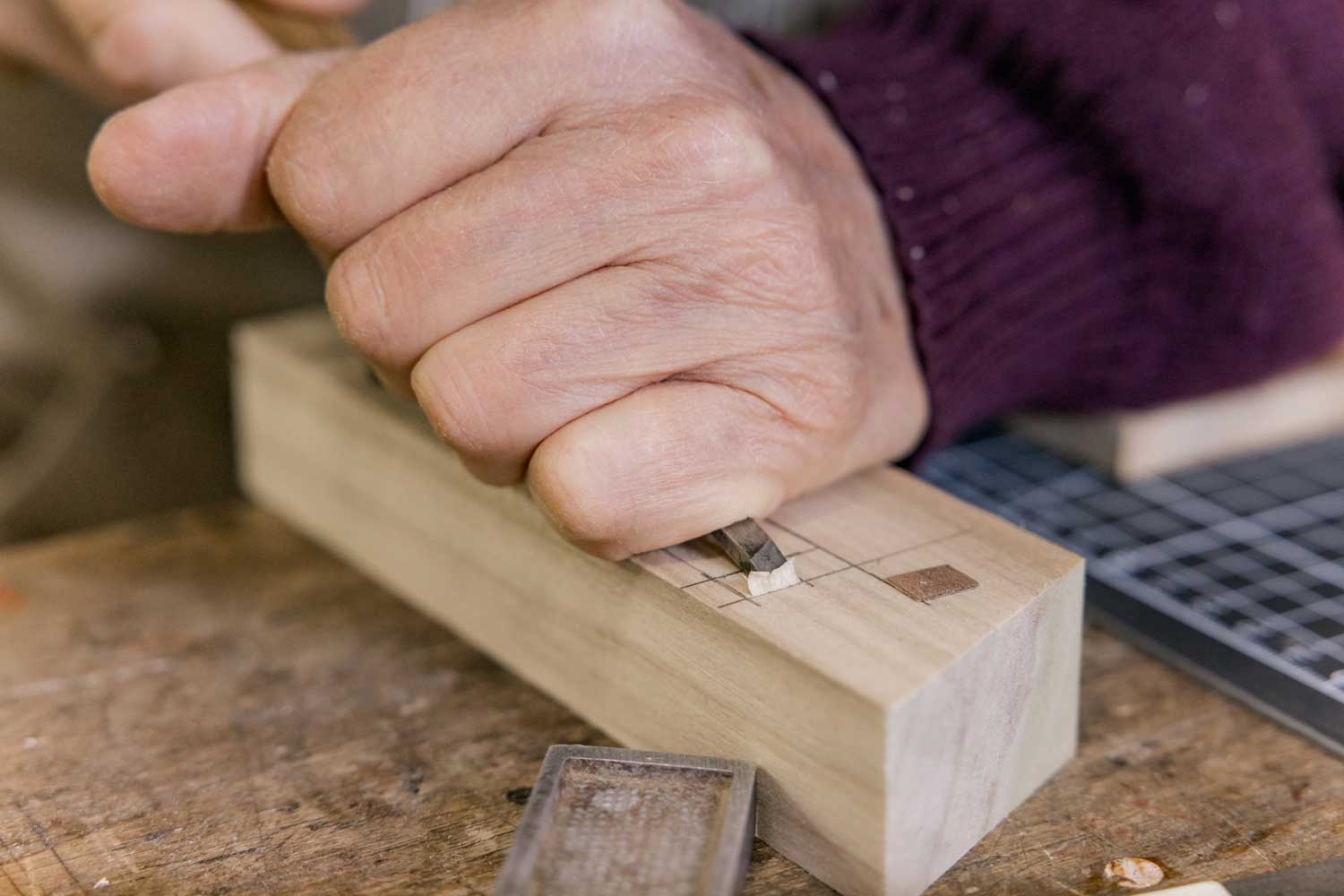
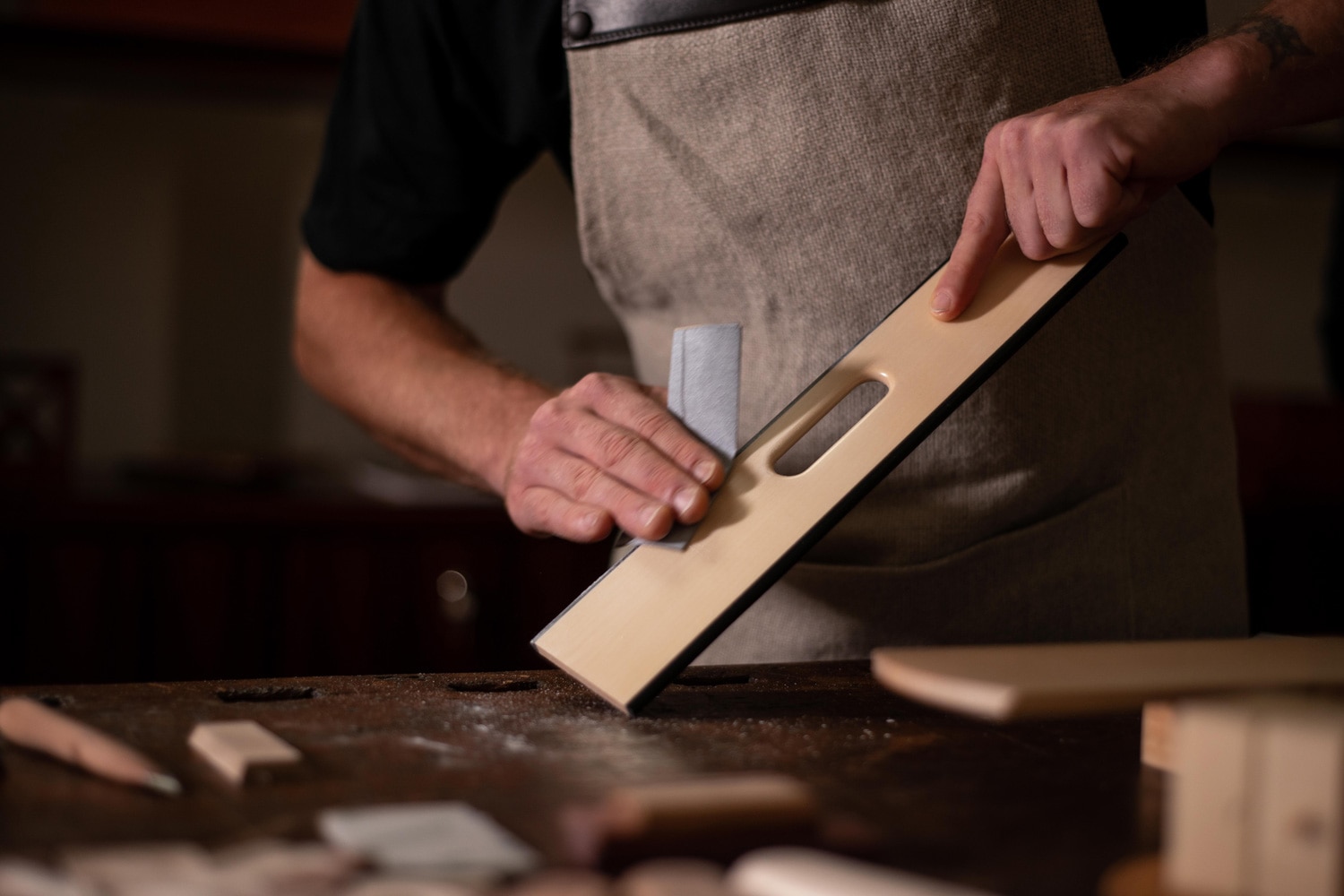
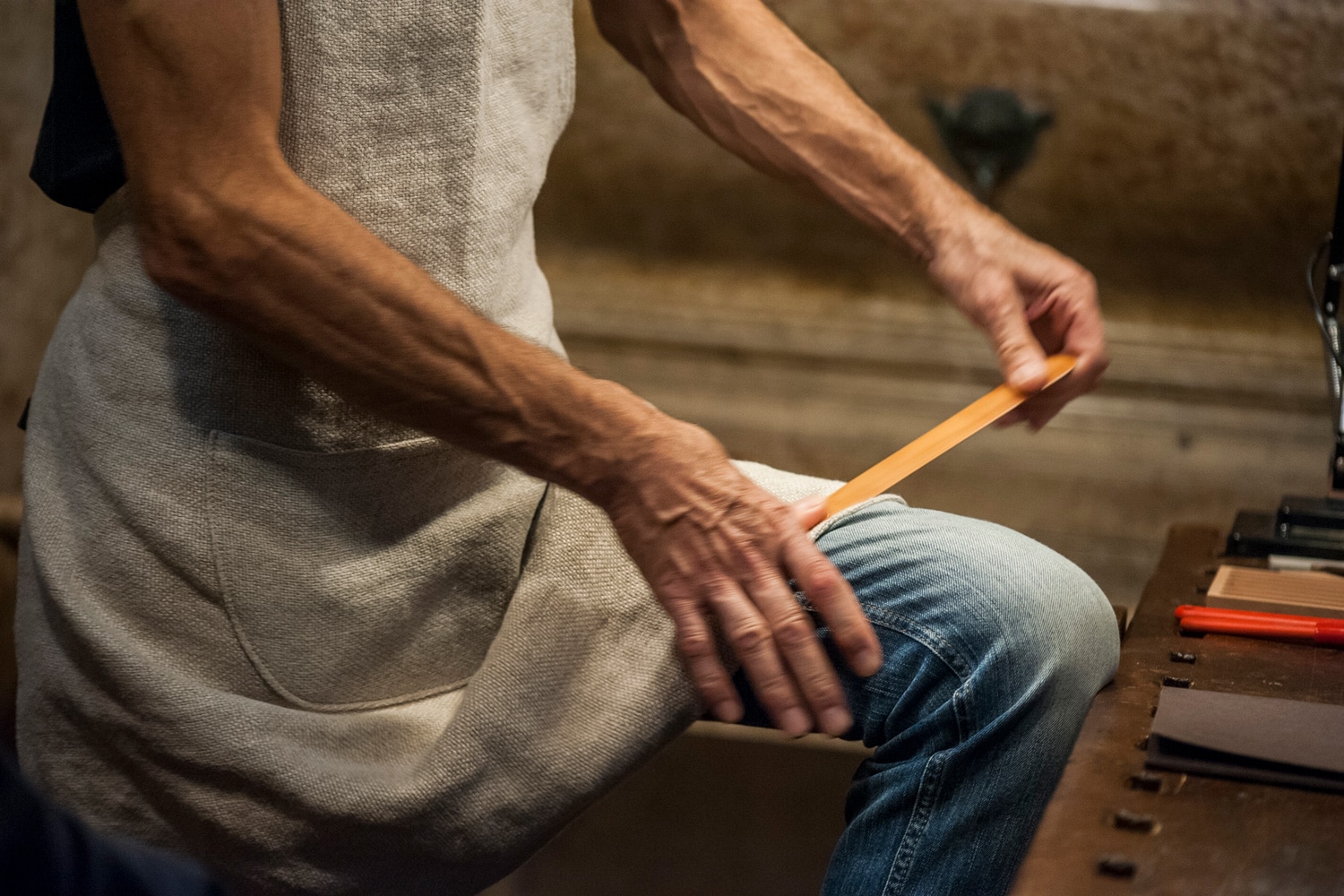
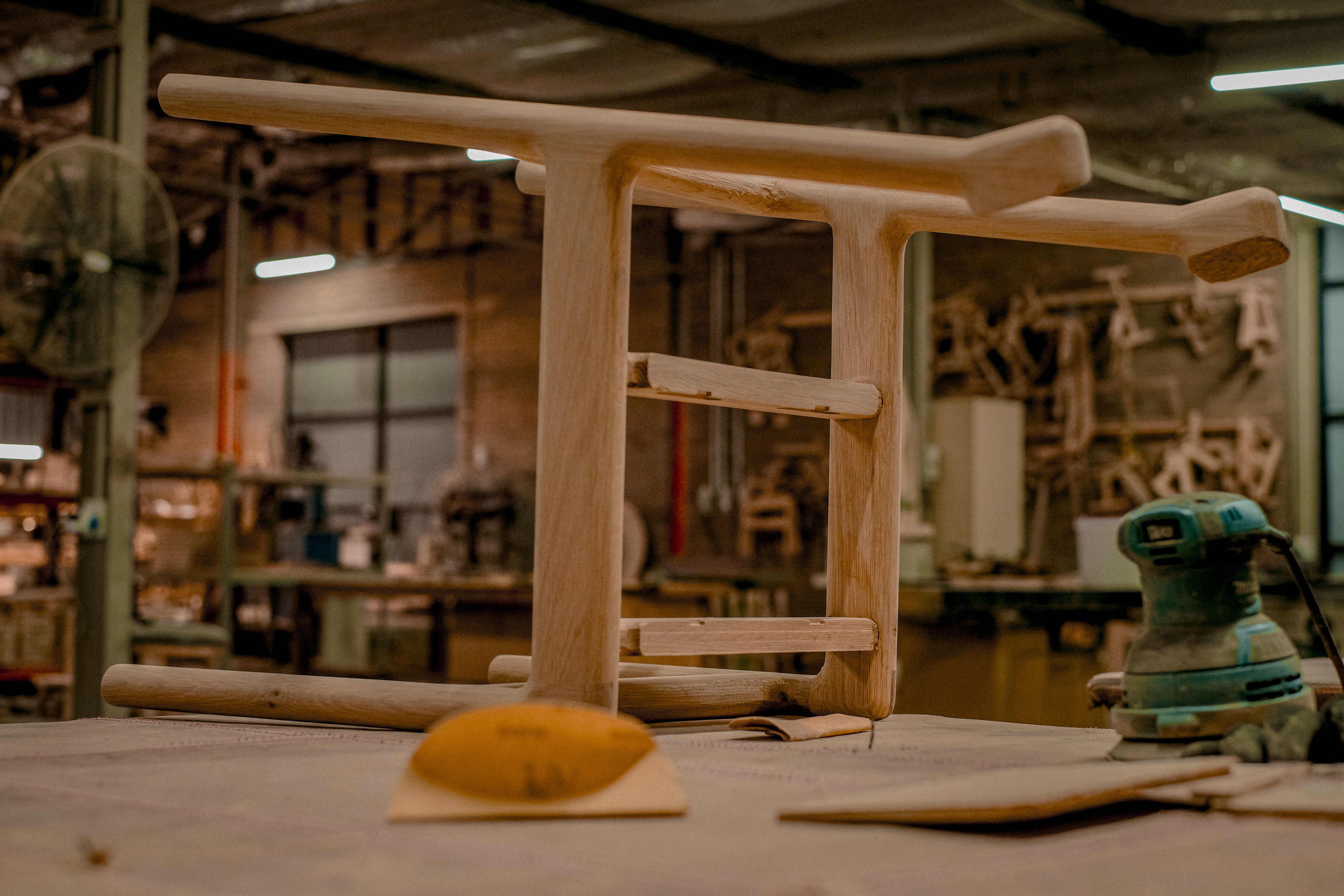
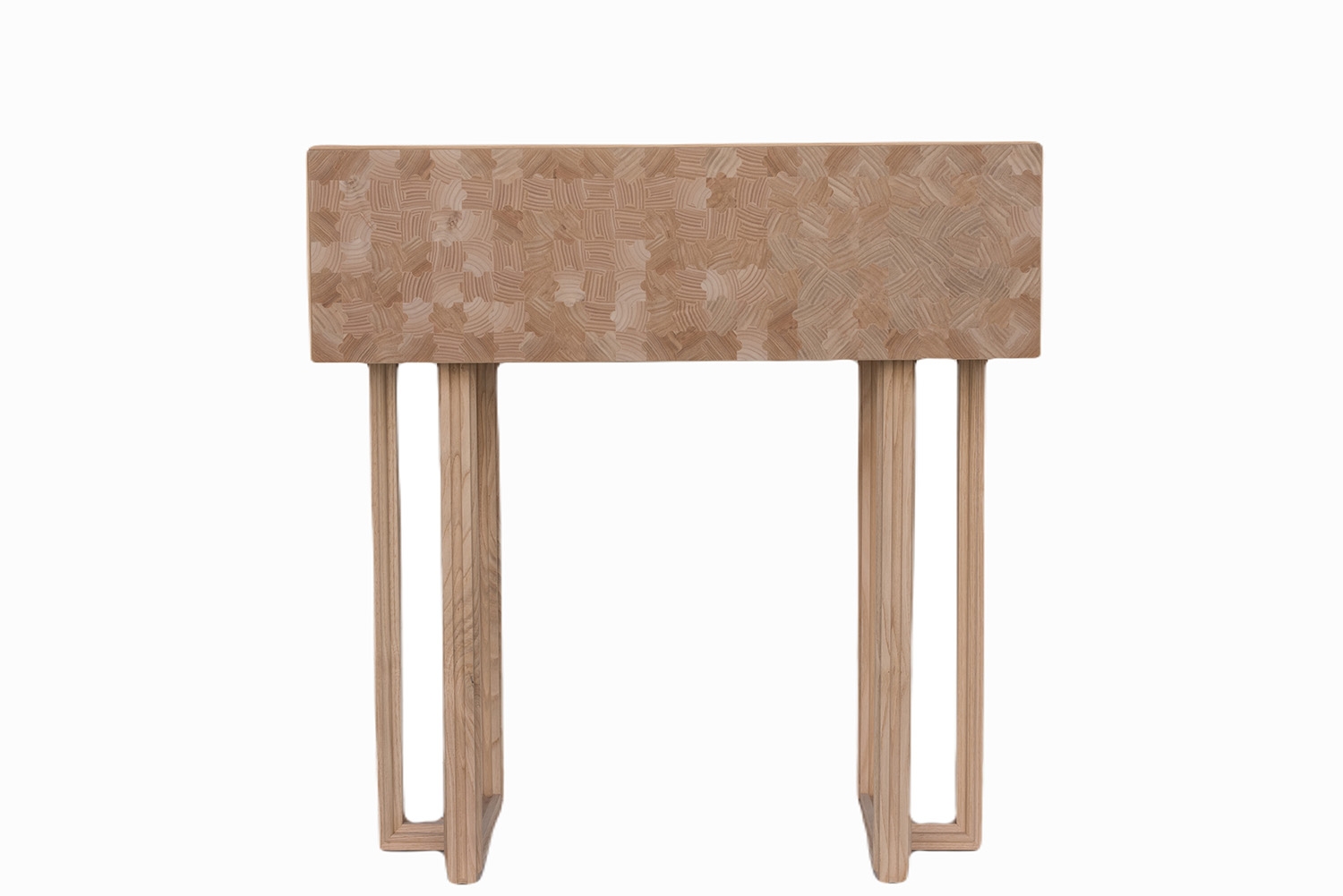
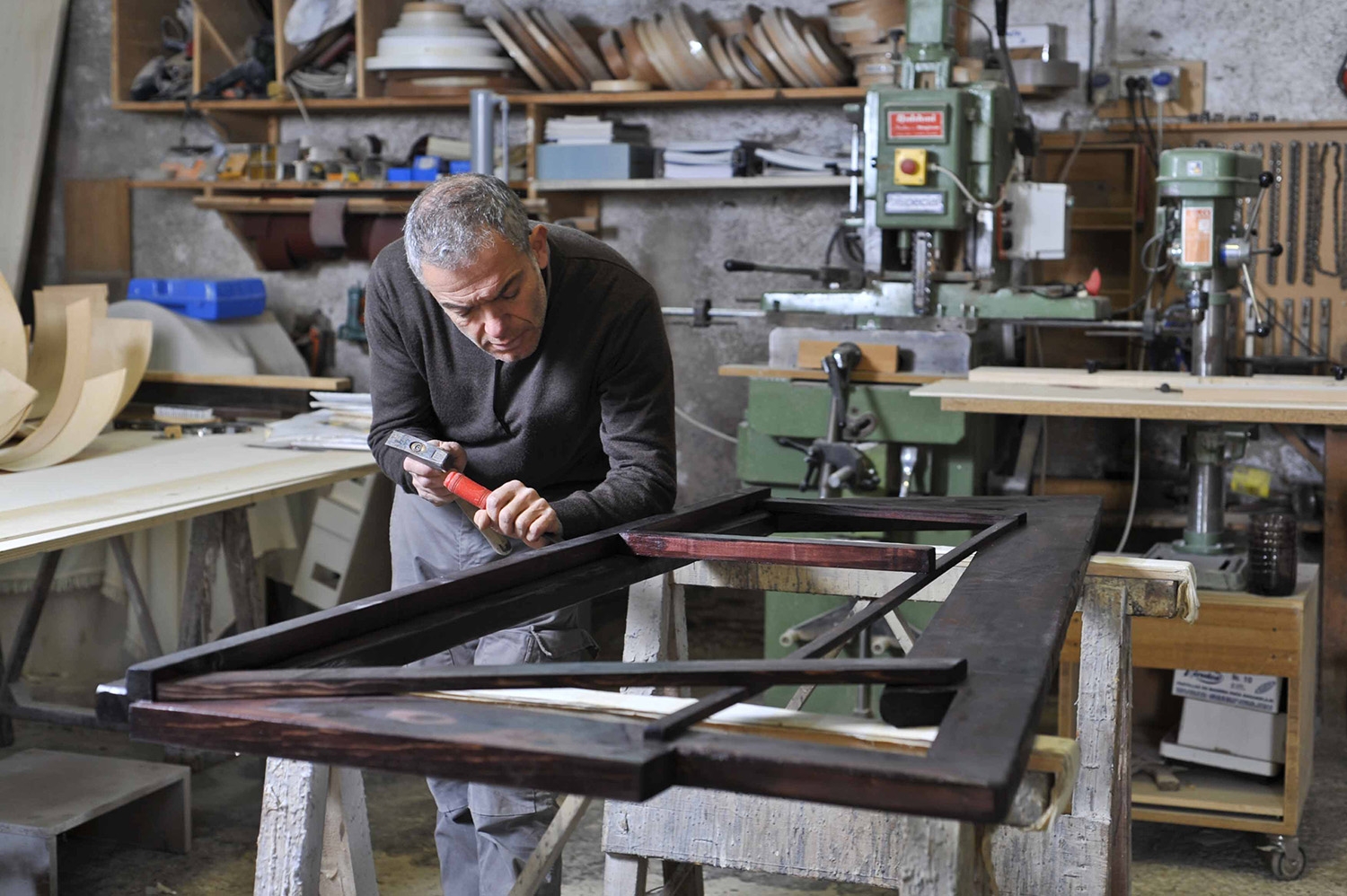
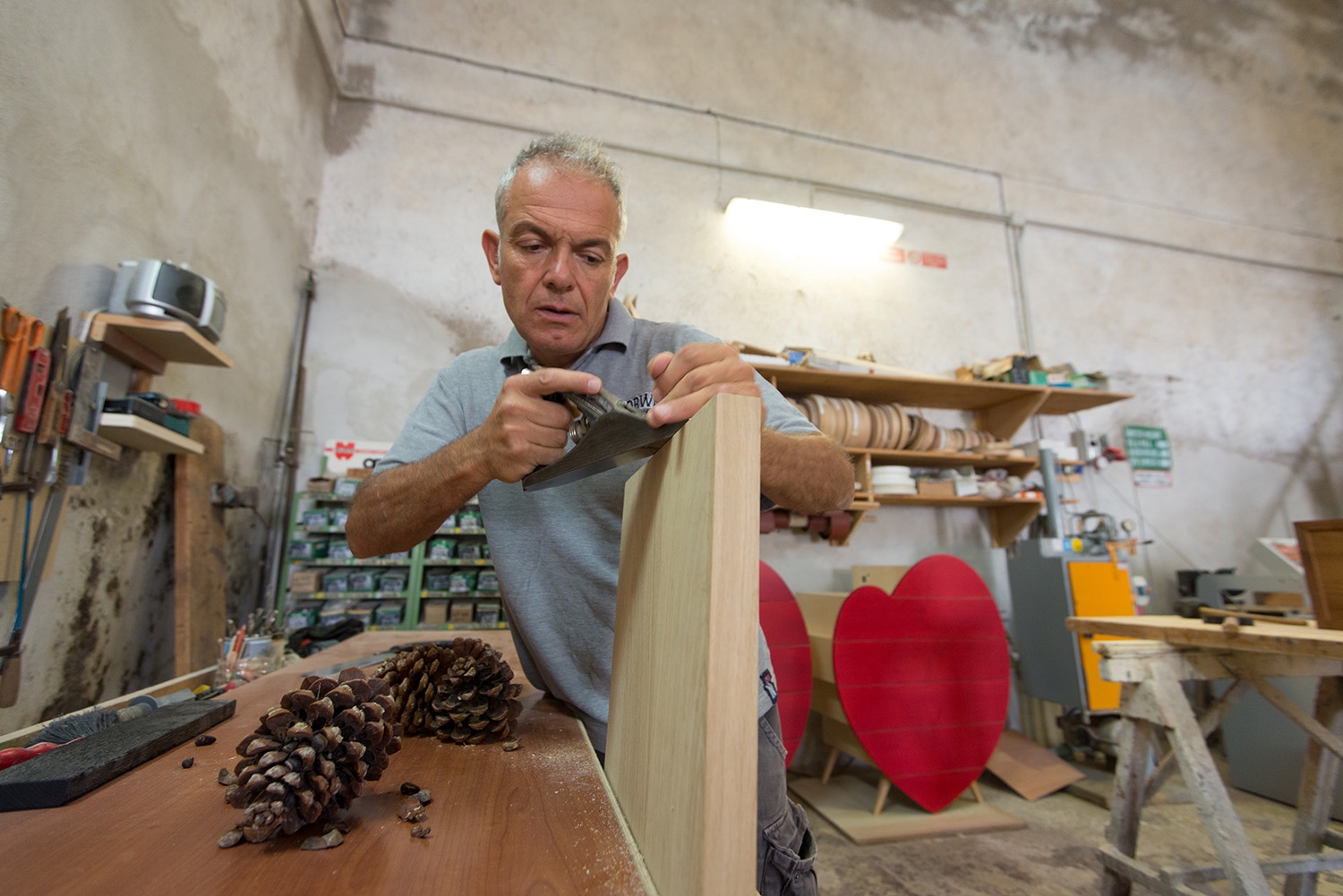
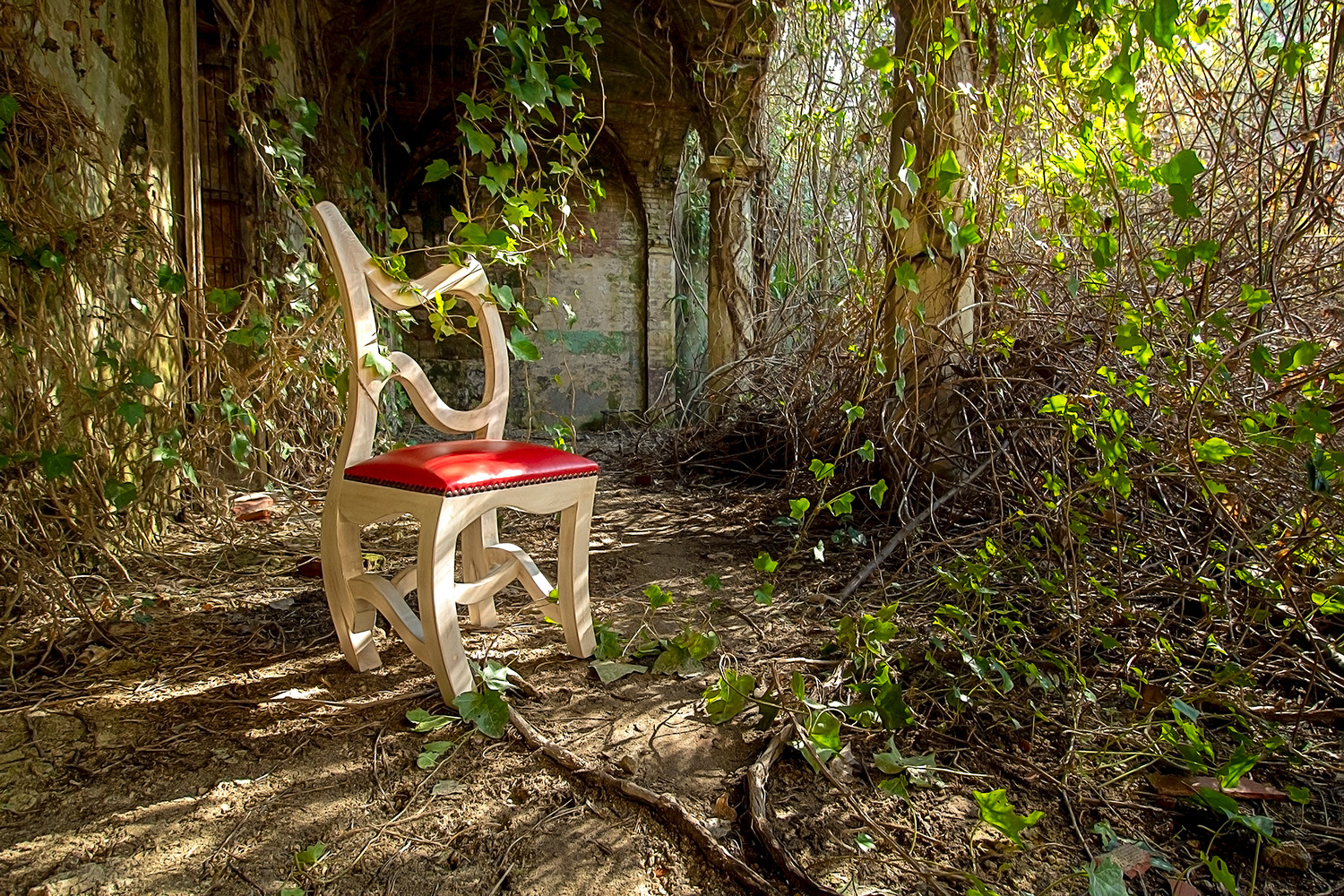
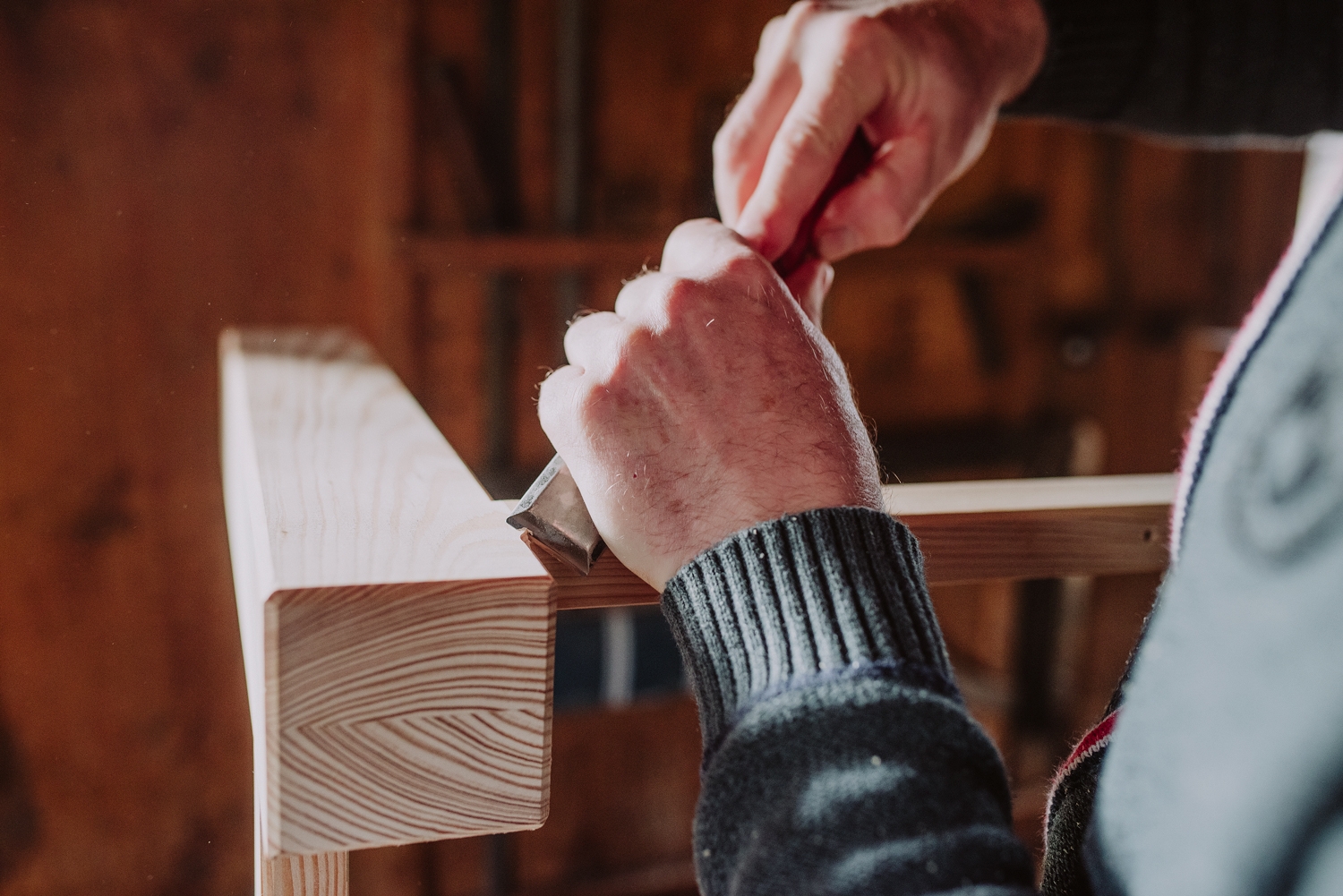
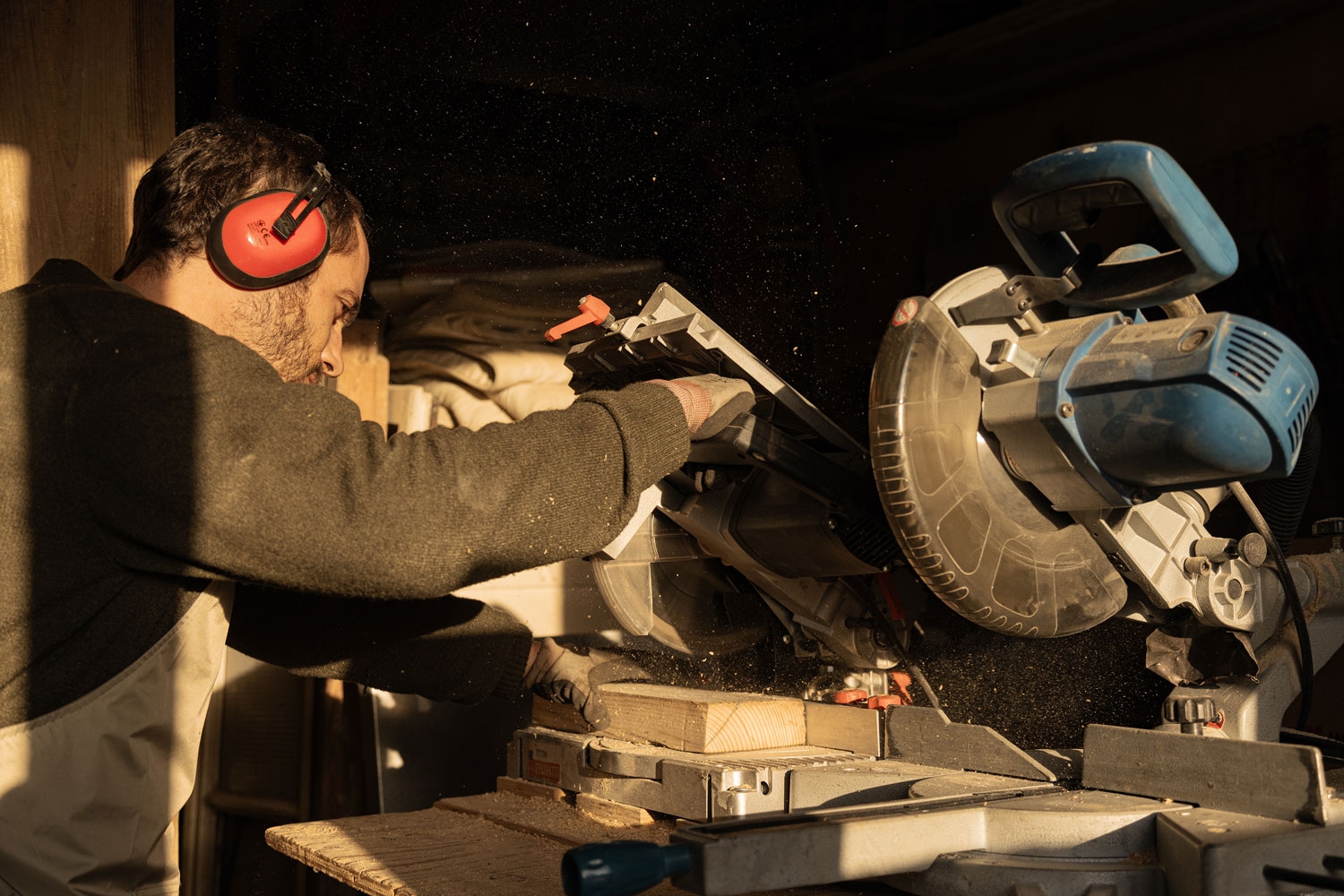
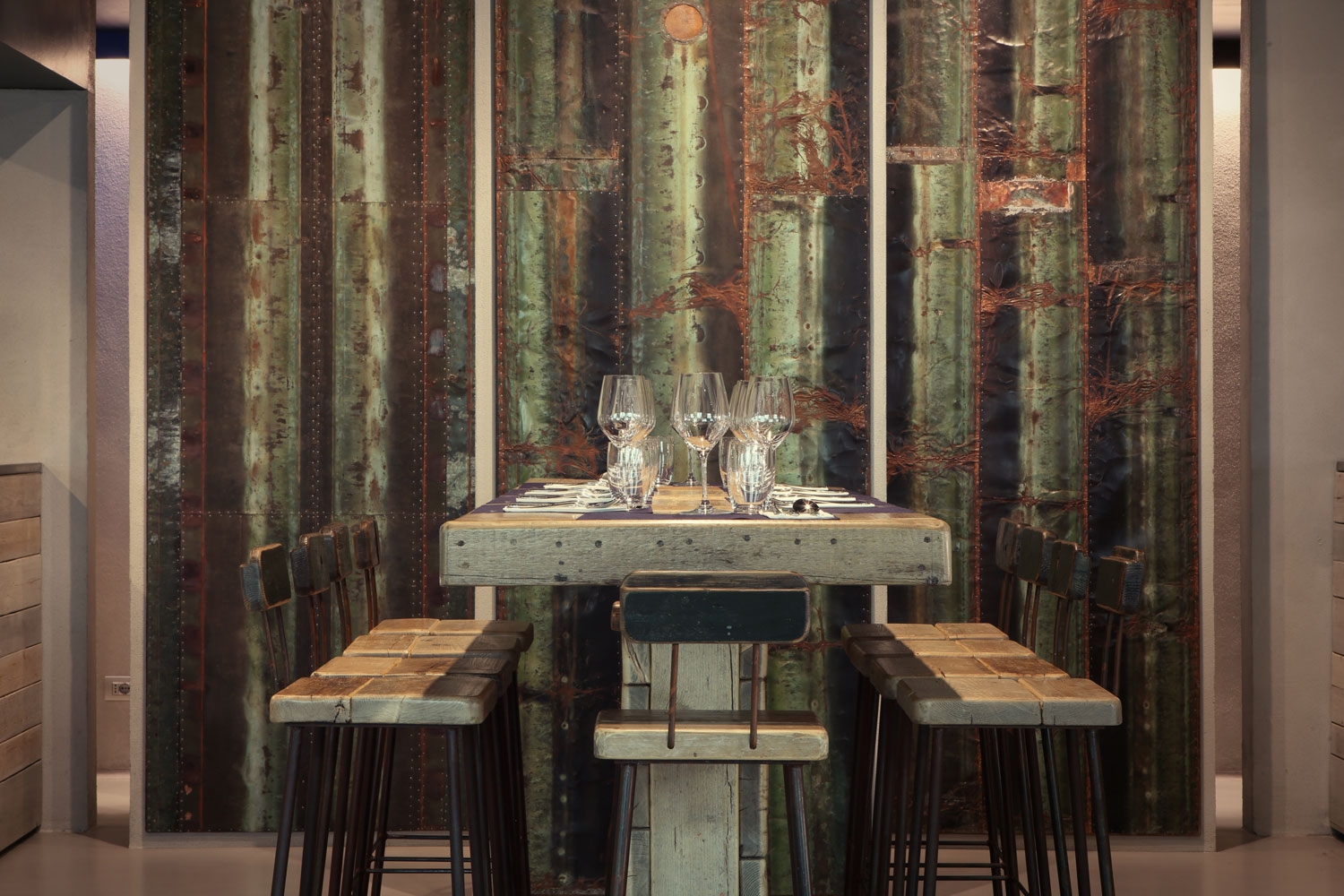
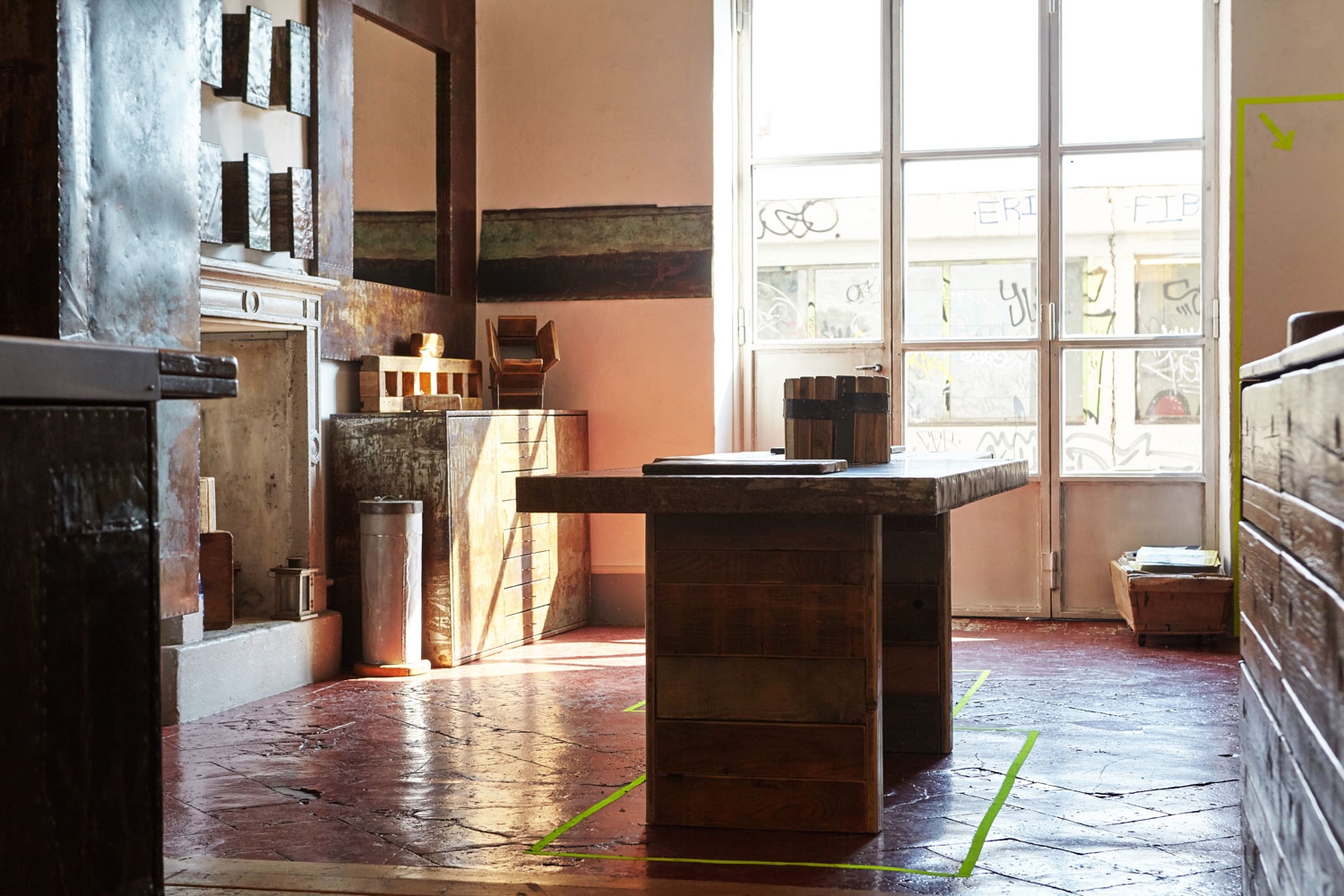
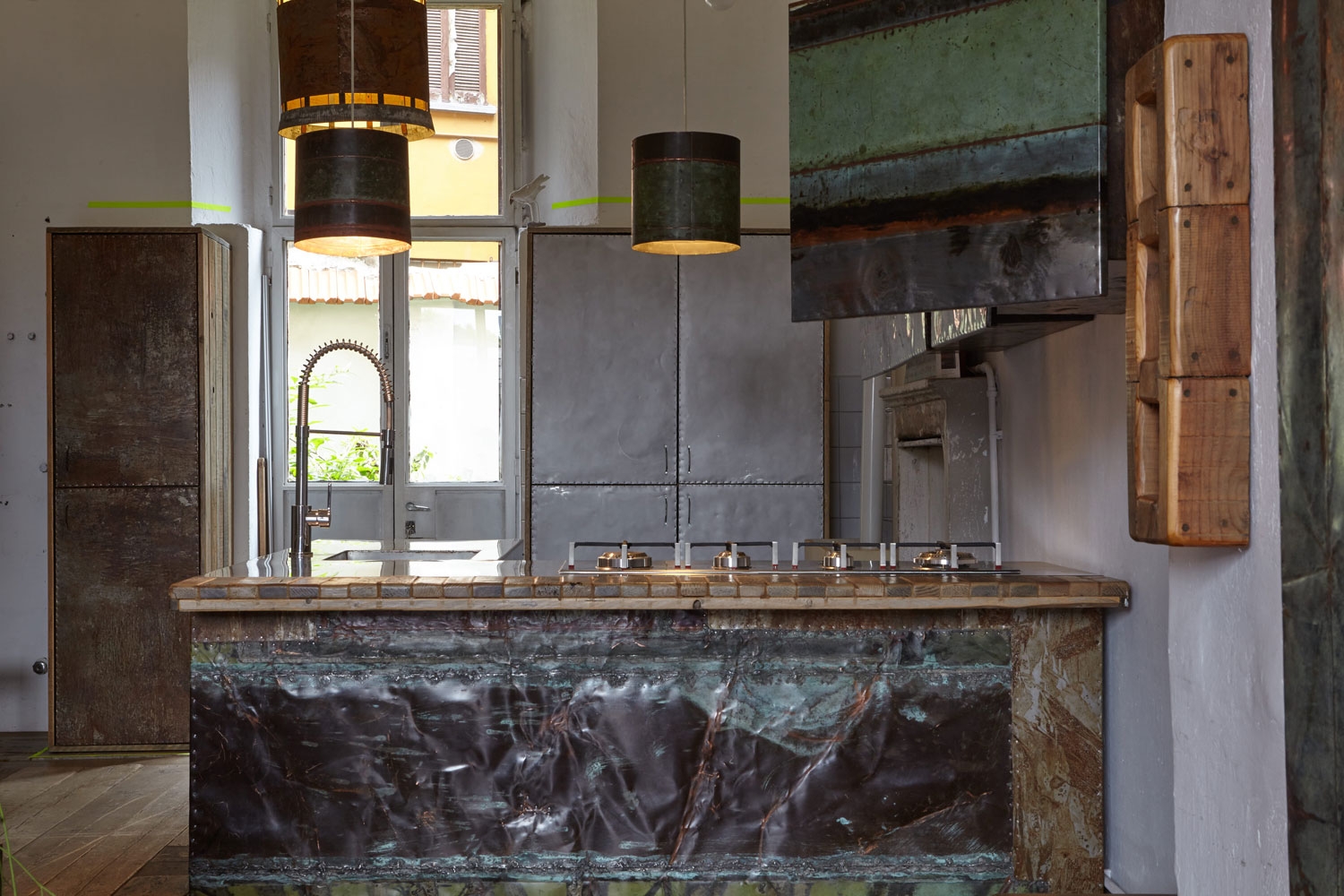
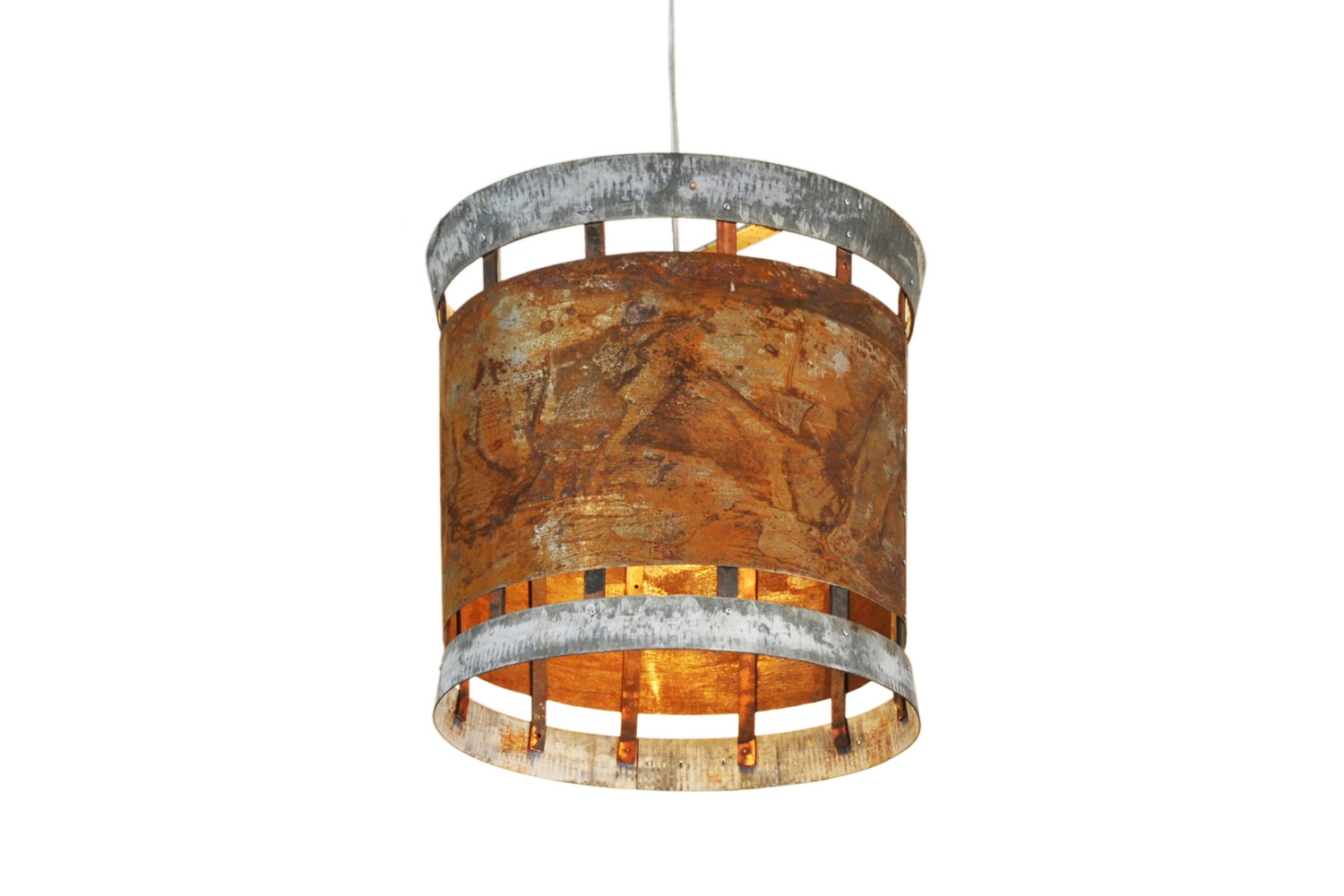
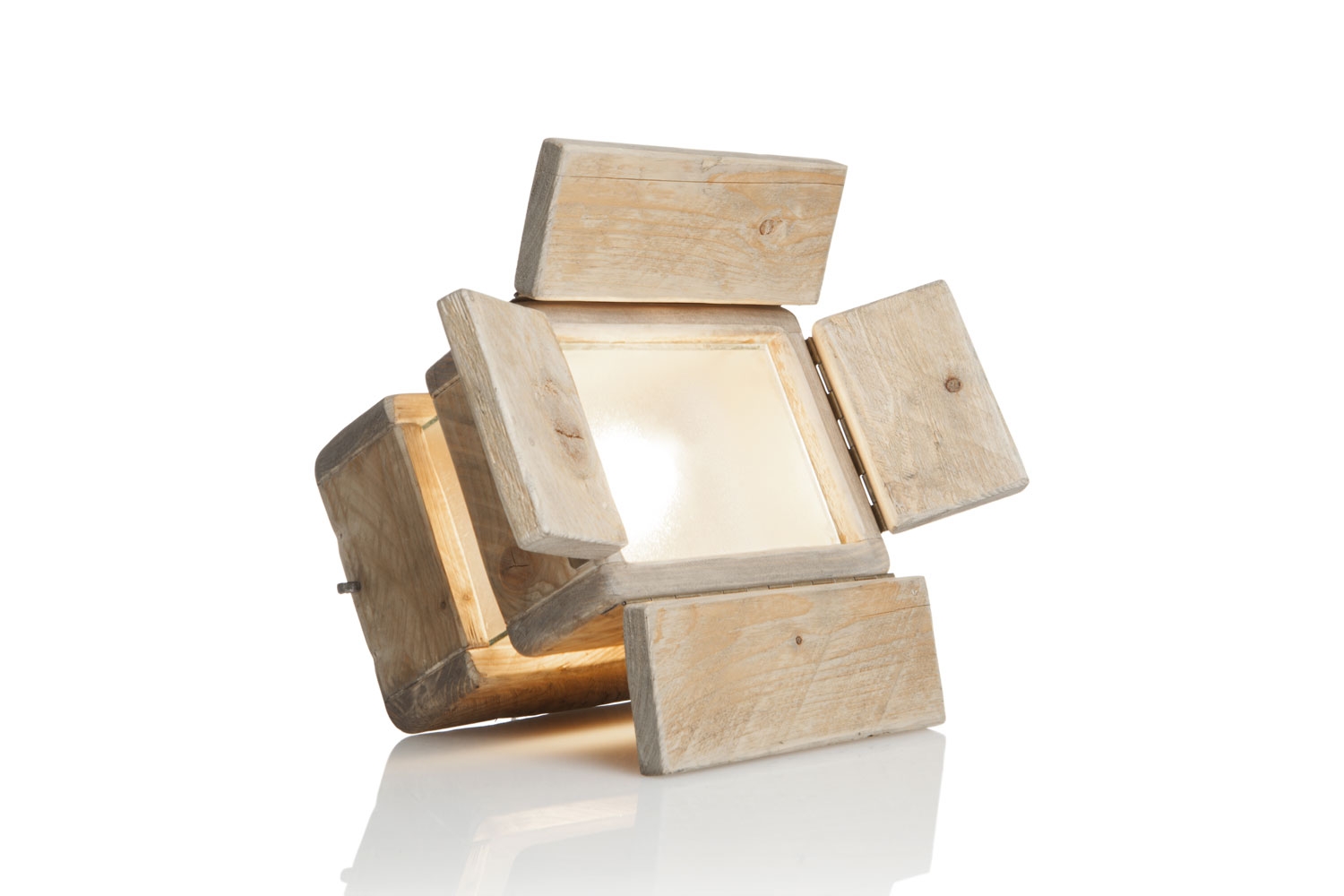
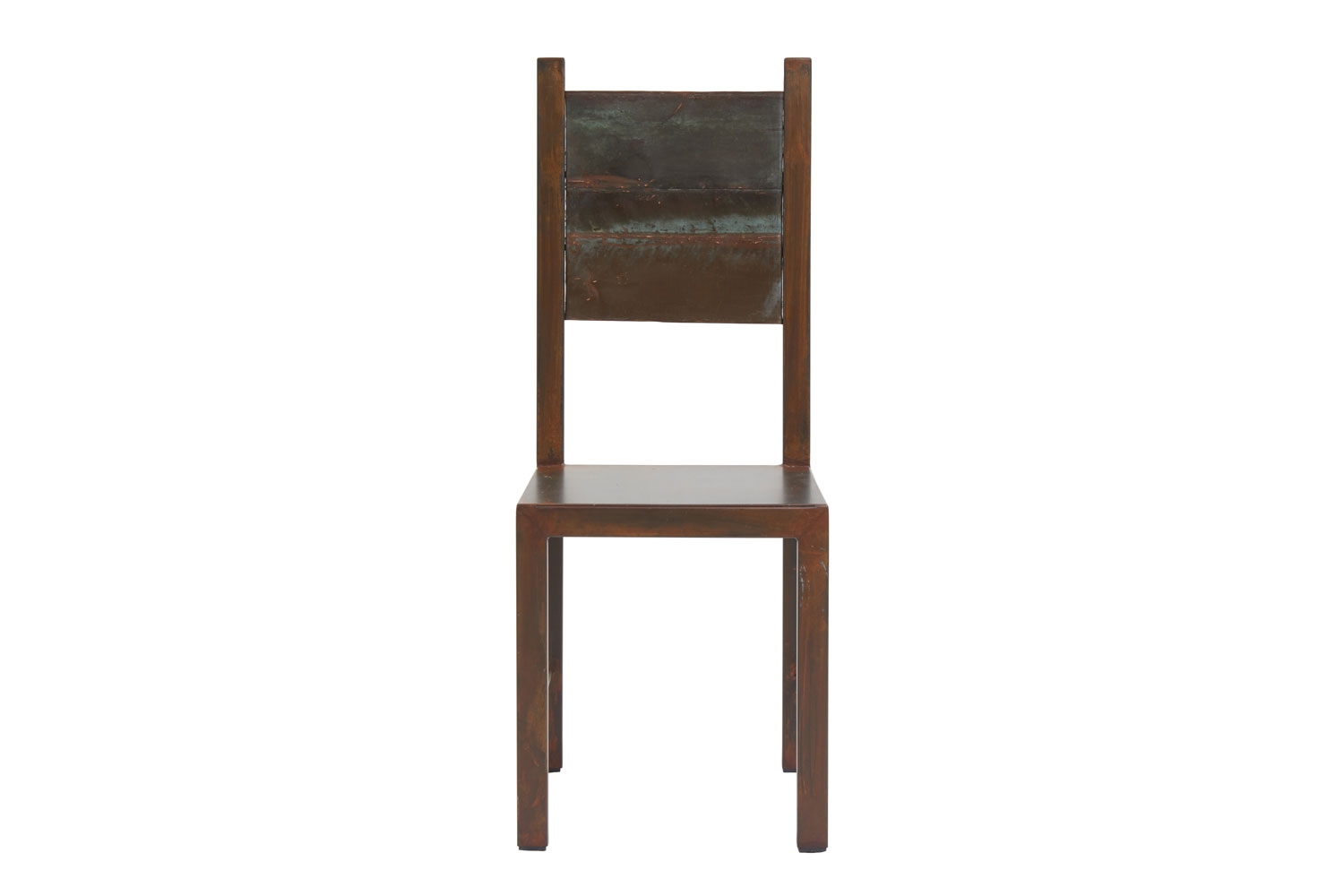
Pietro Algranti was introduced to the world of craftsmanship with reclaimed materials by his aunt Costanza. She passed on to him the ability to see creative potential in waste materials. A degree in Interior Design and a lot of practice and experimentation allowed Pietro's creative ingenuity to express itself. Today, Pietro works in his own atelier where he designs and creates furniture and furnishing accessories using nothing but recycled materials. "A time-worn material gives the object added value, not only because the product created is environmentally beneficial, but also because it is enriched with stories and made unique and inimitable," he explains. "I do not aim to hide the fact that the material is repurposed, but rather try to enhance its characteristics."
Pietro Algranti is an expert artisan: he began his career in 2011.
INTERVIEW
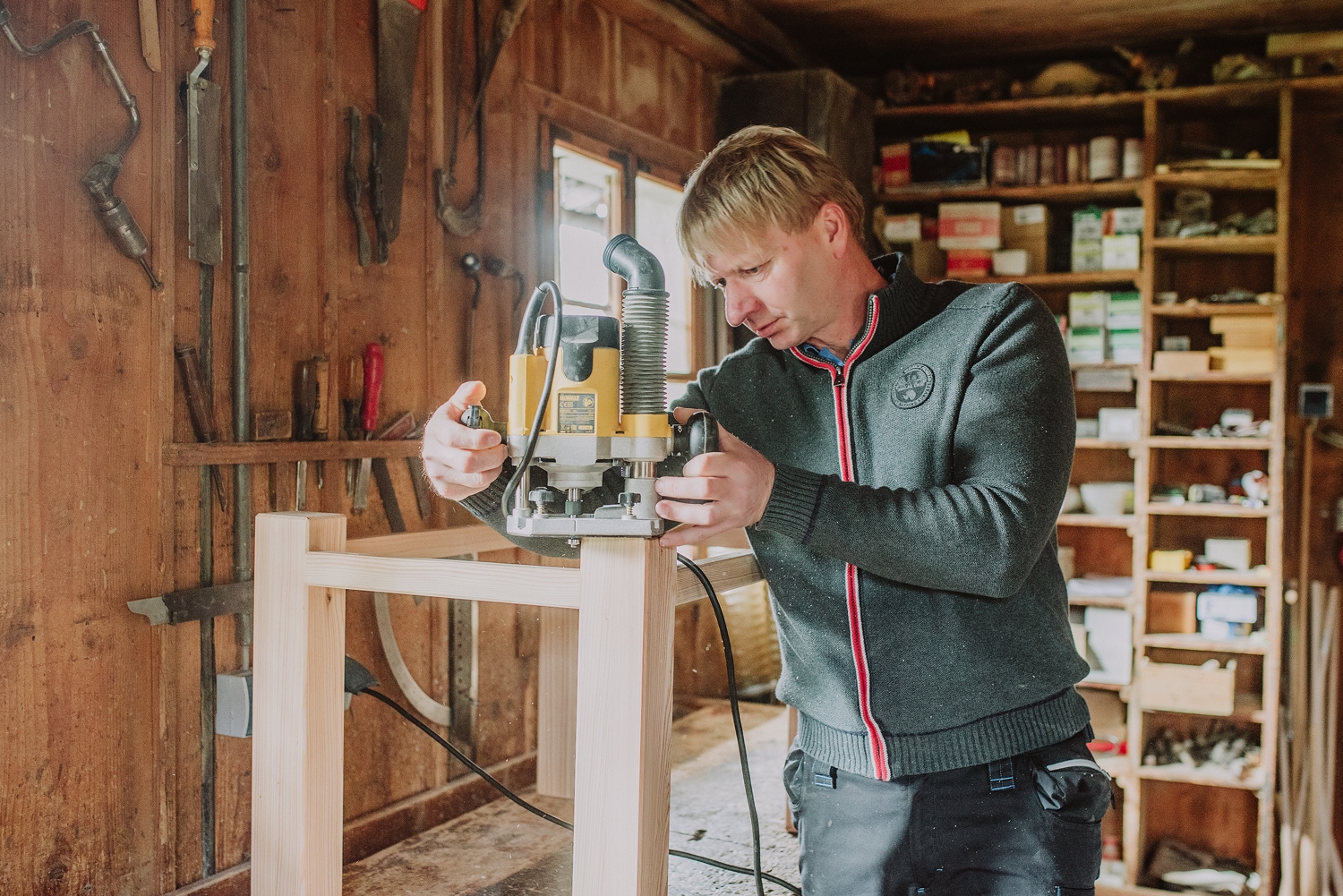
I worked in my aunt's carpentry workshop while I was at university. This is where I became fascinated by the work of artisans. Inspired by my aunt's creativity and under the guidance of the craftsmen of her workshop, I started to give shape to my designs. I have not stopped since.
I consider my work to be very poetic. My art originates from what society considers to be waste. Material that is worn out and at the end of its life cycle finds a second life in my workshop. It is reborn in a new form, finding a new beauty and a practical purpose.
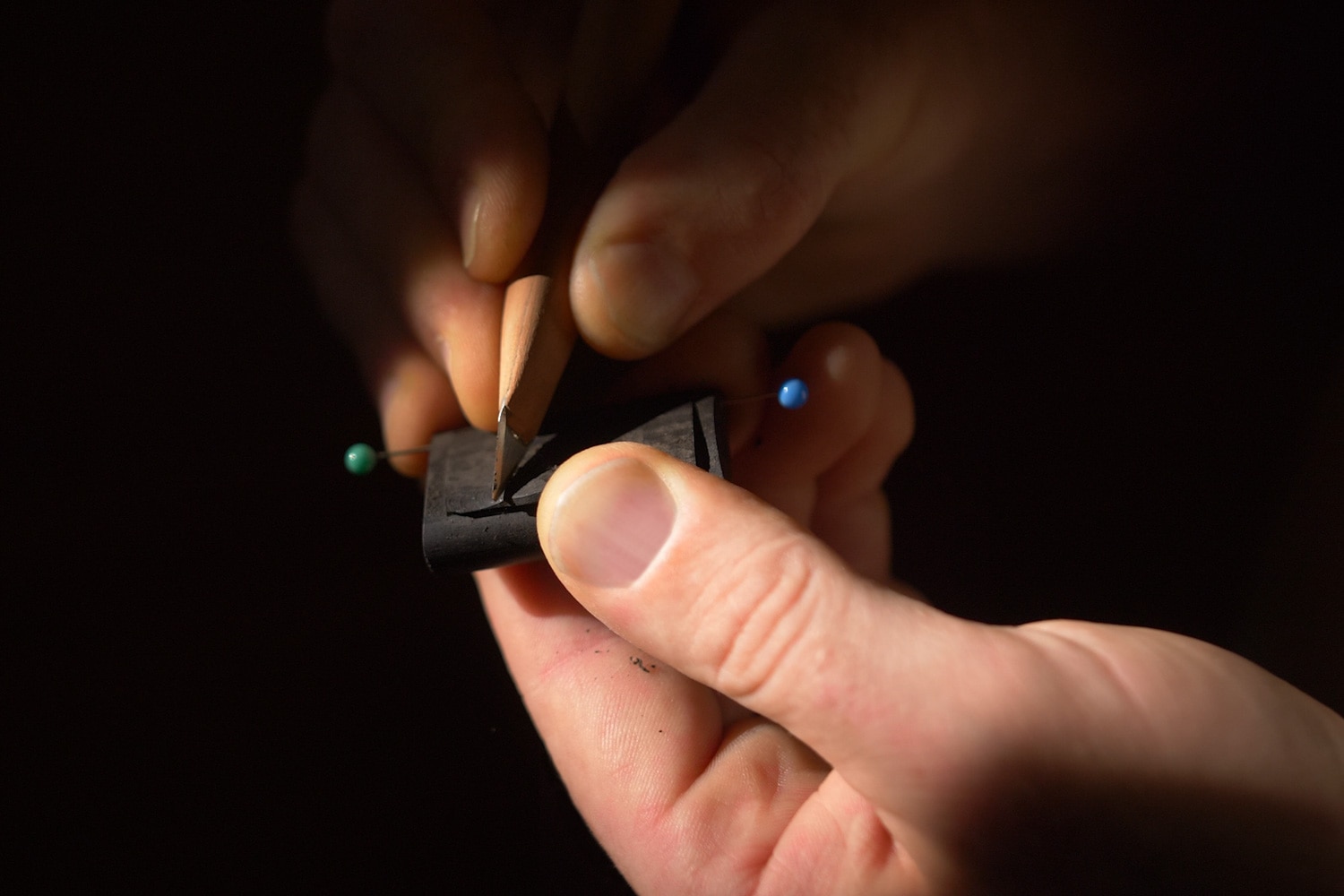
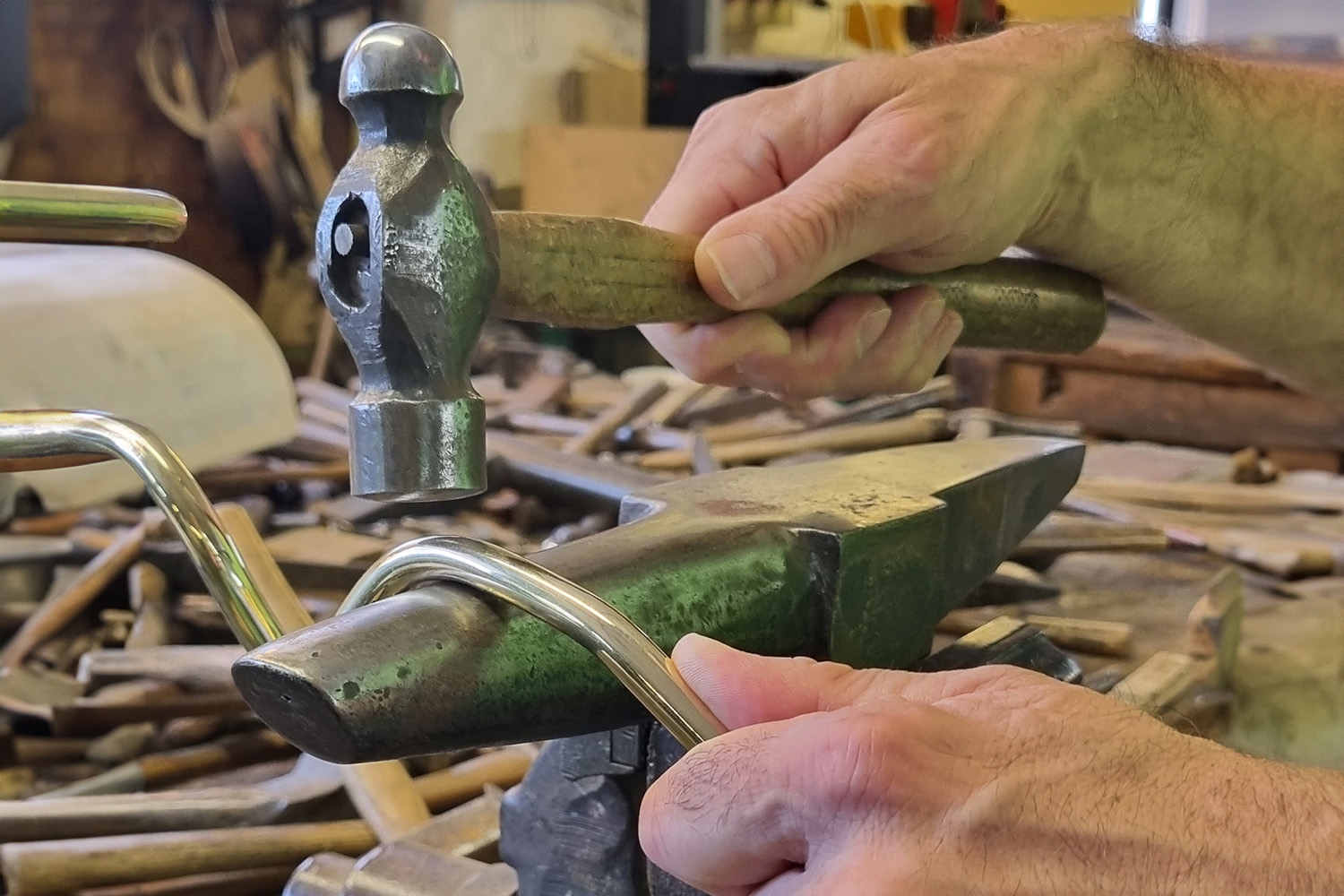
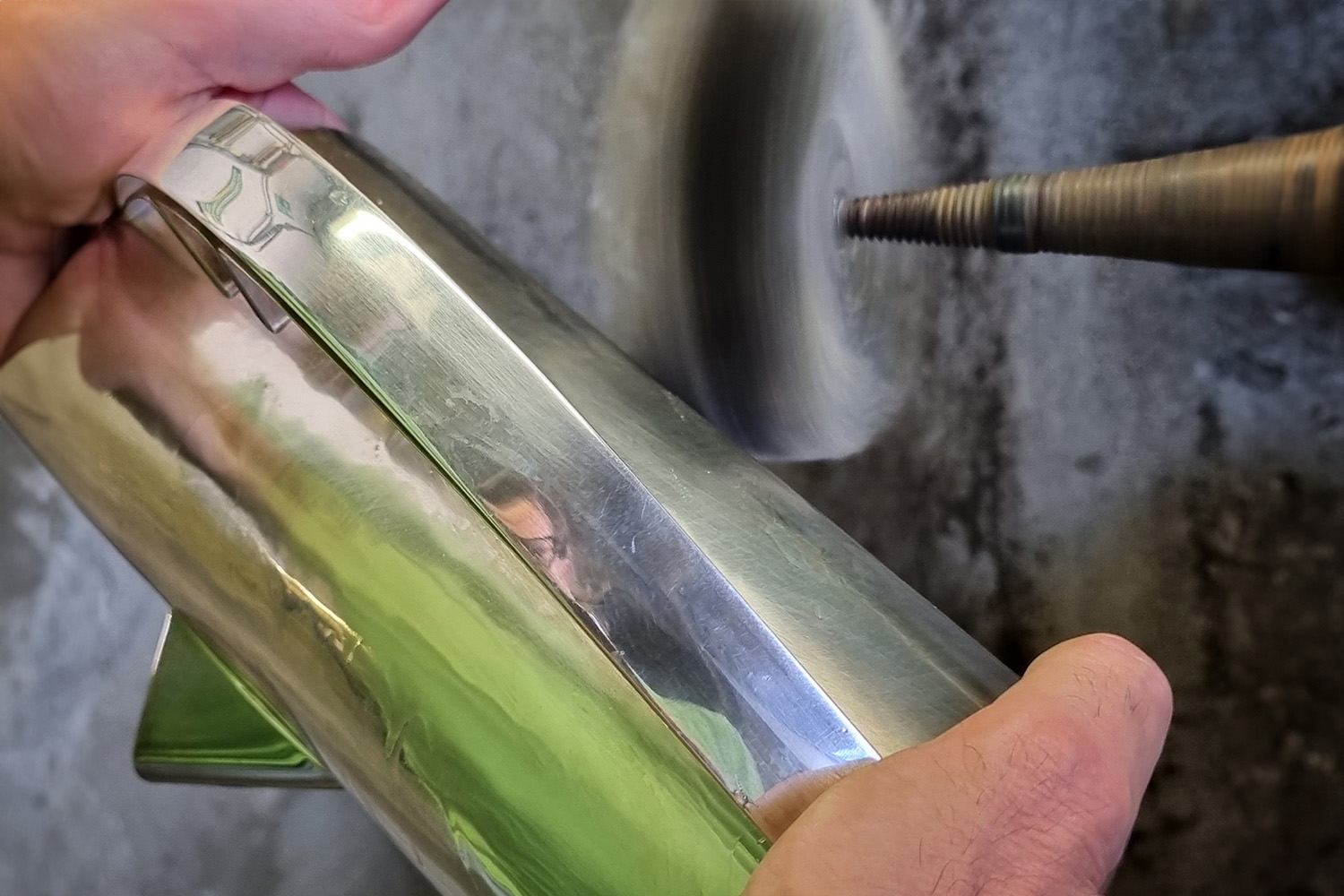
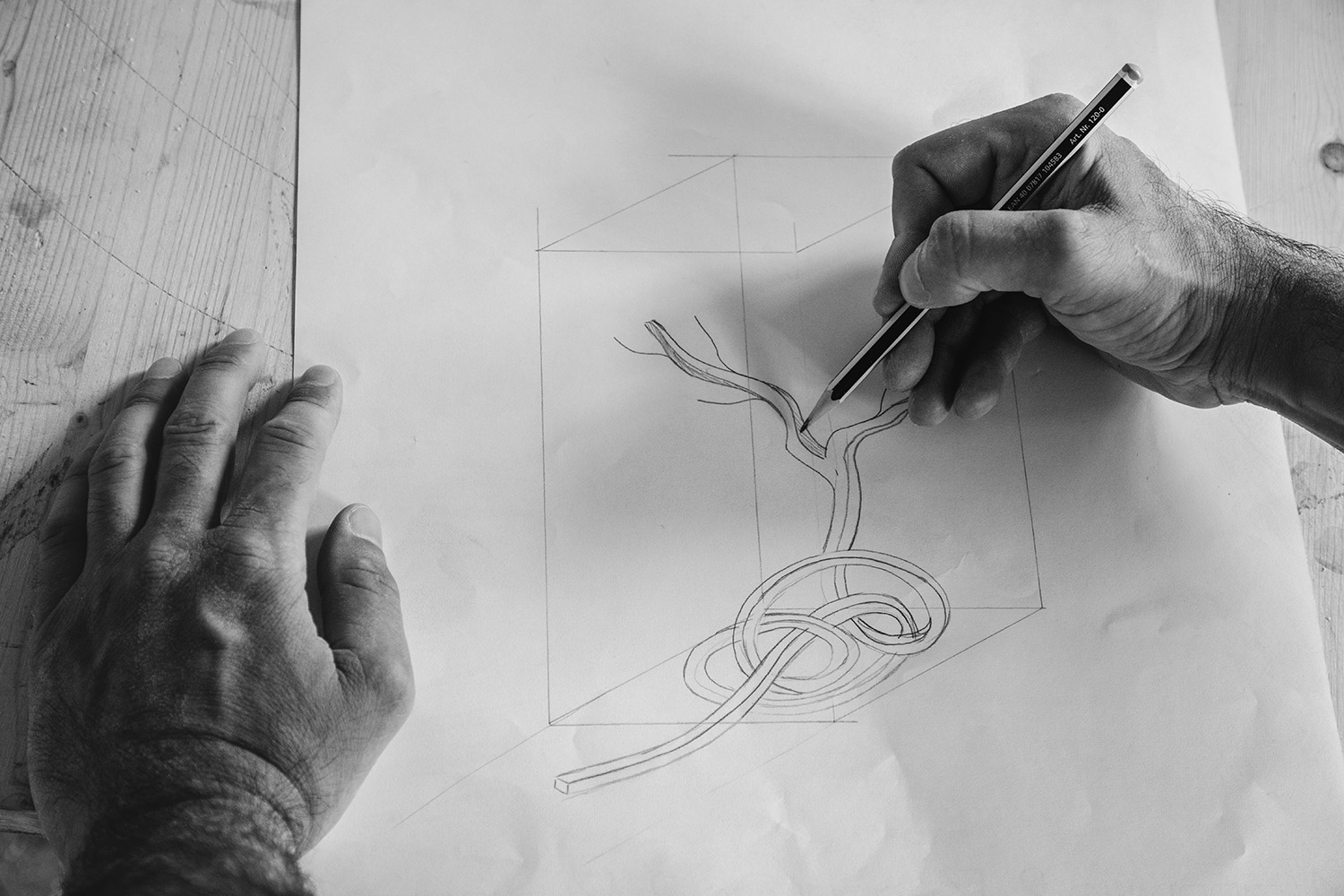
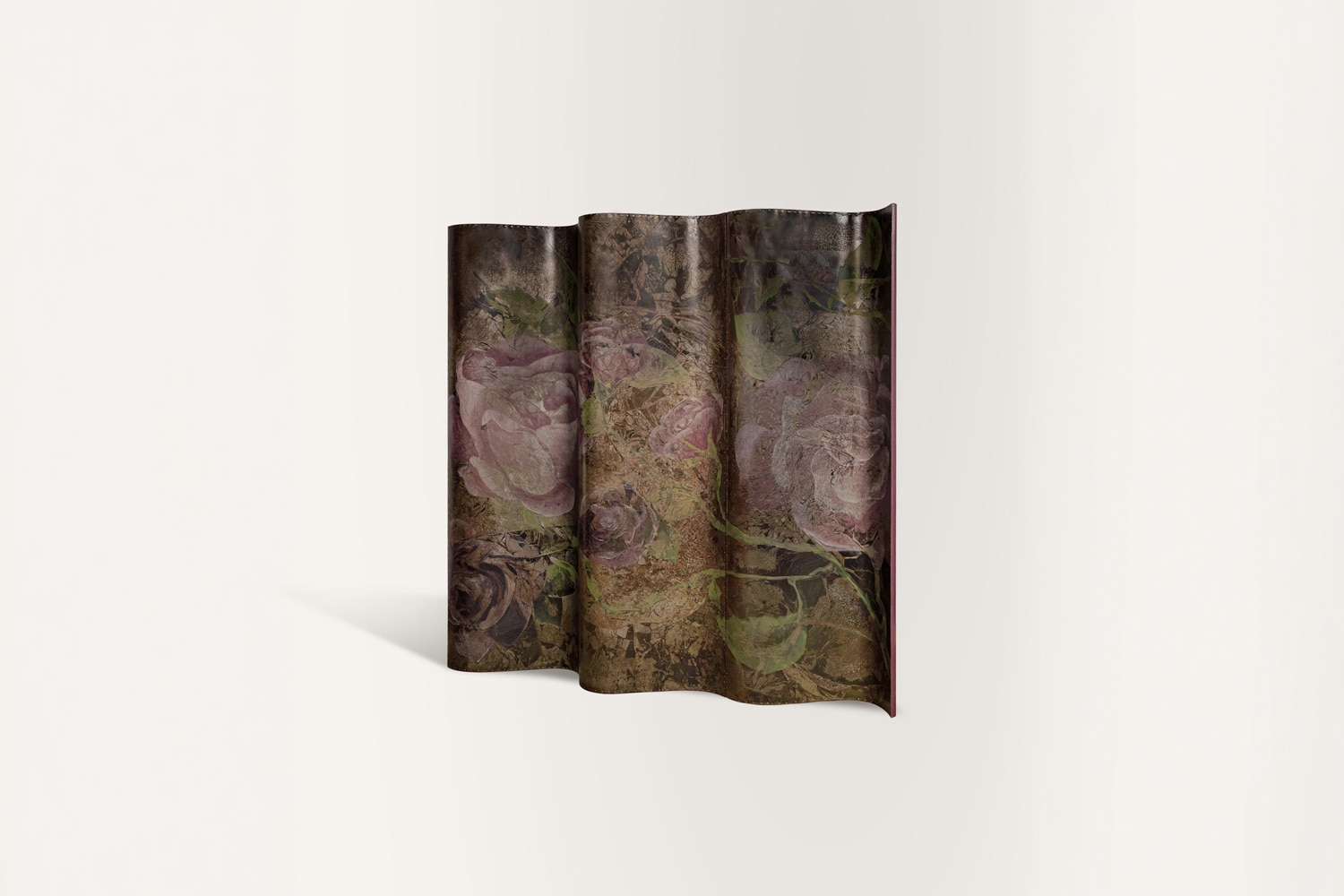
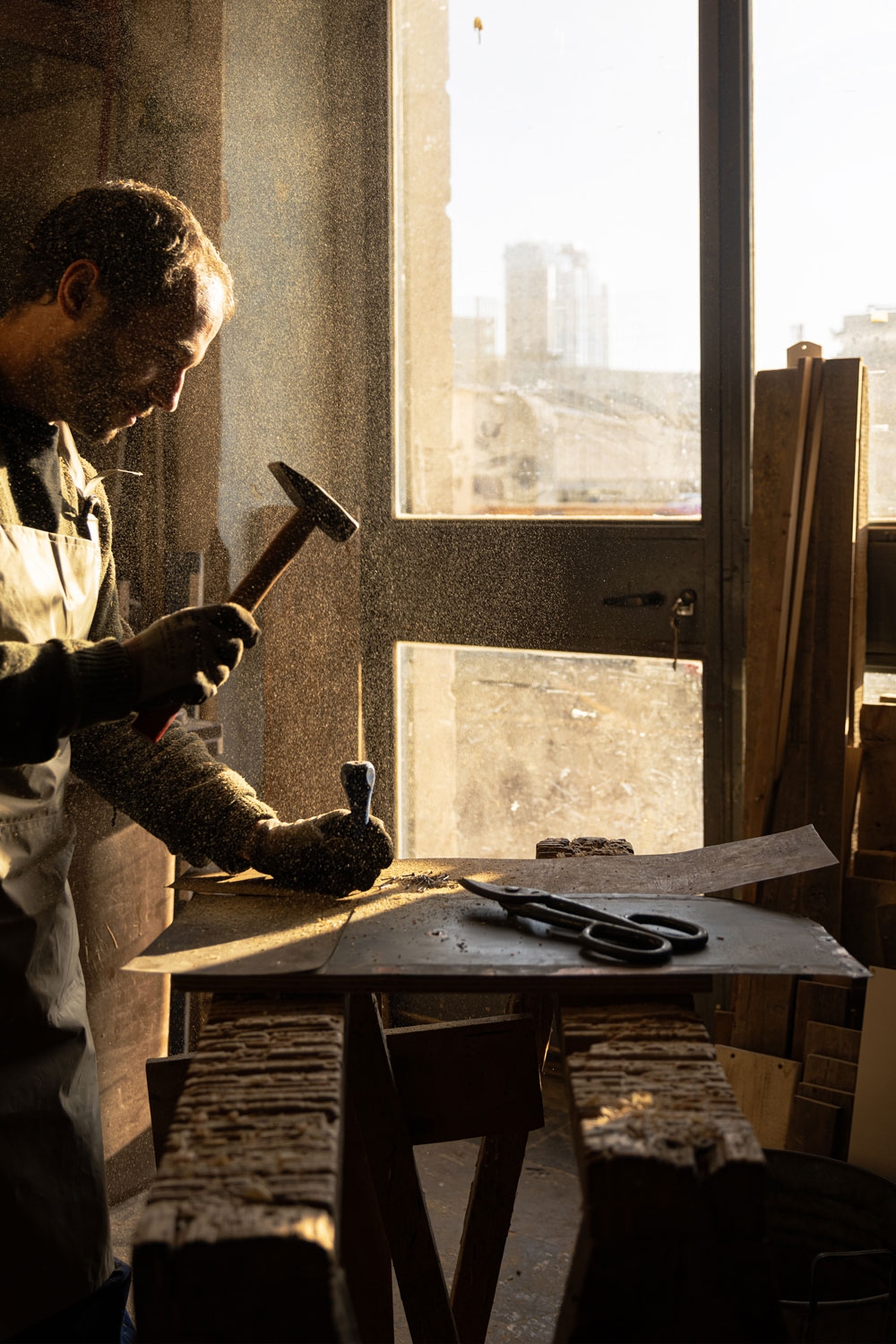
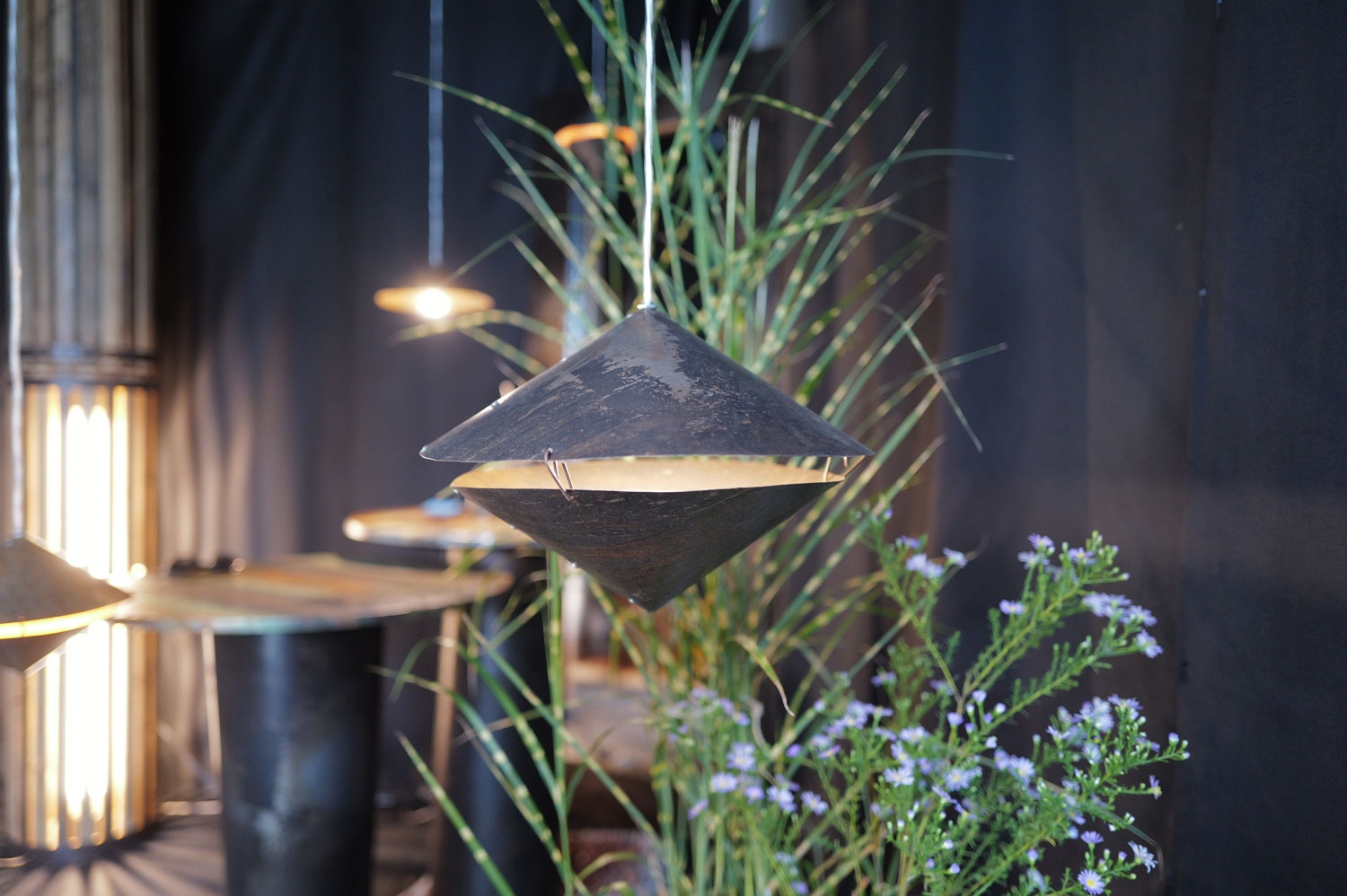
My favourite material to work with is copper, which comes to the workshop in the form of old oxidised gutters. I love its colours and shapes. During the design phase, I get lost in looking at the texture of materials for inspiration. It is the worn material, with its imperfections and irregularities, that suggests to me the shapes to give the object.
In addition to beauty and uniqueness, in my creations I look for practicality. An object, to be successful, must also have a practical purpose.
Pietro Algranti
Furniture maker
Milan, Italy
AVAILABILITY
By appointment only
PHONE
+39 3493188432
LANGUAGES
Italian, English, Spanish
HOMO FABER FINDS
Homo Faber Finds is a new service aiming to inspire admirers of craft to connect and collaborate with exceptional artisans.
We invite you to submit an enquiry here.