
Marcial Montalvo
Weaver
Tuchín, Colombia
Recommended by Artesanías de Colombia
Master of the sombrero vueltiao
- Marcial has been weaving since he was six years old
- Sombrero vueltiao is one of the most iconic objects of Colombia
- Weaving is of great economic and cultural relevance por Tuchín’s people
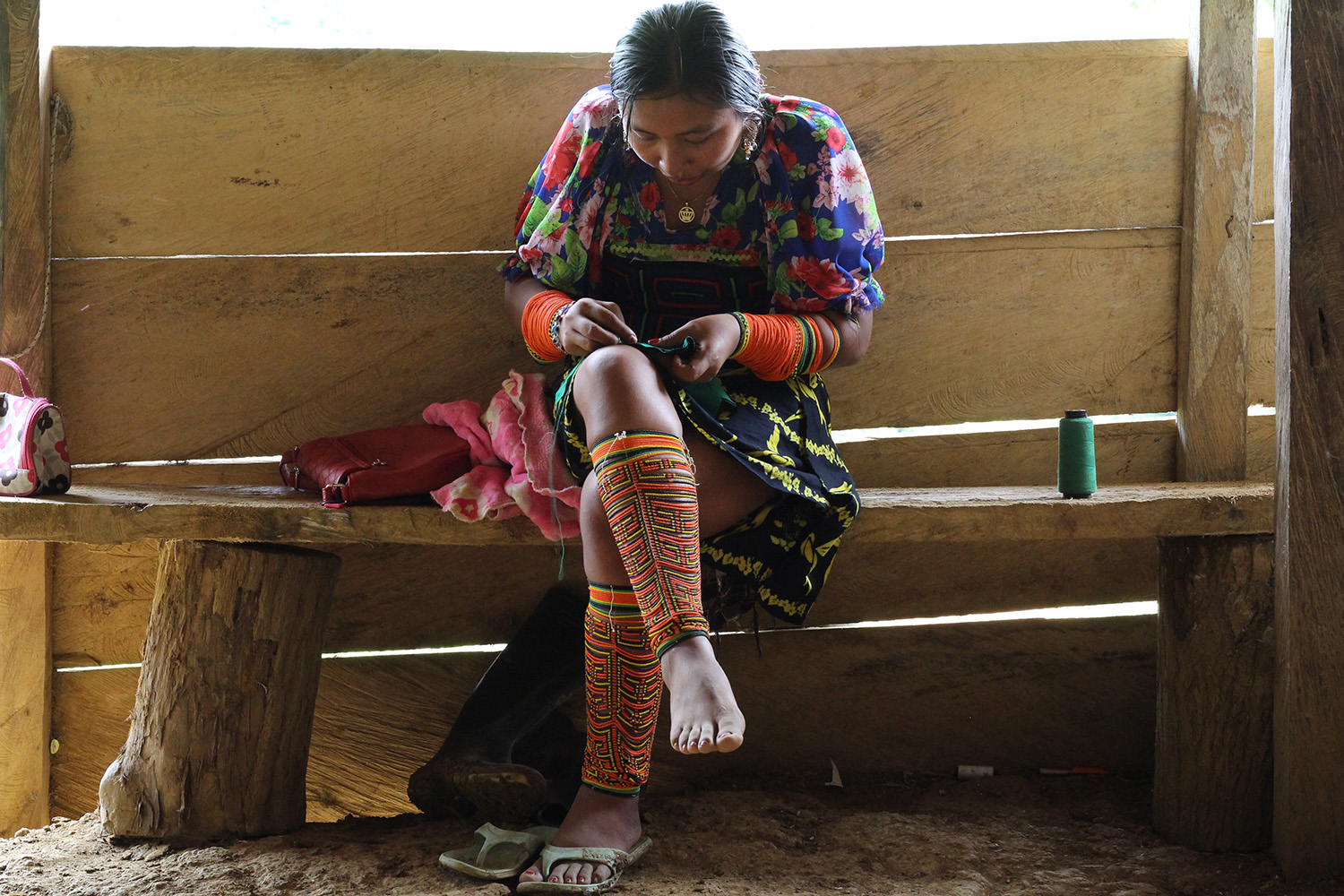
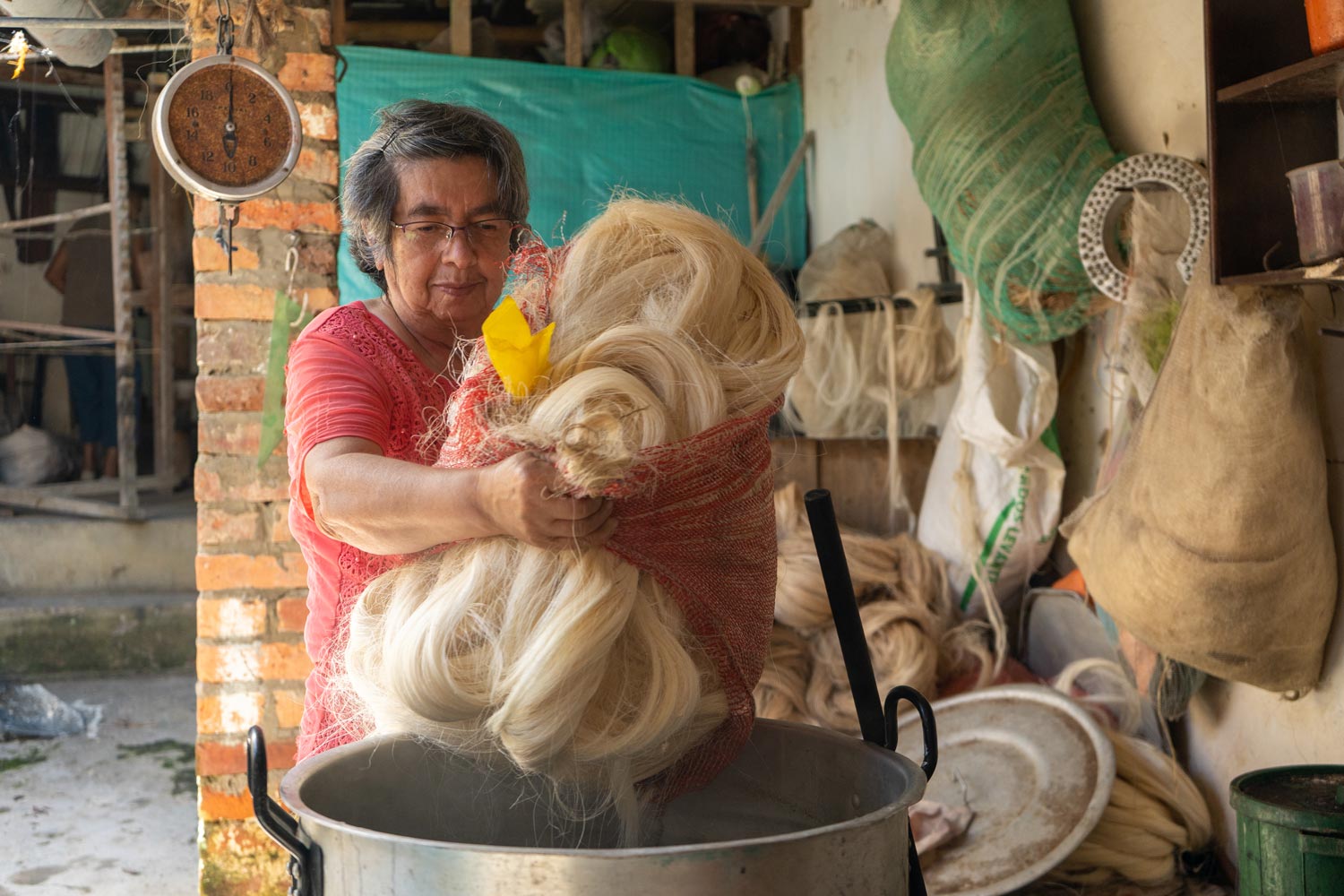
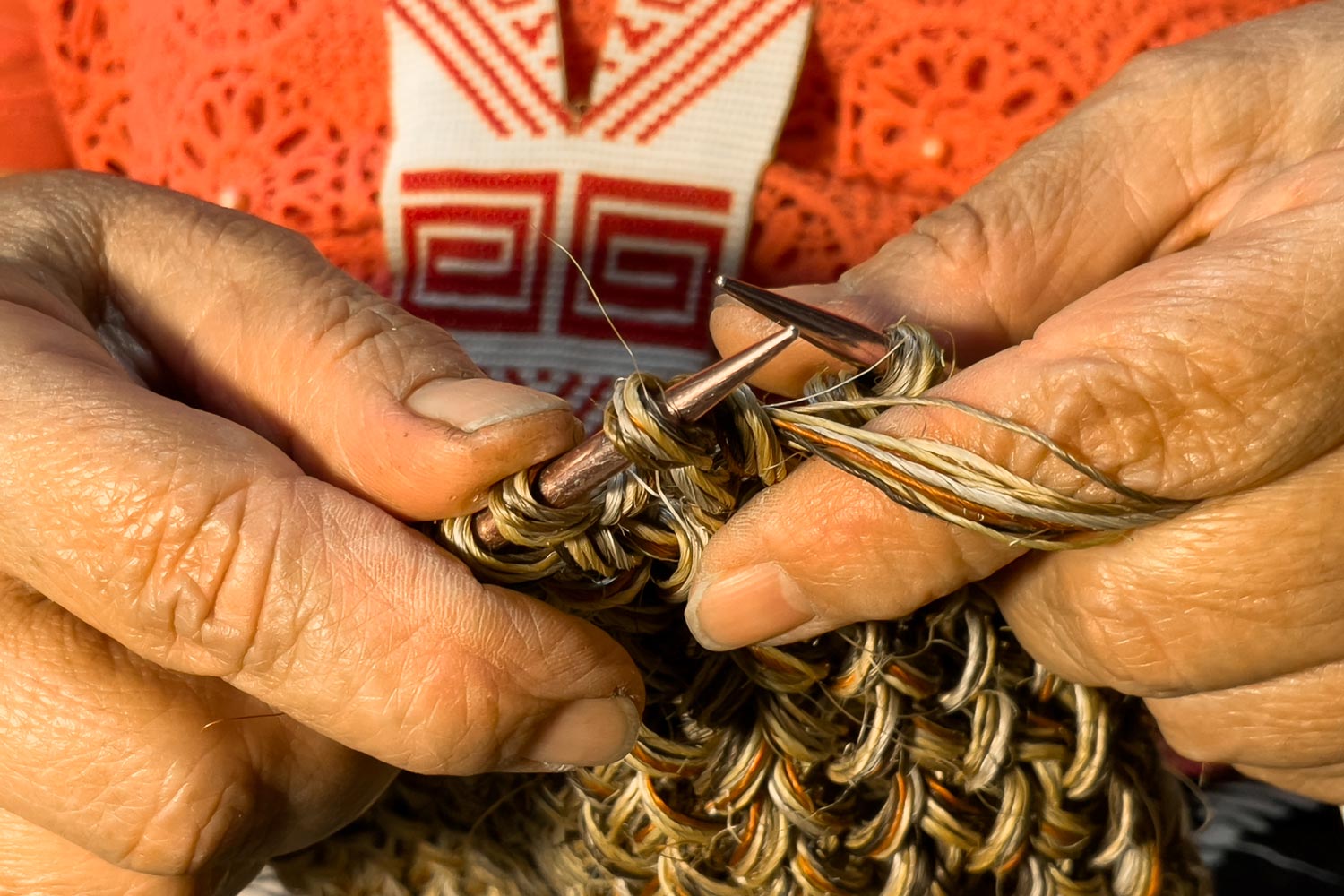
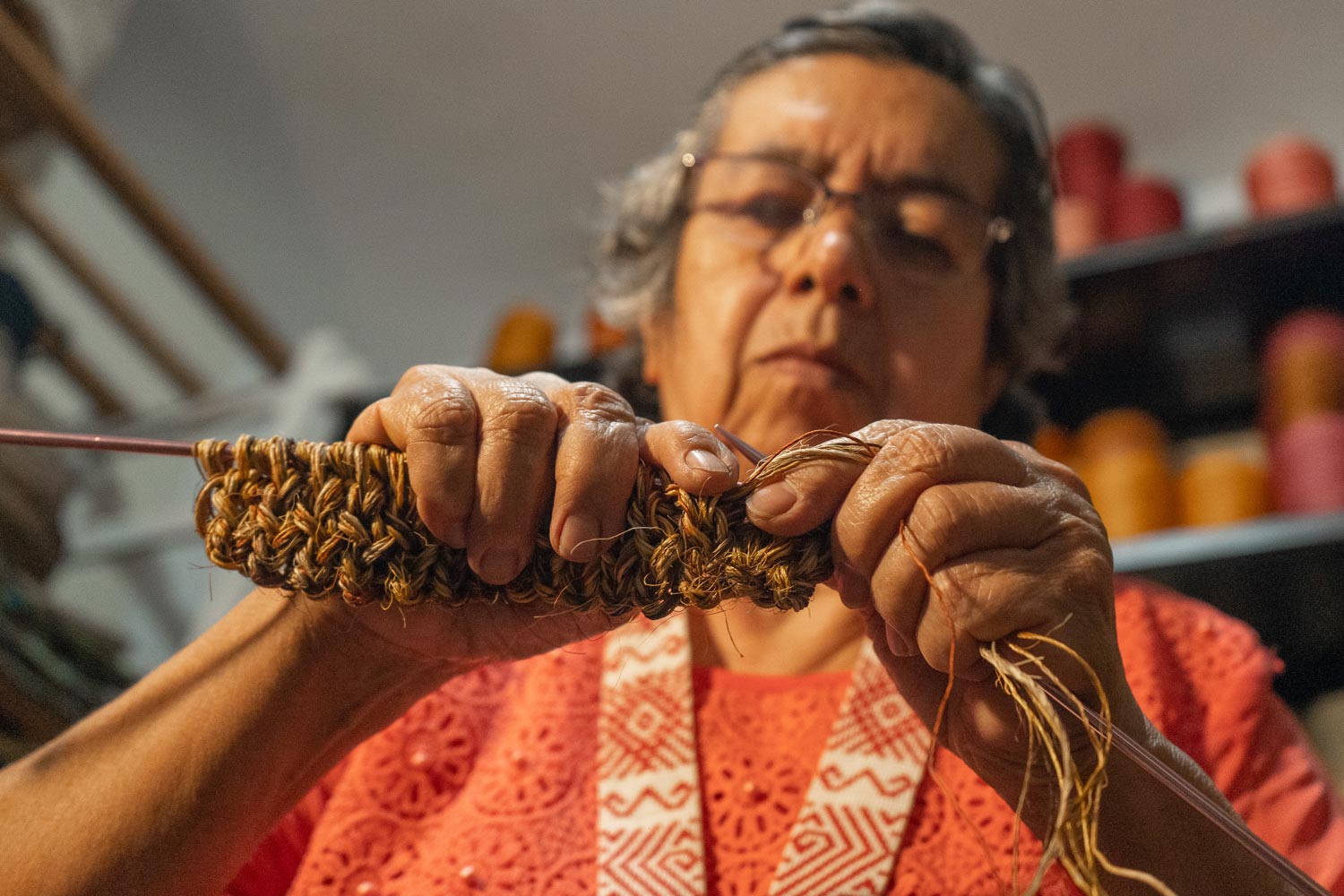
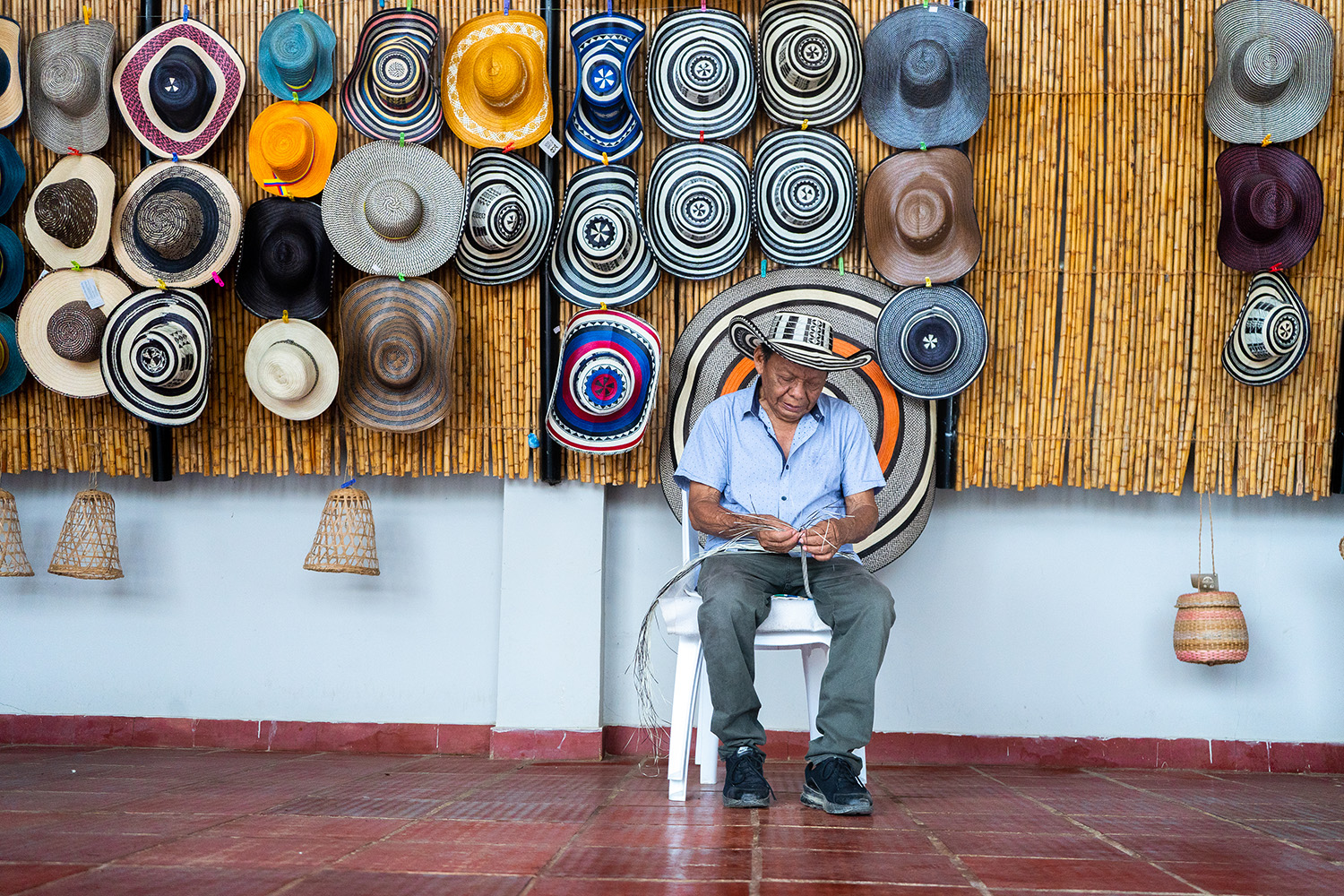
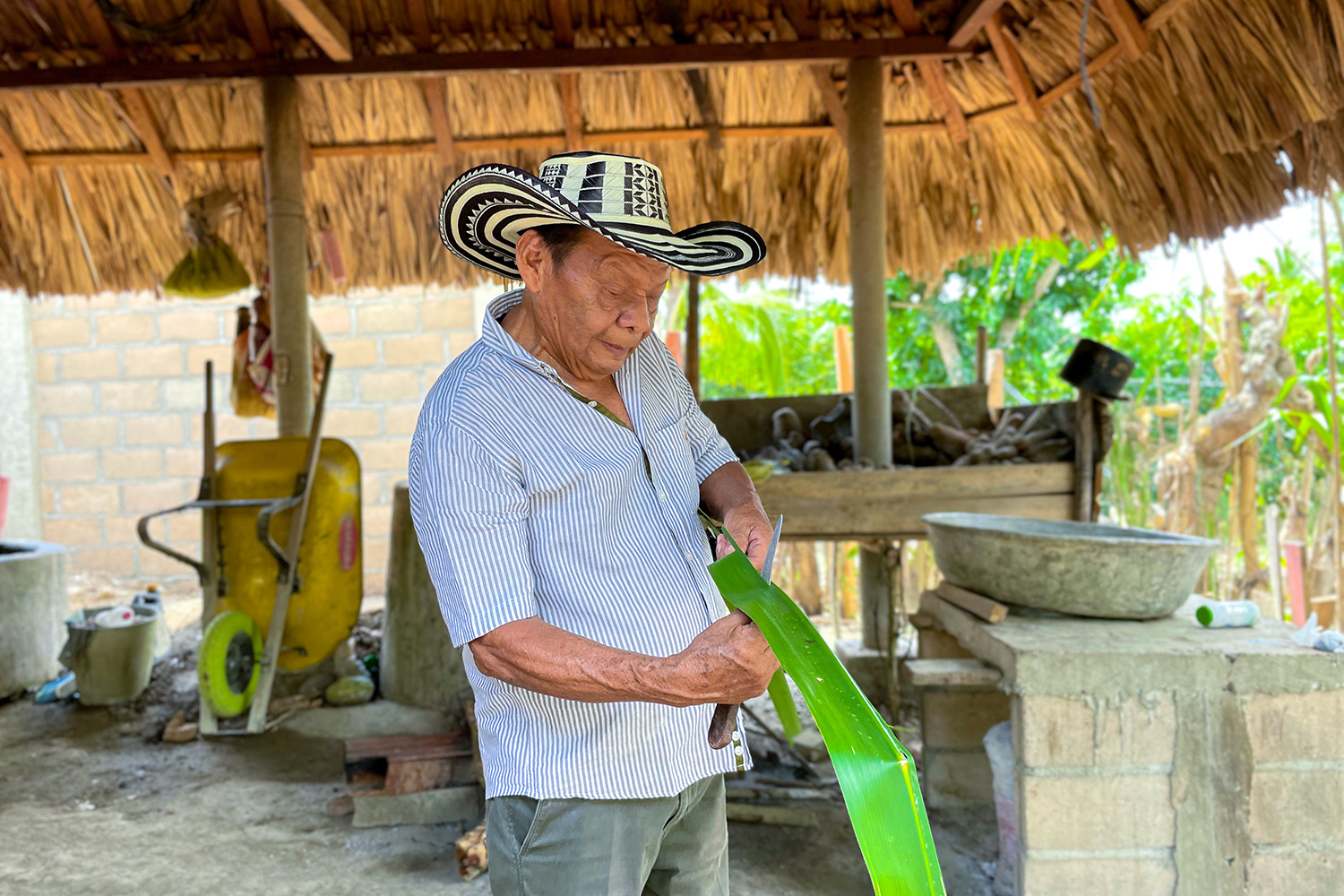
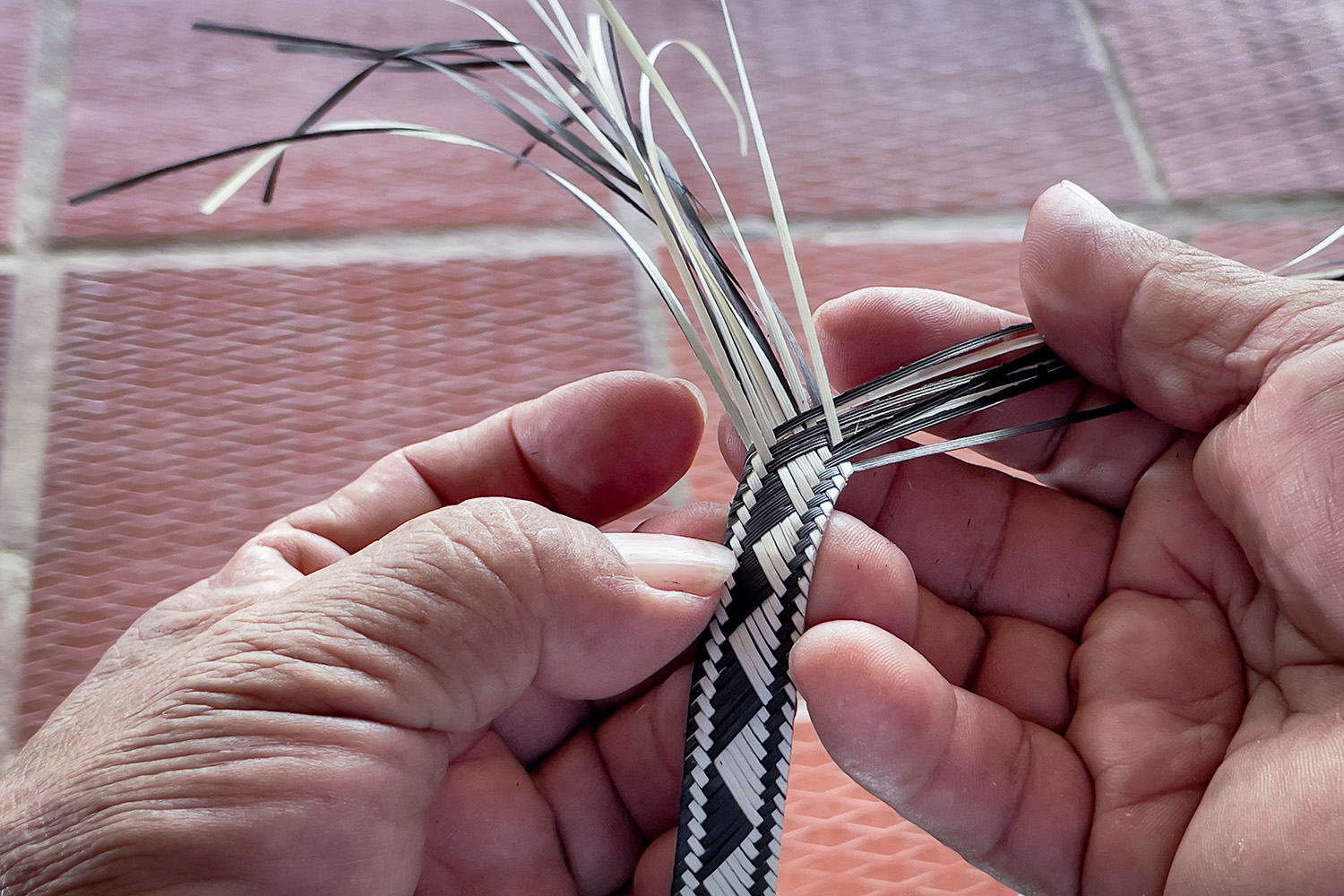
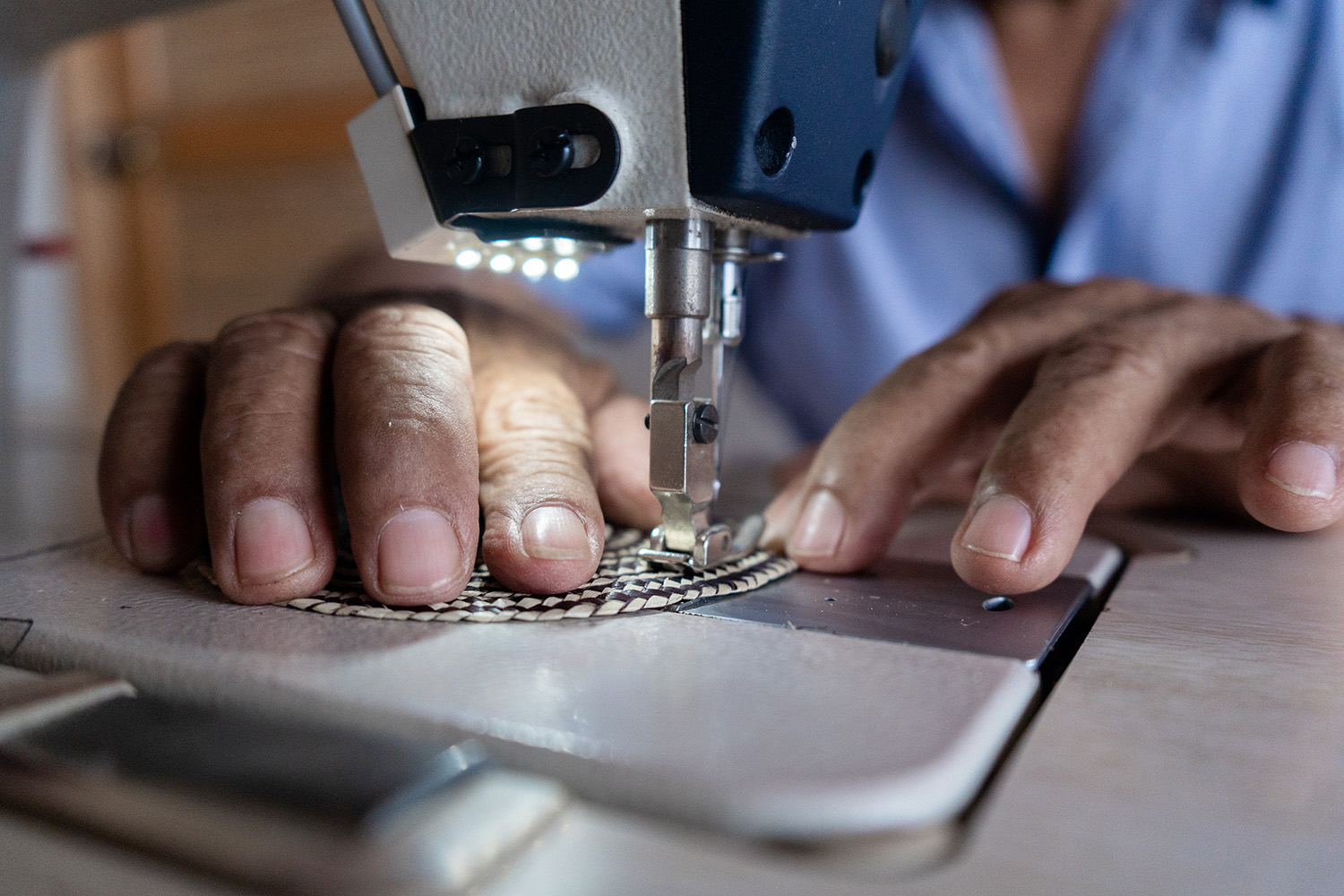
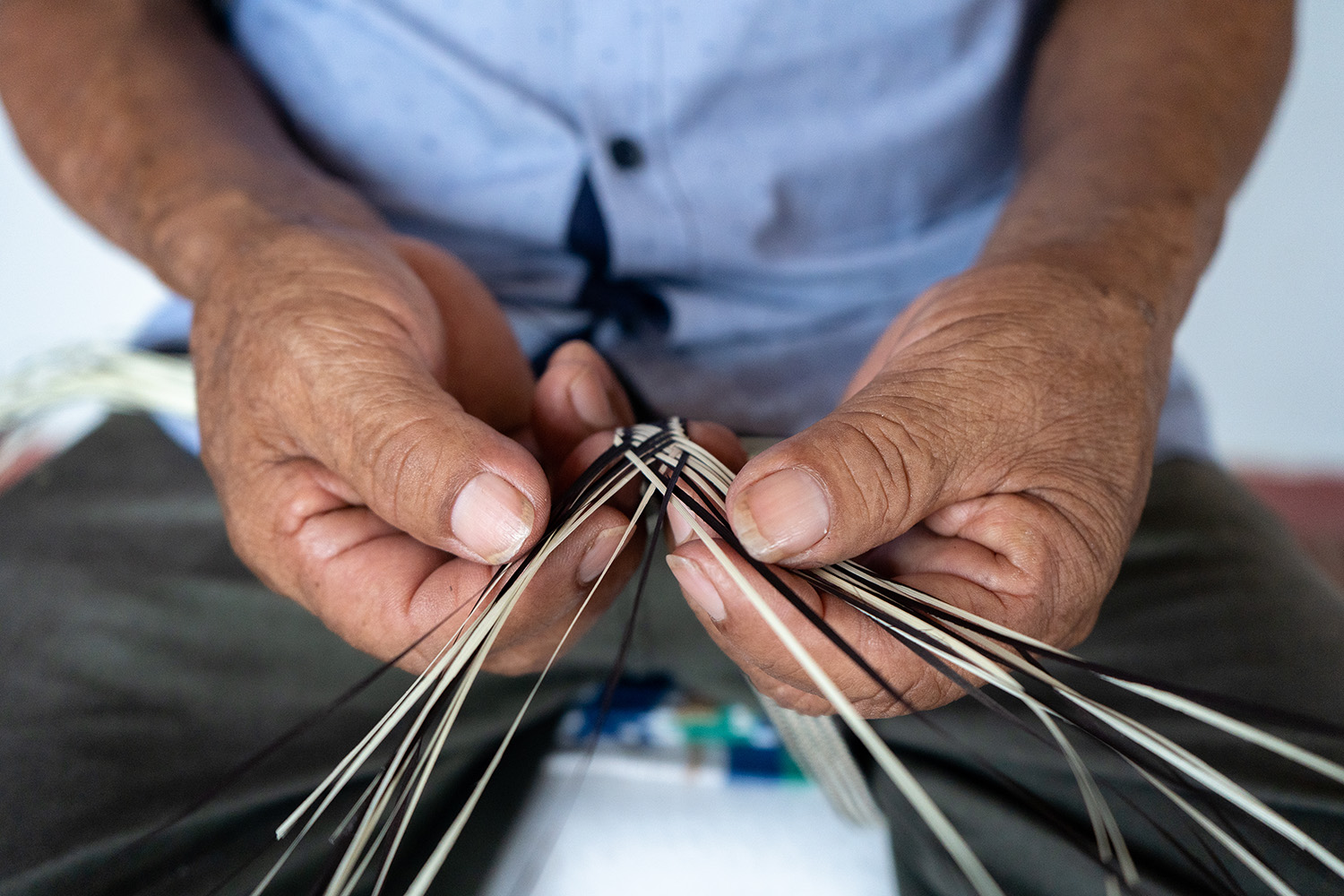
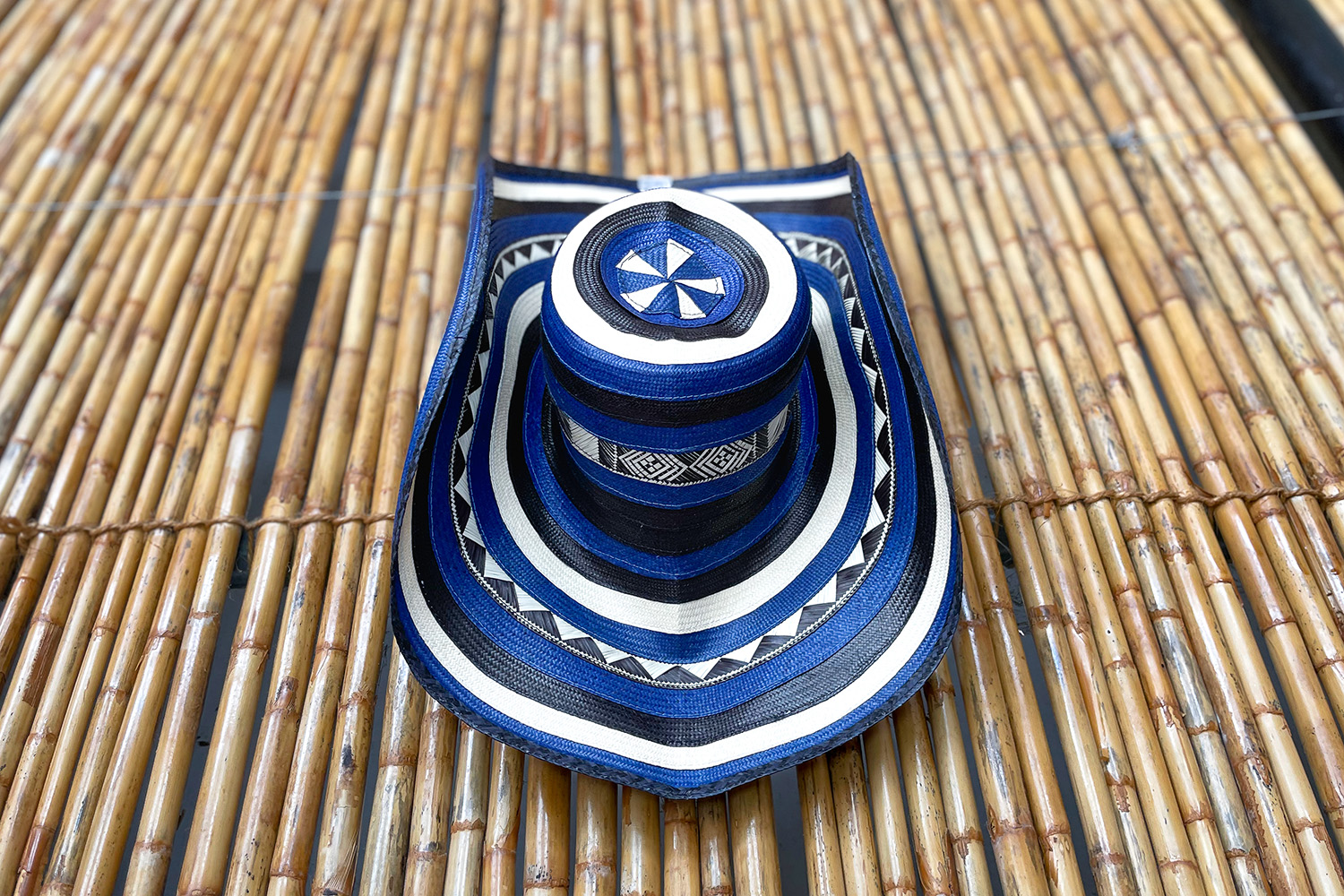
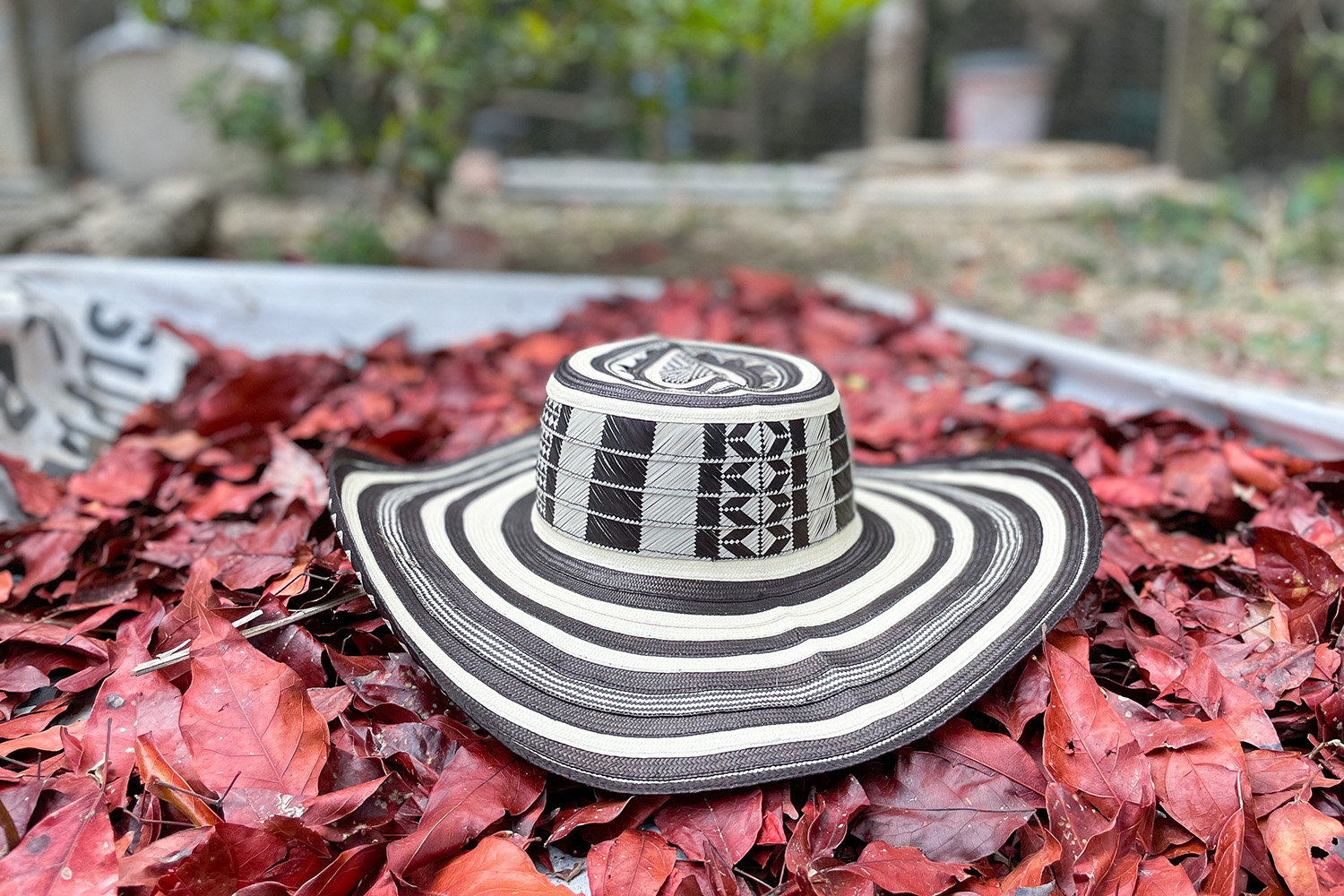
With infinite ability, Marcial Montalvo explains the different parts of the hat, the symbols in the hat’s crown, and the techniques in the braids that give shape to this item. Weaving is his daily work and through this he works to preserve and exalt the tradition of the sombrero vueltiao. He never imagined that this emblematic hat, which was traditionally used by Colombian peasant people for protection from the sun, would be as popular as it is today. Important people such as Bill Clinton, John Paul II, Gabriel García Márquez and Alejandro Fernandez have worn this statement hat, and this has made the Tuchín municipality and its crafts tradition become very visible and known worldwide. Today, more than 70% of Tuchín’s people is devoted to growing the crop, harvesting, processing, or weaving Caña Flecha fibre.
Discover his work
INTERVIEW
I never attended school. Since a very young age, at 6, my grandfather taught me how to weave. I always felt interested about the braid made with Caña Flecha palm, so I started exploring it, and then creating more and more products.
I have participated in international events such as the International Folk Art Market, in the USA, which I have attended since 1992. I have been able to win the loyalty of my clients, who now look specifically for me in the market. It makes me proud to be able to represent my country and my culture abroad.
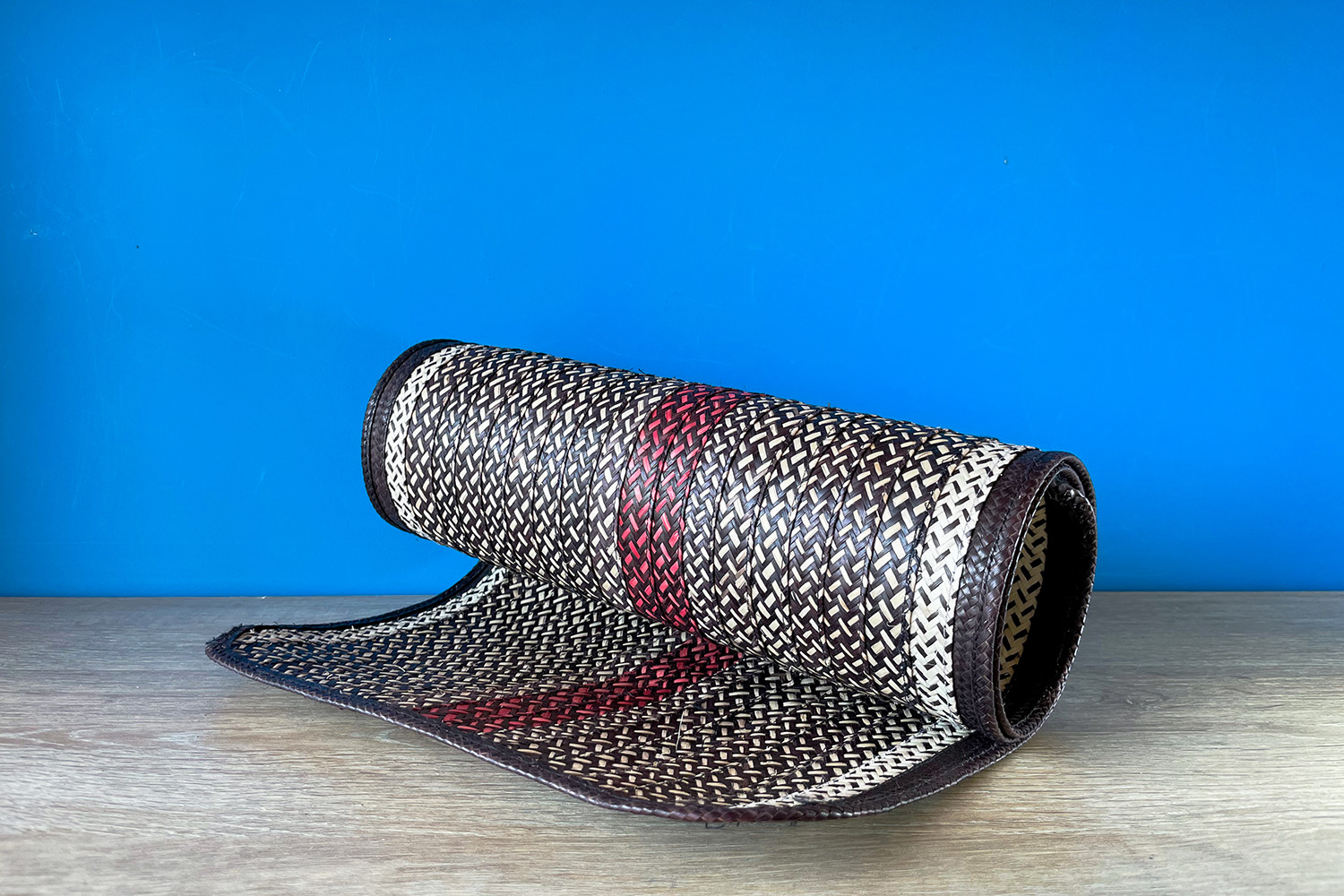
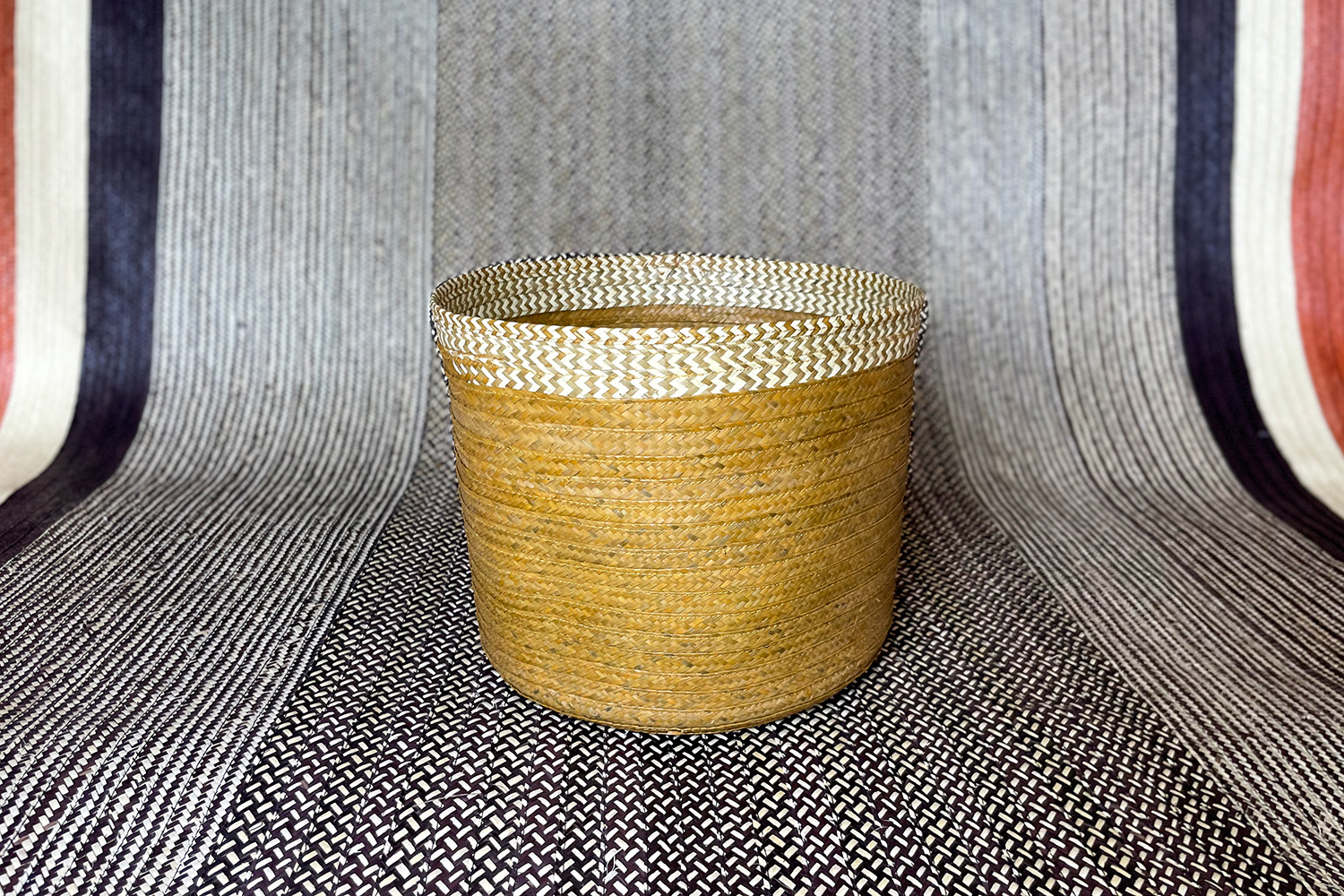
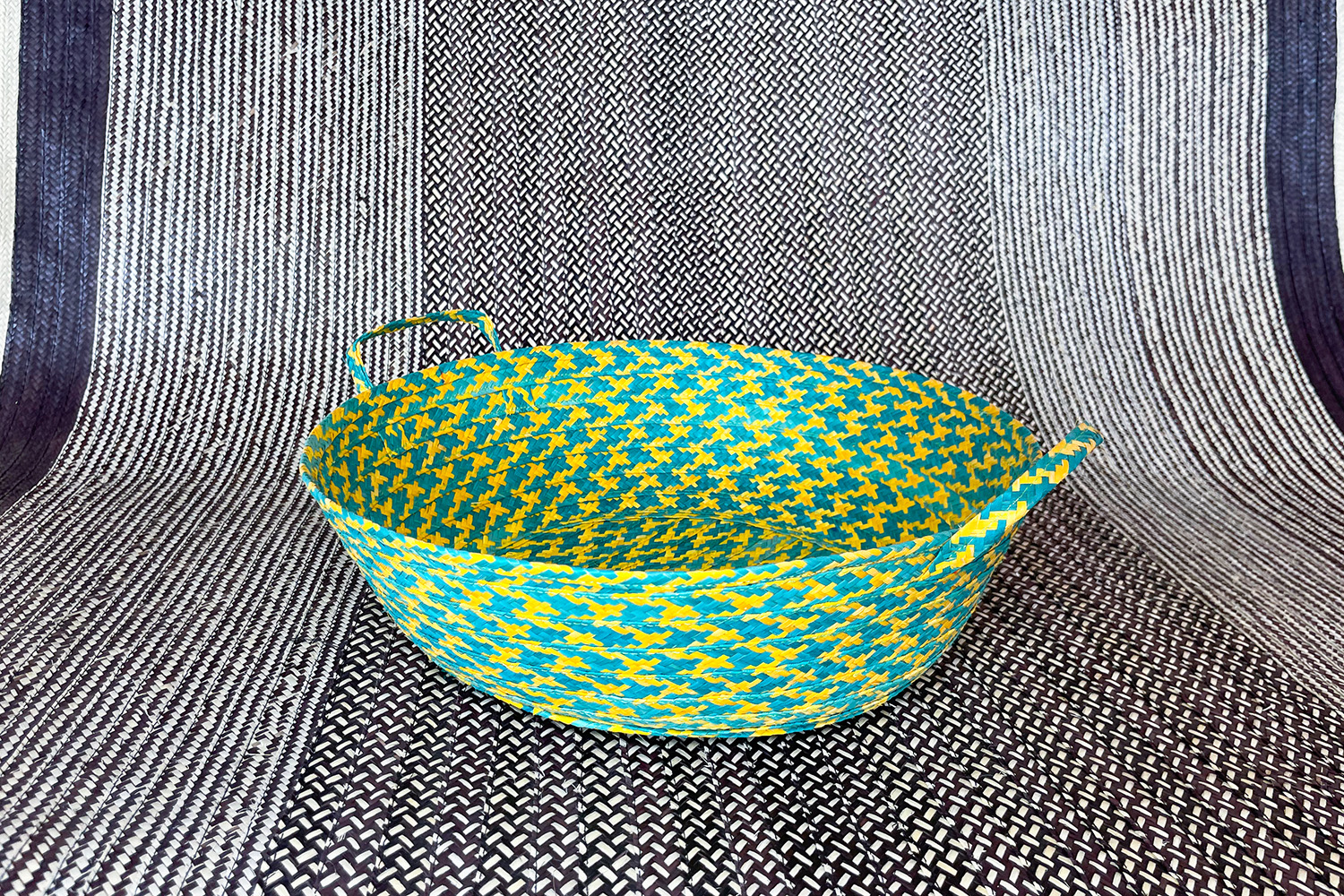
We express tradition in the products that we weave, by using the braid and showing the traditional symbology of our indigenous ancestors, Zenú. However, we have started innovating by dyeing the fibre with other colours, and responding to specific requests. We always try to keep our tradition as a main element. We have made objects from Caña Flecha and leather, wood, and cotton, among others.
Some decades ago, Tuchín was a township. However, when craftsmanship was strengthened, it became the main source of income for Tuchín, increasing its economic capacity, and leading it to become a municipality (geopolitics denomination). Because of this, people were able to obtain sewerage or drinking water, services that they did not have before. Today 70% of Tuchín’s population are Caña Flecha artisans.
Marcial Montalvo
Weaver
Tuchín, Colombia
Recommended by Artesanías de Colombia
AVAILABILITY
Monday to Friday 08:00-12:00 / 14:00-17:00
PHONE
+57 3134678418
LANGUAGES
Spanish
Homo Faber Finds is a new service aiming to inspire admirers of craft to connect and collaborate with exceptional artisans.
We invite you to submit an enquiry here.