Lucy MacDonald
Arra Textiles
Weaver
Aberdeen, United Kingdom
True local ties
- Lucy uses native plants for natural dying
- She combines traditional tapestry techniques and digital methods
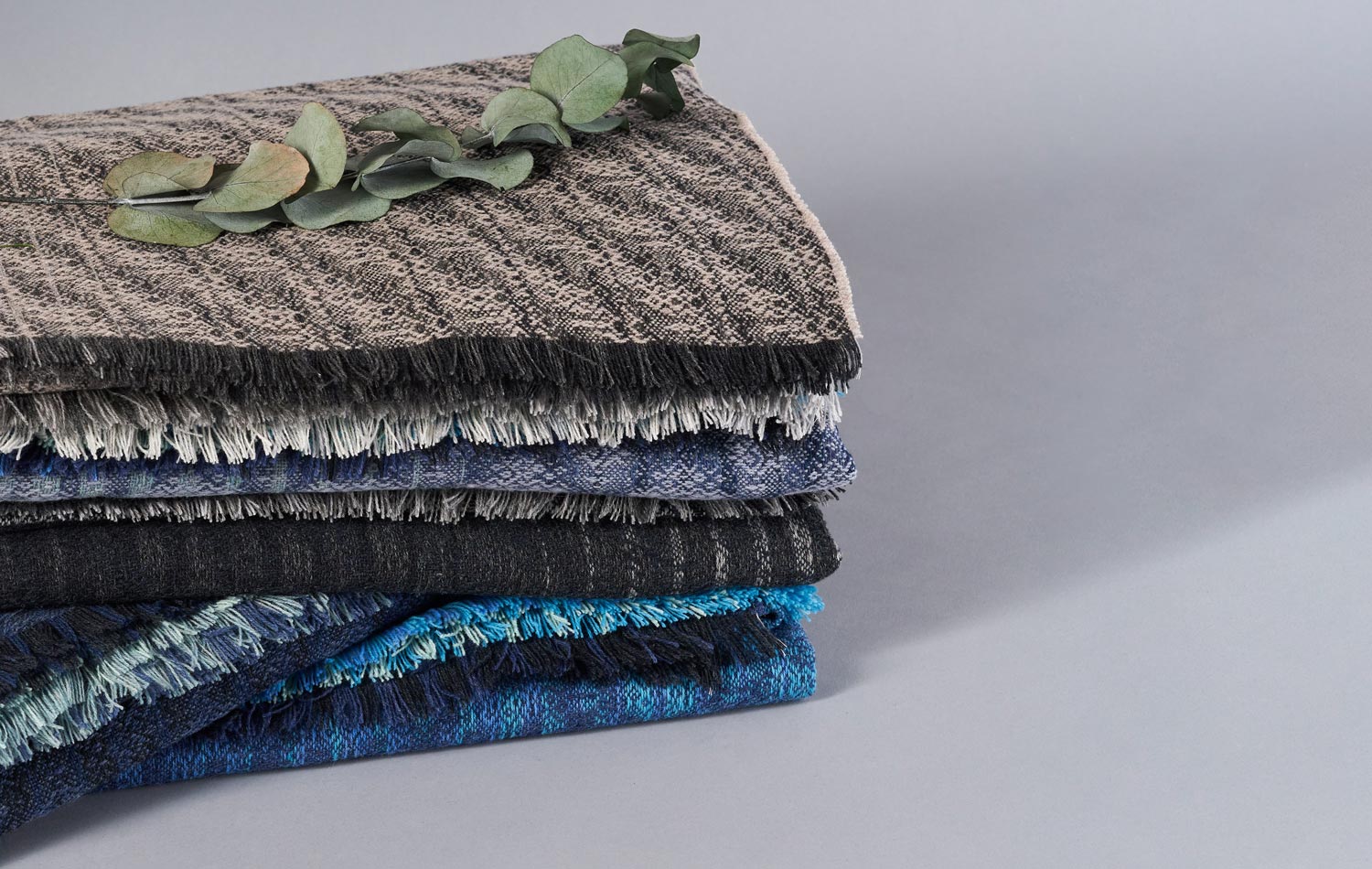
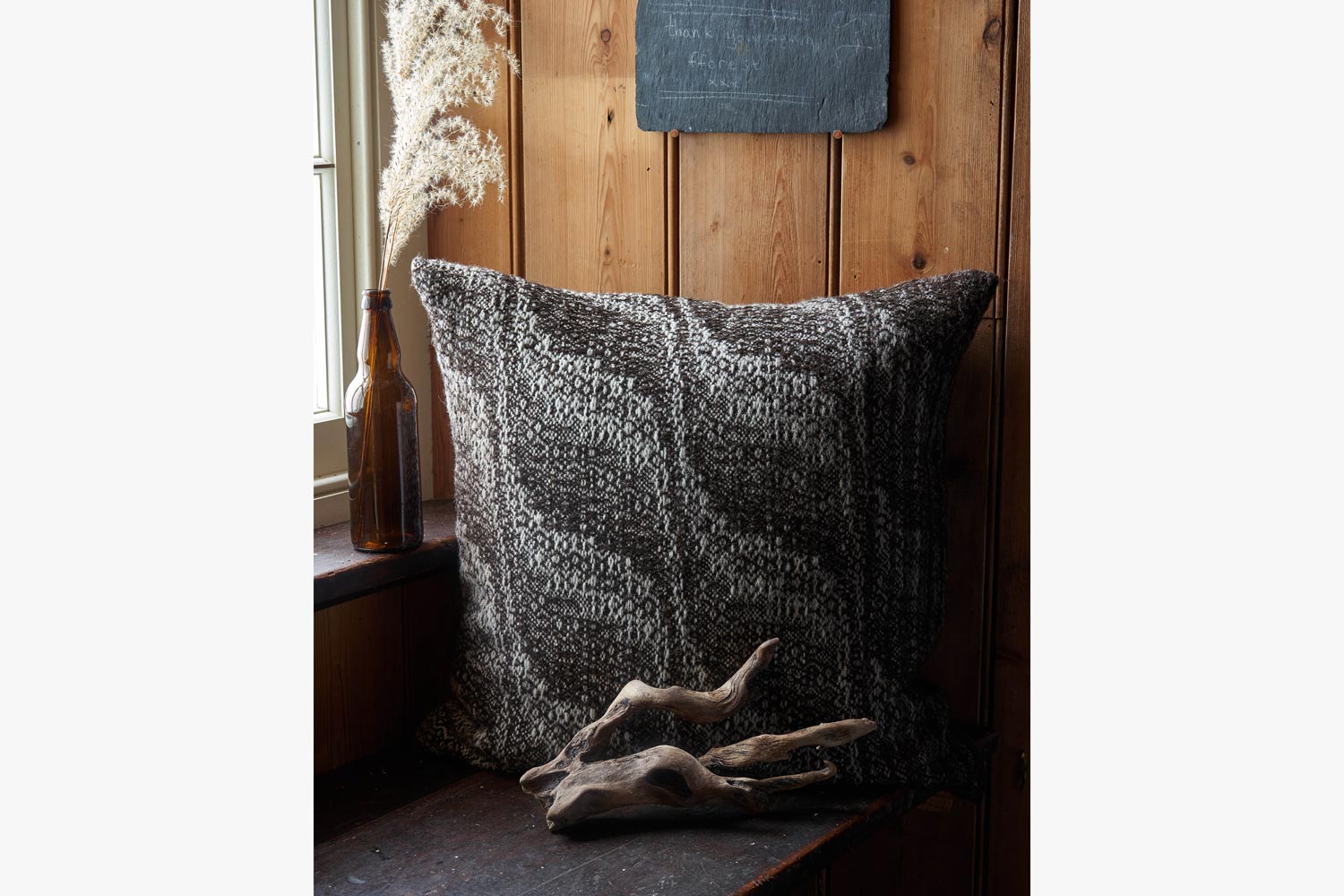
- She sells an interior collection with her designs
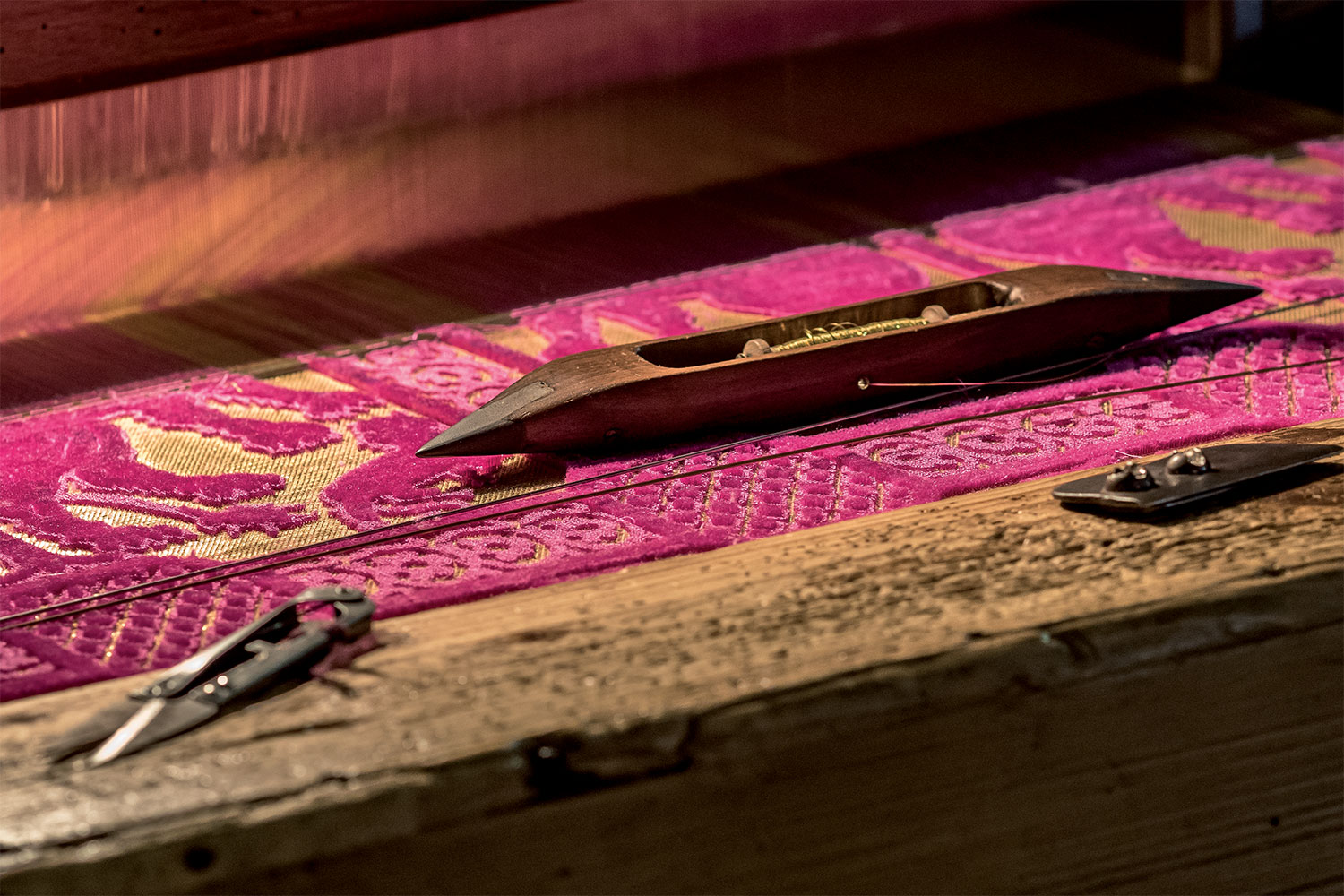
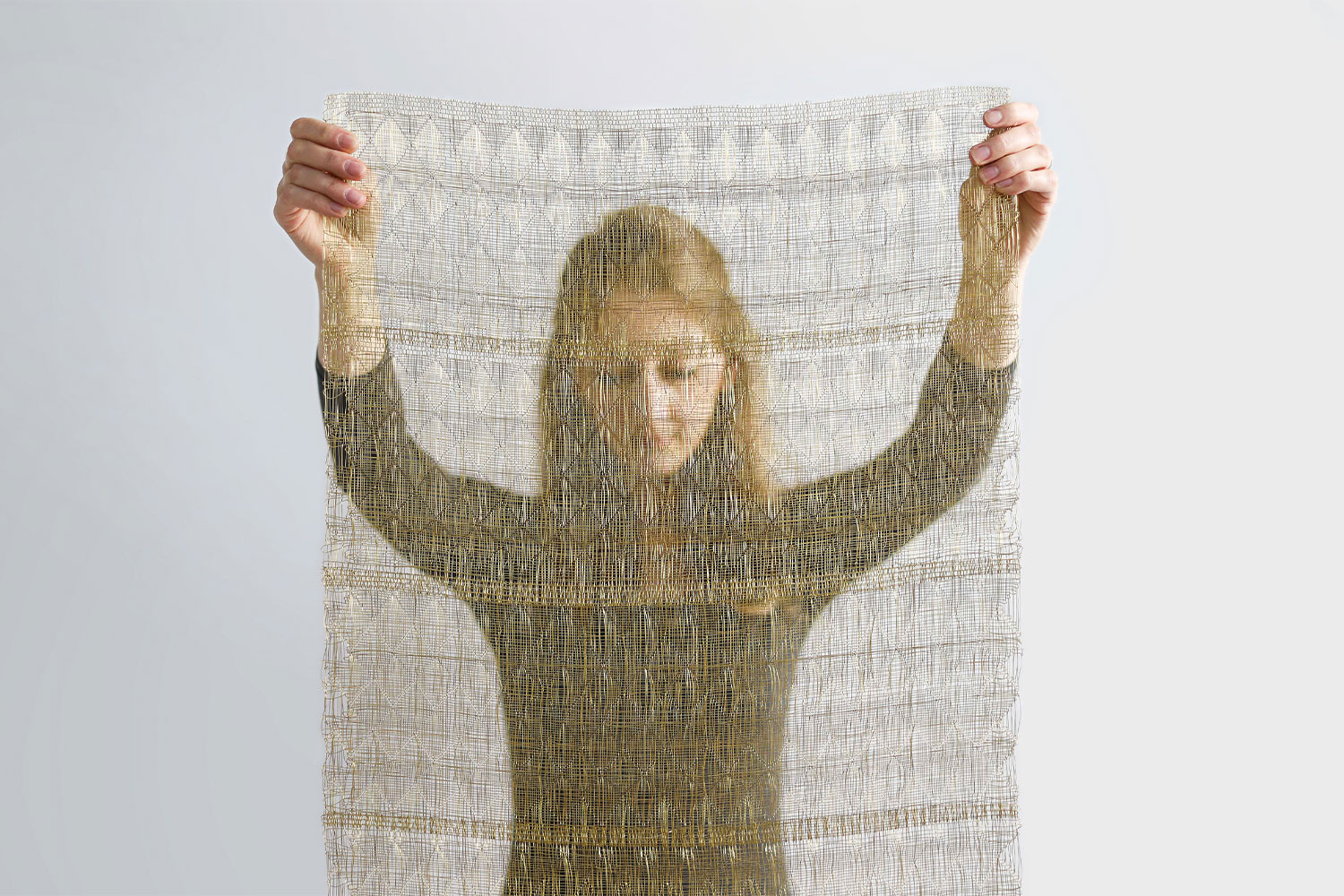
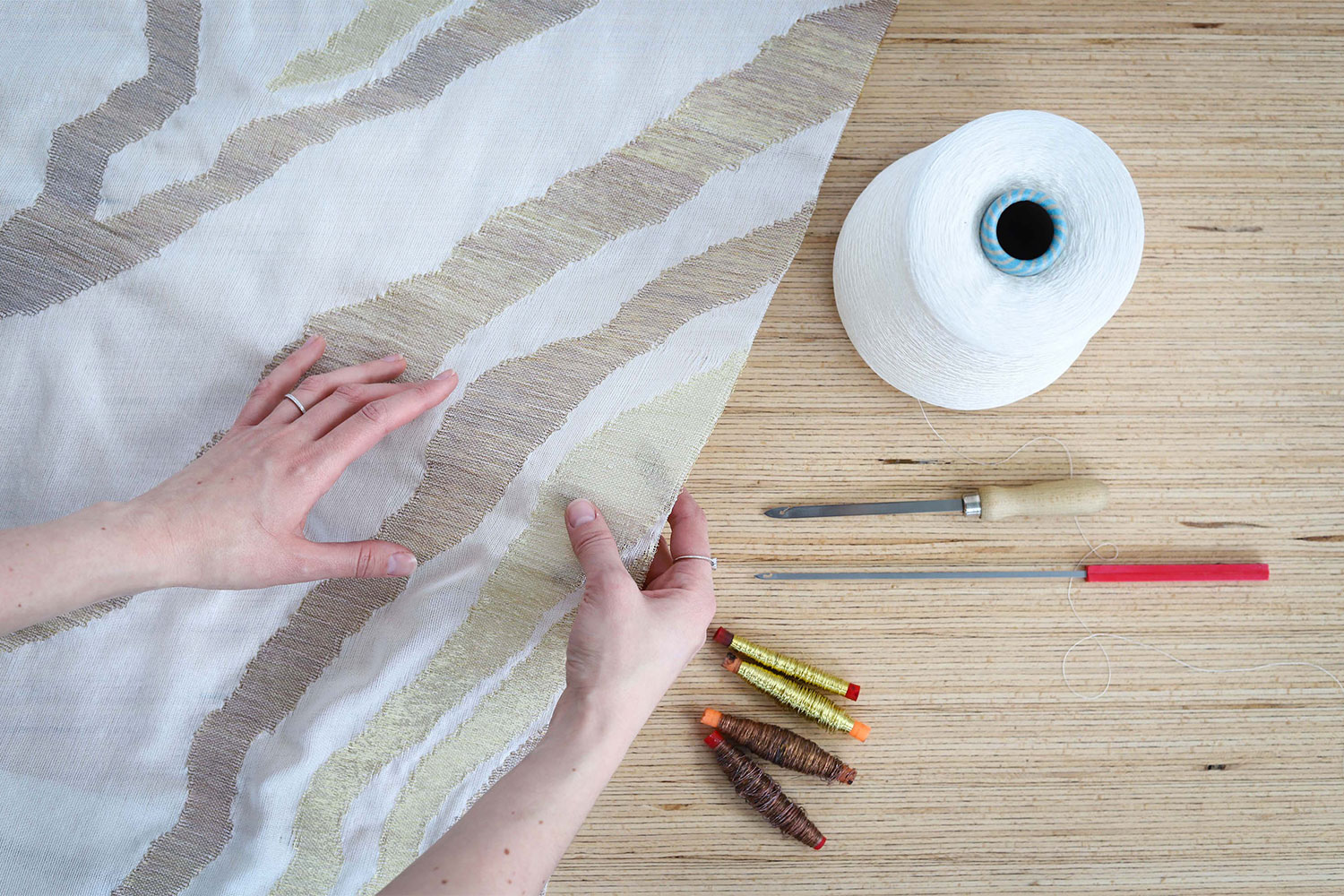
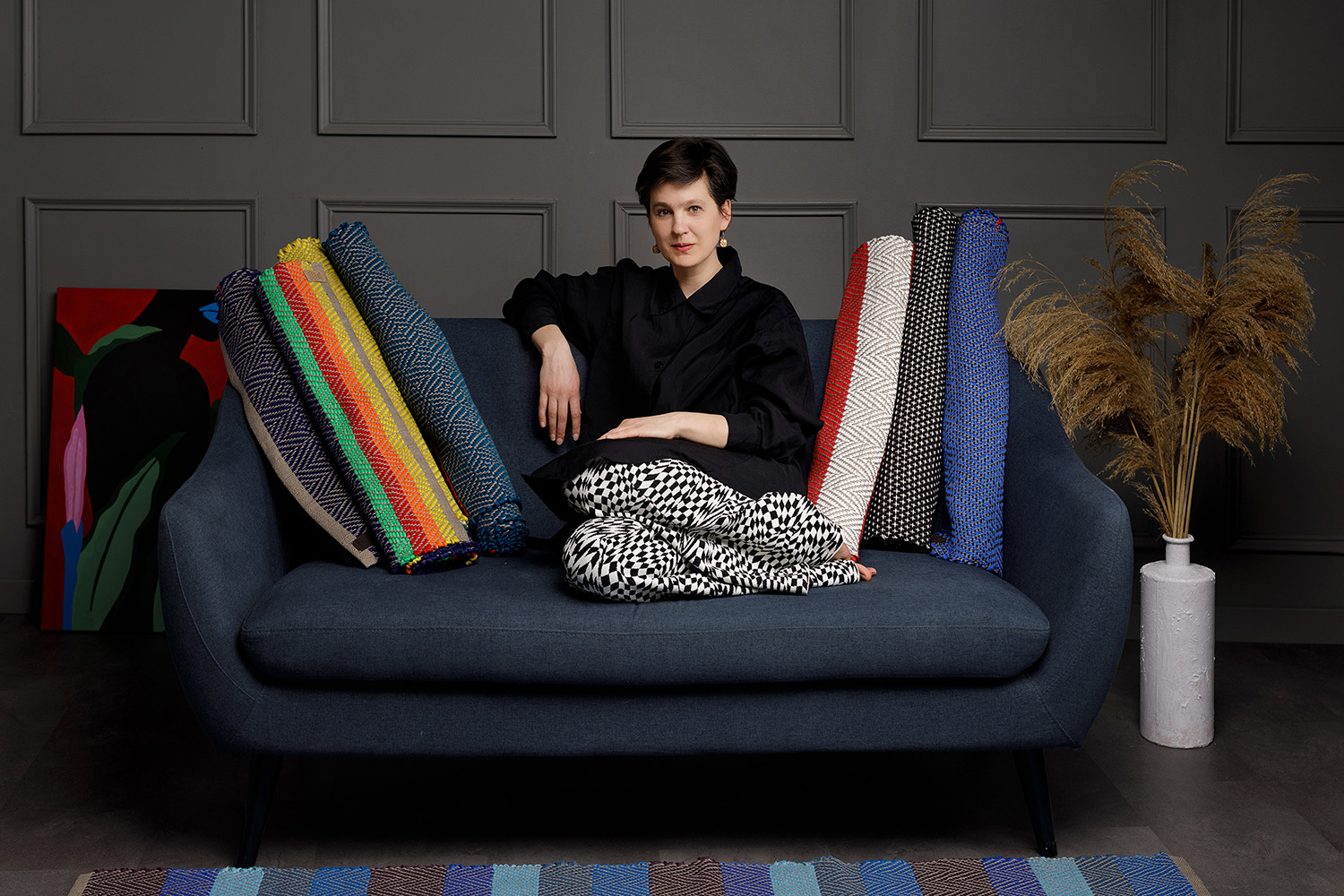
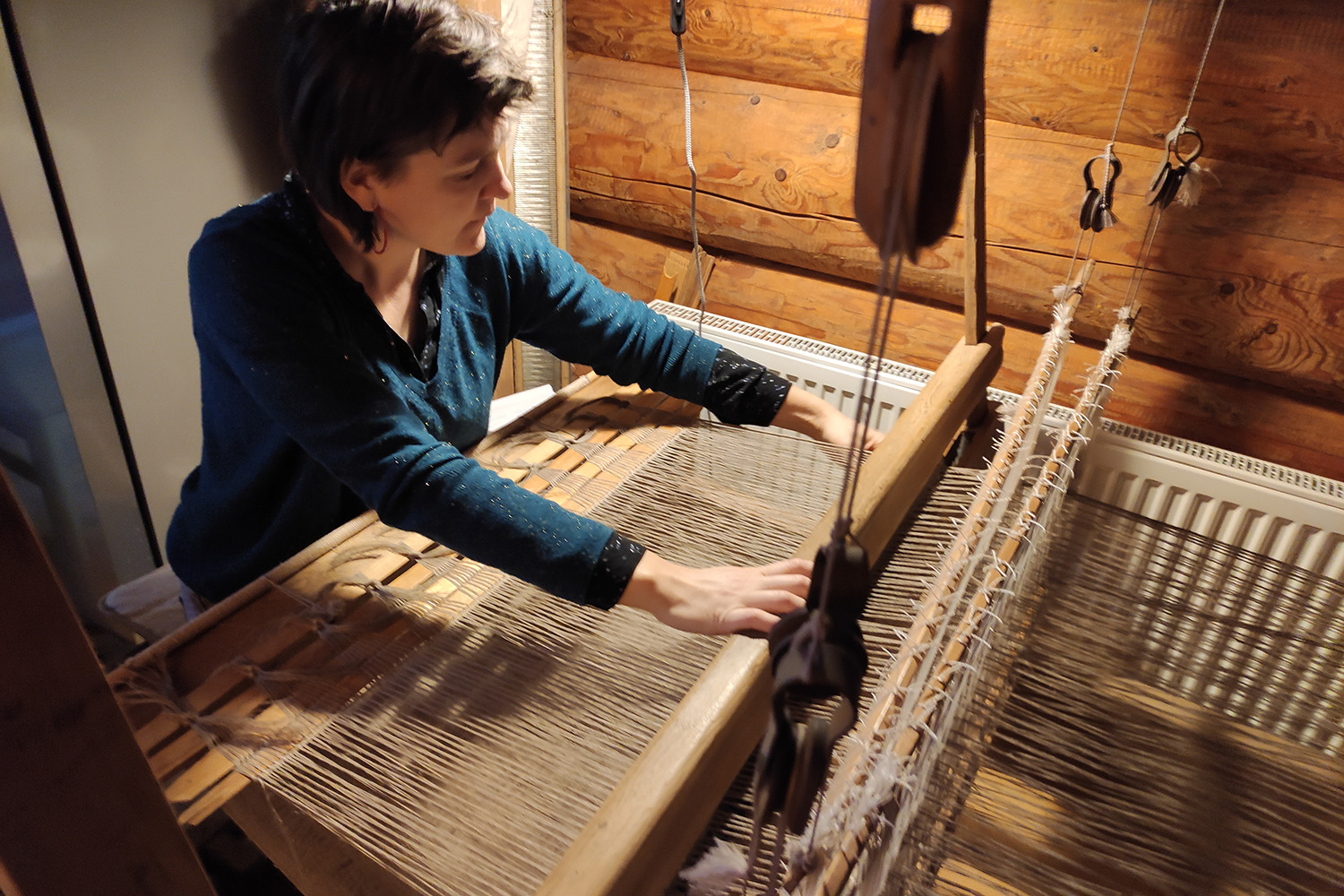
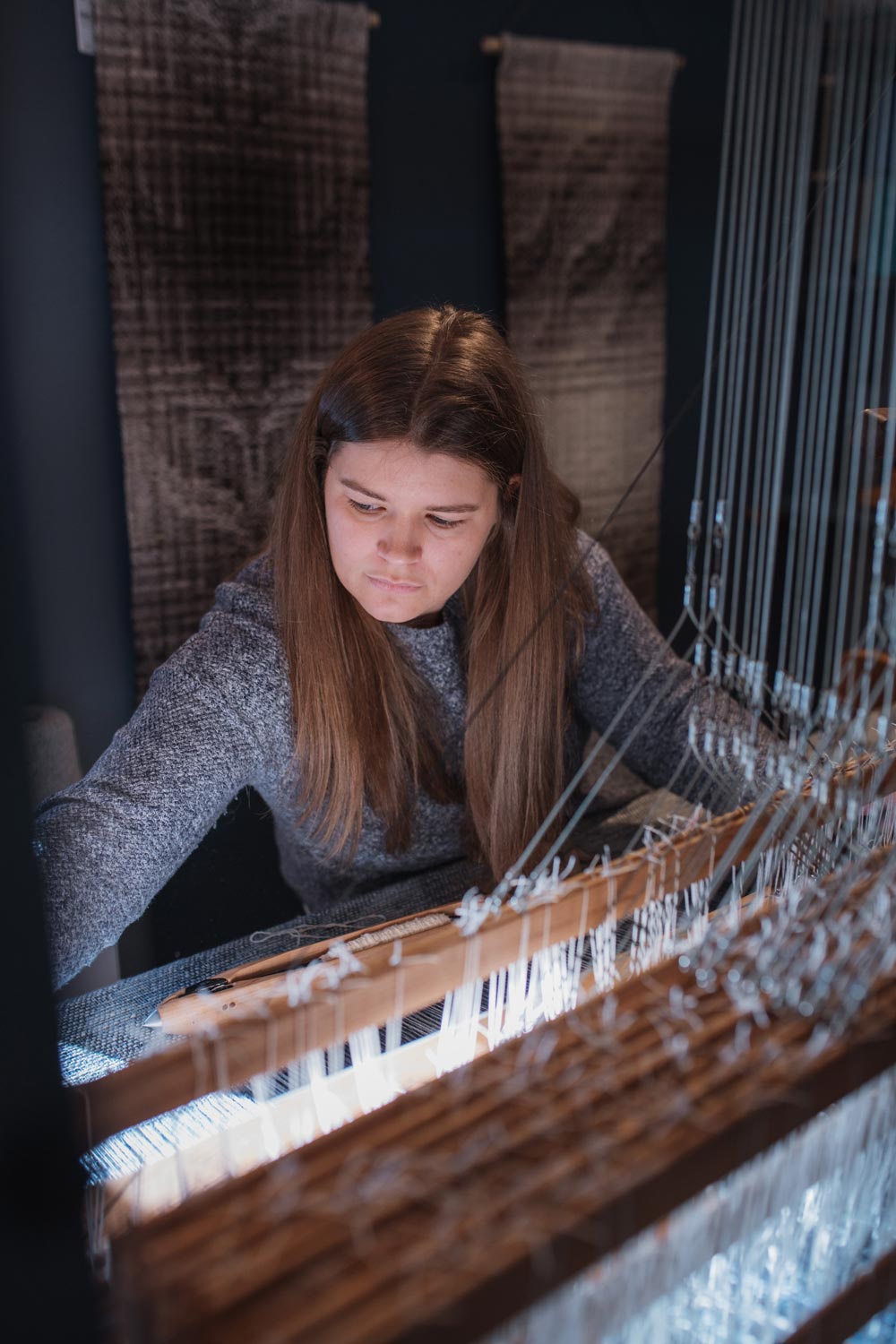
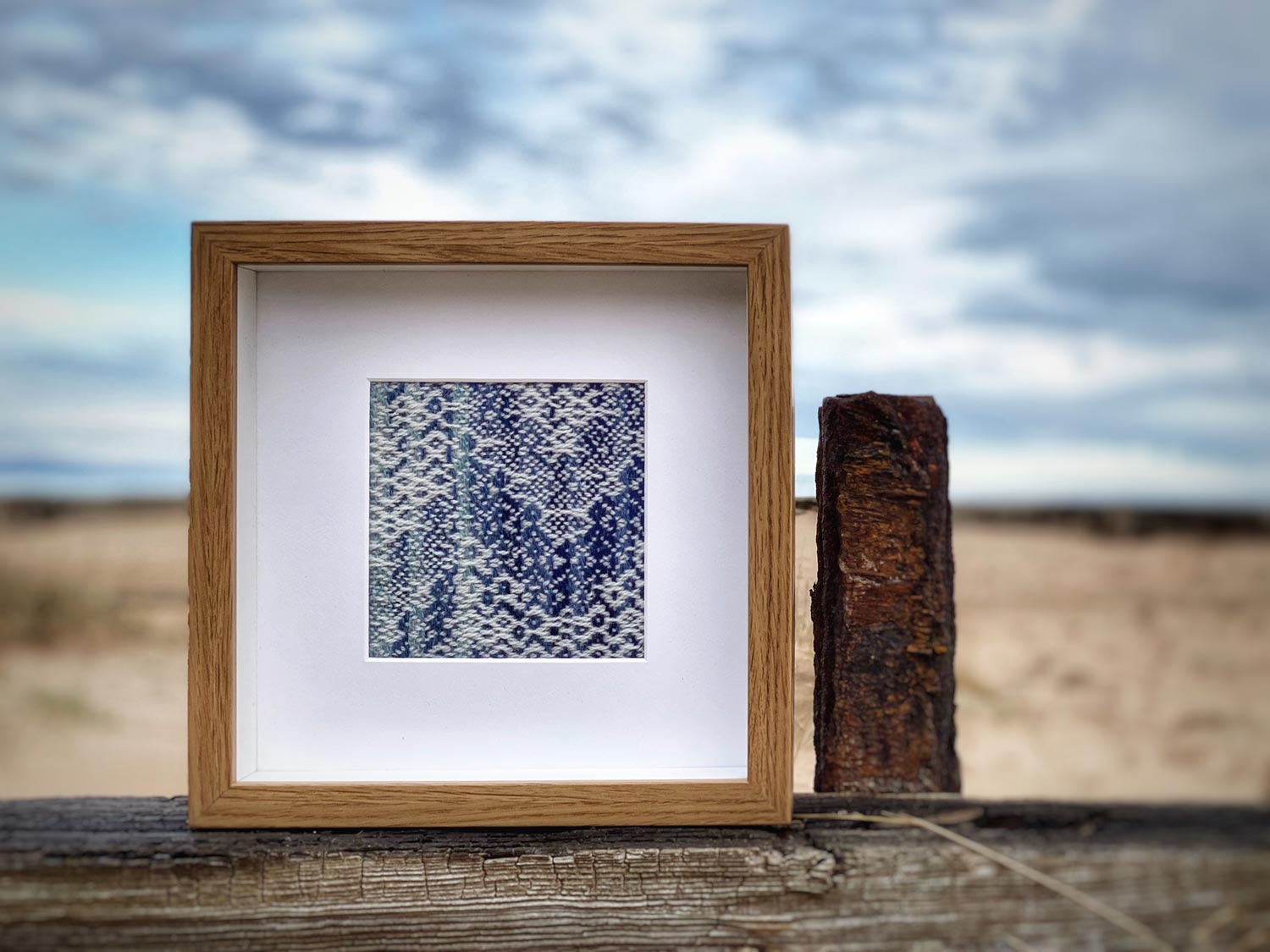
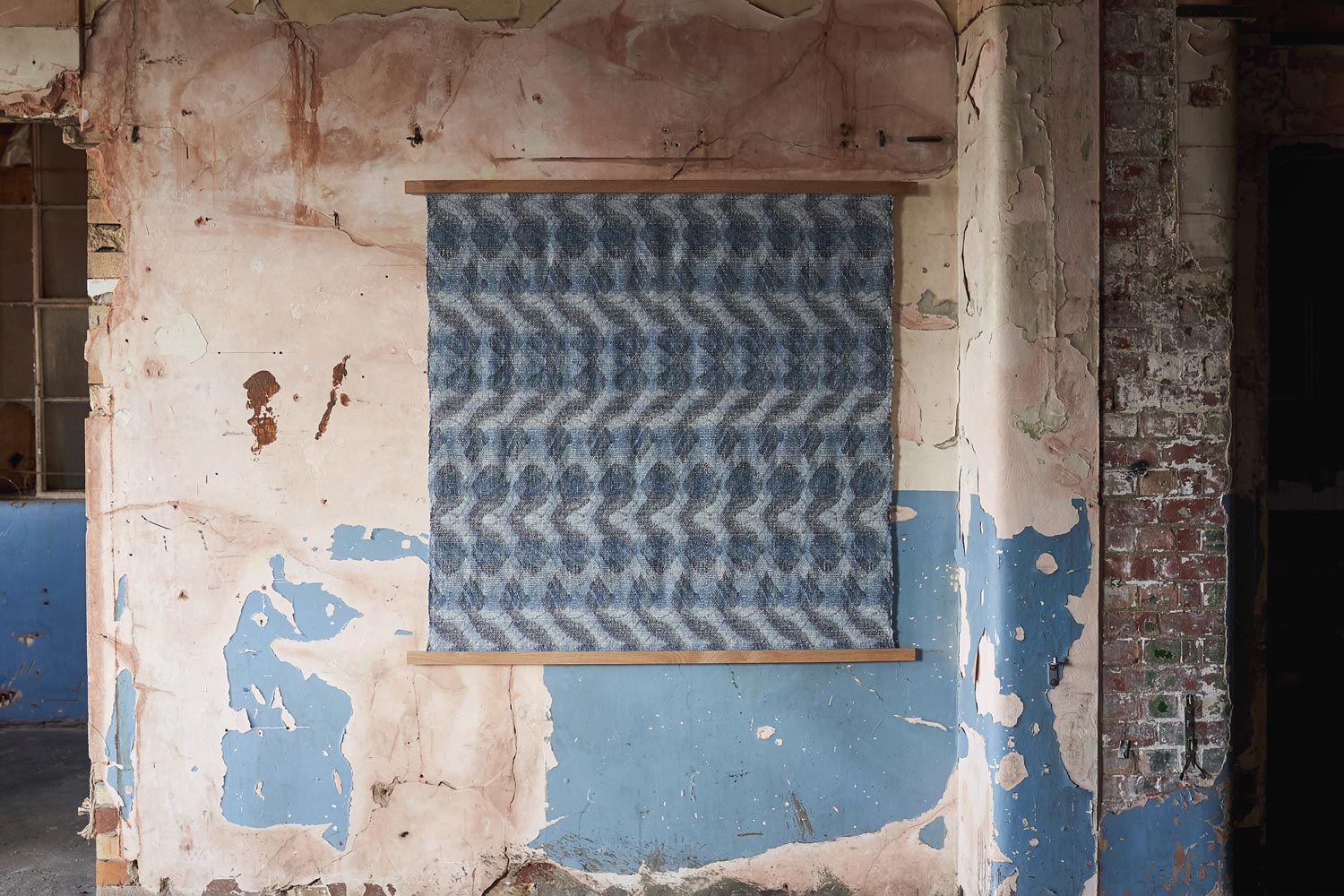
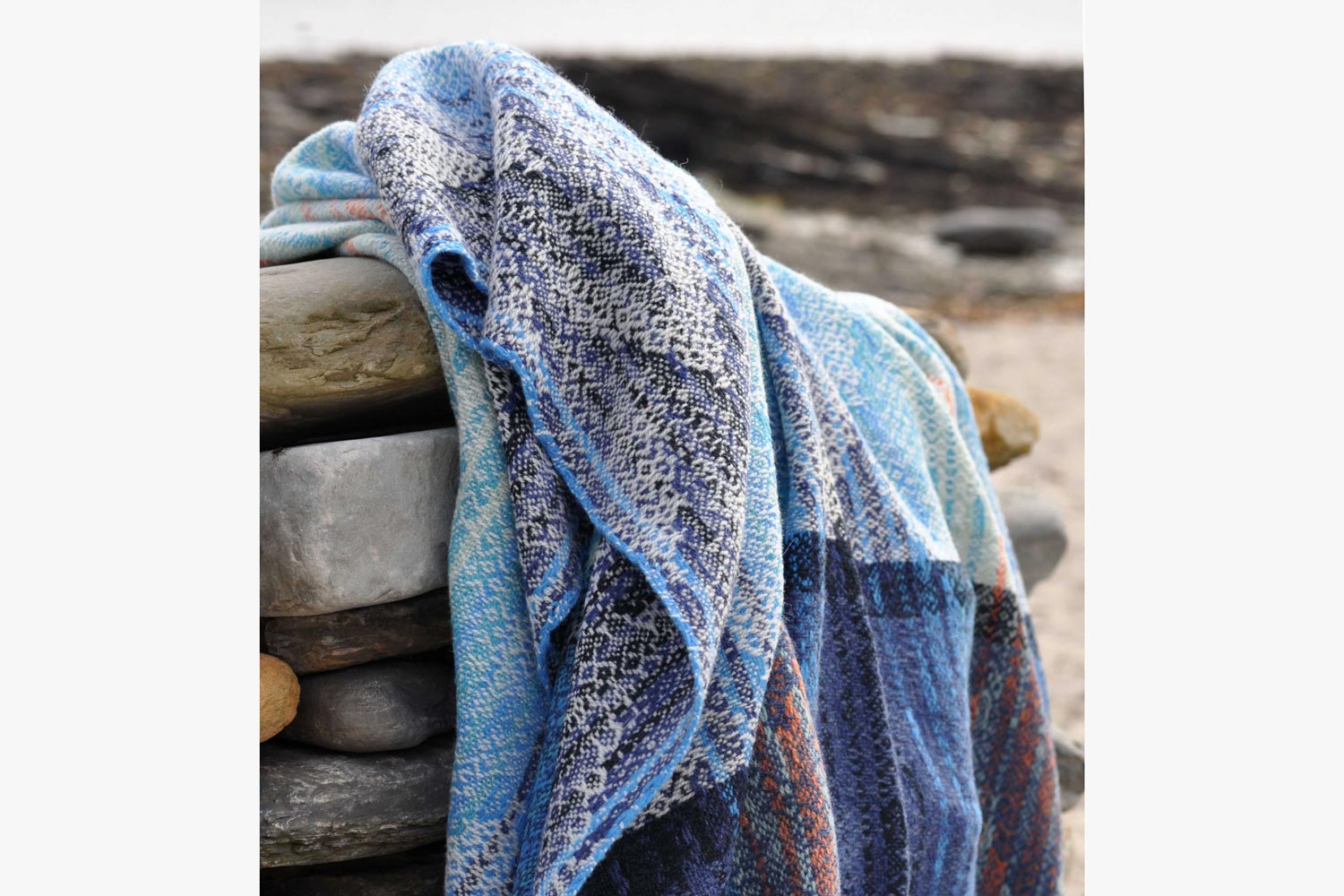
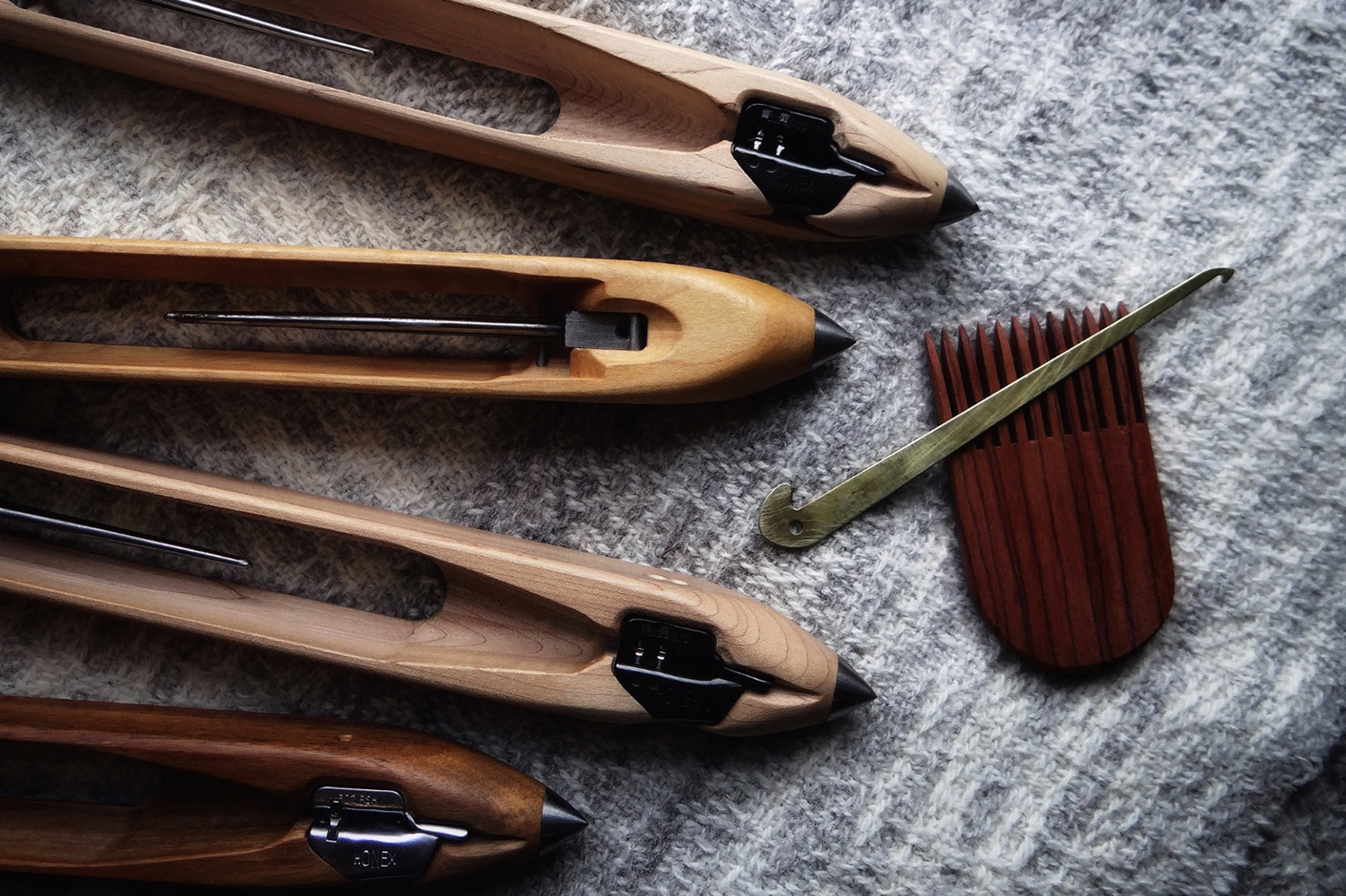
Lucy MacDonald launched her label Arra Textiles in 2016 after studying Design for Textiles in Scotland and Finland. At first, she produced all her pieces by hand and sold them directly to customers at exhibitions. Since 2020 she has developed an interior collection and commissioned a small sustainable mill in Bristol to implement her designs. "I'm delighted to have found a mill with fully acceptable production conditions”. By gaining time and freedom, she can devote herself to the further development of her free work and to creating new masterpieces. In preparation for the Collect Open 2022 exhibition, she has been developing the series Season of the Sea for the past two years, trying out new techniques and even spinning her own wool and dying it. These artworks are inspired by the seascapes and landscapes of her home in Scotland.
INTERVIEW
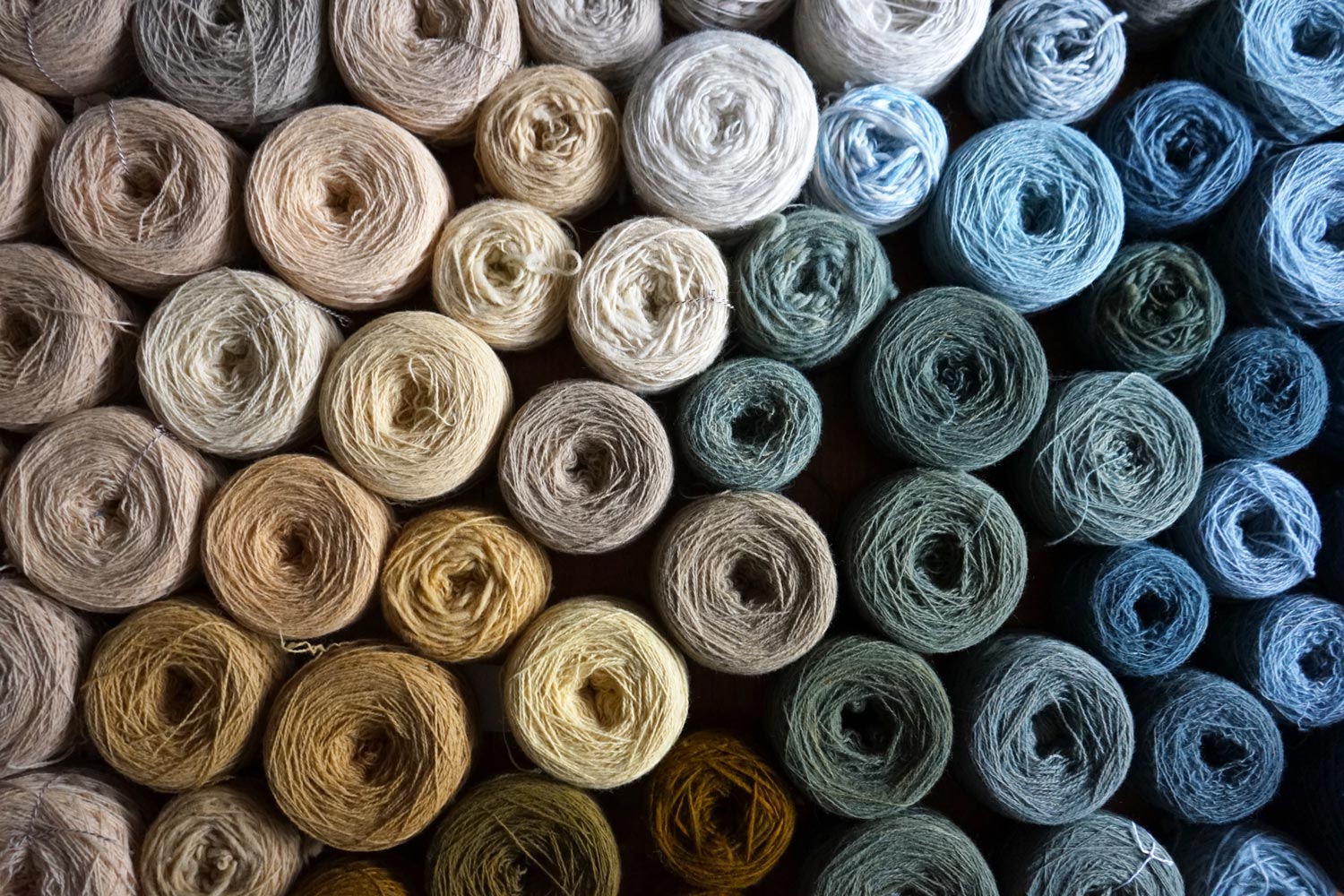
Being near both to the sea and the mountains, this landscape is a great source of inspiration. The colours of the nature around me also determine the palette of my artwork. I have begun to dye my wool with local plants, some of which I have collected from my grandmother's garden.
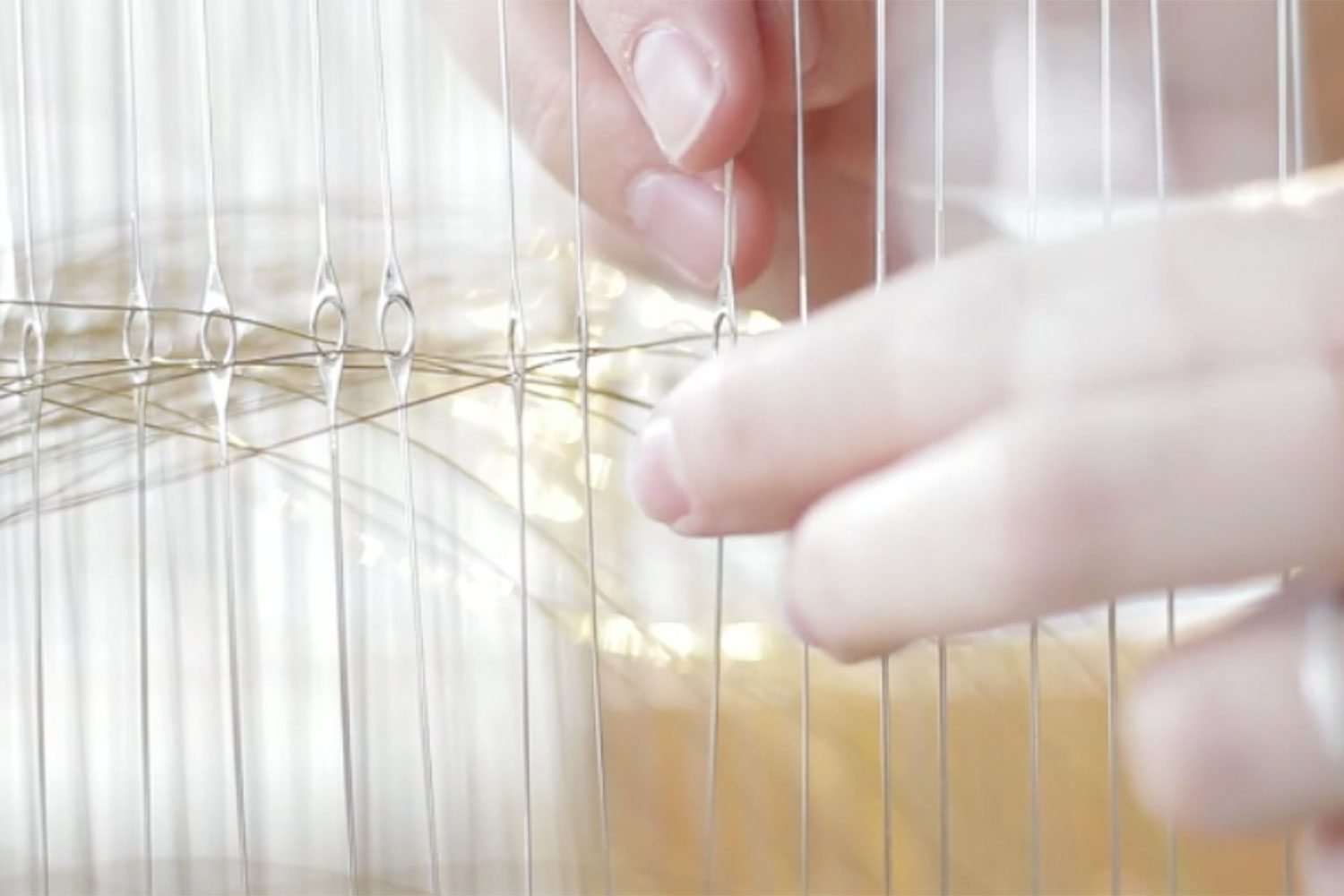
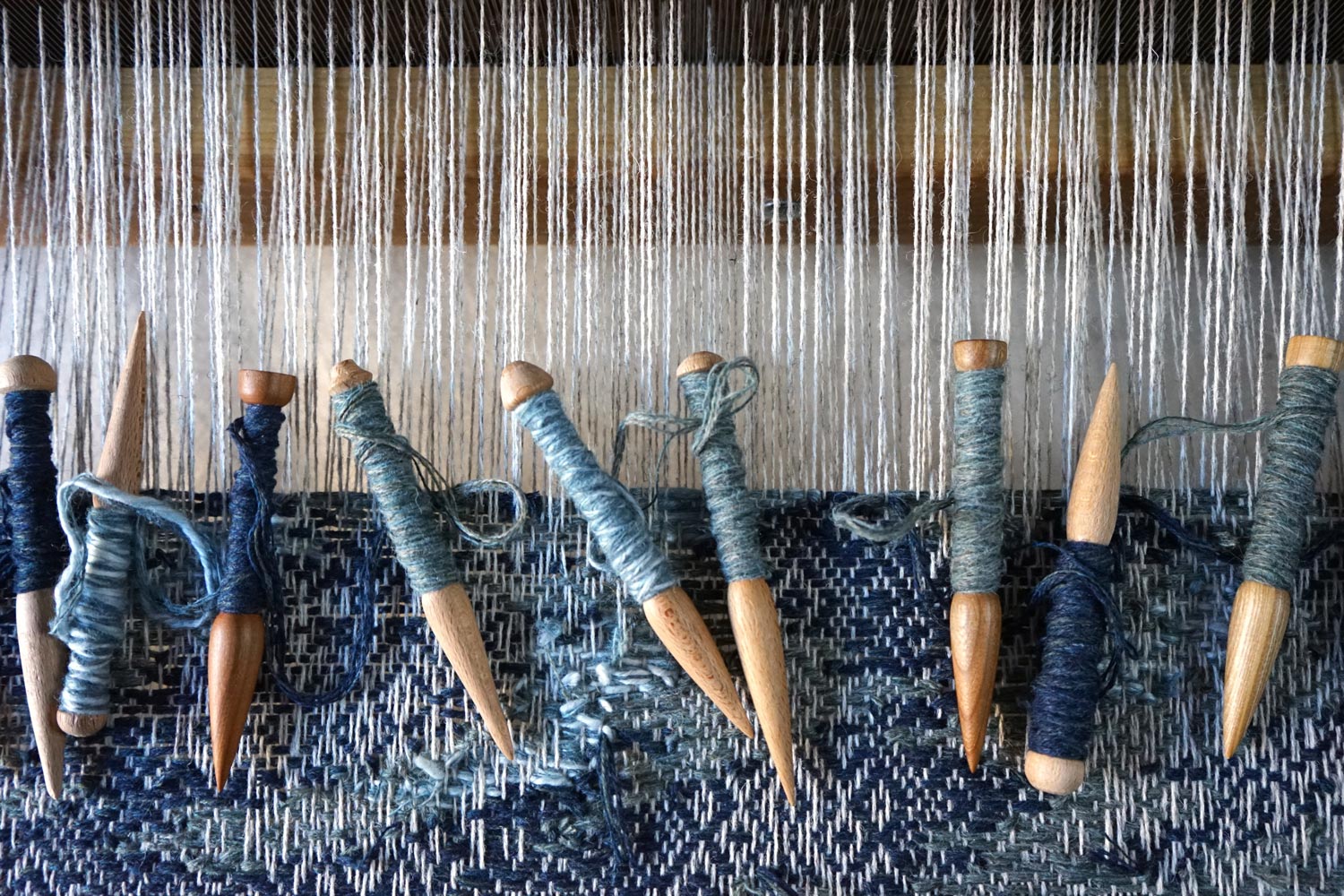
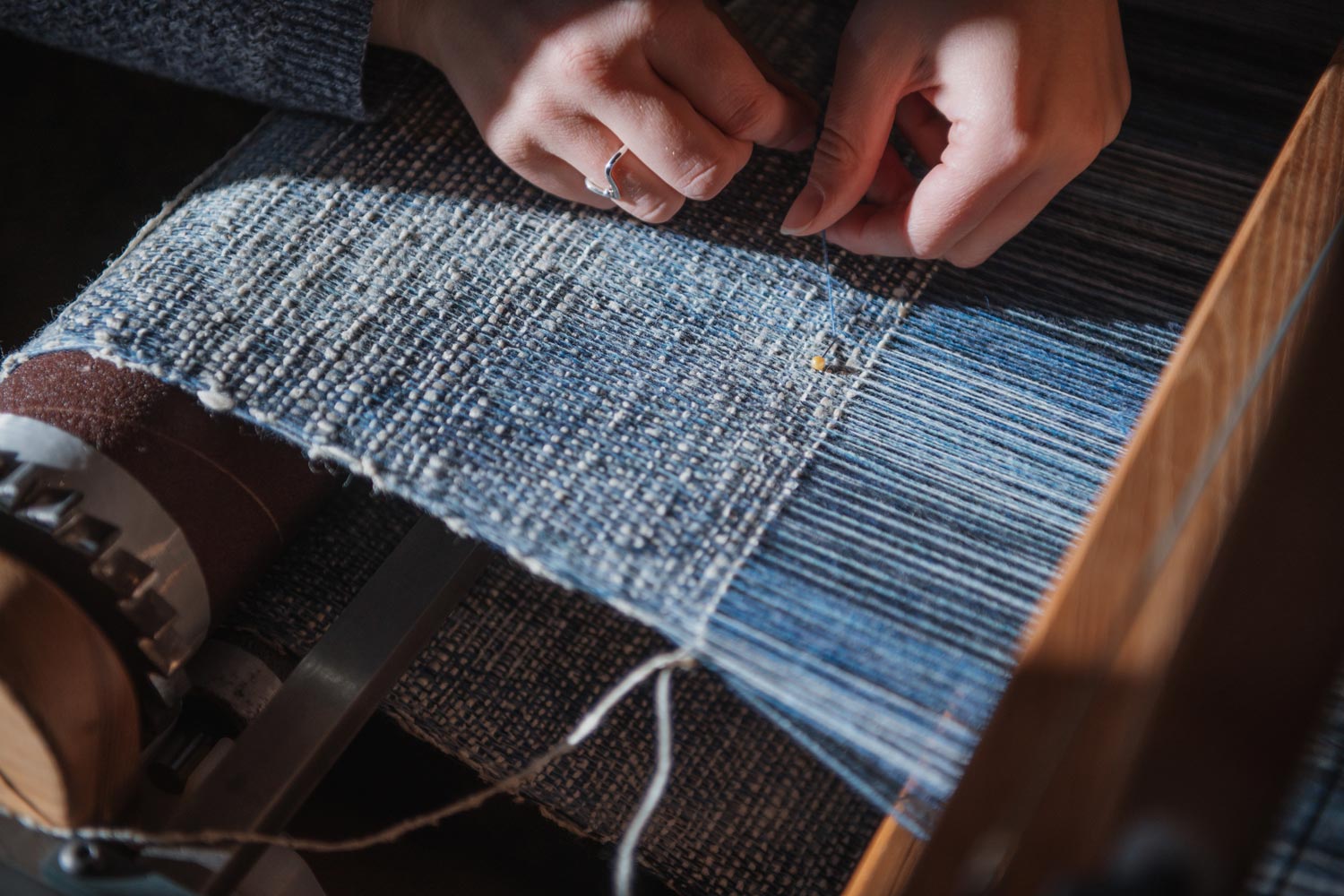
Through the fusion of traditional tapestry techniques and contemporary computerised weaving design, I have created a picture-in-picture effect that appears simple from a distance but becomes increasingly complex upon closer inspection. I also used handcarding and hand spinning of raw fibres and natural dyeing of the yarns.
It was my goal to create a colour palette reminiscent of the sea during a storm. Each season, for the past two years, I have collected native plants such as nettles, gorse and alder cones from the local riverbank, as well as lavender, roses, eucalyptus bark and leaves. In this way, I was able to create a relatively large colour palette.
Yes, I could. I gained a great deal of freedom when I reorganised my sales due to the pandemic. I could work anywhere, provided I had my materials. When I finished my studies, I spent some time in Australia. There, too, I was inspired by nature and created a colourful collection.


Lucy MacDonald
Arra Textiles
Weaver
Aberdeen, United Kingdom
ADDRESS
6/1 Deemouth Artist Studios, South Esplanade East, AB11 9PB, Aberdeen, United Kingdom
View on MapsAVAILABILITY
By appointment only
LANGUAGES
English
Homo Faber Finds is a new service aiming to inspire admirers of craft to connect and collaborate with exceptional artisans.
We invite you to submit an enquiry here.
Founders_Storm_V1.jpg)
Materials_Landscape_V1.jpg)
6Metalworker_V1.jpg)