Loïc Bard
Furniture maker
Orchamps, France
Forms that dictate function
- Loïc became a furniture maker after a career in agronomy
- He exclusively works with solid maple wood
- He combines small-scale CNC work with extensive hand shaping
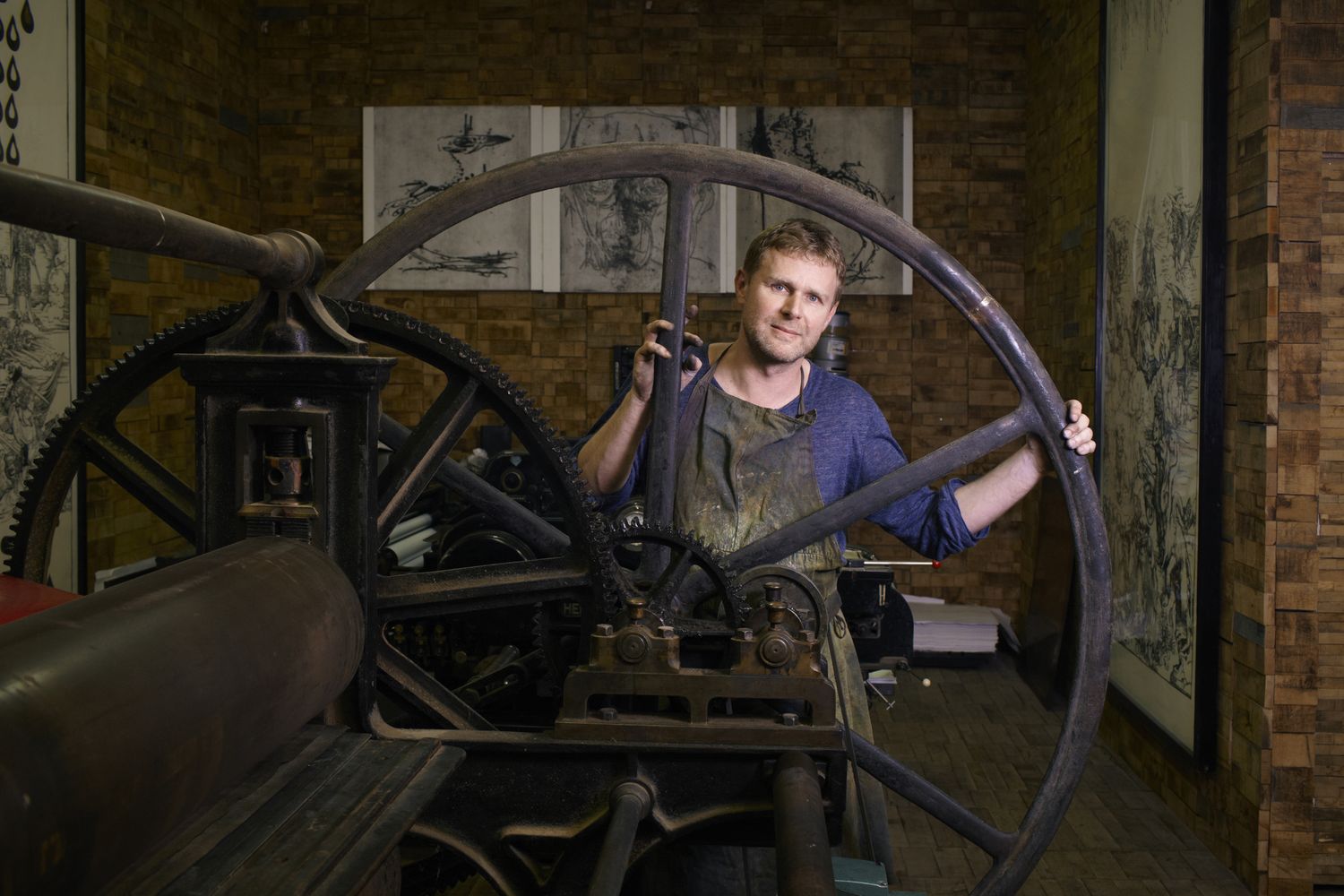
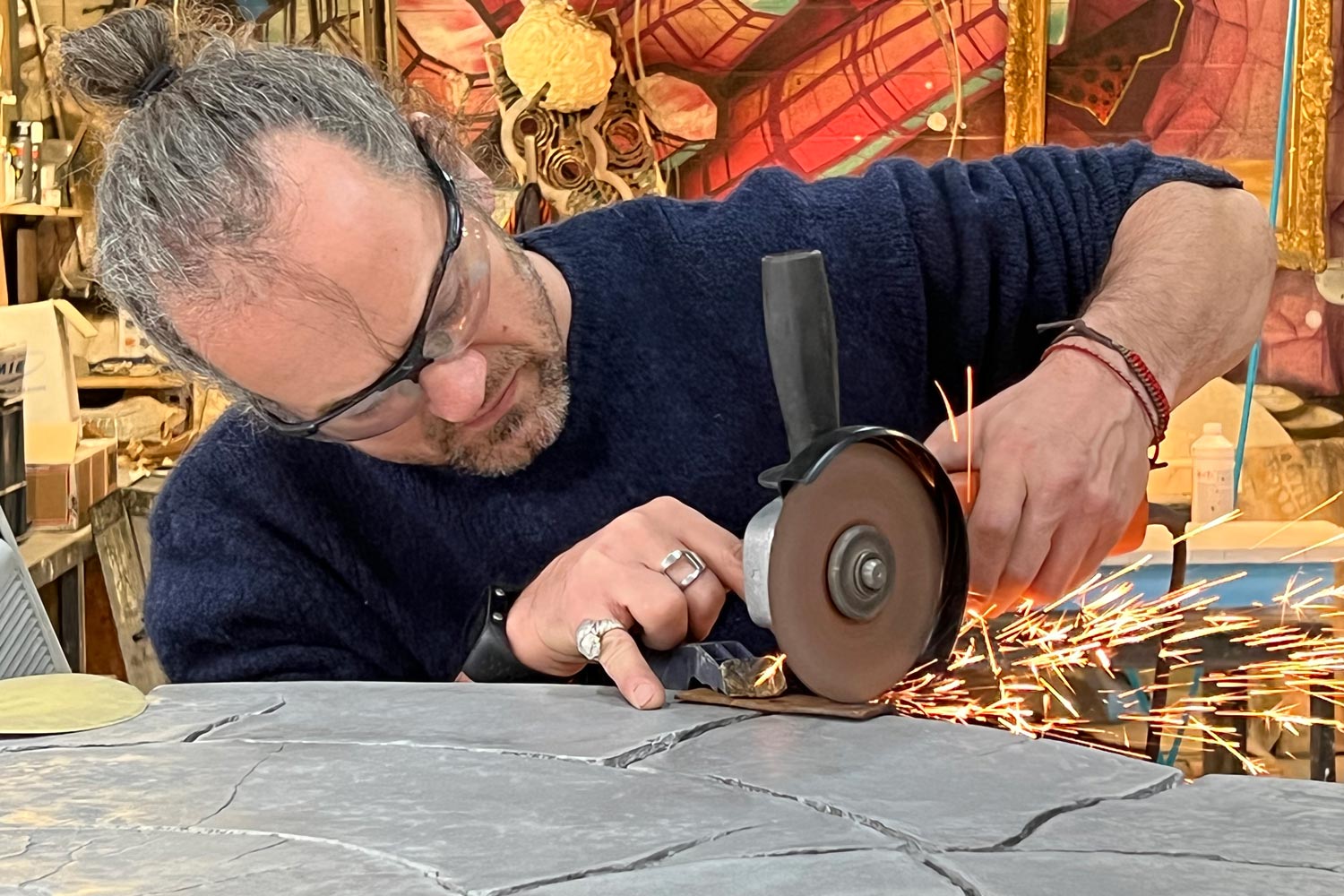
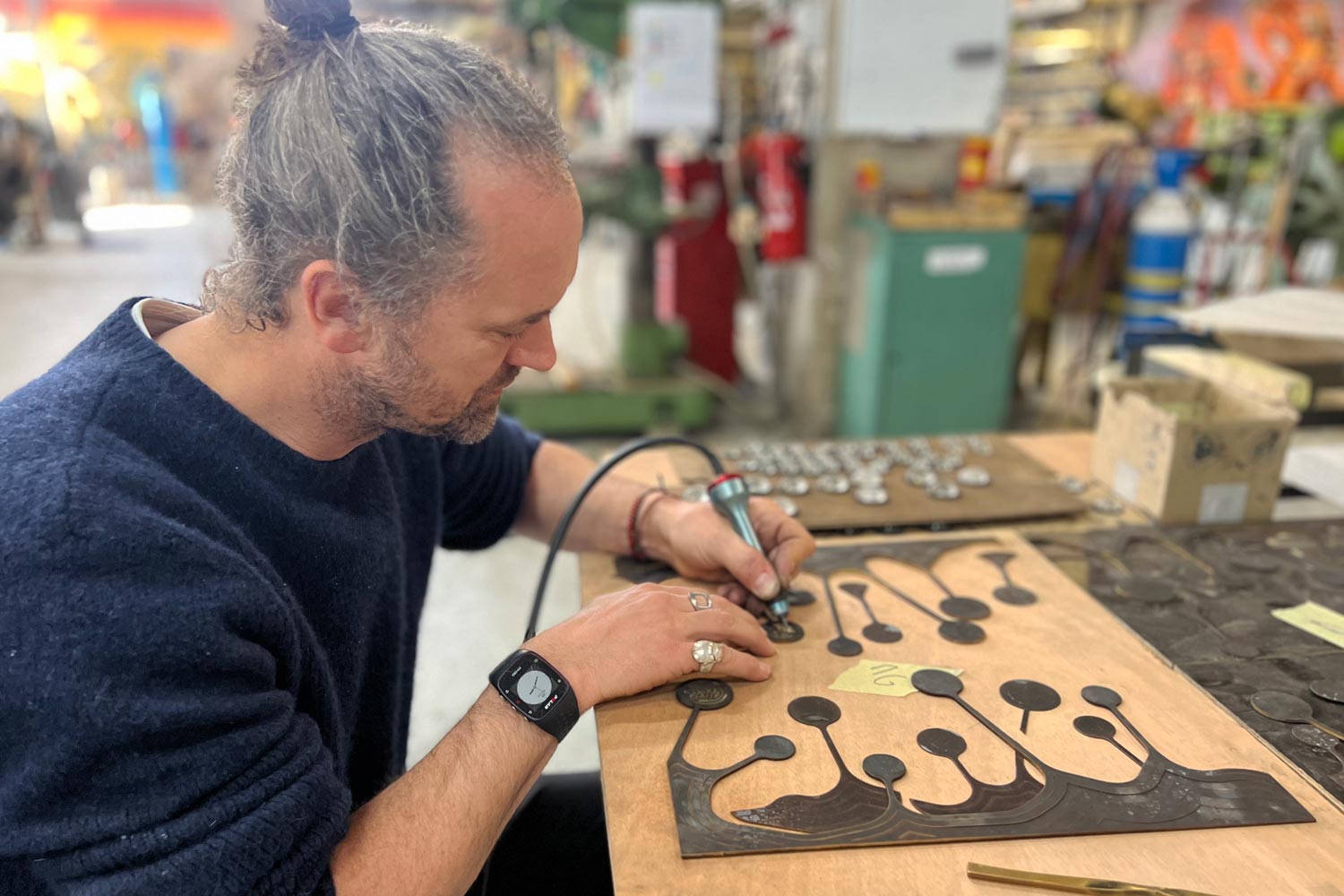
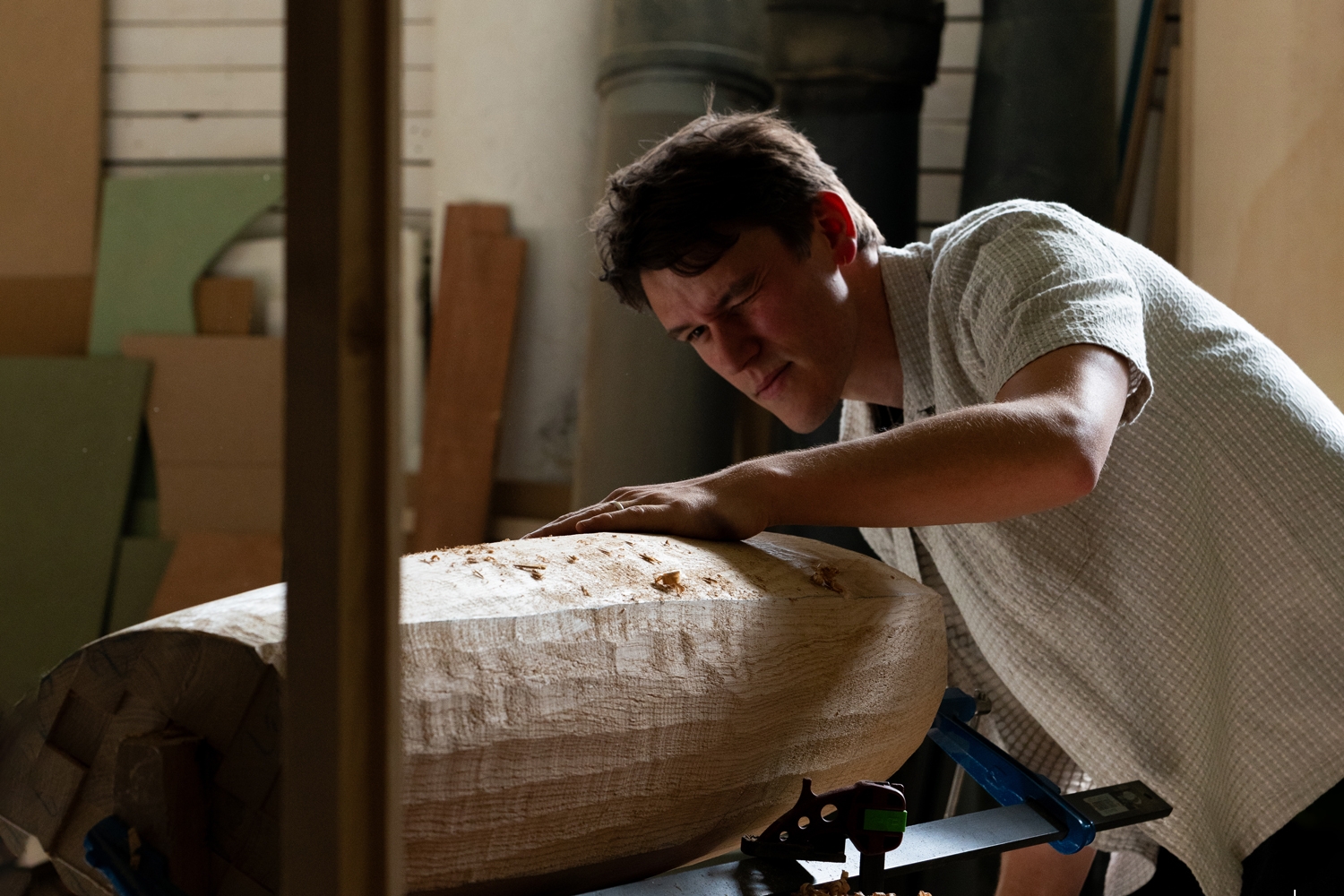
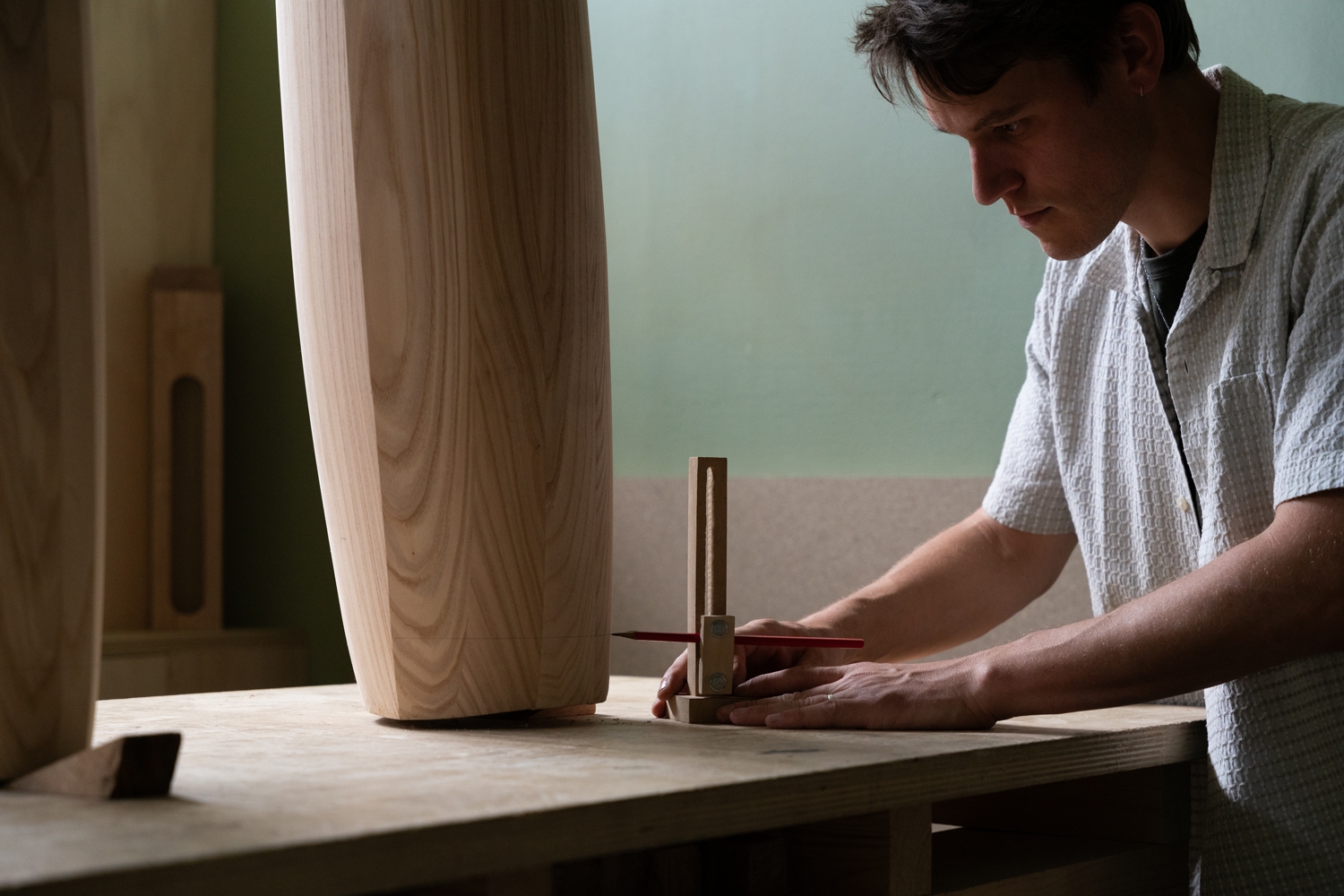
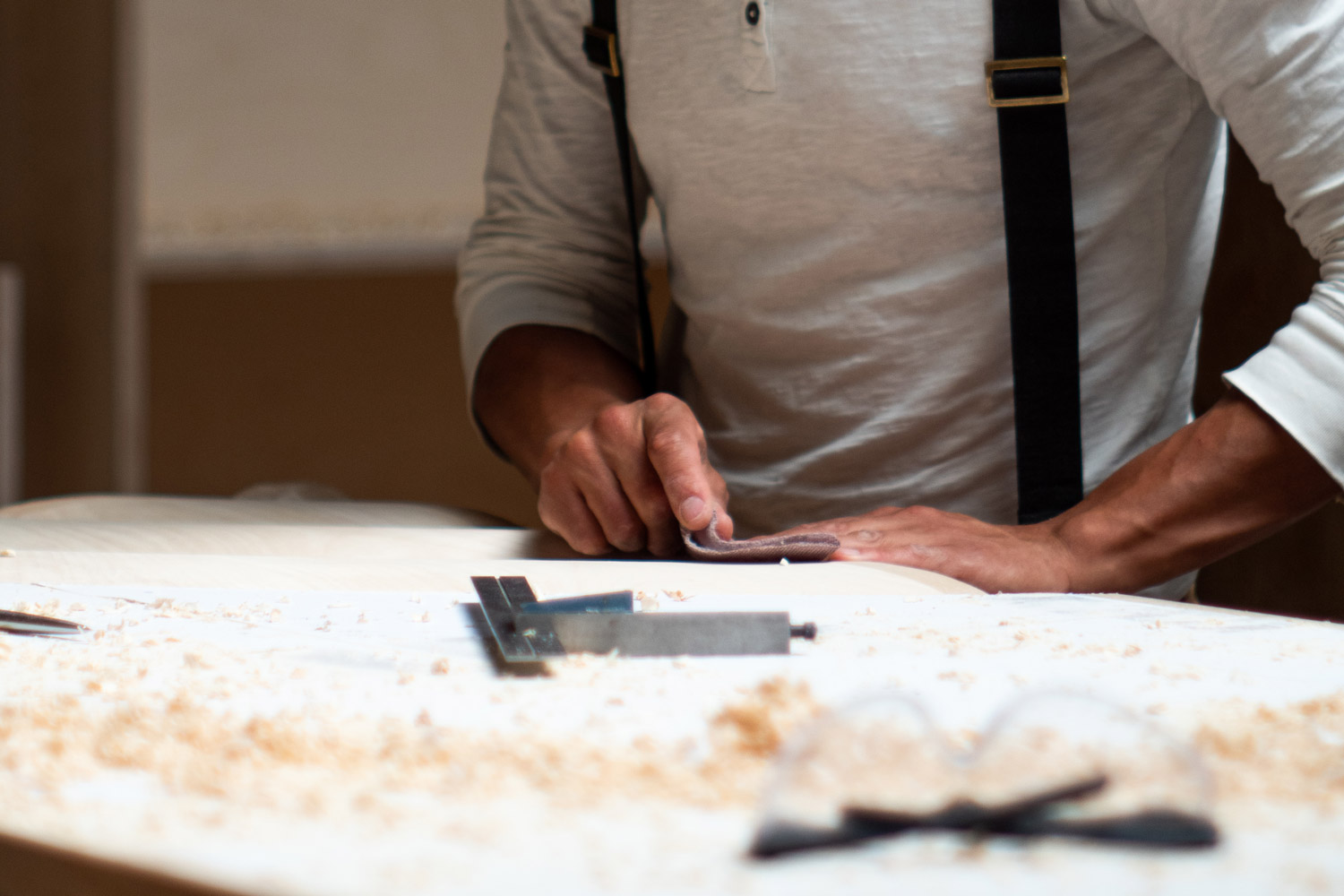
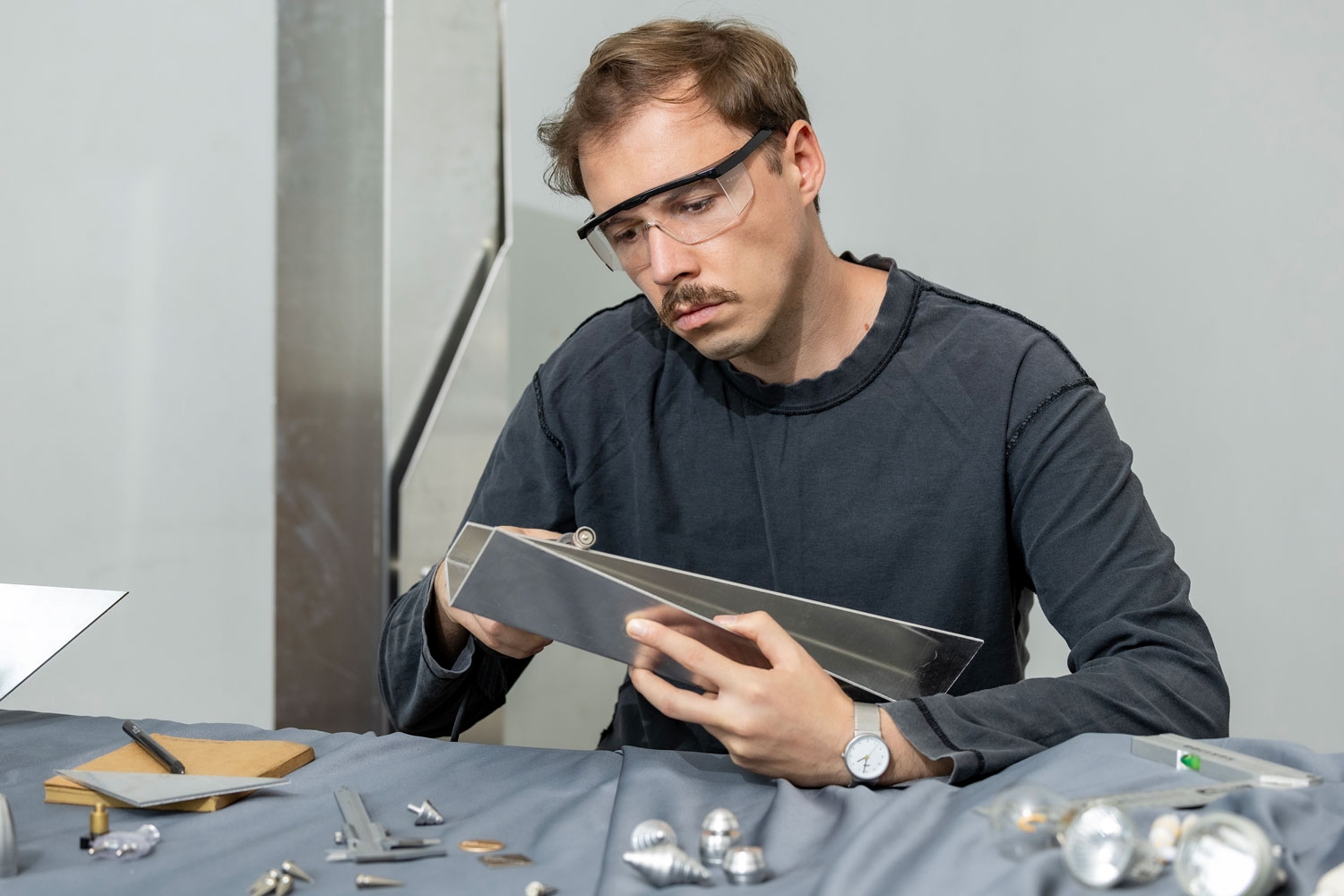
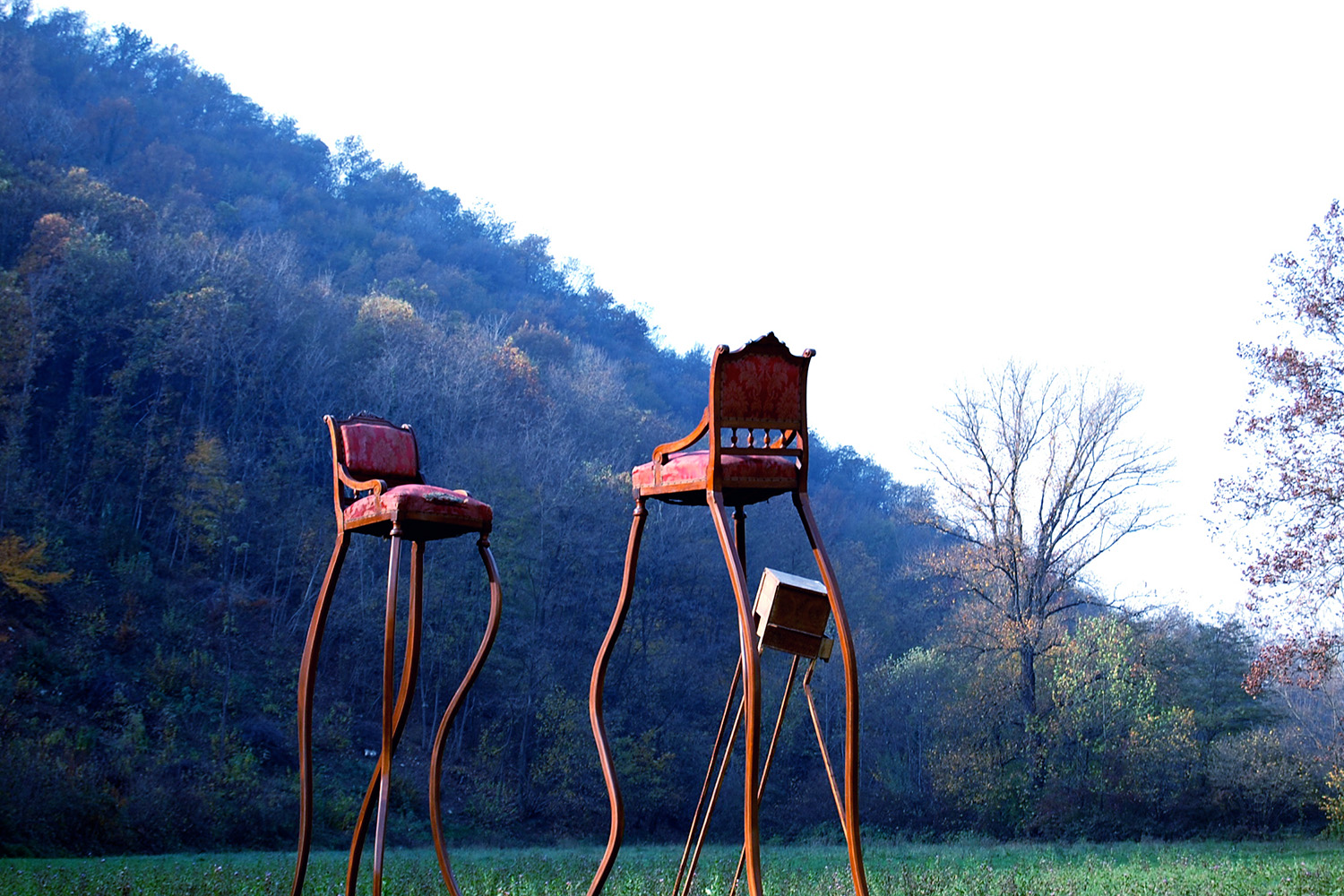
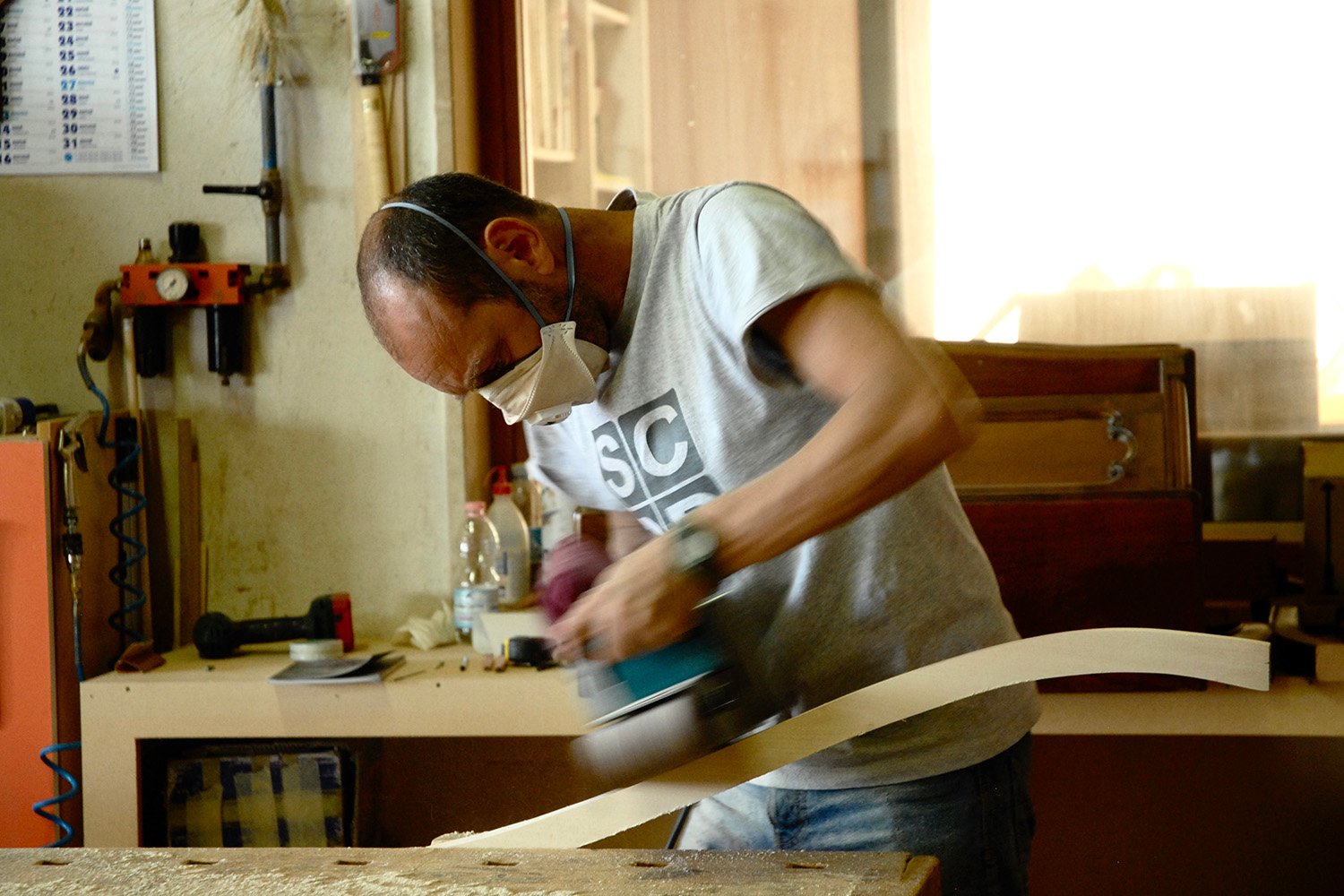
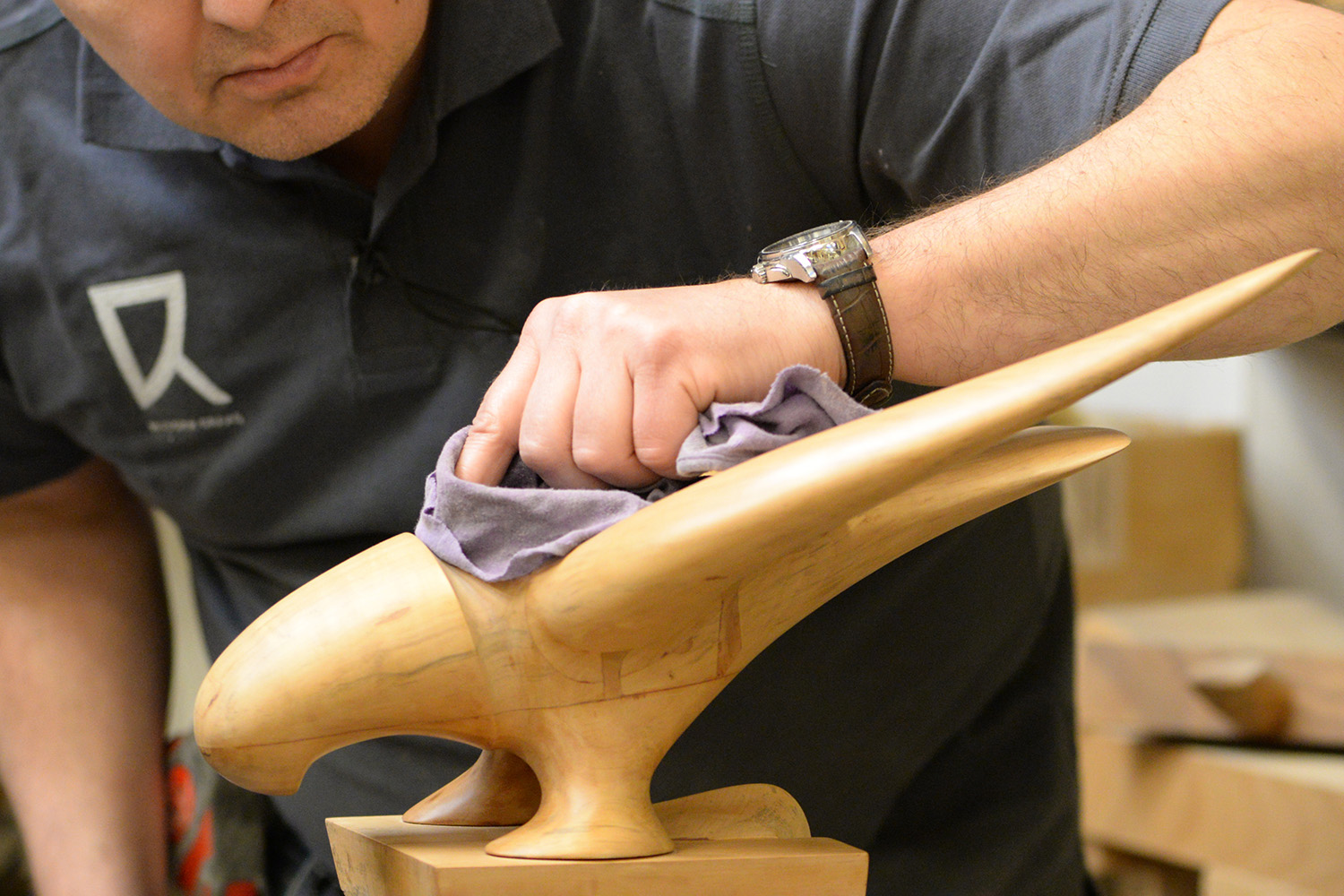
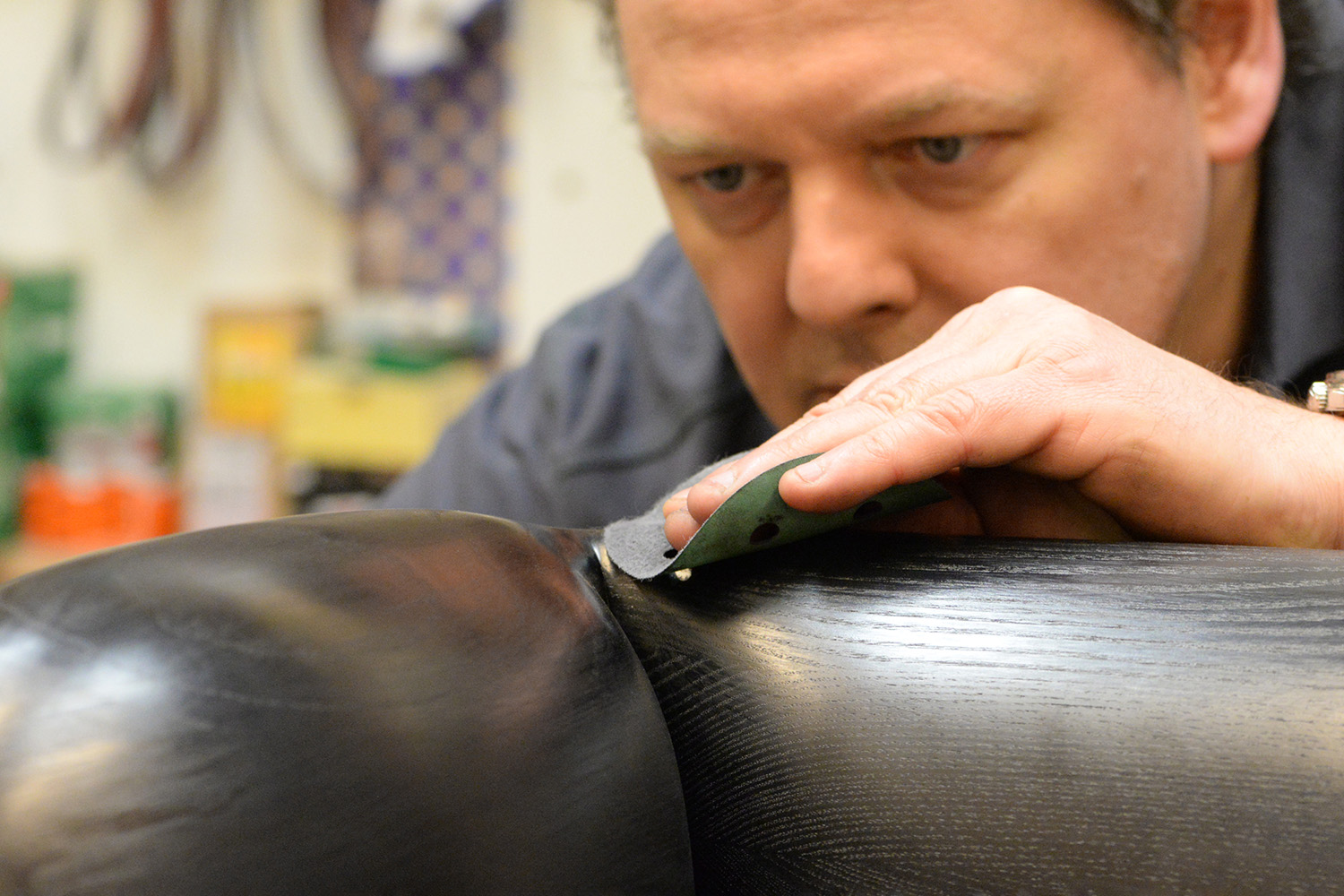
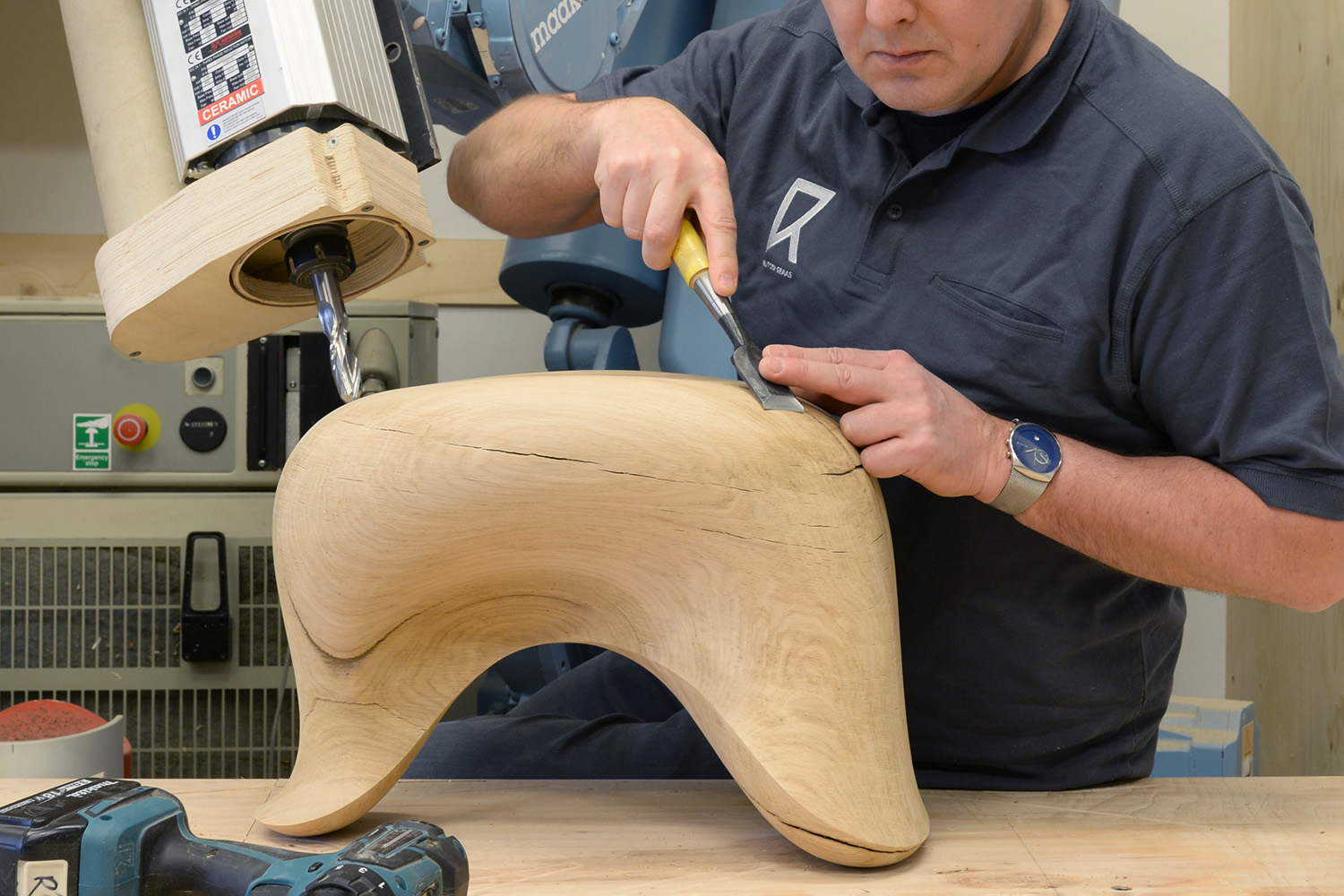
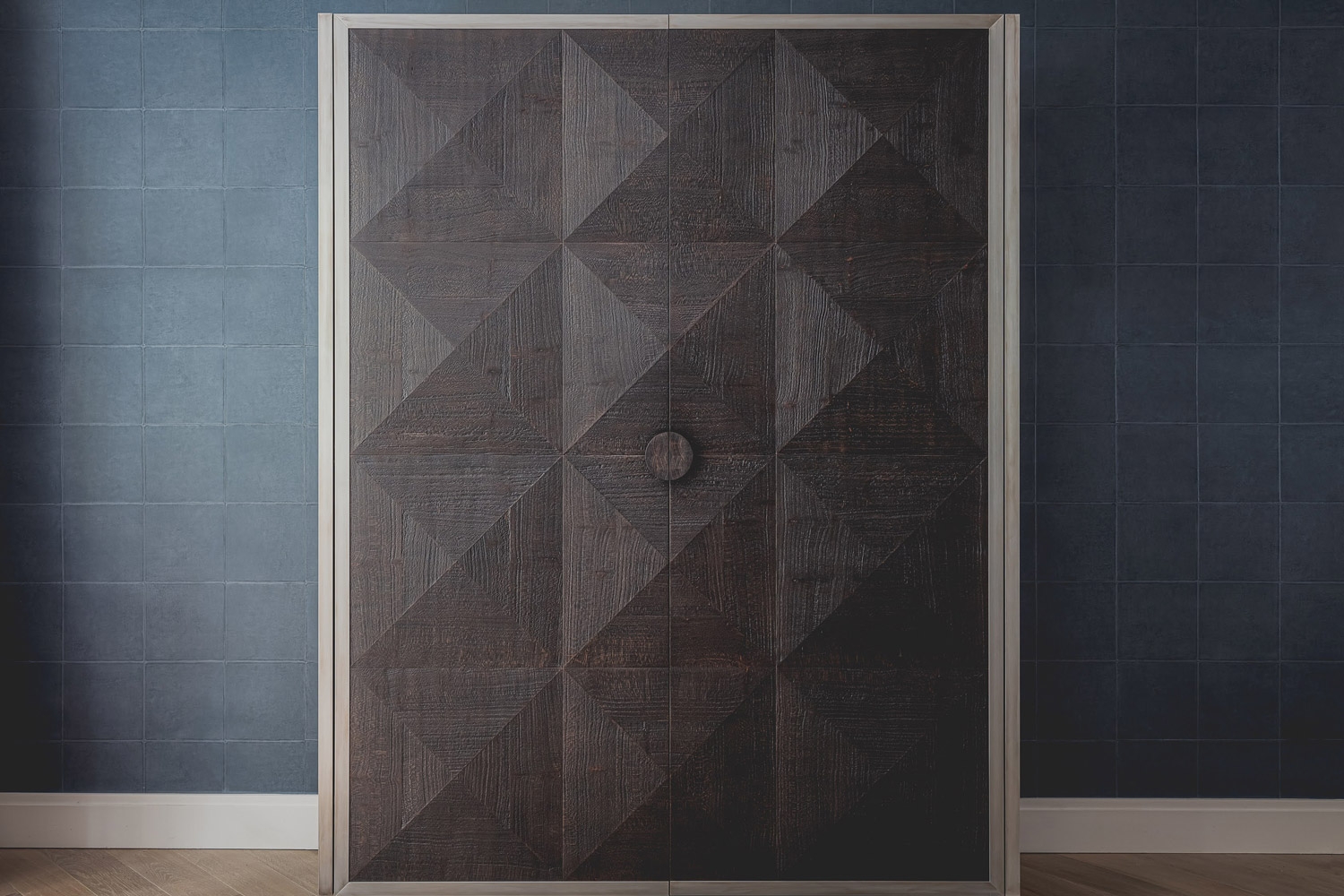
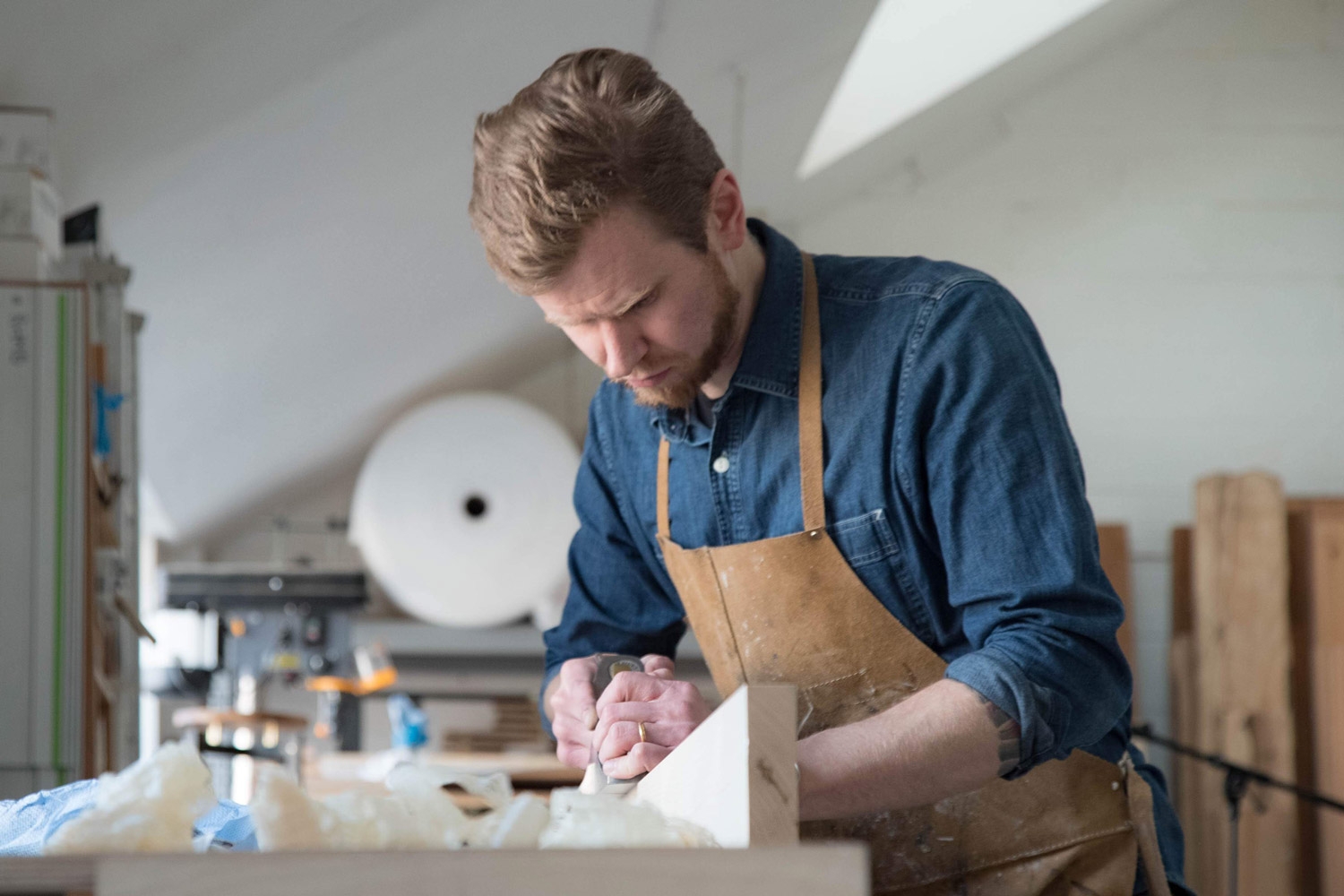
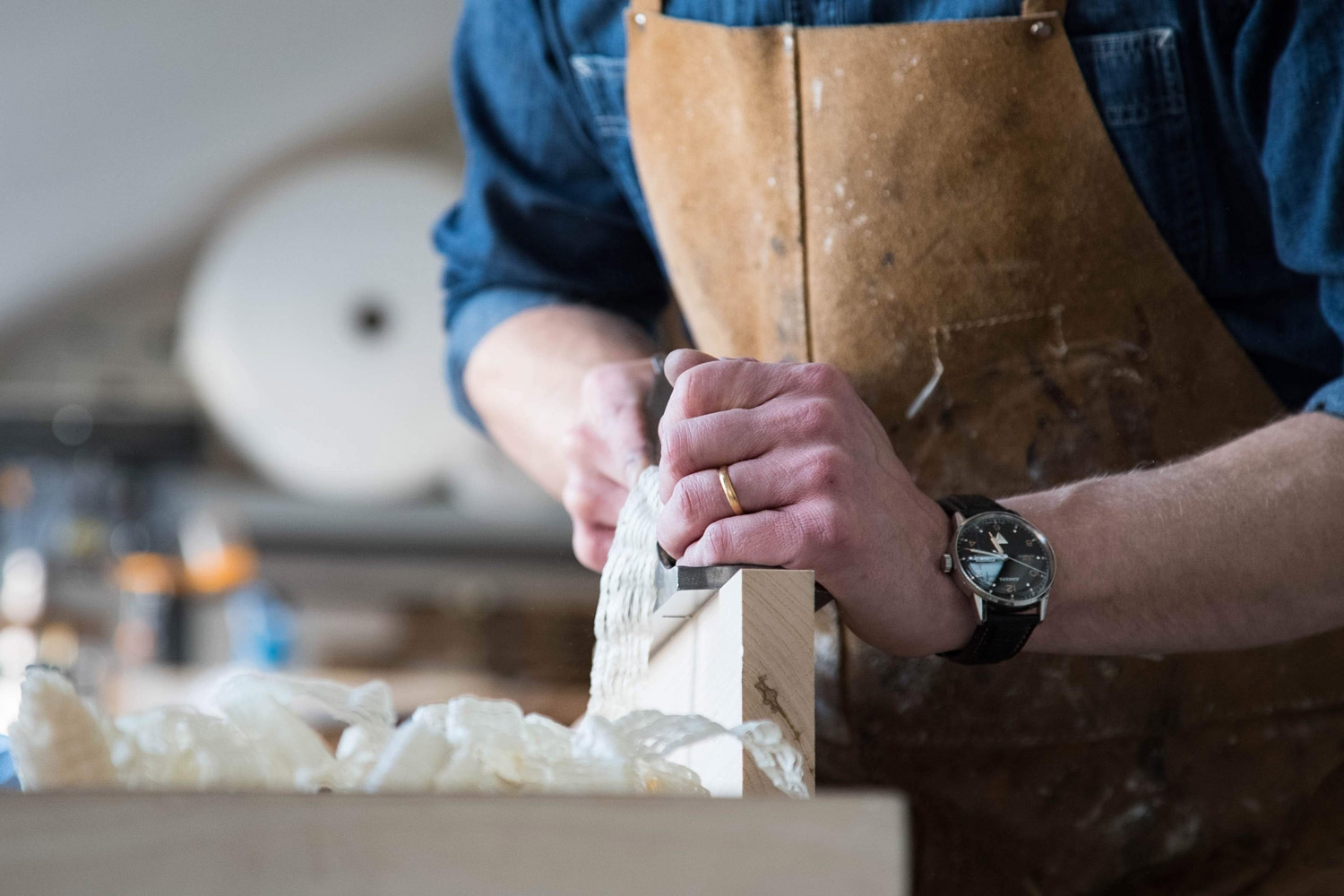
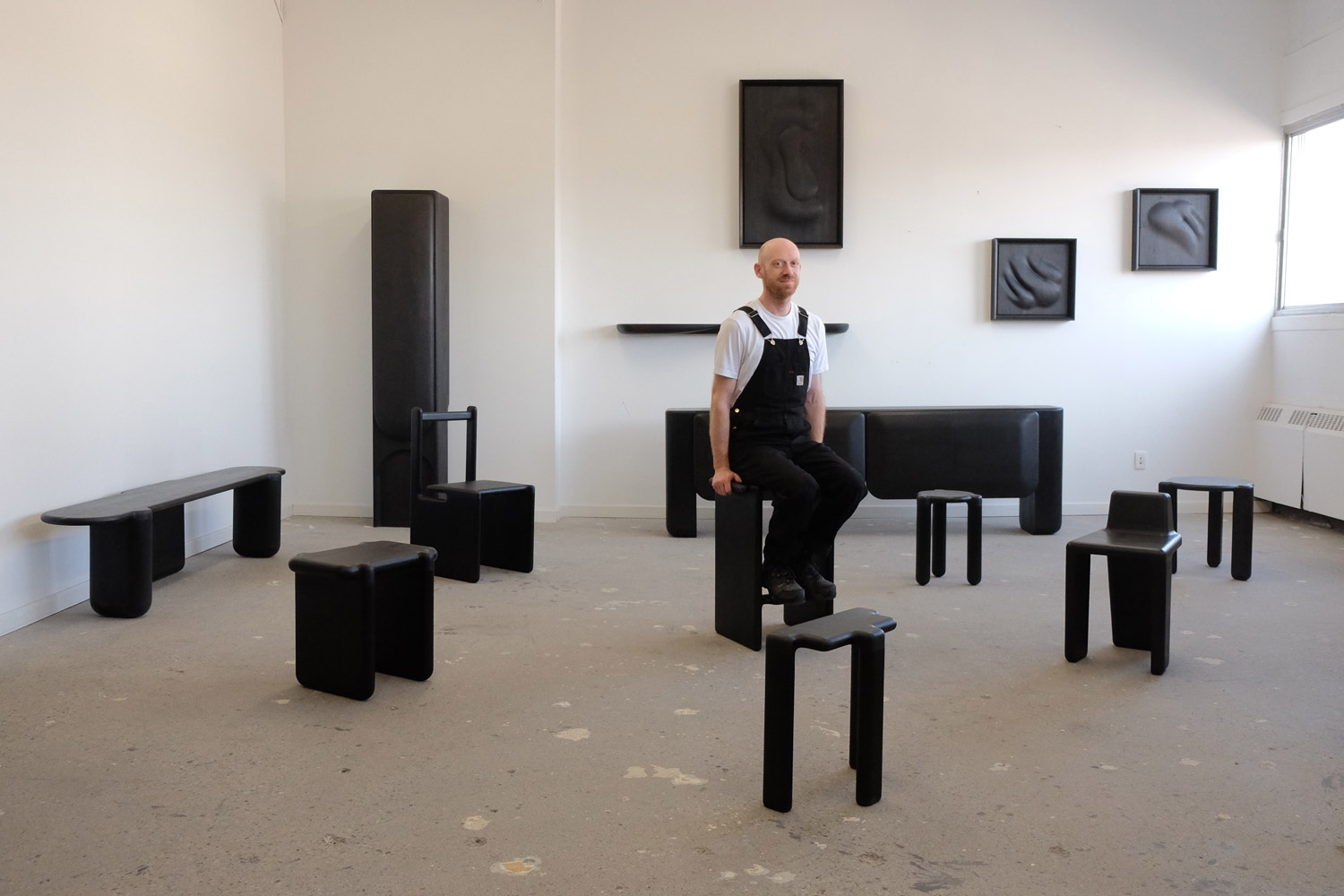
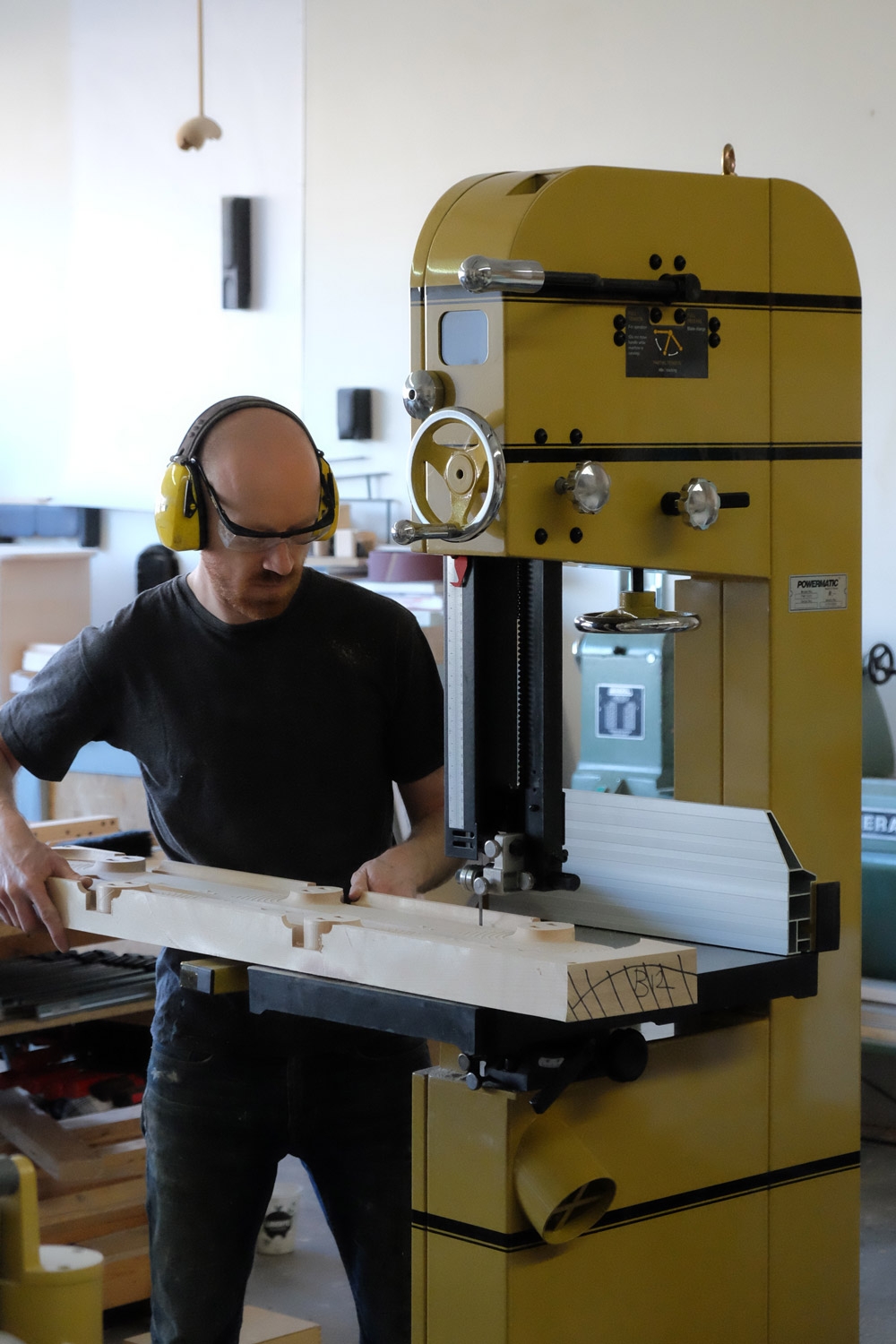
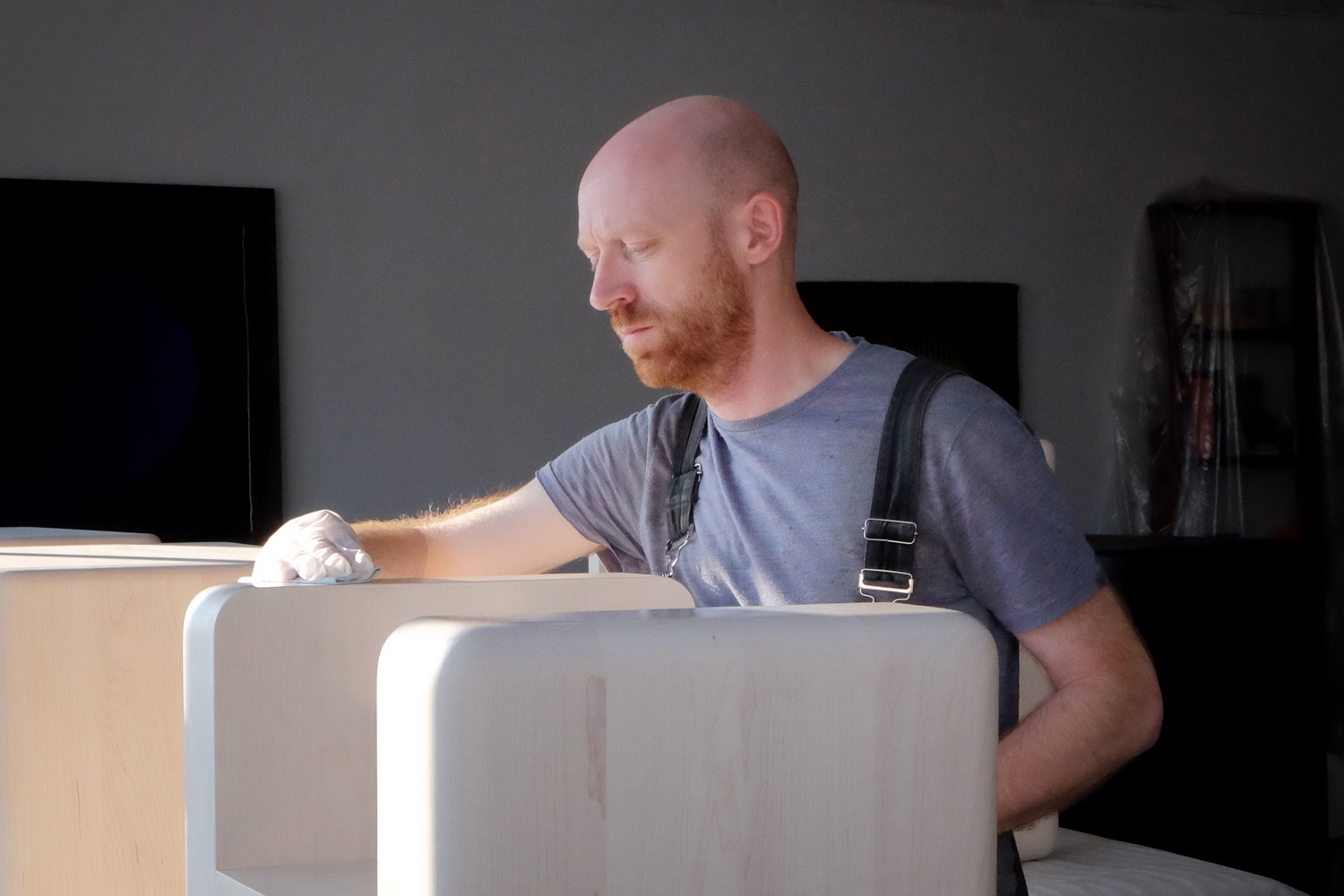
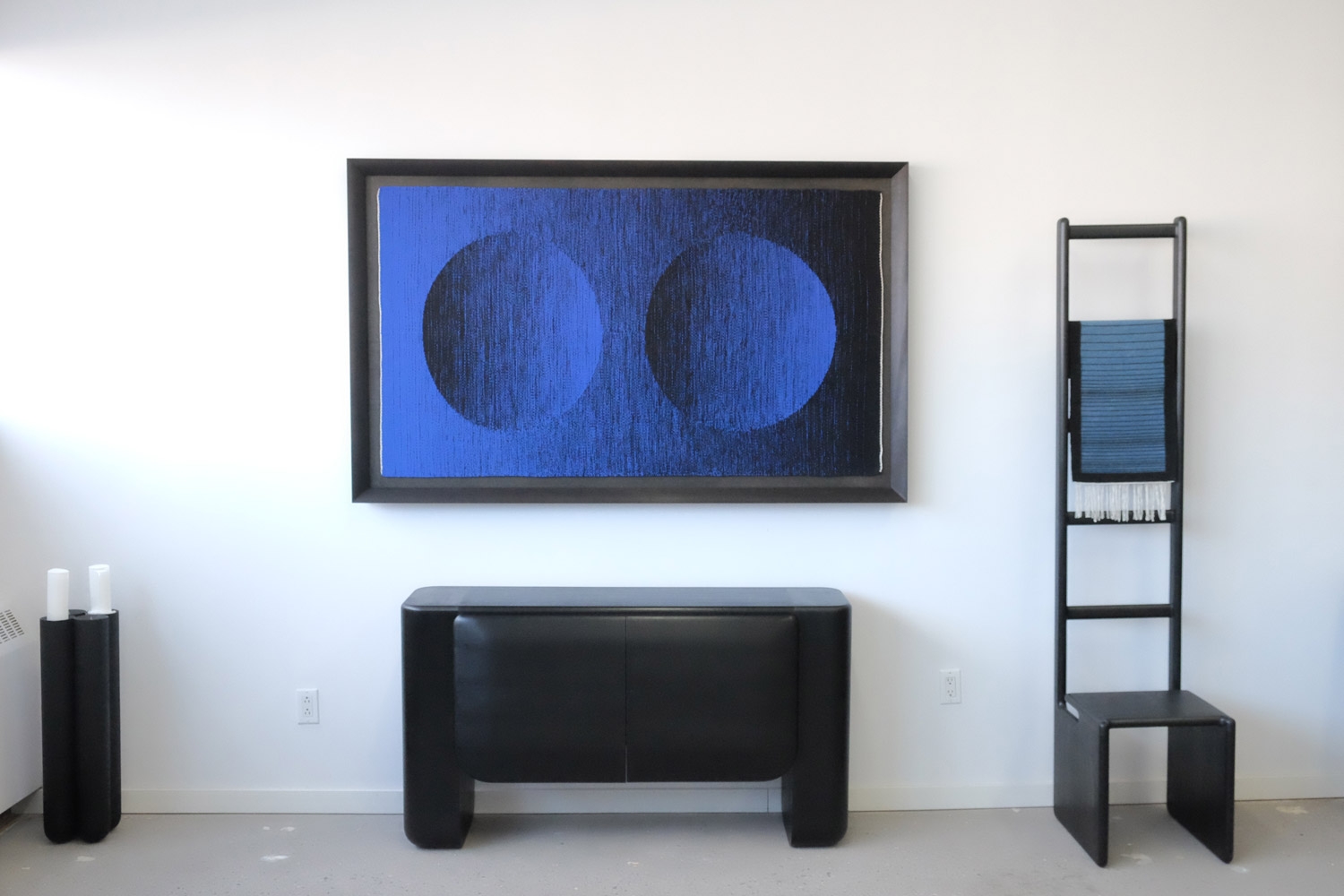
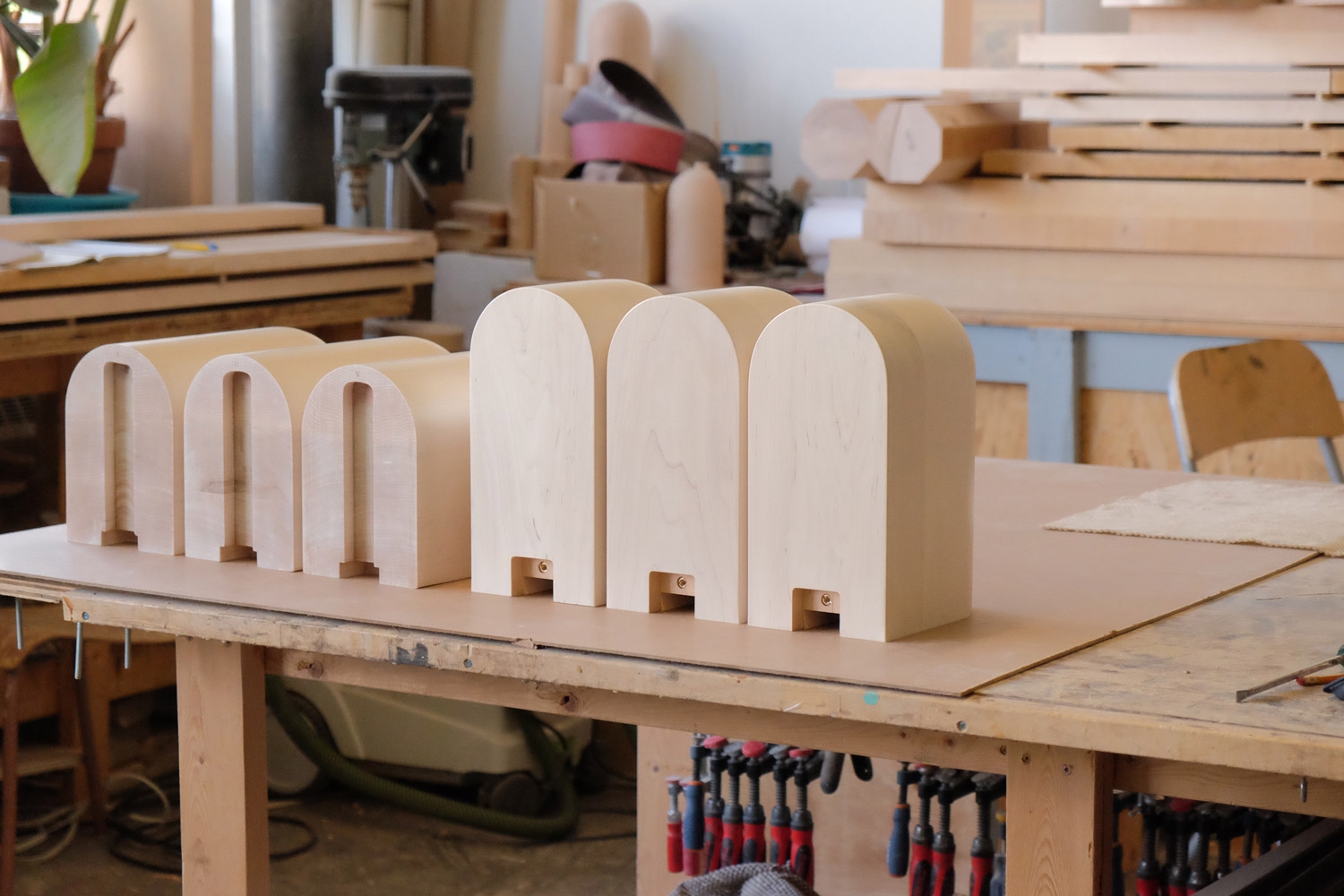
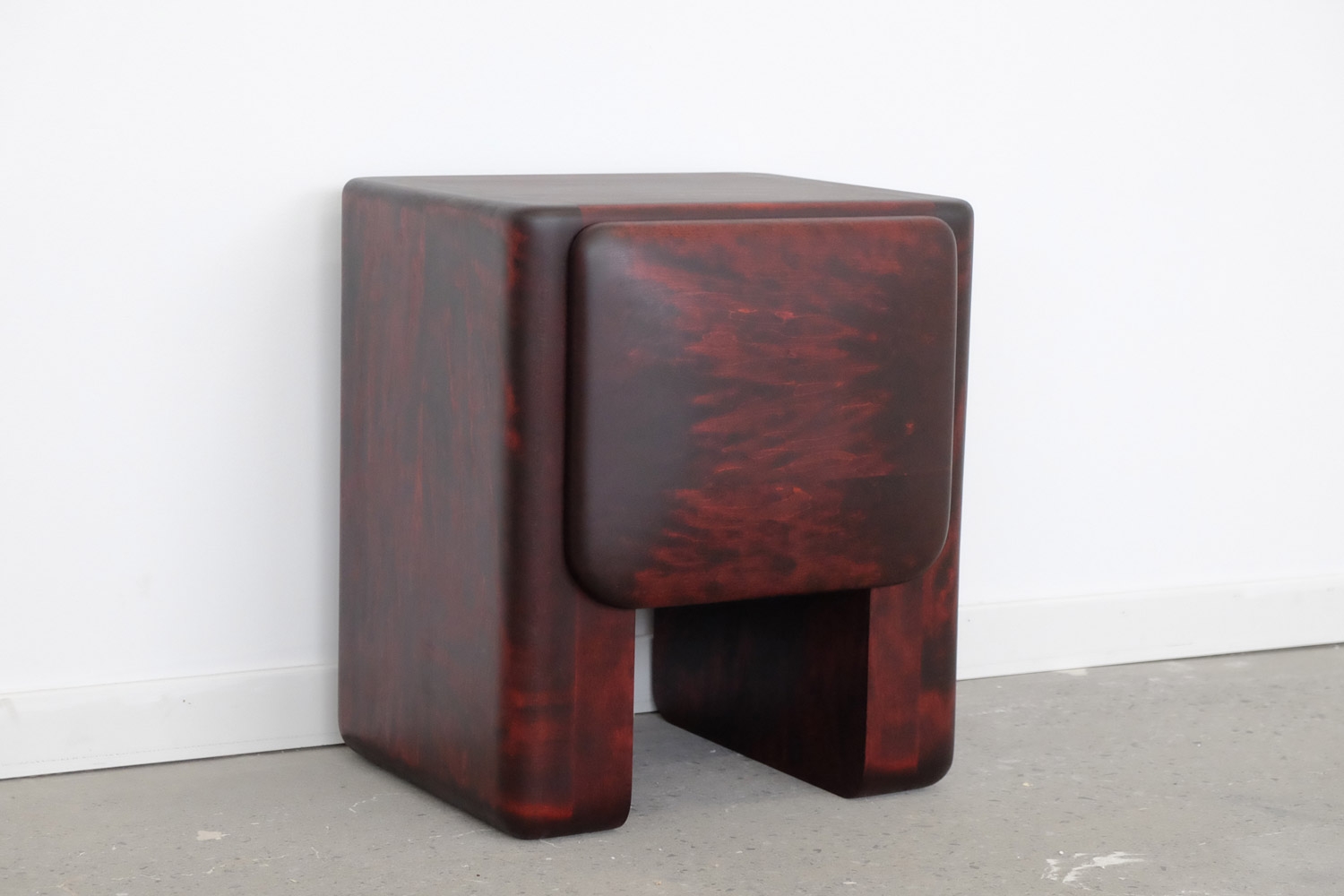
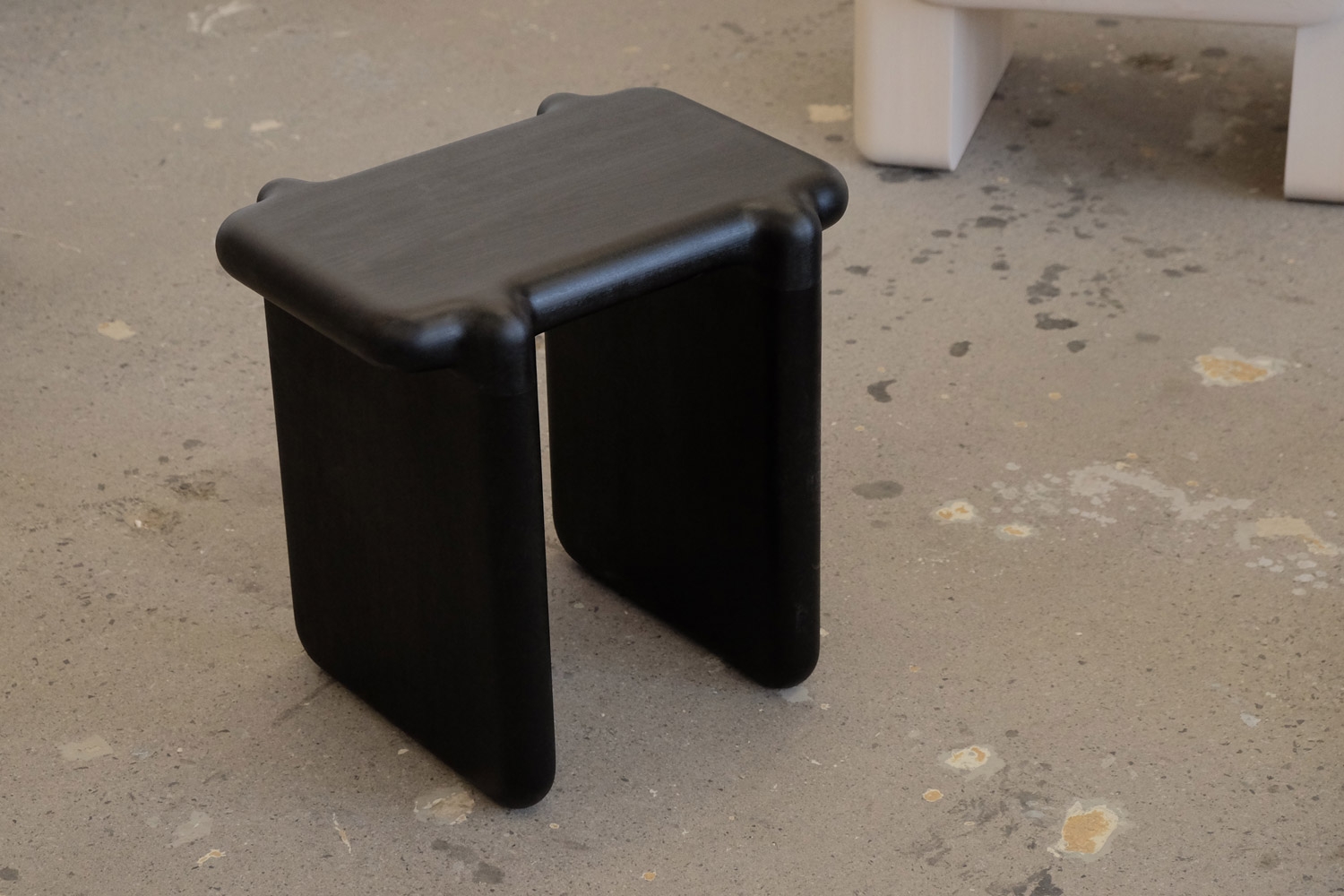
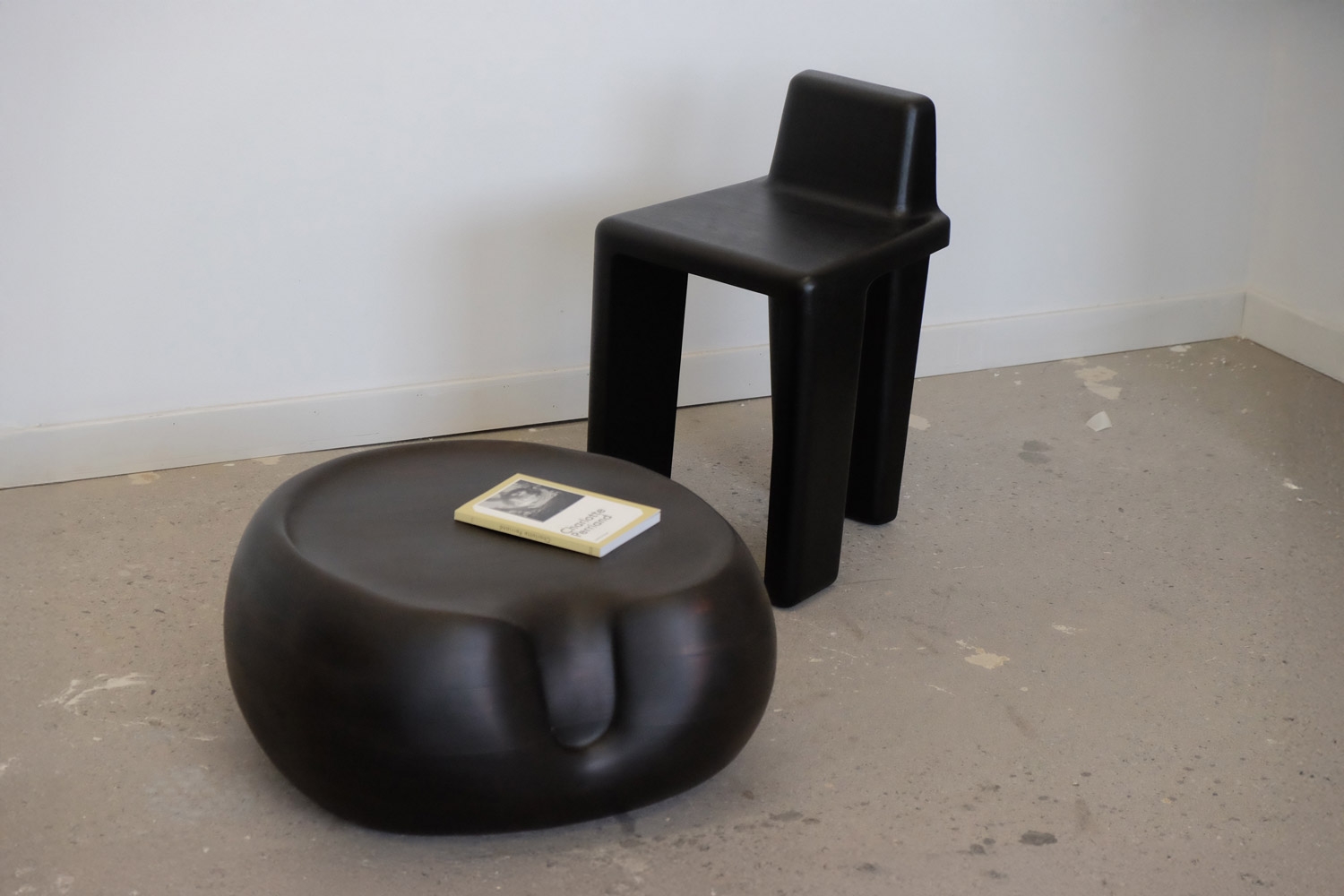
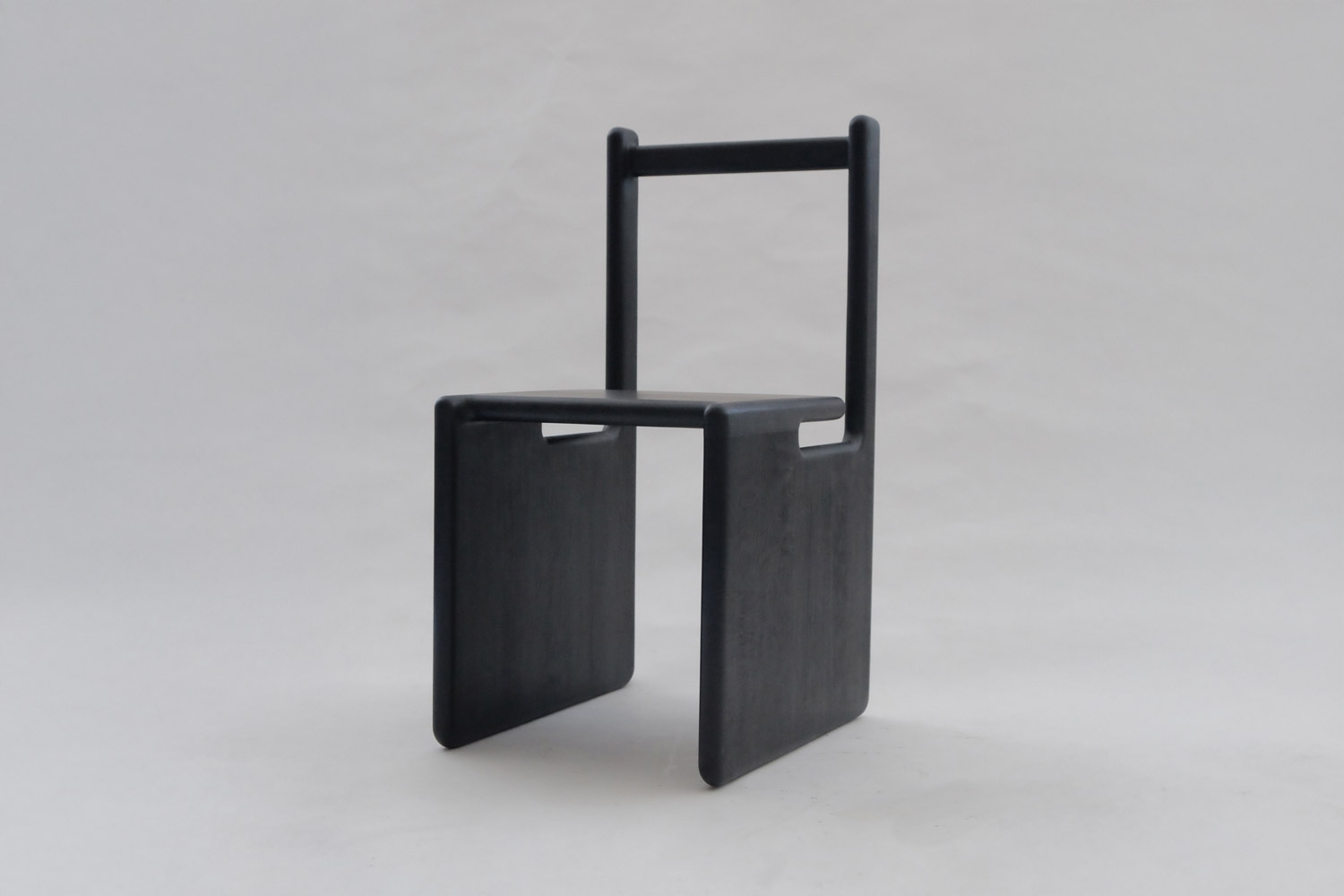
Loïc Bard produces furniture defined by structural clarity and disciplined material use. Trained at Montréal’s École du Meuble after earlier studies in agronomy, he develops each piece from drawings and scale models. "I determine a piece's function only once the structural form is completed," Loïc says. He works exclusively with solid maple, and applies bleach and controlled charring to achieve uniform light or dark surfaces with minimal visual noise and a leather-like surface finish. Loïc's process combines CNC roughing with intricate hand shaping. "My goal is to create durable objects built with a stable performance," he explains.

INTERVIEW
After moving to Montréal, I joined the École du Meuble in 2009 and graduated in 2012. By then, I was committed to making furniture full-time. Since then, I have been working remotely with my apprentice, a French designer-maker with whom I have a strong working relationship. It makes sense for me to move close to him in Besançon, France so that we can grow our practices together.
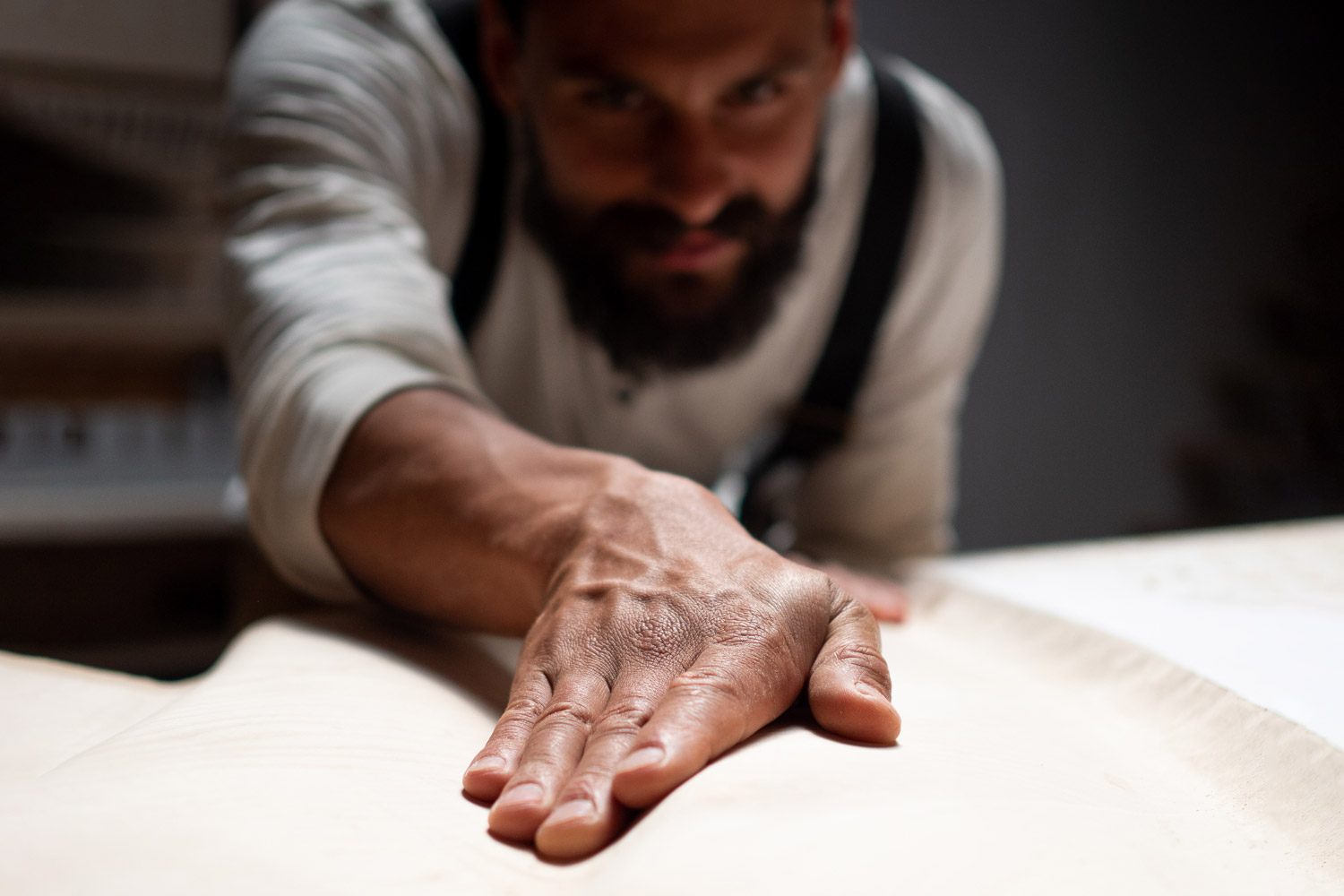
I am influenced by the clarity of line, repetition and load-bearing forms of buildings and engineered structures. I also pay attention to how an object feels when it is held. In a project I worked on with visually impaired collaborators, I had to design objects that could be understood purely through touch. It made me think more systematically about surfaces and physical cues.
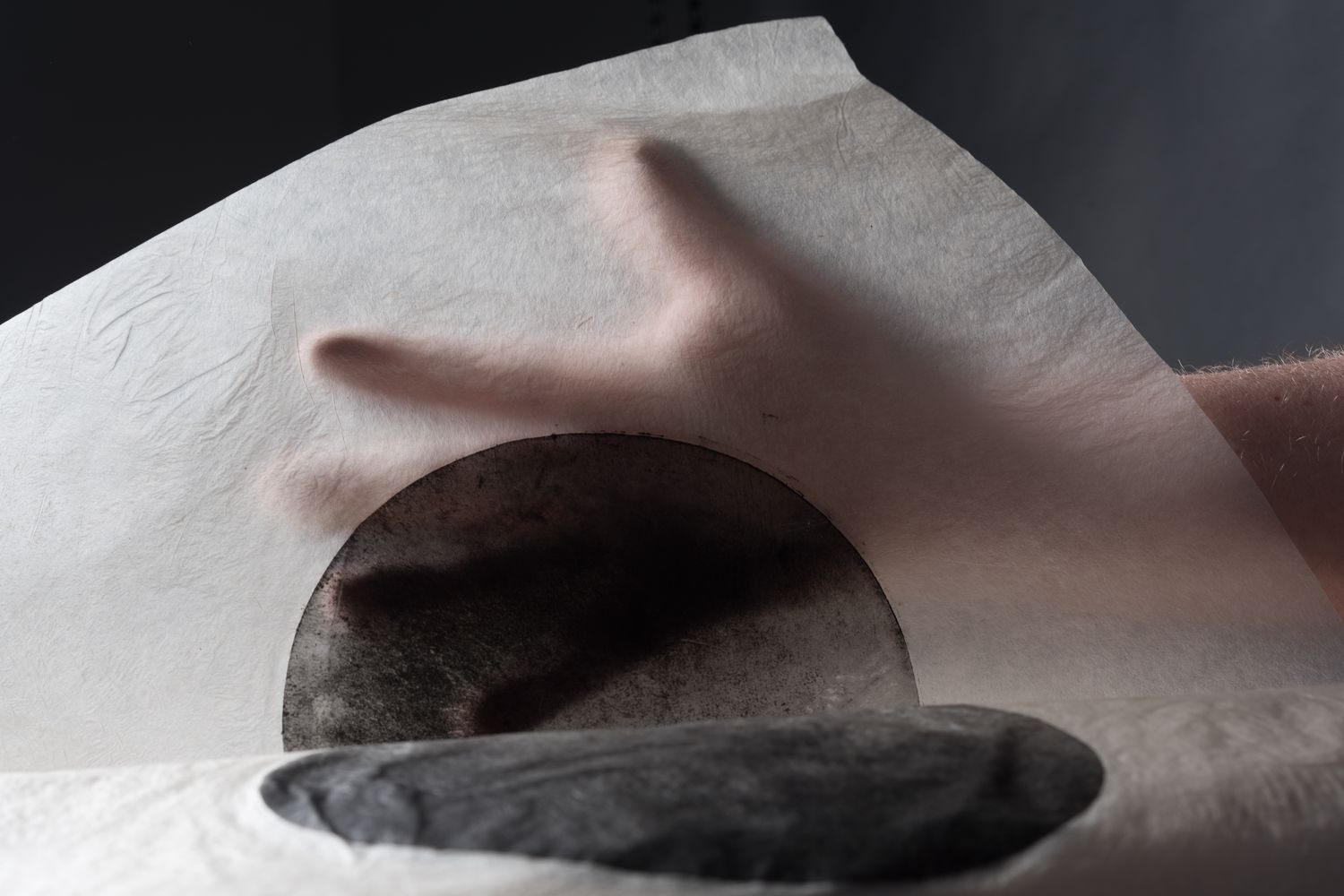
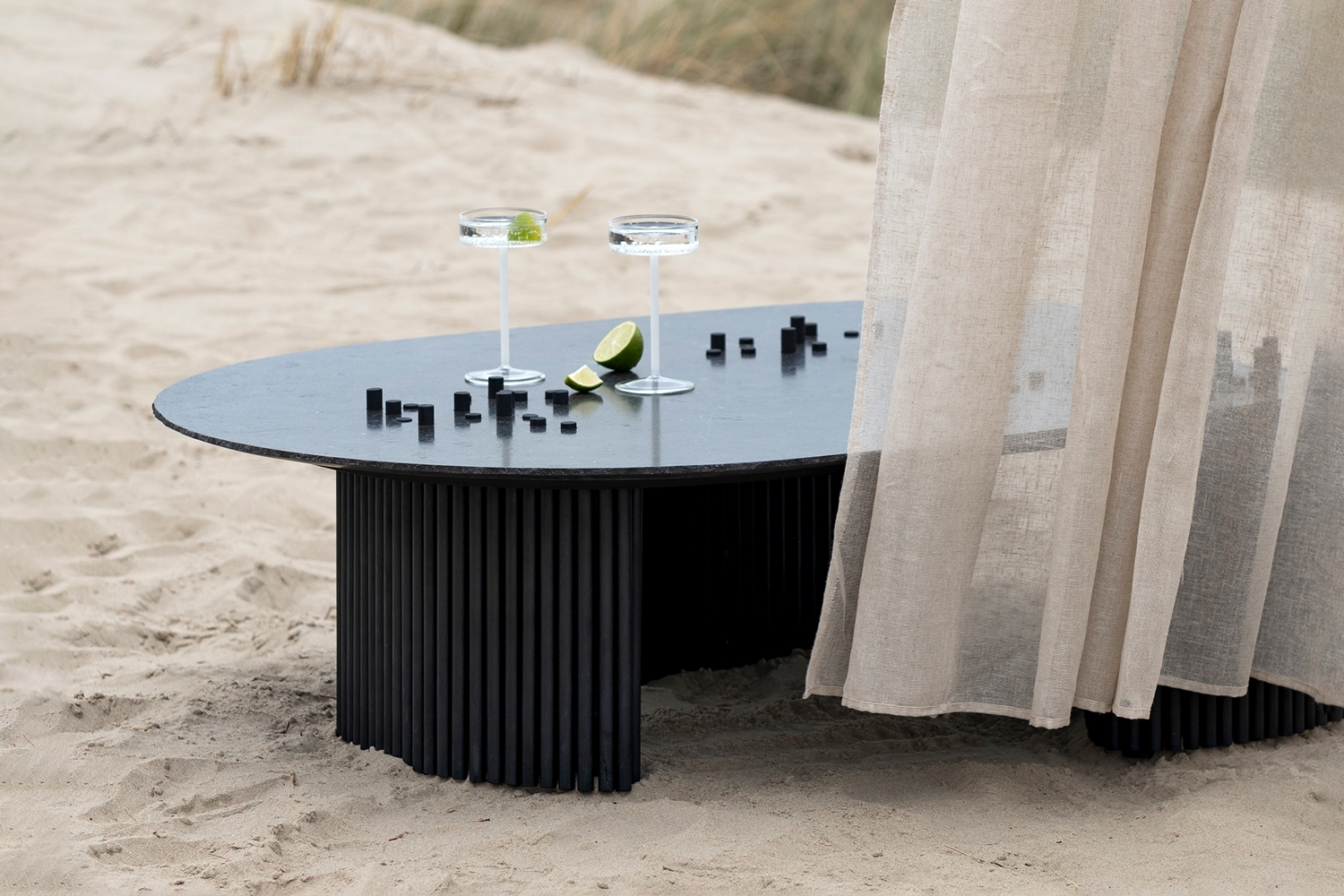
It was a practical decision, as maple is affordable and readily available. Bleached, it becomes very pale, and burned, it turns a dry, deep black. The grain remains visible, but the surface takes on a leather-like appearance.
I start with drawings and scale models to establish a form. I do not decide in advance whether it is a table or a chair. The function comes after the form is established, once the structure makes sense.
Loïc Bard
Furniture maker
Orchamps, France
ADDRESS
Address upon request, Orchamps, France
AVAILABILITY
By appointment only
LANGUAGES
French, English
Homo Faber Finds is a new service aiming to inspire admirers of craft to connect and collaborate with exceptional artisans.
We invite you to submit an enquiry here.