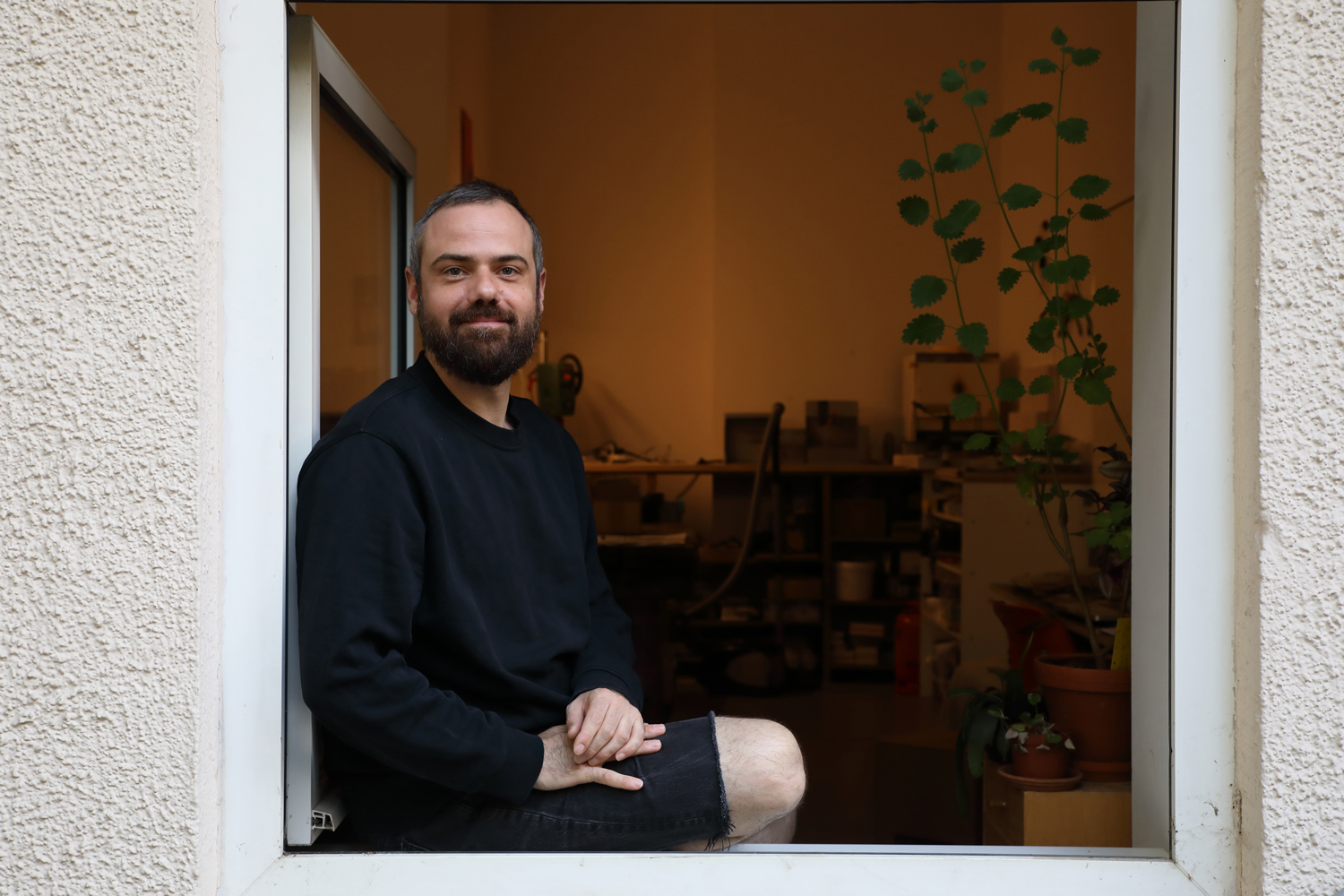
Loredana Mandas
Jewellery maker
Cagliari, Italy
Recommended by Ivano Atzori
Sardinian heritage jewellery with a modern twist
- Loredana learned her craft from the best filigree master of Sardinia
- She is one of the last creators of traditional Sardinian jewellery
- She worries that Sardinian filigree will die with her generation
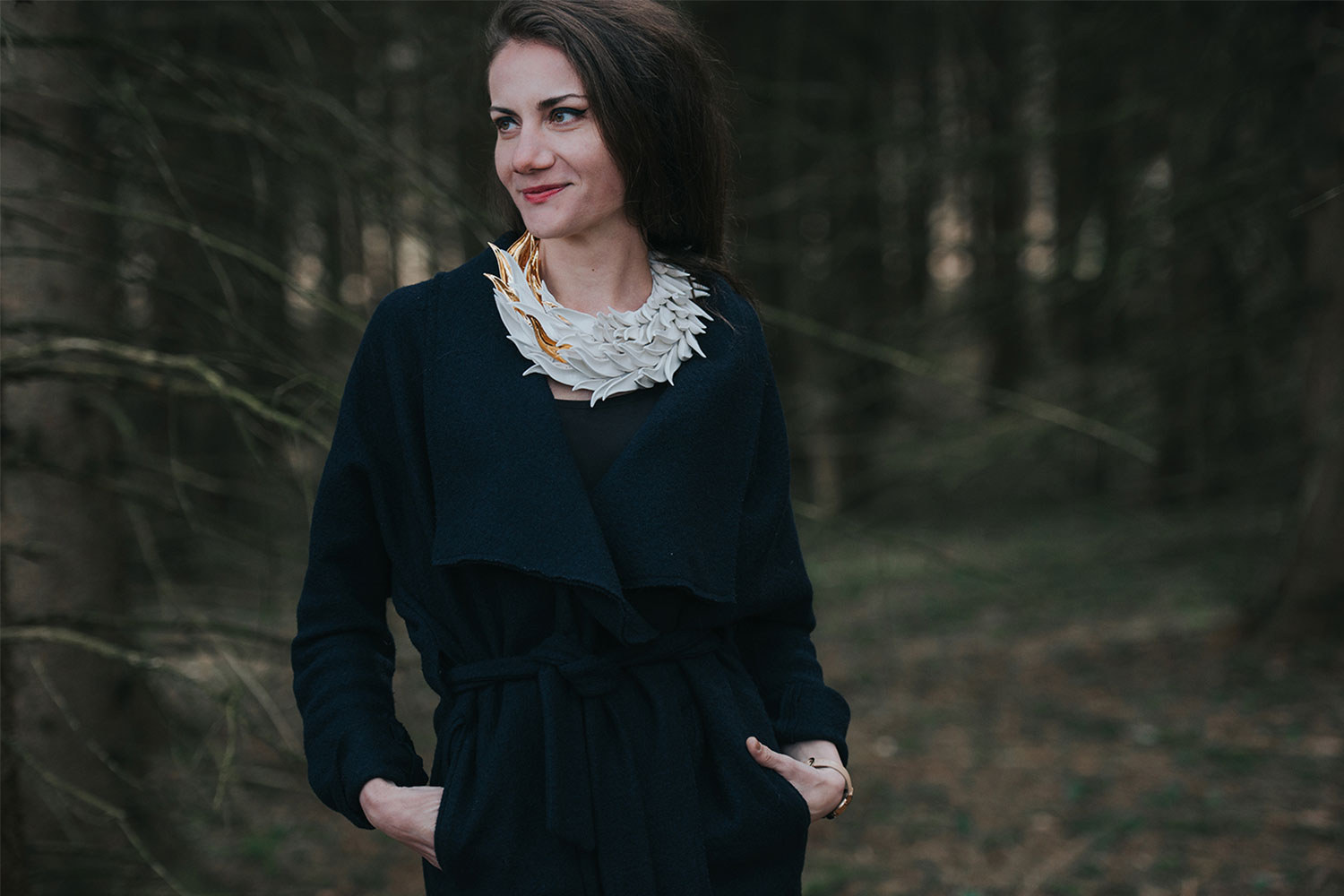
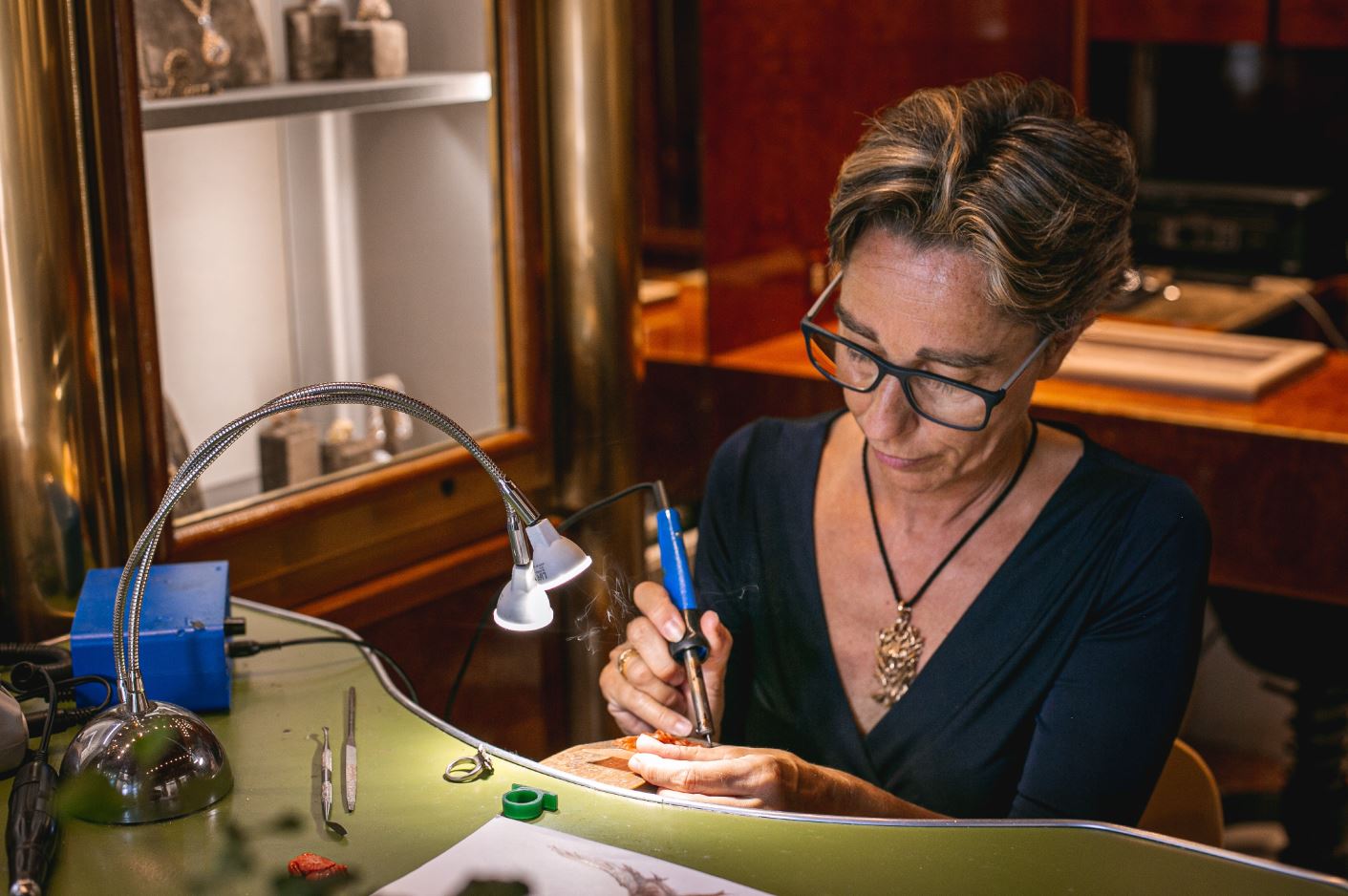
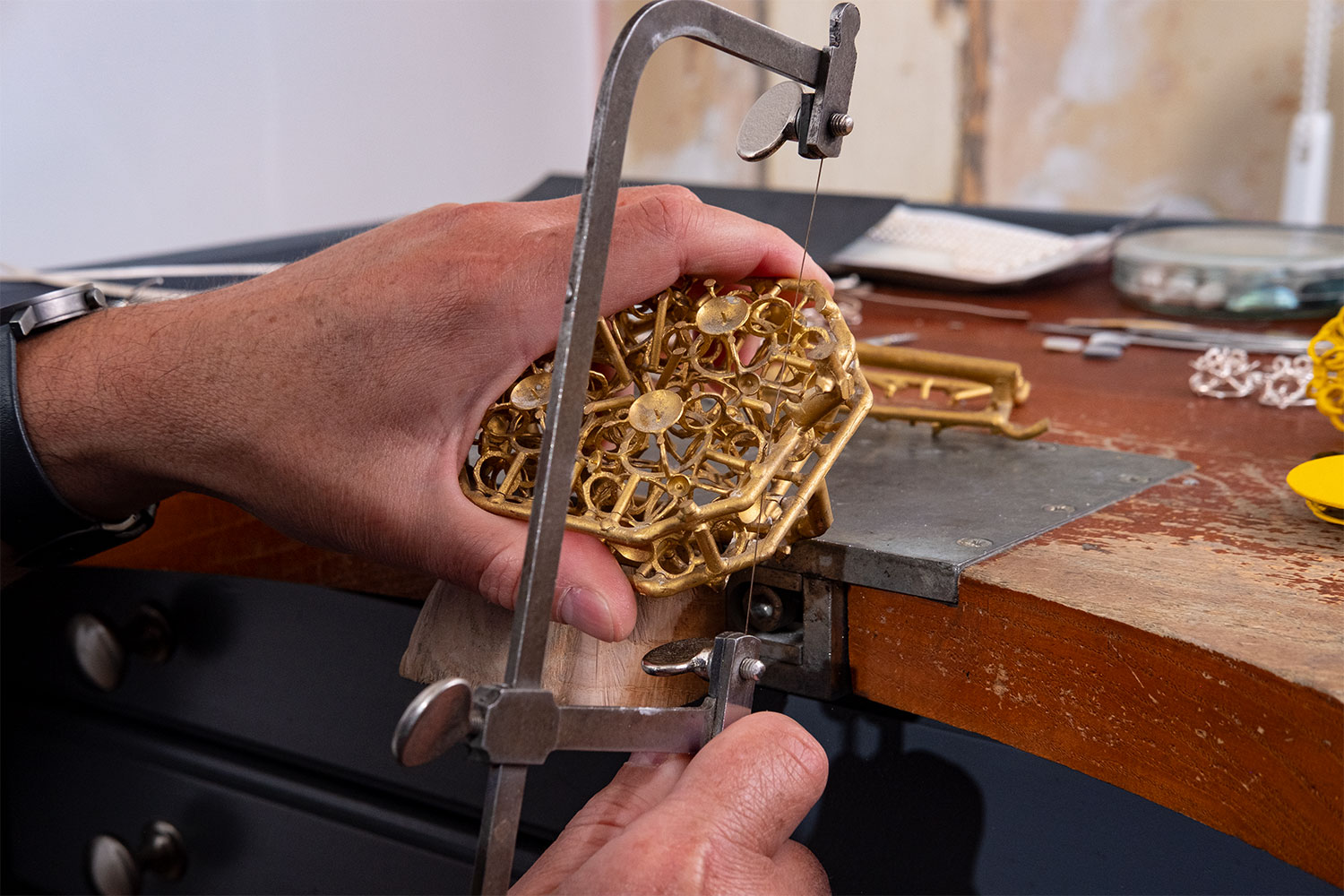
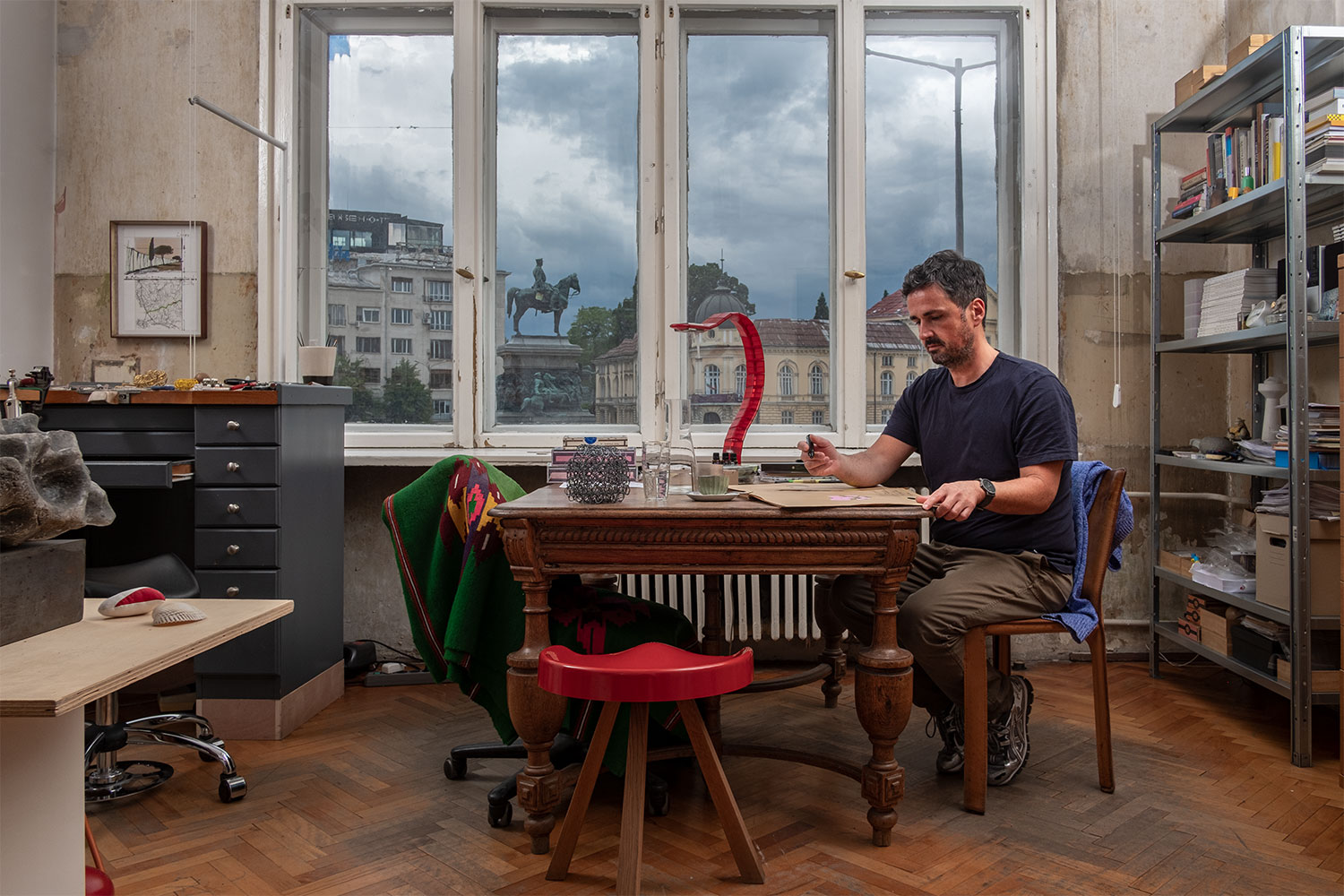
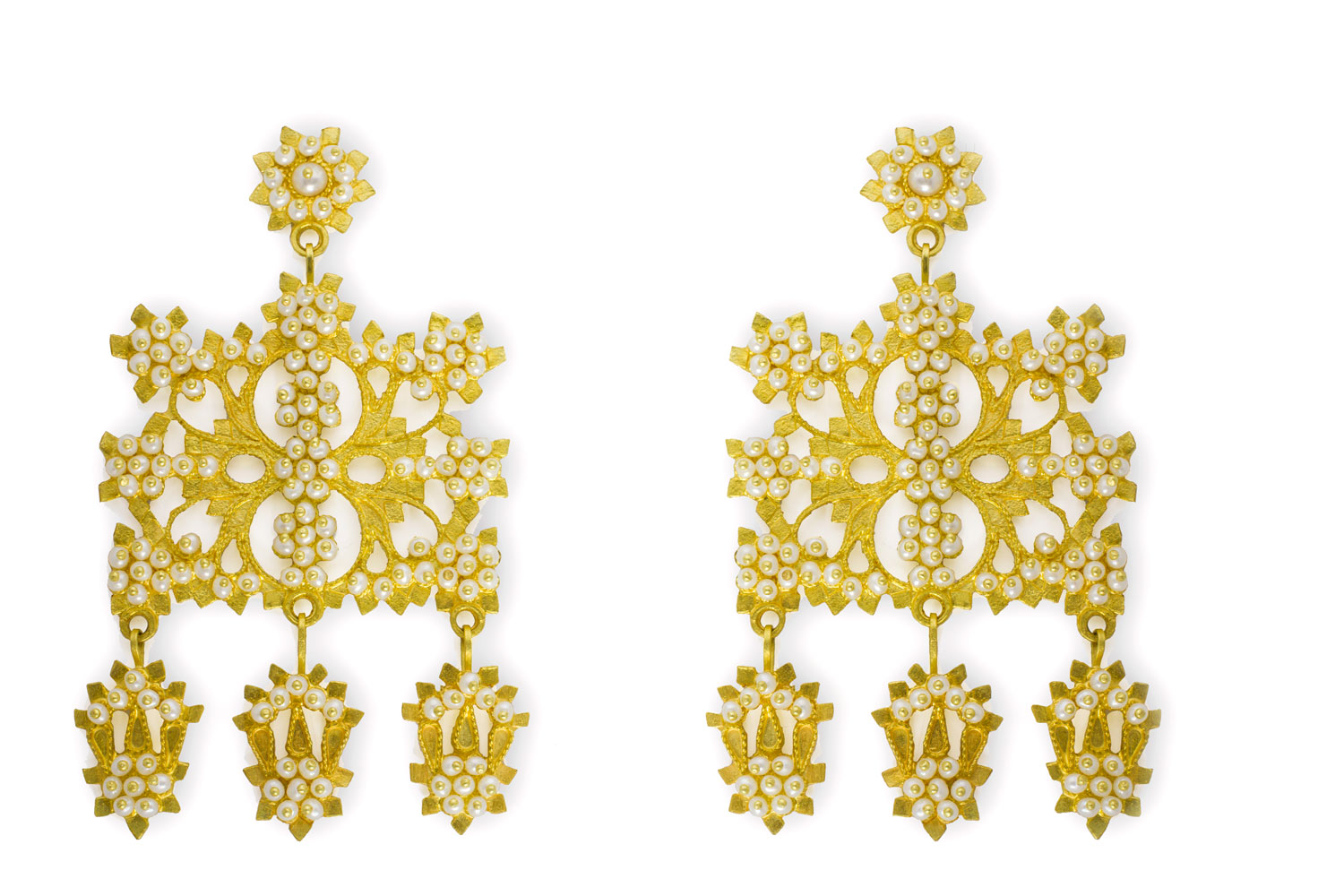
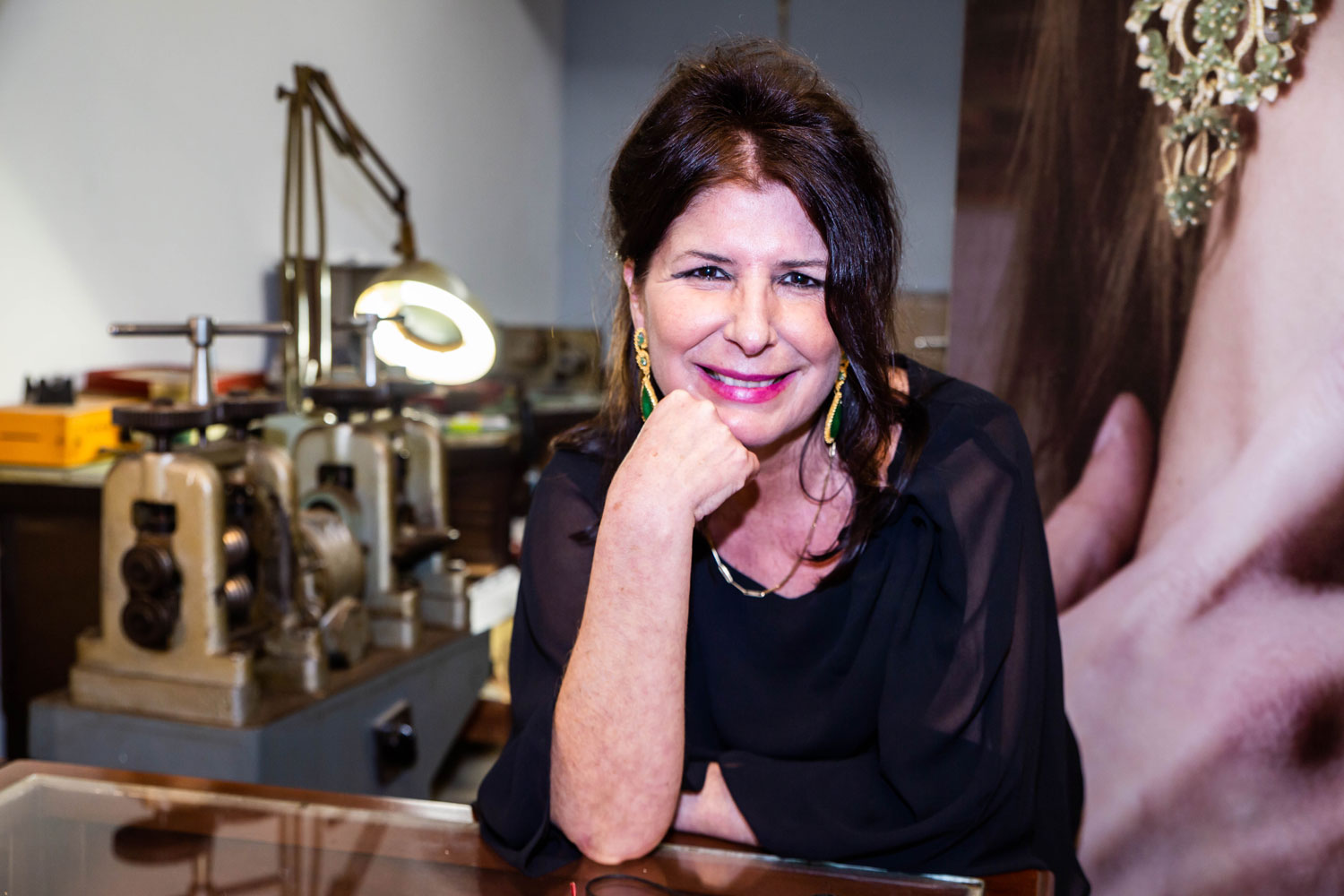
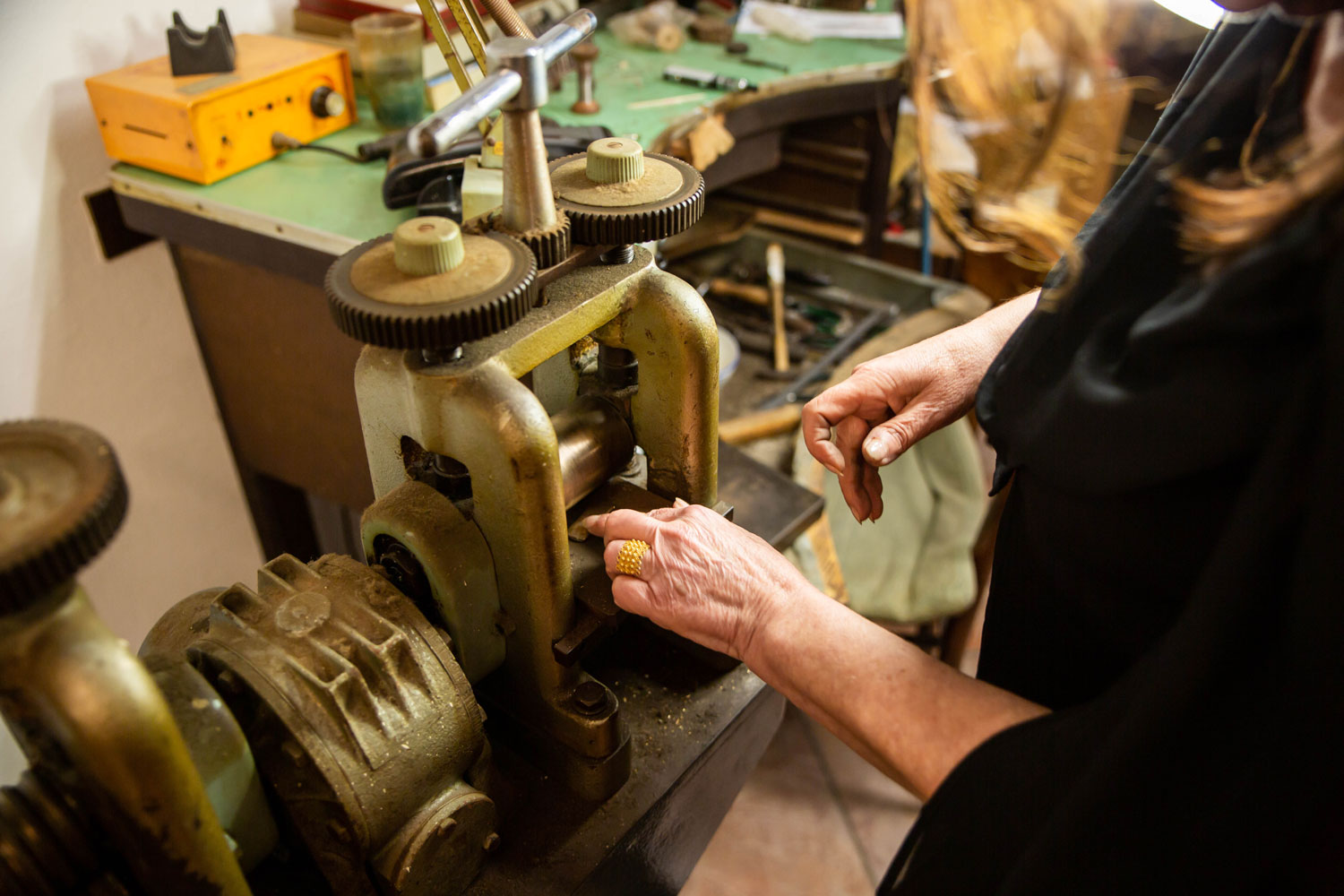
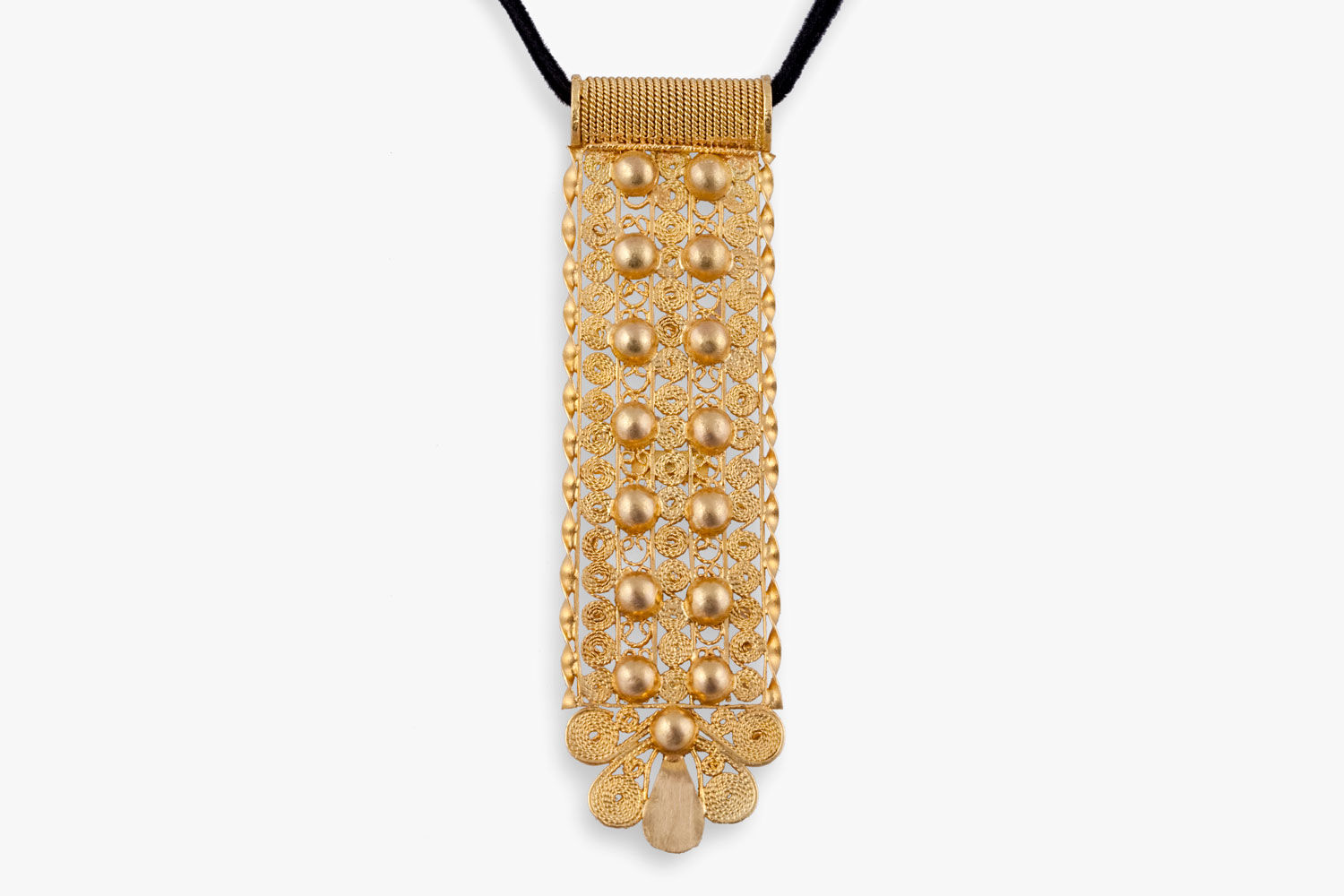
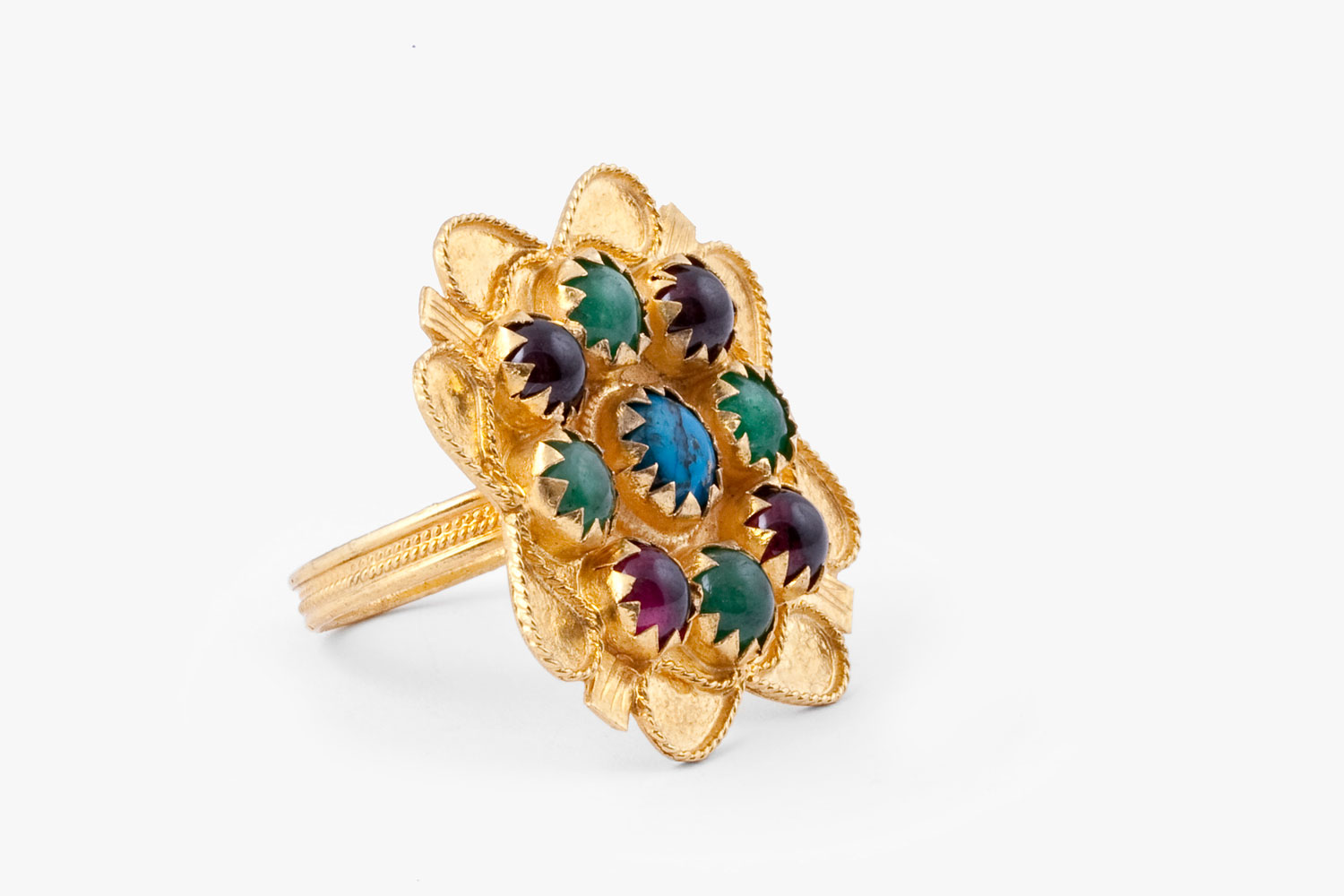
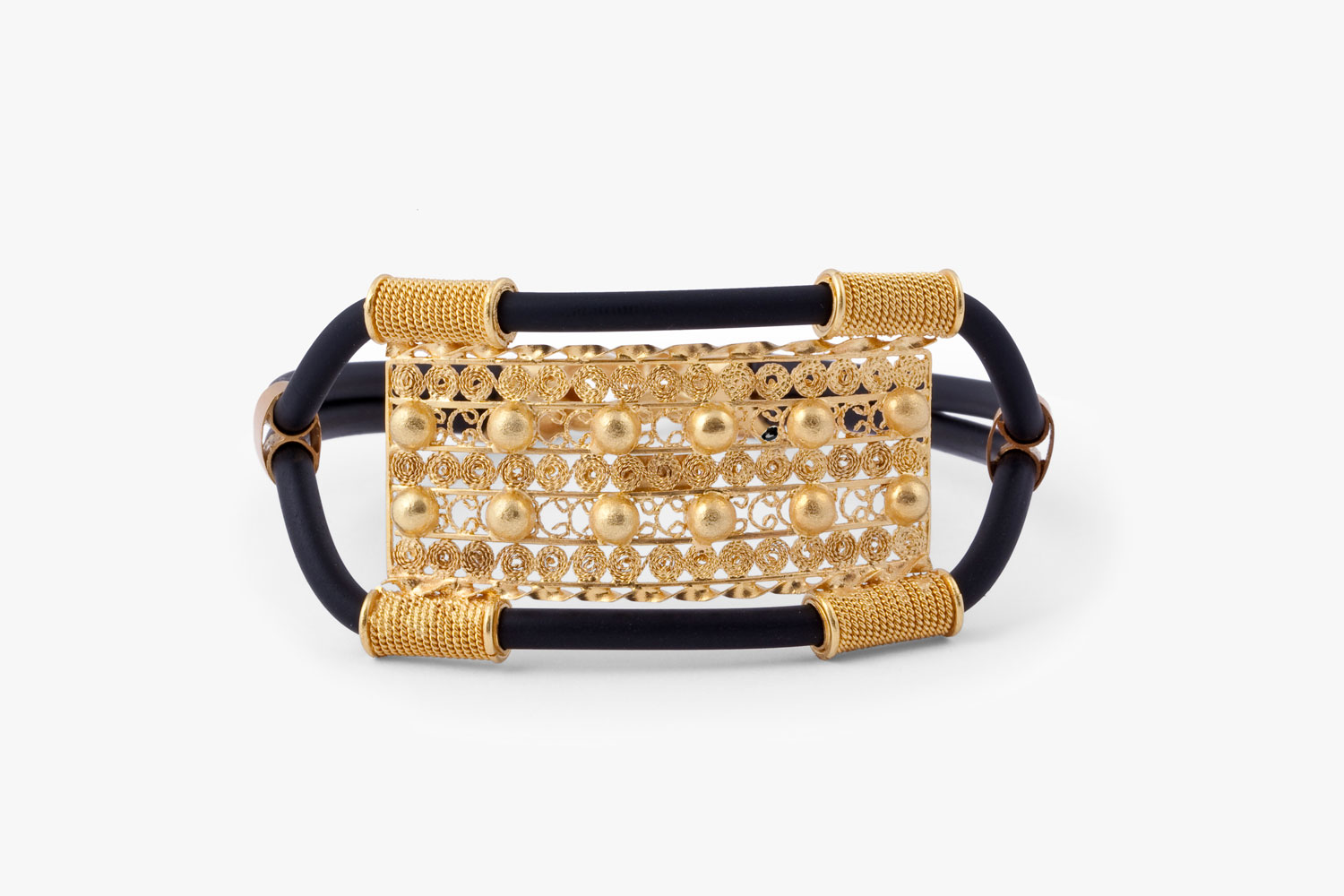
Sardinia is like a continent in its own right: it has everything, including its own language and flag – Loredana Mandas could not resist its pull, or at least, not for long. Those who live or have lived there will forever feel connected to its beauty, its strength and its culture. It is not hard to understand why Sardinian artisans are so frequently inspired by their motherland, by its people and by its heritage. That peculiar sensitivity that Sardinians usually have, and that is often mistaken for elusiveness, enables them to translate the region’s artistic traditions into modern crafts appreciated all over the world. Loredana trained as a goldsmith making modern jewellery in Rome, but the charm of Sardinian filigree led her back to her origins: today she uses this centuries-old technique to make contemporary jewels.
INTERVIEW
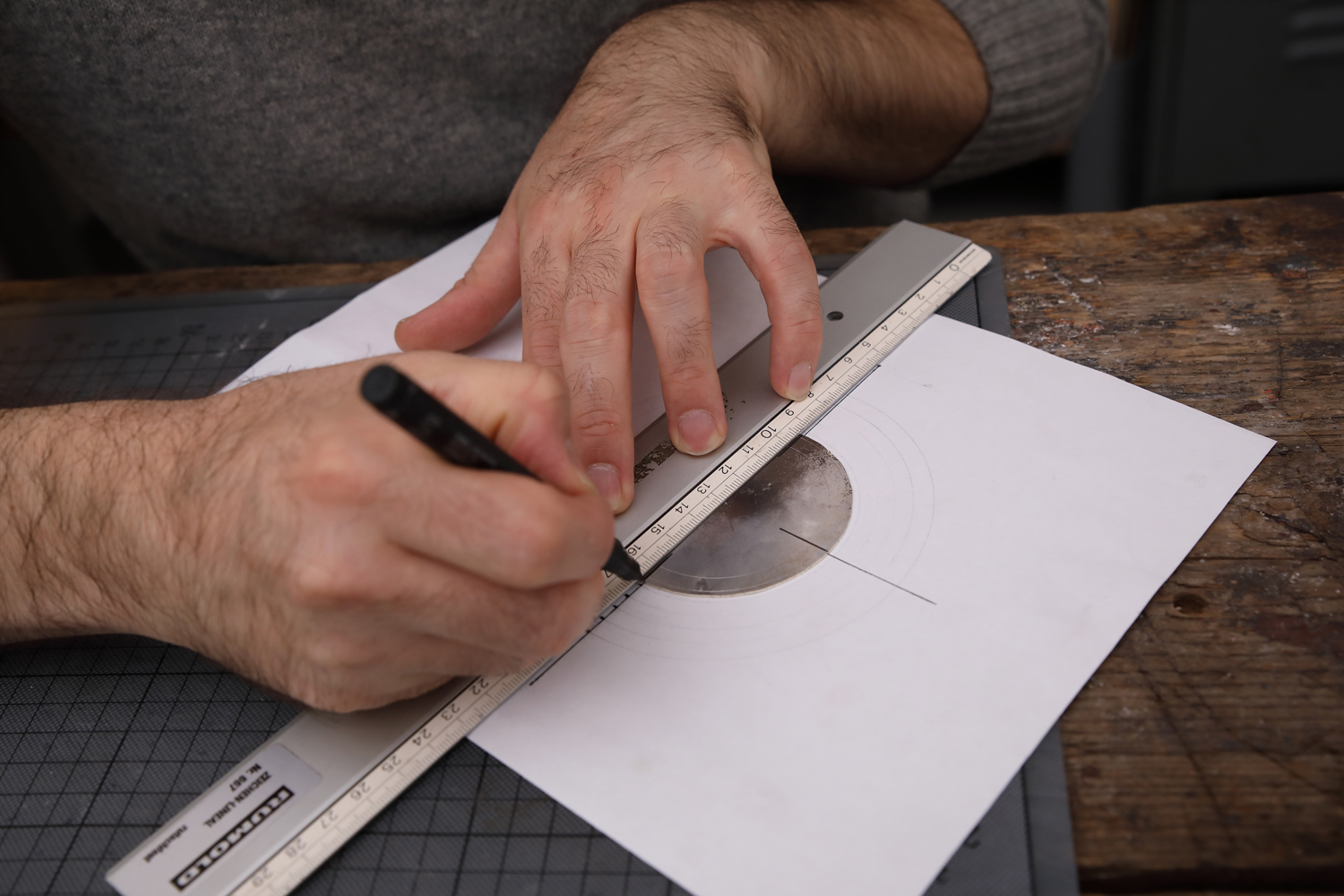
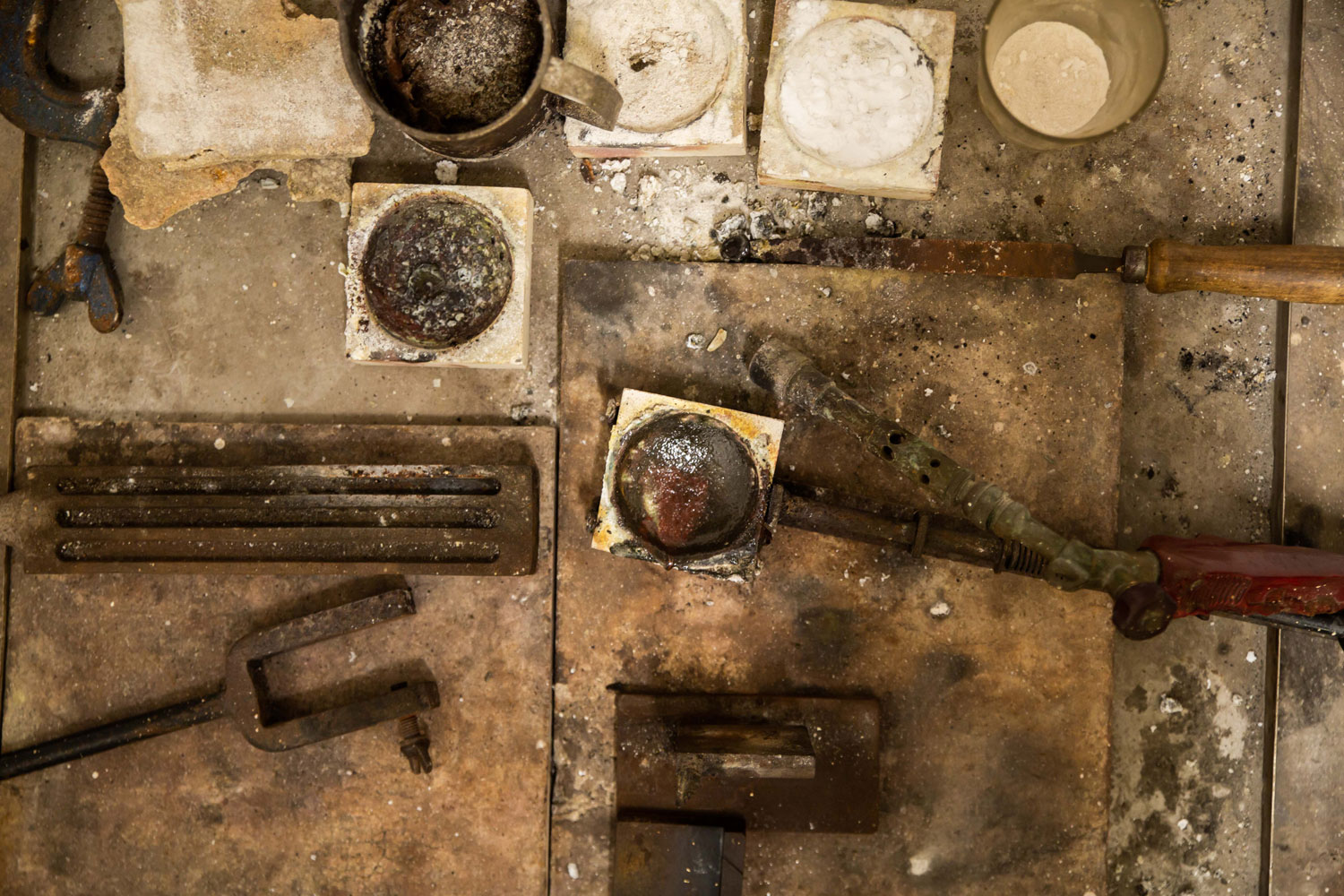
I started making jewellery when I was 16, when I was living in Rome. I came back to Sardinia every summer and I eventually fell in love with filigree. I trained with the best filigree master in Sardinia, Vittorio Melis, and opened my workshop here in 1988.
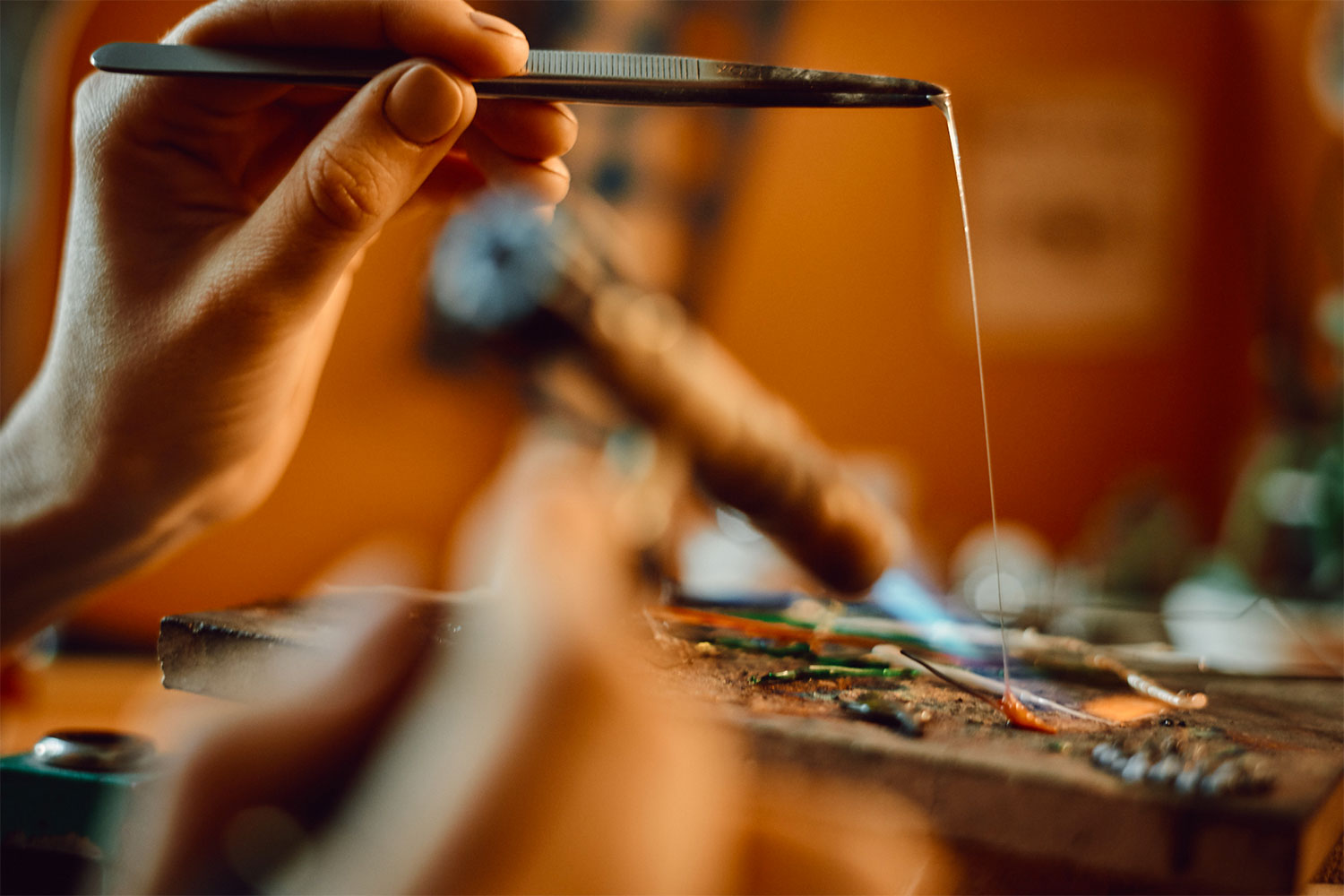
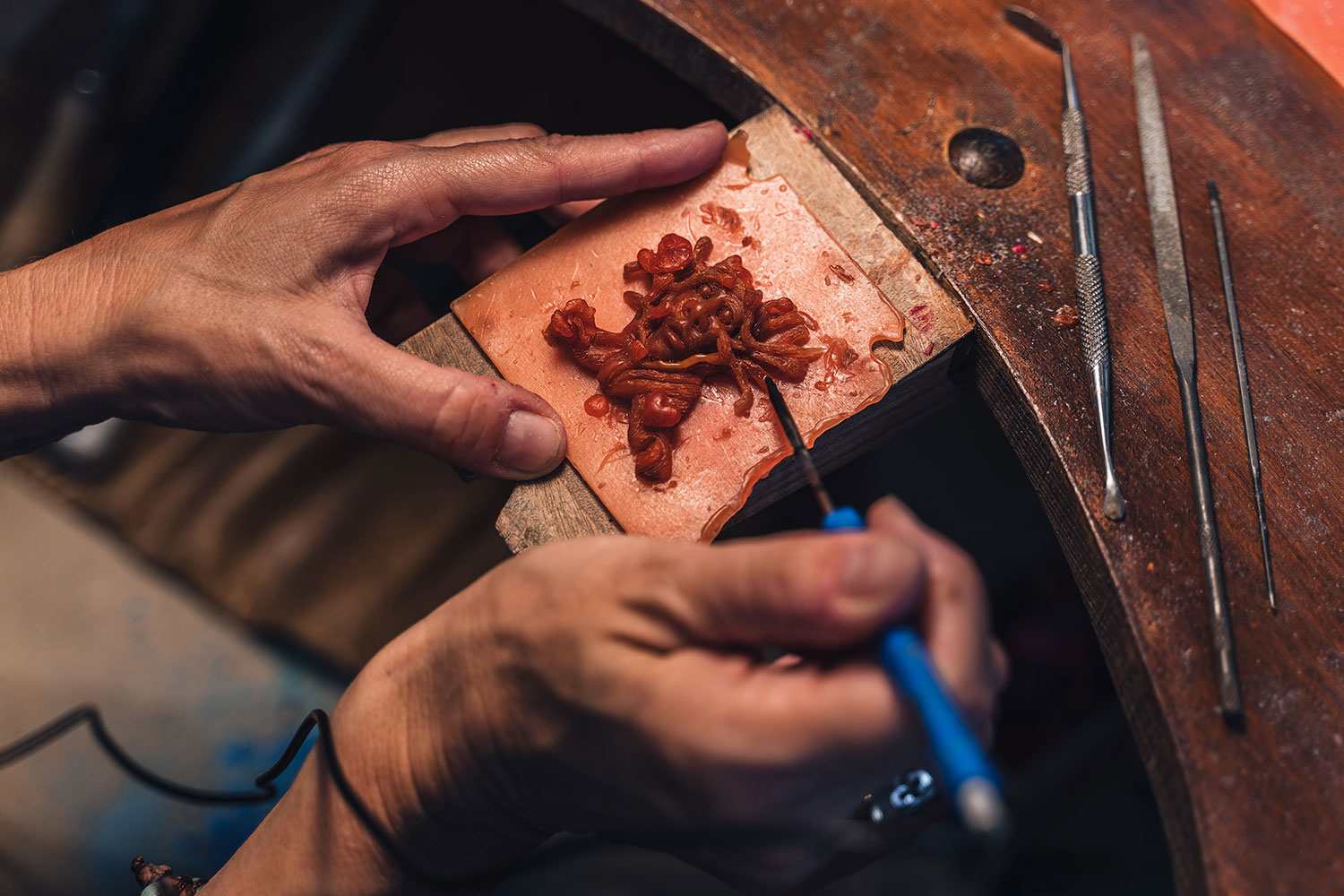
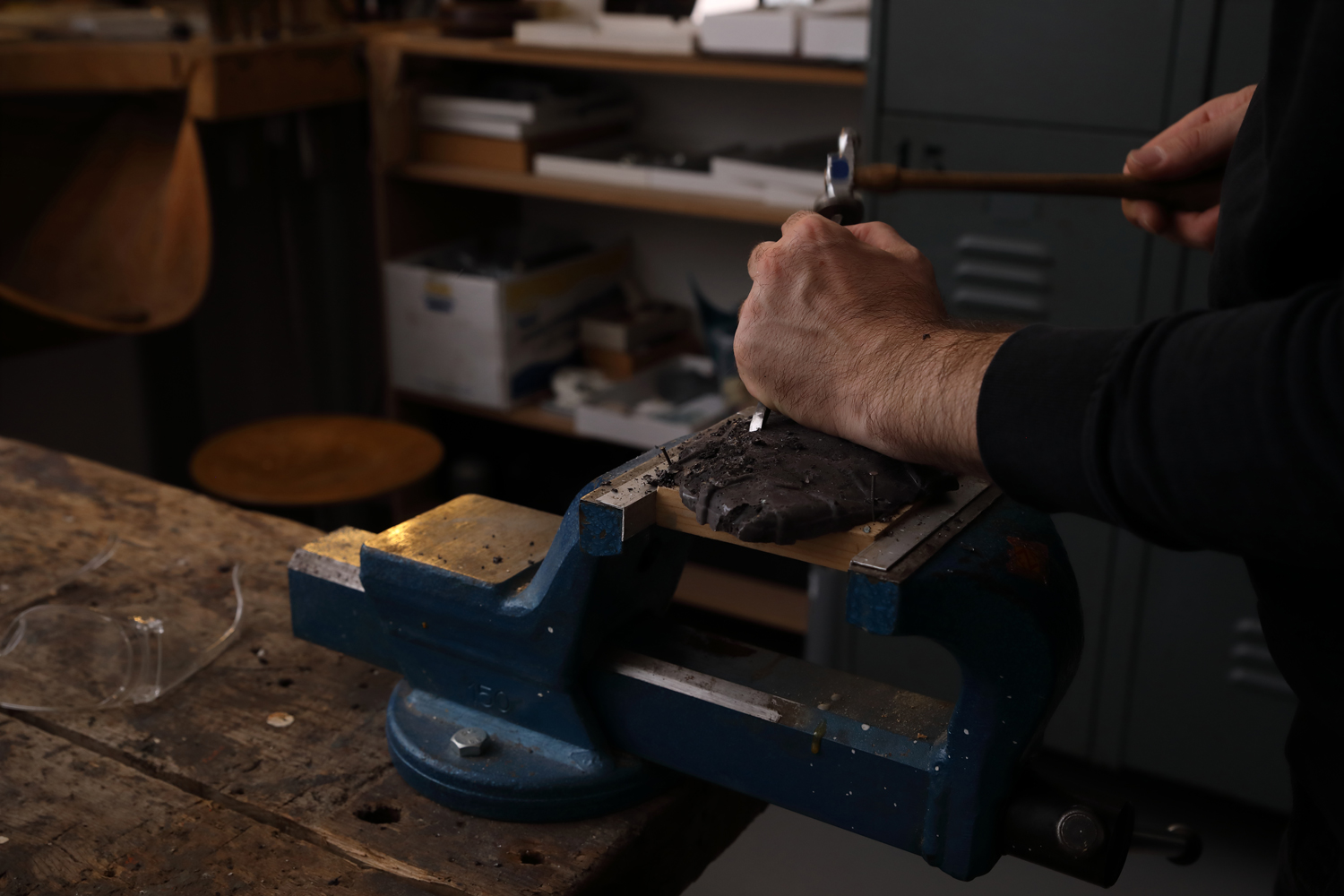
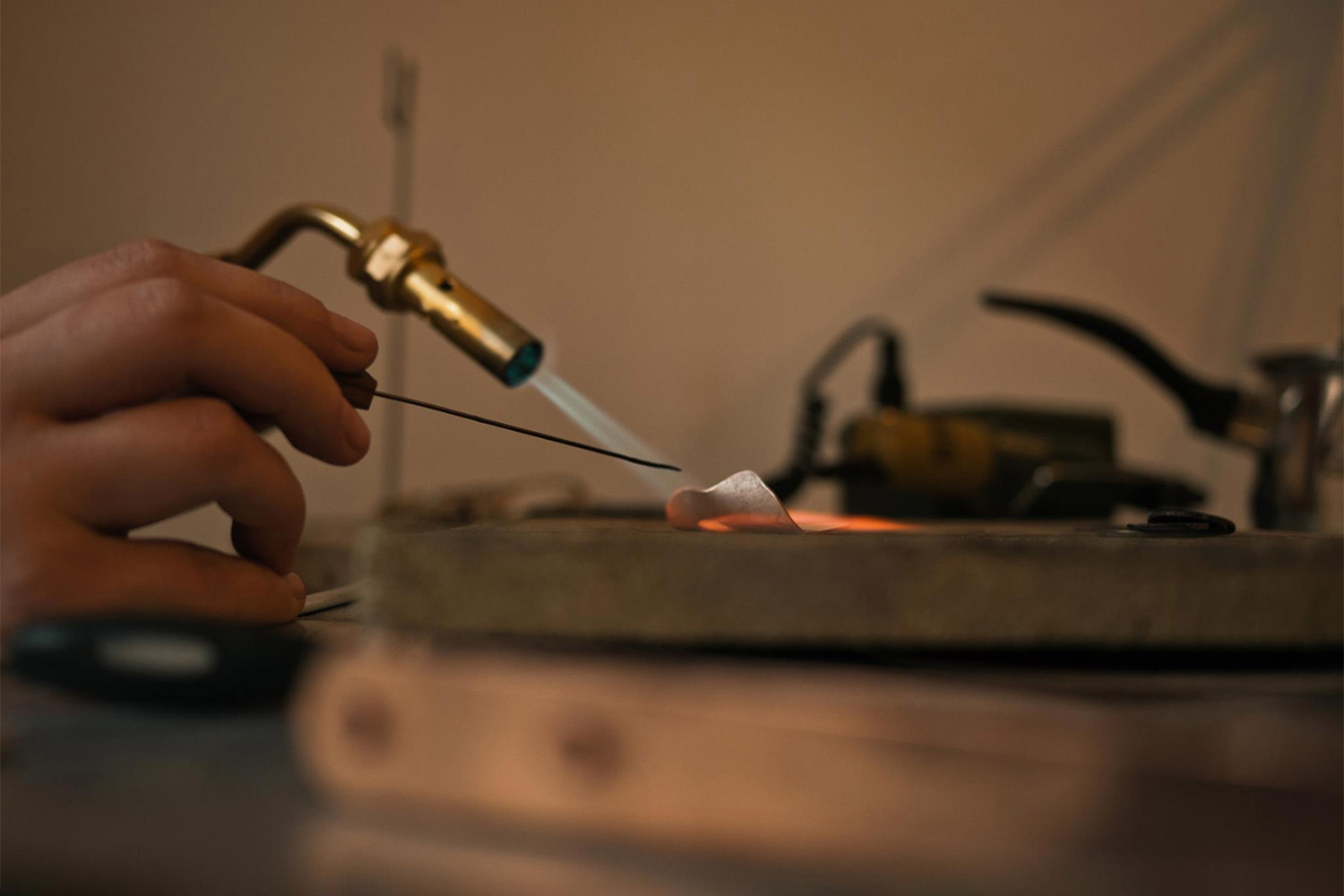
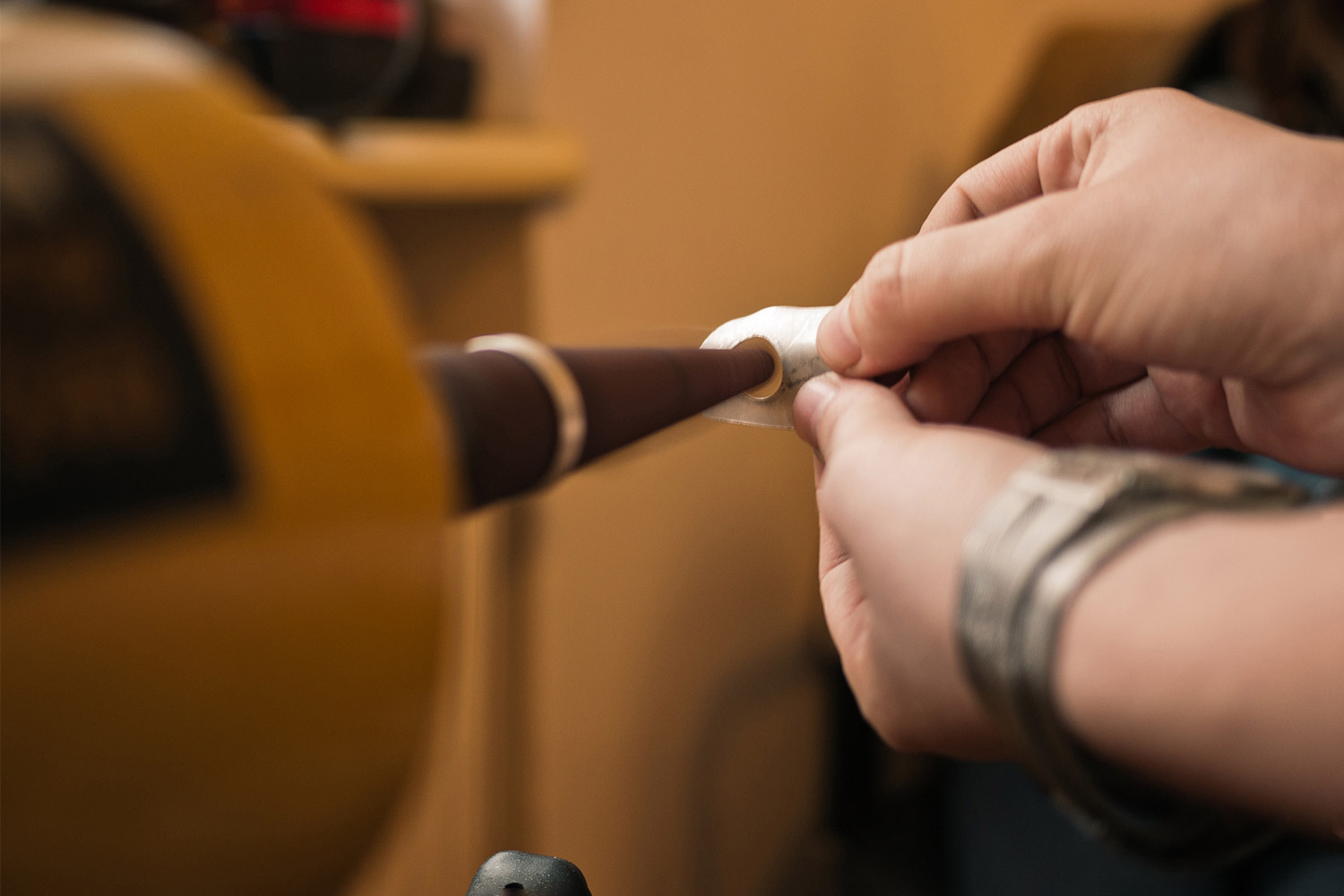
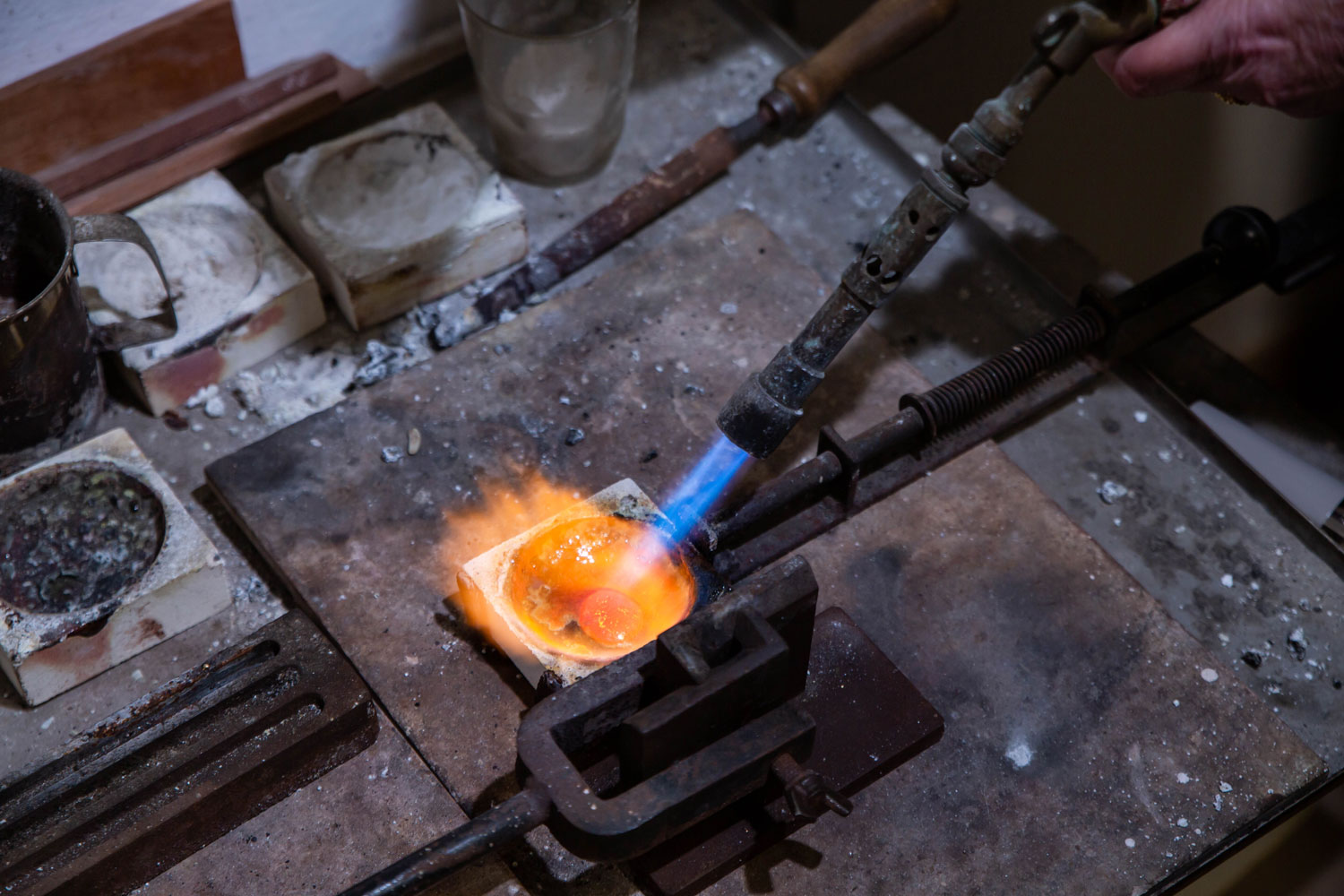
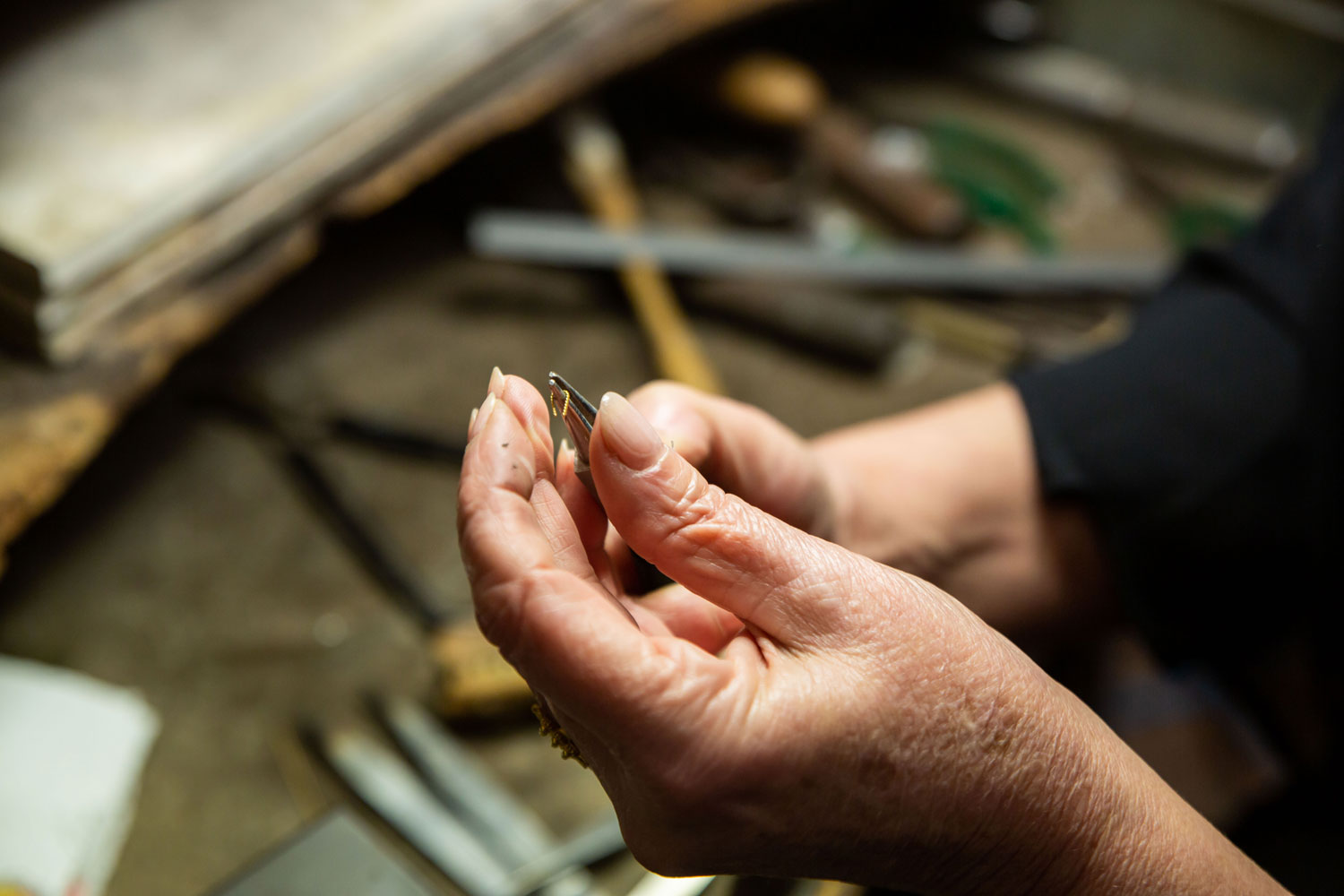
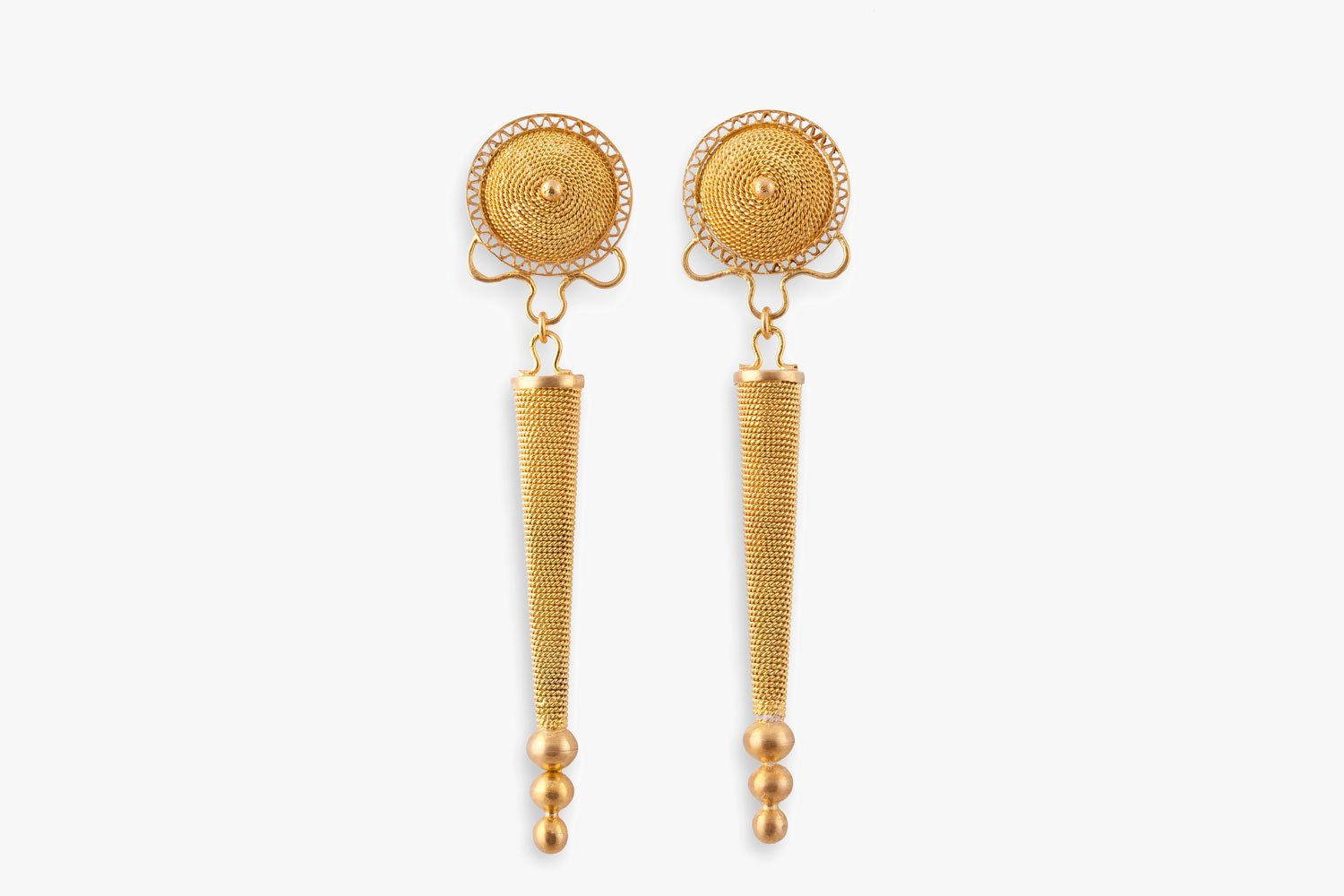
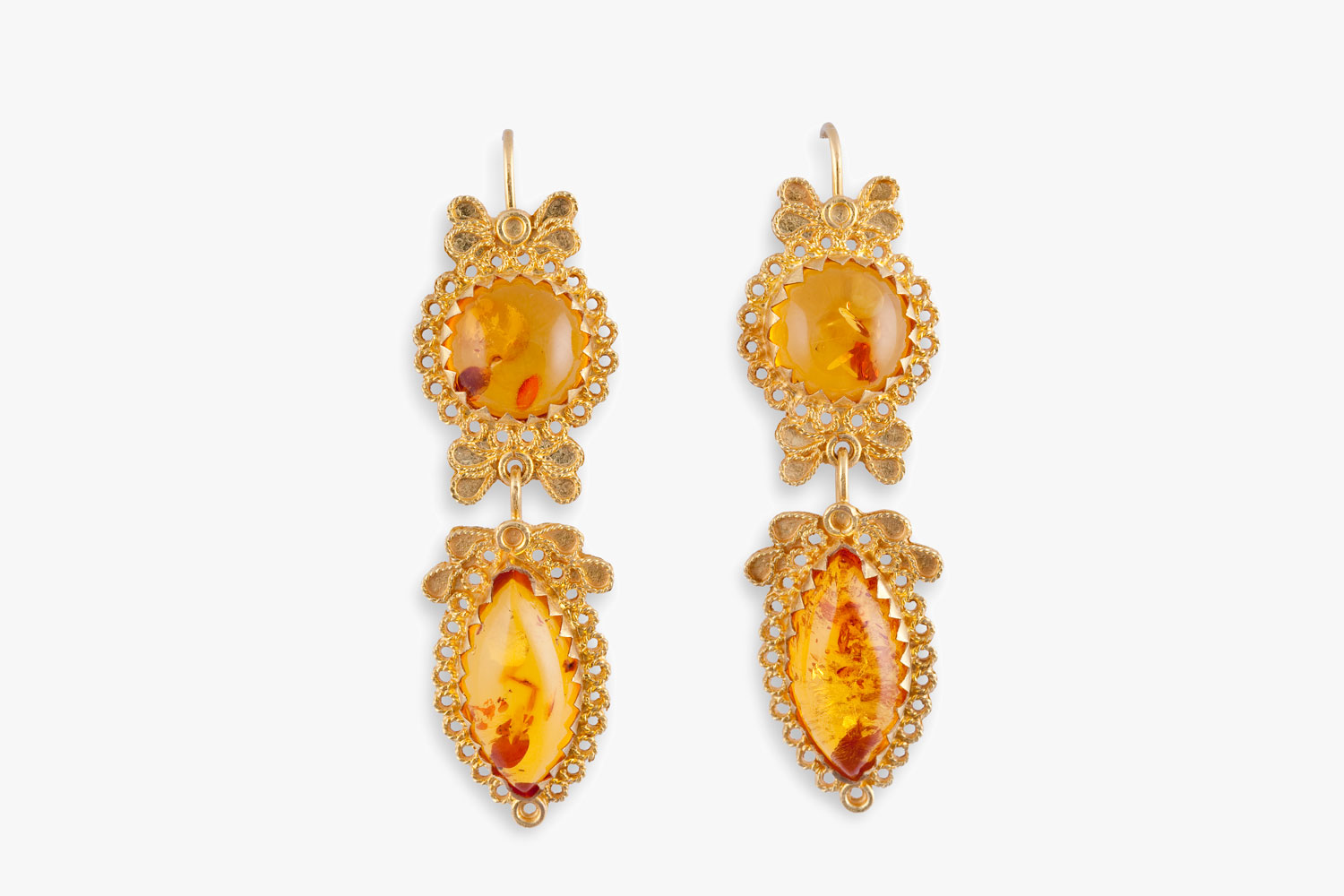
Most of all I love the results: gold filigree is a very difficult craft to master and while there are different types of filigree around the world, the Sardinian one is the most clean and precise. I’m not shy about my jewels always being outstanding.
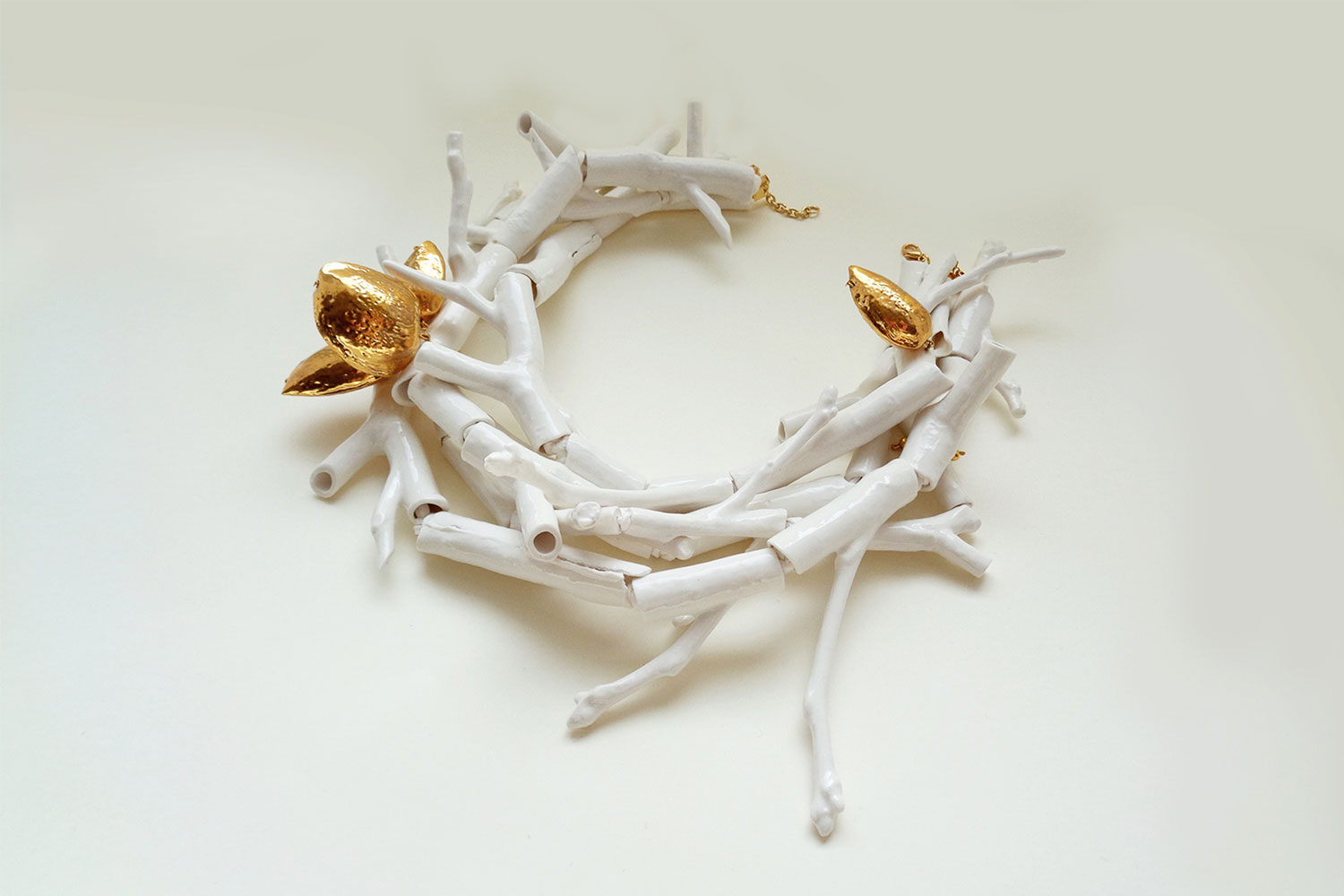
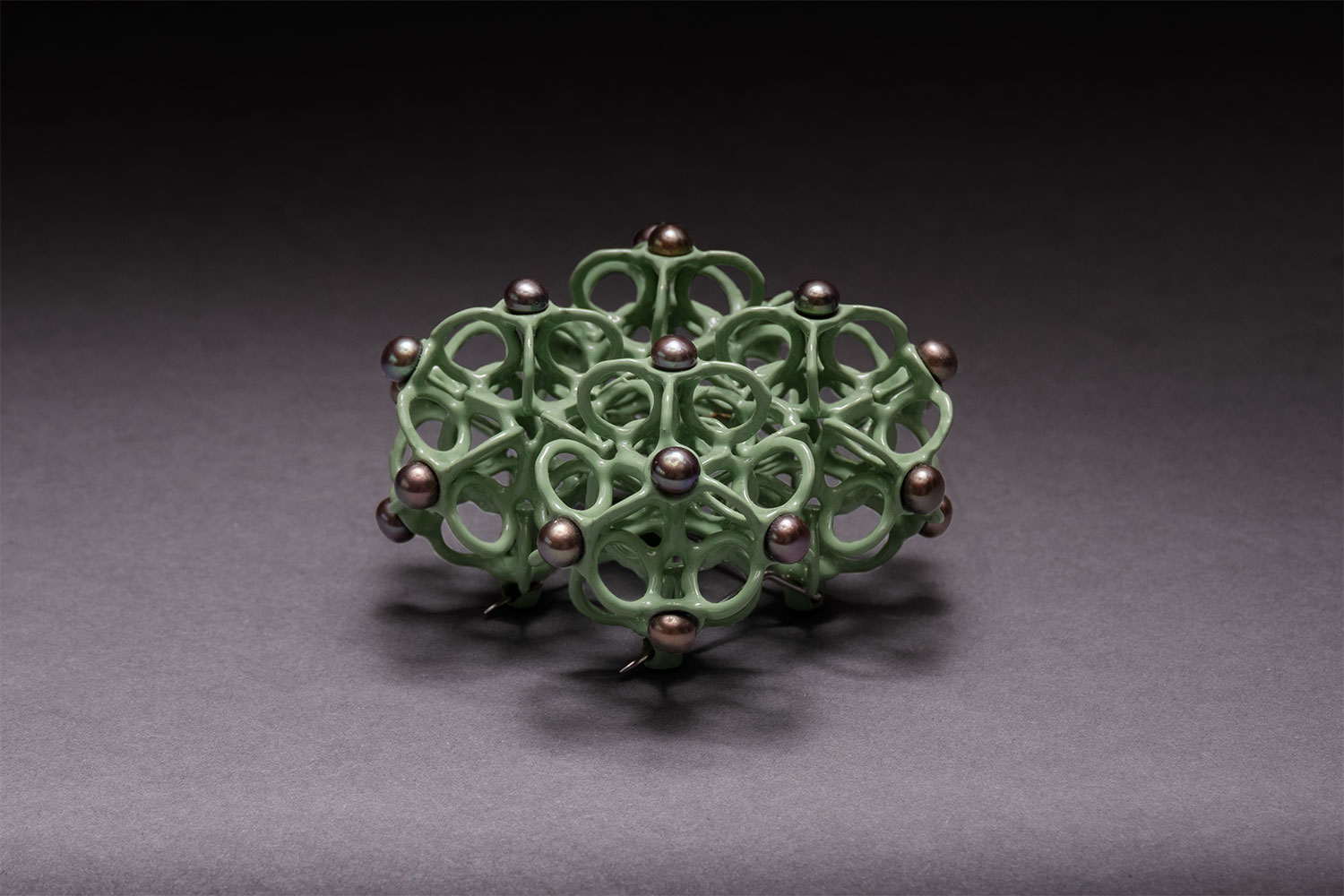
Sardinian filigree is ancient, it is part of our DNA, everybody in Sardinia owns at least one filigree jewel, usually passed down from one generation to the next. But what I do is reinterpret traditional jewellery by adding a modern twist, a more contemporary design – but preserving the quality and craftsmanship.
Absolutely. There is only a handful of filigree masters left in Sardinia. I was born in the 1960s and I’m one of the youngest. Sardinia has never invested in preserving the craft, they didn’t open schools or financed training. I’m afraid without support the craft will die.
Loredana Mandas
Jewellery maker
Cagliari, Italy
Recommended by Ivano Atzori
AVAILABILITY
Monday to Saturday 10:00-13:00 / 16:30-20:00
PHONE
+39 70667648
LANGUAGES
Italian, French, English
Homo Faber Finds is a new service aiming to inspire admirers of craft to connect and collaborate with exceptional artisans.
We invite you to submit an enquiry here.