Kieran Kinsella
Furniture maker
Rosendale, NY, USA
Celebrating the character of wood
- Kieran finds inspiration in cast-off logs and fallen trees
- He enjoys the mix of physicality and creativity in his craft
- His pieces delight in organic shapes, charming ideas and natural grains
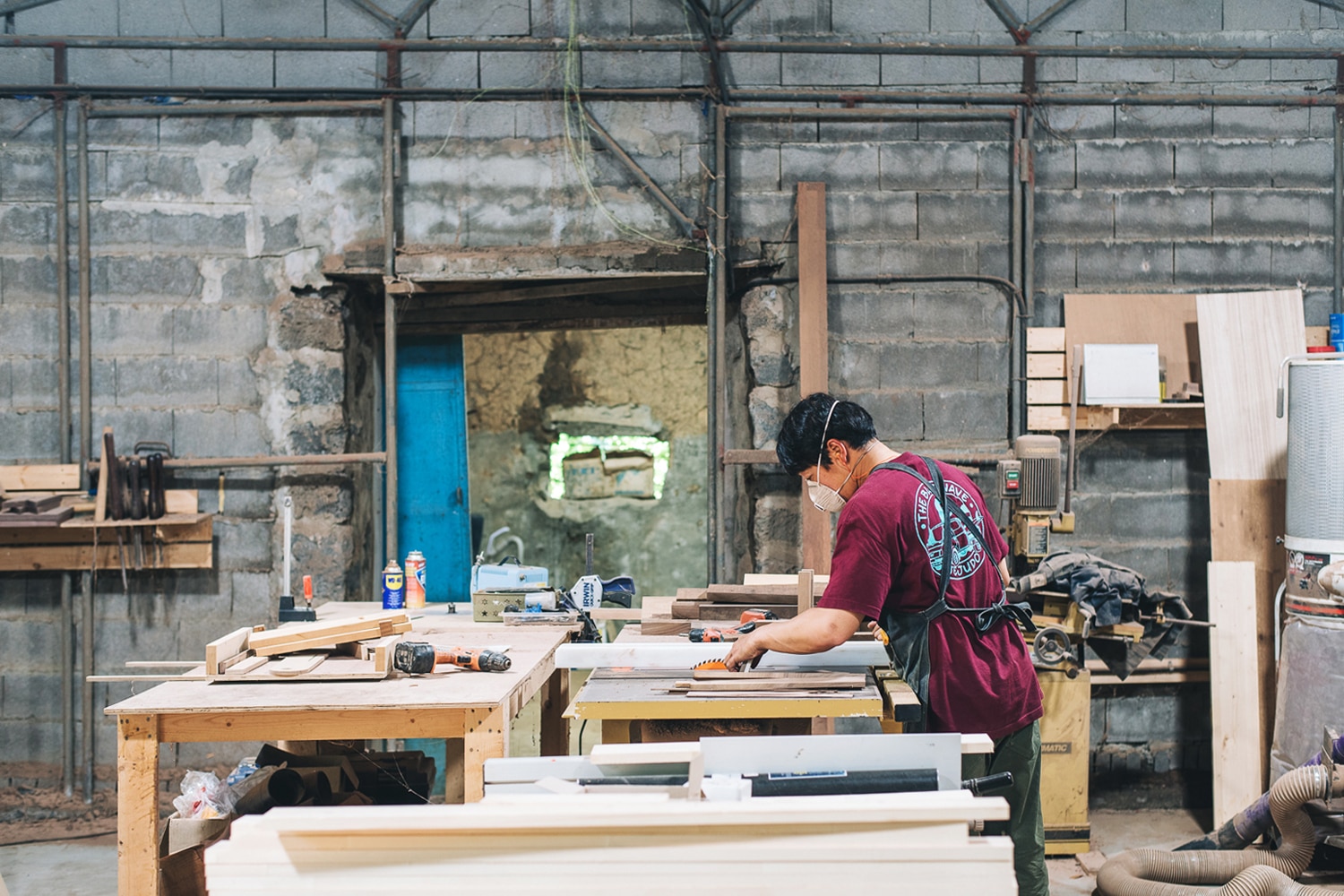
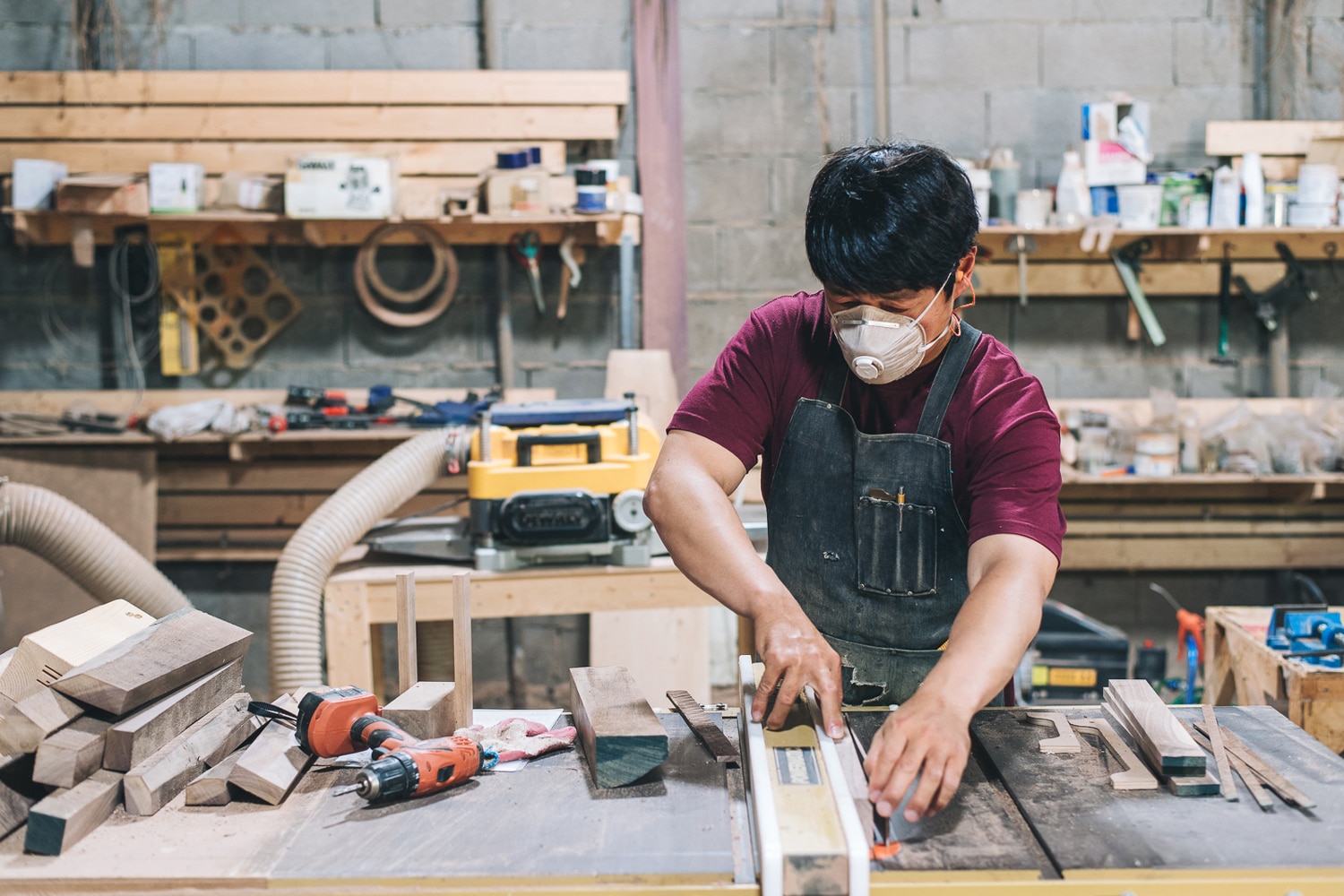
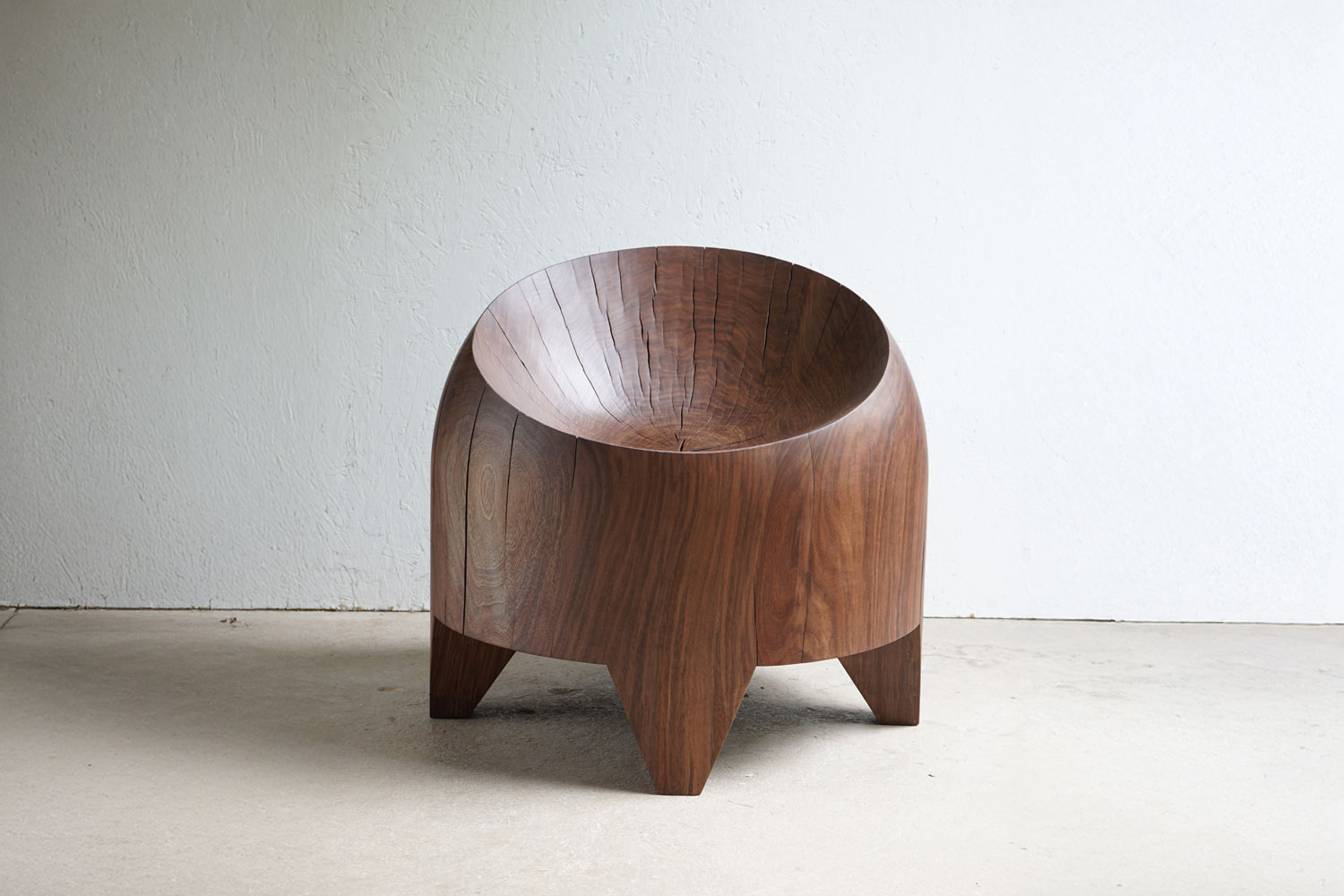
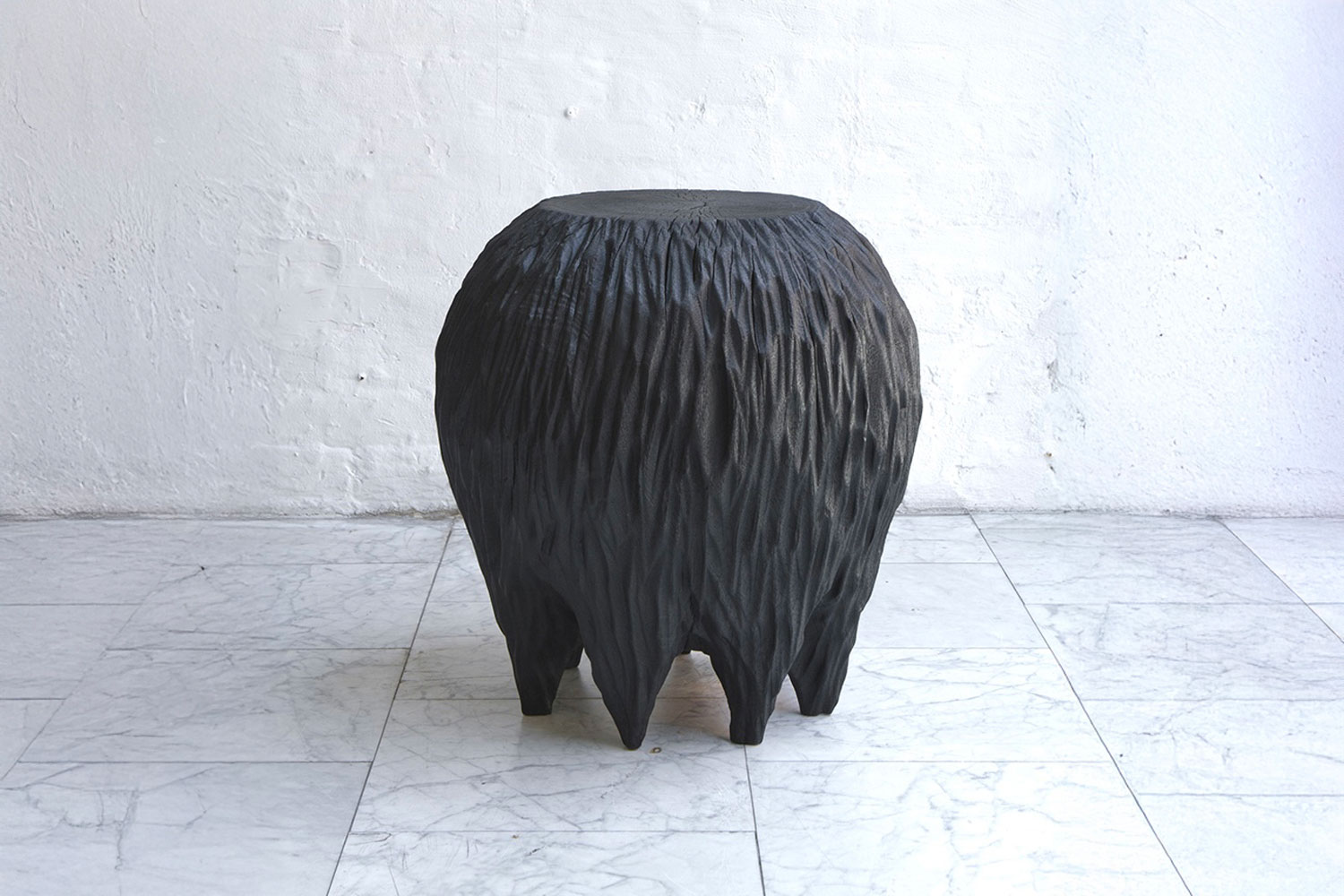
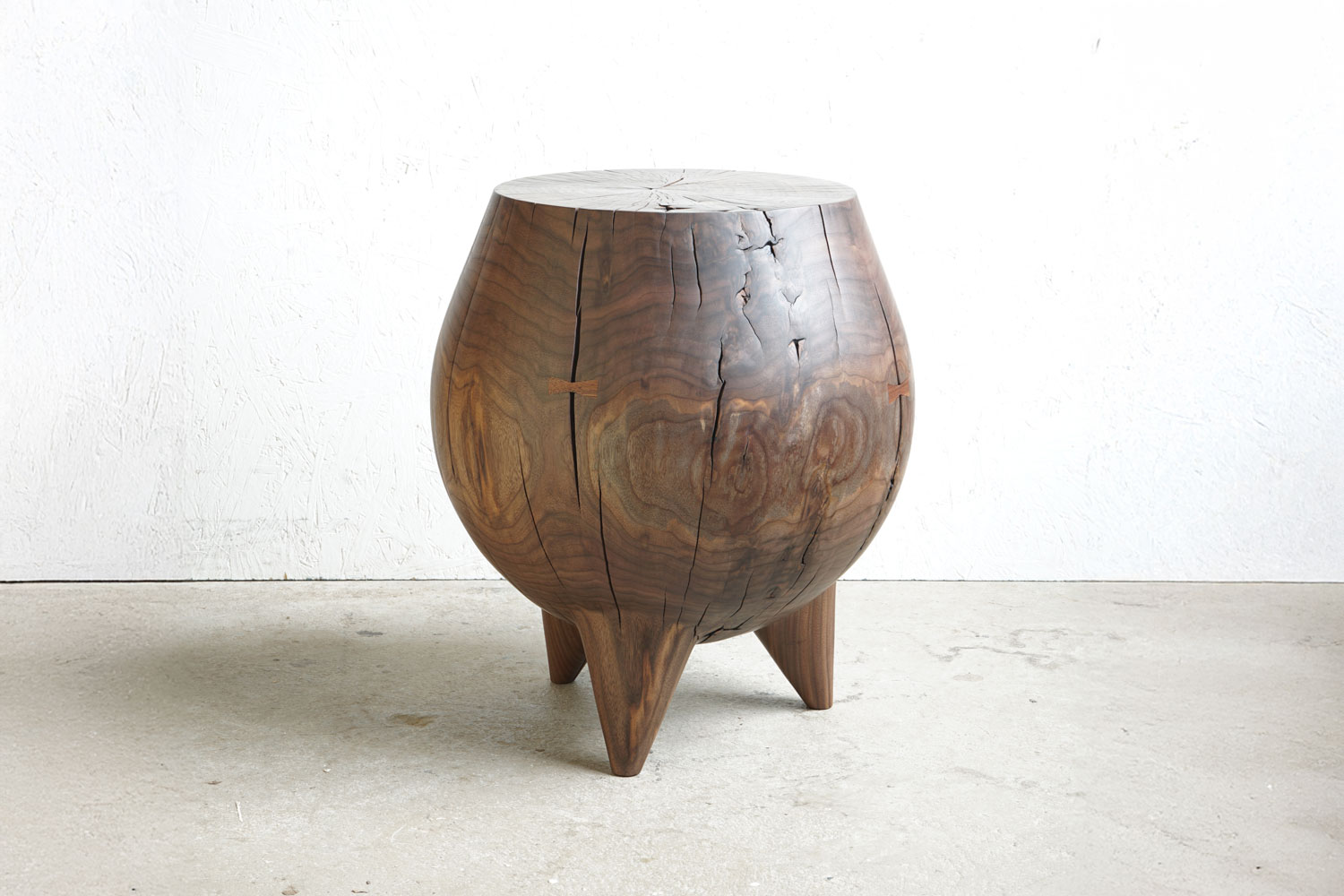
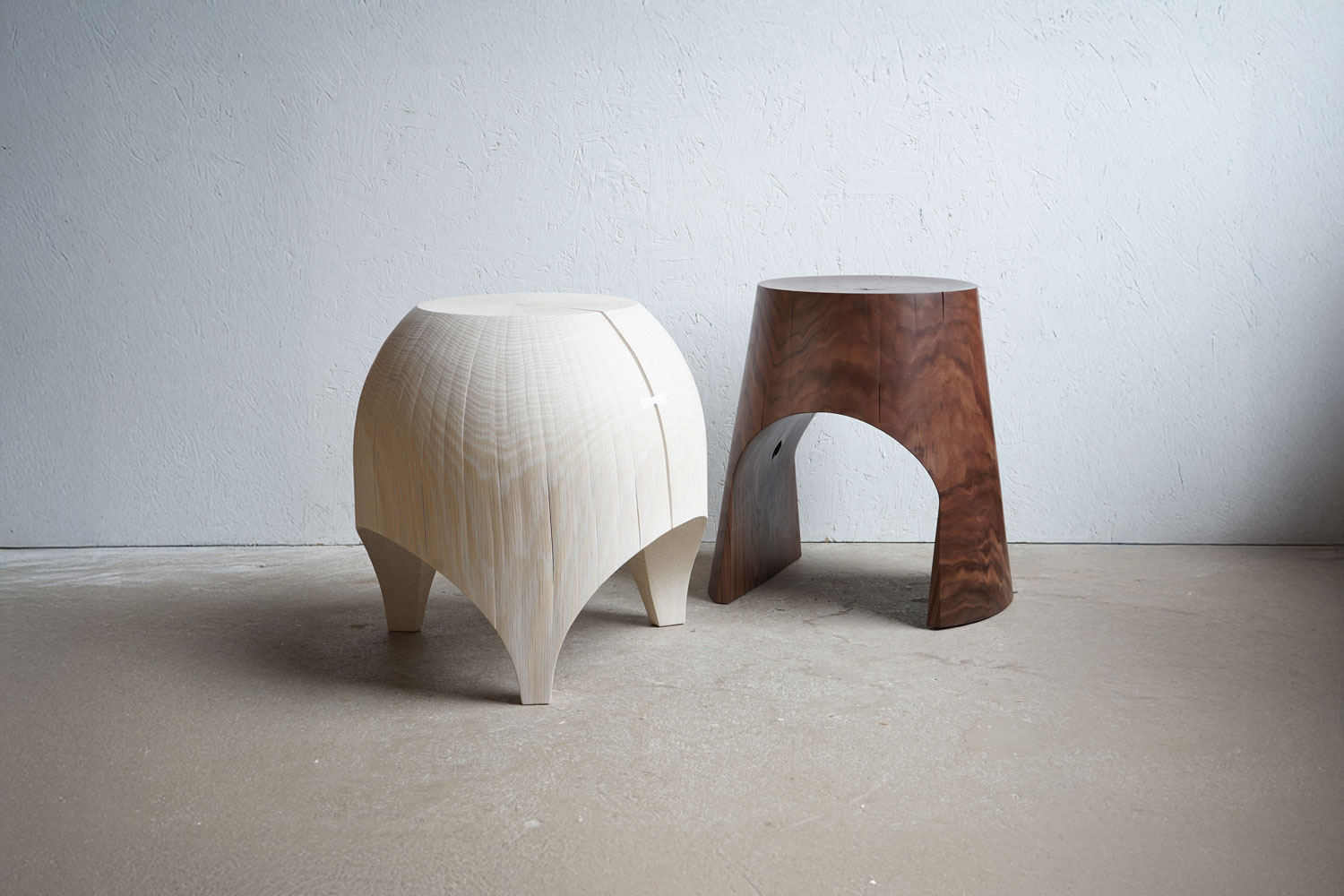
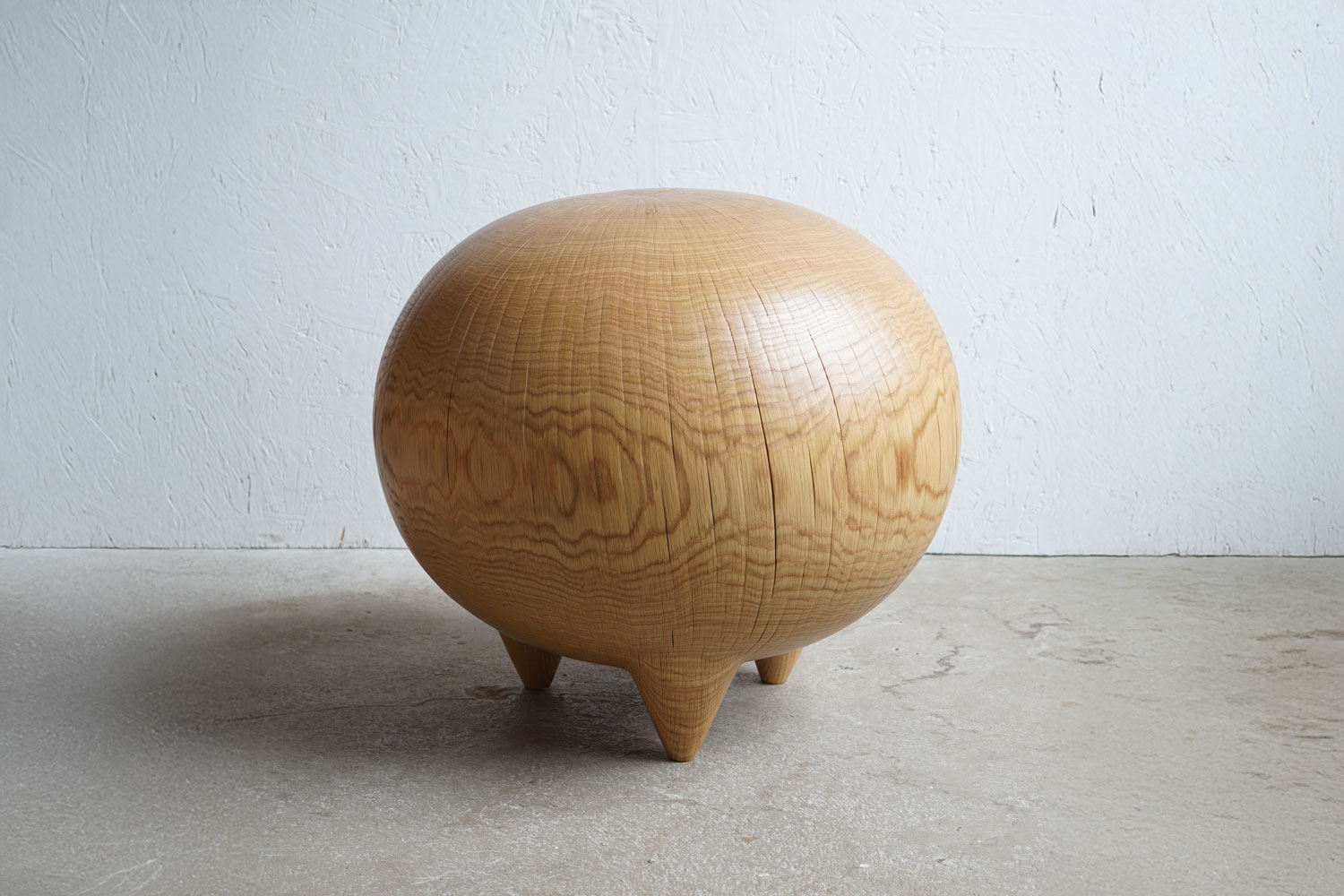
Kieran Kinsella discovered the joy of working with quiet hand tools as an apprentice to a timber framer in an outdoor shop at the edge of a forest. He grew to love the reductive process of carving above all. Today, Kieran uses locally sourced and salvaged wood to create his furniture pieces. Questions guide his process. “I wonder what a piece would look like if it grew legs, and whether a heavy log could look like it was floating, and I consider how much mass I can carve away while still creating a structurally sound piece,” he explains. The resulting works are whimsical and always true to the log’s original form. “I do not ever feel limited. I am tapping into an ancient human desire to create a shape out of something natural,” says Kieran.
INTERVIEW
I love to find a gem in the midst of a woodpile that was destined to be no more than firewood. Some of my favourite projects are related to special trees that are dear to people, trees that are a centrepiece to someone’s life or land. The tree has some real history in these cases.
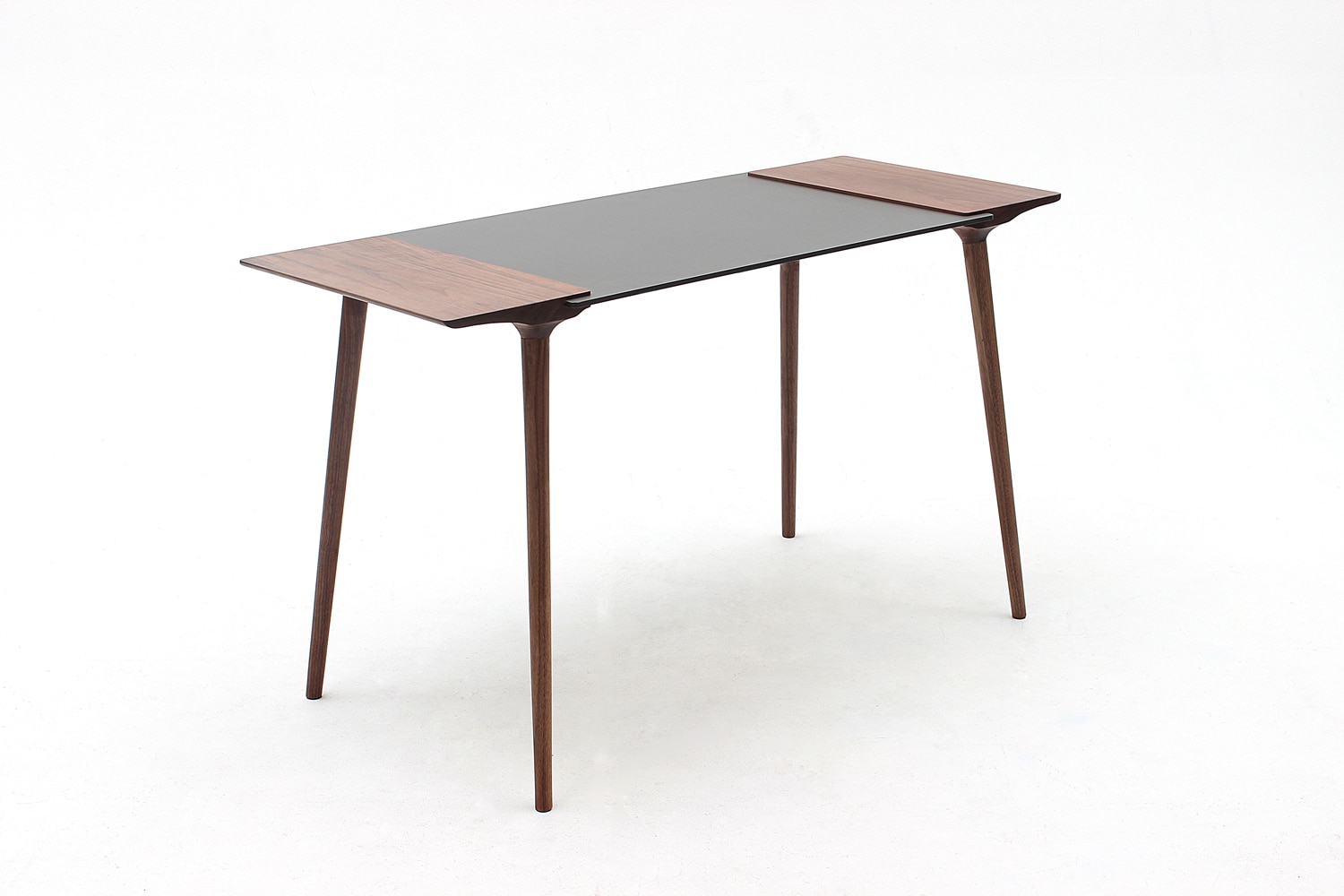
Making a side table is like doing a haiku: there is a defined beginning and end. The beginning is the feet, which it has to stand up on. A lot can go on in the middle, but it needs to resolve itself with a functioning top. I love and thrive in that limitation.
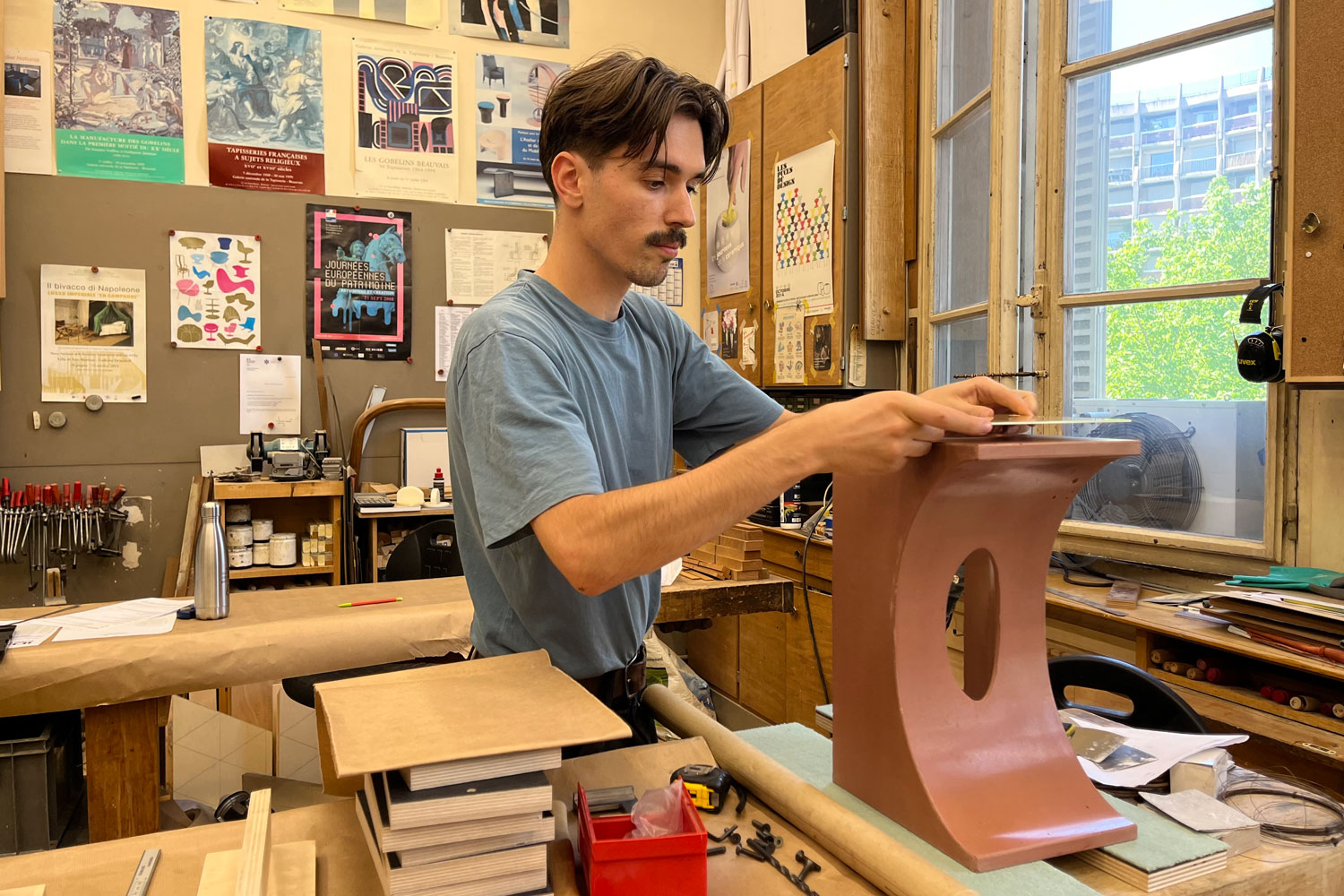
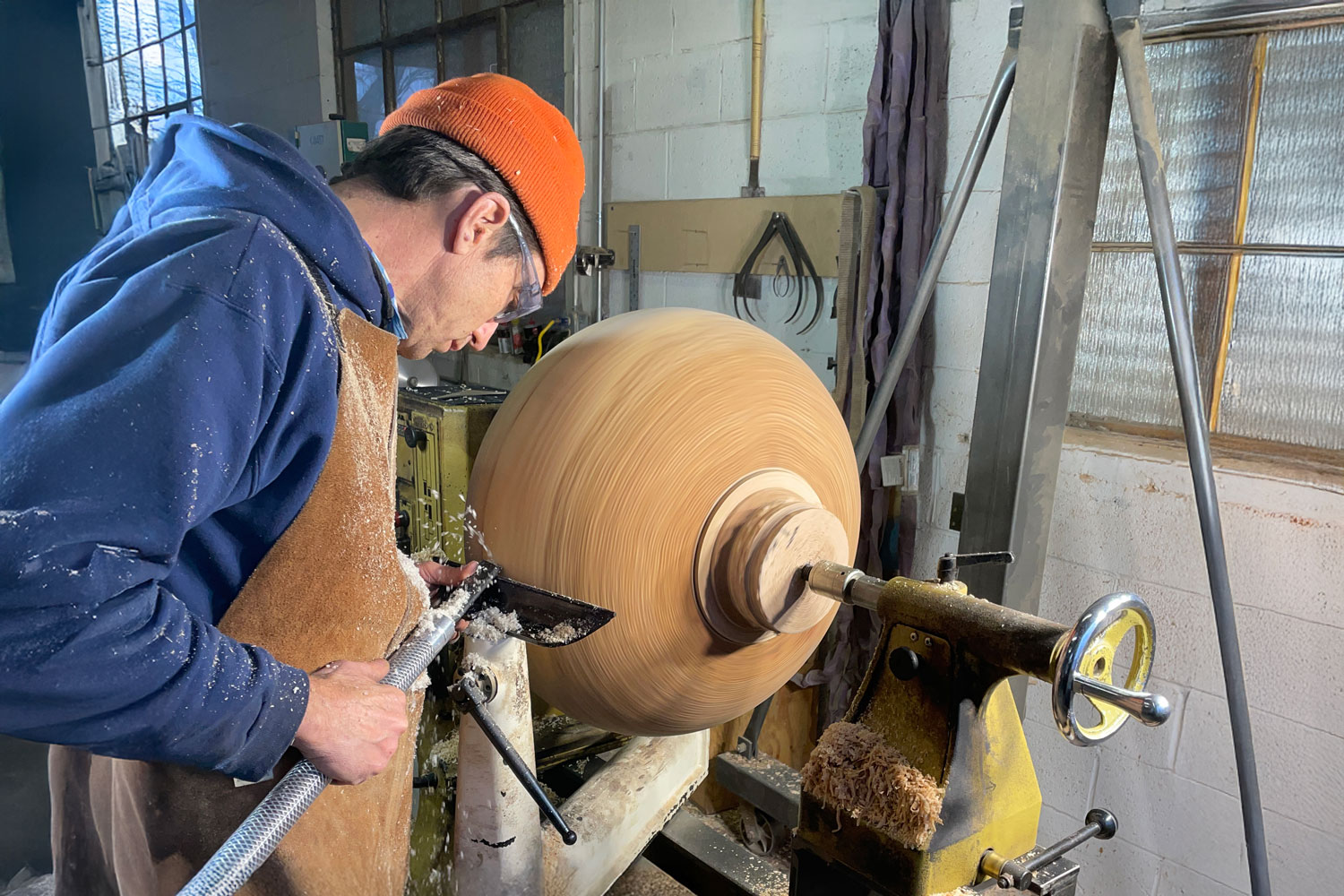
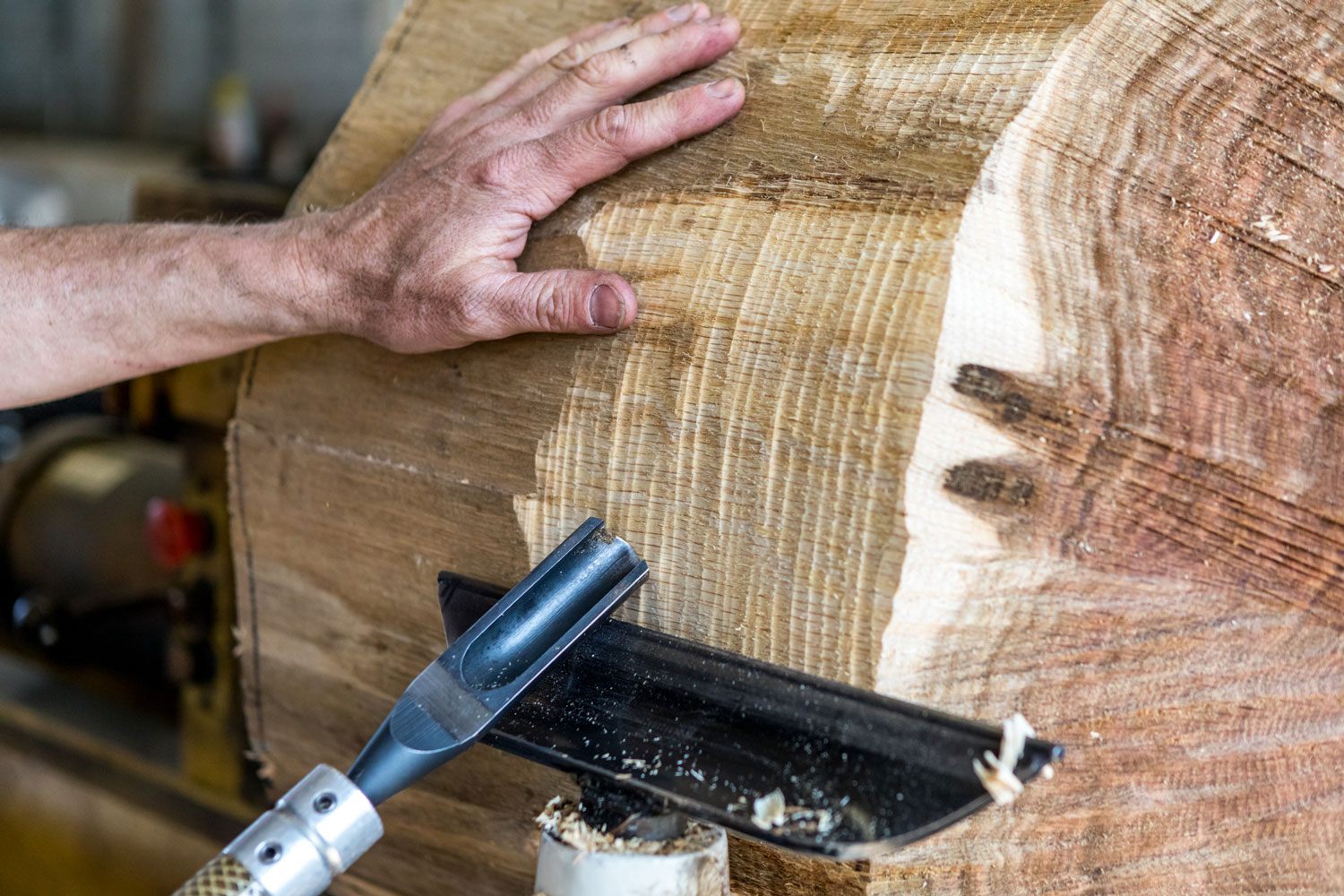
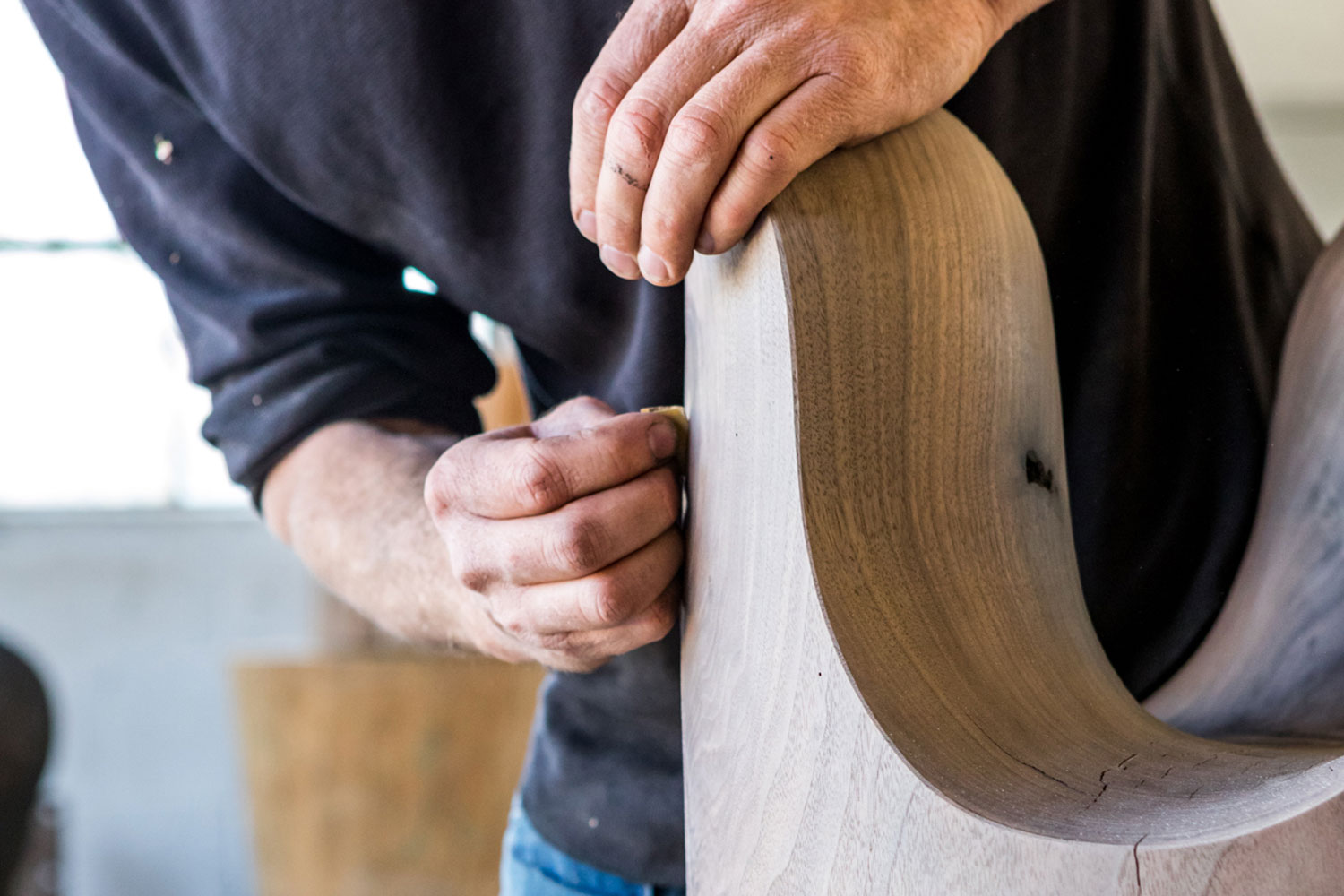
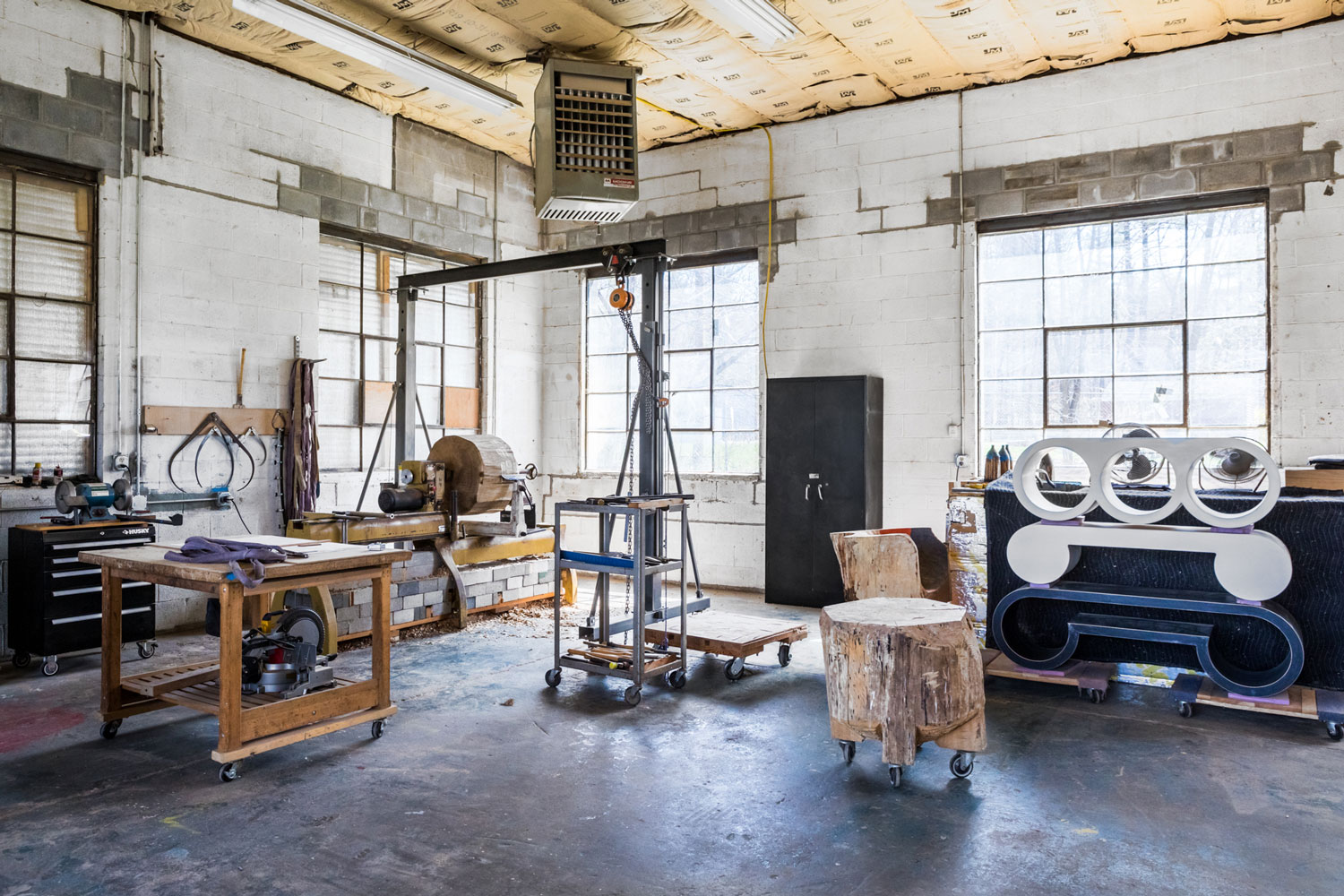
I carve out the basic shape on the lathe. Then I use various methods to carve, from angle grinders to chainsaws and hand tools. A lot of the final shaping occurs with spokeshaves and rasps. There is a little bit of woodworking in every part of the process.
When wood is cut into boards, it becomes homogeneous. Naturally, the furniture maker picks the cleanest-looking boards. When you cut a log, you see all the aspects of the tree growth. No matter what the shape, it is still at its core a log. You cannot hide that.
Kieran Kinsella
Furniture maker
Rosendale, NY, USA
ADDRESS
Address upon request, Rosendale, NY, USA
AVAILABILITY
By appointment only
PHONE
+1 8455321209
LANGUAGES
English
Homo Faber Finds is a new service aiming to inspire admirers of craft to connect and collaborate with exceptional artisans.
We invite you to submit an enquiry here.