Jane Sawyer
Ceramicist
Collingwood, Australia
Recommended by WCC Australia
The precision of fluidity
- Jane trained in Australia and at the Mingei studio in Shussai-Gama, Japan
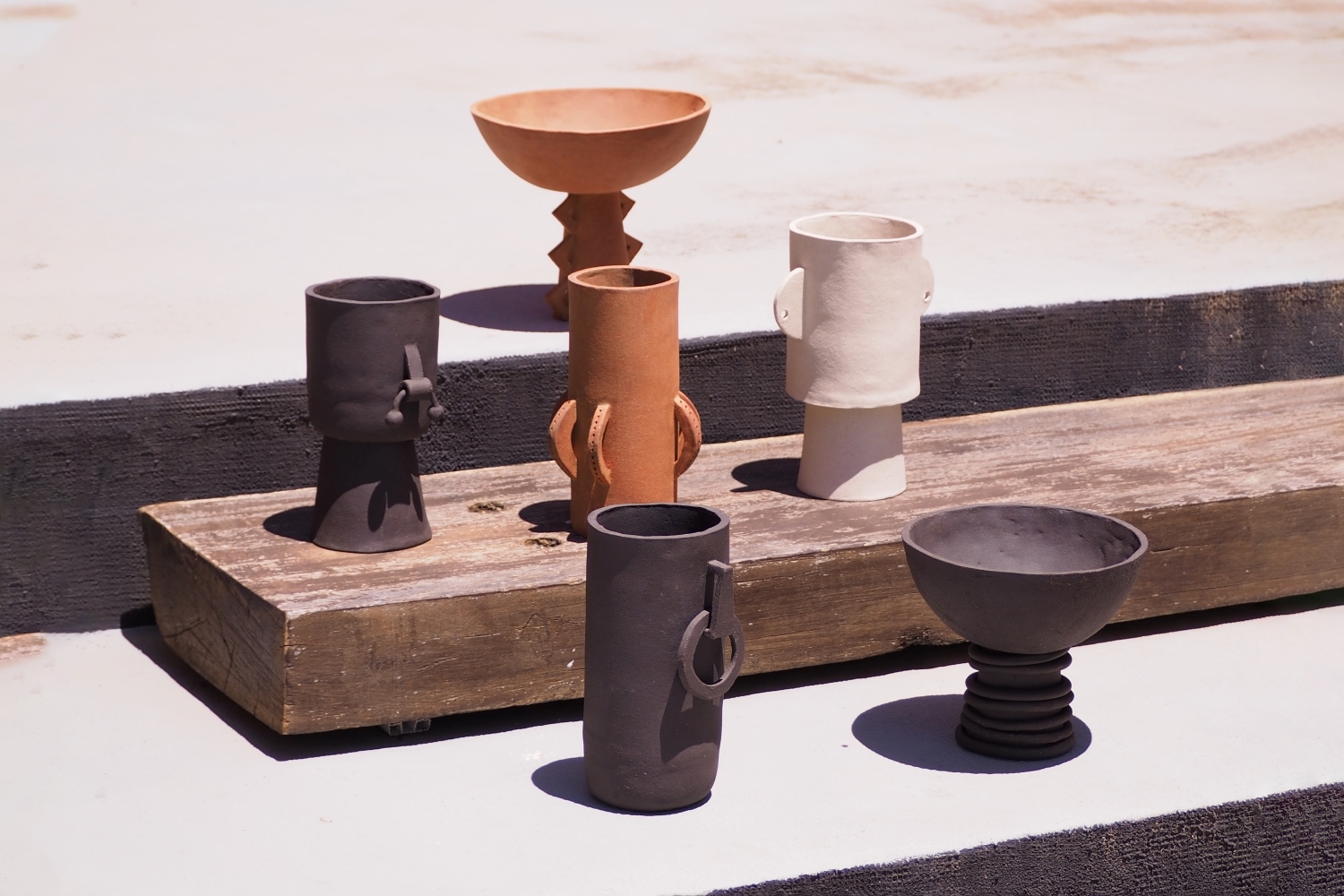
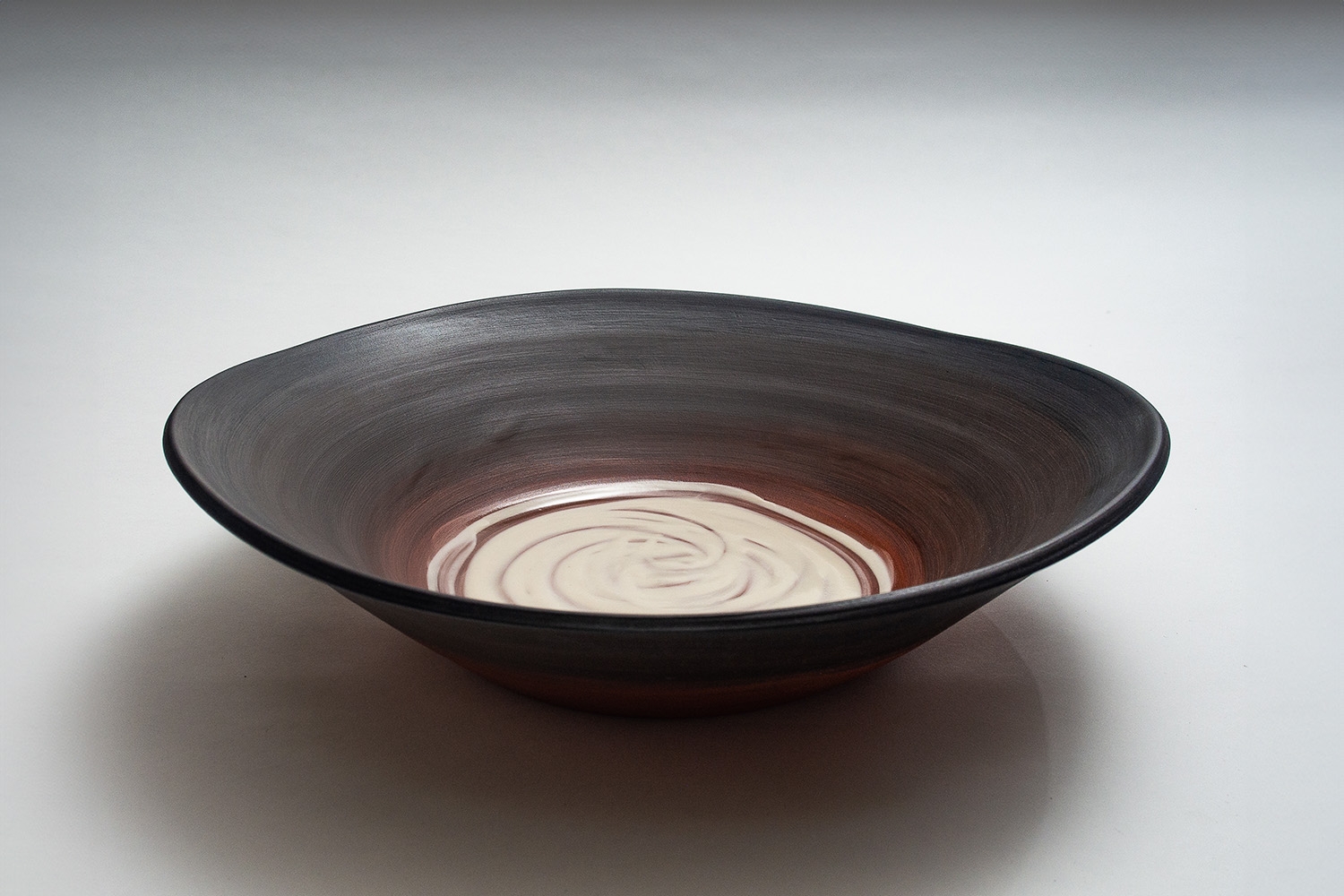
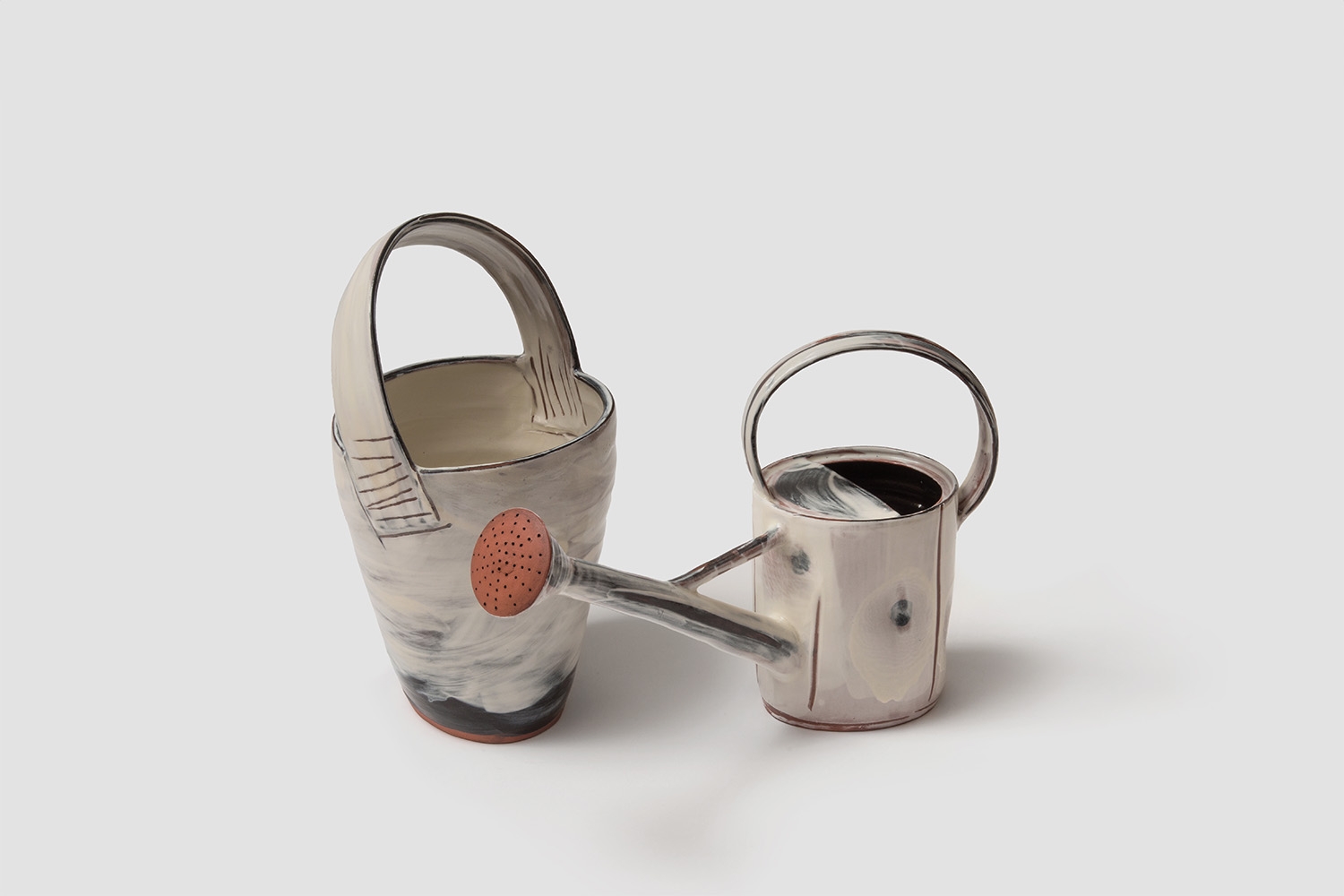
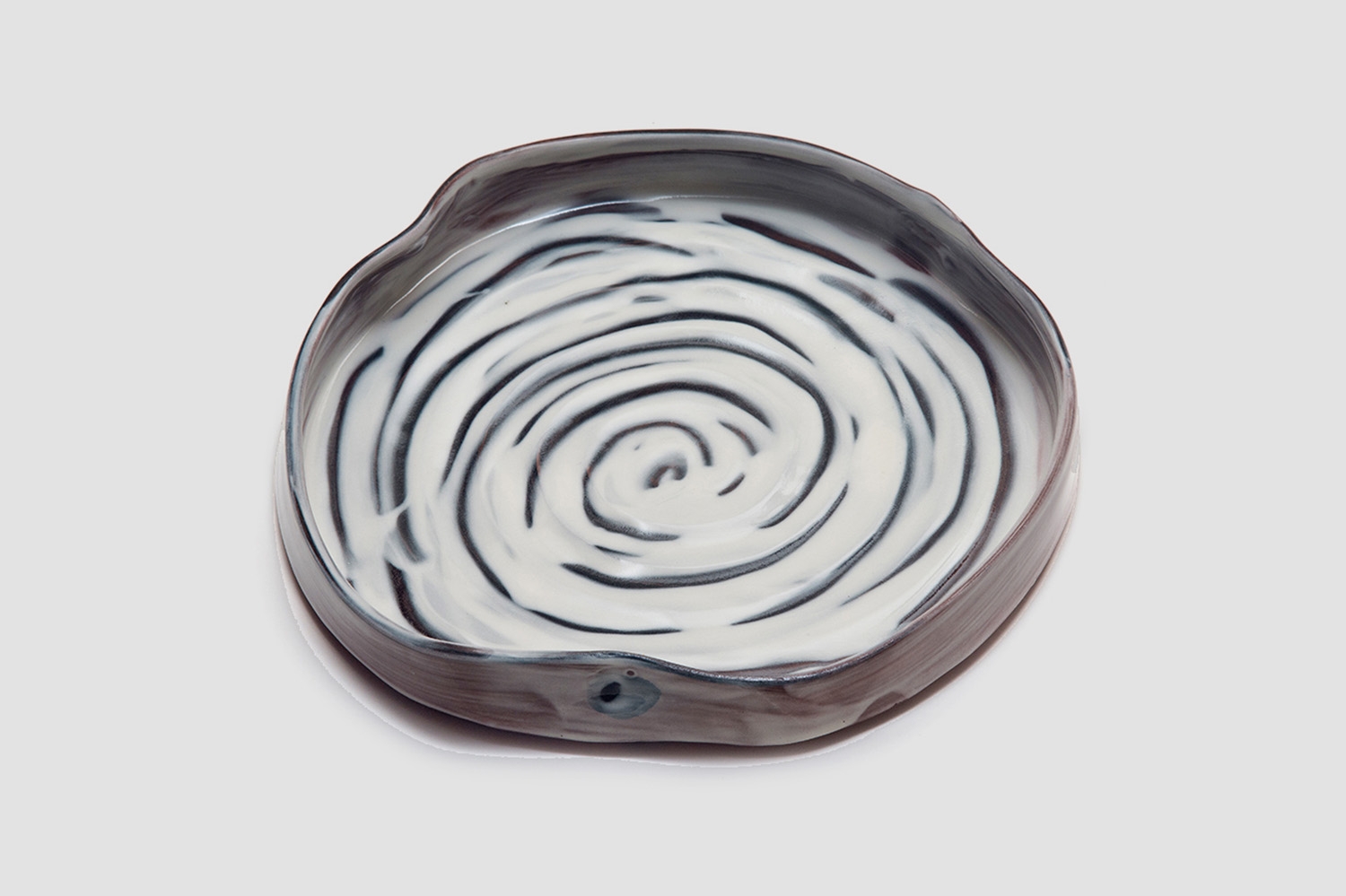
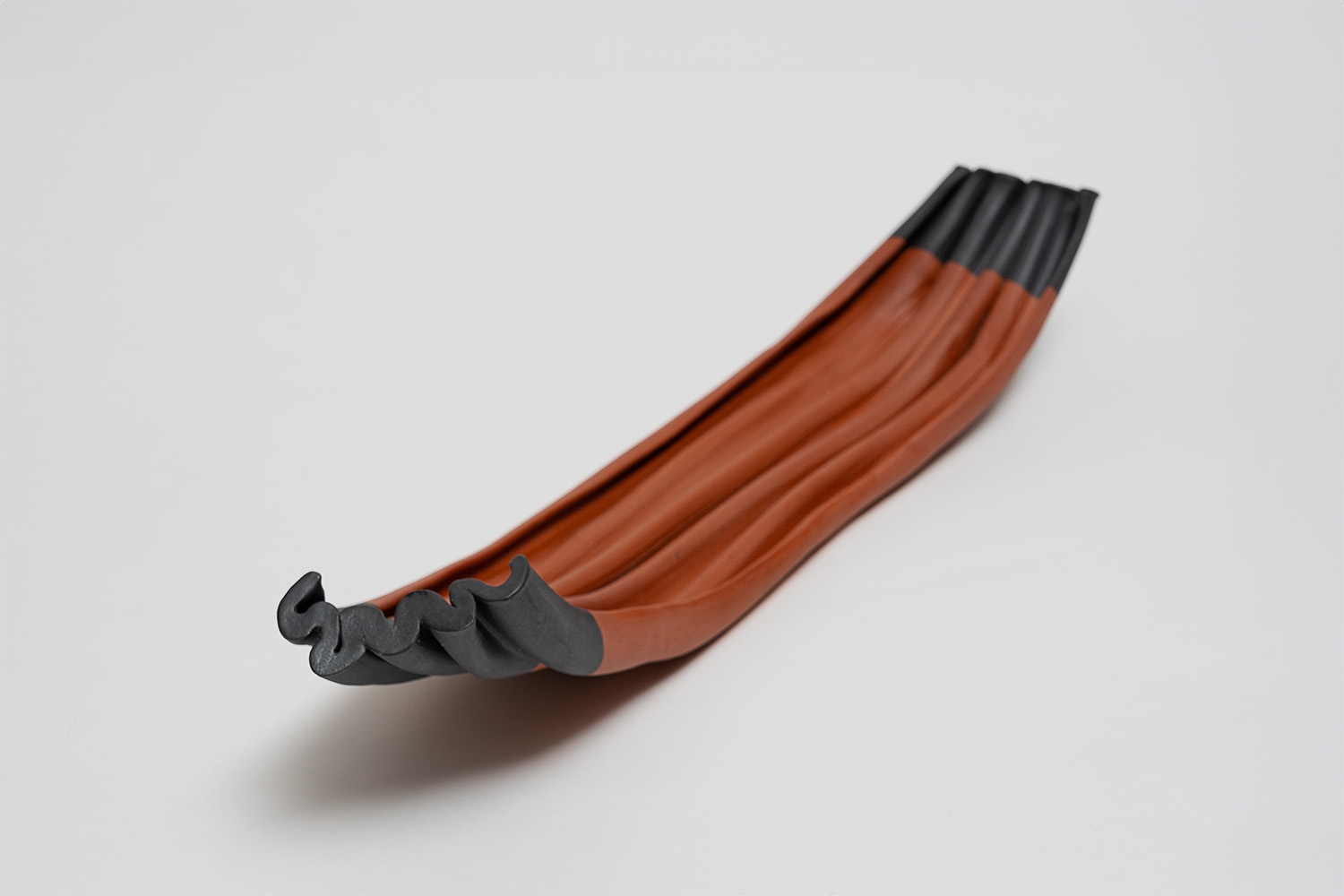
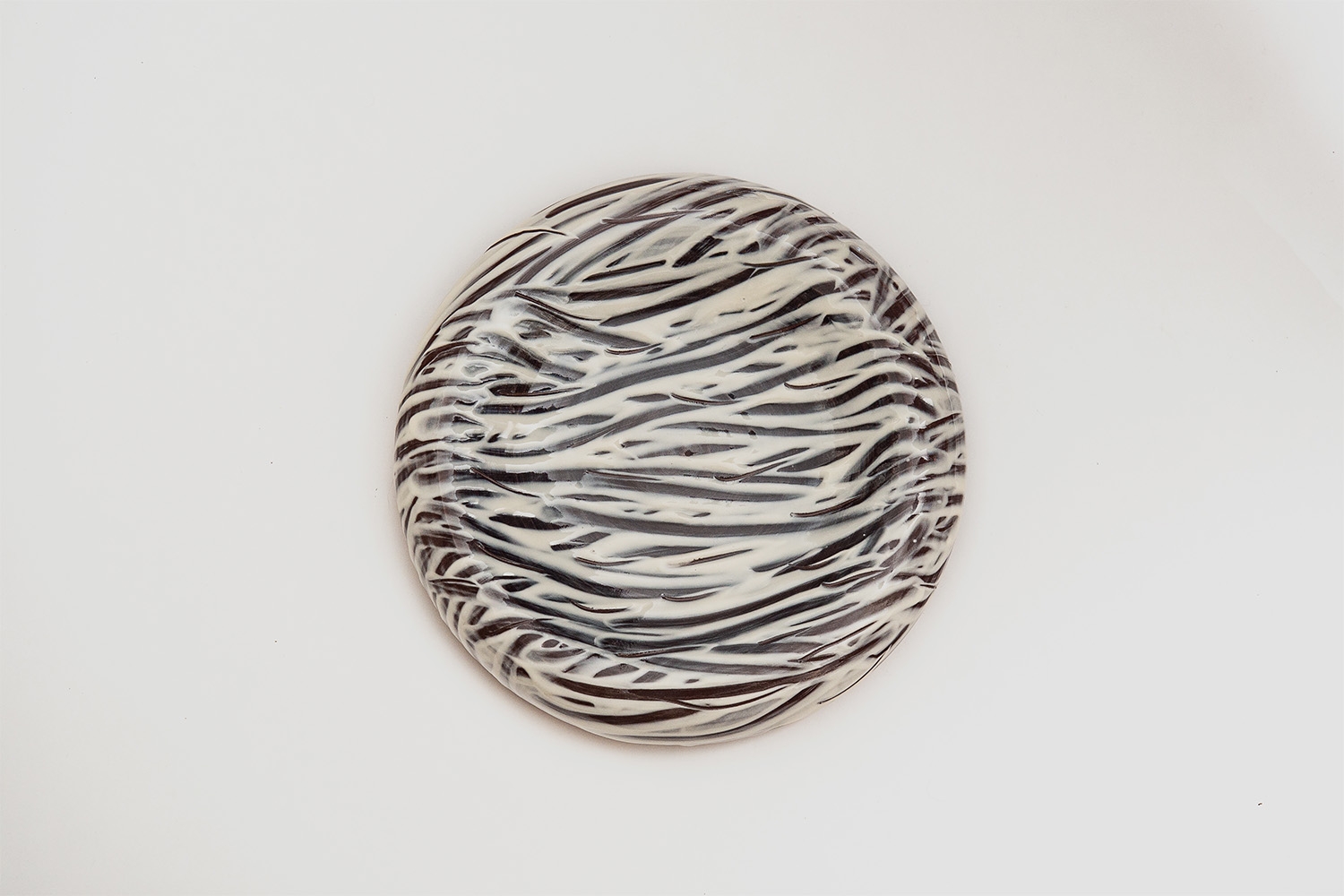
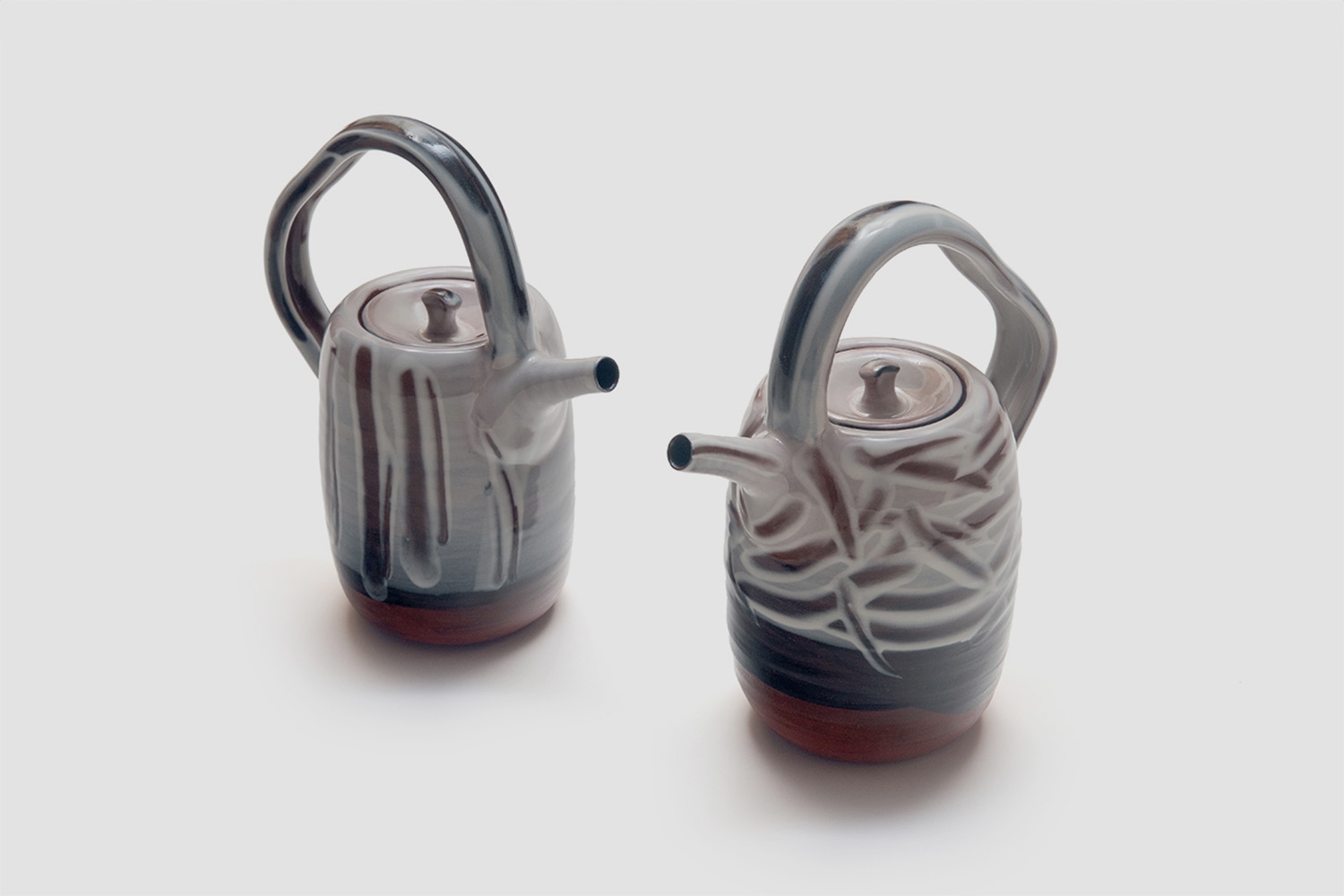
- She makes gestural vessels from terracotta partially covered in slip
- She teaches her unique method of 'slow clay' in a ceramic school she co-founded
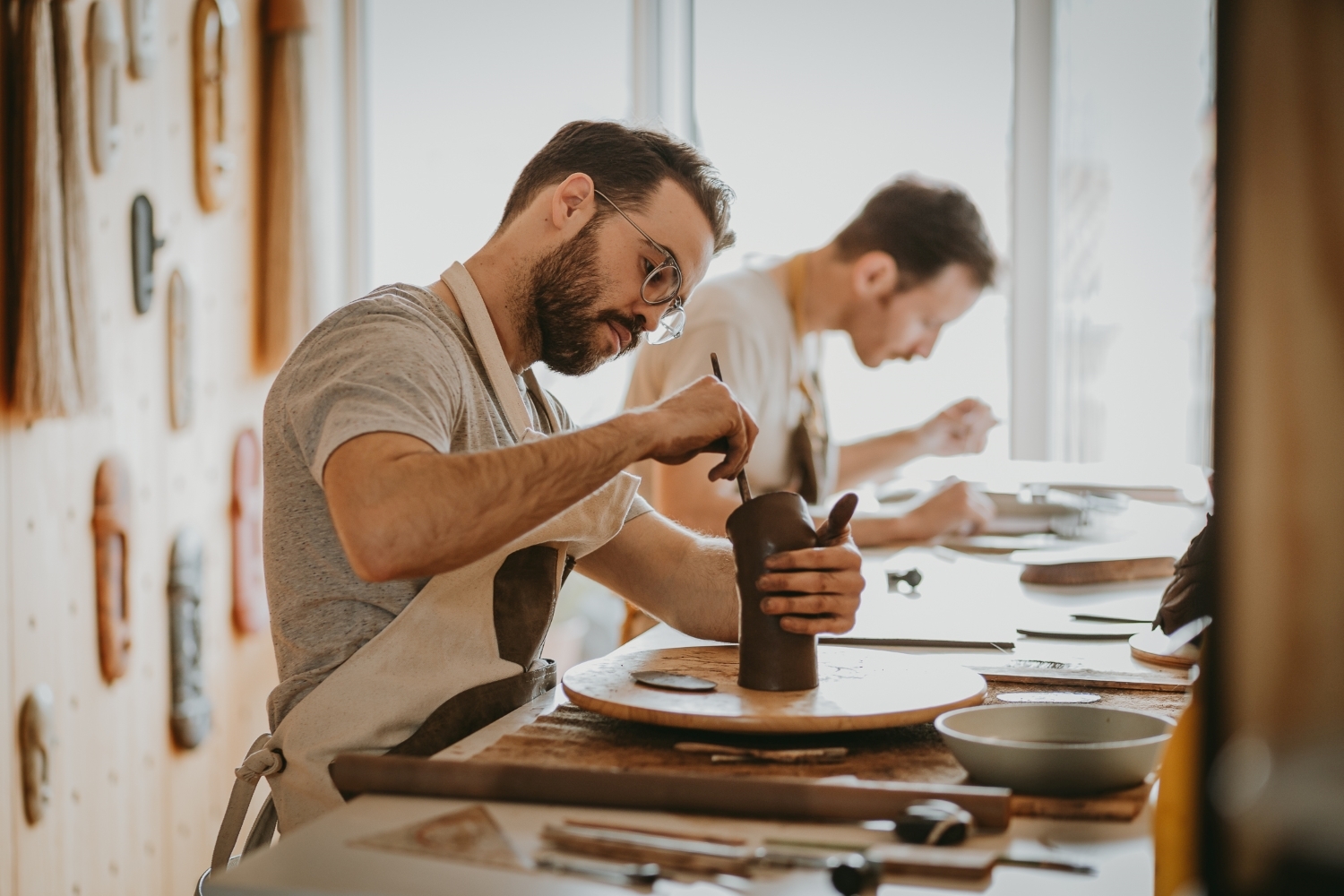
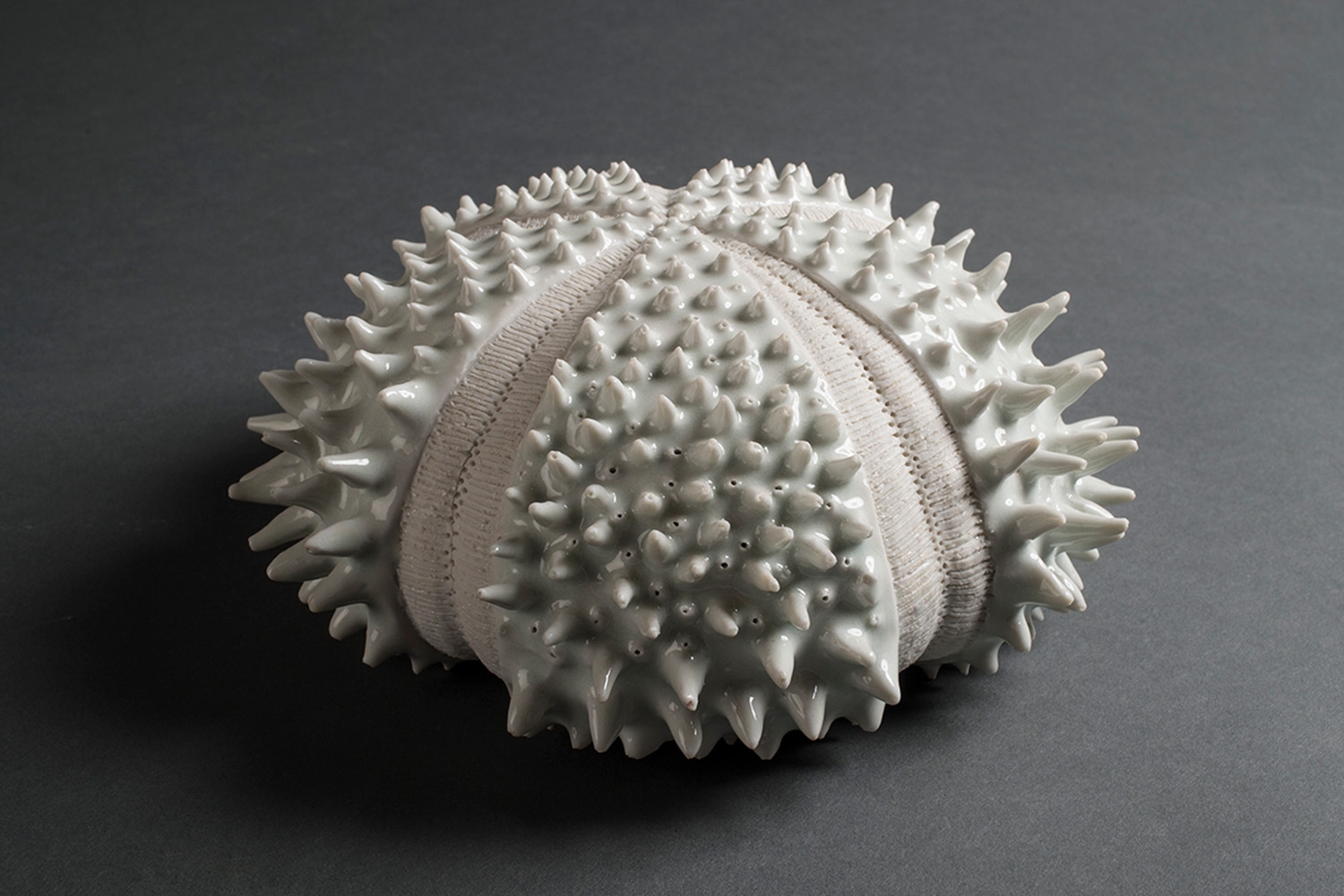
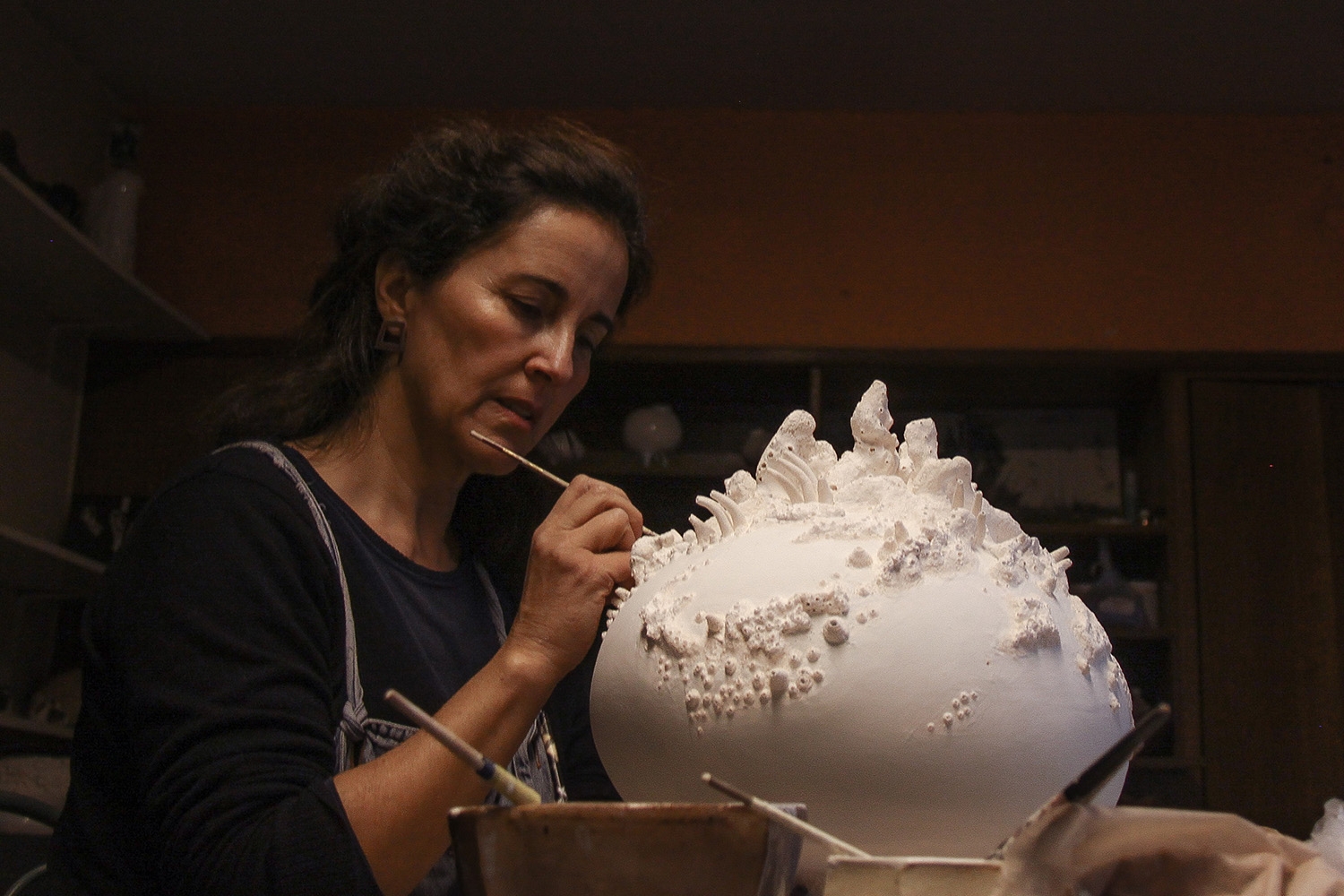
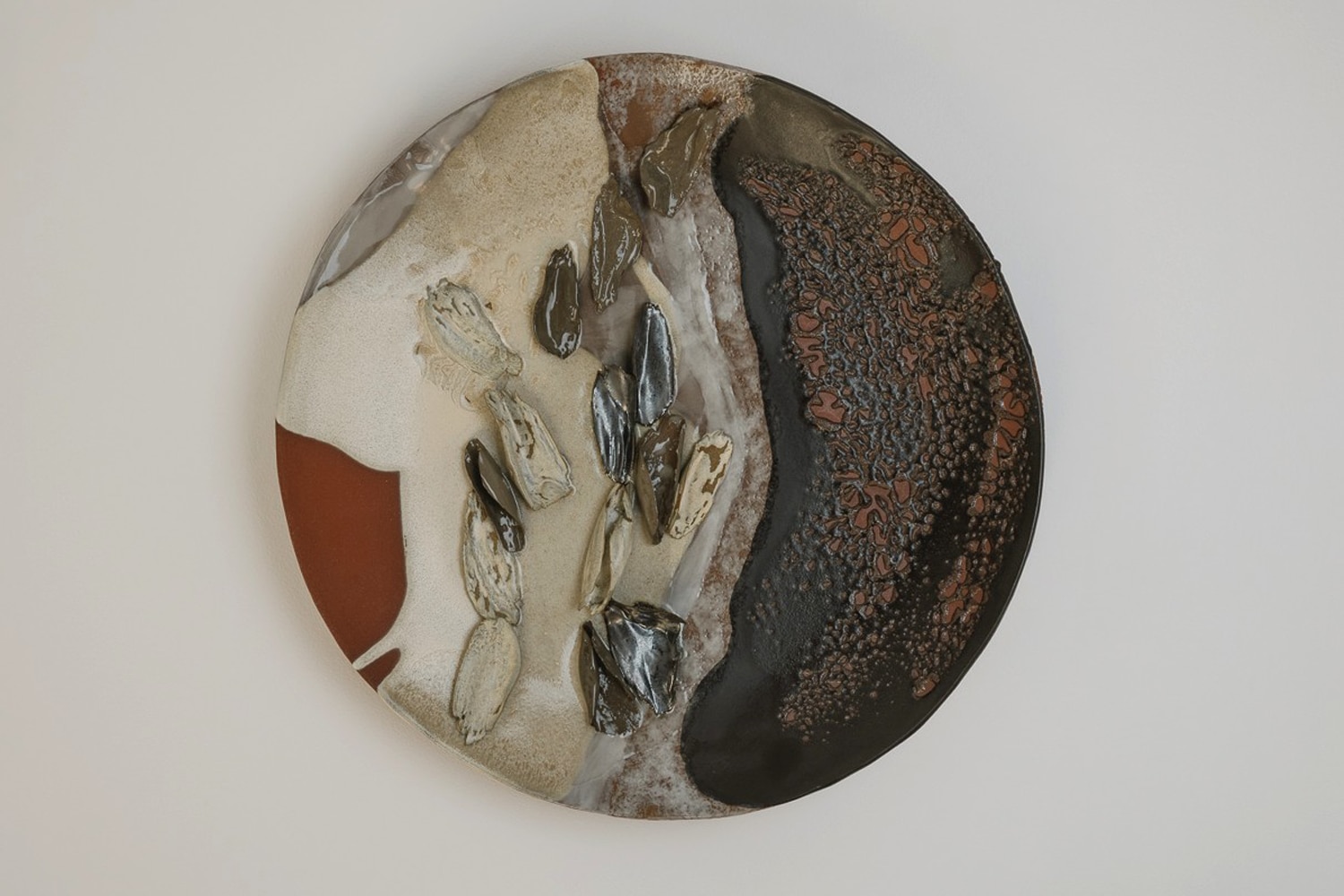
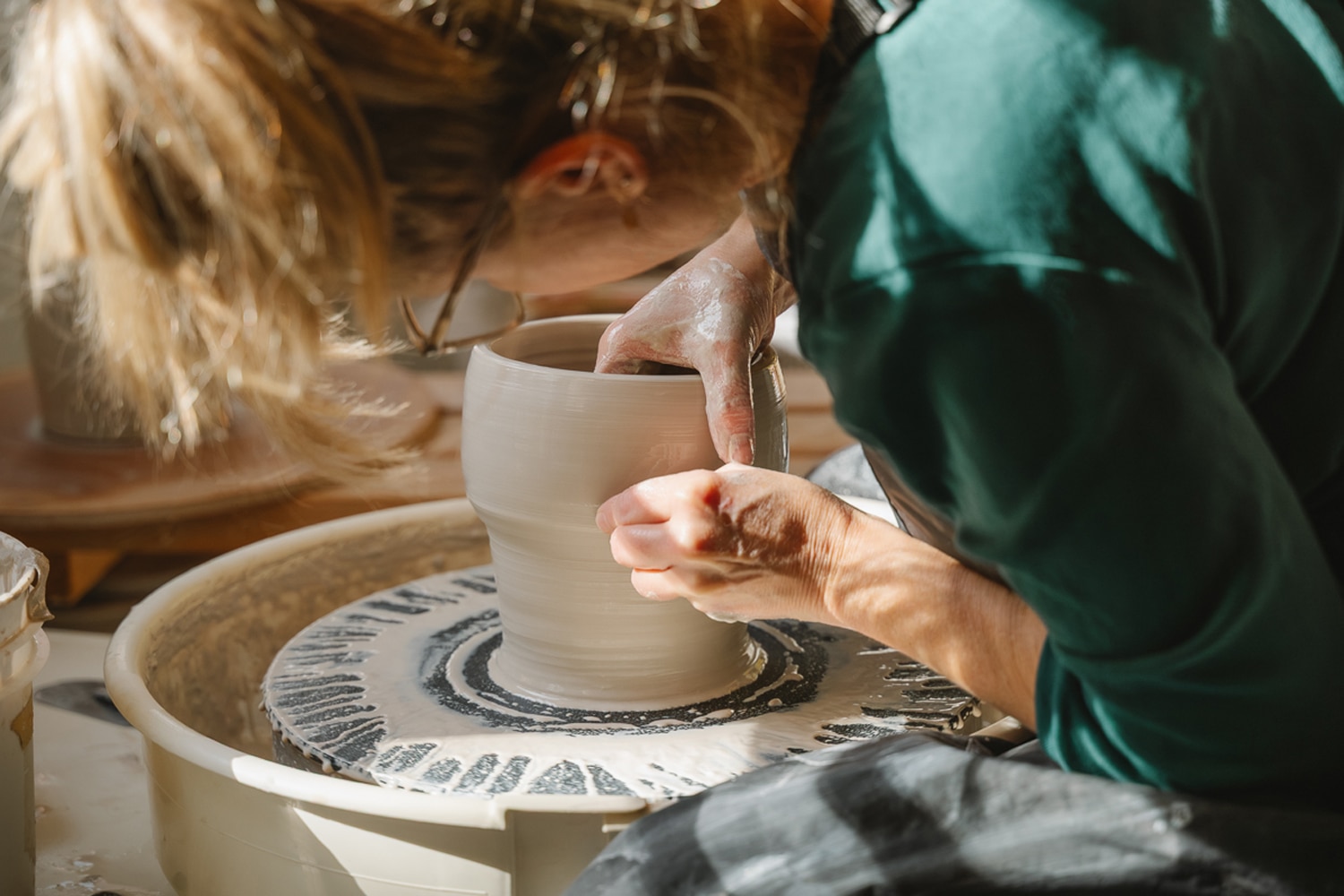
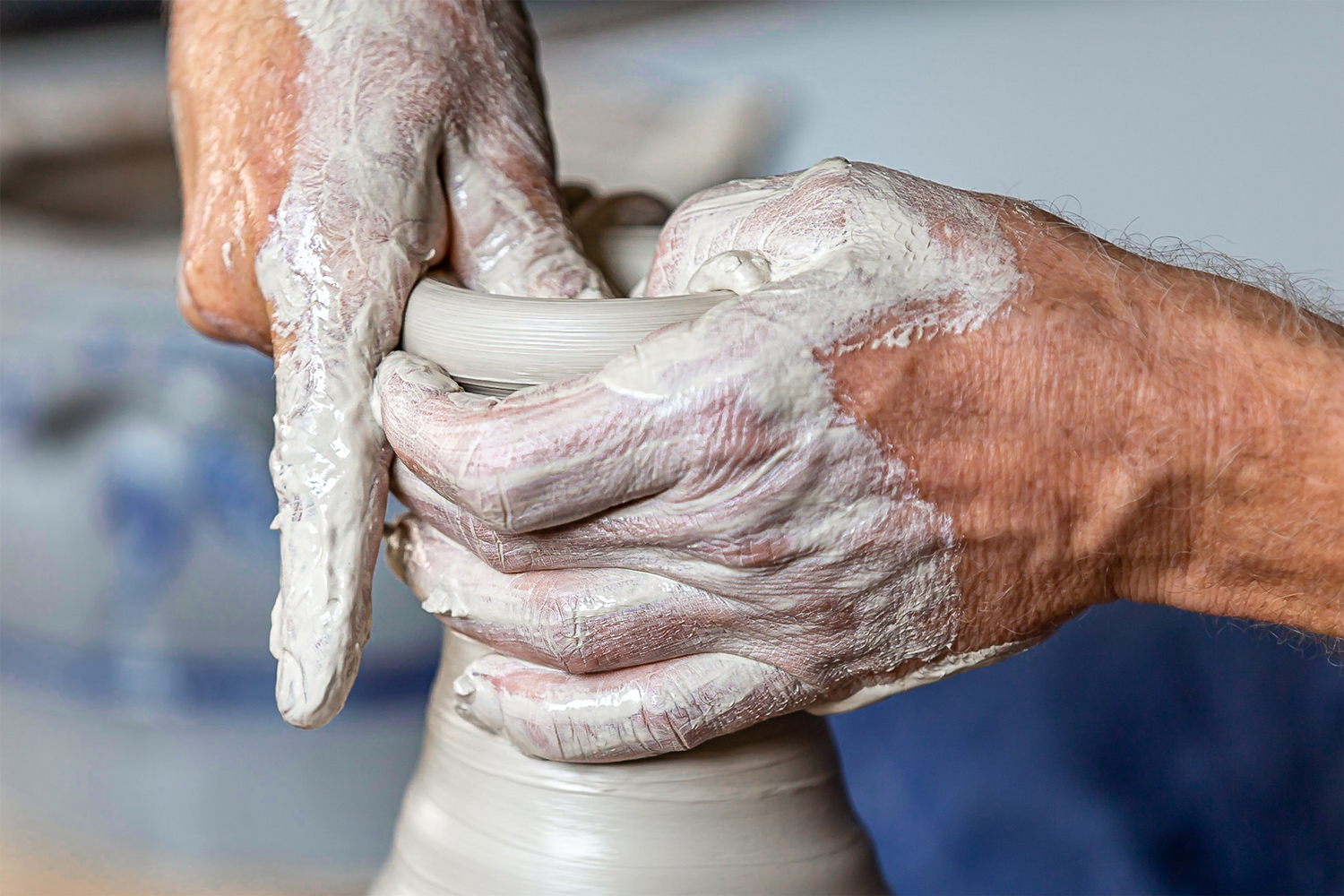
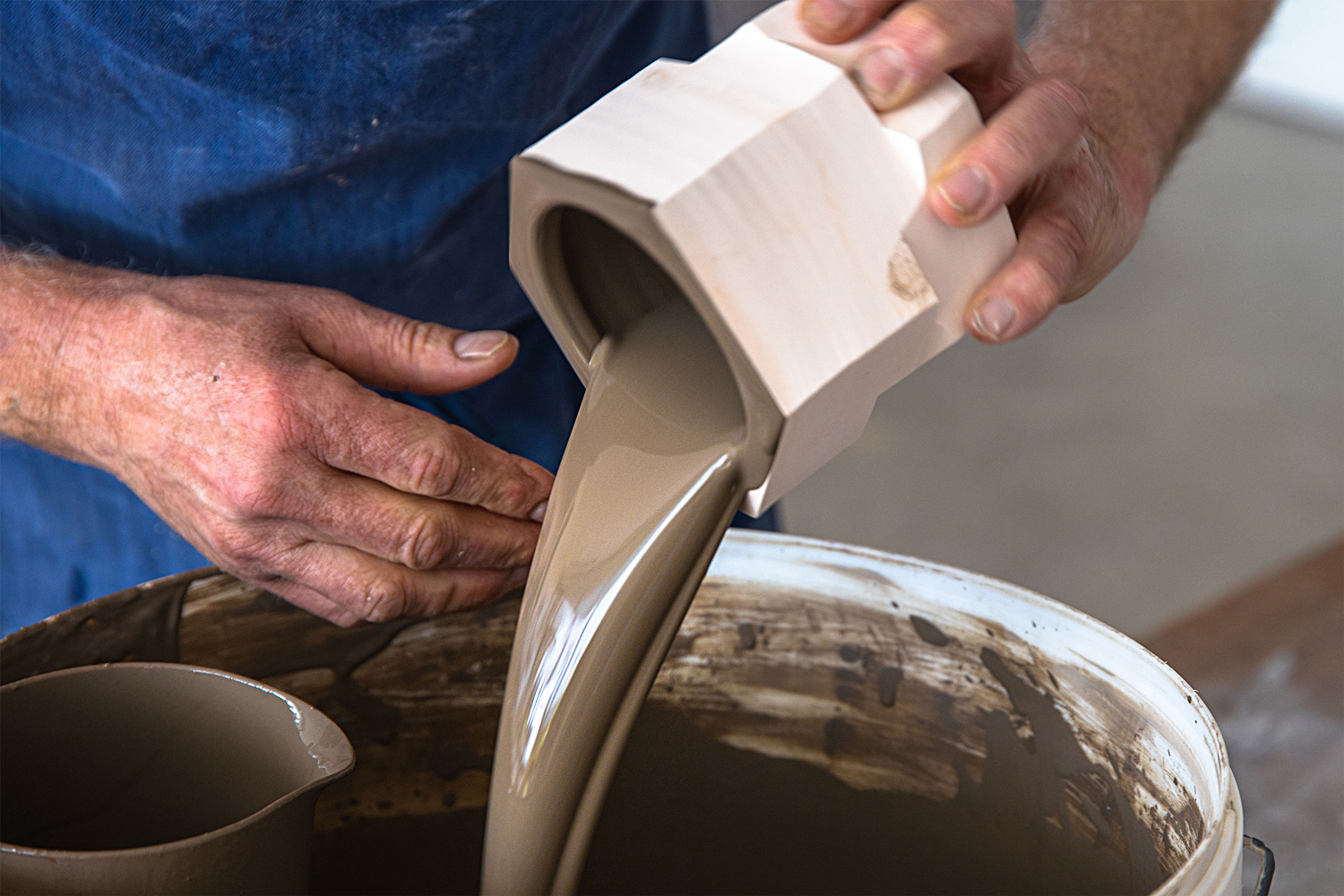
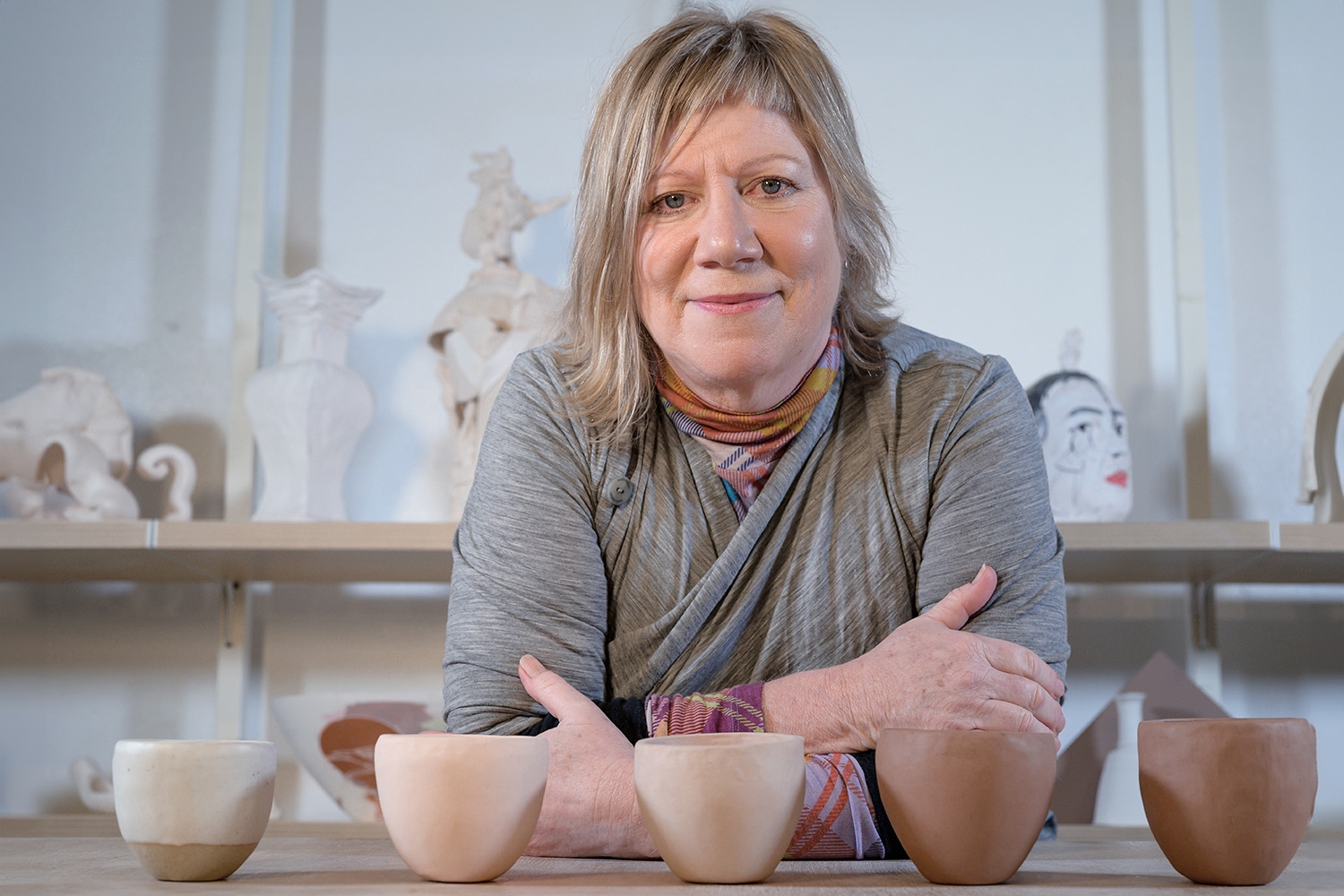
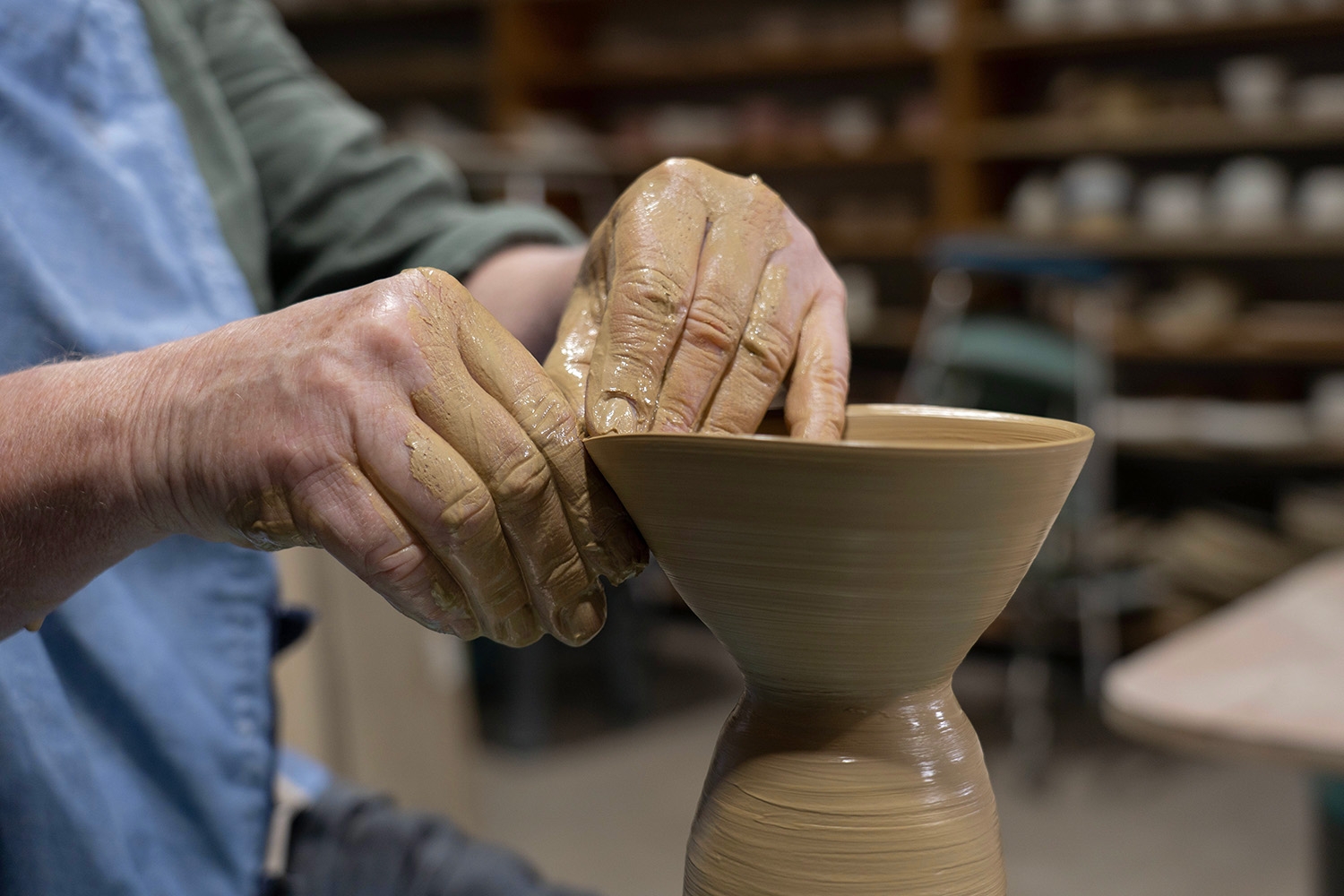
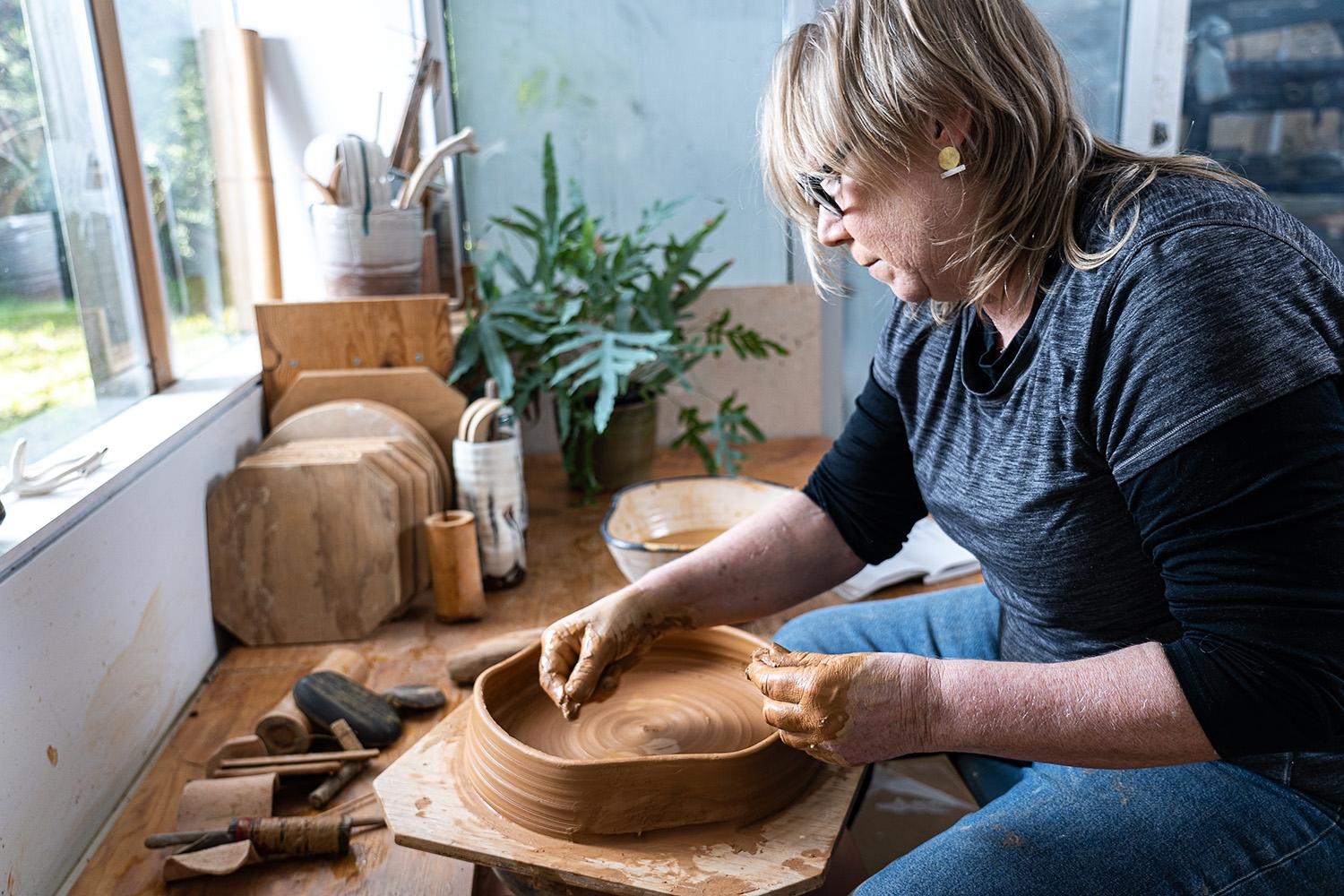
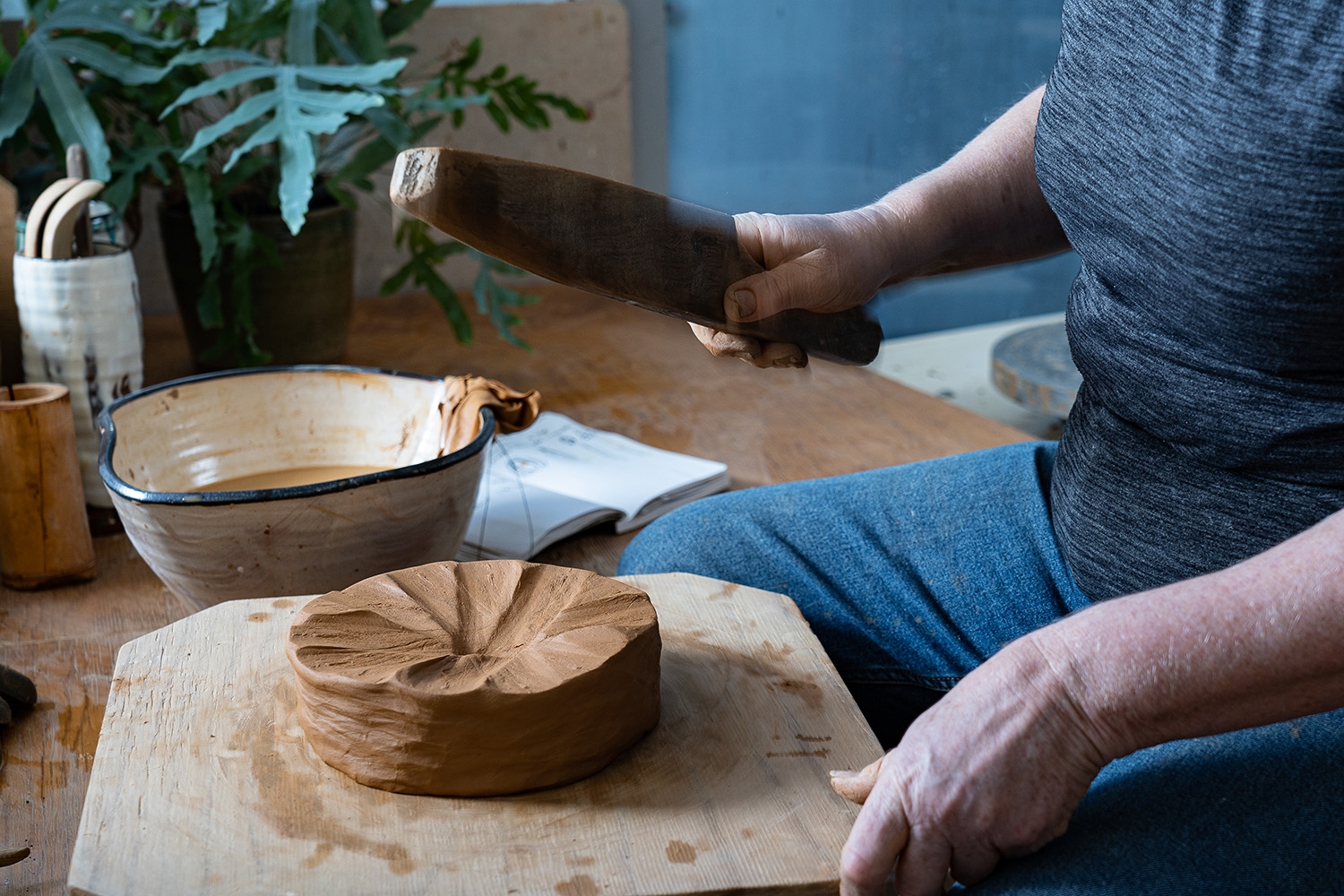
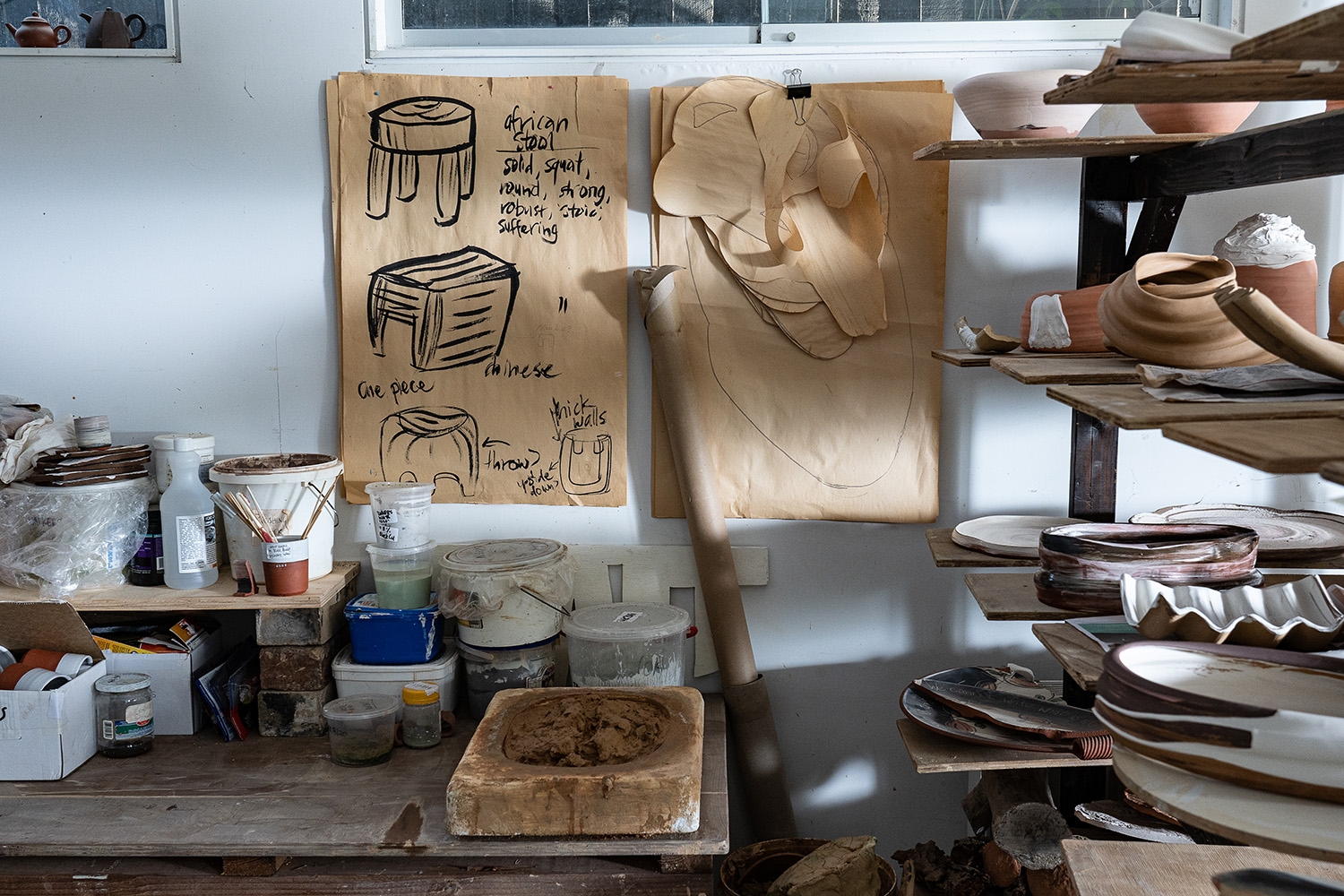
Inspired by a ceramics conference with Michael Cardew, Jane Sawyer took the long path of apprenticeships in Australia and in a Japanese pottery in the 1980s. This gave her a holistic framework to forge her unique style of gestural ceramics. Slowing down the wheel enables her to shape her vessels more spontaneously. To make her pieces, Jane breaks the rules of symmetry to reveal the plasticity of clay. "A cream slip accentuates the rich terracotta colour," she explains. Her vessels have a strong tactile sense, allowing the user to trace the hands of the maker. She shares this approach in the ceramics school she set up, Slow Clay Centre. For Jane, ceramics connect to the deep time of natural forces. She holds an MFA degree by research and is active in a number of collectives that support environmental values and is a member of the International Academy of Ceramics.
Discover her work
INTERVIEW
I totally loved being a studio apprentice and making other people’s designs and I could have remained a paid employee forever! But the good people at Shussai-Gama gave me a “graduation exhibition” in their gallery and pushed me on my way. I moved to Edinburgh, Scotland, on the proceeds of that exhibition and it was there that I started to make my own work.
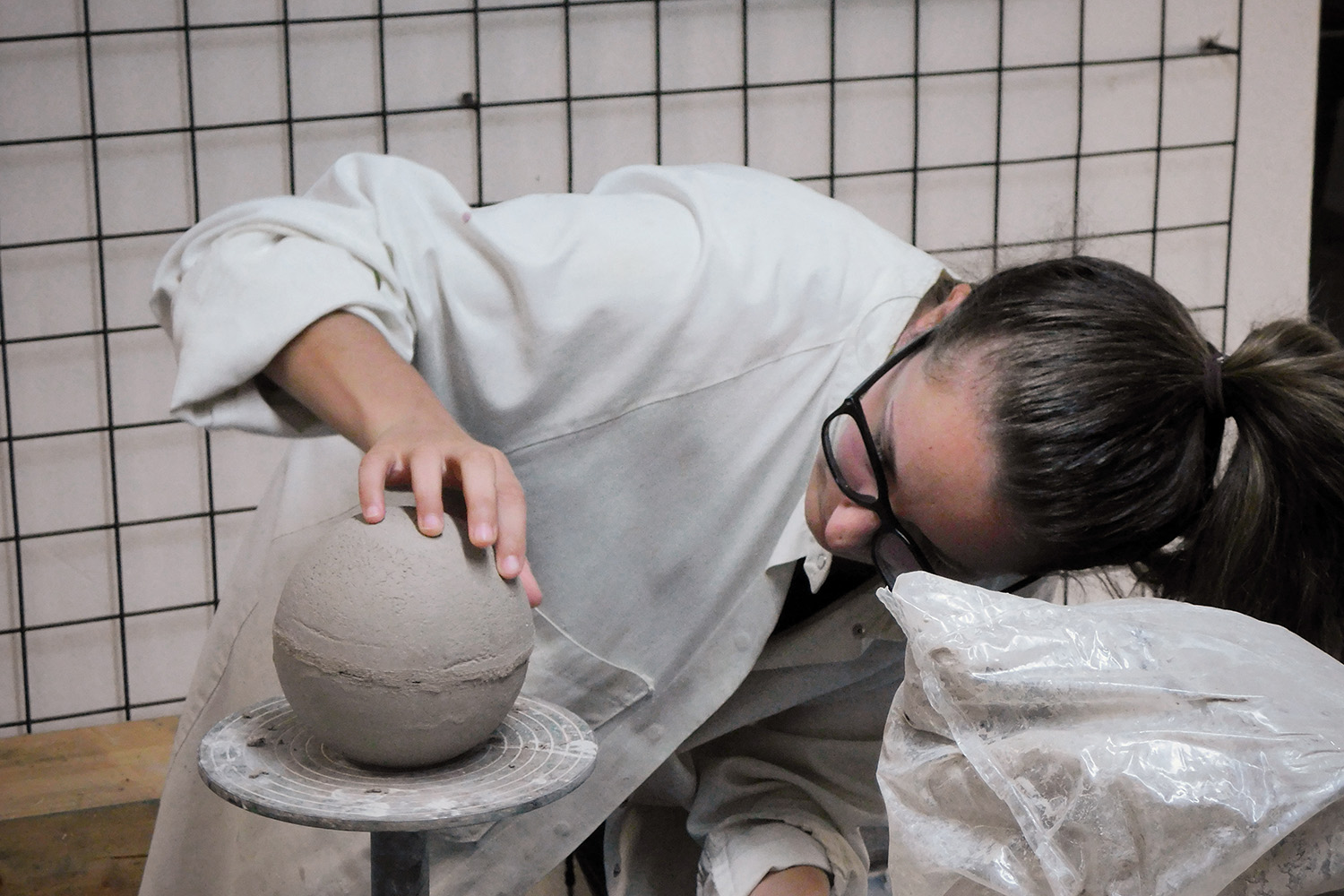
Many of my fluid-looking pieces are actually made by a sort of harsh and surgical technique involving great precision. They are deliberately thrown off-centre. Learning to throw like this on the wheel is just as demanding as learning to throw 'on-centre'.
Train your hands to do things quickly and your brain will then be free to think. Be determined to stick with it for a long time. Often just sticking with something for longer can create new and deeper pathways and new doors will open. Trust that this is your journey and do not expect anyone to help.
At the moment ceramics is popular again. But popularity can be fleeting and is often linked to fashion. The world needs thoughtful and beautiful objects to enrich lives and point us on the right path. I will re-frame the question and answer: “Could our world be in danger if we did not have ceramics?” Yes!
Jane Sawyer
Ceramicist
Collingwood, Australia
Recommended by WCC Australia
ADDRESS
Address upon request, Collingwood, Australia
AVAILABILITY
By appointment only
PHONE
+61 418106039
LANGUAGES
English, Japanese
Homo Faber Finds is a new service aiming to inspire admirers of craft to connect and collaborate with exceptional artisans.
We invite you to submit an enquiry here.