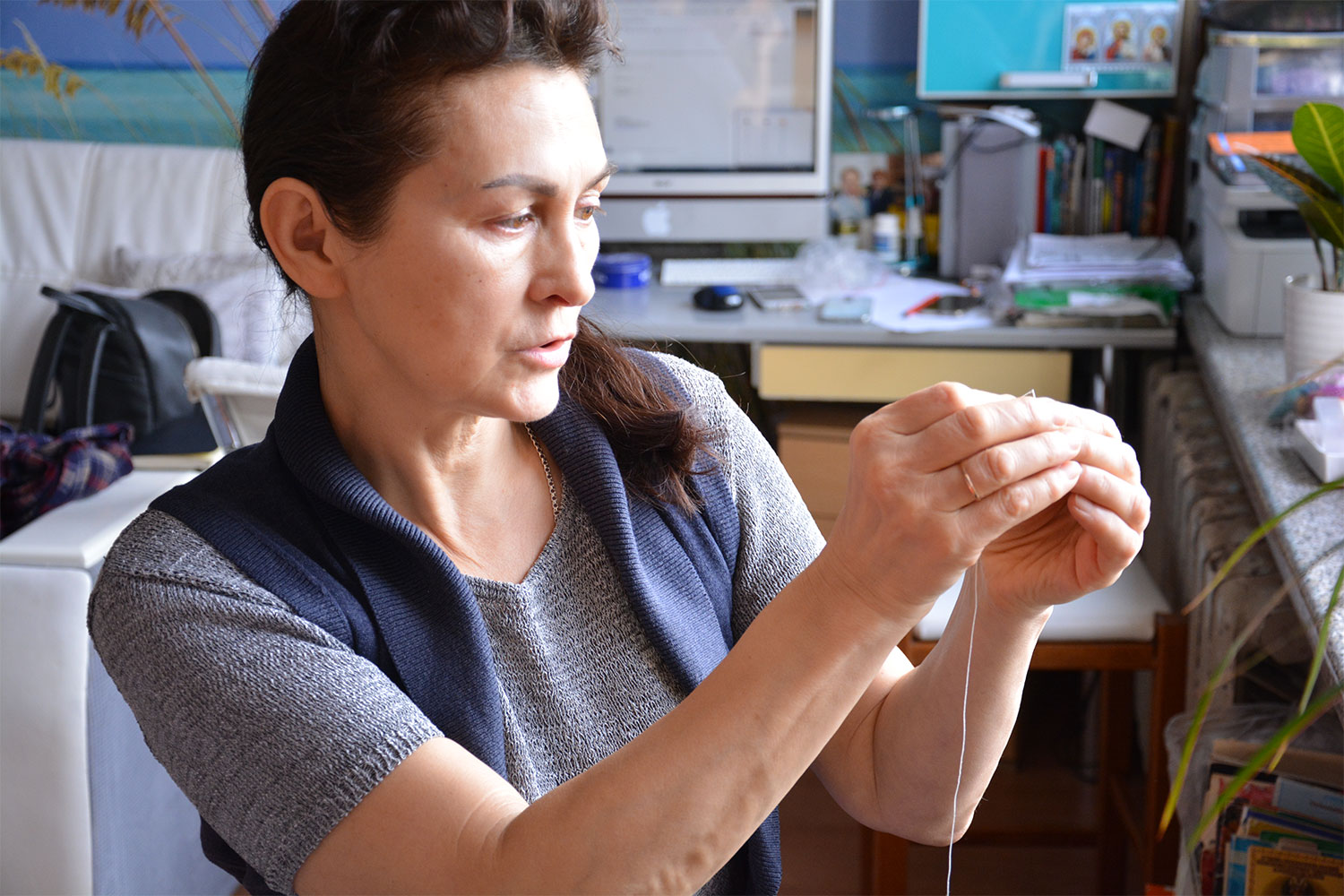
Irina Veselova
Bead artist
Saint Petersburg, Russia
Craft as a blessing
- Irina is influenced by the Russian Orthodox tradition
- Her work is owned by Orthodox priests across Europe
- It takes her up to a month and a half to complete a piece
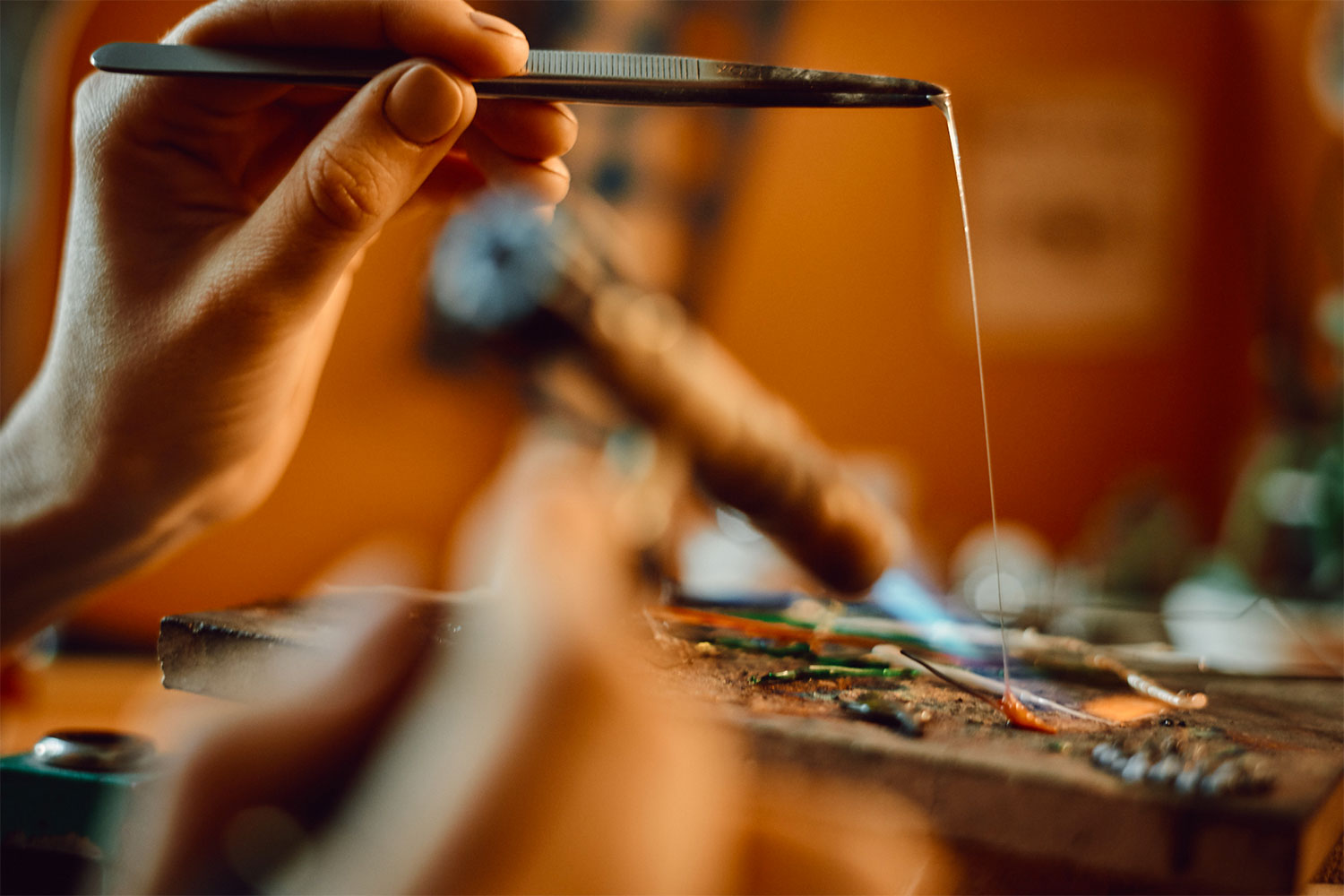
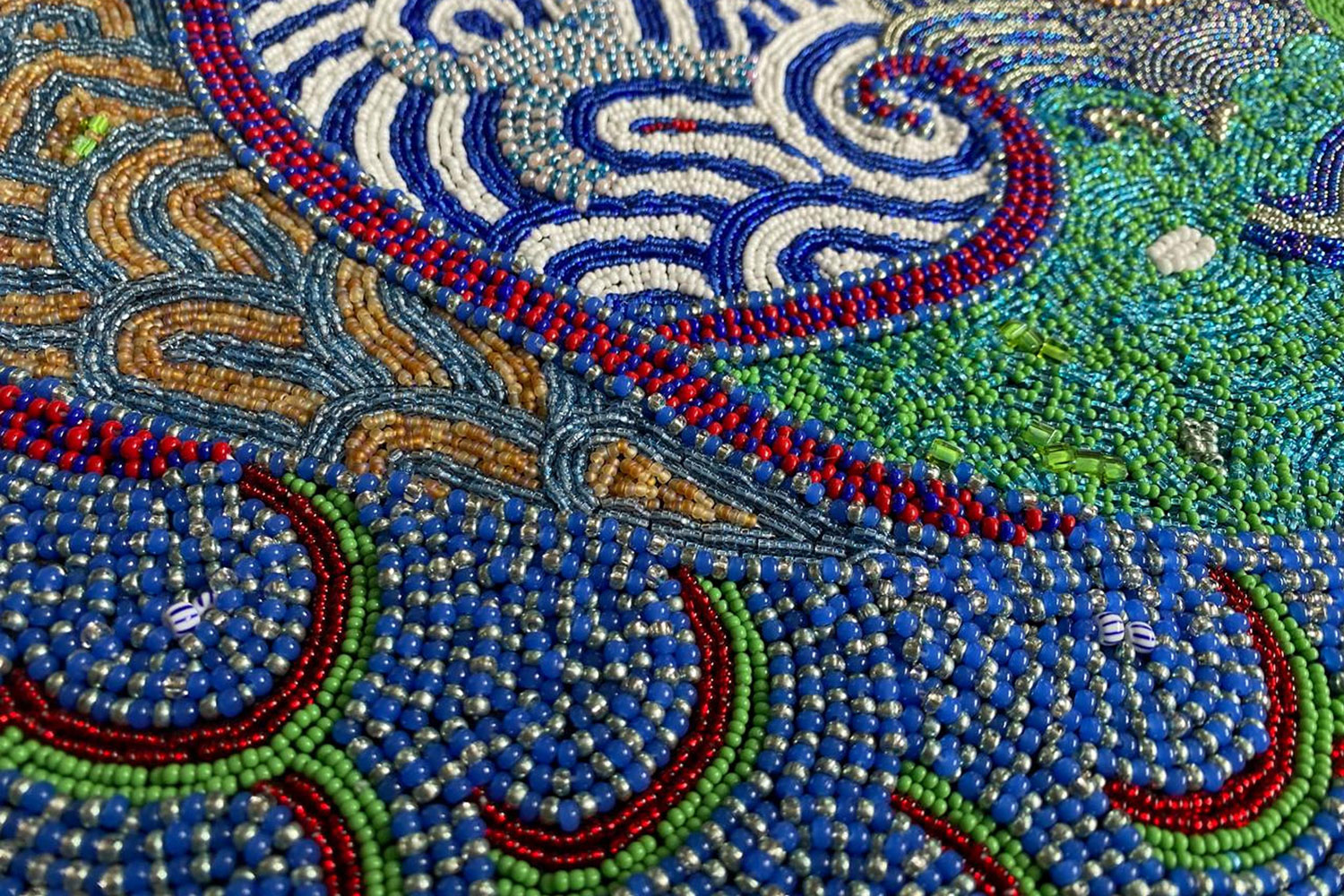
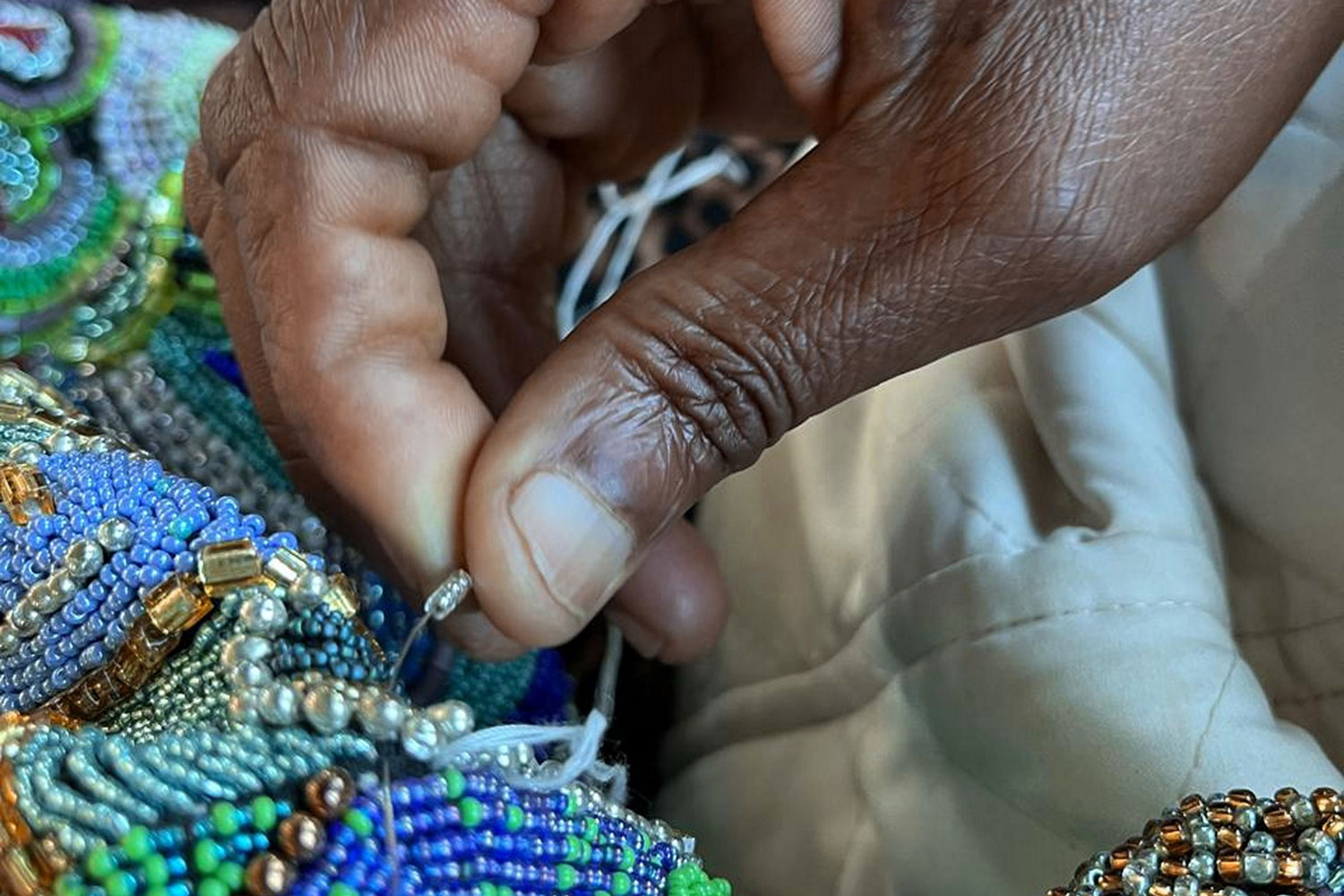
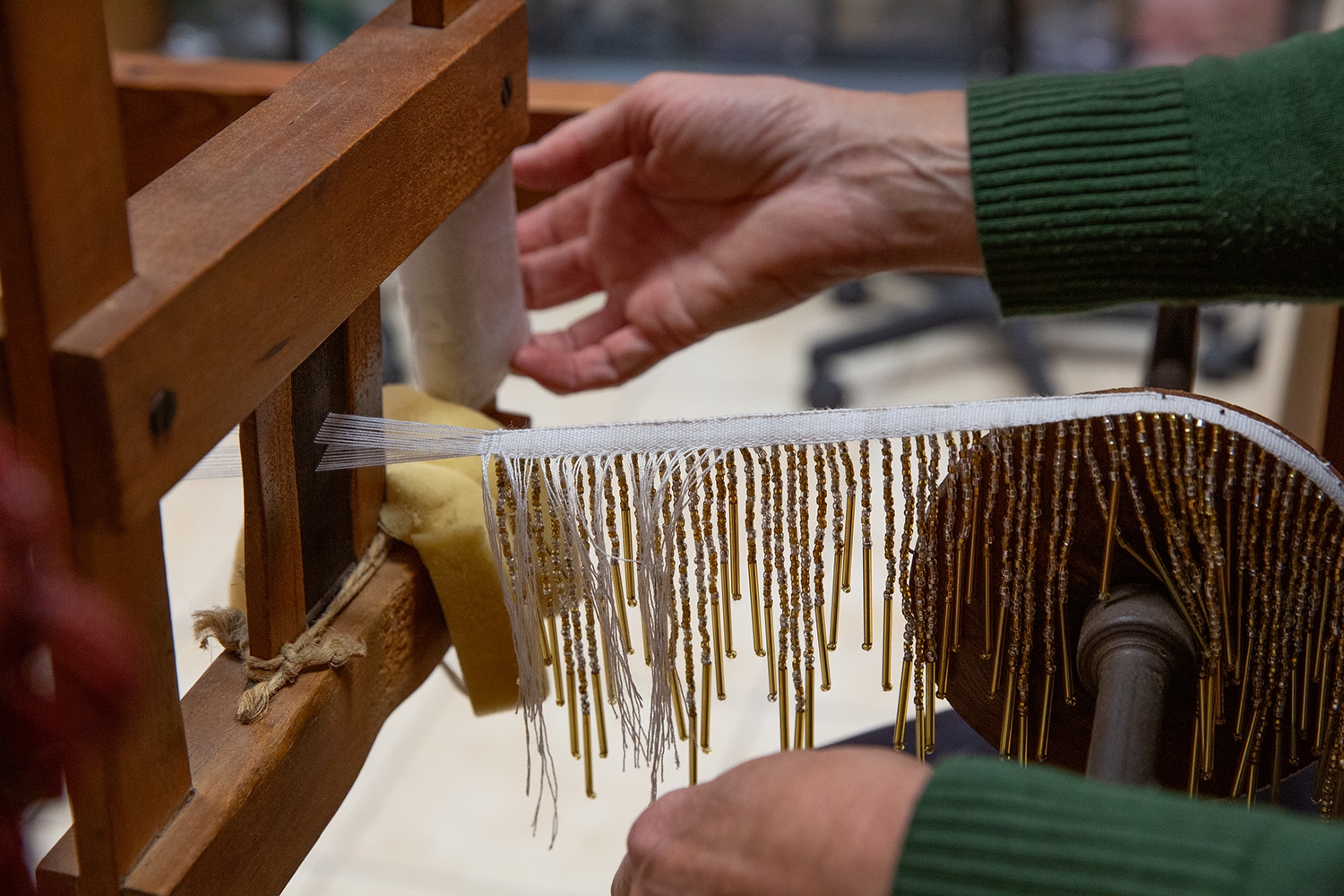
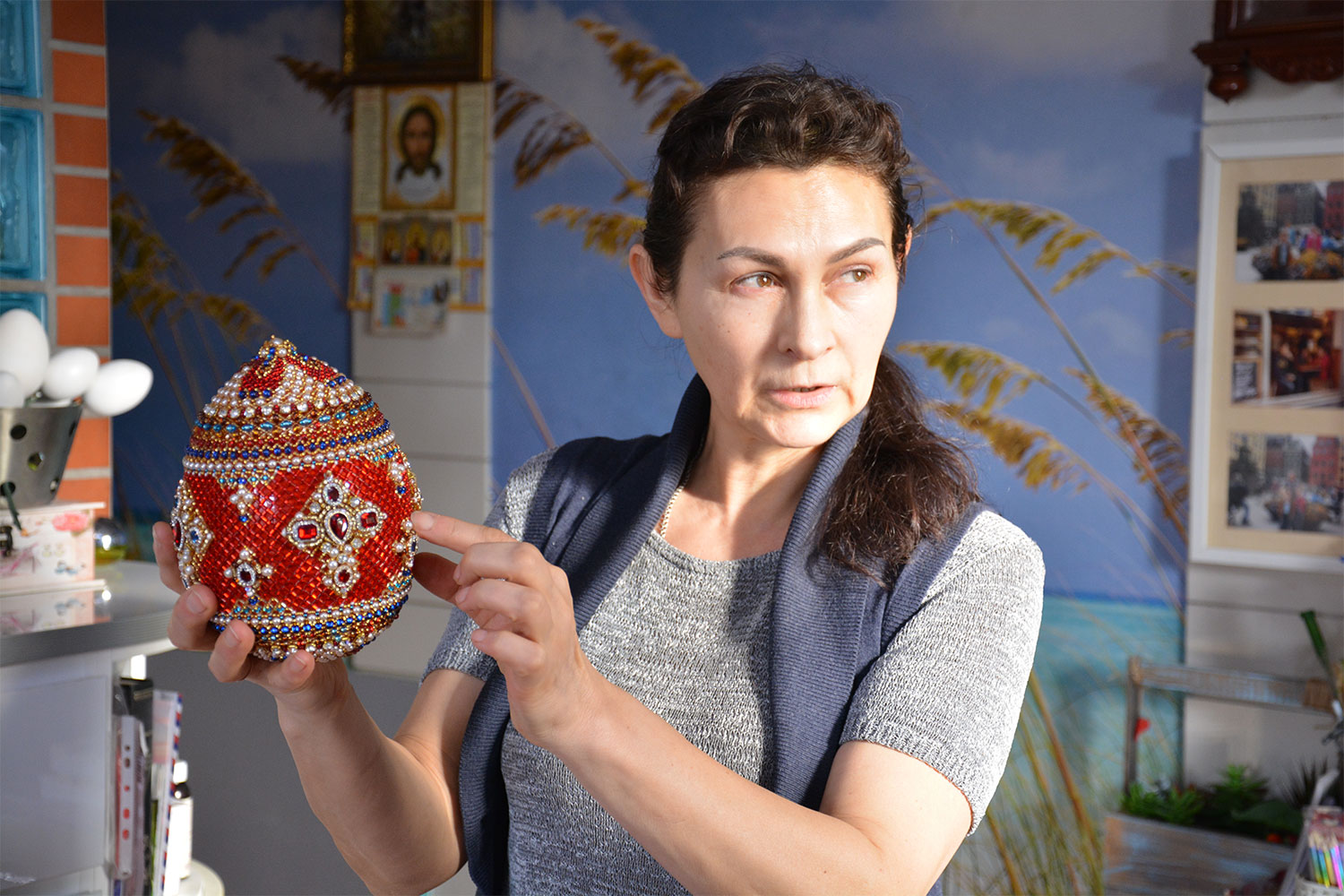
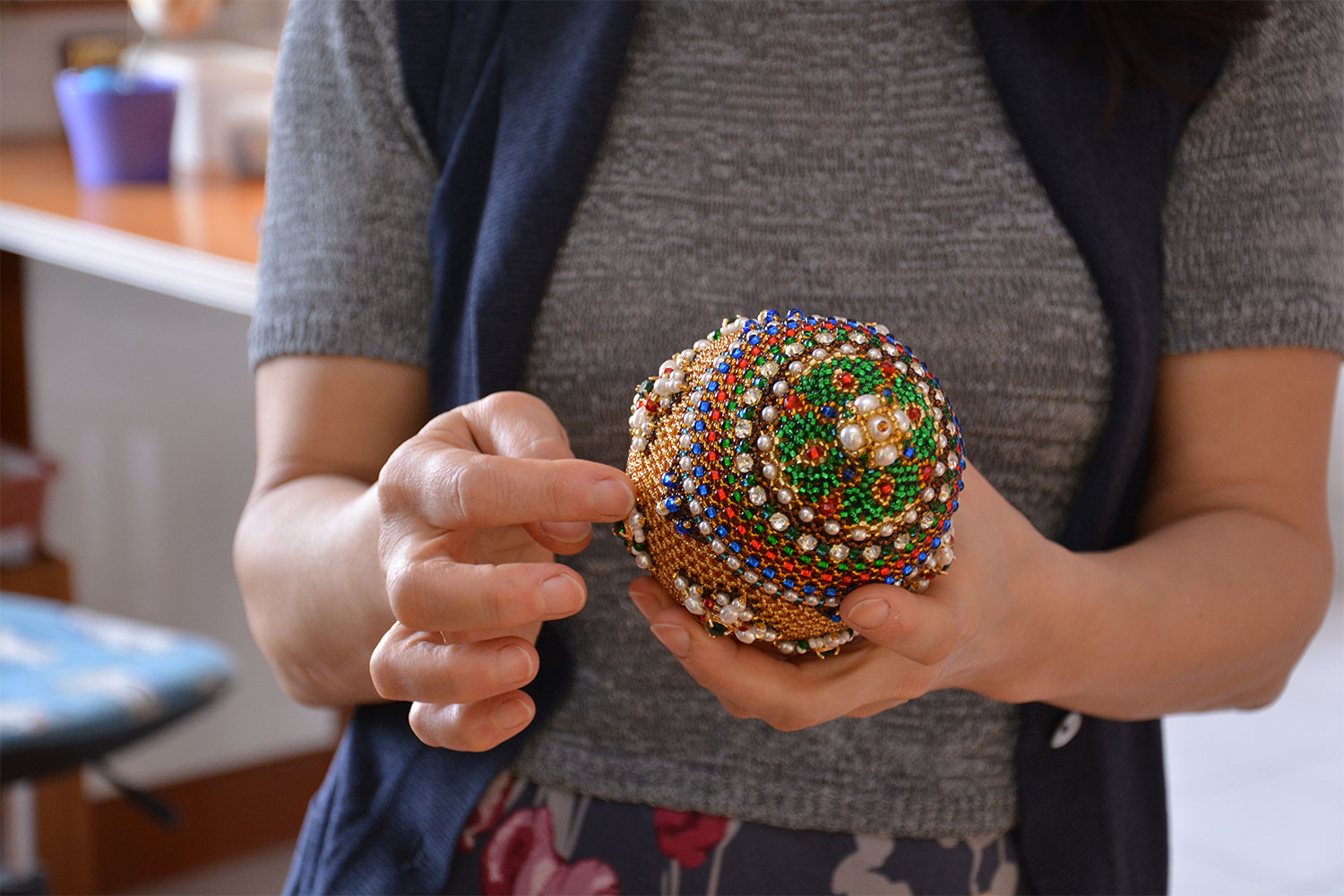
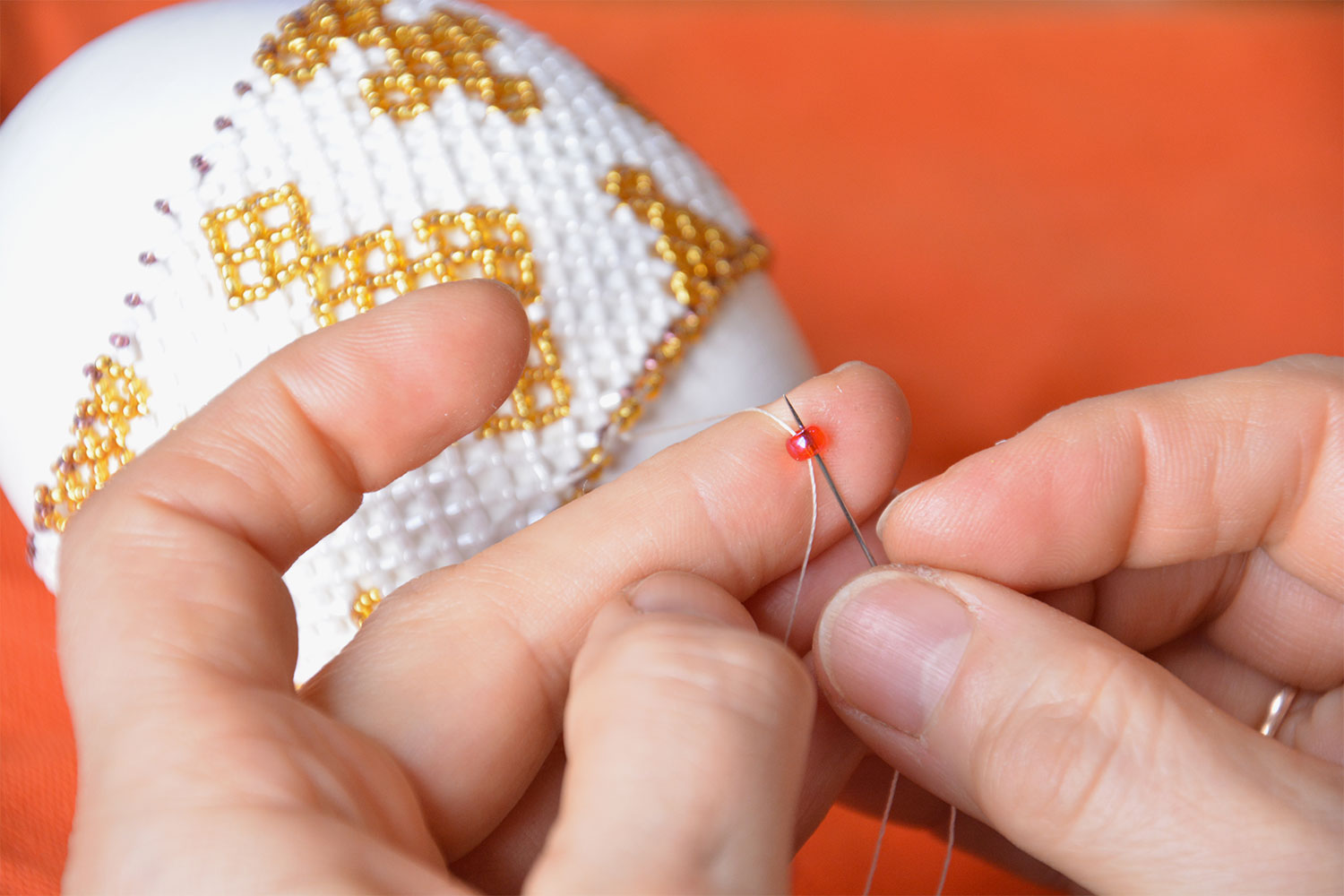
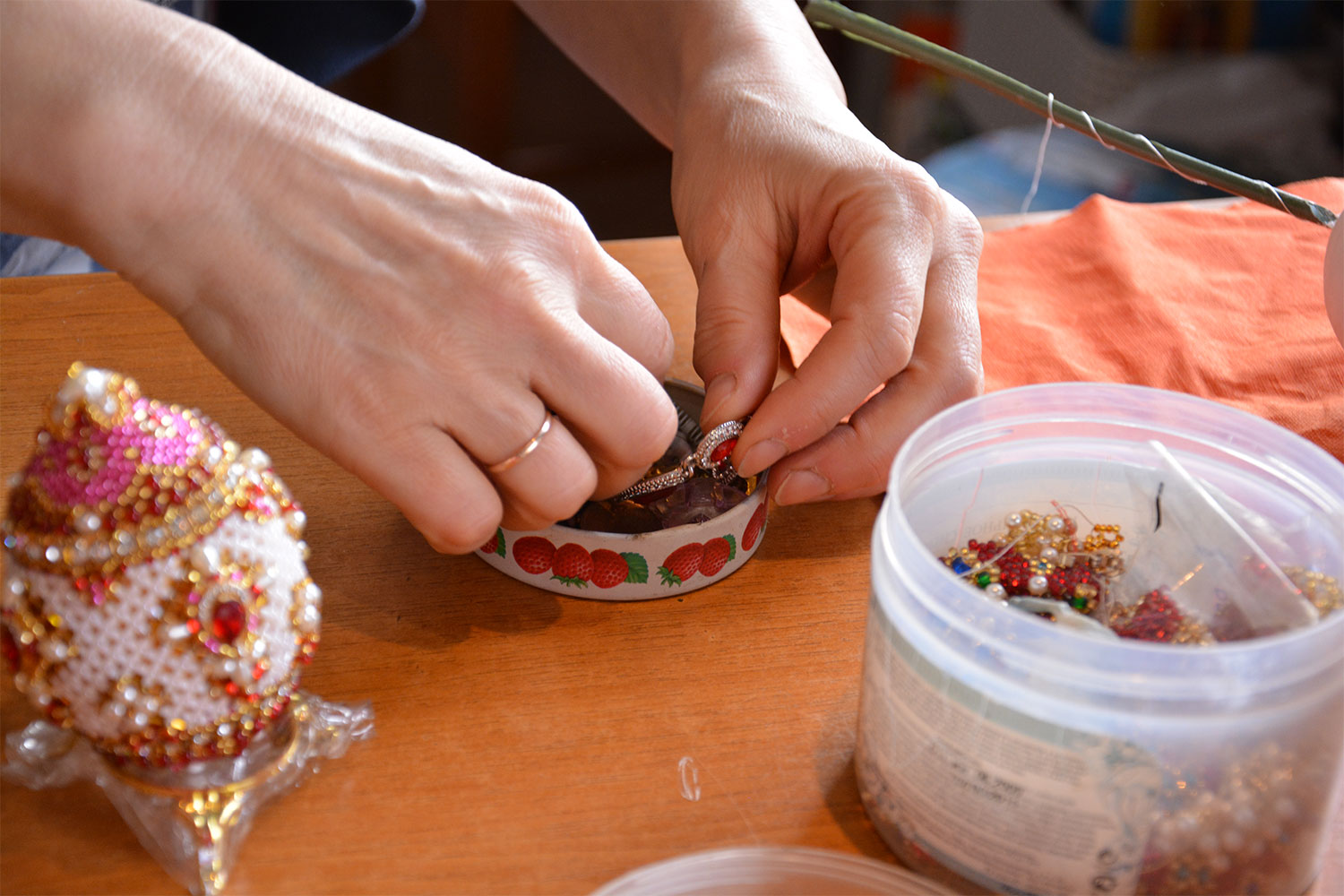
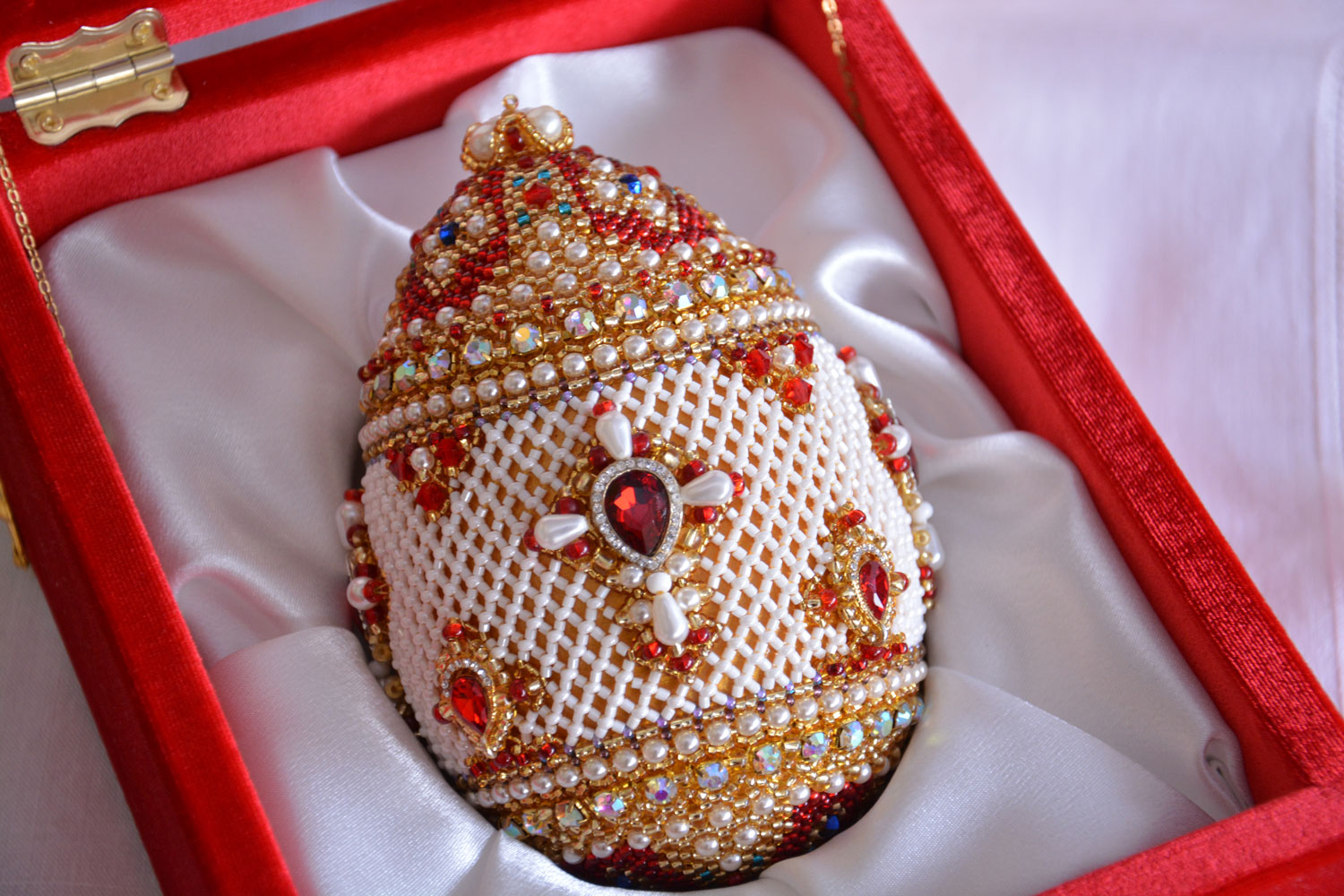
Irina Veselova always wanted to be an artisan. Yet it took her a few years to find the perfect medium. A graduate of the prestigious Abramtsevo Art Industrial College and Stieglitz State Academy of Art and Design, she tried her hand at painting, glasswork, stained glass and ceramics, even spending a few years at a ceramics manufacturer in Novosibirsk, but the experience left her frustrated. "It was sad to see a fine detailed ornament turning into a rather faceless thing during the rapid production process," she remembers. She started working with beads by chance, when searching for an Easter present. A modest experiment with a decorative beaded Easter egg quickly evolved into a concept influenced by the Russian Orthodox cultural tradition.
INTERVIEW
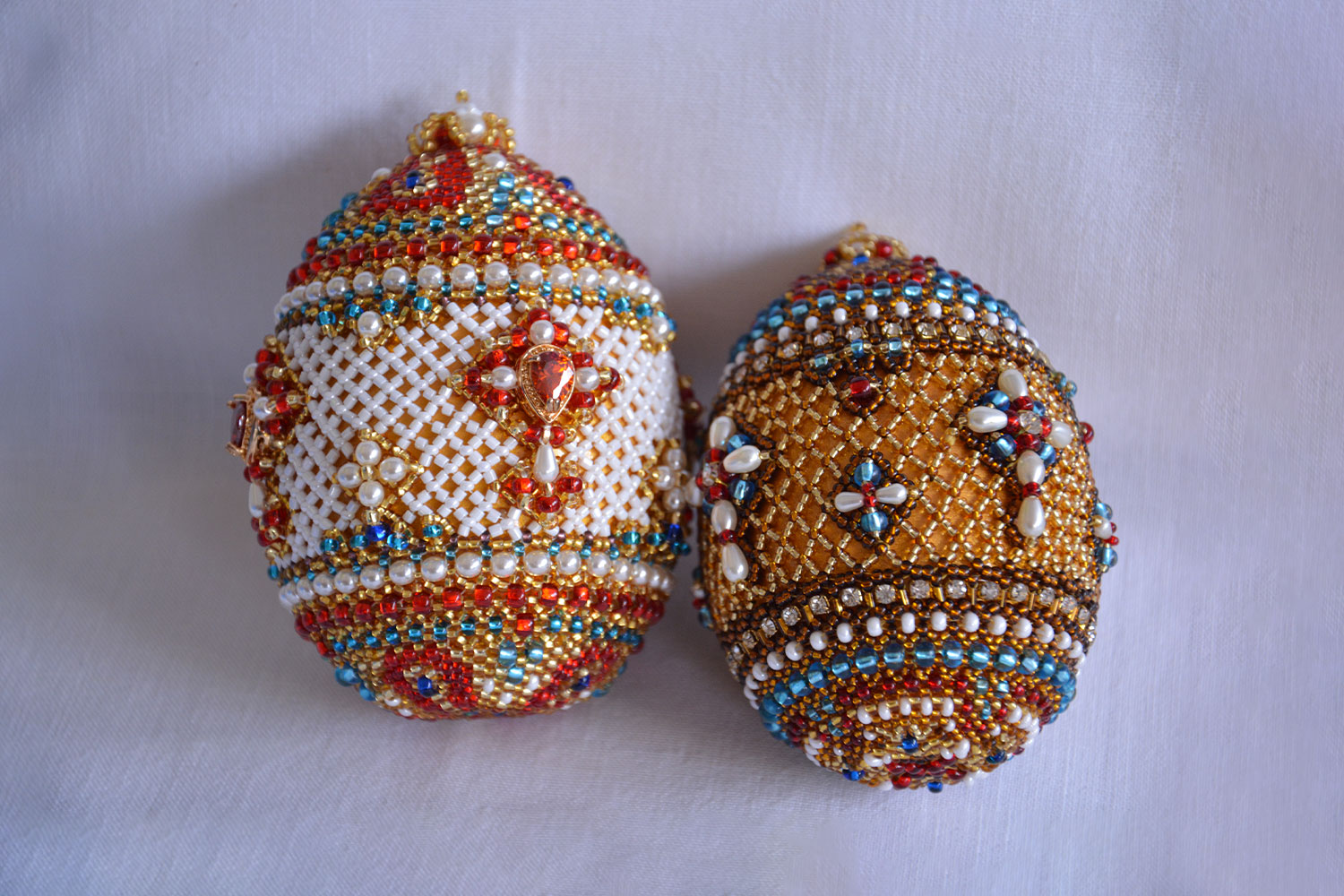
I have a second career in floral design, and I've been working with the Orthodox Church for almost 15 years now. So when I was decorating a church for Easter, I placed two small beaded eggs next to the icons. The local priest immediately noticed them, and encouraged me to carry on.
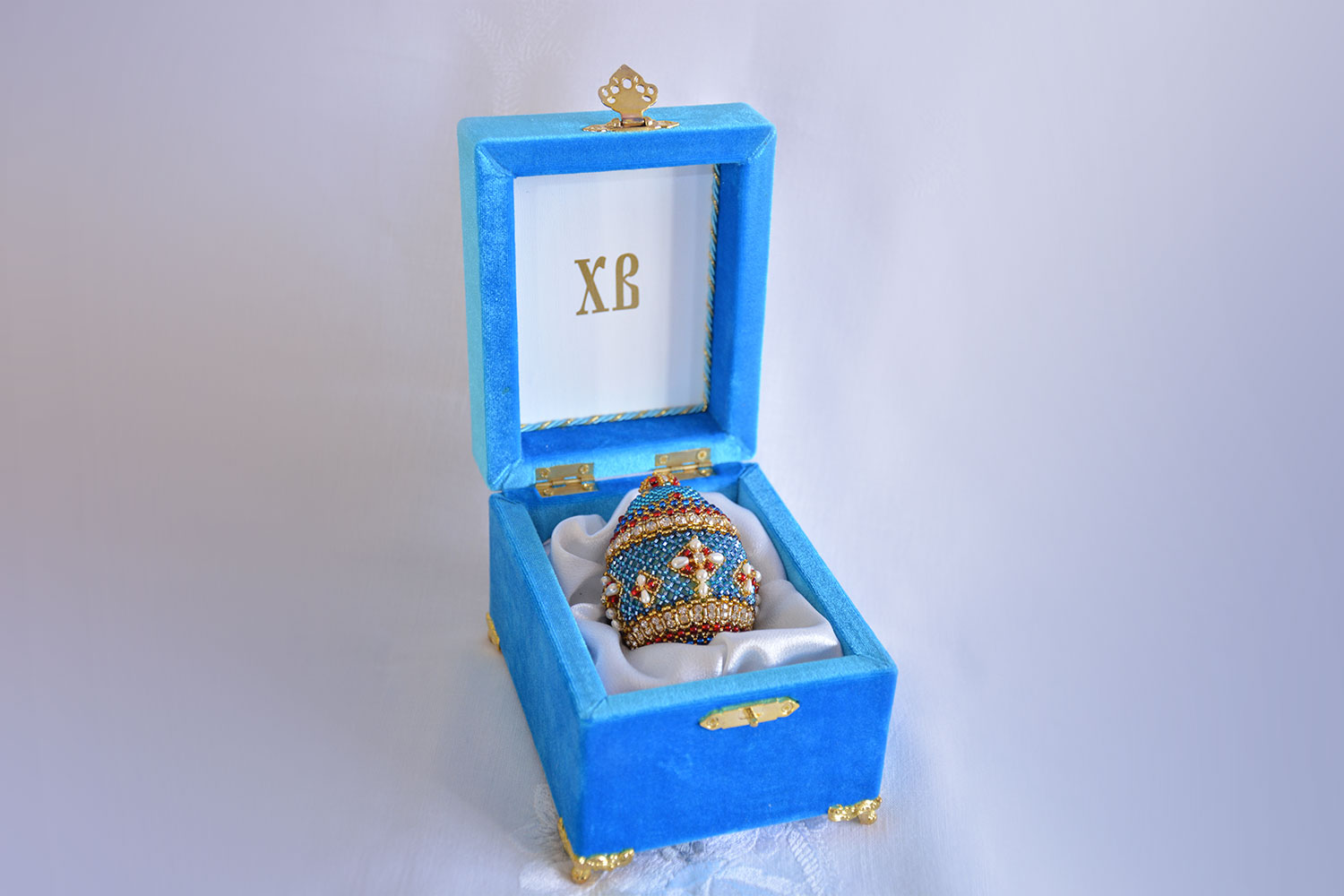
They are linked by the Russian Orthodox theme. Thus, the blue and white colours of the Assumption Collection were influenced by the shades of the Assumption Church, which I can see from the window of my apartment.
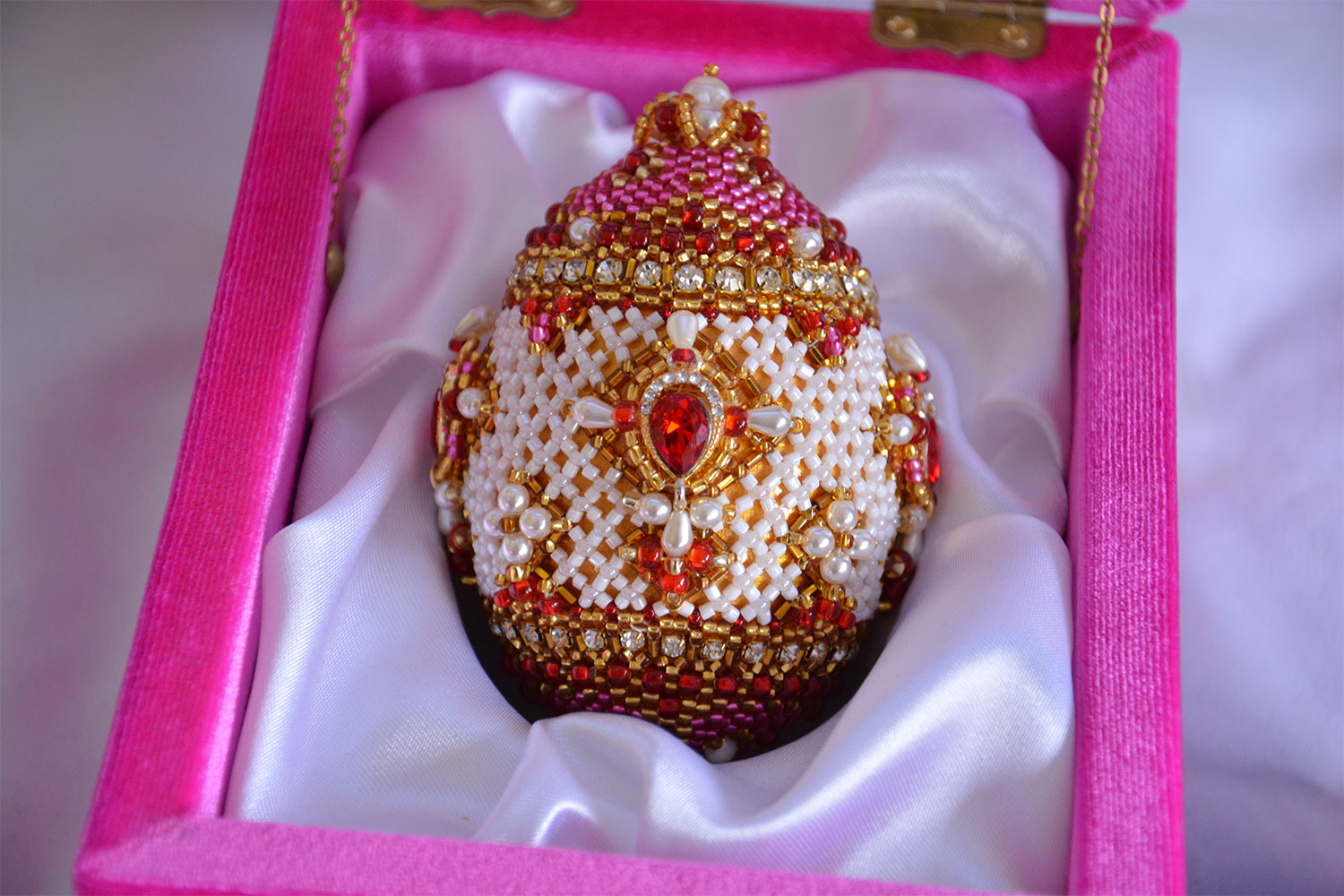
In Russian history and traditional art. For example, I have a series influenced by the architecture of the ancient Russian town of Suzdal, one of the historical cities of the Golden Ring of Russia. The gold and white Byzantium collection pays tribute to Byzantine traditions.
The egg is much more than an a Christian Easter symbol; it is a universal symbol of creation, fertility and the cycle of life. My ornaments reflect Russian spirituality, Russian history and the Russian soul, essentially.
Irina Veselova
Bead artist
Saint Petersburg, Russia
AVAILABILITY
By appointment only
PHONE
+7 9119885897
LANGUAGES
Russian
Homo Faber Finds is a new service aiming to inspire admirers of craft to connect and collaborate with exceptional artisans.
We invite you to submit an enquiry here.