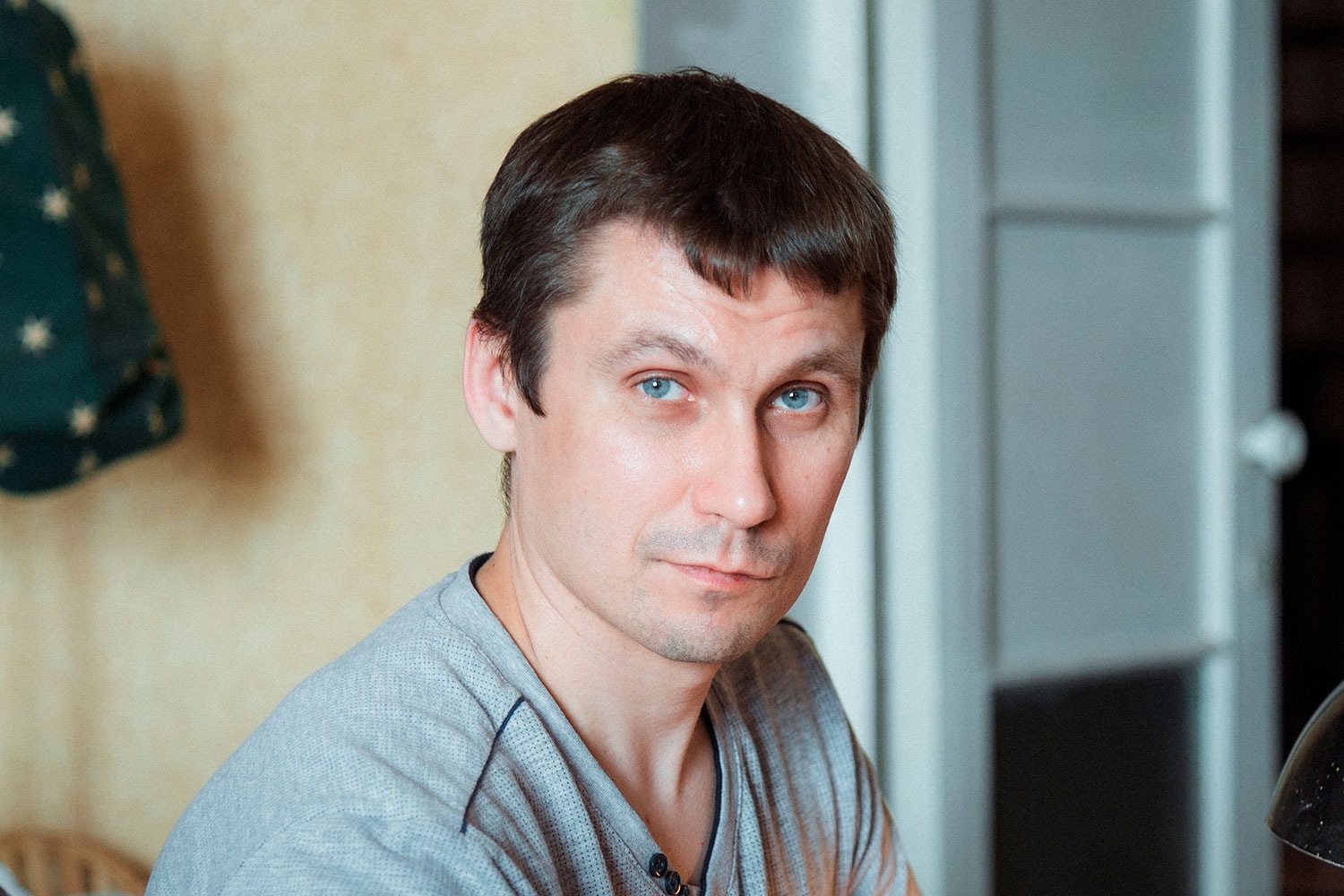

Dmitriy Chekuchinov
Wood sculptor
Dubrovitsy, Russia
Fascinated by wood
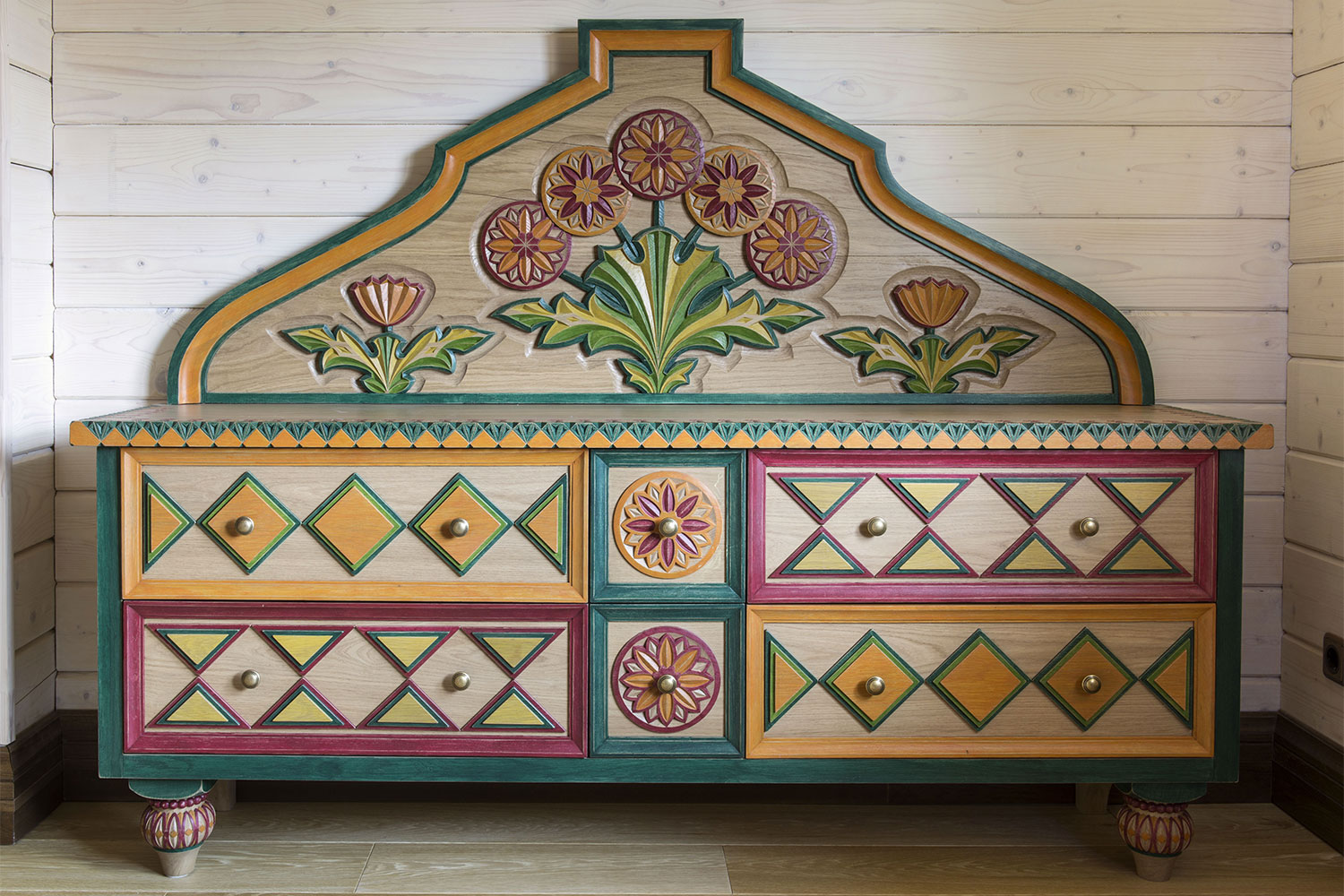
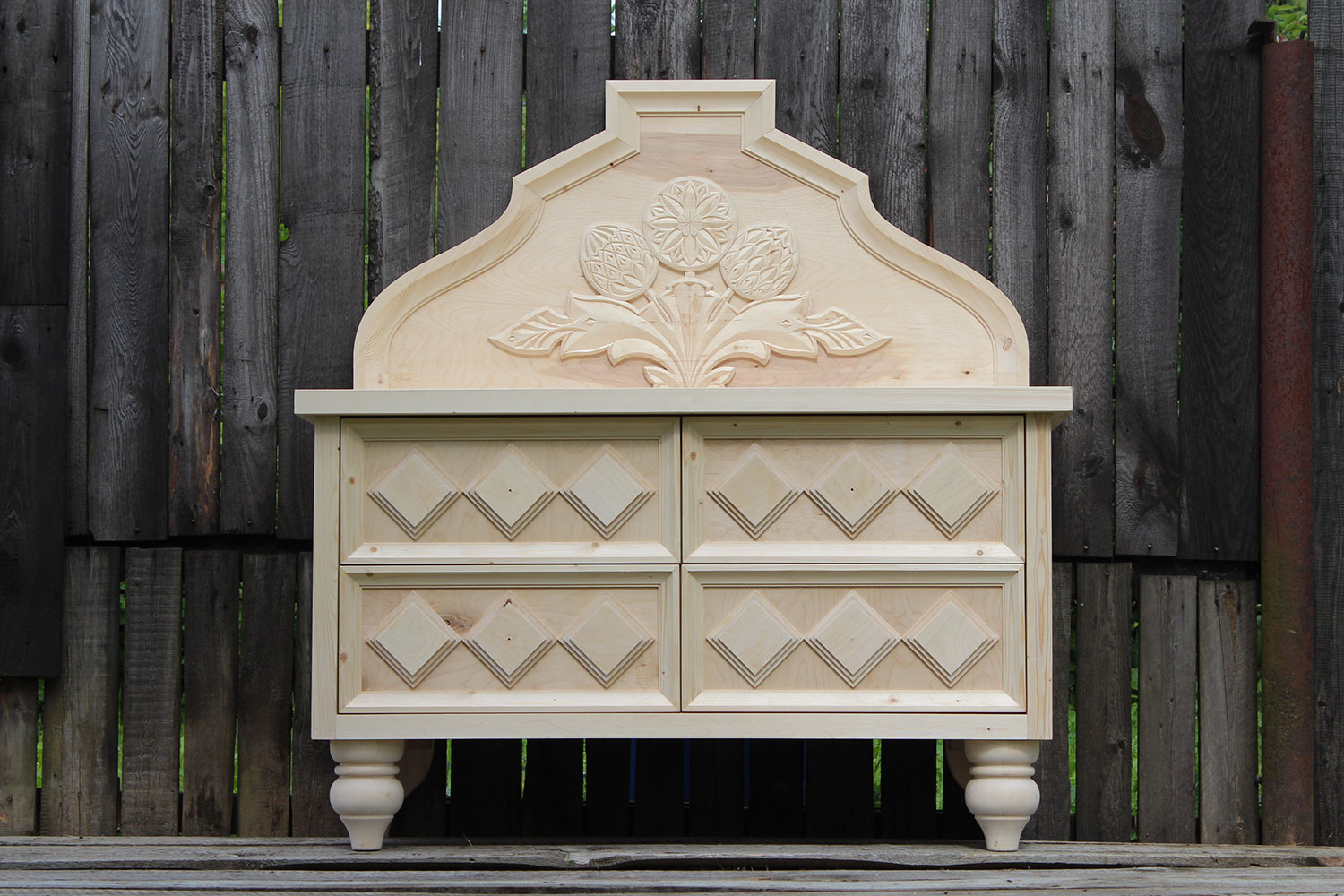
- Dmitriy's first project was a set of dressers
- He is glad when people want to learn his craft
- He recommends learning from masters
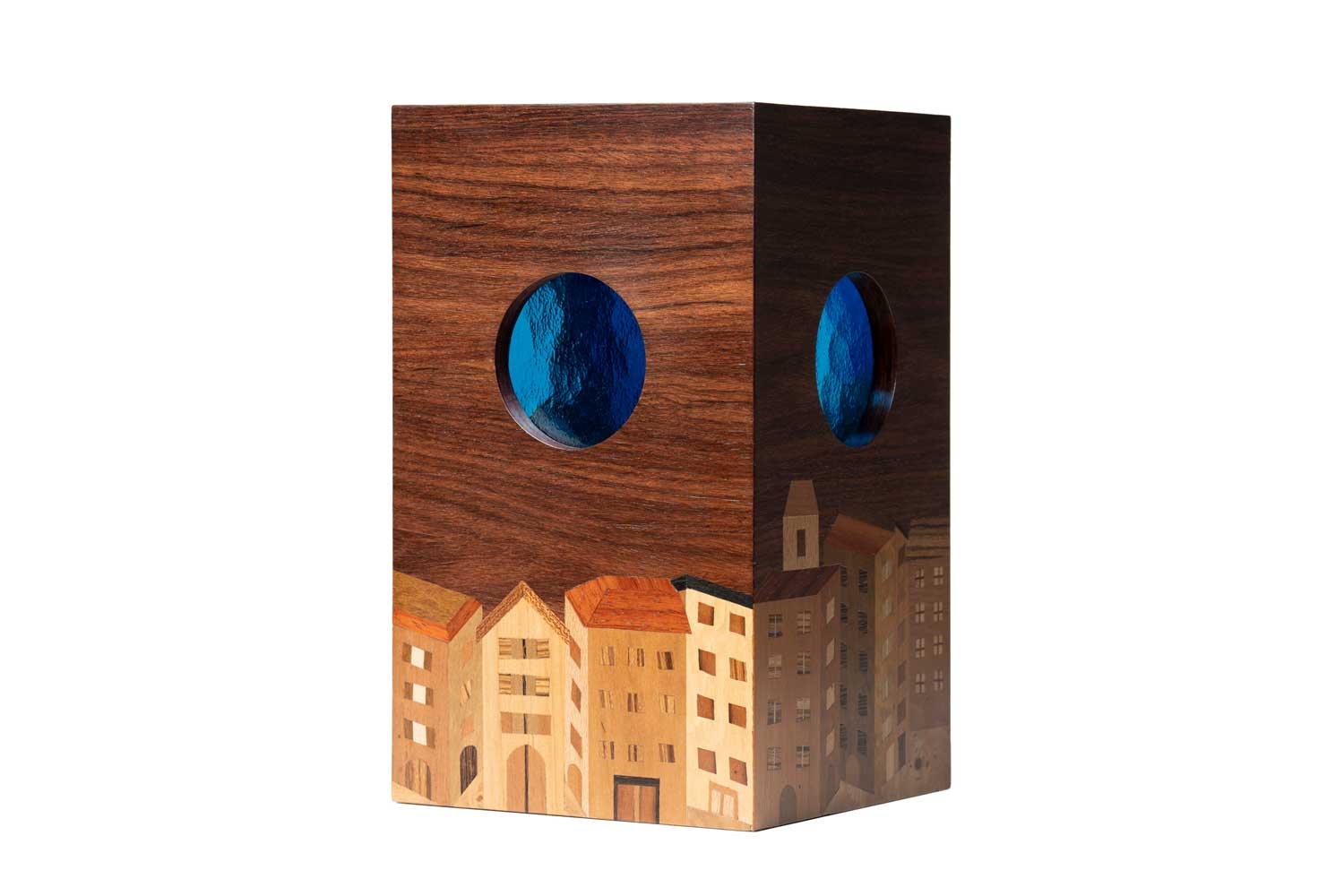
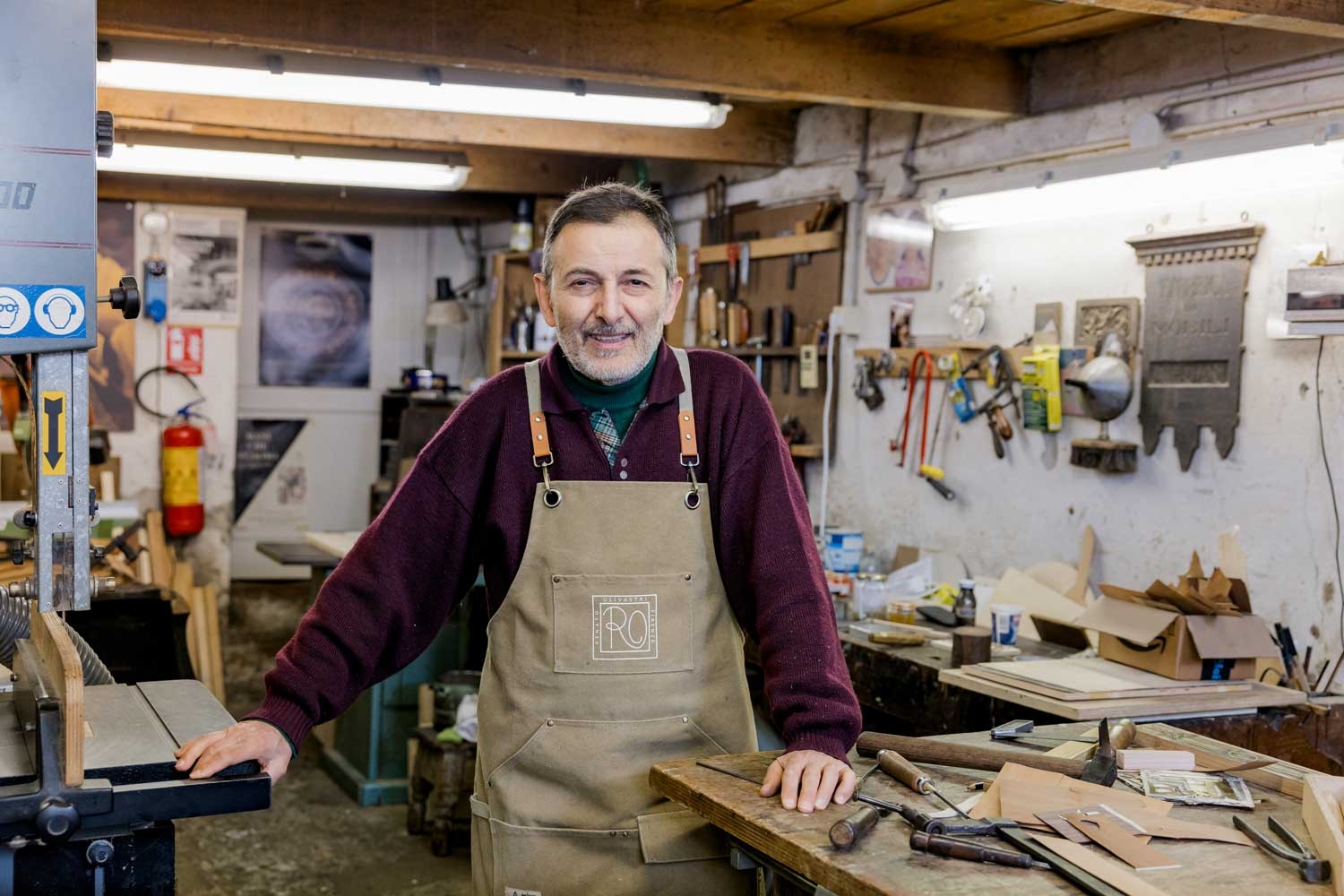
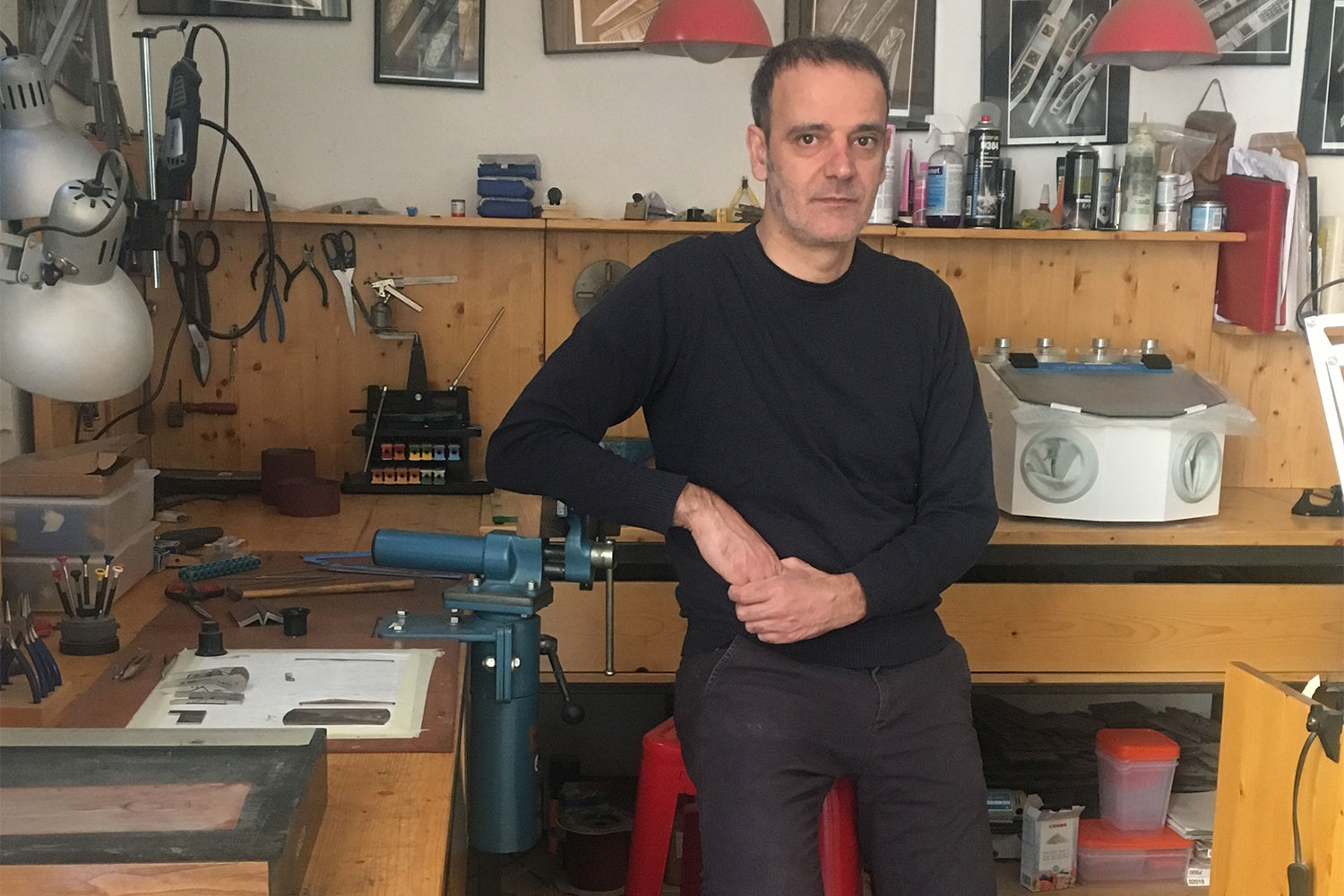
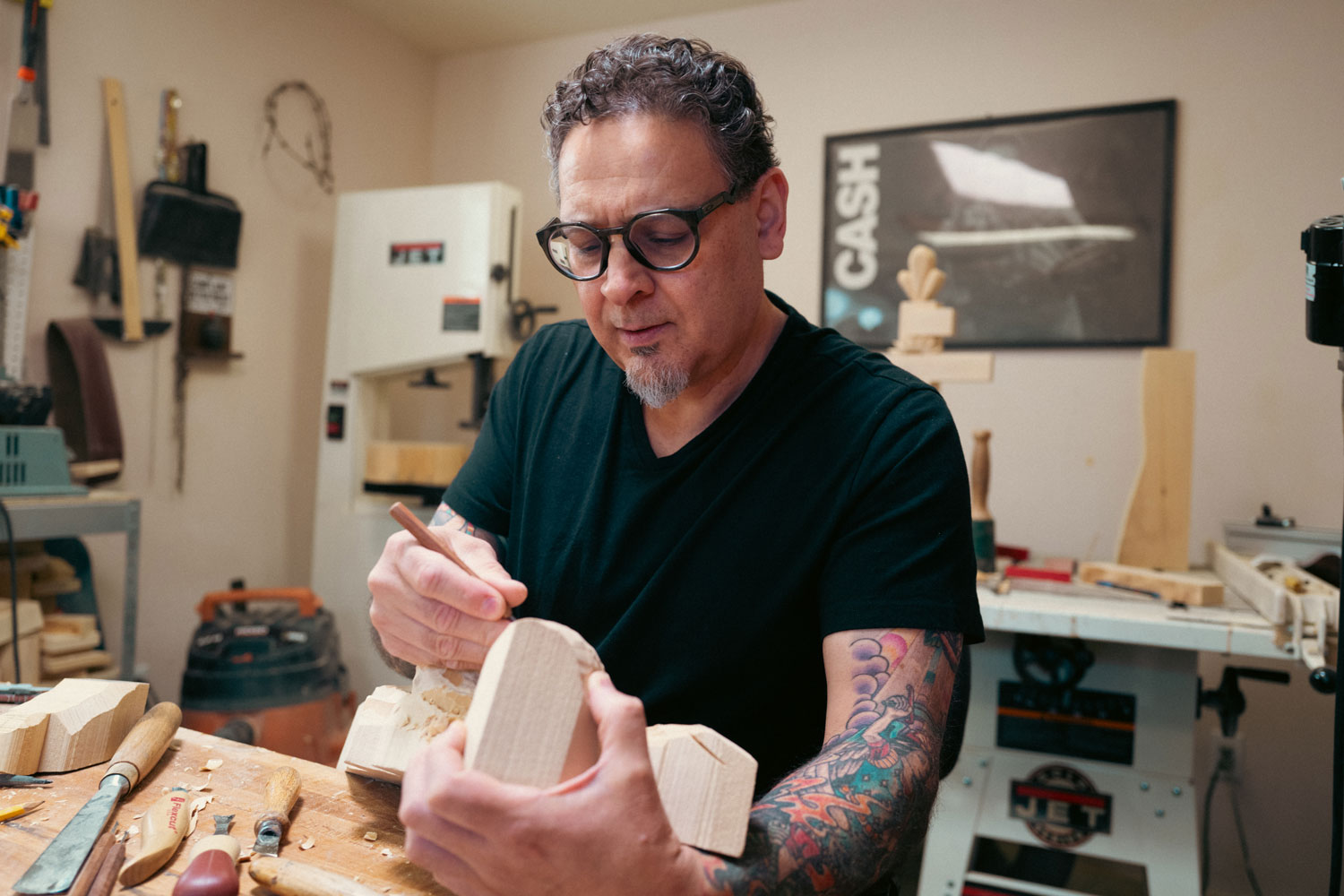
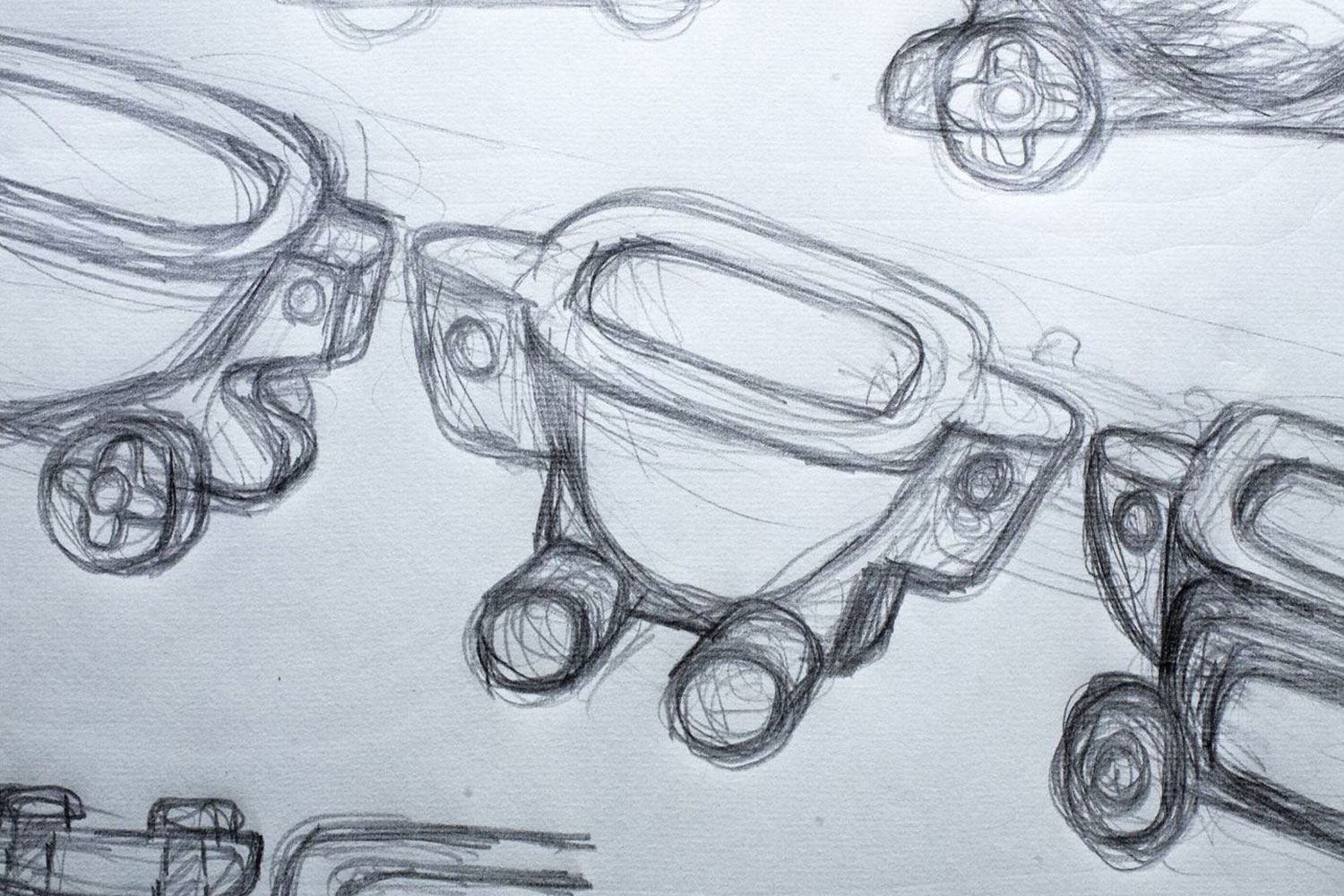
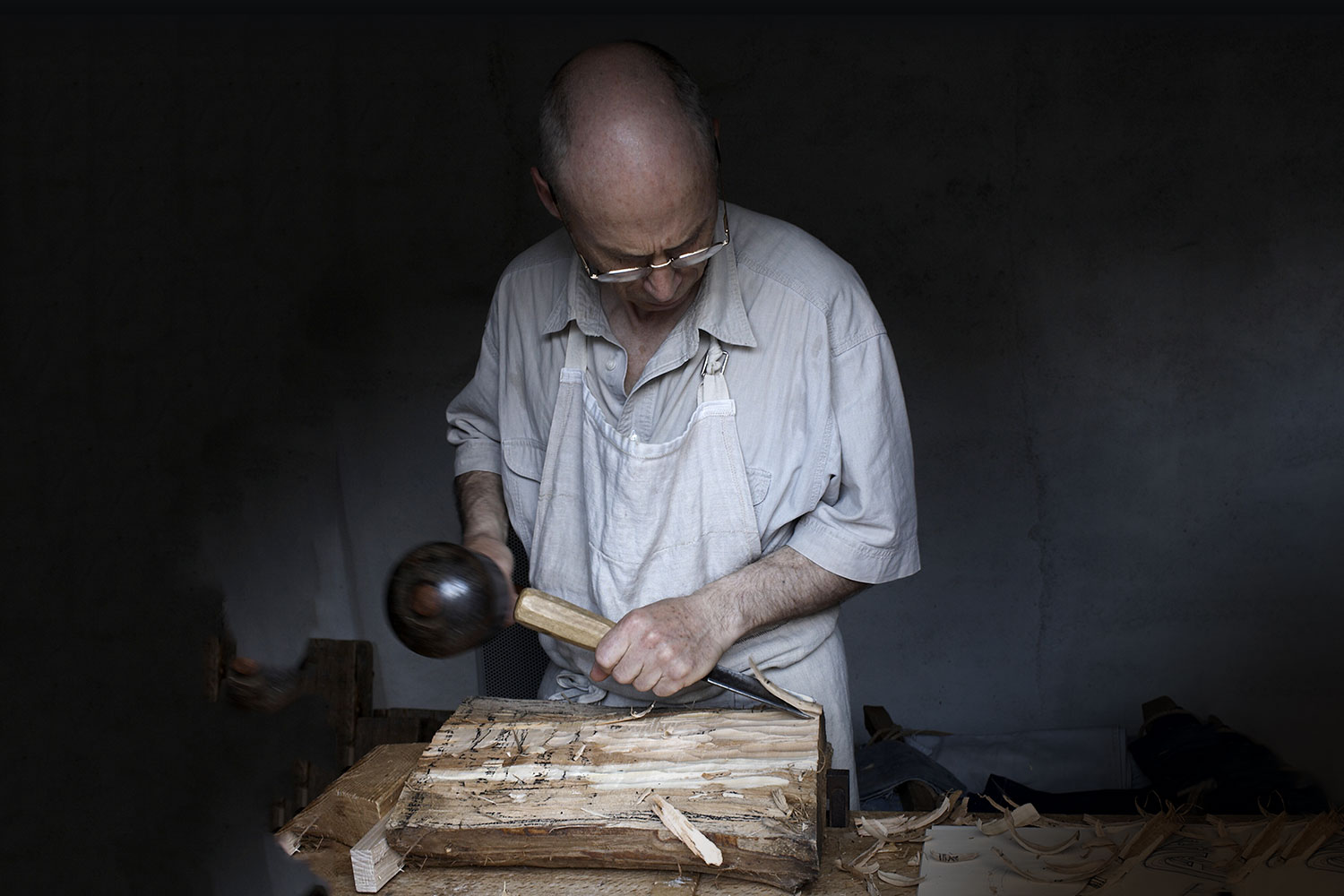
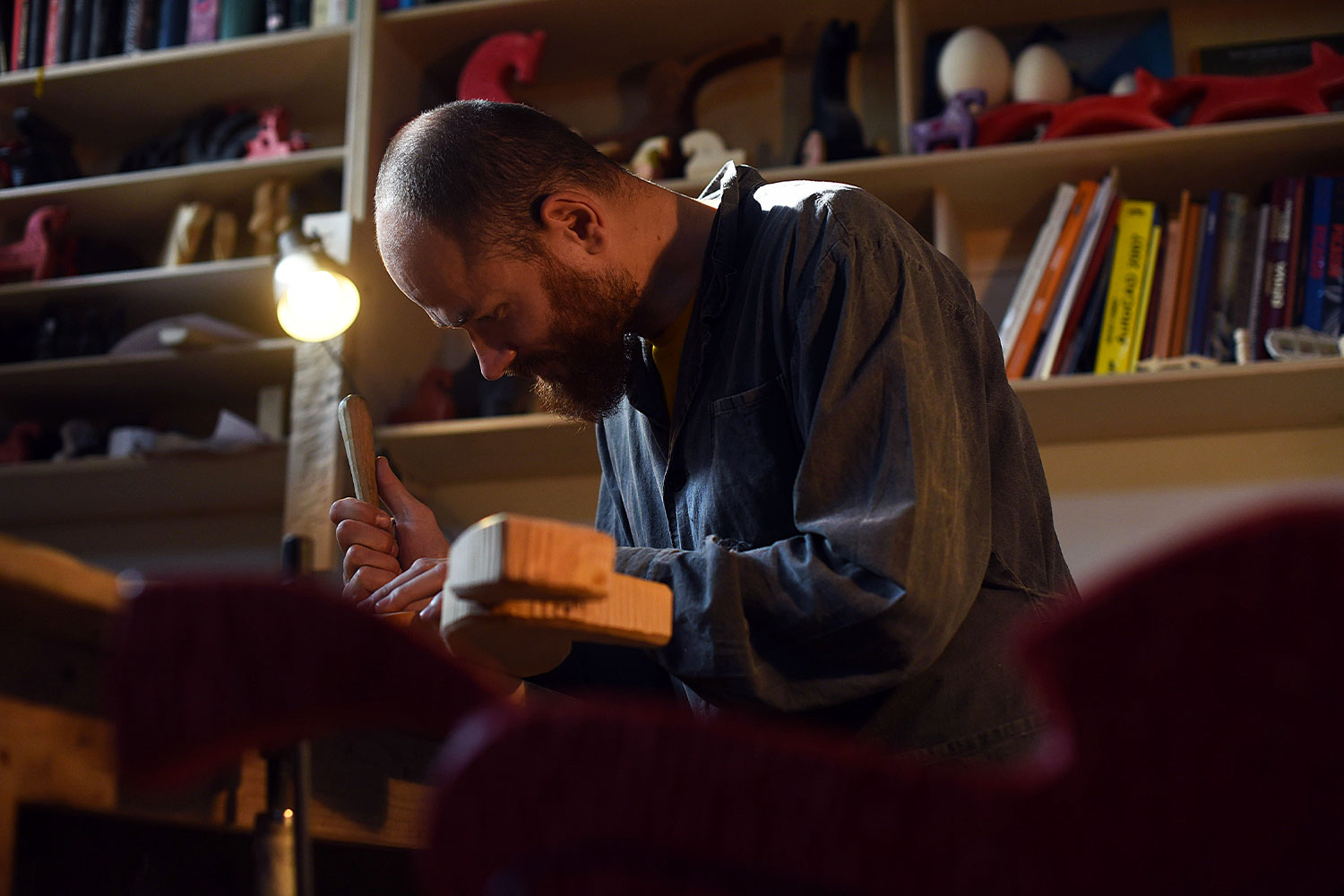
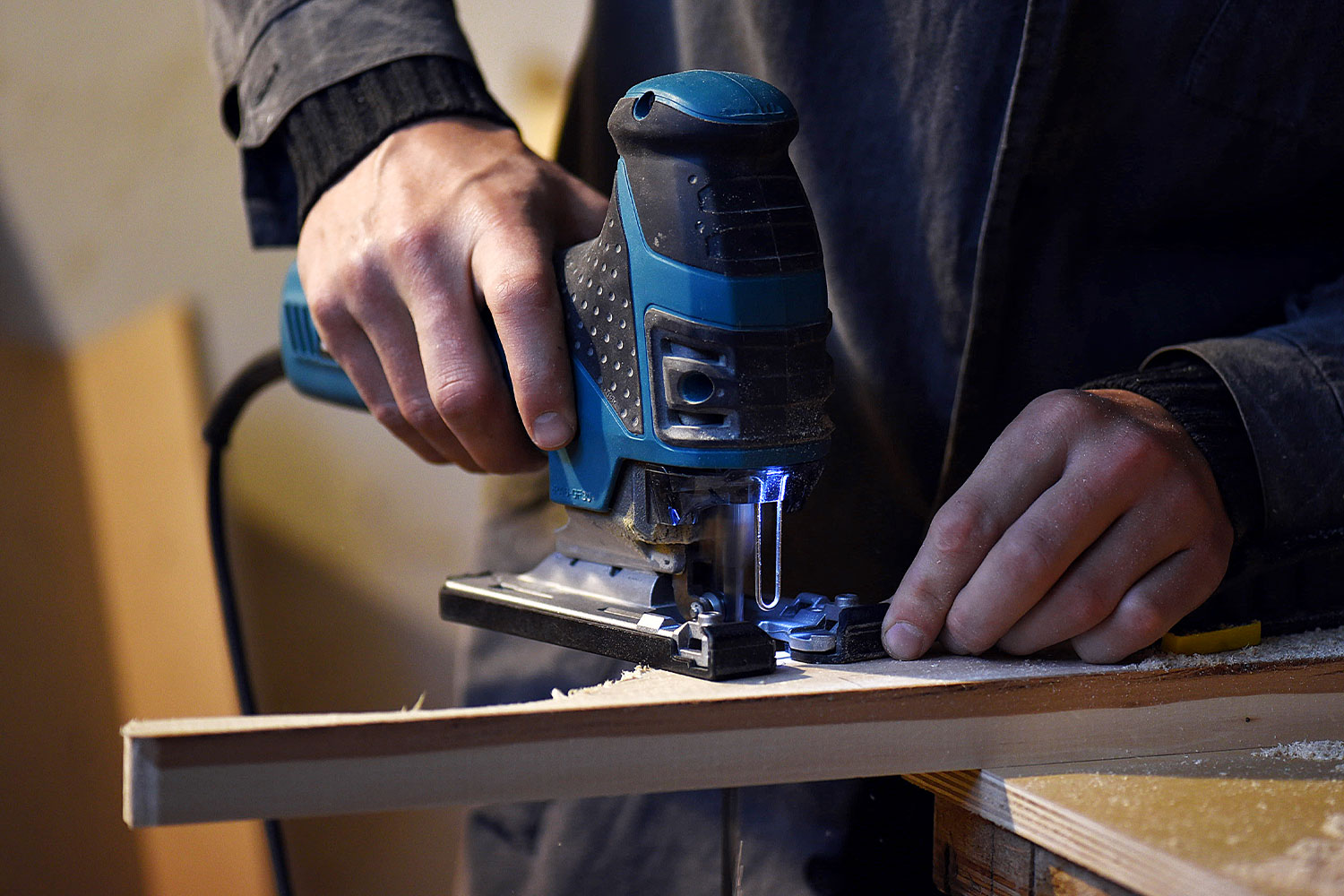
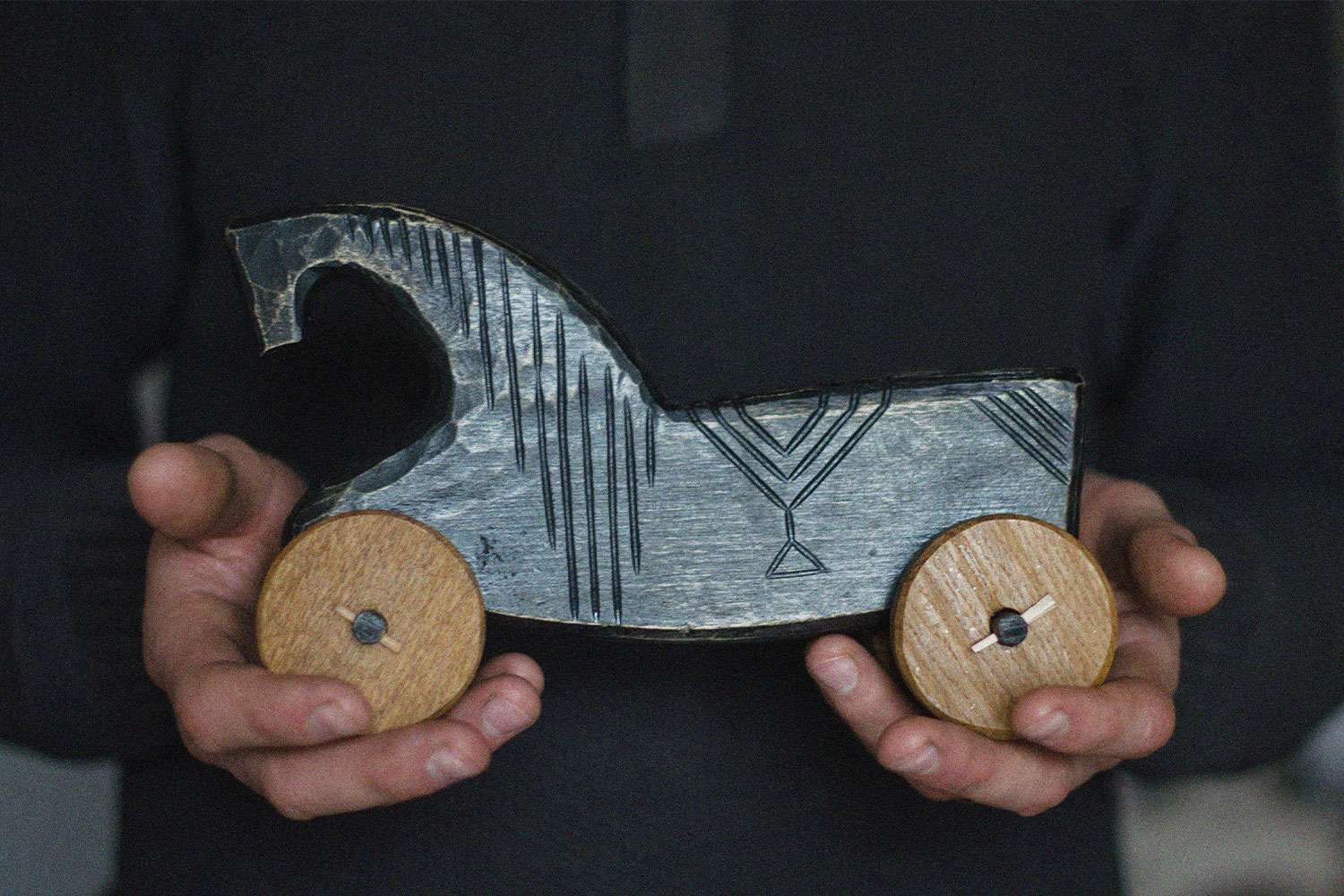
Dmitriy Chekuchinov has had a classic education. He was determined to become a master woodworker, he learned artistic woodworking at Abramtsevsky College of Design and Applied Arts, then studied furniture design at Stroganov Academy of Design and Applied Arts. From his alma maters he inherited the love for traditional style and diversified Russian culture. He takes his work very seriously: “From the outside, it seems that what I do is easy. In reality, there is a long search for artistic identity, physical traumas, and other things.” Dmitriy believes that making a piece of furniture or a sculpture is interesting at all stages, but sketching and making prototypes particularly draws him in. He also teaches adults different woodcarving techniques and toy-making.
INTERVIEW
While I was still in high school, I visited Abramtsevsky College open day. They exhibited pieces made of wood, metal, ceramics, stone and ivory. I was impressed by the beauty and warmth of the wooden objects and decided I would go in this direction.
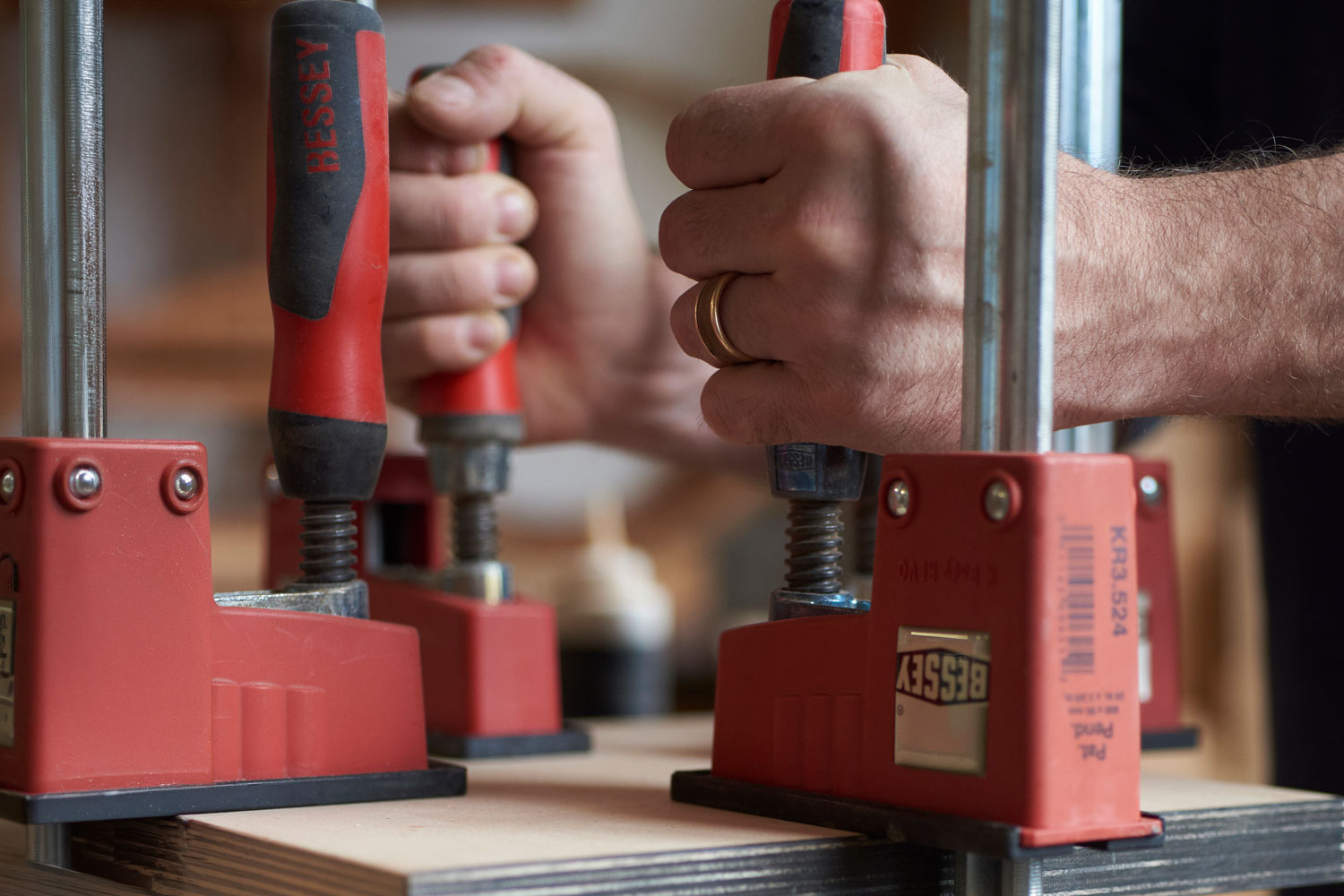
The first project that I’ve implemented was a set of dressers, all made in traditional Russian style. It was inspired by the works of craftsmen of the famous Abramtsevo workshops – in the 19th century Abramtsevo became the centre of folk art and craft revival.
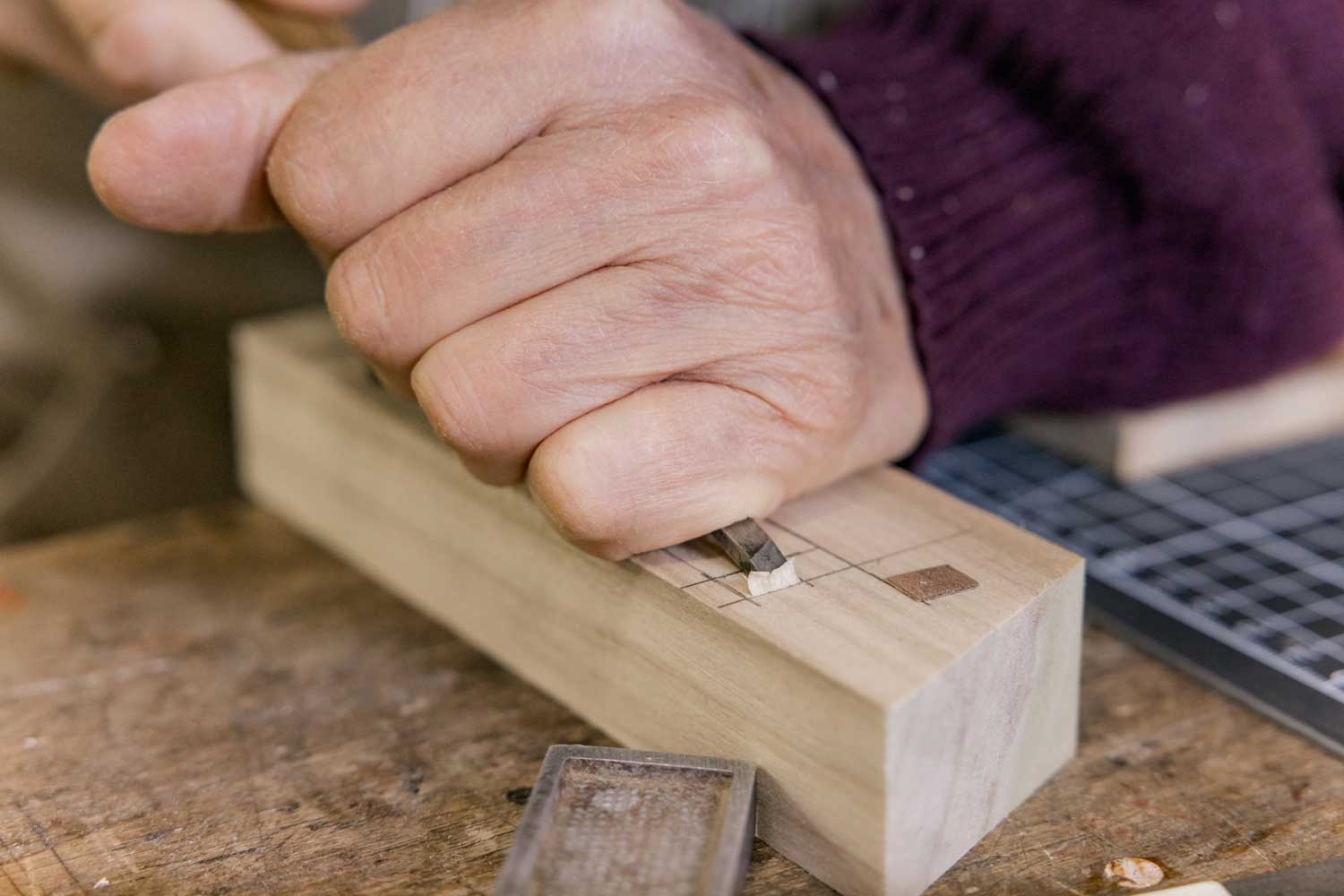
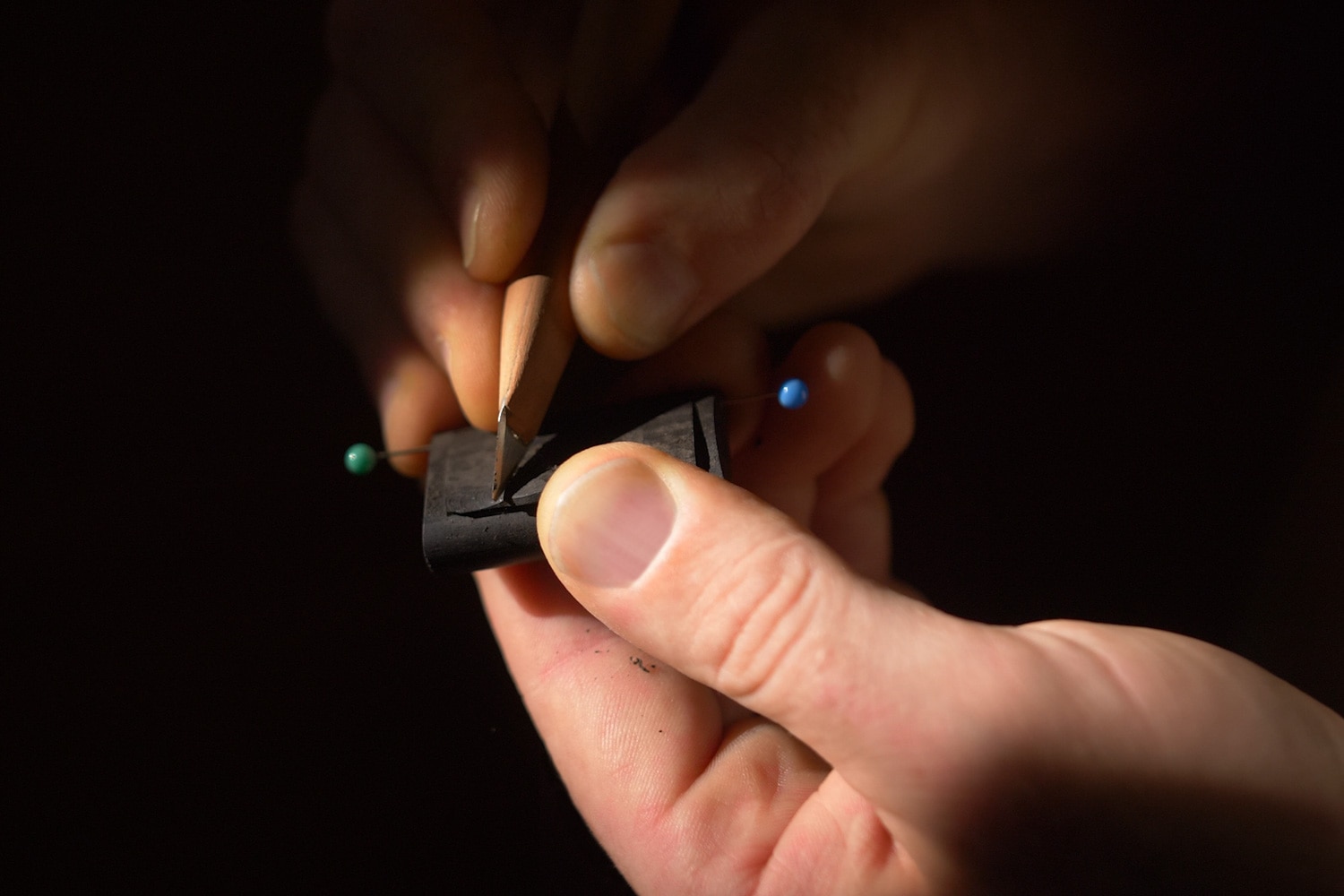
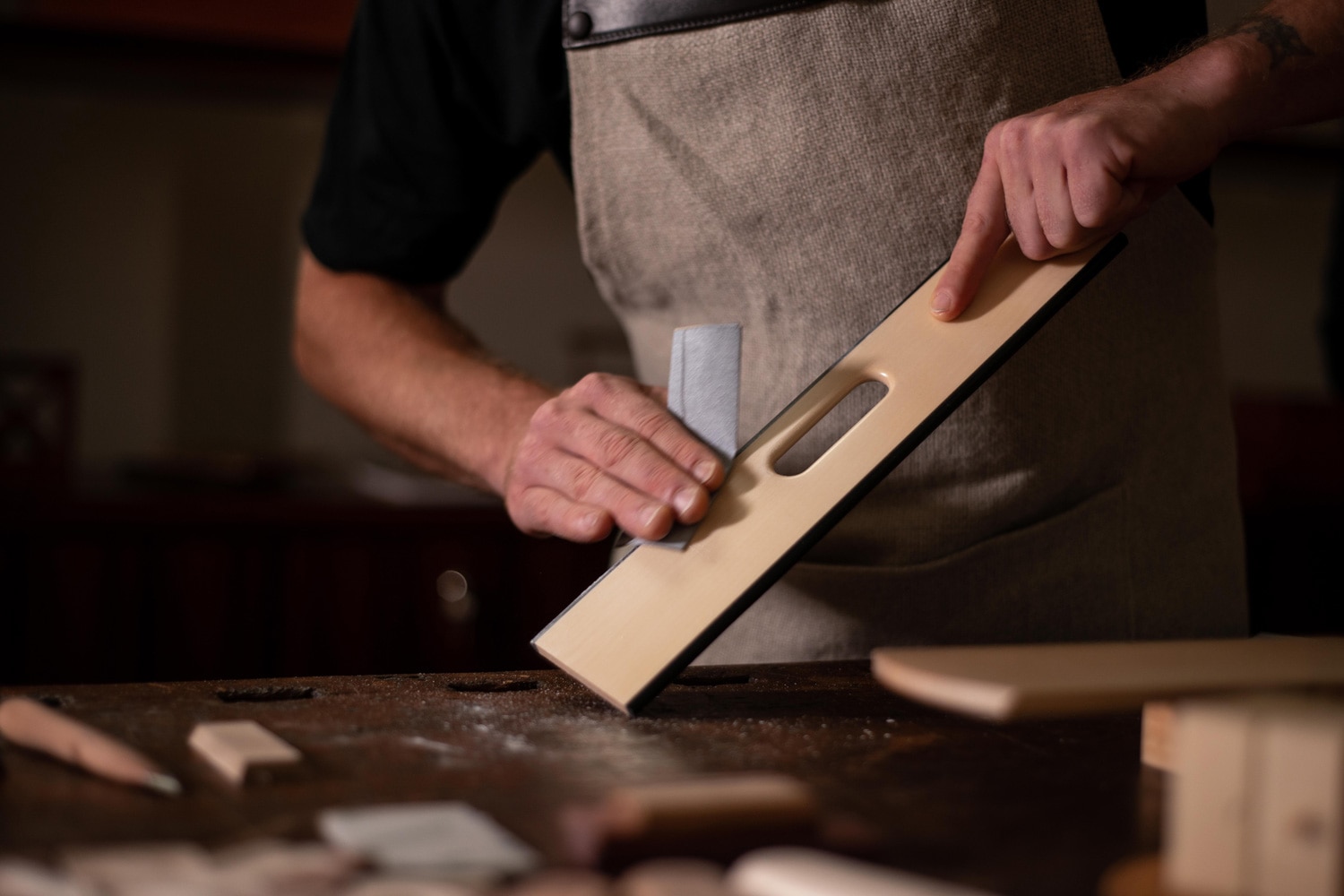
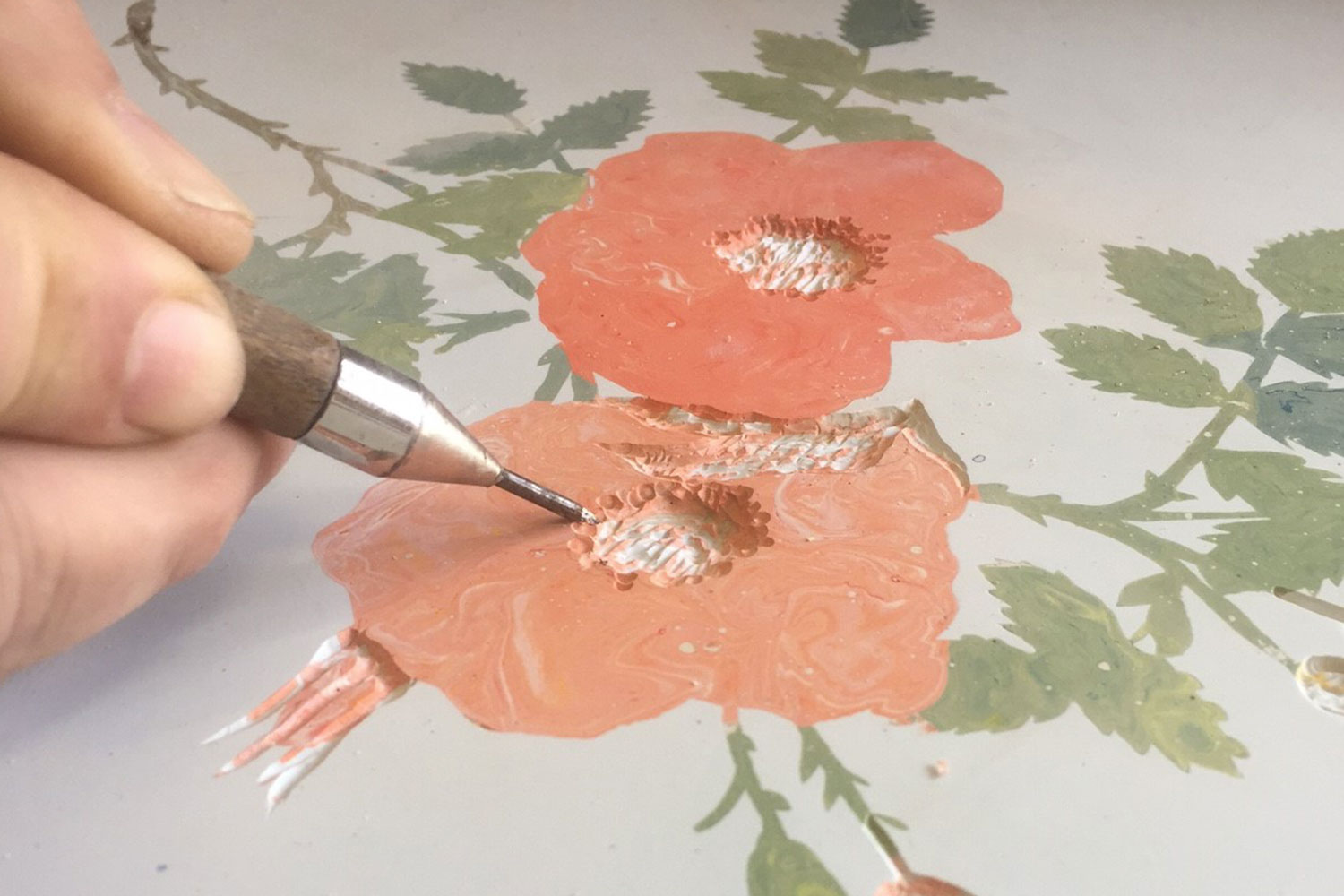
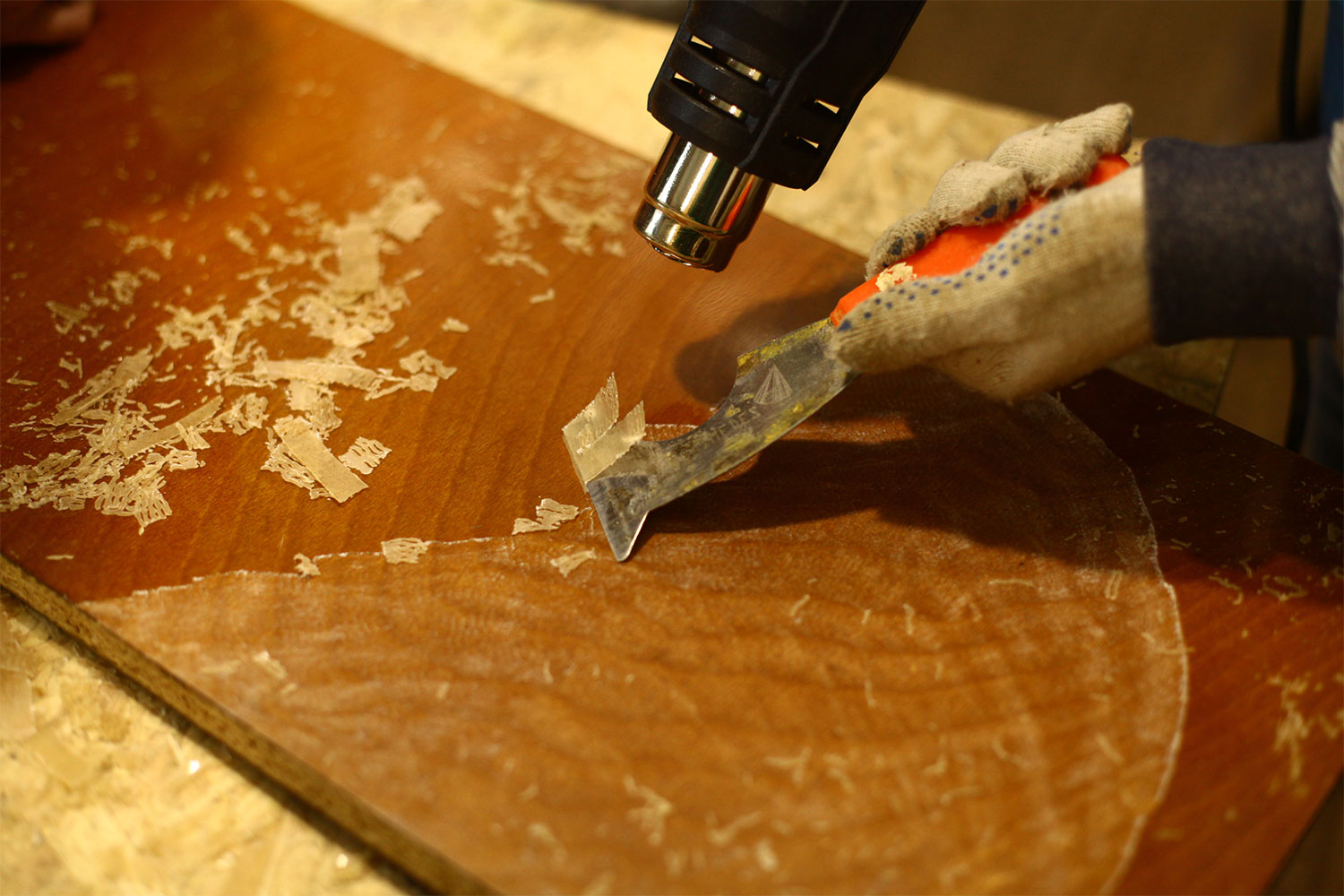
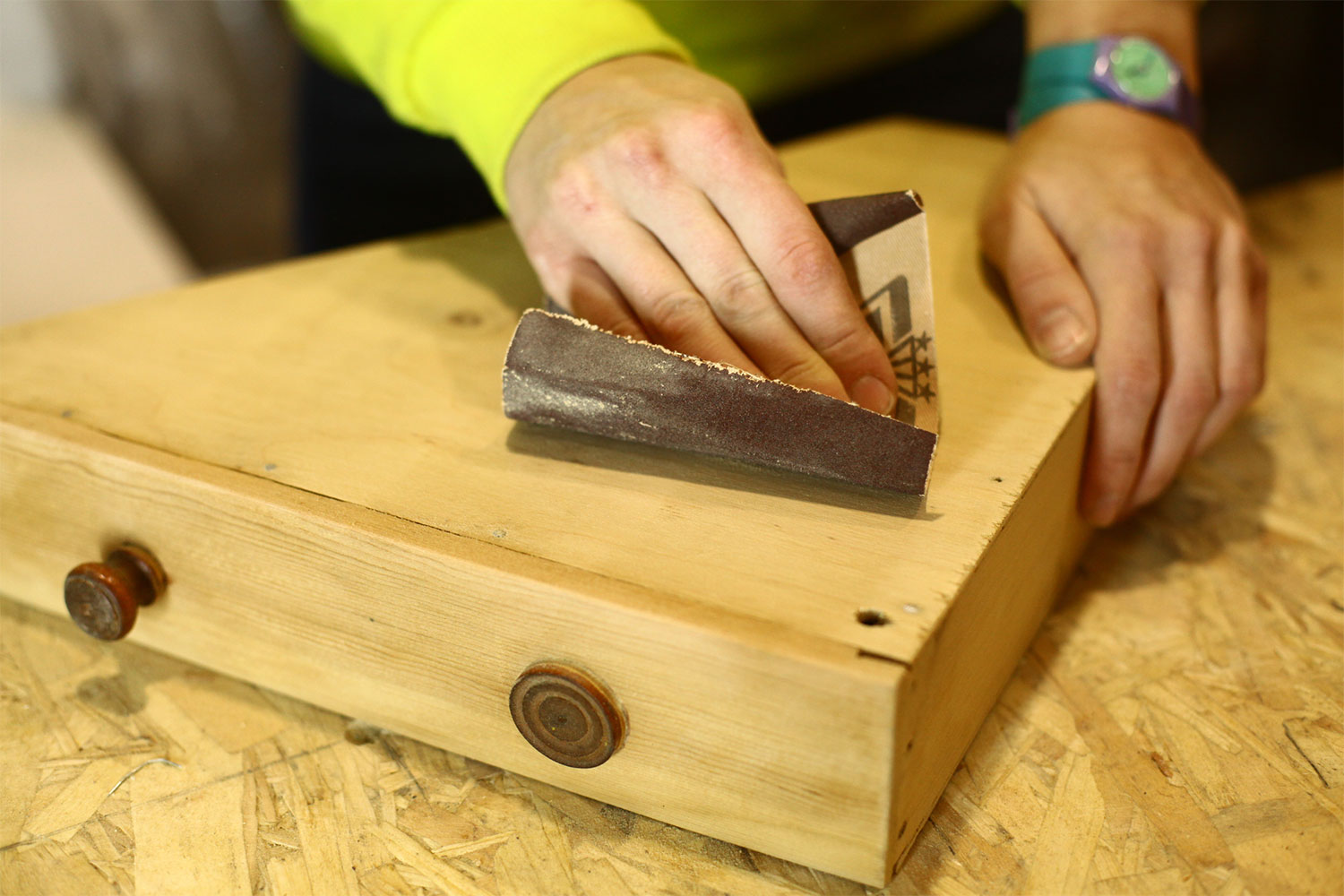
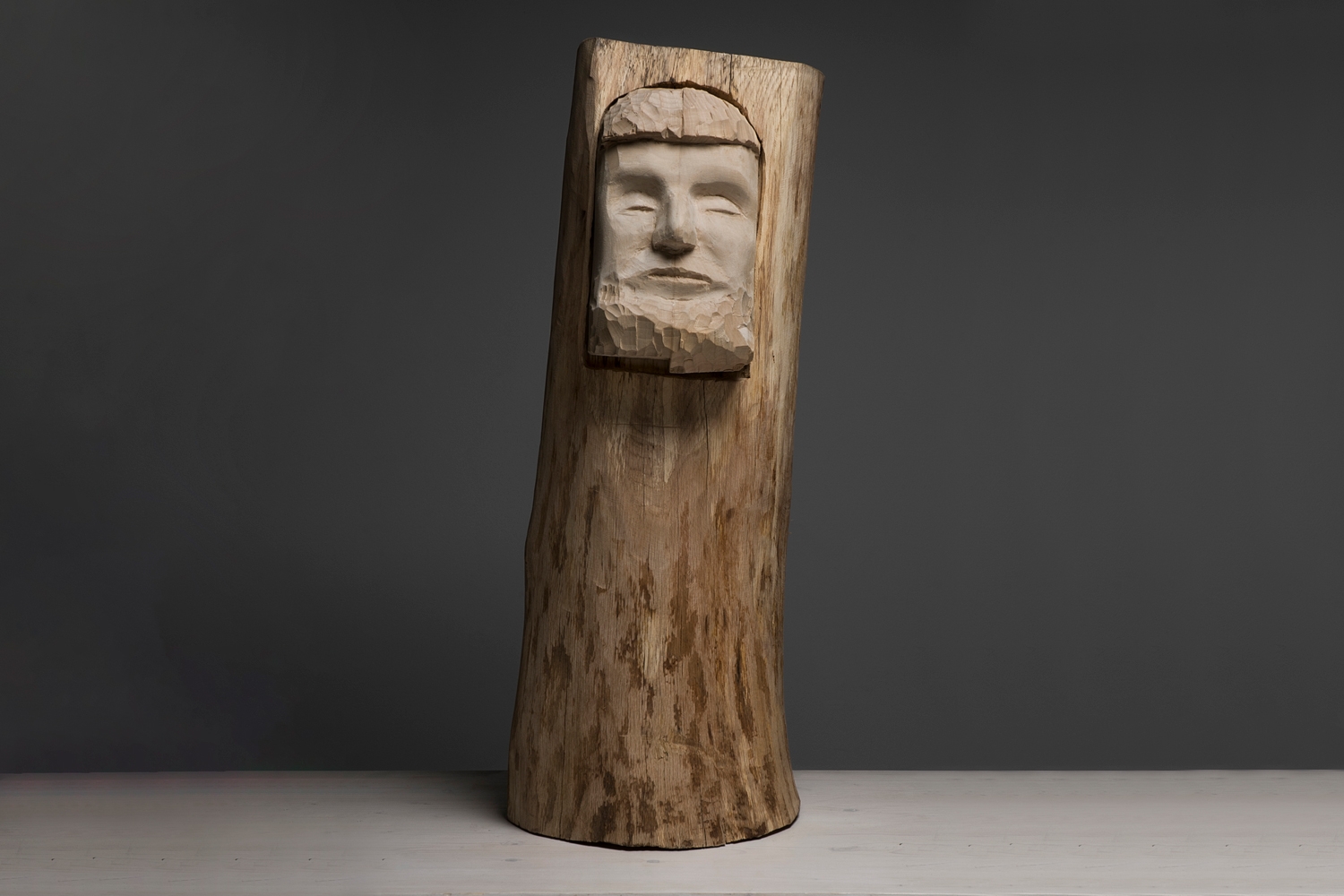
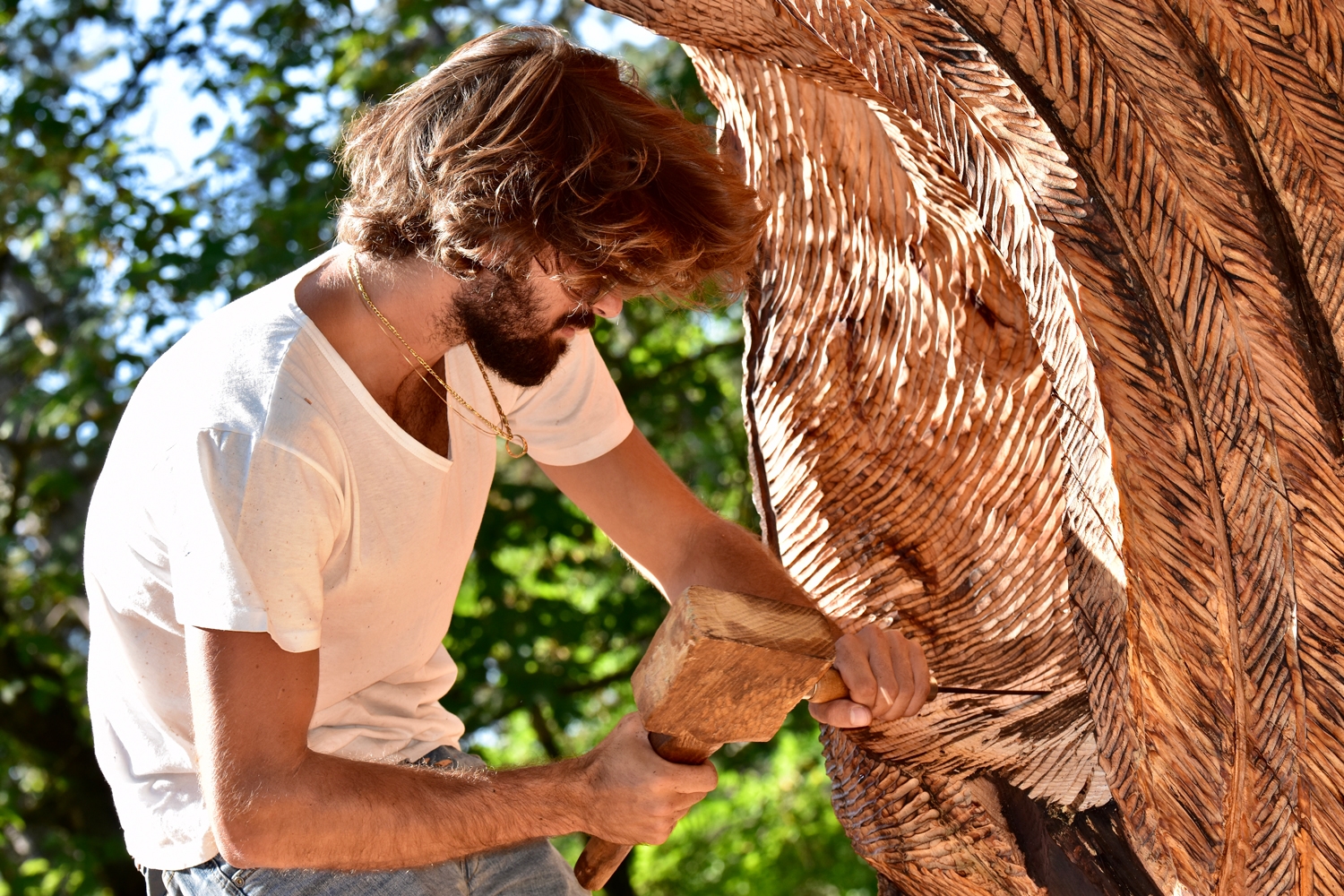
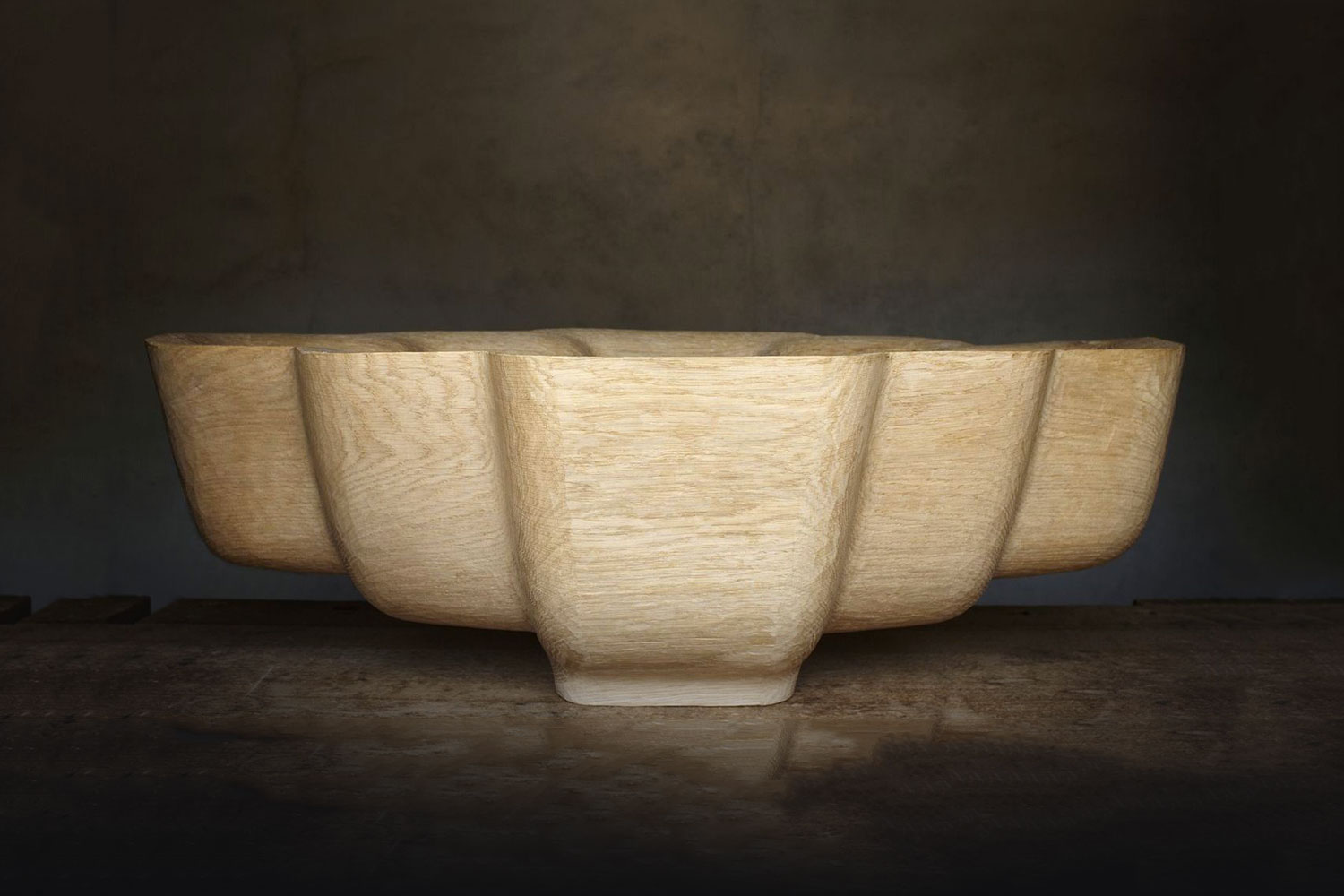
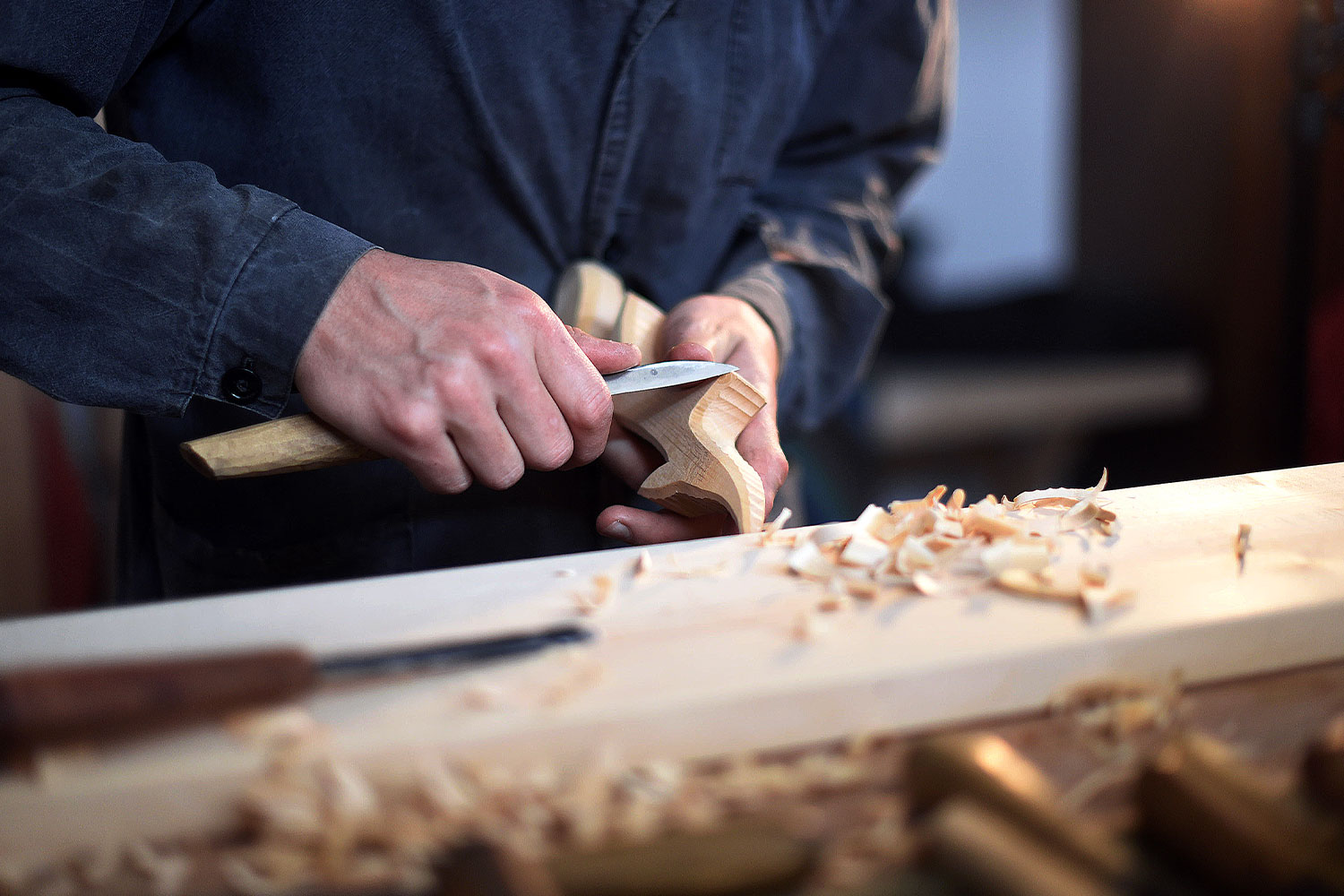
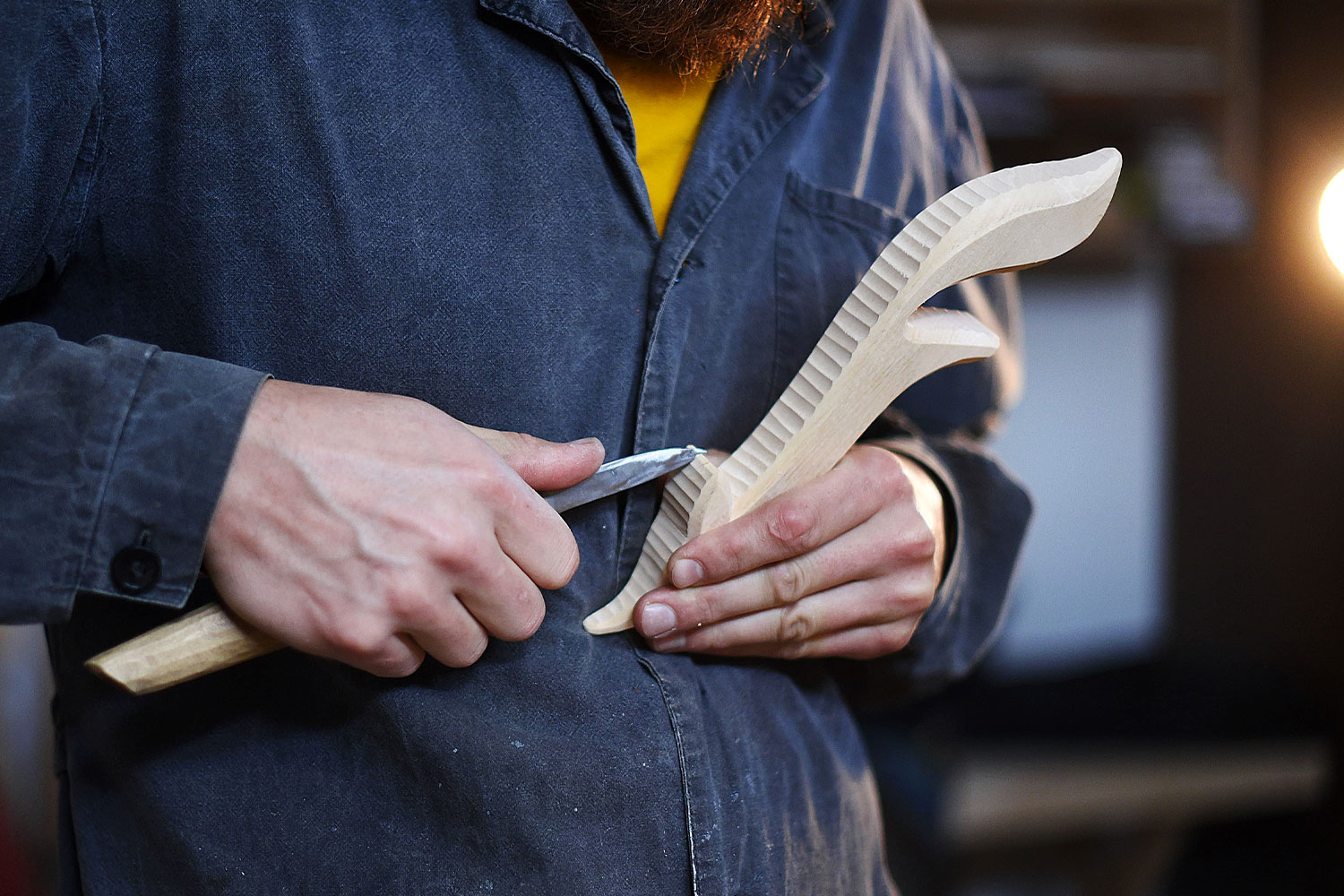
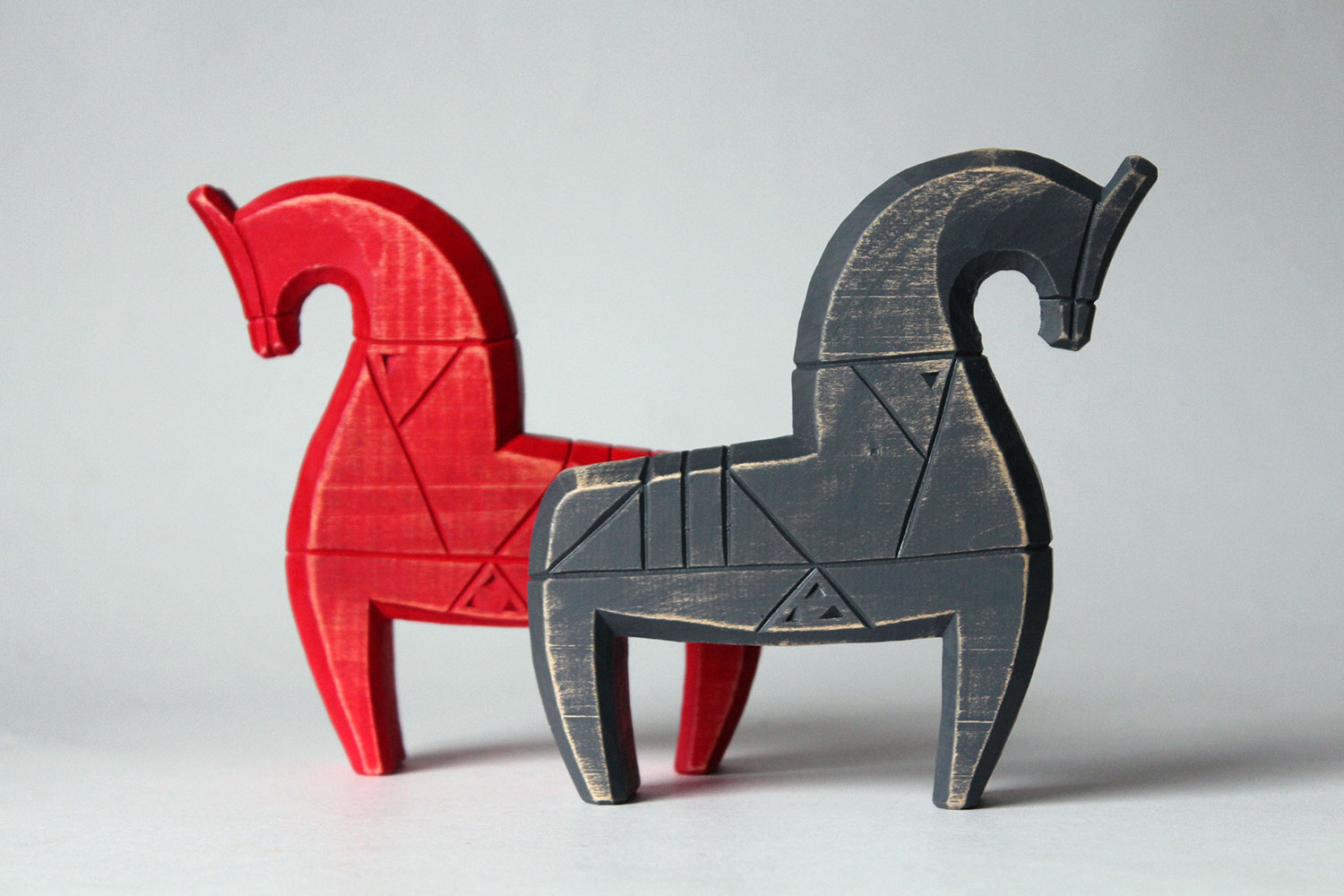
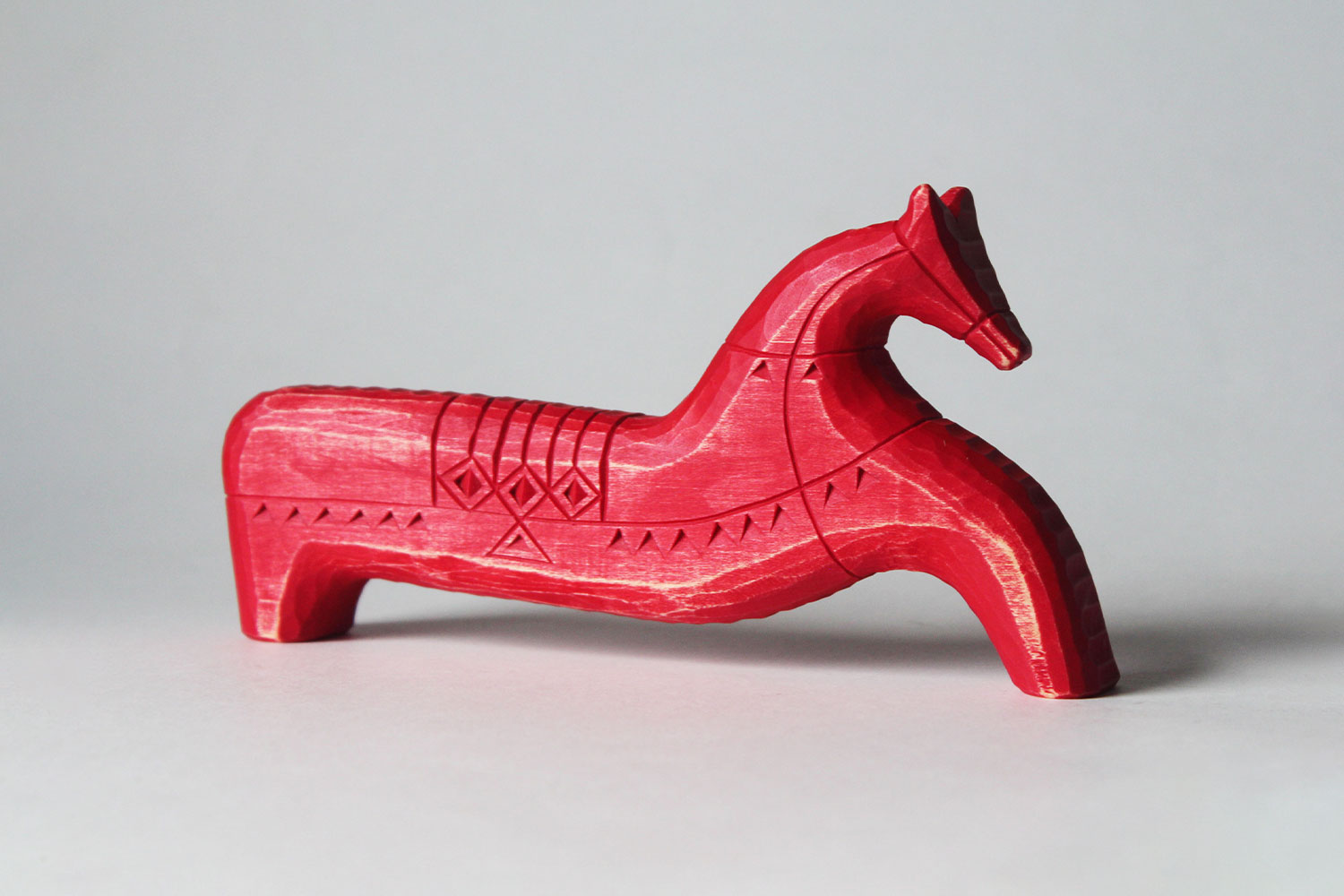
I use solid wood and mainly old techniques to create my objects. For the decoration, I use carving techniques such as trihedral notching and flat low relief carving with floral ornaments. I also do high relief carving, woodturning, chiselling and oil finishing.
The expressive line of a contour, the combination of textures, the nicely painted surface, but also the sensory properties of a piece, it’s warmth. Sometimes I touch a finished object with my eyes closed, and I can tell if it’s a well made piece simply by touch.
Dmitriy Chekuchinov
Wood sculptor
Dubrovitsy, Russia
AVAILABILITY
Monday to Friday 10:00-18:00
PHONE
+7 9160691975
LANGUAGES
Russian, English
Homo Faber Finds is a new service aiming to inspire admirers of craft to connect and collaborate with exceptional artisans.
We invite you to submit an enquiry here.