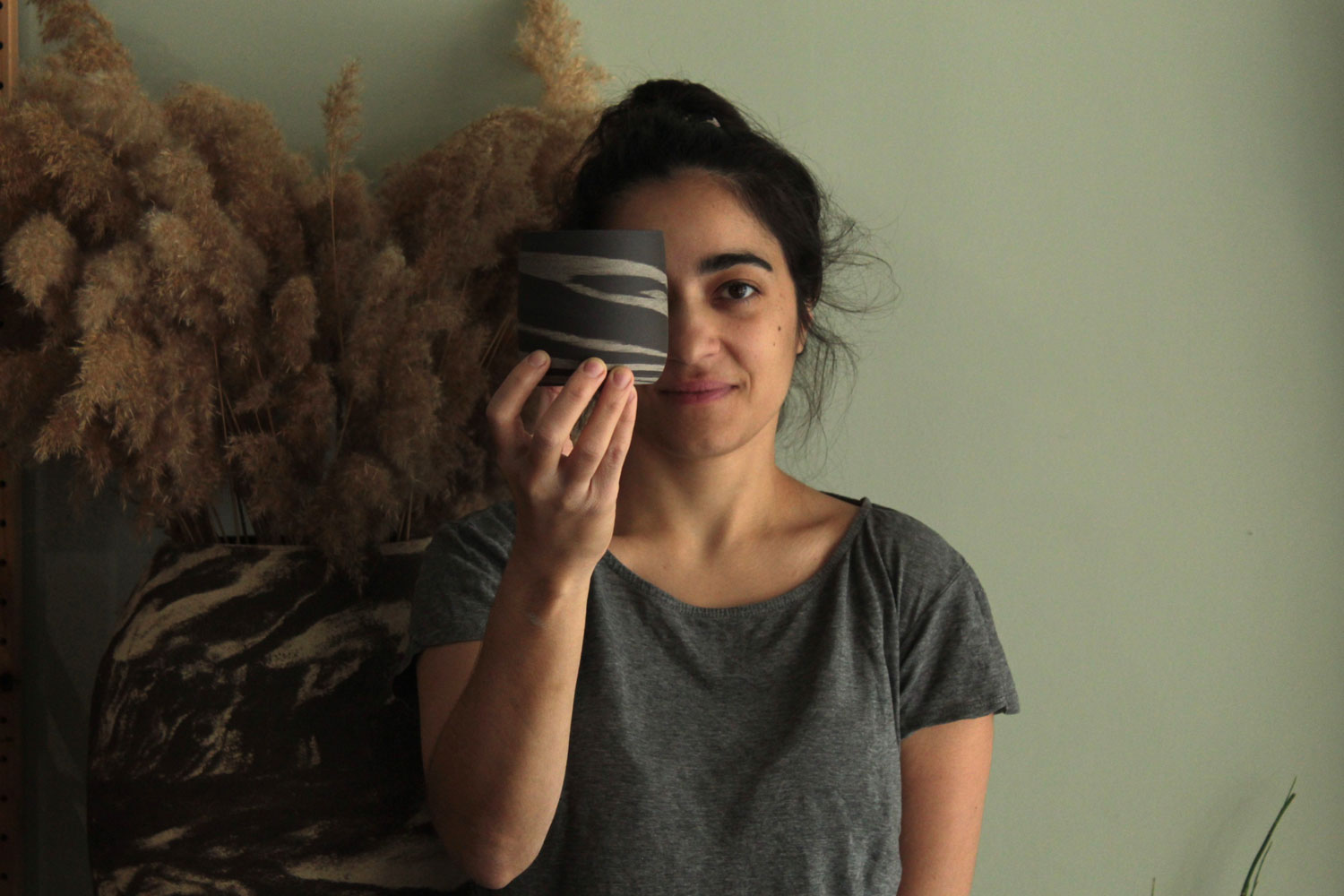
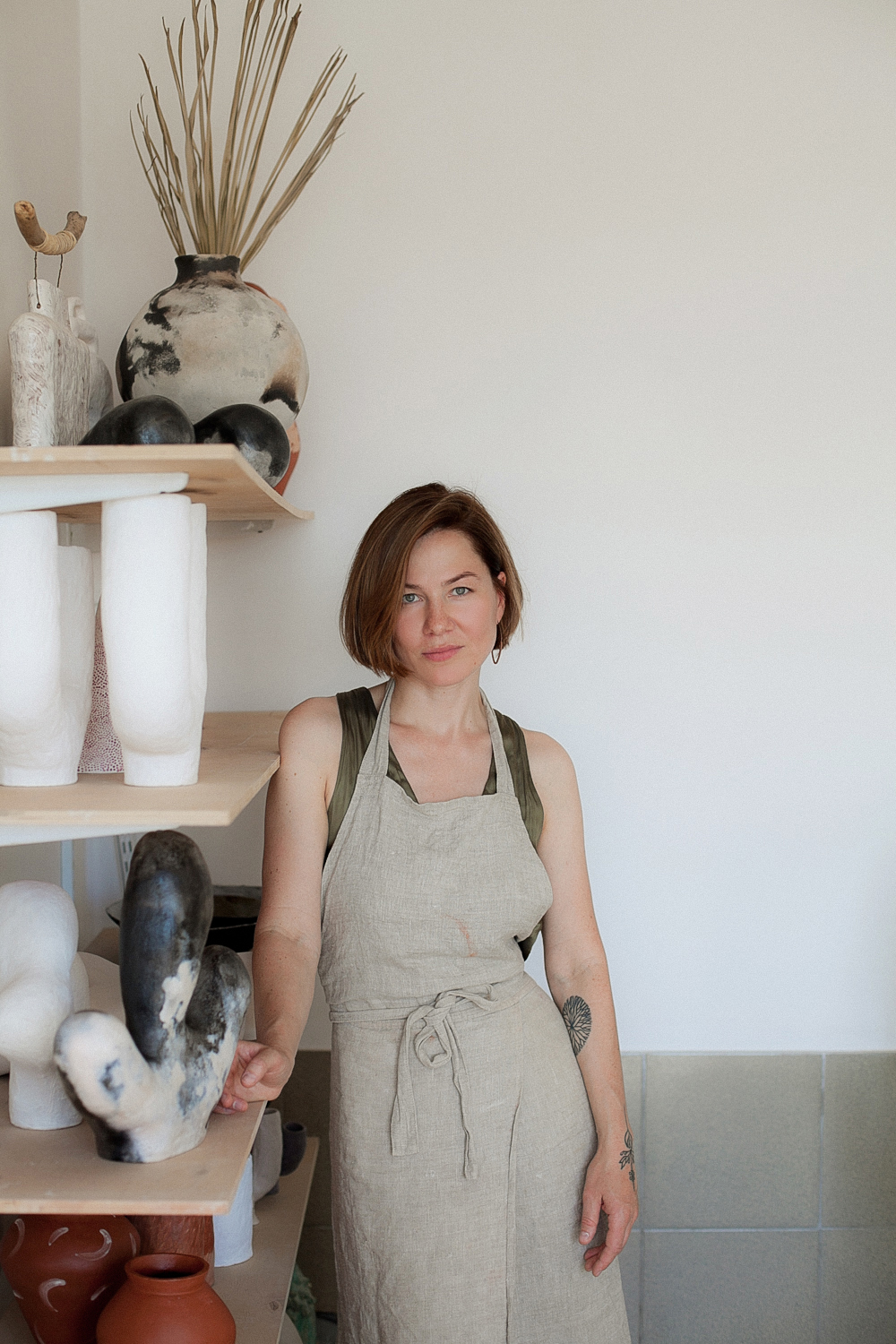
Tatiana Solodovnikova
Ceramicist
Krasnodar, Russia
Finding harmony in combinations
- The first time Tatiana touched clay it just felt right
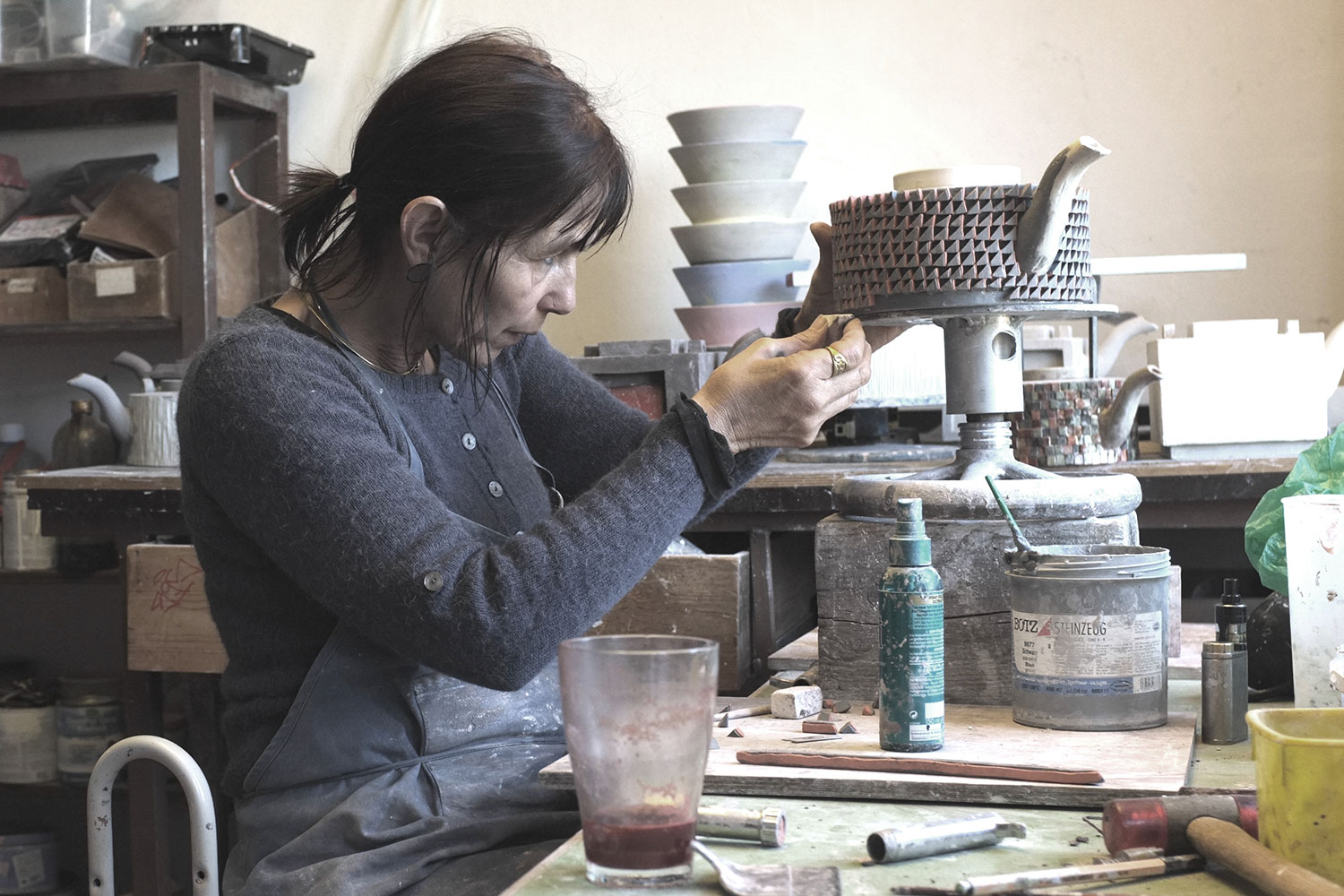
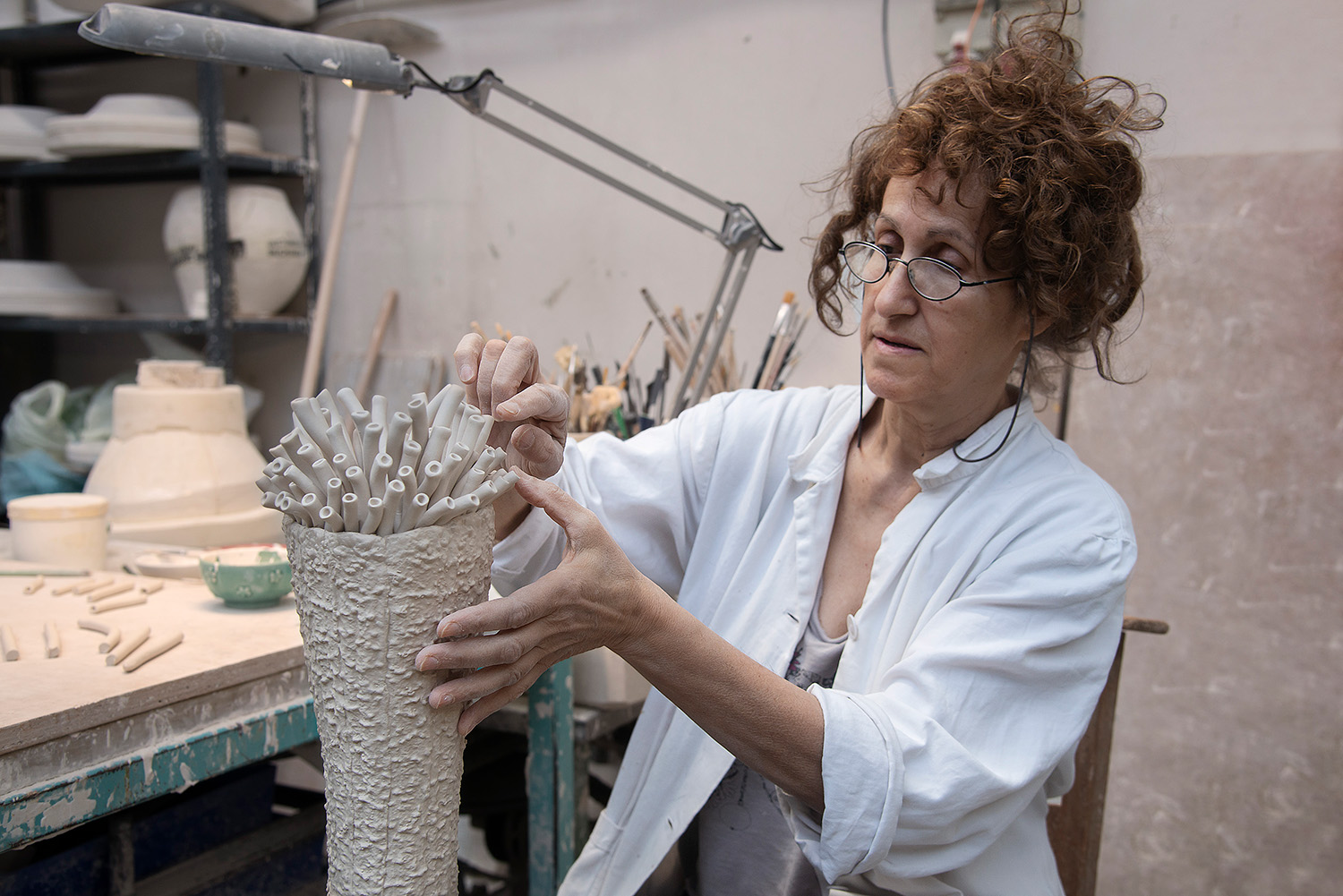
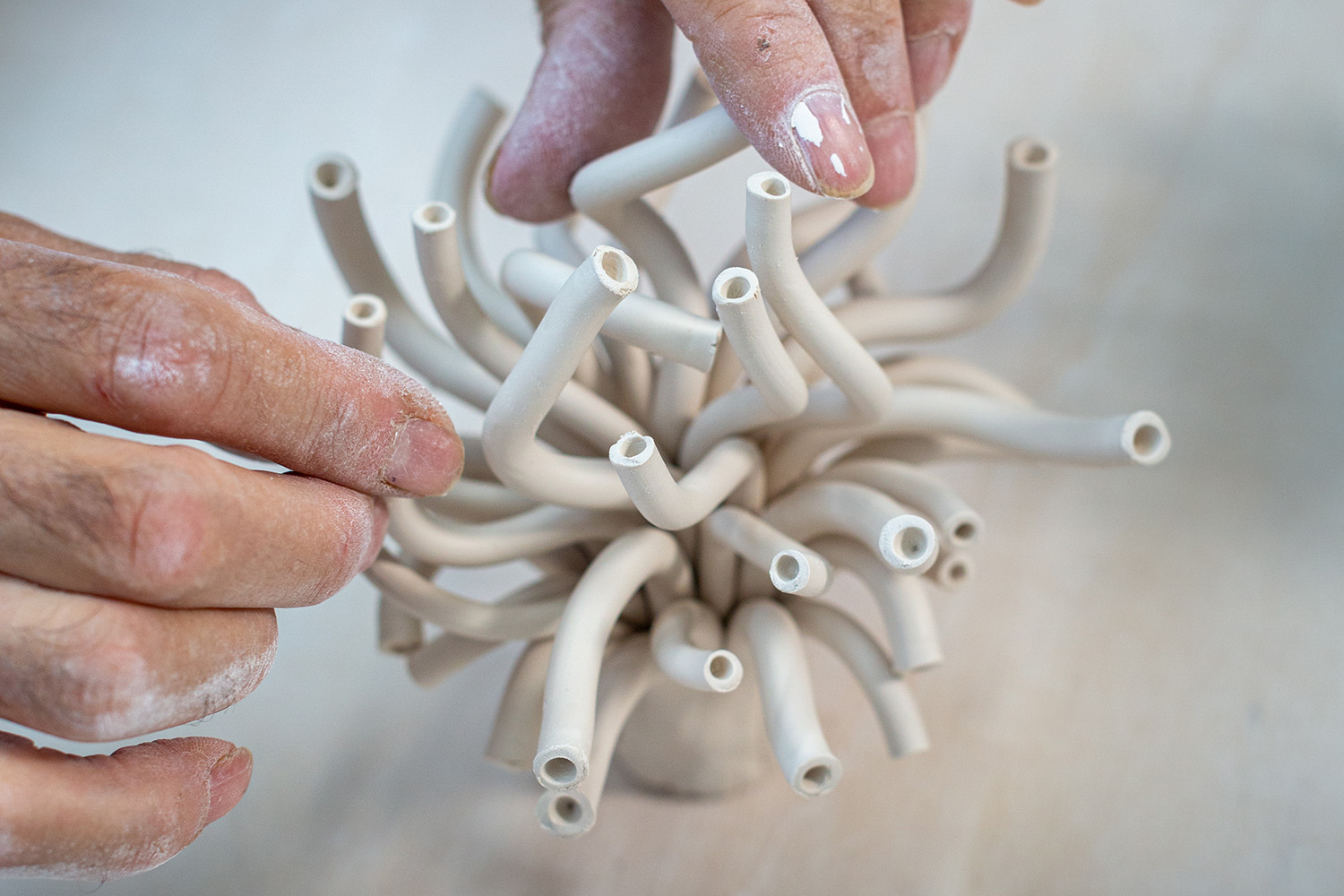
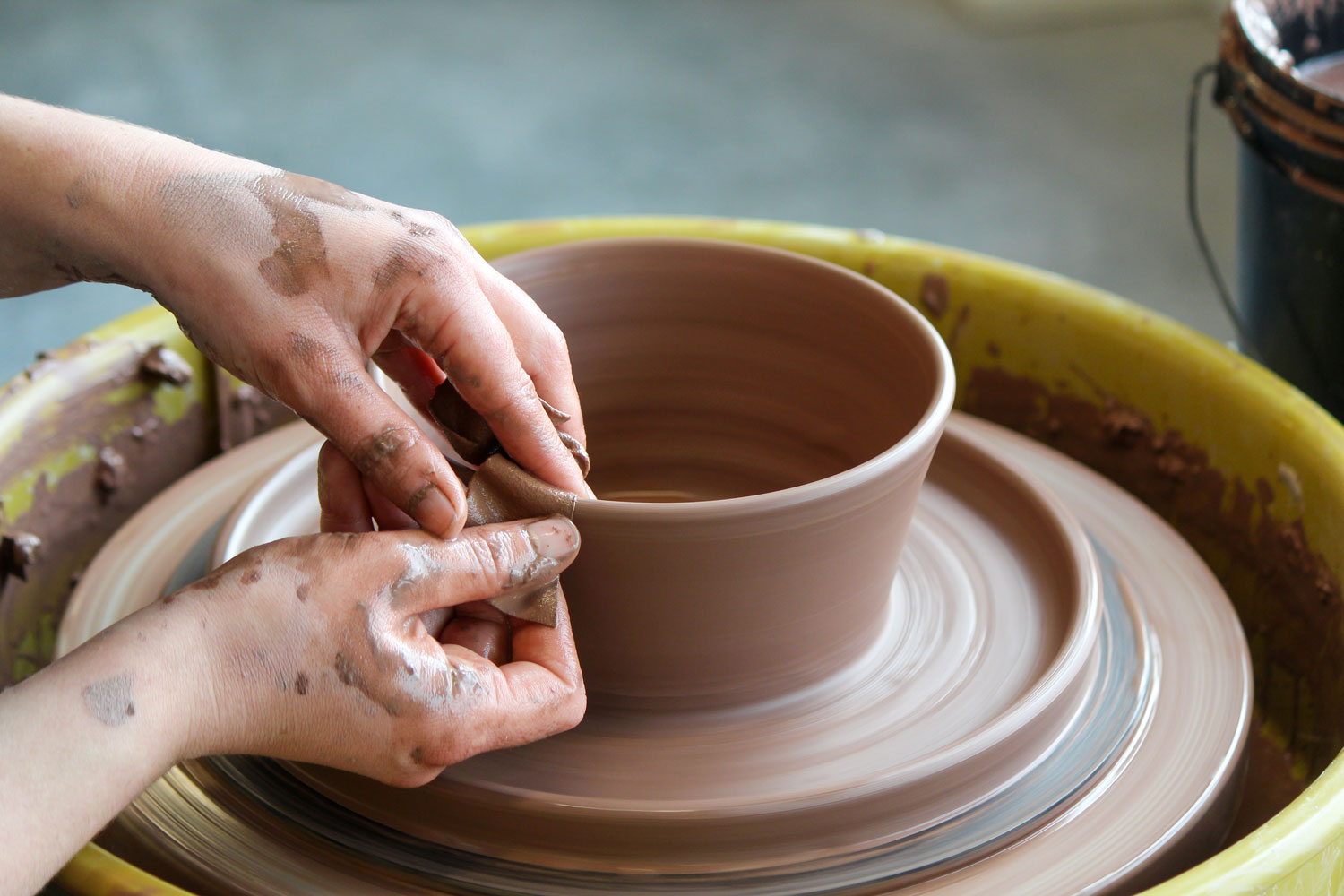
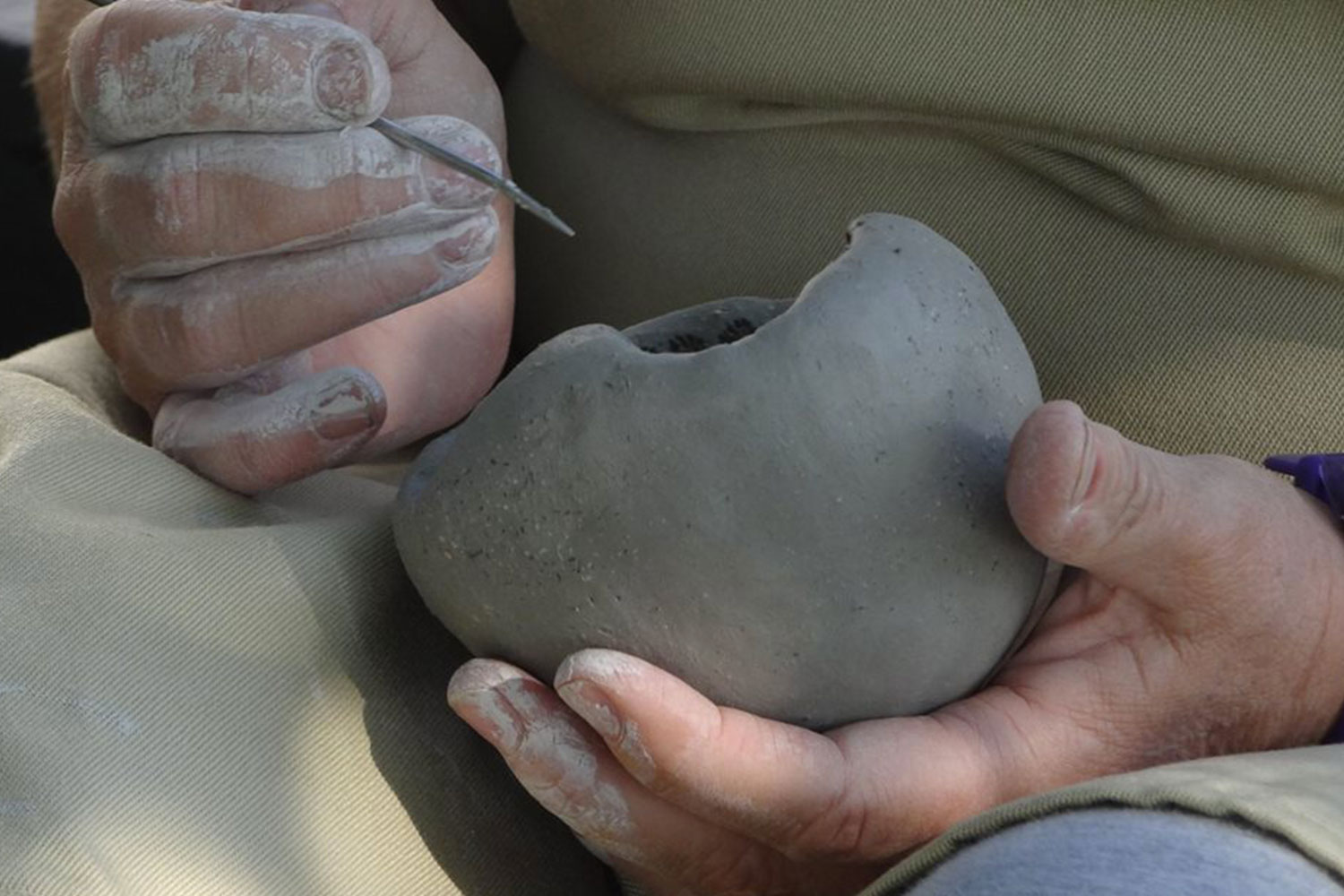
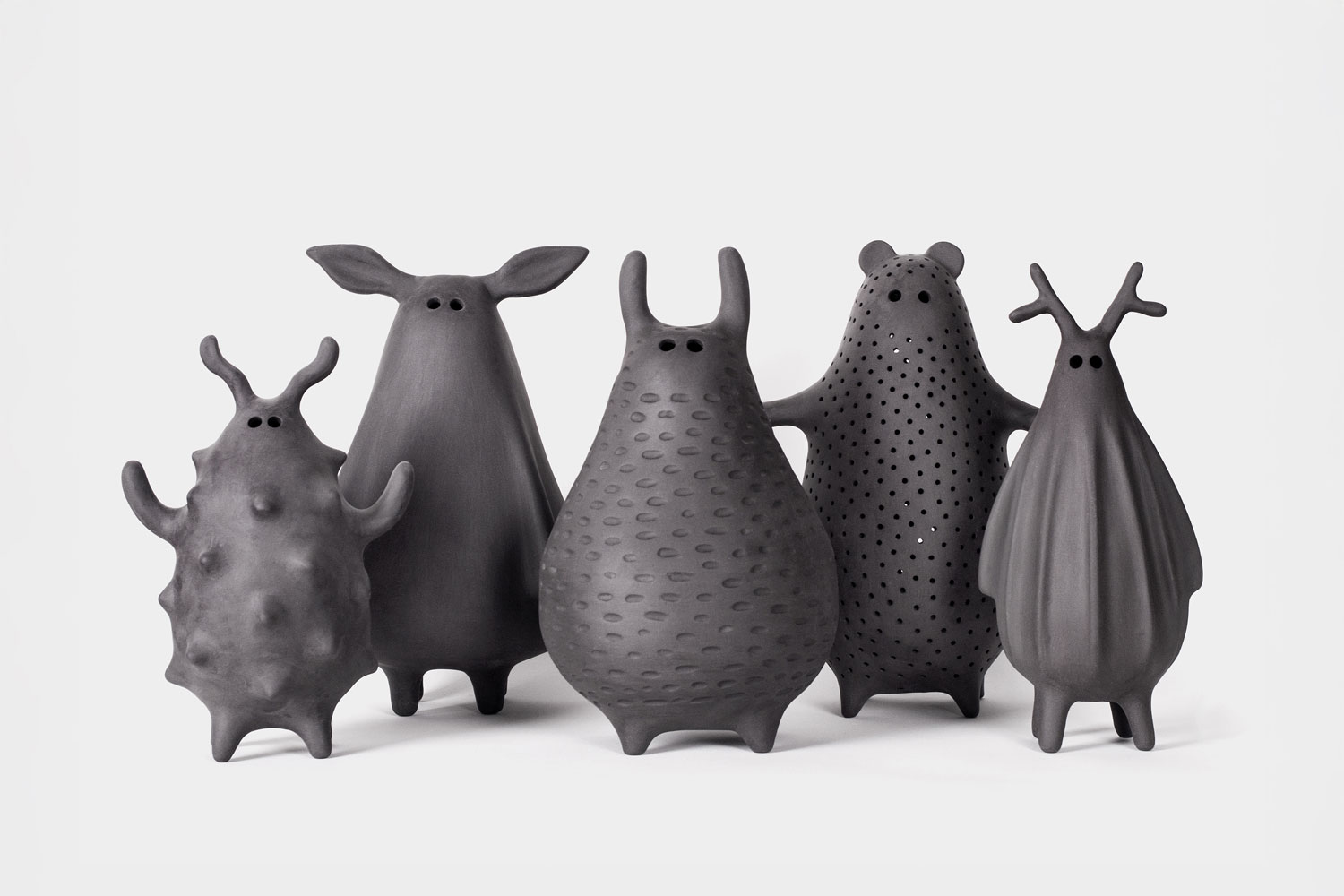
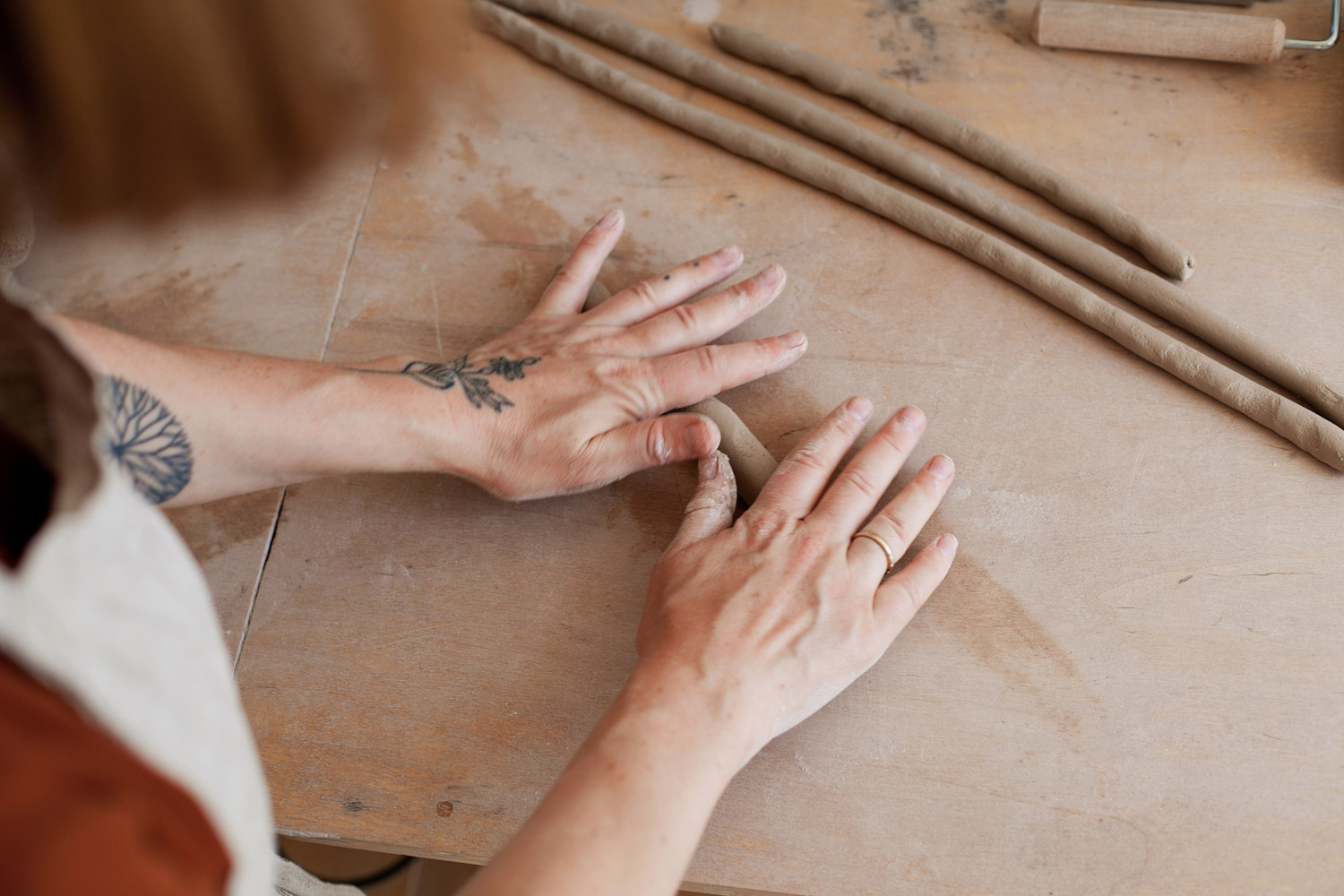
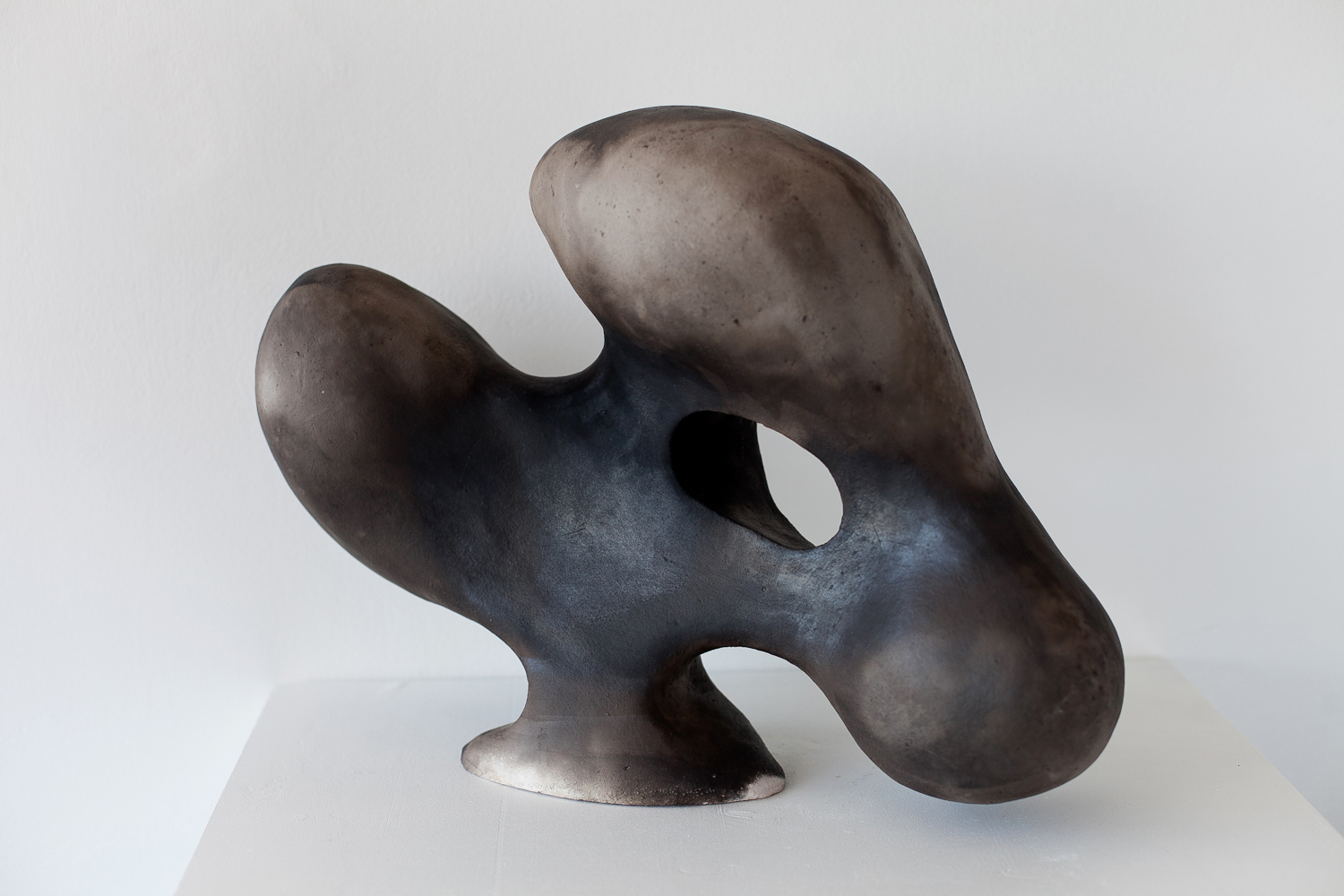
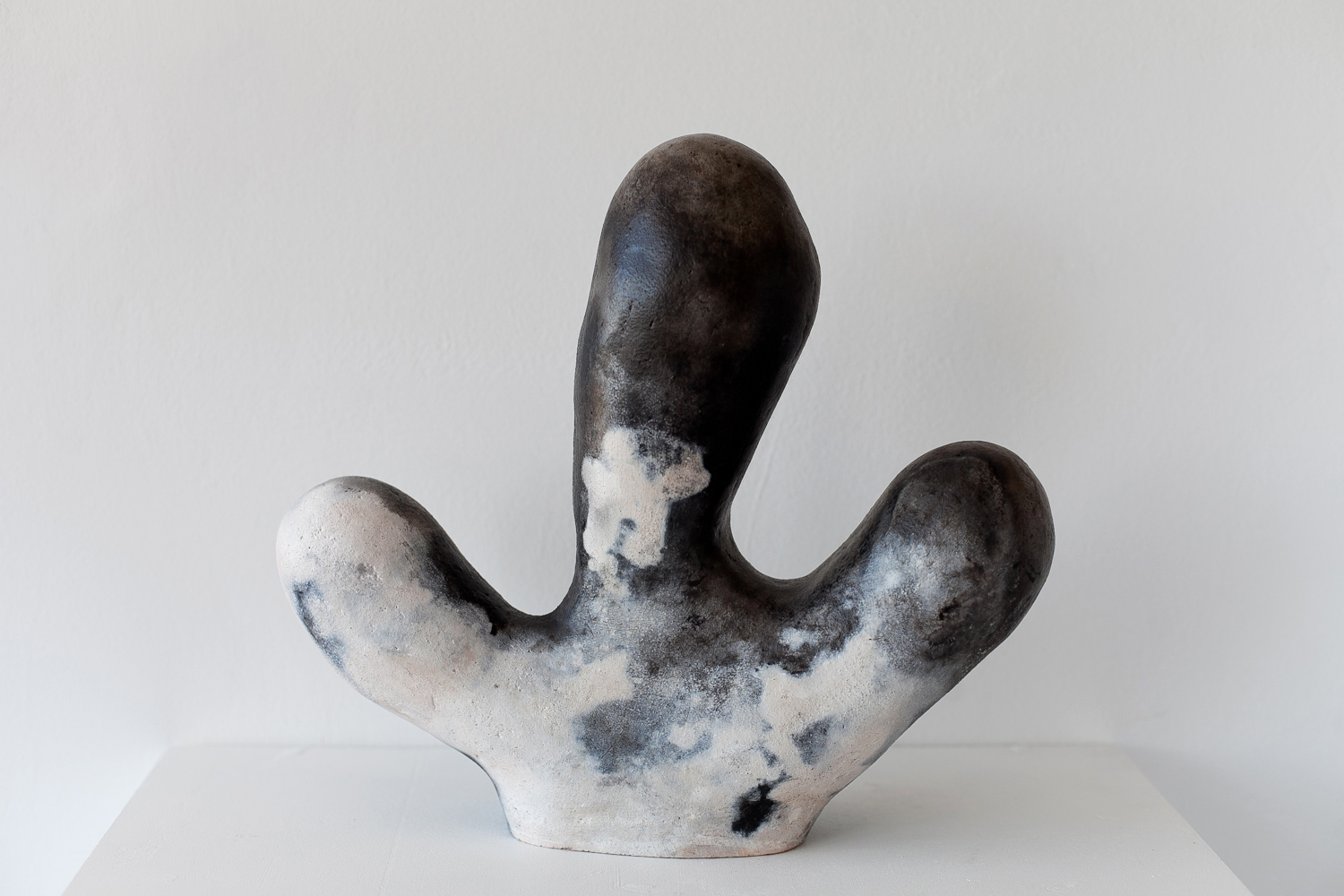
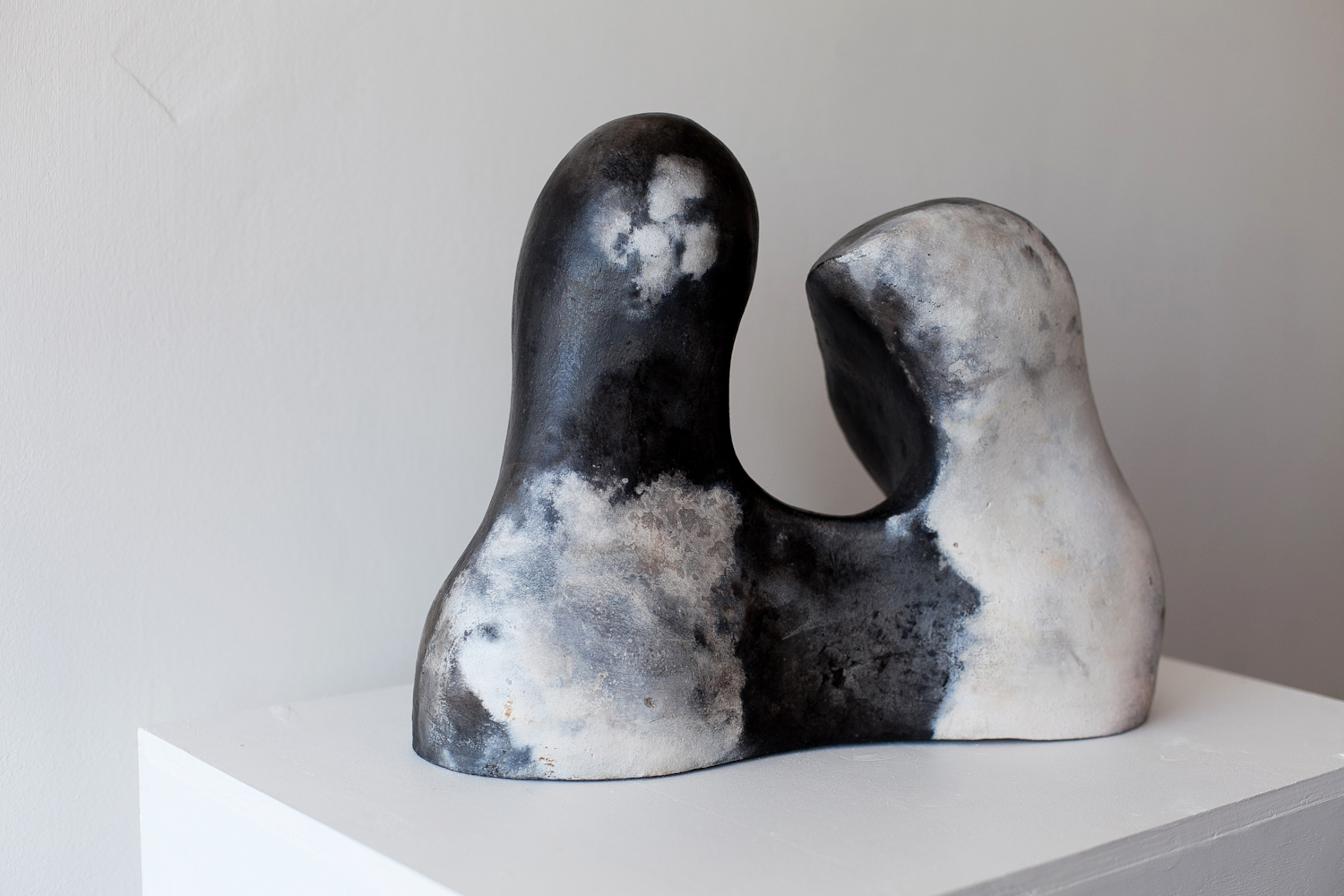
- She uses coil and slab construction techniques
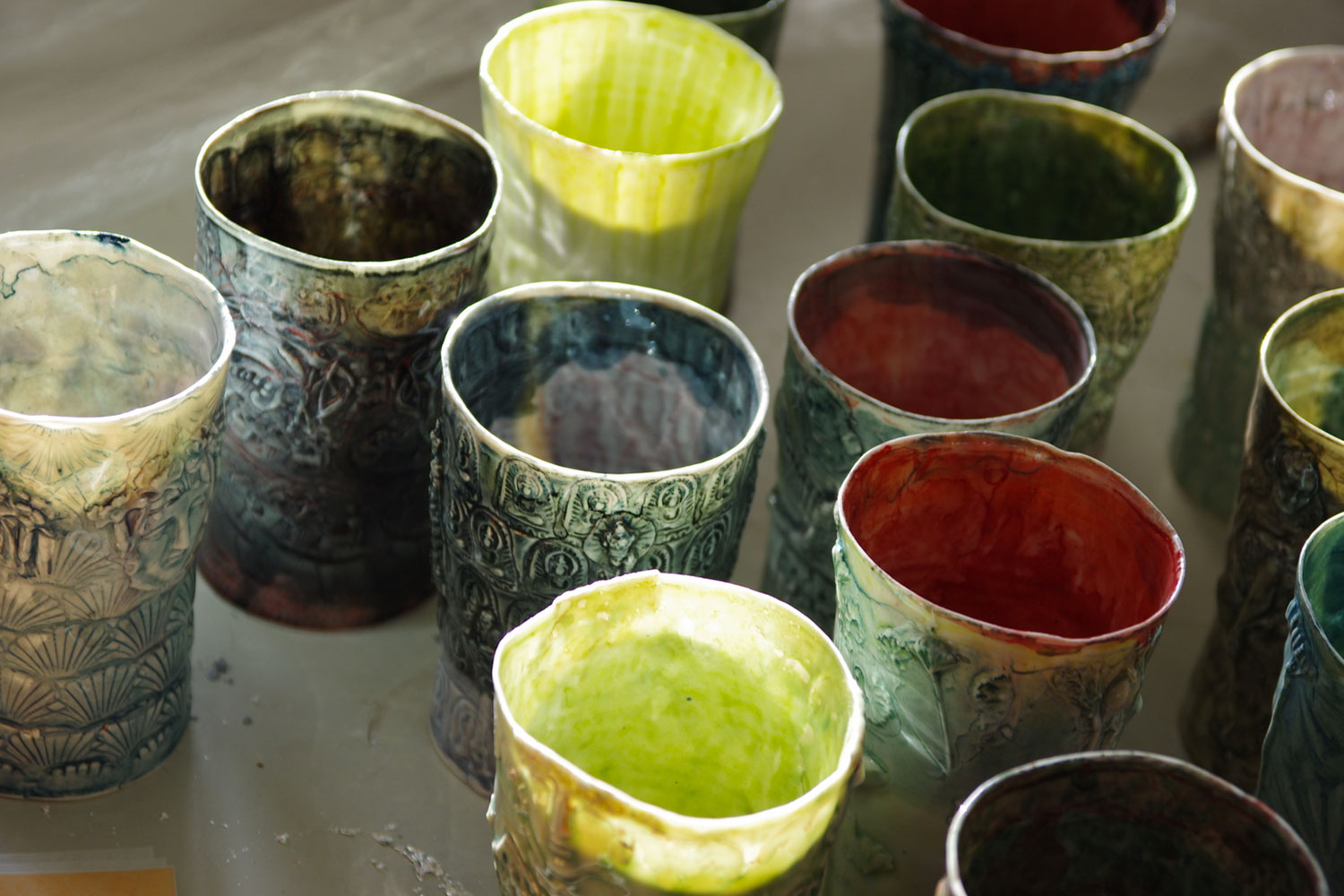
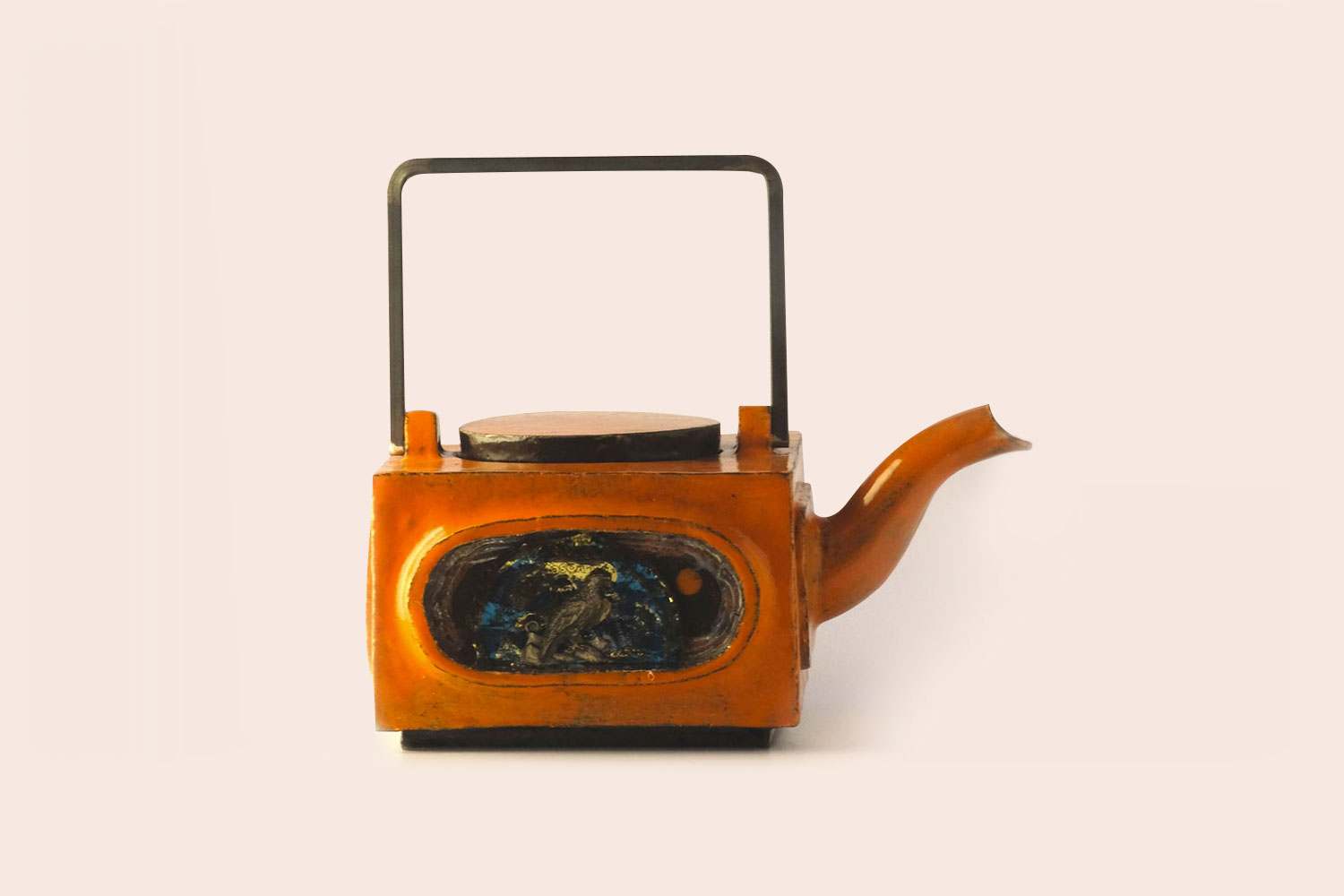
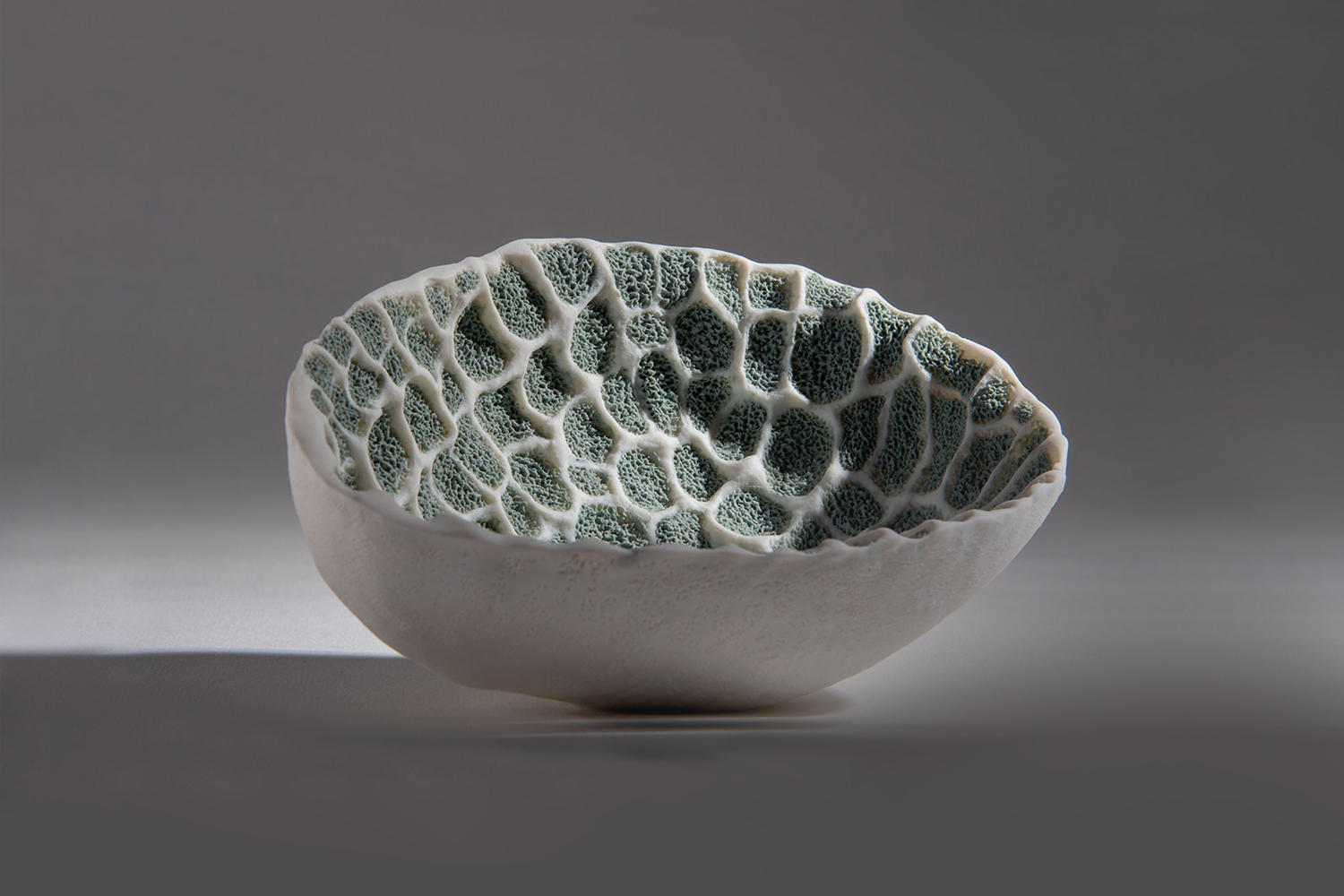
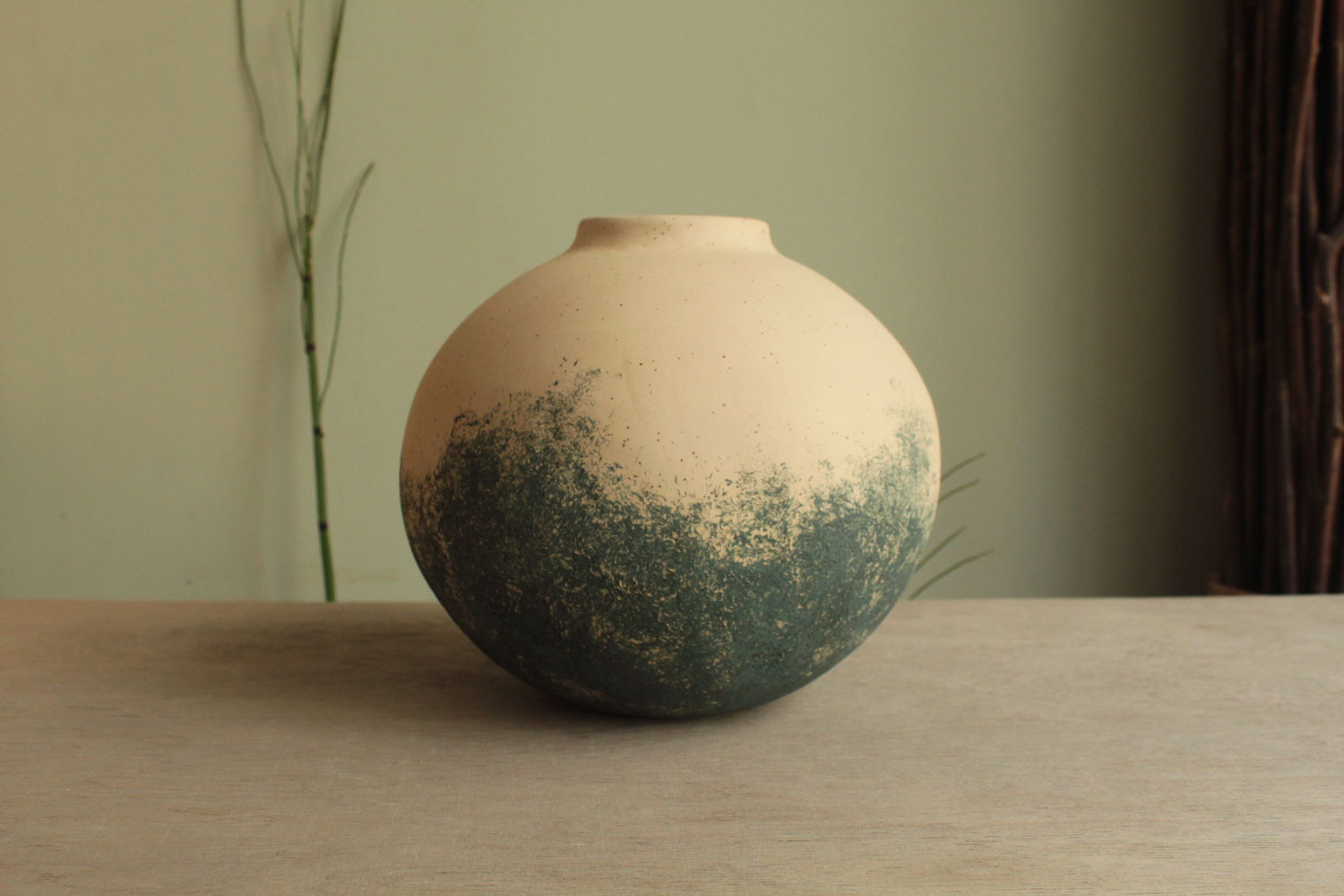
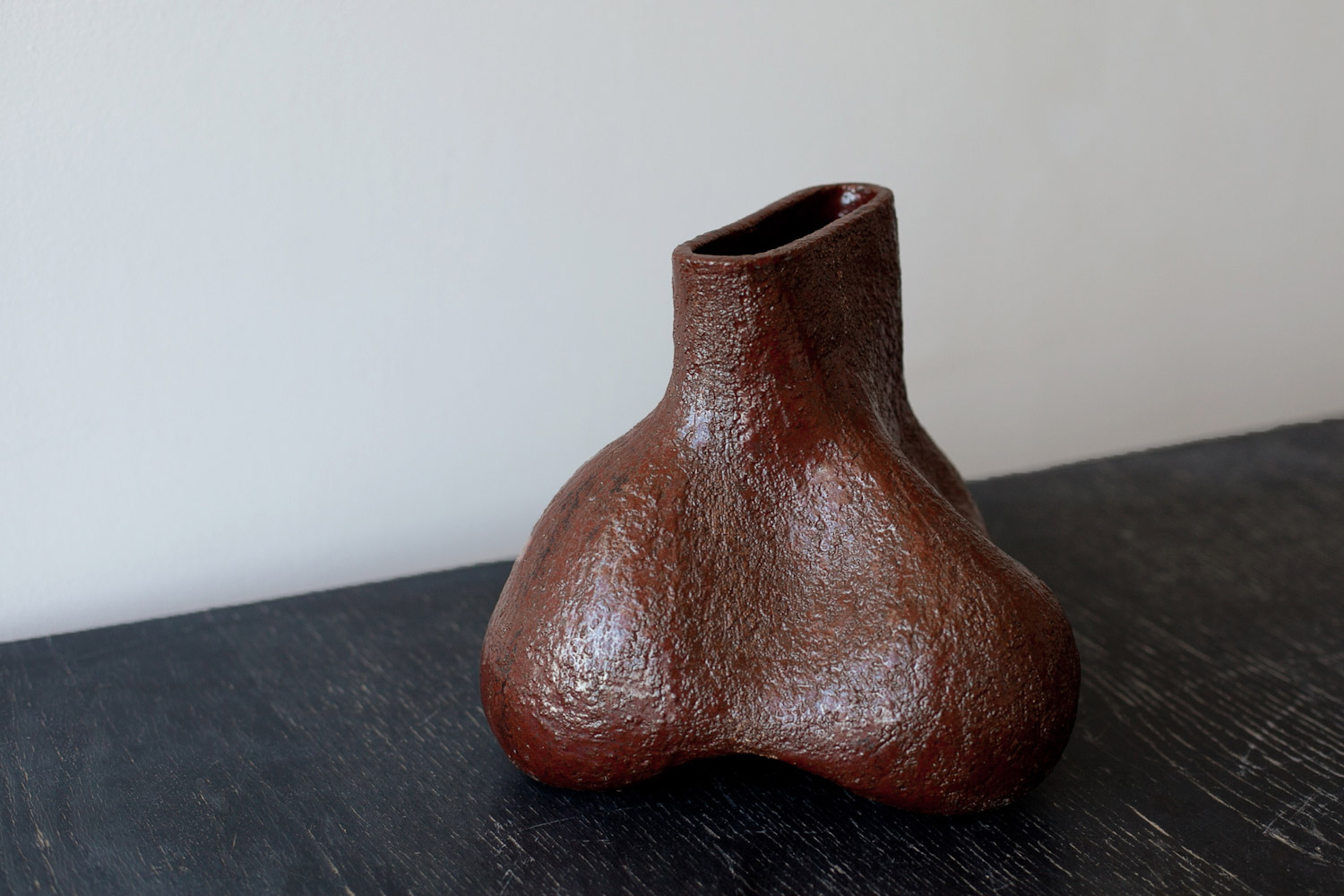
- She is obsessed with vessels
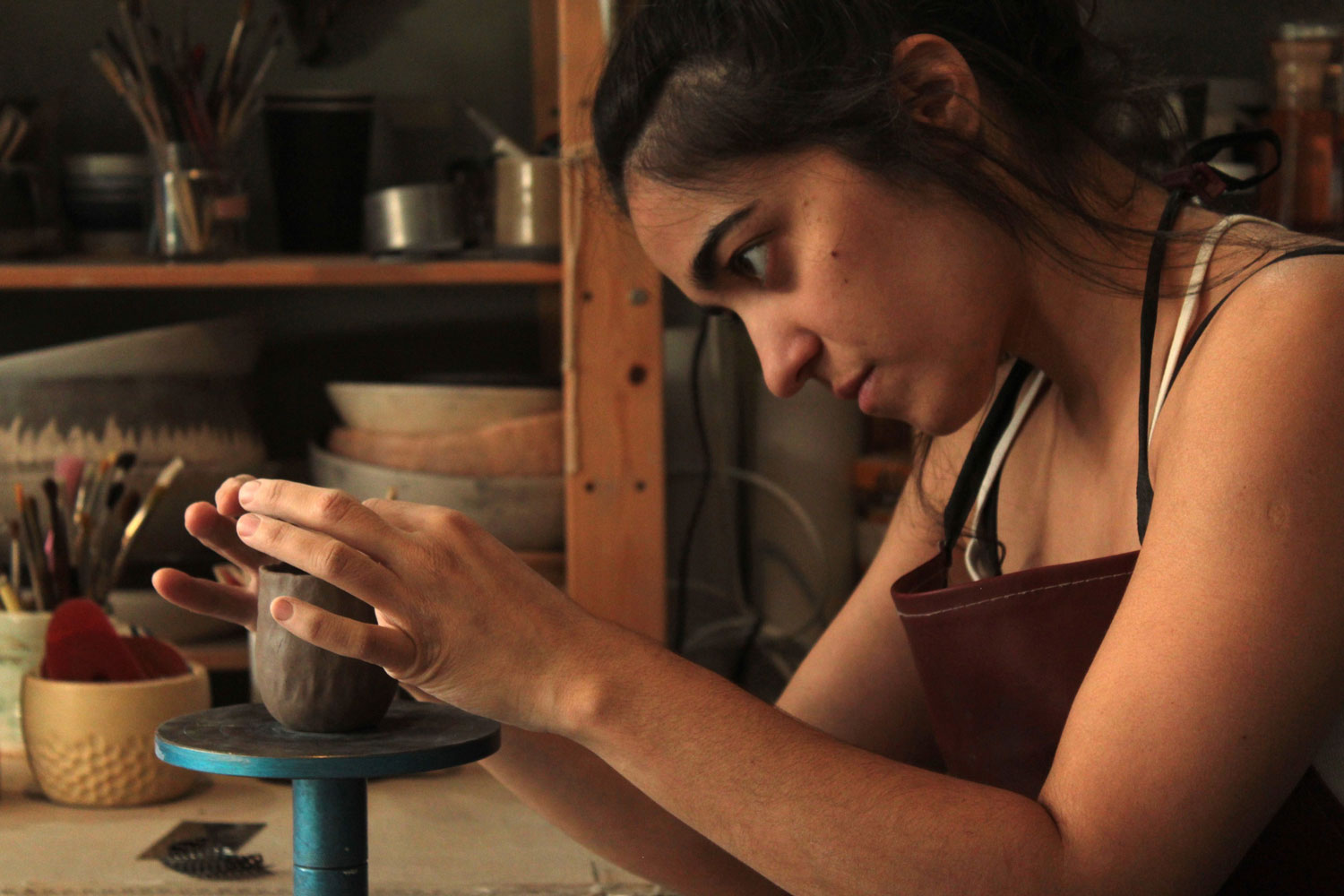
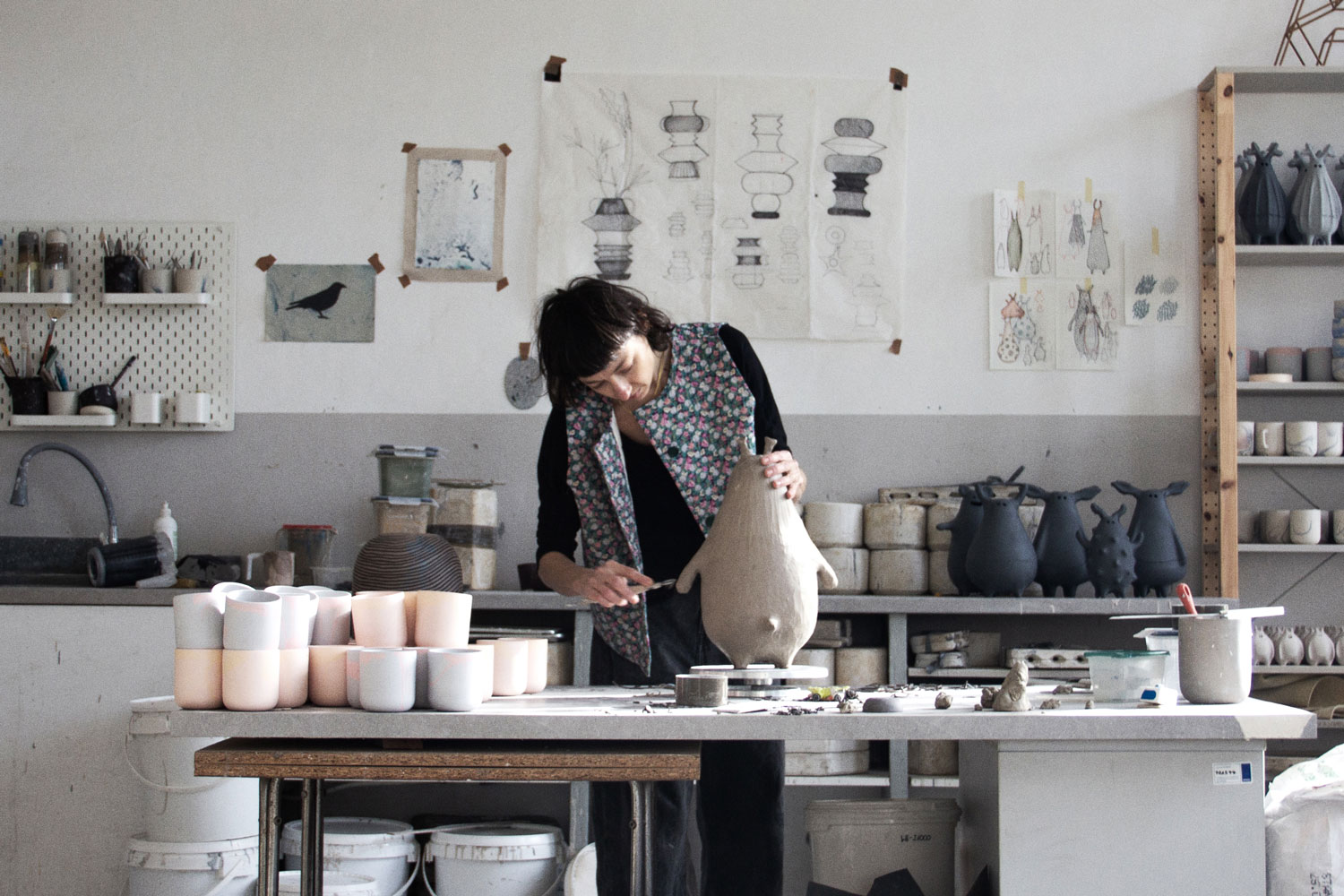
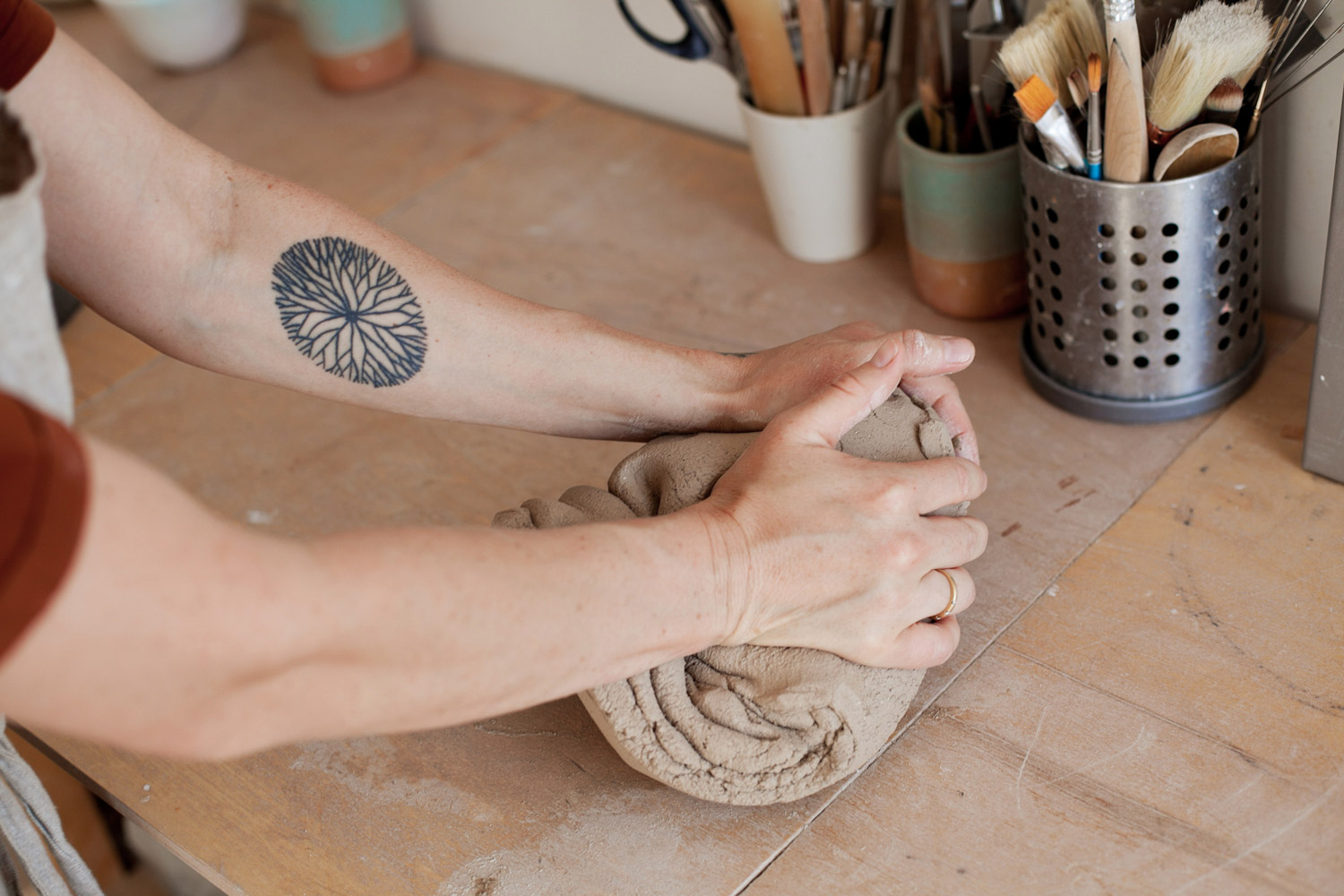
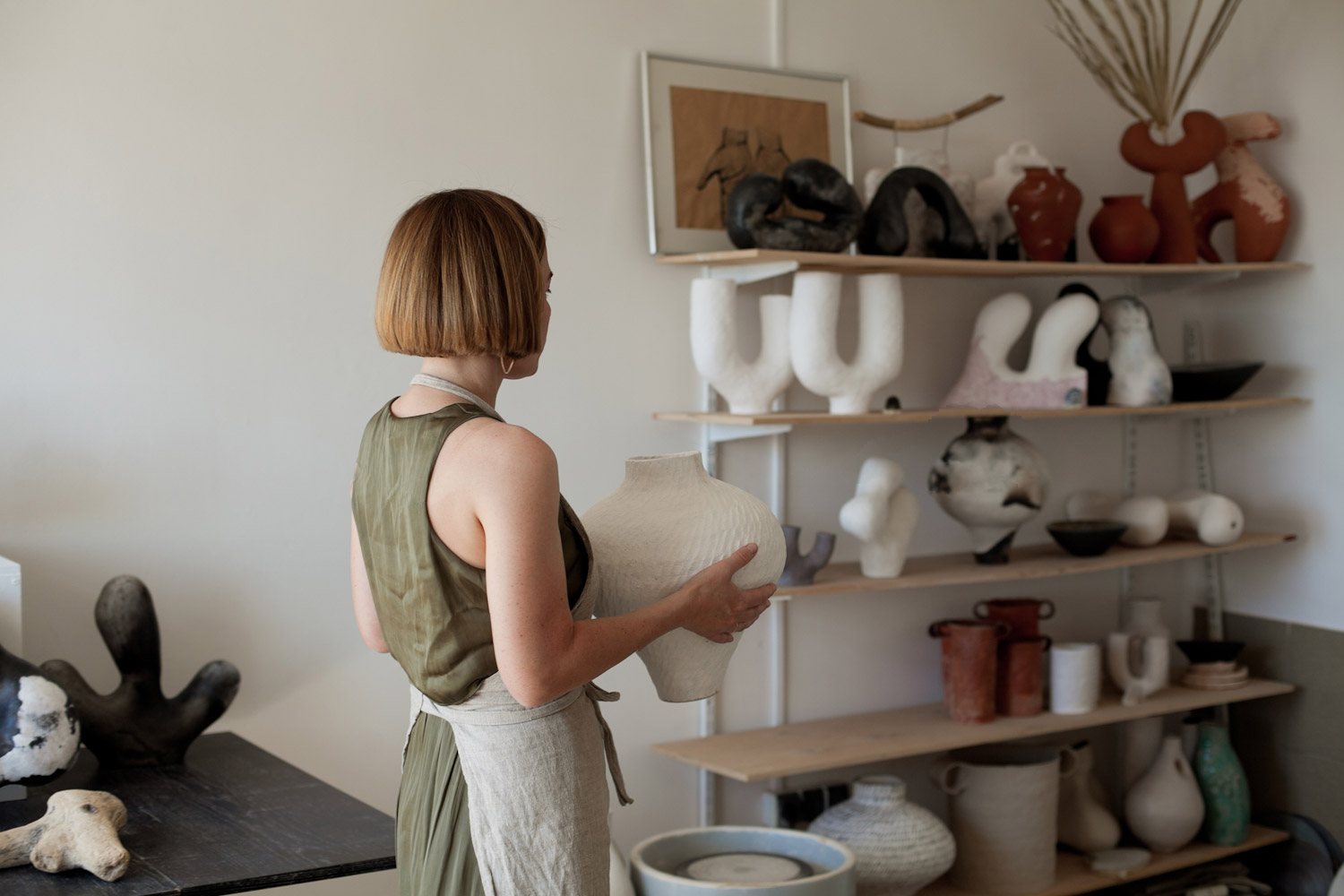
When Tatiana Solodovnikova used to work as a decorator, she often found that the selection of ceramic decor available was woefully lacking. The idea came to her: "Wouldn’t it be amazing to simply make an object I need?” That was the start of a very long road leading her to do just that! Back then she was going through a personal crisis, so it was the perfect time for self-discovery. She started learning about different ceramic techniques and looking for foreign influences, and felt overwhelmed by the variety of styles and opportunities. After taking several courses at the Mugur studio led by master Pavel Dubovtsev, she bought a potter’s wheel and practised at home. Though skilled on the wheel, she quickly realised she preferred hand building, which is what she does today.
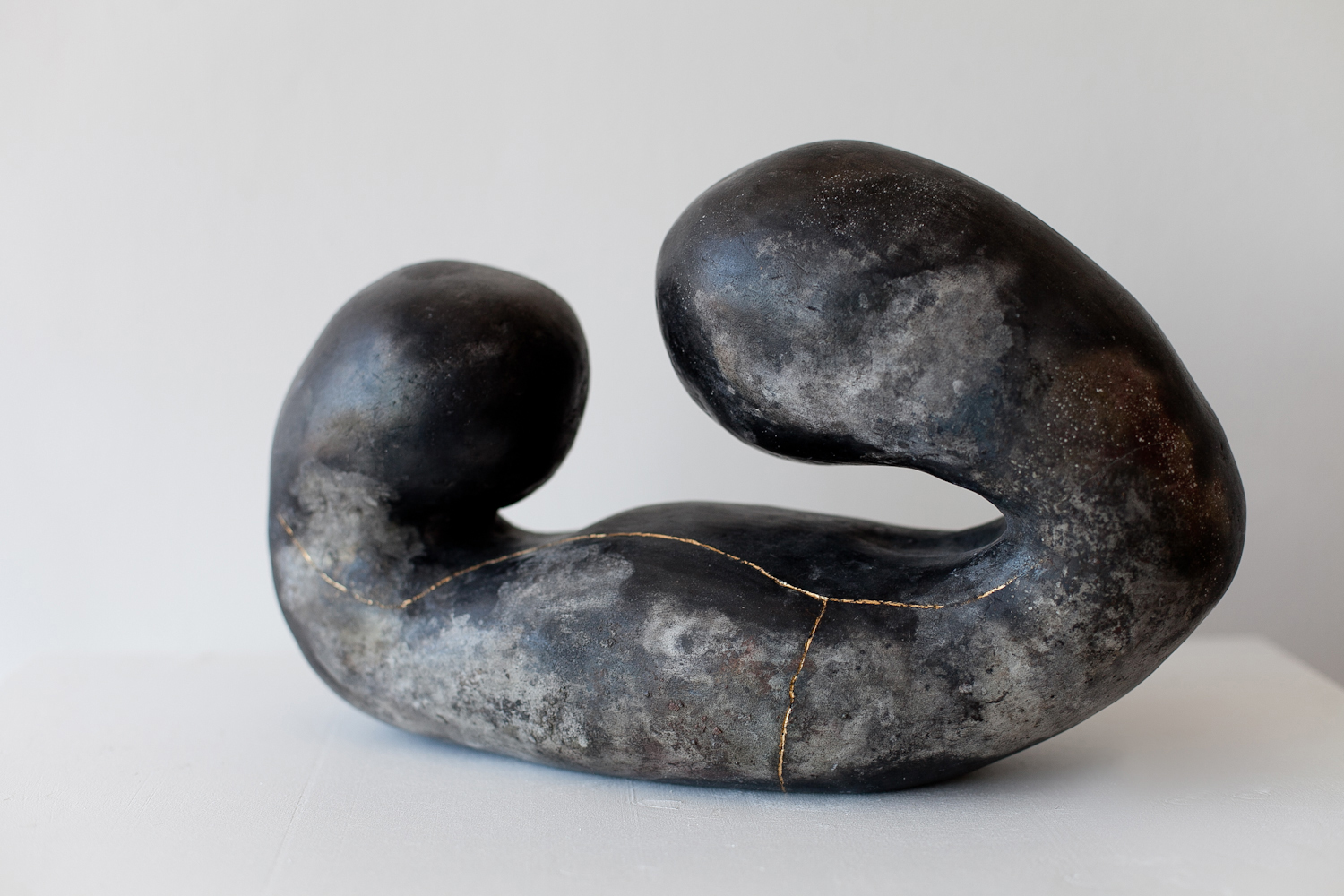
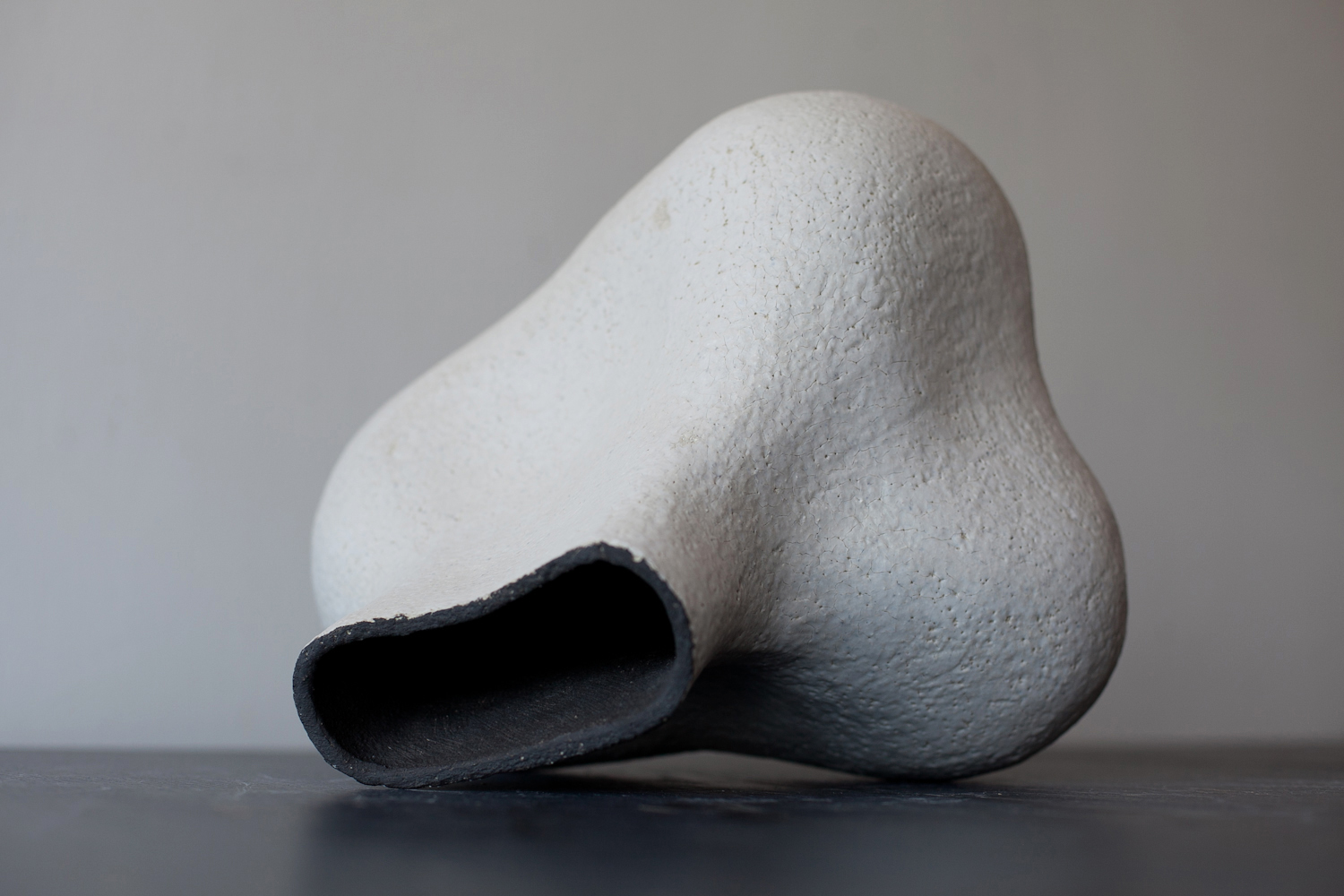
INTERVIEW
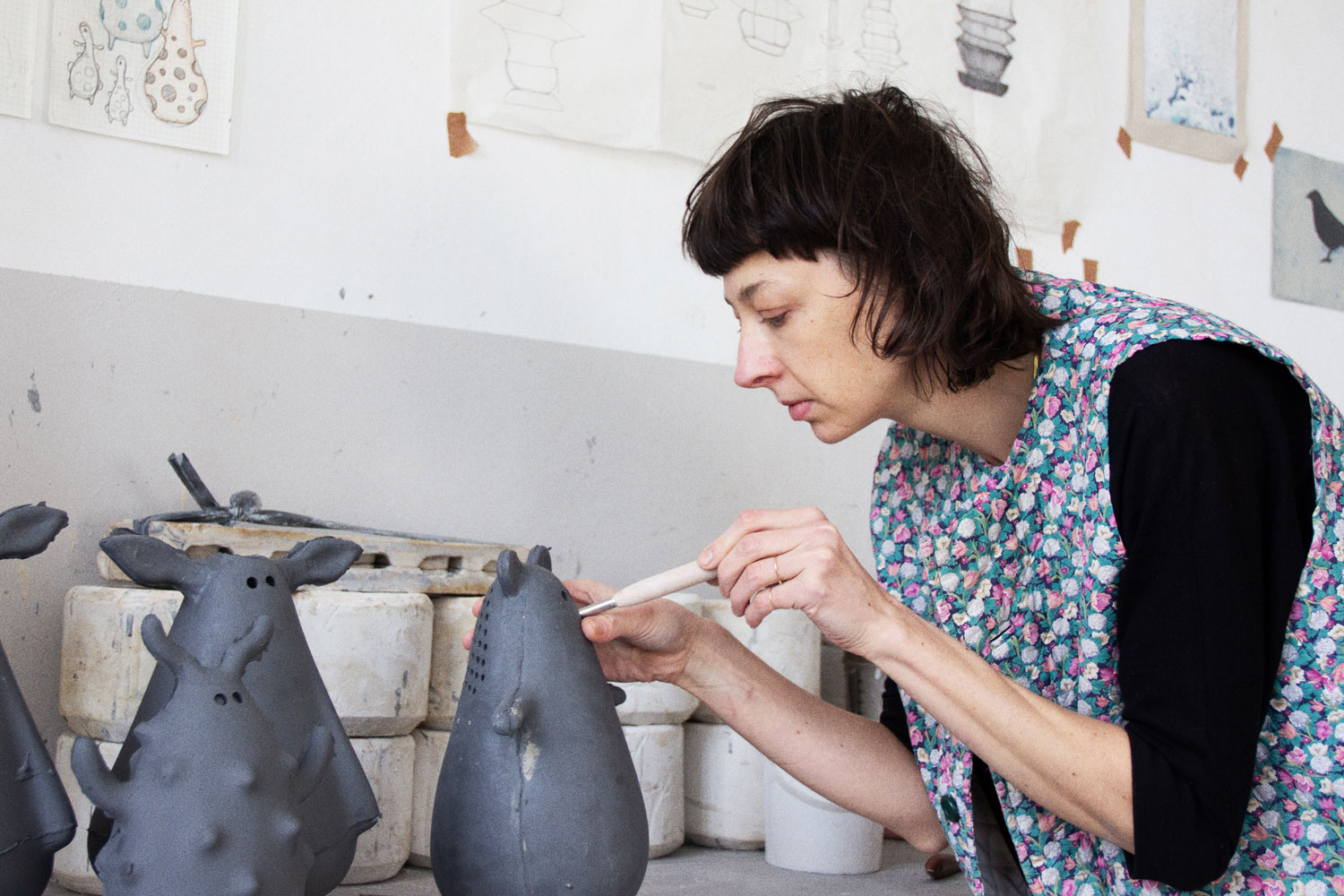
In ceramics I find all the things I love in life: the combination of mental and physical work, research and experimentation, visual and tactile experiences. I enjoy the process of construction, changing forms, listening to the material, watching my thoughts.
I’d say my work started when I found a studio and bought a pottery kiln. It was December 2015. I remember I carried out my first firing on New Year’s Eve. It was so exciting: new year, new life!
I am an observer by nature, I like to notice the little things. Sometimes it’s a landscape or a combination of colours, sometimes it’s an unusual shadow or my emotions. Lately I’ve been drawn to abstract art – that inspires me too.
It’s not just ceramics, it’s crafts in general. Perhaps people are tired of consumption. With progress came the need for grounding. The use of natural materials and ideas of sustainable consumption made people appreciate the uniqueness of things again.
Tatiana Solodovnikova
Ceramicist
Krasnodar, Russia
AVAILABILITY
By appointment only
PHONE
+7 9189527473
LANGUAGES
Russian
Homo Faber Finds is a new service aiming to inspire admirers of craft to connect and collaborate with exceptional artisans.
We invite you to submit an enquiry here.