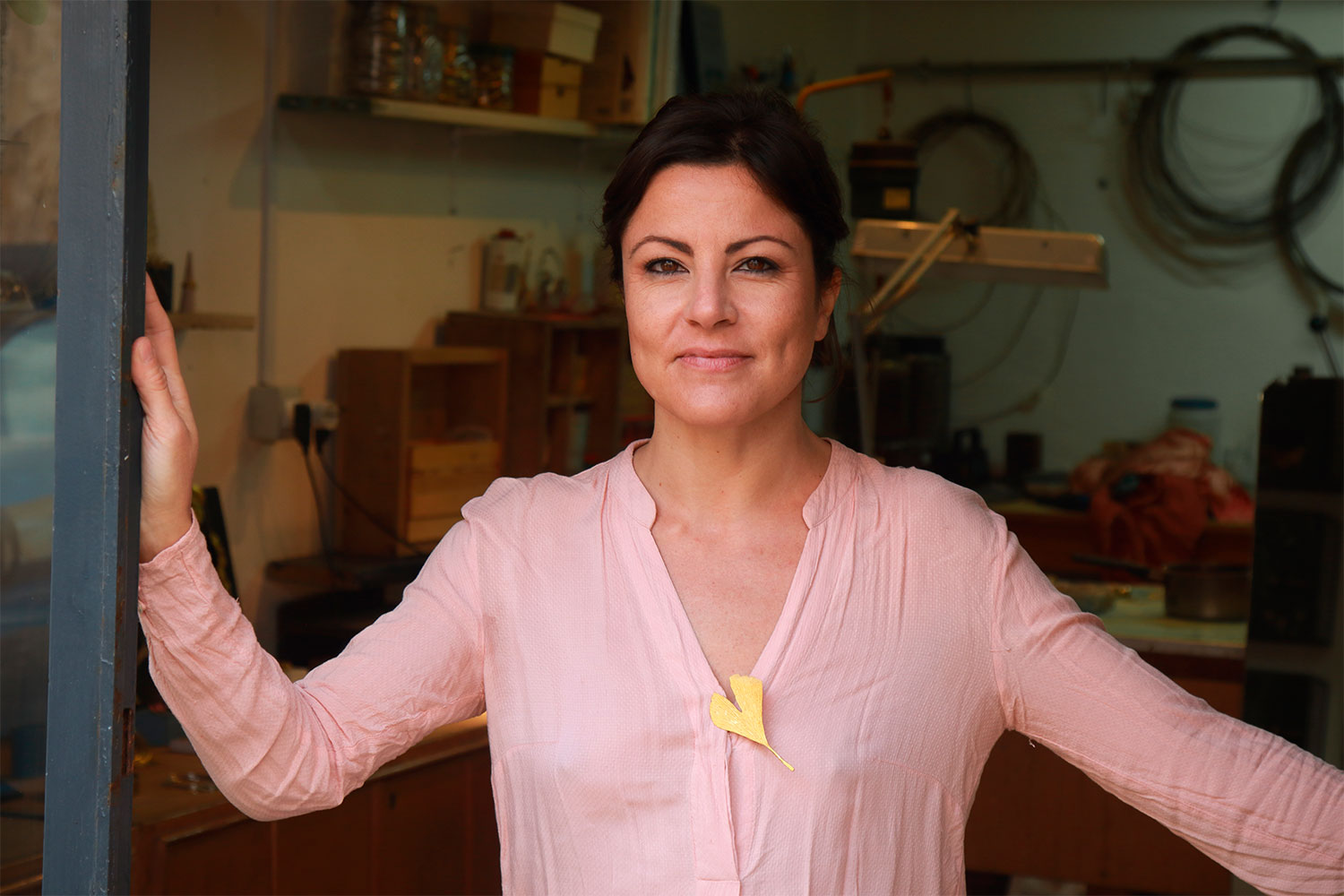
Emily Smith
The Metalsmith
Jewellery maker
Winchester, United Kingdom
Little figures and silver linings
- Emily's jewellery workshop, called The Metalsmith, is in Winchester
- The human experience of life is one of her sources of inspiration
- With each collection, she donates 10% of her sales to a relevant charity
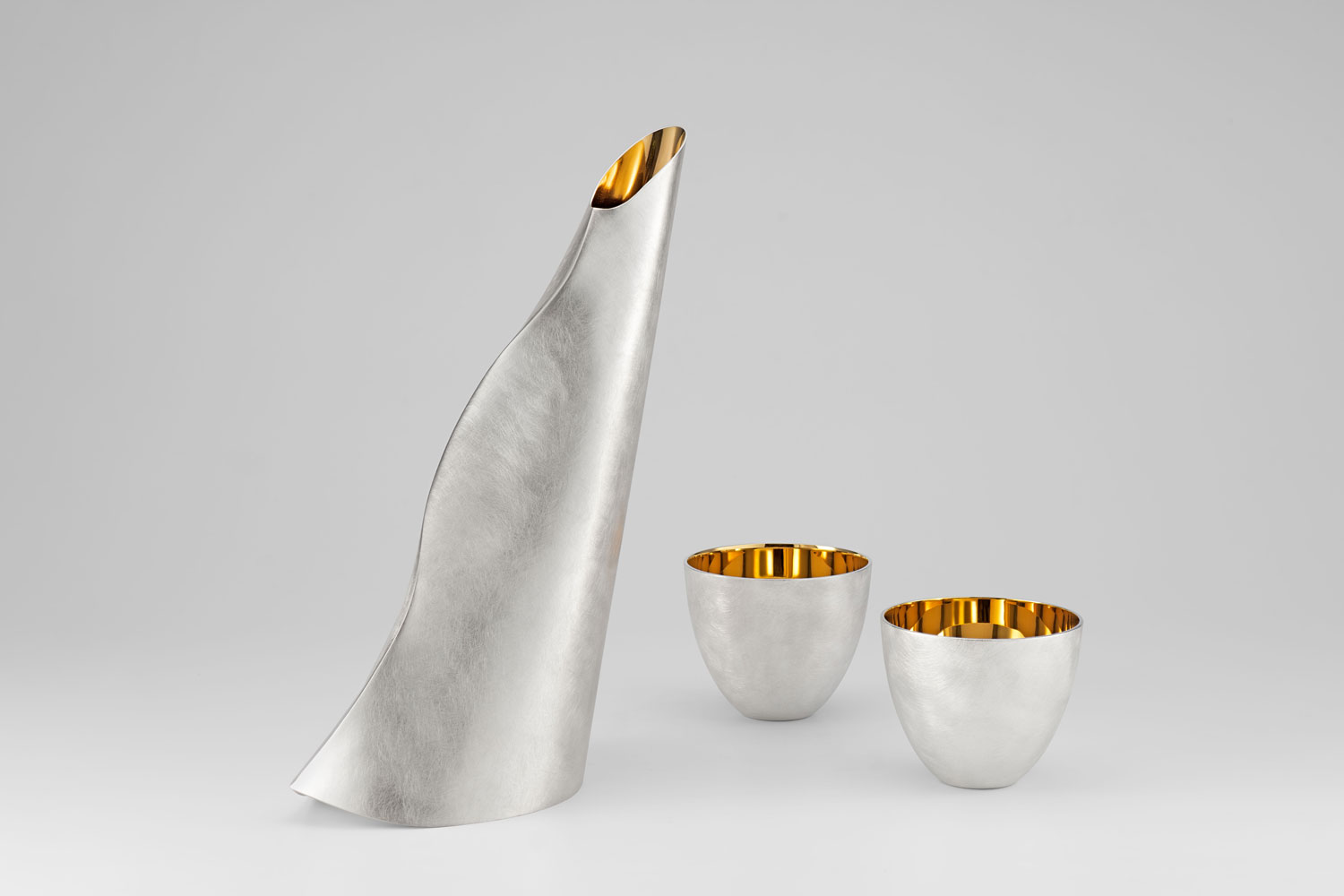
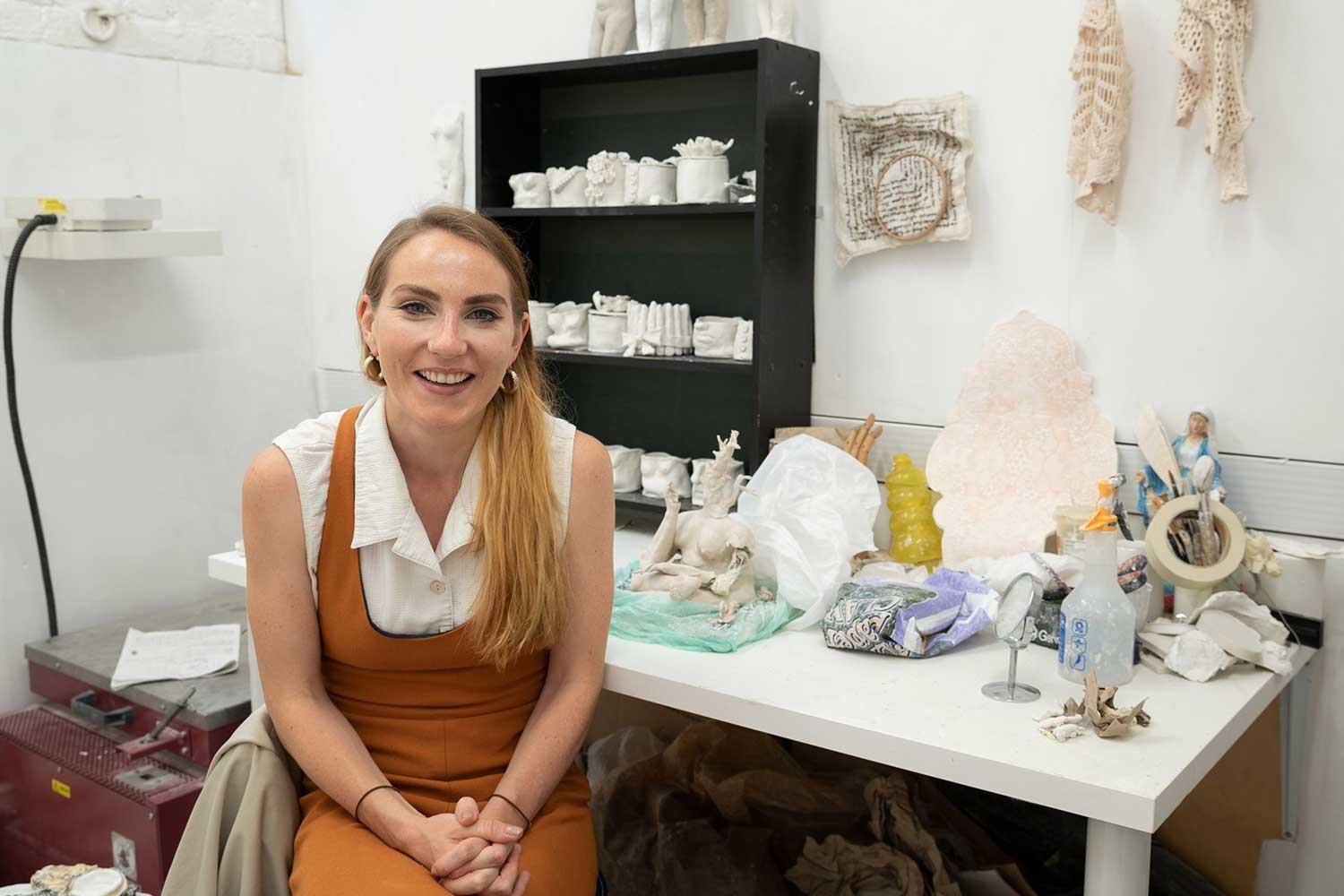
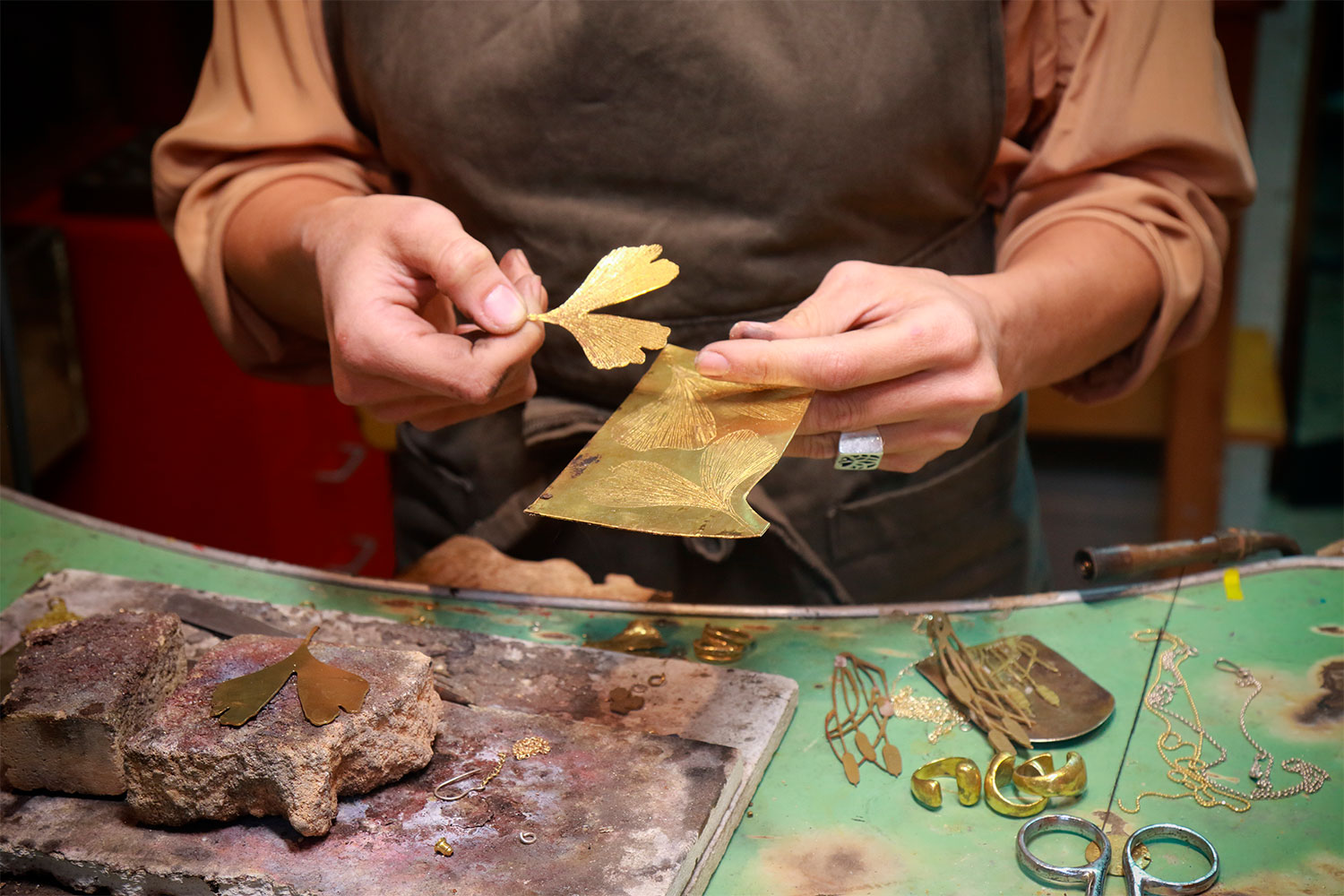
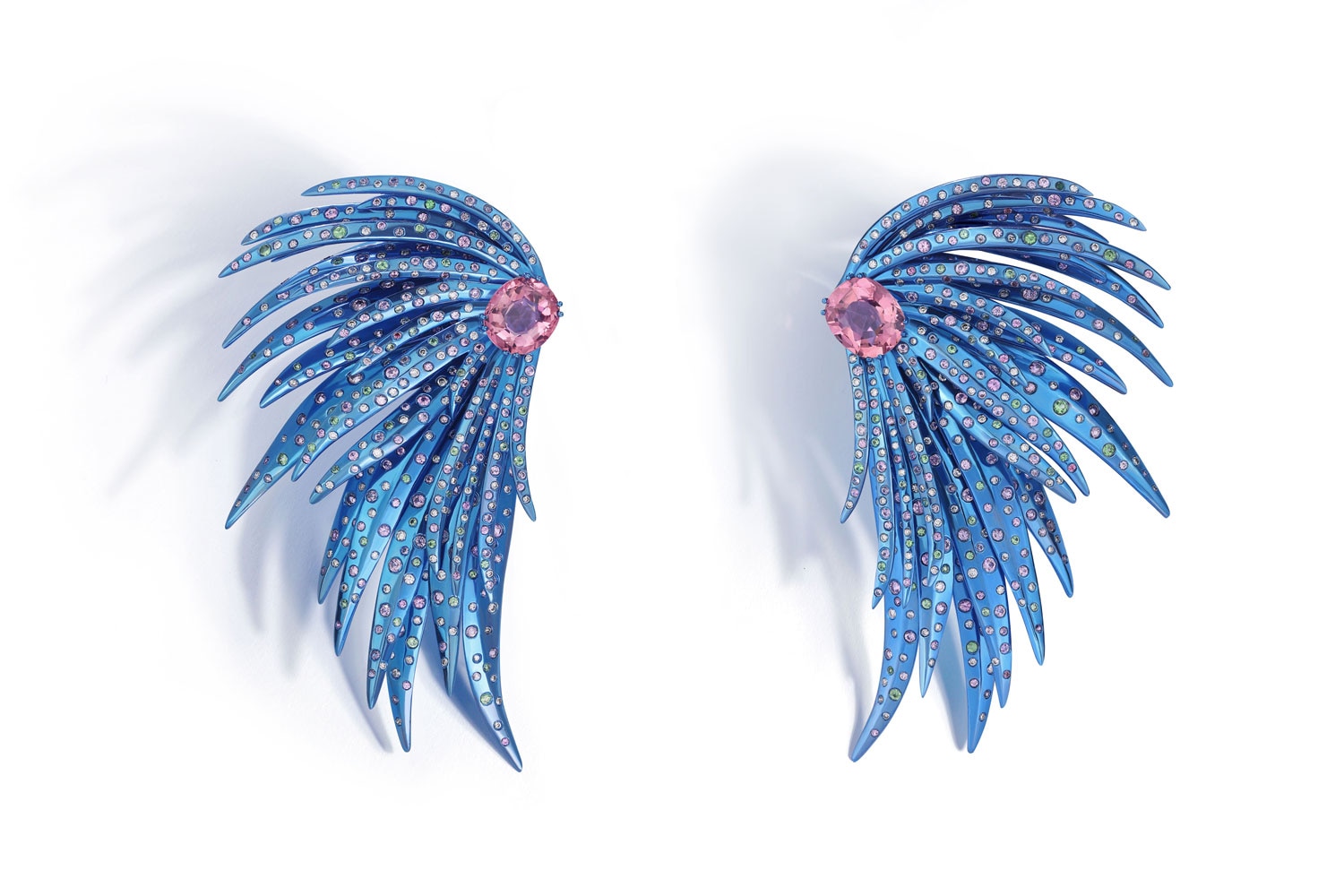
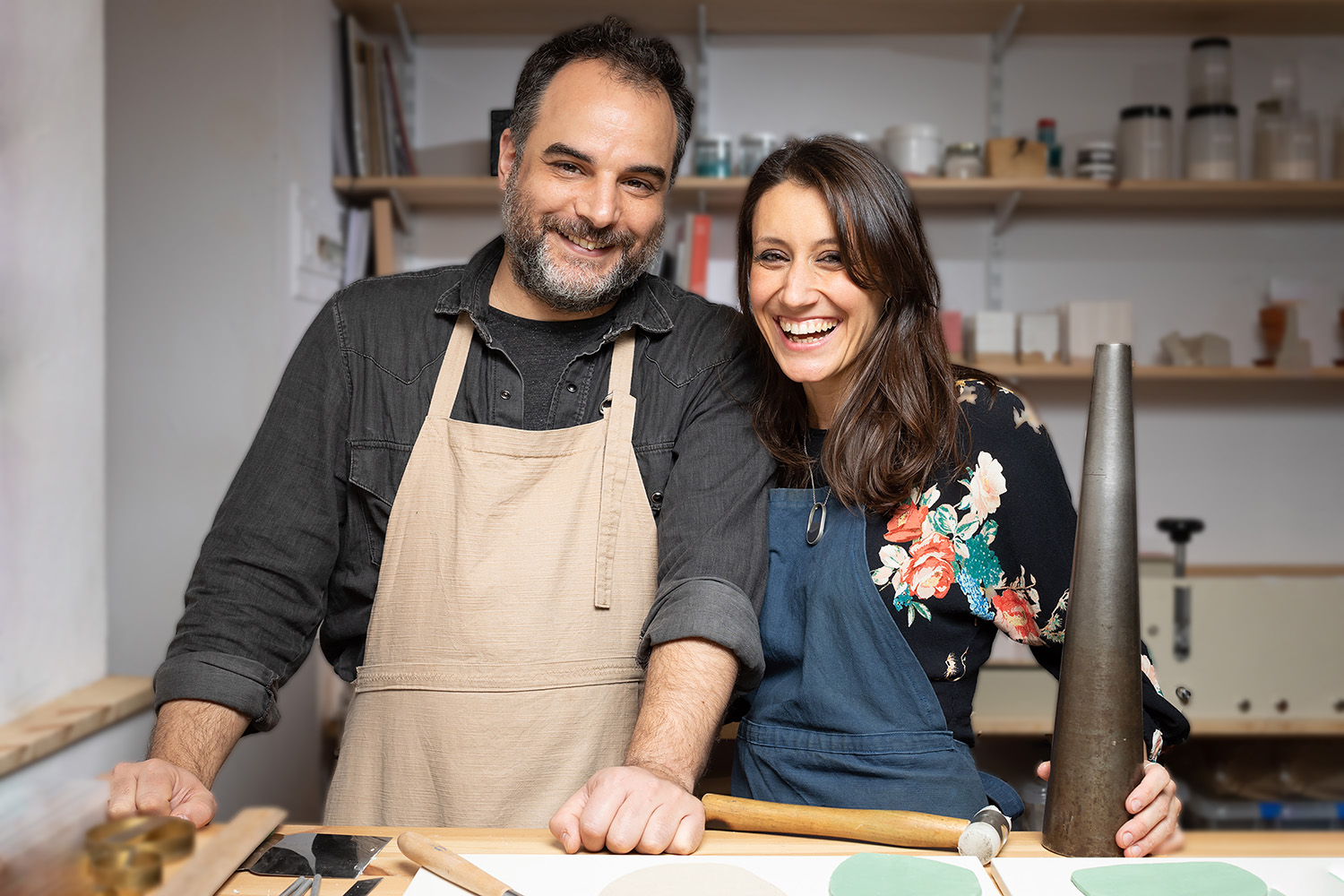
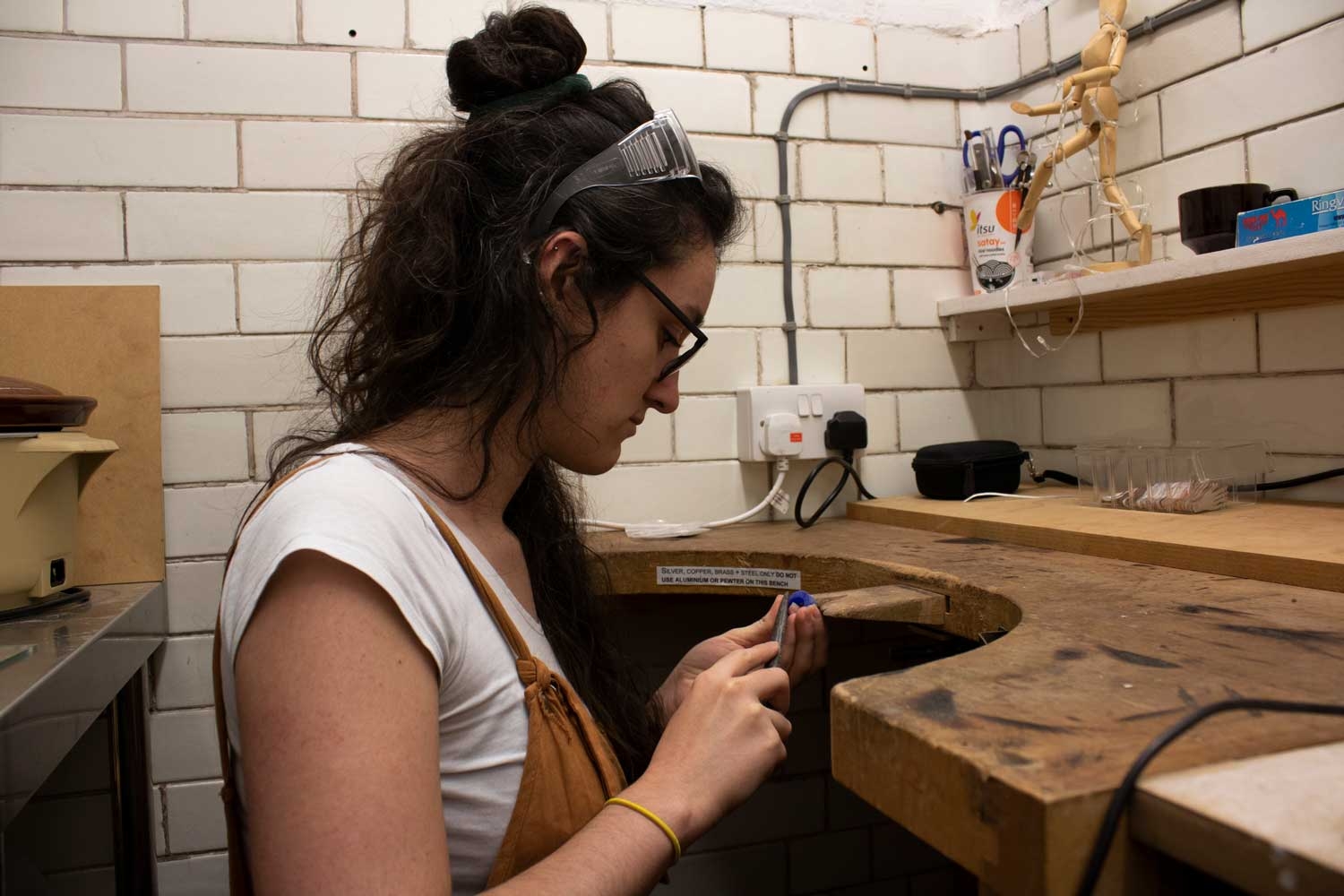
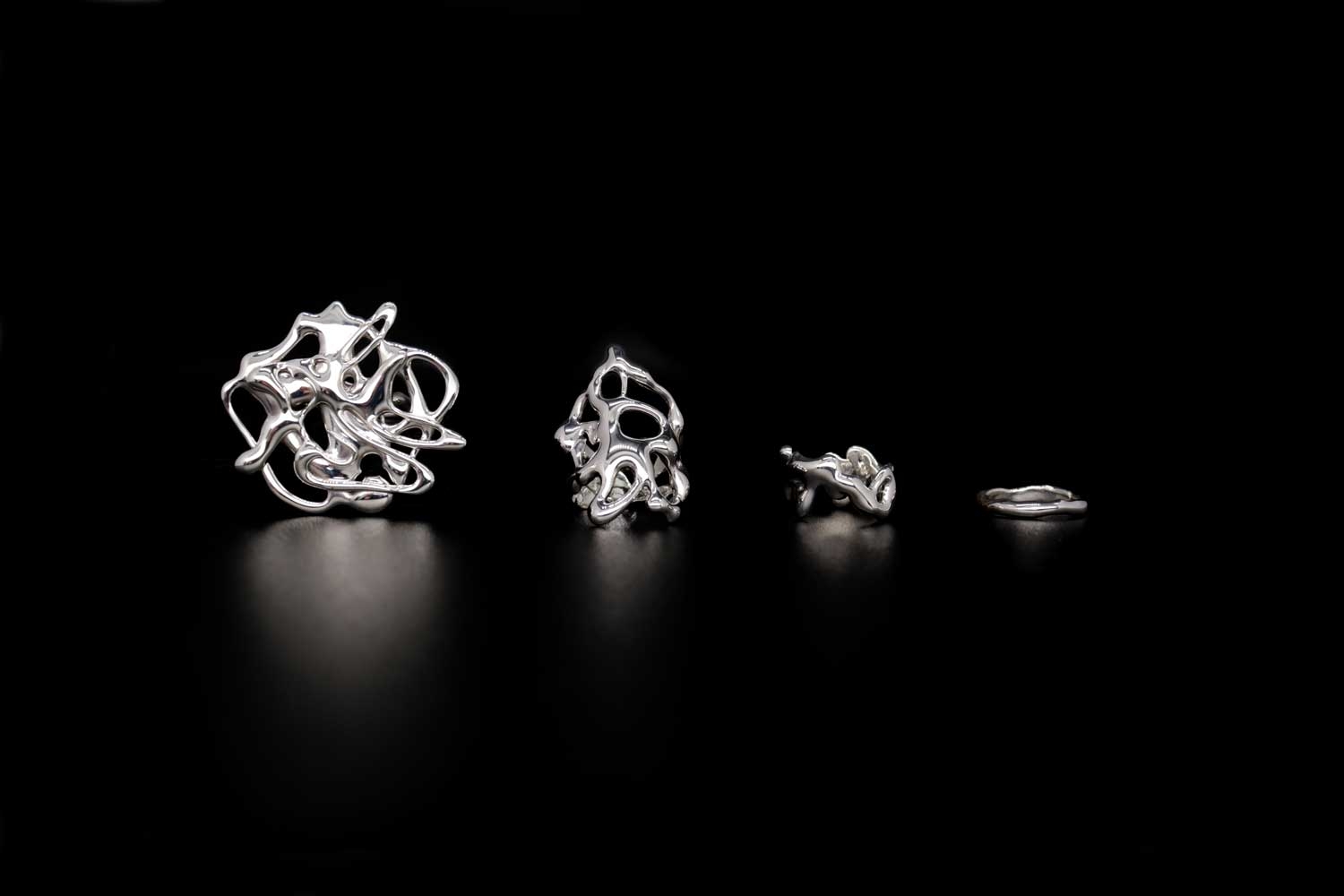
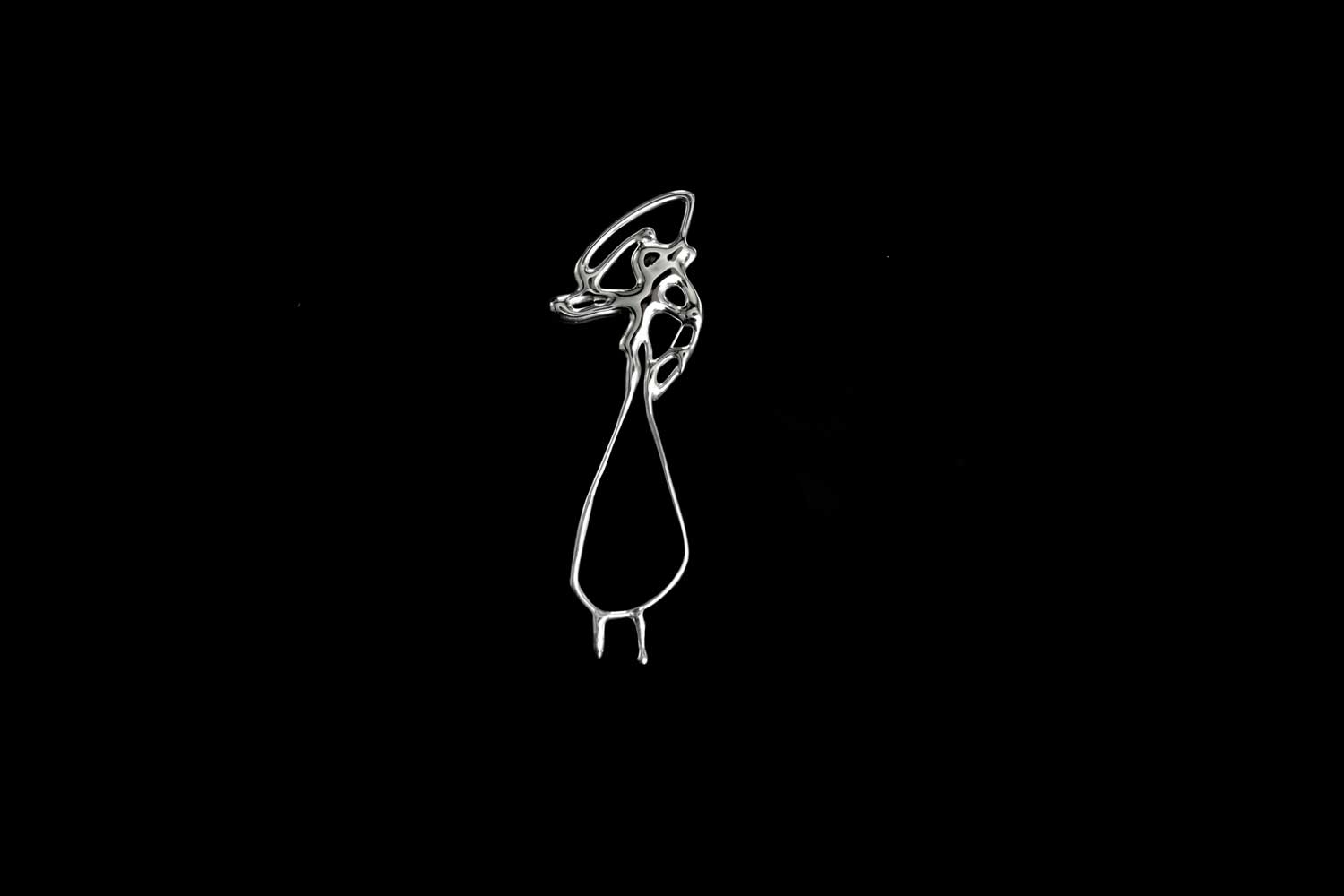
For Emily Smith, the fascination with jewellery started when she was a child. When she was about 10 or 11, she began to make all sorts of beaded pieces. By the time she was a teenager, she was selling her items at school fetes. Today, after graduating in jewellery at UCA and exhibiting her work all over the UK, Emily is as dedicated as ever. “There is something so enticing about bringing to life a wearable work of art that has the power to say so much, without saying a word,” she says. Emily makes contemporary jewellery, wearable objects and small sculptural pieces in mixed metals. In almost all her pieces, she tries to hide the fittings or, in reverse, tries to make them part of the design, so that the focus is on the communicative element of the item.
Discover her work
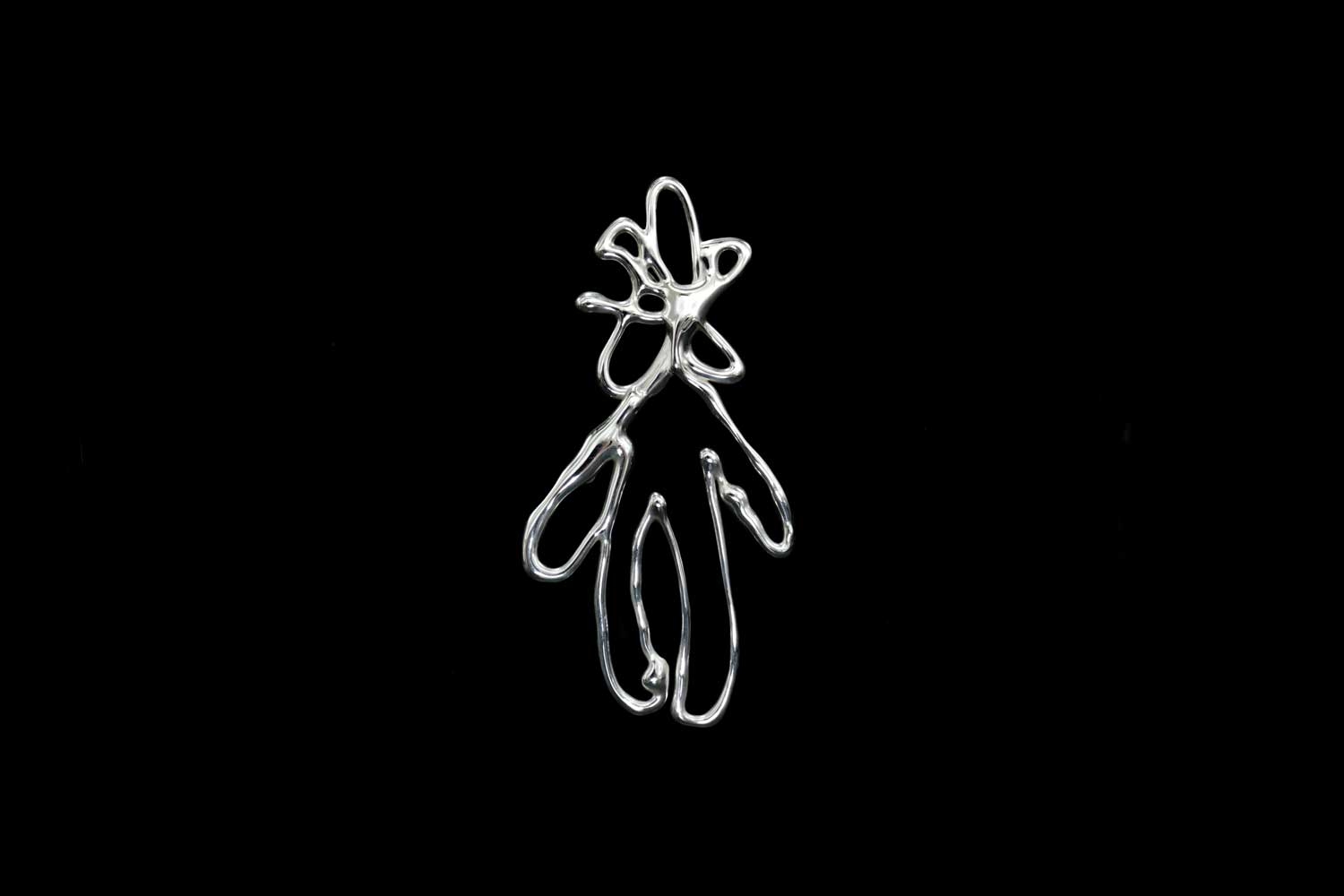
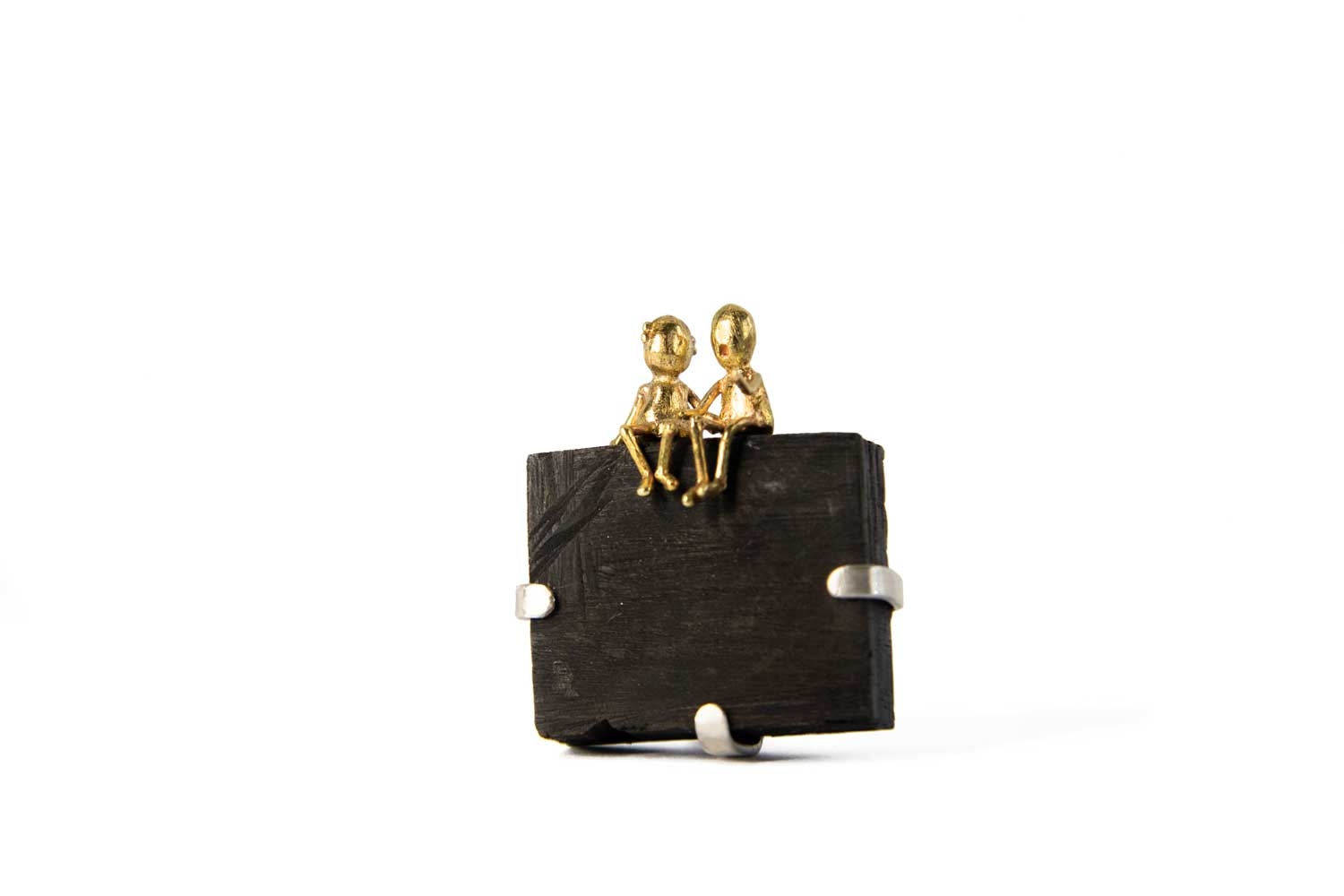
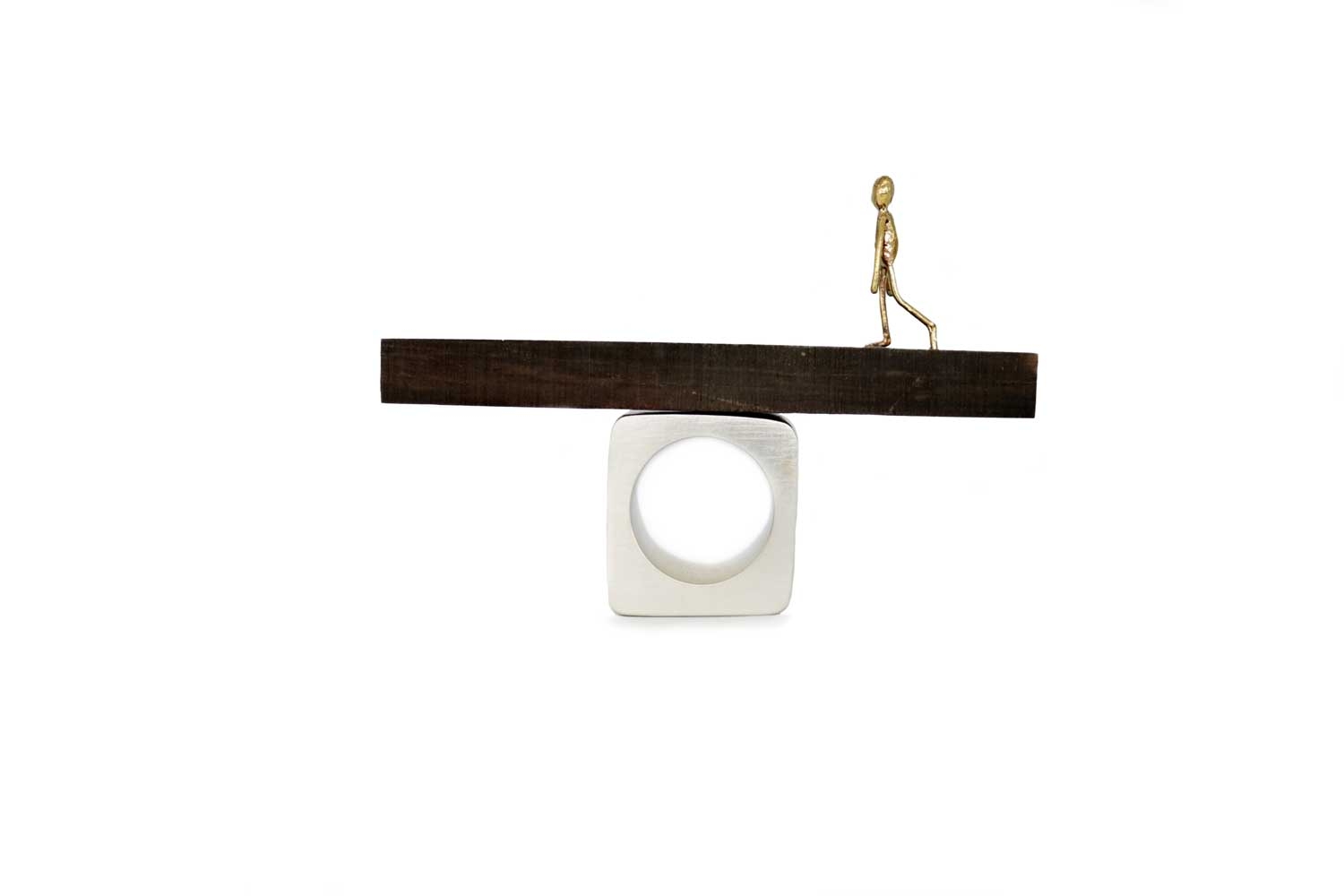
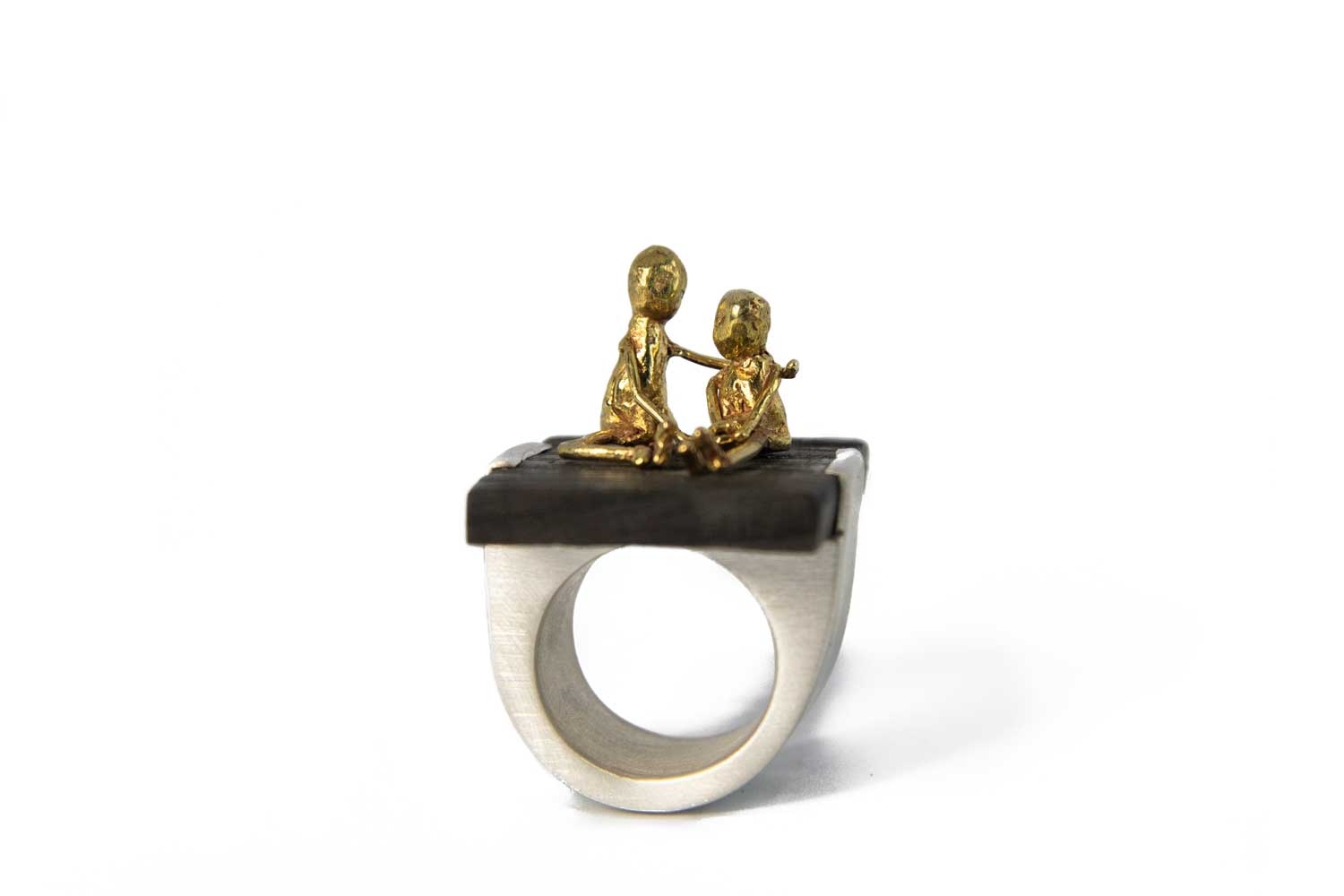
INTERVIEW
At a young age, I was always doing something creative, and quickly found my way to jewellery. It is less about choosing this craft, and more about not being able to comprehend a life without it. It is a truly fascinating craft with a never-ending list of possibilities and opportunities. It is an honour to be part of this craft.
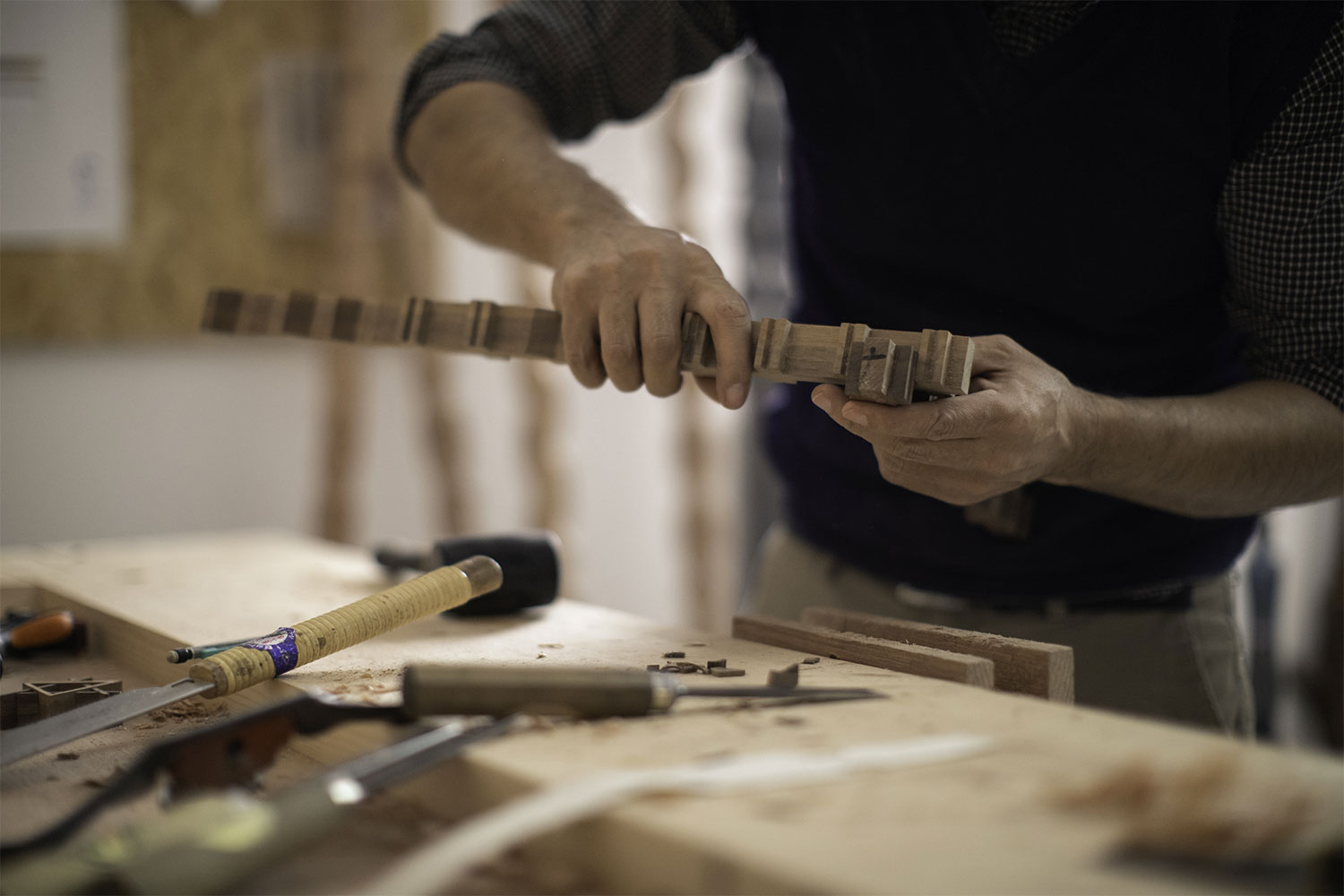
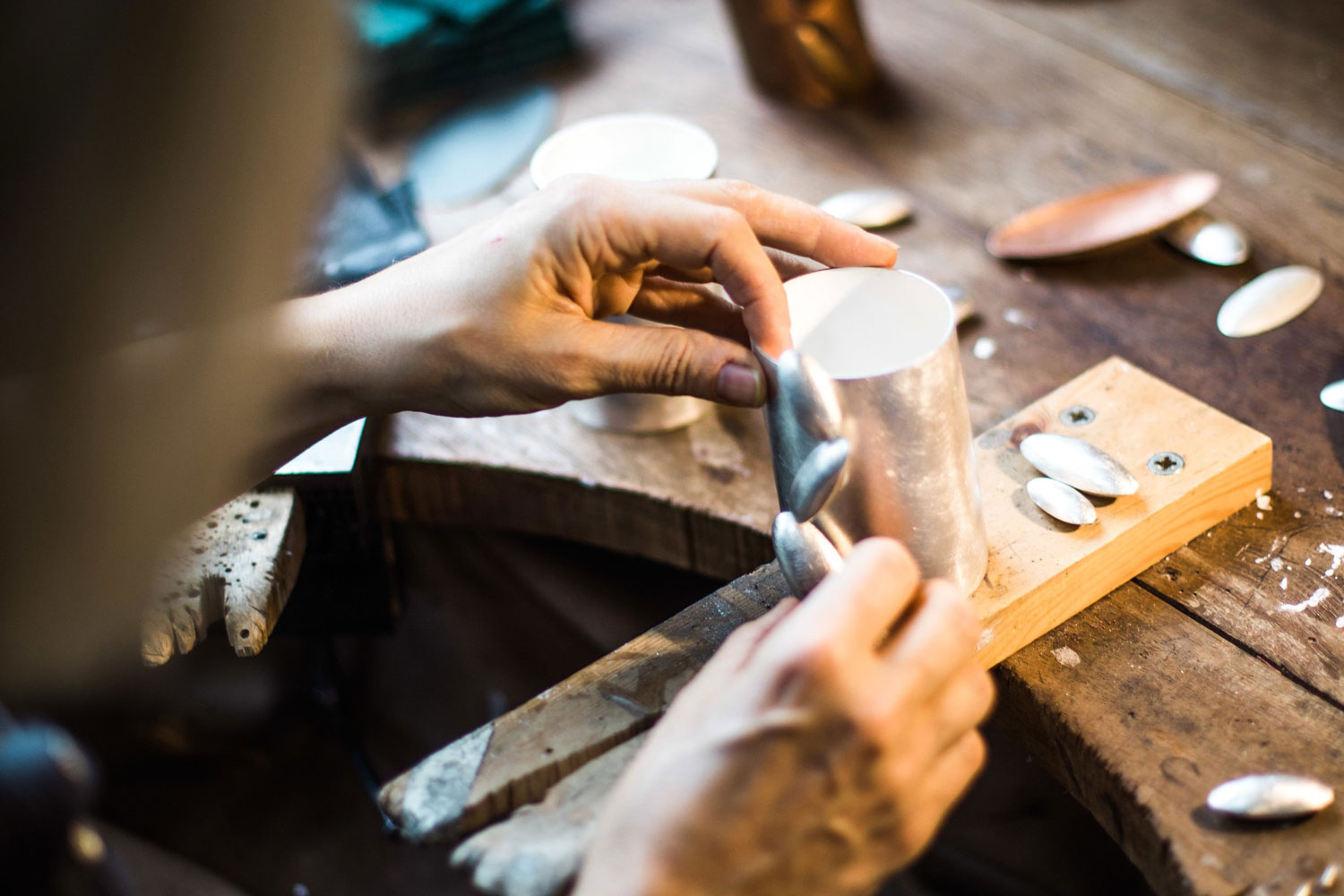
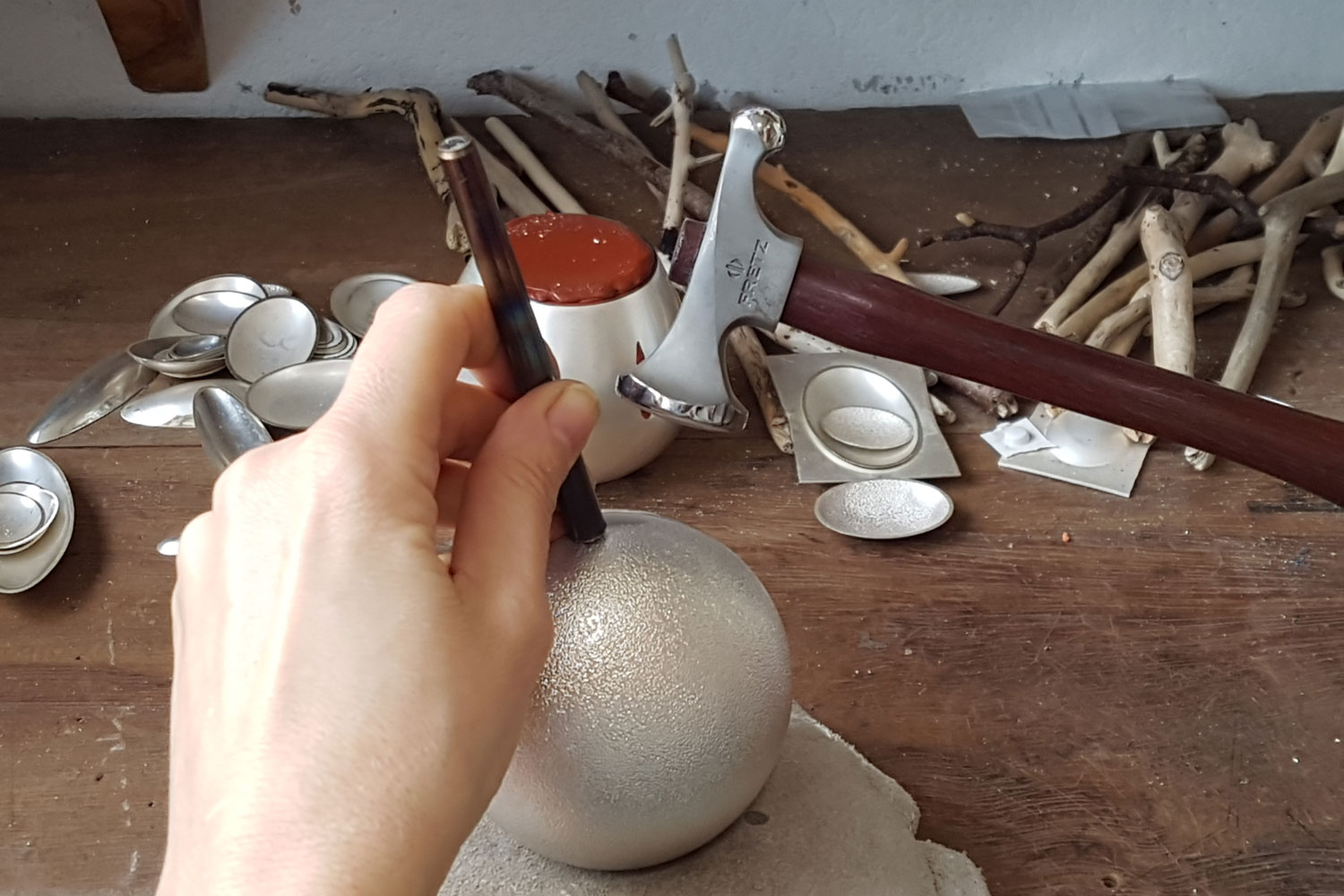
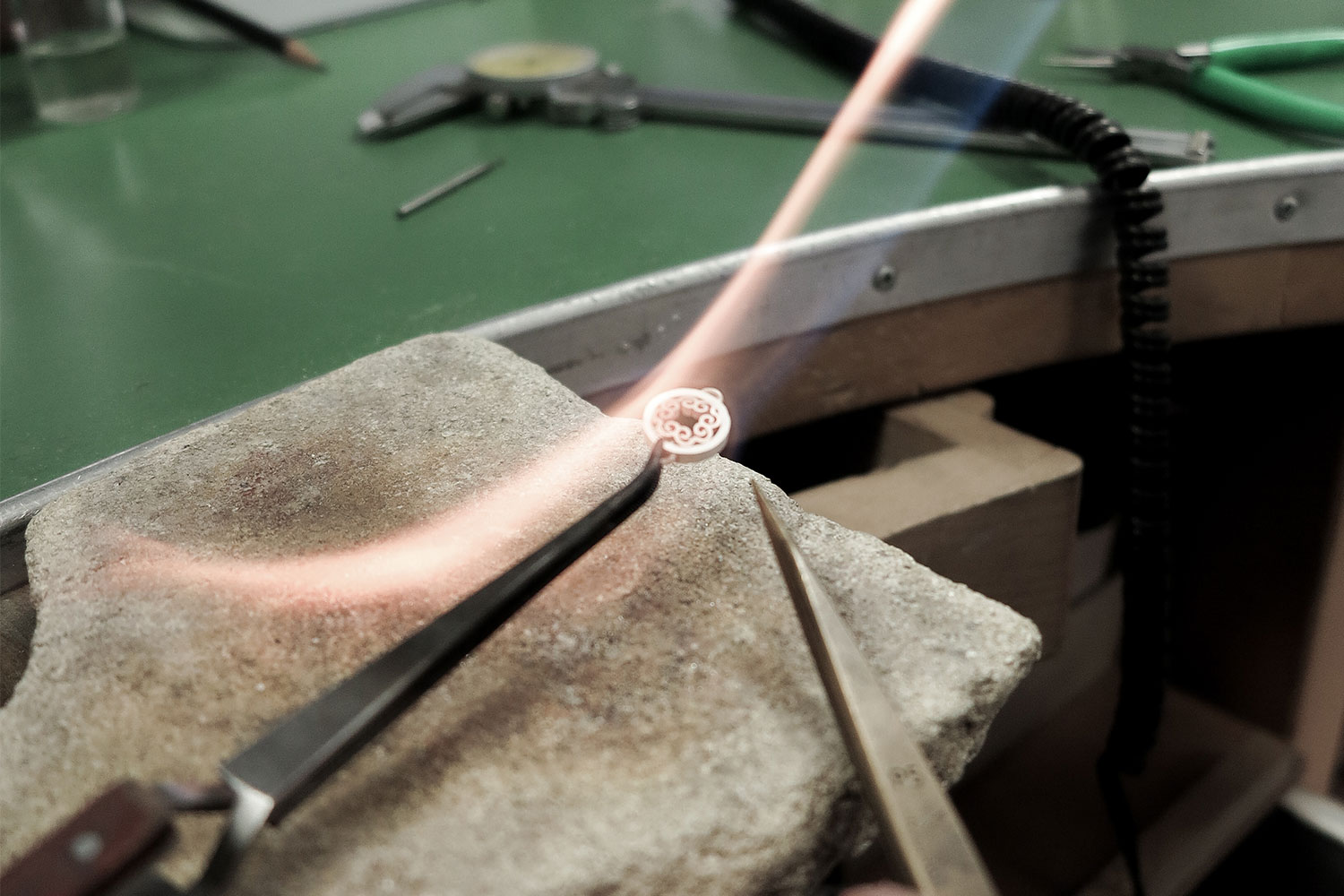
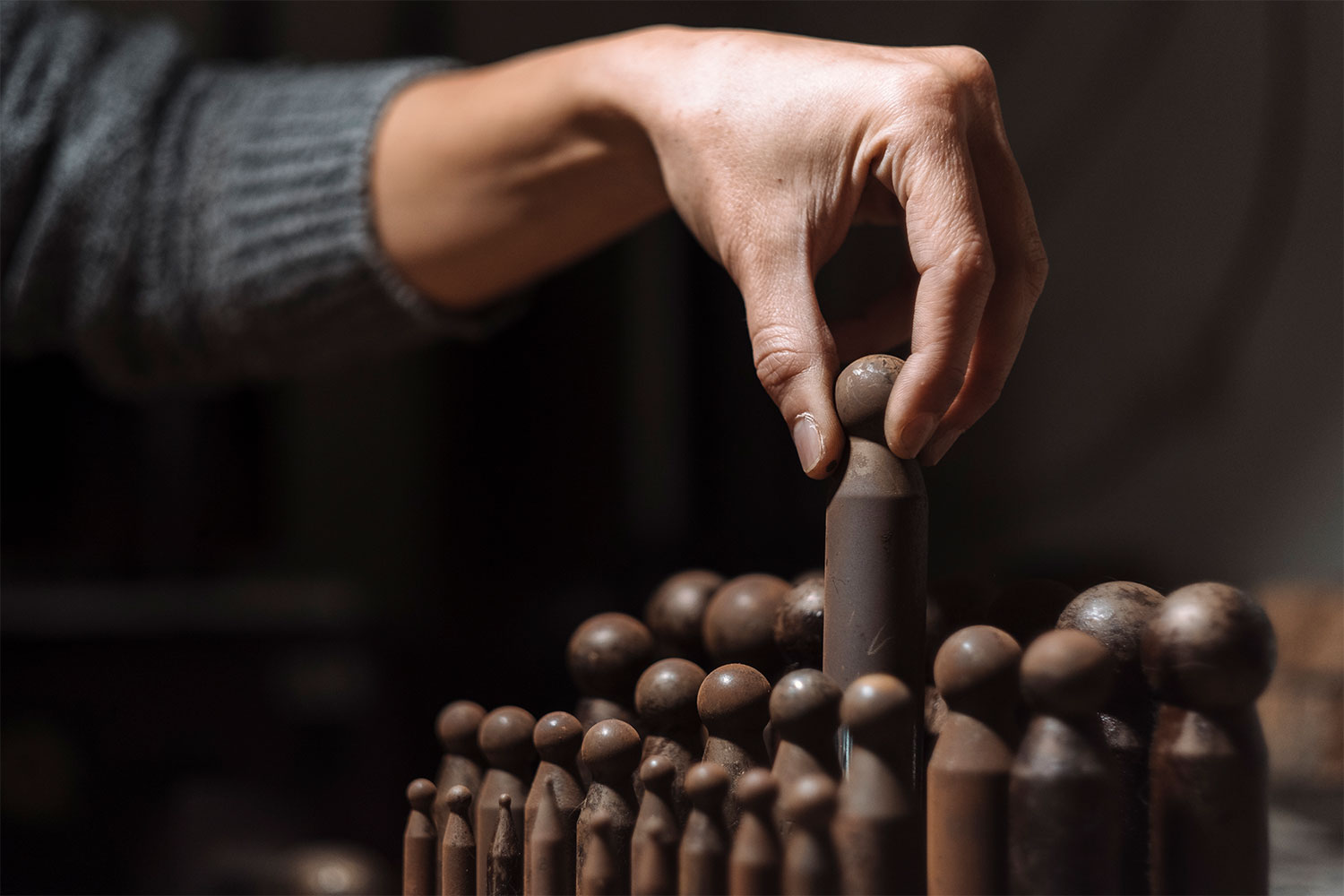
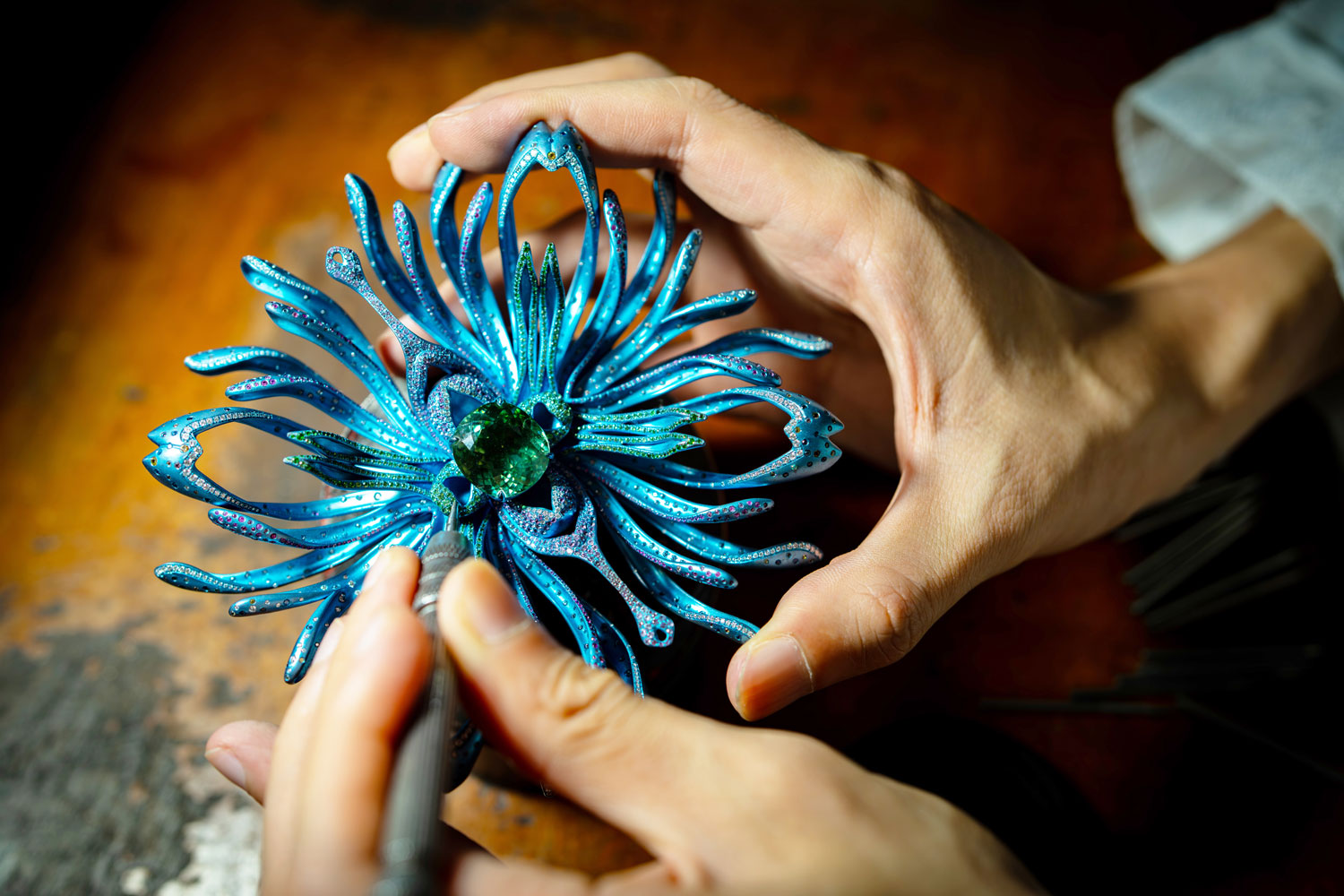
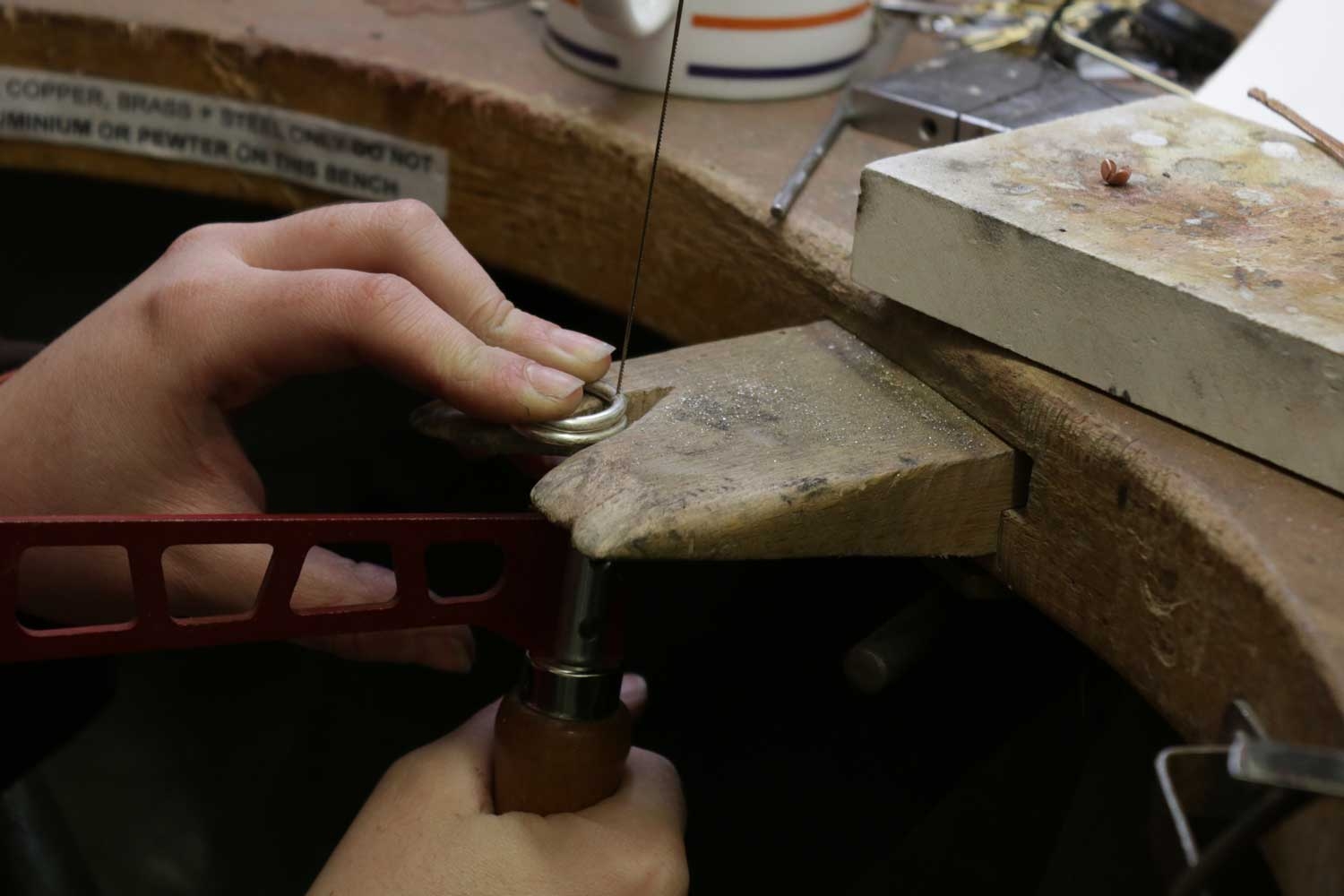
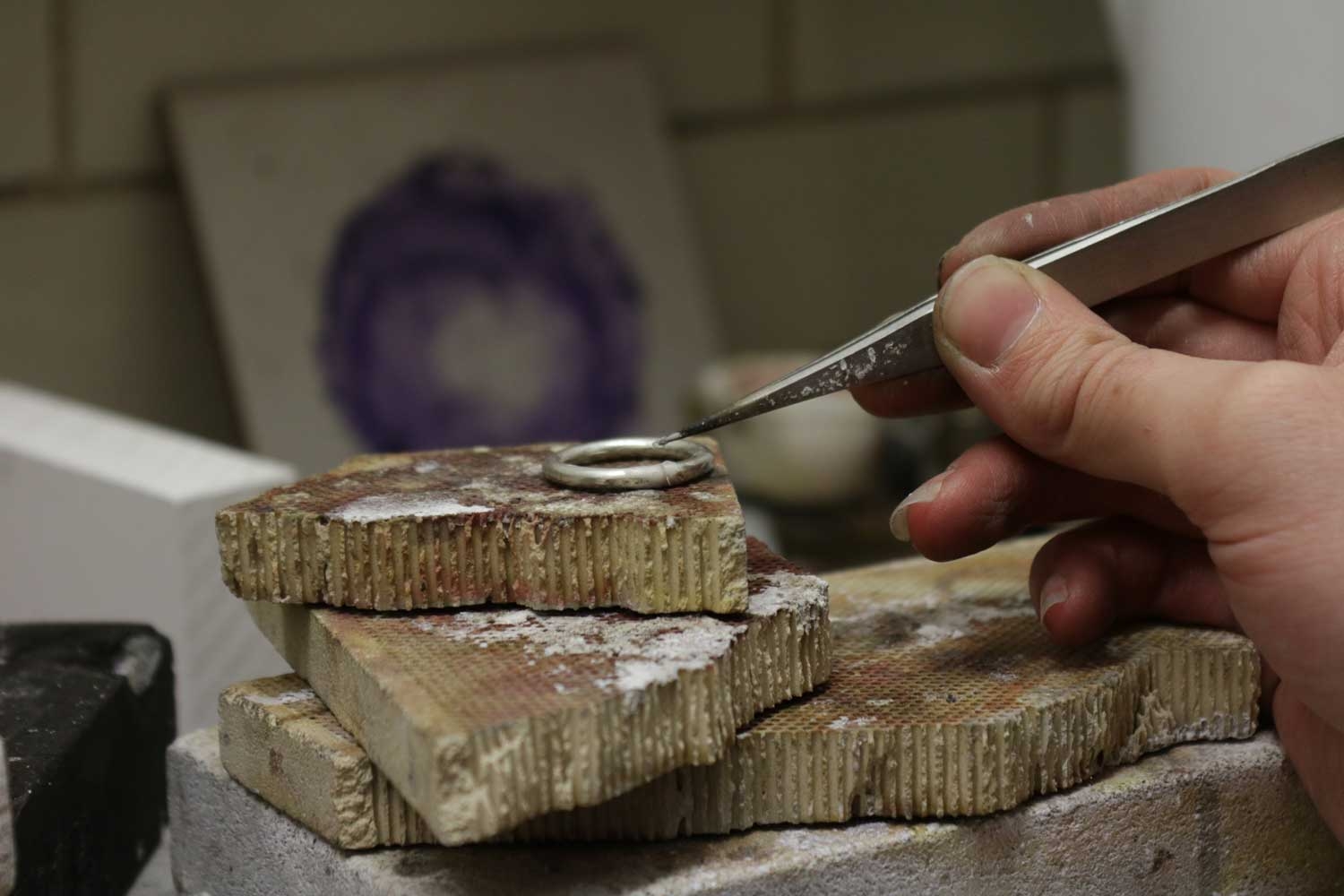
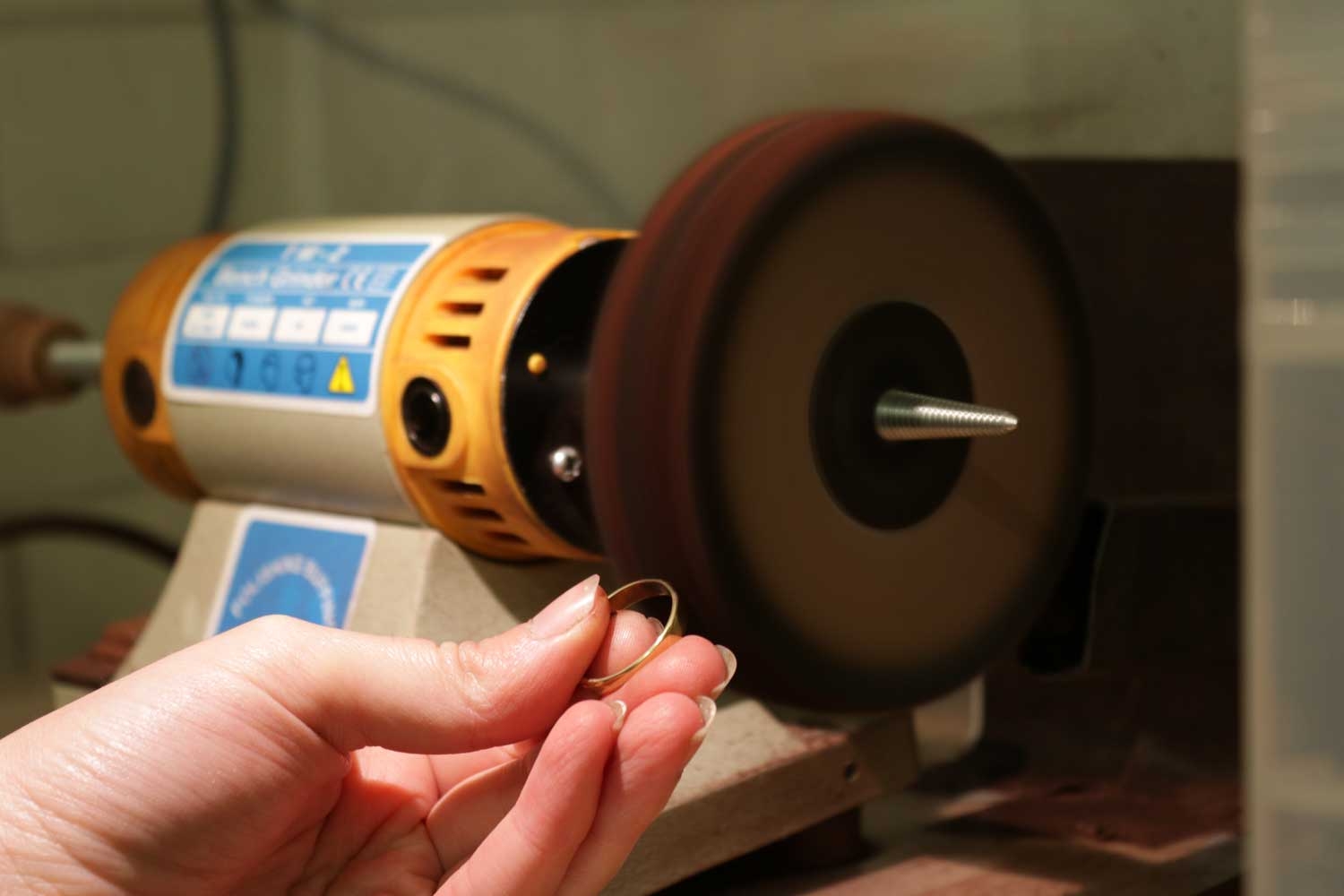
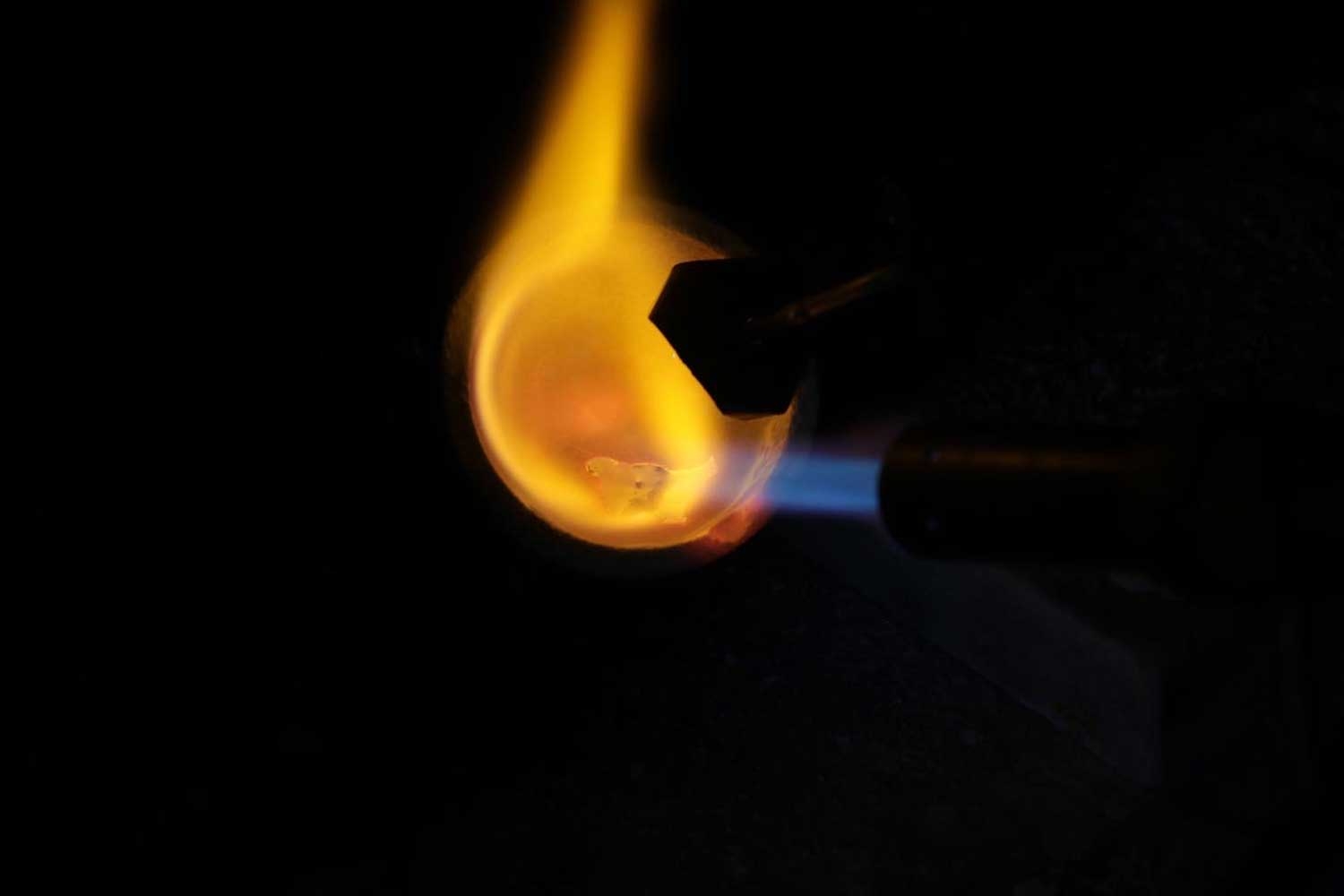
The techniques that I use most commonly are wax work and lost wax casting, although I use quite a mixture of processes. I think one of the most defining skills of my work is the adventurous nature of my designs, the ability to develop an idea and explore every avenue in order to bring the idea to life.
Whilst I use a lot of traditional techniques, a lot of the themes in my work look towards the future rather than looking back. Innovation comes into play quite frequently. Often I spend more time working on the experiments and developmental stages of a new piece or project, than I do on the final pieces.
The themes behind my projects often include a nod to something happening in the world and I like to research organisations supporting those affected by these issues. I try to find silver linings or positive elements to create pieces that will empower and inspire hope.
Emily Smith
The Metalsmith
Jewellery maker
Winchester, United Kingdom
AVAILABILITY
Friday 12:00-17:00
LANGUAGES
English
Homo Faber Finds is a new service aiming to inspire admirers of craft to connect and collaborate with exceptional artisans.
We invite you to submit an enquiry here.