Fiona Harrington
Lacemaker
Dublin, Ireland
Contemporary Irish lacemaking
- Fiona creates art using lace
- Her work explores Irish culture, heritage and social history
- Her interest is artistic and academic
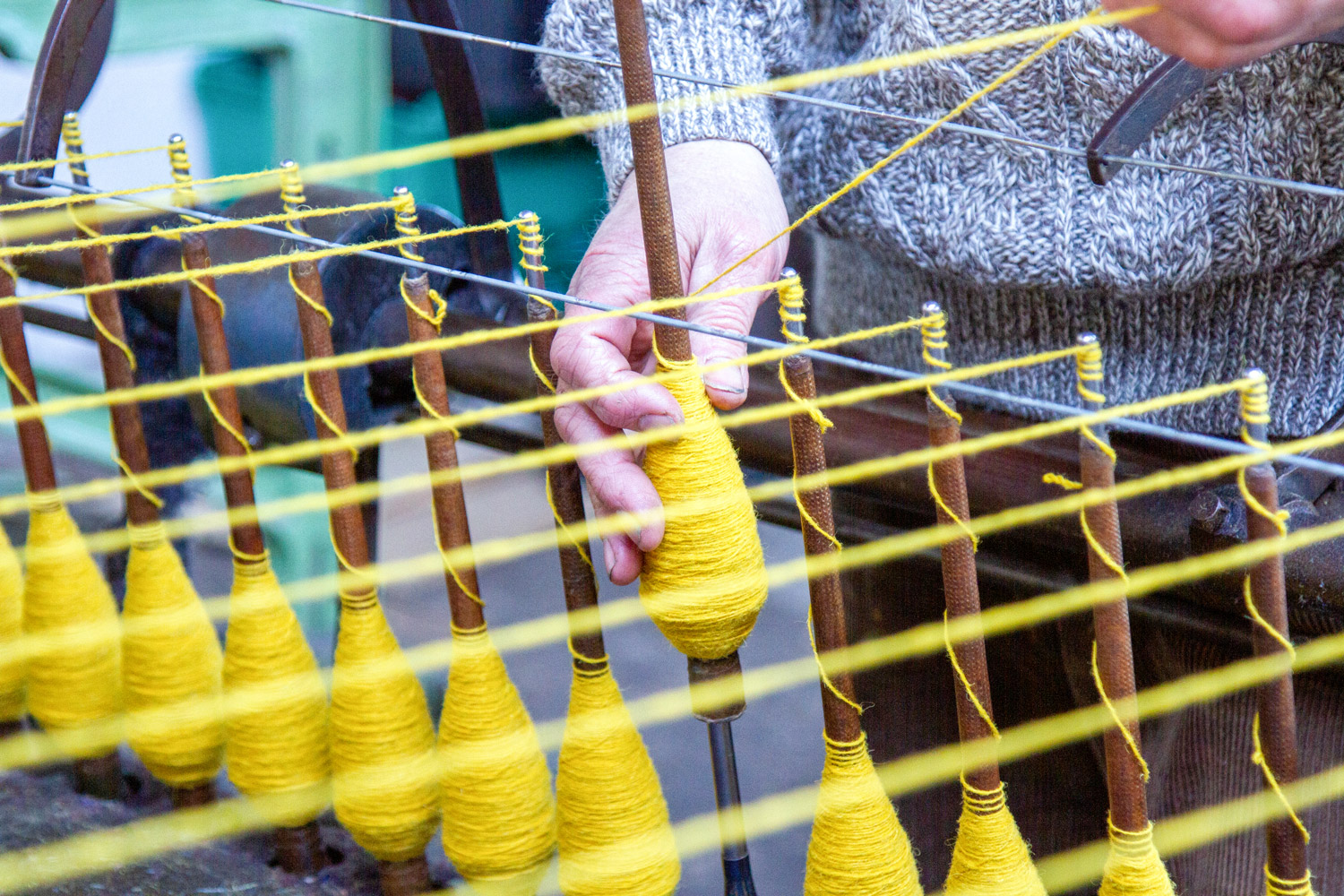
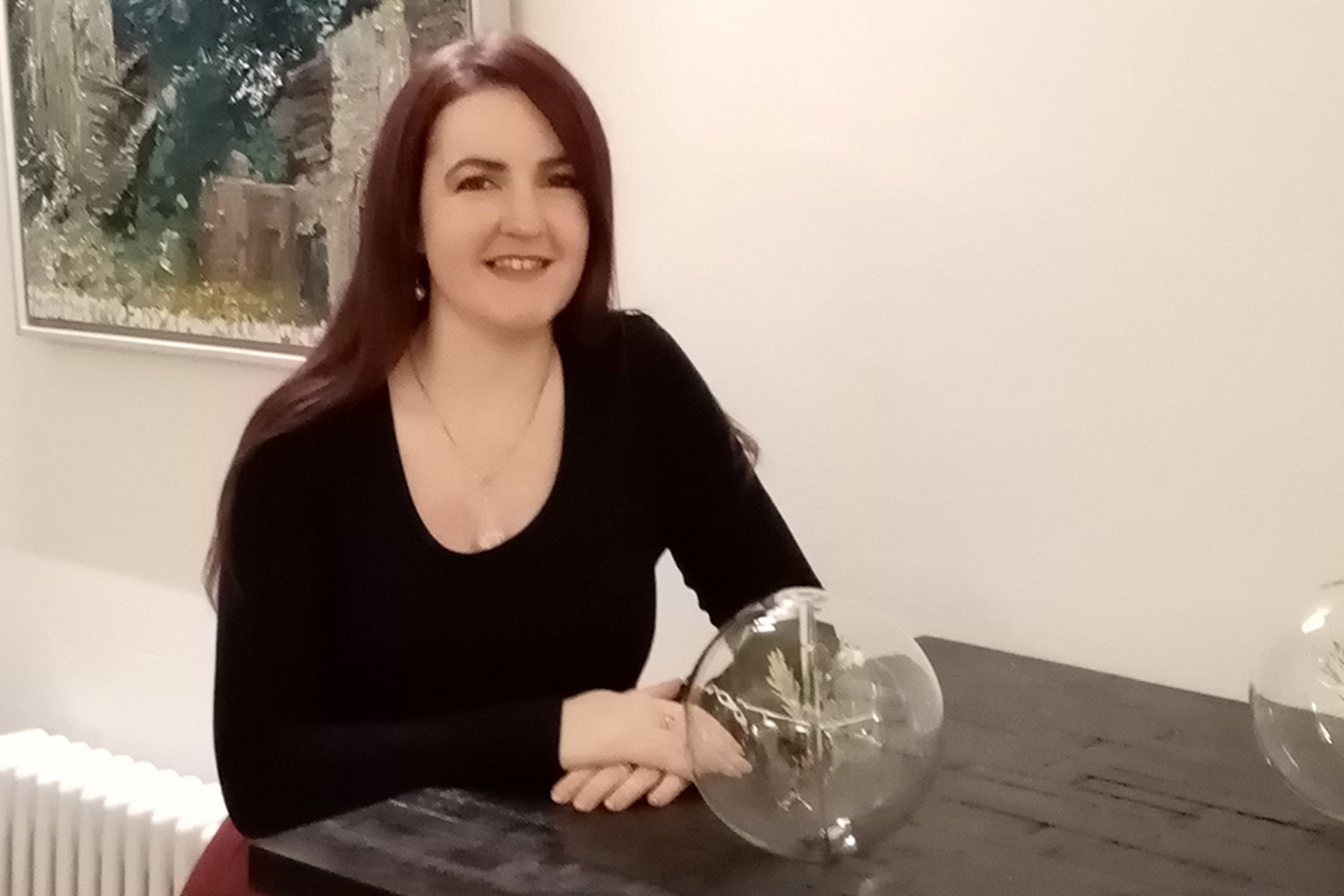
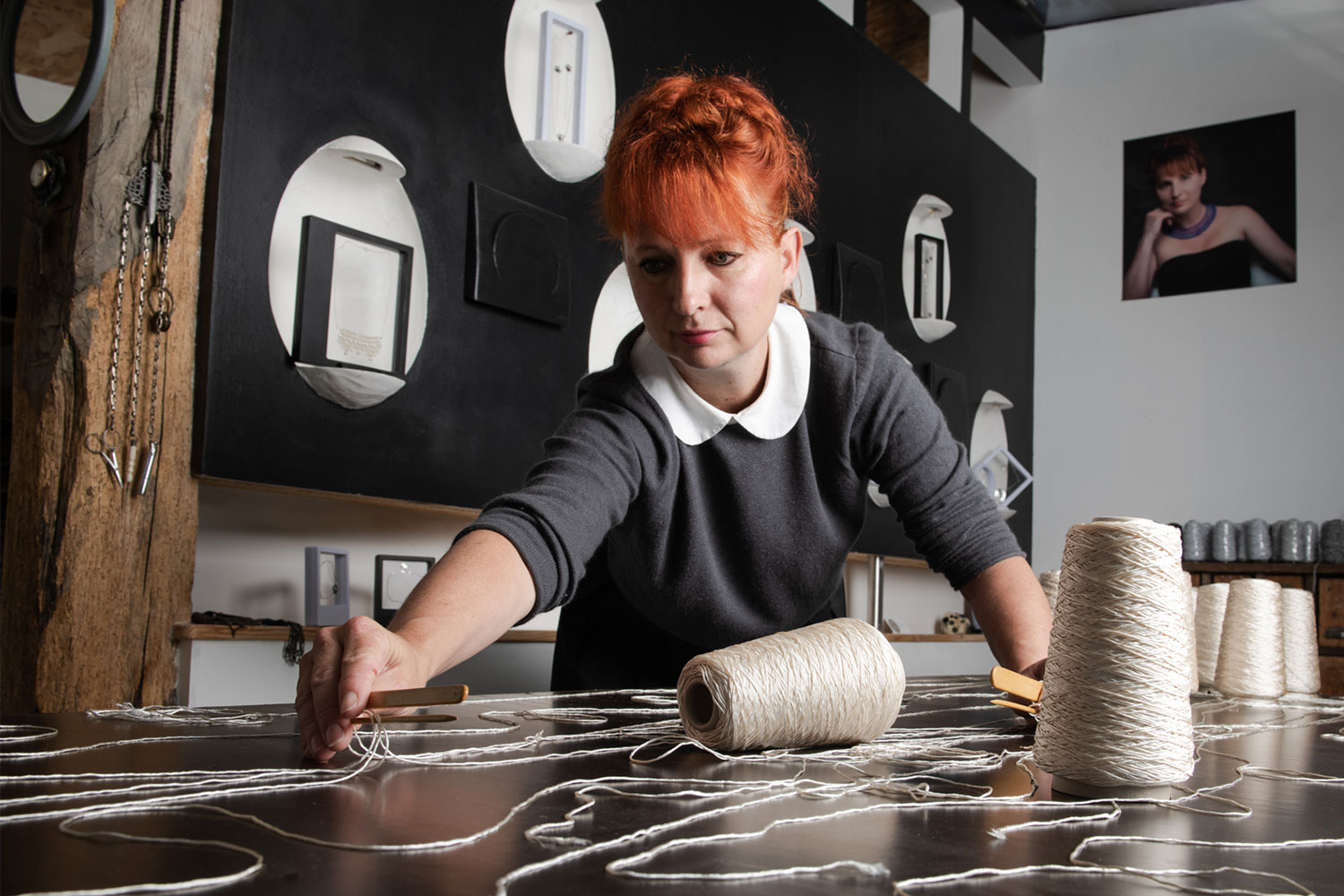
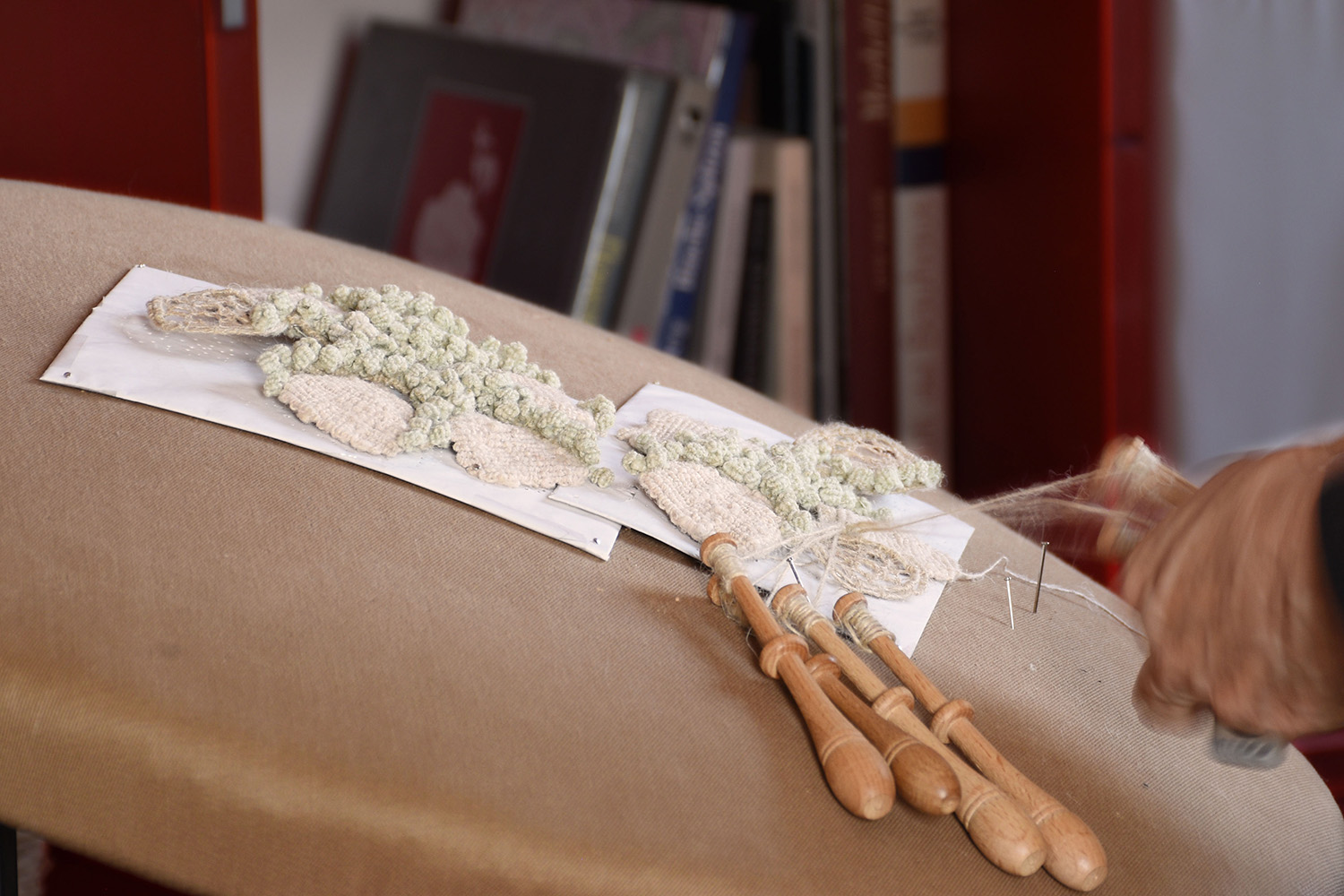
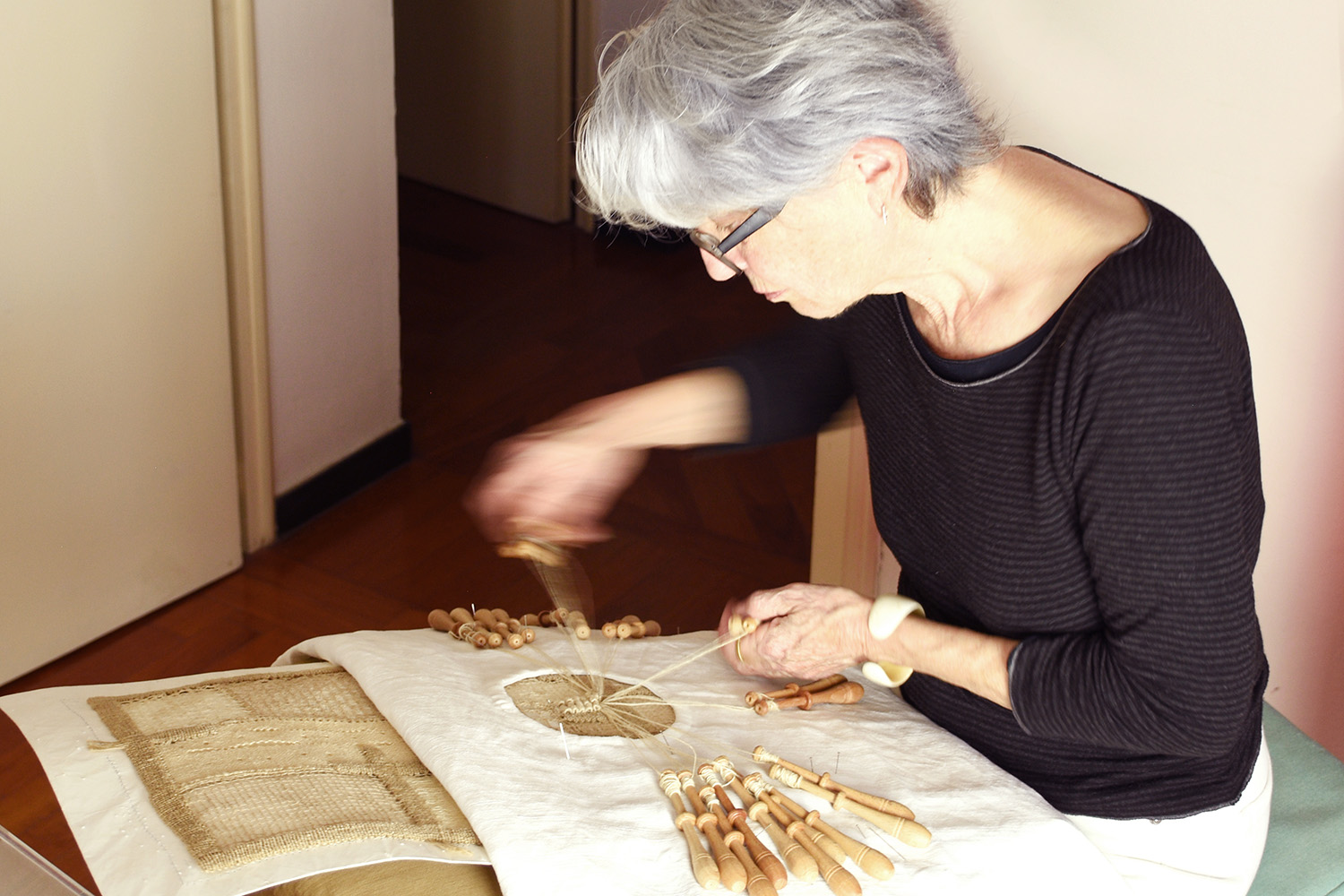
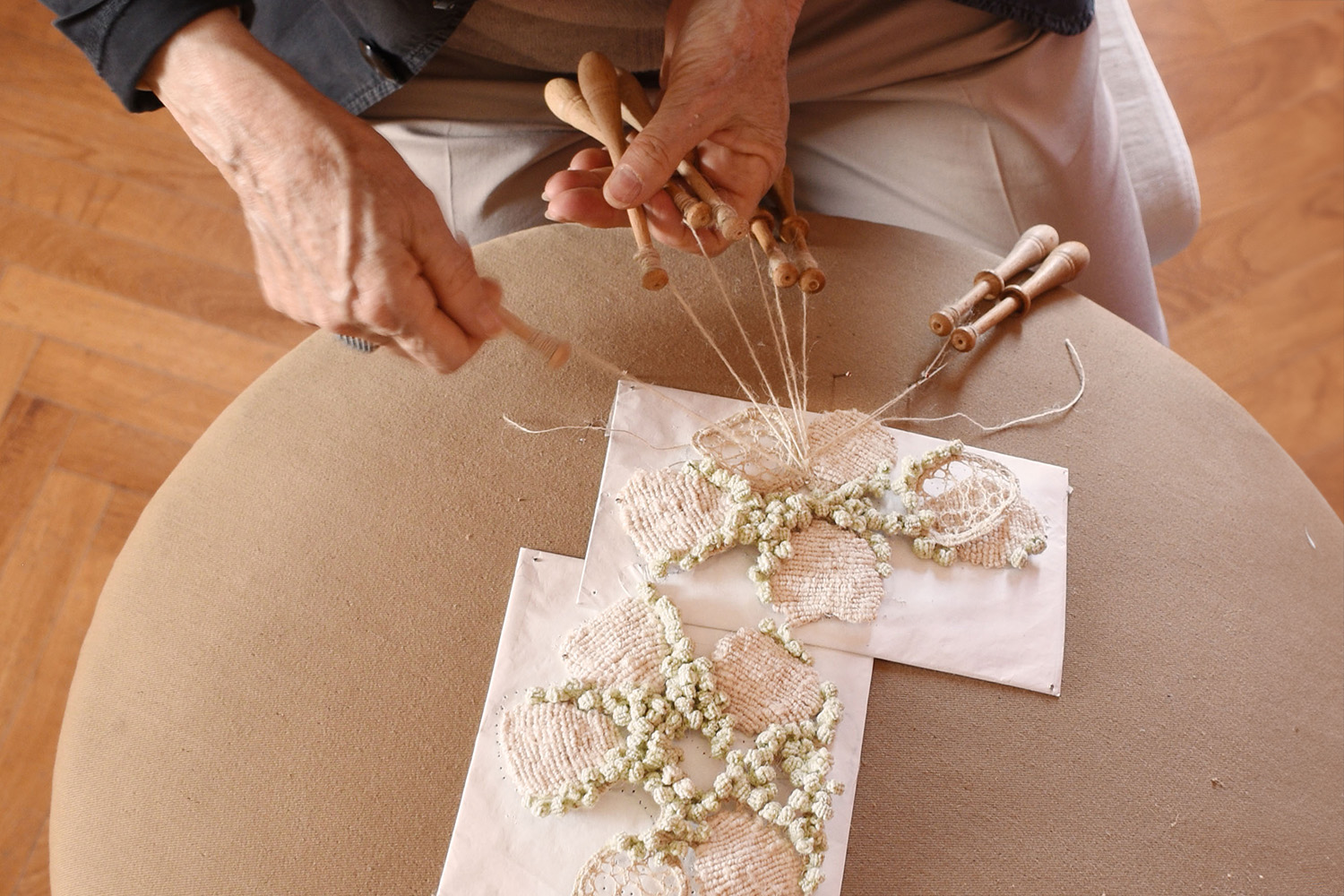
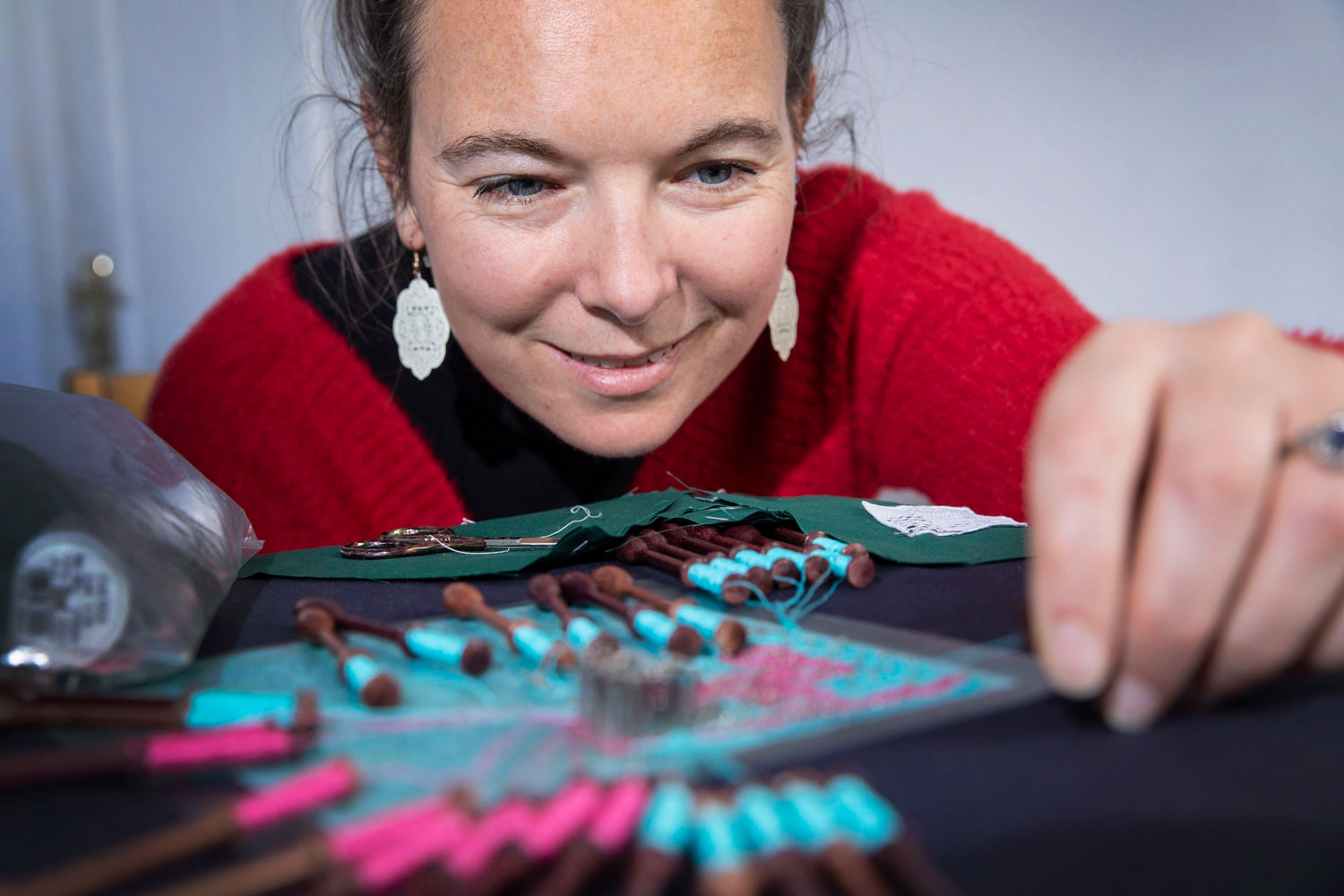
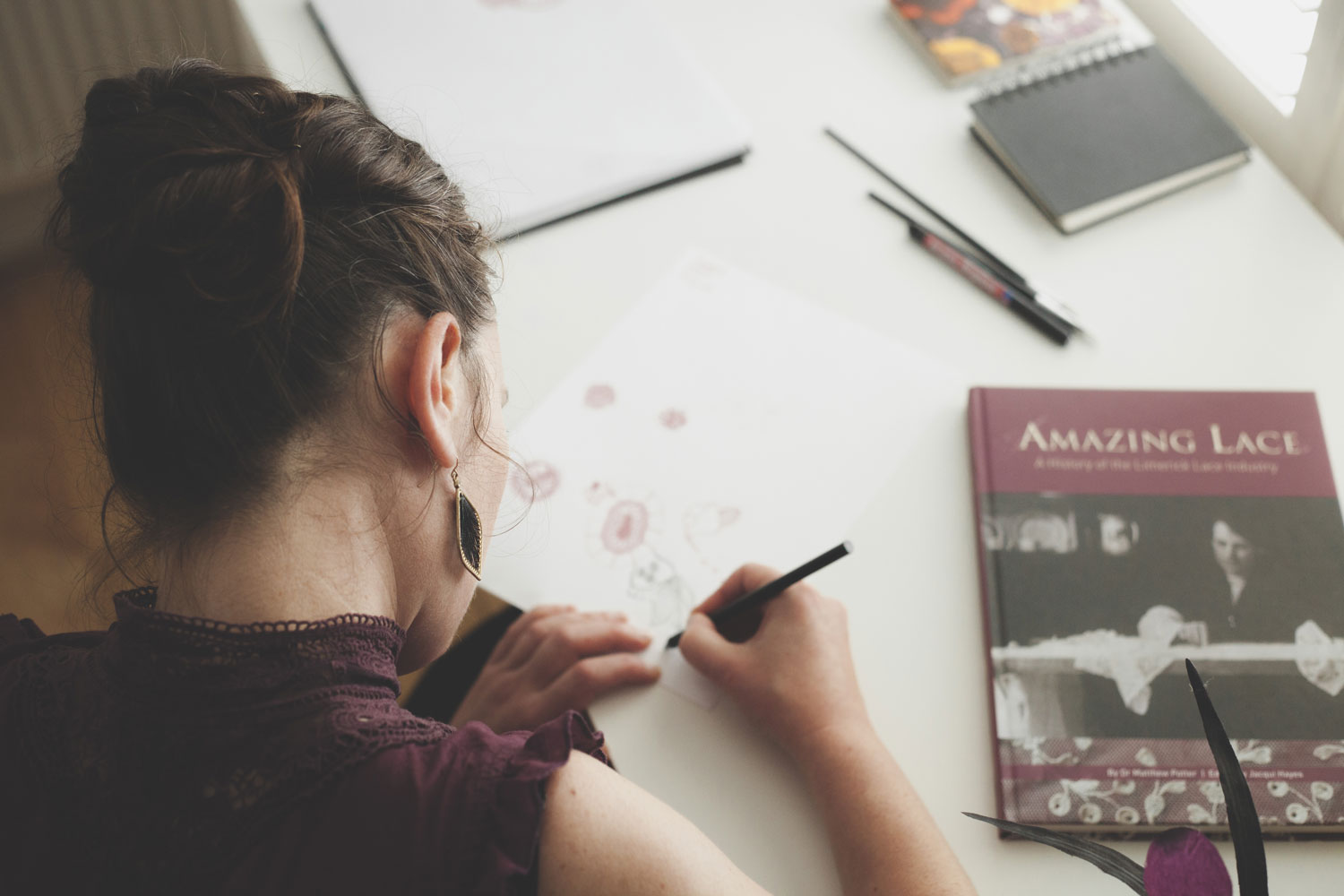
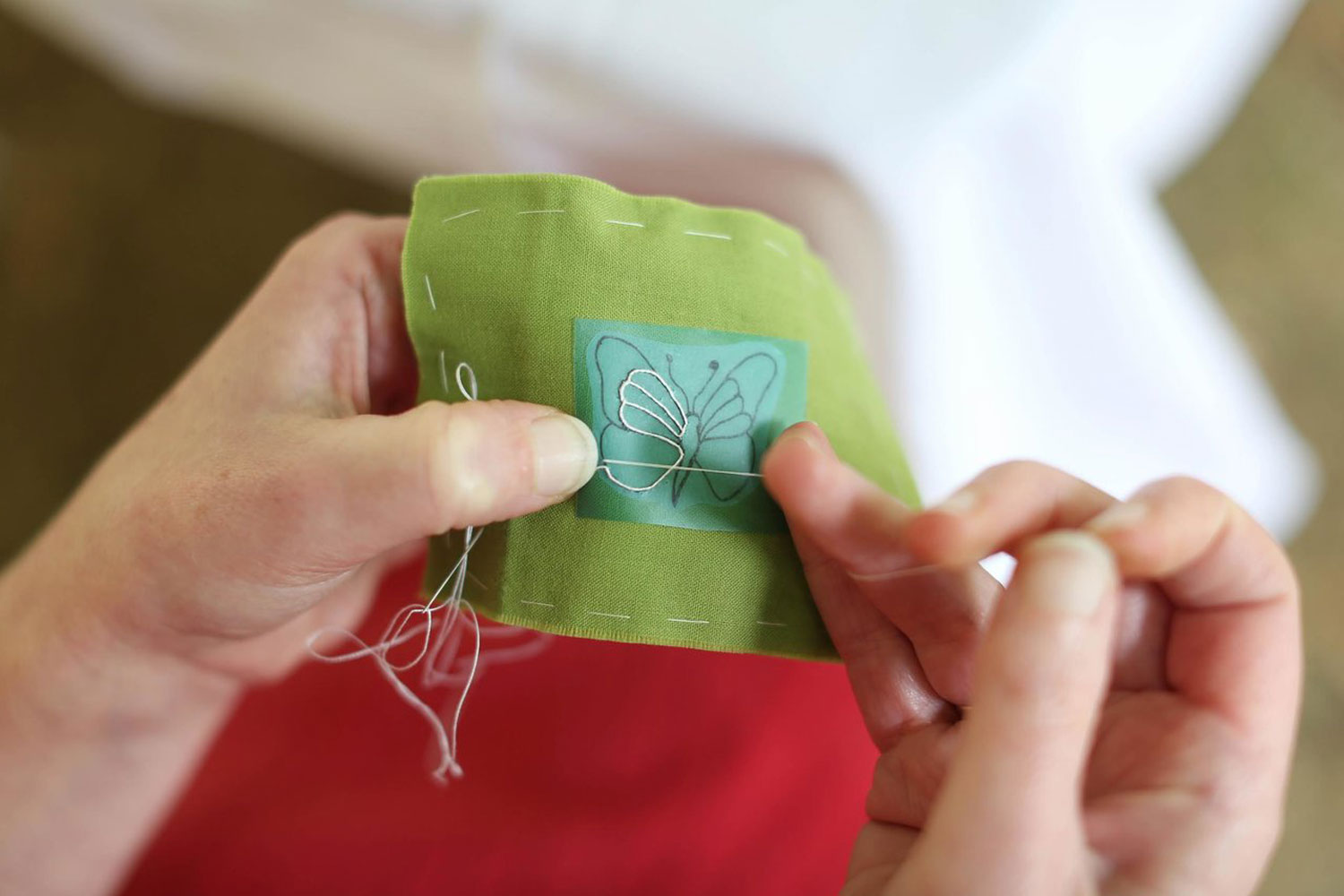
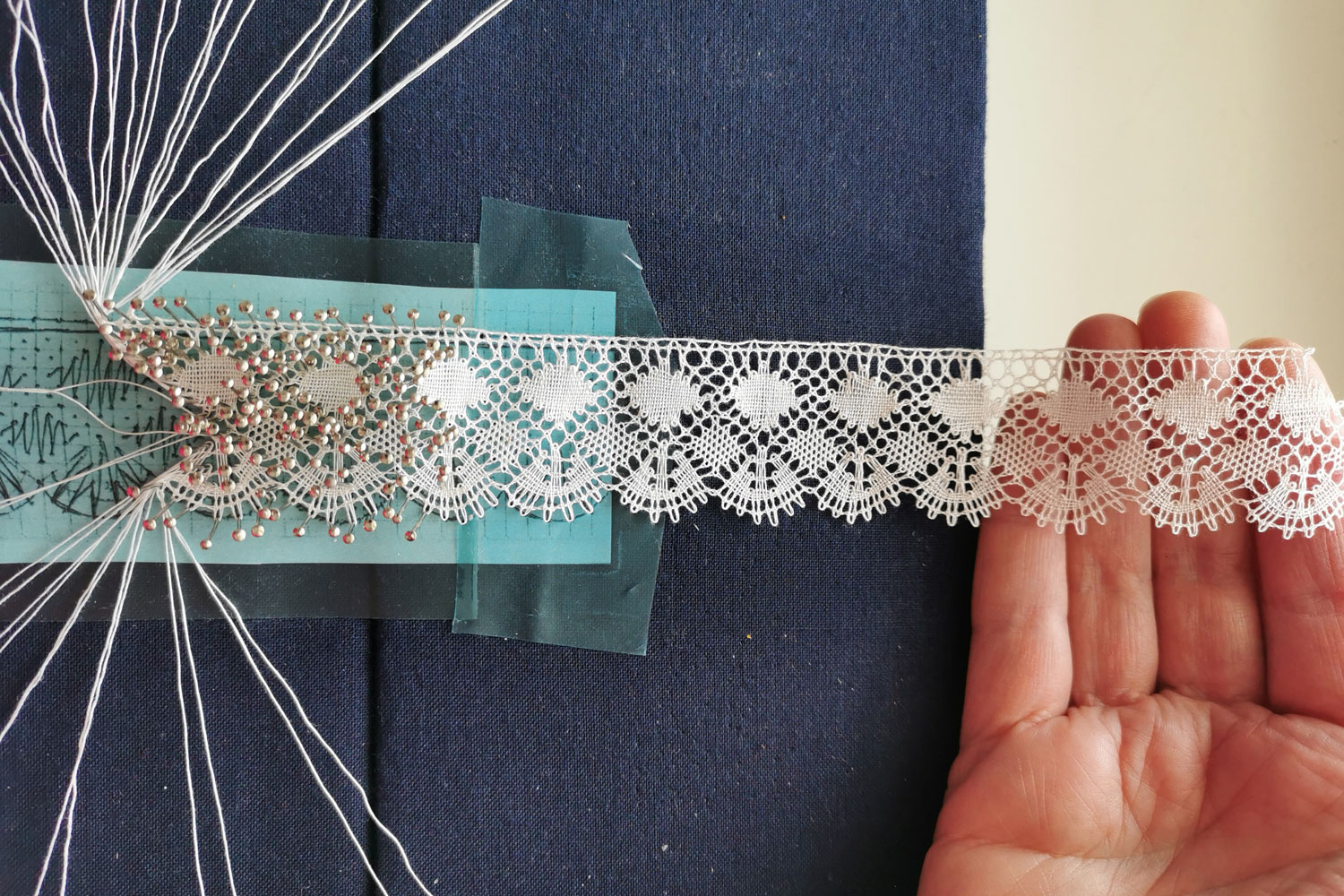
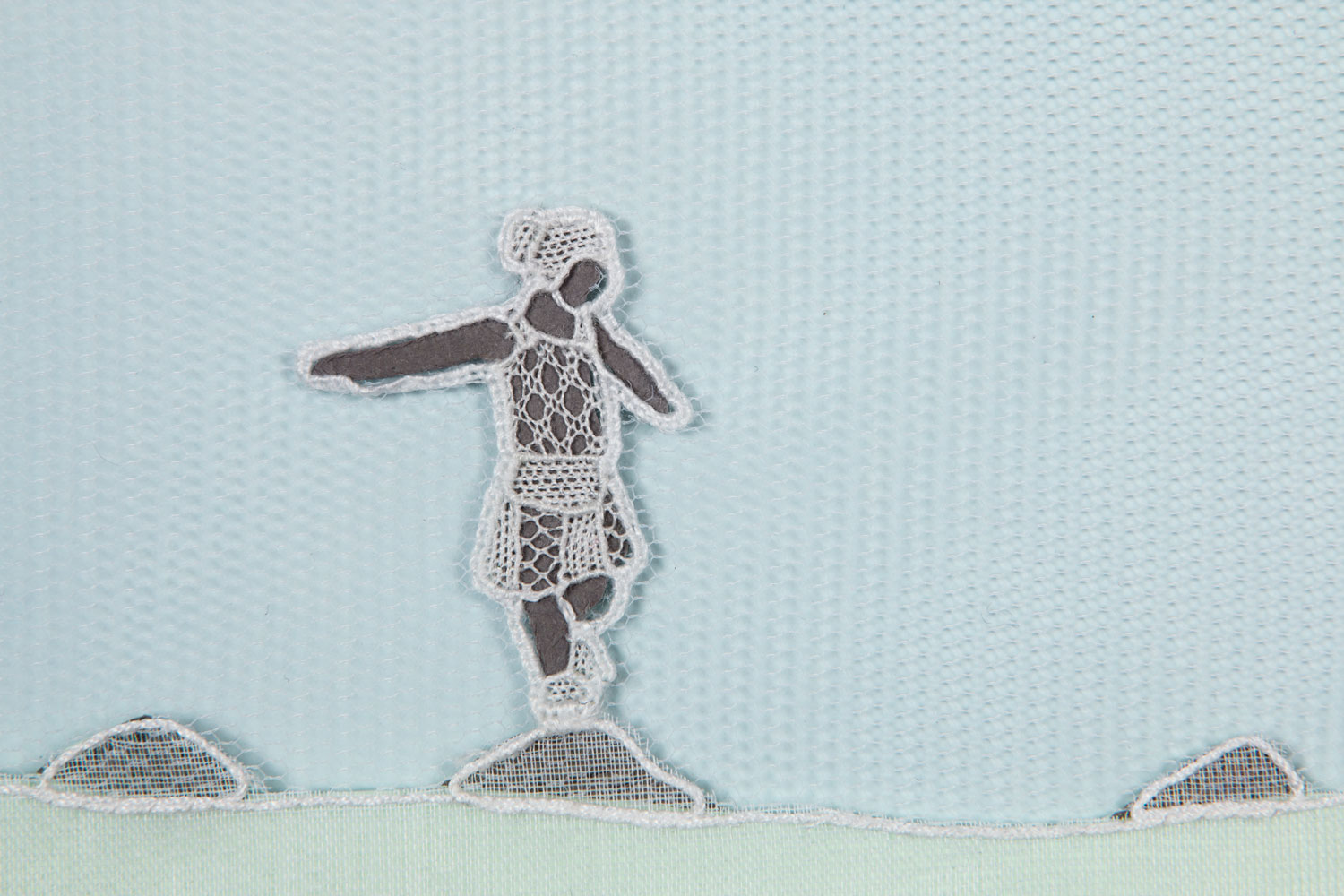
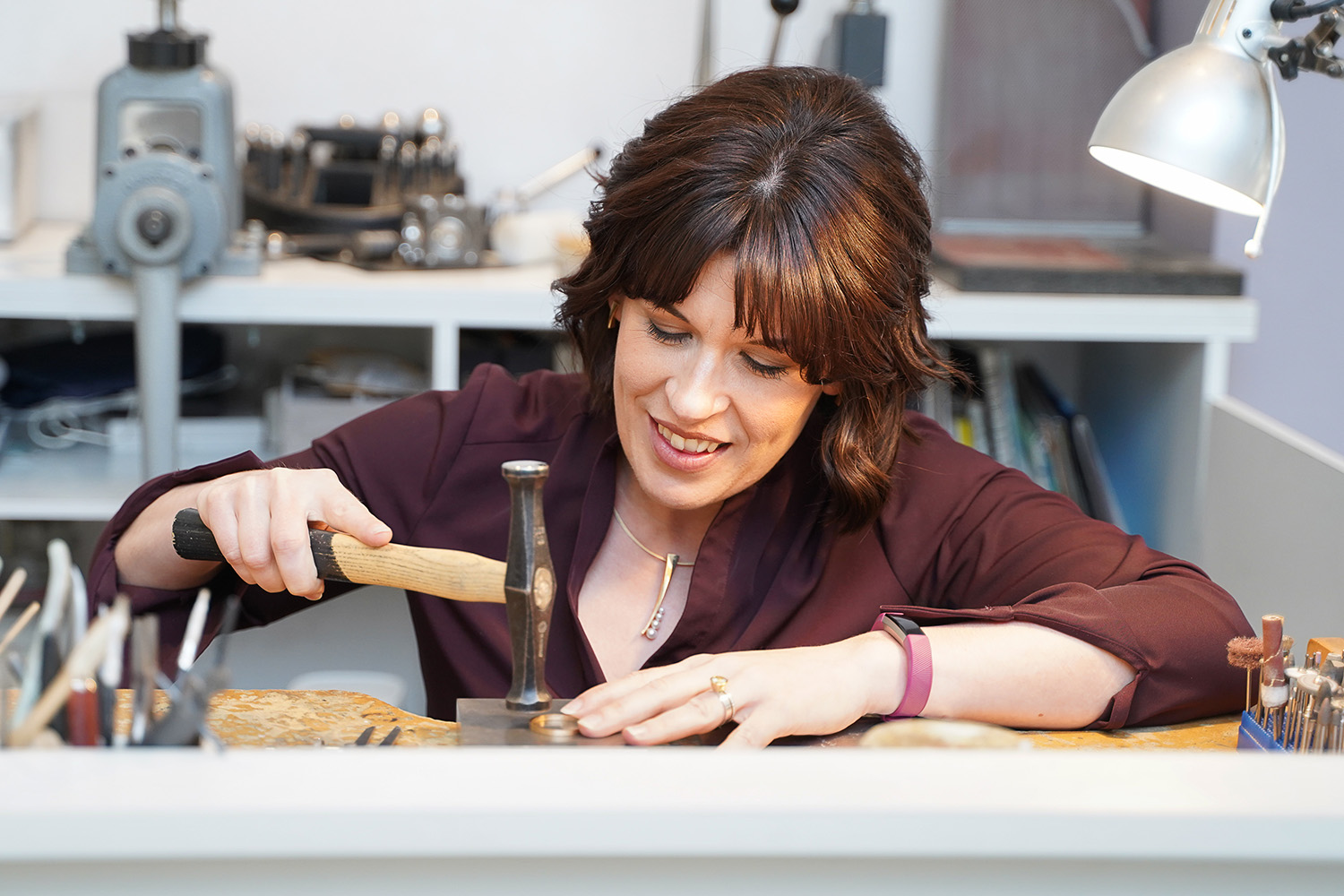
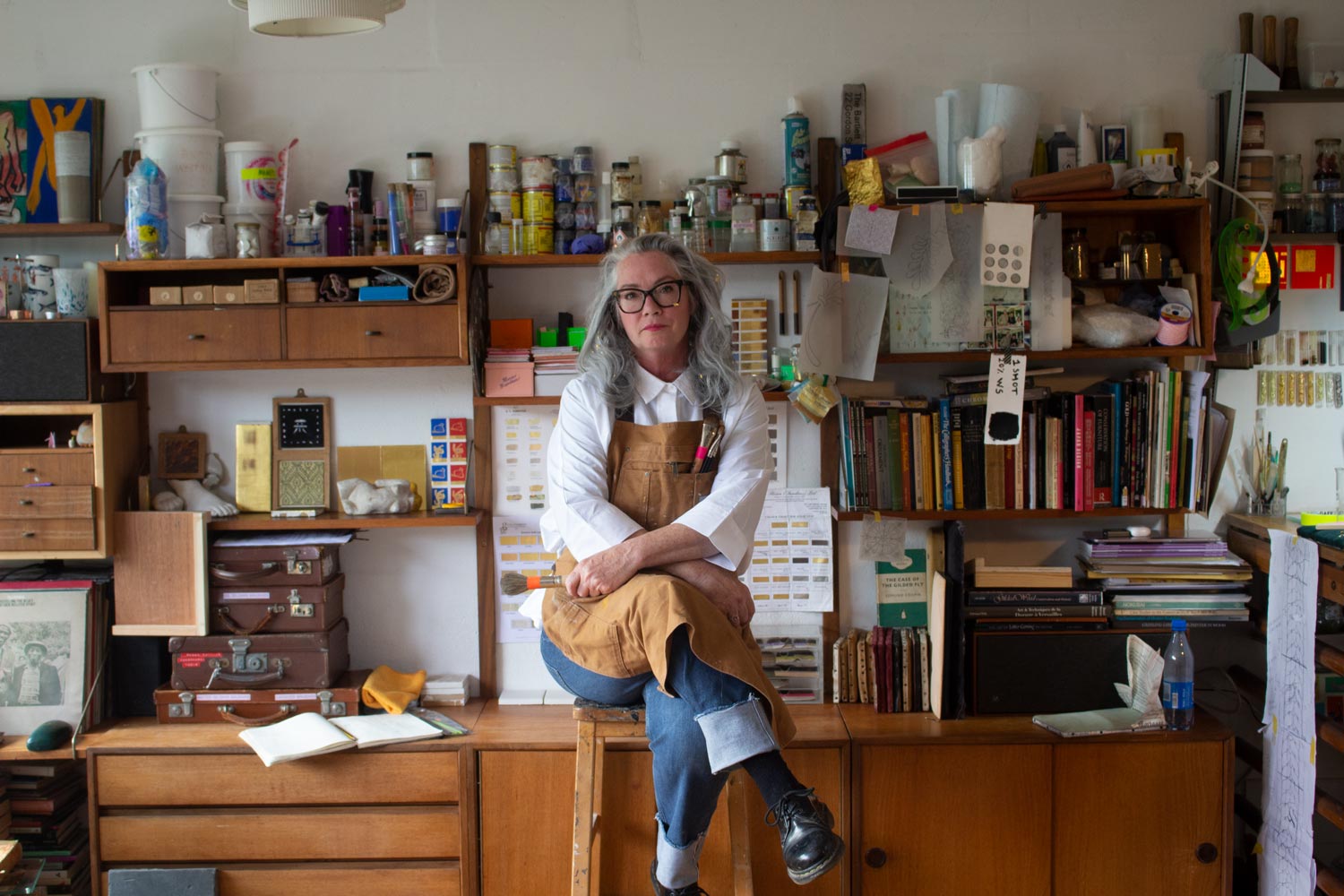
It was while studying for a degree in Textile Design that Fiona Harrington discovered what would become her work, her passion and her art. Although a new-found love, handmade lace wasn’t a first-time encounter for the Dublin-born artist. Through her mother and her country’s culture she was well aware of the significance of lace, as part of Ireland’s social, cultural and economic history. Her extensive knowledge of the craft and its history is no surprise, as her interest for handmade lace is artistic and manual, but academic too. As well as textile design, she completed an MA in Art and Research Collaboration in Dún Laoghaire. Today, she is committed to bringing handmade lace into contemporary design by creating a new kind of art for this traditional craft.
INTERVIEW
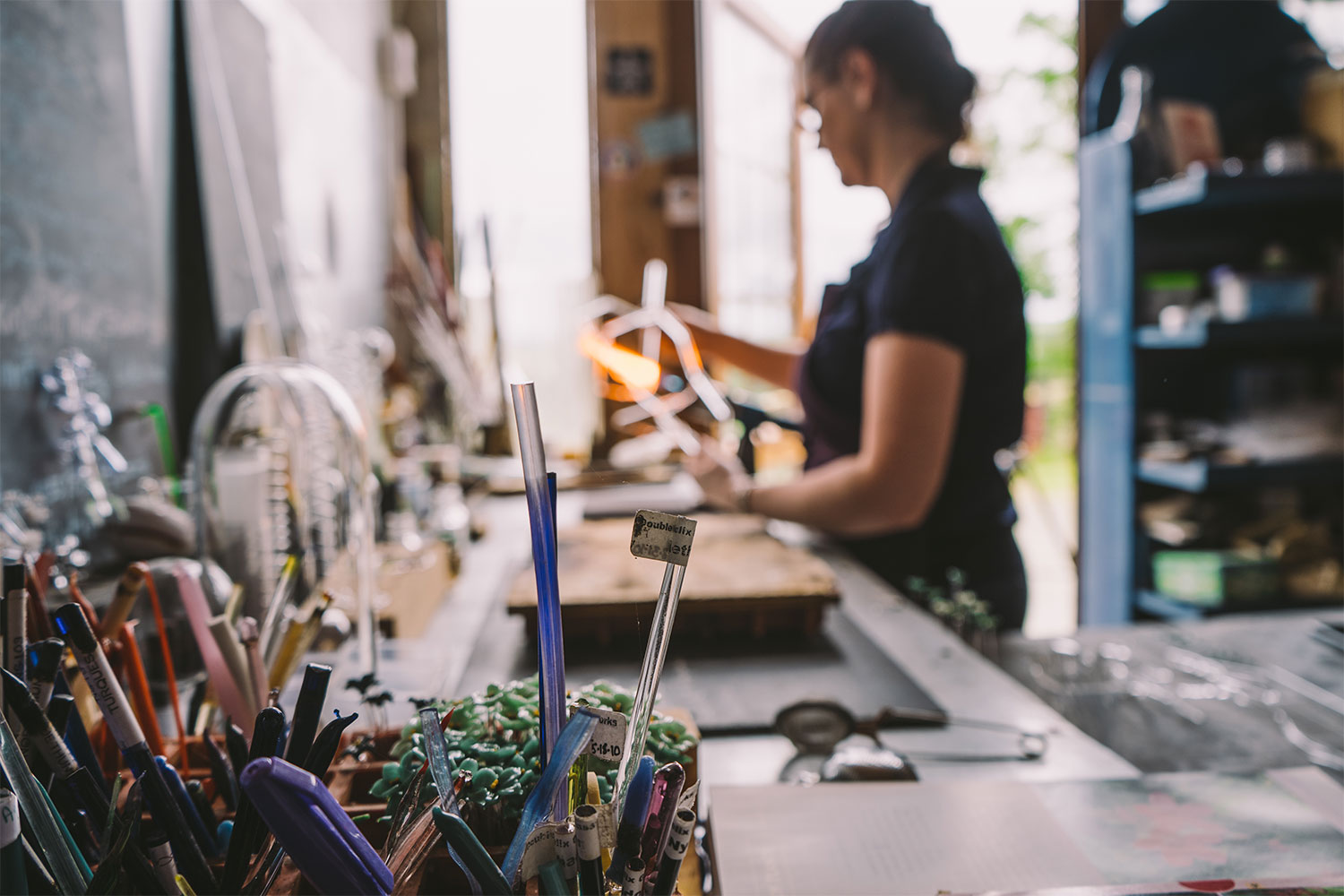
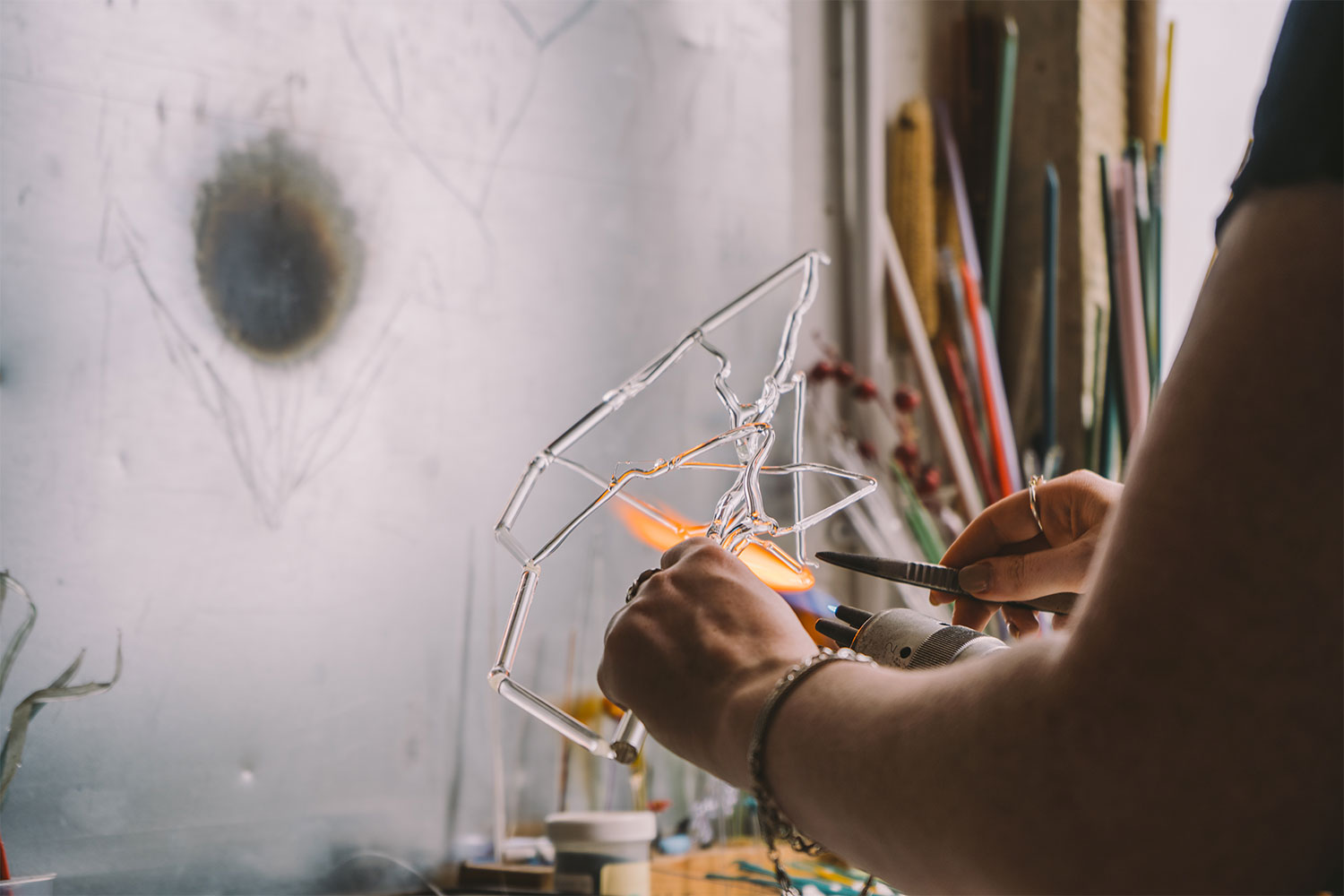
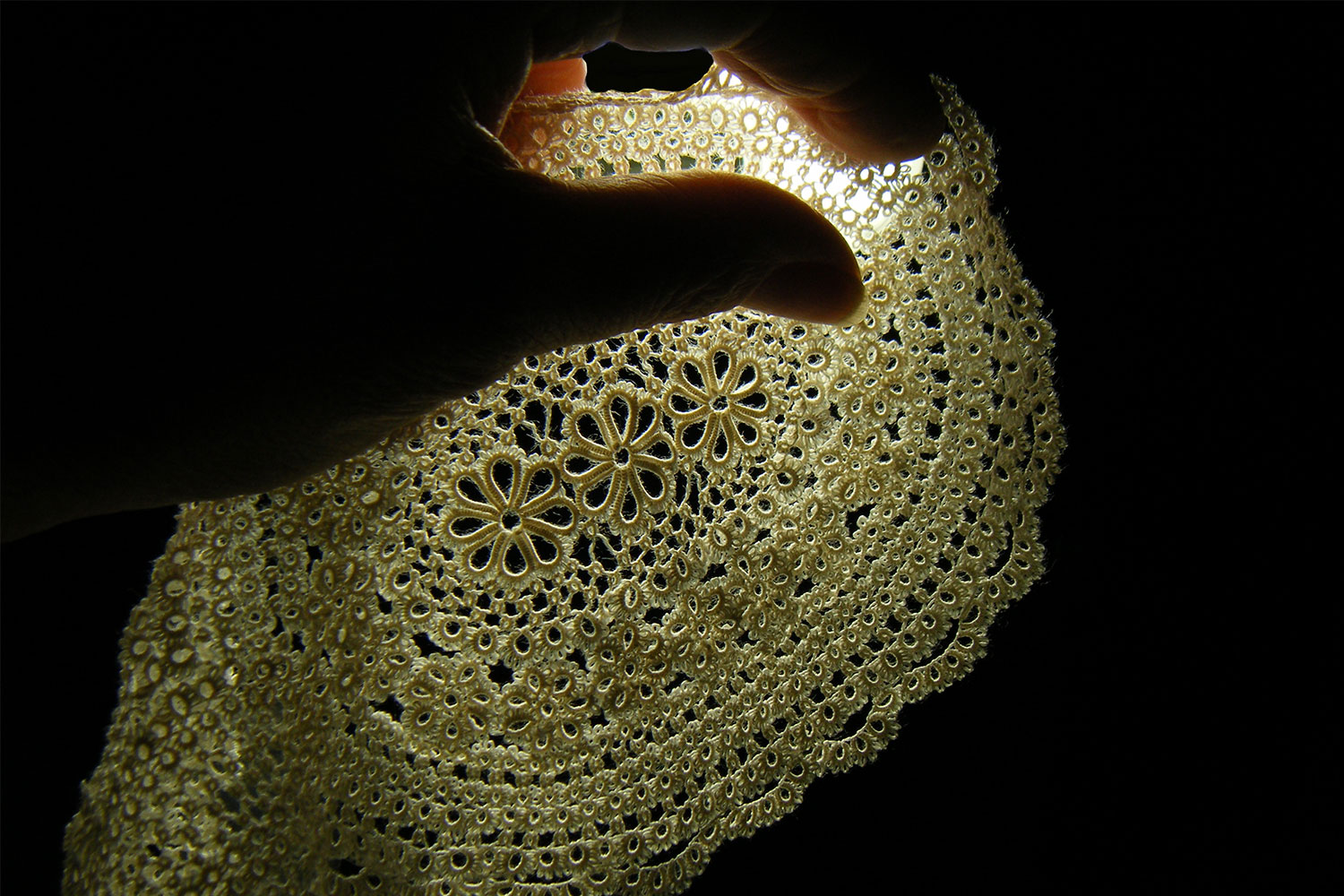
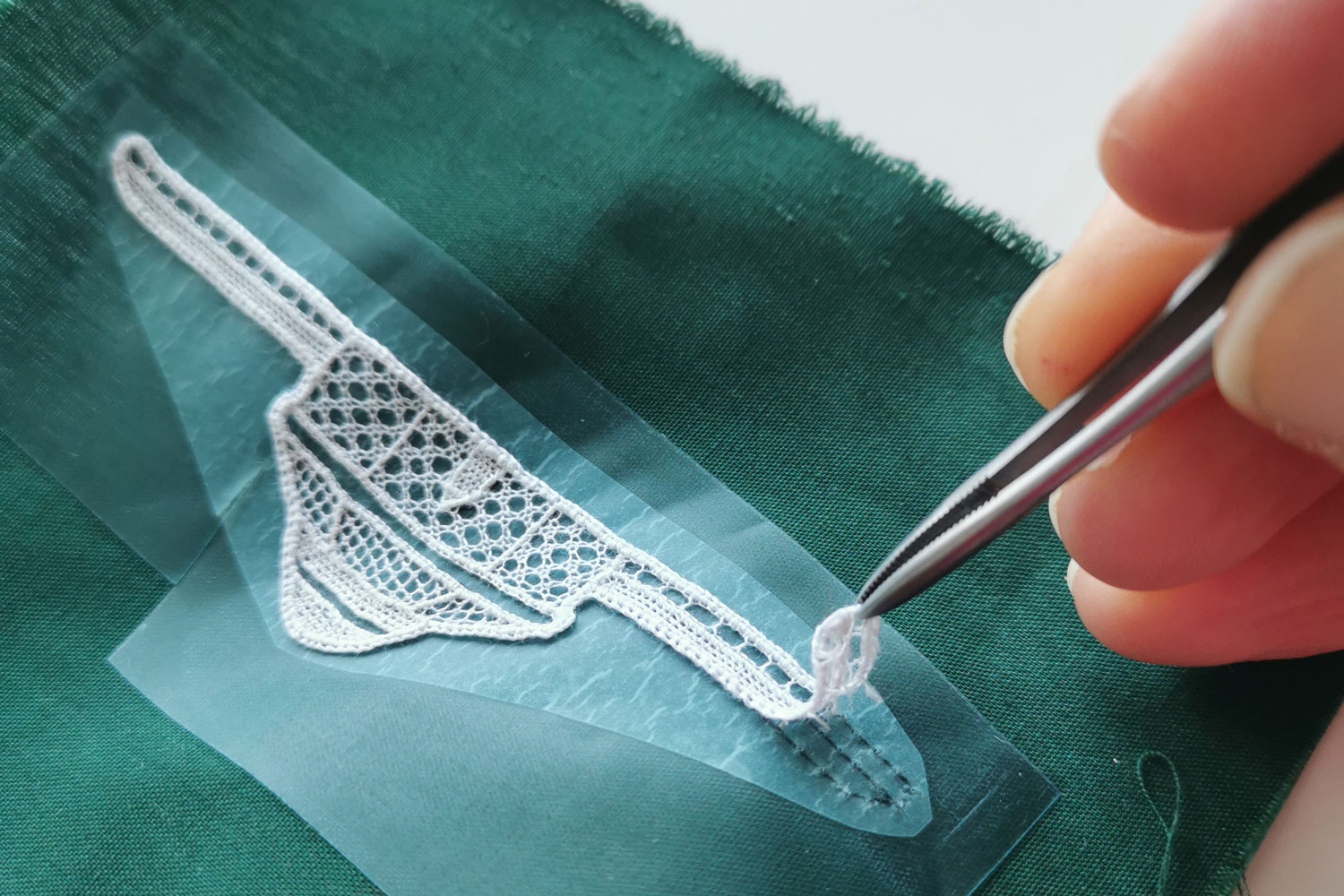
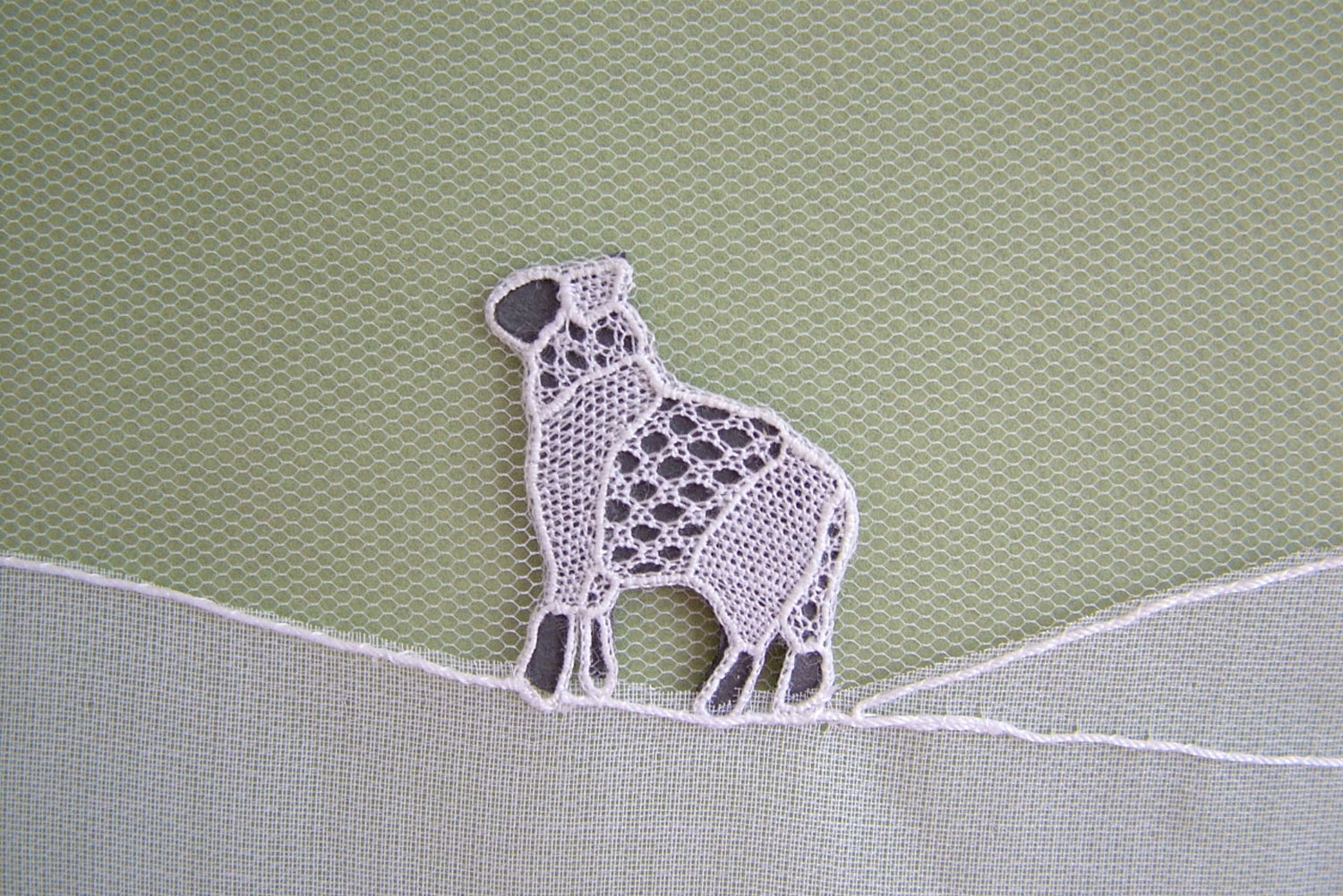
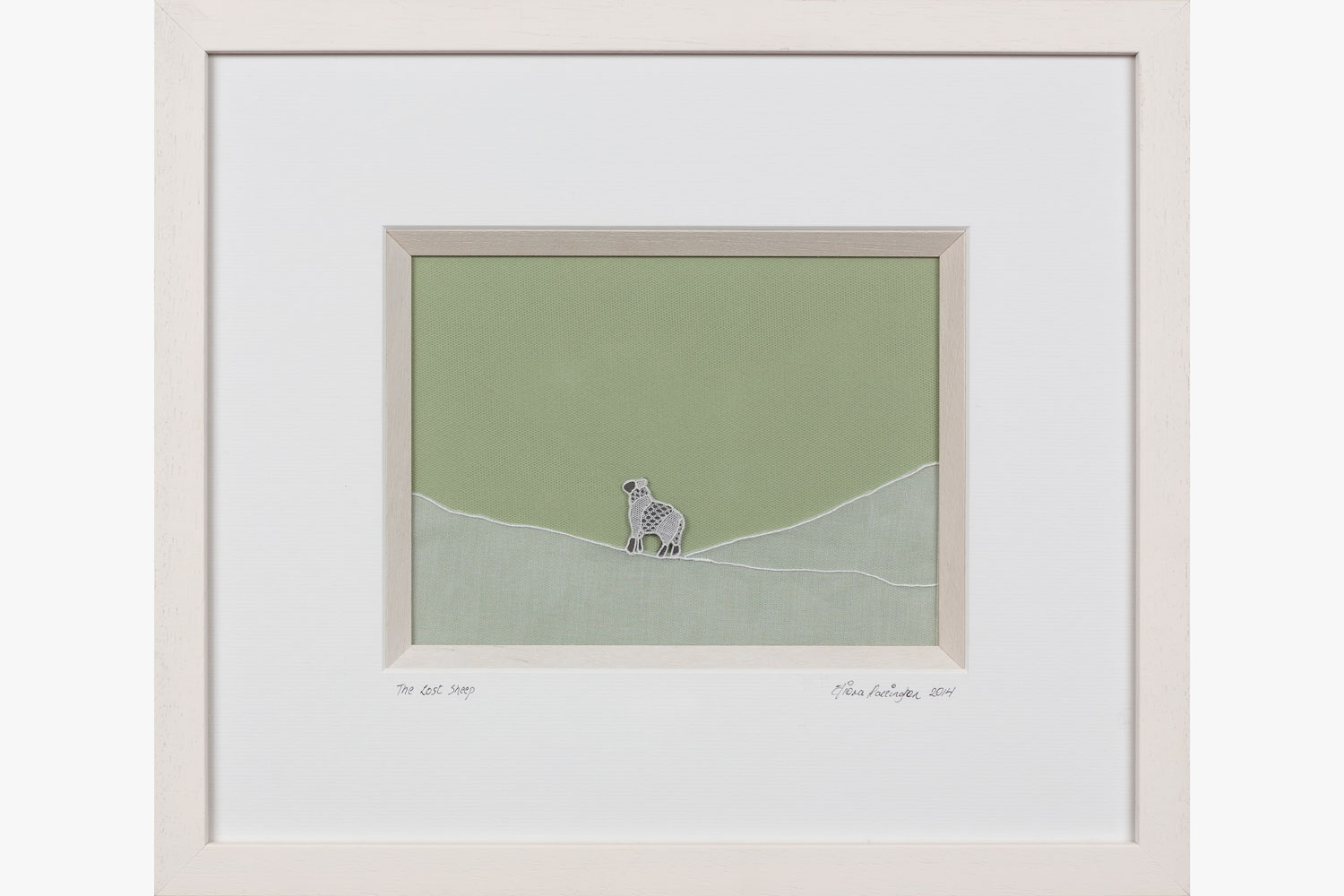
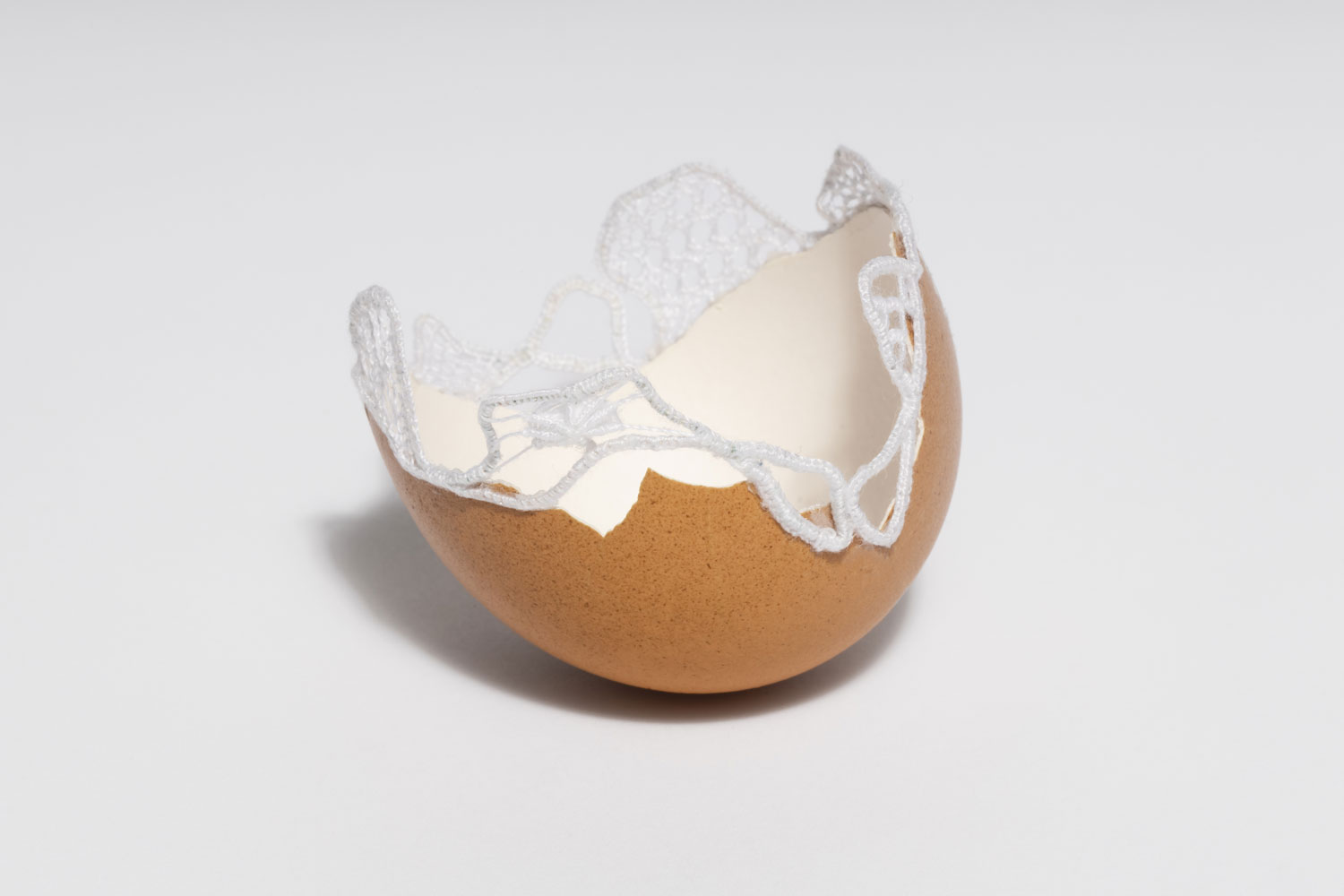
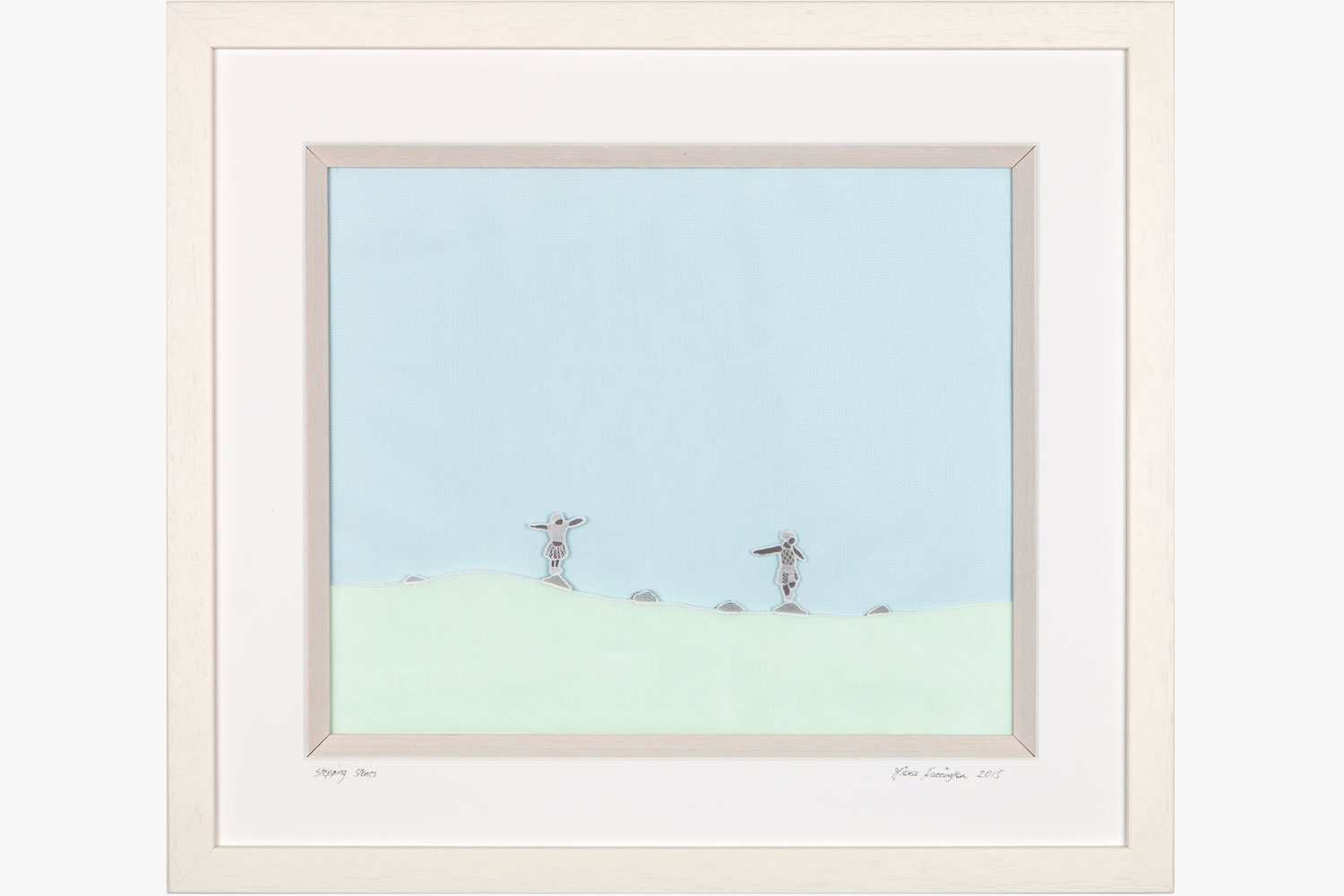
I describe myself as a visual artist who works with lace, but I do not make lace for functional purposes – it cannot be worn or used. So, in a way I am trying to redefine lace and position it within the context of contemporary art and design.
I specialised in handmade lace for my undergraduate degree at the National College of Art in Dublin, and then moved to a very remote and beautiful part of Ireland, called the Beara Peninsula. That was when I decided to start a small lacemaking business.
Lacemaking is a really important part of our social, cultural and economic history. At the turn of the 20th century, it was the second largest industry in the country. Today, there is incredible work to regenerate interest with lots of organisations reimagining lace in contemporary ways.
I definitely thought that at first, but then in 2018 I attended the world lace congress in Bruges and was delighted to see how wrong I was. I started to realise how many people were out there doing creative and innovative things with this traditional craft.

Fiona Harrington
Lacemaker
Dublin, Ireland
AVAILABILITY
By appointment only
PHONE
+353 870671860
LANGUAGES
Irish, English
Homo Faber Finds is a new service aiming to inspire admirers of craft to connect and collaborate with exceptional artisans.
We invite you to submit an enquiry here.
DSC02402_©Meg-Lovell.jpg)
DSC01379_©Meg-Lovell.jpg)
DSC01458_©Meg-Lovell.jpg)