Hana Karim
Ceramicist
Ljubljana, Slovenia
Colour, connection, community and clay
- Hana views clay as a teacher of patience and calm, shaping the material and the maker
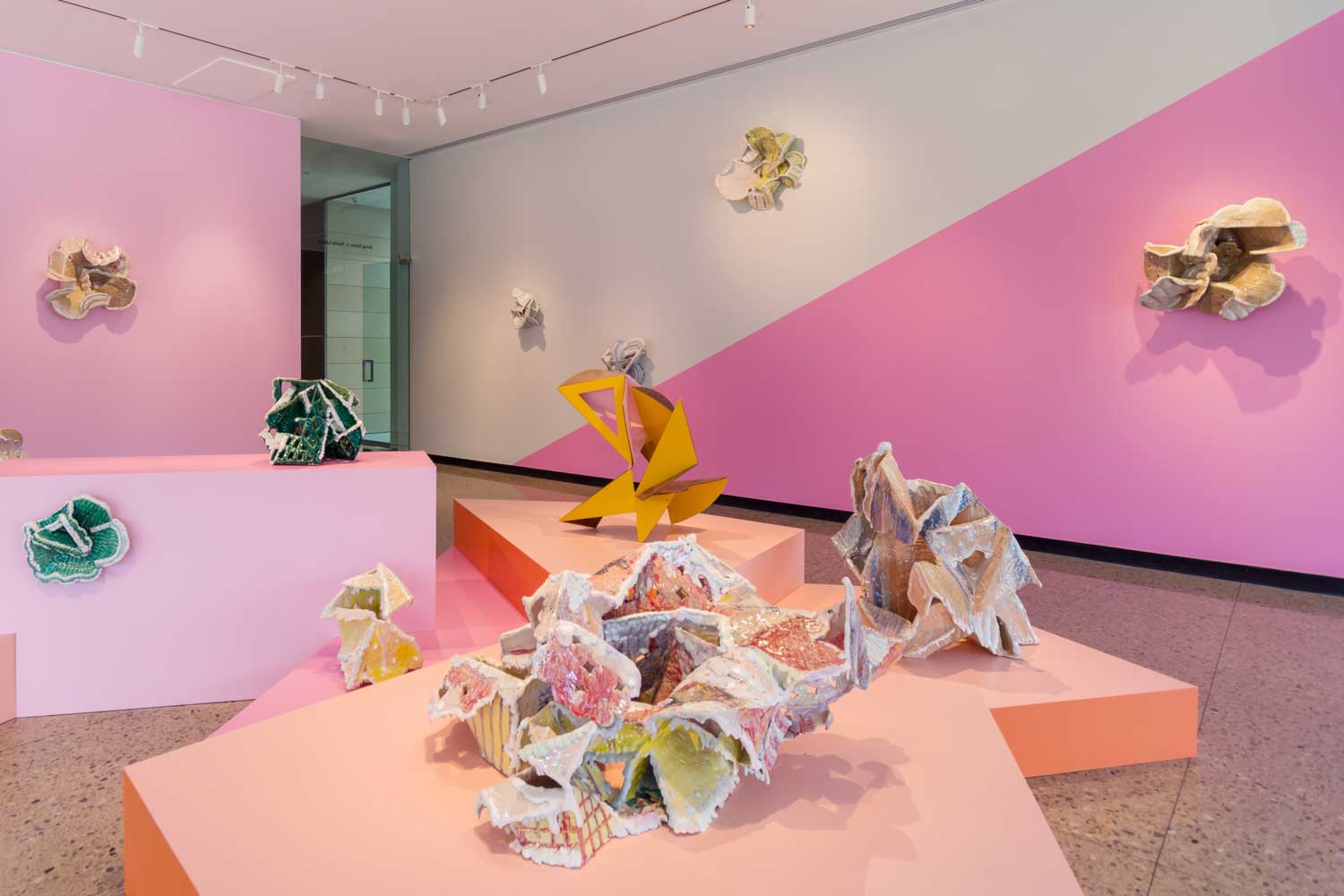
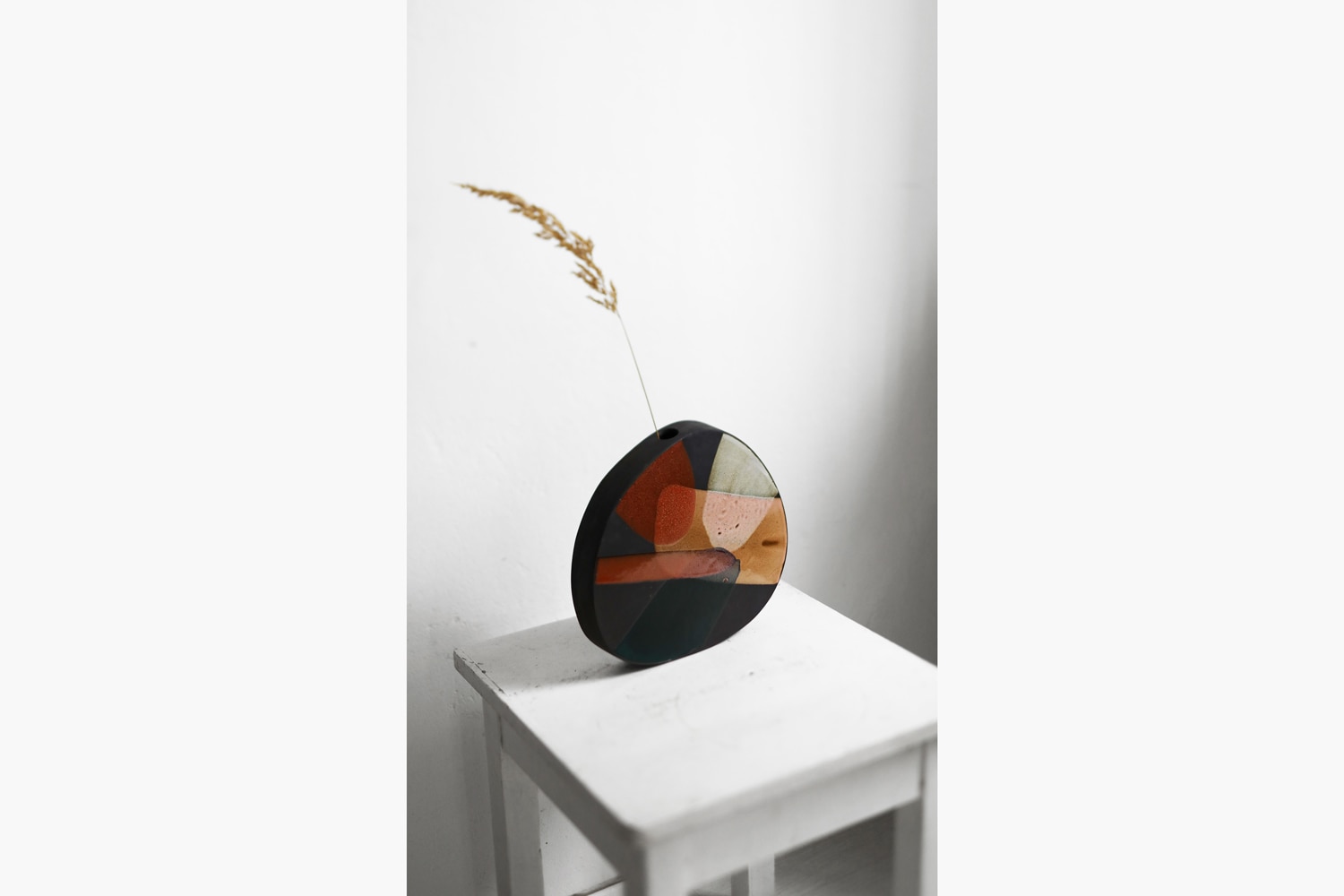
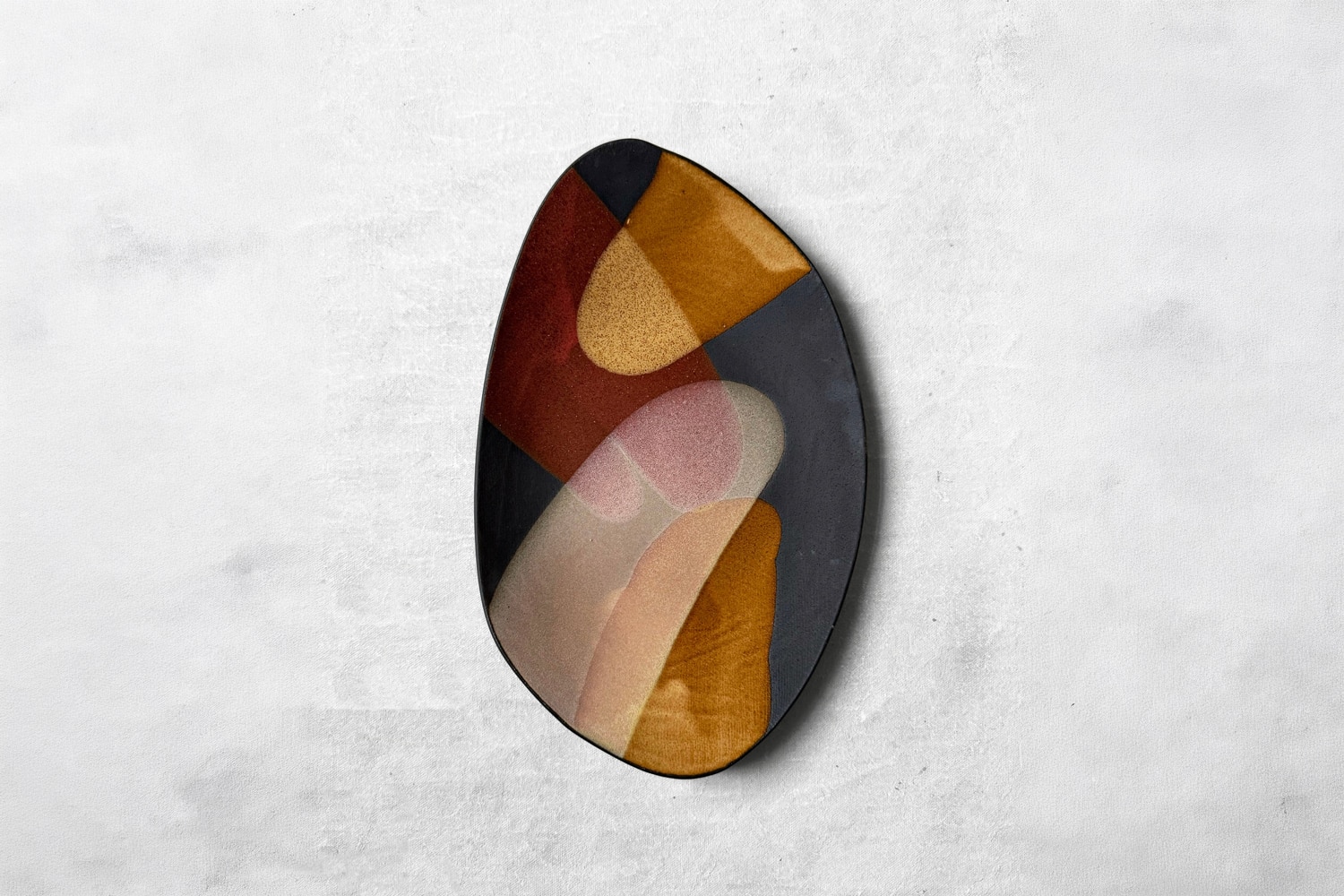
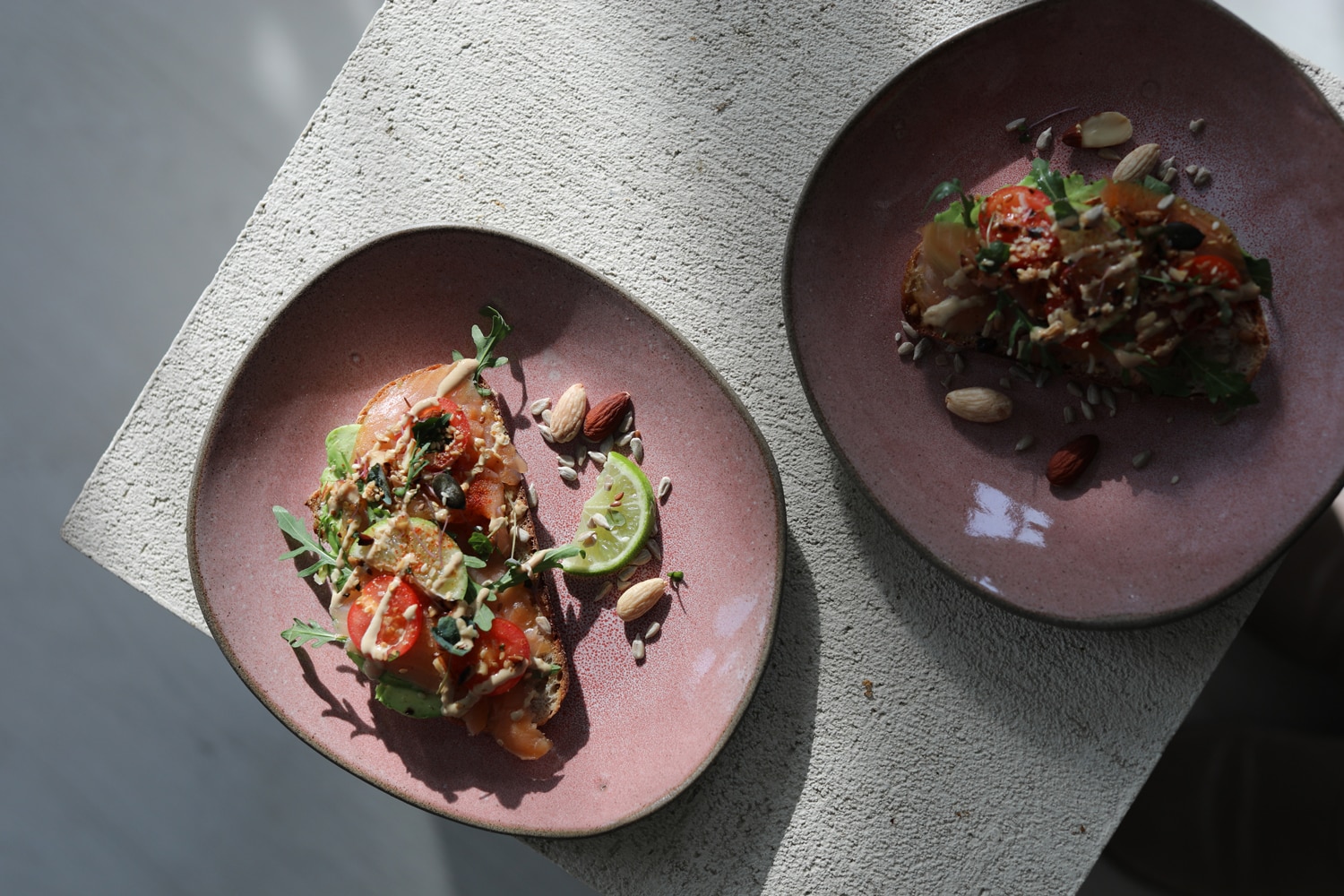
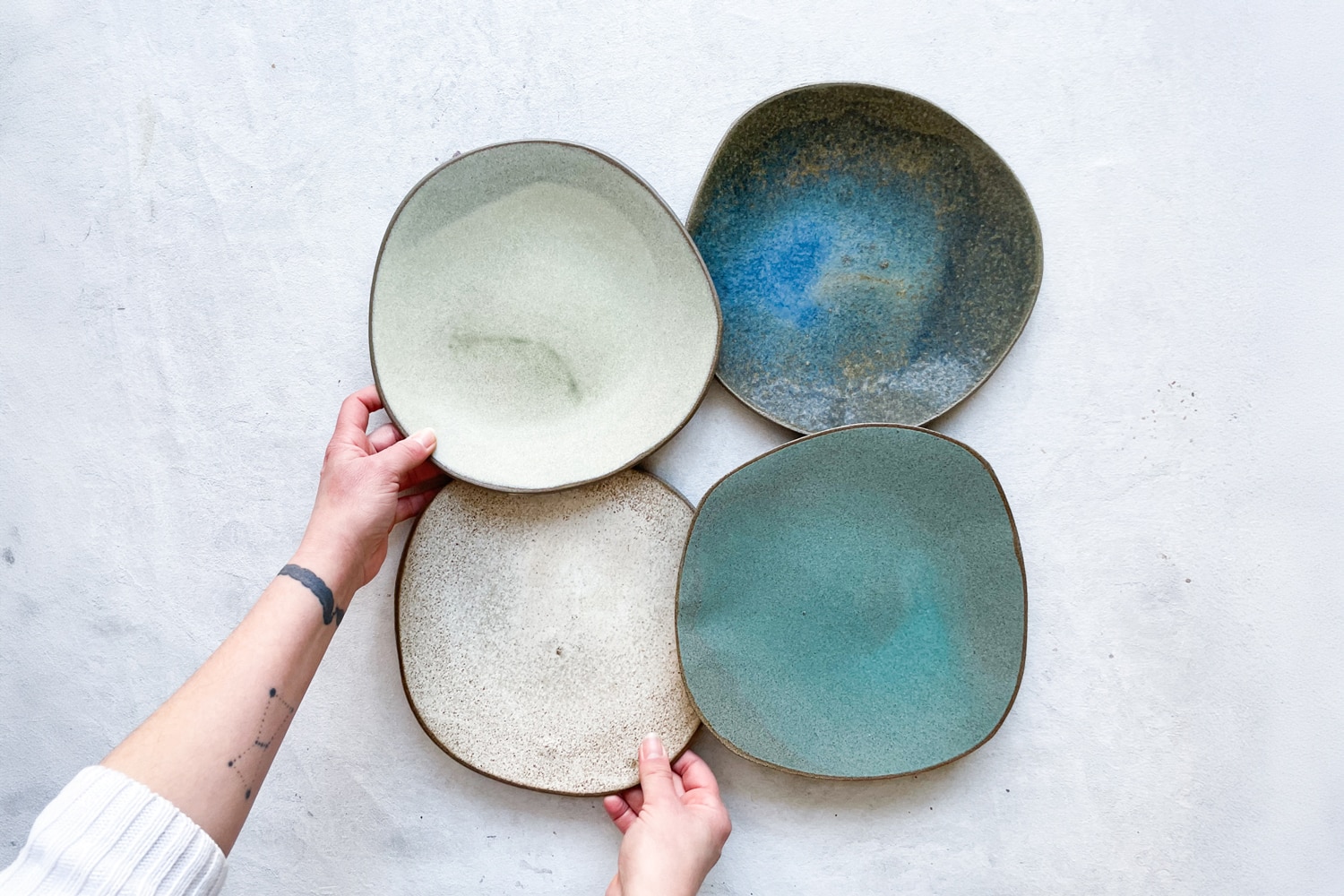
- Colour is an important facet in her practice, which straddles functional and sculptural ceramics
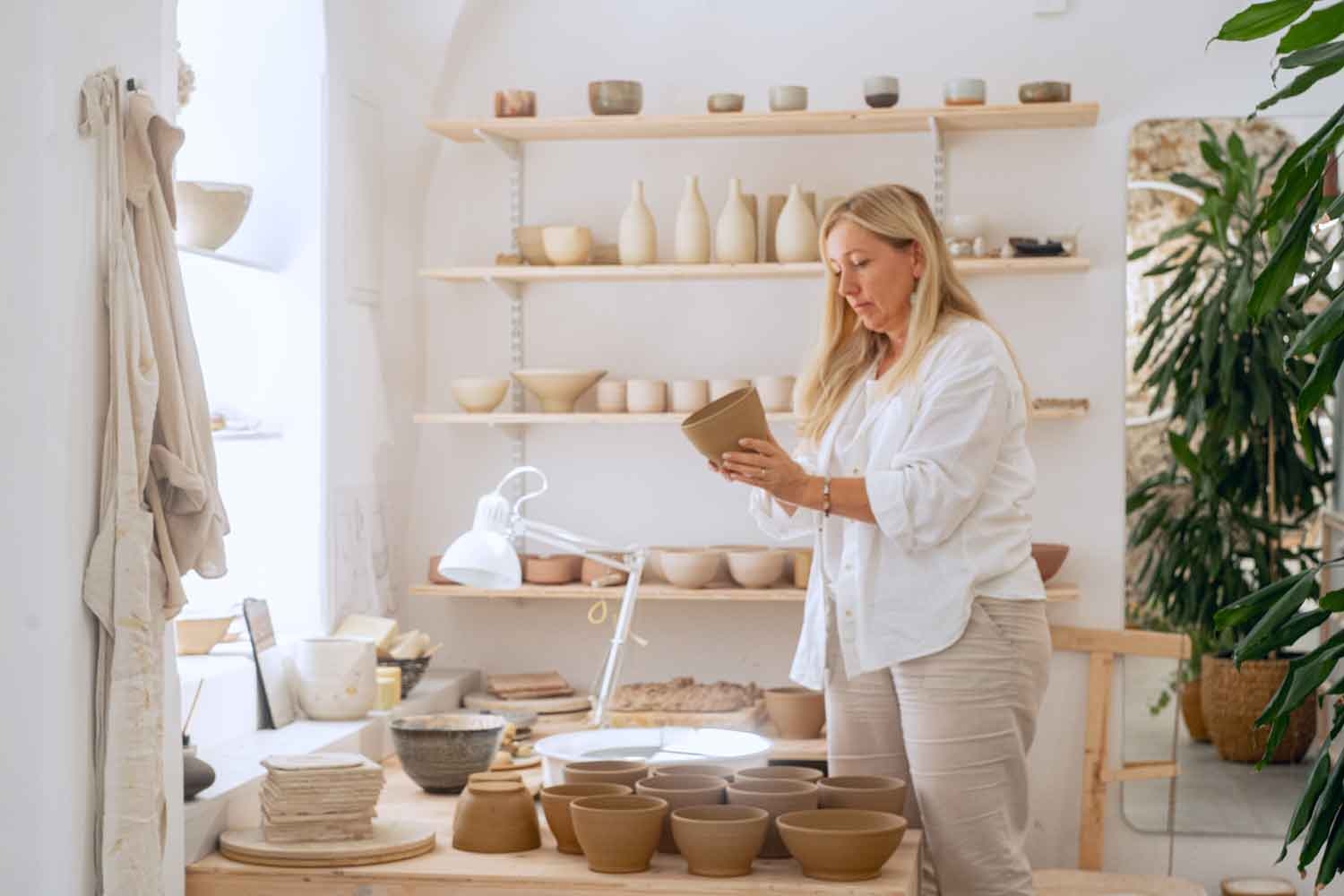
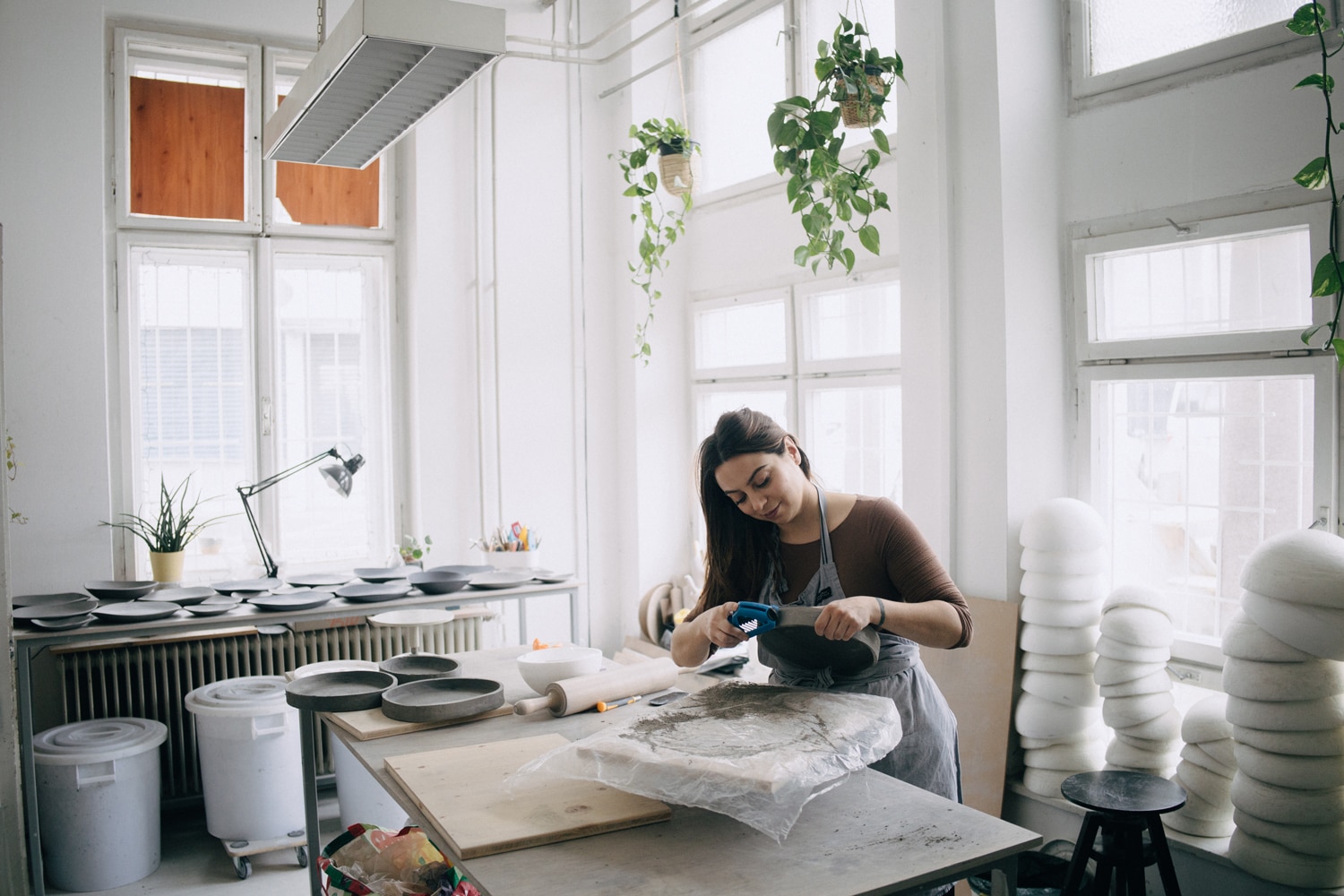
- Her studio has evolved into a space of making, teaching and community building
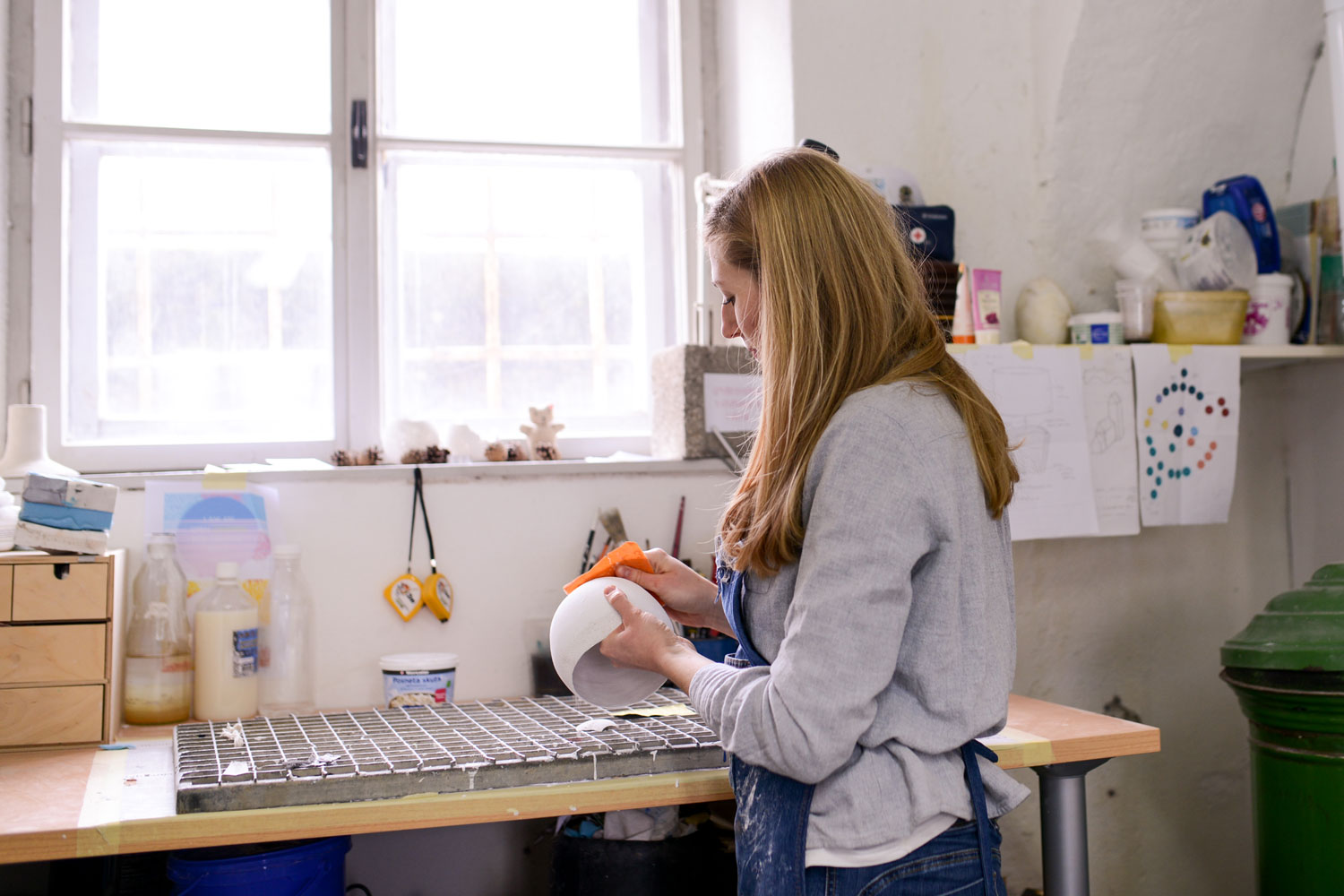
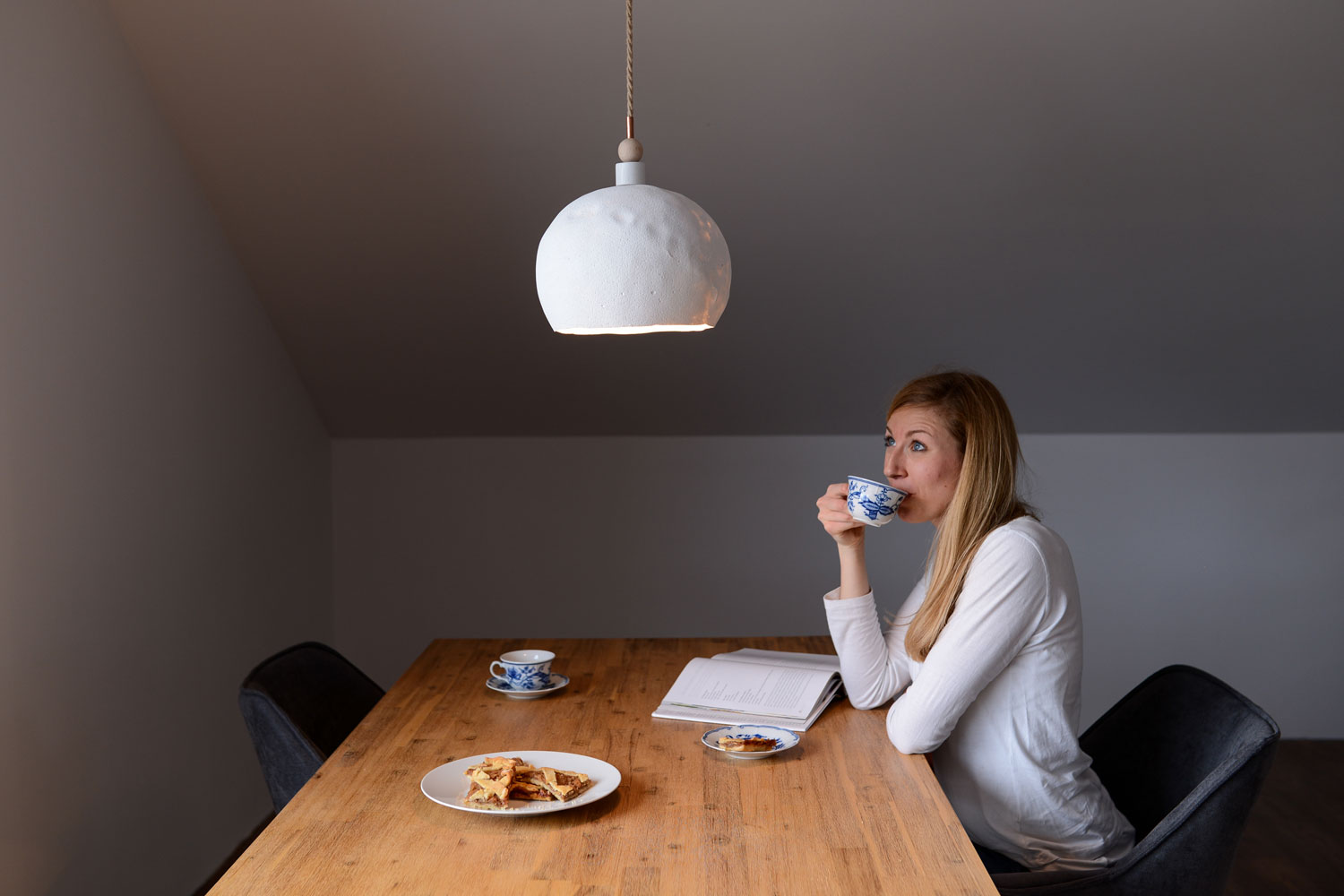
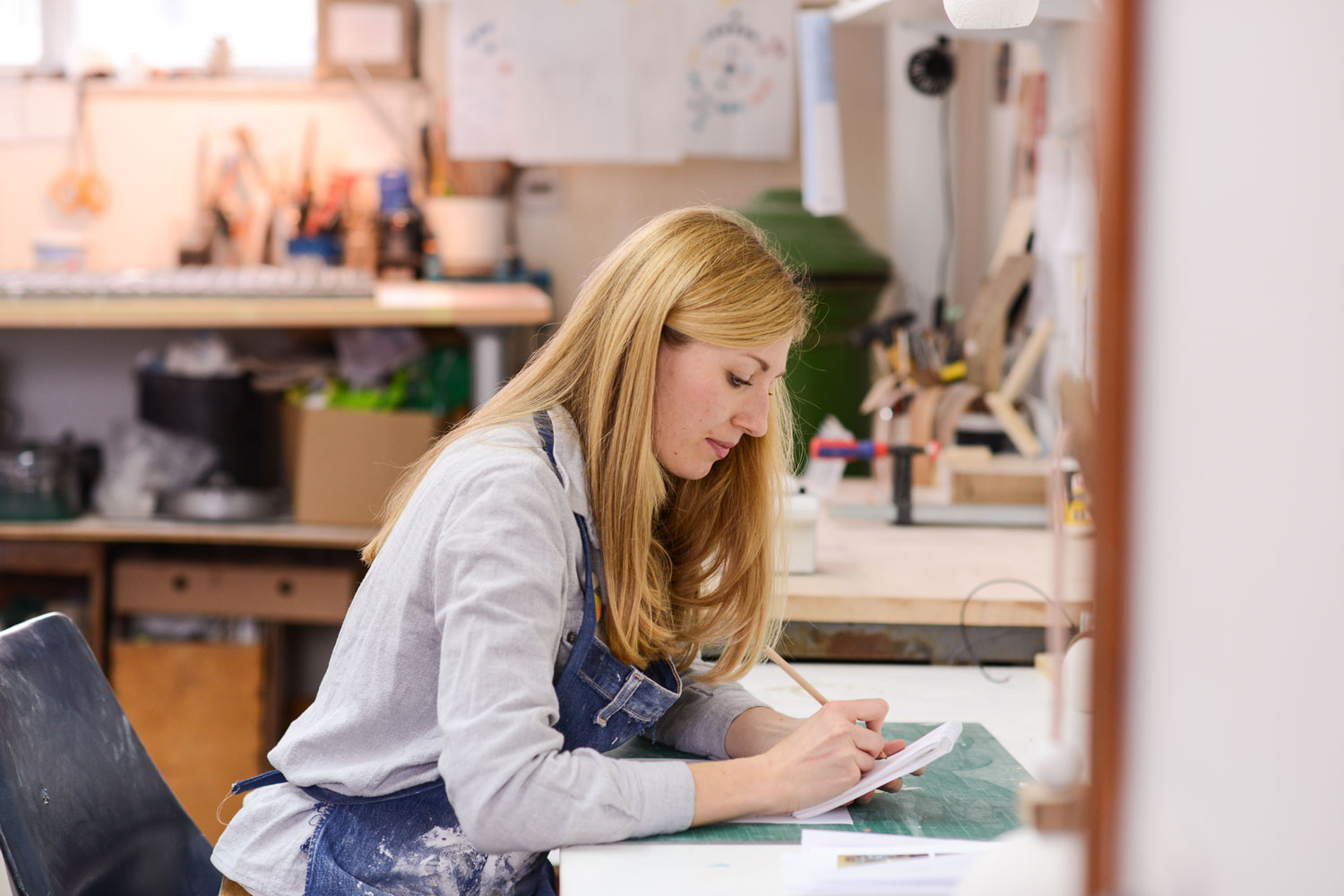
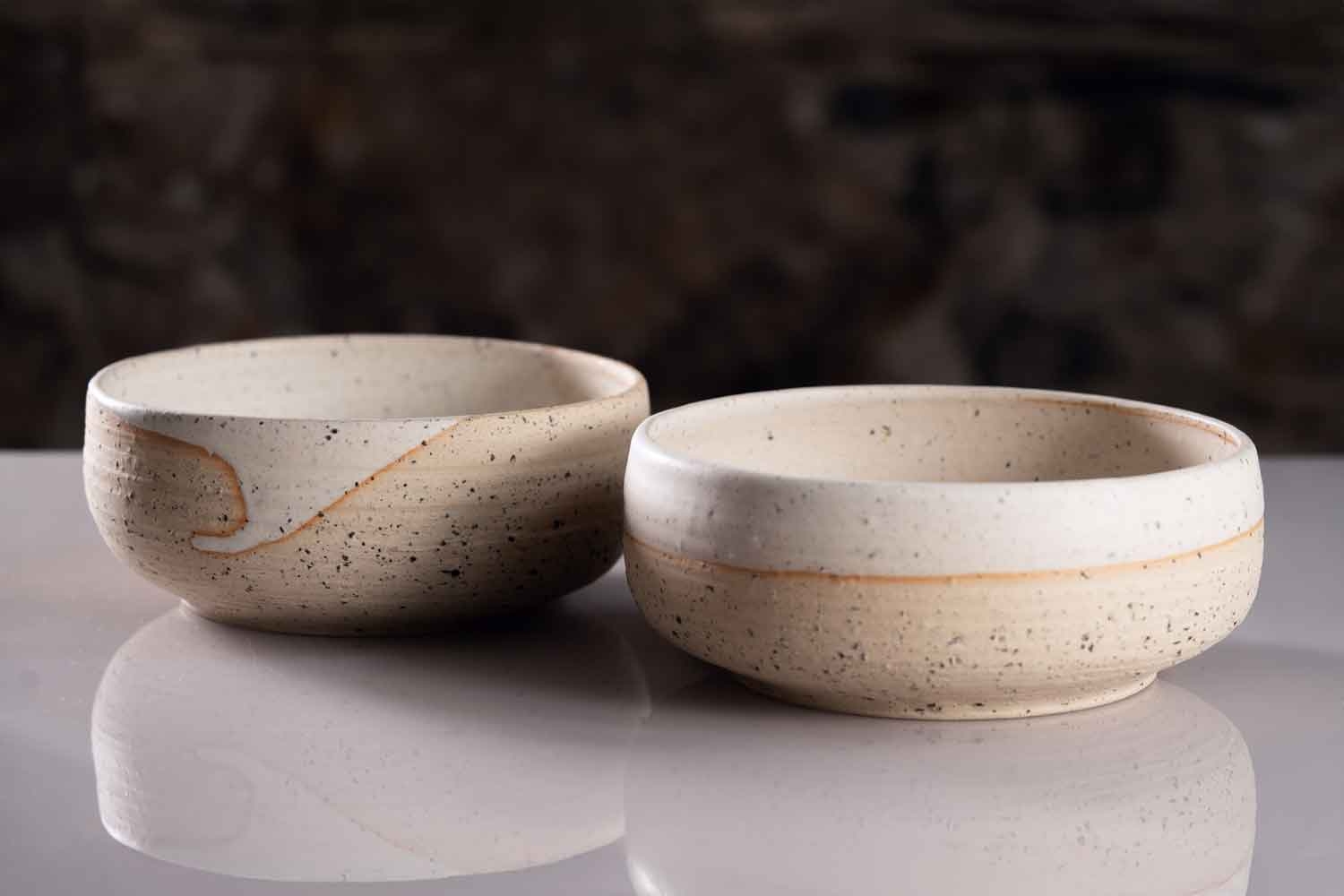
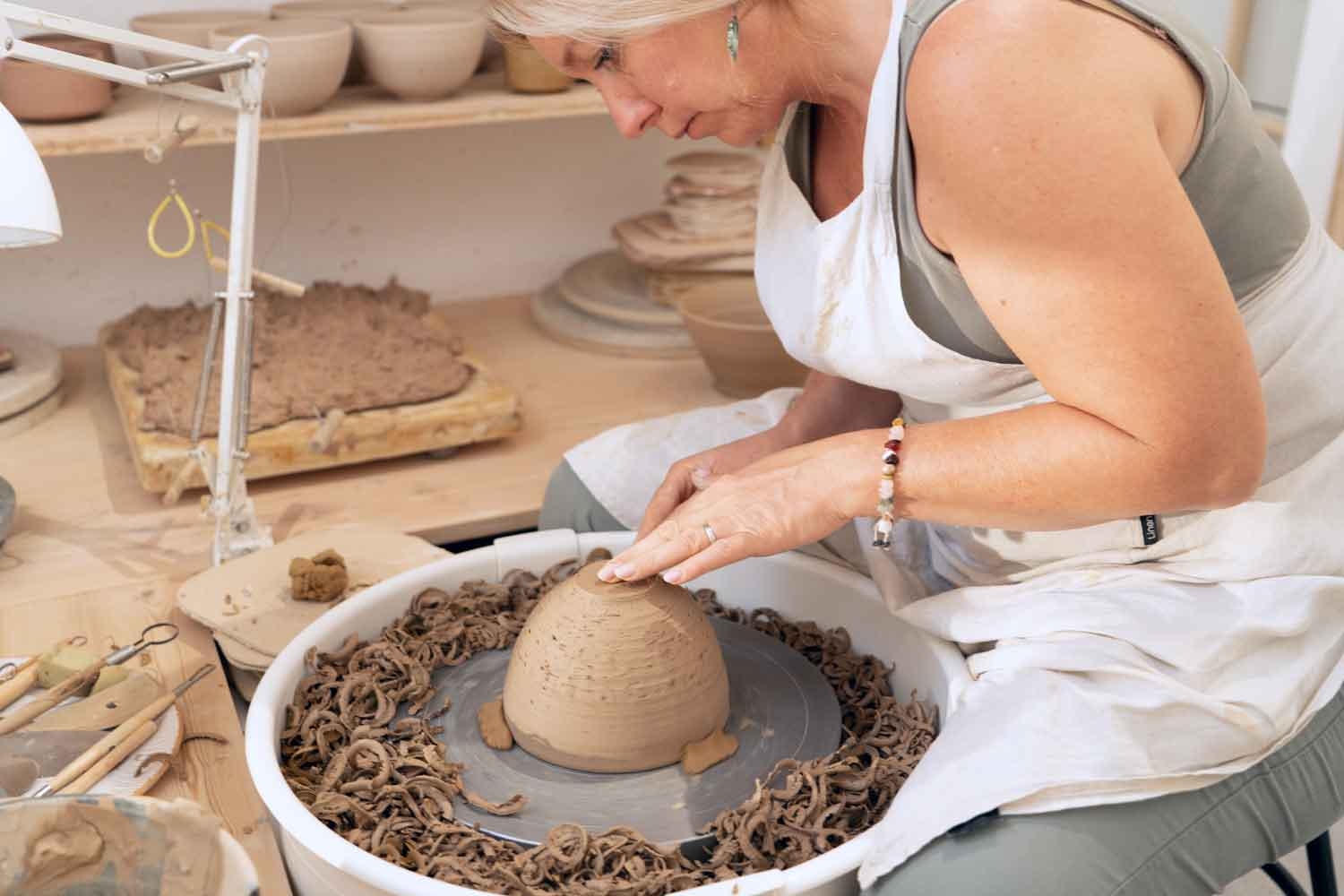
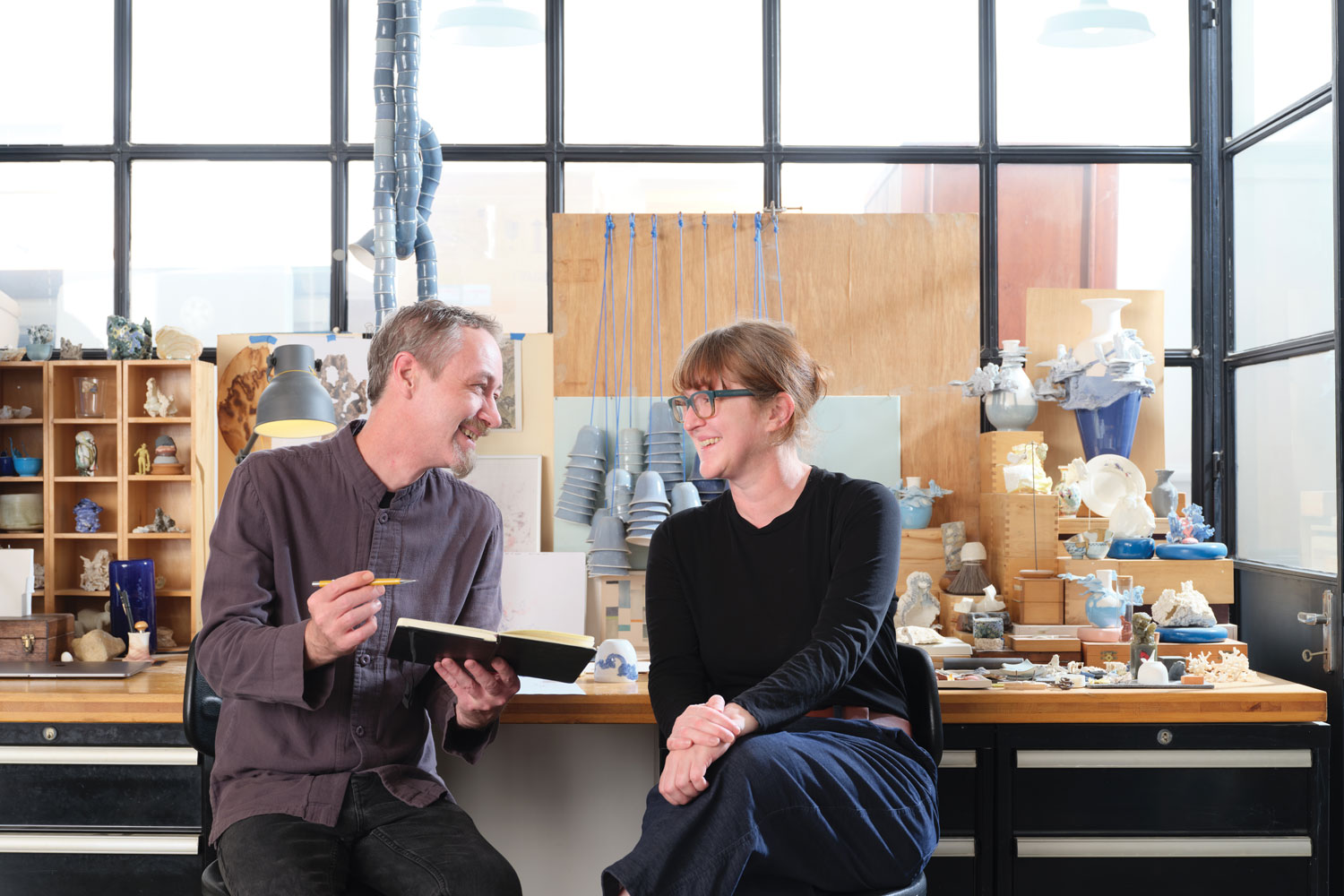
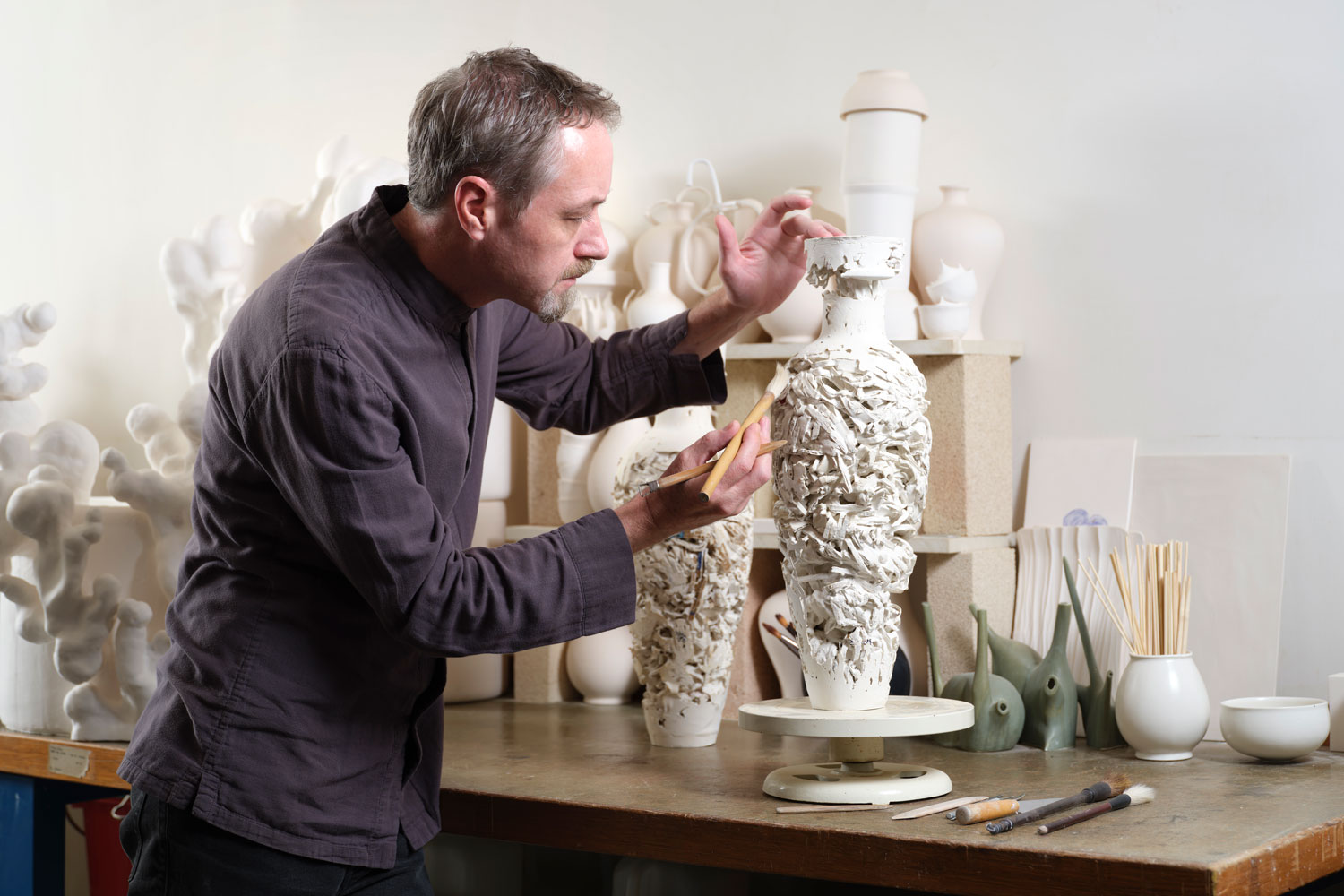
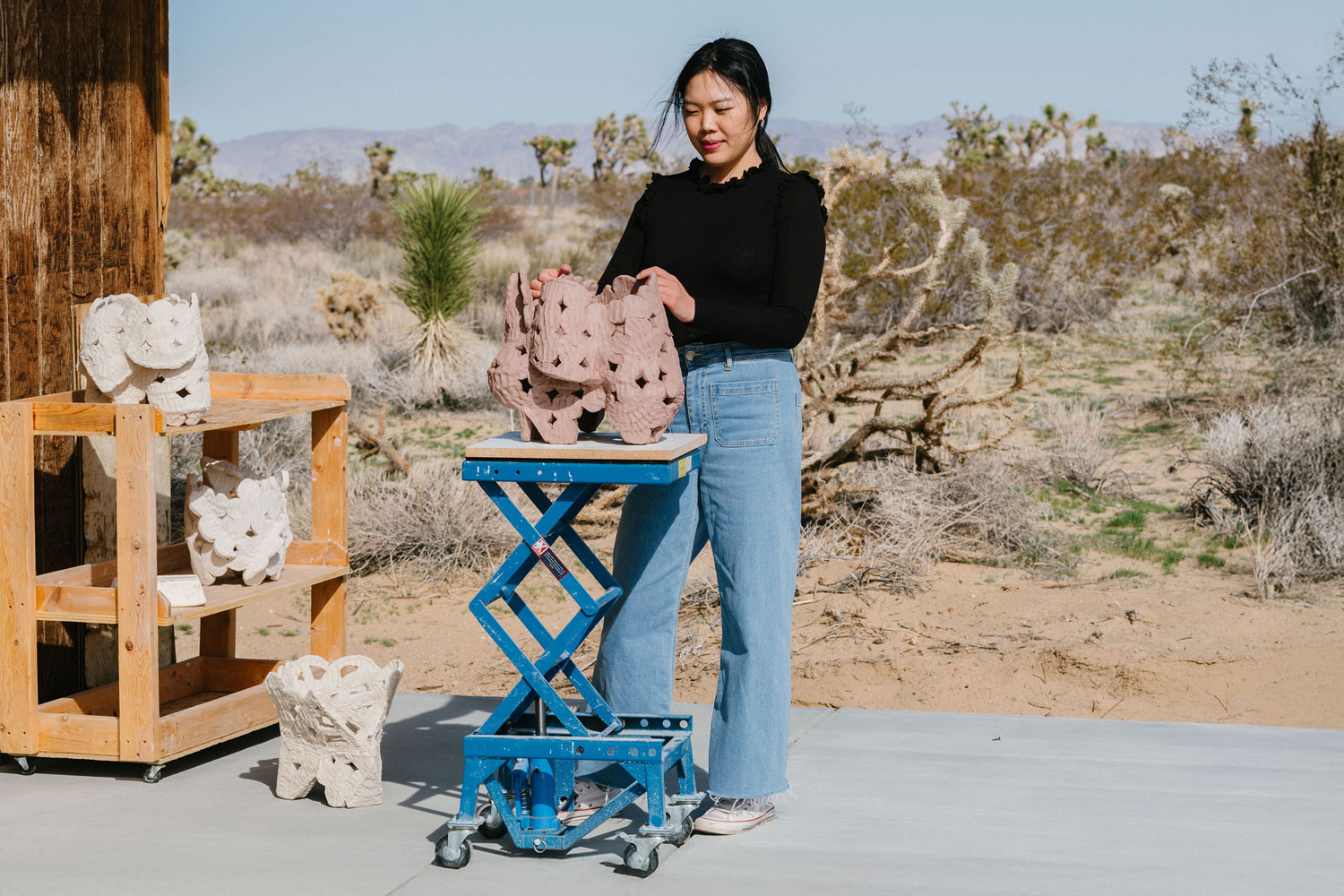
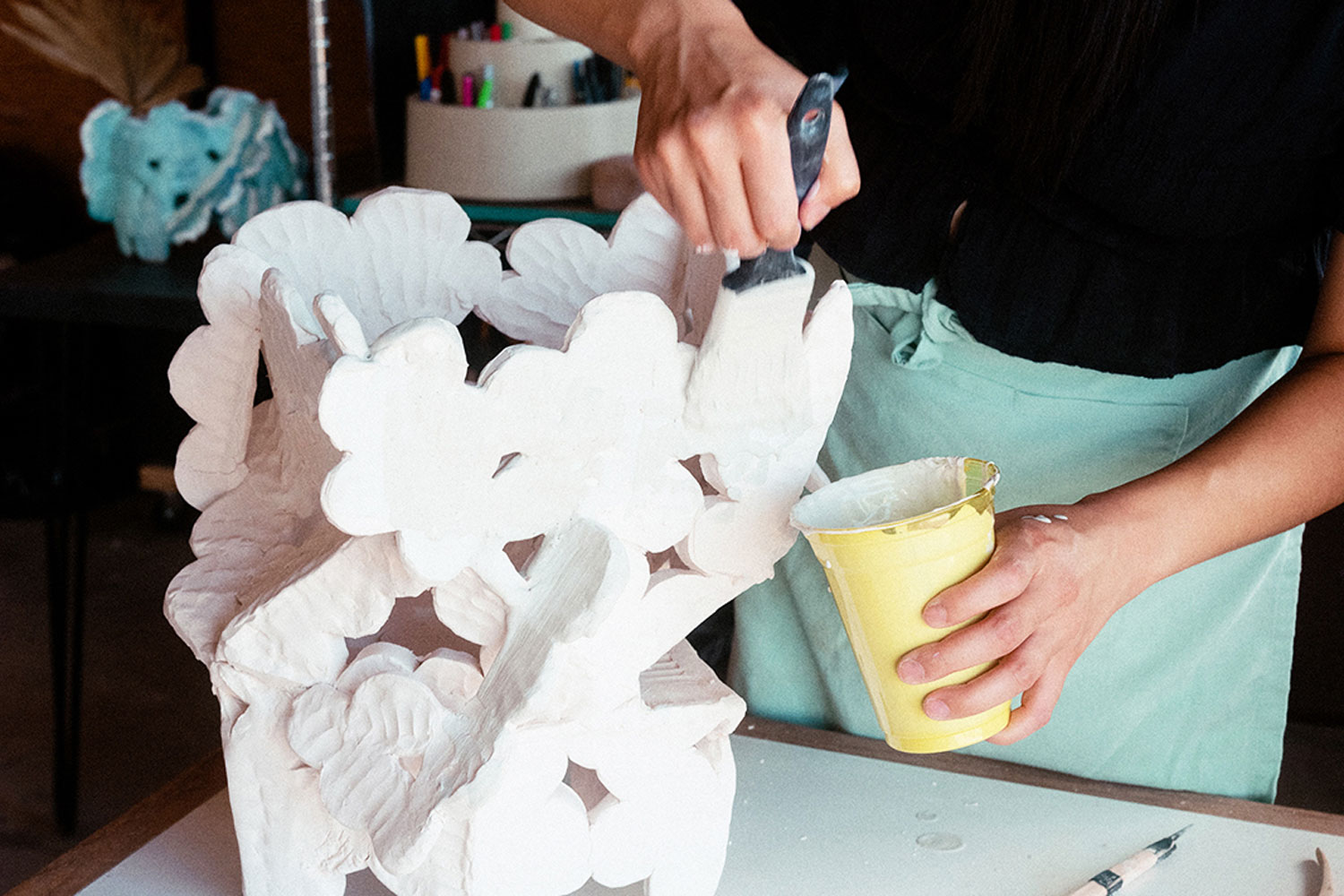
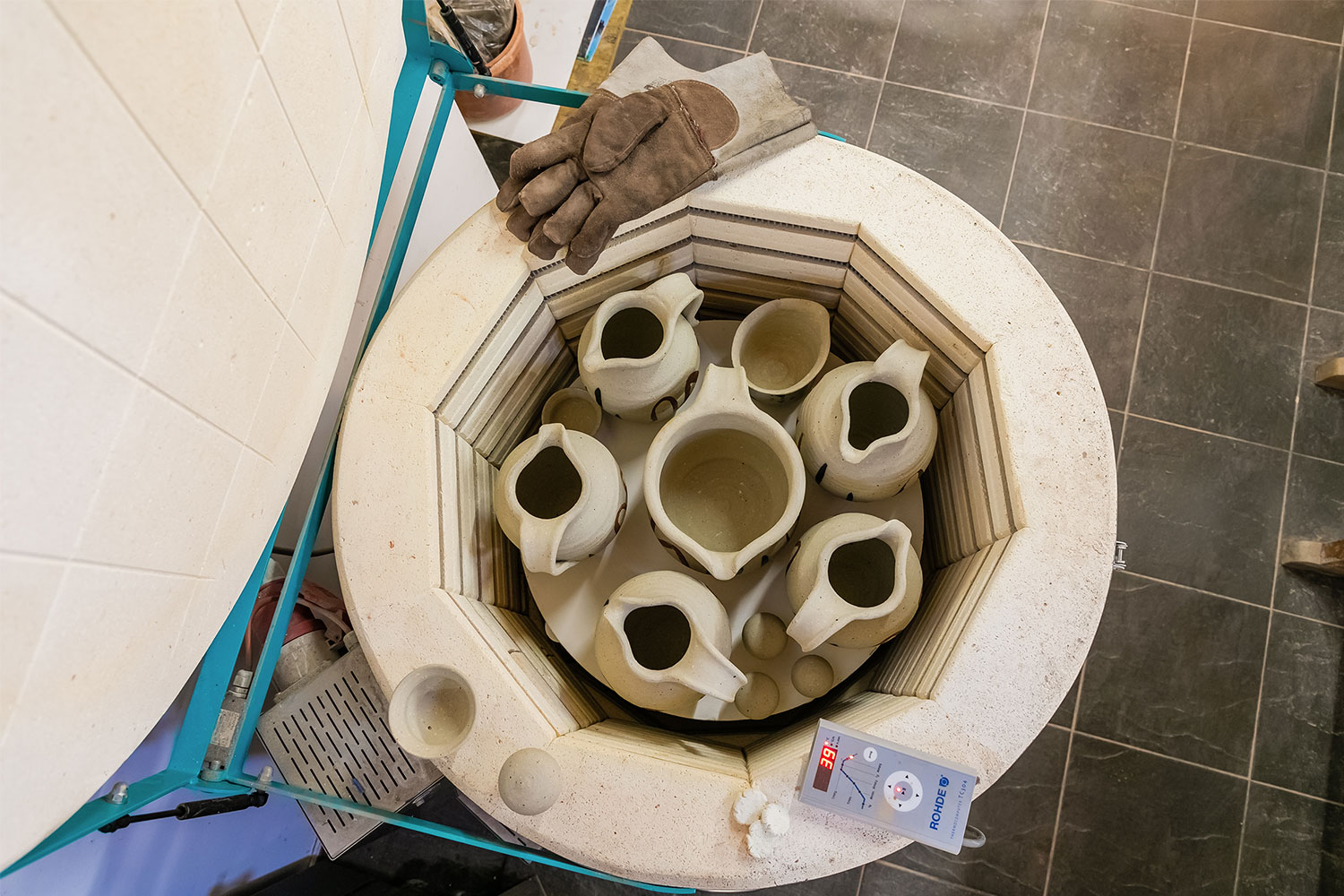
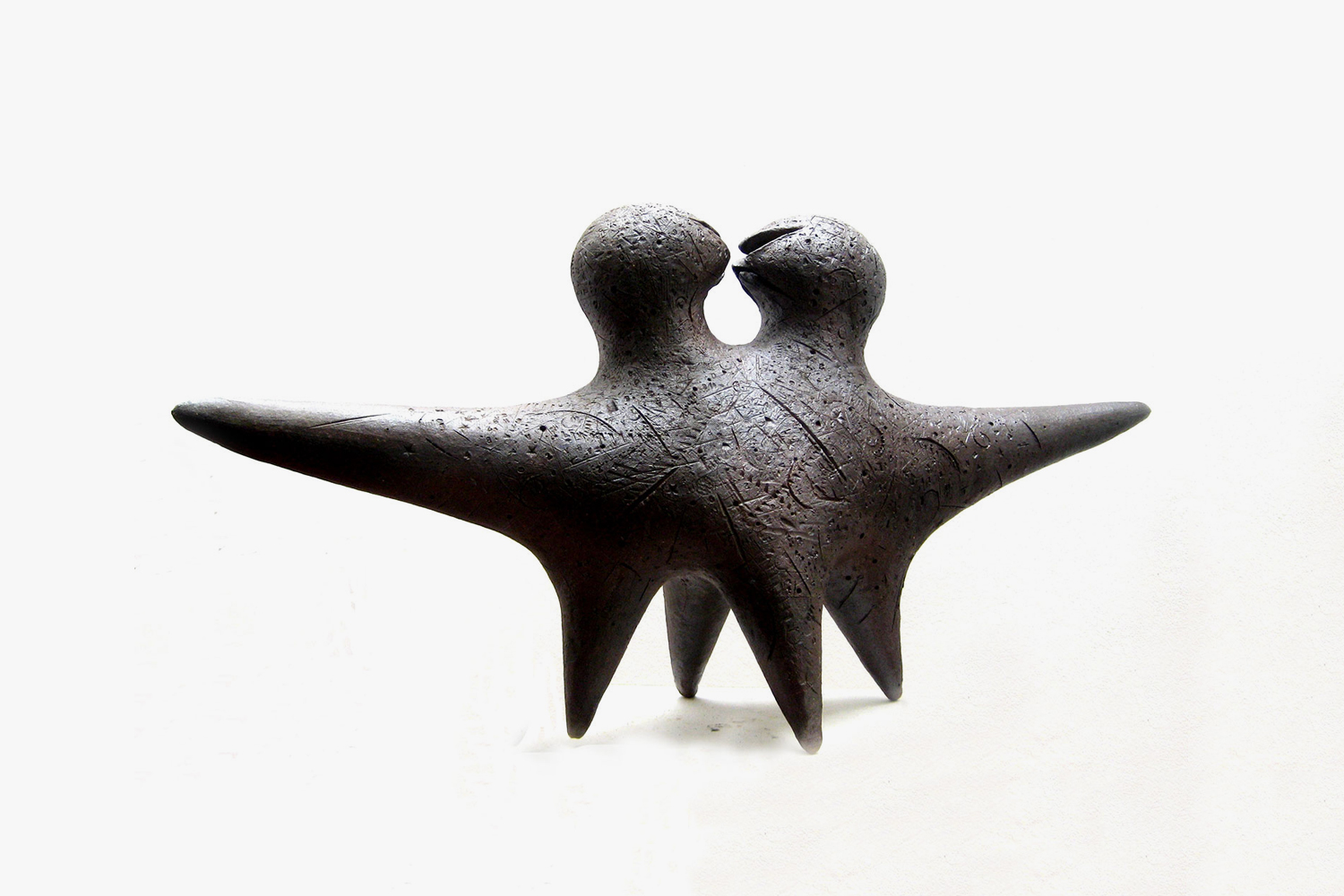
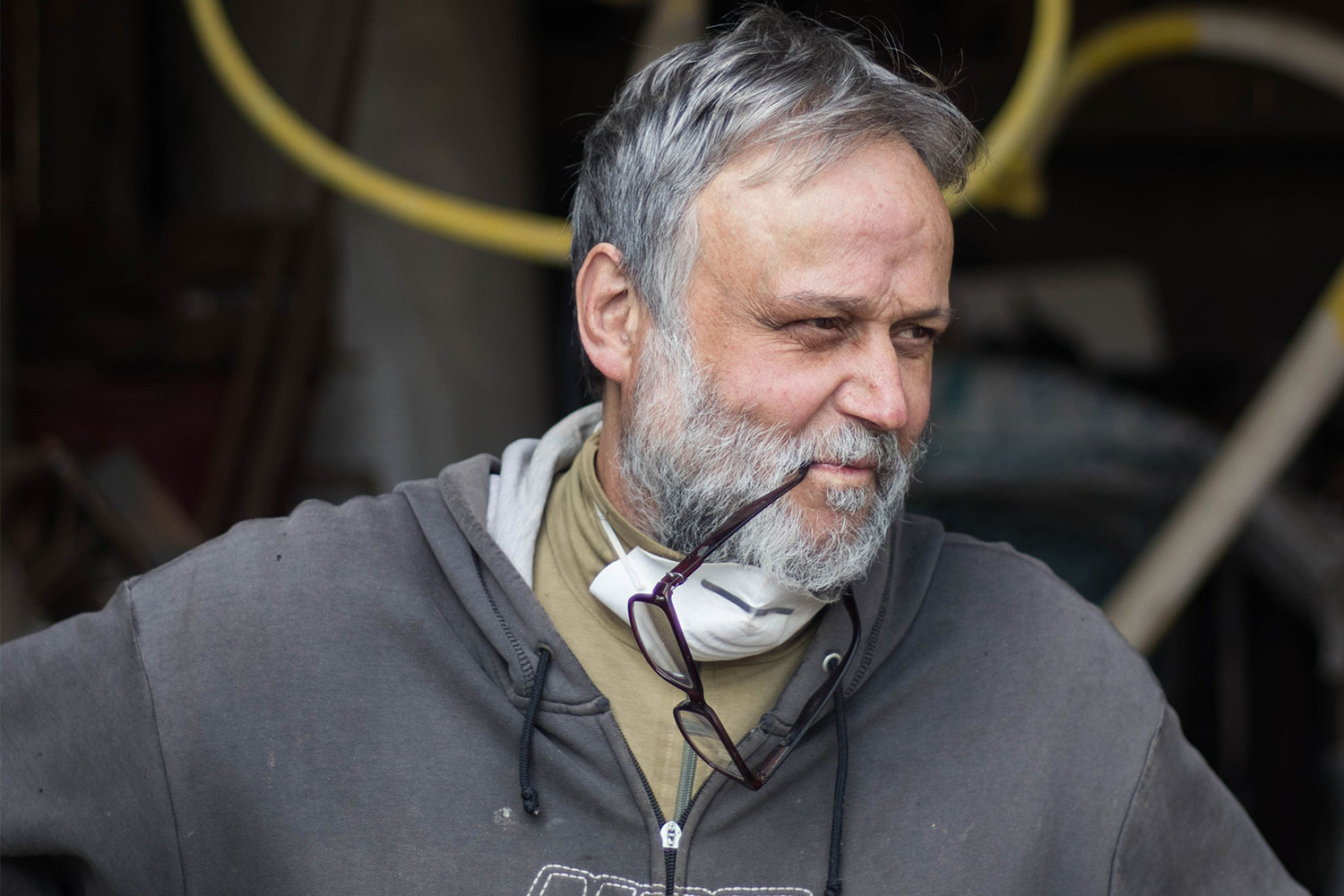
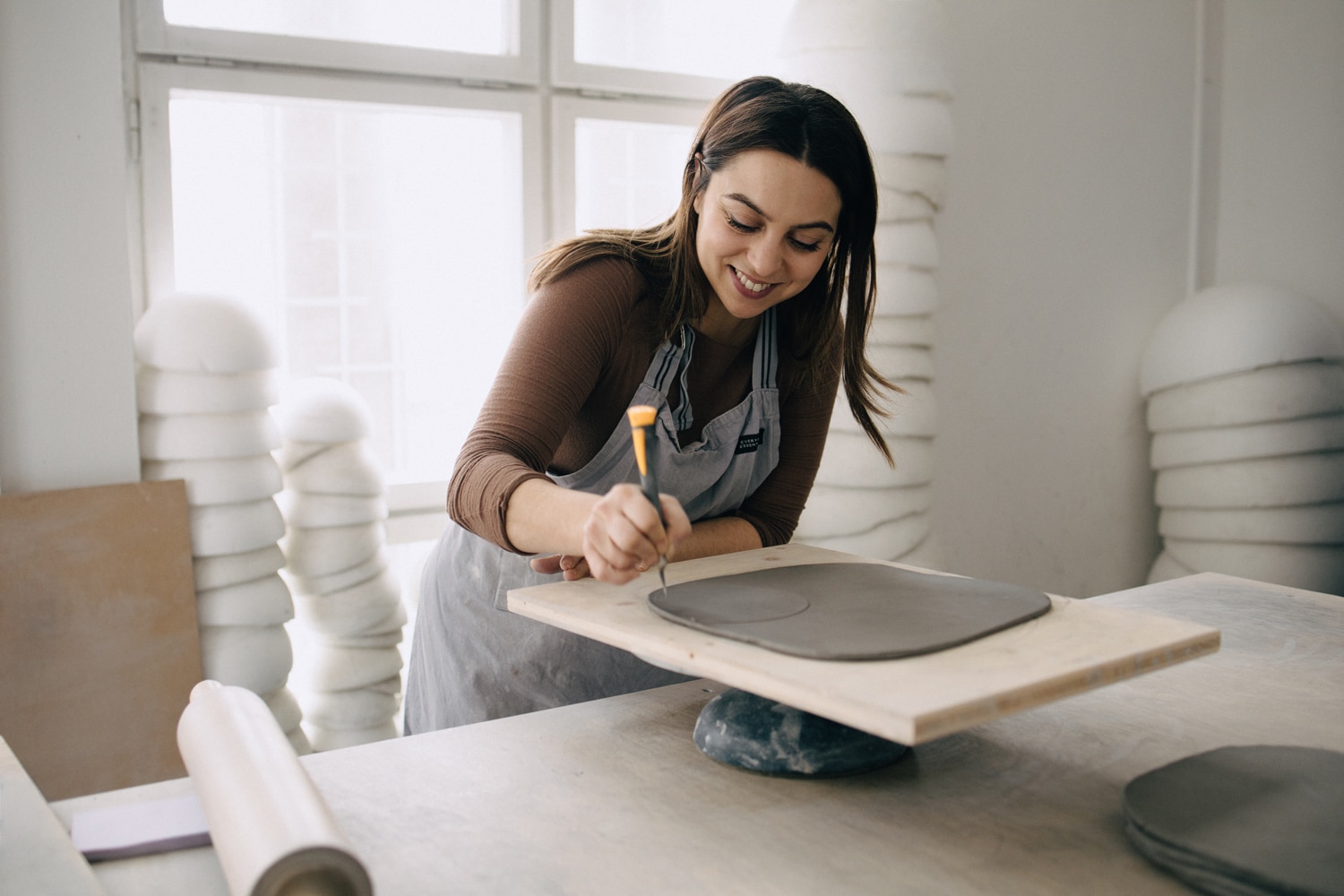
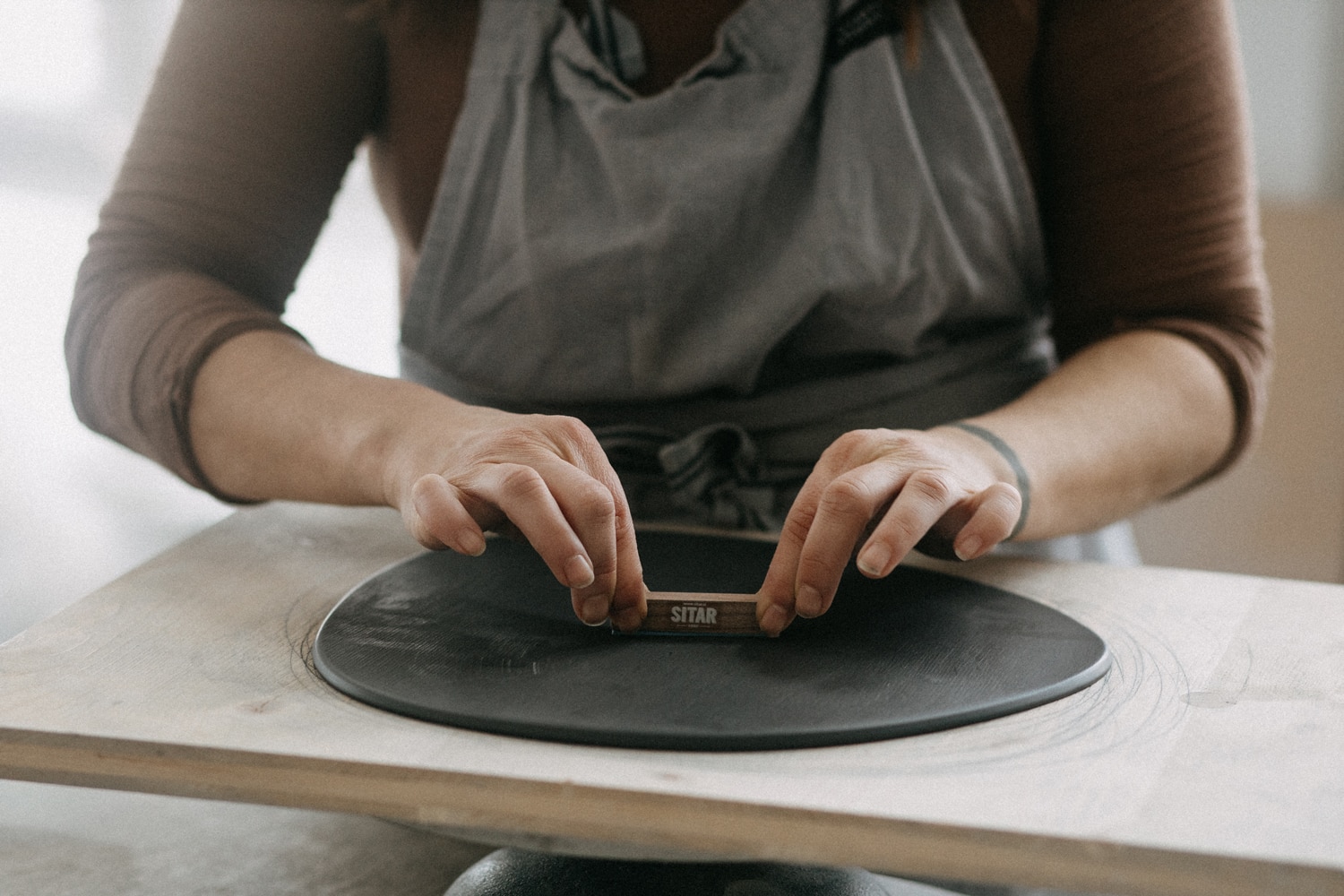
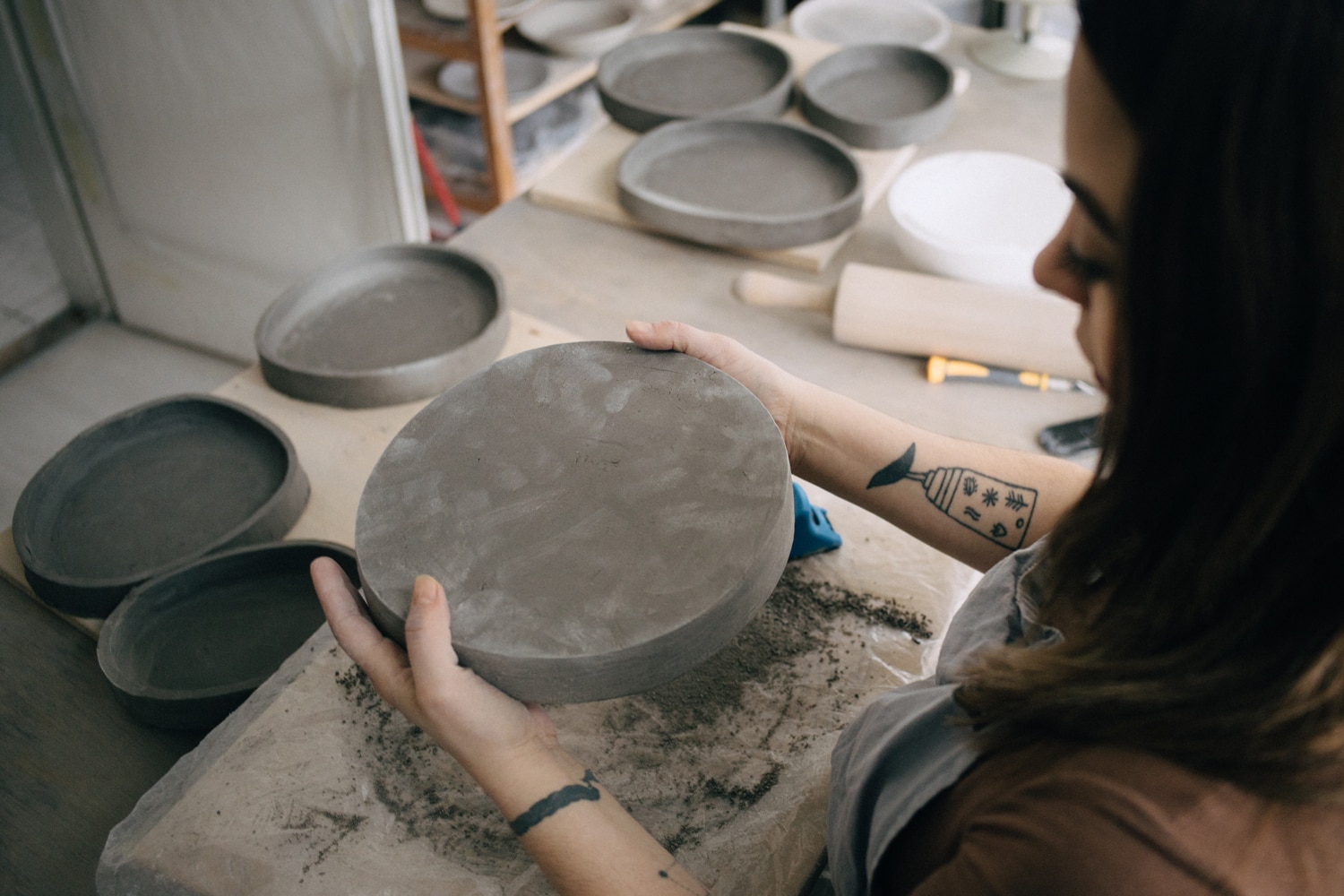
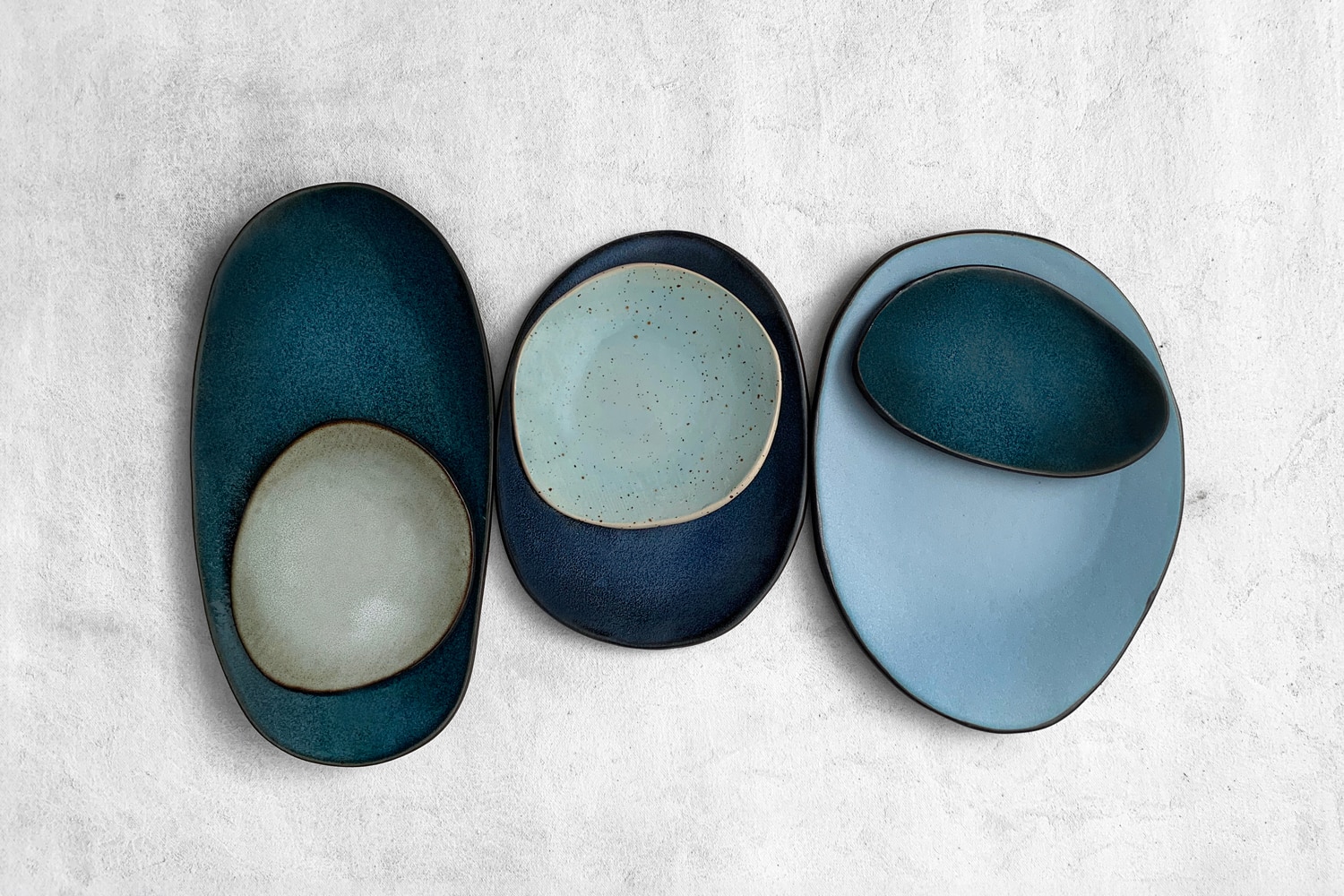
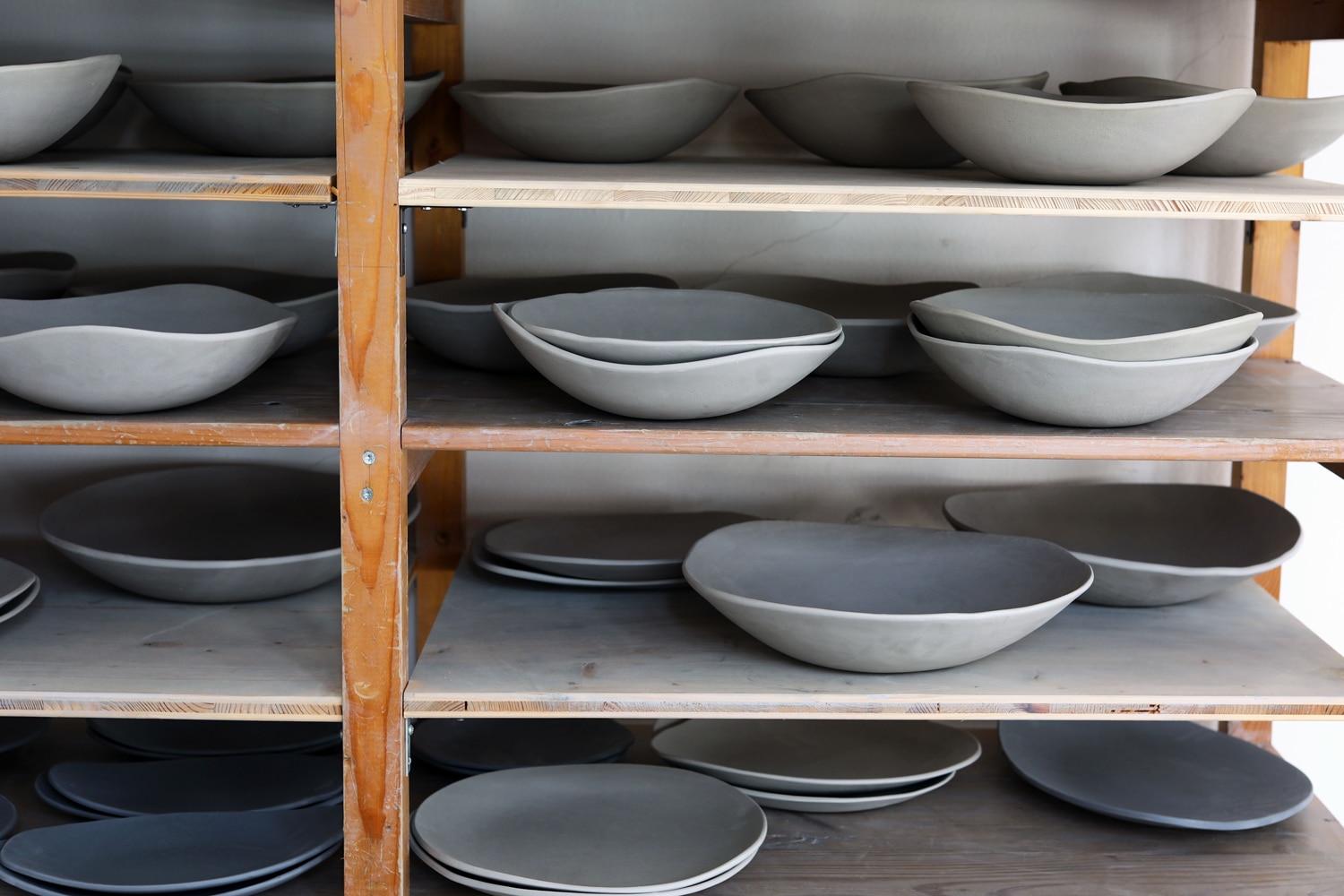
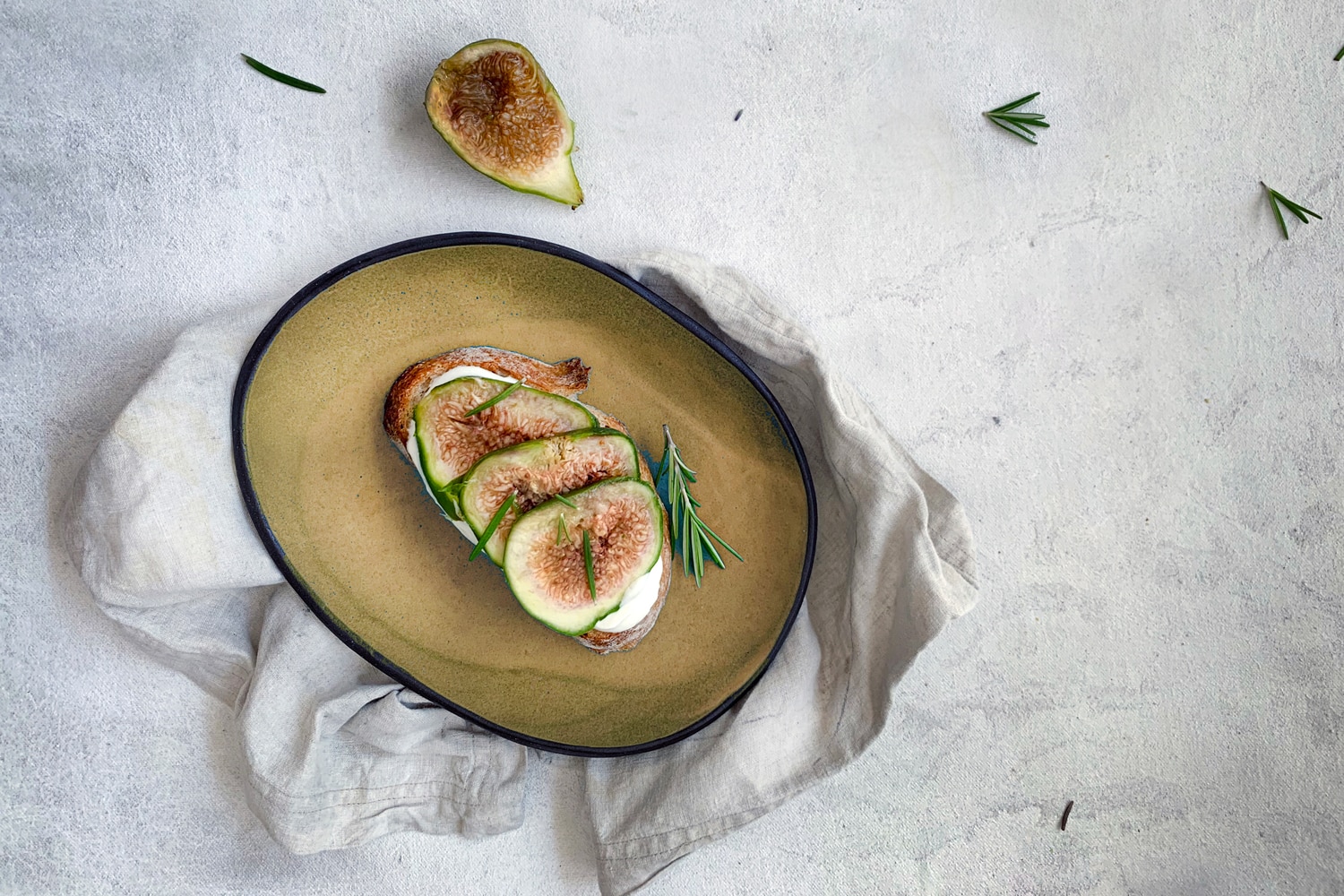
Raised in a family of artists, Hana Karim was introduced to clay at the age of ten by her mother. Her studio focuses on handbuilt tableware that transcends pure functionality. Through her practice, plates, bowls, serving pieces, cups and vessels become sculptural compositions. “I embrace the demanding, hands-on process of working with clay and the alchemy of its transformation through earth, water, air and fire,” she says. Hana’s visual language is defined by a vibrant use of colour, influenced by her father’s background as a painter. Alongside her studio practice, she is a dedicated educator who has led hundreds of workshops, sharing her knowledge with both beginners and experienced participants. Hana works in close collaboration with her partner, artist Rasfan Haval, founder of Clay Theatre, an interdisciplinary project within her studio that transforms the space into a dynamic cultural venue.
Discover her work
INTERVIEW
Yes! It is still displayed on the wall in my parents’ home. It was a little dog.
Growing up around my father’s paintings, I began to think that art is, by default, colourful. But later, as I started to discover my own artistic voice, my pieces became monochromatic and serious, because that is what I thought serious art should be. Now I know that colour can be playful, but it can also evoke calmness and deep thought. One can get lost in a colour combination. I have, on some occasions, been moved to tears by a beautiful colour.
I believe any medium, if you dedicate all of yourself to it, teaches you a lot. I have tried many different materials, but working with clay has stayed with me. Perhaps I am drawn to labour-intensive, unpredictable and seemingly uncontrollable mediums, which clay certainly is. I have always liked the fact that even though you learn to control the process more and more, the final result is still surprising, day after day.
At my intensive workshops, I host people at the studio for a week. Imagine having a time in your life where you can spend a week doing nothing but work with clay in a room of complete strangers! Something funny usually happens around day two: people start laughing and making jokes, inviting each other for dinners and walks. I think a ceramics practice is a very powerful tool, as it evokes curiosity, it shocks and also calms you down, and even humbles you.
Hana Karim
Ceramicist
Ljubljana, Slovenia
AVAILABILITY
Monday to Friday 11:00-17:00
LANGUAGES
Slovenian, English
Homo Faber Finds is a new service aiming to inspire admirers of craft to connect and collaborate with exceptional artisans.
We invite you to submit an enquiry here.