George Rodriguez
Ceramicist
Philadelphia, PA, USA
Bringing cultures together with clay
- George’s ceramic figures reveal the shared imagery in global traditions
- He balances wit and seriousness, using humour as an entry to deeper themes
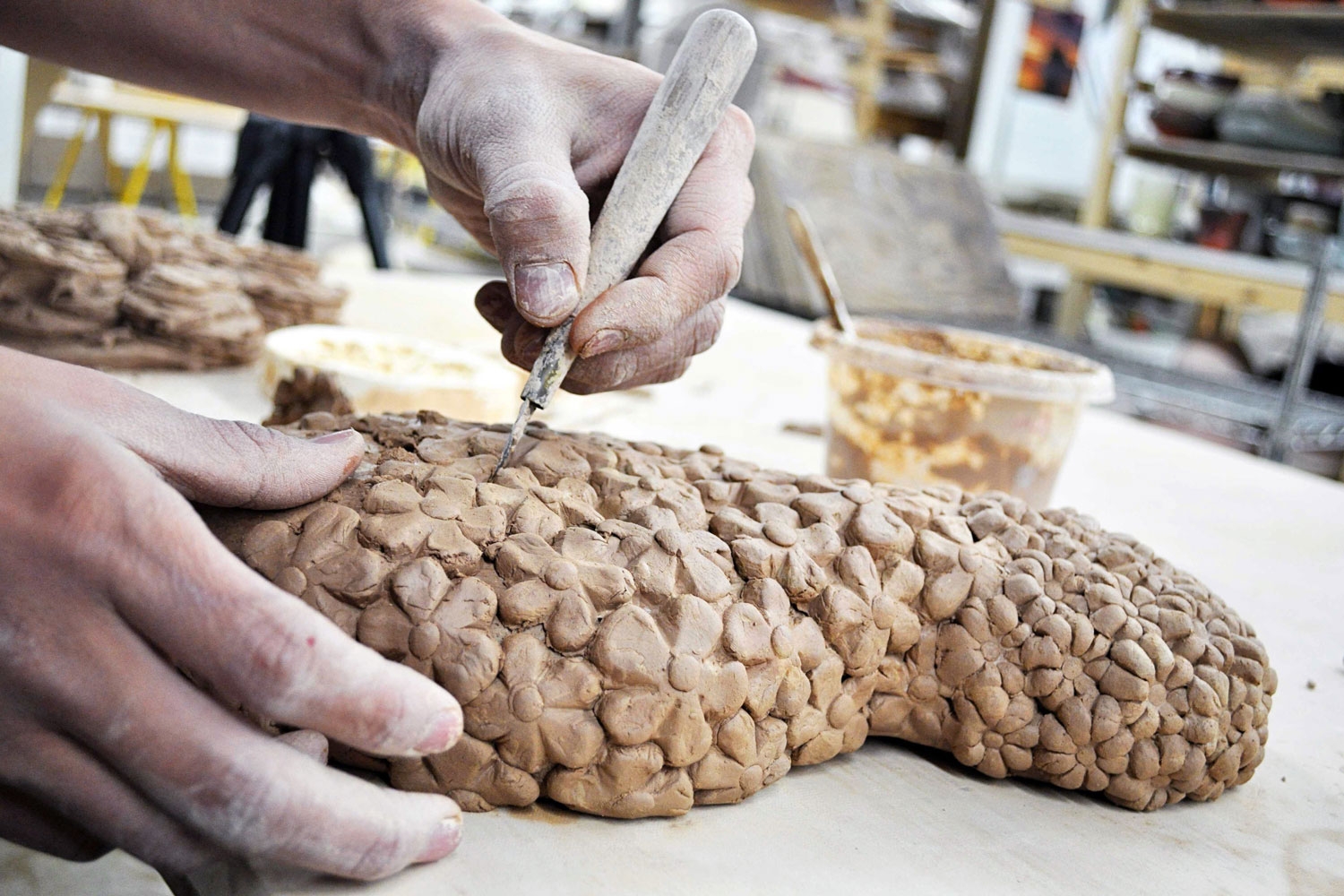
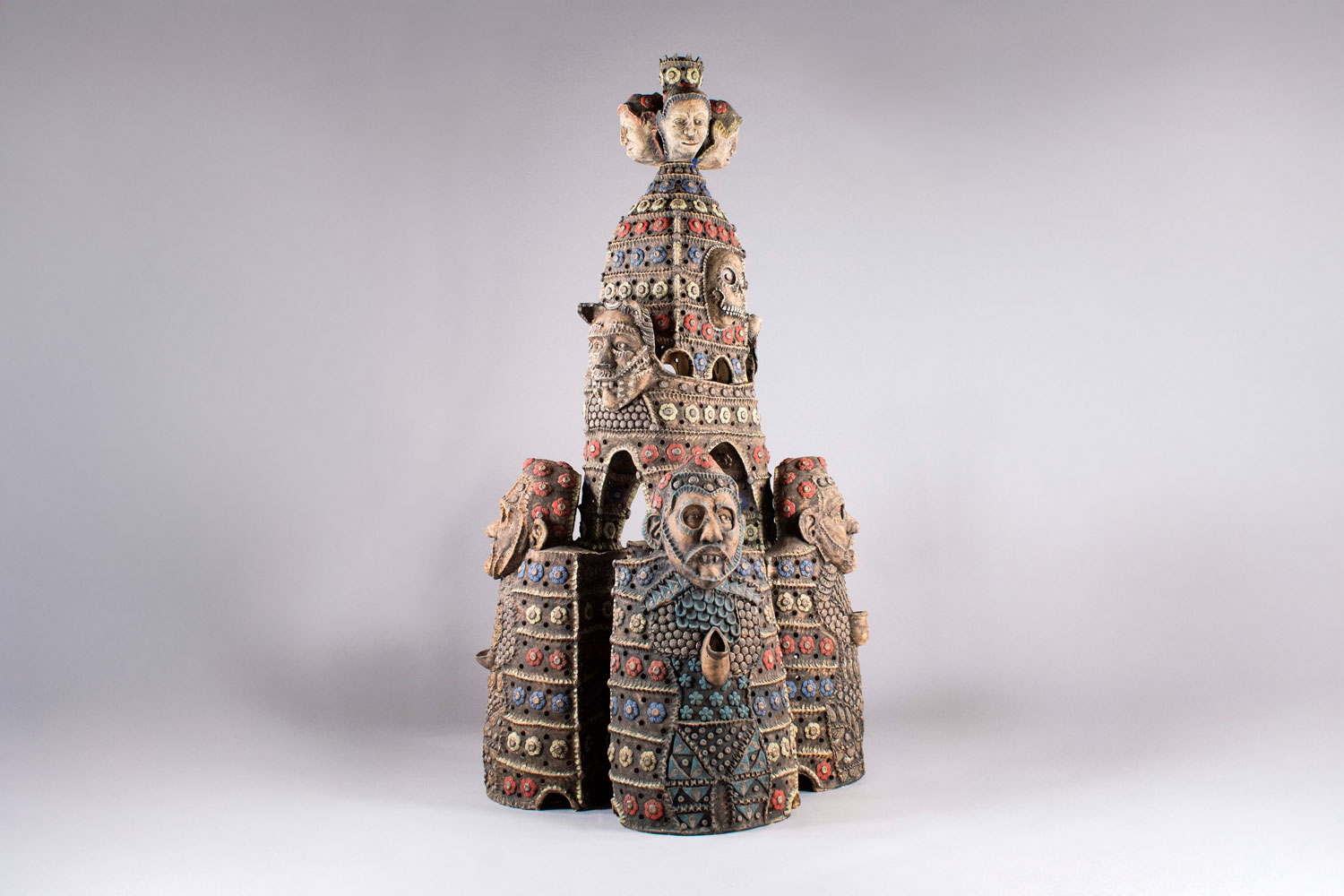
- His forms are adorned in hand pressed detail that rewards close looking
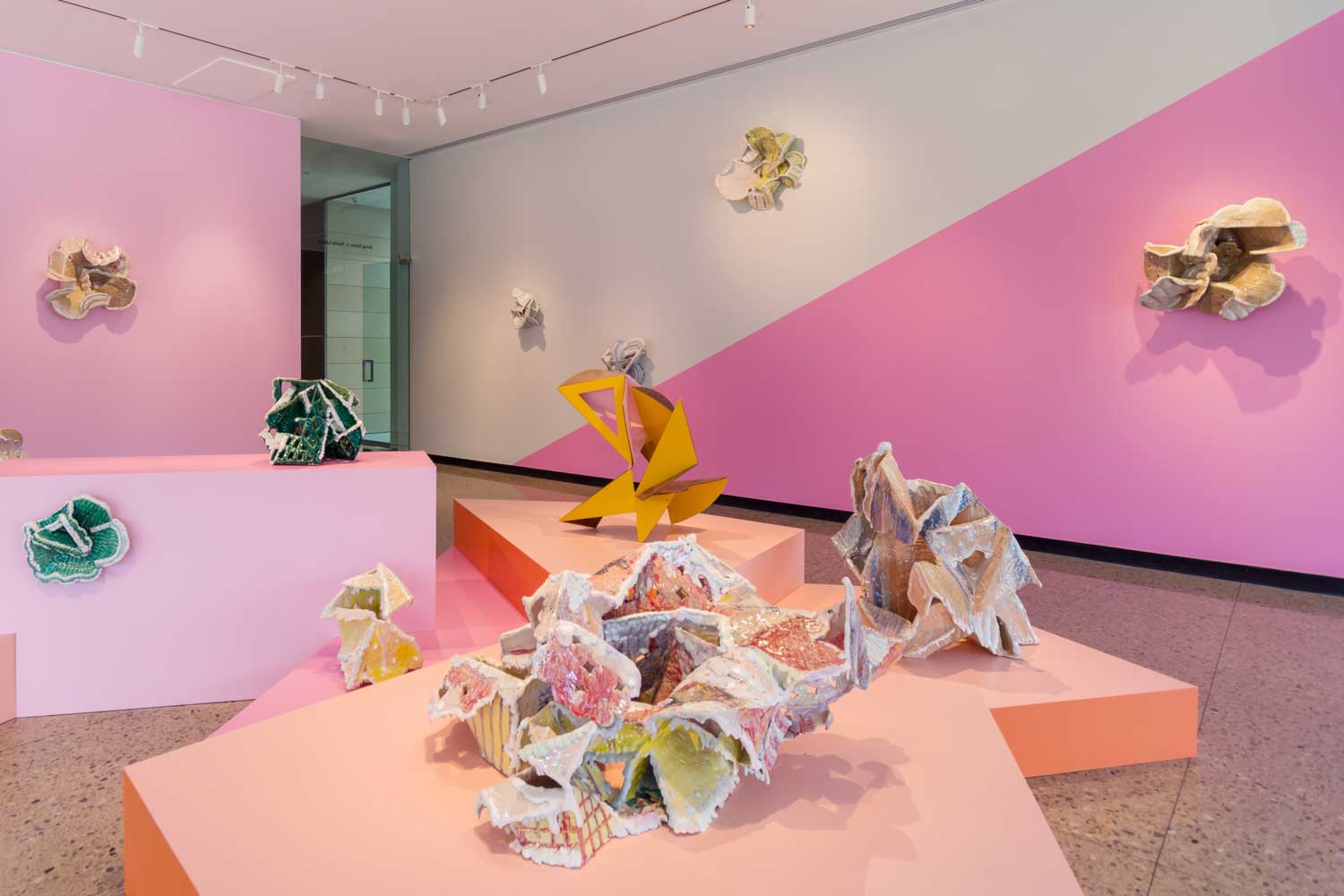
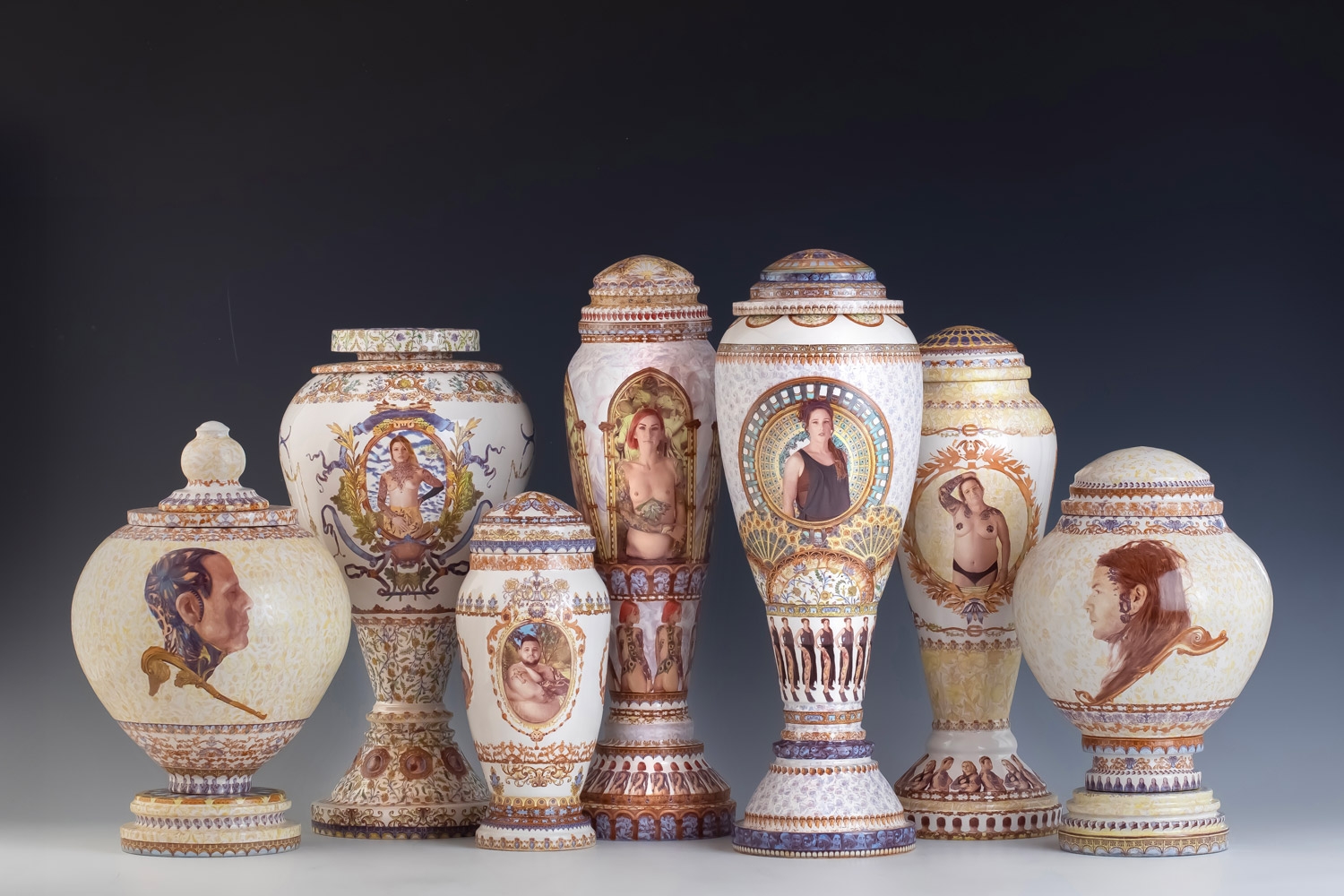
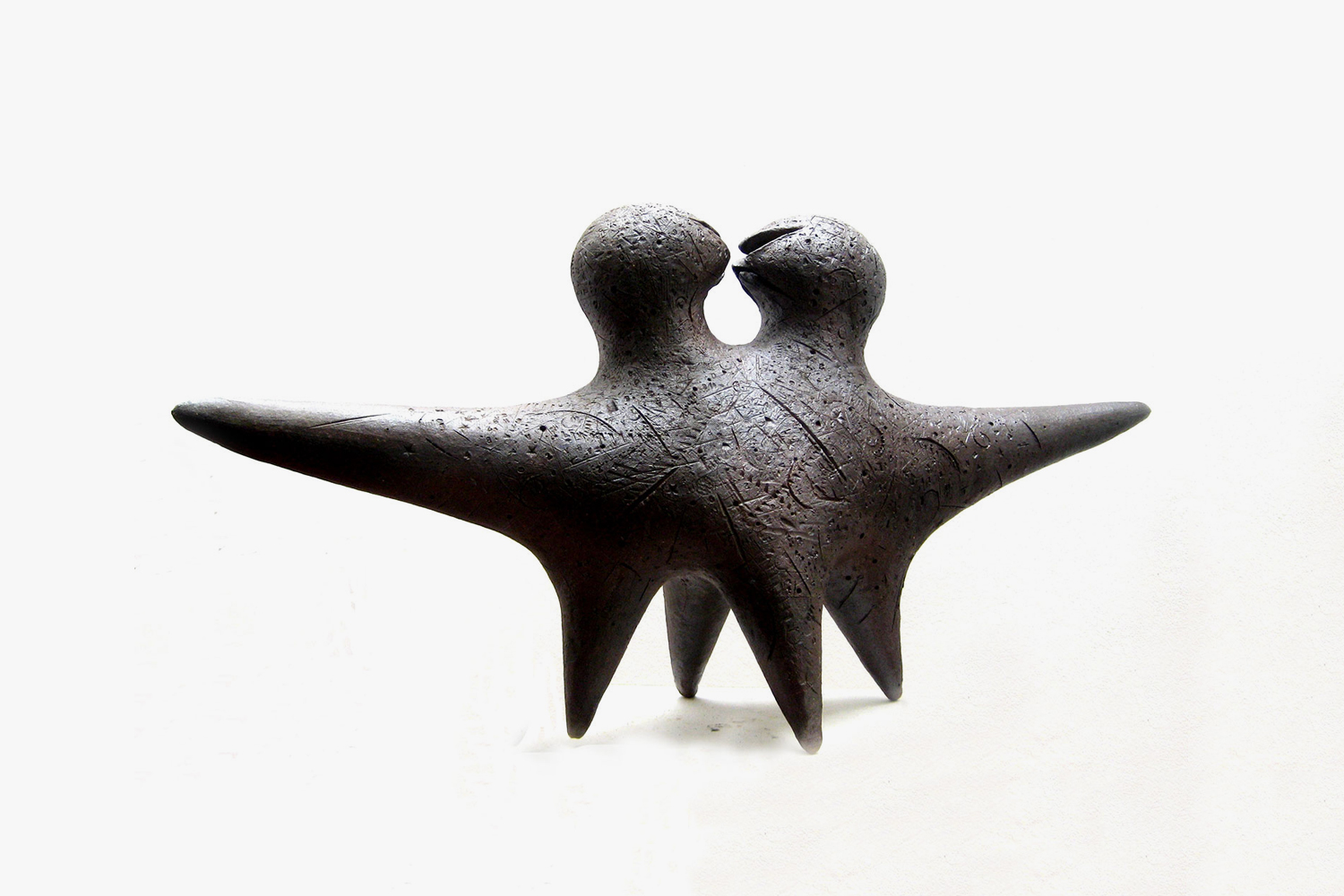
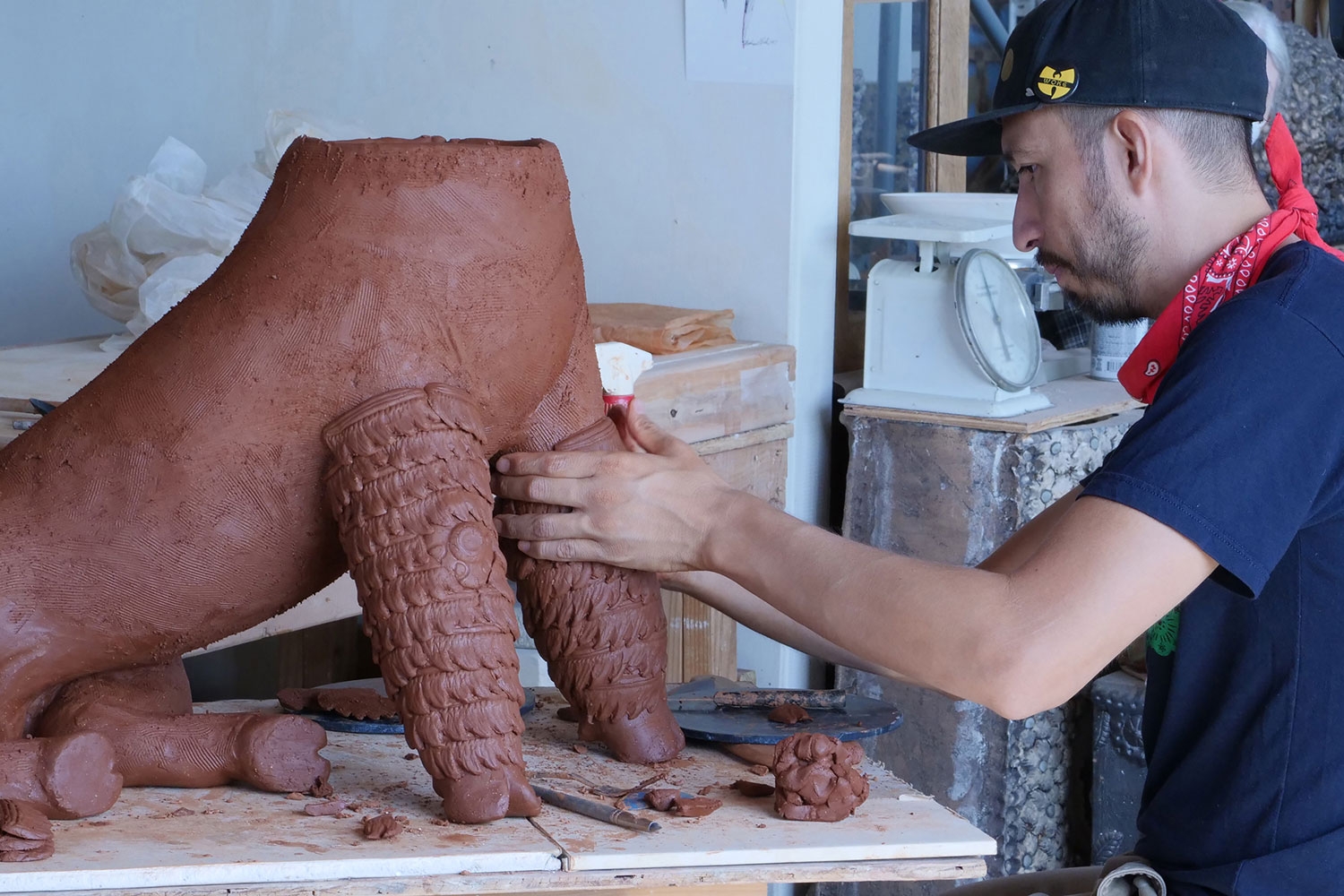
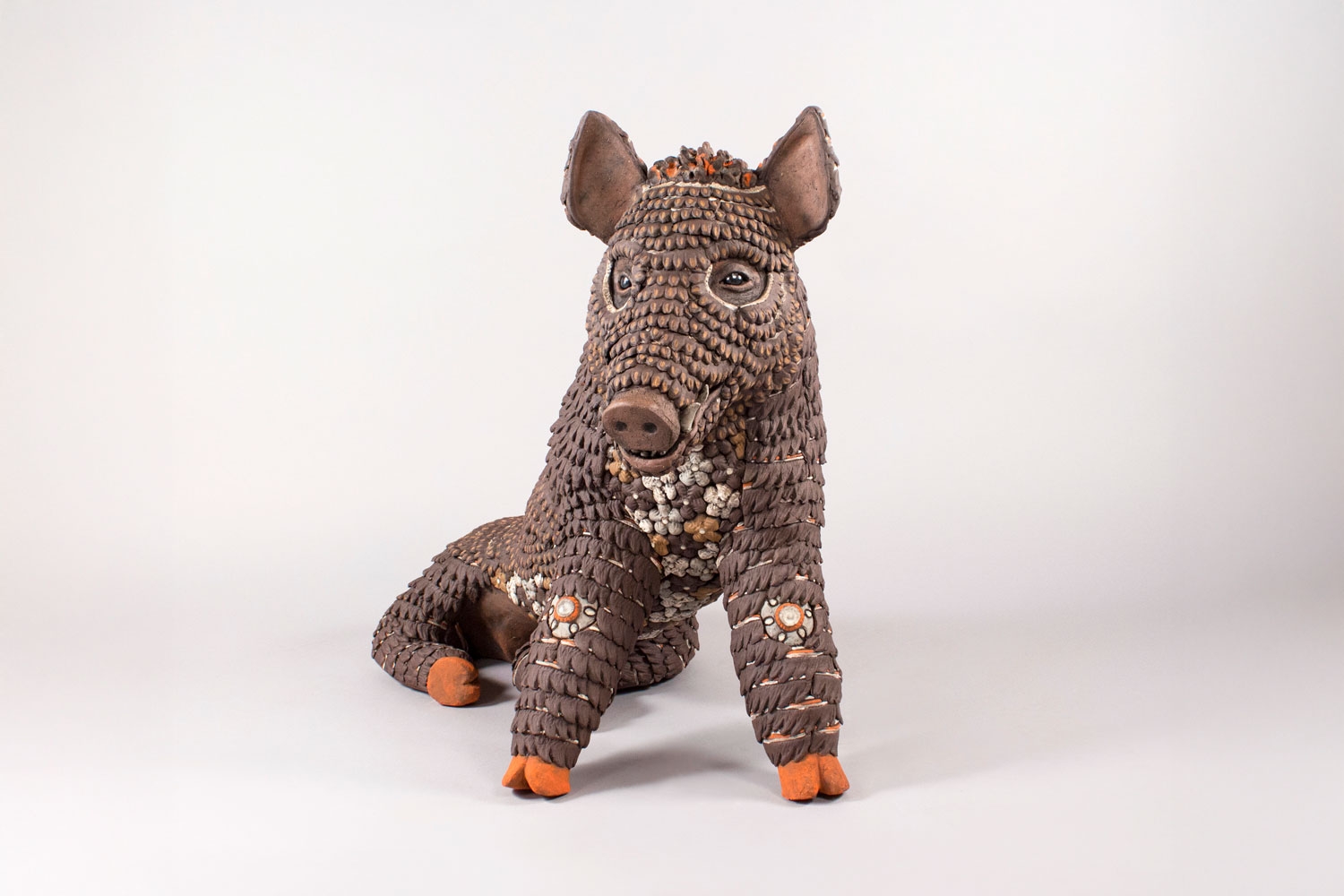
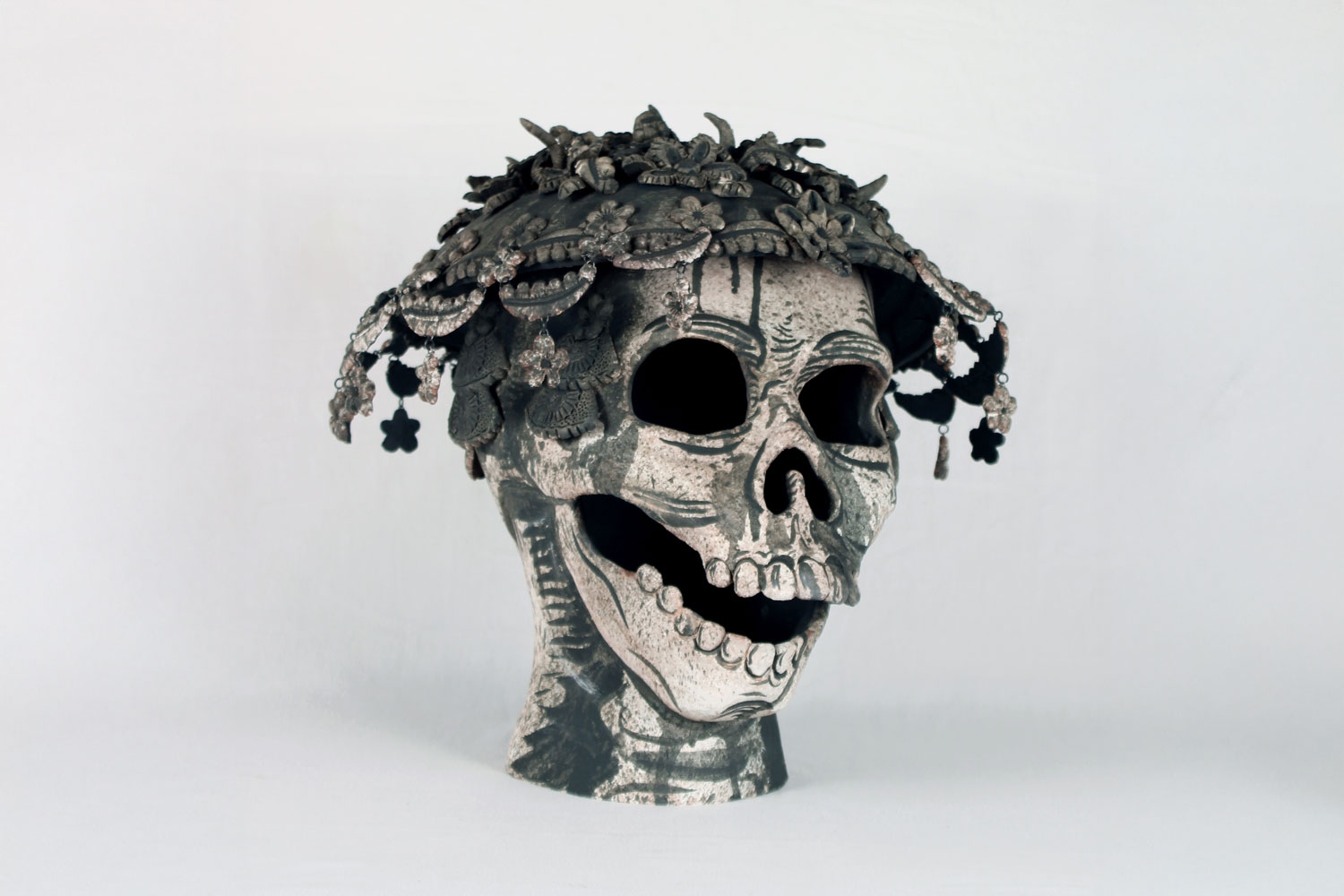
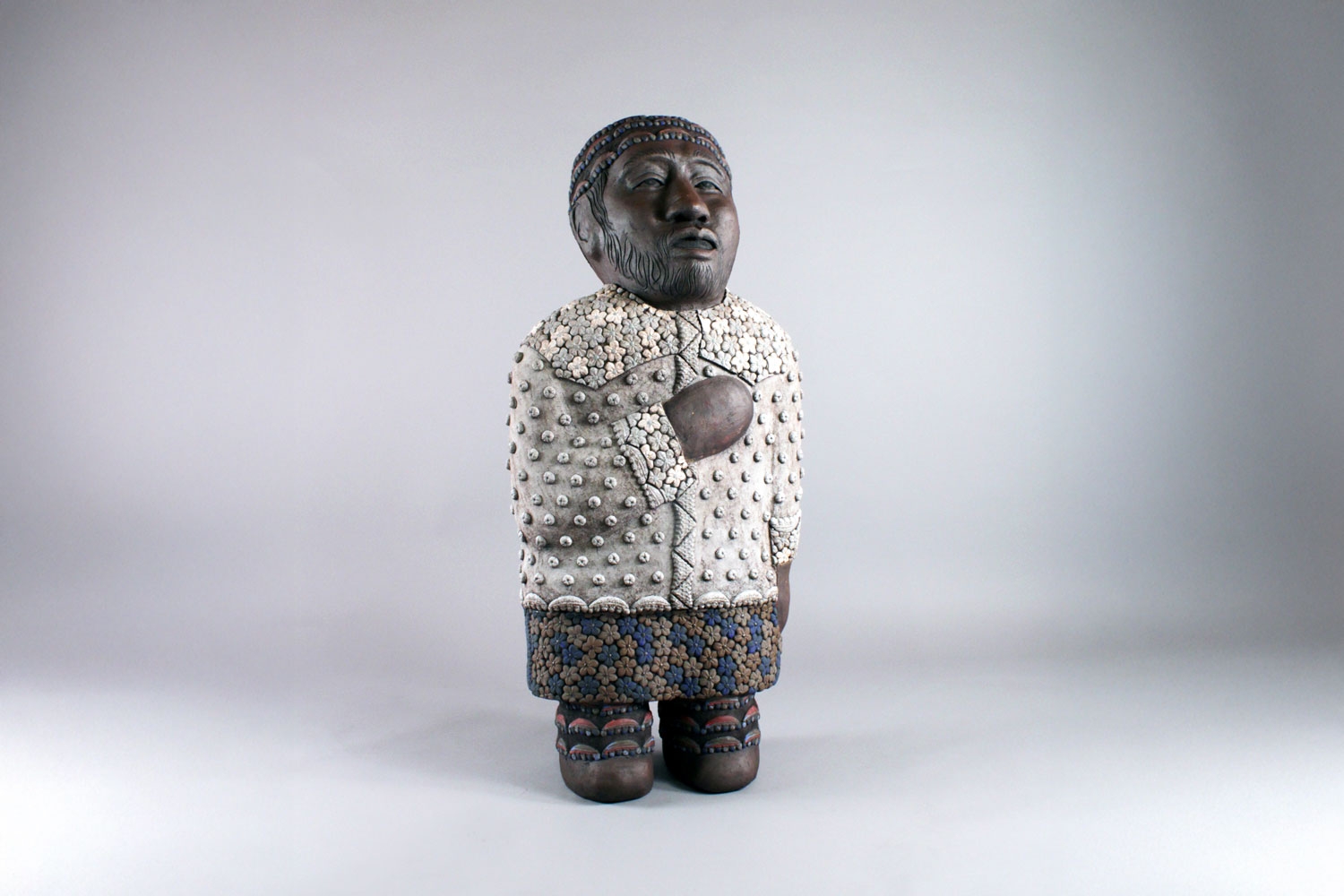
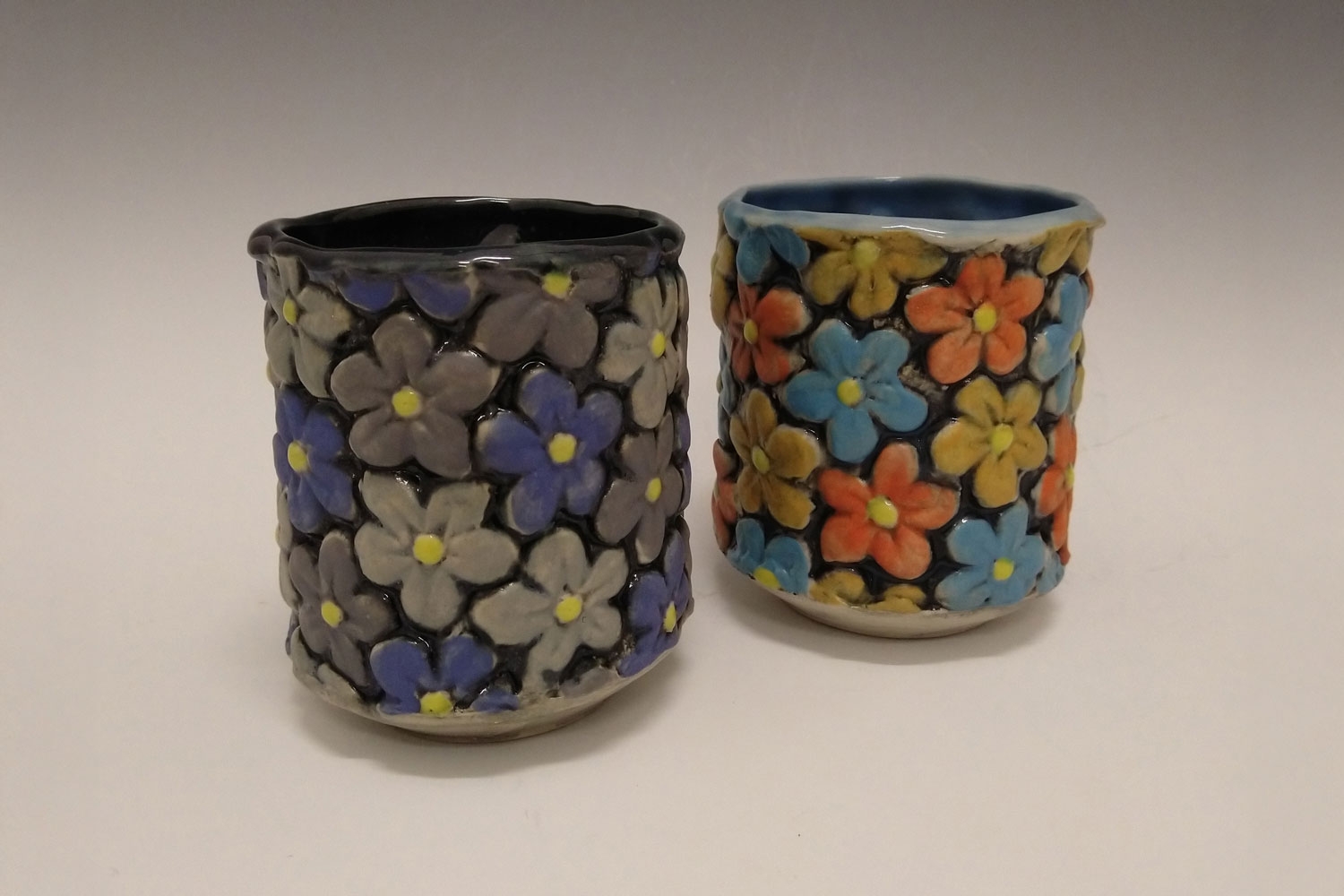
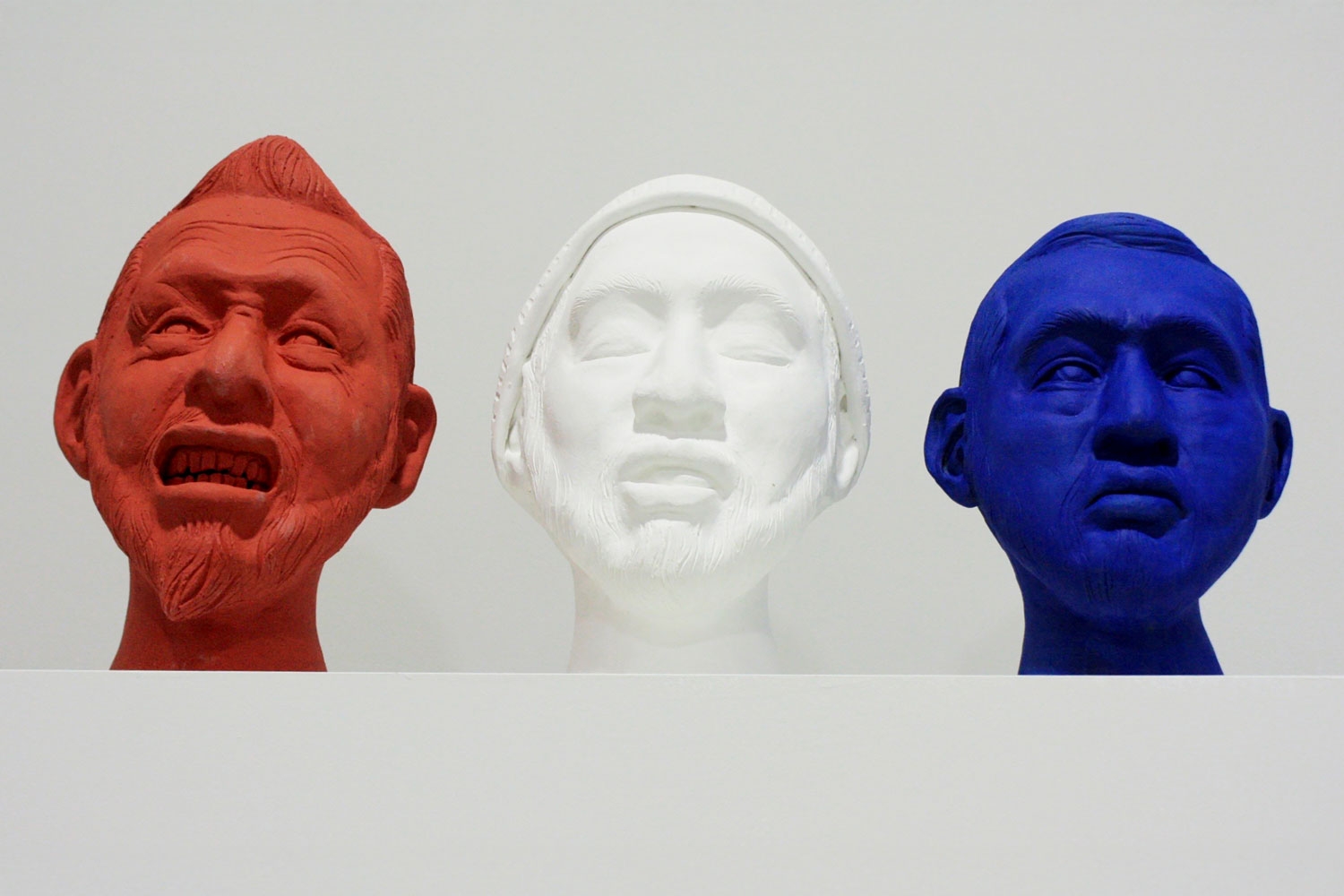
George Rodriguez's slab built ceramic sculptures are rich in visual detail. His work draws on Chicano heritage and world traditions, showing how communities separated by geography, custom and belief often arrive at strikingly similar imagery and iconographic motifs. This outlook is shaped by George's bicultural upbringing and travel to 26 countries in under a year. "I noticed in my travels how interconnected we are as humans. In Bangkok and Peru, I saw guardian figures with almost identical faces, despite coming from cultures oceans apart," he says. George's work also carries the irreverence and humour of the 1960s American funk ceramics movement, visible in the tongue-in-cheek tone of his figures. "I use humour and ornament to offer pleasure at first glance, but also to guide people towards the deeper narrative within the work," he explains.
INTERVIEW
I want people to be in awe when they look at my work. I want them to feel the detail and the amount of time it takes to craft an object. The ornament sits on the surface, and if that is all someone sees, it is fine. But for those who spend more time with the piece, I hope the deeper layers reveal themselves: the symbolism, the narrative and the story I am building.
If a sculpture makes me laugh while I am making it, I know I am on the right track. Humour is my entry point. It disarms the viewer, invites them in and creates a sense of ease. Once that connection is made, we can go deeper and talk about anything.
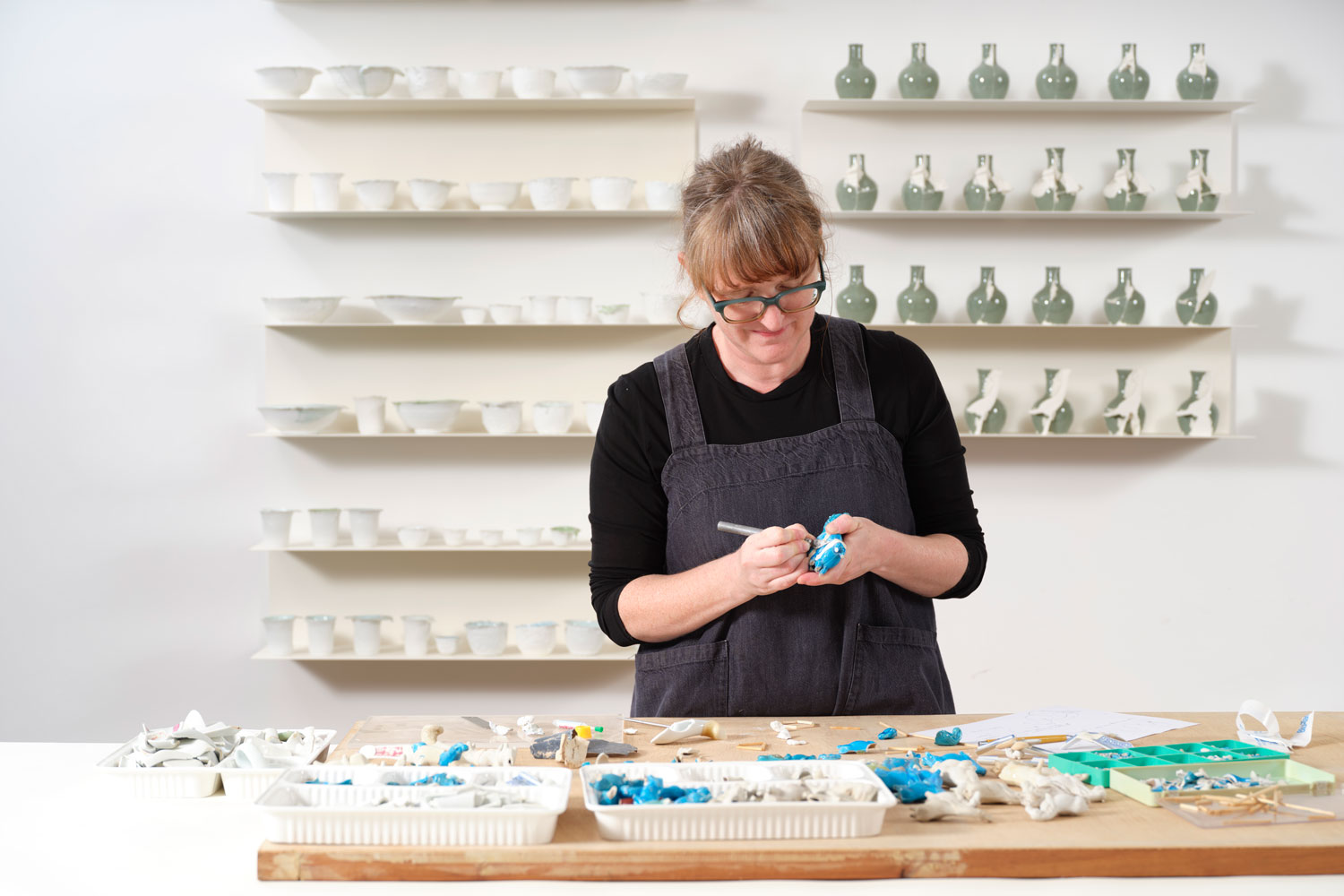
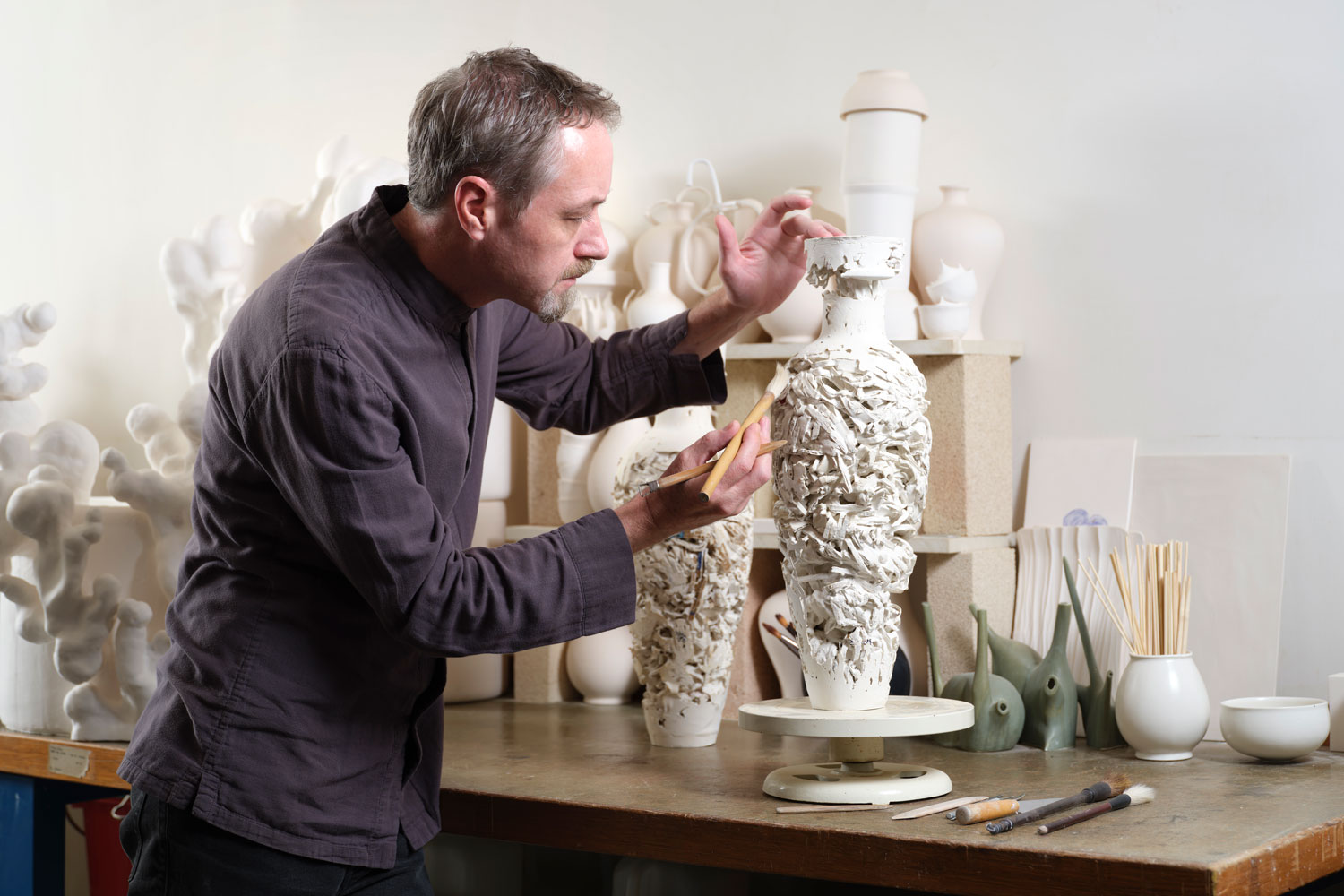
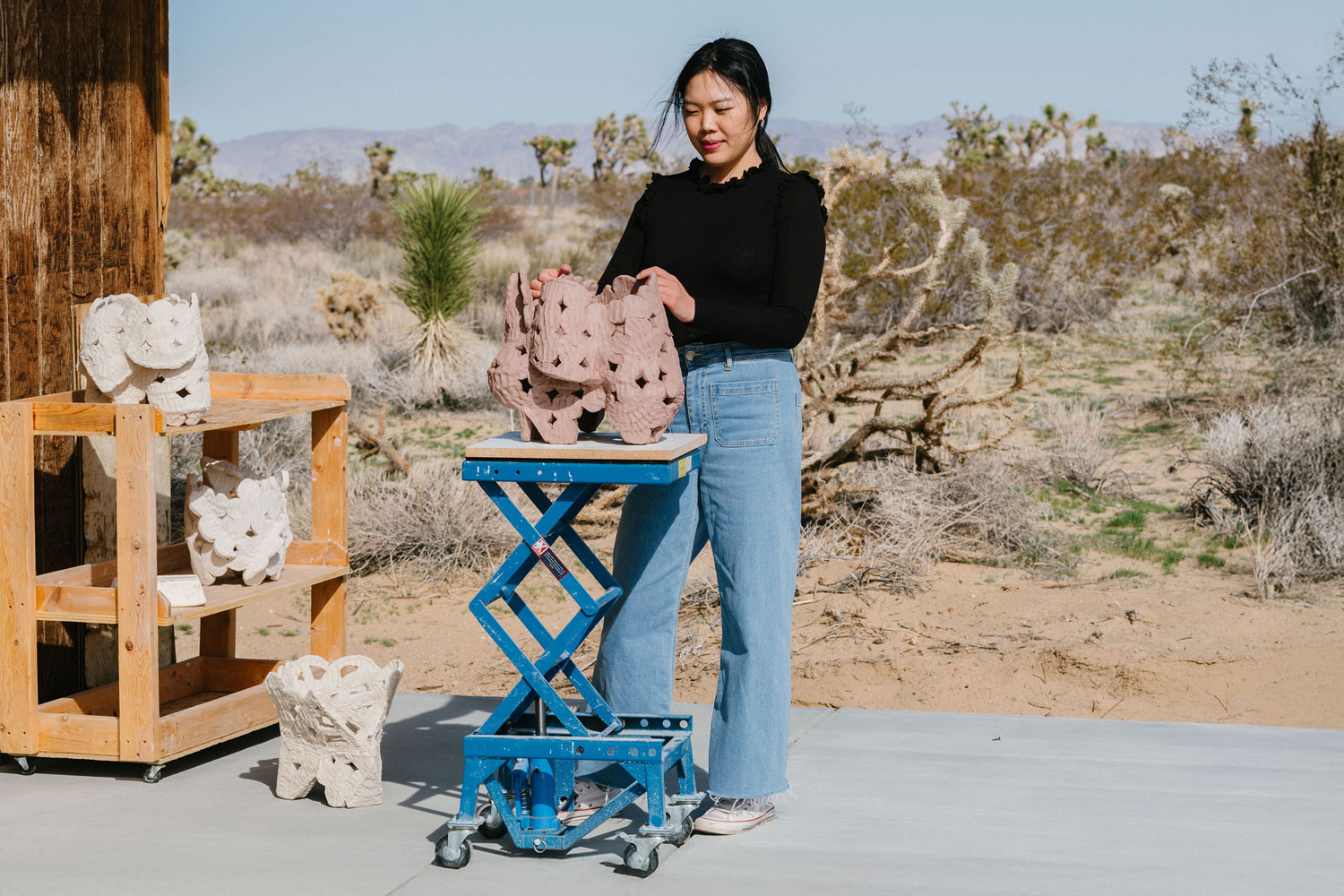
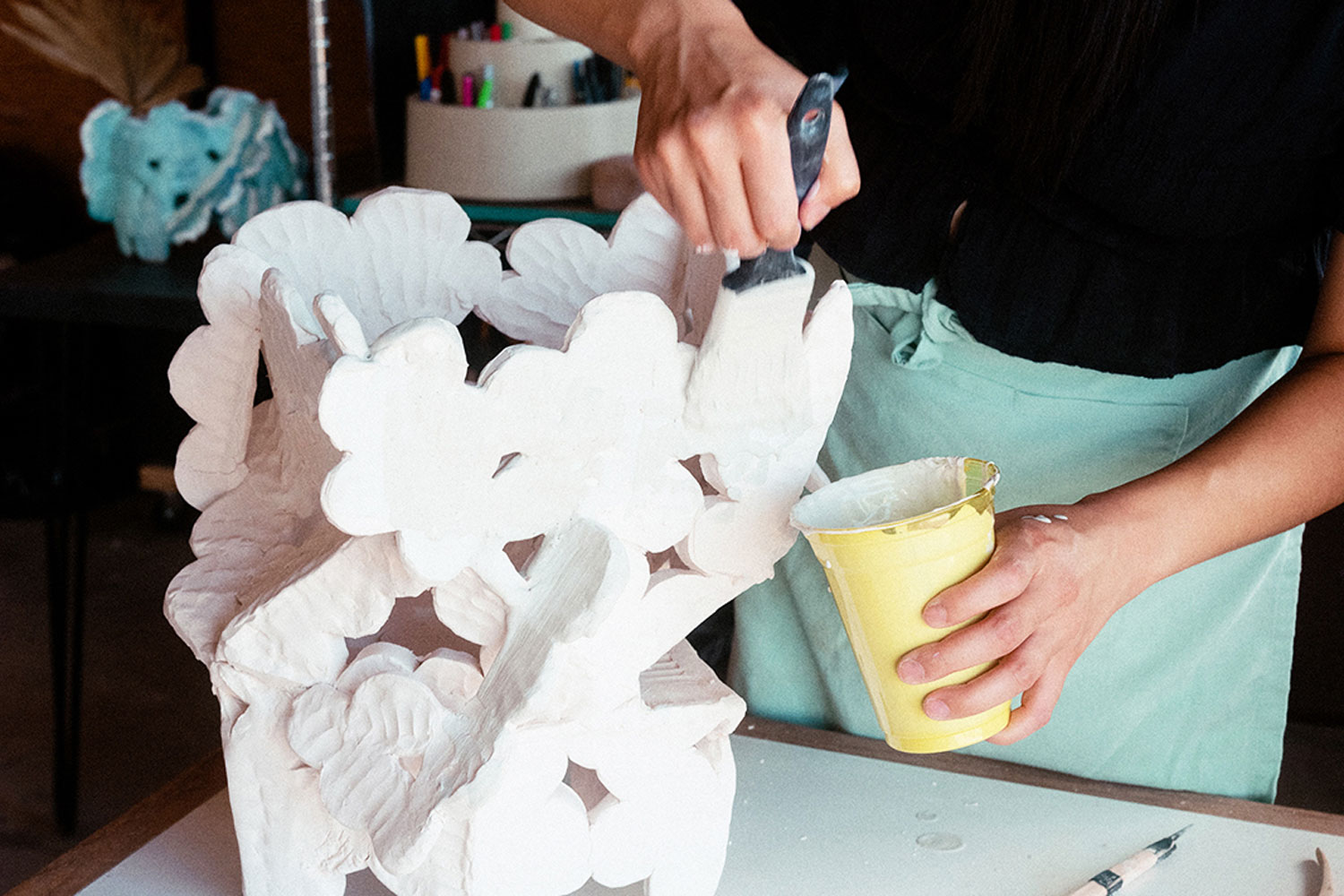
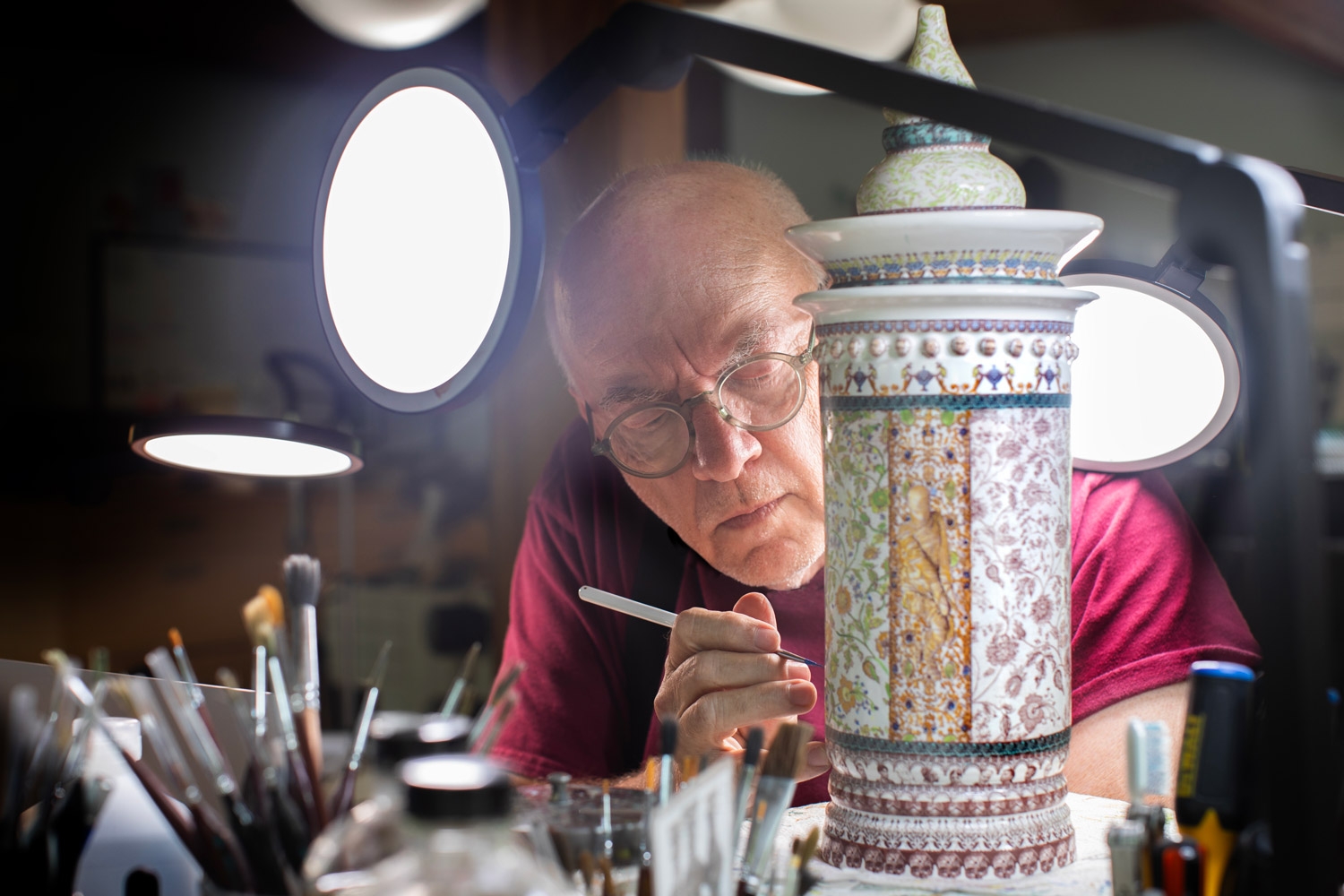
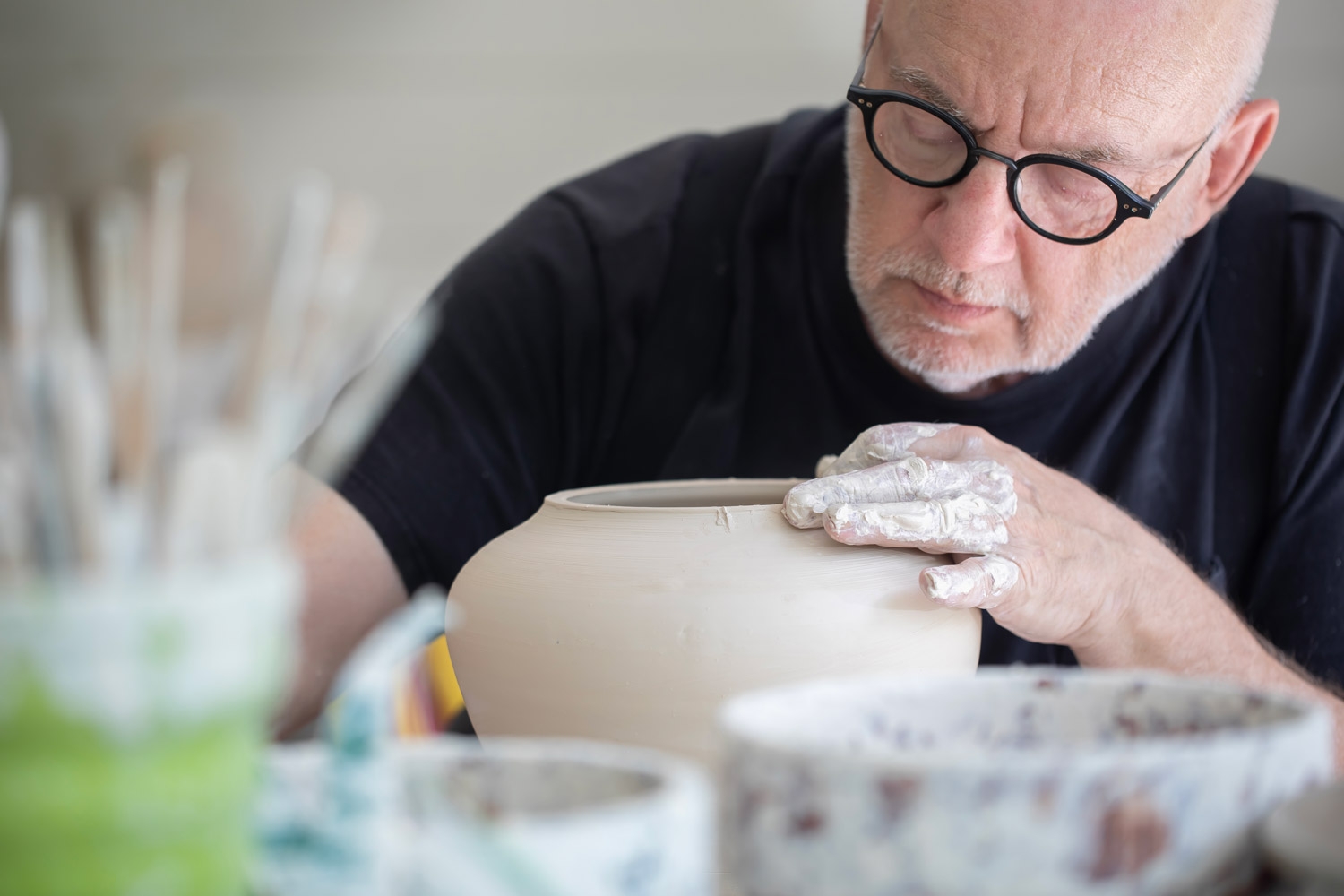
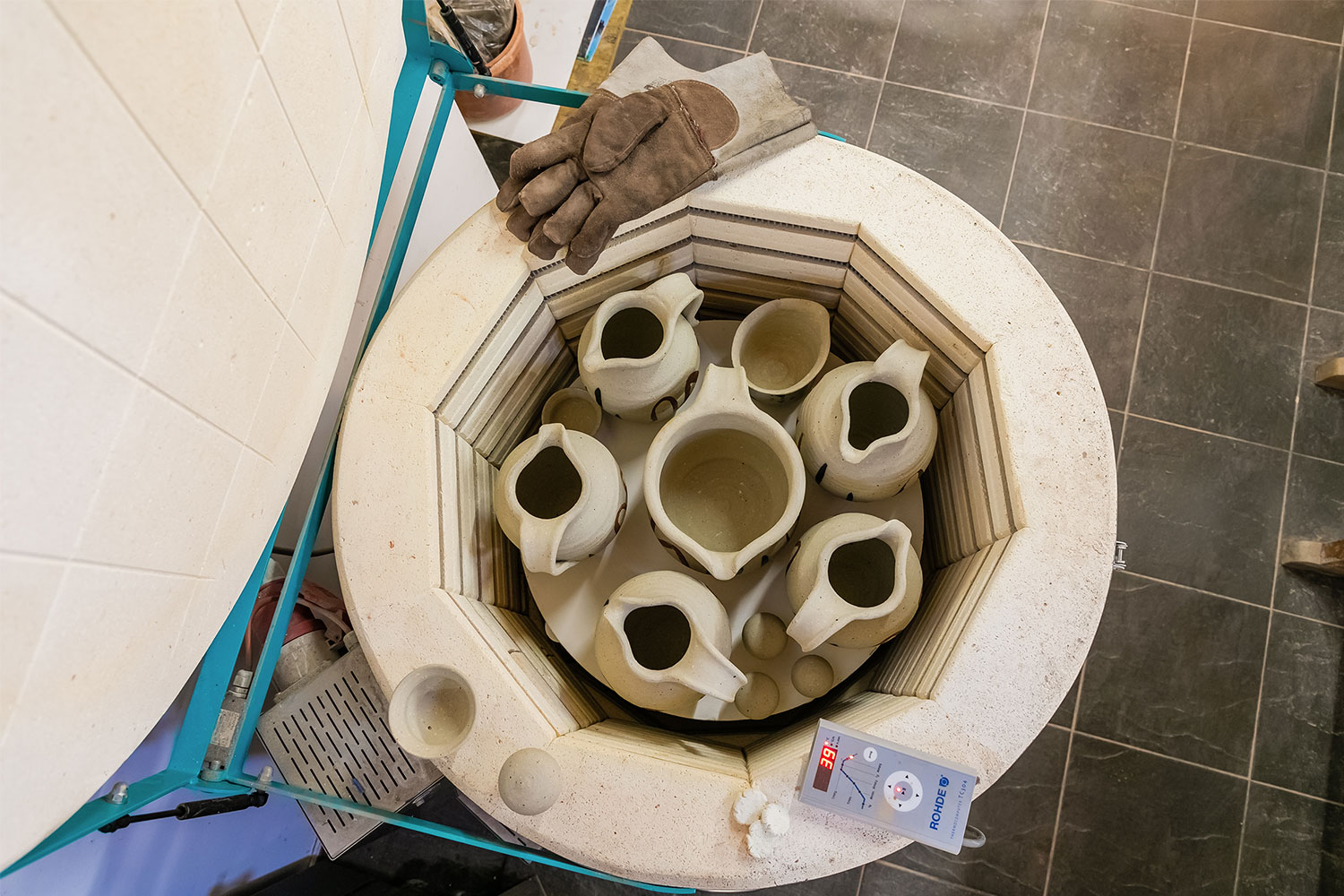
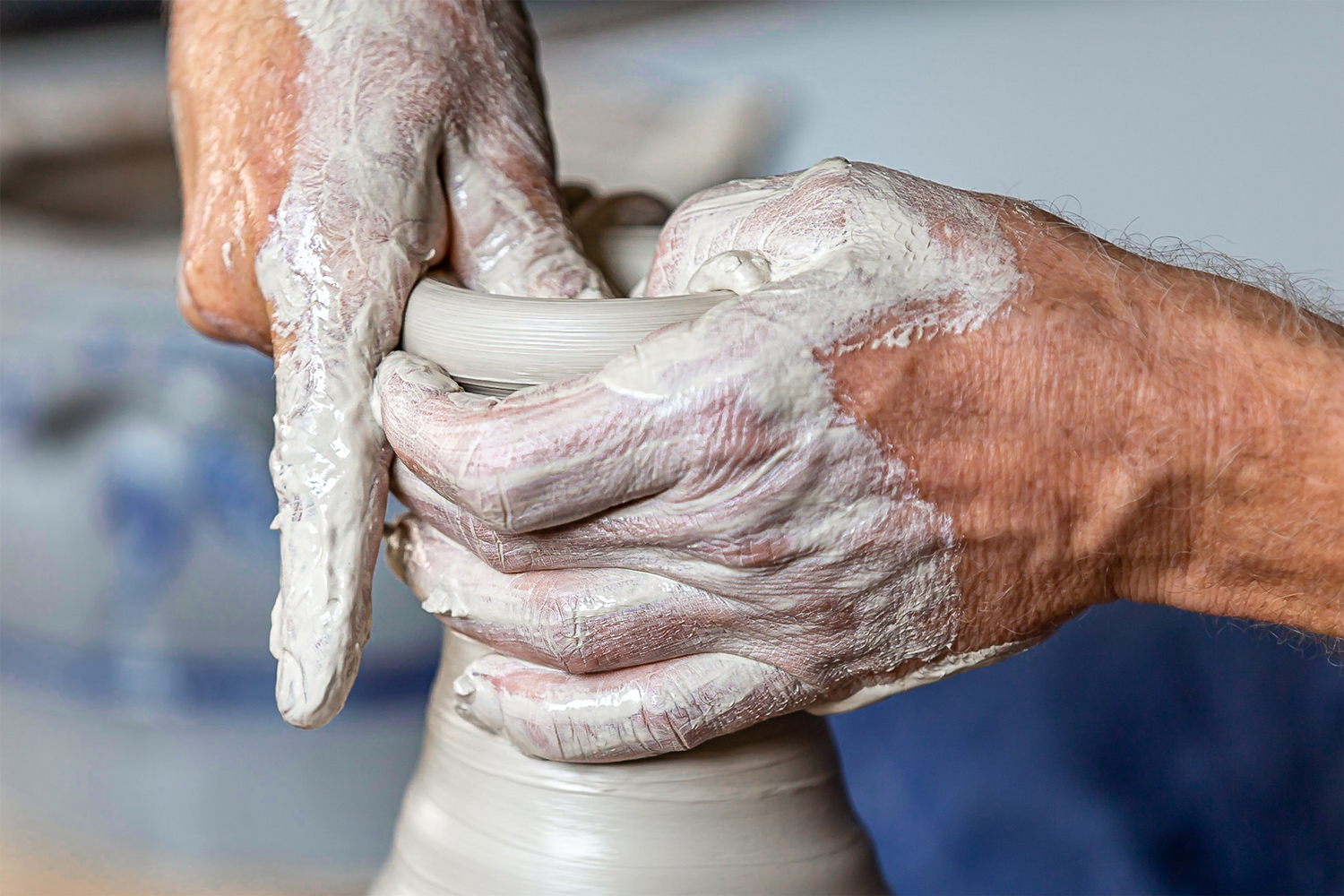
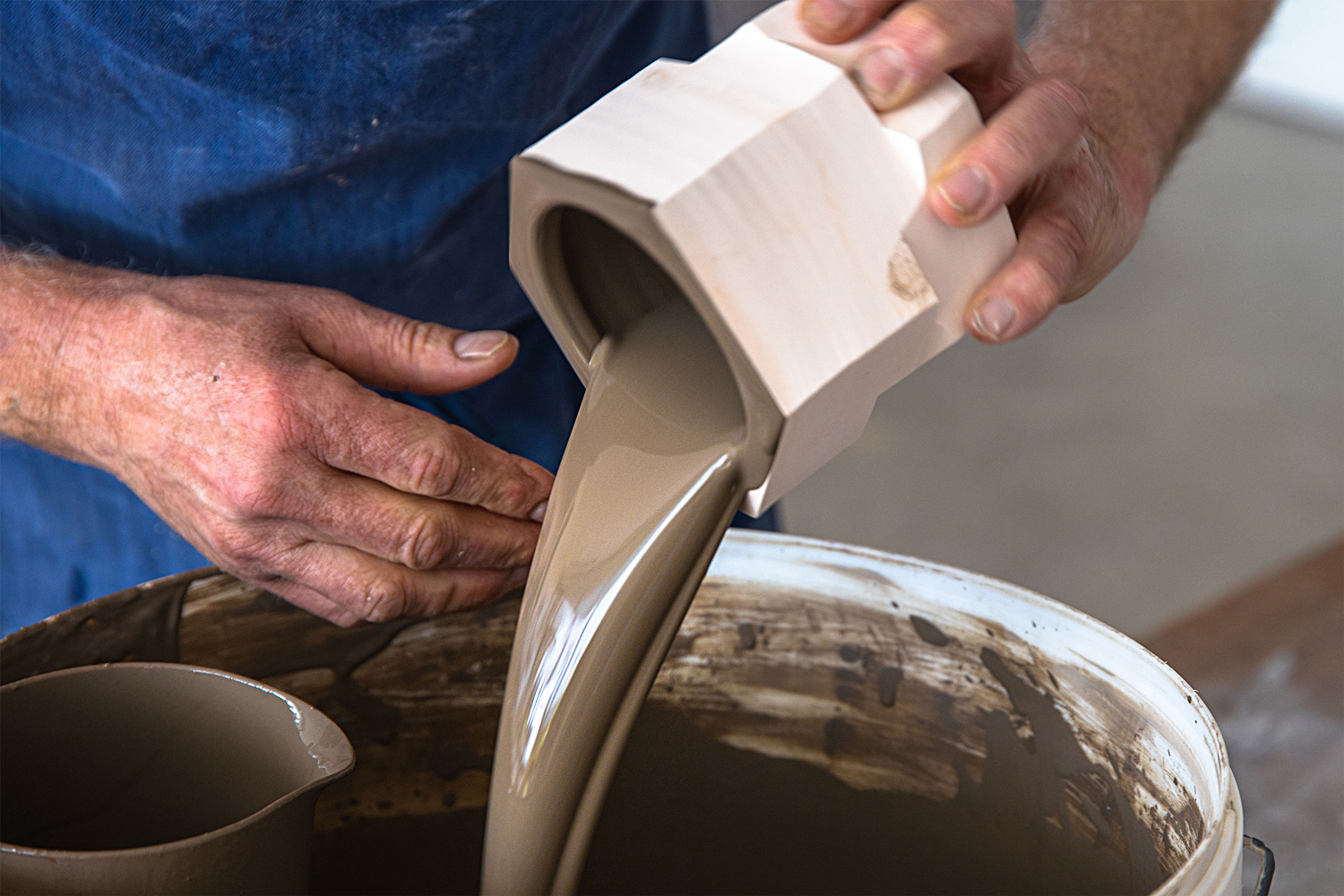
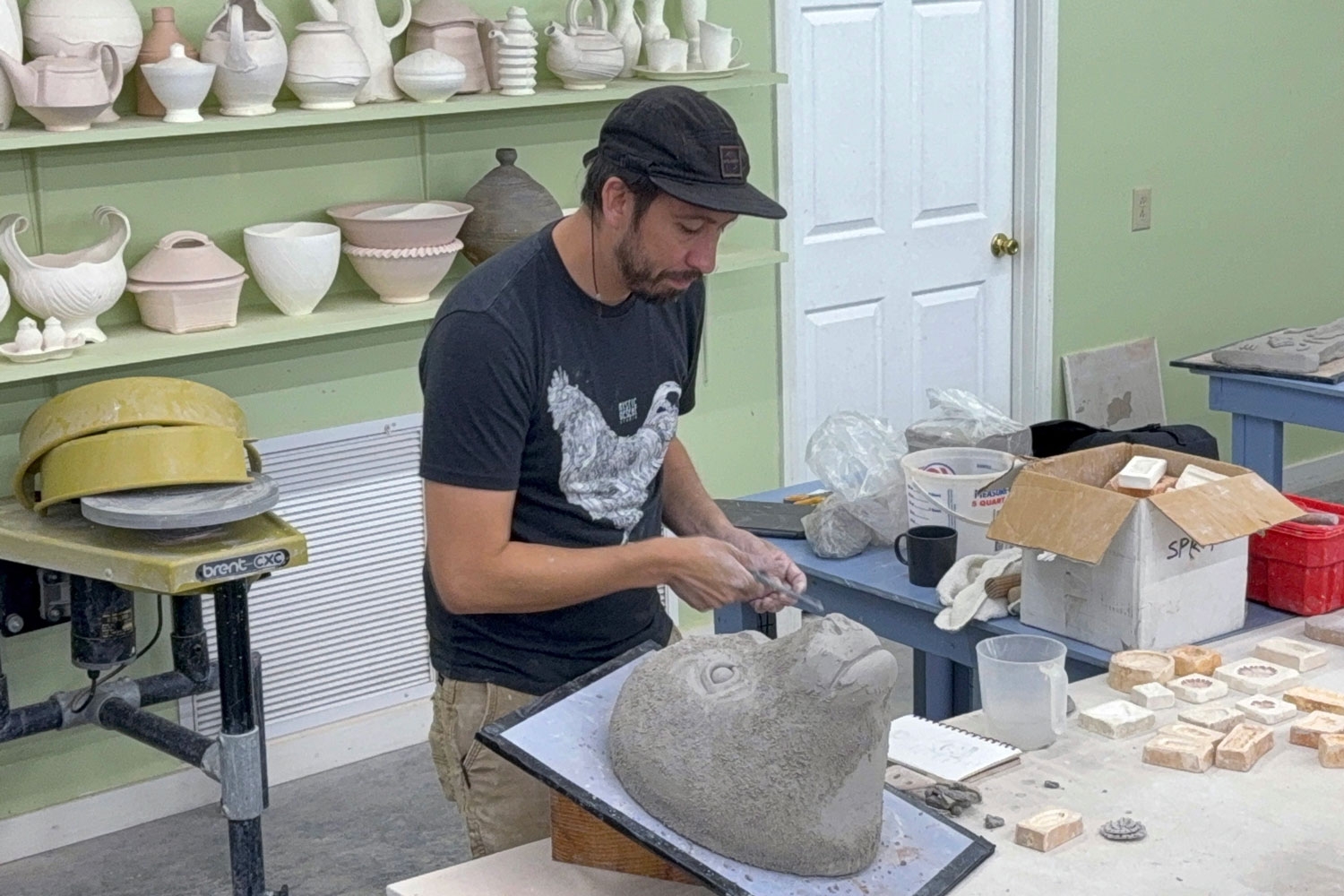
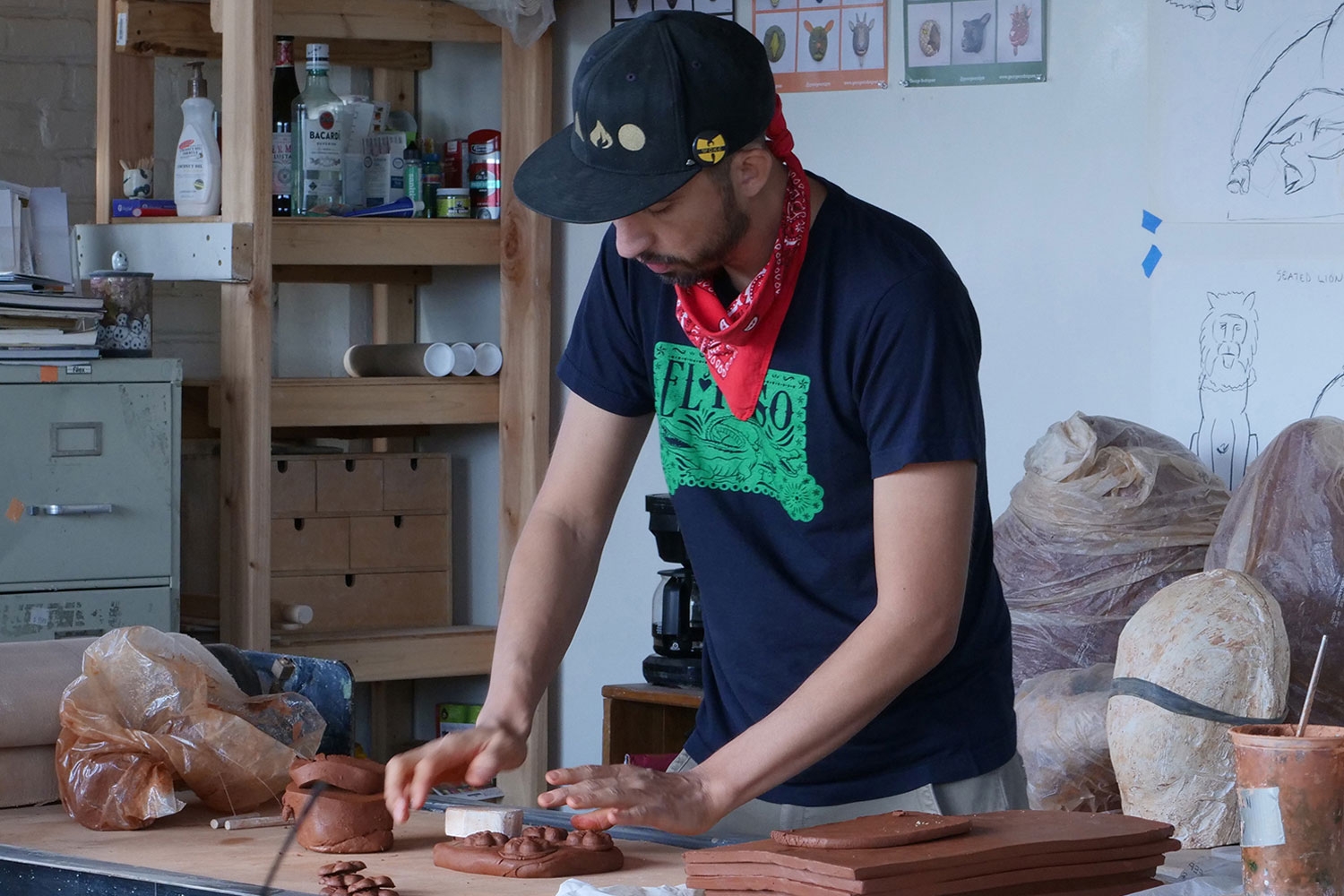
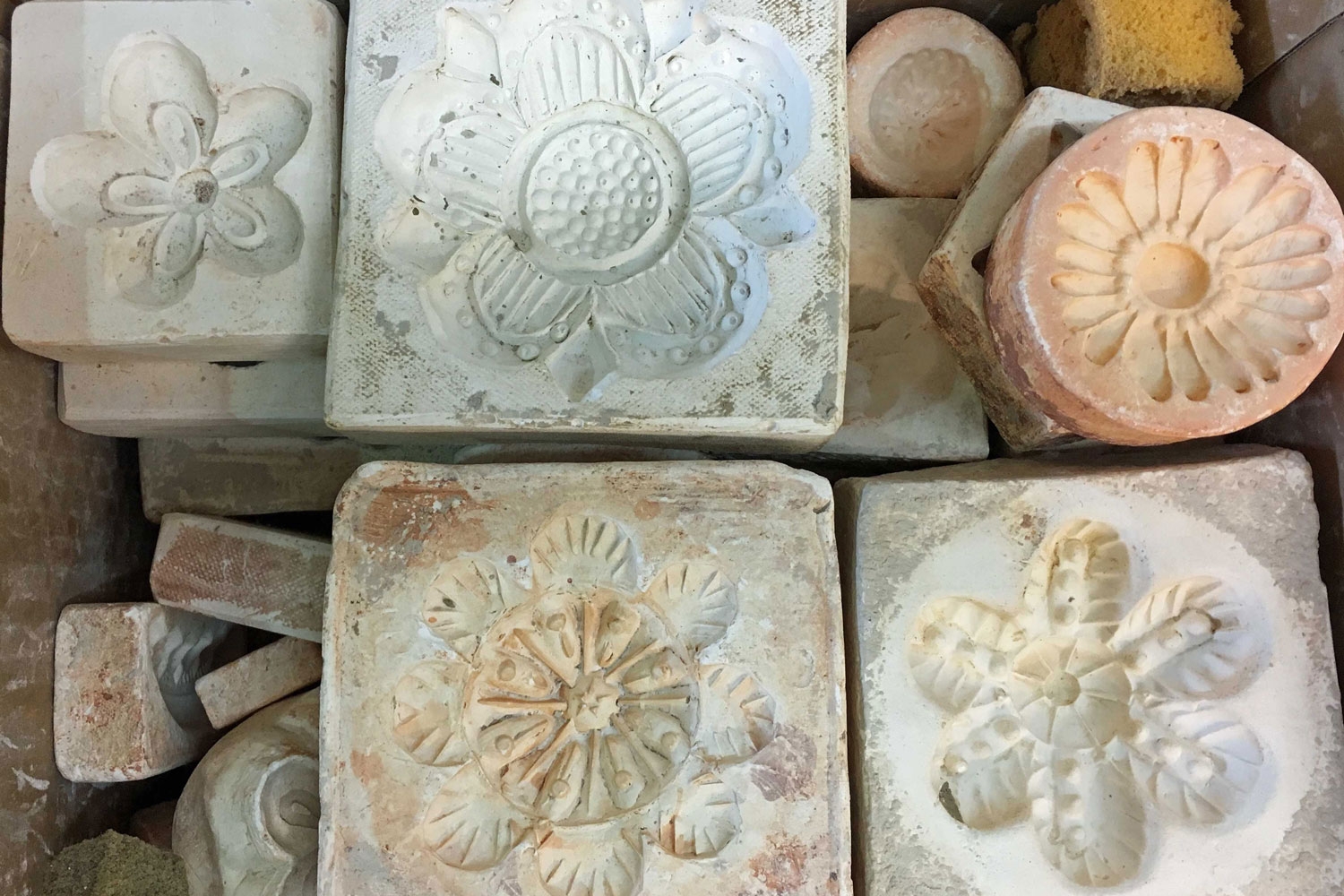
I prep my materials almost like I am on a cooking show, I roll out slabs of clay, stack them and press decorative pieces from my sprig moulds. I start with drawings, then work from the bottom up, bringing those sketches to life with very little deviation. After the first firing, I return to the piece and, almost like a paint-by-number, colour in the ornamentation.
Community transcends borders, and I learned that early on living between the border cities of El Paso in the USA and Ciudad Juárez in Mexico. That experience shaped my practice, which aims to create a sense of belonging. Guardians, shrines and altars show up in my work because they are communal forms. They gather people, spark conversation and carry collective memory. My work tries to continue that function.
George Rodriguez
Ceramicist
Philadelphia, PA, USA
ADDRESS
Address upon request, Philadelphia, PA, USA
AVAILABILITY
By appointment only
LANGUAGES
English, Spanish
Homo Faber Finds is a new service aiming to inspire admirers of craft to connect and collaborate with exceptional artisans.
We invite you to submit an enquiry here.