


Gaetano Aloisio
Tailor
Rome, Italy
Recommended by Clara Tosi Pamphili
The golden scissors of tailoring
- Gaetano is among the top five greatest tailors in the world
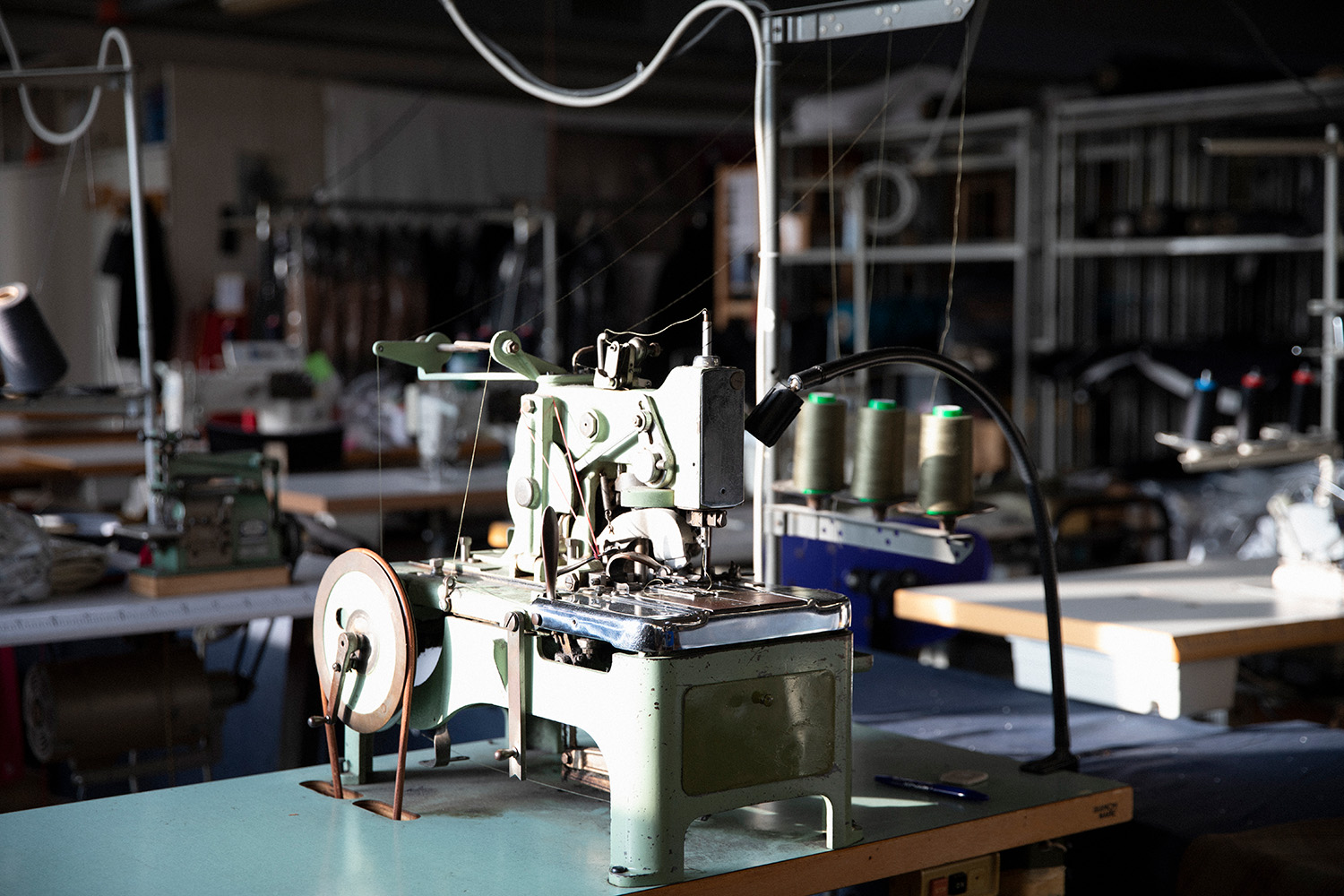
- 25 tailors, seamstresses and finishers work in his atelier
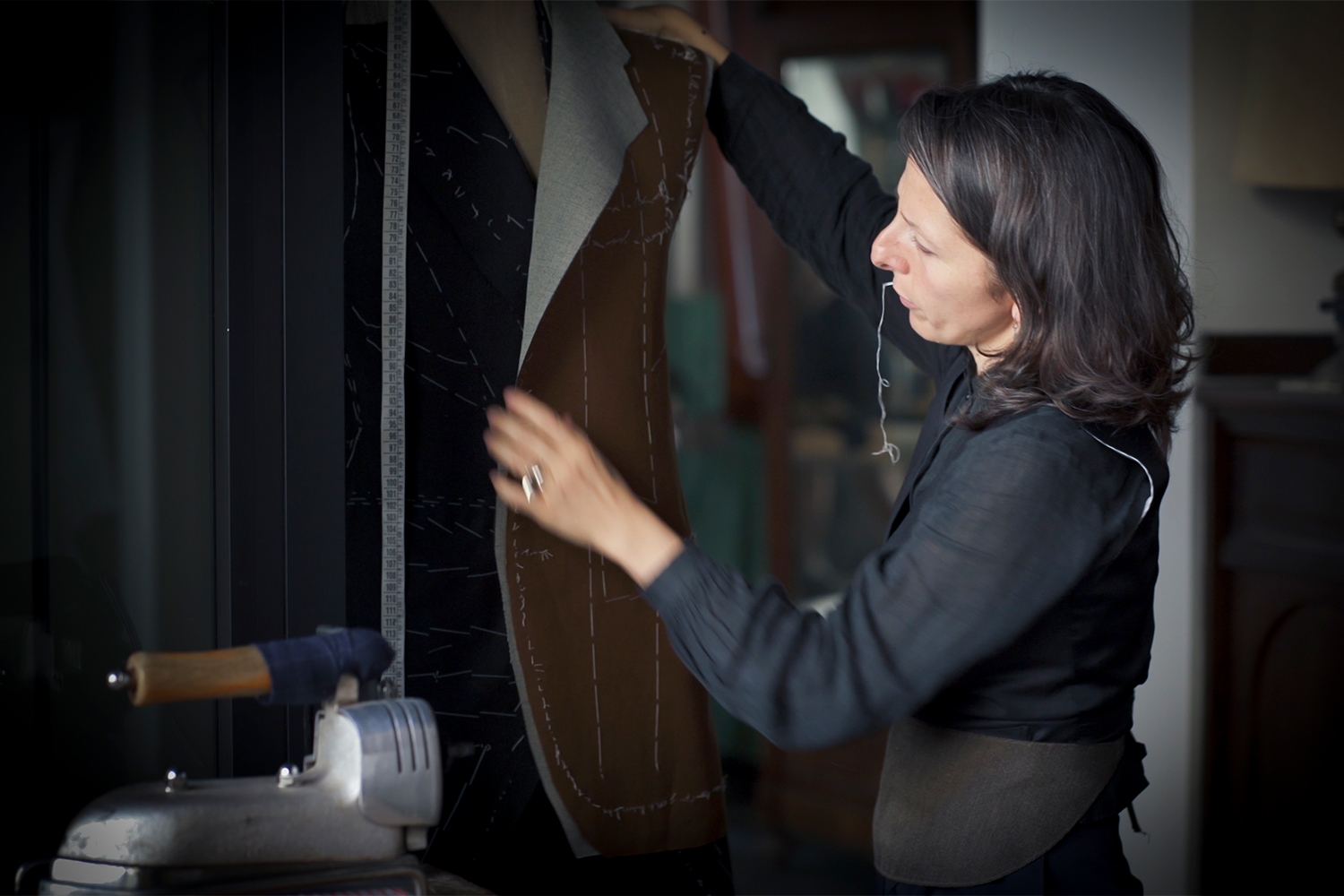
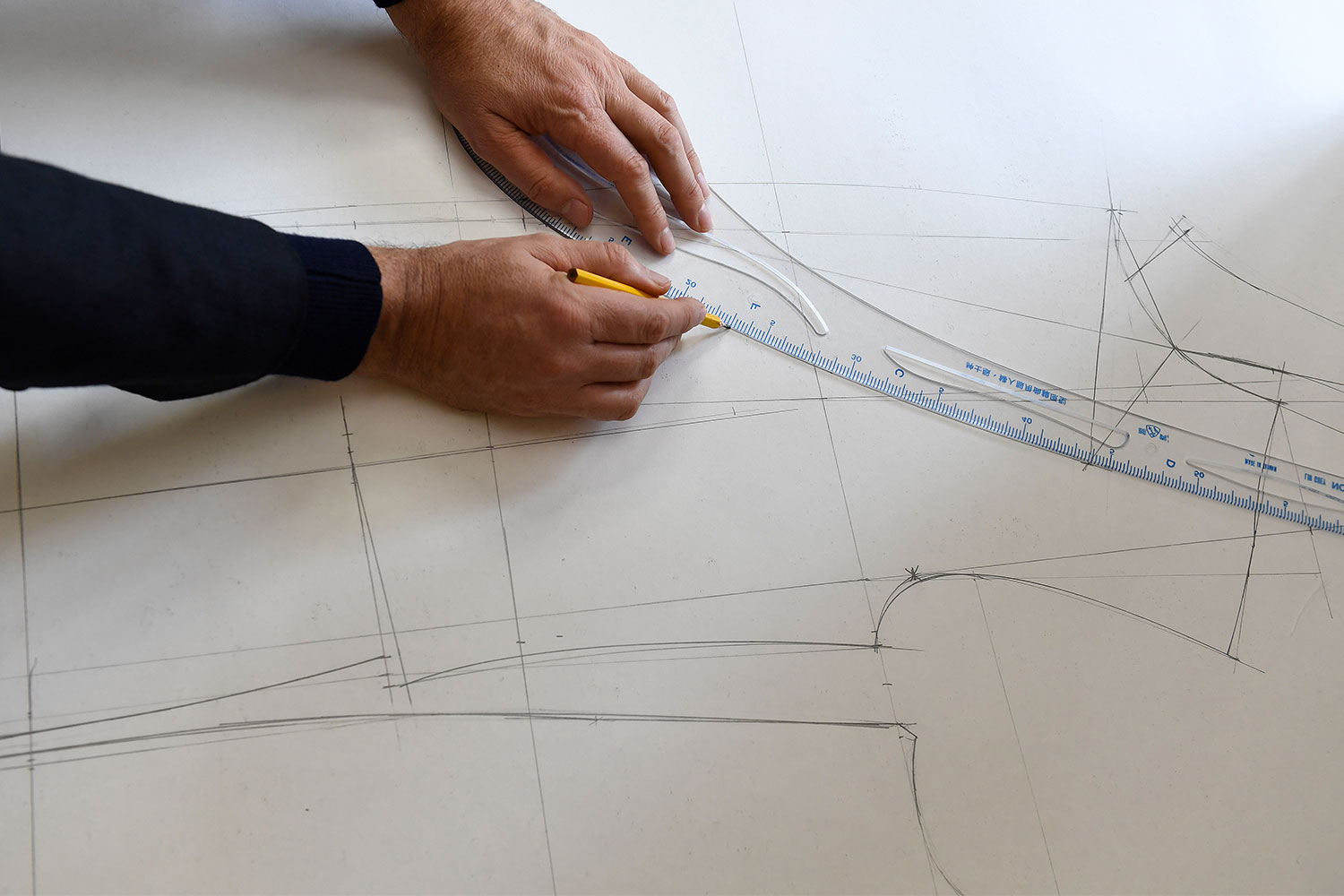
- It takes between 70 and 90 hours to make a handmade suit
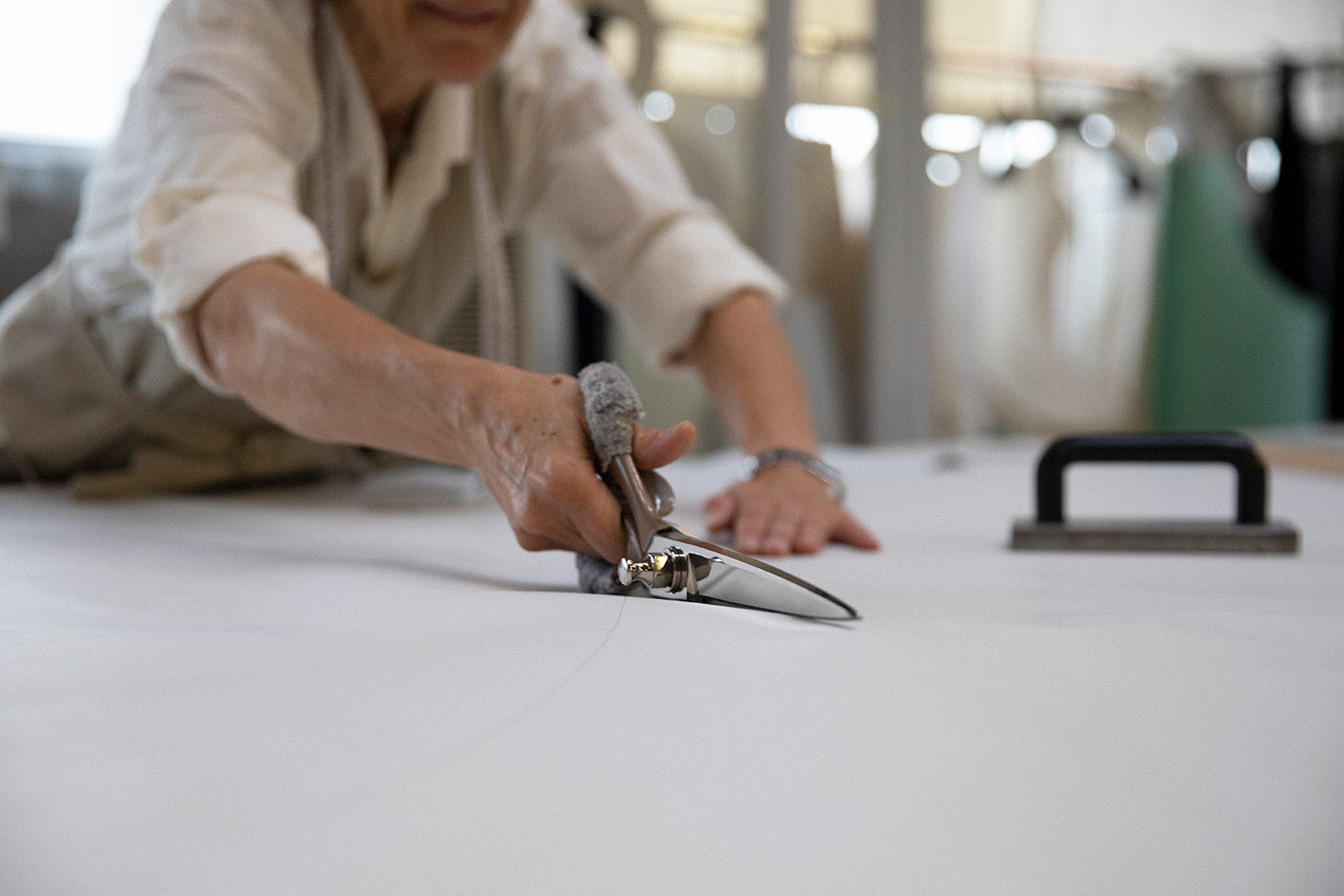
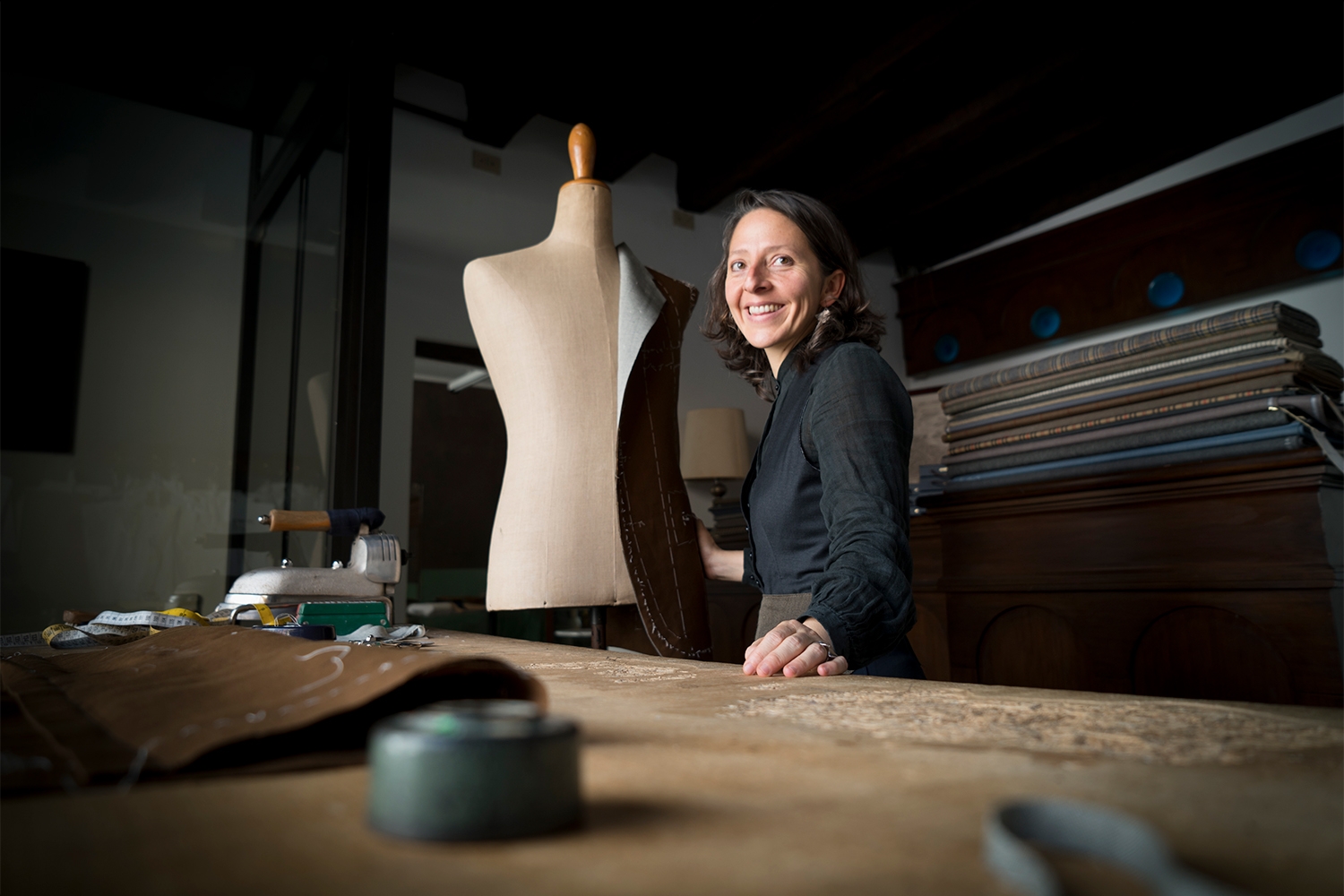
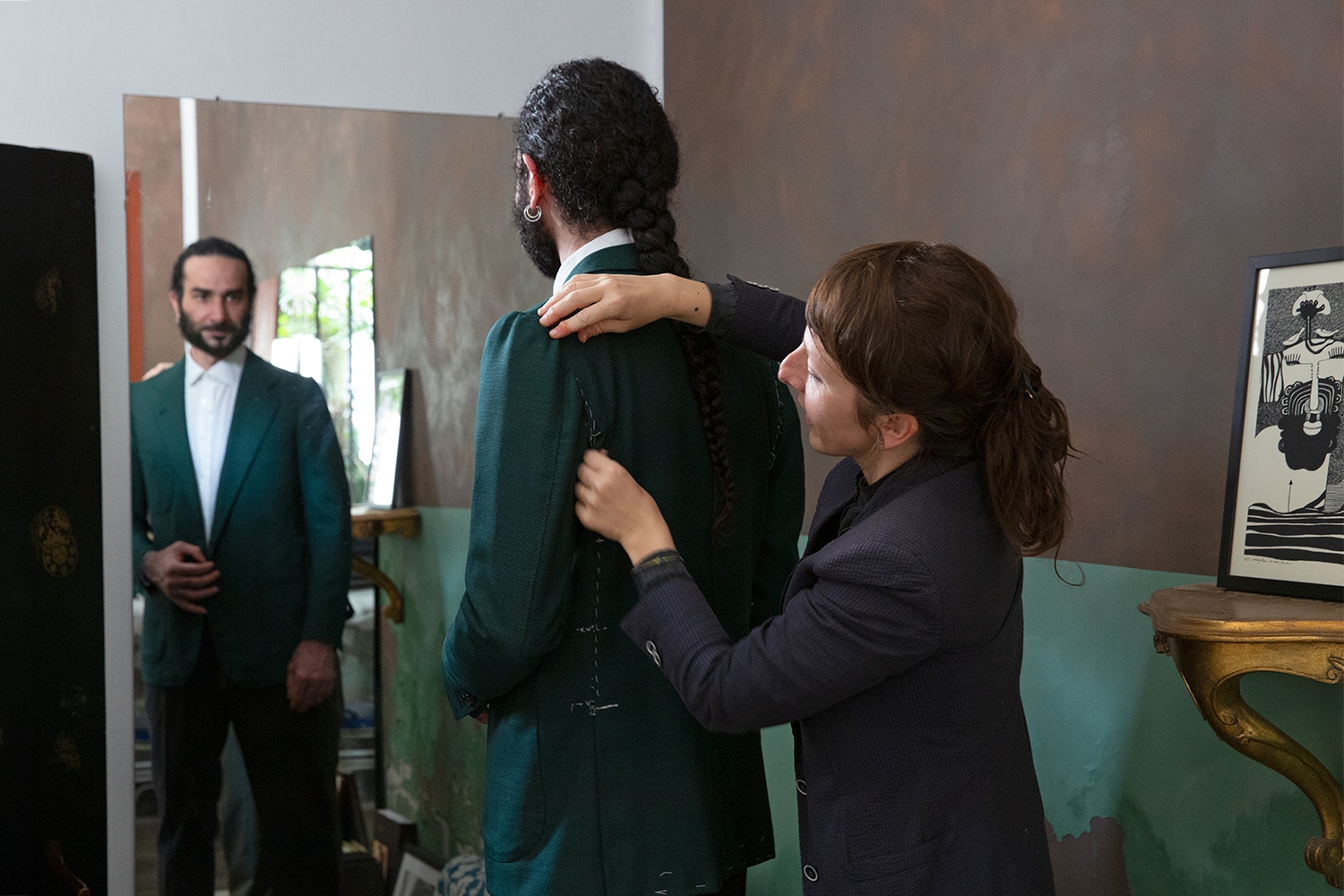
The name of Maestro Gaetano Aloisio is synonymous with the most authentic and sophisticated excellence in craftsmanship. At the age of 11, he started his training in his native Calabria, before moving to Milan to attend the best tailoring schools. In 1984 he began working in one of the most important tailor's shops in Rome, and two years later, at the age of only 22, he was awarded the prestigious Forbici d'Oro (Golden Scissors) award. In 1991, he opened his first shop in the Italian capital. Today his atelier is the reference point for those who love to express their personality through the highest quality clothes, in which every detail is created by hand respecting the best traditions of Italian tailoring.
Discover his work





INTERVIEW
In Via di Porta Pinciana 1, in one of the most suggestive quarters of Rome. I wanted it to represent my personal tailoring style, a universe where my clients would feel at home in the atmosphere of refined elegance that my clothes reflect.
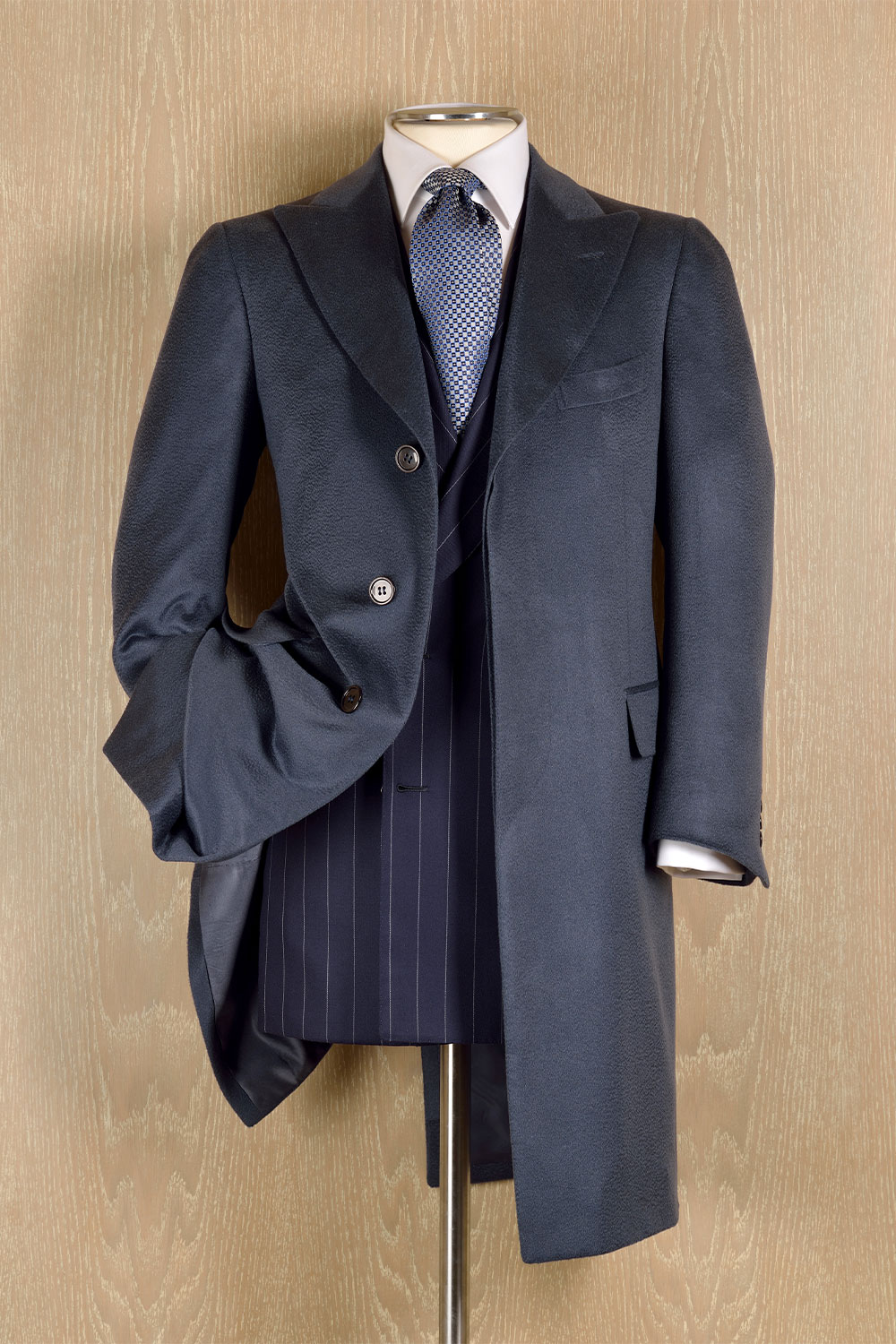
I extrapolated the best of each to create my own style. The jacket I make stands out for its clean lines, refined workmanship, the sobriety of the cut and the importance given to proportions.
I prefer a soft chest and shoulder, but with shape. I don’t want to impose a structure on the customer with heavy padding; I follow his body, perhaps making a few minor improvements as I go along.
This is done by paying attention to how the garment is cut, not by putting layers of cloth inside. Even with a tailcoat, and I make many of them, I try to achieve the formal structure through cutting rather than padding.
Gaetano Aloisio
Tailor
Rome, Italy
Recommended by Clara Tosi Pamphili
AVAILABILITY
Monday to Friday 09:00-19:00; Saturday 09:00-13:00
PHONE
+39 669924766
LANGUAGES
Italian, French, English, Spanish, Russian, Arabic
Homo Faber Finds is a new service aiming to inspire admirers of craft to connect and collaborate with exceptional artisans.
We invite you to submit an enquiry here.