Frederick Dodson
Tatara Workshop
Furniture maker
Bristol, United Kingdom
Medieval tones in modern furniture
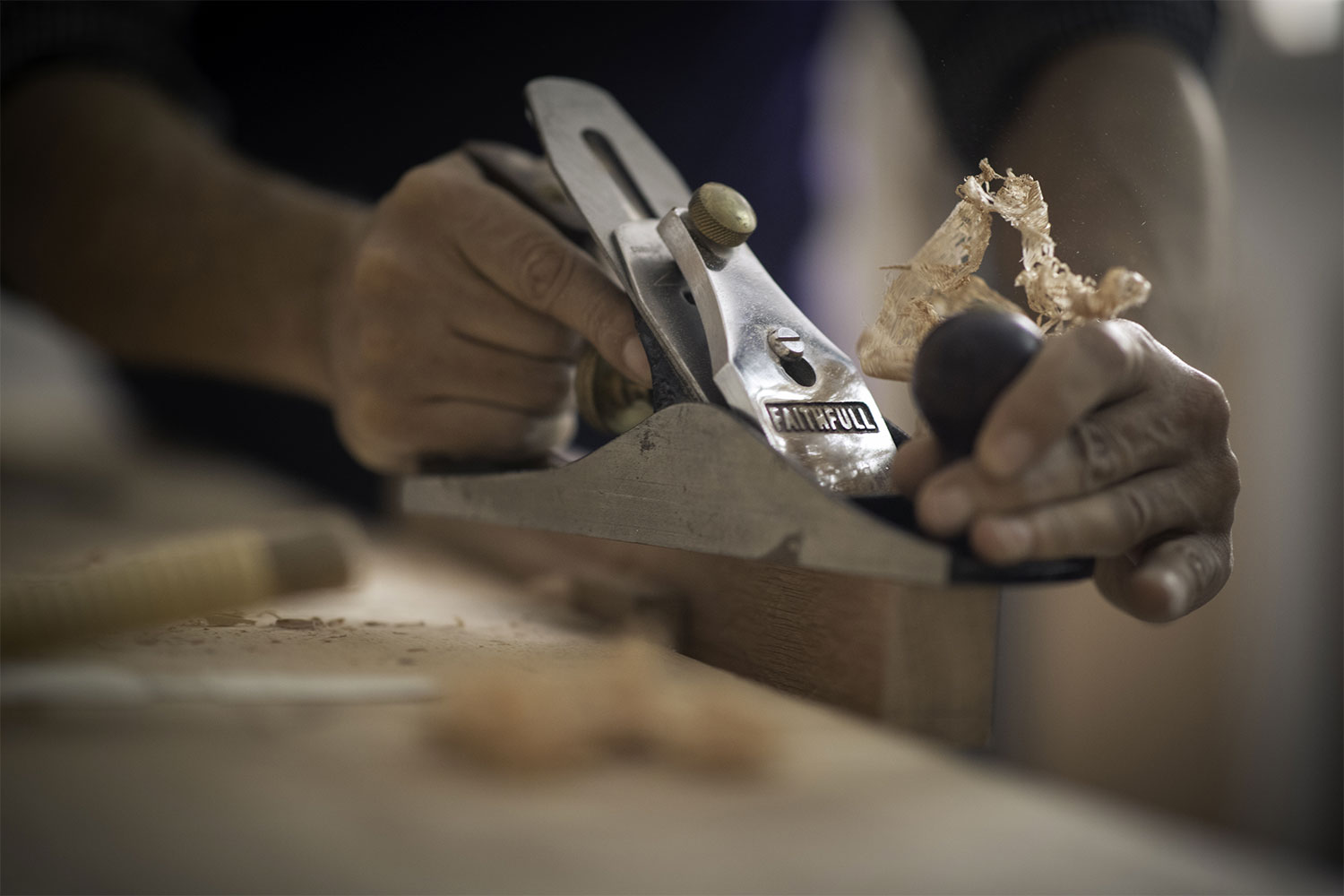
- Frederick's practice is influenced by the Japanese woodworking tool called kanna
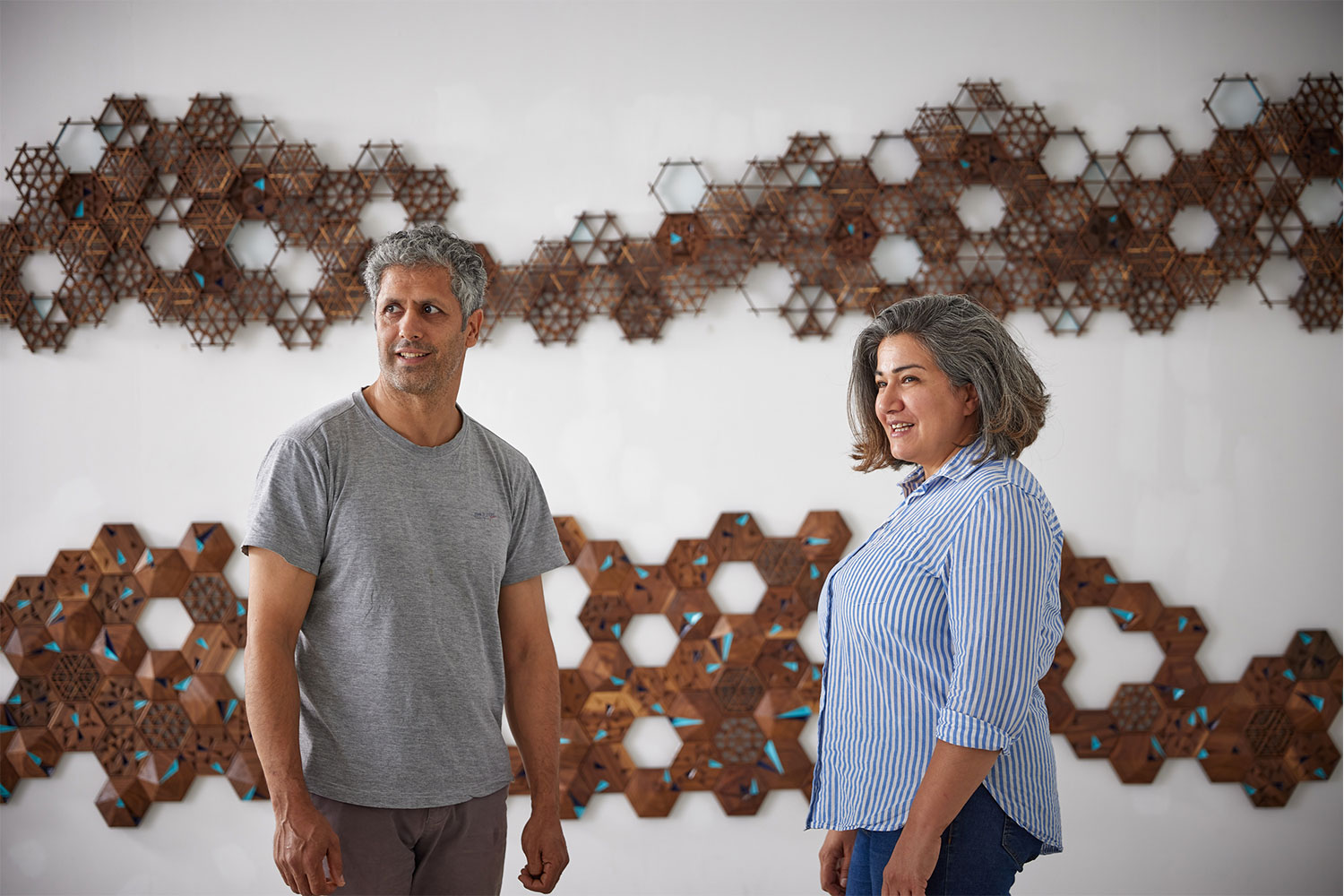
- He uses geometry to tie together material and symbolism
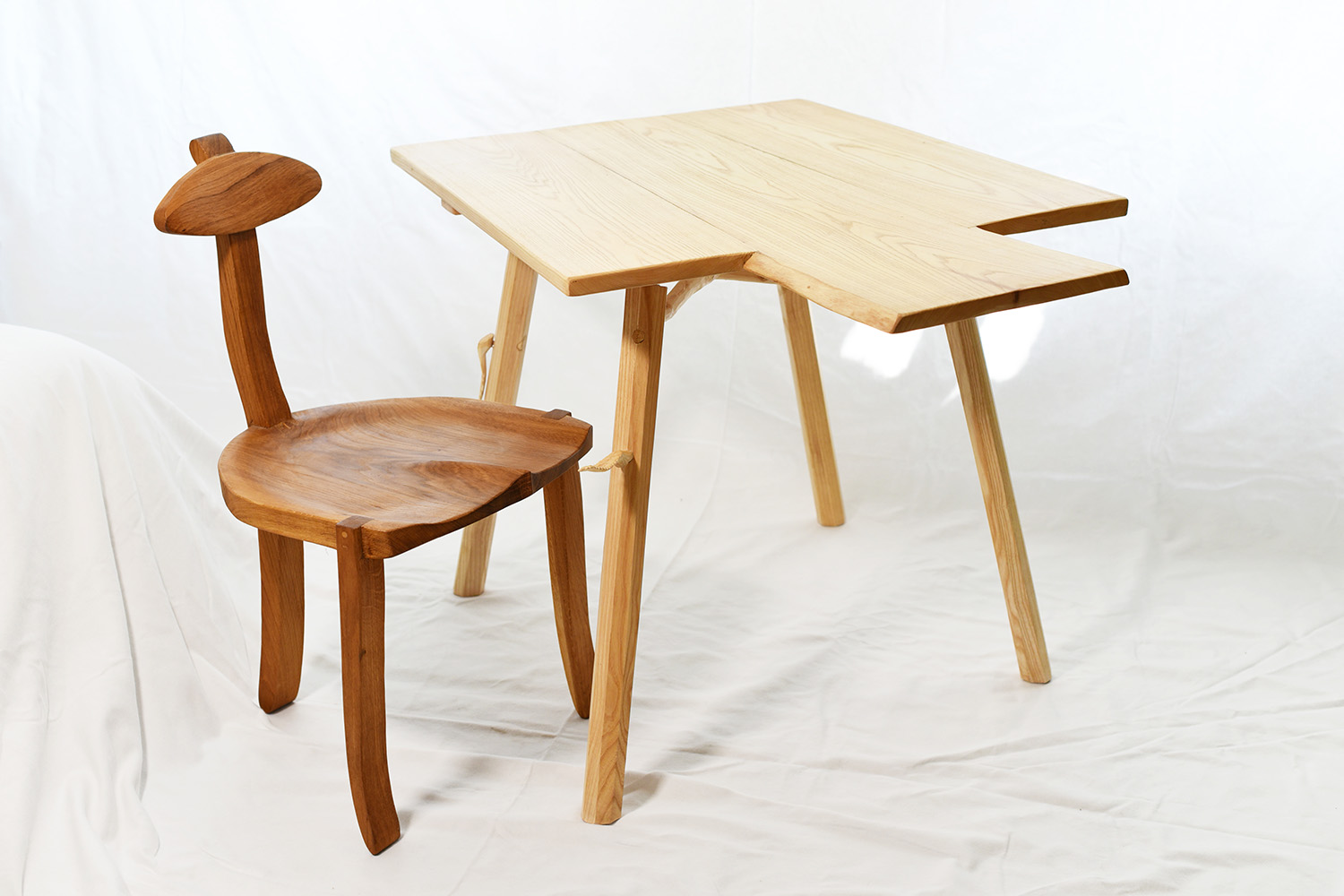
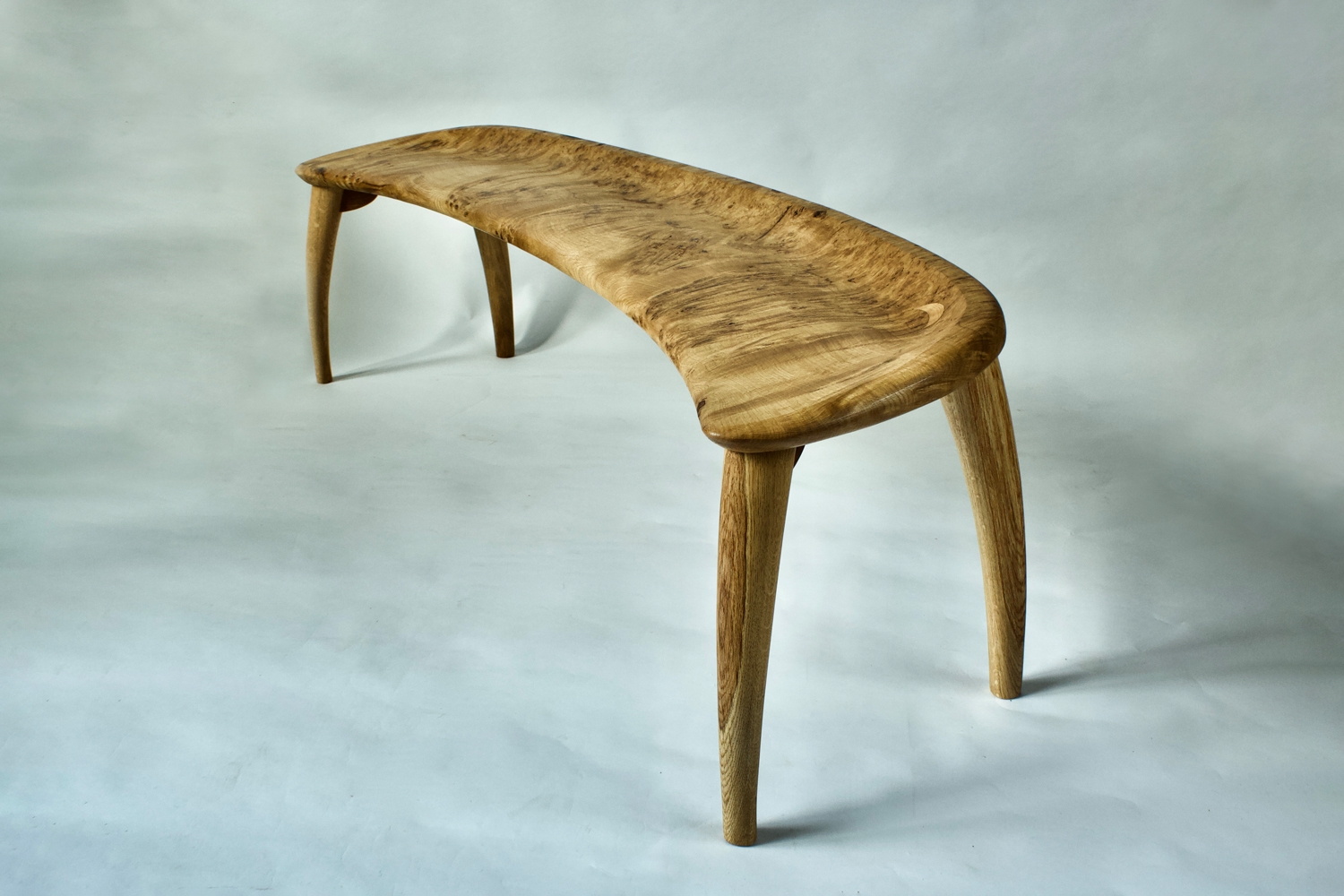
- Inspired by medieval literature, he crafts stories into his creative furniture pieces
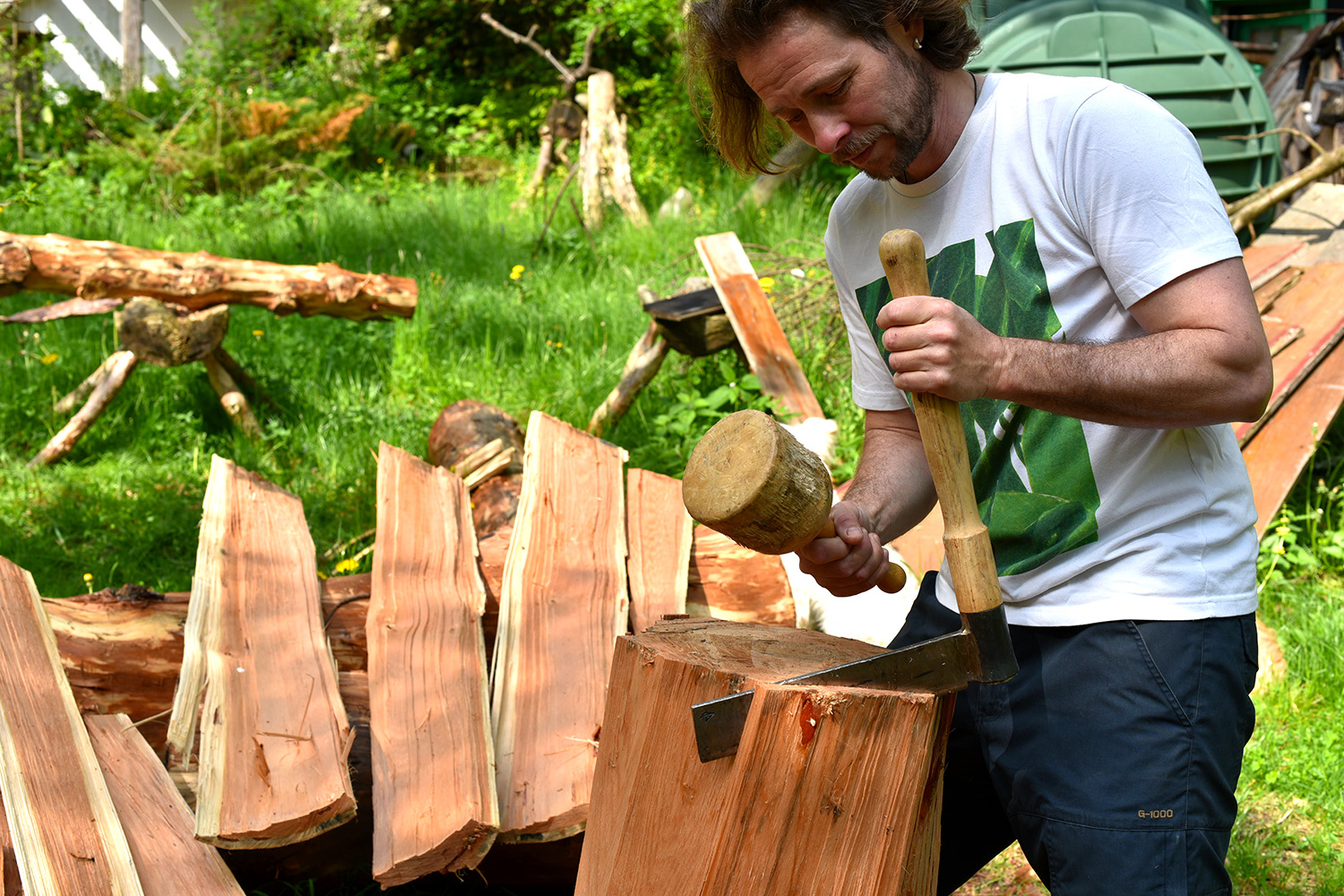
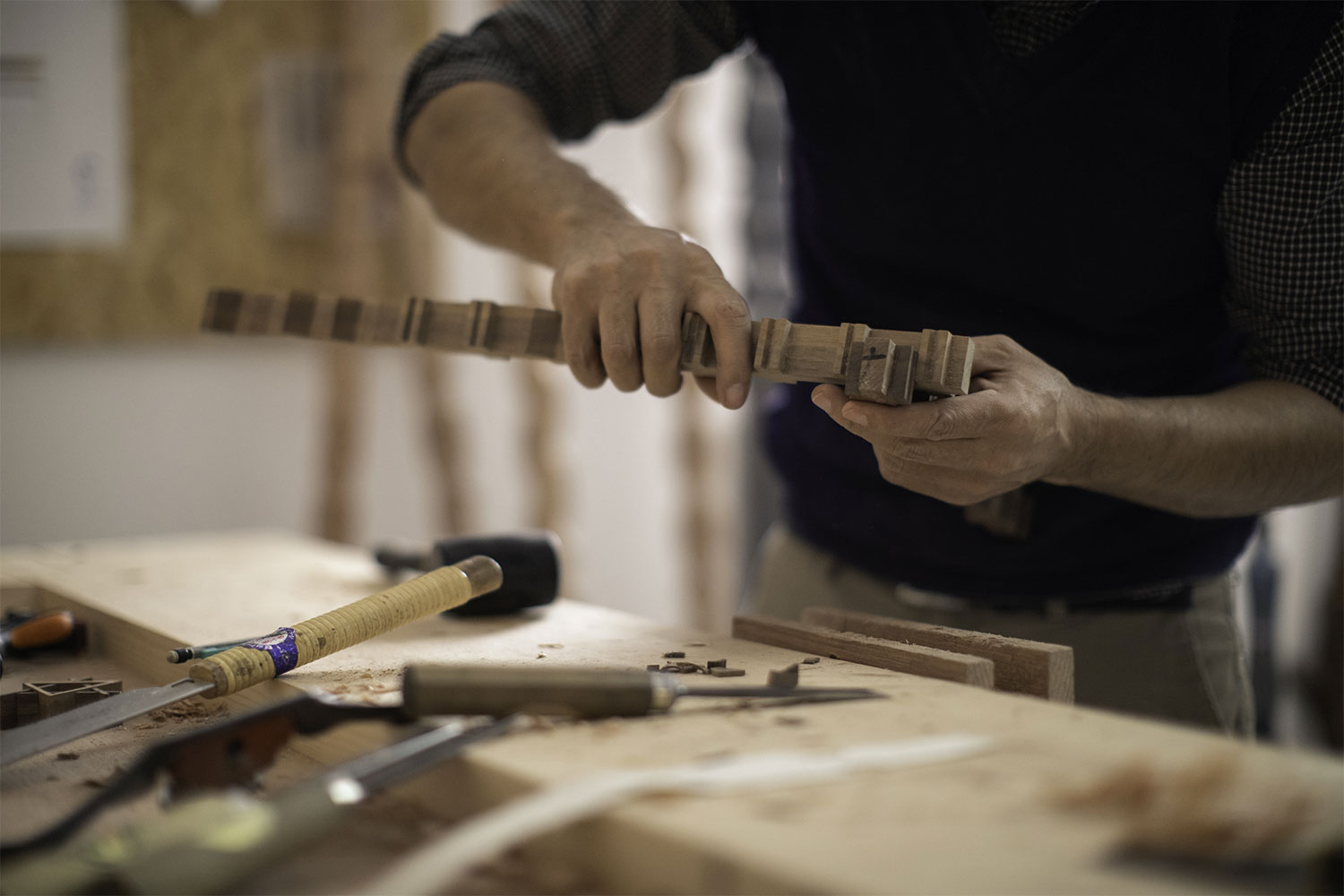
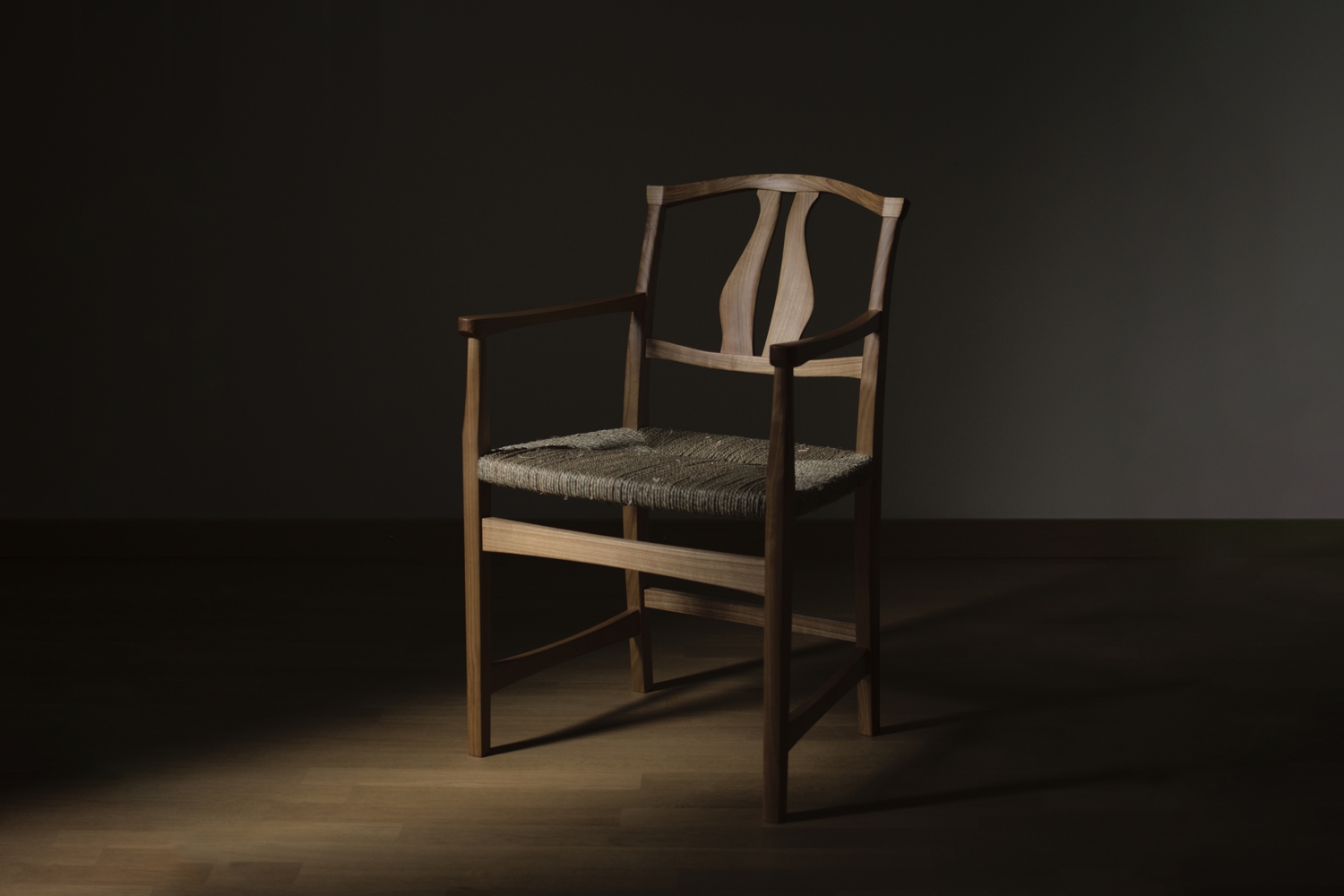
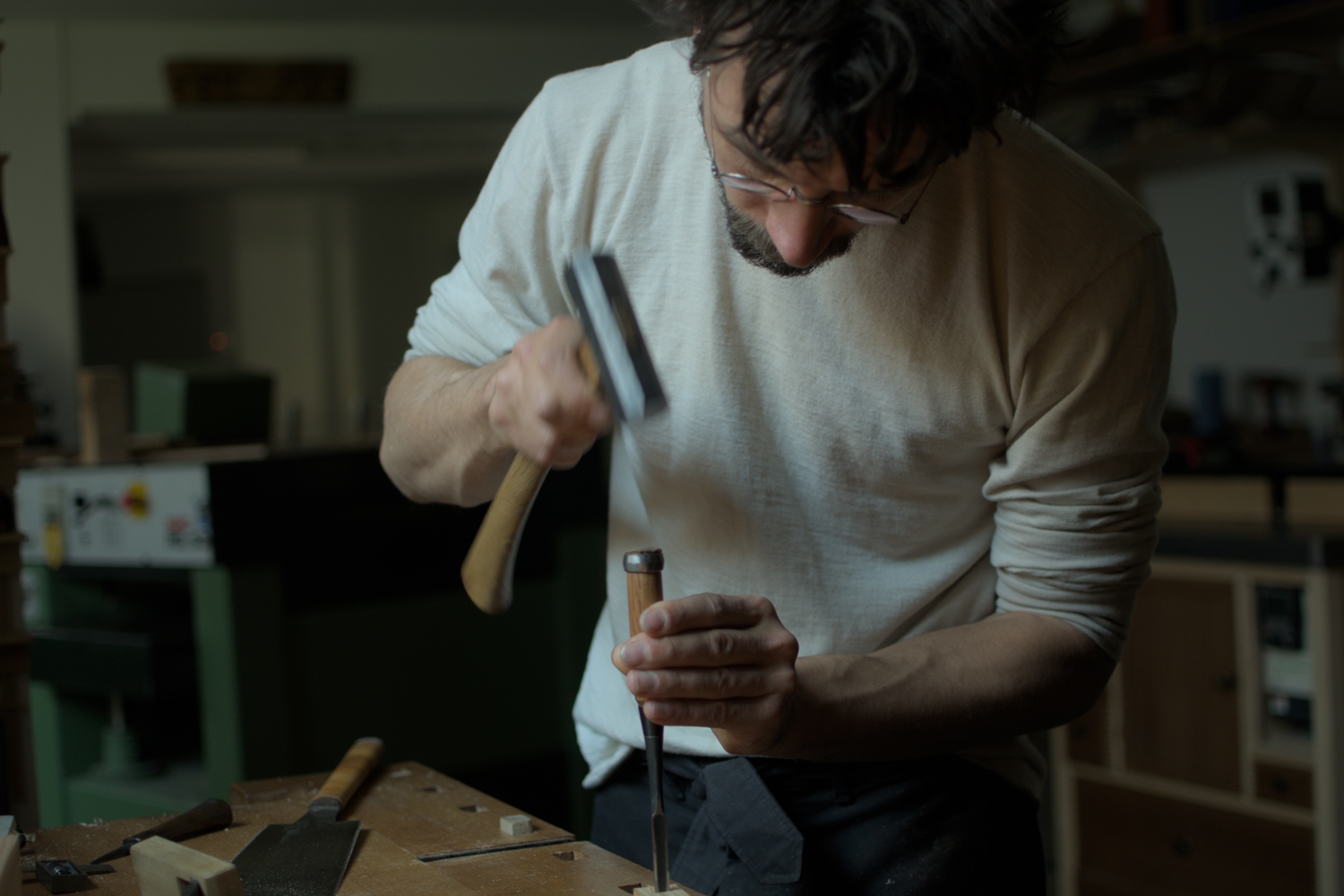
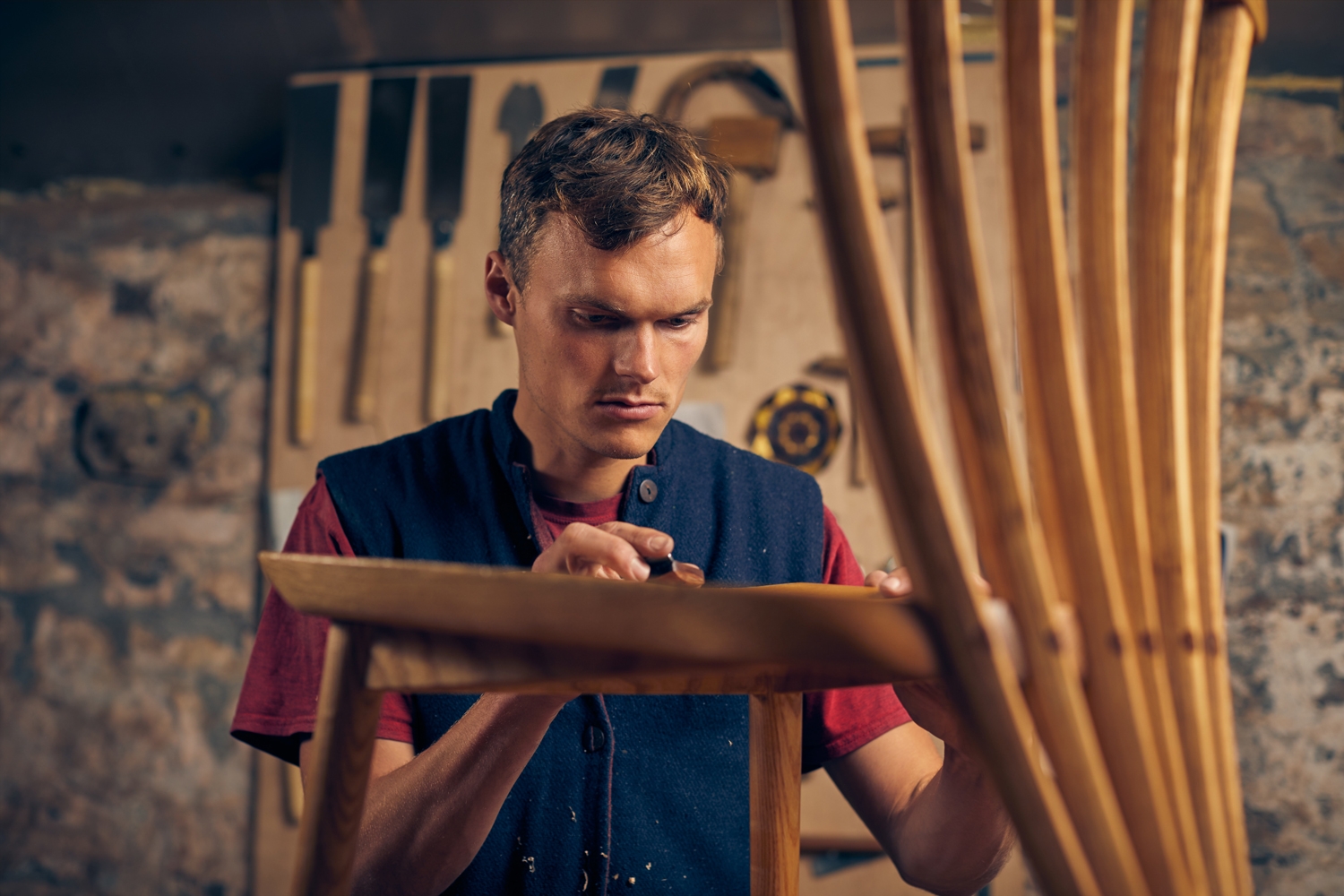
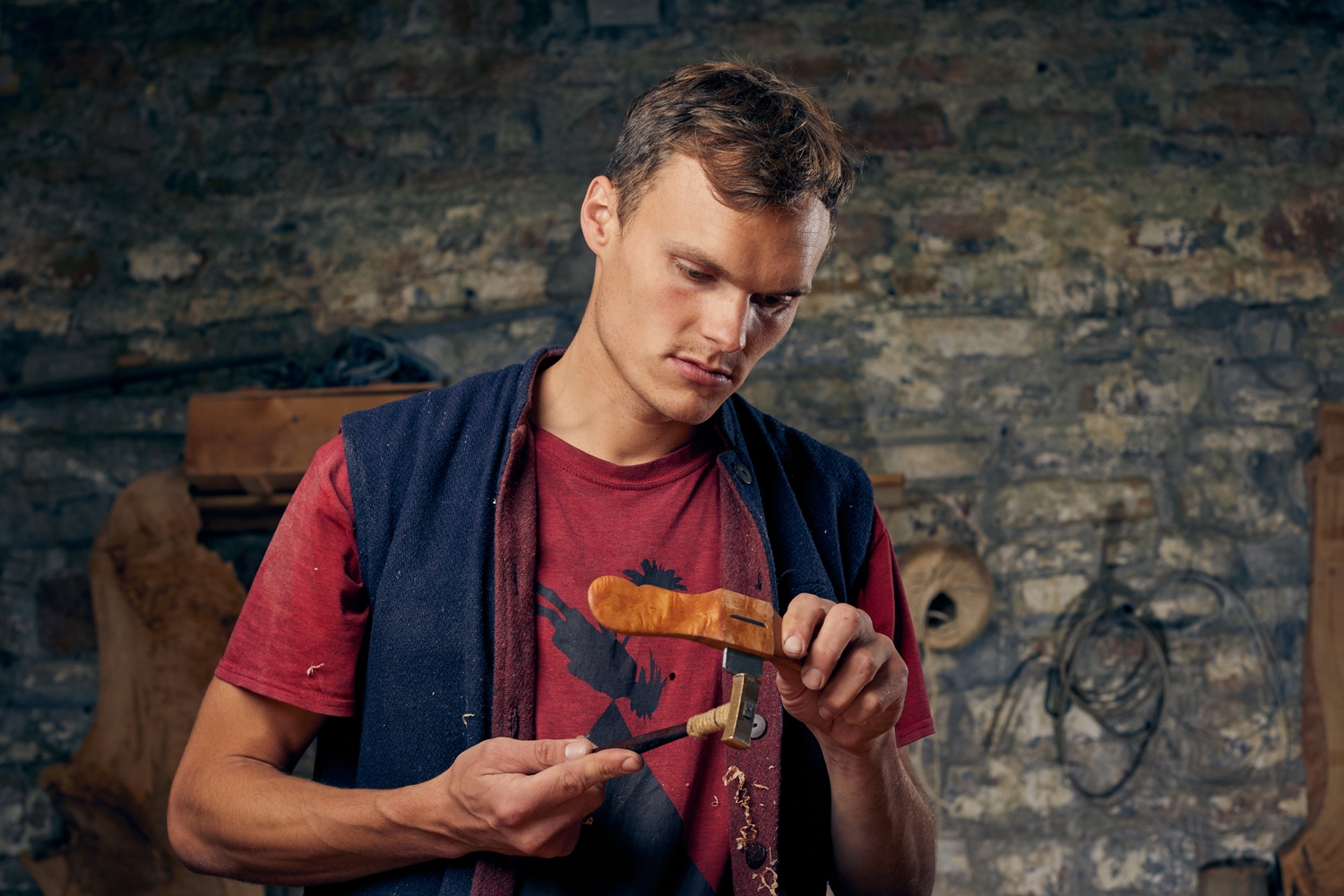
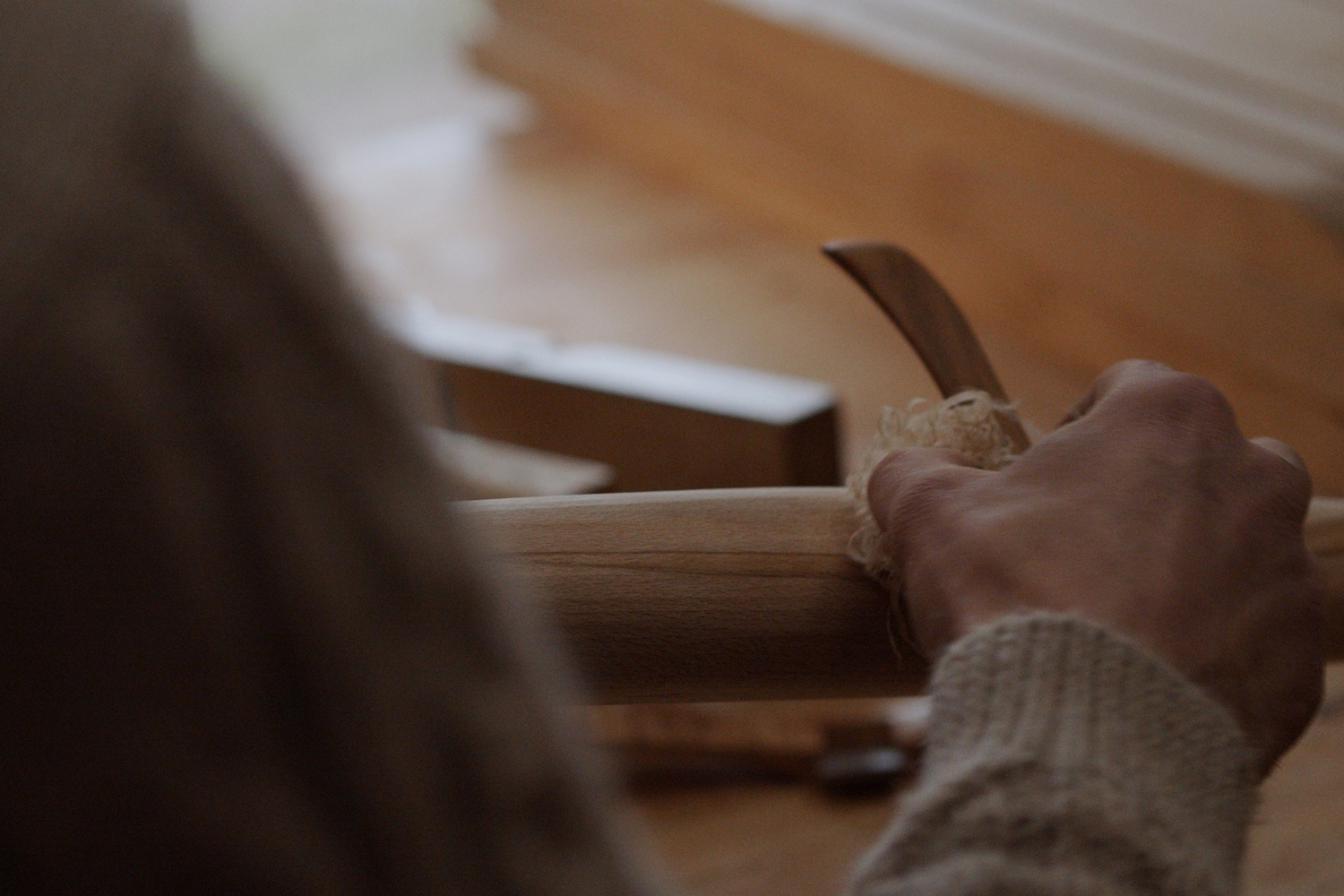
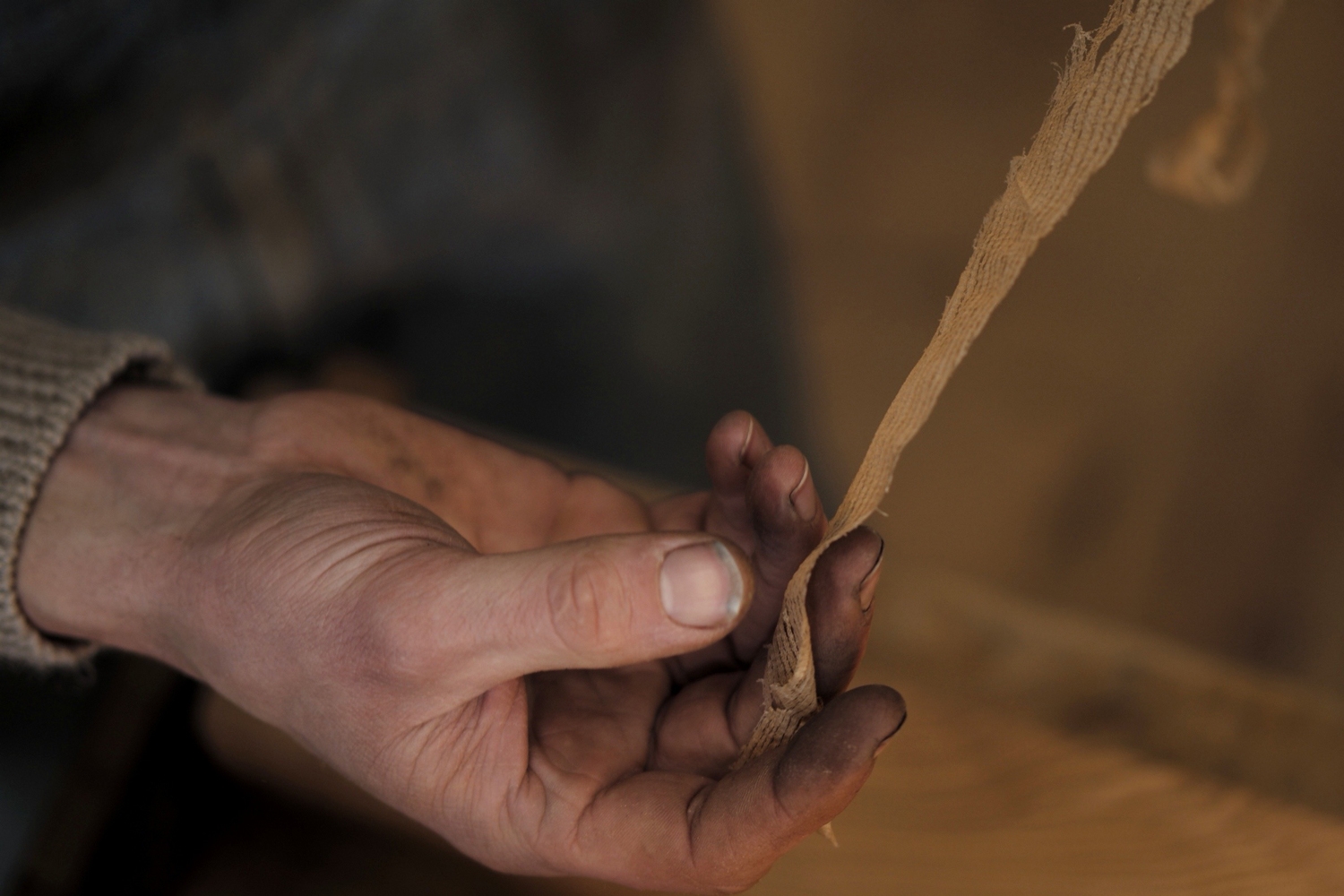
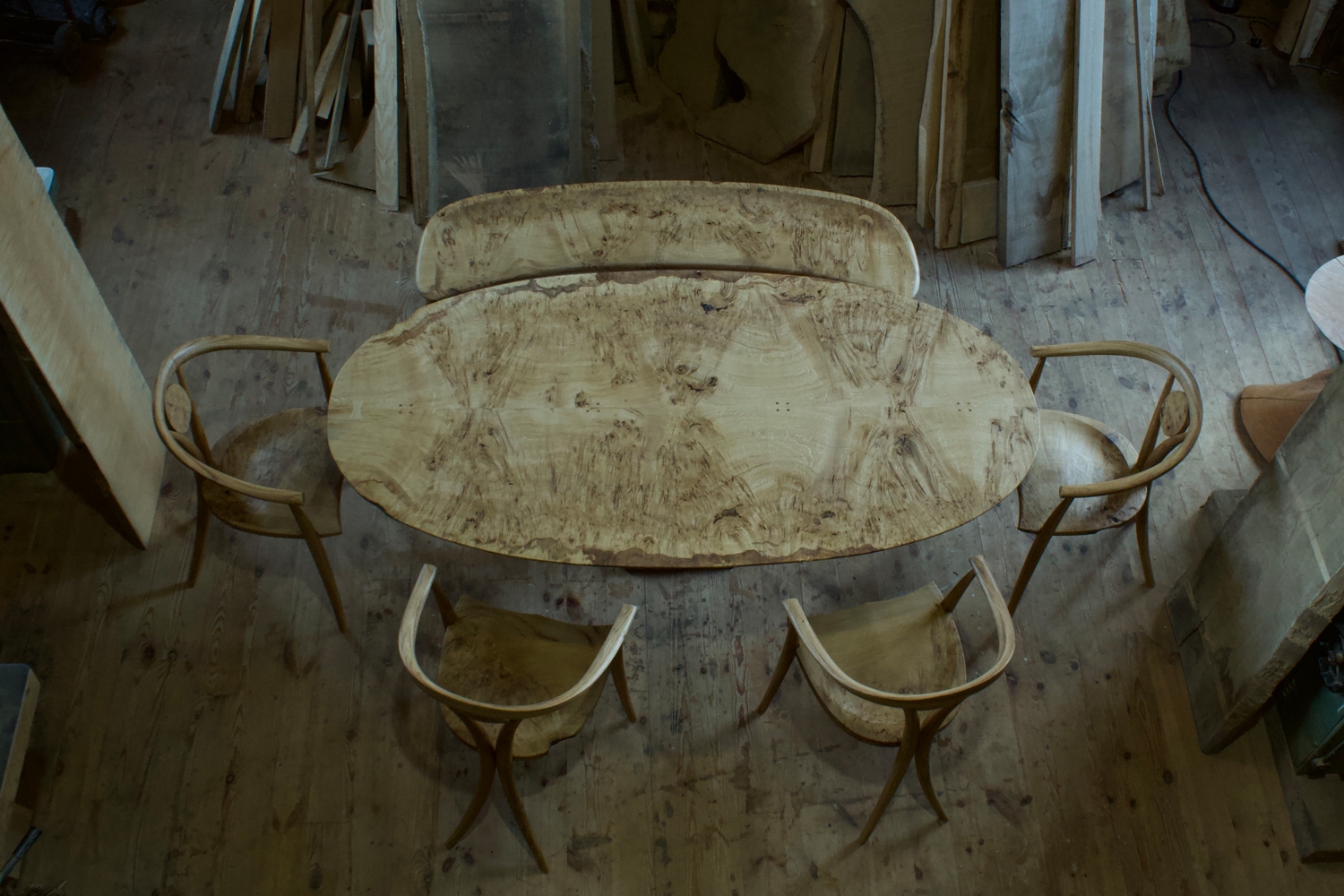
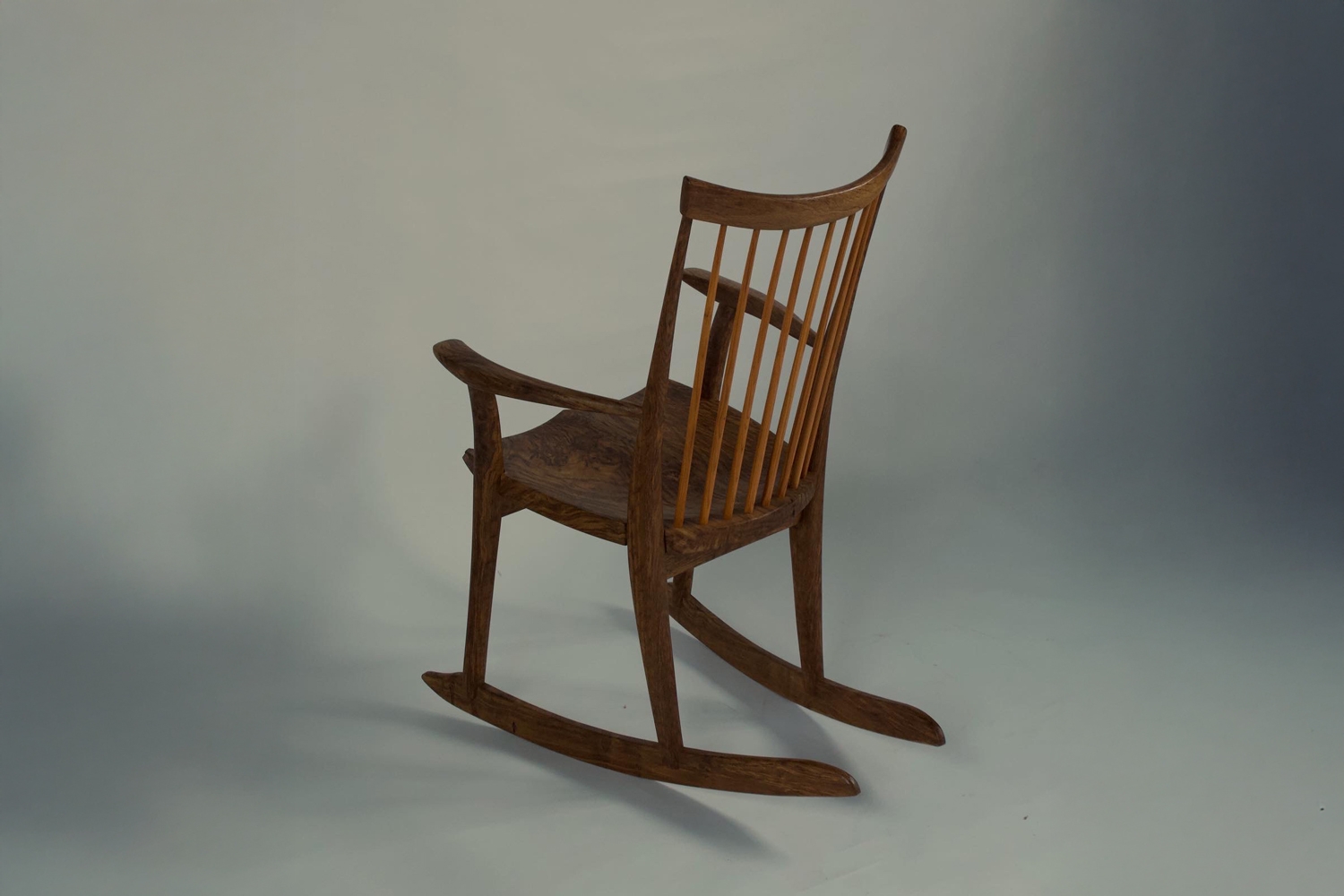
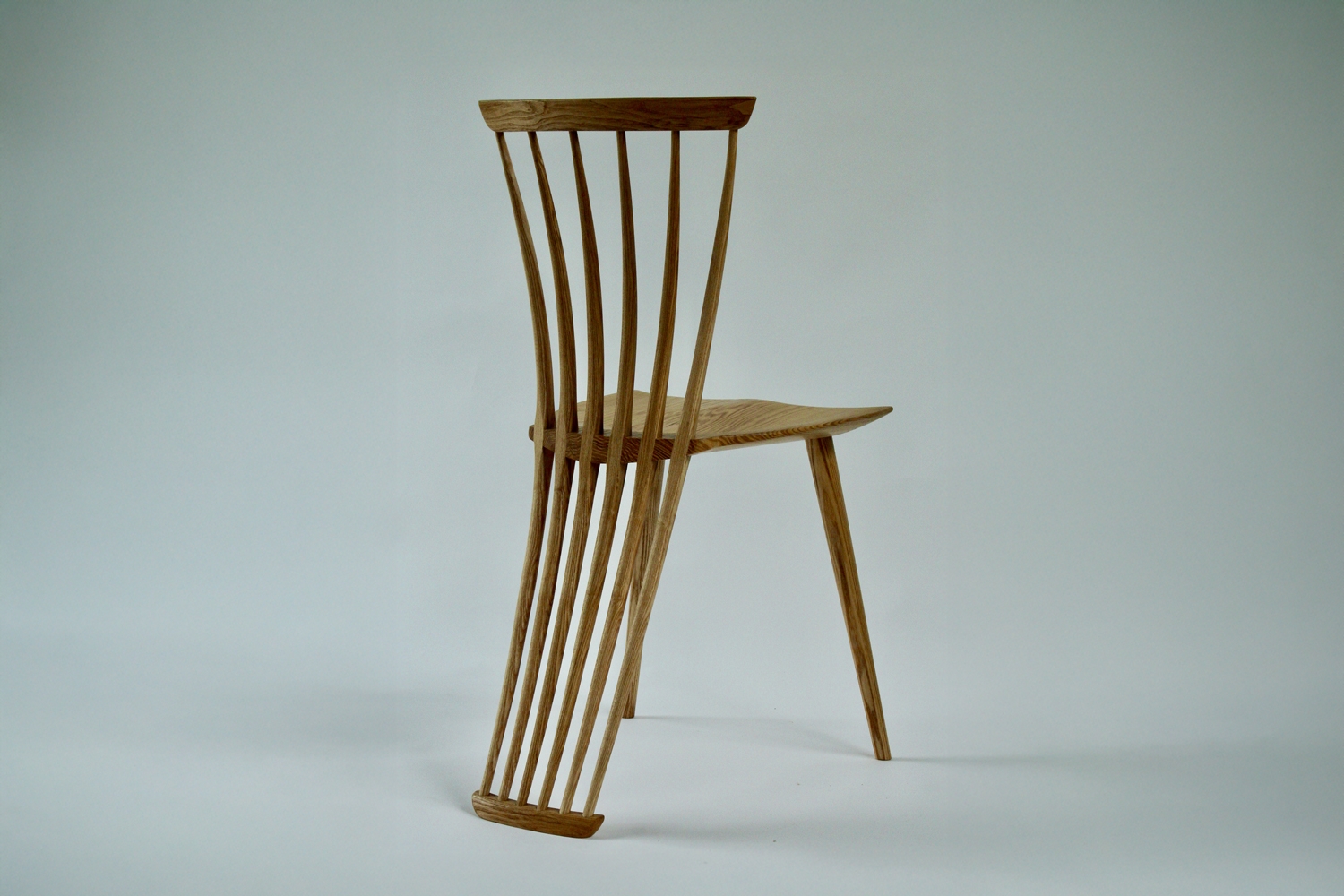
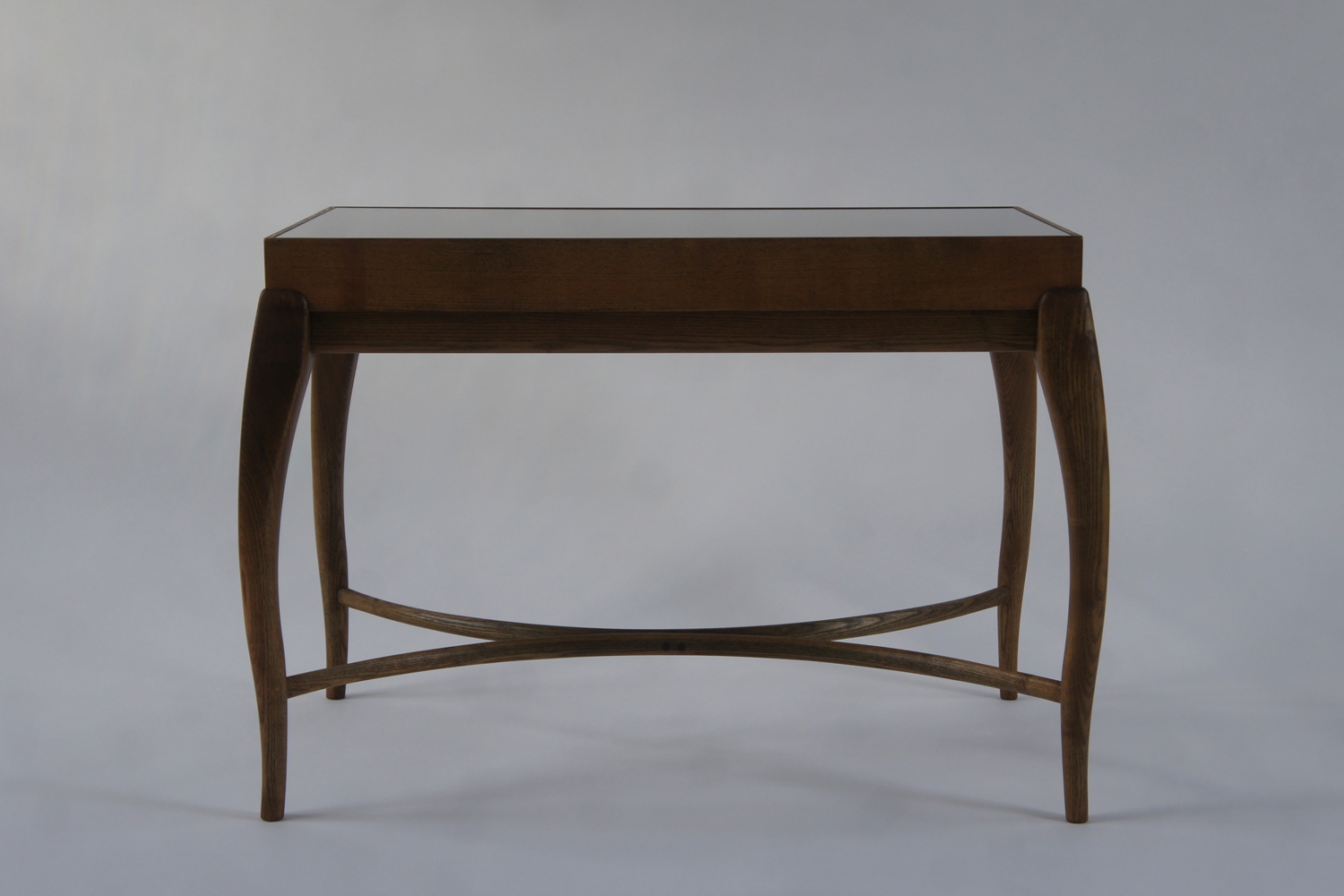
In 2016, while apprenticing with Toshio Tokunaga in Japan, British woodworker Frederick Dodson was introduced to kanna, a traditional Japanese hand plane that leaves wood so smooth it needs no sanding. "Wood finished with a kanna is brighter and more alive than by other means," Frederick explains. "The tool instilled in me a greater sensitivity towards wood and trees." From that point on, the use of kanna has guided his making, alongside psychology, metaphysics, geometry and early British poetic arts, themes that surface throughout his pieces. Since completing a master’s at the Prince’s Foundation School of Traditional Arts, Frederick's practice carries references from medieval imagery and literature into craftsmanship, uniting utility with deeper meaning. "I have an urge to tell a story and a desire to move beyond pure function with each of my pieces," he says.
INTERVIEW
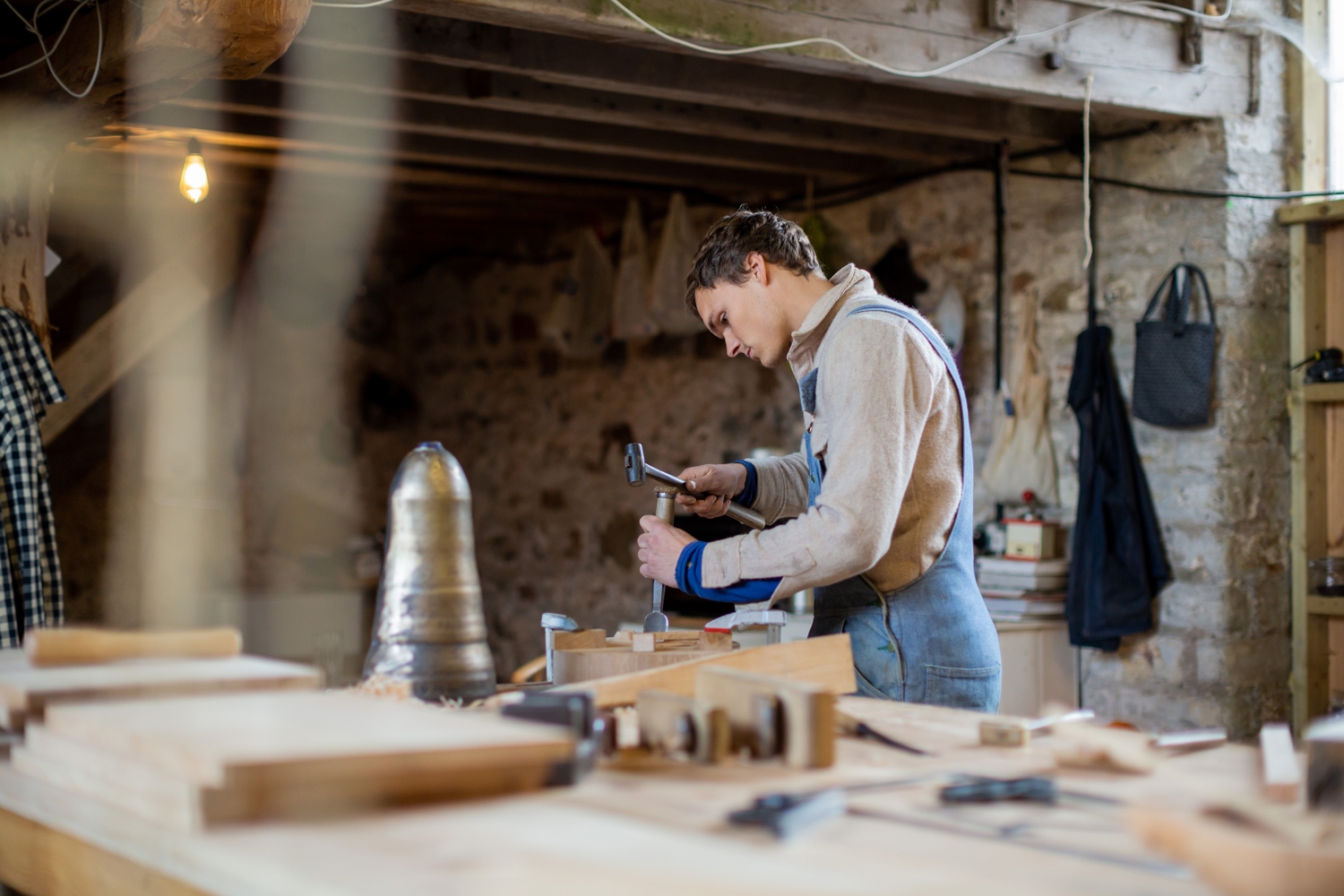
I began working with a cabinetmaker in Hawaii in 2015. After returning from Japan in 2017, I set up my own practice near Bristol in the UK.
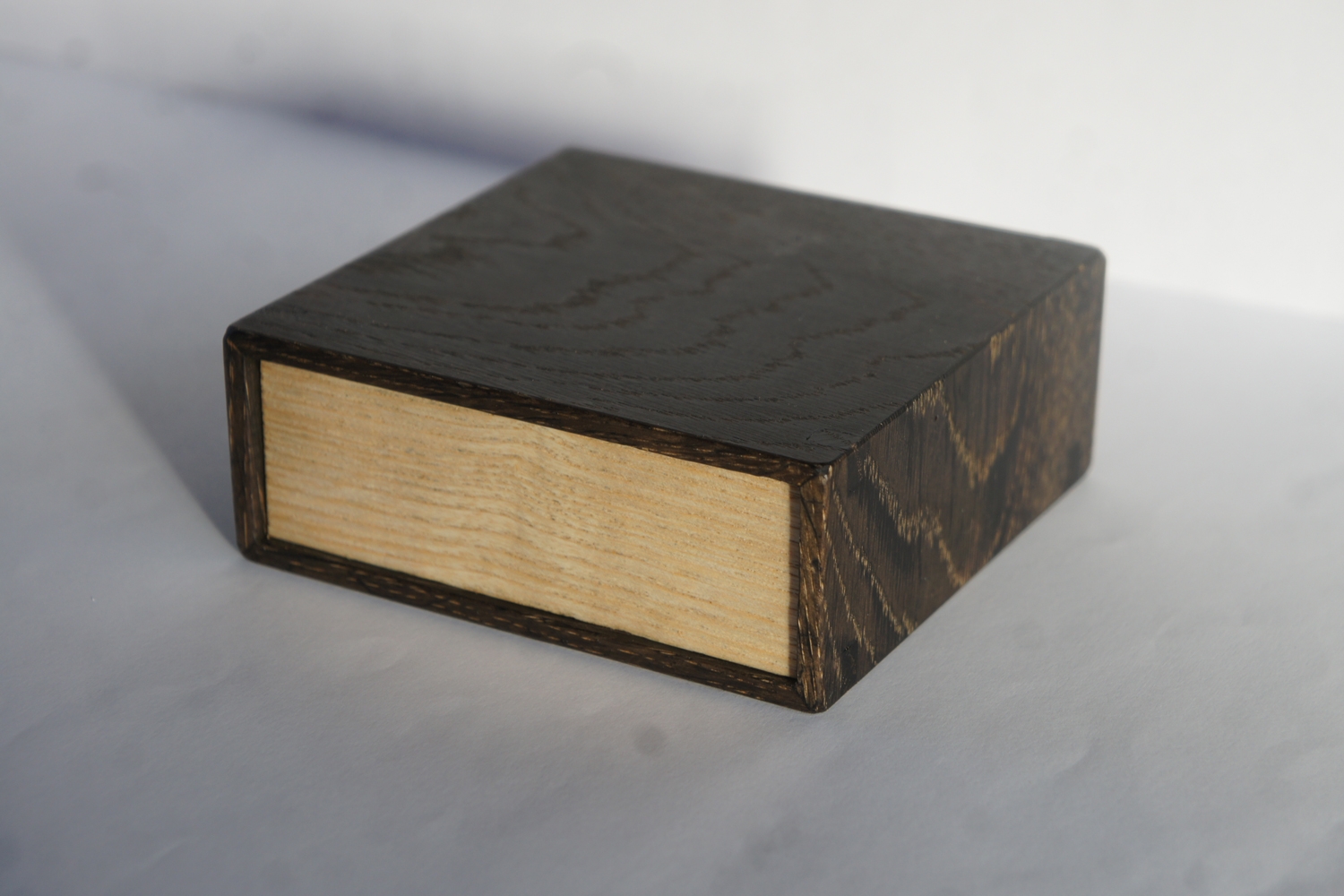
It helped me realise beauty and the divine come through in negation and pairing back. As a fellow apprentice of mine, Kokemoku, put it, “In Japan, we understand that to reach beauty you need to take things away.” That idea has stayed with me and continues to guide the restraint in my work.
It is the hidden sense of order you can intuit in these pieces. Despite their age, they still feel direct, fresh and personal. There is a strong use of geometry that connects to older ways of understanding the world. Art, numbers and the cosmos were all part of the same fabric. I want to keep exploring that through my work.
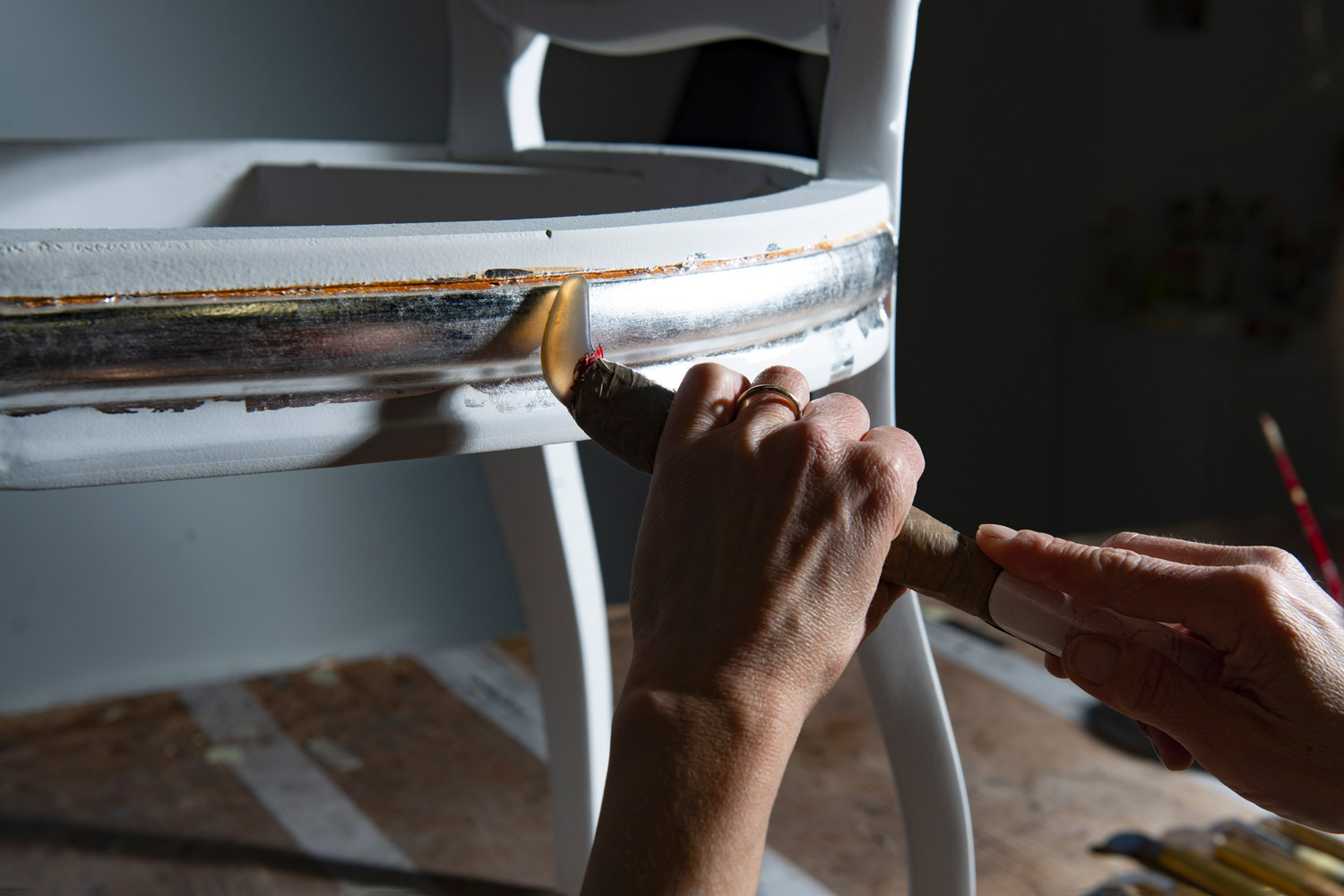
The Japanese tradition places strong value on making your own tools. Blades often arrive unsharpened and handleless, so each maker can tune them to their own hands and method. Making them ties you more closely to the process, weaving the maker, the tool, and the material into a tightly bound trinity.
Frederick Dodson
Tatara Workshop
Furniture maker
Bristol, United Kingdom
ADDRESS
Address upon request, Bristol, United Kingdom
AVAILABILITY
By appointment only
LANGUAGES
English
Homo Faber Finds is a new service aiming to inspire admirers of craft to connect and collaborate with exceptional artisans.
We invite you to submit an enquiry here.