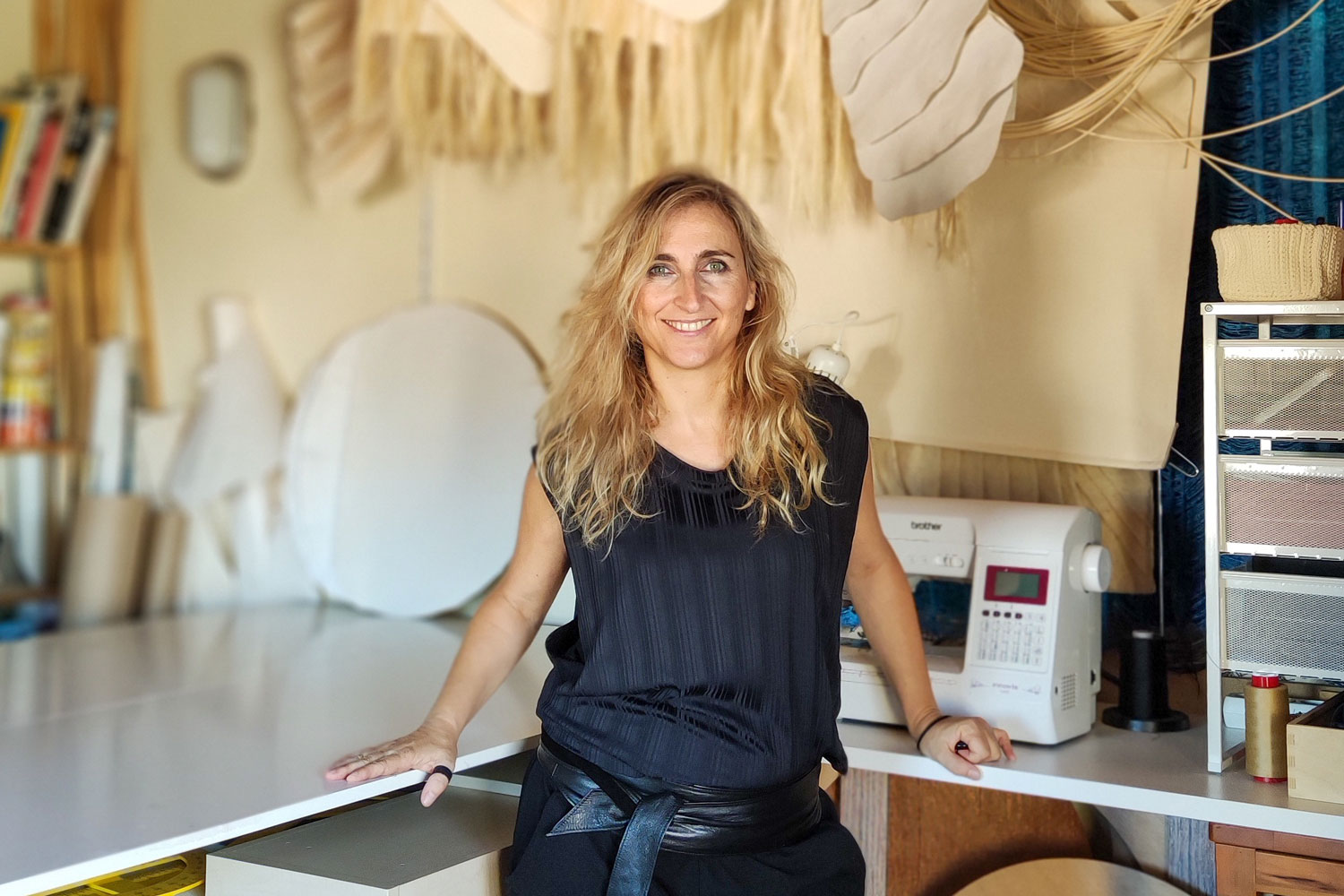

Marie Katharina Fischer
Textile creator
Waddeweitz, Germany
For the love of time and nature
- Marie Katharina embraces traditional textile dyeing techniques
- Rural life influences the colours, shapes, textures, and themes in her work
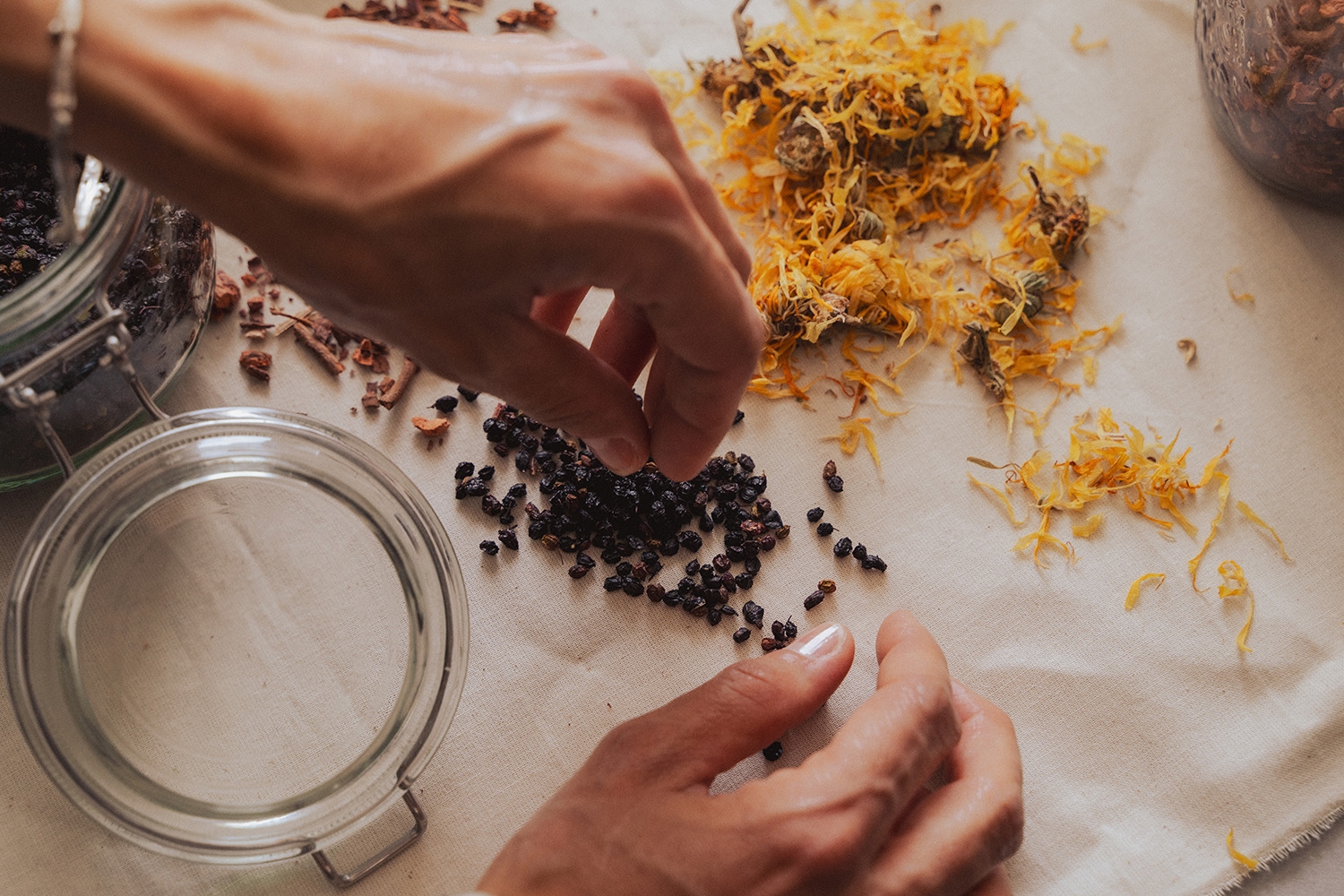
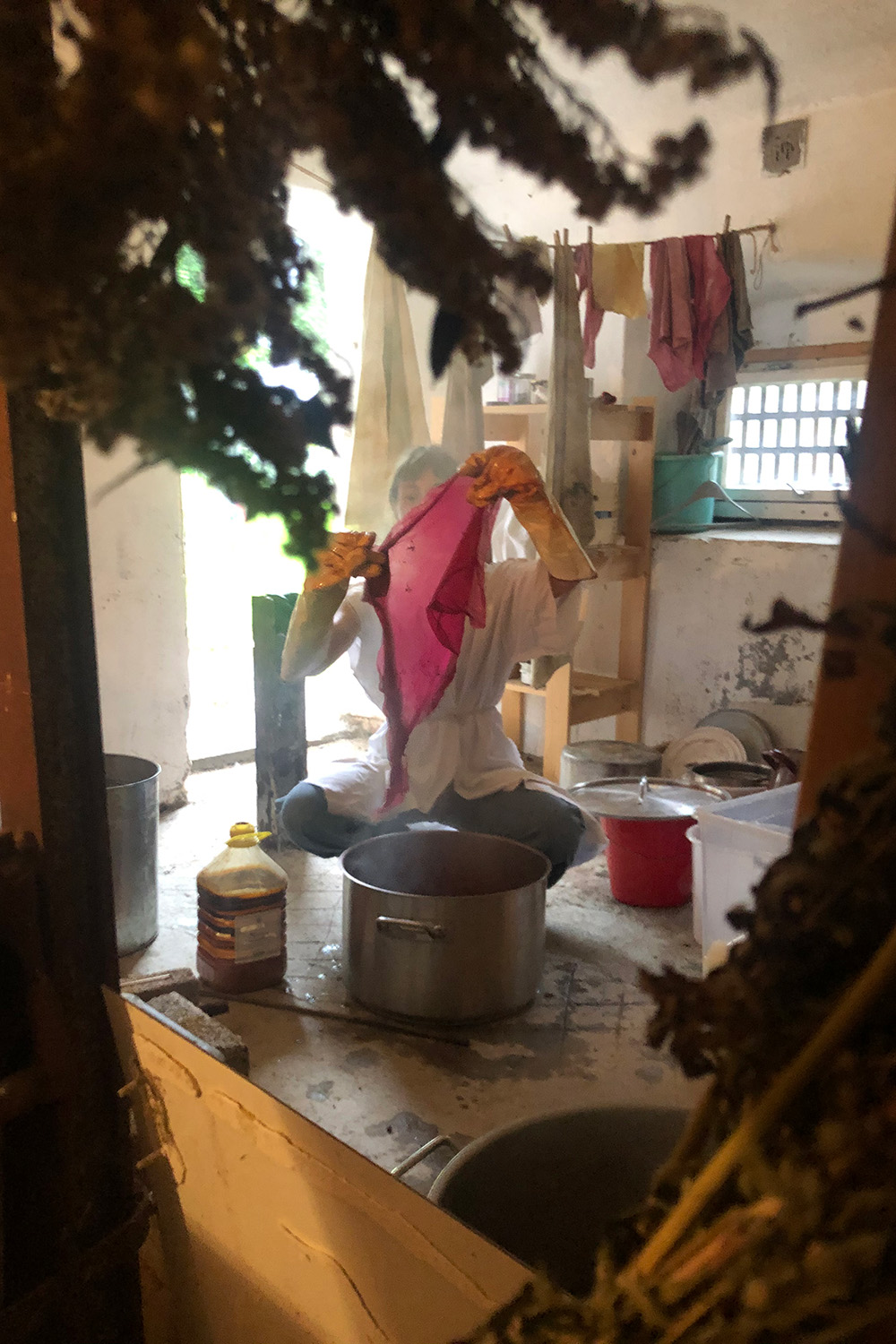
- She dyes all her fabrics with vegetable dyes
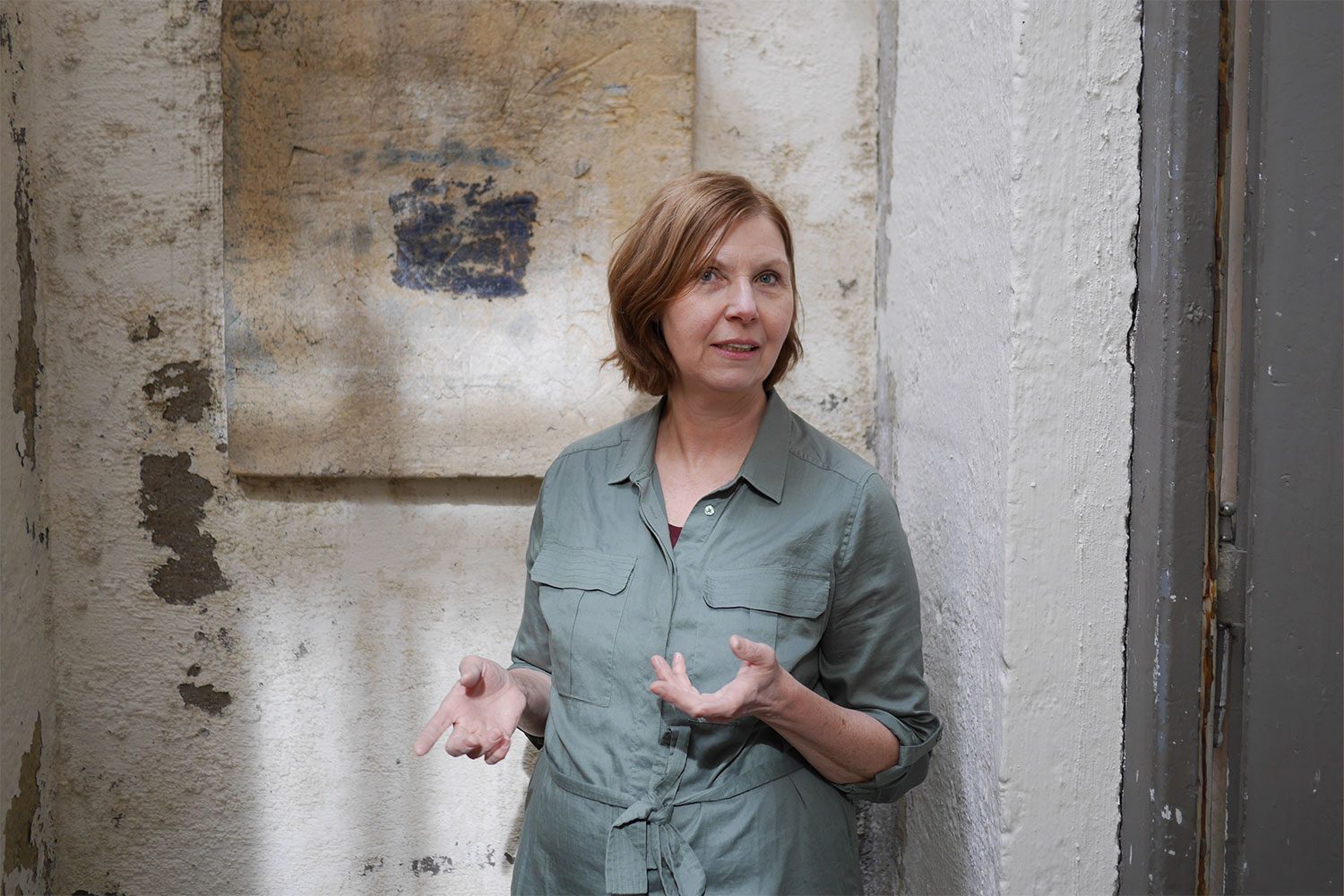
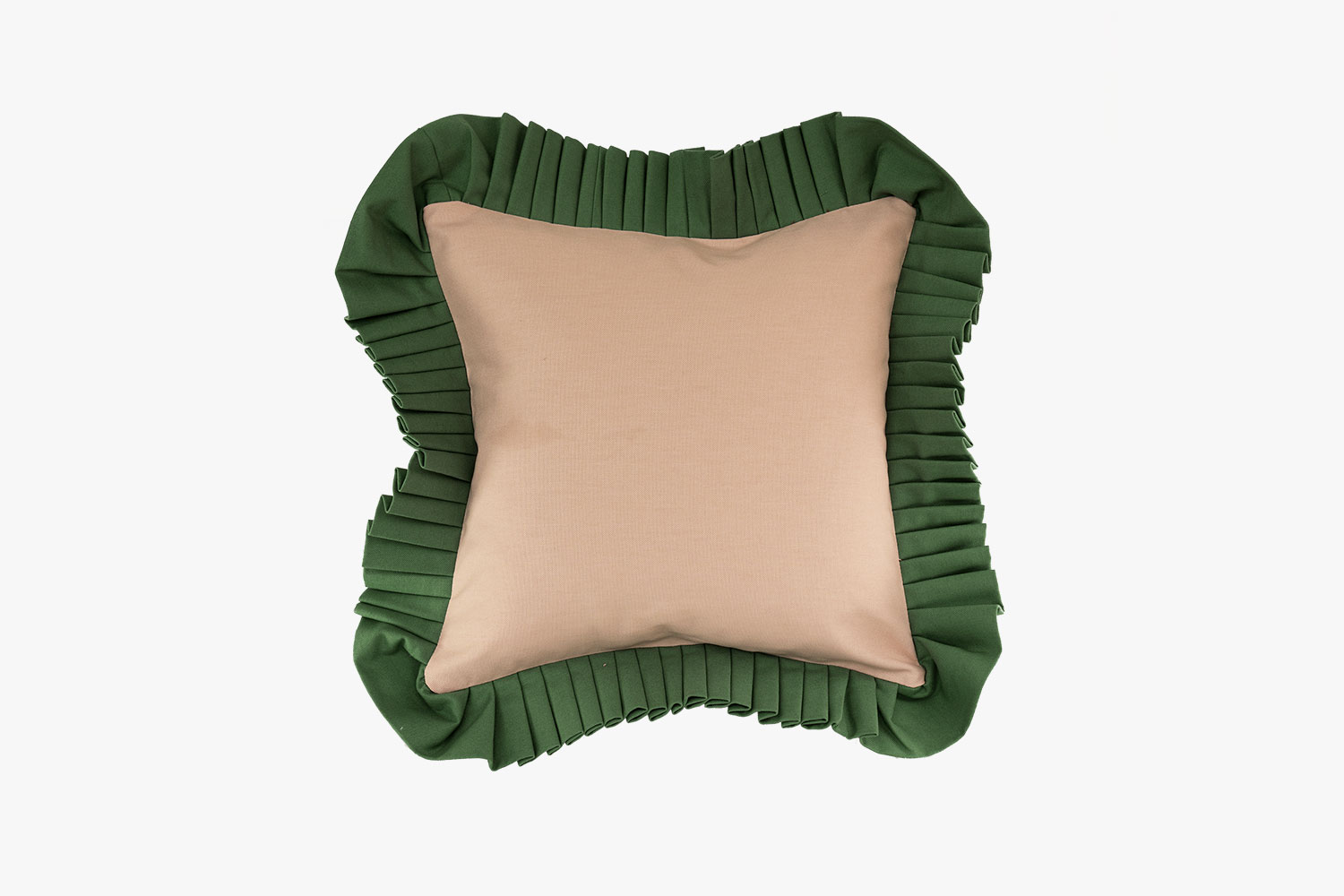
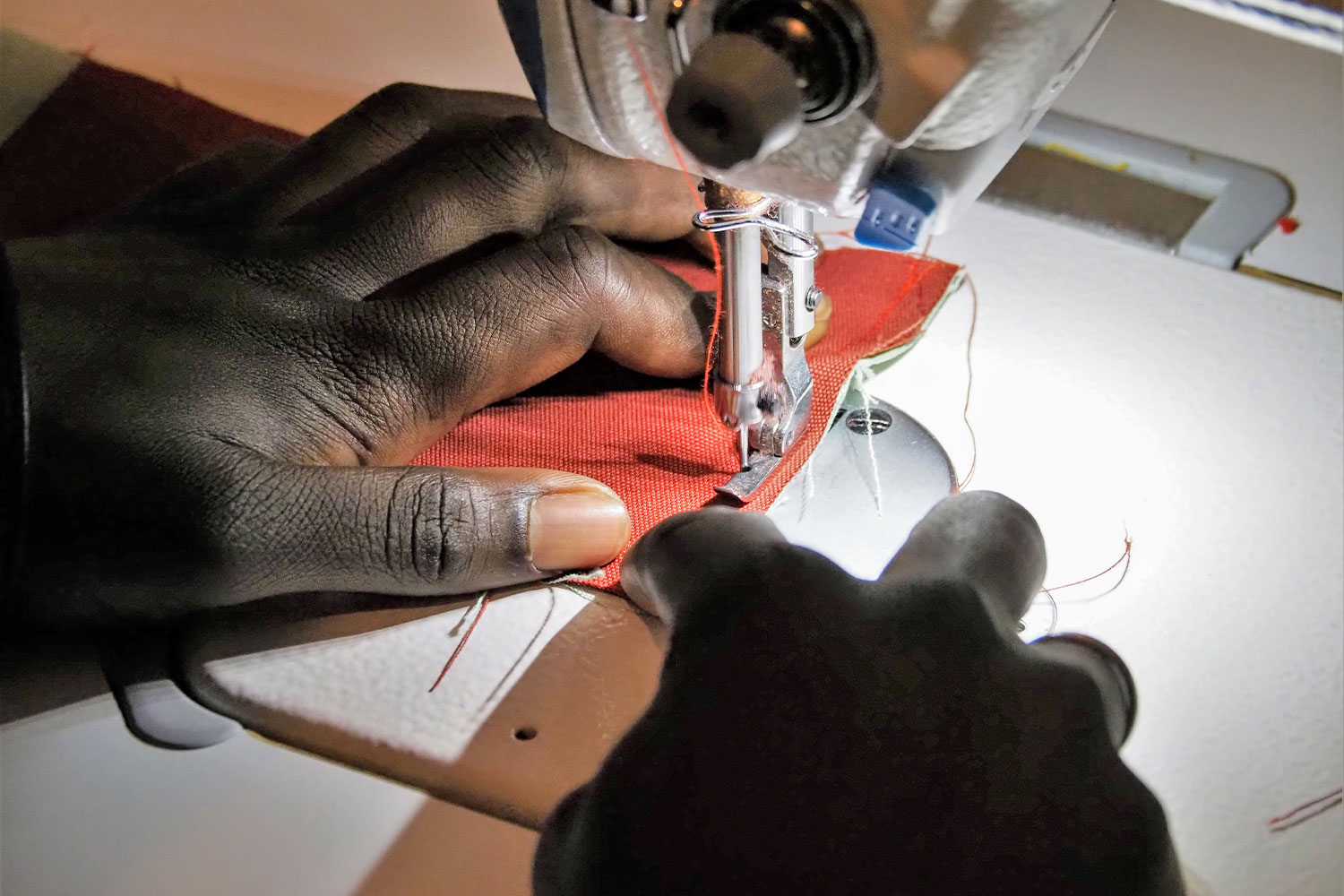
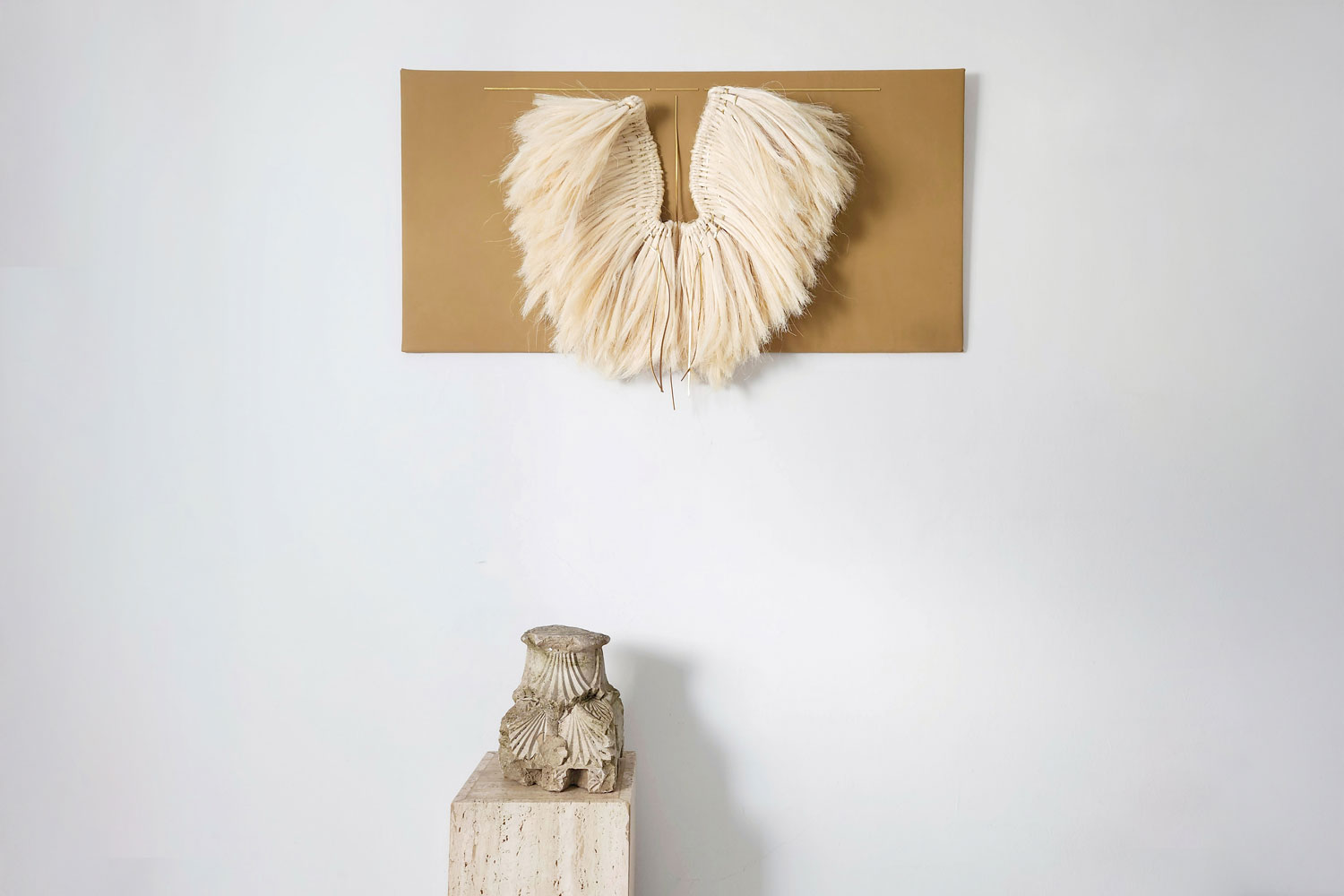
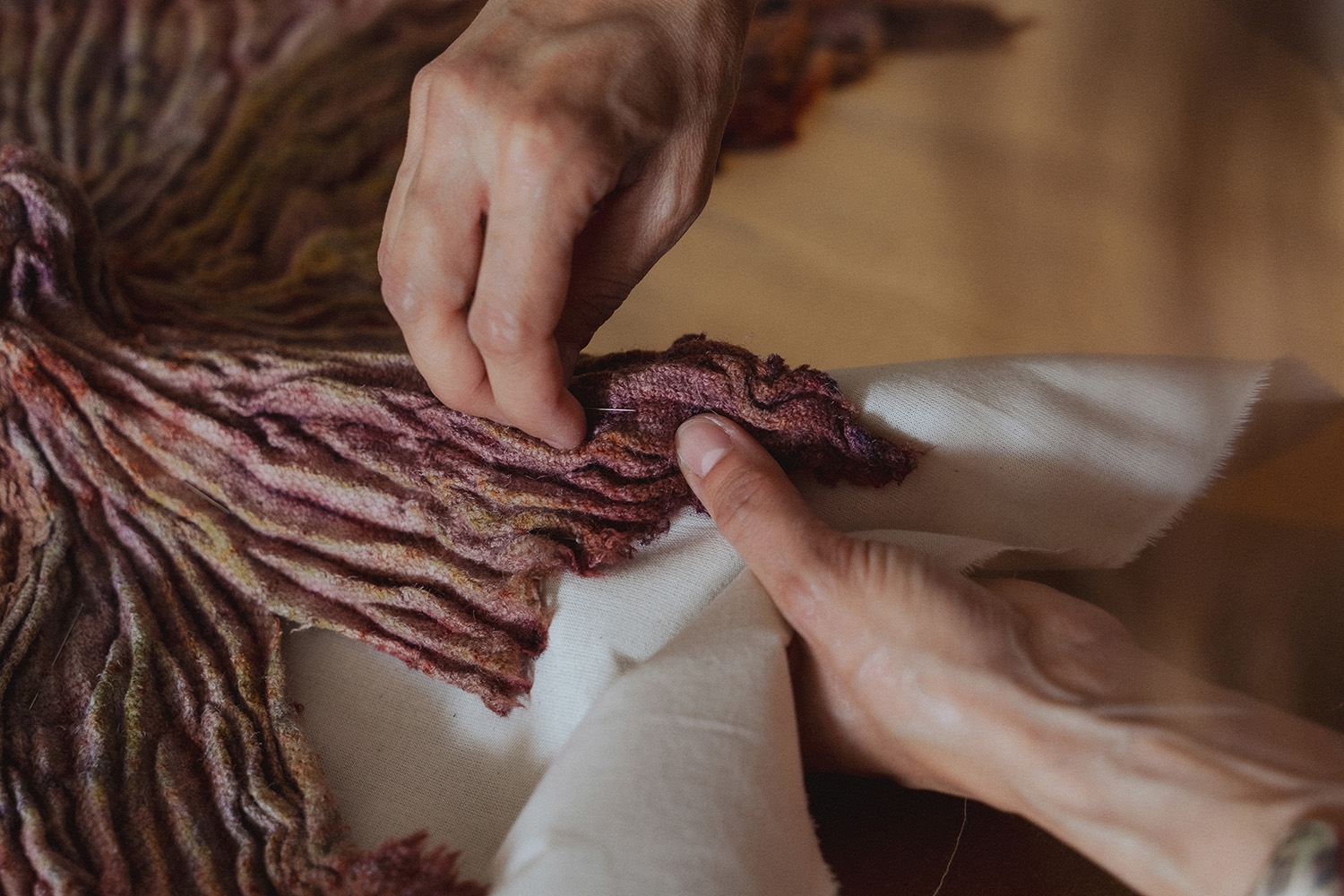
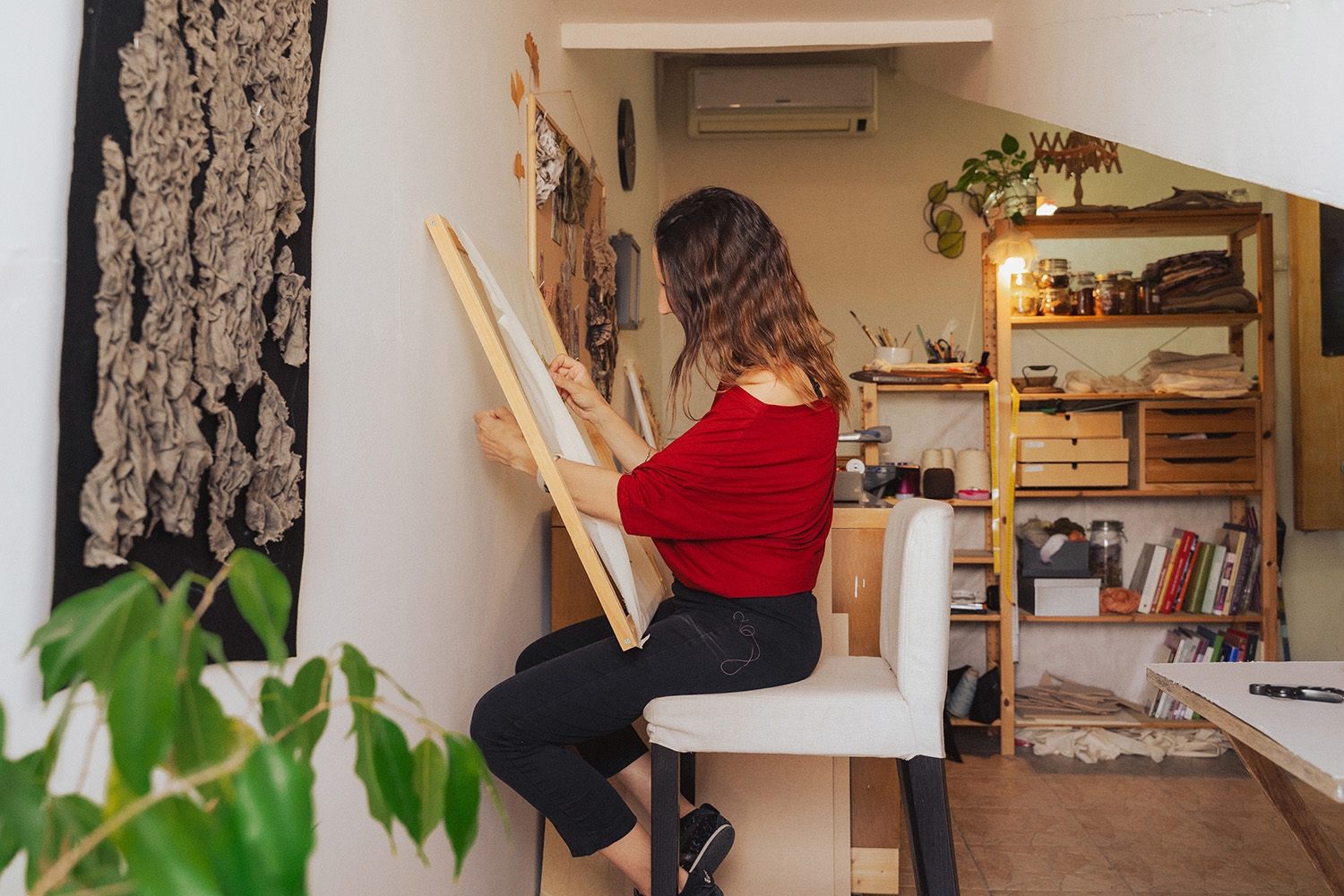
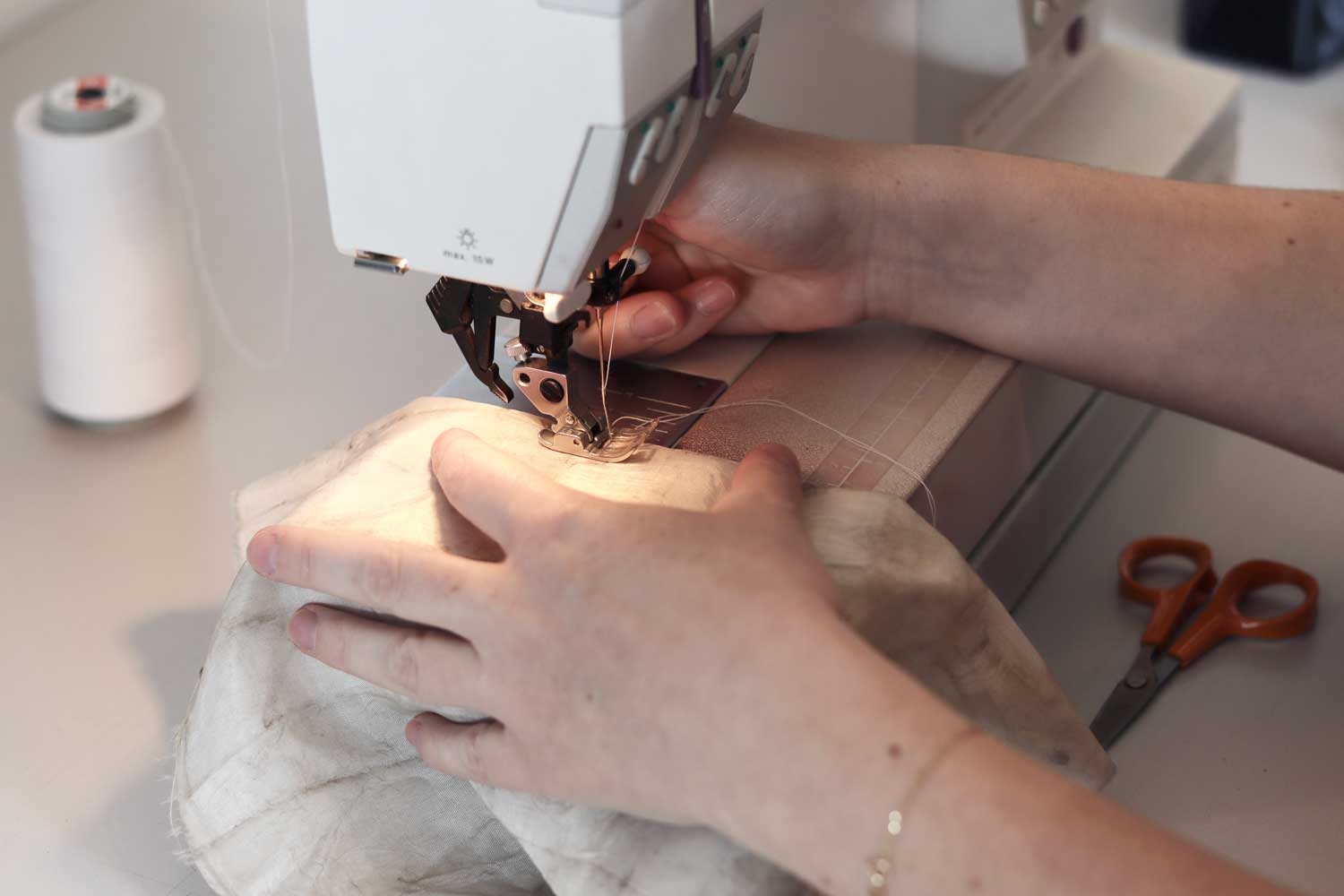
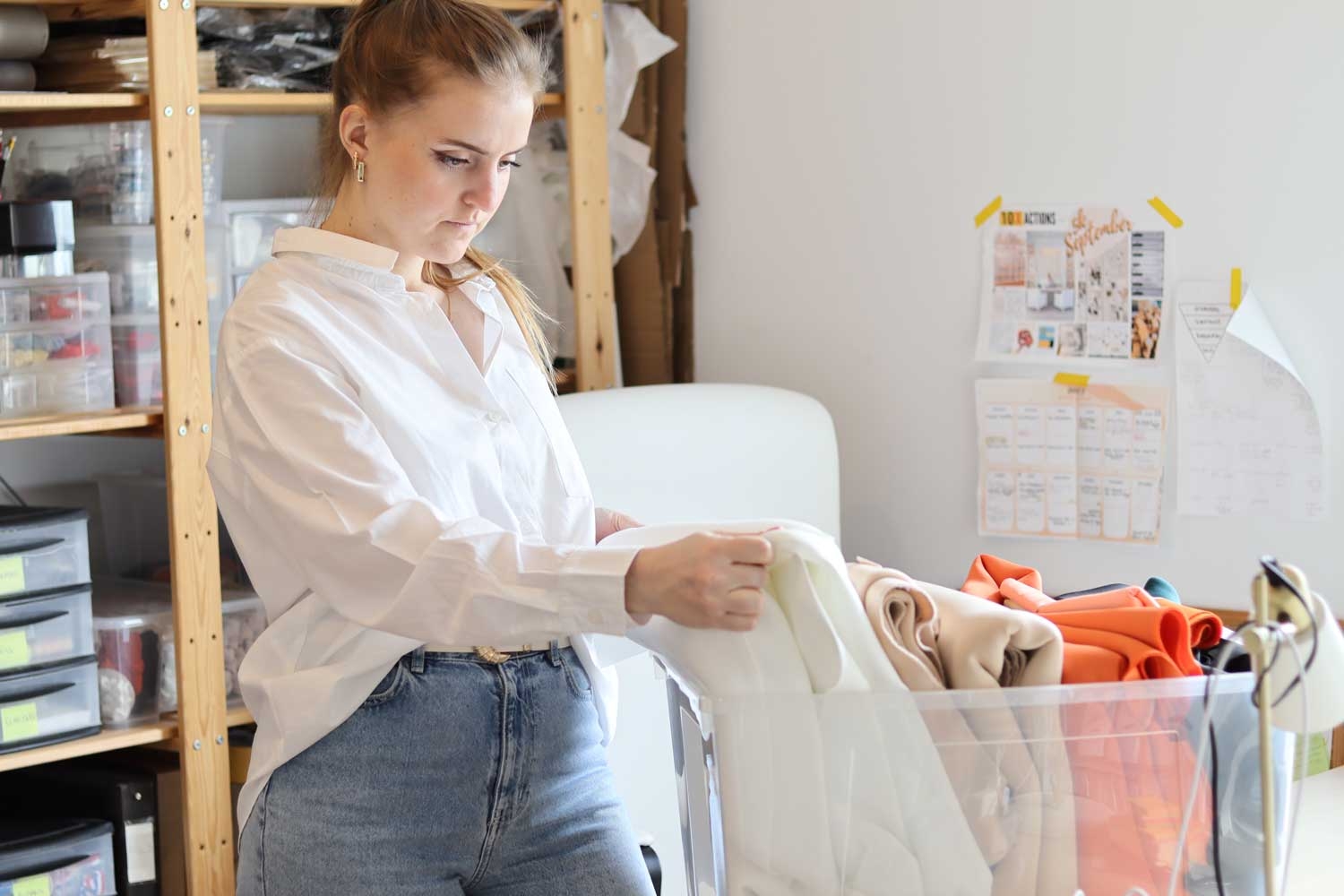
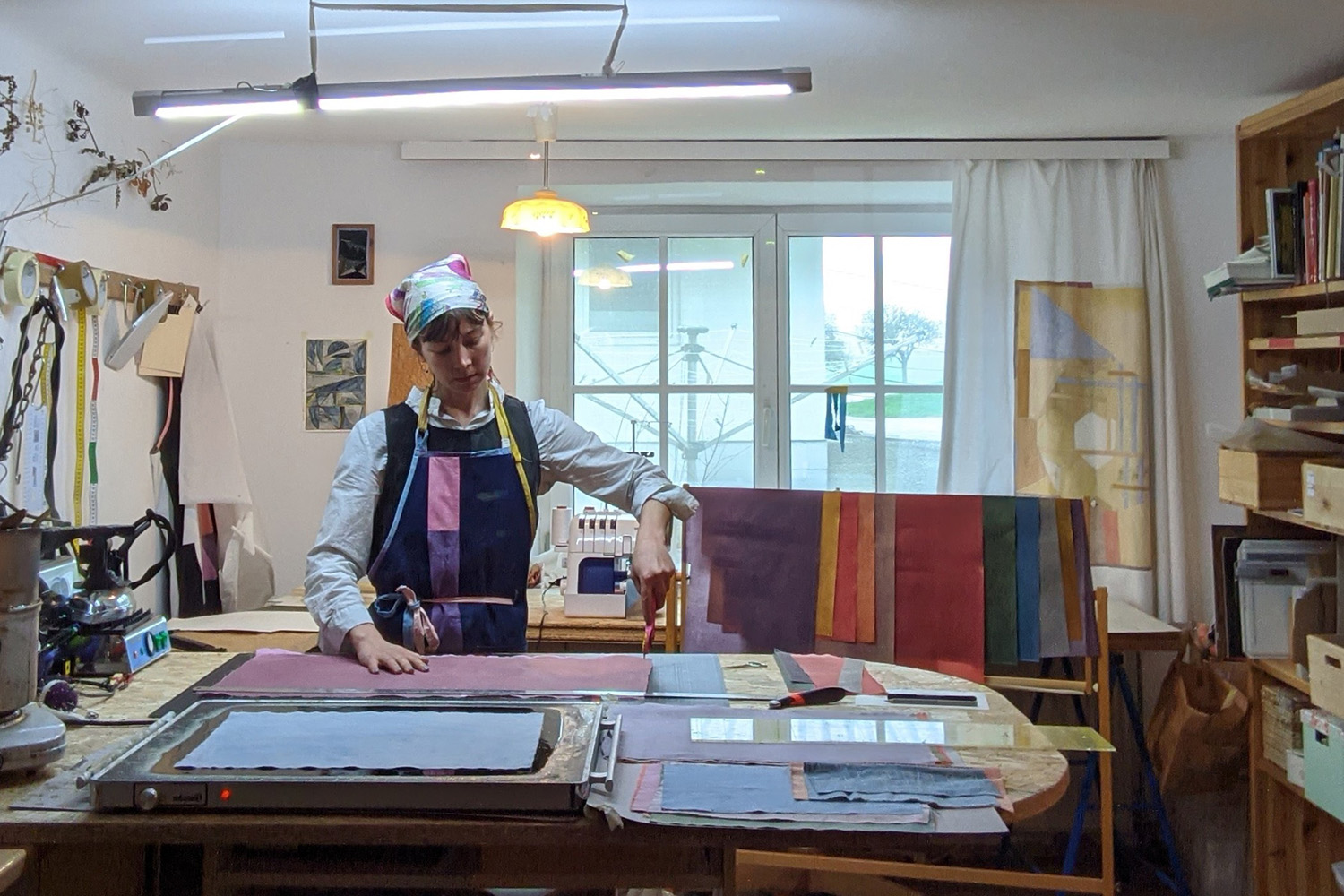
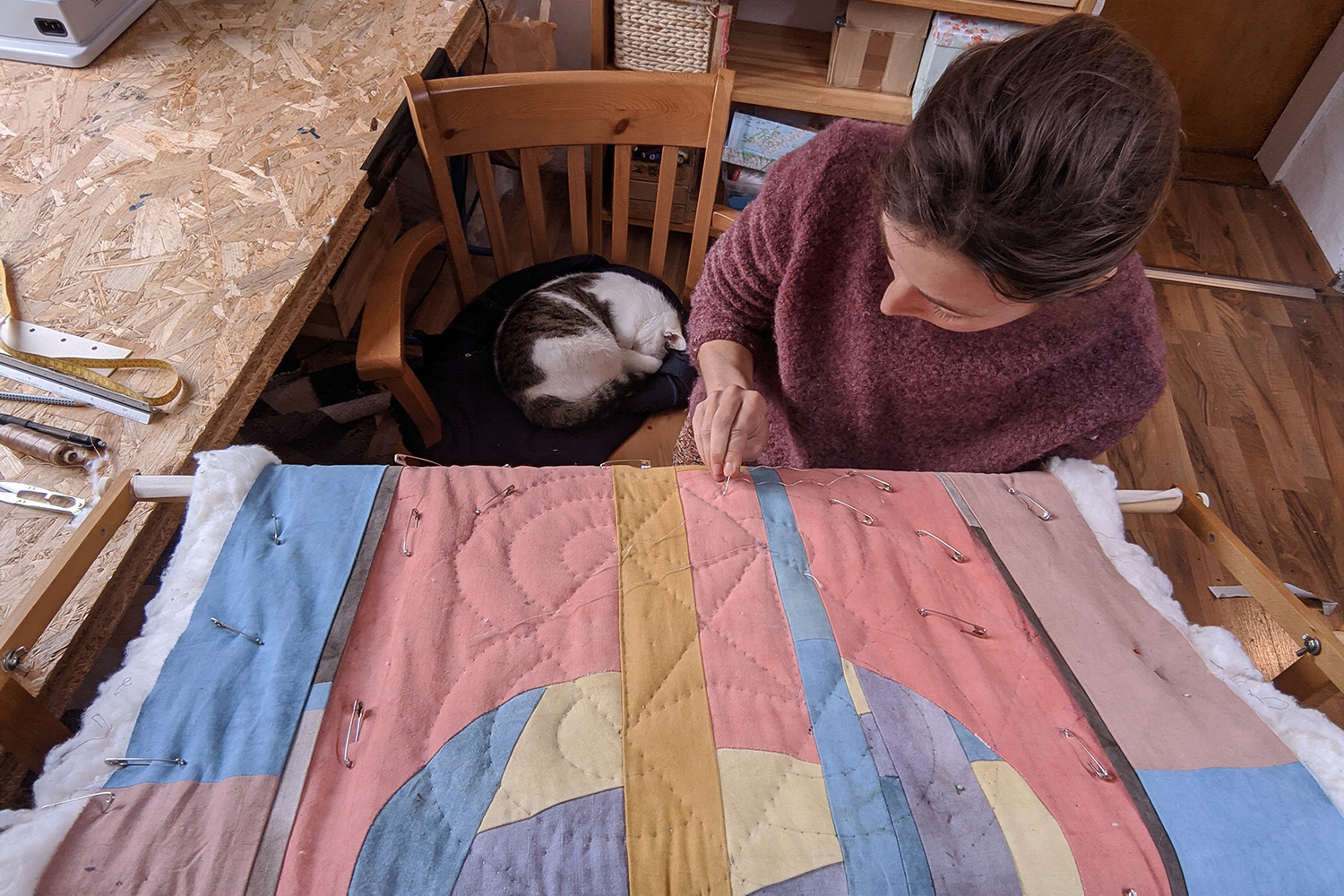
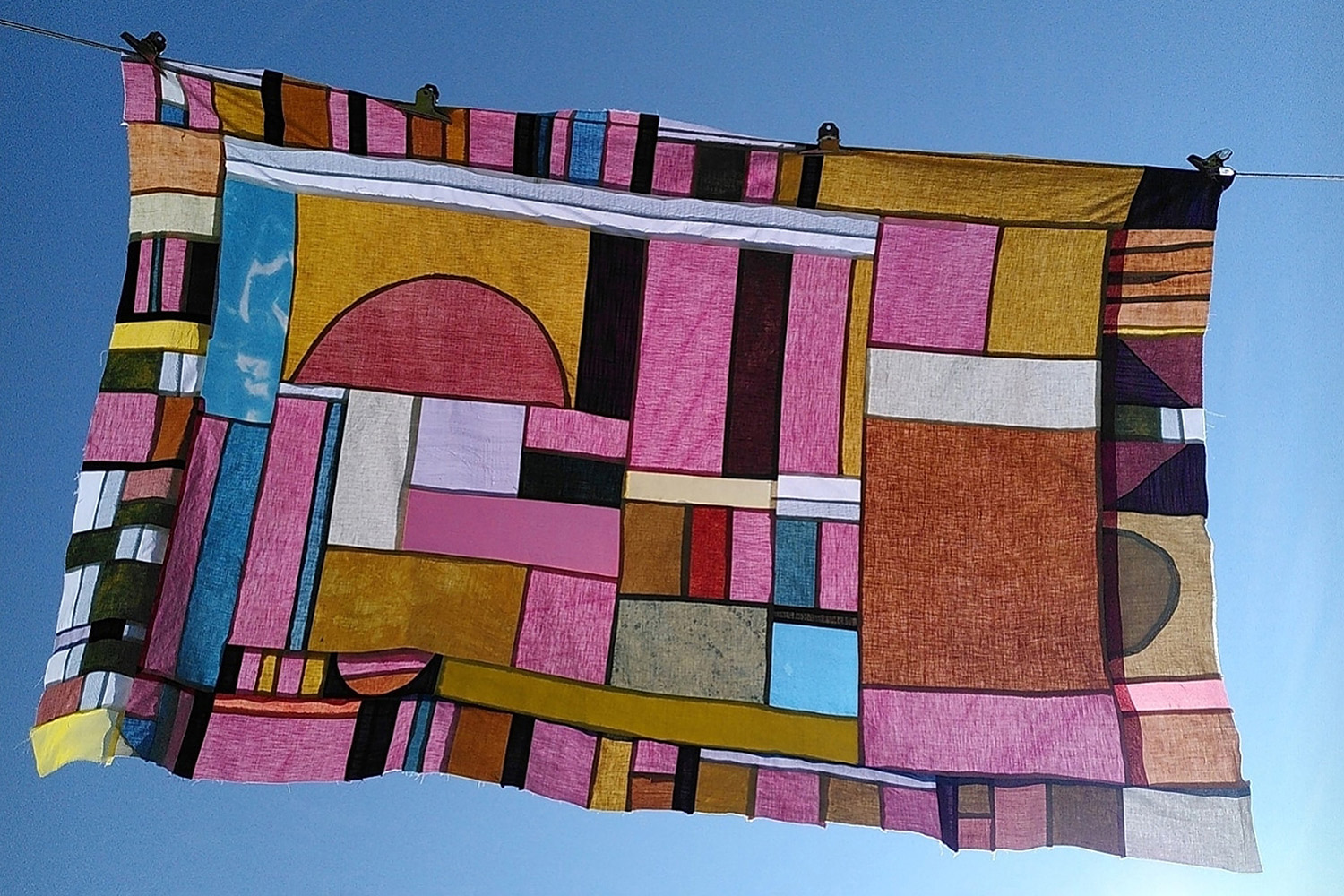
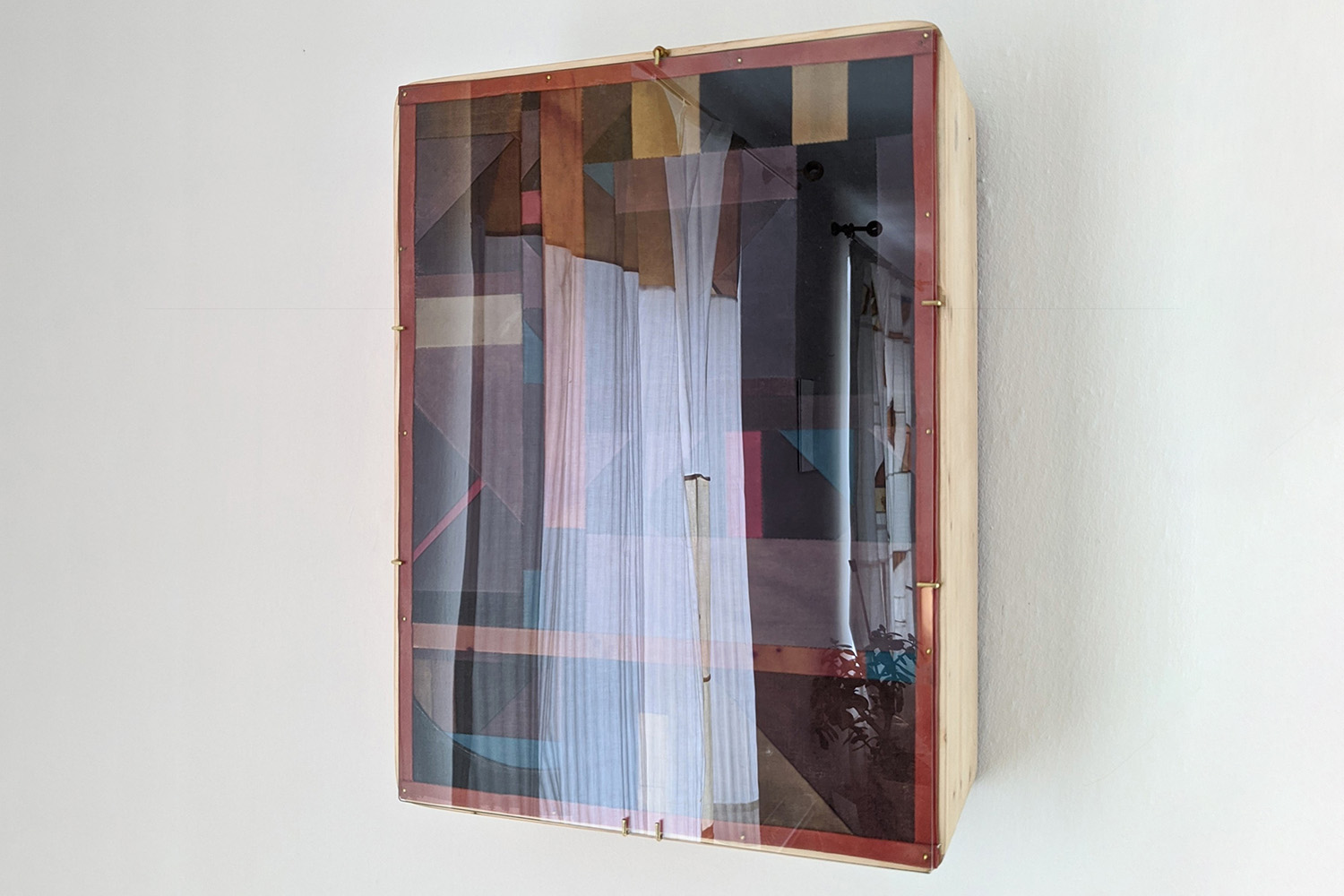
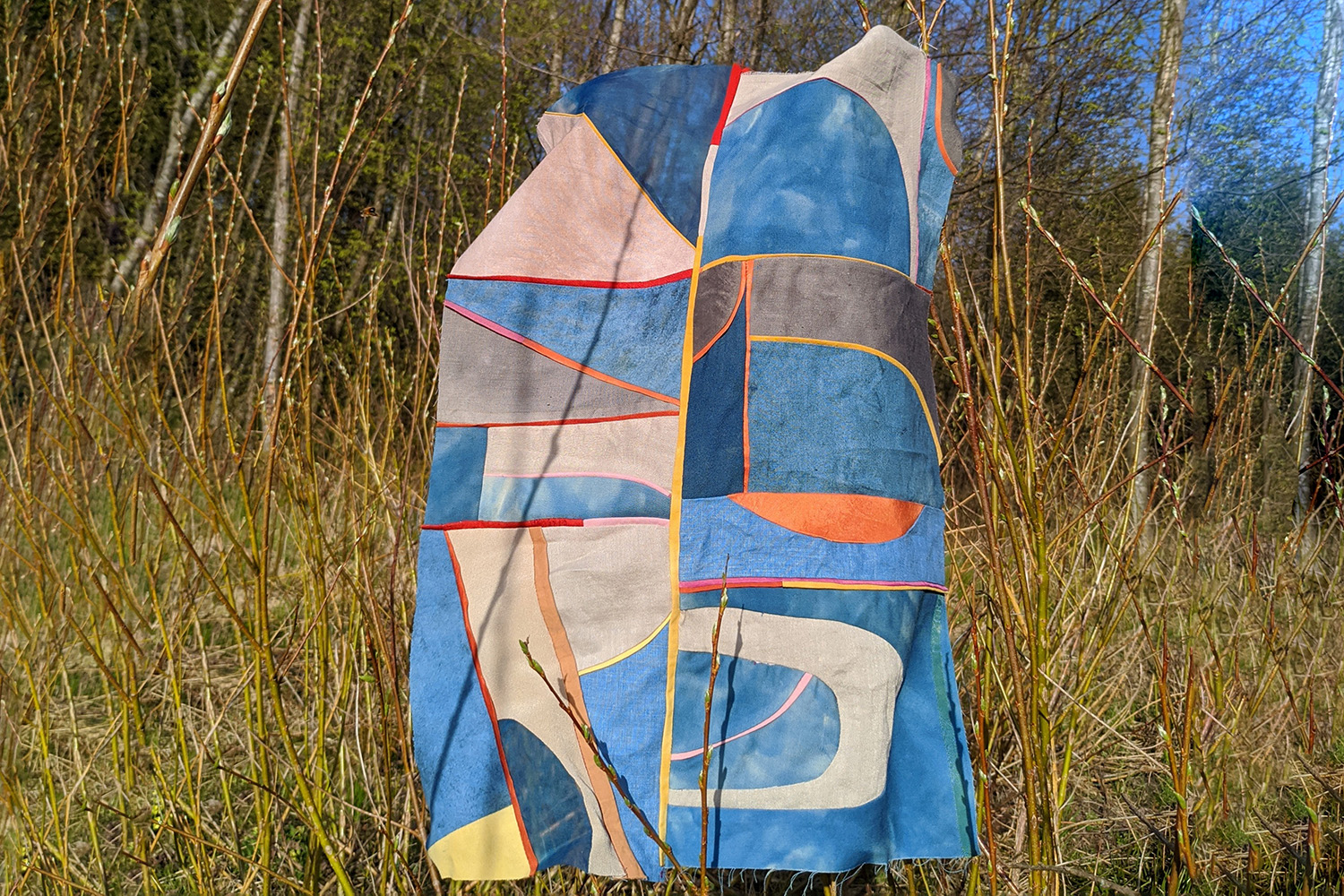
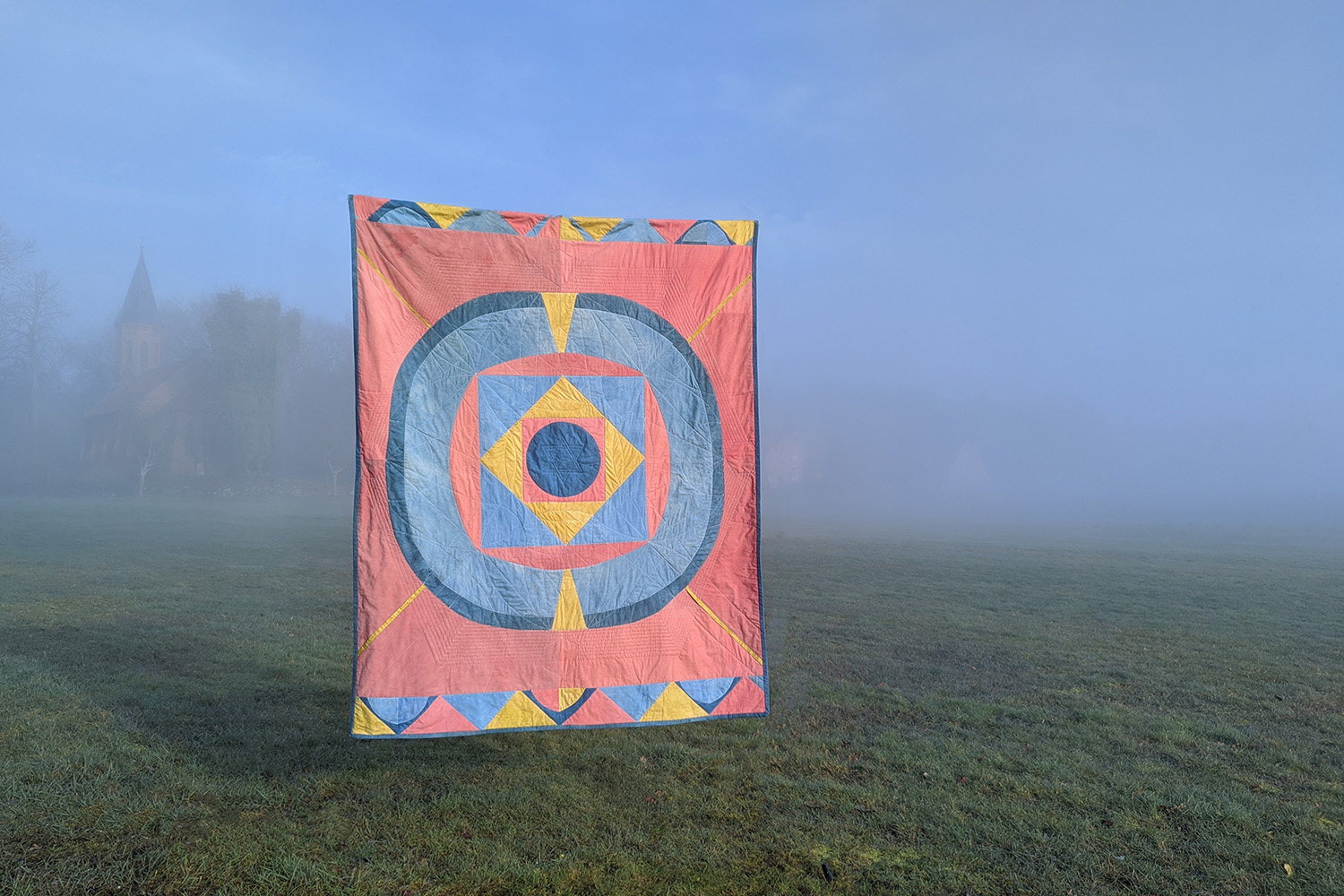
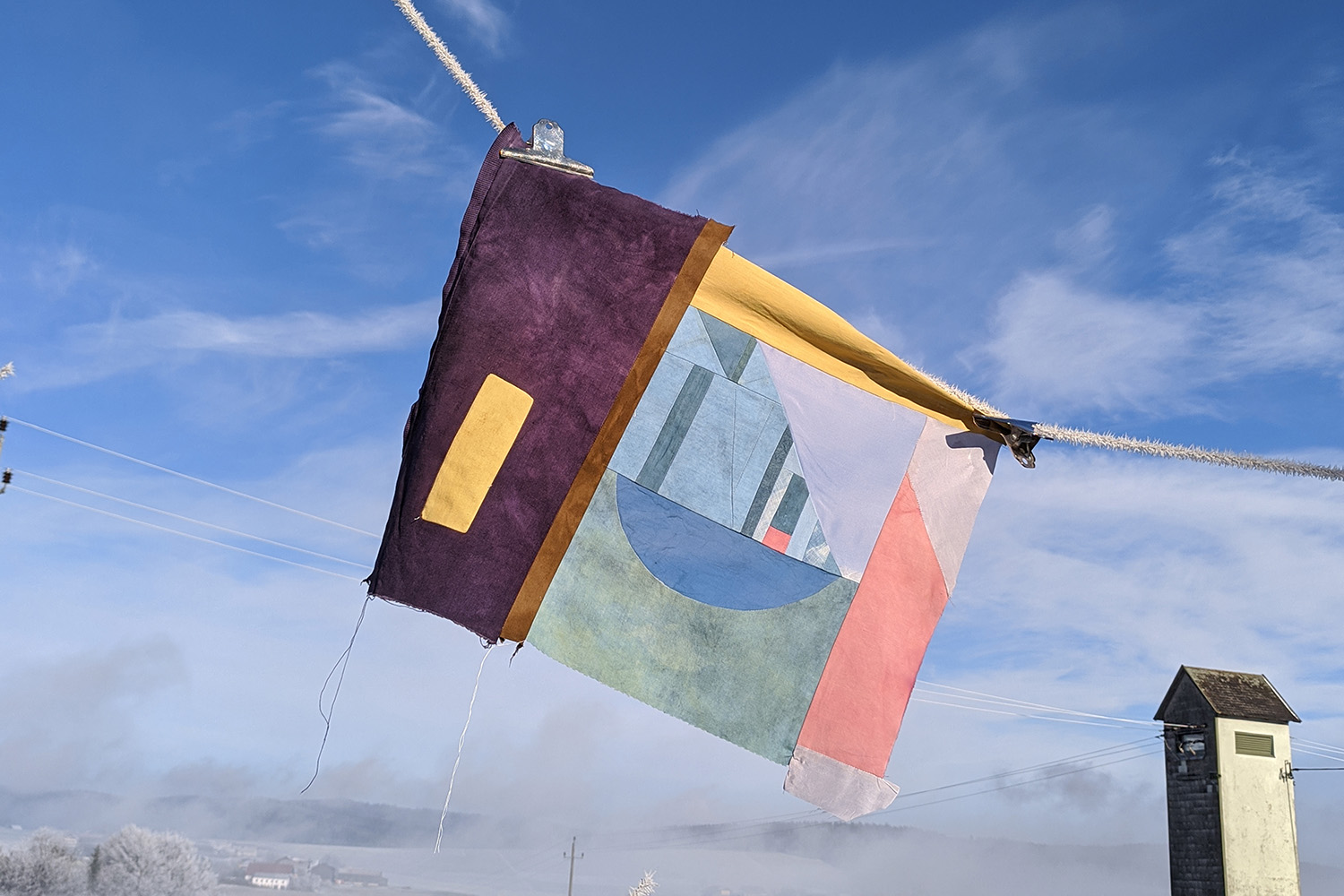
Marie Katharina Fischer's Walddorf School education helped her discover some of her greatest passions early in life, namely her interest in textiles and art. She purchased her first sewing machine at the age of 12, and began making costumes for theatre projects. Marie Katharina studied free art in Braunschweig and costume design at the university of arts in Berlin. After completing her bachelor's and master's degrees, she worked in film and television production and at various theaters as a costume designer. With time, she developed a strong curiosity about what creations would emerge if she had more creative freedom. In a life-changing moment, Marie Katharina cancelled all her plans in the industry, moved to the countryside, and began working on her own designs, experimenting with new techniques. This resulted in her large-scale organic textile pictures made from vegetable-dyed fabrics with geometric shapes.
INTERVIEW
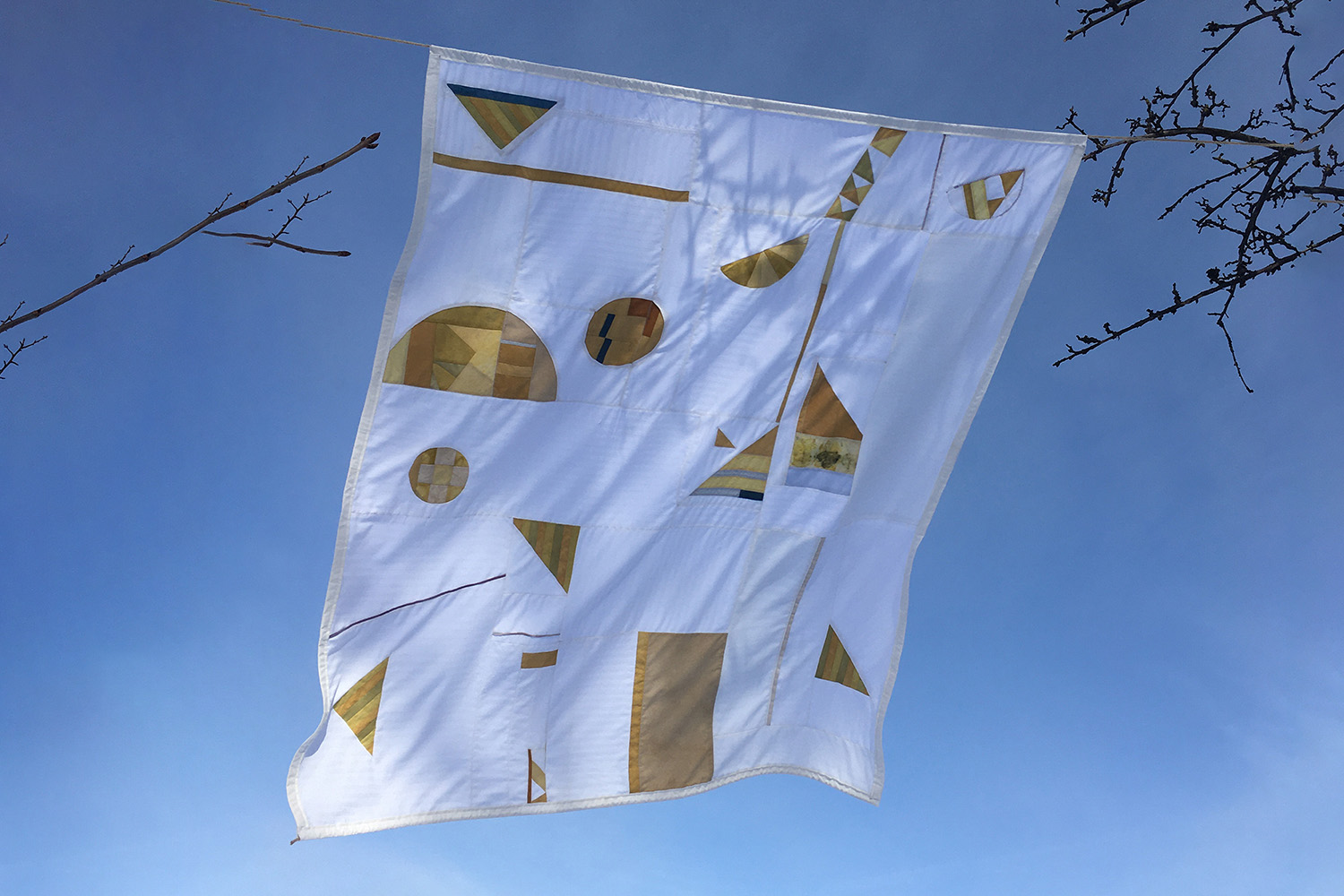
My experiments are much easier to conduct in the countryside because there is a lot more space available. Additionally, I find it easier to stay focused when I am surrounded by calm and few distractions. My preferred method of photographing my finished work is outdoors in natural light, within a natural landscape.
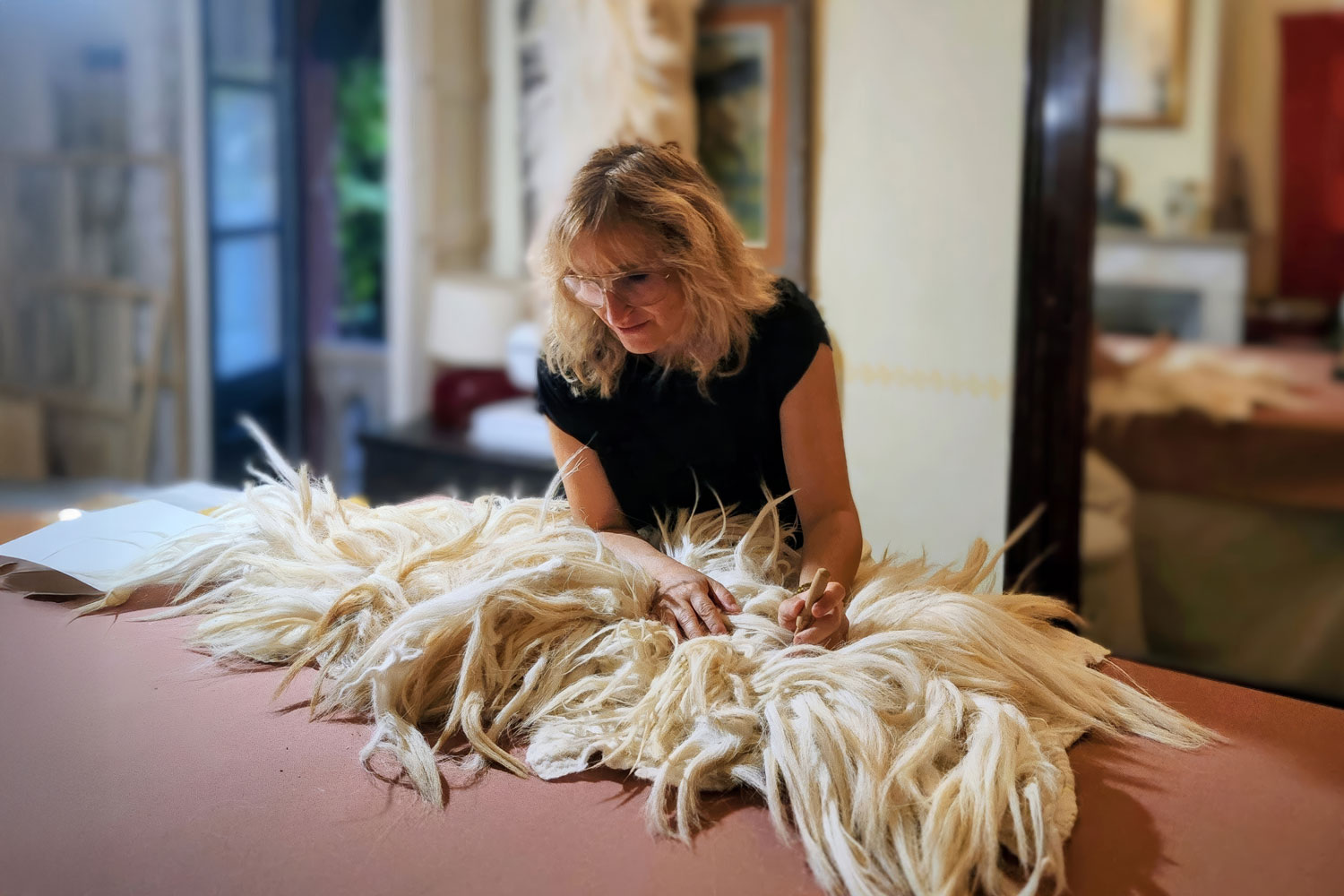
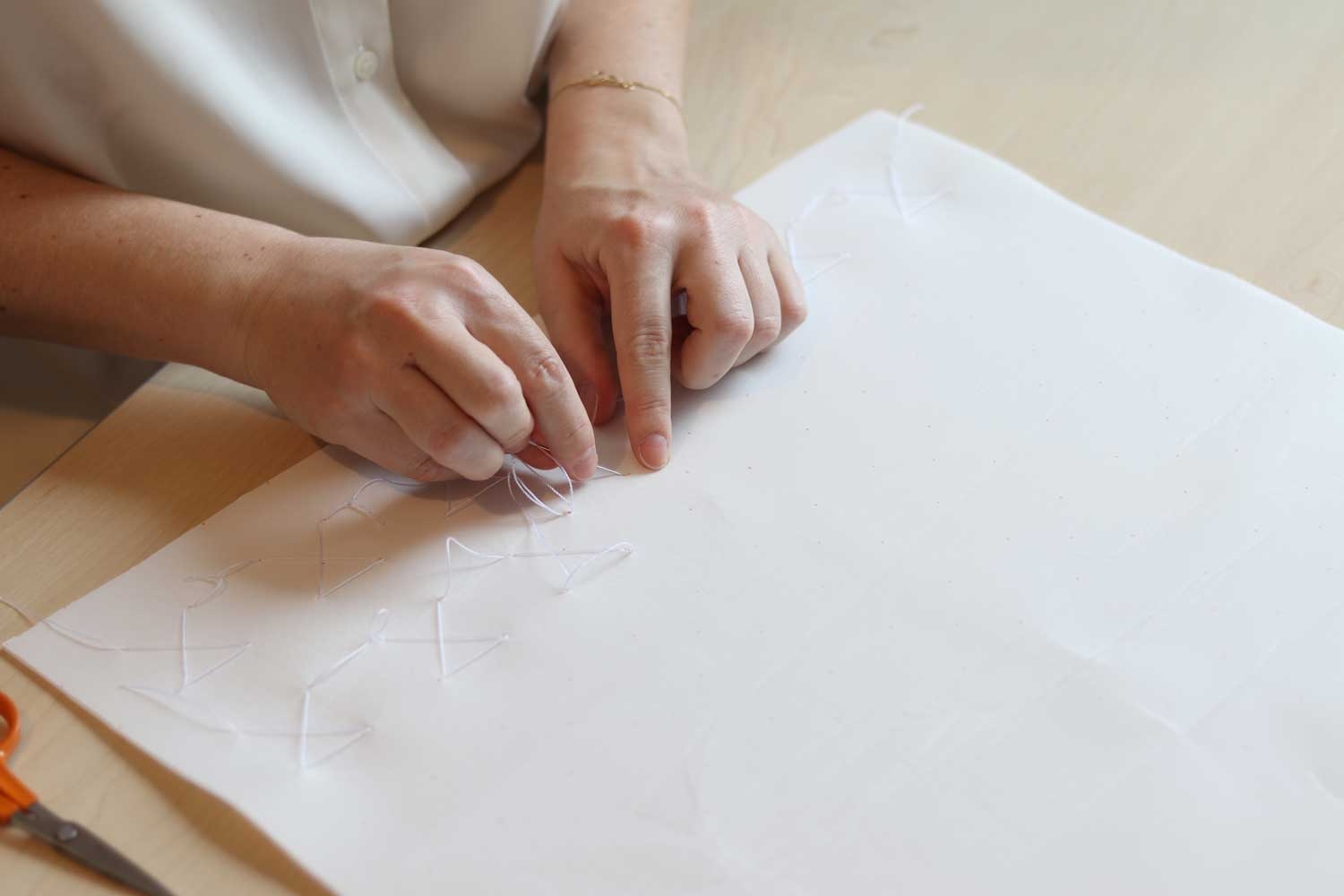
Aside from my expertise in vegetable dyes, I am very interested in traditional craftsmanship, such as quilting and embroidery. There are countless different techniques in these two areas alone. Though I am familiar with many, I am always learning new ones. The technique of white work, where textiles are processed in monochrome hues, for example, intrigues me at the moment.
Well made I associate with courage. Often, I work intuitively on a piece. There are times when a piece of work has required a lot of time and yet it feels incomplete and I believe that there is still more to be gained from it. In many cases, the magic happens when I am courageous enough to take the piece apart again, or even cut it up or try a whole new technique.
The time it takes to complete a project is often underestimated by people. This goes beyond the mere manual labour. Bathing and stirring, as well as resting and drying phases influence the dyeing process a great deal. As a general rule of thumb, I have found that the longer the better. I therefore view time as a very valuable resource.
Marie Katharina Fischer
Textile creator
Waddeweitz, Germany
ADDRESS
Address upon request, Waddeweitz, Germany
AVAILABILITY
By appointment only
LANGUAGES
German, French, English
Homo Faber Finds is a new service aiming to inspire admirers of craft to connect and collaborate with exceptional artisans.
We invite you to submit an enquiry here.